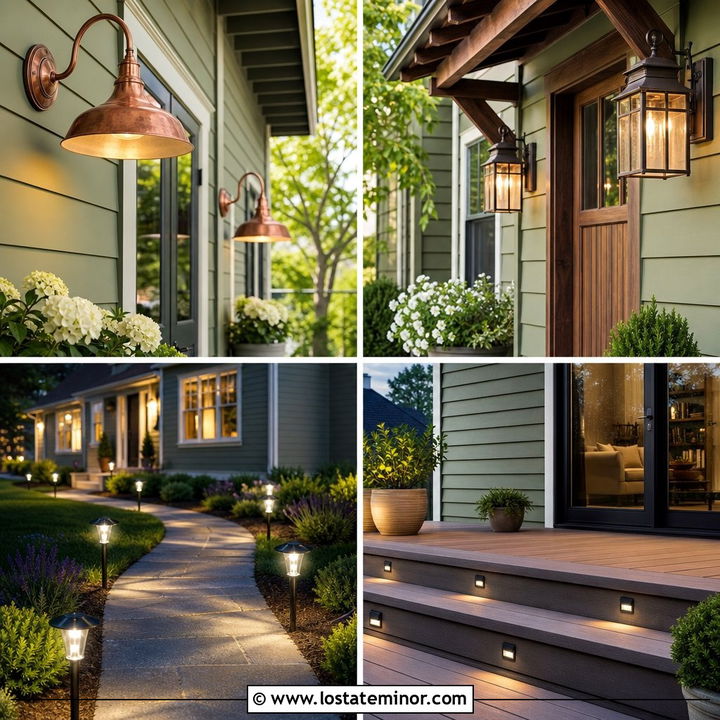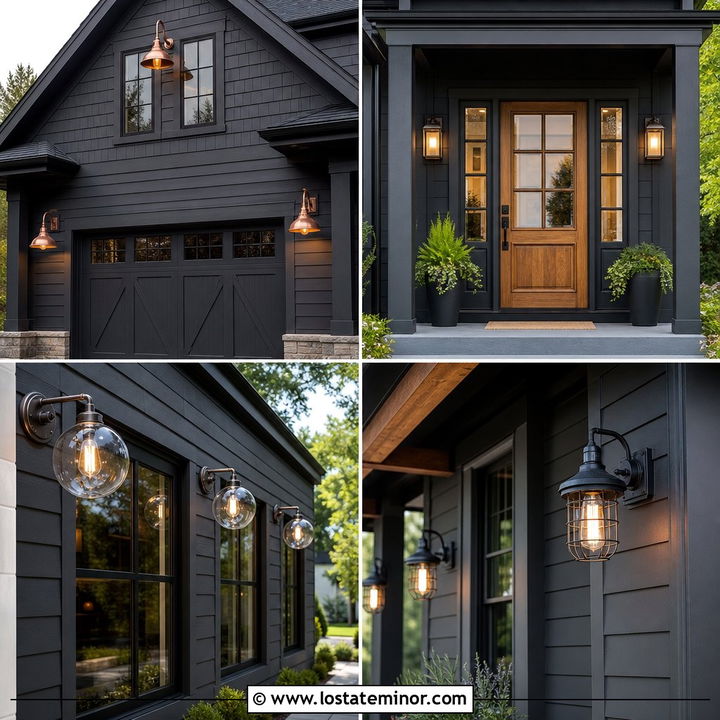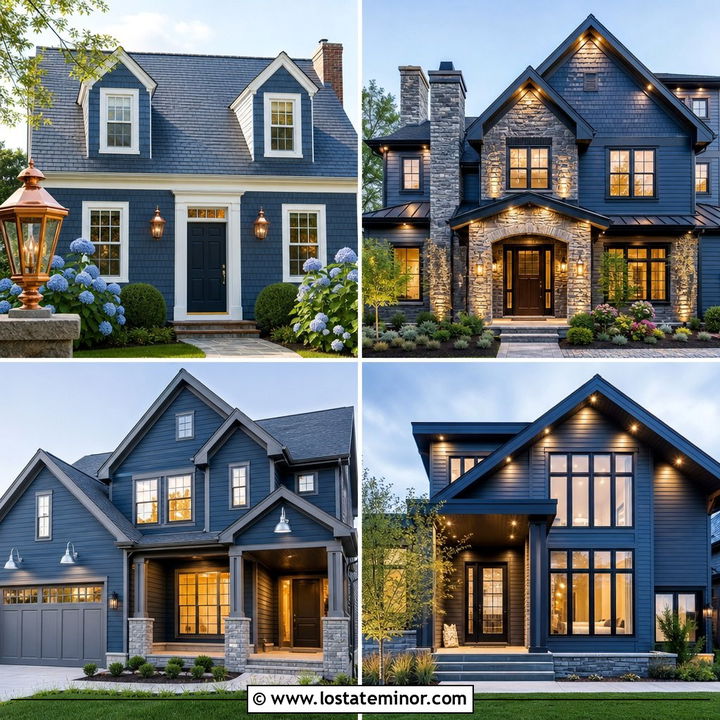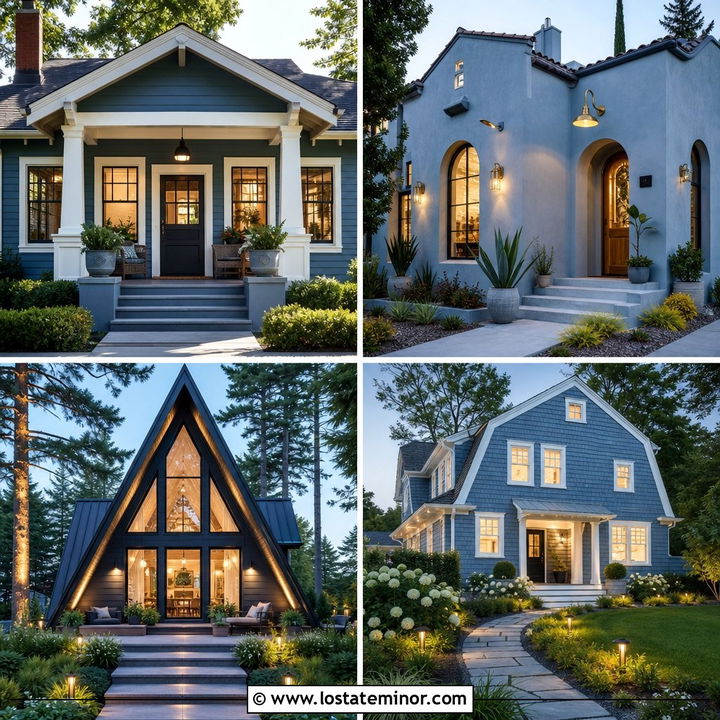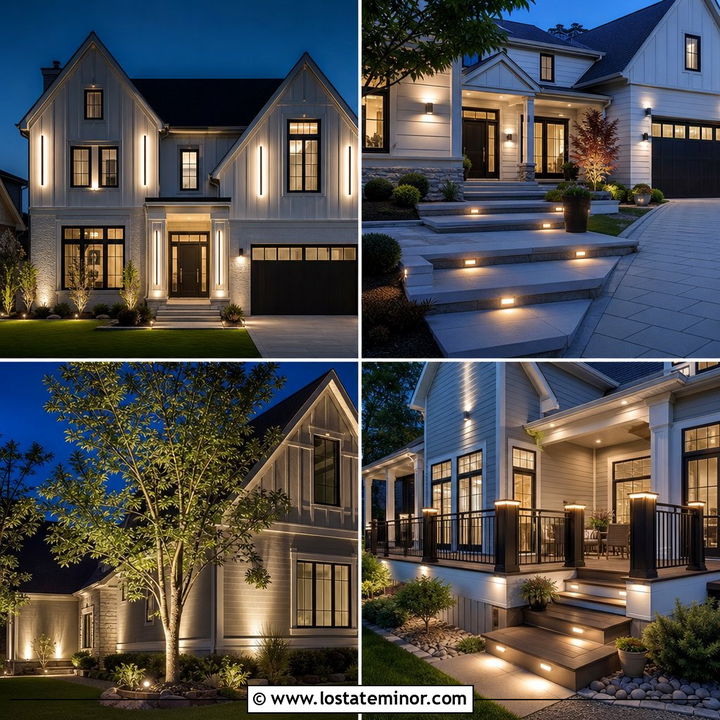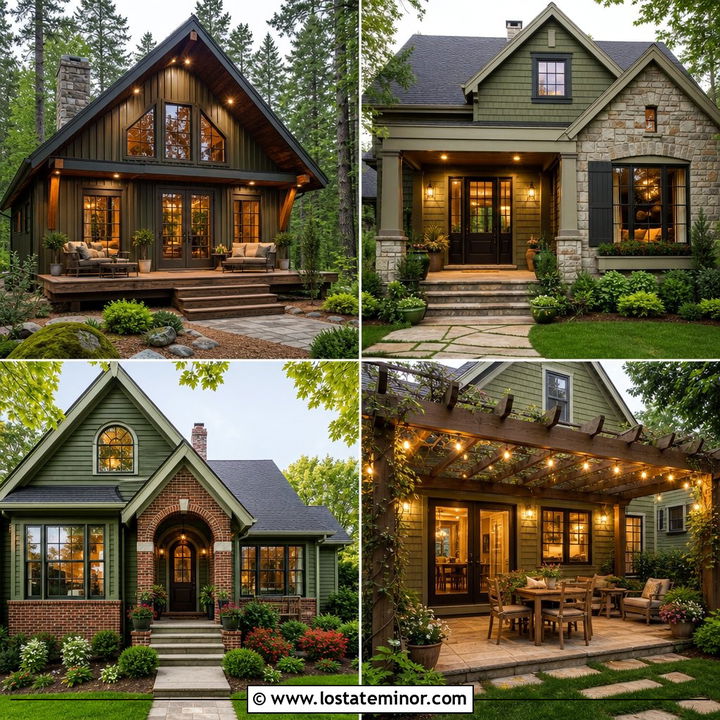
A white exterior can look crisp, welcoming, and beautifully detailed when the lighting supports the architecture. **30 White House Design With Lighting Ideas** explores complete curb-appeal schemes rather than isolated fixtures. Each look coordinates the white siding or masonry with trim, roofing, doors, natural materials, and exterior lights. Thoughtful layering also helps the entrance, driveway, walkways, and landscaping feel connected instead of relying on one overly bright fixture. Current exterior guidance favors consistent color temperature, balanced placement, and lighting chosen for both appearance and practical visibility. () From traditional lanterns on a Colonial to streamlined sconces on a modern home, these combinations offer inspiration for many budgets and architectural types. Here are **30 White House Design With Lighting Ideas** for creating a polished exterior.
1. White Farmhouse With Black Lantern Lighting
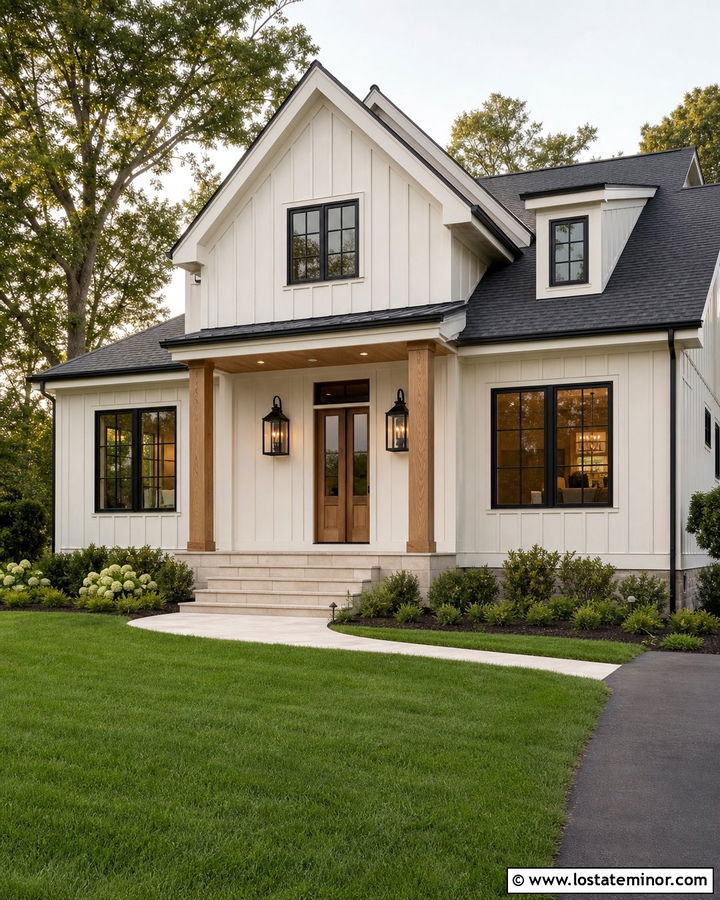
A white modern farmhouse becomes more distinctive when bold black lanterns frame the front entrance. Choose a softly warmed white for the board-and-batten siding, then repeat matte black on the windows, gutters, and metal roof accents. Oversized glass lanterns should be large enough to match the scale of the porch columns and tall front door. Add smaller coordinating sconces beside the garage to carry the theme across the facade. A natural oak door and timber porch ceiling prevent the black-and-white palette from looking too stark. Finish the property with pale stone steps, simple foundation shrubs, and low path lights. This complete scheme feels clean and modern while preserving the comfortable character associated with farmhouse architecture.
2. White Colonial With Brass Wall Lanterns
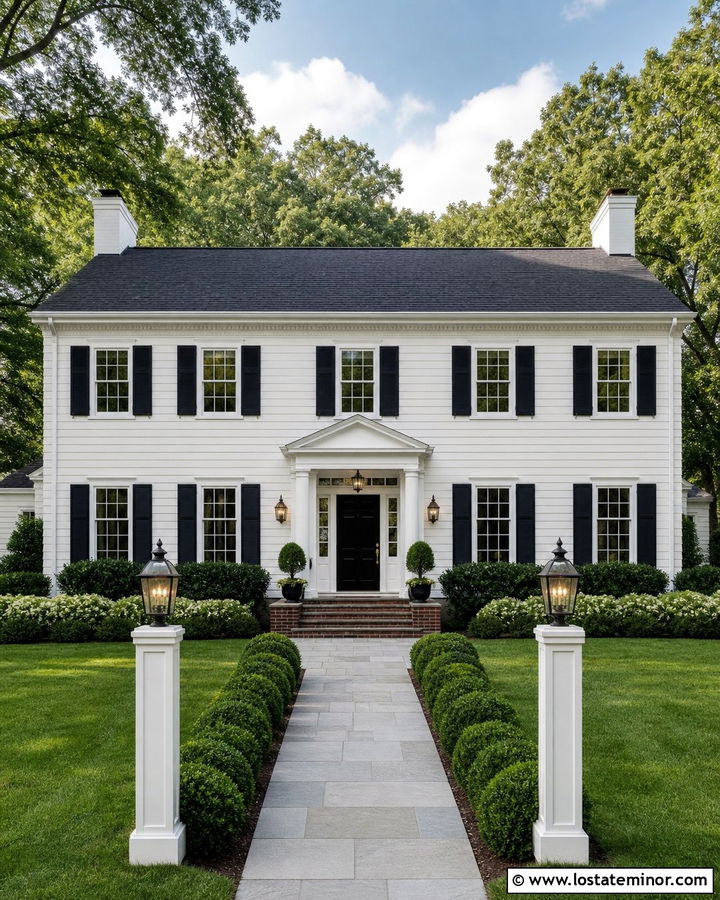
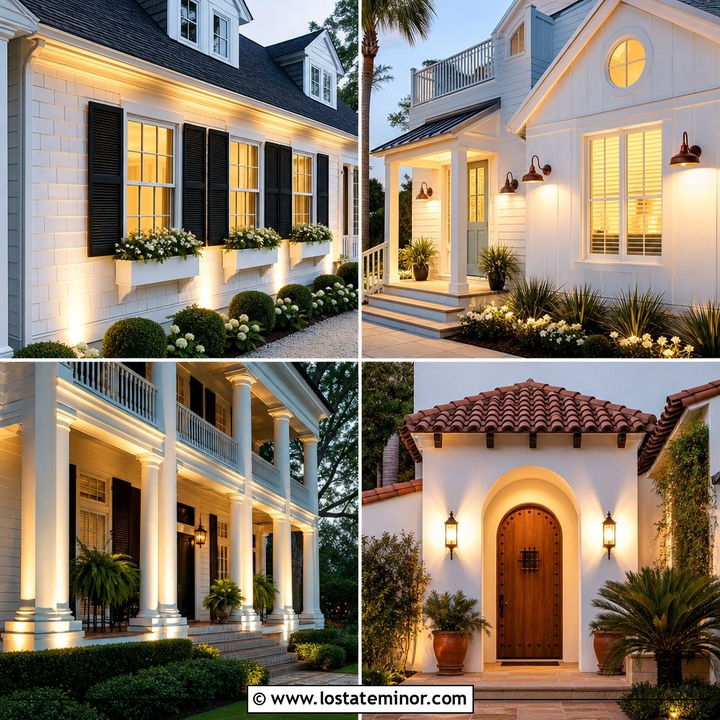
Could a traditional white Colonial feel warmer without losing its formal symmetry? A pair of aged-brass wall lanterns provides the right balance. Use creamy white clapboard siding, matching window trim, black shutters, and a glossy black front door. The brass introduces a softer finish that complements brick steps and classic door hardware. Position one appropriately scaled lantern on each side of the entrance, keeping both fixtures aligned with the upper portion of the door. Matching post lights can mark the start of a long walkway without competing with the facade. Boxwood hedges, symmetrical planters, and a dark architectural-shingle roof complete the orderly look. The result feels established, welcoming, and more layered than a basic white-and-black exterior.
3. White Ranch House With Modern Sconces
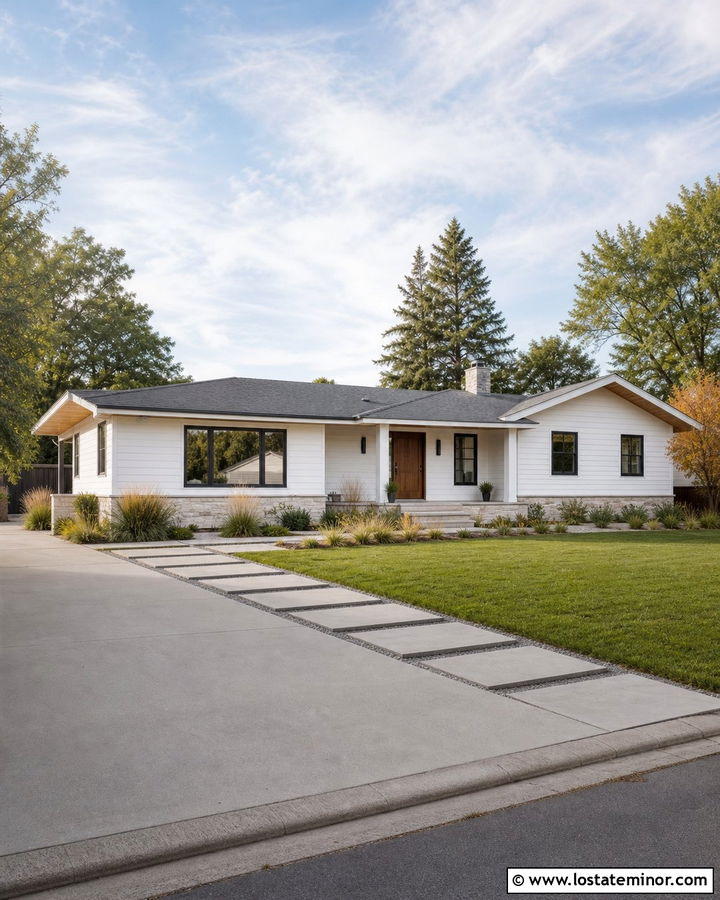
Long, low ranch homes benefit from lighting that emphasizes their horizontal shape. Start with warm white lap siding, charcoal window frames, and a medium-gray roof. Install rectangular black sconces beside the front door and garage, choosing fixtures with simple lines rather than decorative scrollwork. A walnut-stained door adds natural warmth, while a matching wood soffit creates continuity beneath the wide roof overhang. Use shielded landscape lights to highlight low ornamental grasses and textured stone near the foundation. Wide concrete pavers can strengthen the modern horizontal layout. Keeping the fixtures evenly spaced helps the exterior feel intentional from one end to the other. This approach updates an older ranch without hiding the straightforward architecture that makes the style practical and appealing.
4. White Craftsman House With Bronze Lighting
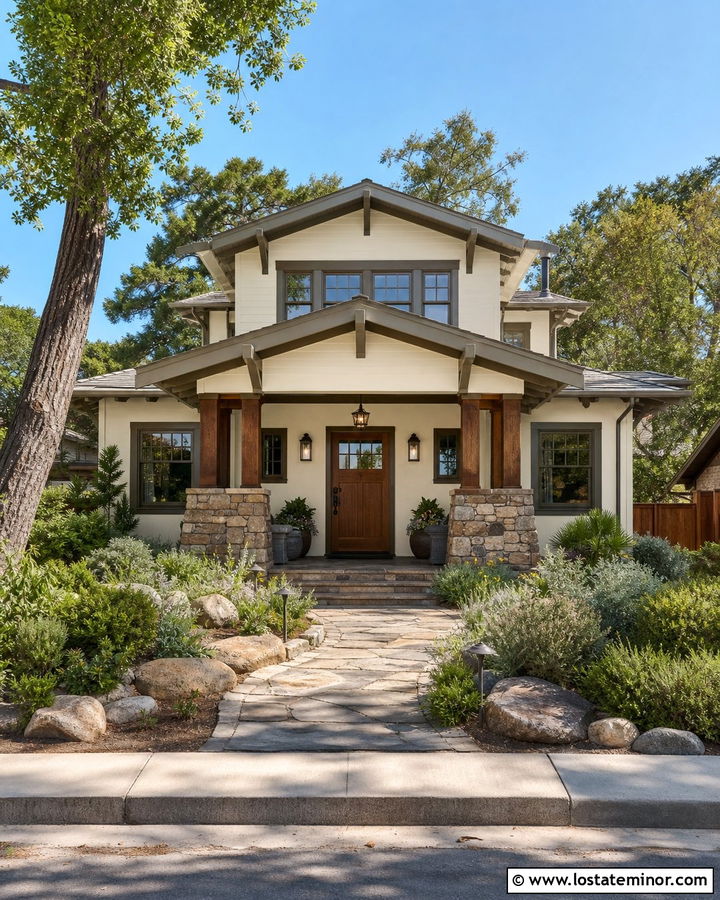
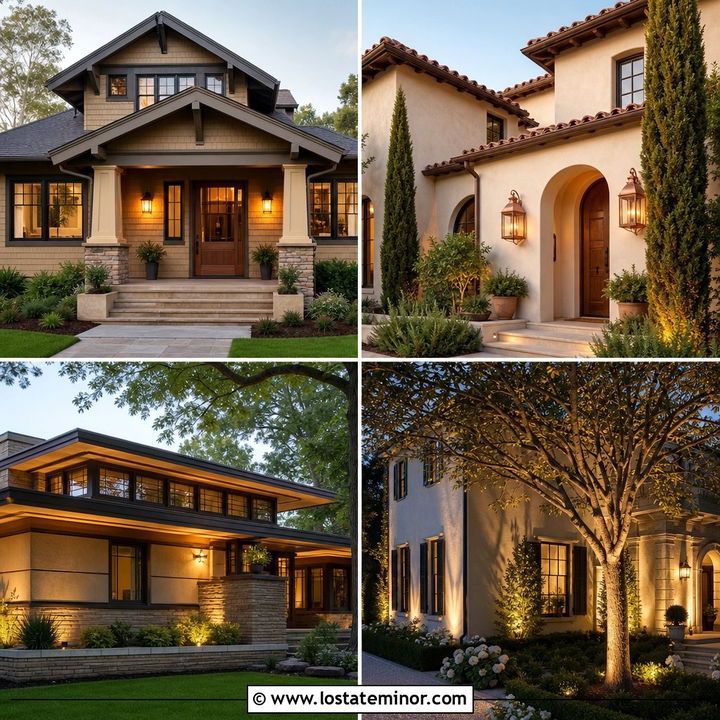
Warm bronze lighting works naturally with the handcrafted details of a white Craftsman home. Select an off-white exterior rather than a brilliant white, then combine it with olive-gray trim, stained wood columns, and a fieldstone porch base. Craftsman lanterns featuring bronze frames and amber-toned seeded glass can flank the entry. Add a coordinating pendant under the covered porch for another layer of light. The front door should repeat the rich wood tone used on the beams and porch ceiling. Deep eaves, divided-light windows, and tapered columns reinforce the architectural style. Complete the yard with curved planting beds, native shrubs, and a stone walkway. This full exterior palette feels earthy and welcoming while allowing the white siding to remain fresh.
5. White Brick House With Copper Lanterns
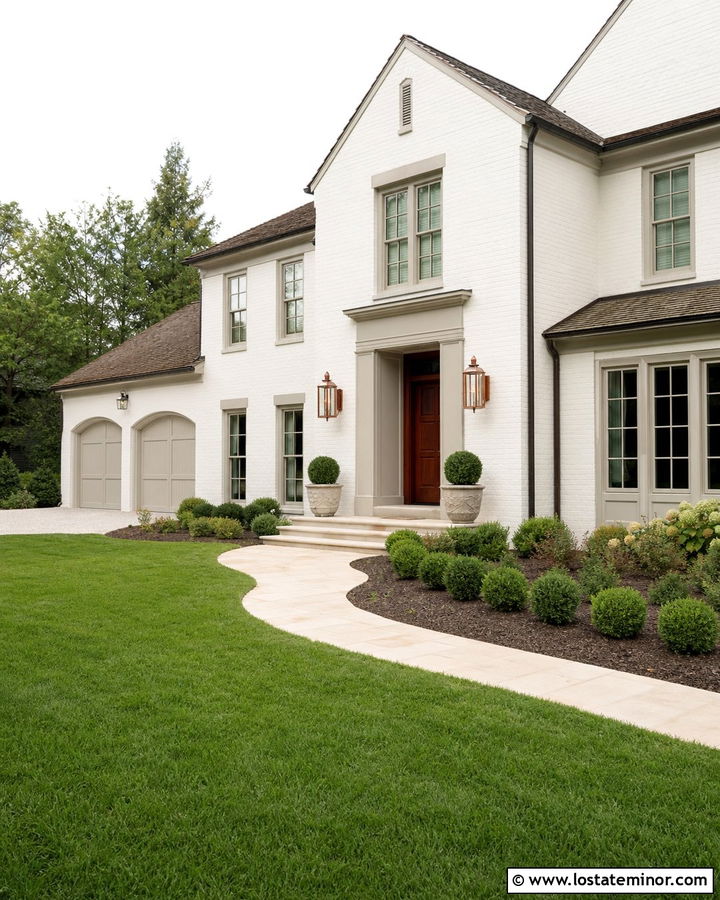
The warm finish of copper lanterns can soften a freshly painted white brick exterior. Pair creamy white brick with taupe trim, a stained mahogany front door, and a weathered brown roof. Choose substantial copper lanterns with clear glass for both sides of the doorway. Over time, the metal can develop additional character that works beautifully with textured masonry. Copper downlights beneath the porch roof can illuminate the steps without distracting from the primary fixtures. Use limestone planters and dark green shrubs to bridge the warm and cool elements. A matching copper fixture above the garage brings balance to a wide facade. This scheme avoids the flat appearance sometimes associated with painted brick by introducing varied finishes, natural color, and architectural depth.
6. White Cottage With Gooseneck Lights
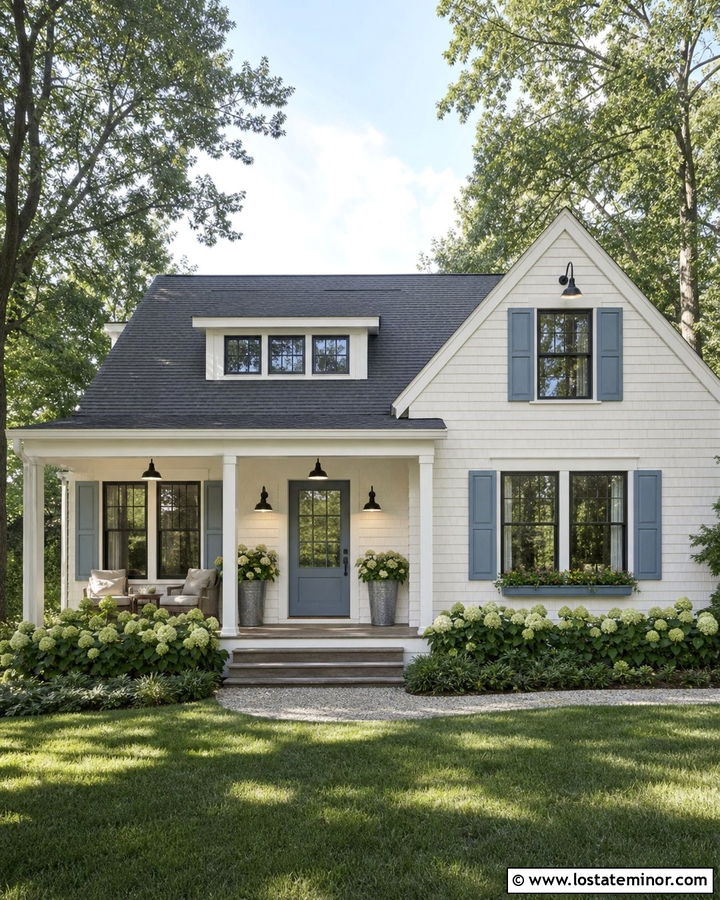
A compact cottage can gain plenty of personality from classic gooseneck lighting. Use soft white shingle siding, misty blue shutters, and a cheerful blue-gray front door. Black or dark bronze gooseneck fixtures can illuminate the porch, house numbers, and a small side garage. Their curved arms add definition without overwhelming the modest facade. A weathered wood porch floor and galvanized planters introduce relaxed texture. Keep the roof medium gray so it supports the softer palette instead of creating strong contrast. Low garden lights placed among hydrangeas and flowering borders make the landscaping part of the complete design. The finished exterior feels casual and charming, with every fixture serving a clear purpose while reinforcing the cottage’s approachable scale.
7. White Modern House With Linear Lighting
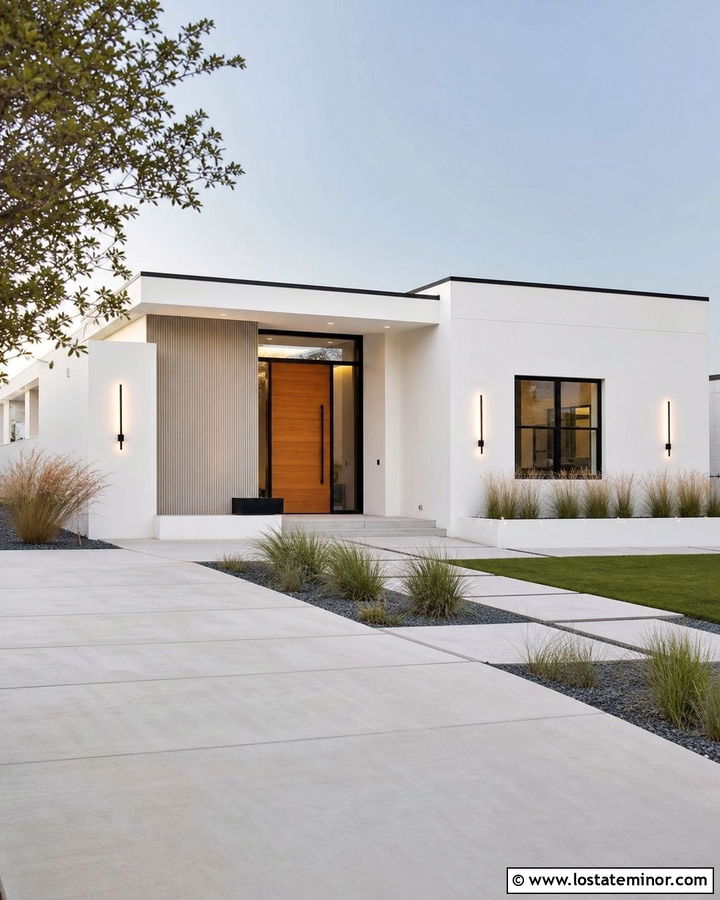
Clean architectural lighting makes a white modern house appear sharper and more dimensional. Choose a neutral white stucco finish, black-framed windows, and vertical wood siding around the entrance. Slim linear sconces can flank an oversized pivot door, while concealed lighting beneath deep roof overhangs traces the structure’s simple geometry. Keep the fixtures black or dark bronze so they remain visible against the pale walls during the day. Concrete pavers, gravel beds, and sculptural grasses support the minimalist composition. Recessed step lights can improve the transition between the driveway and raised entrance. Avoid ornate lanterns or multiple competing finishes. With carefully repeated lines and a limited material palette, the lighting becomes an integrated architectural feature rather than decoration added after construction.
8. White Cape Cod With Traditional Lanterns
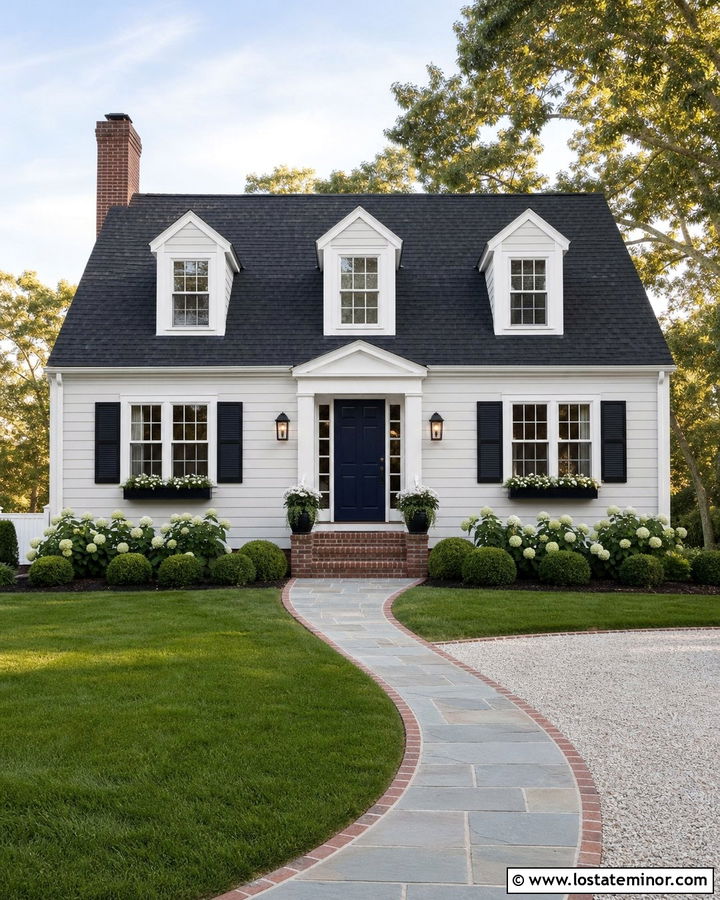
Traditional lanterns are a natural match for the balanced proportions of a white Cape Cod home. Cover the facade in warm white clapboard or cedar shingles, then add black shutters, a navy front door, and a charcoal roof. Place modest black lanterns on both sides of the entrance, making sure their size fits the smaller scale of the house. A simple hanging lantern can serve a deeper covered porch. Use brick steps and a curved walkway to bring warmer color into the scheme. Small post lights near the gate can echo the entrance fixtures. Hydrangeas, clipped hedges, and window boxes create a finished coastal garden. The lighting remains understated, allowing the symmetrical windows and steep roofline to define the home’s familiar character.
9. White Bungalow With Porch Pendant Lights
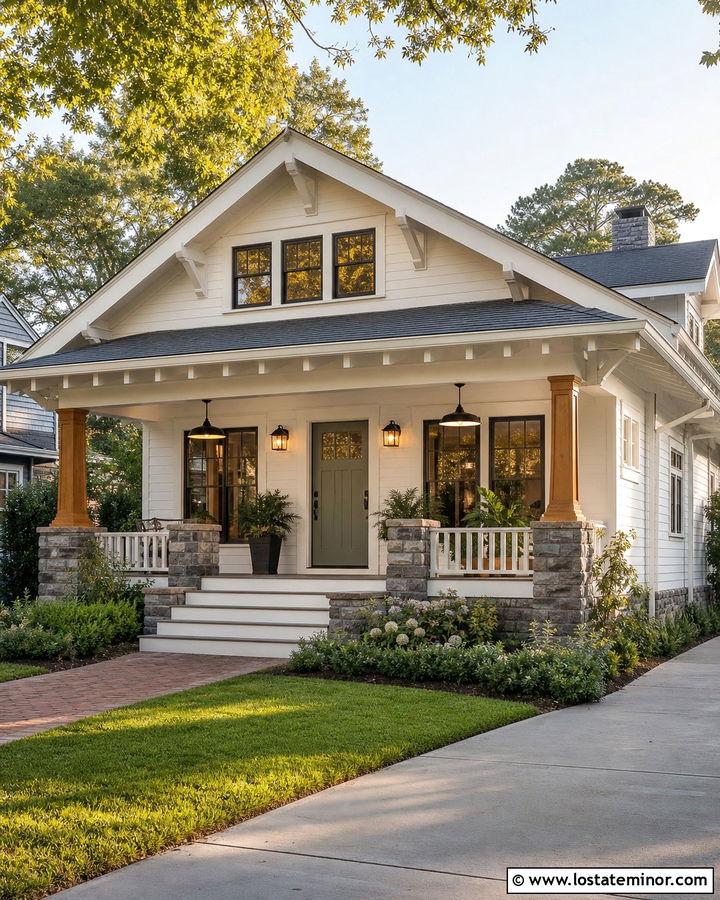
A wide bungalow porch offers the perfect setting for layered pendant lighting. Paint the horizontal siding a creamy white and use muted sage on the window trim or front door. Natural wood porch columns and warm gray stone piers provide enough texture to break up the light exterior. Hang two dark bronze pendants along the porch ceiling rather than relying on one undersized fixture at the entrance. Complement them with matching wall sconces beside the door. Keep the pendants high enough to preserve clear views across the porch. Mission-inspired shapes work especially well with exposed rafters and broad eaves. Add a brick walkway, deep planting beds, and comfortable porch furniture. Together, these details create an inviting exterior that feels balanced from the sidewalk.
10. White Tudor House With Leaded Glass Lanterns
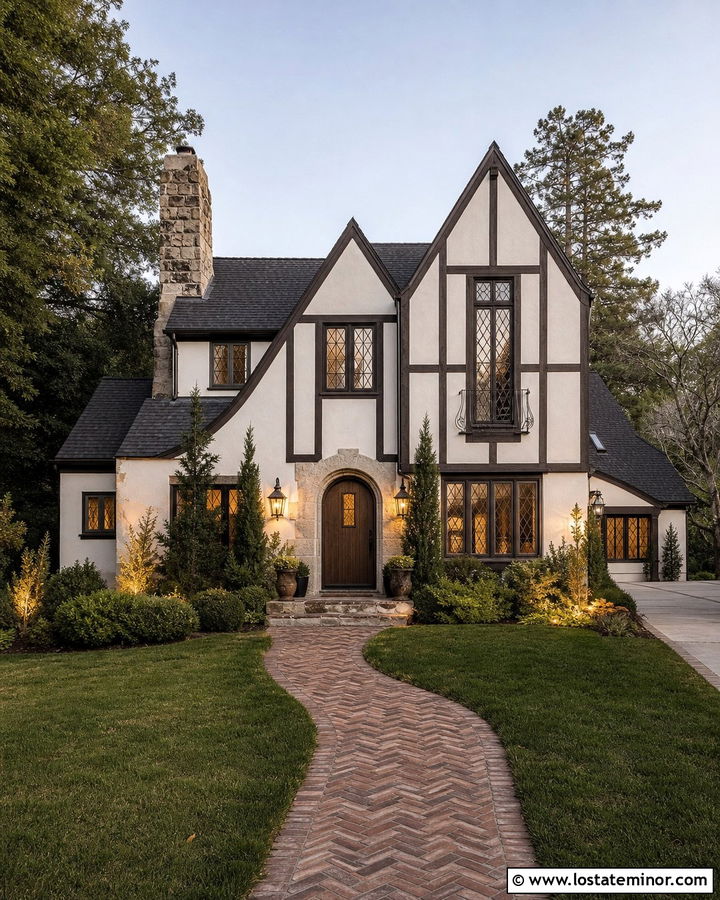
A white Tudor exterior can feel dramatic without using harsh contrast everywhere. Apply warm white to the stucco, deep brown to the half-timber detailing, and muted charcoal to the steep roof. Leaded-glass lanterns in an aged iron finish reinforce the home’s historic character. Place them beside an arched wood door and repeat a smaller version near the garage. Low uplights can emphasize the chimney and uneven stonework, adding depth to the pale facade. A herringbone brick walkway supports the traditional materials, while layered evergreens soften the strong roofline. Avoid sleek contemporary fixtures that may look disconnected from the architecture. The finished design feels cohesive because the lighting, masonry, woodwork, and window shapes all share an old-world visual language.
11. White Mediterranean House With Iron Sconces
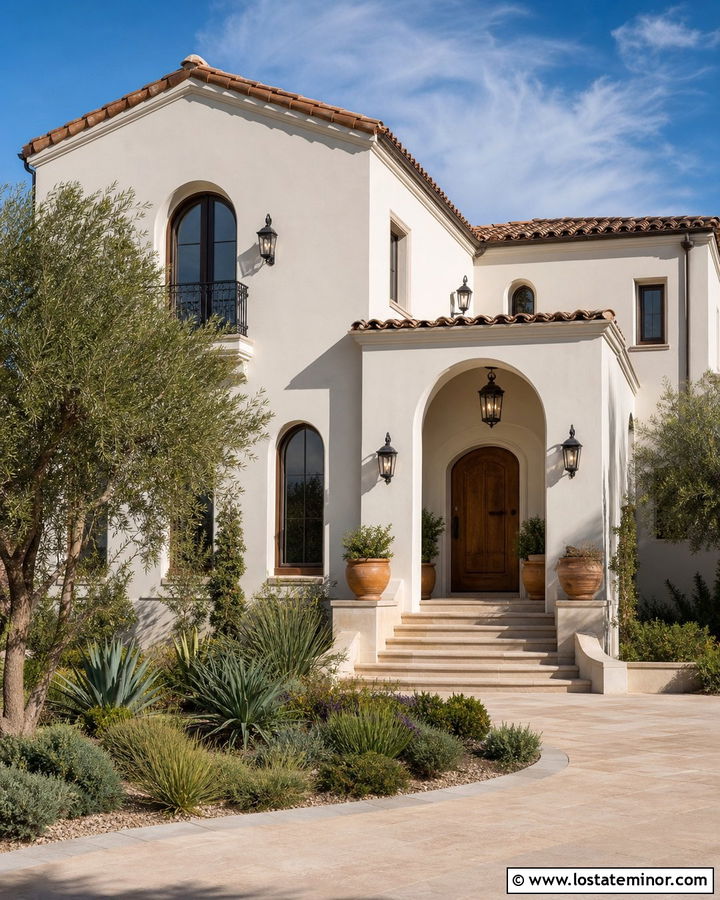
Sun-washed white stucco provides a beautiful background for dark iron lighting. On a Mediterranean home, combine creamy white walls with a clay tile roof, arched windows, and a medium-toned wood door. Decorative iron sconces should frame the entrance and repeat near the garage or courtyard gate. Select fixtures with gently curved details, but avoid overly complicated shapes that compete with the arches. A lantern pendant beneath a covered portico can add a second lighting layer. Terracotta planters, limestone steps, and drought-tolerant landscaping bring natural color to the exterior. Small lights tucked near olive trees or textured walls can highlight those features subtly. This complete palette feels warm and regional, with the white stucco helping every architectural shadow and iron accent stand out.
12. White Coastal House With Nickel Lighting
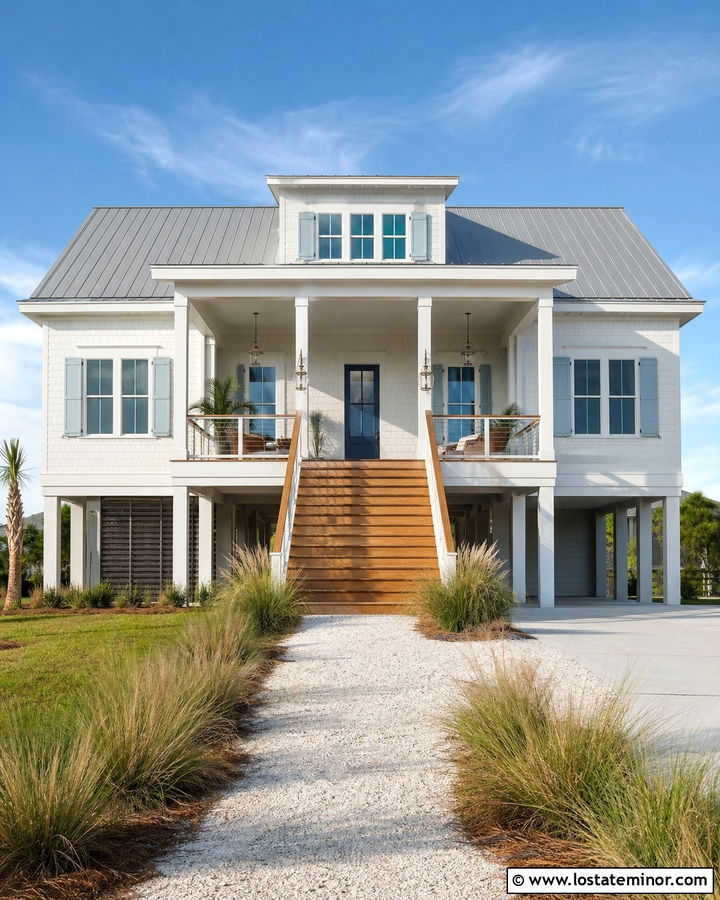
For a breezy coastal exterior, consider lighting with a soft brushed-nickel or weathered-zinc finish. Pair clean white shingle siding with pale blue-gray shutters, a slate-blue front door, and a light gray roof. Simple lanterns with clear glass can frame the entry without introducing the heavy contrast of black. Use matching fixtures on porch columns or beside the garage to create consistency. Natural cedar decking and woven porch furniture add warmth to the cooler palette. Raised beach-style homes can also use shielded stair lights for safer movement between levels. Finish the yard with dune grasses, crushed-shell paths, and low shrubs suited to the setting. The light metallic fixtures support the airy design while remaining distinct enough to give the white facade definition.
13. White Victorian House With Ornate Lanterns
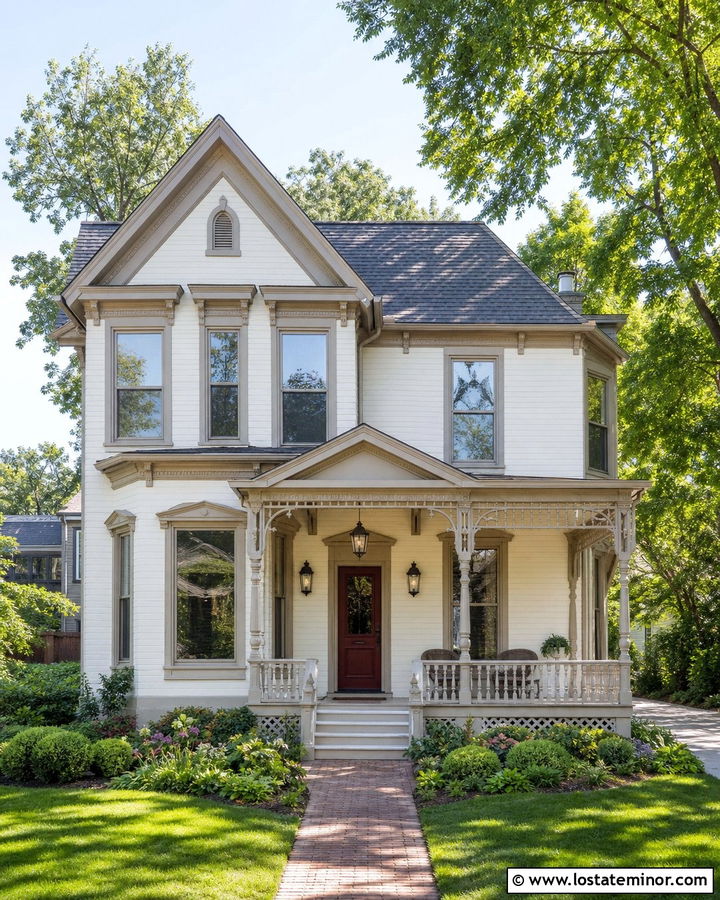
Detailed Victorian architecture calls for lighting with enough presence to complement the facade. Start with warm white siding, then define the brackets, window trim, and porch railing with soft gray or muted taupe. Add deep burgundy on the front door for a controlled dose of color. Ornate black lanterns can sit beside the entrance, while a coordinating hanging fixture becomes the centerpiece of the covered porch. Use fewer fixture designs rather than mixing several decorative patterns. This keeps the elaborate house from becoming visually cluttered. A dark roof, brick walkway, and traditional planting beds ground the pale exterior. The finished scheme highlights the craftsmanship of the porch and trim while providing a welcoming focal point around the main entrance.
14. White Split-Level House With Up And Down Lights
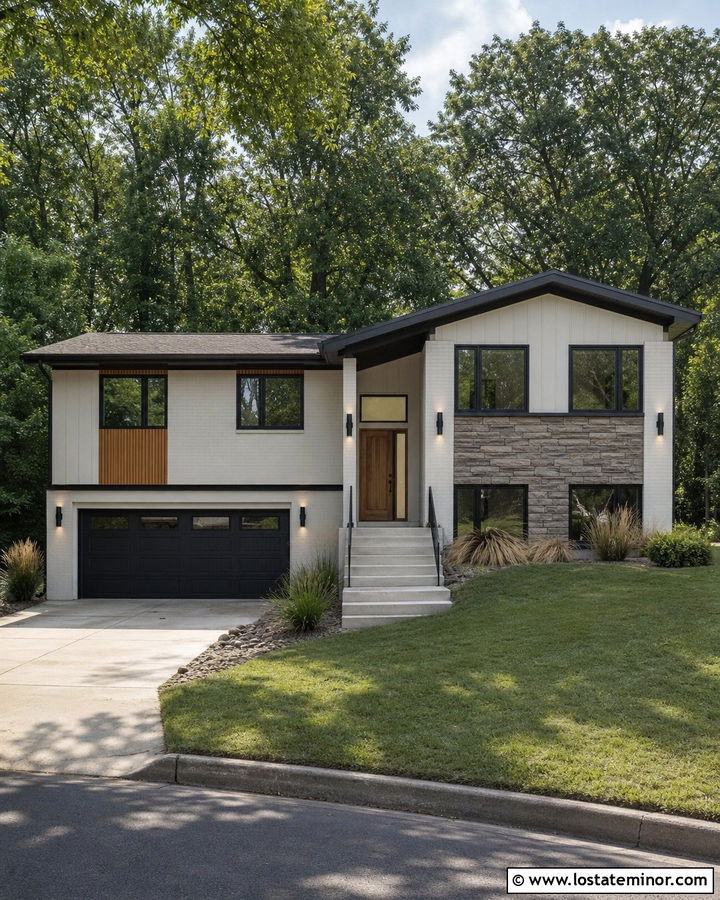
Up-and-down sconces can make a white split-level home feel more architecturally unified. Choose soft white siding or painted brick, charcoal trim, and a cedar-toned front door. Install streamlined black fixtures on tall blank wall sections, where their vertical light pattern can add interest to the staggered facade. Repeat the same fixture beside the garage and lower-level entrance. A dark garage door visually anchors the lowest portion of the house, while wood slats or stone veneer can connect the different levels. Use low pathway lighting along steps and changes in grade. Simple shrubs and ornamental grasses keep the landscaping uncluttered. This complete update respects the home’s original shape but gives it a cleaner, more deliberate modern identity.
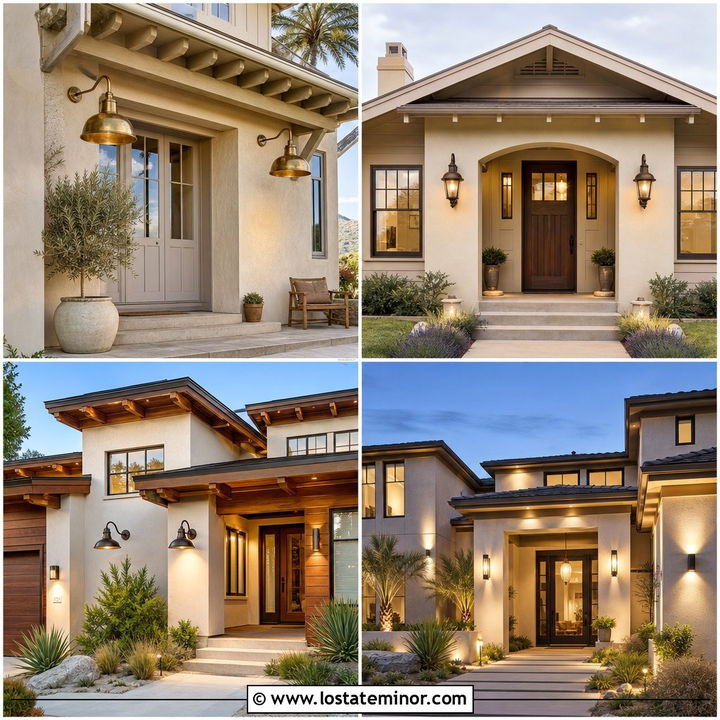
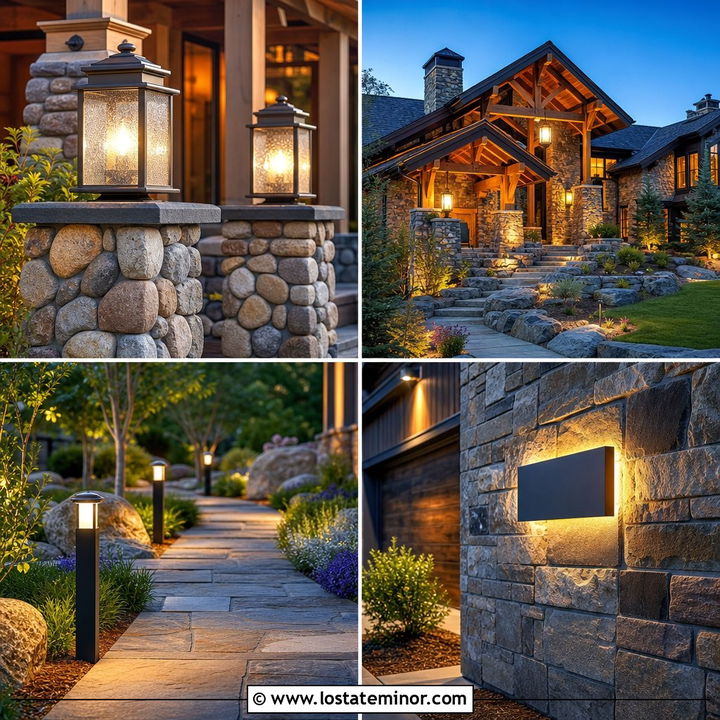
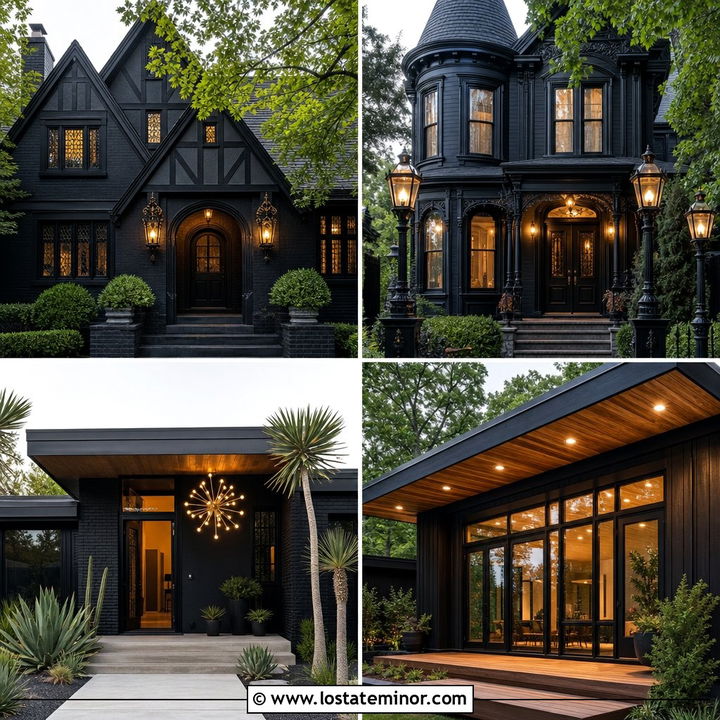
15. White House With Double Garage Lighting
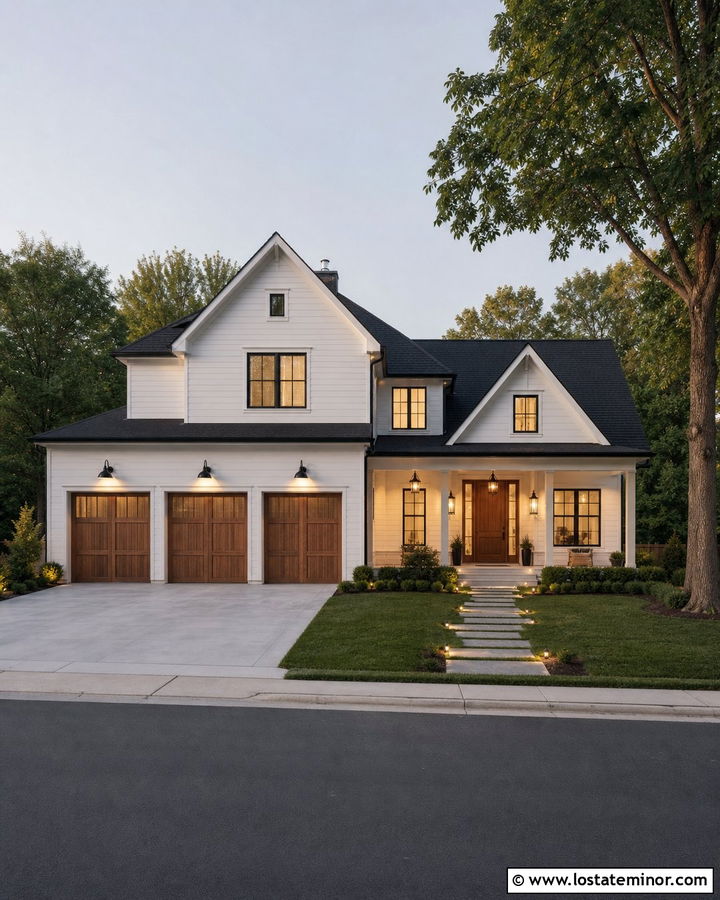
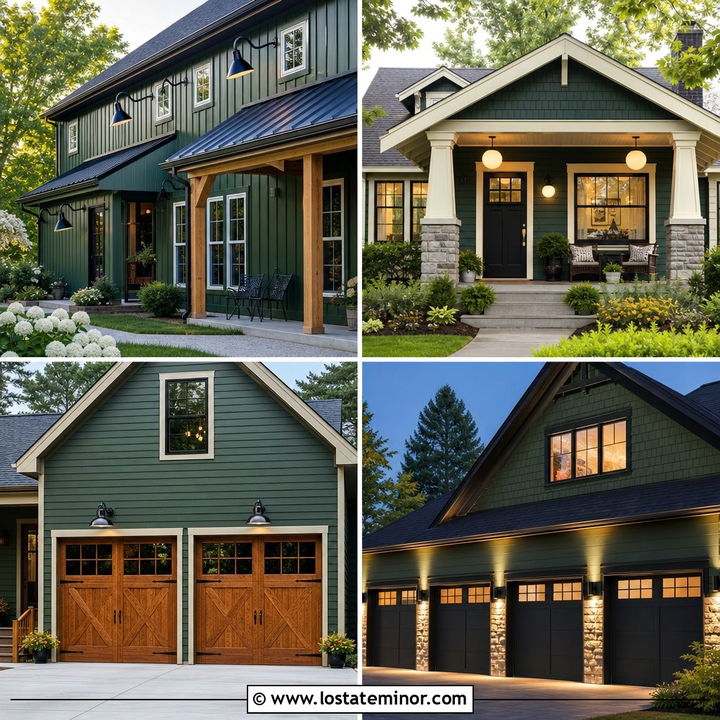
A large garage should feel connected to the house rather than dominate the curb view. Paint the exterior a warm white and select garage doors in natural cedar, muted taupe, or deep charcoal. Place substantial black sconces on both outer edges and between the doors, keeping their height and spacing consistent. Repeat the finish on lanterns near the front entrance so the entire facade reads as one scheme. If the doors have upper windows, choose fixtures that do not block or visually crowd them. A charcoal roof and black gutters provide additional balance. Add wide driveway borders, low foundation plants, and a clearly illuminated walkway leading toward the porch. Coordinated garage lighting makes the functional area look intentional and helps direct attention back to the entrance.
16. White House With Wood Door And Warm Lighting
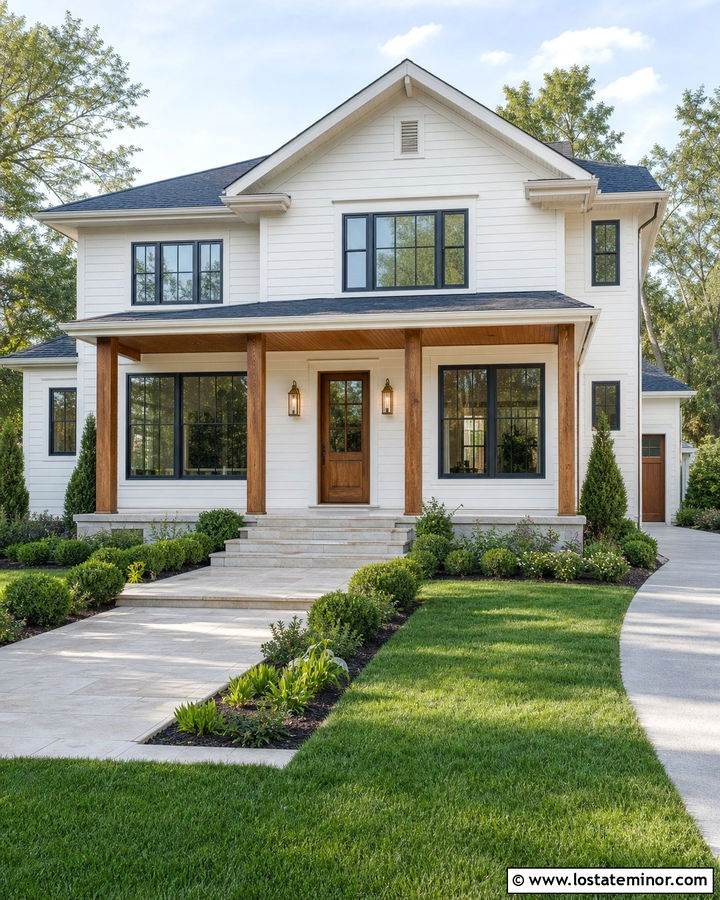
Natural wood and warm lighting can keep a white house from feeling cold or unfinished. Choose an off-white body color, creamy trim, and a rich oak or walnut front door. Flank the door with bronze-and-glass sconces that repeat the warmth of the wood. If the home has a covered porch, add a simple pendant in the same finish. Cedar porch posts, wood soffits, or a matching garage door can distribute the natural tone across the facade. Keep the roof and window frames dark gray for quiet contrast. Limestone steps and layered green landscaping soften the transition to the yard. This balanced exterior works on farmhouses, transitional homes, and updated ranches because it combines fresh white surfaces with materials that provide visible grain, warmth, and depth.
17. White House With Black Trim And Recessed Lights
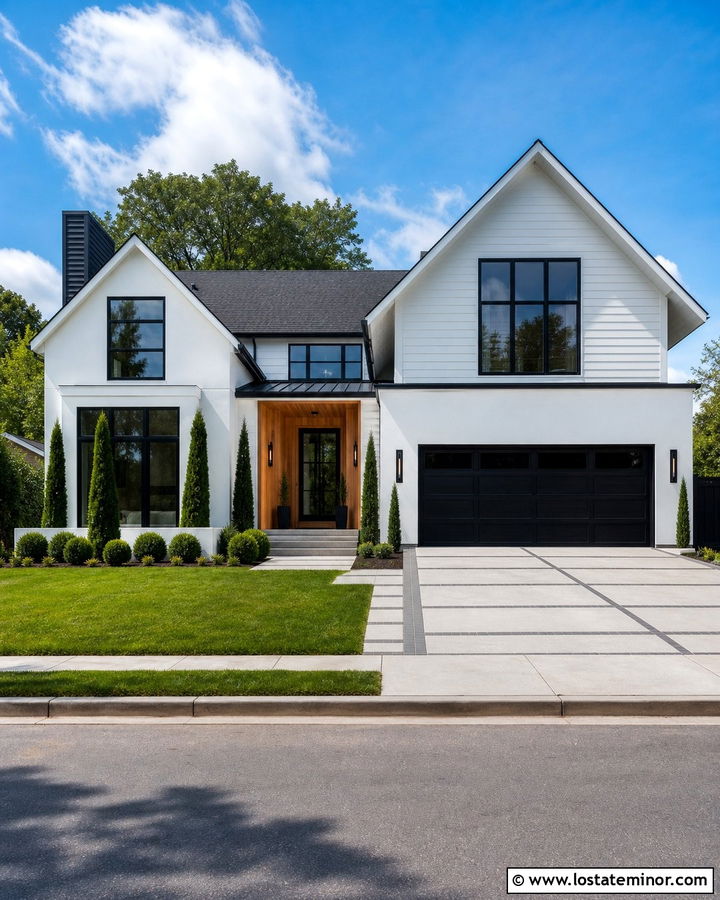
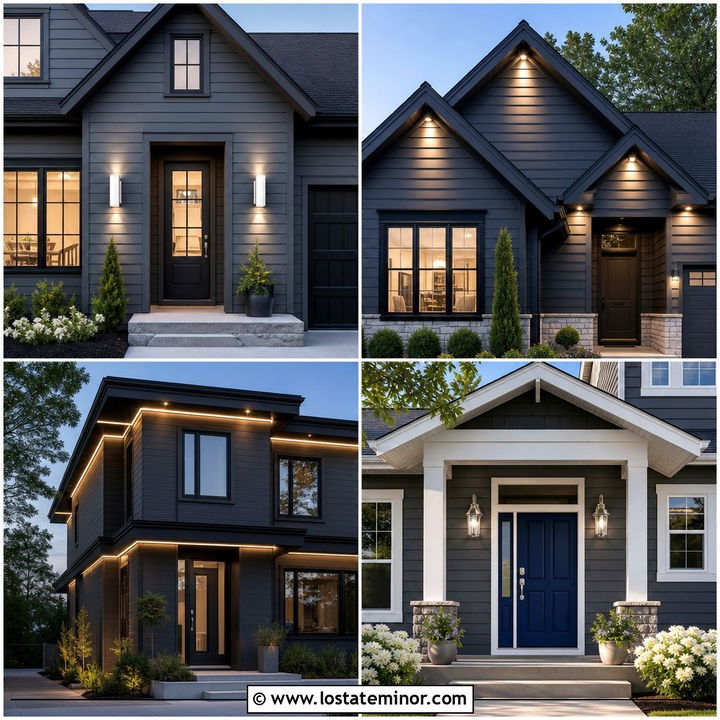
Sharp black trim looks especially polished when paired with discreet recessed exterior lighting. Use a neutral white on smooth siding or stucco, then outline the windows, roof edge, and garage doors in matte black. Recessed fixtures installed in porch and soffit ceilings keep the elevation uncluttered. They can support slim black wall sconces at the front door without competing for attention. Introduce warm wood around the entry to soften the high-contrast palette. Large concrete pavers and structured evergreen plantings reinforce the tailored appearance. Carefully planned fixture spacing is important because random pools of light can interrupt the home’s clean geometry. The completed scheme feels modern but approachable, with visible black accents during the day and layered architectural illumination after sunset.
18. White House With Stone Accents And Uplighting
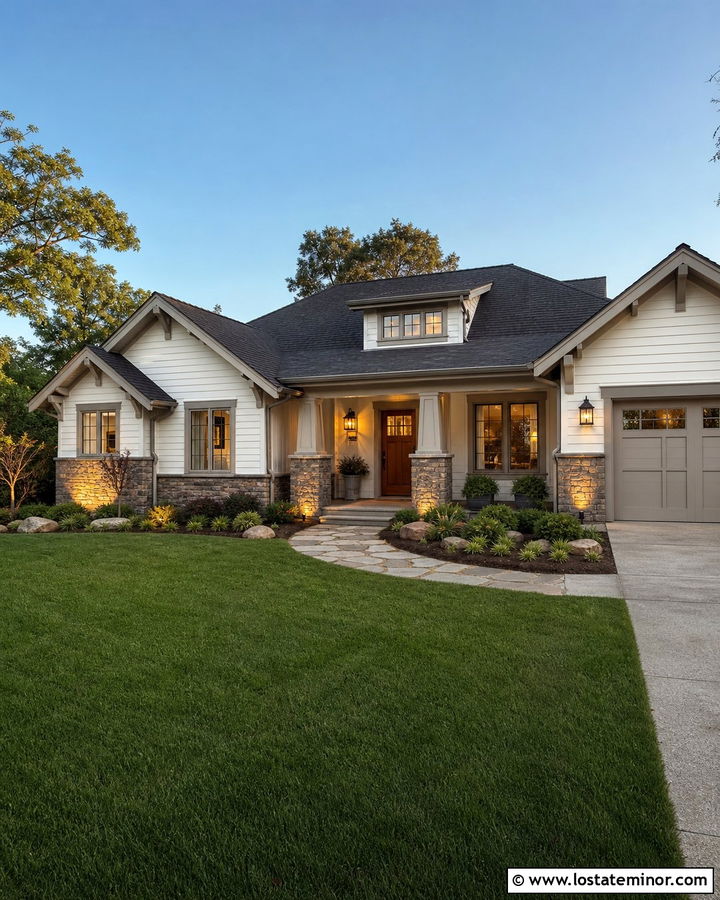
Textured stone becomes a stronger design feature when lighting is planned around it. Paint the main siding a soft white, then use warm gray or beige stone on the chimney, porch base, and lower facade. Bronze uplights placed within nearby planting beds can emphasize the masonry without washing the entire house in light. Match those fixtures with bronze entry lanterns and a medium-brown wood door. Choose taupe trim and a weathered charcoal roof to connect the stone with the white body color. Curved planting beds and a flagstone walkway continue the natural palette into the yard. This approach works particularly well on Craftsman, ranch, and mountain-inspired homes. Every finish contributes texture, helping the white exterior look substantial rather than plain.
19. White House With Path And Porch Lighting
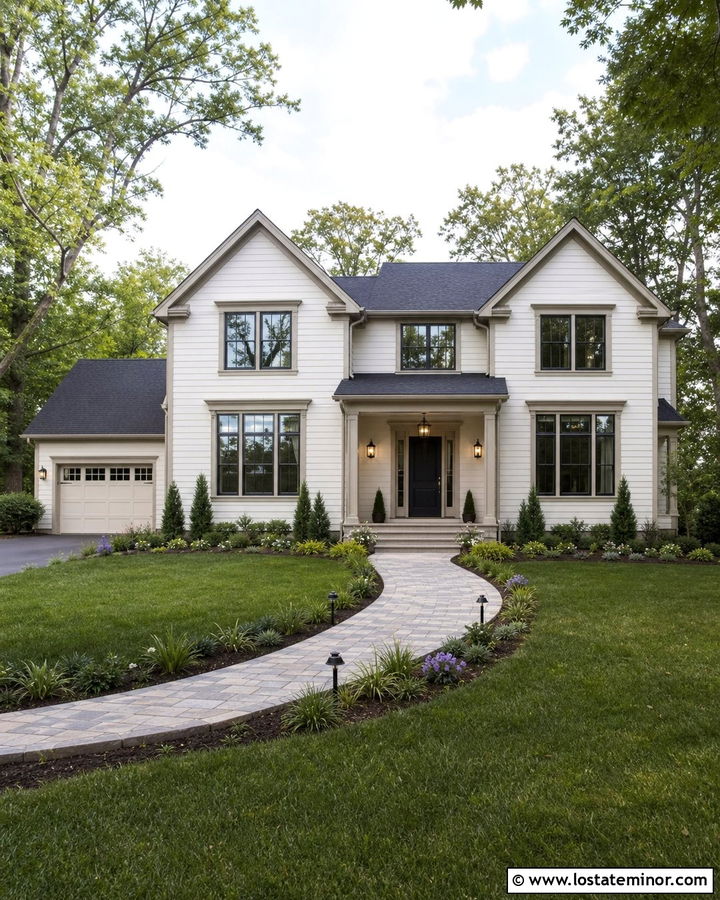
A welcoming exterior begins at the sidewalk, not only at the front door. Use warm white siding, light greige trim, and a dark blue or black entrance door. Low, shielded path lights can lead visitors along a gently curved walkway toward porch lanterns in the same metal finish. Keep the path fixtures spaced evenly but not so closely that the yard resembles a runway. A pendant under the porch roof can provide another visual layer on homes with deeper entrances. Repeat warm metal through door hardware, planters, or house numbers. Planting beds filled with low shrubs and flowering perennials soften the fixture bases. The complete composition feels organized and practical because the landscaping, walkway, entrance, and lighting all guide attention toward the home.
20. White House With Garage And Path Lights
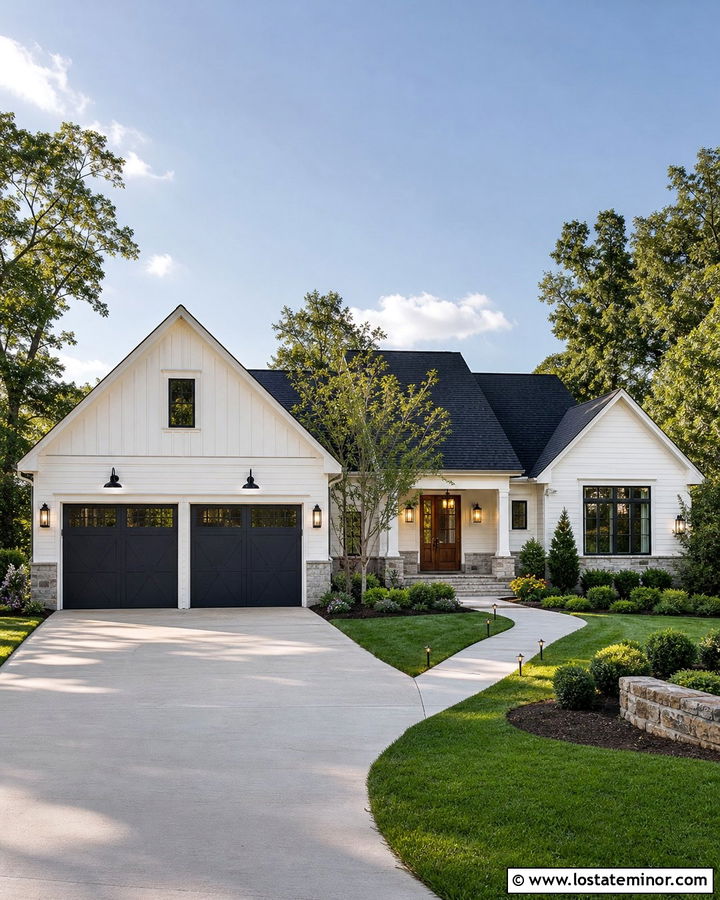
What happens when the driveway receives more visual attention than the front entrance? Coordinated path lighting can restore balance. Paint the home soft white, add charcoal garage doors, and introduce a cedar front door as the warm focal point. Use black sconces beside the garage, then continue the same finish with low fixtures along the walkway. The path should branch clearly from the driveway and lead directly toward matching porch lights. Gray stone at the foundation can bridge the dark garage and pale siding. Keep decorative landscaping lower near the path so it does not block the fixtures. With repeated colors and a clear lighting sequence, this design makes a practical driveway feel like part of a complete curb-appeal plan rather than a separate utility zone.
21. White House With Pergola String Lighting
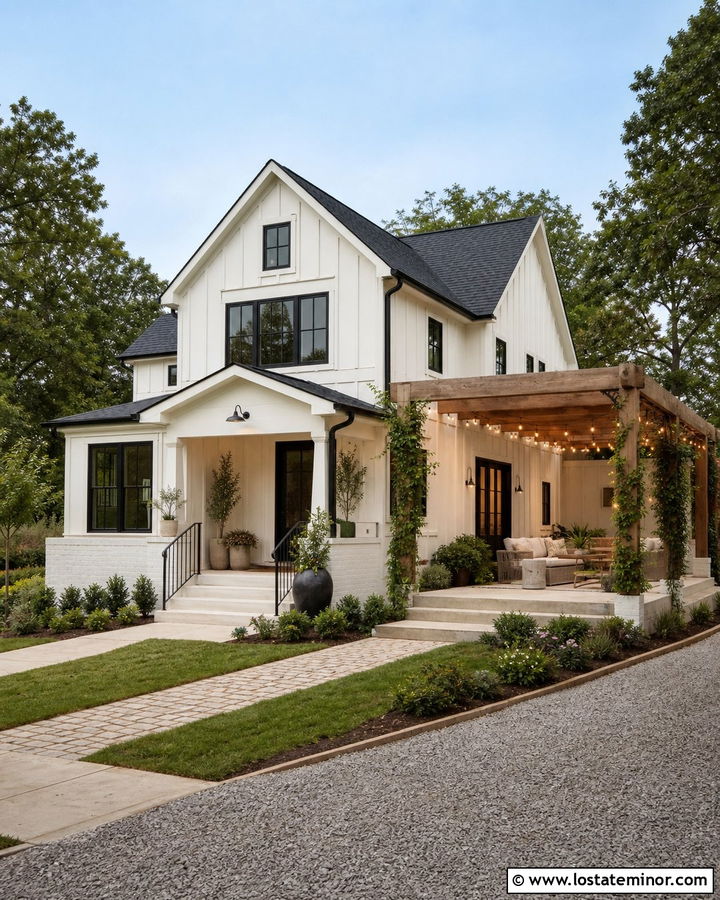
A front or side pergola can give a simple white exterior an inviting outdoor-living feature. Cover the house in warm white siding and build the pergola from natural cedar or medium-stained wood. Black-framed windows and a dark roof provide definition, while restrained café-style string lights add a relaxed lighting layer beneath the structure. Pair them with black wall sconces at the nearby door so the permanent fixtures and decorative lighting feel coordinated. Use stone pavers, large planters, and climbing greenery to connect the pergola with the landscape. Keep the strands neatly aligned with the beams rather than draping them randomly. The result is a casual but polished exterior that expands the home’s usable space and introduces warmth against the clean white backdrop.
22. White House With Porch Step Lighting
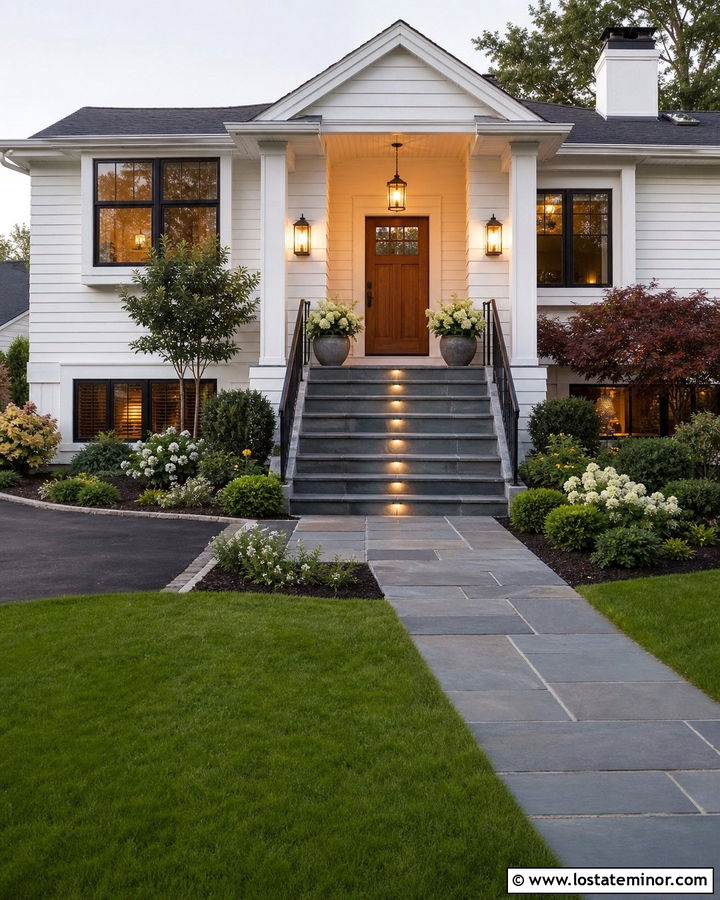
Integrated step lights make a raised white porch feel safer and more finished. Select creamy white siding, black or bronze railings, and a medium-stained wood front door. Small recessed fixtures can be built into the stair risers or side walls, creating a clean look without adding bulky posts. Coordinate their finish with lanterns beside the entrance and a pendant under the porch ceiling. Use brick, bluestone, or warm gray concrete for the steps so they remain visually distinct from the white facade. Broad planters can frame the staircase without narrowing the walking area. This scheme is especially effective on bungalows, farmhouses, and elevated cottages. The lighting supports the porch architecture while the mixed materials keep the entrance warm, textured, and easy to navigate.
23. White House With Landscape Uplighting
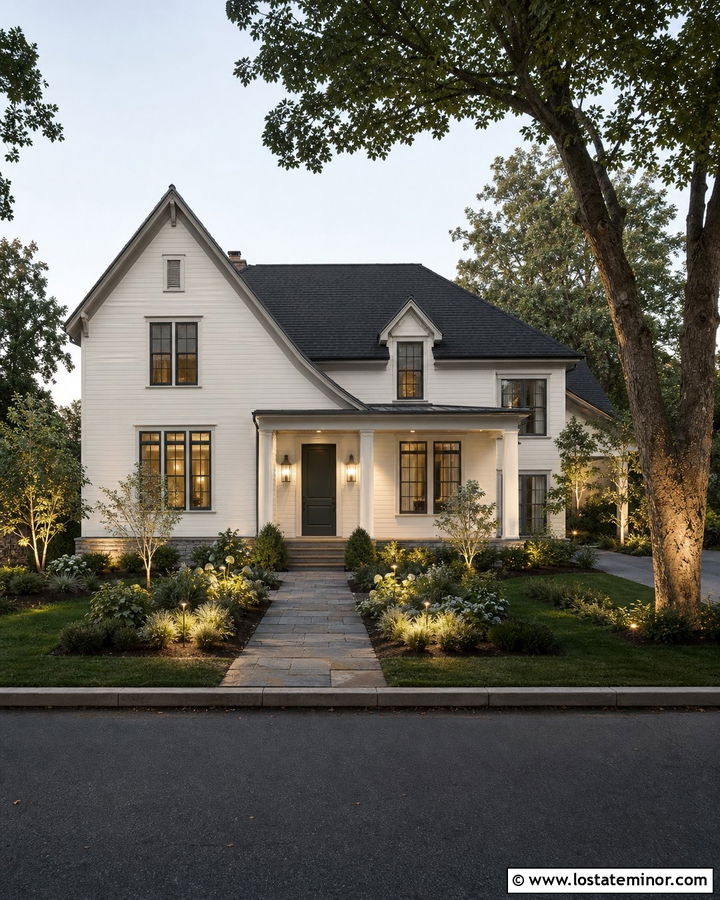
Landscape uplighting can make a white exterior feel connected to mature trees and foundation plantings. Begin with soft white siding, muted gray trim, and a natural wood or dark green front door. Place discreet fixtures near selected trees, tall shrubs, or architectural columns rather than lighting every plant. Bronze or dark-finished housings disappear easily into mulch and planting beds. Match the color family with simple porch lanterns and low path lights. A charcoal roof and stone walkway add enough contrast during daylight. Use varied plant heights to frame the facade without covering windows or blocking light. This complete design draws attention through several layers, moving from the lawn and trees to the entrance while allowing the white house to remain the central feature.
24. White House With Solar Walkway Lights
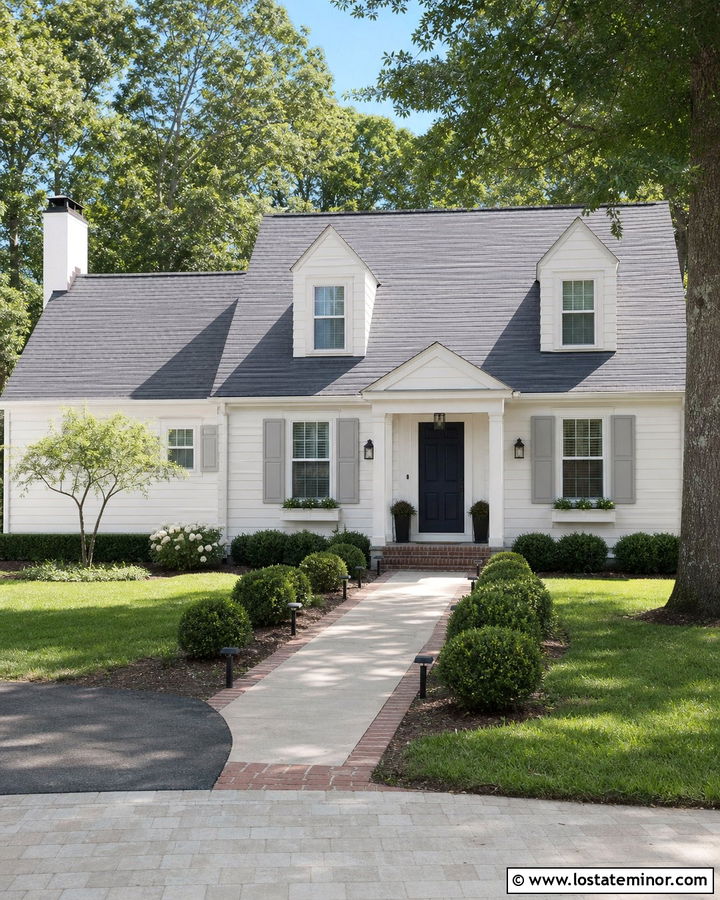
Solar walkway lighting offers a straightforward update when new wiring is not practical. Pair a clean white house with soft gray shutters, a navy door, and black exterior hardware. Choose simple solar fixtures in a consistent black or bronze finish rather than using several decorative shapes. Position them along the entrance path, garden border, and driveway edge where they receive suitable daylight. Matching wall lanterns at the porch give the solar elements a stronger connection to the house. Brick edging and low boxwoods can organize the walkway and conceal fixture bases. Keep the layout restrained, since too many small lights may make the front yard look busy. The resulting exterior feels coordinated and approachable while offering a more accessible way to improve everyday curb appeal.
25. White House With Dark Sky Lighting
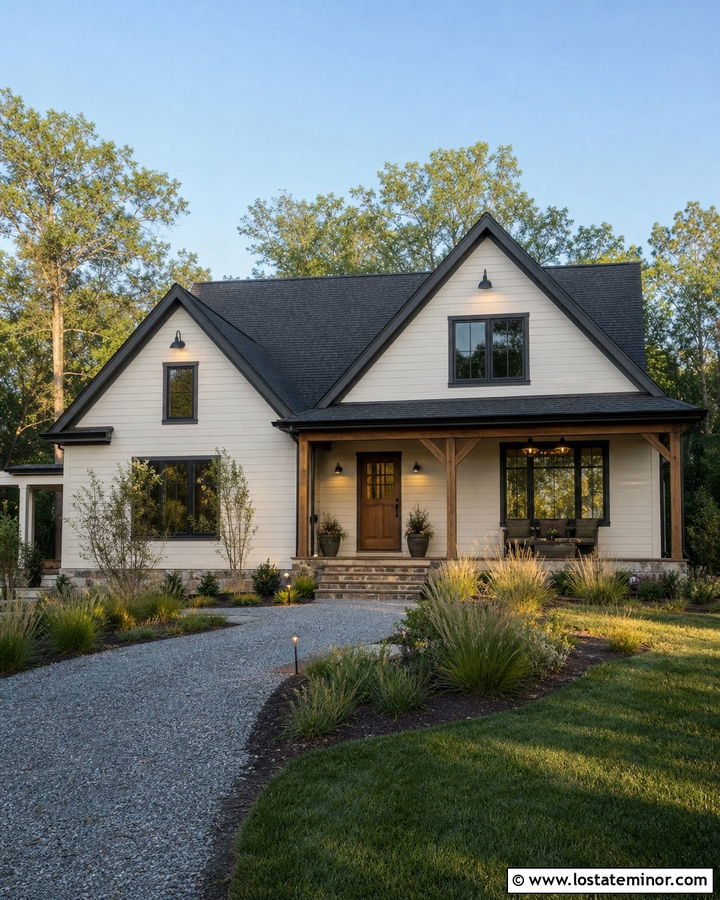
A dark-sky-conscious plan directs light toward useful surfaces instead of sending it upward. Choose warm white lap siding, charcoal trim, and a rustic wood door. Install fully shielded black or bronze sconces at the entrance and garage so the light source is less exposed. Downward-facing path fixtures can define the walkway, while carefully aimed lights may highlight a stone step or house number. Keep the exterior palette simple and use natural materials to create interest during daylight. A deep gray roof, wood porch beams, and native landscaping work well with the restrained fixture design. This approach can feel sophisticated rather than purely functional. The house remains welcoming, but the lighting is controlled, purposeful, and integrated with the surrounding property.
26. White House With Motion Sensor Lighting
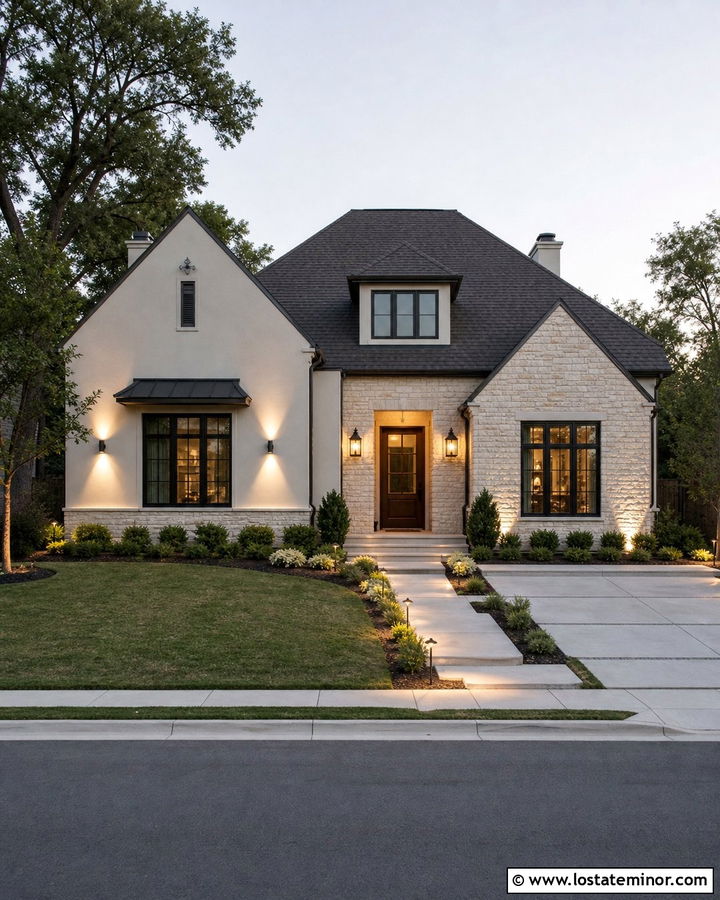
Motion sensor lighting does not have to look purely utilitarian. On a white transitional house, use off-white siding, dark bronze windows, and a walnut-stained front door. Select attractive sensor-equipped sconces that match the lanterns at the main entrance. Place them near side doors, the garage, and less visible walkways rather than mounting one oversized floodlight in the center of the facade. Low-profile fixtures blend more easily with the architecture. Stone veneer and dark gutters can repeat the fixture color throughout the exterior. Layer permanent porch lighting with sensor lighting so each serves a separate purpose. With matching finishes and thoughtful placement, practical illumination becomes part of the overall curb-appeal plan instead of appearing like equipment added as an afterthought.
27. White House With Post Lanterns
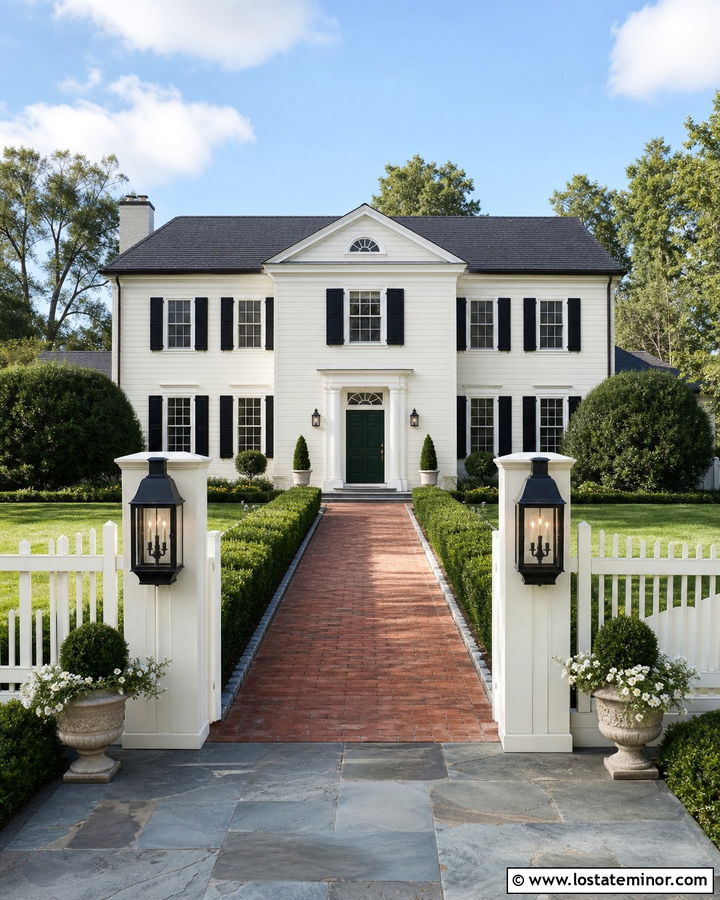
Post lanterns can create a graceful transition from the street to a traditional white home. Use creamy clapboard siding, black shutters, a deep green door, and a dark gray roof. Place one lantern at each side of a gate or driveway entrance, then repeat the fixture style at the porch in a smaller scale. Black metal posts feel formal, while bronze works well with brick and warmer whites. A straight brick or stone walkway reinforces the symmetry of a Colonial, Georgian, or traditional two-story facade. Keep shrubs trimmed below the lanterns so their shapes remain visible. When the post, wall, and door hardware finishes match, the complete property feels planned from the boundary to the entrance rather than decorated only around the porch.
28. White House With Courtyard Wall Lighting
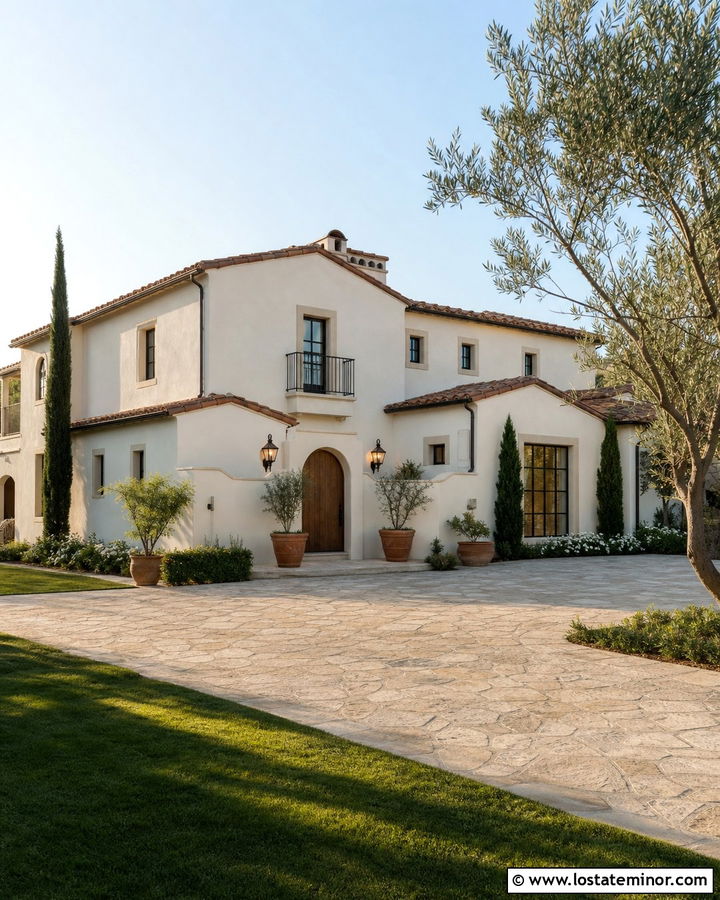
An enclosed courtyard gives a white house additional surfaces for architectural lighting. Apply soft white stucco to the house and courtyard walls, then use a warm wood gate, terracotta roof, and aged iron accents. Downward-facing wall sconces can illuminate the gate, seating area, and textured masonry. Match them with decorative lanterns beside the arched front door. Stone paving and large clay planters introduce warm color that keeps the white walls from appearing bare. Plant an ornamental tree or structured evergreen as a central courtyard feature, supported by one carefully aimed uplight. The finished exterior works beautifully for Mediterranean, Spanish, and Southwestern homes. Lighting becomes part of the courtyard composition while helping the main facade feel private, warm, and visually layered.
29. White House With Poolside Exterior Lighting
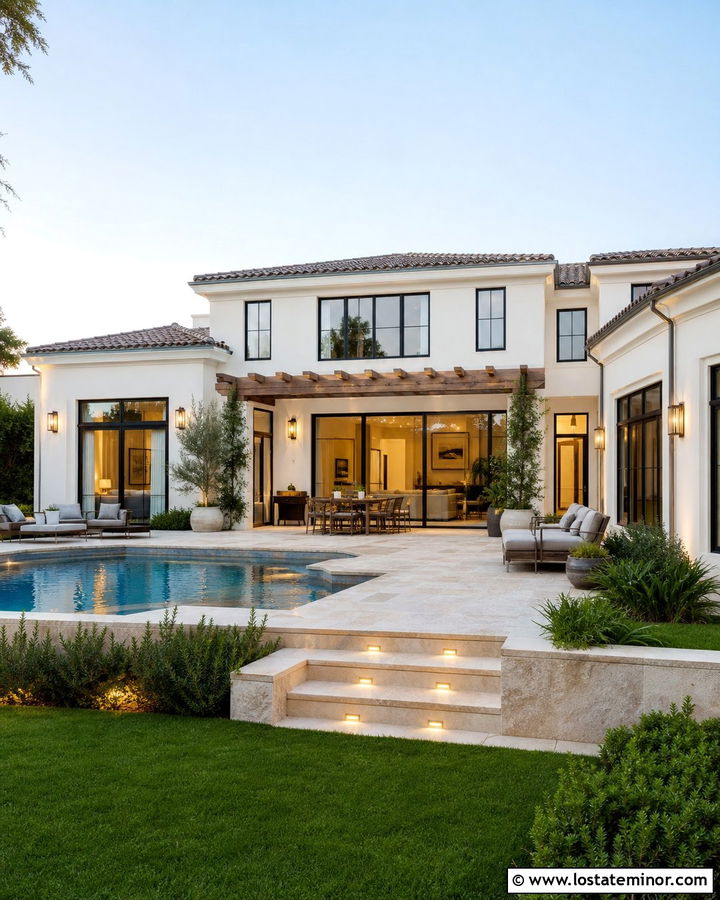
A white home overlooking a pool needs lighting that connects the rear facade with the surrounding outdoor areas. Choose warm white stucco or siding, natural stone decking, and black-framed windows. Install streamlined bronze or black sconces along the house, then add recessed lights beneath covered patios and low fixtures near paths. Integrated step lighting can clarify changes in elevation without cluttering the deck. Use a consistent fixture finish throughout the poolside area and avoid mixing visibly different light colors. Wood pergolas, neutral outdoor furniture, and layered greenery soften the bright surfaces. Although this design is viewed primarily from the backyard, it should feel as complete as the front elevation. The coordinated palette creates a comfortable transition between architecture, landscaping, and recreation space.
30. White House With Layered Exterior Lighting
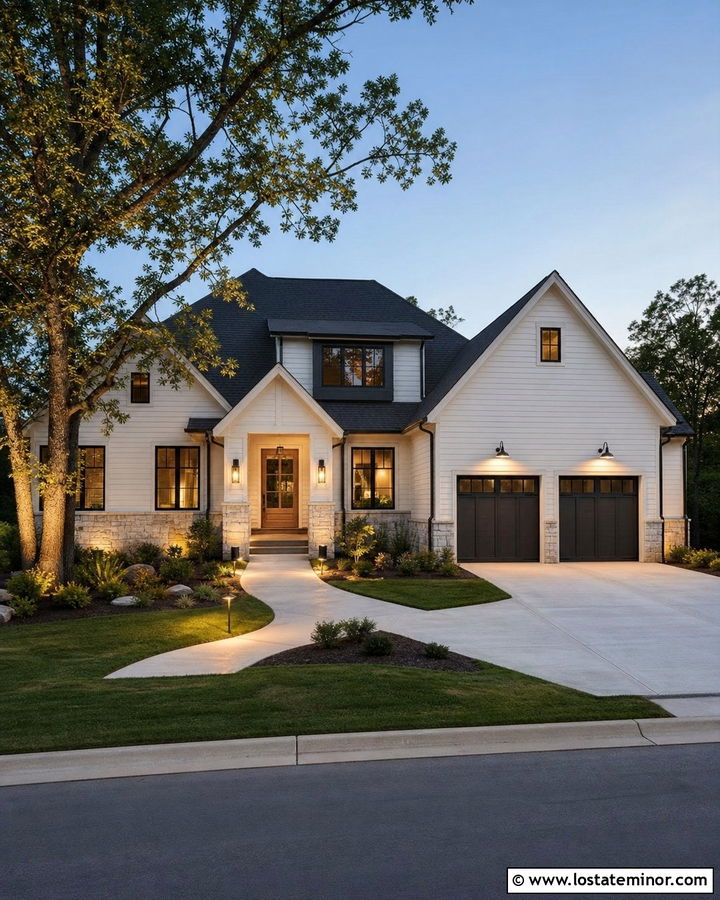
Layered lighting combines several fixture types while giving each one a clear role. Start with a softly warmed white exterior, charcoal trim, a natural wood door, and a dark architectural roof. Use decorative lanterns at the entrance, shielded sconces beside the garage, low lights along the walkway, and restrained uplighting near one tree or stone feature. Keep every fixture within the same black, bronze, or aged-brass finish family. Matching color temperature also helps the separate zones appear connected rather than patchy. During daylight, repeat the fixture color through gutters, hardware, or window frames. The completed home feels balanced from the curb because the facade, entrance, driveway, and landscaping have been considered together. This is the most flexible approach for larger or architecturally complex properties.
Conclusion:
The best **30 White House Design With Lighting Ideas** coordinate every fixture with the home’s paint, architecture, and surrounding landscape. Black lanterns create crisp contrast, while bronze, brass, copper, and nickel offer softer alternatives. Recessed lights support modern simplicity, and traditional sconces reinforce Colonial, Craftsman, Tudor, or cottage character. Whatever combination you prefer, repeat finishes across the porch, garage, walkway, and garden for a connected appearance. Choose fixture sizes that suit the building, and use layers instead of depending on one extremely bright light. Warm wood, stone, brick, shutters, and thoughtful planting can further prevent white siding from feeling flat. With a complete plan, lighting becomes a defining part of curb appeal.

Related posts: