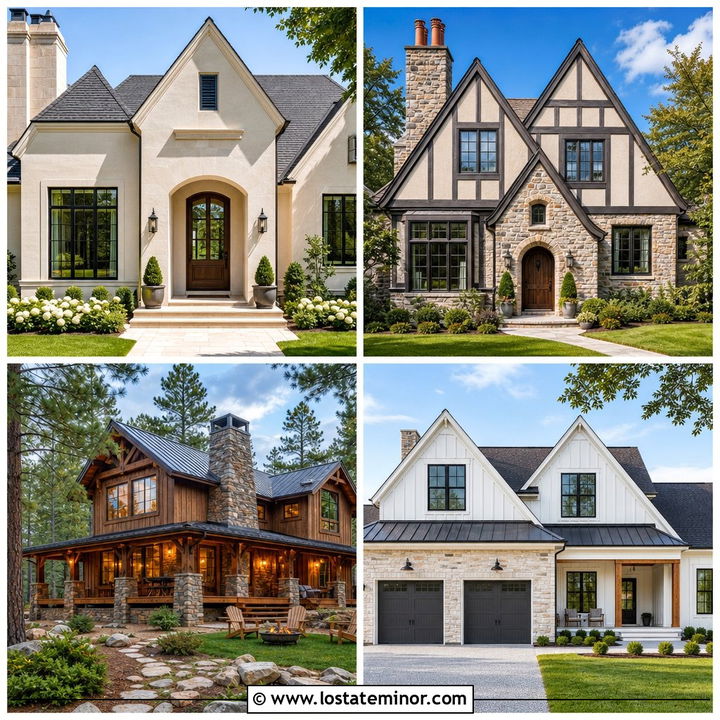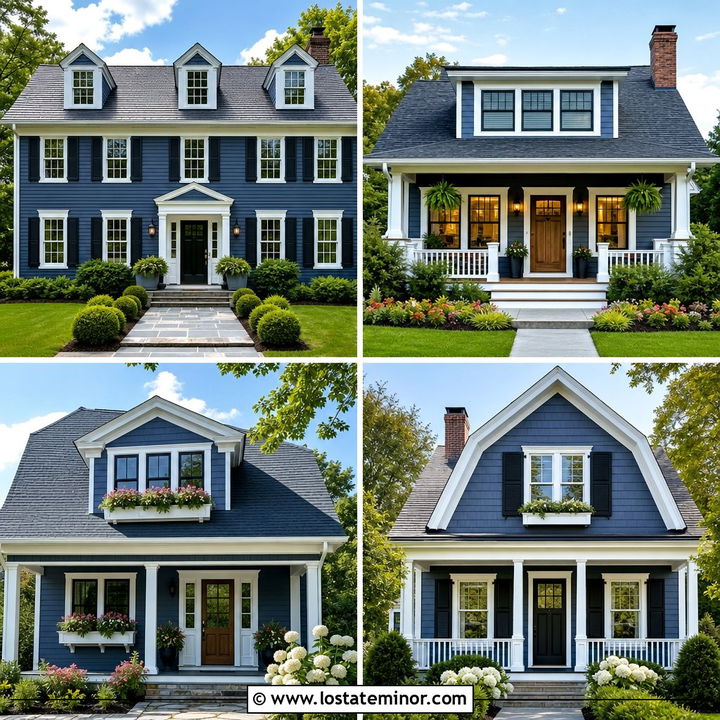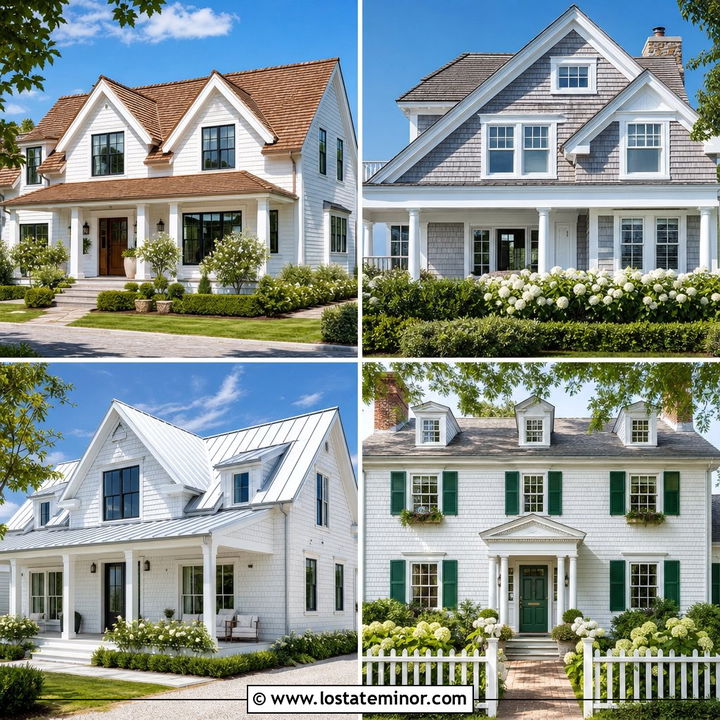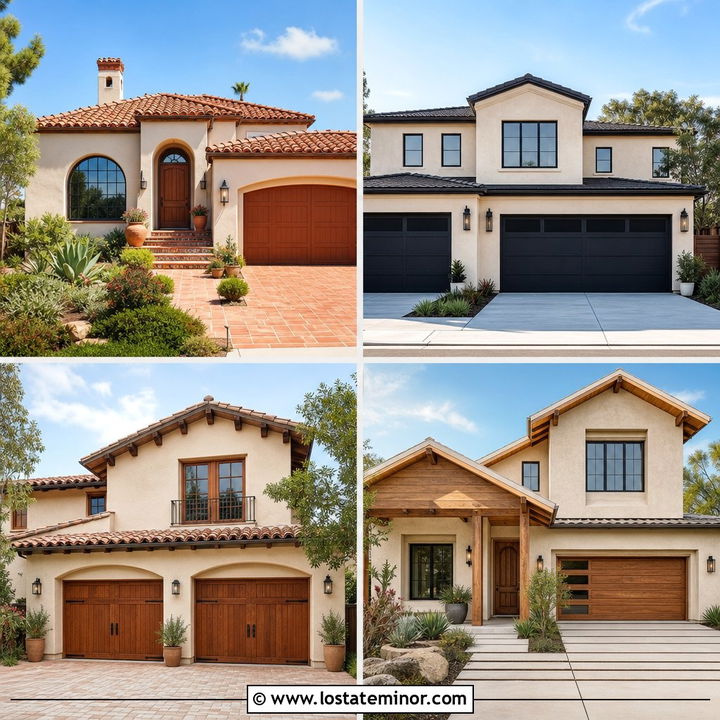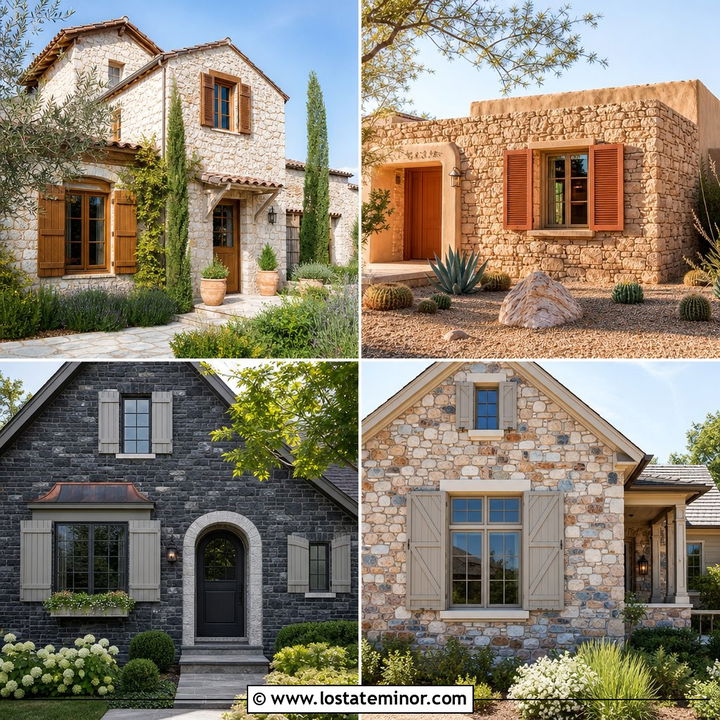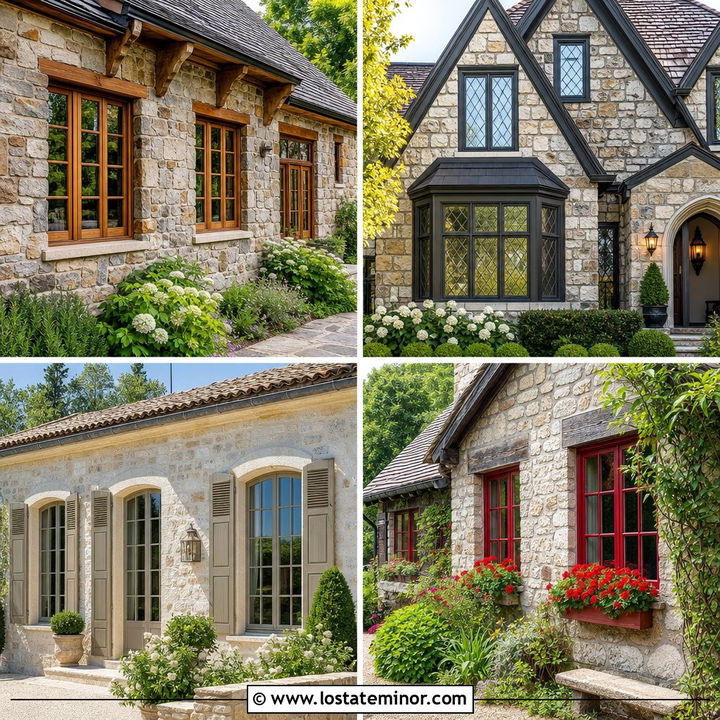
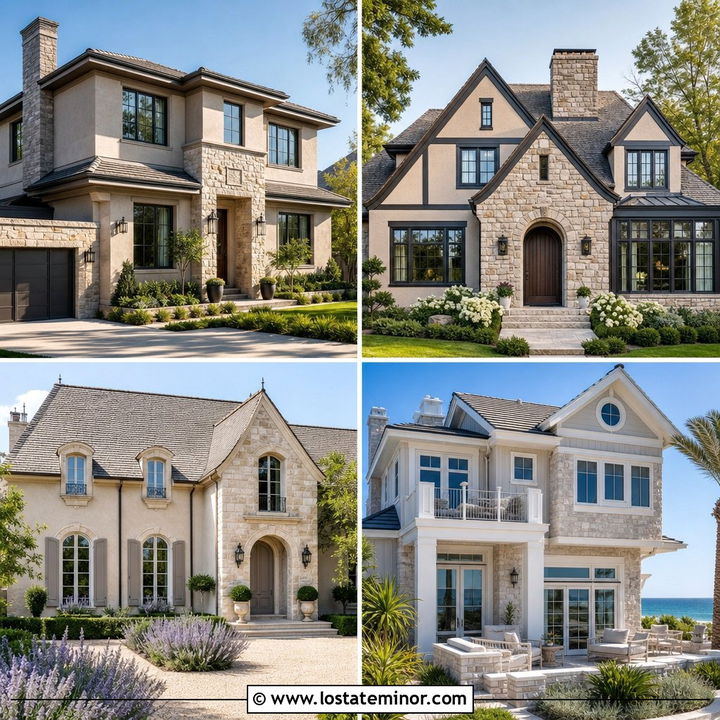
Stone brings lasting texture, natural color, and architectural weight to almost any home exterior. The best designs do more than cover a facade in rock. They combine stone with complementary siding, trim, roofing, doors, and landscape materials to create one balanced curb-appeal scheme. Current exterior design trends favor mixed materials, warm nature-inspired colors, and carefully placed stone features that define entrances or ground larger elevations. () Whether you prefer a rustic craftsman, clean modern home, traditional colonial, or relaxed cottage, thoughtful accents can keep stone from looking heavy or dated. This guide to 30 Stone House Design With Accents Ideas explores complete exterior combinations for different house shapes, settings, and budgets. Here is how to use 30 Stone House Design With Accents Ideas as practical inspiration for your own exterior.

1. Stone House With White Siding And Black Trim
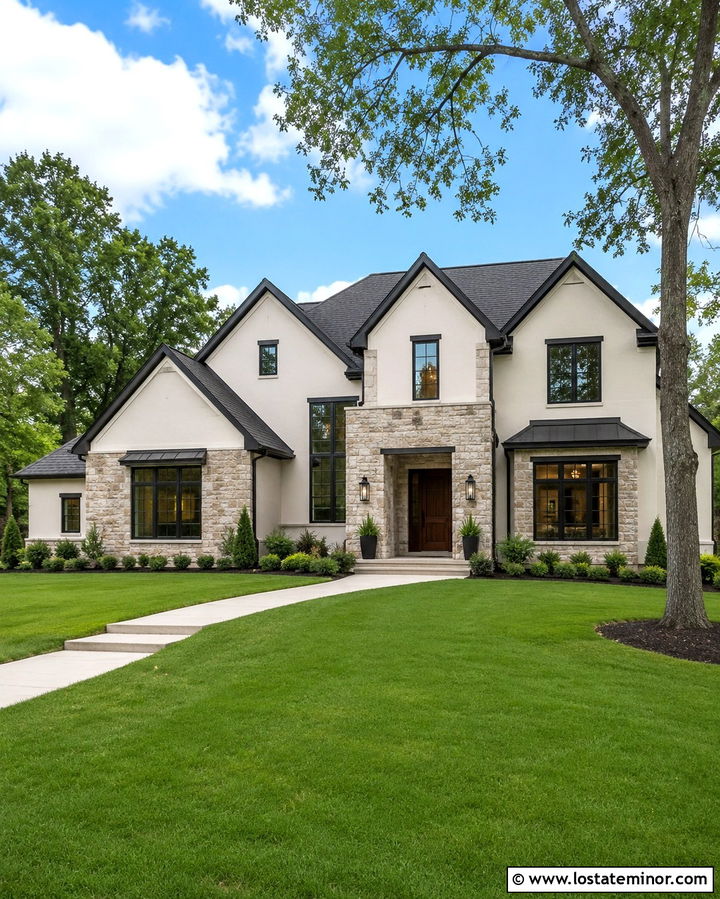
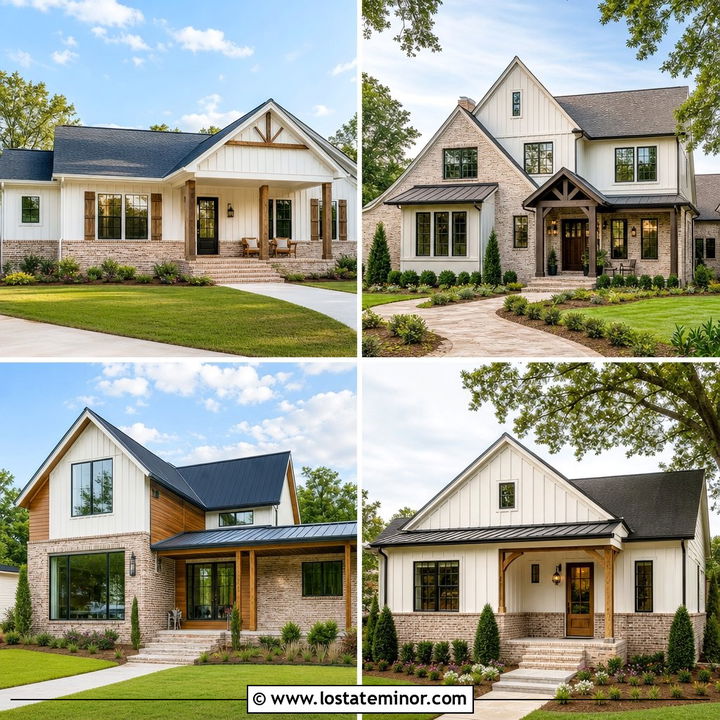
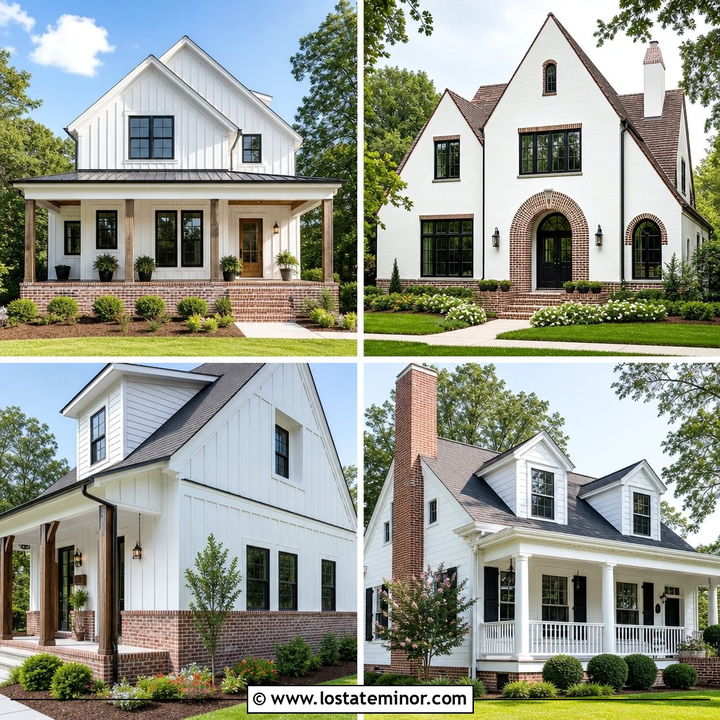
Crisp white siding gives a traditional stone exterior a cleaner, brighter appearance. Use warm white rather than stark white when the stone contains cream, tan, or brown undertones. Black window frames, gutters, and lanterns provide enough definition to keep the facade from feeling washed out. A medium brown wood door can soften the contrast while connecting visually with the natural variation in the masonry. Place stone around the lower level, front entry, or one projecting gable instead of applying it randomly. This creates an intentional focal point. A charcoal roof completes the palette without competing with the stone. Simple foundation shrubs, ornamental grasses, and a light concrete walkway help this versatile scheme feel polished, welcoming, and suitable for both suburban and country settings.
2. Modern Stone House With Wood Accents
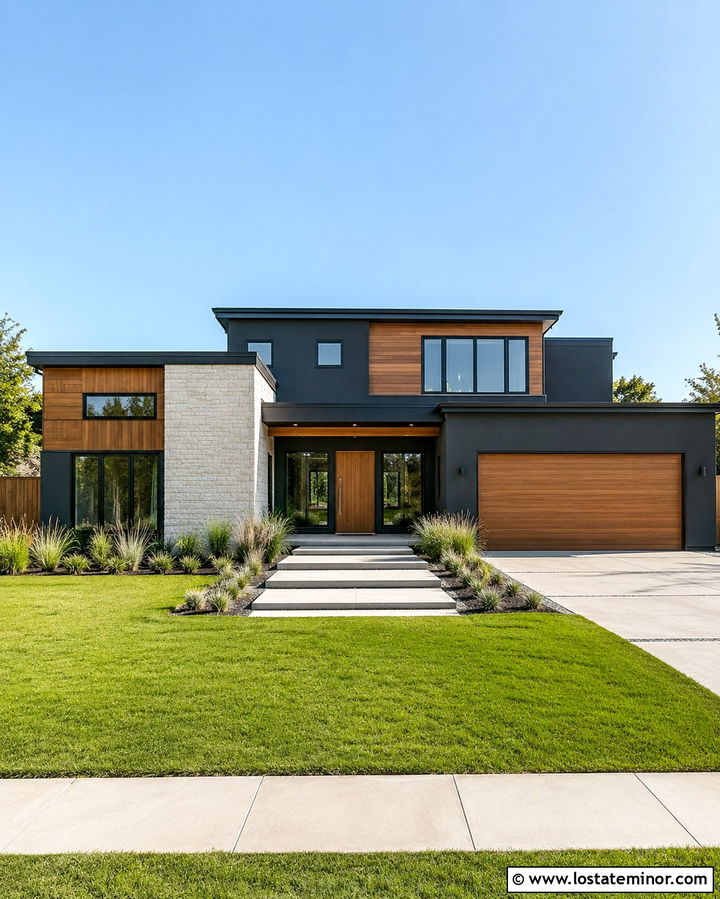
Can a stone home feel warm and modern at the same time? The answer is yes when smooth masonry is balanced with natural wood. Choose rectangular limestone or gray ledgestone with a consistent shape, then add horizontal cedar around the entrance, upper story, or garage. The wood should occupy one clear architectural zone rather than appearing in several disconnected patches. Black-framed windows, a charcoal standing-seam roof, and minimalist lighting create definition around the lighter materials. A flat-panel wood garage door can repeat the entry cladding without making the exterior overly rustic. Keep landscaping structured with low grasses, clipped shrubs, and large concrete pavers. This combination works especially well on homes with simple rooflines, wide windows, and strong horizontal or vertical forms.
3. Gray Stone House With Black Accents
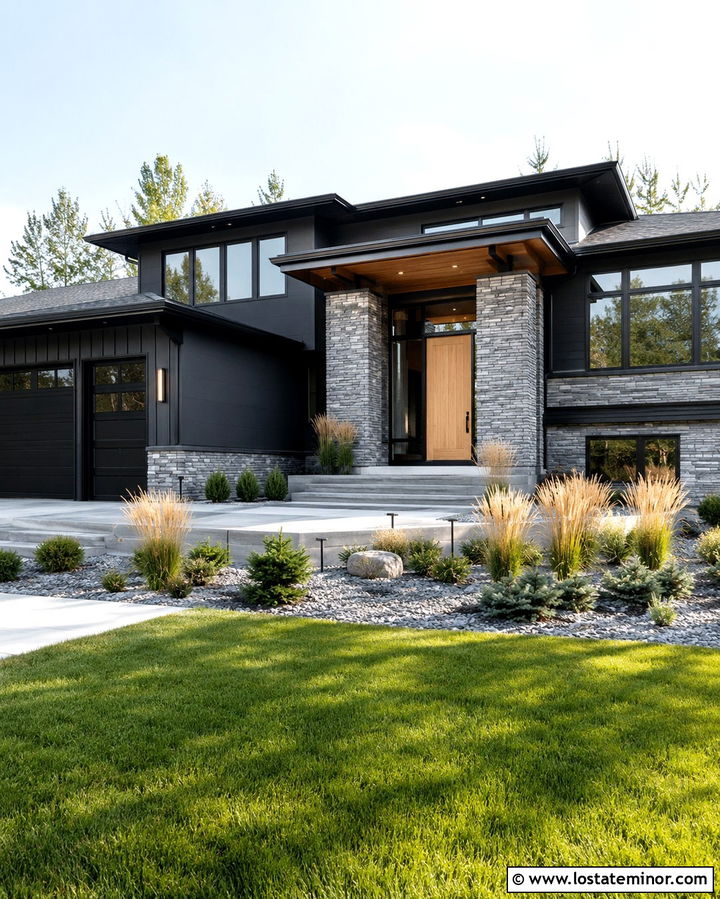
Cool gray stone becomes more dramatic when paired with carefully controlled black accents. Paint window trim, fascia, gutters, and the front door a soft charcoal black rather than using a harsh jet-black finish everywhere. This creates depth while allowing the stone texture to remain visible. On a contemporary ranch or split-level home, black board-and-batten siding can cover one recessed section while gray stone anchors the main facade. Add a warm wood porch ceiling or a natural oak door to keep the palette from feeling cold. A medium charcoal shingle roof will blend more gently than a solid black roof. Finish the scheme with silvery grasses, evergreen shrubs, and a dark gravel border. The result feels streamlined, grounded, and easy to maintain visually.
4. Limestone House With Cedar Accents
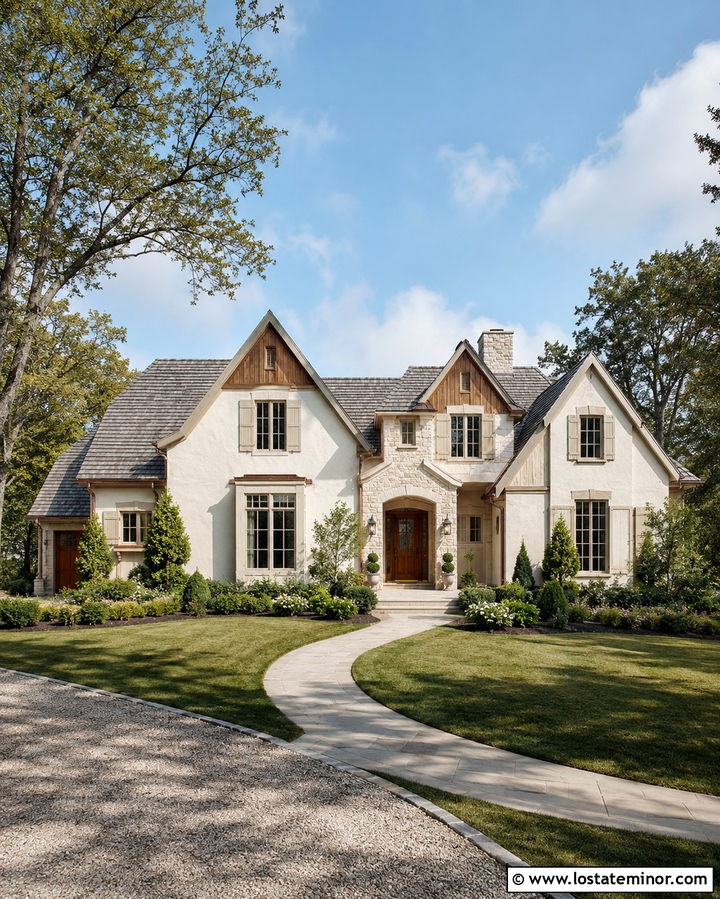
Pale limestone and cedar create a relaxed exterior that feels refined without becoming formal. The limestone can cover the main floor while cedar shakes, vertical boards, or horizontal planks highlight upper gables. Select a medium honey or weathered cedar stain that relates to the warmer mineral tones in the stone. Cream trim offers a softer transition than bright white, especially around divided-light windows and porch columns. A stained wood front door can repeat the cedar without needing to match it perfectly. Complete the look with a weathered gray roof, bronze lighting, and copper-toned gutters if the budget allows. Layered green landscaping helps the light masonry stand out. This balanced combination suits craftsman, cottage, French country, and transitional home architecture particularly well.
5. Fieldstone House With White Board And Batten
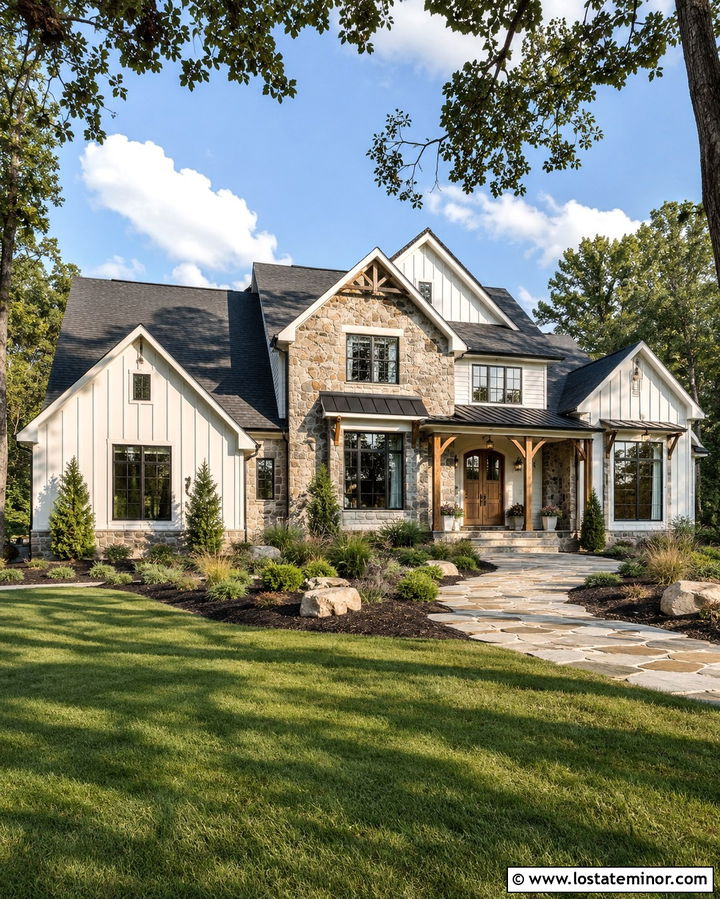
Irregular fieldstone brings strong rustic character, so white board-and-batten siding can provide a useful visual break. Apply the stone across the lower story or around a prominent central entry, then use vertical siding on tall gables to emphasize the roofline. A warm off-white paint will sit comfortably beside brown, gray, and mossy fieldstone tones. Choose dark bronze windows and matching exterior lights for gentle contrast. A stained oak front door, timber porch brackets, and exposed rafters can repeat the organic colors found in the masonry. Avoid adding too many other finishes, since the stone already supplies plenty of pattern. A dark brown or charcoal roof grounds the exterior. Native grasses and an informal stone walkway complete the natural, approachable farmhouse scheme.
6. Stone House With Cream Stucco Accents
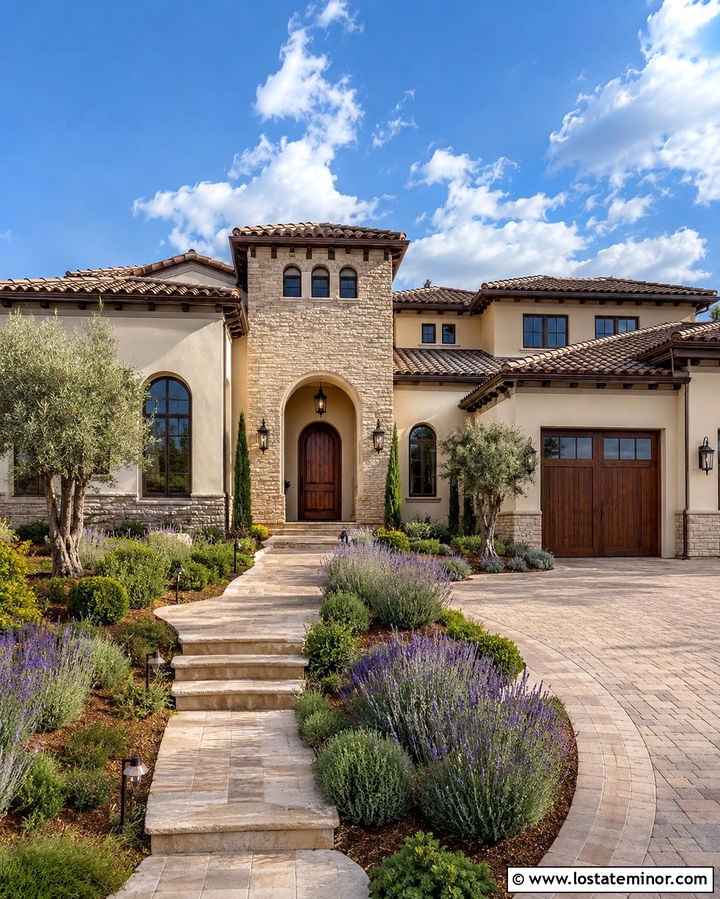
Cream stucco can make a heavily textured stone exterior feel lighter and more spacious. This combination works best when the stucco color repeats one of the palest tones visible in the masonry. Cover broad, simple wall sections with stucco, then reserve stone for the base, chimney, entry tower, or projecting rooms. Deep bronze window frames add definition without introducing the severe contrast of black. Consider a medium walnut door and garage doors to bring warmth to the facade. A muted brown roof or weathered terracotta tile can support Mediterranean, Spanish, or transitional architecture. Keep exterior trim limited so the change between stone and stucco remains clean. Olive trees, compact evergreens, lavender, and warm-toned pavers reinforce the earthy palette while framing the complete house.
7. Dark Siding House With Light Stone Accents
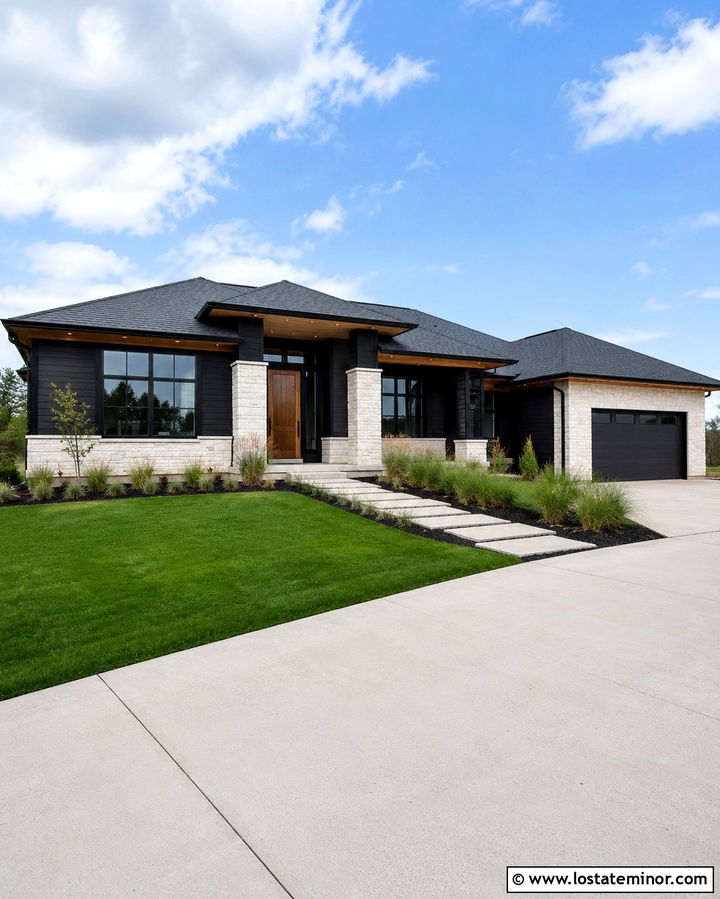
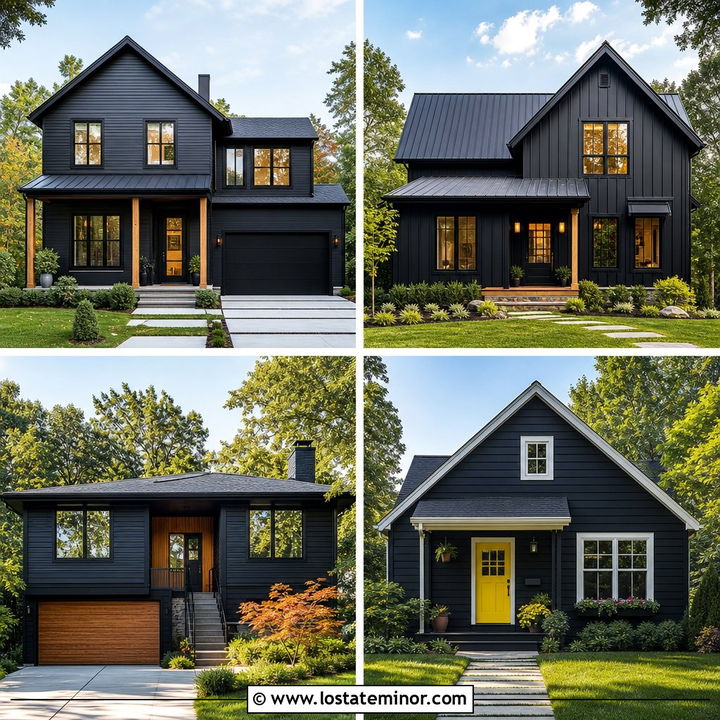
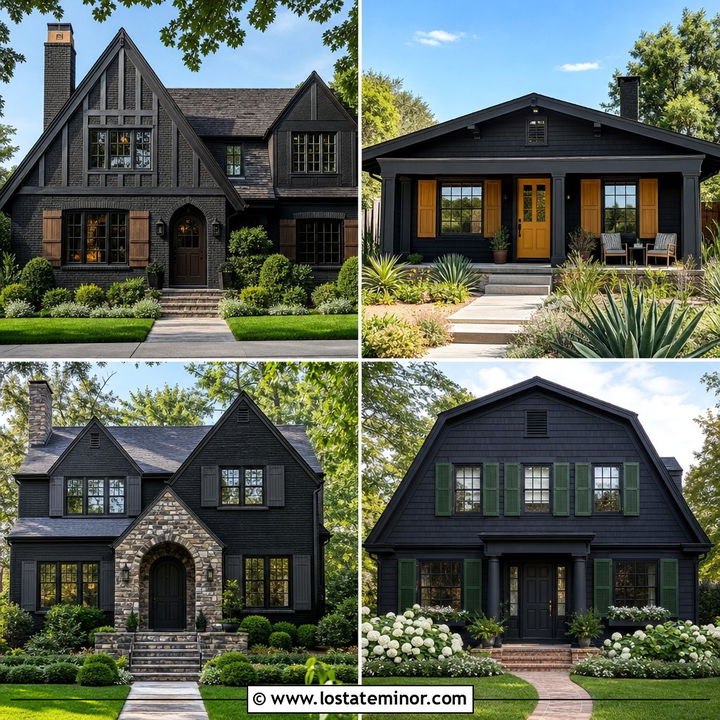
A dark exterior gains texture and balance from light stone placed along its foundation and entry. Charcoal horizontal siding or deep black board-and-batten creates a bold background, while cream limestone prevents the lower elevation from disappearing visually. Extend the stone around porch columns or across the garage base so the accent feels integrated rather than added later. Natural wood soffits and a medium cedar door introduce warmth between the dark paint and pale masonry. Keep the roof close to the siding color for a unified silhouette. Black windows can blend quietly into the walls, allowing the stone and wood to become the main features. Light gravel, concrete pavers, and soft green grasses brighten the yard and help this high-contrast scheme remain inviting.
8. Sage Green House With Stone Accents
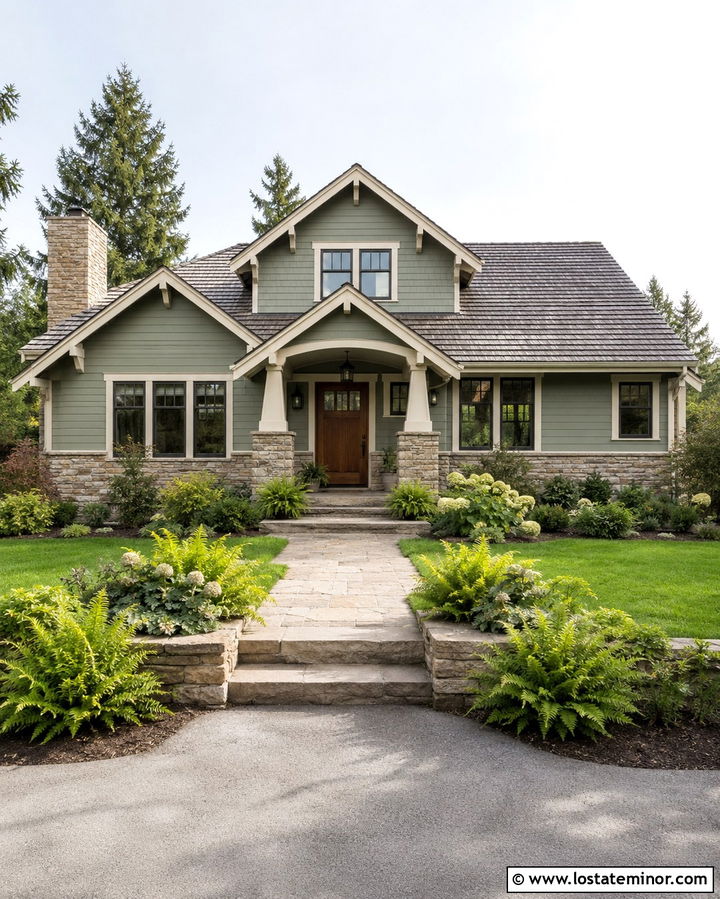
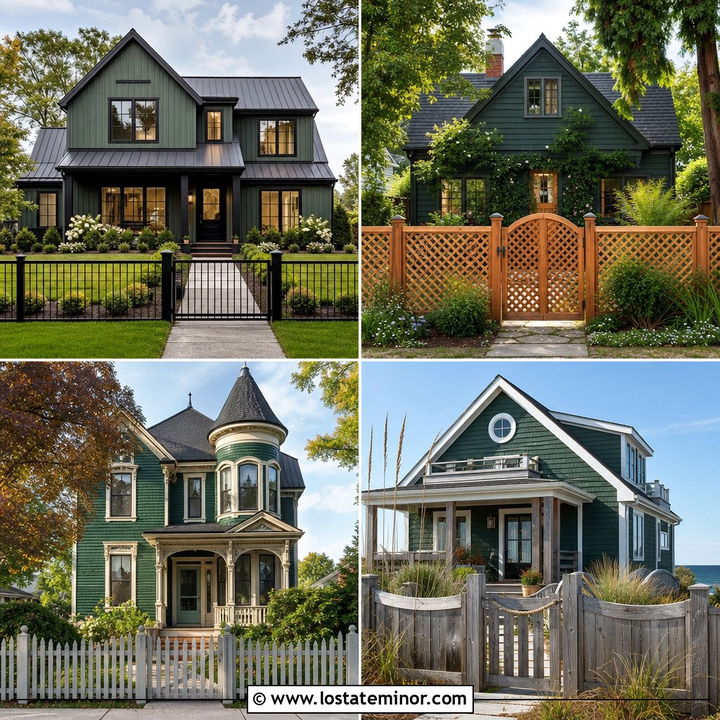
Soft sage green feels especially natural beside stone containing beige, taupe, and muted gray. Use the green on lap siding or board-and-batten gables, then place stone around the lower walls, porch foundation, and chimney. Cream trim creates a gentle outline around windows, while a stained wood front door deepens the nature-inspired palette. Dark bronze gutters and lanterns work better than bright black when you want a softer craftsman or cottage appearance. Choose a weathered gray or warm brown shingle roof that does not introduce a strong blue undertone. Repeat the stone in walkway borders or low garden walls for continuity. Ferns, hydrangeas, and evergreen shrubs will complement the siding while keeping the finished exterior colorful through several seasons.
9. Blue House With Stone Accents
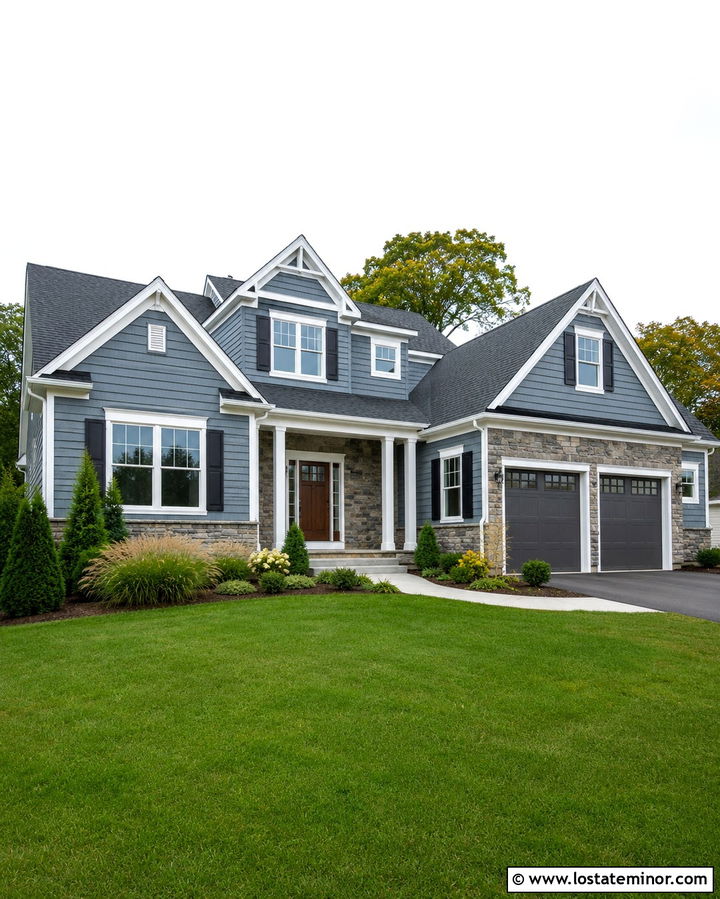
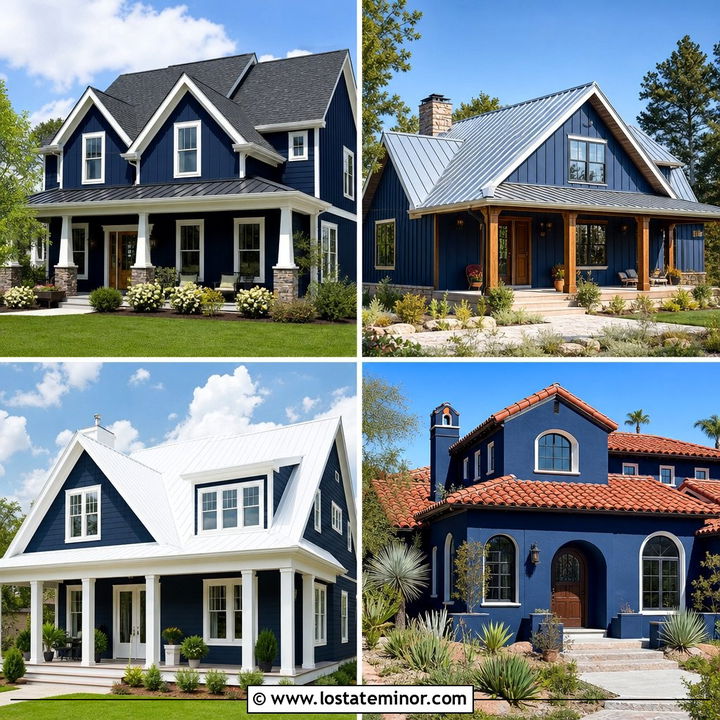
Muted blue siding gives a stone exterior personality without overpowering its natural texture. Select a dusty navy, blue-gray, or weathered denim shade that relates to cooler minerals within the stone. Use stone across the garage wall, entry surround, and lower foundation to distribute its visual weight. Bright white trim creates a classic coastal effect, while warm cream trim produces a quieter craftsman look. A natural mahogany door adds warmth and becomes a strong focal point between the blue and gray surfaces. Choose a charcoal roof with simple lines, then repeat its color through the shutters or window frames. Pale concrete, low evergreen plantings, and soft ornamental grasses complete the exterior. This scheme can refresh ranch, Cape Cod, craftsman, and split-level homes.
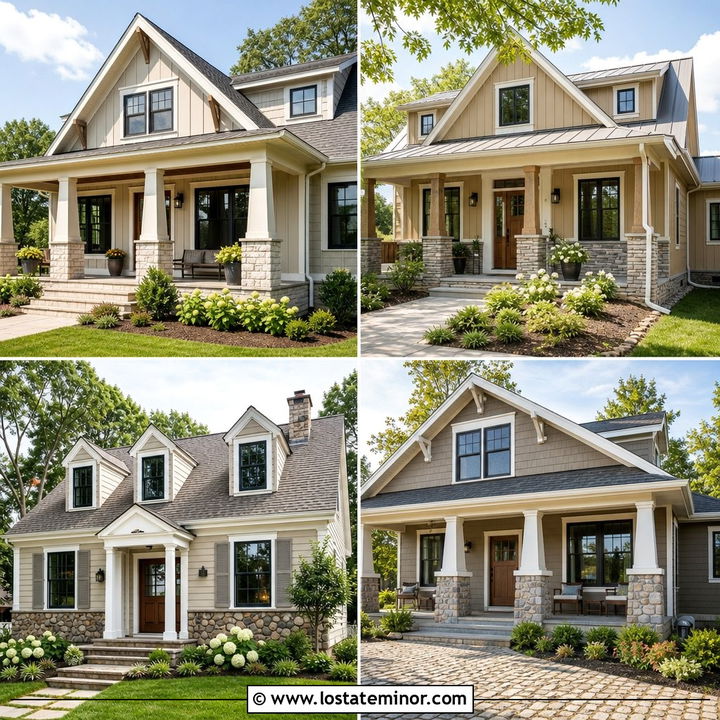
10. Greige Stone House With Board And Batten
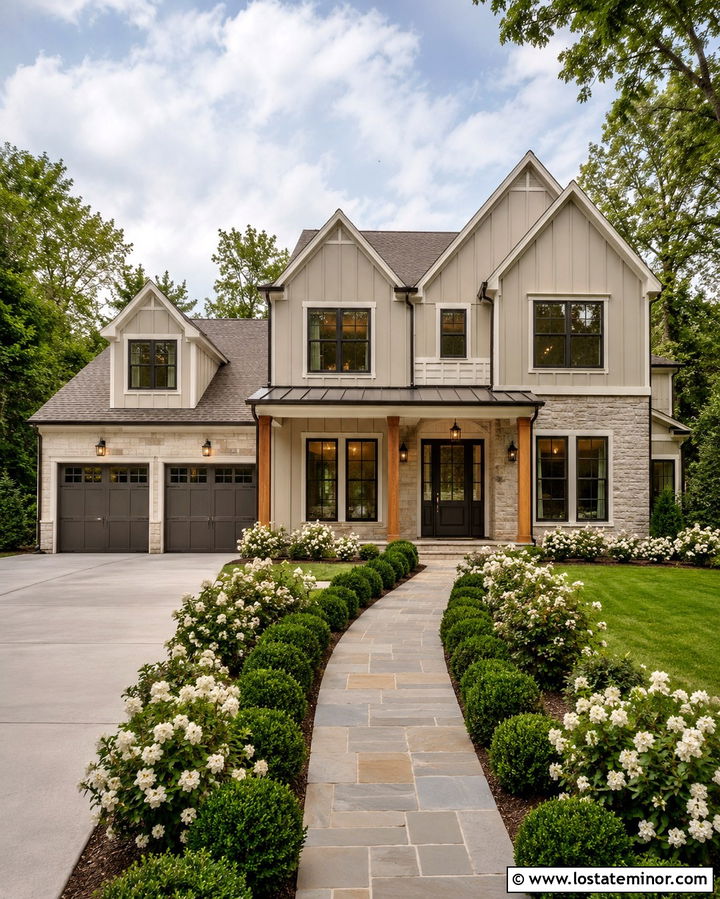
Greige creates a smooth bridge between warm beige stone and cool gray architectural finishes. Use light greige board-and-batten siding on upper gables, dormers, or a recessed porch wall. The vertical lines will contrast with irregular stone while making the roofline look taller. Creamy white trim keeps the palette light, and a charcoal front door adds a controlled focal point. If the house has a garage, choose a greige door that blends into the siding rather than competing with the entry. A medium gray roof and dark bronze lighting complete the neutral exterior. For added warmth, introduce cedar porch posts or a wood bench. Green boxwoods, white flowering shrubs, and a natural stone walkway give this transitional design a neat but welcoming finish.
11. Red Brick And Stone House With Dark Trim
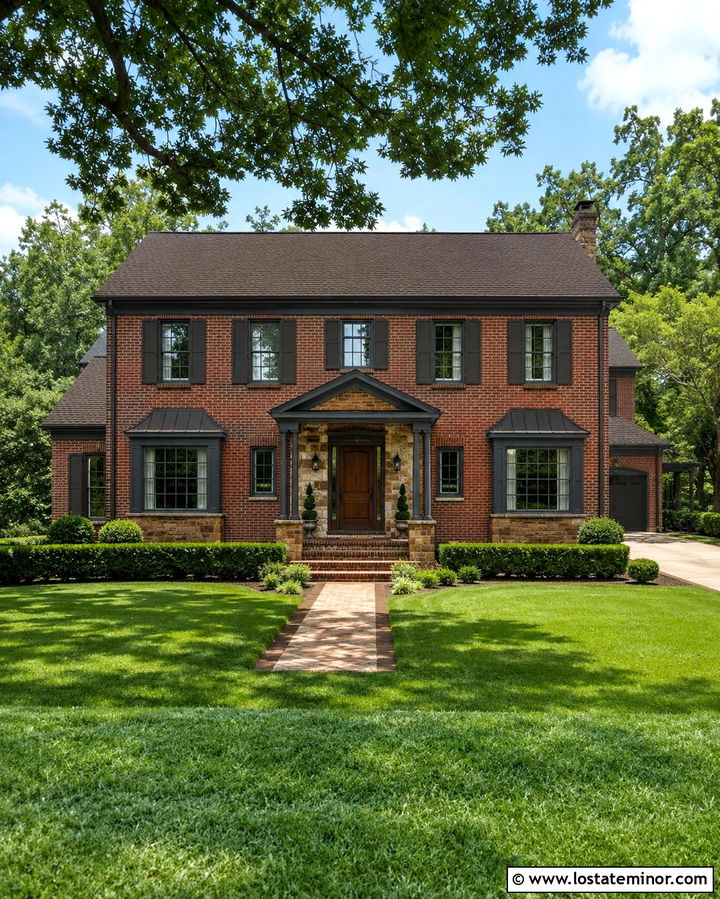
Red brick and stone can look beautifully established when their undertones are carefully coordinated. Choose stone containing rust, tan, charcoal, or soft brown so it relates to the brick rather than creating an abrupt color change. Use the stone on the porch base, front steps, chimney, or a central entrance section. Deep brown or charcoal trim will modernize the combination while remaining softer than pure black. A stained walnut door connects the warm masonry materials and gives the entrance added depth. Keep shutters limited to windows where they fit the architecture. A dark brown roof generally supports traditional red brick better than blue-black shingles. Simple evergreen landscaping and a brick-edged walkway will unify the complete facade without adding another dominant exterior material.
12. White Brick House With Stone Accents
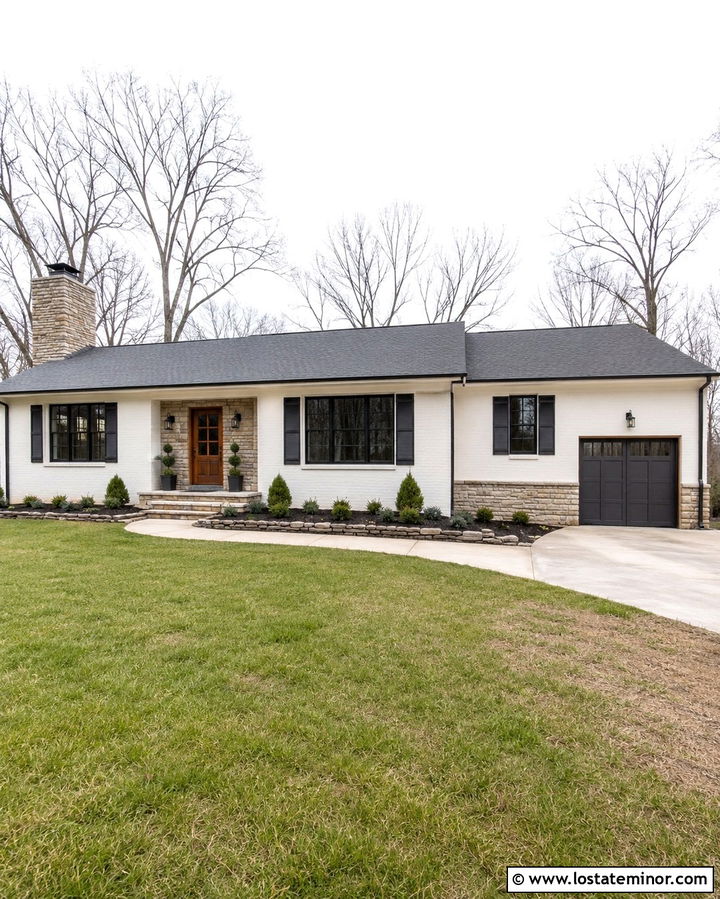
White brick provides a quiet background that allows textured stone to become a deliberate architectural feature. Use warm white paint or limewash on the brick, then select light gray, cream, or taupe stone for the lower level and entry columns. The slight tonal difference prevents the exterior from becoming flat. Black windows and gutters create crisp outlines, while a natural wood door keeps the design approachable. If the home includes shutters, consider a muted charcoal or deep olive instead of matching them to the door. A medium gray roof will support the contrast without looking overly heavy. Repeat the stone beside the driveway or in low landscape walls. This coordinated approach works well on ranch, colonial, and modern farmhouse homes needing brighter curb appeal.
13. Stone House With Copper Accents
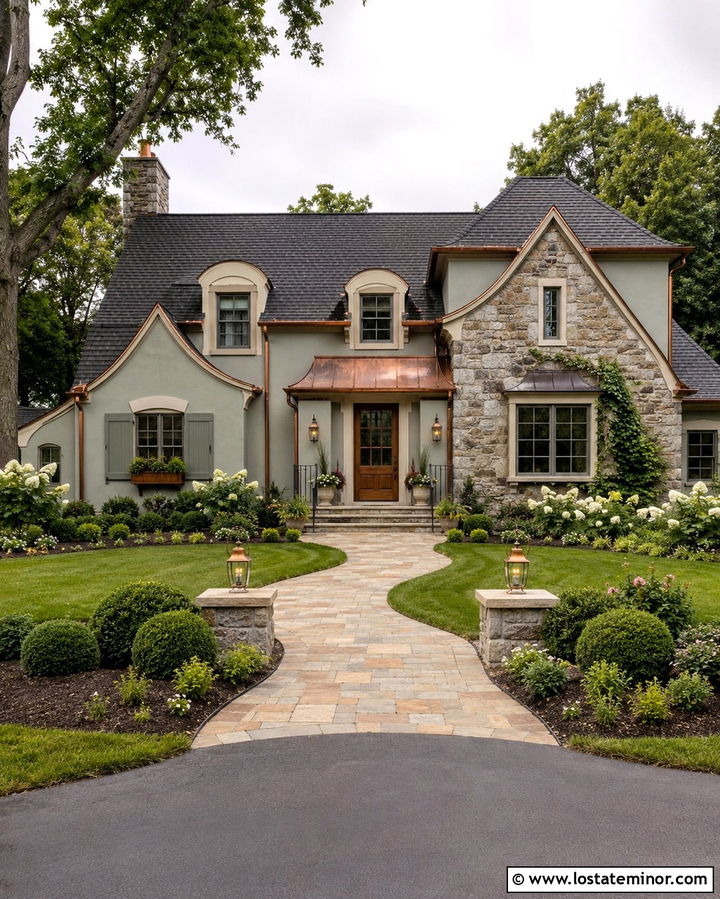
Copper adds warmth and subtle color to gray, cream, or brown stone. Use it selectively on gutters, downspouts, porch roofs, chimney caps, or a small entry awning. Too much copper may distract from the masonry, but a few repeated details can make the exterior look carefully planned. Soft green-gray siding works beautifully with copper because it anticipates the metal’s naturally changing surface. Cream trim and a medium brown wood door continue the warm palette. Choose dark bronze lighting instead of adding another bright metallic finish. A weathered charcoal roof gives the copper room to stand out while supporting the darker flecks in the stone. Rounded shrubs, climbing greenery, and warm stone pavers will enhance the established character of this Tudor, cottage, or European-inspired exterior.
14. Stone House With A Black Metal Roof
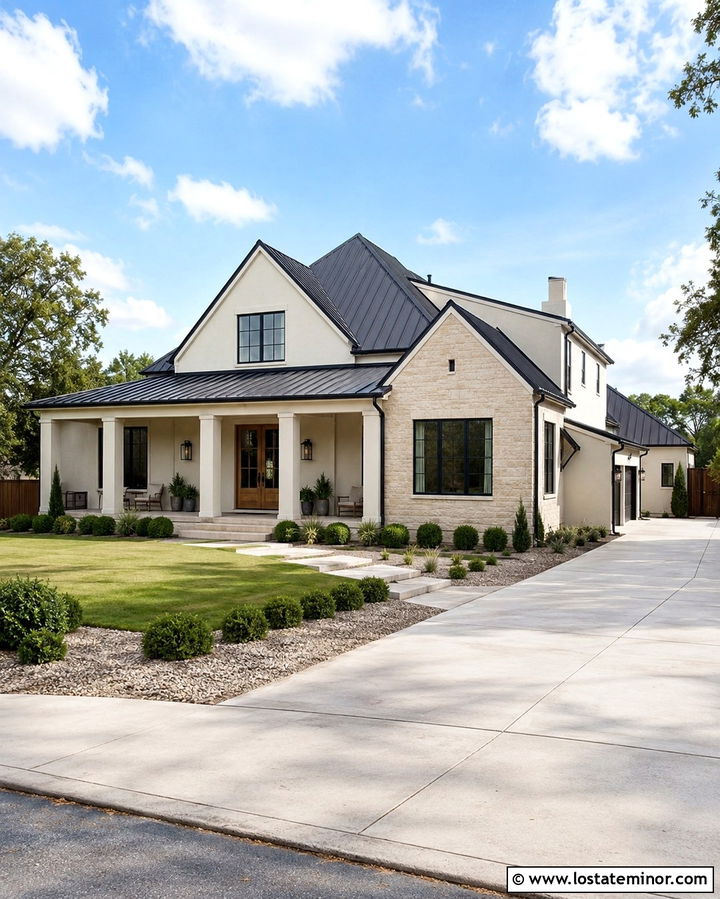
A black standing-seam roof can sharpen the silhouette of a traditional stone house. The key is balancing the dark roof with lighter wall materials and repeated black details below. Pair pale limestone or warm gray stone with creamy white stucco, then use black windows, gutters, and porch lights to connect the roof to the facade. A medium-tone wood door prevents the entrance from disappearing into the contrast. On a farmhouse, extend the metal roofing over a broad front porch. On a contemporary home, use it across simple shed or gable forms. Avoid adding black shutters unless the windows and architecture truly need them. Clean concrete paths, clipped evergreen plants, and light gravel will finish the exterior while keeping attention on the strong roofline and masonry.
15. Stone House With An Arched Entry
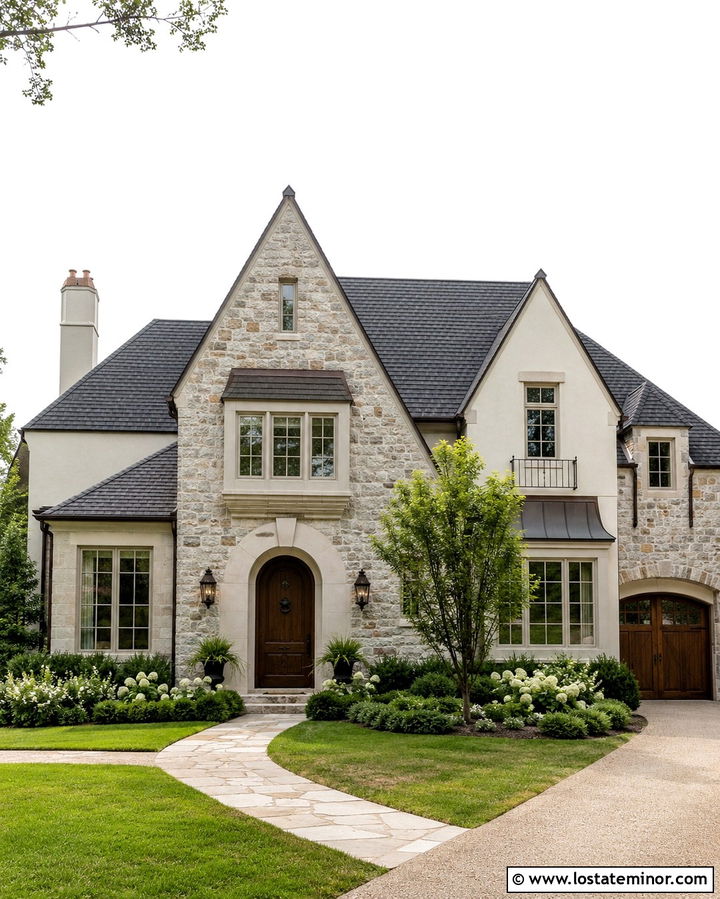
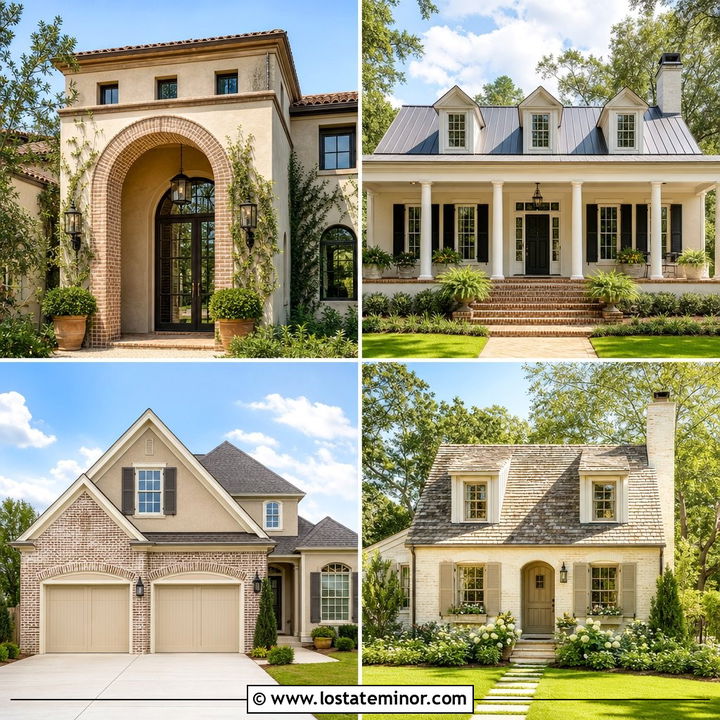
An arched entry gives a stone house a clear focal point and a sense of permanence. Frame the opening with larger stone pieces or smoother limestone blocks that contrast subtly with the main fieldstone walls. A rounded stained wood door can follow the shape of the arch, while black iron hardware adds clean definition. Use cream stucco or taupe siding on the upper level to keep the facade from feeling too heavy. Bronze lanterns placed on both sides of the entry will reinforce its symmetry. Carry the stone onto the front steps and nearby planter walls for a connected approach. A curved walkway, layered shrubs, and a small ornamental tree can guide attention toward the entrance. This complete look suits Tudor, French country, and European cottage homes.
16. Stone House With Timber Porch Columns
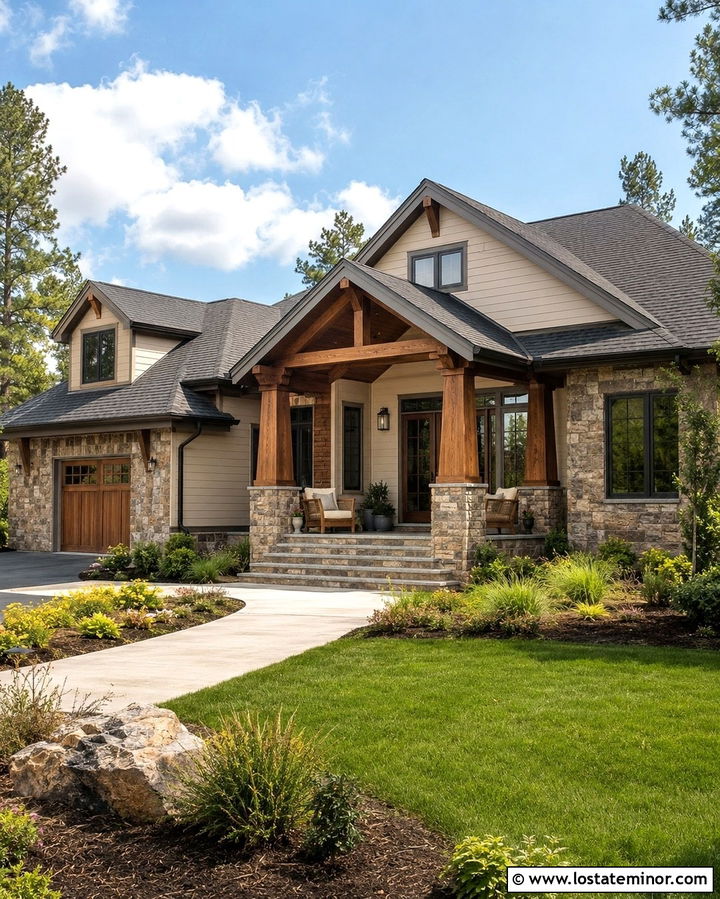
Thick timber porch columns introduce warmth and handcrafted character to a stone exterior. Set each post on a substantial stone base so the porch feels visually connected to the main house. Medium brown wood stains are versatile because they complement beige, gray, and multicolored masonry. Use cream lap siding or muted green board-and-batten in the gables to lighten the upper facade. Dark bronze railings, lanterns, and window frames provide definition without competing with the timber. A charcoal shingle roof helps ground the mix of materials. The porch ceiling can be finished in natural wood for another quiet layer of warmth. Wide steps, simple outdoor seating, and informal native landscaping complete this comfortable craftsman design while keeping the stone as the primary architectural material.
17. Stone House With A Garage Accent
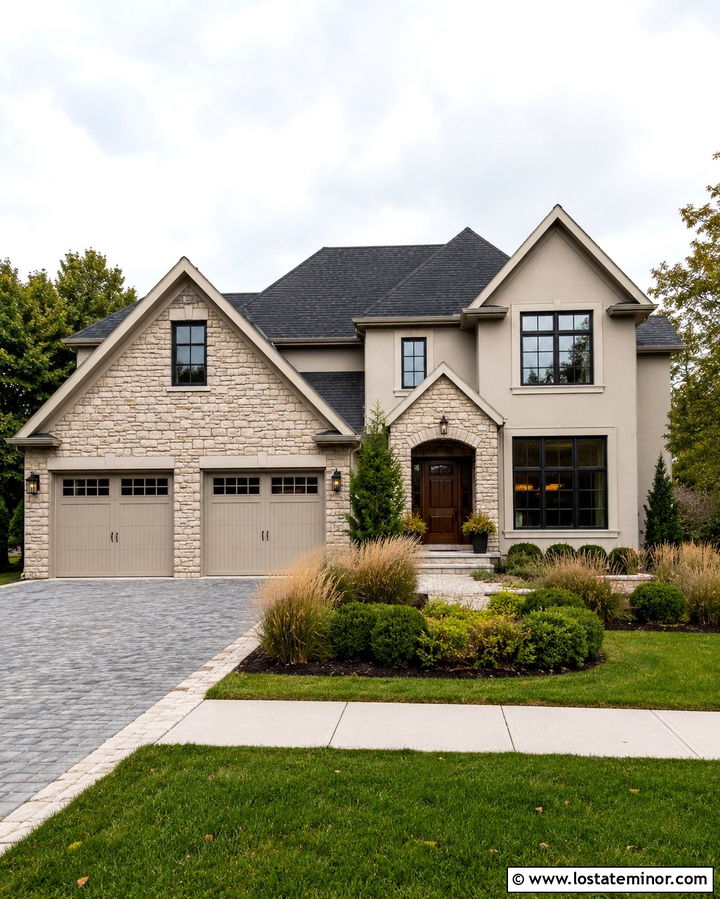
The garage occupies a large part of many front elevations, making it a useful place for a controlled stone accent. Frame the garage opening with stone or apply masonry to the entire projecting garage wall. Then choose a door color that blends with the stone instead of creating a second focal point. Warm greige, walnut brown, or soft charcoal garage doors usually coordinate well. Repeat the same stone around the front entry to connect both sides of the facade. Light siding can cover the remaining walls, while black or bronze windows supply definition. A medium gray roof keeps the overall composition balanced. Finish the driveway edge with grasses, compact shrubs, and low stone borders. This approach adds depth to ranch, craftsman, and suburban two-story homes.
18. Stone Chimney With Wood Siding
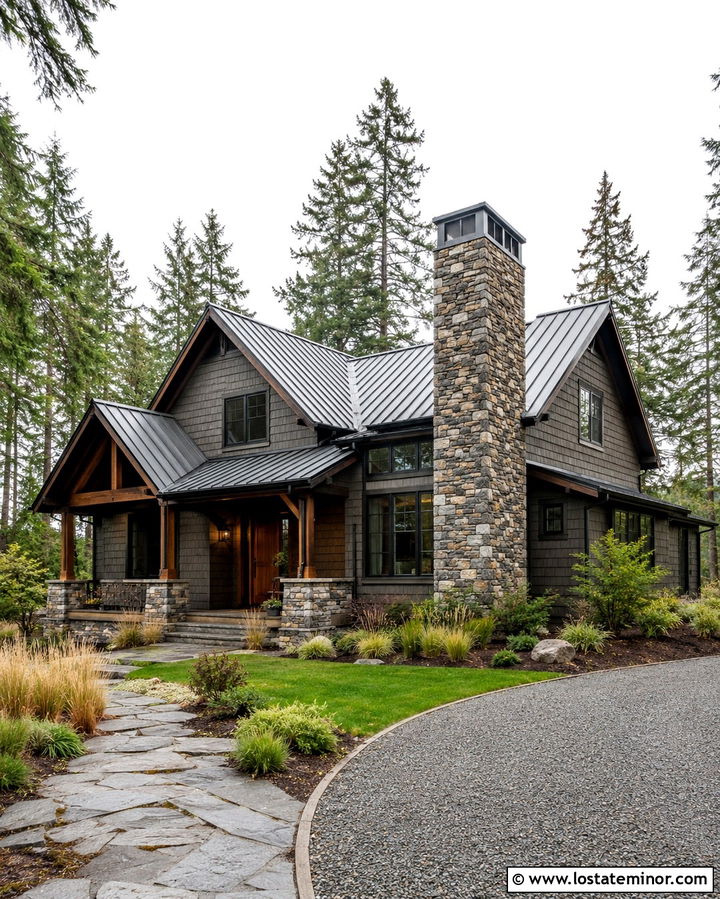
A full-height stone chimney creates a strong vertical feature on a house with wood or wood-look siding. Choose stone that includes colors found elsewhere in the exterior, such as warm gray, brown, cream, or charcoal. Cedar siding can remain natural for a rustic look or receive a muted brown stain for a more tailored finish. Use dark window trim to define the openings and a matching charcoal roof to frame the chimney. Repeating the stone at the porch base or front steps will keep the chimney from looking isolated. A solid wood door and simple metal lighting complete the natural materials. Surround the house with evergreen trees, native grasses, and an irregular flagstone path for a mountain, lakeside, or Pacific Northwest character.
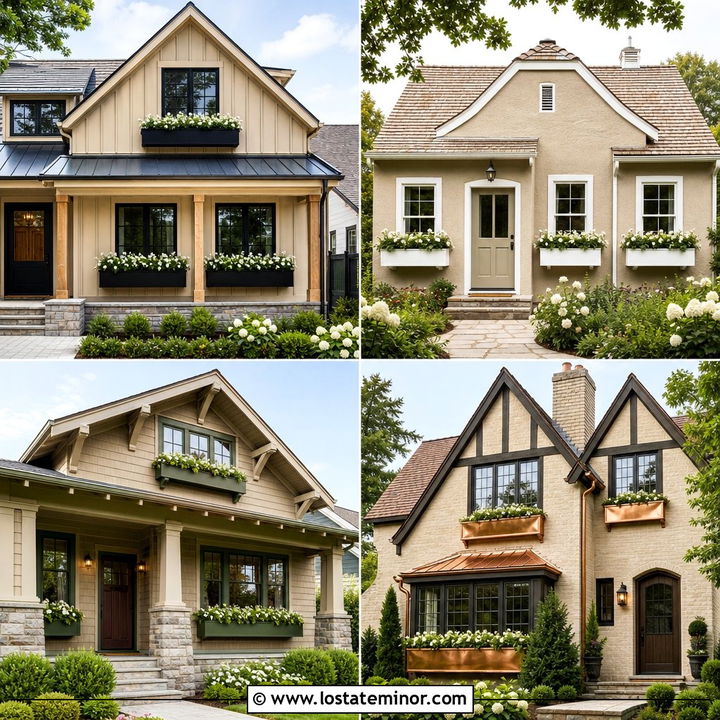
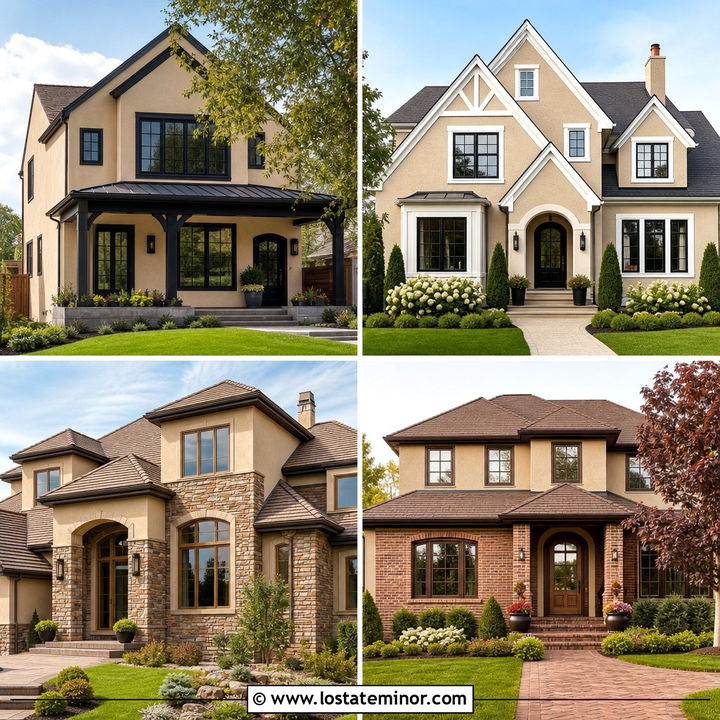
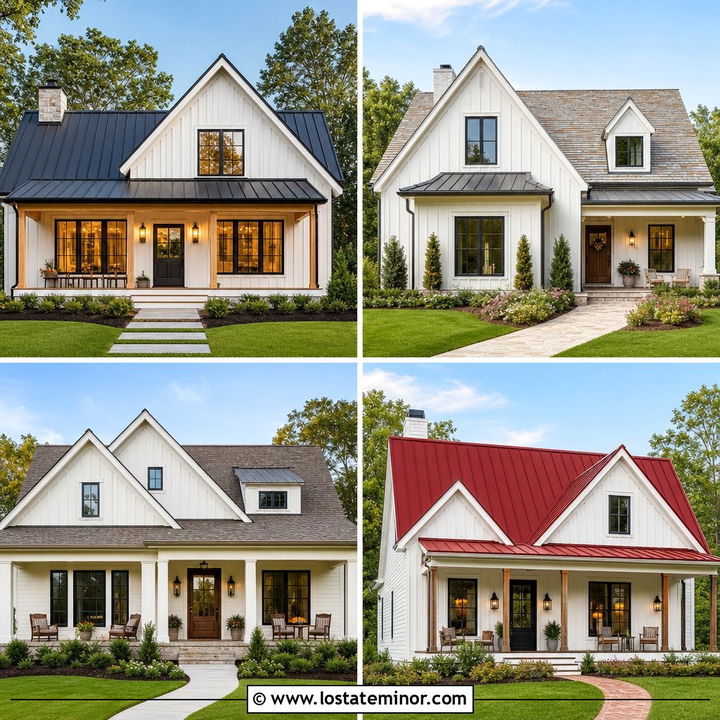
19. Stone Wainscoting On A Craftsman House
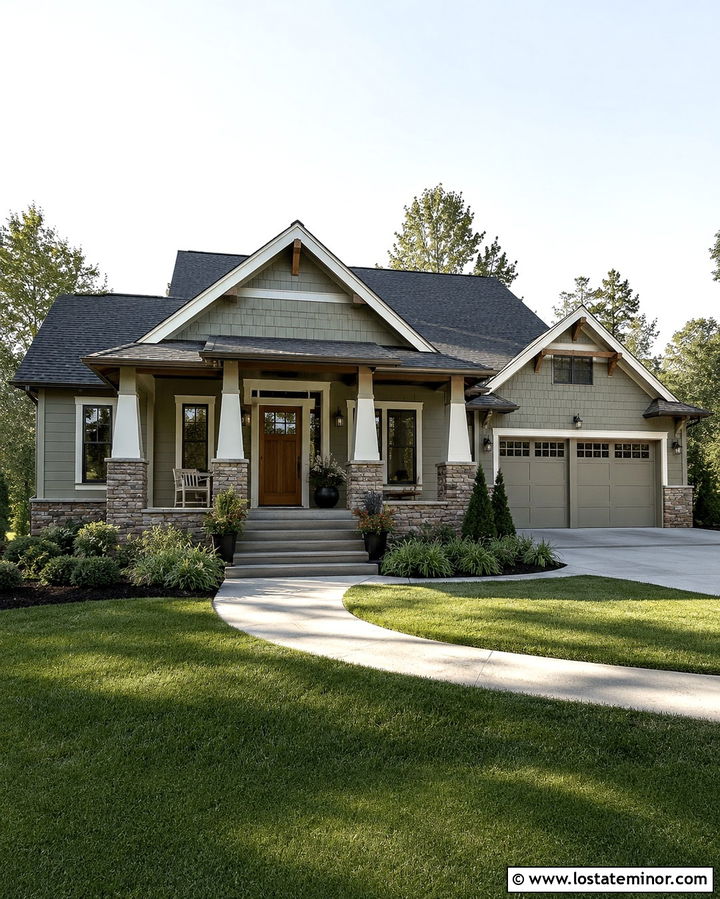
Stone wainscoting grounds a craftsman house without overwhelming its detailed architecture. Run the masonry along the lower third of the facade, then wrap it around porch piers and visible side walls for continuity. Warm taupe or sage lap siding works well above multicolored stone, especially when creamy trim outlines the windows, beams, and gables. Choose a stained fir front door with small glass panels to reinforce the handcrafted appearance. Deep brown gutters and a weathered charcoal roof will support the earthy palette. Keep the dividing line between stone and siding aligned with windows or porch railings whenever possible. Broad front steps, tapered columns, layered shrubs, and a gently curved walkway complete the home while preserving the low, horizontal proportions associated with craftsman design.
20. Stone Foundation On A Cottage House
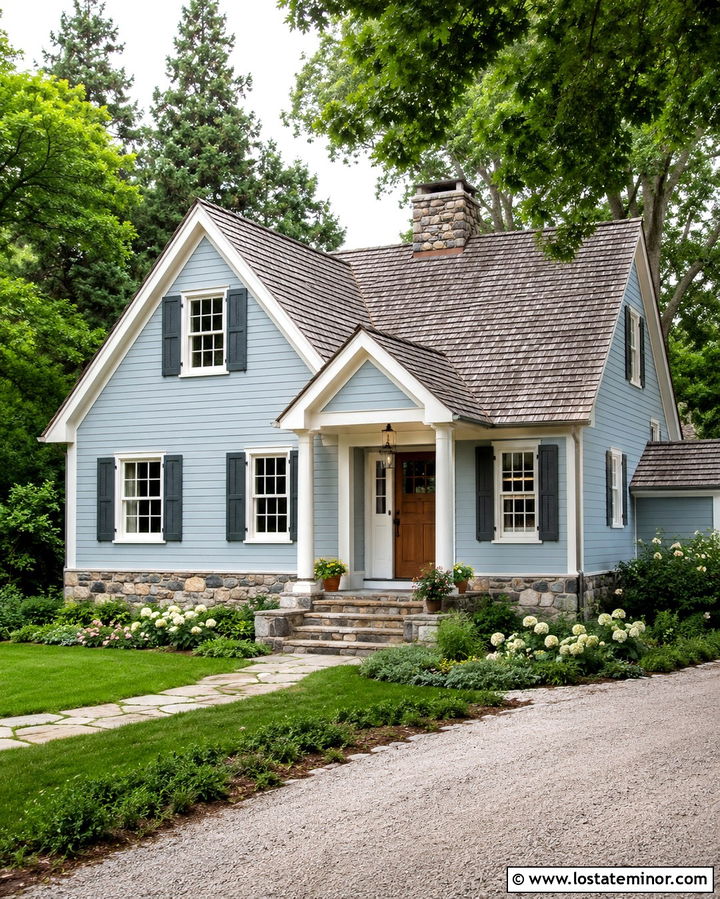
A visible stone foundation can give a cottage exterior a charming, settled appearance. Use irregular gray or buff stone along the base, then pair it with soft cream, pale blue, or muted green siding. White trim can highlight compact windows and roof details, while a wood door adds warmth near the center of the facade. Extend the foundation stone around porch steps and small planting beds so it becomes part of the landscape. A weathered gray roof, simple shutters, and traditional lanterns will support the cottage character without adding visual clutter. Plant flowering shrubs, low herbs, and informal ground cover close to the walls. A narrow stone path and modest porch complete this practical design, which works especially well on smaller homes and sloped lots.
21. Dry Stack Stone Modern Farmhouse
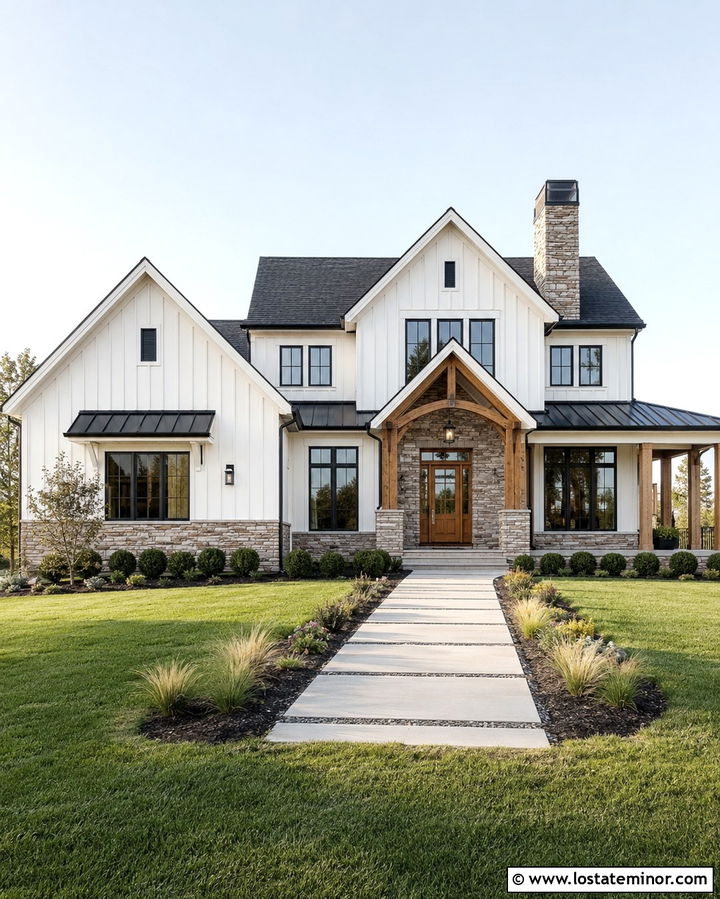
Dry stack stone introduces rough texture to the smooth, simple surfaces of a modern farmhouse. Apply it to the lower facade, chimney, or central entry volume, then use warm white board-and-batten siding across the remaining walls. Black-framed windows and a black metal porch roof provide familiar farmhouse contrast. To prevent the palette from looking too sharp, add a medium oak door and matching timber porch beams. Select stone with a balanced mix of gray, cream, and soft brown so it connects both the white siding and wood accents. A charcoal shingle roof can cover the main structure while metal roofing highlights smaller sections. Straight concrete pavers, tidy grasses, and clipped shrubs finish the house with a clean, approachable appearance rather than an overly rustic one.
22. River Rock Stone Bungalow
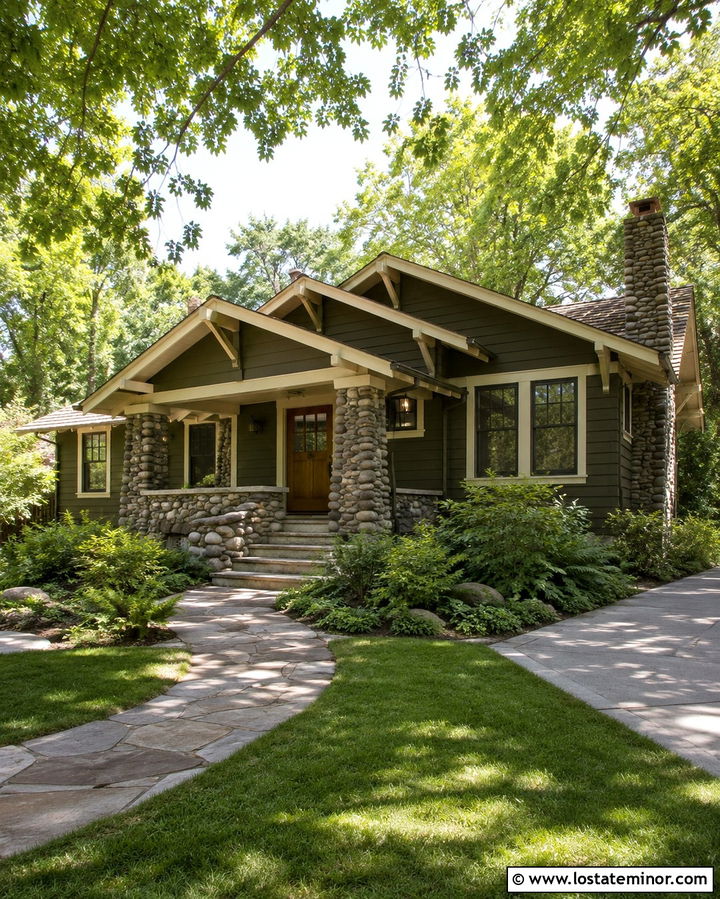
Rounded river rock gives a bungalow an organic, handcrafted quality that works best in focused areas. Use it on porch columns, foundation walls, and a broad chimney instead of covering every exterior surface. Pair the stone with warm olive, muted brown, or deep green lap siding to create an earthy arts-and-crafts palette. Cream trim will brighten the low roofline and highlight window groupings. A stained wood door with divided glass fits naturally within the composition. Choose a weathered brown or charcoal roof, then repeat the dark tone on gutters and simple porch lighting. Native ferns, broad-leaf shrubs, and a flagstone path will strengthen the connection to the landscape. The completed exterior should feel sturdy, welcoming, and closely tied to its natural surroundings.
23. Bluestone House With Wood Accents
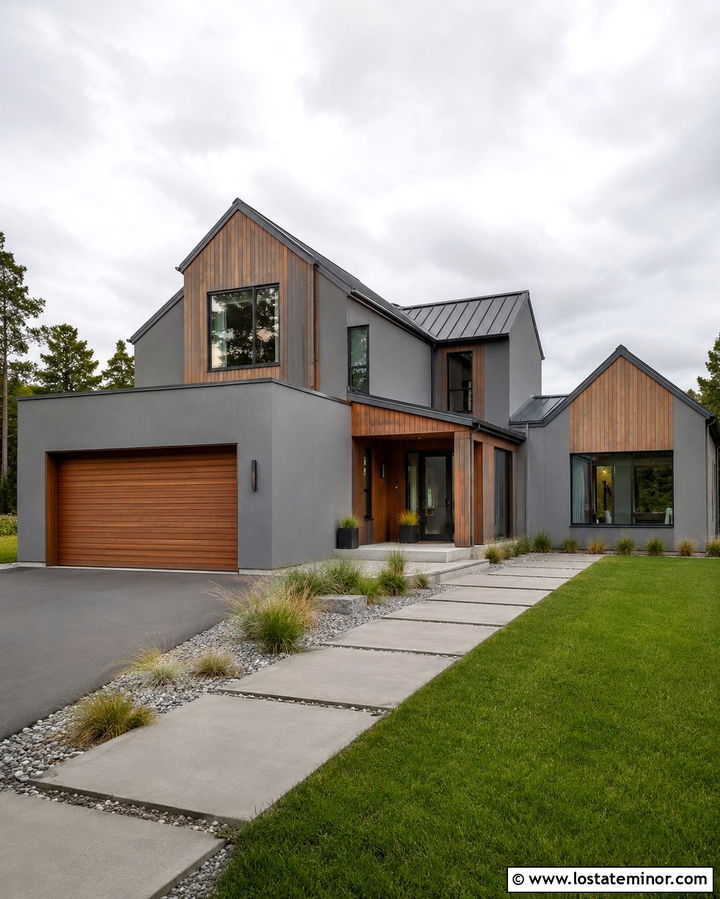
Bluestone introduces cool blue-gray color and clean texture to a contemporary house exterior. Use large rectangular pieces across one primary wall, then add vertical cedar siding around the entrance or upper story. The warm wood balances the cool masonry and creates a visible destination for the eye. Charcoal window frames and fascia keep the architecture crisp, while a medium gray metal roof supports the stone without matching it too closely. Consider a cedar garage door to repeat the entry accent on the opposite side of the facade. Large concrete pavers, gravel beds, and structured ornamental grasses suit the streamlined material palette. This exterior works particularly well on homes with asymmetrical rooflines, wide glass openings, and simple forms because every finish occupies a clearly defined architectural section.
24. Sandstone House With Desert Accents
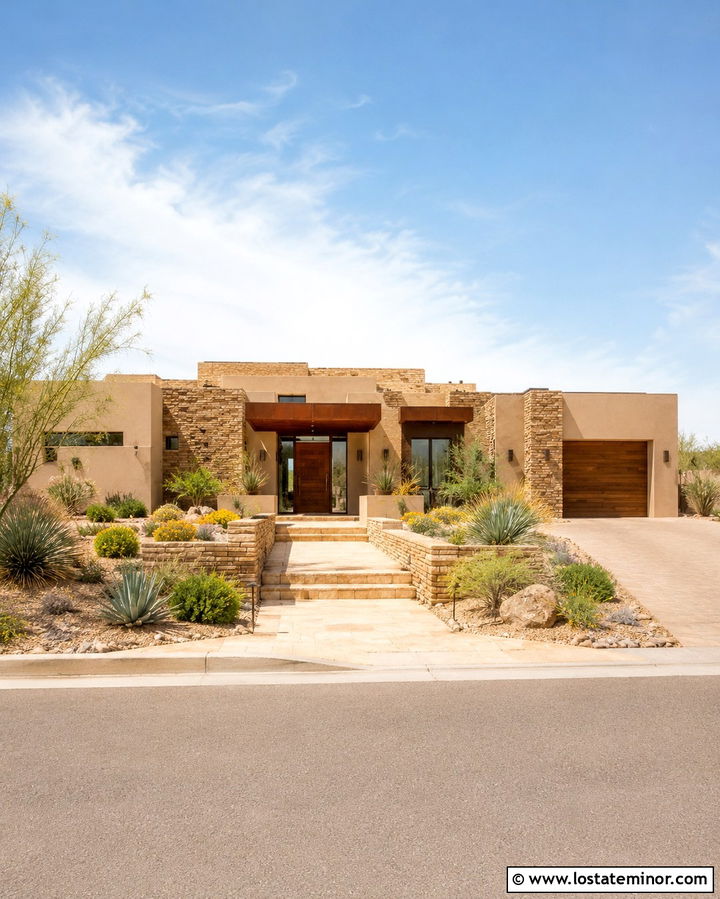
Warm sandstone looks most natural when the surrounding exterior reflects desert colors and textures. Pair golden beige stone with sand-colored stucco, medium brown wood doors, and dark bronze window frames. A rust-toned metal awning or muted terracotta roof can add depth without overwhelming the soft masonry. Use stone around the entry, lower walls, and landscape planters to connect the house to the ground. Keep trim close to the stucco color so the broad facade remains calm and cohesive. Gravel beds, sculptural agaves, native grasses, and drought-tolerant shrubs complete the low-water setting. A wide walkway made from large tan pavers will guide visitors toward the entrance. This scheme suits Southwestern, desert modern, ranch, and contemporary homes in hot, sunny regions.
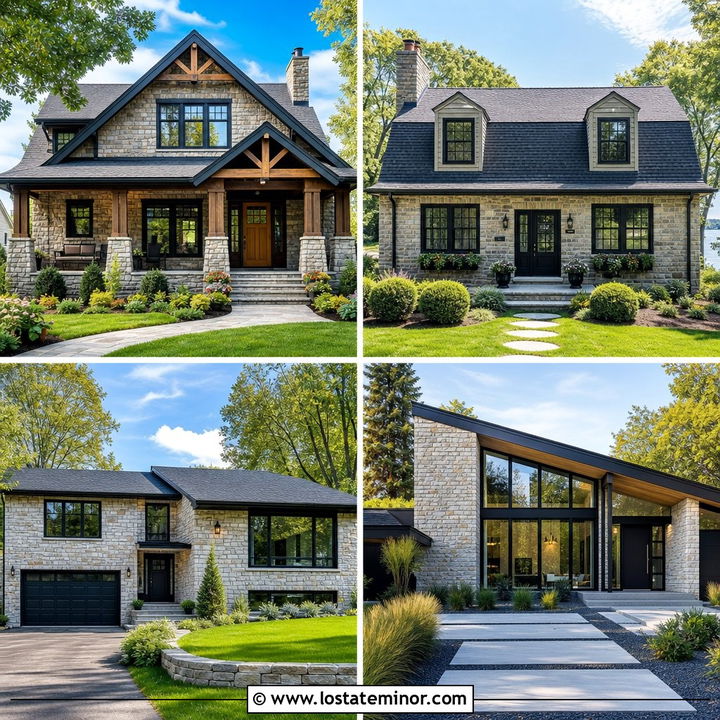
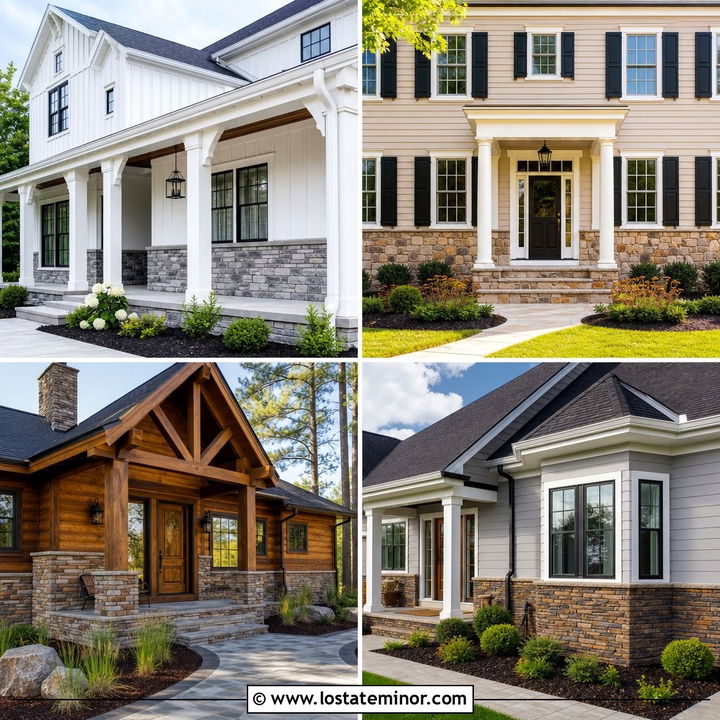
25. Limestone French Country House
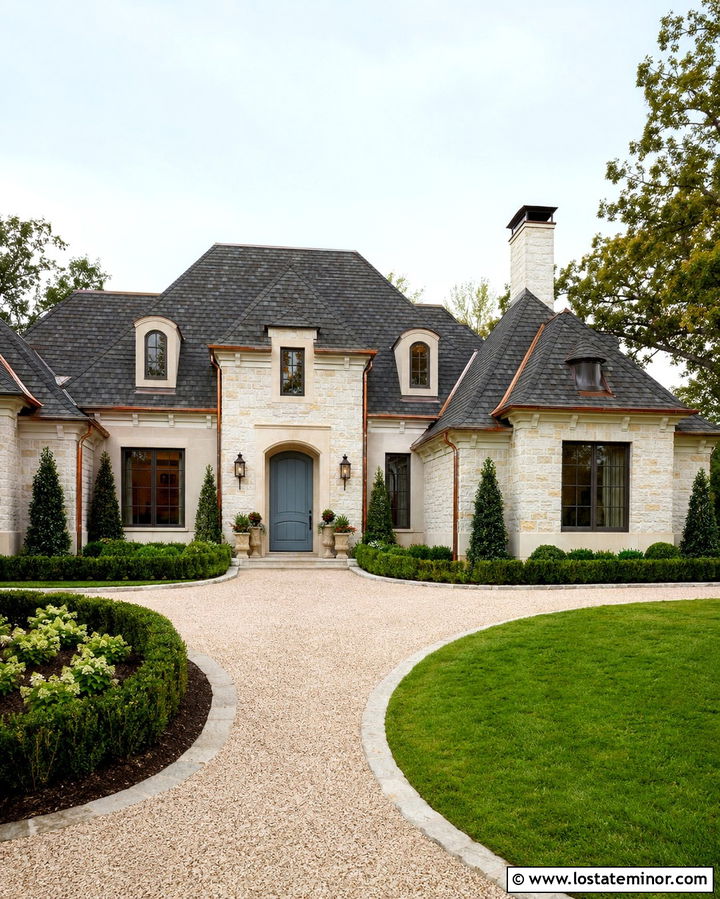
Light limestone provides an elegant base for a French country exterior, especially when paired with softly colored accents. Cover the main walls in cream or pale gray limestone, then use muted taupe stucco on upper gables. A weathered blue-gray front door can add restrained color while remaining compatible with the stone. Select dark bronze windows, traditional lanterns, and subtle copper gutters for depth. A steep charcoal roof will give the exterior a strong silhouette, while small dormers can break up its scale. Avoid bright white trim, which may look too sharp beside the aged stone palette. Curved garden beds, clipped hedges, and a gravel or pale paver walkway reinforce the formal but welcoming character. The finished house should feel balanced, established, and gently layered.
26. Ledgestone Mountain House With Cedar
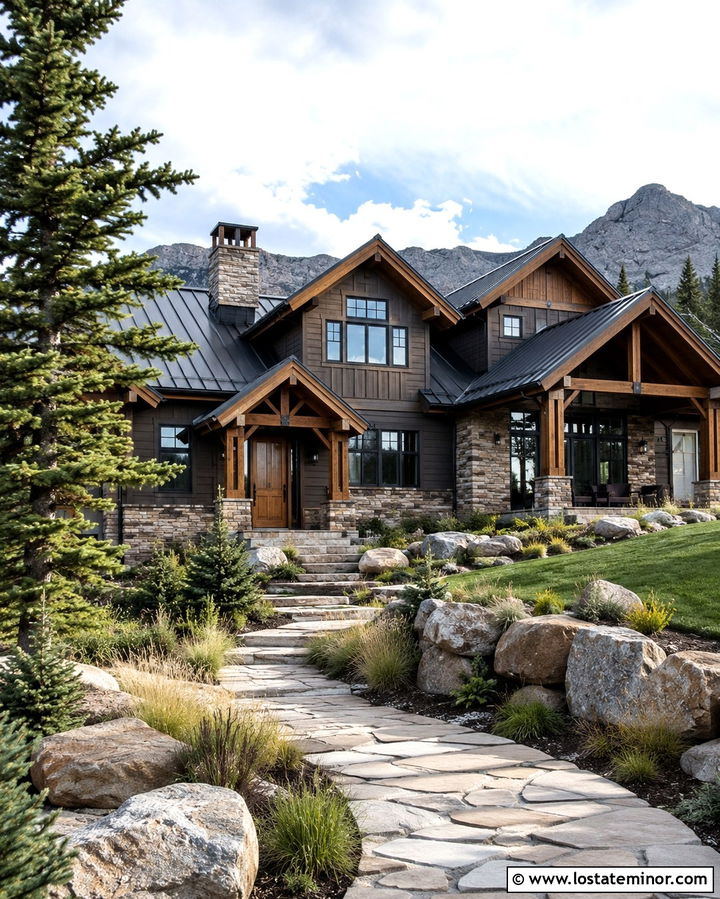
Horizontal ledgestone and cedar siding form a natural partnership on a mountain home. Use gray-brown stone across the lower floor and chimney, then place deep cedar siding in the upper gables. Large black-framed windows will contrast with both materials while opening the facade toward the surrounding view. Extend heavy timber beams across the porch and roof overhangs to reinforce the home’s structure. A charcoal metal roof can handle the visual weight of the masonry and connect with the window frames. Keep the front door simple, using either matching cedar or a dark bronze finish. Native evergreens, boulders, grasses, and a wide stone path will settle the house into the landscape. The complete exterior feels rugged and substantial without becoming dark or visually crowded.
27. Cobblestone Colonial House With Shutters
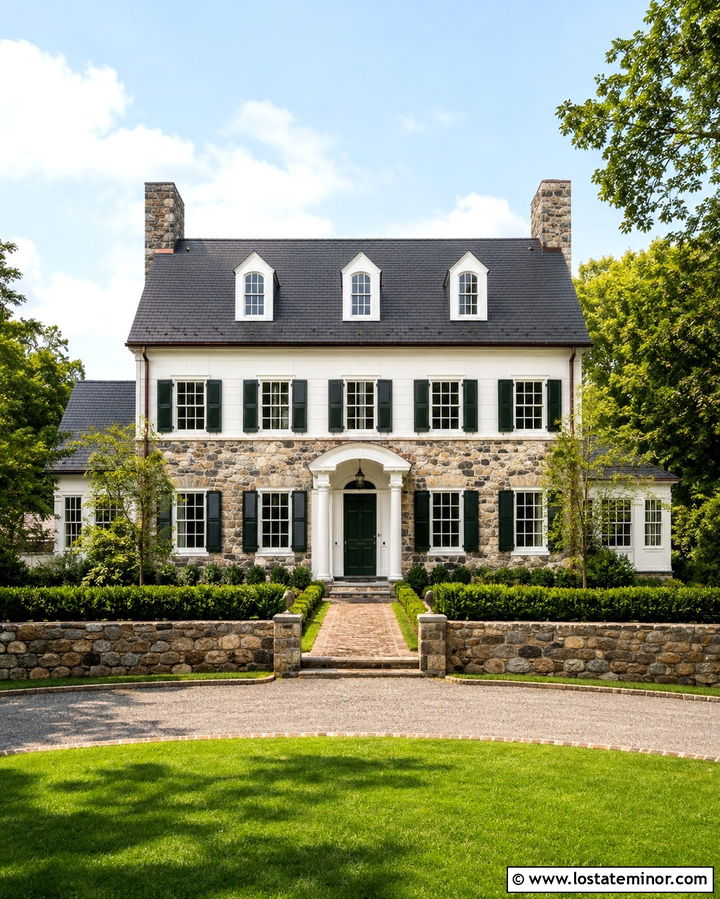
Cobblestone can bring texture and historic character to a symmetrical colonial exterior. Use it across the lower story or around a centered entry, then pair it with warm beige or creamy white lap siding. Deep black-green shutters add richer color than ordinary black and coordinate well with mixed brown and gray stones. Choose a glossy dark front door for a formal focal point, or use stained mahogany for a warmer approach. White window trim and a medium charcoal roof will keep the overall palette familiar and balanced. Repeat the cobblestone in low garden walls or entry pillars to connect the house with its front yard. Straight hedges, evenly spaced trees, and a brick-edged walkway support the symmetry while allowing the irregular masonry texture to stand out.
28. Limewashed Stone House With Wood Accents
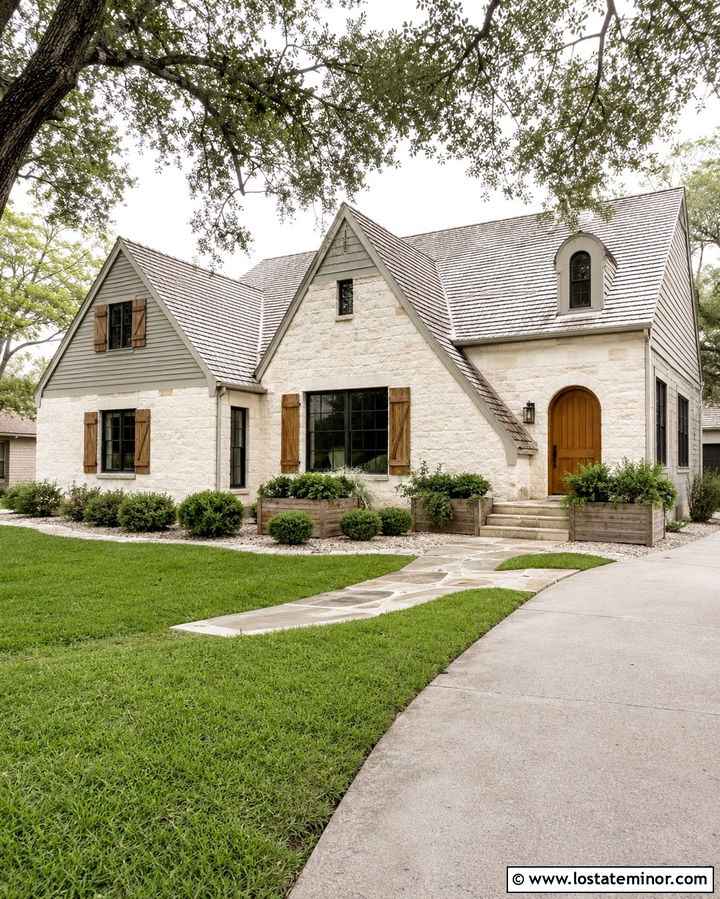
Limewashing can visually soften stone that feels too dark, busy, or visually dominant. A translucent warm white finish allows some natural variation to remain visible while creating a lighter overall facade. Pair the softened masonry with muted taupe siding, medium oak shutters, and a matching wood front door. Dark bronze windows and gutters will outline the architecture without creating a harsh black-and-white effect. A weathered gray roof supports the aged, relaxed character of the stone. Before changing an existing masonry surface, test the treatment in an inconspicuous area and choose a finish designed for that material. Natural wood planters, pale gravel, and soft green landscaping complete the scheme. This approach can update a cottage, ranch, or traditional stone home while preserving its texture.
29. Charcoal Stone House With Natural Wood
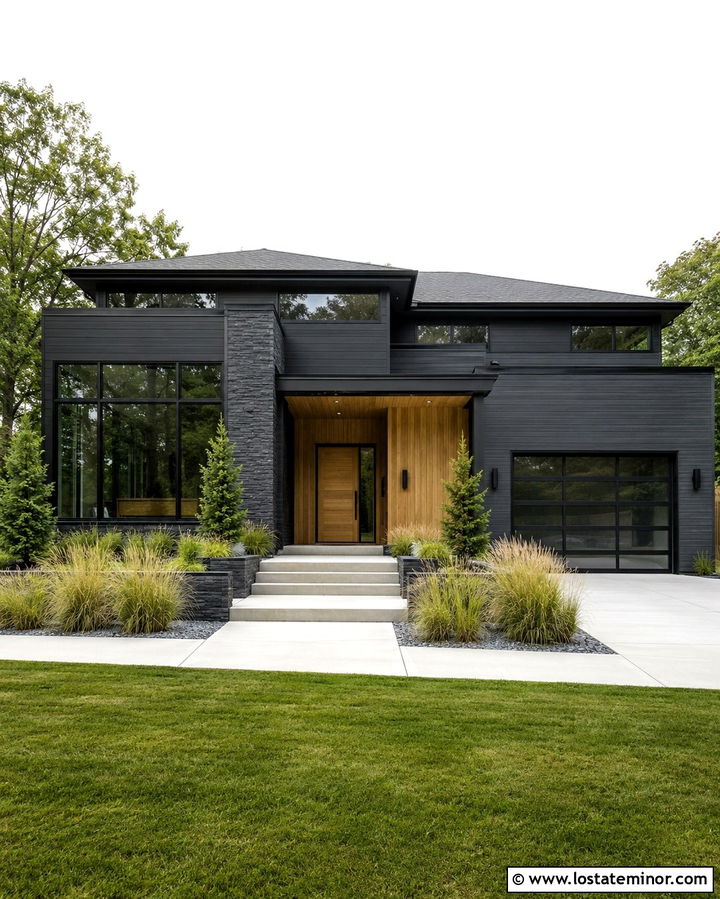
Charcoal stone creates a dramatic foundation for an exterior, but natural wood is essential for maintaining warmth. Use dark stacked stone across the main entry wall and lower facade, then apply medium cedar or white oak cladding to a recessed upper section. Black windows can blend into the masonry, while a lighter wood front door remains clearly visible. Choose a dark gray roof that relates to the stone without making the entire house appear like one solid block. Light concrete steps and a pale driveway provide practical contrast at ground level. Use airy grasses, small evergreen trees, and light gravel rather than dense foundation planting. This combination is ideal for modern, midcentury, and contemporary homes with simple geometry and large windows.
30. Mixed Stone House With Coordinated Accents
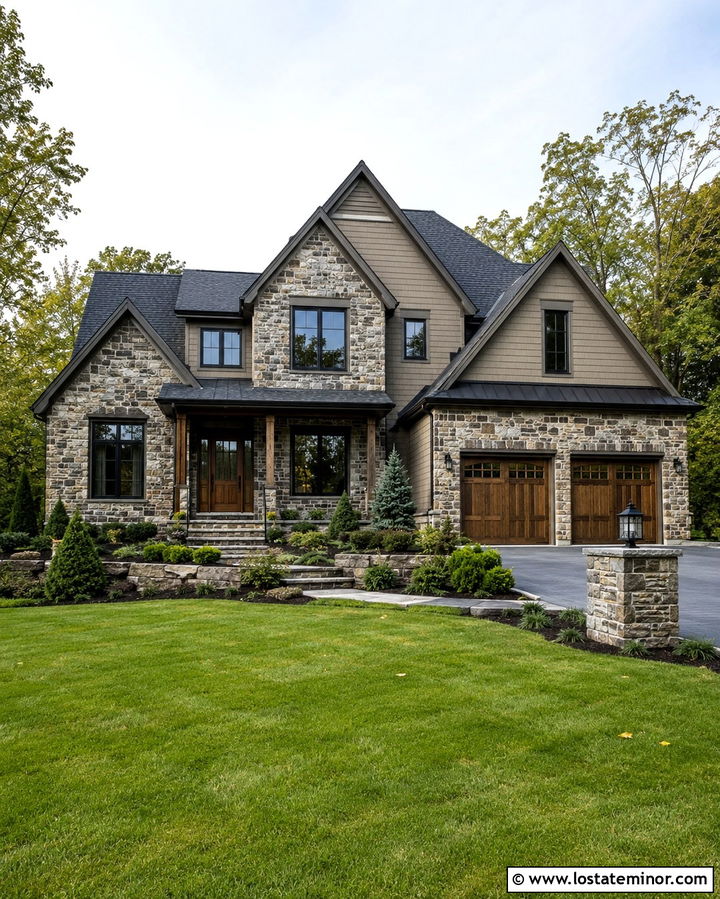
A mixed stone exterior can feel intentional when every supporting color comes from the masonry itself. Start by identifying the dominant neutral and two smaller accent tones in the stone. Use the dominant cream, taupe, or gray for the siding. Repeat the darkest mineral color on windows, gutters, and roofing. Then reserve the warmest shade for the front door, porch ceiling, or wood garage doors. Limit the facade to two main wall materials so the natural stone pattern does not compete with brick, metal, and multiple siding profiles at once. Align material changes with corners, rooflines, and projecting sections. A coordinated walkway and restrained landscaping will finish the composition. This color-matching method works across traditional, rustic, transitional, and contemporary stone homes.
Conclusion:
The most successful stone exterior combines color, texture, and architecture as one complete design. Stone can ground a facade, frame an entry, strengthen porch columns, or add character to a chimney and garage. Its surrounding materials determine whether the final result feels rustic, traditional, modern, or transitional. Pull siding, roof, trim, and door colors from the natural undertones already visible in the masonry. Then repeat key materials in a few purposeful locations instead of spreading small accents everywhere. Whether you are planning a new build or updating an existing facade, these 30 Stone House Design With Accents Ideas offer practical ways to create a balanced, inviting home with lasting curb appeal.

Related posts: