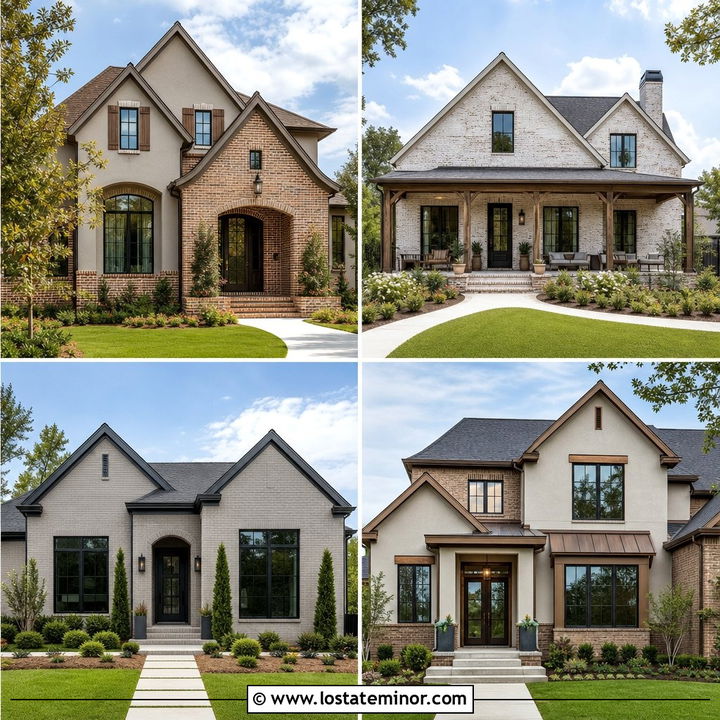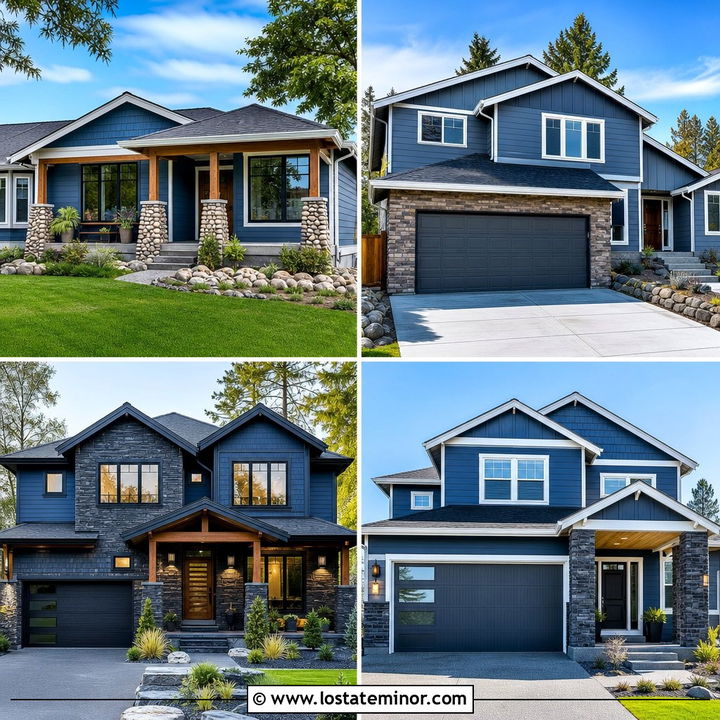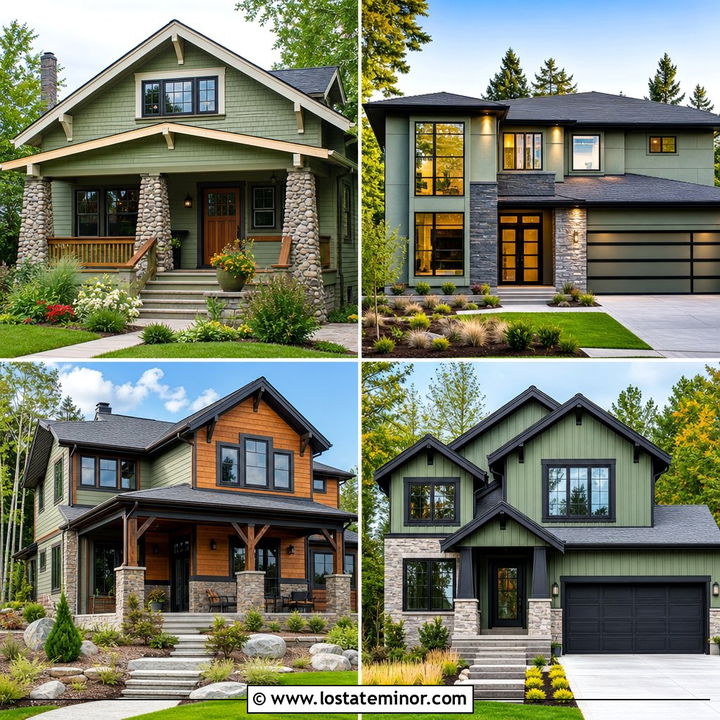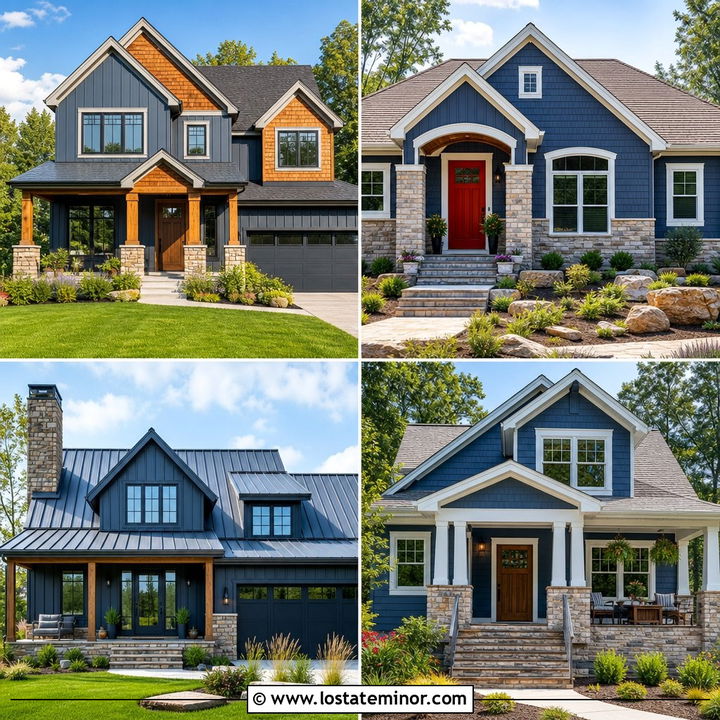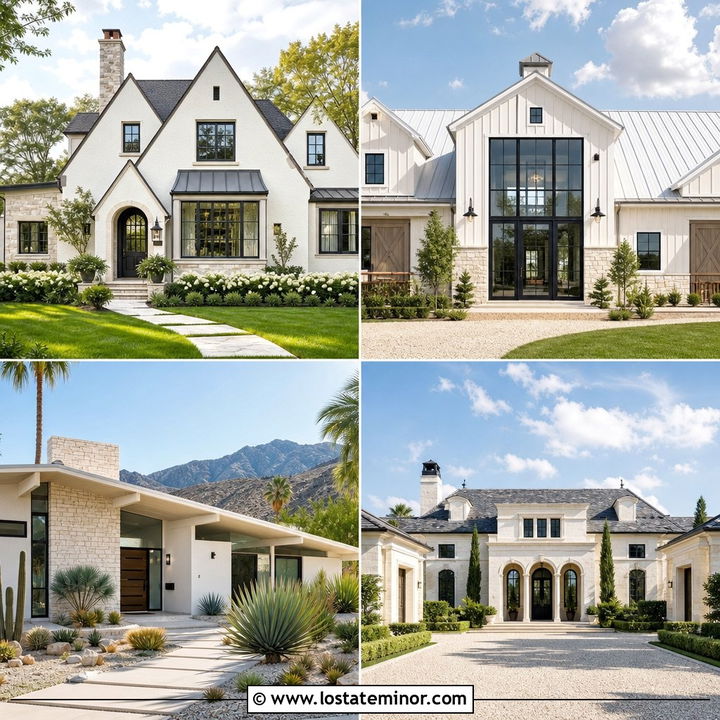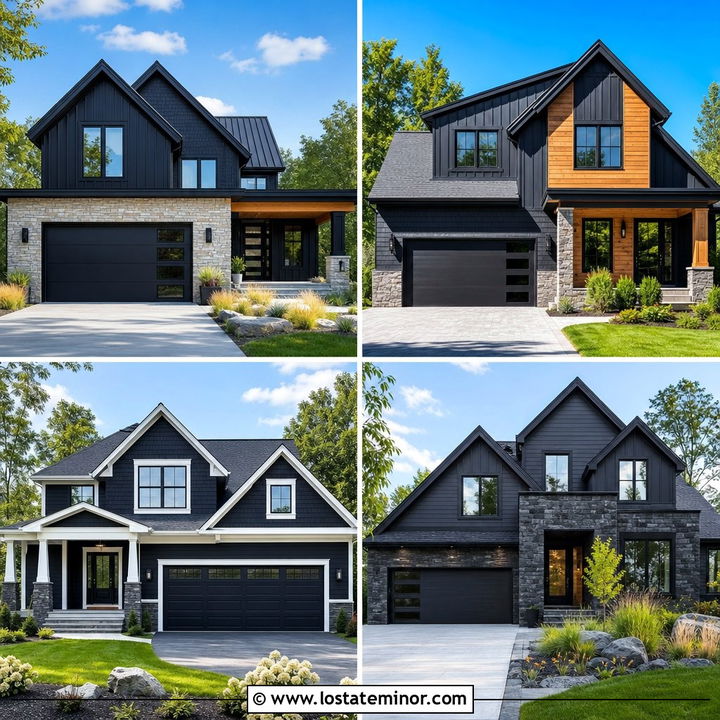
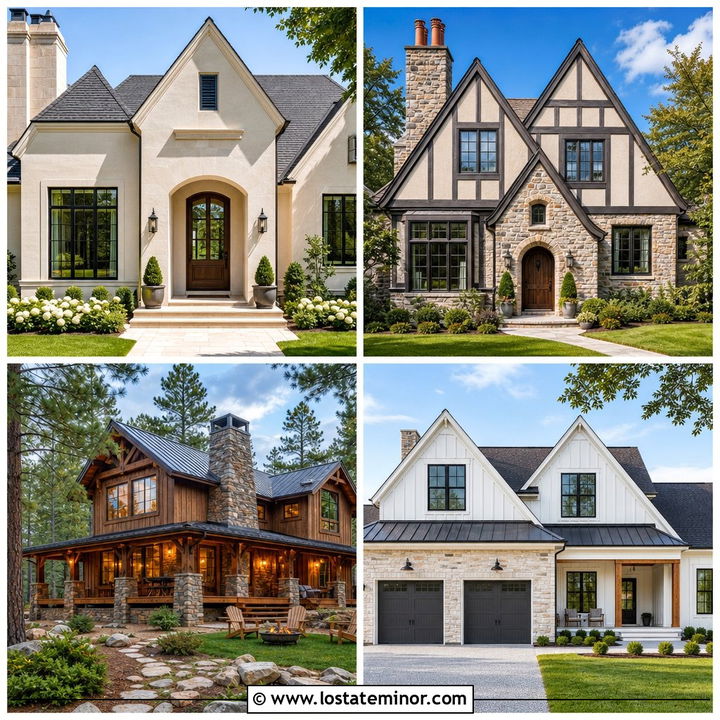
Choosing greige for an exterior is about more than finding a neutral paint chip. The most successful homes coordinate the siding with the stone’s undertones, roof color, trim, front door, windows, and surrounding landscape. These 30 Greige House Design With Stone Accents Ideas explore complete exterior schemes for ranch homes, Craftsman houses, Colonials, modern farmhouses, cottages, and contemporary builds. You will find warm limestone, rugged fieldstone, cool ledgestone, and mixed natural stone paired with practical greige paint colors. Each look also considers architectural scale, material placement, and curb appeal. Whether you are planning a full renovation or updating one facade, use these complete color combinations as inspiration throughout these 30 Greige House Design With Stone Accents Ideas.

1. Agreeable Gray House With Limestone Accents
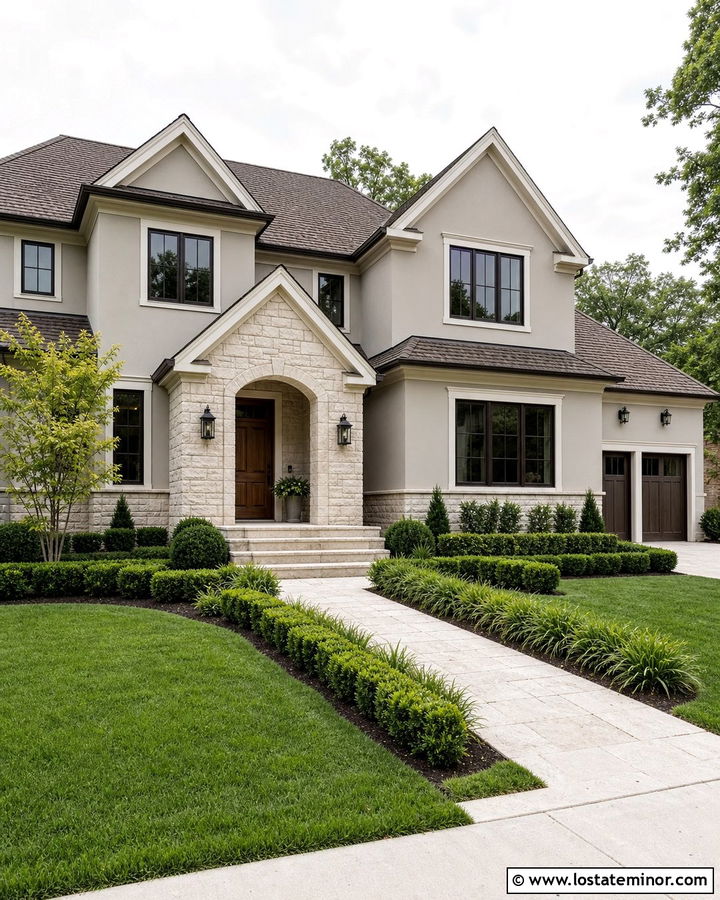
Sherwin-Williams Agreeable Gray creates a soft greige exterior that works especially well with creamy limestone. Use the stone across the foundation and around the covered entry so it anchors the house without overwhelming the siding. Warm white trim keeps the palette light, while a medium-stained oak door picks up the limestone’s subtle tan markings. For contrast, add bronze windows, dark brown gutters, and a weathered brown shingle roof. This combination suits a traditional two-story home with symmetrical windows and a gently arched doorway. Keep landscaping structured but relaxed with boxwoods, ornamental grasses, and pale gravel. Before painting, compare the greige directly against several stones because limestone can appear cream, gold, gray, or pink under changing daylight.
2. Revere Pewter House With Fieldstone Porch
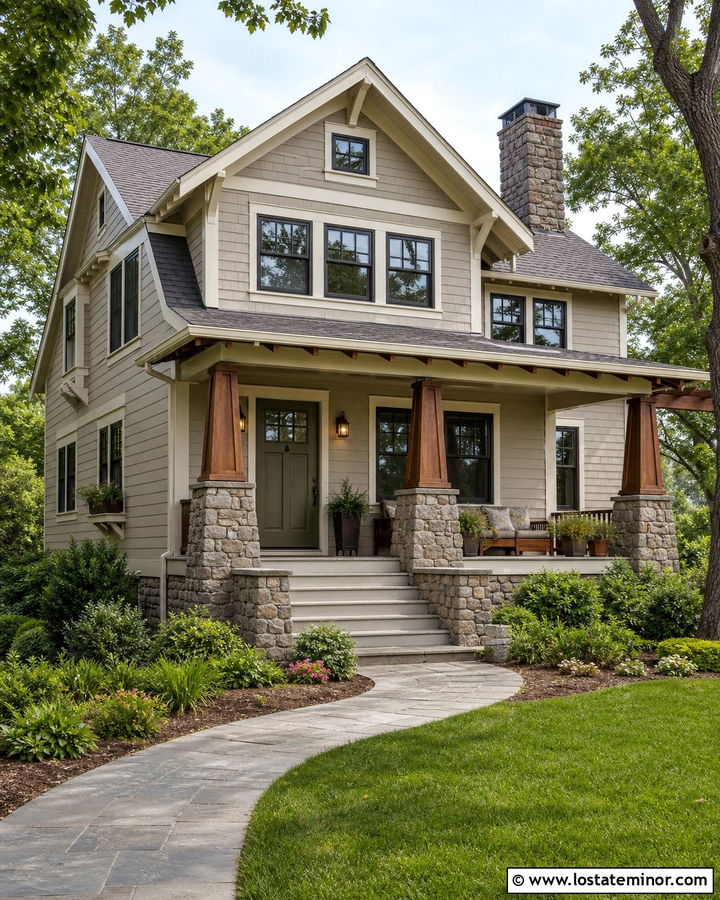
Benjamin Moore Revere Pewter gives a Craftsman exterior a balanced mix of warm gray and beige. Pair it with rugged fieldstone across the porch foundation, column bases, and chimney. Choose stone containing gray, taupe, and muted brown rather than strong orange tones. Creamy white trim around the windows brightens the facade, while cedar porch posts add natural warmth. A muted olive front door provides subtle color without fighting the stone. Complete the scheme with charcoal roof shingles and dark bronze lighting. This layered combination feels comfortable on a tree-lined suburban lot because the materials connect naturally with the landscape. Use the stone selectively, leaving enough visible greige siding to prevent the front elevation from looking heavy or visually crowded.
3. Accessible Beige House With Ledgestone Garage
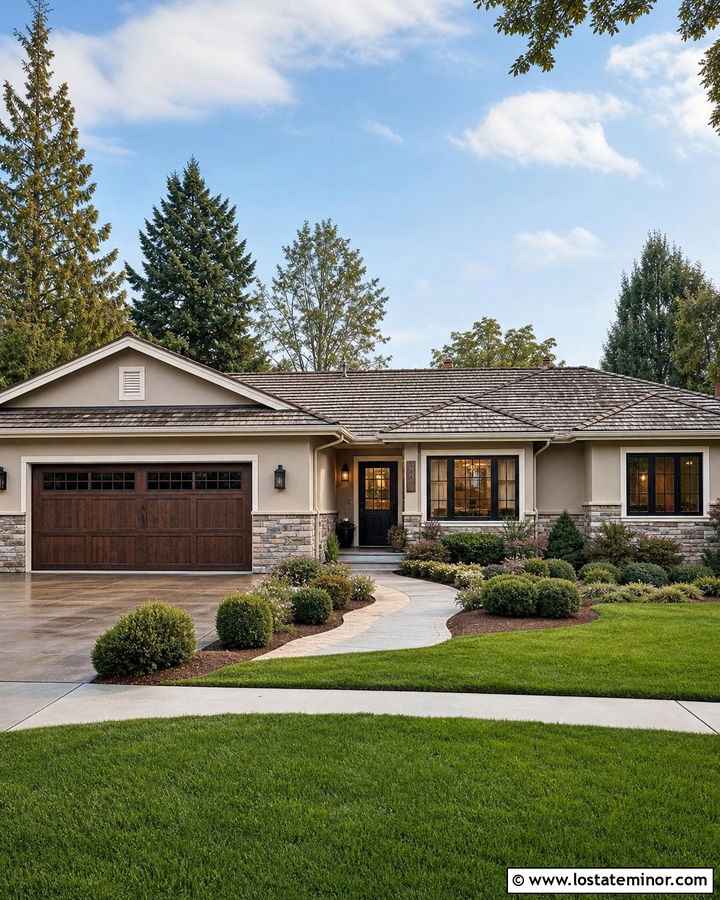
Sherwin-Williams Accessible Beige offers a warm greige base for a ranch house with a prominent front-facing garage. Apply narrow ledgestone around the garage wall and continue it along the lower portion of the facade. This helps the garage feel integrated instead of visually separate. Select a stone blend containing mushroom, sand, and light gray shades. Paint the trim a gentle off-white and use a medium walnut garage door to introduce depth. Black window frames and simple black sconces sharpen the otherwise warm palette. A weathered wood roof ties the brown and gray undertones together. Low evergreen shrubs, broad planting beds, and a curved walkway soften the long horizontal roofline. The complete result feels grounded, updated, and welcoming without relying on extreme contrast.
4. Worldly Gray House With Ashlar Stone
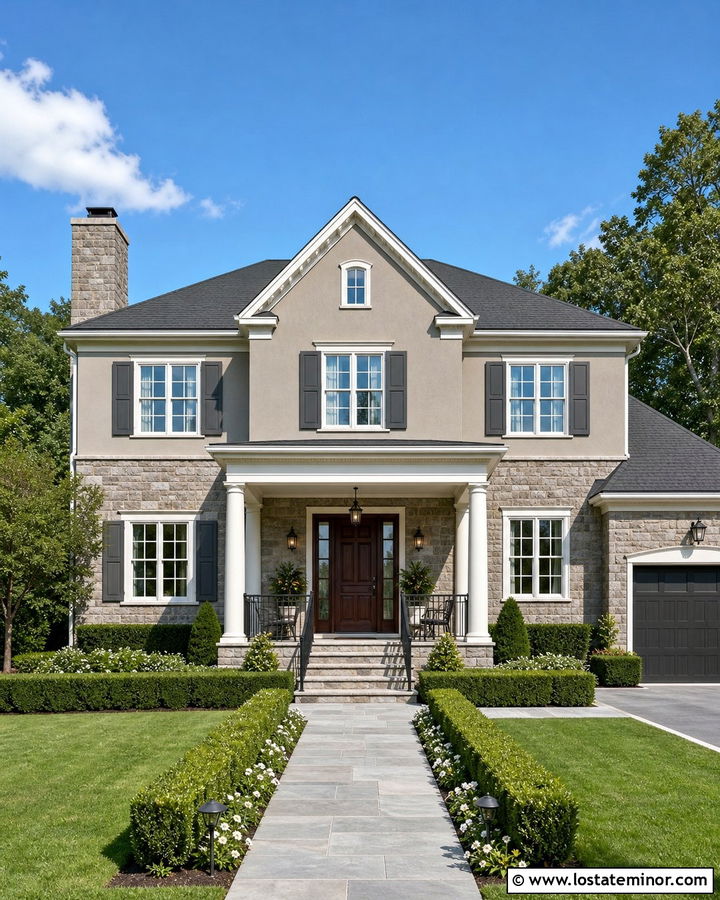
Clean rectangular ashlar stone gives Sherwin-Williams Worldly Gray a tailored, architectural appearance. This pairing is ideal for a transitional two-story house with balanced windows and a defined center entry. Place the stone on the lower level, porch columns, and one projecting gable. Use warm white trim to frame the greige siding, then repeat charcoal on the roof, shutters, and metal porch railing. A natural mahogany front door adds richness without introducing an unrelated color. Keep the mortar close to the stone’s lightest gray-beige tone so individual pieces create texture rather than a busy grid. Formal landscaping, straight walkways, and clipped hedges complement the orderly facade. The stone’s structured pattern makes a familiar neutral exterior feel more substantial and carefully finished.
5. Edgecomb Gray House With Cream Stone
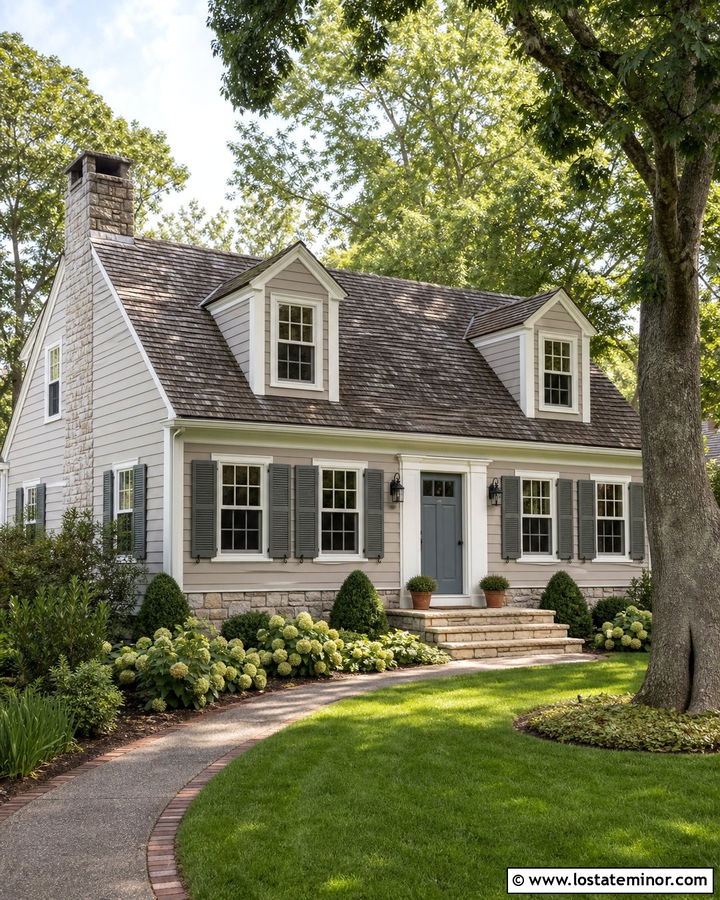
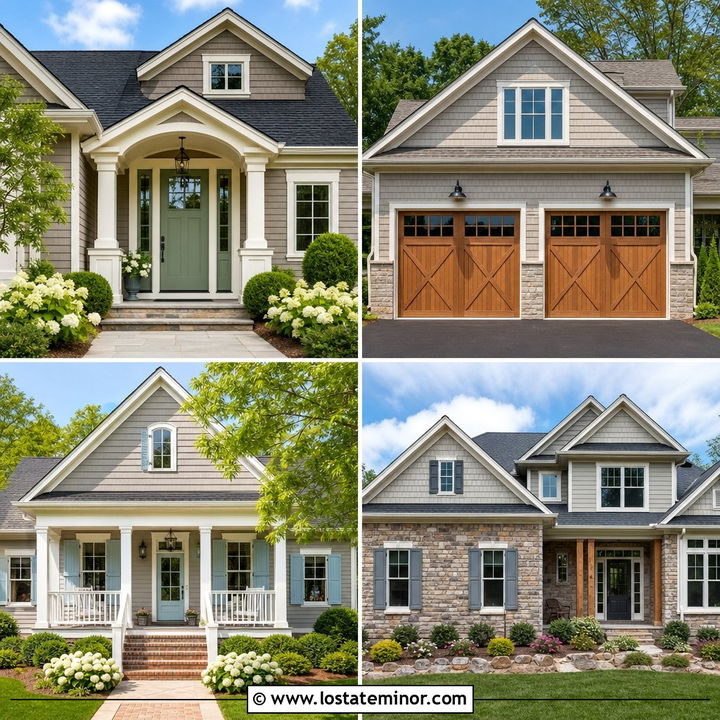
Benjamin Moore Edgecomb Gray can appear warm and airy, making it a natural partner for cream-colored stone. Use this combination on a Cape Cod house with shingle siding, dormer windows, and a centered front entry. Add stone around the foundation and front steps, keeping the upper facade simple. Soft white trim maintains the light character, while gray-green shutters give the home a quiet coastal influence. A medium blue-gray front door offers another gentle layer of color. Choose a roof with blended gray and brown shingles rather than solid black. Hydrangeas, compact evergreens, and a brick-edged walkway complete the welcoming setting. Because both materials are light, include a few darker details, such as bronze lanterns and gutters, to define the architecture from the street.
6. Anew Gray House With Rustic Stone Columns
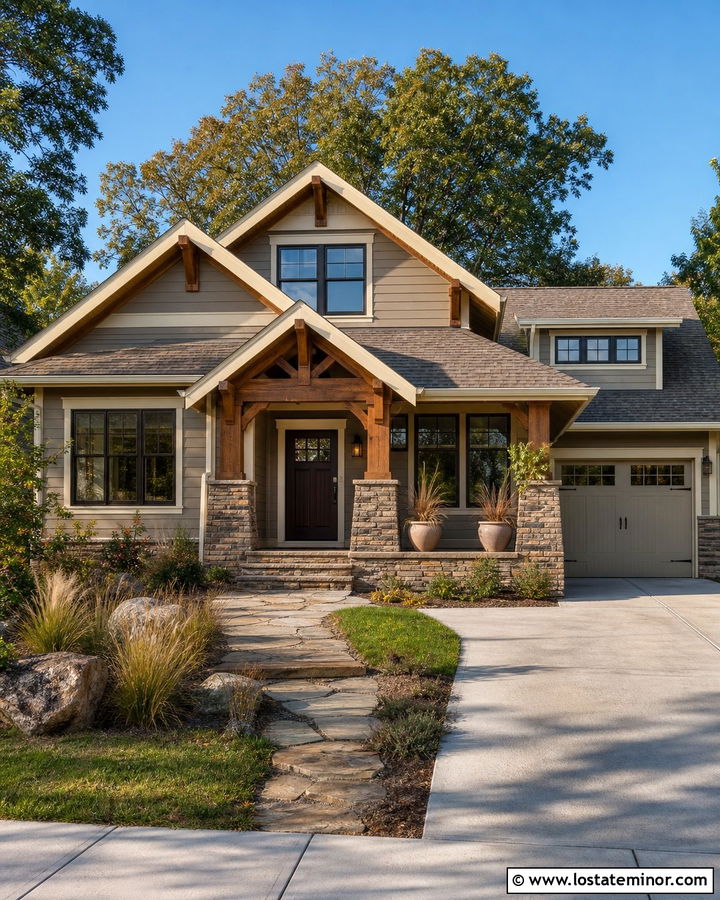
A porch supported by substantial stone columns can make Sherwin-Williams Anew Gray feel warm and grounded. This scheme suits a wide Craftsman bungalow with deep eaves, tapered posts, and exposed roof details. Select irregular stone with taupe, charcoal, and weathered brown pieces. Continue the stone along the porch base to connect the columns visually. Cream trim and stained cedar beams soften the deeper greige siding, while a dark espresso front door adds practical contrast. Use bronze-framed windows and architectural shingles in a mixed brown-gray finish. Large porch planters, native grasses, and a natural flagstone path reinforce the relaxed character. Limiting the stone to the lower third lets the craftsmanship remain visible without turning the entire house into one dense field of texture.
7. Perfect Greige House With Light Stone Entry
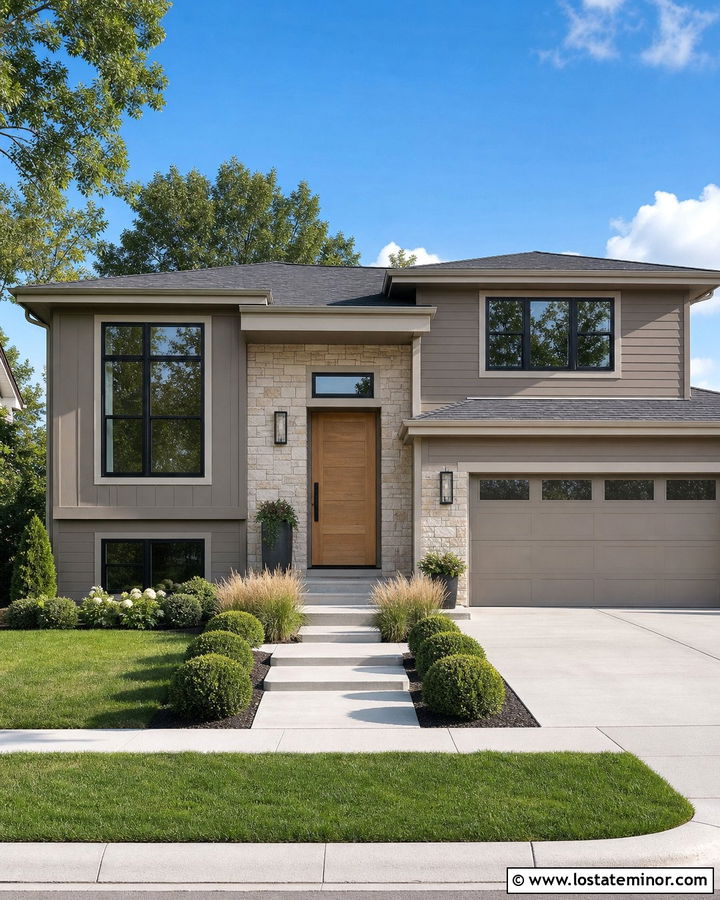
Sherwin-Williams Perfect Greige has more depth than many pale greiges, so a light stone entry keeps the overall house from becoming too dark. Use ivory and pale taupe stone around a recessed front door and across one vertical feature wall. Crisp cream trim can outline the roof and windows, while black frames add a clean contemporary edge. A white oak front door brings warmth into the shadowed entrance. This combination works particularly well on a modern split-level with asymmetrical rooflines and broad windows. Repeat the stone beside the garage to balance the facade. Keep the garage door close to the main greige body color so it recedes. Linear planting beds, concrete pavers, and rounded evergreen shrubs provide a polished but approachable curb-appeal finish.
8. Amazing Gray House With Gray Stone Chimney
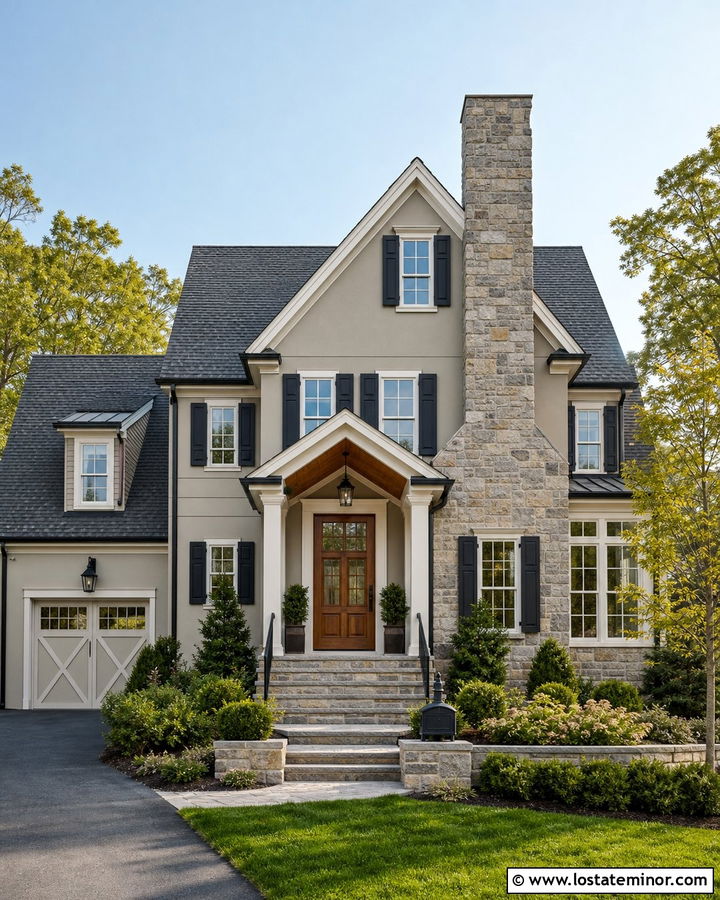
A full-height stone chimney becomes an attractive focal point against Sherwin-Williams Amazing Gray siding. Choose a medium gray stone blend with a few warm beige pieces that connect with the paint’s earthy undertone. Apply the greige to horizontal lap siding, then use warm white around windows and roof edges. Black shutters, gutters, and lanterns define the facade without competing with the chimney. A stained wood door and matching porch ceiling prevent the gray elements from feeling cold. This design is especially effective on a traditional suburban home with a side-gabled roof and attached garage. Add the same stone to the front steps or mailbox base for continuity. Keep other finishes restrained so the chimney remains the clear architectural centerpiece when viewed from the street.
9. Pale Oak House With Natural Stone Foundation
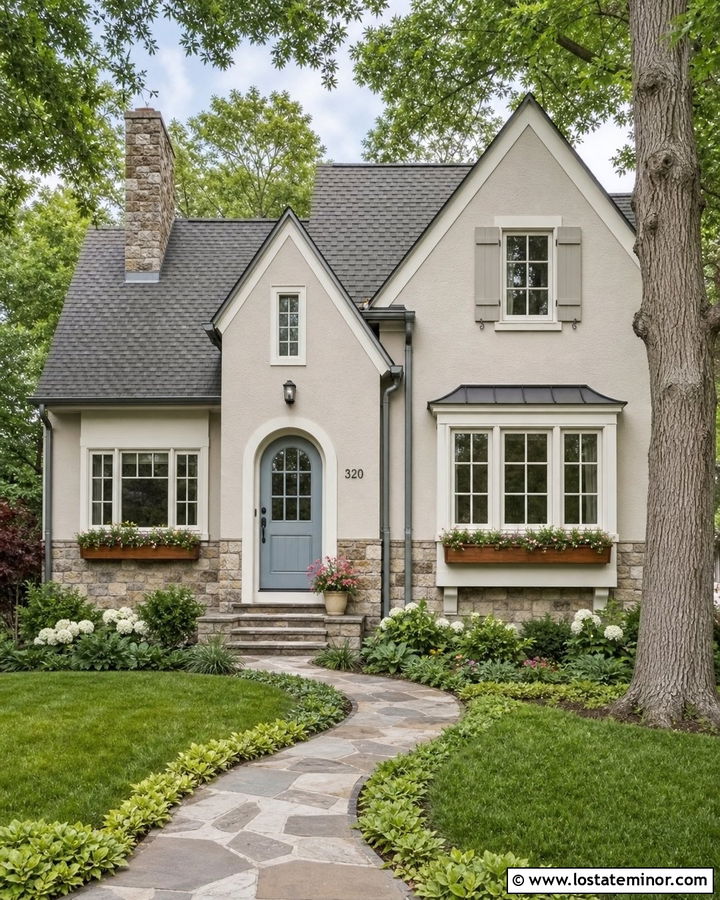
Benjamin Moore Pale Oak creates a light greige exterior that feels particularly graceful on a cottage. A natural stone foundation adds weight beneath the soft body color and helps the home settle into its surroundings. Look for irregular stone containing pale gray, cream, and muted taupe. Pair the siding with off-white trim, a dusty blue front door, and weathered zinc-colored gutters. Cedar window boxes can introduce another warm natural material without making the scheme rustic. A medium gray roof gives the pale facade enough definition. Surround the house with flowering shrubs, ground cover, and a gently curving flagstone path. Since Pale Oak can appear lighter outdoors, test it on multiple walls before committing, especially when the cottage receives strong afternoon sun or is surrounded by reflective paving.
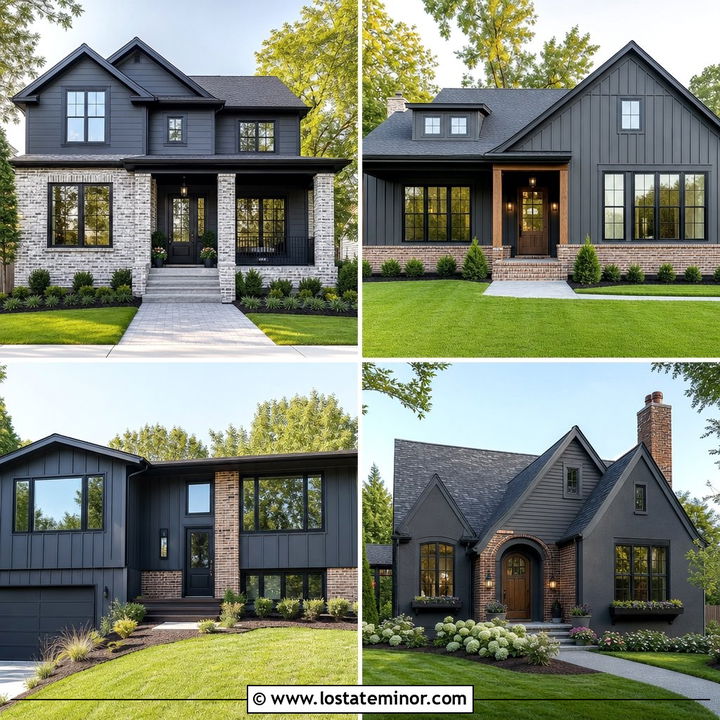
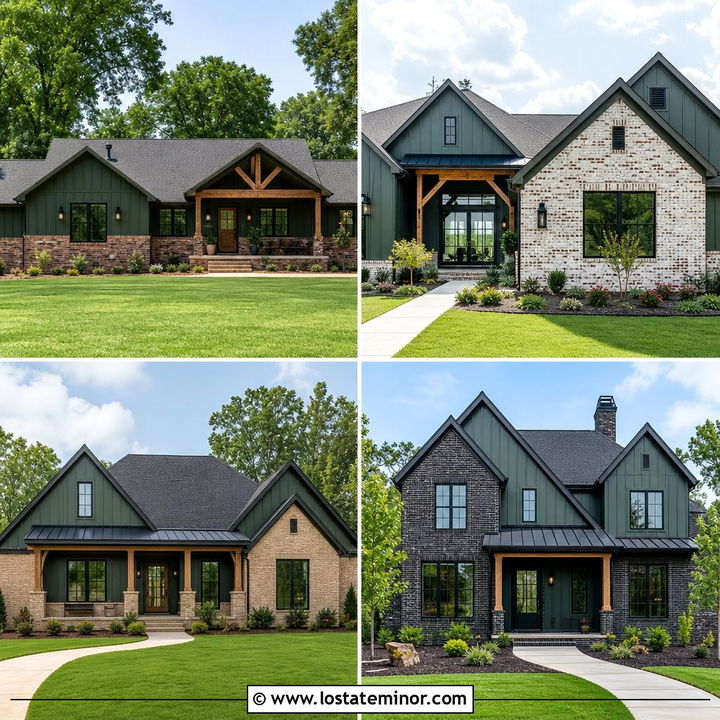
10. Jogging Path House With Tight-Cut Stone
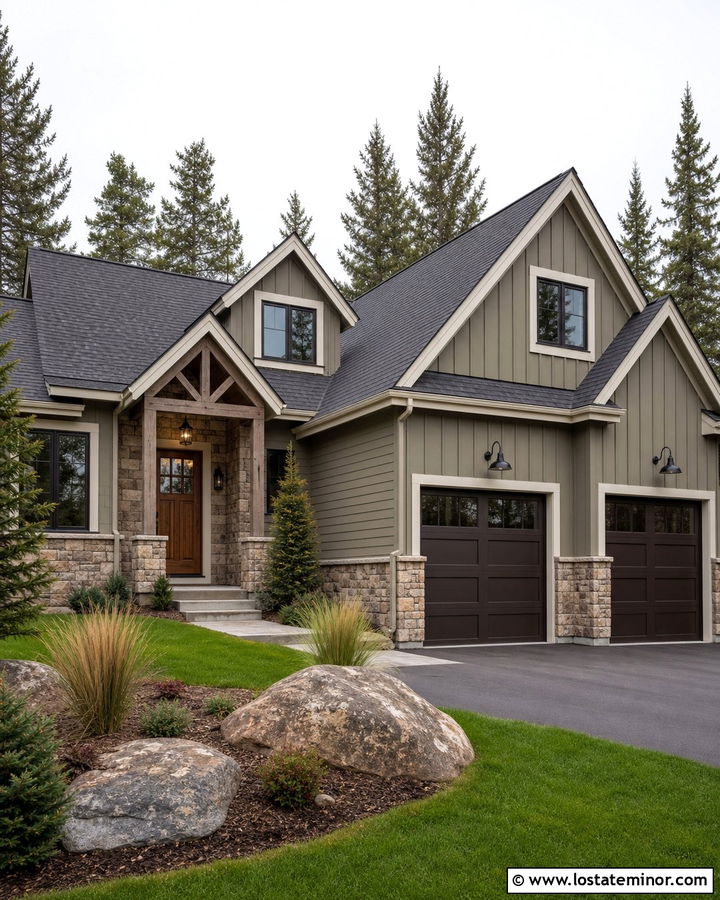
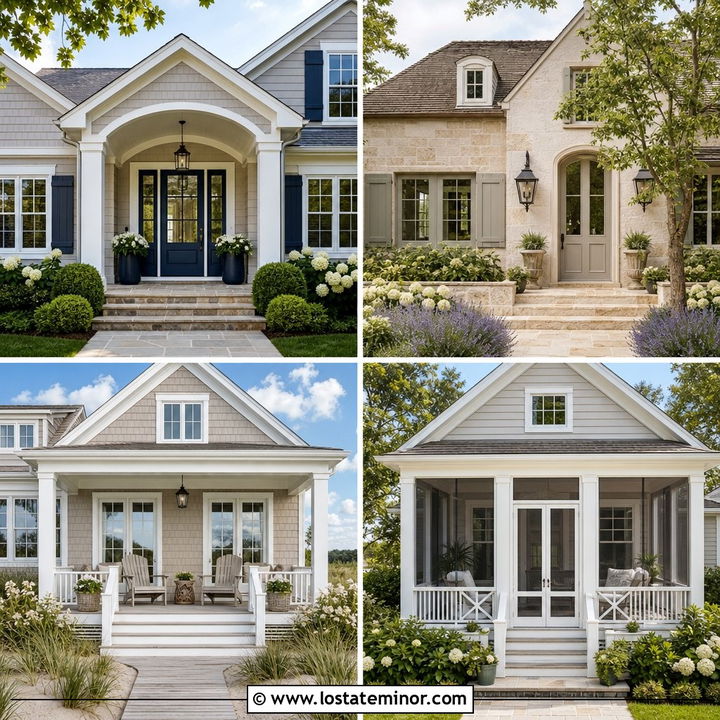
Sherwin-Williams Jogging Path has an earthy greige quality that complements tightly stacked stone. Use the stone across the foundation, garage piers, and a narrow wall beside the front entrance. A modern rustic home with broad gables and mixed horizontal and vertical siding provides an ideal setting. Choose stone in warm gray, mushroom, and muted brown, then repeat those shades through a walnut front door and dark bronze garage doors. Creamy trim provides a gentle break between the siding and roof. Charcoal shingles and black exterior lights give the palette definition. Avoid adding a third highly textured cladding material, which could make the facade look overly complicated. Simple grasses, boulders, and layered evergreens reinforce the natural scheme while keeping attention on the house’s clean architectural lines.
11. Balboa Mist House With White Limestone
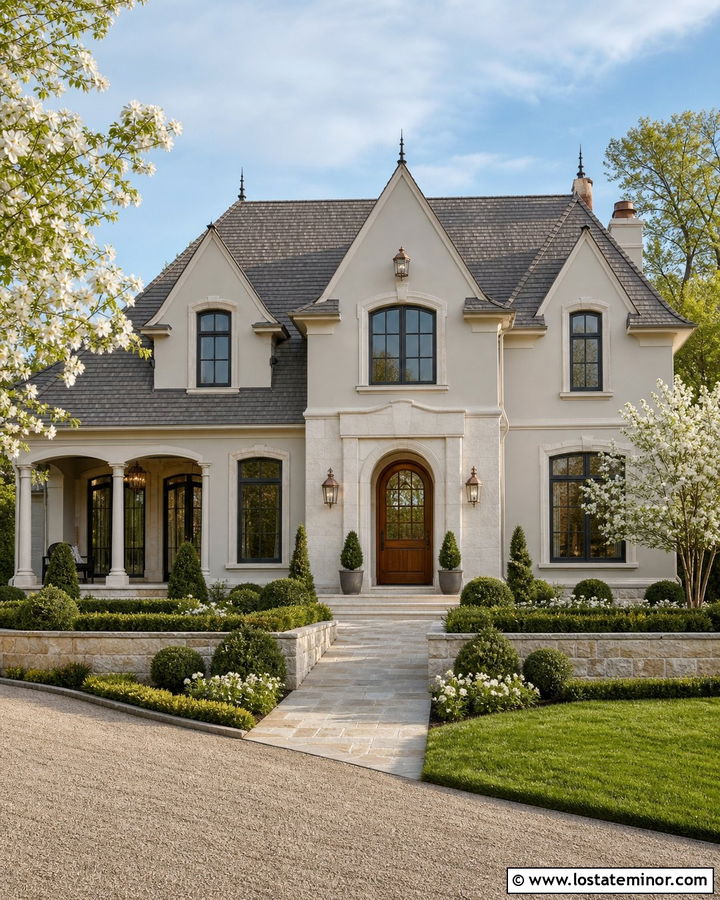
Benjamin Moore Balboa Mist offers a pale, refined greige backdrop for smooth white limestone. This pairing suits a French country house with steep rooflines, tall windows, and an arched entrance. Use limestone around the doorway, on selected lower walls, and at the base of porch columns. Soft ivory trim creates a low-contrast transition, while charcoal window frames prevent the facade from appearing washed out. Choose a stained arched wood door and copper-toned lanterns for warmth. A roof mixing slate gray and muted brown coordinates with both paint and masonry. Formal shrubs, small flowering trees, and a wide stone walkway support the elegant architecture. Keep the stone placement symmetrical whenever possible because the balanced composition is an important part of this traditional exterior’s appeal.
12. Mindful Gray House With Charcoal Ledgestone
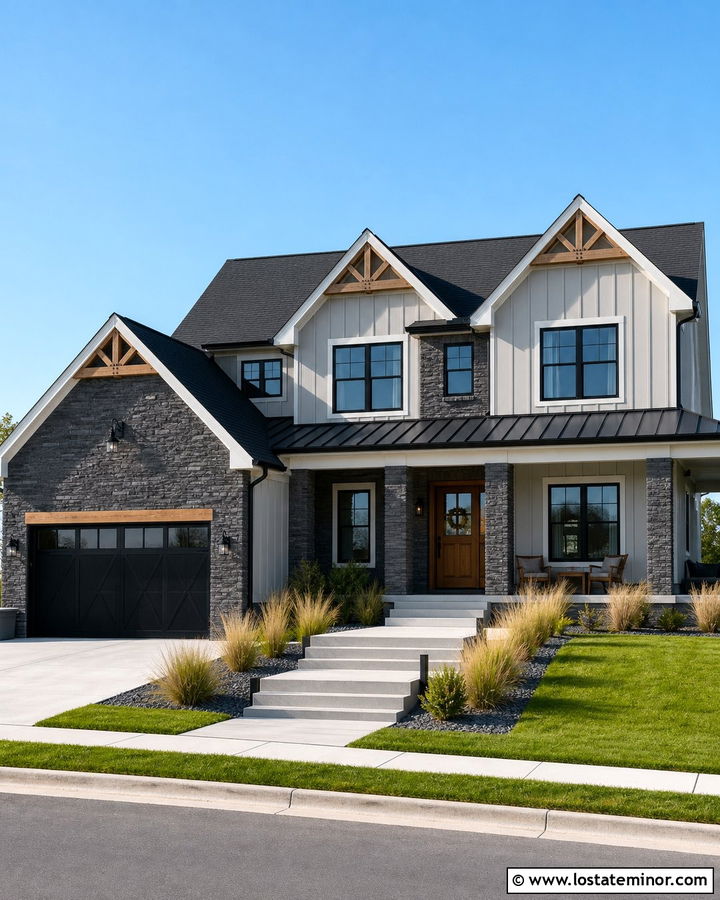
Sherwin-Williams Mindful Gray can create a cooler greige exterior when paired with charcoal ledgestone. Use the stone on the garage wing, porch columns, and a central entry wall to establish bold but controlled contrast. White trim keeps the house crisp, while a warm cedar door prevents the combination from feeling industrial. Black windows and a standing-seam metal porch roof echo the stone’s deepest shades. This scheme works well on a modern farmhouse with board-and-batten siding and simple gabled rooflines. Select a roof in a medium charcoal rather than solid black to avoid making the upper portion feel too heavy. Broad concrete steps, clipped grasses, and young shade trees complete the streamlined setting. Repeating cedar beneath the gables can balance the warmth of the front door.
13. Colonnade Gray House With River Rock Accents
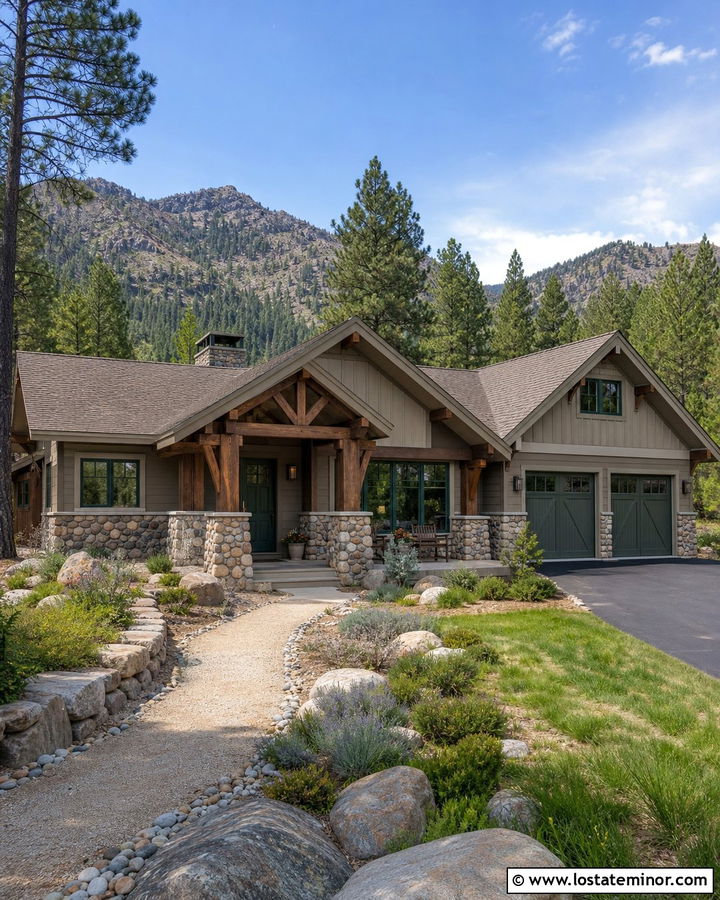
Rounded river rock brings a casual, organic quality to Sherwin-Williams Colonnade Gray siding. This pairing is well suited to a mountain ranch or lake house with a broad porch and low roofline. Use river rock around the foundation and on sturdy porch piers, selecting a mixture of gray, tan, and brown stones. Cream trim brightens the greige, while deep green doors and window frames connect the house to wooded surroundings. Add cedar beams beneath the porch roof and choose brown-gray shingles overhead. Since river rock has an active pattern, keep the siding profile and other accents simple. A gravel-edged walkway, native shrubs, and informal boulder groupings finish the landscape. The complete exterior should feel connected to the site rather than decorated with stone as an afterthought.
14. Pashmina House With Warm Sandstone
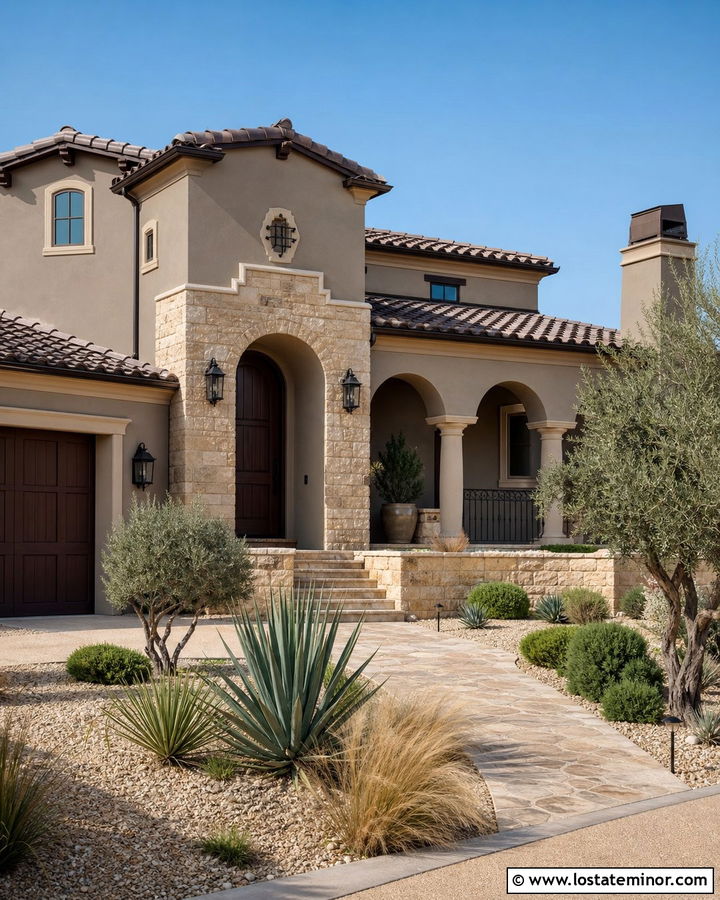
Benjamin Moore Pashmina is a rich greige that works beautifully beside warm sandstone. Use this deeper paint color on a Mediterranean-inspired home with stucco walls, arched windows, and a low-pitched tile roof. Apply sandstone around the entrance, lower walls, and courtyard columns. Choose creamy trim for the fascia and window surrounds, then use a dark brown front door and bronze metalwork for definition. A blended brown or muted terracotta roof can complement the warm palette without turning bright orange. Drought-tolerant grasses, olive-toned shrubs, and pale gravel make the facade feel appropriate for a dry climate. Because both the paint and stone carry warmth, introduce small charcoal details through lanterns or window frames to keep the finished house from appearing overly beige.
15. Gossamer Veil House With Mixed Stone Siding
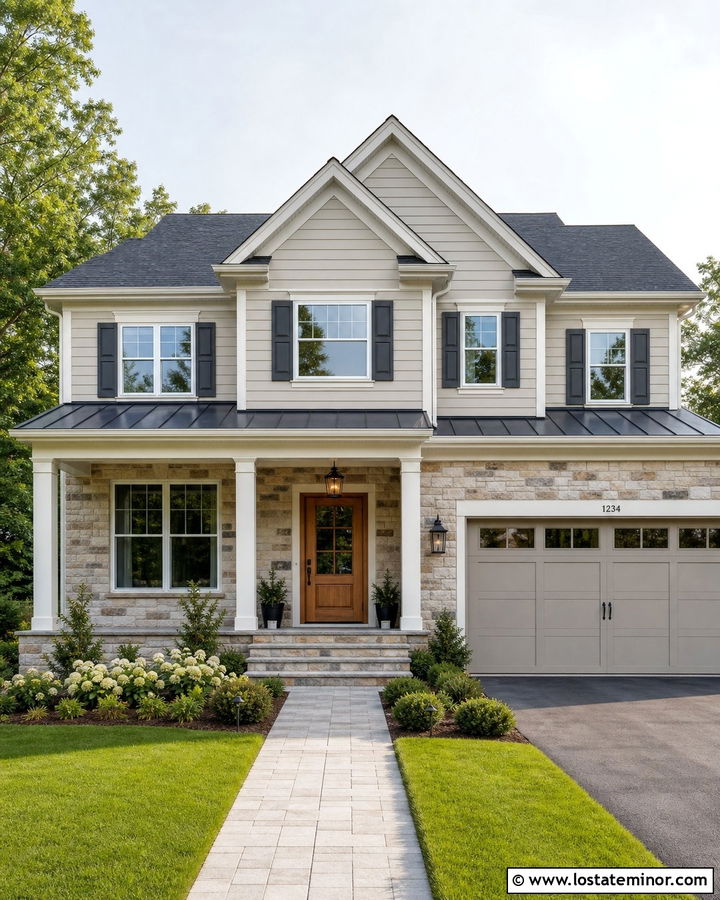
Sherwin-Williams Gossamer Veil provides a soft greige backdrop for mixed stone siding with varied shapes and neutral colors. Use the stone on the lower story of a transitional home, then switch to horizontal siding above. Select masonry containing cream, gray, taupe, and only small amounts of brown. Warm white trim helps separate the two materials, while charcoal shutters and a black metal porch roof create stronger outlines. A medium oak front door keeps the entry approachable. Carry the greige onto the garage door so that it blends into the facade rather than becoming another focal point. Repeating the stone on the porch steps creates a deliberate connection. Neatly layered foundation shrubs and a straight paver walkway give the mixed-material exterior a clean, organized finish.
16. Modern Gray House With Stone Porch Walls
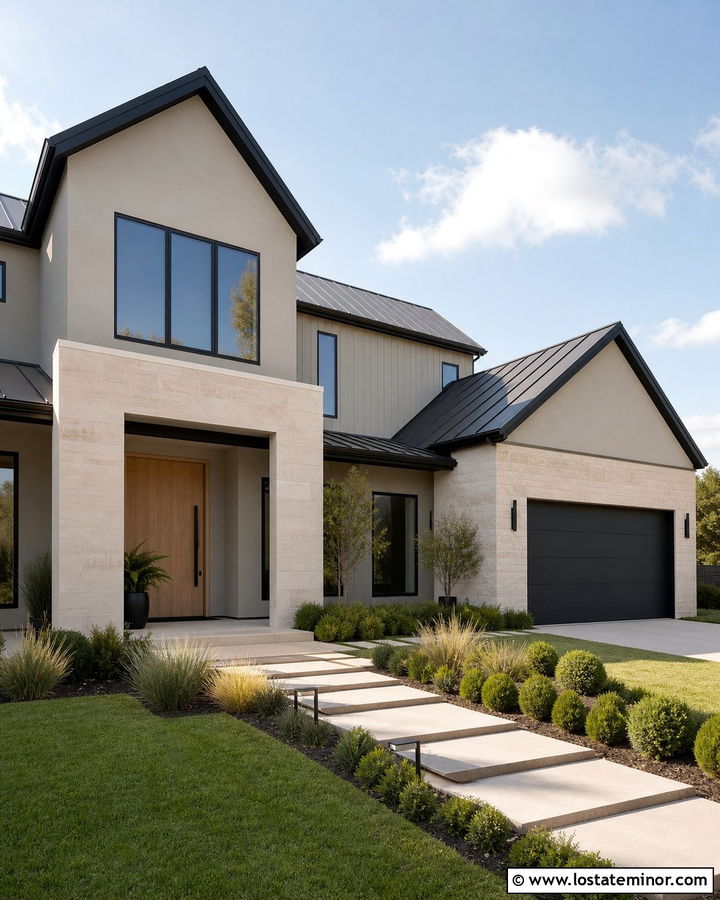
Sherwin-Williams Modern Gray is a light warm greige that can soften a contemporary home with angular rooflines. Pair it with smooth-cut stone porch walls in pale taupe and gray. Extend one stone wall beyond the entry to create a strong horizontal feature, then repeat a smaller section near the garage. Use matching greige stucco and vertical siding to add quiet textural variation. Black windows, fascia, and a slim metal roof provide precise contrast. A natural oak pivot door adds warmth at the center of the composition. Large rectangular pavers, ornamental grasses, and minimal foundation planting complement the architecture. Keep mortar joints narrow and close to the stone color. This allows the masonry to read as one refined surface instead of a collection of heavily outlined individual pieces.
17. Natural Cream House With Bluestone Accents
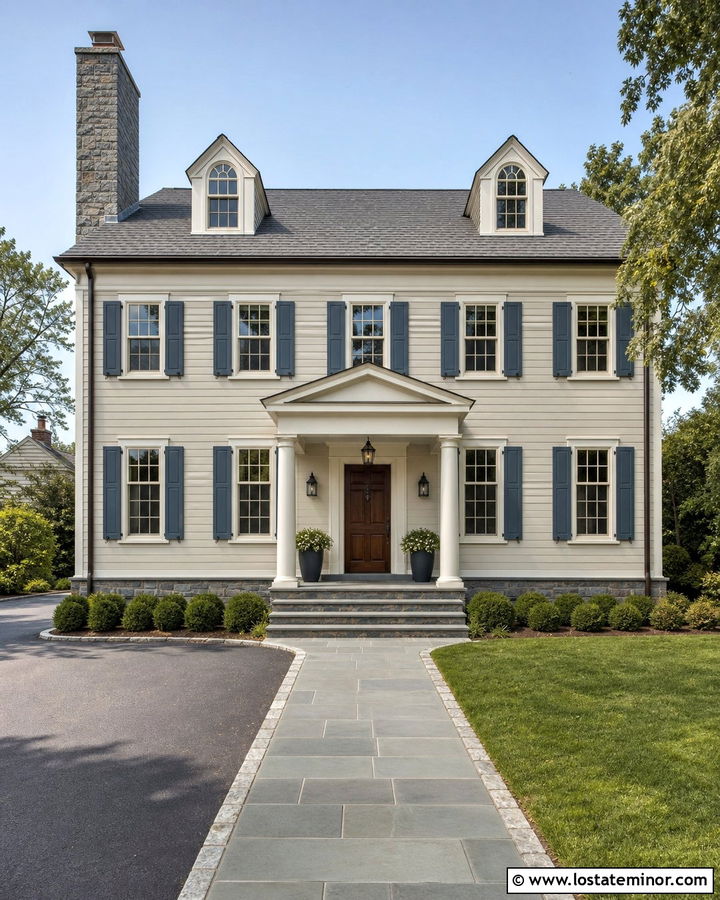
Benjamin Moore Natural Cream reads as a warm greige outdoors and creates an appealing contrast with cool bluestone. Use bluestone across the porch floor, front steps, chimney, and lower foundation of a traditional Colonial. Creamy white trim can outline the symmetrical windows and central pediment, while muted blue shutters repeat the stone’s cooler tones. Add a stained walnut front door and antique bronze lanterns for warmth. A medium gray roof prevents the palette from becoming overly colorful. The crisp architecture benefits from restrained stone placement, so avoid covering the complete first story. A straight bluestone walkway, clipped boxwoods, and paired planters reinforce the formal arrangement. Together, the warm siding and cooler masonry create depth while preserving the orderly character associated with a classic Colonial facade.
18. Alpaca House With Brown Fieldstone
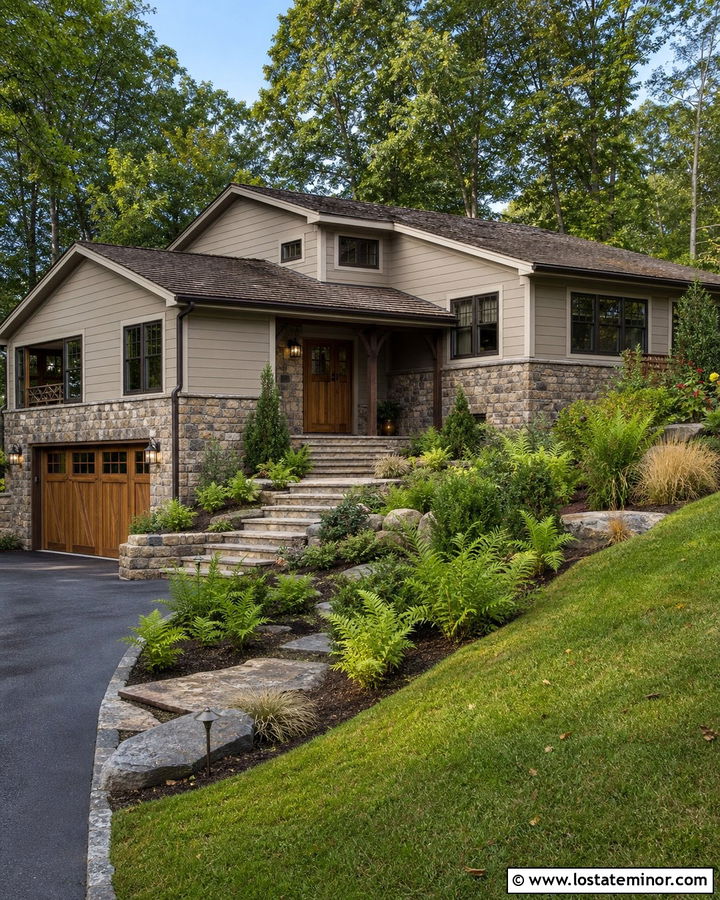
Sherwin-Williams Alpaca has muted taupe and gray qualities that coordinate easily with brown fieldstone. This complete exterior works well on a rustic split-level surrounded by mature trees. Cover the lower level and retaining walls with irregular fieldstone, then use Alpaca on the upper horizontal siding. Choose creamy trim to soften the transitions and dark bronze windows for definition. A warm cedar garage door and matching entry door bring out the stone’s brown markings. Finish the roof with deep weathered brown shingles rather than stark black. Wide planting beds filled with ferns, evergreen shrubs, and ornamental grasses help the raised foundation blend into the landscape. Because fieldstone can vary significantly, select the stone first and compare several large greige samples beside it before finalizing the exterior paint color.
19. Thunder House With Stone Garage Columns
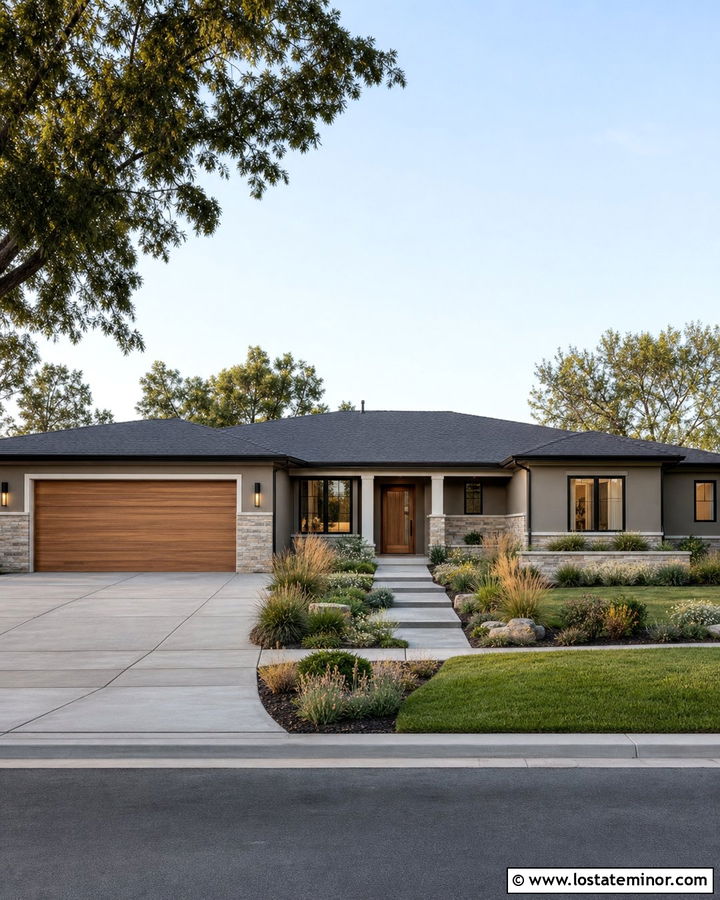
Benjamin Moore Thunder gives a one-story ranch a deeper greige body color that looks substantial beside stone garage columns. Wrap the columns and the lower section of the entry wall in medium-tone limestone or ashlar stone. Choose pieces containing taupe, warm gray, and touches of cream. Off-white trim brightens the low roofline, while black windows and gutters create a clean outline. Use a natural wood garage door with simple horizontal panels to break up the long facade. A charcoal roof and warm wood front door complete the balanced palette. Widen the walkway and frame it with low grasses so the entrance remains easy to identify. Stone placement at both the garage and porch creates continuity across the ranch house without covering its entire front elevation.
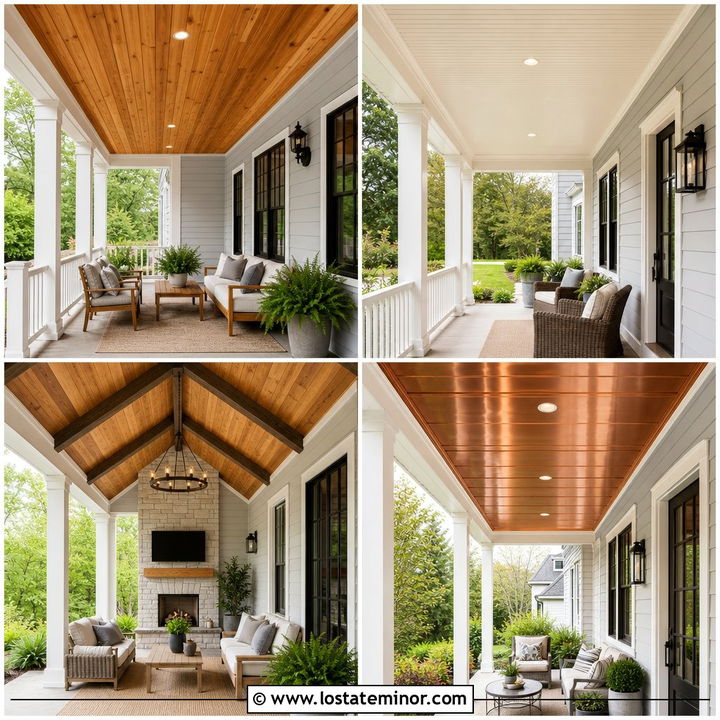
20. Shiitake House With Desert Stone
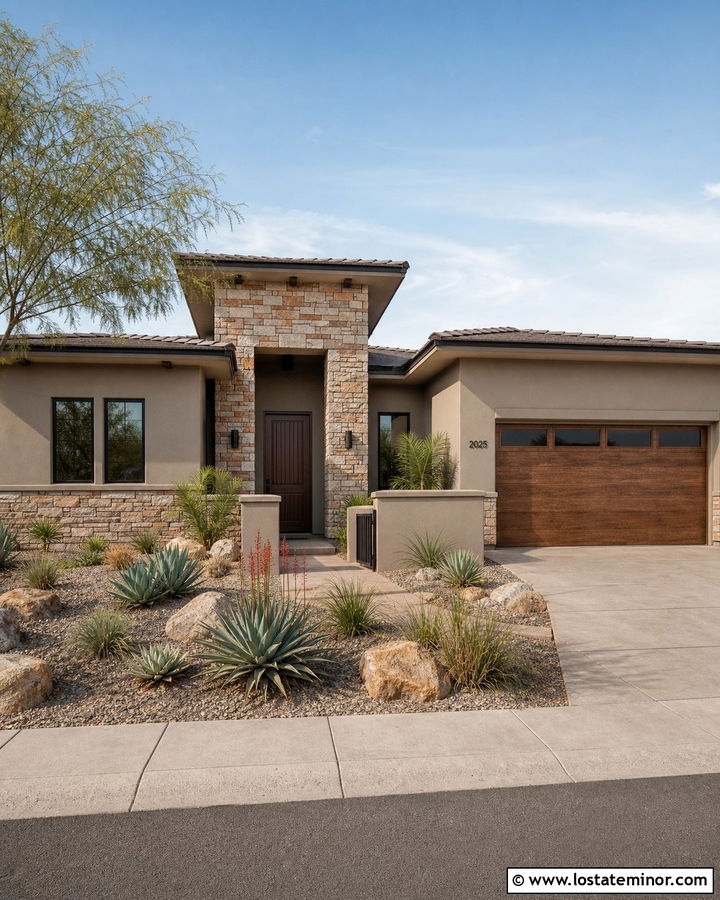
Sherwin-Williams Shiitake offers an earthy greige exterior that suits Southwestern architecture and sunlit landscapes. Pair smooth stucco walls with desert stone containing sand, putty, and subdued rust tones. Concentrate the stone around the entry tower, courtyard wall, and lower garage facade. Dark bronze windows and a deep brown front door add definition, while creamy soffits prevent the palette from becoming too dark. A flat or low-pitched roof keeps the silhouette clean. Include a warm wood garage door if the elevation needs additional natural texture. Gravel beds, sculptural grasses, agave, and large boulders reinforce the desert setting. Keep brighter orange stone to a minimum. A more muted blend allows the greige stucco, stonework, and landscaping to form one calm, cohesive exterior composition.
21. Requisite Gray House With Stone Wainscoting
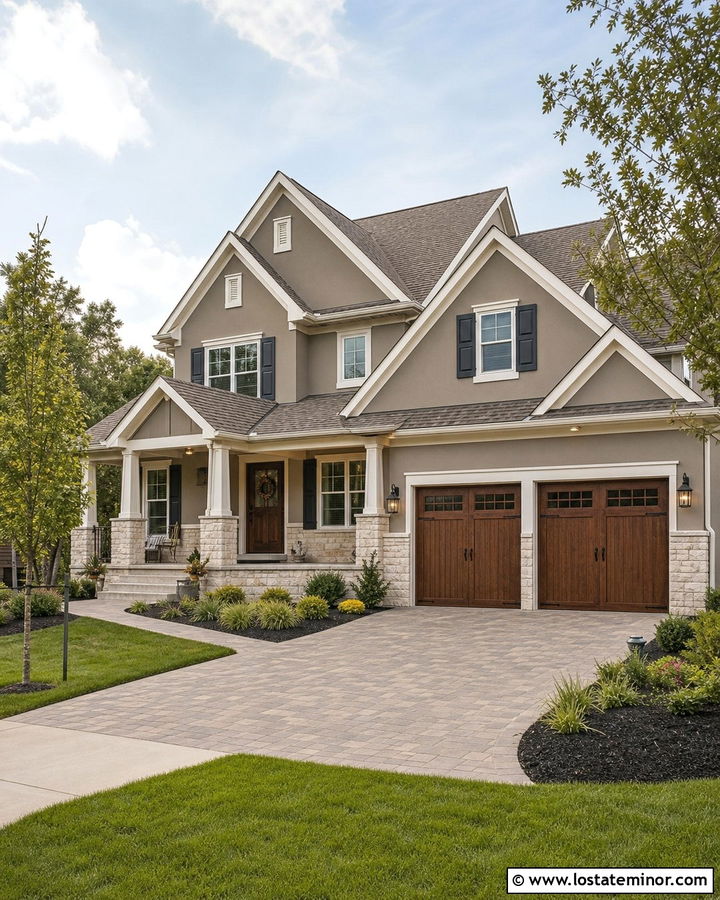
Sherwin-Williams Requisite Gray creates a medium greige exterior with enough depth to stand above a light stone wainscot. This combination fits a suburban two-story house with multiple front gables. Run the stone across the lower third of the facade and wrap it around porch columns. Choose a pale limestone blend with warm gray and cream variation. Use soft white trim around windows and gables, then add dark charcoal shutters to define the upper story. A stained oak door and matching garage doors introduce warmth at ground level. Finish the roof in a mixed gray-brown shingle. The horizontal stone line should follow the architecture rather than cutting awkwardly across windows. Layered shrubs and a broad front path help unify the materials while creating an inviting approach to the entrance.
22. Taupe Of The Morning House With Slate Stone
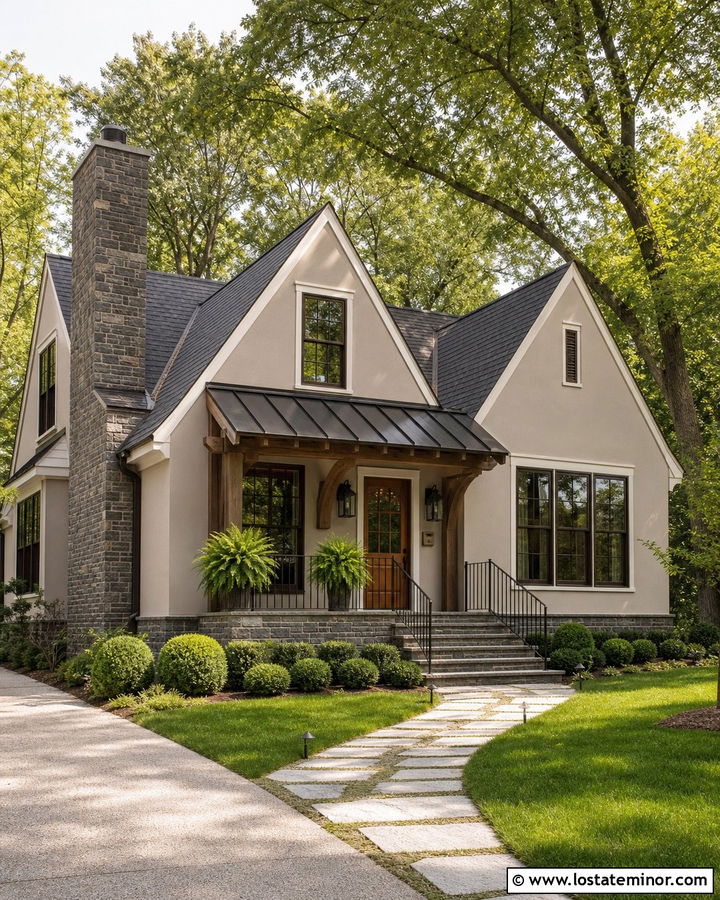
Sherwin-Williams Taupe of the Morning brings gentle beige-gray warmth to a house with slate stone accents. Apply the greige to lap siding on a contemporary cottage, then use slate around the chimney, entry steps, and porch foundation. Select slate containing softened charcoal, gray, and brown rather than intense blue. Warm white trim provides a clean border, while bronze windows reduce the harshness that black frames might create. A medium-stained wood door adds a welcoming focal point. Use a charcoal roof and a simple black metal porch canopy to repeat the darker masonry tones. Ferns, rounded shrubs, and a permeable stone walkway complement the natural materials. The result feels detailed and modern while retaining the comfortable scale and personality expected from a cottage exterior.
23. Mega Greige House With Creamy Ledgestone
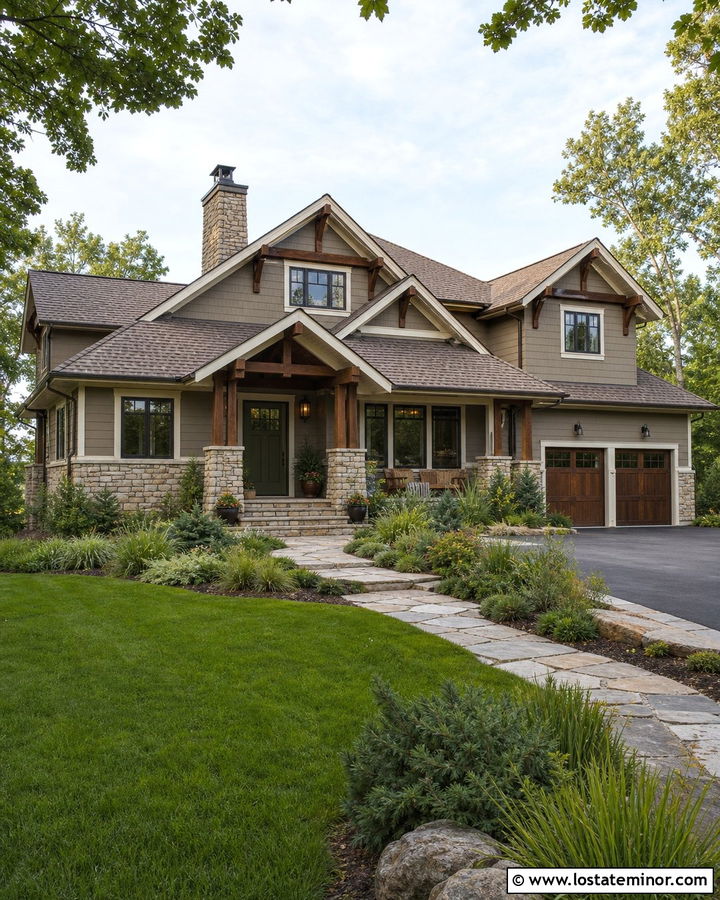
Sherwin-Williams Mega Greige offers strong color depth, making creamy ledgestone an effective way to lighten the facade. This pairing works on a large Craftsman home with multiple gables and a broad covered porch. Place the pale stone on column bases, the chimney, and the lower level. Use warm ivory trim along the roofline, with stained cedar beams beneath each gable. Dark bronze windows and a weathered brown roof maintain the earthy character. A deep olive front door adds restrained color and looks natural beside both greige and stone. Limit ledgestone to meaningful structural areas rather than applying scattered patches. Large trees, native grasses, and layered evergreen beds help the sizable house settle comfortably into its lot while supporting the warm, nature-inspired exterior color scheme.
24. Analytical Gray House With Granite Accents
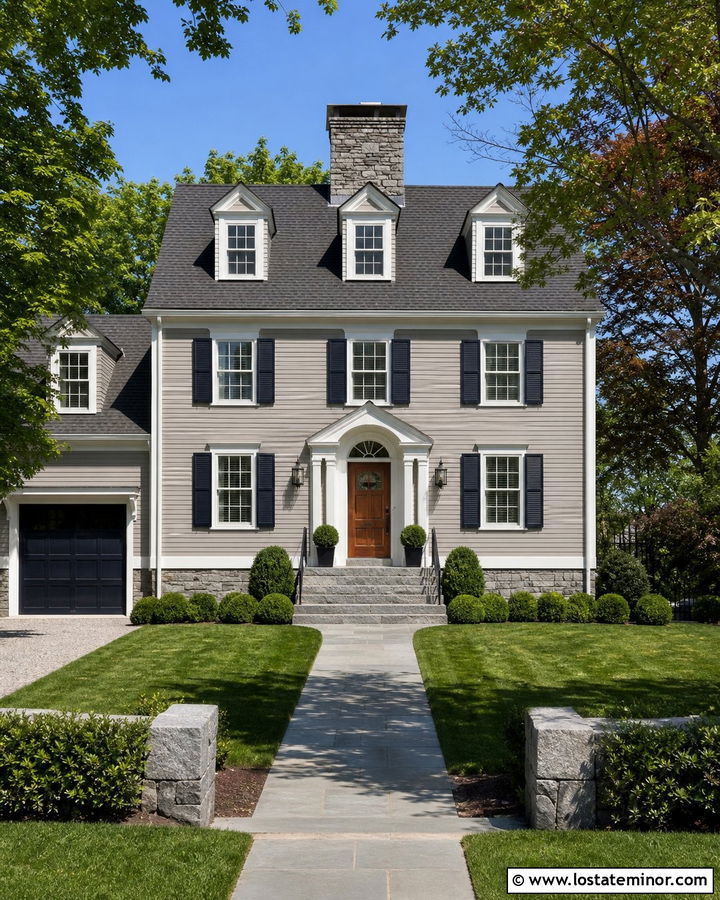
Sherwin-Williams Analytical Gray pairs naturally with granite because both can contain balanced warm and cool undertones. Use this combination on a New England-inspired home with clapboard siding, dormers, and a substantial central chimney. Place granite around the foundation, front steps, and chimney, selecting medium gray pieces with limited pink variation. White trim keeps the architecture crisp, while deep navy shutters add traditional color. A natural wood front door introduces warmth near the center of the facade. Complete the scheme with a medium charcoal roof and black lanterns. A straight granite walkway, clipped shrubs, and a simple green lawn maintain the orderly curb appeal. Avoid using overly bright white mortar, which can make the stone pattern look busier and disconnected from the muted greige siding.
25. Bungalow Beige House With Cobblestone Porch
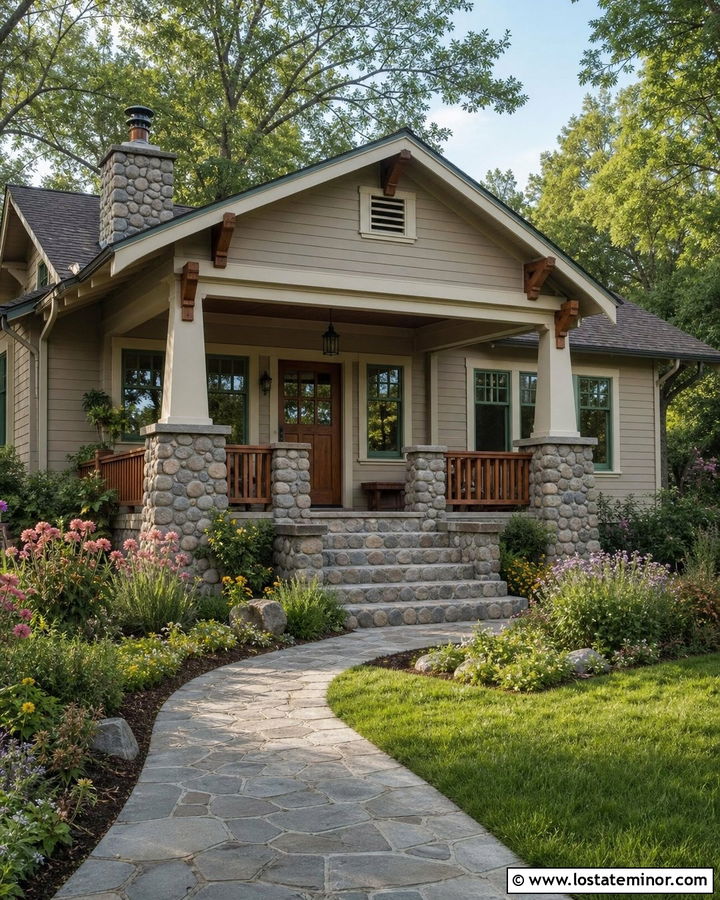
Sherwin-Williams Bungalow Beige can read as a warm greige when surrounded by gray-brown materials. Pair it with cobblestone across the porch floor, foundation, and wide front steps of an Arts and Crafts bungalow. Cream trim highlights the tapered columns and deep roof overhangs, while sage green window frames add a period-appropriate earthy accent. Use stained oak for the front door, porch railing, and visible beams. A roof in weathered brown with subtle charcoal variation ties the complete palette together. Because cobblestone has a rounded, textured appearance, keep other materials quiet and consistent. Informal shrubs, flowering perennials, and a gently curved walkway make the entry feel established. This warm scheme celebrates craftsmanship without turning the house into a collection of competing patterns and colors.
26. Stone Hearth House With Limestone Chimney
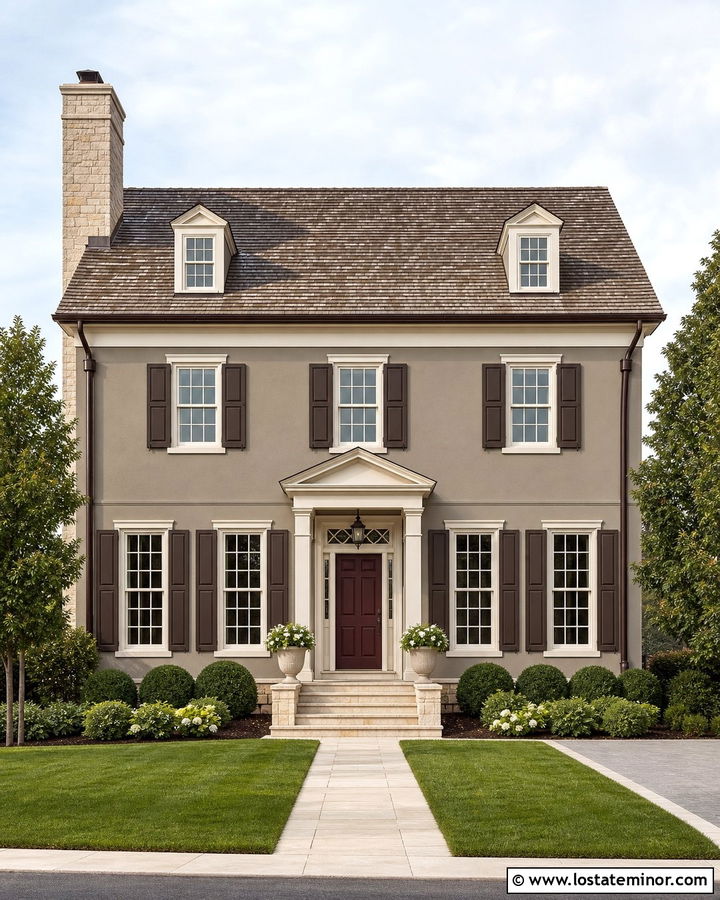
Benjamin Moore Stone Hearth creates a mid-tone greige exterior with a grounded, traditional appearance. Highlight it with a pale limestone chimney that extends from the foundation through the roofline. Apply Stone Hearth to wide horizontal siding and use soft ivory on window trim, cornices, and porch details. Deep brown shutters and gutters offer definition without the sharpness of black. A muted burgundy front door can provide restrained color, while a weathered brown roof supports the warm masonry. This combination suits a Georgian-inspired house with symmetrical windows and a centered entrance. Repeat limestone on the front steps to connect the chimney with the entry. Keep landscaping formal but not severe, using paired planters, rounded shrubs, and a straight walkway to strengthen the home’s balanced proportions.
27. Skipping Stone House With Stacked Stone Entry
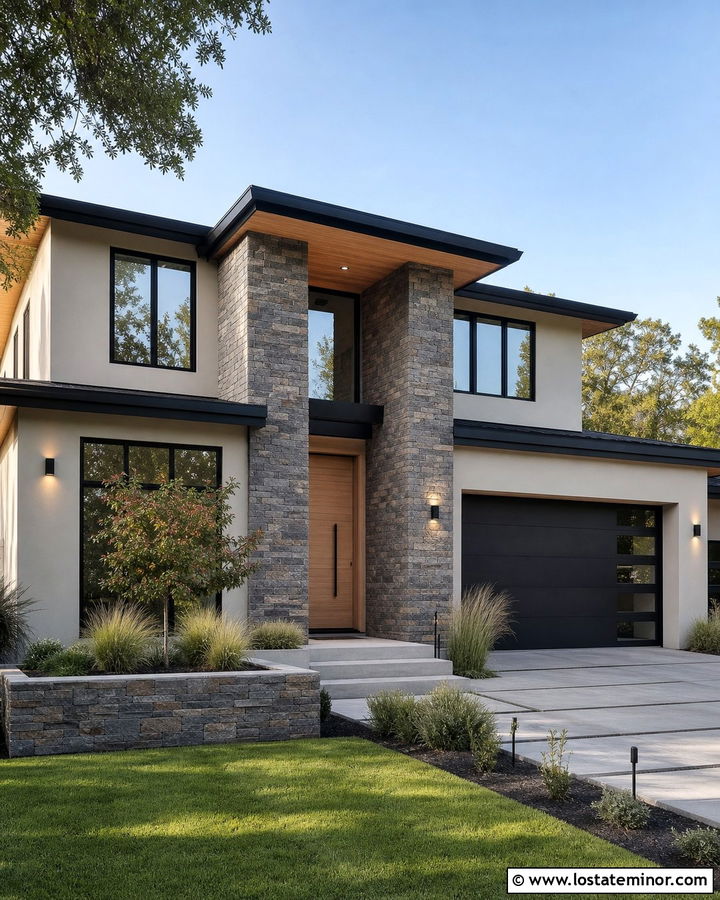
Benjamin Moore Skipping Stone is a light neutral greige that allows a darker stacked stone entry to command attention. Use the stone on a tall central wall that frames the front door of a modern two-story house. Choose charcoal and taupe stone with a linear profile, then repeat it along a low planter near the driveway. Black window frames, fascia, and garage doors sharpen the pale siding. Introduce white oak through the front door and soffit to keep the entrance warm and visible. A low-slope charcoal roof supports the streamlined design. Concrete pavers, sculptural shrubs, and ornamental grasses suit the clean architecture. Keeping the stone concentrated in two connected areas creates a clear focal point instead of making the entire facade look fragmented or unnecessarily busy.
28. Moth Wing House With Weathered Stone
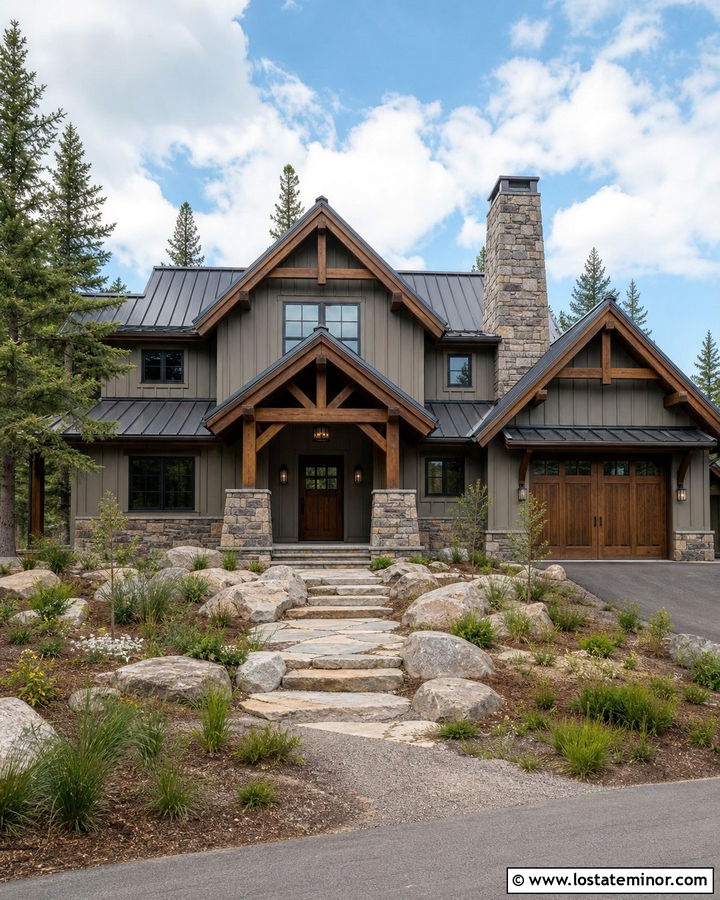
Sherwin-Williams Moth Wing is a deep, earthy greige that looks especially natural beside weathered stone. Apply it to a mountain lodge with board-and-batten siding, broad gables, and exposed timber trusses. Use rough stone across the foundation, porch columns, and oversized chimney. Look for gray-brown masonry with a few lighter cream pieces that prevent the base from becoming too dark. Stained cedar beams and garage doors provide warm contrast, while black windows add definition. A charcoal standing-seam roof gives the lodge a strong silhouette. Surround the facade with boulders, native evergreens, and a broad stone path. Since the body color is relatively dark, use lighter stone mortar and warm wood strategically to keep the entrance and main architectural features visible in shaded conditions.
29. Useful Gray House With Stone And Brick Accents
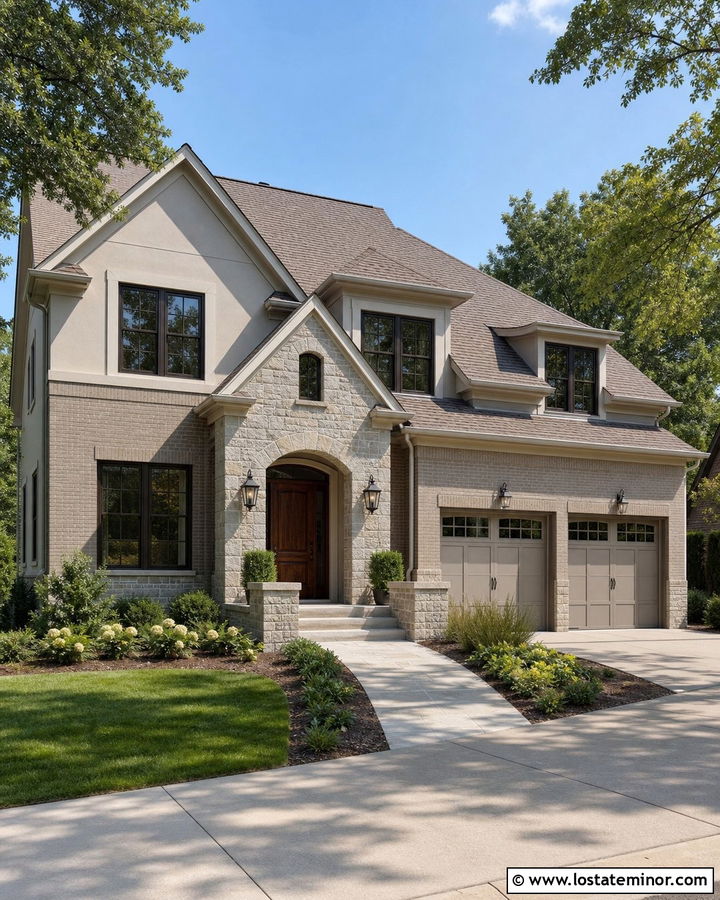
Sherwin-Williams Useful Gray can unify a house that combines stone and brick when both masonry materials share similar undertones. Choose muted taupe brick for the main lower walls and use light gray-beige stone around the porch and entry gable. Apply the greige paint to upper siding and garage doors, then add creamy trim to separate each surface. A medium walnut front door connects naturally with the warm masonry. Dark bronze windows, gutters, and lanterns create definition without introducing a stark black outline. This scheme works on a large suburban home where several exterior materials are already present. Keep the roof a blended brown-gray and avoid adding more accent colors. Structured foundation beds and a wide walkway help the layered facade appear intentional, balanced, and visually organized.
30. Classic Greige House With Stone And Cedar Accents
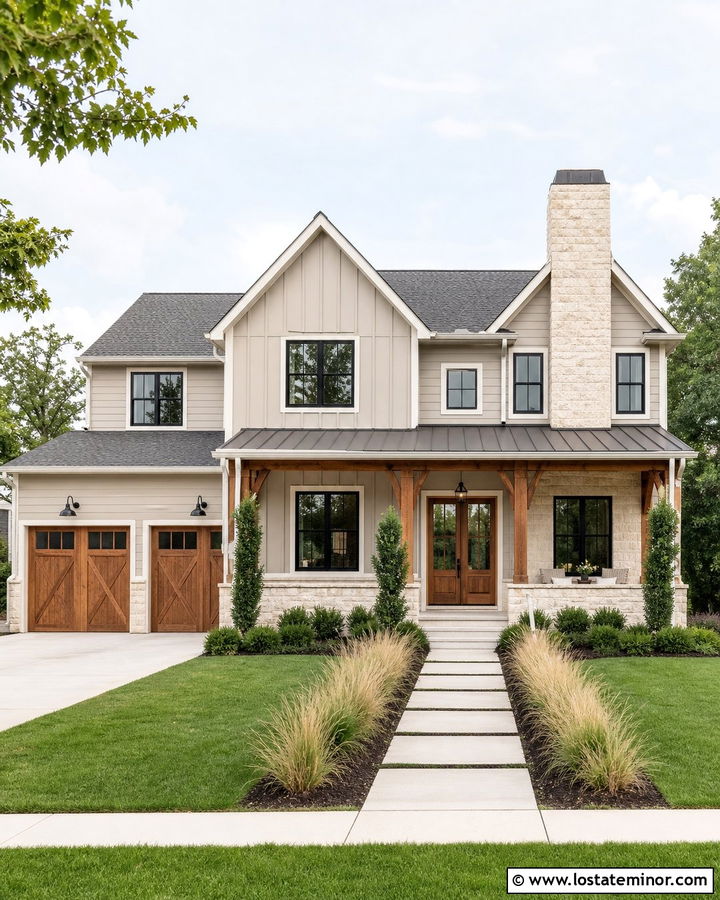
Sherwin-Williams Classic Greige creates a versatile body color for a modern farmhouse featuring both stone and cedar. Use the greige on horizontal siding, then add vertical siding beneath the front gables for subtle texture. Apply warm limestone to the foundation, porch columns, and one chimney. Cedar beams, garage doors, and a natural front door bring warmth across the entire facade. Use soft white trim to preserve the farmhouse shape, with black windows and a charcoal metal porch roof for contrast. A medium gray shingle roof keeps the larger roof area from feeling too severe. Complete the curb appeal with a wide concrete walkway, clipped grasses, and simple evergreen beds. The materials feel cohesive because every surface repeats either the stone’s warmth or its quieter gray undertones.
Conclusion:
The best greige and stone combinations begin with the home’s permanent materials. Study the stone’s gray, cream, brown, or taupe undertones before selecting siding, trim, roofing, and doors. Use masonry where it can support the architecture, such as foundations, chimneys, porch columns, garages, and entry walls. Then repeat its colors through wood, metal, and landscape details. Large exterior samples are essential because sunlight, shade, roof reflections, and surroundings can change how greige appears. These 30 Greige House Design With Stone Accents Ideas show that a neutral facade does not need to feel plain. With thoughtful contrast, balanced stone placement, and coordinated finishes, greige can create a warm, dimensional, and lasting exterior.

Related posts: