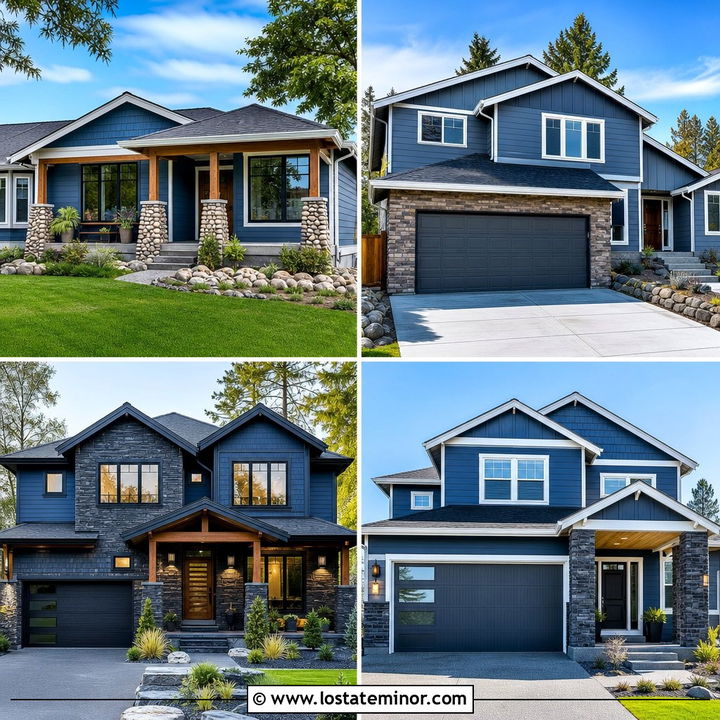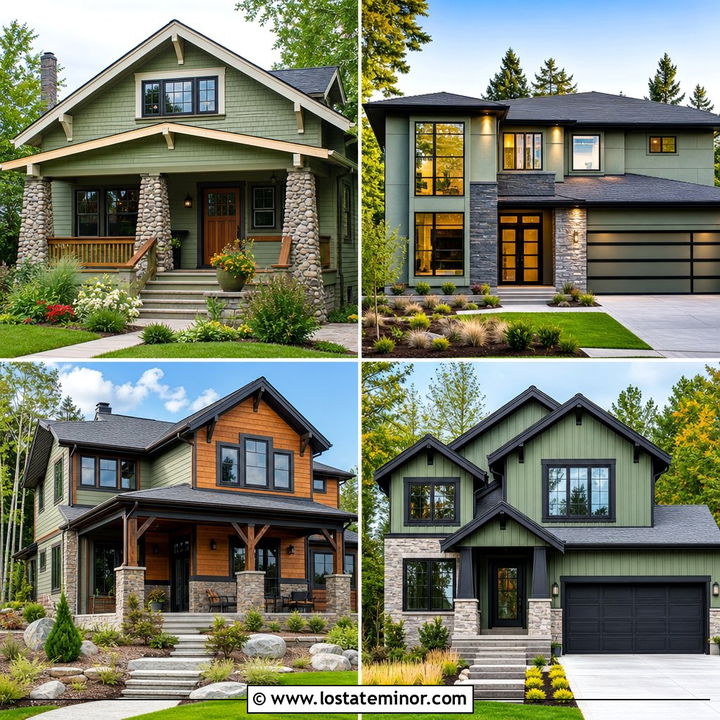
Stone and vertical siding create a balanced exterior that feels both grounded and visually tall. The stone brings natural color, texture, and permanence, while board-and-batten siding adds crisp lines that sharpen the architecture. These materials can work across modern farmhouses, Craftsman homes, ranch houses, cottages, cabins, and contemporary builds. The key is choosing siding, stone, trim, roofing, and wood accents that share compatible undertones. Placement matters too. Stone can wrap the foundation, frame the entry, cover a chimney, or define an entire wing. This guide to **30 Stone House Design With Board and Batten Ideas** explores complete exterior combinations rather than isolated materials. Use these 30 Stone House Design With Board and Batten Ideas to find a coordinated look for your home.
1. White Board and Batten With Gray Stone
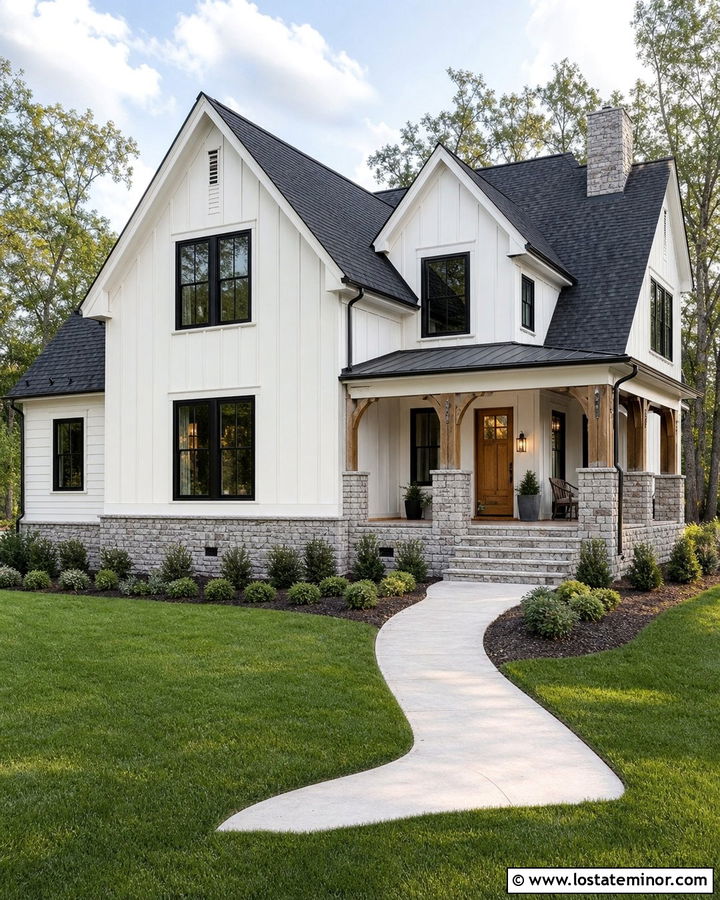
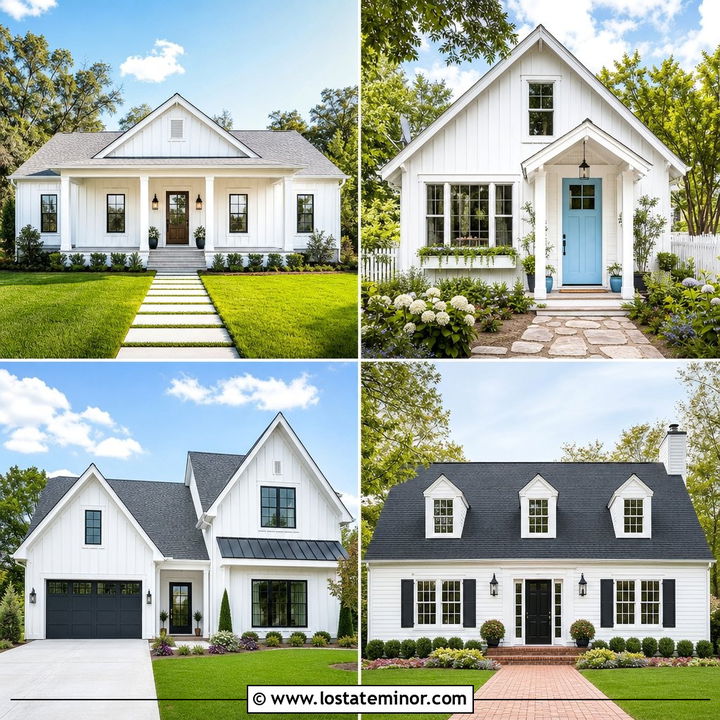
Crisp white board-and-batten siding looks clean and inviting when grounded by medium gray stone. Use the stone across the foundation and porch columns so it creates a strong visual base without overwhelming the facade. A charcoal architectural-shingle roof connects naturally with the darker minerals in the masonry. Black window frames and simple black sconces introduce definition, while a warm oak front door keeps the palette from feeling cold. This combination works especially well on a modern farmhouse with steep front gables and a covered porch. Repeat the oak finish on porch beams or garage doors for balance. Soft green landscaping and a curved walkway can then add color without competing with the high-contrast exterior.
2. Black Board and Batten With Light Stone
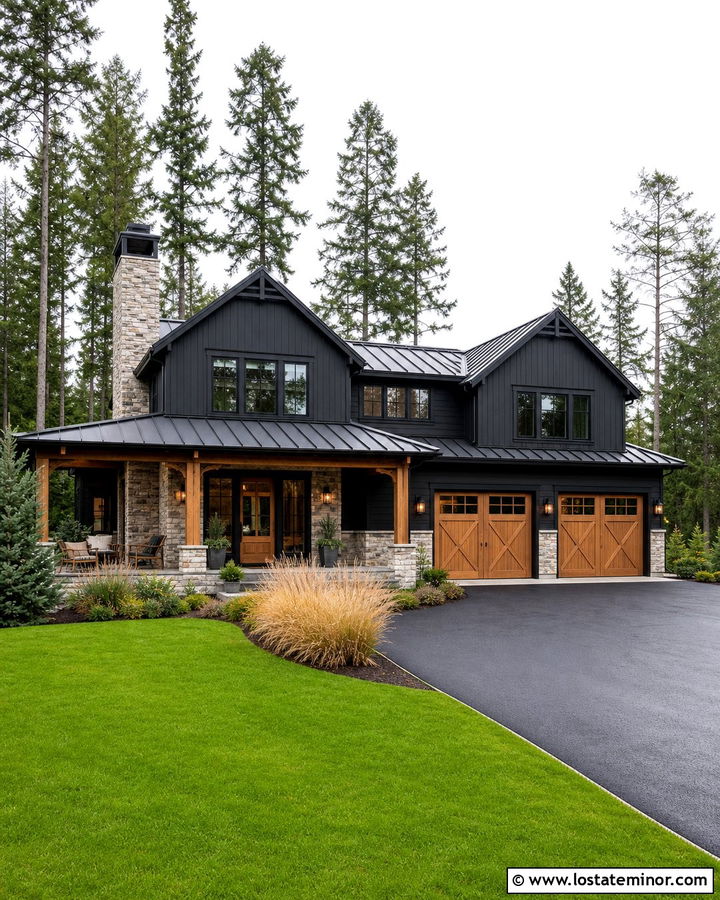
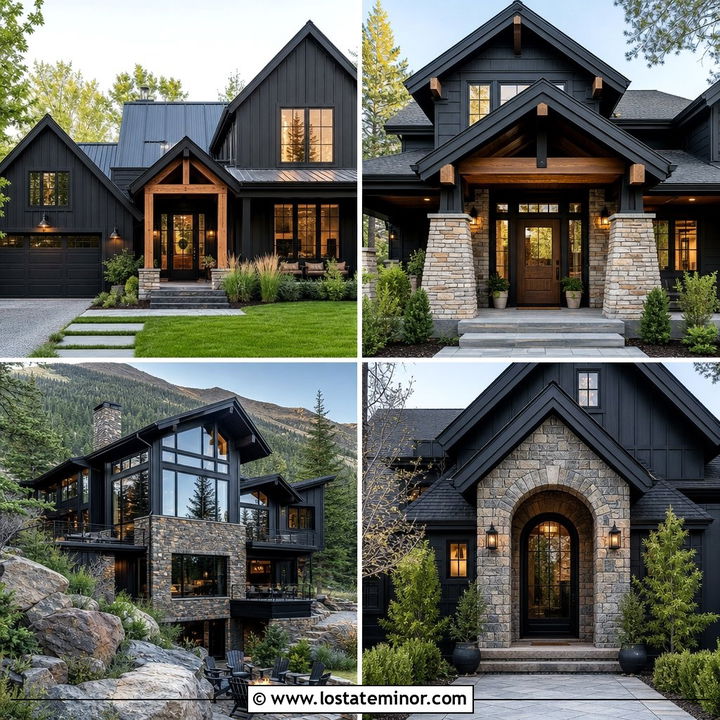
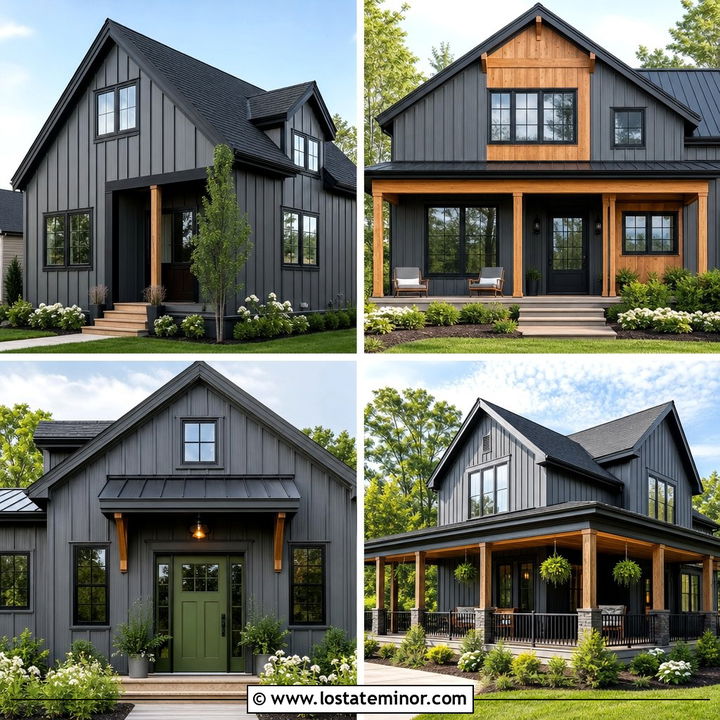
A black exterior can feel surprisingly welcoming when it is balanced with pale, textured stone. Choose soft limestone or a cream-and-gray ledgestone for the lower facade, entry columns, and chimney. The light masonry breaks up the dark board-and-batten siding and makes the stonework easy to notice from the street. Warm cedar beams, a natural wood front door, and matching garage doors add another layer of contrast. Keep the window frames black for a seamless look, but use light porch flooring to brighten the entrance. This complete scheme suits modern farmhouses, mountain homes, and contemporary Craftsman designs. A dark standing-seam metal roof completes the strong silhouette, while loose ornamental grasses soften the sharp vertical lines.
3. Sage Green Board and Batten With Fieldstone
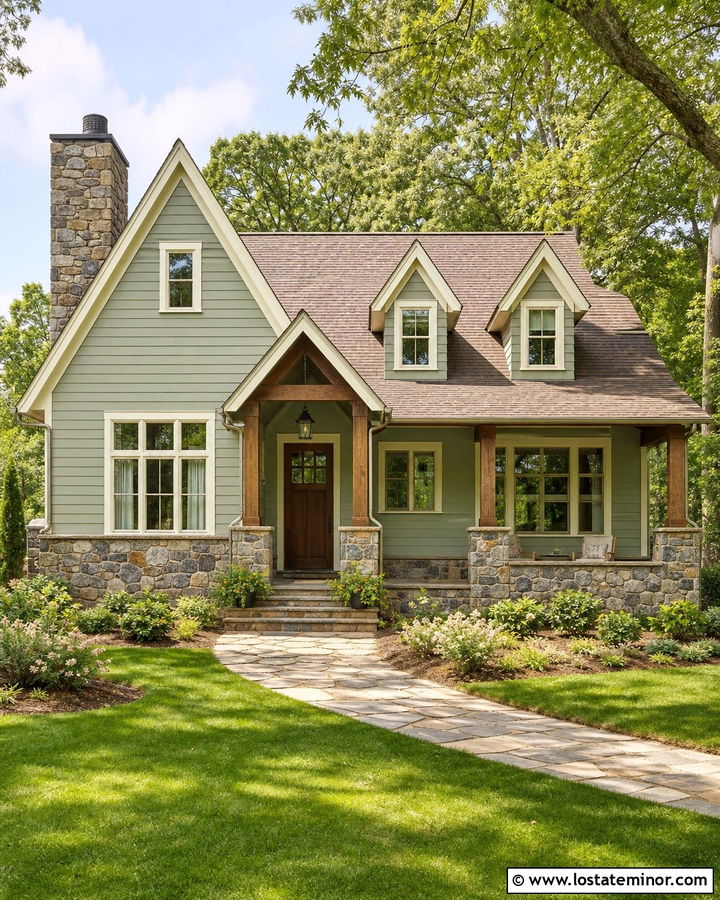
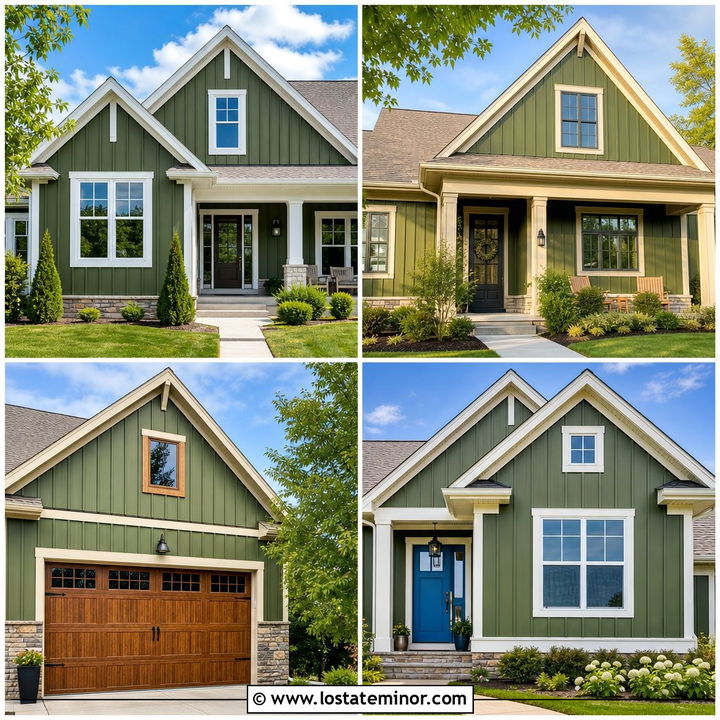
Sage green siding blends naturally with fieldstone because both materials contain soft, earthy undertones. Select a muted green rather than a bright botanical shade, then pair it with irregular fieldstone in taupe, gray, brown, and mossy beige. Cream trim provides gentle contrast around the windows and roofline. A medium-brown shingle roof keeps the palette warm, while stained wood porch posts connect the siding with the deeper colors in the stone. This combination feels especially appropriate on a cottage, bungalow, or rural farmhouse surrounded by mature trees. Use the fieldstone around the foundation and fireplace chimney to distribute its visual weight. A muted red or stained walnut front door can add a restrained focal point without disrupting the natural exterior.
4. Charcoal Board and Batten With Tan Stone
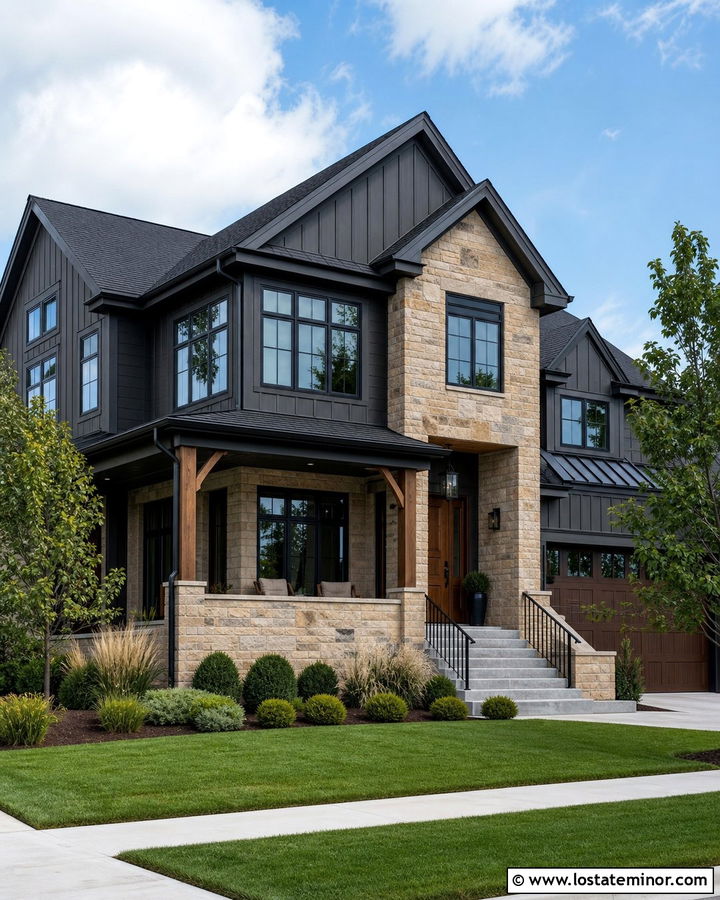
Charcoal board-and-batten siding creates a bold backdrop for warm tan stone. The difference in color temperature makes both materials more noticeable while keeping the overall house sophisticated. Use tan limestone or sandstone across the porch base, lower walls, and an oversized entry column. Bring the charcoal color back through the roof, window frames, and metal gutters for continuity. A walnut front door and matching wood soffits soften the contrast and make the entry feel more approachable. This palette works well on a transitional two-story house with mixed gables and large windows. Keep the trim close to the siding color instead of outlining every feature in white. That quieter trim strategy lets the stone and natural wood become the main architectural accents.
5. Cream Board and Batten With Brown Stone
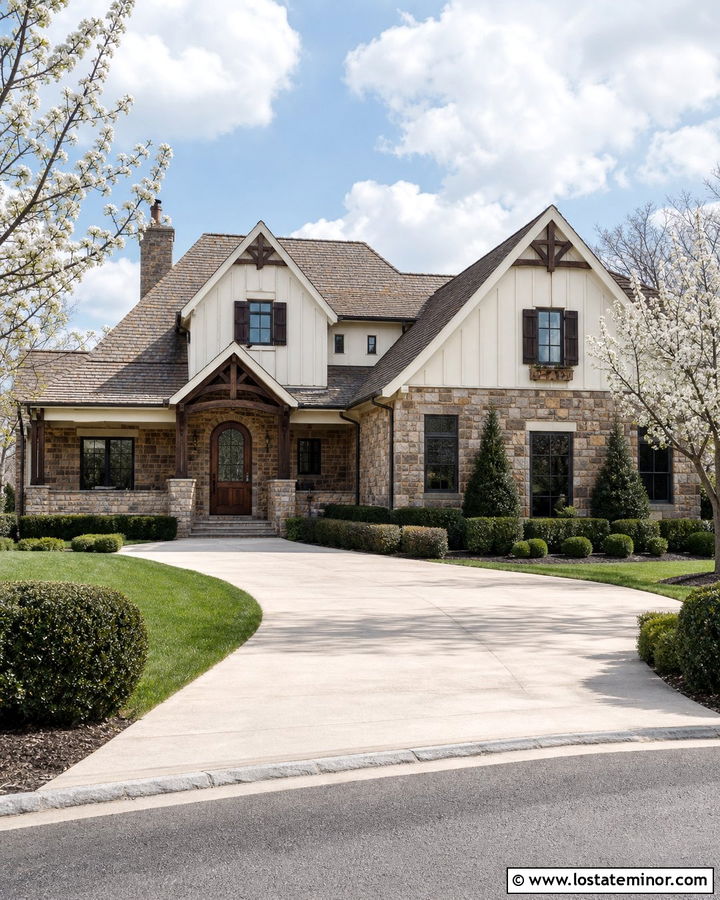
Warm cream siding offers a softer alternative to bright white and pairs beautifully with brown stone. Look for masonry containing caramel, taupe, muted rust, and sandy beige tones. These colors can be repeated through bronze windows, a walnut door, and a weathered brown roof. Board-and-batten siding looks particularly effective on upper gables, while stone can cover the first-floor walls and wrap the porch. This distribution gives a larger home a solid base without making the exterior appear heavy. Use creamy trim that is only slightly lighter than the siding for a calm, layered effect. Copper lanterns and stained timber brackets can reinforce the warm palette. Finish the setting with natural stone steps, clipped shrubs, and softly curved planting beds.
6. Navy Board and Batten With White Stone
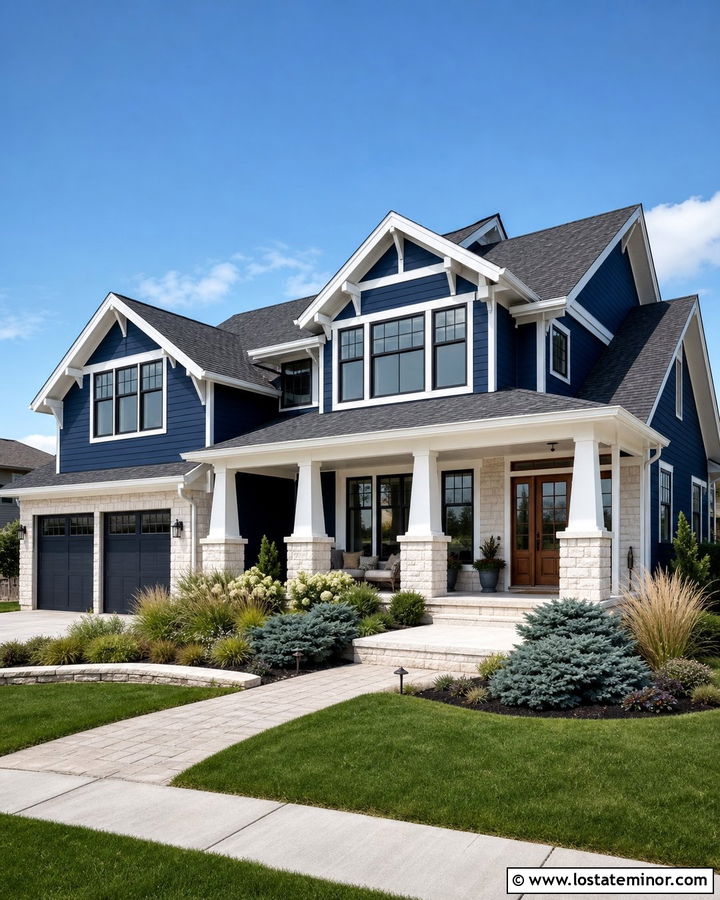
Deep navy board-and-batten siding brings rich color to a house while remaining easy to coordinate with neutral materials. Pair it with white limestone or pale gray stacked stone around the foundation, entry, and garage. Bright white trim sharpens the roofline and makes the navy appear cleaner. Black window frames can provide extra depth, but a medium cedar front door is essential for warming the palette. This combination works on coastal Craftsman homes, modern cottages, and compact two-story houses. Choose a medium gray roof rather than a very dark one to prevent the upper portion from looking too heavy. White porch columns can visually connect the trim and stone, while blue-green shrubs and silvery ornamental grasses complement the siding without creating a perfectly matched landscape.
7. Greige Board and Batten With Limestone
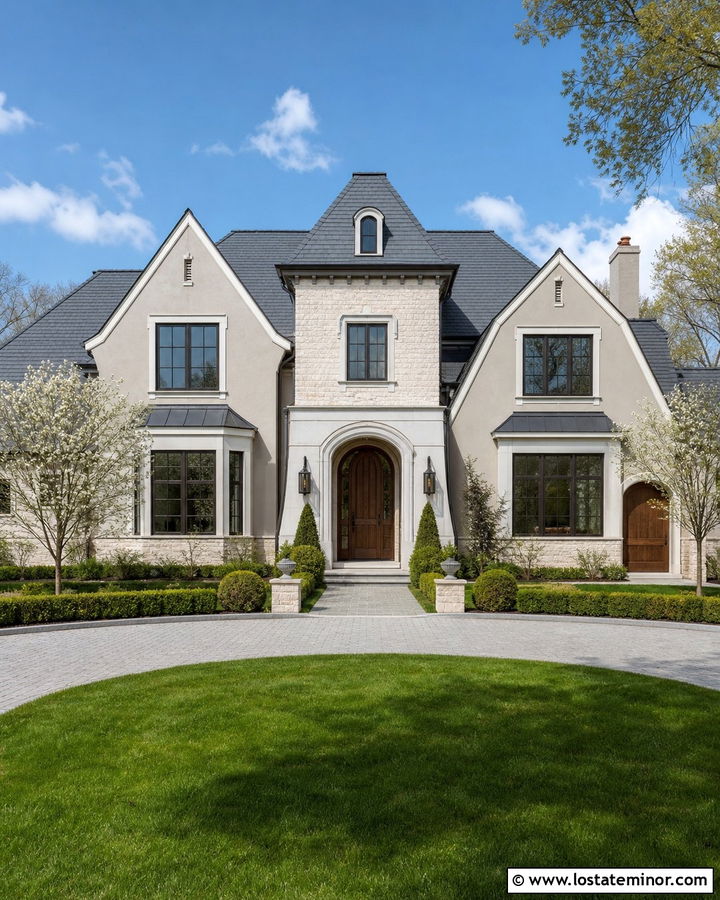
Greige board-and-batten siding creates a quiet, refined exterior when paired with creamy limestone. Select a siding shade with warm gray undertones so it relates to both the pale stone and darker roof. Cover the lower facade and entry tower with limestone, then continue board and batten across the main walls and gables. Soft white trim will outline the architecture without producing harsh contrast. For warmth, add a stained oak front door, timber porch ceiling, and coordinating garage doors. This scheme suits transitional, French country, and modern European homes. A charcoal roof and dark bronze windows give the pale materials enough definition. Keep the landscaping structured with boxwoods, small flowering trees, and a broad stone walkway that echoes the masonry near the house.
8. Blue Gray Board and Batten With River Rock
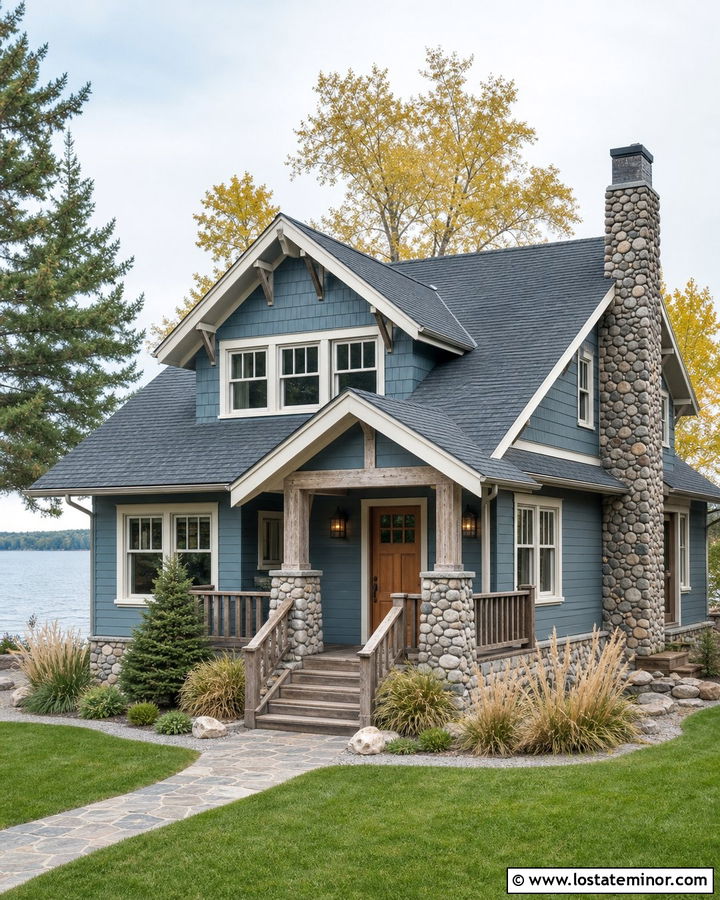
Blue-gray board-and-batten siding looks relaxed and organic beside rounded river rock. The siding’s cool undertone connects with gray stones, while brown and beige rocks introduce enough warmth to keep the house comfortable. Use river rock selectively around the porch, foundation, and chimney rather than covering every wall. Off-white trim can brighten the windows and fascia, while a weathered cedar door adds rustic character. This scheme works particularly well on a lakeside cottage, mountain bungalow, or casual Craftsman house. Choose a charcoal-gray roof to reinforce the cool palette. Wider porch steps and simple timber railings will suit the natural materials better than ornate details. Native grasses, evergreen shrubs, and a gravel-edged walkway complete the informal curb-appeal design.
9. Dark Green Board and Batten With Gray Stone
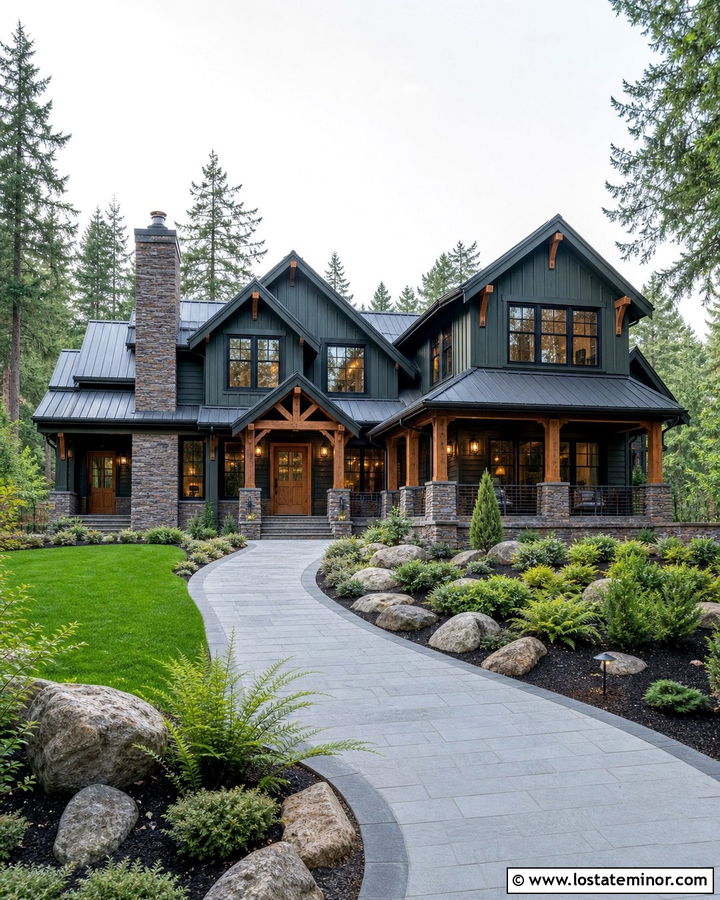
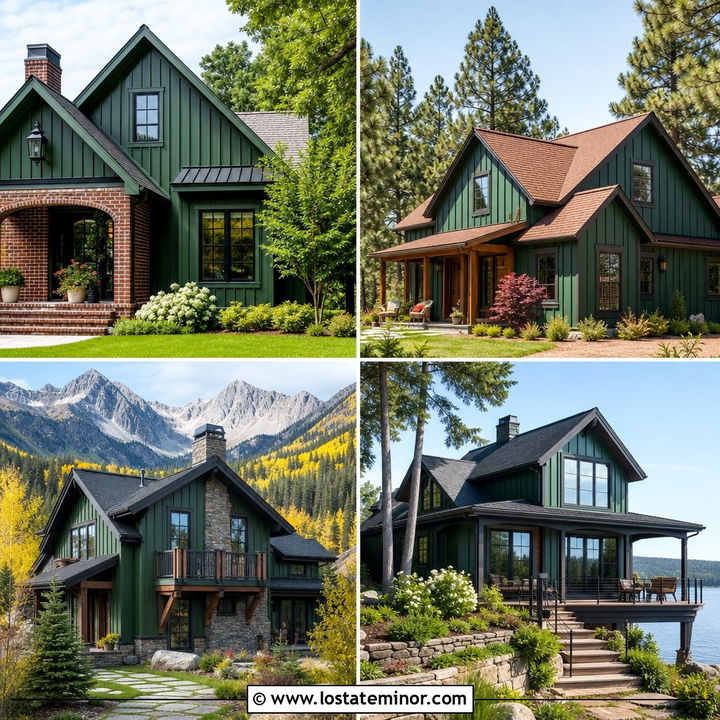
Dark green siding can make a stone house feel closely connected to a wooded setting. Pair forest-toned board and batten with medium gray ledgestone containing subtle brown and charcoal variation. Use the stone on the lower floor, chimney, and porch piers to ground the deep siding color. Black-framed windows and a charcoal metal roof create a clean outline without introducing another competing hue. For warmth, include cedar porch posts, brackets, and a naturally finished front door. This complete combination works well on mountain houses, cabins, and modern Craftsman homes. Avoid bright white trim, which may appear too sharp against the earthy palette. Instead, select dark green or warm gray trim. Ferns, boulders, and layered evergreens can integrate the house into its surroundings.
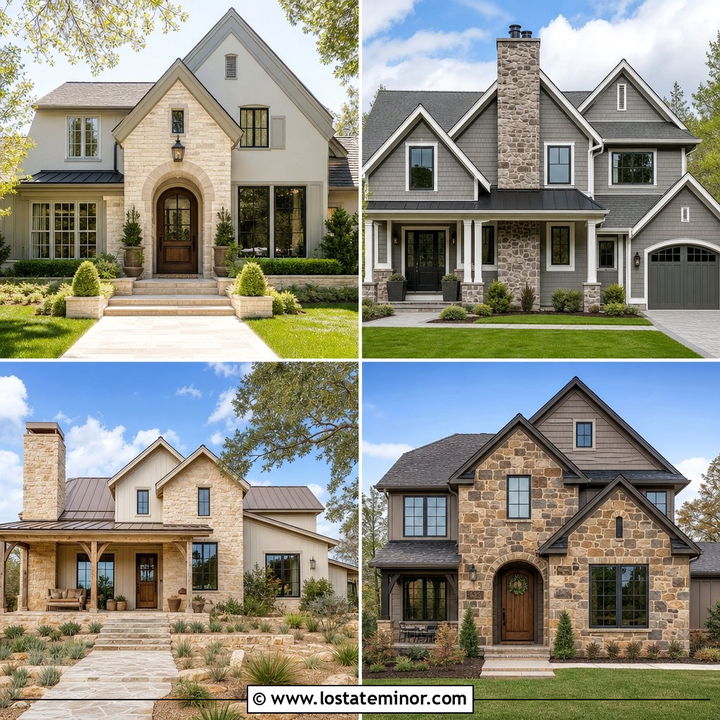
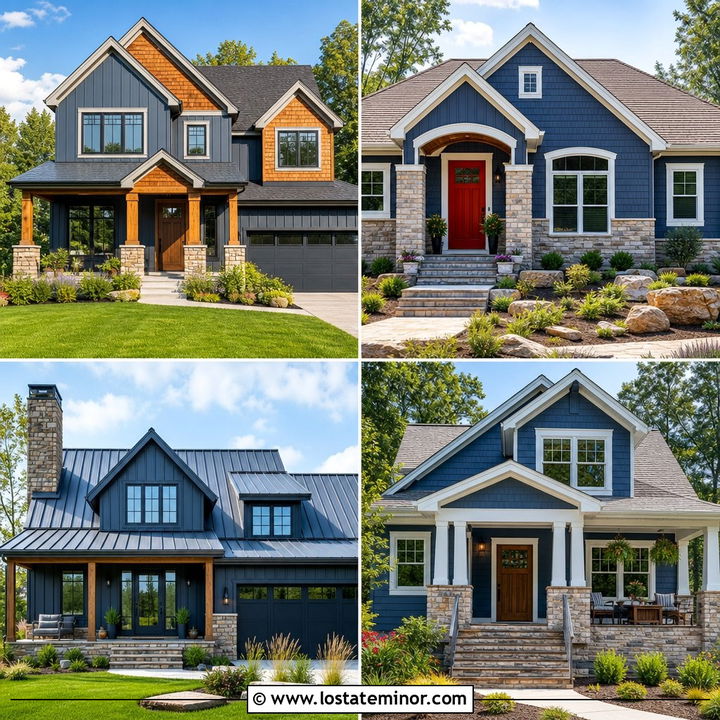
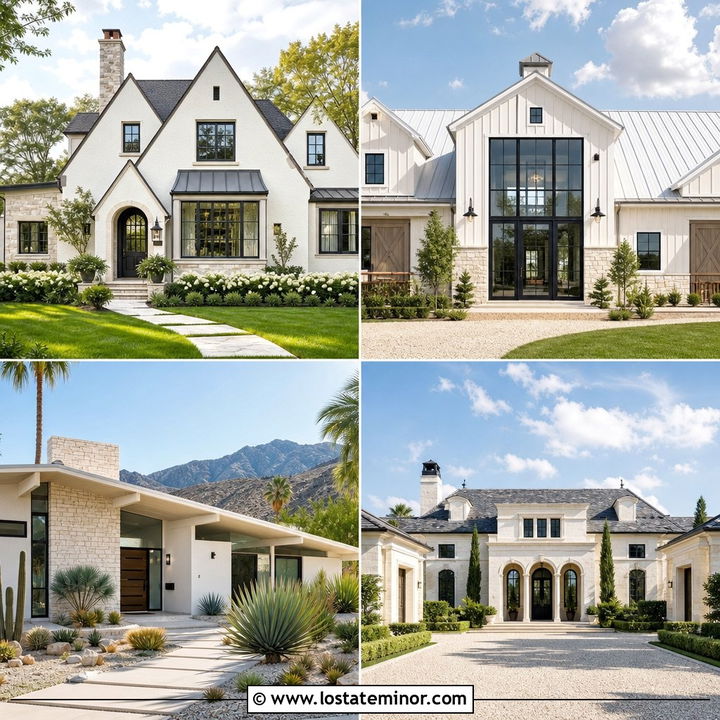
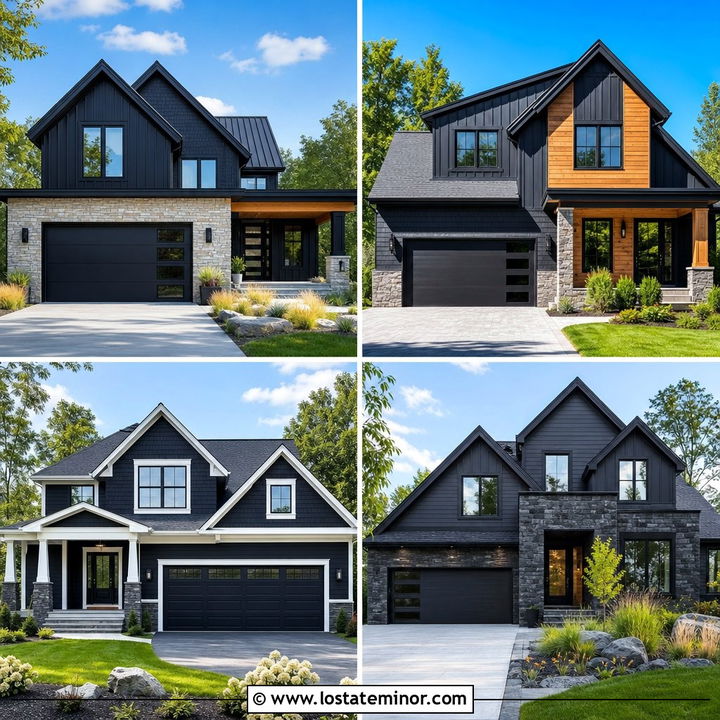
10. Light Gray Board and Batten With Dark Stone
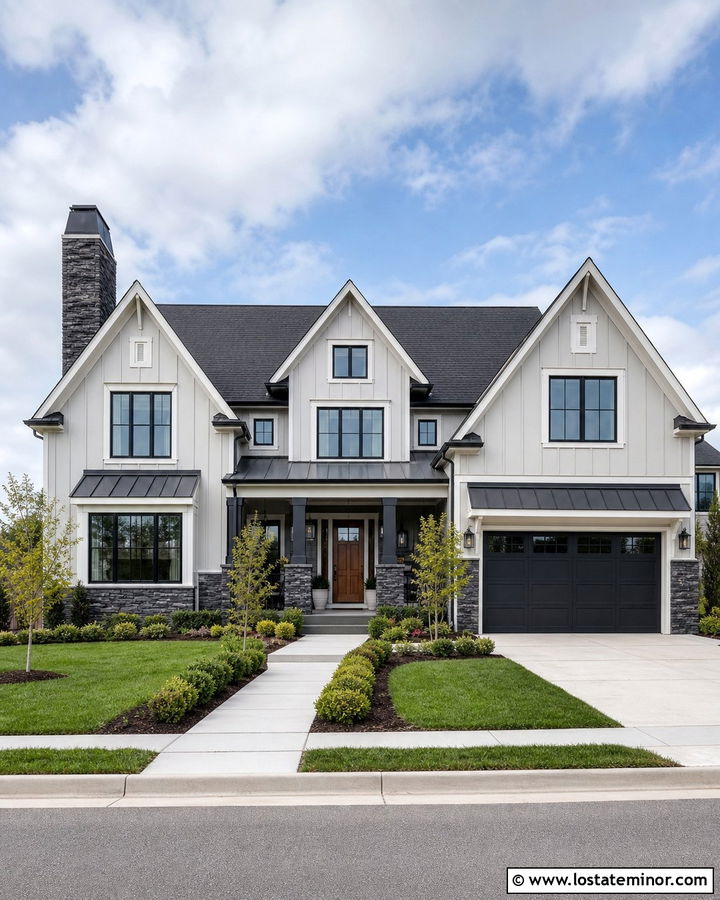
Light gray vertical siding makes dark stone feel intentional rather than visually heavy. Apply charcoal ledgestone to the porch columns, garage base, and a tall chimney, then use pale gray board and batten across the larger wall areas. White trim keeps the facade bright, while black windows and gutters link back to the stone. A medium-toned wood front door prevents the neutral exterior from feeling overly cool. This arrangement works well on a suburban farmhouse or transitional ranch with multiple front-facing gables. Consider a charcoal shingle roof that sits between the siding and stone in value. A wide concrete walkway, dark metal railings, and neatly layered shrubs support the clean design. Limiting the palette to four coordinated finishes helps the mixed materials look unified.
11. Beige Board and Batten With Rustic Stone
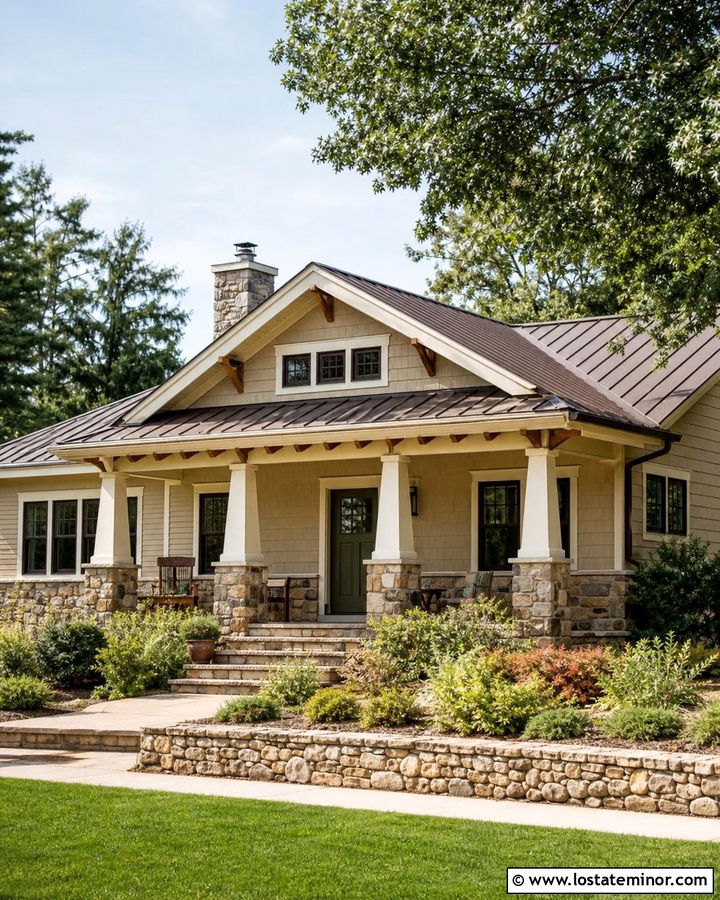
Beige board-and-batten siding can look rich and dimensional when paired with rustic stone rather than plain matching masonry. Select fieldstone containing warm gray, brown, cream, and muted rust. The natural color variation gives the quiet siding more character. Use stone around the foundation, broad porch columns, and an arched entry feature. Dark brown windows and a weathered bronze roof will reinforce the earthy palette. A deep olive or walnut front door adds contrast without feeling disconnected. This design is a natural fit for Craftsman, ranch, and lodge-inspired homes. Keep the trim warm ivory instead of stark white. Thick wood beams, stone steps, and low landscape walls can repeat the substantial materials, creating a complete exterior that feels established and comfortably connected to the site.
12. White Board and Batten With Black Stone
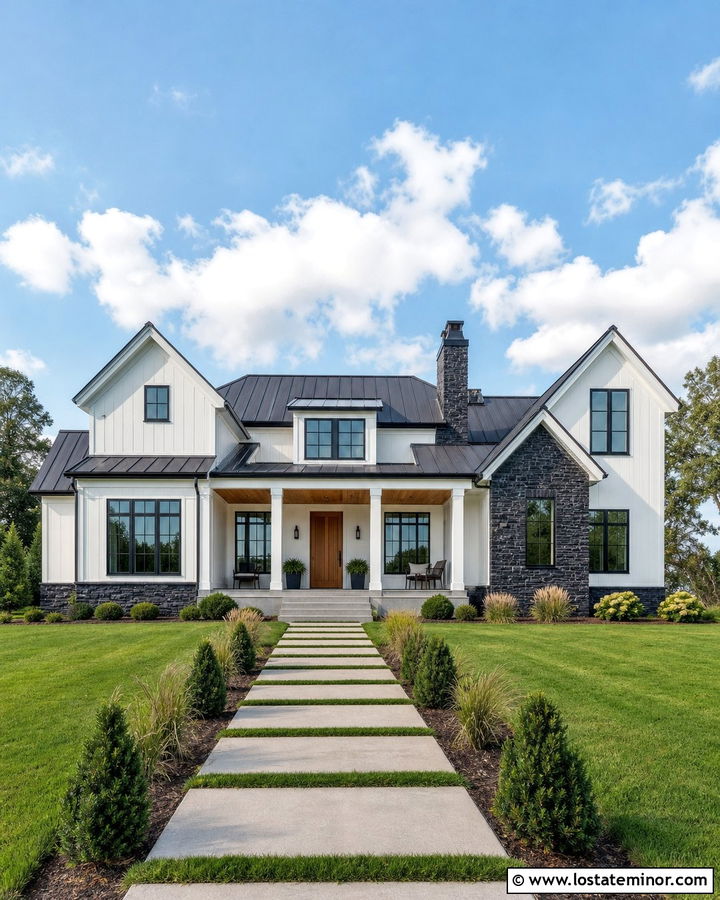
White board-and-batten siding and black stone deliver dramatic contrast with a clean modern character. Use dark charcoal stacked stone across one prominent wall, the lower foundation, or a tall entry volume. Keeping some white siding visible between stone areas prevents the dark material from dominating the house. Black-framed windows, gutters, and a standing-seam roof can tie the accents together. Introduce warmth through a natural oak door and cedar porch ceiling. This palette suits a modern farmhouse, contemporary ranch, or minimalist split-level home. Choose simple square columns and uncluttered trim to match the strong color blocking. Large concrete pavers, structured evergreens, and ornamental grasses can frame the exterior. The final result feels bold but balanced because every dark feature is repeated with purpose.
13. Taupe Board and Batten With Ledgestone
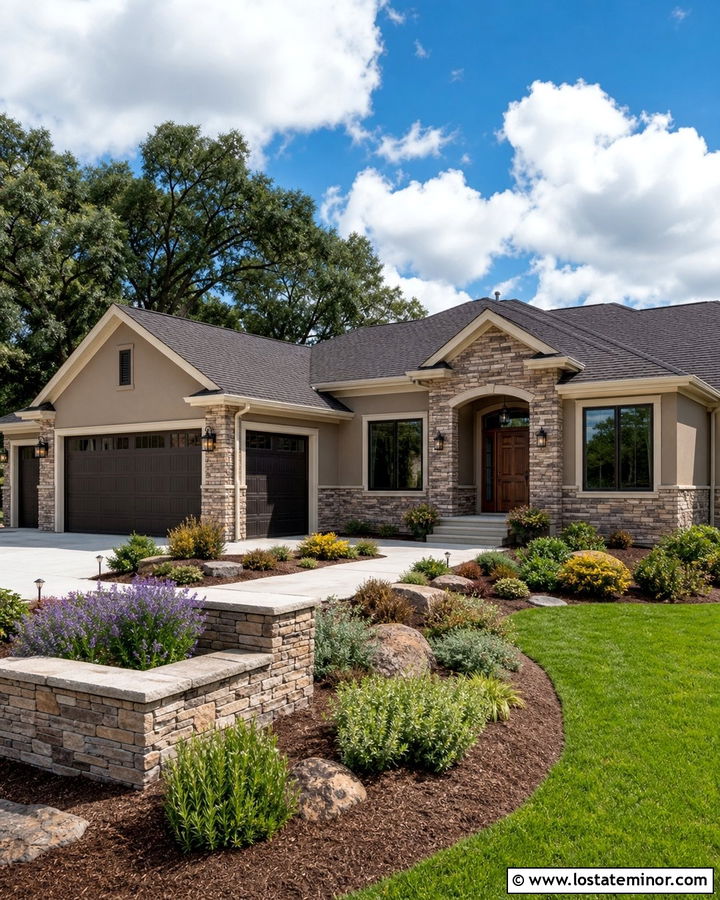
Taupe board-and-batten siding is an adaptable choice for ledgestone with mixed beige and gray tones. The siding bridges the stone’s warm and cool colors, helping the entire facade appear coordinated. Use ledgestone around the garage, entry, and lower portion of the house, then continue taupe vertical siding into the gables. Cream trim creates a subtle outline, while dark bronze windows bring needed contrast. A stained mahogany front door can act as the warm focal point. This combination works on a transitional ranch, suburban Craftsman, or one-and-a-half-story cottage. Choose a roof with blended brown and charcoal shingles to connect all exterior materials. Repeating the stone beside the front steps or in a short landscape wall makes the design feel complete rather than limited to one decorative patch.
14. Olive Board and Batten With Sandstone
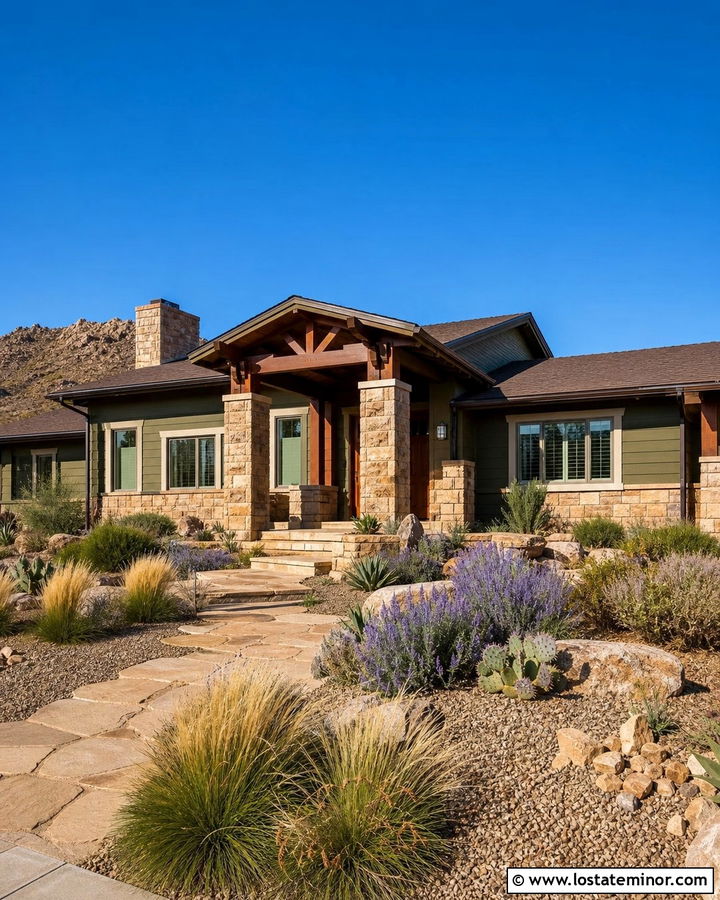
Olive board-and-batten siding gives a house a distinctive earthy color without becoming too bright. Warm sandstone is an ideal companion because its gold, tan, cream, and muted brown tones complement the green. Place sandstone across the foundation and porch columns, then use olive siding on the main walls and upper gables. Cream window trim softens the look, while dark bronze gutters and a brown roof provide definition. Natural cedar doors and porch beams reinforce the organic palette. This exterior works beautifully on a low ranch, desert Craftsman, or rural cottage. Select drought-tolerant landscaping with ornamental grasses, lavender, and low shrubs to support the warm colors. A flagstone walkway can repeat the sandstone texture and lead naturally toward the wood-accented entrance.
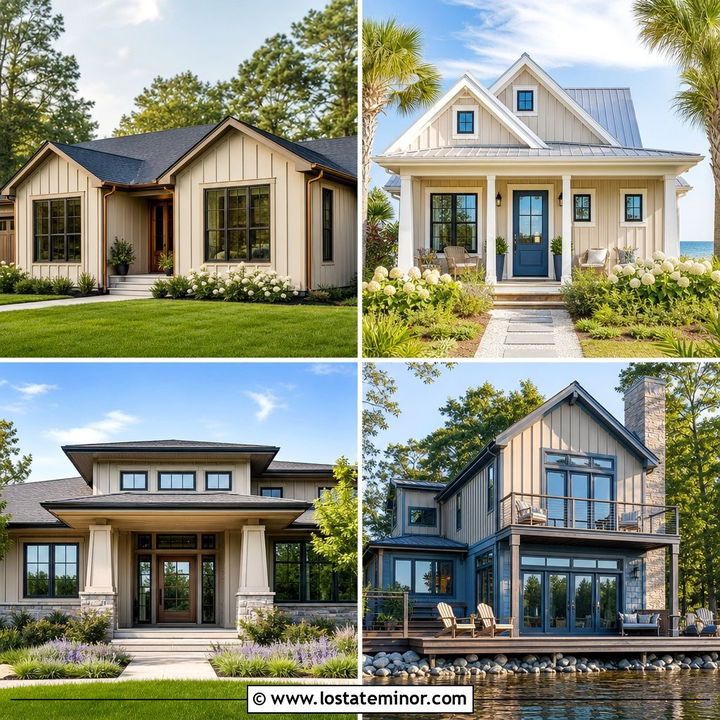
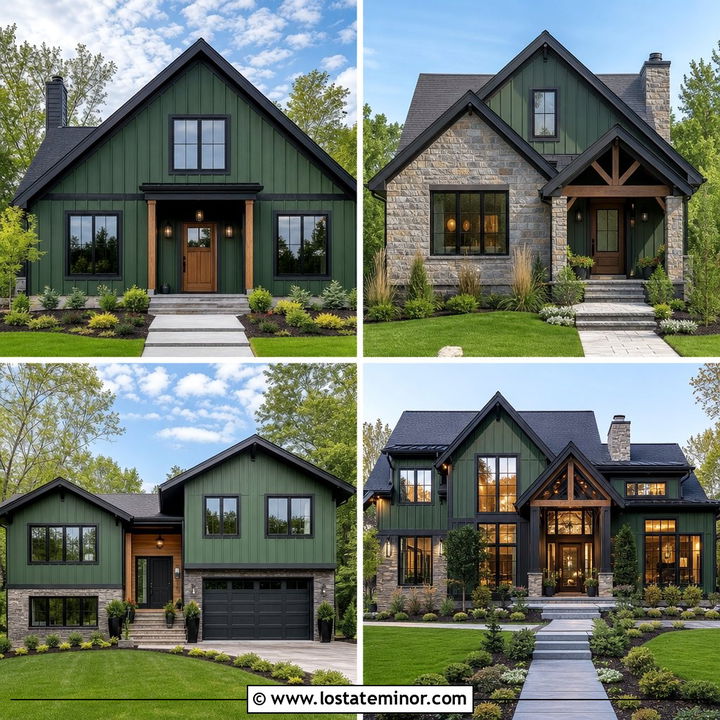
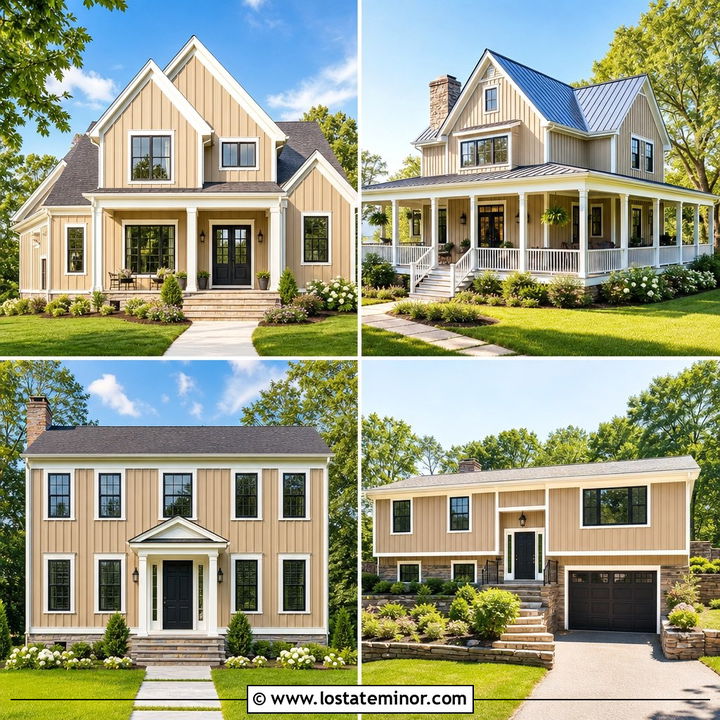
15. Brown Board and Batten With Cream Stone
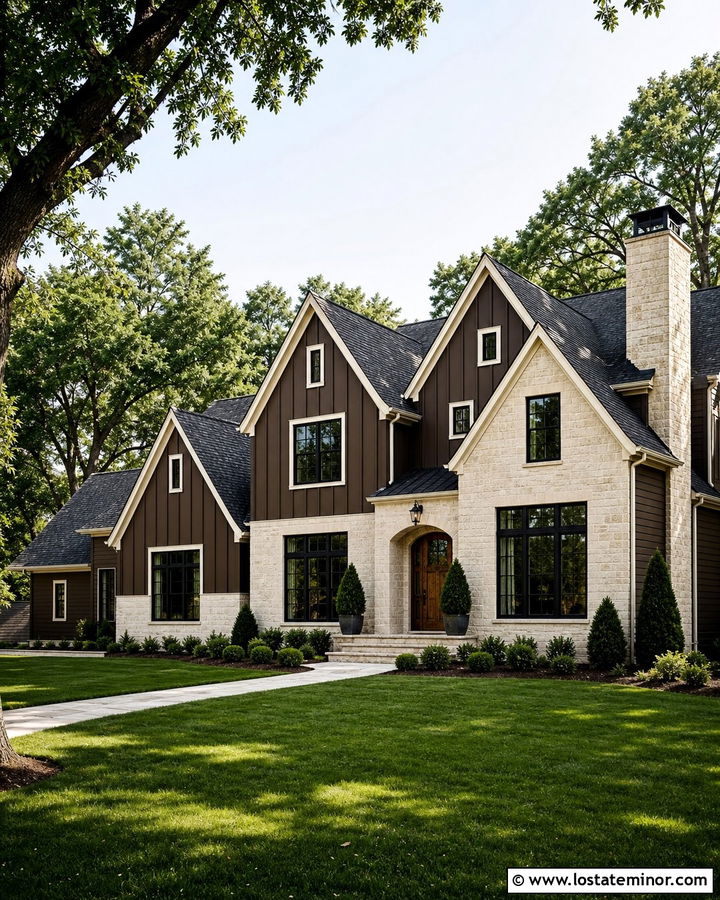
Chocolate brown board-and-batten siding can feel warm and sophisticated when contrasted with cream stone. Use pale limestone on the lower facade, chimney, and entry columns so the darker siding does not make the house look visually heavy. Cream trim will connect the stone with the windows and fascia, while a black or charcoal roof adds a crisp upper edge. A medium oak front door provides gentle tonal variation without introducing an unrelated color. This palette fits Tudor-inspired homes, modern cabins, and rustic transitional designs. Consider placing board and batten in the gables and horizontal siding on secondary walls for added texture. Keep the landscaping green and simple. Broad lawn areas, evergreen shrubs, and pale stone paths will brighten the composition and highlight the warm architecture.
16. Soft White Board and Batten With Natural Fieldstone
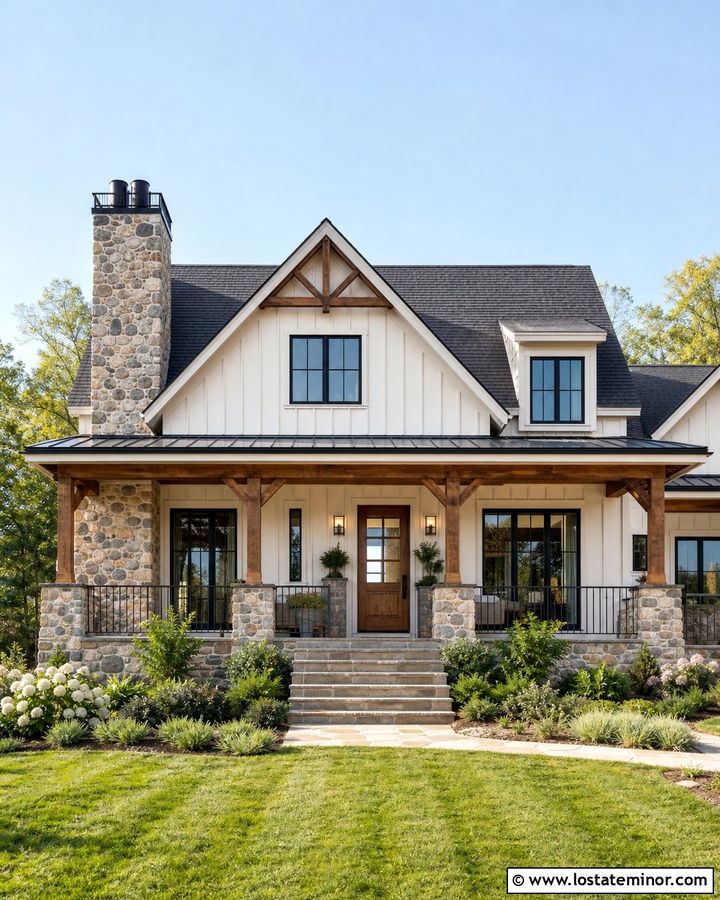
Soft white siding allows colorful natural fieldstone to become the main feature without making the facade feel busy. Choose an off-white board-and-batten finish with a slightly warm undertone, then pair it with irregular stone containing gray, taupe, cream, and brown. Use the stone across the lower walls, fireplace chimney, and broad porch piers. Black window frames and a charcoal roof create definition, while stained cedar beams make the transition between light siding and rugged masonry feel natural. This combination works especially well on a modern farmhouse or updated country home. Keep decorative trim simple because the fieldstone already provides strong texture. A wide porch, black metal railing, and native planting beds can complete the relaxed exterior while preserving a polished curb-appeal view.
17. Slate Blue Board and Batten With Tan Stone
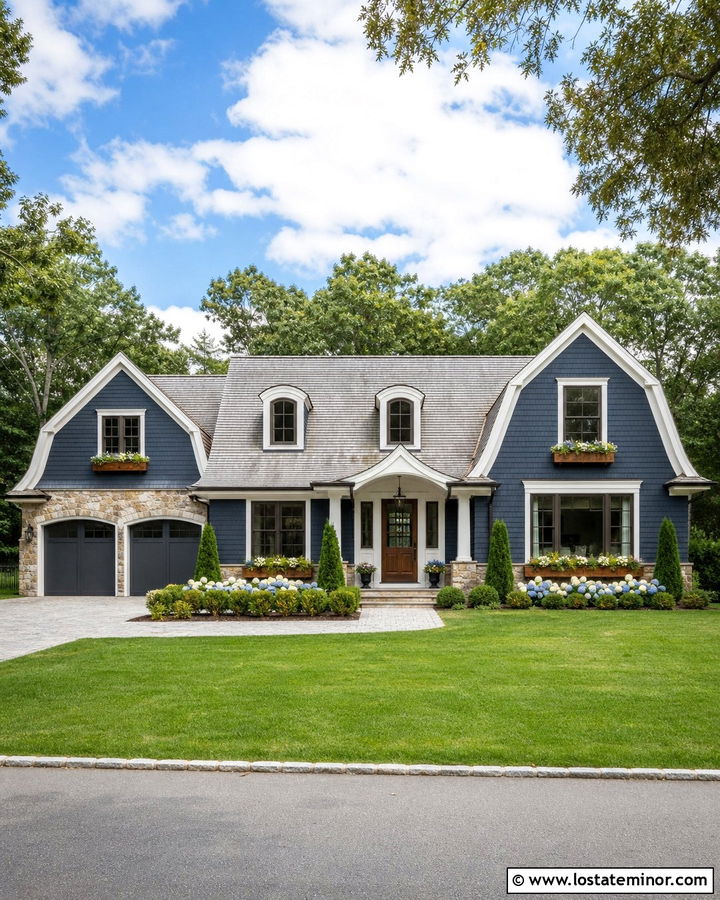
Slate blue board-and-batten siding offers more depth than light blue while remaining softer than navy. Pair it with tan and cream stone to balance the cool siding with warmer natural texture. The stone can wrap the foundation, frame the garage, and rise around a covered front entry. Use warm white trim instead of pure white, then add bronze windows and a weathered gray roof. A medium walnut door gives the entrance a clear focal point. This complete scheme suits Cape Cod homes, cottages, and transitional two-story houses. Cedar window boxes or porch brackets can add restrained warmth. Surround the facade with hydrangeas, clipped evergreens, and a pale paver walkway. These landscape elements reinforce the welcoming character without hiding the stone-and-siding combination.
18. Pewter Board and Batten With Bluestone
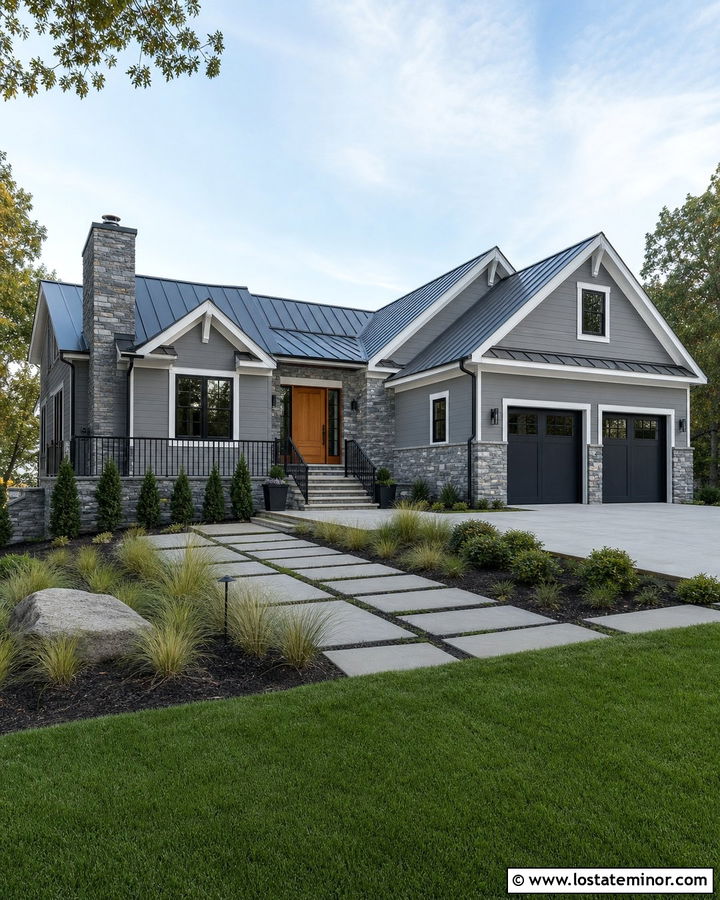
Pewter gray board-and-batten siding and blue-toned stone create a cool, tailored exterior. Use bluestone or blue-gray ledgestone around the entrance, lower facade, and chimney. The closely related colors produce a layered look, while white trim keeps the combination from becoming flat. Black windows, gutters, and porch railings can supply a sharper outline. Add a warm teak or cedar front door to introduce a controlled contrast. This design suits contemporary Craftsman homes, modern ranch houses, and narrow urban builds. A dark gray metal roof strengthens the streamlined character. Consider using larger stone pieces rather than heavily patterned rubble stone for a cleaner appearance. Rectangular concrete pavers, architectural grasses, and compact evergreens will complement the disciplined lines of the board-and-batten siding.
19. Cream Board and Batten With Red Brown Stone
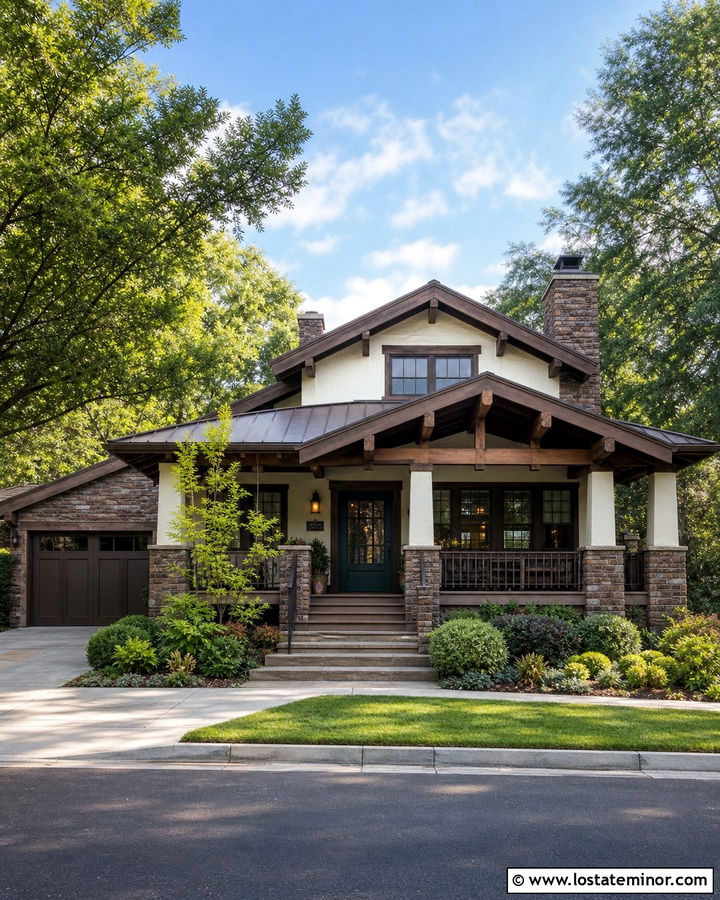
A cream board-and-batten exterior can comfortably support stone with red and brown undertones. Choose masonry with muted brick red, chocolate, tan, and soft gray rather than highly saturated orange. Apply it across the porch base, garage walls, and chimney to distribute the deeper color. Cream trim creates a smooth transition into the siding, while dark brown windows and a weathered bronze roof reinforce the stone. A deep green front door provides a classic accent that still feels connected to the earth-toned palette. This scheme is particularly effective on Craftsman bungalows and traditional ranch homes. Exposed wood rafters, tapered porch columns, and broad steps can strengthen the architecture. Layered green landscaping will help the warmer stone colors stand out without making the yard feel overly formal.
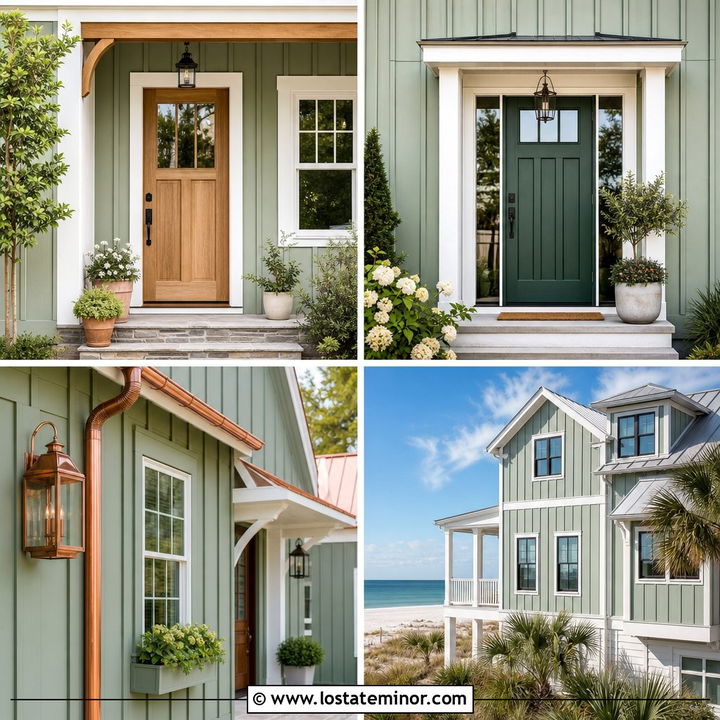
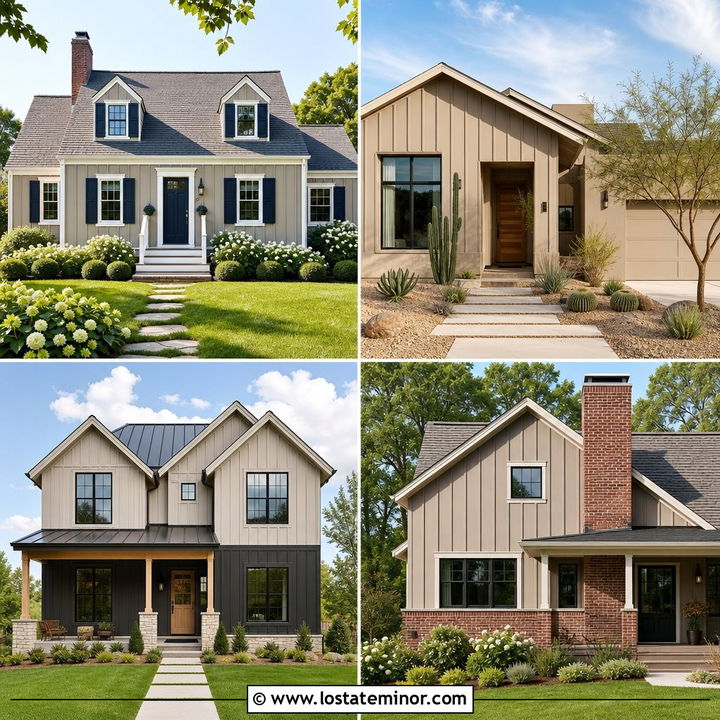
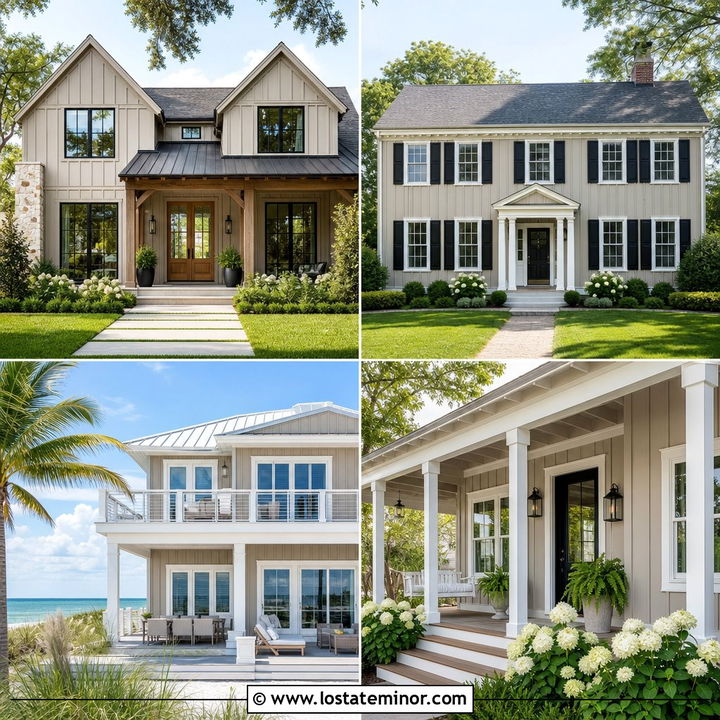
20. Black Board and Batten With Brown Fieldstone
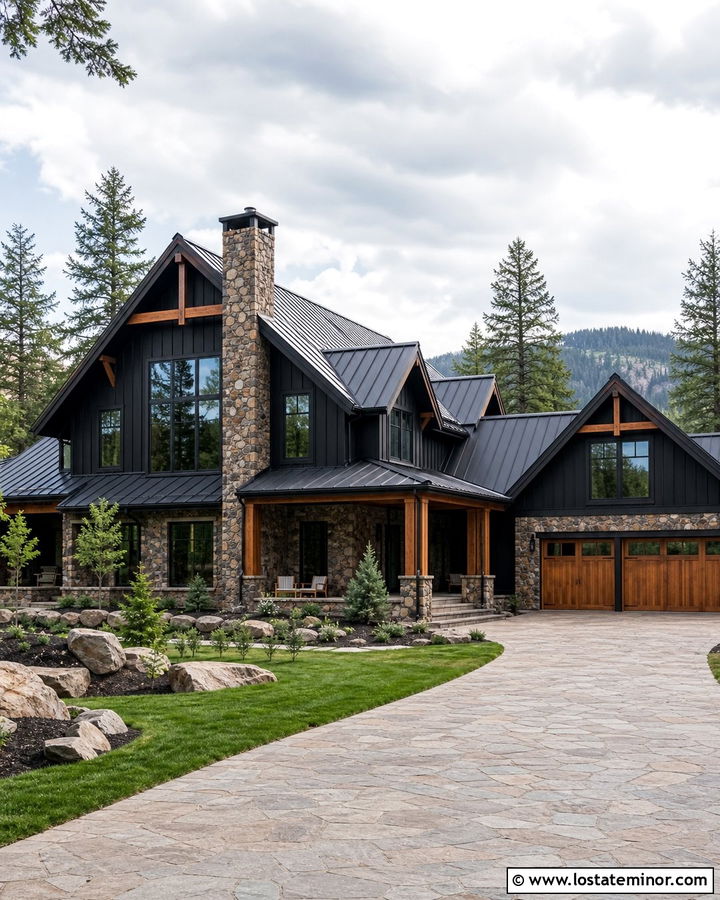
Black board-and-batten siding takes on a rustic character when paired with brown fieldstone and heavy timber accents. Use the stone across the lower floor and around a prominent chimney, then reserve black vertical siding for gables and taller wall sections. Natural cedar beams, porch posts, and garage doors provide a warm middle tone between the two dark materials. Keep the trim black so the roofline remains clean and uninterrupted. A charcoal metal roof suits the strong palette, while large windows prevent the facade from feeling enclosed. This combination works well on mountain lodges, modern cabins, and contemporary lake houses. Boulder-lined planting beds, evergreen trees, and a broad gravel or stone driveway can extend the rugged material palette into the surrounding property.
21. White Board and Batten With Stone Entry
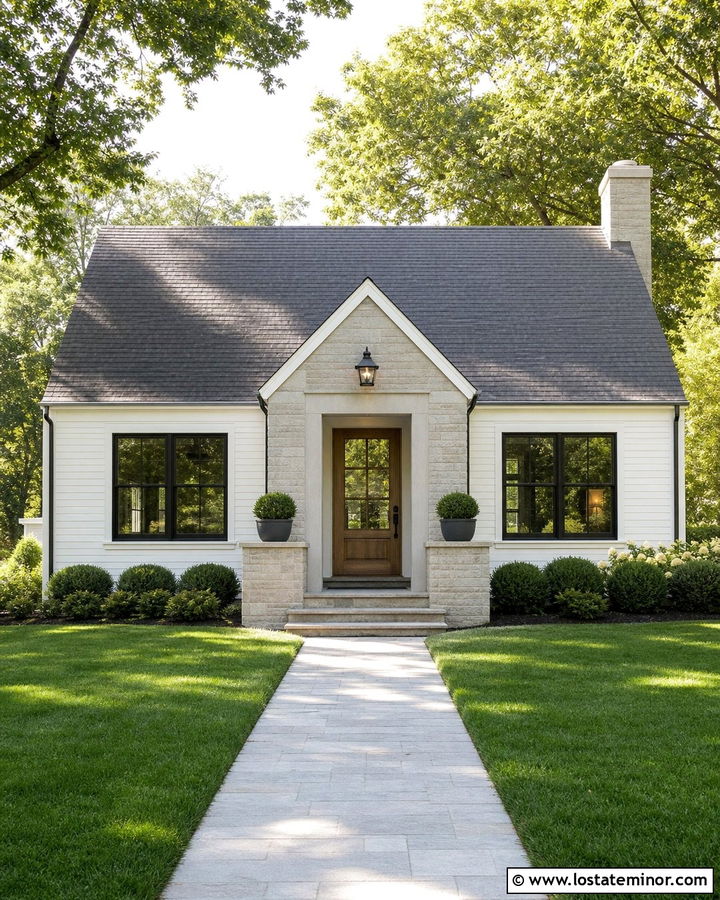
Not every house needs stone spread across the entire foundation. Concentrating it around the front entry can create a stronger focal point with less material. Use soft white board-and-batten siding across the house, then frame the recessed doorway with warm gray limestone. Continue the stone onto two porch columns or a short wing wall to make the feature feel architecturally supported. Black windows and a charcoal roof offer crisp contrast, while a stained oak door brightens the stone entry. This approach suits compact cottages, suburban farmhouses, and simple ranch homes. Keep the remaining exterior uncluttered so the entrance stands out. A straight paver walkway, symmetrical planters, and low evergreen shrubs will naturally direct attention toward the masonry-framed front door.
22. Gray Board and Batten With Stone Chimney
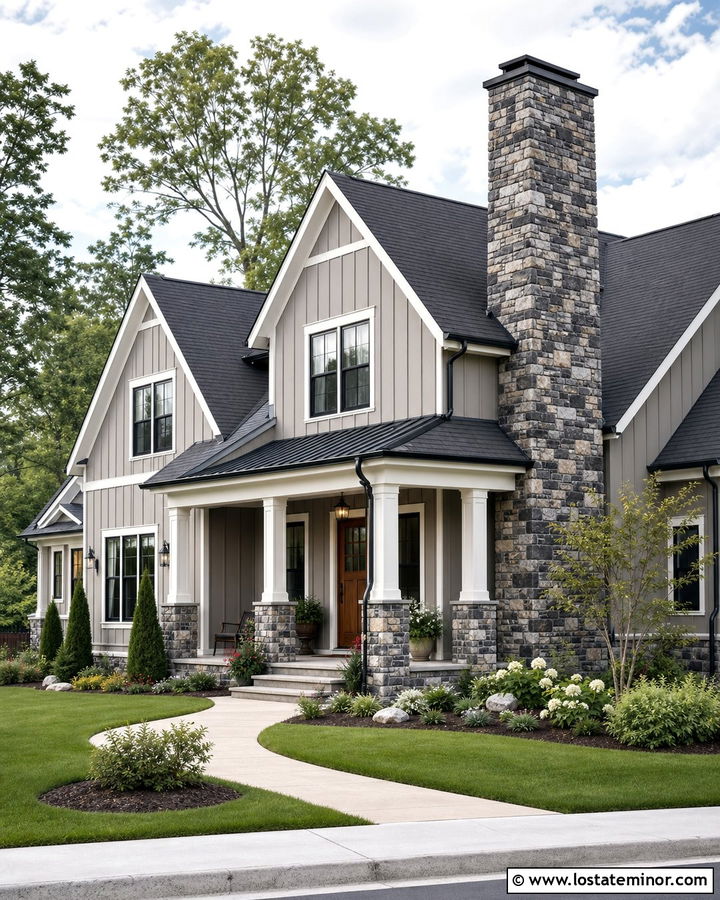
A full-height stone chimney can anchor an exterior with medium gray board-and-batten siding. Choose mixed ledgestone containing charcoal, warm gray, and muted beige so the masonry remains visible against the siding. Carry a smaller amount of the same stone along the porch base to prevent the chimney from looking isolated. White trim around the windows adds brightness, while black gutters and a charcoal roof connect with the darkest stone pieces. A stained fir front door introduces warmth near the center of the facade. This composition works on cottages, Craftsman homes, and asymmetrical modern farmhouses. Position exterior lighting near the chimney and entry to highlight texture. A curved walkway and layered foundation plants can soften the strong vertical lines created by both the battens and chimney.
23. Green Board and Batten With Stone Porch
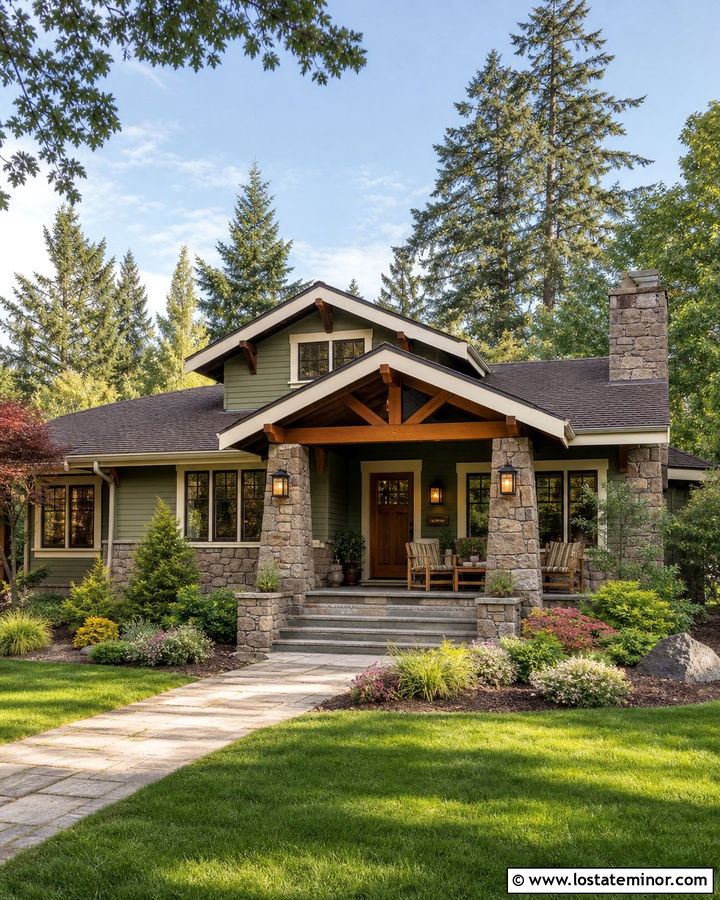
A stone porch gives muted green board-and-batten siding a substantial, welcoming base. Use warm gray fieldstone across the porch foundation, steps, and tapered columns. Then repeat the stone on a small section near the garage or chimney for balance. Soft cream trim will brighten the green siding, while stained wood beams and a matching front door bring out the warmer minerals in the masonry. A dark brown or charcoal roof can complete the natural palette. This design suits Craftsman bungalows, wooded ranch homes, and farmhouse cottages. Make the porch deep enough to appear functional rather than purely decorative. Simple wood furniture, black lanterns, and layered shrubs can reinforce the inviting look while leaving a clear, open view of the stonework and vertical siding.
24. Greige Board and Batten With Stone Garage
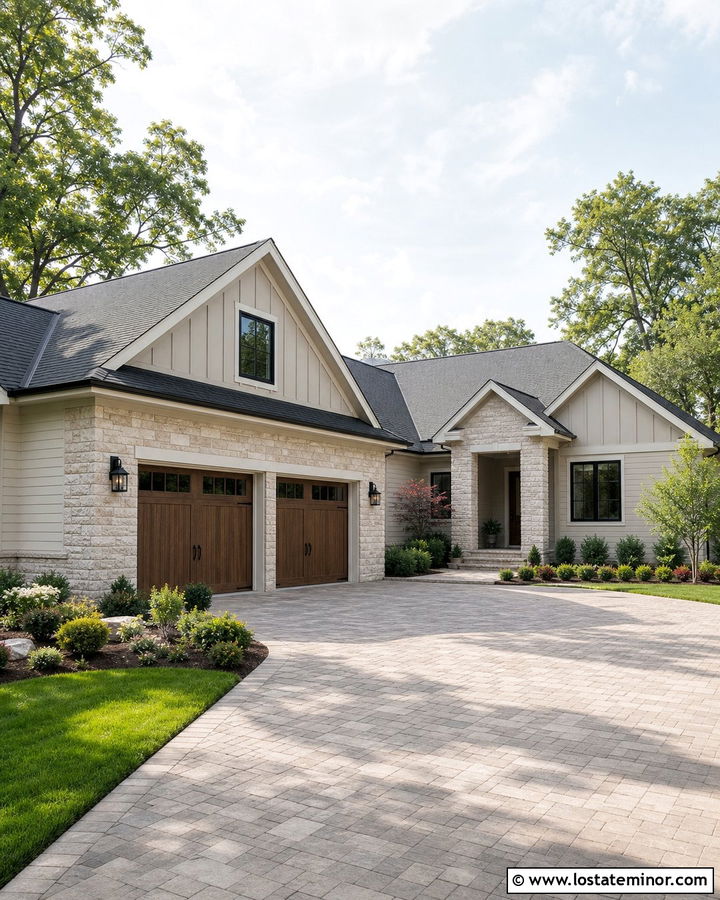
Stone can help a large garage blend into the architecture rather than dominate the front elevation. Cover the lower garage walls with creamy gray ledgestone and use warm greige board-and-batten siding above. Choose garage doors in stained oak or a deeper greige so they coordinate with the exterior instead of appearing like bright rectangles. Soft white trim can define the windows and gables, while a charcoal roof provides contrast. Repeat a smaller amount of stone around the front entry to connect both sides of the house. This arrangement works well on wide ranch homes and suburban transitional designs. Add black sconces between the garage bays and use a broad paver driveway. Low planting beds can soften the masonry without blocking its texture.
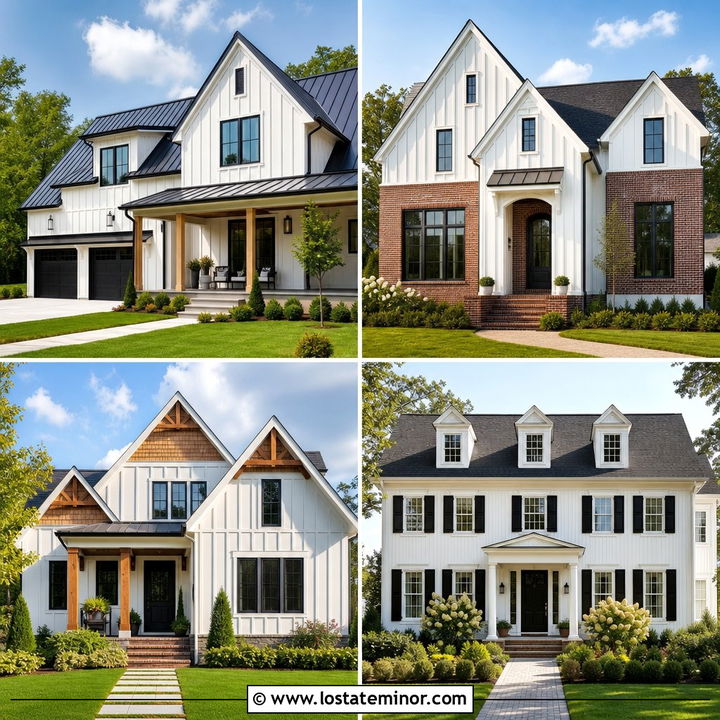
25. Navy Board and Batten With Stone Columns
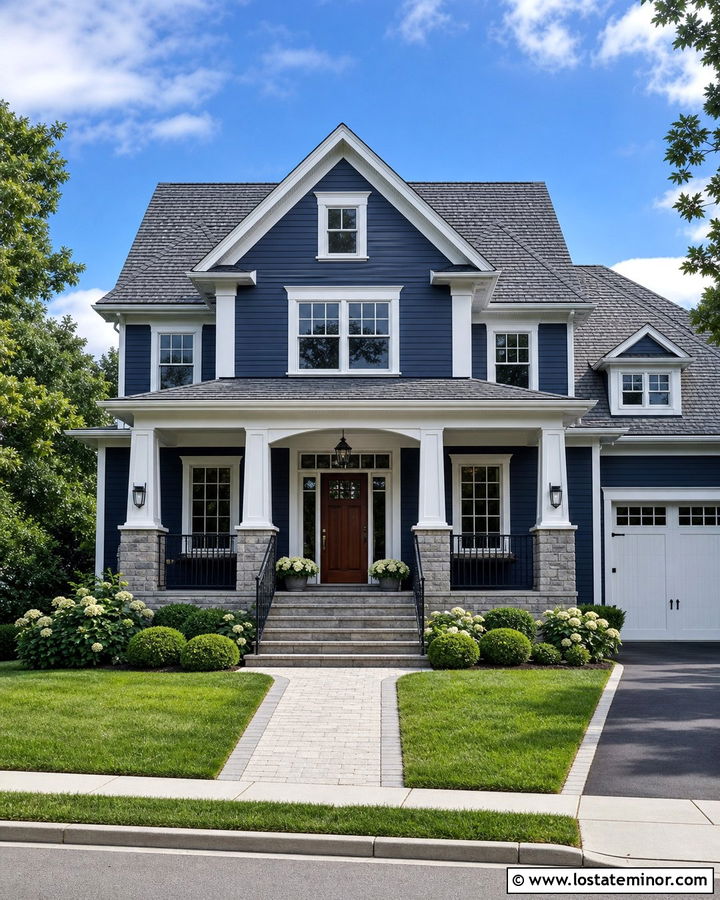
Stone porch columns give navy board-and-batten siding a classic, substantial appearance. Choose light gray or cream ledgestone for the column bases, then top them with square white posts or stained cedar supports. Continue a narrow stone band along the foundation so the columns feel connected to the house. Crisp white trim outlines the gables and windows, while a medium gray roof keeps the contrast balanced. A natural mahogany front door adds warmth and becomes the visual center of the porch. This combination works beautifully on coastal Craftsman homes, modern cottages, and two-story suburban houses. Use simple black railings and lanterns for definition. Pale pavers, hydrangeas, and rounded evergreen shrubs will complete the curb appeal without competing with the strong navy-and-stone palette.
26. Charcoal Board and Batten With Stone Wainscoting
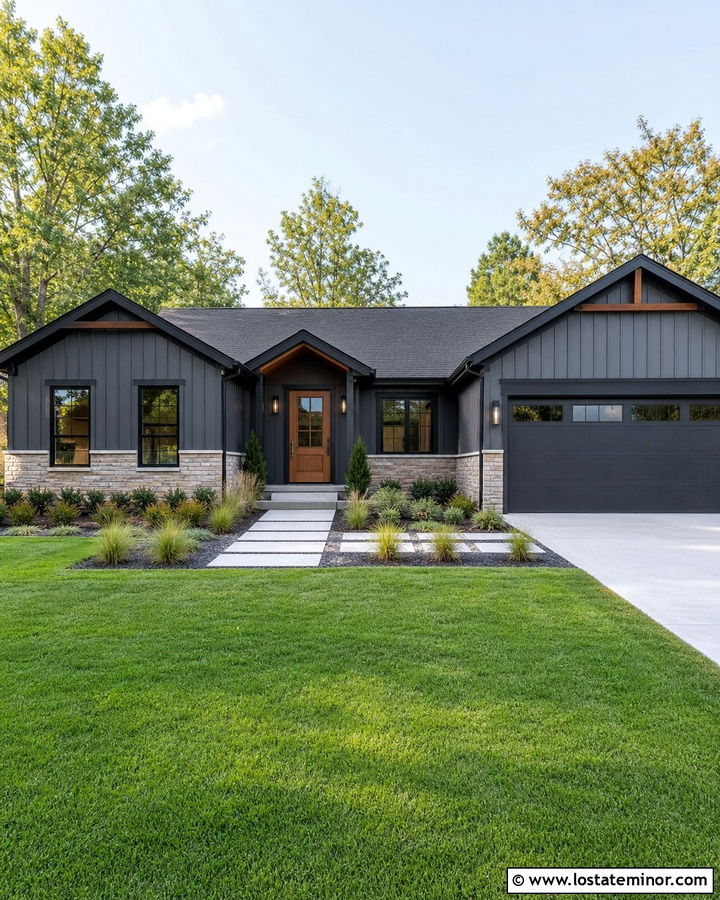
Stone wainscoting is a practical-looking way to break up a tall charcoal board-and-batten facade. Install light taupe ledgestone from the foundation to just below the windows, using a simple stone cap to create a clean transition. The lighter masonry keeps the charcoal siding from appearing overly severe. Match the window frames and trim to the dark siding for a modern, streamlined effect. A cedar front door and coordinating soffits provide warmth, while a black roof maintains the bold silhouette. This combination fits contemporary ranches, mountain homes, and minimalist farmhouses. Avoid using too many additional materials because the contrast between vertical siding, textured stone, and natural wood already provides interest. Structured grasses and large concrete pavers can support the modern exterior.
27. White Board and Batten With Full Height Stone
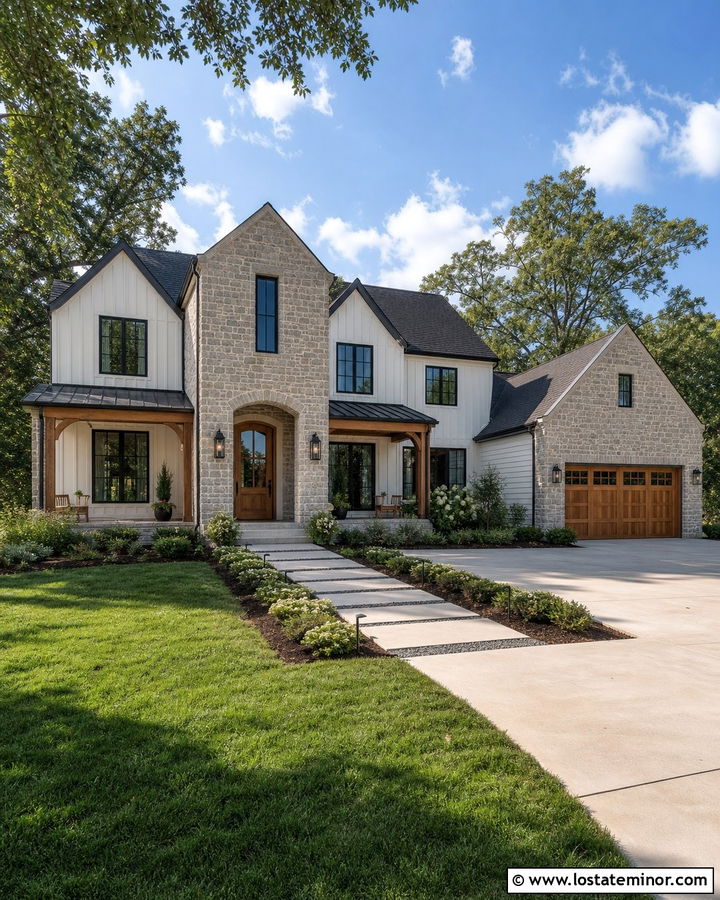
Full-height stone can define one section of a white board-and-batten house and create the appearance of connected architectural volumes. Cover an entry tower, garage wing, or chimney wall with warm gray limestone from the foundation to the roofline. Use soft white vertical siding on the remaining elevations, accompanied by black-framed windows and a charcoal roof. The clear material blocks make a large facade easier to understand. Natural oak doors and porch ceilings can warm both surfaces. This technique works well on contemporary farmhouses and transitional two-story homes. Keep the stone pattern fairly consistent and use restrained trim details. A wide driveway, linear walkway, and layered foundation beds will frame the house without distracting from the strong contrast between smooth white siding and substantial masonry.
28. Taupe Board and Batten With Stone and Cedar
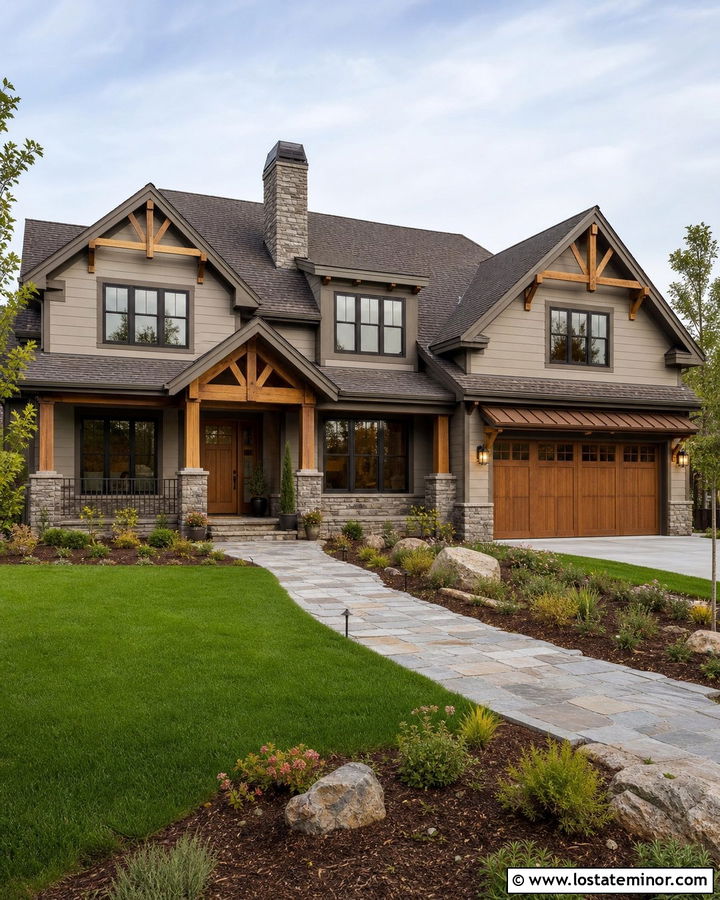
Taupe board-and-batten siding, mixed gray stone, and cedar accents form a balanced three-material exterior. Let taupe siding cover most of the walls, then use stone around the foundation, porch, and chimney. Add cedar to the front door, porch beams, gable brackets, and garage doors. The wood should appear as a repeated accent rather than a separate fourth wall finish. Choose dark bronze windows and a charcoal-brown roof to connect the warm and cool tones. This palette suits modern Craftsman, prairie-inspired, and transitional homes. Keep the trim similar to the siding for a calm background. A natural stone walkway and loose, layered planting beds can extend the organic color scheme into the yard while maintaining a polished suburban appearance.
29. Light Green Board and Batten With Cream Limestone
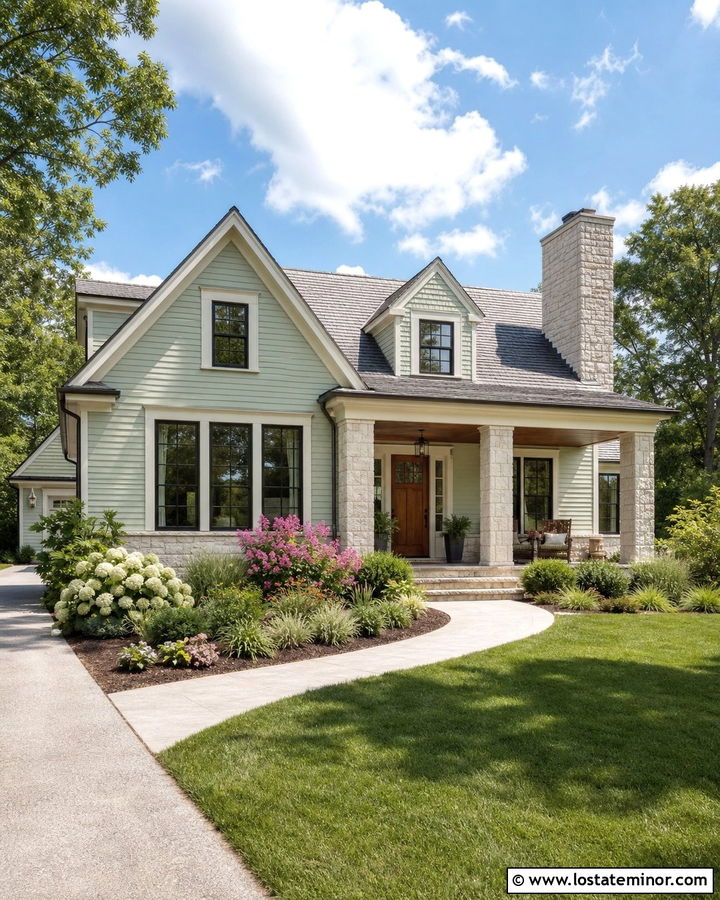
Light green board-and-batten siding creates a fresh cottage exterior when paired with cream limestone. Choose a muted eucalyptus or pale sage shade so the color feels calm in bright daylight. Apply limestone to the foundation, porch columns, and one chimney for visual weight. Warm white trim can connect the pale siding and masonry, while bronze windows add understated definition. Use a medium cedar door and matching porch ceiling to introduce warmth. A weathered gray roof keeps the upper portion neutral and balanced. This scheme works for Cape Cod houses, cottage ranches, and smaller modern farmhouses. Cottage-style landscaping with flowering shrubs, ornamental grasses, and a gently curved walkway will complement the exterior. Keep plantings below the windows so the vertical siding remains clearly visible.
30. Black and White Board and Batten With Stone
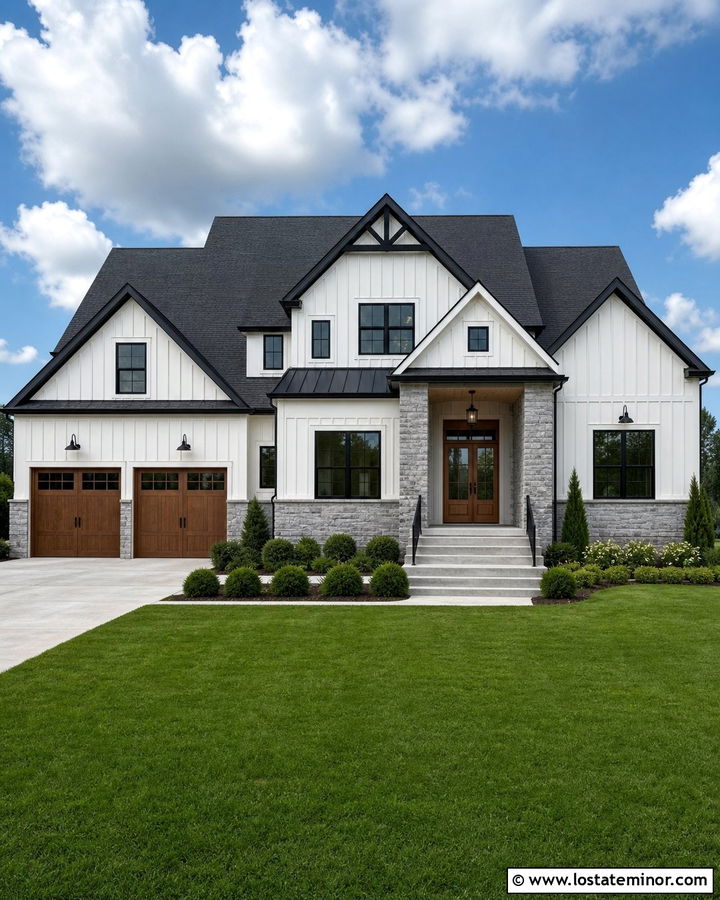
A black-and-white board-and-batten exterior gains depth when medium gray stone is used as a visual bridge. Place white vertical siding across the main house and black board and batten on selected gables, dormers, or the garage wing. Apply mixed gray ledgestone to the lower facade and entry columns. The stone softens the sharp two-color contrast and connects naturally with a charcoal roof. Use black windows throughout for consistency, then add a natural oak front door and matching garage doors for warmth. This complete palette suits large modern farmhouses and transitional suburban homes. Carefully limit each material to clear architectural sections. Simple black sconces, broad concrete steps, and structured green landscaping will keep the exterior polished rather than visually crowded.
Conclusion:
The best stone and board-and-batten exteriors feel coordinated from the roofline to the landscape. Start by studying the undertones in your chosen stone, then select siding, trim, roofing, and wood finishes that repeat those colors. Consider the home’s scale before deciding where the masonry should appear. Foundation stone can ground a tall facade, while a stone entry or chimney creates a focused accent on a smaller house. Repeating each important material at least twice usually produces a more connected composition. Whether you prefer warm farmhouse neutrals, deep modern colors, or nature-inspired greens, these **30 Stone House Design With Board and Batten Ideas** provide complete schemes that can be adapted to different homes, settings, and budgets.

Related posts: