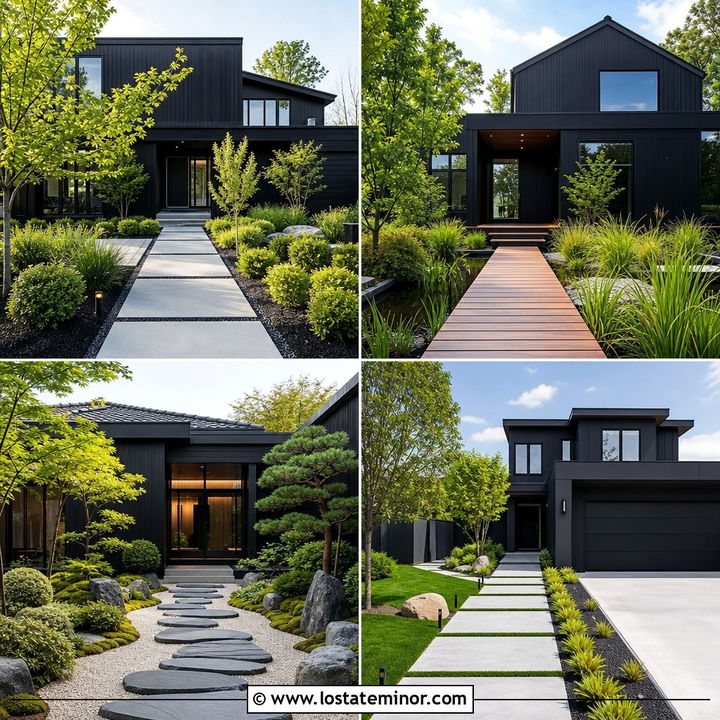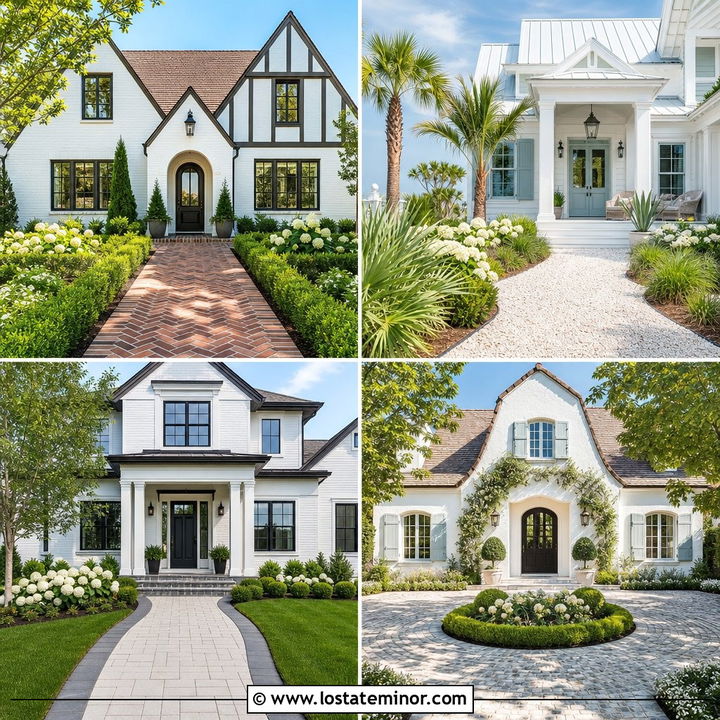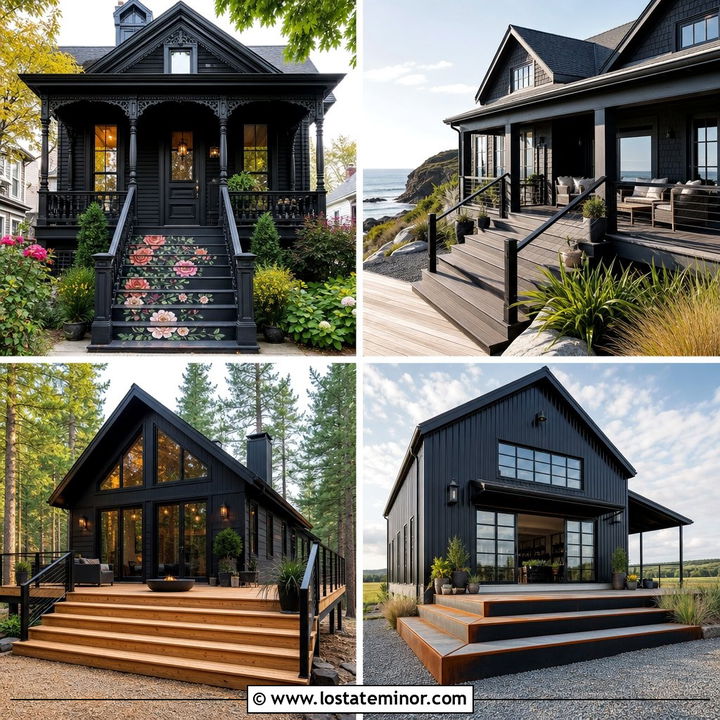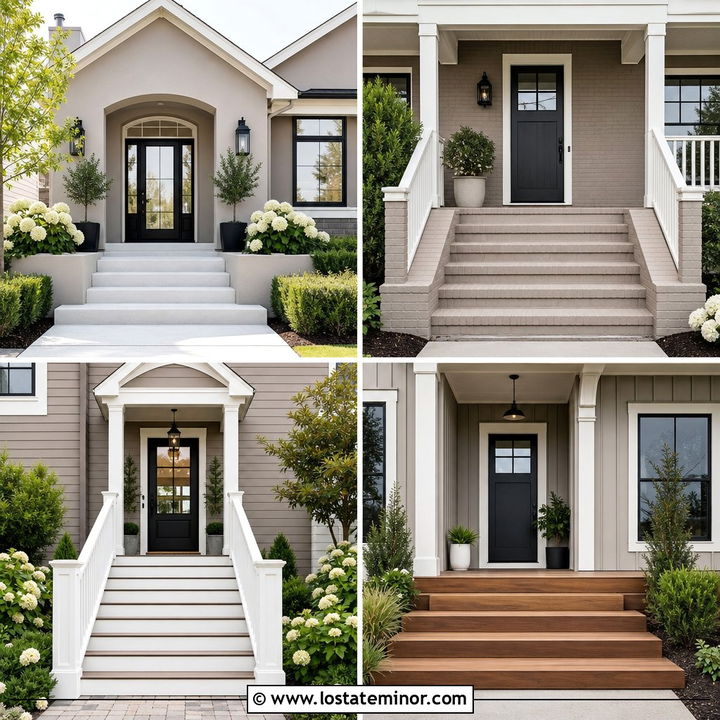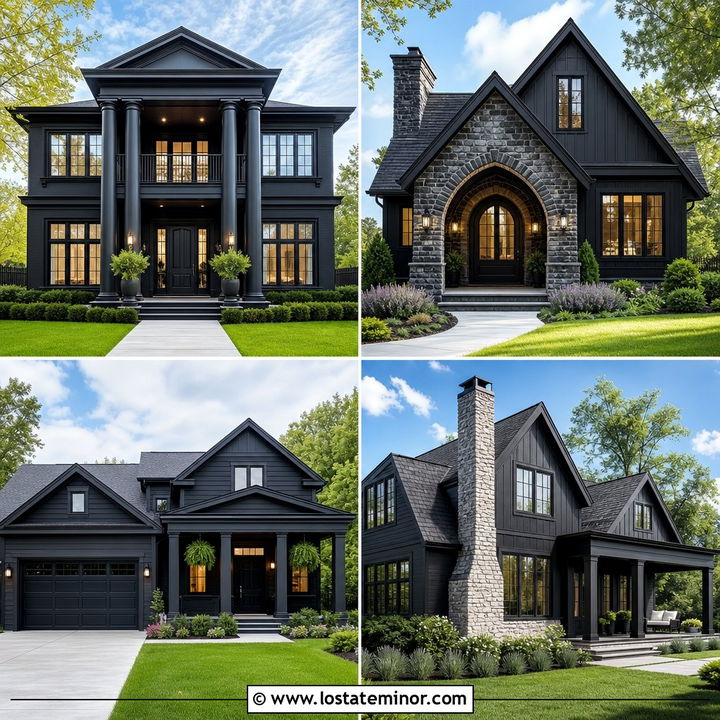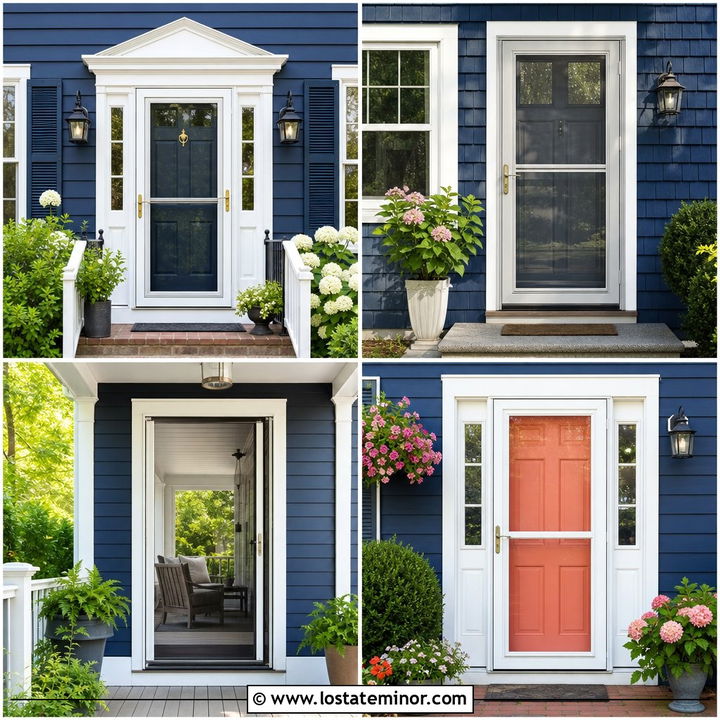
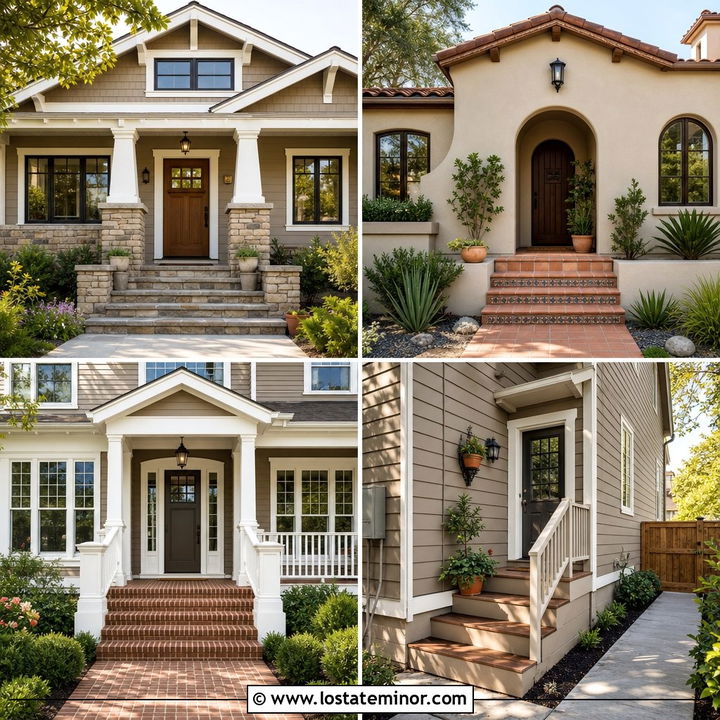
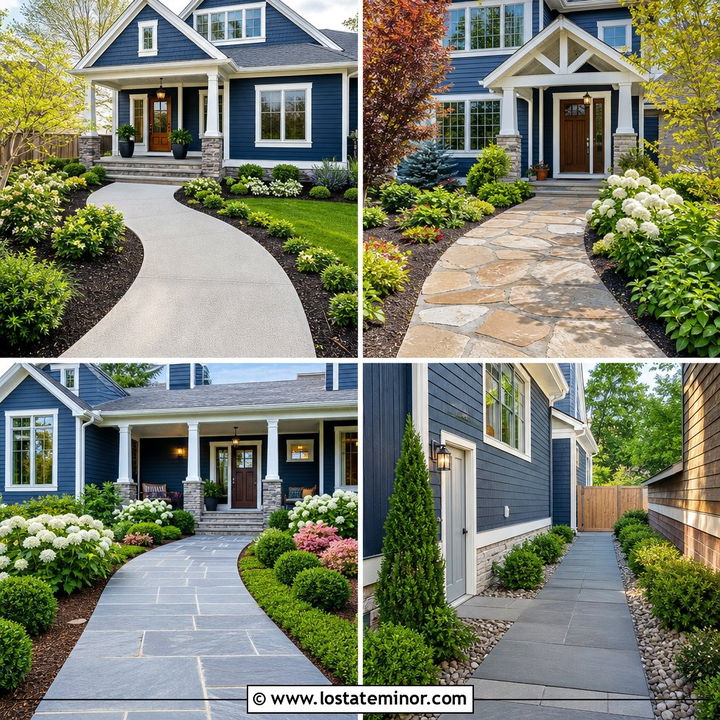
Taupe brings warmth, depth, and flexibility to an exterior without making the house feel overly dark or bland. The right walkway makes that neutral palette even stronger by guiding the eye toward the entrance and connecting the architecture to the yard. Current curb-appeal examples often combine taupe siding with creamy trim, natural wood, masonry, and layered landscaping for a more complete facade. () Whether you prefer brick, flagstone, gravel, concrete, or modern pavers, the path should complement the home’s undertone, roof, porch, and front door. These complete exterior schemes cover traditional, rustic, coastal, and contemporary homes. Explore the following 30 Taupe House Design With Walkway Ideas to find a balanced look for your property.
1. Taupe Ranch House With Concrete Walkway
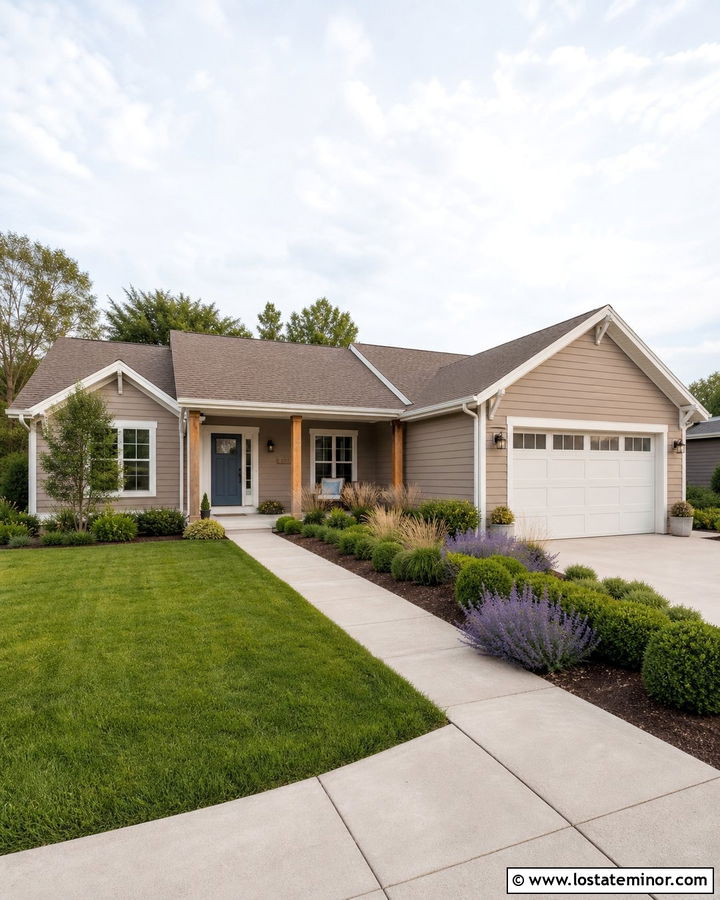
A straight concrete walkway gives a taupe ranch house a clean, practical appearance. Choose warm taupe horizontal siding, creamy white fascia, and a medium-brown roof to preserve the home’s relaxed character. A muted blue front door introduces color without overwhelming the one-story facade. Instead of using one narrow strip of concrete, install a generously sized path with subtle control joints. Low boxwoods, ornamental grasses, and lavender can soften both sides while keeping windows visible. Continue the concrete to a small covered stoop supported by natural wood posts. Bronze lighting and simple black house numbers complete the scheme. This layout works especially well on wide lots because the direct walkway creates a clear focal line from the sidewalk to the entrance.
2. Taupe Craftsman House With Flagstone Walkway
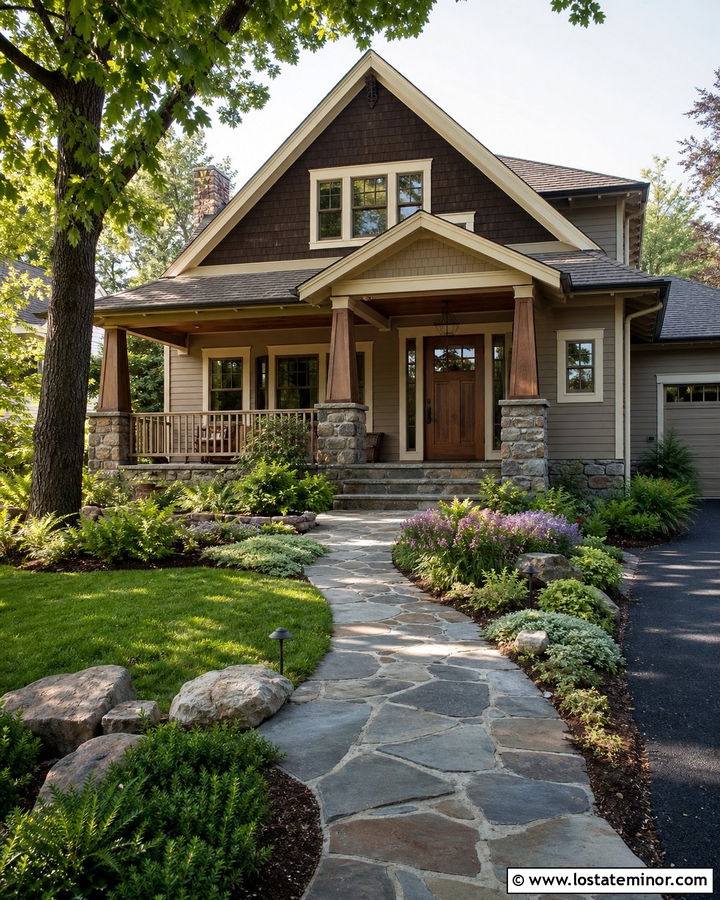
Irregular flagstone feels naturally suited to a taupe Craftsman exterior. Medium mushroom-taupe siding can cover the main facade, while deep brown shingles highlight the gables. Add creamy trim, tapered cedar columns, and a stained oak front door for a rich mix of earthy colors. Select flagstone containing brown, gray, and sandy beige tones so the walkway connects visually with both the siding and porch foundation. Wider stones create a comfortable walking surface, while creeping thyme between joints softens the hardscape. Frame the path with compact shrubs and loosely layered perennials rather than formal hedges. Craftsman lanterns, exposed rafter tails, and dark bronze gutters reinforce the architecture. The result feels established, welcoming, and carefully coordinated without appearing excessively polished.
3. Taupe Colonial House With Brick Walkway
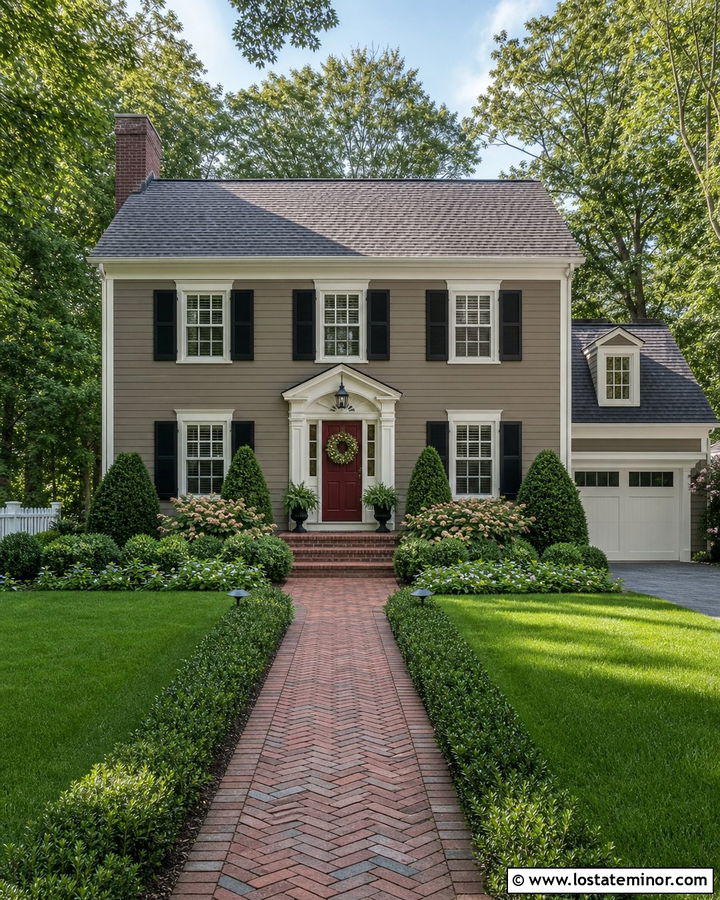
Does a formal Colonial exterior need a perfectly straight path? In many cases, symmetry makes the strongest statement. Pair warm taupe clapboard siding with crisp ivory trim, black shutters, and a classic burgundy front door. A red brick walkway introduces traditional color while connecting naturally to brick steps or a masonry foundation. Use a running-bond pattern for simplicity or herringbone for extra character. Matching brick borders give the path a tailored finish. Place rounded evergreen shrubs near the entrance, then repeat smaller plants along the walkway without hiding the facade. Brass door hardware and lantern-style lighting add a refined touch. Because taupe softens the contrast between black and white details, the complete house feels elegant, warm, and approachable instead of stark.
4. Taupe Modern Farmhouse With Large Paver Walkway
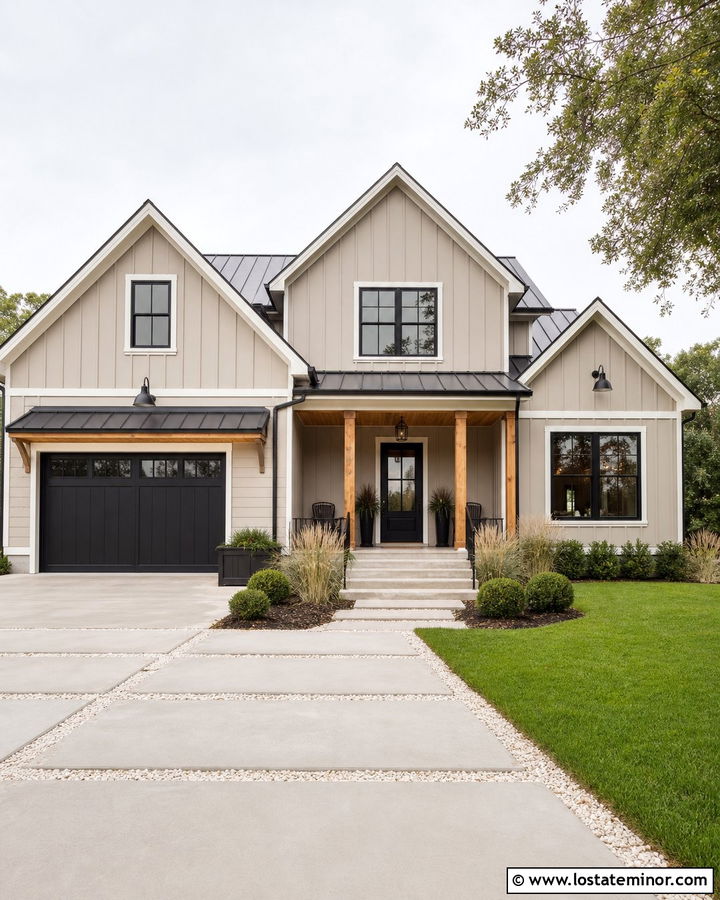
Large concrete pavers bring a streamlined edge to a taupe modern farmhouse. Cover the house in light taupe board-and-batten siding, then use soft white trim to define the roofline and tall windows. A matte black front door, black sconces, and charcoal metal roofing provide sharp contrast. Set oversized rectangular pavers in pale gravel, leaving consistent gaps that emphasize the clean geometry. The walkway can lead to a broad porch with simple wood columns and black railings. Add feathery grasses, clipped shrubs, and small flowering plants beside the path. Natural cedar on the porch ceiling warms the otherwise neutral scheme. This combination preserves familiar farmhouse features while avoiding an overly rustic look, making it suitable for newer suburban homes and renovated country properties.
5. Taupe Bungalow With Curved Bluestone Walkway
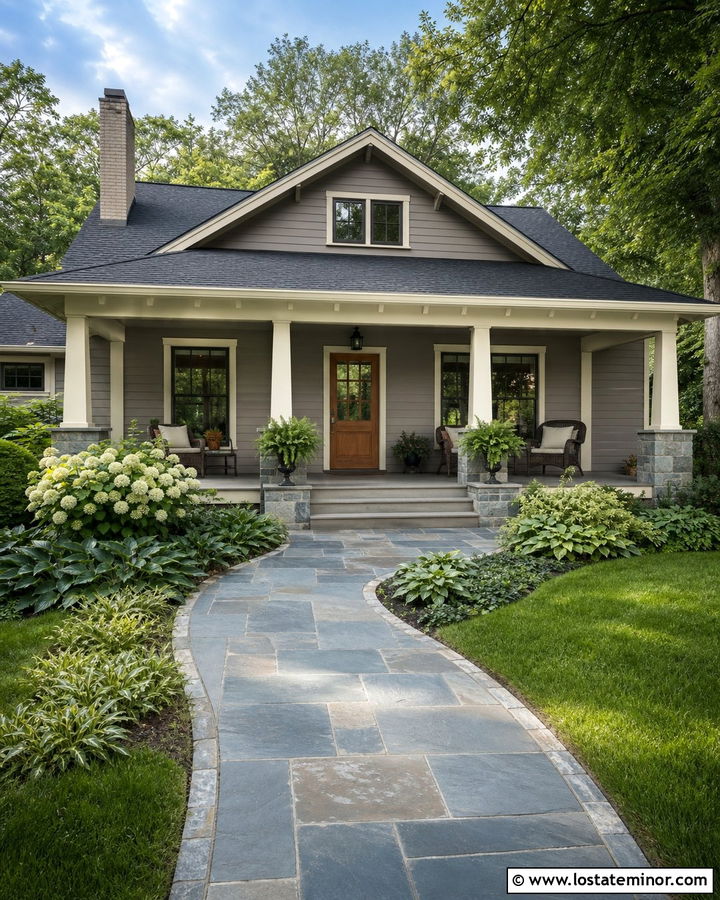
A softly curved walkway can make a compact taupe bungalow feel more inviting. Use muted gray-taupe siding with creamy trim, sage green window accents, and a natural fir front door. Bluestone works beautifully here because its cool blue-gray coloring balances the warmth in the siding. Shape the path with one broad curve rather than several tight bends, which can make a small front yard appear crowded. Continue the stone across the porch steps for a connected appearance. Layer ferns, hostas, hydrangeas, and low ground cover around the edges to create a lush garden setting. A charcoal shingle roof grounds the lighter facade. With its low roofline, deep porch, and handcrafted materials, the whole exterior feels comfortable and settled into the landscape.
6. Taupe Split-Level House With Charcoal Paver Walkway
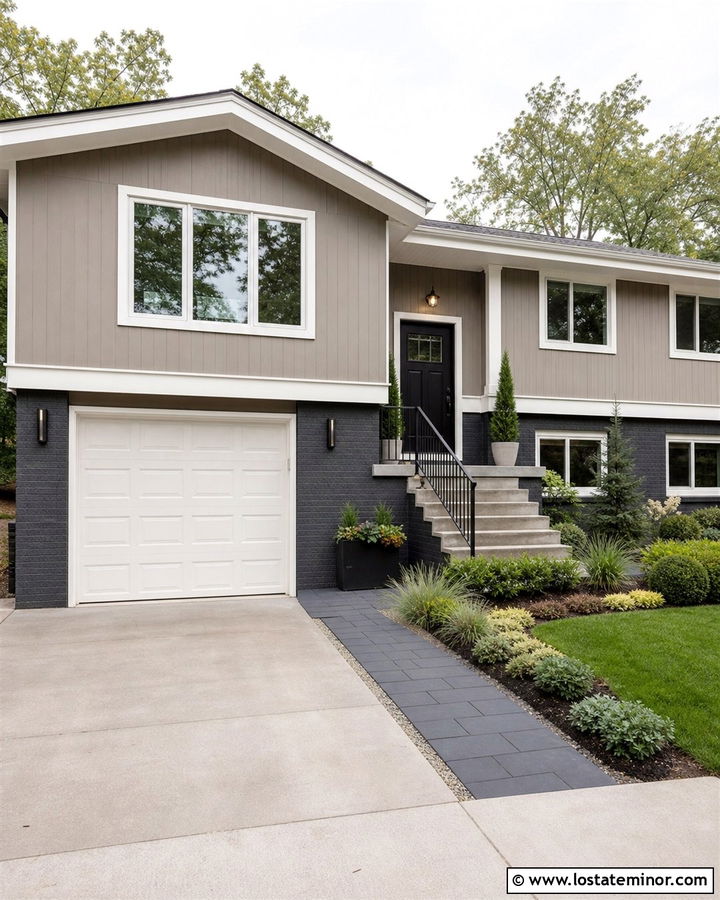
A dated split-level becomes more architectural when taupe siding is paired with charcoal pavers. Choose a balanced medium taupe for the upper level and warm off-white for the garage door and trim. Charcoal paint on the lower brick, gutters, and front door visually anchors the uneven elevations. Build a wide paver walkway that runs beside the driveway before turning toward the raised entrance. Dark rectangular pavers echo the foundation and create useful contrast against green lawn. Integrated planting beds can soften the stairs with dwarf evergreens, ornamental grasses, and spreading ground cover. Use a slim metal railing and modern wall sconces to update the entry. Repeating the charcoal color from path to roof makes the remodeled exterior look intentional rather than pieced together.
7. Taupe Cape Cod House With Gravel Walkway
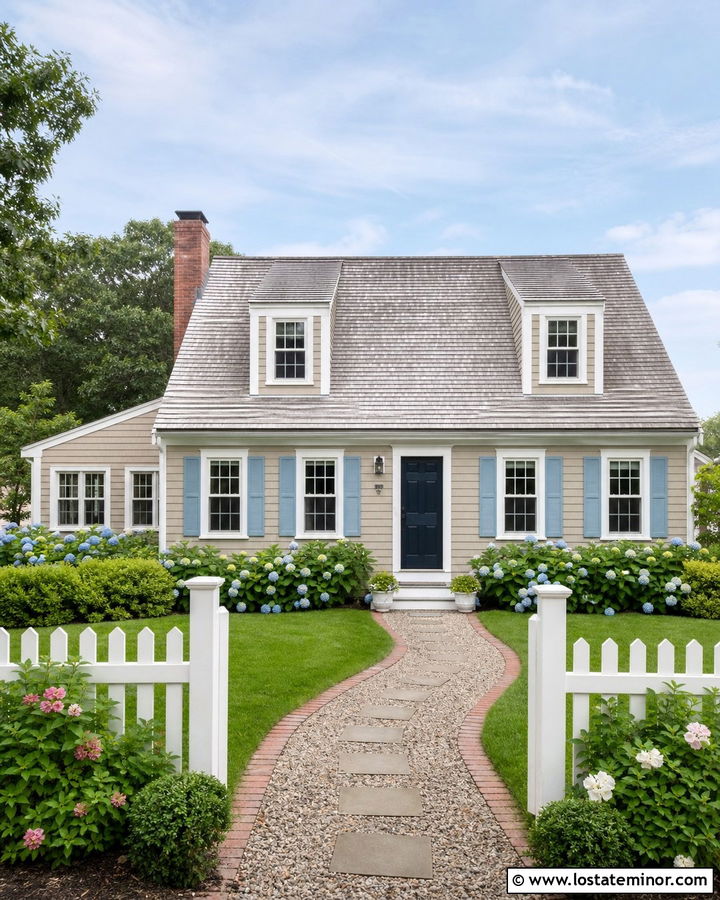
The gentle crunch of gravel adds casual charm to a taupe Cape Cod house. Select light sandy taupe shingles or clapboard, bright white trim, and soft blue shutters for a breezy traditional palette. A pale pea-gravel walkway can curve from the gate to a centered front door painted deep navy. Install red brick edging to contain the gravel and relate the path to the chimney. White picket fencing, clipped boxwoods, and clusters of hydrangeas strengthen the cottage character. Keep the path wide enough for comfortable movement and place flat stepping stones near the porch where additional stability is helpful. A weathered gray roof completes the coastal influence. This affordable combination feels relaxed, orderly, and full of personality without requiring elaborate hardscape construction.
8. Taupe Contemporary House With Floating Concrete Steps
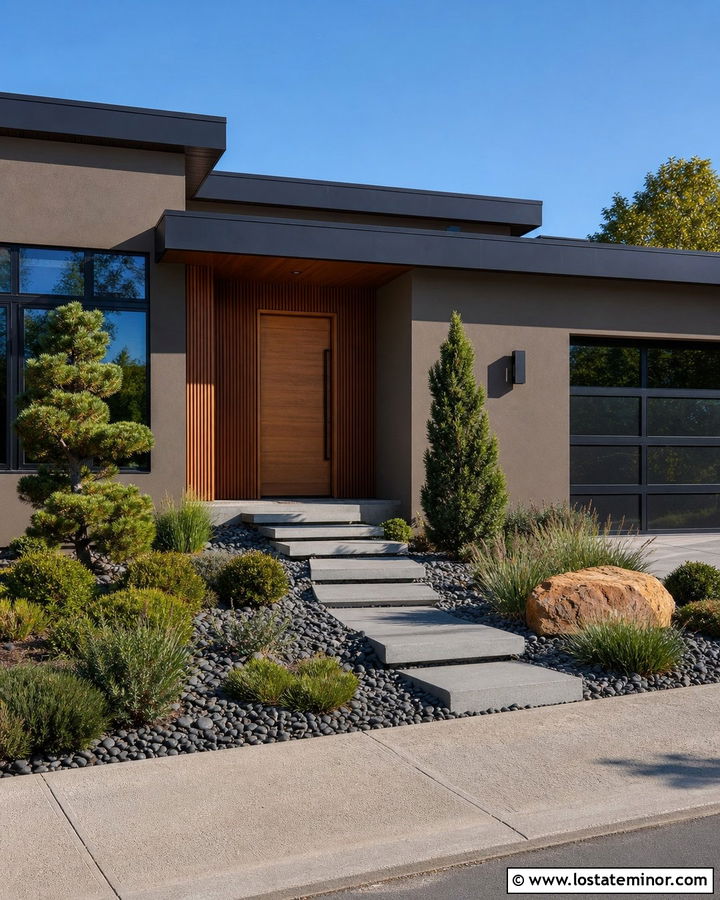
Floating concrete steps create a bold approach to a contemporary taupe home. Use deep taupe stucco across the primary volumes, then introduce black-framed windows and vertical natural wood siding around the entrance. Broad concrete slabs can appear to float above dark river rock, creating clean horizontal lines through the front yard. Position subtle lighting beneath the slab edges for visibility without adding decorative clutter. A pivot-style wood door becomes the warm focal point, while a flat charcoal roof reinforces the modern silhouette. Restrained plantings of grasses, sculptural evergreens, and low ground cover keep the walkway visible. The contrast between smooth stucco, textured gravel, wood grain, and concrete gives the neutral exterior dimension. Every material serves a purpose within the complete minimalist composition.
9. Taupe Tudor House With Cobblestone Walkway
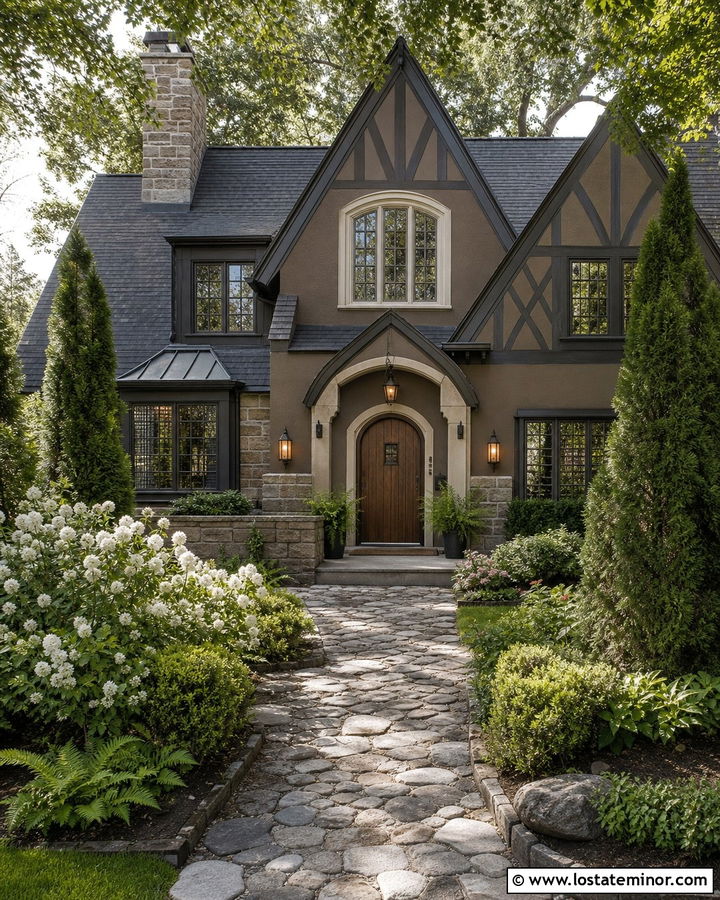
Old-world texture makes a taupe Tudor exterior especially memorable. Apply a rich brown-taupe finish to the stucco, then highlight steep gables with dark timber details and warm cream trim. A heavy arched door stained walnut creates a strong entrance beneath the dramatic roofline. Use weathered cobblestones for a gently winding walkway that reflects the home’s traditional masonry. Gray-brown stones with varied shapes look more authentic than perfectly uniform pavers. Allow moss or low ground cover to soften selected joints without creating a slippery walking surface. Stone foundation accents, leaded-style windows, and copper lanterns add further character. Surround the path with ferns, clipped yews, and white flowering shrubs. The finished facade feels historic and layered while remaining polished enough for a suburban neighborhood.
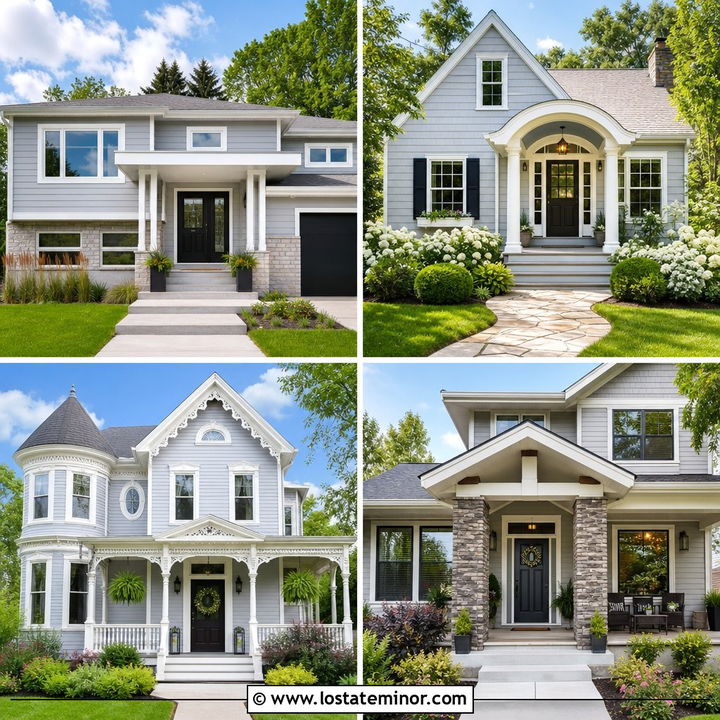
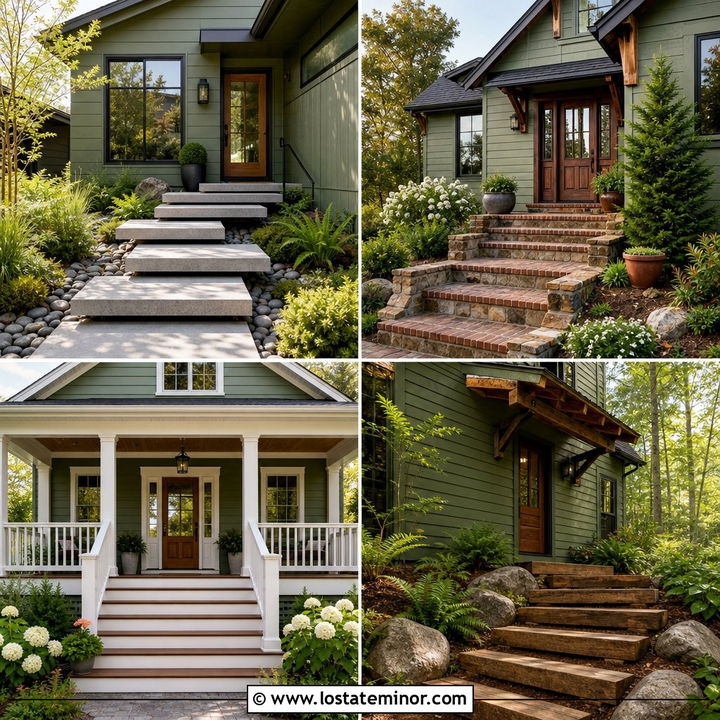
10. Taupe Mediterranean House With Travertine Walkway
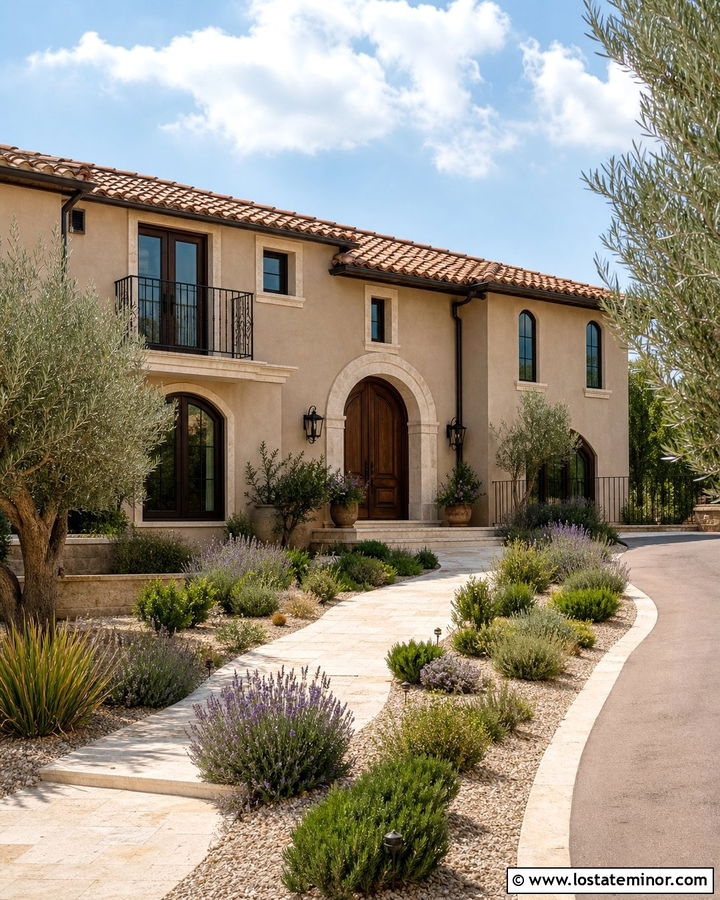
Warm sunshine brings out the sandy undertones of a taupe Mediterranean house. Use taupe stucco with creamy limestone trim, an arched walnut door, and a terracotta tile roof. Light travertine is an effective walkway material because its natural beige variation continues the sun-washed palette. Lay rectangular tiles in a simple offset pattern leading to a covered arched entrance. Dark bronze window frames and iron railings provide definition without interrupting the warm scheme. Drought-tolerant rosemary, lavender, olive trees, and ornamental grasses can border the path while keeping maintenance manageable. Add a few darker stone accents around the foundation for depth. The walkway, roof, walls, and planting colors should feel connected, creating a cohesive exterior inspired by warmer regional architecture rather than a collection of unrelated details.
11. Taupe Prairie House With Limestone Walkway
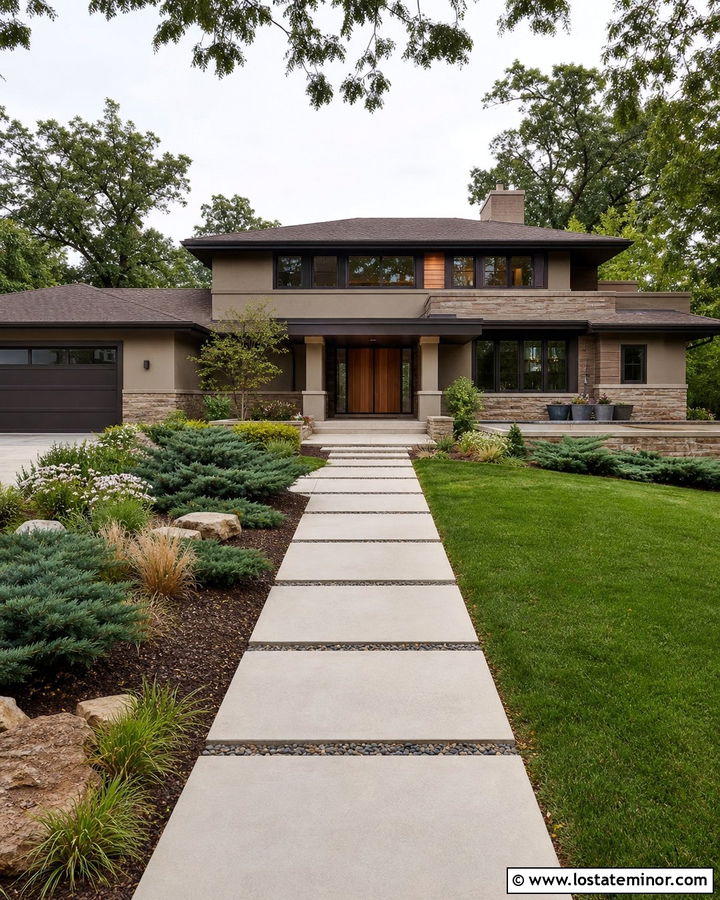
Strong horizontal lines define both a Prairie house and its front approach. Paint the stucco or lap siding an earthy medium taupe, then use deep bronze trim beneath the wide roof overhangs. Natural wood around the recessed entrance adds a warm center to the long facade. Install rectangular limestone slabs in a linear pattern, keeping their orientation parallel to the house. Narrow gravel joints can repeat the low, elongated proportions of the architecture. Choose a limestone shade that is slightly lighter than the walls so the path remains visible. Low grasses, spreading junipers, and broad planting beds support the ground-hugging design. A dark brown roof and bronze-framed windows finish the palette. The walkway becomes an extension of the architecture rather than a separate decorative feature.
12. Taupe Cottage House With Reclaimed Brick Walkway
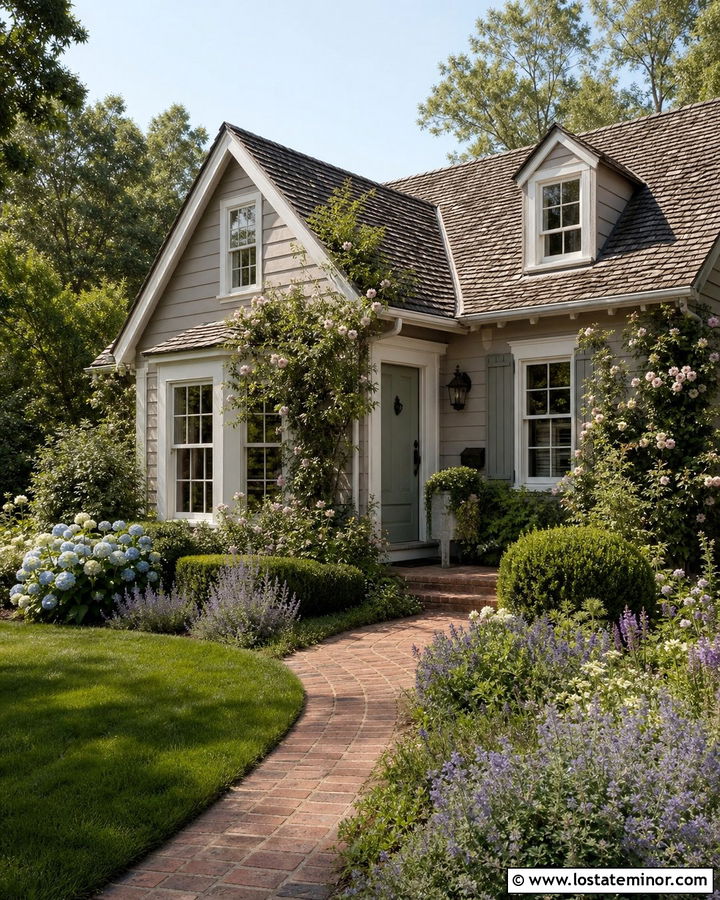
Reclaimed brick gives a small taupe cottage the warmth of an established garden home. Soft taupe siding looks charming with ivory window trim, a muted green door, and a weathered brown roof. Choose bricks with faded red, brown, and charcoal variation instead of a bright uniform finish. A gently curved path can pass through flowering beds before reaching a shallow covered porch. Keep the joints relatively tight for easier walking, and add a simple brick soldier-course border. Roses, catmint, salvia, and compact hydrangeas can spill slightly toward the edges without covering the route. Black iron hardware adds definition against the pale door and trim. Together, the aged walkway, understated siding, and informal landscaping create character that feels collected over time rather than installed all at once.
13. Taupe Midcentury House With Geometric Walkway
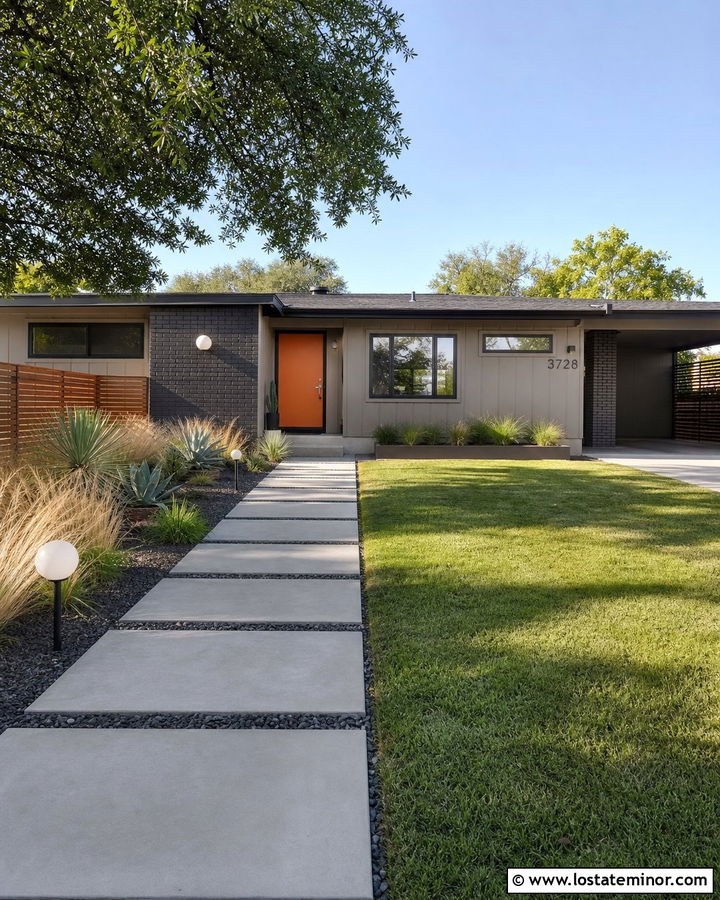
A geometric walkway can reinforce the clean structure of a midcentury home. Use warm gray-taupe siding with charcoal brick, a low dark roof, and a mustard or burnt-orange front door. Square concrete slabs placed in an offset grid introduce rhythm without competing with the architecture. Fill the gaps with dark gravel or low, walkable ground cover. Extend one row toward the carport and another toward the main entrance to clarify circulation. Horizontal cedar screening can conceal utilities while repeating the home’s natural wood accents. Select sculptural plants such as agave, yucca, grasses, or compact Japanese maples according to the local climate. Globe lights and simple black address numbers complete the retro-modern composition. Taupe keeps the brighter entry color grounded and easy to live with.
14. Taupe Coastal House With Shell Gravel Walkway
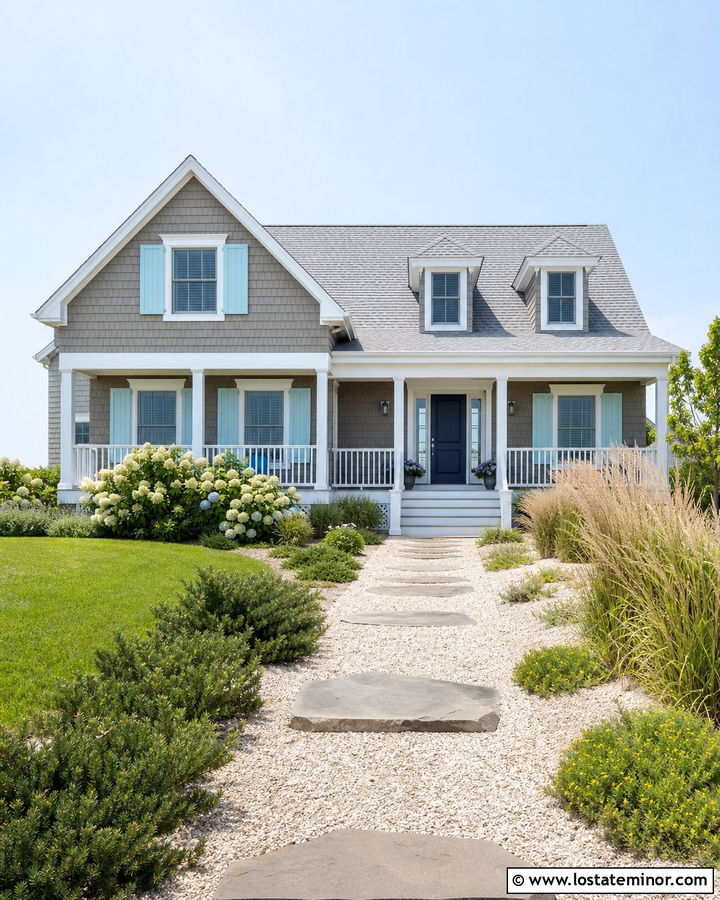
A pale shell walkway gives a taupe coastal house a relaxed, light-filled entrance. Cover the facade in weathered taupe shingles, then add fresh white trim, pale aqua shutters, and a navy front door. Crushed shell or shell-colored gravel reflects the airy palette while creating a natural transition through sandy landscaping. Edge the walkway with weathered timber or pale stone to prevent material from spreading into planting beds. Sea grasses, low junipers, hydrangeas, and salt-tolerant shrubs can frame the route. A light gray roof and simple porch railings preserve the casual appearance. Include broad stepping slabs near the door for secure footing. Rather than relying on nautical decorations, let the muted colors, natural textures, and open planting arrangement establish the coastal character.
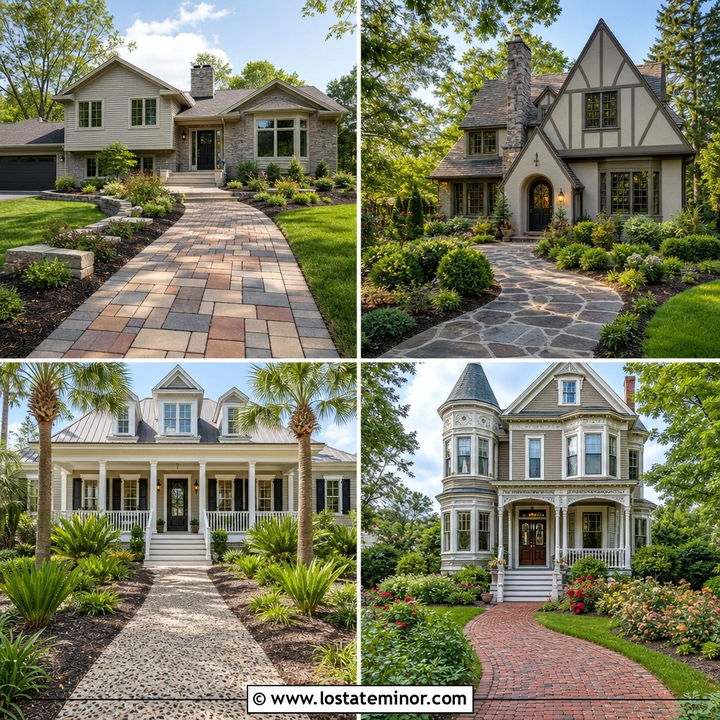
15. Taupe Mountain House With Fieldstone Walkway
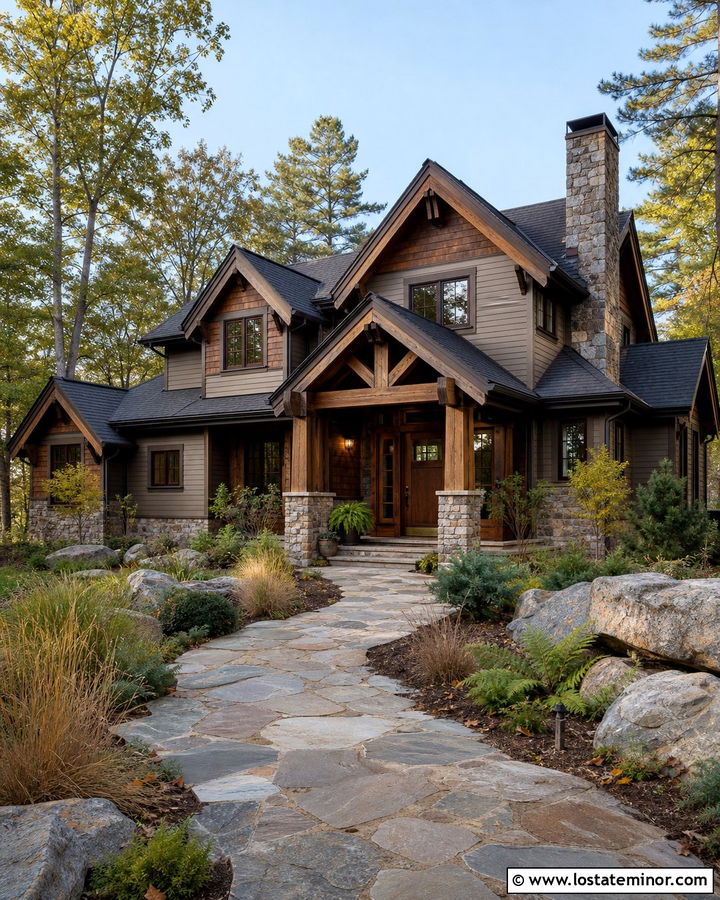
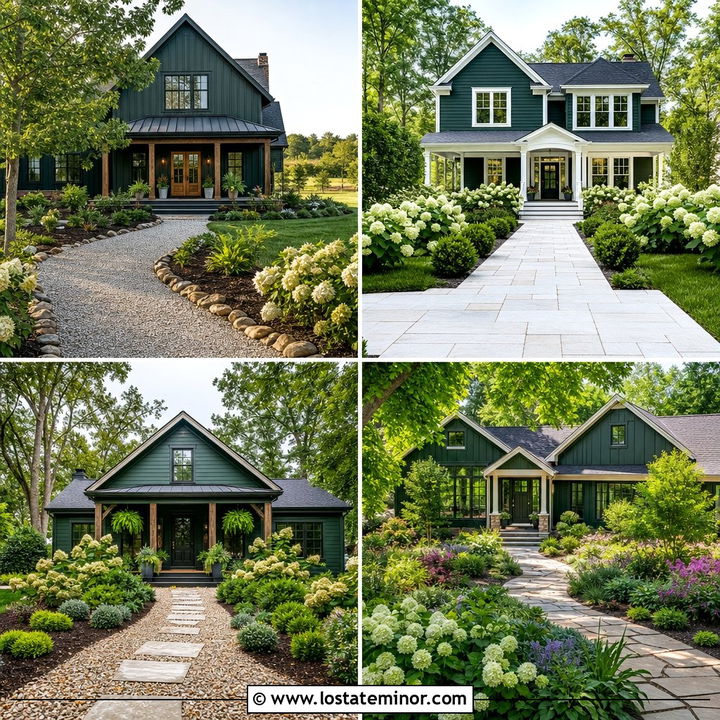
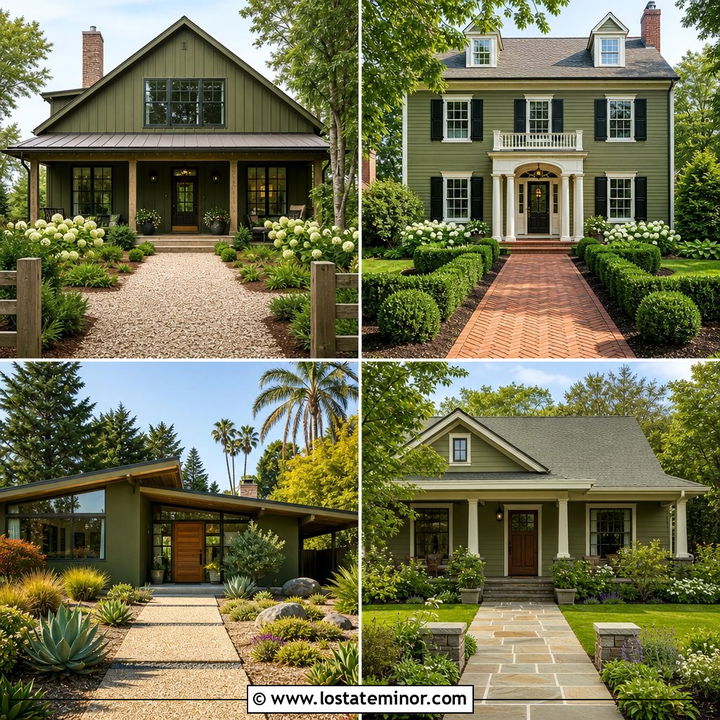
A rugged fieldstone walkway helps a taupe mountain home blend into its wooded surroundings. Choose a deeper taupe exterior with cedar gables, dark bronze trim, and a charcoal roof. Continue the same mixed fieldstone from the chimney or porch columns into the walkway for a strong material connection. Large, flatter stones provide better footing while preserving the informal character. A broad path can climb gradually toward a covered entry with timber beams and a stained wood door. Plant native grasses, ferns, evergreen shrubs, and low woodland ground cover around the stones. Avoid overly formal borders, which may feel disconnected from the setting. The layered brown, gray, green, and taupe palette gives the whole house a grounded quality while allowing the architecture to remain visible among mature trees.
16. Taupe French Country House With Limestone Path
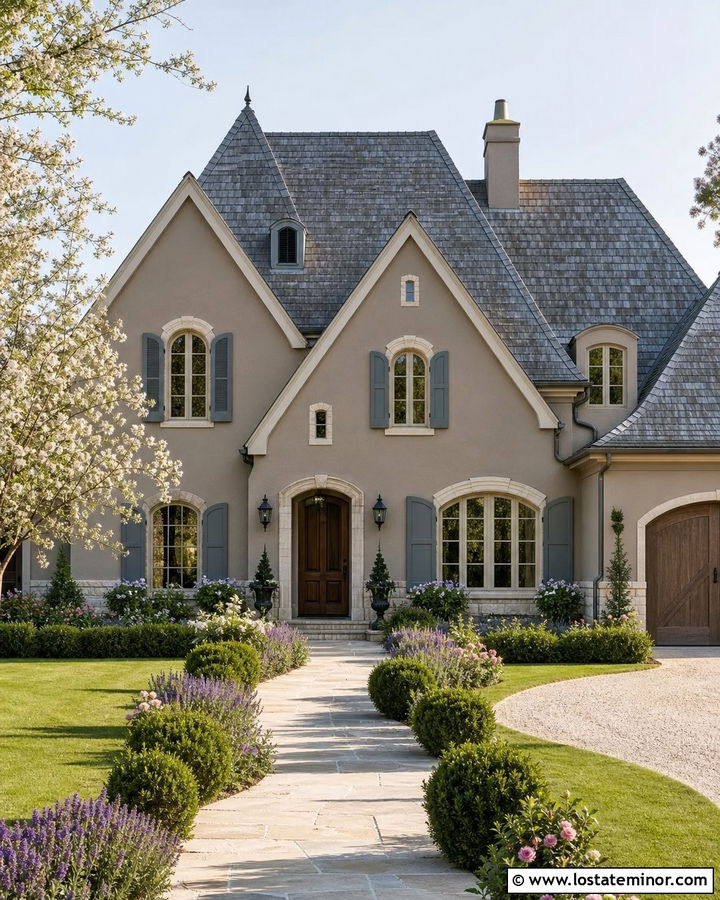
A taupe French country facade benefits from a walkway that feels elegant but not overly perfect. Use warm taupe stucco, creamy trim, muted blue-gray shutters, and a medium wood front door. Large tumbled limestone pieces can form a gently curved path through clipped greenery and loosely planted flowers. Their softened edges complement arched windows, steep rooflines, and traditional masonry details. Repeat limestone around the entry steps or lower facade to connect the path directly to the house. A weathered gray roof keeps the palette quiet, while black lanterns add clear definition. Lavender, roses, boxwoods, and ornamental pear trees can frame the approach. This combination balances structure with softness, creating a full exterior that feels gracious, comfortable, and appropriate for both larger homes and modest country-inspired properties.
17. Taupe Southwest House With Decomposed Granite Walkway
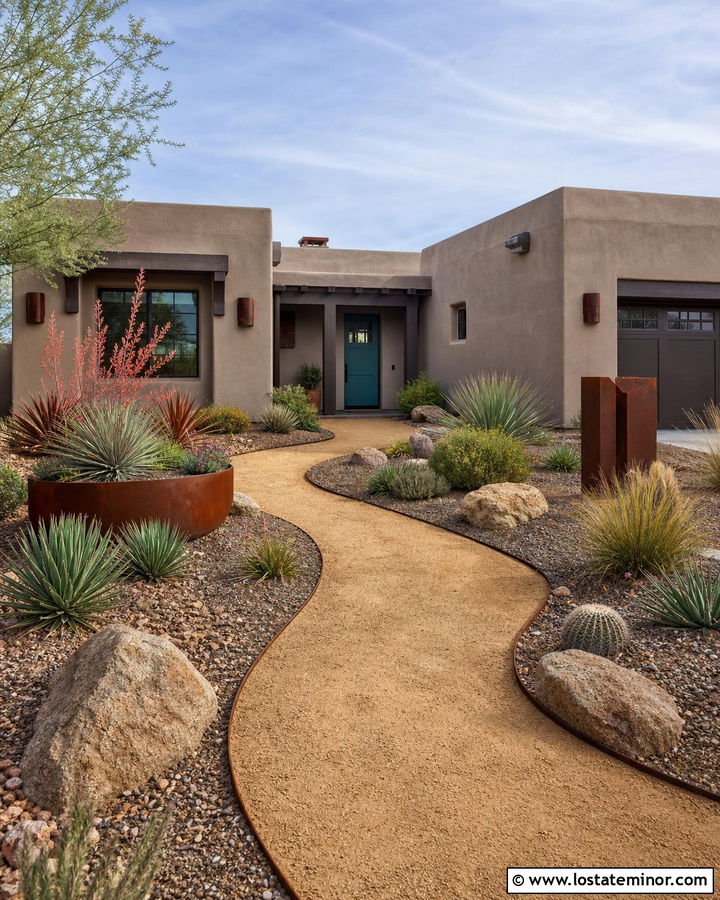
Decomposed granite is a natural match for the earthy colors of a Southwest exterior. Paint the smooth stucco a warm desert taupe, then accent it with dark brown beams, rust-colored metal, and a turquoise front door. A broad golden-tan granite walkway can curve between drought-tolerant plantings before meeting terracotta or concrete entry steps. Steel edging keeps the path clean without creating a visually heavy border. Use agave, red yucca, desert grasses, and sculptural stones to add color and height. A flat or low-pitched roof preserves the regional silhouette. The turquoise door should remain the primary accent, while the taupe walls and sandy walkway connect naturally to the surrounding landscape. This low-water scheme feels colorful and welcoming without depending on a conventional green lawn.
18. Taupe Victorian House With Herringbone Brick Walkway
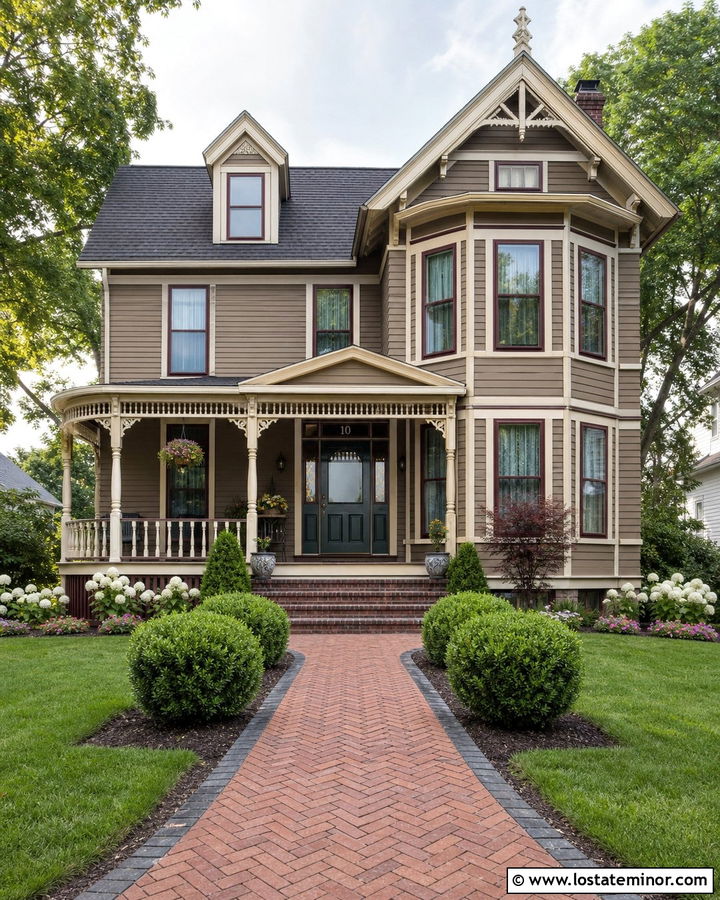
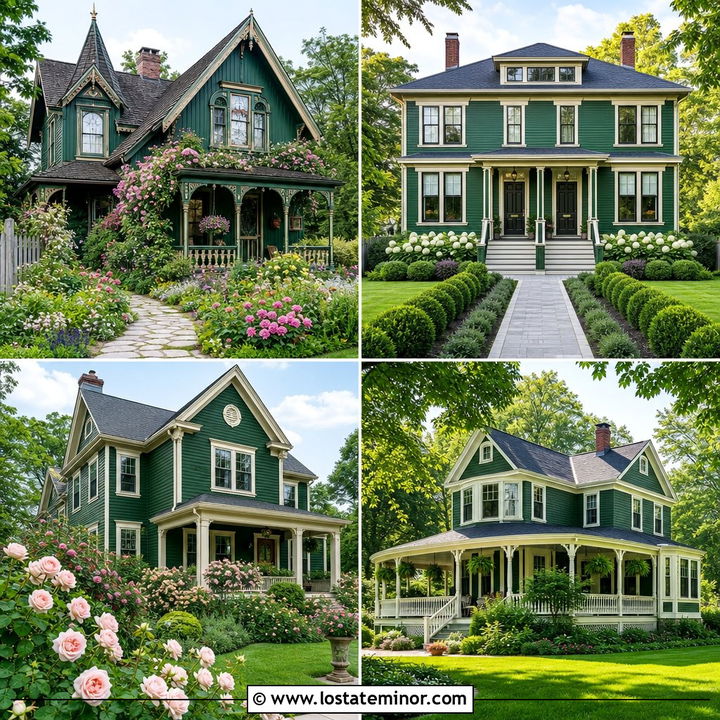
Detailed Victorian architecture looks balanced when the main body color remains restrained. Choose medium taupe siding, creamy trim, deep plum accents, and a dark green front door. This palette highlights decorative brackets, bay windows, and porch spindles without turning every feature into a competing focal point. A herringbone brick walkway adds traditional pattern at ground level. Use aged red-brown brick with a darker border to define the route from sidewalk to porch steps. Formal shrubs near the foundation can transition into softer flowers along the path. Repeat the brick on step risers or porch piers for continuity. A charcoal roof and antique-brass hardware complete the exterior. Taupe acts as the calming backdrop that allows the craftsmanship and walkway pattern to stand out gracefully.
19. Taupe Two-Story House With Exposed Aggregate Walkway
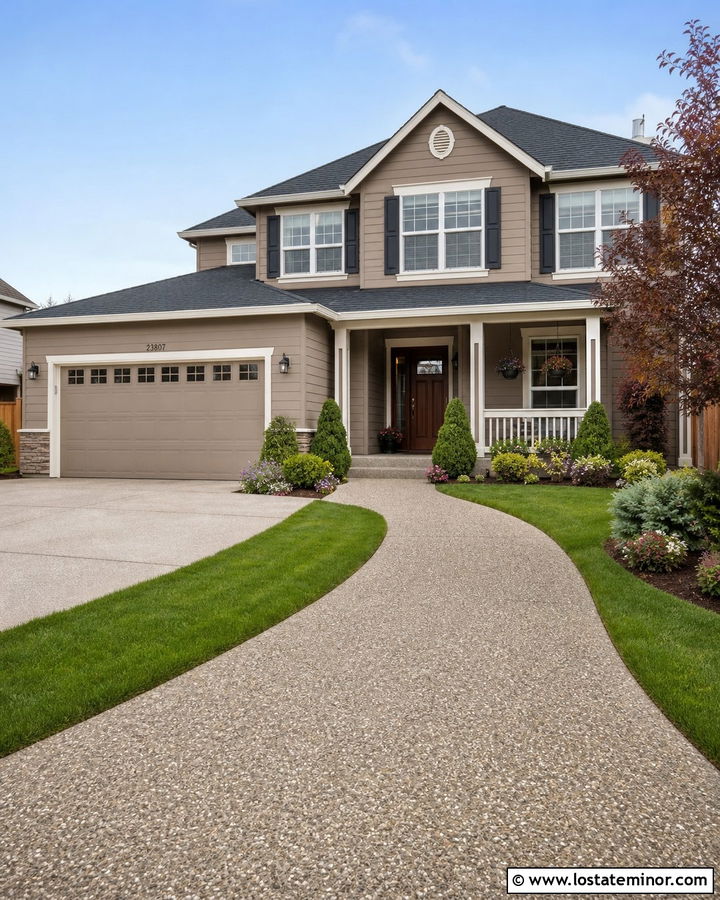
Exposed aggregate offers more texture than plain concrete while remaining practical for a busy suburban property. Pair balanced taupe siding with warm white trim, charcoal shutters, and a stained mahogany front door. Select an aggregate mix containing tan, gray, and cream stones that echoes the exterior palette. The walkway can branch neatly from the driveway, widen near the front steps, and connect to a small seating porch. A matching border in smooth concrete gives it a finished edge. Add layered evergreen shrubs, compact flowering plants, and one ornamental tree to create depth across the two-story facade. Paint the garage door in the body color so it does not dominate the view. Black sconces and a dark roof provide enough contrast to sharpen the otherwise soft neutral scheme.
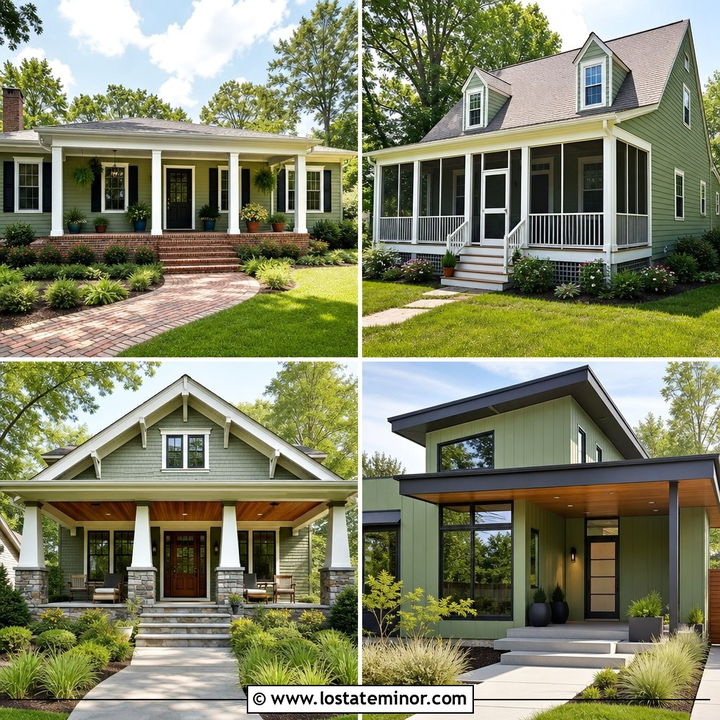
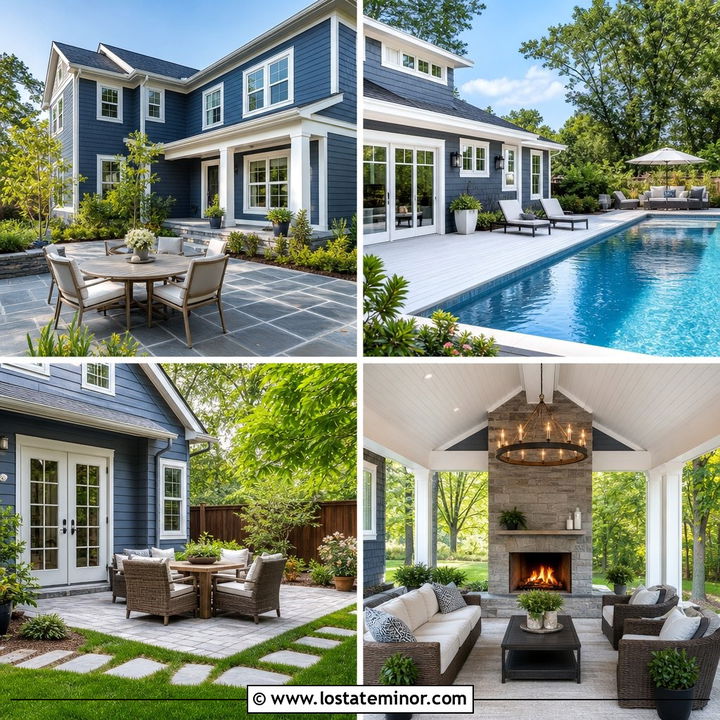
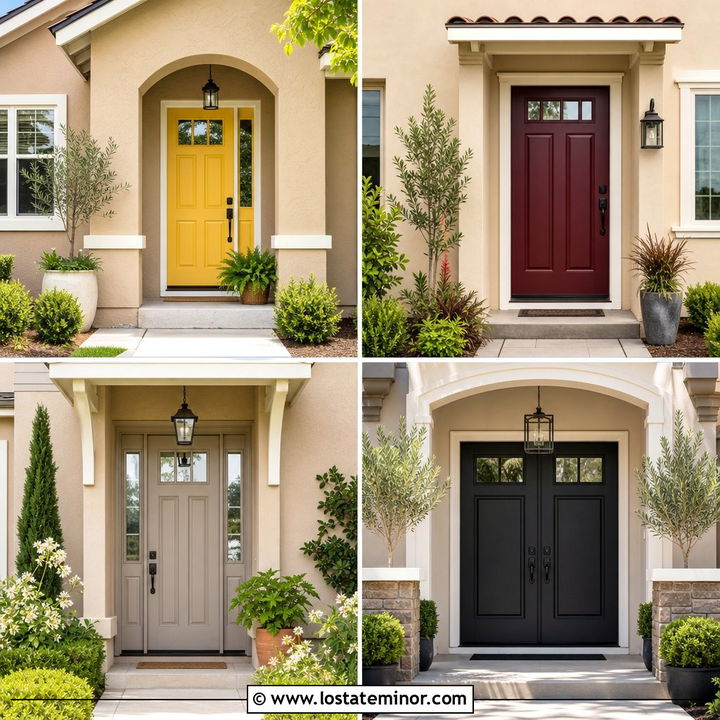
20. Taupe Low Country House With Tabby Walkway
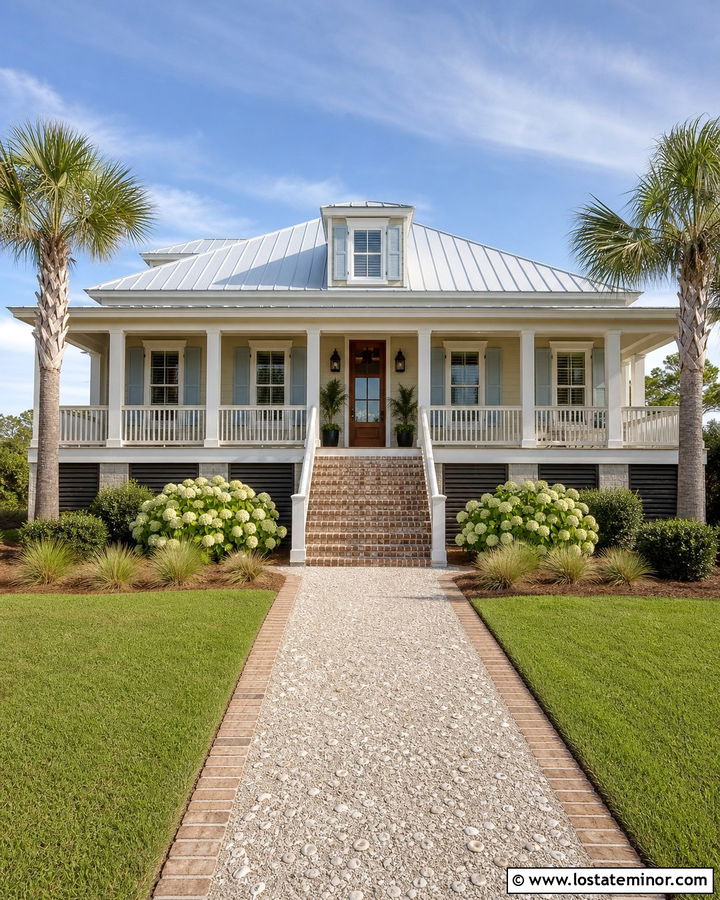
A raised Low Country home calls for a walkway with regional texture and an easygoing appearance. Use light taupe lap siding, bright white porch columns, pale blue shutters, and a stained wood door. A shell-flecked tabby walkway adds subtle movement while relating to the coastal setting. Keep the route broad and direct as it approaches the central porch stairs. Brick step risers and dark bronze lanterns introduce warmer contrast beneath the elevated facade. Plant palms, ornamental grasses, hydrangeas, and low evergreen shrubs with enough spacing to preserve airflow and an open view. A silver-gray metal roof reflects the bright palette and emphasizes the wide porch. The complete scheme feels breezy and traditional, with the walkway providing texture rather than a strong competing color.
21. Taupe Northwest House With Basalt Walkway
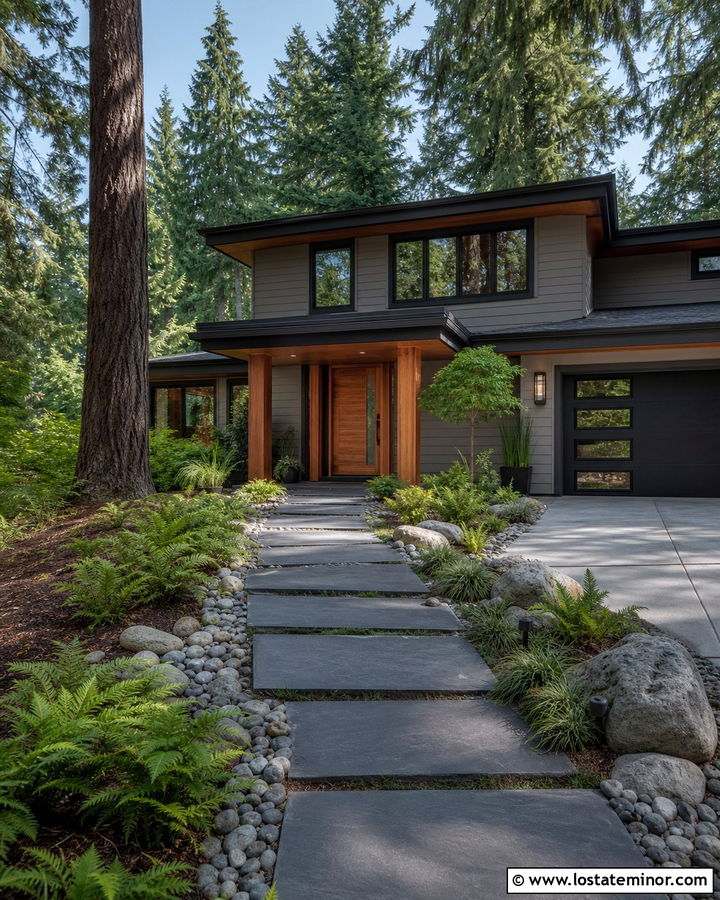
Dark basalt creates a striking entrance against the softer coloring of a taupe Northwest exterior. Use cool taupe fiber-cement siding with charcoal trim, cedar soffits, and black-framed windows. Large basalt slabs can form an orderly walkway through beds of river rock, ferns, and evergreen ground cover. Choose stones with relatively even surfaces and generous widths for comfortable daily use. A cedar front door and matching porch posts prevent the charcoal accents from making the facade feel cold. Continue basalt onto the porch base or low retaining walls to unify the hardscape. A dark gray roof works naturally with the stone. This material palette responds beautifully to a green, wooded environment, combining modern lines with organic textures while keeping the overall curb appeal calm and uncluttered.
22. Taupe Adobe House With Terracotta Walkway
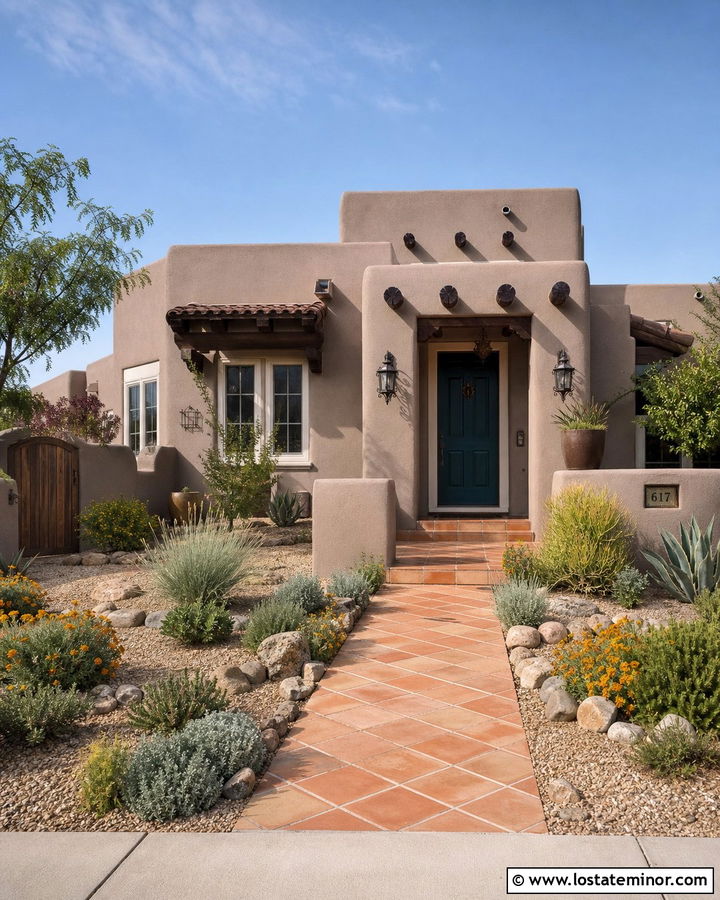
Terracotta pavers can bring warmth and pattern to a simple taupe adobe exterior. Cover the rounded stucco walls in a muted clay-taupe shade, then add dark wood beams, cream window trim, and a deep teal front door. Lay square terracotta tiles in a diagonal or traditional grid pattern to create a distinct approach. A narrow stone or concrete border can protect the edges and separate the walkway from gravel planting areas. Use sage, agave, desert marigold, and ornamental grasses to complement the earthy walls. Rustic wood gates and black iron sconces add practical character without crowding the facade. Since terracotta already supplies noticeable color, keep the roof and larger accents subdued. The complete design feels warm, regional, and connected to the landscape.
23. Taupe Shingle House With Granite Walkway
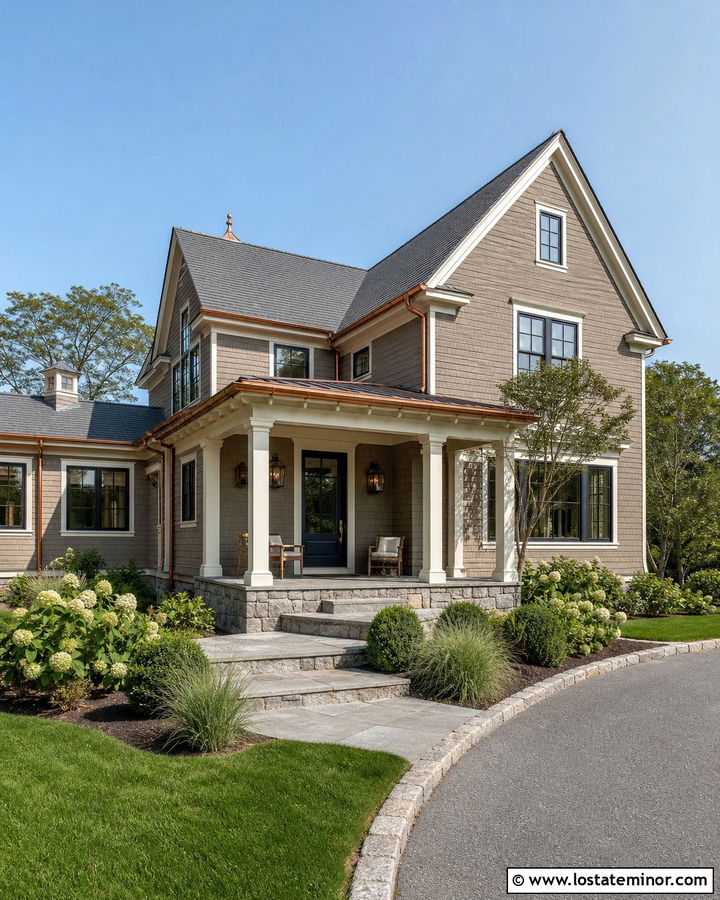
Weathered taupe shingles and granite create a sophisticated exterior rooted in natural materials. Choose medium taupe shingles, off-white trim, a slate-gray roof, and a dark navy door. Use broad granite slabs in a blend of cool gray and soft beige for the walkway. A slightly irregular layout keeps the path from appearing too formal, while tightly fitted stones provide a polished walking surface. Continue granite onto the porch landing or foundation to establish visual continuity. Hydrangeas, inkberry shrubs, ornamental grasses, and one sculptural tree can soften the substantial masonry. Copper gutters or aged bronze lights add a quiet layer of warmth. This combination works particularly well on shingle-style homes with complex rooflines because the restrained colors allow the architecture and material textures to remain the focus.
24. Taupe Urban House With Narrow Paver Walkway
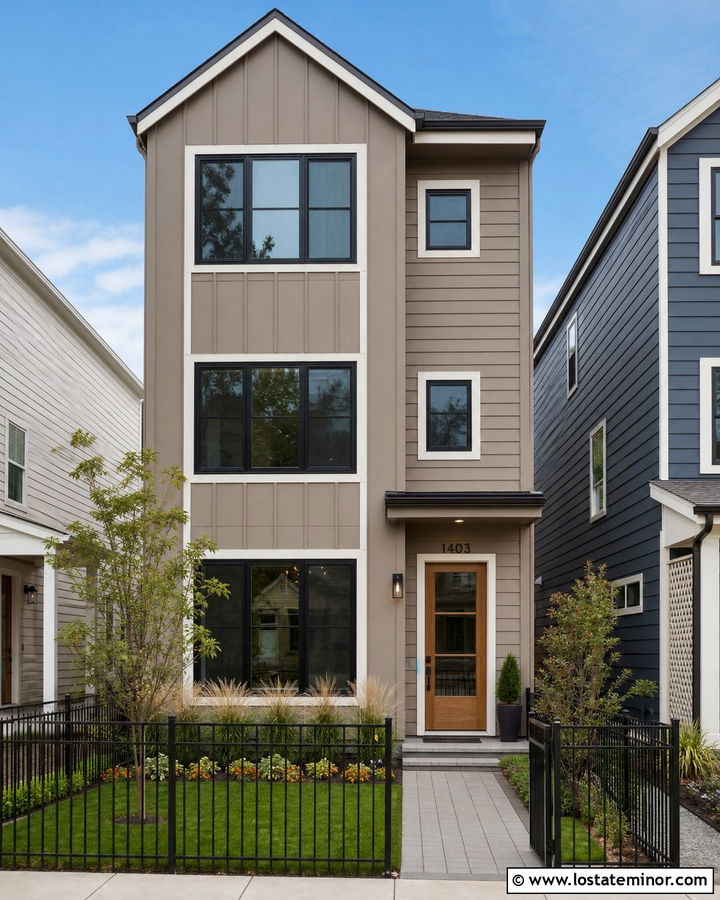
A narrow city lot needs a walkway that feels welcoming without consuming the entire front yard. Paint the urban facade a medium taupe and use black-framed windows, warm white trim, and a natural wood entry door. Long rectangular pavers laid lengthwise can make the route appear more spacious. Set them tightly for easy movement, then border the path with slim planting strips filled with grasses, compact shrubs, and seasonal perennials. A low black metal fence provides definition while keeping the house visible from the sidewalk. Repeat the walkway pavers on the front steps for a seamless transition. Vertical siding around the entrance can distinguish it from neighboring homes. The organized color and material palette creates strong curb appeal even when landscaping space and setbacks are limited.
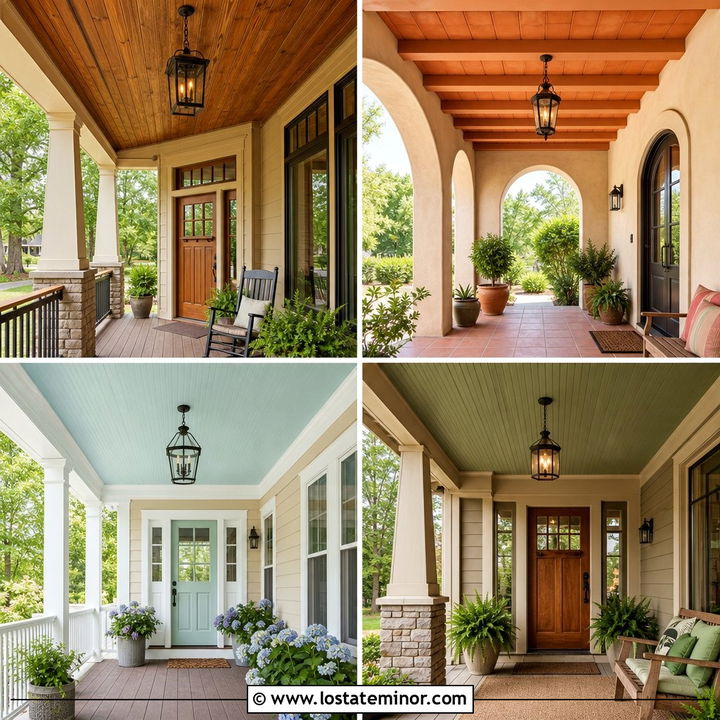
25. Taupe Estate House With Sweeping Limestone Walkway
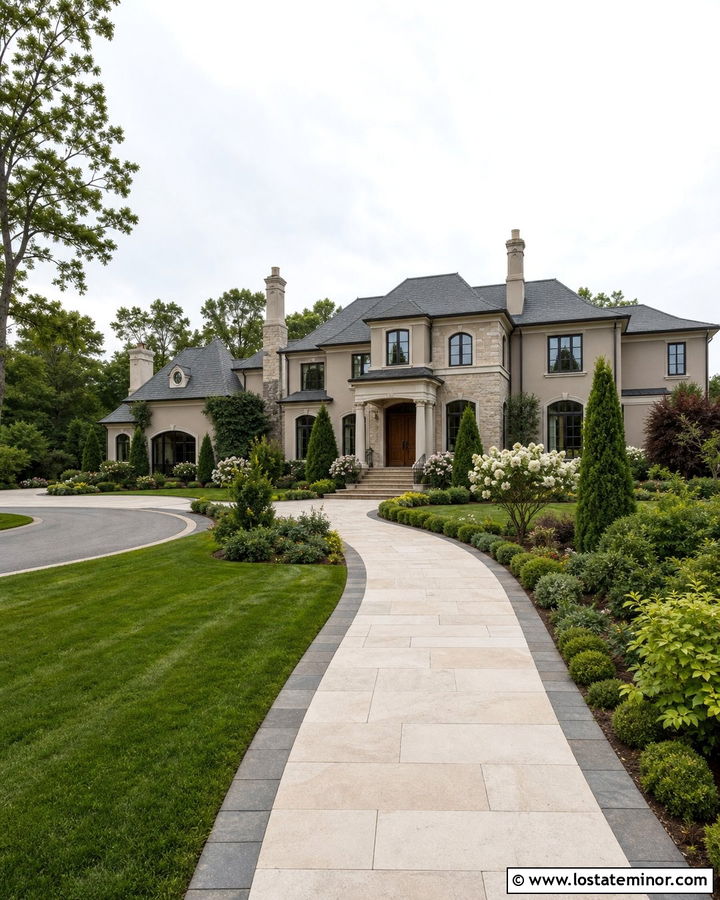
A broad, sweeping walkway suits the scale of a larger taupe estate house. Use soft taupe stucco or stone, creamy trim, dark bronze windows, and substantial walnut doors. Pale limestone can create a graceful curved approach from the driveway or front gate without competing with the home’s size. Add a contrasting stone border that relates to the foundation, entry columns, or roof. Balanced planting beds should include layered evergreens, flowering shrubs, and carefully positioned trees rather than one continuous row of identical plants. Low pathway lighting can follow the curve while remaining visually discreet during the day. A slate-gray roof grounds the expansive facade. By repeating limestone at the porch and entry steps, the walkway becomes an integral architectural feature instead of an isolated strip across the lawn.
26. Taupe Cabin House With Gravel And Timber Walkway
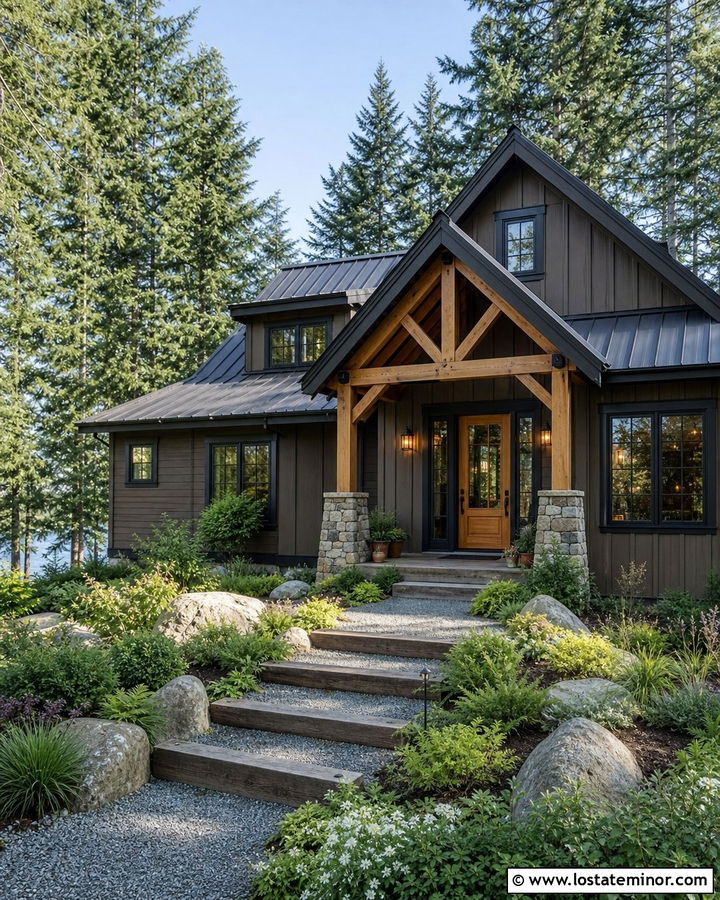
A taupe cabin can combine gravel and timber for an informal but clearly defined entrance. Use deep taupe wood siding, black trim, a charcoal metal roof, and a golden cedar door. Build the walkway from compacted gray gravel with broad timber steps wherever the grade changes. The wood should coordinate with porch beams, railings, or window accents. Natural boulders can stabilize the path edges and connect it to the surrounding terrain. Plant native grasses, ferns, low evergreens, and flowering ground cover instead of a manicured lawn. Keep the route wide enough to feel deliberate rather than temporary. This combination works best when each material appears elsewhere on the house, allowing the rustic walkway, dark roof, taupe walls, and warm wood accents to read as one unified design.
27. Taupe Dutch Colonial House With Brick And Bluestone Walkway
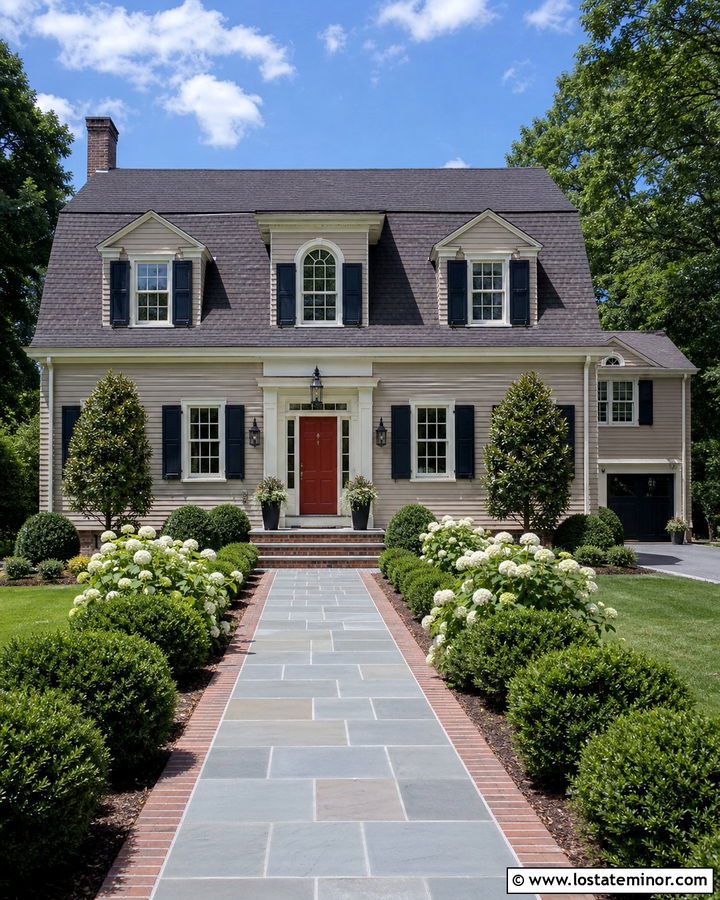
A Dutch Colonial exterior gains character from a walkway that combines brick and bluestone. Paint the clapboard siding a warm taupe, then add ivory trim, dark navy shutters, and a brick-red front door. Use bluestone for the main walking surface and red-brown brick for the border. This pairing connects the cool roof tones with the warmer facade accents. A straight or gently flared path works well beneath the balanced gambrel roofline. Continue brick onto the step risers and use bluestone for the porch landing. Rounded boxwoods, white hydrangeas, and a pair of small ornamental trees can reinforce the home’s symmetry. Traditional lanterns and dark gutters finish the scheme. The two walkway materials add detail while respecting the home’s familiar, orderly architecture.
28. Monochrome Taupe House With Concrete Tile Walkway
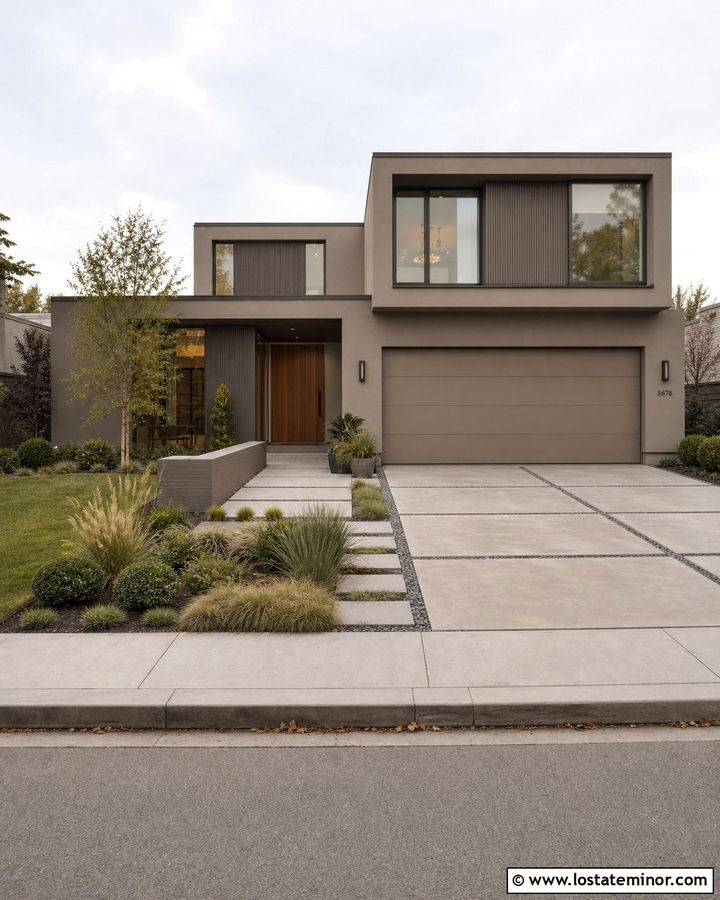
A monochrome taupe exterior can look dimensional when several related shades and textures are used. Cover a modern two-story home in medium taupe stucco, then choose darker taupe trim, bronze window frames, and a lighter mushroom-taupe garage door. Large concrete walkway tiles in a pale taupe-gray continue the tonal palette across the front yard. Offset the tiles slightly and surround them with dark gravel to create clear definition. A walnut front door introduces natural warmth without breaking the neutral concept. Use green grasses, sculptural shrubs, and one small tree to keep the composition fresh. Smooth stucco, ribbed garage panels, wood grain, gravel, and concrete prevent the limited palette from feeling flat. The overall look is quiet, modern, and carefully layered.
29. Taupe House With Permeable Paver Walkway
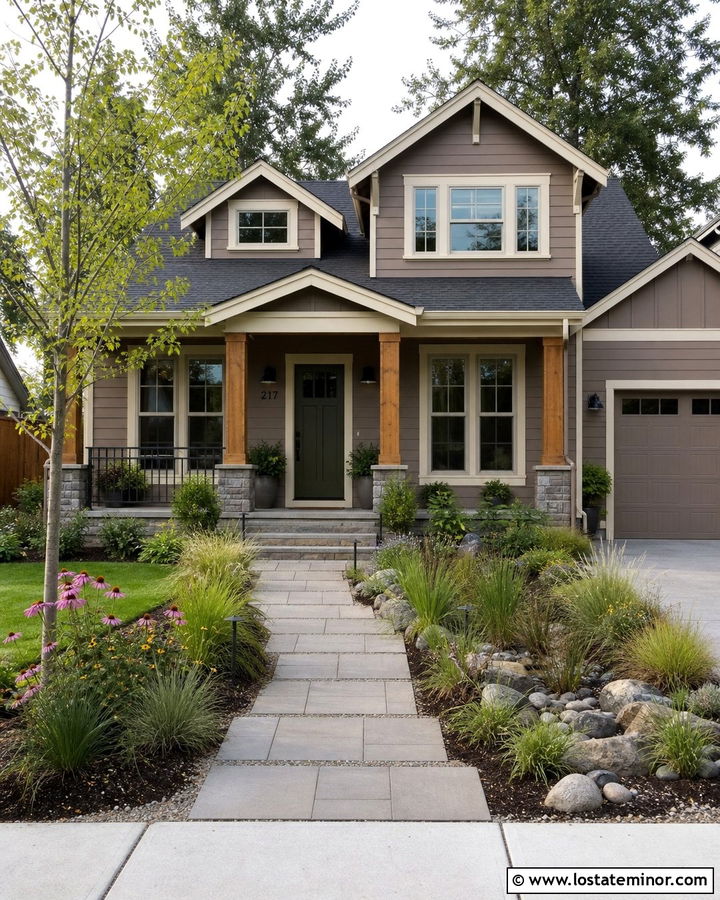
Permeable pavers offer an attractive way to integrate the front walkway with a rain-conscious landscape. Pair warm taupe siding with creamy trim, an olive green front door, and a medium charcoal roof. Choose gray-beige pavers that allow narrow planted or gravel-filled joints. The path can curve beside a shallow rain garden containing grasses, sedges, flowering perennials, and moisture-tolerant shrubs suited to the region. Use natural stone around the porch foundation to connect the landscaping with the facade. Black lighting and simple wood porch columns add definition. The olive door repeats colors from the garden while remaining subtle against taupe. This full scheme feels natural and thoughtfully planned, with the walkway serving as both a strong visual approach and part of the larger yard design.
30. Taupe House With Accessible Sloped Walkway
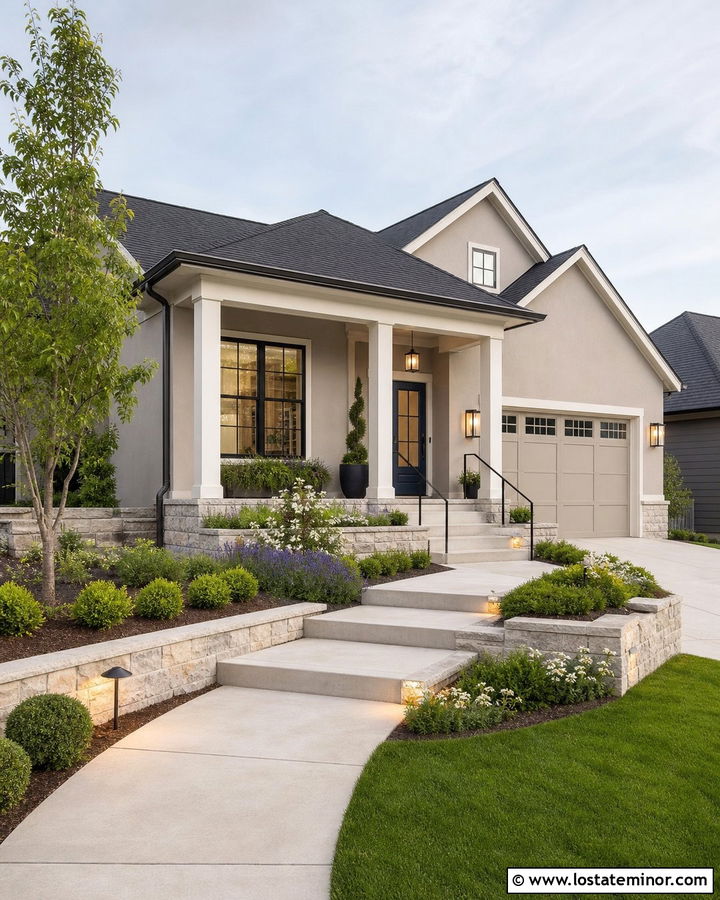
An accessible front walkway can be attractive, generous, and fully integrated with the architecture. Choose light taupe siding, warm white trim, a navy door, and a charcoal roof for clear but comfortable contrast. Create a wide brushed-concrete path with a gentle slope, level resting areas, and smooth transitions to the driveway and porch. Low stone walls can follow the route while supporting raised planting beds. Where railings are necessary, use slim black metal designs that coordinate with the exterior lights and door hardware. Plant compact shrubs and low flowers that will not narrow the walking area. A covered entry and flush threshold improve the complete approach. Thoughtful proportions allow this practical walkway to look intentional while making the taupe home more comfortable and welcoming.
Conclusion:
The strongest 30 Taupe House Design With Walkway Ideas treat the walkway as part of the complete exterior rather than an afterthought. Taupe can lean warm, cool, light, or deep, so the path should respond to its undertone and the home’s architecture. Brick and limestone support traditional facades, while geometric concrete and dark pavers suit modern houses. Gravel, fieldstone, shell, and decomposed granite create a more relaxed connection to the landscape. Before choosing materials, consider the roof, trim, front door, porch, drainage, maintenance, and daily walking needs. Repeating walkway colors elsewhere on the facade will help every element feel connected and give the property polished, lasting curb appeal.

Related posts: