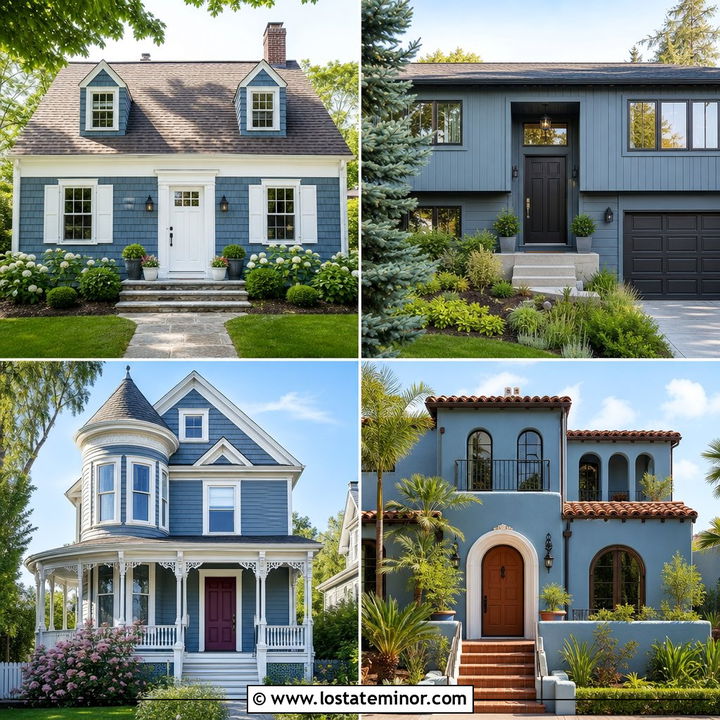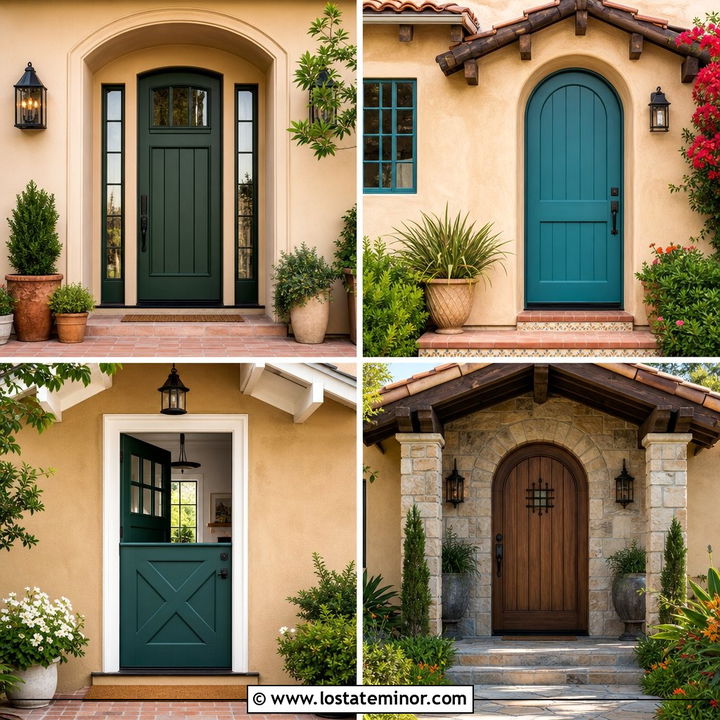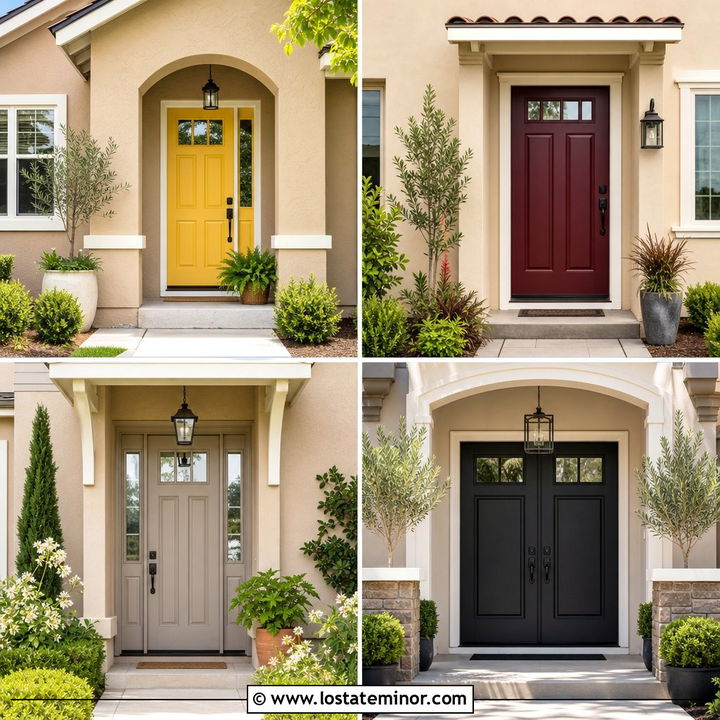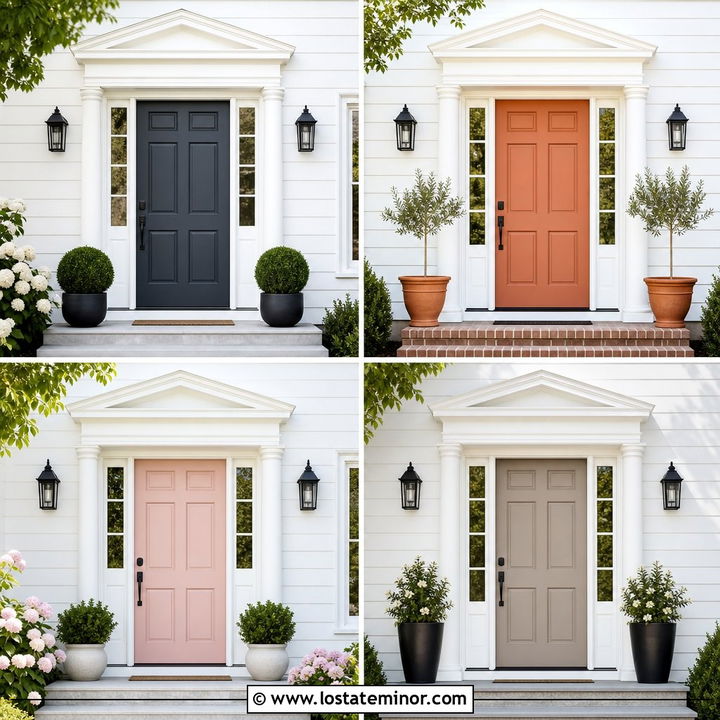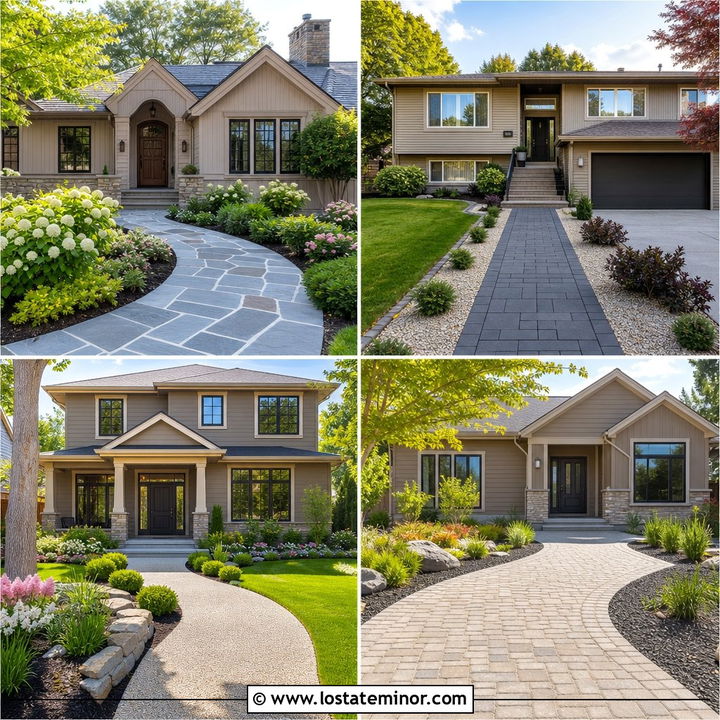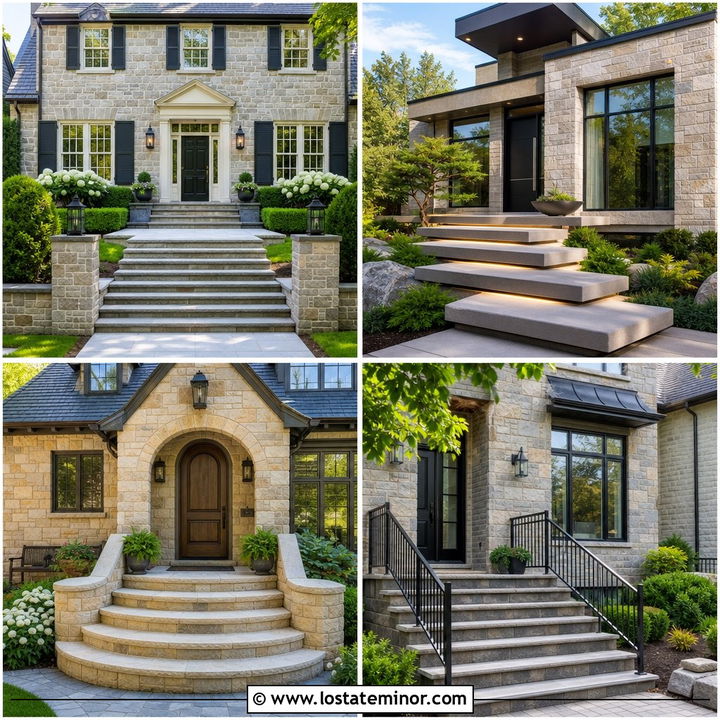
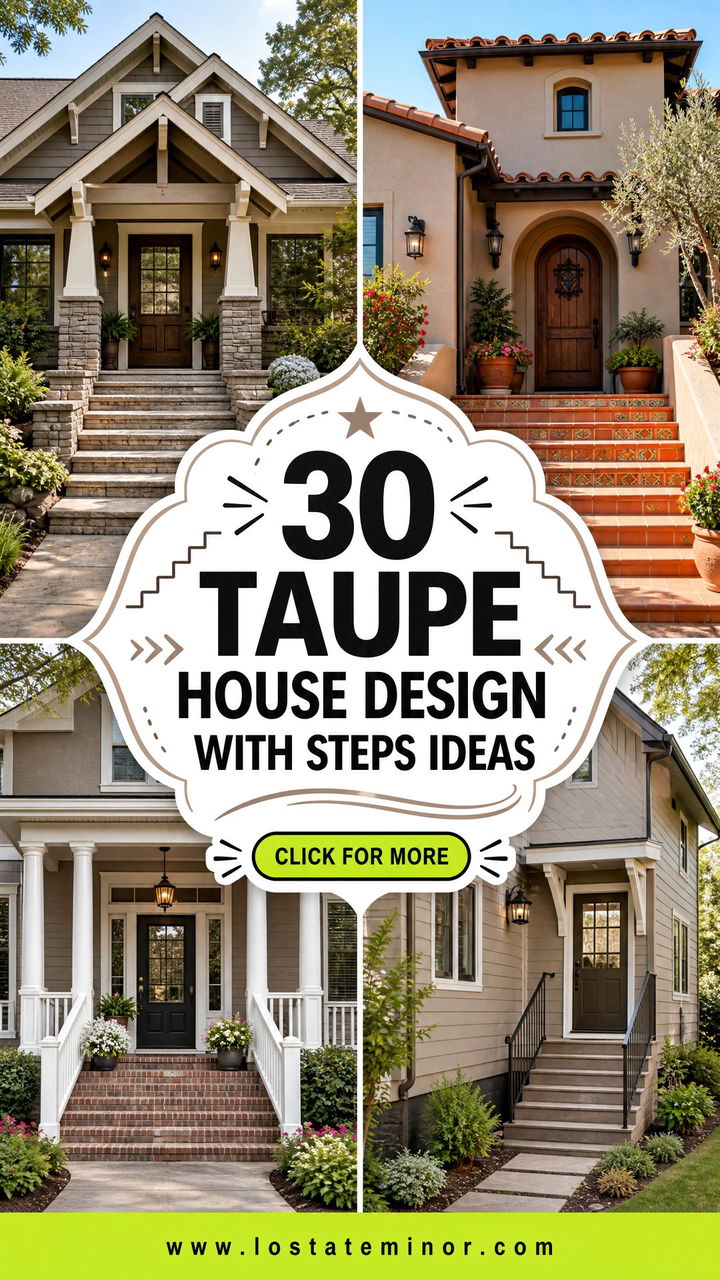
Taupe creates a warm, grounded exterior that feels softer than gray and more refined than basic beige. The best **30 Taupe House Design With Steps Ideas** treat the entry stairs as part of the entire facade rather than a separate feature. Brick, stone, concrete, wood, and pavers can each shift taupe toward traditional, rustic, coastal, or modern design. Trim, roofing, railings, doors, and landscaping also affect whether taupe appears light, earthy, or dramatic. Before choosing materials, compare samples outdoors beside permanent features such as masonry and roof shingles. This collection covers different home shapes, step configurations, budgets, and architectural details. Use these complete exterior combinations to explore 30 Taupe House Design With Steps Ideas.
1. Taupe Farmhouse With Brick Steps
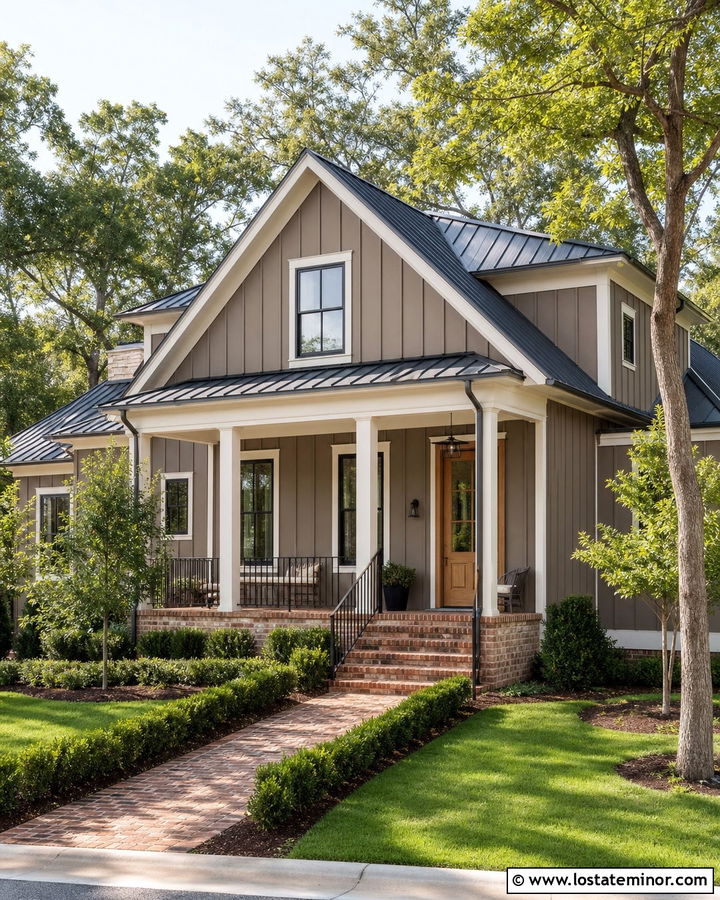
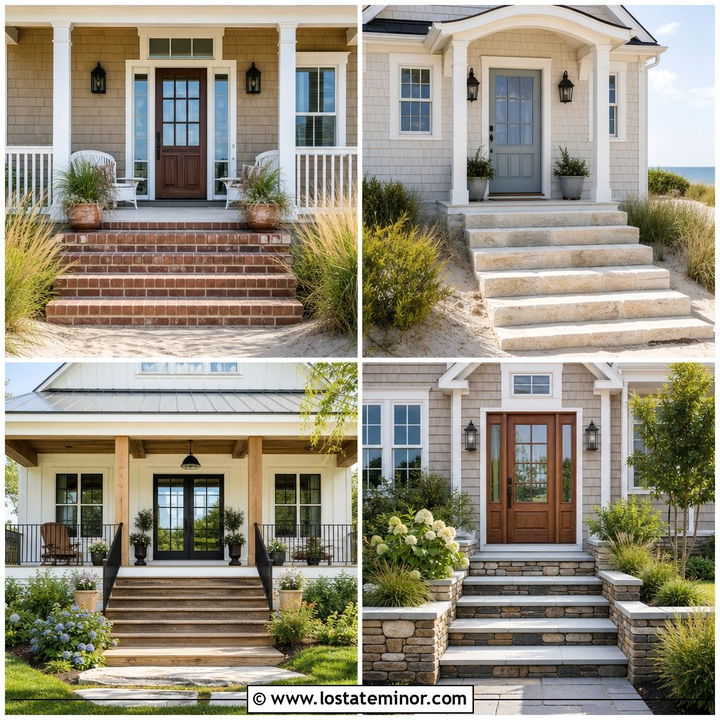
A warm taupe modern farmhouse gains inviting character from traditional red brick steps. Choose medium taupe board-and-batten siding, creamy white trim, and a matte black metal roof for a balanced exterior. The red and brown variation in reclaimed-style brick prevents the neutral facade from looking too uniform. Carry the brick into a straight walkway or small landing so the entrance feels substantial. Black iron handrails can connect the steps with the windows, gutters, and porch lights. A natural oak front door adds another warm material without competing with the masonry. Finish the setting with clipped shrubs, ornamental grasses, and simple foundation beds. This combination works especially well when the brick has muted, weathered coloring instead of a bright orange-red finish.
2. Taupe Craftsman With Stone Steps
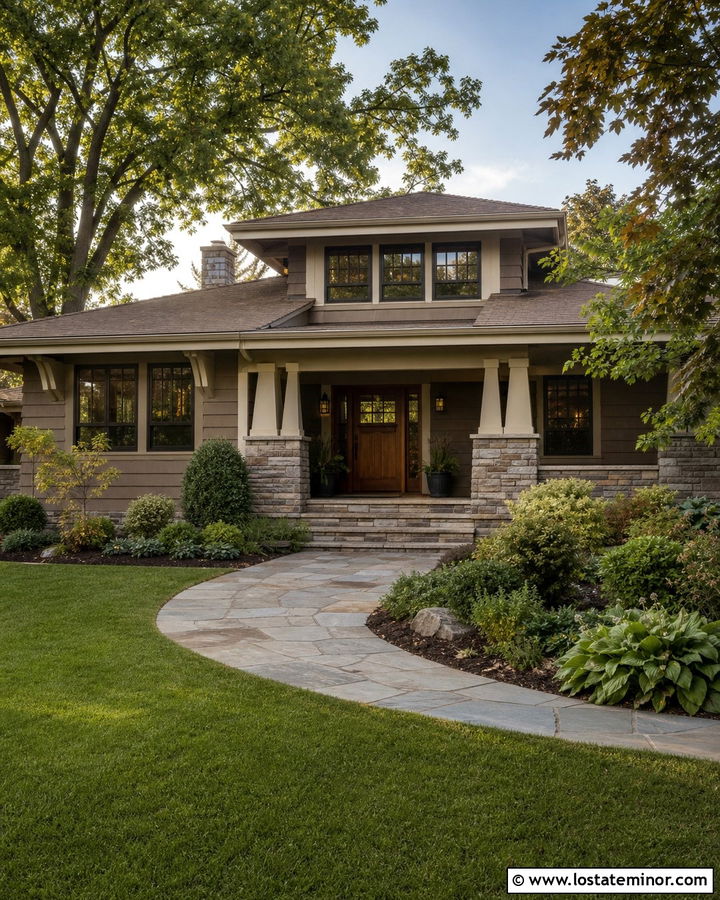
Could your Craftsman home use more depth around the entrance? Pair earthy taupe lap siding with broad natural stone steps, tapered porch columns, and dark bronze accents. A warm cream trim highlights the roofline and divided-light windows while staying softer than pure white. Select stone containing gray, tan, and brown tones so it visually connects the siding, roof, and landscape. The same material can wrap the column bases and continue along the lower facade. A stained walnut front door reinforces the handcrafted character associated with Craftsman architecture. Deep green foundation plants and a curved flagstone walkway soften the strong horizontal lines. Keep each step wide and visually substantial, giving the entrance comfortable proportions that match the heavy columns and low roof.
3. Dark Taupe Modern House With Concrete Steps
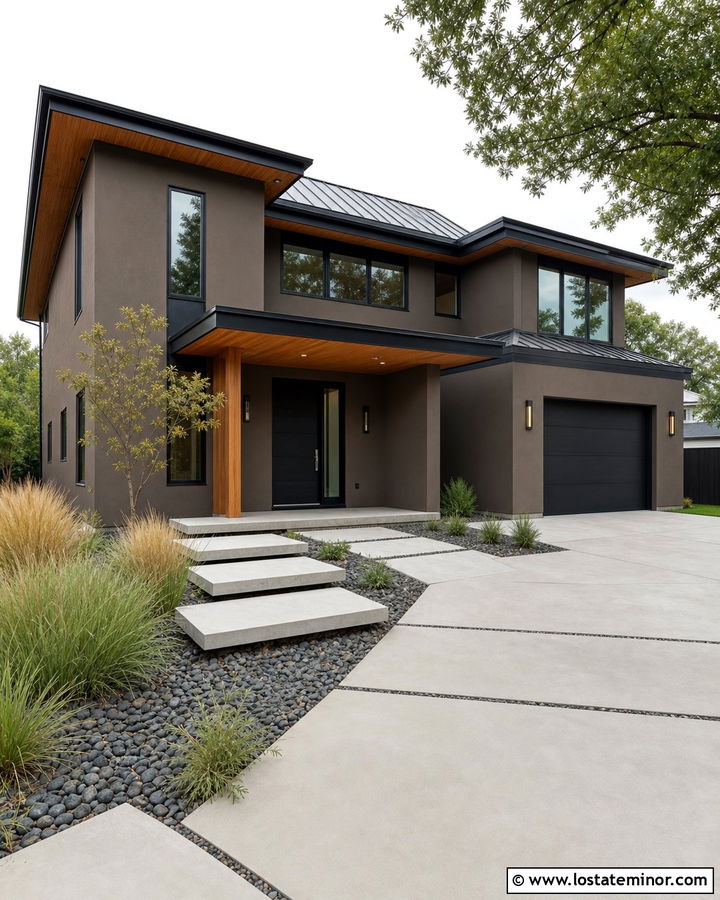
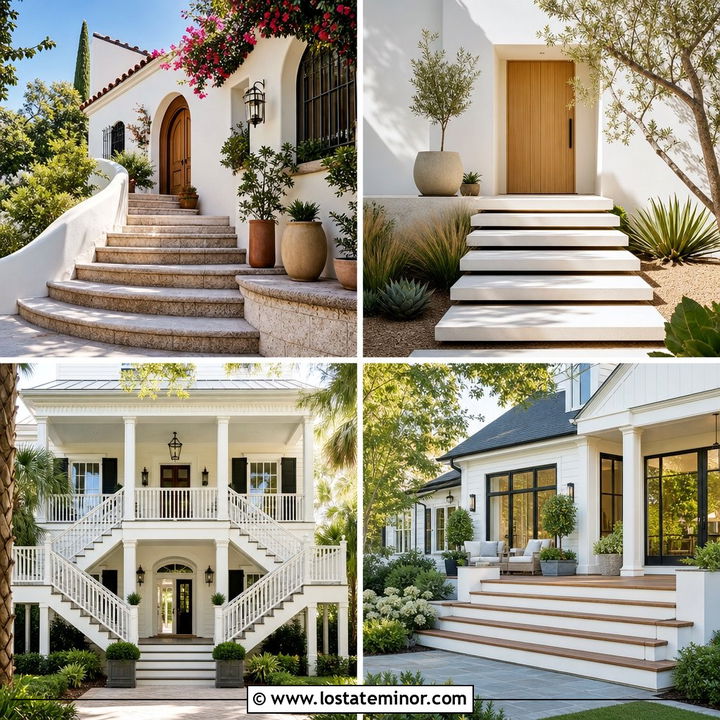
Clean geometry makes dark taupe feel striking rather than heavy. Cover a modern two-story exterior in deep brown-gray stucco or smooth fiber cement, then add pale concrete steps that appear to float above a gravel bed. Black window frames, a charcoal metal roof, and a flush black front door sharpen the minimalist palette. Warm cedar soffits or vertical wood panels keep the scheme from becoming cold. Use broad rectangular steps with narrow gaps between them to echo the home’s horizontal windows and flat planes. Low grasses, sculptural shrubs, and dark landscape rocks provide texture without clutter. Integrated step lighting can improve visibility while preserving the simple appearance. The light concrete also creates enough contrast for the entrance to remain clearly defined against the dark taupe facade.
4. Light Taupe Ranch With Wide Front Steps
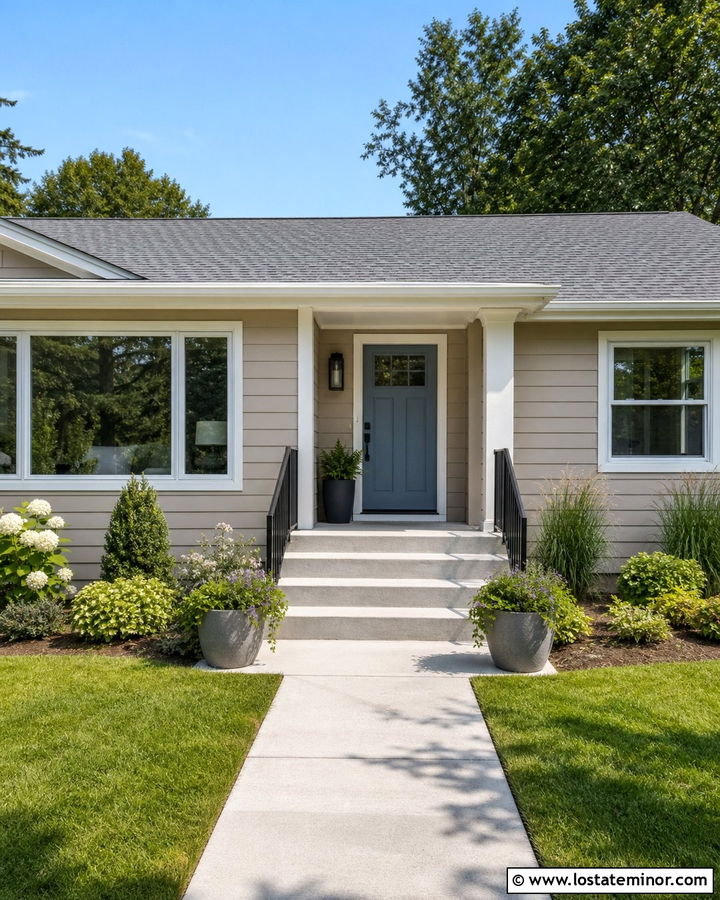
A low ranch home looks more welcoming when its front steps reflect the width of the facade. Try light taupe horizontal siding with soft white trim, a medium gray shingle roof, and three broad concrete steps spanning the covered entry. A muted blue front door provides gentle color while maintaining the calm suburban palette. Cover the steps with light gray stone or porcelain outdoor tile for a more finished appearance. Simple black railings can frame the entrance without introducing bulky visual lines. Extend the landing toward a front-facing picture window to create space for planters and a small bench. Layer rounded shrubs, flowering perennials, and a straight walkway through the lawn. The resulting house feels wider, brighter, and more connected to its landscape.
5. Taupe Colonial With Red Brick Steps
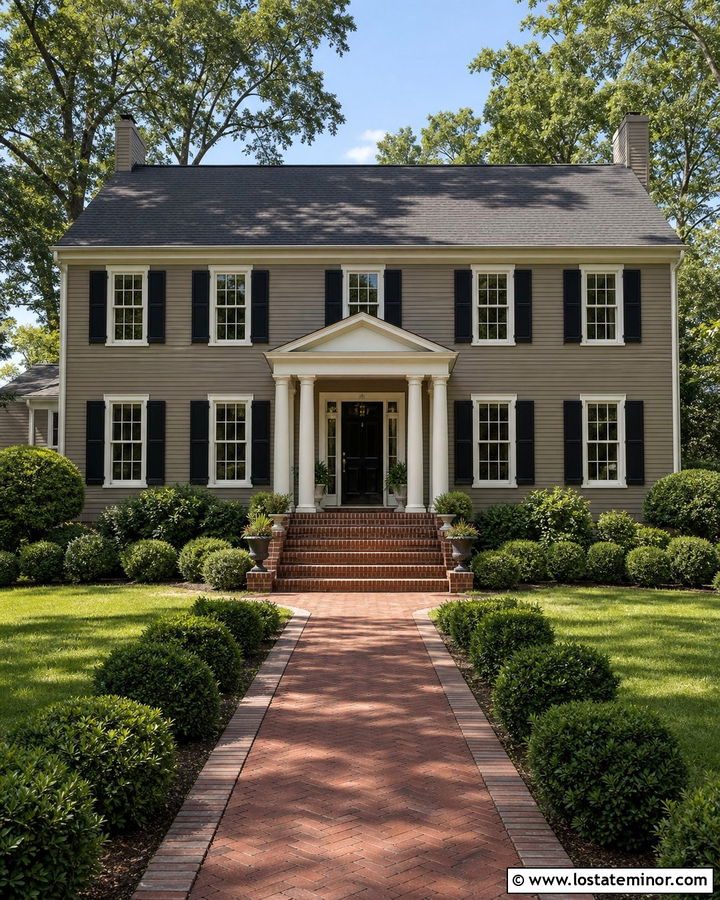
Traditional red brick gives a symmetrical taupe Colonial the familiar presence it needs. Use a medium mushroom-taupe body color with crisp ivory trim, black shutters, and a glossy black front door. Centered brick steps should rise to a rectangular landing beneath a simple pediment or columned portico. Choose brick with dark brown and charcoal variation to coordinate with the taupe siding and black accents. Matching brick edging along the walkway helps the entry feel intentional rather than added later. Brass door hardware can introduce a small touch of warmth. Keep the landscaping equally balanced with paired boxwoods, matching planters, and evenly spaced foundation shrubs. This full exterior scheme respects traditional Colonial proportions while using taupe to create a softer alternative to standard gray or white siding.
6. Taupe Cape Cod With Bluestone Steps
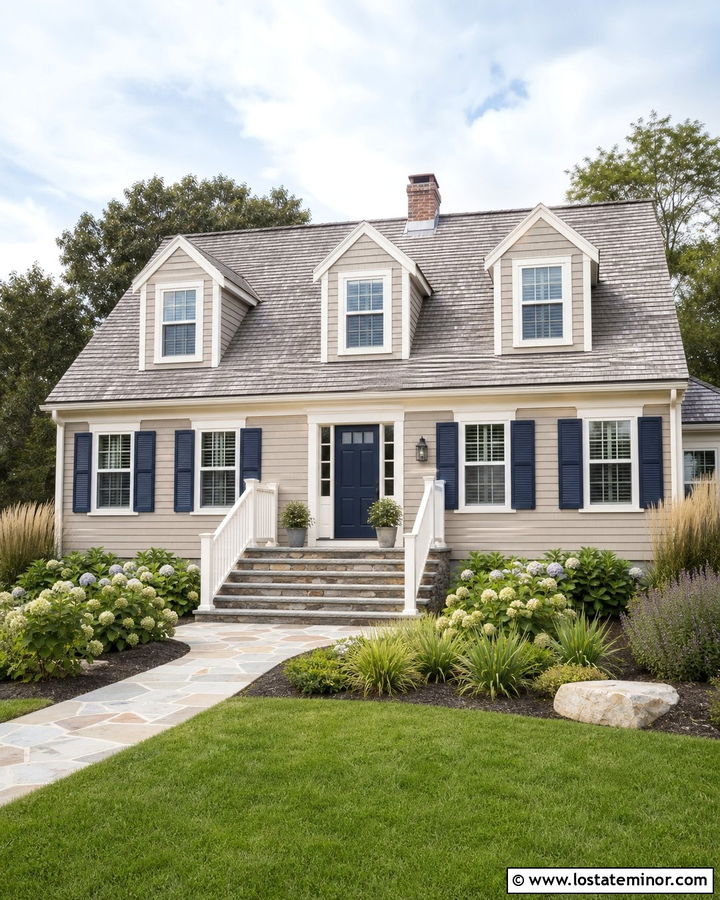
Bluestone brings cool contrast to the gentle warmth of a taupe Cape Cod exterior. Paint cedar shingles or lap siding a pale gray-taupe, then frame the facade with creamy white trim and dormer windows. Deep navy shutters and a matching front door introduce classic coastal color without overwhelming the small house. Broad bluestone treads with natural split faces make the entry feel established and durable. Use the same stone for the walkway or porch floor to create a continuous path from the yard. White railings maintain the Cape Cod character, while brushed nickel lights support the cooler accent colors. Hydrangeas, low hedges, and soft blue-green grasses complete the setting. This palette looks especially balanced beneath a weathered gray architectural-shingle roof.
7. Taupe Bungalow With Wood Porch Steps
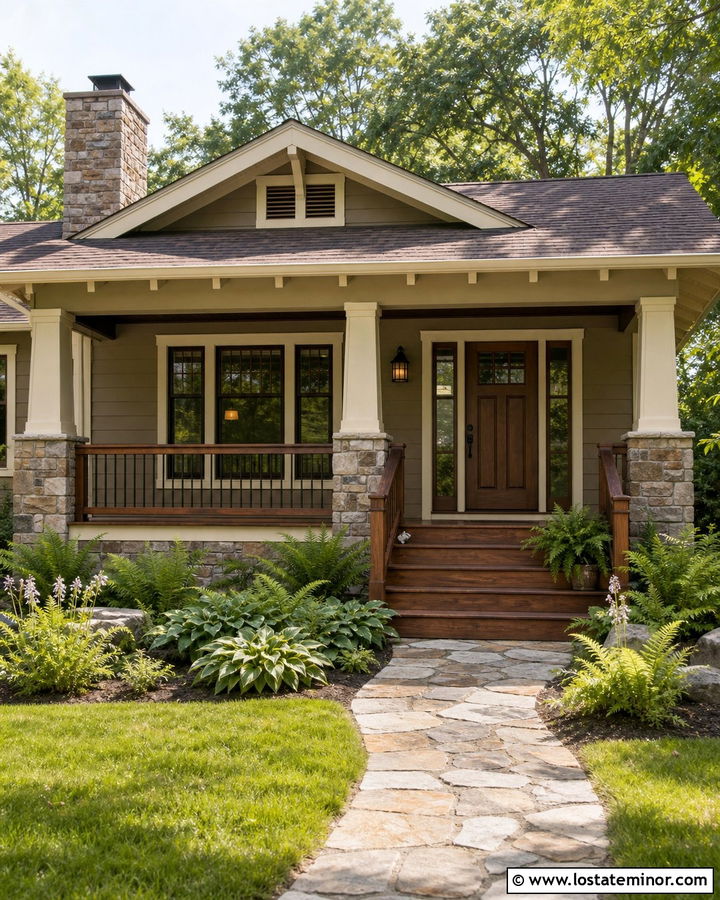
Natural wood steps can make a compact taupe bungalow feel warm and handcrafted. Select medium taupe siding with muted olive undertones, cream window trim, and a dark brown roof. Build generously sized porch steps from cedar or another exterior-rated wood, using a medium transparent stain that allows the grain to remain visible. Repeat the stain on square porch columns, rail caps, and the front door. Dark bronze railings and lights add definition without creating the sharper contrast of black. A stone foundation in mixed tan and gray shades anchors the composition. Surround the entry with ferns, hostas, and informal flowering plants for a relaxed neighborhood look. The complete exterior feels cohesive because the taupe, wood, stone, and planting colors all come from an earthy palette.
8. Taupe Stucco House With Terracotta Steps
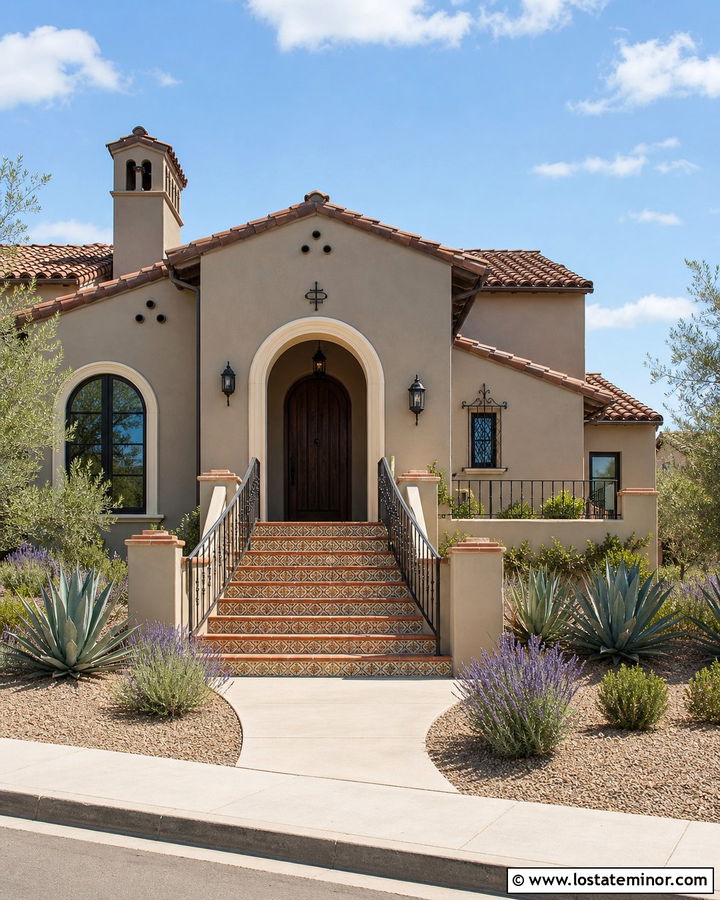
Sun-washed taupe stucco pairs naturally with terracotta steps on a Spanish-inspired home. Choose a warm sandy taupe for the walls, creamy trim around arched openings, and a clay barrel-tile roof. Cover the entry stairs with matte terracotta tile, then use decorative patterned risers as a controlled accent. A dark stained wood door and wrought-iron railings add contrast while respecting the architecture. Continue the tile onto a small covered landing so the entrance reads as one complete feature. Drought-tolerant landscaping, gravel beds, lavender, and sculptural agaves reinforce the warm regional palette. Avoid overly orange tile beside taupe; weathered red-brown terracotta is easier to coordinate. The result is colorful enough to have personality but still grounded by the understated neutral exterior.
9. Taupe Split-Level With Tiered Steps
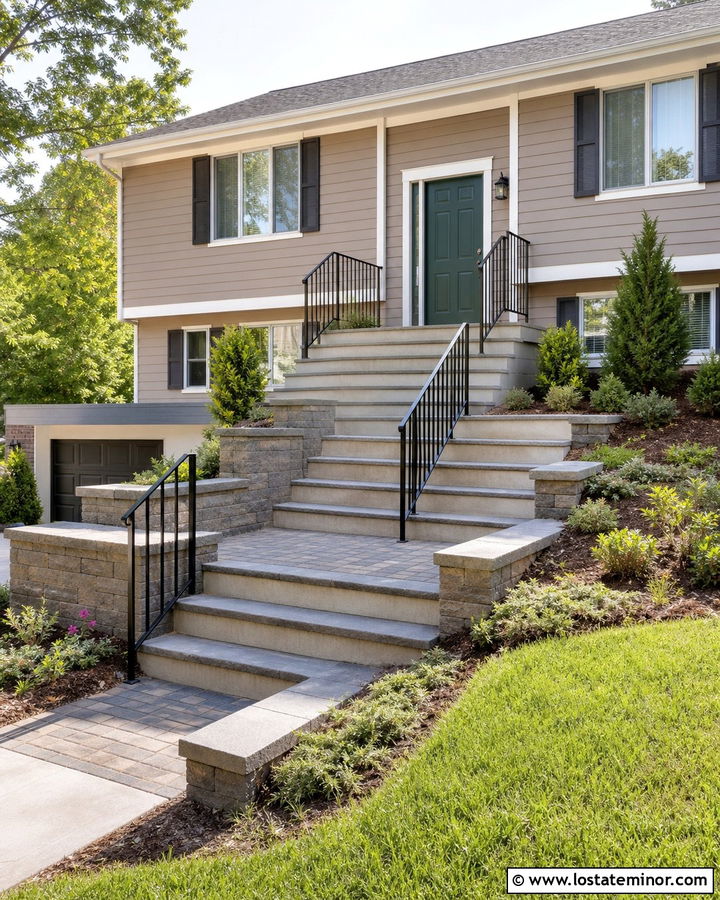
A split-level home often needs an entrance treatment that manages height without appearing steep. Medium taupe siding, white trim, and charcoal shutters create a simple background for tiered concrete-and-paver steps. Divide the rise into shorter groups with a generous intermediate landing. This arrangement gives the entrance a more gradual, landscaped appearance. Cap each concrete step with gray-brown pavers that relate to both the taupe facade and dark roof. Black metal railings add a clean outline, while a deep green front door introduces subtle color. Plant low evergreens and spreading ground cover beside each tier instead of leaving tall blank retaining walls. A gently angled walkway can connect the driveway and street. Together, these elements make the elevated doorway feel accessible, balanced, and visually integrated.
10. Taupe Cottage With Limestone Steps
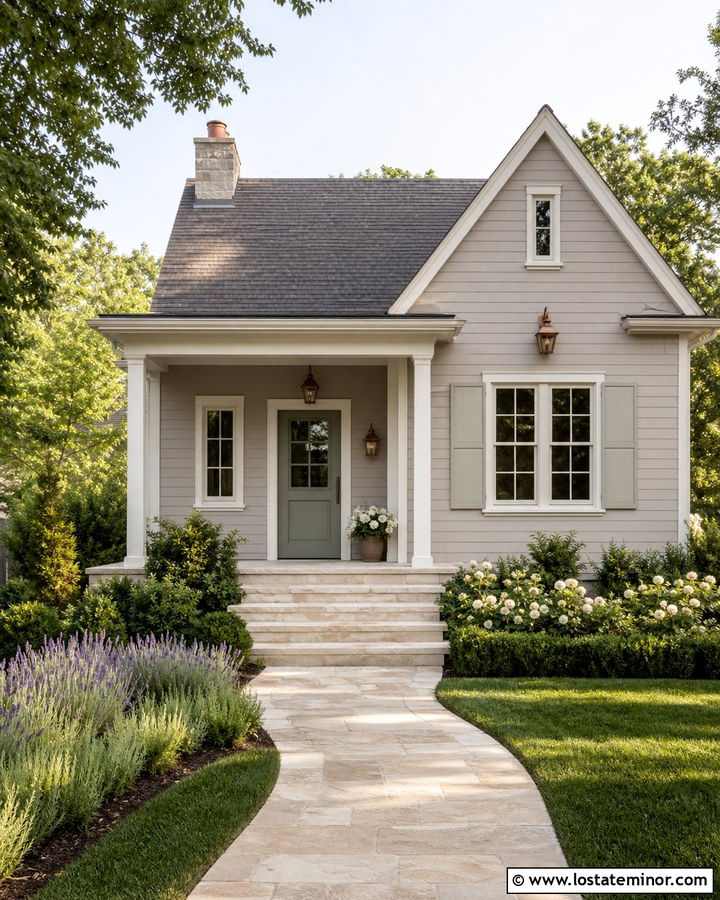
Soft limestone gives a taupe cottage an elegant look without making the exterior feel formal. Use pale taupe-painted brick or lap siding with warm white trim and a muted sage front door. Cream limestone steps can lead to a shallow porch framed by simple square columns. Select stone with small beige and gray markings, which will bridge the warm body color and cooler roof. A curved walkway built from matching limestone or irregular flagstone creates a natural approach through the garden. Copper or aged bronze lights contribute warmth around the doorway. Plant lavender, white roses, clipped shrubs, and low herbs near the steps for a layered cottage setting. The light masonry brightens the entry, while taupe keeps the overall facade calm enough to support abundant landscaping.
11. Taupe Contemporary House With Steel Steps
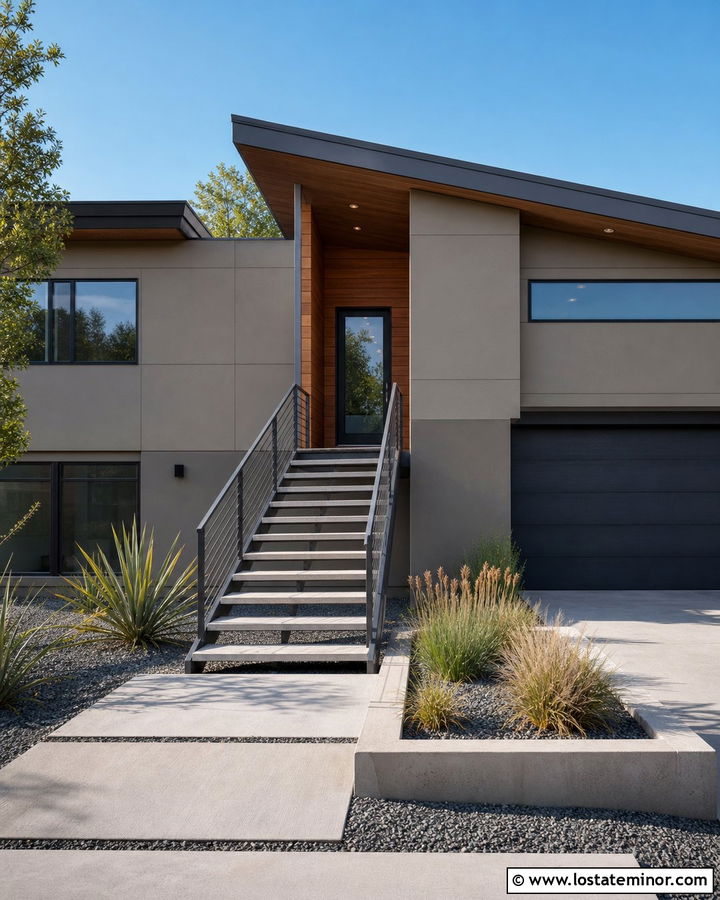
Steel steps can provide a bold architectural feature on a streamlined taupe home. Cover the exterior in smooth medium taupe panels, then add charcoal steel stairs with pale concrete treads and a matching landing. A black-framed glass front door, narrow windows, and a low-slope metal roof continue the precise modern lines. Introduce natural cedar around the entrance to soften the industrial materials and help the taupe read warmer. Cable or thin metal railings preserve open views across the facade. Beneath the steps, use washed gravel, river stones, or low ground cover instead of leaving an unfinished void. A concrete walkway and restrained ornamental grasses complete the composition. This approach works best when the steps align with the windows, wall seams, and other major architectural lines.
12. Taupe Victorian House With Painted Wood Steps
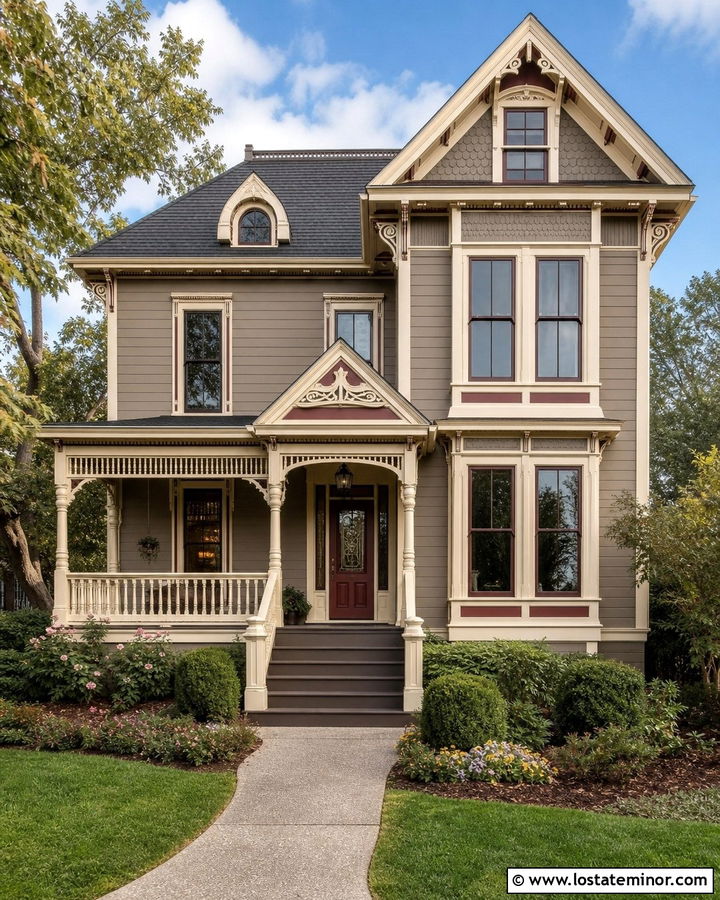
Decorative architecture benefits from a controlled color scheme, and taupe provides a calm foundation. Paint a Victorian exterior medium warm taupe with ivory trim around the windows, brackets, porch columns, and detailed gables. Use muted burgundy for the front door and selected ornamental accents. Wide wooden porch steps painted deep brown-gray will hide everyday dirt better than white while visually anchoring the elaborate facade. Ivory railings can connect the stairs to the porch trim. Add a simple striped runner or understated planters, but avoid covering too much of the detailed woodwork. A dark charcoal roof keeps the upper portion grounded. Traditional shrubs, flowering borders, and a curved front path create a polished setting. The finished exterior highlights craftsmanship without using an overwhelming number of colors.
13. Taupe Tudor House With Sandstone Steps
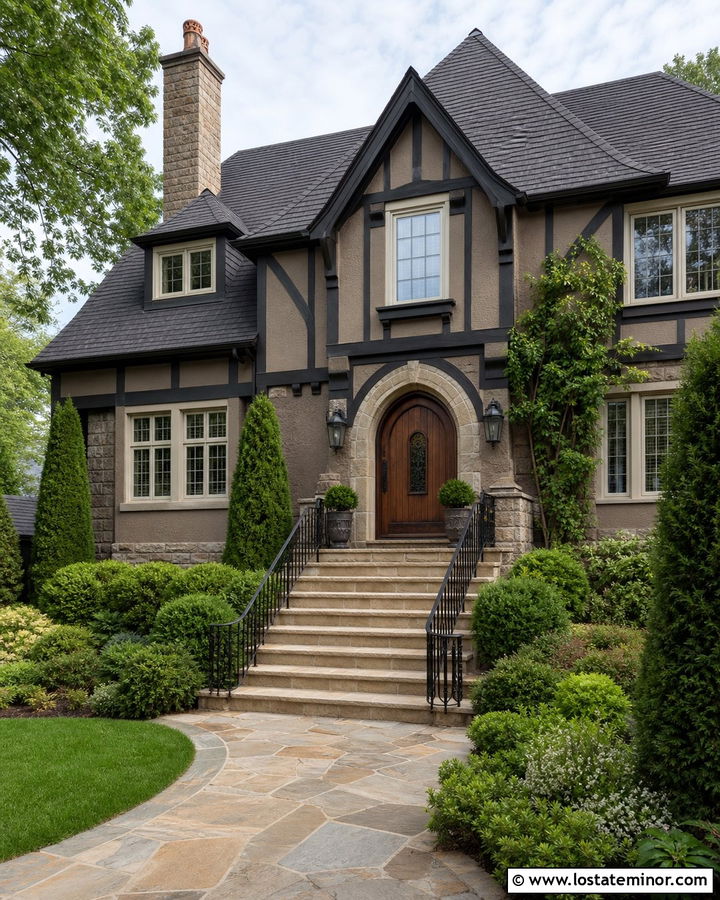
The rich materials of a Tudor home work beautifully with brown-based taupe. Apply deep taupe stucco between dark timber details, then use warm cream around selected windows to keep the facade from feeling gloomy. Broad sandstone steps can lead to an arched wooden door beneath a steep roofline. Look for stone containing golden beige, mushroom, and subdued rust tones that complement both the taupe walls and dark wood. Continue sandstone around the foundation or along a curved walkway for consistency. Black iron railings and lanterns suit the historic character, while copper gutters can develop a natural patina over time. Keep plantings lush but structured with yews, climbing greenery, and layered shrubs. This complete palette emphasizes the Tudor’s substantial forms while creating a clear, welcoming entrance.
14. Taupe Coastal House With White Steps
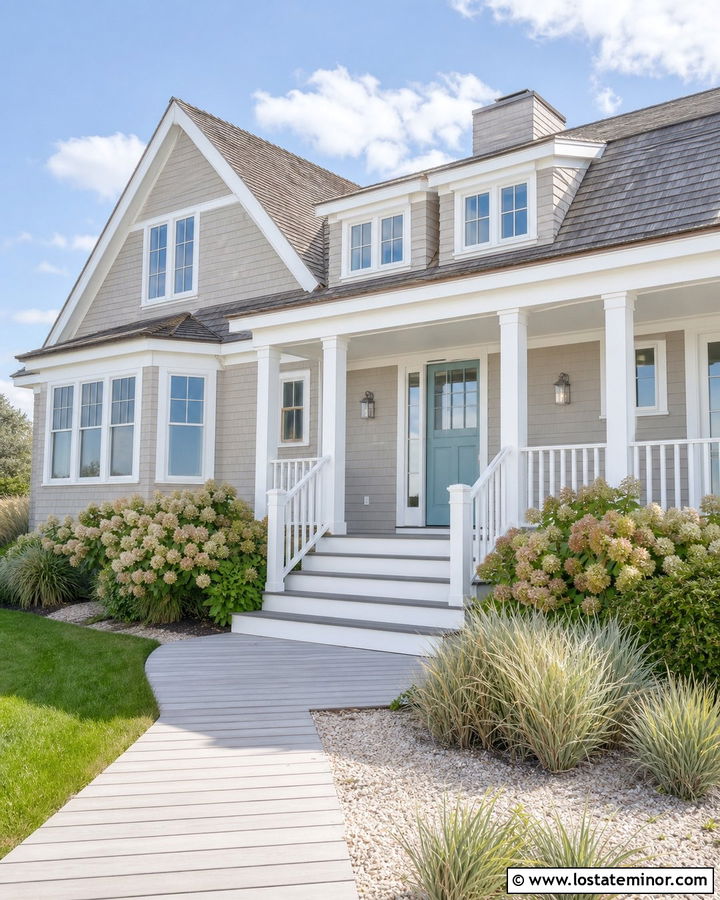
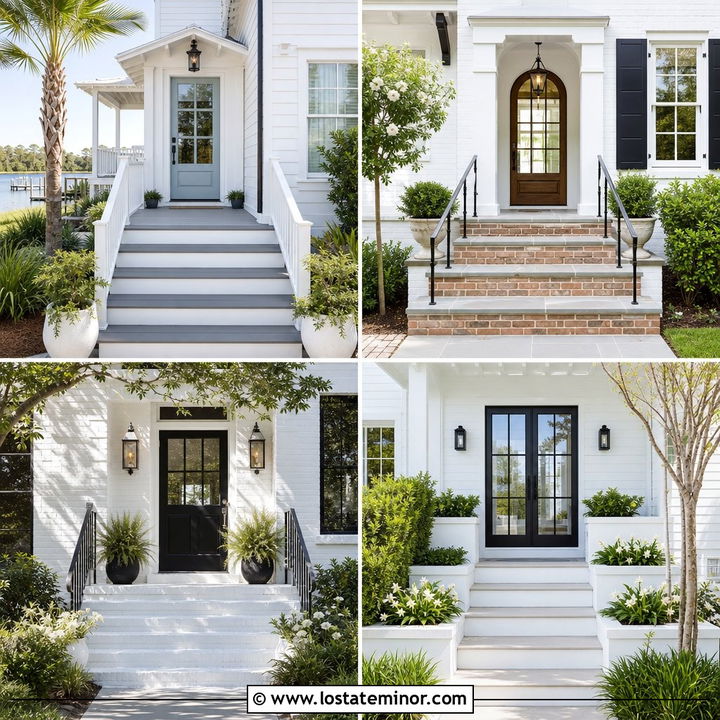
A bright coastal palette does not have to rely on blue siding. Light gray-taupe shingles paired with white composite steps create a breezy, refined facade. Use crisp white trim, porch railings, and square columns, then introduce a watery blue-green front door. A weathered gray roof keeps the upper portion soft, while brushed metal lights add a clean finish. Choose composite stair boards with subtle texture so the white surfaces are easier to maintain than glossy painted wood. Gray treads or a thin gray border can reduce the appearance of dirt while preserving the light look. Beach grasses, hydrangeas, pale gravel, and a boardwalk-style path support the coastal setting. The taupe body color adds warmth, ensuring the abundant white trim never appears overly stark.
15. Taupe Midcentury House With Slab Steps
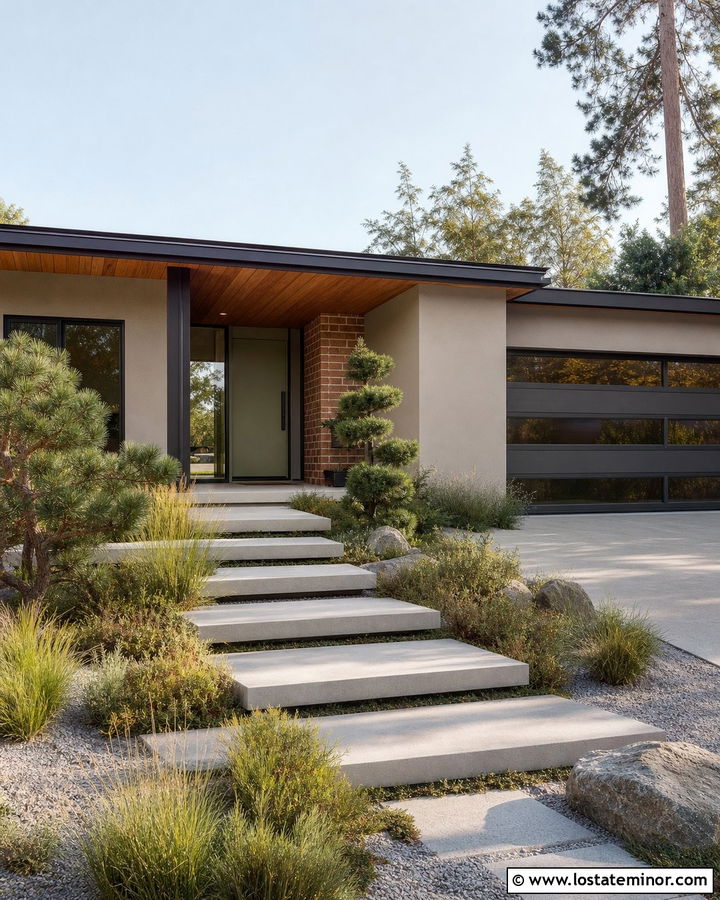
Long concrete slabs suit the low rooflines and horizontal emphasis of a midcentury home. Paint the exterior a muted greige-taupe, retain warm brick or stone walls, and frame the windows in dark bronze. Oversized rectangular steps can cross a shallow gravel garden before reaching a sheltered front door. Leave narrow planted spaces between selected slabs for a visually lighter effect. A mustard, olive, or burnt-orange door adds period-inspired color in a manageable amount. Natural wood soffits connect that accent with the warm taupe siding. Keep railings minimal where appropriate, using slim black metal when support is needed. Sculptural evergreens, ornamental grasses, and rounded boulders complement the architecture. This combination makes the route to the door an intentional part of the home’s strong geometric composition.
16. Taupe Mountain House With Fieldstone Steps
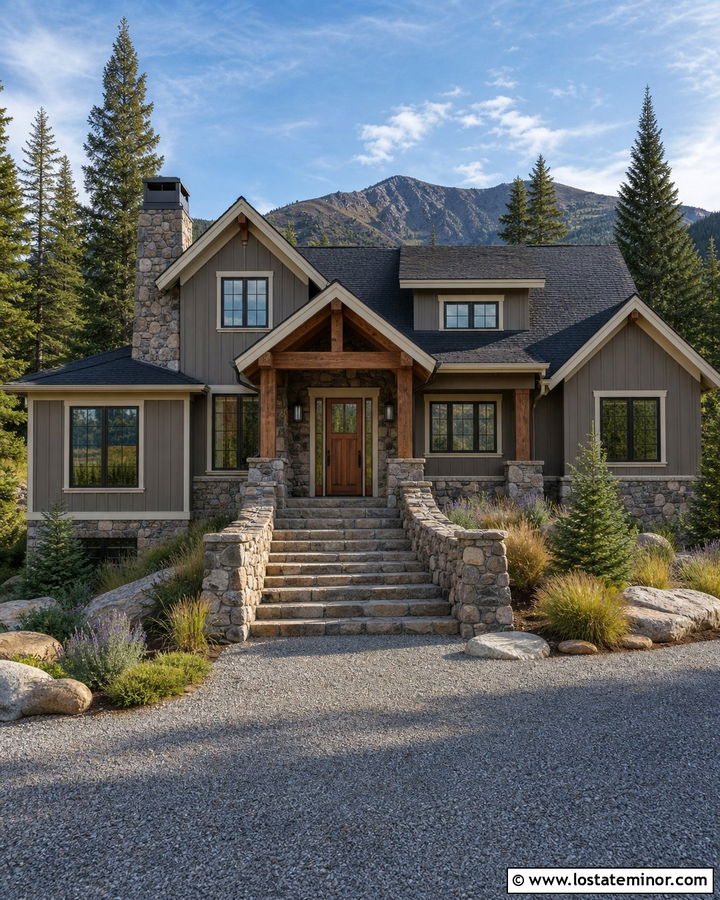
Imagine a taupe mountain home surrounded by evergreens, rugged stone, and warm timber. Deep earthy taupe siding blends naturally into this landscape, while cream trim keeps the windows visible beneath a dark charcoal roof. Build substantial fieldstone steps leading to a covered porch with exposed cedar beams. The stone should contain gray, brown, and muted tan shades to unite the siding, roof, and wood. Thick stone sidewalls can replace delicate railings, creating a sturdy entrance that suits the architecture. A stained fir door and black iron lights add practical contrast. Continue the fieldstone along the foundation and chimney so the steps never appear isolated. Native grasses, boulders, and layered conifers complete a low-maintenance setting that feels connected to the surrounding terrain.
17. Taupe Suburban House With Paver Steps
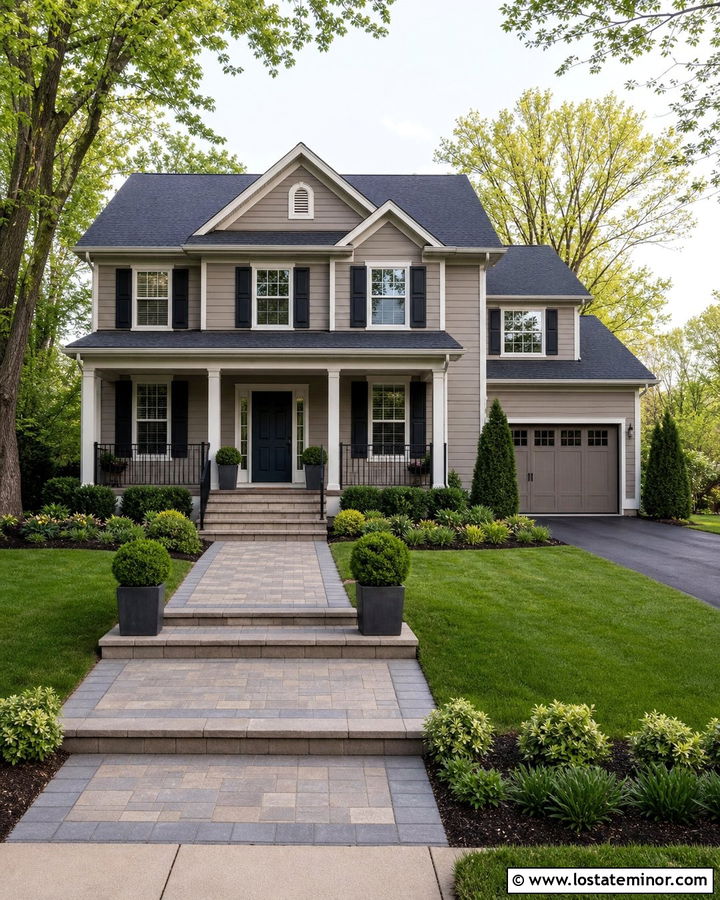
Pavers offer an approachable way to give a standard suburban exterior more detail. Choose balanced medium taupe siding, warm white trim, and a charcoal architectural-shingle roof. Build the front steps and landing from rectangular pavers in a blend of soft gray, beige, and brown. A staggered pattern adds texture while remaining orderly. Use the same pavers for the walkway, then border it with a darker tone that relates to black shutters and railings. A cranberry or deep teal door can provide a controlled focal point. Pair the entry with symmetrical planters and layered foundation shrubs for easy curb appeal. Because pavers come in many undertones, compare them directly with the siding outdoors. The best blend should support the taupe rather than making it appear unexpectedly pink or green.
18. Taupe Brick House With Granite Steps
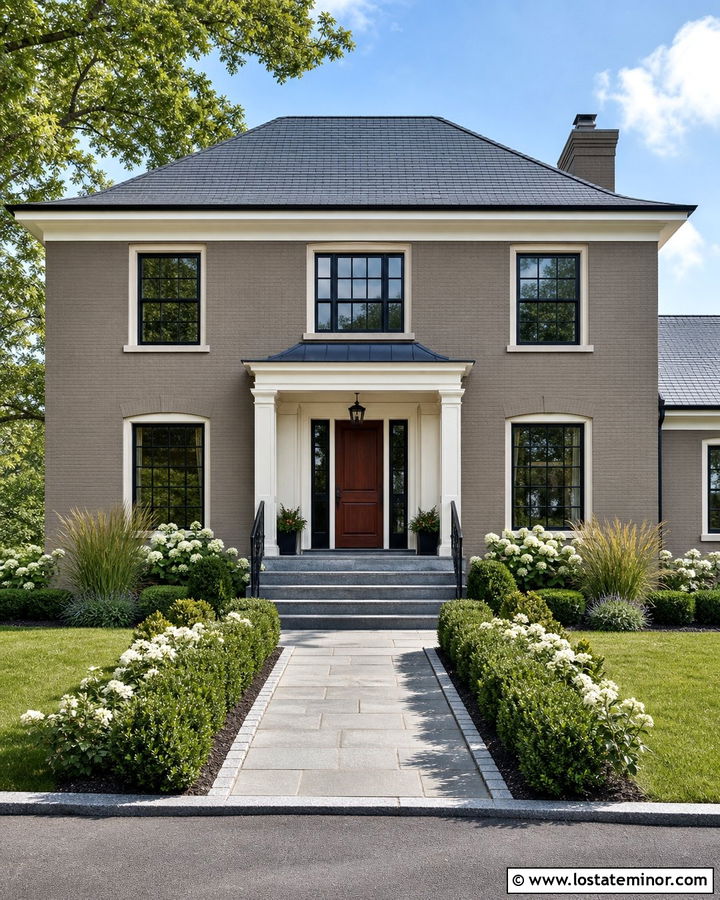
Painted taupe brick creates subtle texture that smooth siding cannot duplicate. Pair it with solid granite steps for a substantial, tailored entrance. A soft mushroom-taupe masonry finish works well with off-white trim, black windows, and a dark slate-colored roof. Choose medium gray granite with warm mineral flecks to prevent the steps from looking blue beside the taupe. A natural mahogany door introduces richness, while simple black railings repeat the window color. Keep the landing broad enough to match the visual weight of the brick facade. Granite edging along the walkway can reinforce the entrance without covering the entire yard in stone. Low boxwoods, upright grasses, and white flowering plants soften the masonry. This restrained material palette feels sophisticated and works on both traditional and transitional homes.
19. Taupe Board And Batten House With Cedar Steps
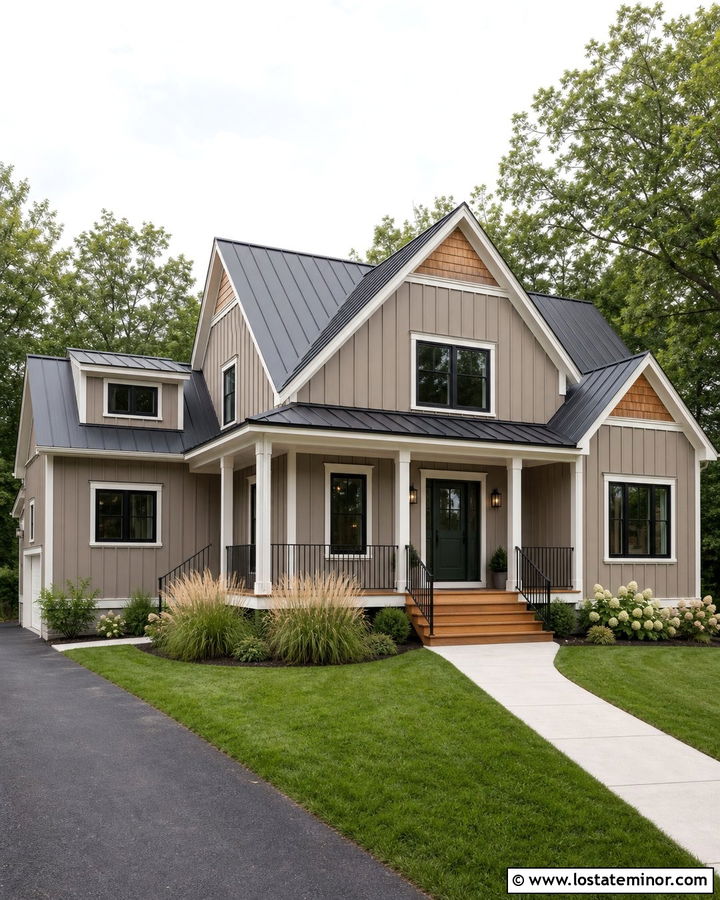
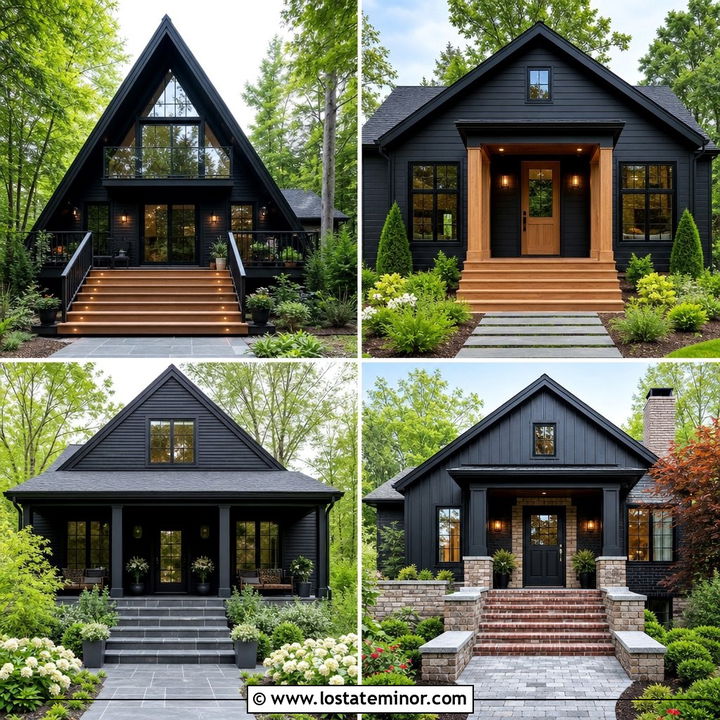
Vertical board-and-batten siding gives taupe a fresh, architectural appearance. Use a medium warm taupe across the main facade, then add cedar steps, porch decking, and small gable accents. Soft white trim can outline the windows and roof without overpowering the wood. A charcoal standing-seam roof and black-framed windows provide crisp contrast. Protect the cedar with a natural medium stain that complements the taupe rather than turning bright orange. Simple black railings keep the steps connected to the modern accents. A dark green front door adds quiet color and echoes the landscaping. Surround the porch with feather reed grass, low hydrangeas, and a straight concrete walkway. The vertical siding and horizontal stair treads create useful visual tension while the limited palette keeps the complete exterior composed.
20. Taupe House With Black Railings And Stone Steps
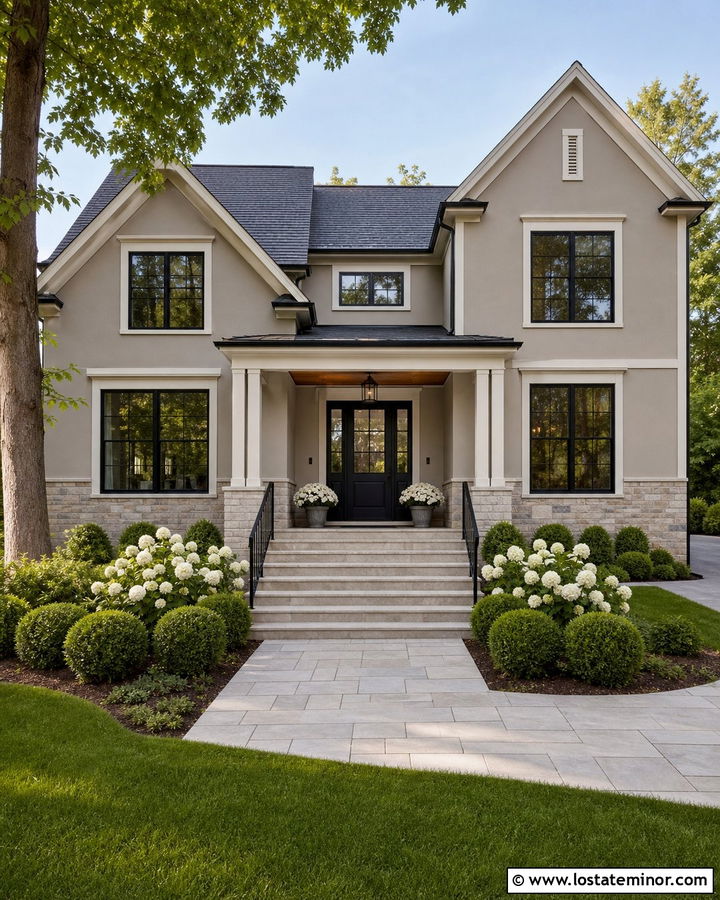
Black railings create a strong outline around pale stone steps and a light taupe facade. This scheme suits a transitional two-story home with taupe lap siding, creamy trim, and black windows. Choose broad gray limestone or bluestone treads with slightly warmer risers to connect the cool railings and brown-gray siding. Repeat black on the front door, porch lights, gutters, and small roof details. A wood-toned porch ceiling can prevent the high-contrast accents from feeling severe. Extend the stone into a rectangular landing and straight walkway for a polished entrance. Rounded shrubs and layered white flowers soften the dark lines. Keep the railing profile slender and simple. Heavy decorative scrollwork may compete with the clean color blocking and make the front steps appear narrower than they are.
21. Taupe House With White Railings And Brick Steps
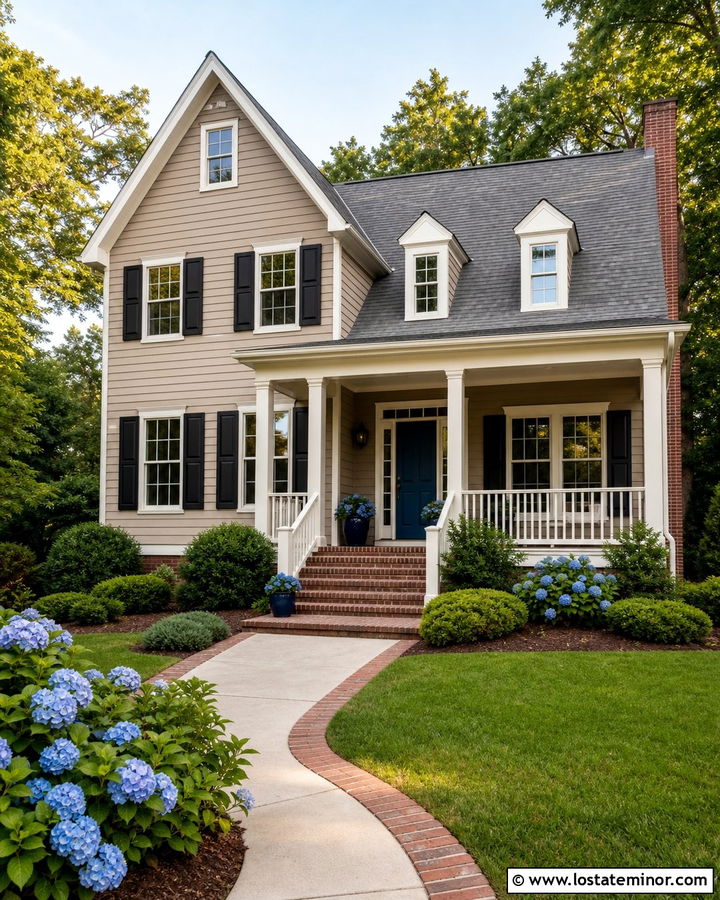
White railings brighten a taupe exterior and give brick steps a clean architectural frame. Choose soft taupe clapboard siding with warm white trim, railings, and porch columns. Use weathered red-brown brick for the stairs and landing, then select a dark navy door to create a classic focal point. A medium gray roof balances the stronger door and brick colors. Carry a narrow brick border along the concrete walkway to connect the entrance with the yard. White railings work especially well when their posts align with porch columns and window trim. Add evergreen shrubs, blue hydrangeas, and matching planters for a coordinated finish. Because bright white can feel sharp beside some taupes, choose a slightly creamy shade that complements the siding’s undertone and the mortar surrounding the brick.
22. Taupe House With Wood Railings And Concrete Steps
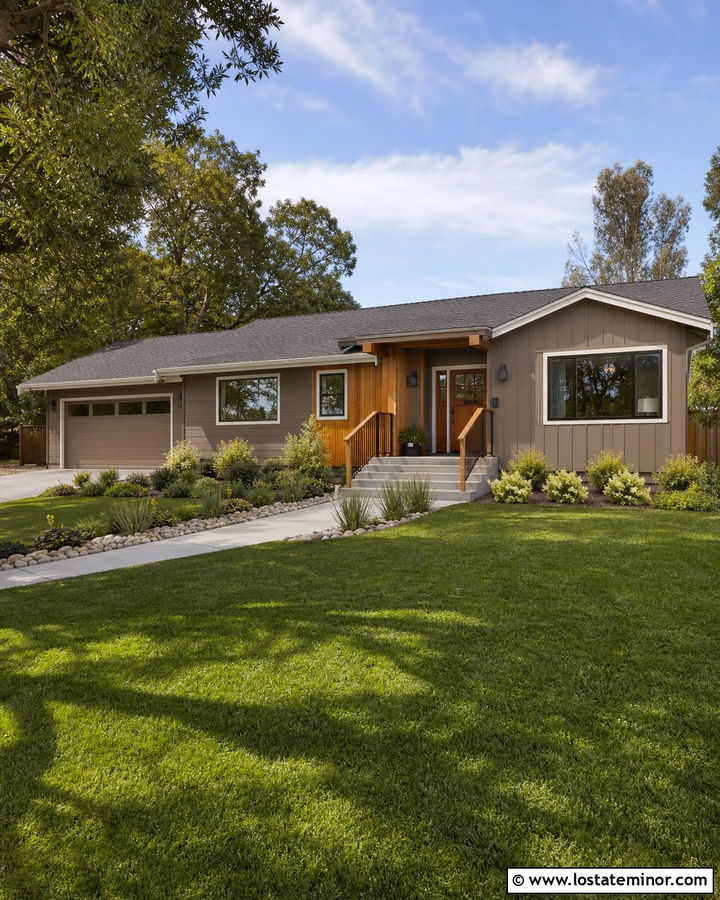
Wood railings can warm up practical concrete stairs without requiring a fully wooden porch. Cover a contemporary ranch or split-level home in midtone taupe siding with cream trim and a dark gray roof. Use smooth light gray concrete for the steps, then add cedar handrails and square posts in a medium brown stain. Repeat the cedar on the front door, soffits, or a narrow section of vertical siding. Black metal balusters will create contrast while keeping the rails visually open. A landing edged with river rock can transition naturally into a concrete walkway. Plant soft grasses and compact shrubs around the stair base to reduce the hard appearance of the masonry. This design balances affordable, durable surfaces with enough natural texture to make the entrance feel thoughtfully finished.
23. Taupe House With Covered Entry Steps
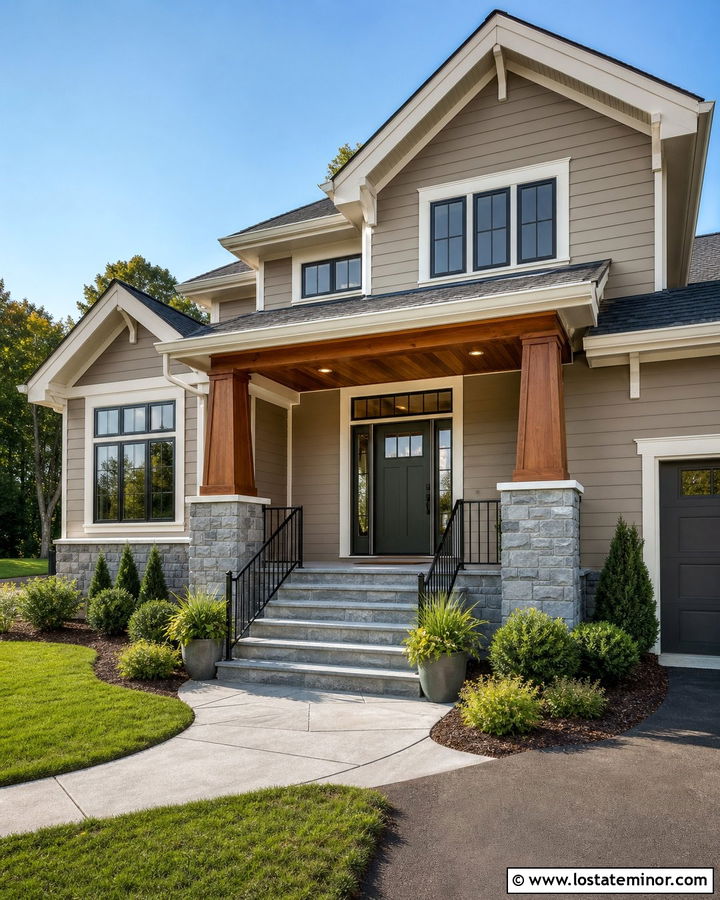
A covered entrance makes taupe feel especially cozy because it creates layers of light and shadow across the neutral facade. Try medium mushroom-taupe siding with cream trim, charcoal roofing, and a dark green front door. Wide stone steps can rise to a recessed porch supported by simple wood columns. Use matching stone around the column bases and lower facade to establish a strong visual foundation. A stained tongue-and-groove porch ceiling adds warmth overhead, while black lights and railings define the entry. Keep the steps broad enough to match the porch roof rather than using a narrow stair centered beneath a large structure. A gently curving walkway, balanced shrubs, and two substantial planters complete the approach. The finished entrance feels protected, proportional, and clearly connected to the house.
24. Taupe House With Curved Front Steps
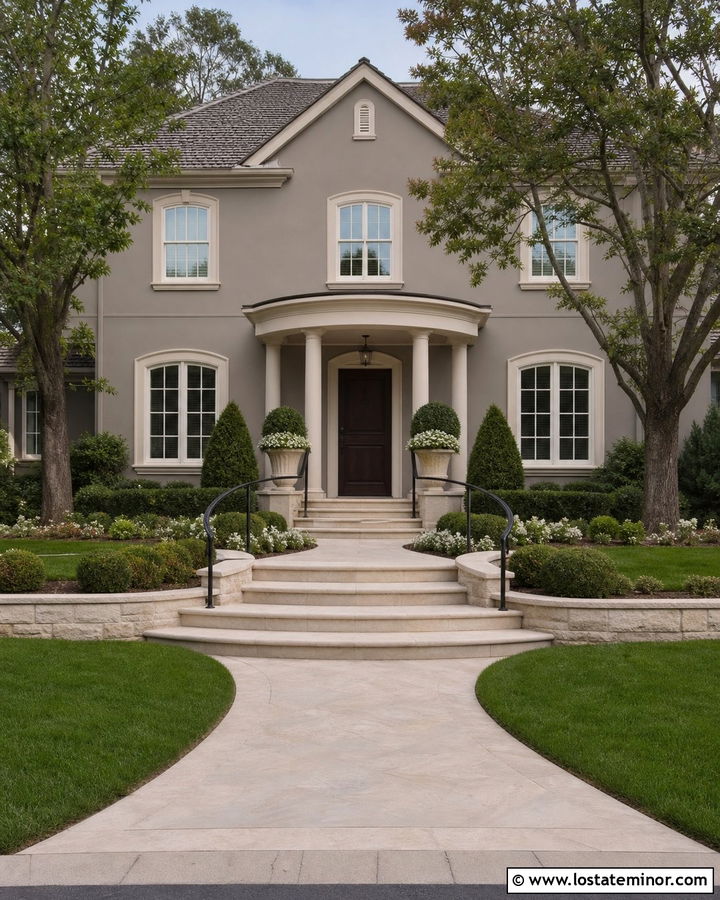
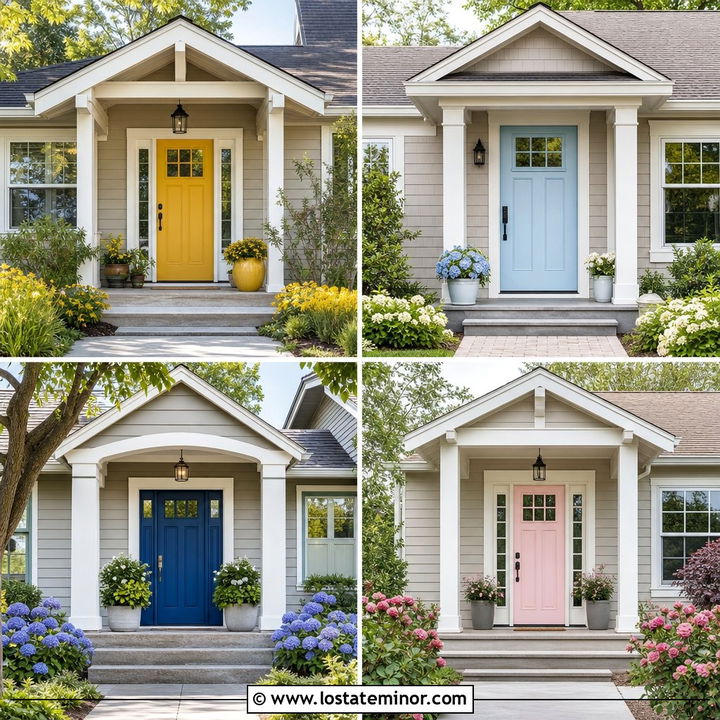
Curved steps can soften a formal taupe facade and create a graceful transition into the yard. Paint a traditional stucco or brick house warm taupe with ivory trim and a deep brown front door. Build shallow semicircular steps from limestone, brick, or cast stone in a complementary beige-gray color. The lowest tread should be the widest, visually opening the entrance toward the walkway. Curved black handrails can follow the stair shape without hiding the masonry. Repeat the step material in porch edging, garden borders, or a small circular landing. Symmetrical planters and rounded shrubs support the gentle geometry. Avoid mixing too many competing curves elsewhere. The steps should remain the main shaping feature, while straight windows, columns, and rooflines provide enough structure to keep the exterior balanced.
25. Taupe House With Narrow Front Steps
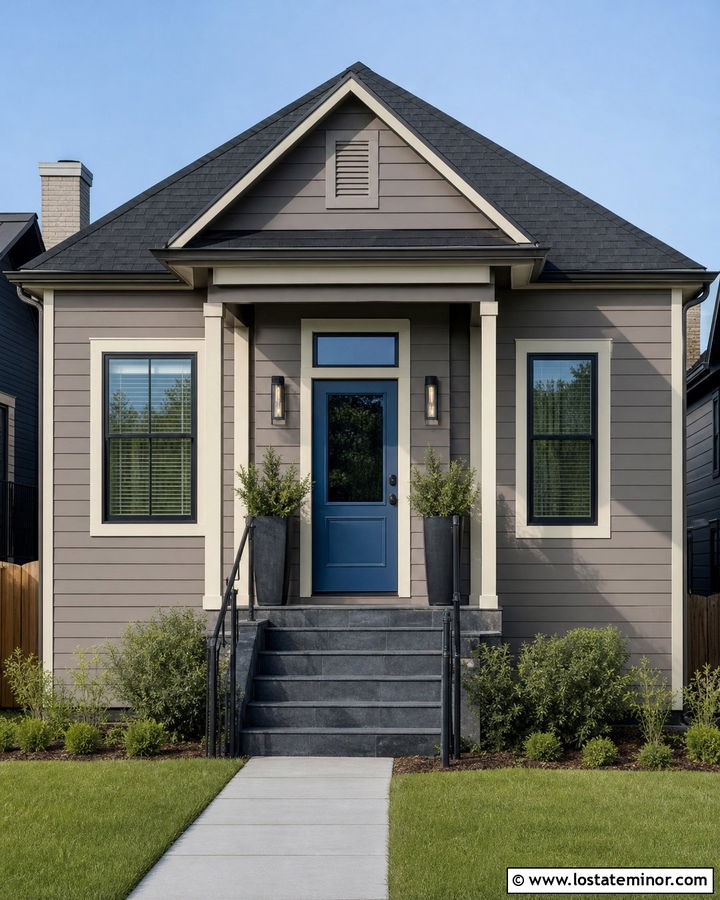
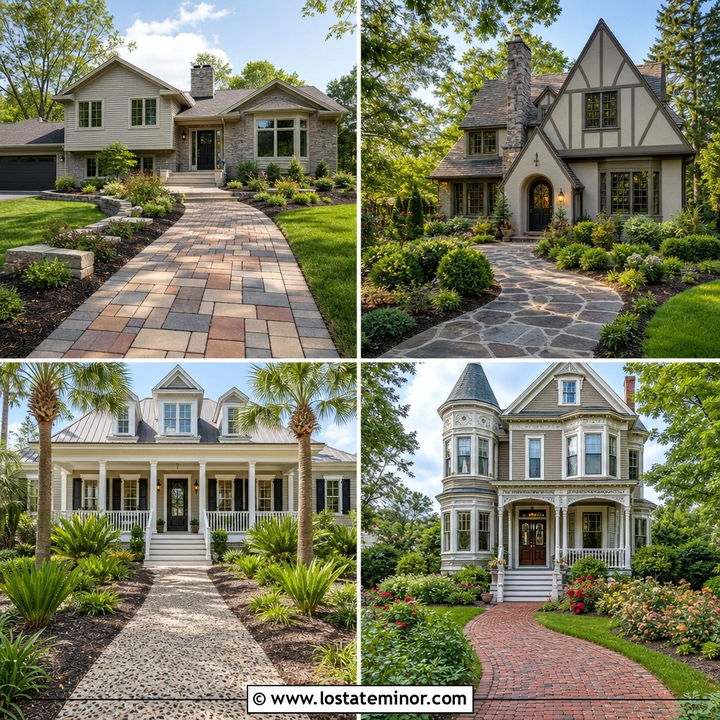
A narrow entrance can still look polished when the entire exterior directs attention toward it. Use light taupe siding, bright cream trim, and a saturated blue or green door on a compact row house, cottage, or urban bungalow. Cover the narrow concrete steps with dark gray stone treads to create clear contrast. Slim black railings preserve as much visual width as possible. Place tall planters on the landing rather than crowding individual treads. Vertical porch lights and a narrow transom window can make the entrance appear taller. Connect the steps to a straight walkway with a consistent material or border. Keep shrubs low near the stair opening so they do not close in the approach. These choices turn limited space into a tidy focal point instead of emphasizing the narrow dimensions.
26. Taupe House With Wide Front Steps
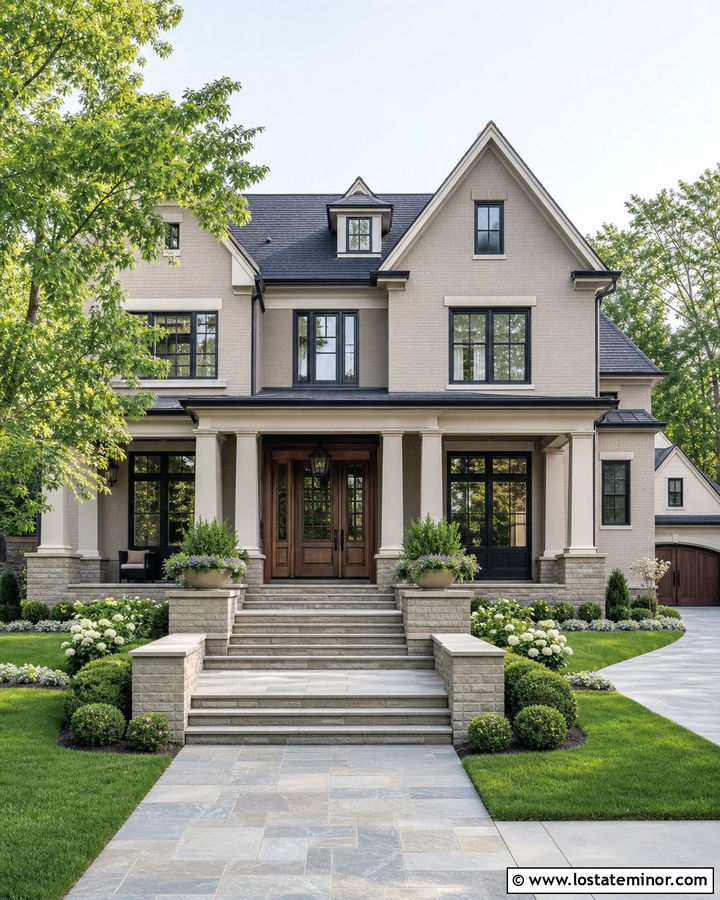
Wide front steps create an inviting transition between a large lawn and a substantial taupe home. Choose medium taupe siding or painted brick, off-white trim, and a black or dark bronze roof. Build expansive stone steps that stretch between the porch columns, using warm gray treads and taupe-toned risers. Low masonry walls can frame the sides and provide space for integrated planters. A stained double front door adds warmth at the center of the broad facade. Repeat the stone along the foundation and in the walkway to establish continuity. Use symmetrical landscaping, but vary plant height to avoid a rigid appearance. The steps should align with the porch and central doorway. When properly proportioned, they make a large house feel approachable while giving the entire entry a strong sense of permanence.
27. Taupe House With Side Entry Steps
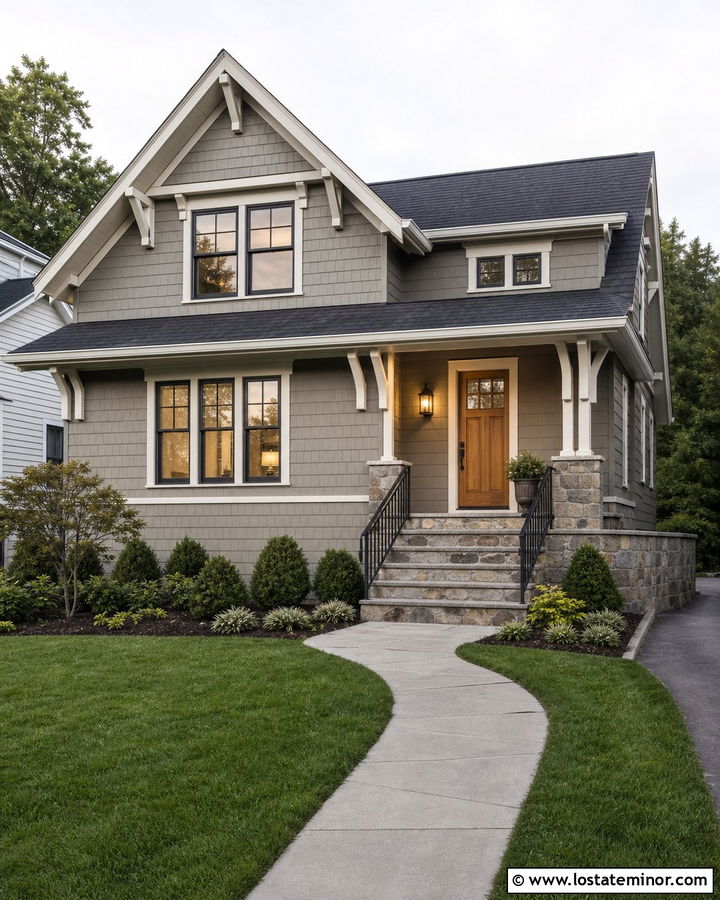
Side-facing entry steps can preserve a clean front elevation while making the approach feel more private. This arrangement suits a taupe cottage, Craftsman, or narrow suburban home with a small covered porch. Use warm gray-taupe siding, cream trim, a dark roof, and a natural wood door. Wrap the porch in stone, then position matching steps along one side with simple black railings. A curved walkway should guide visitors toward the stair opening instead of stopping directly in front of the porch wall. Add a prominent light fixture, address marker, and planter near the first step to clarify the route. Foundation shrubs can screen the stair sides without hiding them. The completed design maintains strong curb appeal from the street while creating a sheltered, layered journey to the entrance.
28. Taupe House With Double Stair Entry
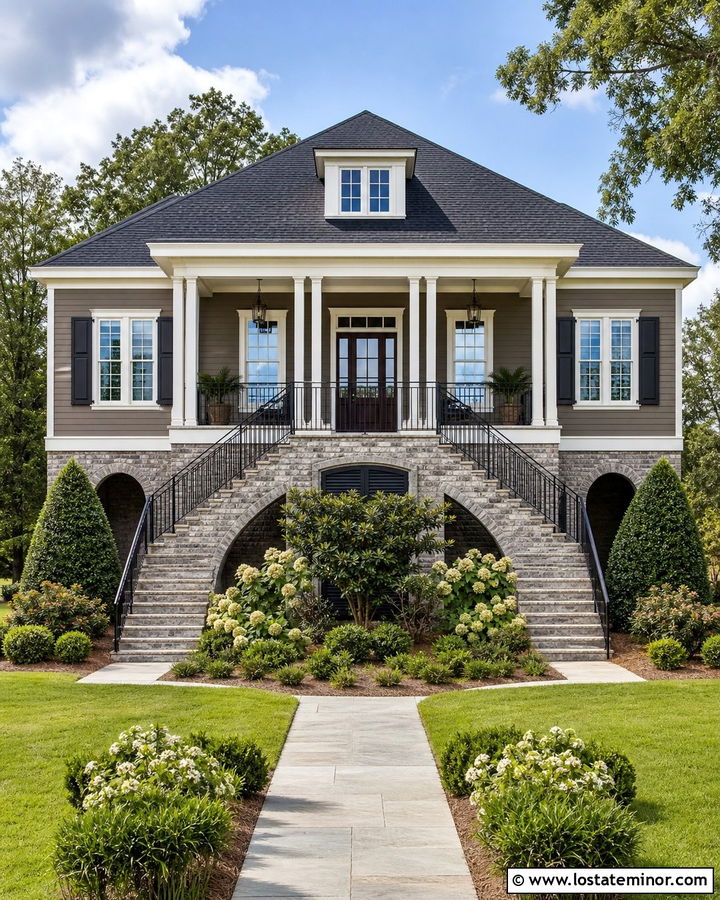
A double stair entry creates symmetry and presence on a raised taupe home. Two short stair runs can approach a shared central porch from opposite sides, leaving room for landscaping in front. Use medium brown-gray taupe siding, warm white trim, and a charcoal roof. Finish the steps with light gray stone and install black railings that trace both sides evenly. A dark stained front door should remain visible between the stair runs as the main focal point. Wrap the elevated foundation in matching stone to prevent the porch from appearing unsupported. Fill the central garden bed with clipped evergreens, flowering shrubs, and low ground cover. This layout works best on a broad facade where each stair has enough space. Careful alignment keeps the arrangement elegant rather than overly complicated.
29. Taupe House With Resurfaced Concrete Steps
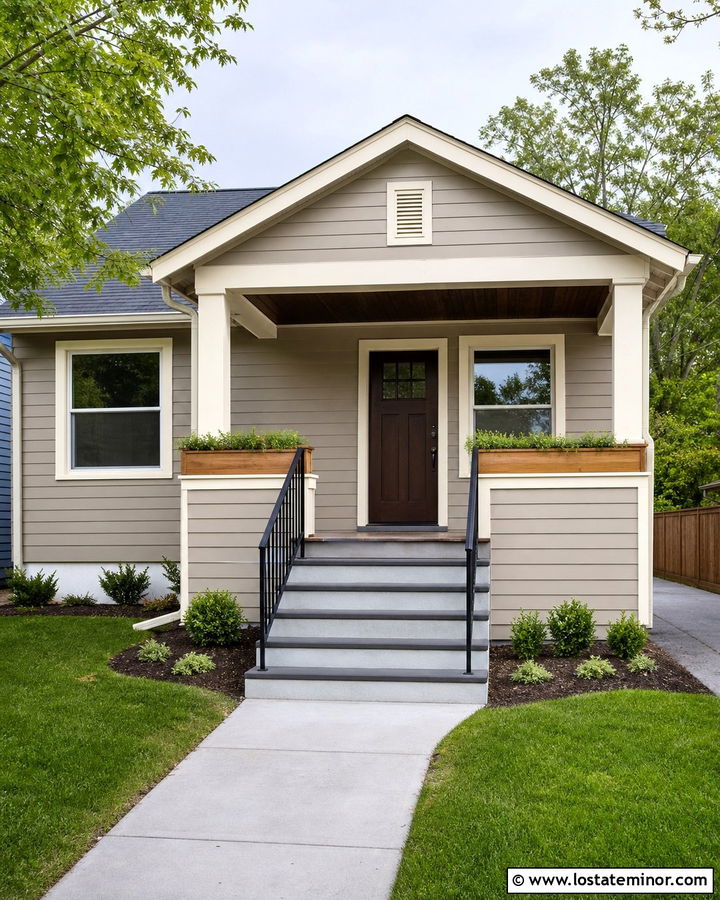
Updating existing concrete steps can transform a taupe exterior without rebuilding the entire entrance. Start with a warm light taupe body color, creamy trim, and a charcoal or deep brown front door. Repair damaged areas, then apply an exterior-rated resurfacing finish in a medium warm gray. A slightly darker border along the tread edges can add definition and coordinate with black railings. Repeat the same gray on the porch floor for a continuous appearance. Introduce cedar planters or a stained wood door to soften the concrete and siding. Fresh mulch, compact shrubs, and a clean walkway will make the practical upgrade feel complete. Always choose coatings intended for exterior foot traffic and local weather. The refreshed steps should look integrated with the house, not like a temporary painted patch.
30. Taupe House With Gradual Steps And Landings
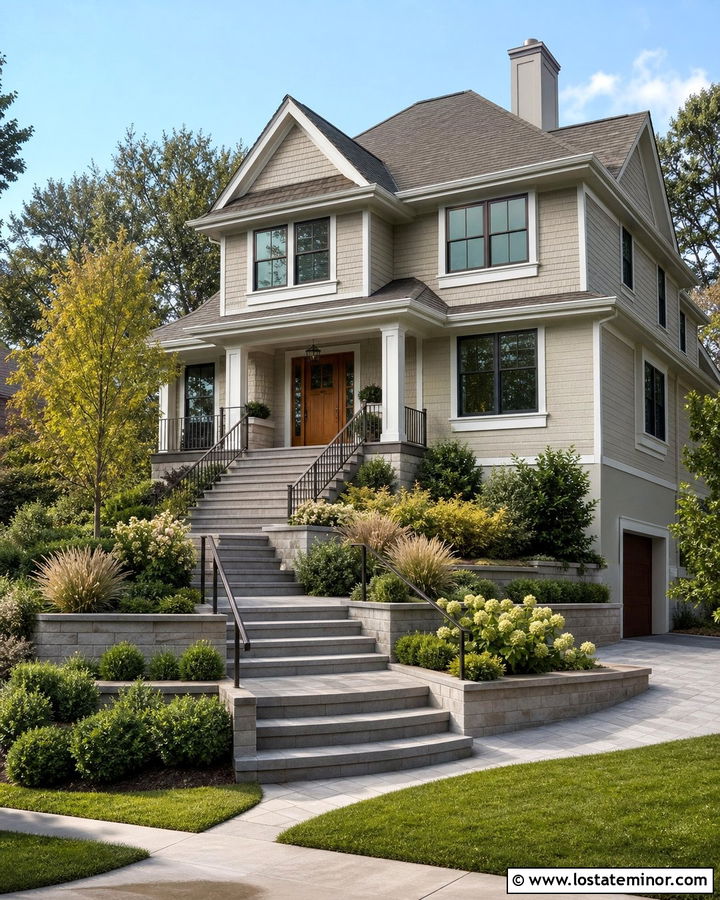
Gradual steps with intermediate landings create a comfortable approach to an elevated taupe home. Choose balanced greige-taupe siding, off-white trim, dark bronze windows, and a medium gray roof. Break the total rise into short stair groups connected by generous rectangular landings. Warm gray pavers or textured concrete can provide a unified walking surface. Use sturdy bronze or black handrails that coordinate with exterior lights and window frames. Low retaining walls can hold layered shrubs and ornamental grasses beside each landing, making the route feel like part of the landscape. A natural wood front door brings warmth to the upper entrance. Dimensions, handrails, drainage, and surface traction should be planned with a qualified local professional so the finished design meets applicable requirements and remains practical in changing weather.
Conclusion:
The strongest taupe exteriors coordinate every surface from the roofline to the first step. Brick adds traditional warmth, stone creates permanence, wood brings natural texture, and concrete supports clean modern lines. Trim, doors, railings, and landscaping should connect those materials instead of competing with them. When reviewing these **30 Taupe House Design With Steps Ideas**, consider your home’s architecture, elevation, climate, and existing permanent finishes. Test taupe samples in sun and shade, and compare step materials beside the actual facade. Most importantly, treat the stairs as an architectural feature rather than an afterthought. A coordinated entrance can make even a simple taupe exterior look more welcoming, balanced, and complete.

Related posts: