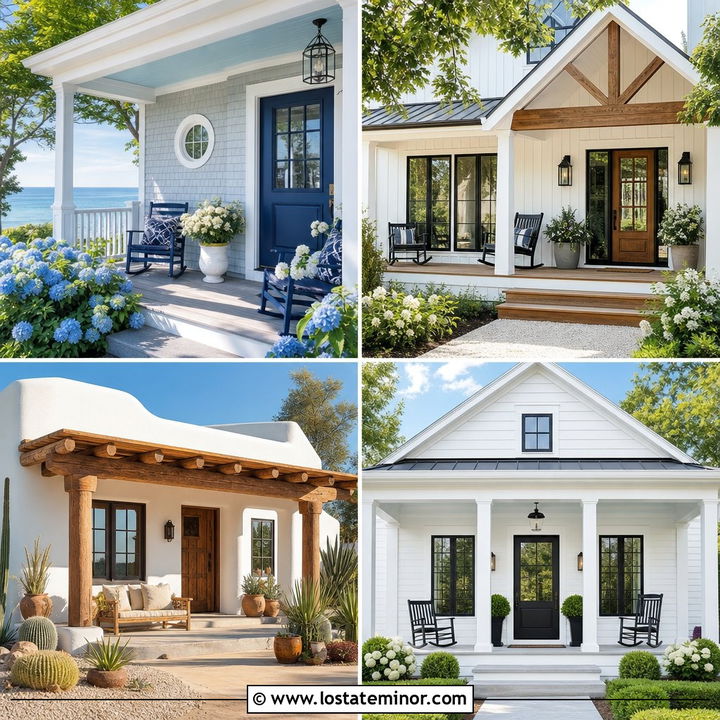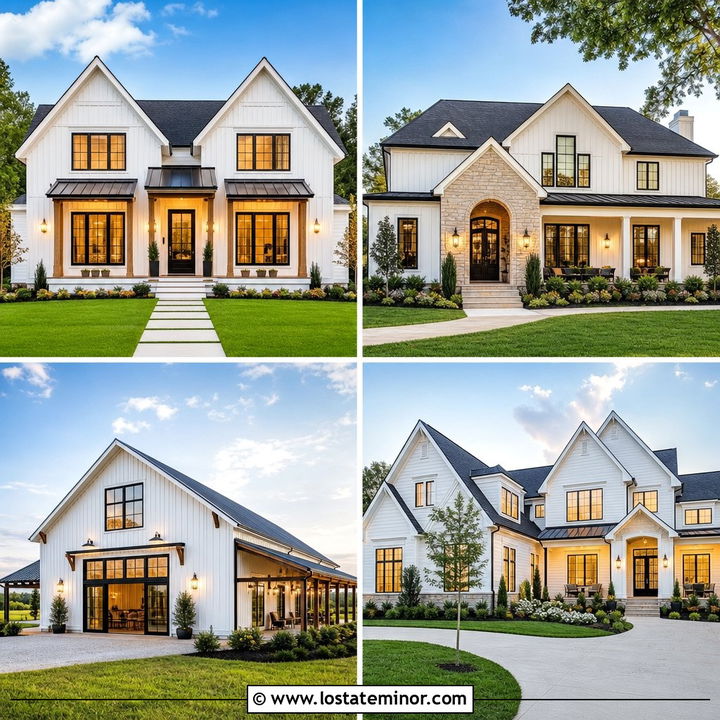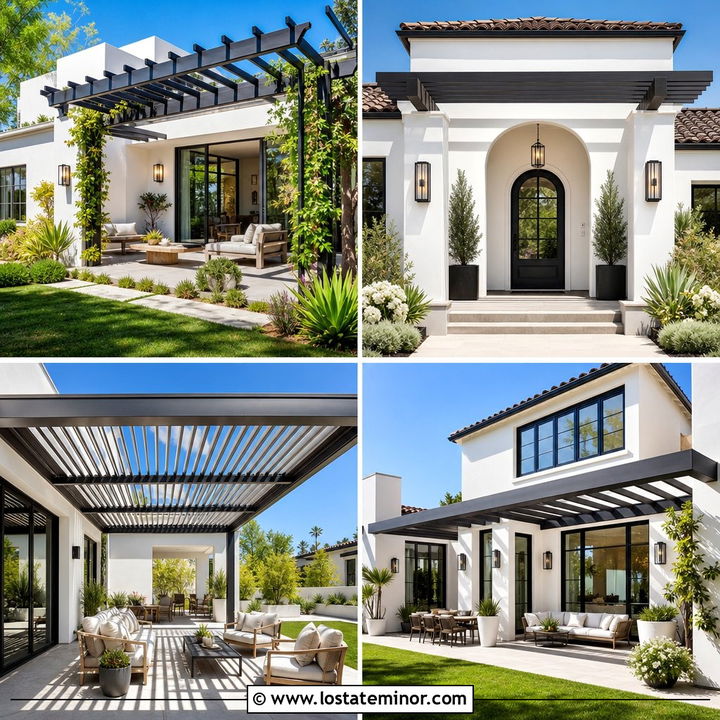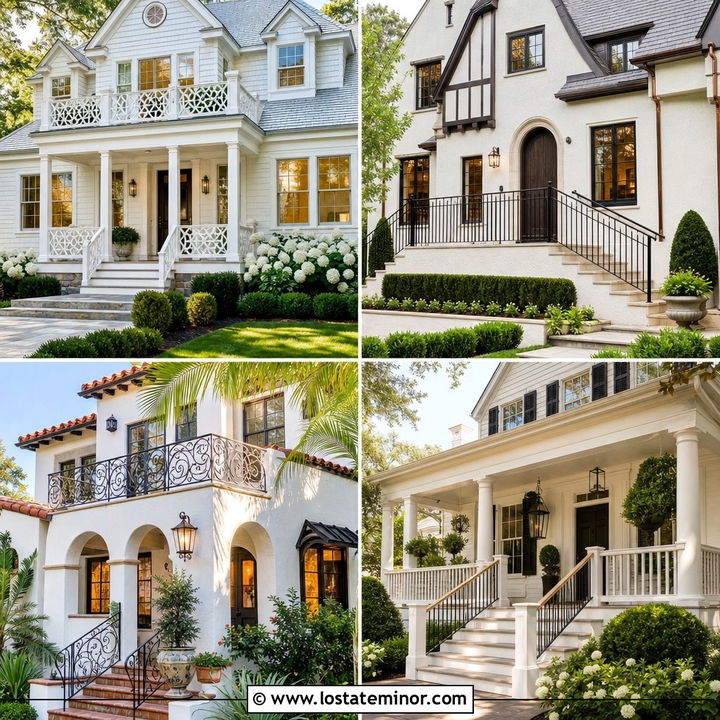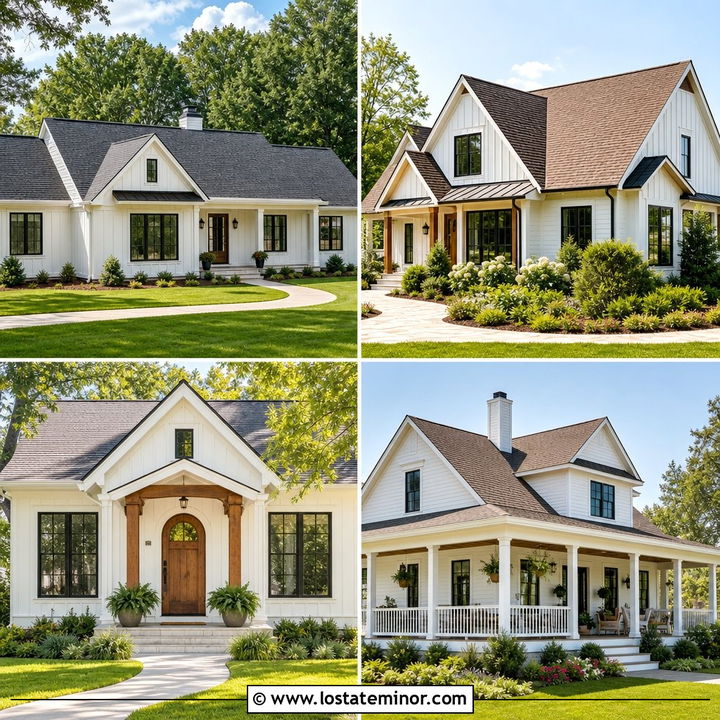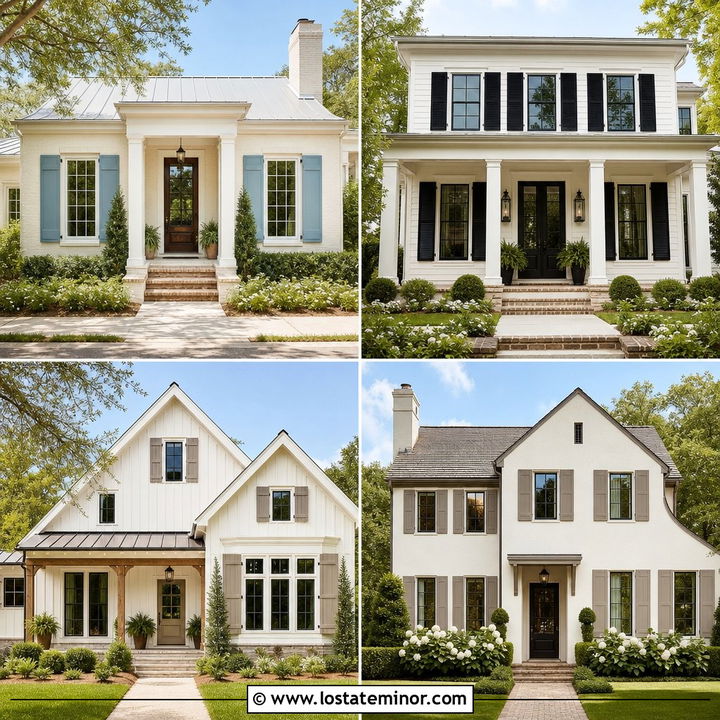
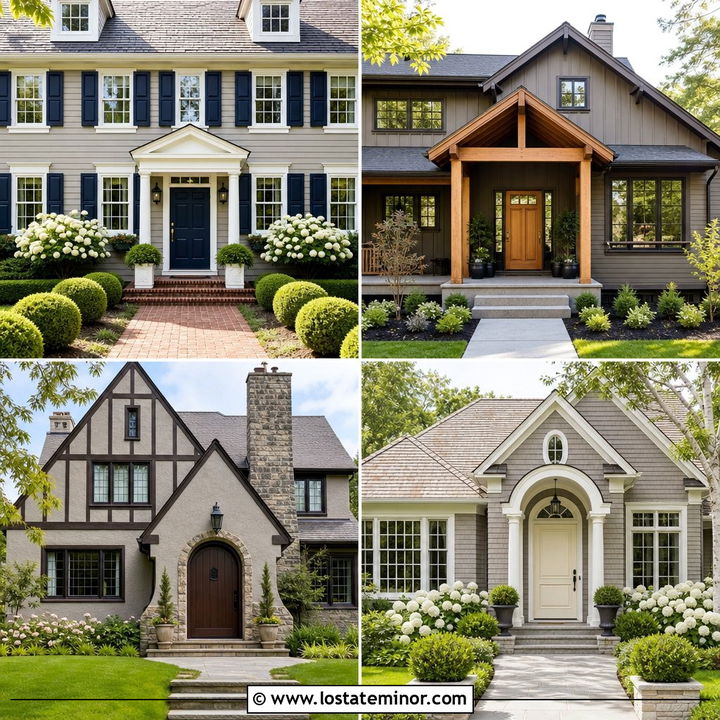
Warm white exteriors feel softer and more welcoming than stark white, especially when paired with fences that add texture, contrast, and architectural character. Current exterior trends favor layered neutrals, natural wood, earthy colors, and organic materials, making this palette especially relevant for updated curb appeal. () The right fence can frame the property, connect the house to its landscaping, and make a simple facade look thoughtfully finished. Depending on your home, that may mean a traditional picket fence, streamlined cedar slats, dark metal panels, or a low stone wall. The following 30 Warm White House Design With Fence Ideas explore complete exterior schemes for different architectural styles, lot sizes, and design preferences.

1. Warm White Farmhouse With White Picket Fence
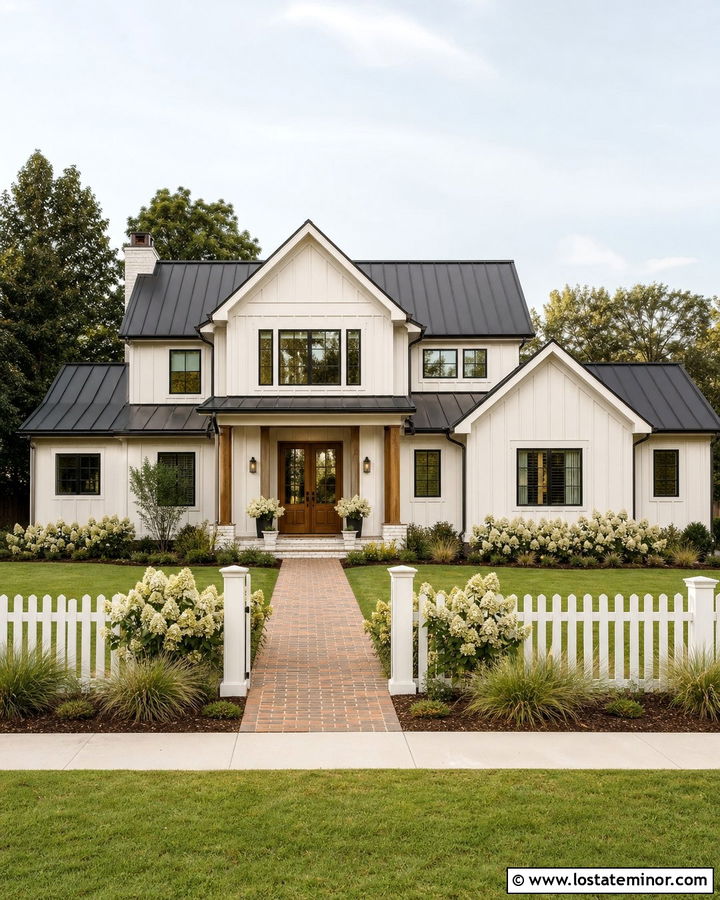
A warm white farmhouse and white picket fence create a clean look without making the property feel cold or overly formal. Choose creamy white board-and-batten siding, then use a slightly brighter white on the window trim, porch columns, and fence. The subtle contrast helps every detail remain visible. A stained oak front door introduces warmth, while matte bronze lights add understated definition. Continue the farmhouse character with a standing-seam charcoal roof and simple black-framed windows. Keep the fence low enough to preserve the view of the porch. Hydrangeas, ornamental grasses, and a straight brick walkway can soften the repeated white surfaces. This complete scheme feels familiar, polished, and welcoming from the street.
2. Warm White Cottage With Cedar Fence
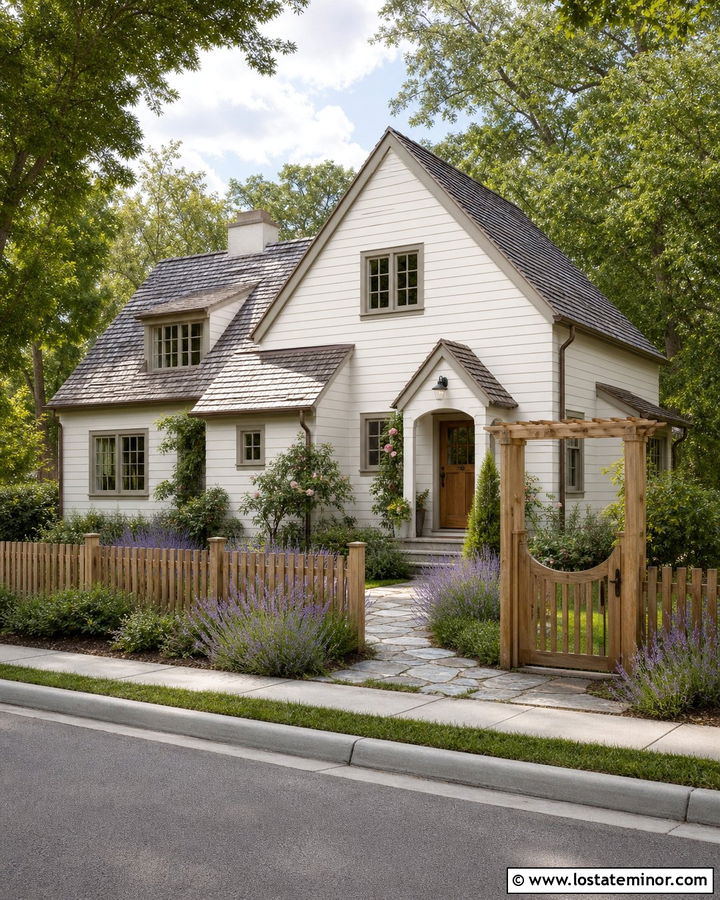
Picture a small warm white cottage surrounded by flowers and a naturally stained cedar fence. Creamy lap siding provides a light background, allowing the golden wood grain to become the main accent. Repeat the cedar on the front door, porch ceiling, or window boxes so the fence does not look disconnected from the house. Soft taupe trim can gently outline the windows without creating sharp contrast. A weathered gray roof keeps the palette quiet and balanced. For a cozy entrance, use an arbor-style cedar gate aligned with a curved stone walkway. Lavender, climbing roses, and loose perennial beds will make the boundaries feel less rigid. The finished exterior looks private and established while retaining the cottage’s cheerful personality.
3. Warm White Ranch With Black Horizontal Fence
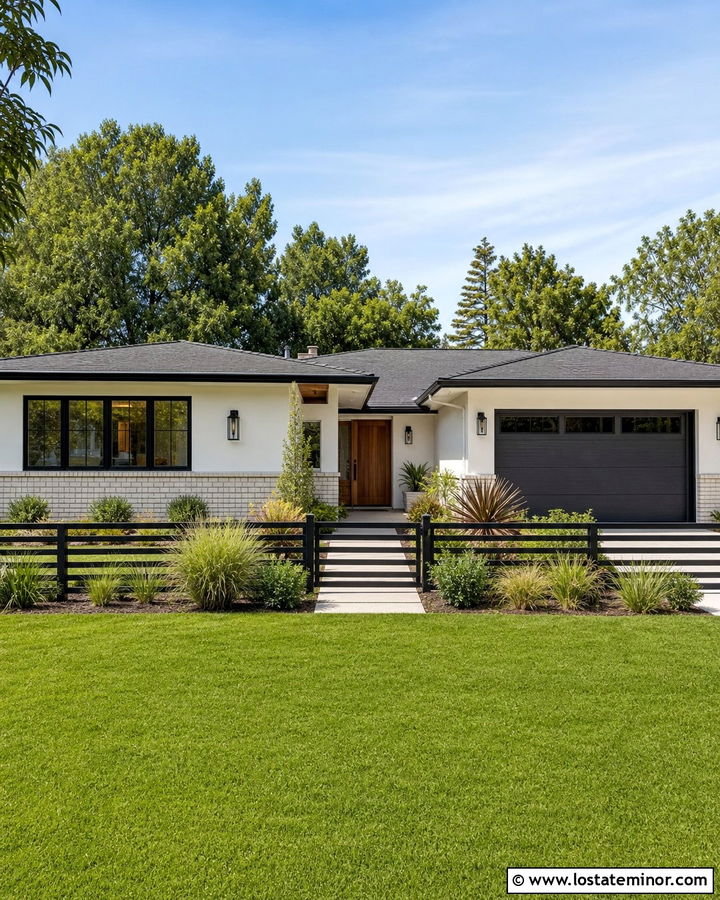
A single-story ranch can gain stronger curb appeal from a black horizontal fence and a warm white exterior. Paint the siding a soft ivory rather than a bright white, then carry charcoal black across the fence, gutters, garage door trim, and window frames. These dark lines visually sharpen the long, low architecture. A walnut front door and matching porch posts prevent the scheme from feeling too graphic. If the house has brick, consider a light limewash that lets some original variation show through. Use a relatively low fence in the front yard and taller panels beside the house for privacy. Broad planting beds filled with grasses, boxwoods, and drought-tolerant plants reinforce the ranch’s horizontal proportions while softening the dark boundary.
4. Warm White Colonial With Brick And Iron Fence
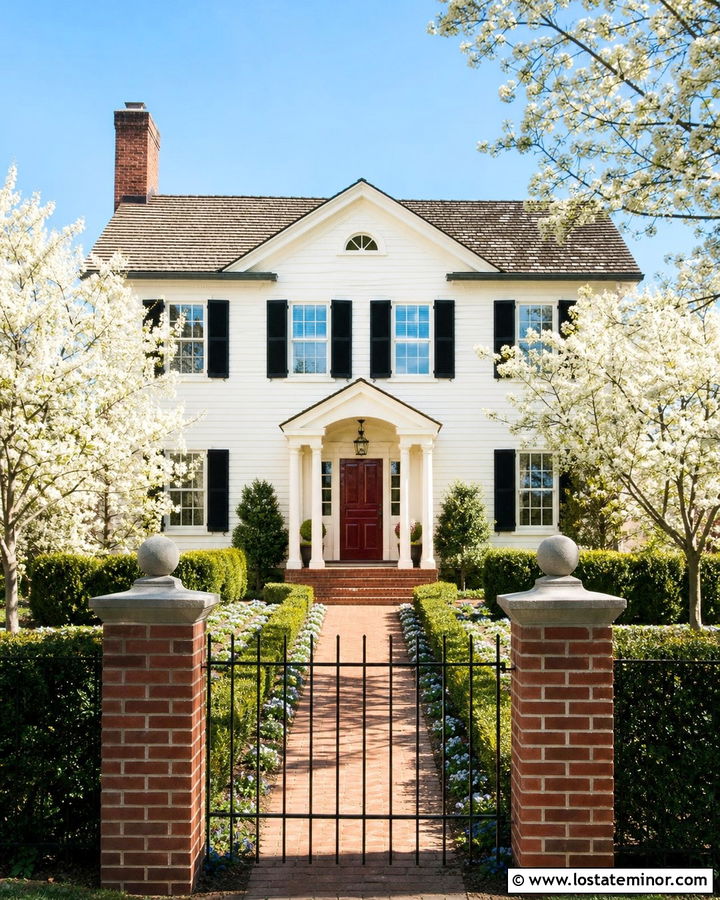
Traditional architecture works beautifully with a warm white Colonial house, red brick pillars, and a black iron fence. The warm siding complements the earthy brick better than a cool, blue-toned white would. Use crisp cream trim around symmetrical windows, while deep black shutters connect visually to the ironwork. A glossy burgundy or dark walnut front door brings another historical note to the facade. The brick pillars should match or closely relate to the walkway and chimney, creating continuity across the property. Choose slender iron pickets with restrained finials rather than elaborate ornamentation. Formal hedges, small flowering trees, and a straight path to the entrance support the home’s balanced design. The overall effect is elegant, established, and appropriately detailed.
5. Warm White Craftsman With Stained Wood Fence
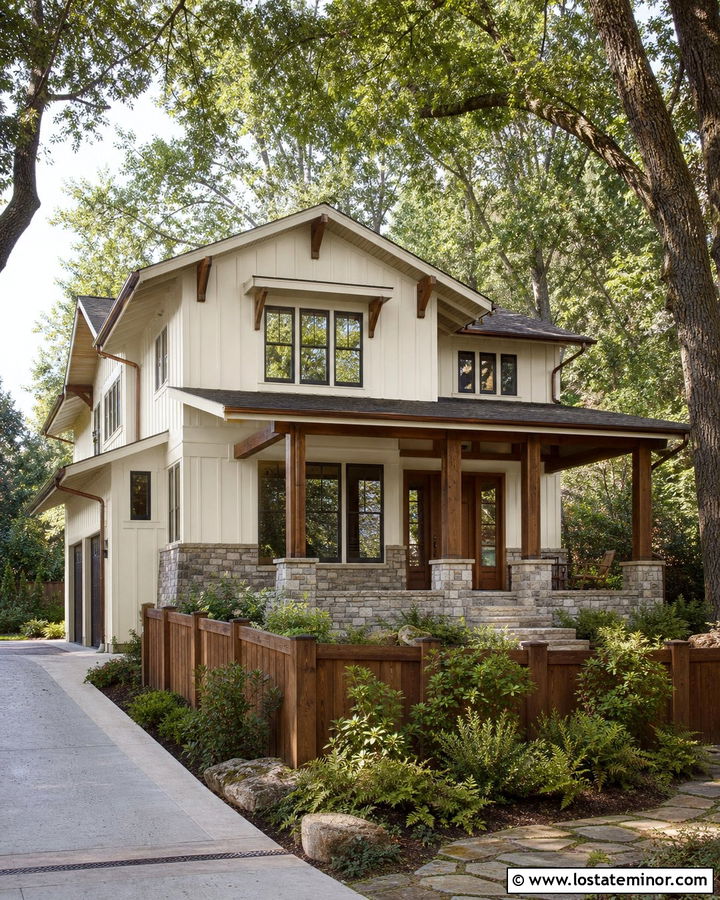
Rich wood details can bring out the comfortable character of a warm white Craftsman house. Start with creamy horizontal siding and slightly lighter trim under the deep roof overhangs. Add a medium walnut fence featuring substantial square posts and simple vertical boards. Repeat the same stain on the front door, porch beams, and gable brackets. A foundation of warm gray stone gives the light siding more visual weight, while bronze windows and fixtures coordinate with the brown undertones. Consider a fence with stepped sections that follow the landscape instead of forming one rigid line. Native shrubs, ferns, and a flagstone walkway help the exterior settle naturally into its surroundings. This layered palette emphasizes craftsmanship without making the facade feel heavy.
6. Warm White Bungalow With Sage Green Fence
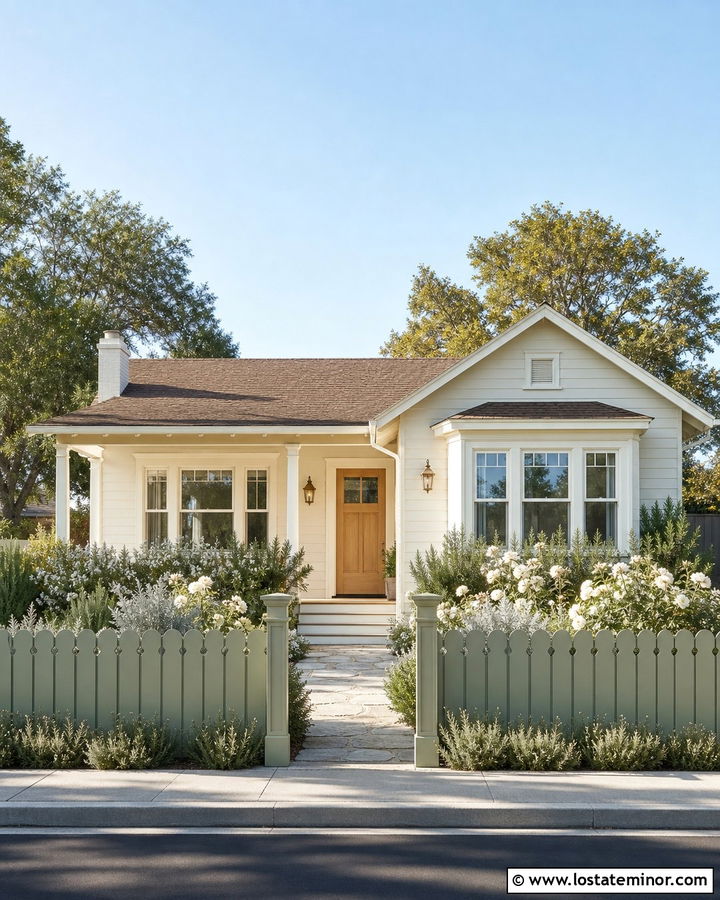
Would you like a colorful fence that still feels calm? Pair a warm white bungalow with a muted sage green fence. Soft ivory siding keeps the compact house bright, while the gentle green adds personality around the yard. Use the same sage on window boxes or porch furniture, but keep the front door natural oak or deep brown for balance. Warm cream trim, a brown shingle roof, and aged brass lighting support the relaxed palette. A scalloped or square-top fence can reinforce the bungalow’s approachable design. Surround it with rosemary, white roses, and silvery foliage to connect the green paint to the garden. This combination is especially effective when you want color without overpowering a small facade or making the boundary look visually heavy.
7. Warm White Cape Cod With Low White Fence
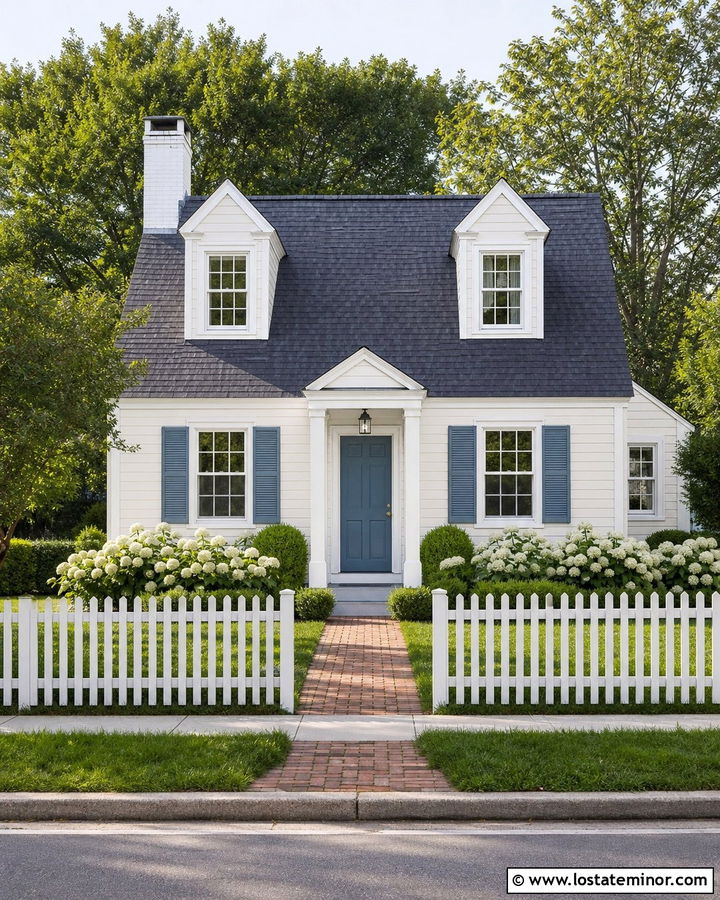
The classic symmetry of a Cape Cod house looks especially polished behind a low white fence. Use a warm white such as a soft linen shade on the shingles or clapboard siding, then select a cleaner white for the fence, corner boards, and window casings. Muted blue shutters and a matching front door provide a coastal accent without turning the exterior into a strong theme. A charcoal shingle roof anchors the pale palette and defines the steep roofline. Keep the pickets simple and closely spaced, with a centered gate aligned to the entrance. Boxwood borders, white hydrangeas, and a gravel or brick walkway add structure. The result feels traditional and fresh, with enough warmth to avoid a stark or overly bright appearance.
8. Warm White Modern House With Slatted Wood Fence
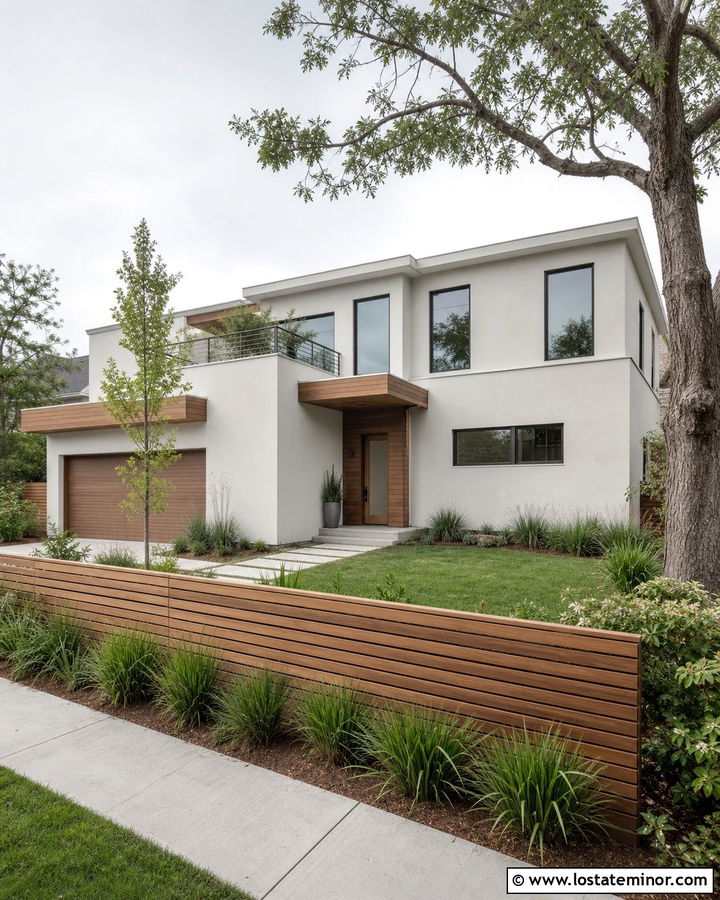
Clean architecture becomes more inviting when a warm white modern house is paired with a slatted wood fence. Choose a creamy off-white stucco or smooth fiber-cement finish for the main facade. Install horizontal cedar slats with narrow, even gaps to provide privacy without creating a solid visual barrier. Matching cedar can appear beneath the entry canopy, around the garage, or beside the front door. Bronze or dark charcoal window frames deliver softer contrast than pure black. Keep the landscaping architectural with concrete pavers, ornamental grasses, sculptural shrubs, and one small feature tree. Integrated lighting along the walkway can highlight the materials after sunset. Together, the warm walls and natural fence create a minimalist exterior that still feels comfortable, textured, and connected to the landscape.
9. Warm White Tudor With Dark Bronze Fence
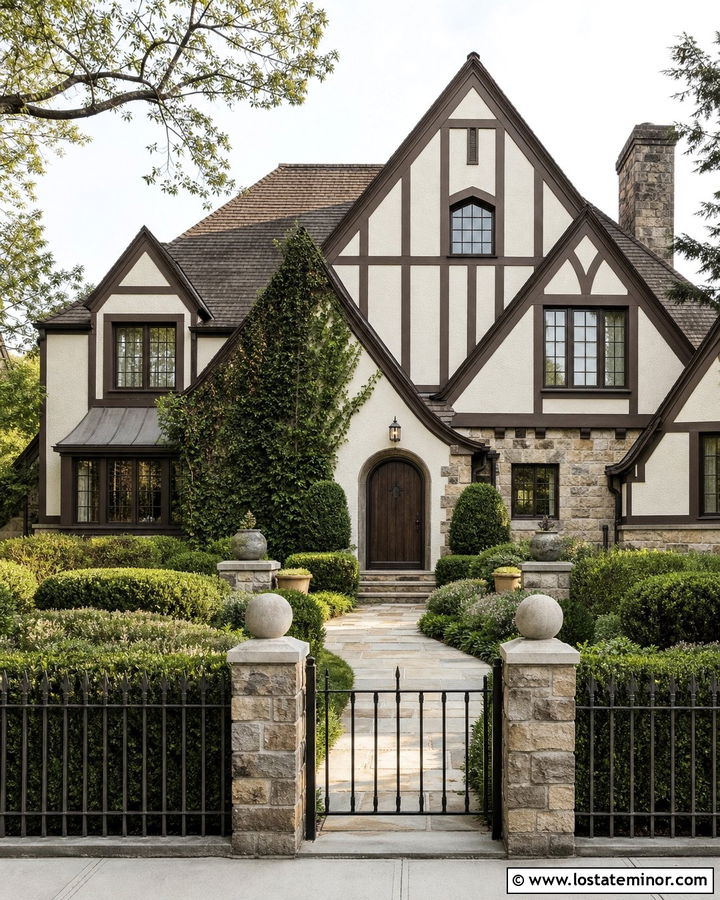
A Tudor facade can look lighter and more refined with warm white stucco, dark brown timber details, and a bronze metal fence. The off-white body highlights steep gables and decorative half-timbering without fighting the home’s historical features. Use deep chocolate on the trim rather than harsh black, then repeat that warmth through bronze fence panels, gutters, and exterior lights. A stained arched front door becomes a natural focal point. If the lower facade includes stone or brick, preserve its variation instead of painting everything one color. Choose a fence with narrow vertical bars and sturdy masonry posts. Layered hedges, ivy, and curved planting beds soften the boundary. This scheme respects the Tudor architecture while giving the entire property a brighter, cleaner appearance.
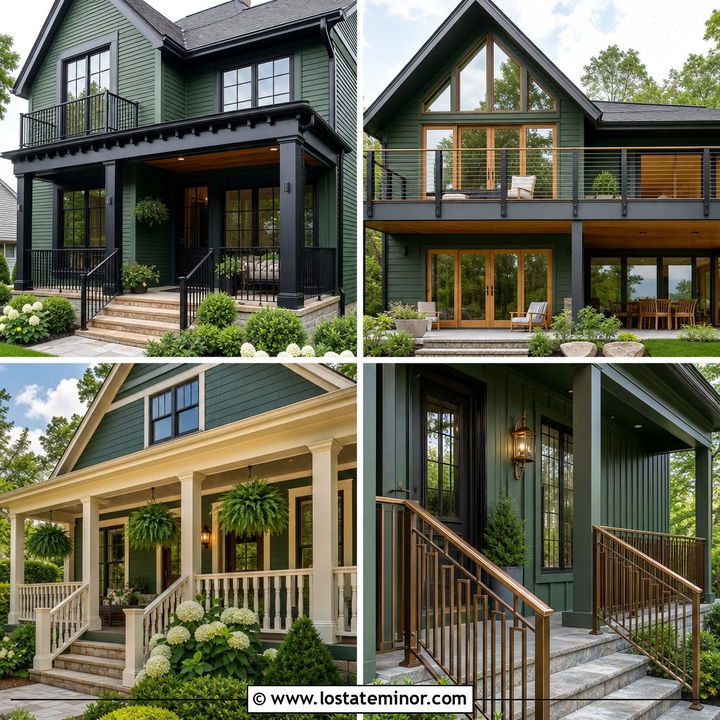
10. Warm White Mediterranean House With Stucco Wall Fence
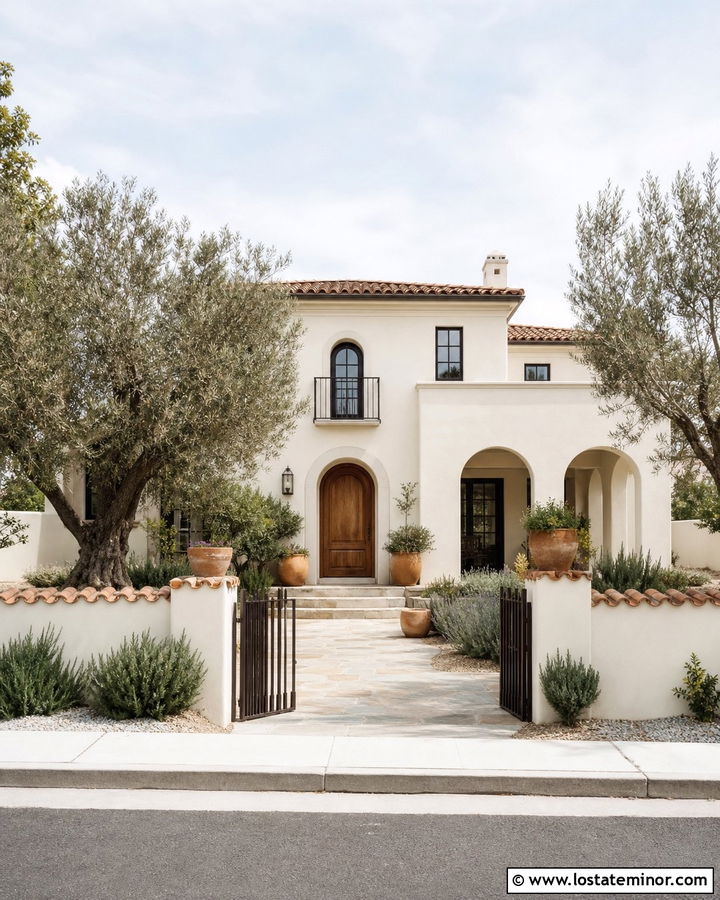
Sun-washed walls and earthy accents define a warm white Mediterranean house with a stucco wall fence. Cover the facade and low perimeter wall in the same creamy white so the property reads as one connected composition. Cap the wall with terracotta tile that relates to the roof, then add dark bronze gates and window details. A rich wood front door introduces another natural layer. Arched openings, textured stucco, and wrought metal railings provide enough depth that the mostly white palette never looks plain. Use gravel, clay planters, olive trees, rosemary, and drought-tolerant flowers around the entrance. Keeping the wall relatively low at the front preserves an open feeling, while taller side sections can provide privacy. The complete scheme feels sunny, substantial, and cohesive.
11. Warm White Split-Level With Charcoal Fence
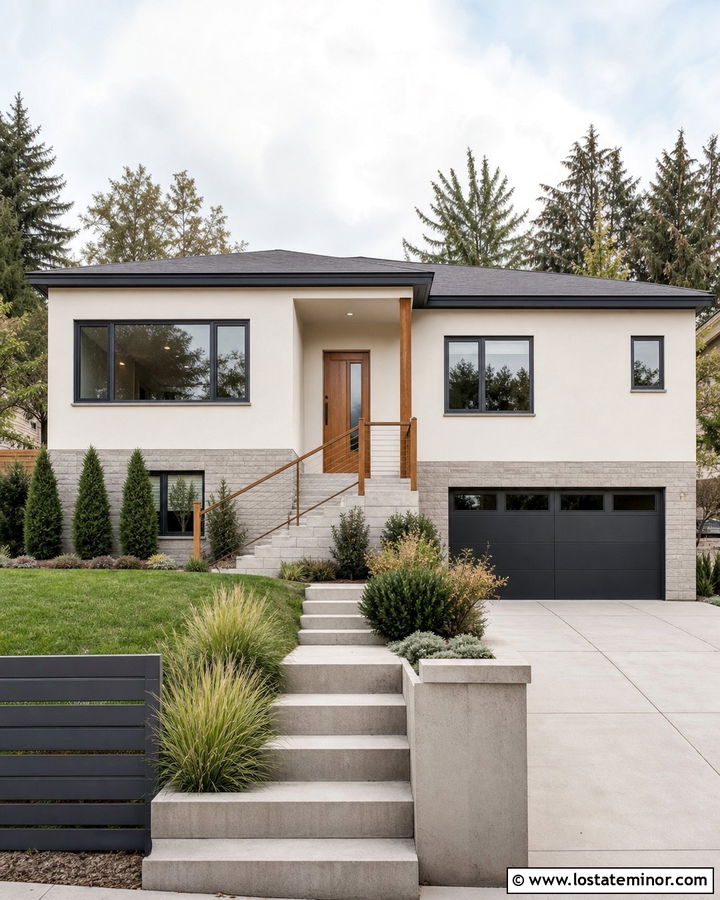
A charcoal fence can help organize the sometimes complicated facade of a split-level house. Paint the upper siding a warm white and use a light greige on the lower foundation or masonry. The small tonal shift separates the levels without creating a busy color scheme. Carry charcoal across the horizontal fence, garage door, gutters, and simple window trim. A cedar front door and matching stair railing add warmth between the pale walls and dark accents. Consider using fence panels of varying heights to accommodate a sloped lot and preserve sightlines near the driveway. Large grasses, evergreen shrubs, and wide concrete steps can modernize the approach. This design gives an older split-level stronger visual structure while remaining comfortable and appropriate for a suburban setting.
12. Warm White Victorian With Decorative White Fence
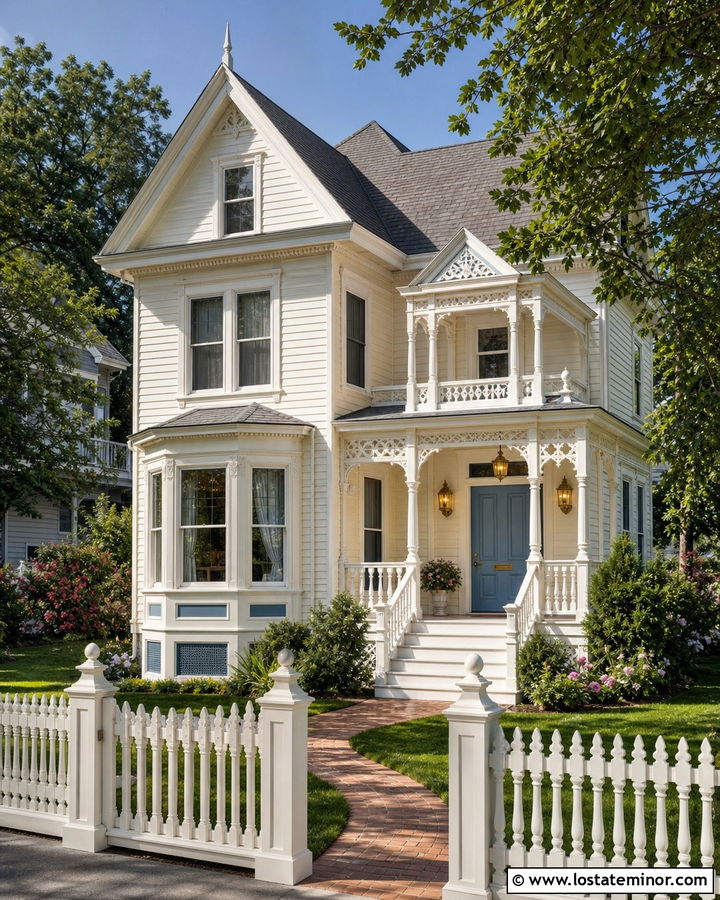
Decorative details can shine without looking overwhelming when a Victorian house and its fence share a warm white palette. Use a creamy white on the main siding, then apply a slightly lighter white to gingerbread trim, porch spindles, window casings, and fence pickets. Introduce muted dusty blue on the front door and selected decorative panels. A soft gray roof keeps the upper portion calm, while antique brass lighting supports the historical character. The fence can feature pointed or gently shaped pickets, but its pattern should complement rather than copy every porch detail. Frame the gate with flowering shrubs and a curved brick path. By limiting the exterior to a few related colors, the ornate facade remains readable, graceful, and visually connected to the surrounding yard.
13. Warm White Coastal House With Weathered Gray Fence
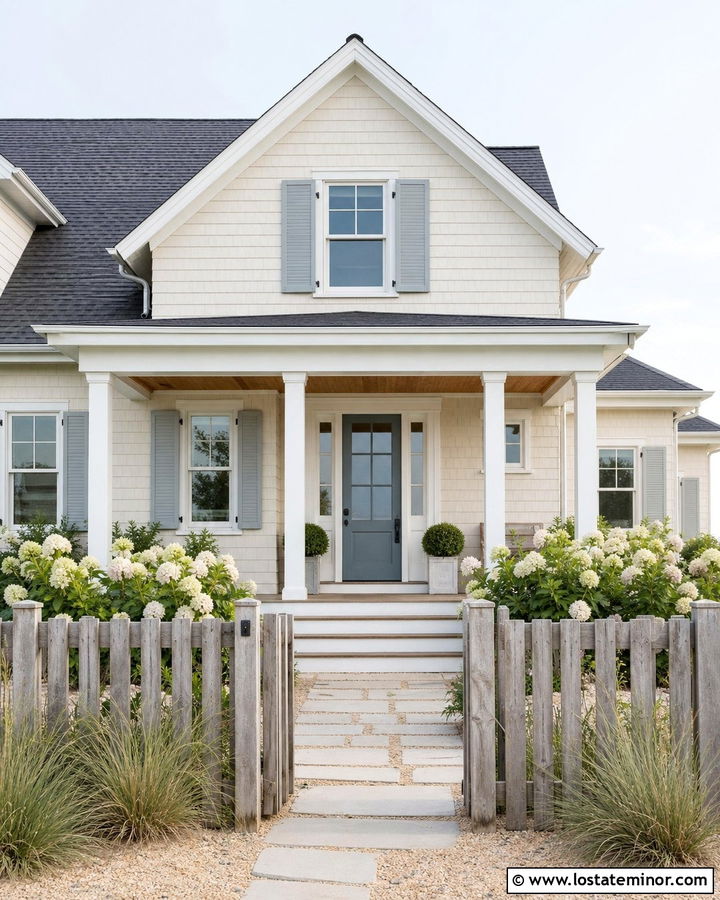
A weathered gray fence gives a warm white coastal house a relaxed finish that feels softer than bright white fencing. Select an off-white shingle or lap siding color with subtle beige undertones. Pair it with pale gray shutters, a gray-stained fence, and a deeper blue-gray front door. White trim can outline the windows and roofline, while natural cedar on the porch ceiling adds warmth overhead. Use horizontal or vertical fence boards with small gaps to maintain an airy character. Sandy gravel, hydrangeas, beach grasses, and light stone pavers reinforce the gentle palette without relying on obvious nautical decorations. The warm house color and faded fence should look naturally coordinated, creating an exterior that feels breezy, casual, and well suited to a bright coastal or lakeside setting.
14. Warm White Spanish House With Terracotta Fence Wall
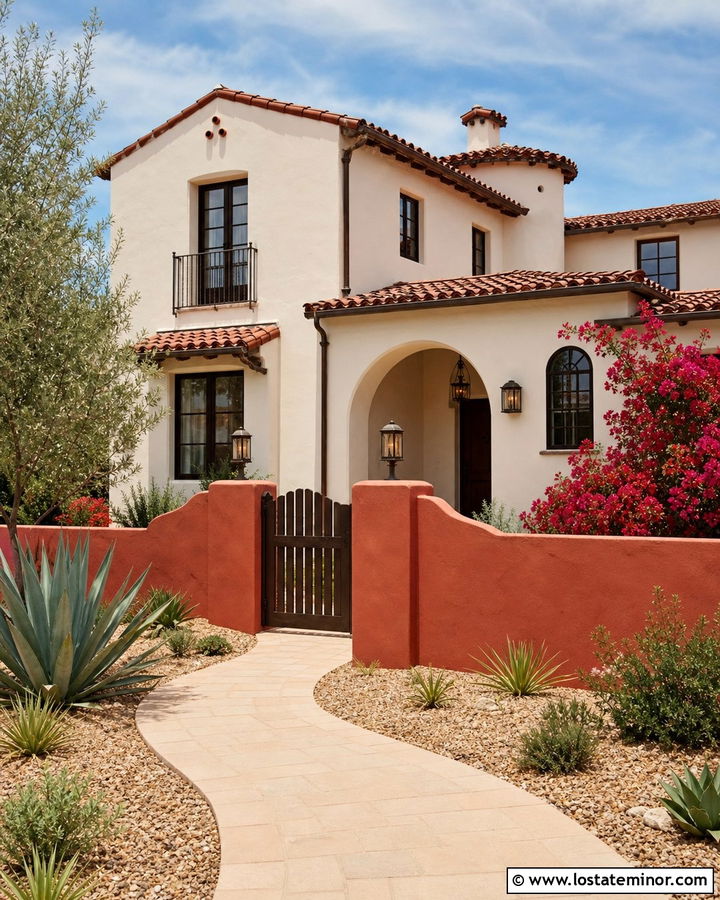
A warm white Spanish house gains depth from a terracotta-colored wall fence and dark wooden gates. Textured cream stucco keeps the building bright, while the earthy wall creates a strong base around the property. Repeat terracotta through clay roof tiles, planters, and walkway details to make the fence feel intentional. Dark brown window frames, hand-finished wood doors, and blackened bronze lights can provide definition without producing harsh contrast. Shape the wall with curved openings or simple stepped sections that follow the landscape. Bougainvillea, agave, olive trees, and gravel beds will add color and structure around the entrance. This whole-house palette feels warm and grounded, allowing the architectural arches and textured materials to become more important than an overly complicated collection of paint colors.
15. Warm White Cottage With Natural Willow Fence
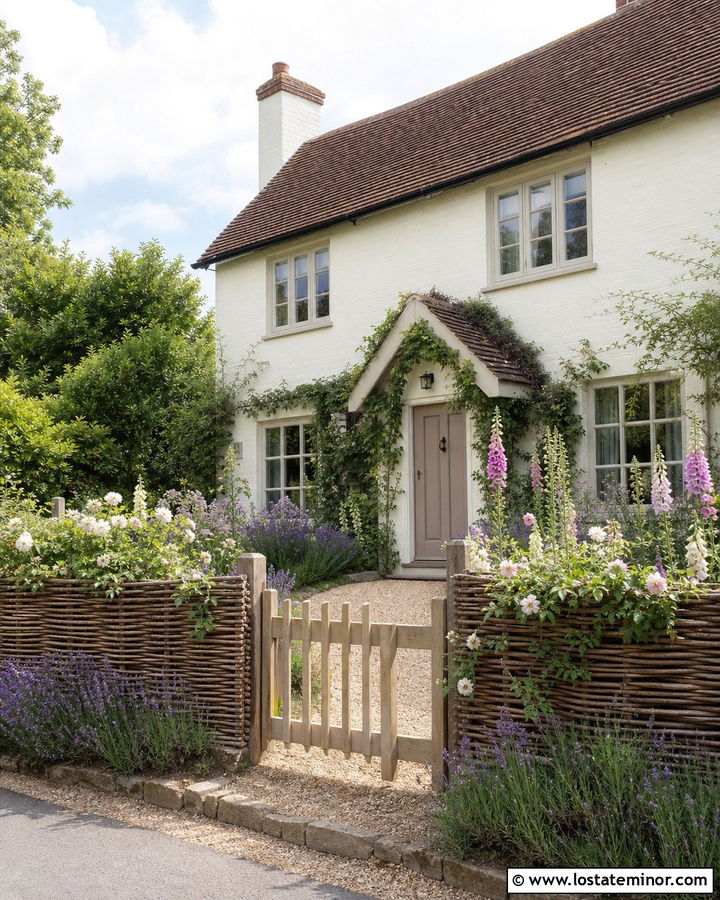
Natural willow fencing offers an informal boundary for a warm white garden cottage. Its woven texture contrasts beautifully with smooth cream siding and simple white window trim. Use a warm taupe front door or leave the door in a medium oak finish to echo the branches. A soft brown roof and aged bronze hardware can continue the natural color story. Willow works best where a relaxed, garden-focused appearance is more important than a perfectly formal boundary. Frame the fence with lavender, foxgloves, climbing greenery, and loose stone edging. A matching woven gate can open onto a curved gravel path leading to the porch. The finished property feels charming and layered, with the warm white facade remaining visible above the low, richly textured fence.
16. Warm White Farmhouse With Post And Rail Fence
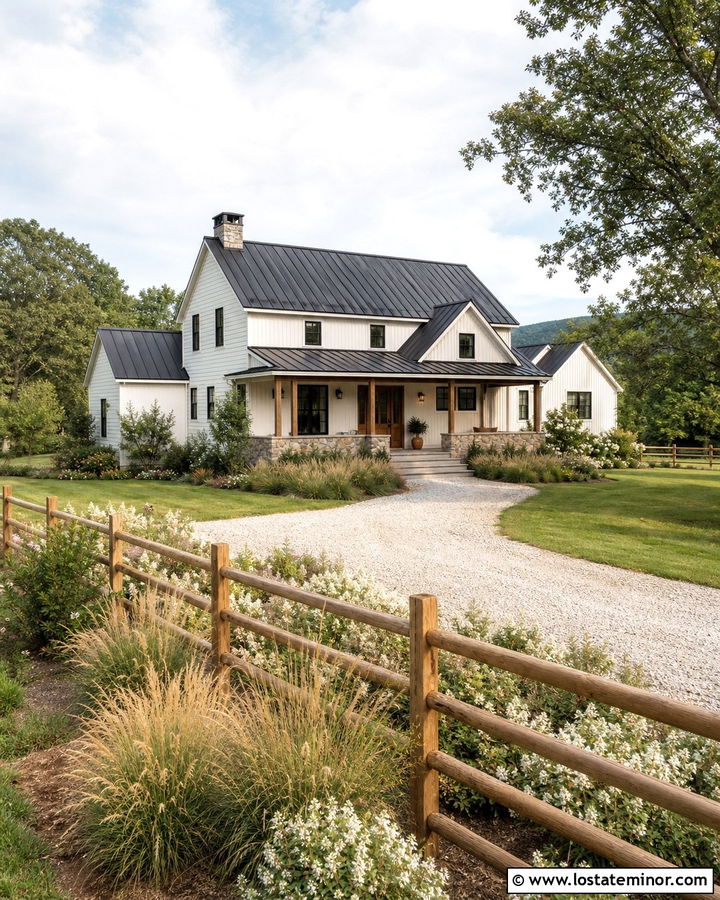
Open land calls for a fence that defines the property without blocking the view. A warm white farmhouse with a post-and-rail fence delivers that balance. Paint the board-and-batten siding a creamy white and use a dark bronze or charcoal roof to ground the tall facade. The fence can be natural cedar, medium brown stain, or warm black, depending on the surrounding landscape. Repeat its finish on the porch posts or front door for a coordinated effect. Stone porch foundations and wide gravel paths give the exterior a practical rural character. Plant native grasses and low flowering shrubs along key sections instead of lining the entire fence. The simple boundary keeps the property open and expansive while giving the farmhouse a finished, well-framed presence from the road.
17. Warm White Prairie House With Horizontal Cedar Fence
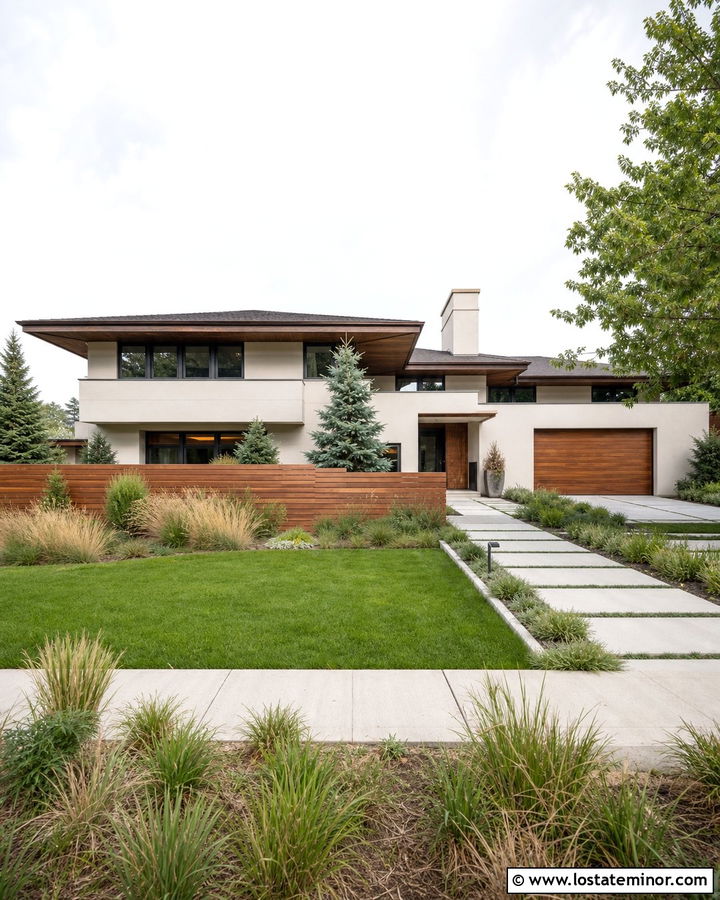
Long rooflines and horizontal details make a cedar fence a natural partner for a warm white Prairie house. Use creamy stucco or lap siding for the body and warm taupe on the broad fascia boards. A low fence made from horizontal cedar planks will echo the architecture and visually stretch the property. Carry the cedar onto the garage door, entry ceiling, or recessed front door. Deep bronze window frames provide definition while blending more gently than black. Choose large rectangular concrete pavers and wide planting beds filled with grasses, sedges, and compact evergreens. Keep the fence below window level near the front facade so the house remains visible. This carefully repeated combination of warm white, wood, bronze, and greenery creates a strong but comfortable exterior.
18. Warm White Brick House With Cream Fence
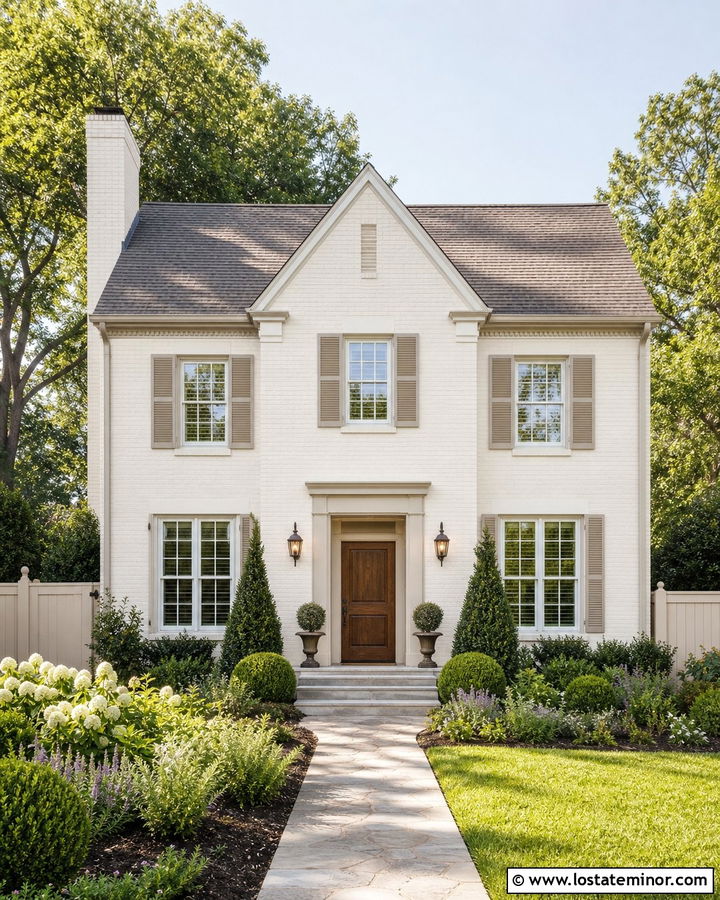
Painted brick can feel softer and more dimensional when the house and fence use two related cream shades. Apply a warm white masonry paint or limewash to the brick, allowing some surface texture and variation to remain visible. Choose a slightly deeper cream for the fence so it frames the facade instead of disappearing completely. Soft taupe shutters, a medium walnut door, and bronze fixtures support the warm undertones. If the roof is brown, gray-brown, or weathered charcoal, it can remain as the grounding color. Use broad fence posts and simple vertical boards to complement the substantial brick exterior. Dark green shrubs and layered flower beds provide contrast. The completed scheme looks bright and refreshed without losing the comfortable character associated with traditional brick homes.
19. Warm White Stucco House With Black Metal Fence
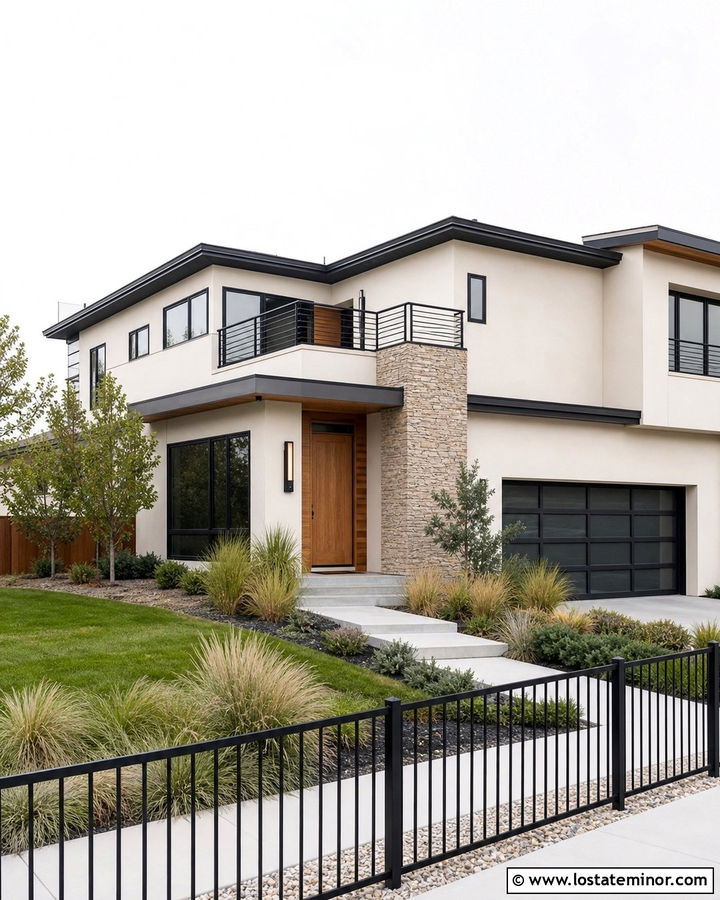
A slender black metal fence can add structure to a warm white stucco exterior without hiding its architectural form. Choose a creamy white body color and repeat it on the porch walls, chimney, and boundary pillars. Use matte black for the fence, window frames, railings, and front door, but introduce natural wood or tan stone to soften the contrast. A flat or low-slope roof suits the streamlined palette, while a dark clay or charcoal roof works with more traditional stucco architecture. Set the fence several feet from the facade when space allows, leaving room for grasses and low shrubs. A wide concrete path and simple gate reinforce the clean geometry. The entire exterior feels crisp and contemporary, yet the warm white prevents it from appearing severe.
20. Warm White Board And Batten House With Hog Wire Fence
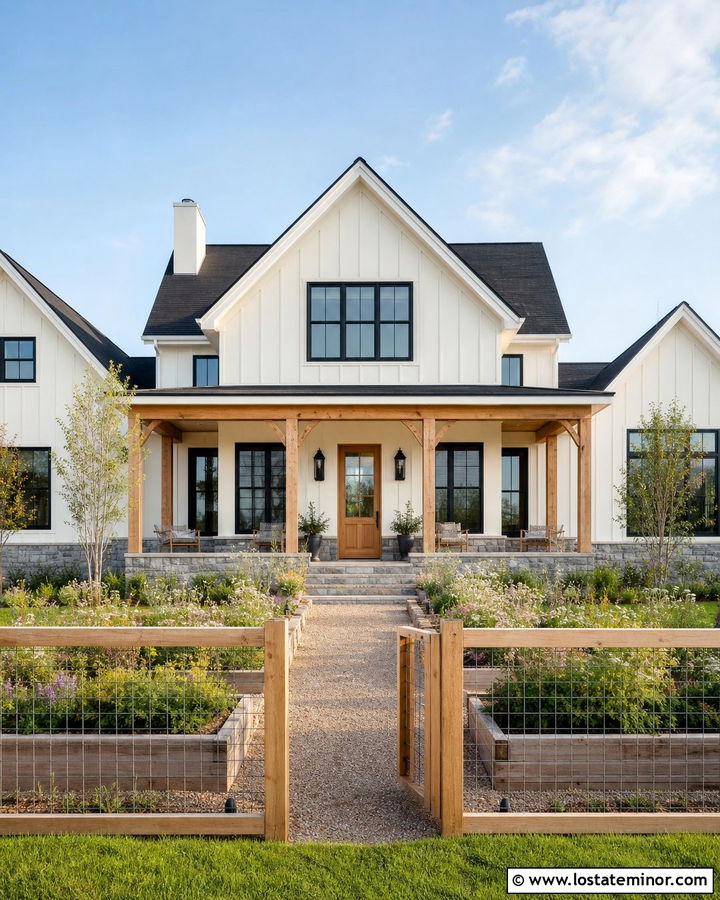
A hog wire fence gives a warm white board-and-batten house an open, practical boundary with modern farmhouse character. Use creamy white siding, warm gray stone at the foundation, and natural cedar posts around the metal mesh panels. The cedar should relate to the front door, porch beams, or garage accents. Black window frames can connect to the dark wire without dominating the facade. Keep the fence low across the front and reserve taller sections for gardens or side yards. Because the mesh remains visually open, flowers and shrubs become part of the design instead of being hidden behind solid boards. A pea-gravel walkway, raised planting beds, and simple exterior lights complete the setting. This approach feels casual, durable, and lighter than a full privacy fence.
21. Warm White House With Taupe Privacy Fence
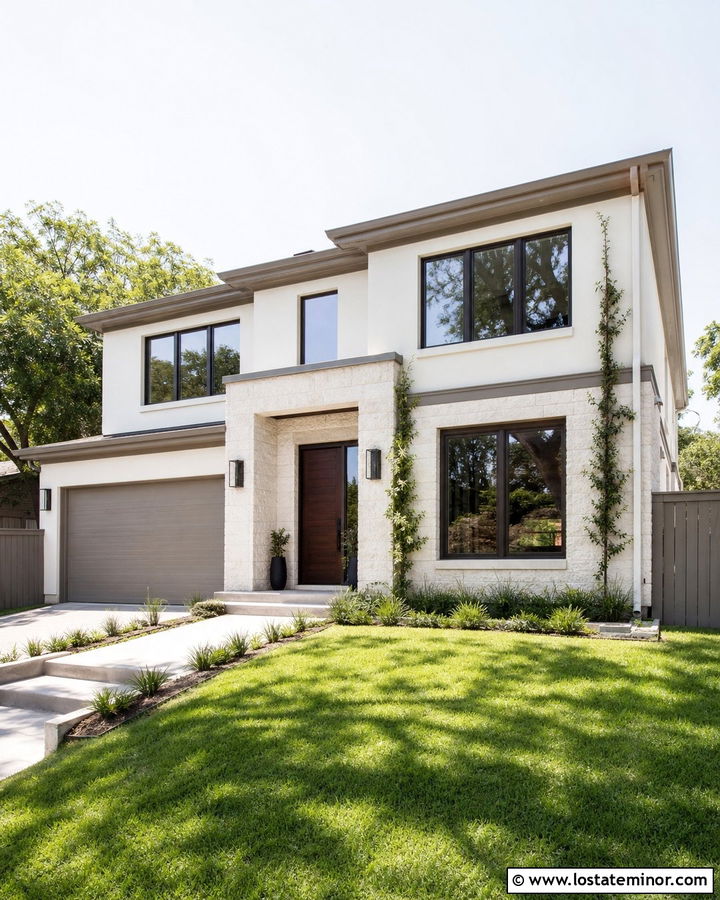
For a calm monochromatic exterior, pair a warm white house with a taupe privacy fence. This works particularly well on a contemporary two-story home where a large fence could otherwise dominate the view. Choose creamy off-white siding, then paint the fence a medium mushroom taupe with brown rather than purple undertones. Repeat that taupe on the garage door or selected fascia boards to connect both structures. A dark wood front door, bronze windows, and light limestone accents create additional layers. Break up long fence runs with recessed panels, climbing plants, or narrow planting beds. The softer contrast feels more relaxed than black fencing and hides everyday dust better than white. Altogether, the scheme creates privacy while maintaining a warm, polished, and residential appearance.
22. Warm White House With Olive Green Fence
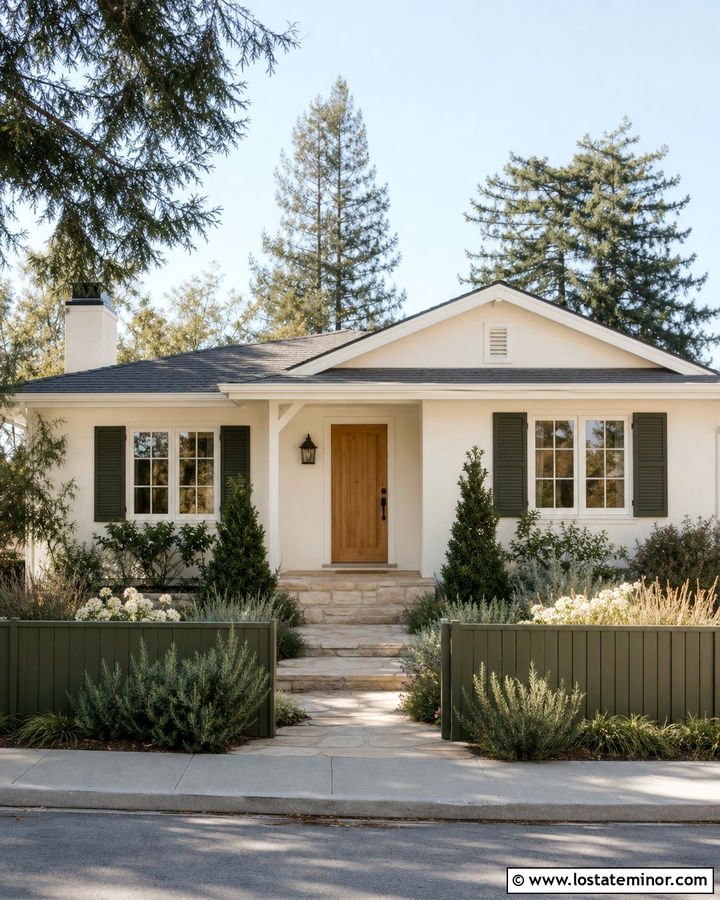
Olive green can make a fence visually settle into the landscape around a warm white house. On a cottage-inspired ranch, use creamy lap siding, warm white trim, and muted olive fence boards with simple square posts. Repeat the green sparingly on shutters or a garden gate, while keeping the front door in natural oak. Tan stone around the porch adds another earthy material and supports the yellow-green undertones. Place evergreen shrubs, ornamental grasses, and pale flowers in front of the fence so its color blends through the seasons. An olive finish is especially useful when a long fence line needs to feel quiet rather than decorative. The complete exterior remains light and approachable, but the property gains a distinct identity through the restrained, nature-connected accent color.
23. Warm White House With Navy Blue Fence
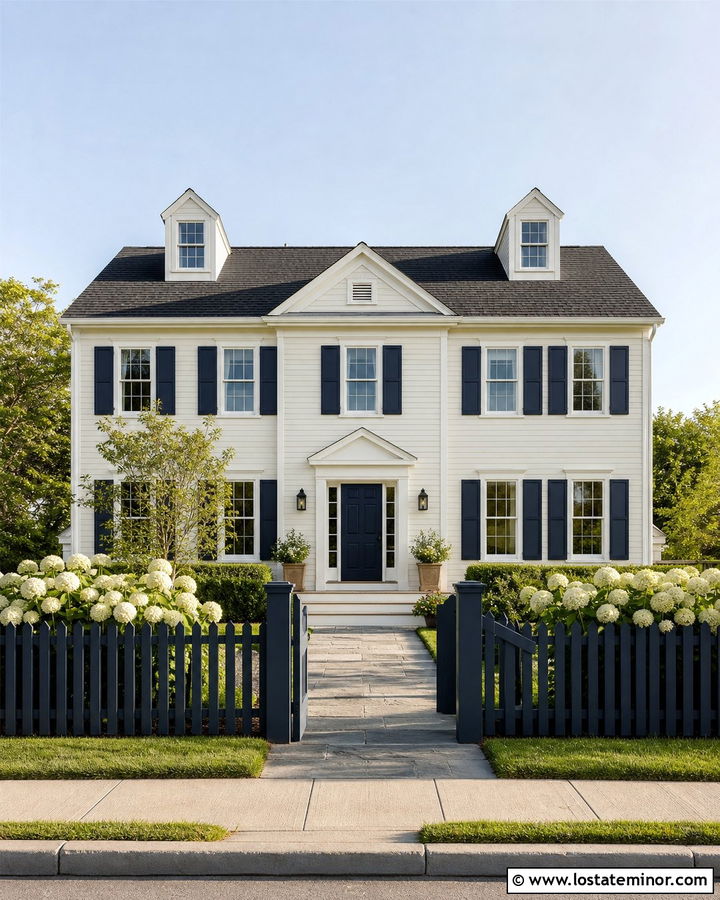
A navy blue fence creates colorful definition while remaining more traditional than a bright accent shade. Pair it with a warm white Cape Cod or coastal Colonial featuring cream clapboard siding and clean white trim. Use the same navy on the shutters and front door so the fence becomes part of a complete palette. A charcoal roof and light gray stone walkway can balance the blue, while natural wood planters introduce warmth. Keep the fence low and use straightforward pickets or square vertical boards. White hydrangeas, green hedges, and small flowering trees will stand out against the darker background. This scheme provides recognizable contrast without the sharpness of black, giving the warm white exterior a composed, tailored appearance that still feels friendly and suitable for everyday family living.
24. Warm White House With Greige Fence
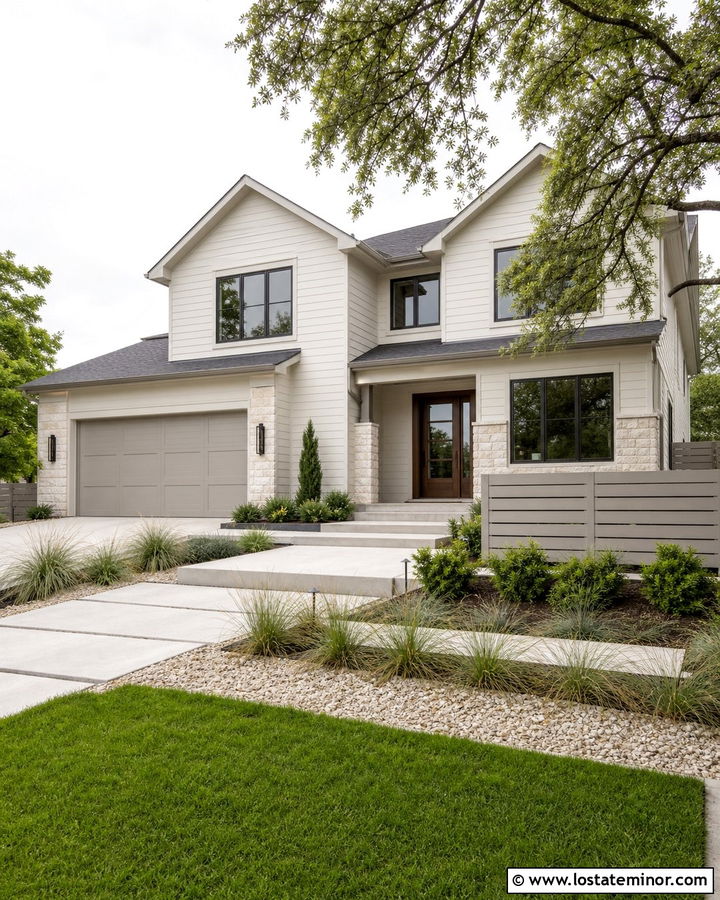
When both privacy and subtlety matter, a greige fence can quietly support a warm white exterior. Consider this palette for a transitional suburban home with creamy fiber-cement siding, light limestone, and medium bronze windows. Paint the fence a warm gray-beige that is several shades darker than the house. Coordinate the garage door with the fence, then use a rich chestnut front door as the main focal point. The controlled contrast allows different materials to remain visible without creating a busy facade. Horizontal boards provide a modern appearance, while vertical boards feel more traditional. Add layered greenery, pale gravel, and broad concrete pavers around the entrance. The finished property looks cohesive and current, with enough tonal variation to prevent the light neutral colors from blending into one flat surface.
25. Warm White House With Stone Pillar Fence
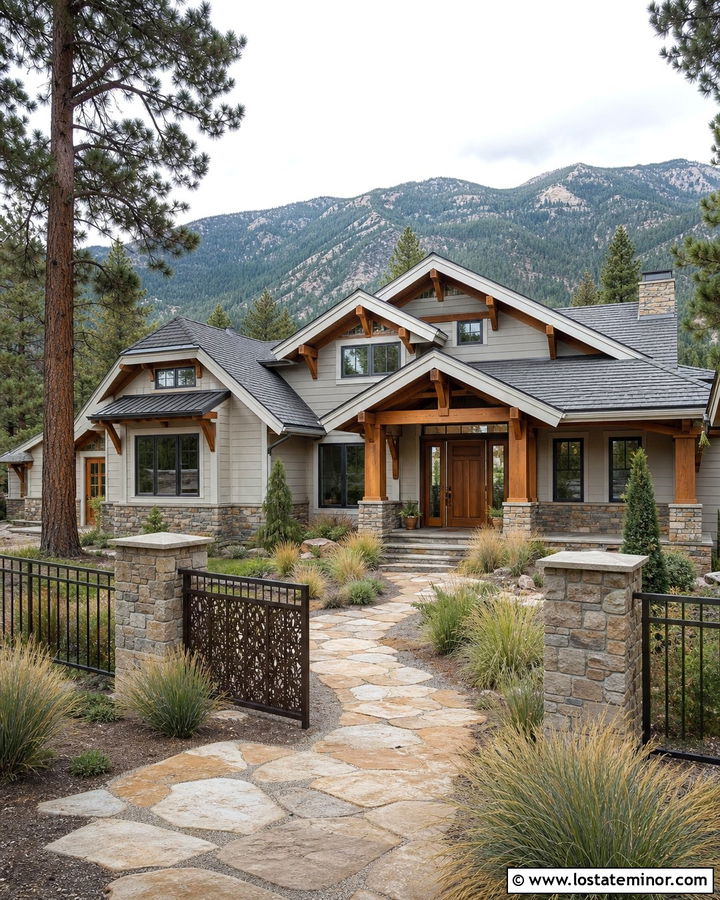
Stone pillars can give a fence visual weight and connect a warm white house to its natural surroundings. Choose a Craftsman or mountain cottage with soft ivory siding, cedar details, and a foundation made from mixed tan and gray stone. Repeat that masonry on substantial fence posts, then fill the spaces between them with dark bronze metal or stained wood panels. The mixed materials will look intentional because each one appears elsewhere on the house. A walnut front door and warm gray roof keep the palette grounded. Place lanterns on selected pillars near the gate rather than on every post. Native grasses, evergreens, and an irregular stone walkway soften the formal boundary. This scheme frames the property beautifully while preserving a warm, welcoming residential character.
26. Warm White House With Arched Garden Gate
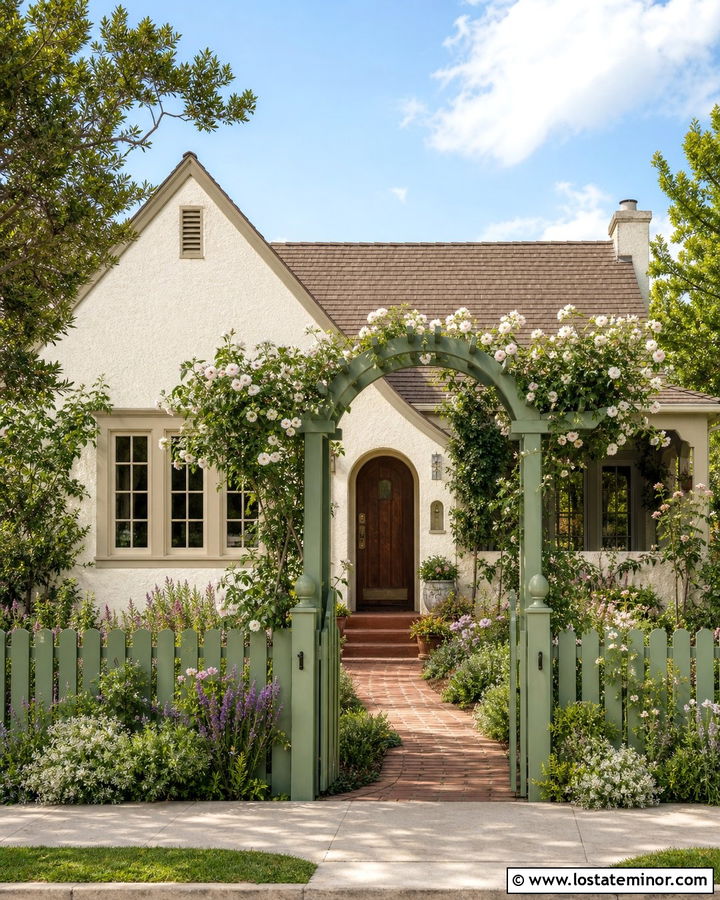
An arched garden gate can turn the fence entrance into a clear focal point for a warm white house. Use the feature on an English cottage or traditional bungalow with creamy siding, soft beige trim, and a muted brown roof. Build the fence from painted sage wood or naturally stained cedar, then create a gently curved gate beneath a matching arbor. Climbing roses or jasmine can soften the structure, but the gate should remain clearly visible from the street. Coordinate its hardware with bronze porch lights and the front door handle. A curved brick or stone path should lead directly from the gate to the porch. The resulting exterior feels thoughtfully planned, with the fence guiding visitors through the garden instead of serving only as a property boundary.
27. Warm White House With Scalloped Fence
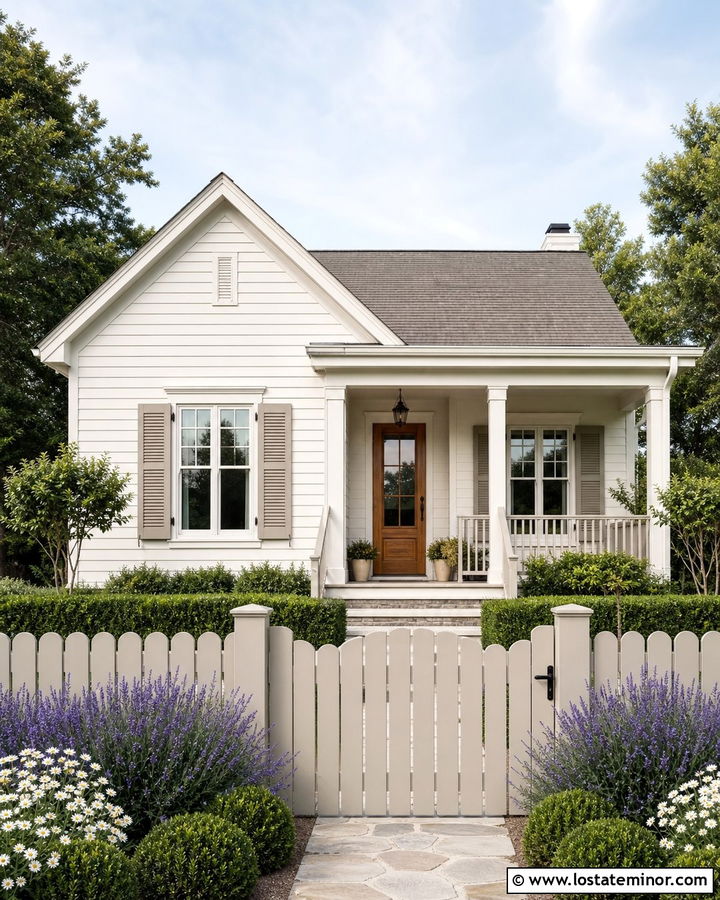
A scalloped fence gives a warm white cottage or bungalow a playful edge without requiring bright colors. Paint the main house a creamy white and use pale taupe or soft sage on the fence to keep the decorative top from looking overly sweet. Repeat the fence color on the shutters, while using natural wood for the front door and porch floor. A warm gray roof can ground the lighter palette. Choose broad, shallow curves across each fence panel rather than very small scallops, which may appear visually busy. Low hedges, daisies, lavender, and rounded shrubs reinforce the gentle shapes. Keep the gate simple and centered with the walkway. The full exterior feels personal and charming, yet the restrained colors maintain an orderly, polished appearance from the curb.
28. Warm White House With Mixed Material Fence
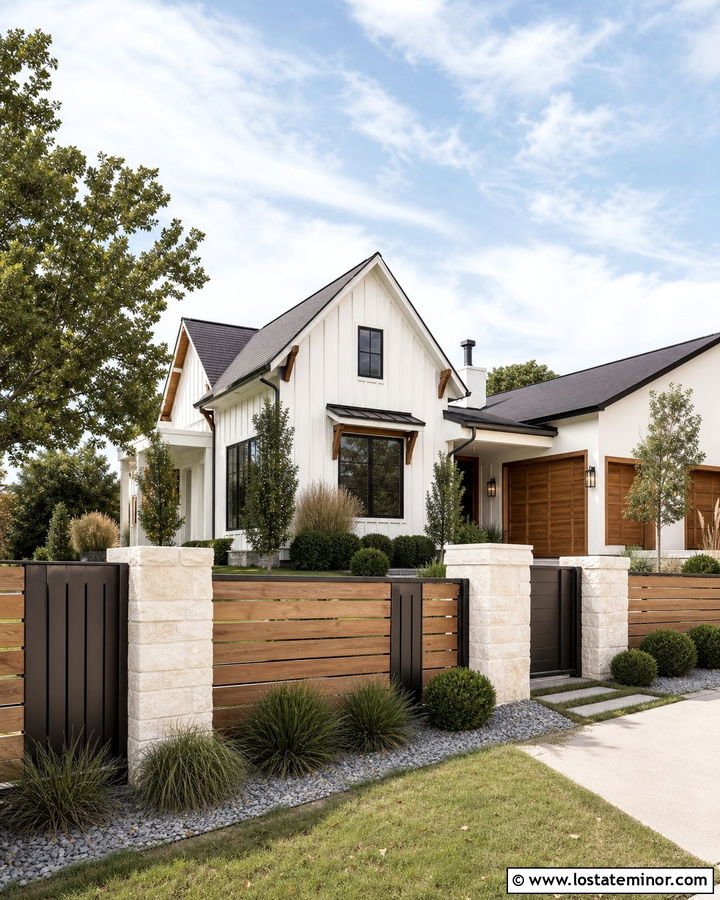
Mixed materials can make a large fence feel lighter and more connected to the architecture. Pair a warm white contemporary farmhouse with stone pillars, horizontal cedar boards, and narrow bronze metal panels. Use creamy board-and-batten siding on the house, light natural stone around the entry, and cedar on the garage door or porch ceiling. The metal sections can appear near the gate to preserve visibility, while solid wood panels provide privacy along the sides. Limit the palette to warm white, tan stone, medium wood, and bronze so the combination remains controlled. Large concrete pavers, clipped shrubs, and grasses create a clean landscape around the layered boundary. This design offers privacy and curb appeal while avoiding the heavy appearance of one uninterrupted fence material.
29. Warm White House With Courtyard Fence
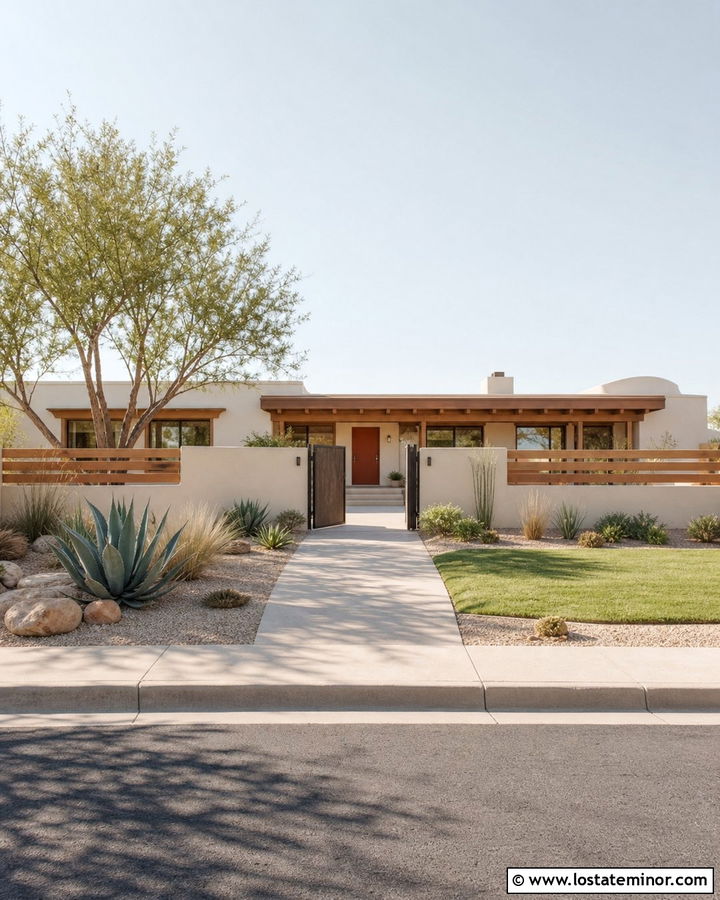
A front courtyard can make a warm white house feel private without completely separating it from the neighborhood. Use this arrangement on a midcentury ranch or Southwestern home with warm white stucco, low rooflines, and natural wood accents. Build a low cream wall with cedar or bronze fence panels between the masonry sections. A matching gate can open to a small courtyard containing gravel, sculptural plants, and a paved route to the entrance. Paint the front door terracotta, olive, or deep brown to add an earthy focal point. Keep the wall below the main windows so the architecture remains visible. By repeating the house color and accent materials across the enclosure, the courtyard looks like an original architectural feature rather than a later privacy addition.
30. Warm White House With Matching Garage And Fence
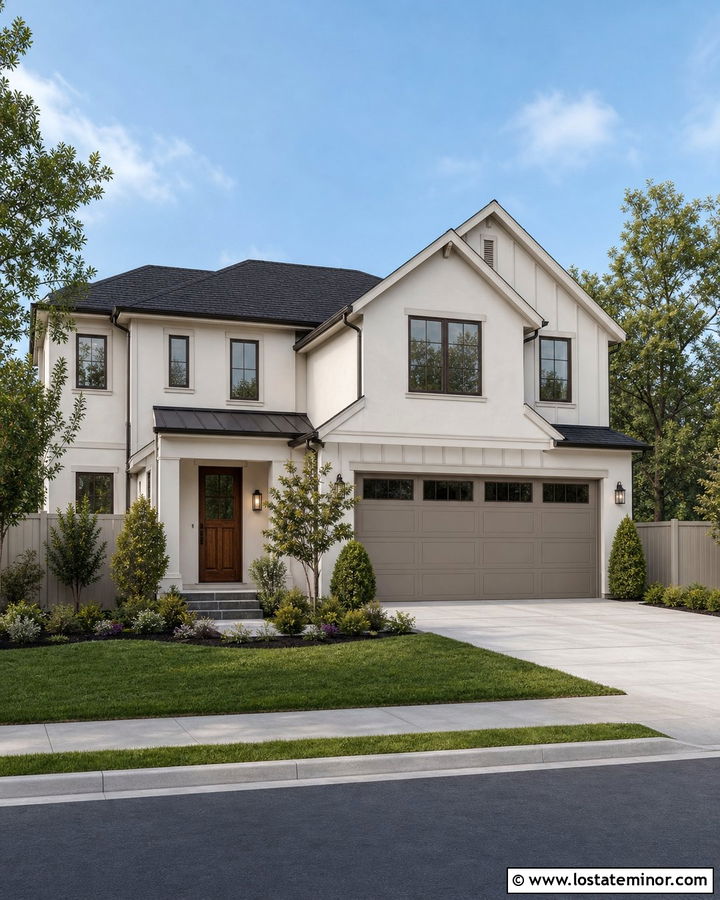
Repeating one accent color across the garage and fence can unify a wide suburban facade. Start with a warm white transitional house featuring creamy siding, simple white trim, and a charcoal roof. Paint the sectional garage door and vertical-board fence in the same medium taupe, muted olive, or wood-inspired brown. A natural walnut front door can stand apart as the welcoming focal point. Use darker bronze on the windows, gutters, and hardware for clean definition. If the driveway occupies much of the front yard, soften it with planting strips, small trees, and a clear walkway from the gate. Matching the two largest secondary features reduces visual clutter and helps the entire property read as one deliberate warm white exterior scheme.
Conclusion:
The most successful 30 Warm White House Design With Fence Ideas treat the fence as part of the complete exterior rather than a separate yard feature. Cream siding can feel traditional with white pickets, organic with cedar, contemporary with horizontal slats, or grounded with stone pillars and bronze panels. Repeat the fence color or material on the front door, shutters, garage, porch, or roof details to build visual continuity. Before committing, compare samples outdoors beside the existing roofing, masonry, and landscaping throughout the day. Also consider fence height, privacy, maintenance, and neighborhood requirements. With a balanced palette and architecture-appropriate materials, a warm white house can look inviting, layered, and beautifully framed from the street.

Related posts: