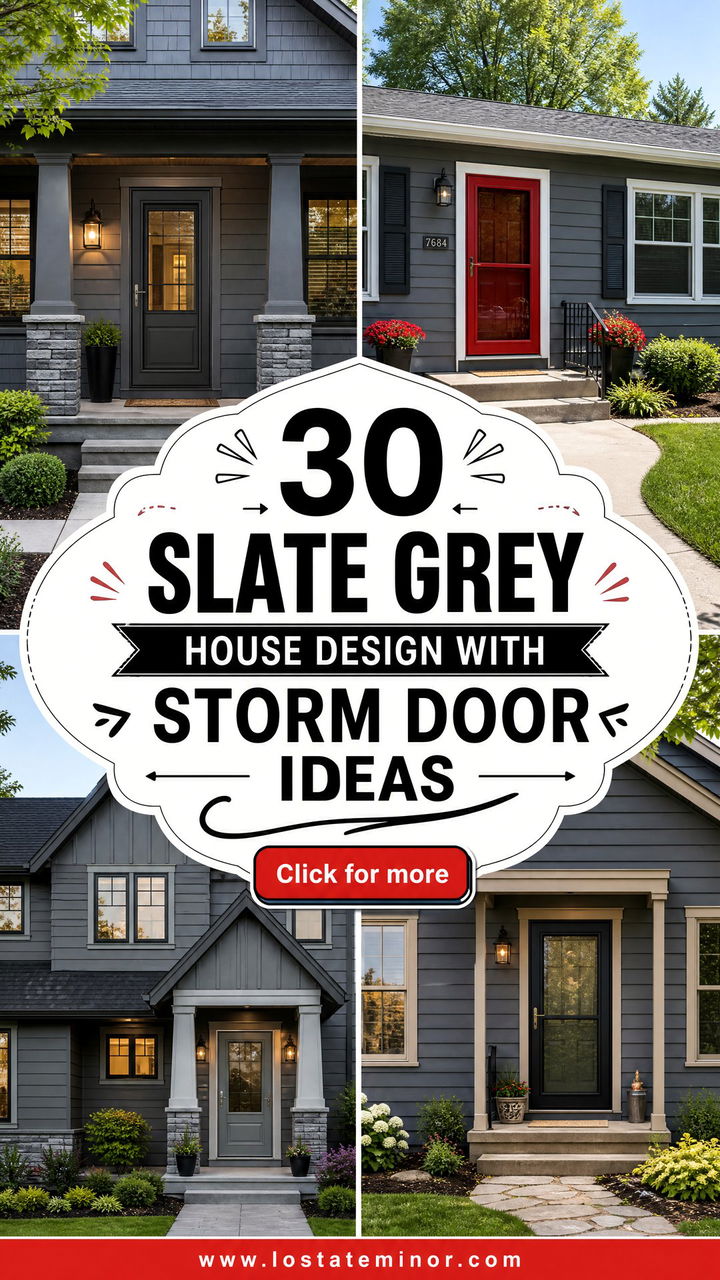
Slate grey siding creates a polished backdrop that can feel traditional, modern, rustic, or coastal depending on the surrounding details. A well-chosen storm door makes that versatile color even more useful. It can blend quietly with the siding, frame a colorful front door, or repeat the finish of the windows and roof. The strongest schemes also coordinate the trim, masonry, porch materials, garage door, and landscaping. Before choosing finishes, view samples beside the house at different times of day. Slate grey may appear cooler in shade and softer in direct sunlight. These 30 Slate Grey House Design With Storm Door Ideas explore complete exterior combinations that create a practical entrance and balanced curb appeal. Use these 30 Slate Grey House Design With Storm Door Ideas to find a look that suits your architecture.
1. Slate Grey House With Black Full-View Storm Door
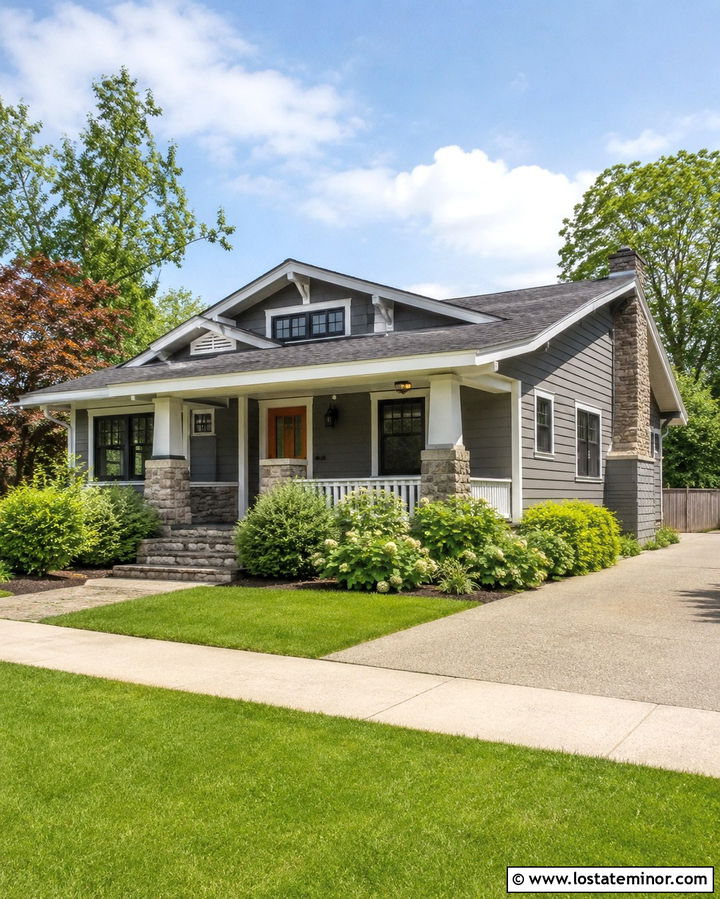
A black full-view storm door gives slate grey siding a crisp, finished edge without making the entrance feel heavy. Use bright white trim around the windows, fascia, and porch columns to separate the darker tones. Behind the storm door, a medium-stained oak front door introduces warmth and remains visible through the large glass panel. Black window frames, lanterns, and gutters help the storm door look intentional rather than isolated. This combination works especially well on a Craftsman house with horizontal lap siding and a low stone porch. Choose warm gray or cream stone to soften the facade. Simple foundation shrubs and a straight concrete walkway keep attention on the welcoming, layered entry.
2. Slate Grey House With White Storm Door
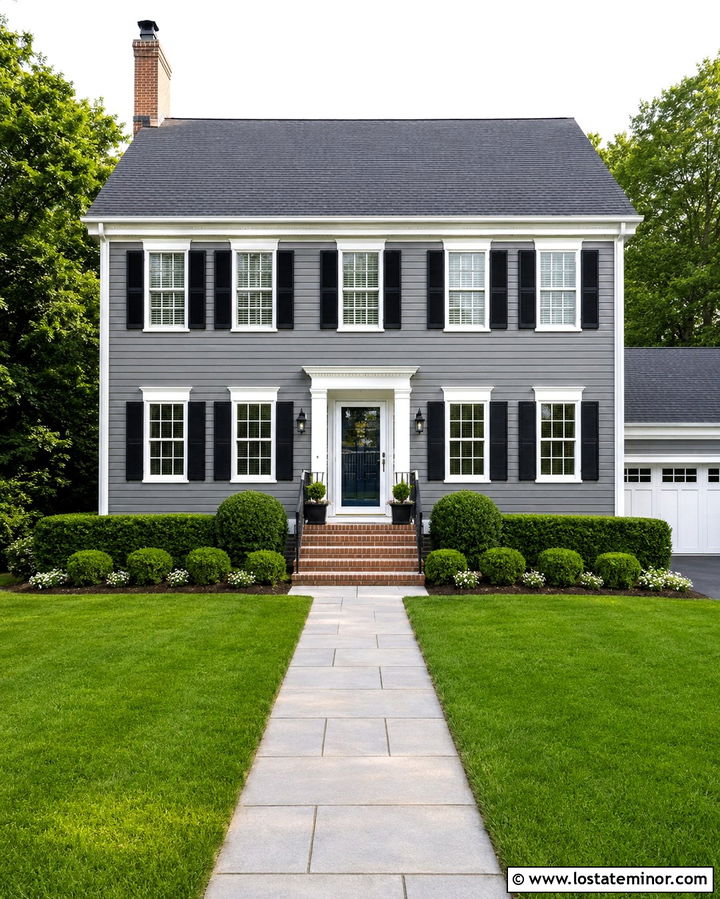
Can a white storm door look coordinated instead of builder-basic? It can when the same clean white appears on substantial window trim, porch posts, railings, and the garage door. Pair the bright frame with slate grey lap siding and a deep navy front door for a classic three-color palette. The storm door should have a broad glass panel so the navy remains easy to see. This scheme suits a Colonial exterior with symmetrical windows, dark shutters, and a centered entrance. A charcoal roof anchors the lighter details, while red brick porch steps add natural warmth. Use clipped evergreen shrubs and balanced planters to reinforce the orderly architecture without making the front yard feel overly formal.
3. Slate Grey House With Bronze Storm Door
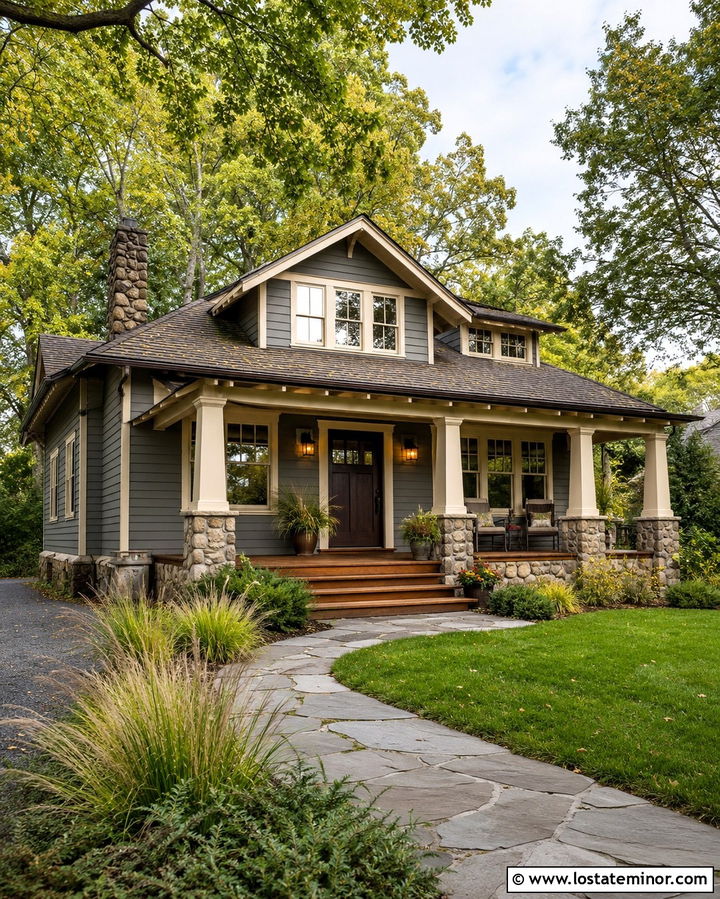
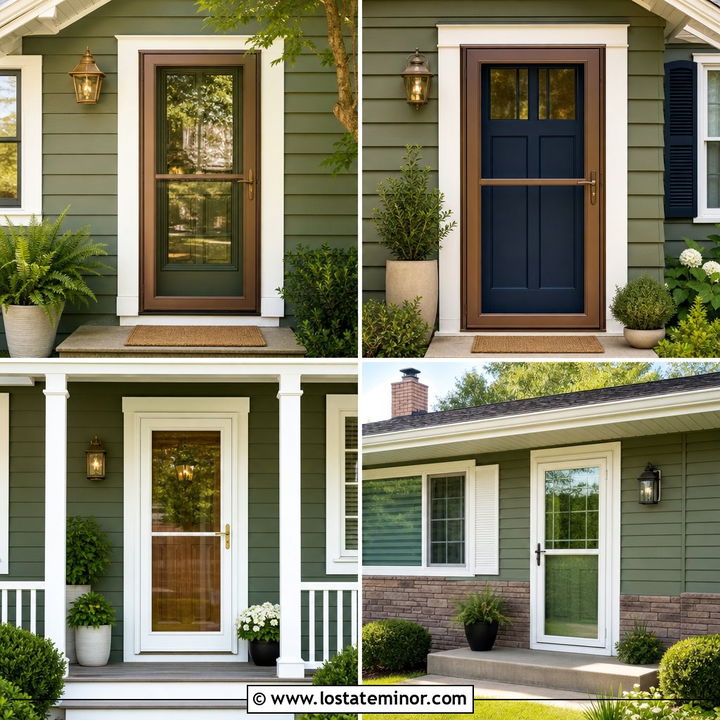
Warm bronze brings an earthy softness to a cool slate grey exterior. Choose a full-glass bronze storm door over a walnut-stained front door, then repeat the metal finish on the porch lights, mailbox, and house numbers. Creamy off-white trim is usually more comfortable than stark white in this scheme because it connects the grey siding with the brown undertones of the bronze. A Craftsman bungalow can carry this combination beautifully, especially with tapered columns, exposed rafter tails, and a fieldstone foundation. Finish the porch with natural cedar decking and a medium brown roof. Ornamental grasses, low evergreen plants, and a curved flagstone walkway make the overall house feel established, relaxed, and carefully coordinated.
4. Slate Grey House With Matching Grey Storm Door
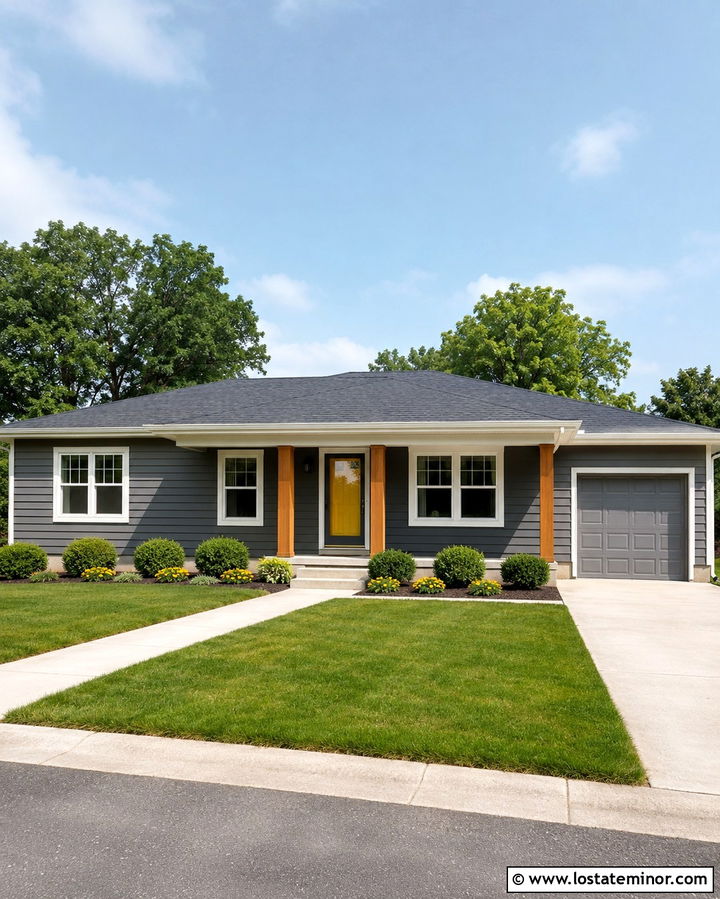
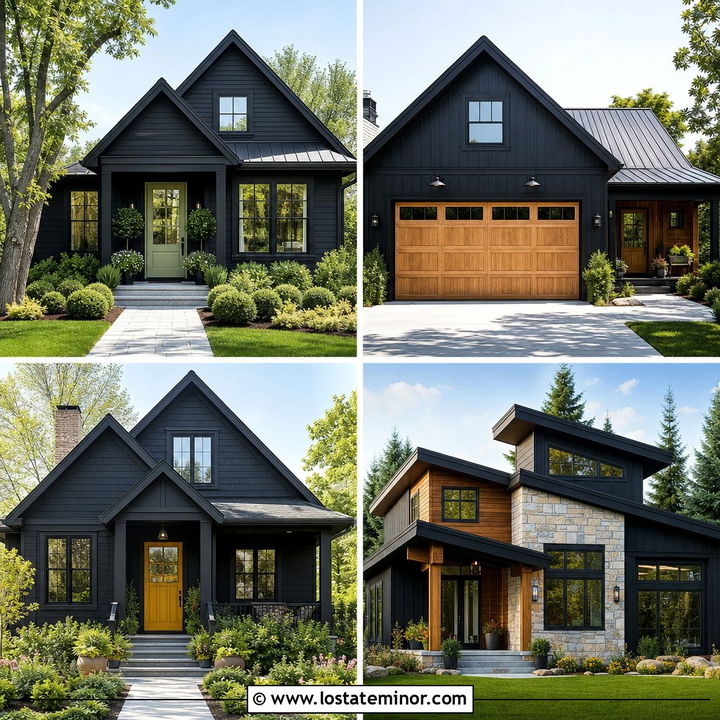
A color-matched storm door creates a seamless entrance while allowing the main front door to supply the personality. Paint the storm door frame in the same slate grey as the siding, and place a cheerful golden yellow door behind the clear glass. The grey frame visually recedes, preventing it from competing with the brighter color. Use soft white trim, a black roof, and simple black hardware to keep the palette controlled. This complete look works well on a modest ranch house where too many contrasting outlines could make the facade appear busy. Add a small covered stoop with light oak posts and pale concrete steps. Rounded shrubs and yellow flowering plants can subtly repeat the front door color.
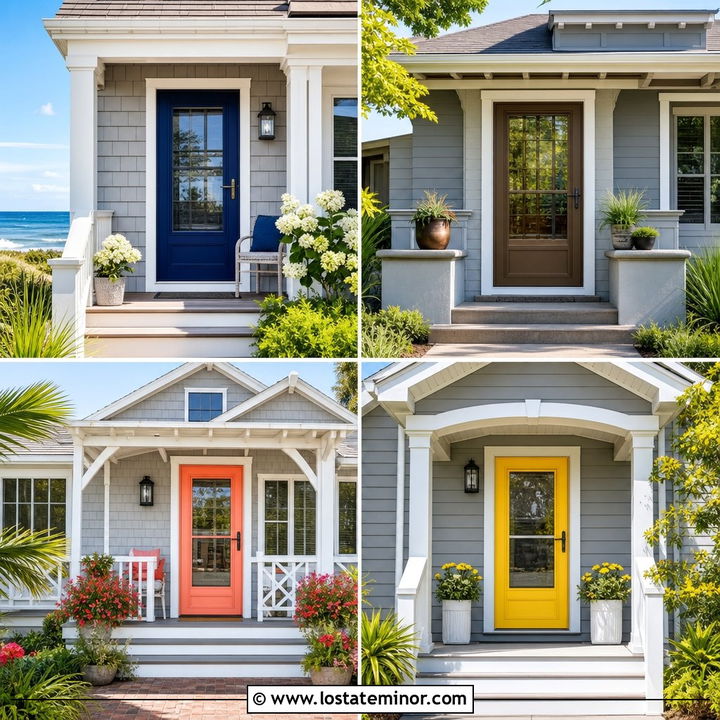
5. Slate Grey House With Charcoal Storm Door
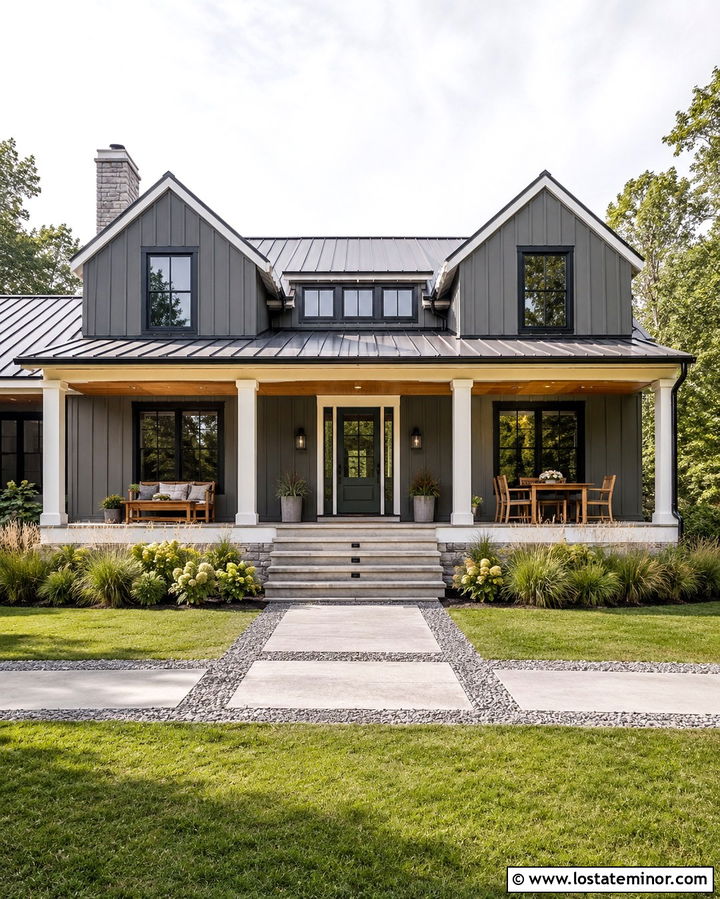
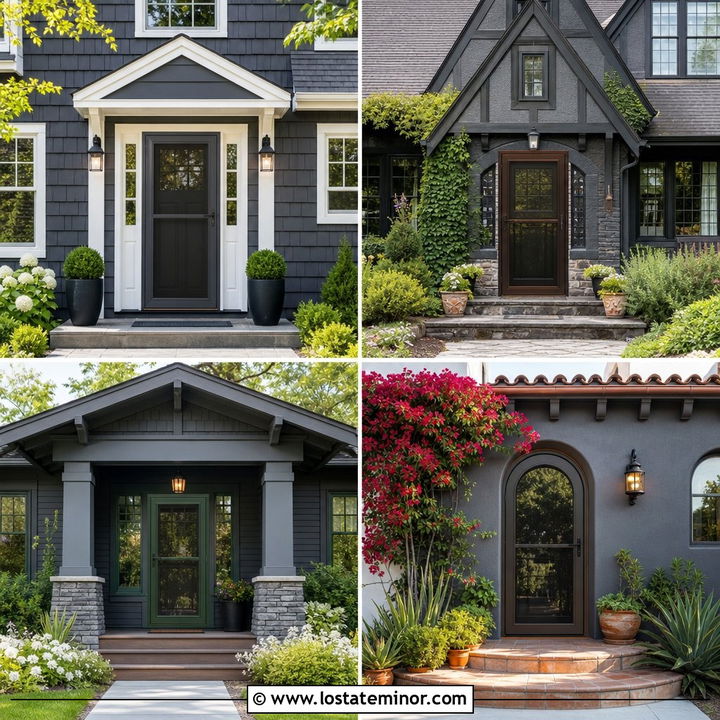
For a subtle layered effect, place a deep charcoal storm door against medium slate grey siding. The colors are related, but the darker frame gives the entrance enough definition to remain visible from the street. A muted sage green front door behind the glass adds an organic accent without overwhelming the quiet palette. Repeat charcoal on the window sashes, metal roof sections, and garage hardware. Warm white trim prevents the exterior from becoming too cool. This arrangement complements a modern farmhouse with board-and-batten siding, a broad porch, and simple square columns. Natural wood porch furniture and cedar ceiling boards add texture. Soft grasses, boxwoods, and a gravel-edged walkway complete the calm, contemporary curb appeal.
6. Slate Grey House With Black Storm Door And Red Front Door
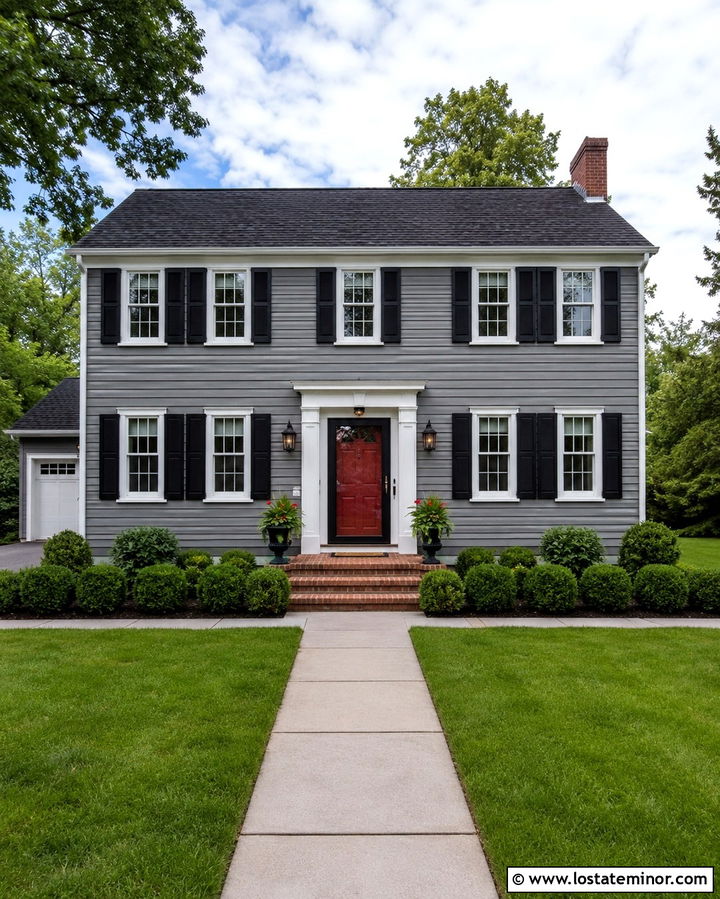
A rich red front door can bring immediate energy to a slate grey house, while a slim black storm door keeps the accent polished. Select a full-view model with minimal rails so the red paint remains the focal point. Carry black onto the shutters, gutters, porch lanterns, and roof for a consistent outline. Crisp white trim around the windows and cornice creates a traditional contrast that suits a two-story Colonial. Red brick steps connect naturally with the front door and introduce useful texture at ground level. Keep the landscaping restrained with symmetrical boxwoods, low hedges, and matching planters. The result feels bold but controlled because the saturated red appears in one concentrated area instead of across the entire facade.
7. Slate Grey Farmhouse With White Storm Door
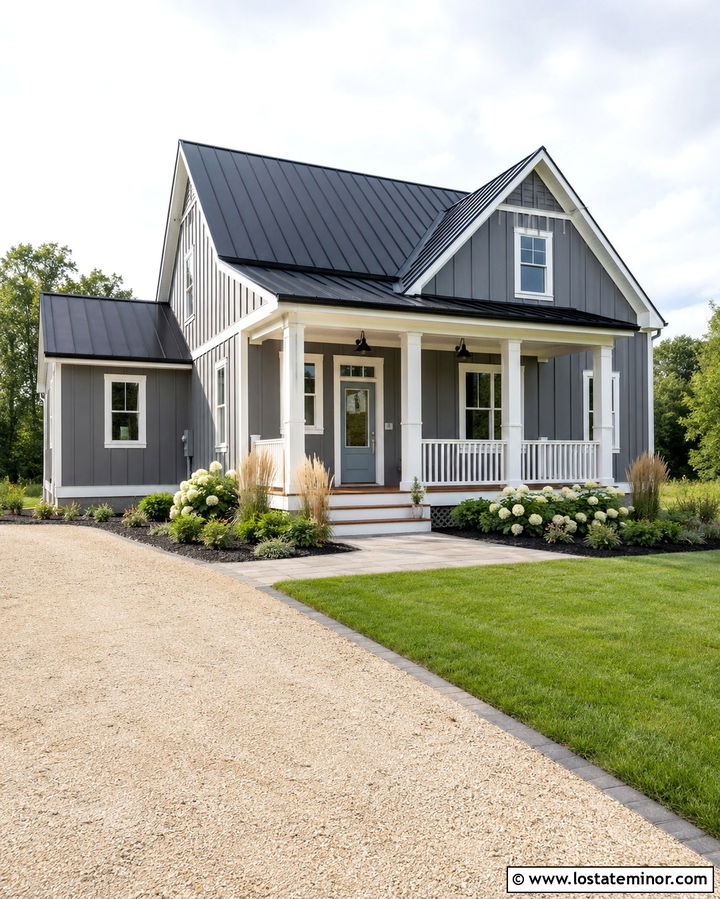
Imagine slate grey board-and-batten siding framed by a long white porch and a simple white storm door. The storm door repeats the columns, railings, window casings, and fascia, giving the entire farmhouse a consistent border. Behind the glass, use a dusty blue front door to add gentle color without weakening the clean palette. A black standing-seam roof and black gooseneck lights introduce definition along the roofline and porch wall. Natural wood porch decking keeps the white details from feeling sterile. Choose a storm door with a large uninterrupted glass panel rather than a heavily divided design. Hydrangeas, ornamental grasses, and a broad walkway can soften the straight architectural lines while maintaining an open, welcoming farmhouse appearance.
8. Slate Grey Craftsman With Bronze Storm Door
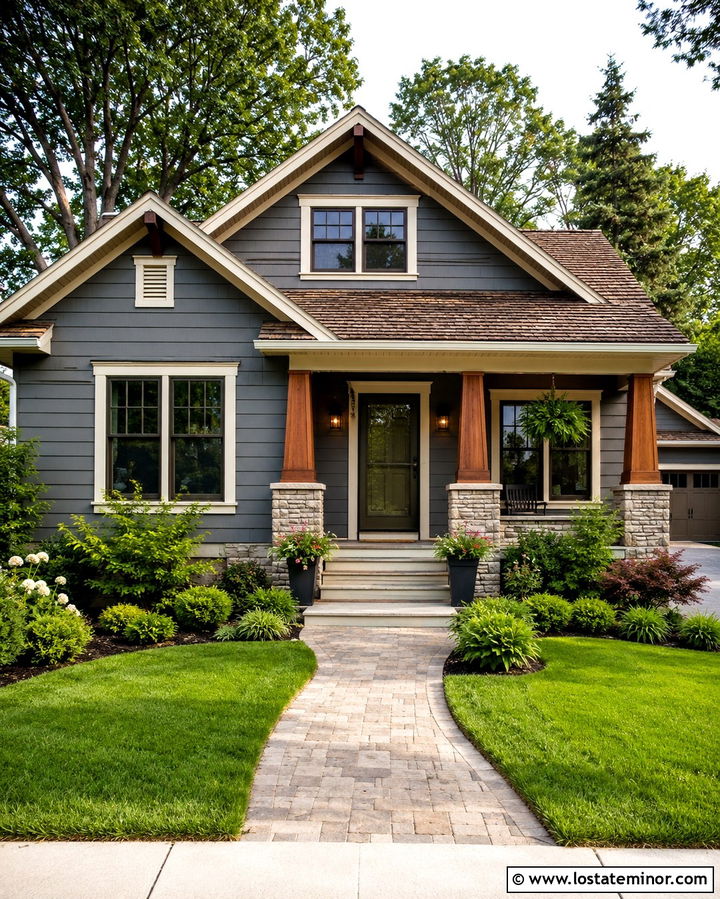
Texture makes this Craftsman exterior feel rich even though the color palette remains restrained. Cover the upper walls in slate grey lap siding, then ground the porch with warm ledgestone and stained cedar columns. A dark bronze storm door fits naturally between those materials. Place it over a deep forest green front door for a layered entrance that feels earthy and substantial. Cream trim around the roof, windows, and door prevents the grey from becoming flat. A weathered brown roof further connects the bronze, wood, and stone. Wide porch steps, square planters, and a curved paver path emphasize the handcrafted character. Matching bronze lights and hardware ensure the storm door belongs to the whole exterior scheme.
9. Slate Grey Colonial With Black Storm Door
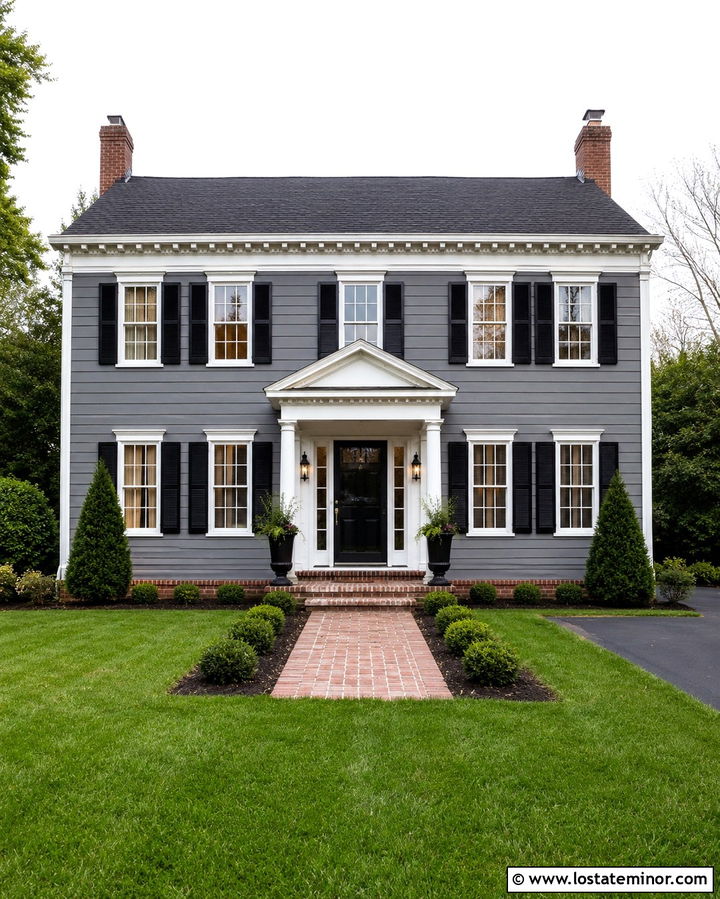
Symmetry is the key to making a black storm door feel at home on a slate grey Colonial. Center the entrance beneath a simple white portico, then repeat black on correctly sized shutters, roof shingles, and traditional lanterns. A glossy black front door behind the storm panel creates a unified entrance rather than competing layers of color. Select a full-view storm door with a narrow frame so the doorway maintains its formal proportions. Bright white corner boards, window casings, and dentil molding sharpen the architecture. A red brick walkway and foundation add warmth beneath the cool grey walls. Finish with matching evergreen shrubs and two tall planters to create structure while keeping the front elevation elegant and easy to understand.
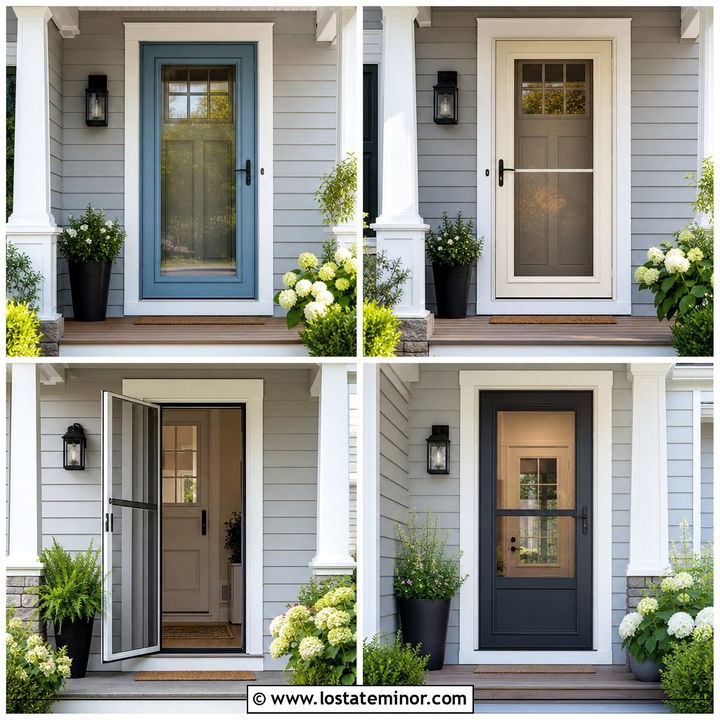
10. Slate Grey House With Sandstone Storm Door
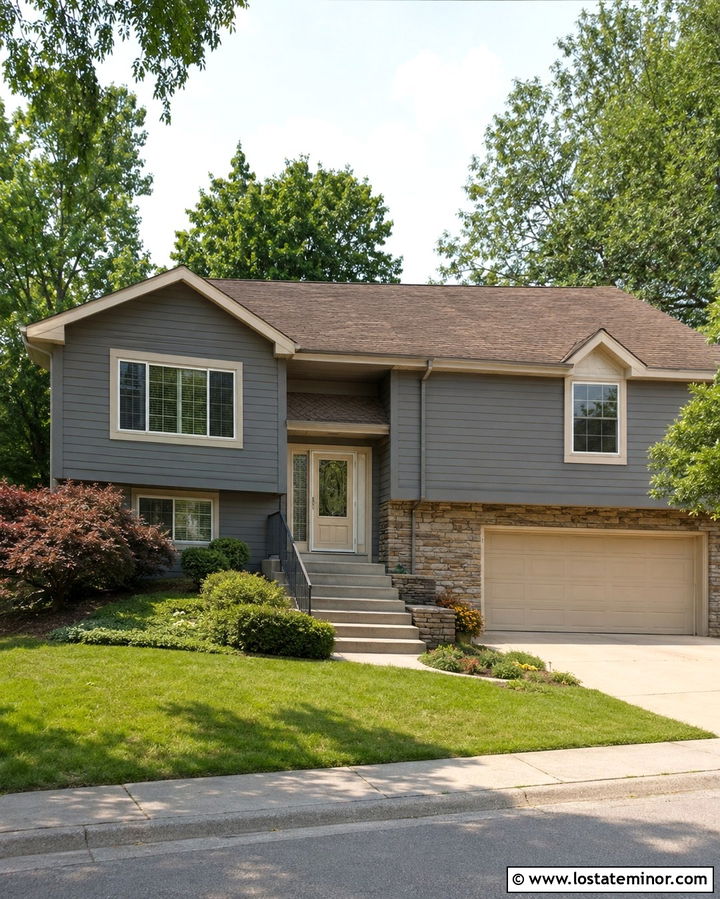
Sandstone-colored aluminum can soften a slate grey exterior and coordinate beautifully with beige masonry. Use the storm door over a warm cream front door, then repeat similar sandy tones on the window trim, garage door, and porch ceiling. This lower-contrast palette is helpful for a wide split-level house because it keeps the long facade from looking chopped into separate color blocks. Add tan and gray stacked stone around the lower level to visually connect the siding and entry finishes. A weathered brown roof reinforces the warm direction of the design. Broad concrete steps and a simple metal railing keep the approach practical. Layered shrubs, small trees, and textured groundcover create depth along the horizontal architecture.
11. Slate Grey Coastal House With Navy Storm Door
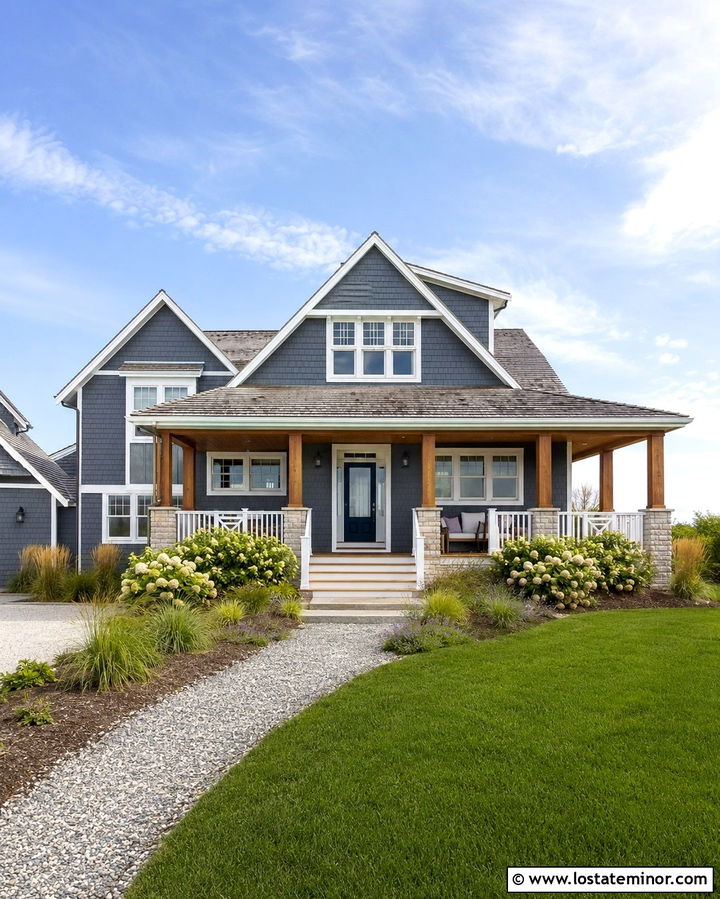
A navy storm door offers a colorful alternative to standard black while staying sophisticated against slate grey siding. Place a pale sky blue front door behind its glass panel for a tonal blue entrance that suits a coastal home. Use clean white trim on the corner boards, porch railings, window casings, and roof fascia. A weathered gray shingle roof and natural cedar accents add the relaxed texture associated with seaside architecture. Keep decorative details simple so the navy frame does not compete with ornate trim. A covered porch, divided-light windows, and light stone steps complete the house. Beach grasses, hydrangeas, and a shell-toned gravel path can support the coastal mood without turning the exterior into a literal theme.
12. Slate Grey Cottage With Sage Green Storm Door
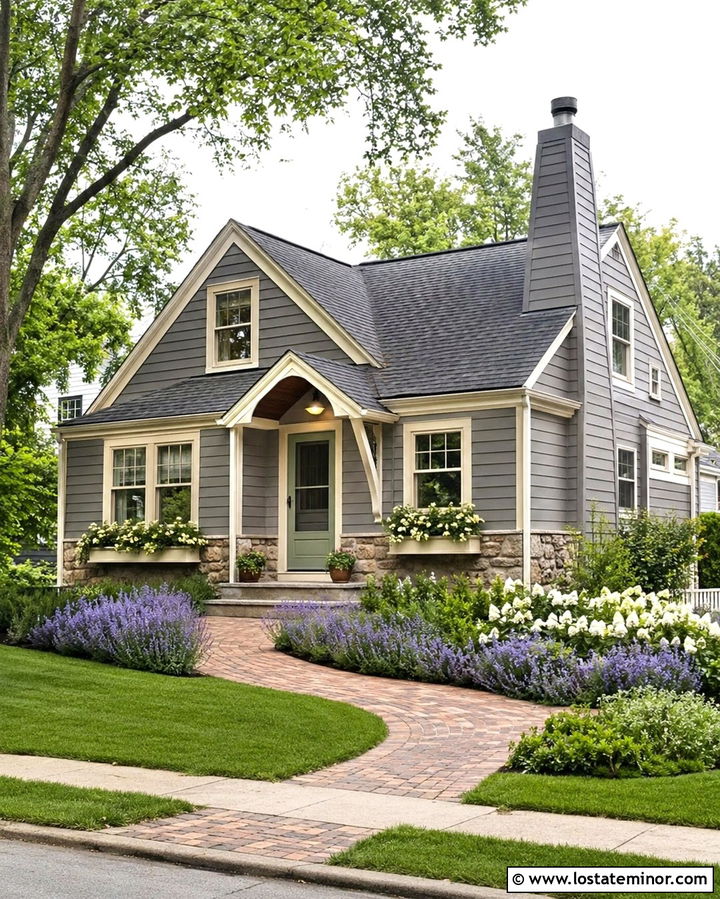
Soft sage green brings a garden-inspired quality to slate grey cottage siding. Paint both the storm door frame and the wooden front door in closely related sage shades, allowing the entrance to read as one complete feature. Cream trim feels gentler than brilliant white and complements the muted green. Use a dark charcoal roof to provide contrast above the lighter cottage details. A small arched porch, tapered chimney, window boxes, and stone foundation can add storybook character without relying on excessive decoration. Choose a full-light storm door so the paneled front door remains visible. Lavender, white flowering shrubs, and a curved brick path reinforce the natural colors. The finished facade feels warm, peaceful, and connected to its landscape.
13. Slate Grey Ranch With Red Storm Door
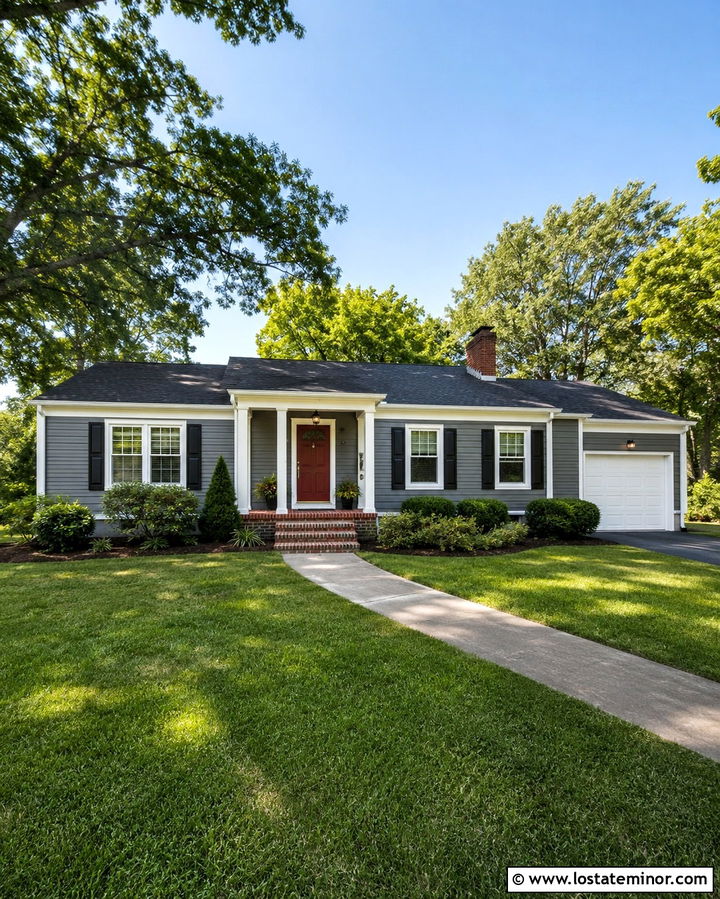
On a simple ranch house, a red storm door can supply the visual focus that the low, horizontal facade needs. Choose a deep brick red rather than an extremely bright tone, and coordinate it with a matching red front door behind the glass. Slate grey horizontal siding provides a calm backdrop, while warm white trim outlines the windows and roof. Black shutters and a charcoal roof add depth without introducing another competing color. Consider using red brick on the porch floor or chimney to repeat the entry tone in a permanent material. Low shrubs preserve views of the windows, and a wide walkway makes the doorway feel accessible. The result is approachable, traditional, and easy to update over time.
14. Slate Grey House With Wood-Look Storm Door
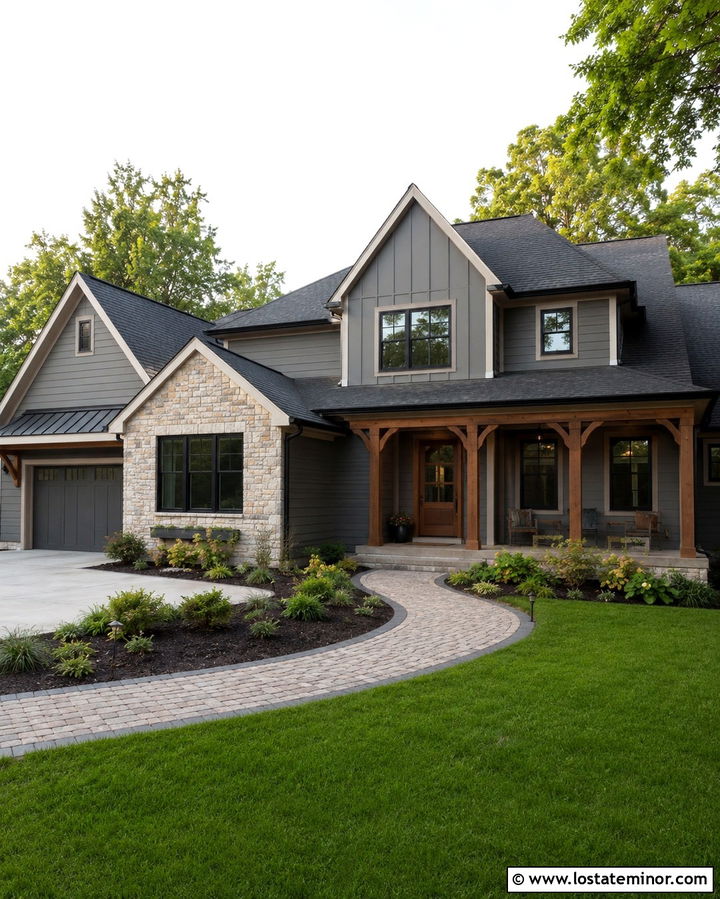
A wood-look storm door offers warmth with less visual weight than a solid wood entry door. Choose a realistic medium oak finish and position it over a darker walnut front door so the two layers look related. Slate grey siding creates strong contrast with the brown grain, while creamy trim and natural stone help bridge the cool and warm colors. This combination is especially effective on a transitional home with mixed lap siding and board-and-batten gables. Repeat the wood tone on porch beams, brackets, and a small bench. Use black windows and a charcoal roof to give the architecture a modern outline. A paver walkway and relaxed green landscaping complete the balanced, material-rich exterior without making it appear rustic.
15. Slate Grey Modern House With Silver Storm Door
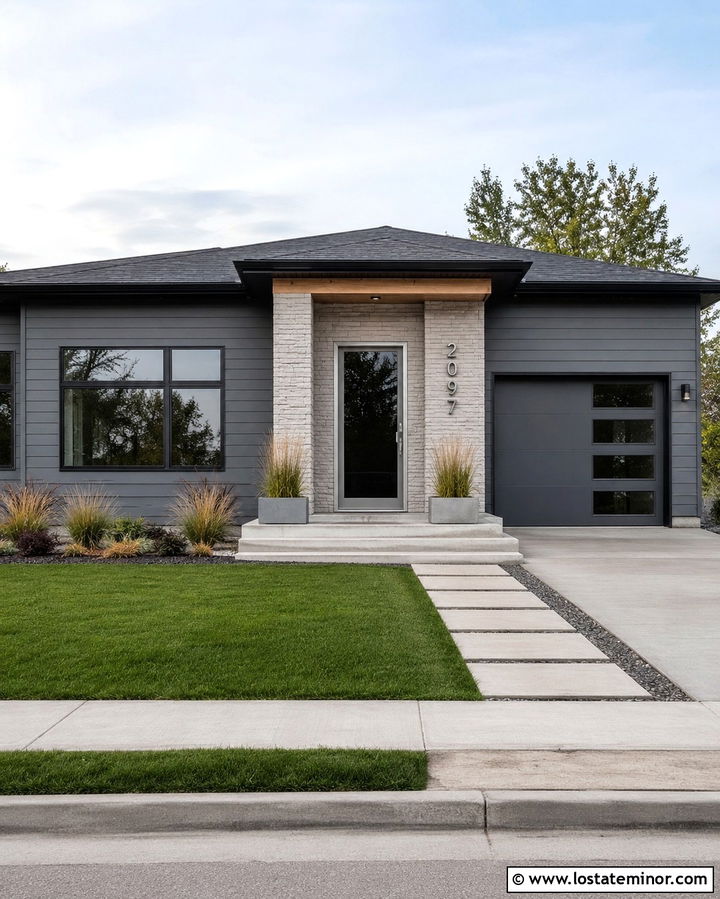
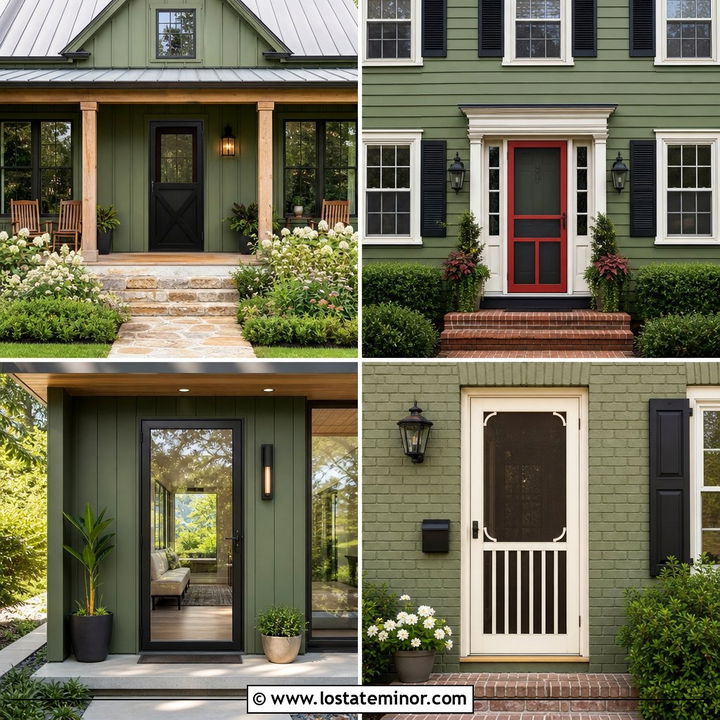
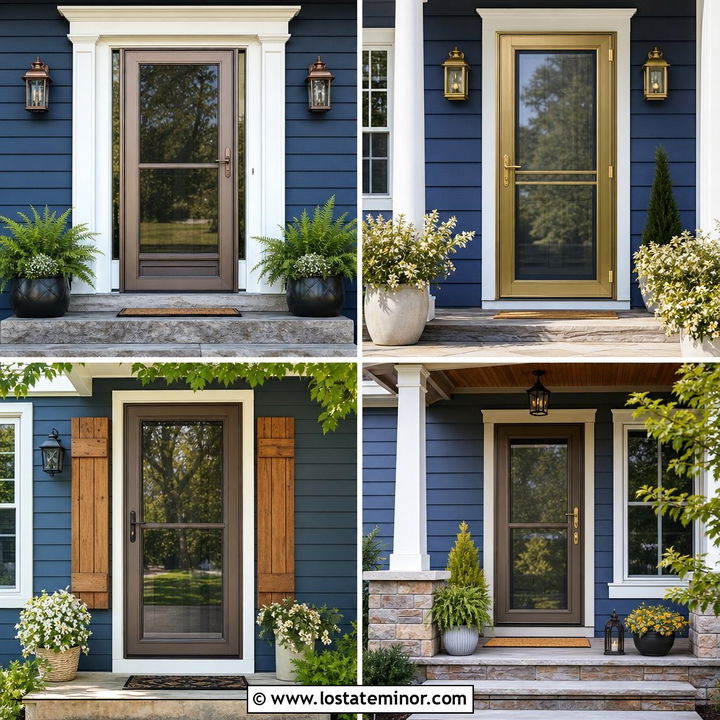
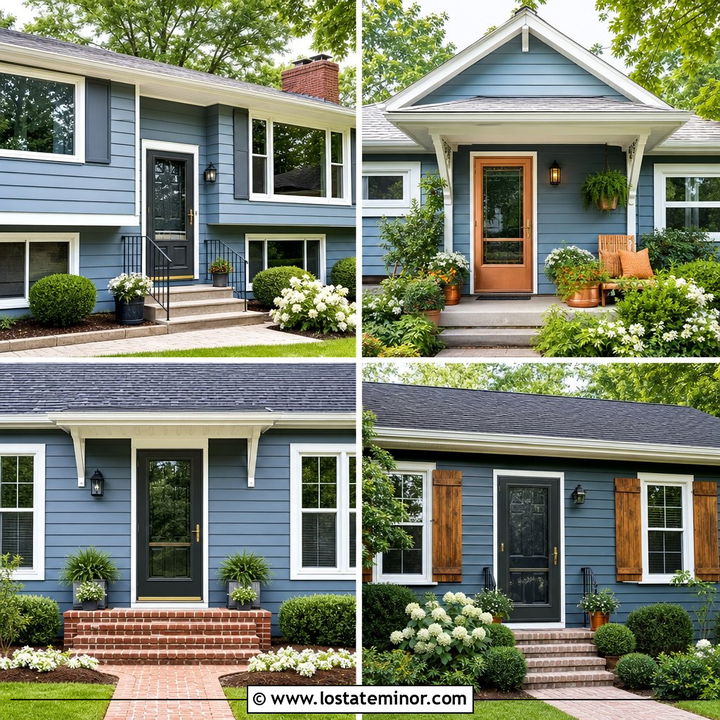
A satin silver storm door can suit modern architecture when it coordinates with other deliberate metal details. Pair it with slate grey panel siding, a black front door, aluminum window frames, and simple stainless steel house numbers. The storm door should have an almost frameless full-glass design to preserve the clean entrance. Use a flat or low-pitched charcoal roof and minimal white trim so the facade remains graphic rather than traditional. Light concrete steps and pale stone cladding prevent the combination from becoming too dark. Structured ornamental grasses, rectangular planters, and a straight walkway support the contemporary geometry. Limit decorative objects near the entrance, allowing the crisp metal, glass, siding, and masonry surfaces to define the curb appeal.
16. Slate Grey House With Black Double Storm Doors
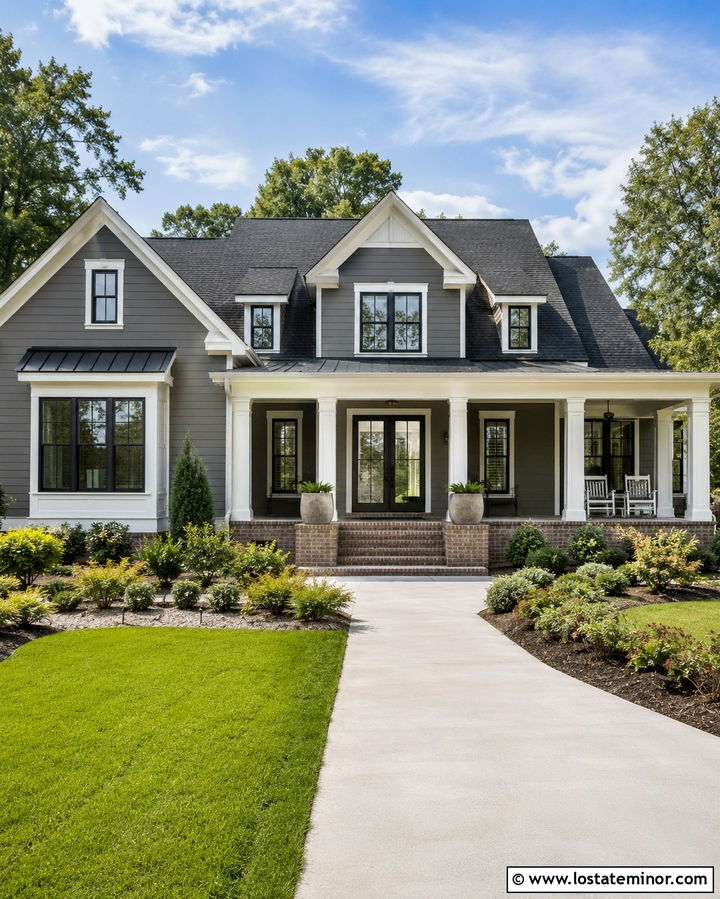
Double entry doors need storm doors that look architectural rather than added later. Choose matching black full-view storm doors with narrow frames and place them over warm natural wood doors. The black outlines provide structure, while the visible wood introduces warmth against slate grey siding. Use black window frames, gutters, and roof shingles to distribute the dark finish across the facade. Creamy white trim around the doorway and eaves keeps the entrance bright. This design works particularly well on a broad Southern transitional home with a deep porch, paired columns, and brick steps. Large planters can balance the width of the doorway. Keep furniture and decorations limited so the elegant double entrance remains the clear center of the exterior.
17. Slate Grey House With Black Storm Door And Copper Accents
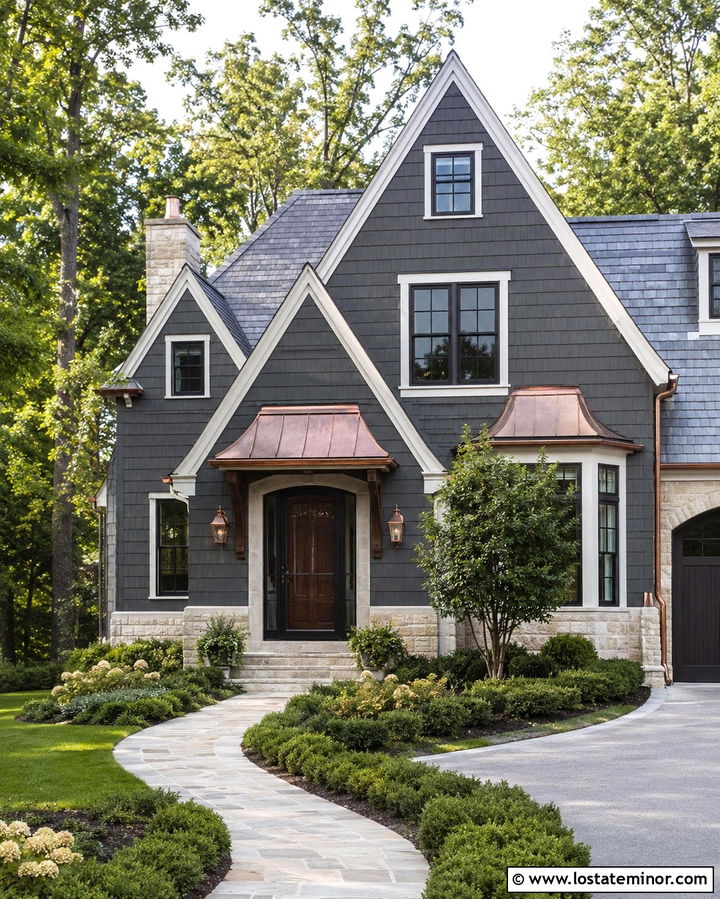
Copper details can make a slate grey exterior feel more distinctive without requiring a bright front door. Start with a black full-view storm door over a dark walnut entry door. Add copper porch lights, gutters, flashing, or a small metal porch roof to introduce a warm metallic accent. As the copper develops character, it continues to complement the cool grey siding and warm wood. Use off-white trim and pale limestone around the foundation to brighten the scheme. A Tudor-inspired house with steep gables and divided windows is a natural match for these materials. Black window sashes repeat the storm door frame. Deep green shrubs and a winding stone path create a refined setting that lets the metalwork remain noticeable.
18. Slate Grey House With White Storm Door And Blue Shutters
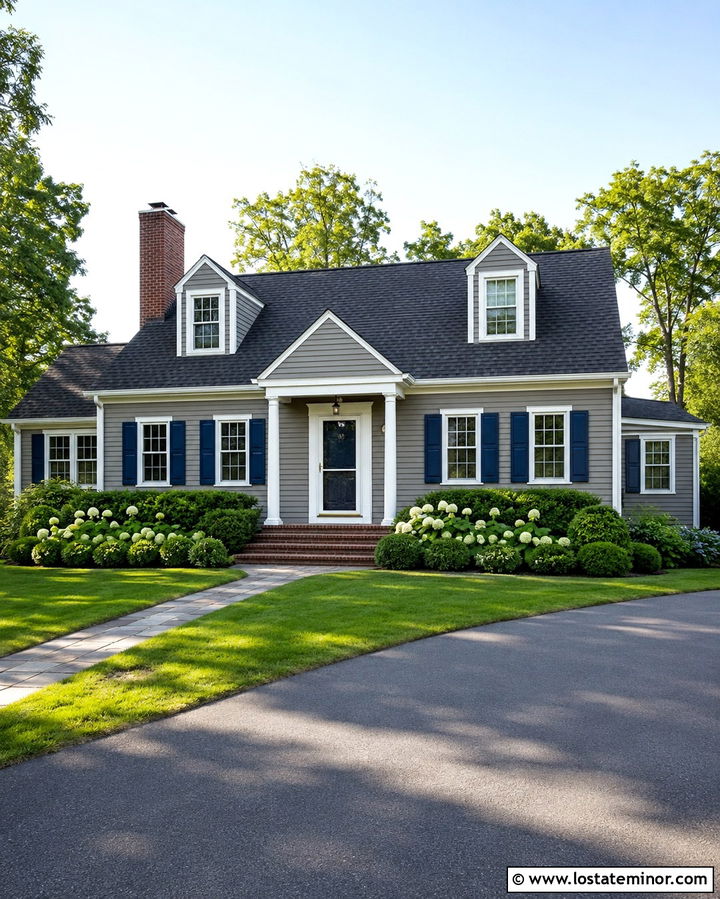
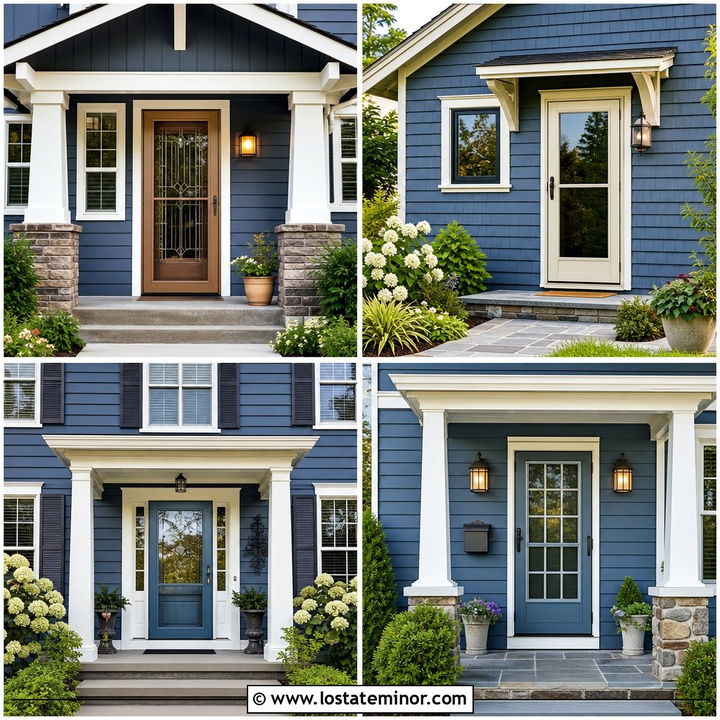
This combination gives a traditional grey exterior a lighter, more colorful personality. Use a white storm door that matches the window trim, porch columns, and garage door. Behind it, paint the front door a deep denim blue and repeat that color on properly fitted shutters. Slate grey siding balances the blue so the palette feels cohesive rather than overly themed. A medium charcoal roof adds contrast, while red brick steps provide a subtle warm note. This complete look works on Cape Cod and Colonial Revival homes with straightforward rooflines. White hydrangeas, clipped foundation shrubs, and a neat stone walkway maintain the classic mood. Choosing one consistent blue for the door and shutters keeps the facade orderly and visually connected.
19. Slate Grey House With Grey Storm Door And Black Roof
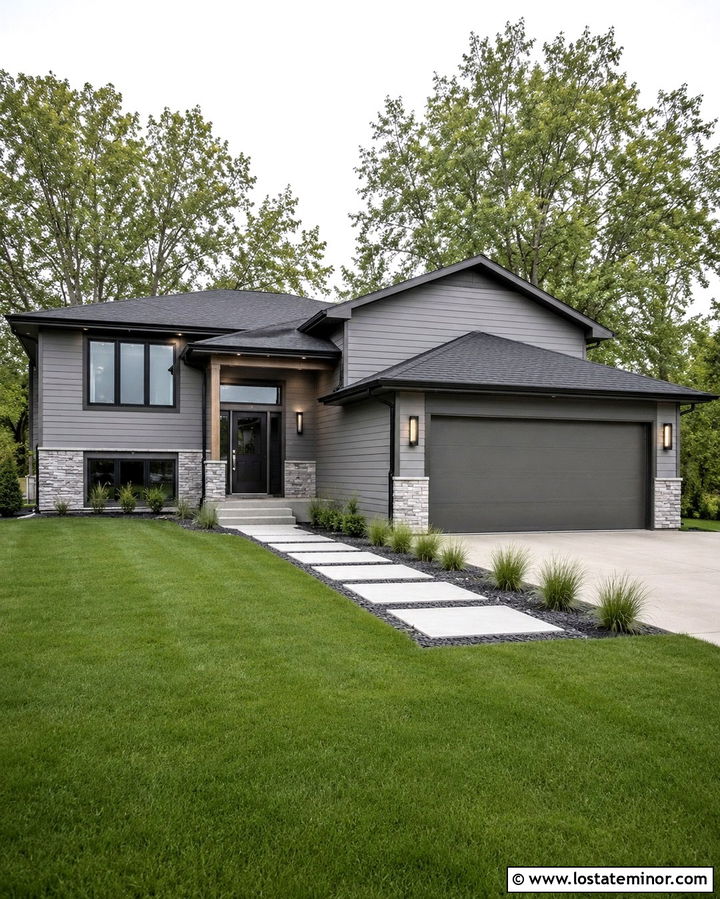
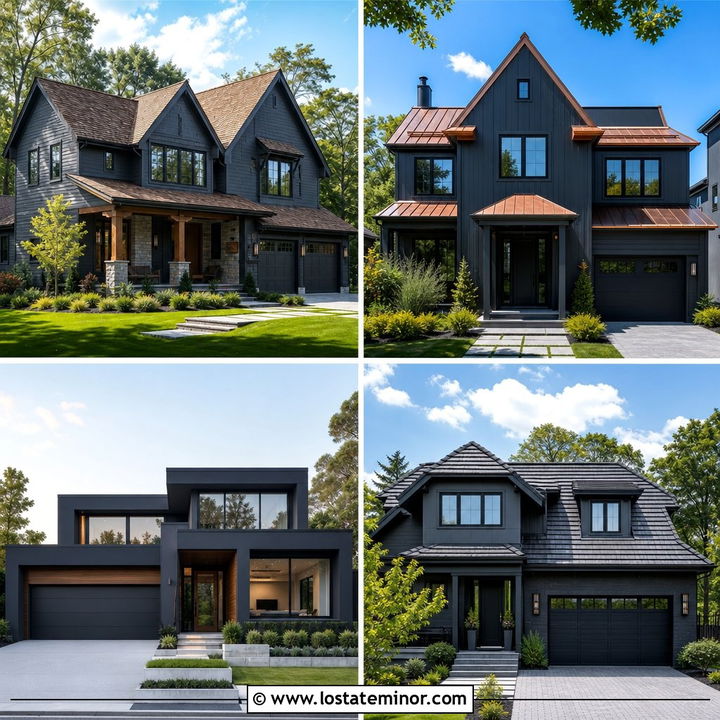
A quiet grey storm door can disappear into slate grey siding, allowing strong rooflines and architectural forms to lead the design. Choose a storm door one or two shades darker than the siding, then place a matte black front door behind it. Repeat black on the roof, window frames, downspouts, and porch lights for a sharp contemporary outline. Pale gray stone and warm white soffits keep the darker upper portion from feeling oppressive. This approach suits a modern split-level or raised ranch with asymmetrical windows and a wide garage. Paint the garage door slate grey so it blends into the wall. A broad driveway, linear walkway, and structured landscaping support the clean, low-maintenance character of the complete exterior scheme.
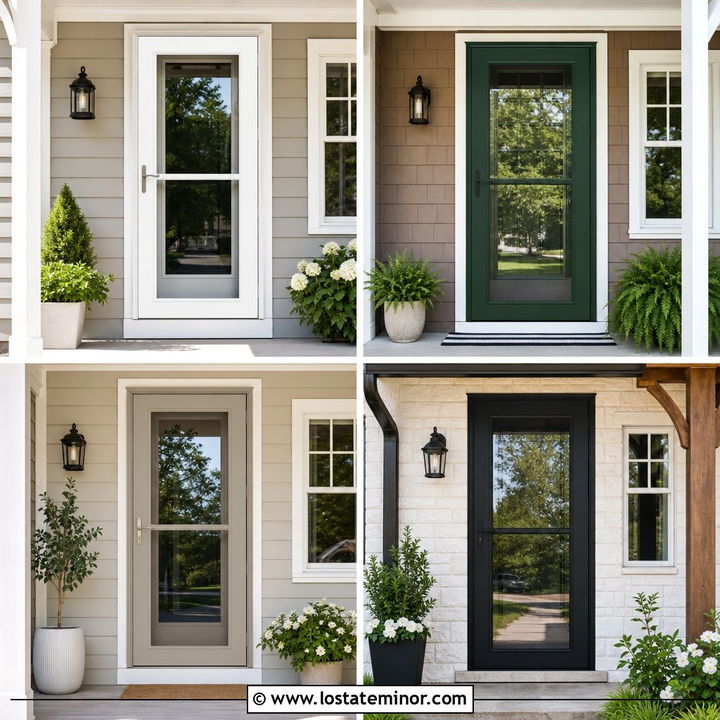
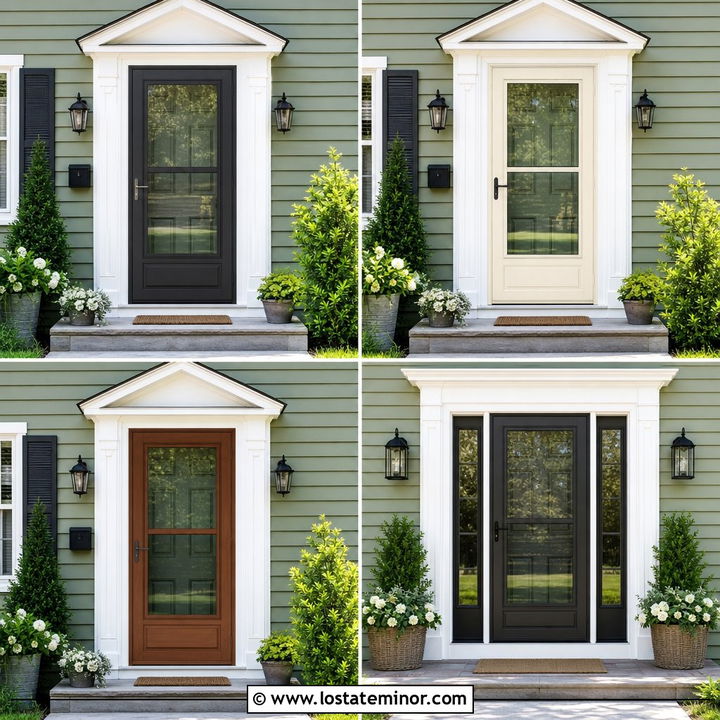
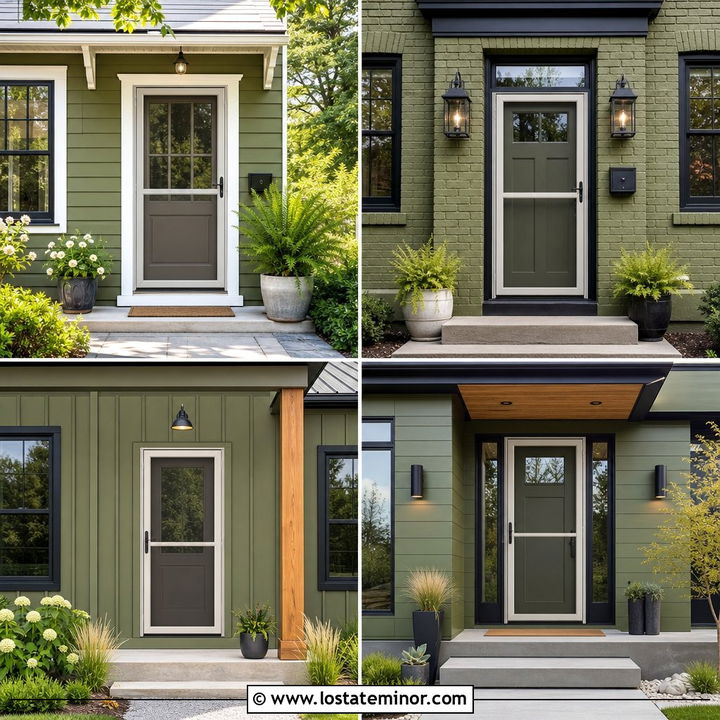
20. Slate Grey House With Bronze Storm Door And Taupe Stone
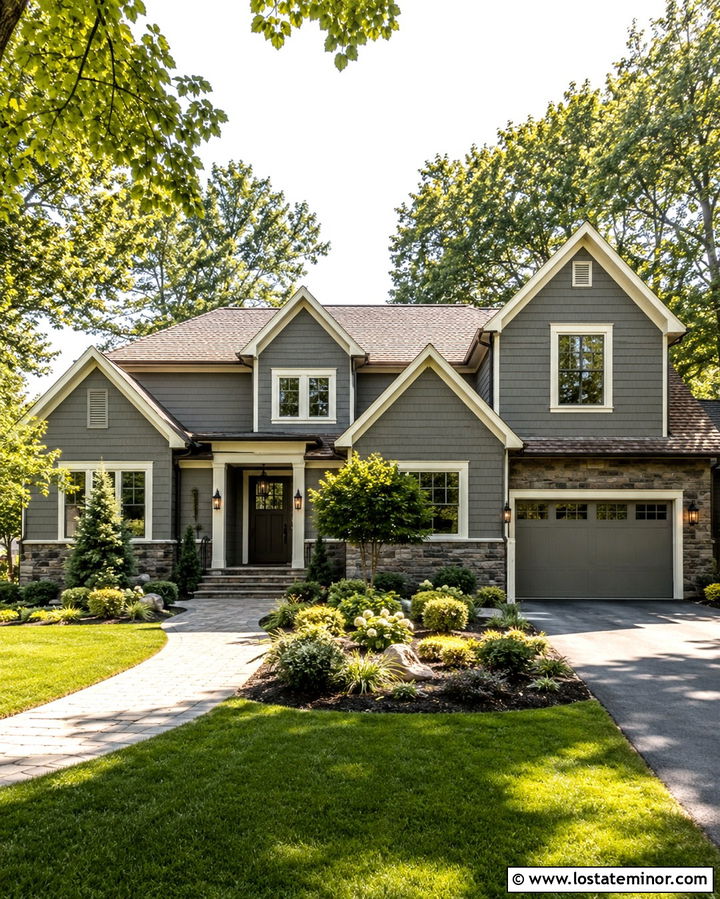
Slate grey and taupe can work together when the storm door provides a visual bridge. Choose a deep bronze frame over a warm taupe front door, then use mixed taupe-gray stone around the porch and lower walls. Soft ivory trim connects the masonry to the slate siding more smoothly than a bright, cool white would. Repeat bronze on the gutters, lanterns, and window hardware. A cross-gabled suburban home benefits from this balanced palette because the varied materials define its shape without creating excessive contrast. Use a weathered brown roof to reinforce the warmer undertones. Curved planting beds, medium-height shrubs, and a wide paver walkway soften the geometry and create a welcoming route toward the layered entrance.
21. Slate Grey House With Black Storm Door And Cedar Porch
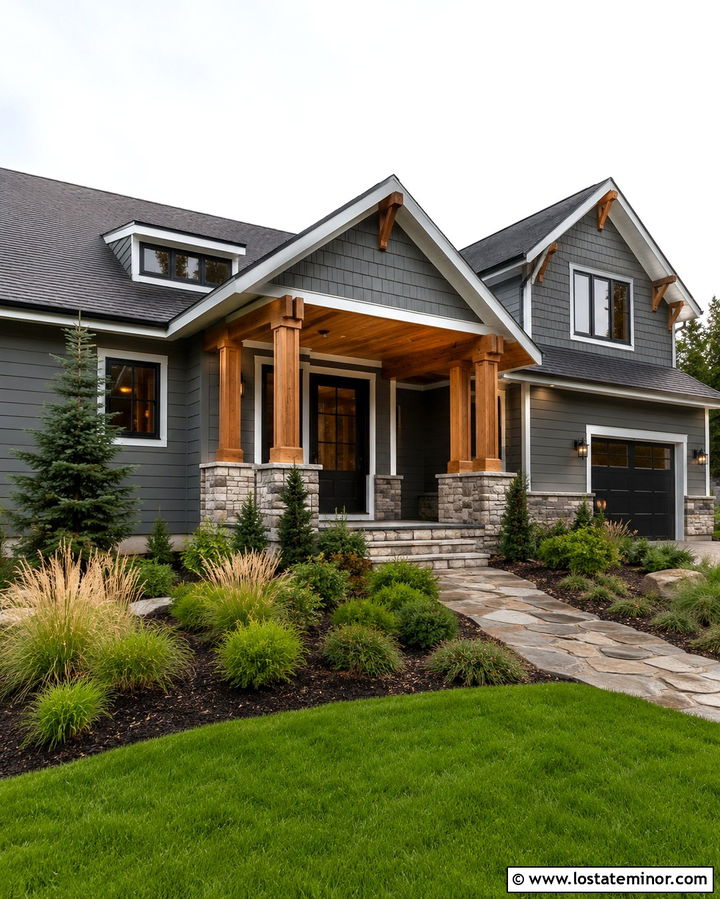
Natural cedar can transform a cool slate grey exterior, especially when paired with a clean black storm door. Use cedar for the porch posts, ceiling, rail caps, and small gable brackets. Place a medium-stained cedar front door behind the full-view black storm door so the entry repeats the surrounding woodwork. Black windows and a charcoal roof create contrast, while soft white trim keeps the siding edges visible. This material combination is ideal for a modern Craftsman with broad roof overhangs and substantial porch columns. Add gray fieldstone at the column bases to connect the siding with the landscape. Evergreen plants, ornamental grasses, and a flagstone walkway finish the house with a casual but carefully planned curb-appeal look.
22. Slate Grey Cape Cod With White Storm Door
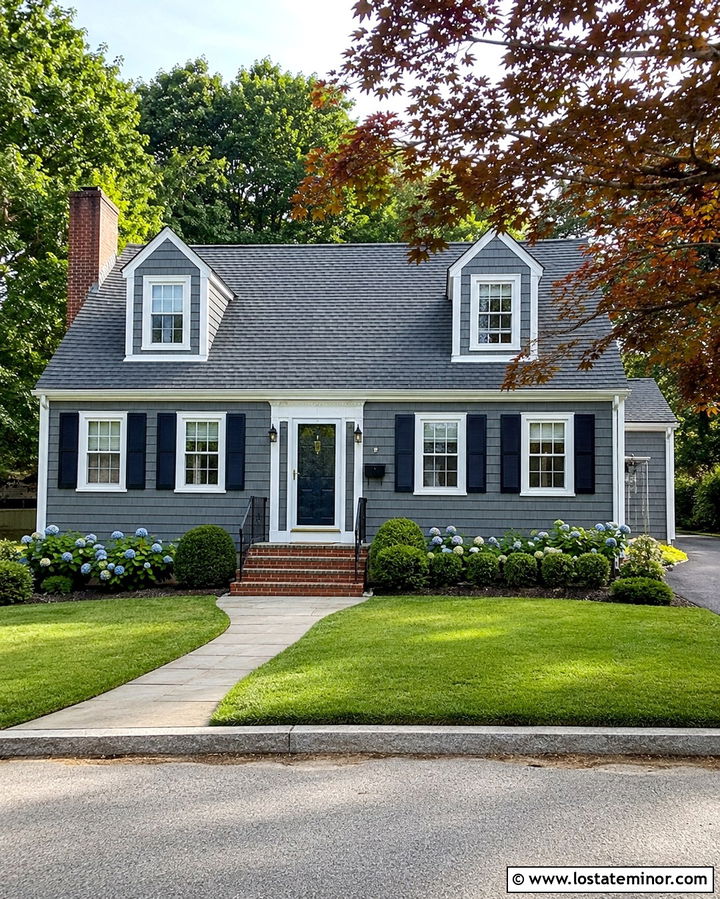
A white storm door supports the bright trim and tidy proportions of a classic Cape Cod house. Use slate grey shingle siding, white corner boards, white dormers, and a simple white entrance surround. A dark blue front door behind the clear storm panel adds depth without straying from the coastal-inspired palette. Repeat the blue on small shutters, and choose a charcoal architectural-shingle roof to anchor the upper facade. Red brick steps provide warmth and traditional texture near the entrance. Keep the storm door frame slim so the paneled front door remains visible. Boxwoods, hydrangeas, and a gently curved walkway suit the compact architecture. The entire exterior feels clean and familiar while still offering enough color to stand out from neighboring homes.
23. Slate Grey Rustic House With Brown Storm Door
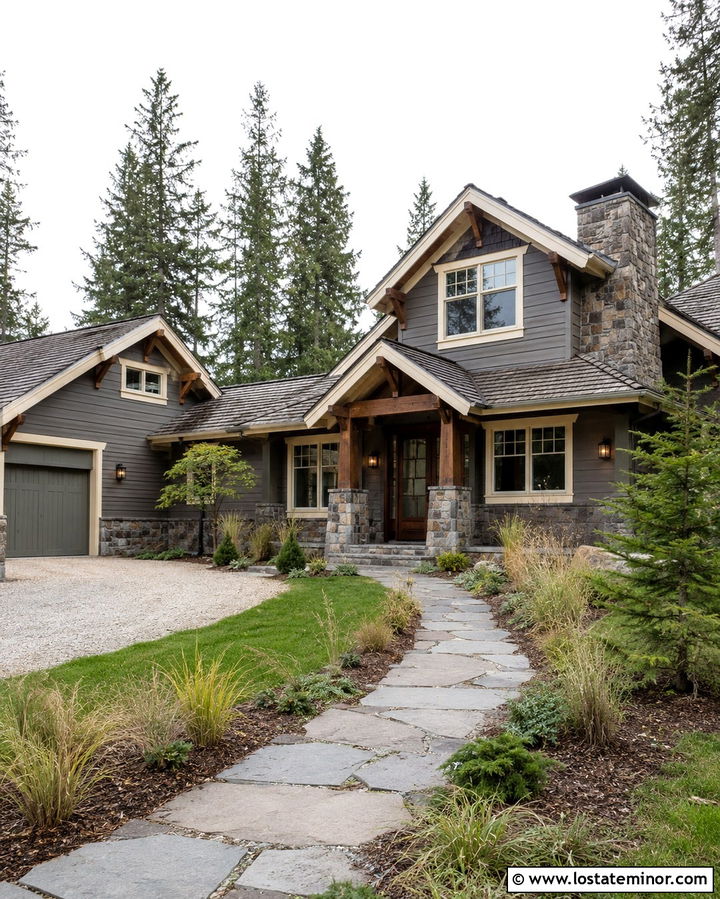
Deep brown gives a storm door a grounded look that works well with rustic materials. Pair a dark brown full-glass frame with a knotty alder front door, slate grey siding, and substantial stone around the porch and chimney. Use warm cream trim instead of pure white to complement the wood grain and earth-toned masonry. A dark weathered roof and bronze exterior lights strengthen the natural palette. This scheme fits a mountain-inspired home or rustic Craftsman with exposed beams, broad eaves, and a covered entry. Select stone containing both cool gray and warm tan pieces so every finish feels connected. Native grasses, evergreens, and an irregular flagstone path help the house settle naturally into its surroundings without hiding the front facade.
24. Slate Grey House With Black Storm Door And Garage Door
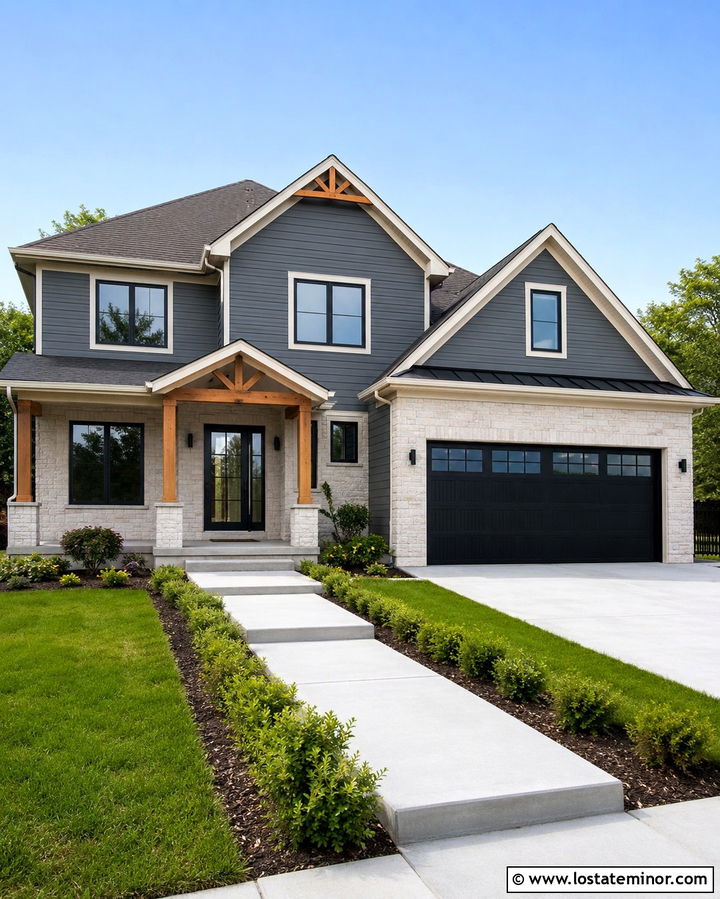
Repeating black on the storm door and garage door can give a slate grey home a strong modern identity. The key is balancing those large dark areas with warm white trim, light stone, and natural wood accents. Place a black full-view storm door over a white oak front door, then use matching black window frames and a charcoal roof. If the garage dominates the front elevation, choose a paneled black door with upper windows to break up its visual weight. This scheme suits a contemporary suburban house with mixed horizontal and vertical siding. Light concrete, low hedges, and a wide lawn brighten the foreground. Cedar porch beams add enough warmth to prevent the overall exterior from looking stark or overly industrial.
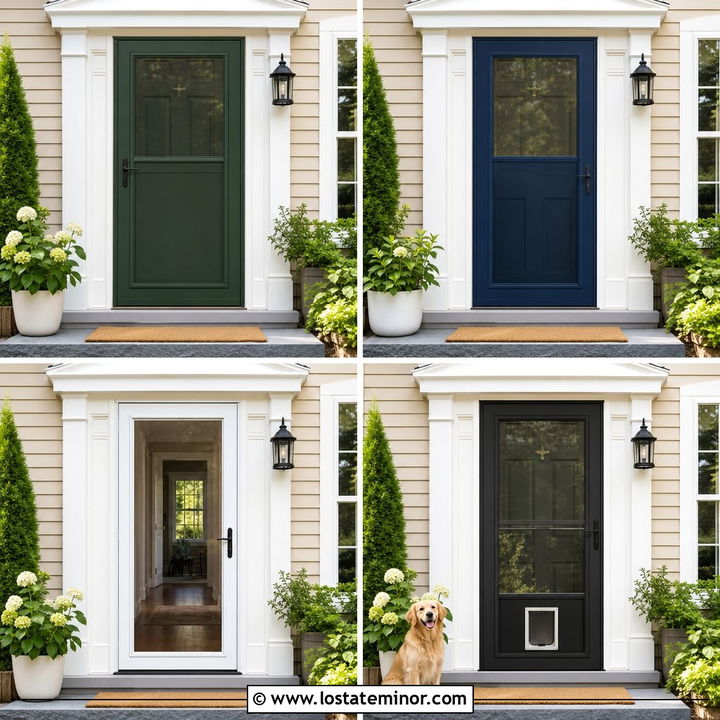
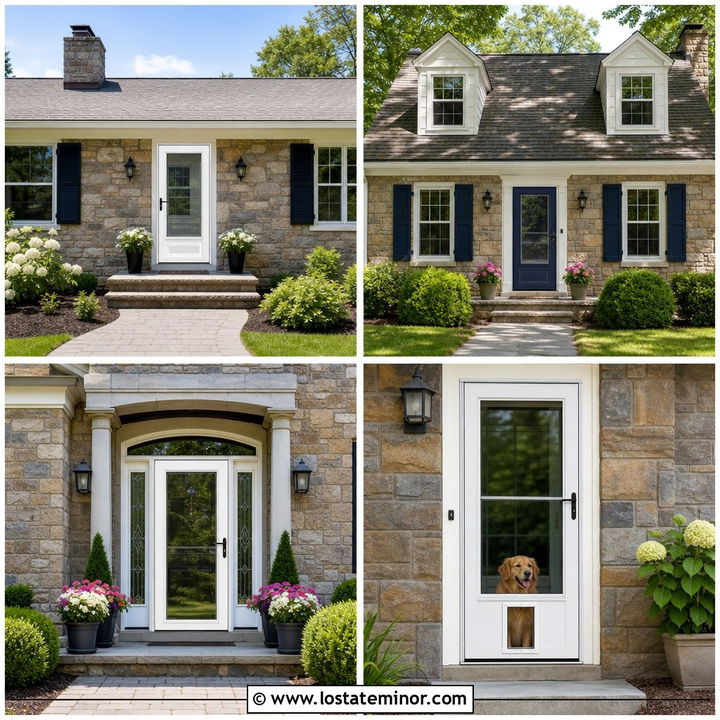
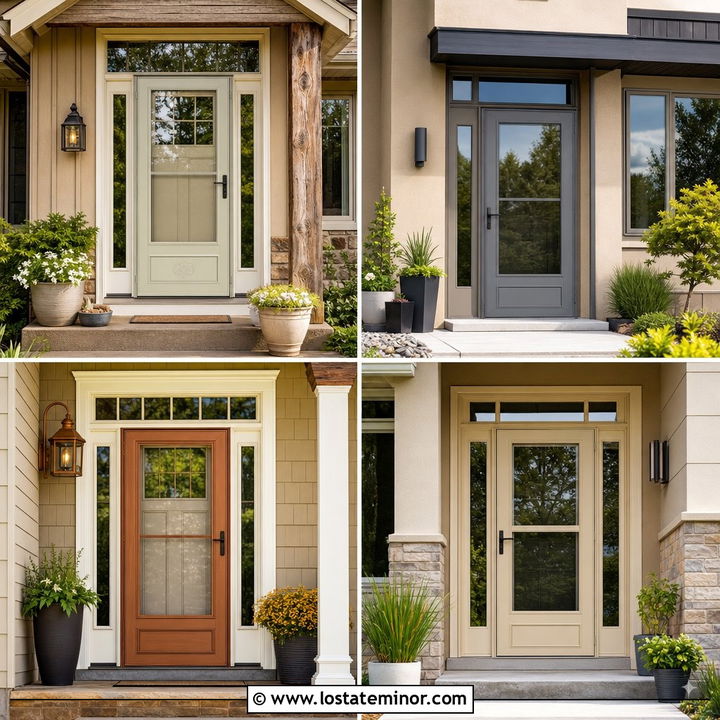
25. Slate Grey Monochrome House With Matching Storm Door
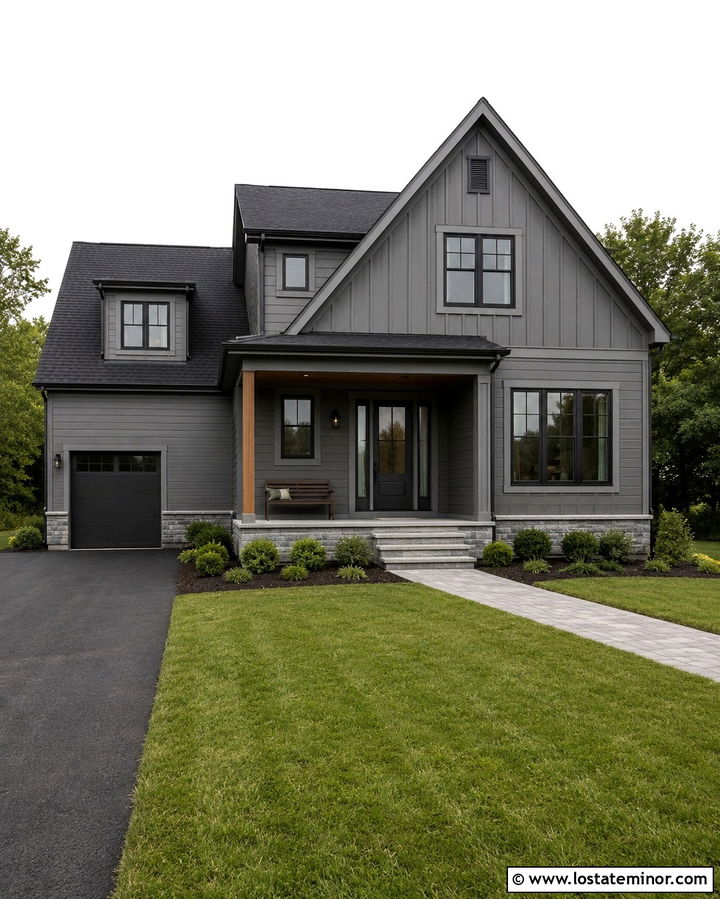
A monochromatic slate grey house depends on changes in shade, texture, and sheen rather than bold color. Use medium slate grey lap siding, a slightly darker storm door, and a deep charcoal front door. Paint the trim a lighter gray instead of white, then add black window frames and roof shingles for definition. Mixing board-and-batten gables with horizontal siding keeps the restrained palette visually interesting. A smooth gray stone foundation can provide another subtle variation without disrupting the design. This combination works well on minimalist transitional homes where strong color contrasts would feel unnecessary. Use warm wood on the porch ceiling and bench to keep the entrance inviting. Soft green landscaping provides natural color while maintaining the exterior’s calm, cohesive appearance.
26. Slate Grey Cottage With Ivory Storm Door
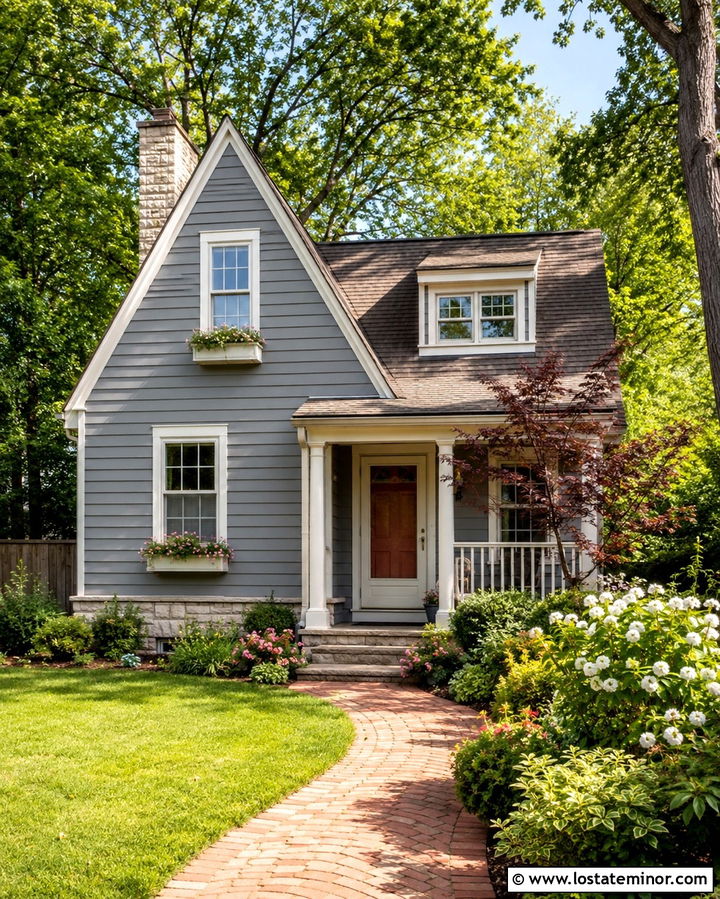
An ivory storm door gives slate grey cottage siding a softer contrast than bright white. Match the frame to creamy window trim, porch railings, and decorative eaves. Behind the glass, use a muted dusty rose or soft terracotta front door for a warm focal point that still feels gentle. A brown-gray roof and pale stone foundation support the cozy palette. This look suits a small cottage with a steep roof, front-facing gable, window boxes, and a compact covered porch. Choose simple storm door rails so the entry does not become visually crowded. A curved brick walkway, flowering shrubs, and informal garden beds reinforce the welcoming character. Repeating ivory on several architectural elements ensures the storm door feels planned and properly integrated.
27. Slate Grey House With Black Storm Door And Greige Trim
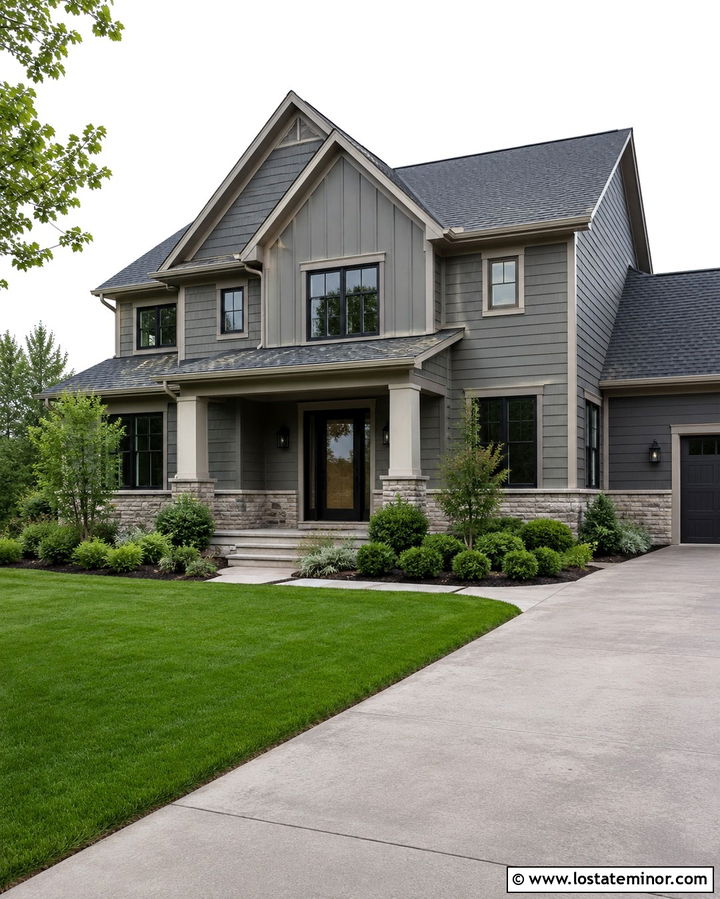
Greige trim can warm slate grey siding without creating the stronger contrast of white. Choose a light mushroom greige for the window casings, fascia, garage door, and porch columns. A black full-view storm door adds a clean focal point, while a medium walnut front door supplies warmth behind the glass. Repeat black on the windows, roof, and lanterns to distribute the dark accent evenly. This balanced scheme complements a transitional home with multiple gables and mixed siding directions. Use beige-gray stone around the porch to connect the greige trim with the cooler body color. Neatly layered landscaping and a wide concrete path complete the exterior. The result feels current yet approachable because every contrast is controlled rather than extreme.
28. Slate Grey House With Bronze Storm Door And Terracotta Accents
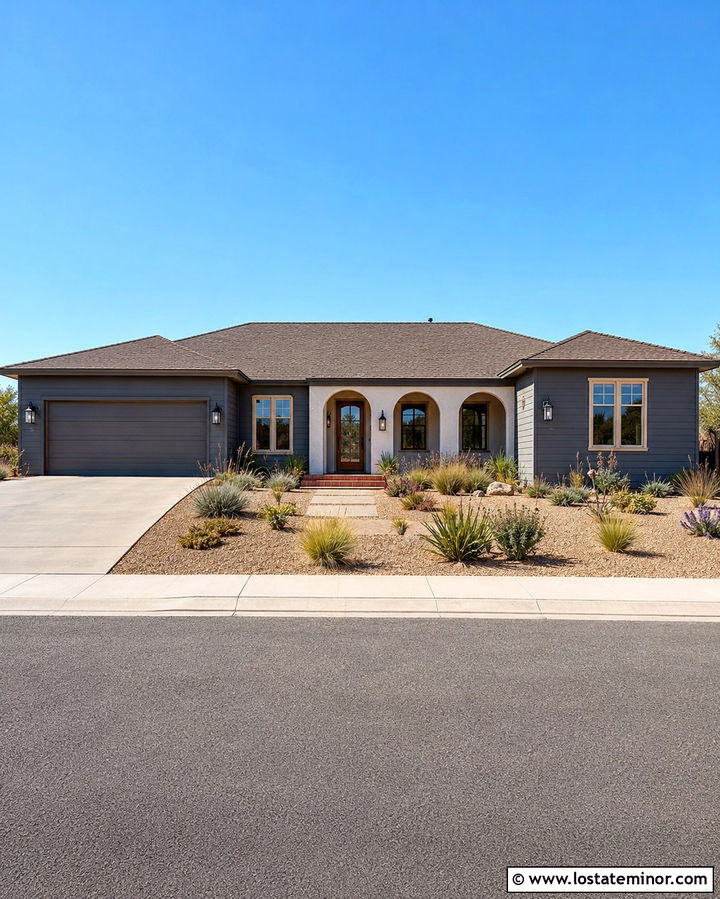
Terracotta adds sun-warmed color to a slate grey exterior, and a bronze storm door helps connect the two. Place the bronze frame over a muted clay-colored front door, then repeat terracotta in porch tiles, planters, or brick details. Use warm cream trim and a brown architectural-shingle roof to reinforce the earthy direction. Slate grey siding keeps the palette grounded and prevents the orange tones from becoming overwhelming. This combination works well on a Spanish-influenced ranch or Southwestern transitional house with stucco sections, shallow rooflines, and arched porch openings. Drought-tolerant grasses, flowering sage, and gravel beds complement the materials. Keep the metal finishes consistently bronze so the storm door, lighting, and hardware function as one coordinated layer.
29. Slate Grey House With White Storm Door And Wide Front Porch
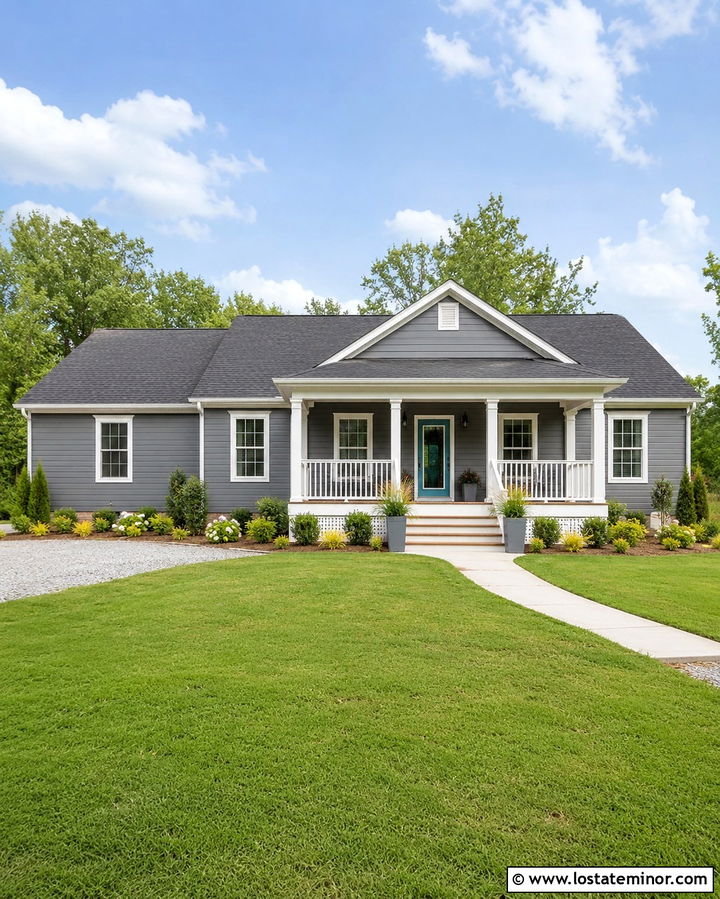
A wide front porch needs an entrance that remains visible among columns, railings, and outdoor furniture. A clean white storm door can blend with the porch structure while framing a rich teal front door behind the glass. Use slate grey siding across the complete facade, then repeat white on the ceiling, trim, and porch skirt. A charcoal roof and black lanterns provide definition above and around the porch. This combination is especially inviting on a one-story bungalow or accessible ranch with broad steps and generous pathways. Natural wood decking prevents the white elements from feeling too cold. Keep porch furniture simple and use large planters near the doorway. Layered shrubs and an open lawn preserve a bright, uncluttered curb view.
30. Slate Grey Contemporary House With Blue Storm Door
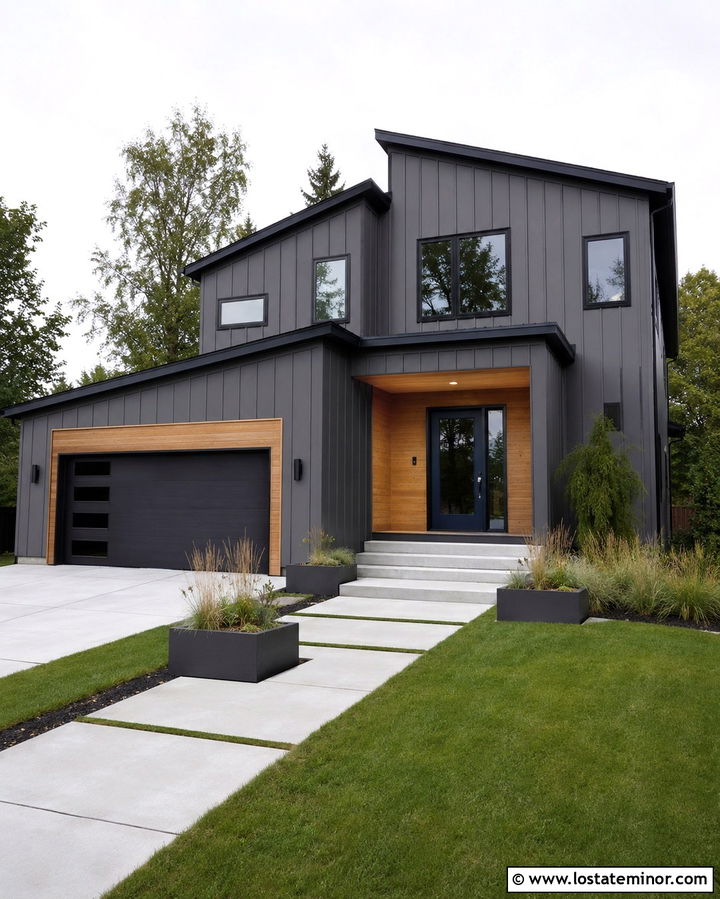
A blue storm door can become part of a modern color-blocked entrance rather than a purely functional addition. Choose a deep blue-gray frame and coordinate it with a slightly lighter steel blue front door. Slate grey vertical siding keeps the two blues sophisticated, while black windows, gutters, and roof edges sharpen the exterior. Use pale wood around the recessed entry and garage to add warmth to the cool palette. Smooth concrete steps, rectangular planters, and linear landscaping support the contemporary design. The storm door should feature a large pane of glass and minimal framing. This approach works especially well on an asymmetrical house with flat or shed roof sections. The completed scheme feels colorful, architectural, and intentionally layered.
Conclusion:
The best storm door should feel connected to the complete exterior rather than attached as an afterthought. Black creates definition, white coordinates with traditional trim, bronze complements warm masonry, and color-matched grey produces a quieter entrance. Slate grey siding also gives you room to introduce wood, stone, colorful front doors, and contrasting roof finishes without making the facade feel disorganized. Before ordering a door, compare its frame color with the siding, trim, windows, and hardware in natural daylight. Consider how much of the main door will remain visible through the glass. These 30 Slate Grey House Design With Storm Door Ideas show that practical weather protection and polished curb appeal can easily work together.

Related posts: