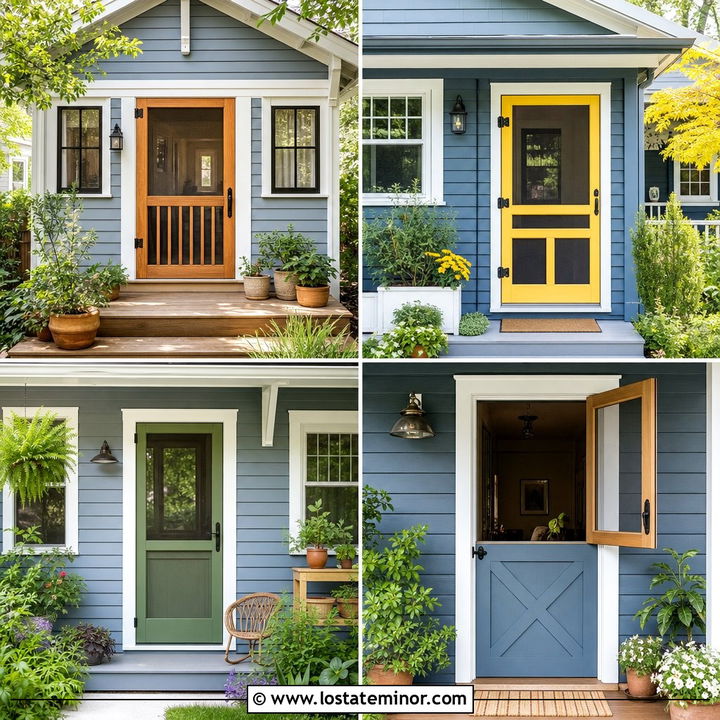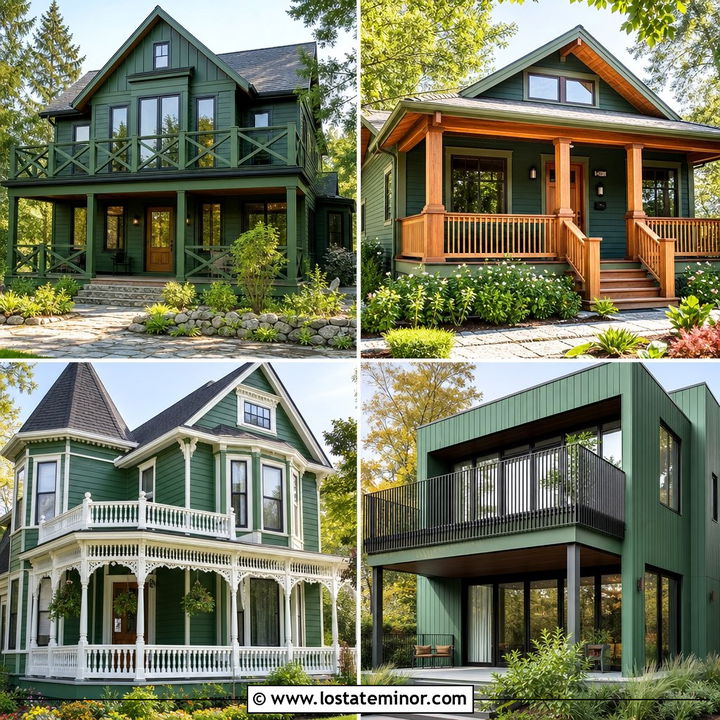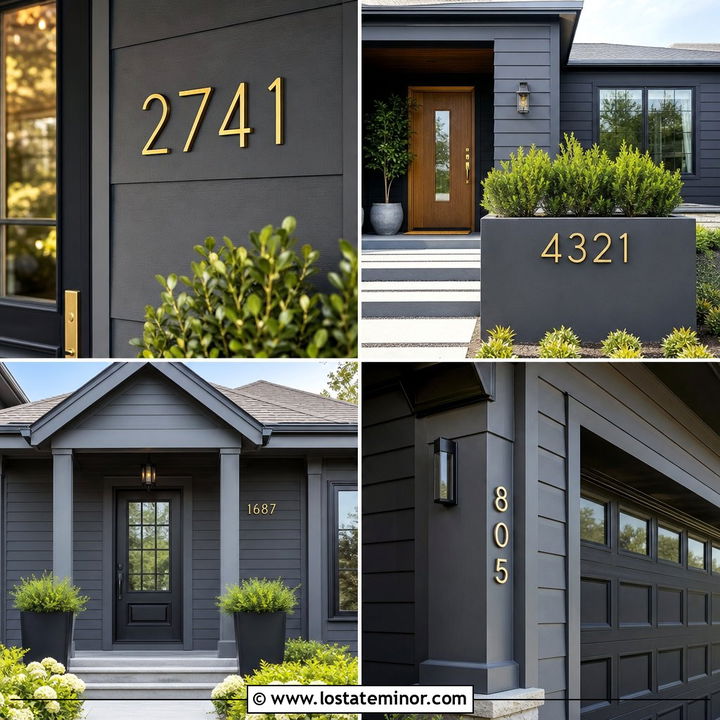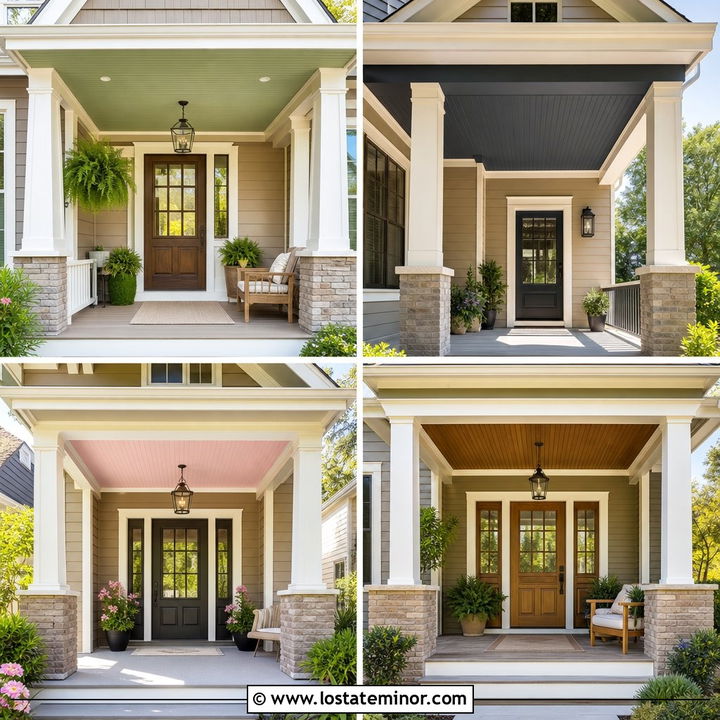
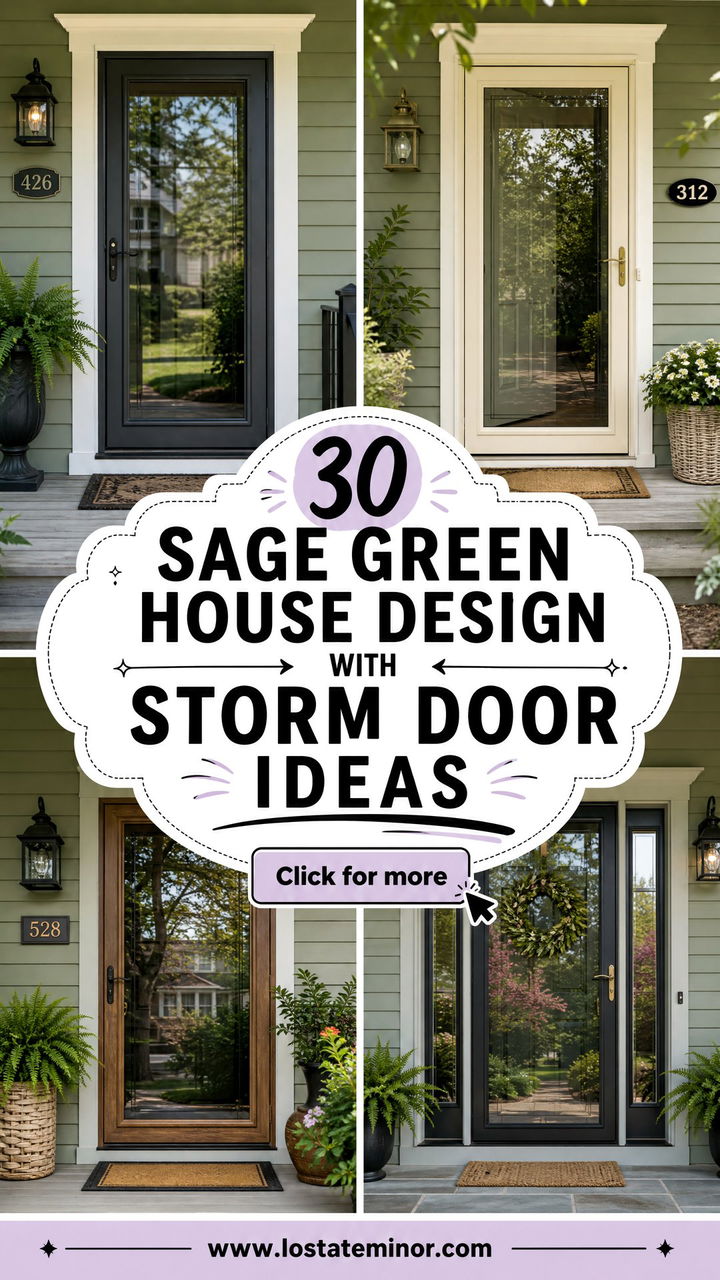
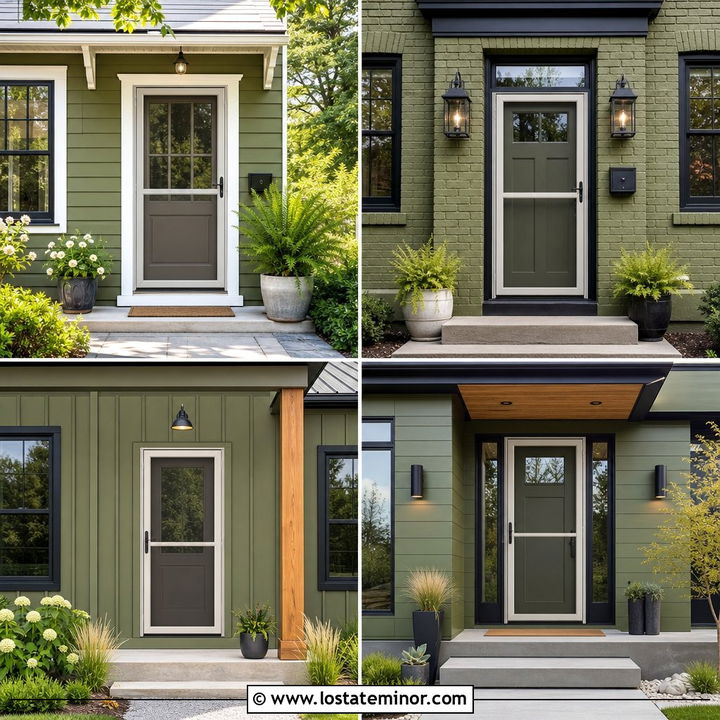
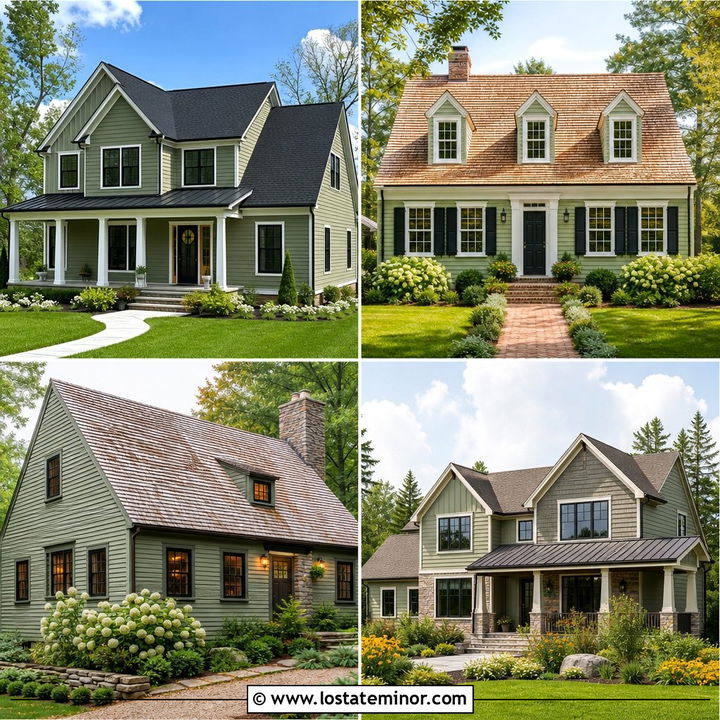
A sage green exterior creates a calm, natural backdrop, while the right storm door adds contrast, protection, and everyday function. These 30 Sage Green House Design With Storm Door Ideas explore complete curb-appeal schemes rather than treating the entrance as an isolated detail. You will find sage siding paired with white, cream, charcoal, bronze, and wood accents across ranch, Craftsman, Colonial, farmhouse, cottage, and contemporary homes. Each look considers the storm door frame, main entry door, trim, roof, masonry, porch, and landscaping. Before choosing a palette, sample the sage beside your permanent roof and stone colors, then view it throughout the day. Explore these 30 Sage Green House Design With Storm Door Ideas.
1. Sage Green House With Black Storm Door
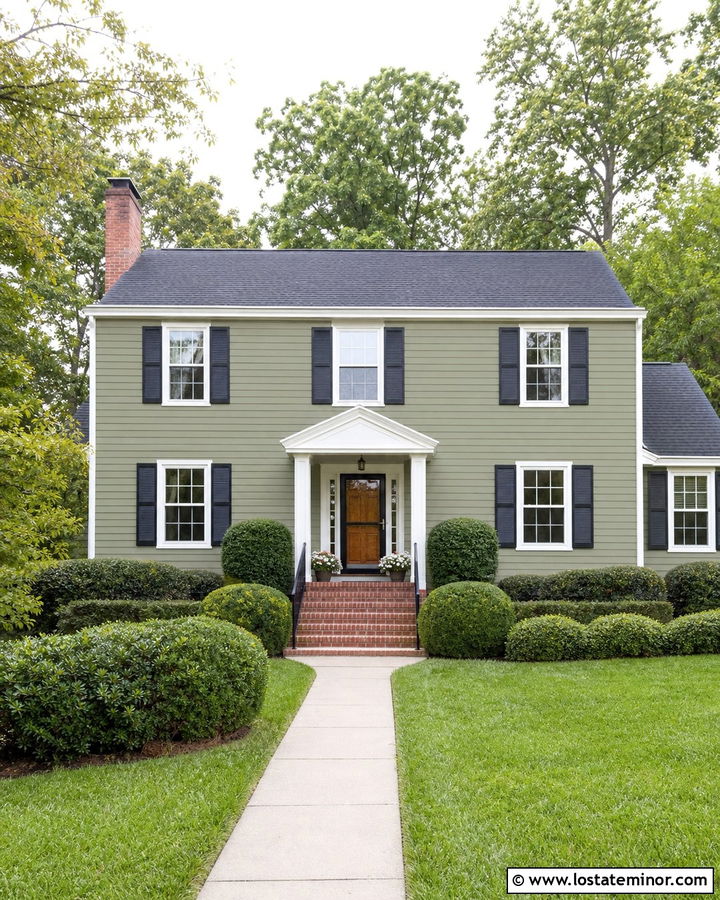
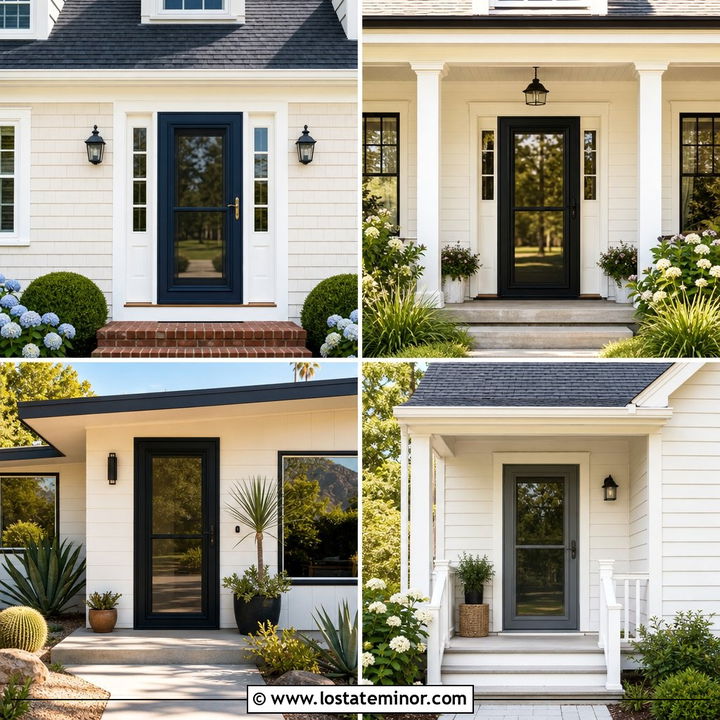
A black storm door gives a sage green house a crisp focal point without overpowering the soft siding. Use warm sage lap siding with clean white trim, black shutters, and a charcoal architectural-shingle roof for a balanced traditional scheme. A full-view black storm door allows a warm wood or painted white entry door to remain visible. Repeat black on porch lanterns, house numbers, and simple metal railings so the entrance feels connected to the rest of the facade. This combination works especially well on a Colonial or two-story suburban home. Keep the front walkway light gray and soften the stronger contrasts with rounded shrubs, ornamental grasses, and white flowering plants.
2. Sage Green House With White Storm Door
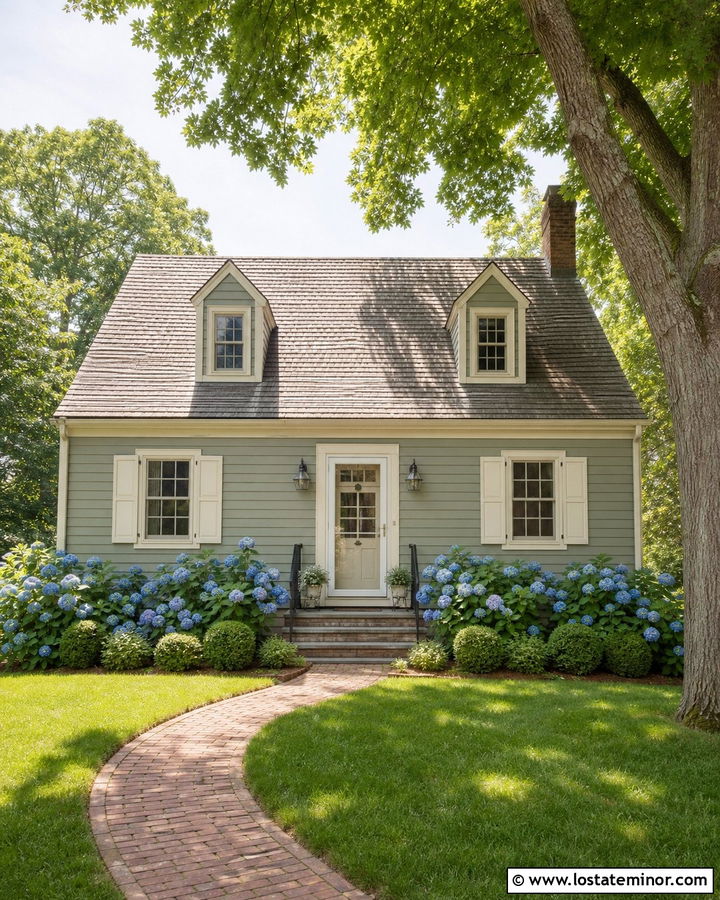
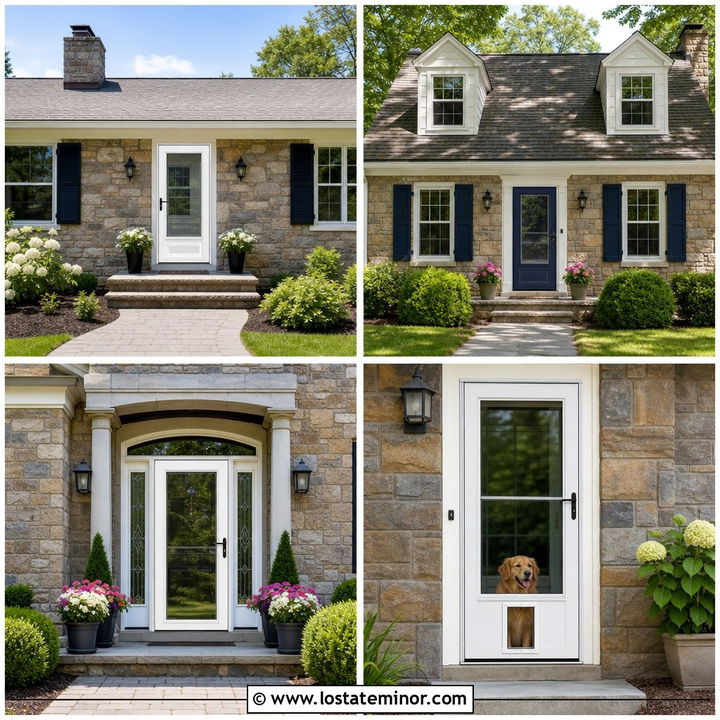
What if you want the entrance to feel lighter instead of more dramatic? Pair muted sage green siding with a white full-glass storm door, white window trim, and a creamy white front door. The matching whites create a continuous frame around the entry and make a compact Cape Cod or cottage appear brighter. Add weathered gray roof shingles and a pale stone foundation to keep the exterior soft rather than overly colorful. Brushed nickel or pewter hardware fits this cool, airy palette. A curved brick walkway introduces gentle warmth, while clipped boxwoods and blue hydrangeas support the garden-inspired color scheme. Choose consistent white undertones across the trim, storm door, and windows for a polished result.
3. Sage Green House With Bronze Storm Door
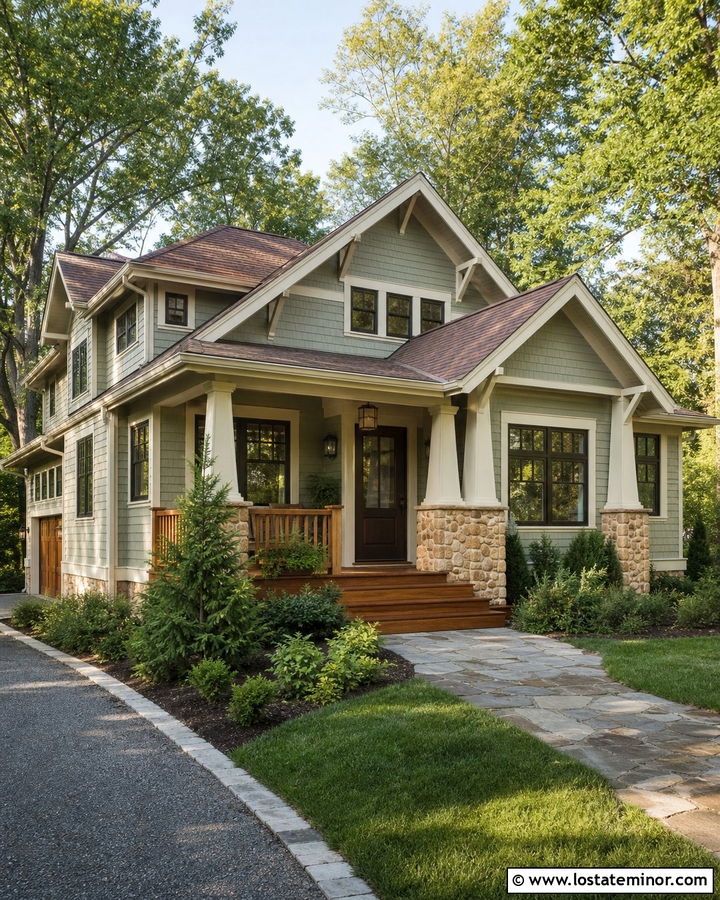
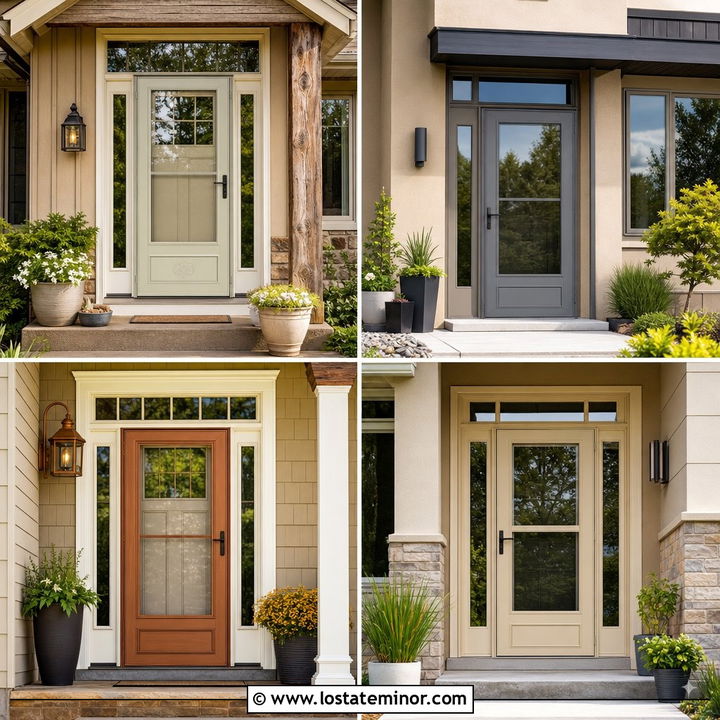
A dark bronze storm door feels warmer and slightly softer than solid black. It pairs naturally with gray-green sage siding, cream trim, a walnut-stained front door, and brown roof shingles. This complete palette is particularly effective on a Craftsman house with tapered porch columns, exposed brackets, and a stone base. Select a full-view bronze storm door so the rich wood grain behind it remains an important part of the facade. Oil-rubbed bronze lights, mailbox hardware, and address numbers will carry the finish beyond the doorway. Use tan fieldstone, natural cedar porch decking, and layered evergreen landscaping to strengthen the earthy character. The finished exterior feels grounded, coordinated, and welcoming in every season.
4. Sage Green House With Wood Look Storm Door
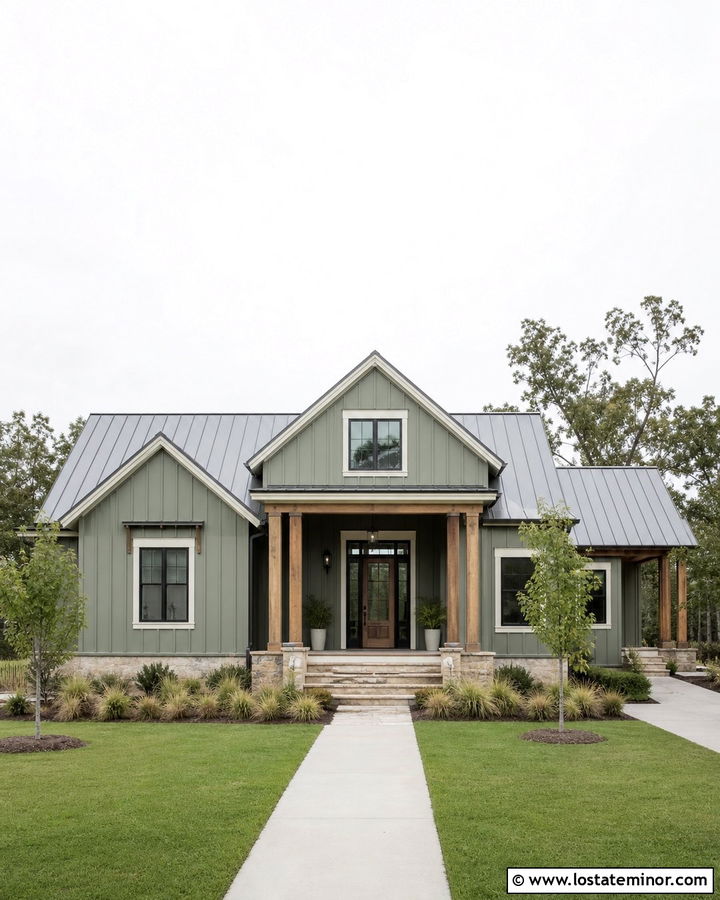
A wood-look storm door adds warmth without requiring every exterior detail to be made from natural lumber. Place it against dusty sage board-and-batten siding with soft white trim and a medium-gray metal roof. A simple modern farmhouse benefits from the contrast because the faux-wood frame breaks up large areas of green and white. Match its tone to stained porch posts, ceiling beams, or garage accents for a whole-house connection. The main door can be black, cream, or a deeper sage, depending on how much contrast you prefer. Complete the scheme with light limestone steps, black barn lights, and an uncomplicated concrete walkway. Native grasses and loose foundation plantings keep the facade relaxed and approachable.
5. Sage Green House With Charcoal Storm Door
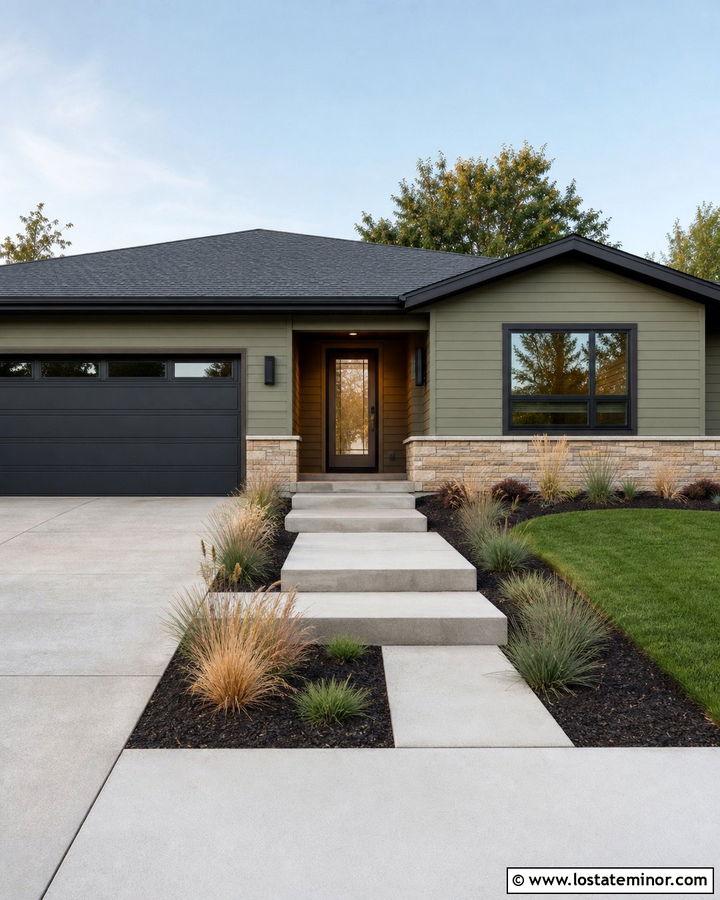
Charcoal creates definition on sage siding but feels less severe than true black. For a modern ranch exterior, combine medium sage horizontal siding with charcoal trim, a charcoal full-view storm door, and a pale oak entry door. Carry the darker gray onto the gutters, downspouts, and garage door to distribute the color evenly. A low-pitched graphite roof reinforces the long roofline, while warm buff stone around the foundation prevents the scheme from becoming too cool. The storm door should have a narrow frame and minimal ornamentation to match the home’s clean architecture. Wide concrete steps, linear planting beds, and dark mulch complete the updated look. This palette is practical, quiet, and visually cohesive.
6. Sage Green House With Cream Storm Door
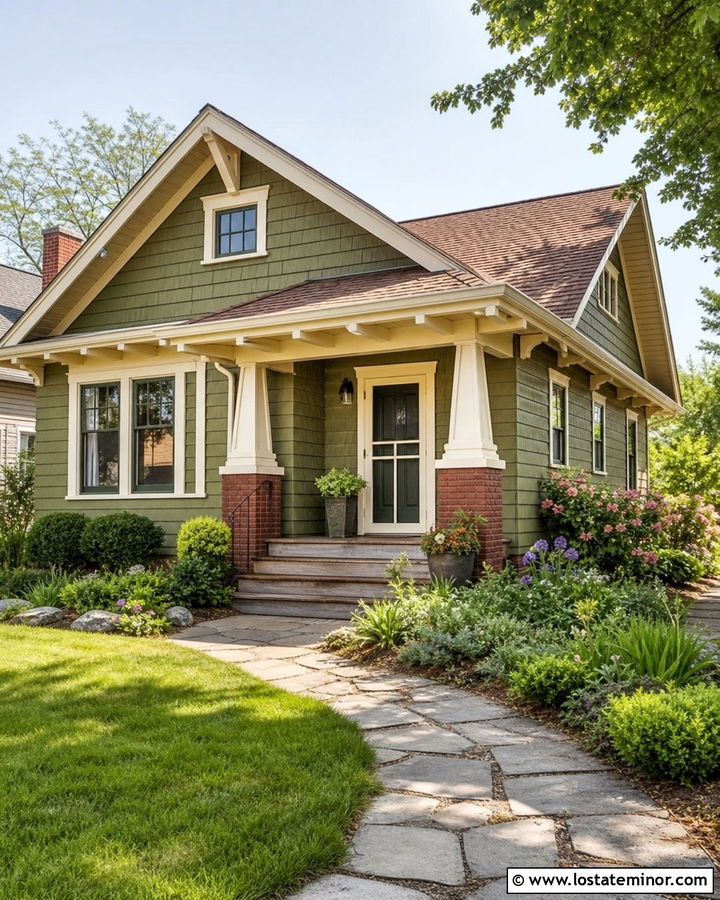
Cream trim can make sage green siding feel warmer, softer, and well suited to an older home. On a bungalow, use a buttery cream storm door over a deep olive-green entry door, then repeat cream on the eaves, window casings, porch rails, and tapered columns. A reddish-brown roof and red brick porch foundation bring out the earthier side of sage. Because the storm door is light, choose a clean full-view design that does not hide the richer main door. Antique brass hardware and warm porch lighting complement the palette without adding another dominant color. Finish the yard with a flagstone path, flowering perennials, and compact shrubs. The result feels historic and cheerful rather than dated or overly rustic.
7. Sage Green House With Matching Sage Storm Door
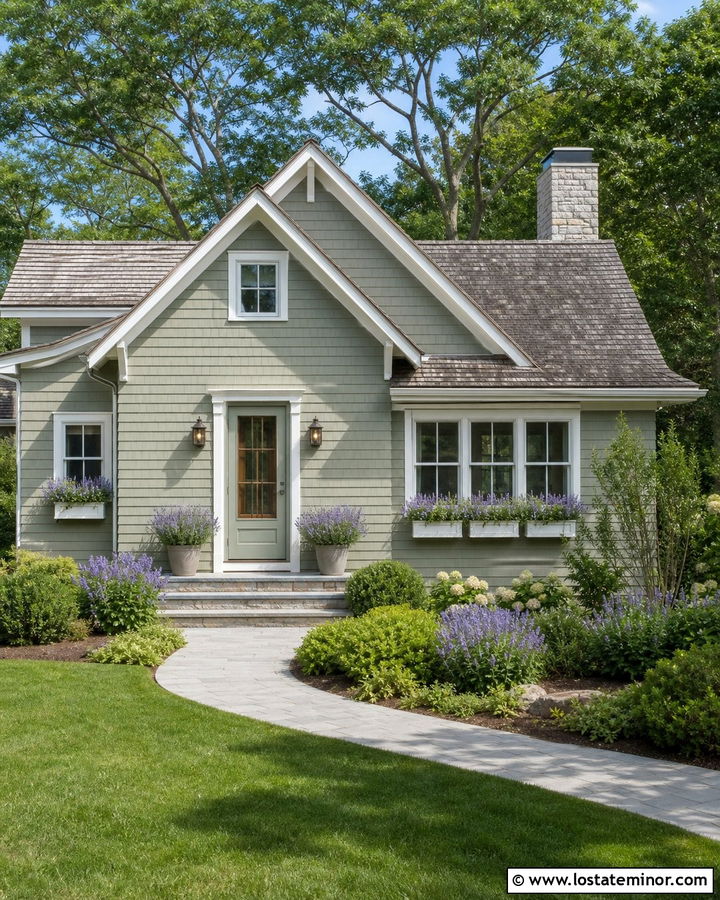
A color-matched storm door creates a smooth, uninterrupted entrance on a small facade. Paint the storm door frame in the same warm sage green as the siding, then place a natural oak or mahogany entry door behind the glass for subtle contrast. Crisp white trim around the doorway and windows keeps the monochromatic scheme from looking flat. This approach suits a modest cottage, where too many contrasting outlines can make the architecture appear busy. Add a weathered gray roof, a pale stone chimney, and simple bronze lanterns. Window boxes, lavender, and soft green foliage can reinforce the garden setting. Test the storm door finish beside the siding first, since different materials may reflect daylight in noticeably different ways.
8. Sage Green House With Navy Storm Door
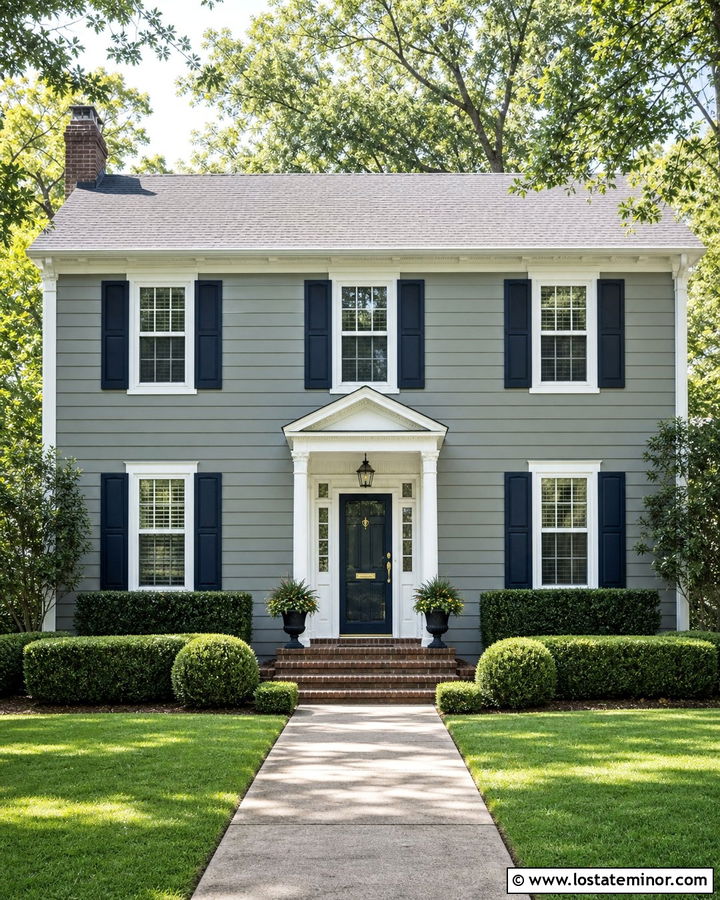
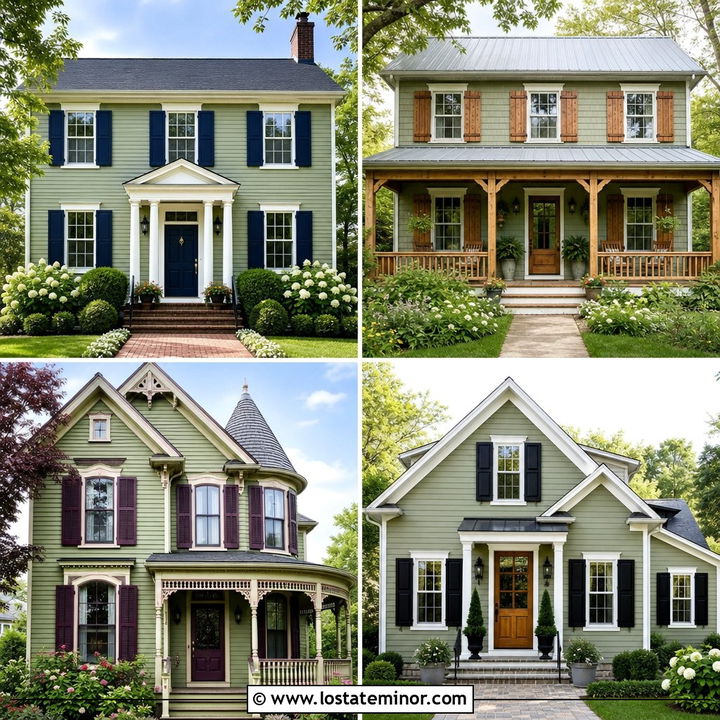
Navy blue introduces color while maintaining the calm character of a sage green exterior. Use a deep navy storm door over a white entry door, along with white trim, navy shutters, and a medium-gray roof. The repeated blue accents give a symmetrical Colonial facade a clear structure and make the doorway easy to notice from the street. Choose a full-light storm door with a simple frame so the combination stays clean and traditional. Polished or aged brass hardware adds a small touch of warmth between the cooler colors. Red brick steps can also provide a useful earthy counterpoint. Keep landscaping orderly with clipped hedges, matching planters, and a straight walkway to support the home’s formal proportions.
9. Sage Green House With Dark Green Storm Door
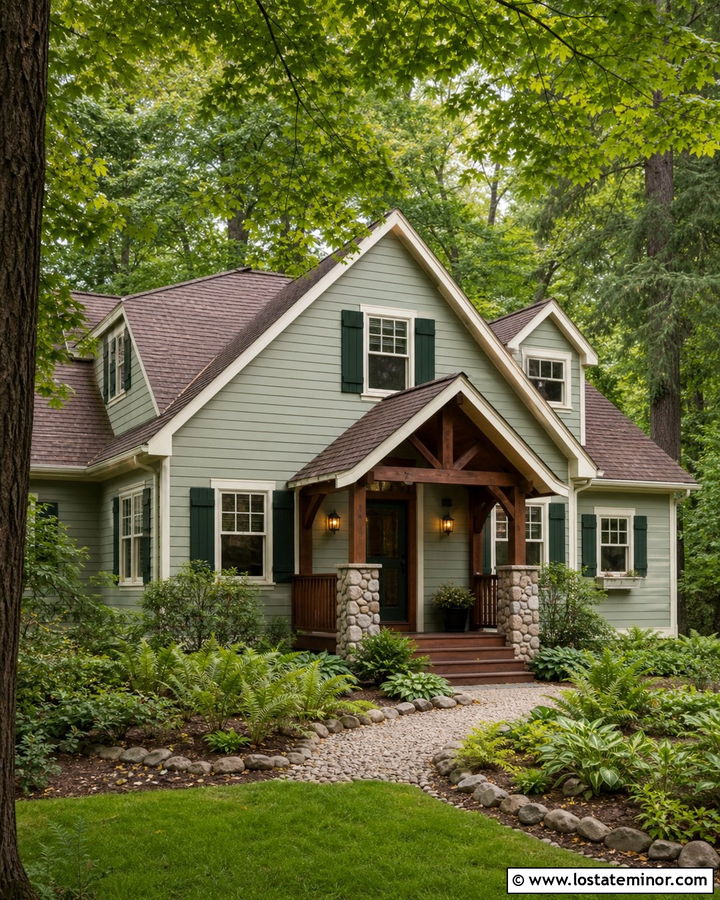
Layering two greens gives the exterior depth while preserving a natural, understated appearance. Start with light sage lap siding, then add a forest-green storm door, matching shutters, cream trim, and a warm brown roof. A cottage or wooded cabin-style home handles this tonal palette especially well. Behind the full-view storm door, use a honey-stained wood entry door to introduce warmth and prevent the greens from blending together. Fieldstone porch piers and a cedar railing connect the house to its surroundings. Select matte black or dark bronze hardware so it does not compete with the door colors. Ferns, native shrubs, and a gravel-edged walkway complete a layered exterior that feels comfortable in a leafy setting.
10. Sage Green House With Red Storm Door
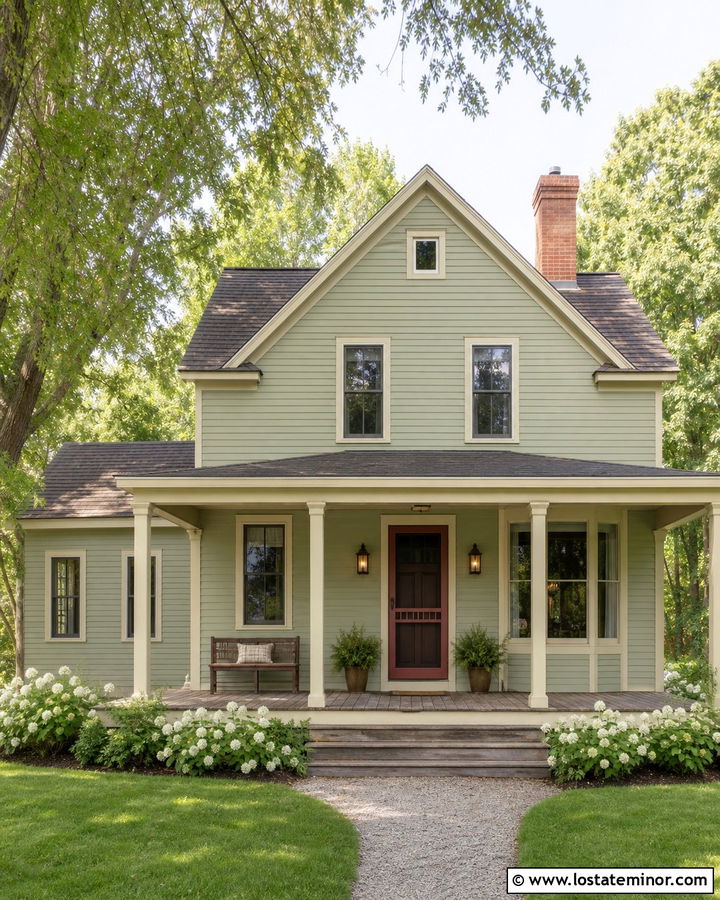
A red storm door can create a lively entrance when the red has an earthy, muted undertone. Pair warm sage green siding with a brick-red storm door, cream trim, and a dark brown entry door. Repeat the red on small accents, such as porch planters or a bench cushion, rather than spreading it across shutters and large architectural areas. This controlled palette works well on a traditional farmhouse or country cottage with a brick chimney and broad front porch. Weathered wood decking and bronze exterior lights support the rustic warmth. Avoid very bright primary red, which may look disconnected from gentle sage. A deeper barn or oxblood red usually forms a more settled relationship with roofing, brick, and landscaping.
11. Sage Green House With Terracotta Storm Door
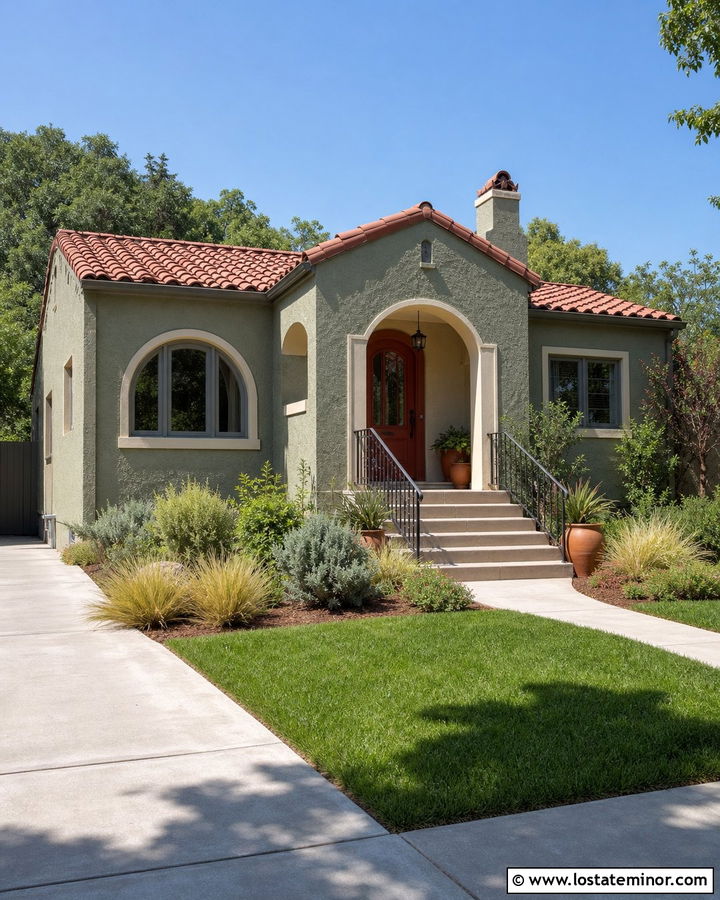
Terracotta brings a sun-warmed accent to cool, dusty sage siding. On a Spanish-influenced bungalow, pair the terracotta storm door with a darker clay-colored entry door, creamy stucco trim, and a red tile roof. Sage-painted stucco or fiber-cement siding creates a fresh alternative to the usual tan exterior while still complementing natural clay materials. Use a simple full-view door with a slim frame, allowing the rich entrance color to remain clear. Black iron lights, railings, and house numbers add definition around the warmer palette. Finish the approach with pale concrete, clay planters, drought-tolerant grasses, and silvery foliage. This complete exterior feels colorful and distinctive, yet the muted tones keep it comfortable and balanced.
12. Sage Green House With Mustard Storm Door
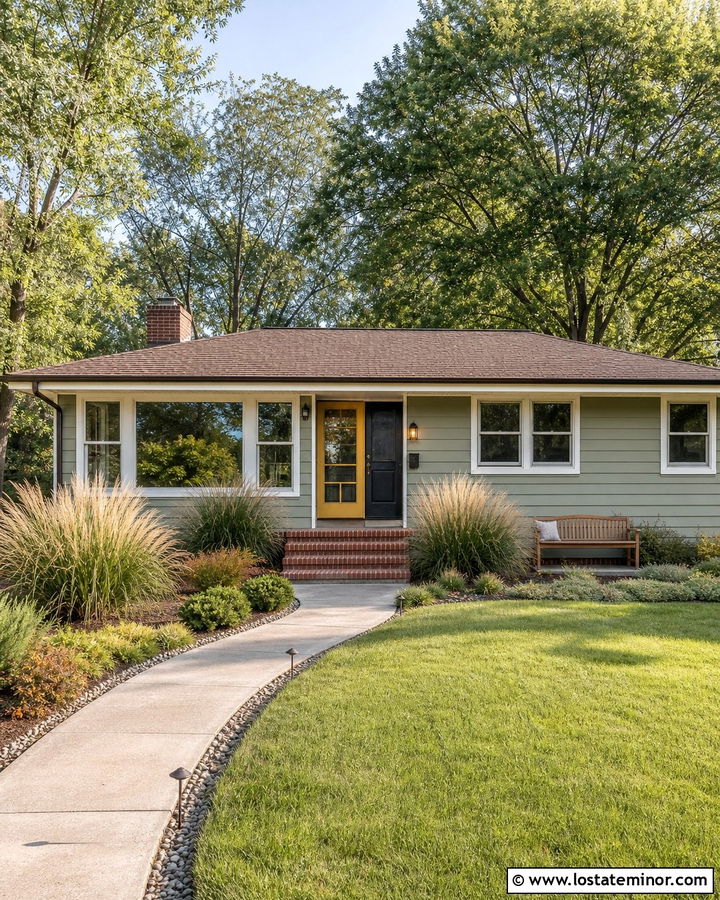
Mustard yellow offers a cheerful contrast that works best when grounded by darker neutral accents. Cover a small cottage or midcentury ranch in muted sage green, then add a deep mustard storm door over a charcoal entry door. Use warm white trim, dark bronze gutters, and a medium-brown roof to connect the yellow with the earthier parts of the palette. The storm door can become the main decorative accent, so keep shutters and garage doors neutral. Natural brick steps and a simple wood bench reinforce the casual character. Choose a mustard with ochre or brown undertones instead of a highly saturated lemon yellow. Ornamental grasses, yellow flowers, and a curved walkway can gently repeat the accent without making the yard feel overly coordinated.
13. Sage Green House With Blue Gray Storm Door
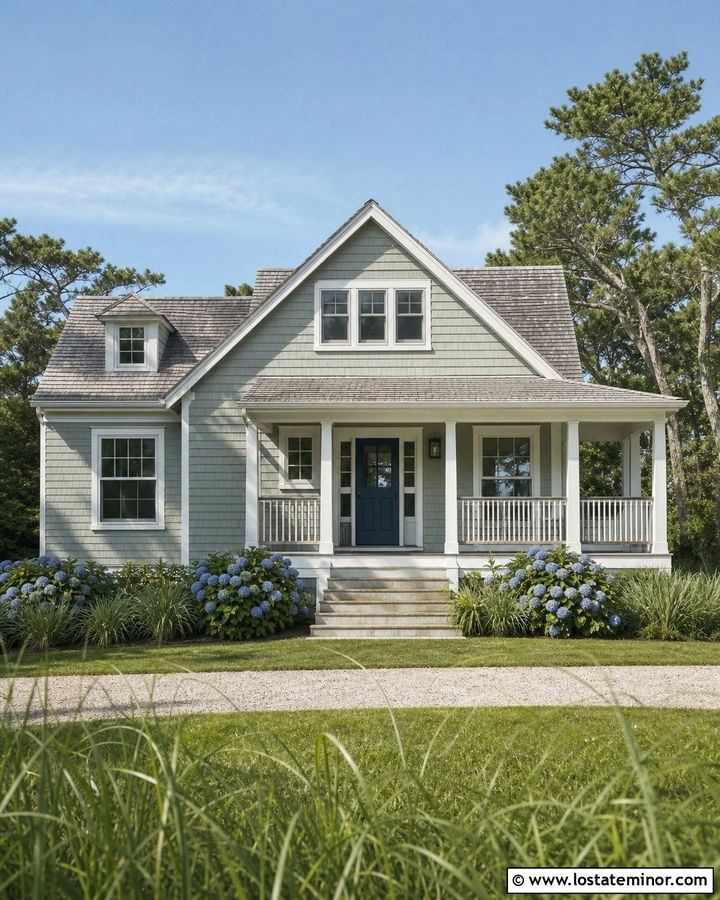
Blue-gray is a subtle storm door color for homeowners who prefer low contrast. Combine light sage shake siding with a smoky blue-gray storm door, soft white trim, and a medium navy entry door. A coastal Cape Cod exterior benefits from this layered palette because every color feels softened by gray. Use weathered gray roof shingles, white porch rails, and pale stone steps to maintain an airy appearance. Satin nickel hardware echoes the blue-gray frame without creating a strong visual interruption. A full-glass storm door will also keep the navy entry visible and give the doorway more depth. Hydrangeas, beach grasses, and a shell-toned gravel path create an appropriate landscape without relying on obvious nautical decorations.
14. Sage Green House With Gray Storm Door
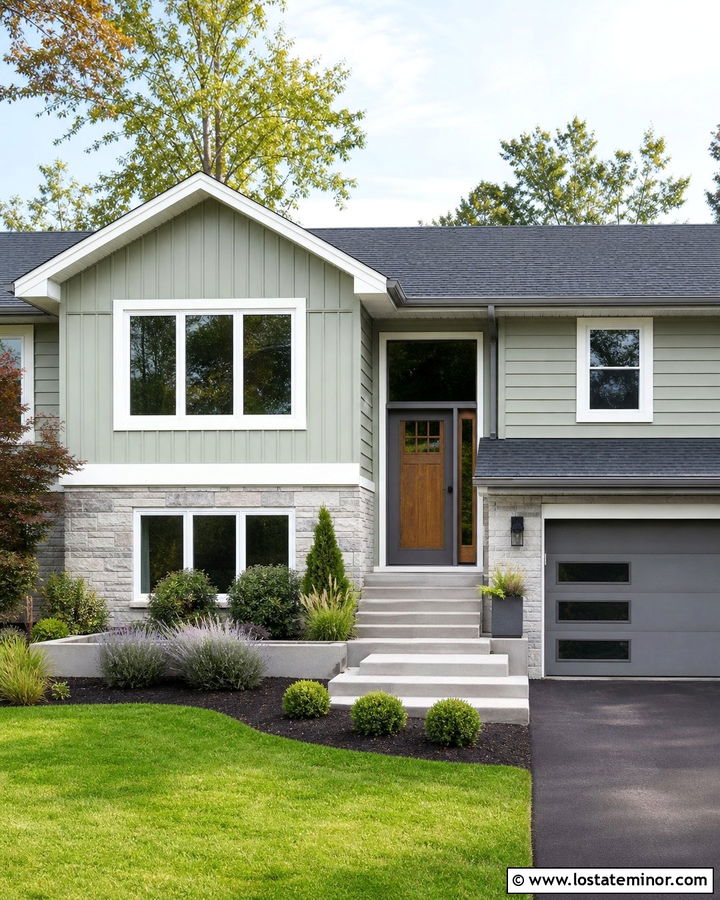
A medium-gray storm door is a practical bridge between sage siding and a gray roof. On a split-level house, apply sage green to the upper siding and retain pale gray stone or brick on the lower level. Use the same medium gray for the storm door, garage door, gutters, and selected trim details. Bright white window casings prevent the combination from becoming dull. Behind the storm door, a stained wood entry adds warmth and establishes a welcoming focal point. Simple black lights and address numbers supply just enough definition. Update the setting with broad concrete steps, geometric planting beds, and a clean asphalt driveway. Repeating the gray in several locations makes the storm door look planned rather than like a separate replacement.
15. Sage Green House With Black Retractable Screen Door
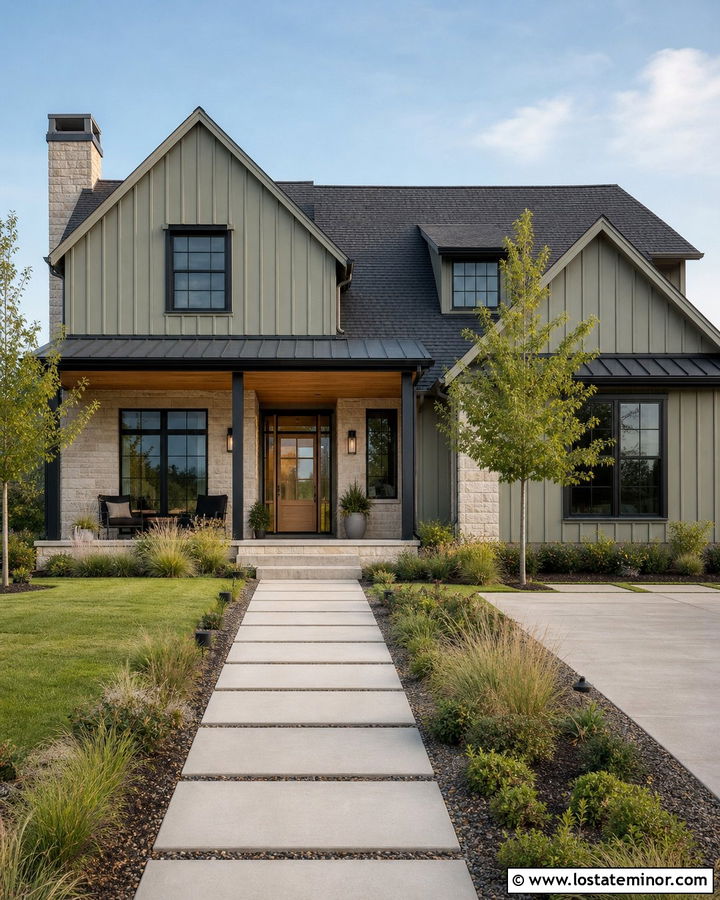
A retractable screen storm door supports a clean modern exterior because the screen disappears when it is not needed. Frame the entrance in matte black against soft sage vertical siding, then use a natural white oak main door with narrow glass panels. Black window frames, fascia, and porch lights establish a consistent outline across the facade. This combination fits a contemporary farmhouse with a simple gabled roof and a restrained mix of siding and limestone. Keep the garage door sage or warm white so it does not compete with the entrance. A concrete porch, cedar ceiling, and straight paver walkway add texture without excessive ornament. The transparent storm door preserves the architectural impact of the wood entry while providing a functional exterior layer.
16. Sage Green House With White Full View Storm Door
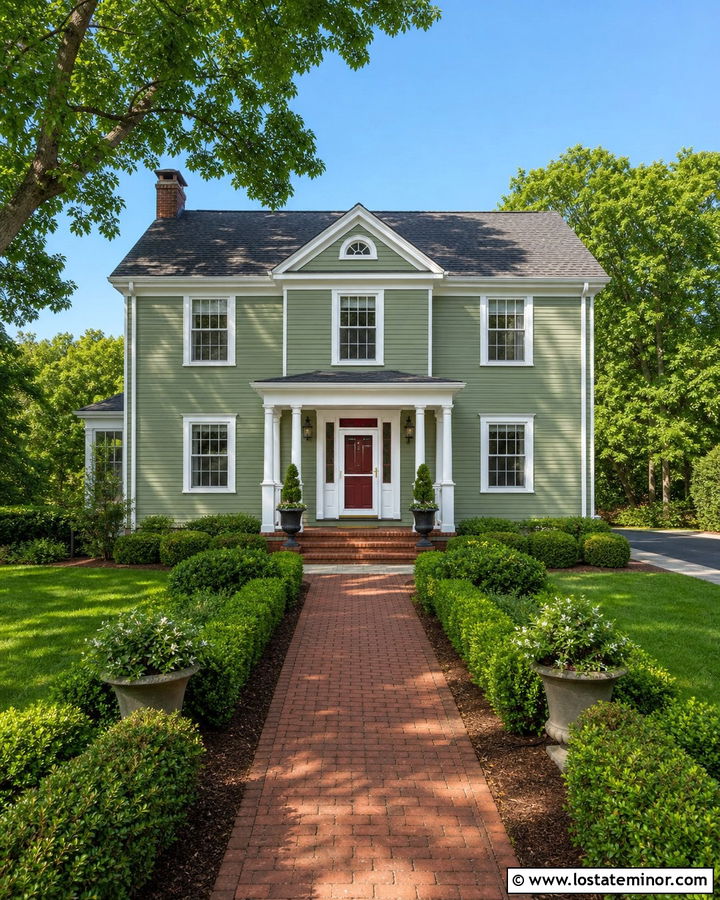
A full-view white storm door is especially effective when the main entry door carries a stronger color. Pair soft sage green siding with white trim, a white glass storm door, and a deep burgundy front door. The white frame relates to the windows and porch railings, while the burgundy remains clearly visible through the large glass panel. Use this palette on a traditional two-story home with black or dark charcoal roof shingles. Red brick steps will tie the entry color to the foundation and keep it from appearing isolated. Add aged brass hardware and classic lanterns for warmth. Formal shrubs, matching planters, and a centered walkway strengthen the symmetry, producing an entrance that feels colorful without overwhelming the sage facade.
17. Sage Green House With Black Divided Light Storm Door
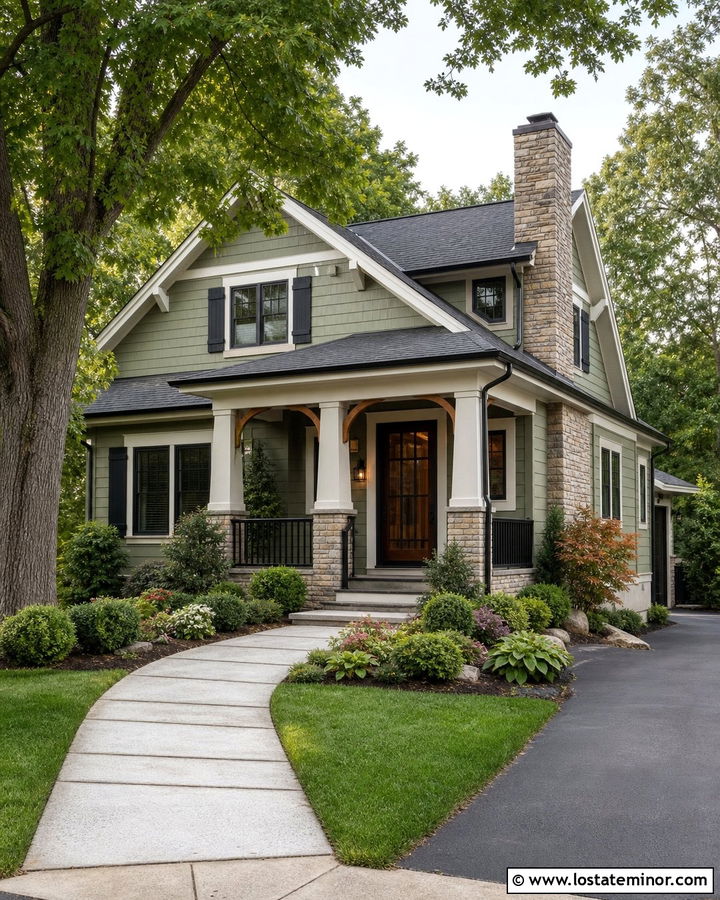
A divided-light storm door adds architectural detail to a plain entrance. Choose a black model with a simple horizontal crossbar, then pair it with sage green lap siding, white trim, and a warm cedar front door. The black frame can coordinate with shutters, roof shingles, metal railings, and porch lights, while the wood door softens the overall contrast. This scheme suits a Craftsman-inspired house with deep eaves and sturdy porch columns. Add ledgestone around the column bases and chimney for another natural texture. Keep the divisions in the storm door aligned with the main door’s glass whenever possible. A broad walkway, layered shrubs, and a neatly edged lawn will make the detailed entry feel like part of a complete exterior renovation.
18. Sage Green House With Bronze Screen Storm Door
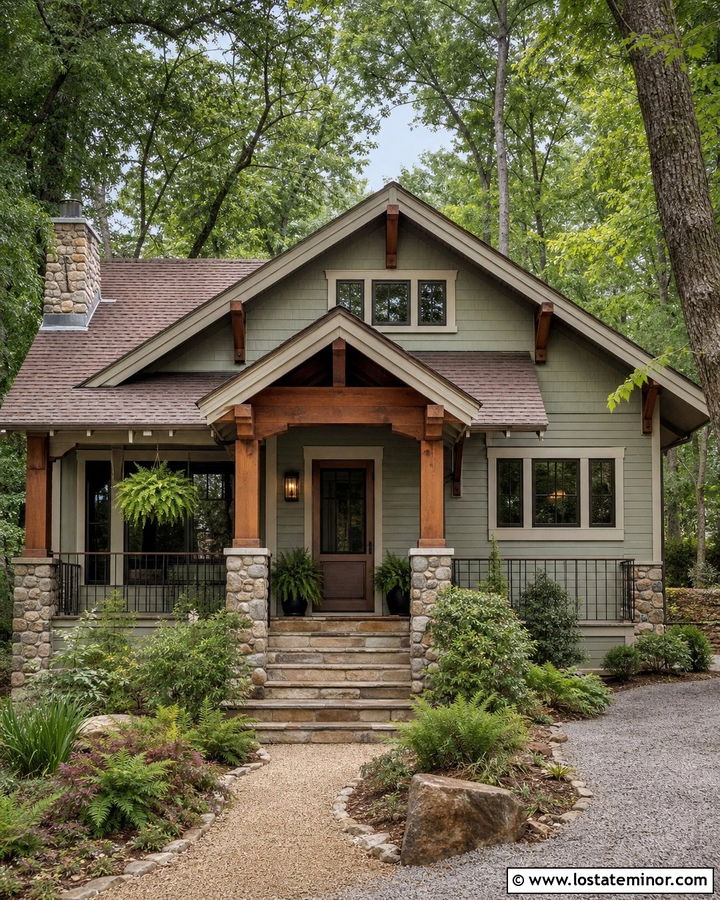
Imagine a shaded porch surrounded by mature trees and natural stone. A bronze screen storm door fits this setting because its dark brown finish connects sage siding to warm wood and masonry. Use medium sage shake siding with cream trim, a dark walnut entry door, and a brown architectural-shingle roof. Bronze lights, gutters, and porch railings should repeat the door frame without becoming overly decorative. A screened upper panel and solid lower section can provide useful ventilation while hiding everyday wear near the threshold. This complete look works on a lodge-inspired cottage or rustic Craftsman. Flagstone steps, cedar beams, native ferns, and an informal gravel path reinforce the earthy palette and help the home settle naturally into a wooded lot.
19. Sage Green House With Copper Finish Storm Door
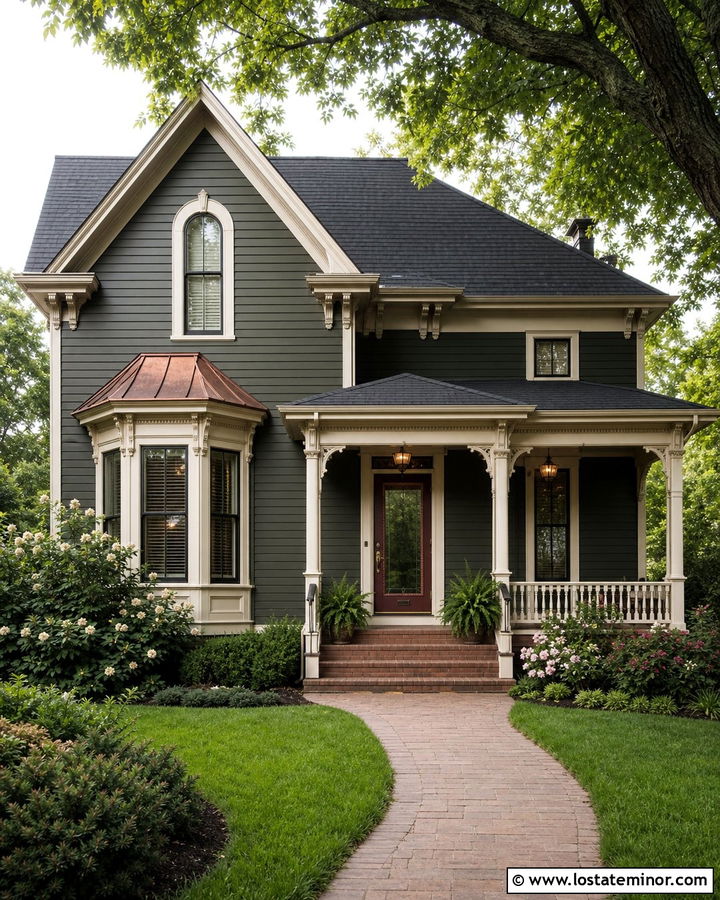
A copper-finish storm door adds warmth and character to a sage exterior, particularly when the finish has an aged rather than shiny appearance. Place it on a Victorian cottage with pale sage clapboard siding, creamy trim, and a deep plum main door. Small copper details on porch lights, gutters, or a bay-window roof can repeat the metallic tone across the facade. Keep ornate trim cream so the architecture remains visible without introducing too many colors. A charcoal roof provides a neutral cap, while brick steps support the warmer accents below. Use a full-view storm door with narrow decorative framing to protect the entry without concealing it. Flowering shrubs and a curved walkway complete the romantic but carefully controlled exterior.
20. Sage Green House With Beige Storm Door
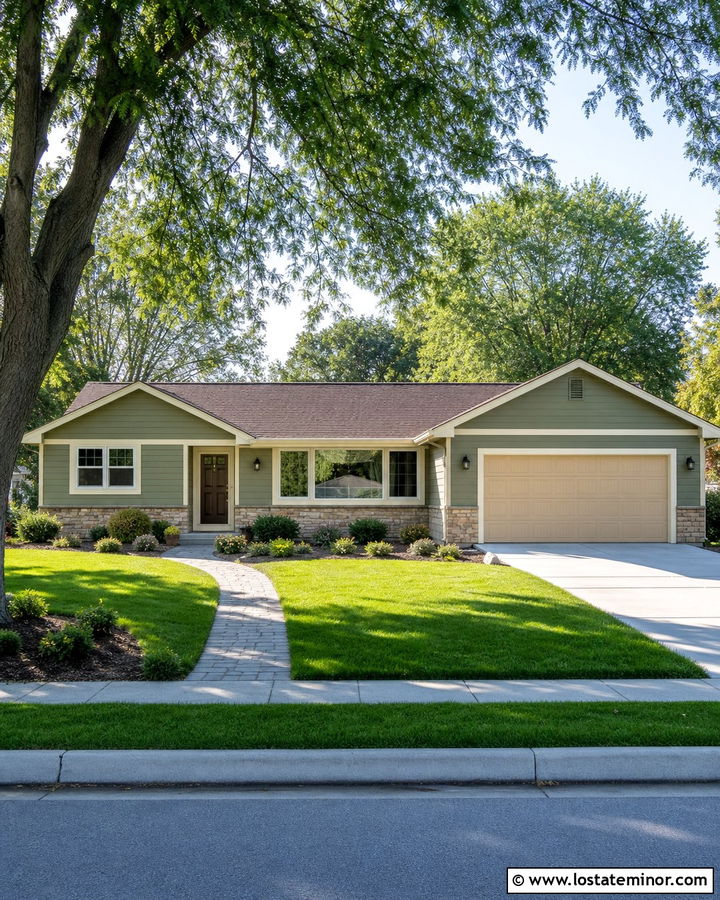
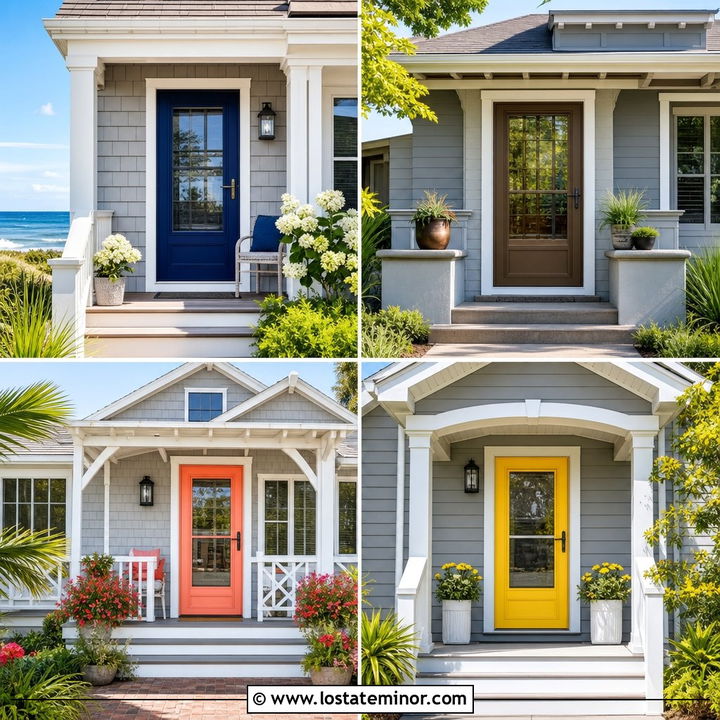
Beige can be an effective storm door finish when the house includes tan stone, brown roofing, or warm masonry. Pair gray-toned sage siding with a sandy beige storm door, ivory trim, and a chocolate-brown front door. Use the same beige on the garage door or porch columns to make the entrance frame part of a larger palette. This combination works on a suburban ranch with a low roofline and a wide stone foundation. Dark bronze hardware gives the lighter storm door enough definition. Choose a beige that matches the undertone of the stone rather than selecting it in isolation. Broad foundation beds, warm concrete pavers, and low evergreen shrubs will support the home’s horizontal lines and grounded neutral colors.
21. Sage Green House With Brown Storm Door
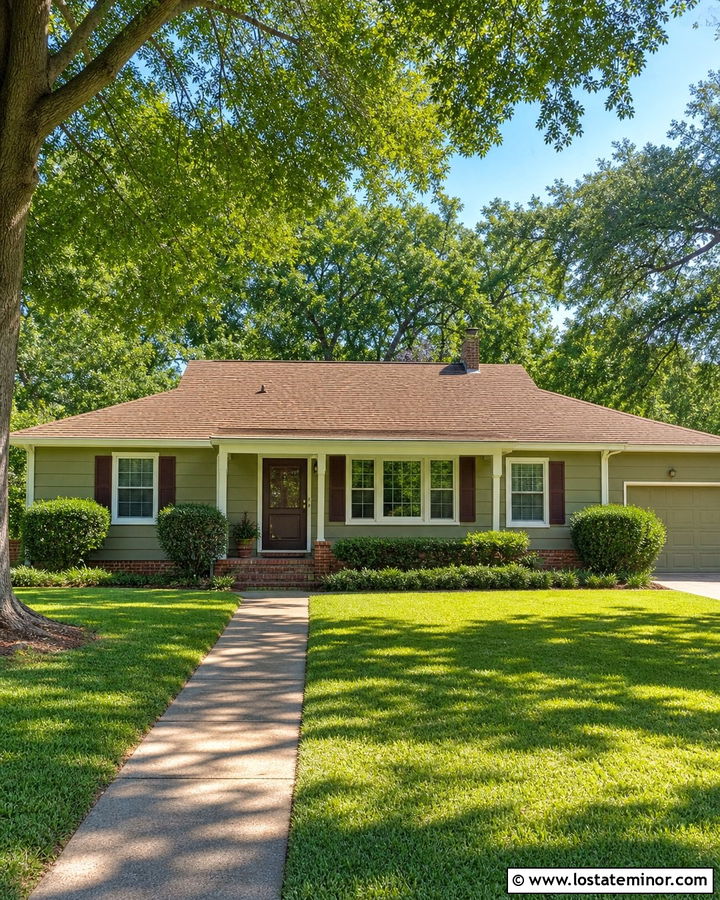
Brown offers a straightforward way to connect a storm door with roofing, brick, and stained porch features. On a traditional ranch, use muted sage green siding, warm white trim, a dark brown storm door, and a medium-toned wood entry door. Match the storm door to brown roof shingles and repeat the color on the garage door or shutters if the facade needs more balance. Red-brown brick around the porch base can provide additional depth. Because several brown tones may appear together, keep them within the same warm family and avoid abrupt orange undertones. Creamy porch columns and window trim will brighten the scheme. Finish with a simple concrete path, tidy hedges, and a mature shade tree for established suburban curb appeal.
22. Sage Green House With Glass Storm Door And Black Trim
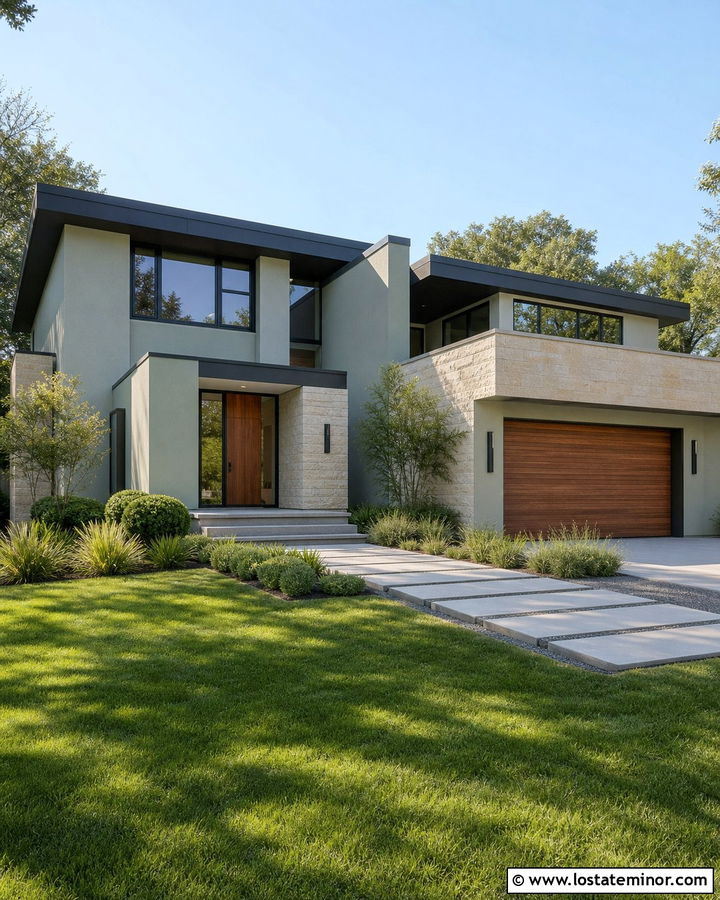
A nearly transparent glass storm door keeps attention on the main entry while its black frame gives the opening a clean edge. Pair it with light sage stucco, black window trim, a natural walnut door, and a flat charcoal roof on a contemporary home. Warm limestone panels around the entrance prevent the black and green combination from feeling cold. Continue the walnut tone on a slatted garage accent or porch ceiling for a cohesive material story. The storm door should have minimal rails and unobtrusive hardware to preserve the streamlined design. Use rectangular concrete pavers, architectural grasses, and low sculpted shrubs in the landscape. A wide three-quarter view will reveal how the transparent door, stone, wood, and sage facade work together.
23. Sage Green Craftsman House With Storm Door
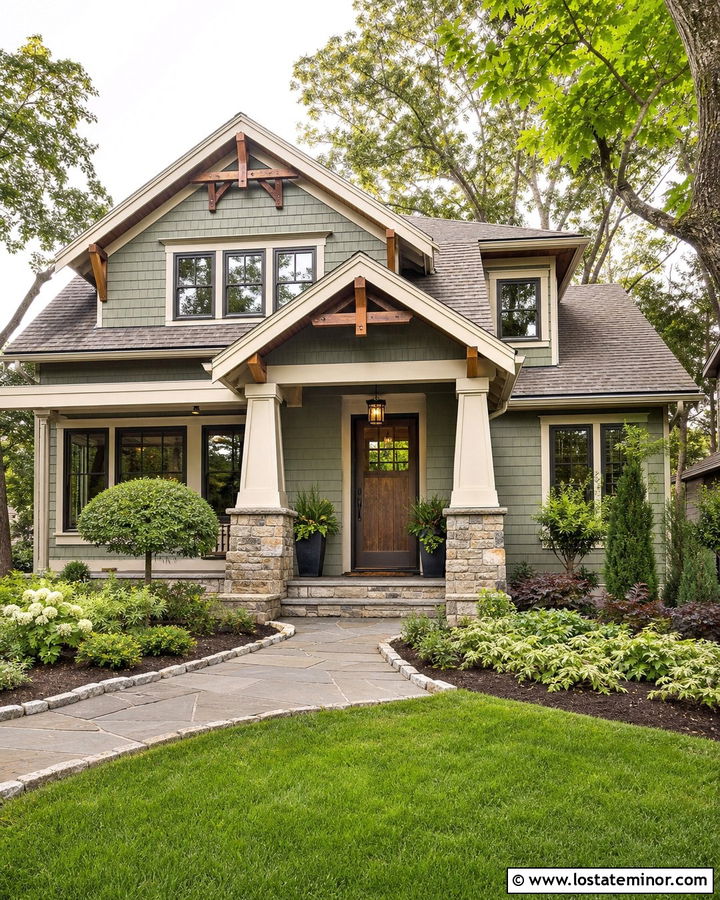
Craftsman architecture calls for a storm door that respects the detail and weight of the entrance. Use a dark bronze full-view storm door over a stained oak door with small upper windows. Surround it with warm sage shingle siding, cream trim, cedar gable brackets, and tapered columns resting on stone piers. Brown-gray roof shingles unite the masonry and bronze finishes. Keep the storm door frame simple so it does not compete with the main door’s woodwork. Repeat bronze on substantial porch lanterns and house numbers. Wide steps, a stone-edged walkway, and layered native plants complete the composition. This coordinated scheme highlights the home’s natural materials while allowing sage green to remain the dominant exterior color.
24. Sage Green Colonial House With Storm Door
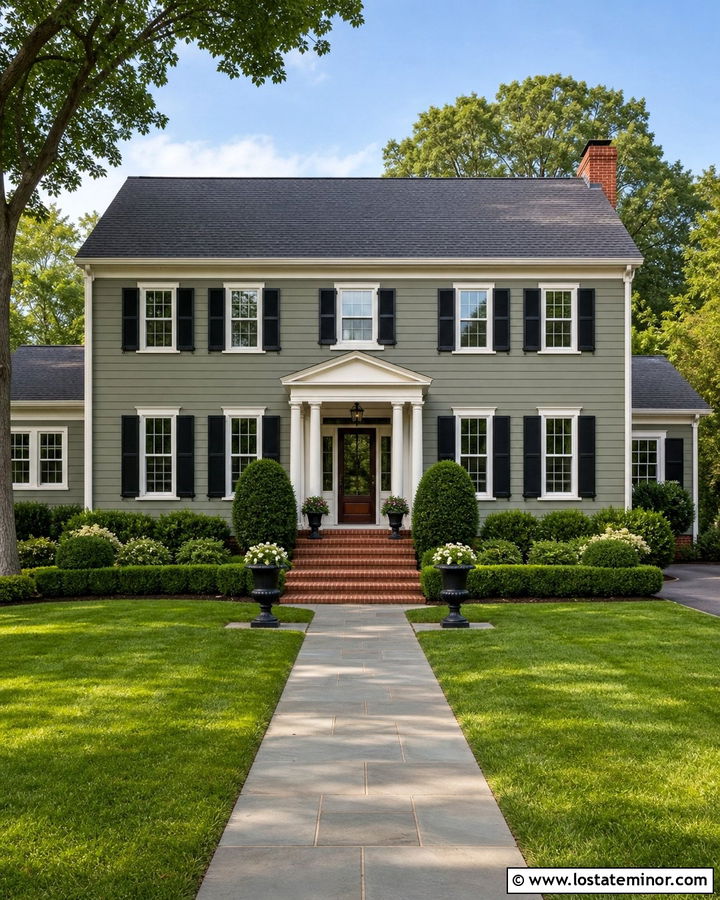
Symmetry is the key to a successful sage green Colonial exterior. Apply medium sage clapboard siding, crisp white trim, black shutters, and a centered black full-glass storm door. Behind the glass, a rich red or stained mahogany front door can provide a traditional focal point without disrupting the orderly facade. Match the roof, lanterns, railings, and house numbers to the storm door’s black frame. White columns and a small portico should remain bright enough to clearly outline the entrance. Use brick steps and a straight walkway to reinforce the formal arrangement. Matching urn planters, clipped boxwoods, and evenly spaced foundation shrubs finish the look. The palette feels classic, but the softened green body color keeps it welcoming.
25. Sage Green Farmhouse With Storm Door
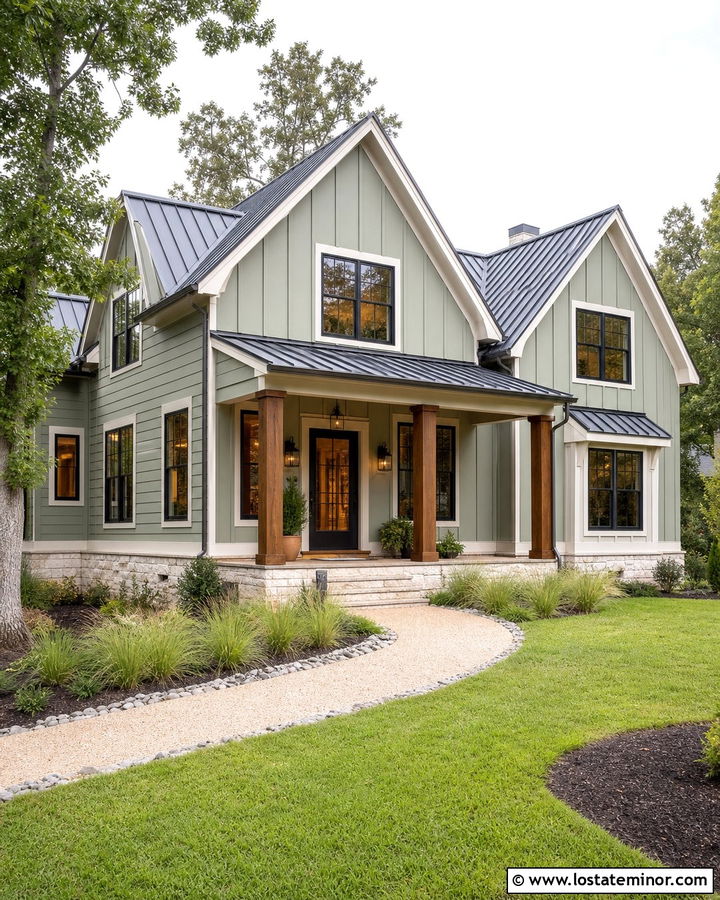
For a farmhouse exterior that feels relaxed rather than stark, replace bright white siding with a soft, warm sage. Add off-white board-and-batten trim, a black full-view storm door, and a medium-stained wood entry door. A charcoal metal roof and black-framed windows provide structure across the broad facade. Natural cedar porch posts and a light stone foundation introduce warmth, keeping the scheme from becoming too graphic. The storm door should remain visually light so the wood door is clearly visible. Repeat black on gooseneck lights and simple railings, but keep the garage door sage to reduce its prominence. A gravel-edged walkway, broad lawn, and informal grasses complete the practical, modern country setting.
26. Sage Green Cottage With Storm Door
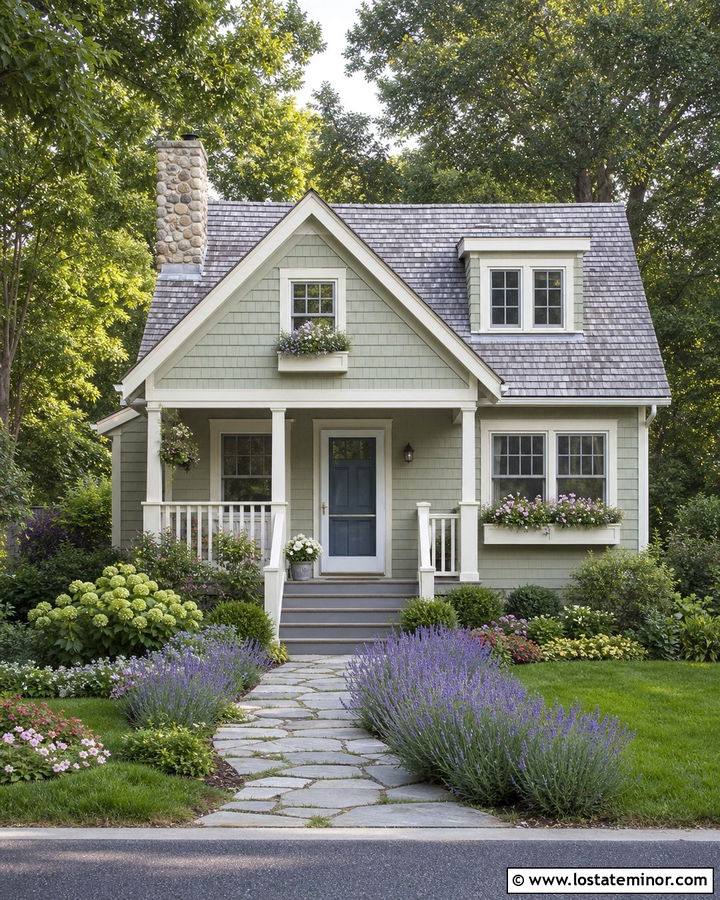
A cottage offers room for softer colors and charming details, but every feature should still belong to one palette. Use pale sage shake siding with creamy trim, a white storm door, and a dusty blue front door. A weathered gray roof and light stone chimney keep the look gentle and garden-friendly. Choose a full-view storm door so the blue entry remains visible, then repeat that blue sparingly in window boxes or porch planters. White railings, small brackets, and divided-light windows can provide traditional detail without making the facade look crowded. Complete the approach with an irregular flagstone path, lavender, hydrangeas, and low flowering borders. The resulting exterior feels fresh, approachable, and naturally connected to its landscaping.
27. Sage Green Ranch House With Storm Door
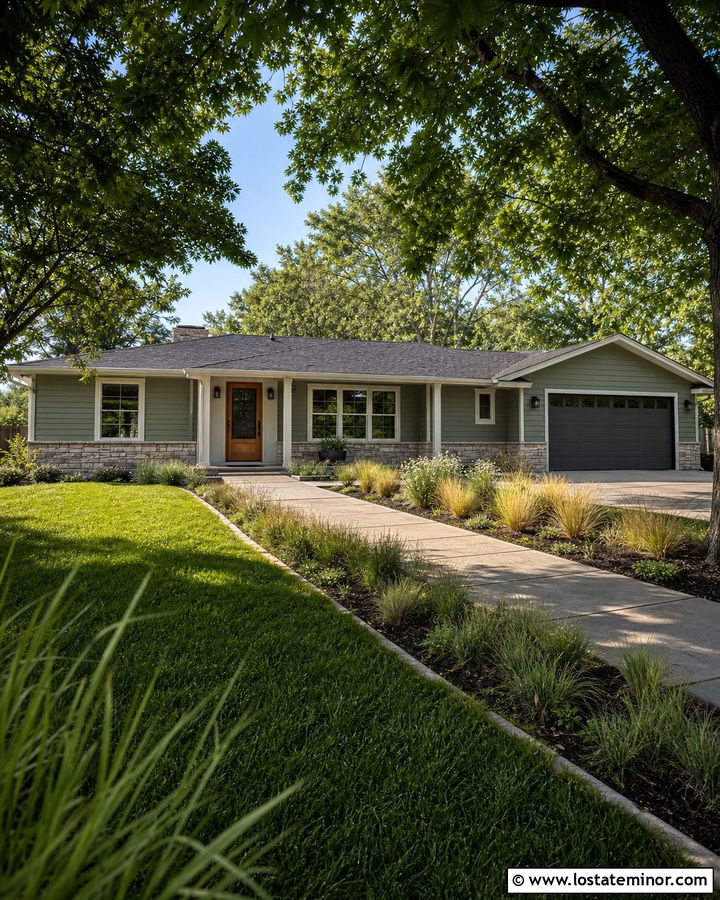
A ranch house benefits from a clear entrance because its long facade can make the front door easy to overlook. Use medium sage horizontal siding, warm white trim, and a charcoal storm door over a honey-toned wood entry. Repeat charcoal on the roof, gutters, garage door, and slim porch columns to create a steady rhythm across the home. A band of tan stone along the foundation adds texture and visually anchors the low structure. Keep the storm door full-view and uncomplicated, allowing the wood behind it to supply warmth. A wide concrete walkway, low ornamental grasses, and horizontal planting beds suit the architecture. The complete scheme modernizes the ranch while preserving its simple, practical character.
28. Sage Green Split Level House With Storm Door
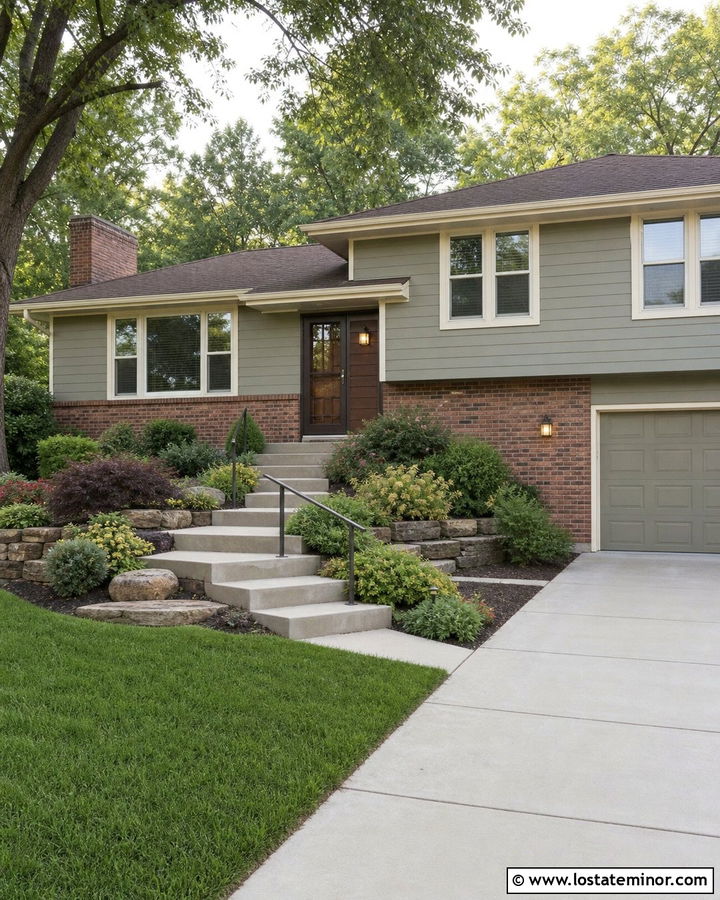
Split-level homes often combine siding, brick, and several rooflines, so a controlled palette is essential. Paint the upper siding a cool sage green while keeping existing red-brown brick on the lower level. Use soft cream trim, a dark bronze storm door, and a cream or walnut front door. The bronze frame connects naturally with brown roof shingles and dark gutters. If the garage occupies much of the facade, paint it sage or a quiet cream rather than creating another dark block. Add a bronze handrail and updated lantern to reinforce the entrance. Broad steps, a retaining wall, and layered shrubs can guide attention toward the door. This coordinated approach helps the different levels read as one complete home.
29. Sage Green House With Double Storm Doors
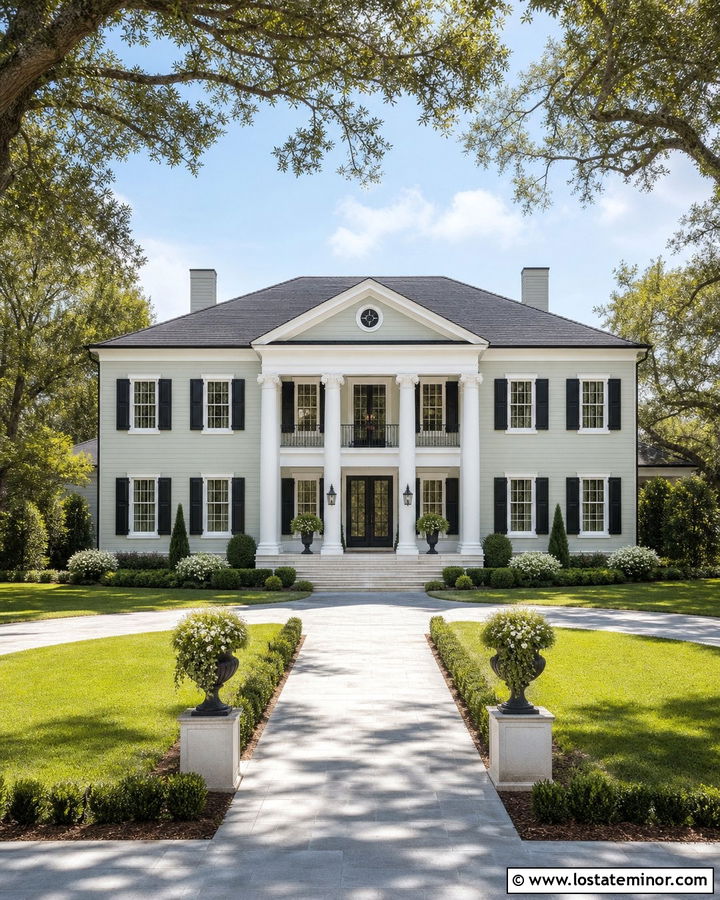
Double storm doors can make a broad entry feel impressive, but they need enough visual restraint to avoid looking busy. Use matching black full-view storm doors over natural mahogany double doors on a sage green Southern Colonial or large traditional home. Crisp white trim, white columns, and black shutters will frame the entrance and balance its width. Carry black onto the roof, balcony railing, and porch lanterns, while limiting wood tones to the doors and perhaps a porch ceiling. Pale brick or limestone steps can lighten the foundation. A centered path, symmetrical planters, and evenly spaced shrubs support the formal architecture. The clear storm panels protect the wood doors while keeping their rich grain fully visible from the curb.
30. Sage Green House With Storm Door And Sidelights
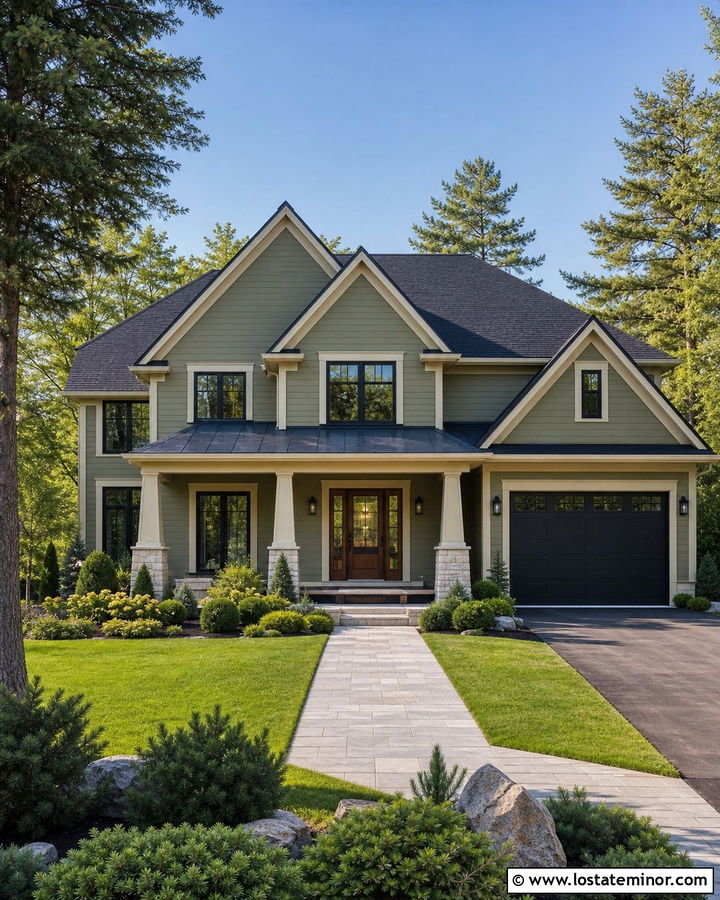
An entry with sidelights needs a storm door that fits cleanly inside the larger composition. Choose a slim black full-view storm door over a warm walnut entry, surrounded by matching glass sidelights and broad cream trim. Apply muted sage green to the lap siding, then use black window frames, charcoal roof shingles, and bronze-black exterior lights for continuity. This arrangement works especially well on a transitional two-story house with stone around the porch and lower facade. Keep the sidelight mullions simple and align their lines with the storm door whenever possible. A wide landing, straight paver walkway, and layered evergreen landscaping will emphasize the entrance. Together, the sage siding, glass, wood, and dark framing create polished curb appeal.
Conclusion:
The best sage green exterior combines the storm door with the entire facade rather than selecting it as an afterthought. Black and charcoal frames create clear definition, while white and cream brighten cottages and traditional homes. Bronze, brown, copper, and wood-look finishes connect naturally with stone, brick, roofing, and porch timbers. More colorful options, including navy, terracotta, red, or mustard, work when their tones are repeated carefully and balanced by quieter trim. Always compare samples beside permanent materials and check them in morning and afternoon light. With thoughtful coordination, these 30 Sage Green House Design With Storm Door Ideas can create an entrance that feels protected, welcoming, and fully integrated.

Related posts: