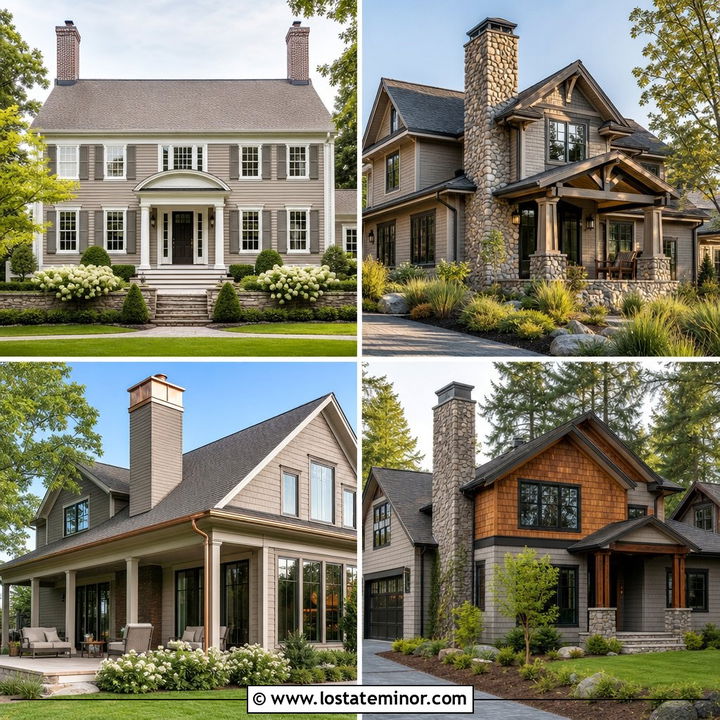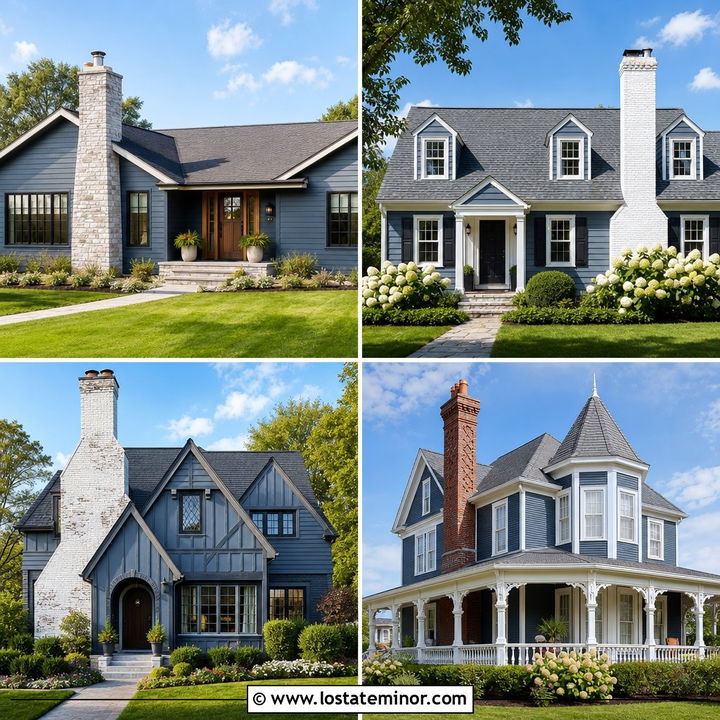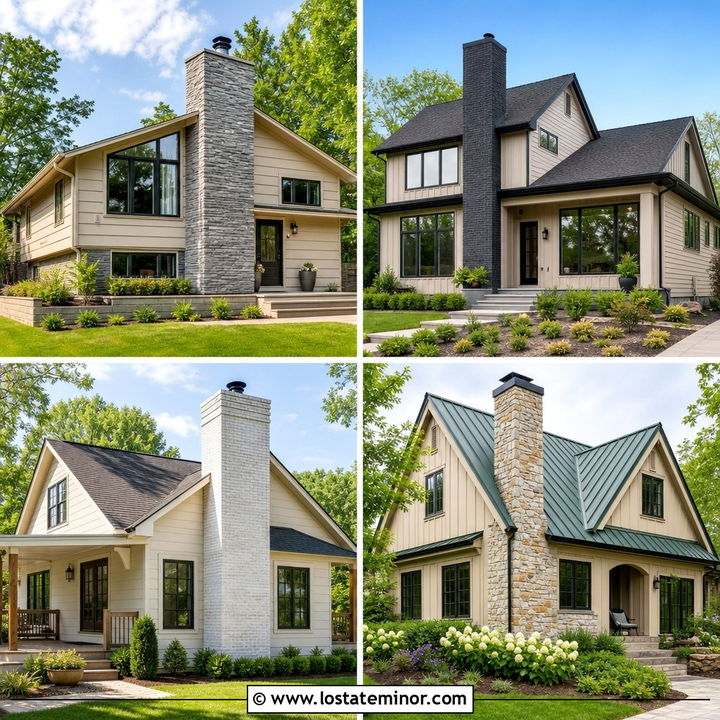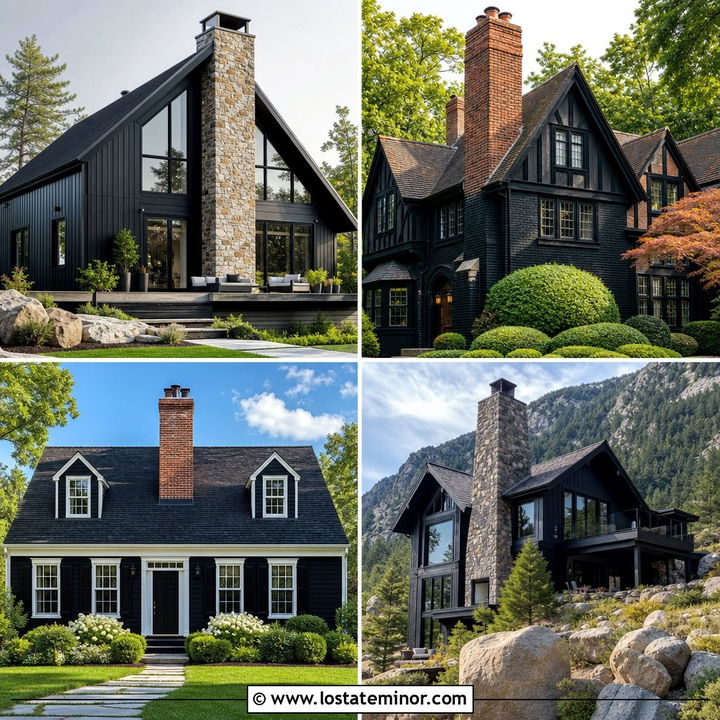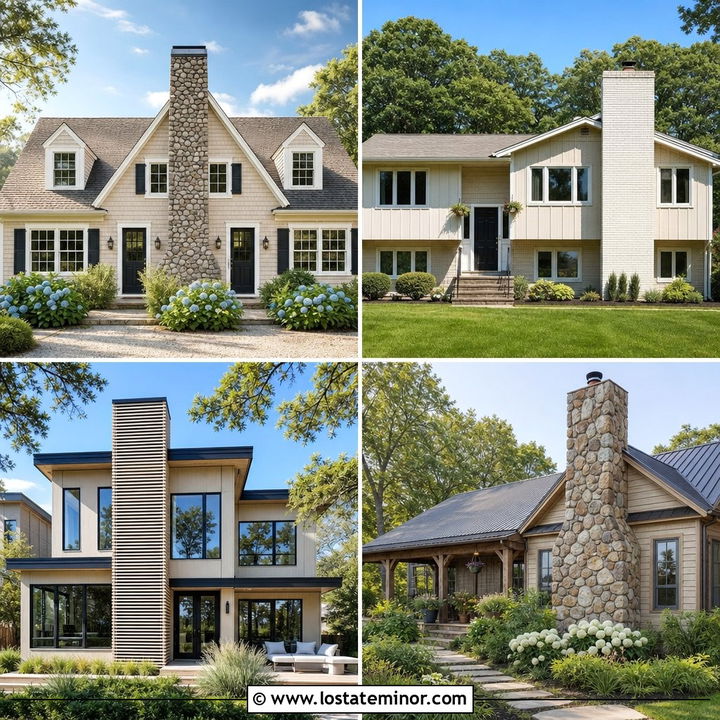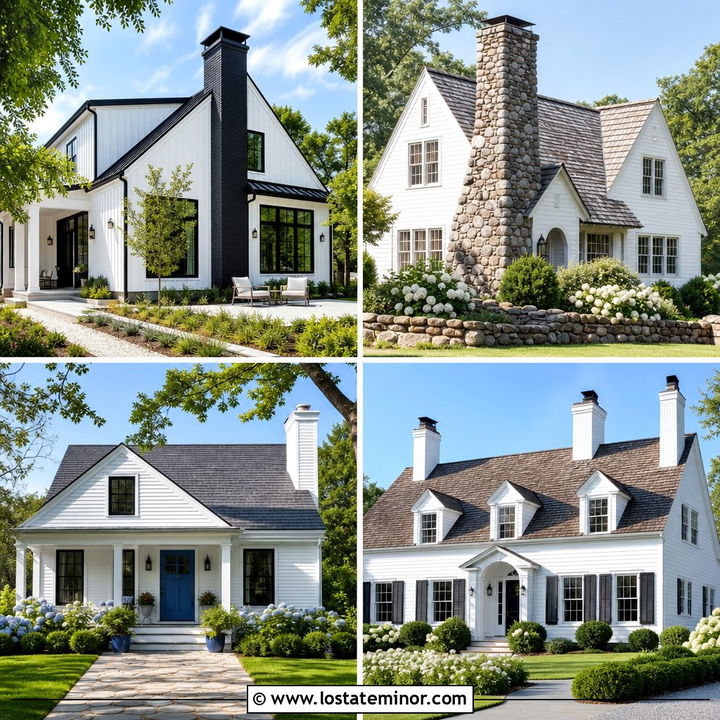
A sage green exterior feels calm, grounded, and naturally connected to its surroundings. Add a well-designed chimney, and the house gains an architectural focal point with texture, height, and character. The most successful schemes consider every visible surface, including siding, masonry, roofing, trim, doors, windows, and metalwork. Warm sage shades tend to flatter red brick and tan stone, while cooler sage colors coordinate beautifully with limestone, slate, and charcoal masonry. Chimney placement also matters because it can balance a roofline, frame an entrance, or strengthen an asymmetrical facade. Whether you are updating a ranch, cottage, Colonial, or modern farmhouse, these complete exterior schemes offer practical inspiration. Explore the following **30 Sage Green House Design With Chimney Ideas** for a cohesive curb-appeal plan.
1. Sage Green House With Red Brick Chimney
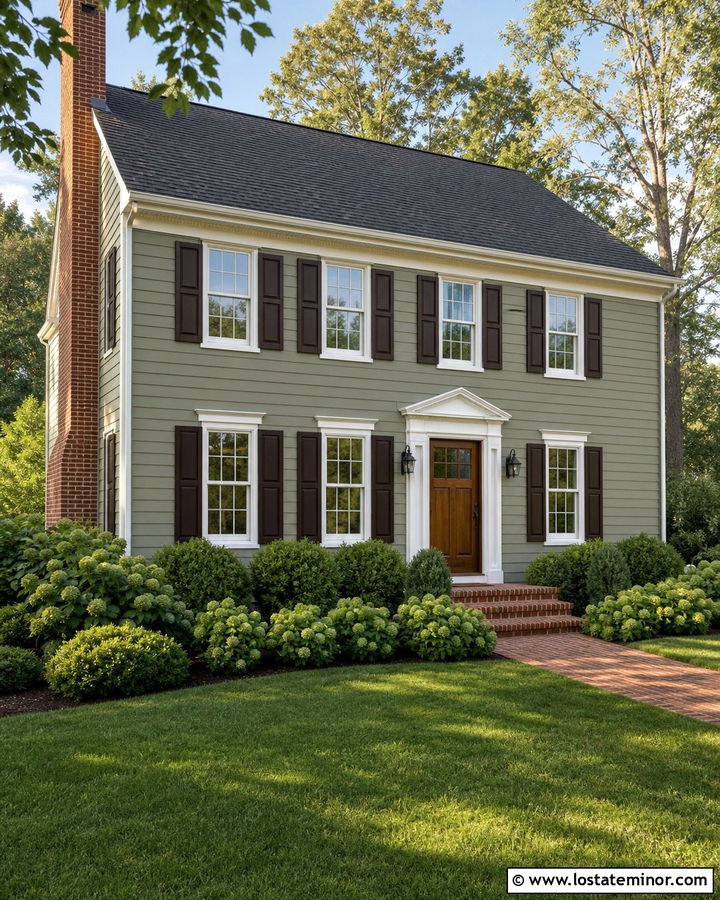
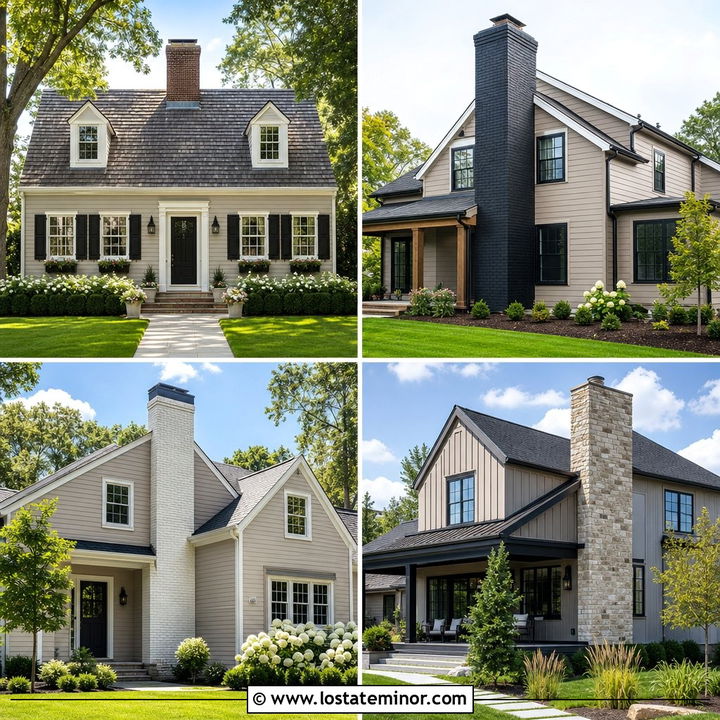
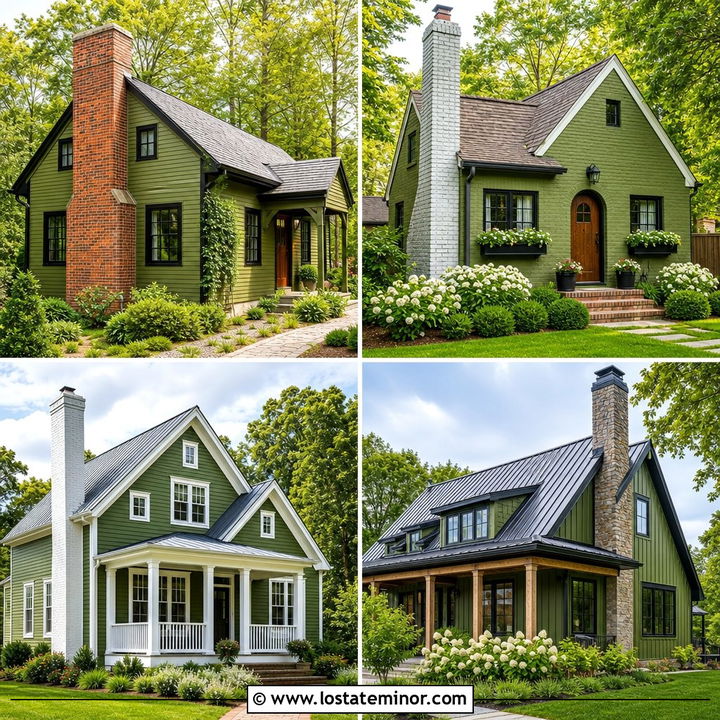
A traditional red brick chimney brings instant warmth to a sage green exterior. Try Sherwin-Williams Clary Sage, a muted gray-green, on horizontal lap siding with creamy white trim and a medium charcoal roof. The red and brown variations in reclaimed brick keep the chimney from looking too uniform. Repeat those warm notes with a stained oak front door, copper porch light, and natural brick walkway. On a two-story Colonial, a chimney positioned along one side creates an attractive vertical counterpoint to evenly spaced windows. Keep shutters dark brown or deep green rather than black to soften the contrast. Foundation plantings with boxwood, hydrangeas, and ornamental grasses complete this relaxed, established exterior without hiding the chimney’s handsome masonry.
2. Sage Green House With Fieldstone Chimney
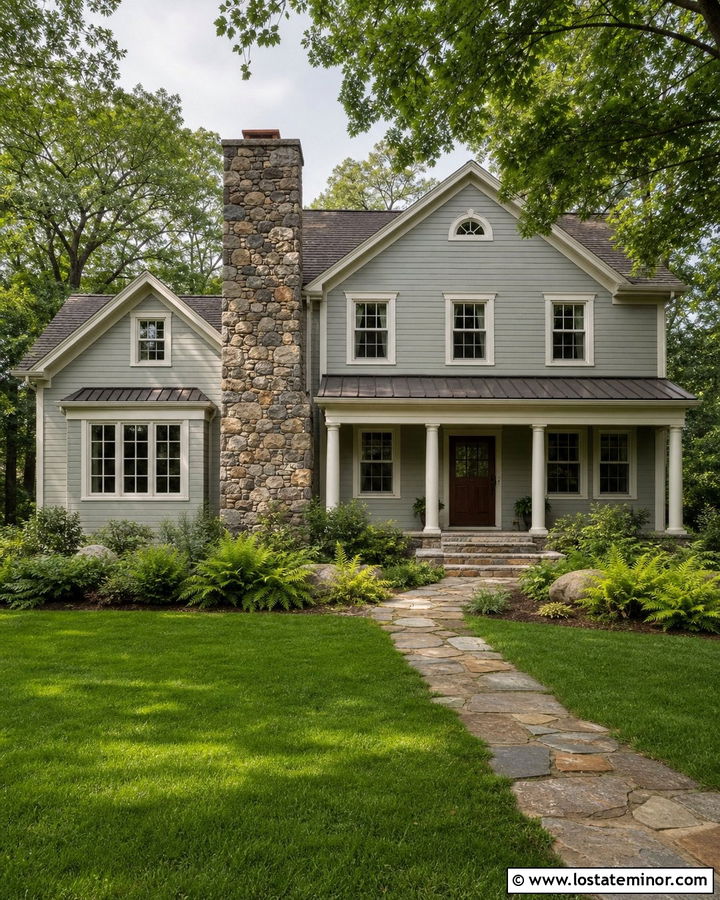
Rugged fieldstone can make a sage green house look rooted in the landscape. Benjamin Moore October Mist, a gently softened sage green, works especially well with stone containing gray, beige, and weathered brown tones. Use it on wide clapboard siding, then select warm ivory for the window trim and porch columns. A dark bronze metal roof above the porch adds definition without competing with the stone chimney. This complete scheme suits a country cottage or updated rustic home surrounded by mature trees. Extend the fieldstone across the lower foundation or one porch column so the chimney feels connected to the architecture. A medium walnut front door, simple bronze fixtures, and an irregular flagstone path reinforce the natural palette while keeping the exterior polished.
3. Sage Green House With Whitewashed Brick Chimney
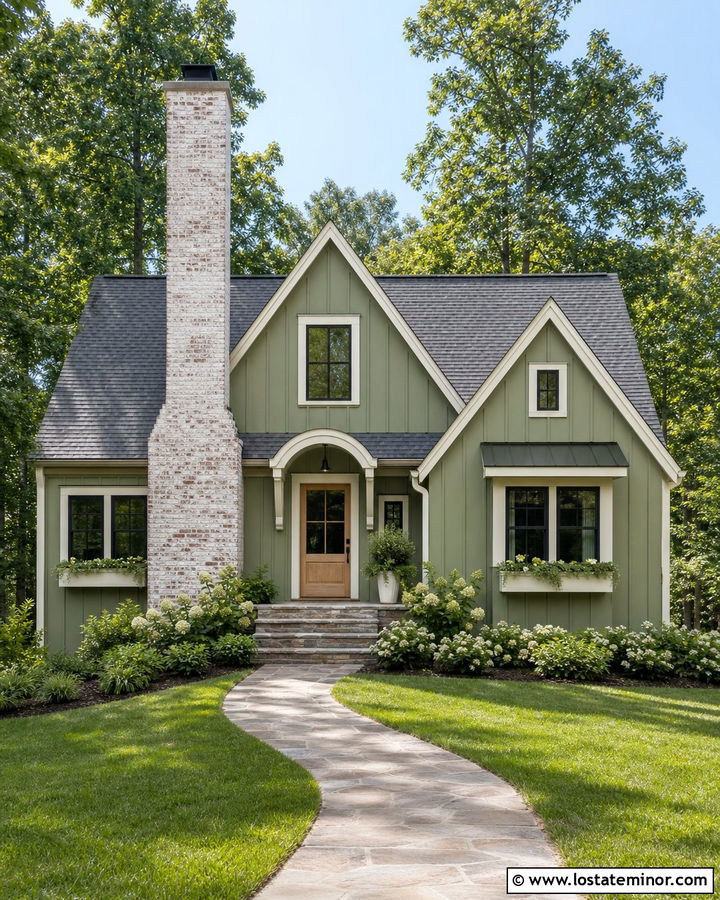
Could a bulky brick chimney feel lighter and more current? A thin whitewash preserves the brick texture while reducing its strong red or brown color. Pair it with Benjamin Moore Saybrook Sage, a classic medium sage green, on board-and-batten siding. Soft white trim, a weathered gray roof, and a pale oak front door create an airy cottage scheme. Leave small areas of the chimney’s original brick visible through the wash for depth and age. This treatment is particularly effective when the chimney sits prominently on the front elevation. Add white window boxes, gray stone steps, and restrained cottage landscaping to distribute the lighter colors around the facade. The result feels fresh and inviting without erasing the traditional character of the original masonry.
4. Sage Green House With Limestone Chimney
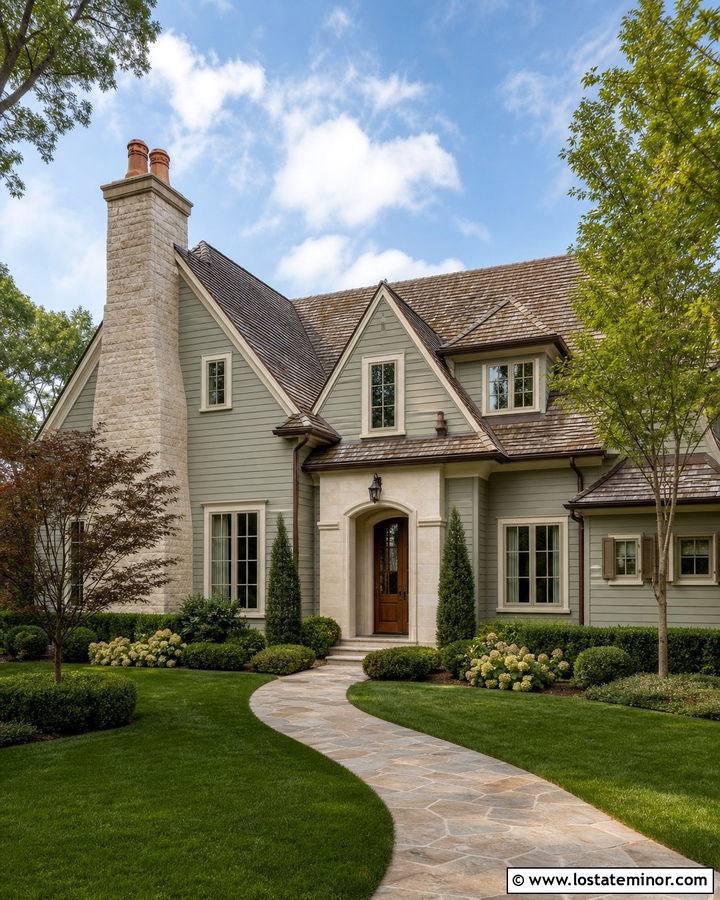
Pale limestone gives sage green siding a refined, low-contrast companion. Sherwin-Williams Contented, a light gray sage green, can cover smooth lap siding on a French country house with steep rooflines and arched windows. Choose warm off-white trim instead of stark white so the masonry does not appear yellow by comparison. A blend of beige and cream limestone can wrap the chimney, entry surround, and lower facade for a balanced material plan. Add a weathered brown shingle roof, muted bronze gutters, and a medium-stained wood door. Clipped hedges and a curved stone walkway suit the home’s formal shape while preserving an approachable mood. This palette is especially useful when you want the chimney to contribute texture without becoming a dark, dominant feature.
5. Sage Green House With Painted Chimney
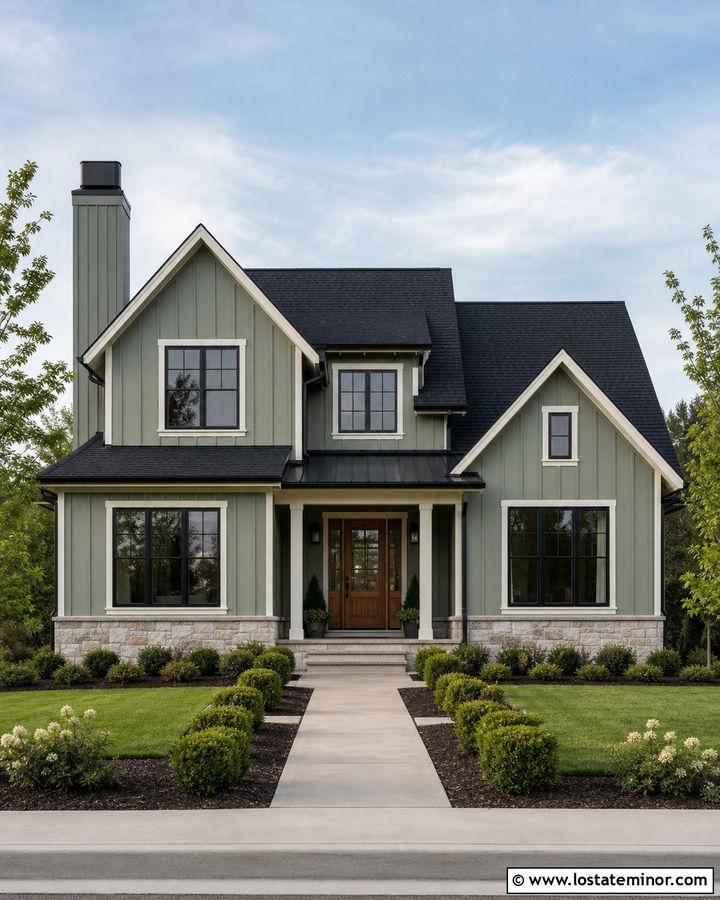
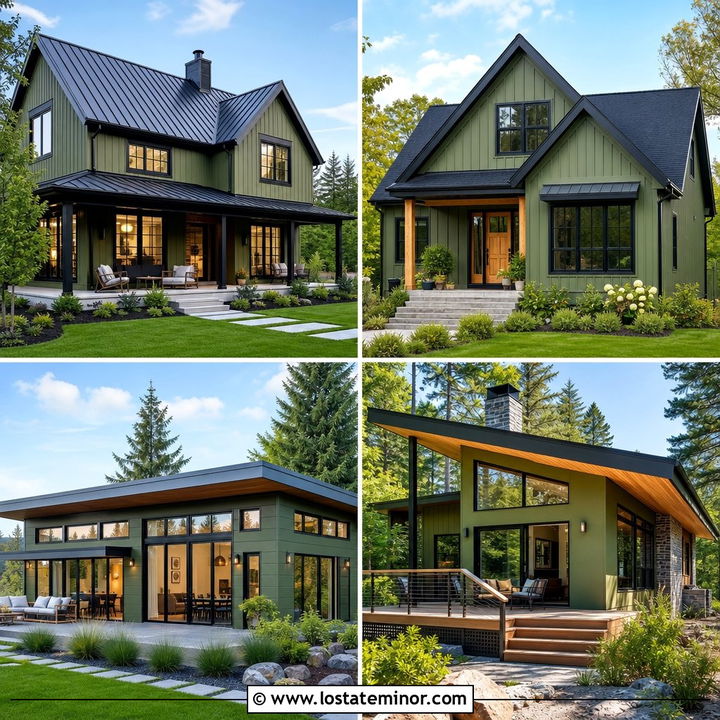
Painting a simple chimney chase the same sage green as the siding can produce a streamlined exterior. Use Sherwin-Williams Evergreen Fog, a smoky gray-green, across vertical siding and the full chimney enclosure of a modern farmhouse. Crisp warm-white trim defines the roof edges, while black-framed windows and a black architectural shingle roof add structure. Cover the chimney cap and flashing in matte black metal for a clean finish. Because the chimney blends into the body, emphasize the entrance with a natural cedar door and matching porch ceiling. A low stone foundation adds just enough texture near the ground. This restrained approach is practical for a framed chimney that lacks decorative masonry and helps the entire facade appear taller, calmer, and more cohesive.
6. Sage Green House With Charcoal Stone Chimney
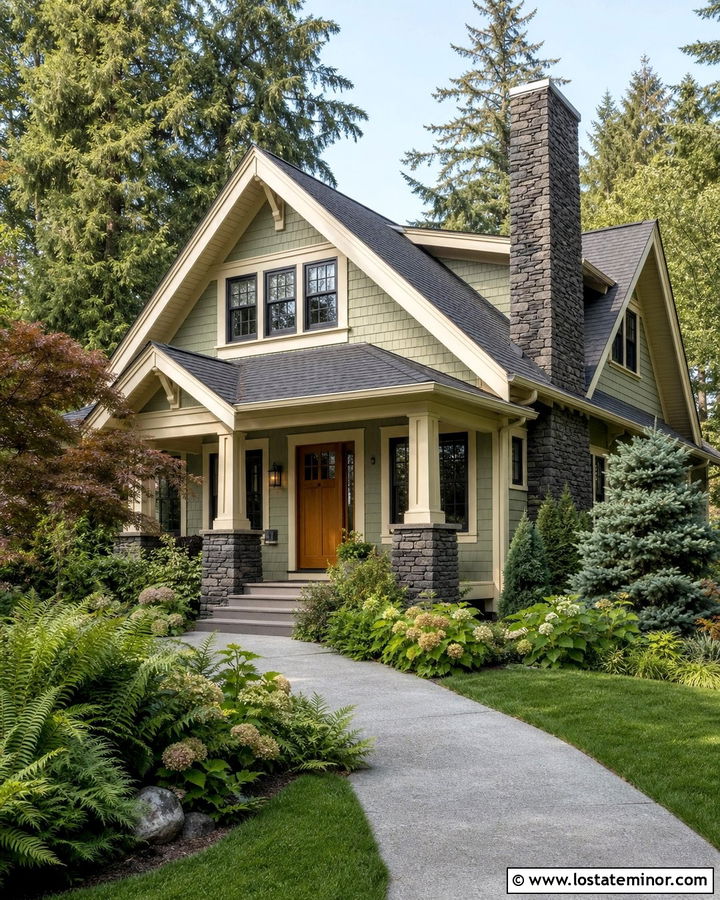
Dark charcoal stone creates a dramatic anchor against a soft sage green facade. Benjamin Moore Soft Fern, a light and gentle green, keeps the exterior bright while allowing the chimney to carry visual weight. Use the color on shake siding across a Craftsman house, with creamy trim around deep eaves and divided-light windows. Charcoal ledgestone can cover the chimney, porch bases, and a narrow foundation band. A medium-gray roof connects the masonry to the upper facade without making the house feel overly dark. Finish the entrance with a honey-toned wood door and dark bronze hardware. Layered shrubs, ferns, and a broad concrete walkway soften the heavier materials. The final scheme feels substantial but welcoming, with the chimney serving as the clear architectural focal point.
7. Sage Green House With River Rock Chimney
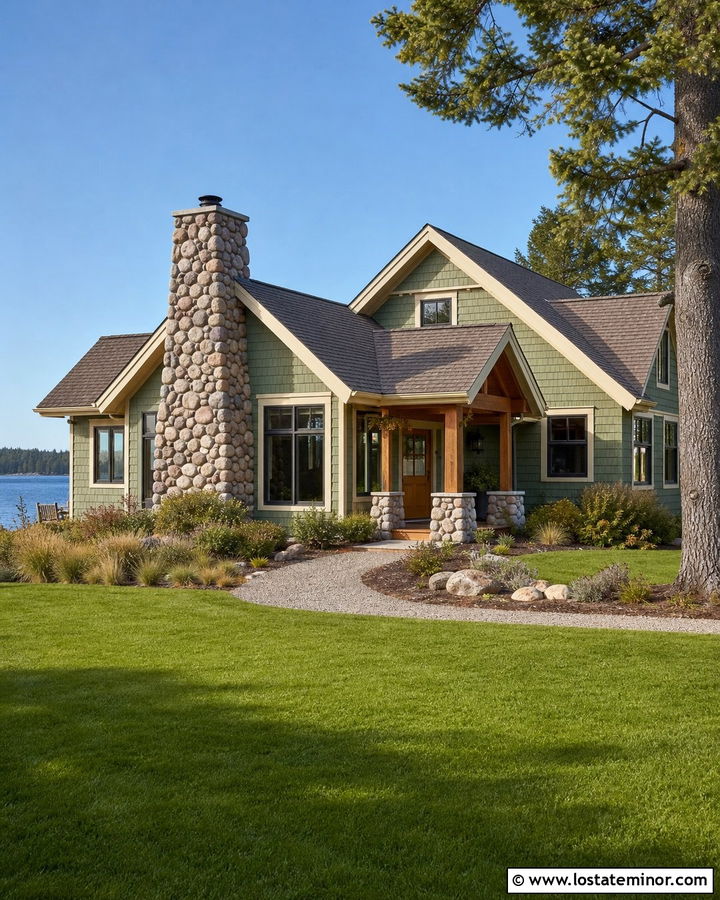
Rounded river rock gives a sage green exterior an informal, handcrafted personality. Behr Jojoba, a warm earthy sage green, looks comfortable on cedar shingles or textured fiber-cement siding. Pair it with cream trim, a brown-gray roof, and a rustic wood front door. The chimney should combine softly rounded stones in taupe, gray, sand, and muted rust, with understated mortar that does not overpower their natural shapes. Carry the same rock onto porch columns or a low garden wall to create continuity. This combination is ideal for a bungalow, lakeside home, or wooded retreat with broad eaves. Native grasses, evergreen shrubs, and a gently curved gravel path reinforce the relaxed setting while leaving enough open space for the colorful chimney masonry to remain visible.
8. Sage Green House With German Schmear Chimney
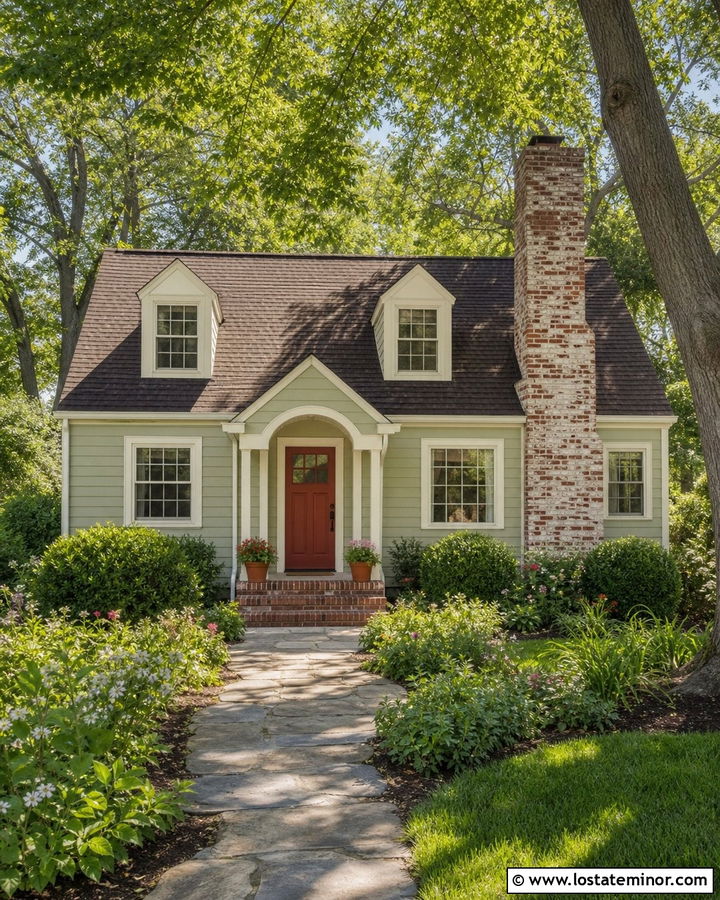
German schmear can soften an older brick chimney while preserving its irregular pattern. Sherwin-Williams Svelte Sage, a warm yellow-based sage green, complements the creamy mortar and occasional exposed red brick. Apply the color to traditional lap siding on a cottage or small Cape Cod. Use antique white for the trim, a dark brown roof, and a muted terracotta front door that echoes the brick beneath the mortar treatment. A brick porch step finished in the same schmear will connect the chimney with the entrance. Keep gutters and downspouts warm bronze so they blend into the earthy palette. Informal hedges, flowering perennials, and a simple stone walkway complete this lived-in exterior, which feels gently updated rather than completely remodeled or stripped of its history.
9. Sage Green House With Copper Chimney Cap
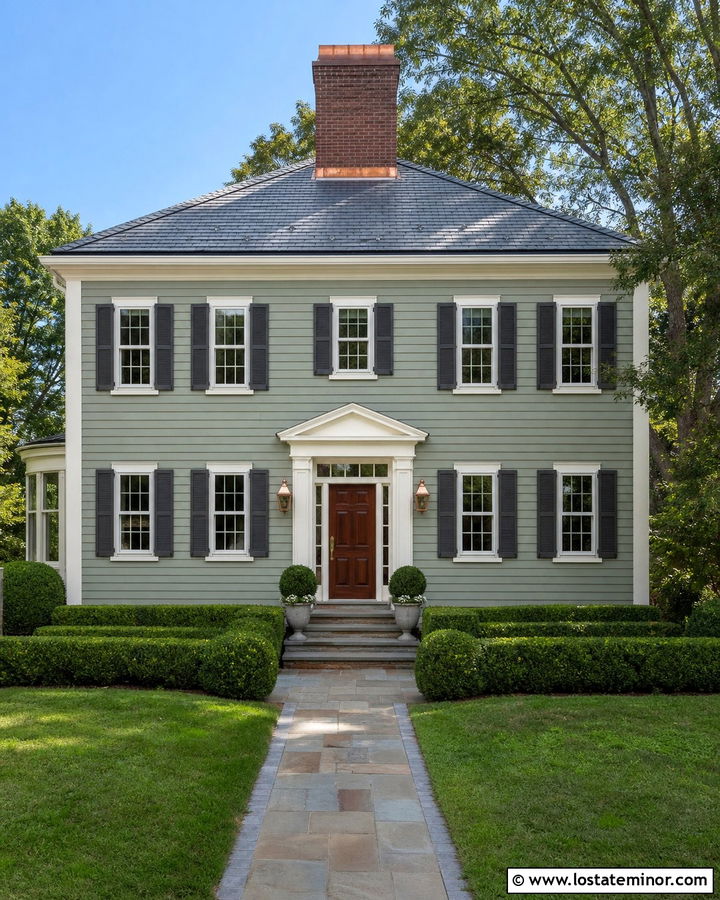
A copper chimney cap adds a small but memorable accent to a sage green house. Benjamin Moore Hollingsworth Green, a light historic sage, makes an elegant body color for a symmetrical Colonial with white trim and dark gray shutters. Construct the chimney from warm red brick, then finish it with a substantial copper cap and matching flashing. New copper will appear bright at first, but its warm metallic tone already coordinates with brick, wood, and green siding. Repeat copper on porch lanterns, gutters, or a small entry roof to make the cap feel intentional. A mahogany door and gray slate walkway complete the traditional composition. Keep landscaping formal but simple, using boxwood and evenly spaced shrubs that support the home’s symmetry without obscuring its masonry details.
10. Sage Green House With Black Chimney Cap
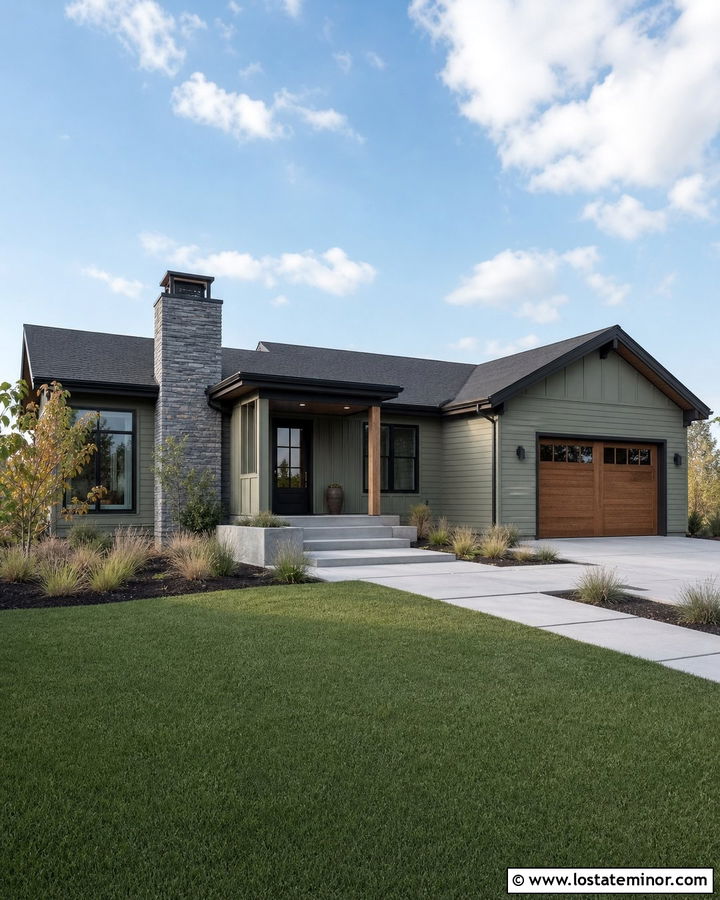
Crisp black metalwork can sharpen an otherwise soft sage green exterior. Sherwin-Williams Acacia Haze, a medium gray-green, gives a modern ranch enough color without looking overly bright. Pair it with charcoal trim, a near-black roof, and a wide natural wood garage door. Wrap the central chimney in cool gray stacked stone and add a simple matte black cap. The dark cap should relate to window frames, gutters, and exterior lights, creating repetition across the long facade. Use vertical siding around the entry and horizontal siding elsewhere to break up the ranch’s width. Broad concrete steps, low ornamental grasses, and an uncluttered lawn support the clean architecture. This scheme feels contemporary, yet the stone chimney prevents the streamlined exterior from appearing flat or overly industrial.
11. Sage Green Colonial With Double Chimneys
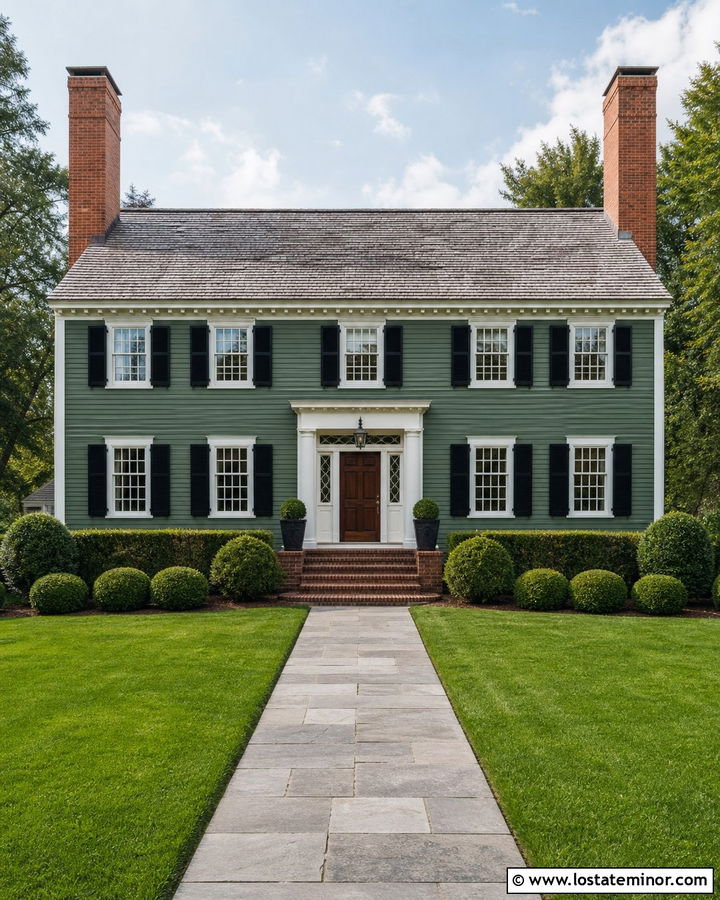
Two end chimneys can give a sage green Colonial impressive balance and presence. Benjamin Moore Kennebunkport Green, a rich historic sage, works beautifully with warm white trim, black shutters, and a weathered slate roof. Use matching red brick for both chimneys and repeat that brick on the front steps or walkway edging. Because the architecture is highly symmetrical, keep the entrance centered and clearly defined with a deep black or stained mahogany door. White pilasters and a simple pediment can brighten the middle of the facade. Avoid introducing too many additional materials, which could weaken the disciplined composition. Neatly clipped hedges, paired planters, and evenly spaced foundation shrubs reinforce the symmetry, allowing the green siding and tall masonry chimneys to create a dignified, timeless street view.
12. Sage Green Ranch House With Exterior Chimney
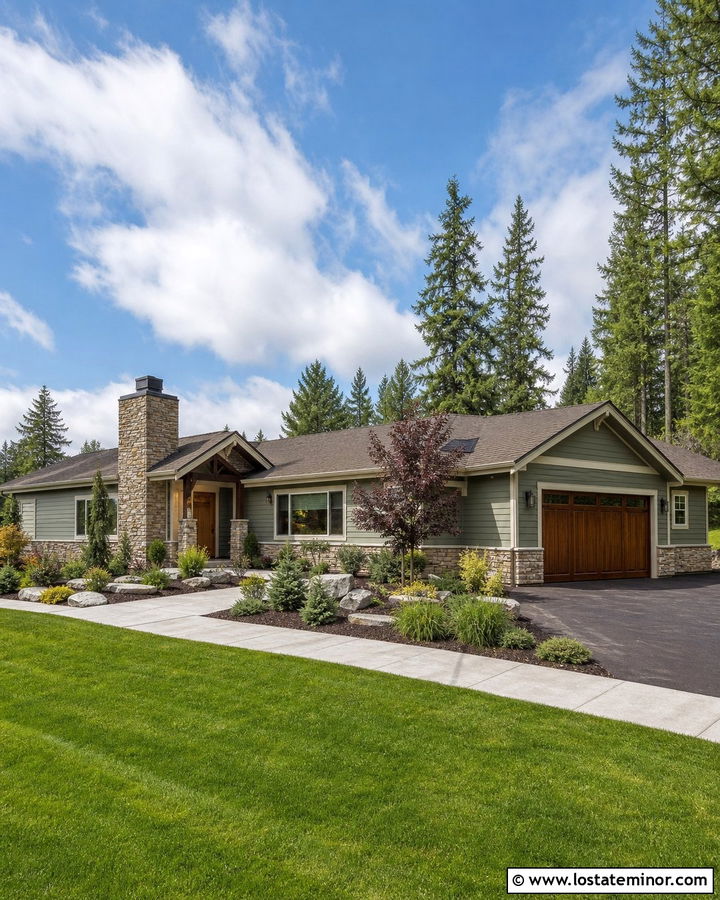
On a low ranch house, an exterior chimney can interrupt the long roofline in an appealing way. James Hardie Mountain Sage, a subdued natural green, looks balanced with cream trim and a dimensional brown-gray roof. Cover the chimney in tan ledgestone and extend that stone along a short section of the foundation. This visually connects the tall masonry feature to the home instead of leaving it isolated. A walnut-toned front door and matching garage door bring warmth to the broad facade. Keep window trim simple and consider deep olive shutters where the architecture supports them. A wide walkway, layered evergreen beds, and a small ornamental tree can guide attention toward the entry. The resulting ranch exterior feels grounded, updated, and thoughtfully composed from end to end.
13. Sage Green Craftsman With Stone Chimney
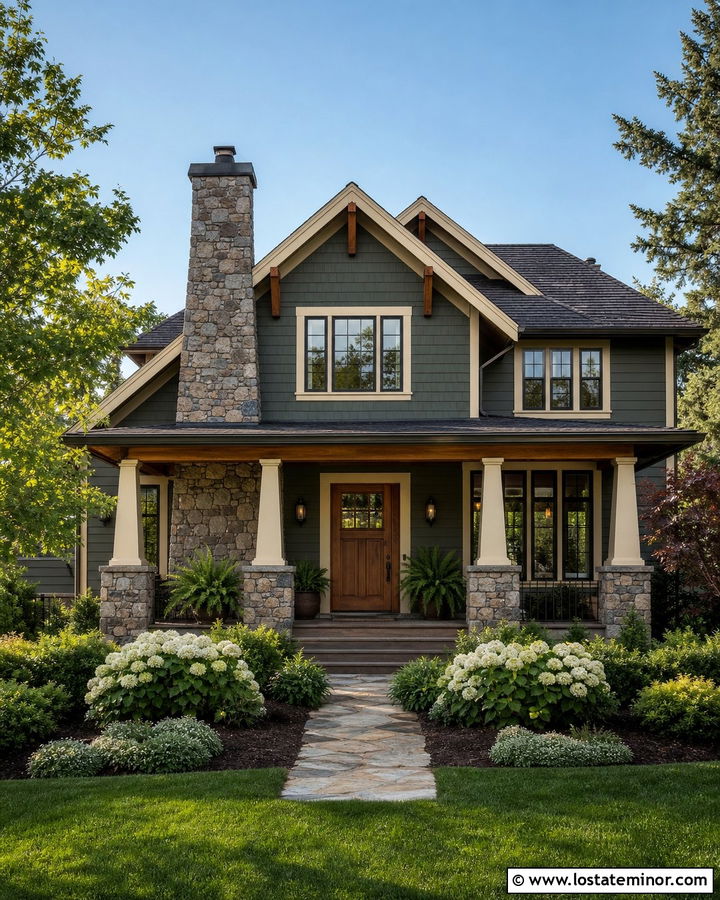
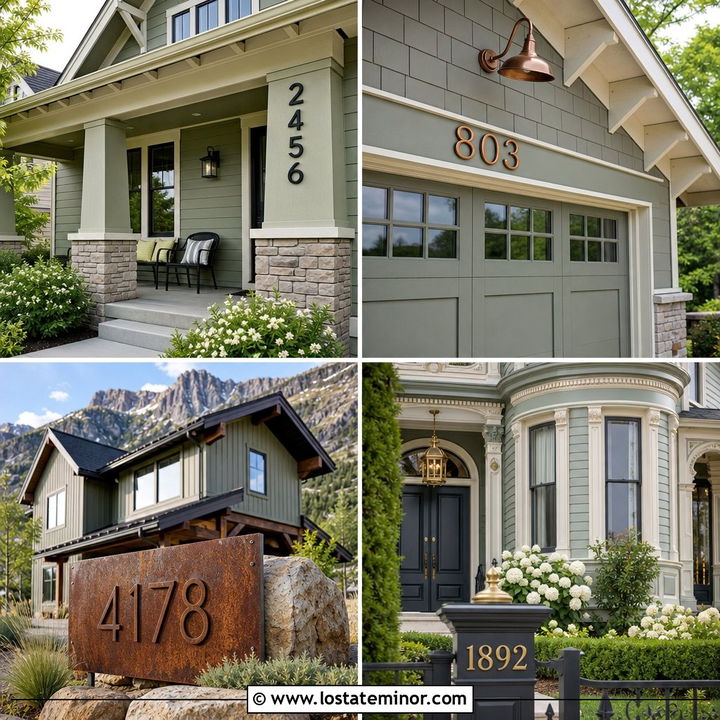
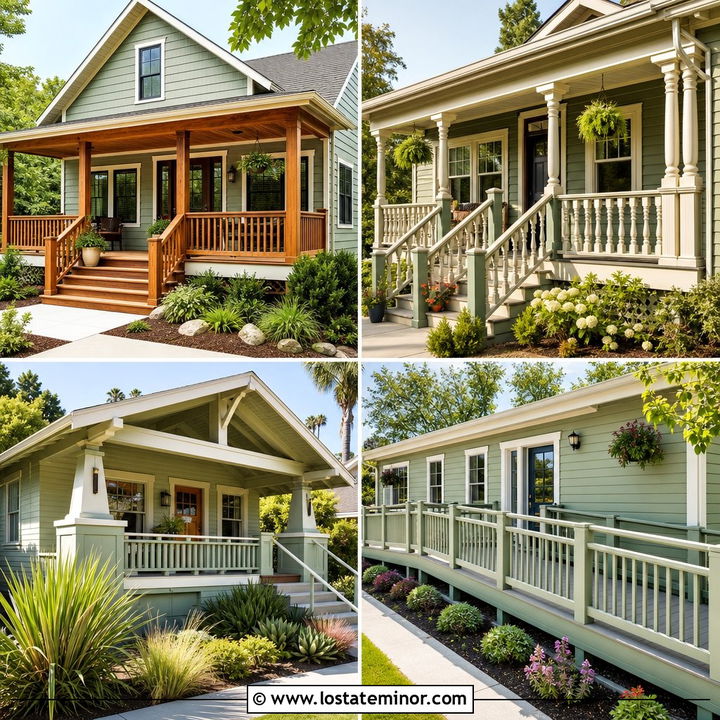
Craftsman architecture welcomes rich texture, making a stone chimney a natural partner for sage siding. Sherwin-Williams Retreat, a deep smoky sage green, can cover shingle siding beneath the gables and horizontal boards across the main walls. Use warm cream trim to highlight tapered columns, exposed rafter tails, and divided-light windows. Build the chimney from irregular gray-brown stone, then repeat the material on porch piers and steps. A stained fir door and cedar brackets add warmth against the deeper body color. Choose a dark weathered roof rather than solid black for a softer transition. Ferns, hydrangeas, and layered shrubs complement the handcrafted character. Every material has a purpose in this scheme, so the substantial chimney feels integrated with the porch and roof instead of added later.
14. Sage Green Farmhouse With Brick Chimney
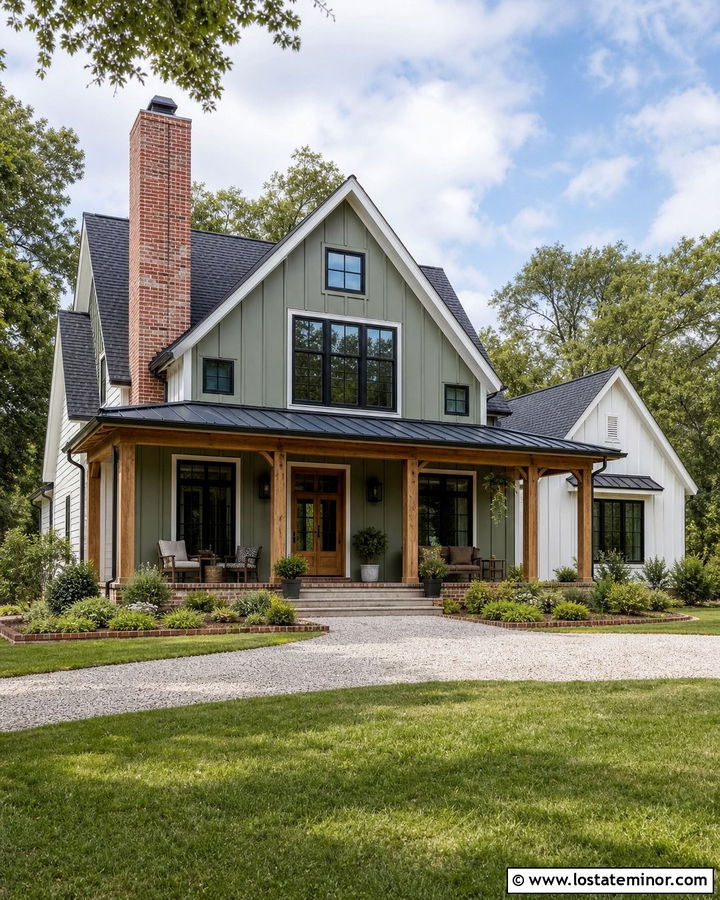
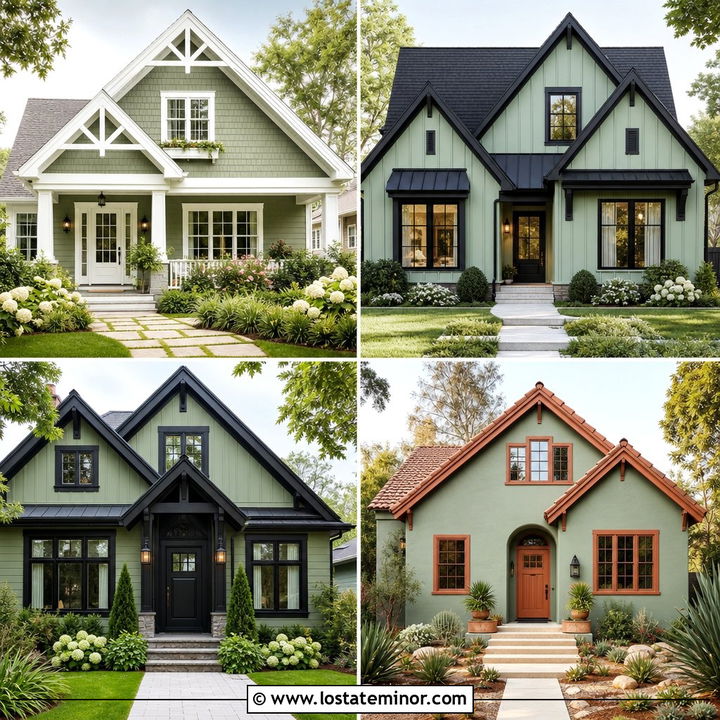
A sage green farmhouse offers a warmer alternative to the familiar all-white exterior. Benjamin Moore High Park, a muted medium green, looks crisp on board-and-batten siding with soft white trim and black-framed windows. Retain a traditional red brick chimney to give the newer palette a sense of age. A charcoal standing-seam porch roof and dark architectural shingles repeat the black accents without overwhelming the house. Add natural oak double doors and simple timber porch posts to soften the strong contrasts. The chimney’s brick can also appear on porch flooring or a garden border, creating subtle visual repetition. Keep the garage door sage green so it recedes into the facade. A straight gravel drive, broad lawn, and relaxed foundation planting complete the practical modern farmhouse setting.
15. Sage Green Cottage With Center Chimney
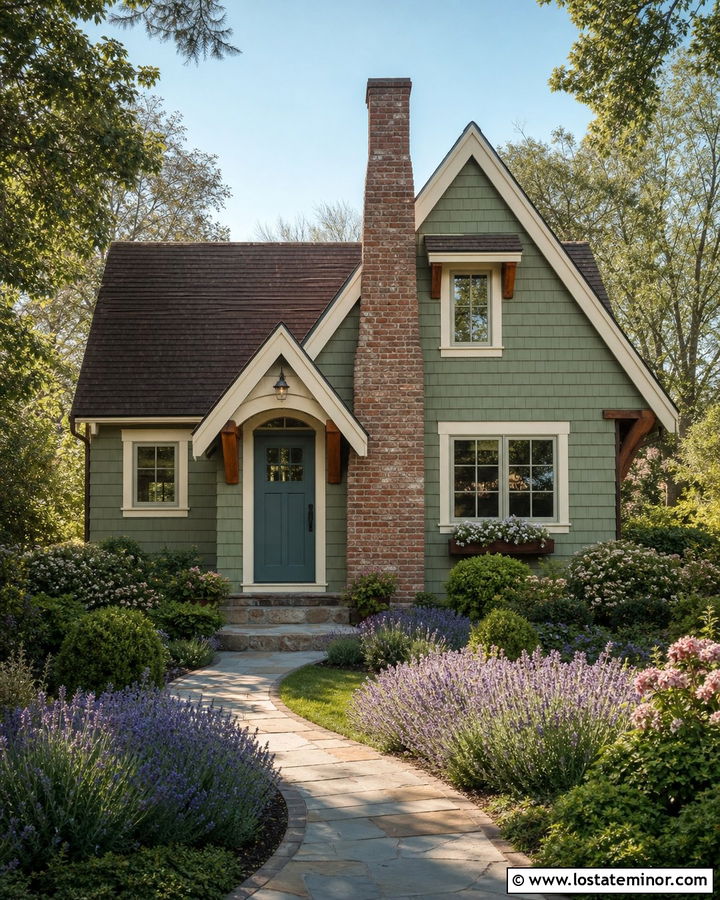
A center chimney can become the heart of a small sage green cottage. Benjamin Moore Weekend Getaway, a warm organic sage, suits cedar-shingle siding and a steep dark brown roof. Build the chimney from old red brick with softly weathered mortar, allowing it to rise prominently behind the front ridge. Cream window trim and a muted blue-green door create gentle contrast without pulling attention away from the masonry. Add a small covered entry with simple wood brackets and a stone step that repeats the chimney’s warm undertones. Informal landscaping is important here. Use flowering shrubs, lavender, low hedges, and a curved path rather than rigid symmetrical beds. The complete exterior should feel charming and established, with the chimney, roof, and textured green siding forming one compact composition.
16. Sage Green Tudor With Brick Chimney
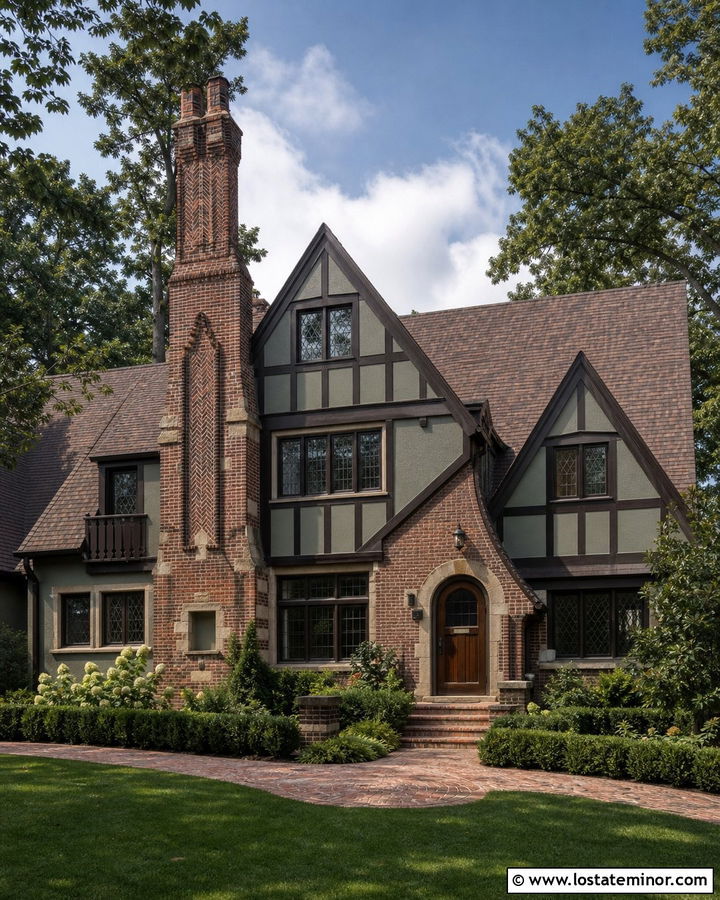
Tudor homes often feature prominent chimneys, steep gables, and contrasting trim, making sage green an interesting update. Sherwin-Williams Clary Sage can replace plain beige stucco between dark brown half-timber details. Keep the tall chimney in variegated red and brown brick, preferably with decorative brickwork near the top. A deep brown roof, leaded windows, and an arched walnut door maintain the home’s historic personality. Apply warm cream to secondary trim so the facade does not become too heavy. Brick can reappear around the entrance or along the walkway, while low foundation plantings leave the dramatic wall patterns visible. This scheme respects the Tudor’s material richness but gives it a calmer color foundation. The muted green also bridges the visual gap between dark timbers, warm masonry, and surrounding landscaping.
17. Sage Green Cape Cod With Side Chimney
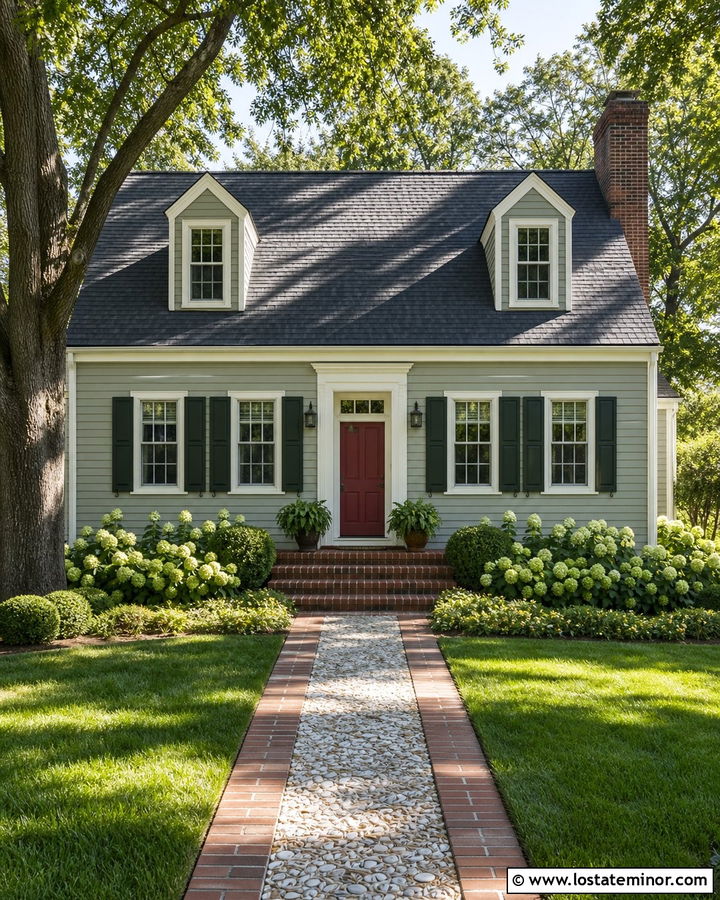
Compact Cape Cod homes benefit from a clear, uncomplicated exterior palette. Benjamin Moore October Mist provides a soft sage green body that looks fresh on narrow clapboard siding. Pair it with creamy white trim, dark green shutters, and a medium charcoal roof. A red brick chimney positioned along one side adds height without disrupting the tidy front elevation. Use a brick front step or walkway border to repeat its warm color at ground level. A cranberry red door can add personality, but choose a muted shade rather than a bright primary red. Symmetrical windows, small dormers, and simple landscaping preserve the home’s familiar character. Hydrangeas, boxwood, and a shell or brick path create welcoming curb appeal while keeping the charming chimney visible from the street.
18. Sage Green Bungalow With Wide Chimney
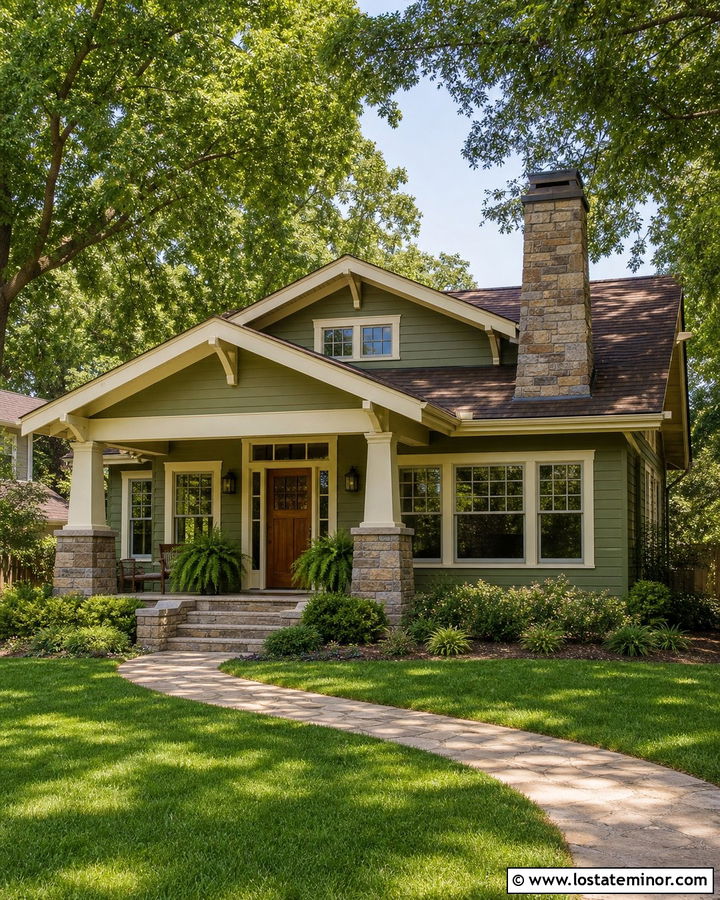
The broad chimney on a bungalow can feel like part of the porch when its materials are carefully repeated. Behr Laurel Tree, an earthy medium sage green, gives horizontal siding a cozy, grounded appearance. Use warm ivory trim around substantial porch columns and multi-pane windows. Cover the front chimney in mixed tan and gray stone, then apply the same stone to the column bases and porch steps. A dark brown shingle roof and stained cedar door strengthen the natural palette. Deep eaves will create shadow, so test the sage color on several walls before committing. Low shrubs, ferns, and a gently curving walkway suit the bungalow’s informal personality. The finished house should look layered and handcrafted, with the wide chimney balancing the porch rather than appearing oversized or disconnected.
19. Sage Green Split-Level With Brick Chimney
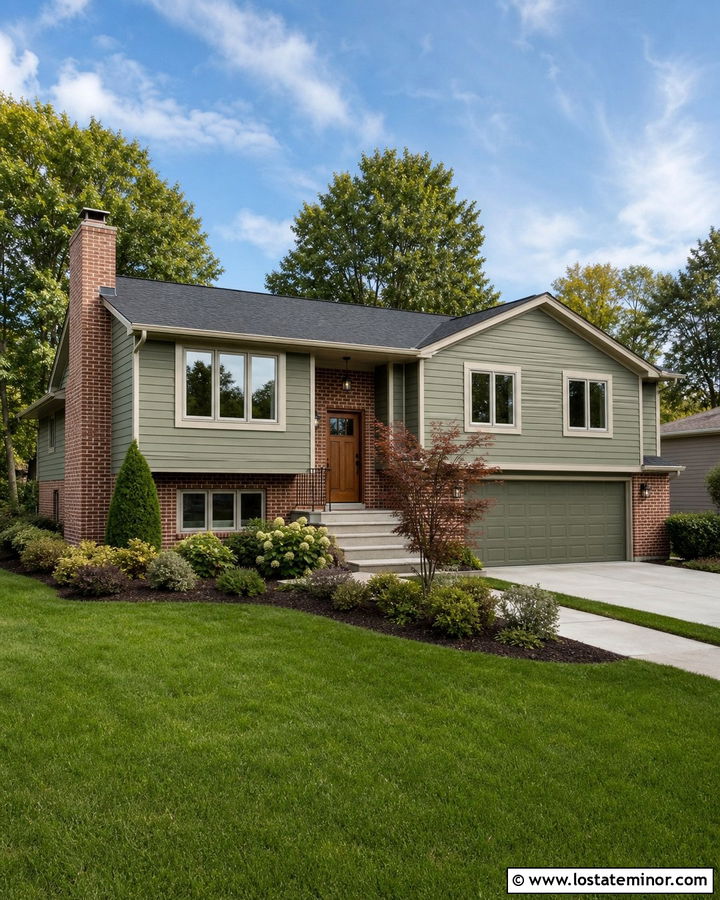
A split-level facade can appear fragmented, but a coordinated chimney scheme helps unify its different heights. Sherwin-Williams Contented, a quiet gray-green, works well on horizontal siding across both levels. Keep an existing red-brown brick chimney natural and repeat that masonry around the lower-level entrance or foundation. Use light greige trim instead of bright white, then select a charcoal roof and dark bronze fixtures. A medium wood front door adds warmth near the center of the composition. Painting the garage door sage green will reduce its prominence and allow the chimney to become the stronger feature. Use a broad walkway and layered planting beds to connect the entrances visually. With consistent colors and repeated brick, the split-level exterior feels intentional, balanced, and far less visually busy.
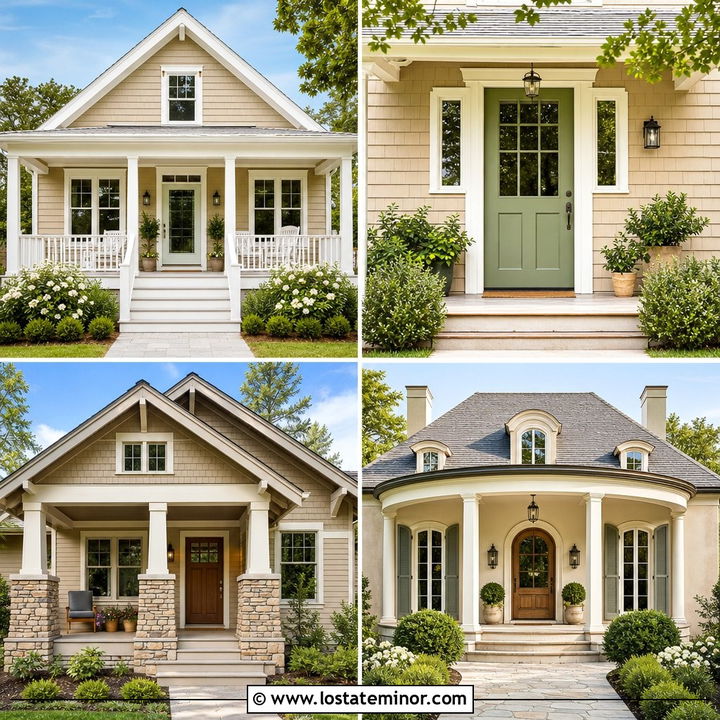
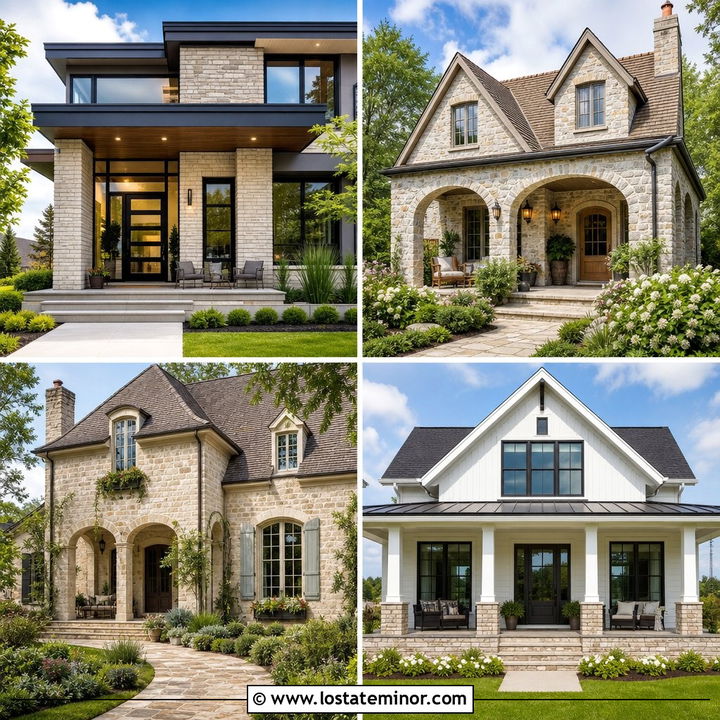
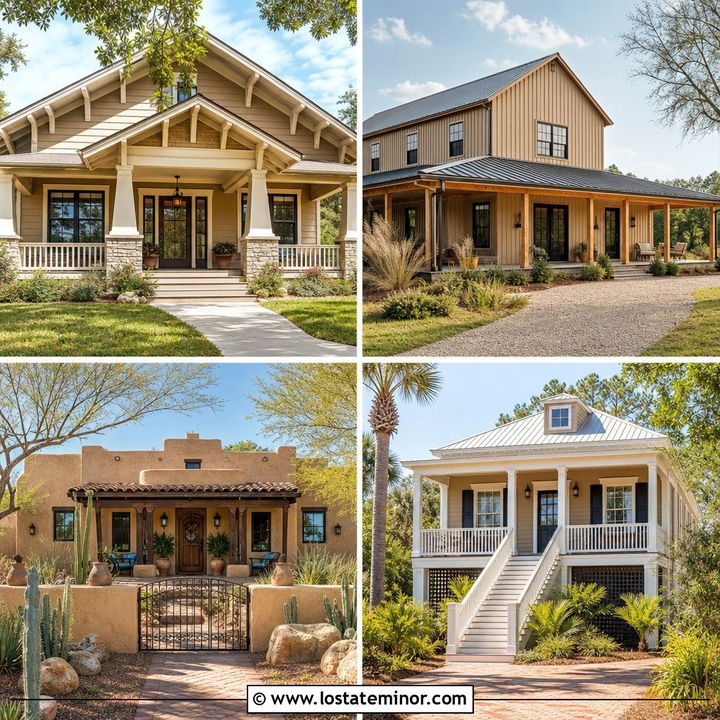
20. Modern Sage Green House With Slim Chimney
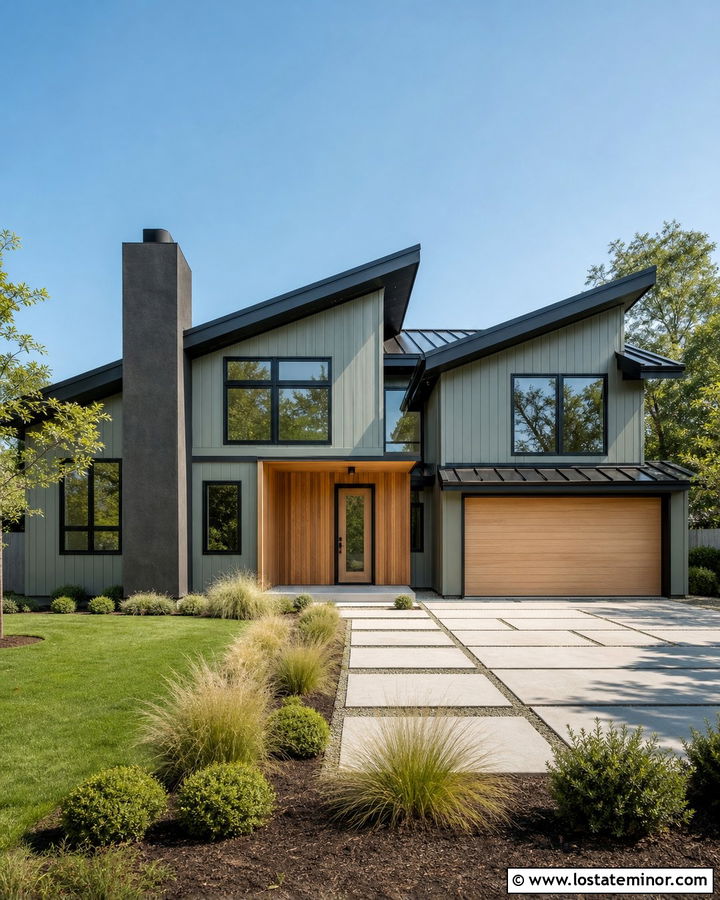
Modern architecture calls for a restrained chimney with clean lines and limited ornament. Sherwin-Williams Evergreen Fog, a smoky sage gray-green, pairs well with vertical panel siding, black windows, and pale natural wood. Form the slim chimney in smooth charcoal stucco or large-format dark stone, allowing it to rise beside an asymmetrical roofline. A low-slope black metal roof and matching gutters strengthen the graphic silhouette. Use cedar around the recessed entrance and garage to introduce warmth against the cooler green and charcoal surfaces. Landscaping should remain architectural, with ornamental grasses, clipped shrubs, and rectangular concrete pavers. Wide expanses of glass can reflect surrounding trees and make the muted green feel even more connected to the site. The overall exterior looks minimal, layered, and inviting rather than cold.
21. Sage Green French Country House With Chimney
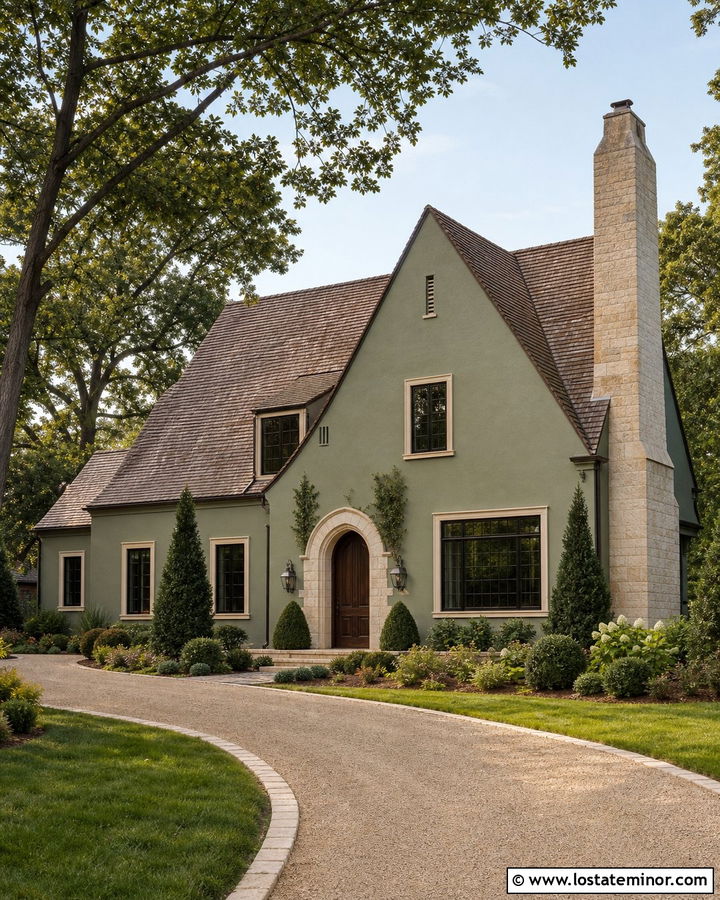
A French country exterior becomes especially graceful when sage green is combined with pale masonry. Benjamin Moore Saybrook Sage can cover stucco or smooth siding beneath steep, softly flared rooflines. Use warm limestone on a substantial side chimney, the arched entrance, and selected lower walls. Cream trim, bronze window frames, and a weathered brown roof maintain a gentle, old-world palette. Choose a walnut arched door with understated iron hardware as the central accent. The chimney cap may be limestone or dark bronze, depending on the roof details. Curved planting beds, clipped evergreens, and a pale gravel drive reinforce the architecture without making it formal or stiff. This complete design feels collected and established, with the sage body color quietly tying together masonry, roofing, wood, and landscaping.
22. Sage Green Mountain House With Stone Chimney
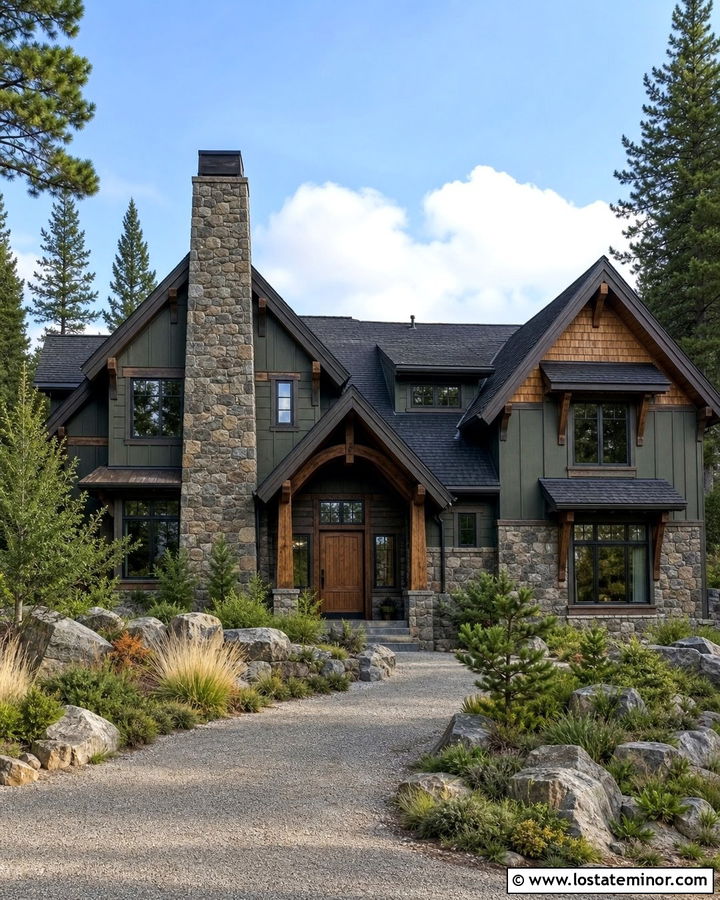
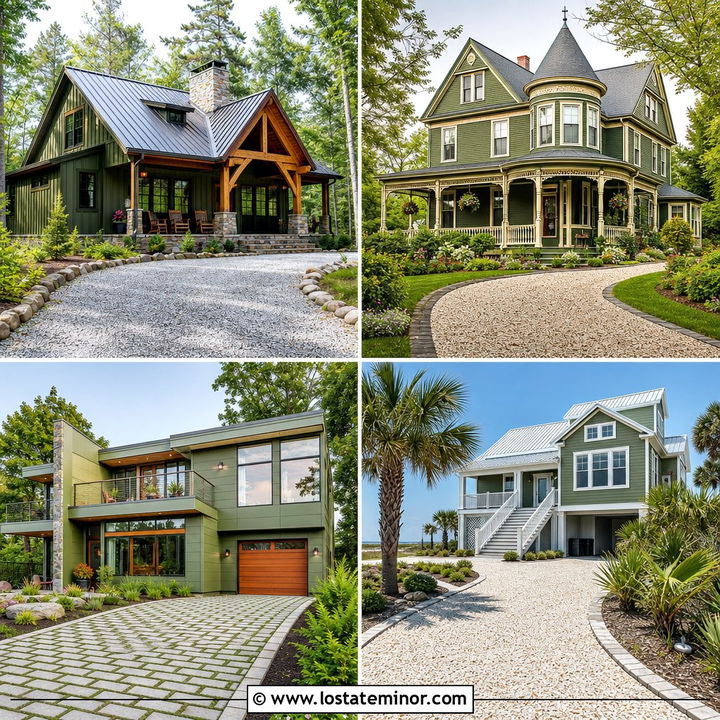
Picture a steep-roofed house surrounded by evergreens, where the chimney feels carved from the landscape. Sherwin-Williams Retreat, a dark gray sage green, works beautifully on a mountain home with cedar siding and generous windows. Build an oversized chimney from rugged gray and brown stone, carrying the material across the foundation and outdoor steps. Deep bronze trim, a charcoal roof, and heavy timber brackets support the darker woodland palette. Use warm cedar for the door, porch ceiling, and selected gable accents so the facade does not feel gloomy. Bright daylight will reveal the green in the siding and the varied colors within the stone. Native grasses, boulders, and evergreen shrubs provide a natural frame, while a broad gravel drive preserves the strong, rustic character of the complete house.
23. Sage Green Lake House With Chimney
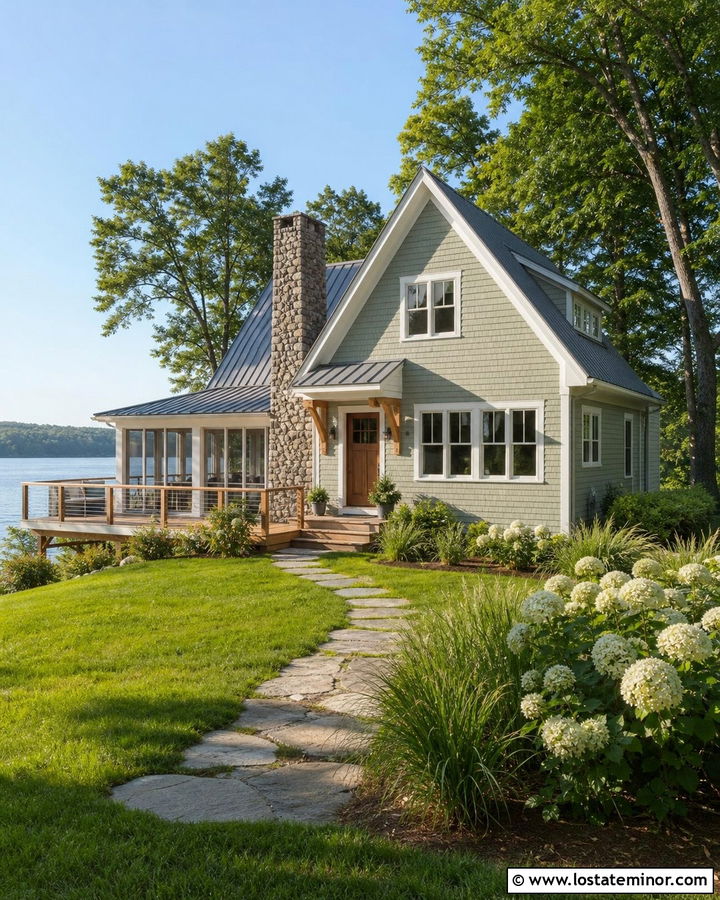
A lake house can use sage green to blend with trees while still feeling light near the water. Benjamin Moore Soft Fern, a pale gray-green, suits shingle siding on a relaxed two-story facade. Combine it with white trim, a medium-gray metal roof, and a chimney faced in cool gray fieldstone. A natural cedar front door and matching deck rail add necessary warmth. Repeat the stone around the porch base or outdoor fireplace so the chimney belongs to the broader material palette. Large windows with simple white frames keep the exterior bright and casual. Native grasses, hydrangeas, and a wide stone path complement the waterside setting without requiring formal maintenance. The finished scheme balances airy coastal details with sturdy masonry, creating a lake house that looks comfortable throughout every season.
24. Coastal Sage Green House With Brick Chimney
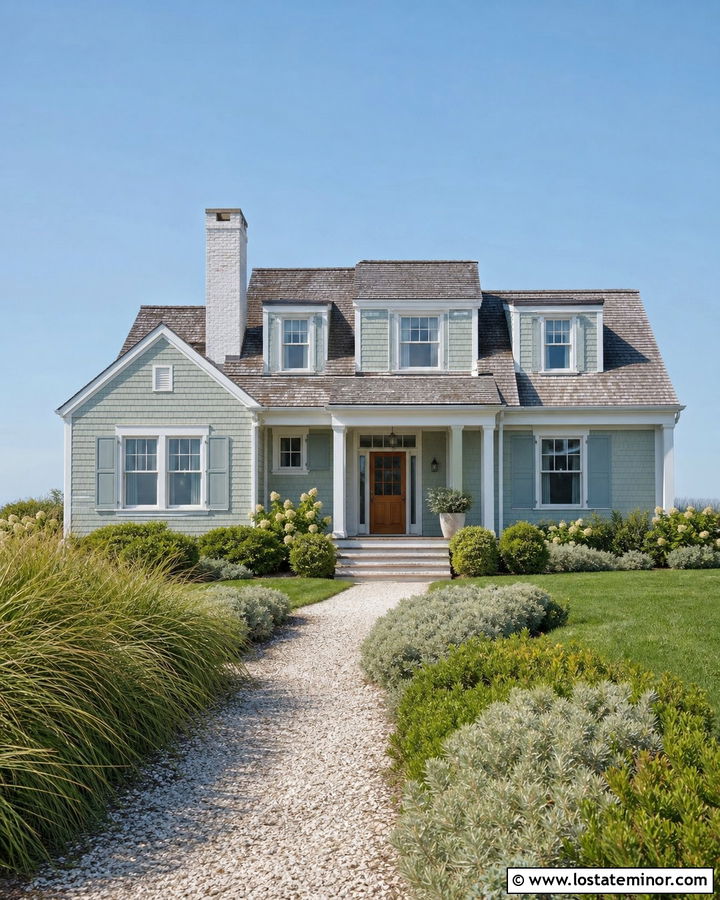
Sage green can work near the coast when the palette remains clear, soft, and sun-washed. Sherwin-Williams Sea Salt, a light blue-leaning sage green, gives cedar shingles or lap siding an airy appearance. Pair it with crisp white trim, a weathered gray roof, and a whitewashed brick chimney. Pale blue-gray shutters and a natural teak door add subtle variation while preserving the relaxed color story. Use white railings on the porch, but keep decking in a medium natural wood tone to prevent the exterior from appearing overly pale. Beach grasses, hydrangeas, crushed-shell paths, and low shrubs support the coastal setting. The chimney contributes traditional texture without becoming too visually heavy, while the green siding changes gently between soft green and gray-blue in bright natural daylight.
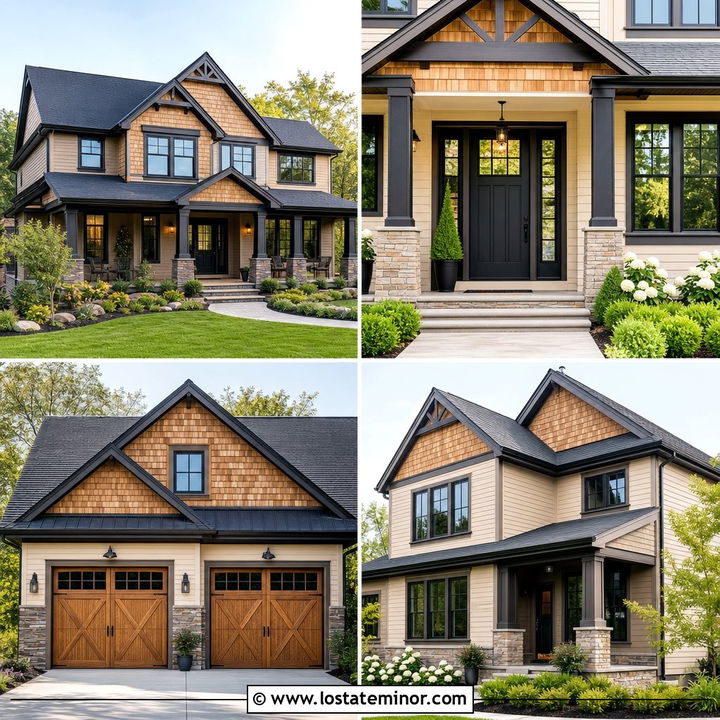
25. Sage Green Prairie House With Horizontal Chimney
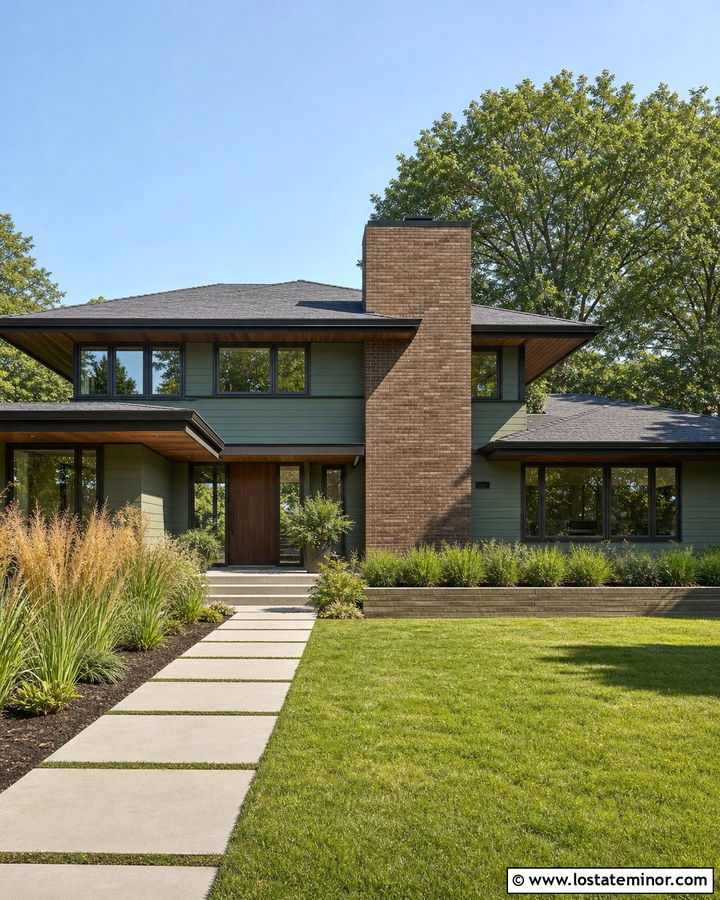
Long horizontal lines define Prairie-inspired architecture, so the chimney should act as a strong vertical anchor. Benjamin Moore Carolina Gull, a rich earthy sage green, suits broad stucco walls or horizontal siding beneath deep overhangs. Face a wide central chimney in warm brown Roman brick, emphasizing the masonry’s elongated shape. Dark bronze window frames, a low charcoal-brown roof, and stained wood soffits reinforce the architectural geometry. Keep the front door in a medium walnut tone and integrate it beneath a sheltered entry. Low linear planting beds, ornamental grasses, and rectangular concrete slabs mirror the facade’s proportions. Because the exterior is visually structured, avoid decorative shutters or ornate trim. The complete scheme feels grounded and modern while respecting the Prairie house’s emphasis on craftsmanship, landscape, and strong horizontal composition.
26. Sage Green Victorian House With Brick Chimney
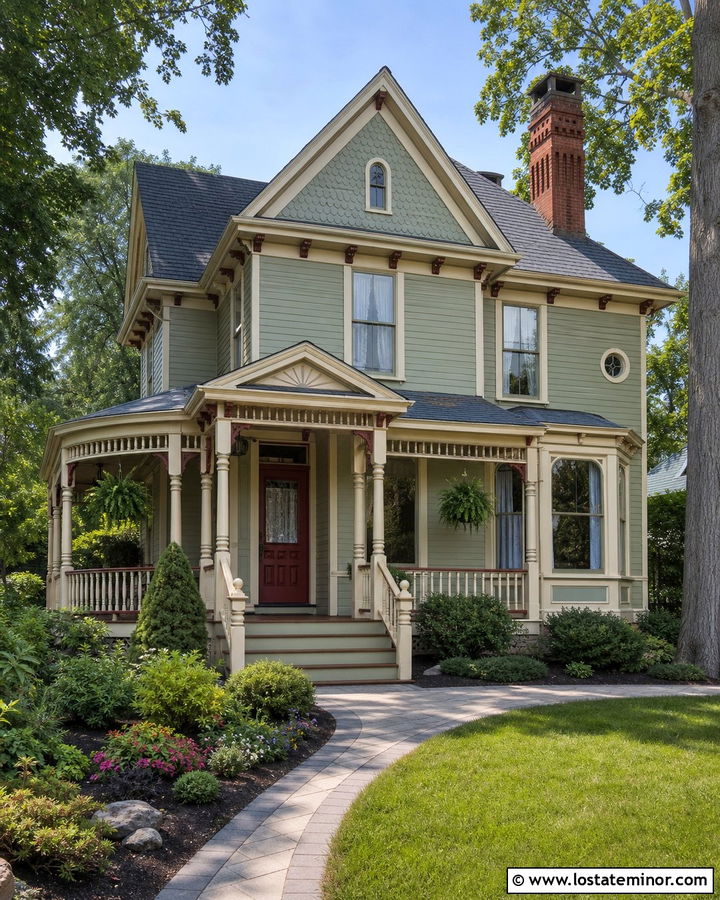
A Victorian exterior can carry several colors, but sage green should remain the visual foundation. Benjamin Moore Hollingsworth Green, a light historic sage, works across clapboard siding and decorative shingles. Use warm cream on window trim and porch columns, with deep burgundy or muted plum on small brackets and gable details. Preserve a tall red brick chimney, especially if it features corbeling or patterned masonry at the top. A dark gray roof keeps the colorful trim from becoming overwhelming. Repeat burgundy on the front door and use stained wood on the porch floor. Structured flower beds and a curved path complement the detailed architecture. Limiting the palette to sage, cream, one dark accent, and natural brick produces a lively Victorian exterior that still looks coordinated and approachable.
27. Sage Green Scandinavian House With Chimney
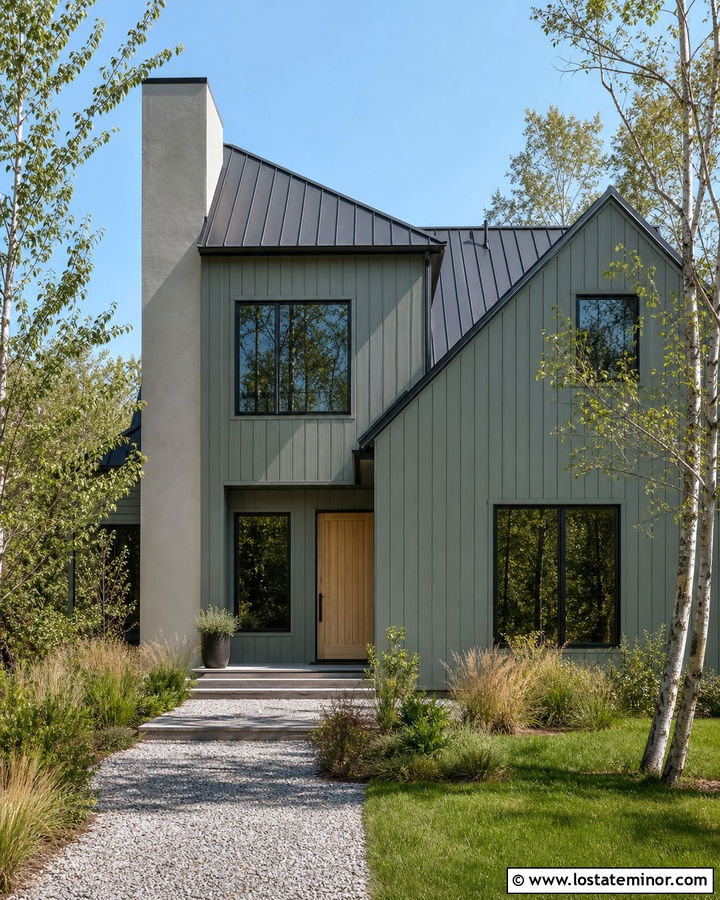
Simple forms and natural materials give a Scandinavian-inspired sage green house quiet curb appeal. Behr Sage Gray, a cool muted green-gray, works well on vertical wood siding with minimal trim. Add a narrow chimney finished in pale gray stucco or lightly textured concrete, positioned against a steep charcoal metal roof. Black window frames create clean outlines, while a blonde wood door and soffits warm the restrained palette. Keep gutters and flashing charcoal so they disappear into the roofline. A gravel path, native grasses, small birch trees, and a simple lawn support the uncluttered facade. The chimney should feel functional and integrated rather than decorative. In bright daylight, the cool sage siding, pale masonry, dark roof, and natural wood create a balanced house that feels modern without losing warmth.
28. Dark Sage Green Cabin With Stone Chimney
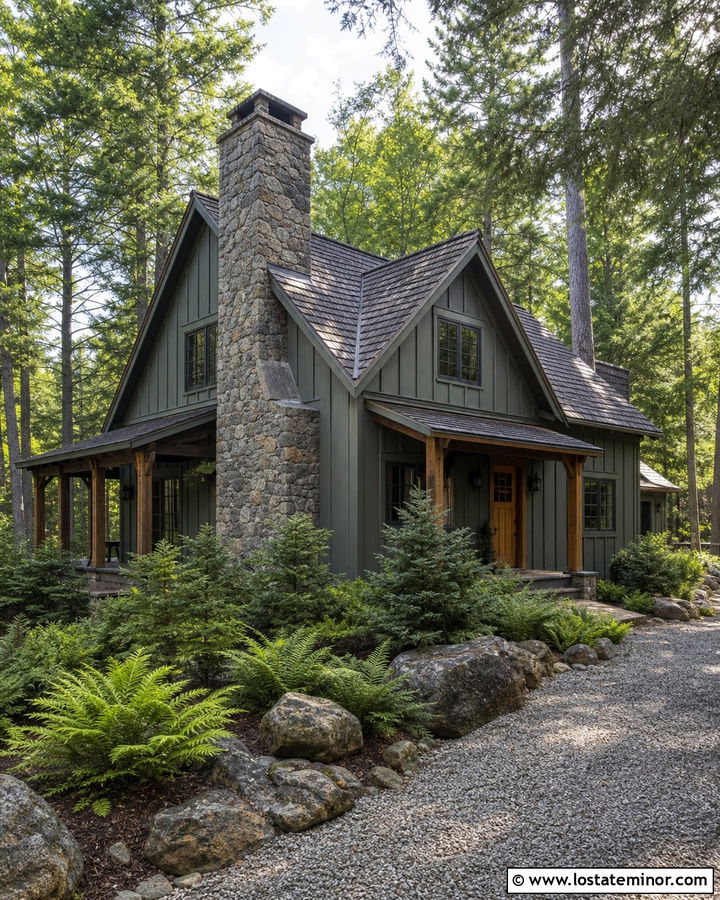
A dark sage cabin looks most convincing when its chimney has enough scale and texture to match the wooded setting. Sherwin-Williams Pewter Green, a deep forest-leaning sage, can cover rustic lap siding or board-and-batten walls. Use a large gray-brown stone chimney, a weathered charcoal roof, and dark bronze window trim. Honey cedar on the front door, porch posts, and gable brackets prevents the facade from disappearing into surrounding trees. Carry stone across the foundation and fireplace wall to create a solid visual base. A gravel drive, boulders, ferns, and native evergreen plants preserve the natural atmosphere. Even with a darker body color, broad windows and bright daytime exposure keep the exterior readable. The complete scheme feels sheltered, substantial, and closely connected to the forest.
29. Sage Green Stucco House With Chimney
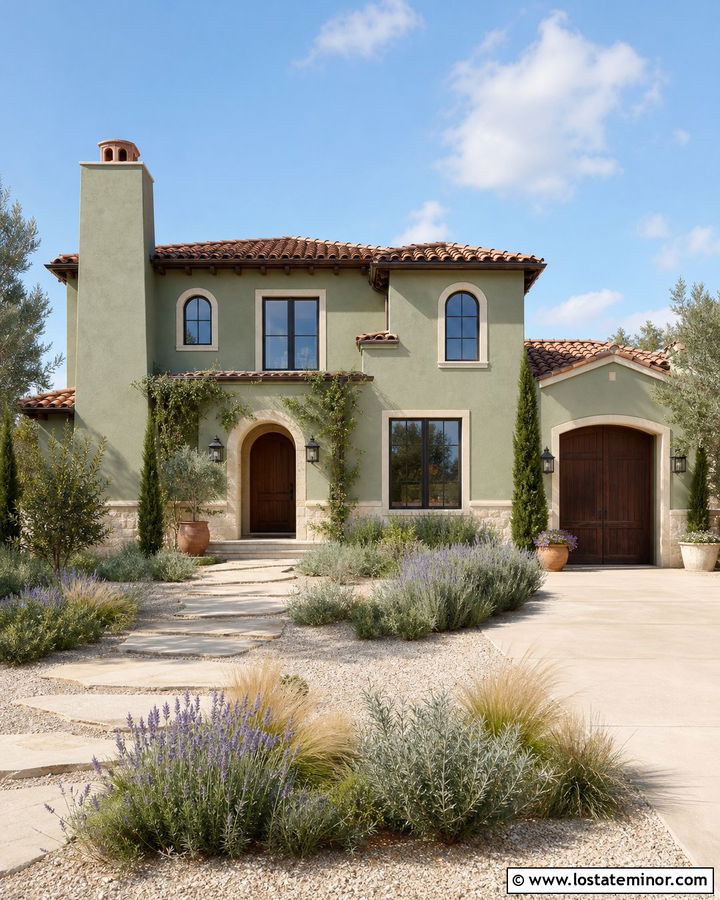
Smooth stucco gives sage green a softer, more continuous appearance than traditional siding. Sherwin-Williams Svelte Sage, a warm muted green, complements a Mediterranean-influenced house with a low terracotta roof. Finish the chimney in matching sage stucco, but add a warm stone base and a simple clay chimney pot for definition. Cream window trim, dark bronze frames, and an arched wood door support the earthy palette. Repeat limestone or tan stone around the entrance and lower walls so the chimney detail feels intentional. Drought-tolerant landscaping with lavender, olive-toned shrubs, grasses, and pale gravel suits the architecture and color scheme. The green stucco softens the roof’s orange notes, while natural stone and wood keep the facade layered. The final exterior feels sunny, calm, and comfortably established.
30. Sage Green Mixed Siding House With Chimney
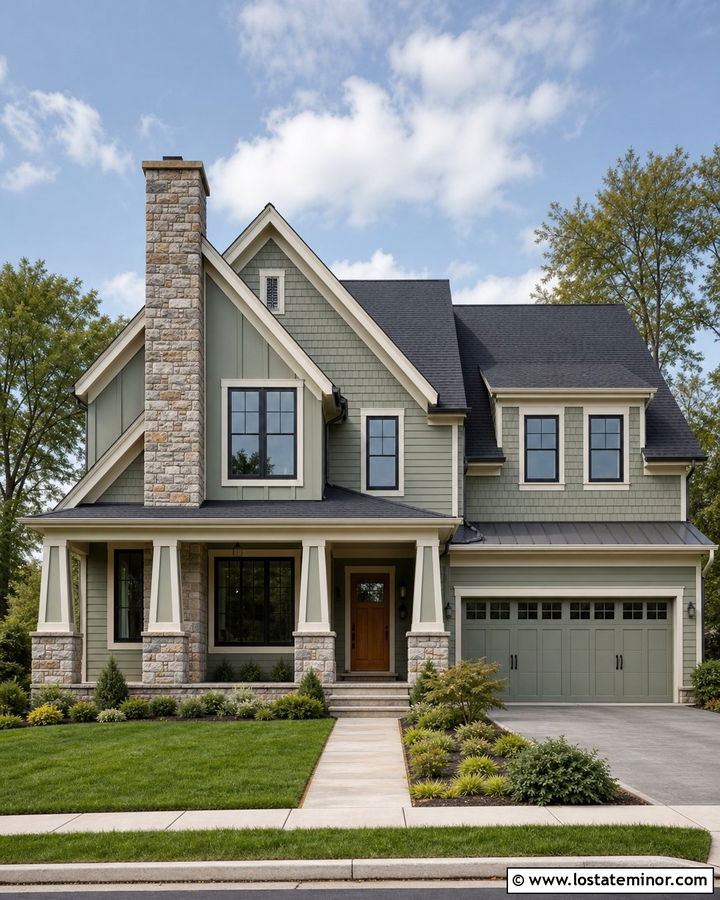
Mixing siding types can add dimension, provided the colors and materials remain controlled. Benjamin Moore High Park, a medium gray-green, works across horizontal lap siding, vertical board-and-batten panels, and cedar-style shingles. Use warm white trim to separate each texture without creating harsh outlines. A chimney faced in mixed gray and tan stone can rise beside the front gable, with matching stone repeated at the garage and porch columns. Choose a charcoal roof, black window frames, and a medium oak front door for a balanced contemporary palette. Keep the garage door sage green so it blends with the main body. Layered shrubs and a straight stone walkway provide a neat foreground. This approach creates depth while allowing the chimney, not the changing siding patterns, to remain the primary focal point.
Conclusion:
The best sage green exterior treats the chimney as part of a complete material and color plan. Brick brings warmth, gray stone creates cool contrast, and pale limestone offers a softer transition. Roof color, trim, doors, windows, and landscaping should repeat undertones already visible in the chimney masonry. Before painting, compare large sage samples beside the existing stone or brick at several times of day. This helps reveal whether the green leans warm, cool, light, or dark against permanent materials. From compact cottages to modern mountain homes, these **30 Sage Green House Design With Chimney Ideas** show how thoughtful coordination can create a balanced facade with lasting curb appeal and distinctive architectural character.

Related posts: