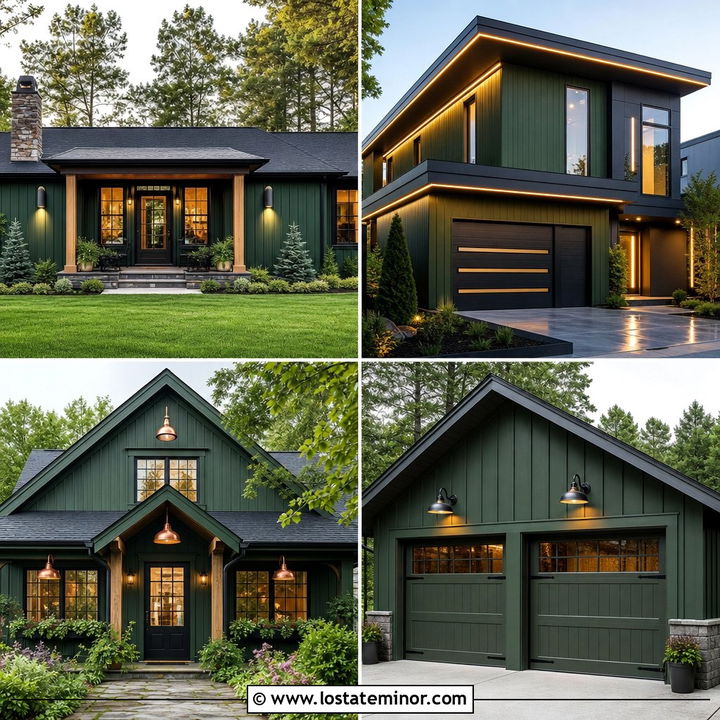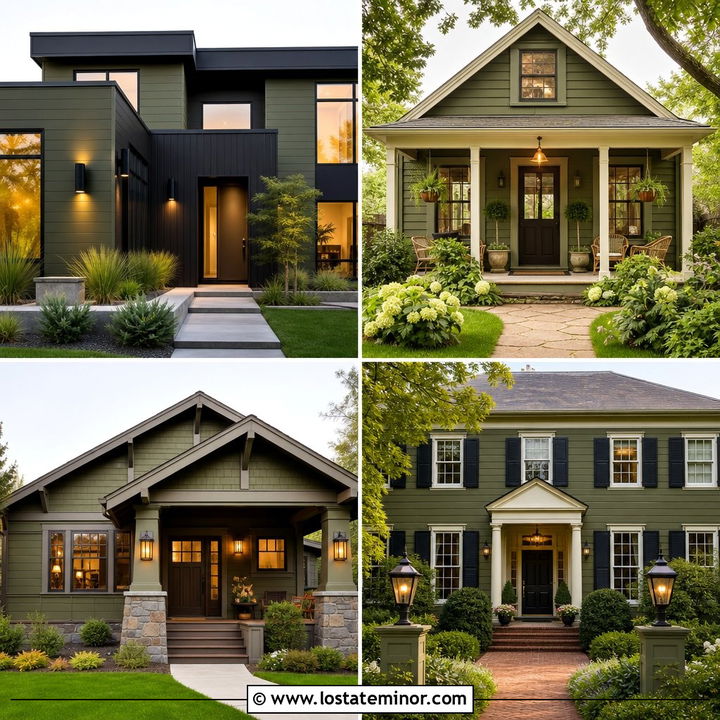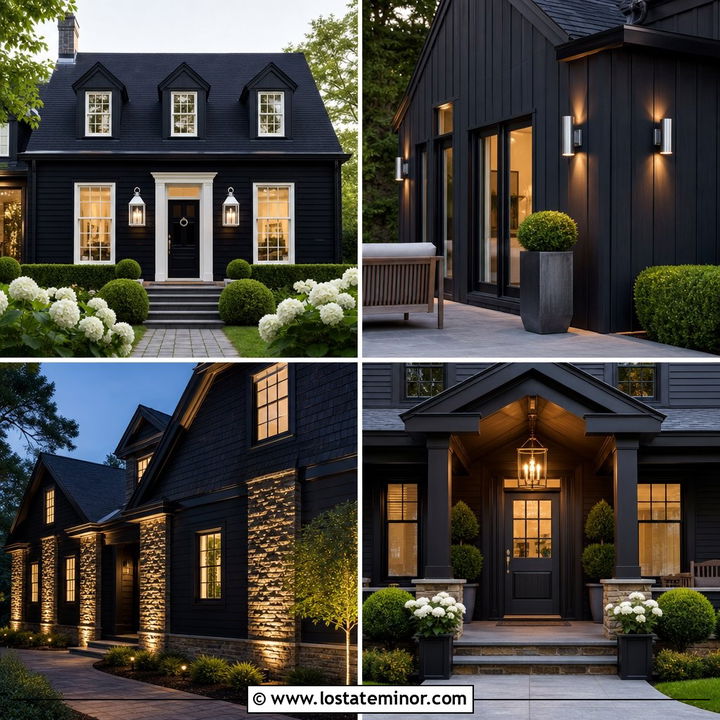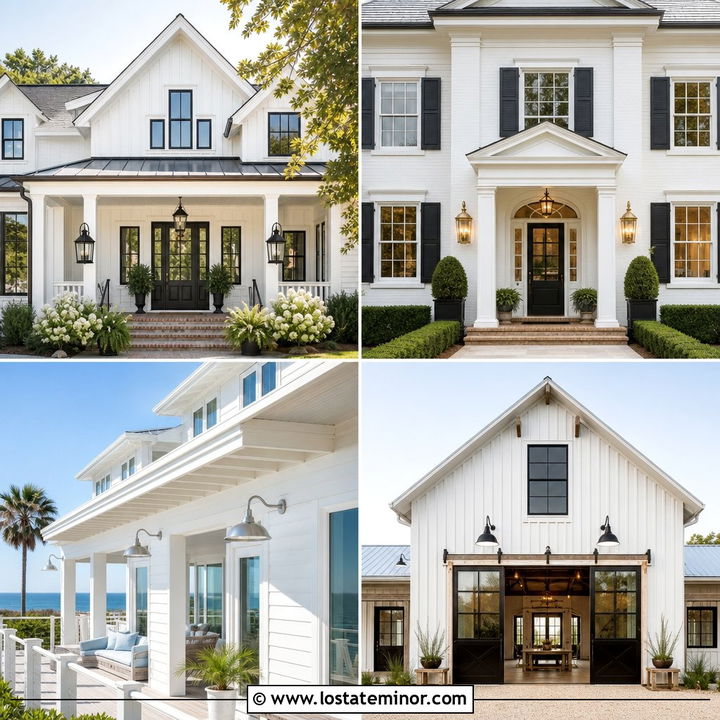
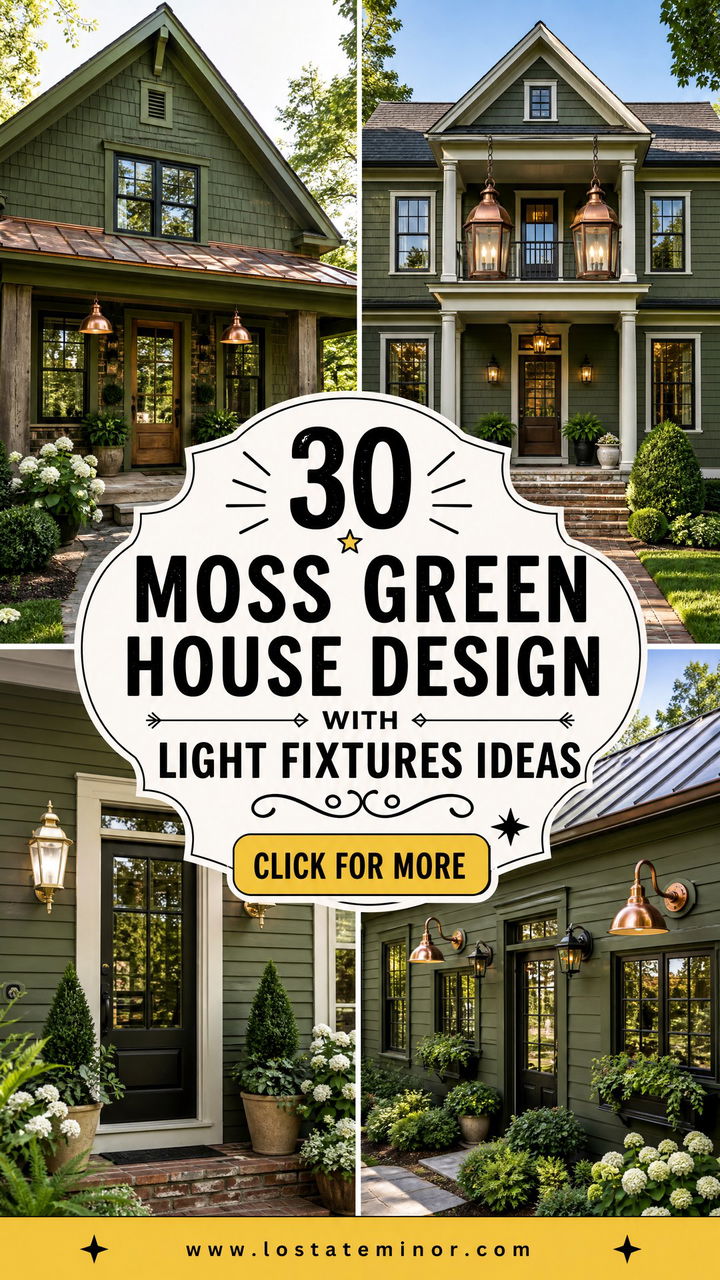
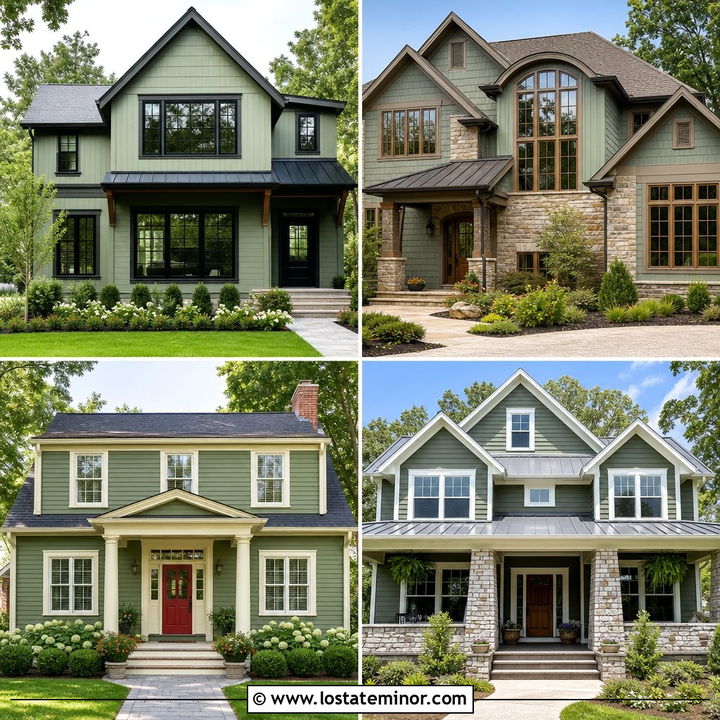
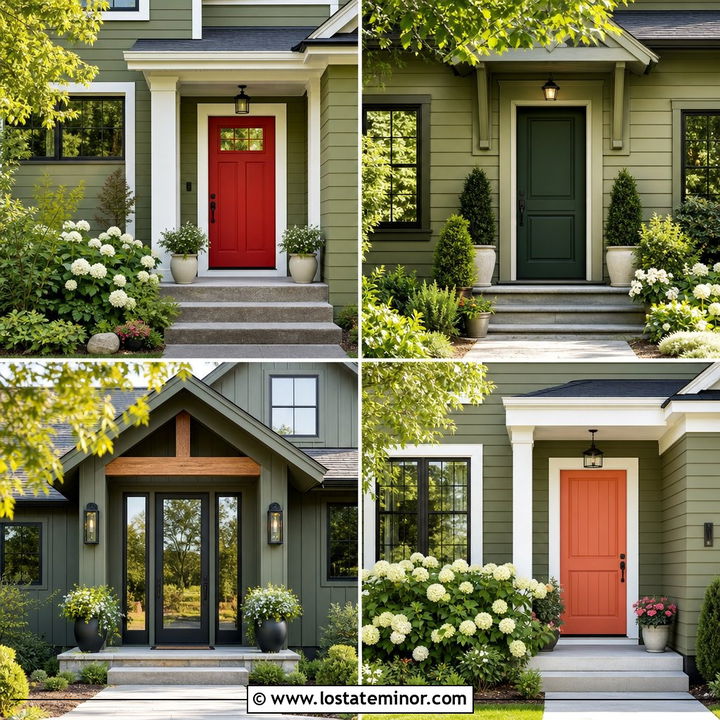
Moss green brings a grounded, nature-inspired character to a home, but lighting determines whether the finished exterior feels rustic, traditional, or sharply modern. These 30 Moss Green House Design With Light Fixtures Ideas explore complete curb-appeal schemes rather than isolated paint colors or porch lights. Each look coordinates moss green siding with trim, roofing, doors, masonry, landscaping, and appropriately scaled exterior fixtures. Black lanterns create crisp contrast, while aged brass, copper, bronze, and galvanized finishes add warmth and texture. Architectural style matters too. A Craftsman bungalow needs different lighting proportions than a tall Colonial or streamlined contemporary home. Use these combinations to compare fixture shapes, finishes, placements, and supporting materials. The following complete exteriors offer practical inspiration through 30 Moss Green House Design With Light Fixtures Ideas.
1. Moss Green Craftsman With Black Lantern Sconces
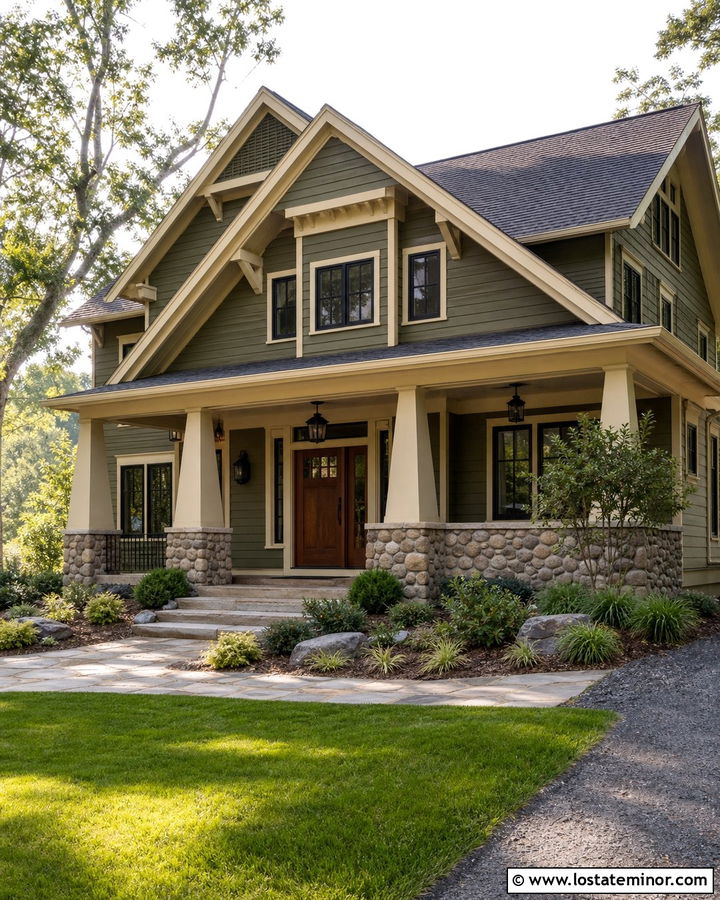
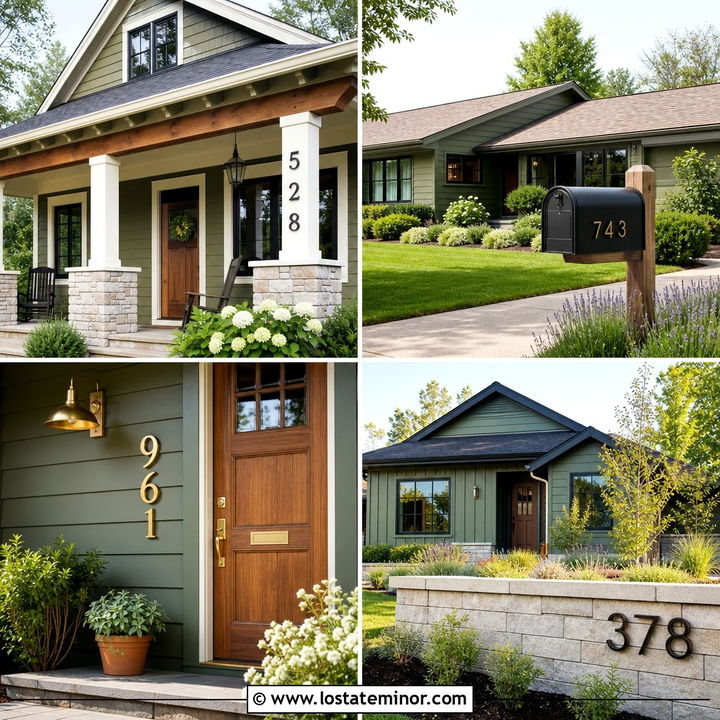
A moss green Craftsman feels balanced and welcoming when substantial black lantern sconces frame the entrance. Choose warm cream trim for the tapered columns, window casings, fascia, and exposed rafter tails. A medium walnut front door and matching porch ceiling bring warmth into the earthy palette. Natural fieldstone around the foundation can connect the green siding with the landscape. Select rectangular lanterns with clear glass and simple metal frames rather than heavily decorated fixtures. Their size should feel generous beside the wide Craftsman door. A charcoal architectural-shingle roof completes the grounded color scheme. Layered shrubs, ornamental grasses, and a curved stone walkway soften the darker finishes while keeping the front porch clearly visible from the street.
2. Moss Green Farmhouse With Galvanized Barn Lights
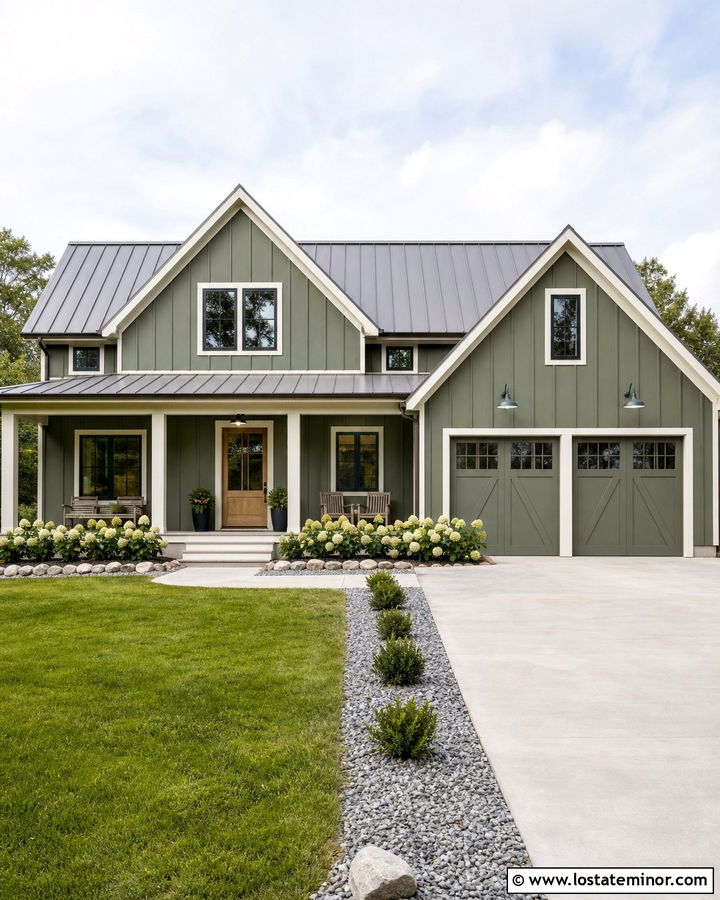
Could a farmhouse look fresh without relying on white siding? Moss green board-and-batten creates a richer backdrop for galvanized gooseneck lights, especially when the metal finish is repeated on gutters or porch details. Use soft white trim around the windows, roofline, and square porch columns to preserve the farmhouse’s clean structure. A natural oak front door and pale concrete porch prevent the green from feeling heavy. Place broad metal barn lights above the front door and garage bays, keeping each fixture centered over the feature it illuminates. A medium-gray standing-seam roof supports the practical rural character. Simple hydrangeas, boxwoods, and a gravel-edged walkway finish this approachable exterior without making the house appear overly decorated.
3. Moss Green Colonial With Aged Brass Lanterns
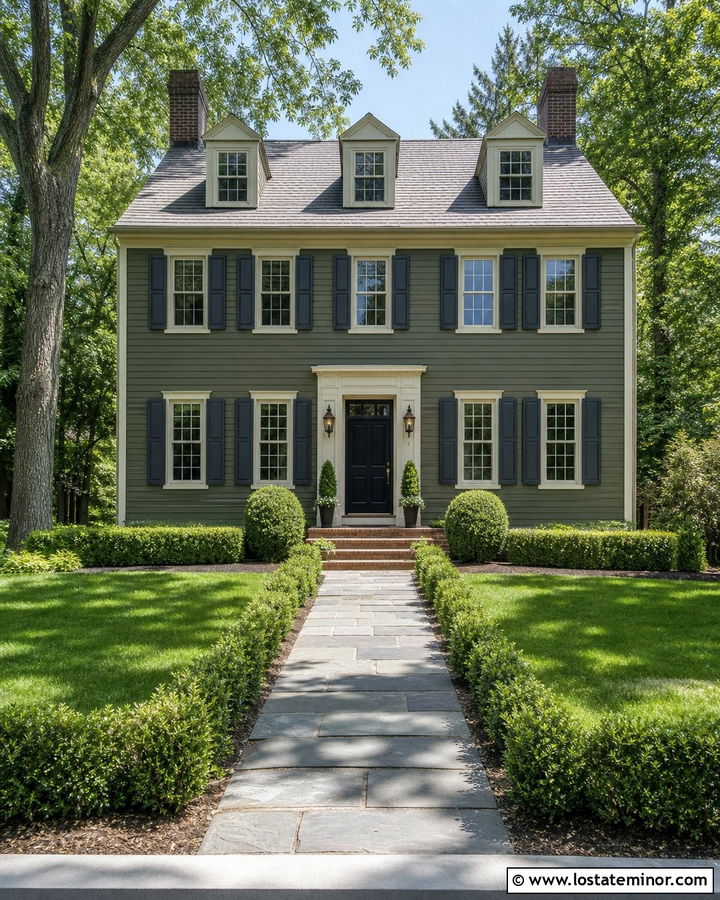
Symmetry makes lighting especially important on a moss green Colonial. Install matching aged brass lanterns on both sides of a centered black front door, then repeat smaller fixtures beside a detached or side-facing garage. Crisp ivory trim around the windows, cornice, and classical entry surround adds definition without creating stark contrast. The warm brass finish bridges the cool black door and the earthy green clapboard siding. Traditional divided-light windows and dark charcoal shutters reinforce the formal architecture. Choose lanterns with clear glass, restrained detailing, and enough height to suit the tall facade. Brick steps, clipped hedges, and a straight bluestone walkway maintain order. The result feels established and elegant while still offering more personality than a standard neutral Colonial exterior.
4. Moss Green Ranch With Bronze Cylinder Lights
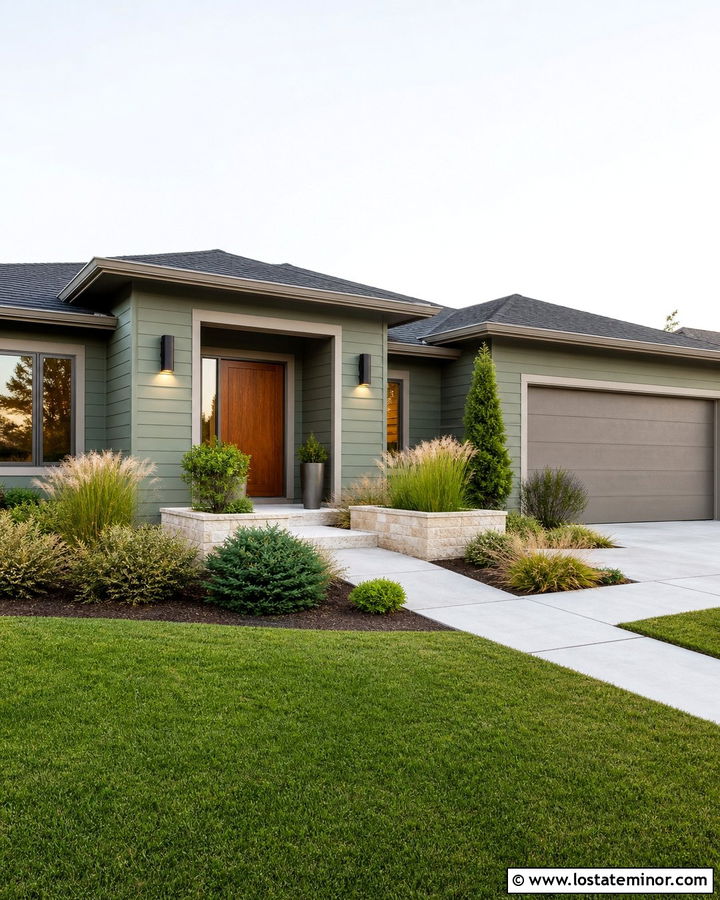
Long ranch homes benefit from fixtures that visually organize their wide facades. Moss green horizontal siding paired with dark bronze cylinder sconces creates a low, streamlined appearance. Use warm taupe trim rather than bright white so the roofline remains connected to the earthy body color. A wide cedar front door can become the primary focal point, with one up-and-down cylinder light installed on each side. Repeat the finish on simple house numbers and the garage hardware. A low-pitched charcoal roof, limestone planters, and a light concrete walkway keep the home feeling modern but comfortable. Place ornamental grasses and compact evergreen shrubs beneath the windows. Their horizontal forms echo the architecture without hiding the siding or interrupting the clean pools of light.
5. Moss Green Cottage With Copper Wall Lanterns
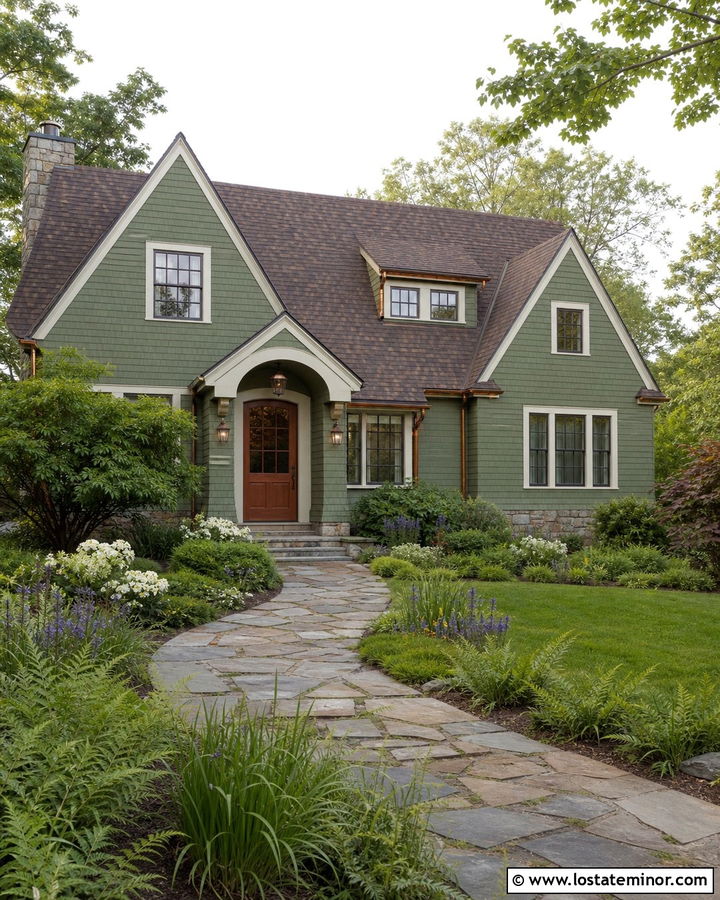
Weathered copper looks especially natural against moss green cottage siding. Start with painted cedar shingles or narrow lap siding, then add creamy trim around small divided-light windows and the arched entrance. A warm wood door keeps the cottage from feeling overly polished. Copper wall lanterns can sit on both sides of the doorway, where their reddish brown finish adds a gentle complement to the green exterior. Carry copper into the gutters, mailbox, or small porch-roof flashing for continuity. A soft brown shingle roof works better here than severe black. Surround the facade with flowering perennials, fernlike foliage, and an irregular flagstone path. The layered materials produce a storybook appearance while remaining practical, cohesive, and suitable for a natural suburban garden.
6. Moss Green Modern House With Matte Black Sconces
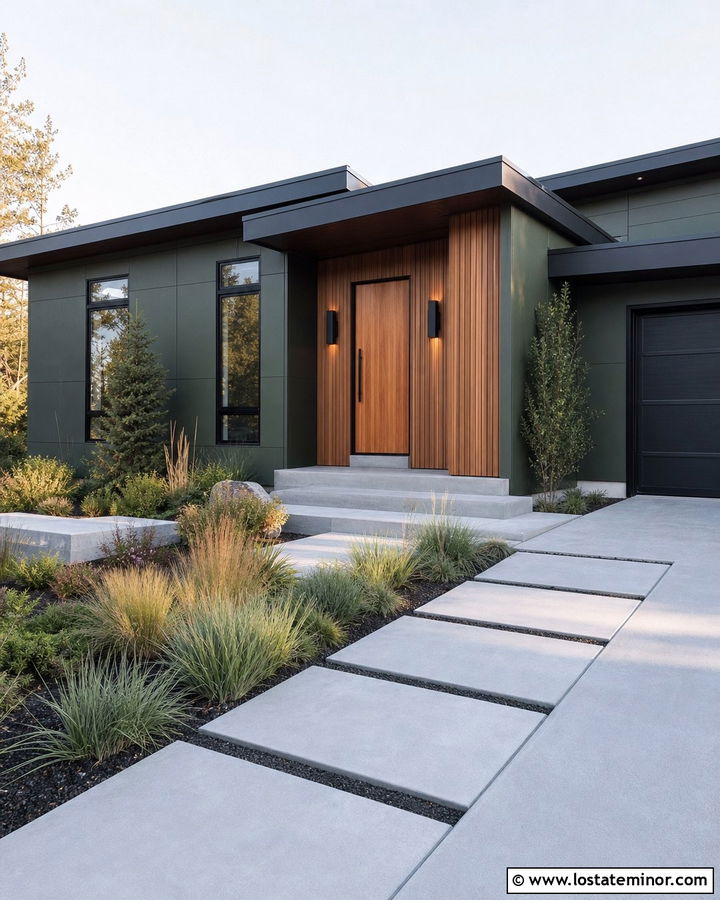
Clean lines allow moss green to look surprisingly contemporary. Use smooth fiber-cement panels in a deep, muted moss shade, interrupted by narrow sections of vertical cedar cladding. Matte black rectangular sconces should align with the windows and door rather than appearing randomly placed. A flat or low-slope charcoal roof, black window frames, and a flush natural-wood front door strengthen the geometric design. Keep the trim minimal and match it closely to the siding where possible. Concrete steps and large-format walkway slabs provide a cool contrast to the warmer wood. Finish the yard with structured grasses, low evergreens, and one sculptural tree. This complete scheme feels modern without becoming cold because the green siding and cedar introduce natural color and visible texture.
7. Moss Green Bungalow With Schoolhouse Porch Lights
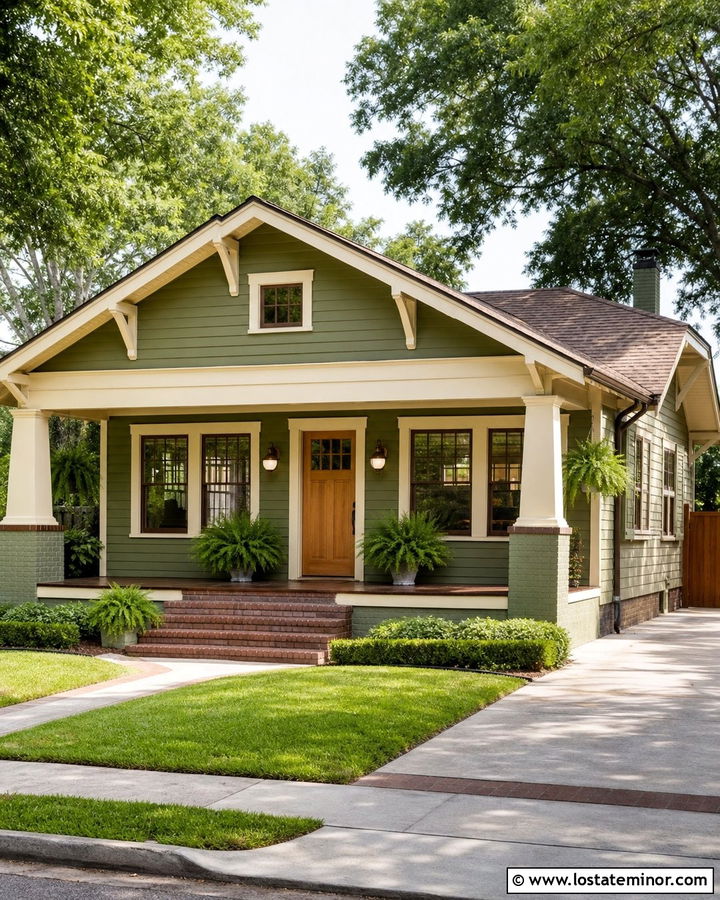
A relaxed bungalow can carry vintage lighting without looking dated. Paint the clapboard siding moss green and highlight the porch structure with soft ivory trim. Under the porch ceiling, use compact schoolhouse fixtures with white glass globes and dark bronze mounts. Matching bronze wall sconces beside the front door create a connected lighting plan. A honey-toned oak door, stained porch floor, and exposed wood brackets give the palette needed warmth. Consider muted red brick for the steps or foundation to add another traditional material. The low roof can remain medium brown or weathered charcoal. Furnish the porch simply, leaving the architecture visible. Ferns, low hedges, and a straight concrete path provide a neat setting for this comfortable, period-sensitive exterior combination.
8. Moss Green Cape Cod With White Lantern Lights
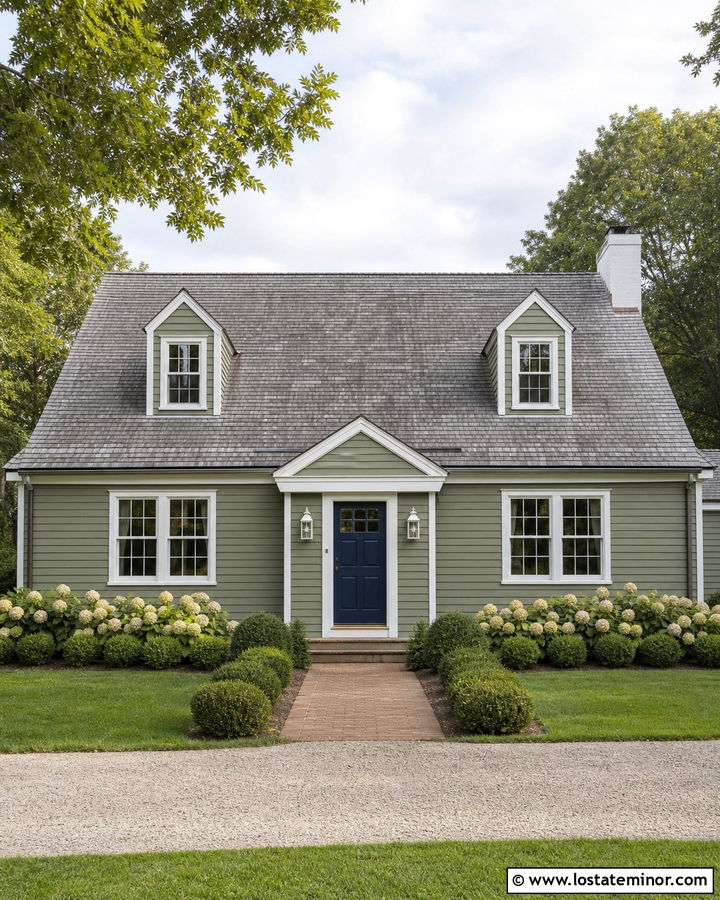
Small Cape Cod homes look cheerful when moss green siding is paired with clean white trim and classic lantern lighting. Paint the window casings, corner boards, dormers, and front-door surround a soft architectural white. Add white metal lantern sconces beside a navy or charcoal front door for a lighter alternative to common black fixtures. The lanterns should have simple clear-glass panels so they remain visible against the green without appearing ornate. Weathered gray roof shingles complement the compact coastal shape. A brick walkway and low foundation plantings add warmth near the ground. Keep shutters limited to windows that have enough space for realistic proportions. This thoughtful combination gives the symmetrical facade character while preserving the uncomplicated charm associated with Cape Cod architecture.
9. Moss Green Tudor With Leaded Glass Lanterns
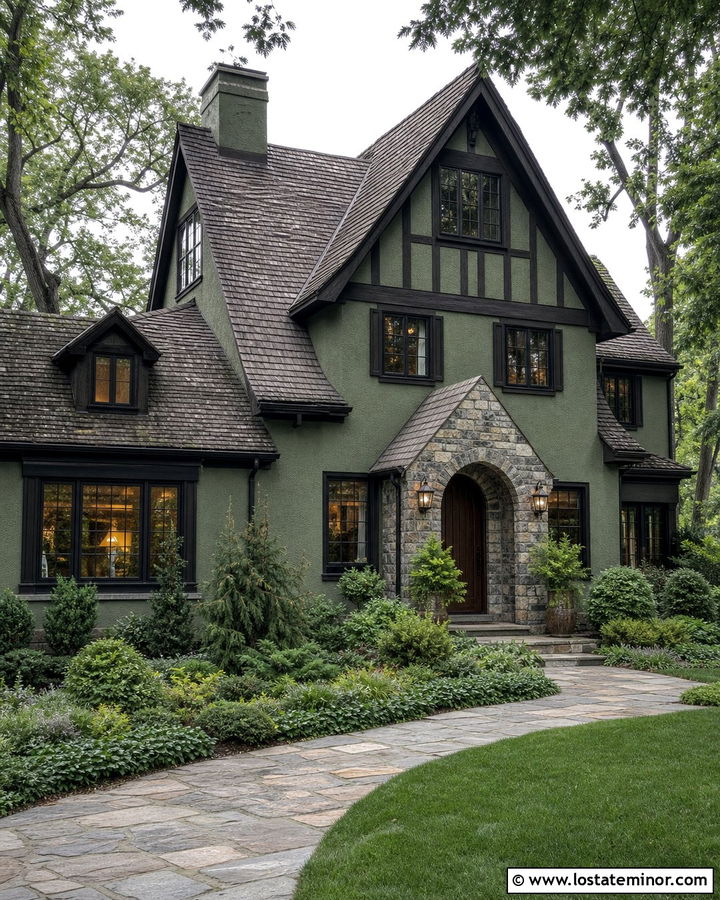
Moss green stucco can soften the dramatic lines of a Tudor exterior while highlighting its wood and masonry details. Use deep espresso trim on the half-timbering, window frames, fascia, and steep gables. A rounded walnut door set within a stone arch makes a strong entrance. Place bronze lanterns with leaded or seeded glass beside the doorway, choosing shapes that echo the home’s traditional craftsmanship. Warm stone around the lower walls connects the green stucco to the brown trim. A dimensional roof in mixed charcoal and brown tones supports the old-world character. Avoid bright white accents, which can break the visual flow. Instead, use muted cream sparingly around select windows. Layered evergreens and an irregular stone walkway complete the wooded, established appearance.
10. Moss Green Split-Level With Globe Sconces
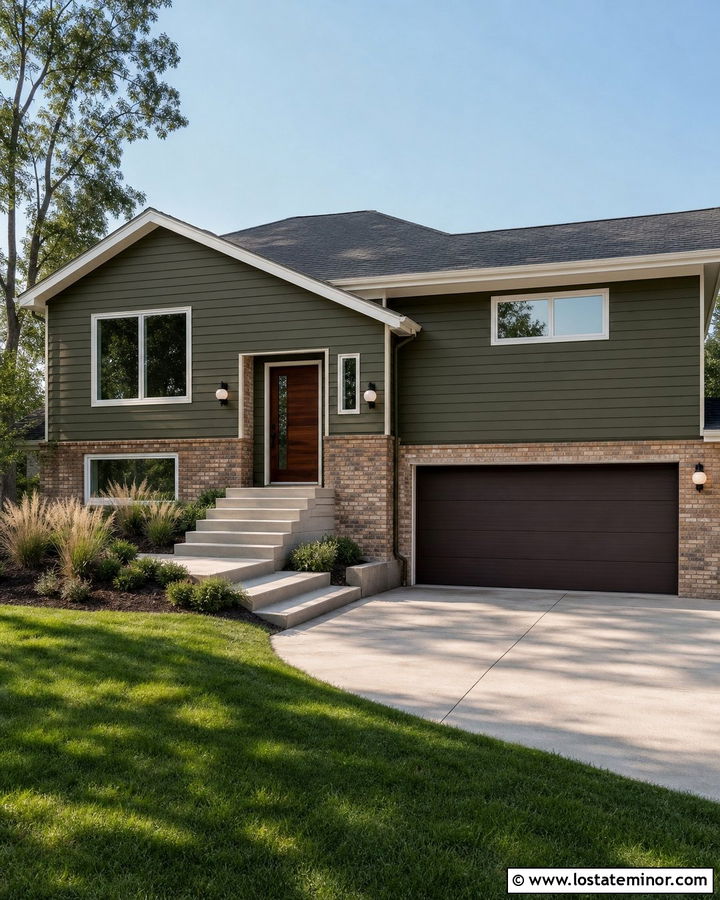
A split-level exterior often needs a stronger visual connection between its offset sections. Moss green siding can unify the facade, while round globe sconces introduce a simple mid-century accent. Use warm white trim, dark bronze window frames, and a walnut slab door to establish a focused palette. Install one globe beside the recessed entrance and matching fixtures near the garage. Their round shapes help soften the home’s horizontal rooflines and rectangular windows. Buff brick on the lower level adds subtle contrast without competing with the green. A charcoal roof and bronze garage door complete the scheme. Update the landscaping with broad concrete steps, low shrubs, and ornamental grasses. Keeping plant heights controlled prevents the entry and carefully placed lighting from disappearing behind overgrown greenery.
11. Moss Green Cabin With Rustic Iron Lanterns
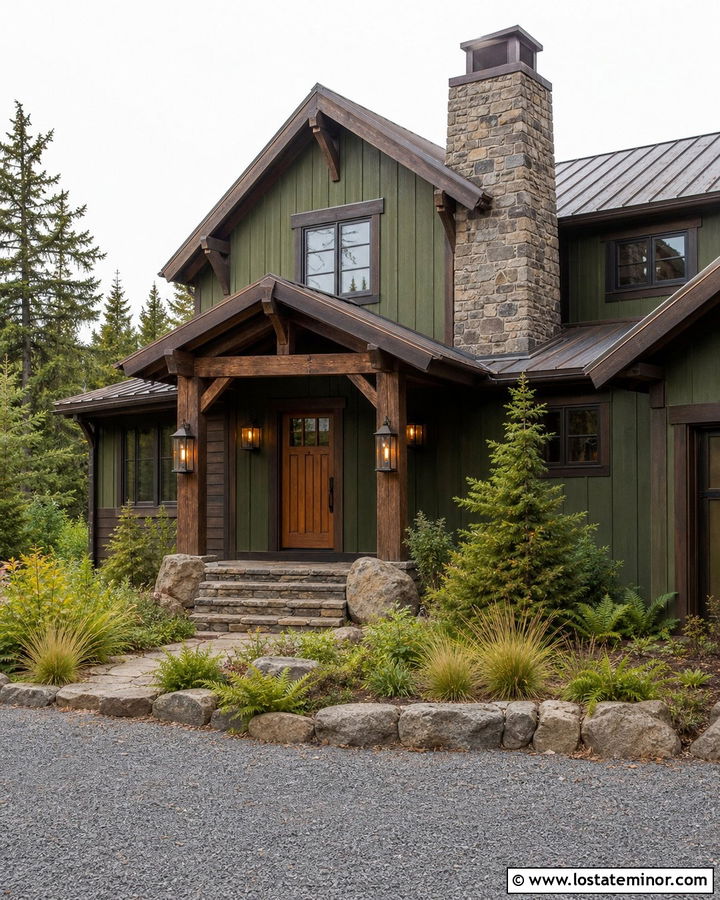
In a wooded setting, moss green siding can make a cabin feel naturally connected to its surroundings. Pair it with dark-stained log posts, a stone chimney, and rugged iron lanterns. The fixtures should be large enough to hold their own beside heavy timber details but simple enough to avoid a themed appearance. Place lantern sconces at the front door and smaller matching lights beside the garage or side entry. Deep brown trim and a weathered metal roof reinforce the forest-inspired palette. A natural cedar door provides a warmer focal point against the green walls. Use stone steps, gravel paths, native grasses, and ferns around the facade. The final exterior should feel durable and thoughtfully layered rather than dark, crowded, or overly rustic.
12. Moss Green Victorian With Antique Brass Lights
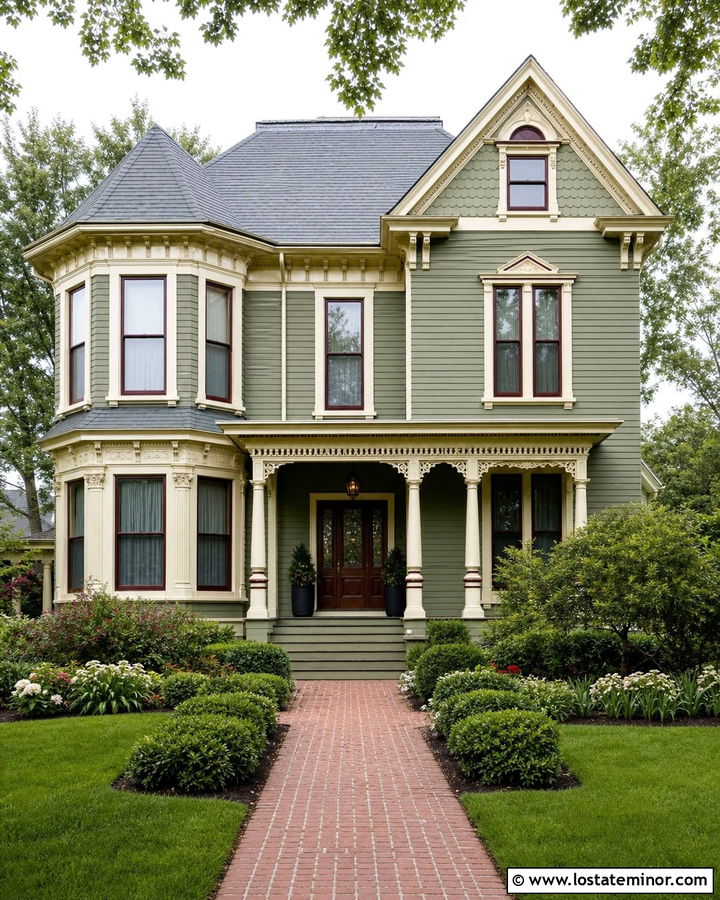
Decorative Victorian architecture becomes easier to read when the colors are controlled. Use moss green as the primary clapboard color, creamy ivory on the trim, and deep burgundy for limited accents on the door or gable details. Antique brass wall lanterns complement this historical palette without creating another competing color. Choose fixtures with graceful curves and clear glass, but avoid excessively elaborate scrollwork. A hanging brass pendant can mark the center of a covered porch if ceiling height allows. Dark gray roofing provides a quiet cap for the detailed facade. Keep railings, brackets, and window trim consistent in ivory. Formal foundation shrubs, a brick path, and small flowering borders finish the house while allowing the decorative woodwork and coordinated lighting to remain the main curb-appeal features.
13. Moss Green Mid-Century House With Cone Lights
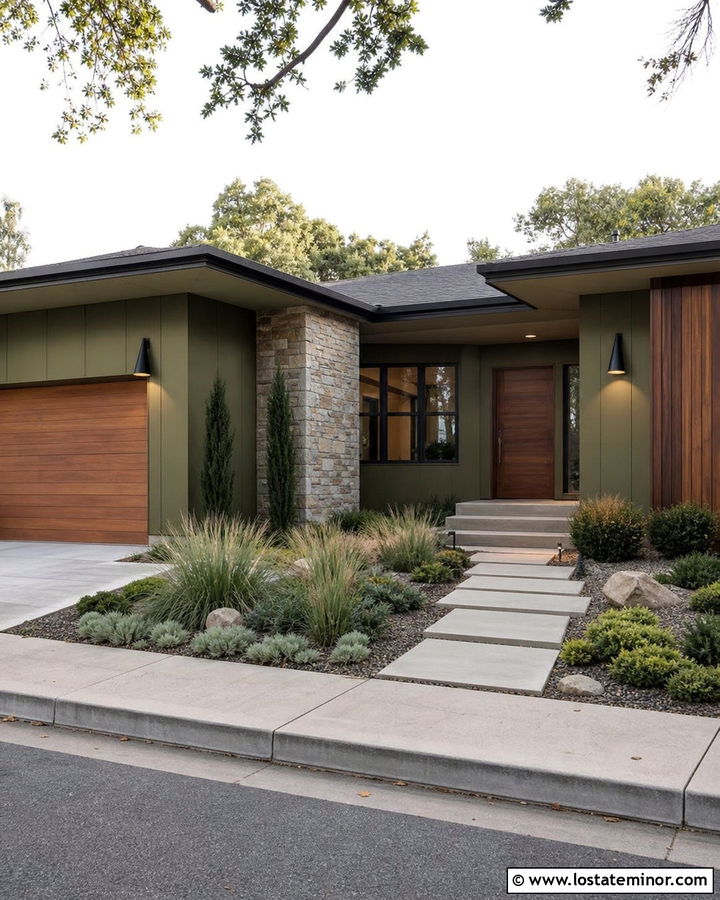
Warm moss green is an excellent match for the natural materials found on mid-century homes. Apply it to broad horizontal siding, then pair it with walnut panels, cream masonry, and black-framed windows. Compact cone-shaped sconces can direct light downward beside the front door and across a textured stone wall. Look for matte black or dark bronze finishes that relate to the window frames. A low charcoal roof and broad overhang reinforce the architecture’s horizontal emphasis. Keep the garage door moss green or stain it to match the entrance. Large concrete pavers, gravel beds, sculptural evergreens, and ornamental grasses create an uncluttered landscape. The streamlined fixtures add definition without distracting from the asymmetrical roofline, integrated masonry, or bold front-door composition.
14. Moss Green Saltbox With Pewter Lanterns
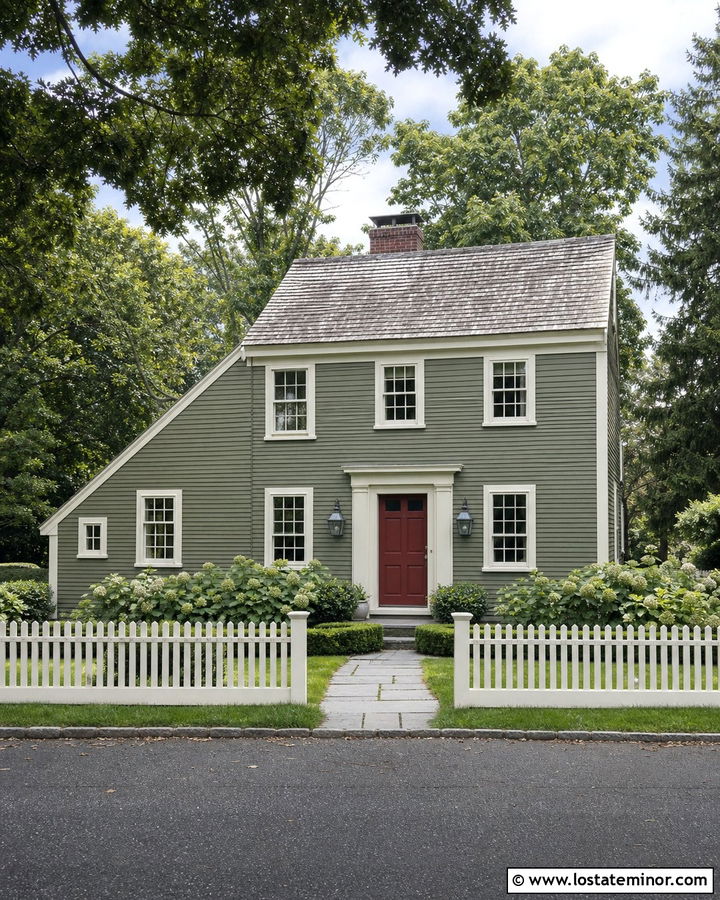
The tall rear roofline and simple facade of a saltbox call for understated lighting. Moss green wood siding with warm white trim creates a classic New England-inspired base, while weathered pewter lanterns introduce a softer alternative to black. Place a pair of medium-scale fixtures around a muted brick-red front door. Their cool gray finish connects naturally with a weathered shingle roof and stone walkway. Keep shutters dark charcoal or omit them if the window proportions do not support functional sizing. White corner boards and eaves provide enough contrast to outline the historic shape. Low boxwoods, hydrangeas, and a simple picket fence can frame the front yard. This combination feels traditional and composed without making the modest architecture look overly formal or newly decorated.
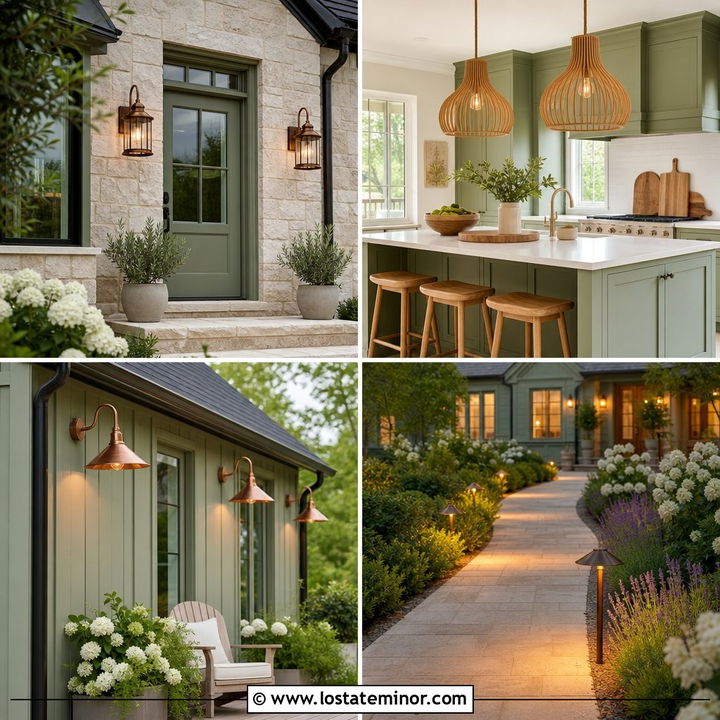
15. Moss Green Prairie House With Linear Wall Lights
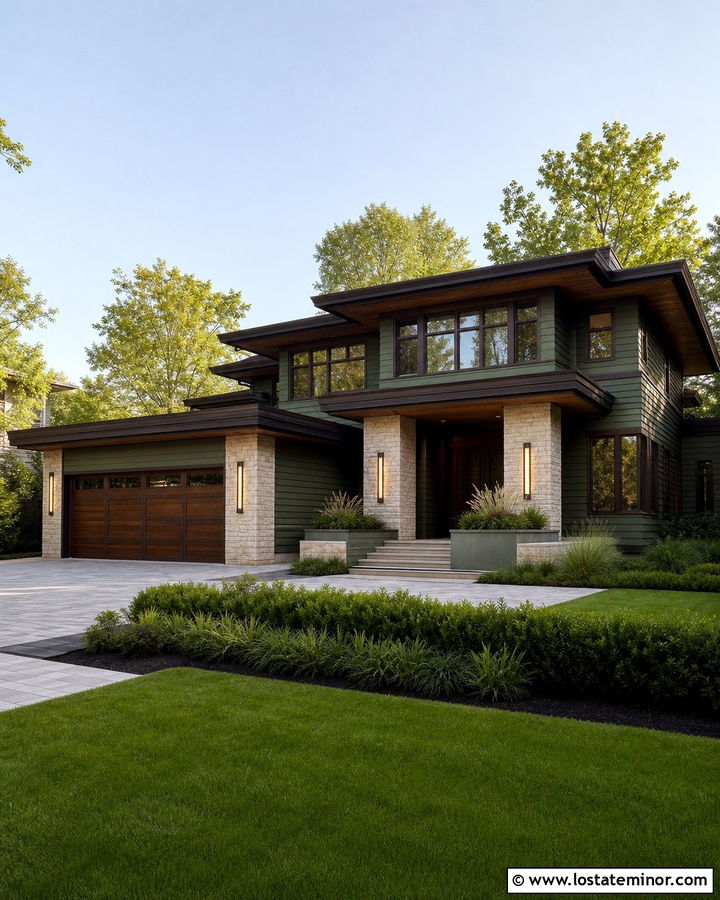
Strong horizontal lines define a Prairie-style house, so the lighting should follow the same direction. Choose moss green stucco or wide lap siding, warm beige stone, and dark brown window frames. Slim linear wall lights can be mounted beside the front door and along masonry columns, creating structure without interrupting the broad roofline. Select bronze fixtures with shielded light sources and uncomplicated rectangular forms. A stained oak garage door and matching entry door add warmth to the deep green body color. Use flat charcoal roofing and extended eaves to maintain the low visual profile. In the landscape, repeat horizontal forms with wide steps, low hedges, grasses, and rectangular planters. The fixtures, materials, and plantings should work together as one calm architectural composition.
16. Moss Green Stone House With Brass Uplights
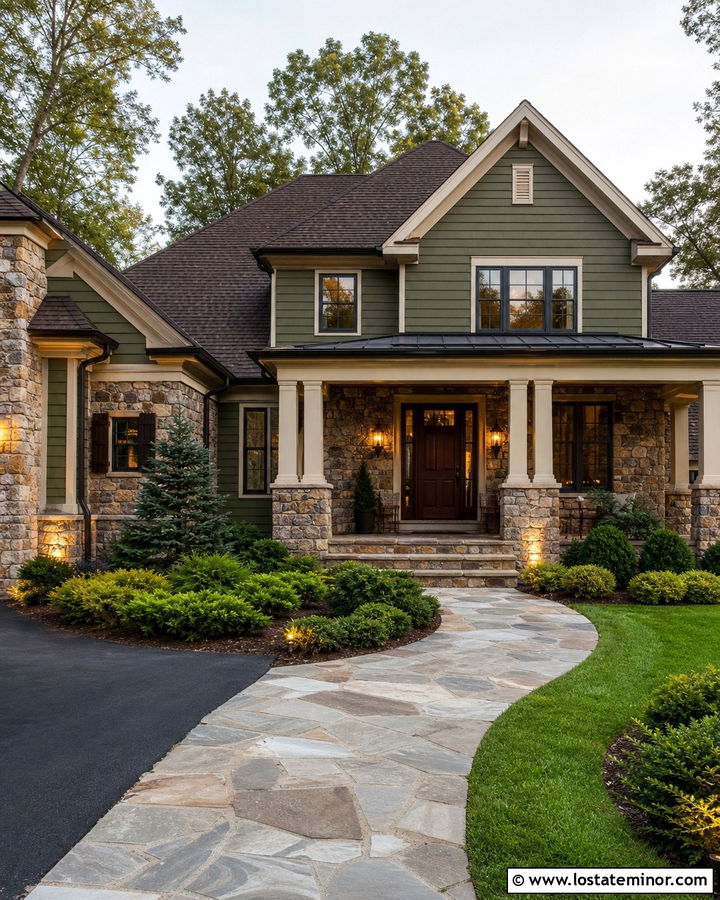
When a home already has substantial stonework, moss green should support the masonry rather than compete with it. Paint the siding or upper gables a medium moss green drawn from subtle mineral tones in the stone. Use creamy trim and a stained mahogany door to keep the entrance warm. Aged brass wall lanterns can frame the doorway, while discreet brass-finished uplights emphasize stone columns or a chimney. Choose controlled beams that reveal texture without washing the entire facade in harsh brightness. A dark brown roof and bronze gutters tie the upper portion together. Continue the natural palette through flagstone paths, layered evergreen shrubs, and restrained foundation planting. The complete exterior feels upscale because every material and fixture relates to the same earthy color family.
17. Moss Green Brick House With Black Coach Lights
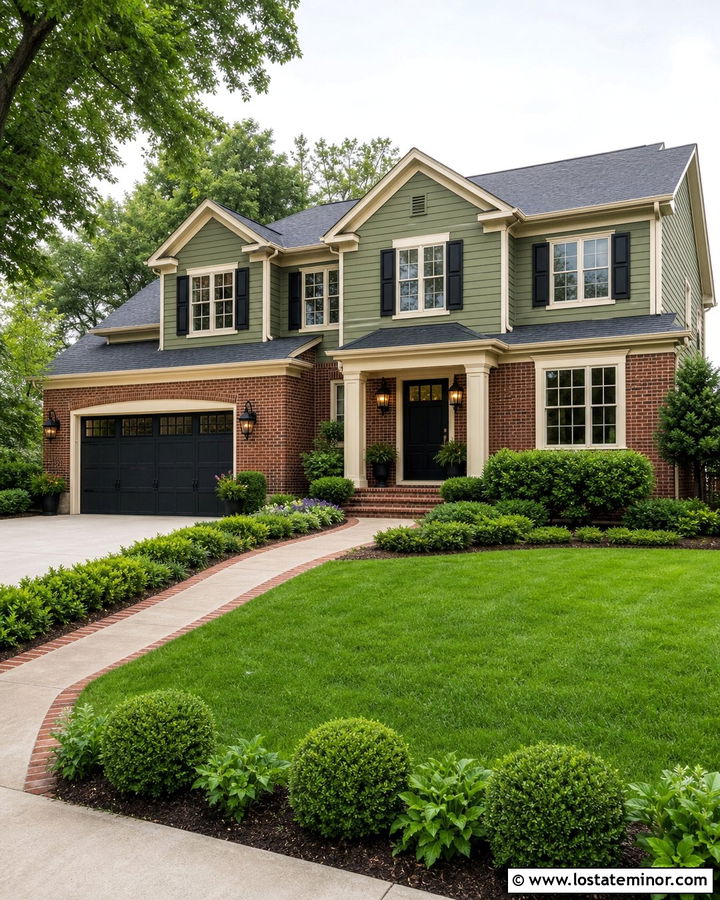
Brick and moss green can share the same facade when their undertones are carefully coordinated. Keep warm red or brown brick on the lower level, then use moss green siding across the upper story and gables. Cream trim bridges the two materials and prevents the color break from looking abrupt. Large black coach lights beside the front door and garage introduce clean contrast. Choose fixtures with simple frames and clear glass rather than decorative curls. A black or dark walnut front door can repeat the fixture color, while a charcoal roof visually anchors the home. Add a brick-edged walkway and foundation plants with varied green foliage. This scheme updates a mixed-material suburban house without requiring the original masonry to be painted or hidden.
18. Moss Green Shingle House With Copper Pendants
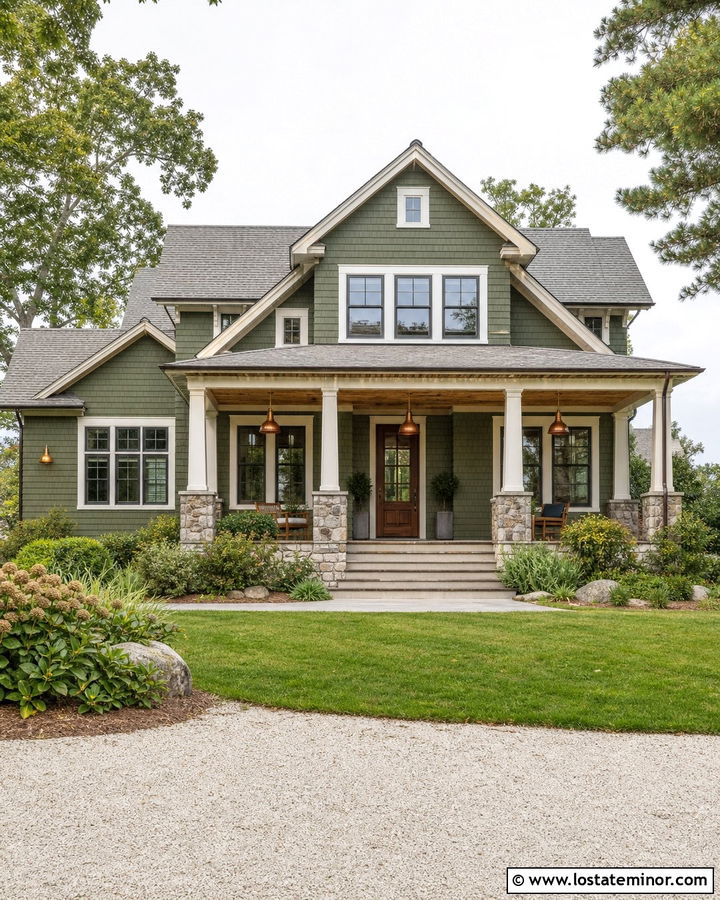
Textured shingle siding creates natural highlights and shadows across a moss green exterior. Add creamy trim, a cedar porch ceiling, and a warm brown front door to enhance that depth. A copper pendant centered over the porch entrance becomes the main fixture, supported by smaller copper sconces beside secondary doors. Choose simple lantern shapes so the metal does not compete with the siding texture. As the copper finish changes naturally, its brown and green tones remain compatible with the house. A weathered gray roof prevents the palette from becoming too warm. Stone porch piers, broad steps, and layered coastal shrubs complete the exterior. This combination works particularly well on shingle-style homes with generous porches, asymmetrical gables, and substantial rooflines.
19. Moss Green Two-Story House With Oversized Lanterns
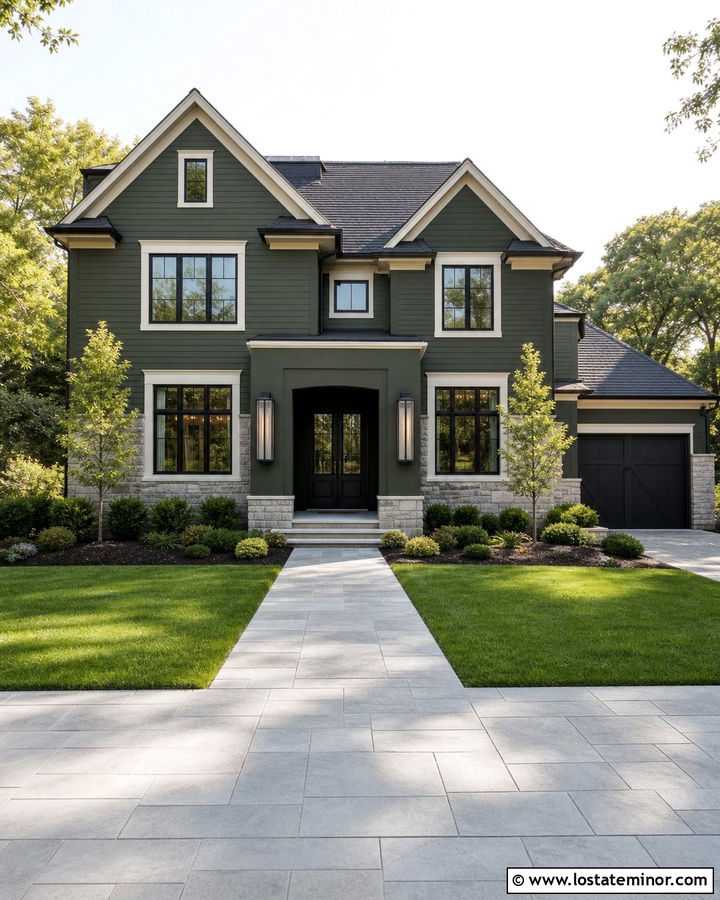
A tall two-story facade can make standard porch lights look undersized. Moss green lap siding provides a rich background for oversized matte black lanterns installed around a double-height or deeply recessed entrance. Use creamy white trim to define the windows and roofline, but limit black to the fixtures, front door, and a few structural details. A natural stone base helps ground the height of the home. Choose lanterns with strong vertical proportions that complement tall windows without extending beyond the door surround. A charcoal roof and matching gutters complete the upper facade. Balanced trees, broad foundation beds, and a direct stone walkway reinforce the home’s scale. Properly sized lighting makes the entrance feel intentional instead of lost within the larger elevation.
20. Moss Green Porch With Woven Pendant Lights
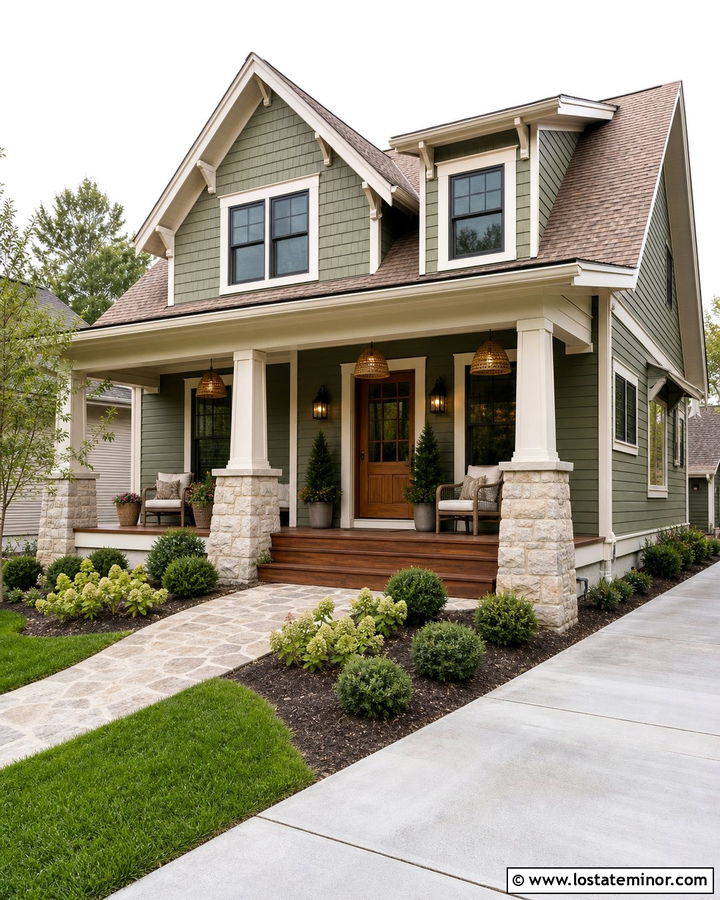
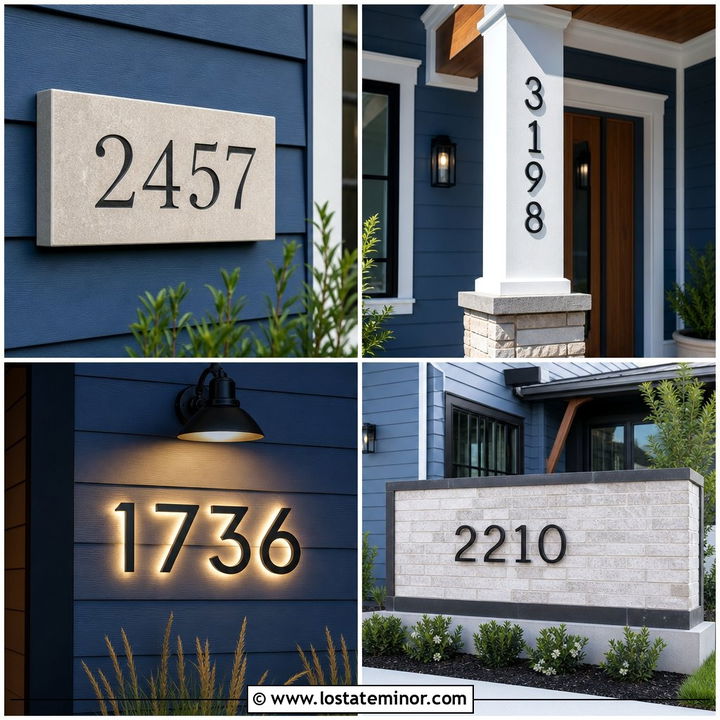
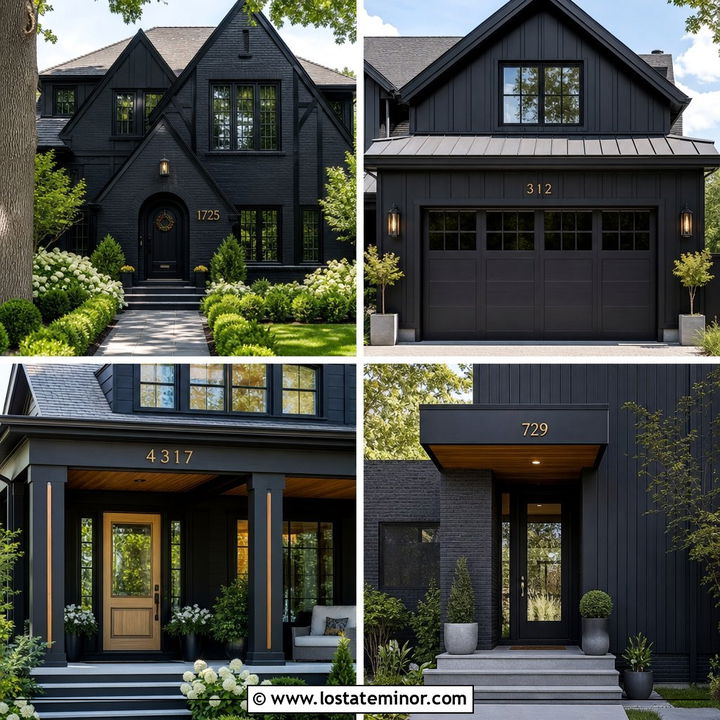
A deep covered porch offers space for lighting that feels softer and more relaxed. Cover the house in moss green lap siding, then use creamy trim, natural cedar flooring, and pale stone around the foundation. Weather-resistant woven pendant lights can hang above the seating area, while bronze sconces mark the front door. The woven shades should use outdoor-rated synthetic or sealed natural-looking material in a warm tan finish. A medium-brown roof and wood door keep the scheme connected. Place the pendants high enough to preserve open sightlines across the complete facade. Comfortable seating, simple planters, and layered greenery make the porch inviting, but avoid excessive accessories. The green siding and woven fixtures should remain the clearest elements from the street.
21. Moss Green Garage With Black Barn Lights
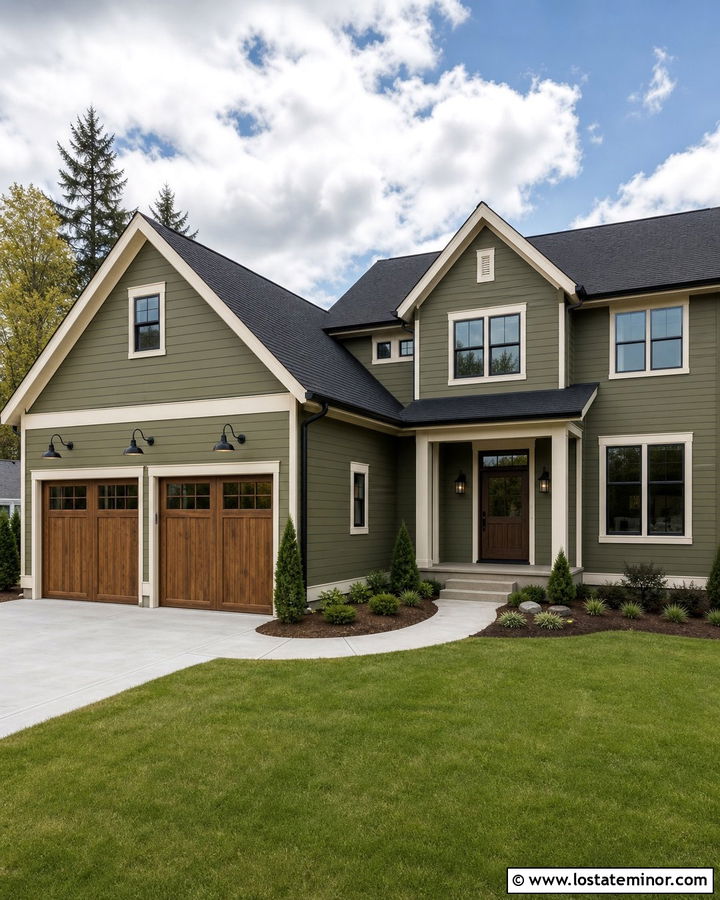
Garage lighting should look integrated with the full exterior instead of added as an afterthought. On a moss green house, mount matte black gooseneck barn lights above each garage bay and repeat the finish beside the front door. Use warm white trim around the doors and windows to sharpen the architecture. Cedar garage doors can add warmth, or moss green doors can blend into a wide facade that needs less emphasis. A black roof and simple black gutters create continuity along the roofline. Select shades wide enough to direct light across the garage doors without overwhelming them. Finish the front yard with a clean concrete driveway, low evergreen beds, and a clear walkway to the entrance. Repeated fixtures help visually connect the garage and residential portions.
22. Moss Green House With Cream Lantern Sconces
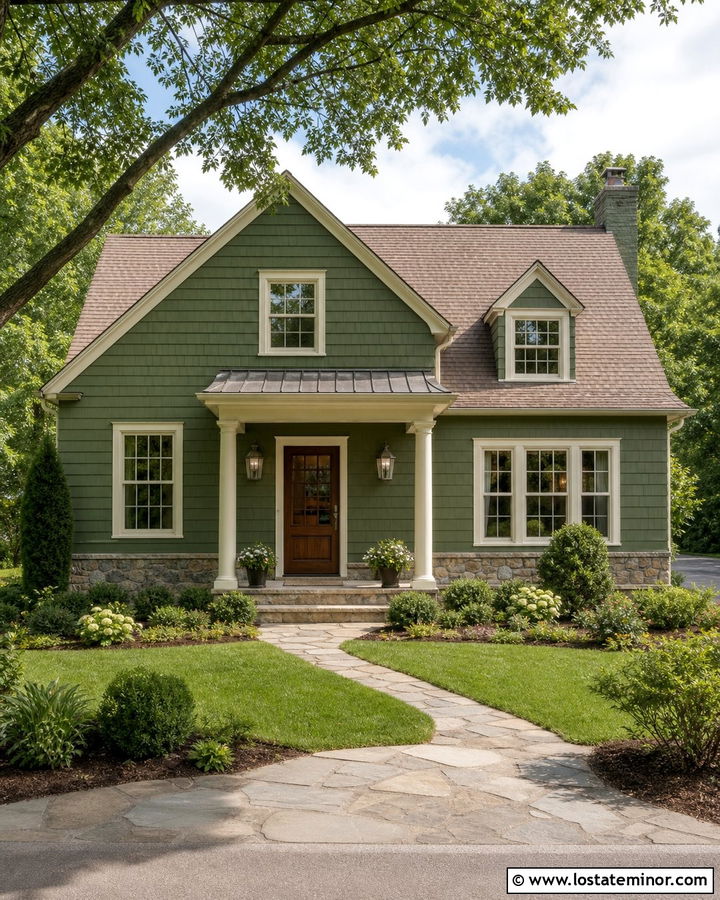
Dark lighting fixtures are not the only option for moss green siding. Cream lantern sconces can create a lower-contrast, welcoming appearance, especially on a traditional cottage or compact suburban home. Coordinate the fixtures with creamy window trim, porch columns, and fascia. Then introduce a medium walnut door and warm brown roof to keep the exterior grounded. The lanterns should be slightly deeper in color than stark white and constructed from durable outdoor-rated metal. Clear glass preserves their clean look. A stone foundation in beige and gray tones can connect the light trim with the green body color. Add soft foundation plantings and a brick or flagstone walkway. This gentle scheme emphasizes charm and architectural detail without introducing severe black lines across the facade.
23. Moss Green House With Copper Gooseneck Lights
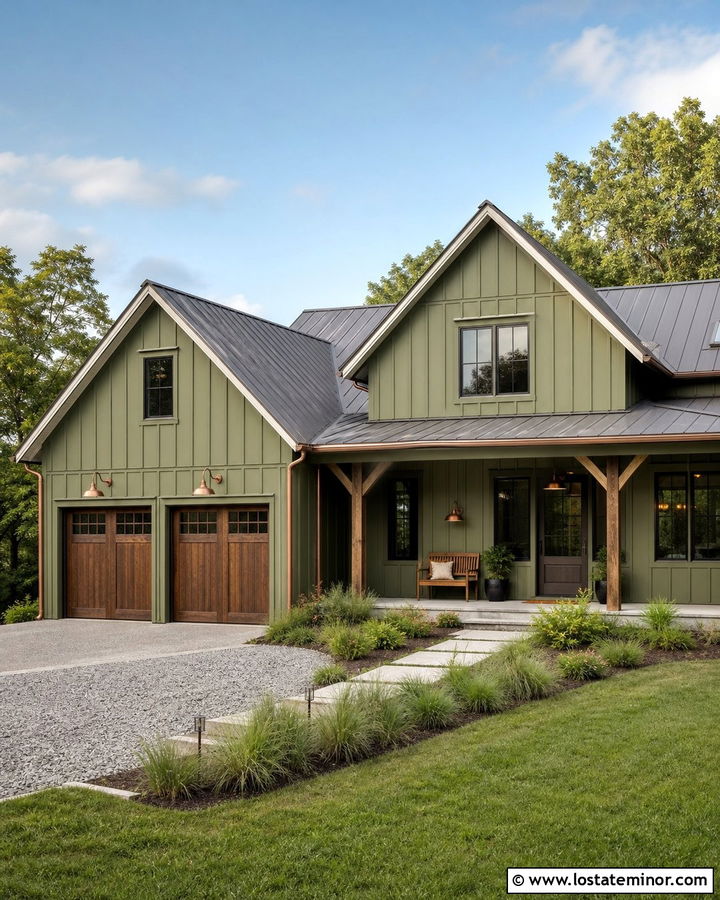
Copper gooseneck lights bring warmth and practical character to a moss green exterior. They work particularly well on a modern farmhouse, converted barn, or simple gabled home with board-and-batten siding. Use off-white trim, a stained cedar front door, and a medium-gray metal roof to support the two main colors. Place copper fixtures above the garage doors, side entrance, and covered front porch, keeping their height and spacing consistent. Broad shades provide a clear architectural shape against the green walls. Repeat the copper sparingly through downspouts or porch-roof flashing. A gravel-edged driveway, concrete walkway, and informal grasses complete the property. The metal finish acts as a warm accent while the moss green siding remains the dominant feature.
24. Moss Green House With Bronze Up And Down Lights
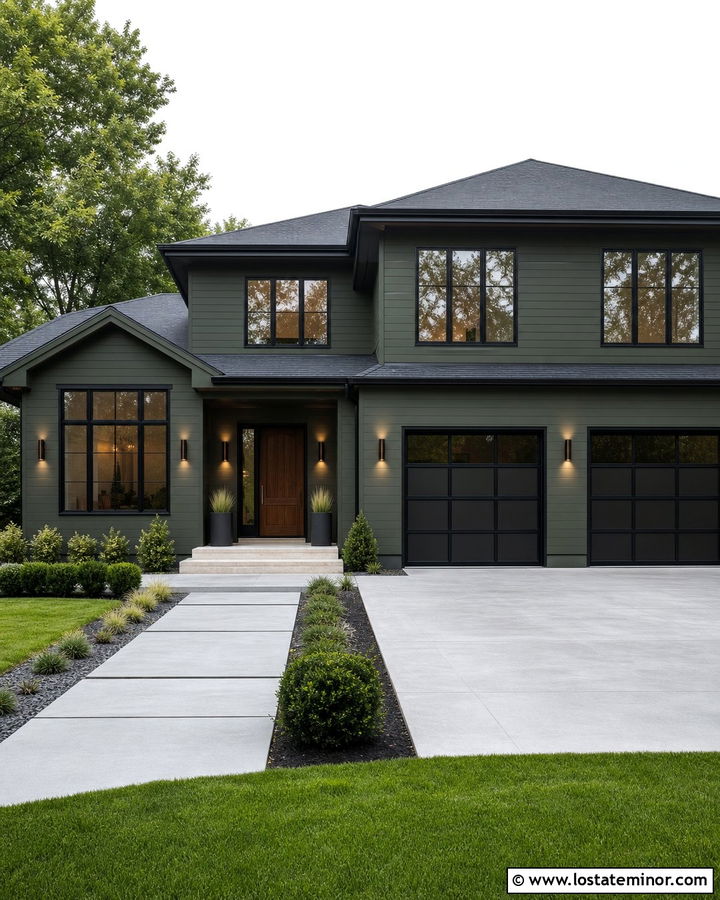
Up-and-down sconces create a refined effect on a moss green contemporary exterior. Choose dark bronze cylindrical fixtures that cast narrow, controlled patterns across smooth siding or stucco. Use them beside the entry, between garage bays, and along one textured accent wall. Black-framed windows and a charcoal roof can sharpen the design, while a walnut door prevents the palette from feeling cold. Keep trim close to the moss green body color for a seamless facade. Add pale limestone or concrete around the porch to brighten the lower elevation. Structured landscaping with grasses, clipped shrubs, and rectangular planters reinforces the geometry. Careful fixture alignment is essential because uneven placement becomes highly visible on simple modern architecture. The result should appear polished in daylight as well as illuminated.
25. Moss Green House With Craftsman Mission Lights
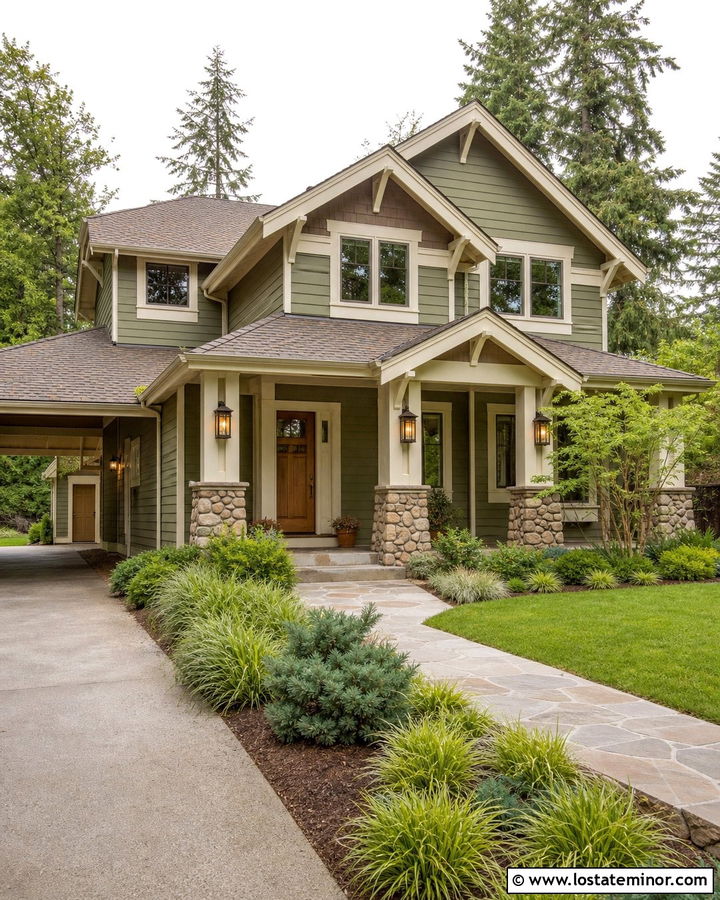
Mission-style lights naturally complement a moss green Craftsman or lodge-inspired home. Their square frames and warm bronze finish relate well to tapered columns, exposed brackets, and stone porch bases. Use medium moss green siding with warm ivory trim and a rich oak front door. Fixtures with amber-toned or lightly seeded glass can add texture, but keep the glass bright enough to provide useful entry lighting. Place one sconce on each side of the door and repeat a smaller version near the garage. A brown-gray roof and natural fieldstone complete the earthy palette. Low evergreens, Japanese forest grass, and a broad stone walkway help connect the architecture with the yard. Every component should feel handcrafted, sturdy, and appropriately scaled to the home.
26. Moss Green House With Coastal Bulkhead Lights
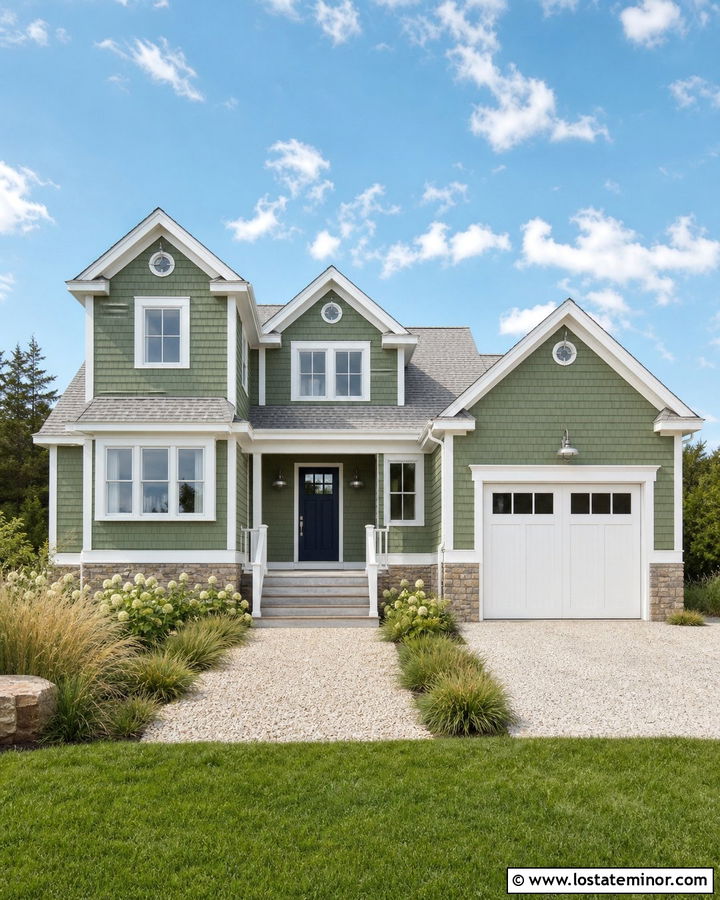
For a coastal or lakeside home, round bulkhead lights offer a sturdy alternative to traditional lanterns. Paint the shingle or lap siding moss green, then introduce crisp white trim, weathered gray decking, and a navy front door. Use brushed nickel, pewter, or white bulkhead fixtures near the entrance, porch steps, and garage. Their compact shape handles wind-exposed architecture without visually cluttering the facade. A light gray roof keeps the complete scheme fresh, while stone around the foundation adds natural texture. Avoid overly nautical decorations; the fixtures and restrained blue accent provide enough coastal character. Dune grasses, hydrangeas, and a pale gravel walkway frame the home. Moss green gives the exterior depth while still blending comfortably with a breezy waterfront landscape.
27. Moss Green House With Modern Brass Sconces
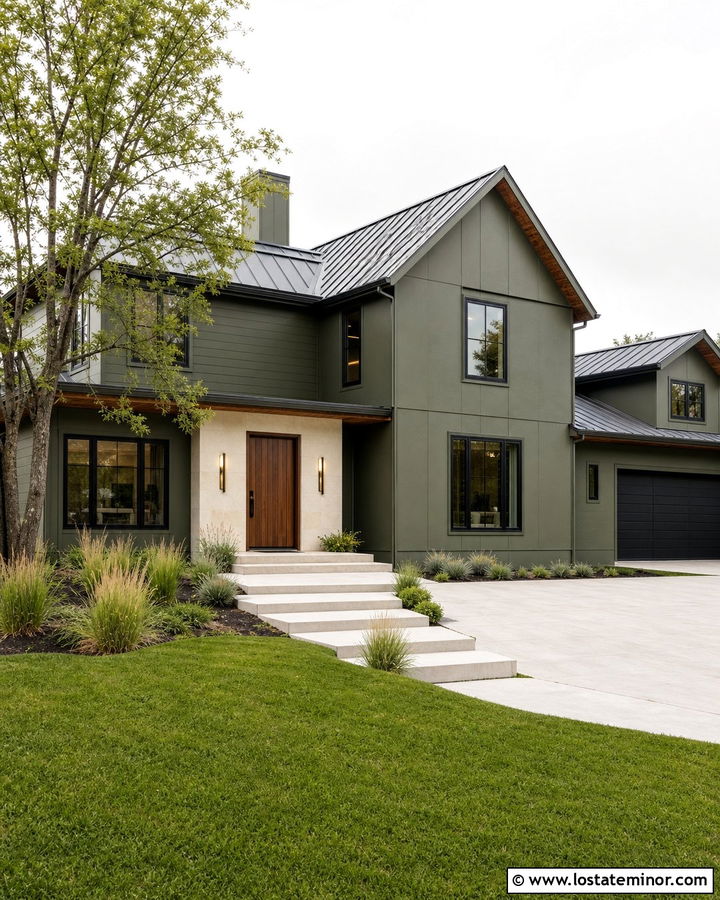
Modern brass sconces can make a moss green exterior feel tailored rather than rustic. Select slim rectangular fixtures with an unlacquered or softly aged finish, then place them beside a black or walnut front door. Smooth moss green panels, black-framed windows, and minimal matching trim create a clean backdrop. Introduce warm limestone at the entry so the brass does not appear isolated. A charcoal standing-seam roof and cedar soffits add further depth to the streamlined palette. Keep additional metal finishes limited; house numbers and door hardware can repeat the brass. Wide concrete steps, low grasses, and one architectural tree complete the curb view. The contrast works because the green feels earthy while the simple brass forms provide a controlled, sophisticated highlight.
28. Moss Green House With White Globe Lights
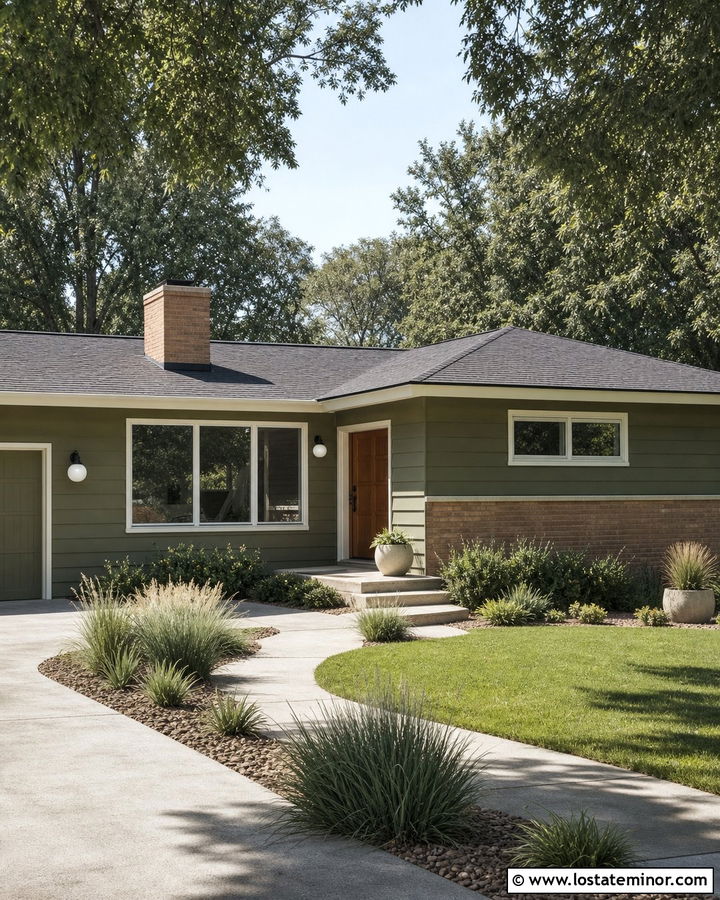
White globe lights can brighten a moss green exterior with a playful mid-century influence. Use them on a modest ranch, split-level, or retro-inspired two-story home with simple rooflines. Pair the green siding with creamy white trim, warm buff brick, and a natural wood door. Mount opal glass globes on dark bronze or black bases so their round forms remain clearly defined. One fixture beside the entrance and matching globes near the garage create rhythm without crowding the walls. A medium charcoal roof keeps the palette grounded. Repeat circular shapes subtly through rounded planters or curved walkway edges. Low shrubs and ornamental grasses preserve open views of the facade. The completed scheme feels bright, approachable, and distinctive without turning the house into a period replica.
29. Moss Green House With Recessed Porch Lighting
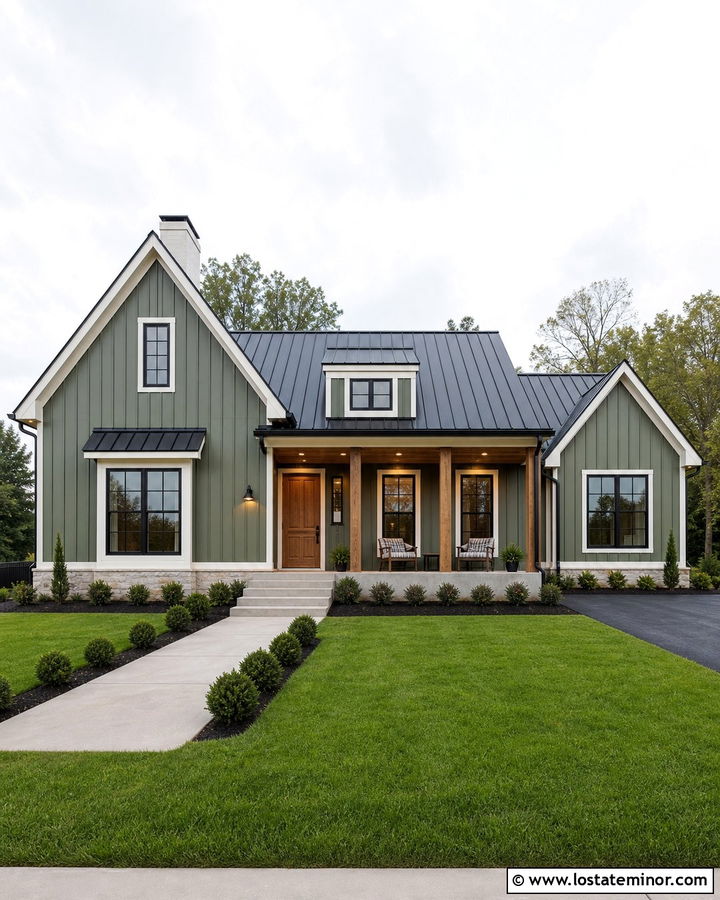
Recessed porch lights allow the moss green color and architectural materials to take center stage. This approach suits a contemporary farmhouse or transitional home with a deep covered entrance. Use moss green vertical siding, black windows, warm white trim, and a broad oak door. Small recessed fixtures can be spaced evenly across a cedar porch ceiling, while one simple black sconce identifies the door from the front. Avoid installing too many ceiling lights, which can make the porch feel commercial. A black metal roof and light stone foundation produce clear but balanced contrast. Finish the approach with broad concrete steps, clipped shrubs, and a straight walkway. The hidden lighting keeps the facade visually quiet while supporting a clean, useful, and comfortable entrance.
30. Moss Green House With Layered Exterior Lighting
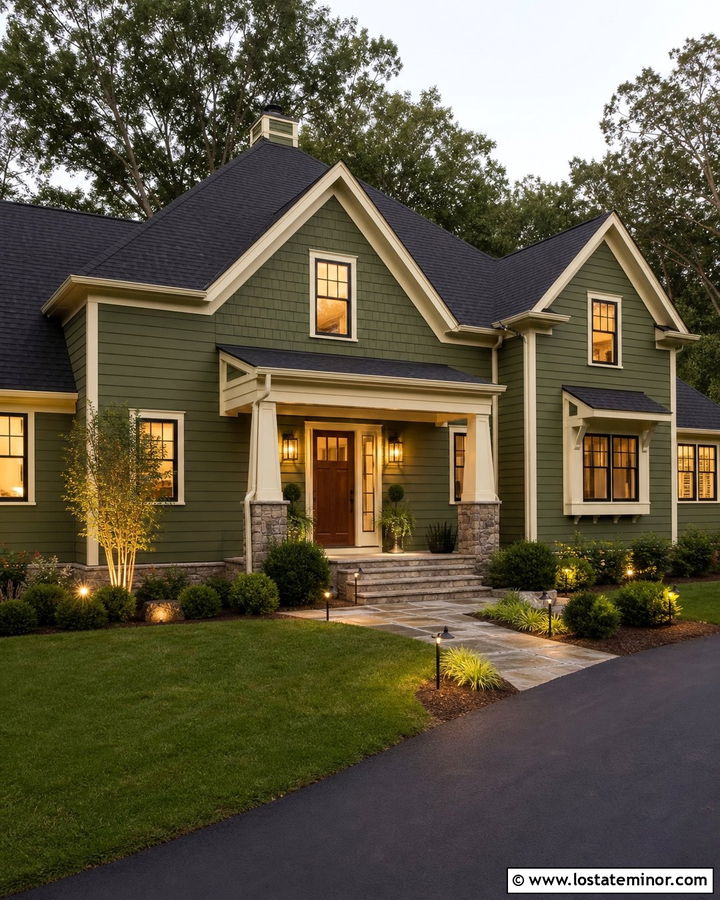
The most complete moss green exterior uses several fixture types without allowing them to compete. Begin with black lantern sconces at the front door, then add discreet path lights along the walkway and low uplights at selected trees or stone columns. Keep every visible fixture in the same black or dark bronze finish. Moss green siding, creamy trim, a walnut door, charcoal roofing, and natural stone establish a versatile foundation. Use the wall lights as the strongest decorative features, while landscape fixtures remain visually quiet. Symmetrical planting around the entrance can reinforce the lighting layout. This layered approach provides depth and helps the full property feel connected. Careful spacing is more effective than filling every wall, roofline, and planting bed with unnecessary fixtures.
Conclusion:
A successful moss green exterior depends on more than choosing an attractive shade. Trim, roofing, doors, masonry, landscaping, and fixture finishes must support the same overall direction. Black lights provide definition, copper and brass introduce warmth, and cream or galvanized fixtures create a softer contrast. Scale is equally important. Large homes need substantial lanterns, while compact cottages often look better with restrained sconces or pendants. Before purchasing anything, view material samples together outdoors and evaluate fixture placement from the street. These 30 Moss Green House Design With Light Fixtures Ideas show how coordinated details can make an earthy green facade feel traditional, rustic, coastal, or modern while creating polished, welcoming curb appeal.

Related posts: