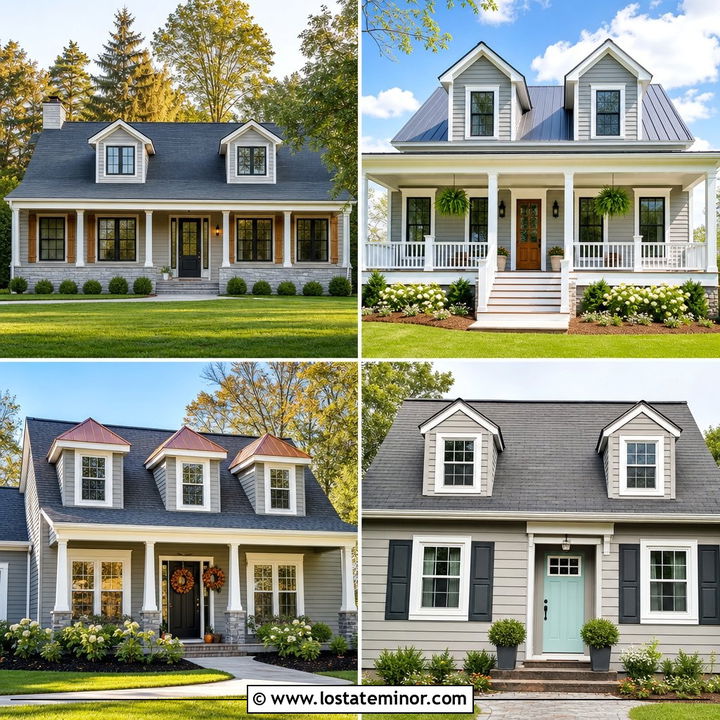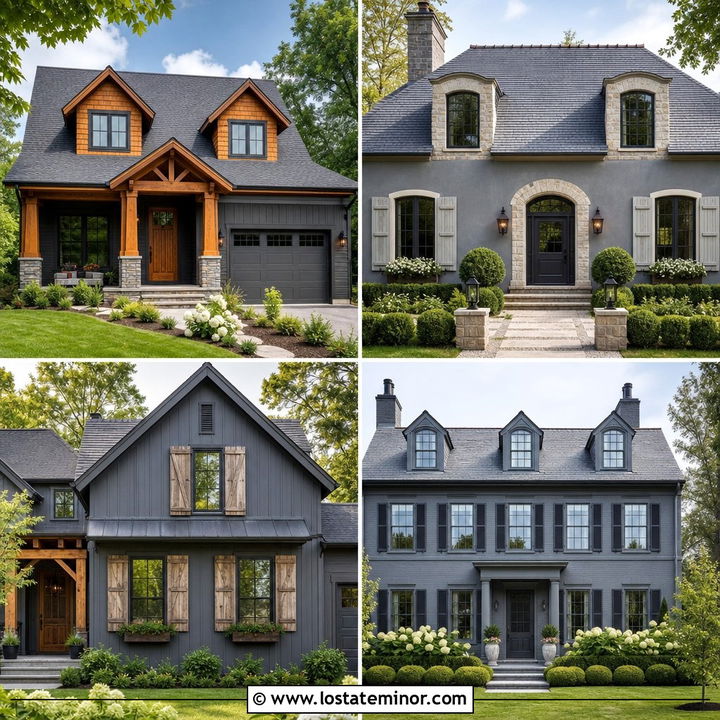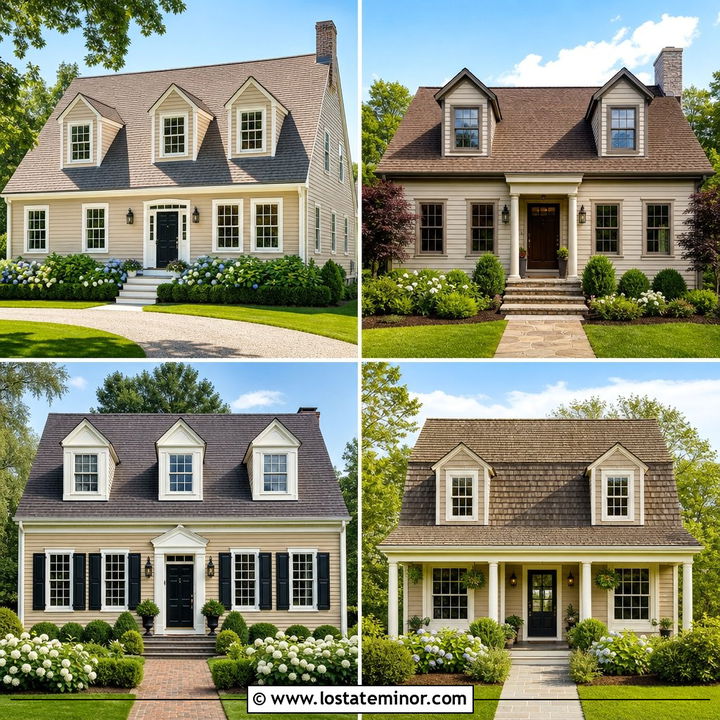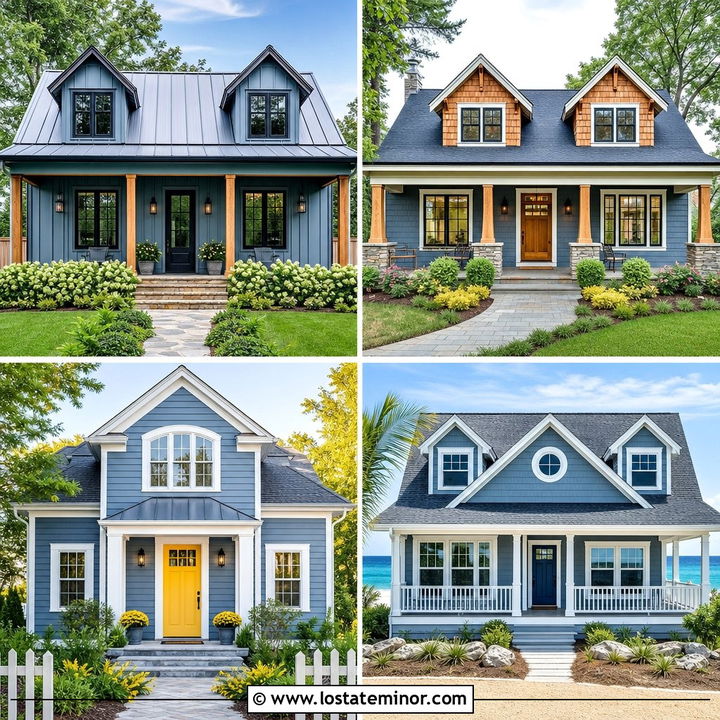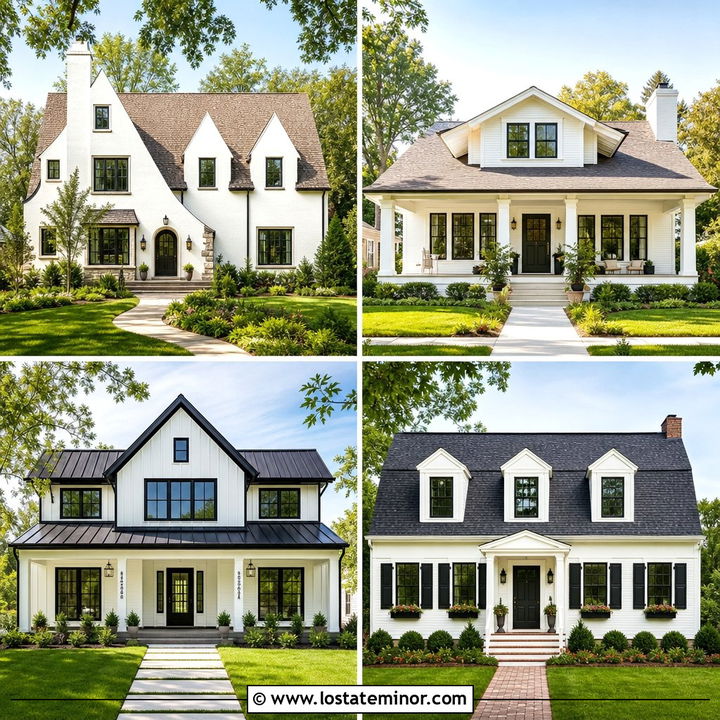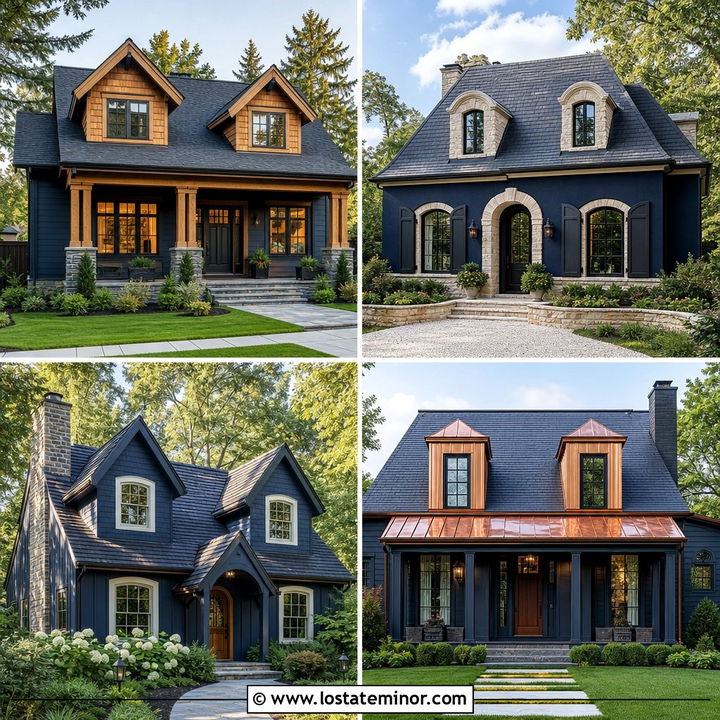
Light grey siding creates a flexible backdrop for dormer windows, allowing the roofline, trim, porch, and architectural details to stand out without making the exterior feel busy. The best schemes balance the undertone of the grey with the roof material and permanent features such as brick, stone, or wood. Crisp white can sharpen traditional dormers, while charcoal, bronze, and natural cedar bring stronger definition. Dormer shape matters too. Gable dormers feel classic, shed dormers look relaxed, and hipped dormers add polished symmetry. This collection explores Cape Cod, colonial, farmhouse, craftsman, cottage, ranch, and contemporary homes. Each complete look connects the siding, dormers, trim, door, roof, and landscaping. Use these 30 Light Grey House Design With Dormers Ideas to plan a coordinated exterior with lasting curb appeal.
1. Light Grey Cape Cod House With Gable Dormers
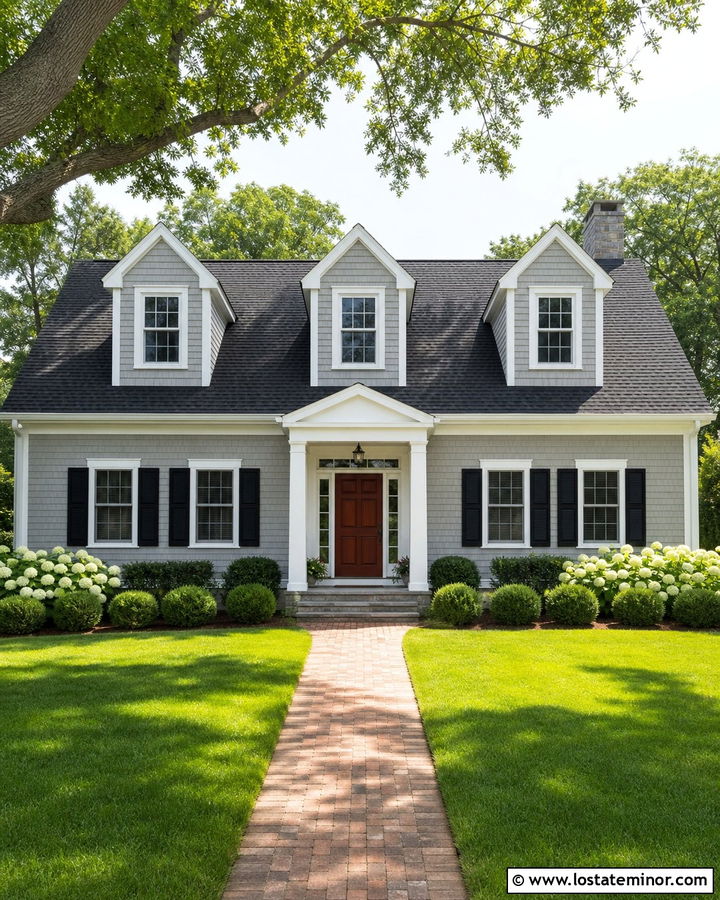
A Cape Cod exterior feels naturally balanced when soft light grey siding is paired with evenly spaced gable dormers. Choose bright white for the dormer trim, corner boards, window frames, and simple front portico. This clean contrast makes each roof projection easier to see from the street. A charcoal architectural-shingle roof grounds the pale facade without appearing excessively dark. Black shutters can add definition, but keep them properly sized for the windows. Finish the scheme with a stained mahogany door, traditional lanterns, and a brick walkway. Low boxwoods and white flowering shrubs reinforce the home’s symmetry. Carrying the same light grey siding onto the dormer faces creates continuity, while white fascia outlines their classic triangular shape.
2. Light Grey Colonial House With Three Dormers
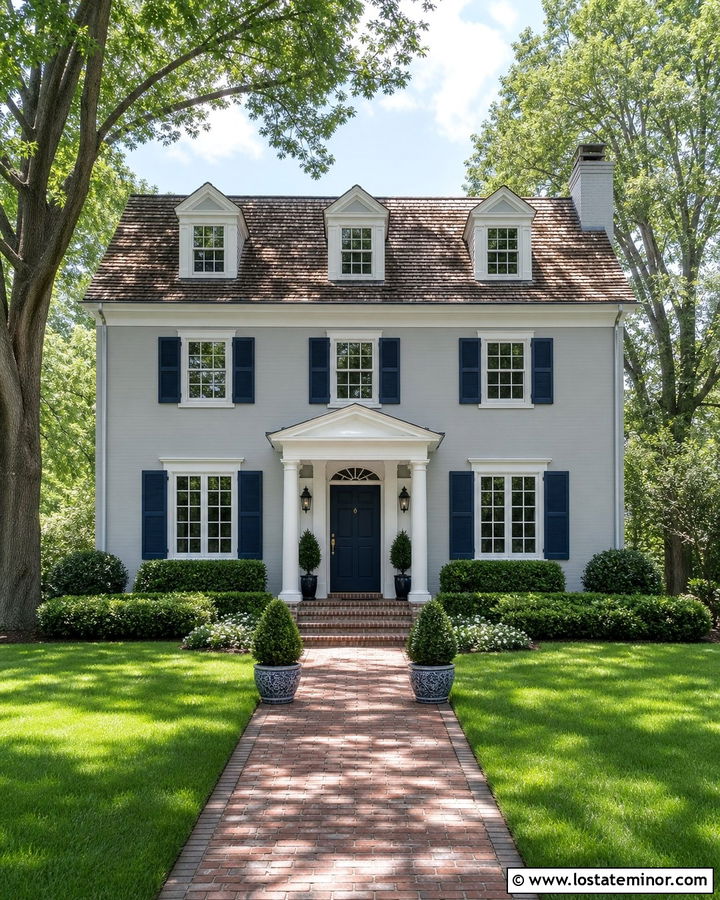
Three matching dormers can give a two-story colonial house a strong, orderly roofline. Cover the main facade and dormer cheeks in a warm light grey, then use creamy white on the window trim, cornice, columns, and entry surround. The softer white prevents the exterior from feeling stark and works especially well with weathered brown roof shingles. Deep navy shutters provide traditional contrast without the severity of solid black. Repeat that navy on the front door for a composed color scheme. A centered brick path, matching wall lanterns, and neatly clipped foundation plantings strengthen the formal arrangement. Keep the dormer windows consistent with the lower windows so the entire facade feels connected rather than assembled from unrelated architectural pieces.
3. Light Grey Farmhouse With Shed Dormers
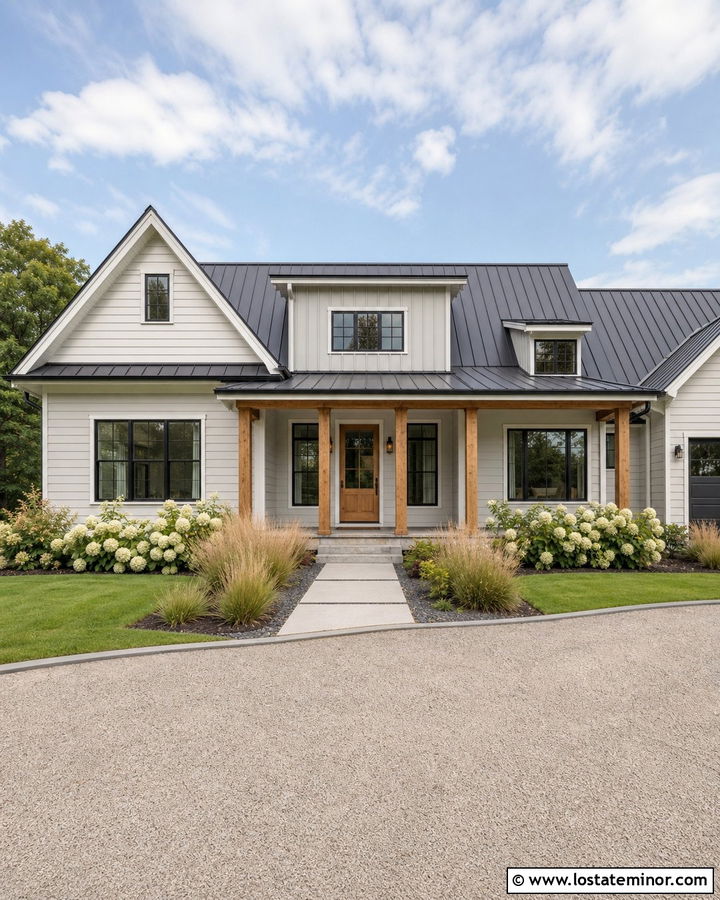
Long shed dormers give a light grey farmhouse a relaxed shape while opening up the upper roof visually. Use pale grey horizontal lap siding across the main walls and vertical board-and-batten siding on the dormer face. Although the textures differ, one consistent body color keeps the exterior calm. White trim, porch columns, and window frames brighten the design. A dark charcoal standing-seam metal roof adds crisp contrast and highlights the dormer’s extended roofline. Warm the palette with a natural oak front door, timber porch ceiling, and matching wood porch posts. Black windows and simple barn-style lights supply modern definition. Native grasses, hydrangeas, and a gravel-edged walkway complete the approachable country setting without overwhelming the architecture.
4. Light Grey Craftsman House With Stone Dormers
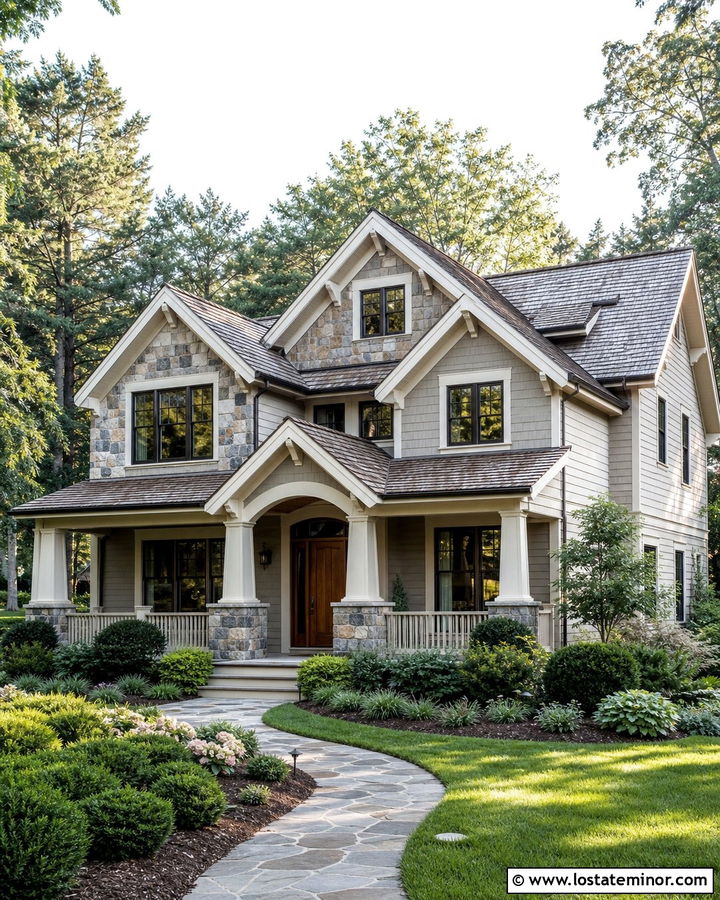
Can a light grey house still feel warm and substantial? On a craftsman exterior, the answer comes from layered natural materials. Select a light grey with a subtle beige undertone for the lap siding, including the siding surrounding the dormer windows. Add irregular grey-and-tan stone around the porch foundation, column bases, and lower dormer walls. Cream trim softens the transitions between siding and masonry. A weathered wood shingle roof connects naturally with the earthy stone colors. Use a medium walnut front door and exposed timber brackets to deepen the palette. Bronze gutters, window frames, and porch lights provide quieter contrast than black. Broad steps, layered shrubs, and a curved stone walkway make the finished home feel settled into its landscape.
5. Light Grey Cottage With Arched Dormers
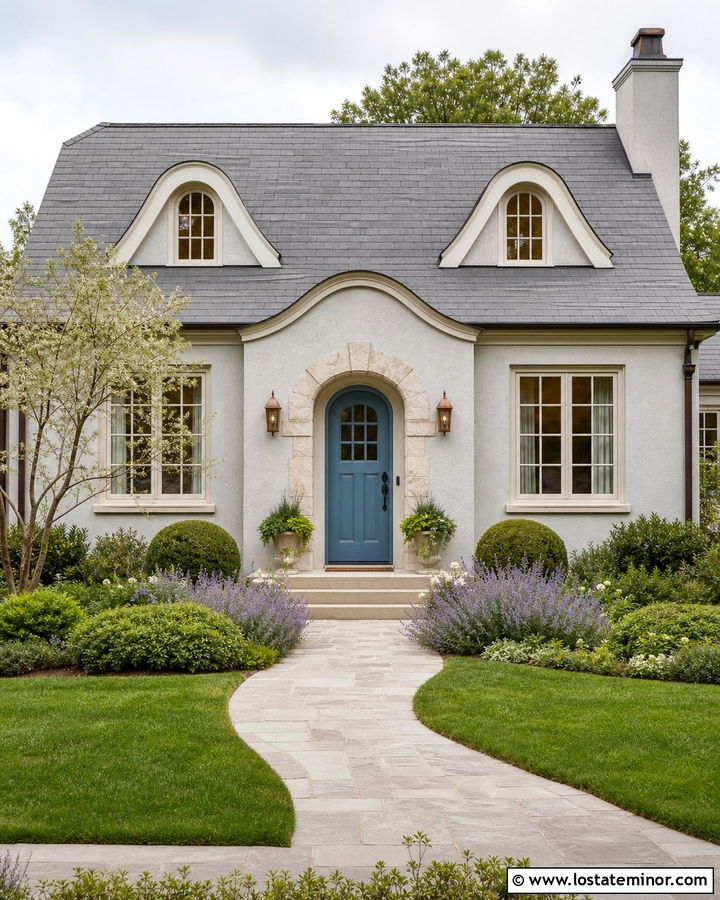
Arched dormers can turn a modest light grey cottage into a distinctive street-facing home. Their curved roofs already attract attention, so keep the surrounding color scheme controlled. Use a misty light grey on smooth siding or painted stucco, then outline the dormer windows with warm white trim. A medium slate roof helps the curved forms remain visible without creating harsh contrast. Add a dusty blue front door for gentle color, along with small copper lanterns that will develop a natural patina over time. Pale limestone around the entry provides another soft texture. A curved walkway, lavender borders, rounded shrubs, and a small ornamental tree echo the graceful dormer shapes. Avoid oversized shutters, which can compete with the unusual roofline and make the facade feel crowded.
6. Light Grey Ranch House With Front Dormers
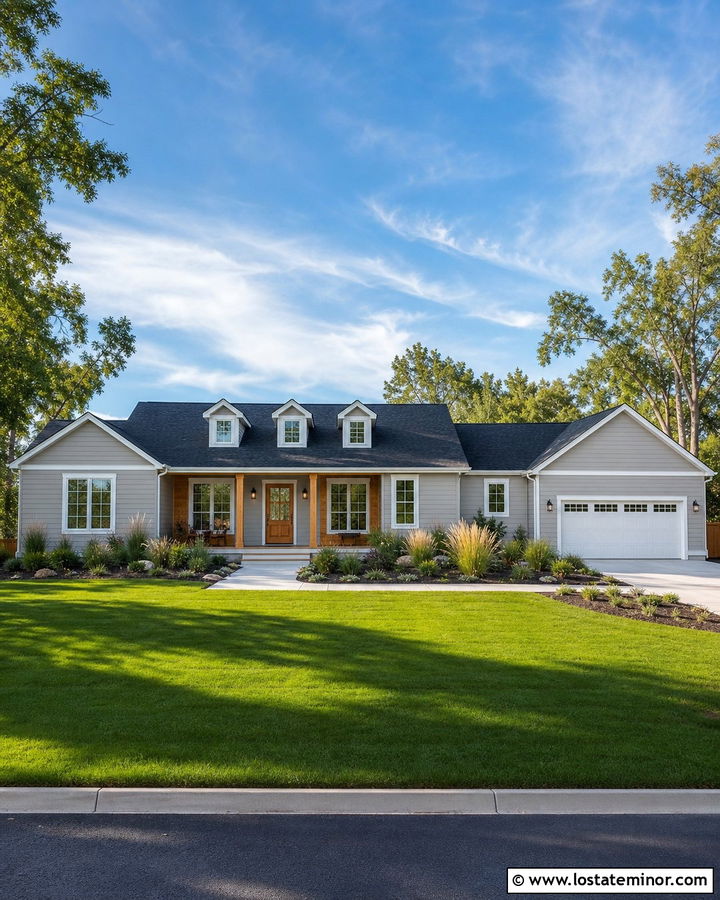
Adding front dormers to a ranch house can break up a long, low roof and create a more welcoming focal point. Choose a neutral light grey for the siding and repeat it on each dormer face. Crisp white trim around the dormer windows, eaves, garage door, and porch creates a clear outline across the horizontal facade. A charcoal roof adds enough depth to keep the pale body color from looking washed out. Introduce warmth with a cedar front door and matching cedar cladding inside the recessed porch. Dark bronze lights and gutters provide subtle definition. Wide foundation beds, layered ornamental grasses, and a straight concrete walkway help balance the extended footprint. Keep the dormers modestly scaled so they complement the ranch proportions rather than dominate them.
7. Light Grey Dutch Colonial With Gambrel Dormers
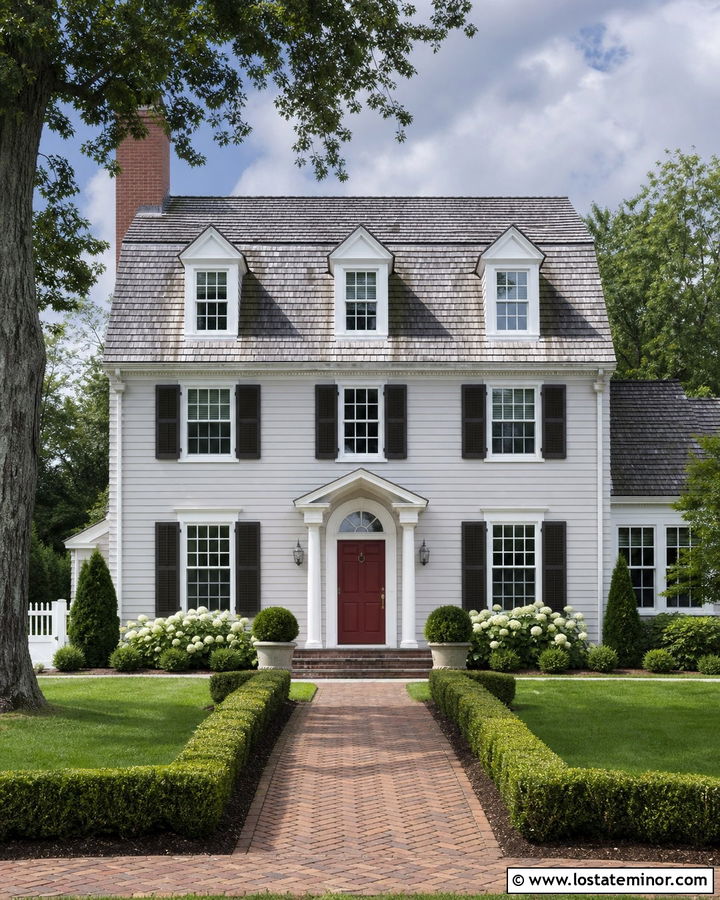
A gambrel roof gives a Dutch colonial house an instantly recognizable profile, and light grey siding lets that shape remain the star. Cover the lower walls and dormers in a soft silver grey, then use bright white along the sweeping roof edges, dormer trim, windows, and covered entry. Black shutters create a traditional rhythm across the facade. For a warmer alternative, choose dark bronze shutters and repeat the finish on the lighting and gutters. Weathered grey roof shingles keep the upper portion cohesive. A rich oxblood or muted brick-red front door introduces historic character without taking over the palette. Symmetrical hedges, a straight brick walkway, and paired planters support the formal architecture. Limit extra materials so the curved gambrel roof remains clean and easy to appreciate.
8. Light Grey Bungalow With Wide Shed Dormer
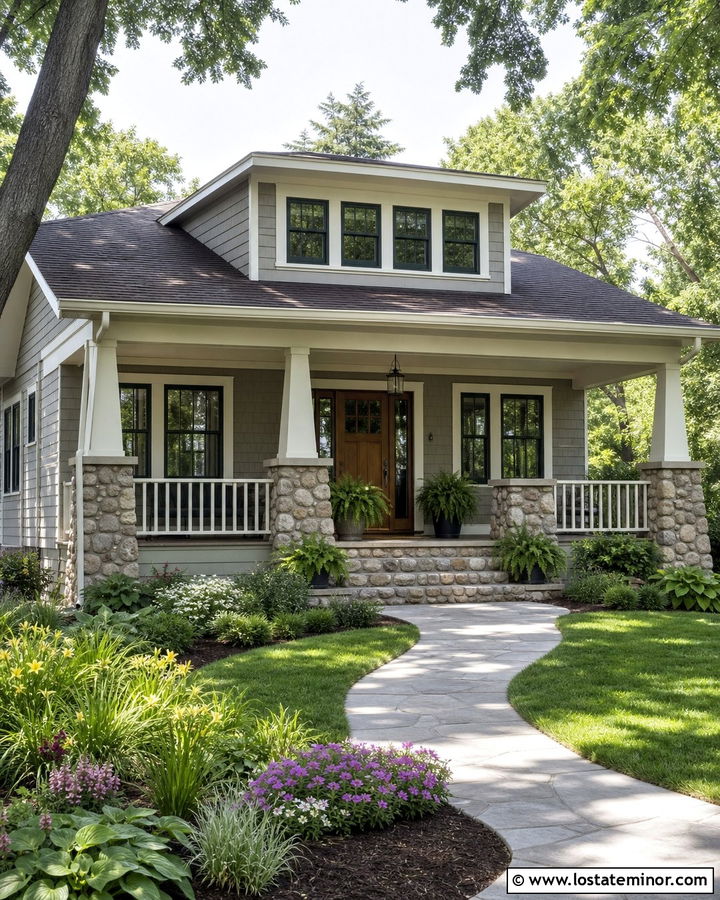
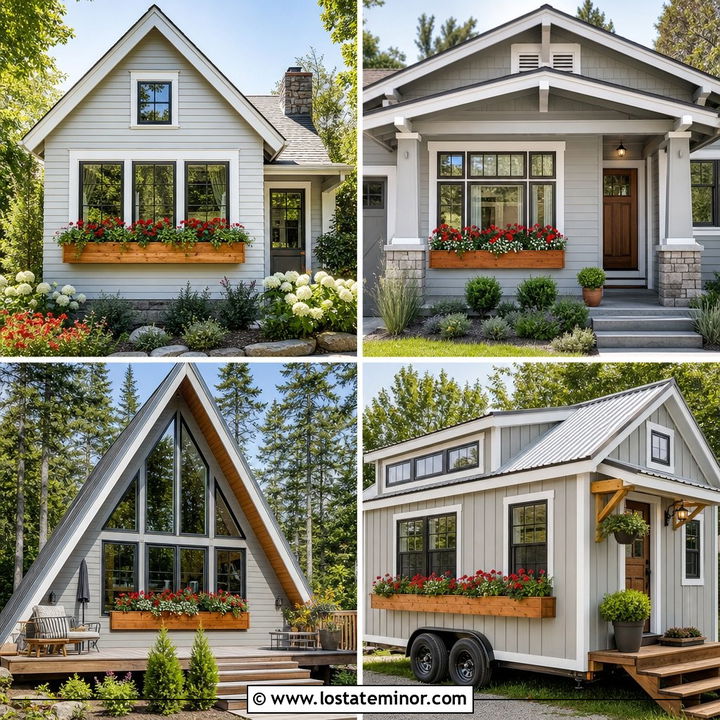
A broad shed dormer fits naturally above the deep porch of a craftsman bungalow. Paint the horizontal siding a warm light grey and use creamy white around the grouped dormer windows, porch beams, railing, and tapered columns. The gentle contrast emphasizes the handcrafted details without making every trim board look outlined. Dark brown roof shingles coordinate beautifully with stained wood steps and a medium oak front door. Add river rock or fieldstone to the porch piers for texture near ground level. Deep green window sashes can introduce a quiet heritage accent, especially in a wooded neighborhood. Keep the landscaping informal with ferns, flowering perennials, and a slightly curved walkway. The complete palette should feel earthy, comfortable, and closely connected to the bungalow’s low proportions.
9. Light Grey House With Black Dormer Trim
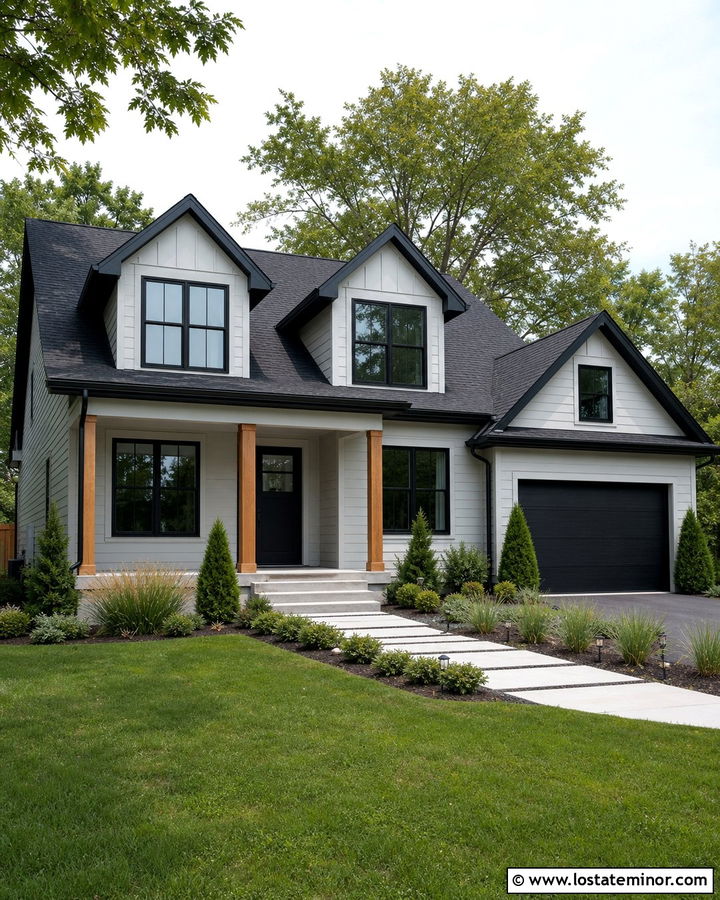
Black dormer trim can make a light grey exterior feel sharper and more contemporary. The key is repeating black in several intentional places instead of limiting it to the roof. Frame the dormer windows in black, then carry the color to the lower windows, gutters, porch lights, and front door. Choose a clean light grey siding color with minimal blue undertones so the contrast remains balanced. A charcoal shingle roof will visually connect the dormers to the main roof plane. Keep the fascia and corner boards light grey or soft white to avoid outlining every edge too heavily. Natural wood porch columns and garage accents prevent the monochrome palette from feeling cold. Simple grasses, evergreens, and large concrete pavers reinforce the tailored, updated curb appeal.
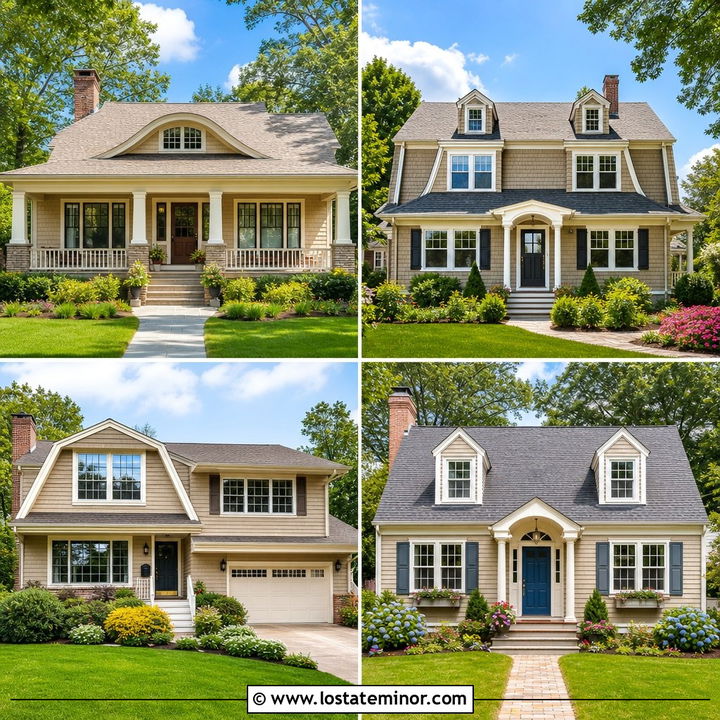
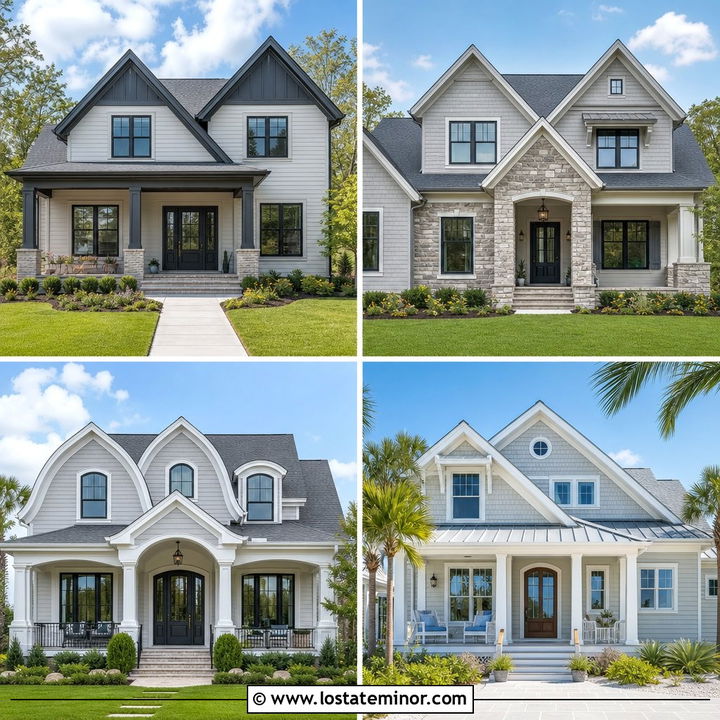
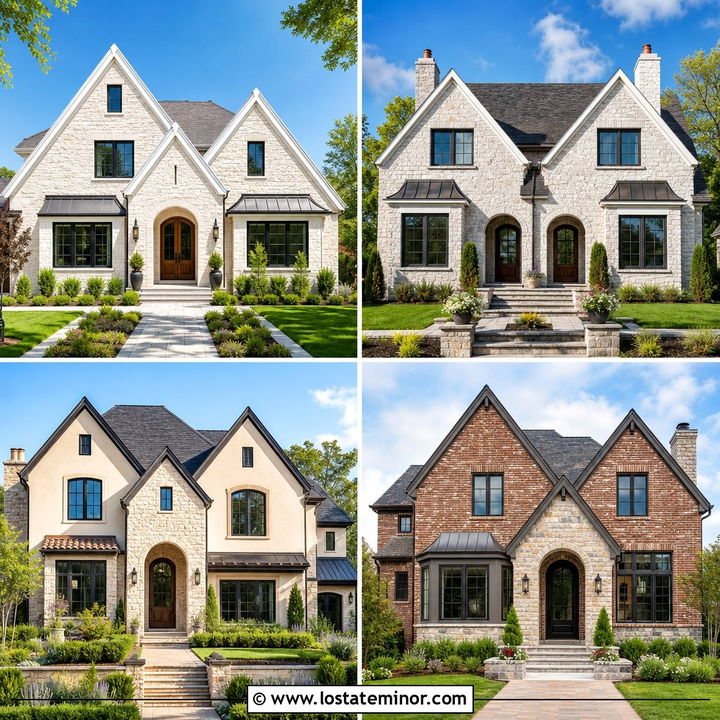
10. Light Grey House With White Dormer Siding
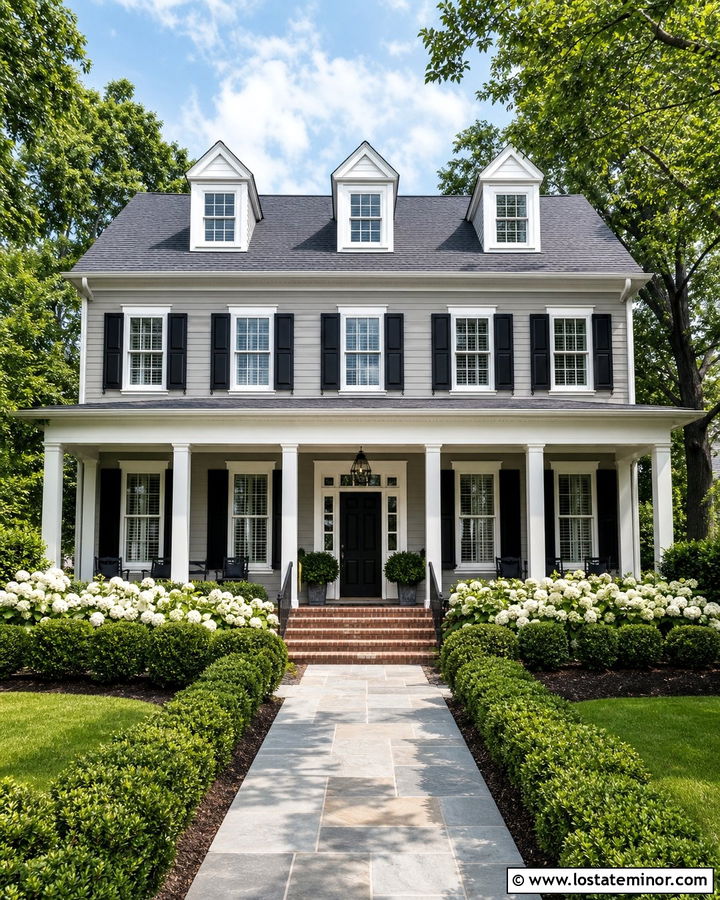
Covering dormers in white siding creates a bright roofline and works especially well on homes with strong symmetry. Use a slightly warmer light grey across the primary walls, then finish the dormer faces, window trim, soffits, porch columns, and railing in soft white. The dormers become distinct architectural accents while still relating to the lower trim. Select a medium charcoal roof so the white sections remain clearly visible. A black front door and matching shutters add structure to the lower facade. If the house has brick steps or a brick chimney, choose muted red-brown masonry rather than intense orange brick. Green foundation shrubs, white flowers, and a central stone path complete the timeless palette. This approach looks most cohesive when all dormers share identical siding and window proportions.
11. Light Grey House With Cedar Dormer Accents
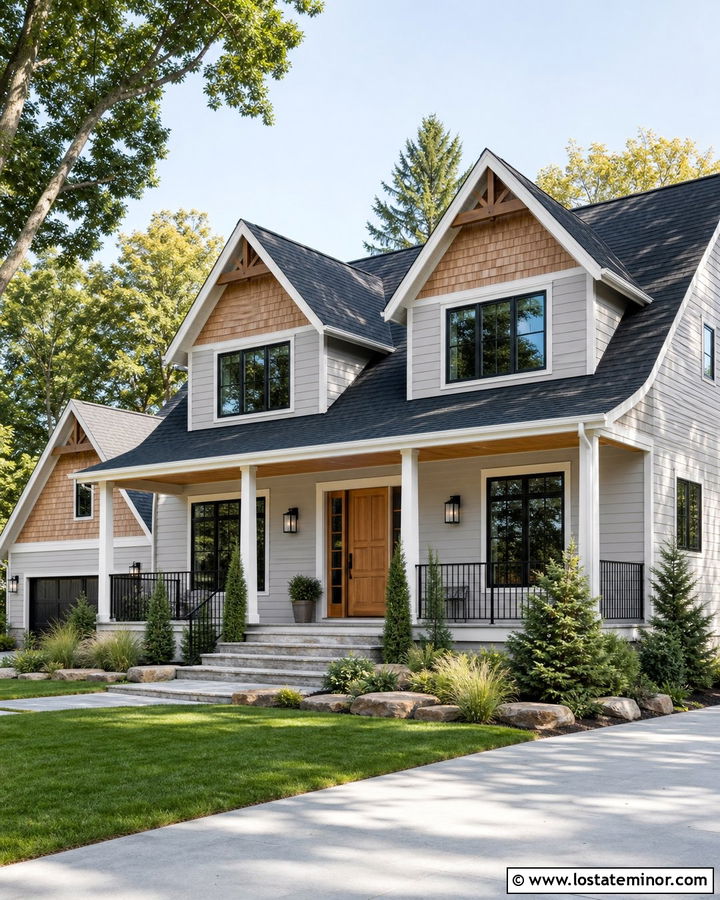
Natural cedar can bring warmth and texture to a cool light grey house. Apply cedar shingles or narrow cedar boards to the dormer faces, while keeping the main exterior in pale grey lap siding. Use clean white trim to create a visual break between the two materials. A charcoal roof provides a dark neutral foundation that allows the wood grain to stand out. Repeat cedar on the front door, porch ceiling, or small garage pergola so the dormers do not look disconnected. Black windows and modern exterior lights add crisp definition. Choose a transparent or lightly tinted protective finish that preserves the wood’s natural appearance. Stone steps, native grasses, and simple evergreen plantings support the organic palette. The result feels current but still comfortable enough for a traditional neighborhood.
12. Light Grey House With Board And Batten Dormers
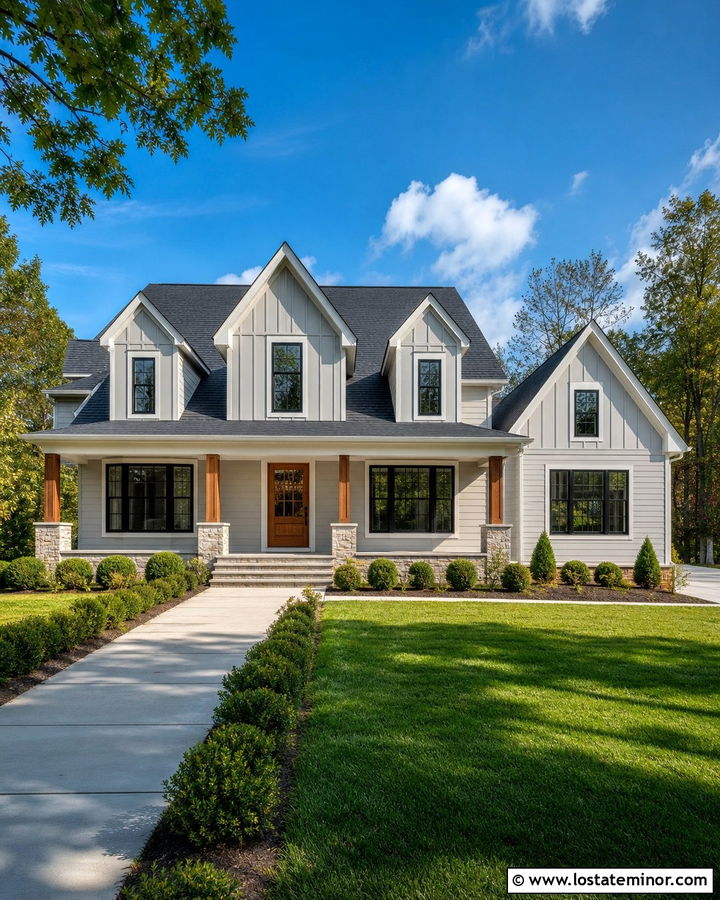
Vertical board-and-batten siding gives dormers stronger height and makes the roofline look more detailed. Paint both the main lap siding and dormer cladding the same pale grey so texture, rather than competing color, creates the contrast. Use bright white on the battens’ surrounding trim, windows, fascia, and porch columns. A deep graphite roof helps define the pale dormers from a distance. For the entry, choose a medium stained wood door with black hardware. Black-framed windows and slim gutters bring a modern edge to the traditional materials. If the facade needs more texture, add light grey stone around the foundation or porch base. A clean walkway, clipped shrubs, and two small ornamental trees maintain visual order. This combination works particularly well on modern farmhouse and transitional exteriors.
13. Light Grey House With Shingle Dormers
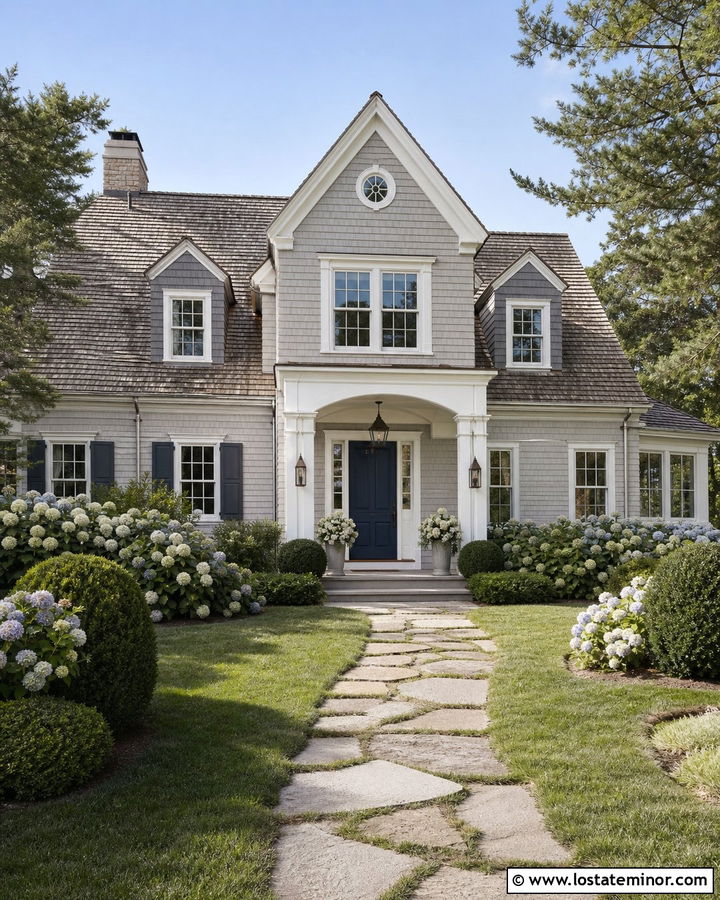
Shingle siding makes dormers feel crafted and dimensional without requiring a dramatic accent color. Use smooth light grey lap siding on the lower walls and slightly deeper grey cedar-look shingles on the dormer faces. The small tonal shift highlights the roof projections while preserving a quiet, coordinated palette. Creamy white trim around the dormer windows and main facade adds softness. Choose weathered grey-brown roofing that connects both siding shades. A muted navy front door introduces controlled color, while bronze lights and gutters complement the roof’s warmer flecks. Repeat the dormer shingles on a front gable or garage peak if the architecture allows. Hydrangeas, boxwoods, and a natural stone path complete this refined coastal or New England-inspired exterior without relying on nautical decorations.
14. Light Grey House With Brick Porch And Dormers
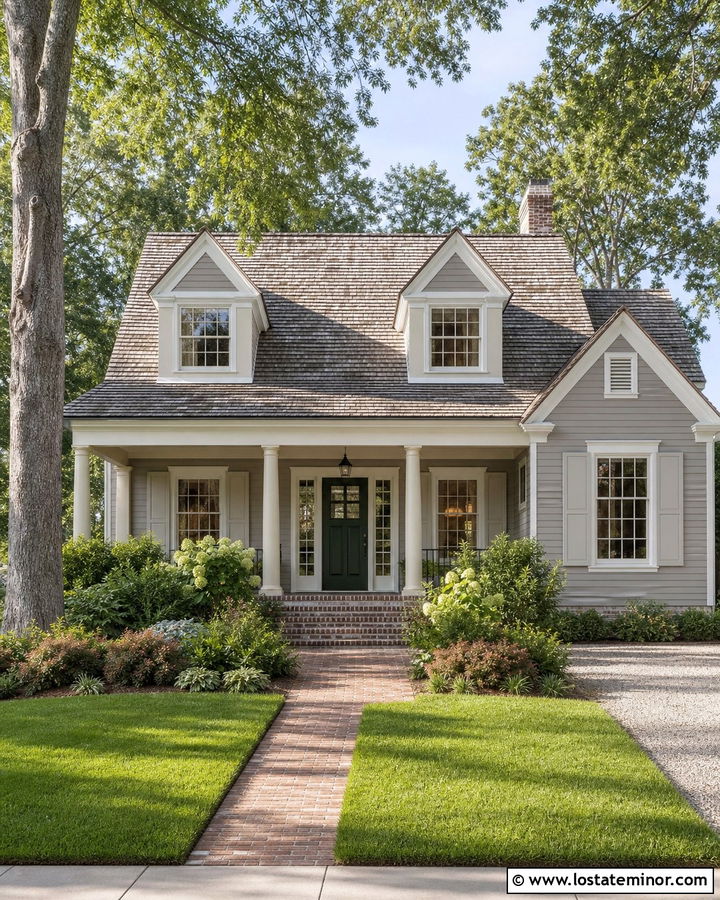
Brick can anchor a light grey home and give delicate dormer details a stronger base. Select a warm pearl grey for the siding, then surround the gable dormers with matching grey cladding and clean white trim. Use blended brown, taupe, and muted red brick across the porch floor, steps, and lower column bases. These softer masonry colors prevent the facade from feeling divided into unrelated warm and cool sections. A weathered wood roof ties the brick to the grey siding. Finish the front door in deep forest green or dark walnut for additional warmth. Bronze lanterns and cream porch columns maintain the traditional character. Keep the walkway material close to the brick color and use layered green shrubs to soften the transition between the masonry foundation and lawn.
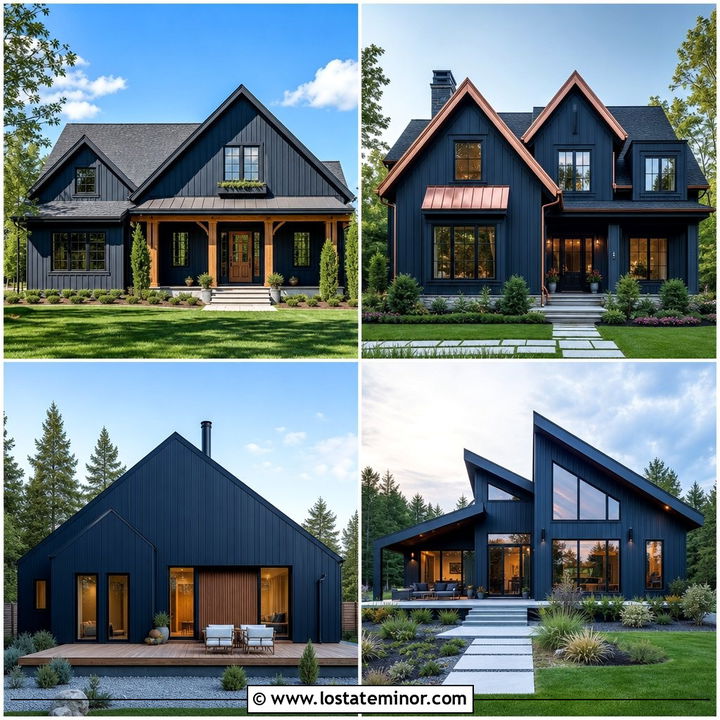
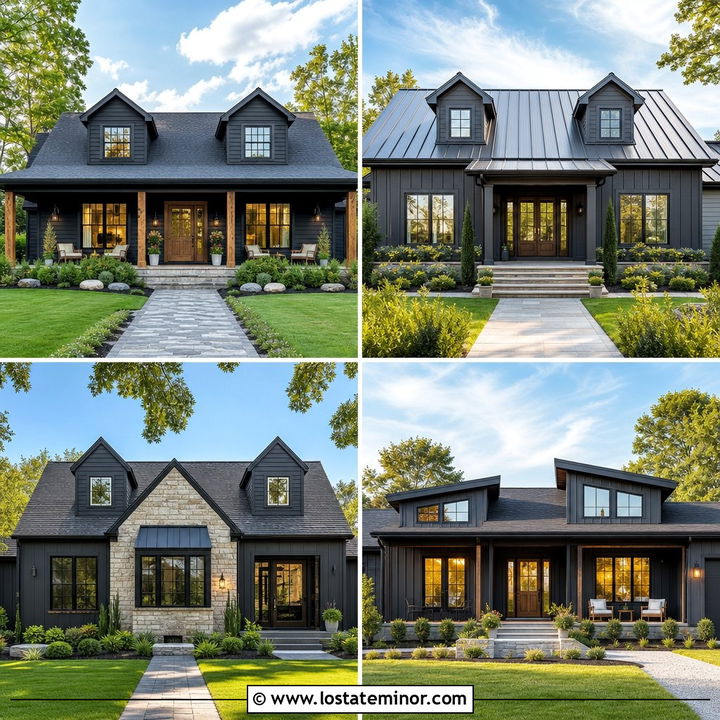
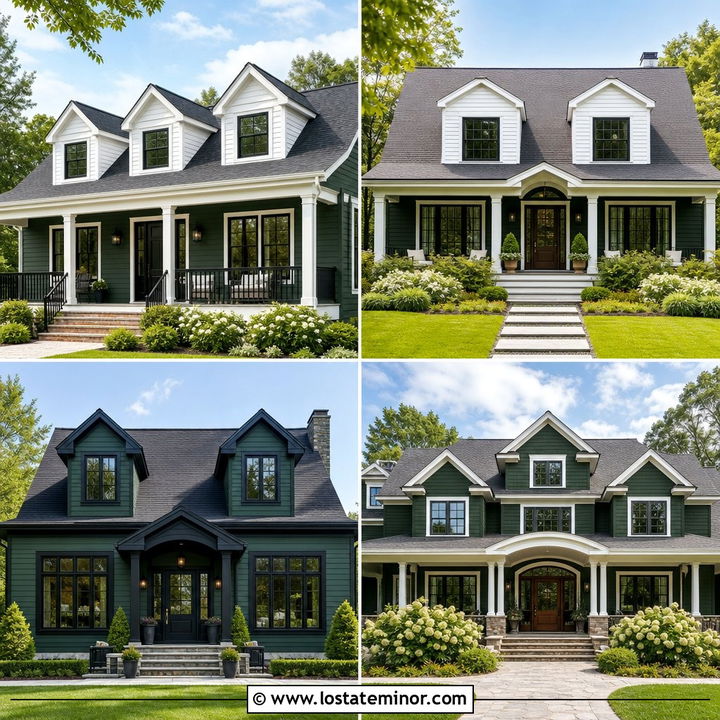
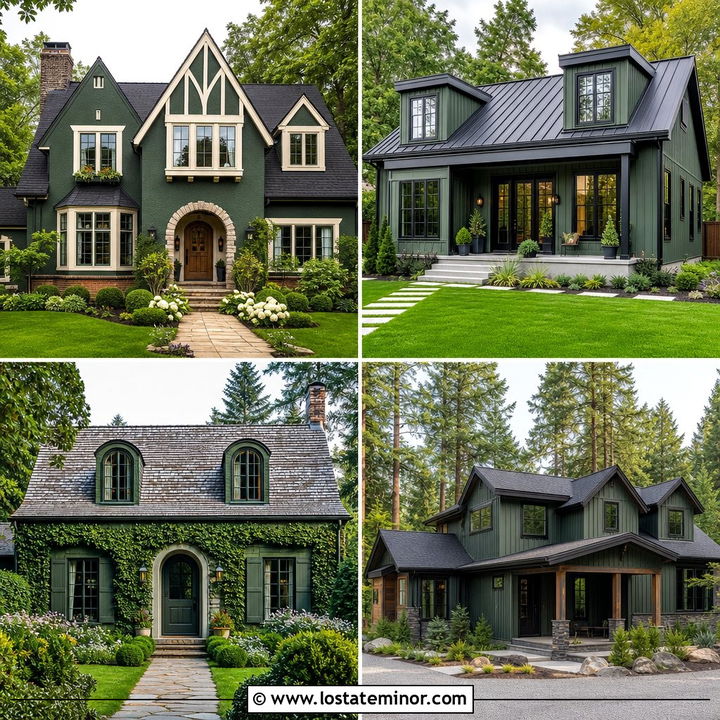
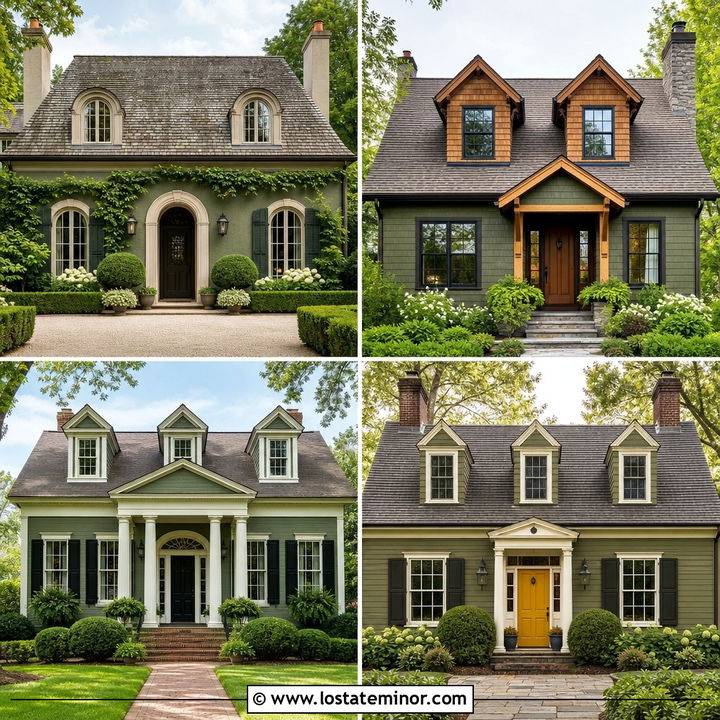
15. Light Grey House With Limestone Dormers
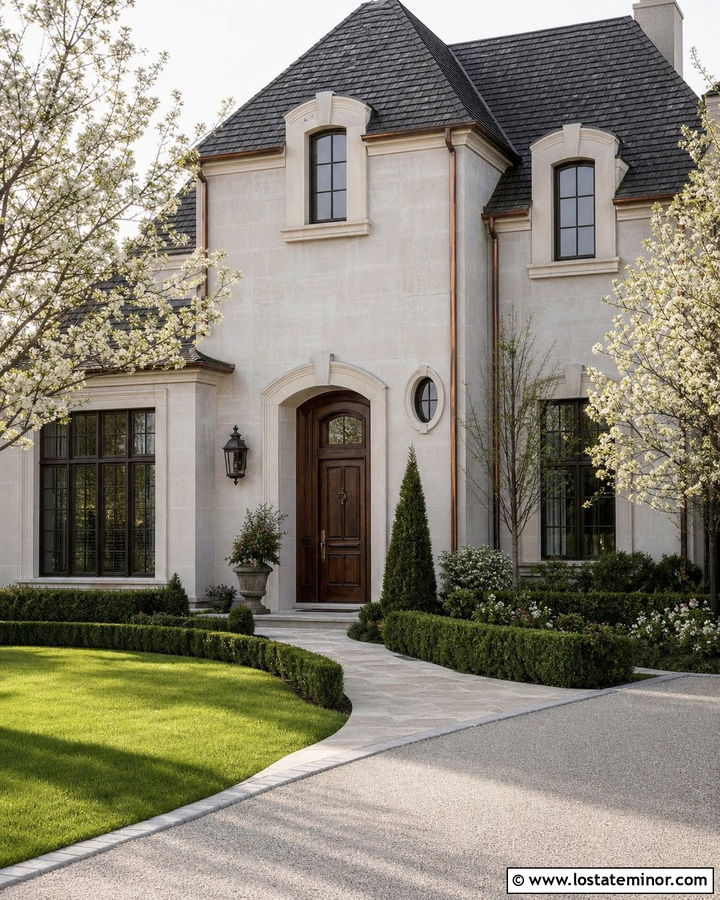
Pale limestone creates an elegant companion for light grey siding, especially on French country and European-inspired homes. Use the stone across the lower facade and around selected dormer windows, then cover the remaining walls in a warm light grey stucco or lap siding. Soft ivory trim connects the two finishes more naturally than brilliant white. A mottled charcoal roof gives the dormers a defined silhouette while echoing grey variations in the limestone. Choose a stained arched front door and dark bronze windows to reinforce the European influence. Copper gutters can add warmth, although aged bronze offers a lower-maintenance visual effect. Keep the landscaping structured but soft with clipped hedges, flowering trees, and a gently curved stone walkway. The restrained palette allows the masonry texture and dormer shapes to share attention.
16. Light Grey House With A Black Metal Roof
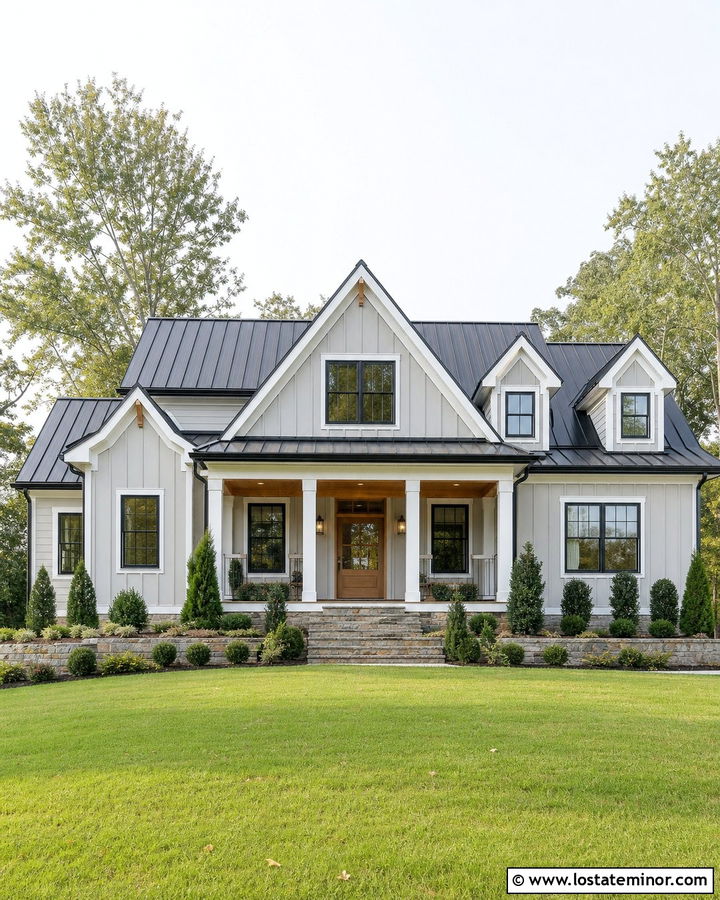
A black metal roof creates a bold frame over light grey siding and makes every dormer shape more noticeable. Use a soft, balanced grey on the main walls and dormer faces, then add bright white window trim and fascia to separate the siding from the dark roof. Black-framed windows, gutters, and porch lights repeat the roof color across the facade. A natural wood front door and porch ceiling keep the high-contrast scheme inviting. This palette is especially effective on farmhouse, mountain, and transitional homes with simple rooflines. Avoid adding too many unrelated accent colors because the metal roofing already provides strong visual impact. Large stone steps, evergreen shrubs, and an open lawn create a clean setting. The finished exterior feels crisp, durable, and thoughtfully coordinated from roof to foundation.
17. Light Grey House With A Weathered Wood Roof
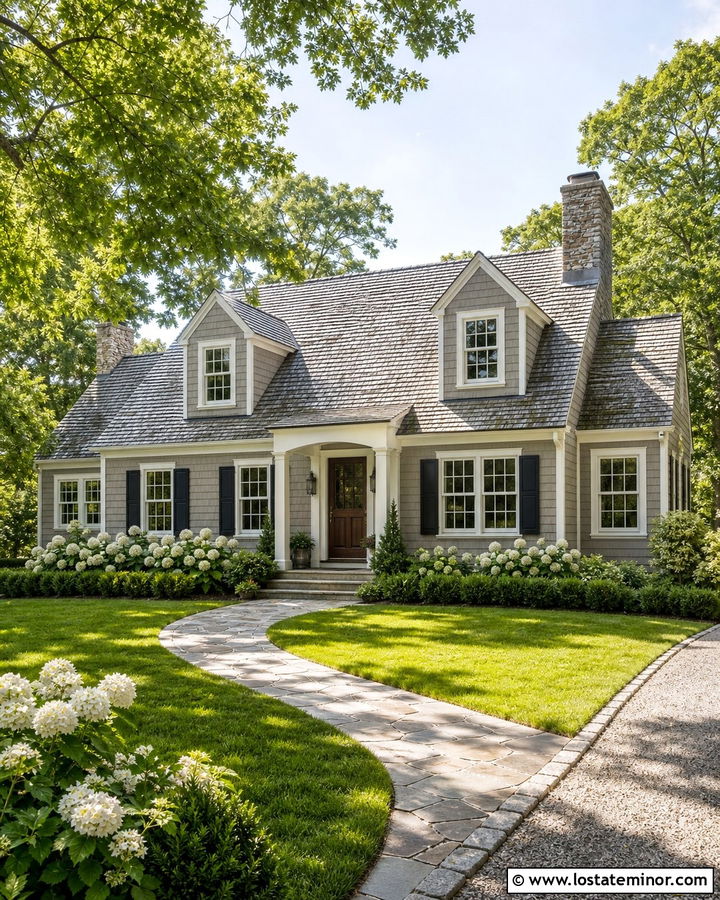
Weathered wood shingles soften the appearance of a light grey house and create a comfortable, established look. Choose a grey siding color with slight beige undertones so it coordinates with the roof’s brown, taupe, and charcoal variations. Paint the dormer siding to match the body, then use warm white around the windows, eaves, and porch. A medium walnut door adds depth without competing with the roof. For shutters, consider muted charcoal, deep taupe, or no shutters at all if the windows have strong trim. Natural stone around the steps or chimney can connect the upper and lower materials. Hydrangeas, low hedges, and mature shade trees enhance the relaxed character. This complete scheme suits Cape Cod, colonial, cottage, and craftsman homes in both suburban and wooded settings.
18. Light Grey House With Copper Dormer Roofs
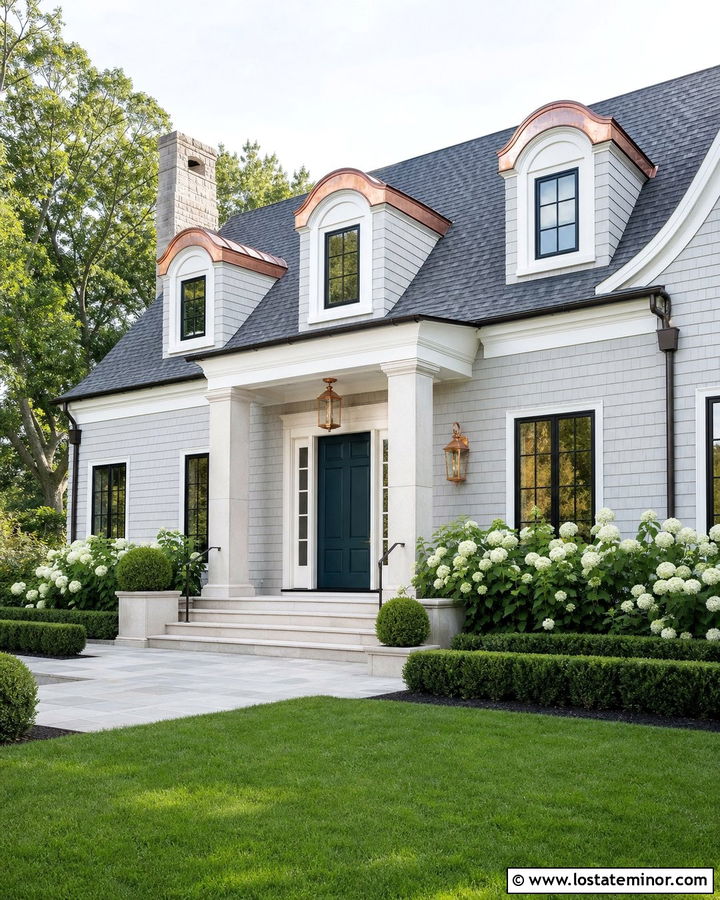
Copper roofing can transform small dormers into polished architectural features. Keep the main facade quiet with soft light grey siding, creamy white trim, and a dark grey shingle roof. Cover only the curved or shed dormer roofs in copper so the metal acts as a controlled accent. Repeat copper on the porch roof, gutters, or entry lanterns to create a deliberate connection. A deep blue-green front door complements both fresh copper and the patina it may develop later. Avoid using bright orange brick nearby, as it can compete with the metallic warmth. Pale limestone steps and simple black window frames maintain balance. Structured boxwoods, white flowering shrubs, and a clean stone walkway give the facade an elegant setting while allowing the copper-topped dormers to remain the clear focal point.
19. Light Grey House With Navy Shutters And Dormers
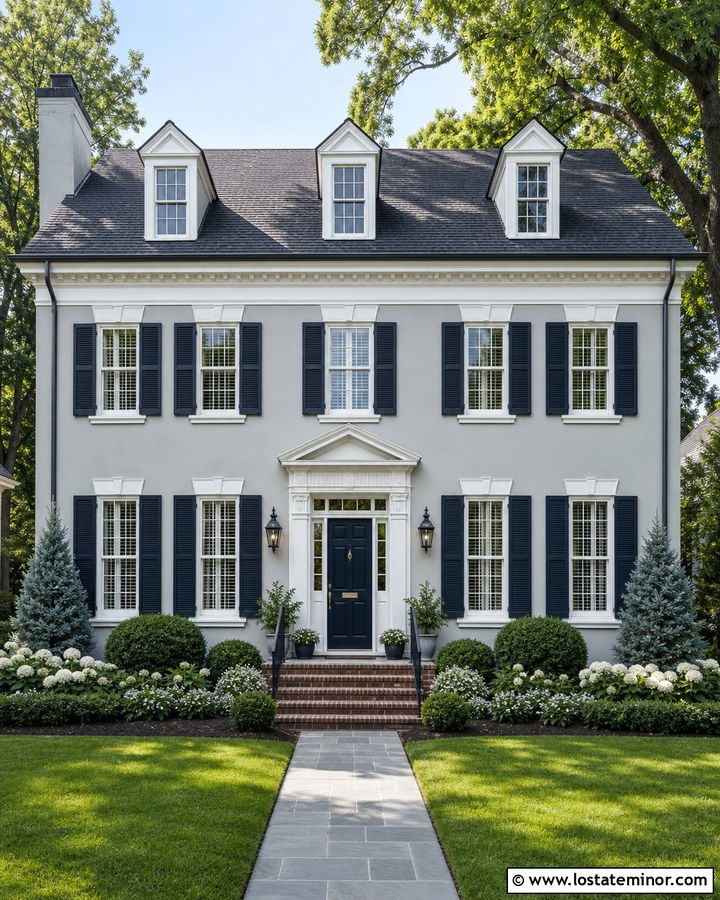
Navy shutters add noticeable color to a light grey exterior while maintaining a classic, restrained appearance. Use pale grey siding on the main walls and dormer faces, then frame every window in crisp white. Apply deep navy to properly sized shutters on both levels and repeat it on the front door. This repetition moves the eye evenly across the facade. A medium charcoal roof supports the navy without making the upper portion too dark. White porch columns and railings keep the entry bright. Add brushed nickel or aged pewter lighting for a softer alternative to black fixtures. Red brick steps can work if the brick is muted and slightly weathered. Complete the scheme with symmetrical foundation shrubs, blue-green evergreens, and white flowers that reinforce the cool, polished color palette.
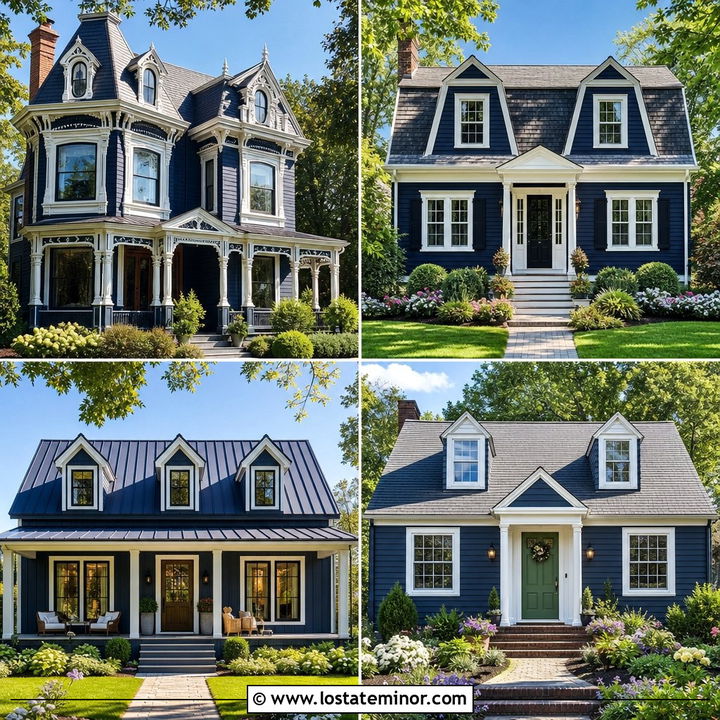
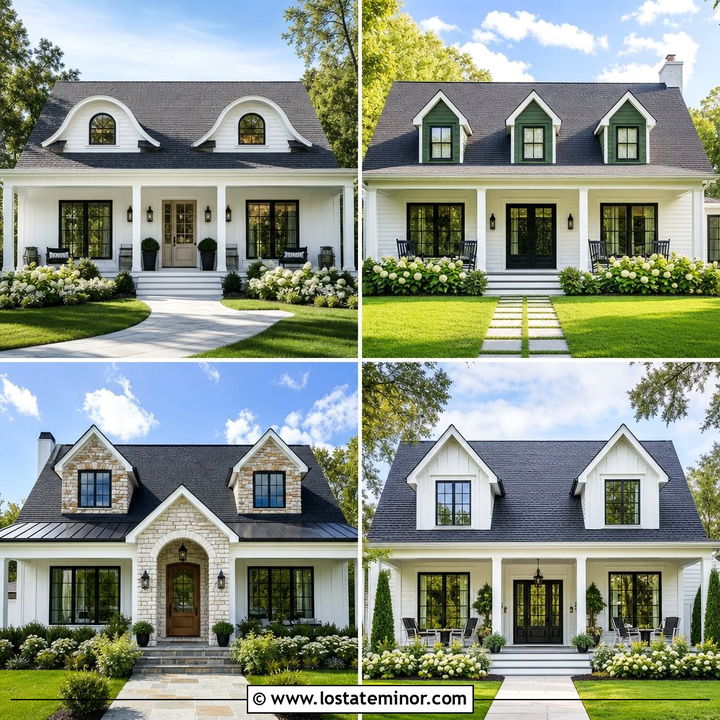
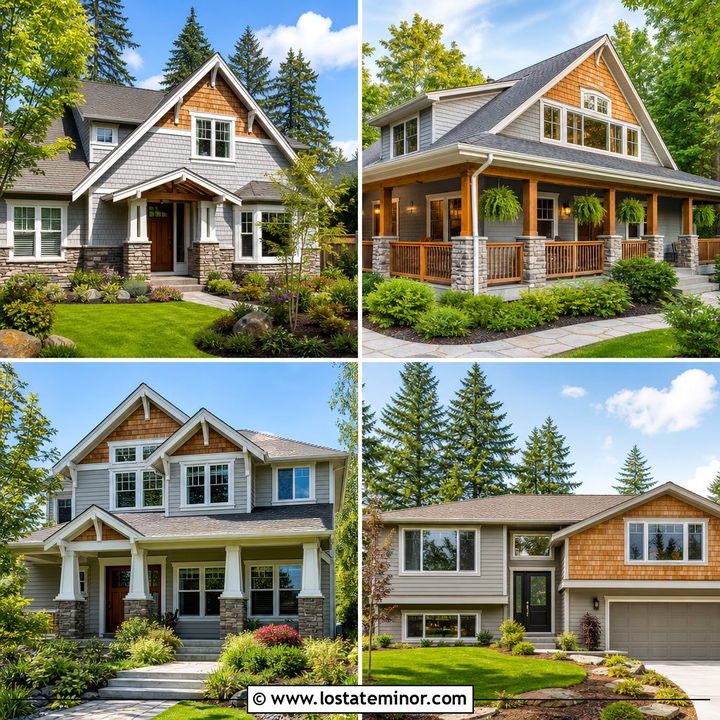
20. Light Grey House With Green Front Door And Dormers
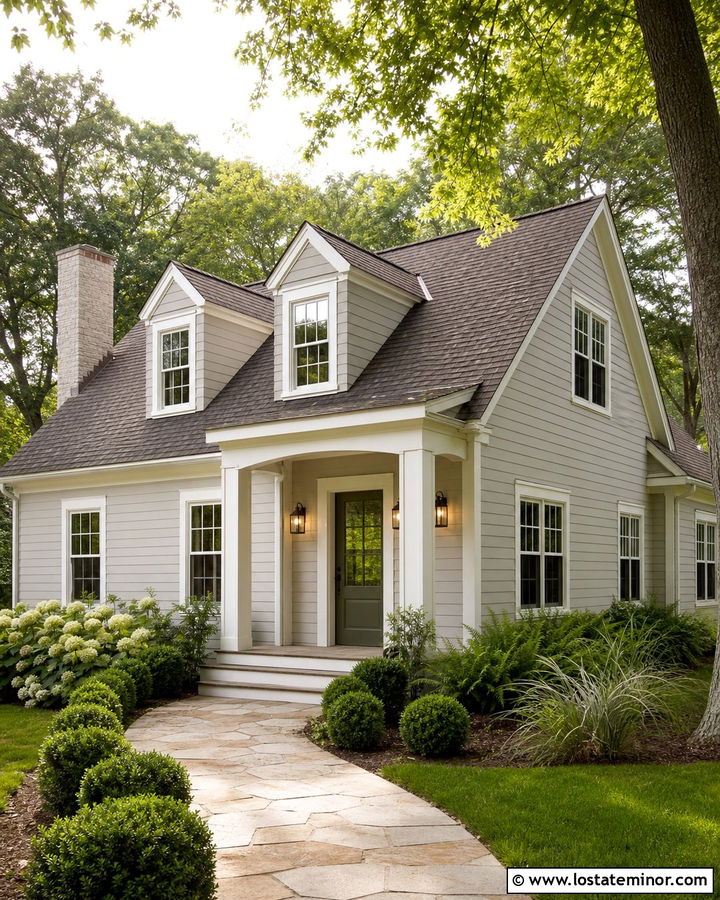
A green front door can give a light grey dormered house a natural, welcoming focal point. Select a muted forest, olive, or grey-green instead of a highly saturated shade. Cover the main facade and dormers in a warm light grey, then use creamy white on the trim, porch columns, and window frames. A charcoal-brown roof helps the green door connect with surrounding landscaping. Repeat the door color subtly in planters, porch furniture, or window boxes rather than painting every shutter green. Warm bronze lighting and a natural stone walkway enhance the earthy effect. Layer boxwoods, ferns, hydrangeas, and ornamental grasses around the foundation. The final scheme feels colorful but not trendy, making it a practical choice for cottages, Cape Cod homes, craftsman houses, and relaxed colonials.
21. Light Grey House With Red Front Door And Dormers
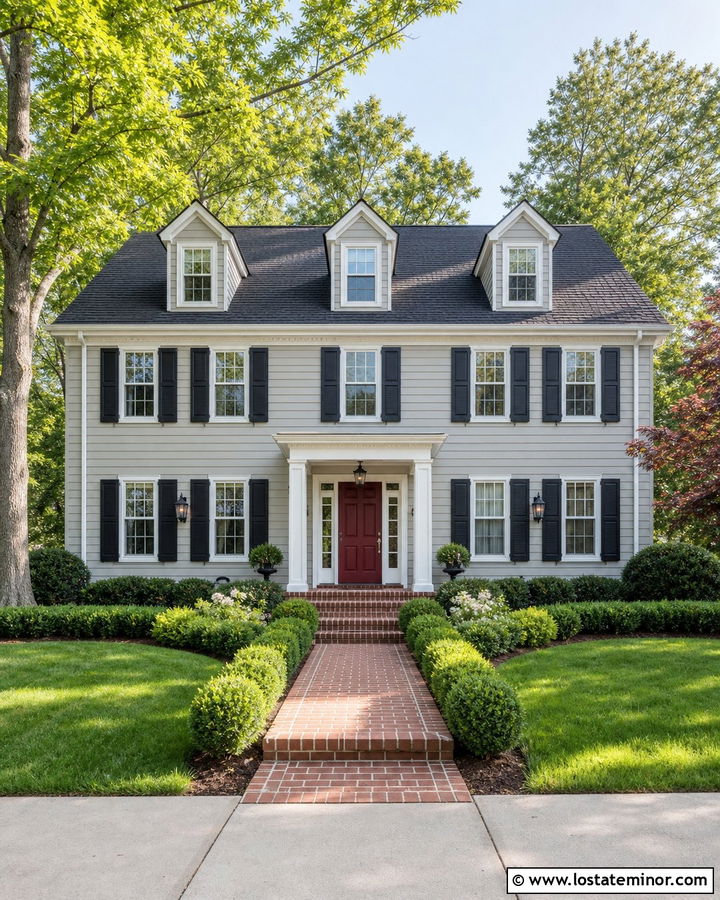
A red front door introduces traditional energy to a light grey house, but the exact red should suit the permanent materials. Choose a deep brick red, muted cranberry, or oxblood rather than a bright primary shade. Pair it with neutral light grey siding, white dormer trim, and a charcoal roof. Black shutters can frame the lower windows, although charcoal shutters create a slightly softer transition. Repeat the door’s warmth through red-brown brick steps or a matching walkway border. Keep porch lights, railings, and hardware black or dark bronze. The dormers should remain light grey with white trim so they support the composition instead of competing with the entry. Formal hedges and balanced foundation beds reinforce the traditional appeal, especially on colonial, Cape Cod, and Georgian-inspired houses.
22. Light Grey House With A Natural Wood Door
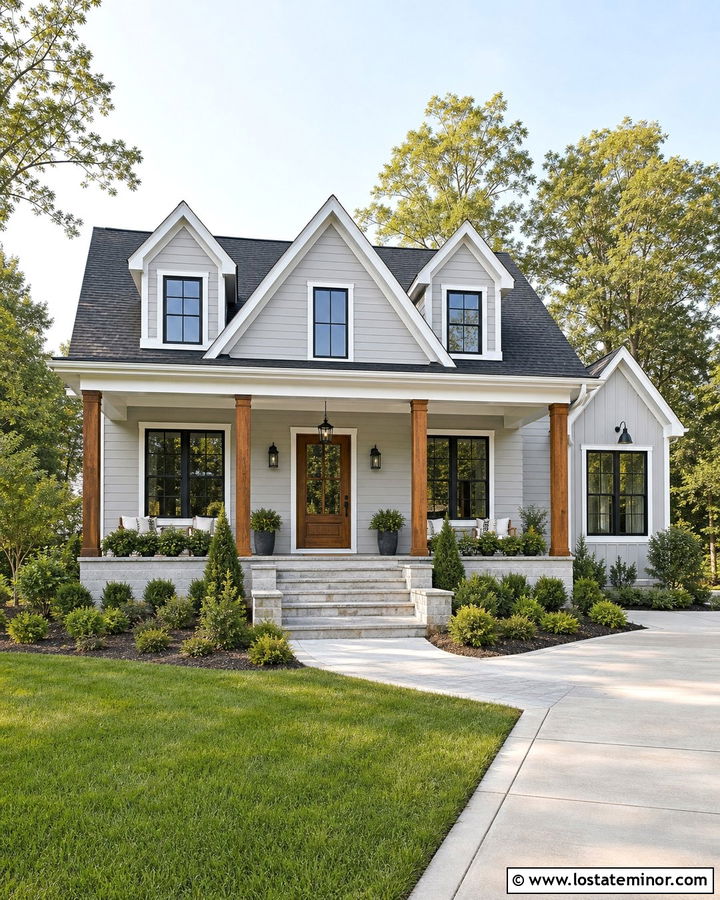
Sometimes one warm feature is enough to change the entire personality of a grey exterior. A natural wood front door softens light grey siding and gives visitors a clear point of focus. Choose medium oak, walnut, or mahogany based on the undertones in the roof and masonry. Continue the light grey body color across the dormers, then use crisp white trim to define their windows and rooflines. Charcoal shingles and black windows bring modern structure, while stained porch posts or a wood garage detail connect the entry to the wider facade. Avoid mixing several unrelated wood stains. One consistent finish will look more intentional. Use pale stone steps, dark metal lights, and layered green landscaping to balance the materials. This versatile scheme suits farmhouse, craftsman, ranch, and transitional architecture.
23. Light Grey House With A Wraparound Porch And Dormers
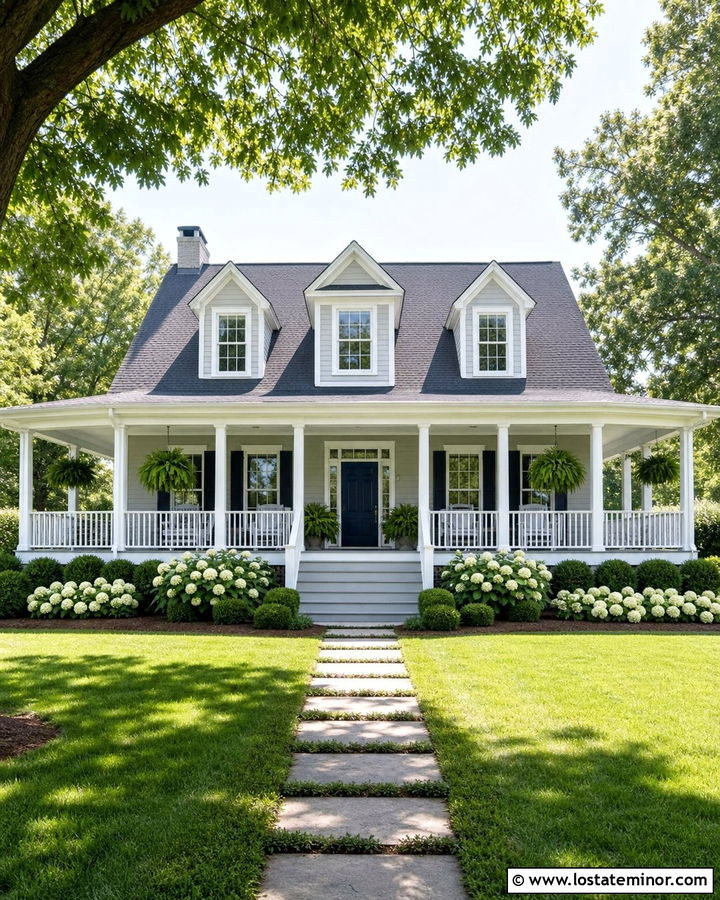
A wraparound porch creates a strong horizontal line, while dormers introduce height above it. Light grey siding helps these two features work together without making the facade feel overly detailed. Cover the house and dormer faces in a soft neutral grey, then use white for the porch columns, railings, fascia, and window trim. A dark charcoal roof provides definition across the broad structure. Paint the porch floor medium grey or stain it a warm cedar brown for added depth. A navy or forest green front door creates a composed focal point beneath the dormers. Keep furniture and accessories limited so the architecture stays visible. Hydrangeas, ferns, low hedges, and a wide stepping-stone path establish an inviting transition from the lawn to the expansive covered porch.
24. Light Grey House With A Stone Porch And Dormers
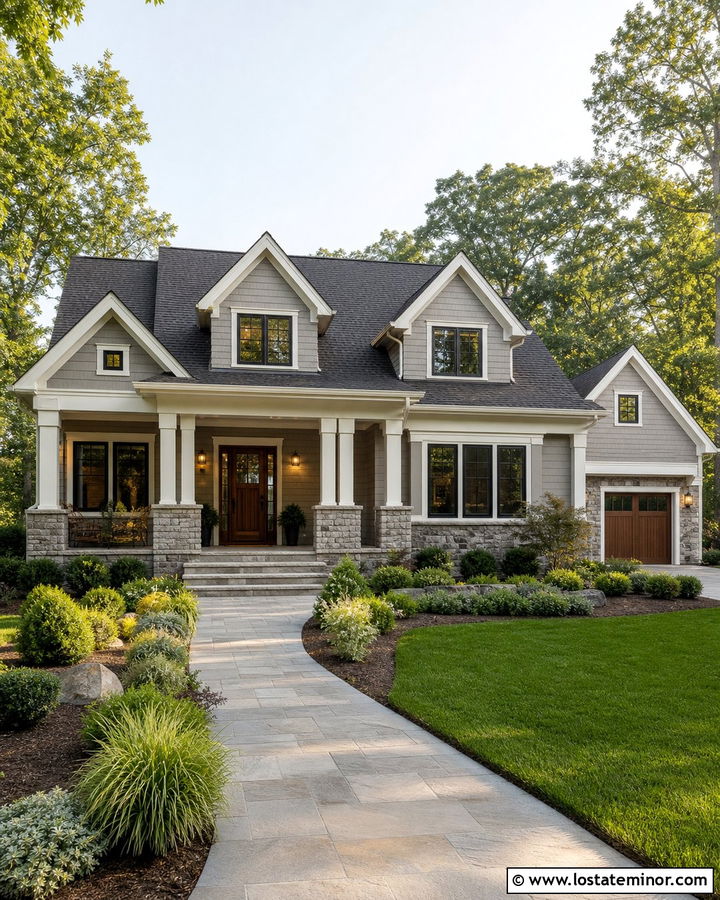
A stone porch gives a light grey dormered house visual weight at ground level. Choose a mixed stone containing grey, taupe, cream, and subtle brown tones, then pull the siding color from one of its lighter grey variations. Carry that siding onto the dormers and use warm white trim around all windows and roof edges. A charcoal-brown shingle roof will bridge the cool body color and earthy masonry. Use substantial porch columns with stone bases and painted upper sections. A walnut front door, bronze lighting, and dark window frames complete the grounded palette. Repeat the porch stone along the walkway border or chimney, but avoid covering every surface. Soft grasses, low evergreens, and flowering shrubs should frame the stonework while leaving the steps and entry clearly visible from the street.

25. Light Grey House With A Double Garage And Dormers
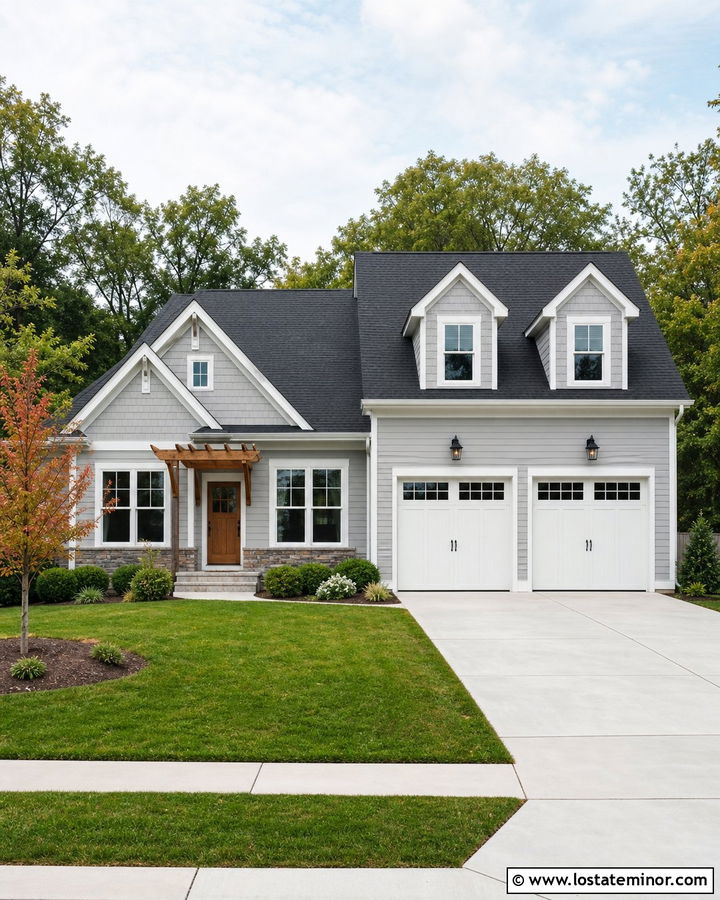
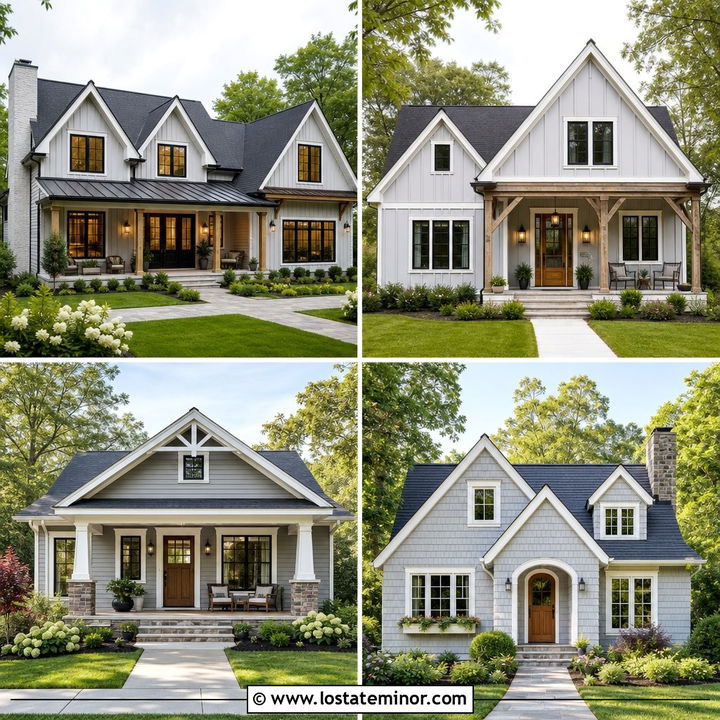
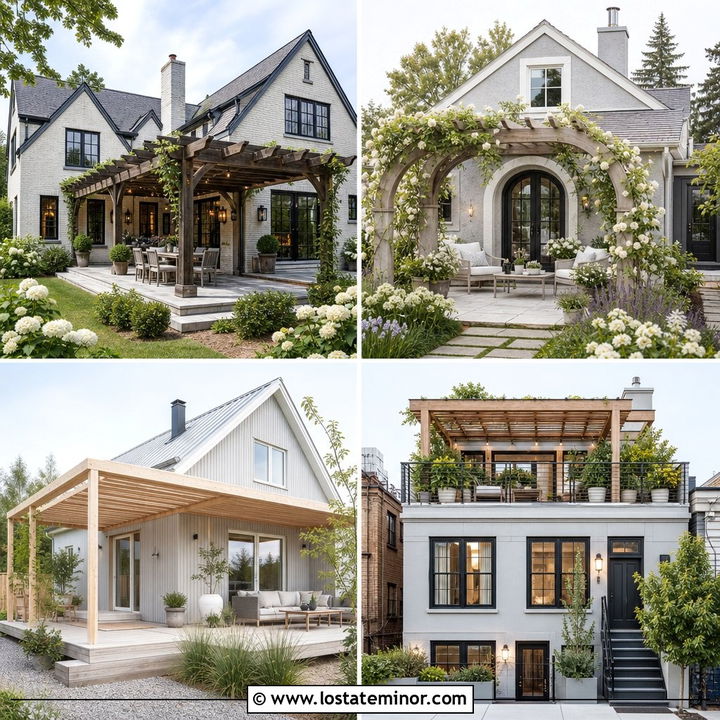
A large garage can dominate a facade unless its color and detailing are carefully connected to the dormers. Paint the garage doors the same light grey as the siding or a soft white that matches the trim. Add simple windows or restrained carriage-style panels instead of heavy decorative hardware. Place matching dormers above the garage to create vertical rhythm, using light grey siding, white trim, and dark window frames. A charcoal roof visually ties the upper features together. Repeat a natural wood finish on the front door and a small garage pergola for warmth. Dark bronze lights can frame each garage bay without looking harsh. Use a clear driveway edge, foundation shrubs, and one ornamental tree near the entry to guide attention away from the doors and toward the complete house.
26. Light Grey House With Mixed Siding Dormers
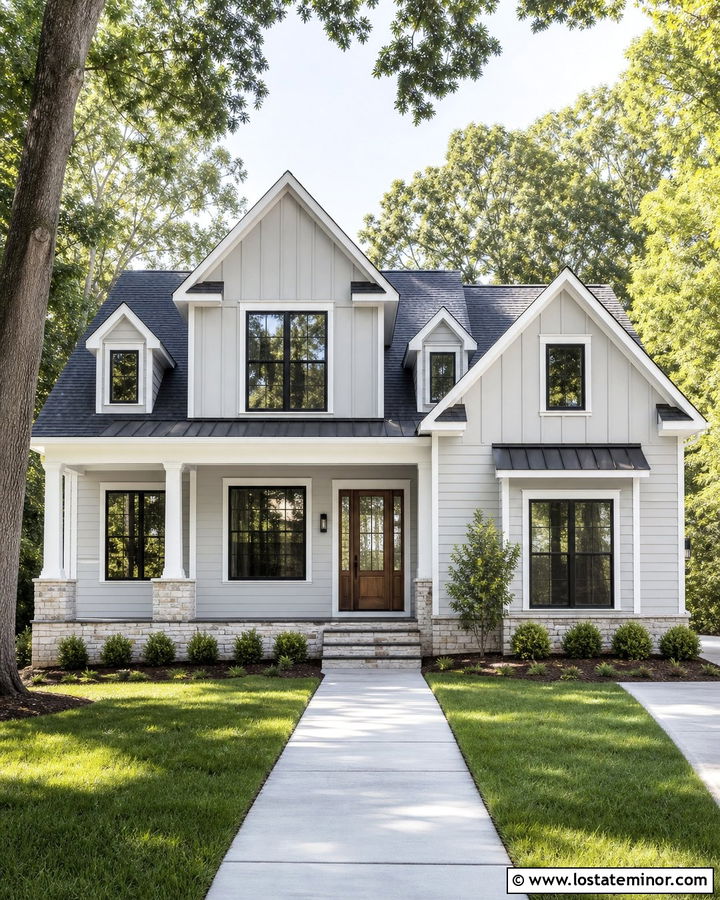
Mixed siding can add character to a light grey house when the materials share a controlled palette. Use horizontal lap siding across the main facade, board-and-batten on one gable, and cedar-style shingles on the dormers. Keep all three surfaces within light grey and soft greige tones rather than assigning each one a dramatic color. White trim creates separation and prevents the textures from blending together. A graphite roof and black-framed windows supply consistent contrast. Add a stained wood door and light stone porch base to warm the exterior. Repeating one material, such as dormer shingles on a smaller garage gable, will make the combination appear intentional. Clean landscaping and a simple walkway are important because the siding arrangement already provides plenty of visual detail.
27. Light Grey Tudor House With Dormer Windows
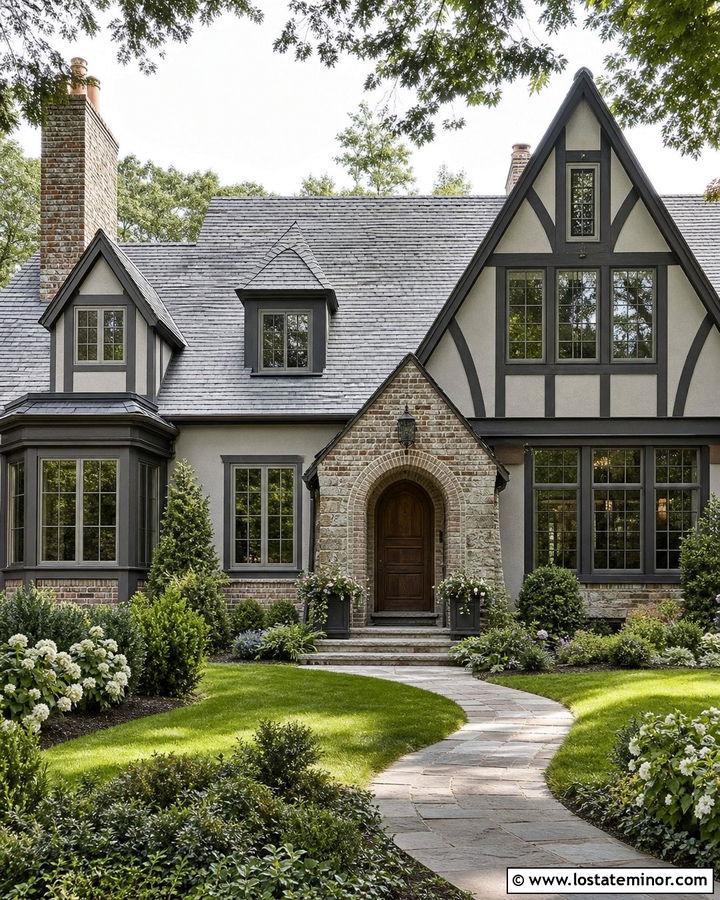
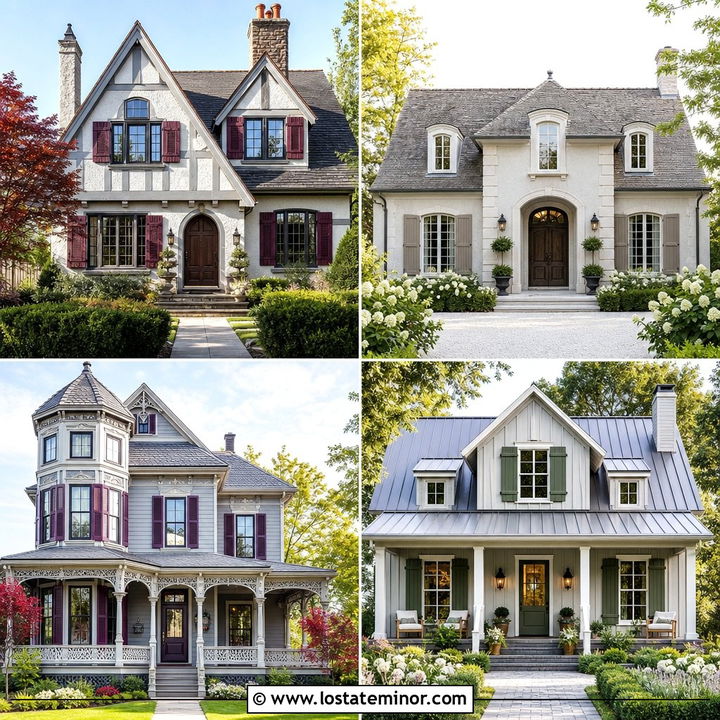
A Tudor-inspired exterior can look lighter and more approachable when pale grey replaces the usual heavy beige or brown body color. Apply warm light grey stucco between dark charcoal or muted brown half-timber details. Use the same grey around the dormer windows and finish their trim in soft cream. A steep slate-colored roof preserves the dramatic Tudor silhouette. Introduce warm stone or aged brick around the entry, chimney, and lower walls. An arched walnut door with dark iron hardware reinforces the architecture without making the facade feel themed. Bronze-framed windows create a gentler contrast than pure black. Keep the landscape slightly informal with curved paths, evergreen shrubs, and layered flowering plants. The balance of pale walls, dark structure, and earthy masonry makes the dormers feel naturally integrated.
28. Light Grey Coastal House With Eyebrow Dormers
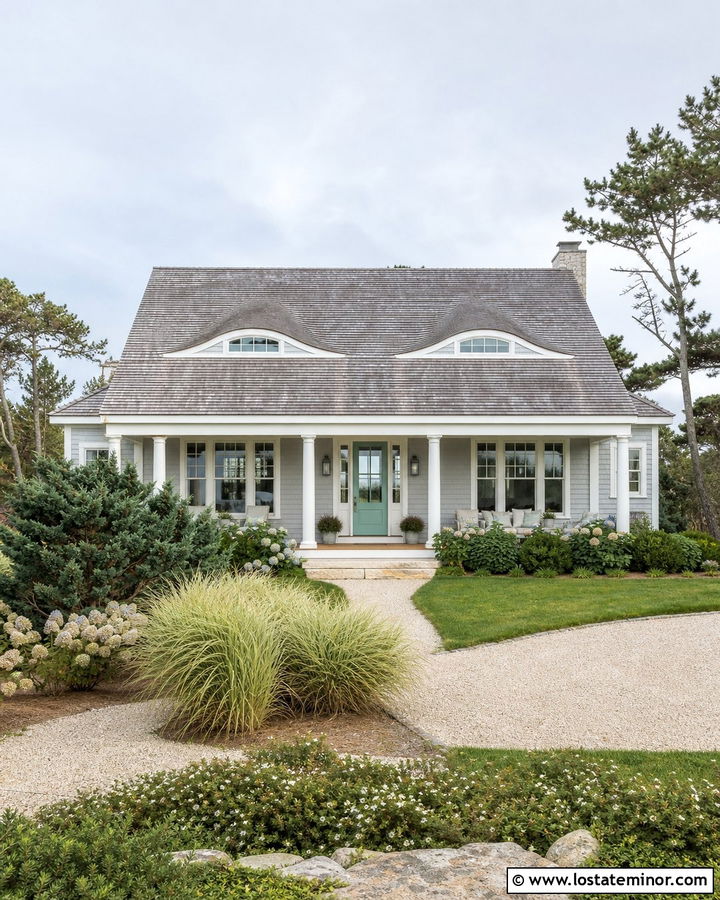
Low, curved eyebrow dormers suit coastal homes because their gentle form feels relaxed and understated. Cover the house in a misty light grey with a faint blue undertone, then use clean white on the dormer windows, porch trim, columns, and railings. A weathered grey roof keeps the upper facade soft and cohesive. Choose a dusty blue or muted aqua front door for a subtle coastal accent that does not look overly themed. Natural cedar porch decking and pale stone steps add warmth. Use simple nickel, pewter, or dark bronze lights rather than decorative nautical fixtures. Beach grasses, hydrangeas, low evergreens, and a shell-toned gravel path complete the setting. The exterior should feel bright and airy, with the eyebrow dormers adding movement rather than heavy contrast along the roofline.
29. Light Grey Modern House With Flat Roof Dormers
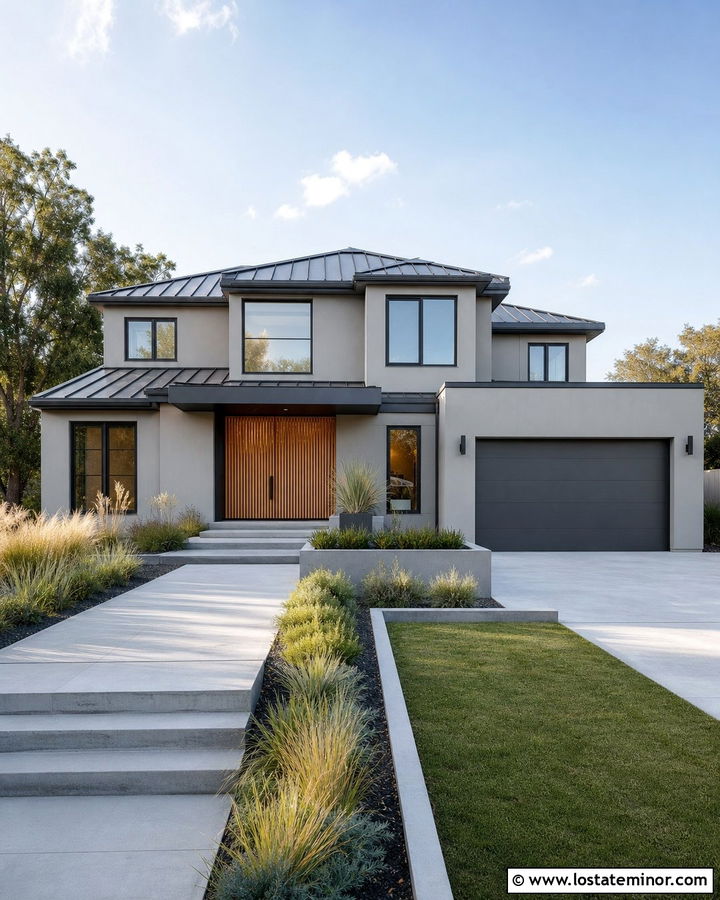
Flat or low-slope dormers can bring architectural interest to a modern light grey house without disrupting its clean geometry. Use smooth light grey fiber cement panels or stucco across the main volumes and dormer faces. Add charcoal window frames, thin fascia, and dark metal roof edges for precise definition. Natural wood slats around the front door or garage create warmth against the cooler materials. Keep the trim minimal rather than adding wide white borders associated with traditional architecture. A darker grey standing-seam roof can visually connect the dormers and main structure. Use broad concrete steps, rectangular planters, ornamental grasses, and a straight walkway to reinforce the streamlined exterior. The color scheme should remain limited, allowing changes in siding direction, panel size, and texture to provide most of the visual depth.
30. Light Grey French Country House With Hipped Dormers
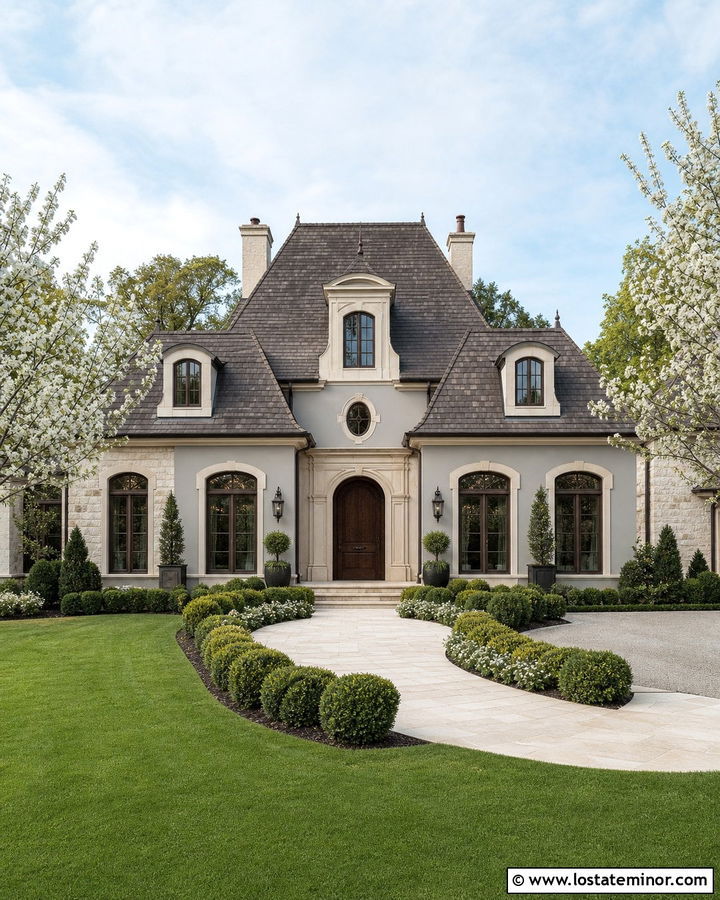
Hipped dormers add a polished, stately rhythm to a French country exterior. Choose a warm light grey for painted brick, stucco, or smooth siding, then apply soft ivory to the dormer trim, cornice, and entry surround. A mottled charcoal roof with subtle brown variation complements the architecture better than a flat, solid black surface. Use pale limestone around the foundation, porch, and selected window surrounds for depth. A dark walnut arched door and bronze window frames add warmth without distracting from the roofline. Copper or aged-bronze gutters can further enrich the restrained palette. Frame the house with clipped hedges, flowering trees, and a curved stone walkway. Keeping all dormers consistent in size, finish, and window pattern creates the balanced appearance this formal home style needs.
Conclusion:
The most successful light grey dormered homes treat color, materials, and architecture as one connected design. Begin with the undertone of the siding, then compare it with the roof, stone, brick, and surrounding landscape in different daylight conditions. White trim creates freshness, while cream offers a softer transition. Charcoal and black add structure, and cedar, copper, or natural stone bring needed warmth. Dormers can match the main siding for continuity or use a controlled texture change for emphasis. Keep repeated features consistent across the facade and avoid too many competing finishes. Whether your home is traditional, modern, coastal, or rustic, these 30 Light Grey House Design With Dormers Ideas provide a practical starting point for balanced curb appeal.

Related posts: