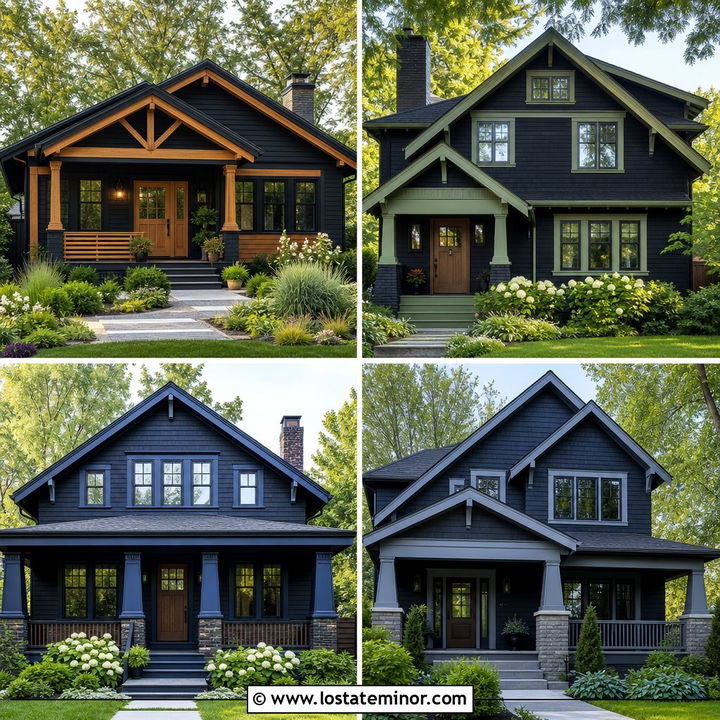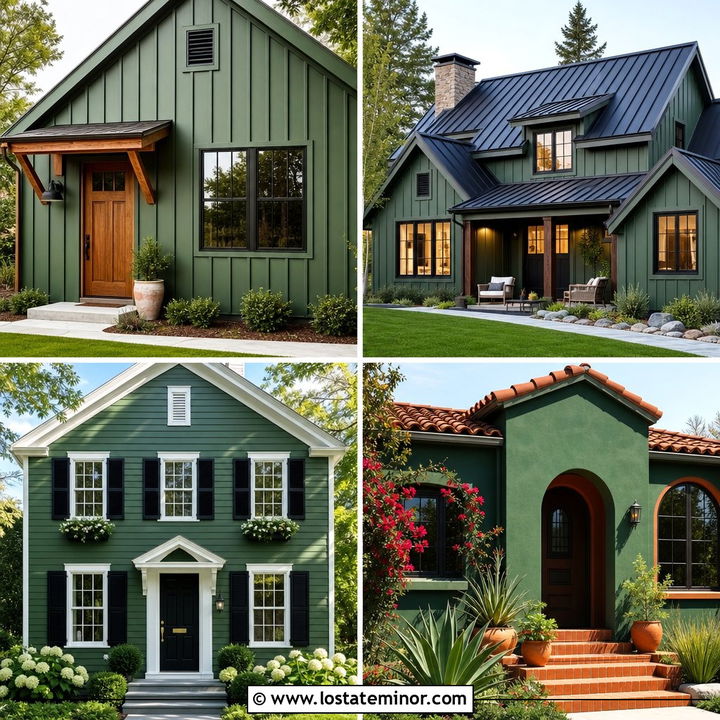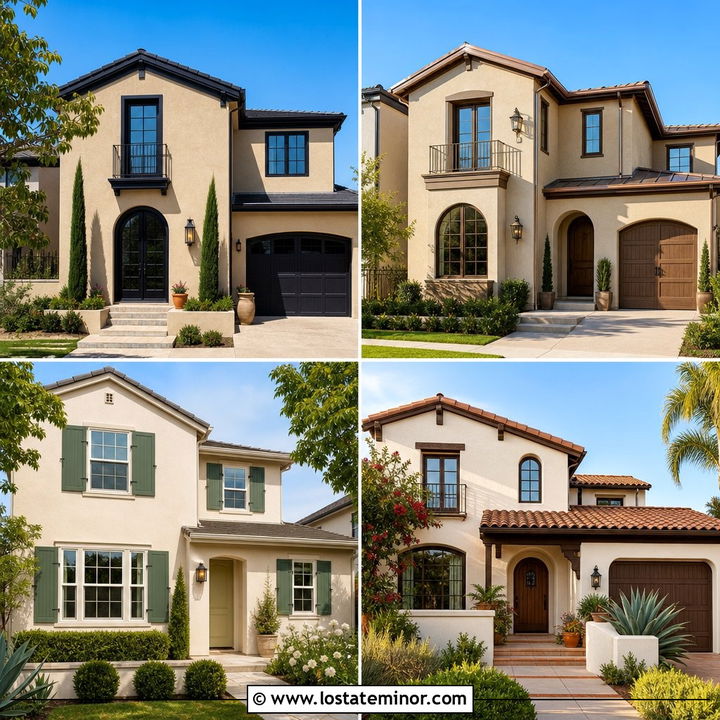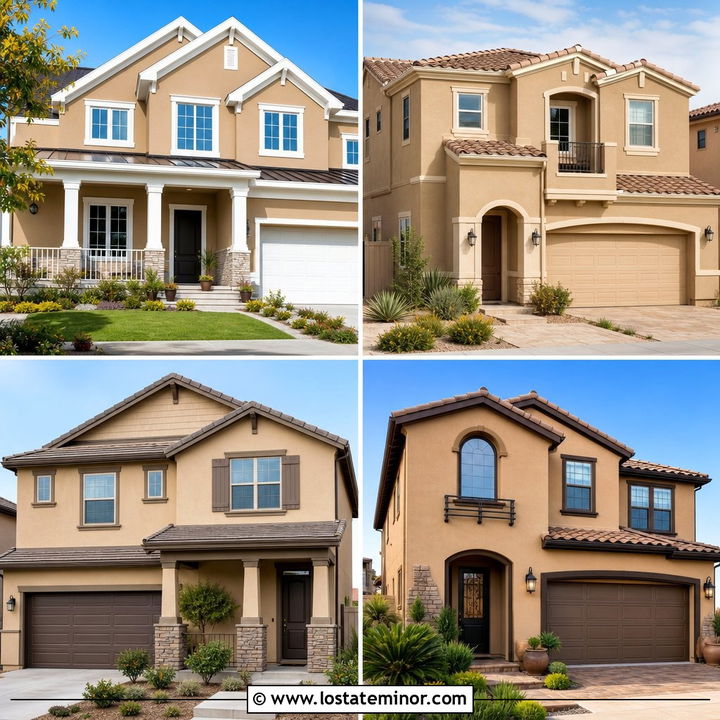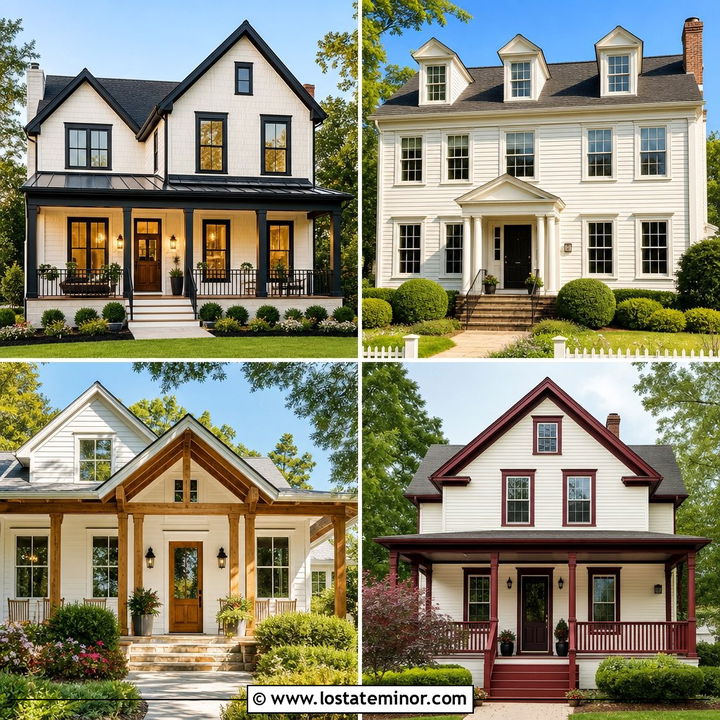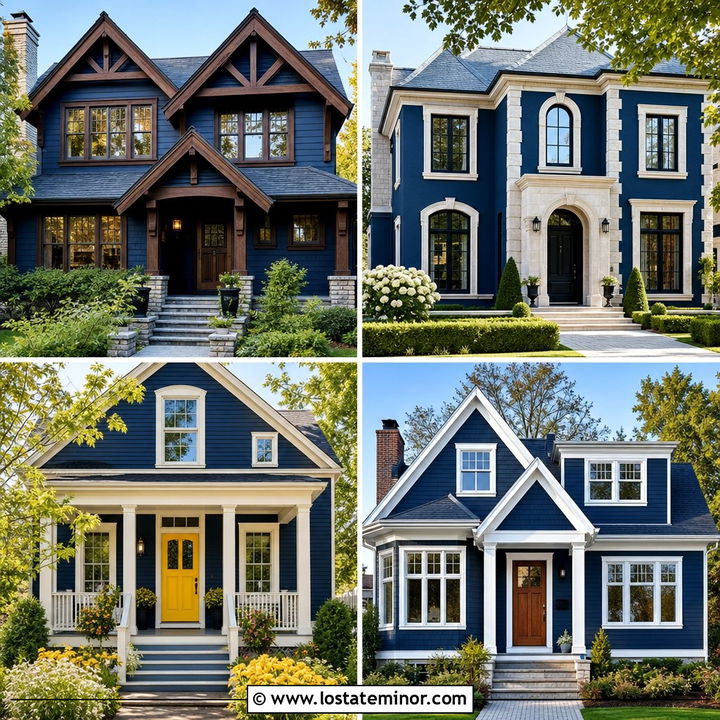
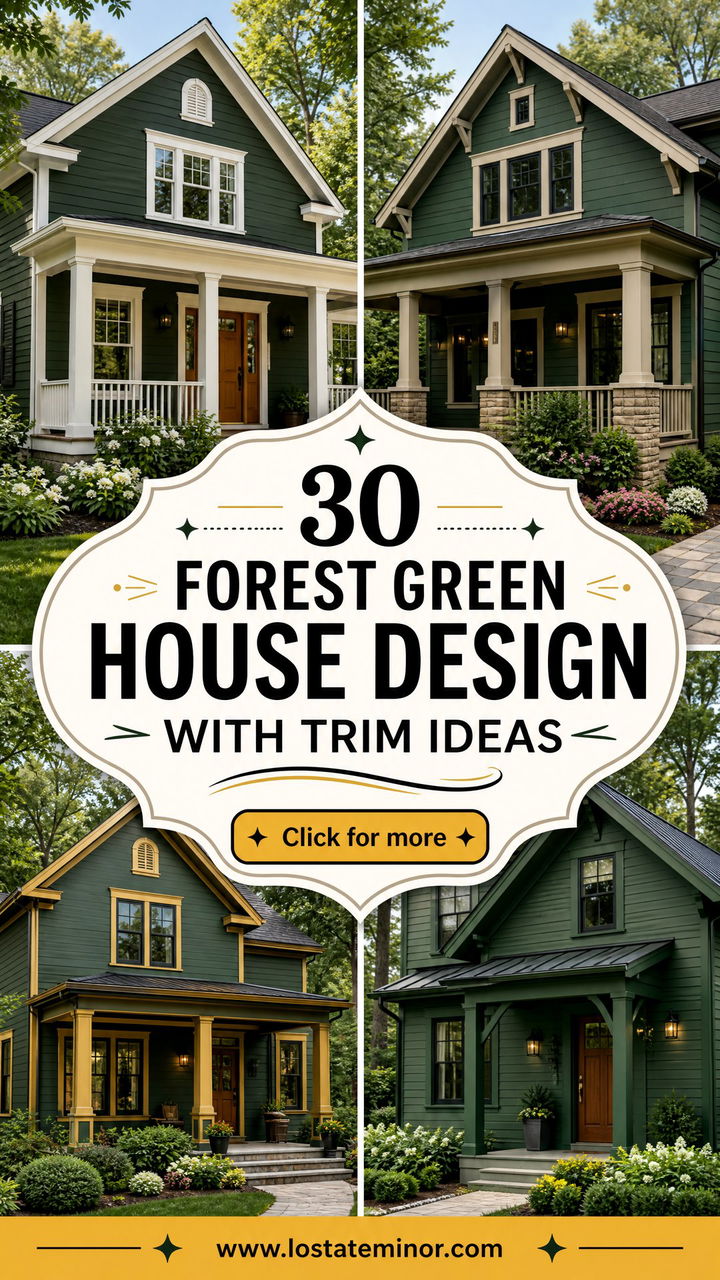
The best **30 Forest Green House Design With Trim Ideas** show how this deep, natural color can shift from traditional to modern depending on the surrounding details. Crisp white trim creates sharp definition, while cream, greige, and taupe produce a softer transition. Black emphasizes contemporary architecture, and stained wood brings warmth to forest green siding. Brick, stone, roofing, gutters, porch finishes, and landscaping also affect whether the final palette feels balanced or overly dark. Current exterior inspiration favors earthy, nature-connected combinations, especially green paired with warm trim, natural wood, or restrained tonal accents. () Before choosing, test colors beside permanent materials and view them throughout the day. The complete schemes below explore **30 Forest Green House Design With Trim Ideas**.
1. Forest Green House With Crisp White Trim
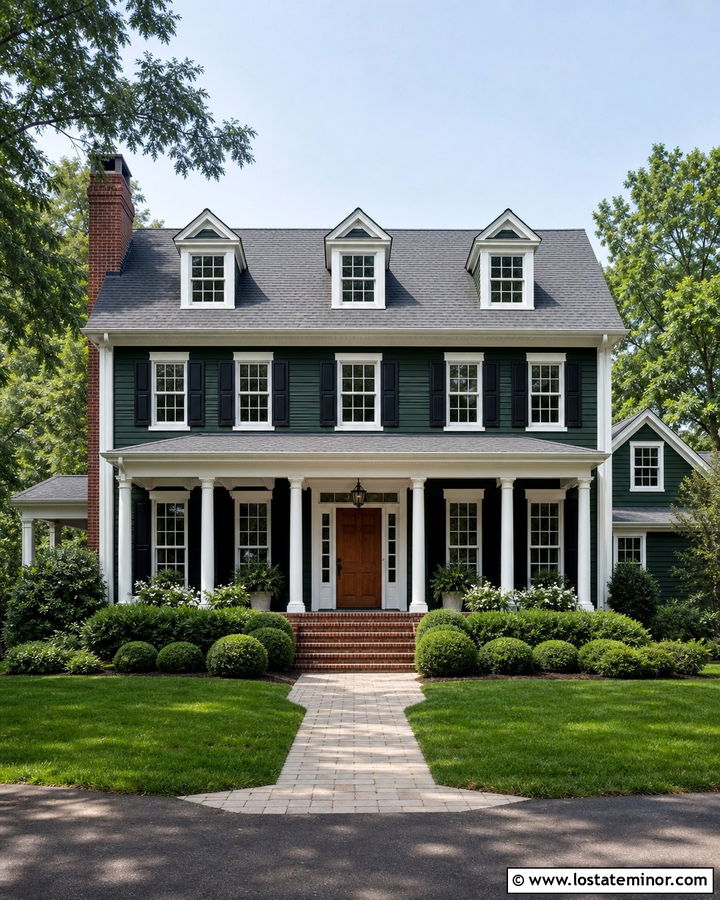
Crisp white trim gives a forest green exterior a clean, clearly defined appearance. Use the white around windows, fascia boards, porch columns, and corner boards so every architectural line remains visible against the dark siding. A medium-gray shingle roof keeps the contrast from becoming too severe, while a stained oak front door adds needed warmth. This scheme works especially well on traditional Colonials, Cape Cod homes, and symmetrical two-story houses. Keep shutters forest green or charcoal rather than adding another bright color. For the porch, choose pale gray flooring and simple black lighting. The result feels polished and classic, yet the rich green body gives the house more personality than a standard neutral exterior.
2. Forest Green House With Warm White Trim
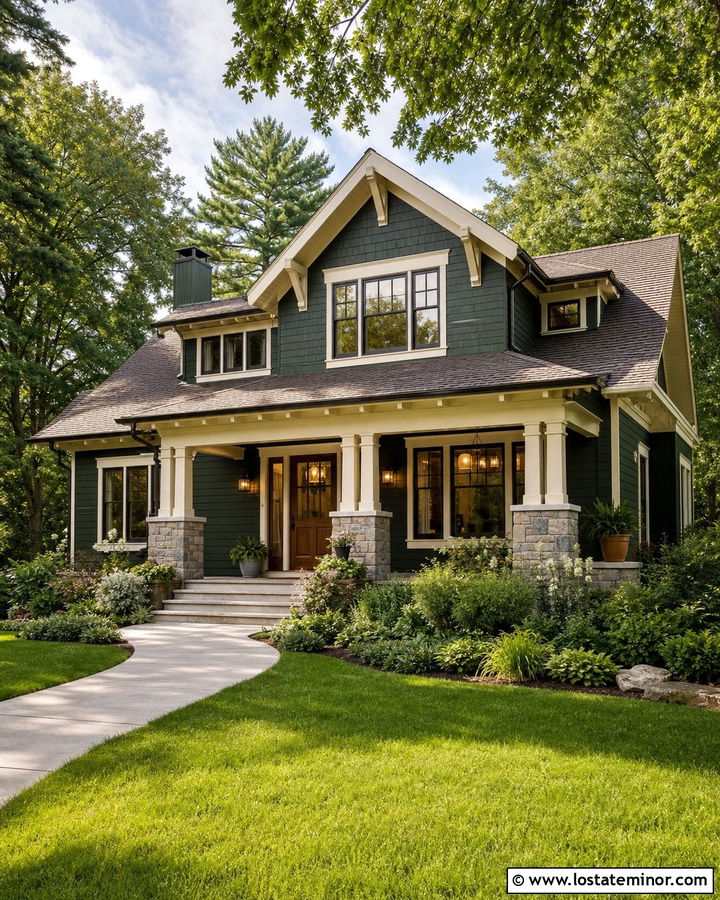
Warm white trim softens forest green without removing its dramatic depth. Unlike a bright optic white, an ivory-leaning white creates a gentler connection between dark siding, natural stone, and warm roof shingles. Carry the trim color across window frames, porch beams, soffits, and garage borders for consistency. A walnut-stained front door and bronze fixtures make the palette feel even more welcoming. This complete look suits Craftsman homes, cottages, and houses surrounded by mature trees. Consider warm gray stone around the foundation or porch columns to introduce texture. Keep gutters close to the trim color so the roofline feels tidy. The finished exterior looks grounded, comfortable, and refined rather than sharply contrasted or overly formal.
3. Forest Green House With Black Trim
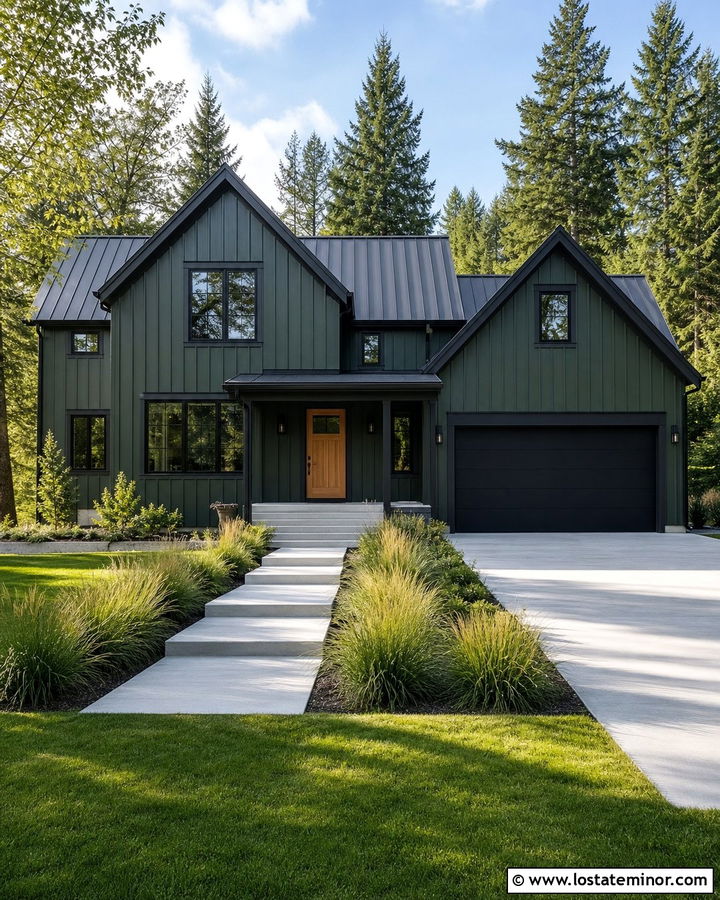
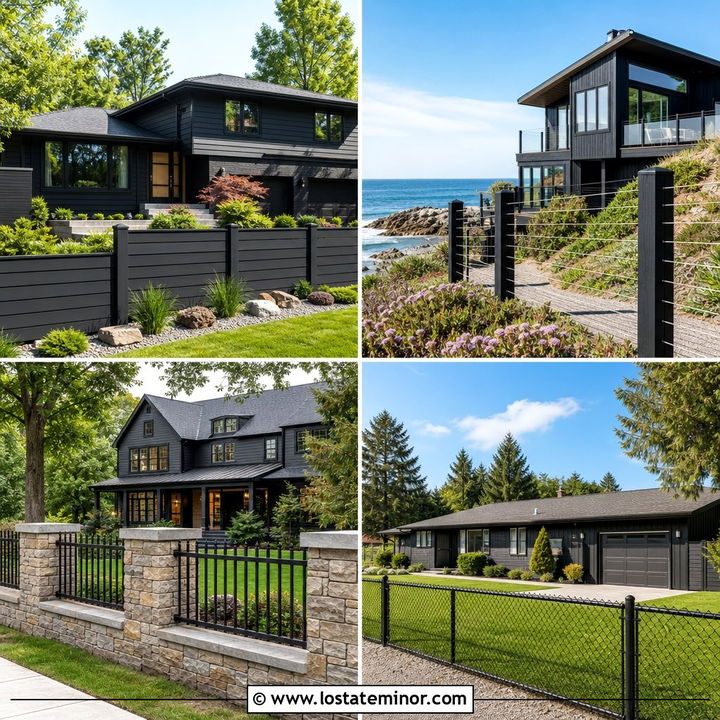
A forest green house with black trim creates a bold, modern exterior while preserving a strong connection to the landscape. Use matte black on window frames, fascia, gutters, railings, and the garage door to form one continuous outline. Because both colors are dark, include a natural cedar front door or timber porch posts to prevent the facade from looking flat. Light concrete steps and a pale gravel walkway can also brighten the lower portion of the home. This scheme is particularly effective on contemporary farmhouses, modern cabins, and simple gabled houses. Limit decorative details and let the siding lines provide texture. A charcoal metal roof completes the strong palette, while layered green landscaping keeps the architecture from feeling too stark.
4. Forest Green House With Cream Trim
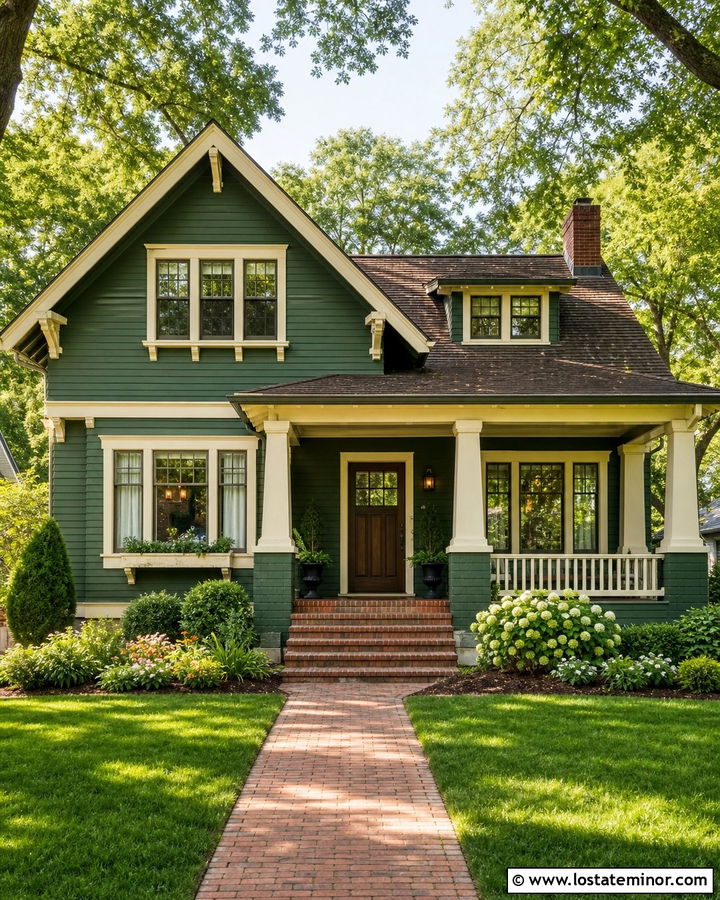
Cream trim brings a relaxed, slightly historic character to a forest green exterior. The yellow undertone in cream complements red brick, brown shingles, and honey-colored wood better than a cooler white would. Apply cream to thick window casings, porch columns, decorative brackets, and eaves. A deep brown front door and aged-bronze hardware will reinforce the warmer direction. This combination is especially attractive on bungalows, Tudor-inspired homes, and older houses with detailed millwork. If the property has brick steps or a brick foundation, repeat those reddish tones in small planters or the walkway border. Keep the roof a warm charcoal or weathered brown. The overall scheme feels inviting, established, and well suited to leafy residential neighborhoods.
5. Forest Green House With Charcoal Gray Trim
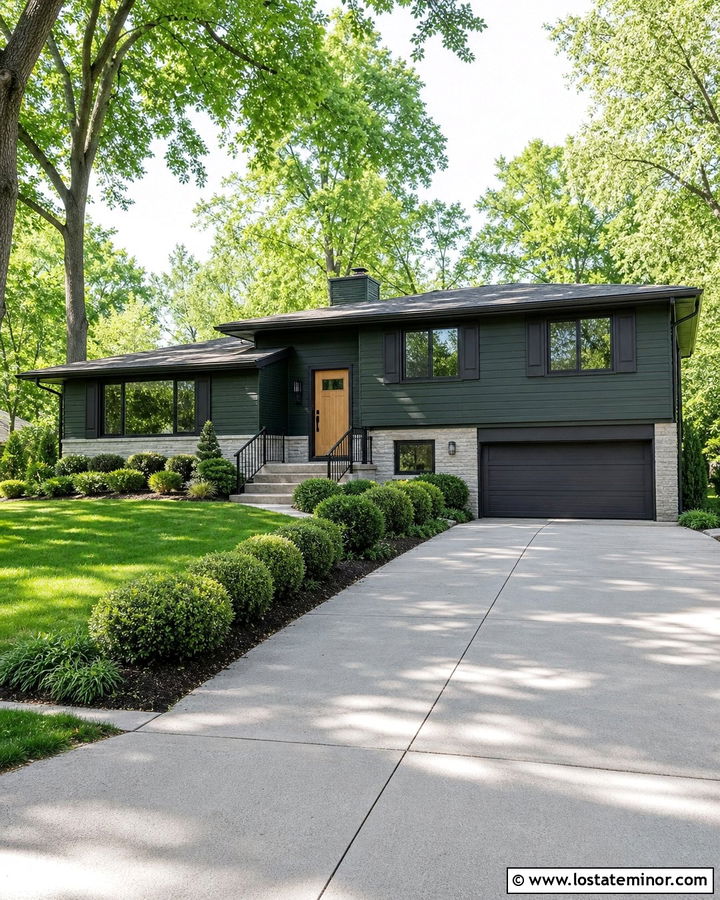
Charcoal gray trim creates quieter contrast than black while still giving forest green siding a crisp architectural frame. Choose a charcoal with neutral or slightly warm undertones so it does not turn blue beside the green. Use it on window casings, fascia, porch railings, garage doors, and shutters. A light natural-wood entry door can become the focal point without disrupting the understated palette. This combination works beautifully on split-level homes, midcentury houses, and updated ranch exteriors. Introduce pale gray stone along the foundation to connect the trim to the ground. A dark gray roof makes the upper portion feel cohesive, while a light concrete driveway provides balance. The result is modern, practical, and less severe than a green-and-black exterior.
6. Forest Green House With Light Gray Trim
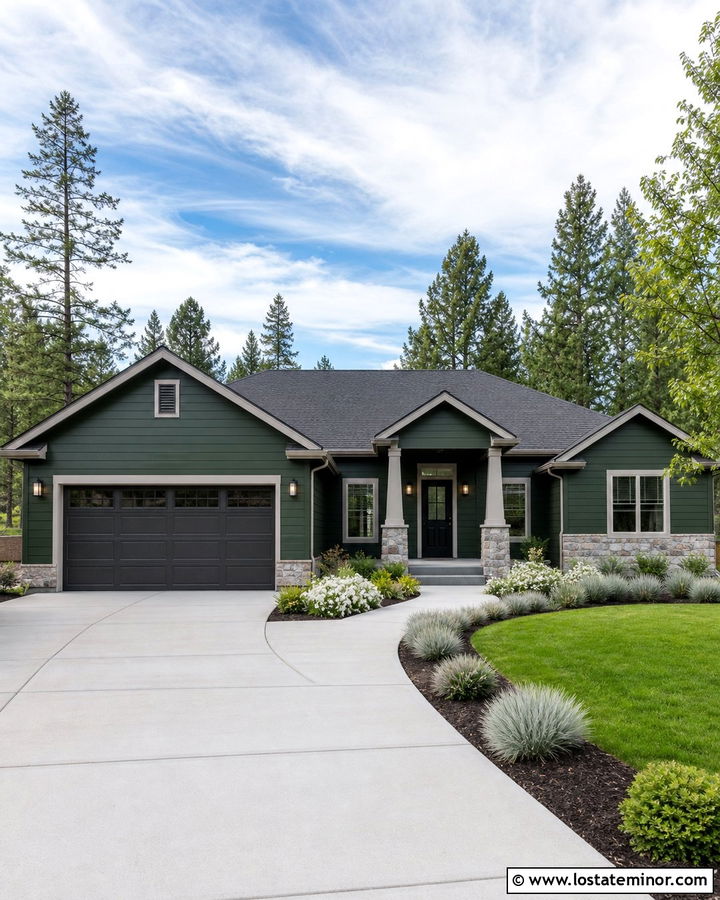
Light gray trim gives forest green siding a softer, cooler outline that feels fresh without looking overly bright. Select a gentle gray that remains clearly lighter than the body color in both direct sun and shade. Use it across window frames, roof trim, porch posts, and garage surrounds. A black front door, charcoal roof, and stainless or brushed-nickel fixtures add definition. This palette suits coastal cottages, suburban ranch homes, and simple transitional architecture. If stone is included, choose a blend containing gray, cream, and muted green rather than strongly blue stone. White flowers and silvery foliage can repeat the lighter trim color in the landscape. Together, these elements create a calm exterior that feels airy, coordinated, and easy to maintain visually.
7. Forest Green House With Greige Trim
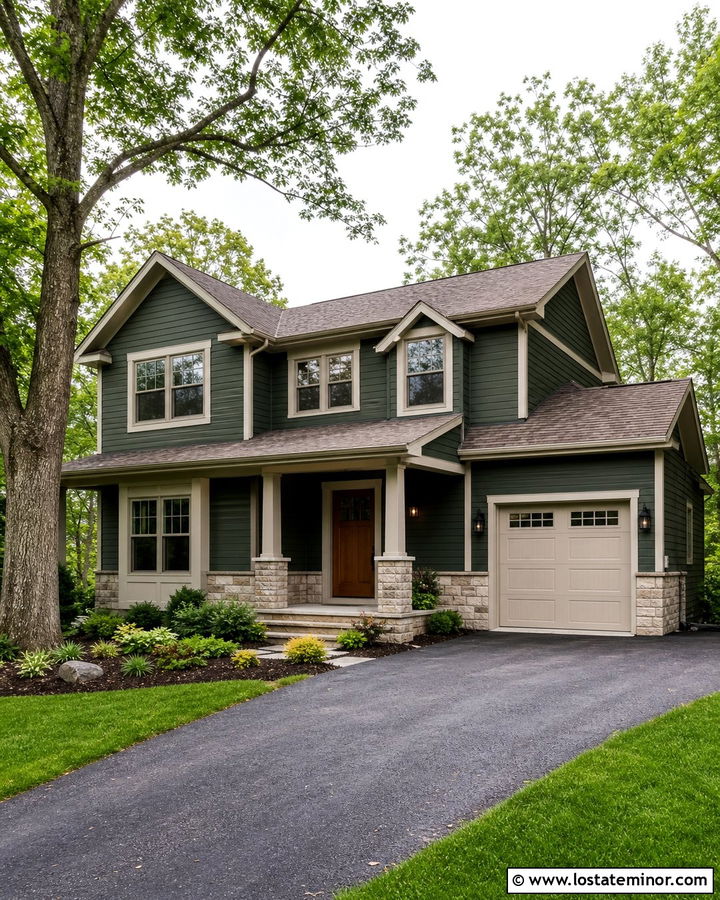
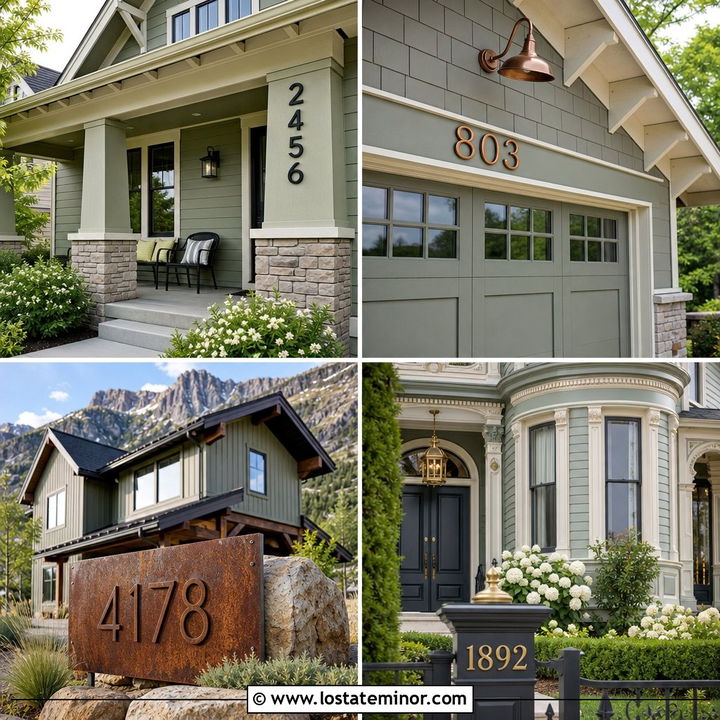
Greige trim balances the cool richness of forest green with a warm, natural neutral. It is particularly useful when a house has beige stone, tan pavers, or weathered brown roofing that must remain. Apply greige to the fascia, window surrounds, porch ceiling, and garage door for a connected appearance. Use black only in small amounts, such as on lighting, house numbers, and door hardware. A medium walnut front door adds a welcoming central feature. This full-house palette works well on transitional homes, wide ranch houses, and contemporary Craftsman designs. Avoid greige that is too close in value to the green, since important details could disappear. A clearly lighter shade will preserve definition while maintaining the scheme’s soft, earthy curb appeal.
8. Forest Green House With Taupe Trim
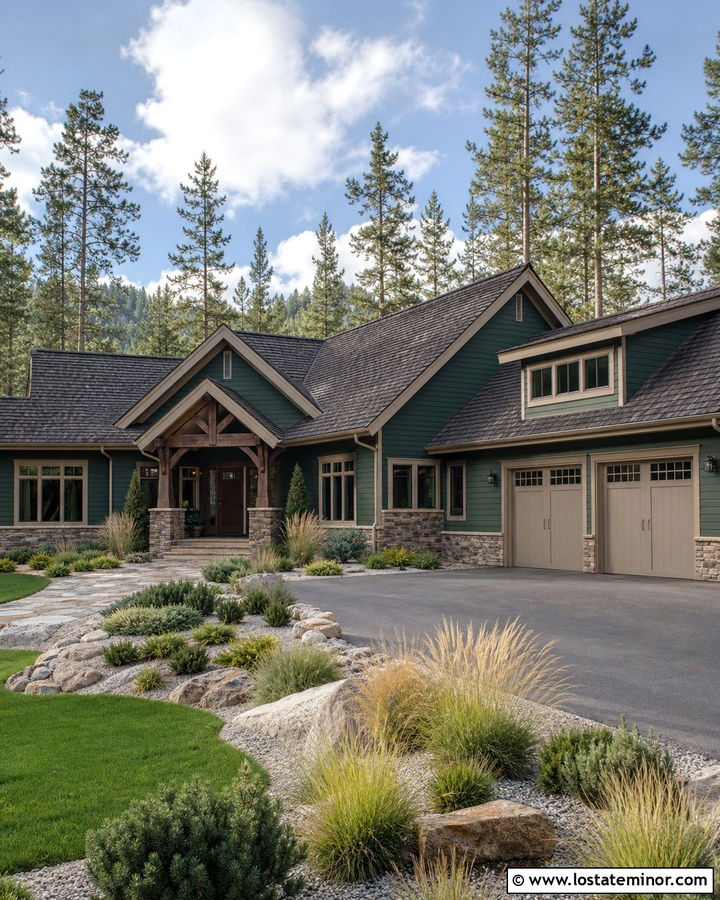
Taupe trim gives a forest green exterior an earthy and sophisticated finish. Its brown-gray character works naturally with fieldstone, weathered wood, and roofs containing mixed neutral tones. Use taupe around windows, on broad fascia boards, and across the garage door. A dark bronze front door can deepen the scheme, while cream porch flooring provides a subtle lift. This pairing is ideal for mountain homes, wooded suburban properties, and large ranch houses that need visual warmth. If the facade includes stone, look for taupe mortar or stones with soft brown veining. Keep landscaping informal with ornamental grasses, low evergreens, and pale gravel. The complete look blends into a natural setting without causing the home’s architectural details to disappear into the green surroundings.
9. Forest Green House With Beige Trim
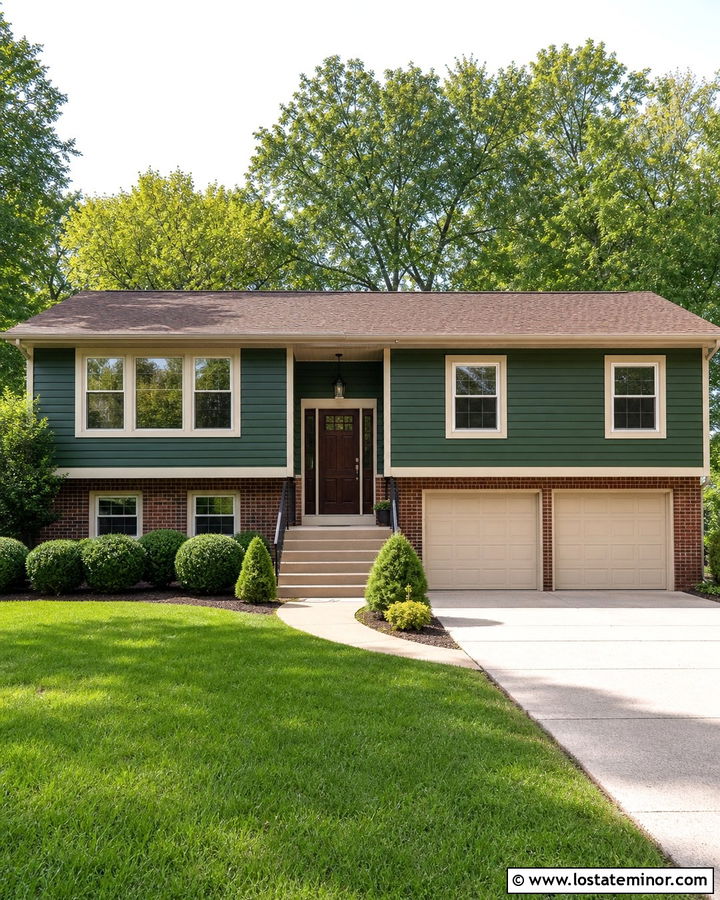
Beige trim can make dark forest green siding feel lighter and more approachable, especially on homes with warm masonry. Choose a sandy beige rather than a pink or peach-based tone. Repeat it on the window trim, eaves, garage door, and porch columns so the color feels intentional. A medium-brown roof and red-brown brick foundation complete the warm palette. For the entry, use a dark-stained wood door with black hardware. This scheme suits traditional ranch homes, raised ranches, and casual suburban houses from several architectural periods. Wide beige trim can also help small windows appear more substantial against dark siding. Finish the curb appeal with a tan walkway, clipped evergreen shrubs, and warm exterior lighting fixtures that remain attractive during daylight.
10. Forest Green House With Natural Cedar Trim
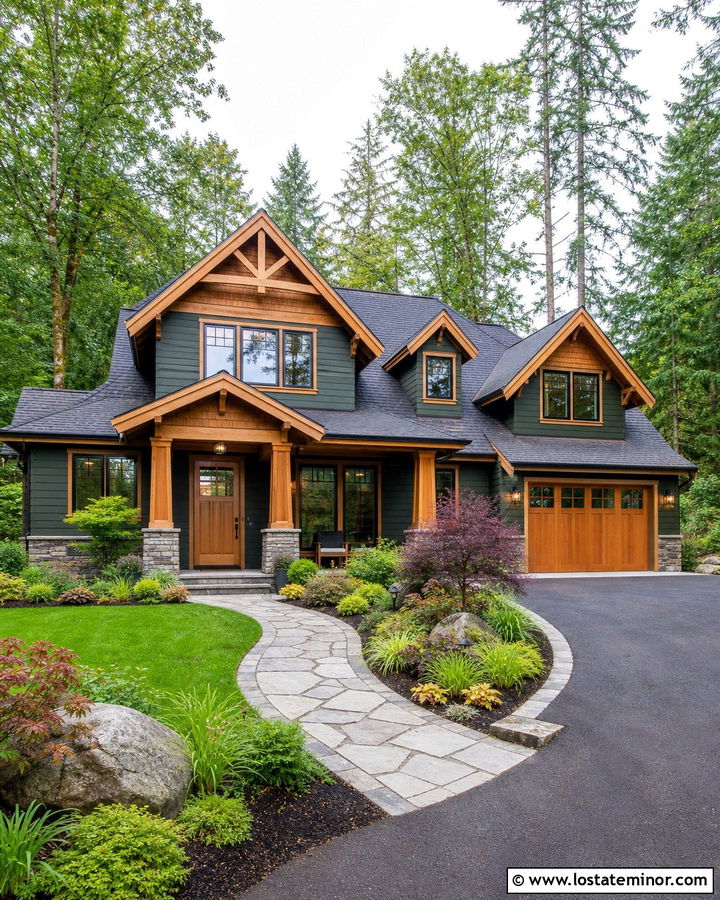
Natural cedar trim creates one of the warmest pairings for a forest green house. Use cedar around the entry, beneath gable peaks, on porch columns, and as window accents rather than covering every trim board. A restrained application allows the wood grain to stand out while forest green remains the dominant exterior color. Off-white soffits and a charcoal roof can quietly support the main combination. This approach works especially well on Craftsman homes, modern cabins, and Northwest-inspired houses. Protect the cedar with a clear or lightly tinted exterior finish to preserve its warm character. Stone porch bases in gray and brown tones will connect the wood to the landscape. The completed exterior feels organic, detailed, and comfortably integrated with wooded surroundings.
11. Forest Green House With Walnut Wood Trim
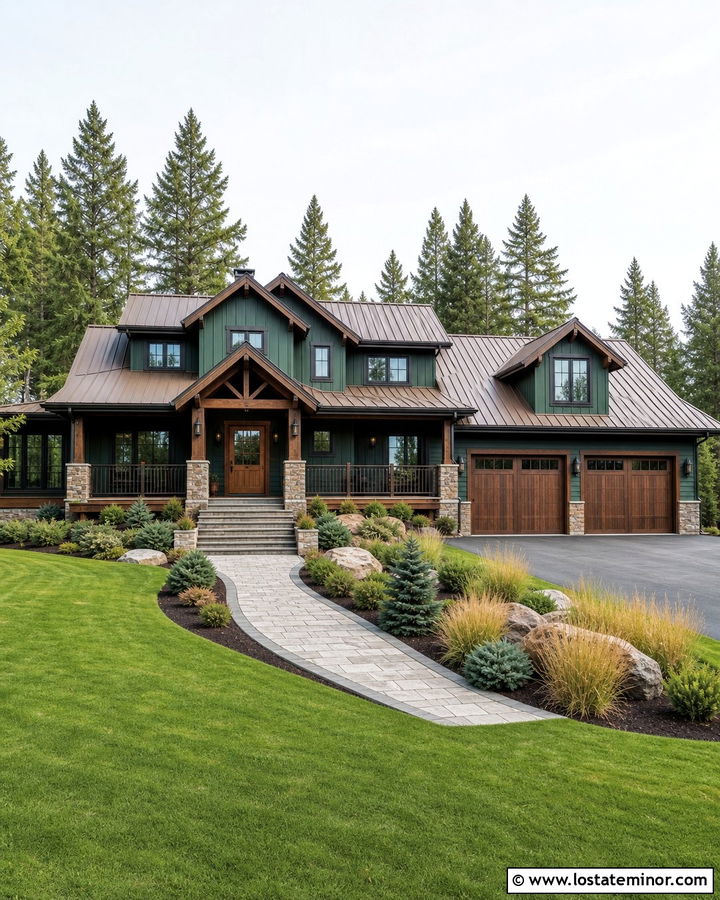
Walnut-toned trim brings deeper warmth to forest green than pale cedar, creating a rich and substantial exterior palette. Feature the wood around the front entrance, on garage doors, beneath porch ceilings, and along decorative gable details. Keep most functional trim forest green or warm white so the wood does not overwhelm the facade. A dark bronze metal roof or brown architectural shingles will continue the warm direction. This scheme suits upscale Craftsman homes, contemporary lodges, and broad homes with strong horizontal rooflines. Add stone containing charcoal, tan, and rust tones around the foundation. Simple black railings can provide contrast without competing with the wood. The overall appearance feels tailored and luxurious while remaining closely connected to natural materials.
12. Forest Green House With Bronze Trim
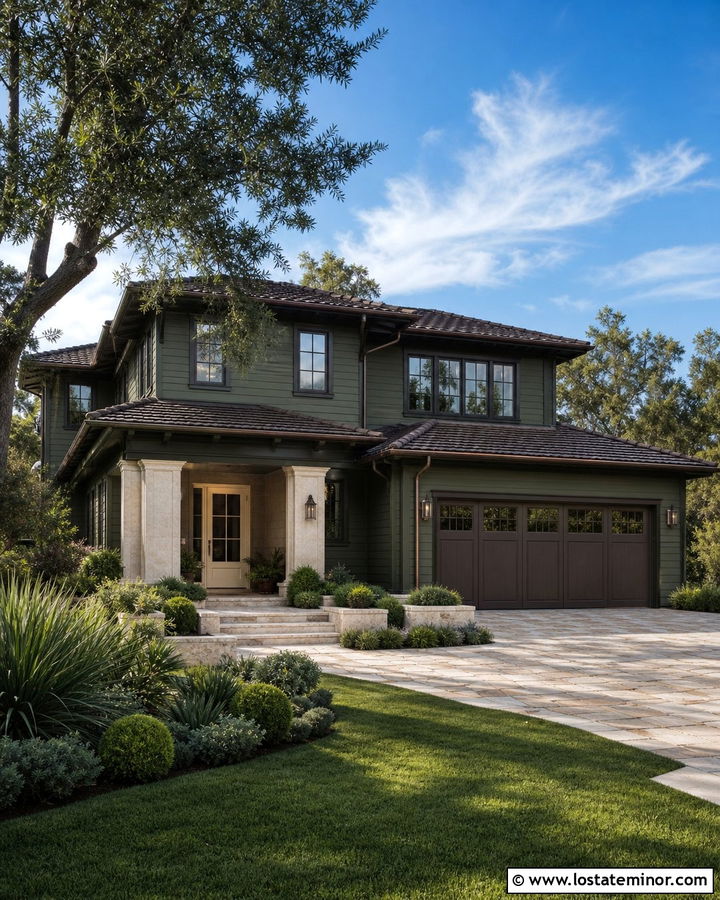
Dark bronze trim offers a subtle alternative to pure black. In bright light, it reveals warm brown undertones that complement forest green siding, wood doors, brick, and natural stone. Use bronze on metal window frames, gutters, fascia, porch railings, and garage hardware. A warm ivory front door can brighten the entrance, or stained mahogany can deepen the natural palette. This combination works well on Mediterranean-inspired homes, modern Craftsman houses, and residences with metal architectural details. Choose a brown-black roof that visually relates to the bronze rather than introducing a cool blue-gray tone. Warm stone paving and soft ornamental grasses complete the setting. From the curb, the exterior looks dark and polished, but the bronze adds more warmth and dimension than flat black.
13. Forest Green House With Copper Trim
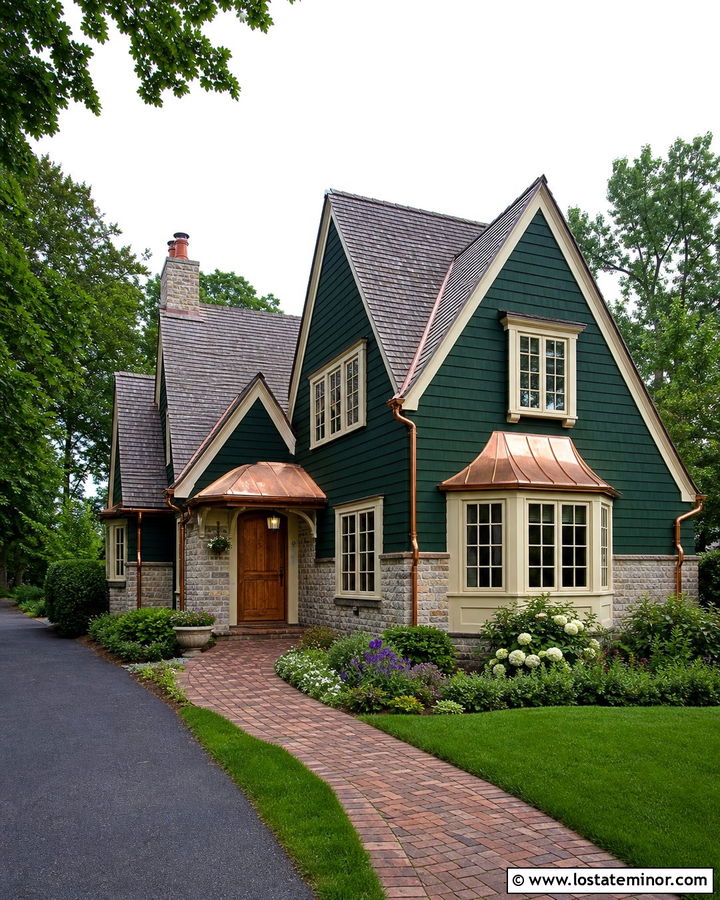
Copper trim gives forest green siding a distinctive finish that becomes more characterful as the metal develops a natural patina. Use copper selectively on gutters, downspouts, porch roofing, bay-window roofs, or small flashing details. Keep the main window and fascia trim warm cream so the copper remains a refined accent instead of dominating the house. A solid wood front door and brown-gray roof will support the organic palette. This complete look is well suited to stone cottages, English-inspired homes, and detailed Craftsman exteriors. Repeat copper tones through bronze lighting and warm brick pavers. Since shiny new copper appears brighter at first, consider both its original color and its aged finish when planning the scheme. The result feels collected, traditional, and highly distinctive.
14. Forest Green House With Stone Gray Trim
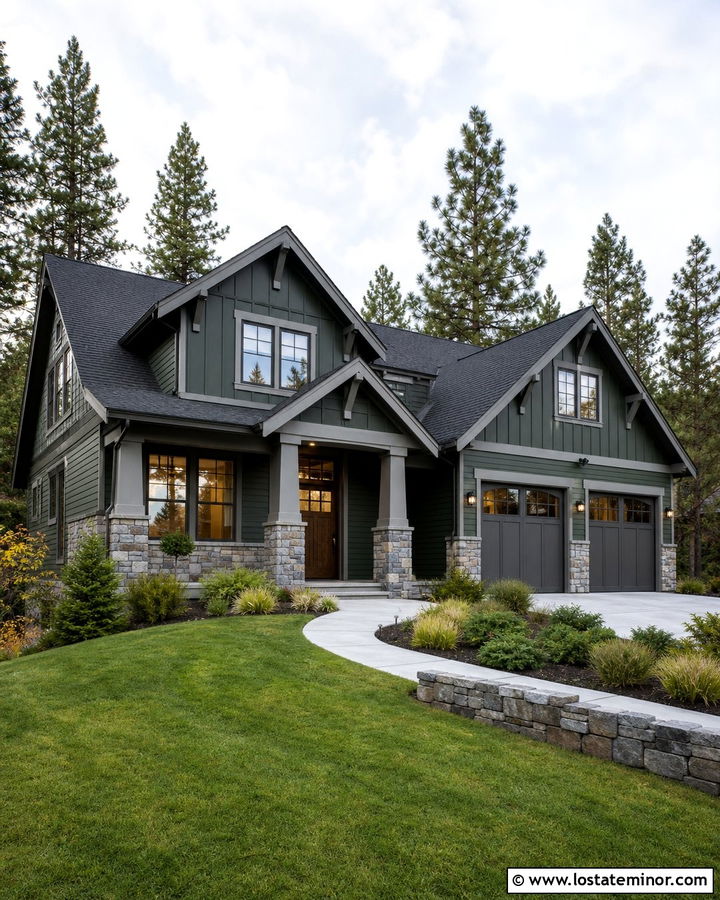
Stone gray trim helps connect forest green siding to a substantial masonry foundation or stone porch. Pull the gray directly from one of the lighter stones rather than selecting it separately. Apply that shade to window frames, porch beams, fascia, and garage doors. A black or dark walnut entry door can anchor the center of the facade. This palette is particularly successful on mountain houses, walkout ranch homes, and Craftsman properties with broad stone columns. Keep the roof charcoal, but make sure it is darker than the trim so the roofline remains defined. Low stone retaining walls and a curved concrete walkway can extend the material palette into the yard. The completed exterior feels strong, balanced, and naturally suited to rugged or sloping landscapes.
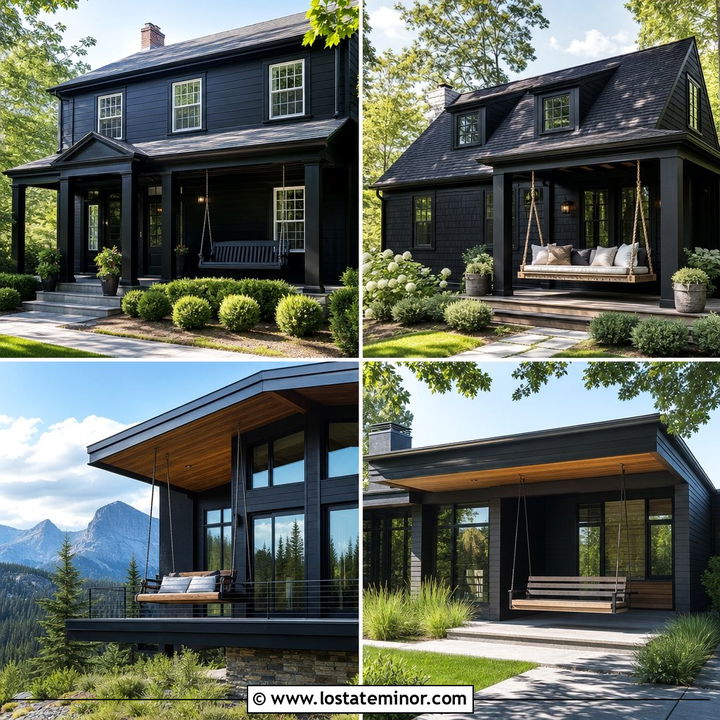
15. Forest Green House With Red Brick Trim
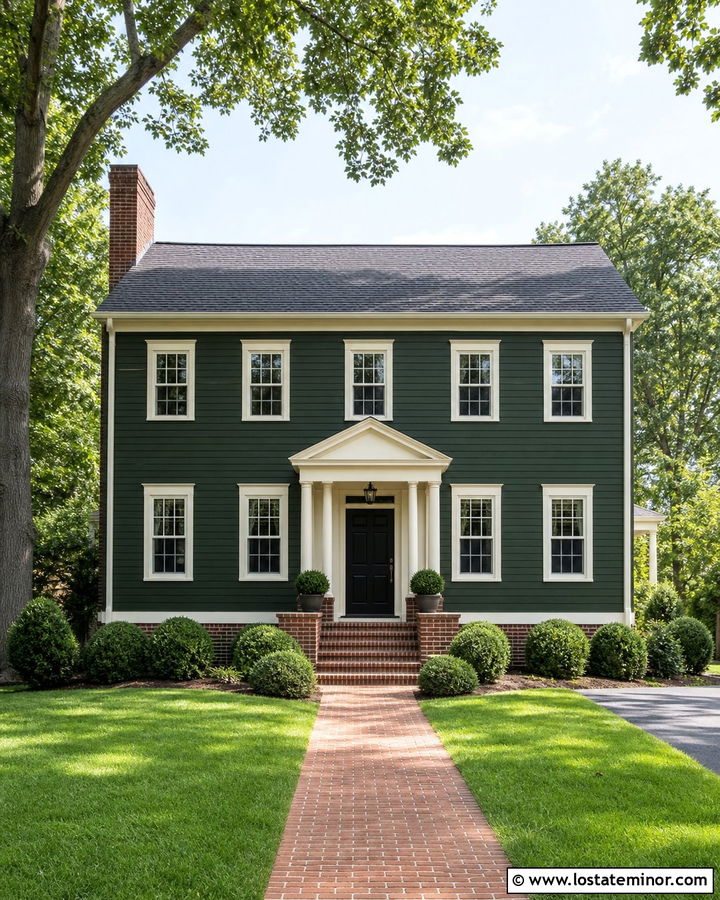
Existing red brick can act as a warm trimming material around a forest green house when the colors are carefully balanced. Use the brick on porch bases, chimneys, entry arches, or the lower portion of the facade. Paint traditional trim a soft cream to connect the dark green siding with the warm masonry. A black front door and dark roof will provide grounding, while cream window frames prevent the house from becoming too heavy. This combination works particularly well on Colonial homes, older ranch houses, and traditional two-story properties. Avoid introducing bright red accents elsewhere; the brick already provides enough warmth. A simple brick walkway and neatly shaped shrubs complete a timeless exterior in which every material has a clear, coordinated role.
16. Forest Green House With White Trim And Black Shutters
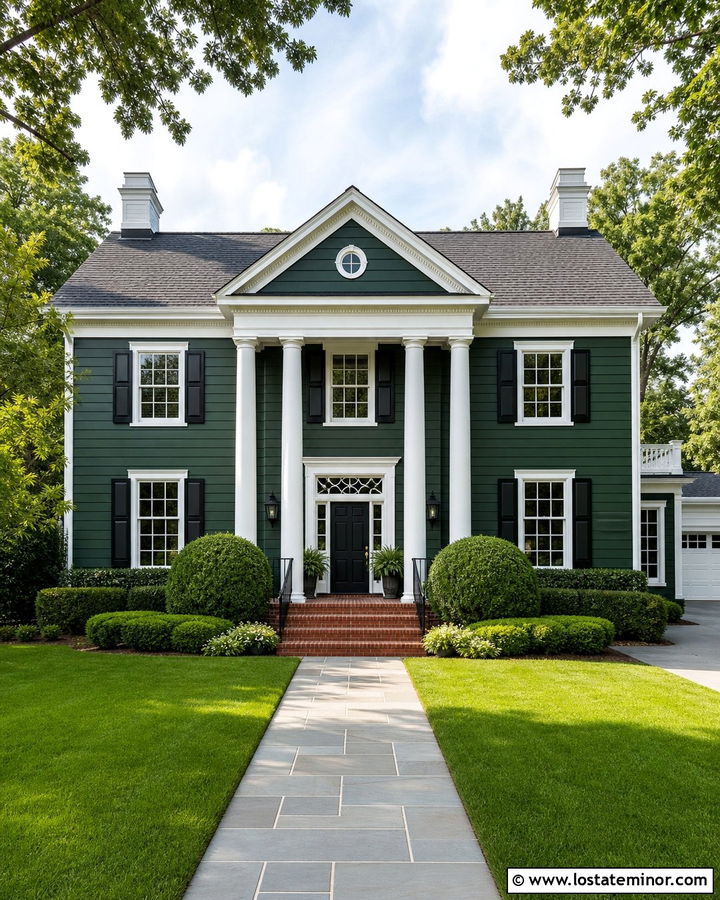
White trim and black shutters give forest green siding a layered traditional appearance. The white frames windows and defines the roofline, while black shutters add depth without taking attention away from the green body. Keep the front door black for symmetry or choose medium-stained wood to create a warmer focal point. A gray shingle roof and white porch columns will complete the balanced three-color scheme. This look suits Colonial, Georgian, Cape Cod, and traditional farmhouse architecture. Make sure shutters are sized to appear functional and align correctly with each window. Black lanterns and simple foundation plantings reinforce the orderly design. The finished home feels formal enough for classic architecture but still has the natural, distinctive character associated with forest green siding.
17. Forest Green House With Cream Trim And Wood Shutters
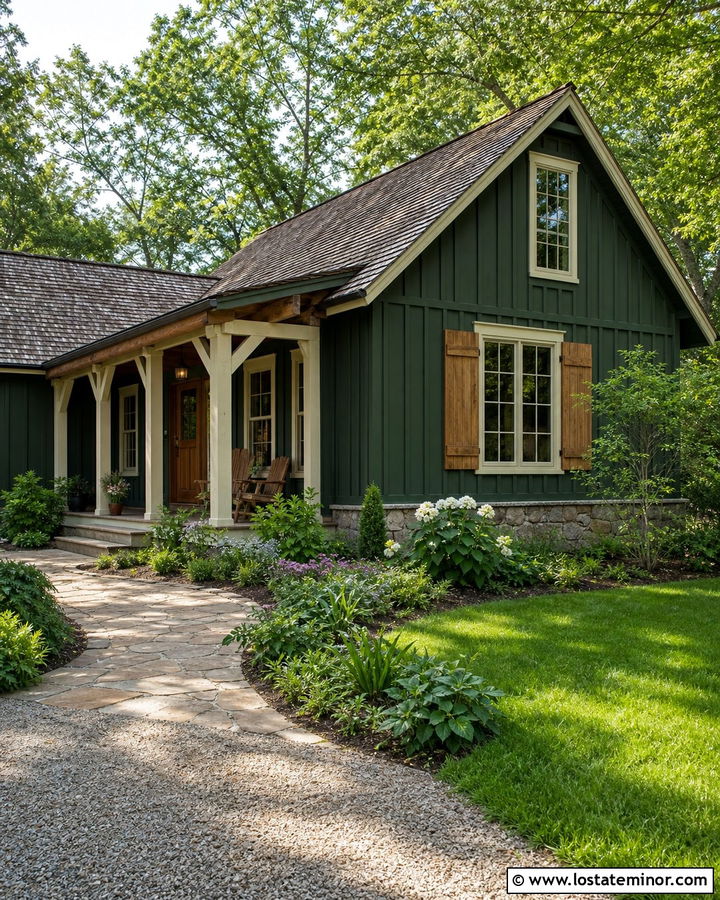
Cream trim and natural wood shutters give forest green siding the warmth of a relaxed country home. Use cream around windows, on porch columns, and beneath the eaves to keep the dark body color from overpowering the facade. Choose cedar or medium-oak shutters that match the front door and porch beams. A weathered brown roof and stone foundation will support the earthy combination. This complete palette is a natural fit for cottages, farmhouse-inspired houses, and rustic bungalows. Keep the shutter design simple, such as vertical boards with horizontal battens. Cream-colored porch furniture and tan walkway pavers can repeat the lighter tone without introducing another paint color. The overall curb appeal feels welcoming, handcrafted, and well connected to an informal garden setting.
18. Forest Green House With Black Trim And Cedar Door
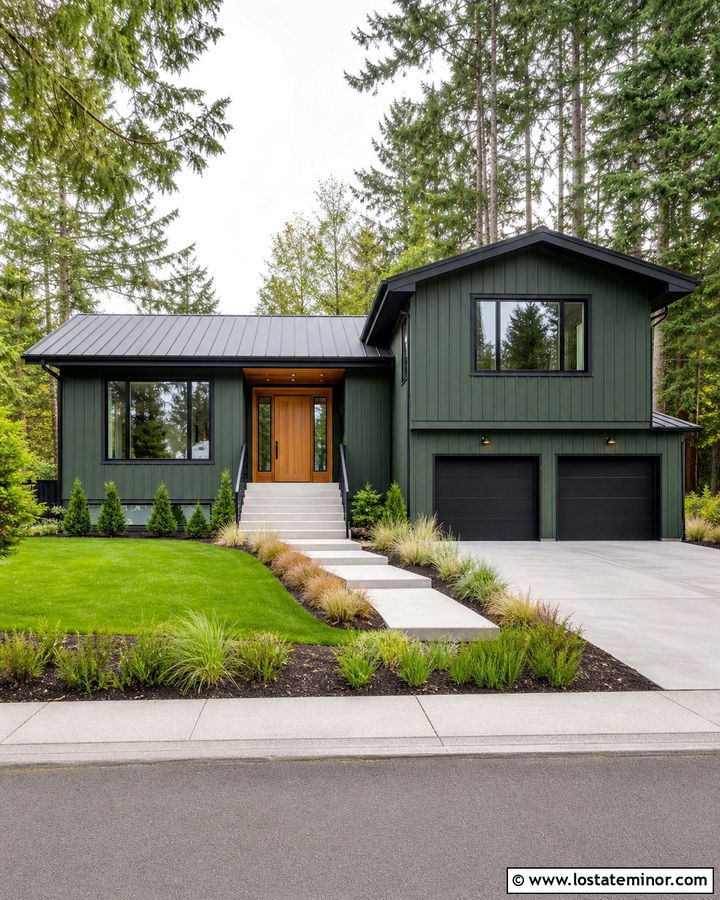
A cedar door becomes a powerful focal point when surrounded by forest green siding and slim black trim. Use black on window frames, fascia, gutters, porch railings, and garage doors to establish a streamlined base. Then select a clear-finished cedar front door with visible grain to warm the entrance. This combination works especially well on modern houses, updated split-levels, and contemporary farmhouses with simple forms. Add vertical forest green siding to emphasize height and use light concrete around the entry to prevent the palette from feeling too dark. A charcoal standing-seam roof completes the modern direction. Restrained landscaping with grasses, evergreens, and a straight walkway keeps attention on the architecture. The completed design feels bold, clean, and naturally balanced.
19. Forest Green House With White Trim And Red Brick
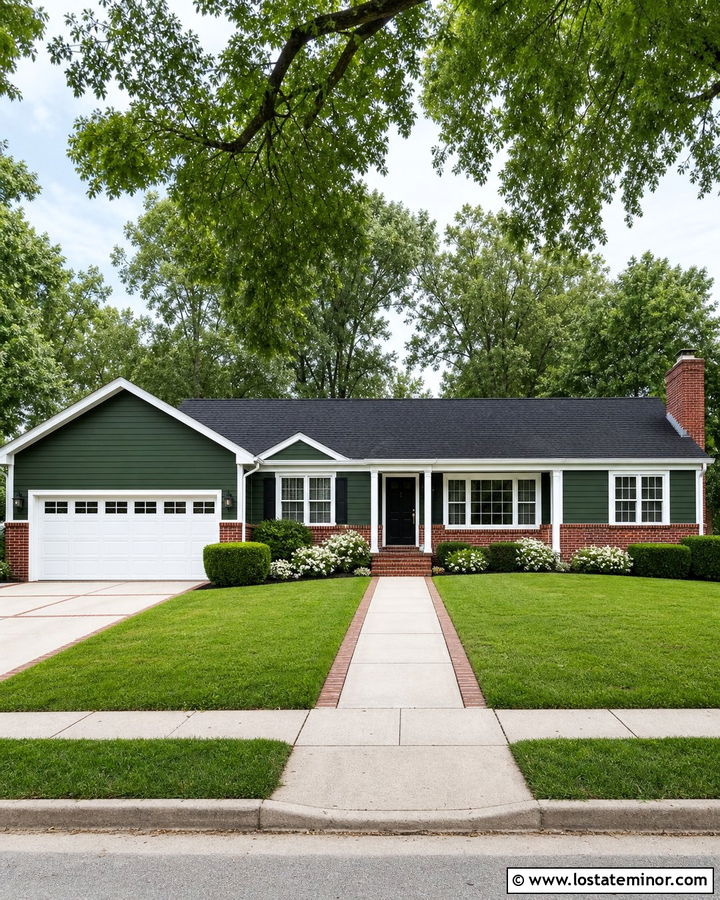
Forest green siding, white trim, and red brick create a familiar palette that suits many established neighborhoods. Use forest green on the main siding, bright or slightly warm white around windows and eaves, and existing brick across the foundation or chimney. A black front door helps separate the entry from the competing green and red surfaces. Choose a charcoal roof to create a neutral cap over the warmer facade. This complete scheme is ideal for ranch homes, Colonial houses, and traditional split-level properties. If the brick has orange undertones, choose a softer white rather than a cold one. Repeat the brick in a simple walkway border, then use green shrubs and white flowers to make the landscaping feel connected to the exterior colors.
20. Forest Green House With Tan Stone Trim
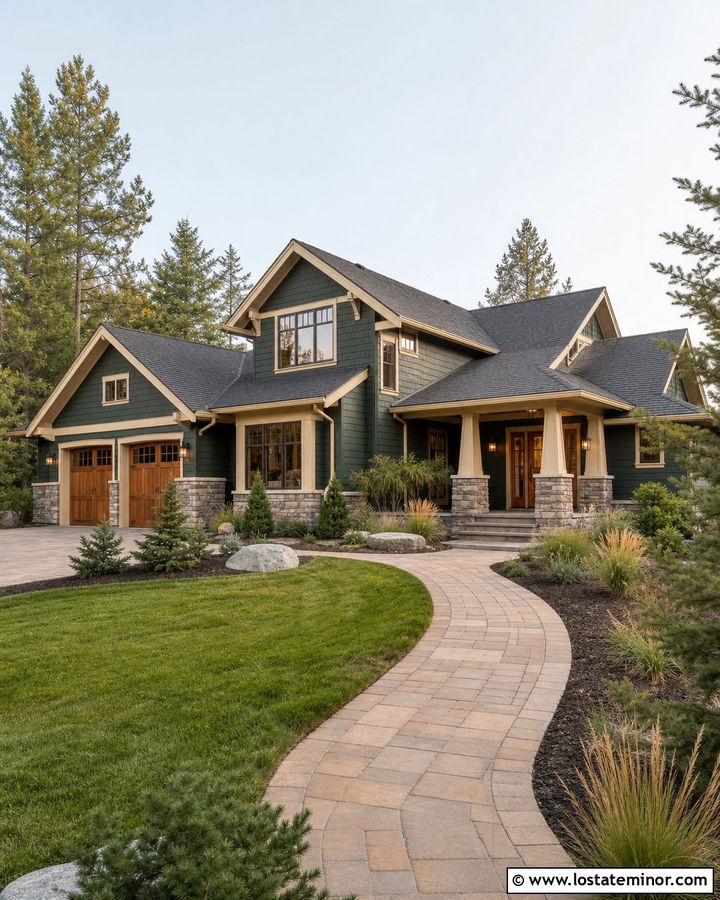
Tan stone introduces warmth and texture while keeping forest green as the dominant exterior color. Use stone around the porch, along the lower facade, or on a prominent chimney. Choose warm beige trim for windows and fascia so it blends naturally with the masonry. A stained wood garage door and matching front door will reinforce the tan undertones. This palette works well on large Craftsman homes, modern ranch houses, and suburban properties with broad street-facing elevations. Keep the roof medium brown or warm charcoal rather than cool gray. Landscape with layered evergreens, pale ornamental grasses, and a curved tan-paver walkway. The final design feels grounded and substantial, with enough light material near the foundation to balance the depth of the forest green siding.
21. Forest Green House With Soft Sage Trim
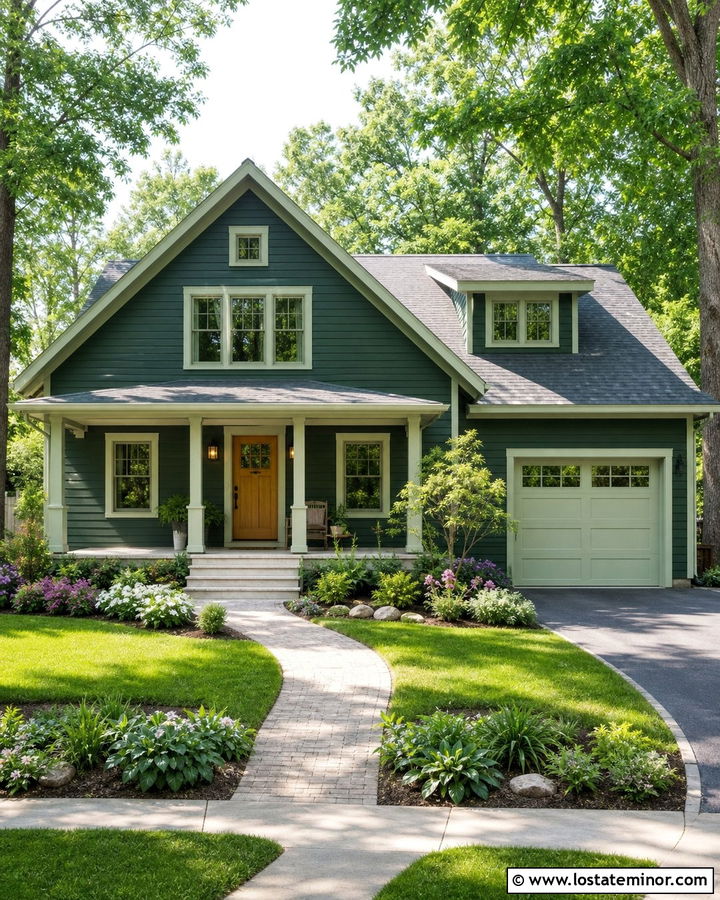
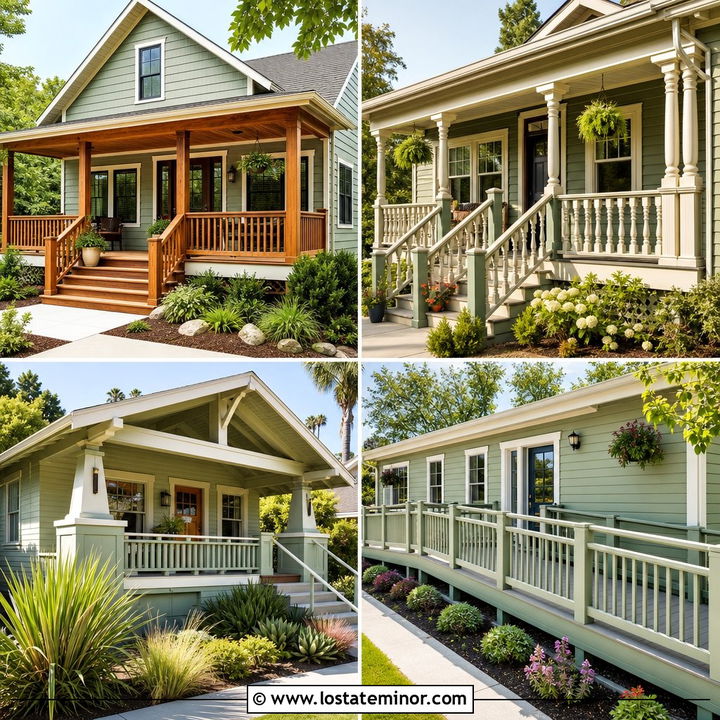
Soft sage trim creates a tonal green exterior that feels calm and closely tied to the landscape. Choose a sage that is several shades lighter and more muted than the forest green body. Use it on window surrounds, fascia, porch columns, and the garage door. A warm wood front door provides separation between the two greens, while a medium-gray roof offers a neutral finish. This scheme works well on cottages, lake houses, and low-profile ranch homes surrounded by gardens. Cream porch flooring or pale stone steps can add brightness near the entry. Avoid using too many additional colors, since the strength of this design comes from its controlled green-on-green layering. The complete exterior appears cohesive, quiet, and visually softer than a high-contrast trim scheme.
22. Forest Green House With Dark Green Trim
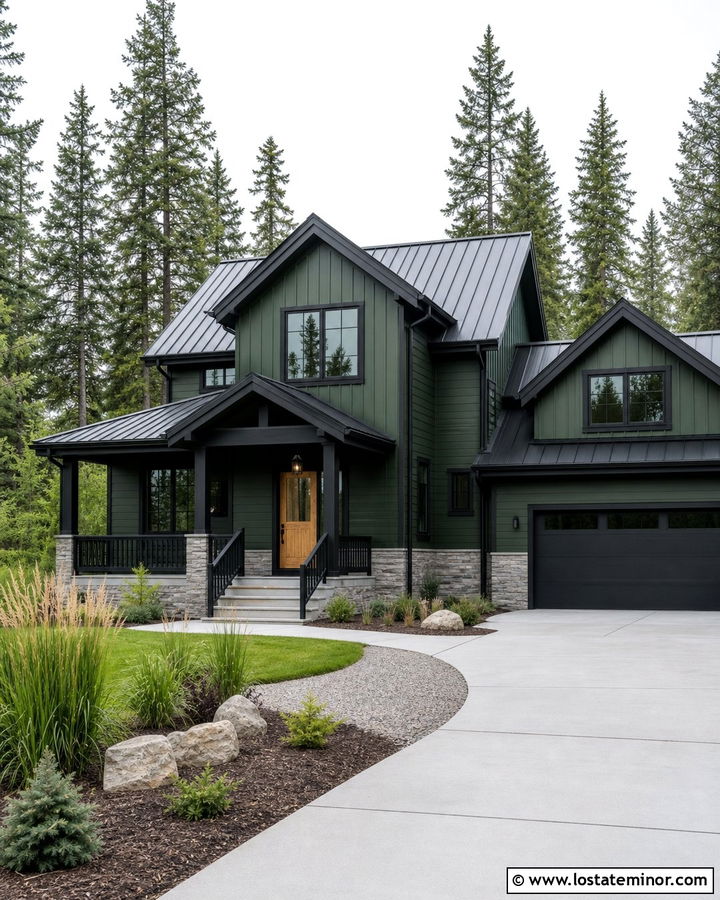
Dark green trim creates a nearly monochromatic exterior with subtle architectural depth. Select trim that is darker than the forest green siding, such as a blackened evergreen, and use it on window frames, fascia, gutters, and porch railings. A warm oak door is essential for creating a visible, welcoming entrance. Light-gray stone along the foundation and pale concrete paving will keep the lower facade from becoming visually heavy. This sophisticated scheme is best suited to modern cabins, contemporary homes, and minimalist farmhouses with simple rooflines. Texture becomes especially important when colors are close, so combine horizontal lap siding with vertical gable panels. The result is immersive and dramatic, yet the controlled palette prevents the exterior from appearing busy or disconnected from its natural setting.
23. Forest Green House With Putty Trim
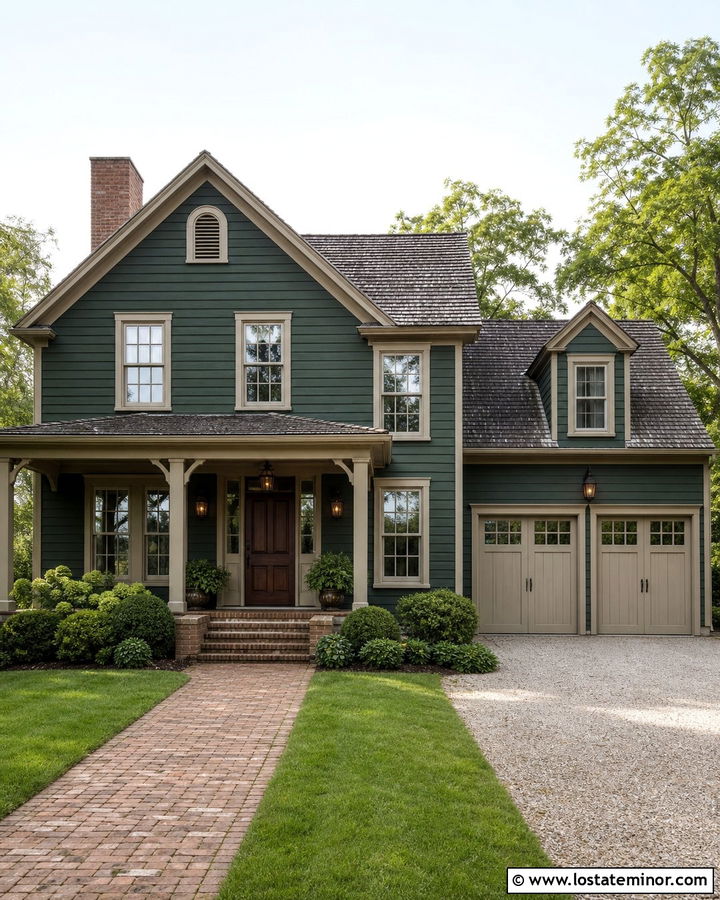
Putty-colored trim gives forest green siding a muted, heritage-inspired character. This understated beige-gray works especially well with aged brick, fieldstone, and weathered roof shingles. Use putty on thick window surrounds, porch posts, soffits, and garage doors. A burgundy or dark walnut front door can create a restrained point of interest without looking overly bright. This palette suits historic farmhouses, traditional cottages, and older homes with original architectural details. If decorative brackets or porch spindles are present, paint them putty as well to simplify the facade. Choose antique-bronze lighting and natural brick paving to continue the aged warmth. The finished house feels established and elegant, with softer contrast than white trim and more warmth than a conventional medium gray.
24. Forest Green House With Navy Trim
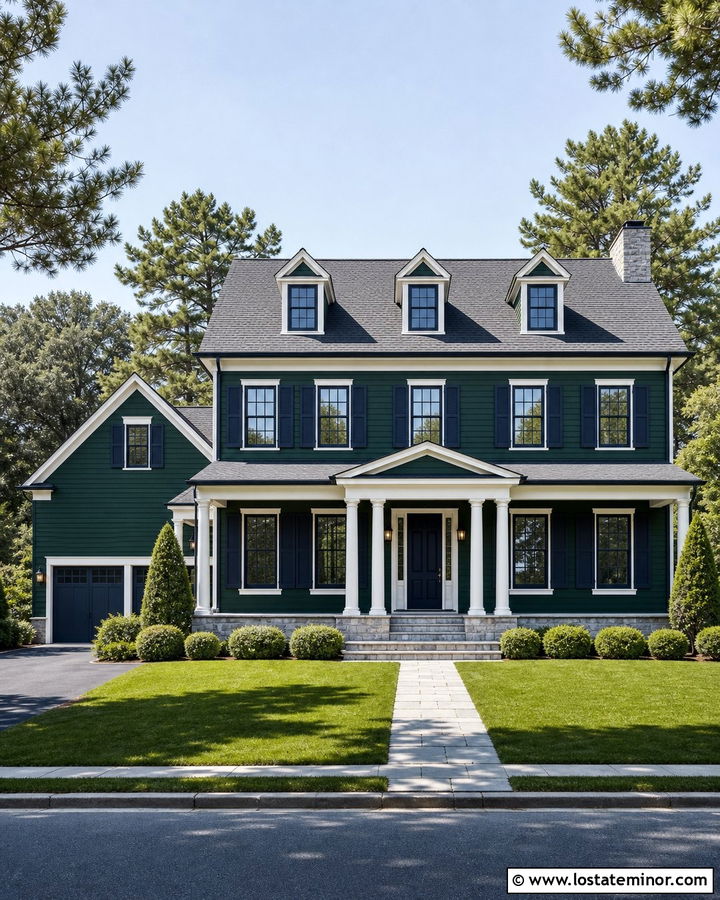
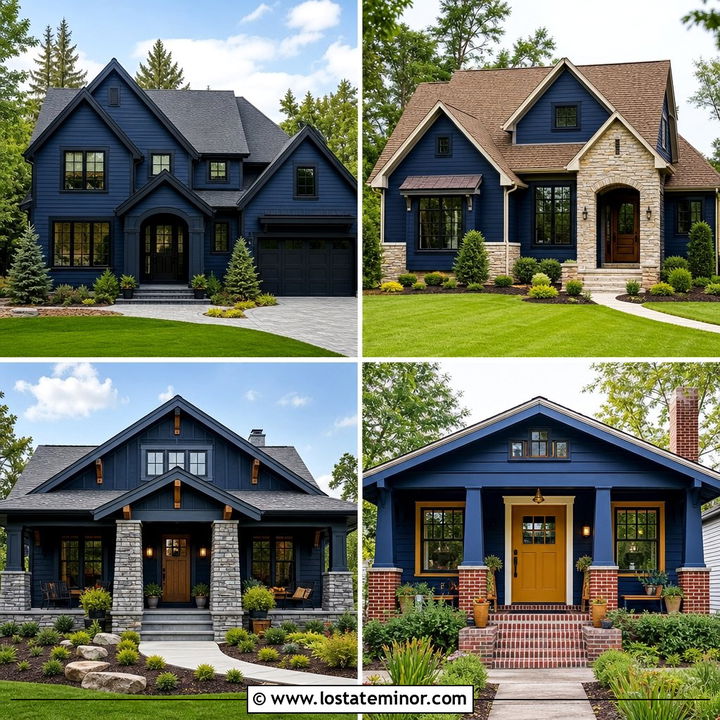
Navy trim creates an unexpected cool-toned combination with forest green siding. The key is choosing a very dark, muted navy that reads as a sophisticated neutral rather than bright blue. Apply it to window frames, shutters, fascia, and the front door. Use warm white on porch columns or small decorative details to separate the two deep colors. A cool gray roof and pale gray stone foundation will support the blue-green direction. This palette is best for coastal Colonials, lake houses, and traditional homes with plenty of natural daylight. Keep landscaping simple and green so it does not compete with the unusual trim. From a distance, the navy provides subtle depth; closer inspection reveals a layered color scheme with more personality than standard black accents.
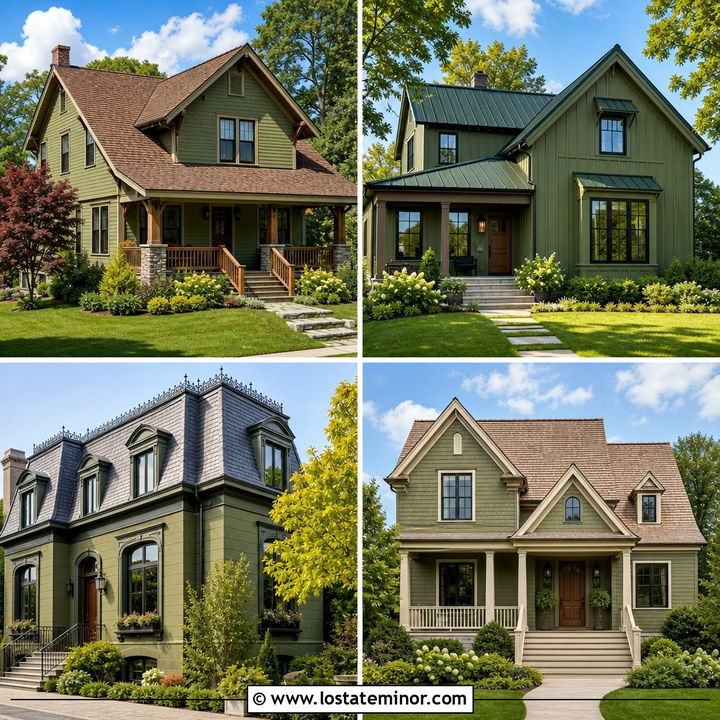
25. Forest Green House With Muted Gold Trim
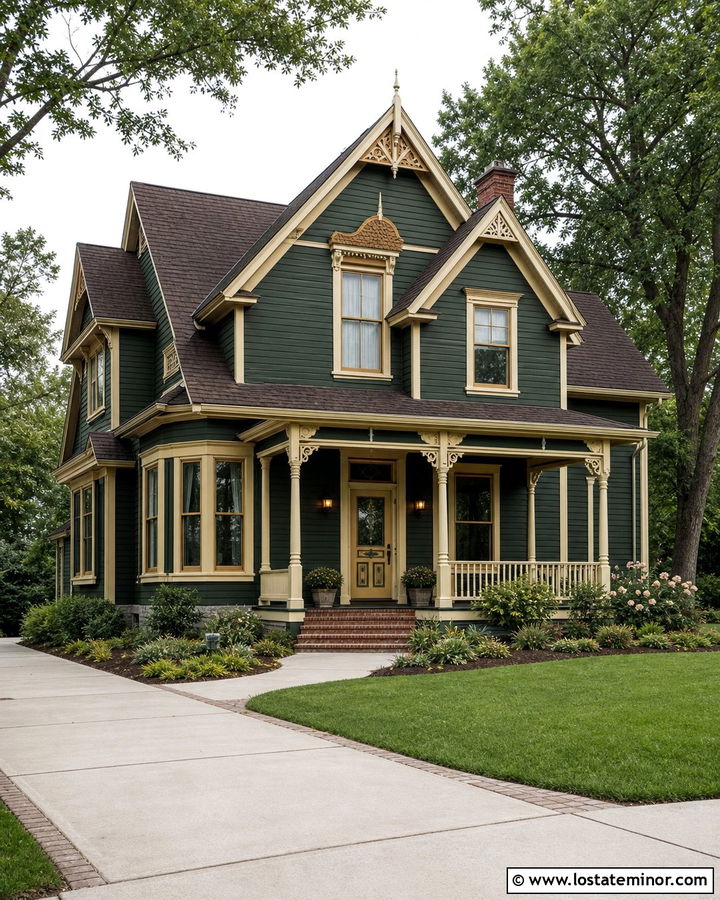
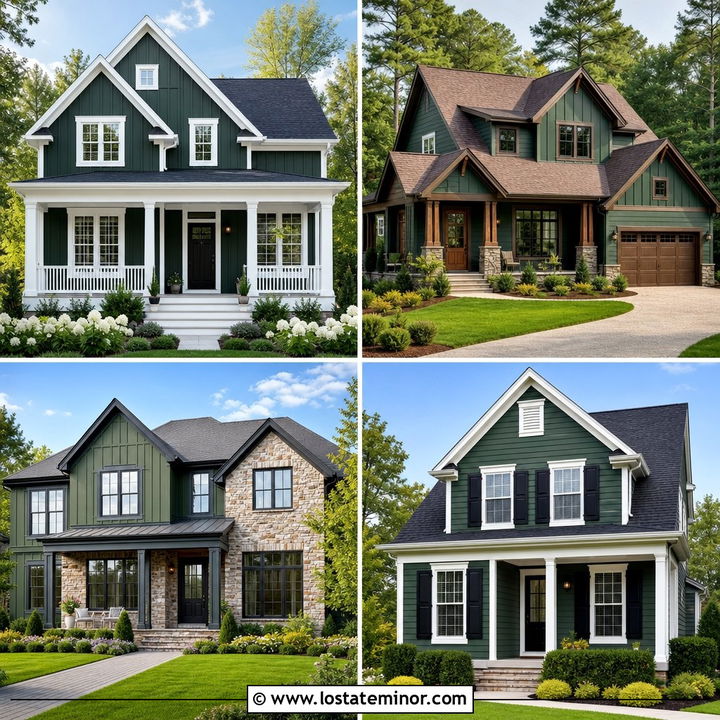
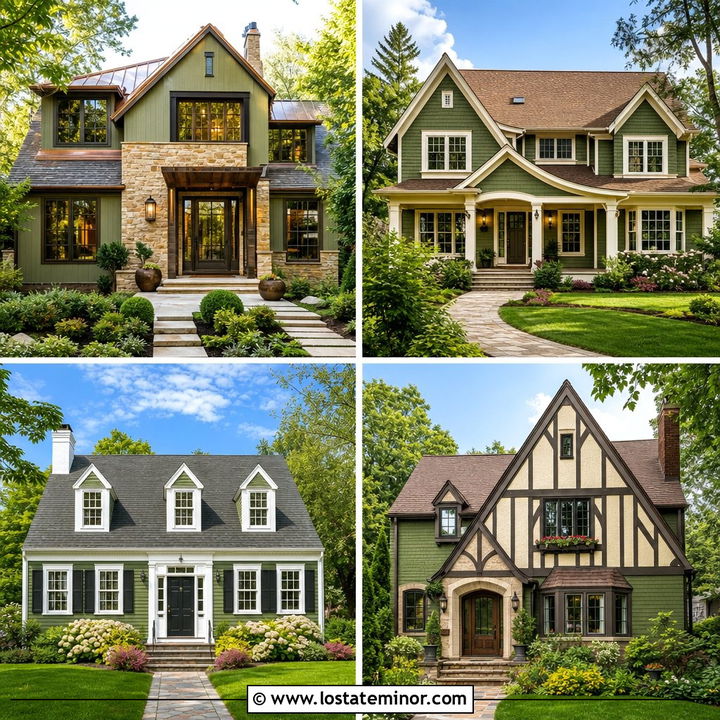
Muted gold trim can highlight special architectural details on a forest green house without creating a flashy exterior. Choose an earthy ochre or antique-gold paint rather than a bright metallic yellow. Use it sparingly on a front door, small window sashes, decorative brackets, or gable ornamentation. Keep the main window casings and fascia warm cream to provide breathing room. This palette works particularly well on Victorian houses, Folk Victorian cottages, and historic homes with detailed woodwork. A dark brown roof and brick steps add warmth, while forest green remains the grounding body color. Repeating the gold in small porch lights or planters creates cohesion. The completed scheme feels period appropriate, expressive, and carefully controlled rather than overly colorful.
26. Forest Green House With Burgundy Trim
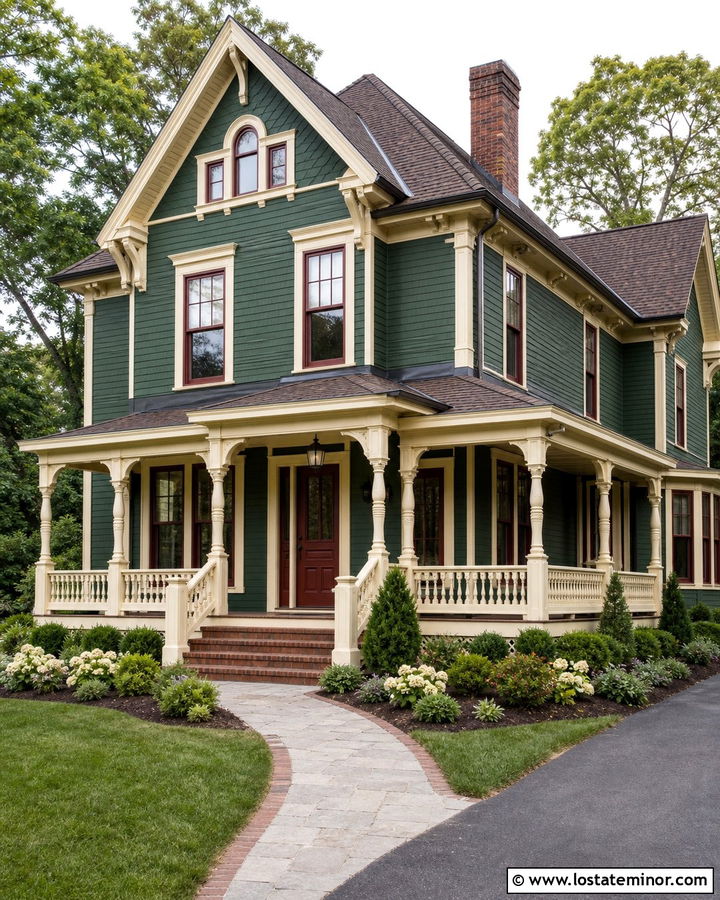
Deep burgundy trim introduces a rich accent to forest green siding, particularly on historic architecture. To avoid excessive color, use burgundy on the front door, window sashes, or limited decorative panels. Paint the larger window casings, porch columns, and fascia a warm cream. This three-color arrangement gives each shade enough space to remain distinct. Brown shingles, red brick steps, and dark bronze hardware help connect the burgundy to the rest of the exterior. The scheme suits Victorian homes, traditional cottages, and older Craftsman houses with layered details. Keep landscaping focused on green foliage and pale flowers rather than repeating the red tone. The final exterior feels mature and distinctive, with burgundy supplying depth while cream prevents the forest green body from becoming visually overwhelming.
27. Forest Green House With Brown Trim
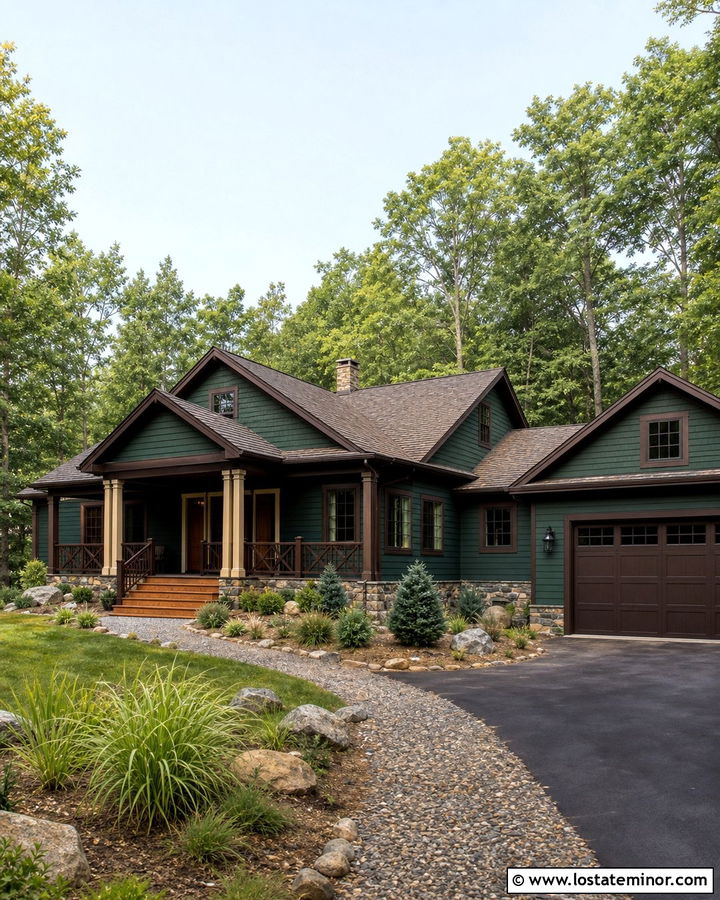
Chocolate-brown trim gives a forest green house an understated woodland appearance. Use brown around windows, on fascia boards, garage doors, and porch railings. Because the contrast is low, add warm cream to the front door surround or porch columns so important features remain visible. A weathered-brown roof, fieldstone foundation, and natural wood steps complete the earthy combination. This palette works well on cabins, rustic ranch homes, and houses located on heavily wooded lots. Select a brown with enough warmth to stand apart from the cool green siding. Low-maintenance evergreens, native grasses, and a gravel path can reinforce the natural setting. The overall look feels quiet and integrated, making it a strong choice for homeowners who prefer subtle curb appeal over sharp contrast.
28. Forest Green House With Black And White Trim
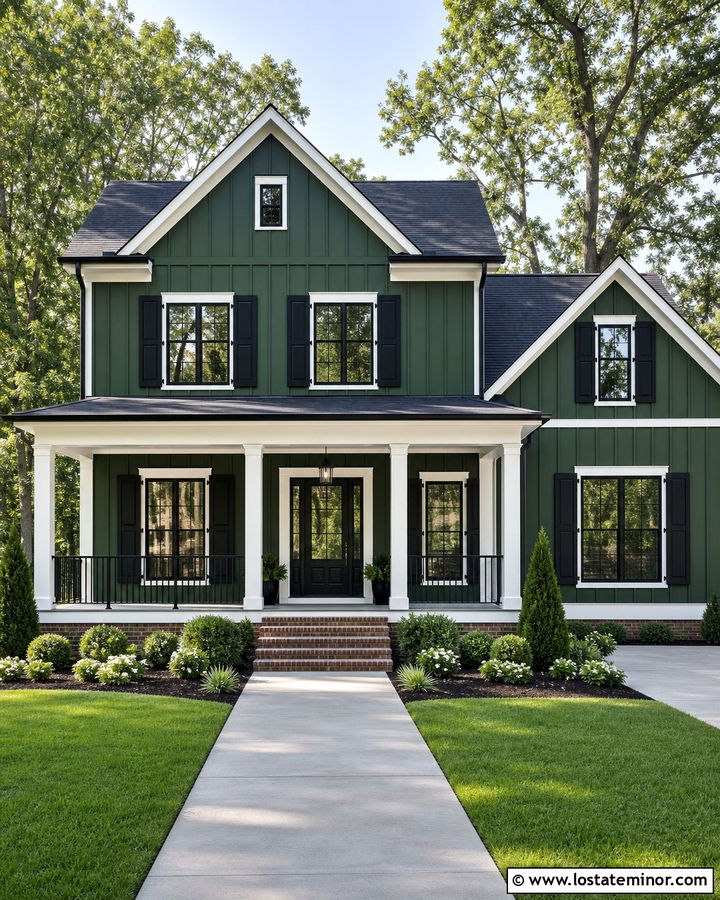
Combining black and white trim allows a forest green exterior to feel both classic and current. Use white on broad architectural elements, including porch columns, fascia, corner boards, and main window casings. Reserve black for window sashes, shutters, railings, gutters, and the front door. This distribution keeps the dark colors from merging while giving the facade clear structure. A charcoal roof and pale gray porch floor support the crisp palette. The scheme works on modern farmhouses, transitional Colonials, and updated two-story suburban homes. Limit additional accents to natural wood or simple brick steps. Balanced landscaping with symmetrical shrubs will complement the strong trim lines. The finished exterior has depth, contrast, and enough brightness to keep forest green looking intentional rather than heavy.
29. Forest Green House With Matching Green Trim
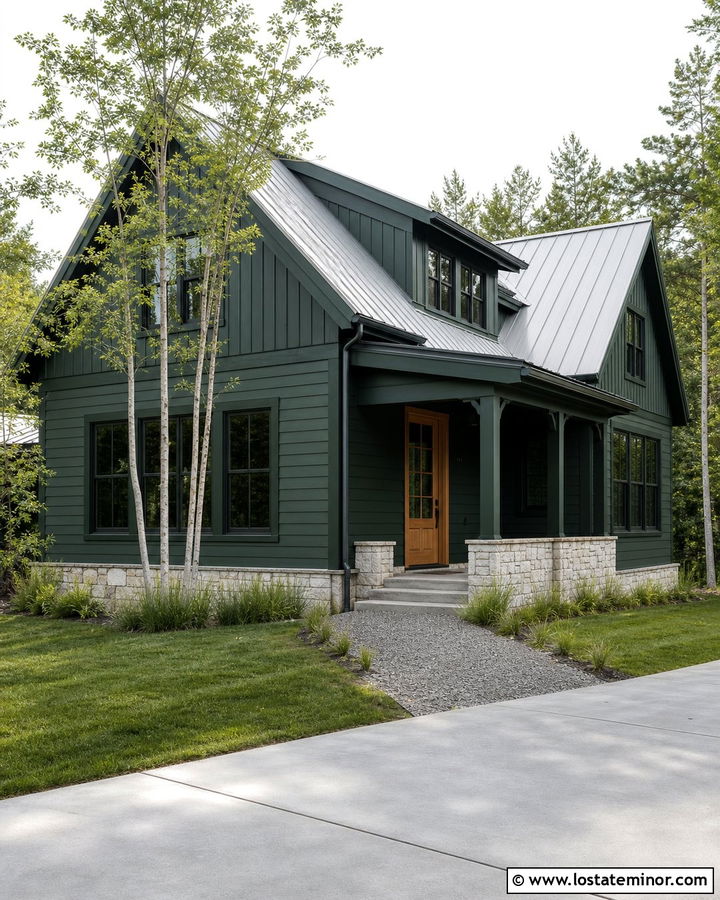
Matching forest green trim creates a color-drenched exterior that emphasizes form and texture instead of outlines. Paint the siding, window casings, fascia, and porch supports in the same forest green, but vary the sheen slightly to reveal architectural details. Use satin on trim and a lower sheen on broad siding surfaces. A natural oak door, light stone foundation, and pale metal roof provide the contrast needed to keep the facade readable. This approach is especially effective on contemporary cottages, Scandinavian-inspired houses, and compact modern homes. Keep gutters and utility features green as well for a seamless appearance. Minimal landscaping, light gravel, and a clean concrete walkway complete the restrained design. The final result feels cohesive, modern, and more dimensional than a flat single-color treatment.
30. Forest Green House With Off-White Trim And Stone Accents
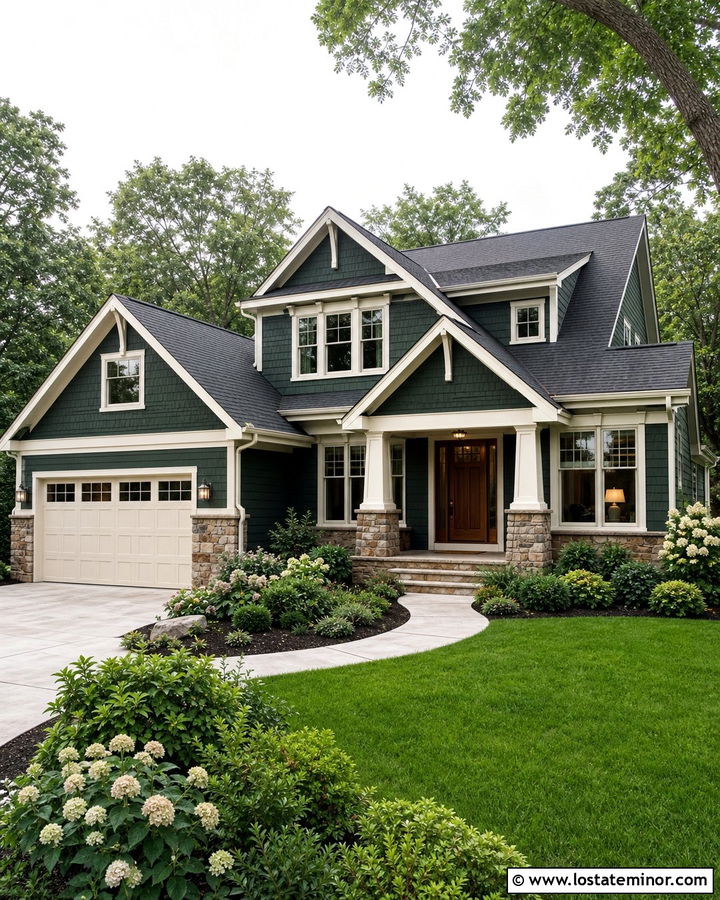
Off-white trim and mixed stone create a flexible, balanced finish for forest green siding. Use the off-white around windows, along the roofline, on porch columns, and across the garage door. Add stone containing cream, gray, and soft brown around the foundation or entry to connect the cool green body with warmer exterior materials. A medium-stained wood front door becomes the central accent, while a charcoal roof provides a neutral top. This complete scheme works on Craftsman homes, traditional new builds, and wide suburban houses with multiple gables. Keep stone placement concentrated rather than scattering small patches across the facade. A curved walkway, layered shrubs, and light flowering plants complete the curb appeal. The house feels substantial, welcoming, and visually balanced from every angle.
Conclusion:
These **30 Forest Green House Design With Trim Ideas** demonstrate how dramatically trim can change a dark green exterior. White creates definition, cream adds warmth, black brings modern structure, and wood establishes a natural focal point. Softer neutrals such as greige, taupe, putty, and stone gray are useful when the property already contains warm masonry or mixed roofing colors. More distinctive combinations, including navy, burgundy, copper, and tonal green, can highlight specific architectural periods. Before committing, place large painted samples beside the roof, brick, stone, and windows. Check each combination in morning sun, afternoon light, and full shade. A coordinated whole-house palette will always look more intentional than colors chosen one element at a time.

Related posts: