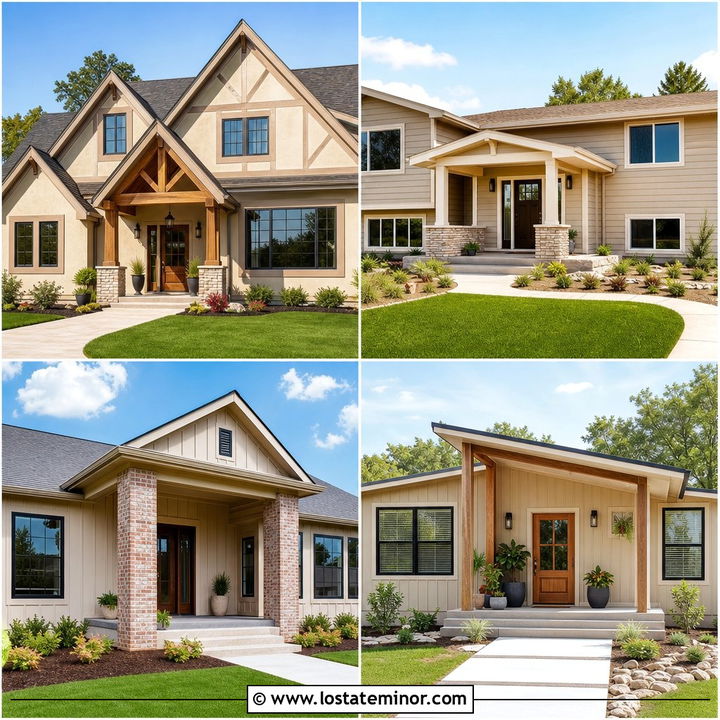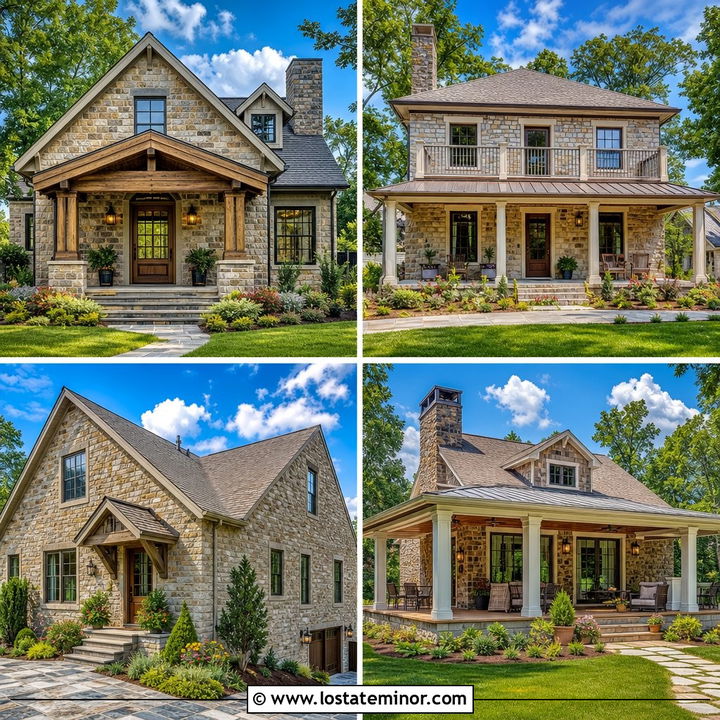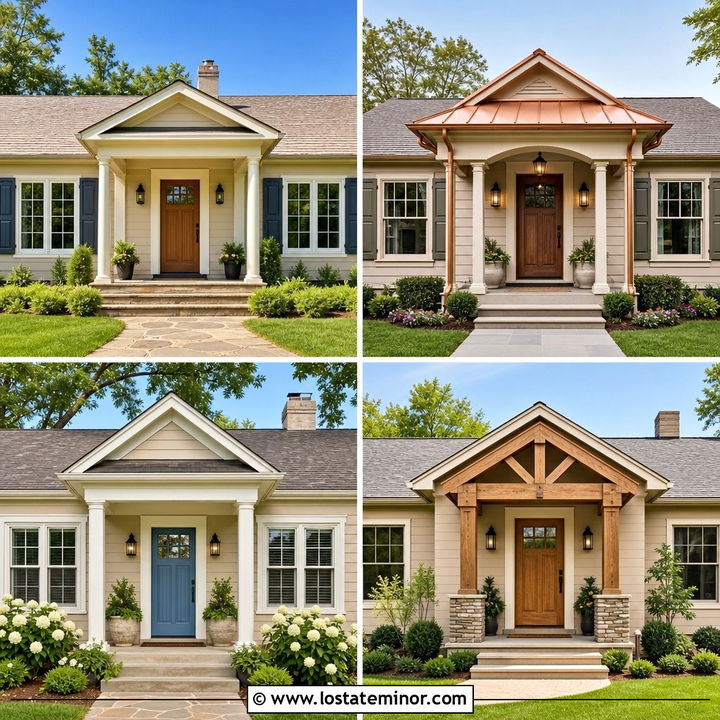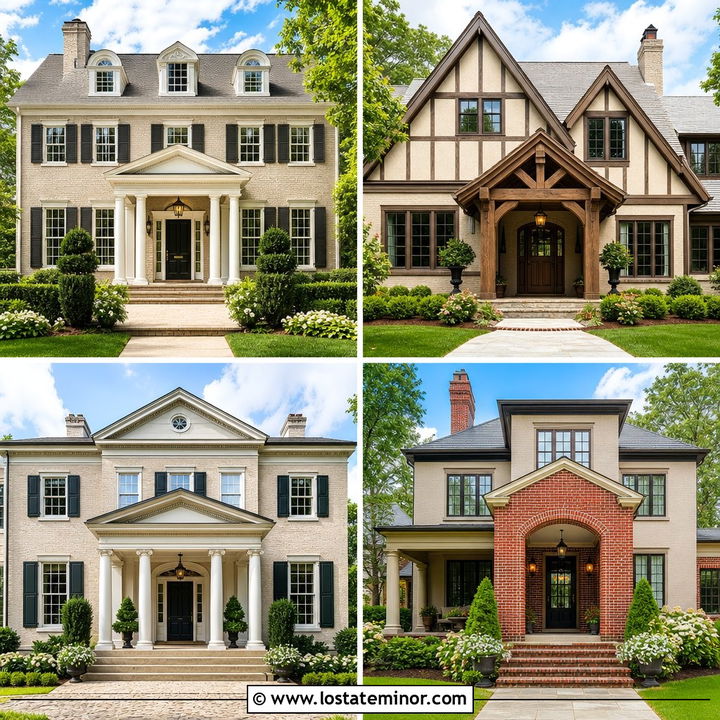
1. Light Taupe House With White Gabled Portico
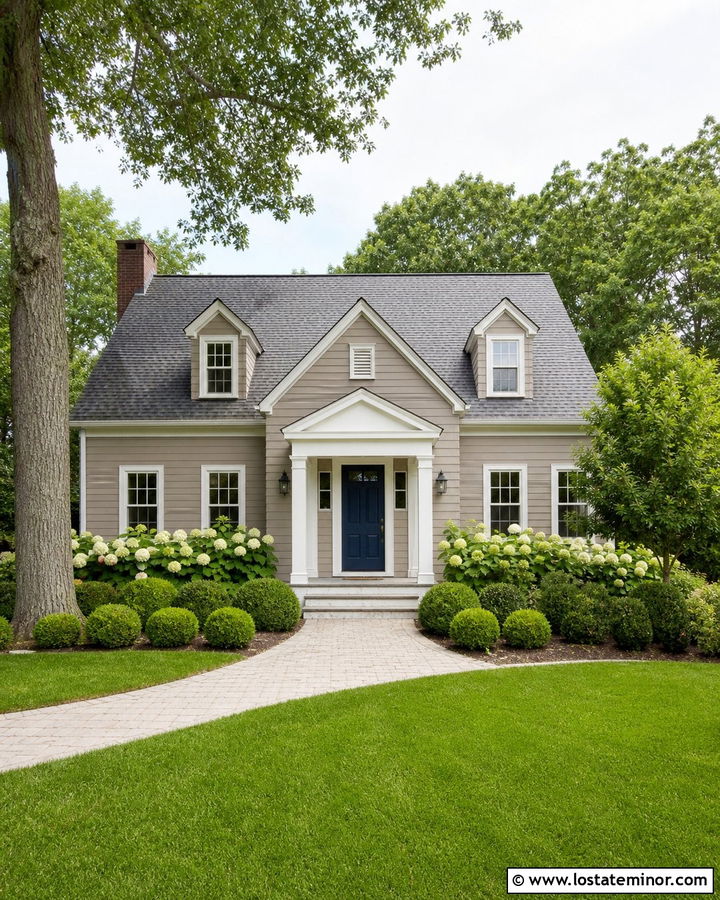
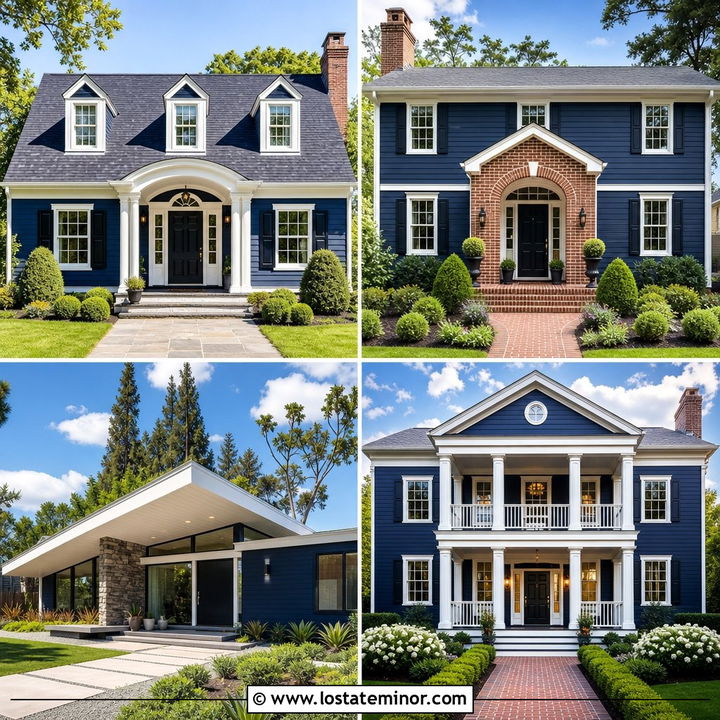
A light taupe exterior paired with a white gabled portico feels crisp without appearing overly bright. This scheme works especially well on a Cape Cod or compact suburban home with horizontal lap siding. Use creamy white on the portico columns, fascia, window trim, and corner boards to create a connected frame. A medium-gray shingle roof keeps the palette soft, while a muted navy front door provides a confident focal point. Add simple black lanterns beneath the portico and repeat black on the house numbers. Low boxwood borders, white hydrangeas, and a curved paver walkway complete the look. The prominent gable gives the small entrance more visual weight and helps the front door feel proportional to the entire facade.
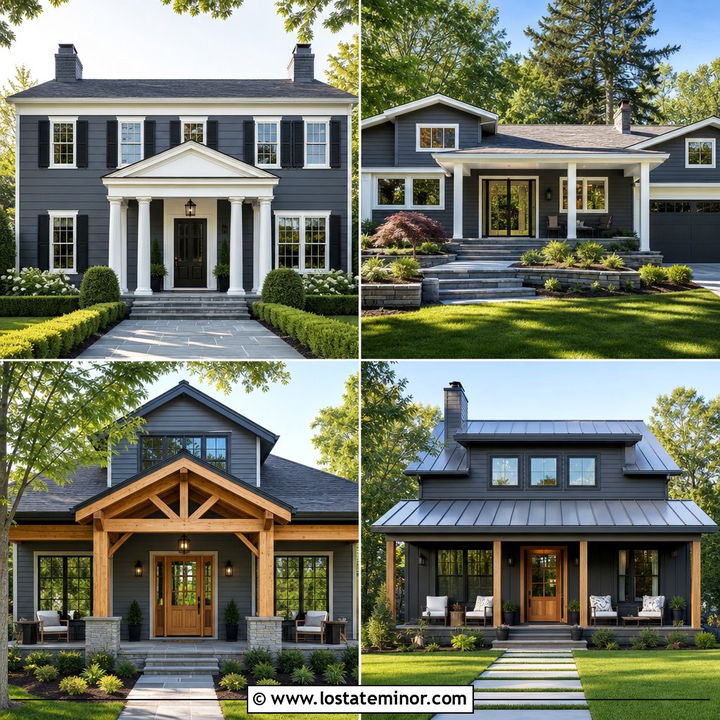
2. Warm Taupe Colonial With Columned Portico
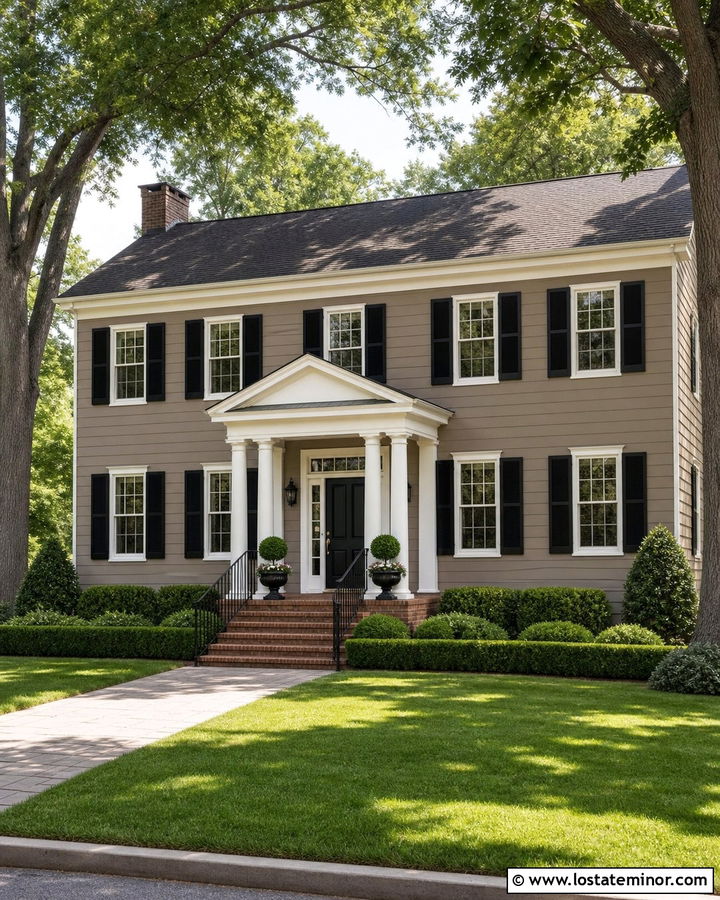
A symmetrical Colonial becomes more inviting when warm taupe siding is centered around a substantial columned portico. Choose a portico with a triangular pediment and four square or round columns, depending on the home’s level of formality. Soft ivory trim complements the brown undertones in the taupe without creating a harsh divide. Deep black shutters, a glossy black front door, and black iron lanterns introduce clean definition. Keep the roof in a traditional charcoal blend so it connects with the darker accents. Brick steps can bring warmth to the entrance and prevent the scheme from looking too polished. Balanced foundation shrubs and matching planters reinforce the symmetry, making the portico appear original to the architecture rather than a later addition.
3. Medium Taupe Ranch With Shed Roof Portico
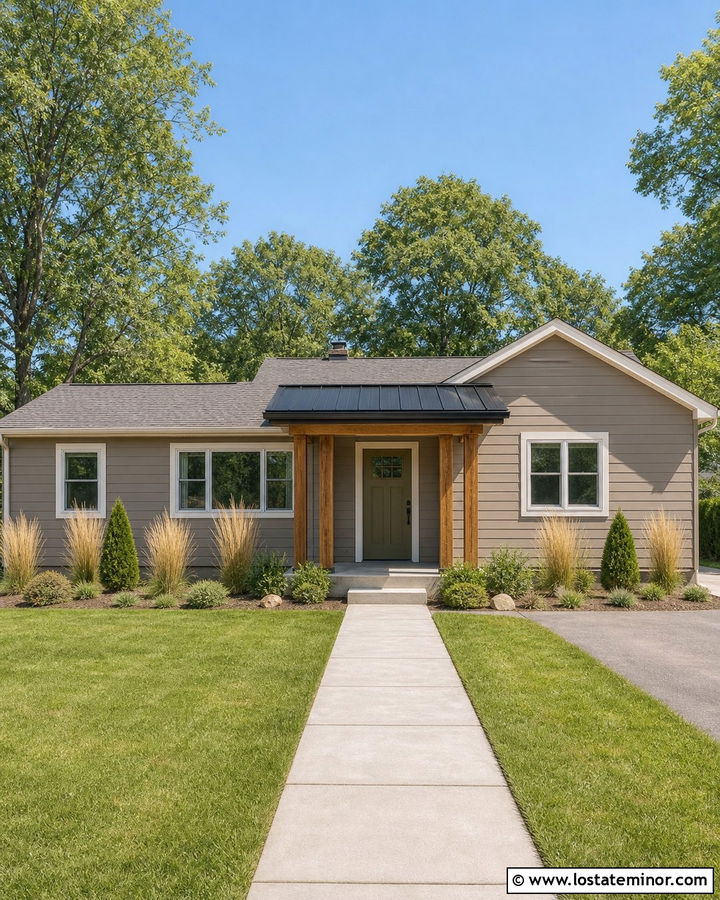
Does a simple ranch exterior need more dimension? A streamlined shed roof portico can create depth without overpowering the home’s low roofline. Cover the siding in a medium mushroom taupe and use warm white around the windows, soffits, and garage door. Support the portico with two stained cedar posts for natural contrast. A charcoal metal roof over the entrance adds a sharper architectural line and coordinates with dark bronze gutters. Choose a muted olive front door to connect the taupe exterior with surrounding greenery. Wide concrete steps and a straight walkway preserve the ranch’s horizontal character. Ornamental grasses, dwarf evergreens, and layered ground cover soften the facade while keeping sightlines open. The result feels updated, comfortable, and appropriately scaled.
4. Dark Taupe Craftsman With Stone Portico
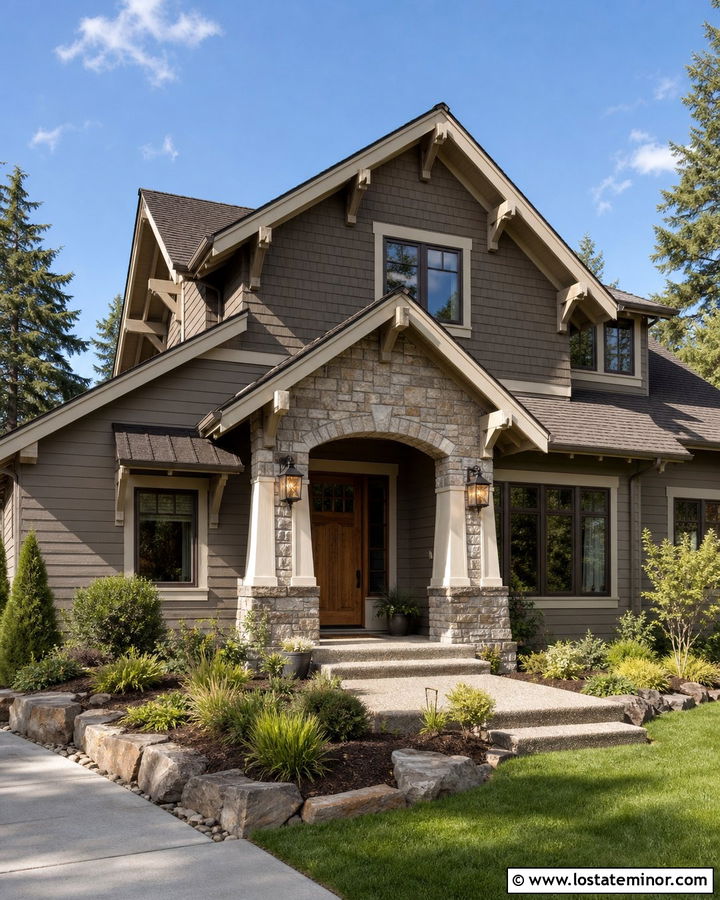
Rich taupe siding gives a Craftsman home a grounded appearance, especially when paired with a stone-supported portico. Use dark brown-gray taupe across horizontal siding and shingle-style gable panels. Cream trim can highlight thick window casings, exposed rafters, and the portico beam without becoming stark. Build tapered columns over wide bases faced in irregular gray and tan stone. A natural oak front door introduces warmth, while bronze hardware and lanterns support the earthy color story. Select architectural shingles containing charcoal, brown, and muted green notes. A broad walkway made from textured concrete leads naturally toward the entrance. Layered native shrubs and small flowering plants should frame the stone bases rather than hide them, allowing the craftsmanship and material changes to remain visible.
5. Taupe Farmhouse With Black Metal Portico
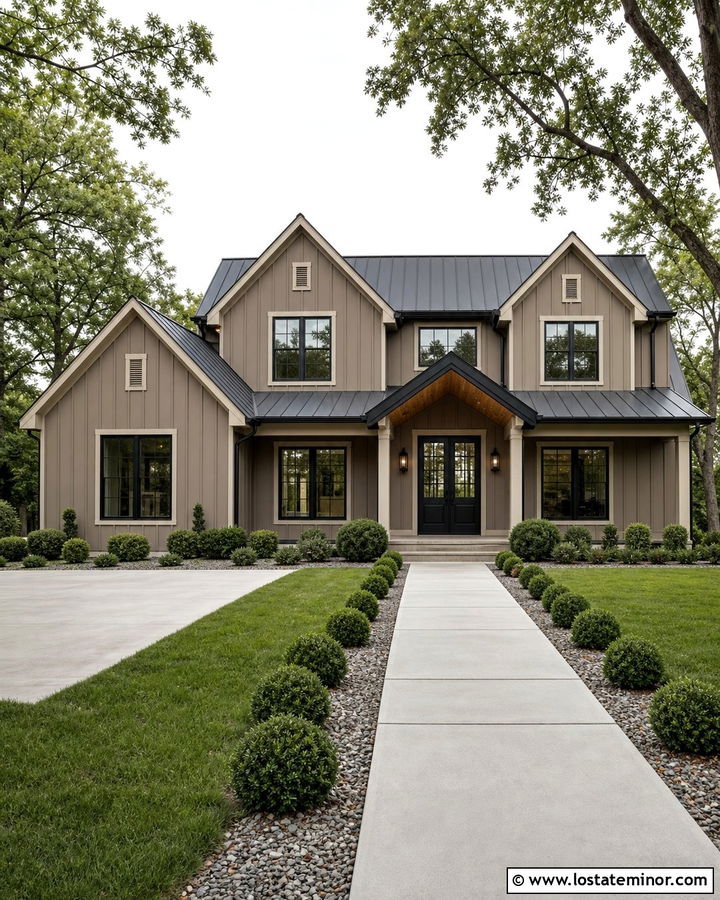
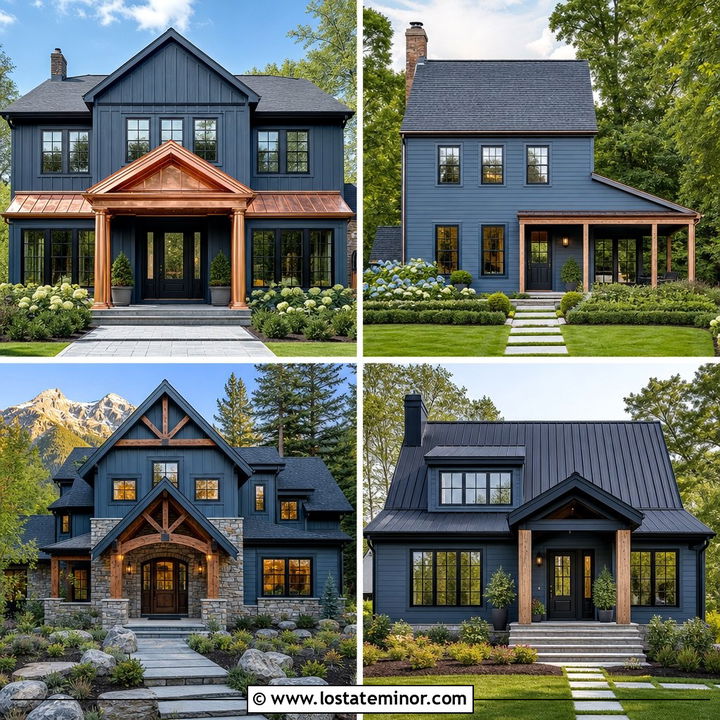
For a modern farmhouse, taupe board-and-batten siding offers a softer alternative to an all-white exterior. Frame the entrance with a simple black metal portico featuring a shallow gable and slim supports. The dark structure creates a strong outline while maintaining an open, airy appearance. Paint the window trim and fascia a creamy off-white, then repeat matte black on the windows, gutters, and front door. A natural wood porch ceiling can warm the entrance and prevent the black accents from feeling severe. Use a charcoal standing-seam roof over the portico, even if the main house has shingles. Gravel-edged garden beds, clipped shrubs, and a broad concrete path complement the uncluttered architecture. This complete scheme feels modern but still approachable.
6. Taupe Brick House With Arched Portico
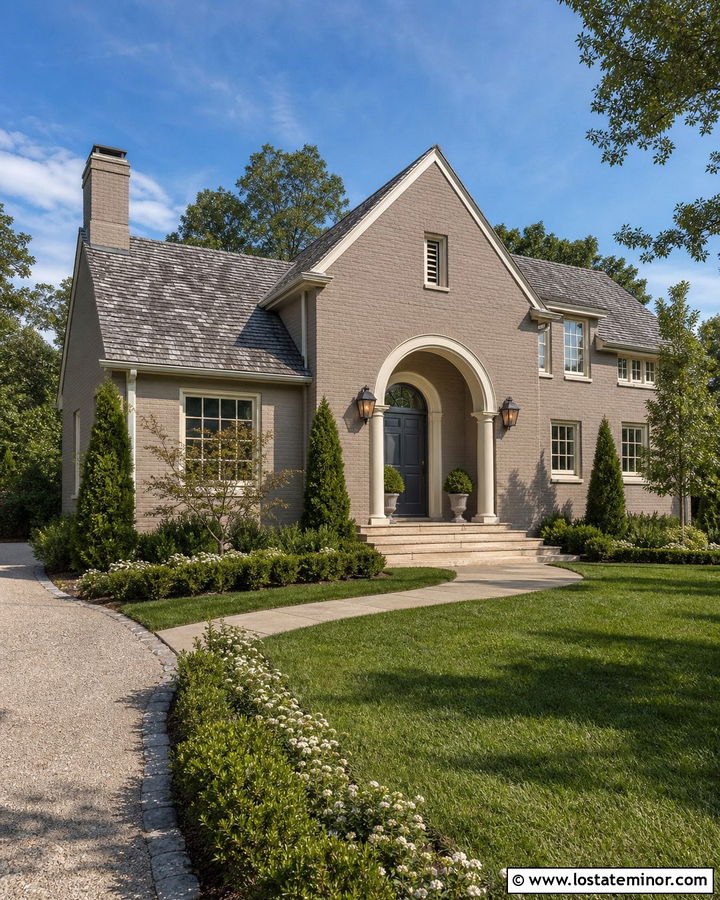
Painted taupe brick gains elegance when paired with an arched portico that emphasizes the front entrance. Select a warm mid-tone taupe that preserves the brick texture and works with existing mortar lines. Creamy white trim around the arch, windows, and roof edge keeps the facade refined. Inside the arched opening, install a deep blue-gray front door for quiet contrast. Traditional lanterns in aged bronze can flank the door and coordinate with a bronze mailbox and hardware. A weathered gray shingle roof prevents the palette from becoming too brown. Finish the entrance with limestone steps and neatly shaped evergreen shrubs. The curved portico softens the visual weight of the brick and introduces an architectural detail that feels formal without being overly grand.
7. Cool Taupe House With Charcoal Portico
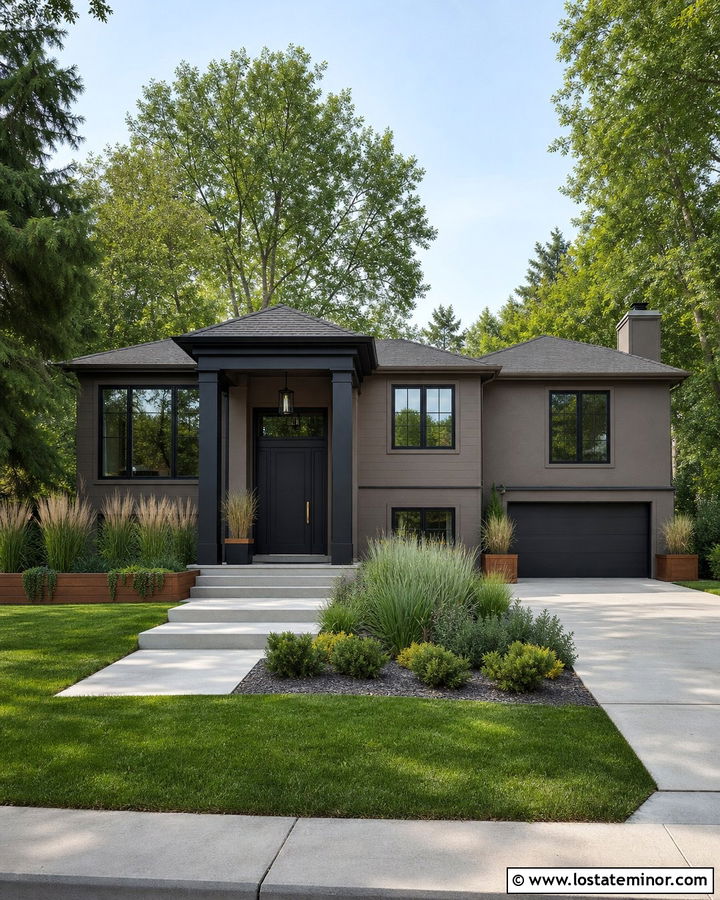
Cool taupe siding works beautifully with a charcoal portico when the goal is a tailored, contemporary exterior. Choose a gray-leaning taupe for the main body and continue it across the garage so the facade remains cohesive. Paint the portico roof, square columns, fascia, and front door deep charcoal. Soft white window trim adds enough brightness to keep the scheme from appearing flat. Black-framed windows and minimalist wall lights reinforce the clean contrast. Use pale gray concrete for the steps and walkway, then introduce warmth through cedar planters or a wood bench near the entry. Structured grasses and evergreen foundation plants provide texture. This restrained palette is especially effective on split-level and transitional homes with simple rooflines and limited ornamental detailing.
8. Taupe Cape Cod With Copper Roof Portico
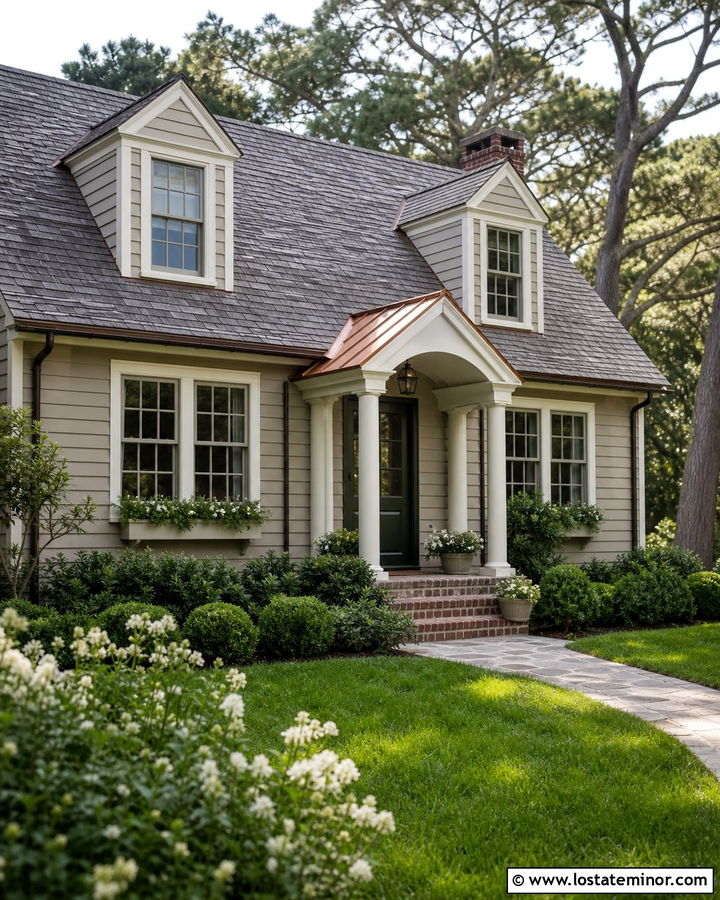
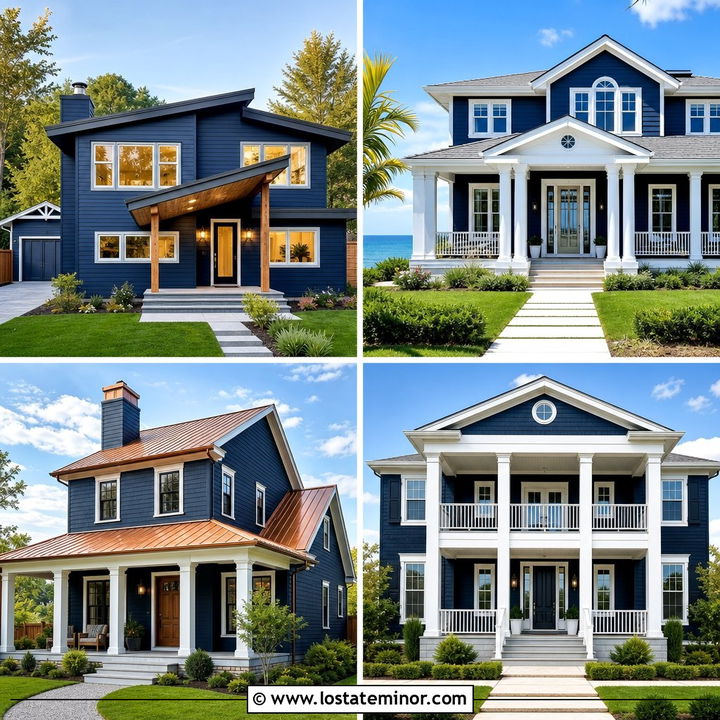
A small copper roof can turn a modest taupe Cape Cod entrance into a memorable focal point. Cover the house in soft sandy taupe shingles or lap siding, then use warm white on the dormers, window casings, and portico columns. The portico should have a compact curved or shallow-hipped roof clad in copper. New copper looks bright at first, while naturally aged copper introduces mellow brown and green notes. Paint the front door forest green to echo the mature finish and nearby landscaping. A weathered gray roof keeps the main structure understated. Brick steps and a narrow stone walkway add traditional texture. Rounded shrubs, flowering borders, and window boxes complete the cottage-like facade without competing with the distinctive metal roof over the entrance.
9. Taupe Bungalow With Cedar Portico
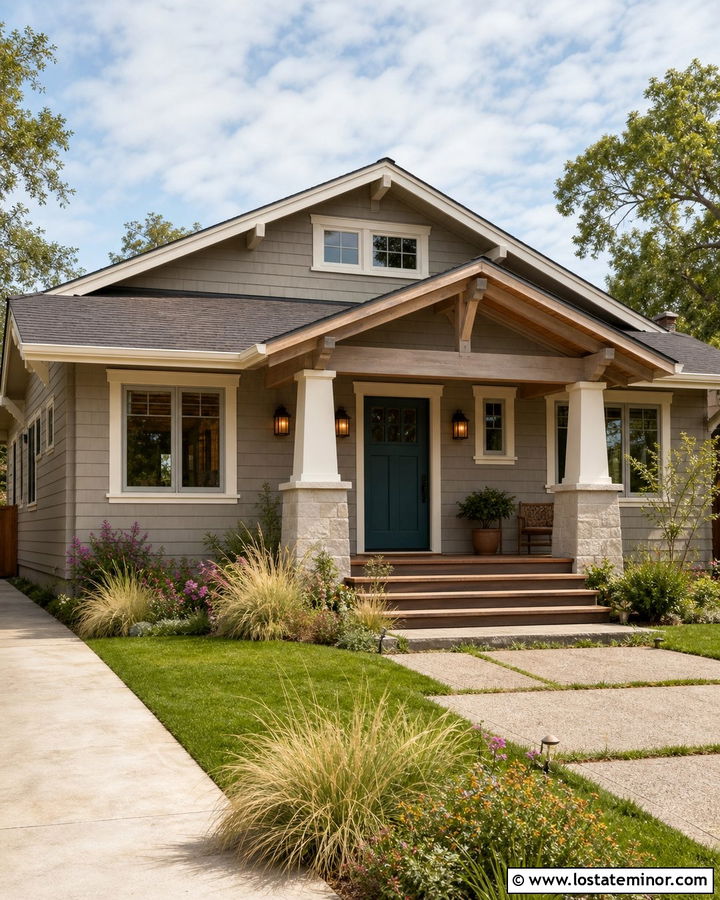
Warm cedar can bring life to a taupe bungalow while preserving its relaxed, handcrafted character. Use a medium neutral taupe on horizontal siding and a slightly deeper taupe on the foundation. Construct a low gabled portico with chunky cedar posts, exposed brackets, and a cedar-lined ceiling. Cream trim around the windows and roof edges keeps the palette bright but gentle. A deep teal front door adds color without clashing with the wood. Choose dark bronze lanterns and house numbers to bridge the cedar and taupe tones. The main roof can feature brown-charcoal shingles that echo both materials. Wide porch steps, native grasses, and loose flowering plants create an informal approach. Every element should feel sturdy, practical, and connected to the bungalow’s proportions.
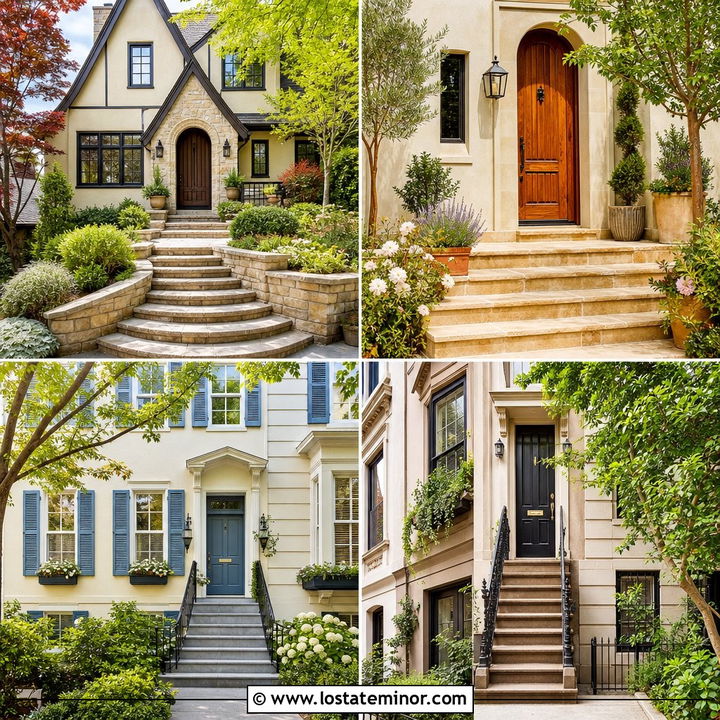
10. Taupe Stucco House With Tile Roof Portico
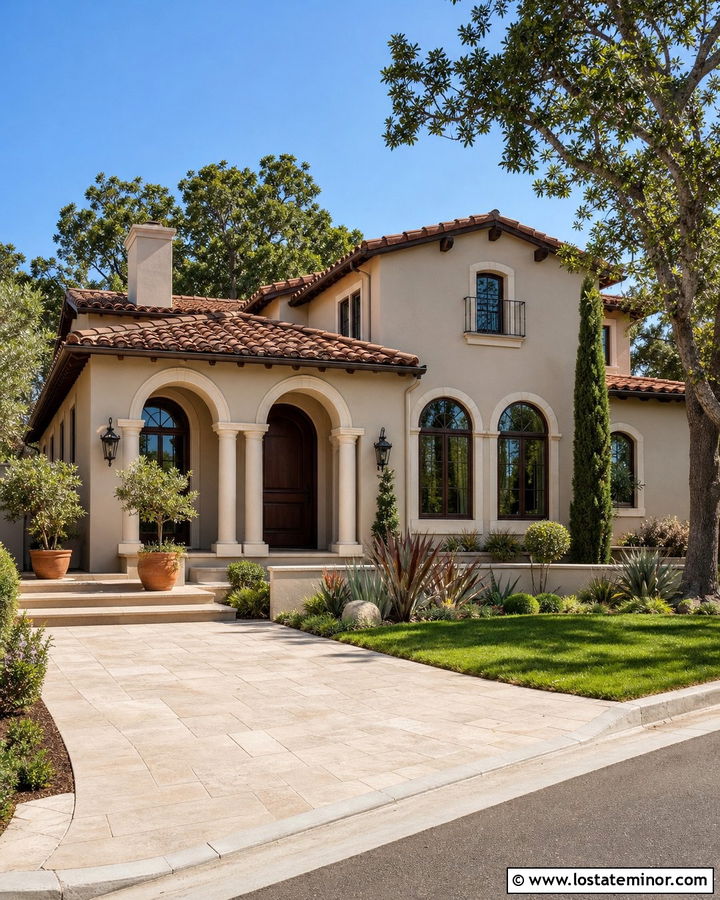
Sunlight brings out the warm undertones in taupe stucco, making it a natural match for a tiled portico. Apply a sandy taupe finish to the main walls and use soft cream around windows, arches, and roof edges. Extend a compact portico over the entrance with clay barrel tiles that coordinate with the home’s main roof. A dark walnut door provides depth, while wrought-iron lighting and railings add traditional definition. Use smooth stucco columns or square piers with stone bases to support the roof. Terracotta planters and drought-tolerant landscaping can reinforce the warm palette without making the exterior too orange. A pale stone walkway reflects daylight toward the entrance. This scheme suits Spanish Revival, Mediterranean, and Southwestern-inspired homes particularly well.
11. Taupe Split-Level With Wide Entry Portico
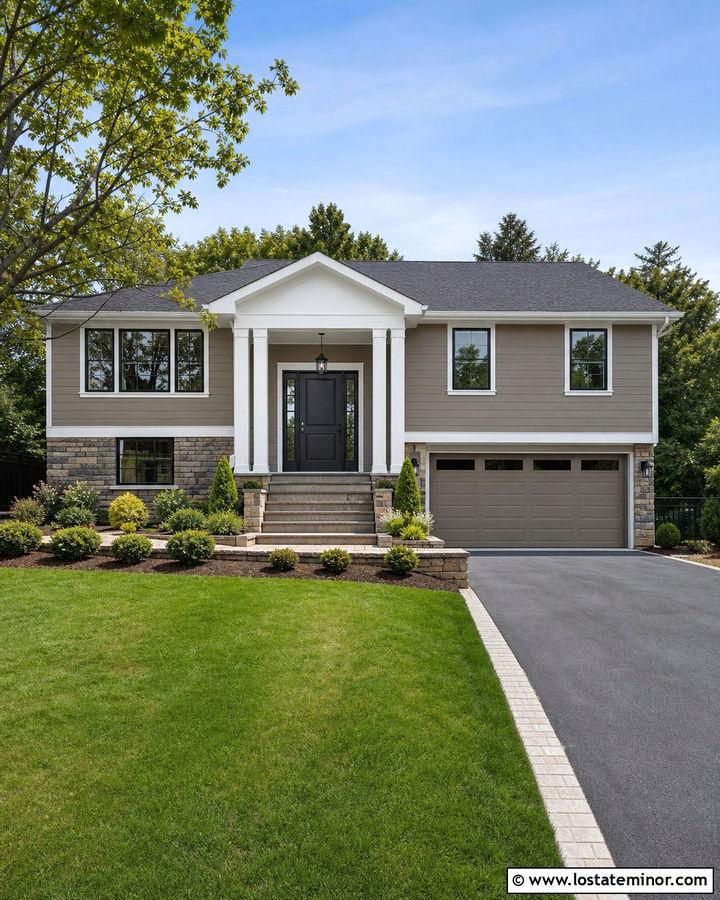
A wide portico can bring order to the uneven proportions of a split-level facade. Paint the upper siding a balanced medium taupe and use a slightly deeper version on the lower-level masonry or foundation. Stretch a shallow portico across the entrance and adjacent window to create one strong horizontal feature. White square columns and fascia brighten the structure, while a dark charcoal door establishes the entry point. Match the garage door to the taupe body so it does not dominate the front elevation. A gray shingle roof and black lighting provide clean, familiar accents. Broad steps and a generous walkway make the entrance easier to read from the street. Layered shrubs can help connect the different levels while leaving the portico completely visible.
12. Taupe Cottage With Curved Portico
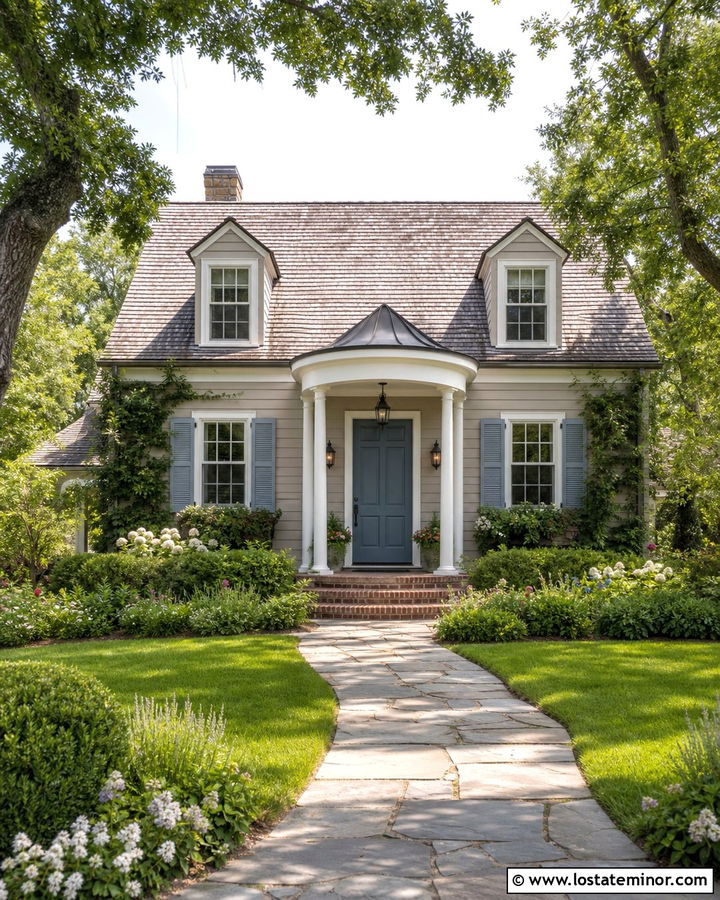
A curved portico brings a graceful shape to a taupe cottage with otherwise simple lines. Choose a soft putty taupe for the siding and warm ivory for the curved fascia, columns, and window trim. A rounded metal roof in aged zinc or muted charcoal creates a distinctive canopy without introducing another strong color. Paint the front door dusty blue for a gentle contrast that suits the cottage scale. Small brick steps and a winding flagstone path support the informal character. Add wall-mounted lanterns in antique brass or dark bronze for a softly aged finish. Climbing greenery can frame the entry, but it should not cover the curved roofline. Flowering perennials and low hedges make the complete exterior feel welcoming, established, and thoughtfully detailed.
13. Taupe Tudor House With Timber Portico
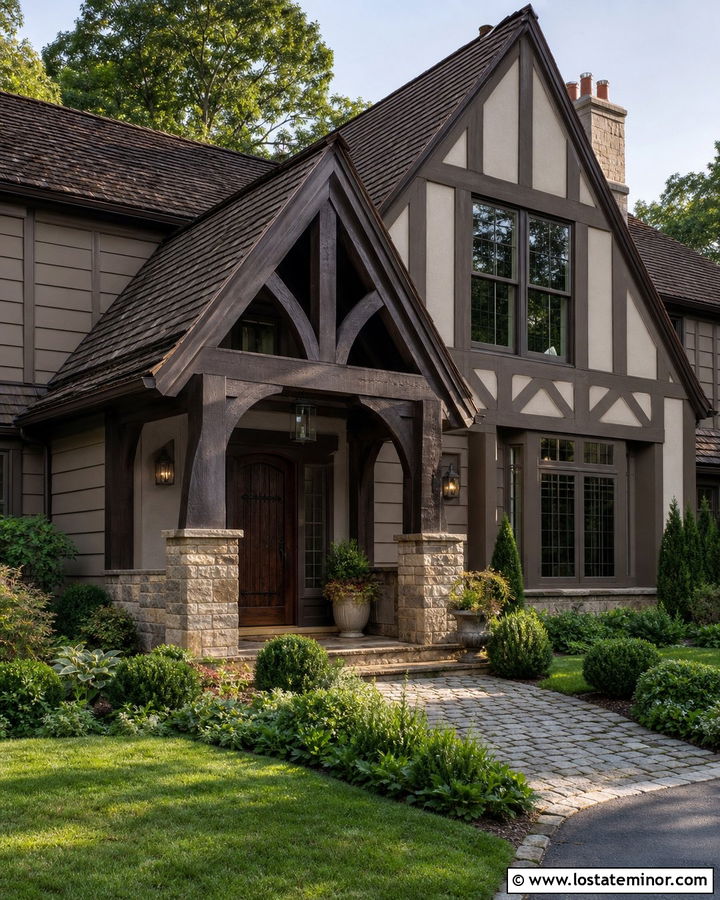
A Tudor-inspired home benefits from taupe because the neutral body color allows dark timber details to remain prominent. Use medium gray-brown taupe on stucco sections and deep espresso on the half-timbering, window frames, and portico beams. Build a steep gabled portico that repeats the pitch of the main roof. Stone piers at the base of the timber posts create visual stability and connect the entrance with the foundation. A dark stained oak door with iron hardware completes the old-world palette. Select roof shingles in layered charcoal and brown rather than solid black. A brick or cobblestone walkway adds texture, while loosely clipped shrubs soften the heavy architecture. Keep trim contrast limited so the facade feels cohesive rather than outlined.
14. Taupe Georgian House With Pediment Portico
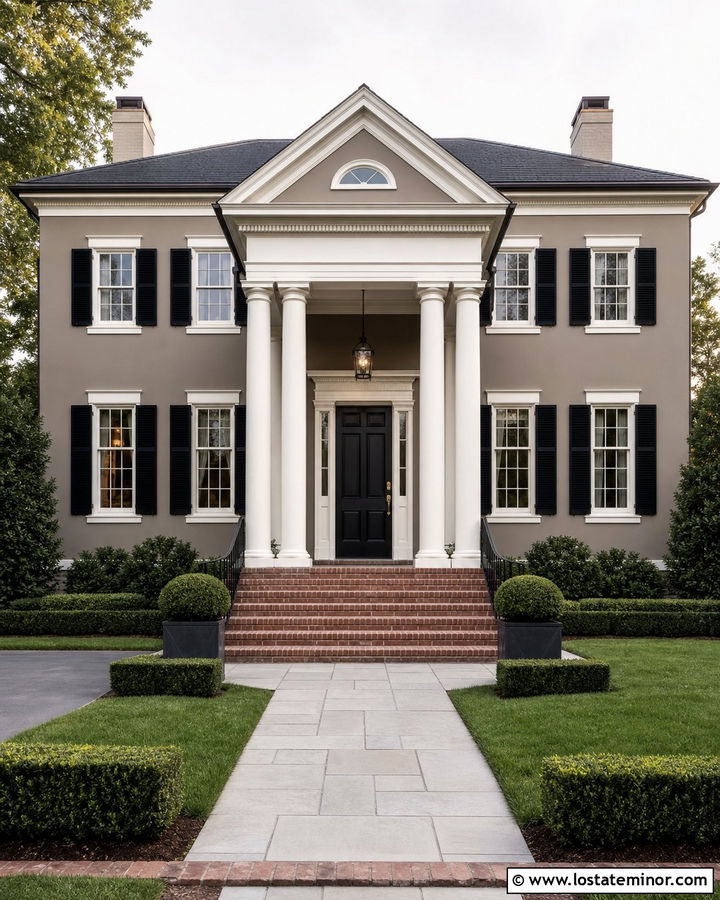
Symmetry is the key to making a taupe Georgian exterior feel polished. Apply refined mid-tone taupe to the siding or painted brick, then center a classical white portico around the front door. A triangular pediment, evenly spaced columns, and a visible entablature should align with the windows above. Use crisp but slightly warm white on all trim and cornice details. A black paneled door, black shutters, and formal brass hardware create traditional contrast. Choose a dark charcoal roof that recedes behind the balanced facade. Brick steps and a straight walkway reinforce the strong central axis. Matching planters and carefully shaped hedges can emphasize order without making the landscaping rigid. The finished scheme looks stately, timeless, and clearly organized from the curb.
15. Taupe Contemporary House With Flat Portico
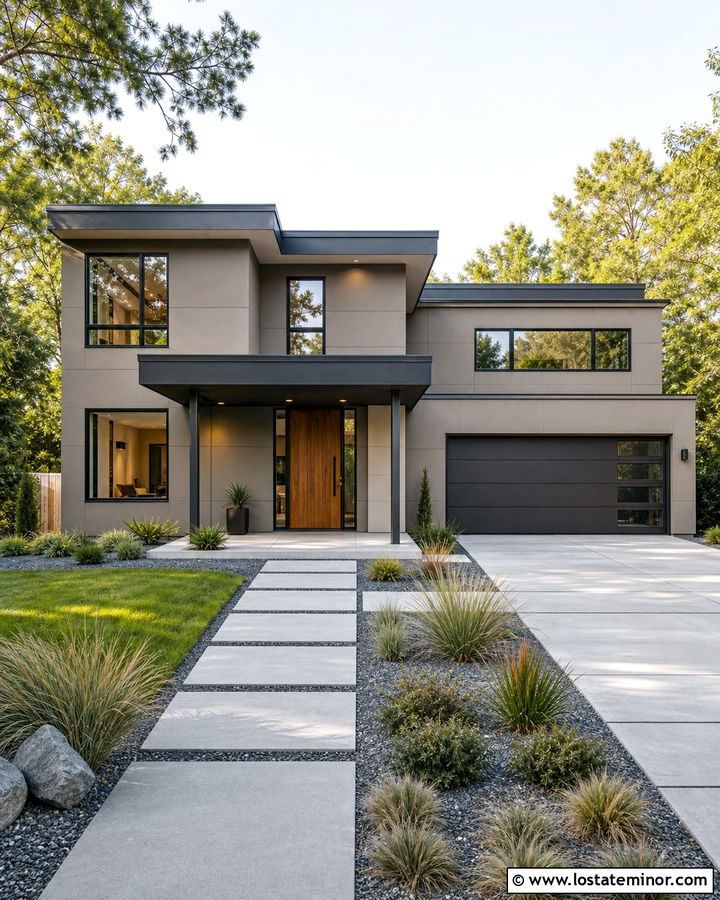
Clean architecture calls for a portico with minimal ornament. On a contemporary home, use cool taupe stucco or smooth fiber-cement panels across the primary volumes. Add a flat-roofed portico in dark bronze or charcoal that projects cleanly over a recessed entrance. Slim columns or a cantilevered structure maintain the streamlined appearance. A natural walnut front door prevents the neutral palette from feeling cold, while black-framed windows add definition. Repeat the dark portico color on the garage door or selected panel joints for continuity. Large concrete slabs can form the front walk, bordered by gravel and architectural grasses. Keep the planting arrangement simple and asymmetrical. Bright daylight will reveal the subtle difference between the taupe walls, dark metal, and warm wood surfaces.
16. Taupe Victorian House With Decorative Portico
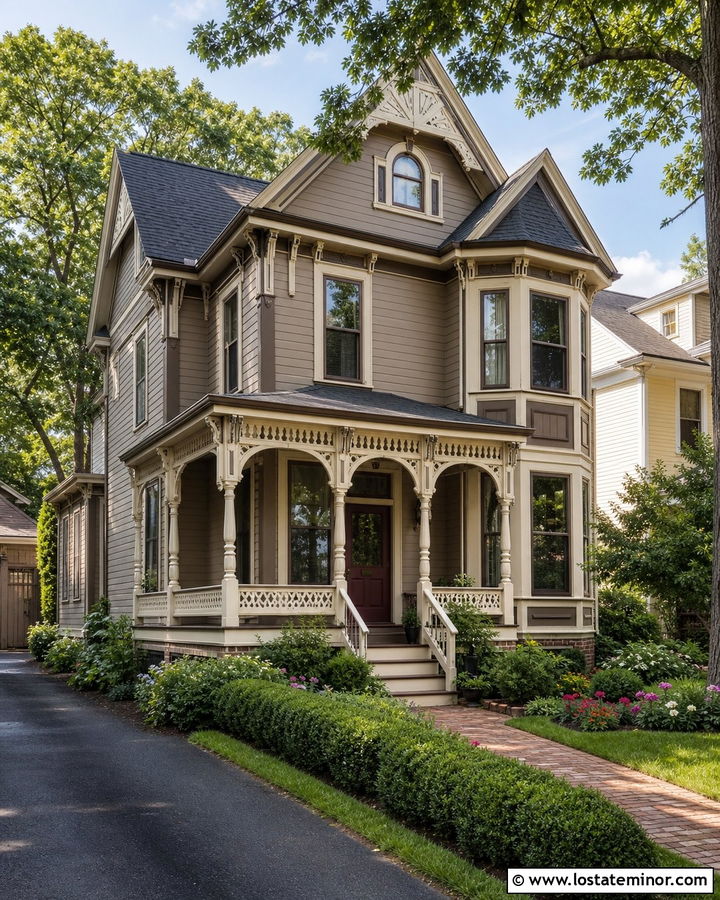
Taupe can calm a detailed Victorian facade without hiding its personality. Select a warm greige-taupe for the clapboard siding, then use cream on the portico columns, brackets, window trim, and decorative gable work. A muted burgundy front door introduces a heritage-inspired accent that feels rich rather than flashy. Paint smaller ornamental details in a deeper brown-taupe to add dimension without creating a multicolored effect. The portico may feature turned posts, fretwork, and a compact hipped roof finished with charcoal shingles. Add traditional brass hardware and dark bronze lanterns near the entrance. A brick walkway, clipped hedge, and layered cottage planting complete the setting. This controlled palette lets intricate woodwork remain visible while giving the whole house a more unified appearance.
17. Taupe Two-Story House With Double Column Portico
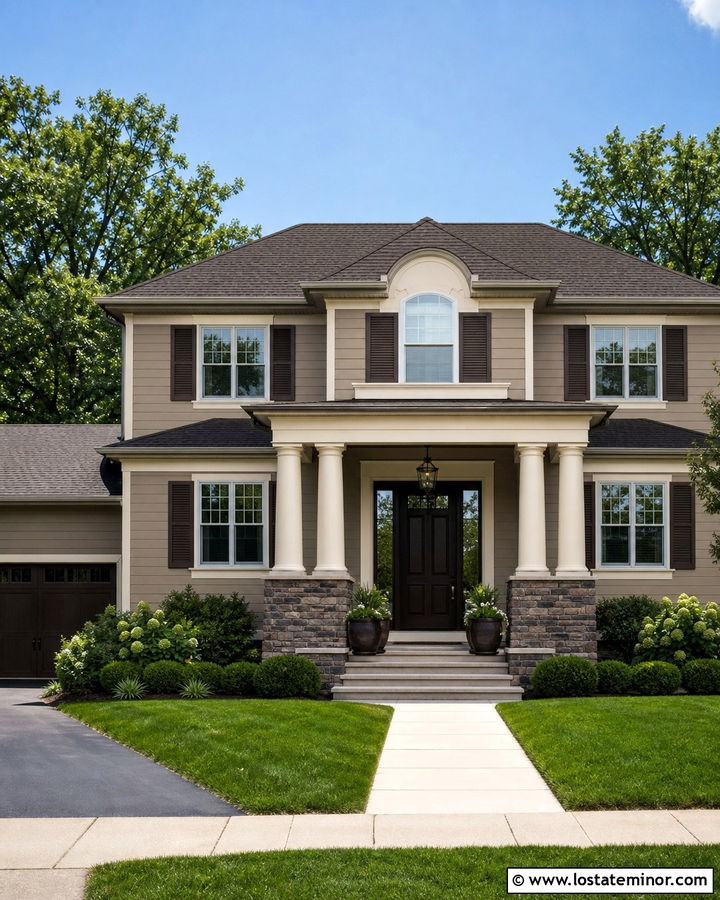
A tall two-story facade needs a portico with enough presence to remain visible from the street. Choose medium warm taupe siding and frame the entrance with two substantial pairs of cream-colored columns. A broad gabled or hipped canopy can visually connect the door with the upper windows without extending to the full second story. Use a dark espresso front door and repeat that color on shutters or selected window sashes. A brown-charcoal roof keeps the scheme warm and balanced. Stone column bases add texture and make the entrance feel firmly anchored. Use wide steps, oversized planters, and a straight walkway to match the scale of the house. Foundation trees should frame the elevation rather than block the portico or disrupt its centered composition.
18. Taupe Ranch With Brick Portico Columns
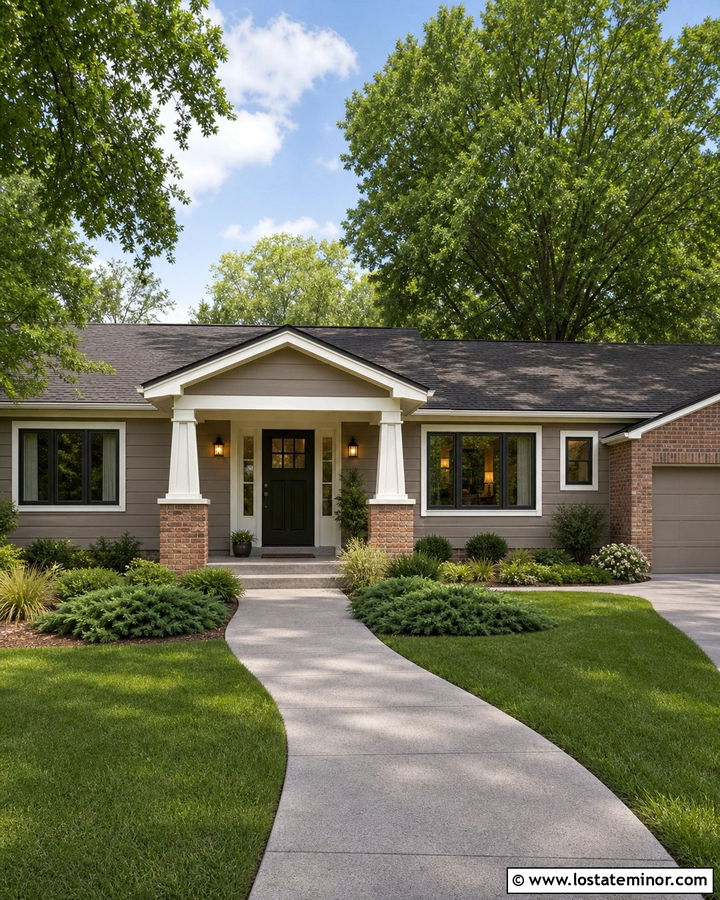
Existing red or brown brick can become an asset when it is repeated on the portico columns of a taupe ranch. Select a warm taupe siding color that shares the brick’s muted brown undertone. Use creamy white on the soffits, window trim, and portico fascia to prevent the long facade from looking heavy. Build square columns with brick bases and simple white upper posts. A dark green front door adds a natural accent while remaining compatible with both taupe and brick. Choose charcoal-brown roof shingles and bronze lighting for a connected finish. A widened concrete path, low junipers, and ornamental grasses suit the ranch’s horizontal proportions. Repeating the original brick at the entry makes the new portico feel integrated instead of attached as an unrelated feature.
19. Taupe House With Black Gabled Portico
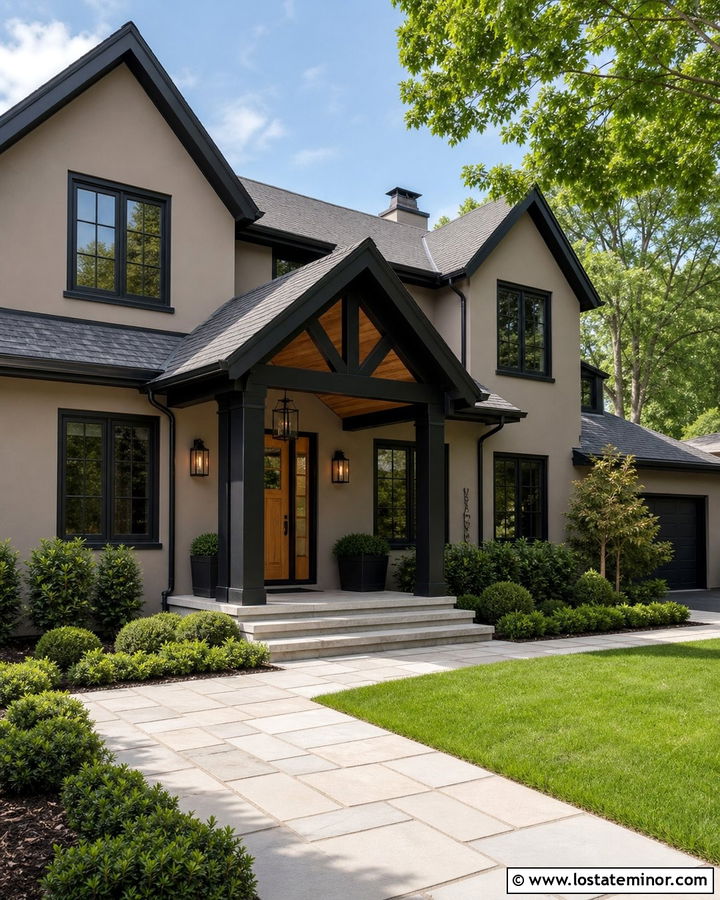
A black gabled portico can sharpen a taupe facade and create an unmistakable entrance. Use soft medium taupe on the siding, balanced by warm white window trim and soffits. Paint the complete portico structure black, including the gable face, posts, beam, and fascia. For extra texture, line the ceiling with natural cedar and choose a medium-stained wood door. Black-framed windows, gutters, and lanterns carry the contrast across the house without overwhelming the neutral body. A dark charcoal roof helps the portico feel connected to the upper facade. Keep the walkway pale and the landscaping green to offset the dark architectural accents. This scheme is especially effective for transitional homes that need a stronger focal point but do not require extensive structural changes.
20. Taupe House With White Flat Roof Portico
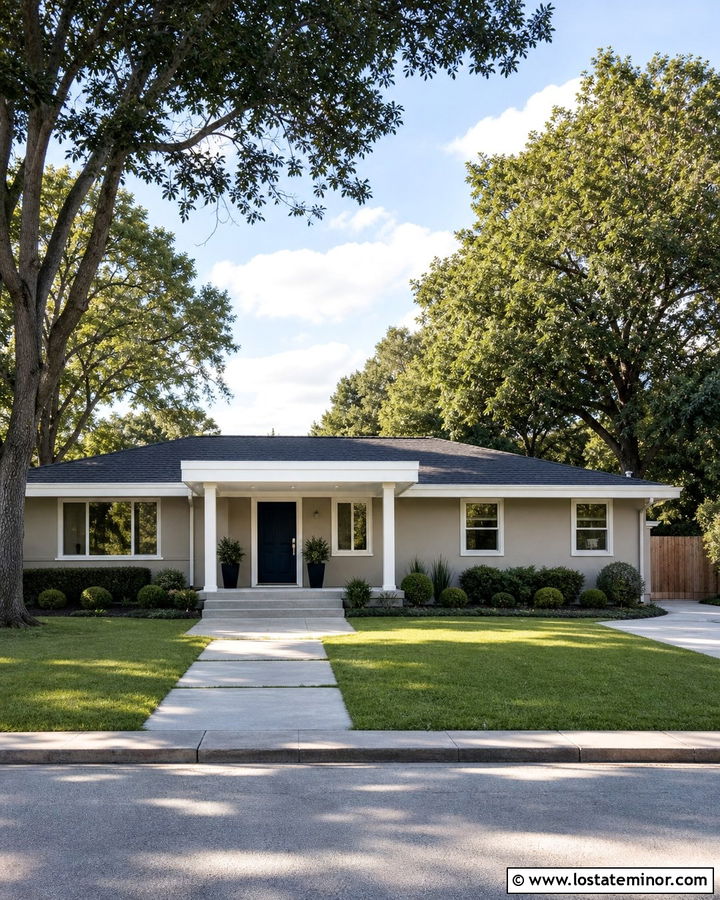
Sometimes a quiet entrance is more appropriate than a prominent gable. A white flat-roof portico gives a taupe house a clean, understated focal point. Apply light mushroom taupe to the facade and use warm white on the portico, window frames, fascia, and garage trim. Square columns and a deep horizontal beam should align with the home’s existing architectural lines. Paint the front door dark navy or blue-black to anchor the light structure. Gray concrete steps and a matching path maintain the simple palette, while brushed nickel or matte black lighting adds a modern finish. Use rounded shrubs to soften the portico’s straight edges. This look works well for midcentury ranches, modest contemporary homes, and updated suburban houses with shallow roof pitches.
21. Taupe House With Natural Stone Portico
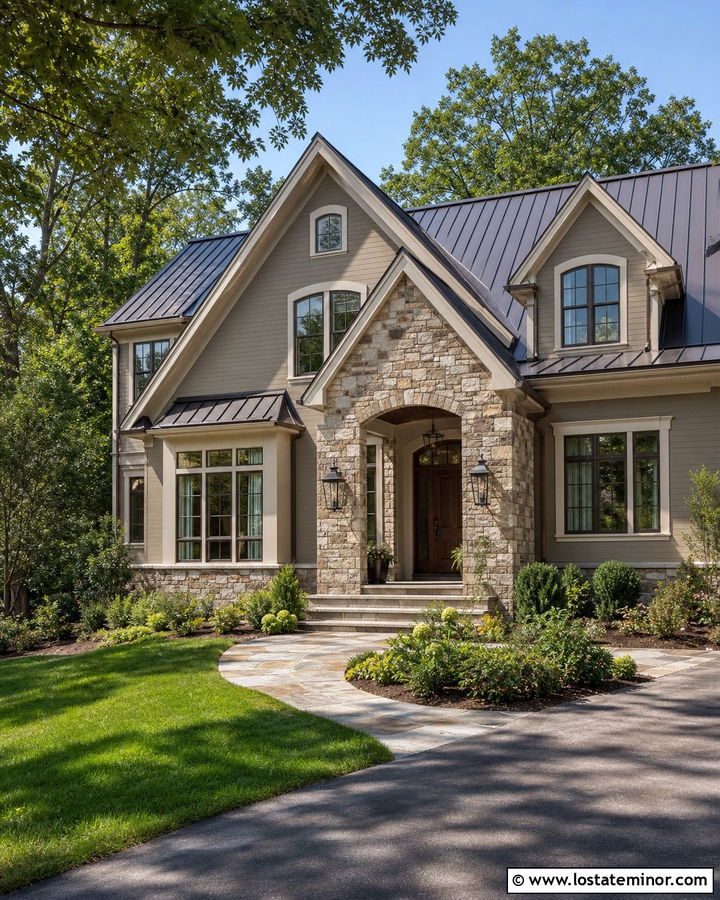
Natural stone brings layered color and texture to a taupe exterior, but the materials should share similar undertones. Choose a medium warm taupe for the siding and a stone blend containing beige, gray, and muted brown. Use the stone on broad portico piers and repeat it in a low foundation band for continuity. Cream trim keeps the facade light, while a dark walnut door enhances the stone’s earthy character. The portico roof can be finished in charcoal standing-seam metal for subtle contrast. Add dark bronze lanterns, gutters, and hardware instead of bright black. A flagstone walkway and naturalistic planting beds complete the grounded scheme. Keeping the stone placement controlled ensures the entrance remains the focal point and the house does not look overly busy.
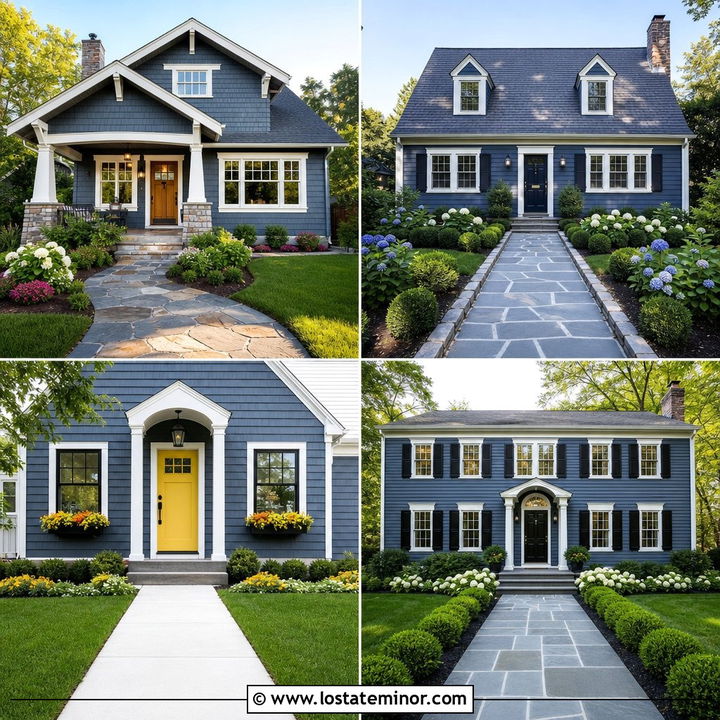
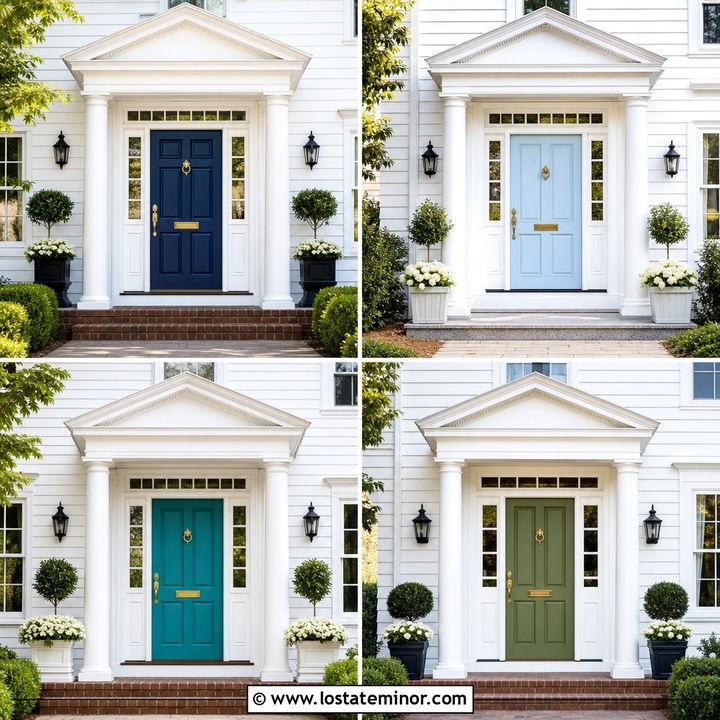
22. Taupe House With Blue Front Door Portico
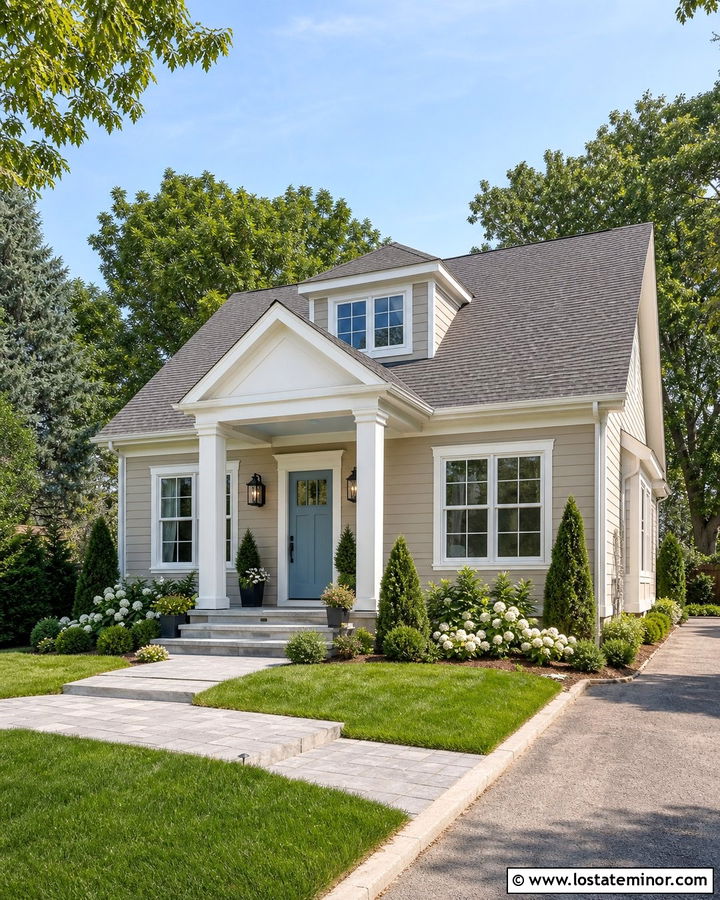
A blue front door gives a taupe house an approachable burst of color while the portico provides the architectural frame. Use a balanced light taupe across the siding and soft white on the gabled portico, columns, and window trim. Choose a muted slate blue or deep denim door rather than a highly saturated shade. The cooler accent will stand out while still relating to a gray shingle roof. Black lanterns and simple hardware add definition around the entrance. If the portico has a visible ceiling, paint it a pale blue-gray for another subtle connection. Use gray pavers, white flowers, and evergreen shrubs along the walkway. The complete palette feels fresh and personal, yet it remains flexible enough for many suburban house types.
23. Taupe House With Green Door Portico
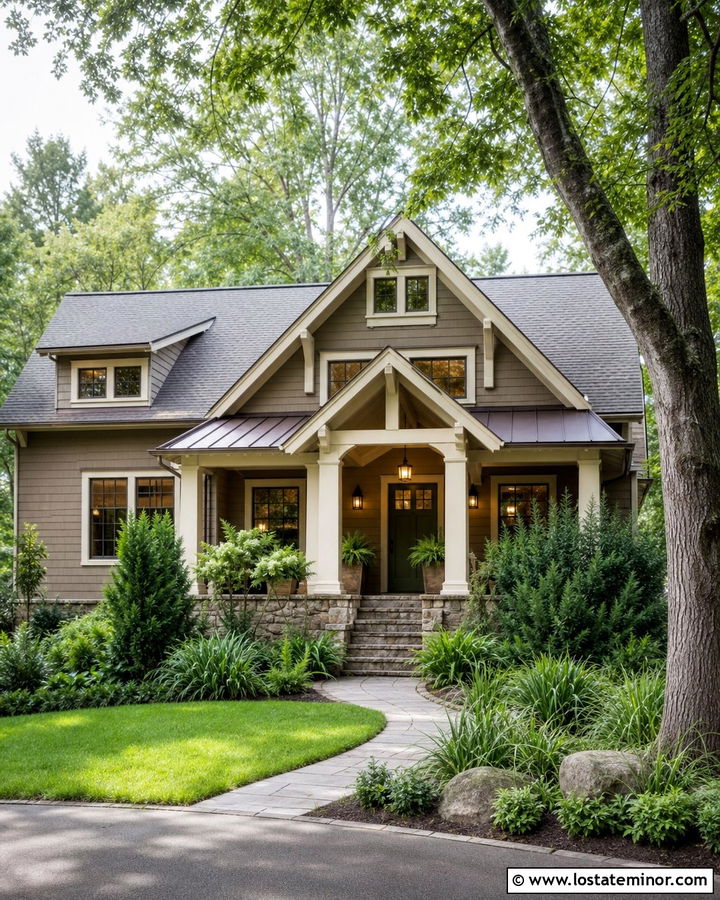
Warm taupe and muted green create a natural exterior that settles easily into a leafy landscape. Paint the siding a soft brown-based taupe and use creamy white around the windows and on the portico columns. A moss, olive, or dark sage front door becomes the center of the scheme without feeling disconnected. Add a shallow hipped portico roof in aged bronze metal or brown-charcoal shingles. Natural stone steps can repeat the subdued colors found in both the taupe and green. Choose bronze lanterns and simple wood planters for added warmth. Layer ferns, ornamental grasses, and evergreen shrubs around the walkway. This combination is especially successful on cottages, Craftsman homes, and wooded suburban properties where the exterior should complement rather than compete with the setting.
24. Taupe House With Red Door Portico
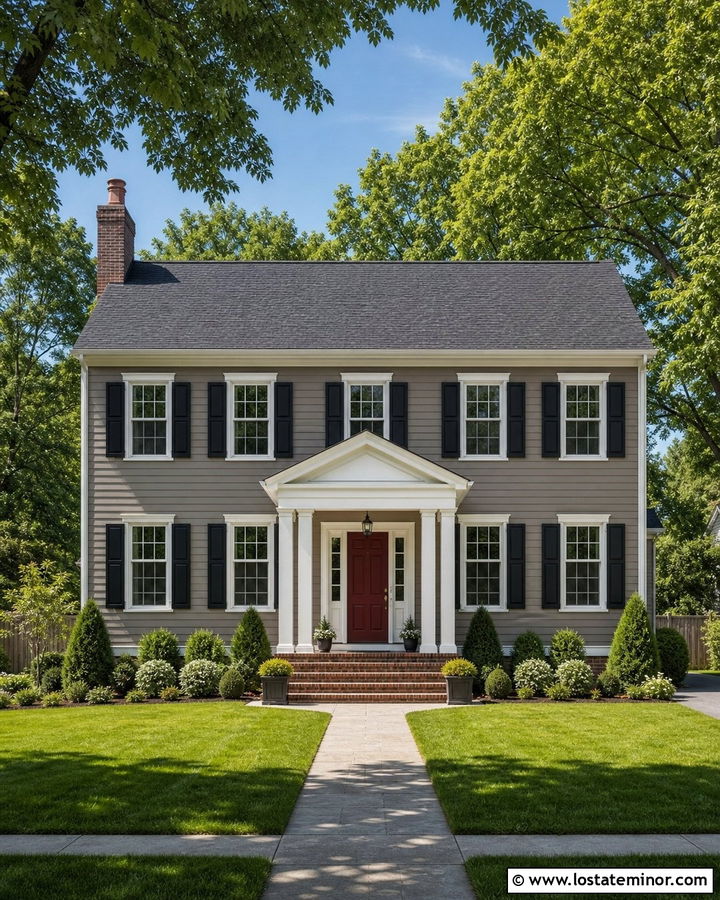
A restrained red front door can energize a taupe exterior without making the entire facade feel bold. Begin with medium gray-brown taupe siding and warm white trim. Center the red door under a classic gabled portico with white square columns and a charcoal roof. Choose a deep brick red or oxblood shade instead of a bright primary red. This richer color coordinates naturally with brick steps, aged bronze lighting, and brown roof undertones. Black shutters can add structure on a Colonial or traditional two-story home, but keep other accents simple. Evergreen foundation plants provide a calm green backdrop. By limiting red to the entrance, the portico becomes a strong focal point while the taupe body continues to give the house a composed, neutral appearance.
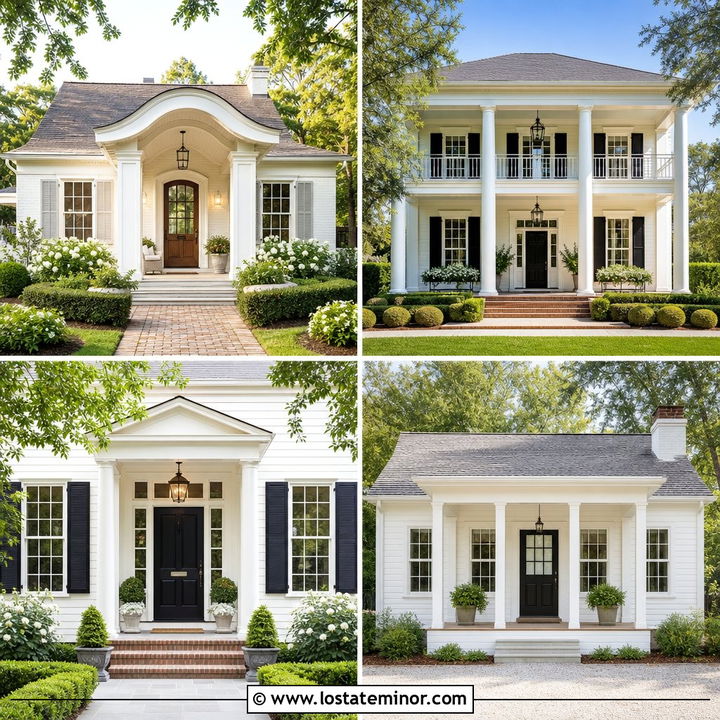
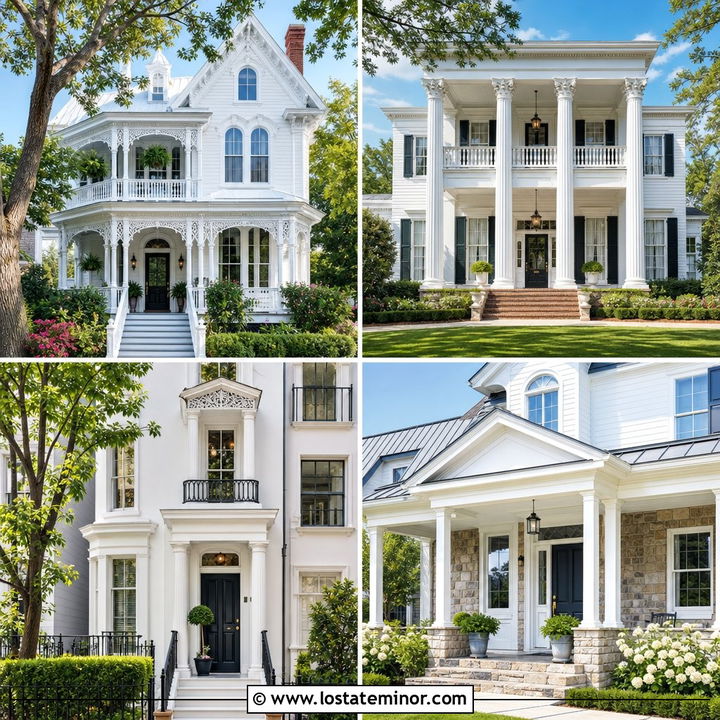
25. Taupe House With Wood Door Portico
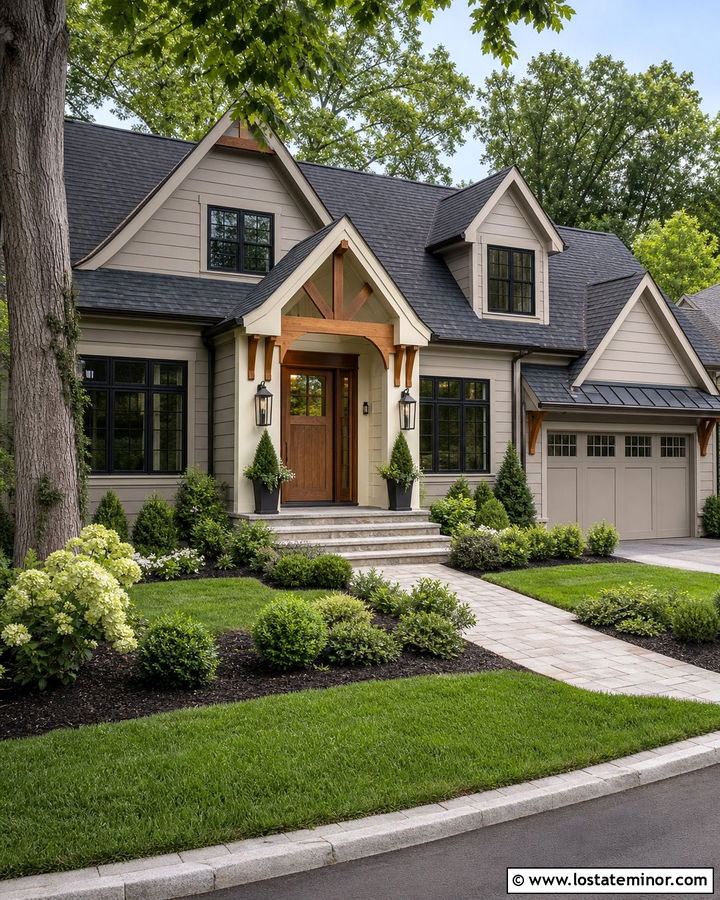
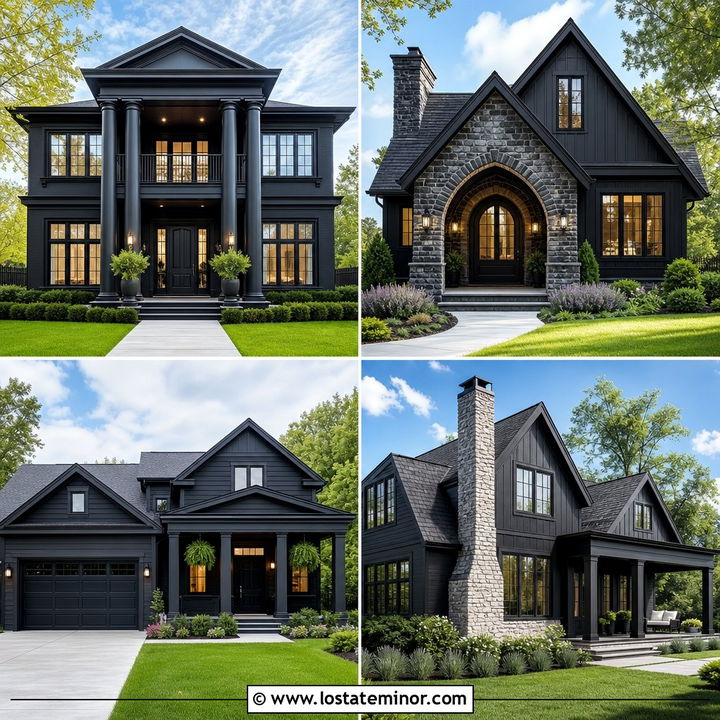
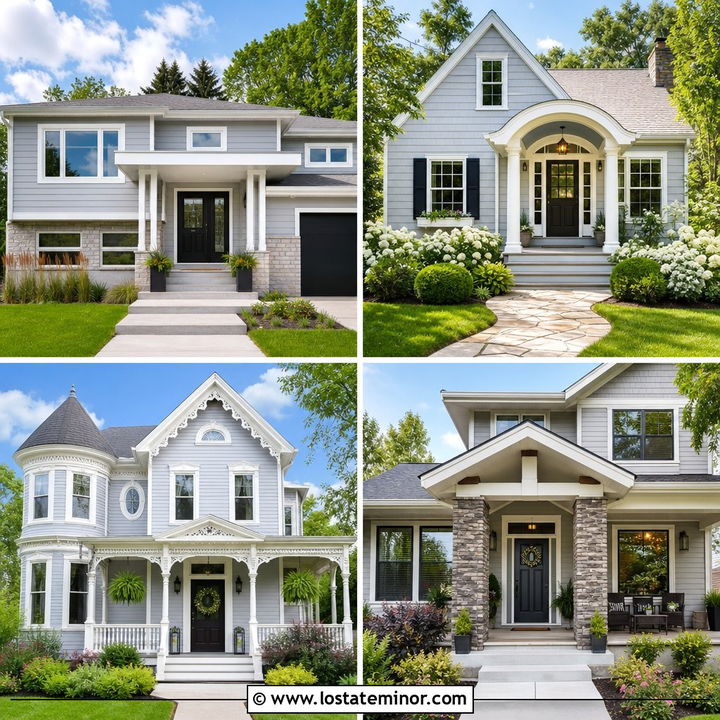
A natural wood door is one of the easiest ways to add warmth and variation to a taupe exterior. Select cool or balanced taupe siding so the honey, oak, or walnut tones of the door remain visible. Build a modest gabled portico with cream trim and stained timber brackets that echo the entrance. Use charcoal shingles or dark metal on the portico roof to create a clear top edge. Black lanterns, window frames, and house numbers introduce crisp contrast. If the home has a garage, paint its door the same taupe as the siding so the wood entry remains dominant. Pale stone steps, layered shrubs, and a clean paver walkway complete the arrangement. The result feels welcoming, tactile, and carefully coordinated rather than overly neutral.
26. Monochromatic Taupe House With Portico
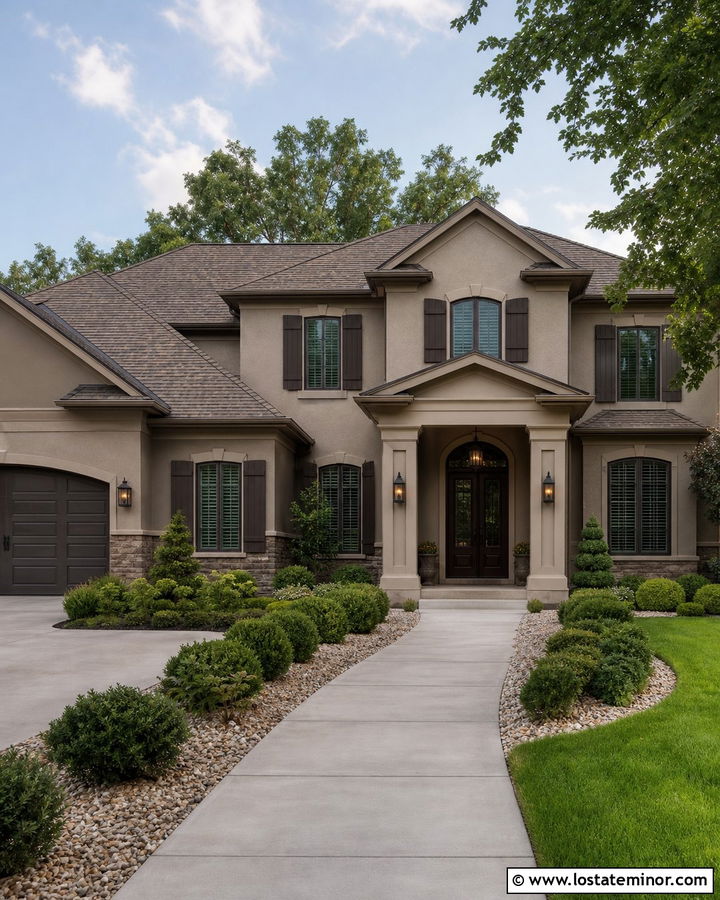
A monochromatic palette can make a detailed facade feel calmer and more spacious. Paint the main siding medium taupe, then use a lighter taupe on the portico columns, window trim, and fascia. Introduce a deeper taupe-brown on the front door, shutters, and garage door. The subtle shifts in value define each architectural layer without relying on white or black contrast. Choose a roof with mixed gray and brown shingles to support the tonal scheme. Stone bases containing several taupe shades can add texture beneath the portico. Bronze lighting works better than stark black in this low-contrast design. Add greenery with varied leaf shapes and use pale gravel or concrete around the walkway. Careful tonal separation keeps the exterior dimensional instead of flat.
27. Two-Tone Taupe House With Portico
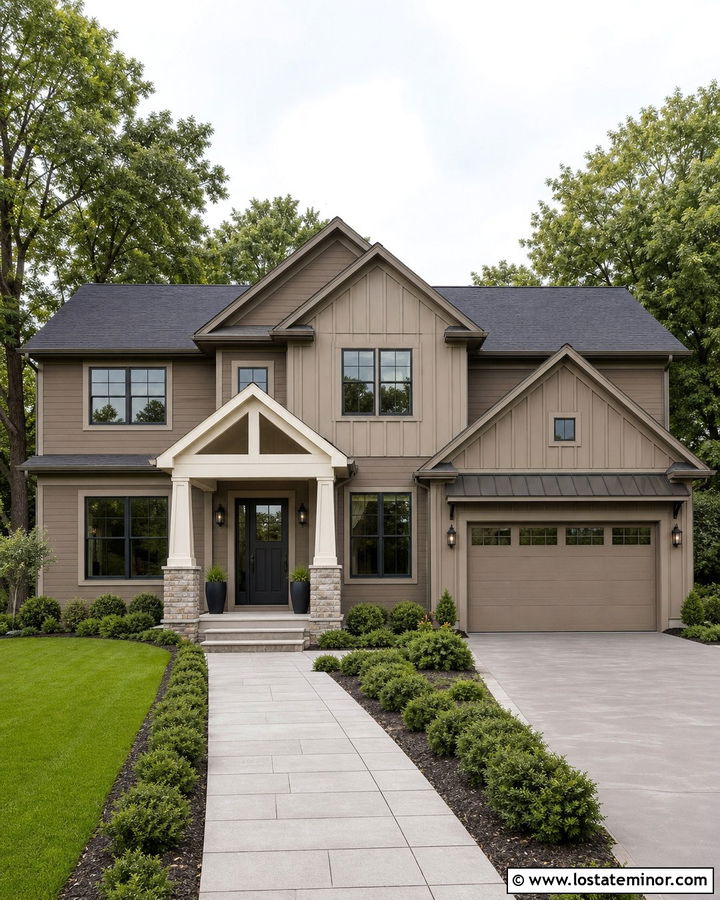
Two taupe shades can visually organize a house with multiple siding materials or complicated rooflines. Use light taupe on the upper story or gable sections and a deeper brown-gray taupe on the lower level. Paint the portico cream so it creates a clear transition between the two body colors. A dark charcoal door and roof add structure without introducing an unrelated hue. If the facade includes board-and-batten and horizontal lap siding, assign one taupe to each texture for an intentional finish. Stone column bases can blend the light and dark tones together. Keep gutters and downspouts close to the surrounding body color so they recede. Simple shrubs, a broad walkway, and matching entry planters finish the layered but coordinated curb-appeal scheme.
28. Taupe House With Farmhouse Portico
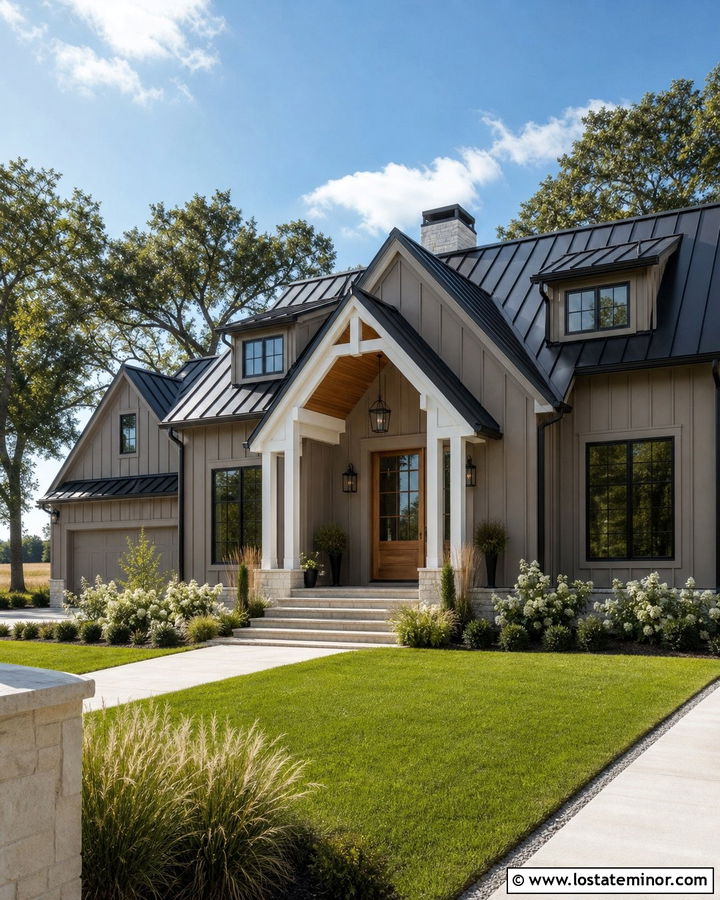
A farmhouse portico should feel useful, straightforward, and connected to the home’s main roofline. Cover the house in warm taupe board-and-batten siding and use creamy white on the fascia, window trim, and square portico posts. Add a simple gabled roof with black standing-seam metal for a crisp rural-inspired accent. A medium oak front door and cedar ceiling soften the black-and-taupe combination. Black windows, lanterns, and gutters repeat the roof color across the elevation. Use limestone or light concrete for the steps, then frame the entrance with low grasses and white flowering shrubs. The portico can be compact, but it should be deep enough to look functional. This complete exterior feels relaxed and modern without losing traditional farmhouse simplicity.
29. Taupe House With Craftsman Portico
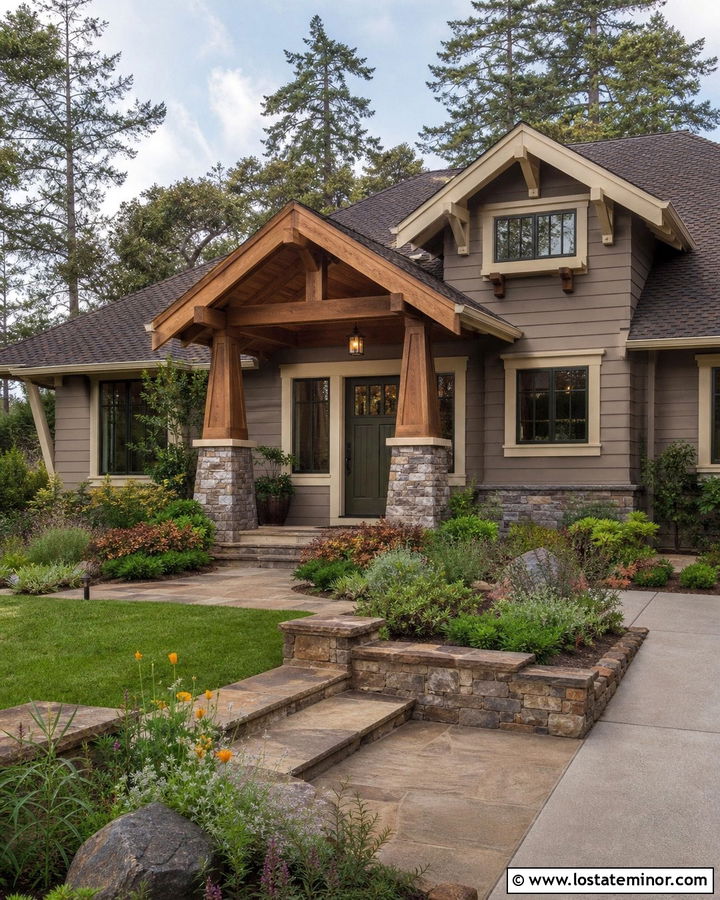
Strong beams and tapered supports make a Craftsman portico a natural partner for an earthy taupe exterior. Paint the horizontal siding medium mushroom taupe and use warm cream on the window frames and exposed rafter tails. Build the portico with stained cedar beams and tapered columns resting on stacked-stone bases. A dark olive or deep brown front door keeps the palette grounded. Use brown-charcoal roof shingles and aged bronze lighting to connect the wood, stone, and siding. Decorative brackets can add authenticity, but their scale should match the width of the entrance. A wide path, low stone edging, and layered native plants complete the handcrafted appearance. The variety of textures provides interest while the controlled neutral palette keeps the whole house cohesive.
30. Taupe House With Modern Wood Portico
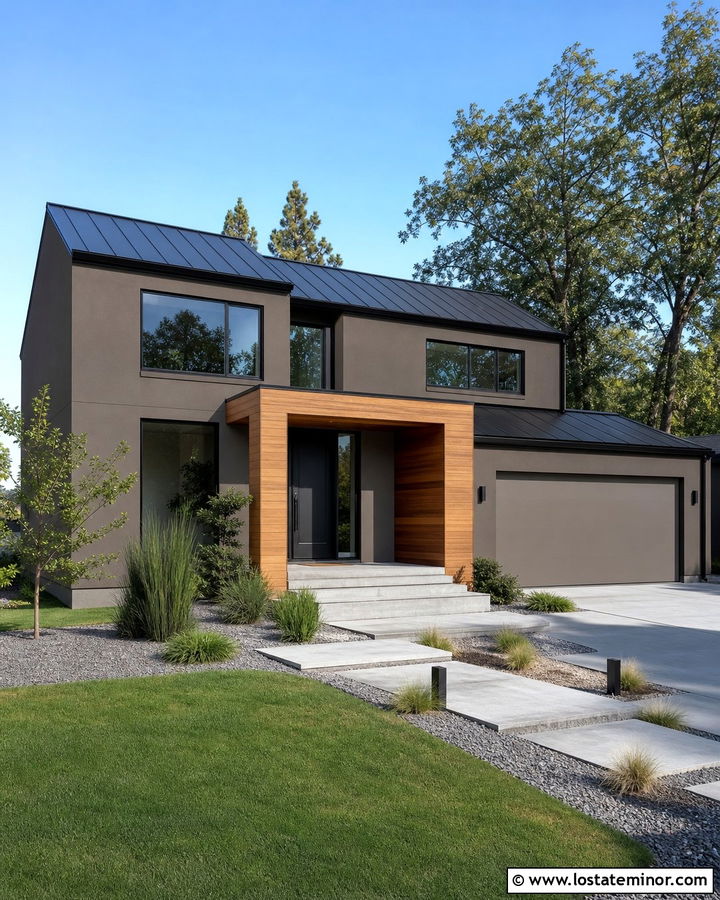
For a striking contemporary entrance, frame a taupe facade with a modern wood portico. Use smooth cool taupe siding or stucco as the calm background, then build a box-shaped canopy from warm cedar or thermally modified wood. The wood can continue down one side of the entry to create an asymmetrical architectural frame. Choose a matte black front door, black windows, and charcoal metal roofing for sharp definition. Match the garage door to the taupe body so the entrance remains the feature. Large-format concrete pavers, gravel beds, and sculptural grasses reinforce the modern geometry. Keep the wood grain visible and the construction lines simple. This combination delivers warmth, contrast, and depth without relying on decorative trim or traditional columns.
Conclusion:
These 30 Taupe House Design With Portico Ideas show how one flexible neutral can support many different architectural directions. A white pediment creates a traditional entrance, while black metal, natural cedar, copper, brick, or stone can give taupe a more distinctive personality. Consider the complete facade before choosing a design. The portico roof should relate to the main roof, columns should match the house scale, and the door color should remain visible from the street. Test taupe samples beside permanent materials because stone, brick, roofing, and daylight can affect how the undertone appears. With thoughtful proportions and coordinated finishes, a taupe house and well-designed portico can create welcoming, polished curb appeal.

Related posts: