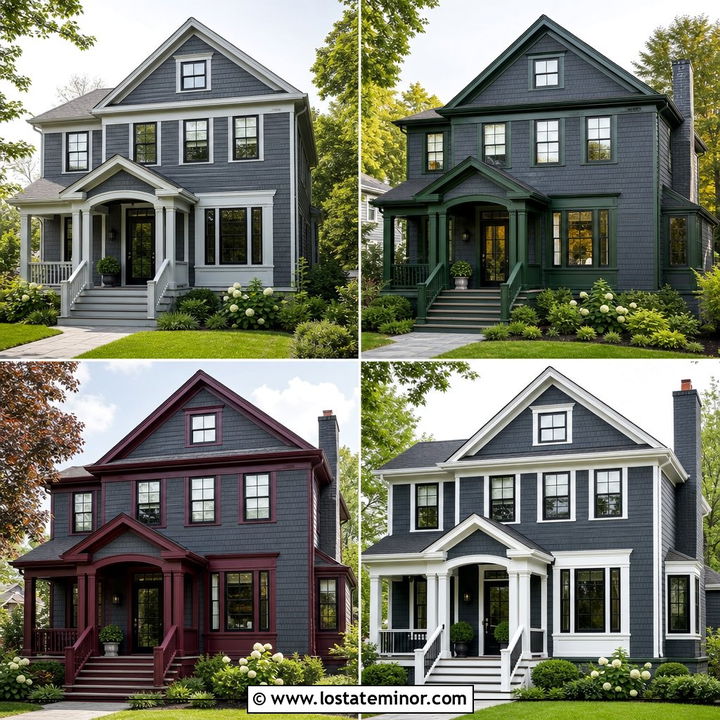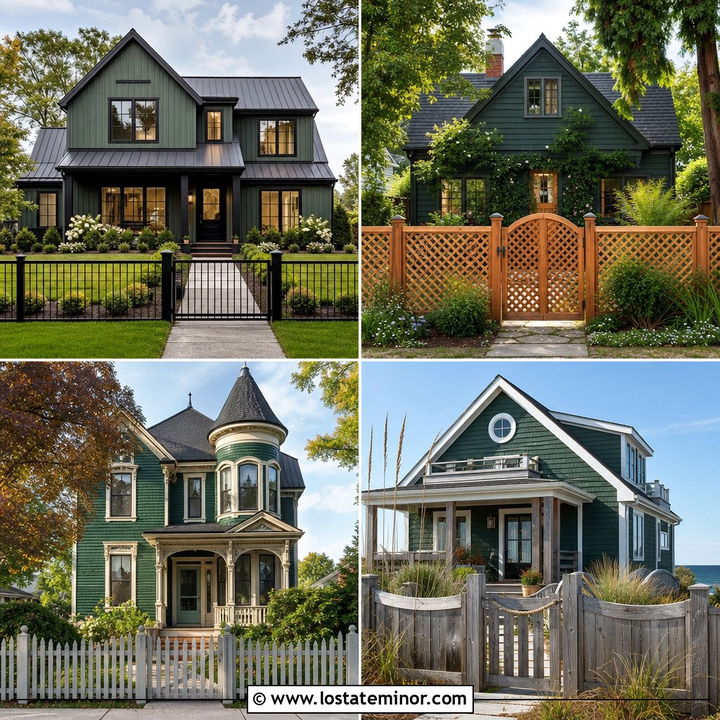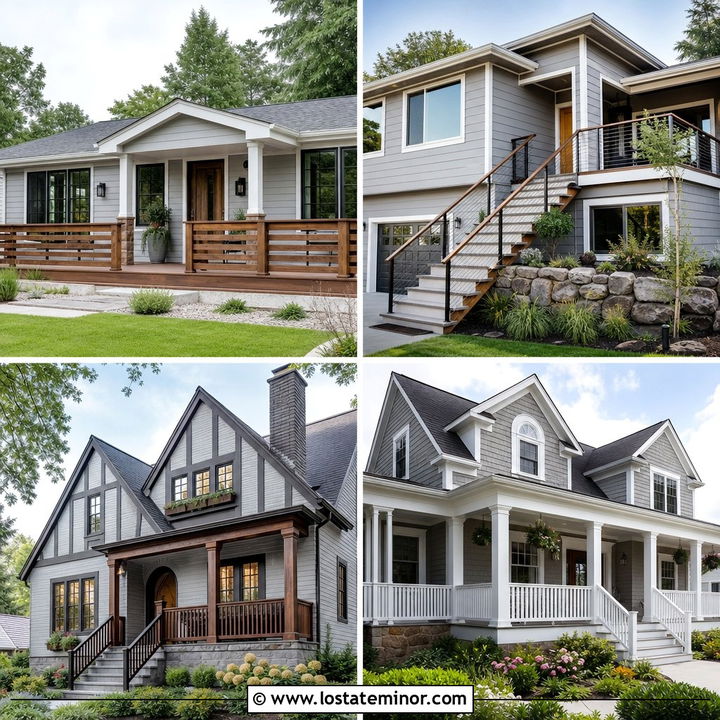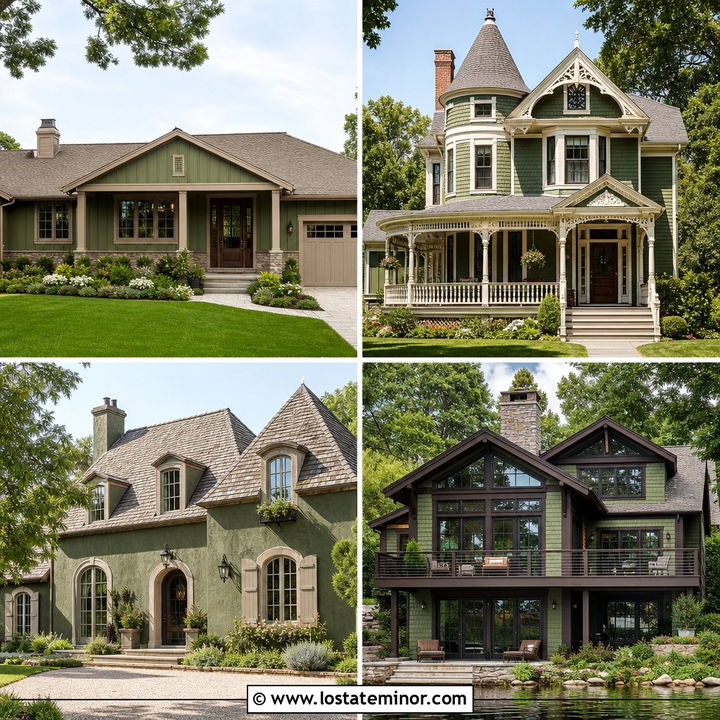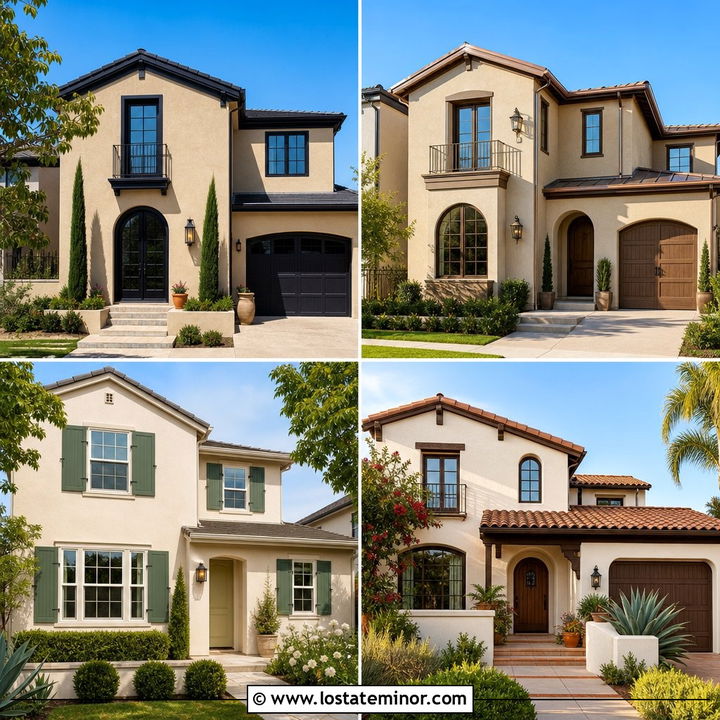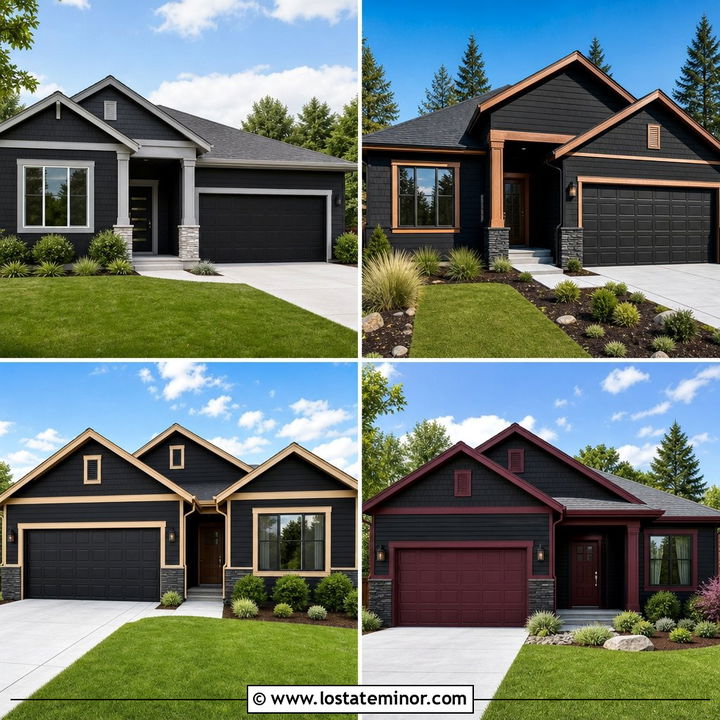
Dove grey is a flexible exterior color that can look crisp, warm, coastal, traditional, or modern depending on the trim and materials around it. The strongest schemes consider the siding, trim, roof, doors, windows, and permanent masonry as one connected palette rather than separate choices. () Bright white creates clear contrast, while cream, taupe, charcoal, blue, and green trim can shift the same grey toward an entirely different mood. Natural wood, brick, stone, and metal finishes add another layer of character. Before painting, compare large samples beside the roof and existing hardscape in morning and afternoon light. The complete looks below make it easier to find practical inspiration among these 30 Dove Grey House Design With Trim Ideas.

1. Dove Grey House With White Trim
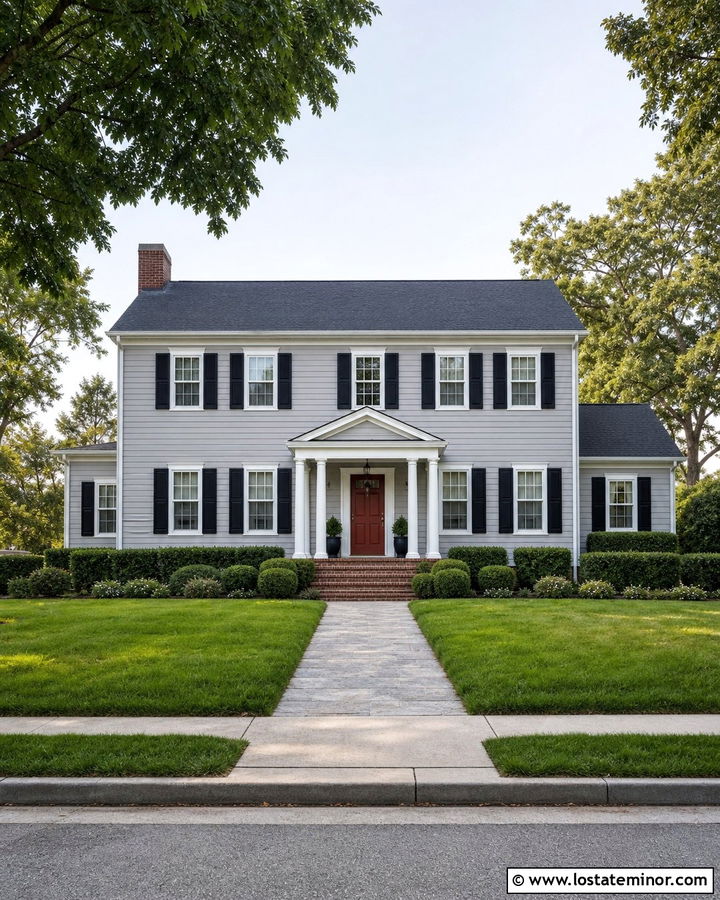
Clean white trim gives a dove grey exterior a crisp, familiar finish that works especially well on a two-story Colonial. Use the grey across clapboard siding, then frame the windows, corner boards, porch columns, fascia, and garage door in bright white. Black shutters introduce definition without making the palette feel busy. A muted red front door adds a traditional focal point and keeps the entry easy to spot from the street. Choose charcoal roof shingles to connect the shutters with the upper portion of the home. Red brick steps can bring warmth near the foundation. This complete scheme feels balanced because every dark detail is offset by generous white trim and soft, light grey siding.
2. Dove Grey House With Black Trim
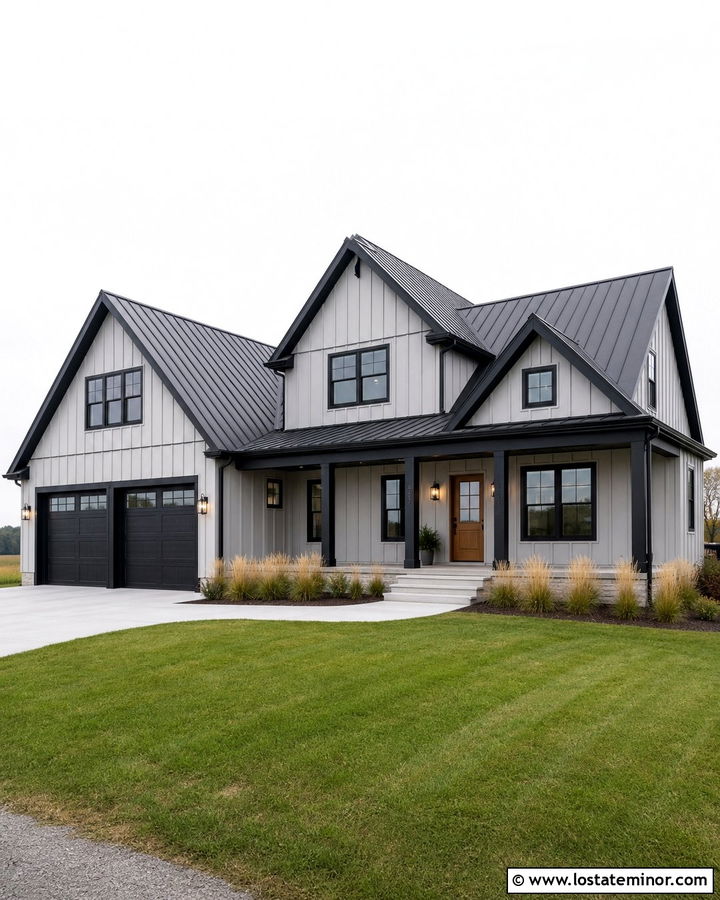
Black trim turns soft dove grey into a sharper, more contemporary exterior scheme. It is particularly effective on a modern farmhouse with vertical board-and-batten siding, simple rooflines, and large windows. Paint the window frames, fascia, gutters, porch railings, and garage door black for a strong graphic outline. A natural cedar front door and matching porch ceiling keep the combination from looking cold. Matte black lighting can repeat the trim without adding another color. Complete the exterior with a dark charcoal standing-seam roof and pale concrete steps. Restrained foundation planting allows the high-contrast palette to remain the main feature. The result feels modern, yet the wood accents make the full house approachable and comfortable.
3. Dove Grey House With Cream Trim
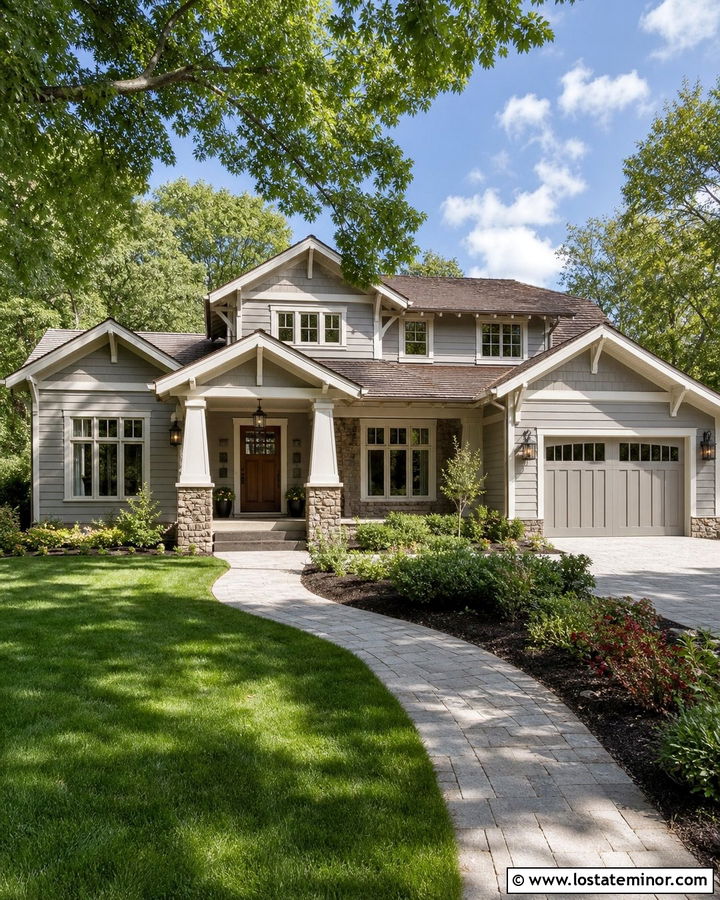
Cream trim softens dove grey and creates a warmer alternative to bright white. This pairing suits a Craftsman house with tapered porch columns, exposed rafter tails, and broad horizontal siding. Apply creamy off-white to the window casings, eaves, columns, and garage trim. Repeat the color on the porch railing for a connected look. A medium walnut front door complements the warmth in the trim, while oil-rubbed bronze lights provide quiet contrast. Use fieldstone around the porch base to introduce beige, grey, and brown tones naturally. A weathered brown roof will feel more harmonious than a very cool black roof. The finished scheme looks comfortable, layered, and appropriate for an established tree-lined neighborhood.
4. Dove Grey House With Charcoal Trim
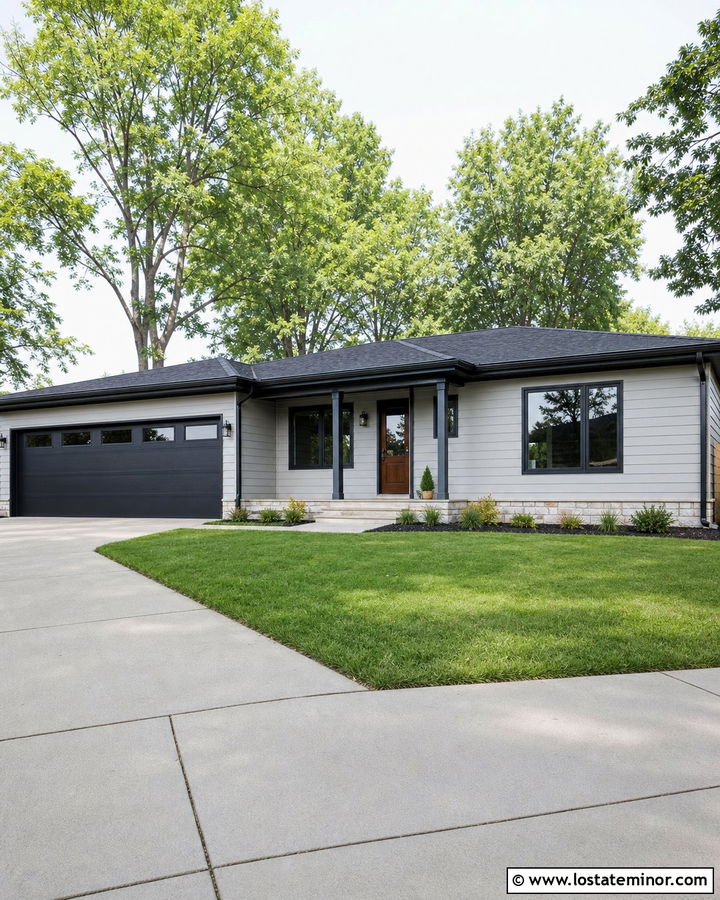
For a defined exterior without the intensity of pure black, pair dove grey siding with charcoal trim. The combination works beautifully on a wide ranch house because the darker trim emphasizes long rooflines and horizontal windows. Use charcoal on the fascia, window frames, gutters, garage door, and slim porch posts. A walnut-stained front door adds warmth at the center of the facade. Keep the soffits dove grey or slightly lighter so the roof does not appear too heavy. Dark architectural shingles will tie into the charcoal details, while pale stone along the foundation creates a grounded transition to the landscape. This streamlined palette updates a simple ranch while preserving its relaxed, low-profile character and clear architectural proportions.
5. Dove Grey House With Navy Trim
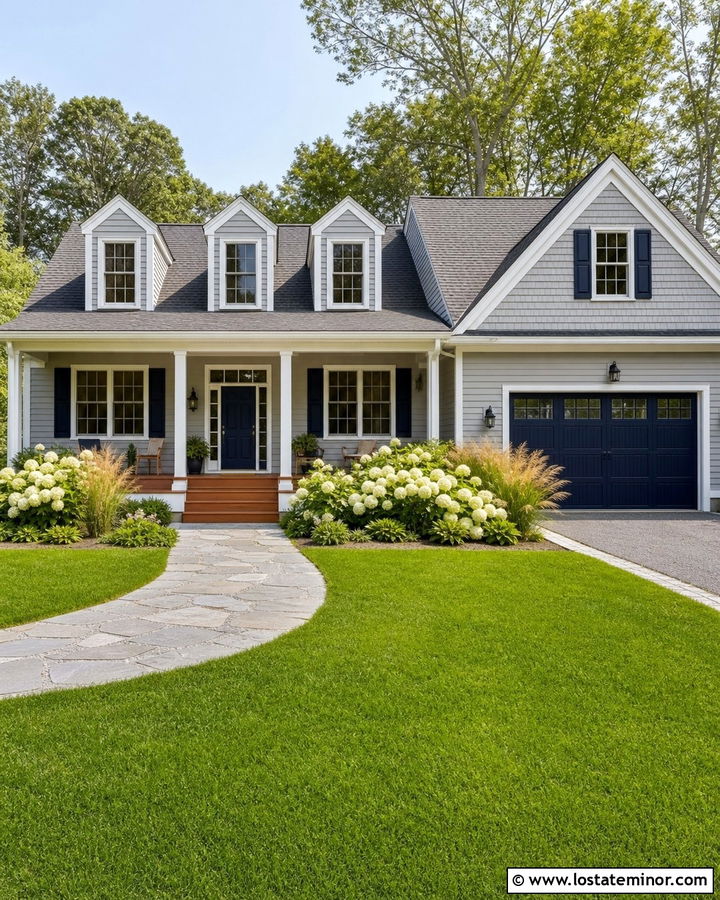
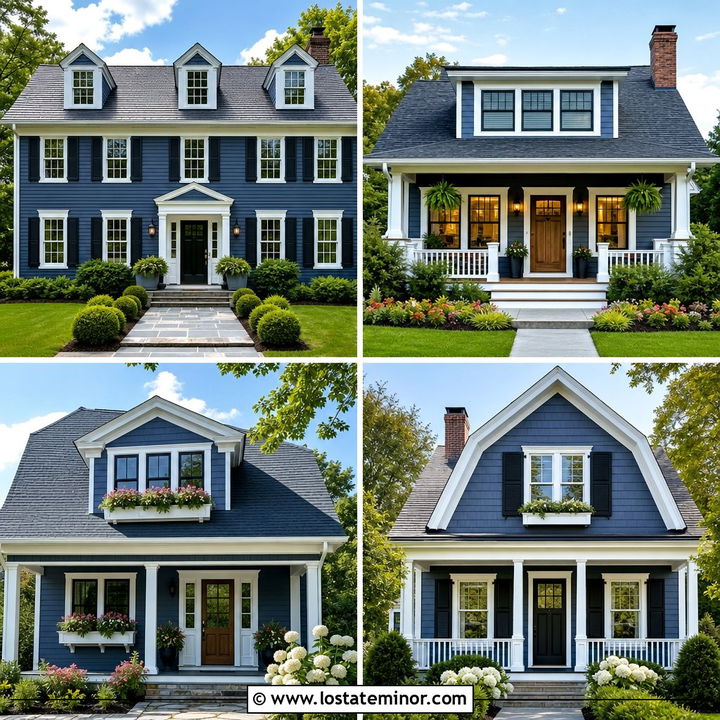
Navy trim gives dove grey siding a refined coastal character without relying on the expected bright white outline. Try the scheme on a Cape Cod house with symmetrical windows, dormers, and cedar-style shingles in the gables. Deep navy can cover the shutters, window trim, front door, and garage door, while soft white remains on the fascia and porch columns for breathing room. A weathered grey roof supports the coastal palette. Add natural wood porch decking and brushed nickel lighting to create subtle warmth and texture. Hydrangeas, ornamental grasses, and a curved stone walkway complete the curb appeal. From a distance, the navy reads as sophisticated contrast, while the dove grey keeps the house light and welcoming.
6. Dove Grey House With Sage Green Trim
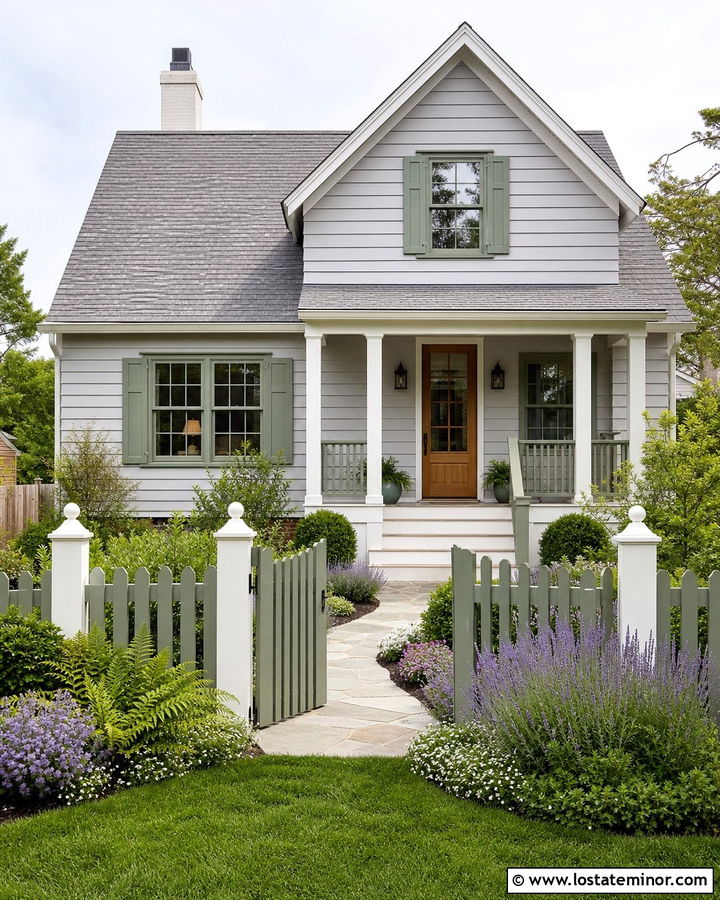
Soft sage green trim brings an organic quality to a dove grey cottage exterior. Paint the window casings, shutters, porch railing, and garden gate in muted sage, allowing the gentle green to connect the home with surrounding landscaping. Warm white on the fascia and porch columns prevents the scheme from becoming too muted. A natural oak front door adds a brighter focal point and complements both colors. This palette works especially well with lap siding, a steep grey shingle roof, and a small covered entry. Layer the yard with lavender, boxwood, ferns, and flowering ground cover. The final exterior feels peaceful and established because its colors echo stone, foliage, weathered wood, and other familiar outdoor materials.
7. Dove Grey House With Forest Green Trim
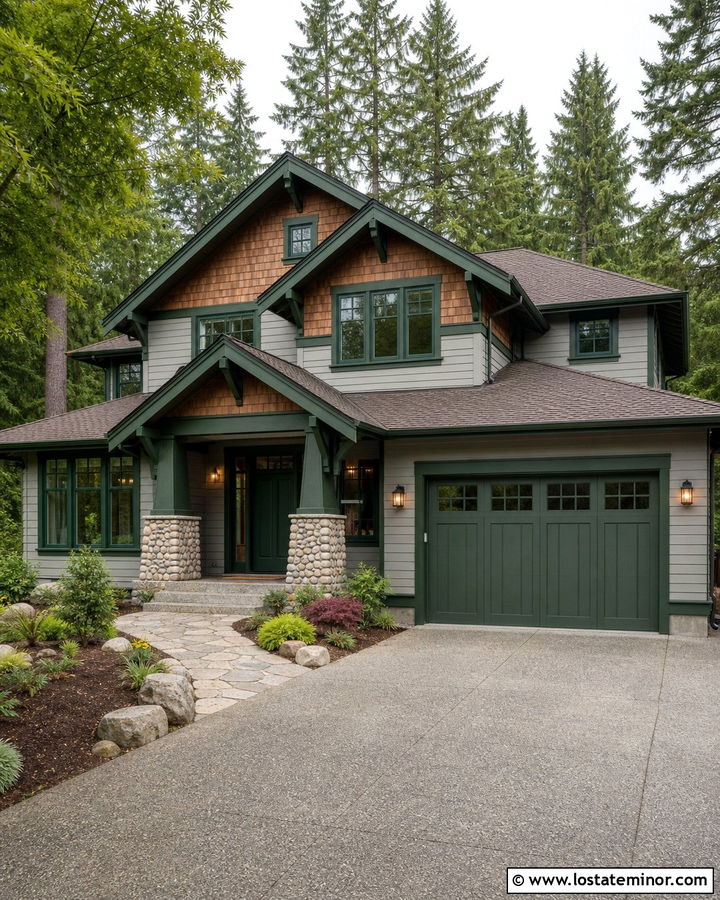
Deep forest green trim creates a richer, more grounded version of the grey-and-green palette. Use it on an Arts and Crafts home with broad eaves, substantial porch supports, and mixed siding textures. Dove grey lap siding keeps the main facade light, while forest green frames the windows, fascia, front door, and garage. Add cedar shingles beneath the gables to introduce natural warmth. River rock around the porch columns can connect the color scheme to the landscape and reinforce the handcrafted character. A dark brown roof works well because it relates to both the green accents and cedar details. Surrounded by mature trees, this complete exterior feels intentional, earthy, and distinctive without looking excessively dark.
8. Dove Grey House With Taupe Trim
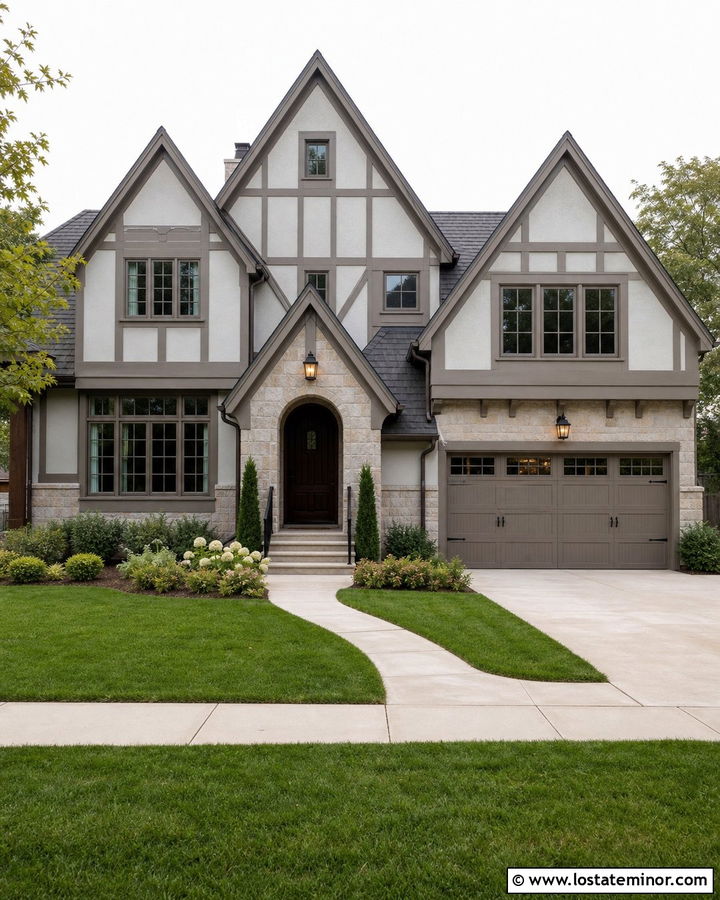
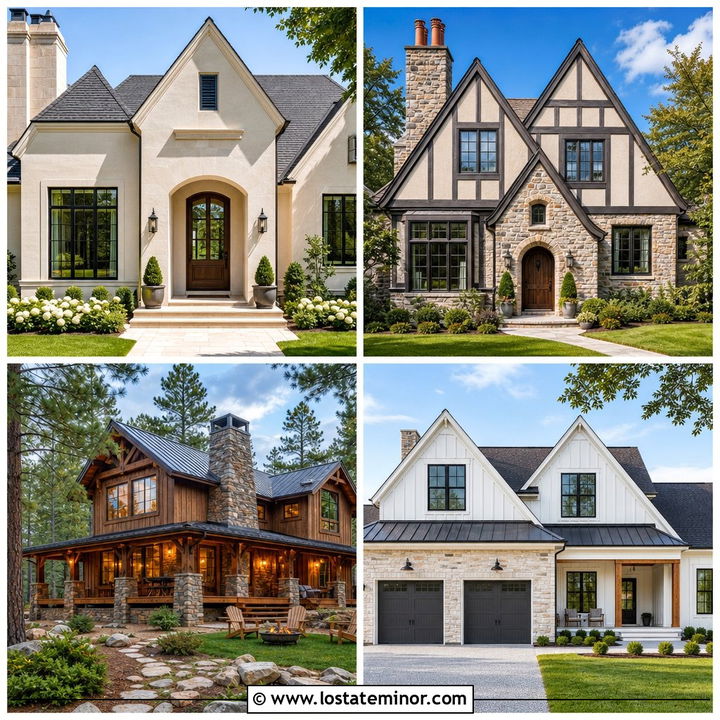
Taupe trim brings out the warm side of dove grey and coordinates easily with brown roofing, brick, and beige stone. On a Tudor-inspired home, apply dove grey to stucco or lap siding and use medium taupe on the half-timber details, window trim, fascia, and garage door. A dark stained arched front door reinforces the traditional architecture. Select warm grey stone for the lower facade so the masonry connects both primary colors. Bronze gutters and lanterns add definition without introducing harsh black. This understated combination is useful when the roof or driveway already contains warm earth tones. The house remains recognizably grey, but the taupe trim gives the entire exterior a softer and more historically grounded appearance.
9. Dove Grey House With Greige Trim
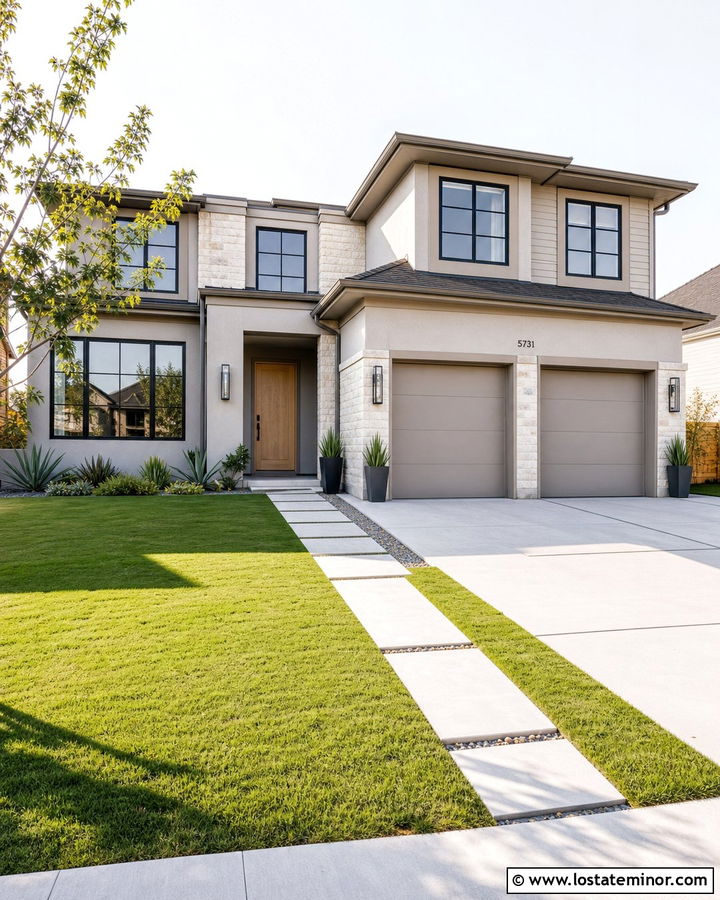
A dove grey house with greige trim creates subtle depth instead of dramatic contrast. This quiet palette suits a contemporary suburban home with simple volumes, broad windows, and a low-pitched roof. Use dove grey on the main stucco or siding, then choose a slightly deeper warm greige for window surrounds, garage doors, fascia, and the recessed entry. Black window frames can add thin architectural lines without dominating the facade. Bring in light oak at the front door and beneath a covered porch to warm the neutral colors. Pale limestone around the foundation completes the tonal approach. Because the differences are restrained, texture becomes important. Smooth stucco, horizontal siding, wood, and stone keep the exterior visually interesting.

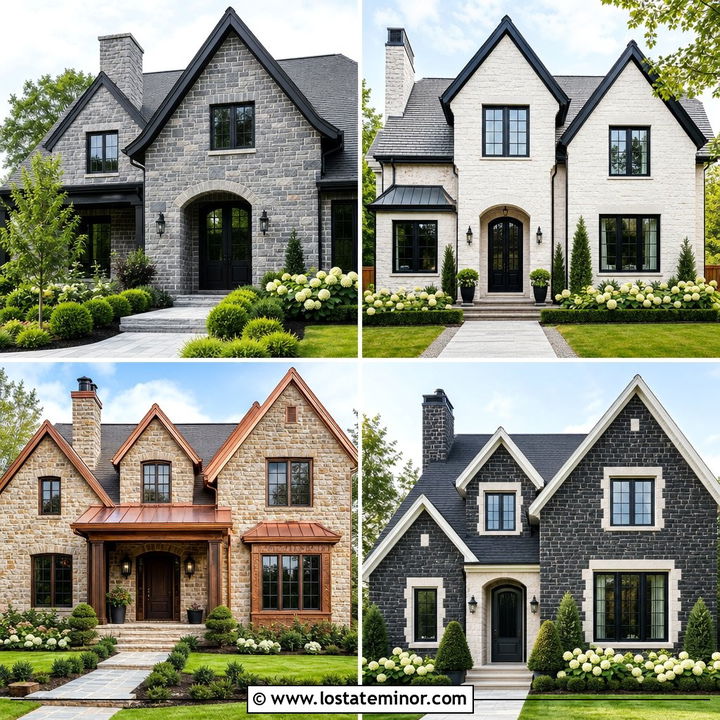
10. Dove Grey House With Slate Blue Trim
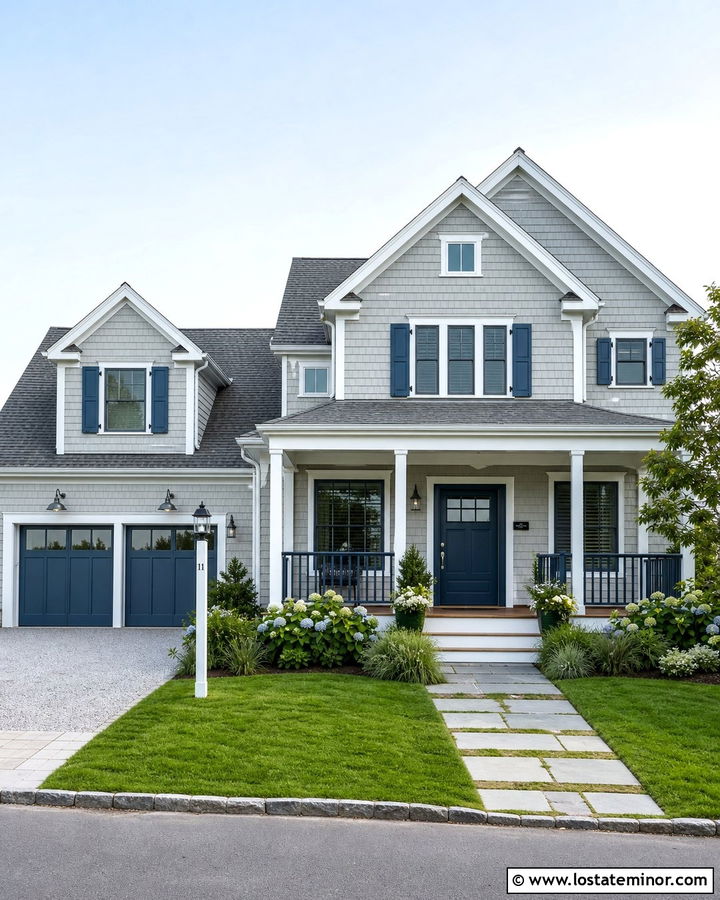
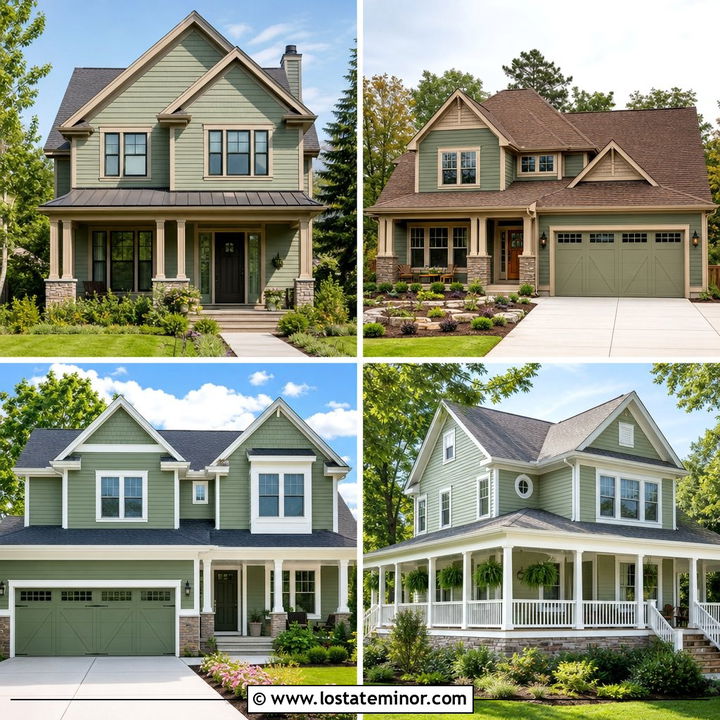
Slate blue trim emphasizes the cool undertones of dove grey while remaining softer than navy. It is a natural match for a coastal home with shingle siding, multiple gables, and a generous front porch. Use slate blue on the shutters, porch railing, window trim, and front door. Paint the columns and fascia a clean soft white to keep the scheme bright. A medium grey roof, light stone walkway, and galvanized metal lighting reinforce the relaxed coastal direction. Natural cedar porch flooring adds just enough warmth. This palette looks especially appealing in bright daylight, where the difference between grey and blue becomes visible. The complete exterior feels fresh and breezy without depending on overly saturated seaside colors.
11. Dove Grey House With Bronze Trim
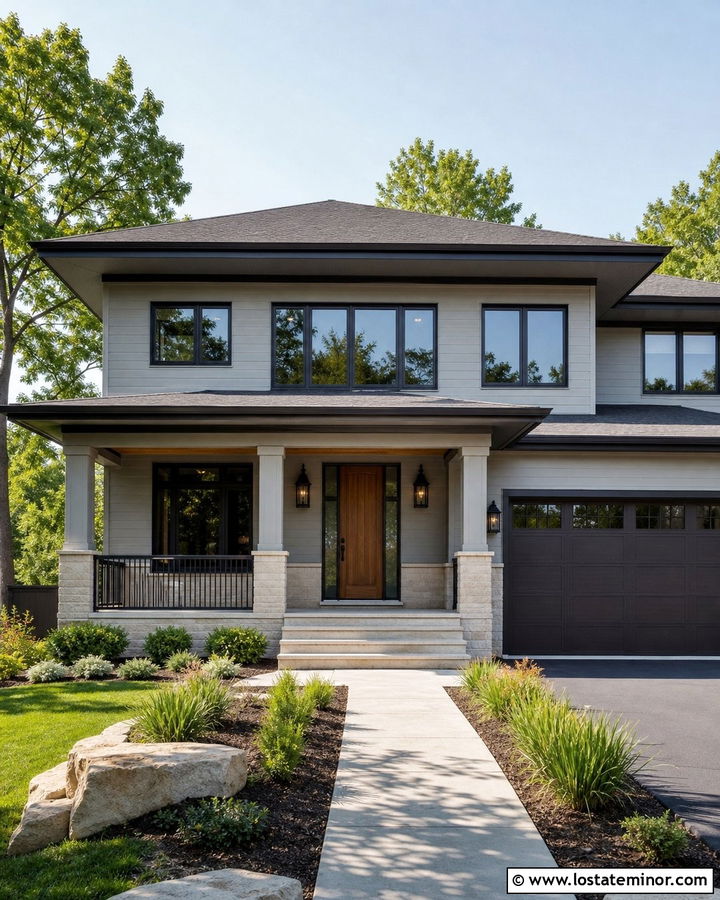
Dark bronze trim offers a softer, warmer outline than black and works well with earthy exterior materials. On a Prairie-style home, apply dove grey to broad horizontal siding and use bronze on the window frames, fascia, gutters, and garage door. Extend the finish to simple porch railings and exterior lights for continuity. A quarter-sawn oak front door adds natural color while respecting the home’s low, horizontal architecture. Buff limestone at the base provides warmth and visual weight. Choose a deep brown-grey roof instead of a blue-black shingle. The bronze details may look nearly black from the curb, but up close they create a more nuanced transition between the cool siding, warm wood, masonry, and surrounding landscape.
12. Dove Grey House With Beige Trim
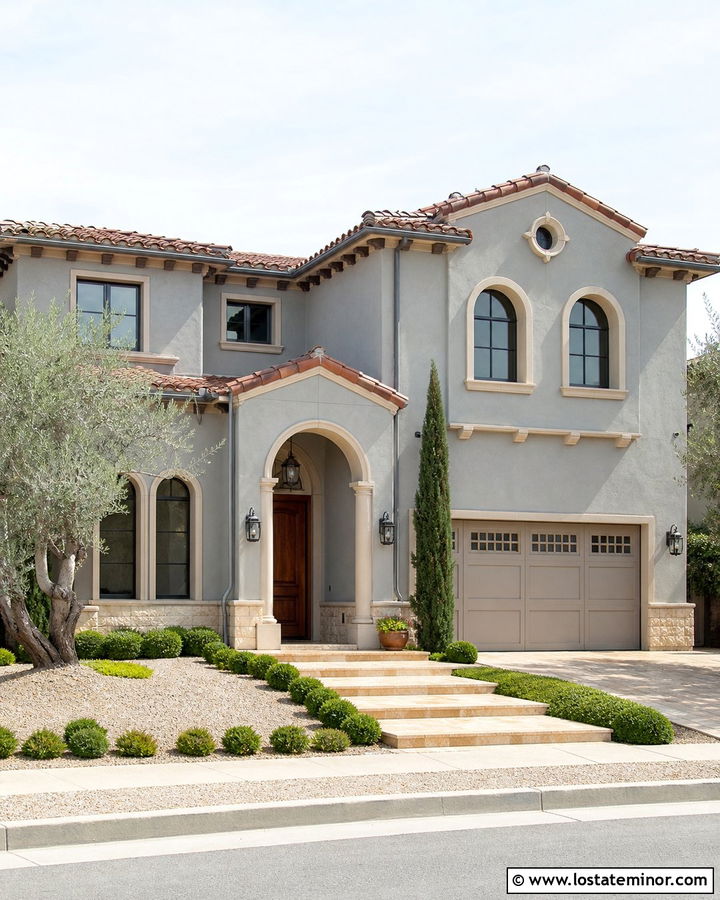
Beige trim can make dove grey feel sun-warmed and relaxed, especially on a Mediterranean-inspired exterior. Use smooth dove grey stucco across the walls, then define arched windows, fascia, columns, and the garage surround with sandy beige. A medium-toned wood front door adds depth beneath the entry arch. Terracotta roof tiles bring stronger warmth overhead, while pale limestone around the base ties the beige trim to the ground. Keep metal accents in aged bronze so they blend with the roof and wood rather than competing with them. Olive trees, low hedges, gravel beds, and a warm paver walkway complete the setting. This scheme proves that a grey house can work beautifully with traditionally warm regional materials.
13. Dove Grey House With Matching Trim
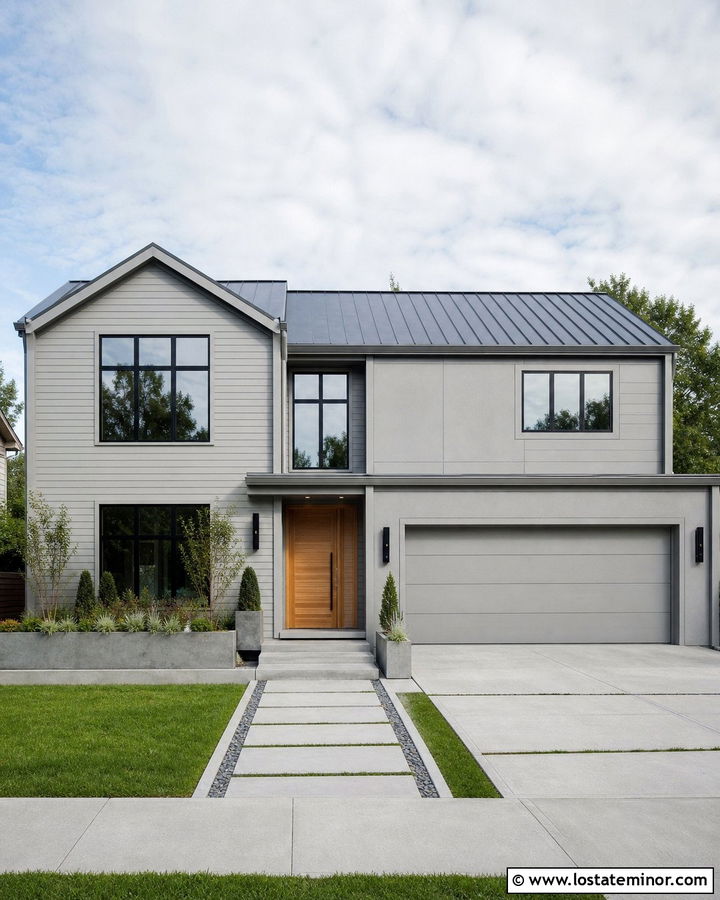
Painting the siding and trim in the same dove grey creates a smooth, monochromatic exterior with a distinctly modern feel. This approach is ideal for a minimalist house where strong shapes and materials matter more than decorative outlines. Cover the horizontal siding, fascia, corner boards, and garage door in one consistent grey. Use black-framed windows and a black metal roof to give the pale body color structure. A wide natural oak front door becomes the warm focal point. Concrete planters and a simple paver walkway reinforce the clean architecture. Since the trim does not contrast, use changes in texture to define each surface. Narrow siding, smooth panels, glass, wood, and metal prevent the single-color treatment from appearing flat.
14. Dove Grey House With Light Grey Trim
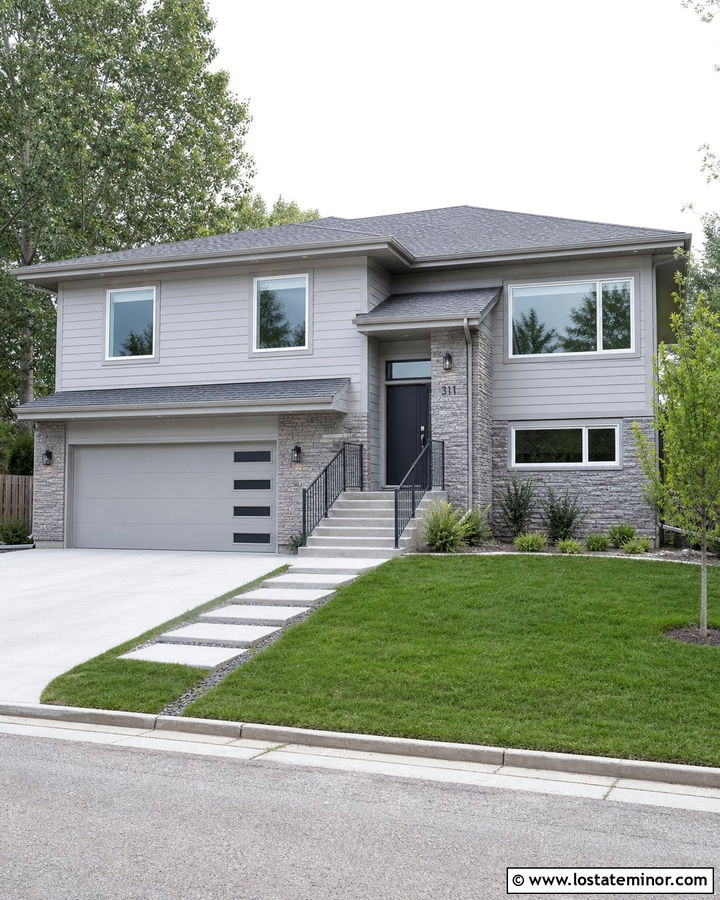
Light grey trim creates a gentle, layered exterior that is less stark than white and more visible than a fully monochromatic scheme. It can help unify an older split-level home with several siding transitions and uneven window sizes. Use dove grey on the main siding and a pale silver-grey on the fascia, soffits, window casings, and garage door. Add a charcoal front door and matching metal railings for one focused point of contrast. A grey stone veneer around the lower level makes the change in elevation feel intentional. Choose roof shingles that sit between the siding and charcoal accents in value. The restrained palette visually organizes the facade, giving a practical split-level a calmer and more coordinated street presence.
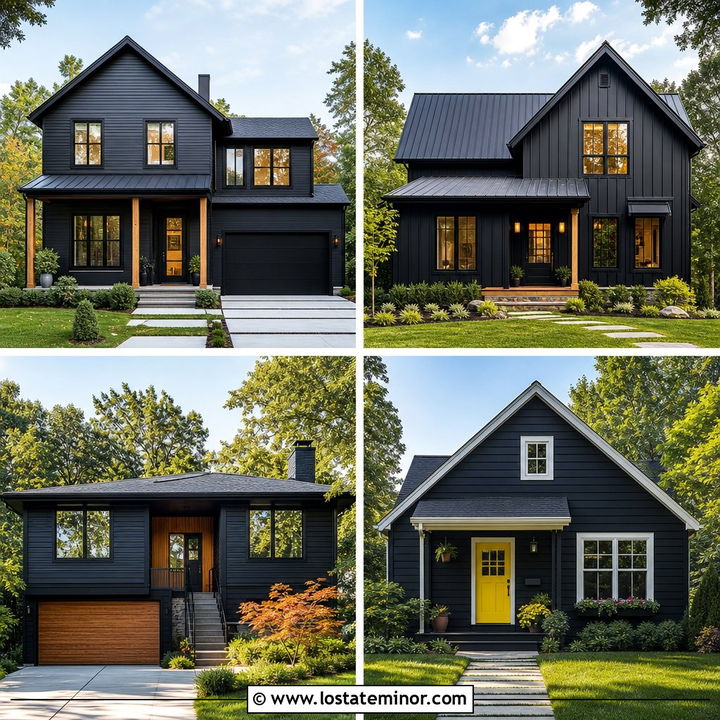
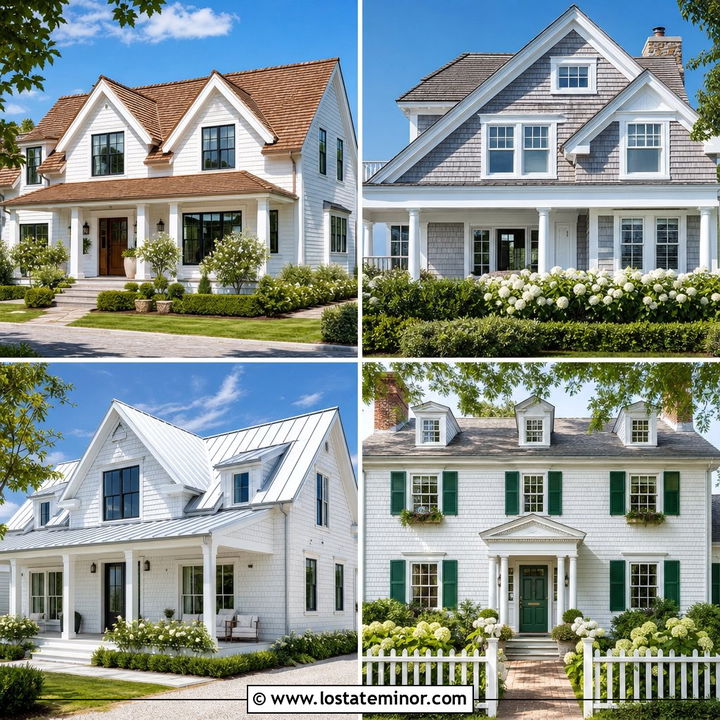
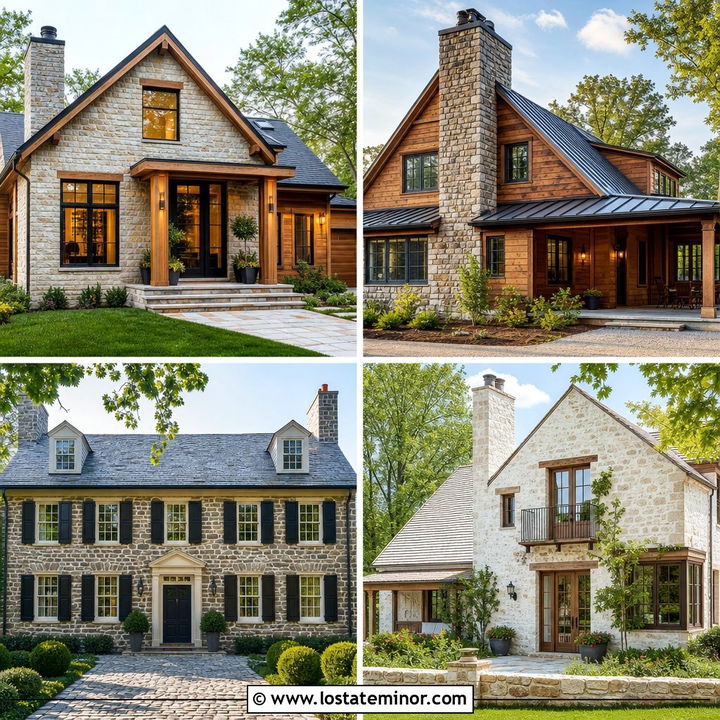
15. Dove Grey House With Dark Grey Trim
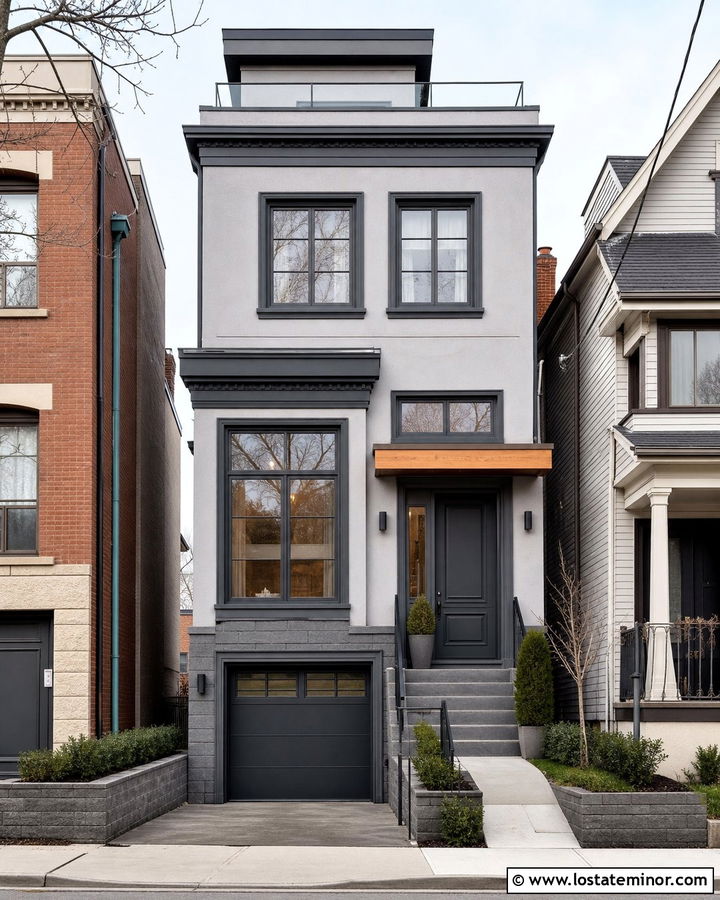
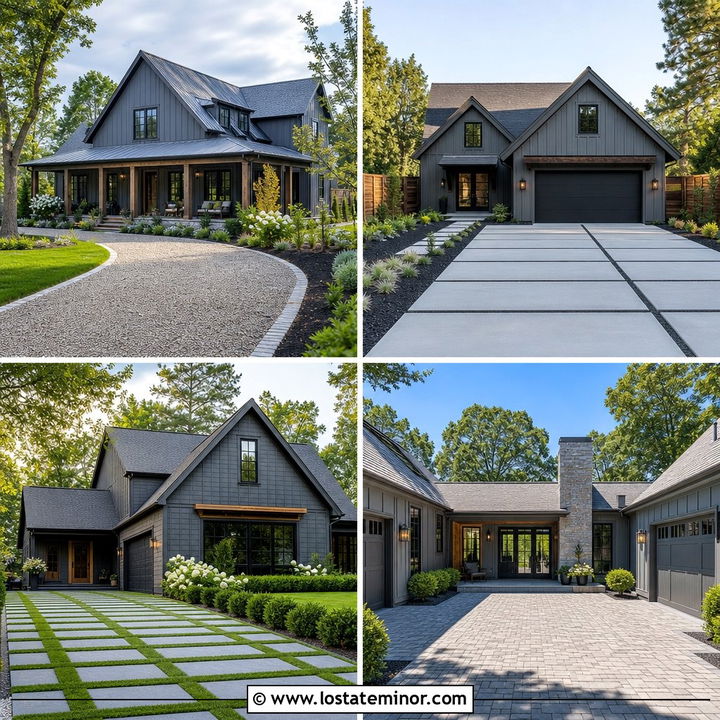
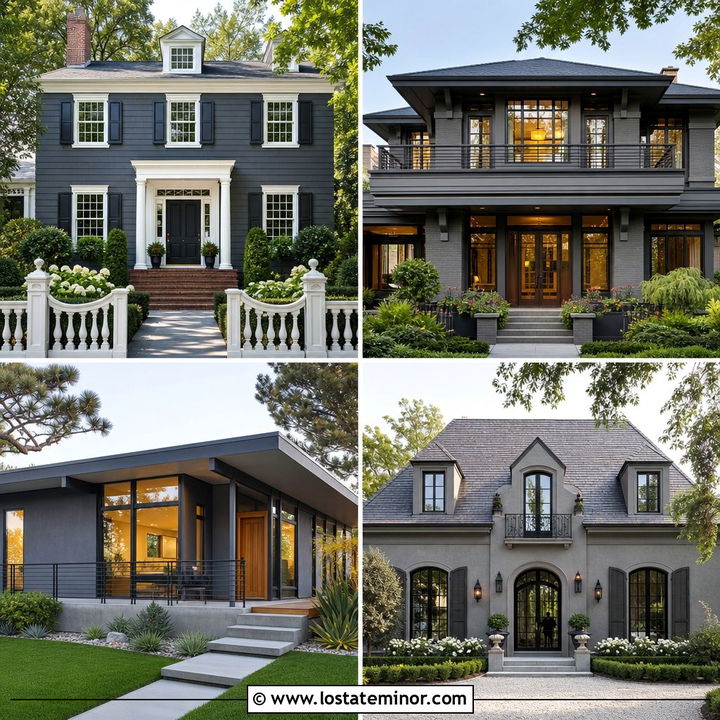
Dark grey trim gives dove grey siding substantial definition while preserving a sophisticated tonal palette. On a narrow urban townhouse, use the lighter grey across the upper siding and a deep graphite grey on window frames, cornices, the front door, and the lower-level masonry. Black lighting and house numbers can blend quietly into the darker surfaces. A small natural wood canopy over the entry adds welcome warmth without taking up much visual space. If there is a garage, painting its door graphite helps it recede. Use a dark grey roof or parapet cap to complete the vertical composition. This controlled arrangement makes the townhouse look taller, polished, and cohesive while avoiding the sharp contrast produced by pure black trim.
16. Dove Grey House With White Trim And Red Brick
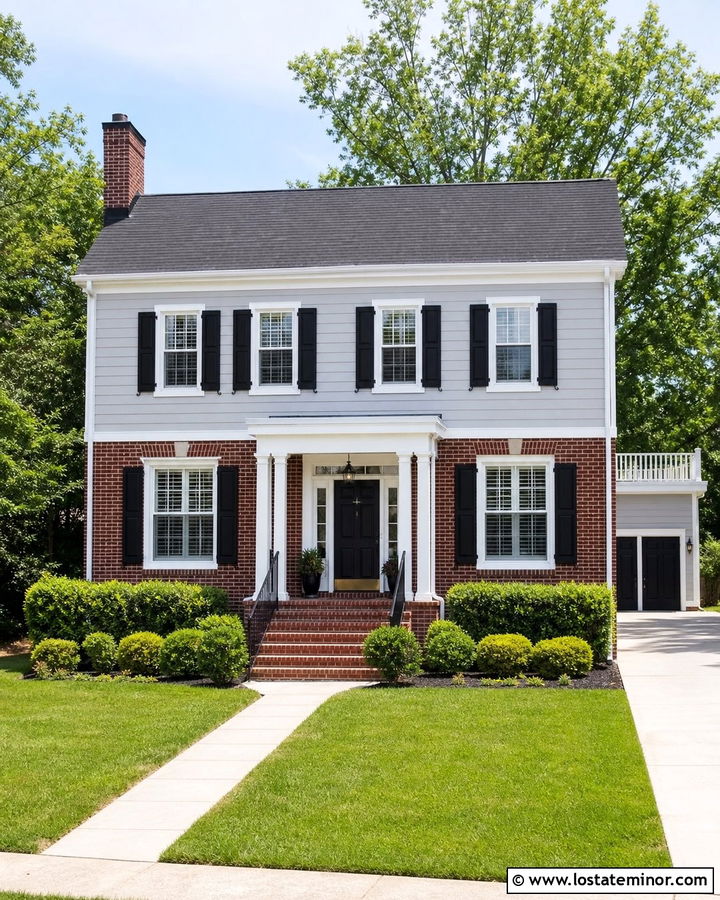
Existing red brick can look fresh beside dove grey siding and clean white trim. This scheme works especially well on a traditional two-story home where brick covers the first floor and siding fills the upper level or gables. The cool grey balances the brick’s warm red and brown variation. Use white on window casings, fascia, porch columns, and the garage surround to separate the two main materials. A black front door, shutters, and lanterns provide small, repeated accents. Choose a charcoal roof that does not introduce additional brown tones. Simple green foundation plants soften the meeting point between brick and lawn. The completed exterior respects the original masonry while making the entire facade feel brighter and more current.
17. Dove Grey House With Warm White Trim And Stone
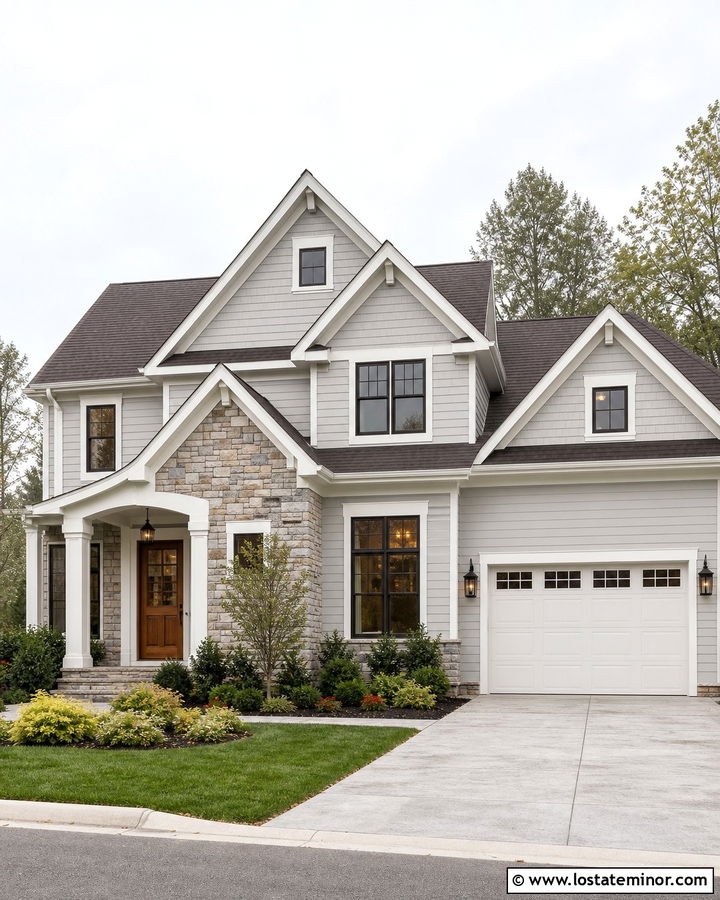
Warm white trim helps dove grey siding blend gracefully with natural stone. On a transitional home, apply the grey to lap siding and gable panels, then use a creamy white on the fascia, columns, window surrounds, and garage door. Select stone containing grey, ivory, and muted tan so it connects both painted colors. A stained wood front door adds depth within the light entry area. Dark bronze windows and lighting offer definition without feeling too severe. Keep the roof a neutral charcoal-brown that relates to the darkest tones in the stone. This balanced material palette has enough contrast to reveal the architecture, but its warmer trim and mixed masonry prevent the dove grey exterior from looking cold or overly formal.
18. Dove Grey House With Black Windows And White Trim
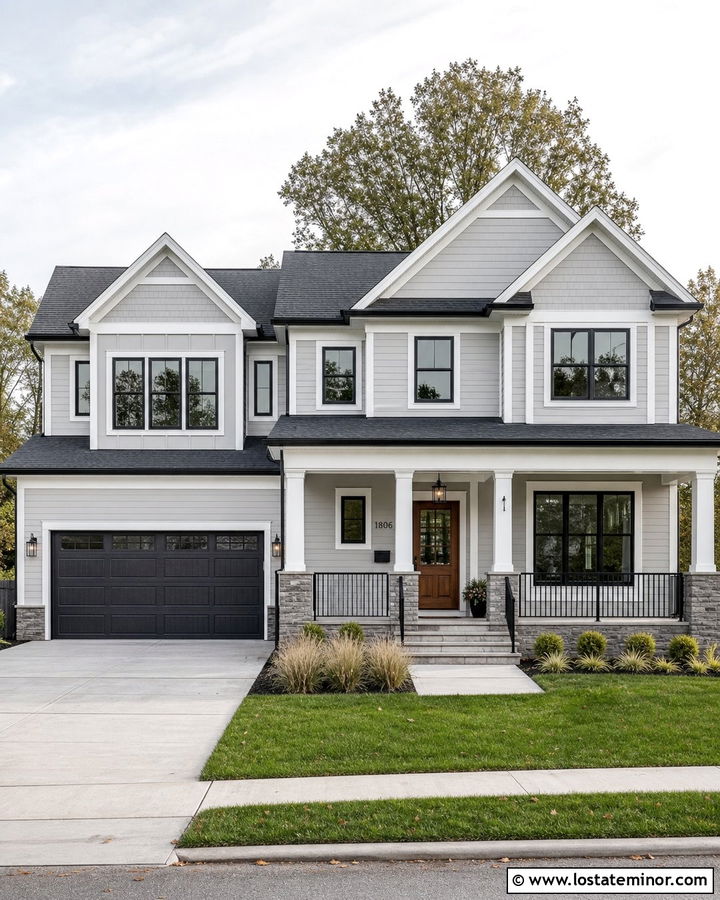
Combining black windows with white trim creates a layered outline around a dove grey exterior. This transitional scheme is effective when you want modern contrast without painting every trim surface dark. Use white on the fascia, porch columns, corner boards, and garage surround. Let slim black window frames, gutters, railings, and lighting add crisp details. A medium walnut door can soften the black-and-white accents and make the entrance more inviting. Grey stone along the porch base grounds the palette, while a charcoal roof finishes the upper edge. Keep landscaping tailored but not rigid, using low evergreen shrubs and ornamental grasses. The house feels updated because of the black windows, yet white architectural trim maintains a bright, classic character.
19. Dove Grey House With Cedar Trim
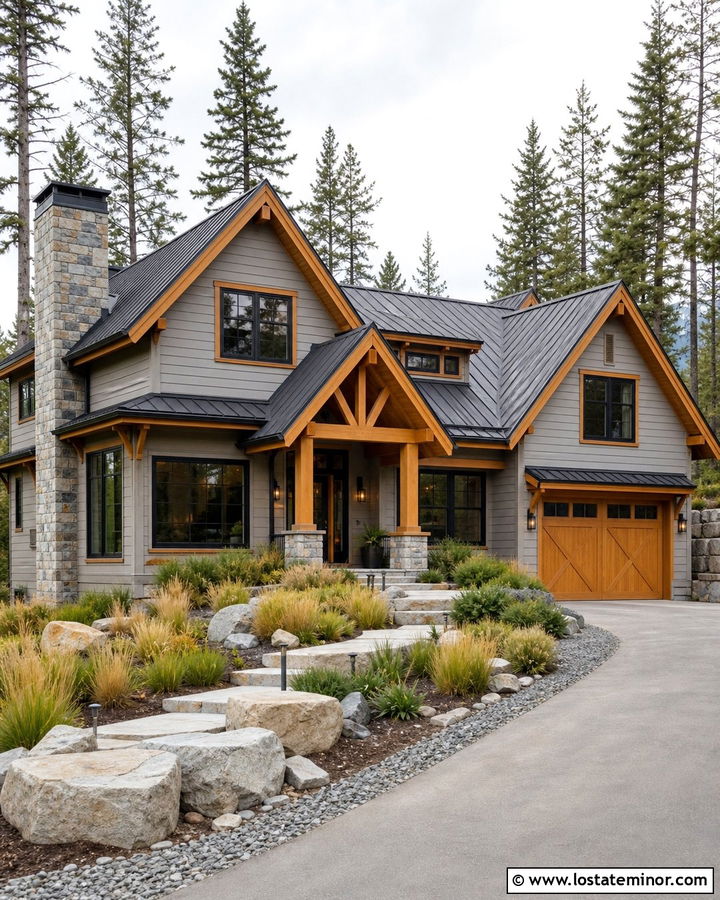
Cedar trim supplies warmth, texture, and natural variation against a dove grey exterior. It is especially effective on a mountain-modern home with asymmetrical rooflines and large expanses of glass. Use dove grey horizontal siding as the calm background, then add cedar around the entry, beneath the gables, along porch beams, and beside selected windows. Charcoal metal roofing and black window frames give the structure a strong outline. Repeat the cedar on the garage door or a small deck so the wood does not appear isolated. A stone chimney containing cool and warm tones can bridge every material. Native grasses, boulders, and a simple gravel-edged walkway complete a durable exterior that feels connected to its wooded or mountainous surroundings.
20. Dove Grey House With Mahogany Trim
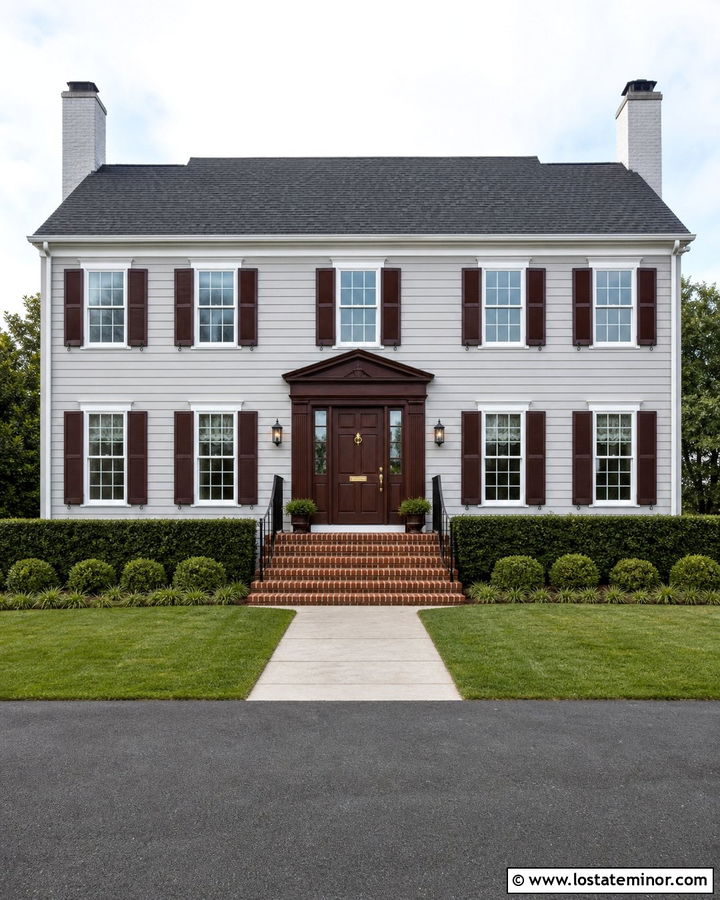
Mahogany-colored trim creates a polished, traditional contrast with soft dove grey. On a Georgian-inspired home, keep the grey siding symmetrical and restrained, then use rich mahogany stain on the front door, shutters, and a decorative entry surround. Crisp white window casings and fascia prevent the dark wood from overwhelming the facade. A black or charcoal roof supports the formal appearance, while red-brown brick steps connect naturally to the mahogany tones. Brass entry hardware can provide a small warm highlight. Keep the garage door dove grey so it blends with the body rather than competing with the entrance. This complete palette draws attention to the central doorway while preserving the balanced proportions and quiet elegance of the architecture.
21. Dove Grey House With Blue Grey Trim
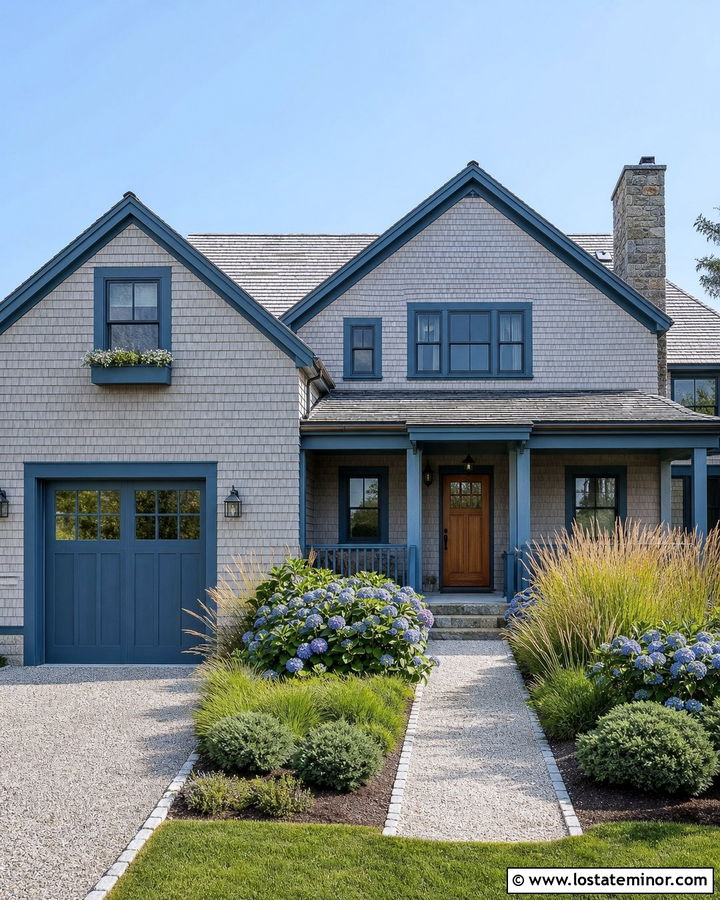
Blue-grey trim creates a subtle cool contrast that suits a shingle-style home near the coast or a lake. Cover the main cedar-look shingles in dove grey, then apply a deeper blue-grey to window frames, fascia, porch railings, and the garage door. Use soft white on small decorative details to keep them visible. A natural teak front door and porch floor add warmth beneath the cooler painted surfaces. Weathered grey roof shingles maintain the understated palette, while a stone chimney introduces varied texture. Plant ornamental grasses, blue hydrangeas, and low evergreens around a pale gravel walkway. The related grey tones make the facade feel cohesive, and the blue cast adds enough color to distinguish the trim in changing daylight.
22. Dove Grey House With Burgundy Trim
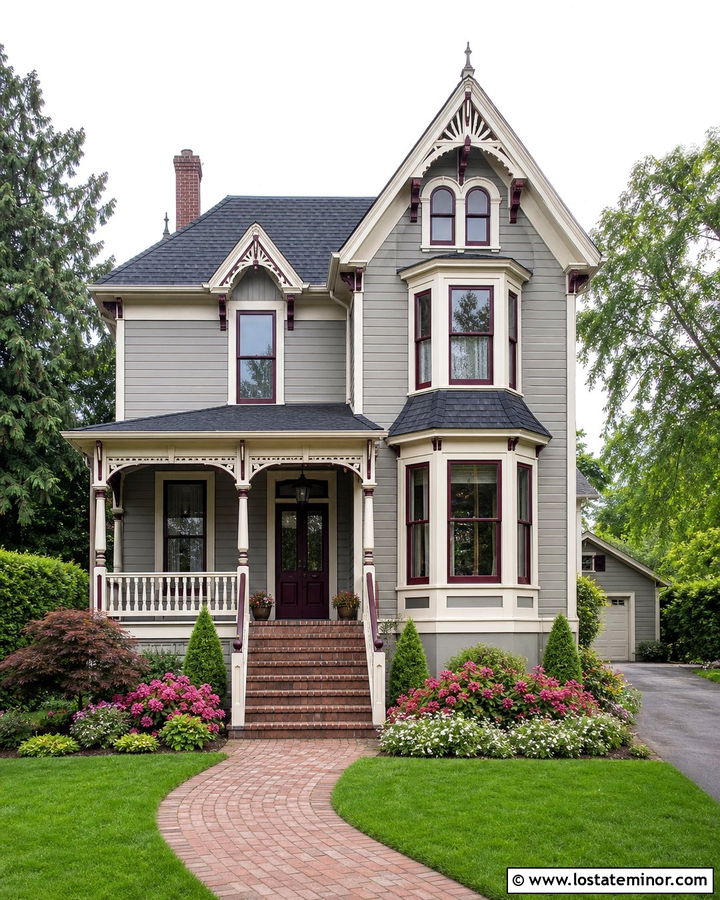
Burgundy trim gives dove grey a traditional richness that works particularly well on a Victorian exterior. Use the grey on clapboard siding so ornate architectural details remain readable. Apply deep burgundy to the front door, window sashes, decorative brackets, and selected porch details. Cream trim on the fascia, columns, and window casings provides a lighter layer between the two colors. A dark charcoal roof keeps the complex facade grounded. Include brick steps or a brick walkway to repeat the red undertone in a more natural material. Limit burgundy to carefully chosen areas rather than every decorative surface. This controlled three-color arrangement highlights craftsmanship while keeping the full house refined, approachable, and visually balanced.
23. Dove Grey House With Teal Trim
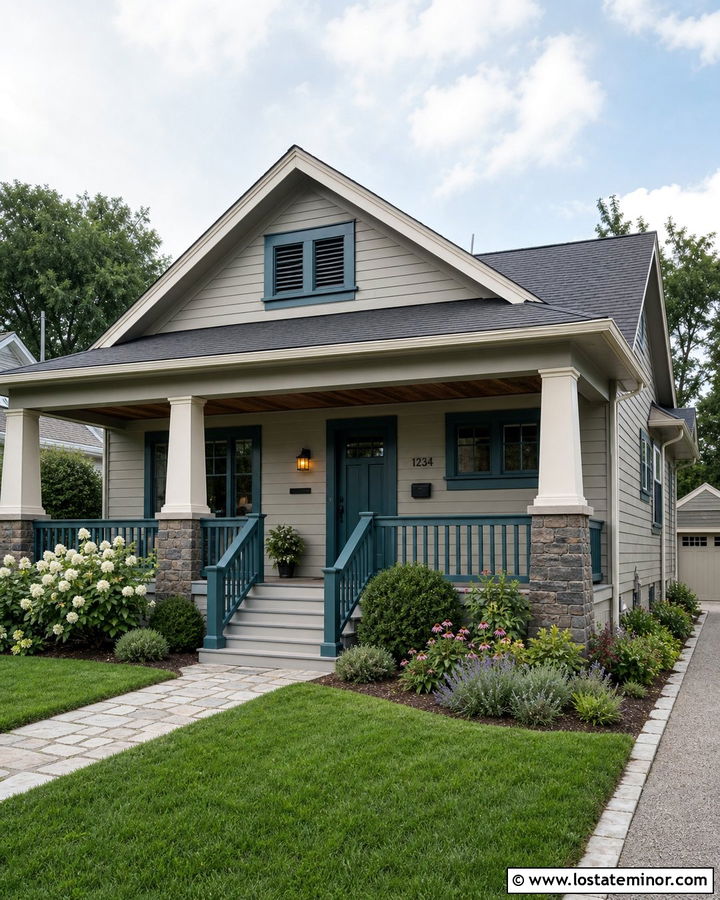
Muted teal trim brings personality to dove grey without creating an overly bright exterior. This pairing fits a Craftsman bungalow with broad porch columns, low rooflines, and visible wood details. Apply teal to the front door, window trim, porch railing, and small gable vents. Use warm white on the fascia and substantial columns so the facade retains clear contrast. Natural cedar beneath the porch roof adds warmth, while grey-brown stone around the column bases connects the house to the ground. A medium charcoal roof keeps attention on the painted details. Surround the bungalow with layered shrubs, flowering perennials, and a straight stone path. The finished look feels cheerful, handcrafted, and distinctive while remaining suitable for a residential neighborhood.
24. Dove Grey House With Pale Blue Trim
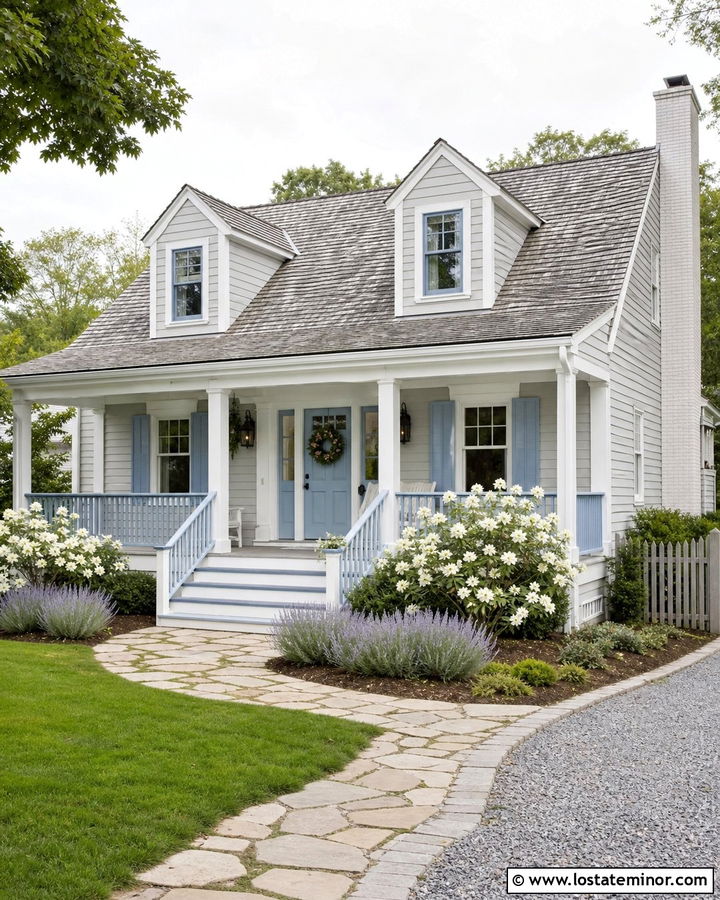
Pale blue trim makes dove grey feel light, airy, and cottage-like. Use the combination on a small one-and-a-half-story house with dormer windows, lap siding, and a welcoming front porch. Paint the window casings, shutters, porch railing, and front door in a soft powder blue. Keep the fascia and porch columns white so the pale colors do not blend together completely. A weathered grey roof and light wood porch floor reinforce the relaxed palette. White flowering shrubs, lavender, and a curved flagstone walkway bring the soft colors into the garden. This scheme performs best when the blue trim is visibly different from the grey siding. Sampling both colors together will help preserve that gentle but necessary contrast.
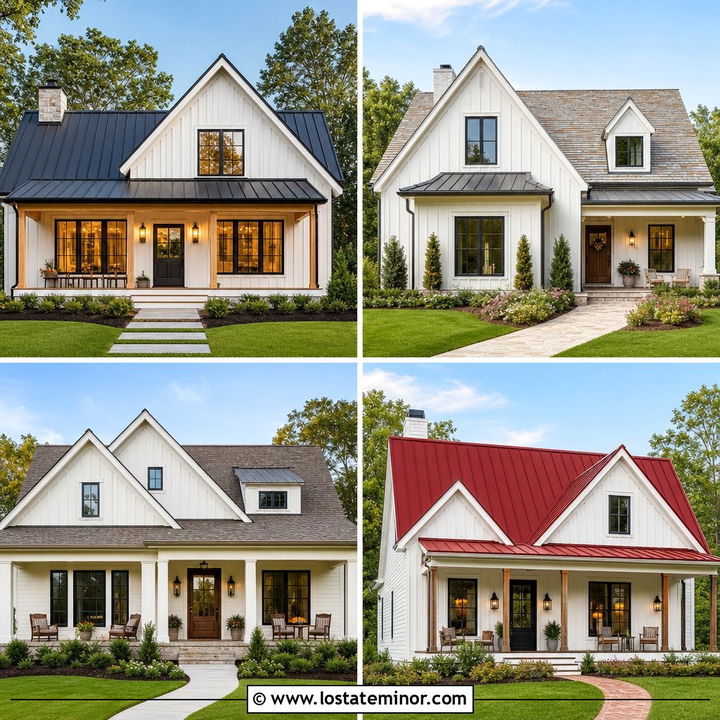
25. Dove Grey House With Olive Green Trim
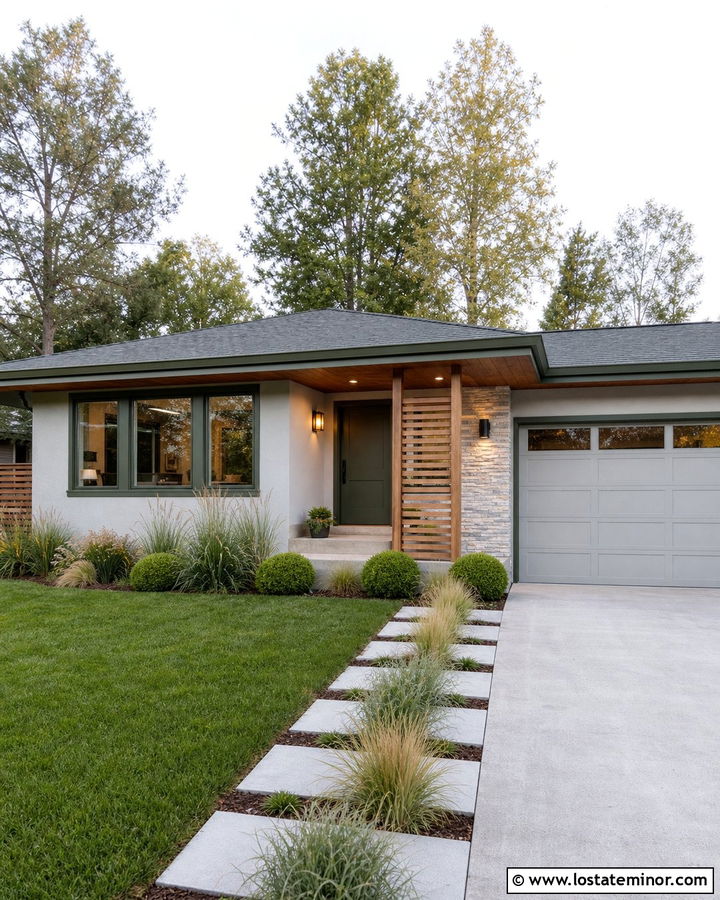
Olive green trim creates an understated, earthy companion for dove grey siding. On a midcentury ranch, use olive around the windows, on the fascia, and across the recessed front door. Keep the garage door dove grey so it blends into the long facade. Warm wood soffits and a matching slatted privacy screen add period-appropriate texture. Choose a low charcoal roof with wide overhangs and simple dark bronze lighting. A section of tan-grey stone near the entrance can anchor the palette and mark the doorway. Complete the setting with ornamental grasses, rounded shrubs, and large concrete stepping stones. The olive trim feels connected to the landscape, while the lighter grey body gives the low-slung home a clean, updated appearance.
26. Dove Grey House With Terracotta Trim
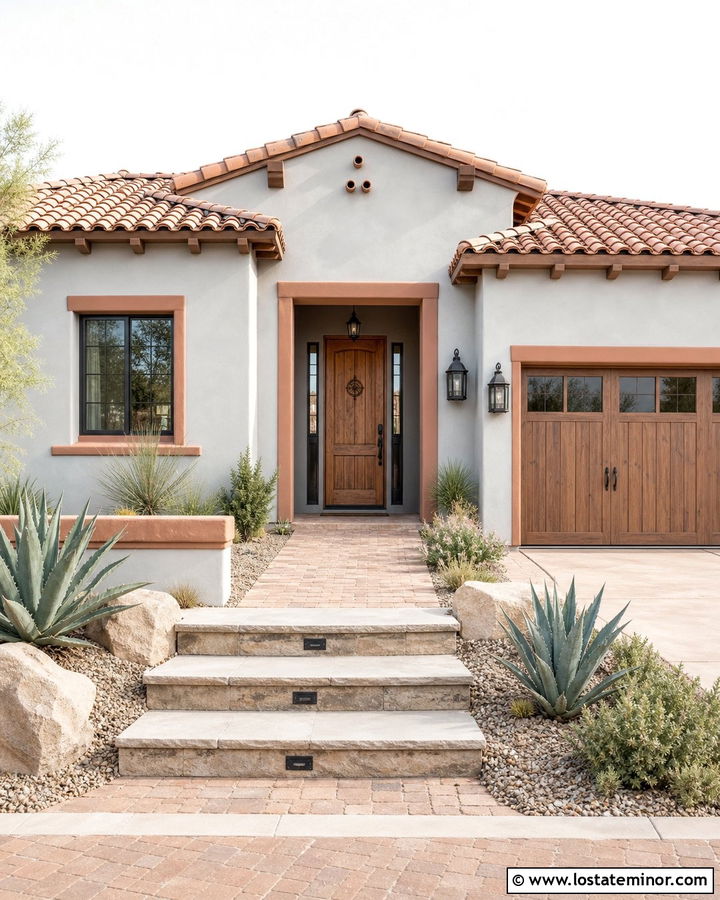
Terracotta trim brings warm, sunbaked color to a dove grey Southwest exterior. Apply the soft grey to smooth stucco walls, then use muted terracotta around the front door, on decorative beams, and along recessed window surrounds. Cream fascia and porch details keep the palette light enough for a bright climate. A natural wood door, clay-toned pavers, and an aged metal light fixture reinforce the warm accents. If the house has a tile roof, select a softly varied terracotta rather than a highly saturated orange. Gravel beds, agave, desert grasses, and broad stone steps finish the curb appeal. The contrast between cool dove grey and earthy clay creates a distinctive scheme that still feels rooted in regional materials.
27. Dove Grey House With Sand Trim
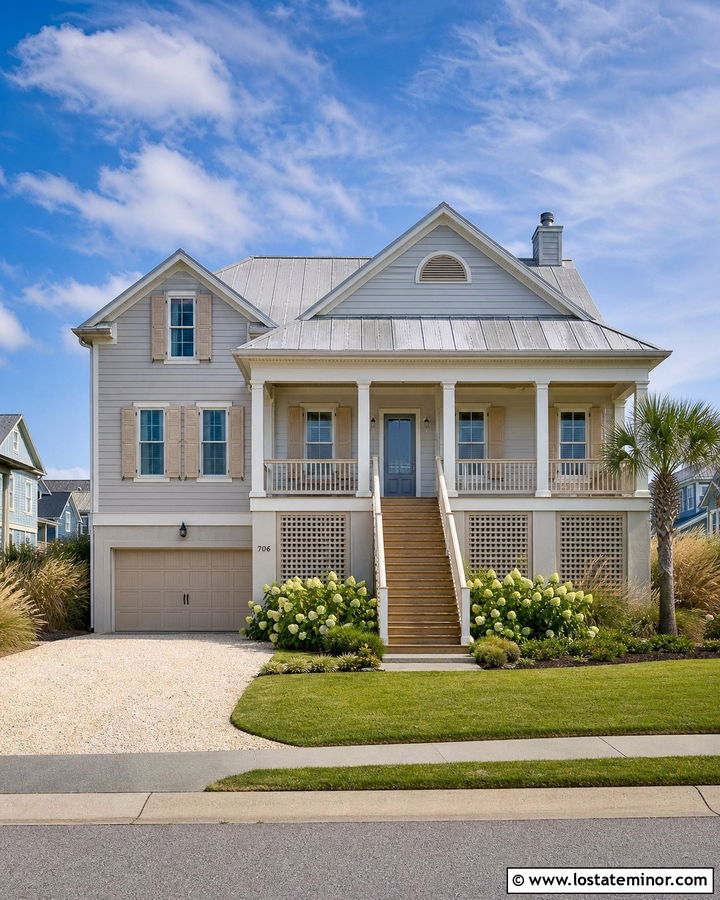
Sand-colored trim gives dove grey a relaxed, coastal warmth that suits a raised Lowcountry home. Use dove grey siding across the main facade and apply sandy beige to shutters, porch railings, foundation lattice, and the garage door below. Warm white columns and fascia keep the large covered porch looking fresh. A pale blue front door adds a restrained coastal accent without disrupting the neutral scheme. Choose a weathered metal roof in soft grey and use natural wood on the porch floor and steps. Sea oats, hydrangeas, and a shell-toned gravel driveway help the home blend with its setting. This layered palette balances cool and warm neutrals, creating a welcoming exterior that feels bright even beneath deep porch shadows.
28. Dove Grey House With White Trim And Navy Shutters
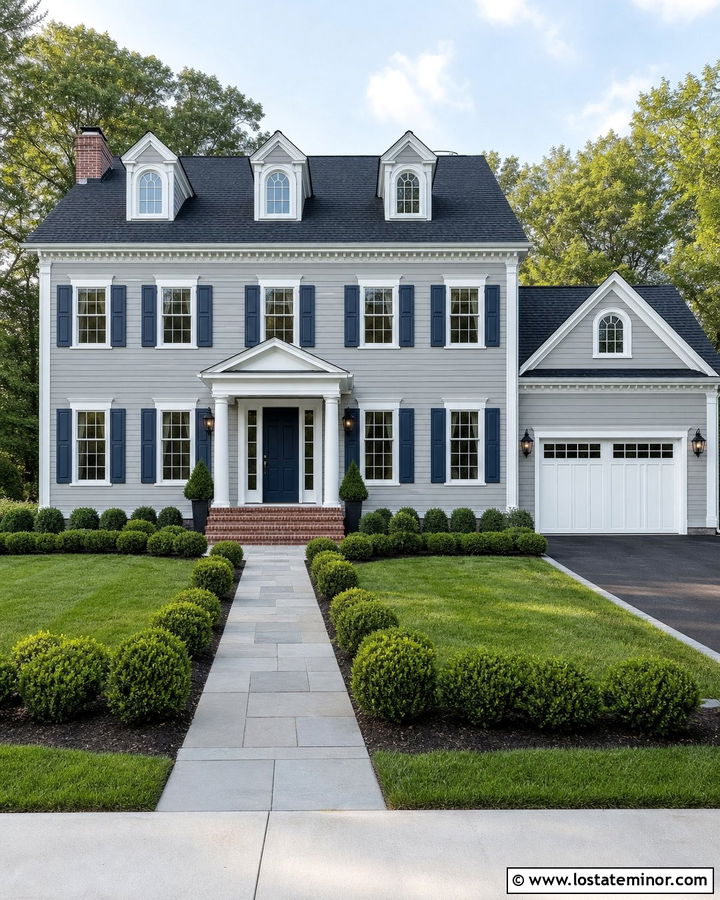
White trim and navy shutters create a classic three-color scheme for a dove grey Georgian or Colonial home. Paint the siding soft grey, then use crisp white on the cornice, window casings, columns, and garage surround. Deep navy shutters provide orderly contrast across the symmetrical facade. Repeat the navy on the front door to establish a clear central focal point. A charcoal roof and black lanterns keep the upper and lower accents connected. Brick steps introduce warmth without changing the painted palette. Keep the landscaping balanced with matching shrubs and a straight walkway that reinforces the architecture. This exterior looks composed and timeless because each color has a clear role and appears consistently across the entire house.
29. Dove Grey House With Cream Trim And Black Shutters
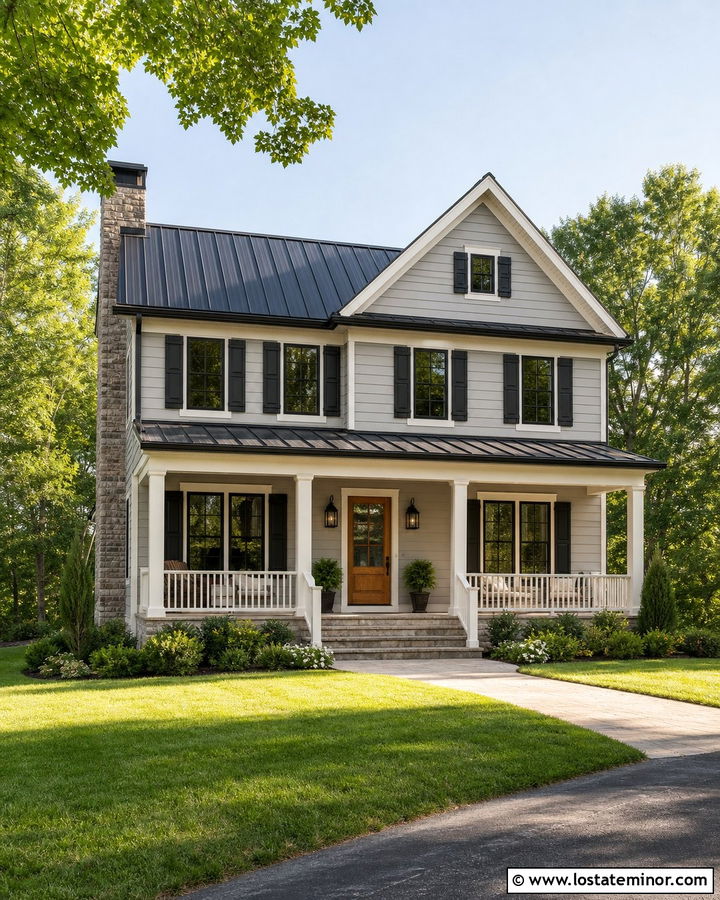
Cream trim and black shutters make dove grey feel warmer while preserving strong traditional contrast. This scheme works well on a farmhouse with horizontal siding, a broad front porch, and straightforward window placement. Use cream on the fascia, porch columns, railings, and window casings. Paint the shutters, exterior lights, and metal roof black for definition. A honey-toned wood front door creates a welcoming focal point between the light and dark finishes. Stone porch steps containing beige and grey can connect the trim with the siding. Keep the garage door dove grey or cream, depending on whether you want it to blend or stand out. The resulting exterior feels comfortable, practical, and carefully coordinated rather than overly stark.
30. Dove Grey House With Charcoal Trim And Copper Accents
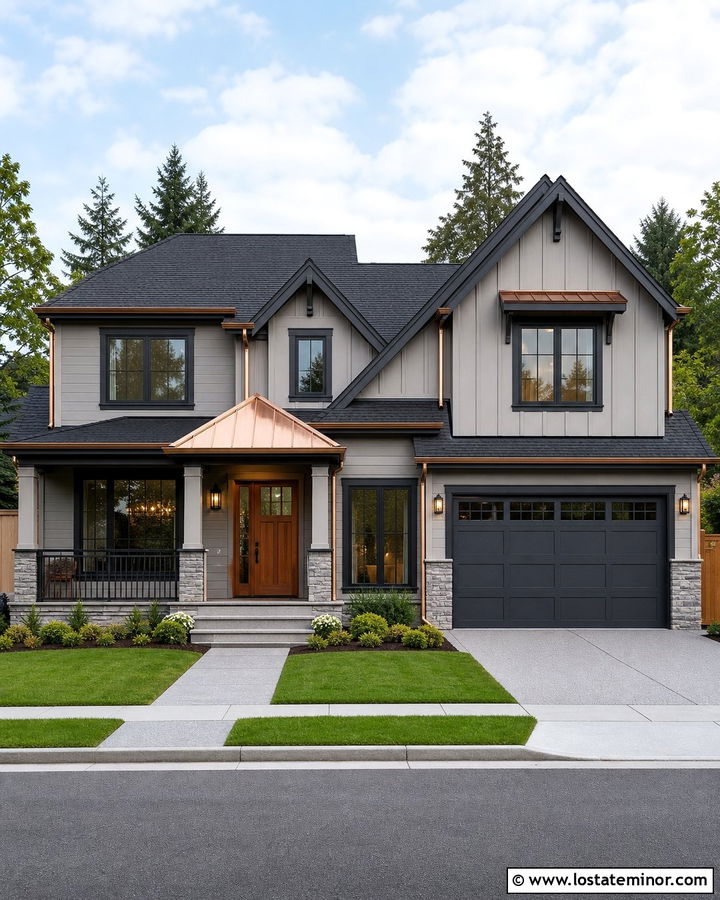
Copper accents bring warmth and changing character to a dove grey house with charcoal trim. Use this complete scheme on a contemporary Craftsman with mixed horizontal siding, board-and-batten gables, and a covered entry. Charcoal should define the windows, fascia, garage door, and porch railings. Add copper over the bay window, along the gutters, or above the front door as a focused architectural highlight. A natural walnut door supports the metal’s warm color, while grey ledgestone grounds the lower facade. Choose a dark charcoal roof to unify the trim and copper details. As the copper develops a natural patina, it will add texture without weakening the restrained grey palette or the home’s clean curb appeal.
Conclusion:
The right trim can make dove grey appear brighter, warmer, cooler, more traditional, or distinctly modern. White and cream create an easy, timeless outline, while charcoal and black deliver sharper definition. Blue, green, burgundy, and terracotta offer controlled color for homeowners who want more personality. Natural cedar, mahogany, stone, brick, and copper can also keep grey siding from feeling flat. Always evaluate the complete palette beside fixed features such as roofing, masonry, windows, and paving. Paint large samples on more than one side of the house before making a final choice. With thoughtful contrast and repeated accents, these 30 Dove Grey House Design With Trim Ideas can inspire a polished, cohesive exterior.

Related posts: