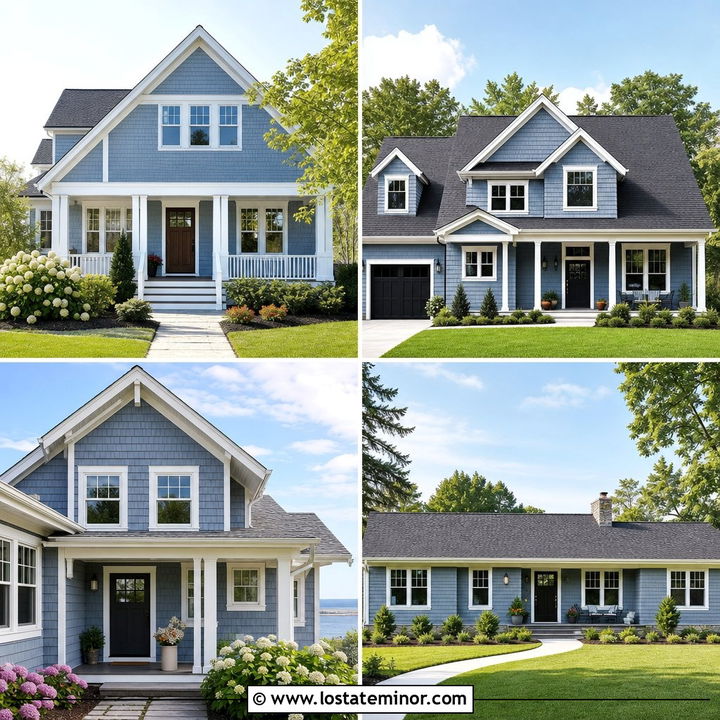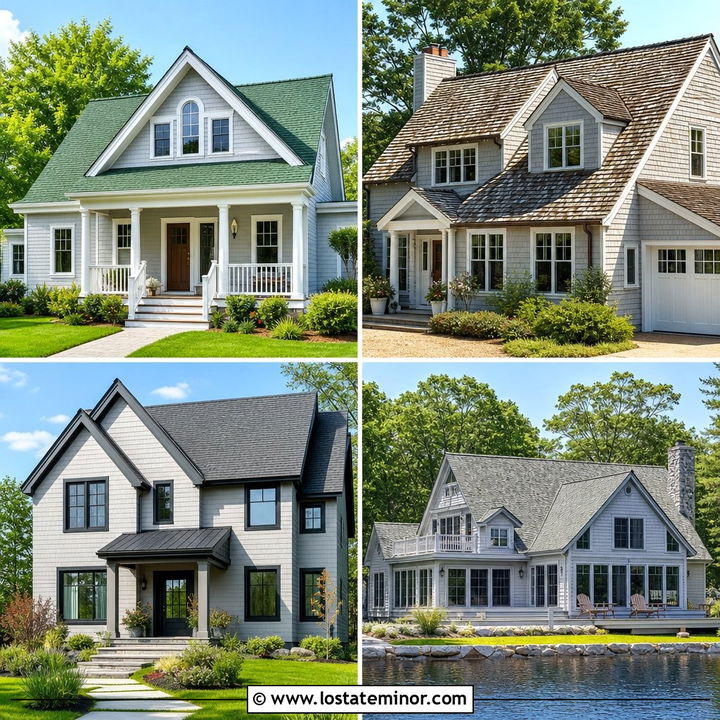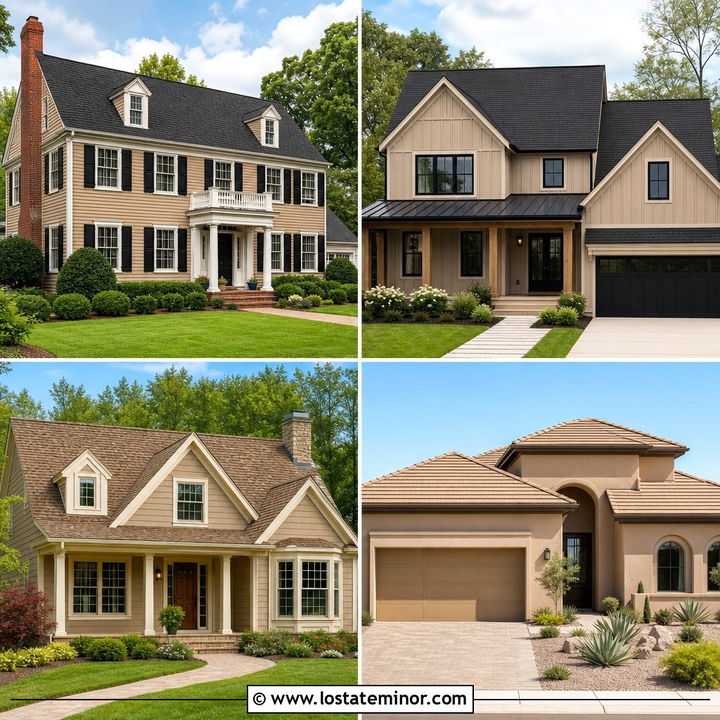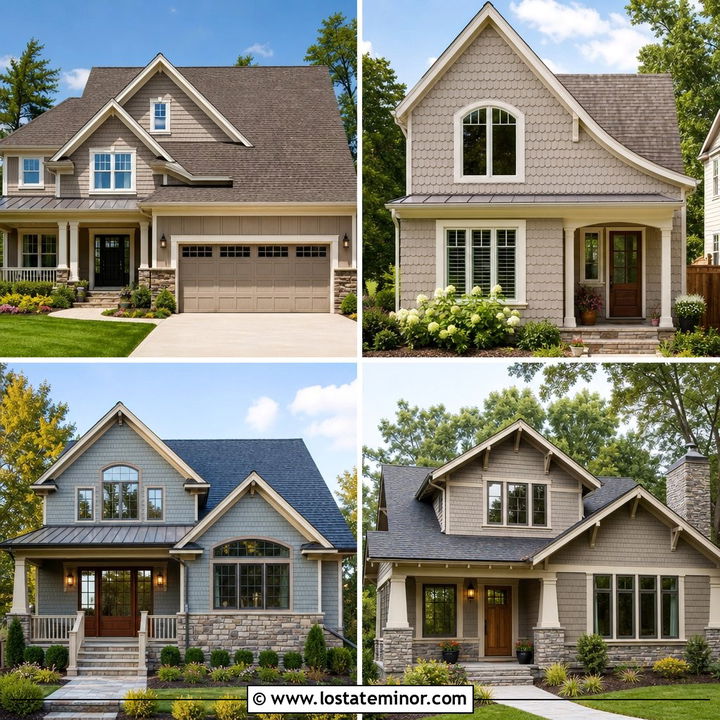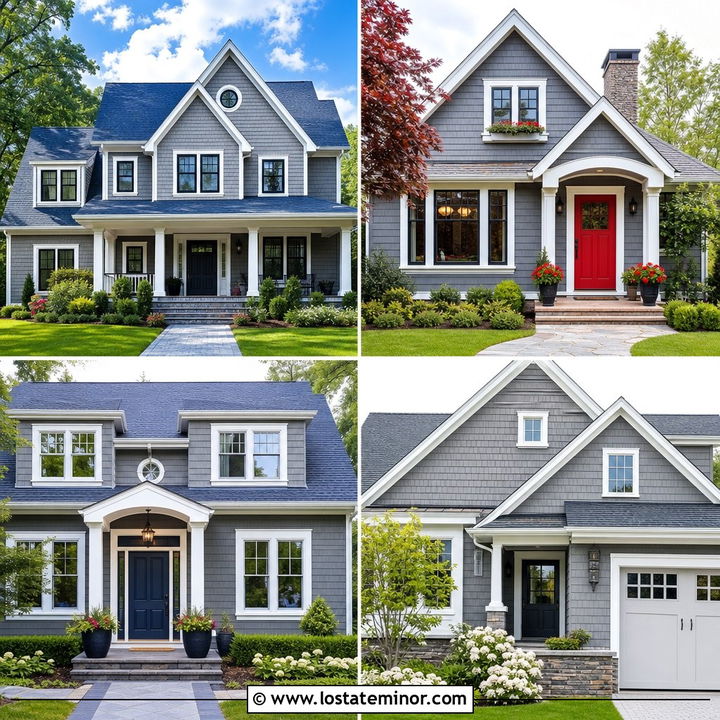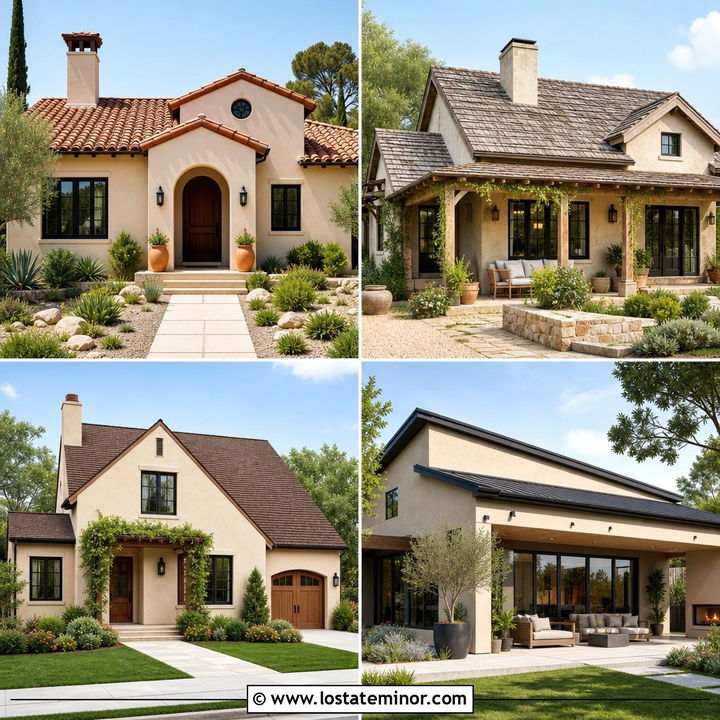
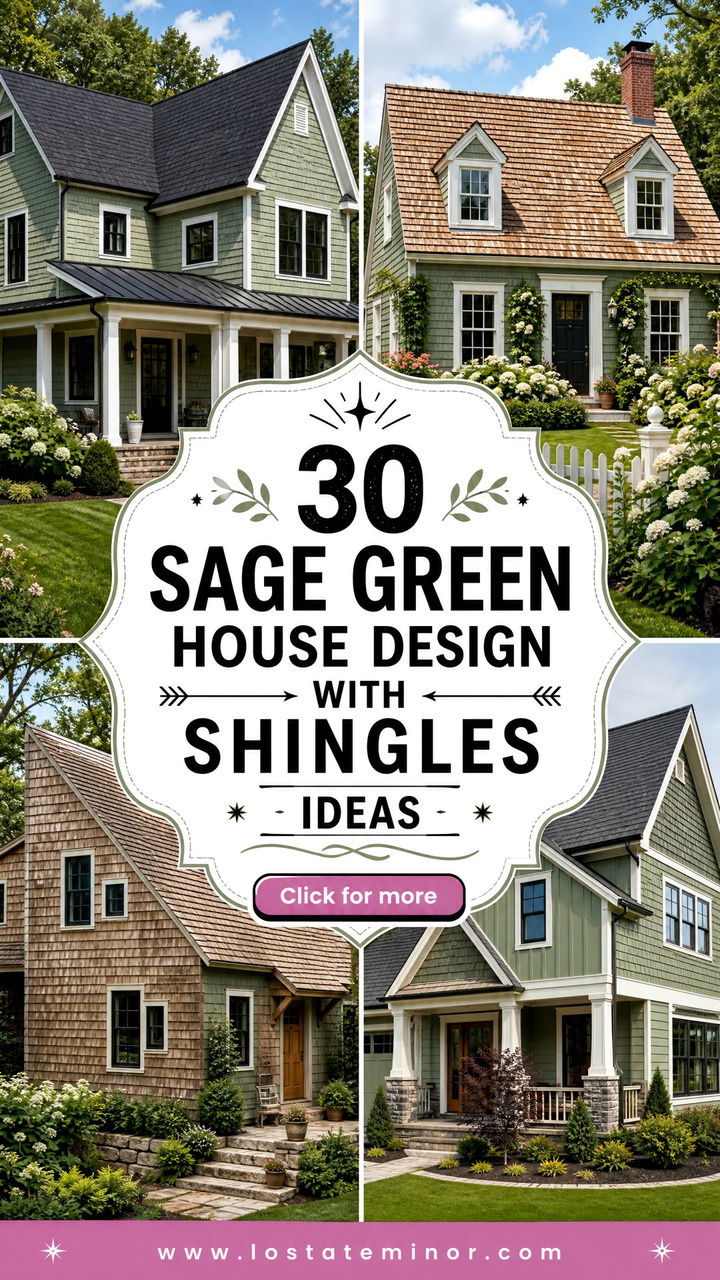
Sage green brings a calm, grounded character to a home, while shingles add texture, depth, and architectural detail. The best **30 Sage Green House Design With Shingles Ideas** coordinate every visible surface, including the siding, roofing, trim, front door, masonry, and porch materials. Dark asphalt shingles can give pale sage siding stronger definition. Weathered cedar shakes create a softer coastal effect, while decorative shingle siding makes cottages and Craftsman homes feel more distinctive. The key is choosing green, wood, stone, and roofing undertones that look intentional together in changing daylight. Whether you are planning a complete renovation or updating one prominent feature, the following full-house schemes offer practical inspiration for **30 Sage Green House Design With Shingles Ideas**.
1. Sage Green House With Charcoal Roof Shingles
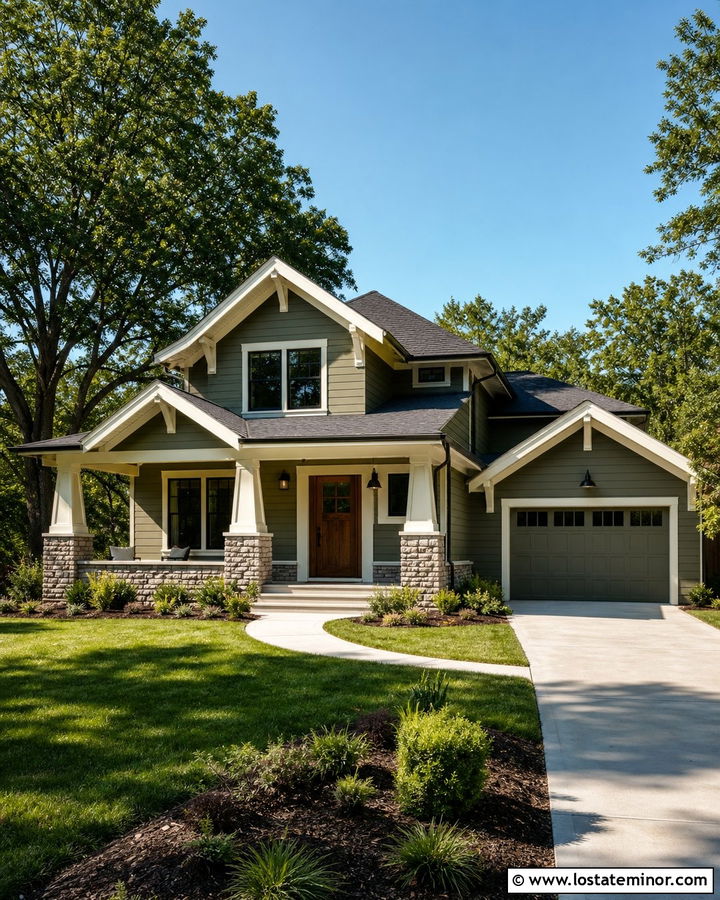
Charcoal architectural shingles give a sage green exterior a strong, clean outline without overpowering its natural softness. Use a medium sage such as Sherwin-Williams Clary Sage across horizontal lap siding, then add warm white trim around the windows, fascia, and porch columns. A stained walnut front door introduces warmth and keeps the palette from feeling too cool. This combination works especially well on a Craftsman home with broad rooflines and visible porch details. Add a charcoal garage door or black metal lighting to repeat the roof color at ground level. A stone foundation containing gray, cream, and muted brown tones can connect all the finishes while giving the entire exterior more visual weight.
2. Sage Green Craftsman With Cedar Shingle Gables
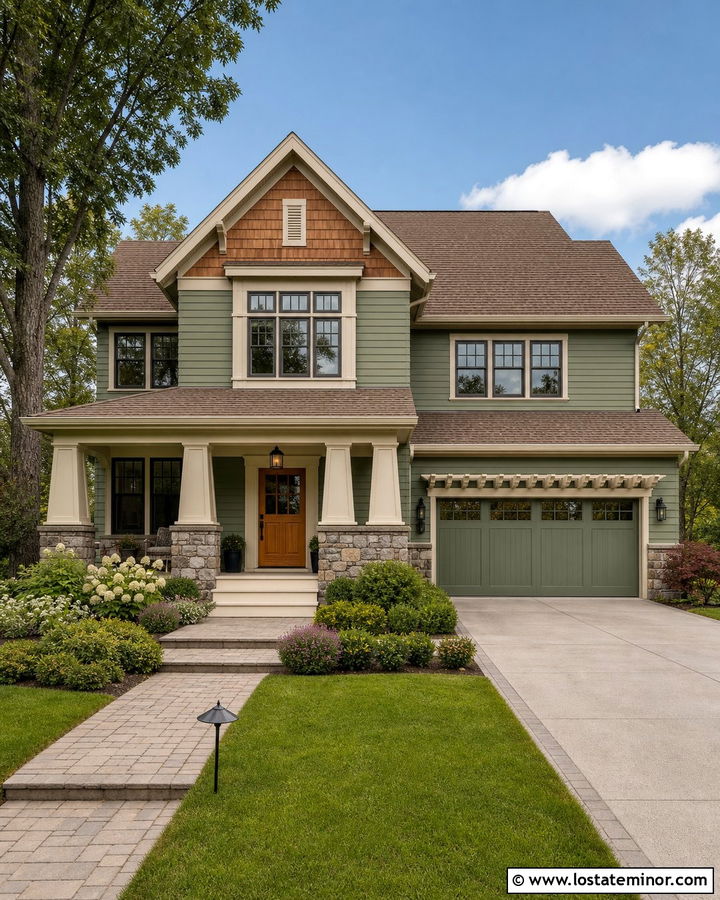
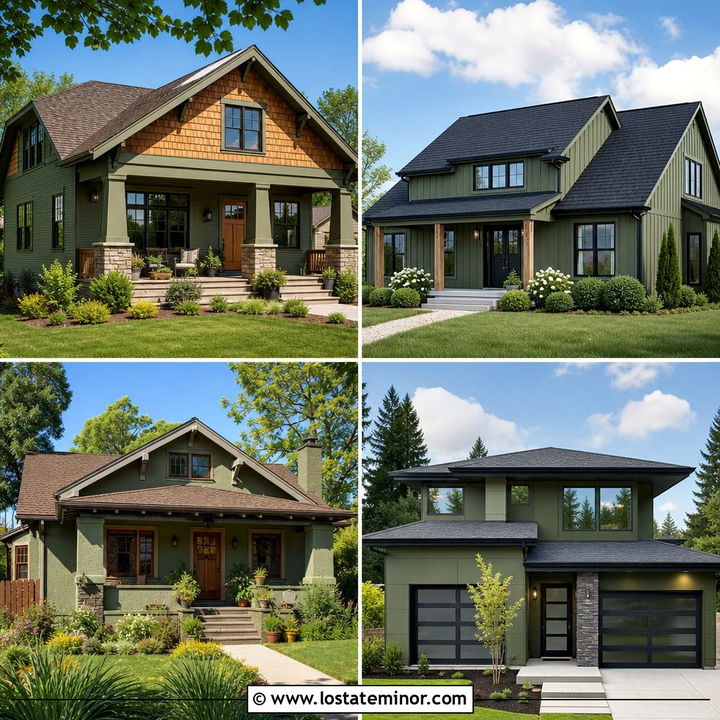
Natural cedar shingles can turn an ordinary sage green Craftsman into a richly layered exterior. Place the shingles inside the front-facing gables, where their warm color and rough texture become a clear focal point. Paint the lower lap siding Benjamin Moore Saybrook Sage, a muted heritage green, and use soft cream on the trim, brackets, and tapered porch columns. A medium brown shingle roof supports the cedar without creating an abrupt color change. Finish the porch with stone piers, a stained oak door, and simple bronze lights. Keeping cedar limited to the gables allows it to stand out while maintaining a balanced facade. The result feels handcrafted, warm, and connected to the surrounding landscape.
3. Sage Green Cottage With Weathered Gray Shingles
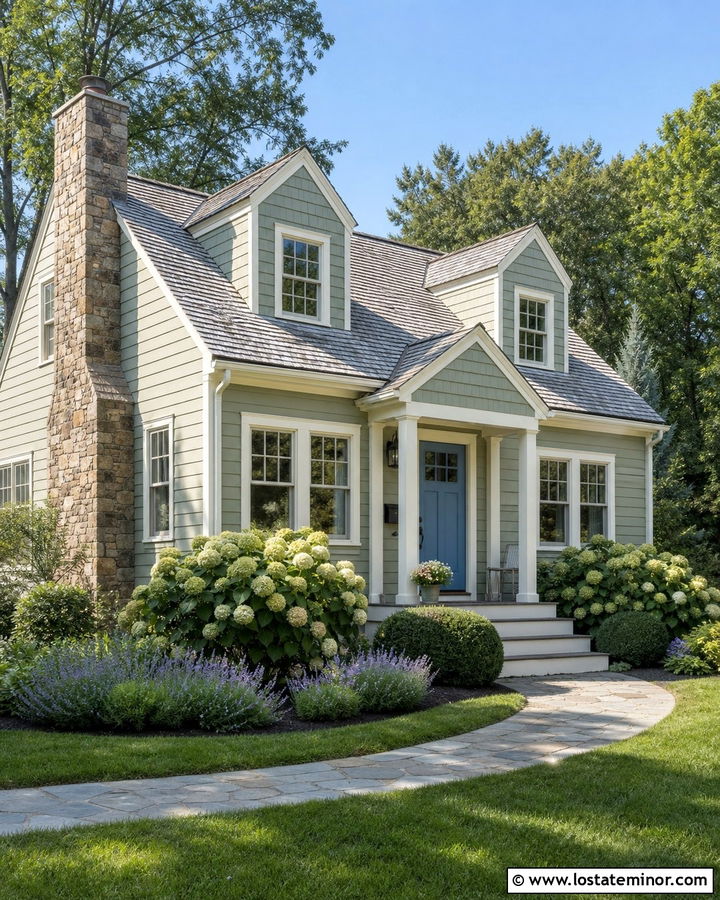
A small cottage looks especially welcoming when soft sage green siding is combined with weathered gray roof shingles. Choose Benjamin Moore October Mist, a gentle silvery sage, for the body and a creamy off-white for the window frames, eaves, and porch railing. The variegated gray shingles should include subtle taupe notes so the roof relates to warm stone paths and natural wood accents. Add a dusty blue front door for quiet color rather than sharp contrast. Shingle siding in the upper dormers can be painted the same sage as the lower walls, creating texture without dividing the facade. Rounded shrubs, lavender, and a curved walkway reinforce the relaxed cottage character while keeping the full exterior neat and approachable.
4. Sage Green Colonial With Black Roof Shingles
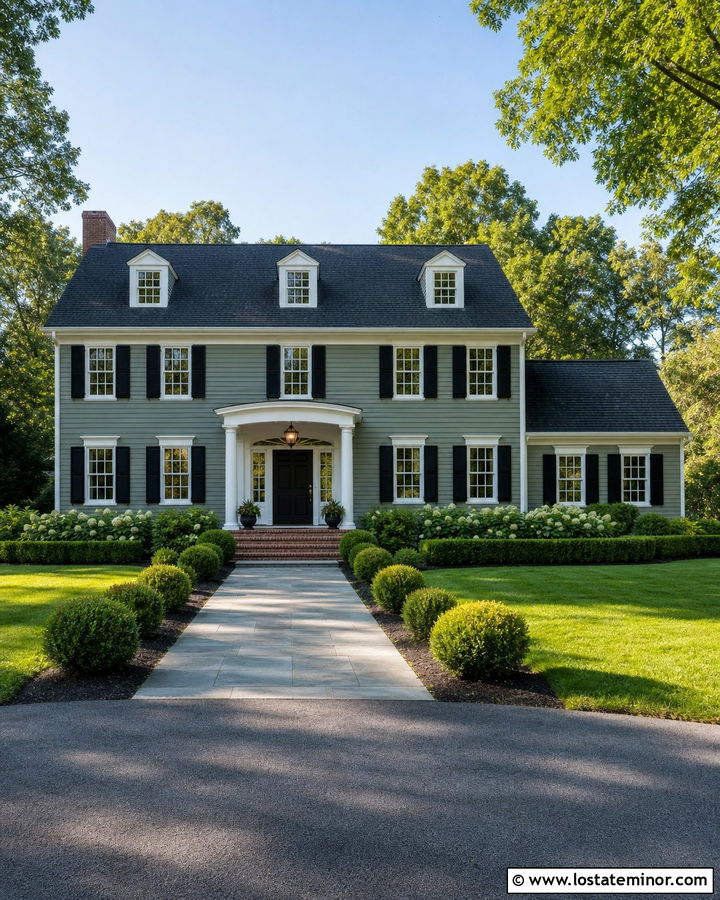
A symmetrical Colonial benefits from the structure that black roof shingles bring to sage green siding. Apply a traditional sage such as Sherwin-Williams Svelte Sage to the clapboards, then frame the facade with crisp white corner boards, window trim, and classical columns. Black shutters, a black paneled front door, and iron lanterns repeat the roof color and emphasize the balanced window arrangement. Because this palette has pronounced contrast, keep other materials restrained. Red brick steps can supply warmth, while a simple bluestone walkway supports the cooler roof tones. The complete scheme feels formal but not severe. Sage softens the rigid architecture, and the coordinated black details ensure the roof looks connected to the exterior rather than like a separate dark cap.
5. Sage Green Ranch With Brown Roof Shingles
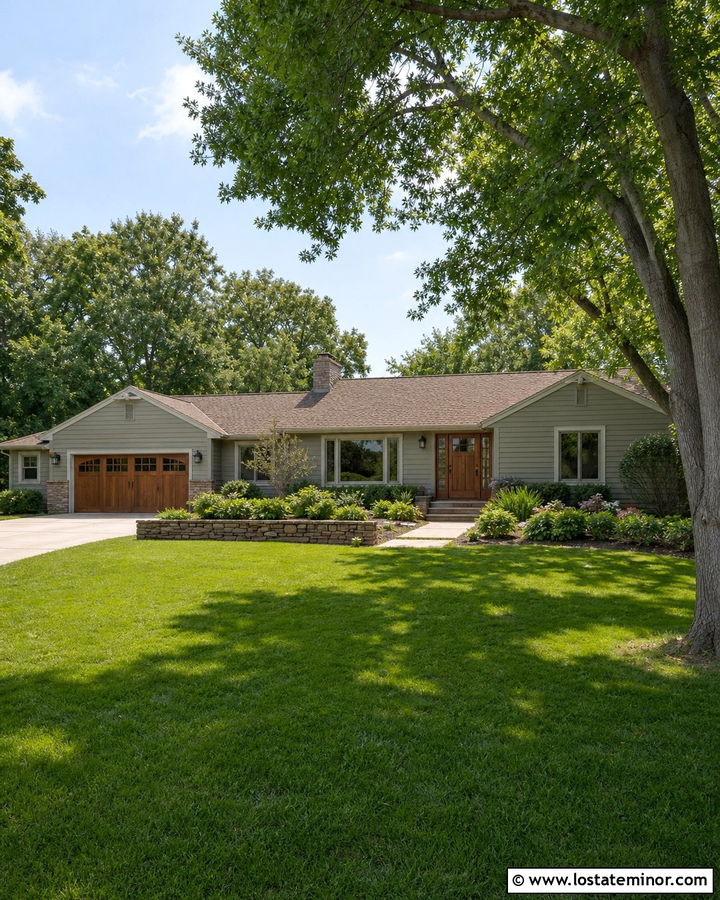
Warm brown shingles are a natural match for a long, low ranch house painted sage green. Use Sherwin-Williams Contented, a light gray-green, on the siding and select dimensional roof shingles that blend espresso, tan, and muted gray. Cream trim creates a softer transition than stark white, especially around wide picture windows and deep eaves. Bring the roof color downward with a stained wood garage door and matching front door. A low stone planter can add another layer of brown and gray without making the facade busy. Since ranch homes have broad roof surfaces, choosing a varied rather than solid brown shingle helps break up the expanse. The finished exterior feels warm, grounded, and appropriate for a mature suburban landscape.
6. Sage Green Cape Cod With Cedar Roof Shingles
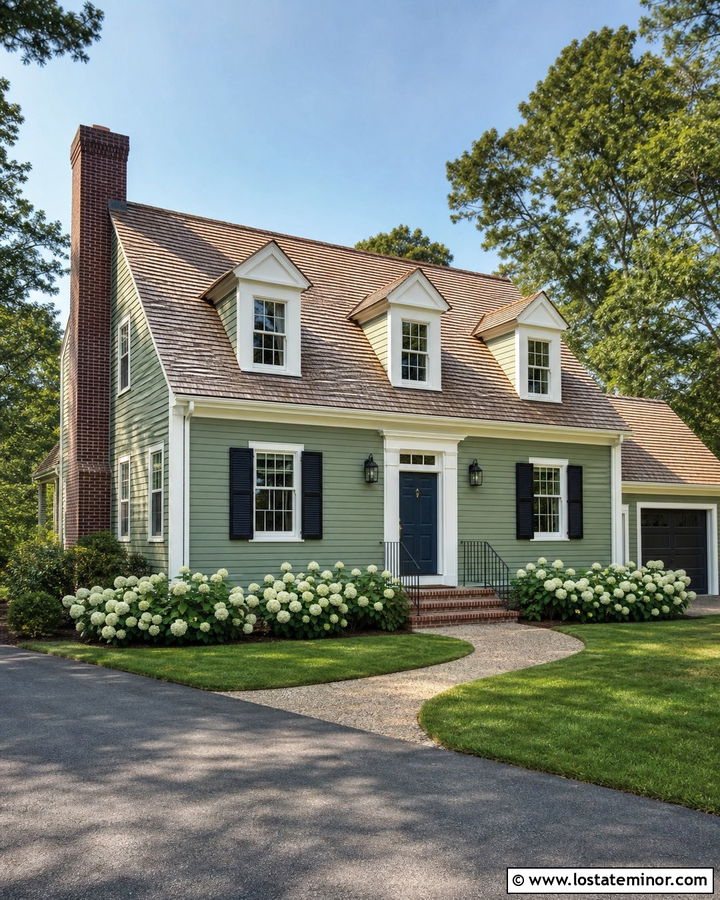
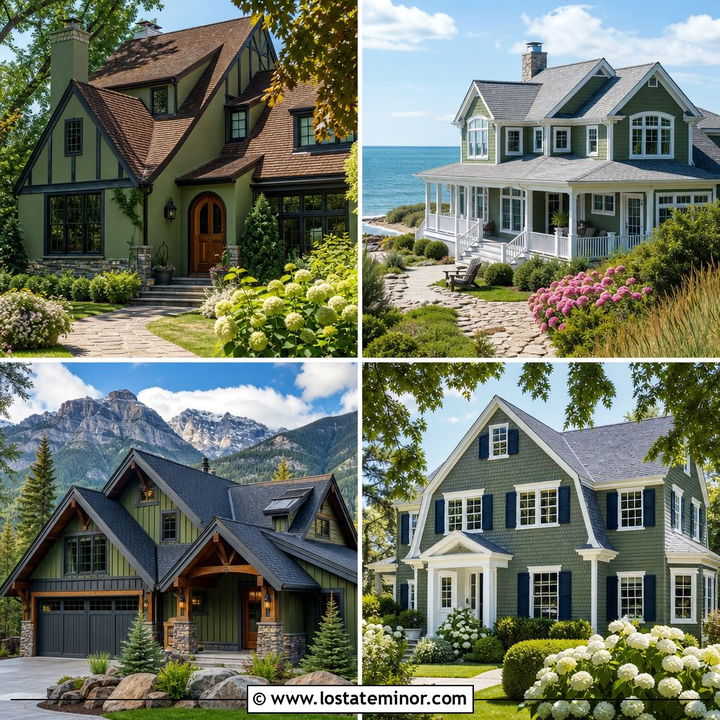
Cedar roof shingles give a sage green Cape Cod house an authentic, weathered quality that becomes more appealing as the material ages. Paint the clapboard siding Benjamin Moore Hollingsworth Green, a soft historic sage, and use warm white on the trim, dormers, and simple window surrounds. Leave the cedar roof natural so it can gradually shift from honey brown toward silvery gray. A muted navy front door adds coastal contrast while remaining understated. Keep shutters optional, since the roof and dormers already provide plenty of detail. Brick steps, hydrangeas, and a shell or pea-gravel walkway complete the scene. This palette works because every surface feels softened by nature rather than defined by harsh black-and-white contrast.
7. Sage Green Farmhouse With Pewter Roof Shingles
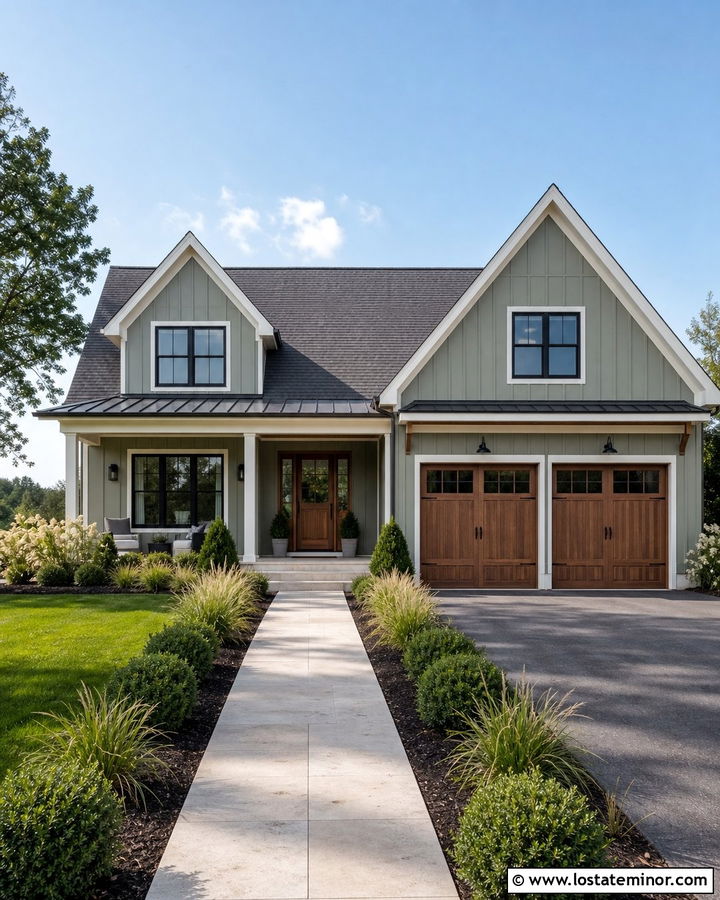
Pewter gray shingles can make a sage green farmhouse feel current while preserving its easy rural character. Cover the main facade in Sherwin-Williams Evergreen Fog, a sophisticated gray-green, using board-and-batten siding to emphasize the home’s height. Choose warm white for the trim and porch columns, then introduce black through the windows, lights, and simple metal railings. A medium pewter roof is less severe than solid black and gives the green siding enough contrast to remain visible from the street. Natural cedar doors add warmth to the otherwise cool palette. Use limestone porch flooring and relaxed foundation planting to complete the exterior. The result is polished and modern, but still softer than a conventional white farmhouse scheme.
8. Sage Green Bungalow With Mossy Brown Shingles
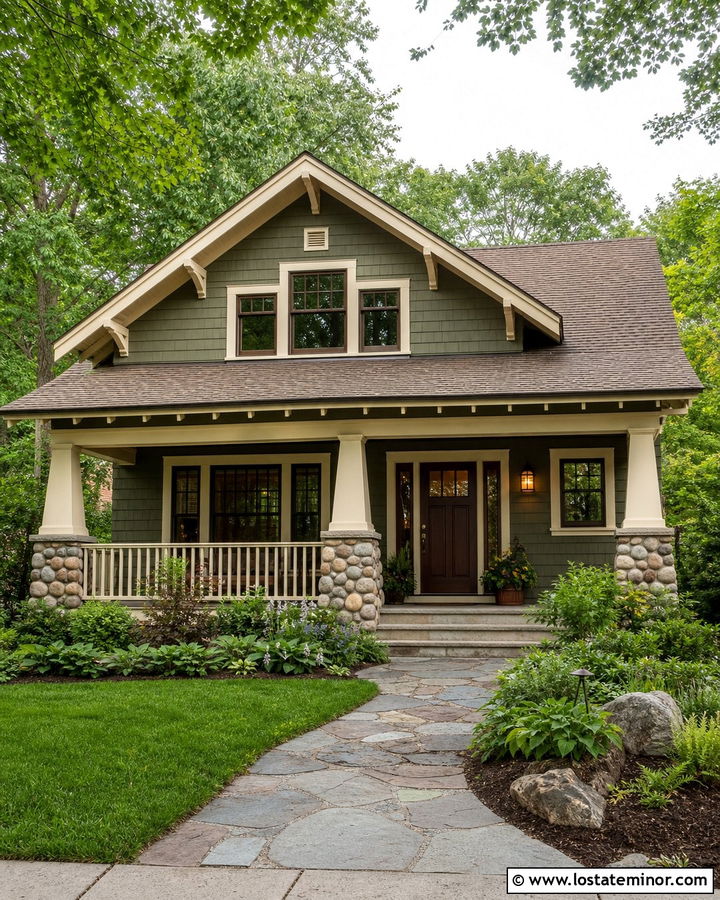
A bungalow can carry a deeper, earthier palette because its compact scale and generous porch keep the facade approachable. Paint the shingle or lap siding Benjamin Moore Kennebunkport Green, a muted mossy sage, and pair it with roof shingles blending brown, olive, and charcoal granules. Use creamy beige on the window trim and exposed rafter tails instead of bright white. Tapered columns resting on river-rock piers create a strong Craftsman foundation. A dark mahogany door and bronze porch lights deepen the warm effect. The colors should repeat naturally across the home, with the brown roof relating to the door and stone while the olive notes support the siding. Layered landscaping makes this complete exterior feel established rather than overly coordinated.
9. Sage Green Victorian With Fish Scale Shingles
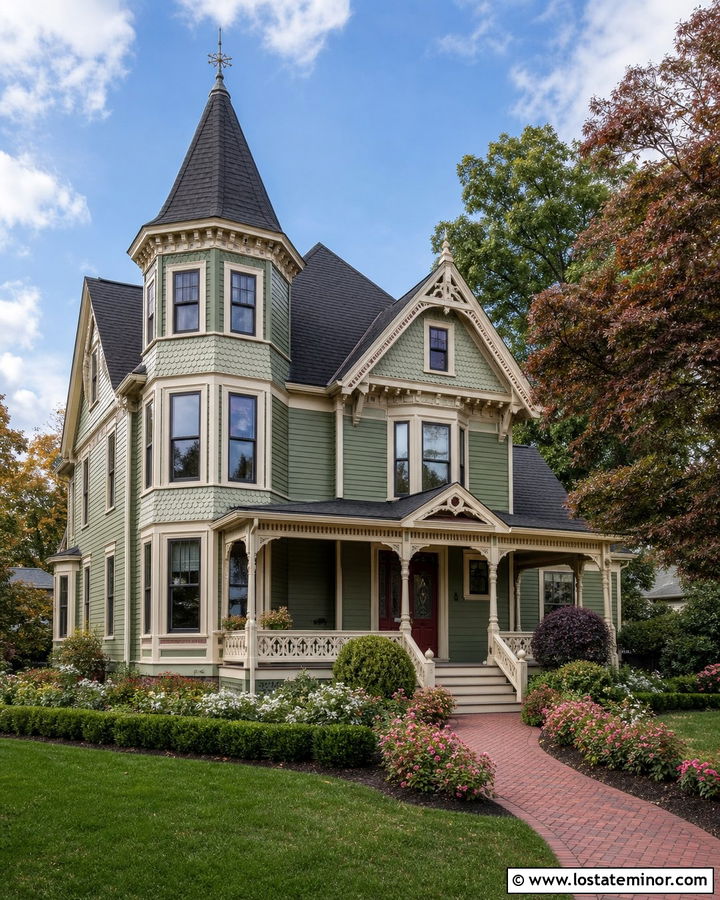
Decorative fish-scale shingles are ideal for giving a sage green Victorian the texture and detail its architecture deserves. Use Benjamin Moore High Park, a medium botanical sage, on the main clapboard body. Paint the upper shingle panels a slightly lighter sage so the pattern is visible without introducing an unrelated color. Cream trim can highlight brackets, window casings, porch spindles, and gable ornament, while a muted burgundy front door provides a historically inspired accent. Finish the roof with dark slate-colored asphalt shingles that visually anchor the many decorative surfaces. Restrict the palette to these coordinated shades so the house remains elegant rather than overly busy. A brick walkway and traditional foundation plantings strengthen the graceful, established curb appeal.
10. Sage Green Split Level With Gray Shingles
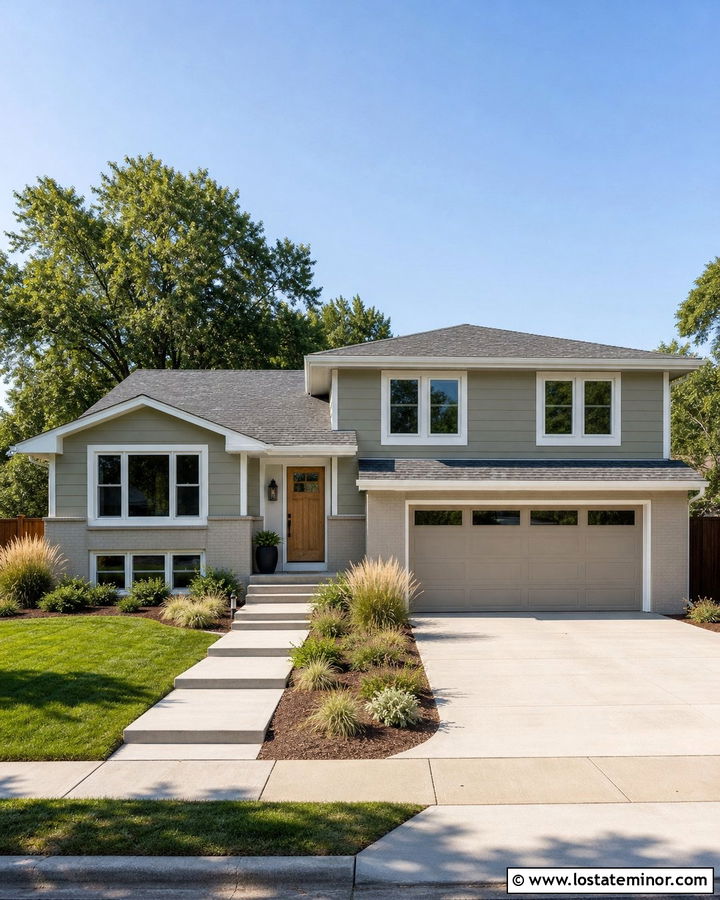
Sage green can soften the irregular proportions of a split-level house when the roofing and masonry are carefully coordinated. Apply Sherwin-Williams Austere Gray, a subdued sage-gray, to the upper siding and use a medium greige on the lower garage level. Choose architectural roof shingles containing charcoal, gray, and faint brown variation. White trim will clarify the windows and roofline, while a natural oak front door adds warmth near the recessed entrance. Consider a garage door in the same greige as the lower level to prevent it from dominating the facade. A broad concrete walkway, low ornamental grasses, and a few structured shrubs can visually connect both levels. This scheme creates unity without hiding the home’s distinctive midcentury shape.
11. Sage Green House With Driftwood Shingle Siding
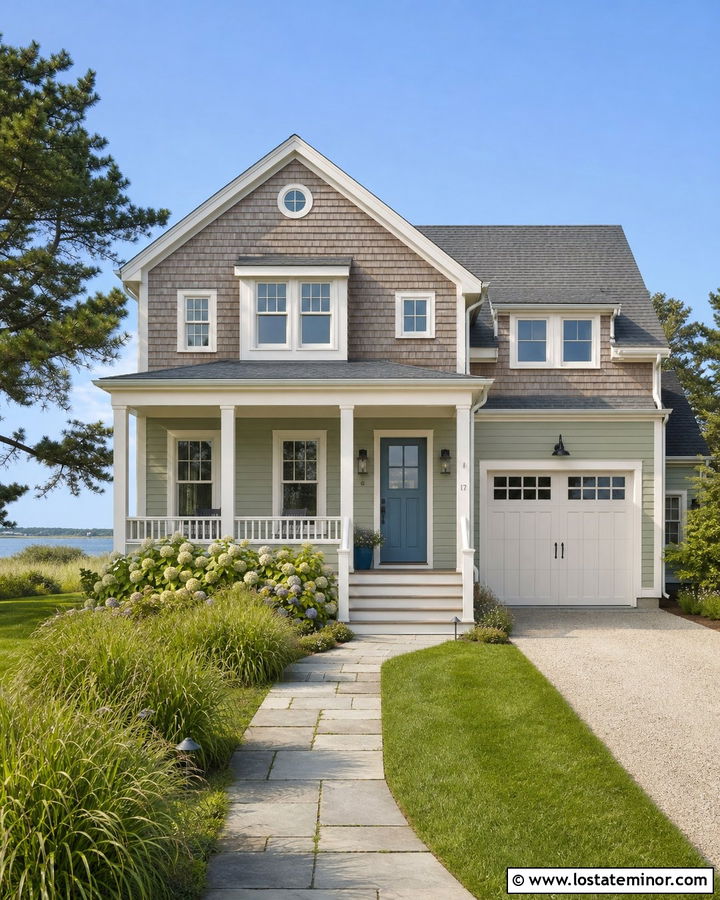
Driftwood-toned shingle siding introduces a weathered coastal layer without requiring the entire home to be covered in wood. Paint the lower clapboards Sherwin-Williams Softened Green, a pale natural sage, and place gray-brown cedar shingles across the upper story or prominent dormers. Warm white trim provides a clean boundary between the materials. A medium gray roof, faded blue front door, and brushed metal fixtures keep the palette light and relaxed. On a coastal home, use simple railings and wide window casings rather than heavy decorative features. The driftwood shingles should repeat tones found in the roof and walkway, making the material change feel planned. Beach grasses and hydrangeas complete the exterior while maintaining a bright, uncluttered curb view.
12. Sage Green House With Cream Shingles
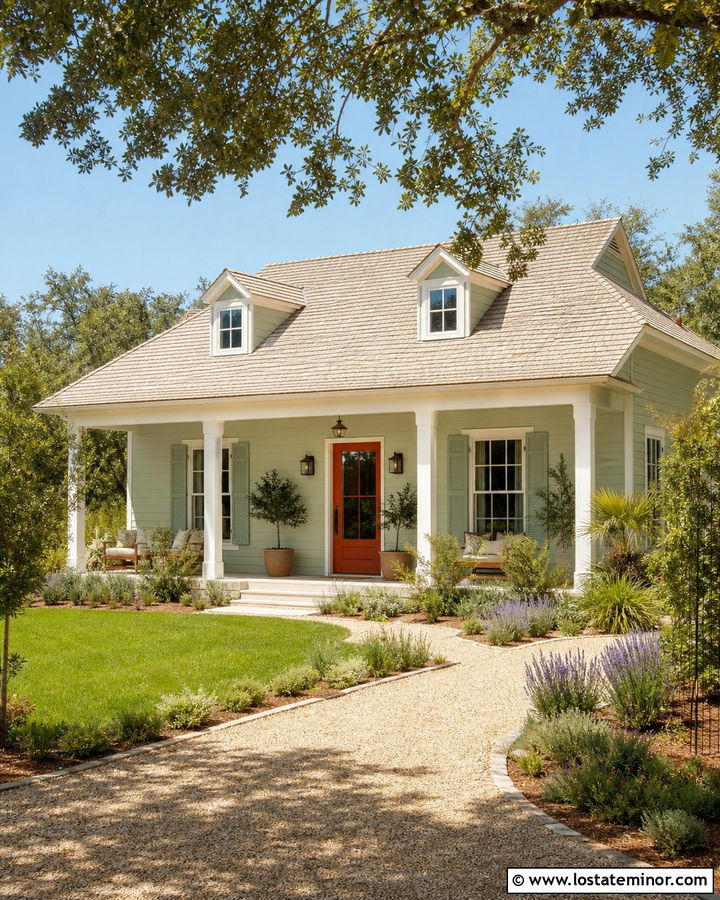
Cream-colored roof shingles create a low-contrast look that can brighten a sage green home in sunny surroundings. Use Benjamin Moore Soft Fern, a warm light sage, on stucco or lap siding and repeat ivory across the fascia, columns, and window trim. Select pale beige architectural shingles with subtle tan variation rather than a flat, almost-white roof. A terracotta front door introduces an earthy accent that stands out without fighting the gentle palette. Limestone porch flooring and sandy gravel paths can connect the roofing to the landscape. This scheme suits a cottage, desert ranch, or Southern bungalow with wide eaves. Because the upper surfaces are light, use medium bronze fixtures and defined window frames to keep the exterior from appearing washed out.
13. Sage Green House With Slate Shingles
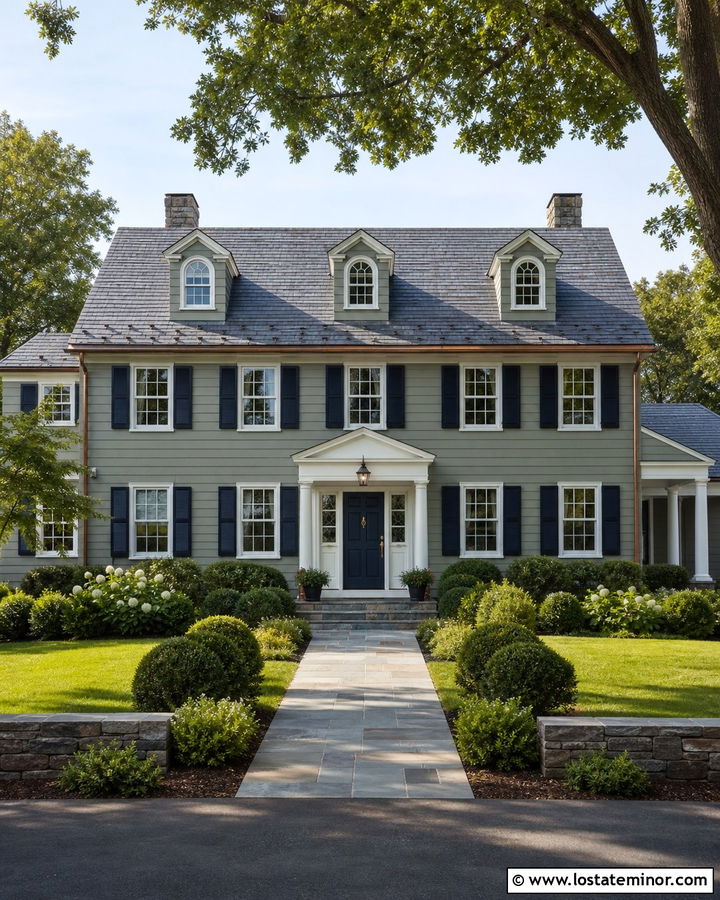
Natural slate shingles bring quiet richness to sage green siding through their irregular texture and blue-gray color variation. Paint a traditional two-story home Sherwin-Williams Acacia Haze, a medium smoky sage, then add soft white trim to keep the windows and cornice details clear. A deep navy front door complements the cooler slate tones while offering more color than black. Use gray stone around the foundation or entrance, but include warmer mortar so the scheme does not become overly cool. Copper gutters can add subtle warmth and will develop character over time. This complete palette works especially well on Tudor Revival, Colonial Revival, and substantial cottage homes. The roof becomes an architectural feature while the restrained sage body remains calm and welcoming.
14. Sage Green Tudor With Dark Brown Shingles
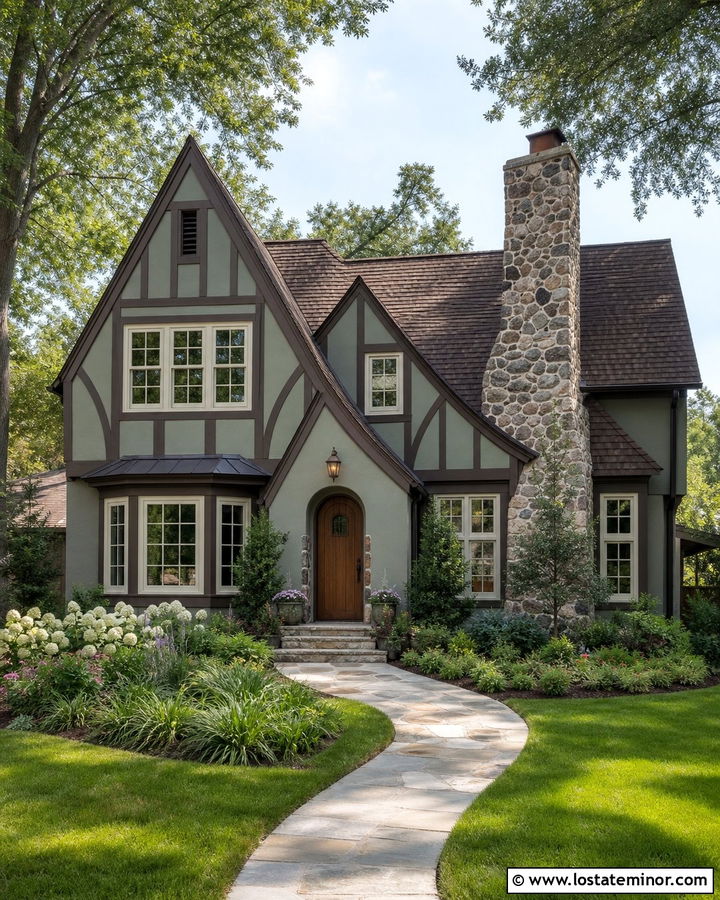
A sage green Tudor feels warmer and less formal when paired with dark brown roof shingles instead of black. Use Benjamin Moore Carolina Gull, a rich gray-green, on the stucco or shingle siding between dark brown half-timber details. Cream trim can frame the windows and arched entry without creating excessive brightness. Choose a dimensional roof combining chocolate, charcoal, and subdued tan to complement the heavy Tudor roofline. A rounded walnut door with black iron hardware makes a natural focal point. Add irregular fieldstone around the base and chimney to blend the green and brown surfaces. Deep planting beds, a curved path, and mature trees complete the storybook setting while keeping the exterior grounded in a realistic American neighborhood.
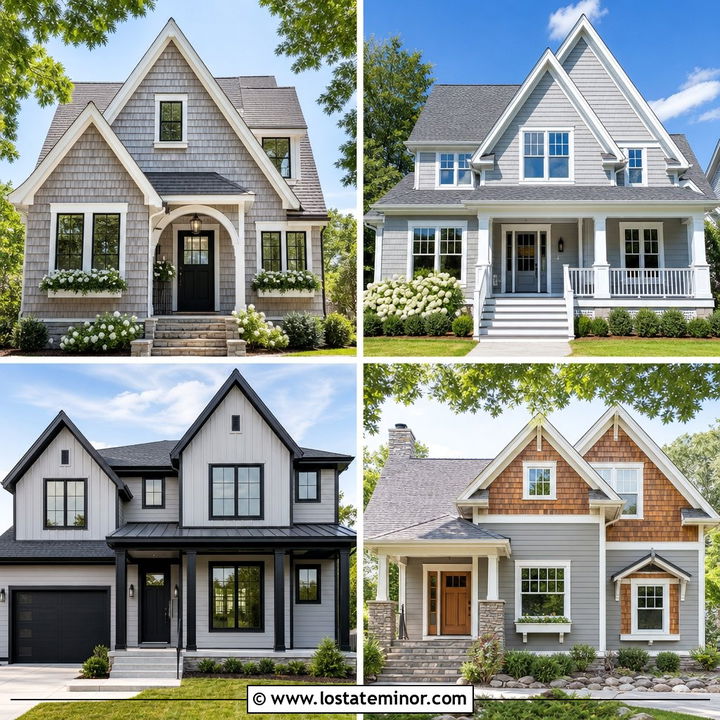
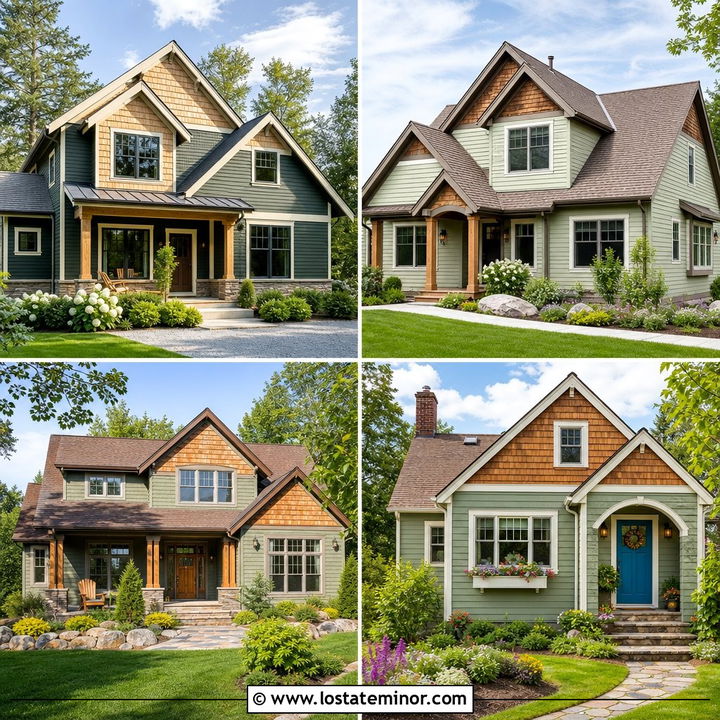
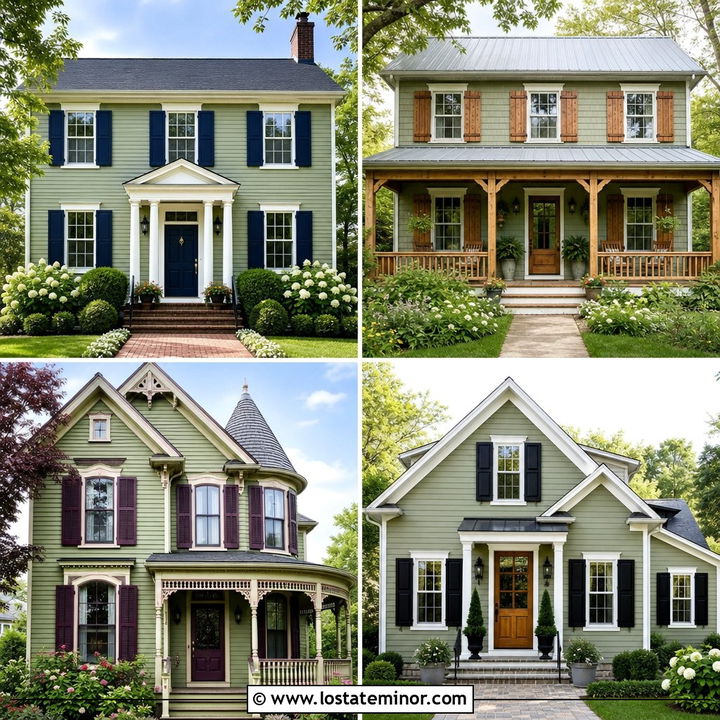
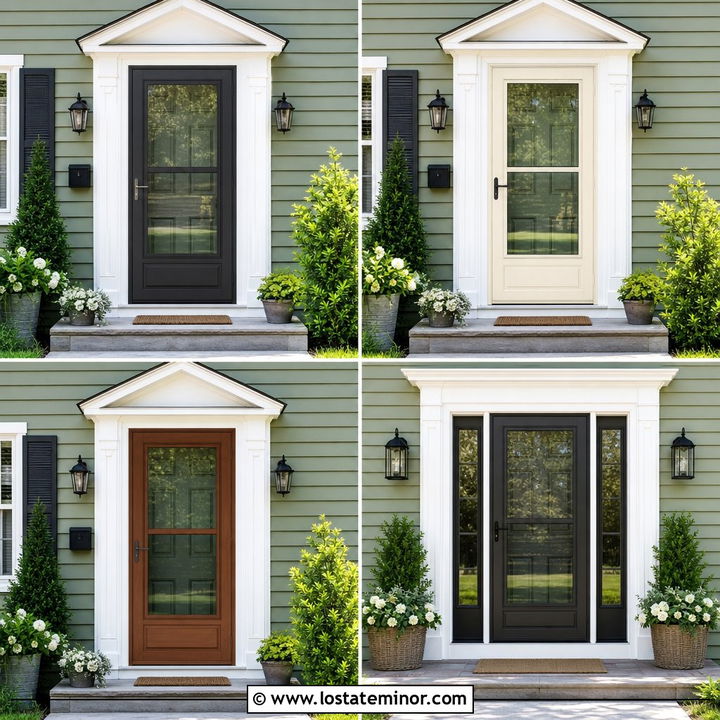
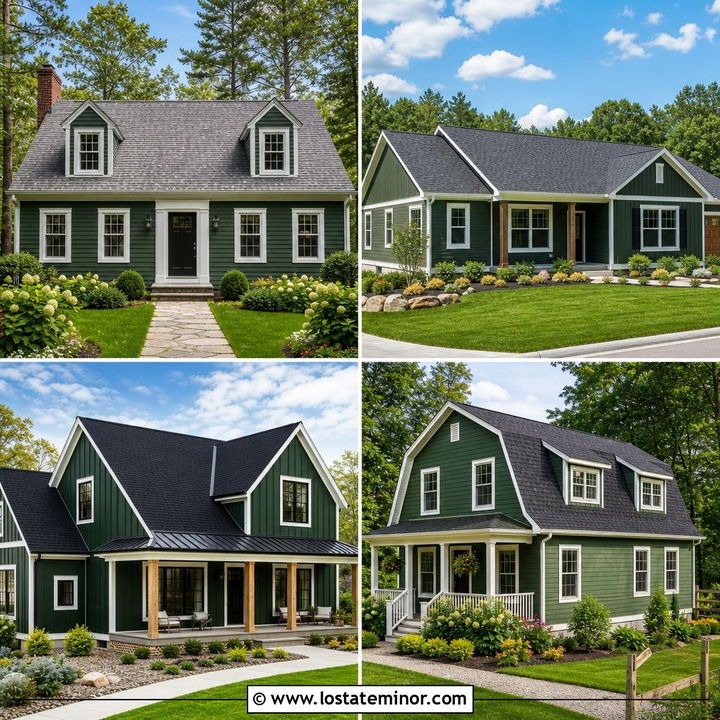
15. Sage Green Saltbox With Wood Shingles
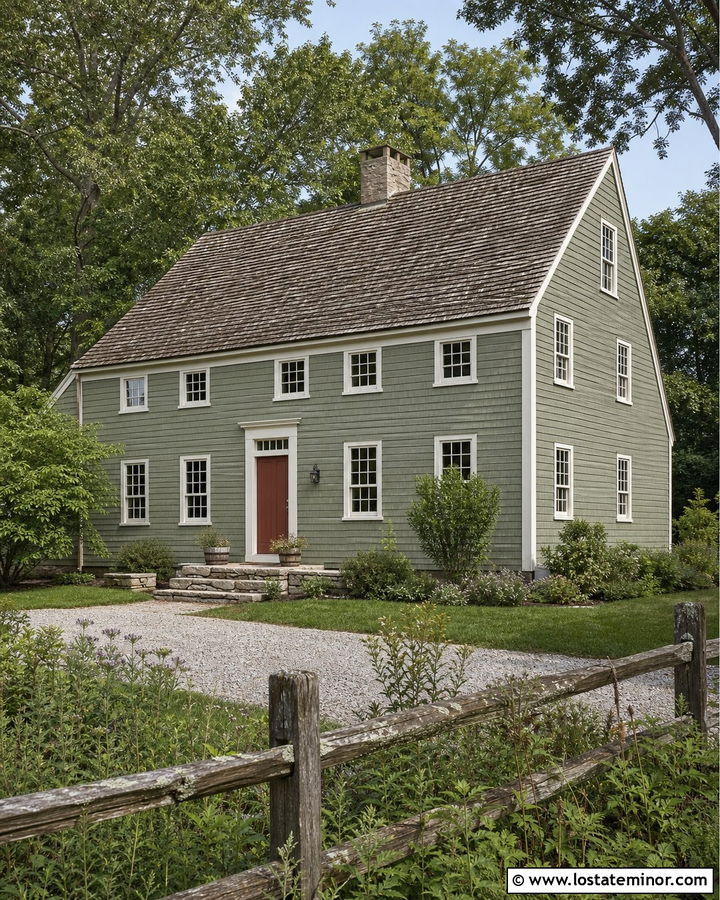
The simple silhouette of a saltbox house allows wood shingles and sage green paint to become the main visual features. Cover the exterior in painted cedar shingles using Benjamin Moore Saybrook Sage, a balanced muted green with a traditional character. Use antique white trim around compact windows, corner boards, and the centered front door. A weathered wood roof with brown-gray shingles continues the handcrafted texture without matching the siding too closely. Paint the front door a subdued brick red for a warm early American accent. Keep railings, lighting, and hardware simple so the materials remain prominent. A fieldstone step, gravel drive, split-rail fence, and informal native planting create a complete exterior that feels historic, practical, and comfortably connected to its setting.
16. Sage Green Coastal House With Gray Cedar Shingles
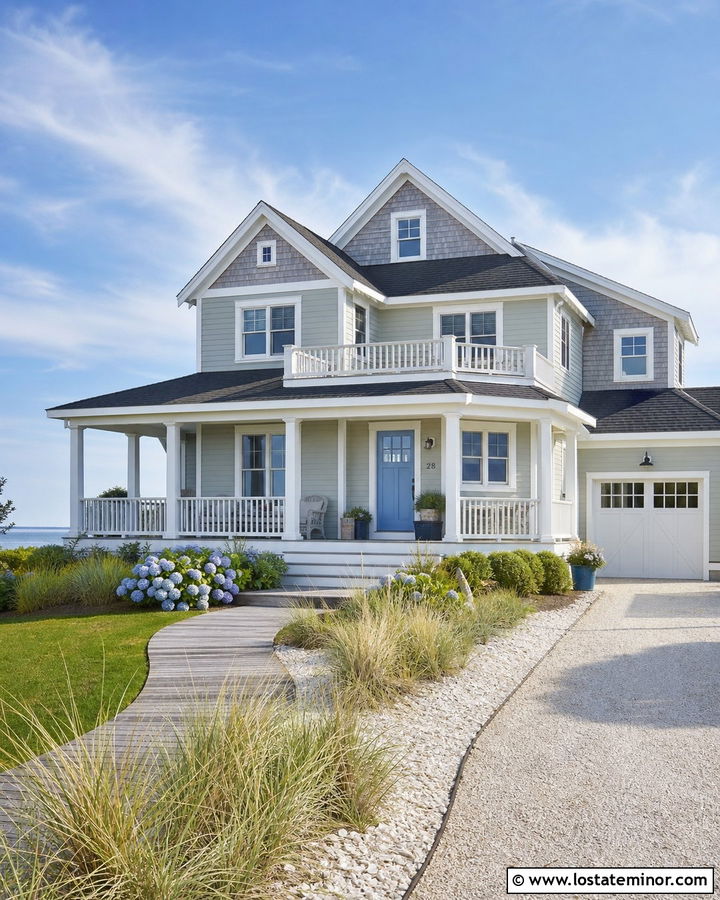
A coastal home can combine sage green lap siding with naturally weathered cedar shingles for an airy, layered facade. Paint the main body Benjamin Moore October Mist, a pale silvery sage, and use gray cedar shingles on the upper gables and dormers. Bright white trim should define the windows, porch posts, and railings, while a light blue door adds a subtle seaside note. Choose a soft charcoal-gray asphalt roof that relates to the aged cedar without appearing heavy. Keep the foundation and walkway pale, using crushed shell, light stone, or weathered decking. Ornamental grasses and wind-shaped shrubs reinforce the environment. The full palette feels breezy and natural because the contrasts remain soft while each architectural level has its own texture.
17. Sage Green Mountain House With Rustic Shingles
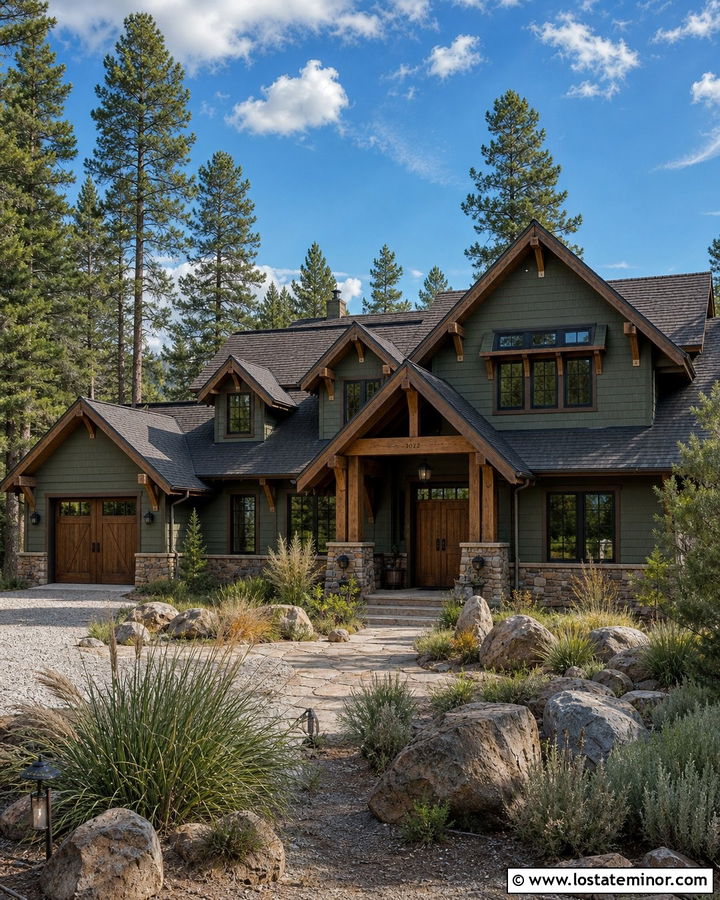
A mountain home needs enough visual weight to hold its own against tall trees, stone, and rugged terrain. Use Sherwin-Williams Dried Thyme, a deep earthy sage green, across wide lap siding and board-and-batten gables. Top the house with rustic architectural shingles blending charcoal and weathered brown. Cedar brackets, porch beams, and a substantial wood door add warmth, while stone columns anchor the facade. Choose muted tan trim rather than white to maintain the natural palette. Black window frames can provide definition without becoming the central feature. A broad gravel drive, native grasses, and boulder-lined beds complete the setting. Together, the roof, wood, stone, and green siding create a home that feels substantial but not visually separated from the landscape.
18. Sage Green A-Frame With Black Shingles
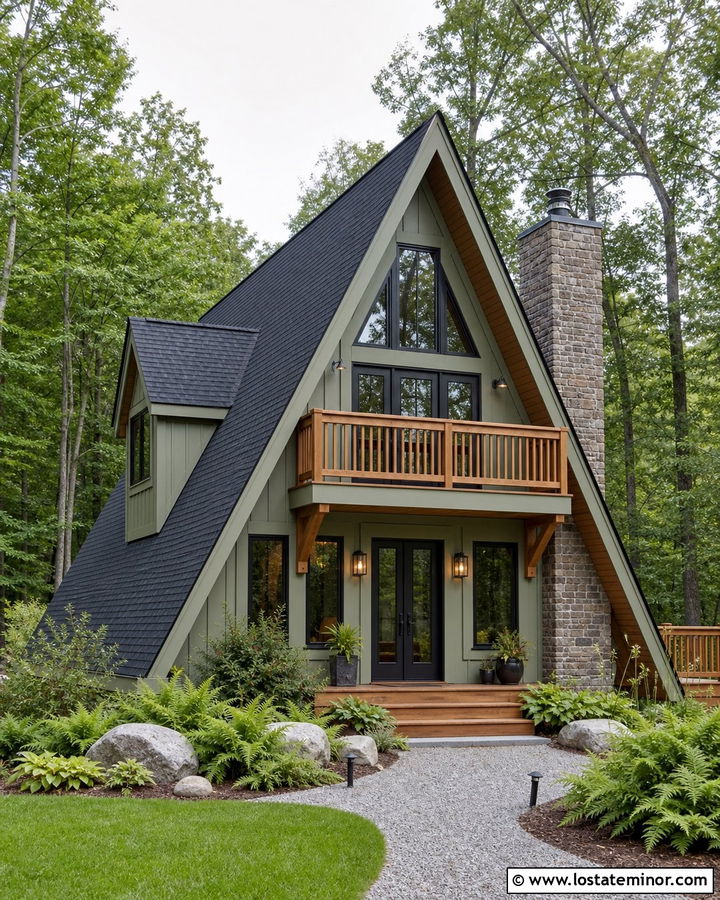
The steep roof of an A-frame makes shingle color especially important because it occupies much of the visible exterior. Cover the roof in matte black architectural shingles to create a crisp silhouette, then paint the front and side siding Sherwin-Williams Clary Sage, a warm medium green. Use natural cedar around the entrance, balcony, and exposed beams to prevent the black roof from feeling stark. Dark window frames disappear neatly into the roofline, allowing the large panes to remain prominent. A stone chimney containing warm gray and brown tones helps bridge the palette. Keep landscaping informal with ferns, native shrubs, and a gravel path. This complete look feels modern and woodland-inspired while retaining the welcoming softness associated with sage green.
19. Sage Green Dutch Colonial With Gambrel Shingles
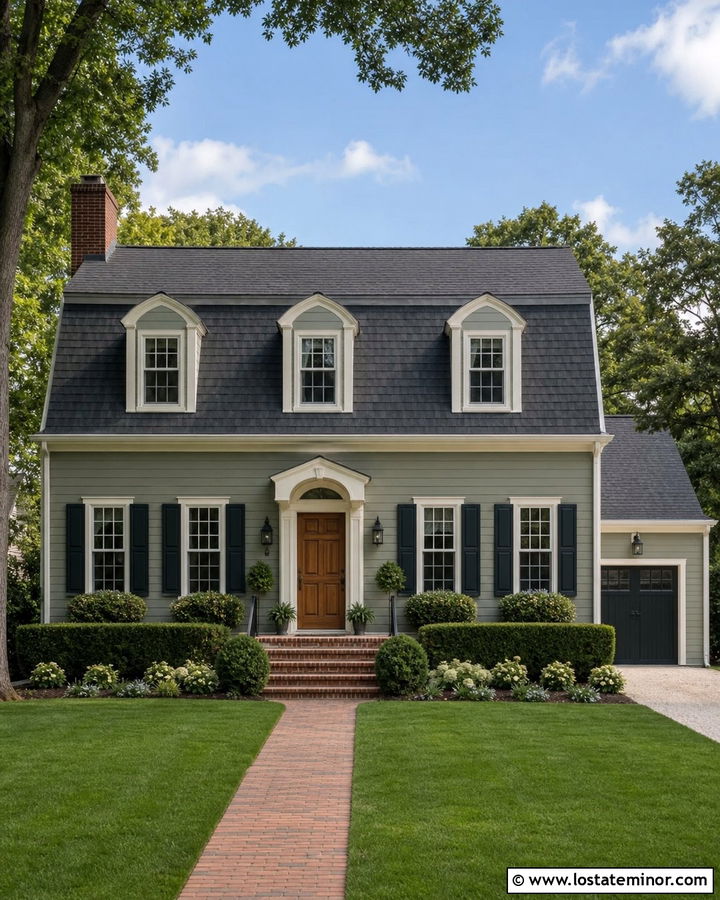
A gambrel roof creates a large, distinctive surface that looks balanced with medium charcoal-gray shingles and muted sage siding. Paint a Dutch Colonial Benjamin Moore Thicket, a grounded gray-green, and use warm white trim to outline the curved roof, dormers, and symmetrical windows. Dark green shutters provide tonal depth without introducing a harsh new color. Add a stained medium-oak front door beneath a simple white portico. Brick steps and a traditional walkway can contribute warm red-brown notes that keep the gray roof from making the scheme feel cold. The restrained colors allow the gambrel shape to remain the architectural focus. Neatly clipped hedges and a balanced planting plan further support the home’s formal, established character.
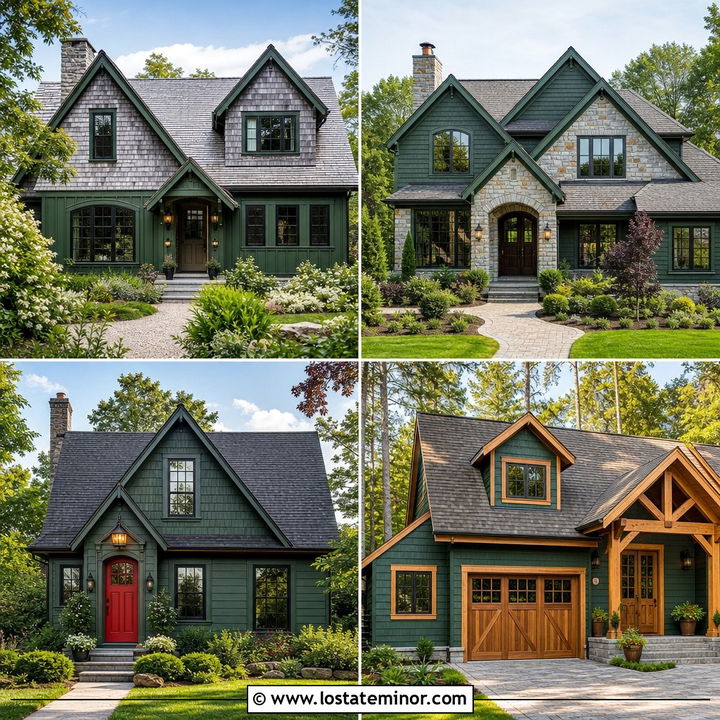
20. Sage Green Prairie House With Low Profile Shingles
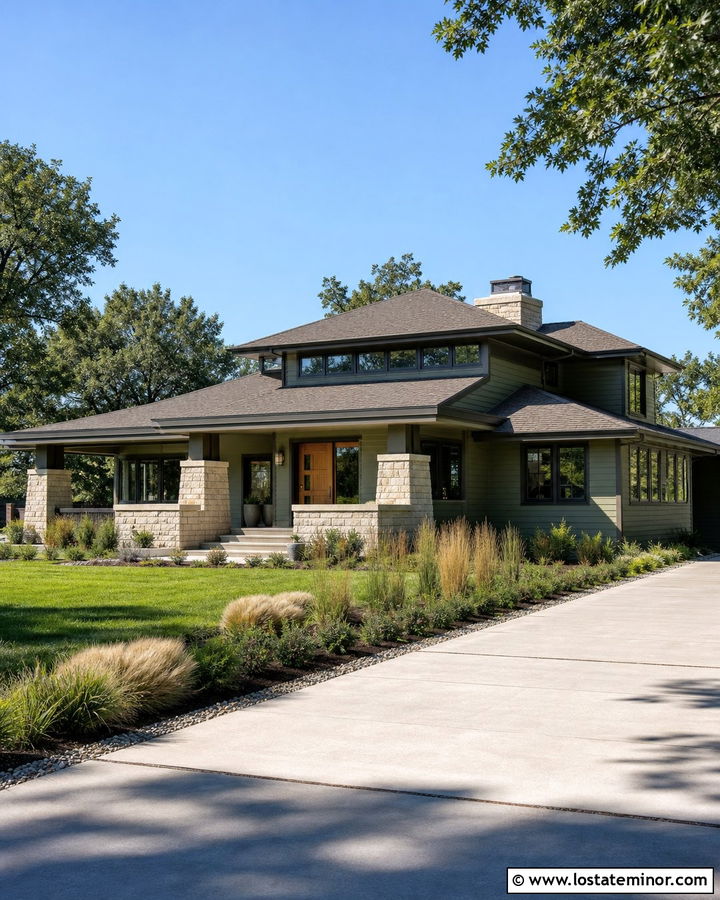
Low-profile roof shingles are a smart match for the broad horizontal lines of a Prairie-style house. Choose architectural shingles in a blended taupe-charcoal color that does not compete with the wide eaves. Paint the stucco or horizontal siding Sherwin-Williams Liveable Green, a warm light sage, and use deep bronze on the window frames, fascia, and garage door. Natural stone in warm beige and gray can wrap the foundation and porch columns. A simple oak door maintains the earthy, geometric palette. Avoid bright white accents, which can interrupt the home’s horizontal flow. Instead, repeat warm neutral tones across the walkway and low retaining walls. Structured ornamental grasses and layered shrubs reinforce the architecture without concealing its distinctive lines.
21. Sage Green Shingle House With White Trim
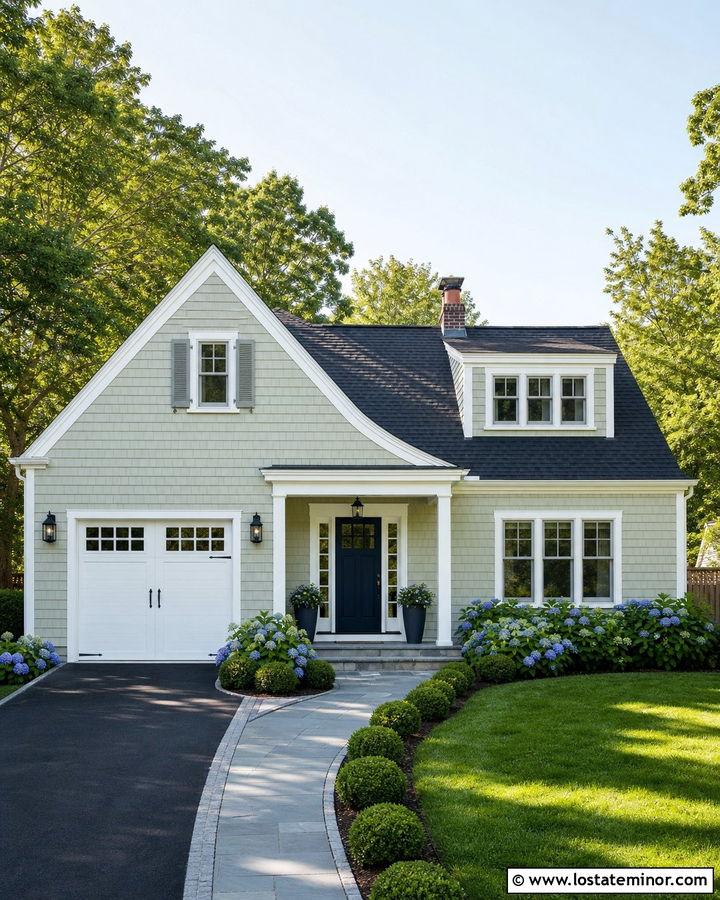
Painting an entire shingle-sided house sage green creates rich texture even when the color palette remains simple. Use Benjamin Moore Sage Tint, a light airy green, across cedar or fiber-cement shingle siding. Apply crisp white to the corner boards, eaves, porch railings, and window casings for a clean coastal or cottage appearance. A medium charcoal roof provides enough contrast to frame the pale body, while a navy front door introduces a classic accent. Keep shutters minimal so the shingle pattern remains visible. A gray stone porch, white garage door, and black lanterns can repeat the core colors around the lower facade. Hydrangeas, boxwoods, and a curved paver walkway give the finished home an inviting, carefully maintained curb presence.
22. Sage Green House With Staggered Shingle Gables
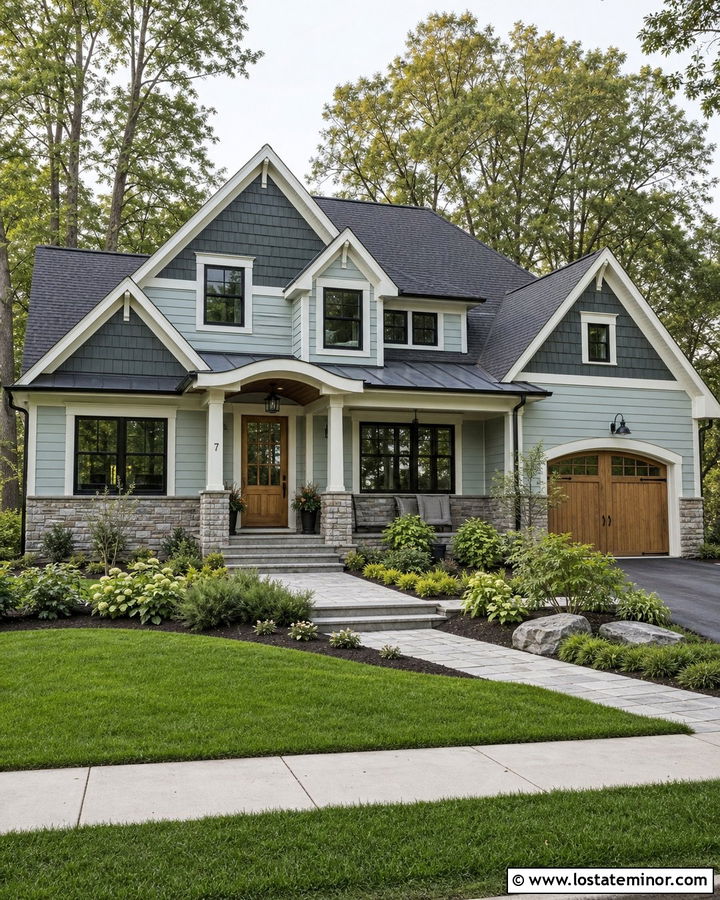
Staggered shingles create deeper shadow lines than standard lap siding, making them useful for emphasizing front-facing gables. Paint the main board-and-batten exterior Sherwin-Williams Sea Salt, a pale blue-green sage, and finish the staggered gable shingles in a deeper coordinating green such as Retreat. Use creamy white trim to separate the two green surfaces and define the porch structure. A charcoal shingle roof, cedar front door, and black-framed windows provide contrast and warmth. This layered treatment is especially effective on a modern cottage or Craftsman-inspired home with multiple roof peaks. Keep the lower stonework simple and neutral. The shift in texture and green depth adds dimension while allowing the complete facade to remain cohesive and easy to read.
23. Sage Green Craftsman With Scalloped Shingles
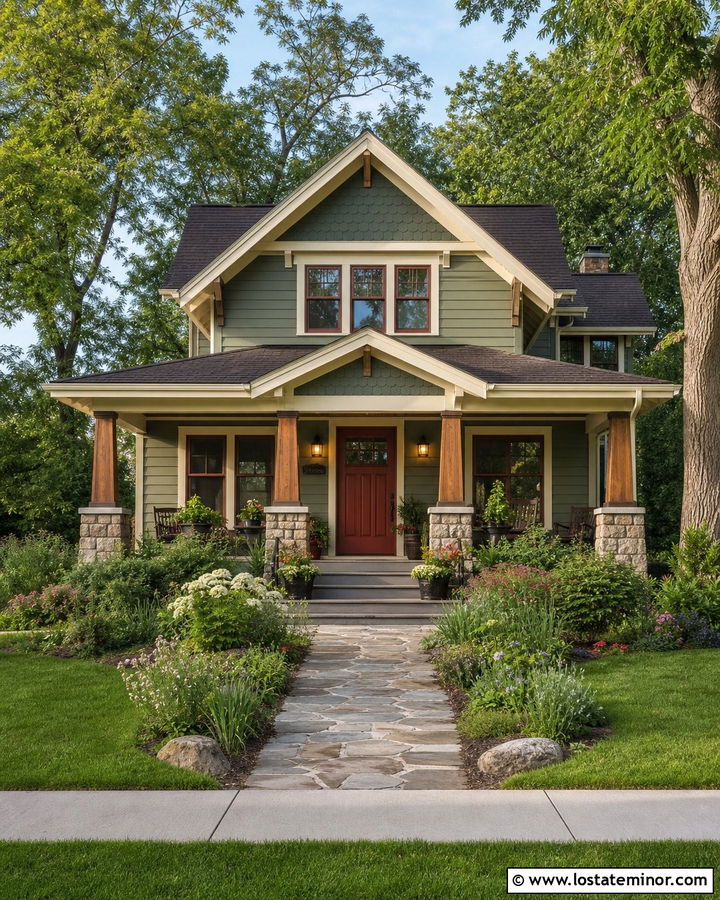
Scalloped shingles can give a Craftsman home a custom appearance when they are used selectively rather than across every wall. Place them inside the upper gable and paint them Benjamin Moore Weekend Getaway, a rich sage green. Use a lighter sage on the horizontal siding below, then outline both materials with warm cream trim. Brown-black roof shingles, stained fir porch columns, and stone piers establish a grounded base. A muted red front door can serve as the single contrasting accent. Repeat the dark roof color in the lighting and window sashes for continuity. This coordinated exterior celebrates handcrafted detail without becoming decorative overload. Deep porch shadows and textured materials make the layered green palette feel particularly comfortable and established.
24. Sage Green Modern House With Flat Shingles
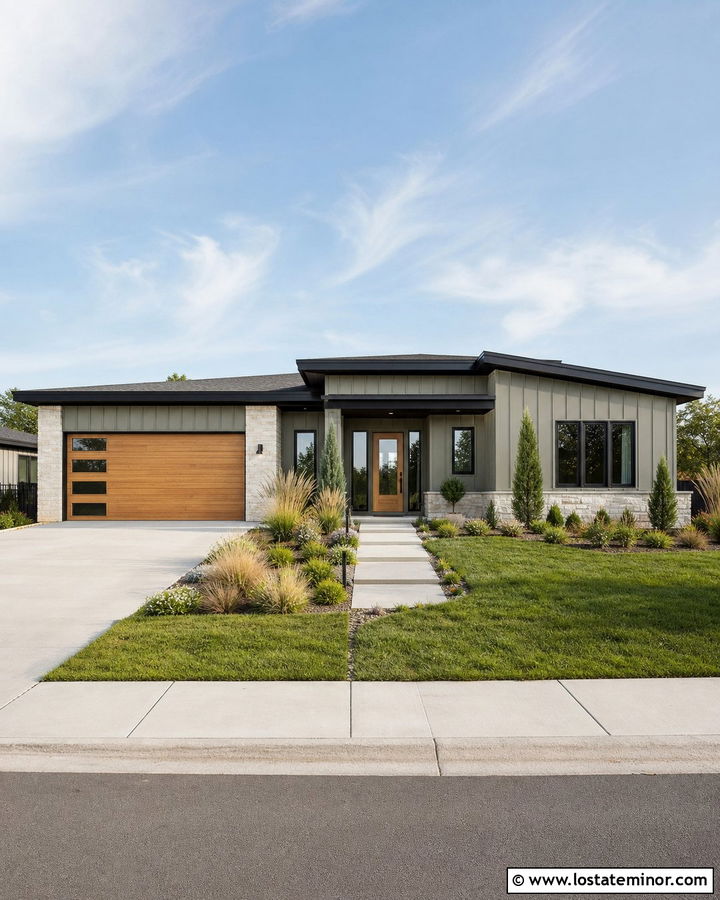
A modern home with a low-pitched roof can still benefit from shingles when the color and profile are understated. Select flat architectural shingles in solid charcoal, then paint the main fiber-cement panels Sherwin-Williams Evergreen Fog, a refined gray-green. Use vertical sage board-and-batten siding on one projecting volume to add controlled texture. Black window frames and fascia create clean edges, while a light oak garage door and matching entrance soften the modern palette. A narrow section of pale limestone can brighten the ground level. Keep the driveway simple, the walkway linear, and the landscaping architectural with grasses and compact evergreens. The final exterior looks current and intentional, with sage providing warmth that prevents the geometric design from feeling overly industrial.
25. Sage Green Cottage With Brown Cedar Shingles
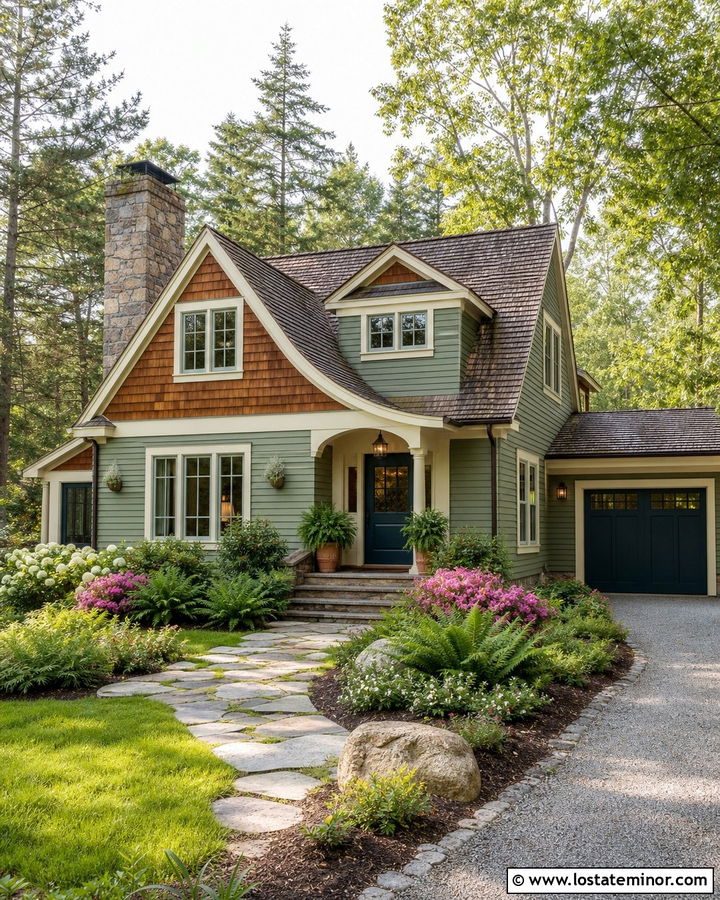
Warm brown cedar shingles can give a sage green cottage the charm of a wooded retreat. Paint the lower clapboards Benjamin Moore Croquet, a gentle earthy sage, and use stained cedar shingles in the front gables and around the dormer. Choose a weathered brown asphalt roof that is slightly darker than the cedar, ensuring the materials remain visually distinct. Cream window trim and porch posts brighten the facade, while a dark teal door supplies a small, memorable accent. Add a stone chimney or foundation with warm gray mortar to unite the green and brown surfaces. Ferns, flowering shrubs, and an irregular flagstone path complete the house. The palette feels cozy because every finish shares soft, natural undertones.
26. Sage Green Four Square With Architectural Shingles
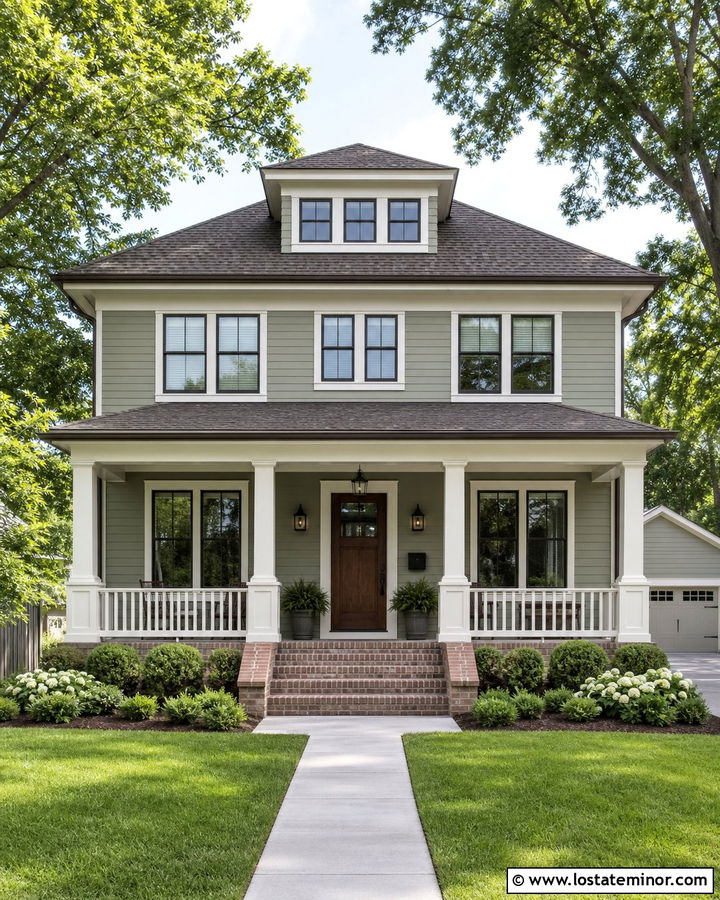
The broad hipped roof of an American Foursquare looks substantial with dimensional architectural shingles in a medium charcoal-brown blend. Paint the clapboard siding Sherwin-Williams Sensible Hue, a soft sage-gray, and use creamy white on the cornice, porch columns, and window trim. Dark bronze gutters and lights provide definition without the sharpness of pure black. A stained mahogany front door adds richness beneath the deep front porch. Brick porch steps can repeat the warmer flecks in the roof, helping the top and bottom of the facade feel connected. Because a Foursquare is naturally symmetrical, keep the color placement simple and consistent. Foundation shrubs, a straight walkway, and a generous lawn reinforce its confident, traditional curb appeal.
27. Sage Green Queen Anne With Patterned Shingles
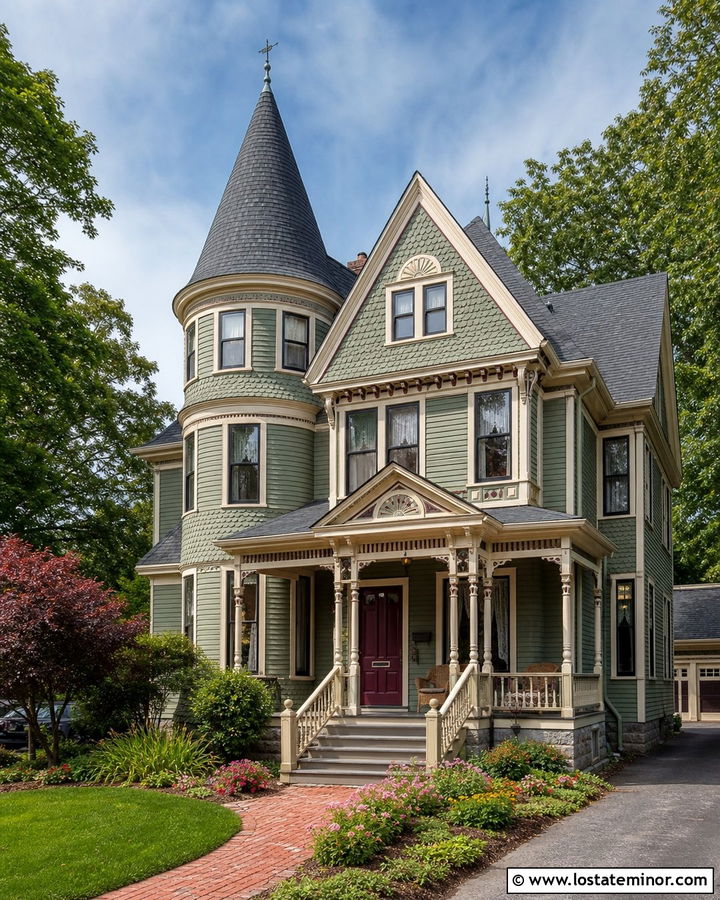
A Queen Anne exterior can support several shingle patterns when the color palette remains controlled. Paint the main siding Benjamin Moore Antique Jade, a medium vintage sage, and finish patterned shingles in the tower and gables with lighter and darker versions of the same green. Use warm ivory on the porch trim, window frames, spindlework, and decorative brackets. A deep charcoal shingle roof helps contain the detail, while a plum-colored front door adds one measured accent. Avoid placing contrasting colors on every ornament. Instead, let changes in shingle shape and green value reveal the architecture. A brick walkway, ornamental tree, and layered flowering beds complete the full exterior without competing with its already expressive silhouette.
28. Sage Green Suburban House With Weathered Wood Shingles
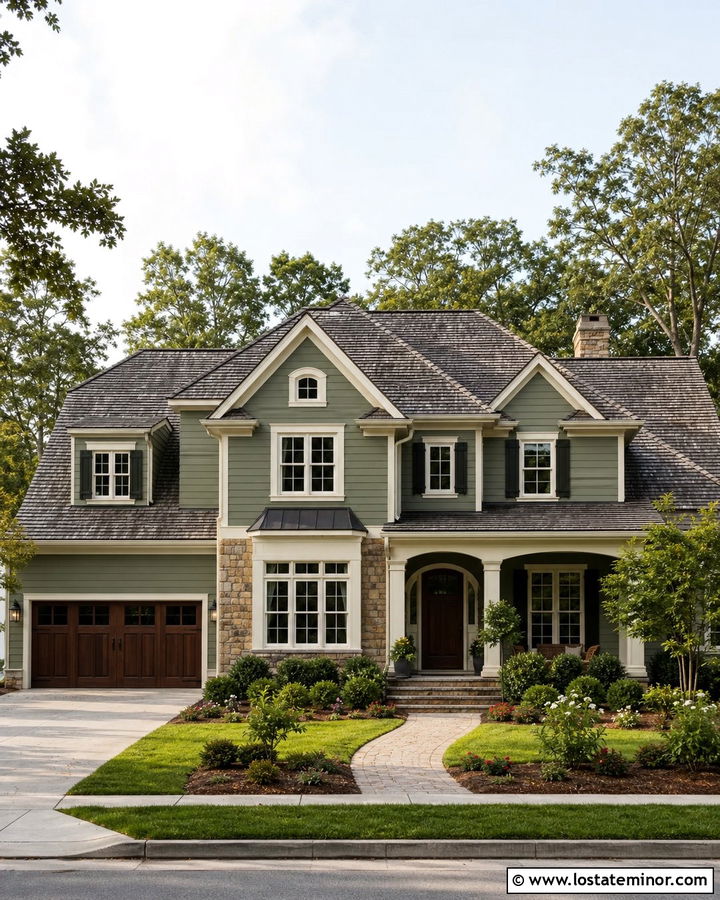
Weathered wood roof shingles offer an adaptable mix of brown, gray, and taupe for a sage green suburban home. Paint the siding Sherwin-Williams Retreat, a medium smoky sage, and select warm white trim for the windows, fascia, and covered entry. Use a medium walnut stain on the front door and garage door to highlight the roof’s brown notes. A partial stone facade containing both gray and beige can connect these finishes across the lower level. Keep shutters in a deep olive or charcoal rather than introducing another bright color. The finished exterior feels updated but still appropriate for a conventional neighborhood. Simple foundation beds, a clean concrete drive, and a curved paver path create an approachable, move-in-ready presentation.
29. Sage Green Porch House With Shingle Columns
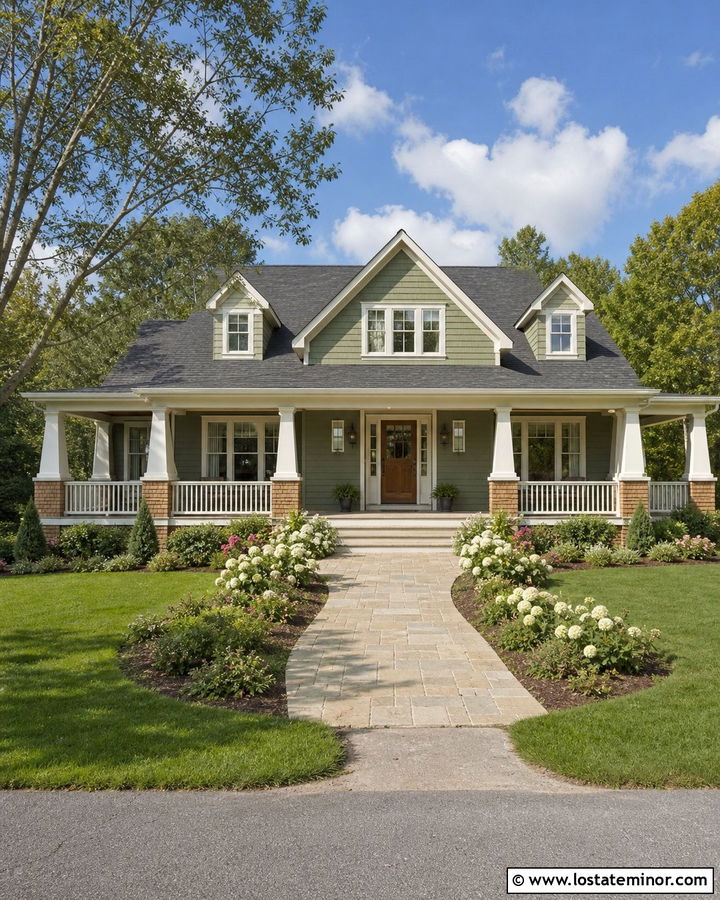
Shingle-wrapped porch columns can introduce texture at eye level and make an entrance feel more substantial. Paint a Southern cottage Benjamin Moore Louisburg Green, a warm traditional sage, and cover the lower column bases with natural cedar shingles. Use creamy white on the upper posts, railings, window trim, and porch ceiling supports. A dark gray architectural shingle roof provides a neutral top, while a stained wood door repeats the cedar color. Pale stone porch flooring keeps the entry bright and prevents the wood elements from taking over. Continue sage siding behind the porch so the facade reads as one unified composition. Soft flowering shrubs and a wide front walk help frame the detailed entrance without hiding it.
30. Sage Green Mixed Siding House With Shingles
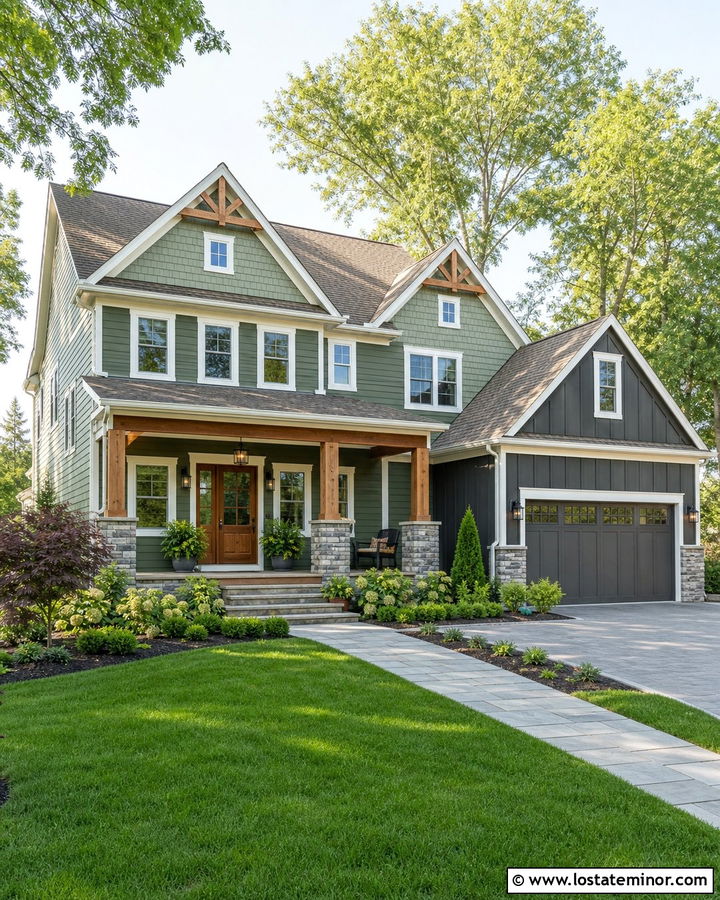
Mixed siding works best when every material has a clear architectural purpose. Paint the lower lap siding Sherwin-Williams Rosemary, a deep organic sage, then use lighter sage shingle siding in the main gables. Add warm white trim to separate the materials and charcoal board-and-batten siding on a recessed garage wing. A variegated gray-brown shingle roof pulls the three facade colors together. Natural cedar at the front door and porch ceiling brings warmth to the deeper green body. Use gray stone only around the foundation and porch piers so it anchors rather than overwhelms the design. This full-house scheme feels detailed and custom because each material highlights a change in roofline, depth, or architectural function.
Conclusion:
The most successful **30 Sage Green House Design With Shingles Ideas** treat the roof, shingle siding, trim, doors, masonry, and landscaping as parts of one complete composition. Charcoal and black shingles create stronger definition, while brown, driftwood, and natural cedar finishes produce a warmer connection to the landscape. Decorative shingles can highlight dormers and gables, but their color should repeat tones already present elsewhere on the house. Before making a final choice, view physical samples beside the existing roof, stone, brick, and wood in morning and afternoon daylight. A coordinated palette will help sage green look intentional, flattering, and suited to the home’s architecture rather than simply applied as a passing exterior color.

Related posts: