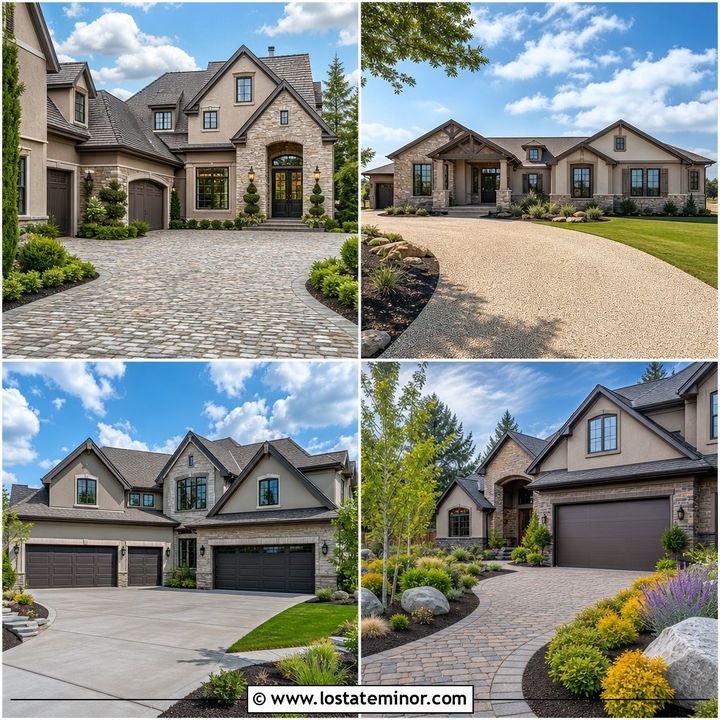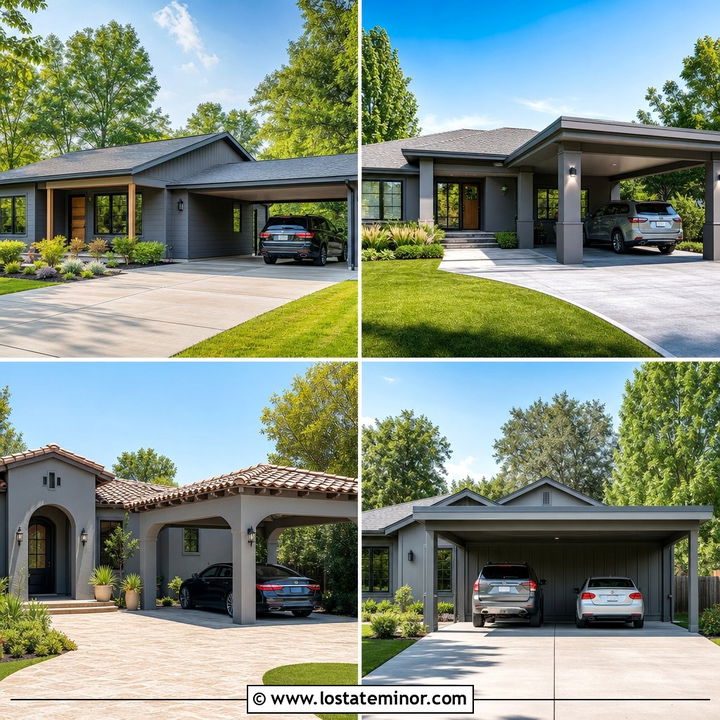
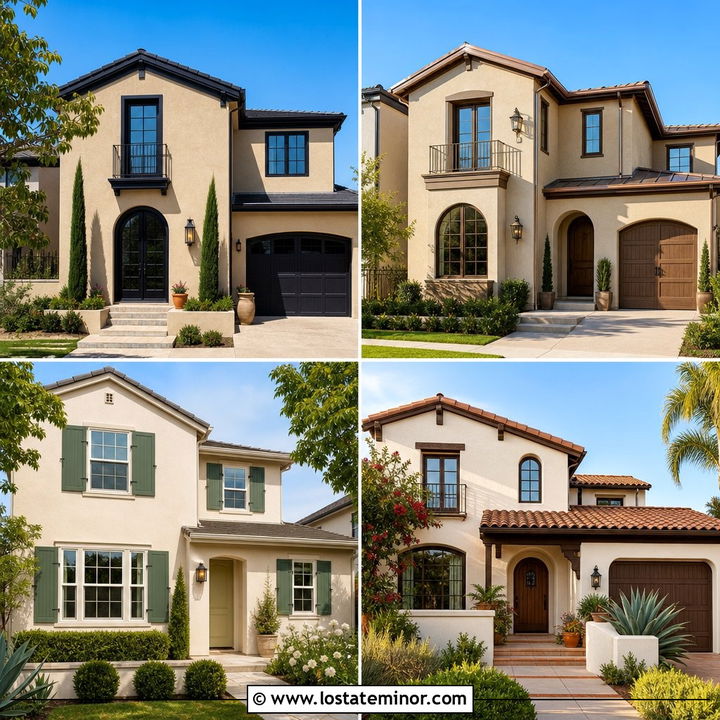
A sand-colored exterior creates a warm, flexible base that works with many roof shapes, materials, and architectural styles. The key is designing the roof, siding, trim, front door, and hardscaping as one complete exterior scheme. Dark shingles can give pale sand walls stronger definition, while brown or clay roofing creates a softer, earthier finish. Metal roofs bring cleaner lines, and weathered shingles support relaxed coastal character. Current exterior guidance frequently pairs sand and beige facades with charcoal, warm brown, earthy gray, green, and terracotta roofing. () The following complete looks cover traditional, modern, coastal, farmhouse, Mediterranean, and desert architecture. Use these combinations as practical inspiration when exploring 30 Sand House Design With Roof Ideas.
1. Sand House With Charcoal Gable Roof
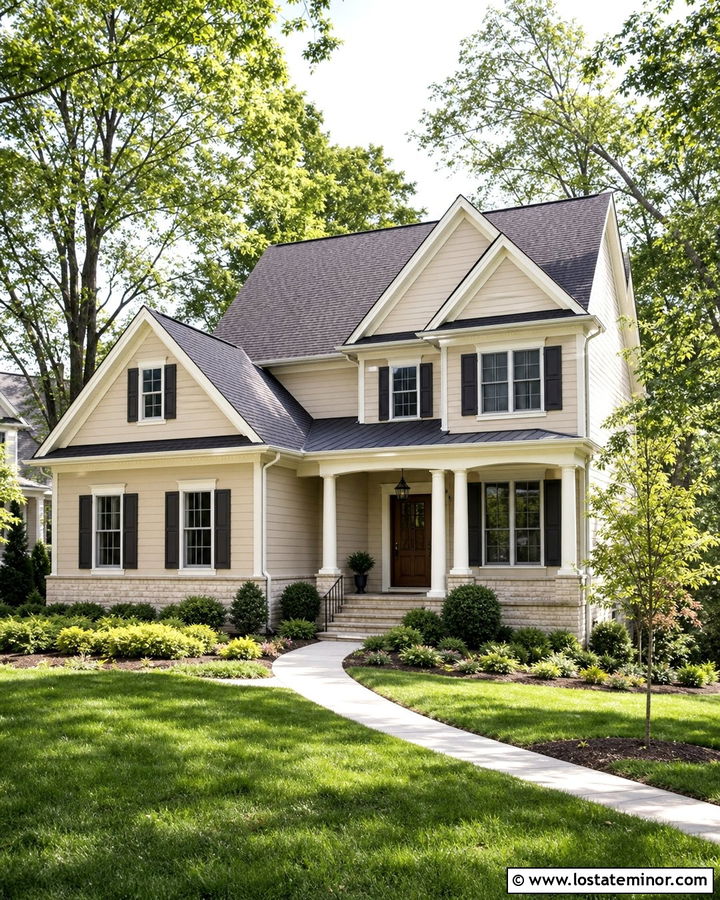
A charcoal gable roof gives a sand house crisp definition without making the exterior feel overly dark. Choose warm sand lap siding, clean ivory trim, and charcoal architectural shingles with subtle gray variation. Repeating charcoal on the shutters, porch lights, and garage hardware makes the roof feel connected to the lower facade. A medium-stained oak door adds warmth and prevents the palette from becoming too neutral. This combination is especially effective on a traditional suburban home with symmetrical windows and a centered front porch. Add a light limestone foundation, curved planting beds, and evergreen shrubs for year-round structure. Before choosing shingles, compare large samples beside the siding in both direct sunlight and shade to confirm that the roof does not appear unexpectedly blue.
2. Sand House With Dark Brown Hip Roof
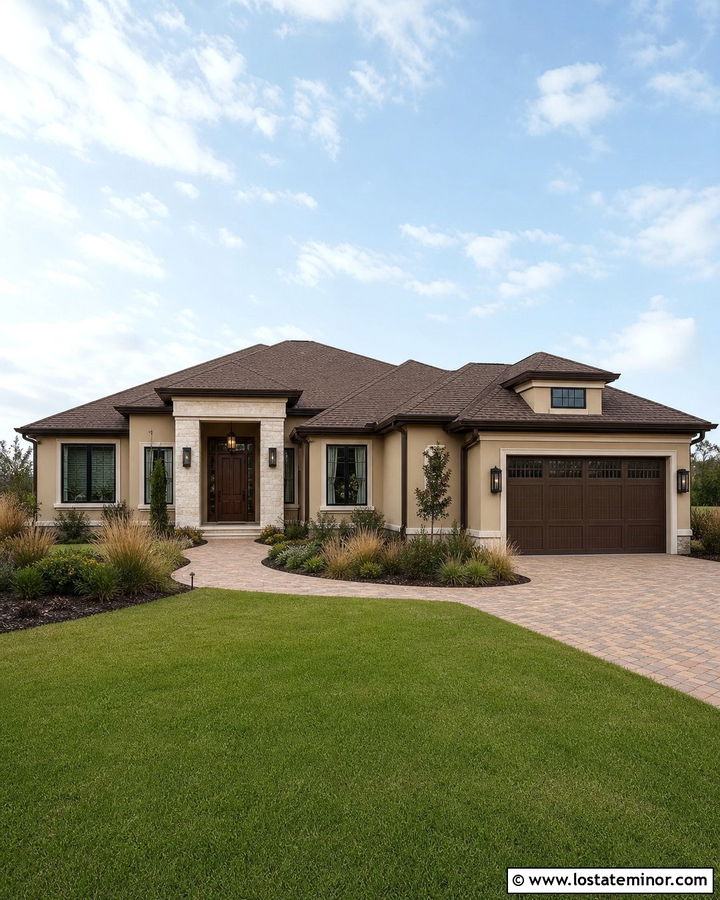
Do you want the roof to blend naturally with the landscape? A dark brown hip roof creates a grounded, cohesive appearance when paired with a soft sand stucco exterior. Use creamy off-white around the windows and deep bronze for gutters, lighting, and metal railings. A walnut front door strengthens the warm color story, while pale limestone keeps the facade from looking heavy. The broad roof planes of a hip-roof house make shingle color especially noticeable, so select a dimensional brown blend rather than a flat chocolate tone. This complete scheme works well for ranch, transitional, and Florida-inspired homes. Finish the curb appeal with layered ornamental grasses, a gently curved walkway, and warm concrete pavers that echo the sandy walls without matching them exactly.
3. Sand House With Black Metal Roof
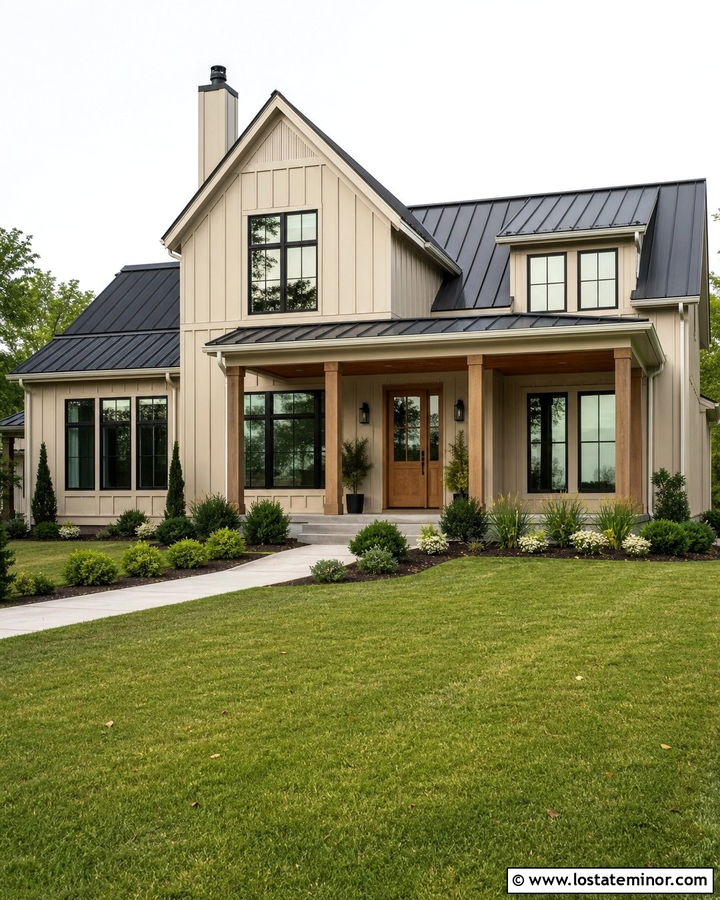
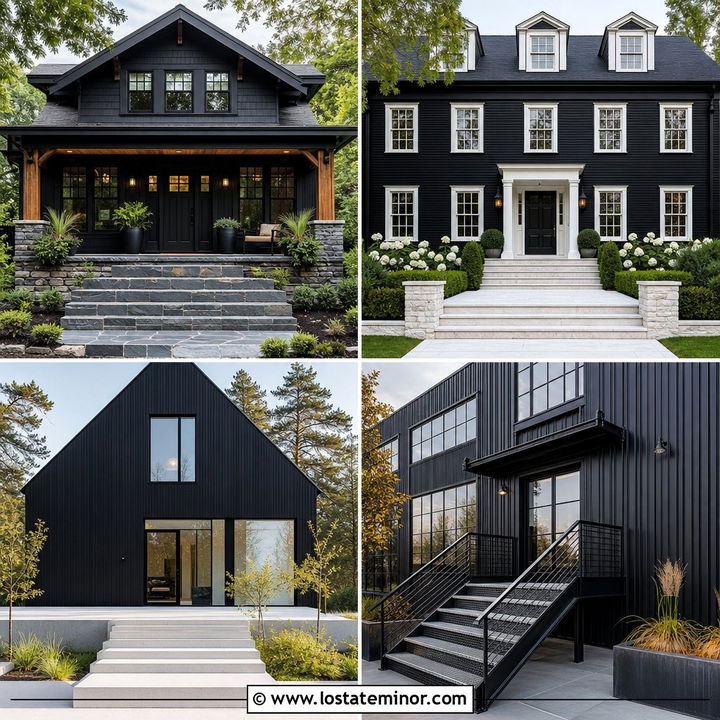
Clean black rooflines can turn a simple sand house into a sharper modern exterior. Pair smooth sand-colored stucco with a matte black standing-seam metal roof, black-framed windows, and restrained cream trim. Natural cedar at the front door and beneath the porch ceiling introduces warmth between the light walls and dark roof. Keep the garage door close to the body color so it blends into the facade rather than competing with the entry. This palette looks especially strong on a modern farmhouse with steep front gables and a simple covered porch. Use black metal planters and minimalist sconces sparingly to repeat the roof finish. Pale gravel, structured shrubs, and a straight concrete walkway support the clean architecture while giving the complete sand exterior a bright, welcoming finish.
4. Sand House With Terracotta Tile Roof
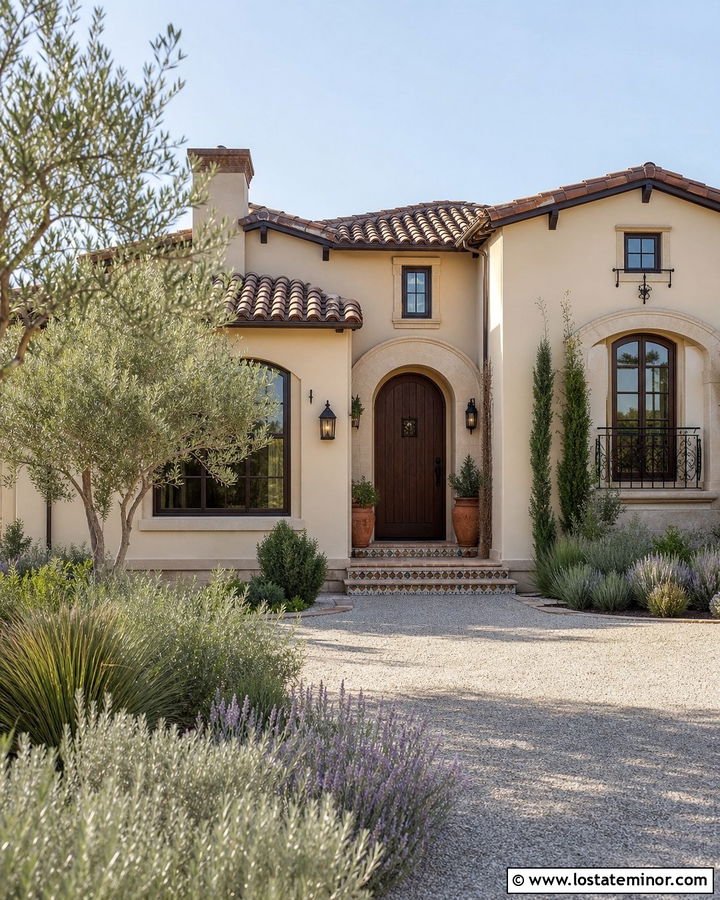
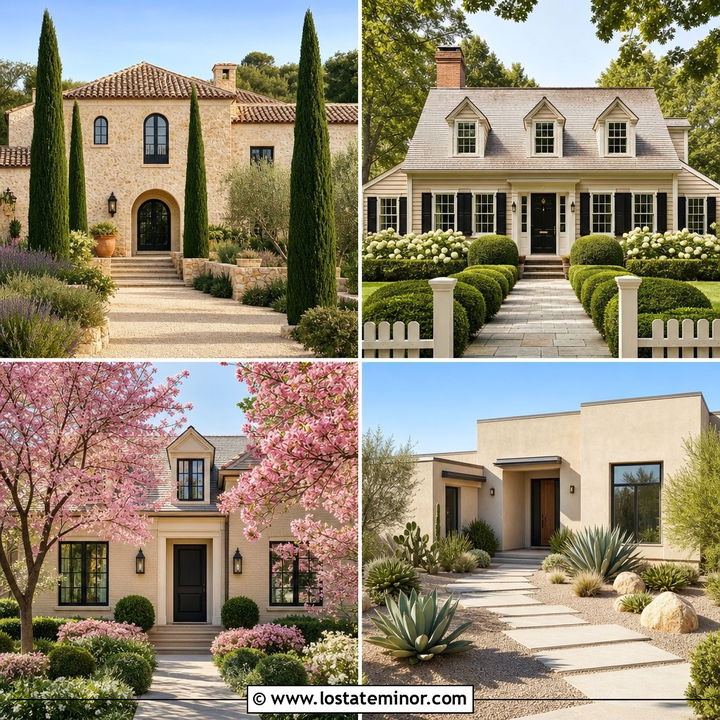
Sun-warmed terracotta roofing brings immediate character to a sand-colored Mediterranean house. Choose a creamy sand stucco with subtle golden undertones, then pair it with variegated clay tiles containing burnt orange, muted red, and earthy brown. Dark bronze windows and gutters provide quiet contrast, while an arched stained-wood door creates a strong focal point. Warm beige and terracotta are frequently paired because the related earth tones allow architecture and landscaping to work together naturally. () Add limestone window surrounds, wrought-iron details, and a tiled entry landing to complete the design. Drought-tolerant landscaping is particularly suitable here. Olive trees, lavender, ornamental grasses, and pale gravel soften the stucco while reinforcing the warm regional palette. The result feels established rather than overly colorful.
5. Sand House With Weathered Wood Roof
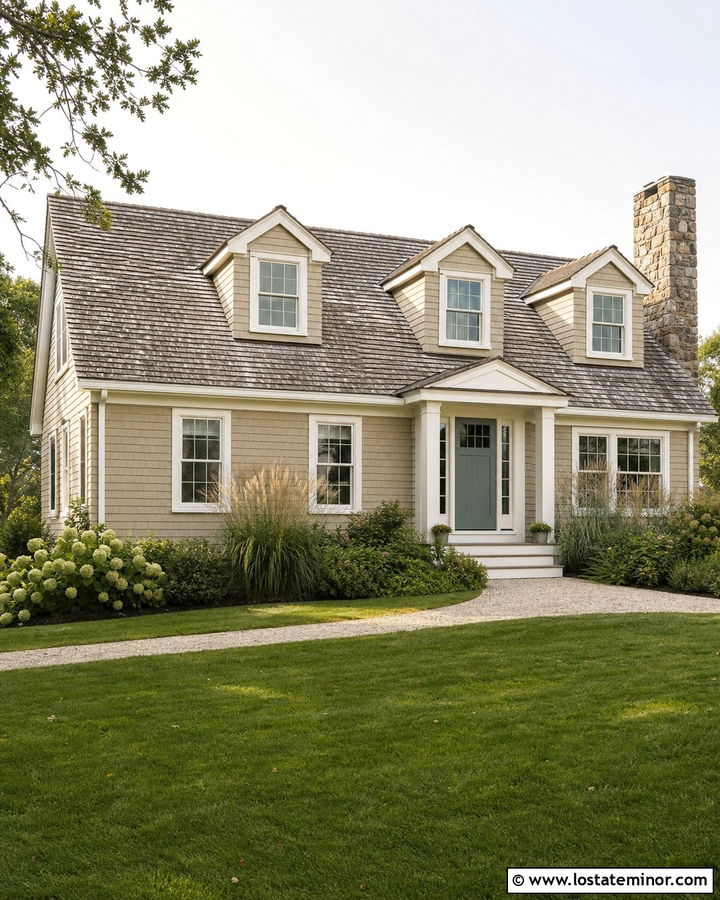
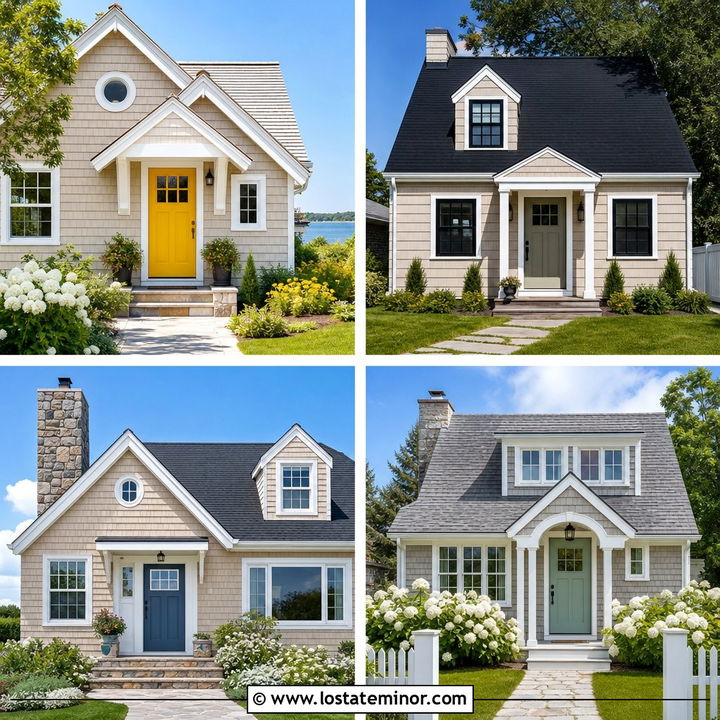
A weathered wood roof creates a softer transition between sandy siding and a natural setting. Use light sand cedar shingles or fiber-cement siding with warm white trim and a dimensional roof blending driftwood brown, muted gray, and charcoal. The mixed roof color helps disguise normal weathering and gives the home more visual texture. A muted blue-gray front door adds a coastal note without overpowering the neutral facade. This combination fits a Cape Cod or shingle-style house with dormer windows, a welcoming porch, and modest white columns. Add natural stone around the foundation and chimney to anchor the light colors. Hydrangeas, beach grasses, and a shell-toned walkway complete the curb appeal. Keep shutters understated so the roof and textured siding remain the most noticeable architectural features.
6. Sand House With Slate Blue Roof
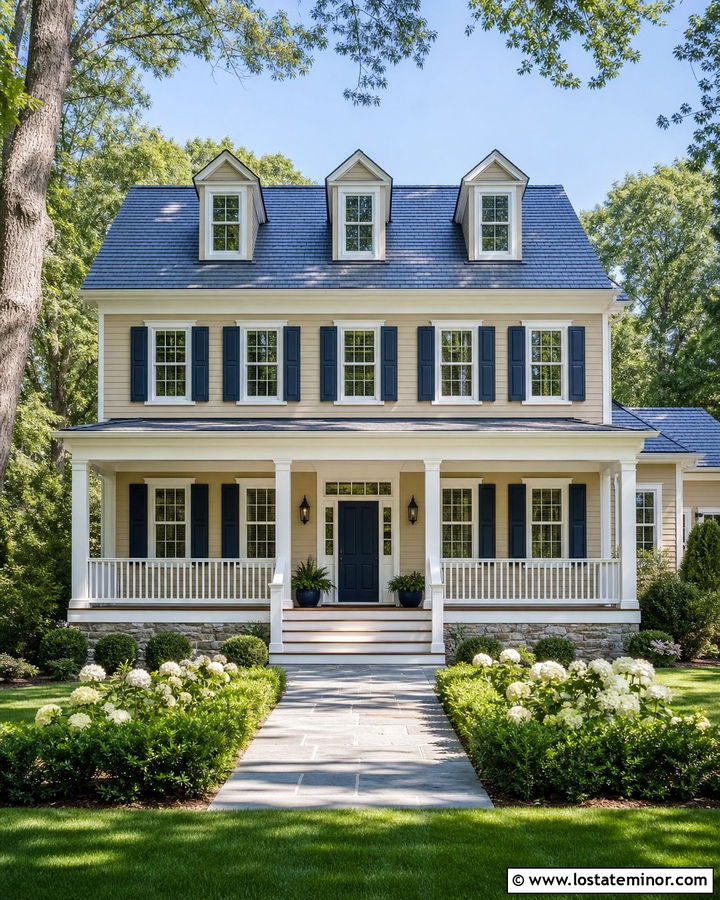
Slate blue roofing provides gentle color while preserving the calm character of a sand exterior. Start with warm sand clapboard siding, crisp white window trim, and blue-gray shingles that read as muted slate from the street. A navy front door can deepen the palette, while polished nickel or dark bronze lighting adds a refined finish. This scheme works particularly well on coastal colonial homes because the cool roof balances the warmth of the siding. White porch railings and columns keep the facade bright, and a gray stone walkway ties the blue roof to the landscape. Avoid adding too many unrelated accent colors. Instead, repeat slate blue on small details such as porch furniture or planters. Green shrubs and pale flowering plants will then stand out naturally against the composed neutral background.
7. Sand House With Light Gray Roof
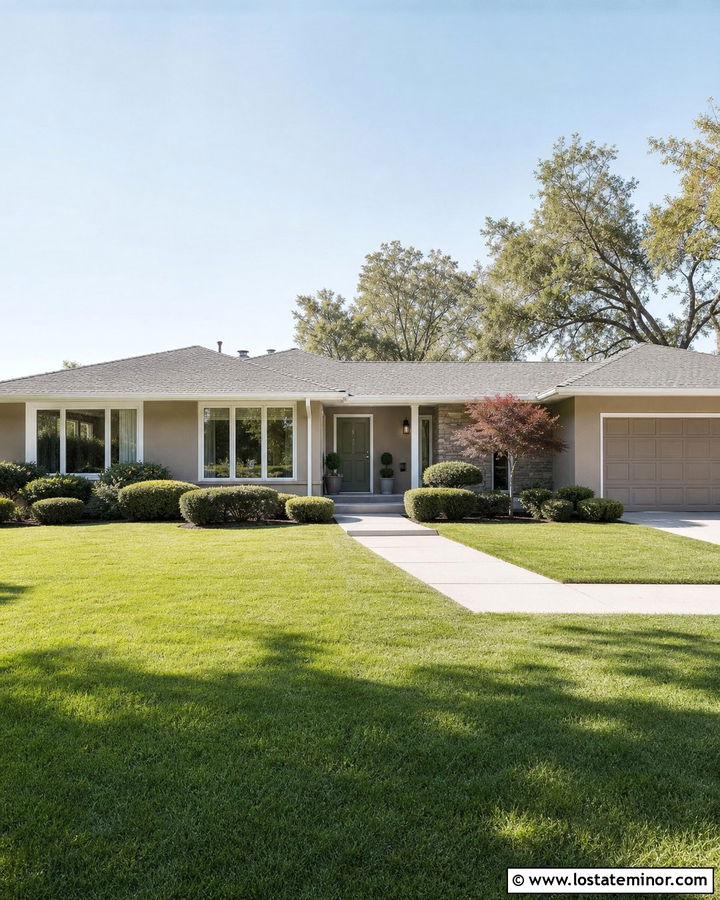
A light gray roof gives a compact sand house an airy appearance, especially when the facade receives strong sunlight. Pair soft sandy beige siding with pale gray architectural shingles, white trim, and a slightly deeper taupe garage door. The limited contrast creates a quiet, seamless envelope, making the house look wider and less visually divided. Add a sage green front door for a restrained natural accent. This palette suits a one-story ranch with broad eaves, horizontal siding, and simple picture windows. To prevent the exterior from looking washed out, introduce medium-gray stone around the porch columns or foundation. A straight walkway, low boxwoods, and one ornamental tree will keep the landscaping neat. Always examine the roof sample beside the siding because pale gray shingles can develop blue or green undertones outdoors.
8. Sand House With Green Metal Roof
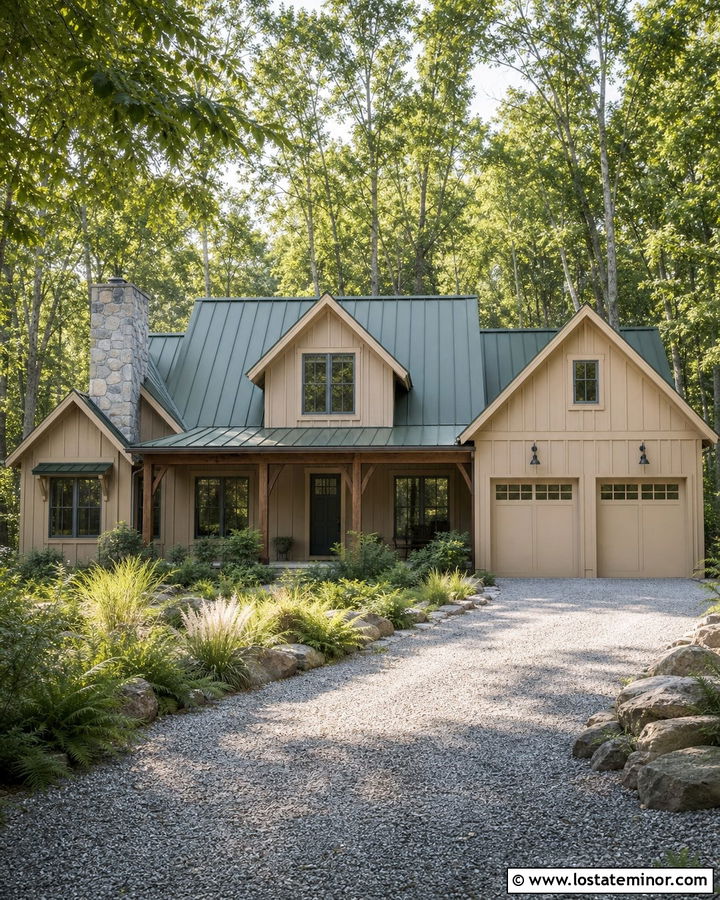
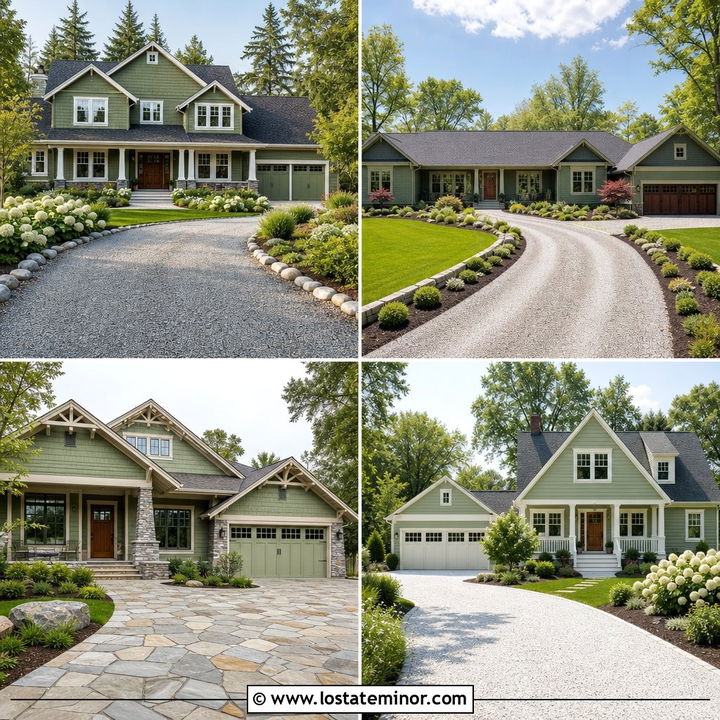
A muted green metal roof can make a sand house feel connected to wooded or rural surroundings. Choose warm sand board-and-batten siding with creamy trim, a forest green standing-seam roof, and stained timber porch posts. The natural wood acts as a bridge between the beige walls and green metal. Paint the front door a deep green that closely follows the roof, but keep the garage doors sand-colored for a balanced facade. This complete look suits a craftsman cottage, modern cabin, or country farmhouse with generous overhangs. Add a gray fieldstone chimney and matching porch foundation for texture. Ferns, native grasses, and informal planting beds reinforce the nature-inspired scheme. The green should be subdued rather than bright, allowing the exterior to remain timeless and easy to coordinate.
9. Sand House With Sand Dune Shingle Roof
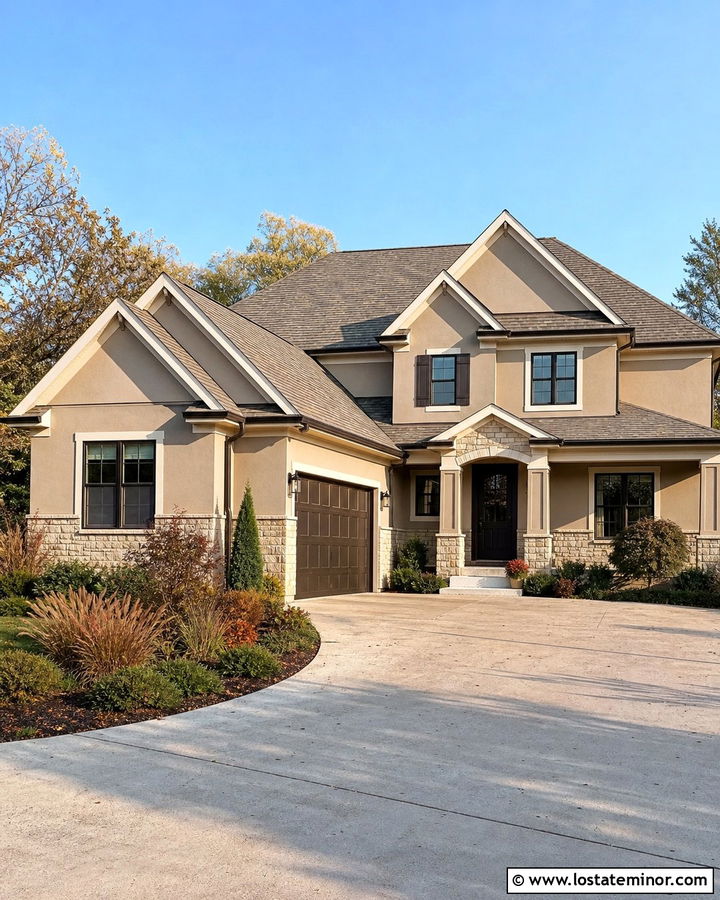
A tonal roof can be just as interesting as a high-contrast choice. Pair a light sand stucco house with Sand Dune shingles that blend tan, golden brown, driftwood, gray, and touches of charcoal. This type of multicolored roof adds depth while keeping the overall facade quiet and coordinated. () Use creamy white trim to outline the windows, then introduce dark bronze on the front door, gutters, and lanterns. A transitional home with several gables benefits from this approach because the varied roof planes display the blended shingle colors clearly. Include pale stone wainscoting and a warm concrete driveway to continue the neutral palette. Simple green landscaping provides enough contrast, while a few rust-colored plants can subtly repeat the roof’s golden and brown notes.
10. Sand House With Red Clay Roof
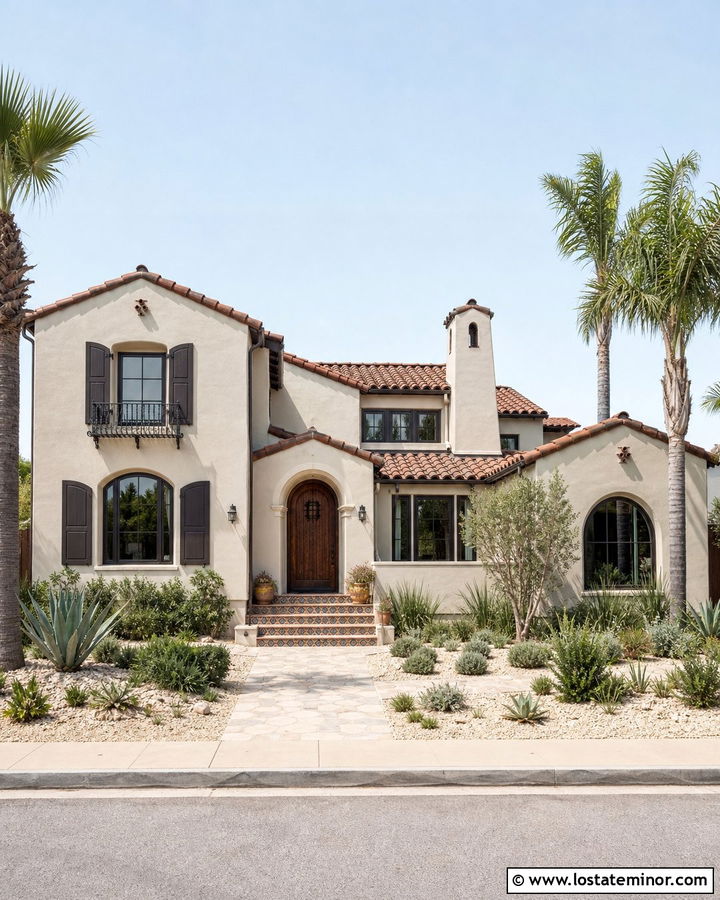
A red clay roof creates a livelier contrast than muted terracotta while still complementing warm sand walls. Keep the body color light and slightly creamy so the roof remains the strongest feature. Use ivory trim around arched windows and dark brown for shutters, gutters, and decorative ironwork. A substantial mahogany door gives the entry enough visual weight to balance the saturated roof. This combination is ideal for Spanish Colonial architecture with a low stucco wall, tiled steps, and an asymmetrical facade. Limit additional red accents because the roof already carries plenty of color. Pale stone paving and gravel help brighten the ground plane, while palms, rosemary, and sculptural succulents support the regional character. The finished exterior should feel warm and layered, not crowded with competing materials or decorative details.
11. Sand House With Bronze Metal Roof
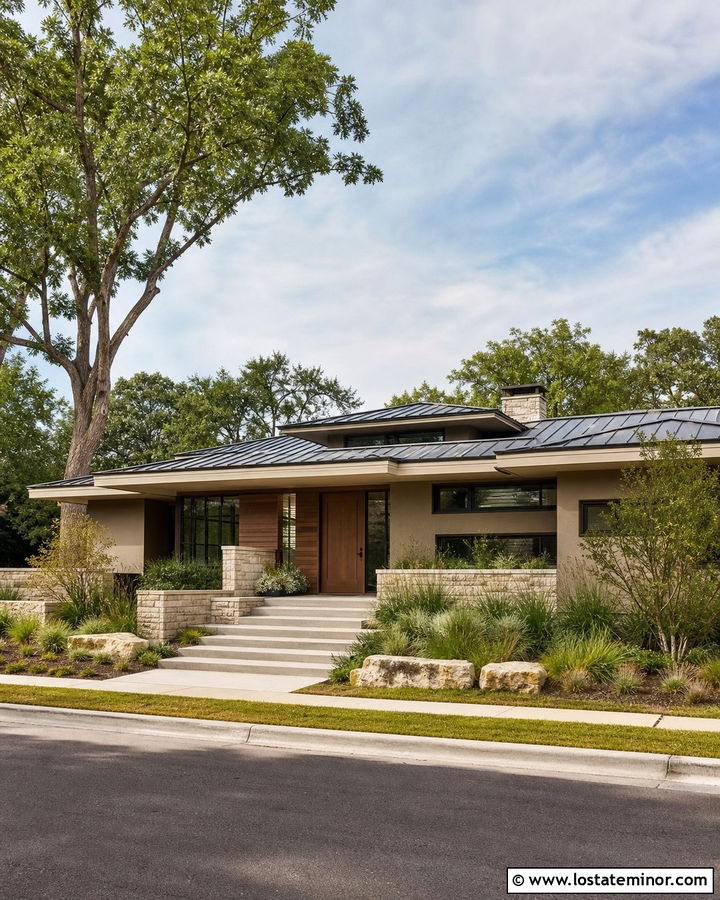
Bronze metal roofing offers softer contrast than black and richer depth than standard brown shingles. Cover a low, wide prairie-style house in medium sand stucco, then use a dark bronze standing-seam roof with broad overhangs. Bronze window frames, gutters, and porch lights create a consistent metal finish across the facade. Add horizontal cedar siding around the recessed entry to introduce natural variation. Cream-colored fascia can outline the roof without creating a harsh white border. This complete palette looks sophisticated against mature trees and warm stone landscaping. Use linear planting beds, wide concrete steps, and understated ornamental grasses to emphasize the home’s horizontal form. As bronze roofing changes appearance under different light conditions, compare samples outdoors and make sure its undertone coordinates with the selected sand wall color and stone accents.
12. Sand House With White Metal Roof
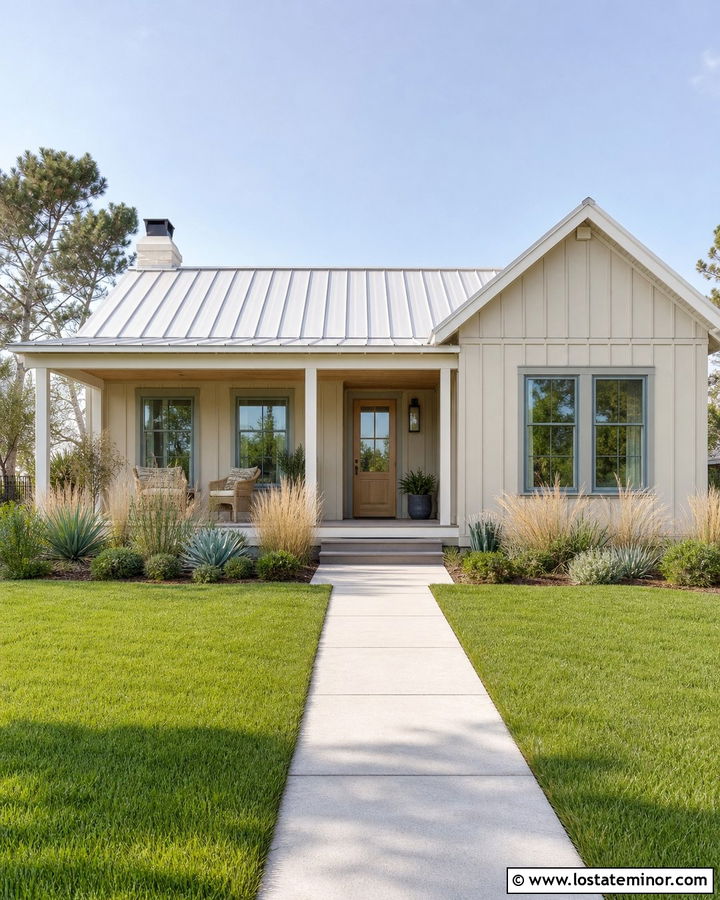
A white metal roof can produce a bright coastal or desert-inspired exterior when it is balanced with warm sand walls. Select pale sand stucco or vertical siding, clean white fascia, and a reflective white standing-seam roof. Light natural wood at the door and porch ceiling keeps the combination from feeling cold. Use soft gray window frames instead of black for a gentler transition between the roof and facade. This scheme works on a coastal cottage with a simple porch or a compact desert house with deep roof overhangs. Blue-green plants, pale gravel, and a light concrete walkway reinforce the fresh palette. Keep the siding visibly warmer than the roof so the two surfaces do not merge. The completed house should feel sunlit, comfortable, and relaxed rather than stark or unfinished.
13. Sand House With Cedar Shake Roof
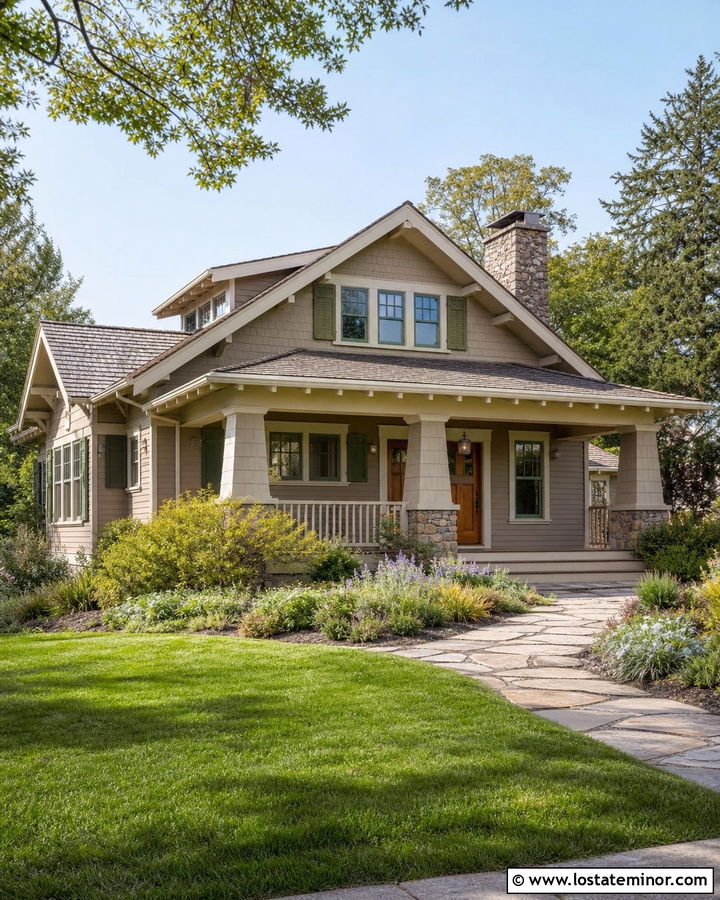
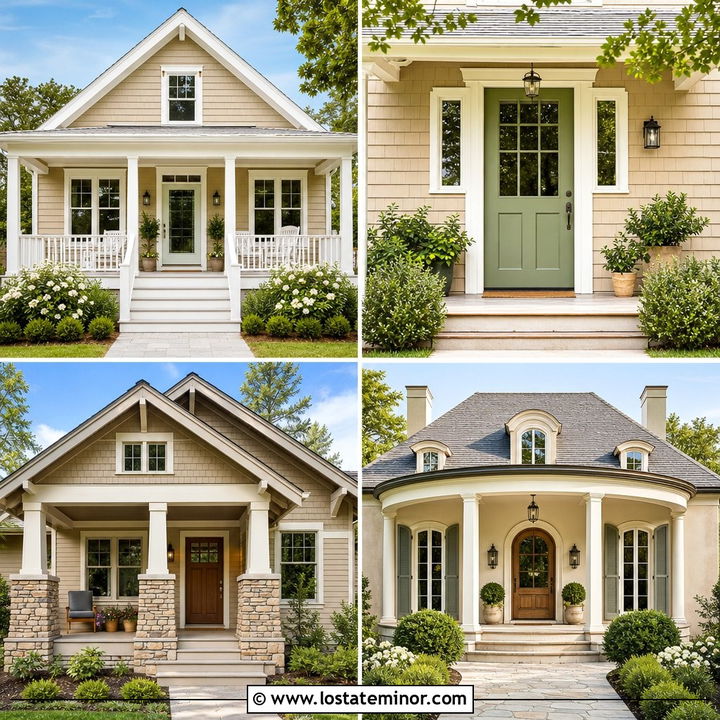
Nothing adds handcrafted warmth quite like a cedar shake roof. Pair natural cedar roofing with a muted sand shingle exterior, cream trim, and moss green shutters. As the roof ages, its reddish-brown tones will gradually soften toward weathered gray, so the surrounding palette should work with both stages. A medium oak front door and rough-cut stone chimney complete the natural material story. This design is well suited to an Arts and Crafts bungalow with exposed rafters, tapered columns, and a deep front porch. Avoid highly polished metal accents. Aged bronze lighting and simple copper gutters will better complement the roof’s texture. Finish the yard with native shrubs, flagstone steps, and informal perennial beds. The result is a warm sand house that feels connected to its setting.
14. Sand House With Mixed Gray Shingle Roof
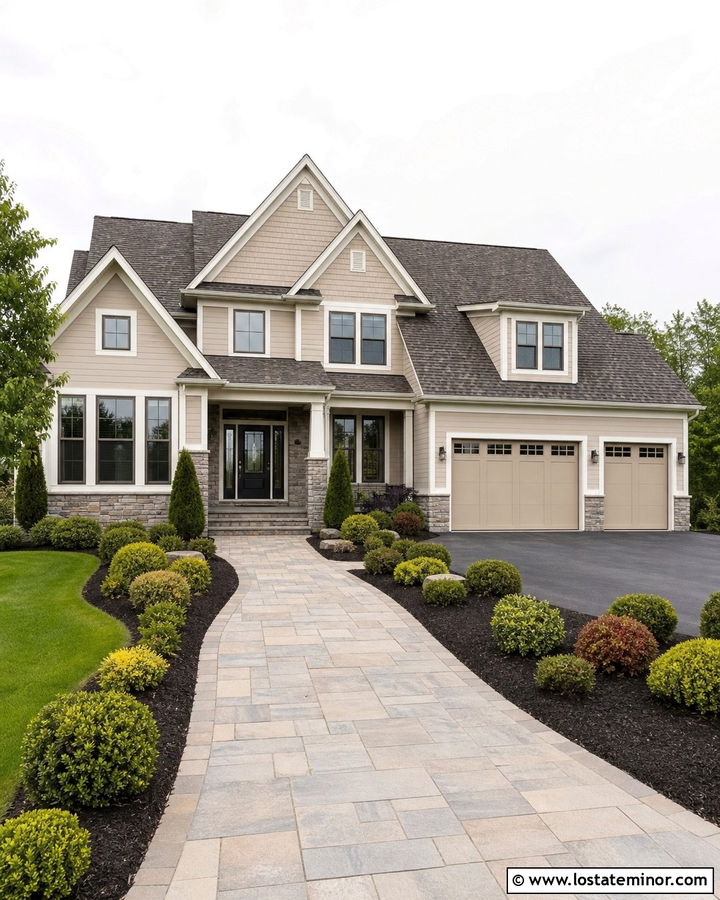
Mixed gray shingles give a sand exterior dimension without creating the severe contrast of a solid black roof. Choose a roof containing charcoal, medium gray, taupe, and a small amount of warm brown. Those varied tones will connect easily with sandy beige siding, white trim, and a charcoal front door. Add gray-beige ledgestone around the garage and porch to repeat both the wall and roof colors. This complete scheme suits a two-story transitional house with multiple front-facing gables. Keep the gutters charcoal so they visually recede against the roof edge. White garage doors can brighten the facade, but sand-colored doors offer a quieter alternative on a large garage. Neatly clipped shrubs, dark mulch, and a broad paver walkway give the layered neutral palette a polished suburban setting.
15. Sand House With Copper Porch Roof
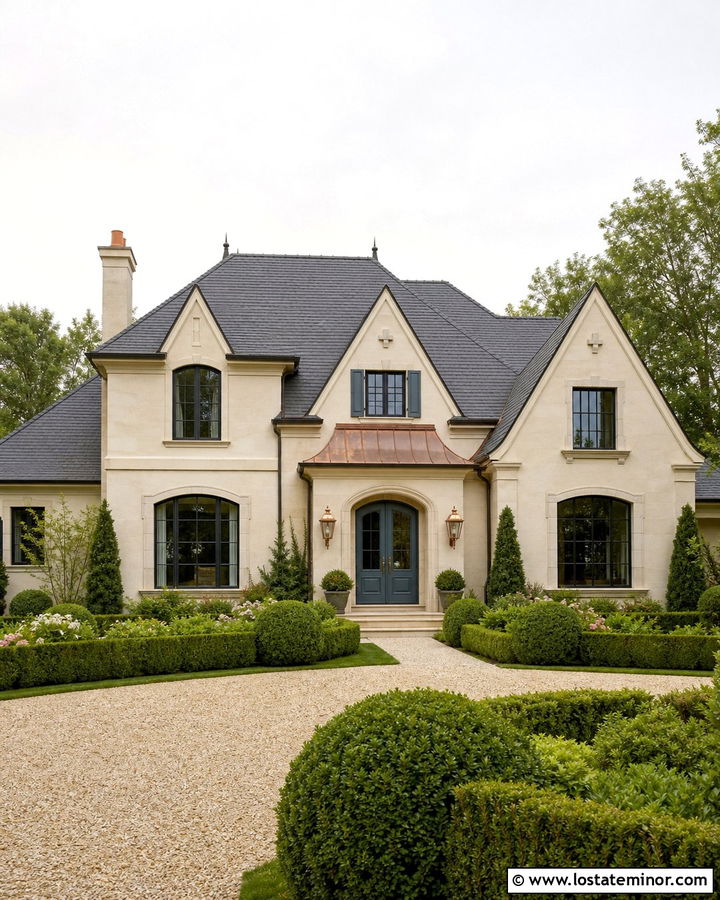
A copper porch roof can become the jewelry of a sand-colored home without covering the entire structure in metal. Use warm sand brick or painted siding with dark charcoal shingles on the main roof. Install copper over a curved entry canopy, bay window, or small front porch, allowing the warm metal to stand out against the neutral walls. A deep teal front door can reference the patina copper develops over time. Choose creamy trim and dark bronze windows to keep the full palette balanced. This approach works beautifully on a French country house with steep gables and limestone detailing. Repeat copper only in small touches, such as gutters or lantern caps. Formal shrubs, pea-gravel paths, and a restrained flowering border will complement the elegant architecture without distracting from the distinctive roof accent.
16. Sand House With Gambrel Roof
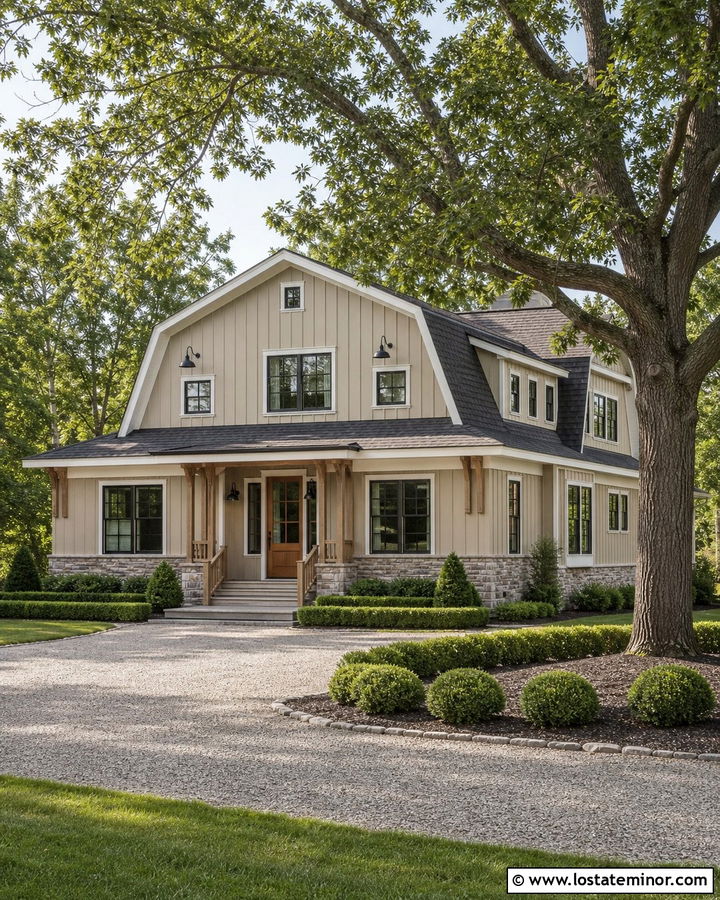
A gambrel roof adds recognizable barn-inspired character to a sand house. Cover the exterior in sandy beige board-and-batten siding and use medium charcoal shingles across the steep double-pitched roof. White fascia and window trim make the roof shape easy to read, while black barn lights add definition around the garage and porch. Introduce natural wood through the front door and simple support brackets. This complete look can suit a modern farmhouse, carriage house, or Dutch Colonial residence. Keep decorative details controlled because the roofline already provides strong visual interest. A stone foundation in mixed gray and tan grounds the tall facade. Add a gravel-edged driveway, clipped hedges, and one large shade tree to create a comfortable rural-suburban setting. The final palette should feel warm, sturdy, and approachable.
17. Sand House With Dark Slate Mansard Roof
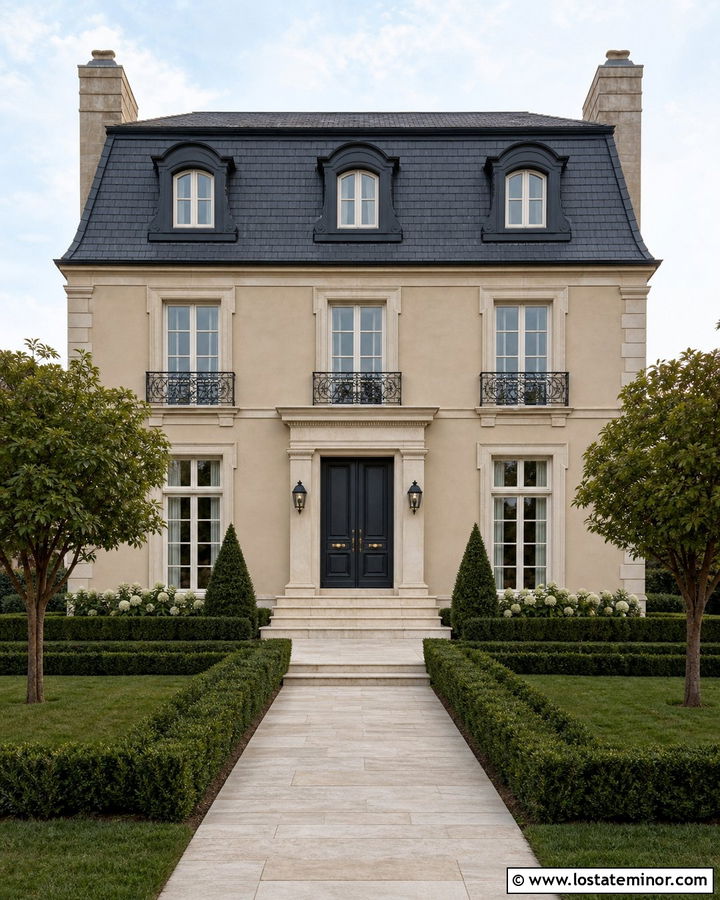
A dark slate mansard roof creates an elegant upper frame for a sand-colored French-inspired house. Use fine-textured sand stucco or painted brick beneath deep charcoal slate tiles. Cream window trim softens the transition, while dark dormer frames connect the windows to the roof. Choose a muted black front door with brass hardware for a formal focal point. Limestone steps and corner details can add depth without introducing another strong color. This combination works best when the facade remains symmetrical and the landscaping supports the refined architecture. Use low hedges, small ornamental trees, and a straight walkway leading to the entry. Since a mansard roof occupies a large part of the front elevation, avoid overly busy slate variation. A controlled charcoal blend will keep the sand walls visible and balanced.
18. Sand House With Saltbox Roof
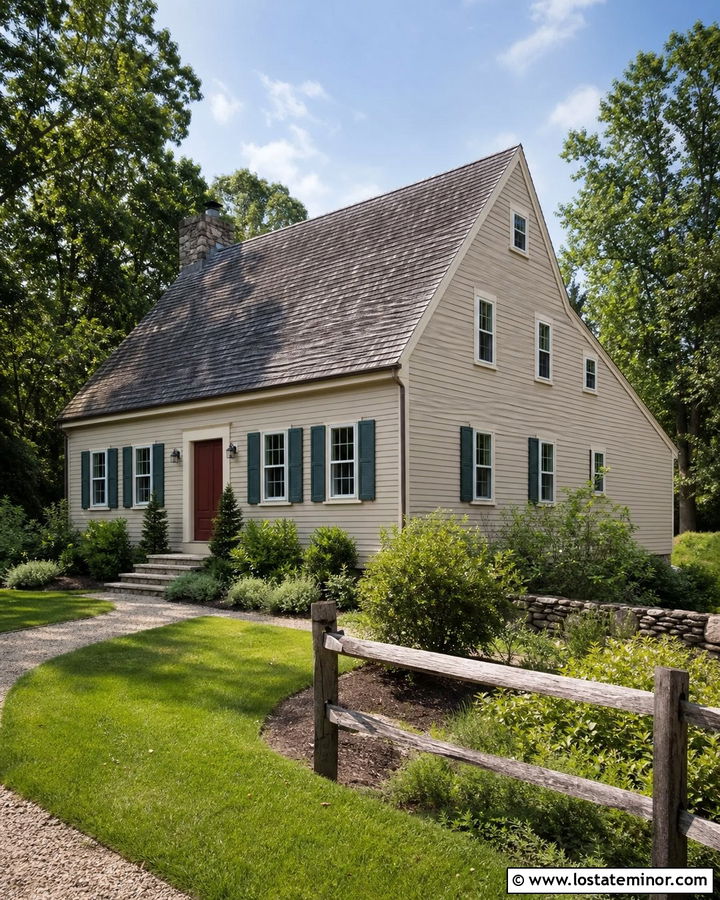
The long slope of a saltbox roof gives a sand house a distinctive profile rooted in traditional New England architecture. Use soft sand clapboard siding with an aged charcoal-gray shingle roof, off-white trim, and simple dark green shutters. A brick-red front door can add a historically inspired accent without overwhelming the neutral facade. Keep the porch small and practical, using natural stone steps and understated columns. This combination looks particularly comfortable on a home surrounded by mature deciduous trees. Add a fieldstone chimney to connect the traditional roofline with the landscape. Informal foundation plantings, a curved gravel path, and a split-rail fence can reinforce the relaxed regional setting. The roof should remain visually dominant, while the sandy siding provides a warmer alternative to conventional gray or white exteriors.
19. Sand House With Flat Parapet Roof
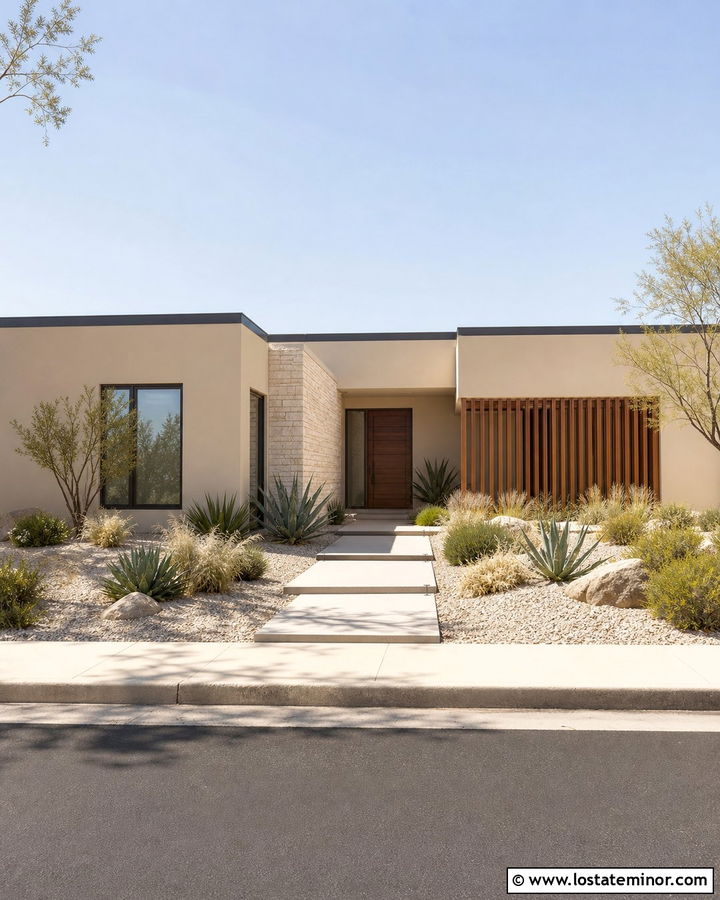
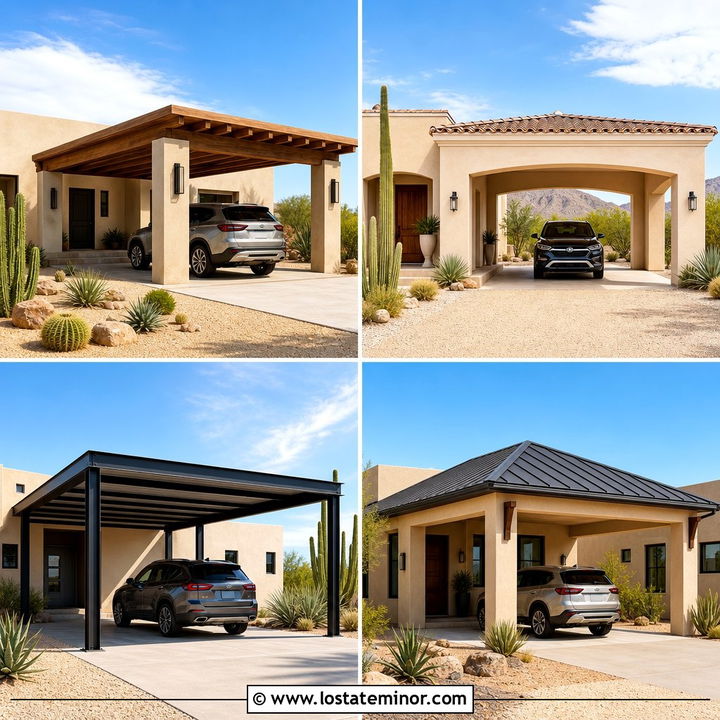
Strong horizontal lines make a flat-roof sand house feel modern, calm, and grounded. Cover the exterior in smooth pale sand stucco, then finish the parapet cap, window frames, and recessed entry in matte charcoal. Because the roof surface is largely hidden, the crisp parapet becomes the defining architectural element. Use a wide walnut front door and vertical wood screening to warm the minimalist facade. A section of cream limestone can provide texture without disrupting the limited palette. This design is especially appropriate for desert modern architecture, where deep recesses and shaded windows create dimension. Complete the property with pale gravel, geometric concrete pavers, agave, ornamental grasses, and low native shrubs. Keep utilities and drainage details visually controlled so the clean roofline remains uninterrupted when viewed from the street.
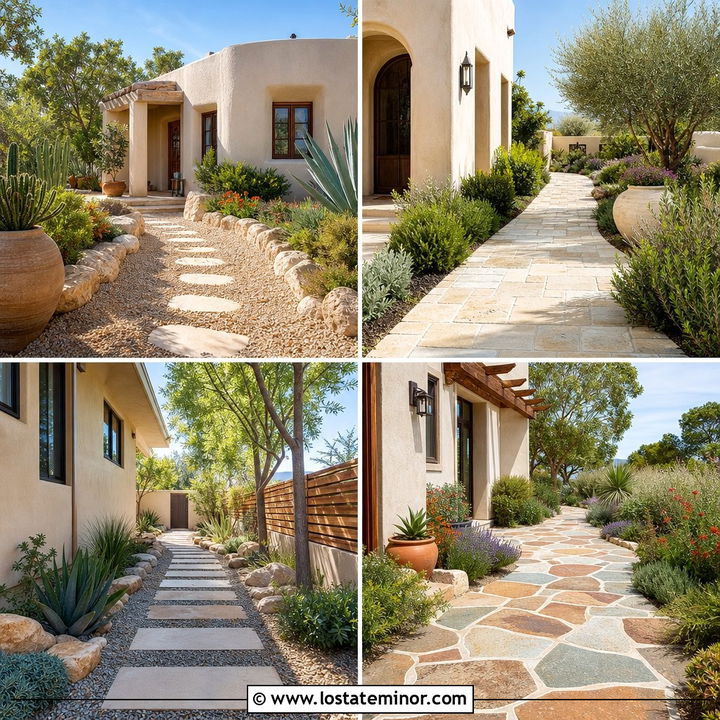
20. Sand House With Shed Roof
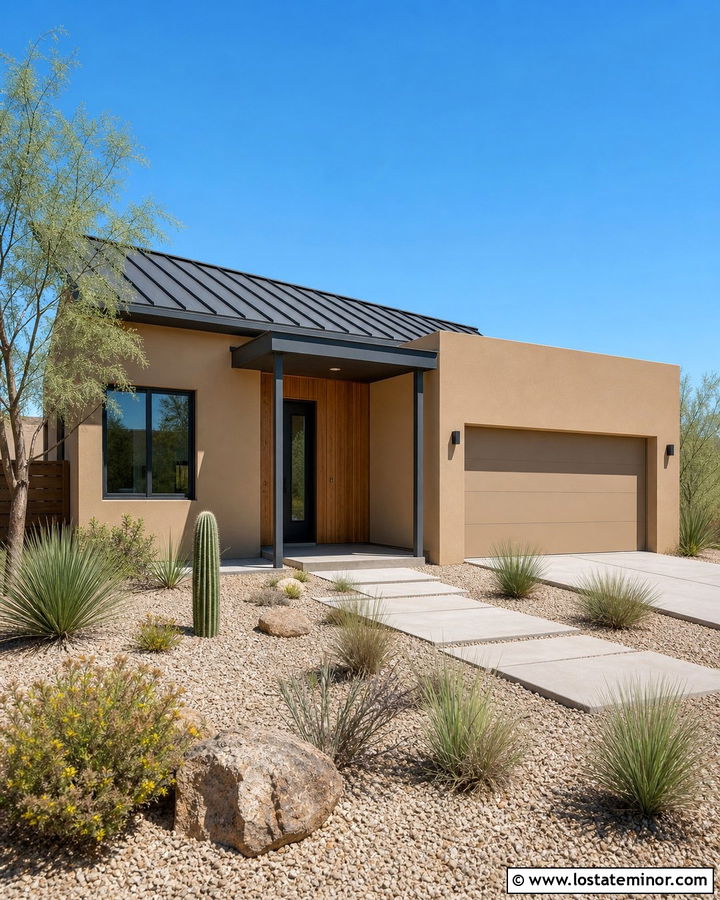
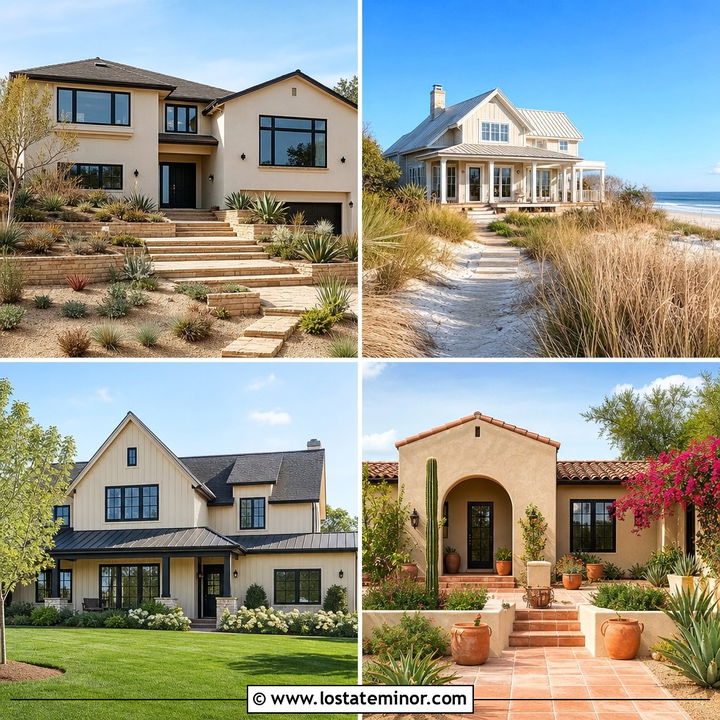
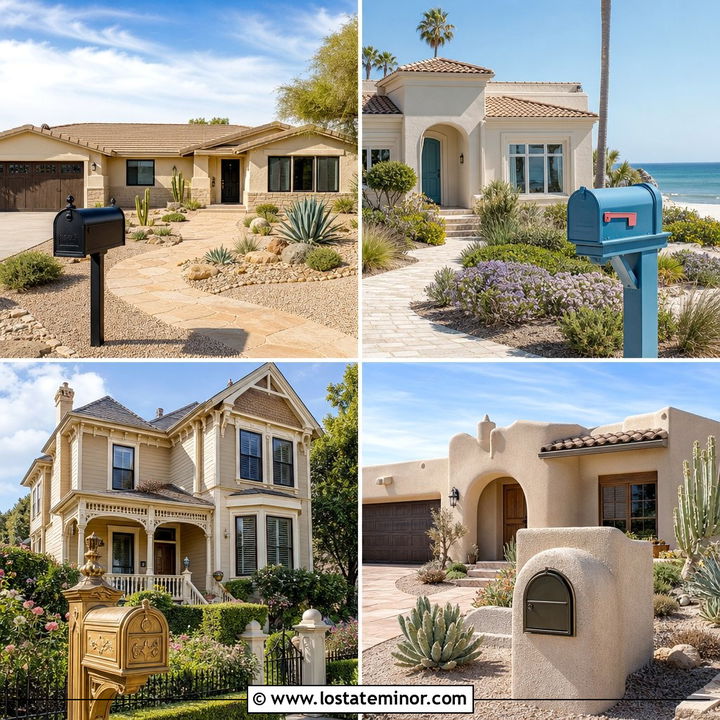
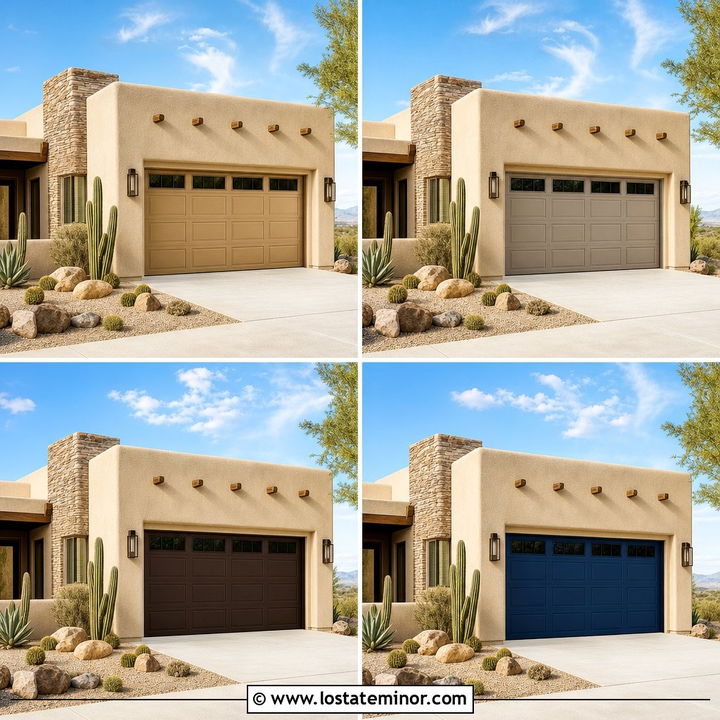
A shed roof gives a sand-colored home a modern silhouette while supporting practical, uncluttered curb appeal. Pair sandy beige stucco with a single-sloping charcoal metal roof and matching dark window frames. Cedar siding around the entry brings warmth to the otherwise streamlined exterior. Extend the roof far enough to form a sheltered porch, then use slim wood posts or dark steel columns for support. Sand-colored garage doors will keep the largest surfaces quiet. This combination works well for a compact contemporary home, an accessory dwelling, or a desert retreat. Search results for sand-colored adobe exteriors frequently show shed roofs paired with angular architecture and drought-tolerant landscaping. () Finish the setting with concrete slabs, gravel, cacti, and small trees that frame rather than hide the distinctive roofline.
21. Sand House With Butterfly Roof
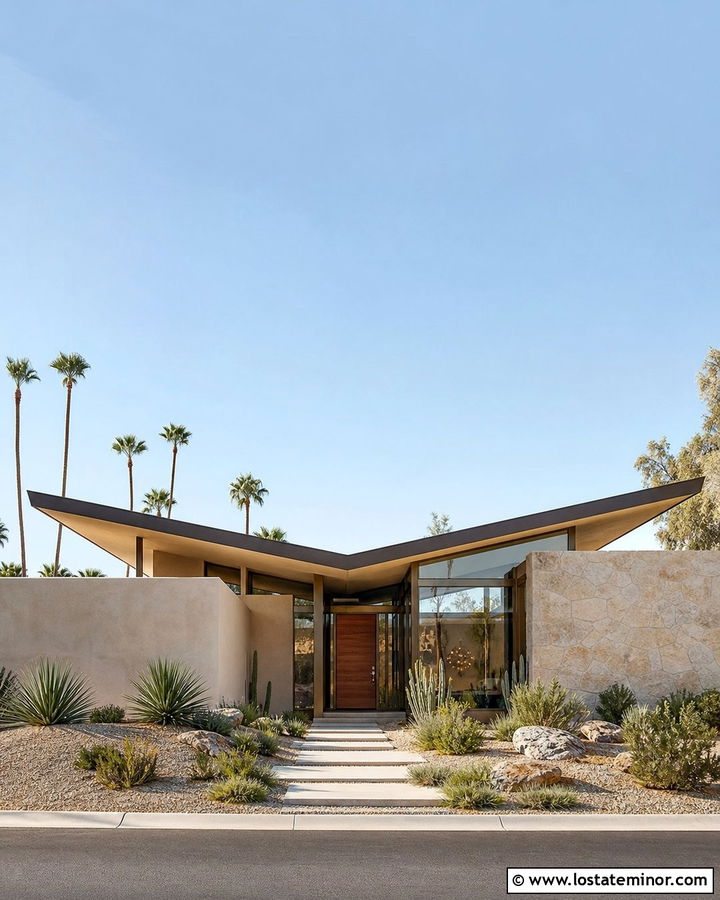
A butterfly roof introduces a bold modern shape while the sand-colored exterior keeps the house connected to the landscape. Use smooth warm sand stucco across two low wings that slope inward toward a central valley. Finish the roof edges, windows, and structural columns in dark bronze for a strong but softer-than-black contrast. A recessed teak front door can mark the center of the composition. Add pale limestone walls and shaded glass sections to break up the stucco without making the facade busy. This look is ideal for a mid-century modern or desert contemporary home. Low grasses, succulents, and broad concrete stepping pads reinforce the architecture’s clean geometry. Because the unusual roof already attracts attention, keep the exterior palette limited to sand, bronze, natural wood, and restrained stone.
22. Sand House With Low-Slope Roof
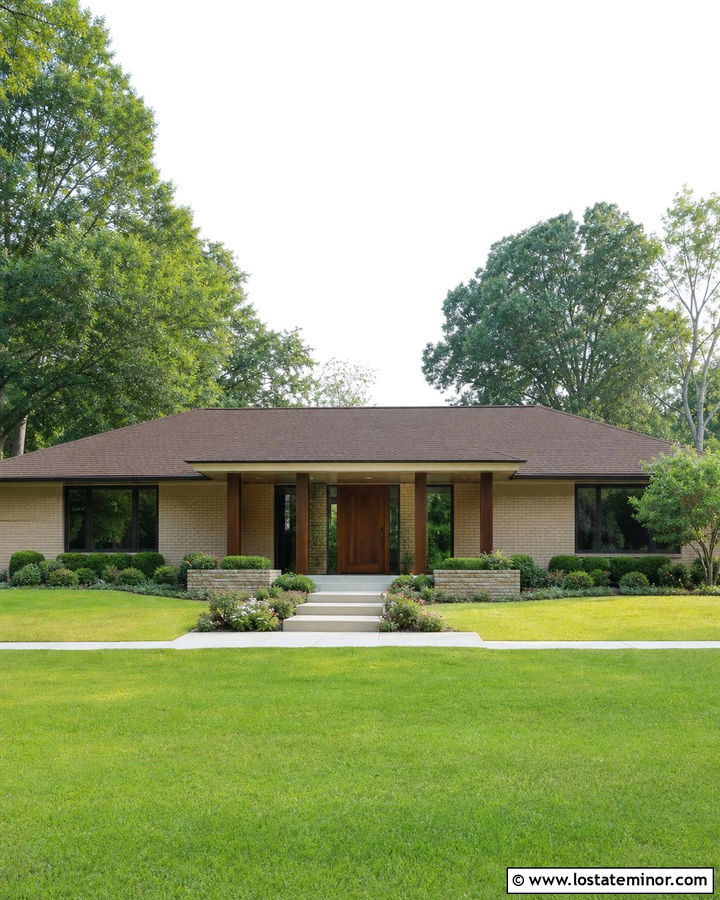
A low-slope roof complements a wide ranch house by emphasizing its horizontal shape. Select medium sand brick or lap siding and pair it with a deep brown roof that has only slight color variation. Cream fascia can lighten the roof edge, while bronze gutters and windows create a neat transition. Use a stained walnut door beneath a broad covered entry, then repeat the wood on porch columns or garage details. A low stone planter across the front can visually anchor the house and add texture. This scheme is especially effective when the roof does not dominate the facade. Keep foundation shrubs low so the windows remain visible, and use a wide walkway to strengthen the welcoming proportions. Warm outdoor lighting, simple house numbers, and uncluttered landscaping complete the relaxed mid-century-inspired curb appeal.
23. Sand House With Cross-Gable Roof
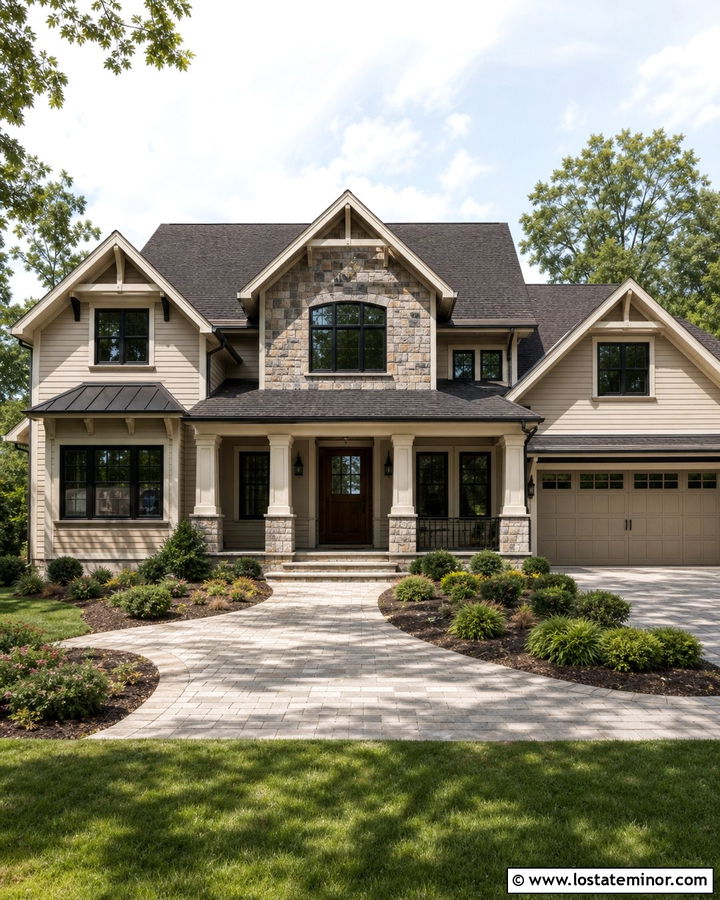
Several intersecting gables can give a sand house depth, but the color palette should remain disciplined. Use soft sand fiber-cement siding with charcoal-brown shingles, creamy trim, and black-framed windows. Apply natural stone to one main gable and around the porch base rather than scattering it across every wall. A dark wood door provides a warm focal point at the center of the layered elevation. This combination suits craftsman and transitional homes with deep eaves, decorative brackets, and substantial porch columns. Match the garage doors to the siding so they do not compete with the roof geometry. Curved planting beds can soften the many straight rooflines, while broad steps and a paver walkway guide attention to the entry. Repeating roof colors in the stone creates a cohesive, intentionally planned facade.
24. Sand House With Hipped Tile Roof
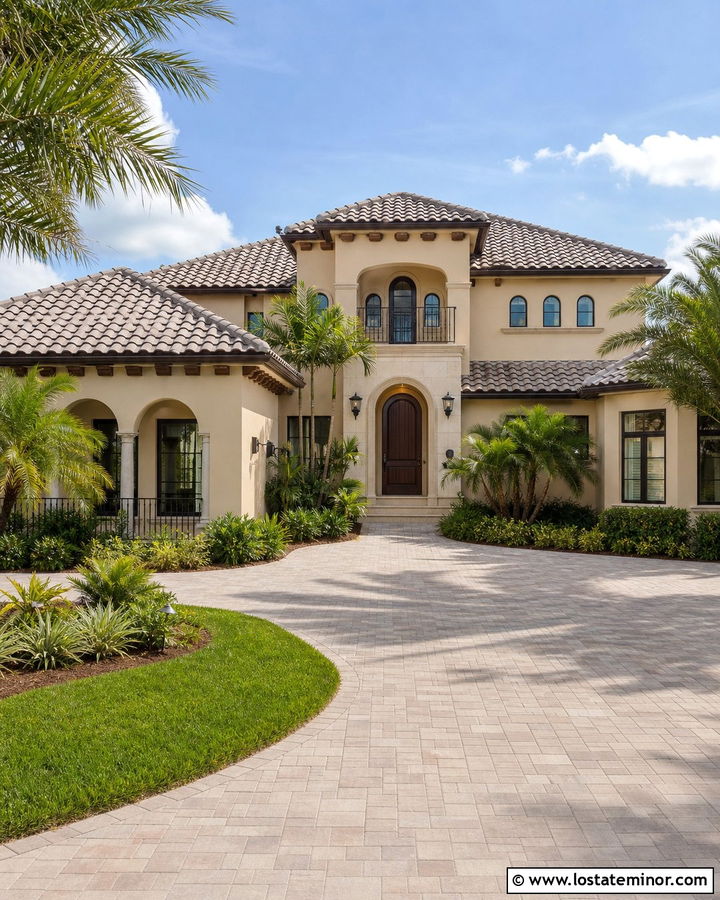
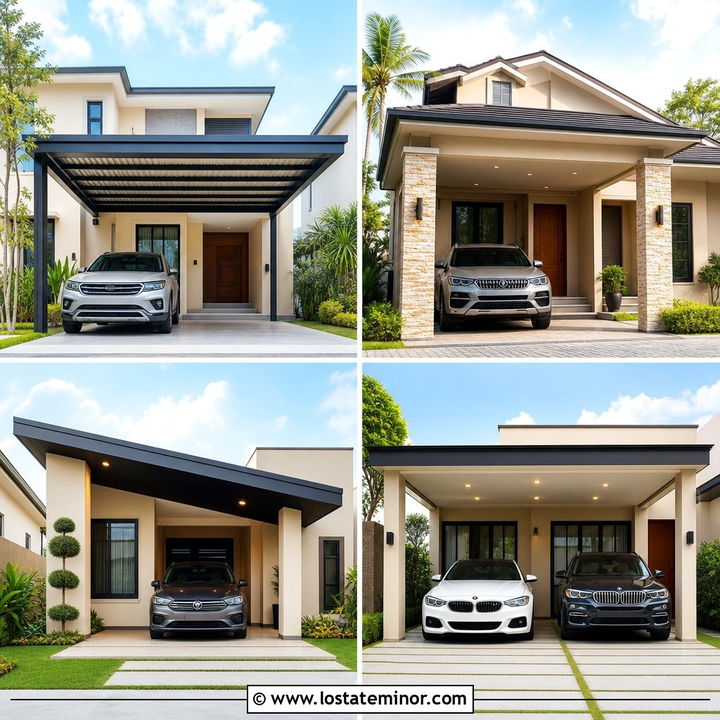
A broad hipped tile roof gives a sand house a low, established appearance. Pair creamy sand stucco with flat concrete tiles in muted taupe, gray-brown, and charcoal. Use dark bronze window frames, gutters, and porch railings to create consistent definition. A rich wood entry door and matching garage accents will warm the mineral-heavy palette. This design works particularly well on a large Florida, Mediterranean, or Southwestern house with wide eaves and an arched porch. Add light limestone around the entrance to brighten the shaded area beneath the roof. Palms, clipped shrubs, and ornamental grasses can frame the facade without blocking the architecture. Keep the driveway and walkway in warm gray or taupe pavers so they connect with both the sand walls and blended roof tiles.
25. Sand House With Pyramid Roof
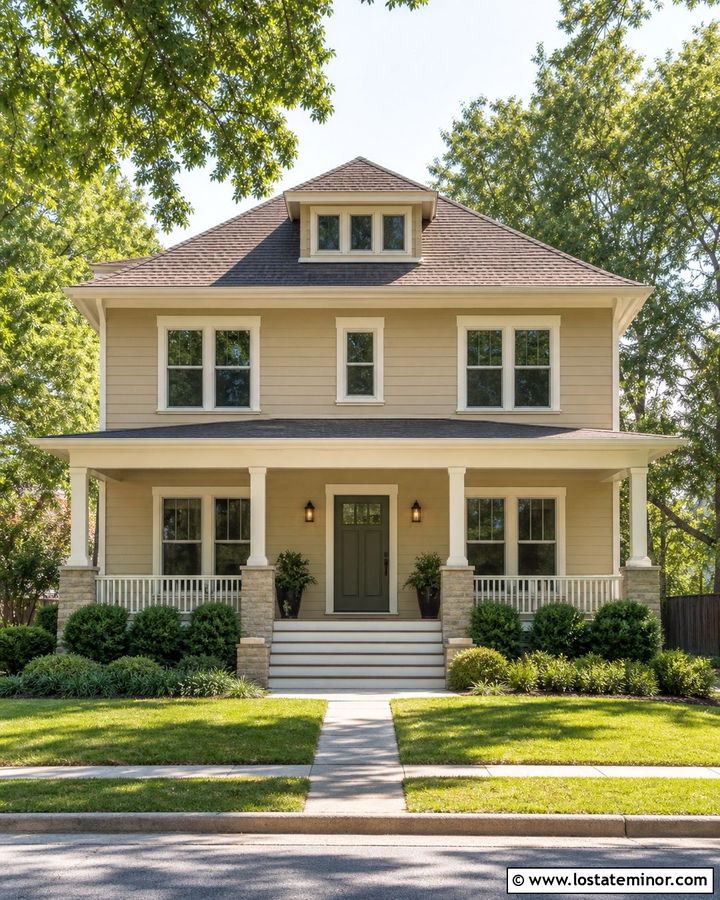
A pyramid roof creates balanced geometry on a square or nearly square sand house. Choose a dark weathered-brown shingle roof that slopes evenly toward every side, then pair it with warm sand lap siding and clean ivory trim. Center the front door beneath a small covered entry to reinforce the symmetry. A muted olive door and bronze porch lights introduce subtle color while preserving the natural palette. This design is suitable for a compact American Foursquare, cottage, or one-story bungalow. Use a wraparound porch or broad front steps to visually widen the facade beneath the tall roof. Simple square columns, stone porch piers, and orderly shrubs will support the architectural balance. Avoid complicated roof accents; one centered dormer is enough to bring light and character to the upper level.
26. Sand House With Barrel Tile Roof
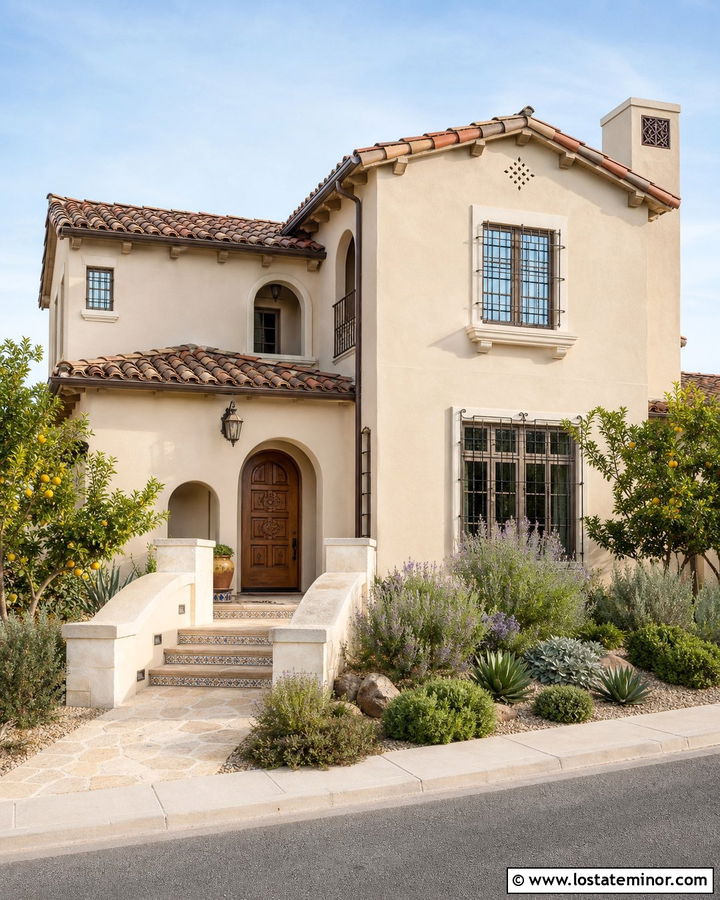
Curved barrel tiles bring shadow, movement, and rich texture to a smooth sand stucco facade. Choose tiles blending muted terracotta, tan, and soft brown rather than a uniform bright orange. Cream trim around the windows will keep the house light, while dark bronze grilles and railings supply contrast. A carved wood door beneath a shallow arched porch completes the Spanish-inspired entry. Use the same tile on smaller porch and garage roof sections so the exterior feels unified. Pale limestone, warm concrete, and subtle patterned tile can add detail near the ground without competing with the roof. Complete the curb appeal with drought-tolerant shrubs, citrus trees, lavender, and gravel beds. The roof and walls should appear naturally related, creating a warm facade with depth rather than sharp color separation.
27. Sand House With Stone-Coated Steel Roof
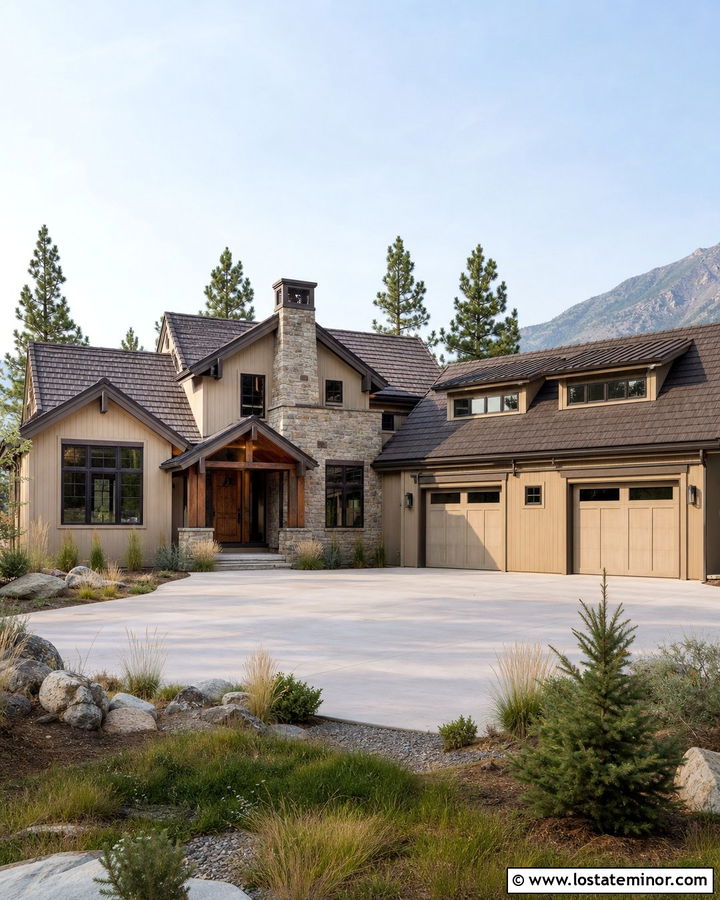
Stone-coated steel roofing can deliver the dimensional appearance of traditional shingles with the sharper edges of a modern roofing system. Pair a medium sand stucco exterior with dark brown-gray steel panels, cream fascia, and bronze window frames. Natural cedar on the porch ceiling and front door adds warmth, while a gray-tan stone chimney connects the roof color to the lower facade. This complete look suits a mountain transitional home or updated craftsman with multiple roof planes. Keep garage doors close to the sand body color and use dark hardware to repeat the roofing tone. Layer evergreen shrubs, native grasses, and large landscape rocks around the foundation. The mix of sand, stone, wood, and textured metal creates substantial curb appeal without relying on bright or fashionable accent colors.
28. Sand House With Two-Tone Roof
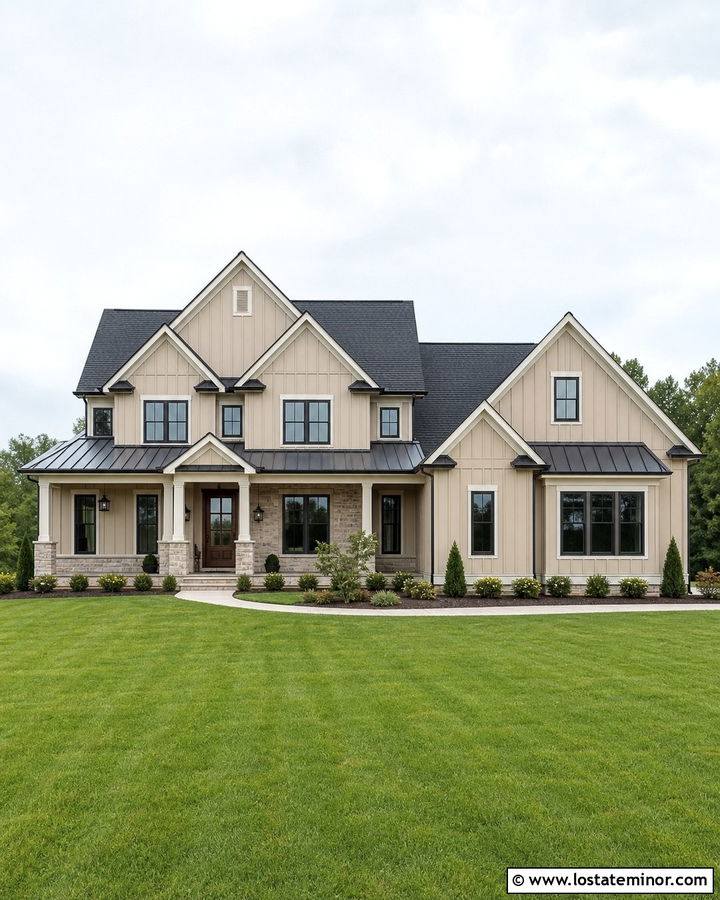
A carefully planned two-tone roof can help visually separate sections of a larger sand house. Use charcoal architectural shingles on the main gables and dark bronze standing-seam metal over the porch, bay window, or garage canopy. The materials should have similar depth so the exterior appears coordinated rather than patched together. Pair them with pale sand siding, creamy trim, and a walnut front door. Black or bronze windows can repeat the darker roofing colors across the facade. This approach works especially well on a large modern farmhouse or transitional home with varied roof heights. Add light gray-beige stone around the entrance and chimney for another connecting element. Keep landscaping orderly and relatively simple because the roof already provides substantial visual detail, texture, and contrast.
29. Sand House With Solar Panel Roof
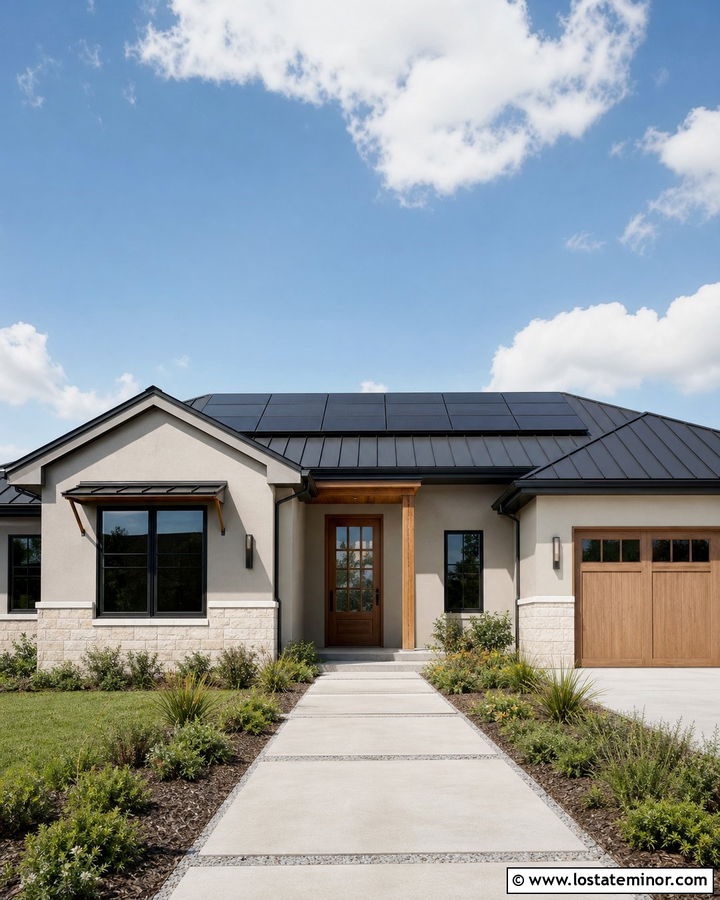
Solar panels can look intentional on a sand house when they are incorporated into a coordinated dark roof design. Start with pale sand stucco or horizontal siding and choose charcoal shingles or black standing-seam metal beneath the panels. Black window frames, gutters, and porch lights will repeat the panel color and reduce visual fragmentation. Use warm cedar around the entry and garage to soften the high-contrast palette. A simple modern gable or low-slope roof provides clean installation zones and keeps the panel layout orderly. Finish the facade with cream trim, light stone, and restrained landscaping. Avoid placing unrelated decorative features near the roofline. Straight planting beds, a broad walkway, and low shrubs will keep attention on the architecture while preserving a neat, energy-conscious suburban appearance.
30. Sand House With Green Living Roof
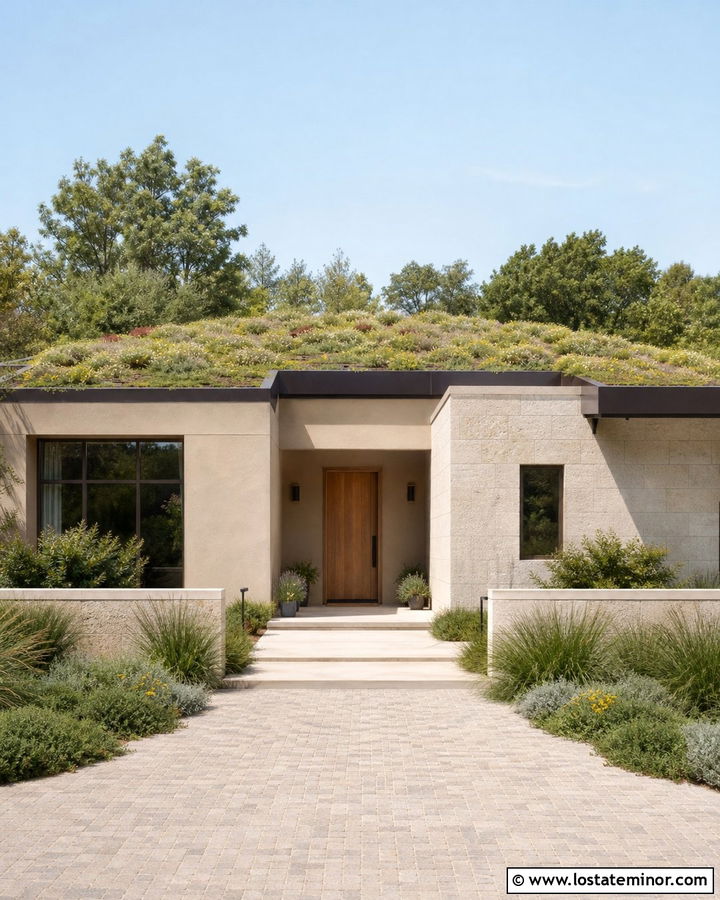
A green living roof creates a memorable natural crown for a modern sand house. Use warm sand stucco, pale limestone, and dark bronze windows beneath a low flat or gently sloped roof planted with hardy ground covers. The soft greens and muted seasonal colors will contrast gently with the sandy walls. A recessed wood front door and shaded porch can make the minimalist facade feel more welcoming. Keep parapet edges clean and dark so the planted roof has a defined frame when viewed from the street. This concept works best with contemporary or desert-inspired architecture and uncluttered landscaping. Continue the natural theme with permeable pavers, ornamental grasses, native shrubs, and small flowering plants. The complete design should feel integrated with the site rather than like greenery placed on an unrelated building.
Conclusion:
These 30 Sand House Design With Roof Ideas show how one versatile exterior color can support many architectural directions. Charcoal and black roofs create definition, while brown, cedar, and sand-blend shingles produce a warmer transition. Terracotta and barrel tiles add Mediterranean character. Metal, flat, butterfly, and living roofs give the same sand palette a more modern identity. For the most successful result, coordinate the roof with the trim, windows, front door, stone, garage, and landscaping instead of selecting each feature separately. Compare material samples outdoors at different times of day, and consider permanent surfaces before finalizing colors. A well-planned sand house should feel balanced from the curb, with every exterior element contributing to one clear design.

Related posts: