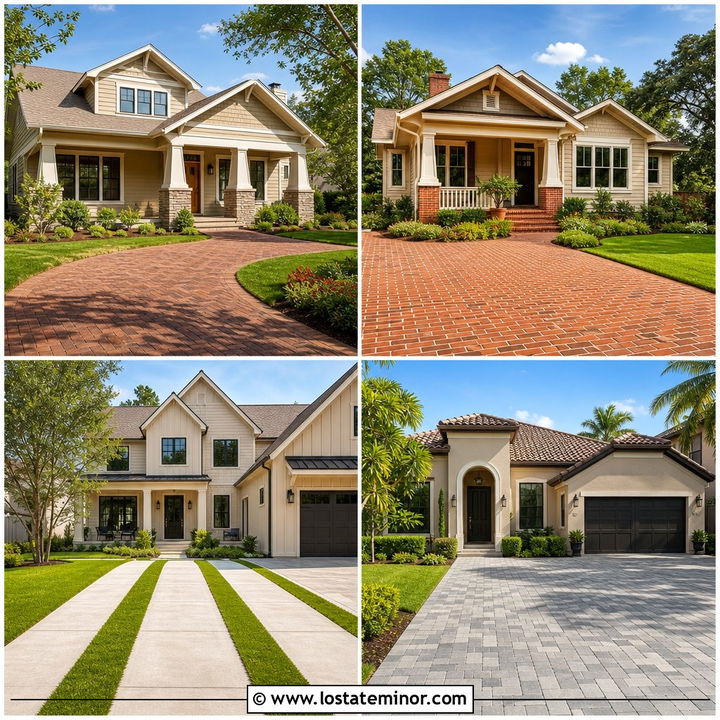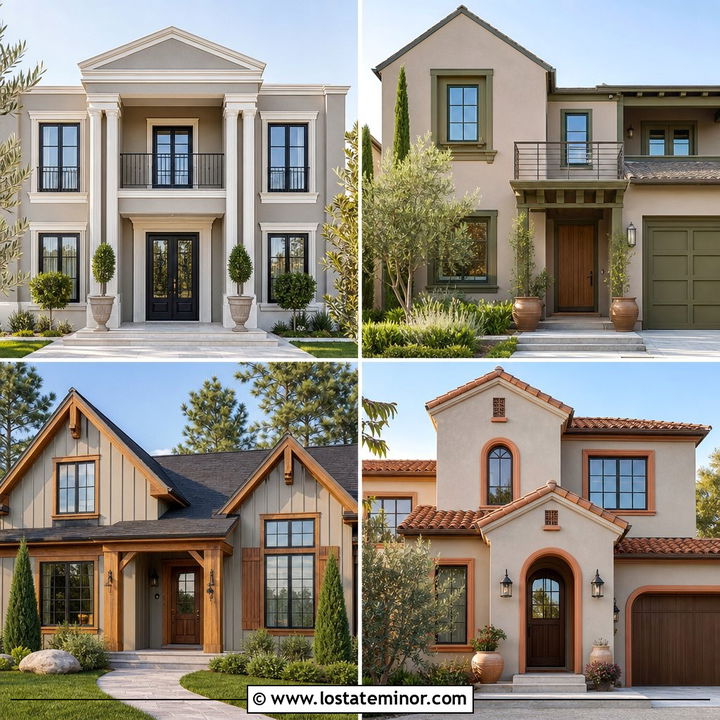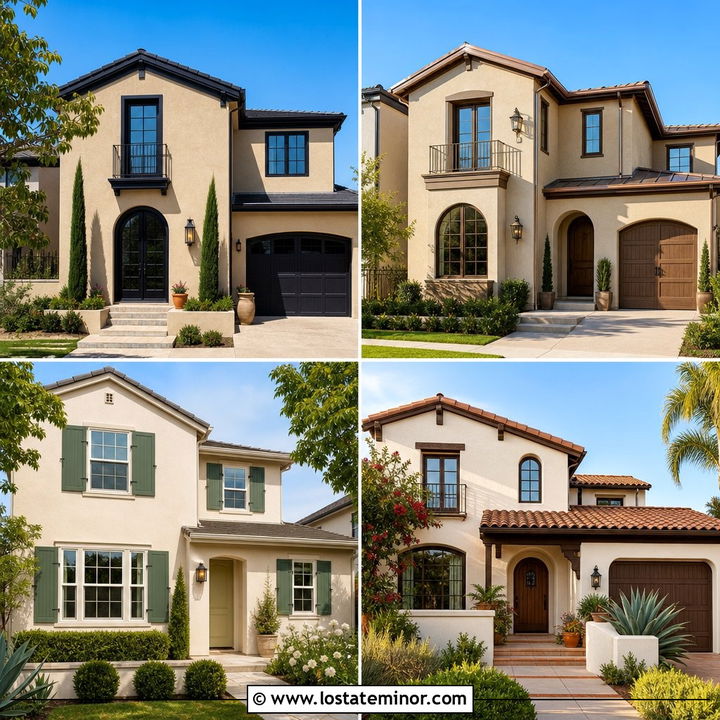
Taupe offers a flexible middle ground between warm beige and cool gray, making it easy to coordinate with wood, metal, masonry, and painted fencing. The best **30 Taupe House Design With Fence Ideas** treat the fence as part of the full exterior palette rather than a separate backyard feature. White creates crisp contrast, black adds definition, natural wood brings warmth, and muted green connects the home to its landscaping. Texture matters too. Board-and-batten siding, brick foundations, stone porches, and horizontal fence boards can keep a neutral scheme from looking flat. Current exterior inspiration also favors deeper accents and layered materials alongside taupe siding. () The complete looks below explore practical, attractive ways to coordinate siding, trim, roofing, doors, and fencing in **30 Taupe House Design With Fence Ideas**.

1. Taupe House With White Picket Fence
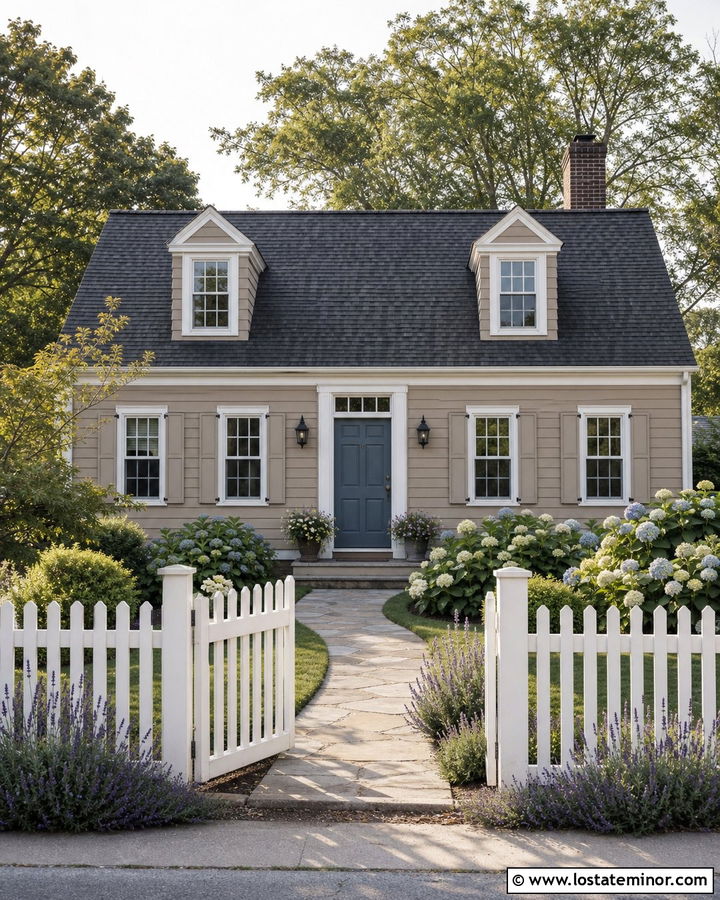
A white picket fence gives a taupe house a clean, familiar look without making the exterior feel overly formal. Choose a medium warm taupe for the siding, then repeat the fence color on the window trim, porch columns, and fascia. This creates a clear connection between the house and the front boundary. A muted blue front door adds personality while remaining soft enough for the neutral palette. For a cottage or Cape Cod home, use narrow fence pickets with a simple gate aligned to the front walkway. Add lavender, hydrangeas, boxwoods, or ornamental grasses along the fence line. A charcoal roof grounds the lighter colors and prevents the white details from overpowering the taupe body.
2. Taupe House With Black Metal Fence
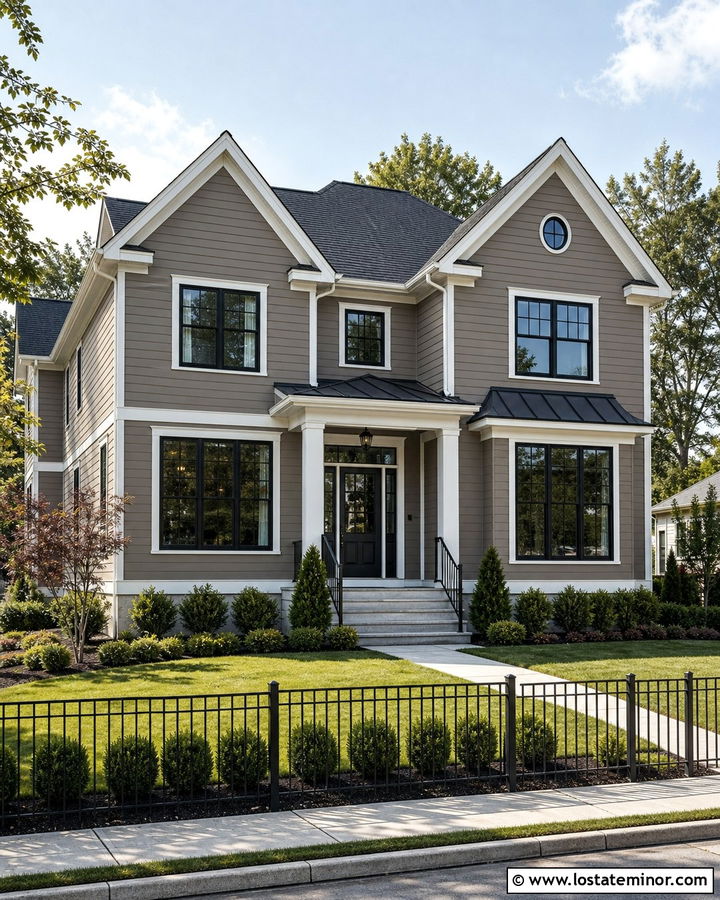
Crisp black metal can make a taupe exterior look more structured and modern. This combination works especially well when the house already has black-framed windows, dark gutters, or a charcoal roof. Choose a simple fence with slim vertical bars rather than ornate scrollwork. The restrained design lets the warm taupe siding remain the main feature. Repeat black on the front door and porch lighting for a balanced full-house scheme. Creamy white trim can soften the transition between the taupe walls and darker accents. Low hedges planted behind the fence add privacy without hiding the facade. Use pale concrete pavers or warm gray stone for the walkway to connect the neutral exterior colors naturally.
3. Taupe House With Cedar Privacy Fence
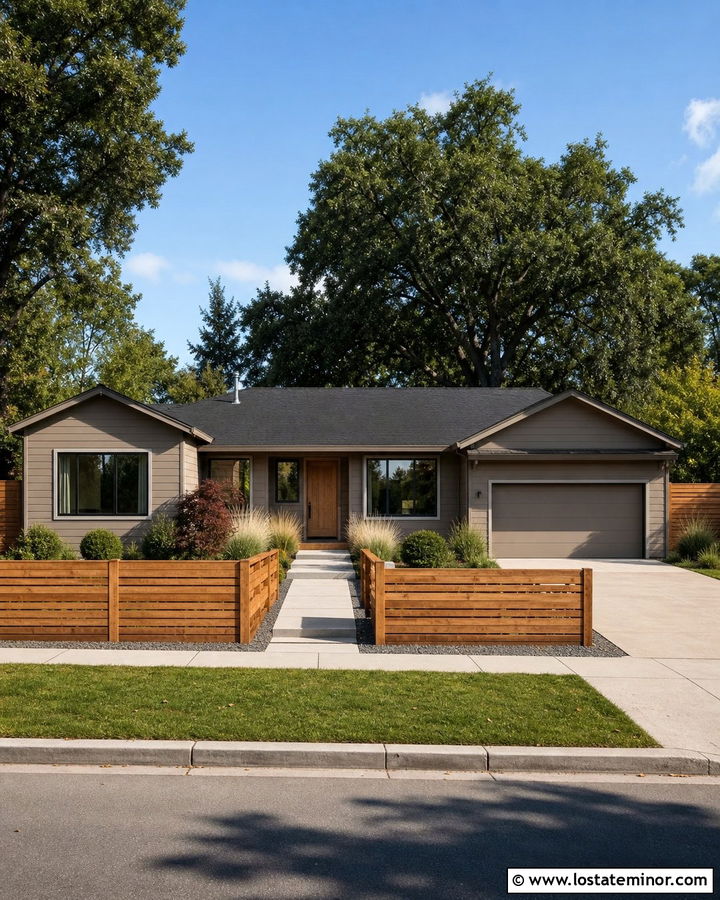
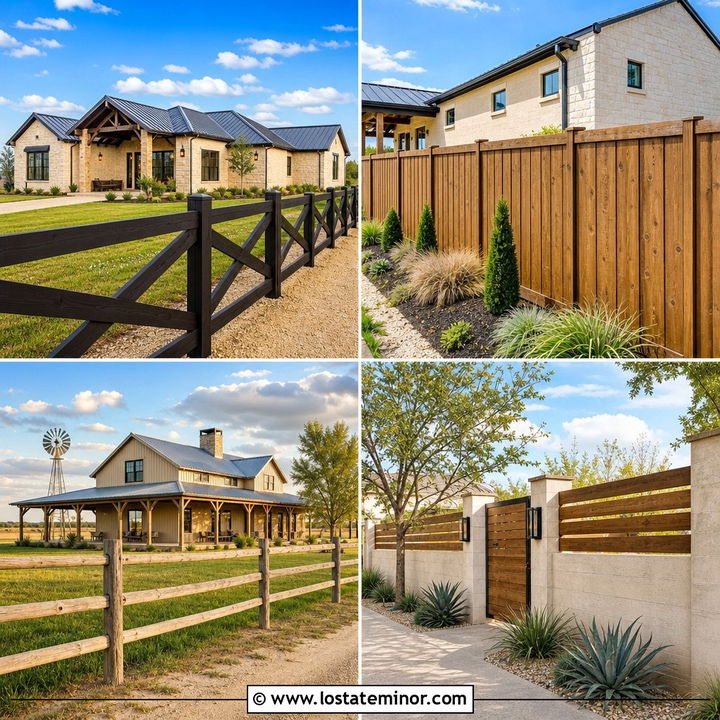
Natural cedar introduces warmth and visible grain to a taupe house, creating an inviting exterior with an organic character. A horizontal cedar fence feels especially suitable beside a modern ranch or updated split-level home. Keep the boards in a clear or lightly stained finish instead of choosing a heavy orange stain. Medium taupe siding, warm white trim, and a cedar front door will make the fence feel intentional. Dark bronze window frames and lighting provide definition without the sharpness of solid black. Continue the cedar on porch beams, garage details, or planter boxes, but use it selectively. Soft green grasses and rounded shrubs will complement the earthy palette while keeping the complete curb-appeal view relaxed and uncluttered.
4. Taupe House With Dark Brown Wood Fence
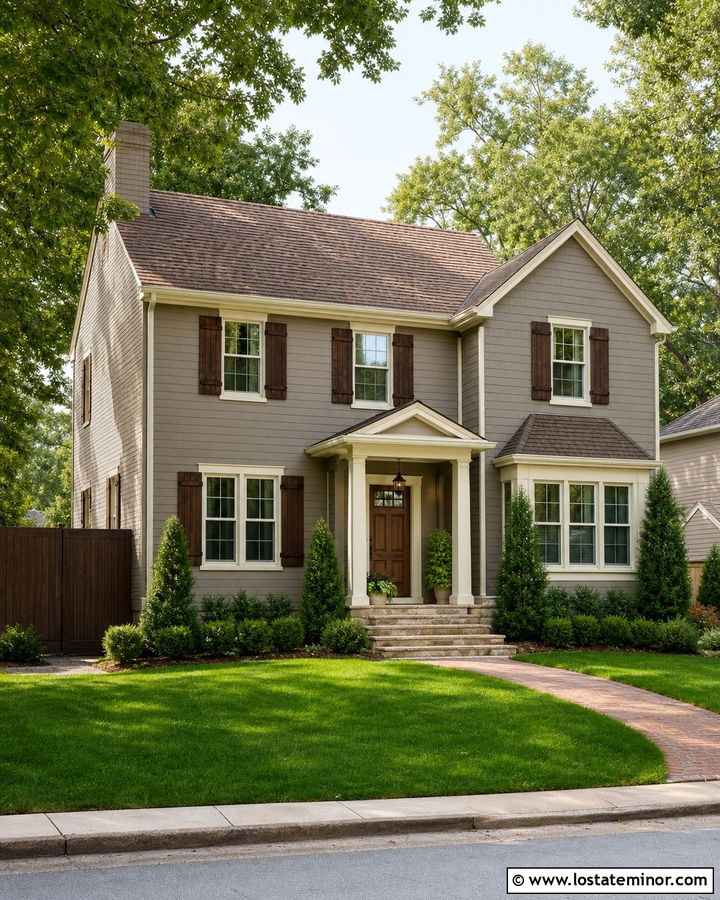
A dark brown fence creates a rich, grounded border around a light taupe house. This pairing is useful when the property includes mature trees, brown roof shingles, or warm stone. Choose an espresso or walnut fence stain with enough contrast to remain distinct from the siding. Repeat the dark brown on the shutters or garage door, then use cream trim to brighten windows and rooflines. A wood front door in a slightly lighter stain prevents every accent from appearing identical. For a traditional two-story home, a vertical board fence with substantial posts provides the right visual weight. Layer evergreen shrubs in front of the fence to soften the dark surface and link the architecture with the surrounding landscape.
5. Taupe House With Horizontal Black Fence
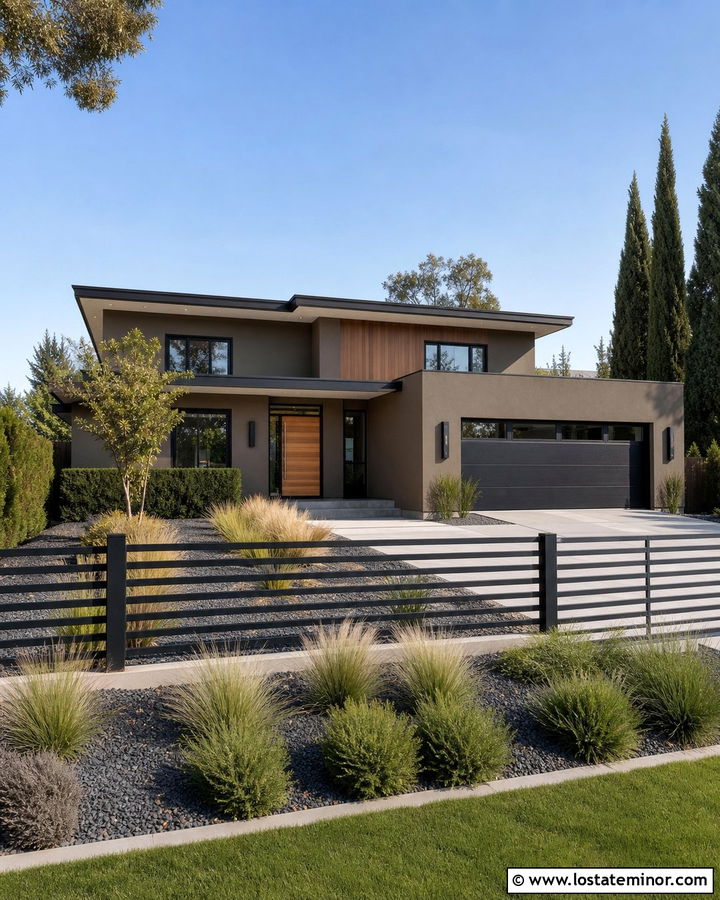
Long horizontal fence boards reinforce the low roofline of a contemporary taupe house. The black finish creates strong contrast, while the linear layout makes the property appear wider and more streamlined. Pair the fence with light taupe stucco or smooth lap siding and narrow black window frames. A flat-panel natural oak door introduces enough warmth to keep the exterior from feeling stark. Use matching black on the garage door, gutters, and porch railing, but retain a soft off-white beneath the roof overhang. Minimal landscaping suits this scheme. Try sculptural grasses, compact evergreens, gravel beds, and a broad concrete walkway. The result is a complete modern exterior where the fence strengthens the home’s architecture instead of competing with it.
6. Taupe House With Natural Split Rail Fence
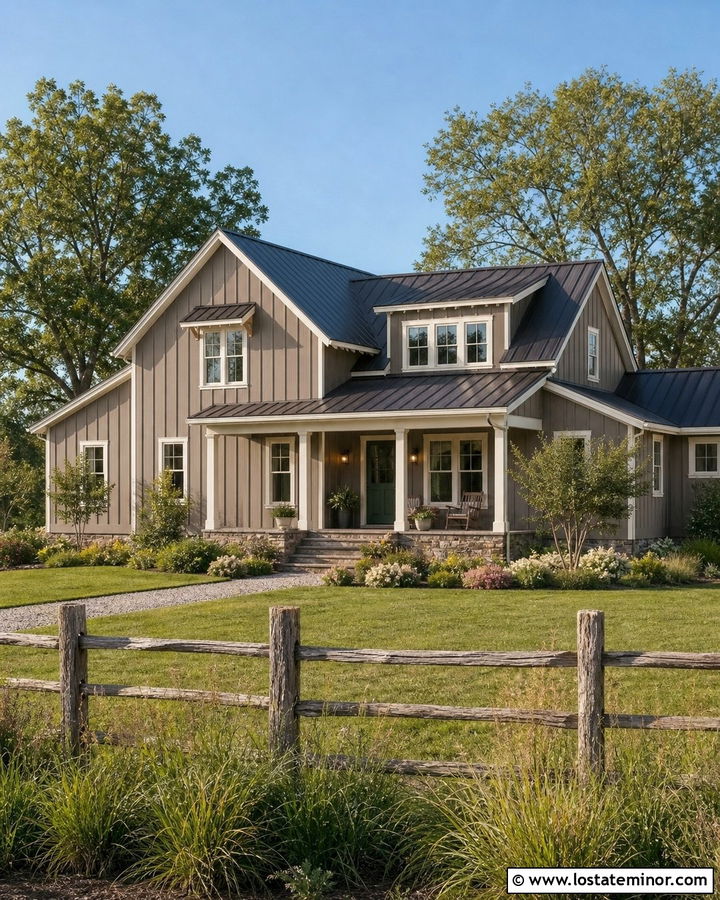
A split rail fence makes a taupe house feel comfortable and connected to a spacious landscape. It is a natural choice for a farmhouse, rustic ranch, or country property where a solid privacy fence could look too heavy. Use weathered cedar or unfinished oak rails with sturdy posts. Warm taupe board-and-batten siding, creamy trim, and a charcoal metal roof create a balanced background. A deep forest green front door adds a subtle outdoor-inspired accent. Stone around the porch base can echo the gray and brown tones found in the rails. Leave generous planting areas around the fence, using native grasses and informal flowering shrubs. This relaxed approach frames the home while preserving open views across the yard.
7. Taupe House With Cream Vinyl Fence
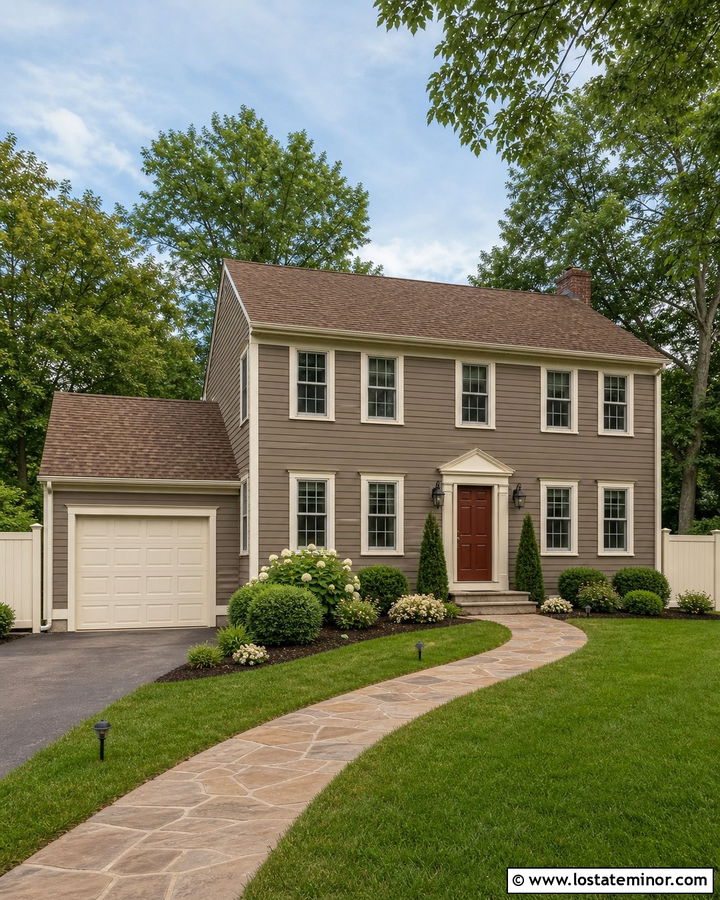
Cream fencing offers a softer alternative to bright white and pairs naturally with a warm taupe exterior. The combination feels polished but not severe, making it suitable for suburban colonials, traditional ranch homes, and family-friendly backyards. Match the cream fence to the window trim, porch columns, and garage door so the palette looks coordinated from the street. A reddish brown front door adds depth and can connect with a brown shingle roof. Select a fence with simple vertical panels and capped posts for a tidy finish. Around the front yard, use evergreen foundation plants and pale flowering borders to support the gentle color scheme. Warm stone walkway pavers will complete the exterior without introducing an unrelated cool gray.
8. Taupe House With Charcoal Privacy Fence
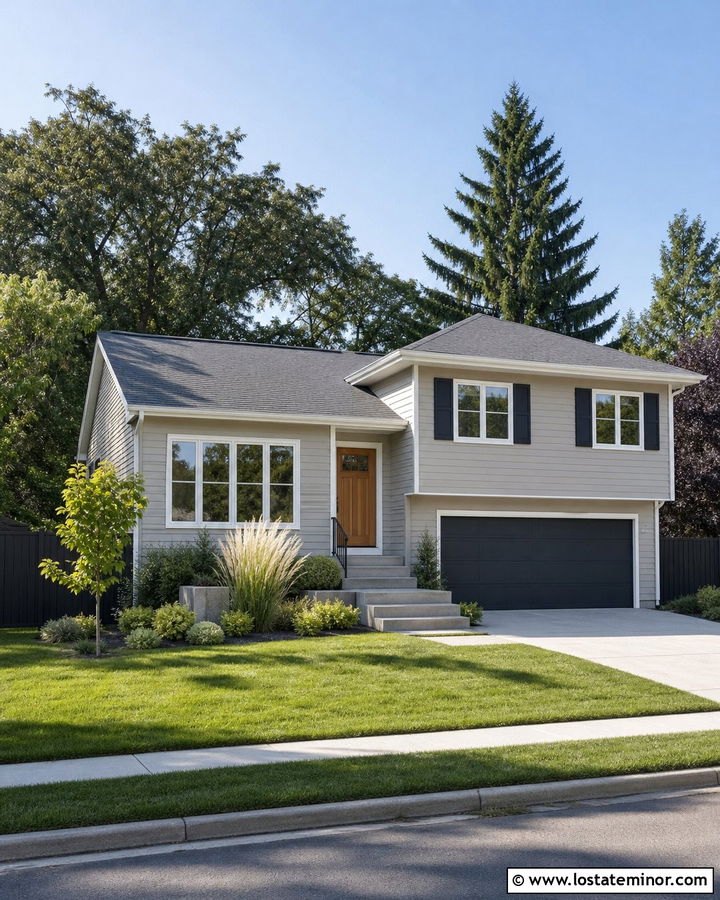
A charcoal privacy fence can feel less harsh than black while still giving a taupe house clear definition. This pairing works particularly well with cool taupe siding that carries noticeable gray undertones. Repeat charcoal on the roof, shutters, and garage door to distribute the darker color across the facade. Use clean white trim around the windows to prevent the overall scheme from becoming too muted. A natural wood front door offers a warm focal point near the center of the house. Choose wide vertical fence boards with narrow gaps for a modern yet practical appearance. Layer light green shrubs and pale ornamental grasses against the charcoal surface. Their foliage will stand out clearly and soften the transition from fence to lawn.
9. Taupe House With Sage Green Fence
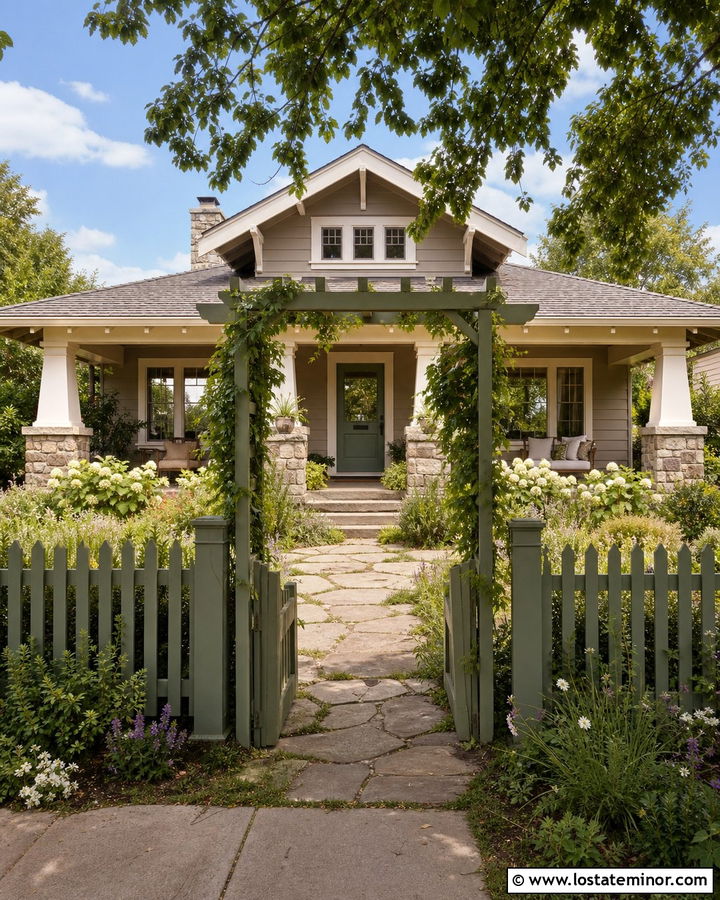
A muted sage green fence brings gentle color to a taupe house while blending with surrounding plants. Choose an earthy sage rather than a pastel or highly saturated green. Medium taupe siding, warm white trim, and a sage front door can establish a cohesive three-color palette. A weathered gray roof will keep the scheme natural and understated. This look suits a bungalow, cottage, or Craftsman home with visible porch details. Consider a fence with vertical boards, decorative post caps, and a simple arbor above the gate. Climbing plants can gradually soften the structure without hiding its color. Brick or flagstone along the front path adds another warm material, helping the taupe walls and green fence feel rooted in the landscape.
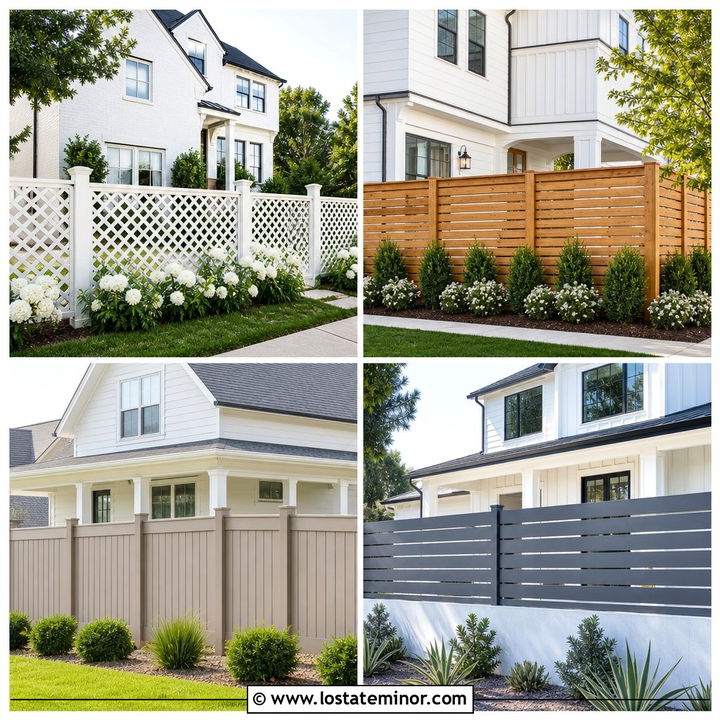
10. Taupe House With White Horizontal Fence
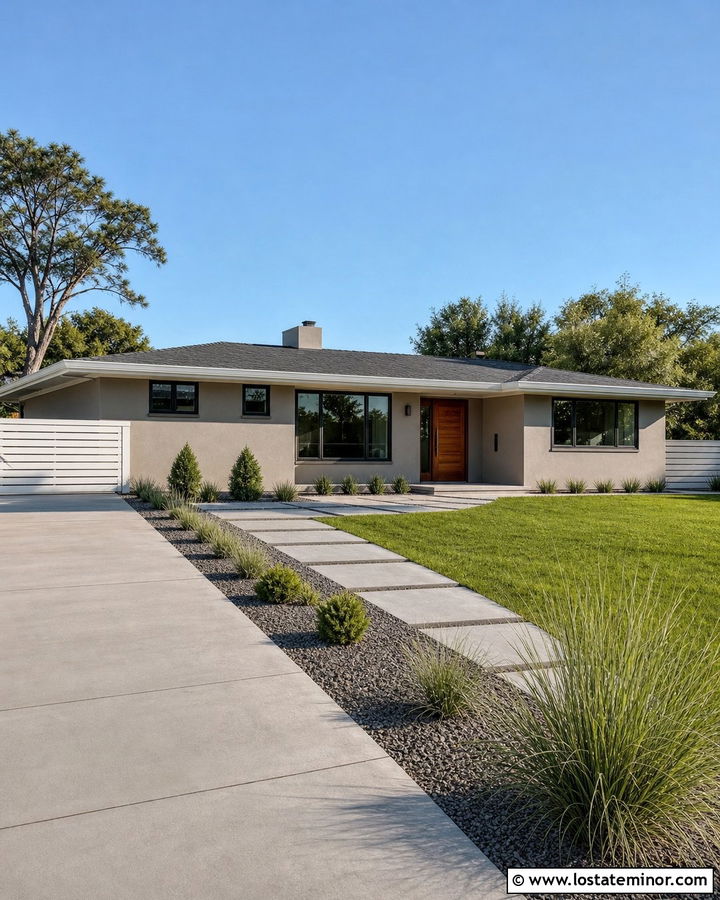
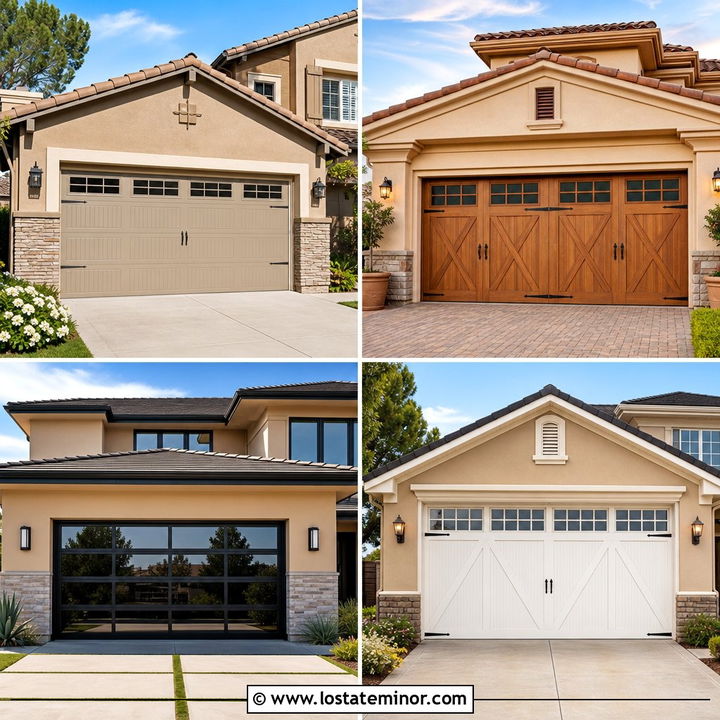
What if you want white fencing without the traditional appearance of pickets? A horizontal white fence brings a fresher, more architectural look to a taupe exterior. It pairs especially well with a boxy modern home or a renovated mid-century ranch. Use soft taupe stucco or wide lap siding, clean white fascia, and black-framed windows. The fence should repeat the warm white used on the trim rather than introducing a brighter blue-white. Add a medium walnut front door for warmth and dark gray roofing for balance. A wide concrete path and restrained planting beds keep the horizontal lines visible. Small trees, clipped grasses, and gravel provide texture while preserving the clean, open curb appeal of the complete design.
11. Taupe House With Stone Pillar Fence
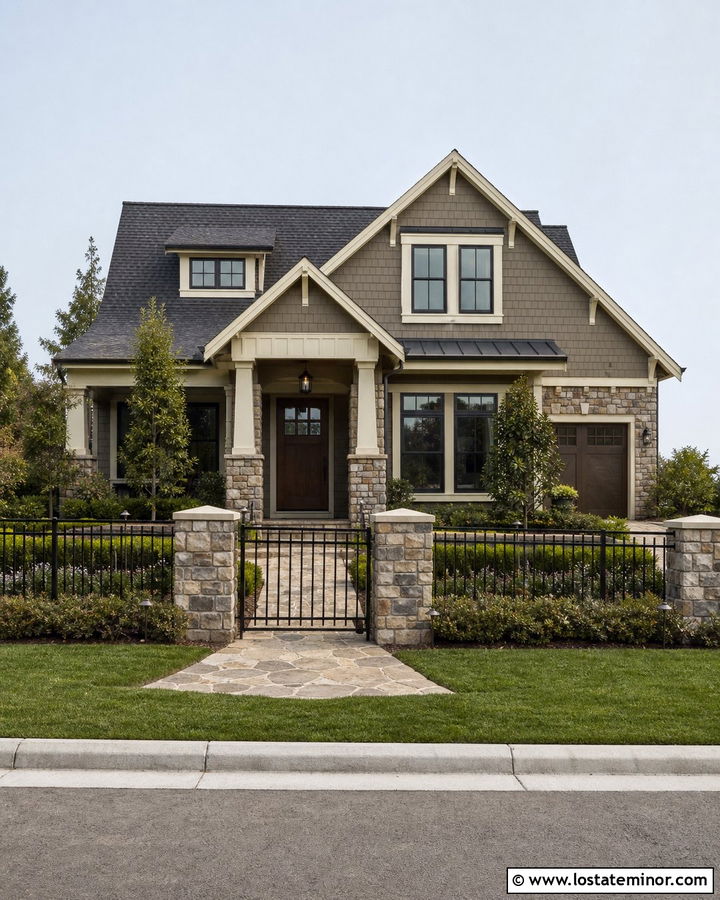
Stone pillars can visually connect a fence to a taupe house that already features masonry around the porch or foundation. Choose stone containing a mix of beige, gray, and muted brown so it relates to the siding without matching it exactly. Place black metal panels between the pillars for an elegant but open boundary. Medium taupe siding, ivory trim, and a dark walnut door will complement the layered materials. Repeat the same stone on porch columns or near the garage to make the fence feel original to the architecture. This treatment works well for Craftsman and European-inspired homes. Keep the landscaping balanced with clipped shrubs, small trees, and warm pathway lighting fixtures that emphasize the entrance without cluttering the broad facade.
12. Taupe House With Red Brick Fence
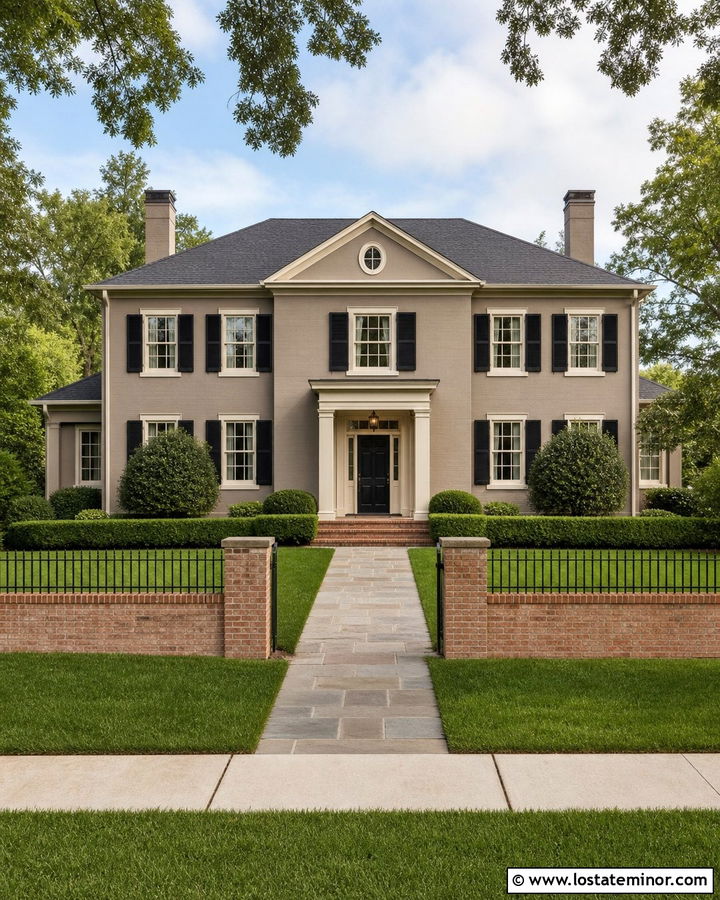
Red brick can add warmth and established character to a taupe exterior, particularly when the brick has softened, earthy coloring. Avoid overly bright red masonry. Look for a blend that includes brown, charcoal, and cream variations. Use the brick for low fence walls or substantial posts, then add black metal panels between them. A deeper taupe siding color will hold its own beside the masonry, while cream trim provides separation. Repeat brick around the porch steps or foundation for continuity. A black front door and matching shutters can sharpen the traditional palette. This complete design is well suited to Georgian, colonial, and symmetrical two-story homes. Structured hedges along the brickwork will reinforce the orderly architectural appearance.
13. Taupe House With Light Gray Fence
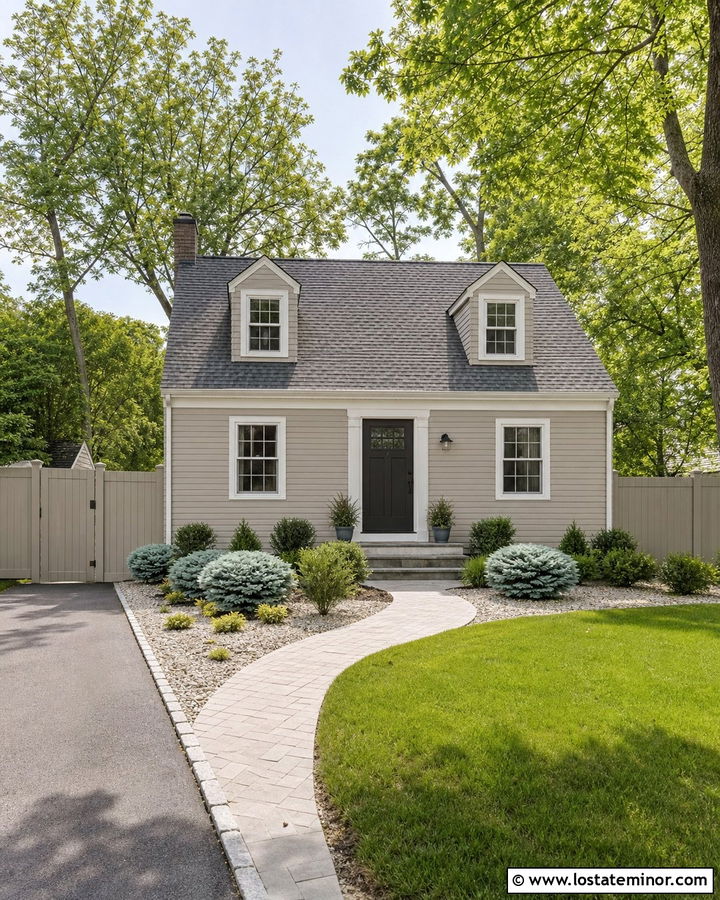
Light gray fencing creates a quiet, low-contrast scheme when paired with cool taupe siding. It can be an effective choice for small properties where a dark fence might visually close in the yard. Select a warm gray that relates to the taupe undertone rather than a blue industrial gray. Use crisp white around the windows and a charcoal front door to provide necessary definition. A medium gray roof can bridge the fence and darker doorway. On a compact Cape Cod or bungalow, keep the fence low enough to preserve a welcoming street view. Pale gravel, blue-green shrubs, and a curved walkway will add gentle variation. The finished exterior feels light and coordinated without relying on dramatic contrasts or numerous accent colors.
14. Taupe House With Matching Taupe Fence
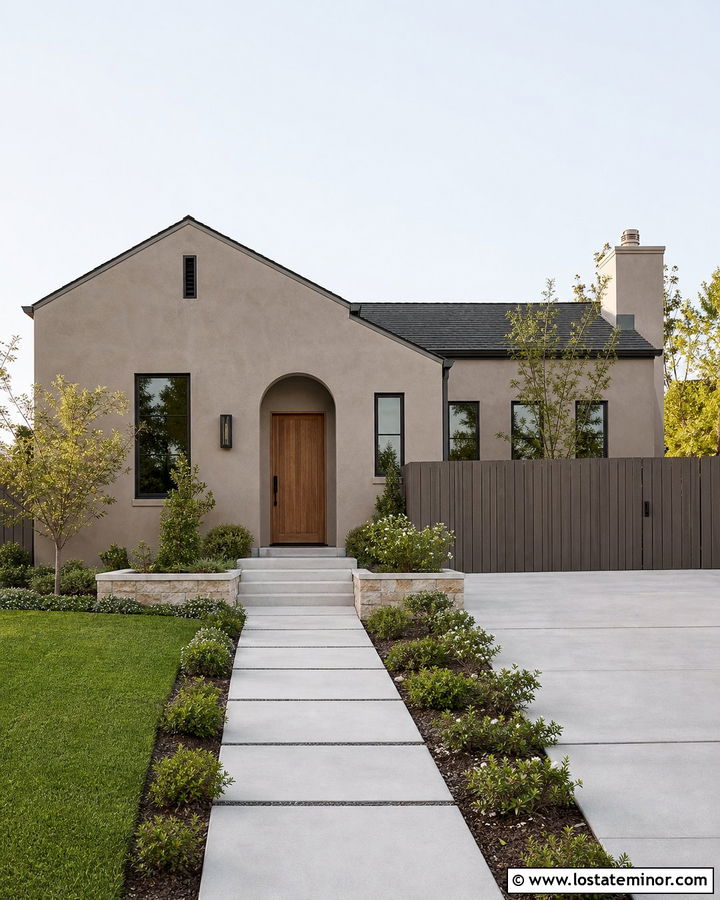
Painting the fence and house in related taupe tones produces a calm, seamless exterior. The colors should be connected but not identical. Try medium taupe siding with a fence that is one or two shades darker. This slight difference keeps the property boundary visible and adds depth to the neutral palette. Use warm white trim and black window frames to break up the taupe surfaces. A cedar door can become the main focal point, especially on a minimalist home. Varying texture is important in this scheme. Smooth stucco, vertical fence boards, natural stone, and wood grain prevent the colors from appearing flat. Add green planting in front of the fence so foliage stands out clearly against the understated background.
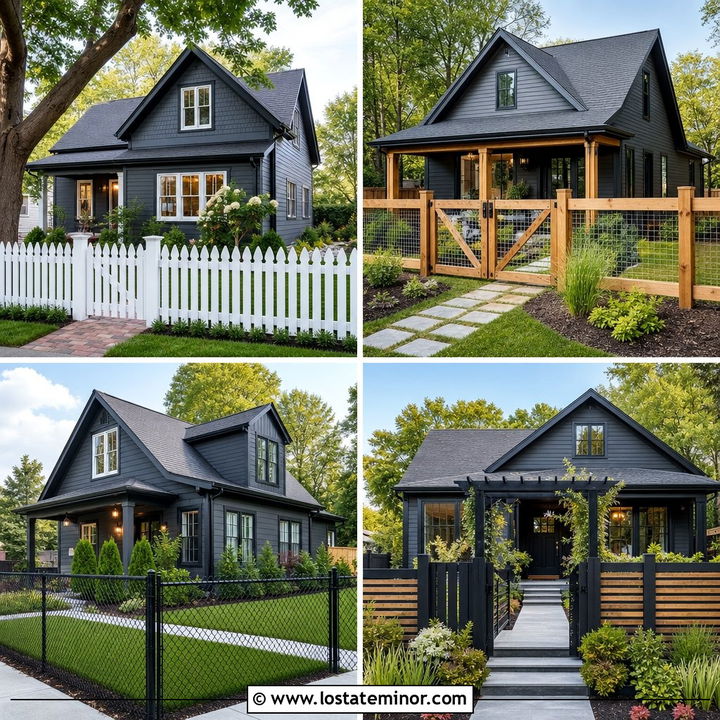
15. Taupe House With Two Tone Wood Fence
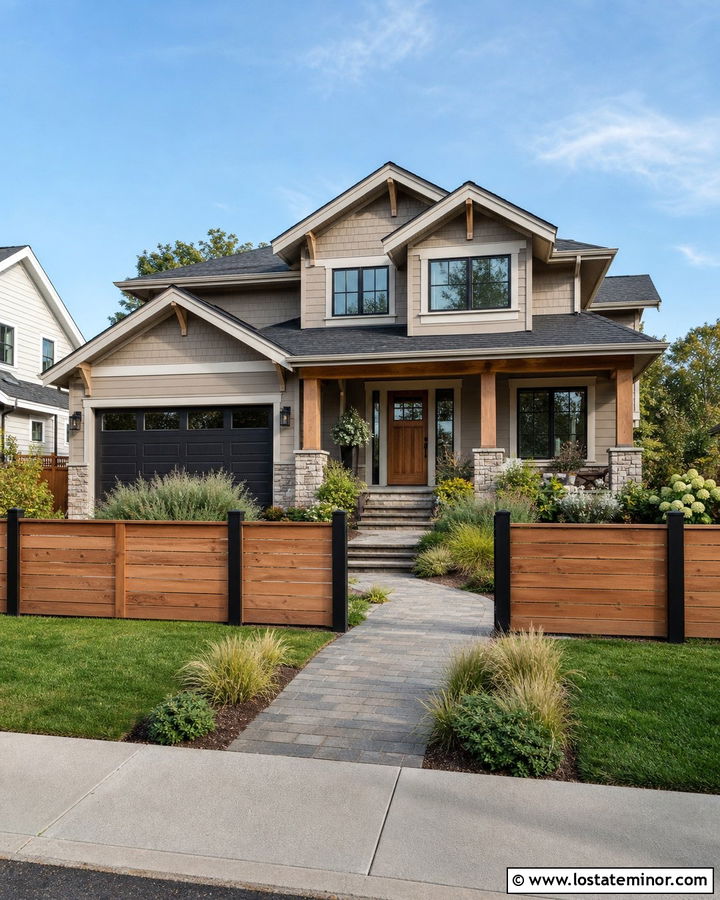
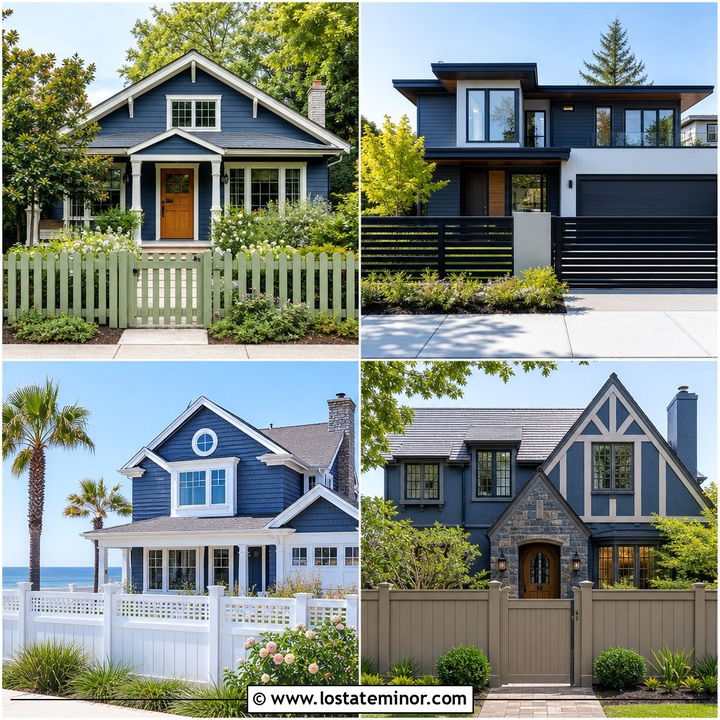
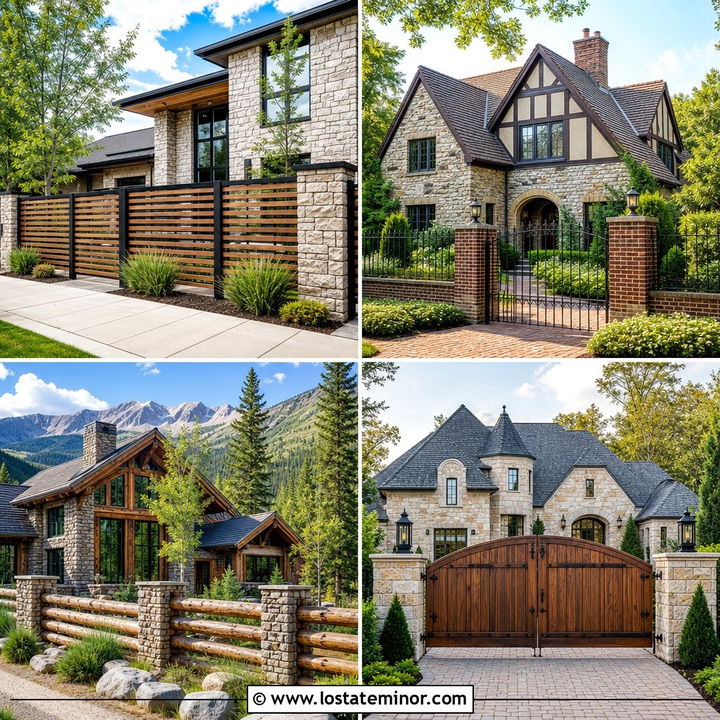
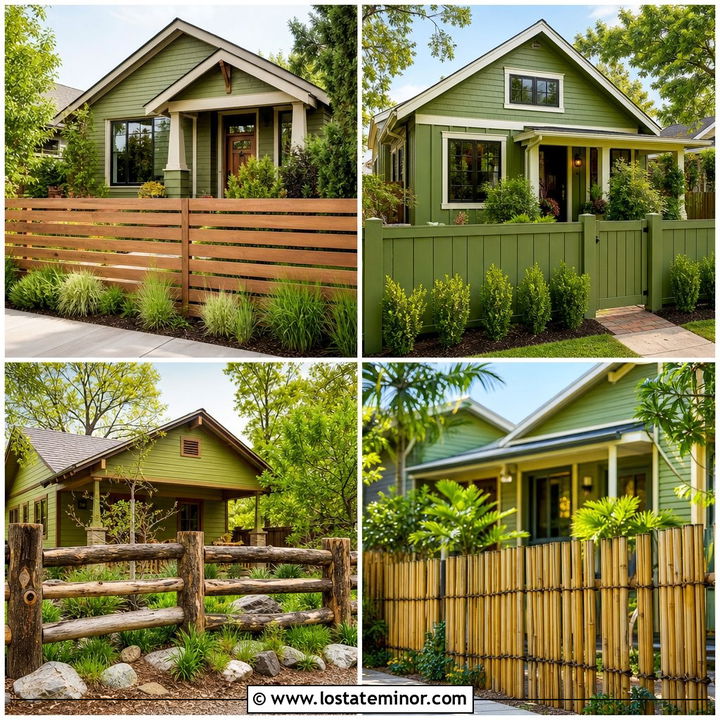
A two-tone fence can connect several exterior materials without making a taupe house look busy. Combine natural cedar boards with black posts and rails for a strong but balanced design. The cedar relates to a wood front door or porch ceiling, while black connects to windows, roofing, and exterior lights. Choose warm medium taupe for the siding and soft white for narrow trim details. A modern Craftsman house is particularly suited to this mixture because its architecture already emphasizes structure and craftsmanship. Keep the fence pattern straightforward, using vertical boards framed by slim dark supports. Add stone at the porch base and repeat its brown-gray colors in the walkway. Simple grasses and broad-leaf shrubs will complete the layered, natural palette.
16. Taupe House With Farmhouse Wire Fence
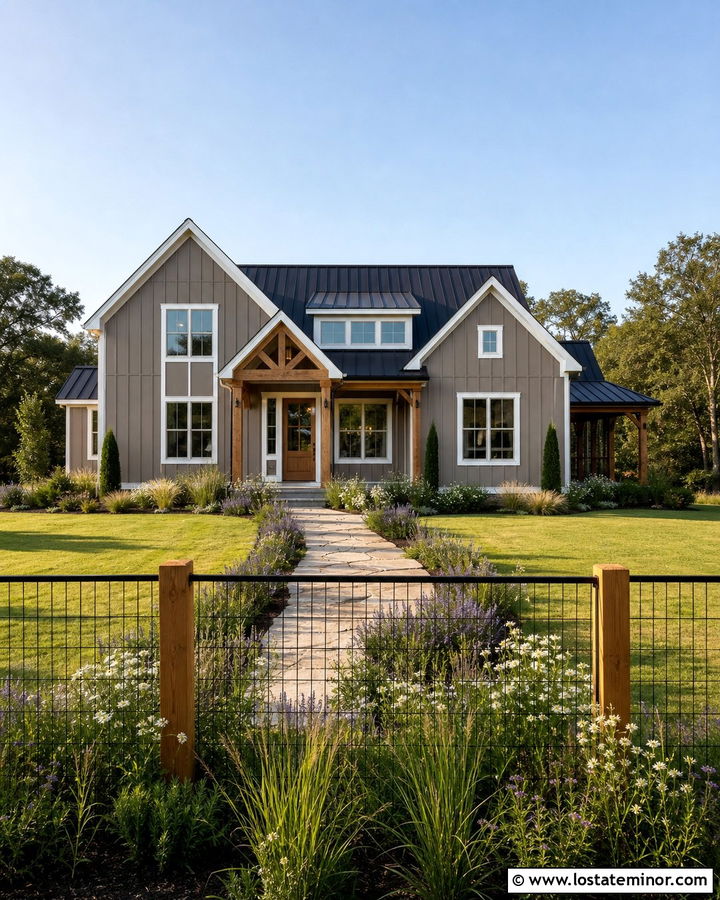
An open wire fence gives a taupe farmhouse definition while preserving views of the yard and landscape. Use black welded wire panels framed with cedar posts and horizontal rails. This combination feels practical but more finished than basic agricultural fencing. Warm taupe board-and-batten siding, white trim, and a black metal roof form a clean farmhouse palette. A natural oak front door and matching porch beams bring the cedar fence into the overall design. Keep the gate simple and align it with a gravel or flagstone walkway. Wildflower borders, ornamental grasses, and a few clipped evergreens can provide a mix of casual and structured landscaping. The open fence ensures the full porch and symmetrical facade remain visible from the street.
17. Taupe House With Black Picket Fence
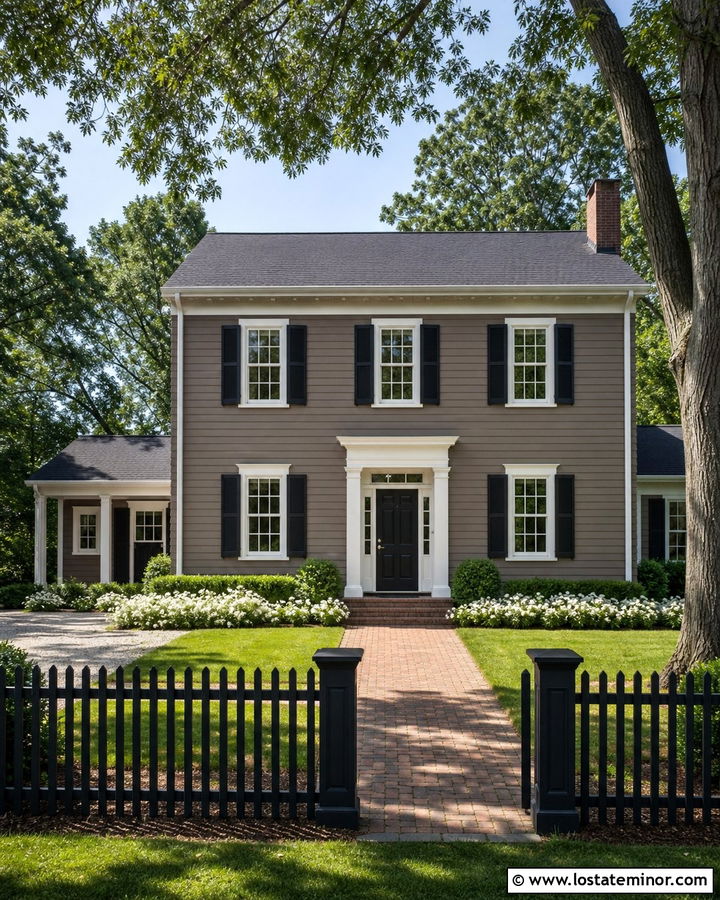
A black picket fence offers the welcoming shape of a classic front fence with a stronger, more contemporary color. It works beautifully with light taupe siding because the dark pickets outline the property without covering the house. Repeat black on the shutters, front door, and porch lanterns. Use creamy white trim to define windows and decorative molding. For a colonial home, choose evenly spaced wood or metal pickets with square posts and an uncomplicated gate. A dark gray roof supports the black accents without introducing another dominant color. Plant low white flowers and soft green shrubs near the fence so the dark structure remains visible. The result feels traditional from a distance but noticeably sharper and more updated upon closer inspection.
18. Taupe House With Weathered Wood Fence
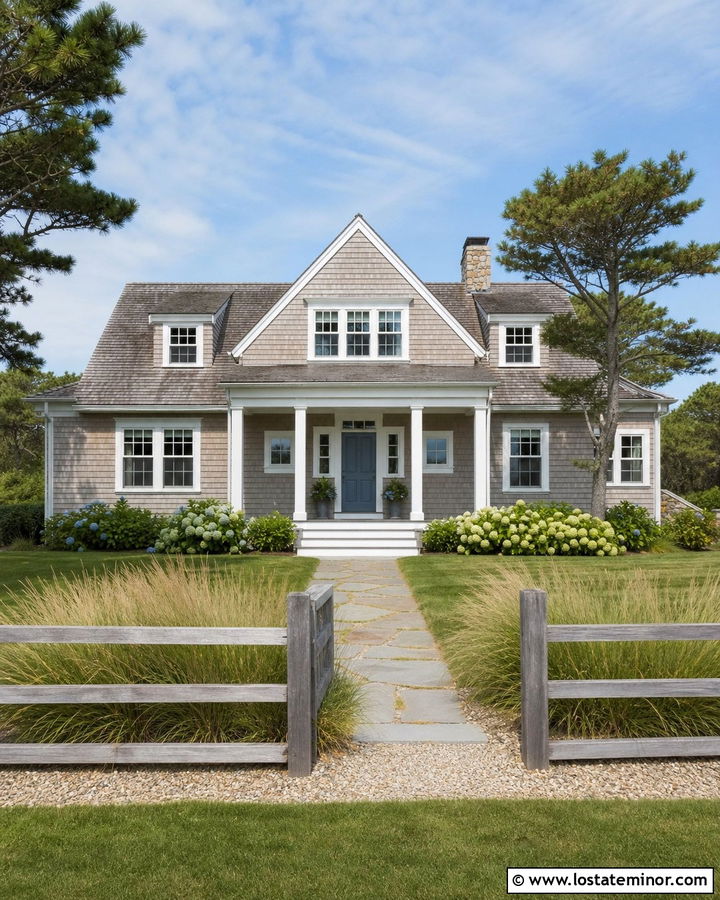
Silvery weathered wood works naturally beside a cool taupe house, especially in coastal or wooded surroundings. The fence should look softly aged rather than damaged, with consistent gray-brown coloring across the boards. Pair it with pale taupe shingles or horizontal siding, white trim, and a slate blue front door. A weathered gray roof will support the relaxed palette. This exterior suits a coastal cottage, shingle-style home, or casual bungalow. Choose vertical fence boards with a slightly varied top line or simple square posts. Beach grasses, hydrangeas, gravel, and natural stone will reinforce the textural design. Because the colors are subdued, use the blue door and dark metal lighting as small focal points that guide attention toward the entry.
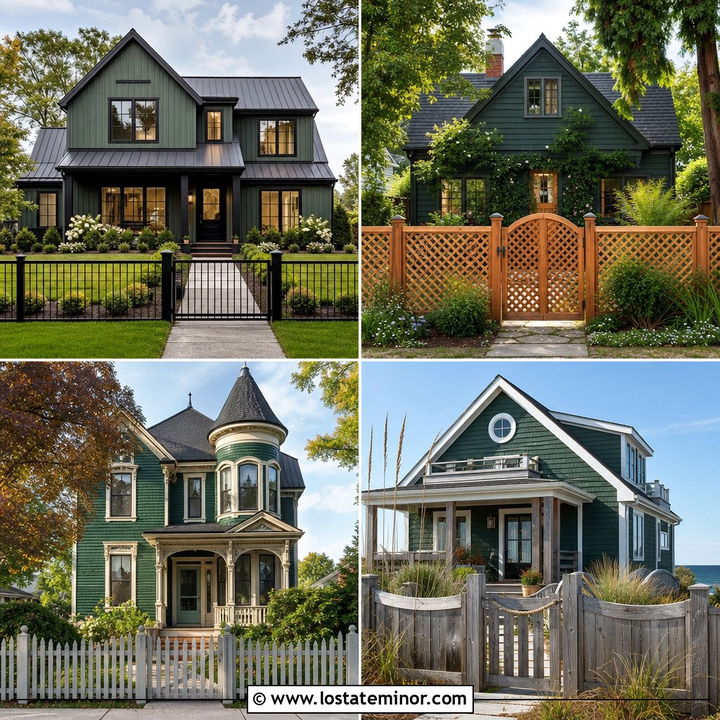
19. Taupe House With Dark Green Fence
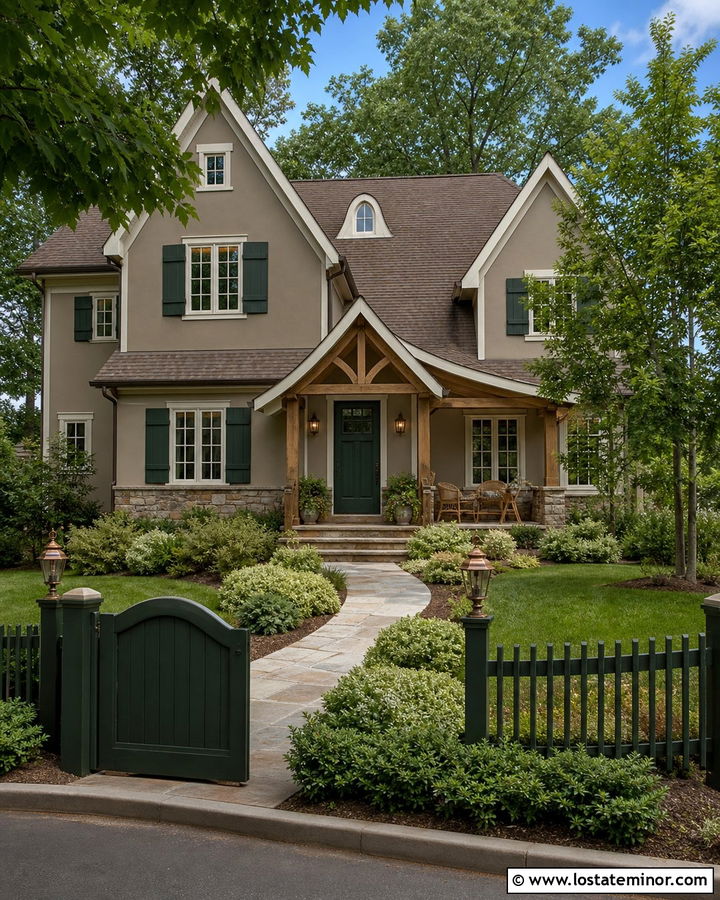
Deep green fencing can provide the visual weight of black while feeling softer within a heavily planted yard. Choose forest green or a near-black green for a medium taupe house with cream trim. Repeat the green on shutters or the front door, but avoid spreading it across too many small decorative features. A brown roof and natural stone foundation will keep the complete scheme warm. This combination suits Tudor, cottage, and traditional homes surrounded by mature trees. Use a solid vertical fence with a gently arched gate or lattice along the top. Plant lighter green shrubs in front to reveal the fence color through contrast. Copper-toned lighting and warm wood porch details can add richness without disturbing the nature-inspired palette.
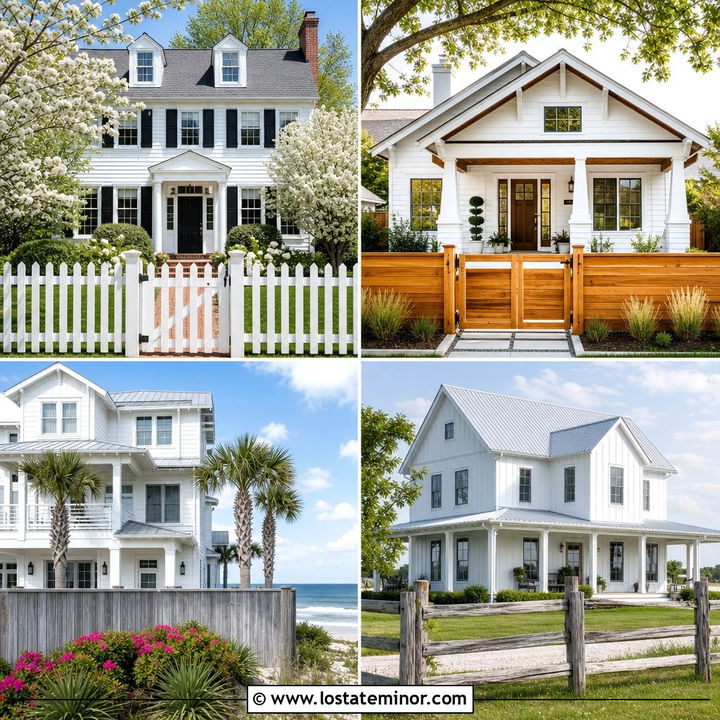
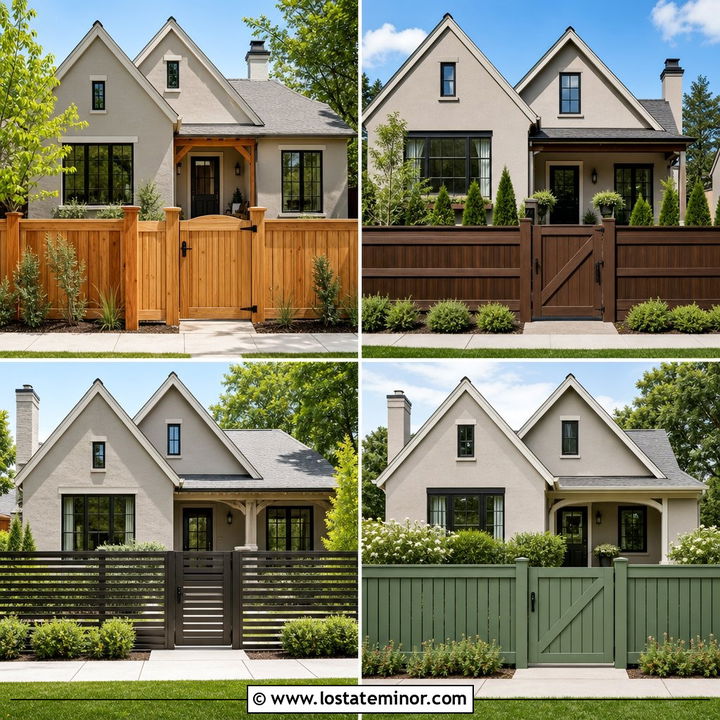
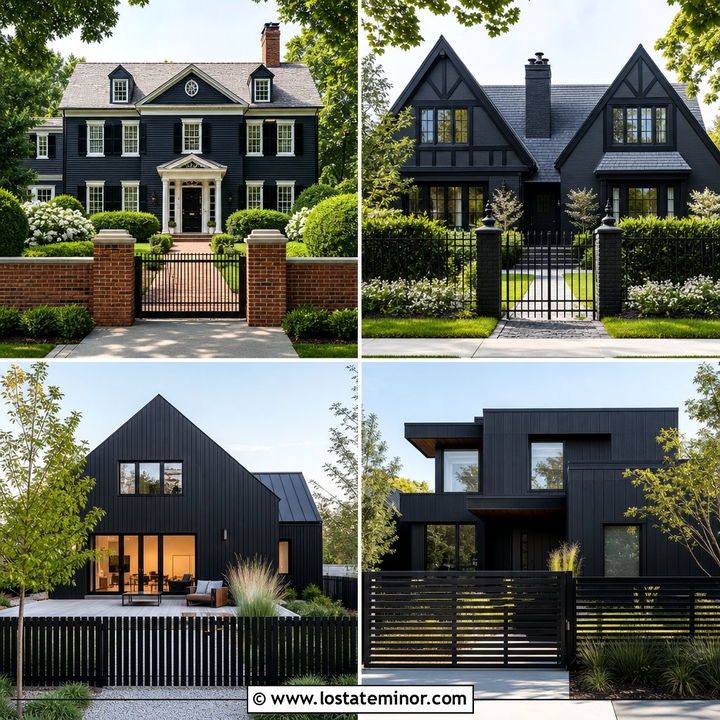
20. Taupe House With Modern Slat Fence
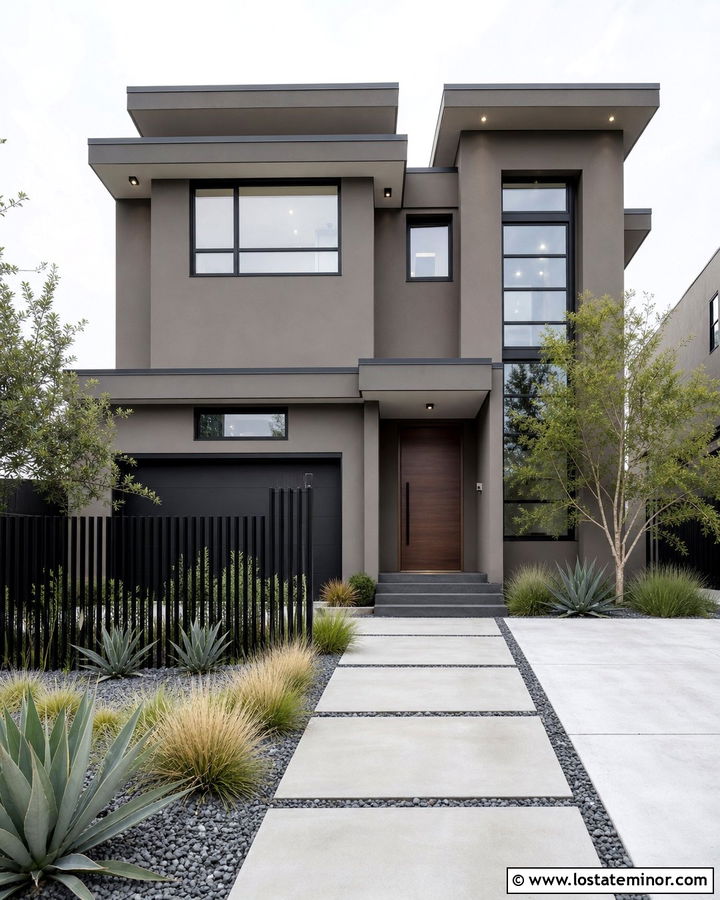
A narrow slat fence gives a taupe home privacy while maintaining a lighter, more open appearance than solid panels. Choose vertical black slats for a tall modern house, or use warm cedar slats if the exterior has extensive dark accents. With greige-taupe stucco, black windows, and a flat walnut front door, either version creates a crisp contemporary scheme. Continue the fence material around a gate or small courtyard so the entrance feels integrated. The spacing should be even and narrow enough to provide screening without looking heavy. Large concrete pavers, gravel beds, and sculptural plants support the modern geometry. Keep roof edges, gutters, and garage details simple so the fence remains a strong architectural feature within the complete facade.
21. Taupe House With White Ranch Fence
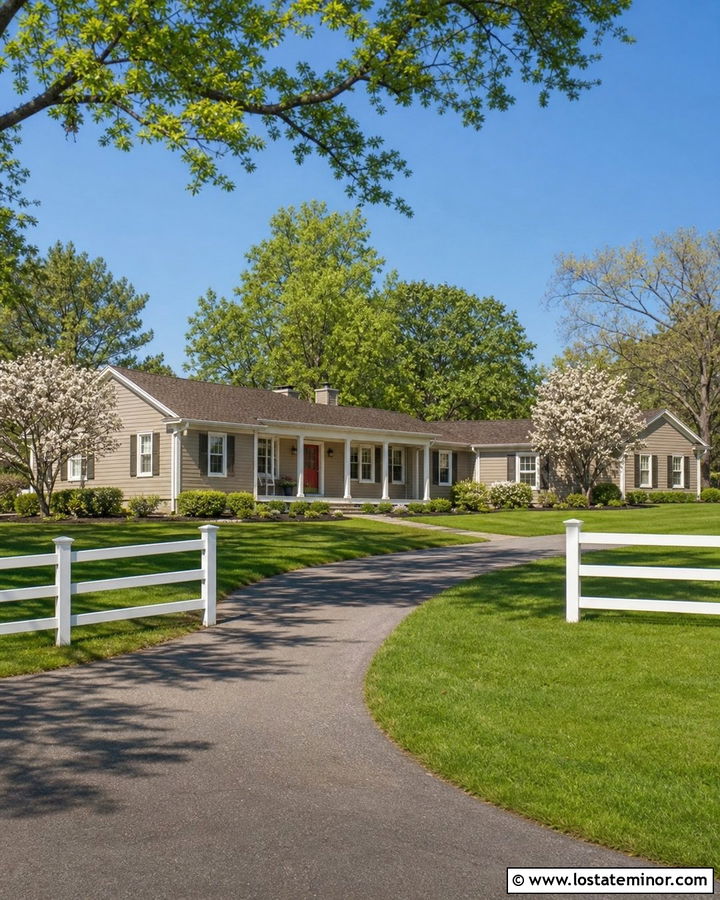
A white ranch fence can brighten a warm taupe home on a broad suburban or semi-rural property. Use two or three horizontal rails with sturdy posts to frame the front lawn without blocking the facade. Warm taupe lap siding, white trim, and a brown architectural shingle roof create a comfortable base. Add a muted red or deep blue front door for a controlled accent. White porch columns and garage trim will connect the house to the fence across the wide yard. Plant flowering trees near the property edges and keep shrubs low around the home. A curved driveway or broad walkway can soften the long horizontal lines. This complete scheme feels open, approachable, and well suited to a spacious single-story house.
22. Taupe House With Brick And Wood Fence
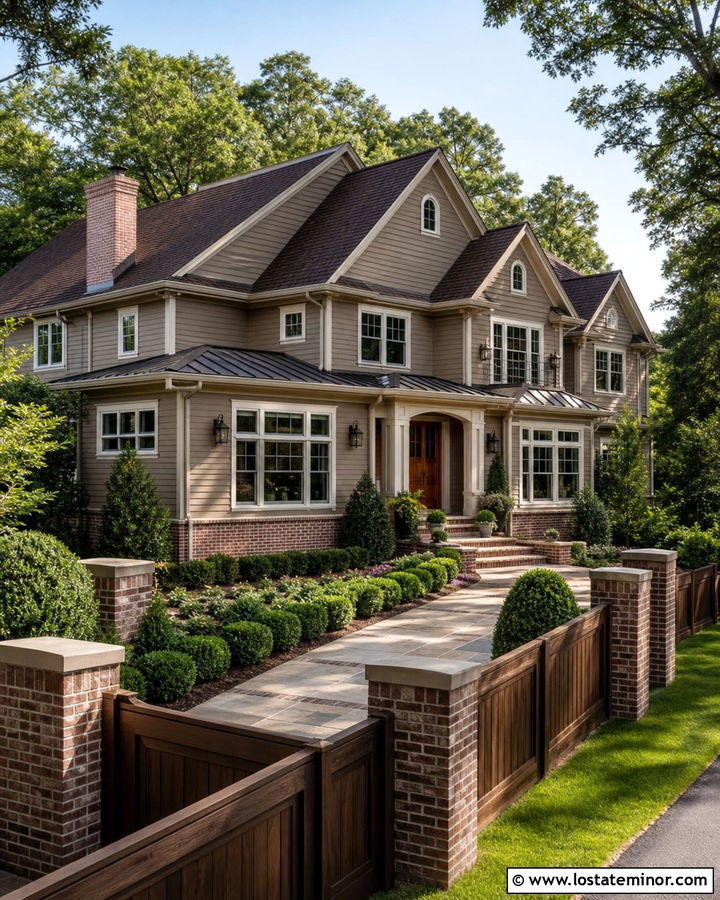
Combining brick pillars with wood panels allows a fence to reflect multiple materials used on a taupe house. Select muted brown-red brick for the posts and medium walnut boards for the infill. The house can feature medium taupe siding, ivory trim, and matching brick around the foundation or porch steps. A stained wood front door should relate to the fence panels without becoming an exact match. Dark bronze lights, gutters, and hardware offer a softer alternative to black. This substantial fence suits a large traditional or transitional home where lightweight pickets might appear undersized. Use broad masonry caps and simple vertical boards for a refined finish. Layered hedges can soften the structure while preserving clear views of the gate and entrance.
23. Taupe House With Low Stone Fence
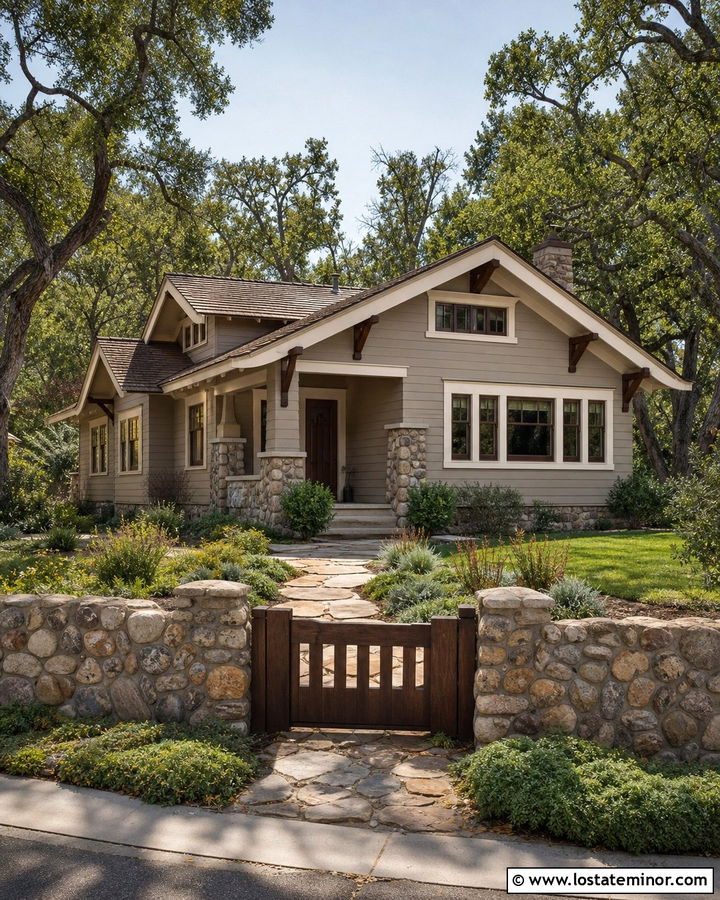
A low stone fence adds texture and definition while keeping a taupe house fully visible from the curb. Use irregular fieldstone for a rustic home or evenly cut limestone for a more formal facade. The masonry should include warm gray, beige, and brown shades that relate to the taupe siding. Add a simple wooden gate in cedar or dark walnut to mark the walkway. Cream trim and a dark brown roof will reinforce the warm palette. Repeat the stone on porch columns, chimney sections, or foundation walls, but avoid covering every surface. Native shrubs and trailing groundcover can soften the wall’s edges. This design works particularly well on Craftsman bungalows, mountain homes, and updated ranch houses with deep front yards.
24. Taupe House With Blue Gray Fence
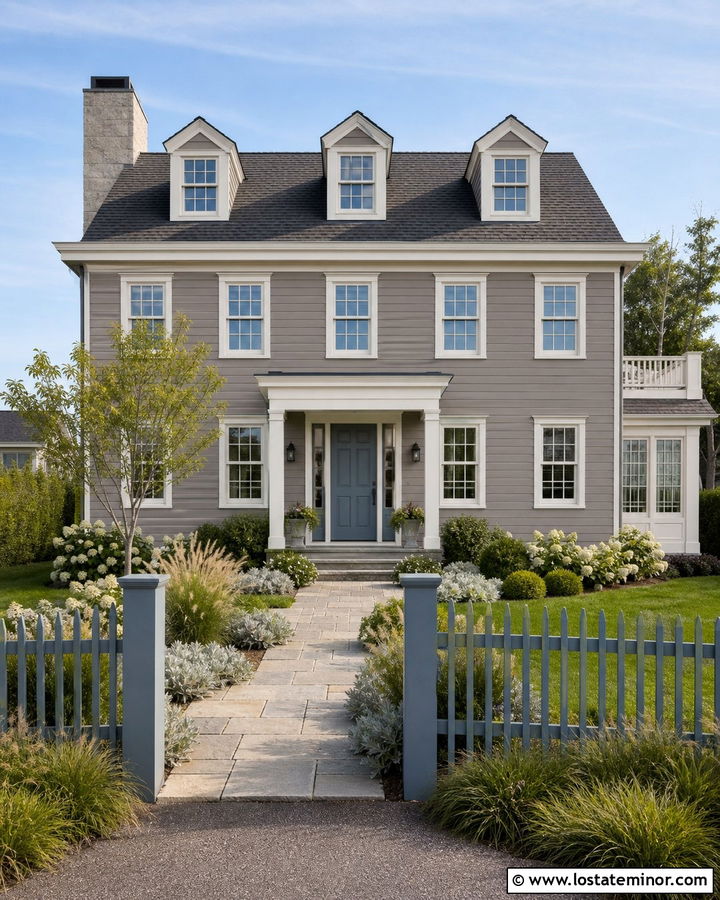
A blue-gray fence can give a taupe house subtle color without creating a bold or playful appearance. Select a dusty slate tone that remains muted in bright daylight. Pair it with light warm taupe siding, off-white trim, and a blue-gray front door for a coordinated exterior. Dark charcoal roofing will keep the cooler accents grounded. This combination suits a coastal colonial, Cape Cod, or cottage with simple architectural details. Use vertical fence boards and white posts if you want more contrast, or paint the entire structure blue-gray for a quieter result. White flowers, silvery foliage, and soft ornamental grasses can strengthen the gentle palette. Natural stone pavers will connect the warm house color with the cooler fence.
25. Taupe House With Arched Wood Gate
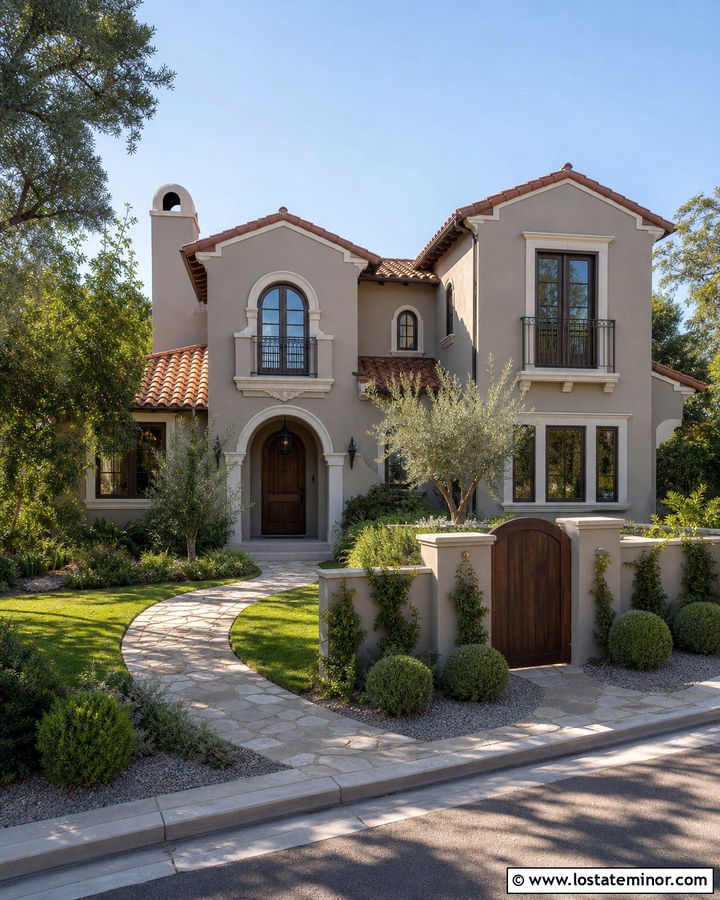
An arched wood gate creates a clear focal point in front of a taupe house and gives the entrance a sense of arrival. Frame the gate with matching fence panels or masonry posts, depending on the home’s architecture. A medium walnut stain pairs well with warm taupe stucco, cream trim, and dark bronze windows. Repeat the gate’s wood tone on the front door and porch ceiling for continuity. The curved shape is especially effective on Spanish, Mediterranean, or cottage homes that already feature arched windows and openings. Train climbing greenery along the adjoining fence, but keep the gate itself mostly visible. A gently curved stone path can carry the arch motif toward the front door and complete the welcoming exterior composition.
26. Taupe House With Black Fence And Stone Porch
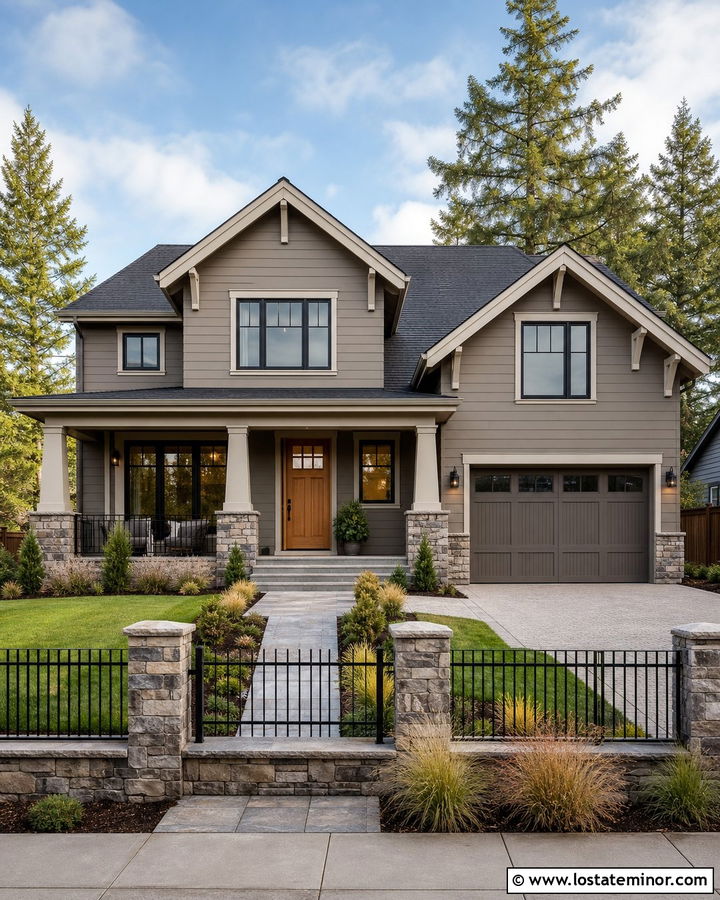
When a taupe house includes a stone porch, a black fence can create the crisp outline needed to organize the different textures. Use light to medium taupe siding with a stone blend containing gray, cream, and brown. A slim black metal fence will echo black window frames, porch railings, and exterior lighting without hiding the masonry. Choose an oak front door to warm the center of the facade. Cream fascia and soffits will prevent the upper roofline from looking too dark. This layered scheme works well on a transitional Craftsman or modern suburban home. Use neat evergreen shrubs along the fence and more natural grasses near the stone porch. The landscaping will help the structured and rustic materials meet comfortably.
27. Taupe House With Cedar Fence And Black Gate
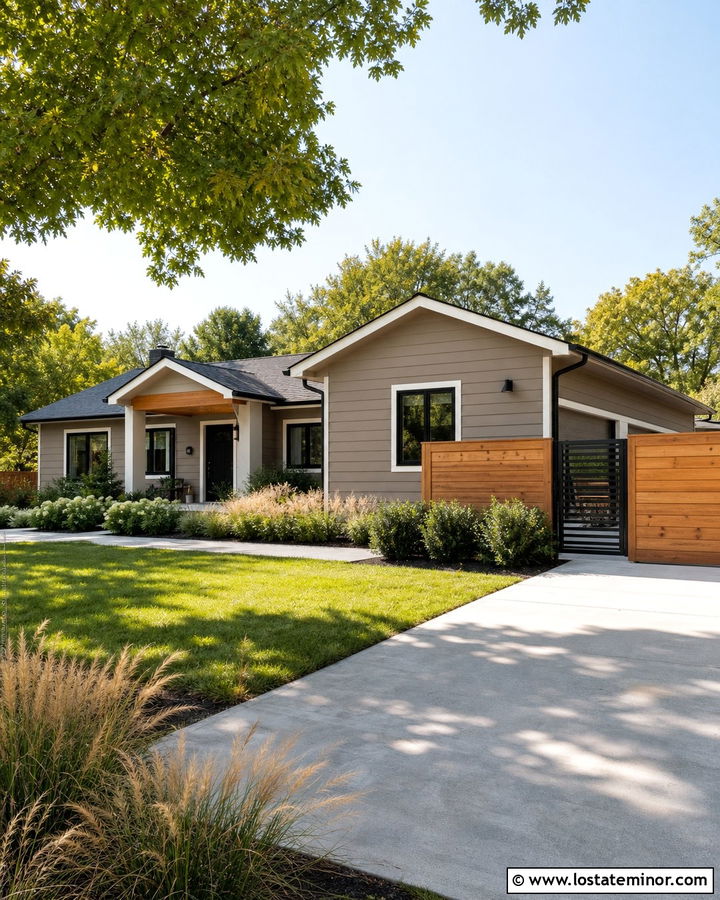
Cedar panels and a black gate offer a practical way to combine warmth with clear architectural definition. Use the cedar for most of the fence, then position a powder-coated black metal gate directly along the path to the front entry. The gate can relate to black windows, gutters, and porch lights on the house. Choose a balanced taupe siding color, warm white trim, and a natural cedar porch ceiling. A black or dark charcoal roof will finish the scheme. This pairing works with modern farmhouses, updated ranch homes, and contemporary Craftsman designs. Keep the fence boards simple and evenly spaced. Plant deep green shrubs beside the cedar and lighter ornamental grasses around the black gate to highlight both materials.
28. Taupe House With Scalloped White Fence
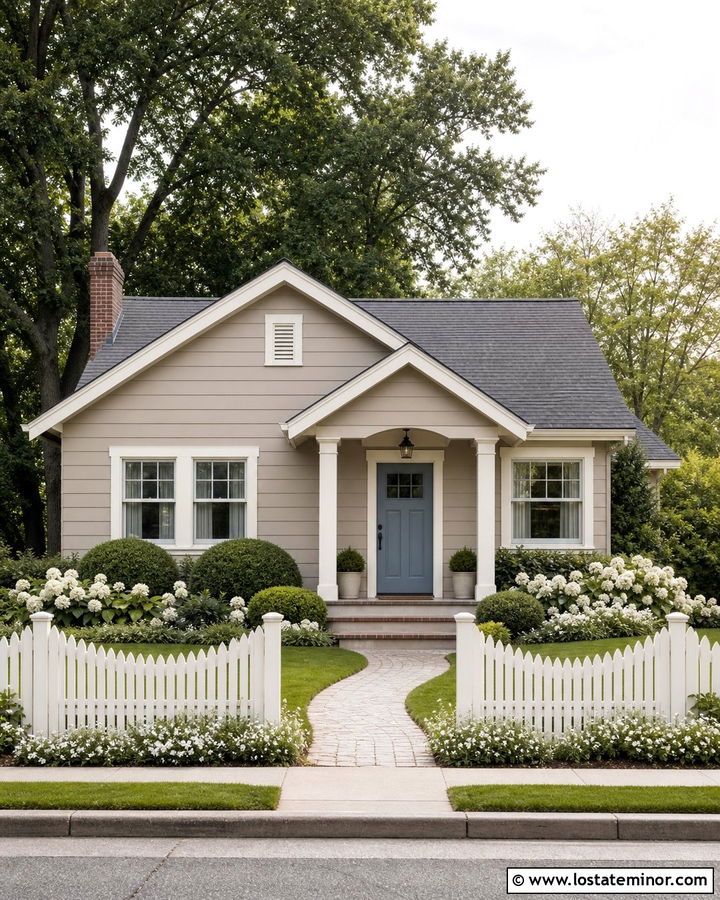
A scalloped white fence brings softness to the straight lines of a taupe house. The curved picket profile works best with a cottage, bungalow, or modest traditional home rather than an ultra-modern facade. Use light taupe siding, warm white trim, and a gentle green or dusty blue front door. A medium gray roof keeps the palette grounded while allowing the fence to remain bright. Echo the curved fence line with rounded shrubs, overflowing flower beds, and a slightly winding walkway. Keep porch railings and window details simple so the scalloped pattern does not compete with other decorative elements. This full exterior look feels welcoming and detailed, yet the neutral house color prevents it from becoming overly sweet or visually crowded.
29. Taupe House With Contemporary Concrete Fence
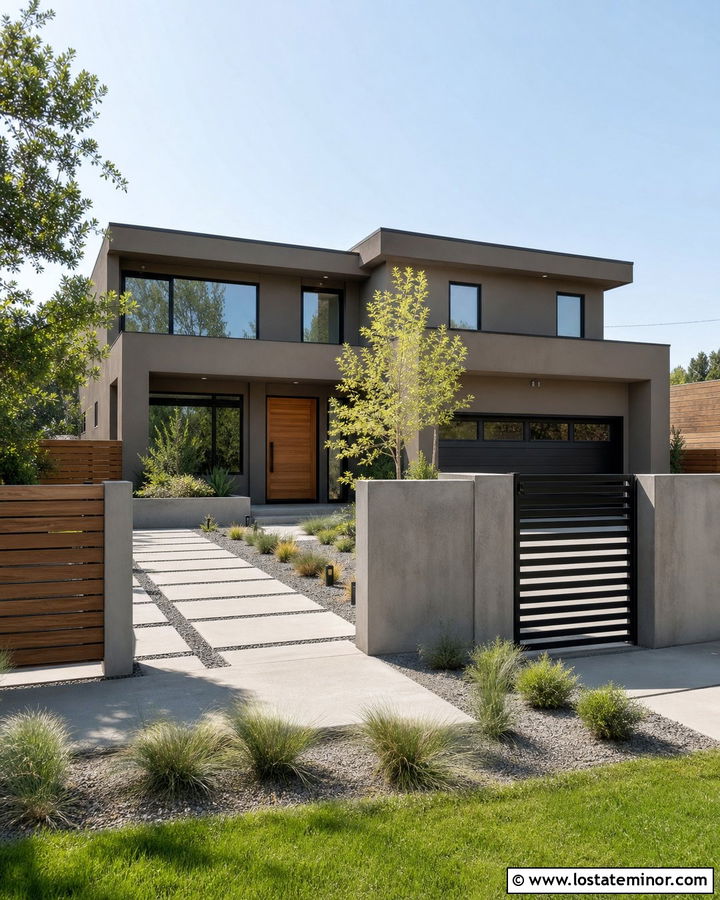
A concrete fence can complement a taupe house when its finish and scale are carefully considered. Choose warm gray concrete panels or smooth masonry walls with subtle taupe undertones. Pair them with darker taupe stucco, black-framed windows, and a wide natural wood front door. Horizontal cedar inserts or a slatted black gate can break up the concrete and connect it to the home’s accent materials. This design is most appropriate for a contemporary house with strong rectangular forms and minimal roof overhangs. Use large concrete pavers for the walkway, but separate them with gravel or groundcover to avoid an overly hard appearance. Structured grasses and small trees will soften the walls while maintaining the streamlined, private character of the property.
30. Taupe House With Mixed Material Fence
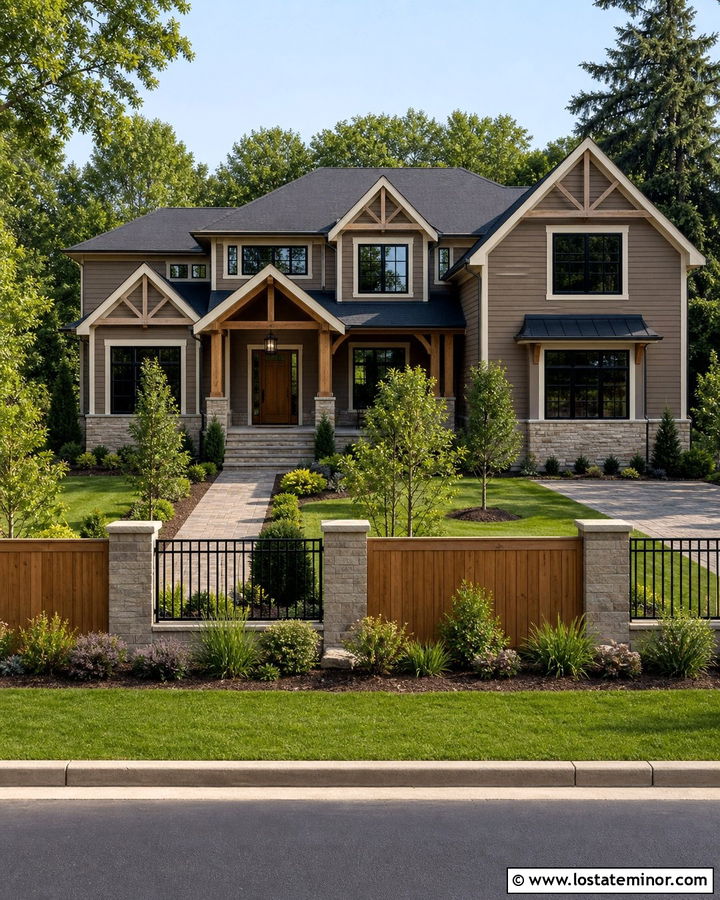
A mixed-material fence can bring together every major color and texture used across a taupe exterior. Combine stone posts, cedar panels, and narrow black metal sections rather than relying on one material around the entire property. Medium taupe siding provides a quiet background, while cream trim keeps the facade light. Repeat cedar on the front door and porch beams, black on the windows and roof, and stone around the foundation. This approach suits a large transitional home with varied rooflines and multiple outdoor areas. Keep each material in broad, simple sections so the design looks organized. Consistent post heights and matching gate hardware will unify the fence. Layered landscaping can then soften the transitions and frame the complete house naturally.
Conclusion:
The most successful **30 Taupe House Design With Fence Ideas** coordinate the fence with the entire facade, including the trim, roof, door, masonry, and landscaping. For a bright traditional look, pair warm taupe siding with a white picket or ranch fence. Black metal and charcoal panels create stronger definition for modern homes, while cedar, walnut, and weathered wood bring natural warmth. Sage, forest green, and blue-gray fencing offer controlled color without overwhelming the neutral house. Before making a final choice, compare material samples beside the siding in direct sun and shade. Also consider existing roof and stone undertones. A coordinated palette will make the fence look like a thoughtful extension of the home.

Related posts: