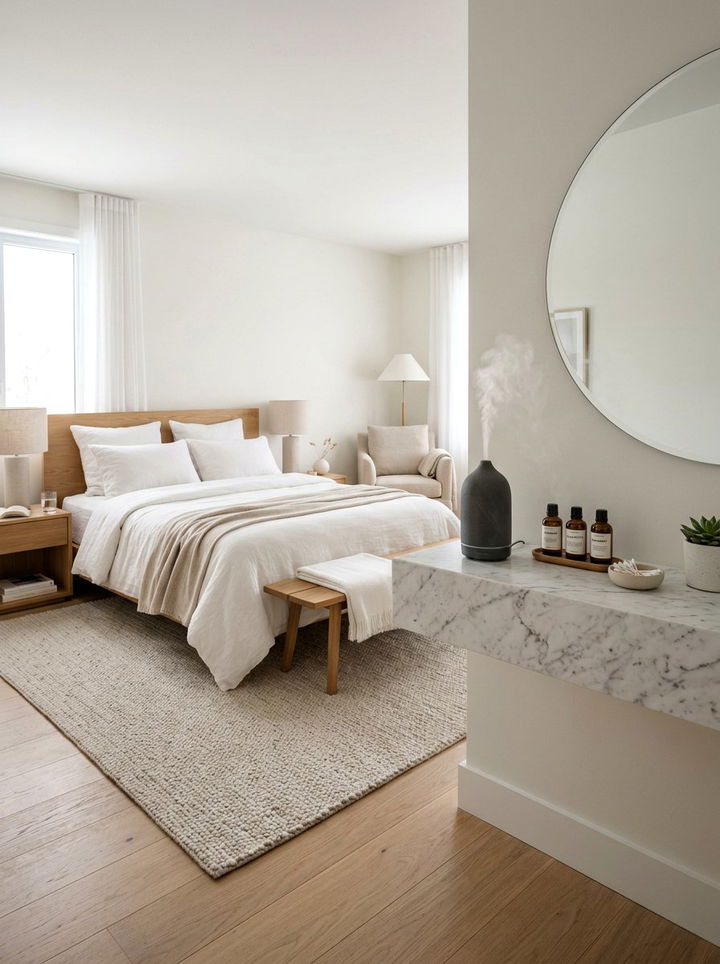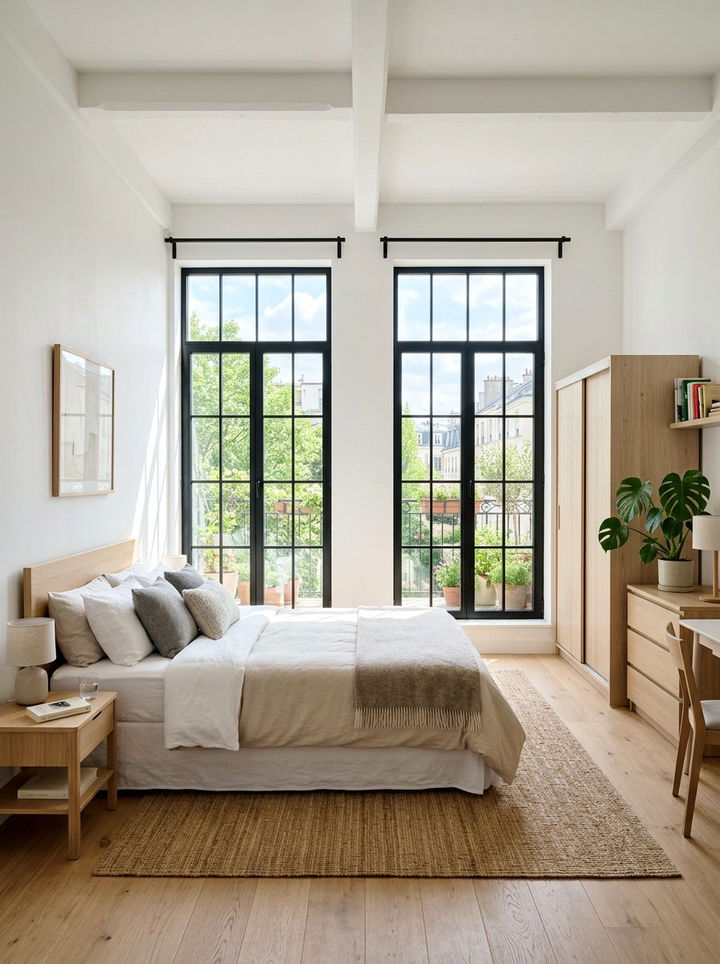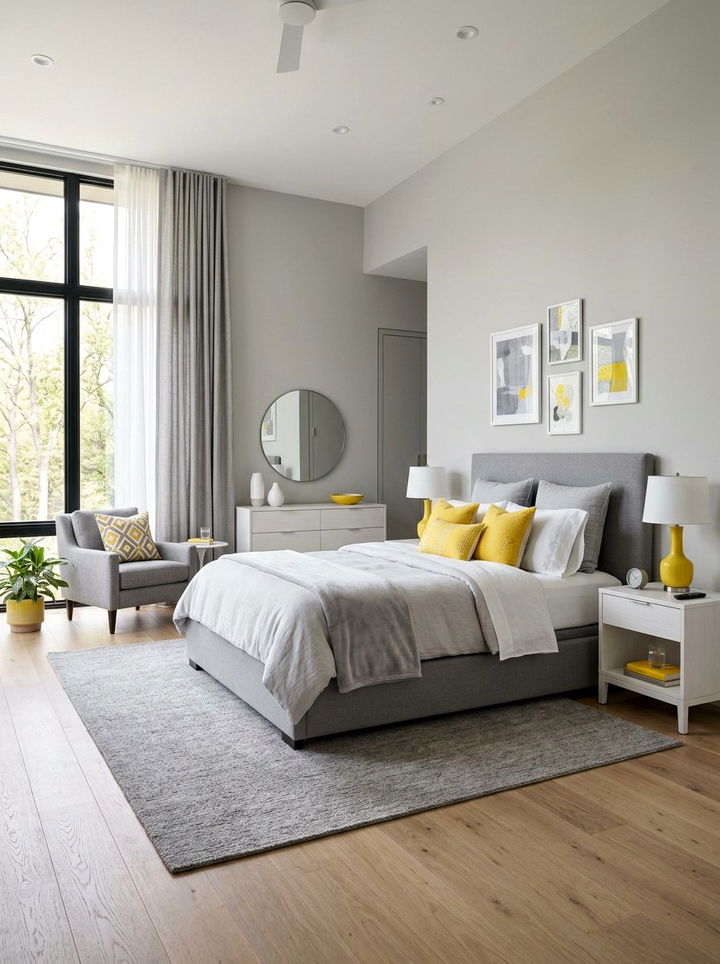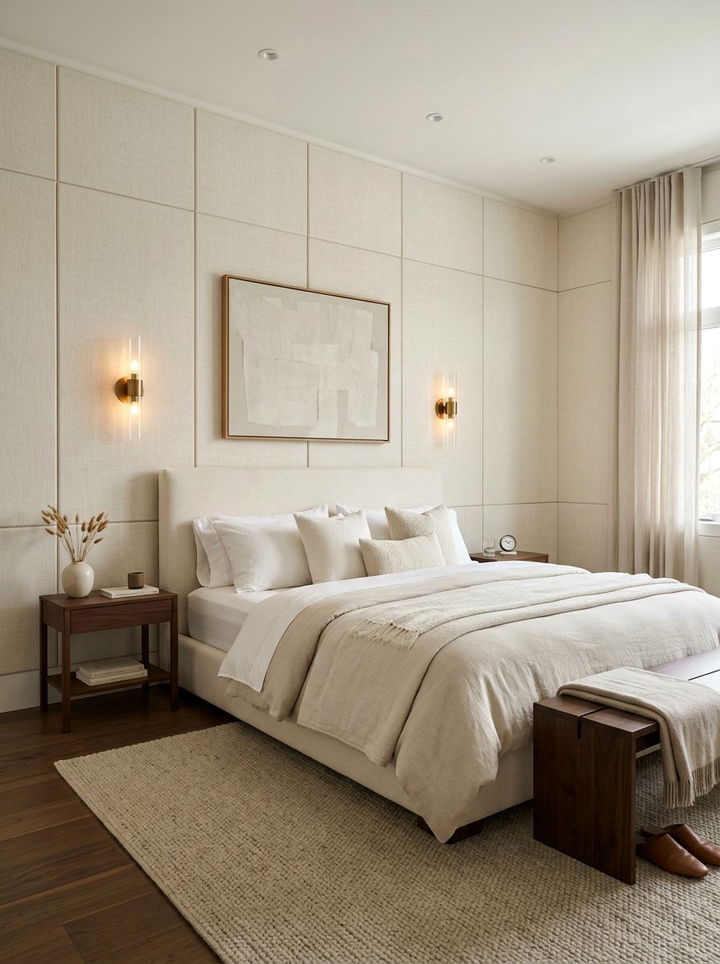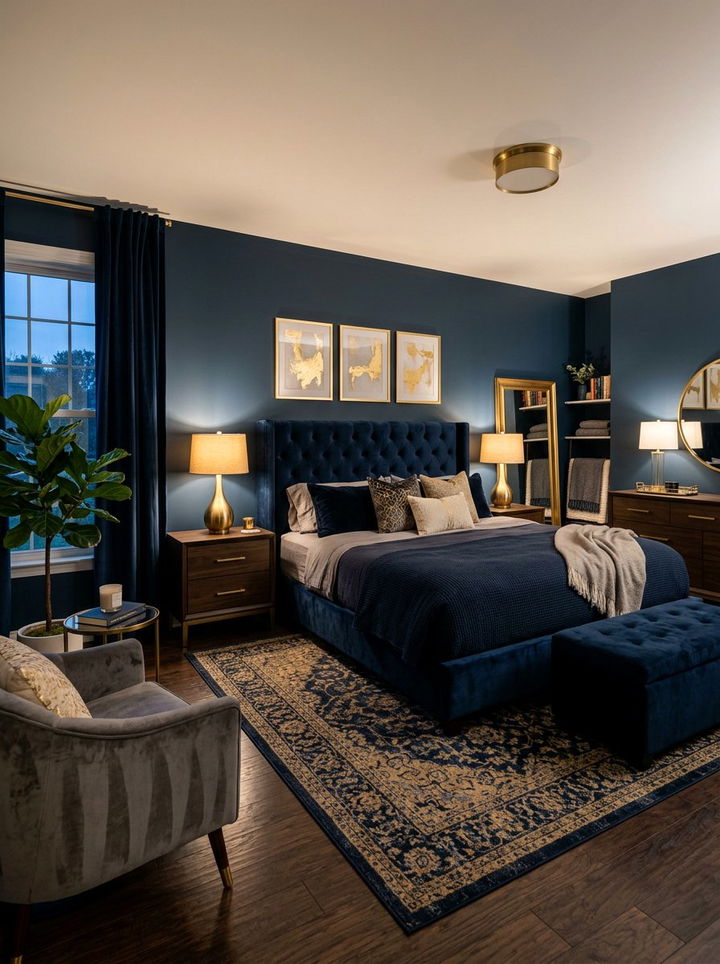
Creating the perfect sleep environment has evolved far beyond simply picking out a comfortable mattress and soft sheets for your personal sanctuary. Today, the modern bedroom serves as a sophisticated data center designed to optimize your recovery through advanced sleep tracking technology and intentional interior design choices. By integrating smart sensors, bedside monitors, and wearable ecosystems directly into your decor, you can transform your nightly rest into a measurable science. This guide explores thirty unique ways to blend cutting-edge sleep tracking with beautiful room aesthetics, ensuring your space remains a stylish retreat while helping you achieve the best rest of your life every single night.
1. Smart Mattress Sleep Tracker
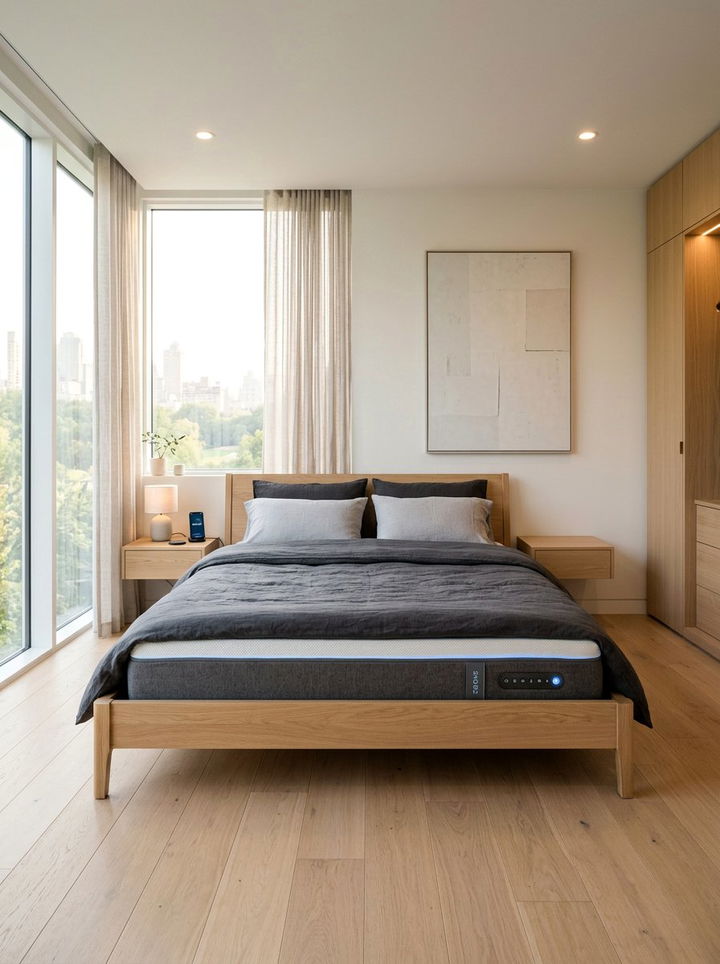
Designing a bedroom around a smart mattress allows for a seamless, invisible technology experience that prioritizes your rest without cluttering the nightstand. These advanced sleep systems utilize built-in sensors to monitor heart rate, respiratory patterns, and movement throughout the night, providing deep insights into your recovery. In a modern master suite, the smart bed serves as the primary focal point, often paired with sleek, low-profile frames and luxurious, breathable linens. This setup eliminates the need for wearable devices, making the bed itself the ultimate data collector. By focusing on a clean aesthetic with hidden power sources, you create a high-tech sanctuary that looks like a traditional, high-end relaxing bedroom while working hard behind the scenes.
2. Under Mattress Sleep Sensor
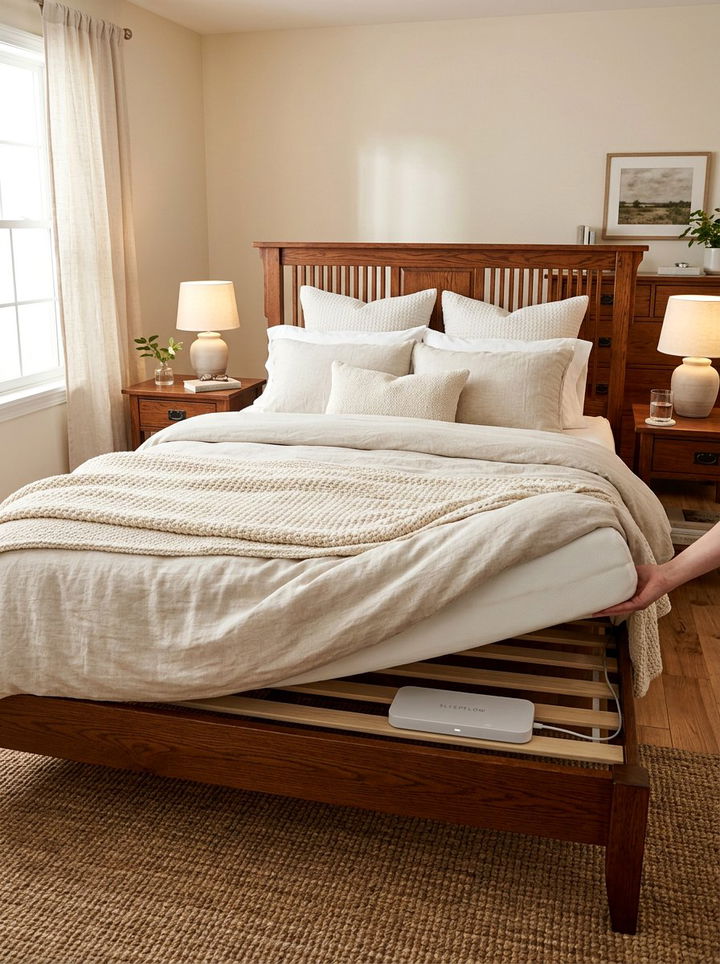
An under-mattress sleep sensor is the perfect choice for those who want deep data without changing their favorite mattress or wearing a watch to bed. These thin strips slip discreetly beneath your bedding, allowing the room to maintain a completely traditional and cozy aesthetic. When styling this space, focus on layered textures like chunky knit throws and linen pillows to emphasize comfort and warmth. The beauty of this setup lies in its invisibility, as the technology remains completely out of sight. You can pair this with a classic wooden bed frame and soft ambient lighting to ensure the bedroom feels like a peaceful escape while the hidden sensor tracks every toss and turn.
3. Bedside Non Contact Sleep Monitor

A bedside non-contact sleep monitor utilizes radar or camera technology to track your sleep stages from a distance, typically sitting neatly on your nightstand. To make this look intentional, choose a nightstand with a clean surface and integrate the device alongside a small ceramic tray or a stack of aesthetically pleasing books. The surrounding room should feature soft, neutral tones and minimal clutter to ensure the sensor can accurately track your movements without interference. This design approach creates a high-tech environment that feels approachable and modern. By positioning the monitor near a stylish table lamp, you blend the futuristic technology with classic interior elements for a balanced and functional sleep space.
4. Wearable Sleep Tracker Charging Station
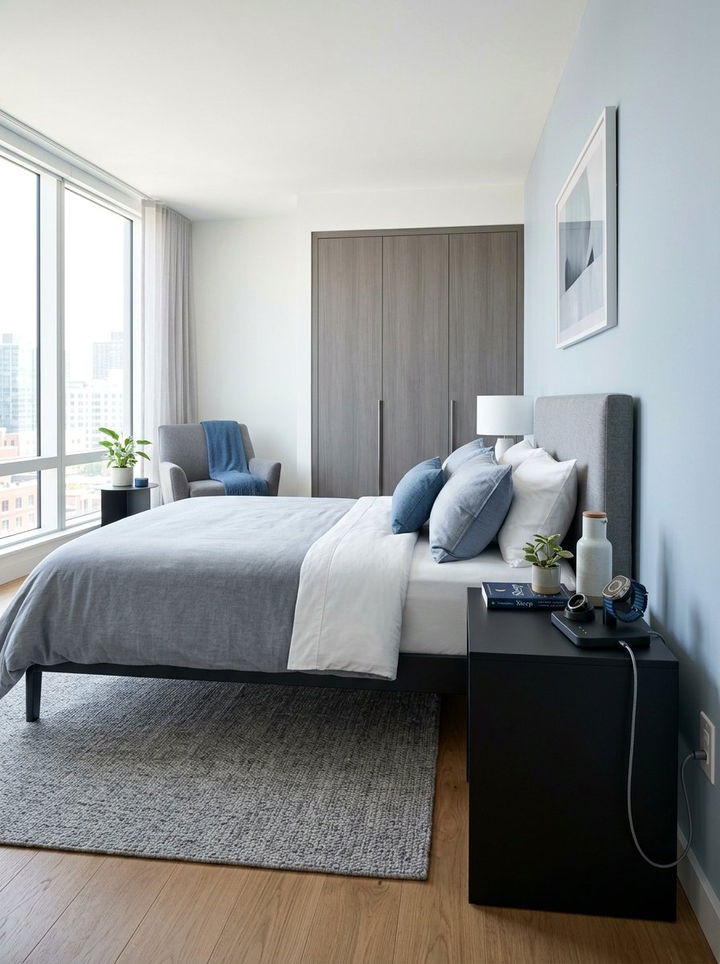
For many, an Apple Watch or Oura Ring is the primary source of sleep data, requiring a dedicated and stylish charging station within the bedroom. Design this area by creating a tech-friendly nightstand zone that hides messy cables while keeping your devices ready for their nightly duties. Use a sleek docking station that matches your room’s color palette, perhaps in matte black or brushed gold, to maintain a professional look. The rest of the room should follow a contemporary theme, with clean lines and functional furniture that supports a busy, tech-integrated lifestyle. This ensures your wearable remains a part of your routine without disrupting the visual harmony of your beautiful sleeping quarters.
5. Smart Pillow Sleep Monitoring
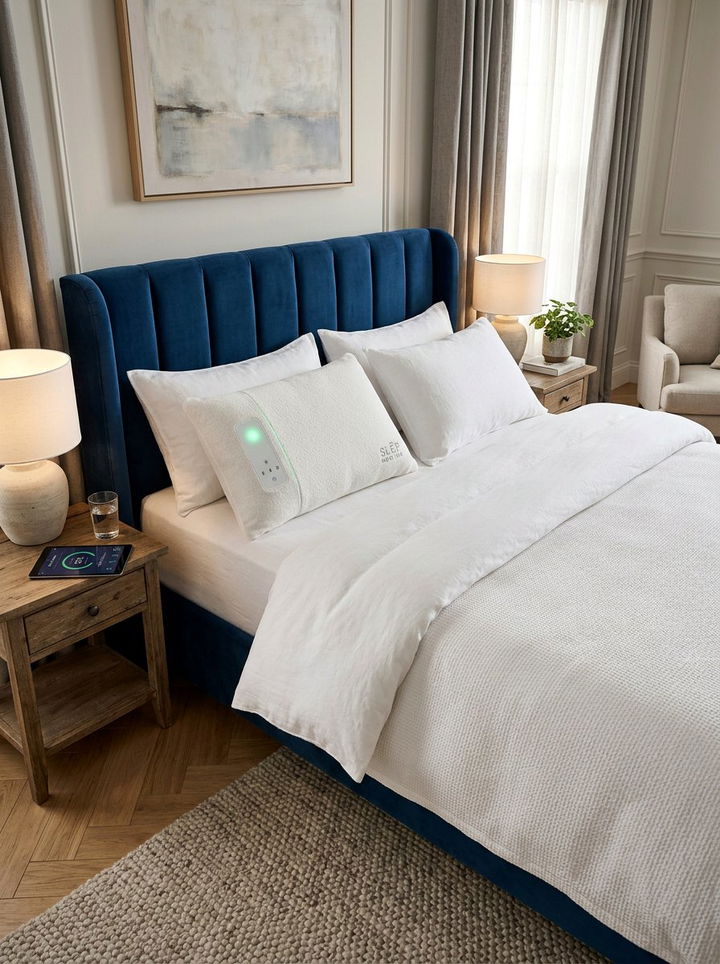
Smart pillows are an innovative way to track sleep quality while providing customized ergonomic support for your head and neck during the night. When designing a room around this concept, focus heavily on the bedding ensemble, using high-quality pillowcases and a plush duvet to create an inviting atmosphere. The technology is tucked inside the pillow, so the room can feature any style from bohemian to transitional without feeling overly clinical. Consider adding a soft upholstered headboard to complement the focus on pillow comfort and support. This setup is ideal for those who prioritize neck health and want their data collection to be as physically comfortable and aesthetically pleasing as possible.
6. Adjustable Smart Bed Base
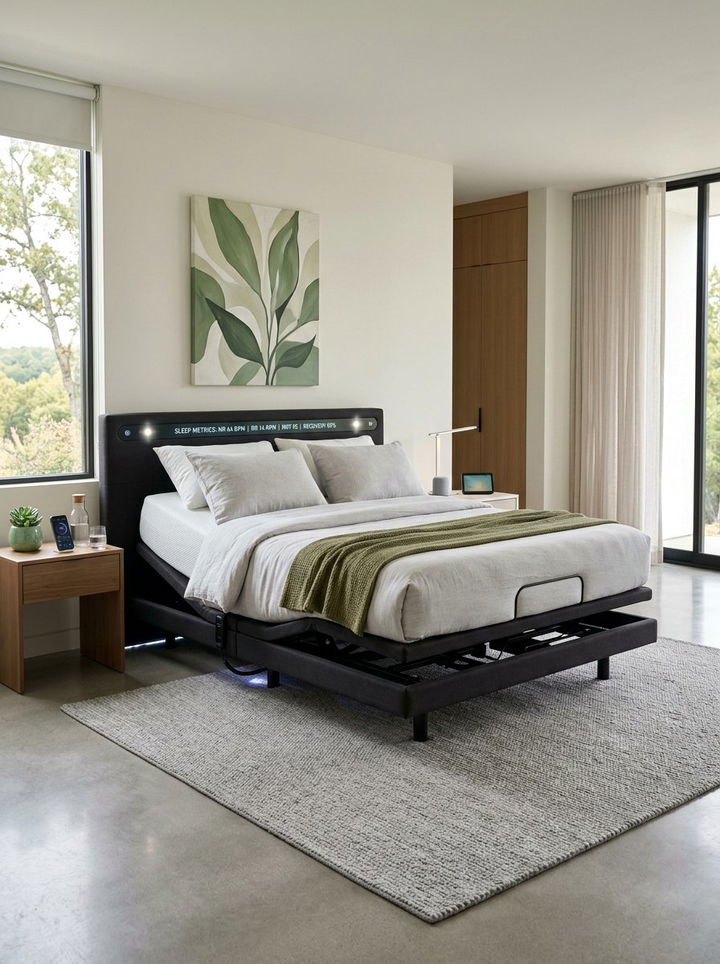
An adjustable smart bed base offers both physical customization and advanced biometric tracking, making it the ultimate foundation for a performance-focused bedroom. These bases can automatically elevate your head if snoring is detected, integrating function with high-tech monitoring for a better night of rest. Surround this substantial piece of furniture with minimalist decor and wide-open spaces to highlight the bed’s impressive mechanical capabilities. Use a neutral color scheme with pops of calming blue or green to enhance the feeling of a professional sleep lab. By keeping the surrounding walls simple, you allow the sophisticated bed frame to stand out as a testament to modern wellness and design innovation.
7. Temperature Controlled Sleep Tracker
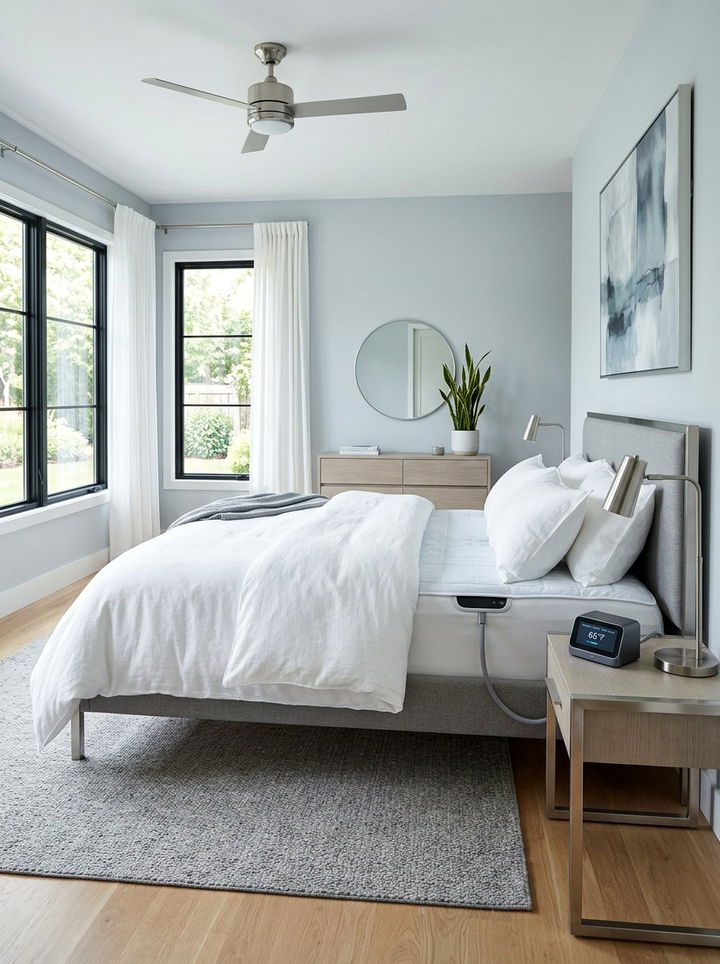
Temperature regulation is a vital component of sleep quality, and integrated cooling pads or smart covers provide both comfort and detailed data. Design your room with a focus on “cool” aesthetics, using crisp white linens, light-colored walls, and metal accents to reflect the temperature-controlled theme. The hardware for these systems can be tucked away in a stylish bench at the foot of the bed or hidden behind a nightstand. This ensures the room remains looking like a luxury hotel suite while providing the specific thermal environment your body needs. Incorporating a ceiling fan or large windows further supports the airy, breathable atmosphere required for these high-performance sleep tracking systems to work.
8. Smart Nightstand Sleep Hub
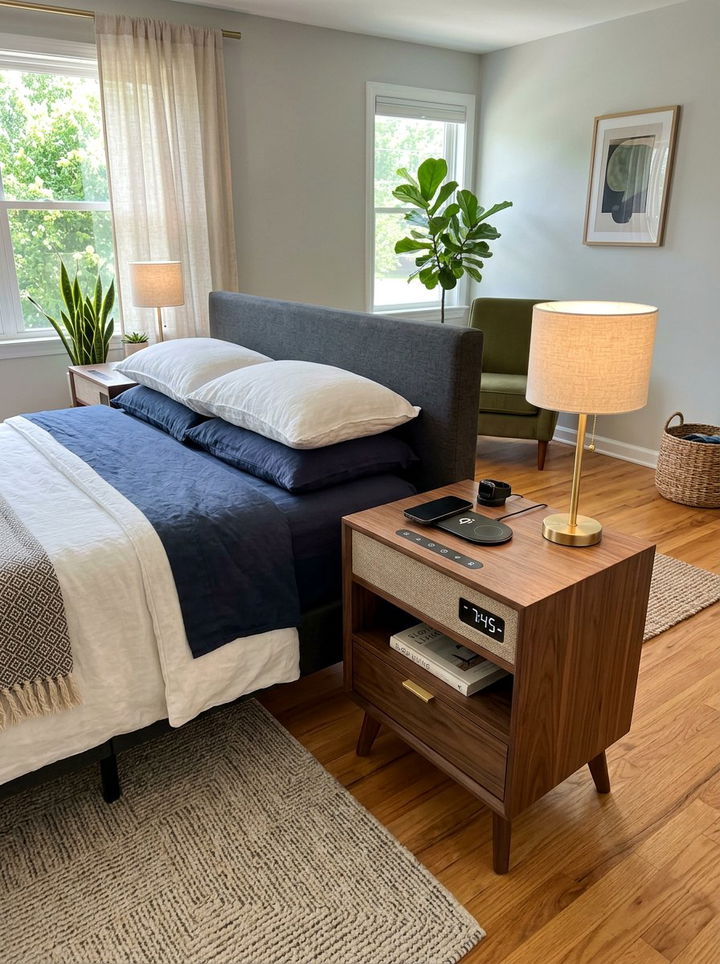
A smart nightstand serves as a central hub for all your sleep tracking needs, often featuring built-in wireless charging, speakers, and integrated sensors. To style this effectively, choose a nightstand with a futuristic or mid-century modern silhouette that complements the technological features of the furniture. The bedroom should feel organized and intentional, with a place for everything to avoid a cluttered look that might hinder sleep. Use smart bulbs in your lamps that sync with the nightstand to create a cohesive lighting and tracking ecosystem. This design approach celebrates the marriage of furniture and technology, creating a streamlined environment where your data and your decor live in perfect, functional harmony.
9. Sleep Tracking Smart Lighting
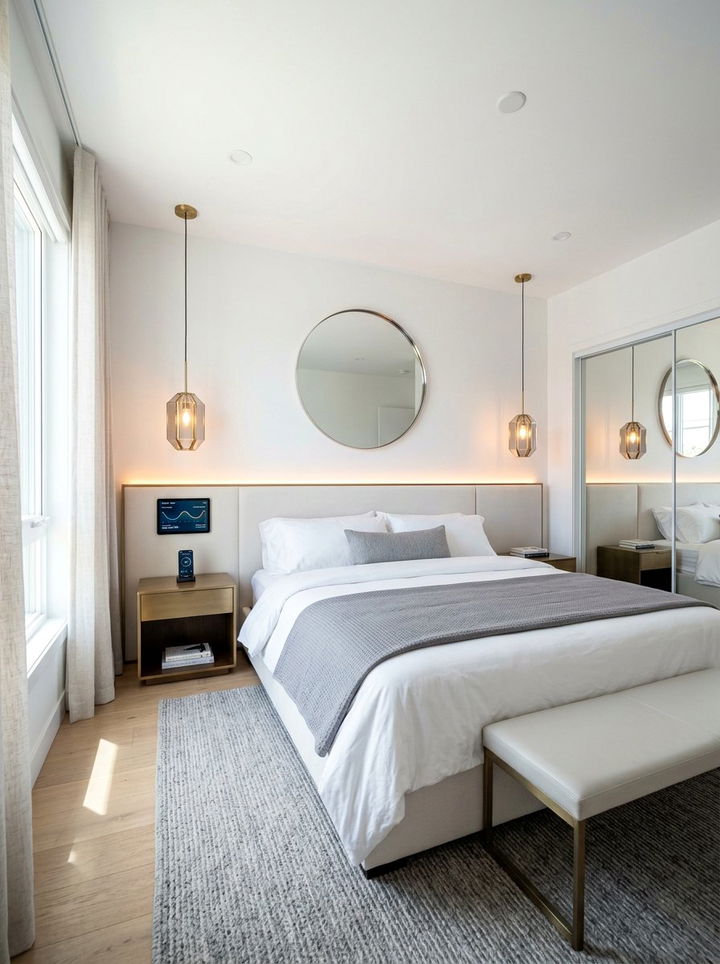
Smart lighting systems that track your circadian rhythm and monitor room presence are essential for a modern, tech-forward bedroom design. Install sleek, recessed lighting or modern pendant fixtures that can shift from warm amber tones in the evening to bright, energizing blues in the morning. The room should feature reflective surfaces like mirrors or metallic accents to help bounce the light and create a sense of depth and atmosphere. By focusing on the interplay between light and sleep data, you can create a room that feels alive and responsive to your needs. This setup encourages a natural sleep-wake cycle while providing a visually stunning backdrop for your daily morning and evening routines.
10. Automatic Sunrise Alarm Blinds
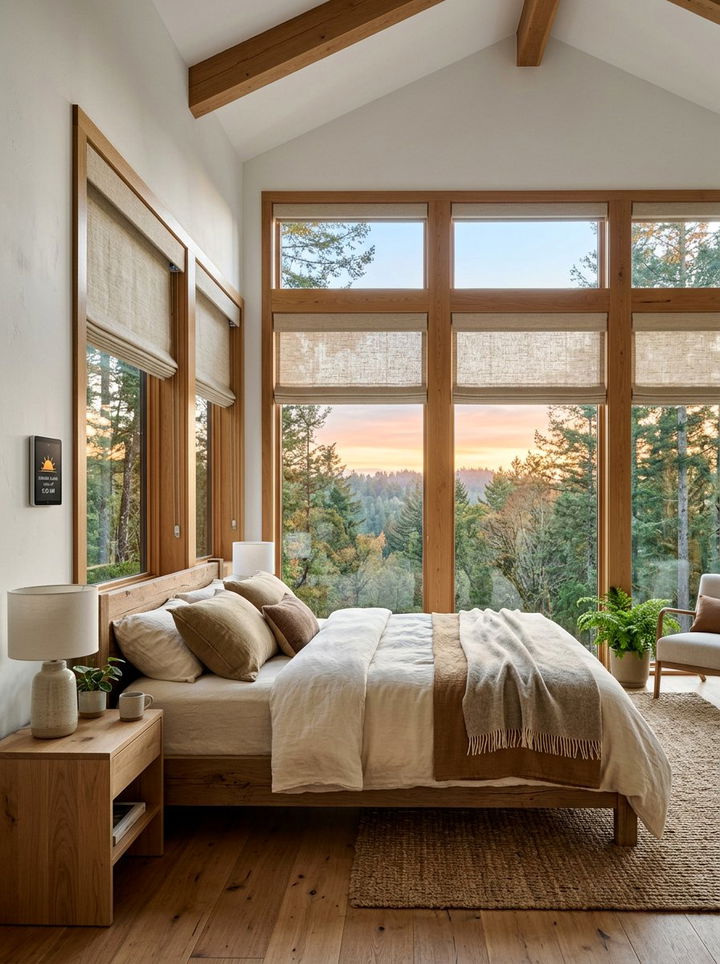
Automatic sunrise blinds track your scheduled wake-up time and gently open to use natural light as a silent, effective alarm clock. Design your bedroom with large windows as the focal point, using high-quality smart shades that blend seamlessly with your window trim. The interior should feature soft, organic materials like wood and wool to contrast with the automated technology of the blinds. This creates a balanced environment that feels connected to nature while utilizing modern convenience to improve your morning mood. By coordinating the fabric of the blinds with your bedding, you create a cohesive and professional look that makes the technology feel like a built-in luxury feature.
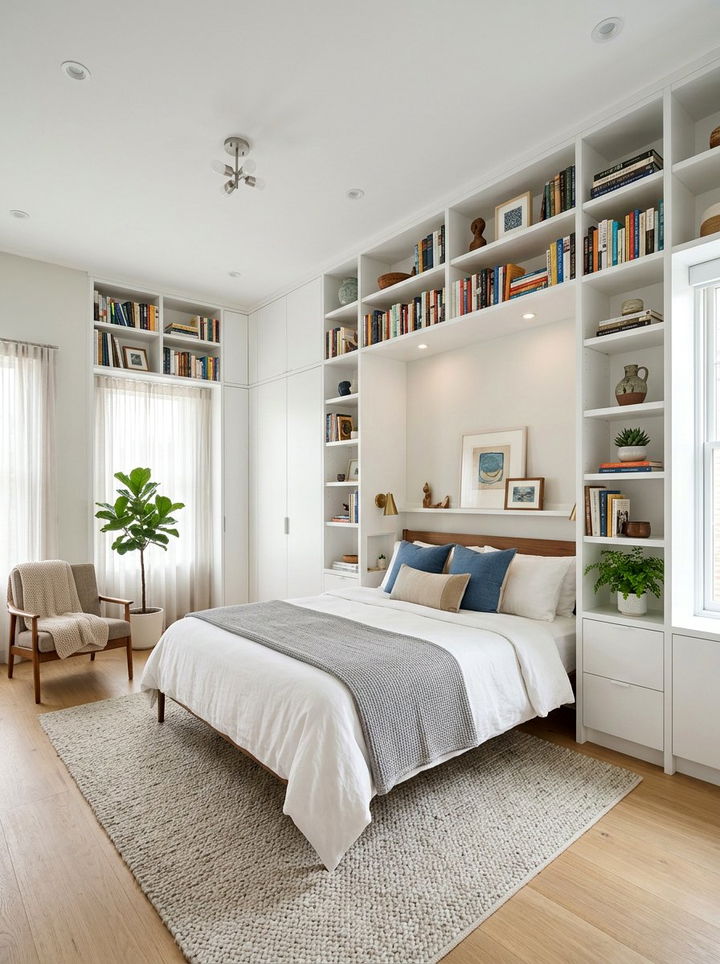
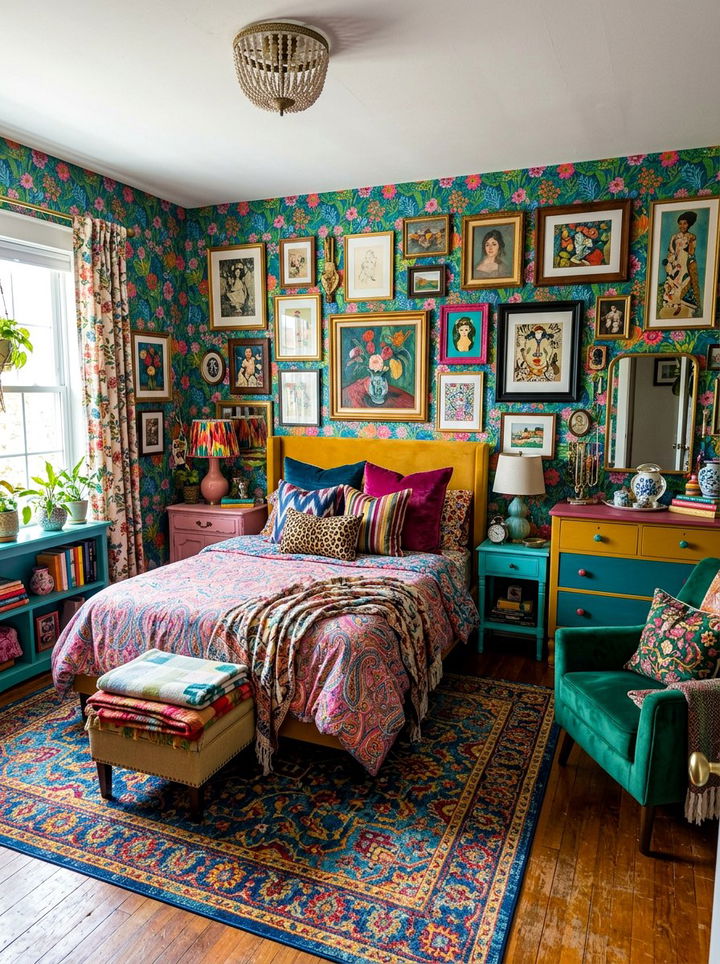
11. Sound Machine With Sleep Tracking

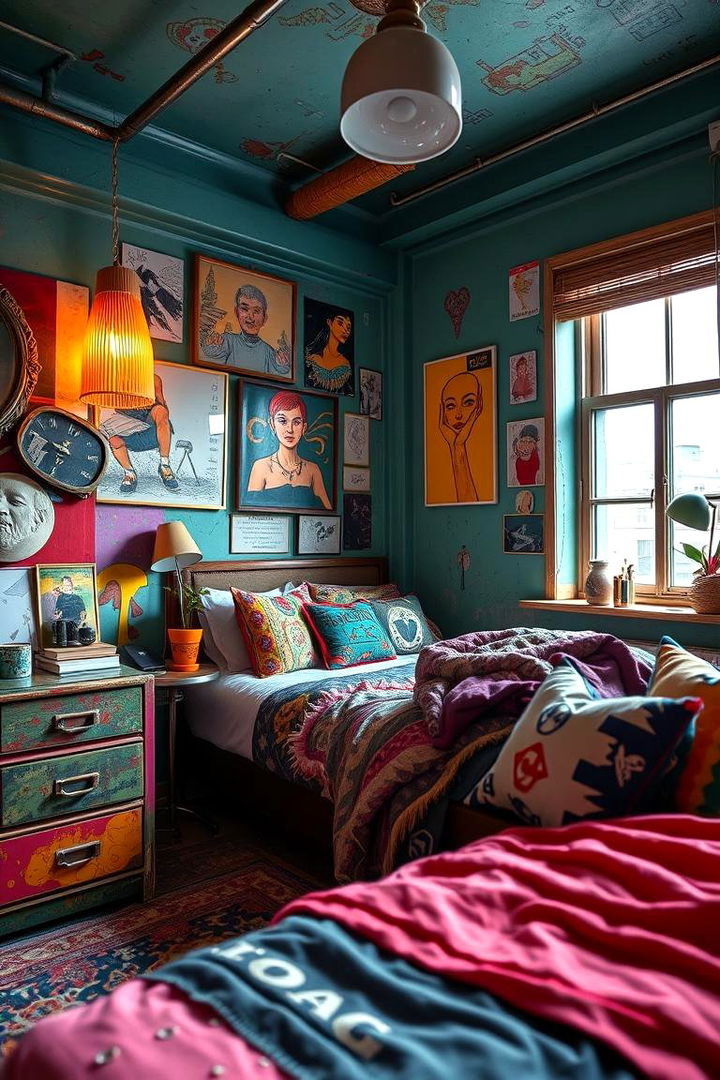
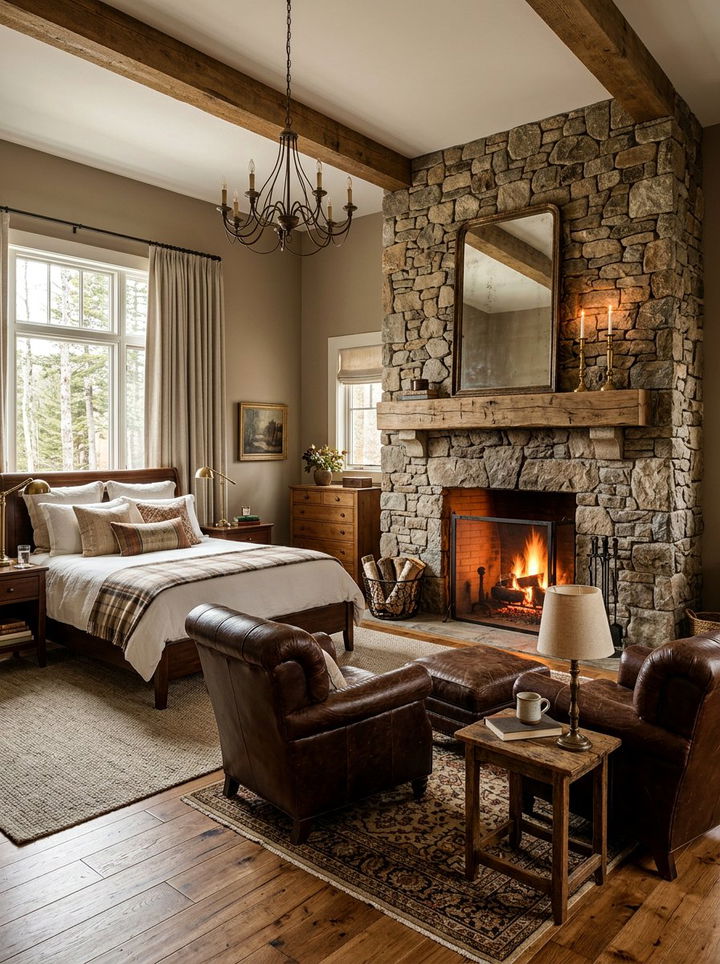
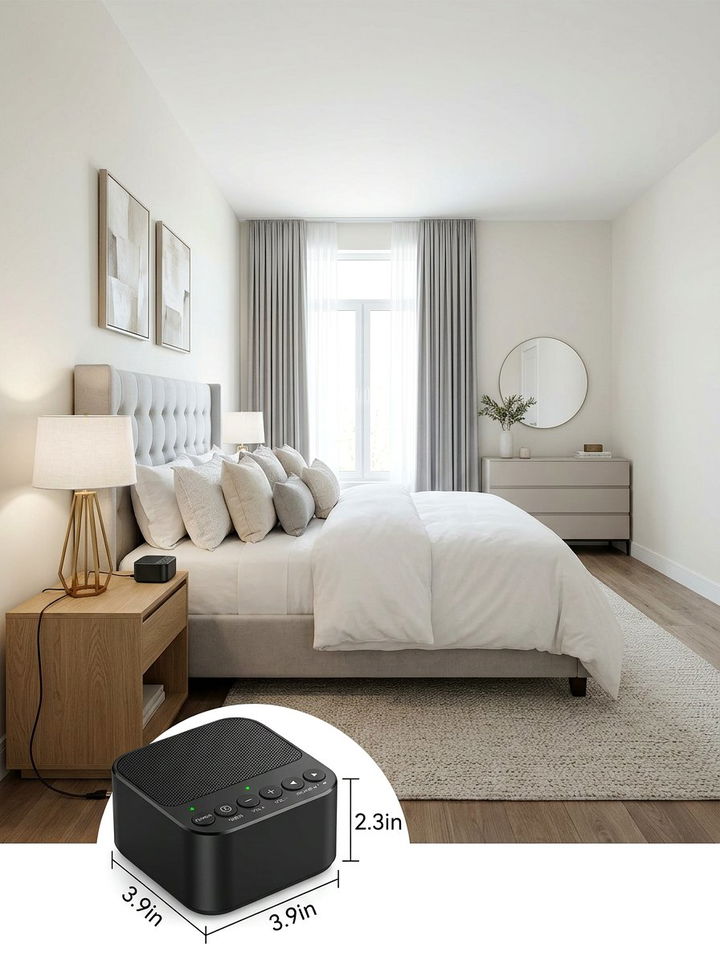
Sound machines that incorporate sleep tracking technology are excellent for creating a controlled acoustic environment while monitoring your nightly rest phases. Place these devices on a minimalist dresser or a floating shelf to keep them at the optimal height for both sound projection and data collection. The bedroom design should prioritize soft surfaces, such as wall-to-wall carpeting or heavy drapes, to help dampen outside noise and enhance the machine’s performance. Use a palette of soft grays and muted tones to create a serene, quiet atmosphere that visually represents the peaceful soundscape. This design strategy turns a simple gadget into a key component of a dedicated, sound-optimized sleep sanctuary.
12. Air Quality Sleep Monitor

Air quality monitors that track CO2, humidity, and particulates are crucial for understanding how your bedroom environment affects your overall sleep scores. These devices often have a clean, industrial look that pairs well with a modern or Scandinavian-style bedroom featuring plenty of indoor plants. Integrate the monitor into a shelving unit alongside greenery to emphasize the theme of fresh air and a healthy living environment. The room should feel open and breezy, with light curtains and natural wood furniture that supports a clean, organic aesthetic. By tracking air quality, you gain a deeper understanding of your sleep data while enjoying a room that feels incredibly fresh and revitalizing.
13. Climate Controlled Bedroom For Sleep
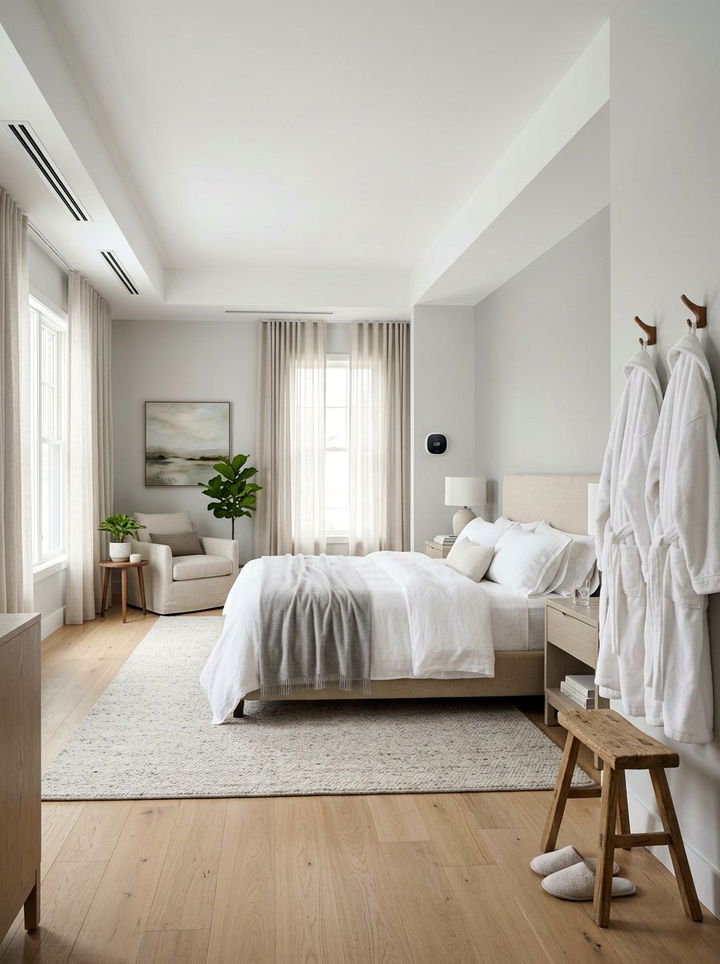
A climate-controlled bedroom setup involves smart thermostats and fans that work together with your sleep tracker to maintain the perfect sleeping temperature. Design this space with a focus on HVAC integration, using hidden vents or stylish smart thermostats that don ‘t disrupt the wall’ s visual flow. The decor should lean toward a “spa-like” feel, with plush robes, soft rugs, and a clutter-free layout that promotes relaxation and steady airflow. Use high-performance fabrics for your bedding that complement the climate control system, ensuring you stay comfortable all night long. This holistic approach ensures that every element of the room is working toward the common goal of a perfect, tracked night of deep sleep.
14. Anti Snore Smart Bed Technology
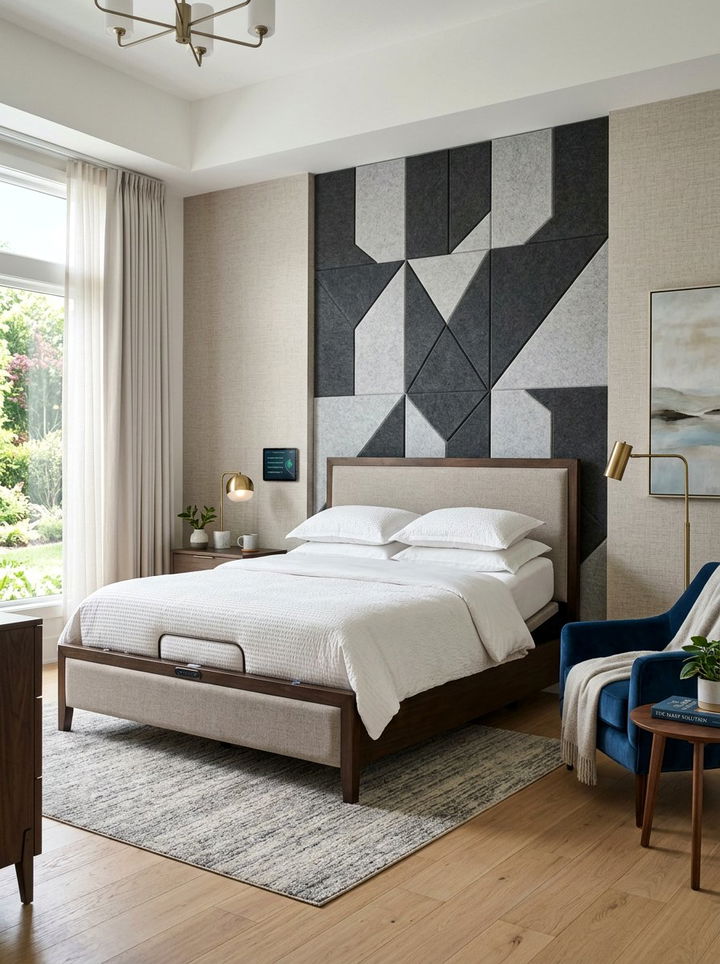
Anti-snore technology often involves beds that automatically tilt when they detect specific sound frequencies, requiring a bedroom layout that accommodates movement. Choose a sturdy bed frame that can handle the mechanical adjustments while maintaining a sophisticated, high-end appearance in the center of the room. The surrounding decor should be tranquil and supportive of a partner’s rest, perhaps including a small seating area for nighttime reading. Use sound-absorbing wall panels or textured wallpaper to help create a quiet environment where the sensors can focus solely on your breathing. This design emphasizes the functional health benefits of sleep tracking while maintaining a beautiful and restful atmosphere for both individuals in the room.
15. Smart Weighted Blanket
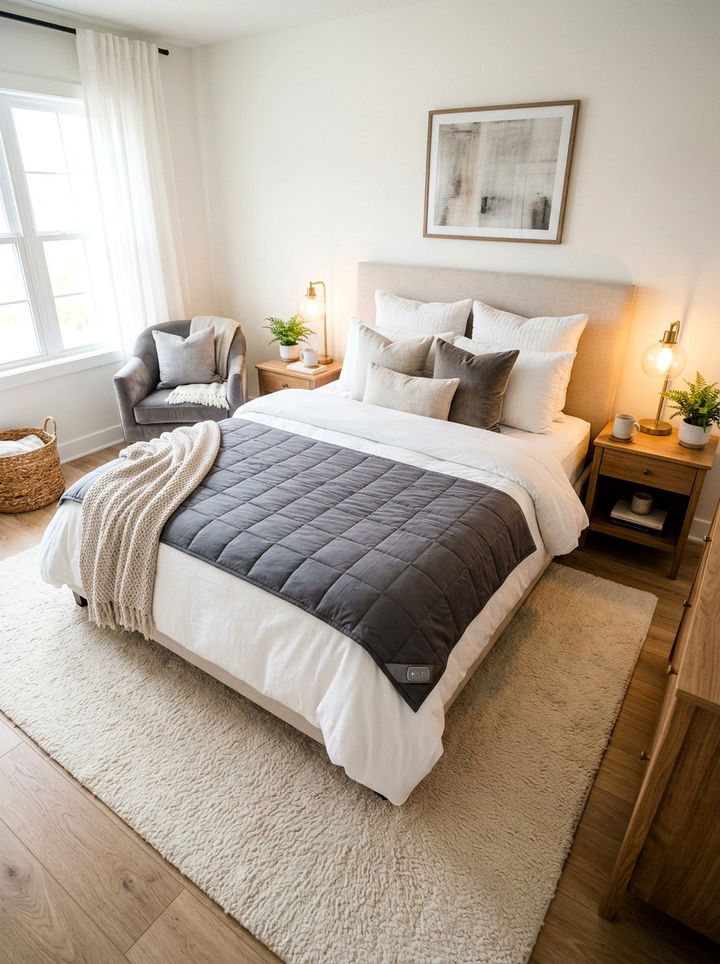
Smart weighted blankets can track your movement and body temperature while providing the soothing pressure needed for deep, restorative sleep throughout the night. Since the blanket is the star of the show, choose one with a premium fabric cover that matches your room’s color story and aesthetic. Style the bed with multiple layers to give it a hotel-quality look, making the weighted blanket feel like a natural part of a luxurious bed. The room should feature warm lighting and cozy textures to enhance the feeling of security and comfort that the blanket provides. This setup is perfect for creating a cozy, grounded sleep environment that uses simple weight-based technology for data collection.

16. Blackout Bedroom Sleep Setup
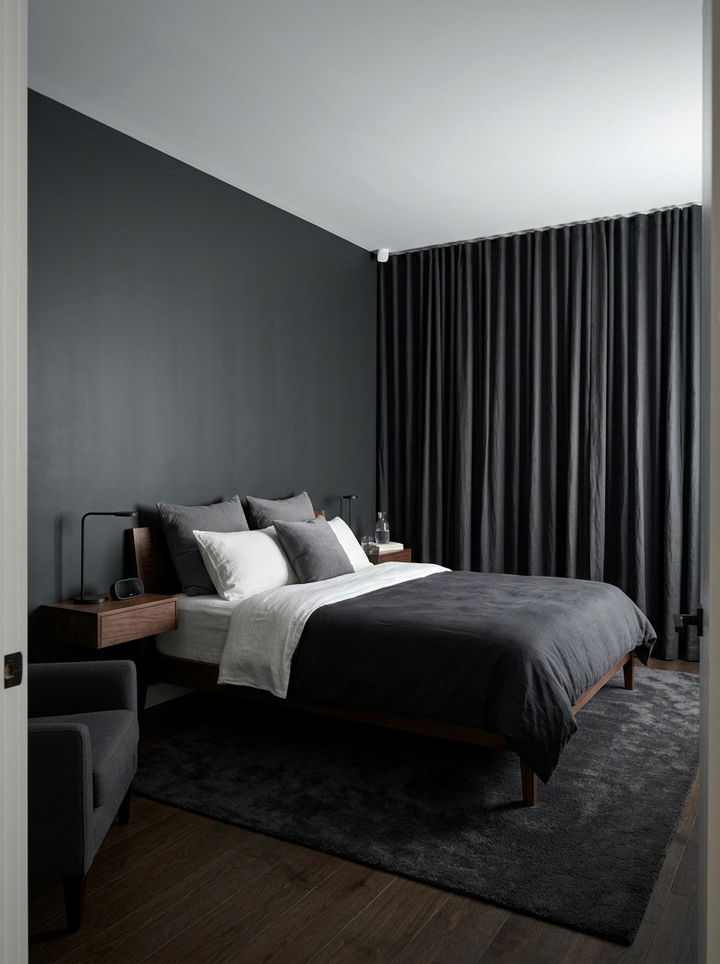
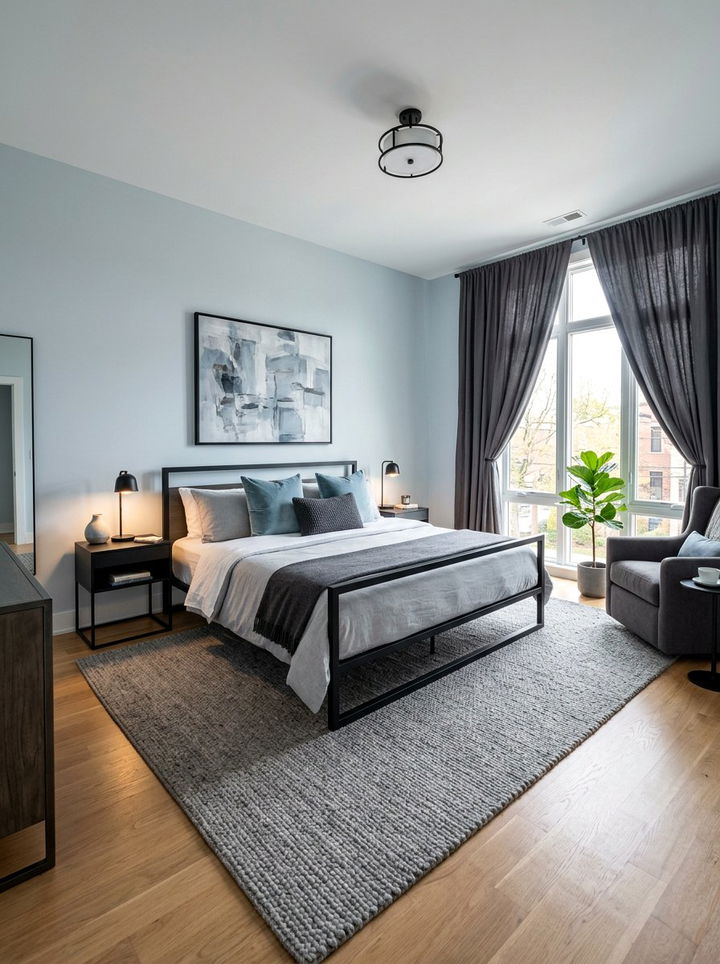
A blackout bedroom is designed for maximum light control, which is essential for accurate sleep tracking and maintaining a healthy circadian rhythm. Use heavy, floor-to-ceiling blackout curtains in a deep, rich color like charcoal or navy to create a dramatic and cozy “cocoon” effect. The walls can be painted in a matte finish to prevent light reflection, making the room feel incredibly private and still. Within this dark environment, your sleep tracking devices can work without any light interference, providing the most accurate data possible. This design style is bold and sophisticated, offering a high-end look that prioritizes the most basic requirement for great sleep: absolute and total darkness.
17. Biophilic Bedroom Sleep Technology
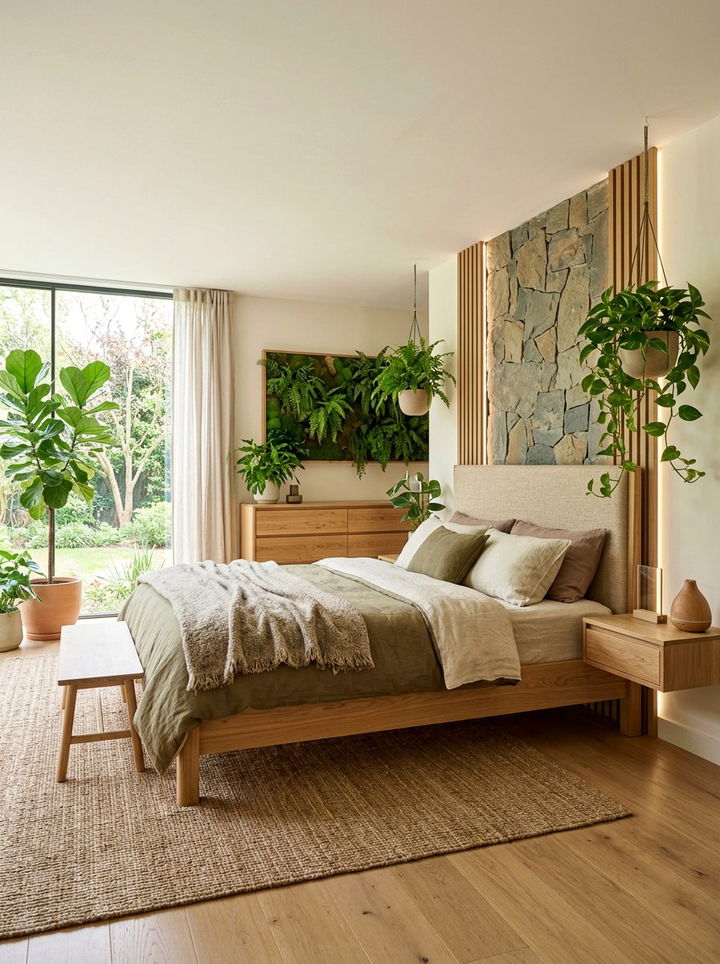
Biophilic design integrates natural elements with technology to create a sleep environment that feels connected to the outdoors while tracking your vitals. Use a variety of indoor plants, natural stone accents, and wooden furniture to create a lush, organic backdrop for your sleep sensors and monitors. The technology should be tucked away among the greenery or placed on natural wood surfaces to maintain the earthy theme. This approach helps lower stress levels before bed, which can be seen in your improved sleep data over time. By combining the healing power of nature with the precision of modern tracking, you create a truly unique and restorative bedroom experience.
18. Loft Bed Sleep Tracking System

Loft beds provide a unique opportunity for sleep tracking in smaller spaces or modern apartments where vertical space is utilized for maximum efficiency. The tracking sensors can be integrated into the elevated platform, keeping the floor space below open for a desk or a cozy lounge area. Design the loft area with safety and tech-accessibility in mind, ensuring there are plenty of power outlets for your tracking hubs and devices. Use a consistent color palette between the loft and the lower level to create a unified and professional look throughout the entire room. This setup proves that you don’t need a massive master suite to benefit from high-quality sleep tracking and great design.
19. Minimalist Zen Sleep Tracker
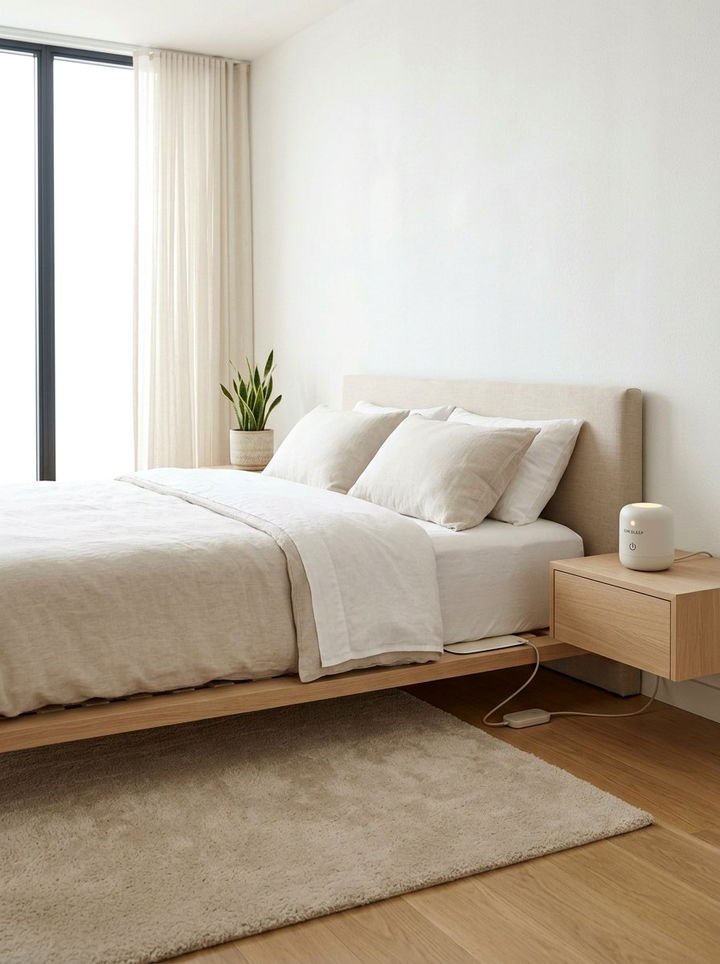
A Zen-inspired bedroom focuses on simplicity and the elimination of distractions, providing a perfect environment for focused sleep tracking and deep relaxation. Choose a low-profile platform bed and a very limited color palette of whites, beiges, and soft tans to create a sense of infinite calm. Your sleep tracking technology should be as minimalist as possible, perhaps consisting of a single discreet wearable or an invisible under-mattress sensor. The goal is to make the technology disappear into the peaceful surroundings, allowing you to focus on your rest without visual clutter. This design style is ideal for those who find that a busy room leads to a busy and restless mind.
20. Scandinavian Style Sleep Lab
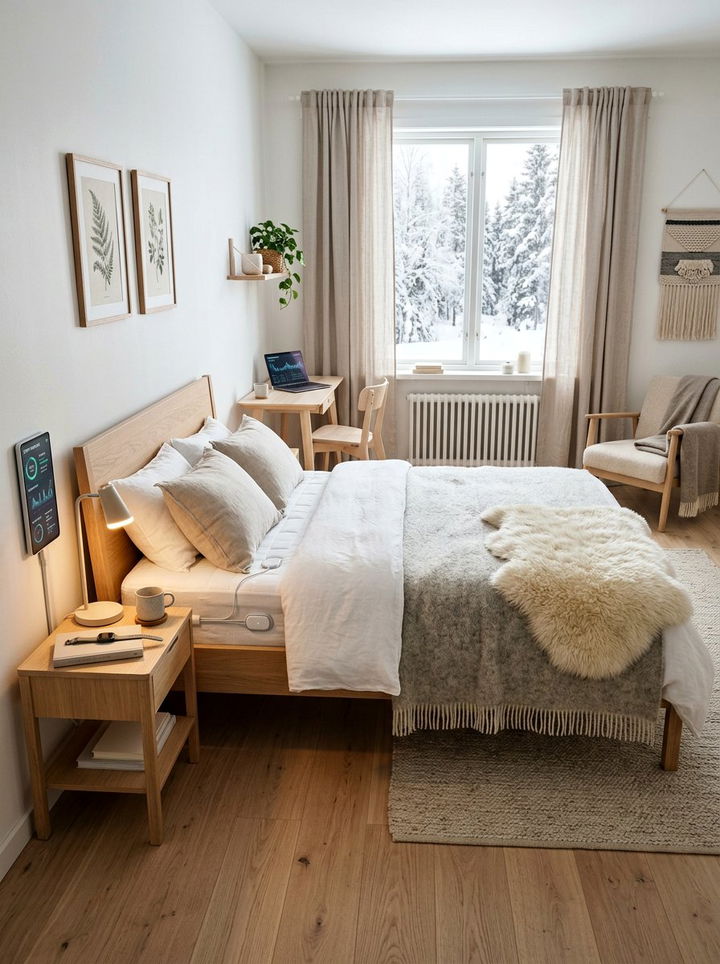
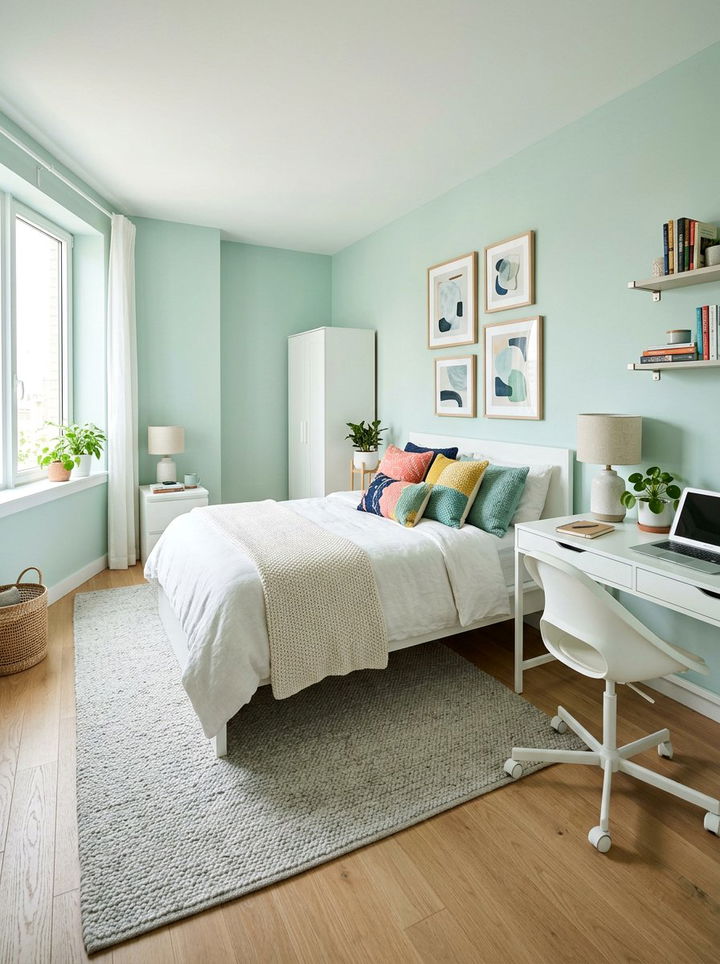
The Scandinavian sleep lab approach combines the “hygge” philosophy with precise data collection to create a room that is both functional and incredibly cozy. Use light-toned woods, functional furniture with clean lines, and plenty of natural textiles like wool and sheepskin to anchor the design. The sleep tracking devices should be modern and well-designed, fitting perfectly into the Nordic aesthetic of form meeting function on every surface. Large windows and a bright, airy feel during the day transition into a warm, glowing sanctuary at night with the help of smart ambient lighting. This style is perfect for creating a sleep environment that feels curated, professional, and deeply inviting.
21. Modern Industrial Smart Bedroom
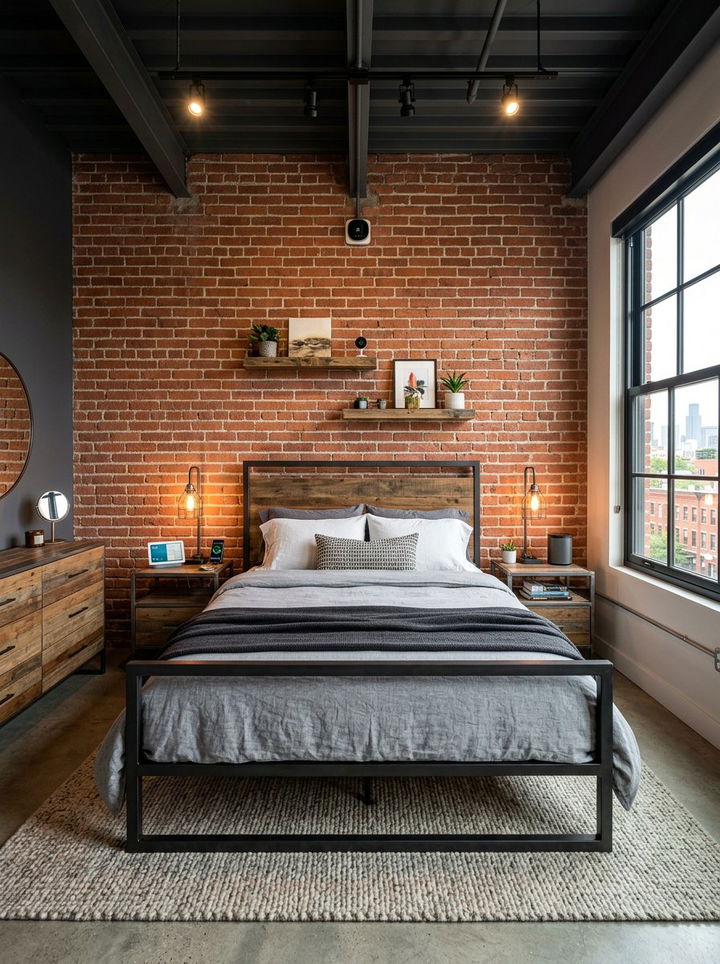
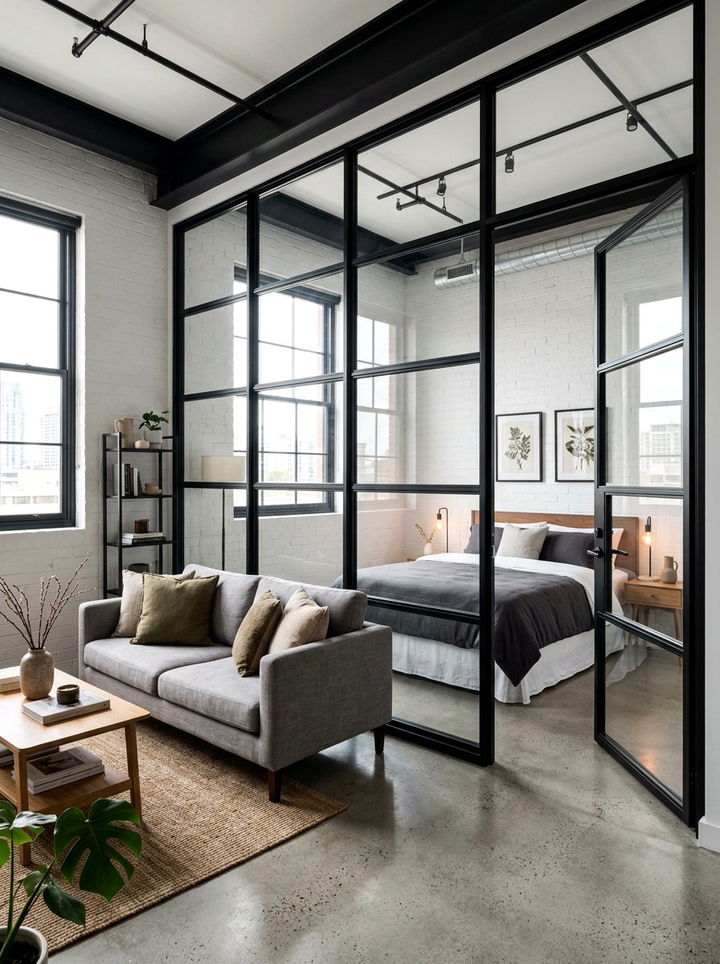
An industrial-style bedroom offers a rugged and stylish backdrop for high-tech sleep tracking, using materials like brick, metal, and reclaimed wood. Position your smart bed against a feature wall of exposed brick and use metal-framed nightstands to hold your bedside monitors and charging stations. The raw textures of the room provide a great contrast to the sleek, polished surfaces of modern sleep technology and gadgets. Use large, industrial-style lamps with smart bulbs to control the atmosphere and support your sleep data goals through effective lighting. This design is bold and energetic, making it a great choice for those who want their bedroom to reflect a more urban and contemporary lifestyle.
22. Luxury Bedroom Biometric System
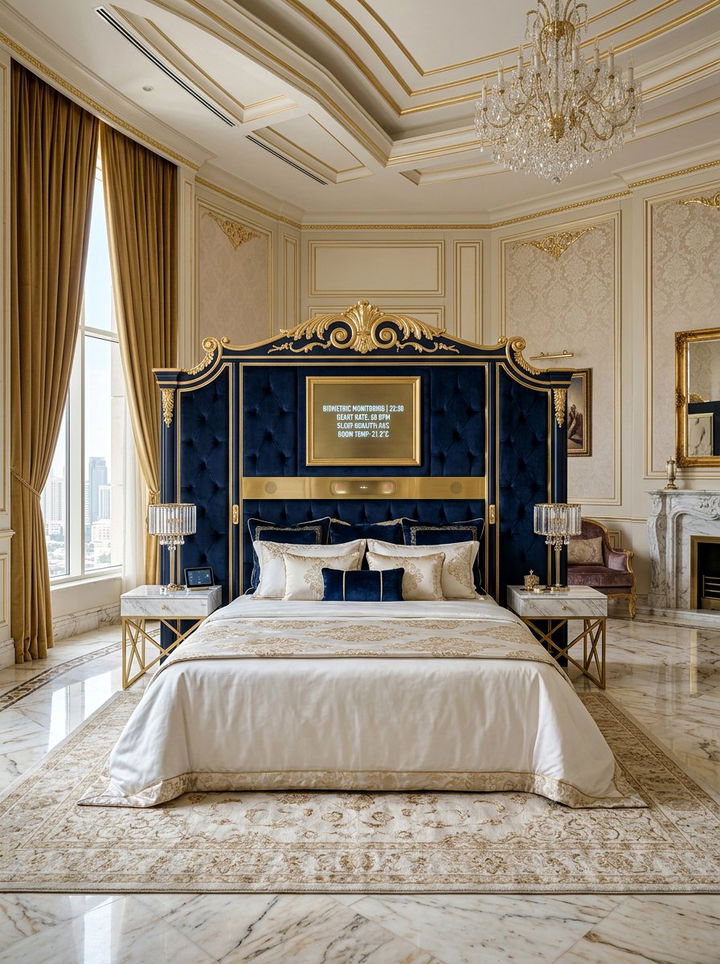
A luxury bedroom with a full biometric system treats sleep tracking as a premium amenity, much like a private spa or a high-end gym. Incorporate high-quality materials like marble, velvet, and gold leaf to create an opulent environment that feels incredibly exclusive and private. The sleep tracking technology should be top-tier, featuring integrated systems that monitor everything from heart rate to room acoustics and light levels. Every detail, from the custom-built headboard to the silk bedding, should be chosen to support the ultimate goal of a perfect night’s rest. This is a bedroom designed for someone who views sleep as their most valuable asset and is willing to invest accordingly.
23. Child Bedroom Sleep Monitor

Designing a child’s bedroom with sleep tracking in mind helps parents monitor rest patterns while creating a fun and supportive environment for the little ones. Use colorful but calming wall art and soft, kid-friendly furniture to create a space where the child feels safe and happy to go to sleep. The tracking technology should be durable and non-invasive, such as a smart nightlight or a sensor that clips onto a onesie or pajama set. Ensure the room has plenty of storage for toys to keep the sleep area clear and focused on rest rather than play. This approach teaches children the importance of good sleep from a very young age.
24. Senior Care Sleep Tracking Sensor
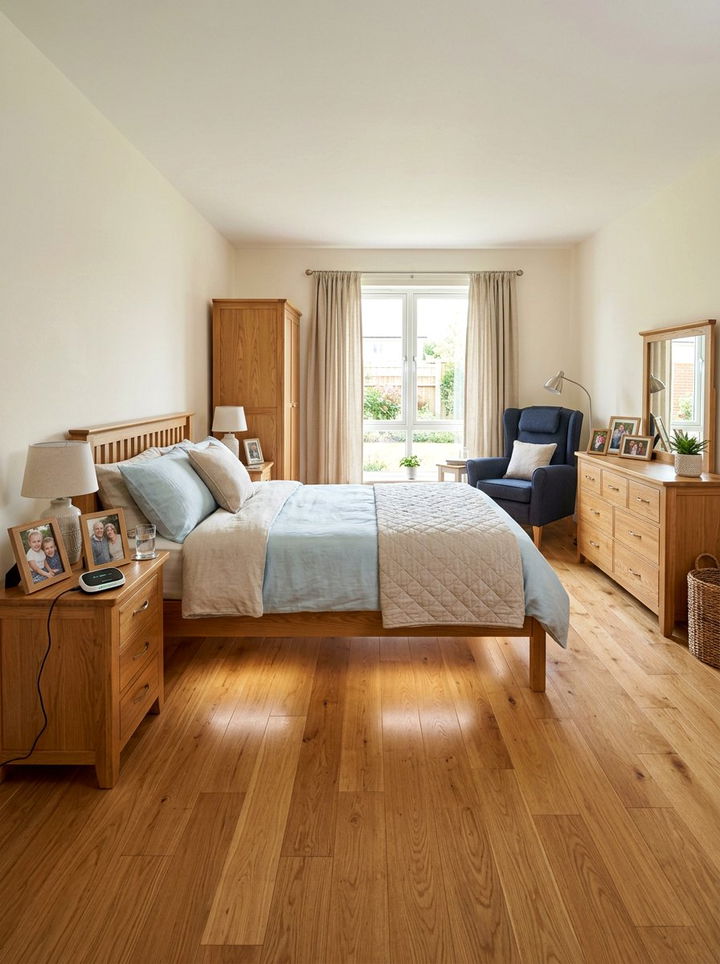
For seniors, sleep tracking can be a vital tool for health monitoring, requiring a bedroom design that is both safe and technologically advanced for peace of mind. Focus on accessibility, with a bed at the correct height and clear pathways that are well-lit with motion-sensing smart lights for nighttime safety. The sleep sensors should be completely automatic, sending data to family members or caregivers without requiring any daily input from the individual. Style the room with familiar, comforting items like family photos and traditional furniture to ensure it feels like a home rather than a medical facility. This design provides safety and health data while maintaining dignity and comfort.
25. Guest Bedroom Smart Sleep Setup

A guest bedroom equipped with sleep tracking technology offers a unique and high-tech hospitality experience for visitors who want to maintain their health routines. Provide a “sleep menu” that includes a smart pillow or a bedside monitor that guests can easily sync with their own phones or devices. The room should be designed with a neutral, hotel-like aesthetic that appeals to everyone, featuring fresh linens and a clutter-free environment. Including a small charging station for wearables and clear instructions on how to use the tech makes the experience seamless and impressive. This thoughtful touch ensures your guests leave your home feeling rested and perhaps even inspired by your modern design.
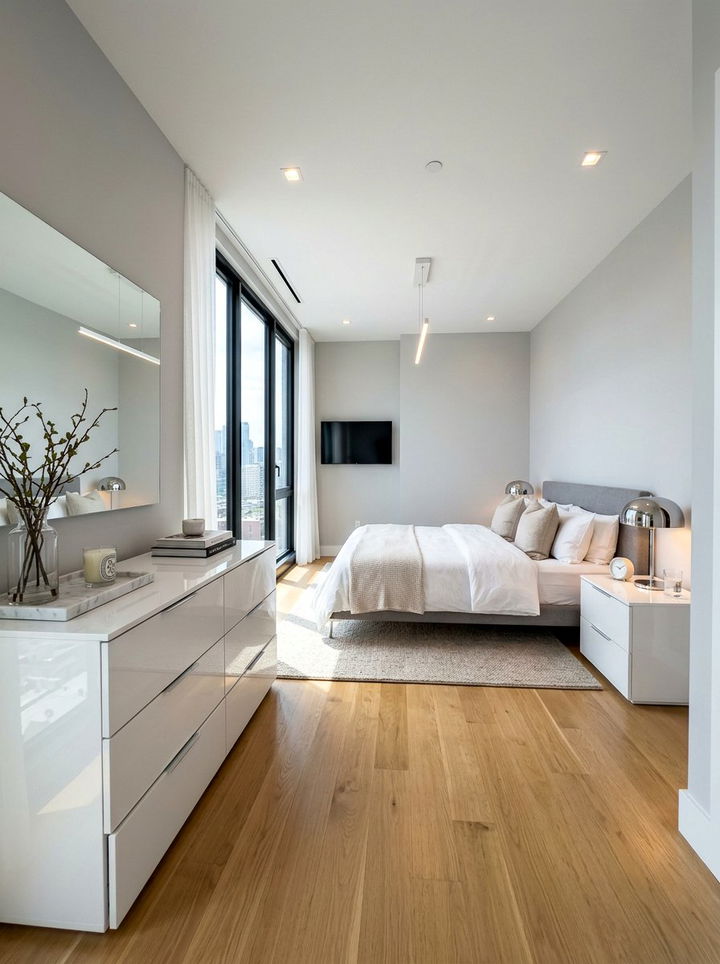
26. Small Bedroom Sleep Hub
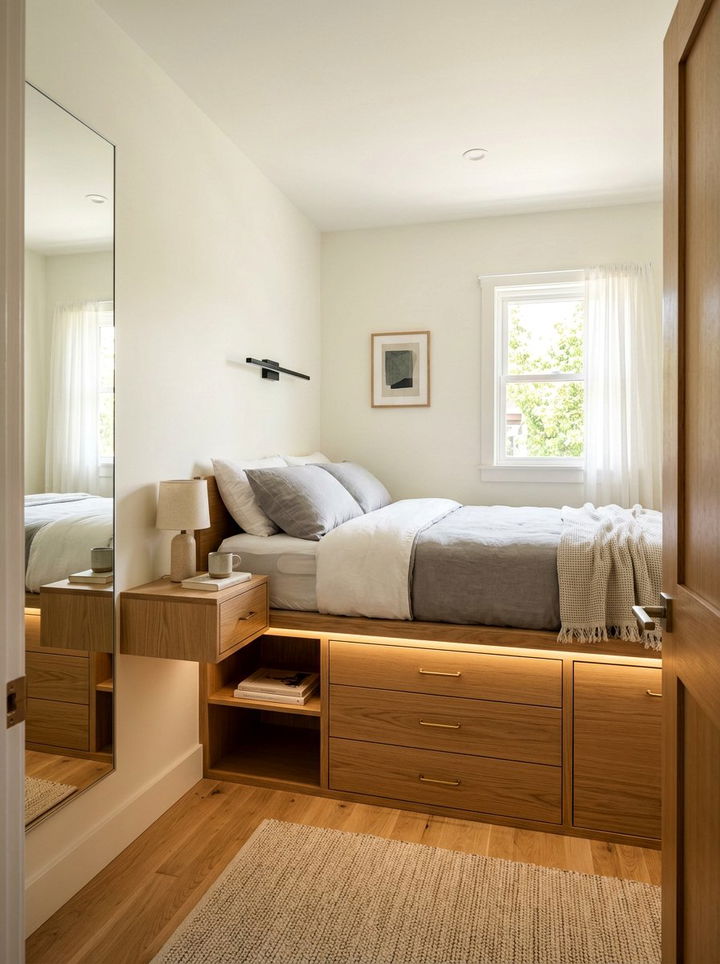
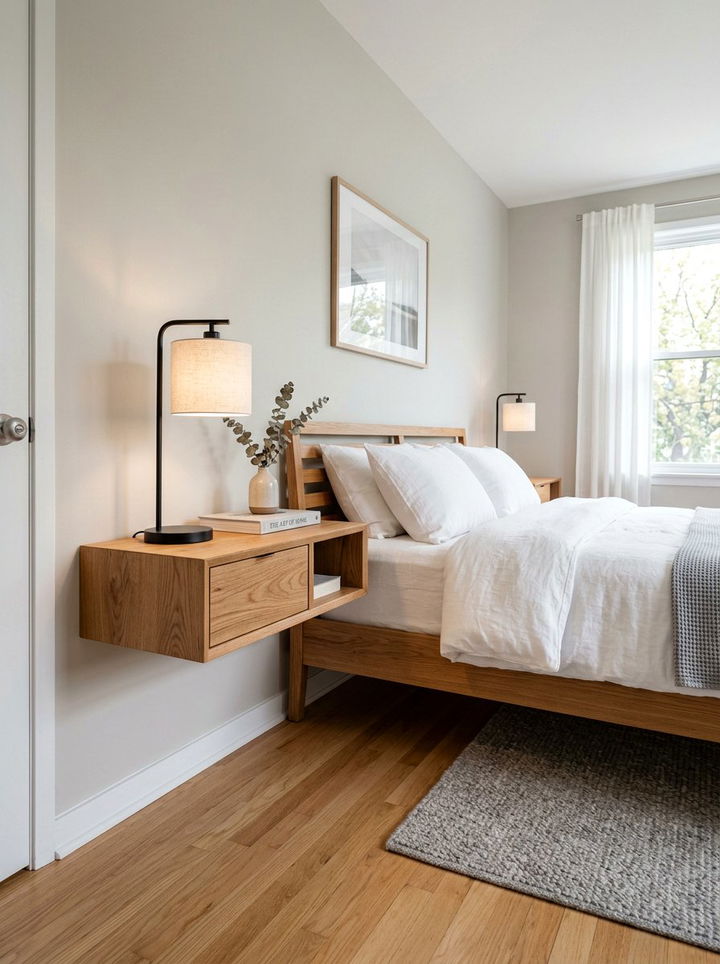
In a small bedroom, every inch counts, making integrated sleep tracking technology a smart way to maximize function without sacrificing precious square footage or floor space. Use multi-functional furniture, such as a bed with built-in storage or a wall-mounted nightstand, to keep the floor clear and the room feeling larger. A simple under-mattress sensor or a wearable tracker is best here, as they require zero additional space on your bedside table. Use light colors and mirrors to expand the room visually while your technology works silently in the background to monitor your rest. This design proves that even the smallest spaces can be high-performance sleep environments when designed with intention and smart technology.
27. Bohemian Bedroom Smart Tech
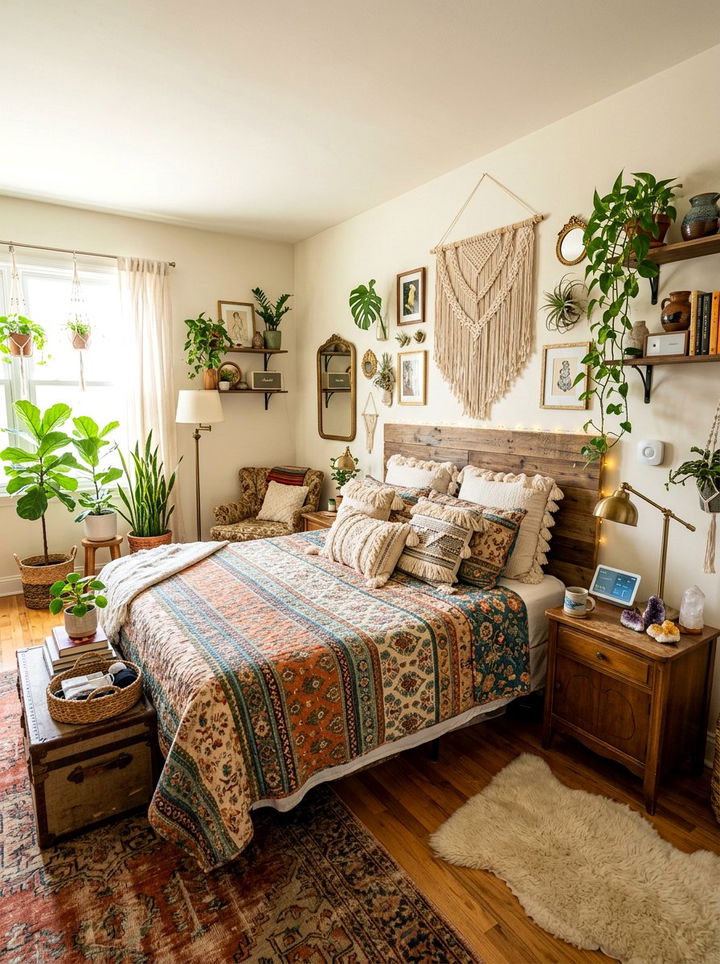
A bohemian-style bedroom can easily incorporate smart sleep technology by blending the gadgets with eclectic patterns, rich textures, and plenty of vintage finds. Use a low wooden bed frame and layer it with patterned quilts and fringed pillows to hide any wires or sensors effectively. Place your bedside monitors among a collection of crystals, plants, and travel souvenirs to make the technology feel like a part of your personal story. The warm, earthy tones of a boho room create a grounded environment that is perfect for deep, tracked sleep and relaxation. This design shows that you don’t have to give up your creative and artistic style to enjoy modern health data.
28. Mid Century Modern Sleep Tracker
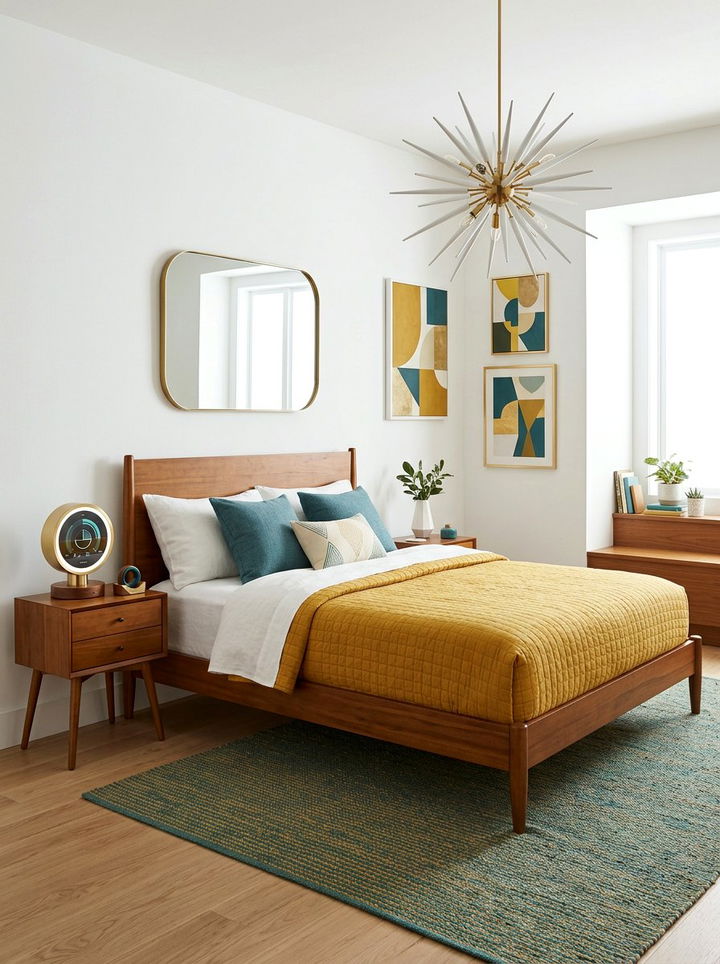
The clean lines and organic shapes of mid-century modern design provide a beautiful and timeless backdrop for the latest sleep tracking innovations and devices. Choose a classic acorn-finish bed frame with tapered legs and pair it with a sleek, minimalist nightstand to hold your smart sleep hub. The simple geometry of the furniture allows the tech to look like a modern art piece rather than a clinical tool in your room. Use a palette of mustard yellow, teal, and warm wood to create a vintage vibe that feels surprisingly fresh and relevant. This style is perfect for those who appreciate history and design but still want to stay on the cutting edge.
29. Attic Bedroom Sleep Monitoring
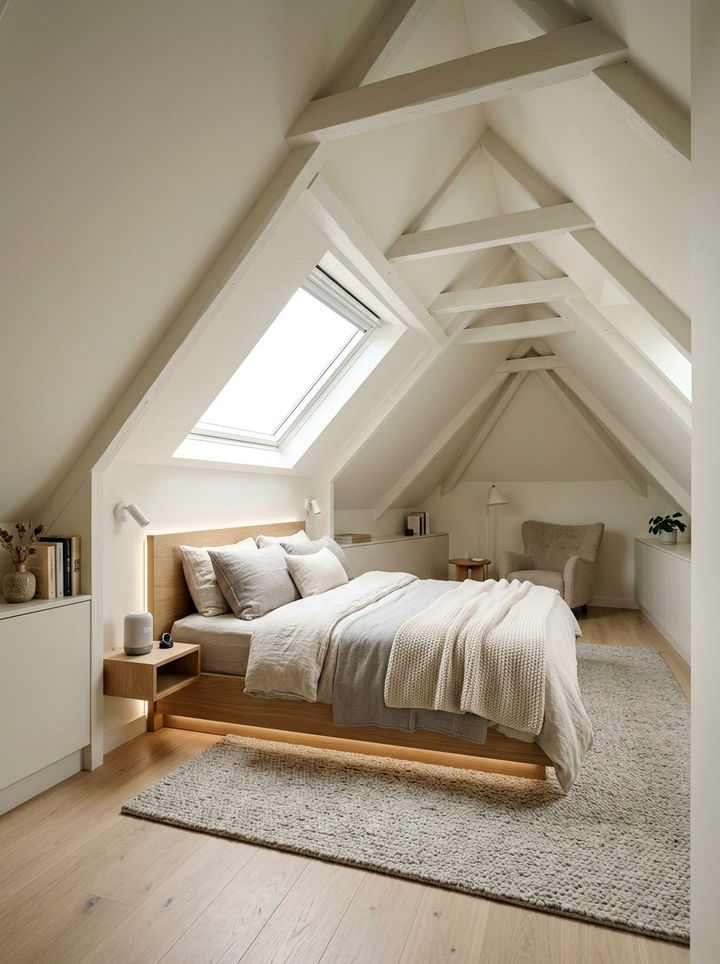
An attic bedroom offers a cozy and secluded space for a sleep sanctuary, with sloped ceilings and unique architectural details that add plenty of character. Use the low-clearance areas for your smart bed, creating a built-in look that feels incredibly snug and private for a great night’s rest. The tracking technology can be easily hidden within the architectural nooks and crannies of the attic space, keeping the design clean and focused. Use light-colored paint on the ceilings to make the space feel taller and more open, while soft rugs dampen sound from the rest of the house. This setup turns a unique room shape into a high-performance, data-driven sleep retreat.
30. Smart Mirror Sleep Data Display
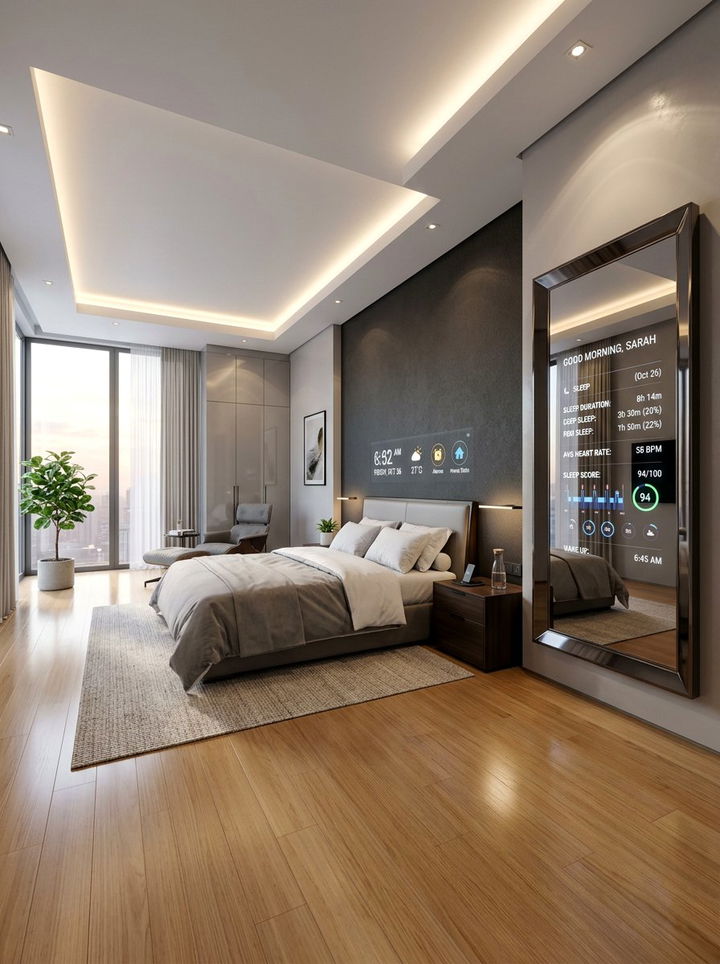
A smart mirror in the bedroom can serve as a futuristic dashboard for your sleep data, allowing you to review your nightly scores while getting ready. Position the mirror across from a large window to maximize light and make the room feel more spacious and bright during the morning. The bedroom should follow a high-tech, modern aesthetic with polished surfaces and minimal decor to complement the “smart home” feel of the mirror. This design creates a seamless transition between sleeping and waking, as your data is presented to you in a clear and visually stunning way. It’s the ultimate statement piece for a truly connected and modern bedroom design.
Conclusion:
The integration of sleep tracking technology into bedroom design represents a significant shift toward a more mindful and health-oriented lifestyle for the modern homeowner. By selecting the right tracking method — whether it’s an invisible sensor, a stylish wearable, or a smart mattress — you can create a space that is both aesthetically pleasing and scientifically functional. Each of the thirty ideas discussed provides a unique way to prioritize your recovery without sacrificing the personal style that makes your bedroom feel like home. Ultimately, a well-designed sleep sanctuary empowers you to take control of your health, leading to better days fueled by perfectly monitored and optimized nights of rest.
Related posts: