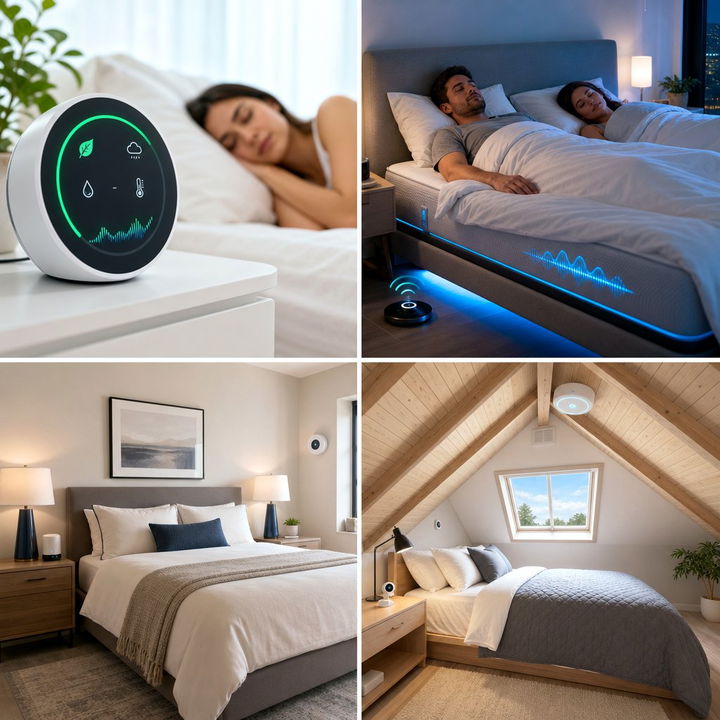
Creating a peaceful sanctuary in your home starts with controlling the environment around you, especially where you sleep. Noise pollution from busy streets, loud neighbors, or even humming household appliances can significantly disrupt your rest and overall well-being. By implementing strategic bedroom soundproofing, you transform a standard sleeping area into a quiet retreat that fosters deep, uninterrupted sleep. These methods range from simple soft furnishings that absorb echoes to more structural changes that physically block sound waves from entering the room. Investing in a quiet bedroom is not just about silence; it is about improving your quality of life through better recovery and mental clarity every single day you wake up.

1. Acoustic Wall Panels
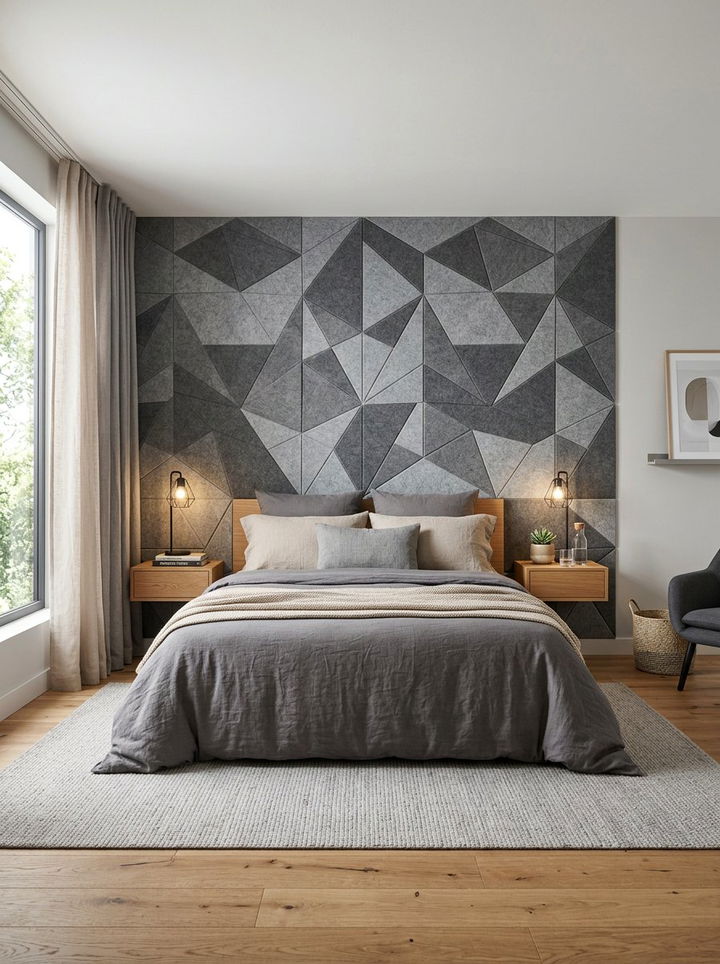
Imagine walking into a bedroom where the outside world completely fades away into silence. Acoustic wall panels are a fantastic way to achieve this level of peace while adding a modern aesthetic to your space. These panels come in various shapes and fabrics, allowing you to create a textured feature wall behind your bed. By mounting these panels, you effectively break up hard surfaces that usually reflect sound waves throughout the room. The result is a much quieter environment that feels cozy and intentional. Most people find that high-quality fabric panels also add a layer of insulation, making the room feel warmer during the winter months.
2. Soundproof Curtains

Have you ever been woken up by the sound of traffic or noisy neighbors in the early morning hours? Soundproof curtains are a heavy-duty solution designed to block both light and noise from entering through your windows. These curtains are typically made with multiple layers of dense fabric, often including a specialized lining that absorbs sound vibrations. When hung from floor to ceiling, they create a dramatic, luxurious look that enhances the overall mood of the bedroom. They work best when they are wide enough to cover the entire window frame with extra room on the sides. This simple upgrade provides immediate relief and a darker sleeping environment.
3. Area Rug
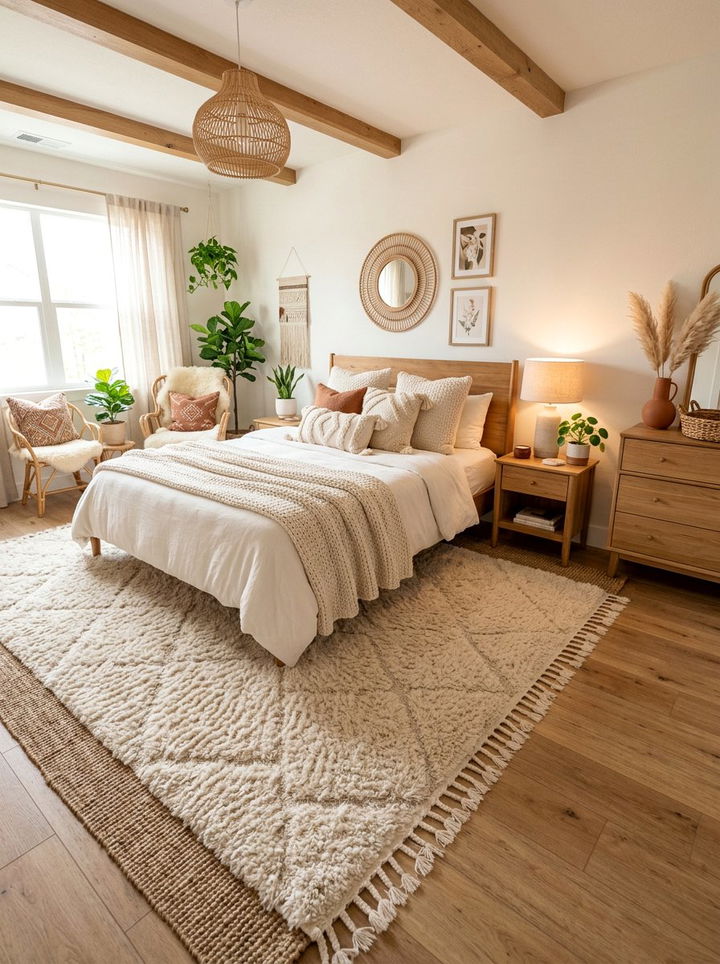
Walking across a cold, hard floor can be noisy, but adding a thick area rug can change the entire atmosphere. A large, plush rug serves as a giant acoustic sponge that soaks up vibrations and prevents sound from bouncing off the floor. This is particularly helpful in bedrooms with hardwood or tile flooring where every footstep echoes. Choosing a rug with a high pile or a dense weave will provide the best sound-dampening results for your space. Beyond the acoustic benefits, a beautiful rug anchors the room and adds a layer of comfort that makes your morning routine much more pleasant and soft.
4. Mass Loaded Vinyl

For those dealing with serious noise issues from shared walls, mass loaded vinyl is a professional-grade material that blocks sound effectively. This thin yet incredibly dense material is designed to be installed behind drywall or draped over existing surfaces to stop noise transfer. It works by adding significant mass to the wall without taking up much physical space in the room. You can hide it behind decorative tapestries or large pieces of furniture if you do not want to perform a full renovation. It is one of the most effective ways to stop low-frequency sounds, like bass from music, from entering your private sleeping sanctuary.
5. Weatherstripping
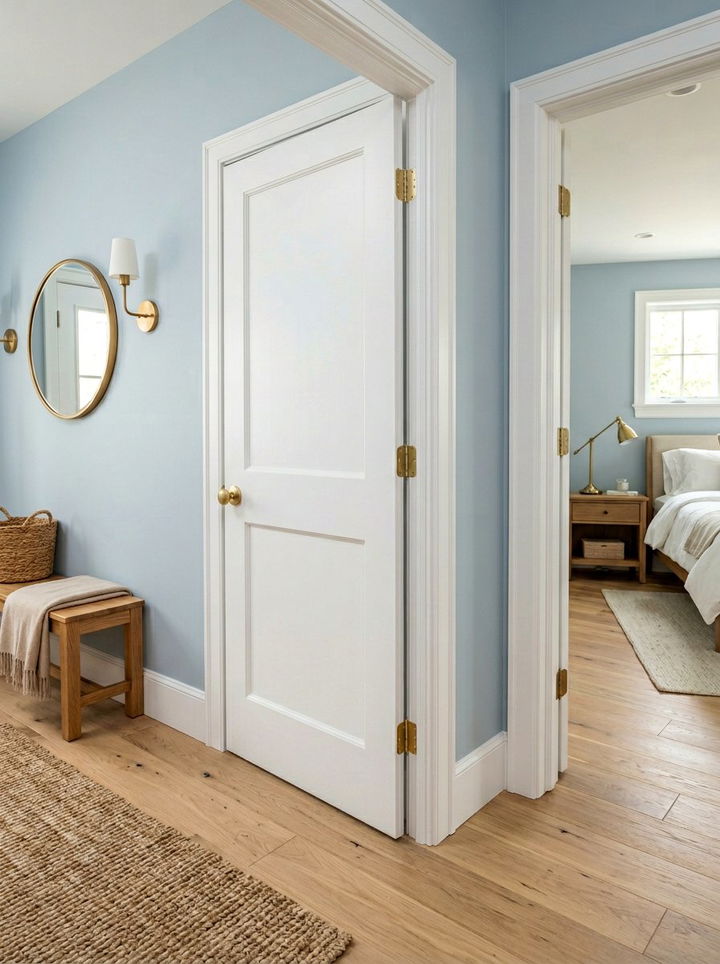
Sometimes the biggest source of noise in a bedroom is actually the small gaps around the door frame. Weatherstripping is an affordable and easy DIY fix that involves applying adhesive foam or rubber strips to the edges of the door. When the door closes, these strips create a tight seal that prevents air and sound from leaking through the cracks. This simple change can make a surprising difference in how much noise you hear from the hallway or other rooms. It is a functional update that also helps with climate control by keeping drafts out of your bedroom during the colder seasons.
6. Solid Core Door
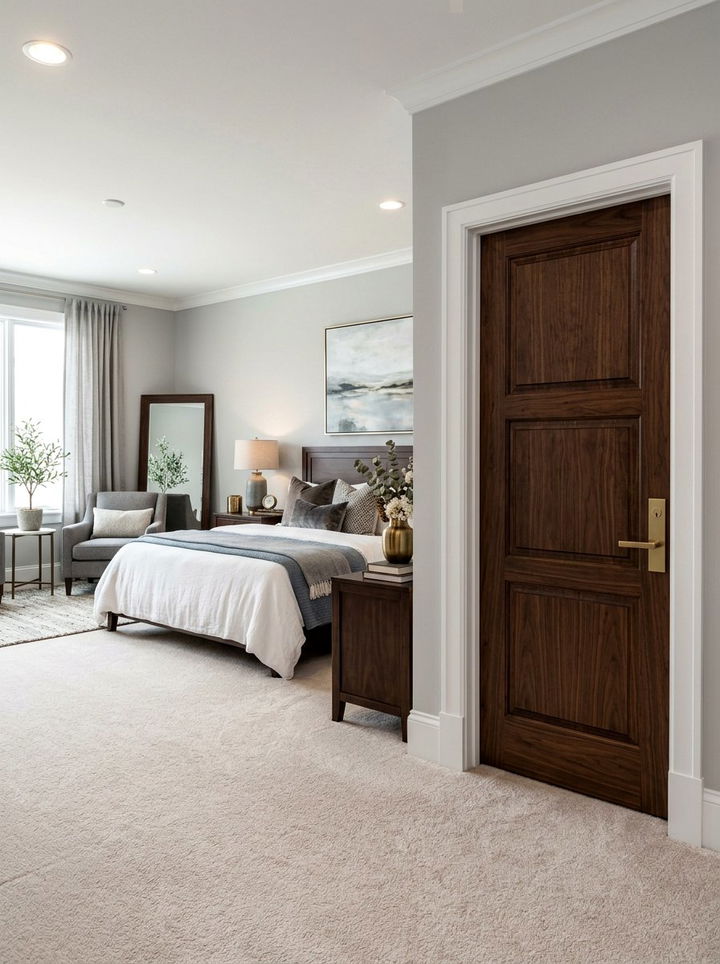
Many interior doors are hollow, which acts like a drum and allows sound to pass through with very little resistance. Replacing a standard hollow door with a solid core door is a major upgrade for any bedroom seeking true silence. These doors are much heavier and denser, providing a physical barrier that reflects and absorbs sound waves much better than their cheaper counterparts. While they require sturdy hinges due to their weight, the difference in noise reduction is immediately noticeable the moment you shut the door. This architectural change adds value to your home while ensuring your bedroom remains a private, quiet sanctuary.
7. Double Pane Windows

If your bedroom faces a busy street, upgrading to double pane windows can be a life-changing investment for your sleep quality. These windows feature two layers of glass with a vacuum or gas-filled space in between that acts as a powerful insulator. This gap significantly reduces the amount of vibration and noise that can penetrate into your home from the outside world. Beyond soundproofing, these windows are excellent for energy efficiency, helping you maintain a consistent temperature in your bedroom year-round. It is a high-impact solution that makes your room feel more solid, secure, and shielded from the noisy urban environment.
8. Upholstered Headboard

Adding an upholstered headboard is a stylish way to incorporate soft surfaces that naturally dampen sound in a bedroom. Large, fabric-covered headboards act as a buffer between your ears and the wall, which is especially useful if your bed is against a shared wall. You can choose from velvet, linen, or heavy cotton materials to match your decor while reaping the acoustic benefits. The thick padding inside the headboard absorbs sound waves rather than reflecting them back into the room. This design choice creates a focal point in the room that looks sophisticated while contributing to a much quieter and more peaceful sleeping experience.
9. Full Bookshelf

A wall-to-wall bookshelf filled with books is one of the most classic and effective ways to soundproof a bedroom shared wall. The sheer mass of the wood and the uneven surfaces of the books work together to break up sound waves and prevent them from passing through. This creates a functional library atmosphere while providing a significant thermal and acoustic barrier. For the best results, ensure the bookshelf covers as much of the wall as possible and is tightly packed. This approach combines storage and style with practical noise reduction, making your bedroom feel like a cozy, well-insulated cocoon away from the rest of the house.



10. Acoustic Foam
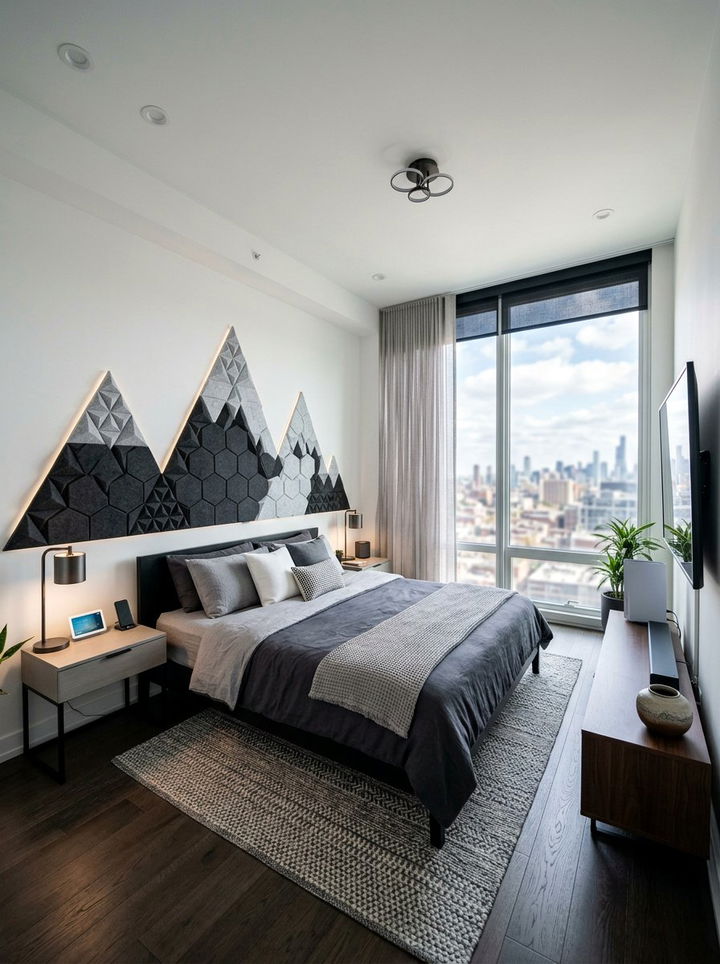
Acoustic foam is a popular choice for those looking to reduce echoes and mid-to-high frequency noises within a bedroom space. These foam panels often feature a pyramid or wedge shape that is specifically engineered to trap sound and prevent it from bouncing. While they are often seen in recording studios, they can be styled creatively in a home environment to look like modern art. Placing them strategically on the walls can significantly improve the clarity of audio in the room and reduce the overall noise floor. They are lightweight and easy to install with simple adhesive strips, making them a very versatile soundproofing option.
11. Window Inserts
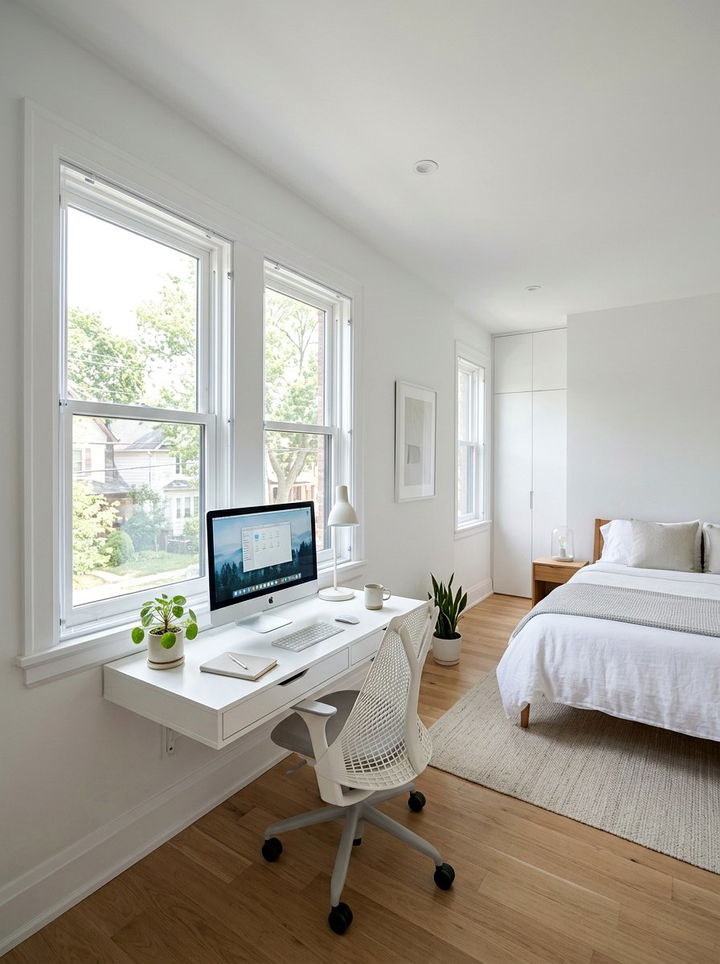
Window inserts are a clever alternative to replacing your entire window unit when you need to block out external city noise. These are clear acrylic or glass panels that are custom-fit to sit inside your existing window frame with a small air gap. This extra layer creates a secondary seal that traps noise before it ever reaches the interior of your bedroom. They are almost invisible once installed, so they do not interfere with your view or the aesthetic of your room. Many renters choose this option because it is non-destructive and can be removed easily, providing a professional soundproofing result without a permanent renovation.
12. Rug Underlayment
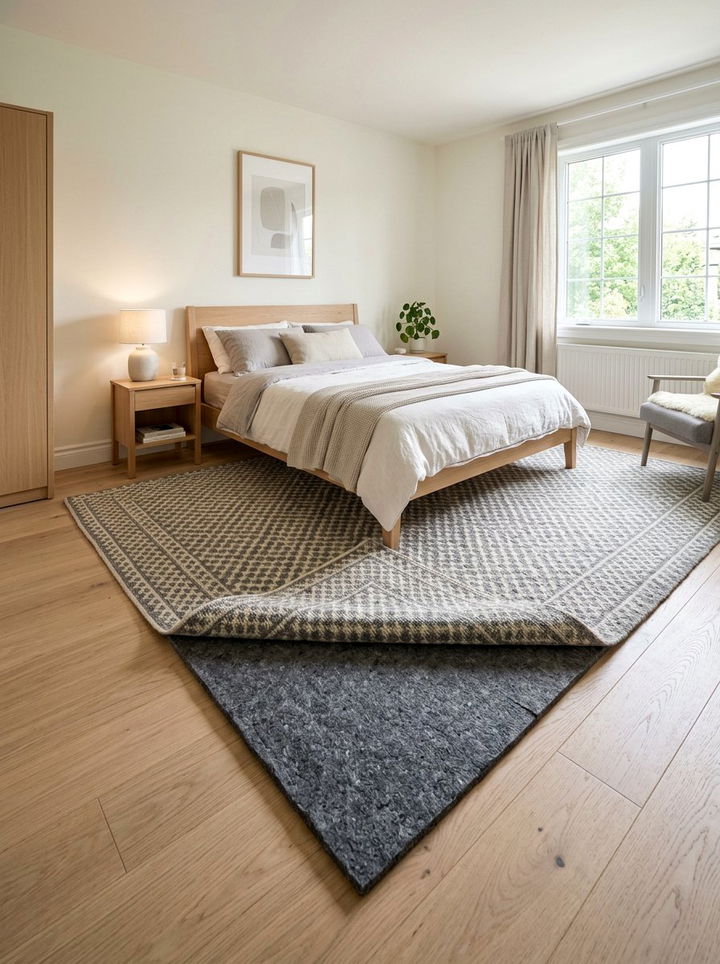
While a beautiful rug is a great start, adding a high-quality rug underlayment can double the soundproofing effectiveness of your bedroom floor. These thick pads are often made from dense felt or rubber materials specifically designed to absorb impact noise and vibrations. When you place one beneath your area rug, it creates a much softer surface that kills the sound of footsteps and dropped objects. This is a must-have for anyone living in an apartment building who wants to be a considerate neighbor or reduce noise from below. It also protects your flooring and makes your rug feel much more luxurious and comfortable.
13. Room Divider
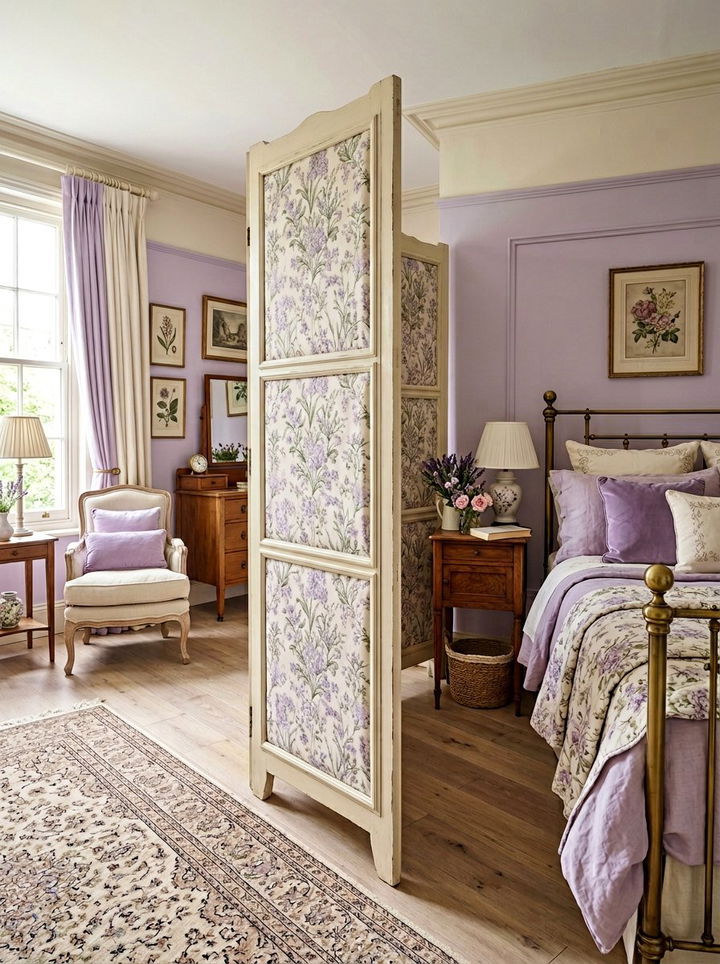
Large, heavy room dividers can be used strategically to create a “room within a room” effect that naturally blocks sound. If your bedroom is large, placing a fabric-wrapped or solid wood divider between the door and the bed can interrupt the path of noise. This creates a visual and acoustic buffer that helps keep the sleeping area much quieter than the rest of the space. You can choose dividers with decorative patterns or integrated shelving to enhance the style of your bedroom. This is a flexible solution that can be moved around as needed to optimize the acoustics and the layout of your room.
14. Door Draft Stopper
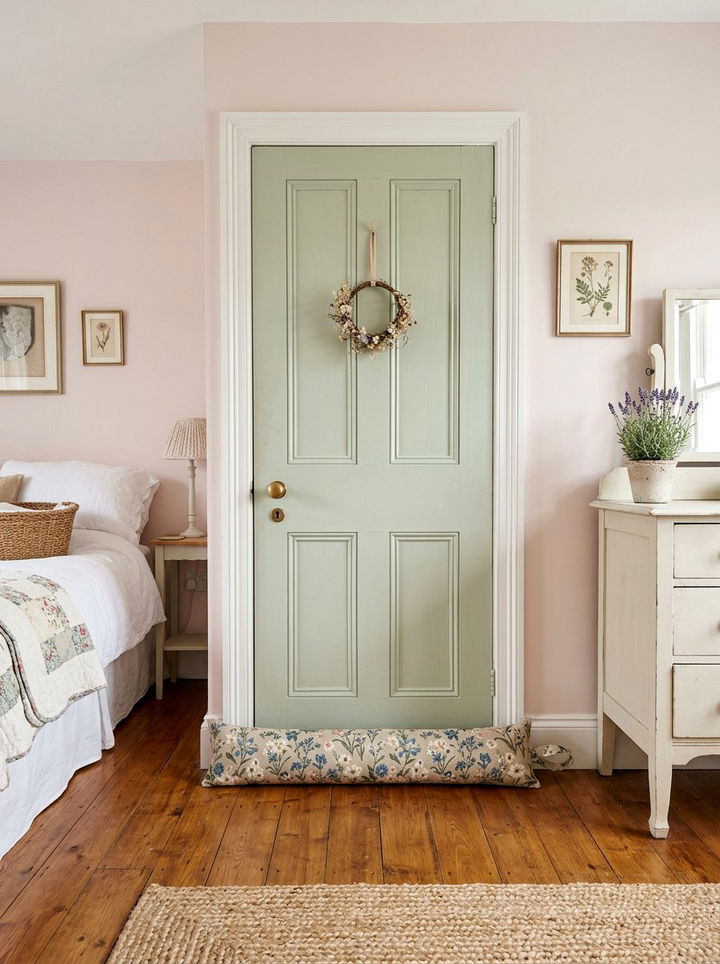
A door draft stopper is a simple yet surprisingly effective tool for blocking noise that travels through the gap at the floor. Most of these stoppers are long, weighted tubes filled with dense materials like sand or heavy batting that sit snugly against the bottom of the door. By filling this air gap, you prevent sound waves from “leaking” into your bedroom from the hallway or other parts of the house. They come in many fabrics and colors to match your bedroom decor and require zero installation time. This small addition is a quick way to enhance your privacy and ensure a silent night.



15. Wall Tapestry

Hanging a large, thick wall tapestry is an artistic way to soften the hard surfaces in your bedroom and reduce noise. Fabrics like wool, heavy cotton, or even velvet are excellent at absorbing sound waves that would otherwise bounce off a flat drywall surface. By covering a significant portion of a wall, you can noticeably reduce the “echoey” feel of a room and create a more intimate atmosphere. Tapestries also allow you to express your personal style through various patterns and colors. This method is particularly popular in rental spaces where permanent changes to the walls are not allowed but noise reduction is still needed.
16. Cork Tiles
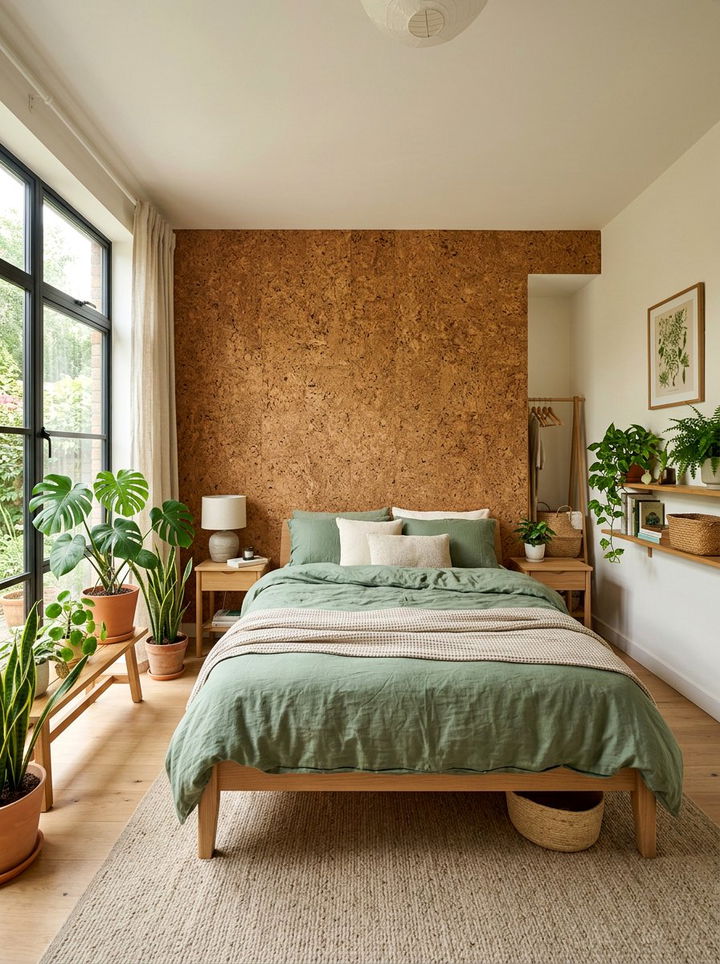
Cork is a natural material known for its incredible acoustic properties and sustainable nature, making it perfect for bedroom soundproofing. You can install cork tiles directly onto a wall to create a warm, textured surface that naturally absorbs high-frequency sounds. Because cork is filled with tiny air pockets, it acts as a natural insulator for both temperature and noise. These tiles are available in many different finishes, from natural wood looks to modern dyed patterns. Applying cork to a shared wall can create a peaceful barrier that makes the room feel much more secluded. It is a tactile, eco-friendly choice for a quiet home.
17. Ceiling Clouds
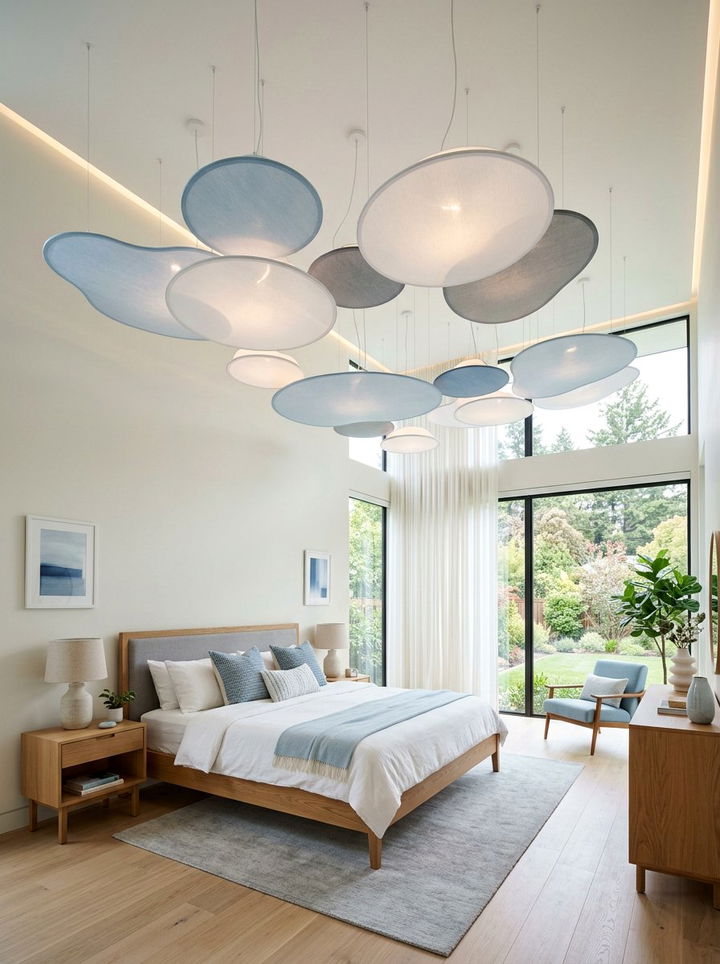
If you have high ceilings that contribute to a lot of echoing, installing acoustic ceiling clouds can solve the problem effectively. These are fabric-wrapped panels that are suspended from the ceiling to catch sound waves as they travel upward. They are often used in modern design to add visual interest while serving a very practical acoustic purpose in large bedrooms. By breaking up the flat expanse of the ceiling, these clouds prevent sound from bouncing back down toward your bed. You can choose different shapes and heights to create a custom look that complements your bedroom’s architecture while ensuring a much quieter environment.
18. Soundproof Wallpaper
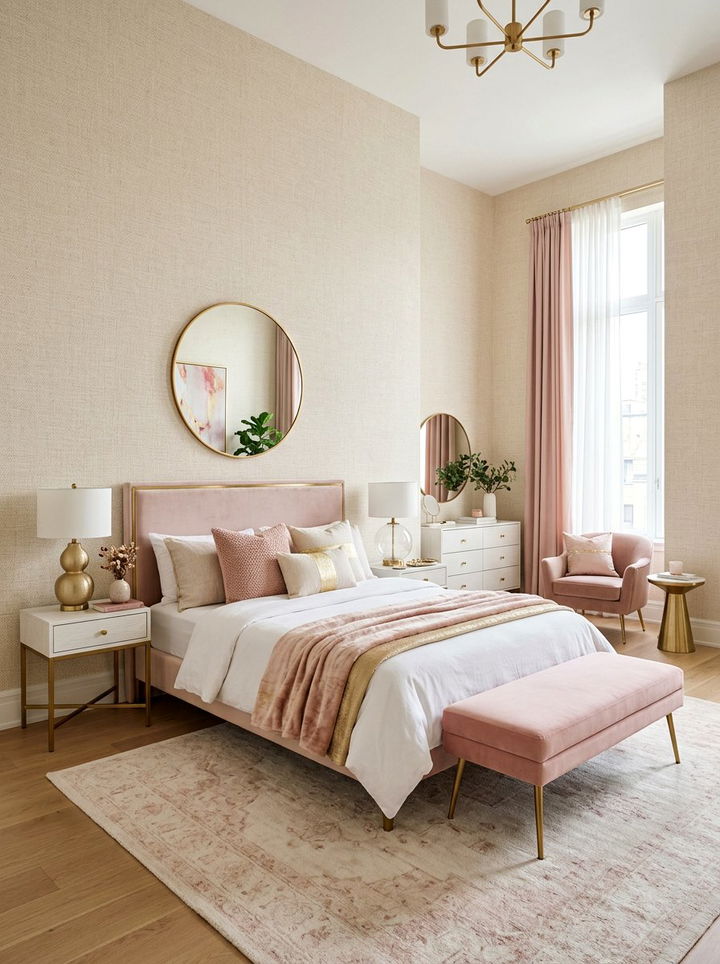
Soundproof wallpaper is a specialized product that looks like standard wall covering but contains a layer of sound-dampening material. This material, often a thick foam or felt backing, helps to reduce noise transmission through the walls without changing the room’s footprint. It is an excellent option for those who want a seamless, integrated look that does not involve bulky panels or heavy fabrics. The wallpaper comes in various modern patterns and textures, allowing you to decorate your bedroom exactly how you want. This hidden soundproofing layer provides a subtle but effective reduction in ambient noise, making your room feel much more solid and quiet.
19. Floor Underlayment
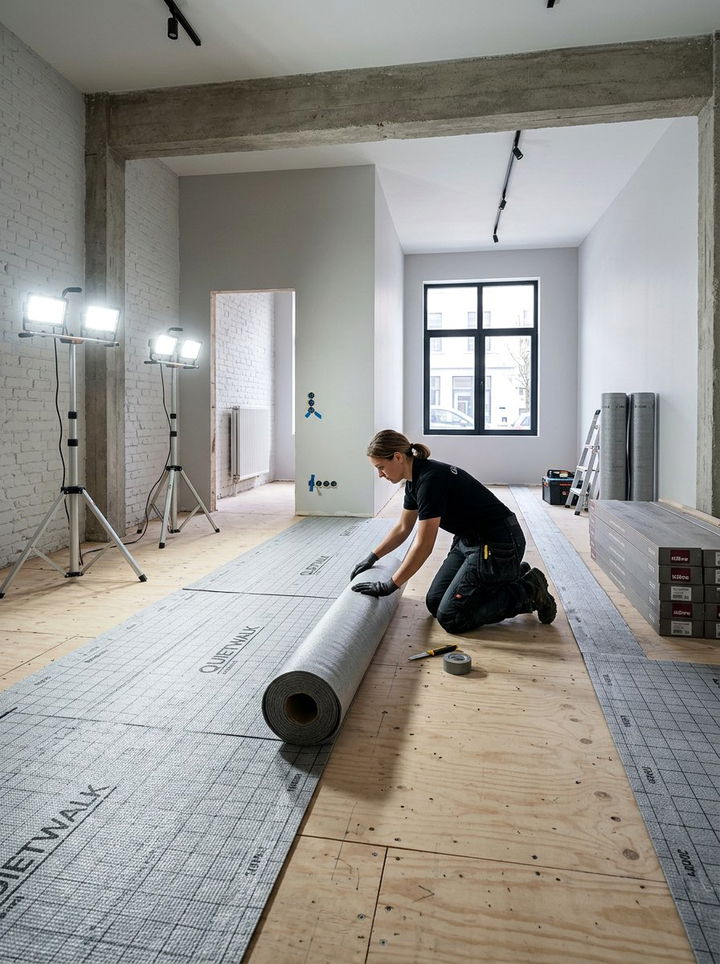
If you are planning to install new hardwood, laminate, or luxury vinyl flooring, choosing a high-quality floor underlayment is essential for noise control. This layer sits between the subfloor and your finish flooring, acting as a cushion that absorbs impact and airborne sounds. Specialized acoustic underlayments are made from dense rubber or recycled cork to provide the best possible sound barrier. This prevents the “clicking” sound of footsteps and helps isolate your bedroom from any noise occurring in the rooms below. It is a structural solution that ensures your bedroom remains a quiet sanctuary for years to come, regardless of the floor type.


20. Automatic Door Bottom
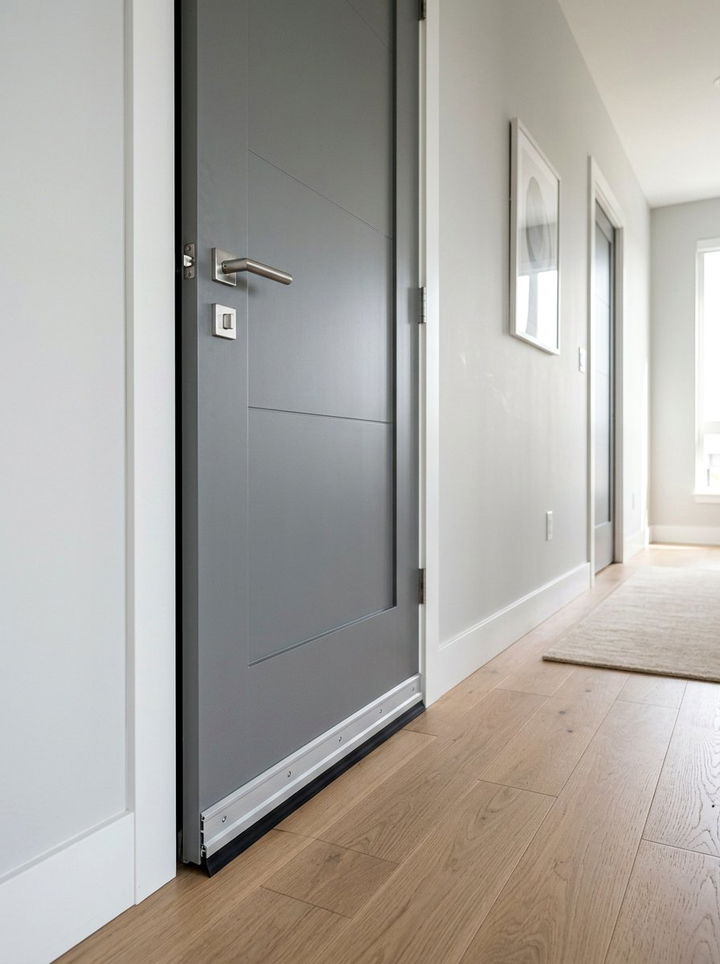
An automatic door bottom is a professional-grade soundproofing tool that provides a much better seal than a standard draft stopper. This device is installed into the bottom of the door and features a hidden mechanism that drops a seal down when the door is closed. When you open the door, the seal lifts back up so it does not drag across your flooring or carpet. This creates a completely airtight and soundproof seal every time the door is shut, blocking almost all noise from the hallway. It is a sophisticated, “invisible” upgrade that offers high-performance sound isolation for a truly private and peaceful bedroom.
21. Sound Dampening Paint
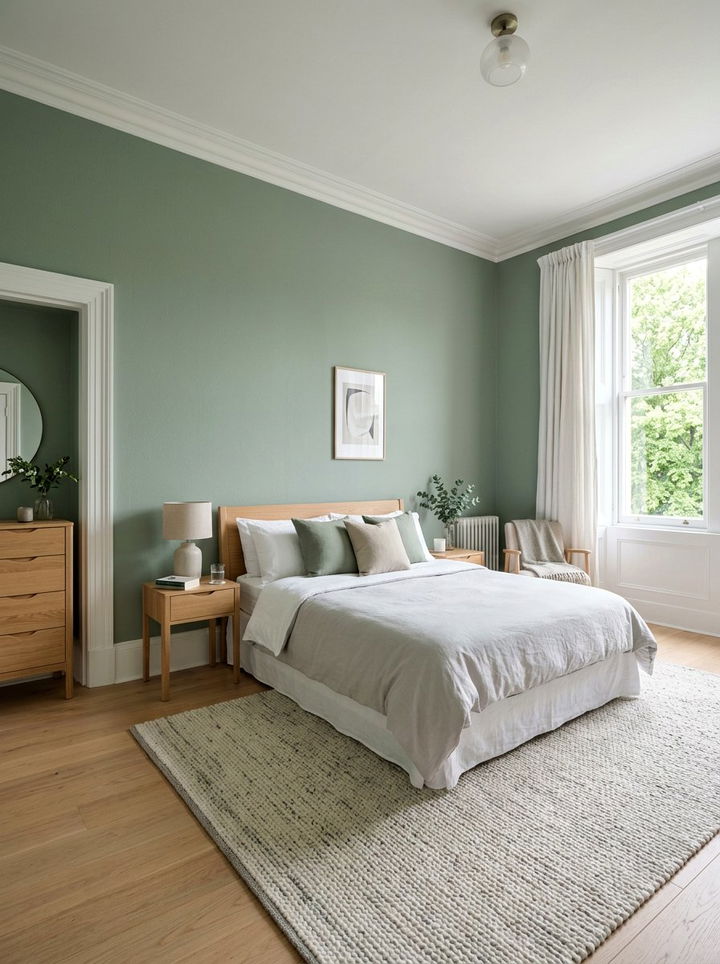
While it may seem surprising, specialized sound dampening paint can help reduce noise levels on interior walls in a bedroom. This paint is formulated with ceramic microspheres and other sound-absorbing materials that create a slightly thicker, more textured surface than regular latex paint. While it will not stop loud thumping, it is effective at reducing the reflection of mid-frequency sounds like voices or television noise. It is a great base layer to use in combination with other soundproofing methods for a multi-layered approach. This option allows you to keep your walls looking clean and simple while subtly improving the room’s overall acoustic quality.
22. Fabric Wall Panels
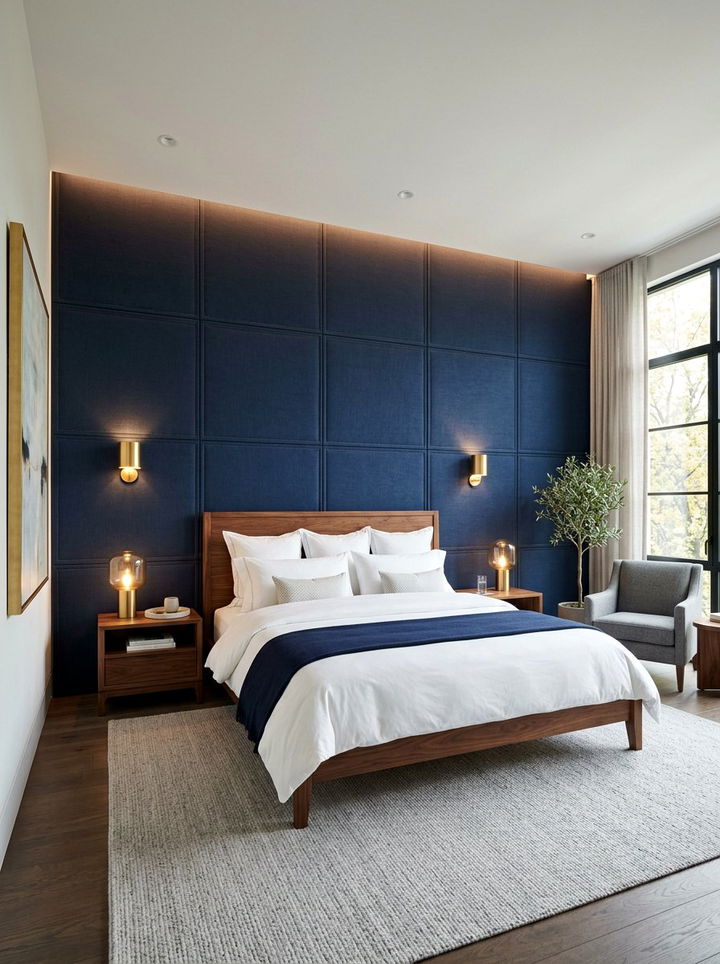
Custom fabric wall panels offer a high-end, designer look while providing some of the best sound absorption available for a bedroom. These panels are typically made by stretching beautiful textiles over a frame filled with acoustic mineral wool or fiberglass. They can be designed to cover an entire wall or arranged in a geometric pattern to serve as a stunning piece of wall art. Because they use thick insulation, they are incredibly effective at making a room feel dead silent and cozy. This approach allows for endless customization in terms of color and texture, making it a favorite for luxury interior design projects.
23. Insulated Canvas Art

If you have large canvas paintings or prints in your bedroom, you can easily turn them into secret soundproofing tools. By stuffing the hollow back of a canvas frame with acoustic foam or mineral wool, you transform the art into a functional sound absorber. The fabric of the canvas allows sound waves to pass through into the insulation, where they are trapped instead of being reflected back into the room. This is a brilliant way to incorporate soundproofing into your bedroom without changing the decor at all. It is a simple, cost-effective DIY project that improves the acoustics while showcasing your personal taste in art.
24. Potted Floor Plants

Believe it or not, large indoor plants with plenty of foliage can actually help diffuse sound waves in a quiet bedroom. The leaves, stems, and even the soil in the pots work together to break up and absorb sound energy as it moves through the air. Placing tall plants like fiddle leaf figs or palms in the corners of your room can help reduce echoes and create a more natural, serene environment. While they are not as powerful as dedicated acoustic panels, they add a layer of organic sound diffusion that feels refreshing. This biophilic design choice improves air quality and brings life into your quiet sanctuary.


25. Moving Blankets
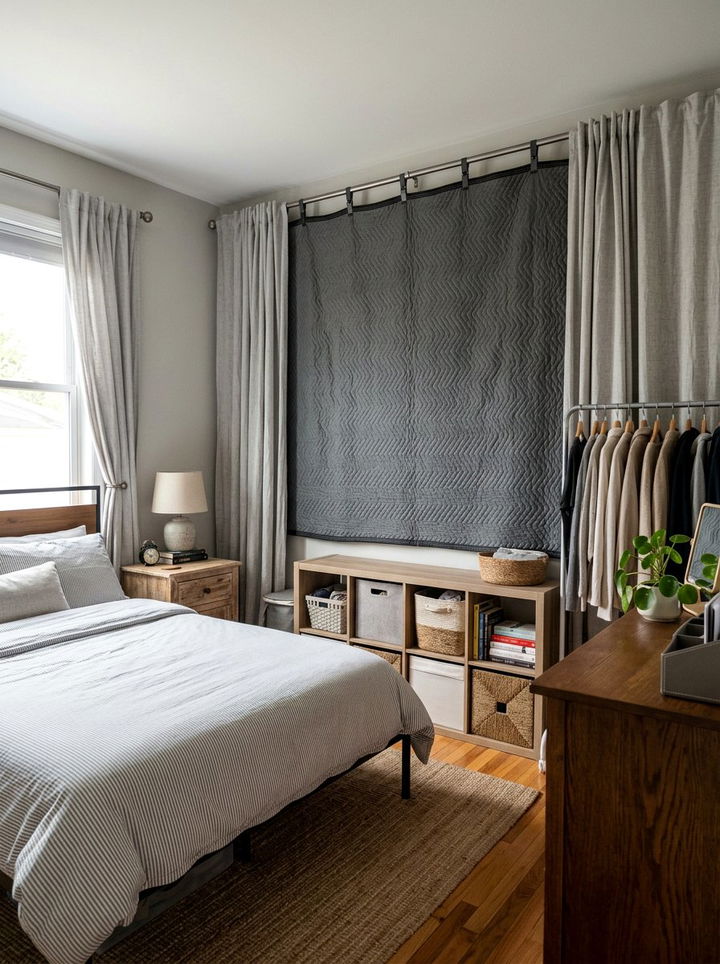
For a budget-friendly or temporary soundproofing fix, high-quality moving blankets can be surprisingly effective when hung on walls or doors. These blankets are made from thick, quilted fabric designed to protect furniture, which also makes them great at absorbing sound vibrations. You can find moving blankets in neutral colors that can be pinned or hung behind your main curtains or on the back of a bedroom door. They are particularly useful if you are trying to solve a noise problem quickly or if you are in a short-term living situation. This practical solution provides instant relief from echoes and external noise without a big investment.
26. Felt Panels
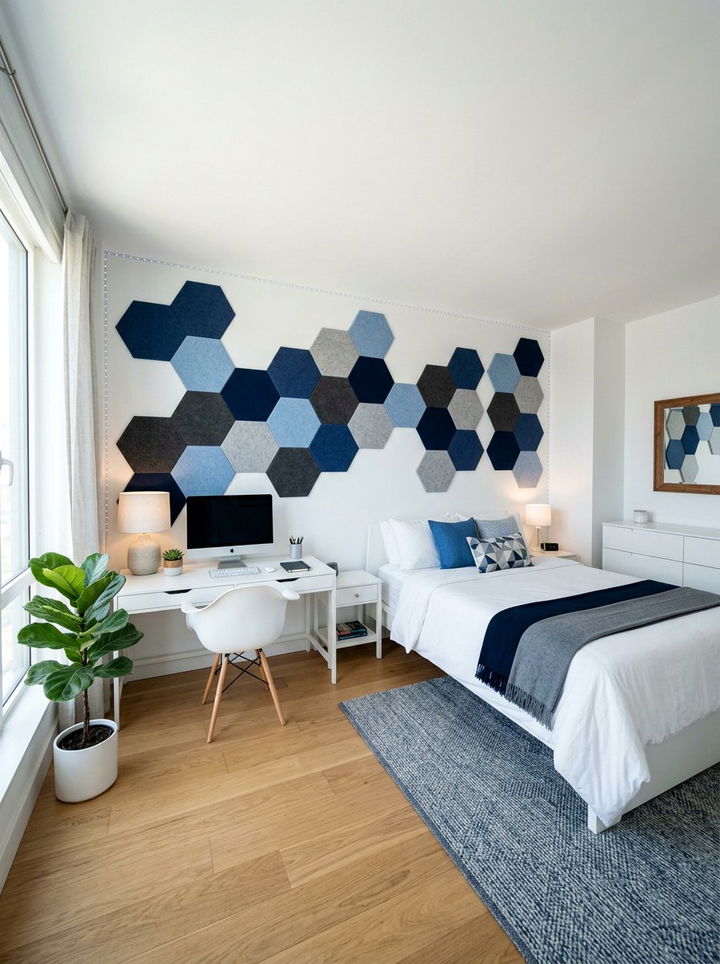
Felt is an amazing material for sound absorption because of its dense, fibrous structure that naturally traps air and sound waves. Modern felt wall panels are available in beautiful hexagonal, square, or custom shapes that can be arranged to create a stunning wall mosaic. These panels are lightweight and very easy to install, often coming with a simple peel-and-stick adhesive backing. They add a soft, tactile quality to your bedroom walls that feels warm and inviting while significantly reducing the noise levels within the room. This is a very trendy and effective way to achieve a quiet, designer-looking bedroom on a moderate budget.
27. Fiberglass Wall Board
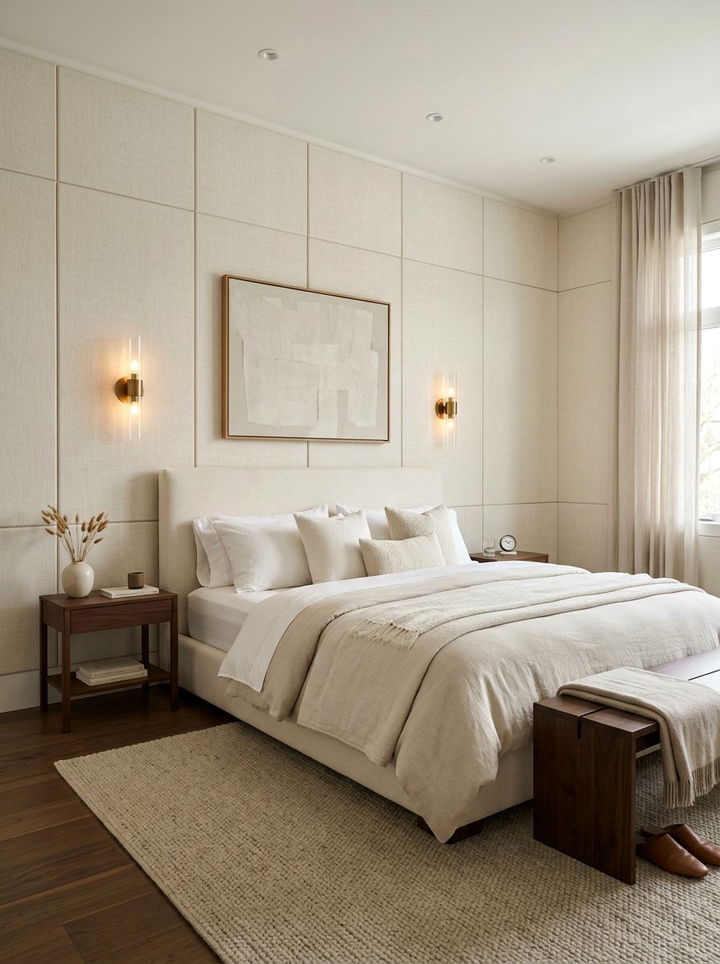
Fiberglass wall boards are a heavy-duty soundproofing material often used by professionals to create high-performance acoustic environments in residential spaces. These boards are incredibly dense and are designed to be mounted directly to the wall or used as an internal layer in custom panels. They offer superior sound absorption across a wide range of frequencies, making them ideal for blocking out loud neighbors or street noise. Usually, these boards are covered with a breathable fabric to hide the industrial material while allowing it to function. This is a serious solution for someone who wants the highest level of noise reduction possible in their bedroom.
28. Wooden Window Shutters

Solid wooden shutters are not just for light control; they also provide a significant physical barrier against external noise entering through windows. When the louvers are closed, the thick wood creates an additional layer that reflects sound waves away from the interior of your bedroom. Unlike thin blinds, shutters fit tightly within the window frame, leaving fewer gaps for sound to leak through. They add a classic, high-end look to any room and can be painted to match your specific color palette. This architectural window treatment is a durable and stylish investment that contributes to a much quieter and more restful sleeping space.
29. Velvet Bed Frame
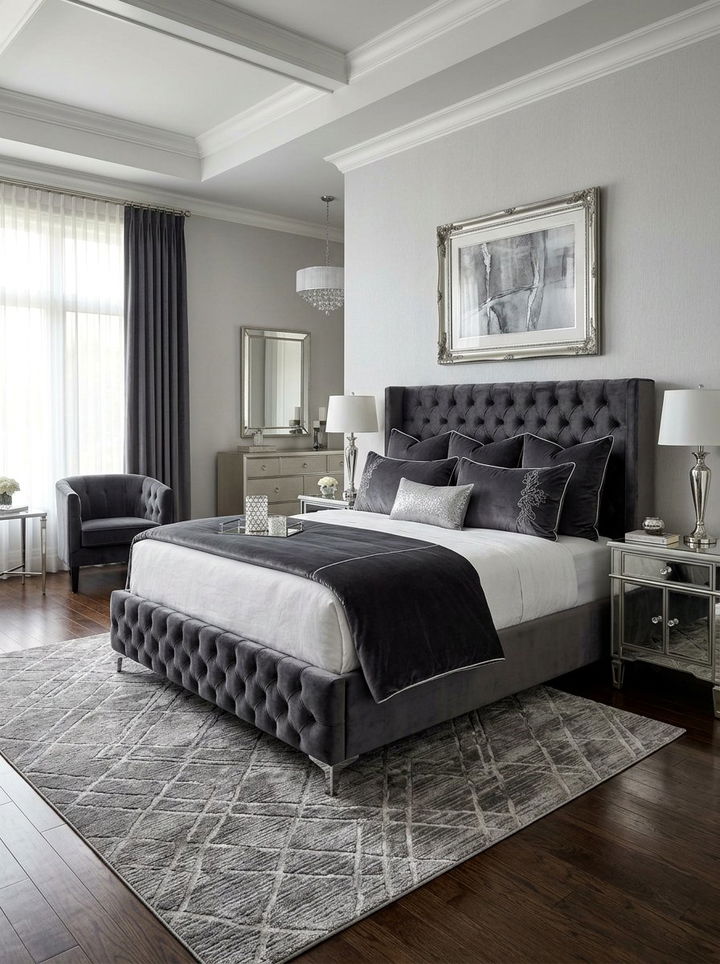
Choosing a bed frame wrapped in thick velvet upholstery is a subtle yet effective way to add more sound-absorbing material to your bedroom. Velvet is a dense, heavy fabric with a high pile that is excellent at catching sound waves and preventing them from bouncing off the floor. An upholstered bed frame, including the side rails and footboard, adds several square feet of soft surface area to the room. This helps to deaden the acoustics and create a more “muted” and peaceful feeling in the sleeping area. Combined with other soft furnishings, a velvet bed frame makes the entire room feel much more luxurious.
30. White Noise Machine
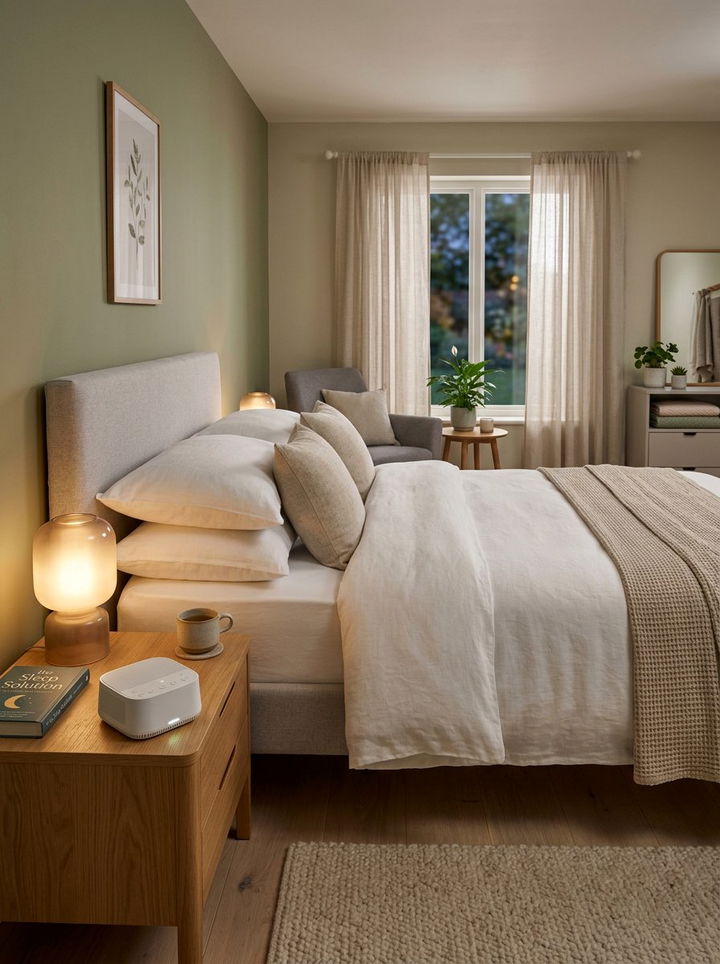
Sometimes, the best way to handle unwanted noise is to mask it with a consistent, soothing sound that helps the brain relax. A high-quality white noise machine creates a steady background hum that “covers” sudden noises like a door slamming or a car honking outside. This prevents your brain from being startled awake by sharp changes in the sound environment, allowing for deeper and more consistent sleep. Many modern machines offer various tones, from deep fan noises to light static, so you can find the perfect frequency for your ears. It is a portable, easy-to-use addition that completes any comprehensive bedroom soundproofing strategy.
Conclusion:
Creating a soundproof bedroom is a rewarding journey that directly impacts your health, mood, and daily energy levels by ensuring better sleep. By combining structural upgrades like solid doors or window inserts with soft decorative elements like rugs and curtains, you can achieve a professional level of quiet. Every layer you add works to block or absorb unwanted noise, turning your sleeping area into a true sanctuary from the busy world outside. Whether you choose a simple DIY fix or a more permanent architectural change, the effort you put into soundproofing will pay off every single night. Enjoy the peace and tranquility of your newly quieted home retreat.

Related posts: