
1. Embracing Natural Imperfections
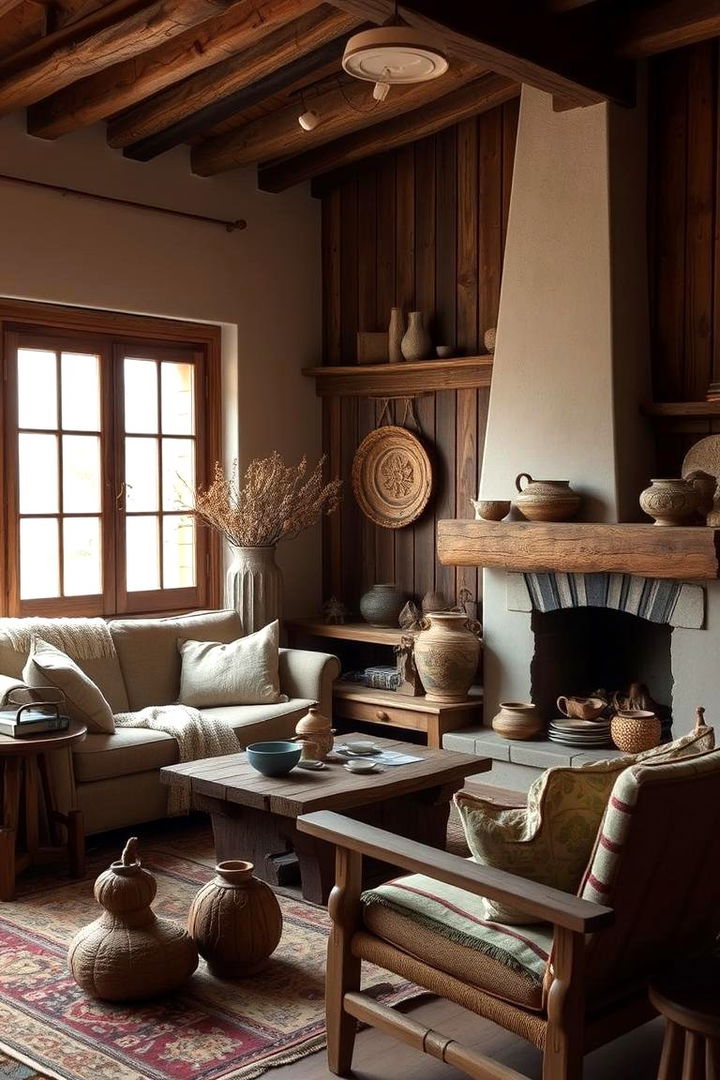
A gentle sense of nostalgia fills the room when natural imperfections take center stage, transforming everyday materials into treasured design elements. This idea emphasizes the beauty in weathered wood, aged stone, and imperfect ceramics, celebrating the charm that comes with time. The key benefits include a warm, inviting atmosphere and a unique story embedded in each detail. Practical tips include choosing pieces with visible wear or handcrafted items that reflect personal history. Such thoughtful selections make your space feel authentic and relatable, creating an environment that nurtures creativity and calm.
2. Organic Materials Integration
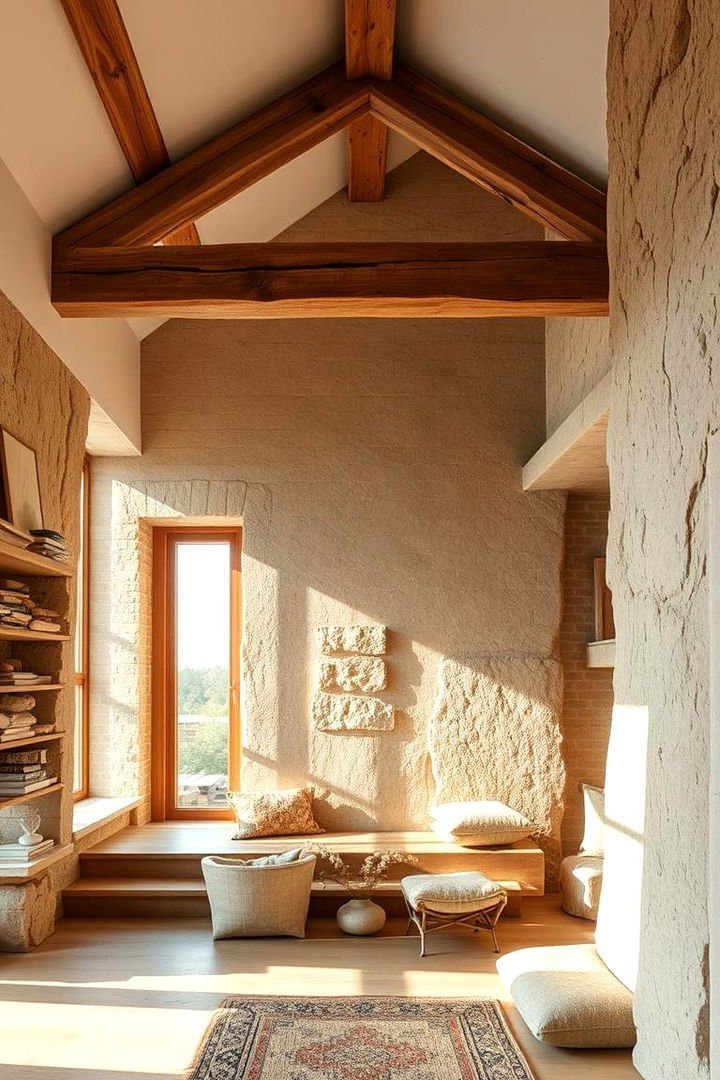
With natural fibers, reclaimed woods, and raw stone, organic materials integration brings the outdoors inside. This idea enhances your design by connecting your living space with nature’s textures and hues, fostering a sense of harmony and balance. By incorporating sustainable elements, you not only create a unique aesthetic but also contribute to eco-friendly practices. Practical advice involves sourcing locally made furniture or artisan decor that highlights natural grain patterns and textures. This approach offers both visual delight and a tangible connection to nature, encouraging mindfulness and thoughtful living in every room.
3. Minimalist Layouts and Flow
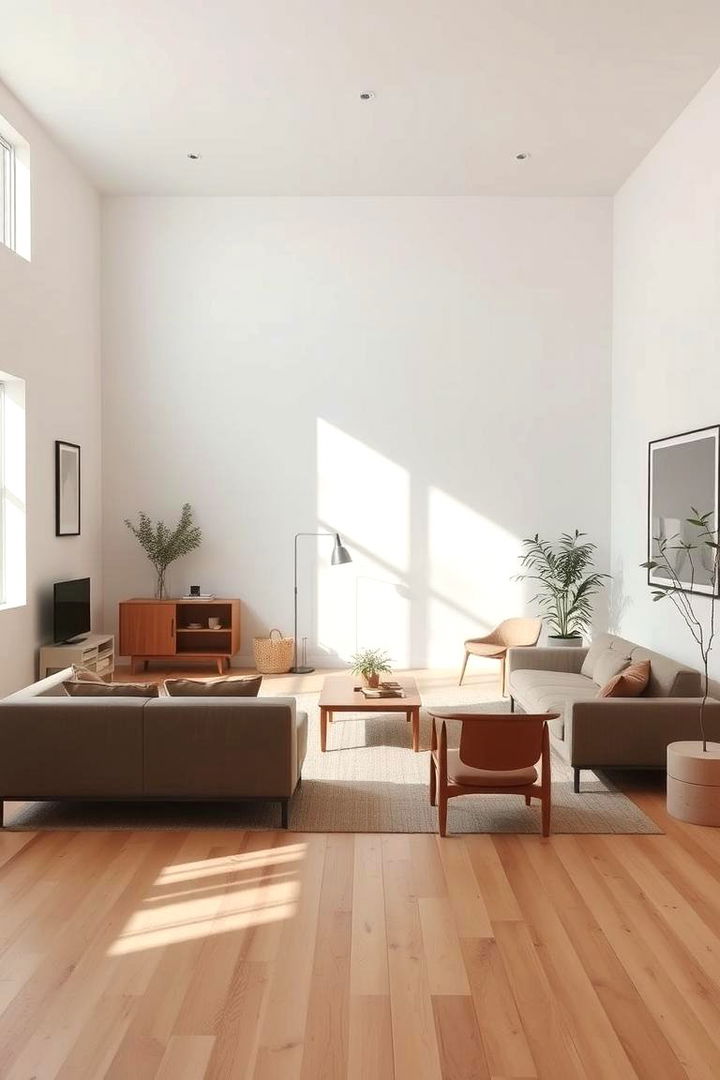
A sense of quiet order permeates spaces with minimalist layouts and fluid flow, emphasizing uncluttered arrangements that foster peace and clarity. This idea encourages open spaces with carefully chosen pieces that allow each element room to breathe. The benefits of this approach include reduced stress and enhanced focus, creating a serene environment ideal for relaxation. Actionable tips involve decluttering, utilizing negative space smartly, and selecting furniture that promotes gentle movement. This design philosophy leads to a balanced, stress-free ambiance that is both practical and deeply rooted in wabi sabi simplicity.
4. Weathered Wood Accents
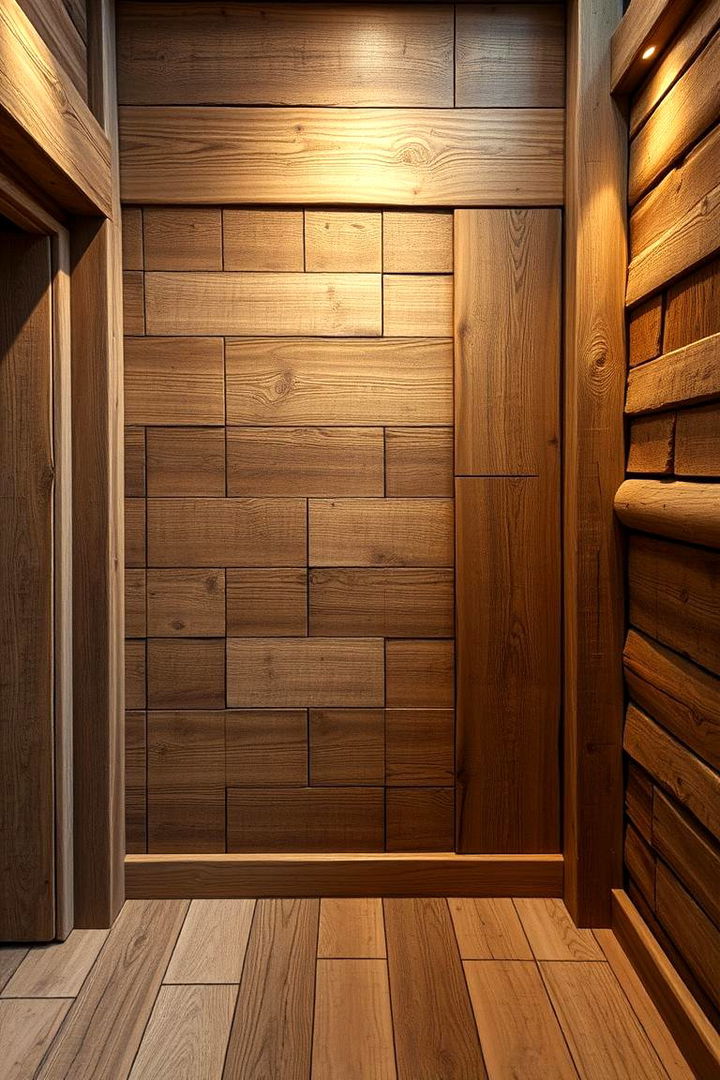
For a distinctive touch, weathered wood accents introduce rustic charm through the use of reclaimed or naturally aged wood elements. These accents illuminate the character of any interior, showcasing unique grain patterns and a history woven into the material. The benefits include a warm visual narrative and the versatility to blend with various decor styles. Practical recommendations suggest using wood beams, shelves, or accent walls to create focal points. This approach lends a tangible, organic feel that resonates with nature lovers and adds an inviting texture to your living or working area.
5. Earthy Color Palettes
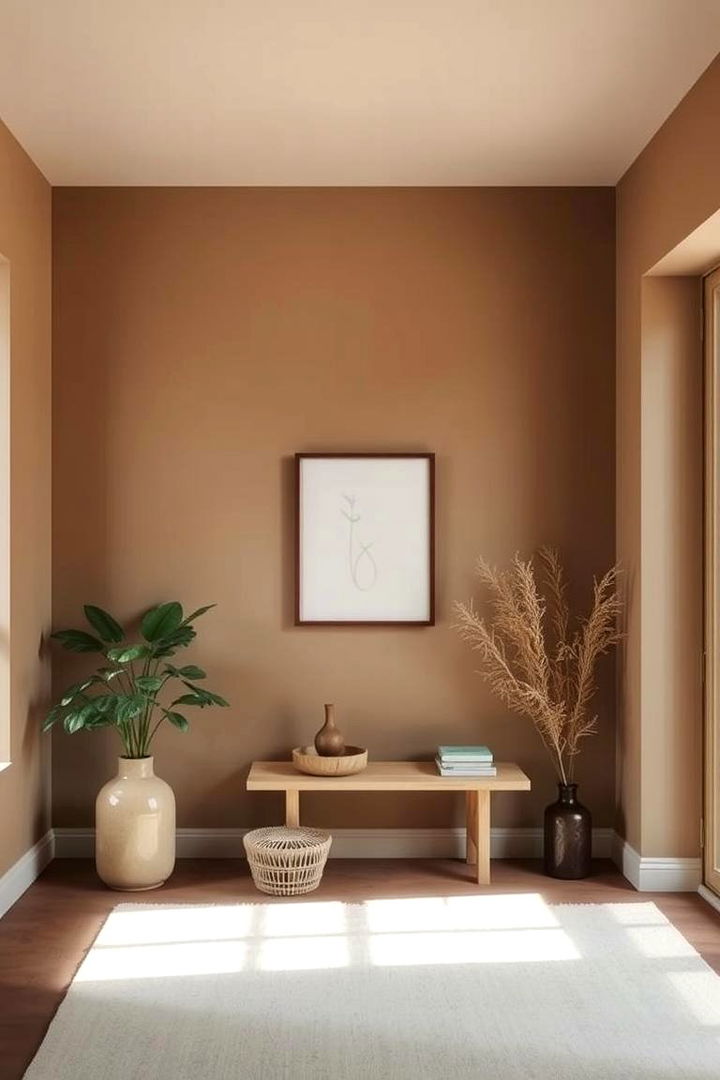
Another vibrant idea involves adopting earthy color palettes characterized by muted tones of browns, beiges, greens, and grays. This concept sets the stage for a calming environment that exudes serenity and balance. The primary advantage of such palettes is their ability to evoke nature’s tranquility, inviting warmth without overwhelming the senses. Actionable tips include pairing soft neutrals with occasional bold, natural accents to maintain visual interest. Embracing this color scheme creates a subtle, yet profound connection to the outdoors, reminding you that beauty need not be loud to make a lasting impact.
6. Handcrafted Decor Elements
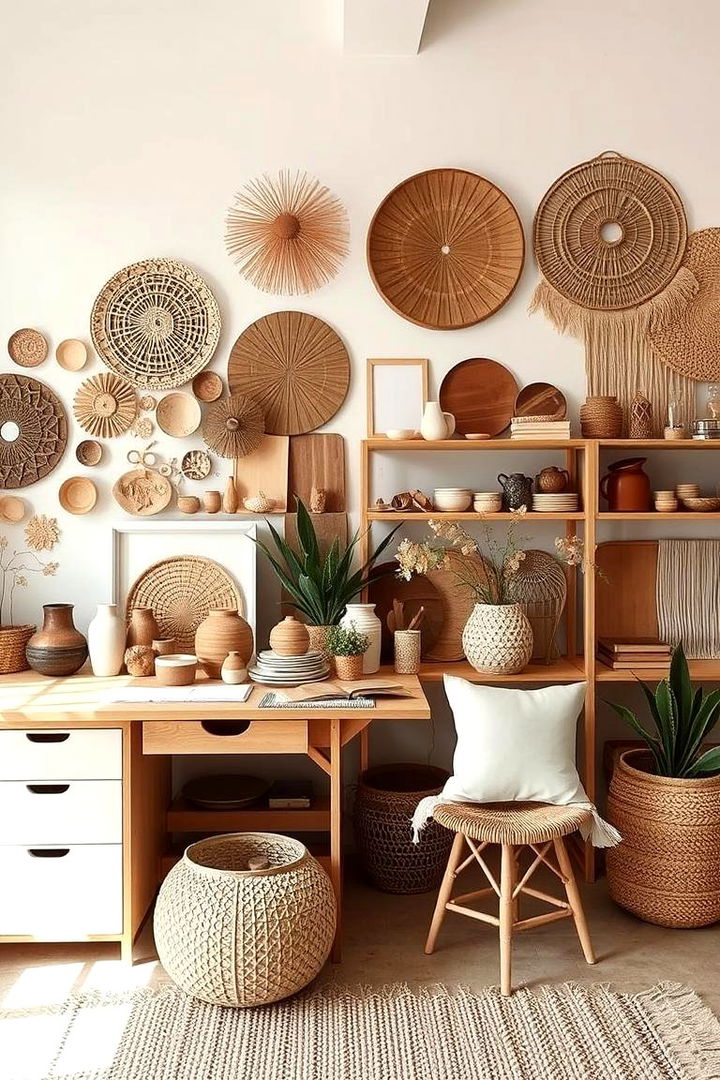
What better way to personalize your space than by incorporating handcrafted decor elements that embody a story of meticulous artistry? Handmade pottery, woven textiles, and artisanal fixtures bring an intimate connection to the craftsman’s spirit. The advantages include unique designs that add character and authenticity, giving your interiors a bespoke quality. Tips for implementation include sourcing locally made items or even creating some elements yourself. This method elevates the personal and emotional connection within your home, making each piece a testament to the beauty found in imperfection and individual expression.
7. Asymmetrical Balance
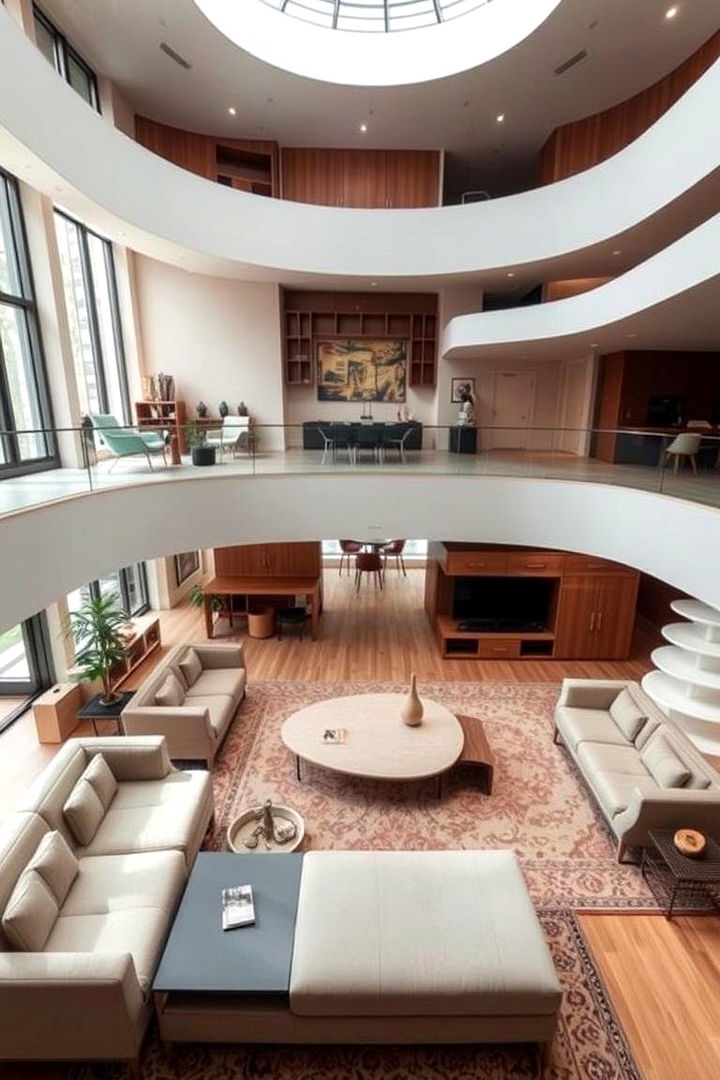
Interestingly, asymmetrical balance challenges traditional symmetry by creating a dynamic yet harmonious composition within a space. This idea embraces irregularity and the natural off-balance elements that characterize wabi sabi aesthetics. The benefits of this approach include a visually engaging layout that stimulates curiosity and admiration for its unique balance. Practical tips involve mixing furniture of varied sizes and positioning items in unexpected yet cohesive arrangements. This unconventional technique invites a fresh perspective, nurturing a calm ambiance where creativity and subtle imperfections coexist beautifully.
8. Natural Lighting Emphasis
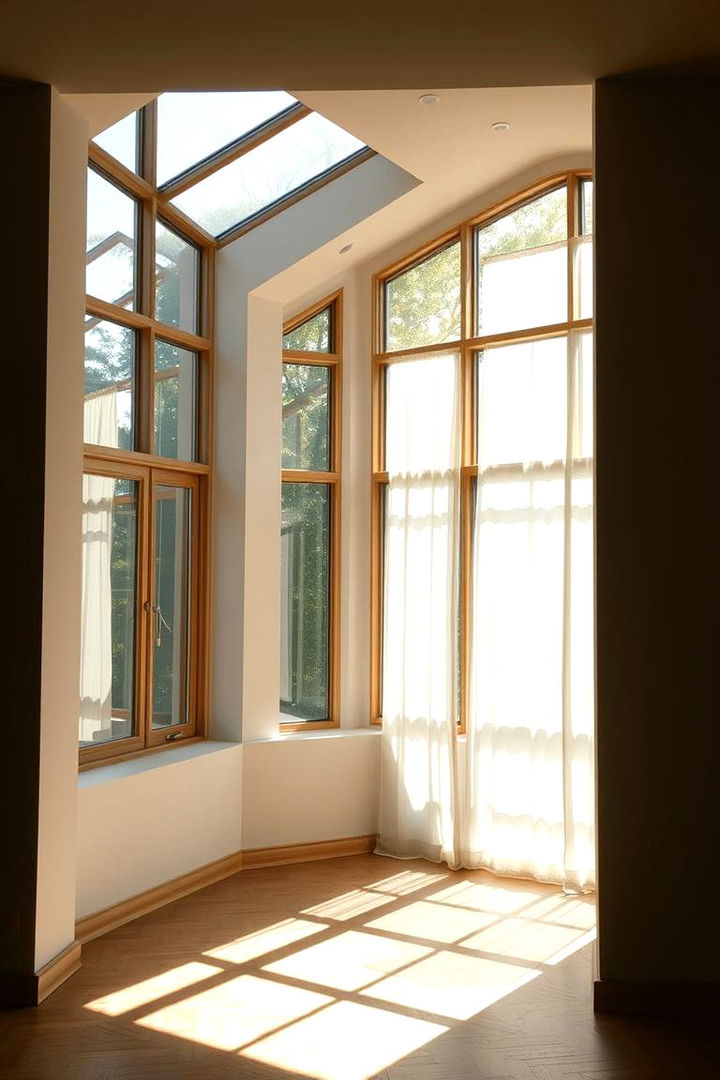
Surprisingly, natural lighting emphasis transforms interiors by harnessing the soft, diffused light of the day. This idea exploits the benefits of sunlight filtered through sheer curtains or strategically placed windows, creating an inviting glow throughout the space. The practical advantages include energy savings and an improved mood resulting from more natural light exposure. Actionable advice involves minimizing heavy drapery and maximizing window areas. By allowing natural elements to play a significant role, you create a space that feels open, organic, and aligned with nature’s ever-changing light patterns.
9. Sustainable Design Choices
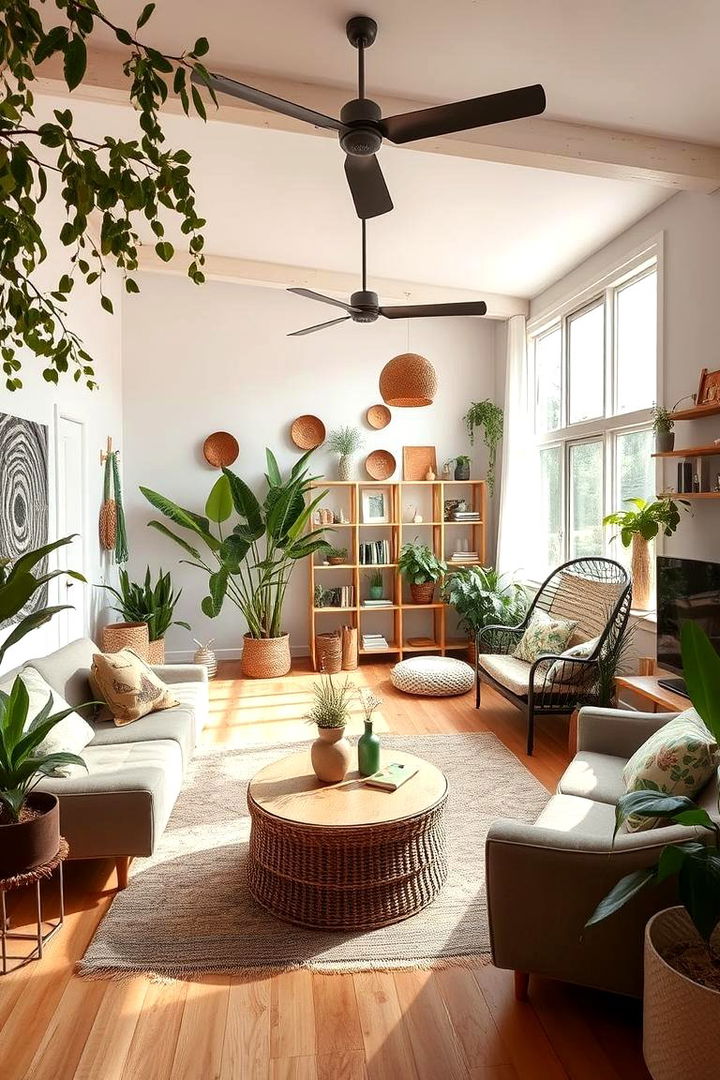
As a progressive idea, sustainable design choices integrate eco-friendly practices into every facet of your interior. This approach not only respects nature but also creates a healthier living environment, emphasizing responsibly sourced materials and energy-efficient fixtures. The benefits extend to long-term savings and a reduced carbon footprint. Implementing this idea might include using recycled or reclaimed materials, low-energy lighting, and sustainable textiles. This holistic method builds a bridge between aesthetic appeal and environmental responsibility, inspiring a lifestyle that is both modern and conscientious.
10. Timeless Simplicity
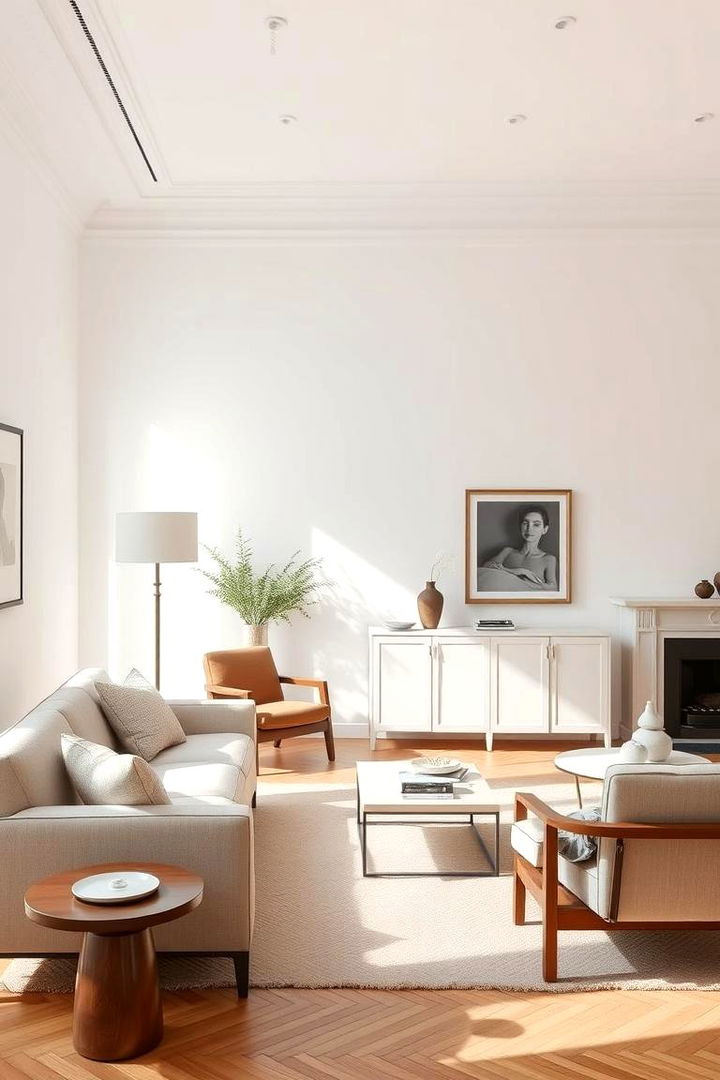
Unlike fleeting trends, timeless simplicity celebrates an elegant, understated aesthetic that remains relevant regardless of changing fashions. This concept focuses on clean lines, minimal ornamentation, and carefully chosen furnishings that embody both functionality and beauty. The benefits include a constantly inviting space that ages gracefully while remaining versatile for various uses. Practical advice entails avoiding excess while investing in quality, classic pieces. Embracing this pure design philosophy not only offers visual appeal but also cultivates a peaceful atmosphere that emphasizes longevity, balance, and enduring charm.
11. Artful Layering of Textures
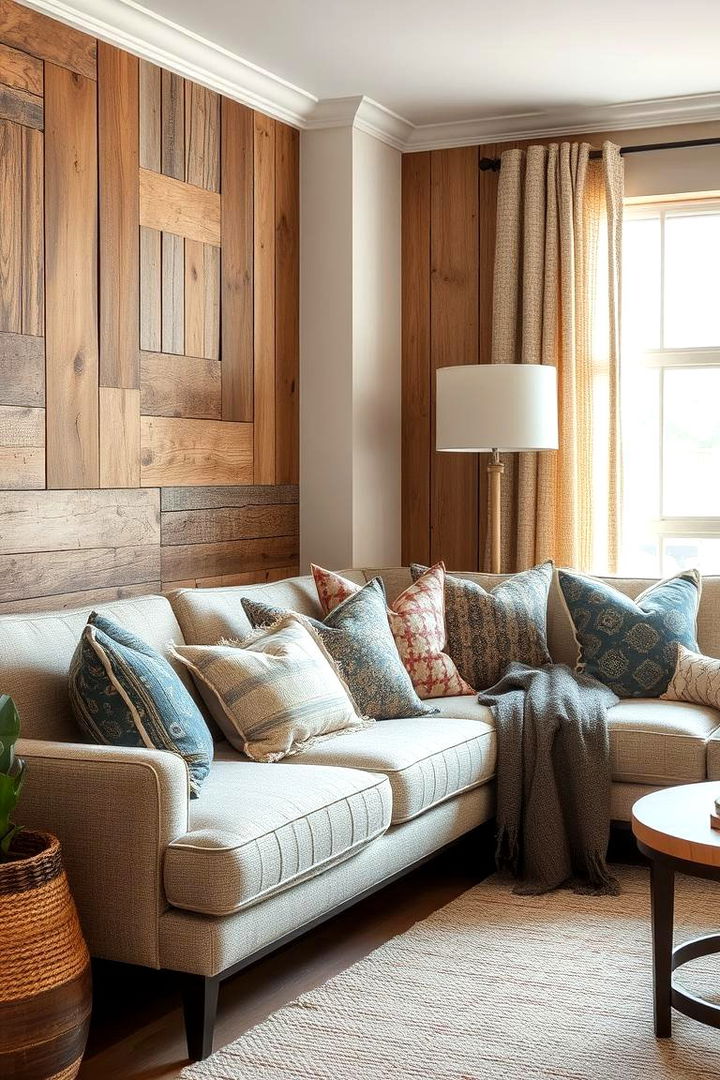
By introducing artful layering of textures, you create depth and interest in your living spaces through a curated mix of fabrics, surfaces, and finishes. This design strategy enriches interiors with tactile diversity that captivates the senses and invites exploration. The benefits include an enhanced visual and sensory experience, bridging soft and rugged elements harmoniously. Actionable tips include combining smooth ceramics with rough-hewn wood or soft textiles with raw metals. This deliberate yet natural interplay of textures provides a dynamic backdrop, transforming simple rooms into spaces of understated elegance and authentic character.
12. Old-World Charm and Modern Touch
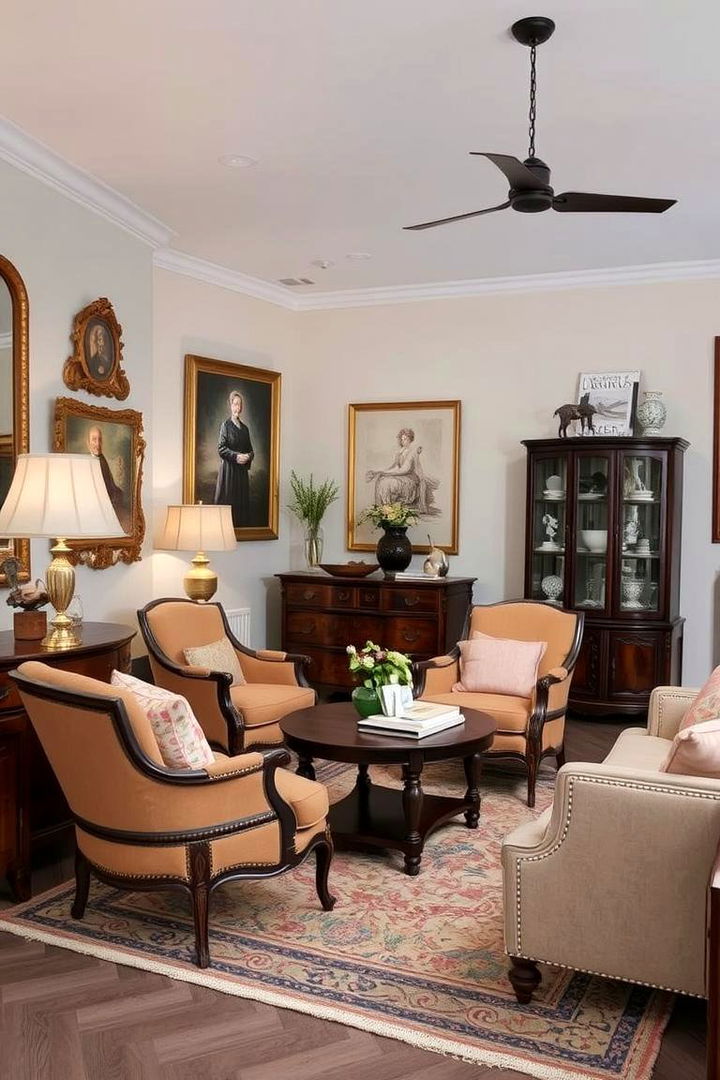
In a delightful fusion, old-world charm meets modern touch by merging time-tested, rustic elements with contemporary minimalist design. This idea offers the best of both worlds through classic antique pieces paired with modern fixtures, creating a layered narrative of history and innovation. The benefits include a balanced space that celebrates the past while embracing the future. Practical tips suggest mixing vintage furniture with sleek lines and modern decor accents. This duality adds sophistication and warmth, resulting in an environment that is both inviting and refreshingly innovative.
13. Fluid Design Patterns

Take a closer look at fluid design patterns that celebrate organic shapes and natural movement throughout your interior. This idea moves away from strict geometrical lines, introducing soft curves and variable forms that foster a calming and imaginative ambiance. The benefits include the creation of a dynamic, yet soothing space where each element flows into the next. Actionable tips involve using decor items with flowing silhouettes and incorporating patterns inspired by nature. Such designs stimulate creativity while reinforcing a relaxed environment that honors the unpredictable beauty of natural forms.
14. Rustic and Urban Blend
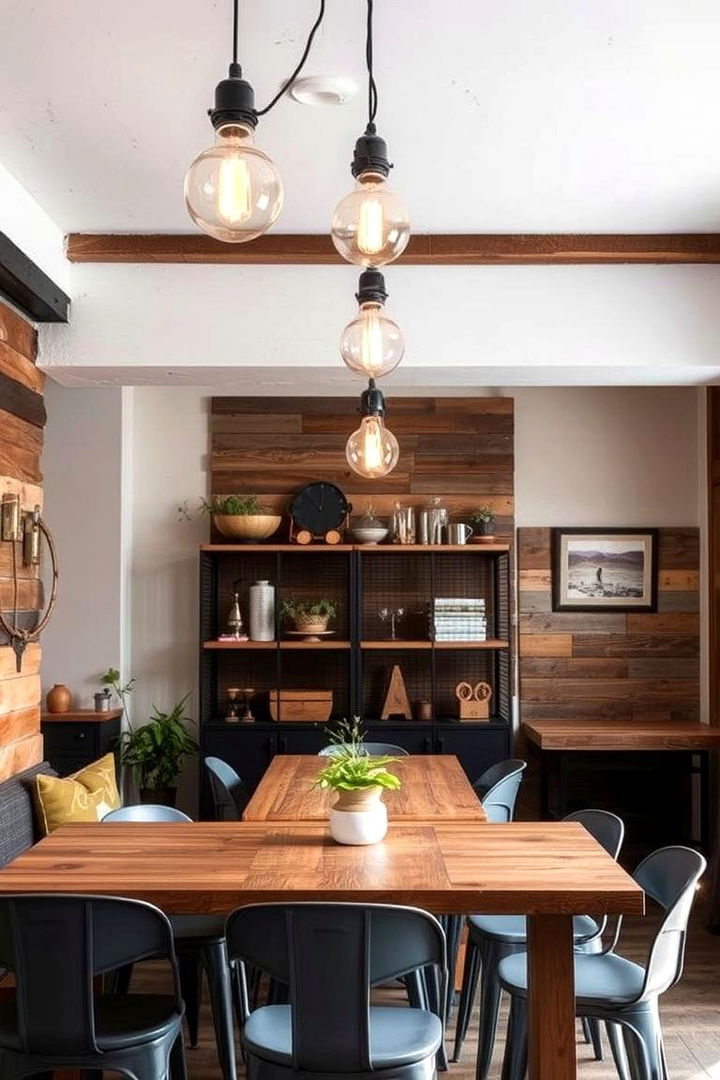
Another inviting idea fuses rustic warmth with urban precision, creating a blend that balances rugged authenticity with sleek modernity. This aesthetic thrives on contrasting materials and textures: industrial metals juxtaposed with weathered wood, and urban minimalism softened by natural accents. The benefits are multifold: a versatile space appealing to diverse tastes and an environment rich in narrative detail. Practical pointers include incorporating vintage industrial lighting with reclaimed wooden furniture. This combination produces a unique backdrop where the charm of the past meets the spirit of modern city living.

15. Subtle Detailing and Finishes
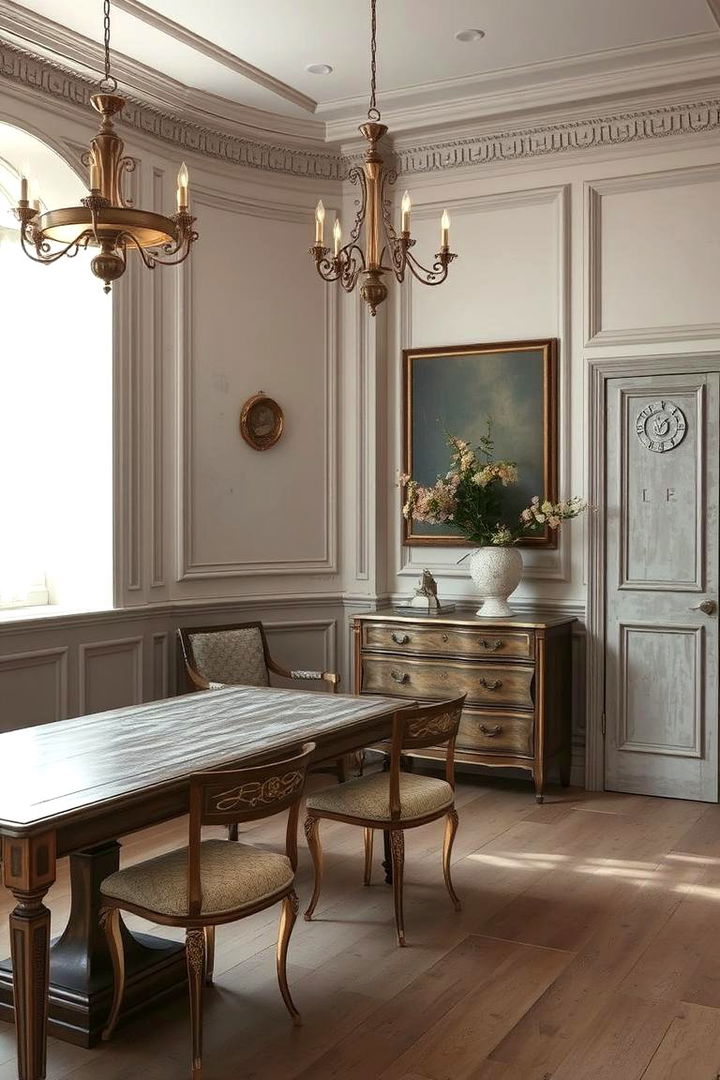
With careful attention to subtle detailing and finishes, you elevate your design by focusing on the nuanced beauty of each decorative element. This idea rewards a keen eye for craftsmanship—small touches like brushed metals or softly distressed surfaces add depth without overwhelming the space. The benefits are refined appeal and a sophisticated ambiance that resonates with understated luxury. Actionable tips include experimenting with gentle gradients and modest patterns that enhance functionality. Such delicate embellishments create an inviting atmosphere defined by quiet elegance and mindful design choices that celebrate the art of simplicity.
16. Natural Indoor Gardens
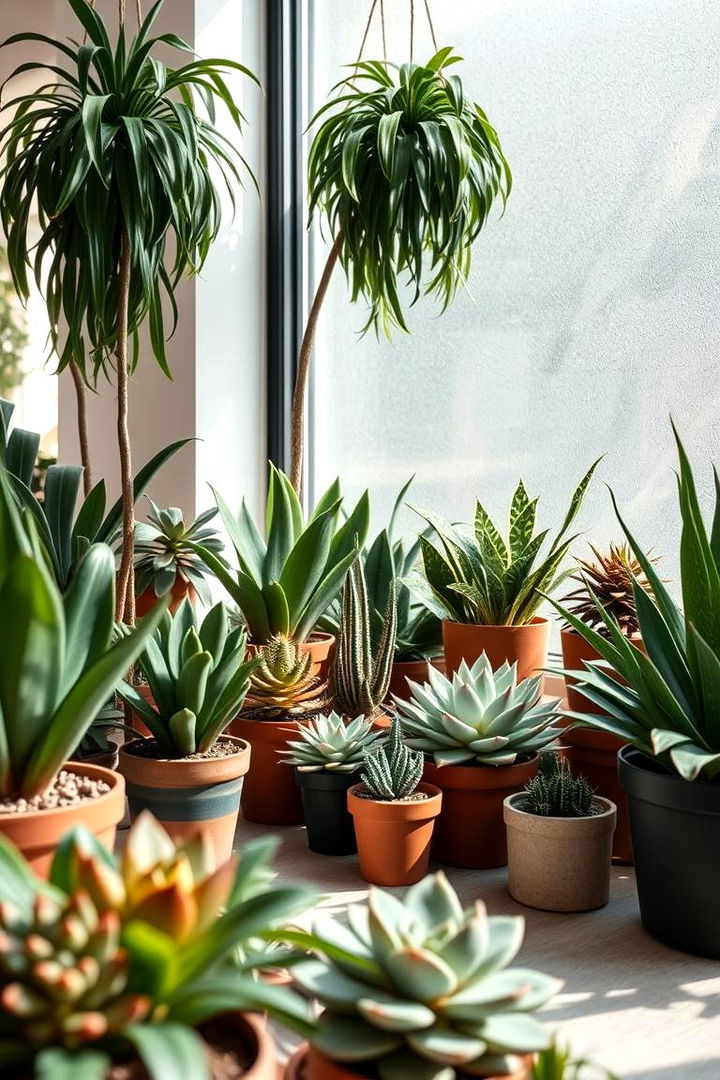
Consider the refreshing touch of natural indoor gardens that incorporate potted plants, succulents, and creeping vines into your interior decor. This approach integrates nature directly into your living space, offering both aesthetic and health benefits. The presence of verdant elements improves air quality, reduces stress, and adds a dynamic, living texture to your home. Practical tips involve selecting low-maintenance plants and arranging them attractively around key focus areas. This design strategy nurtures a calming, organic environment where natural beauty and modern design harmoniously coexist.
17. Emotional and Tranquil Spaces
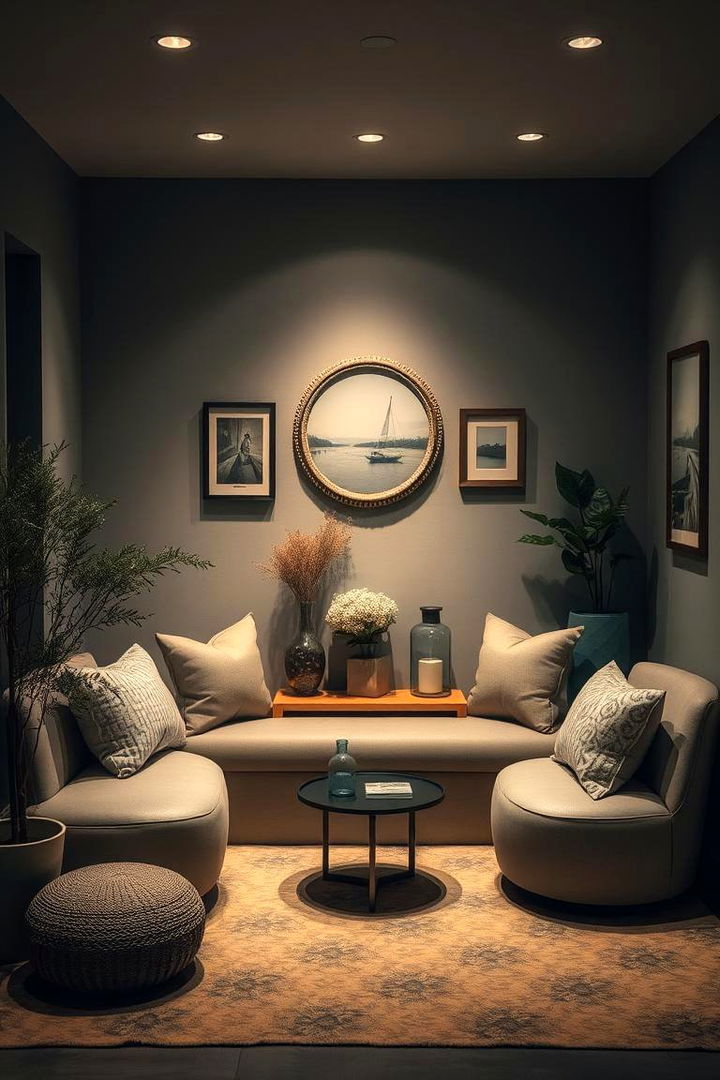
At the heart of wabi sabi lies the pursuit of emotional and tranquil spaces that provide a sanctuary from modern chaos. This idea focuses on creating intimate corners where every detail—from the soft lighting to the tactile decor—contributes to inner calm and positive energy. The benefits include reduced anxiety and a nurturing environment that supports mental well-being. Actionable tips include selecting calming art pieces and decluttering the space to foster a serene atmosphere. Such mindful design transforms your interior into a haven that encourages relaxation and emotional balance in everyday life.
18. Authentic Japanese Influences
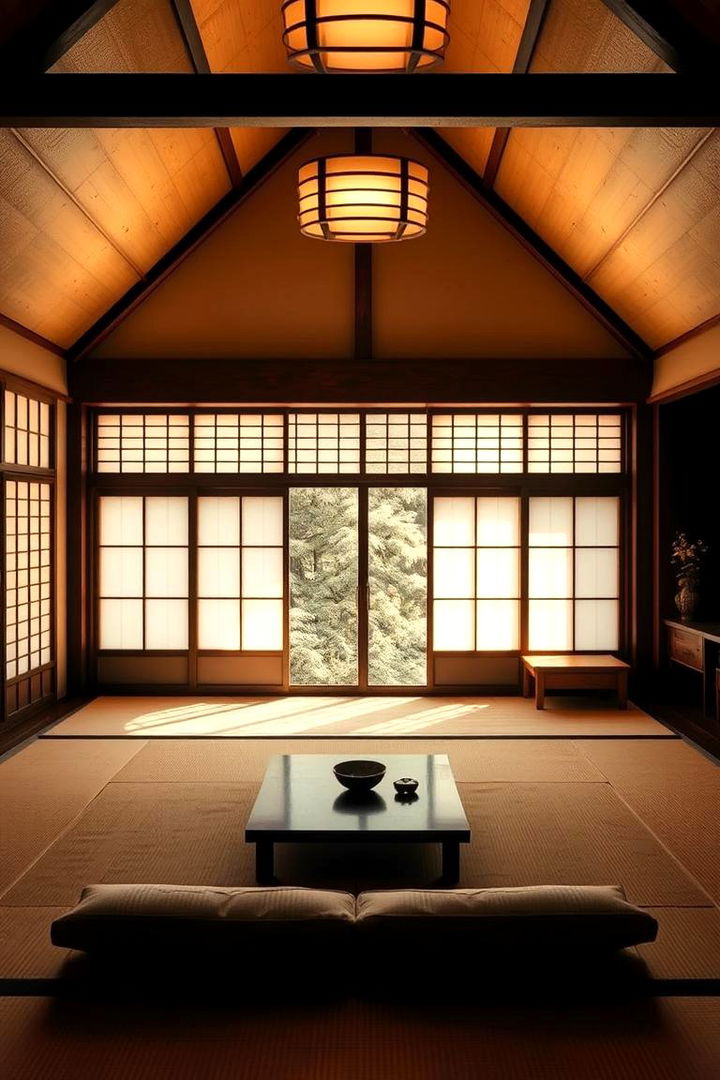
Certainly, authentic Japanese influences infuse interiors with simplicity, reverence for nature, and a meticulous attention to detail. Drawing inspiration from traditional Japanese homes, this idea uses low furniture, shoji screens, and natural materials to create a balanced, respectful space. The benefits include a sense of order, serenity, and a deep connection to cultural heritage. Practical advice is to incorporate elements that emphasize clean lines and an understated elegance. This blend of tradition and modernity brings forth an ambiance that respects the simplicity of life and illuminates every corner with quiet grace.
19. Deliberate Imperfect Furnishings
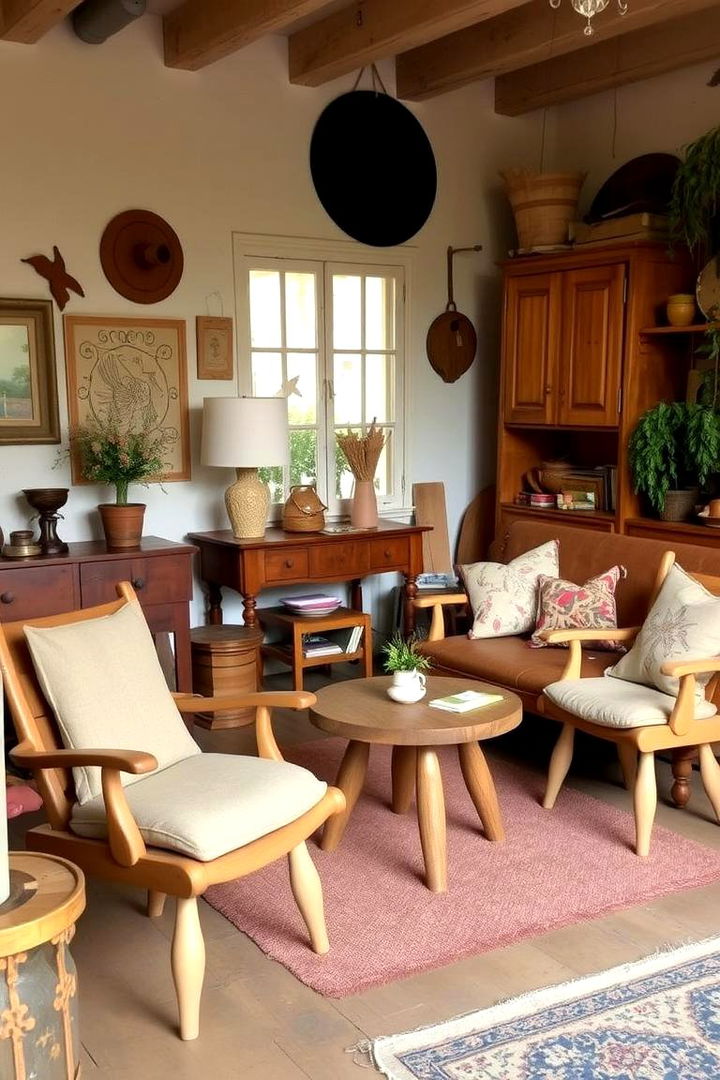
One cannot help but appreciate deliberate imperfect furnishings, which encourage embracing flaws as artful statements within your space. This design idea celebrates handcrafted, slightly off-kilter furniture and decor that each tell a unique story of life’s unpredictability. The benefits are a warm, relatable aesthetic paired with an inviting atmosphere that contrasts refined perfection. Practical tips include actively seeking out pieces that remind you of nature’s organic evolution and historical craftsmanship. These selections foster a space of authenticity and emotional resonance, inspiring you to cherish beauty in every unexpected curve.
20. Calm and Reflective Corners
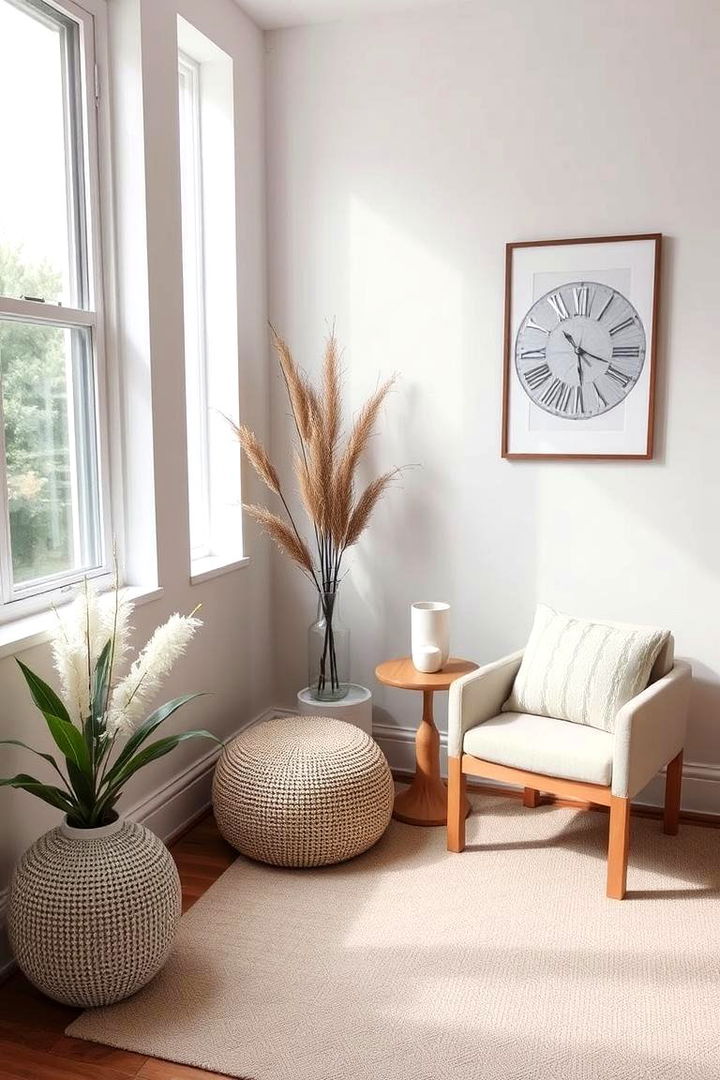
Taking refuge in calm and reflective corners creates intimate spaces for unwinding and introspection. This idea embraces setting aside nooks with soft seating, gentle lighting, and peaceful decor that encourage mindful relaxation. The benefits include a designated sanctuary within your home that reduces stress and sparks creative thought. Actionable suggestions include positioning a comfortable chair near a window or a quiet reading space decorated with natural accents. Such thoughtful arrangements transform mundane areas into reflective retreats that honor the wabi sabi philosophy of simplicity and natural balance.
21. Unconventional Simplicity
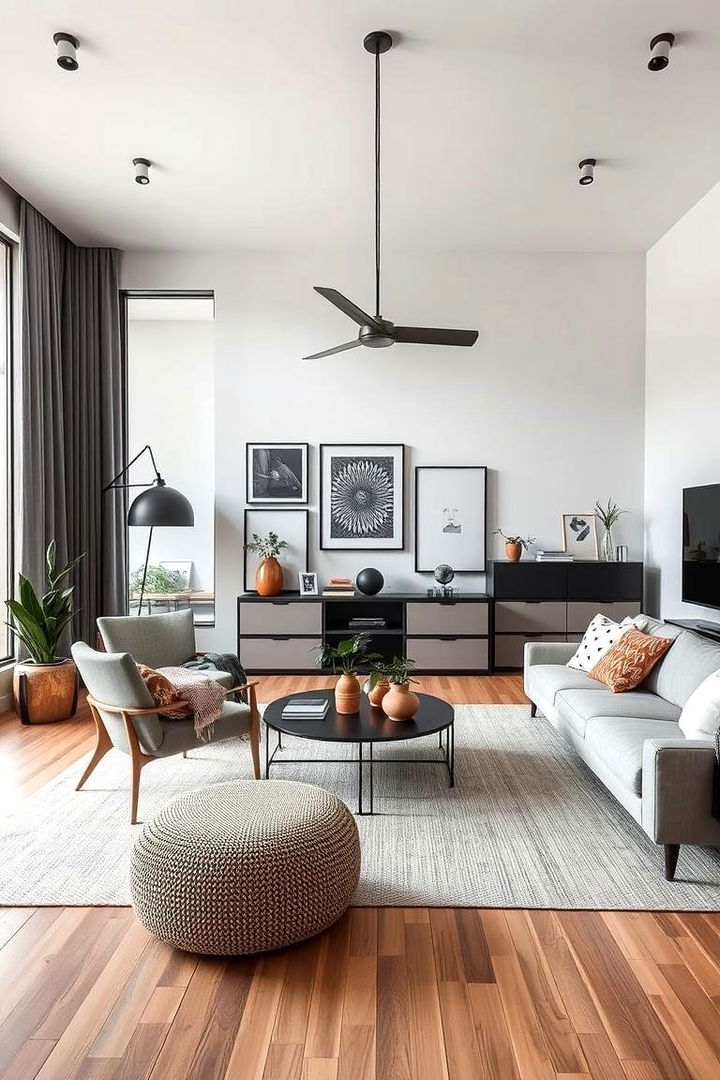
Despite modern design trends, unconventional simplicity can redefine interiors by allowing unique pieces and unexpected arrangements to shine. This idea promotes an organic feel where each carefully chosen element contributes to an overall serene ambiance, free from the constraints of perfect symmetry. The benefits include personalizing your space in a way that feels genuine and invigorating. Practical advice involves combining quirky decor with minimalist backdrops and letting the natural character of each item stand out. By embracing these relaxed yet intentional design choices, your space becomes an expressive canvas of individuality and calm.
22. Whispered Harmony of Design
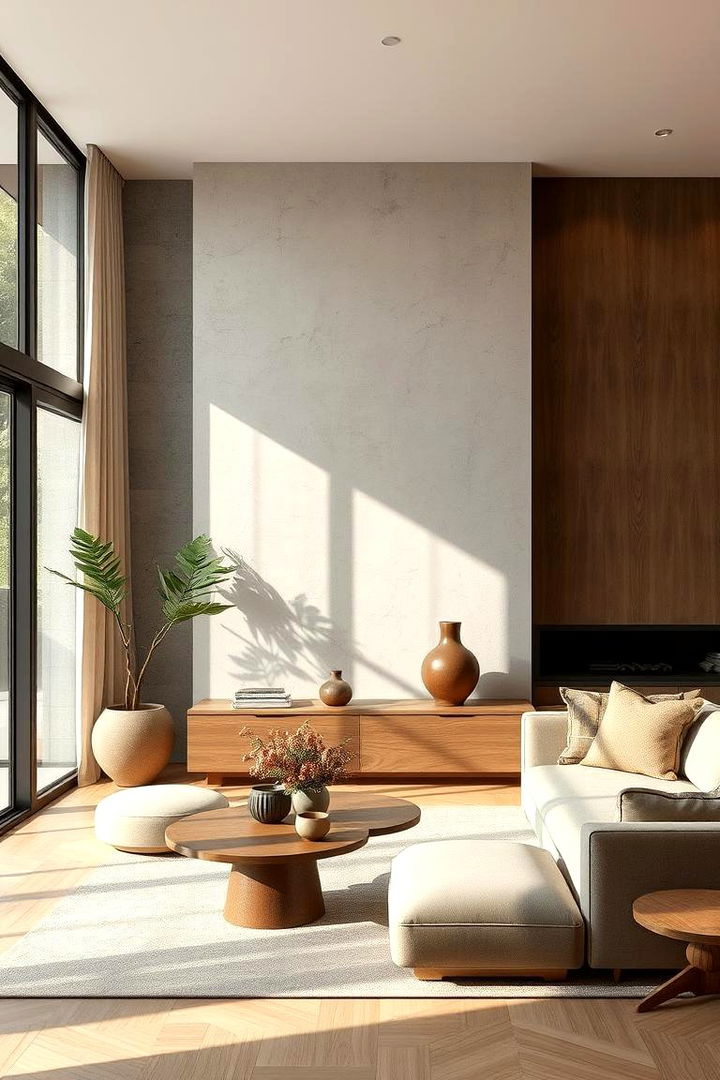
Finally, whispered harmony of design encapsulates the essence of wabi sabi by unifying diverse elements into a soft, balanced symphony. This idea focuses on merging textures, colors, and materials with a gentle touch, resulting in a space that communicates subtle sophistication and inherent beauty. The advantages include a cohesive, soothing environment that feels both modern and deeply rooted in tradition. Practical pointers include carefully balancing natural materials with understated decorative accents to create a whispered conversation between every piece. This culmination fosters an atmosphere of graceful authenticity, where every detail quietly celebrates life’s delicate art.
Conclusion:
Summing up, the 22 Wabi Sabi Interior Design Ideas offer a transformative guide to creating spaces that are as introspective as they are stylish. The ideas embrace natural imperfections, merge sustainable practices with timeless elegance, and create emotional havens that prioritize authenticity and balance. By integrating these approaches, you nurture an environment that reflects both heritage and innovation, enriching your daily living experience with tranquility and depth.

Related posts:
 22 Art Nouveau Interior Design Ideas for Organic Elegance
 22 Bohemian Interior Design Ideas for Unique Spaces
 22 Luxury Interior Design Ideas for Upscale Home Styles
 22 Rustic Interior Design Ideas for a Cozy and Timeless Home
 22 Scandinavian Interior Design Ideas for Modern Minimalist Homes
 22 Transitional Interior Design Ideas for Hybrid Style