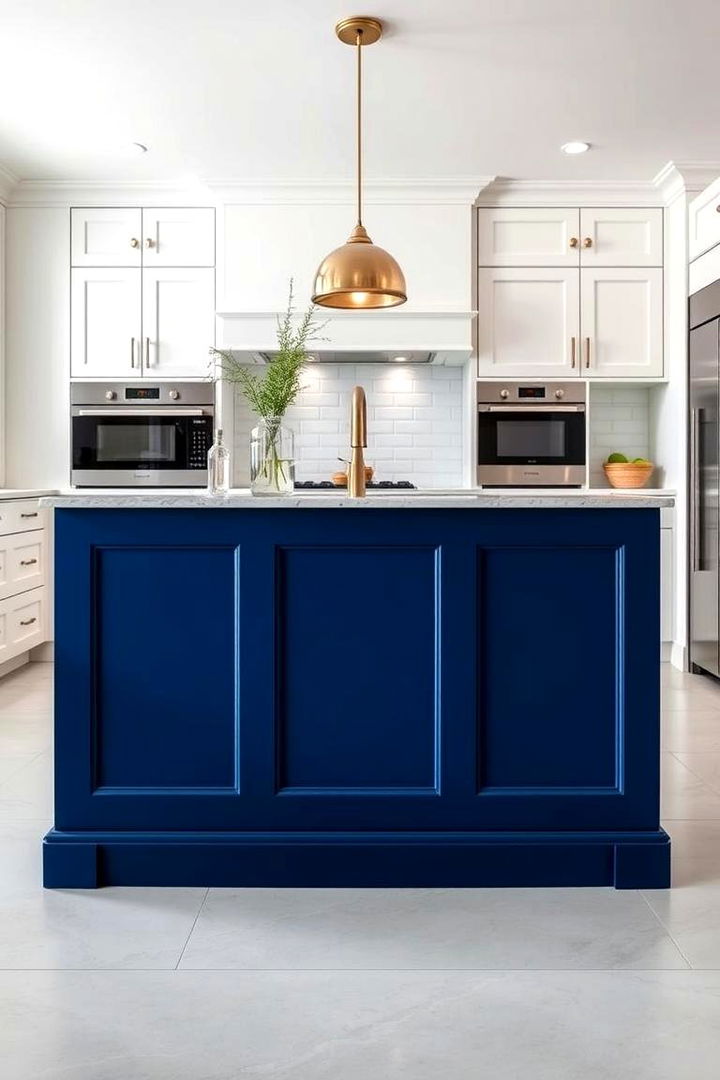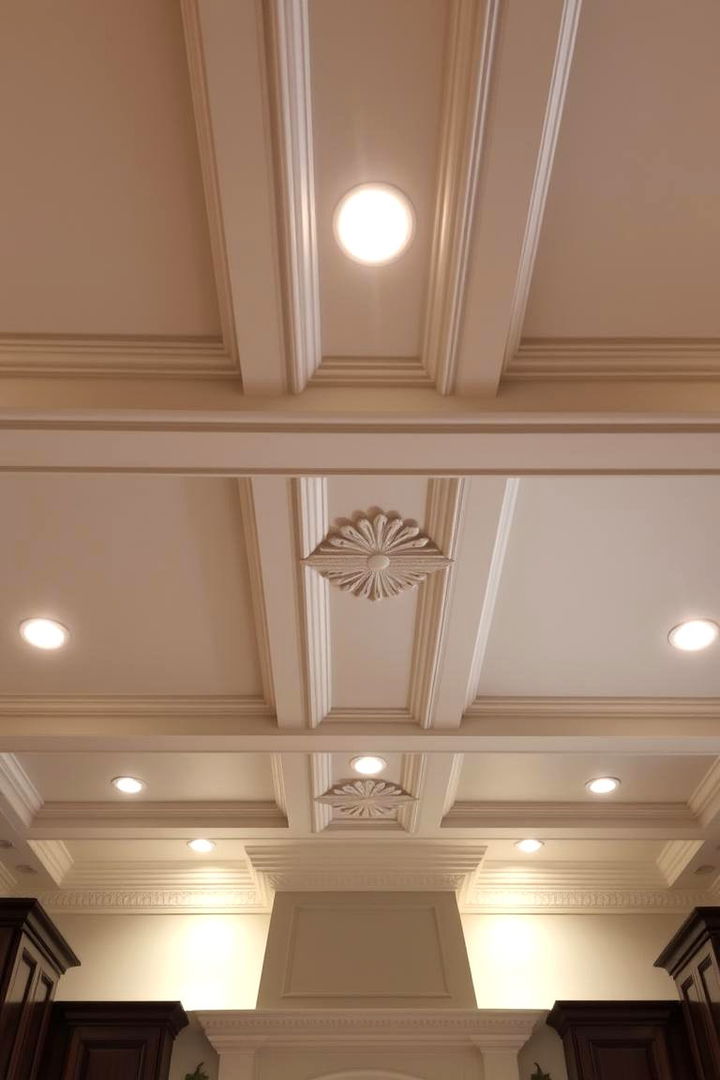
Exploring Transitional Kitchen Ideas invites you into a world where traditional charm meets modern sophistication. The kitchen becomes a harmonious blend of mature design and contemporary trends that offer both warmth and practicality. Each choice from cabinetry to lighting is thoughtfully curated to create a space that is both inviting and functional. With a focus on balanced aesthetics, these ideas empower homeowners to design kitchens that merge classic elegance with current innovations. Enjoy discovering creative and inspiring ways to transform your kitchen using transitional kitchen ideas.
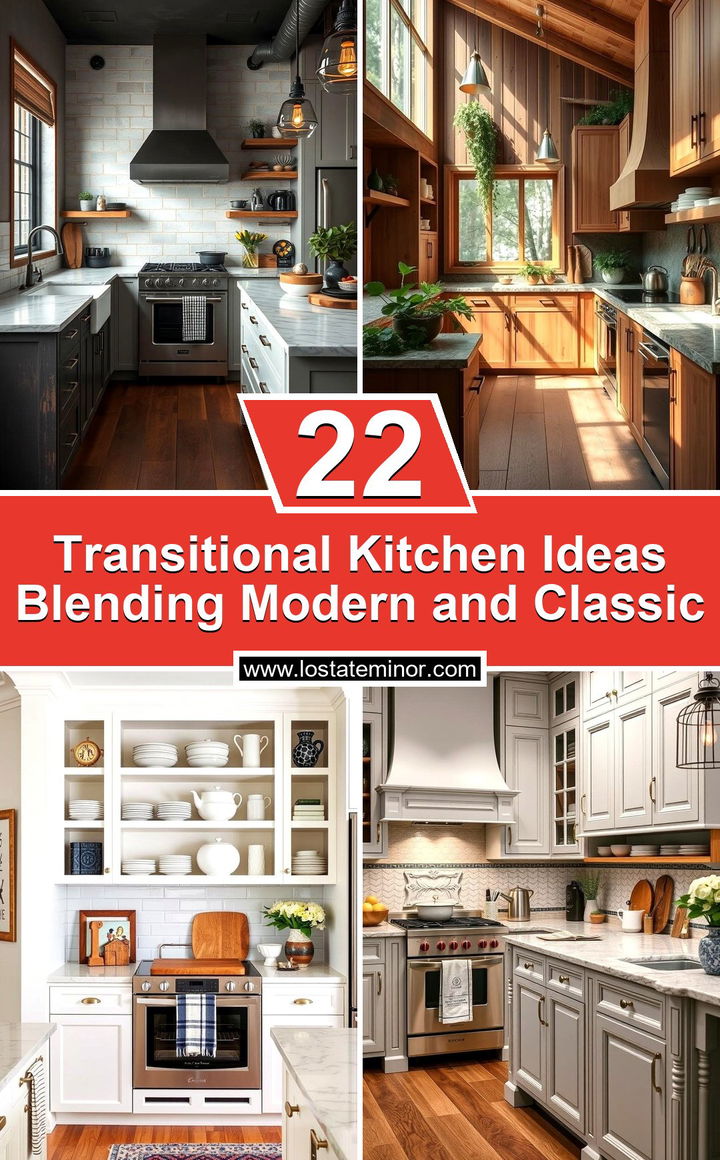
1. Blending Traditional and Modern Styles
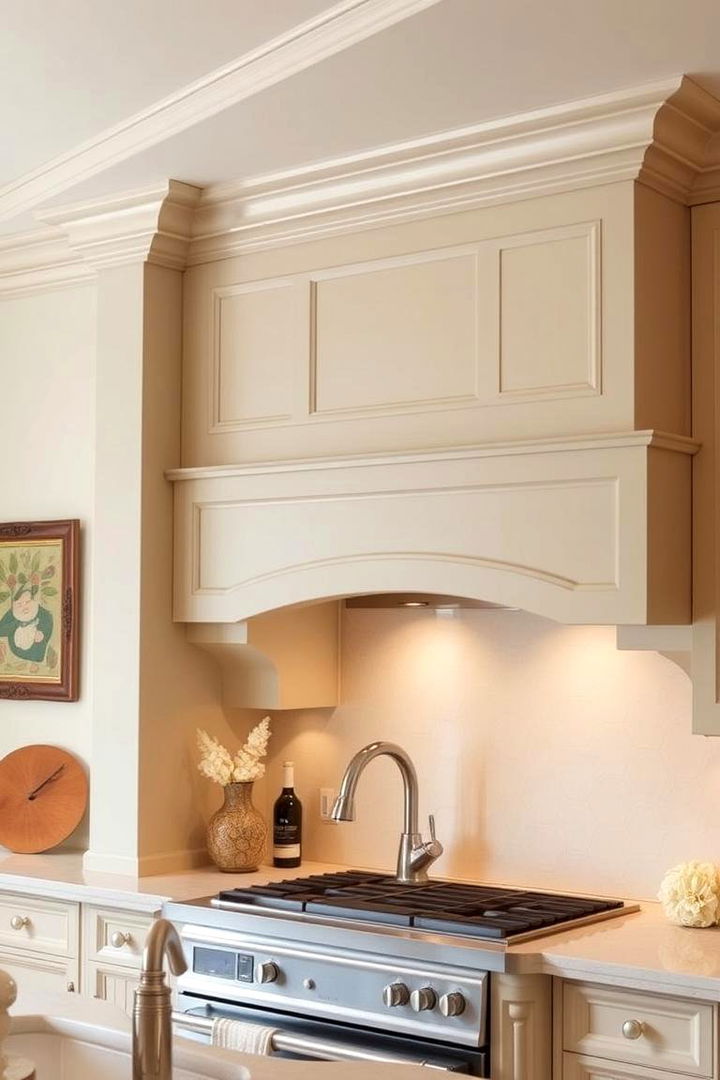
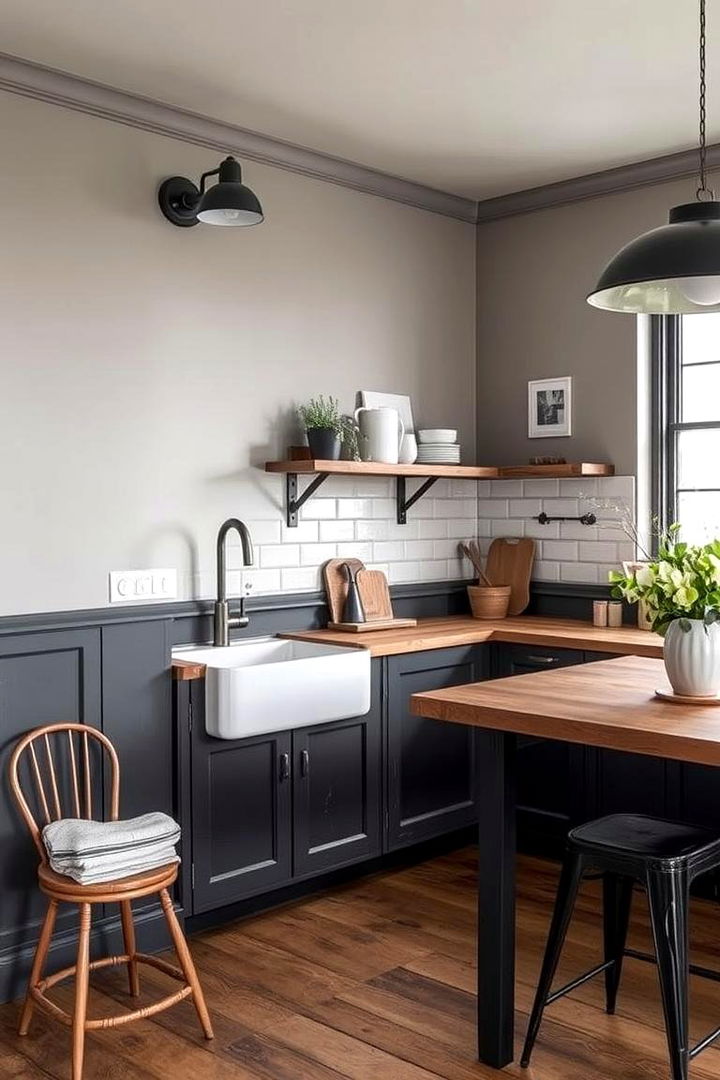
A striking balance between classic appeal and modern minimalism defines this idea, inviting you to merge ornate details with sleek, clean lines. Envision beautifully detailed crown molding paired with crisp, contemporary fixtures that enhance functionality without sacrificing character. The synthesis of contrasting elements brings a unique depth and versatility to the design. By embracing this style, you create a space that feels both timeless and current, offering homeowners the best of two worlds. This approach encourages design experimentation that highlights historical textures alongside state-of-the-art finishes, making your kitchen a true conversation piece.
2. Embracing Neutral Color Palettes
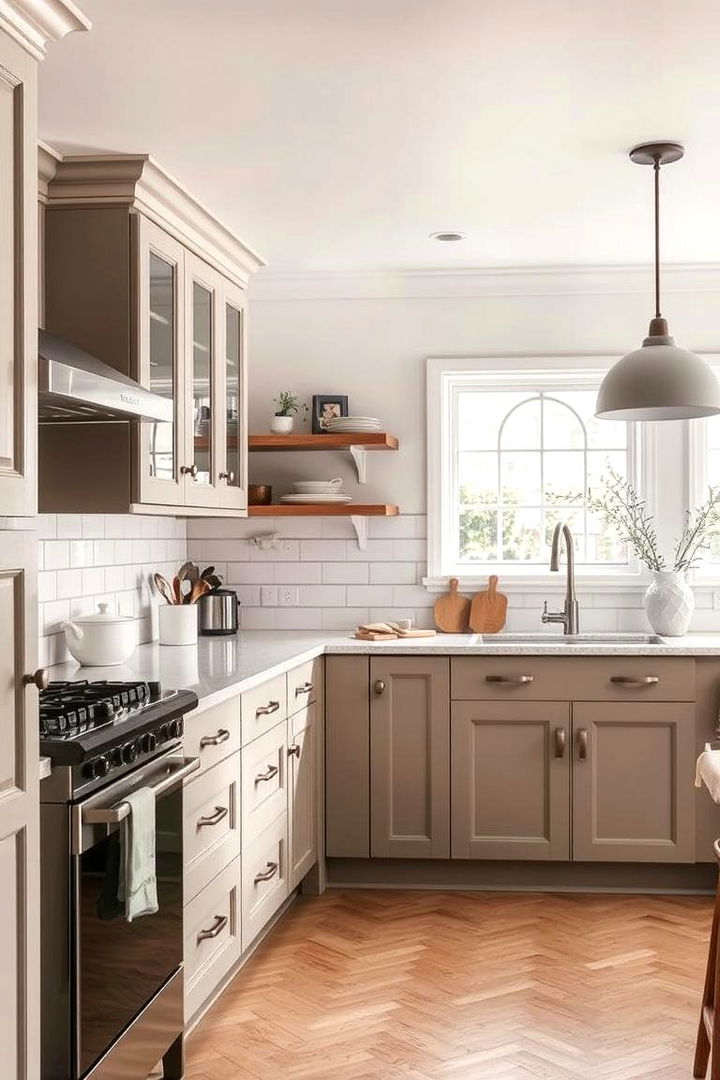
With a soft whisper of warm beiges and cool grays, this idea celebrates a serene backdrop that underscores design simplicity. The use of neutral hues creates a calm, uncluttered space that allows functional elements to shine. Homeowners benefit from the timeless elegance and adaptability these colors bring to transitional kitchens. The subtle tones merge effortlessly with both vintage and modern fixtures, ensuring your kitchen remains stylish yet inviting. By choosing a carefully curated palette, you radiate a sense of balance, making your kitchen a comfortable hub for family and guests while elevating its design appeal.
3. Balancing Texture and Pattern
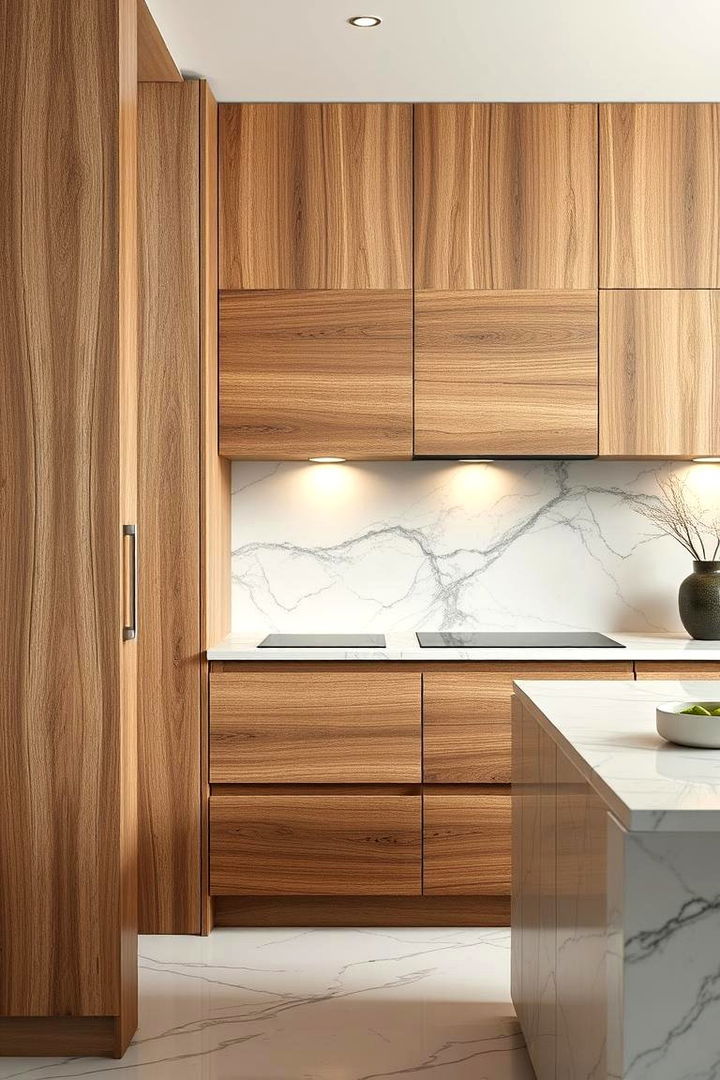
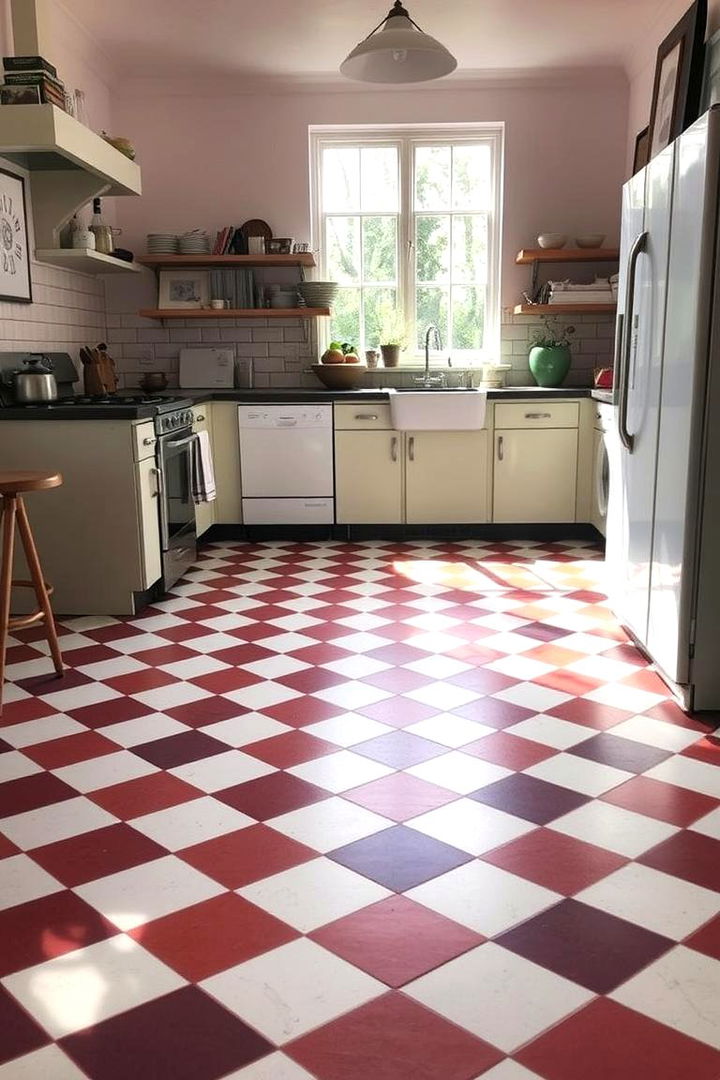
From the gentle grain of natural wood to the smooth finish of polished marble, this idea focuses on the effective combination of textures and subtle patterns. Imagine soft textiles complementing robust surfaces that together create a nuanced and tactile environment. Practical benefits include enhanced visual interest and a layered depth to your space without overcomplicating the design. Utilizing diverse materials and patterns not only serves an aesthetic purpose but also improves the room’s acoustics and ambiance. This approach invites you to experiment with different finishes, ensuring your transitional kitchen feels both sophisticated and comfortable.
4. Emphasizing Functionality and Aesthetic
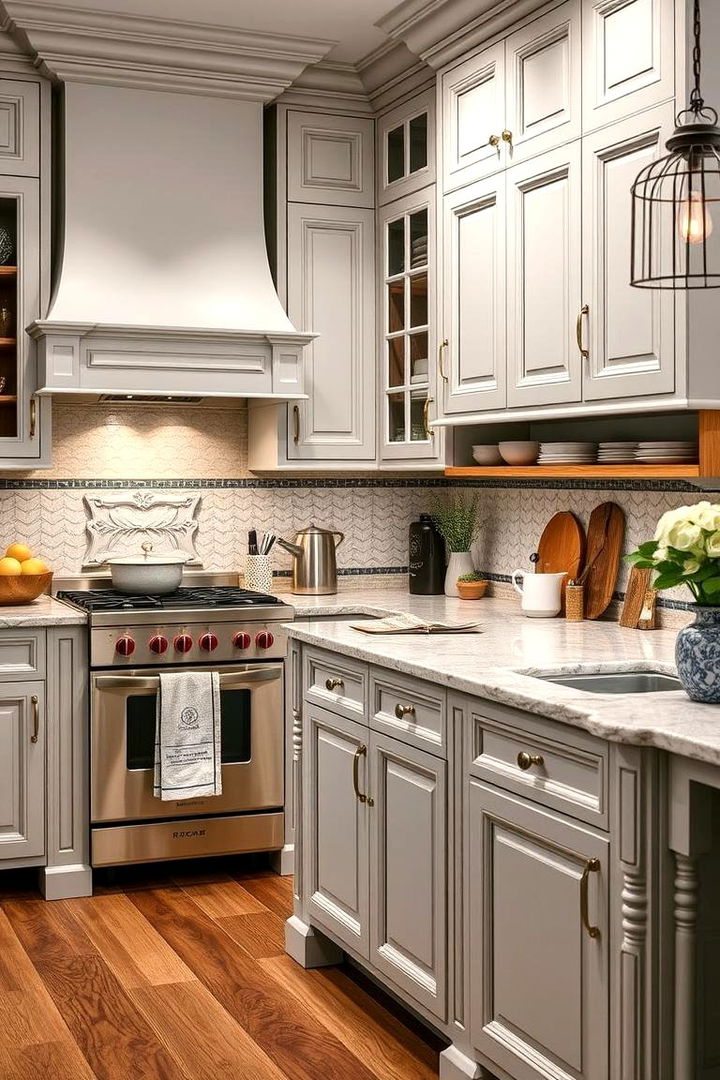
Certainly, a kitchen must be a nexus of beauty and practicality, and this idea embodies that balance perfectly. Transform your space with layouts designed for effortless movement and user-friendly access to appliances while keeping stylish touches intact. Every element is chosen to heighten both visual appeal and convenience. Homeowners will appreciate the ease of maintaining a space that is thoughtfully organized yet artistically inspiring. By carefully selecting ergonomic fixtures and decorative accents, this idea positions the kitchen as the heart of the home, where daily tasks blend seamlessly with aesthetic pleasure.
5. Incorporating Natural Materials
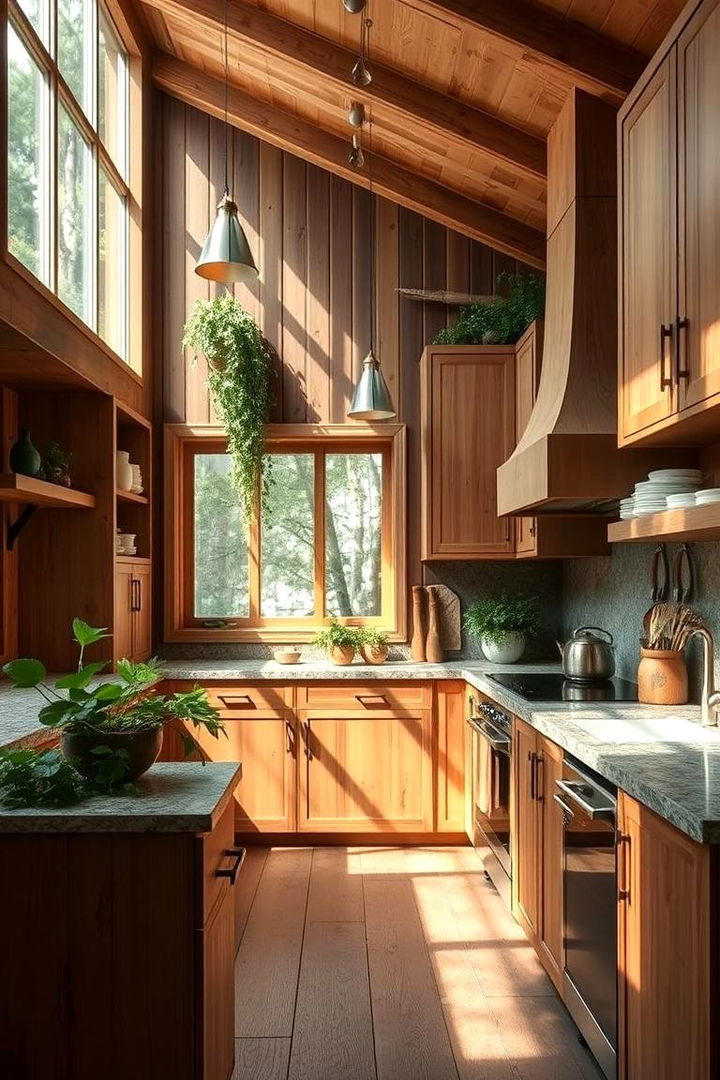
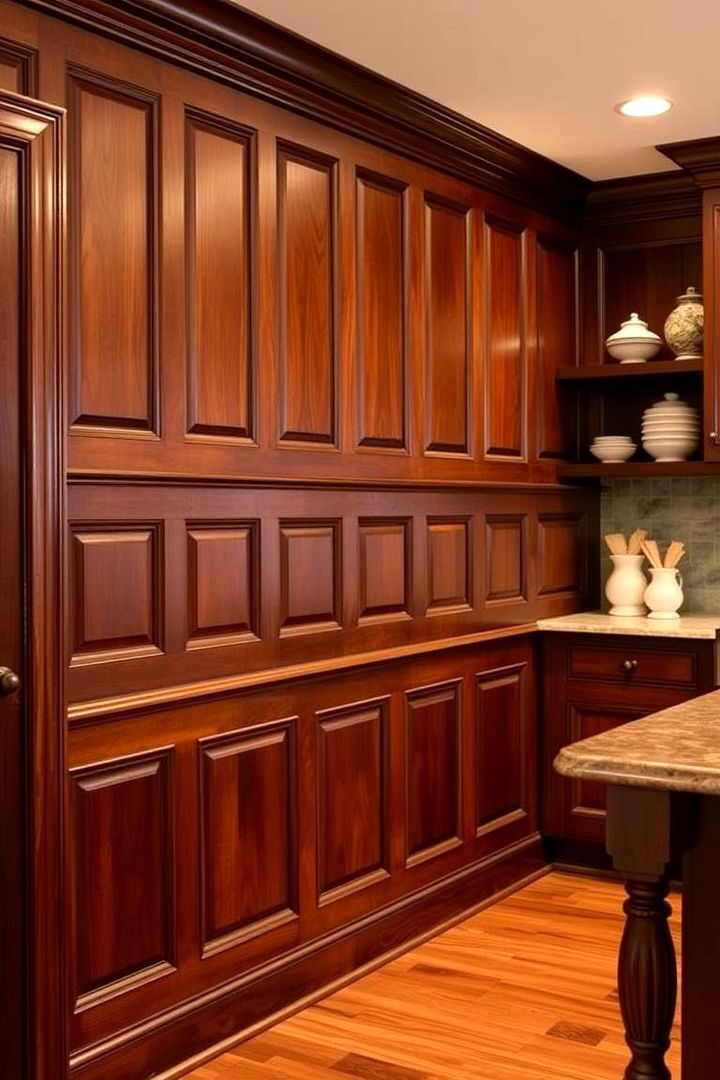
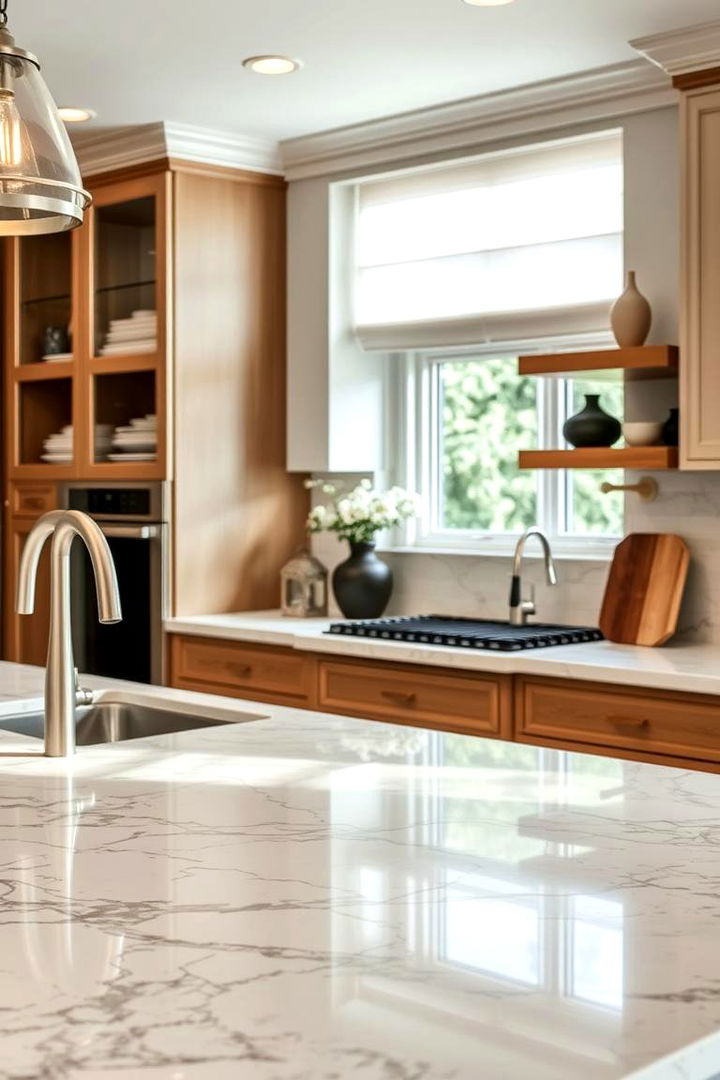
By introducing organic elements such as wood, stone, and bamboo, this idea emphasizes a refreshing connection with nature. The infusion of natural materials enriches your transitional kitchen with warmth and an inviting texture that complements any decor. Imagine smooth countertops carved from quartz, paired with deep, rich wood cabinetry reminiscent of nature’s elegance. This approach not only adds timeless beauty but also ensures durability and eco-friendliness. Natural materials lend an authentic, lived-in feel, turning your kitchen into a sustainable and stylish retreat that harmonizes with both traditional and modern influences.
6. Sleek Cabinetry with Classic Details
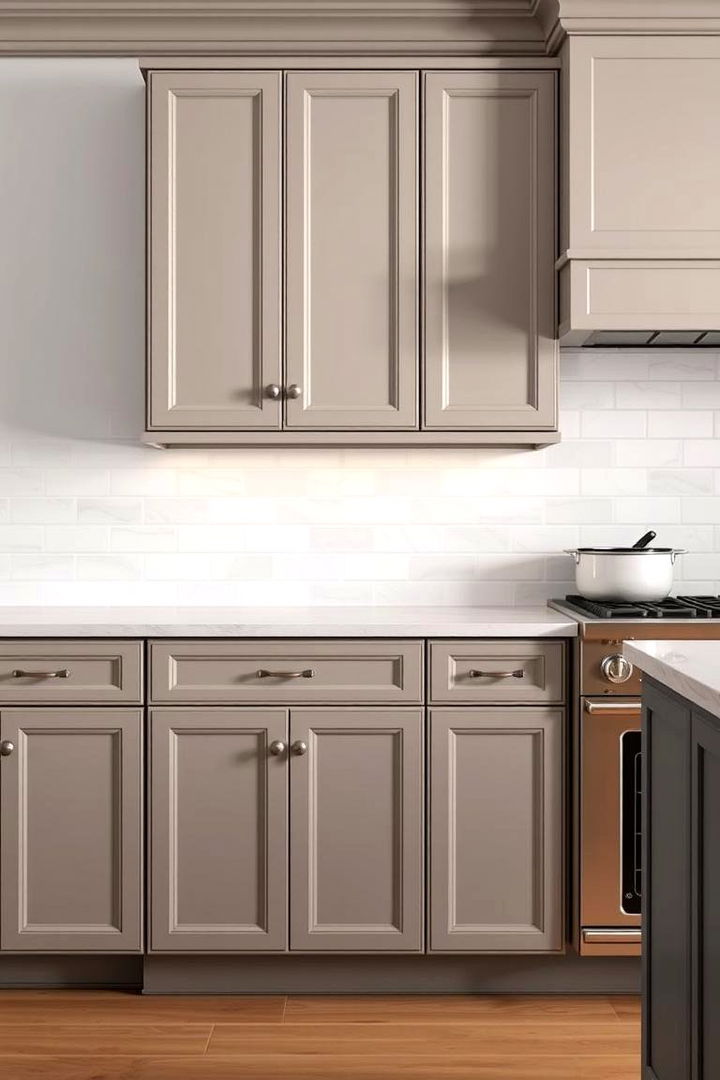
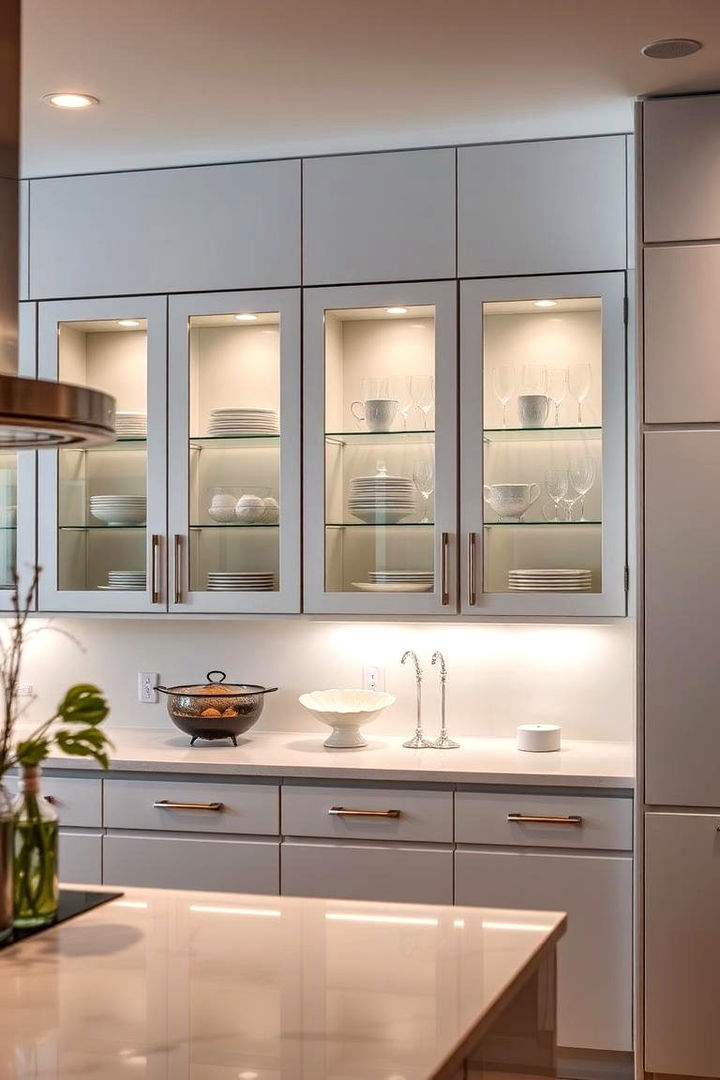
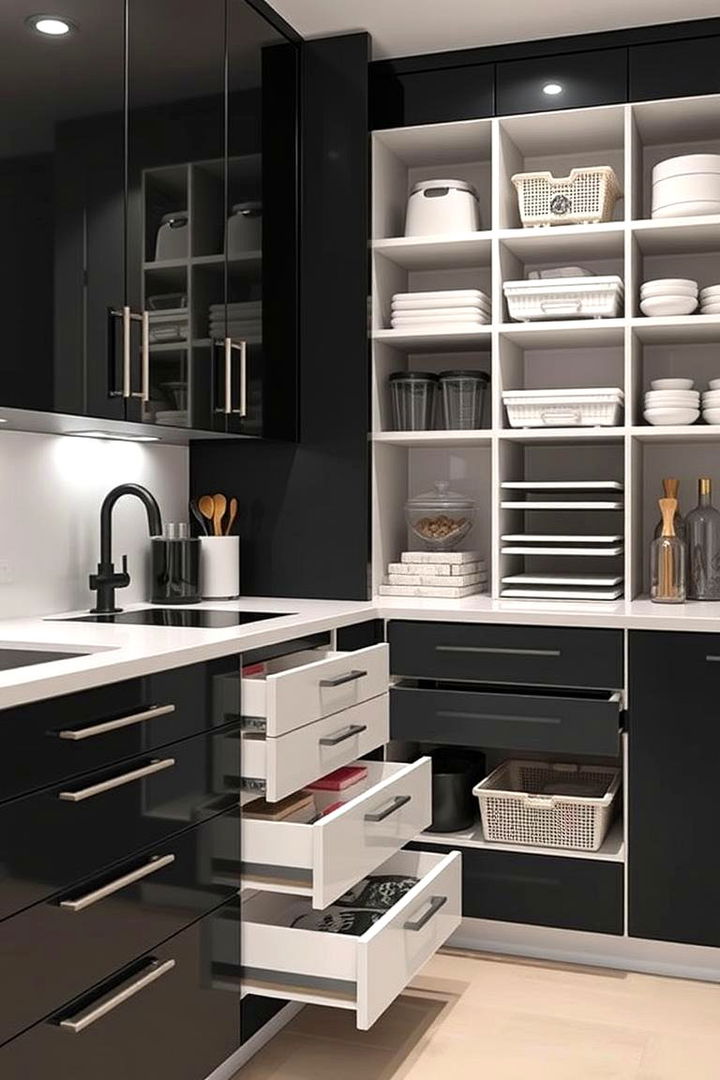
What better way to enhance your transitional kitchen than by combining sleek modern cabinetry with enduring classic details? The amalgamation of minimalist fronts and subtle moldings creates a refined, visually captivating balance. This idea brings a diversity of design that satisfies both contemporary tastes and traditional preferences. Homeowners enjoy clean lines paired with timeless accents that enrich the space’s overall aesthetic. Incorporating innovative storage alongside vintage-inspired handles means your kitchen remains organized and stylish. The union of modern functionality with classic charm results in a kitchen that is as practical as it is beautiful.
7. Timeless Countertop Choices
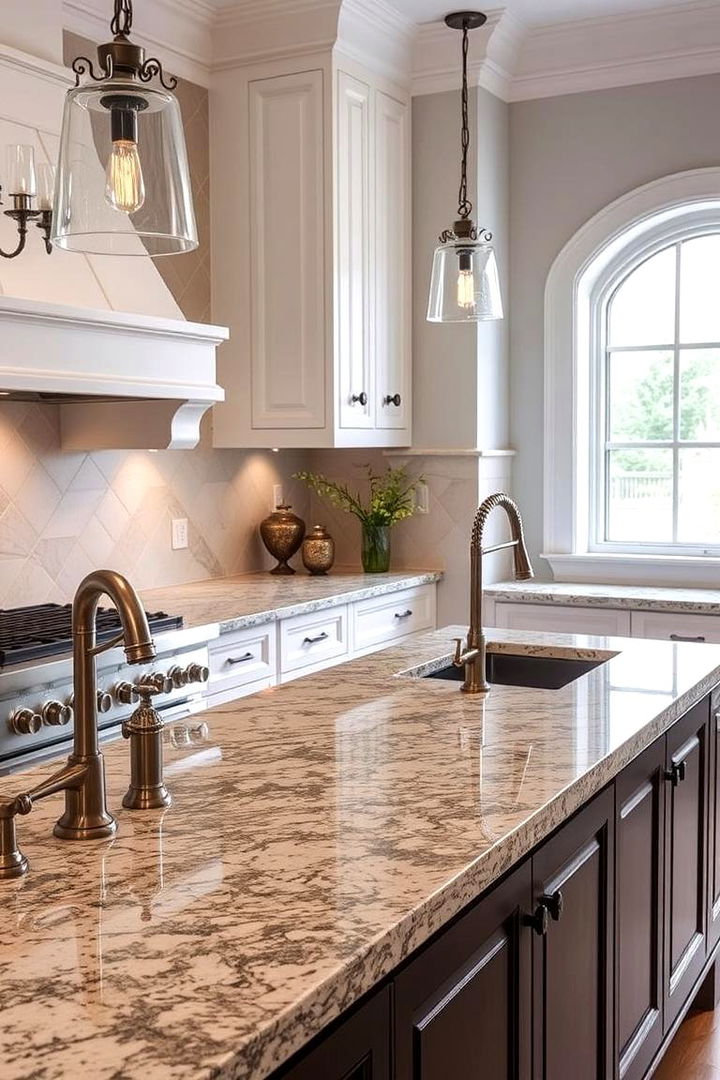
Consider the impact of selecting countertops that resonate with both history and modernity. Materials like granite, marble, or engineered stone not only provide durability and ease of maintenance but also add a permanent sense of luxury and sophistication. Ideal for transitional kitchens, these surfaces blend seamlessly with diverse cabinet styles and design motifs. Homeowners benefit from an elevated work space that remains resistant to trends while exuding timeless elegance. Carefully chosen countertops become the stage for culinary creativity, where beauty and performance meet, transforming everyday routines into a delightful experience.
8. Open Shelving for Versatility
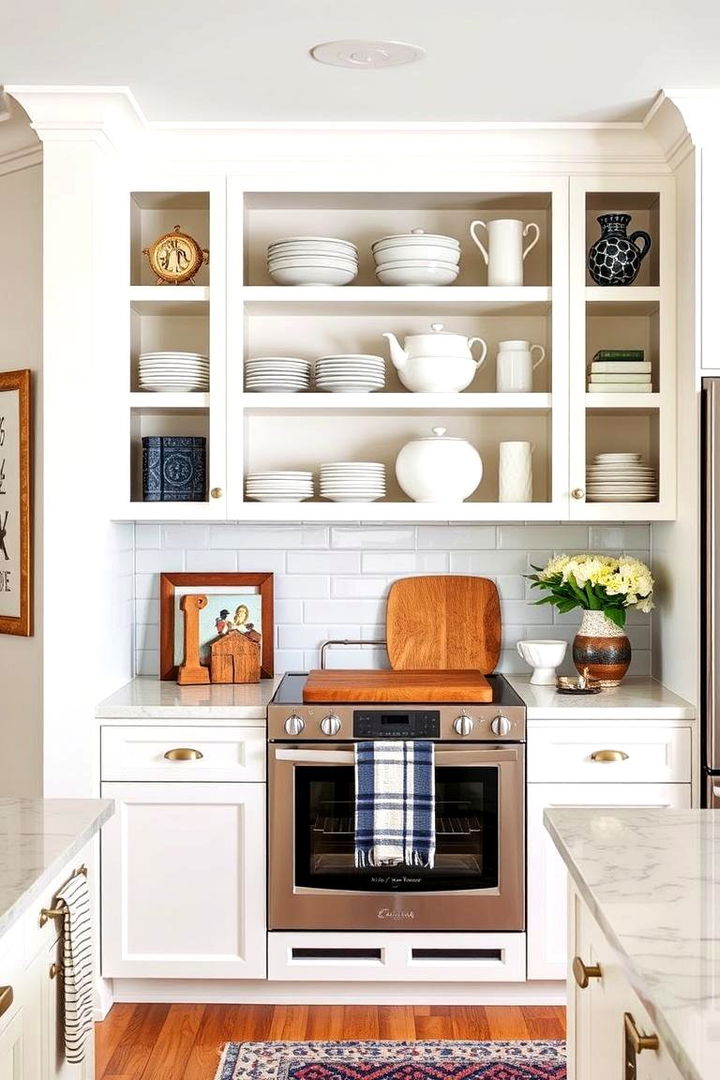
Looking beyond closed cabinets, open shelving infuses your kitchen with versatility and a display-friendly charm. This design element allows you to showcase your favorite dishware or vintage finds while keeping everyday items easily accessible. Practicality meets style as shelving provides a visual break and adds character to the kitchen ambiance. Homeowners can embrace both functionality and an inviting atmosphere with careful arrangement. The open concept also encourages better organization and a sense of spaciousness, making your transitional kitchen appear larger and more cohesive, while blending modern utility with a homey, traditional feel.
9. Custom Lighting Solutions
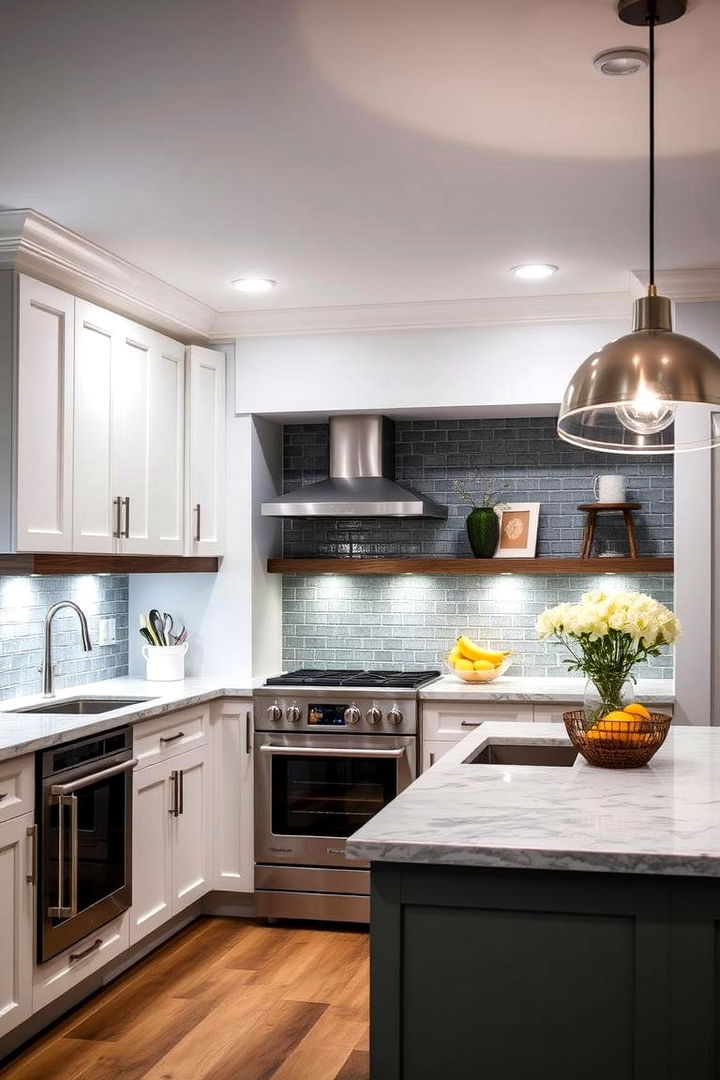
With innovative lighting solutions, your transitional kitchen transforms into a dynamic space that emphasizes both form and function. Creative placement of pendant lights, under-cabinet fixtures, and recessed lighting highlights architectural features and enhances the overall mood. This idea delivers energy-efficient illumination that sets the perfect ambiance for cooking and communal gatherings. The interplay of light and shadow can underscore the kitchen’s design details while providing practical illumination for tasks. Homeowners can enjoy a visually engaging environment that adapts to different times of day, creating a warm, inviting atmosphere that supports both culinary creativity and relaxed dining.
10. Optimizing Layout and Flow
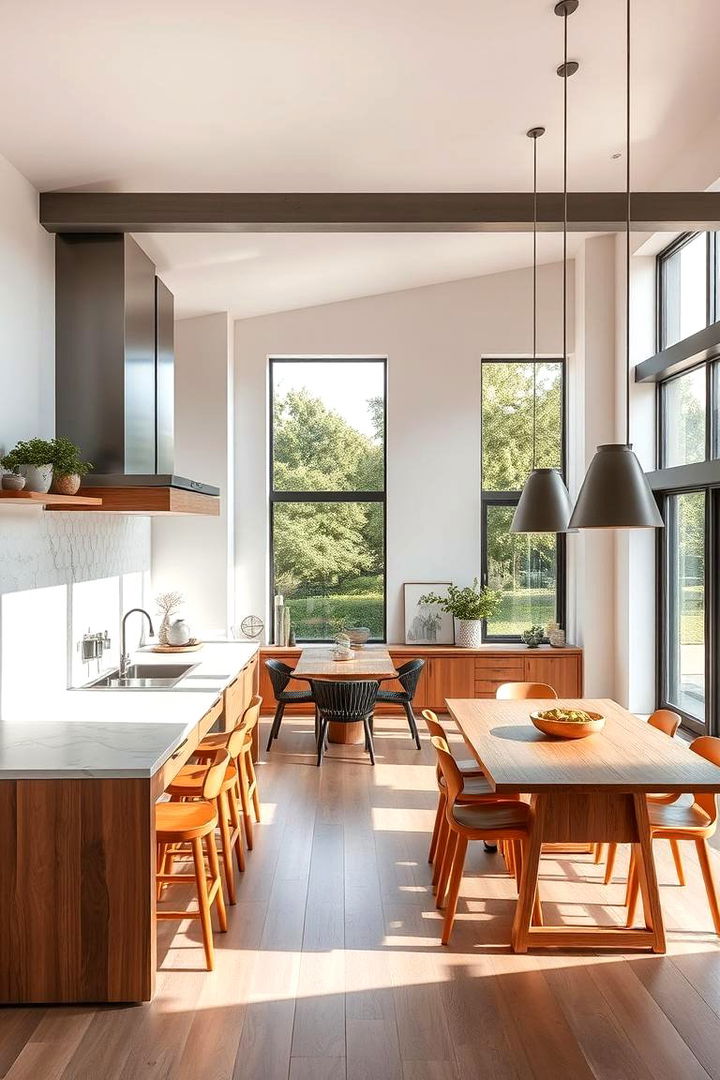
A well-planned layout underpins every successful transitional kitchen, ensuring that both movement and design are in harmony. This idea advocates for open plans that promote easy circulation between cooking, dining, and social spaces. With strategic placement of key elements such as the stove, sink, and refrigerator, efficiency is maximized without compromising on style. Homeowners appreciate the balance between functionality and aesthetics, where each area flows seamlessly into the next. The result is a kitchen designed for both daily routines and lively gatherings, blending practicality with beauty in a way that elevates everyday living.
11. Mixing Hard and Soft Finishes
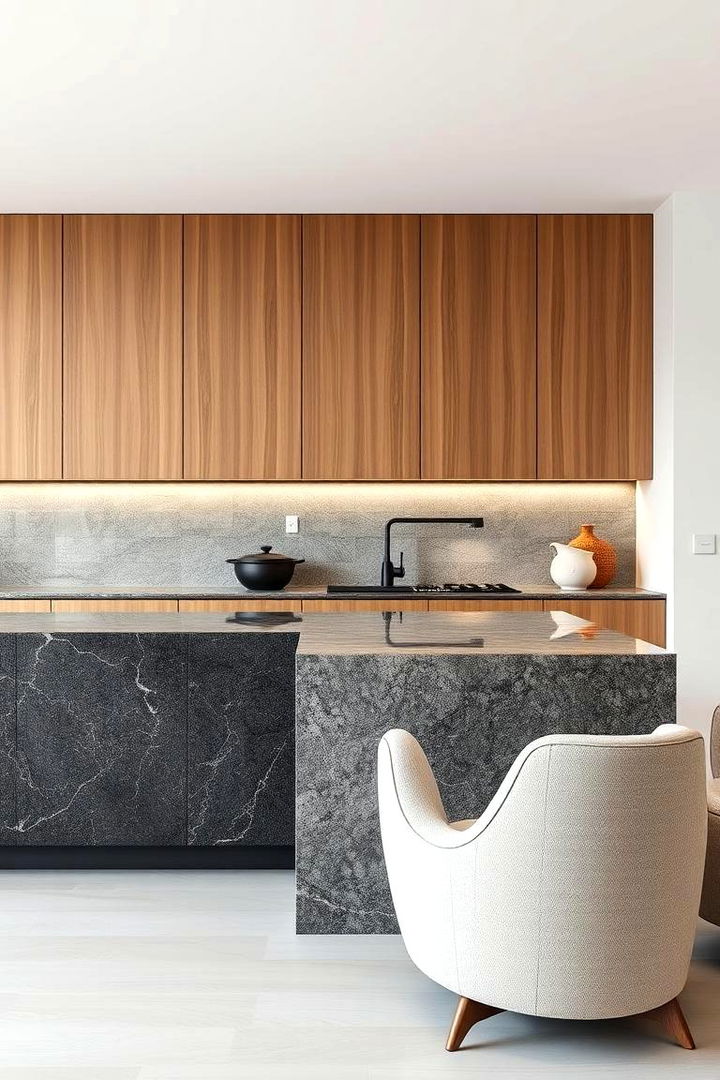
Unlike many designs that stick to a single texture, this idea thrives on the contrast between hard and soft finishes. Imagine polished stone counters paired with cushioned seating that invites relaxation. This clever juxtaposition creates a balanced atmosphere where robust materials meet inviting comforts. Homeowners gain visual interest and tactile appeal, making the kitchen feel both resilient and welcoming. The mix of textures not only enhances the aesthetic but also provides practical benefits, ensuring durability while maintaining a cozy ambiance. Embracing such contrasts can reinvent your transitional kitchen into a versatile, eye-catching space.
12. Subtle Industrial Accents
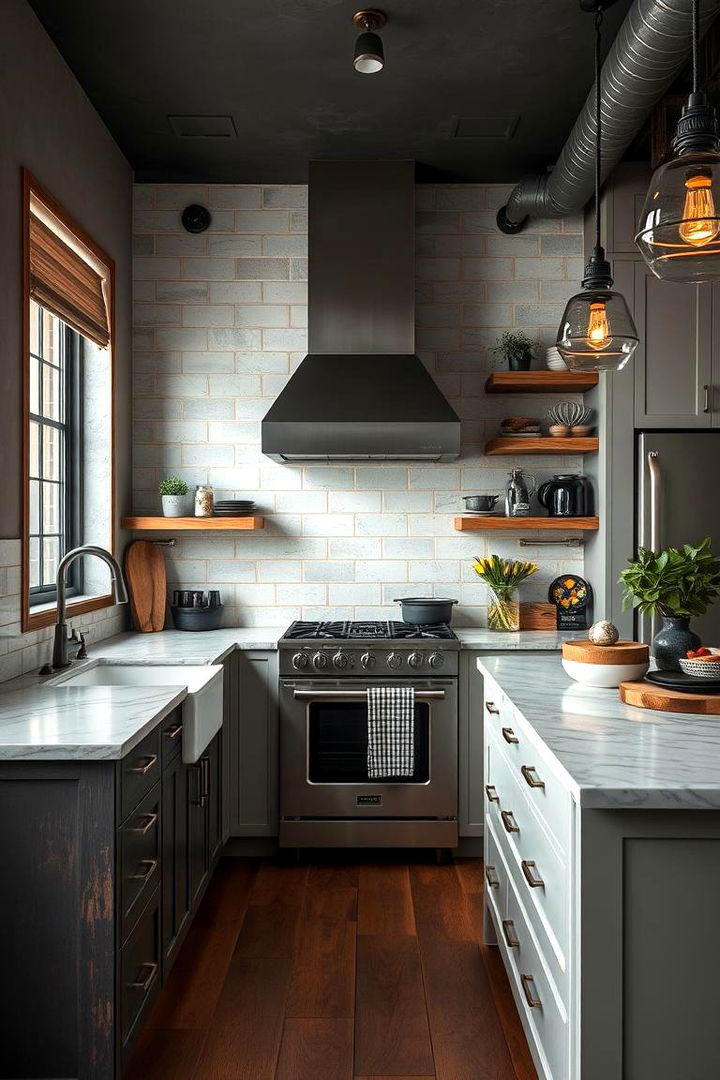
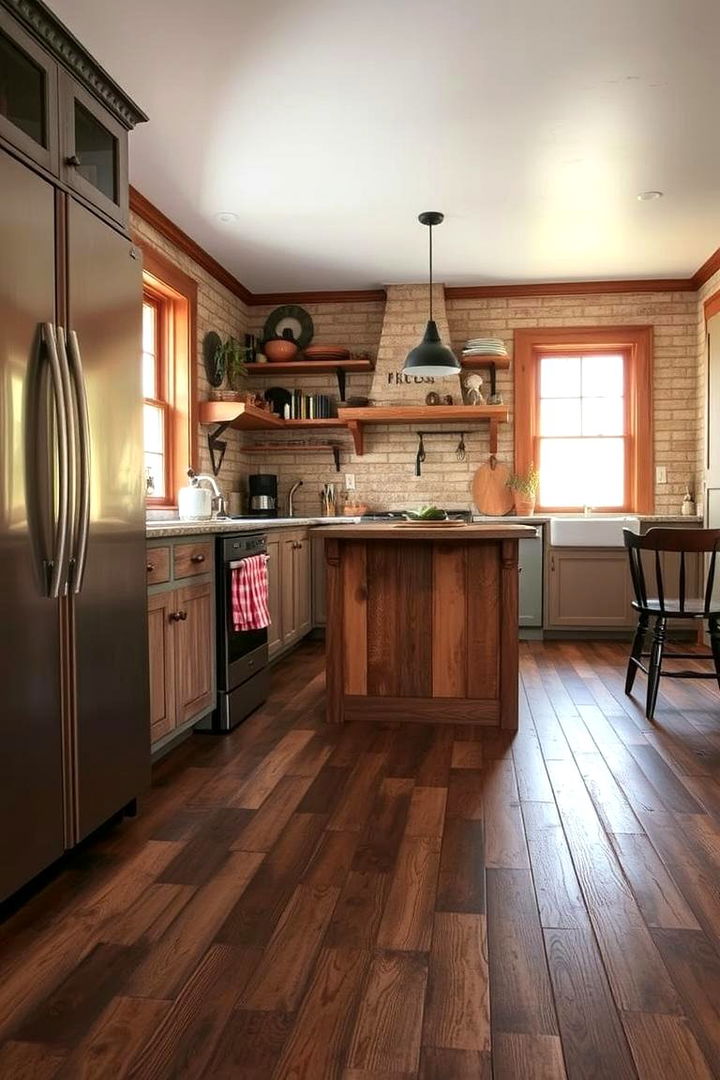
Surprisingly, adding a twist of industrial charm can soften a transitional kitchen into an unexpectedly dynamic space. Incorporate elements like matte metal fixtures, exposed piping, or reclaimed wood to introduce a contemporary edge that still respects classic design sensibilities. These industrial accents create an engaging fusion that is both rugged and refined. Homeowners enjoy the distinctive character and practical durability industrial touches bring, without overwhelming the traditionally warm ambiance. This idea inspires a balanced design where modern functionality meets vintage appeal, infusing your kitchen with an unmistakable personality that stands out.
13. Warm Wood Elements
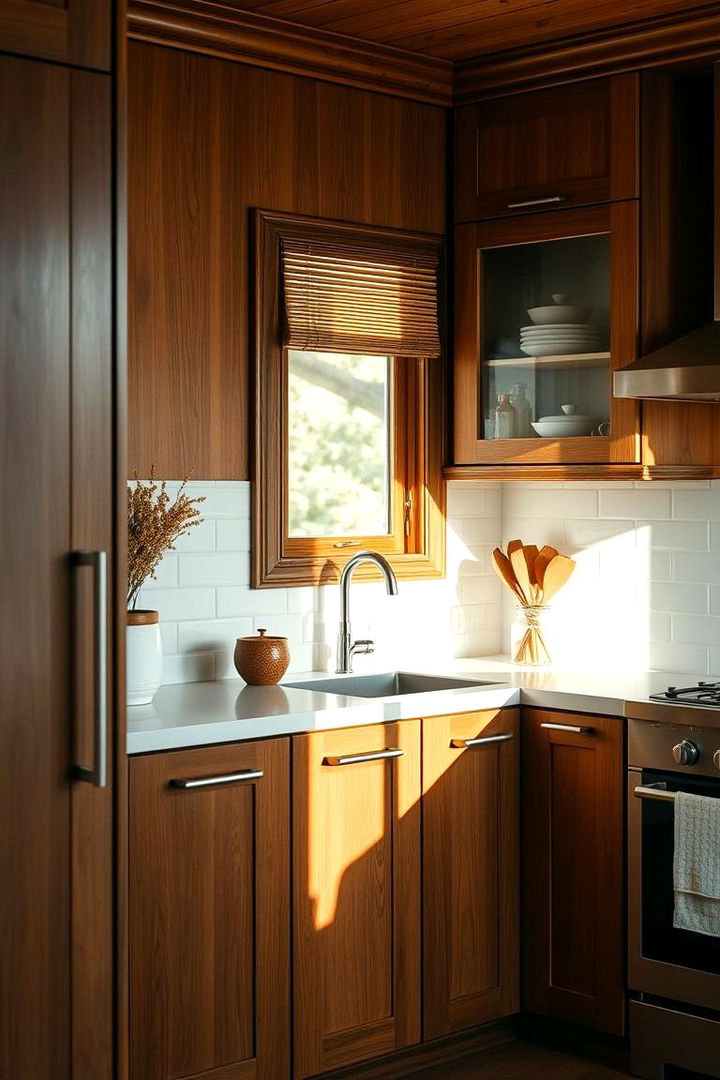
To capture the heart of transitional design, consider integrating warm wood accents that evoke comfort and timeless appeal. The natural grains and rich hues of wood can be used in flooring, cabinetry, or decorative panels, creating a sense of organic beauty. This idea not only adds warmth but also builds a connection with nature that enriches the overall atmosphere. Homeowners benefit from an inviting space that exudes both luxury and simplicity. The interplay of wood with modern fixtures and materials reinforces a balanced style that is both enduring and contemporary, making your kitchen a welcoming retreat.
14. Decorative Backsplash Designs
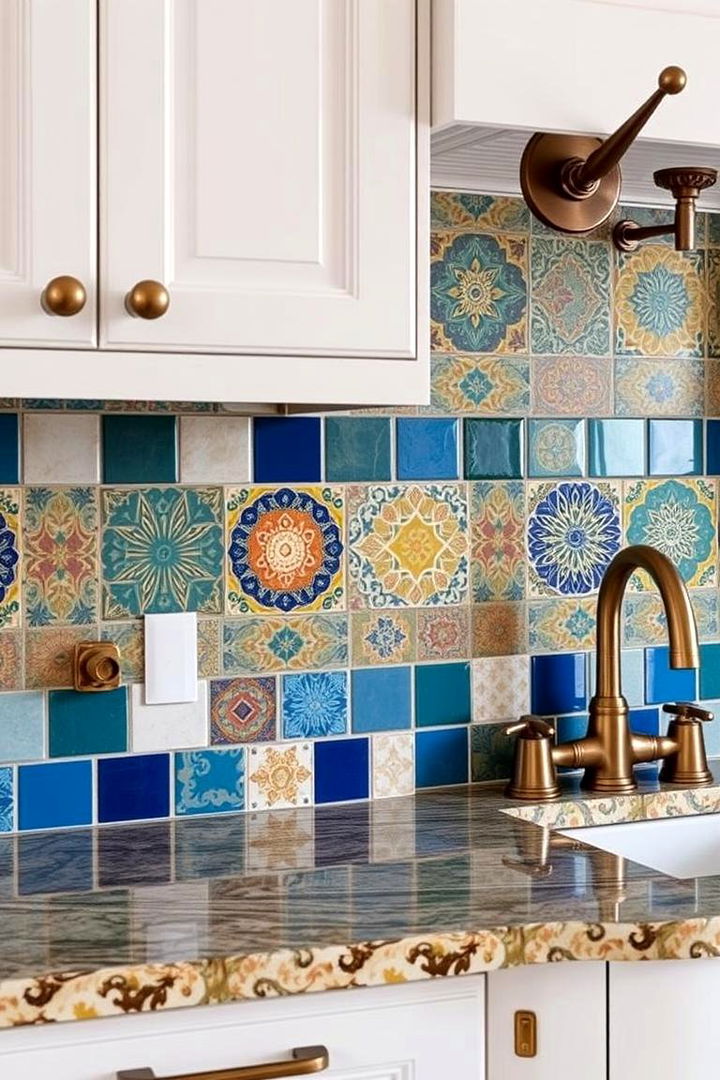
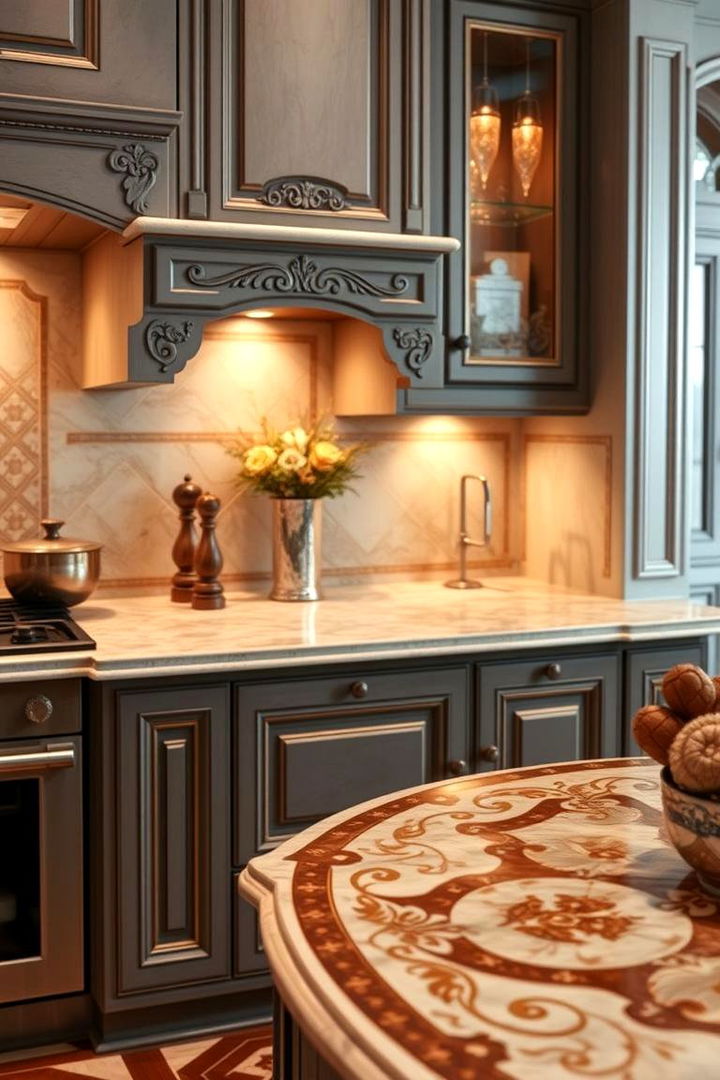
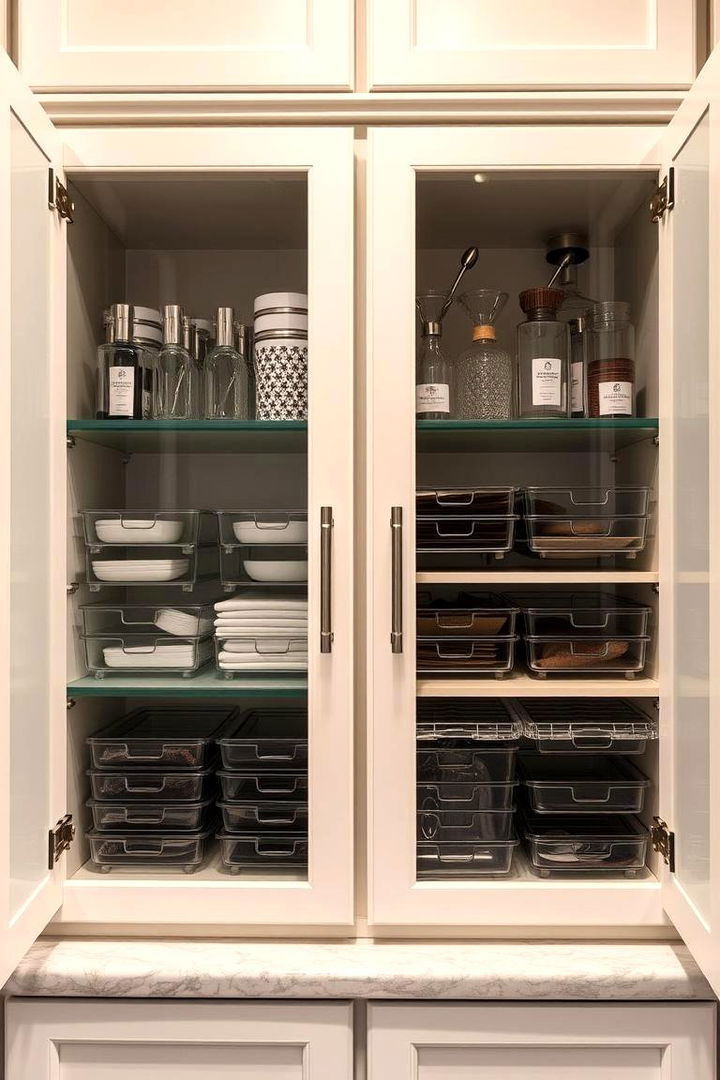
By introducing a decorative backsplash, you have a wonderful opportunity to merge artistic flair with practicality. The backsplash becomes a focal point that highlights textures, colors, and patterns reflective of both modern trends and classic elegance. This design element protects walls while infusing your kitchen with creativity and character. Homeowners can experiment with various materials—from sleek glass to patterned tiles—to achieve a look that is unique and personalized. A well-chosen backsplash enhances the overall ambiance and provides an engaging visual contrast that elevates the space, blending fashion-forward designs with timeless style.
15. Integrative Appliances
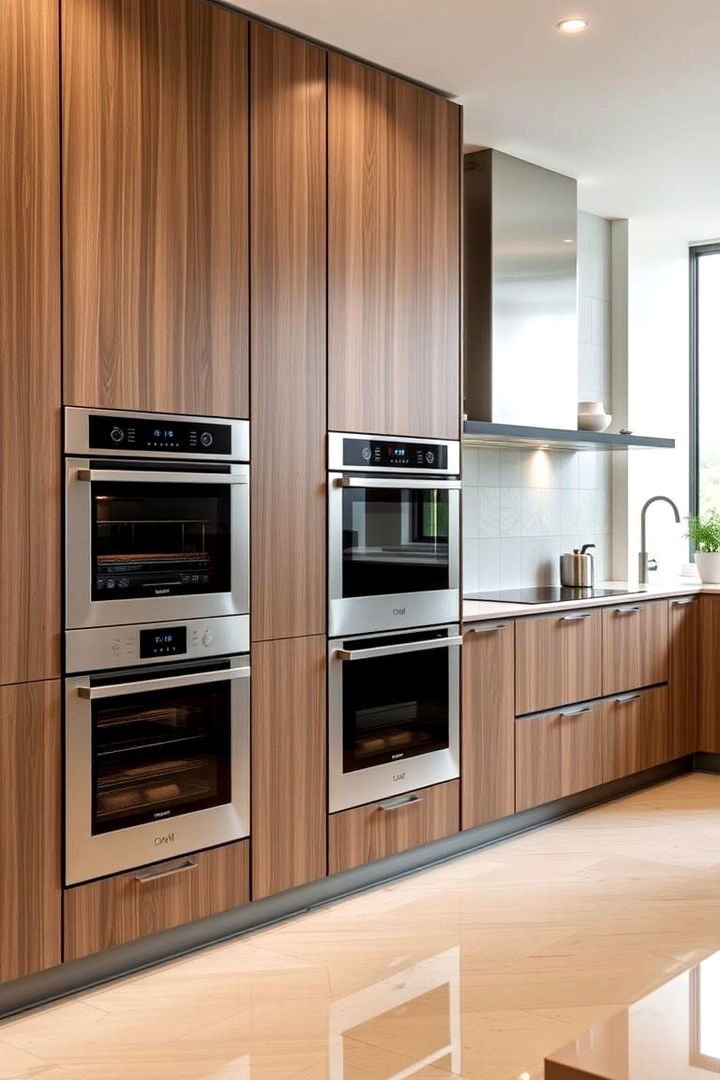
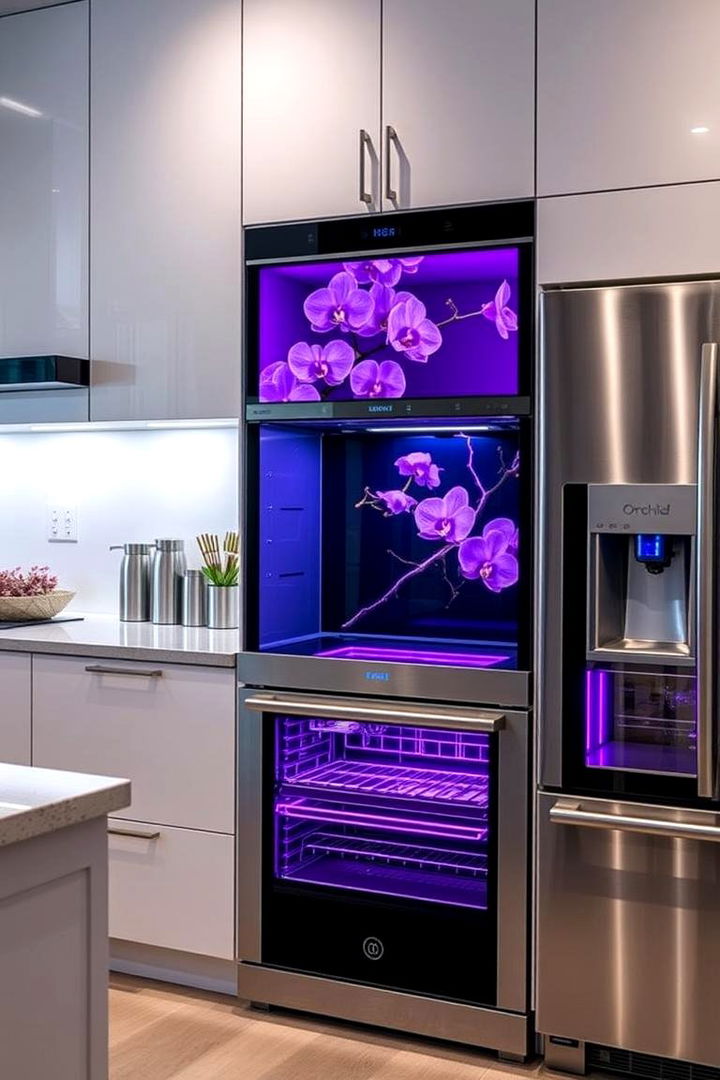
Another futuristic approach in transitional kitchen ideas is the seamless integration of appliances that combine cutting-edge technology with refined design. Concealed or built-in appliances maintain the room’s streamlined appearance while providing modern convenience and efficiency. Homeowners appreciate the clean aesthetic that minimizes visual clutter while ensuring every gadget is readily accessible. This idea bridges the gap between form and function, allowing for a kitchen that is as innovative as it is inviting. By carefully selecting state-of-the-art yet discreet appliances, you create a timeless culinary environment where every detail is meticulously considered.
16. Merging Contemporary Fixtures with Antique Touches
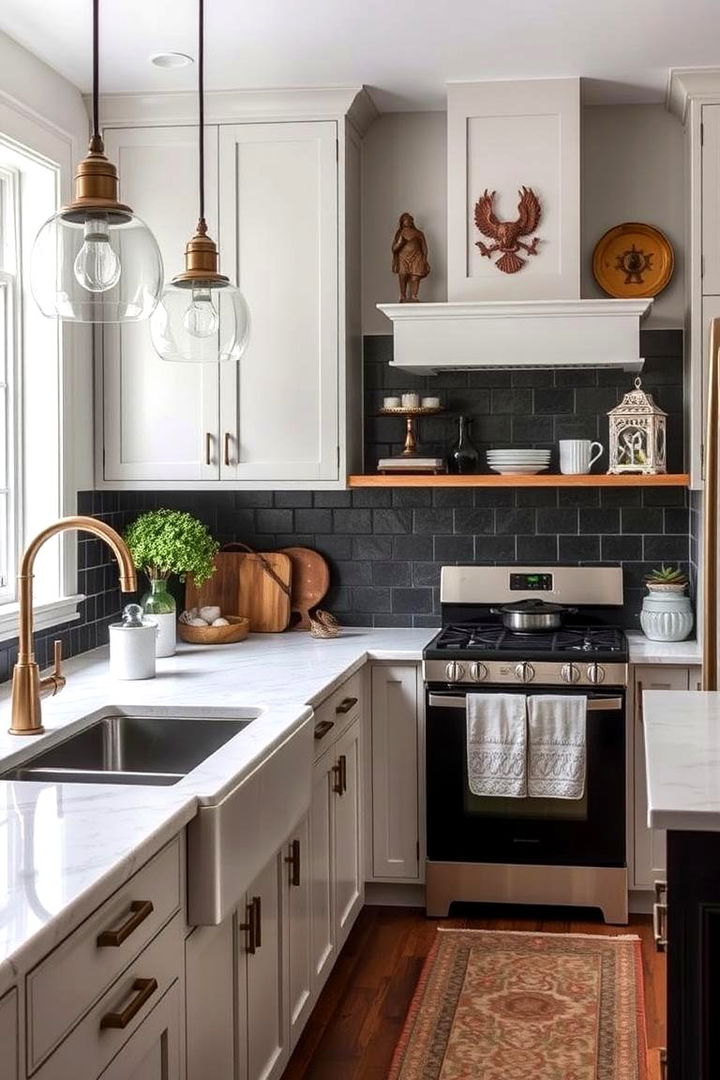
By combining sleek contemporary fixtures with antique-inspired accents, this idea orchestrates a harmonious dialogue between old and new. Imagine modern faucets paired with vintage hardware to create an elegant yet dynamic counter space. Homeowners gain a multi-dimensional look that honors heritage while embracing modern trends. The fusion offers both striking visual contrasts and functional benefits, crafting a kitchen filled with character and innovation. This blend encourages a creative narrative where each element, whether modern or aged, plays an integral role in the overall aesthetic, ensuring your kitchen remains uniquely engaging.
17. Thoughtful Window Treatments
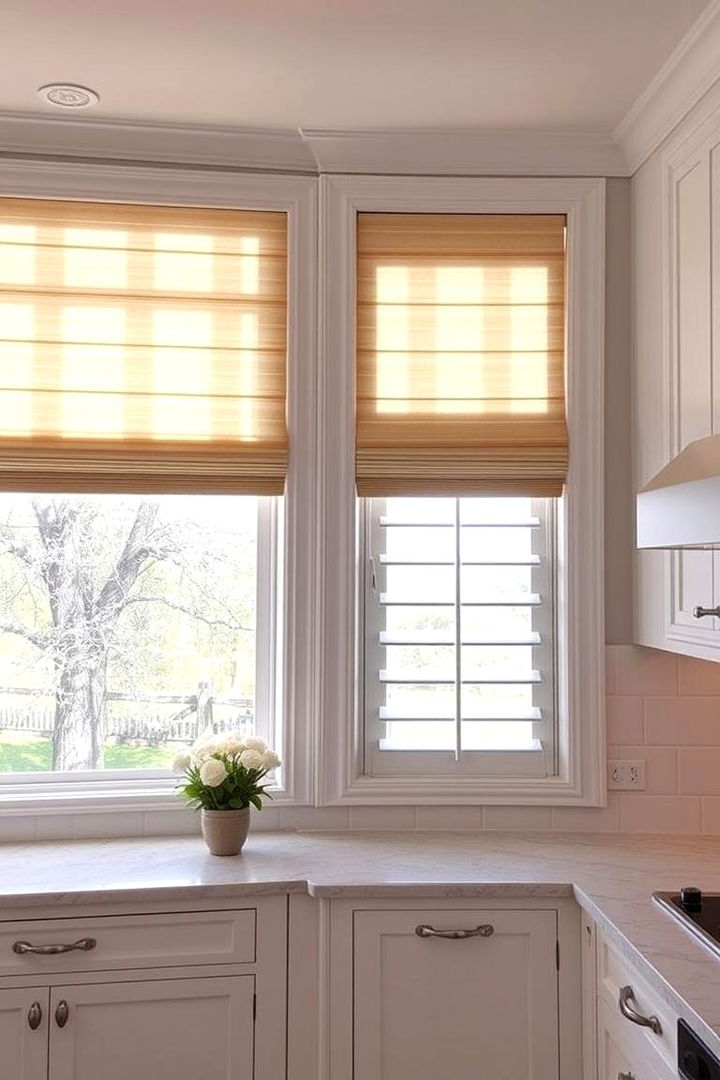
With the right window treatments, your transitional kitchen gains a warm and inviting ambiance that enhances both privacy and style. Whether you choose classic roman shades, subtle draperies, or tasteful blinds, these additions provide a soft framework for natural light. Homeowners enjoy a harmonious space that balances practical needs with aesthetic charm. Effective window coverings not only regulate light but also introduce patterns and colors that complement your kitchen’s design. This idea transforms ordinary windows into artful features that enrich the room, making every corner feel cozy and thoughtfully curated.
18. Blending Minimalism with Elegance
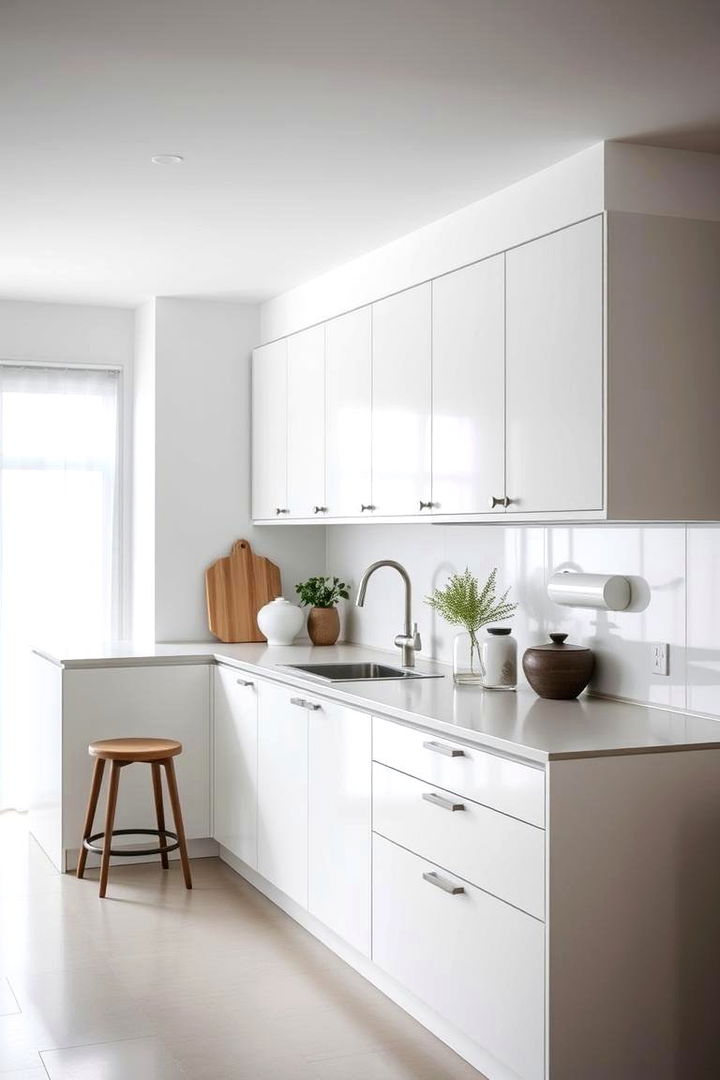
A minimalist approach, enriched by elegant detailing, creates a kitchen that is effortlessly sophisticated. This idea revolves around reducing clutter while highlighting quality materials and refined design elements. Homeowners benefit from a clean and calming environment where every component serves a dual purpose: function and style. Whether through streamlined storage solutions or carefully chosen decor accents, a less-is-more philosophy results in a space that exudes quiet luxury. It’s a design strategy that beautifully marries simplicity with an airy elegance, ensuring that your transitional kitchen remains inviting and timeless.
19. Open-Plan Living Continuity
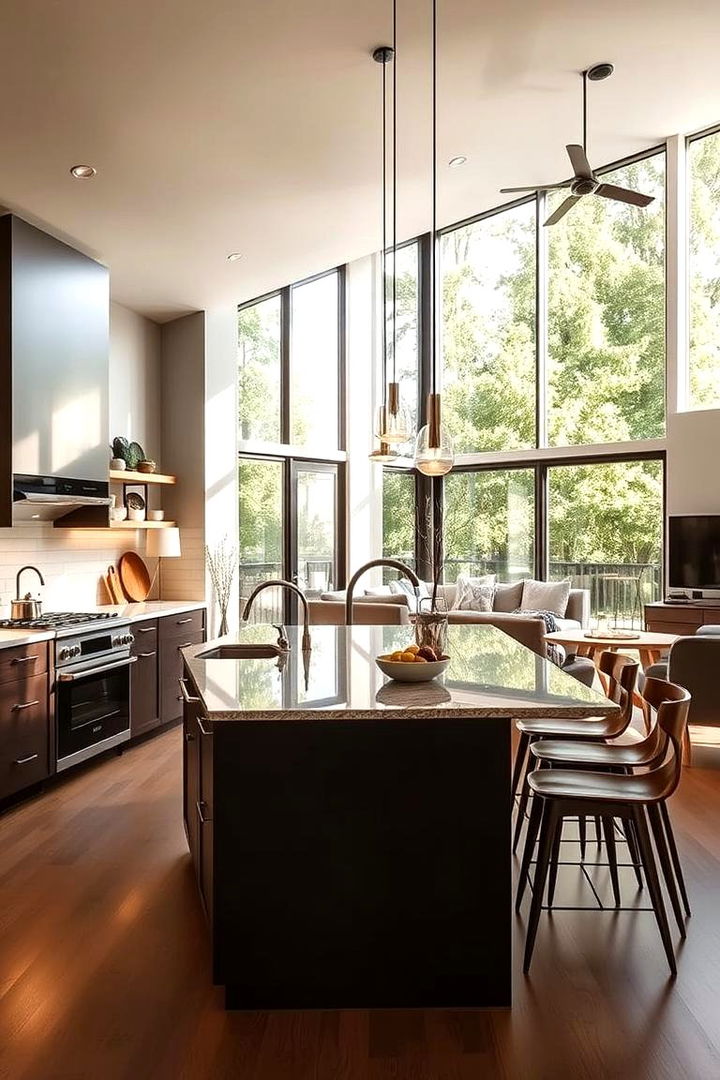
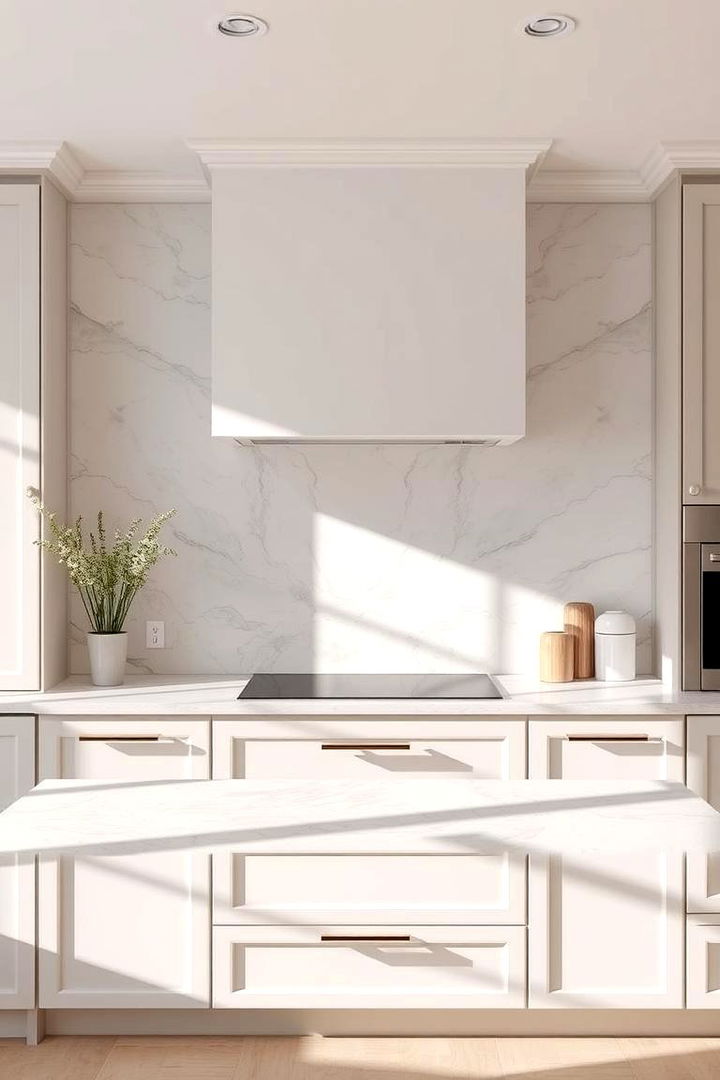
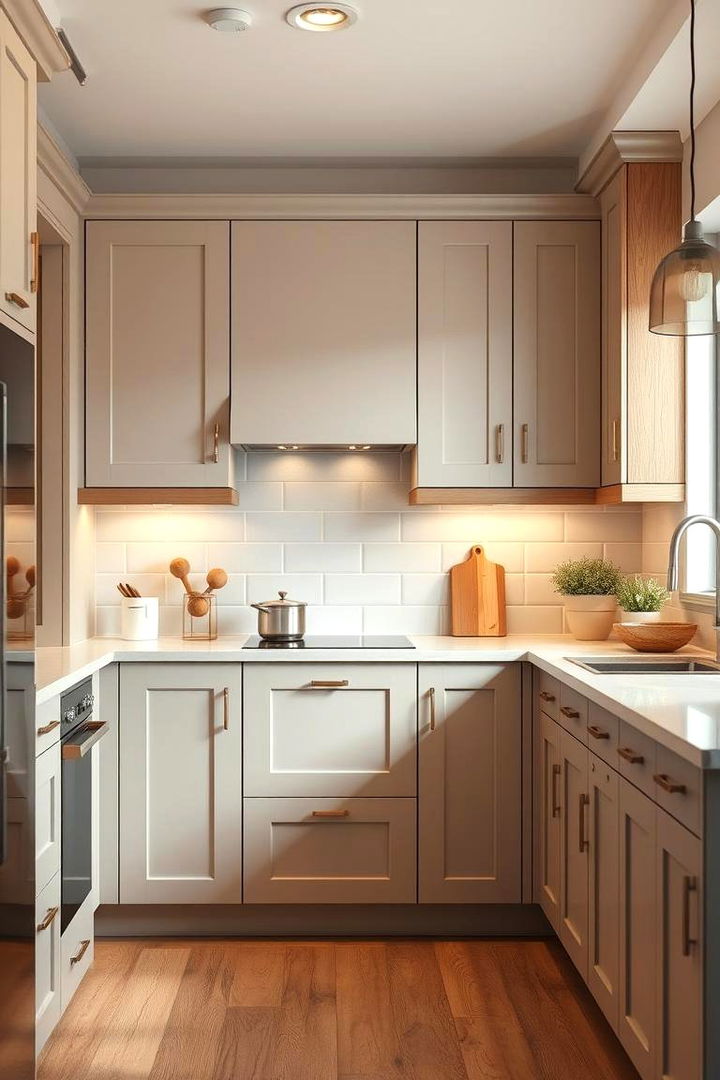
At the heart of modern design lies the concept of an open-plan layout, seamlessly connecting the kitchen with adjoining living areas. This idea enhances the flow of natural light and encourages interaction between spaces. The removal of physical barriers creates an expansive, welcoming atmosphere that adapts effortlessly to social gatherings or family meals. Homeowners enjoy a cohesive design where each area complements the other, allowing for both dynamic cooking experiences and relaxed living. The open-plan concept in a transitional kitchen reinforces a balanced, versatile environment that fosters both creativity and comfort throughout the home.
20. Smart Kitchen Technology
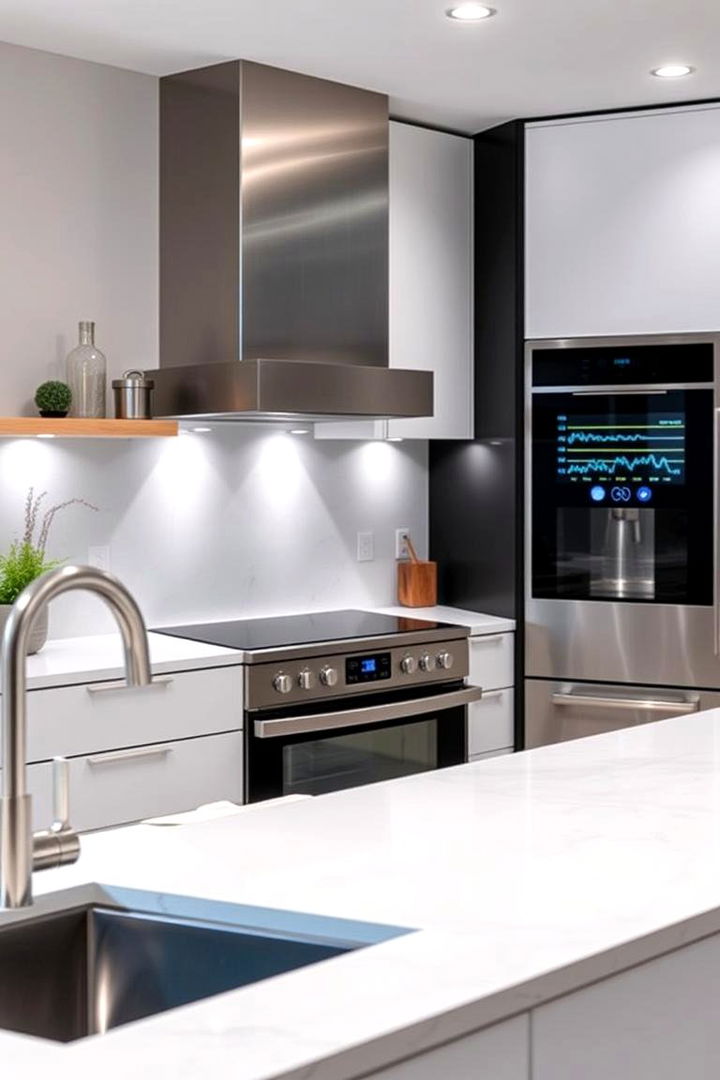
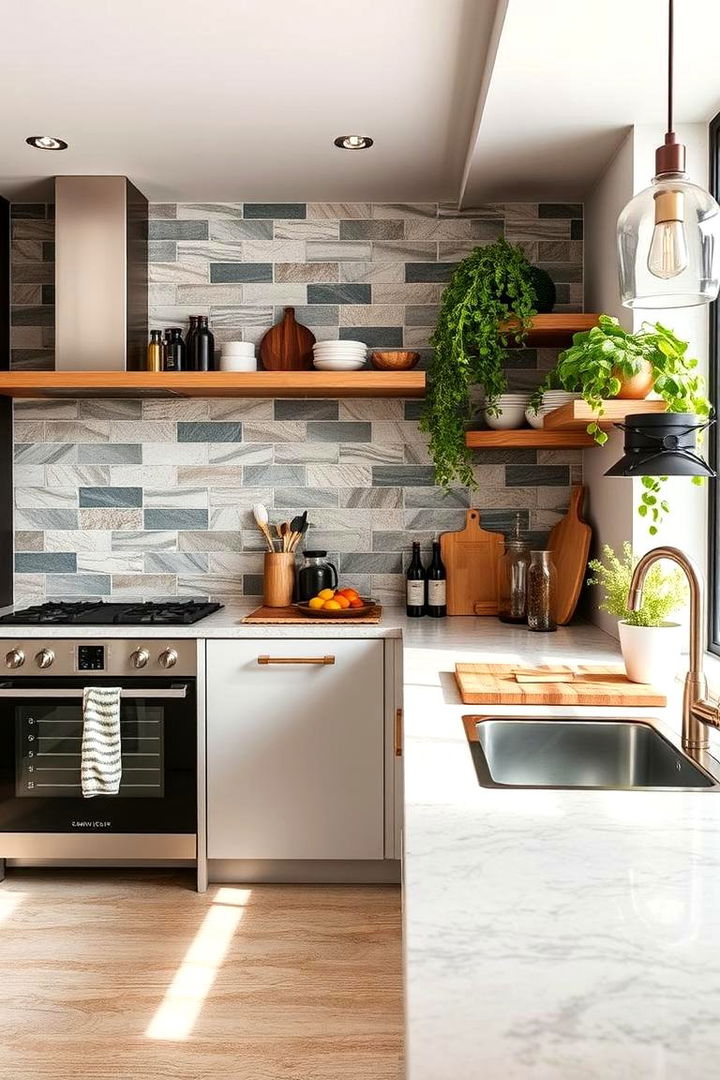
To elevate your transitional kitchen, consider integrating smart technology that simplifies your daily routines. Innovative features like touch-activated faucets, automated lighting, and intelligent appliances bring modern convenience while maintaining a classic design aesthetic. This idea offers enhanced energy efficiency, ease-of-use, and connectivity, transforming the kitchen into a hub of productivity and style. Homeowners can enjoy an environment where technology works seamlessly in the background, enriching culinary experiences. With thoughtful integration, the blend of smart features and transitional decor creates a space that is both resourceful and timelessly elegant.
21. Relaxed Dining Integration
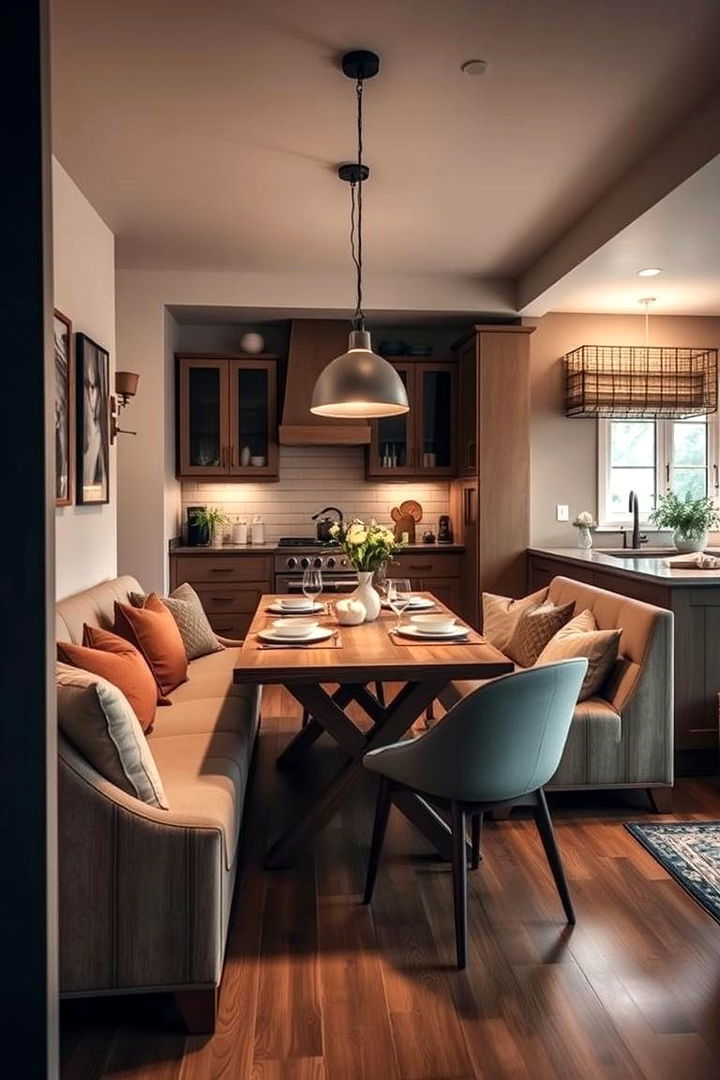
Another inviting approach focuses on integrating a cozy dining nook within the kitchen space. This idea creates a harmonious blend between cooking and dining areas where relaxed meals turn into cherished moments. Emphasizing comfortable seating, a stylish table setup, and ambient lighting, it encourages family bonding and intimate gatherings. Homeowners appreciate a flexible layout that allows the kitchen to serve as both a culinary workspace and a social hub. Combining practicality with comfort, this design ensures that dining becomes a natural extension of the home’s welcoming and refined style, making every meal a delightful experience.
22. Celebrating Personalized Design Accents
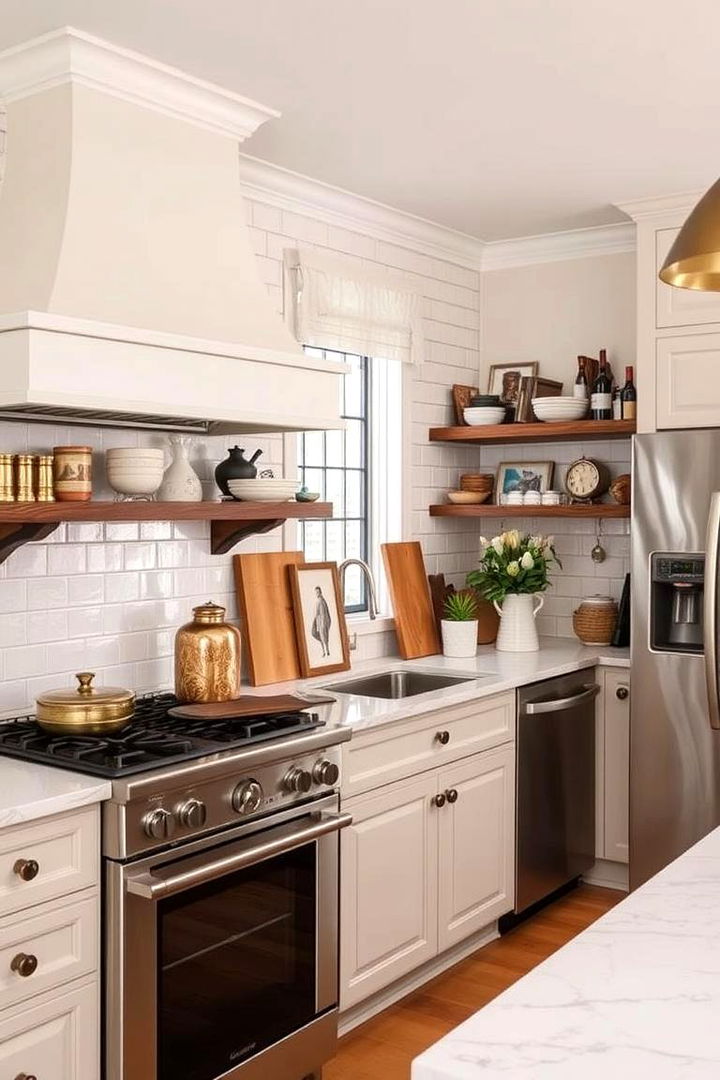
Unlike cookie-cutter layouts, this idea champions a kitchen that reflects your unique personality with customized details and bespoke accents. Consider statement art pieces, vintage collectibles, or hand-crafted fixtures that narrate your personal style. This creative approach adds a distinctive layer of charm, making the transitional kitchen truly one-of-a-kind. Homeowners benefit from an individualized atmosphere where every detail tells a story, combining artistic expression with functional design. It’s an invitation to display your creativity while still enjoying the benefits of a cohesive, inviting, and practical kitchen environment that seamlessly blends tradition with modern innovation.
Conclusion:
Bringing everything together, these transitional kitchen ideas illustrate how a well-considered design can merge traditional elegance with modern functionality. The diverse approaches—from blending textures and styles to integrating smart features—empower you to transform your kitchen into a vibrant, personalized space. Each idea provides practical benefits while enhancing aesthetic appeal, ensuring your kitchen remains both inviting and efficient. Embrace these insights to create a timeless, balanced environment where every culinary moment is celebrated with style and purpose.

Related posts: