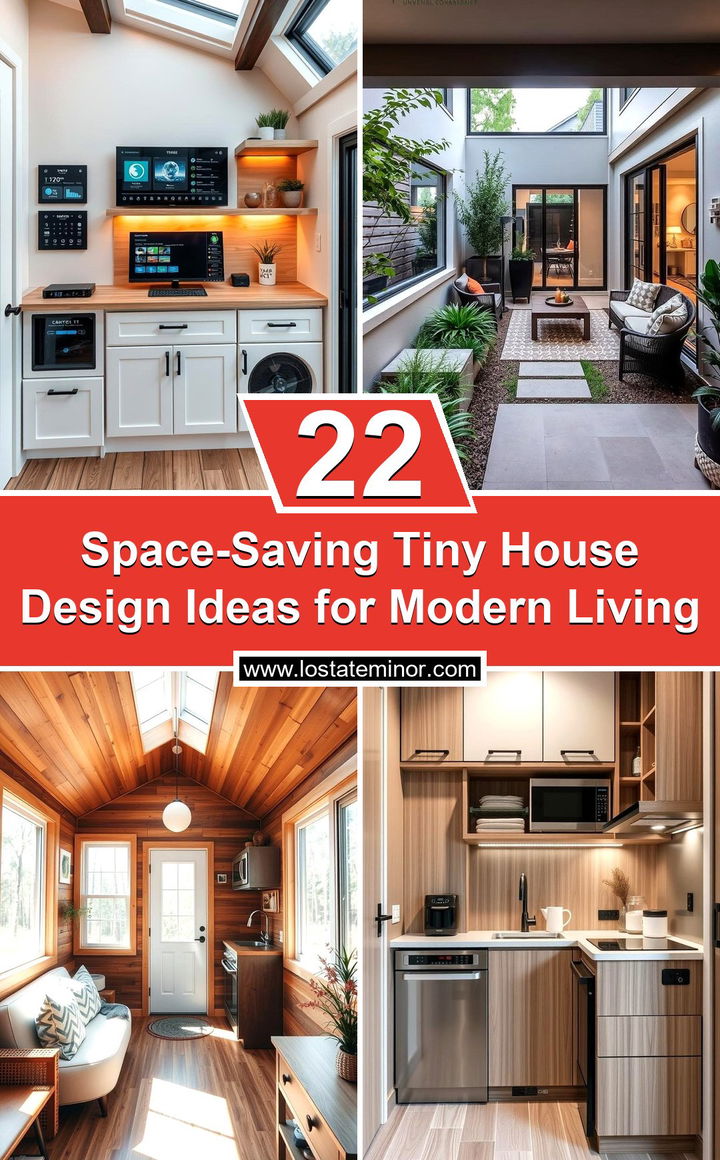
A tiny house can be a canvas of creativity and efficiency, transforming even the smallest footprint into an oasis of comfort and style. With thoughtful design and clever ideas, these living spaces reveal the beauty of simplicity and resourcefulness. From maximizing storage to integrating nature, every choice becomes part of a harmonious story. Let your imagination soar as you explore 22 Tiny House Design Ideas that blend functionality with aesthetic appeal, inspiring you to reimagine every inch of your home’s potential.
1. Maximizing Vertical Space
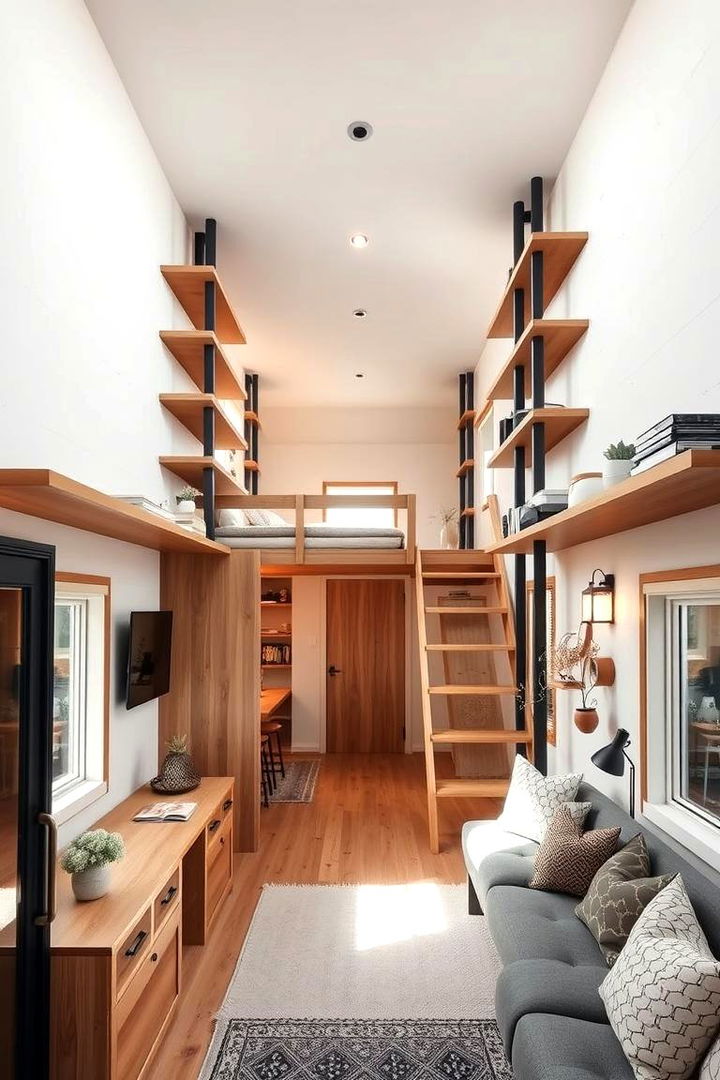
Elevate your living experience by harnessing the potential of vertical space. Clever use of loft areas, tall shelving units, and wall-mounted storage solutions can transform a compact space into a multi-functional haven. Emphasizing height over floor area not only adds visual depth but also provides practical storage opportunities. This design approach brings a sense of openness while maintaining organization, ensuring that every square inch serves a purpose. With smart planning, maximizing vertical space can seamlessly merge style with sustainability to create a truly versatile tiny home.
2. Multi-Functional Furniture Solutions
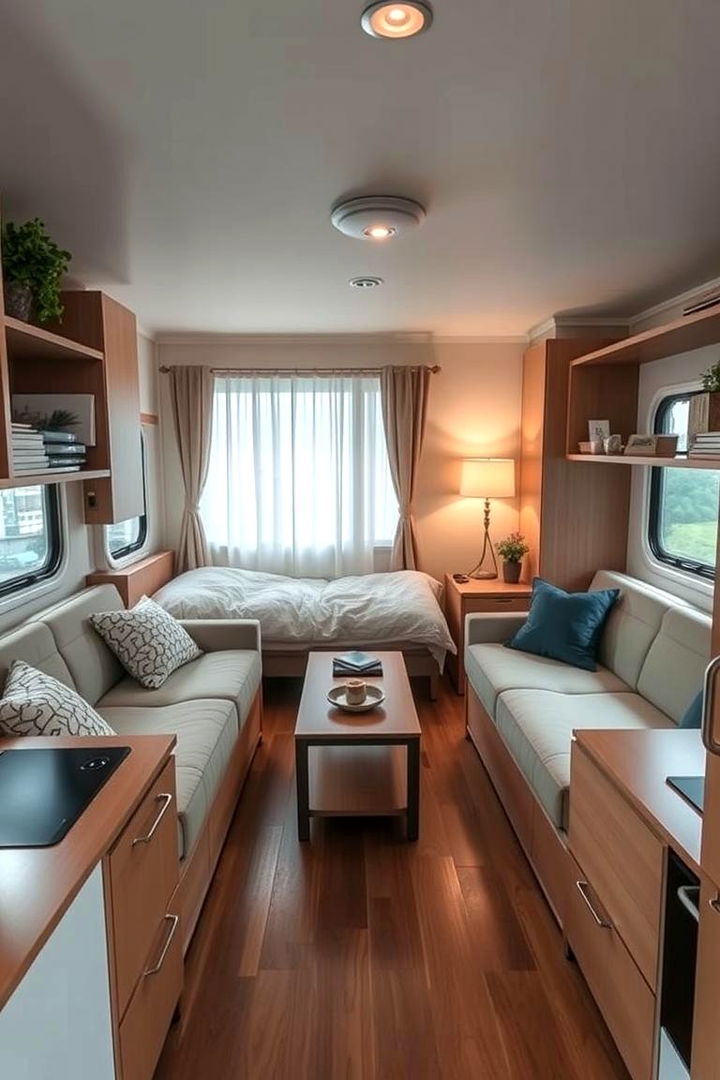
Imagine a tiny home where each piece of furniture fulfills more than one role. Multi-functional furniture solutions are at the heart of tiny house ingenuity, allowing sofas to transform into guest beds and tables to double as workspaces. This practical design strategy enhances flexibility while maintaining a clean and uncluttered aesthetic. By integrating convertible and dual-purpose pieces, every item contributes to both comfort and efficiency. Embracing multi-functionality not only conserves space but also fosters a dynamic living environment where creativity meets practicality, ensuring your tiny home is always ready for any occasion.
3. Eco-Friendly Materials Adoption
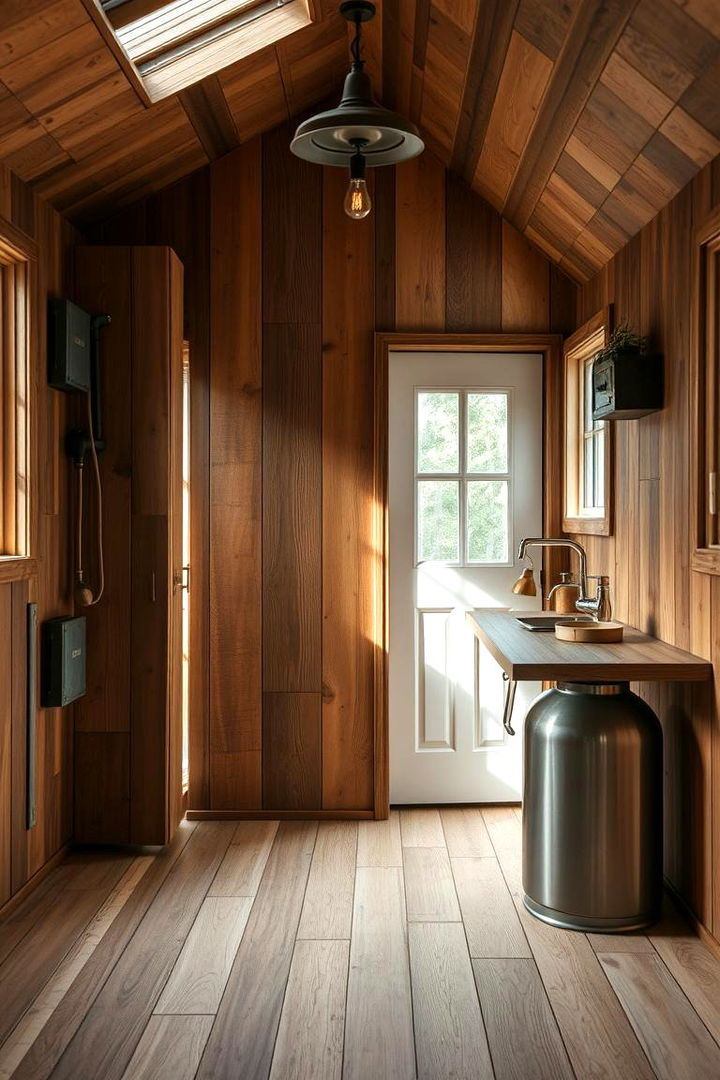
Sustainable design is a key element in tiny house living, and adopting eco-friendly materials can make a significant impact. Incorporating reclaimed wood, recycled metals, and non-toxic finishes creates a warm yet modern atmosphere that respects the environment. This approach not only reduces the carbon footprint but also infuses the space with natural textures and rich histories. With eco-friendly materials, every design choice supports energy efficiency and durability. By integrating green practices into construction and decoration, your tiny home becomes a testament to mindful living without sacrificing style or comfort.
4. Innovative Storage Creations
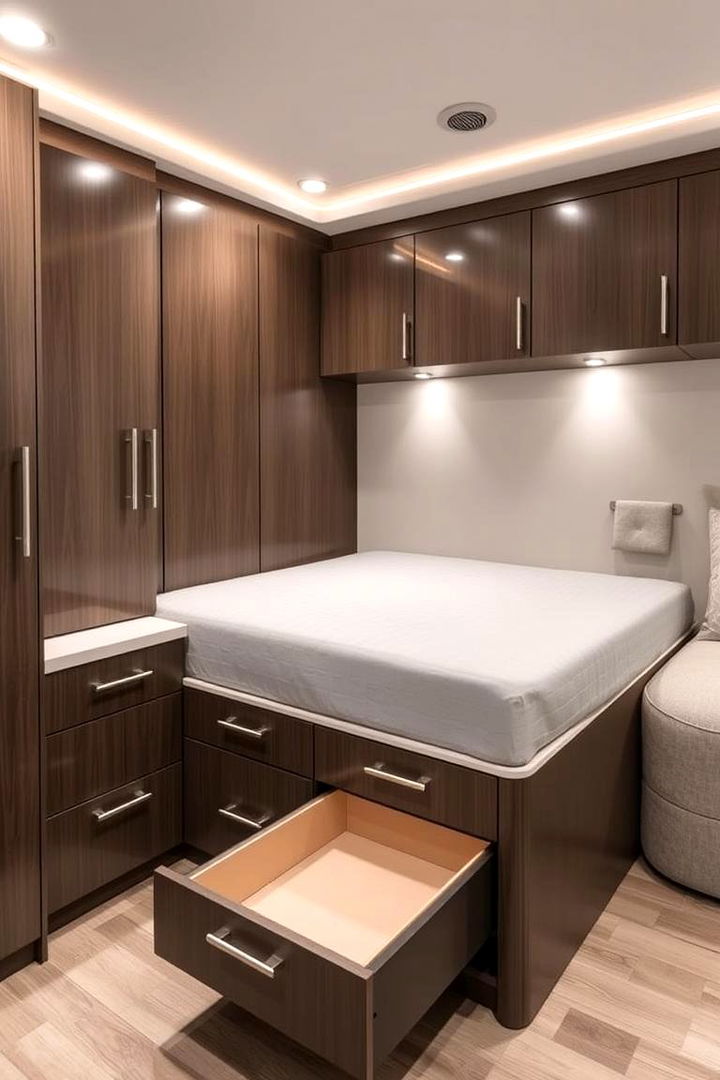
Effective storage in a tiny home requires creative thinking to keep clutter at bay while maintaining easy access to essentials. Innovative storage solutions like custom-built cabinets, under-bed drawers, and wall pockets transform unused spaces into smart organizers. Emphasizing both functionality and design, these storage ideas blend seamlessly into the overall aesthetic of your home. By integrating hidden compartments and modular shelving, every corner serves a purpose. This organized approach not only enhances livability but also instills a sense of calm and order in a compact living environment, ensuring that your space remains both tidy and inviting.
5. Open Floor Plan Beauty
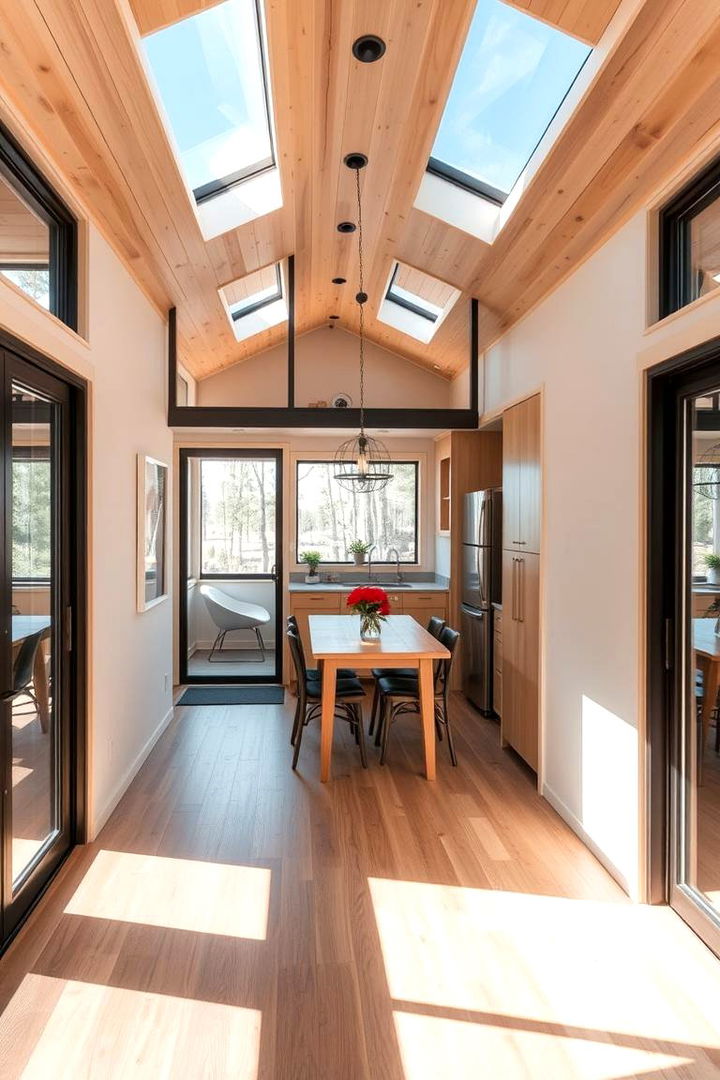
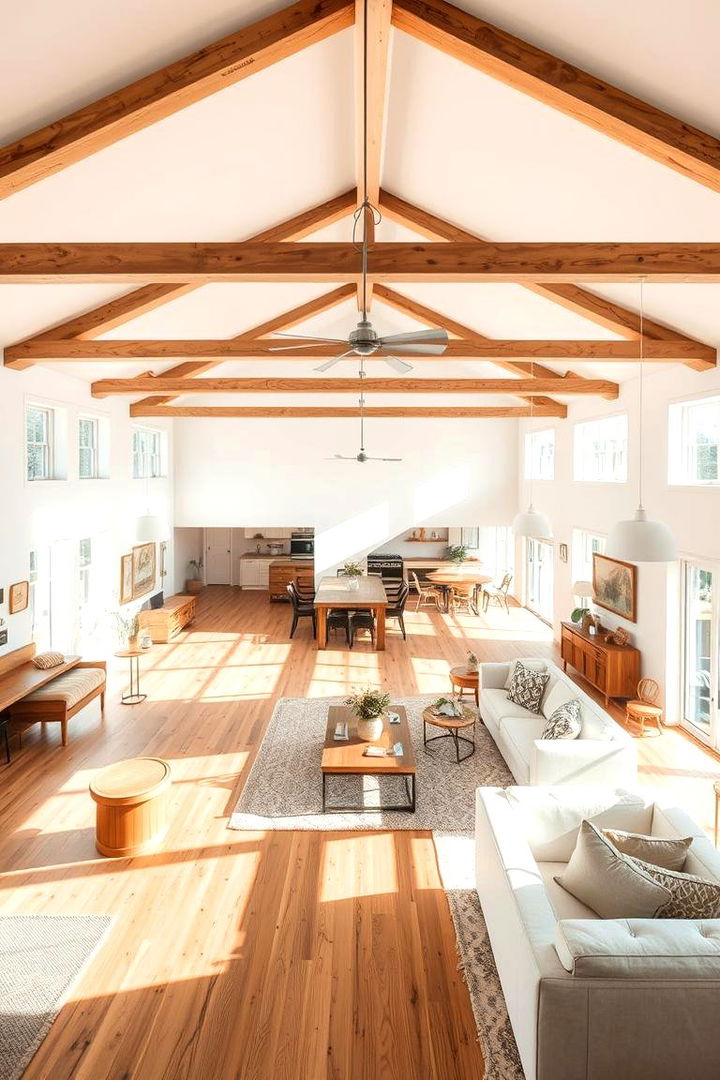
An open floor plan enhances the perception of space and allows natural light to flow effortlessly throughout your tiny home. Creating open, airy spaces by reducing unnecessary walls fosters a sense of connection between living, dining, and cooking areas. This design strategy builds a versatile environment that encourages social interaction, practical movement, and flexibility. Combining functional zones with fluid design elements can dramatically improve the overall ambiance. Embracing an open layout naturally elevates the home’s aesthetic, offering a clean and continuous flow that maximizes both style and practicality even within a smaller footprint.
6. Outdoor Living Integration
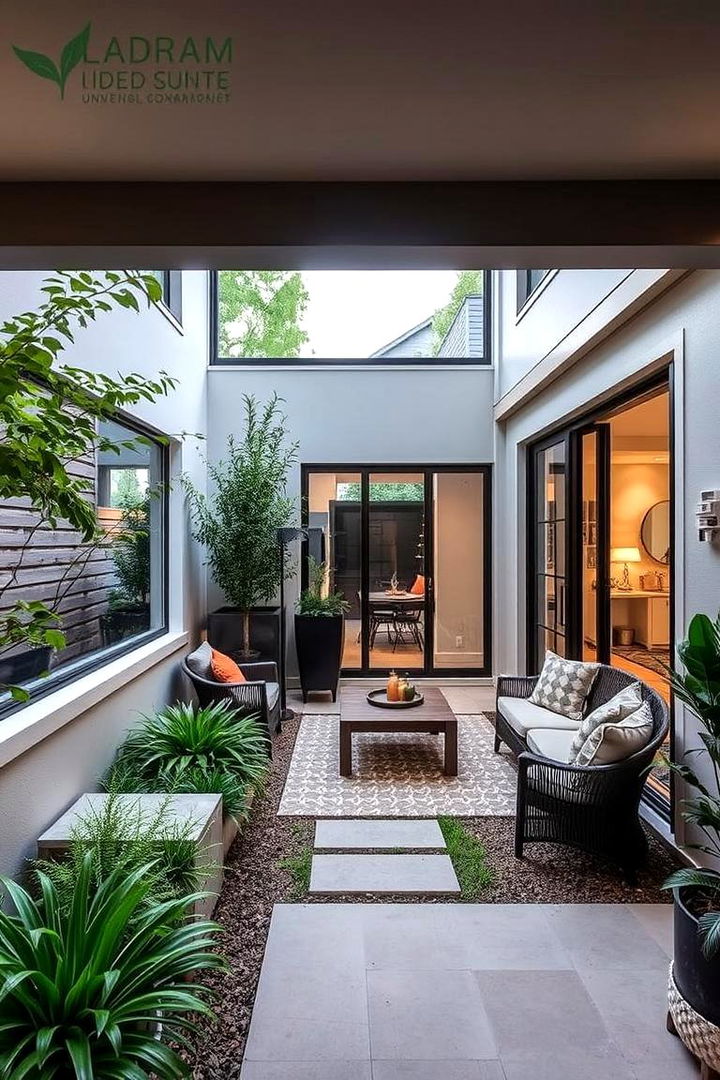
Bringing the outdoors inside is a powerful concept in tiny house design. Integrating outdoor living areas such as small patios, rooftop gardens, or expansive glass doors connects indoor spaces with nature. This seamless blend not only adds extra living space but also enhances natural light and fresh air circulation. Emphasizing simple, accessible transitions between indoor and outdoor areas creates a calming retreat that feels both expansive and communal. This approach harmonizes modern design with nature’s tranquility, emphasizing that even small homes can offer a rich, outdoor-inspired living experience after dark or on sunny days.
7. Compact Kitchens Designs
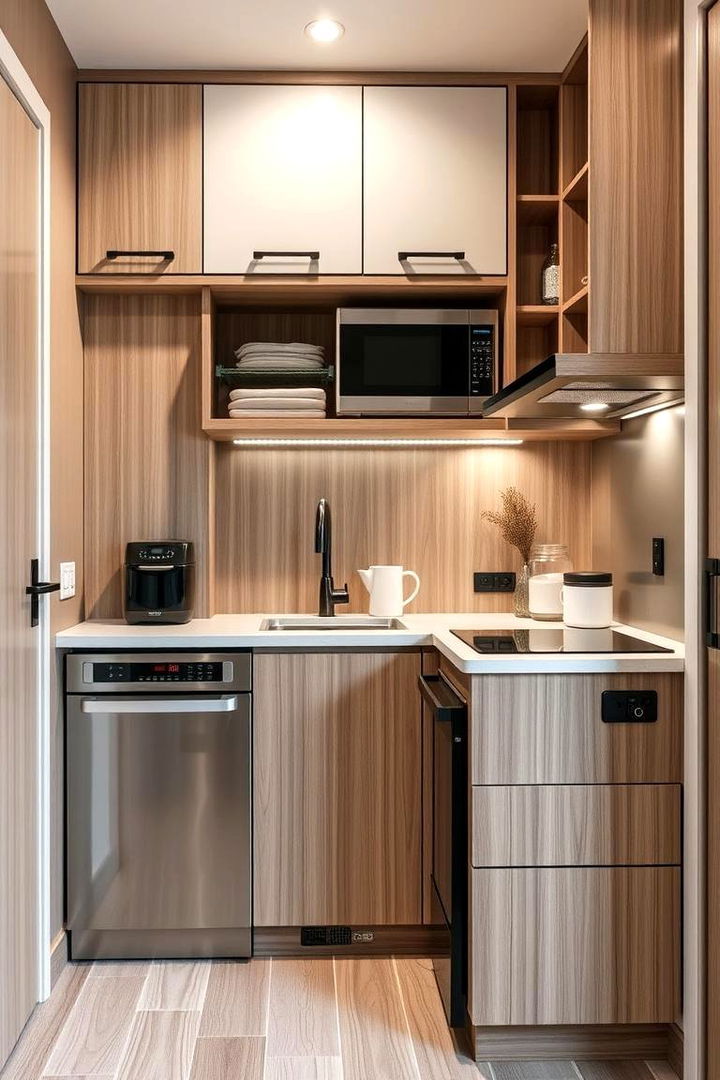
A well-designed compact kitchen is the heart of a tiny home, where every appliance and fixture is tailored to maximize efficiency. Thoughtfully planned layouts using built-in appliances, foldable countertops, and smart storage solutions make meal preparation both enjoyable and practical. This design approach emphasizes accessibility and functionality without compromising on style. With each item chosen for dual purposes and space-saving capabilities, the compact kitchen transforms even the smallest area into a vibrant culinary hub. Embrace simplicity and innovation to create a kitchen that’s as delightful to use as it is aesthetically pleasing.
8. Smart Home Technology Integration
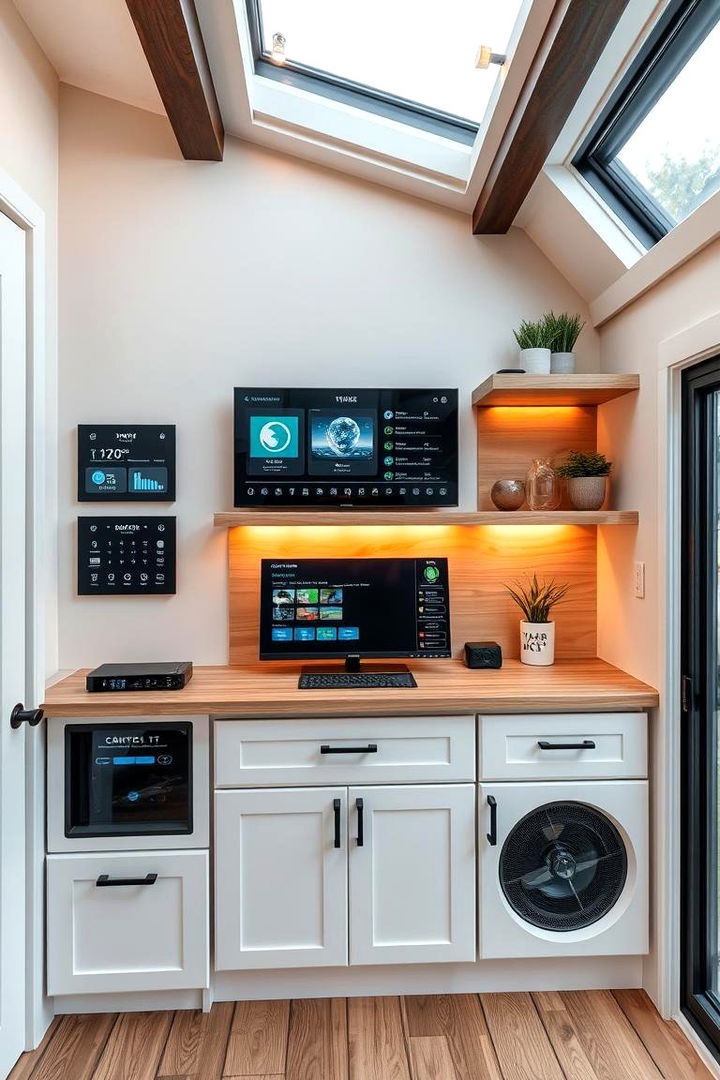
Imagine a tiny home that adapts to your lifestyle with just a touch of a button. Smart home technology brings automation, energy efficiency, and convenience to compact living spaces. Integrating systems for lighting, climate control, and security not only streamlines daily routines but also reduces energy consumption. This modern approach transforms a tiny home into a highly responsive and comfortable environment where technology takes care of the small details. With a focus on ease of use and sustainability, smart home features ensure that your tiny space remains efficient and secure while seamlessly blending advanced innovation with a cozy charm.
9. Flexible Interior Layouts
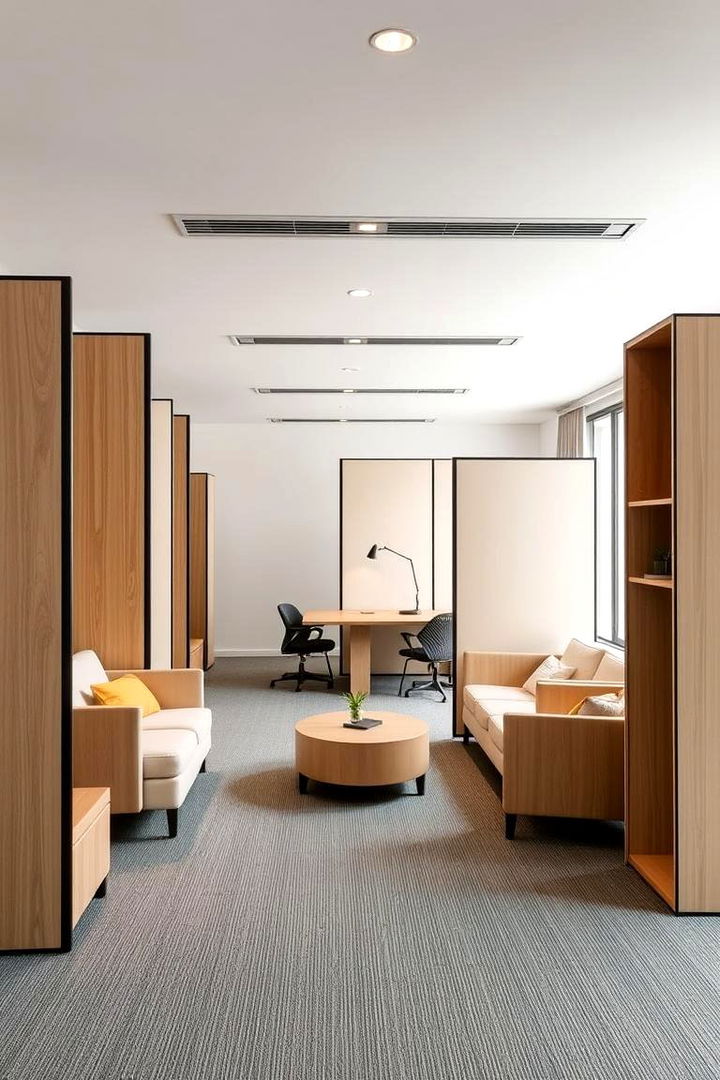
Flexibility is essential in a tiny home, where each design element must serve multiple functions. Flexible interior layouts allow spaces to be quickly reconfigured according to changing needs—from cozy relaxation areas to efficient work zones. Movable partitions and convertible furniture empower residents to adapt their environment effortlessly, promoting a dynamic and versatile lifestyle. This design philosophy not only optimizes functionality but also invites creativity into everyday living. By ensuring that each room can transform to meet different needs, your tiny home remains a vibrant, adaptive space that reflects your evolving lifestyle while maximizing every inch of available space.
10. Embracing Natural Light
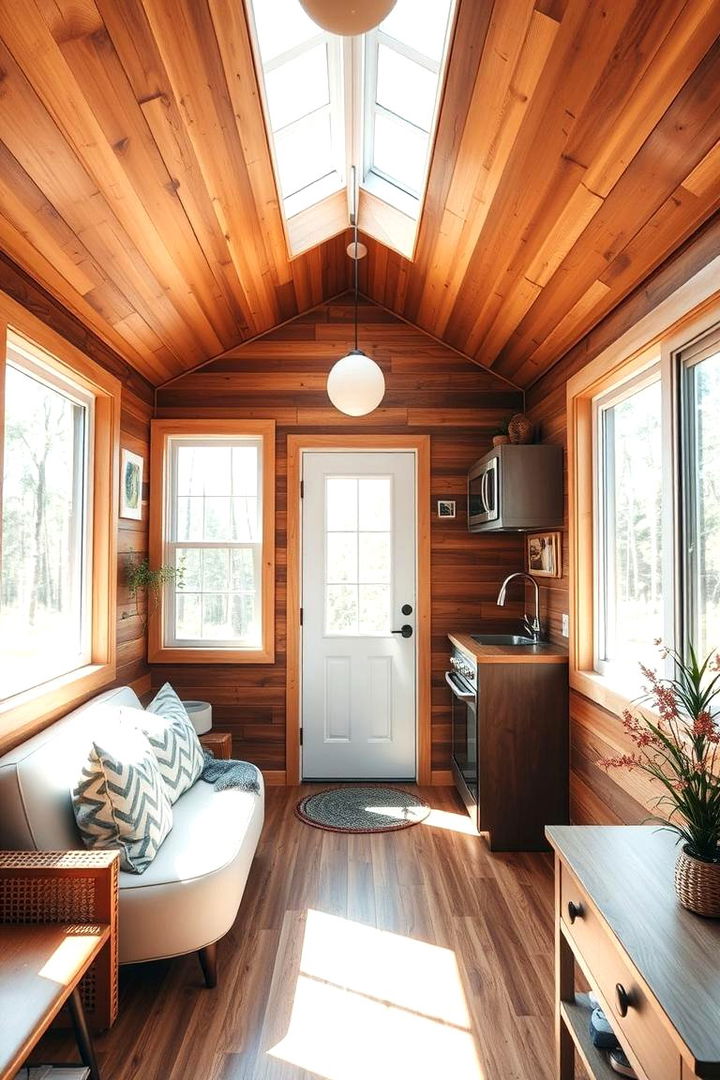
Natural light is a transformative element in tiny house design, creating an inviting and uplifting atmosphere. Large windows, skylights, and strategically placed mirrors amplify sunlight, making compact spaces feel larger and more connected to the outdoors. This approach enhances energy efficiency by reducing reliance on artificial lighting during daytime hours, while also boosting mood and productivity. Integrating natural light into design not only accentuates interior details but also imbues the space with warmth and openness. Embracing this elemental force ensures your tiny home radiates a sense of clarity and optimism throughout every room.
11. Modern Minimalism Approach
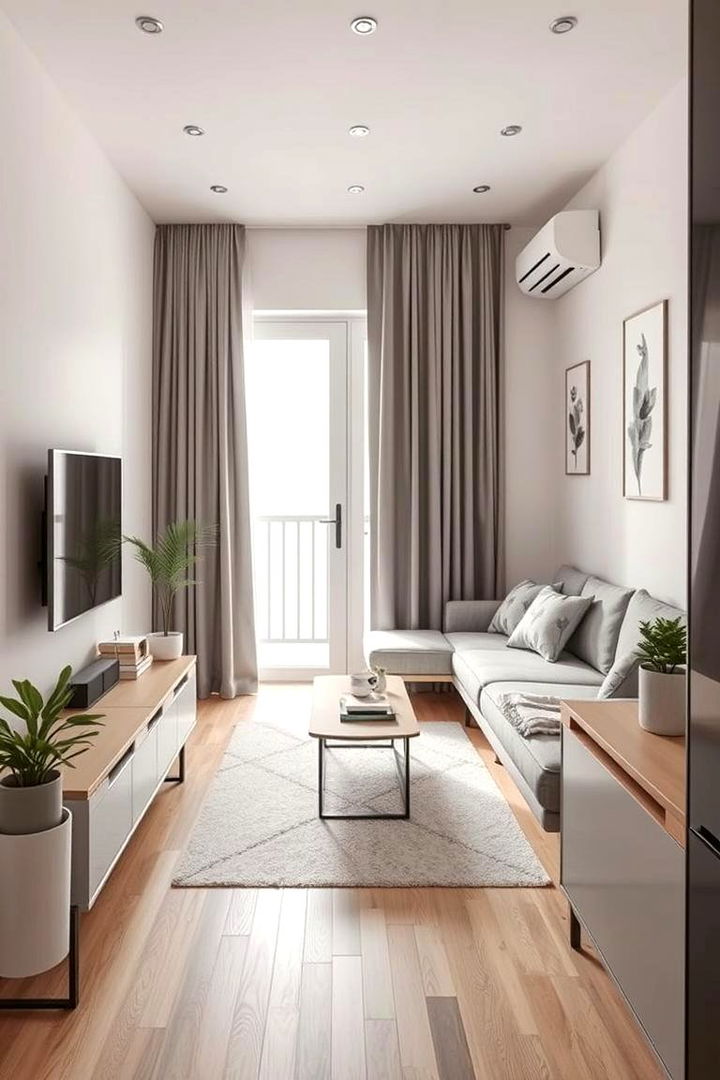
A modern minimalism approach can redefine tiny house living by stripping away excess and focusing on simplicity. Clean lines, neutral color palettes, and uncluttered spaces create an environment that brings calm and coherence to a compact setting. By emphasizing quality over quantity, minimalism ensures that every piece of furniture or decor serves a clear purpose. This design philosophy encourages mindful consumption and intentional living, reducing chaos and highlighting essential elements. With a focus on balance and serenity, modern minimalism transforms tiny spaces into sophisticated retreats that celebrate elegance in simplicity and enhance overall well-being.
12. Creative Loft Spaces
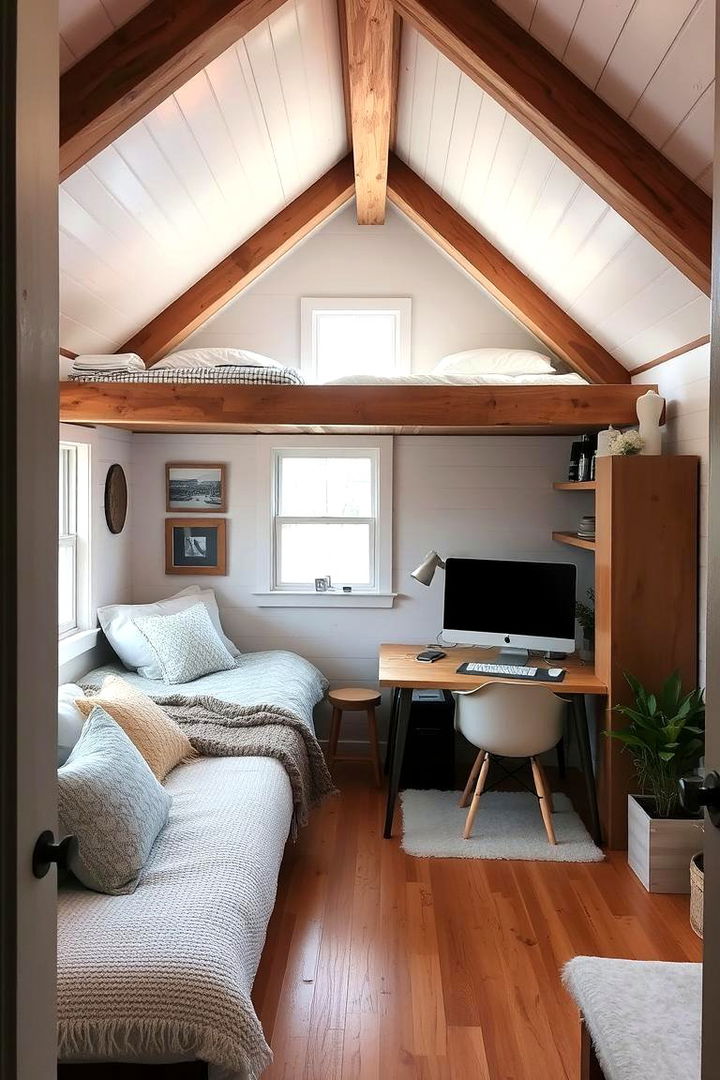
Creative loft spaces transform unused vertical areas into functional living zones that exude charm and practicality. Positioned above the main living area, loft spaces can serve as cozy sleeping nooks, dynamic workspaces, or private retreats. The clever use of portable railings, skylights, and custom steps enhances accessibility while emphasizing a sense of adventure and individuality. By integrating varied textures and materials, loft designs become a focal point that marries industrial edges with inviting comfort. Embracing the creative potential of loft spaces ensures that every level of your tiny home is both inspiring and efficiently utilized.
13. Convertible Room Designs
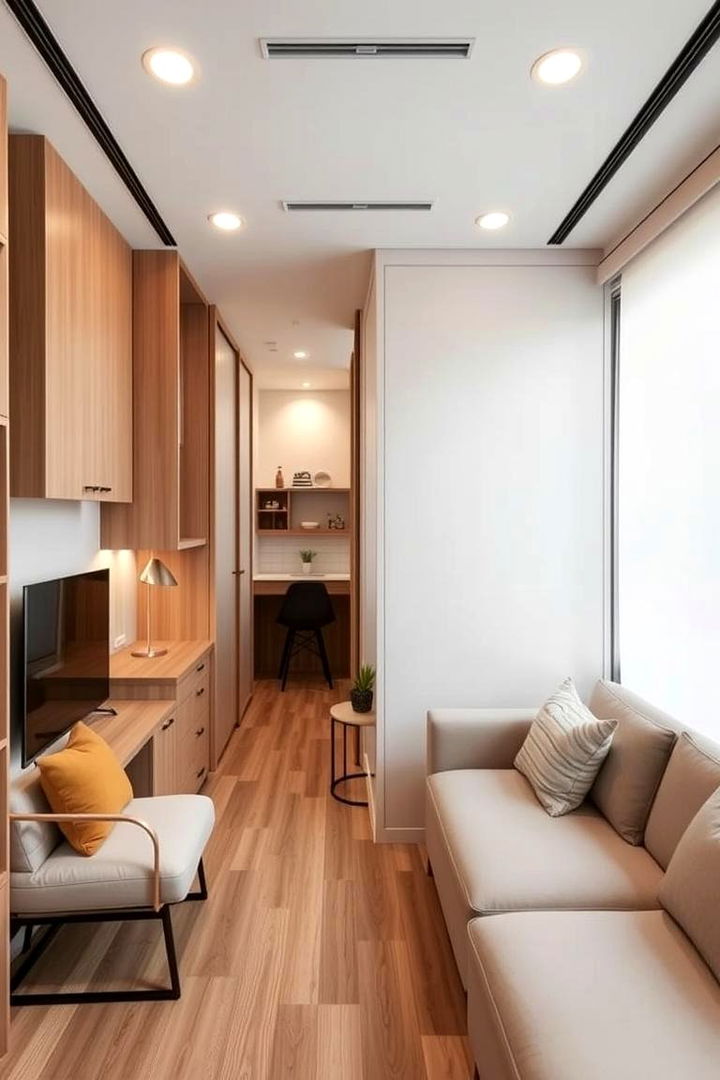
Every inch matters in a tiny house, making convertible room designs a clever solution for multi-purpose living. Rooms that effortlessly shift from home office to guest bedroom or dining area to relaxation zone showcase the practicality of adaptable design. This versatility is achieved through innovative furniture, retractable partitions, and strategic layouts that allow smooth transitions. Embracing convertible designs can drastically increase functionality without crowding the space. With thoughtful planning, each room becomes a chameleon of efficiency and style, ensuring that your tiny home remains fluid, accommodating, and perfectly attuned to your evolving lifestyle needs.
14. Hidden Storage Systems
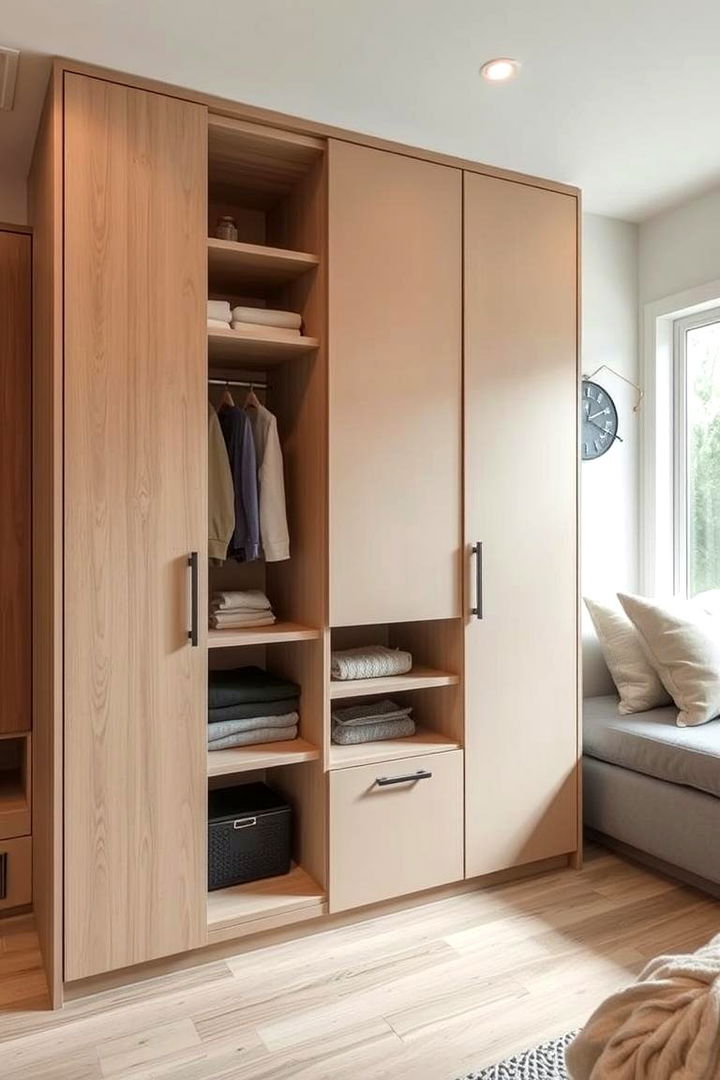
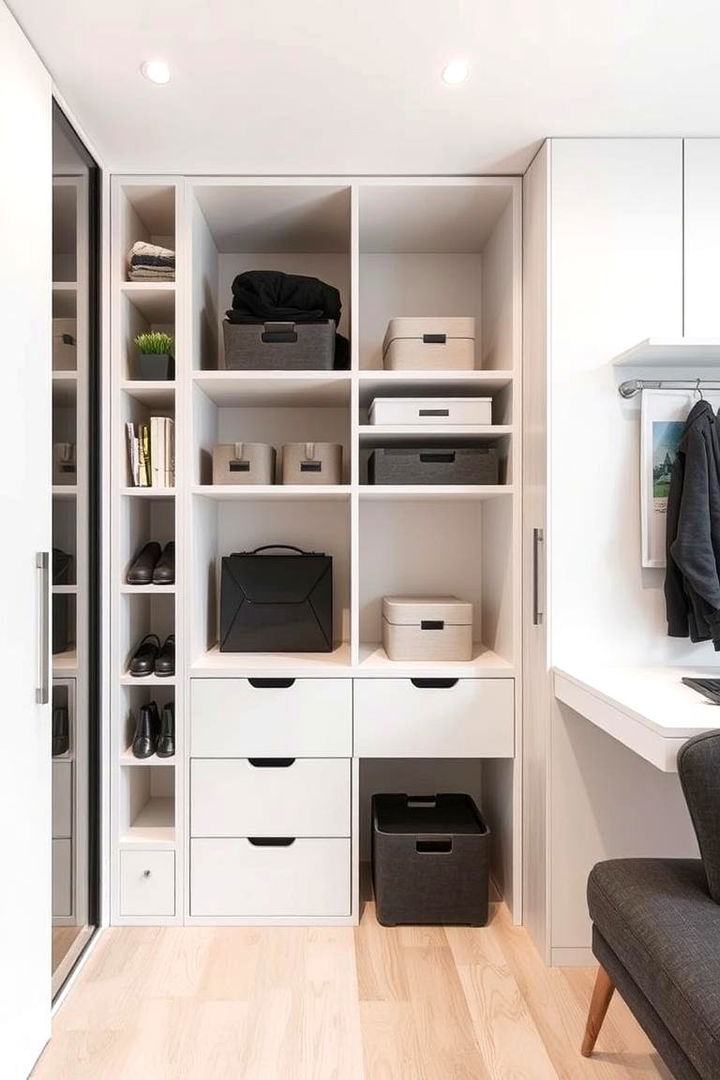
Hidden storage systems are a game changer for tiny homes, where maintaining a clutter-free environment is crucial. Concealed compartments under stairs, integrated wall units, and push-to-open cabinetry provide sleek solutions for organizing belongings. These discreet storage options preserve the aesthetic of the room while offering ample space for essentials. Incorporating hidden storage not only maximizes floor space but also adds a layer of clever sophistication to your design. Each carefully planned detail contributes to a more spacious and orderly living experience, demonstrating that innovative storage methods can enhance both functionality and the visual appeal of your tiny living space.

15. Sustainable Energy Solutions
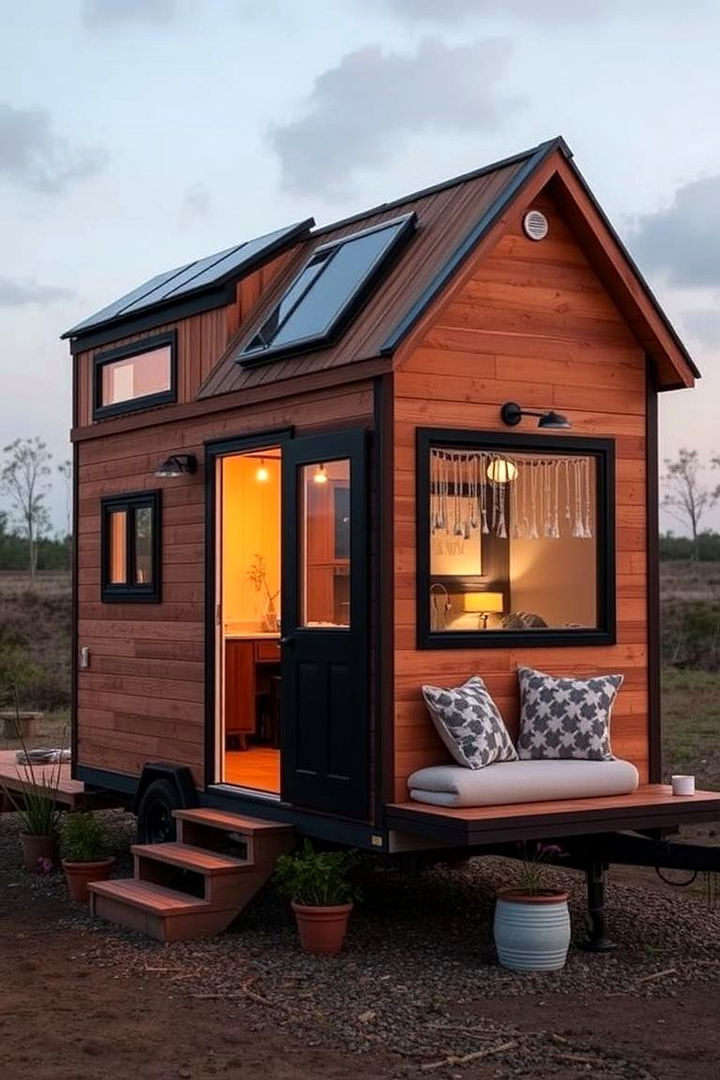
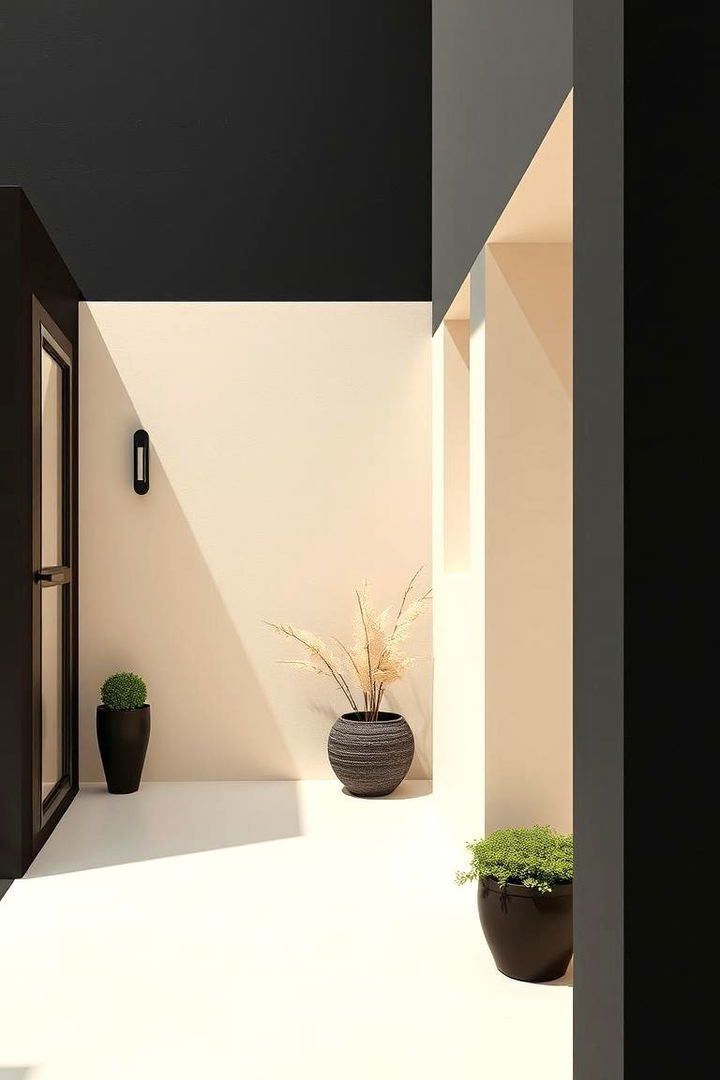
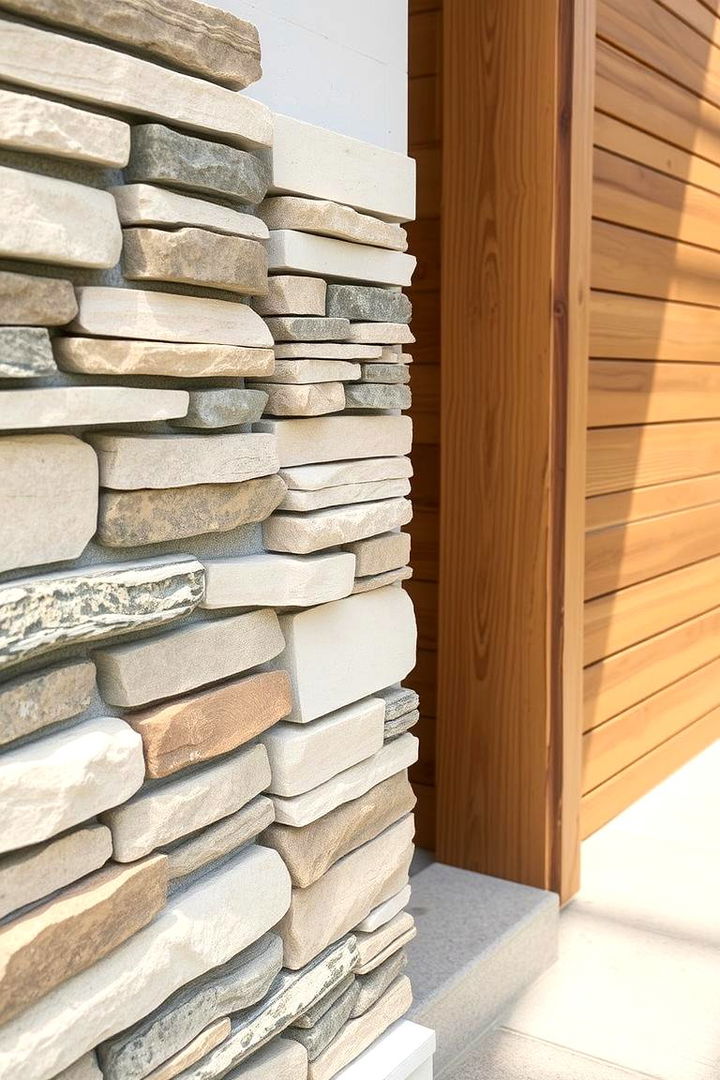
Embracing sustainable energy solutions is integral to modern tiny house design. Solar panels, energy-efficient appliances, and smart insulation are just a few innovations that reduce environmental impact while lowering utility expenses. This eco-conscious approach maximizes efficiency and encourages a greener lifestyle. The incorporation of renewable energy sources and sustainable technologies ensures that your tiny home remains self-sufficient and responsibly built. With every sustainable choice, you enhance the resilience and appeal of your living space, creating an environment that is as kind to the planet as it is comfortable for its inhabitants, blending modern technology with conscious living.
16. Bold Color Accents
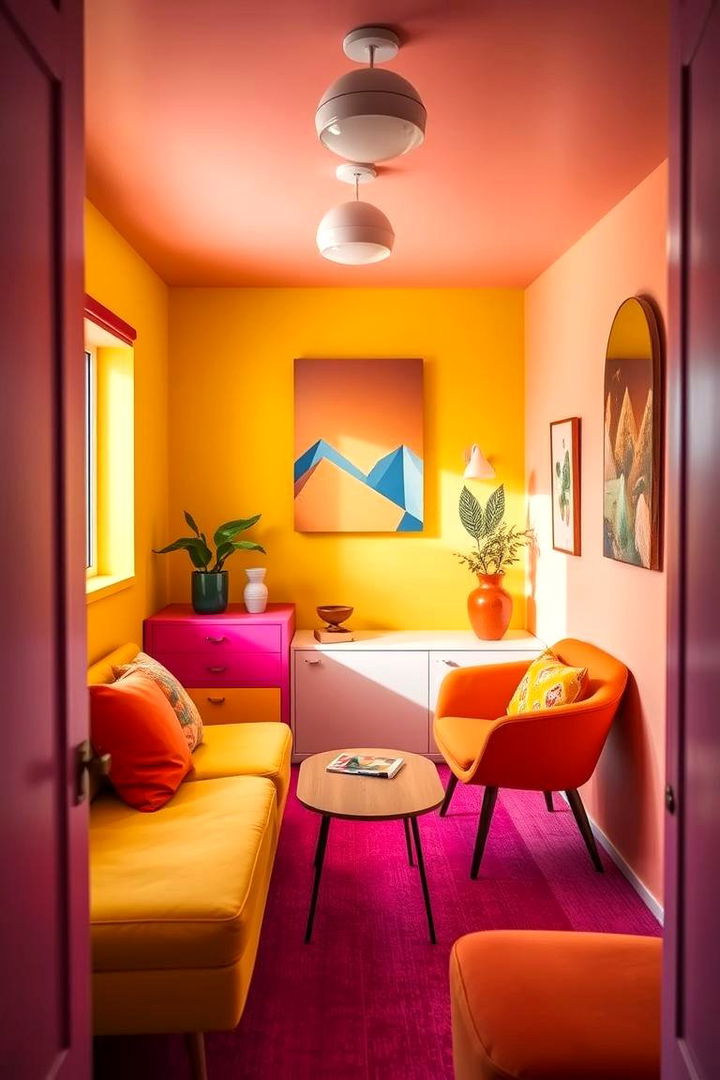
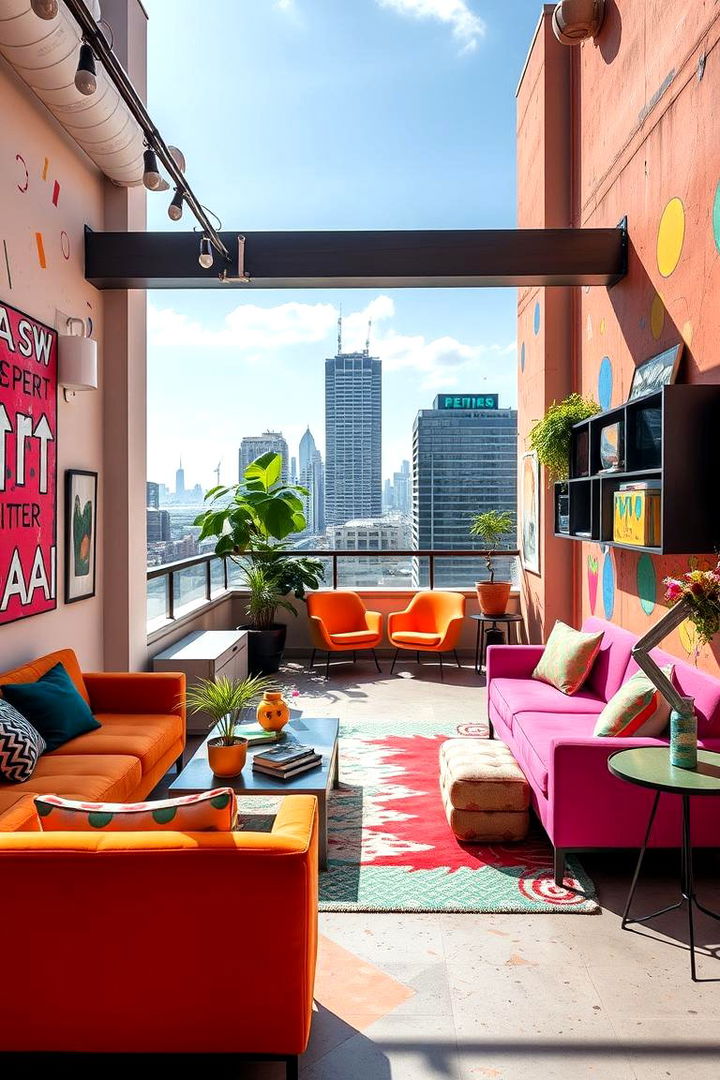
Bold color accents can transform a tiny home by infusing it with energy and personality. Strategically placing vibrant hues on walls, furniture, or decorative elements brings life to an otherwise subtle palette. These bursts of color create focal points and influence the mood of each room, balancing out minimalist designs. When used thoughtfully, bold accents can visually expand a space and add unexpected charm. This creative strategy makes it easy to experiment without overwhelming the overall design. Emphasizing color intelligently ensures that your tiny home remains stylish, inviting, and reflective of your personal taste and adventurous spirit.
17. Scandinavian Influences
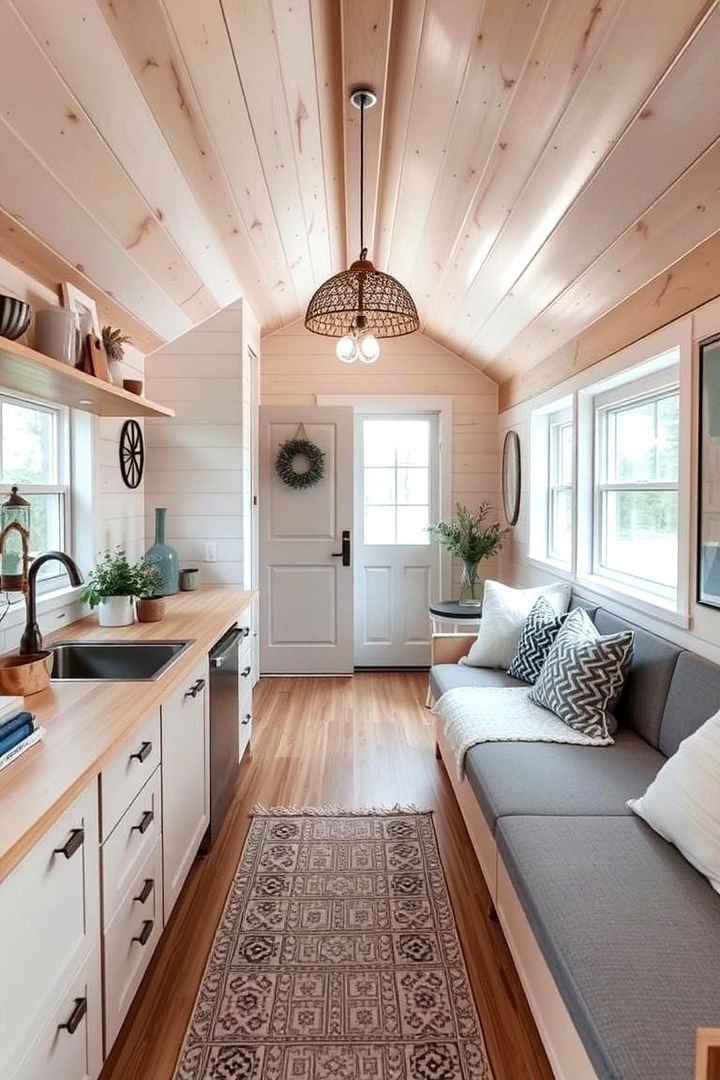
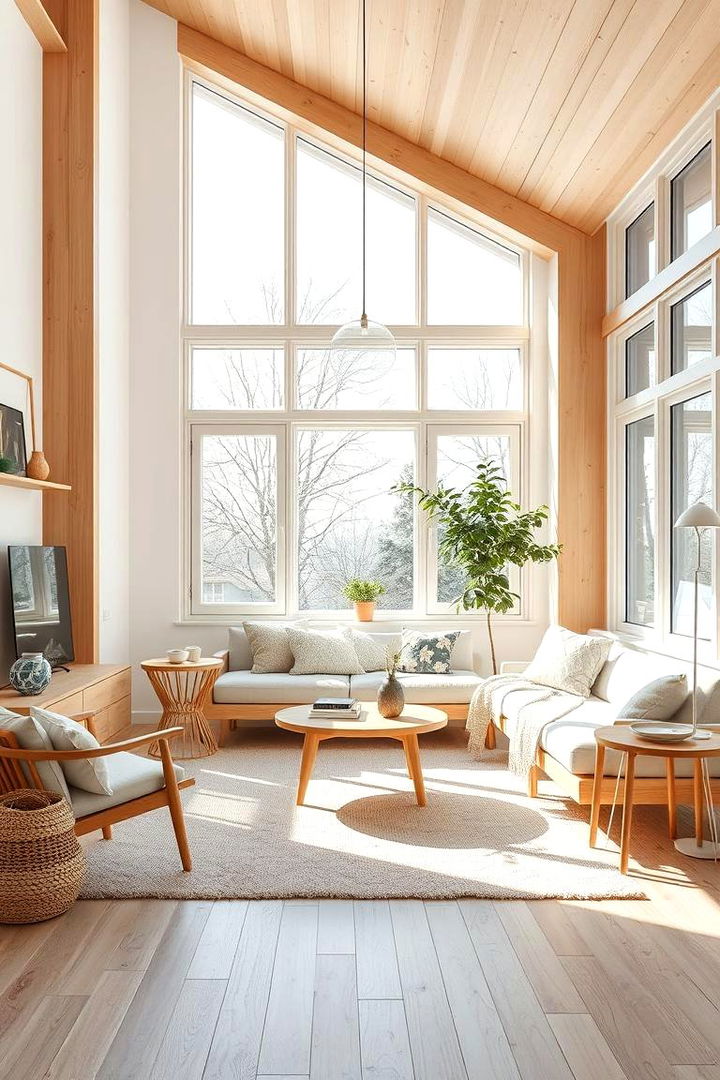
Scandinavian influences in tiny house design offer a blend of functionality and minimalism that creates serene and inviting environments. Clean lines, light woods, and neutral tones create a crisp, airy ambiance ideal for compact spaces. This design style emphasizes simplicity and utility while integrating cozy textures and warm accents. The Scandinavian approach brings balance and calm, ensuring that every cornerstone of the tiny home feels deliberate and welcoming. With a focus on natural materials and purposeful layout, this design trend makes it easy to achieve a refined aesthetic that is both modern and enduring, celebrating clarity and functionality in every detail.
18. Rustic and Cozy Ambiance
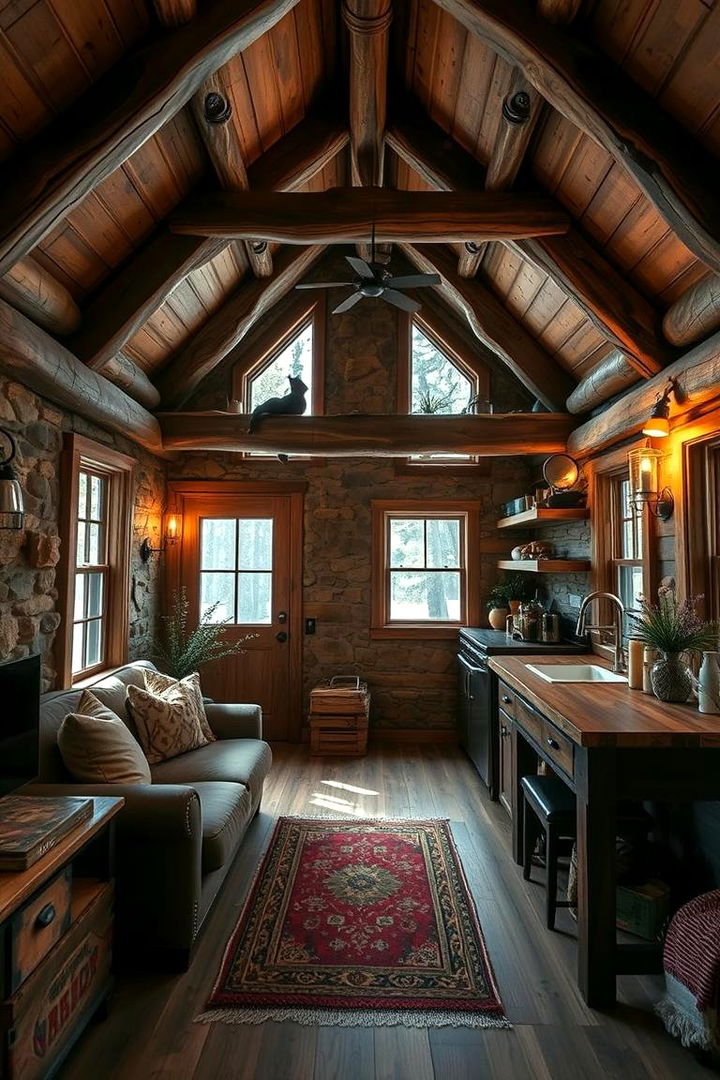
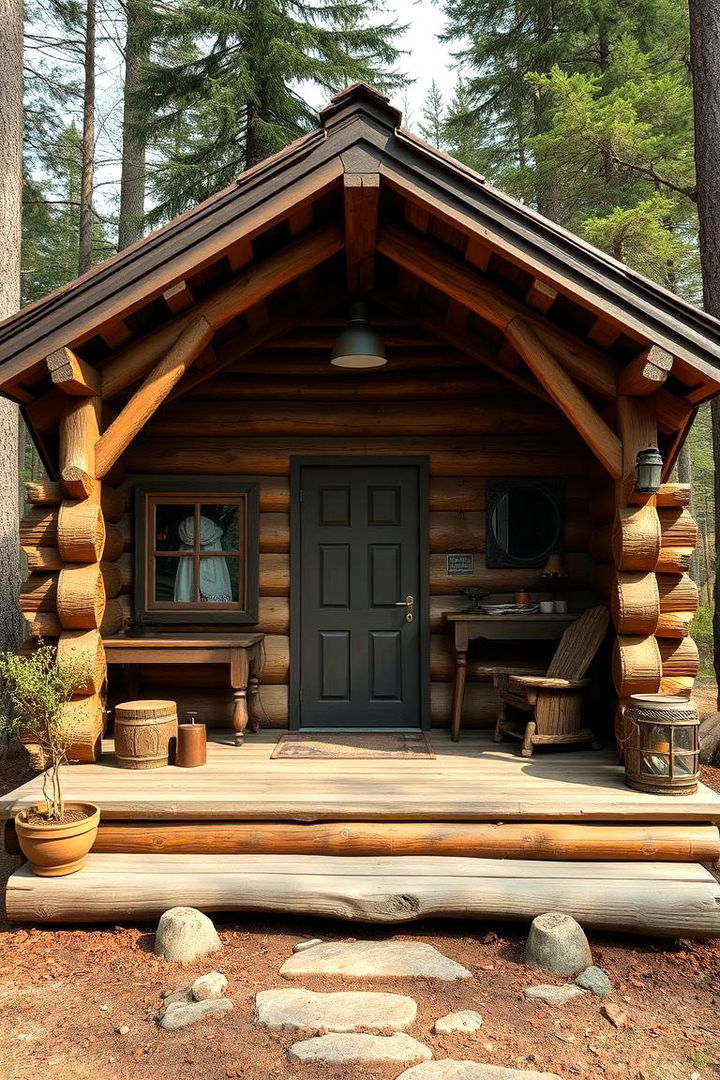
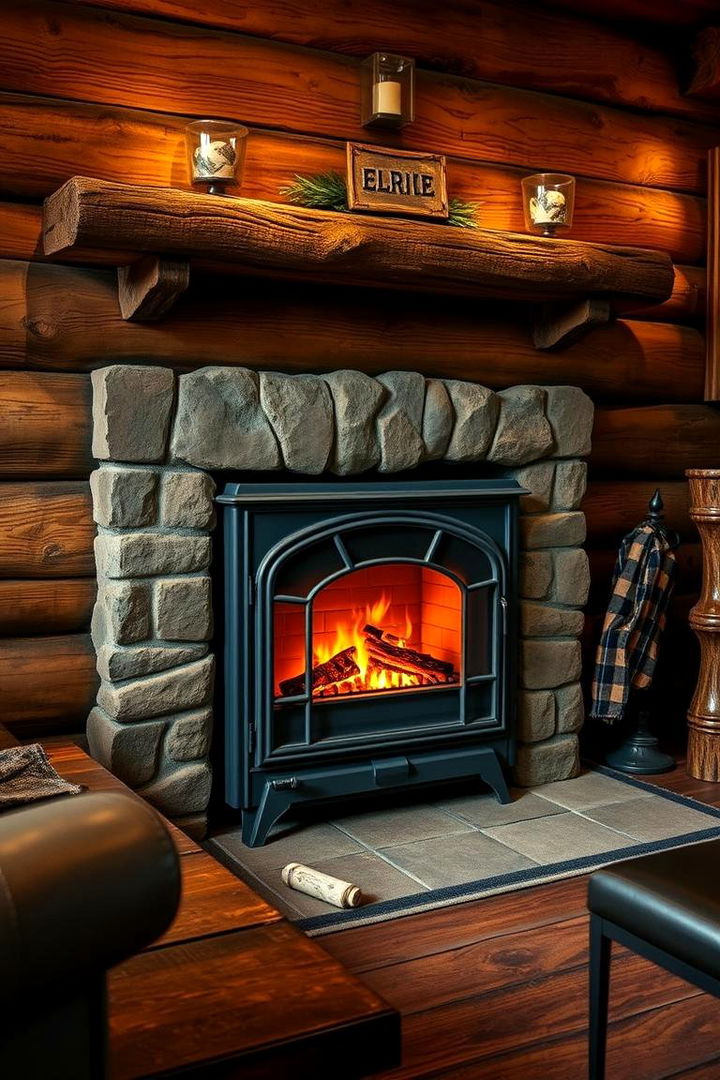
A rustic and cozy ambiance can invite warmth and character into a tiny house design. Integrating natural materials like wood beams, stone accents, and handcrafted finishes creates a charming, lived-in atmosphere. This design approach embraces imperfections and emphasizes comfort, making even the smallest space feel like a welcoming retreat. Combining vintage decor with modern amenities results in a balanced look that is both timeless and functional. The rustic charm is enhanced by earthy tones and soft textiles, creating an environment that exudes homeliness and accessibility, ensuring your tiny home is a cozy sanctuary that nurtures both creativity and relaxation.
19. Industrial Design Touches
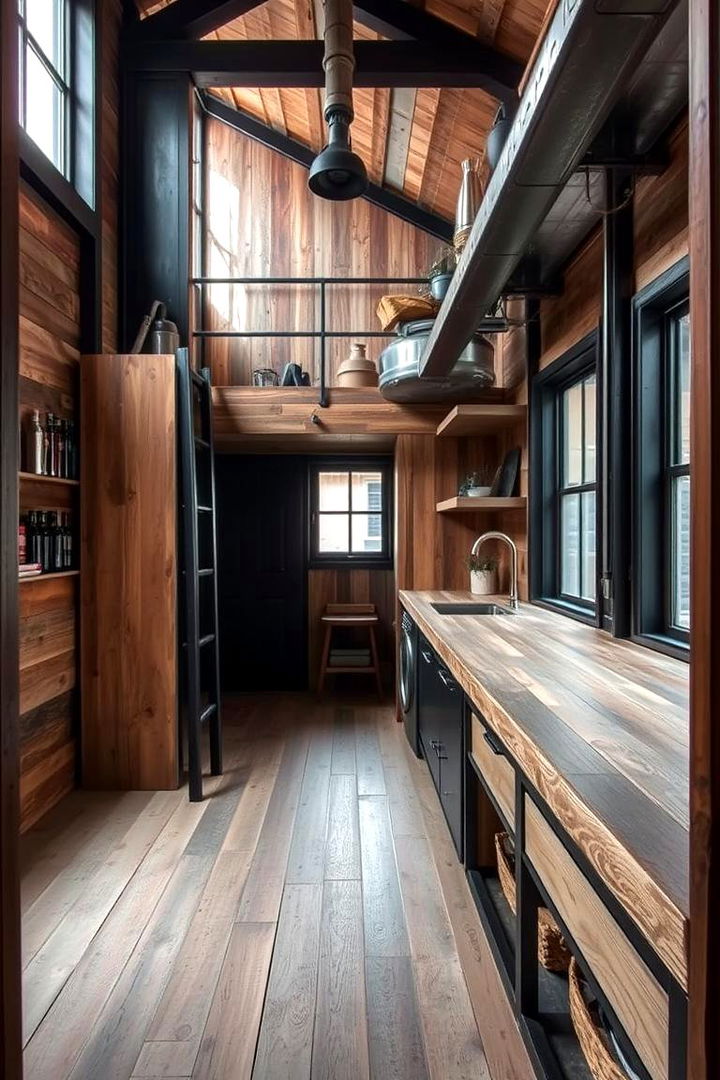
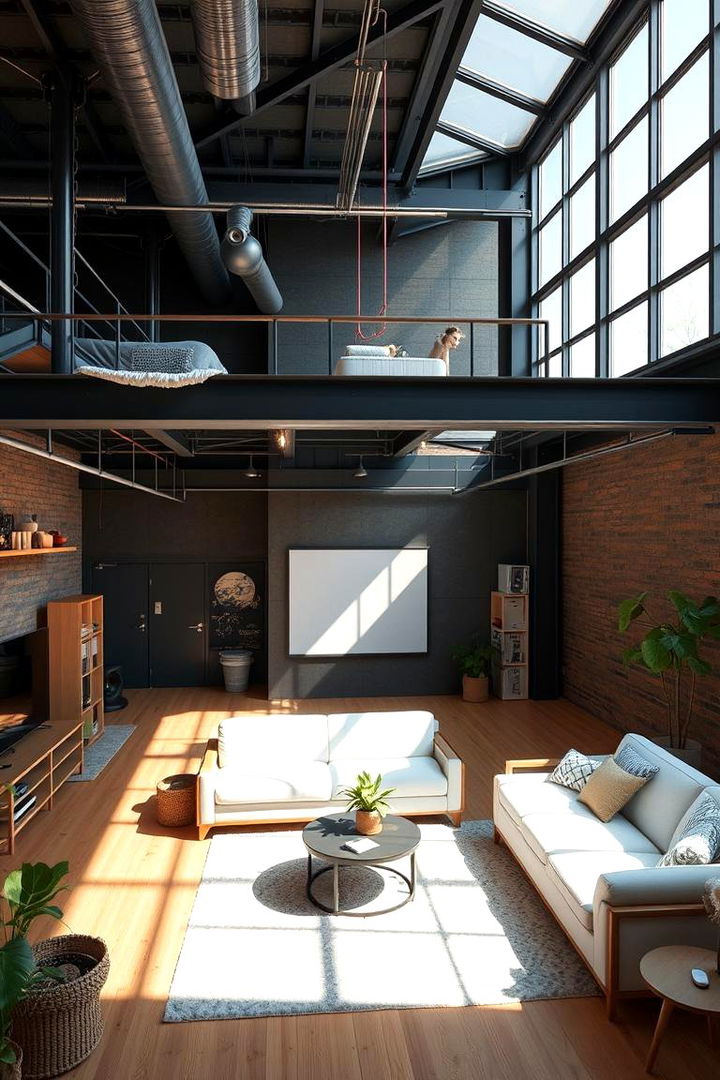
Industrial design touches inject a modern, edgy vibe into tiny house living. Exposed metal frameworks, reclaimed wood, and utilitarian fixtures celebrate raw aesthetics and functional honesty. This approach melds the beauty of unfinished textures with smart, space-saving designs. Industrial influences often incorporate open layouts and minimal decor, highlighting mechanical elements while ensuring practicality. The blend of rugged materials with refined accents offers a unique contrast that is both stylish and efficient. Embracing industrial touches transforms your tiny home into a statement of modernity and resilience, where every functional element is elevated by a striking, urban character.
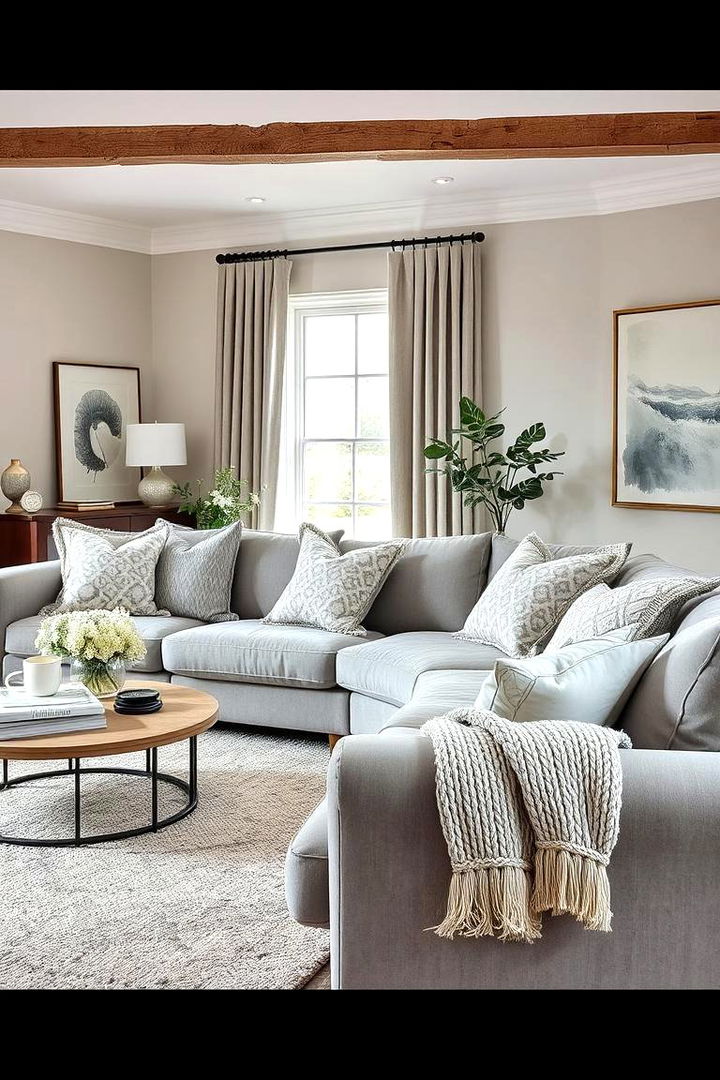

20. Customized Built-In Features
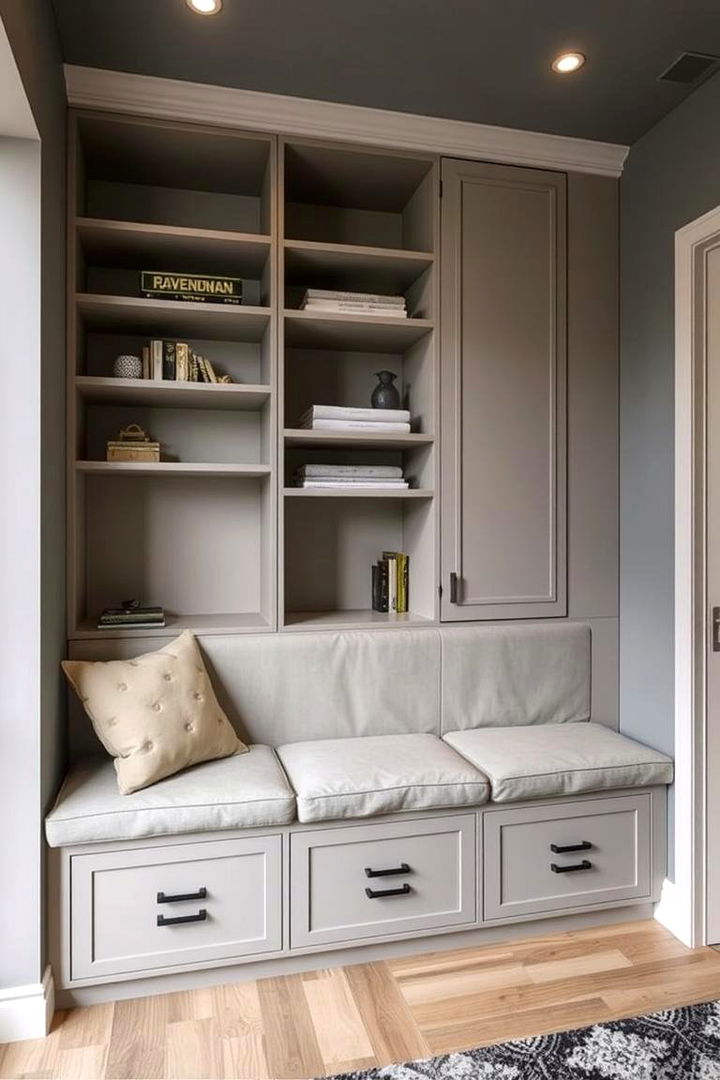
Customized built-in features are ideal for tiny houses, where tailored solutions maximize every nook and cranny. From bespoke shelving that wraps around corners to integrated seating and workspaces, these designs create a seamless flow throughout the home. Customization allows your furnishings and fixtures to perfectly align with your needs, ensuring that no space goes unused. These thoughtful additions not only enhance functionality but also bring a personalized touch to your living environment. With a focus on precision and practicality, built-in features blend into the architecture, offering both elegance and efficiency in every detail of your tiny home.
21. Optimal Space Utilization
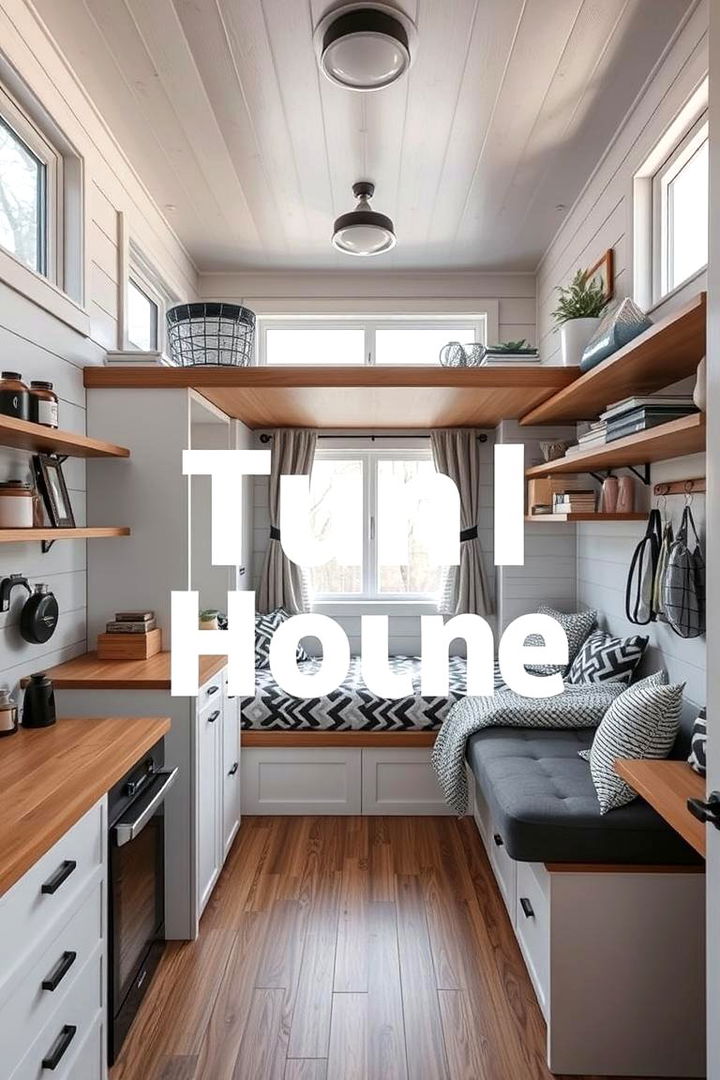
Optimal space utilization is the cornerstone of tiny house design, ensuring that every square inch works hard for you. By strategically planning layouts, using modular furniture, and emphasizing multi-use zones, you can create a home that feels expansive despite its compact size. This approach highlights a commitment to functionality and creativity, encouraging innovative solutions that enhance daily living. Emphasizing clever design and thoughtful organization turns potential limitations into opportunities for smart storage and versatile living. Every detail is carefully considered, making optimal space utilization a practical yet inspiring strategy for superior comfort and style.
22. Creative Zoning Strategies
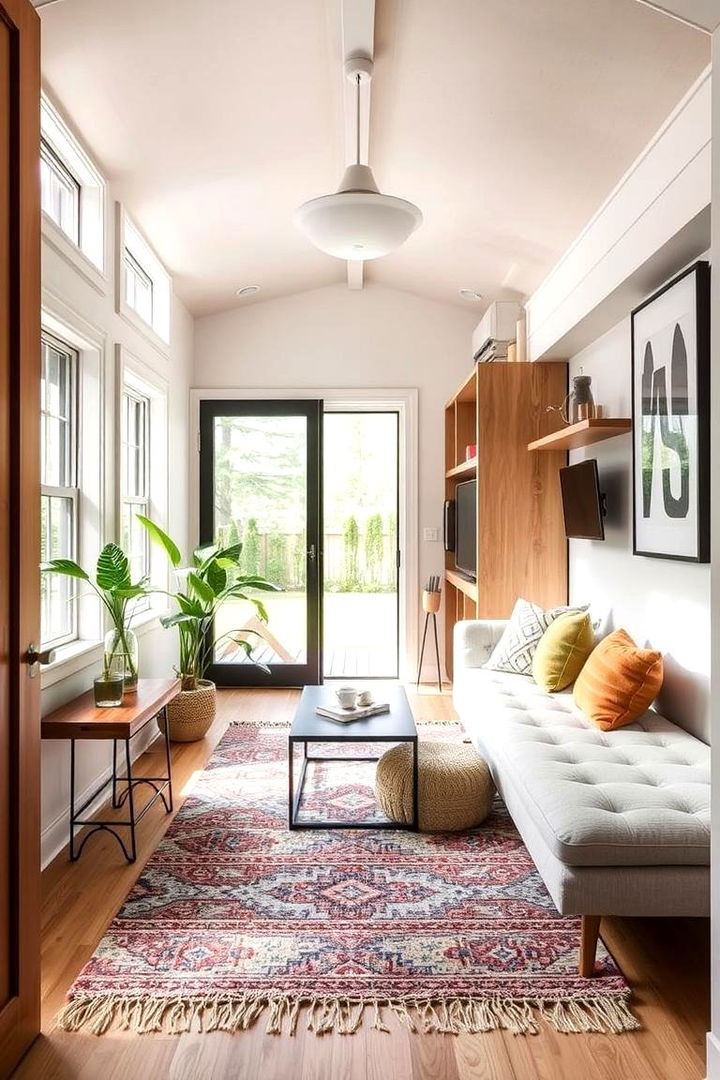
Creative zoning strategies help define distinct areas within a tiny home without traditional walls. By using area rugs, lighting variations, or subtle partitions, you can visually separate living, dining, and sleeping zones. This method creates a structured yet flexible layout that adapts to various activities. It encourages a thoughtful balance between openness and definition, enabling a cohesive flow while providing privacy when needed. Such zoning not only optimizes functionality but also enriches the aesthetic appeal by layering textures and contrasts. Embracing creative zoning allows every corner to serve a dual purpose, ensuring that your tiny house meets both practical needs and imaginative design goals.
Conclusion:
Your exploration of 22 Tiny House Design Ideas highlights the art of transforming limited space into a dynamic living environment. From maximizing vertical space to innovative built-ins, each idea emphasizes functionality, style, and sustainability. Thoughtful design choices cut across multi-functional spaces and modern technology to create personalized and efficient homes. Embracing these insights invites you to reimagine your tiny living space through functional, creative, and eco-friendly strategies. Let these ideas spark inspiration as you embark on your own journey to make every square inch a testament to smart design.

Related posts: