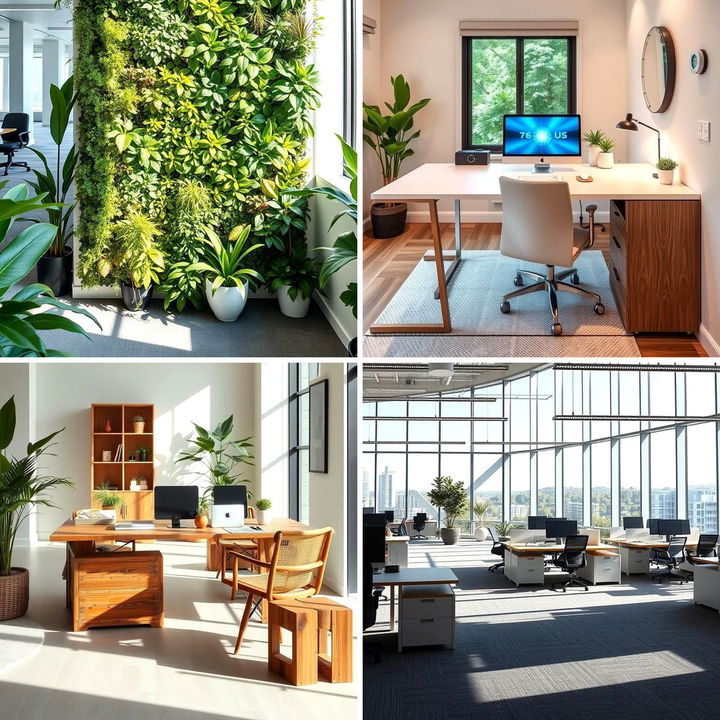
A well-designed study room is more than just a quiet corner — it’s a personalized space that fuels productivity, creativity, and focus. Whether you seek a minimalist aesthetic or a tech-savvy haven, these 22 Study Room Ideas offer practical solutions to uplift your workspace. Each idea has been crafted with careful attention to enhancing organization, lighting, ergonomics, and personal style. Discover how incorporating these strategies can transform your study environment into a vibrant, inspiring hub that motivates you every day. Embrace these Study Room Ideas and explore the innovative possibilities that await.

1. Minimalist Style Study Space
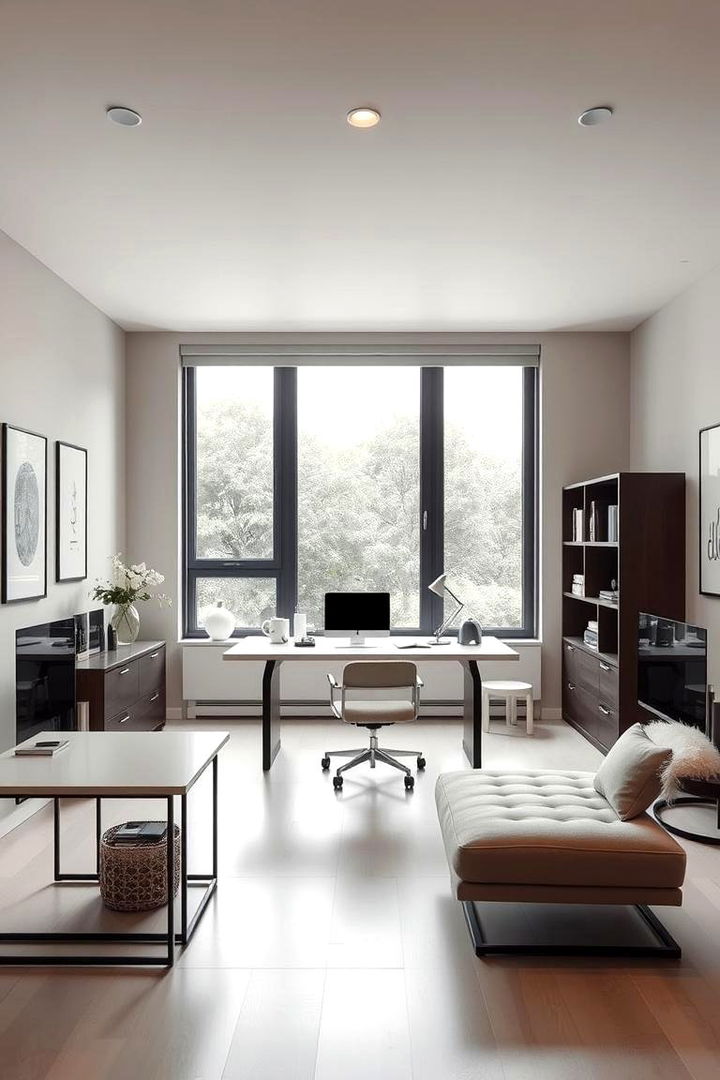
A minimalist study room creates an uncluttered haven that encourages concentration and ease. With clean lines, simple furnishings, and limited distractions, you can enjoy an environment that boosts your mental clarity and focus. Neutral tones and sleek surfaces help foster a calm atmosphere, making it easier to manage stress while studying. Additionally, a minimalist design emphasizes functionality and efficient use of space, making organization a breeze. This approach inspires creativity and decisiveness in daily routines while ensuring that every item has its purposeful place.
2. Emphasizing Natural Light
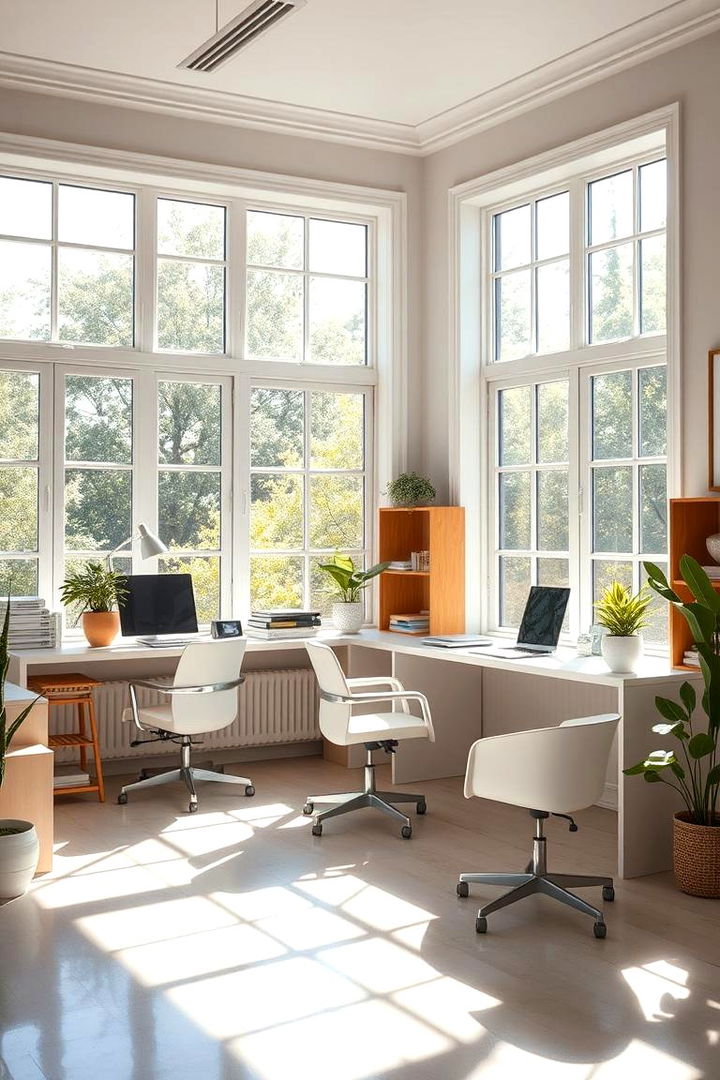
How often do you consider the power of natural light in your study room? Flooding your workspace with sunlight not only illuminates the area beautifully but also elevates your mood and energy levels. Large windows or strategically placed mirrors can enhance natural illumination, reducing the need for artificial lighting during the day. This design principle promotes a positive ambiance and helps regulate your body’s natural rhythms, ultimately contributing to improved concentration and productivity. Embracing natural light creates a refreshing environment ideal for long study sessions and creative thinking.
3. Ergonomic Furniture Essentials
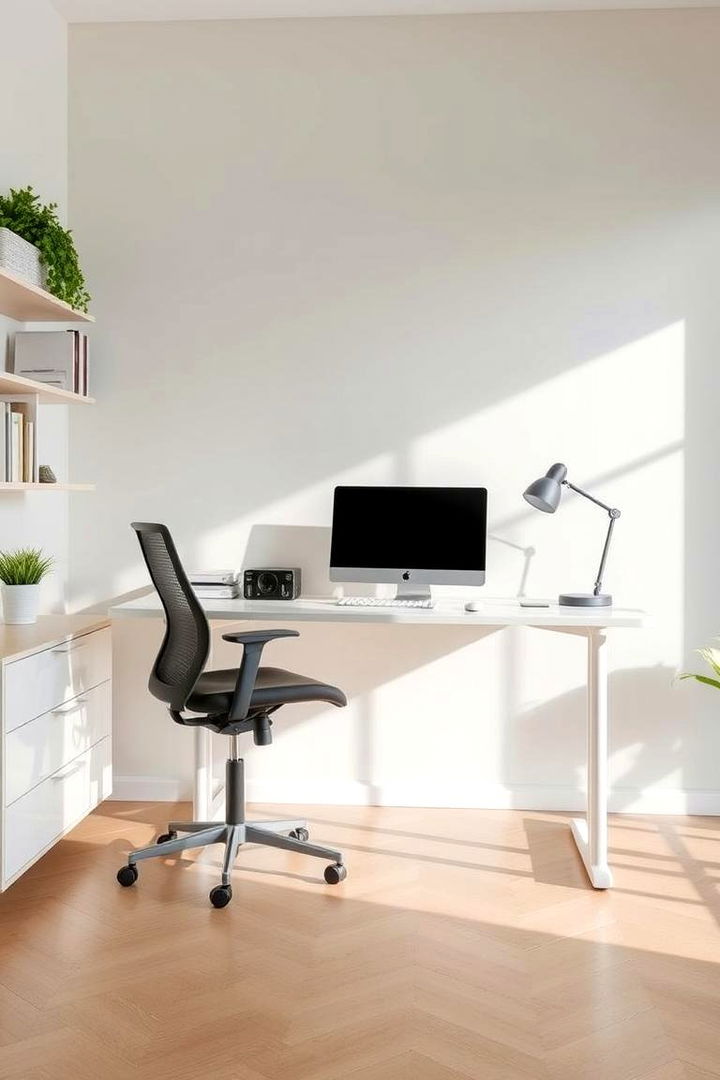
Comfort and efficiency are paramount in creating a study space that supports your well-being. Investing in ergonomic furniture such as an adjustable chair and a desk at the proper height can significantly enhance your posture and reduce physical strain during long study hours. An ergonomically designed workspace not only promotes health by aligning your body correctly but also leads to improved concentration and productivity. This thoughtful architectural feature encourages better work habits, making your study room a supportive environment tailored to foster both relaxation and focused learning.
4. Organized Storage Solutions
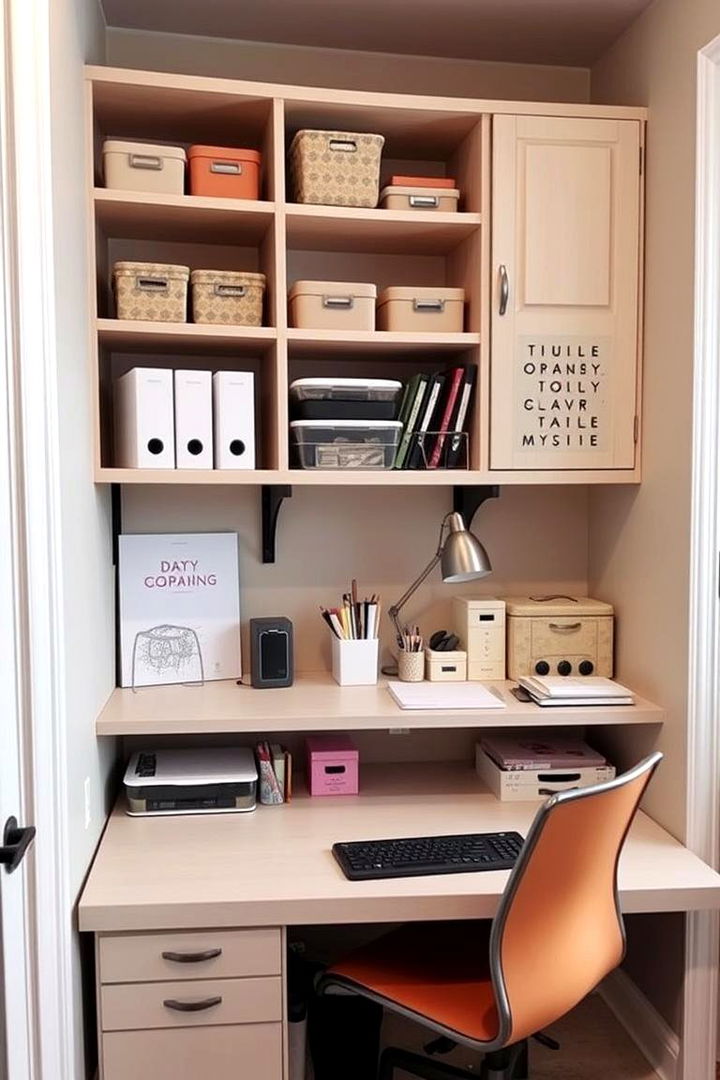
Imagine a study room where every item is neatly organized and easily accessible, reducing clutter and stress. Incorporating practical storage solutions such as shelves, cabinets, and desktop organizers ensures that your essential tools are systematized for quick retrieval. An orderly study space minimizes distractions and optimizes efficiency, allowing you to focus on your academic goals. Additionally, clear organizing systems promote a sense of calm and discipline in your daily routine. These strategies ultimately create a streamlined environment that supports creativity and encourages a proactive approach to your study sessions.
5. Inspiring Wall Art & Decor
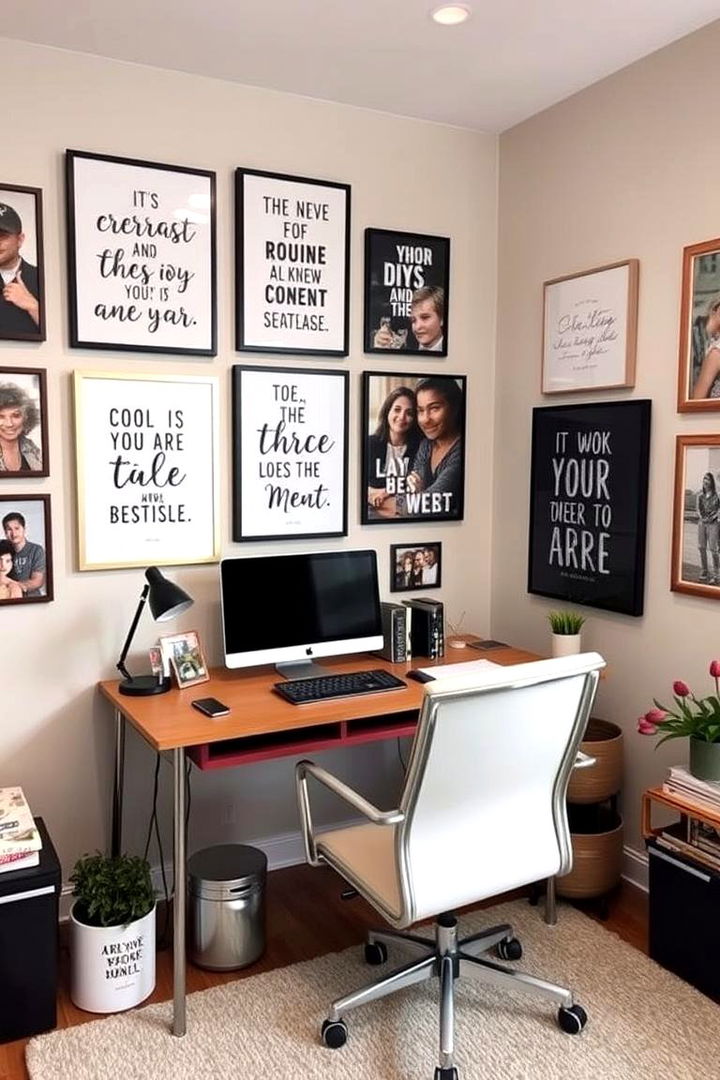
Wall art and decorative accents can transform your study room into a motivational sanctuary. By choosing inspiring quotes, abstract art, or personal photographs, you add character and a touch of personality to your workspace. This artful approach not only stimulates your creative energy but also serves as a daily reminder of your aspirations and achievements. The carefully curated decor reinforces a positive environment, making your study room more inviting and uniquely yours. Such personalized touches foster a sense of connection and motivation, helping you stay focused on your tasks throughout the day.
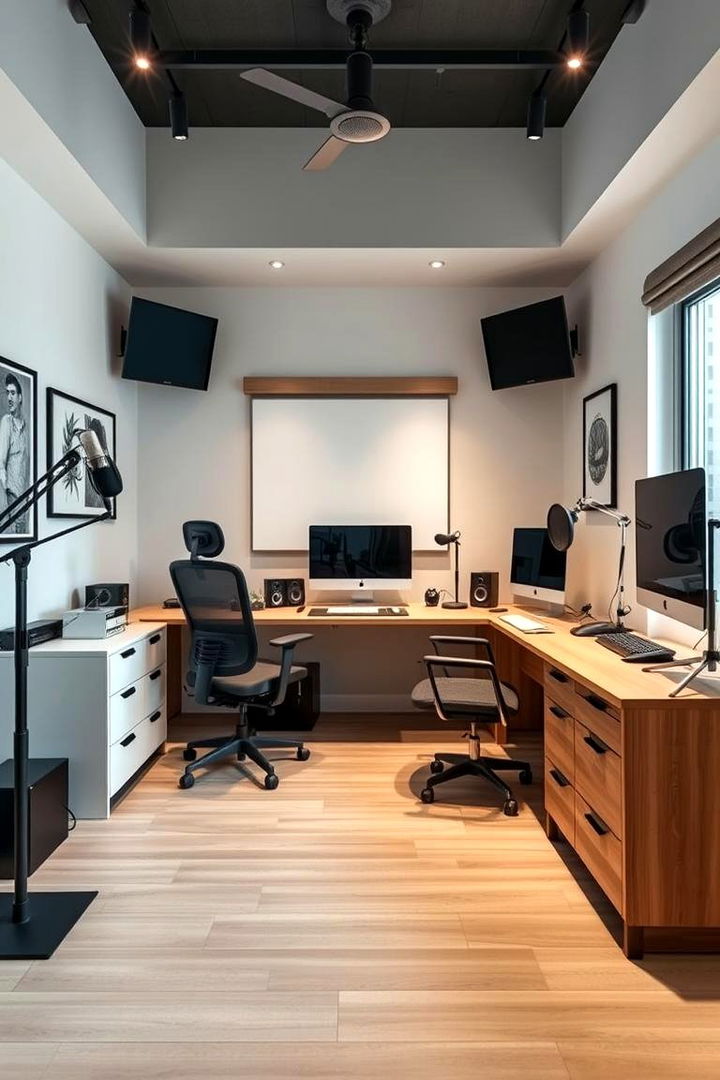
6. Tech-Savvy Study Setup
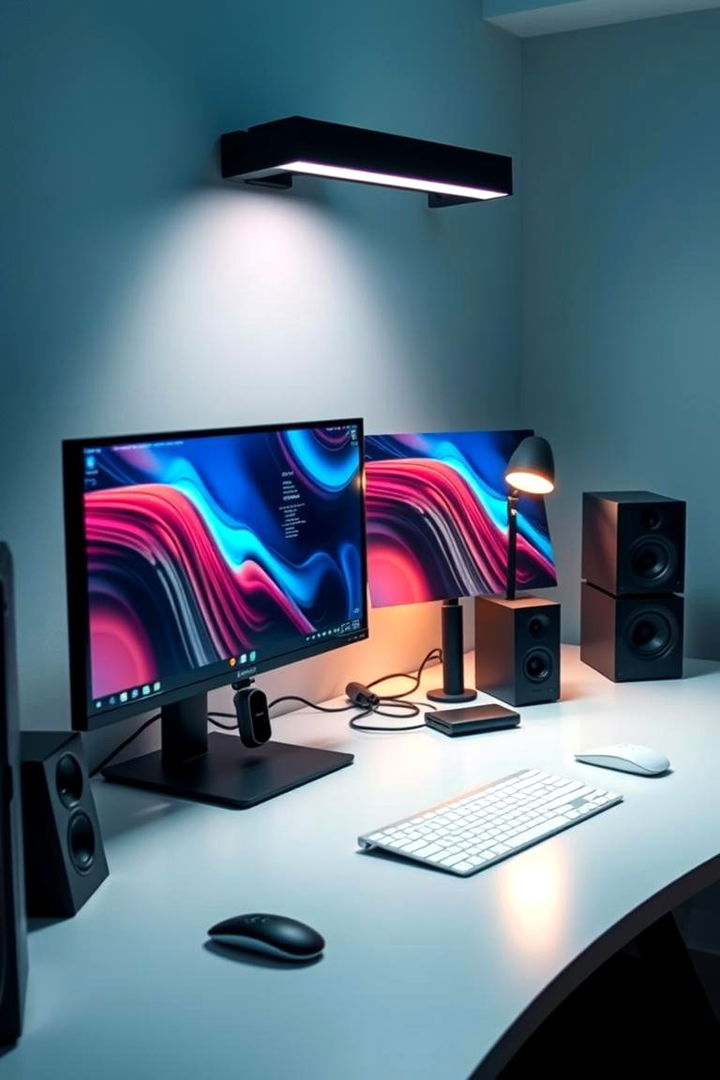
Embracing modern technology in your study room can enhance productivity while providing seamless connectivity. Integrating devices like smart speakers, dual monitors, and power-efficient lighting elevates your workspace by creating a versatile digital environment. These tech enhancements ensure that you have quick access to all necessary tools and information, streamlining research and study sessions. A tech-savvy design not only simplifies task management but can also foster a dynamic, interactive study experience. Emphasizing innovation in your study room supports an efficient routine and encourages you to explore new technological advancements.
7. Multi-Purpose Layouts
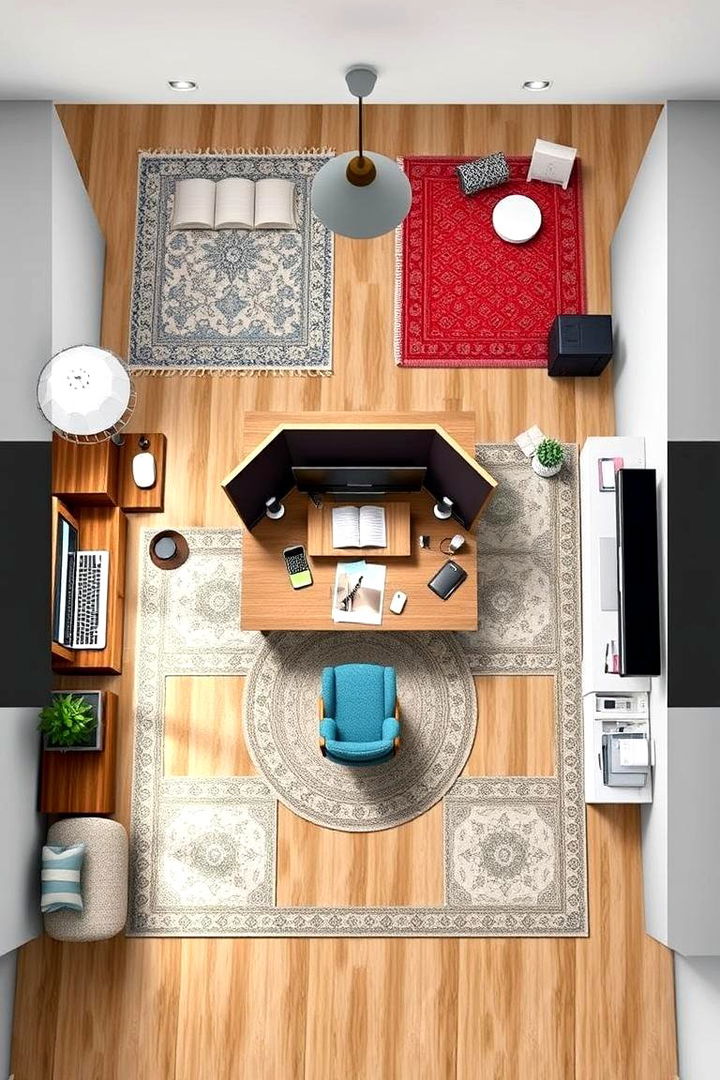
Thinking about how to create a versatile space that adapts to various needs? A multi-purpose study room layout allows you to incorporate different zones for reading, writing, and digital work within the same room. By skillfully dividing the area with area rugs, screens, or furniture arrangements, you can designate specific spots for focused study and relaxation. This design enhances functionality without sacrificing style, as every corner contributes to a cohesive aesthetic. Emphasizing flexibility in layout encourages both productivity and creative expression, accommodating the diverse demands of your study routine.
8. Creative Color Schemes
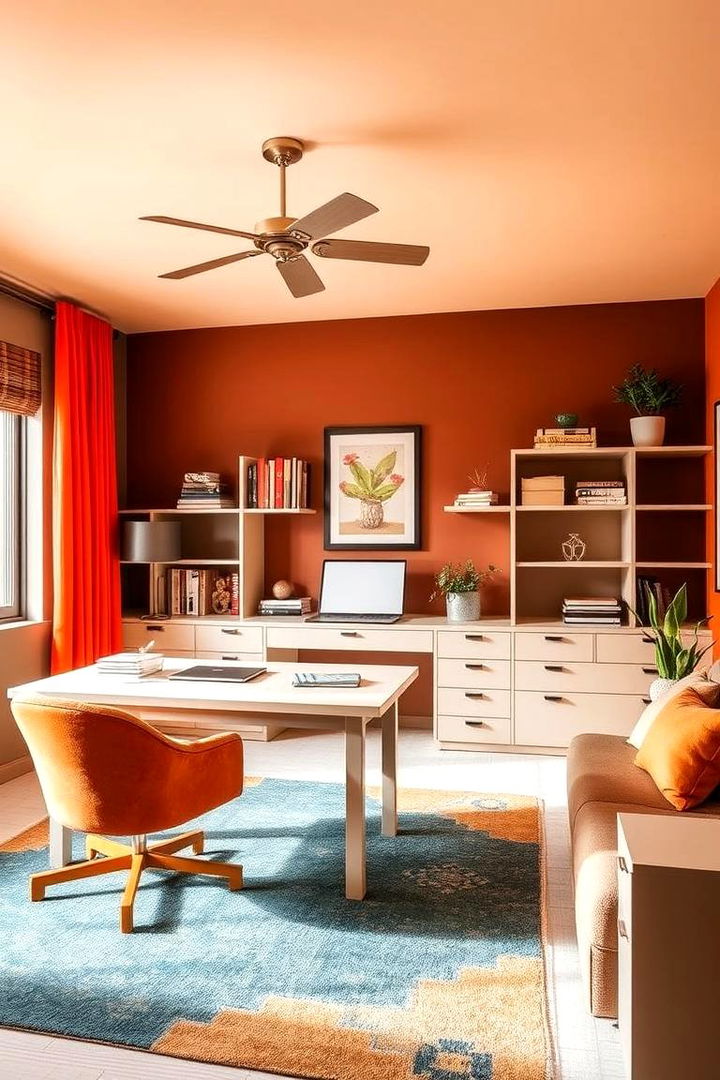
Colors play a powerful role in influencing mood and energy levels in any space. A well-chosen color palette in your study room can significantly impact your ability to focus and inspire creativity. Vibrant hues combined with soothing tones strike a balance that enhances concentration while also uplifting your spirit. Thoughtfully paired shades on walls, furniture, and decor create an environment that radiates energy and calm simultaneously. Embracing creative color schemes transforms your study area into a stimulating yet balanced space that invigorates your mind and encourages a positive outlook during long study sessions.
9. Cozy Reading Nook
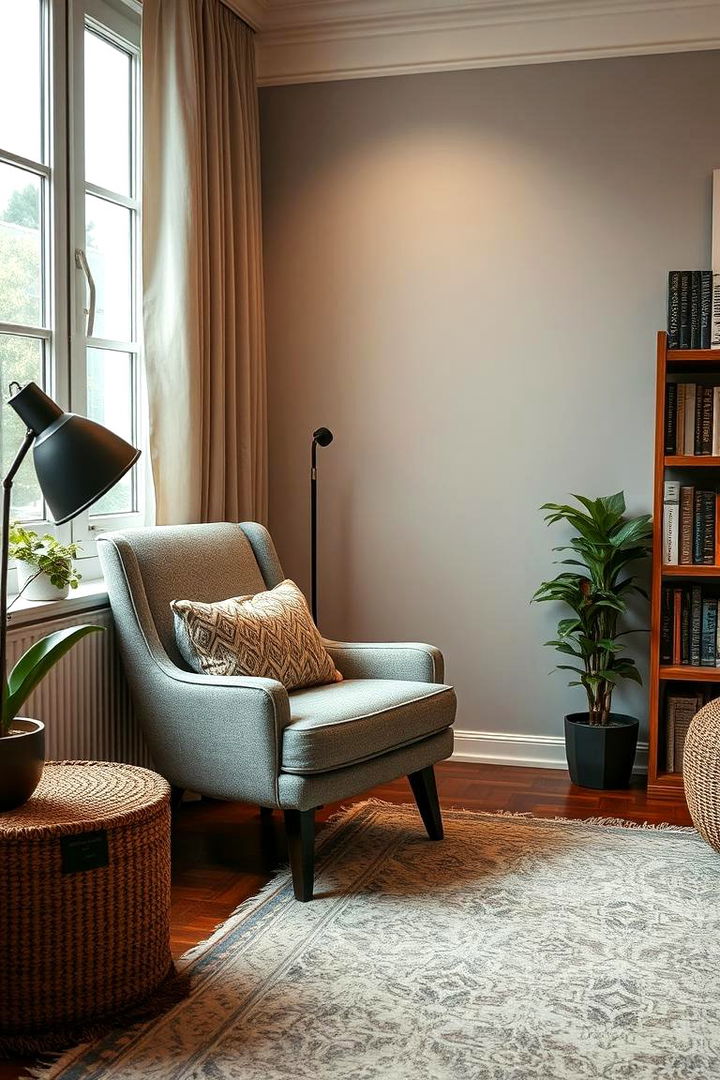
Imagine settling into a snug corner with a comfortable armchair, a soft throw, and a good book—this is the essence of a cozy reading nook in your study room. By creating a dedicated space for leisure and academic reading, you invite moments of calm and inspiration into your daily routine. Soft textures, warm lighting, and personal touches such as cushions or a small bookshelf combine to form an inviting retreat. This approach offers a perfect balance between intense study sessions and relaxation, nurturing a love for learning in a comfortable, personalized setting.


10. Functional Desk Arrangements
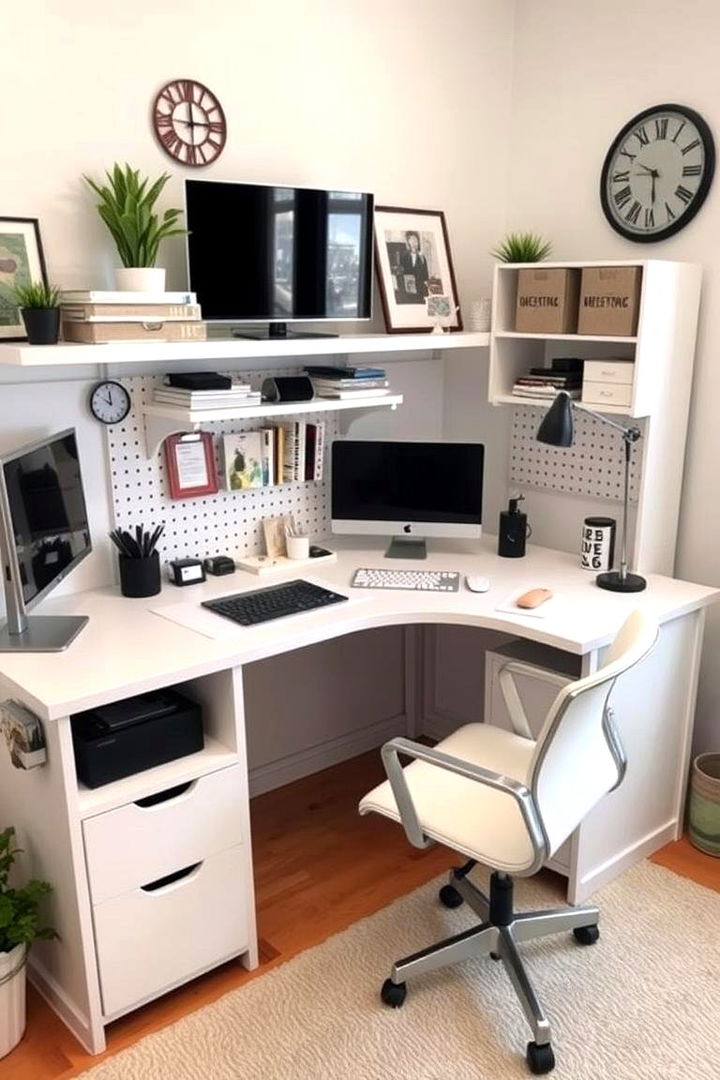
A well-organized desk forms the heartbeat of any study room, setting the stage for improved productivity. Experimenting with various desk arrangements, such as corner desks or L-shaped configurations, can cater to different work styles and space constraints. An intelligently organized desk not only reduces clutter but also places your essentials within reach, saving time and effort during study sessions. Combined with ergonomic seating and efficient storage, this setup fosters an organized and stress-free workspace. The result is a focused environment where productivity thrives and every task can be tackled with ease.
11. Green Study Environment
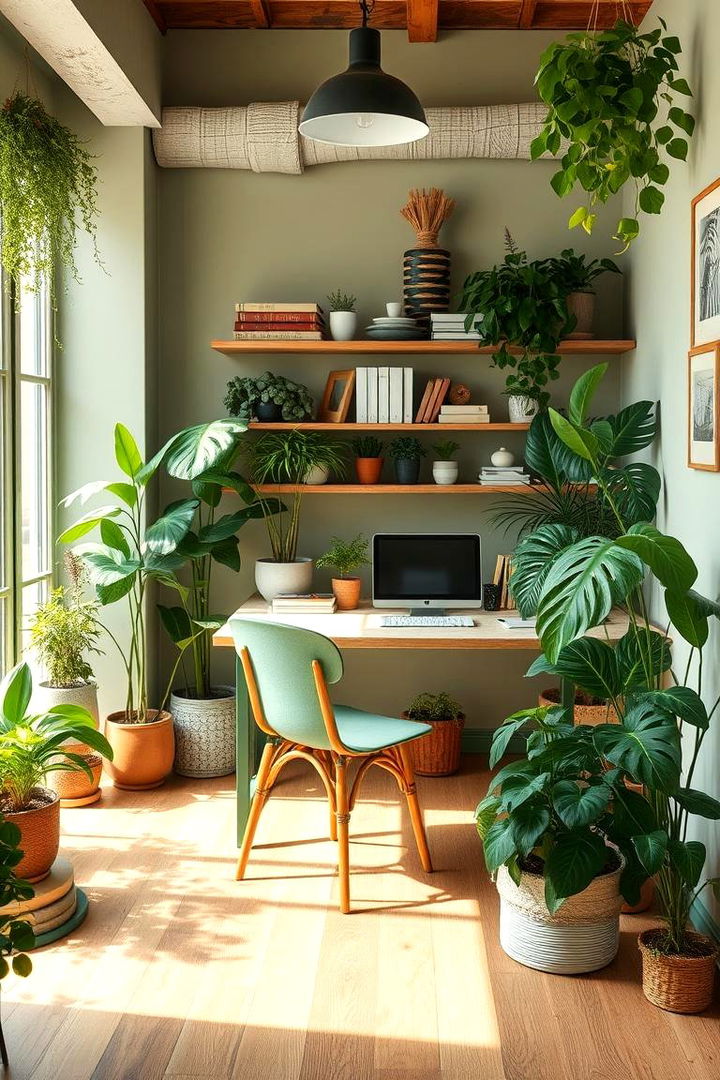
Introducing greenery into your study room can have a revitalizing effect on both the space and your mood. Plants, whether small succulents or lush potted greens, provide a refreshing contrast to the technological and academic elements of the room. Their presence enhances air quality and adds a touch of nature, creating a more balanced and calming environment. A green study space encourages a deeper connection to nature, reducing stress and boosting concentration. Integrating natural elements into your surroundings nurtures a harmonious ambience that supports thoughtful study and overall well-being.
12. Acoustic Enhancements
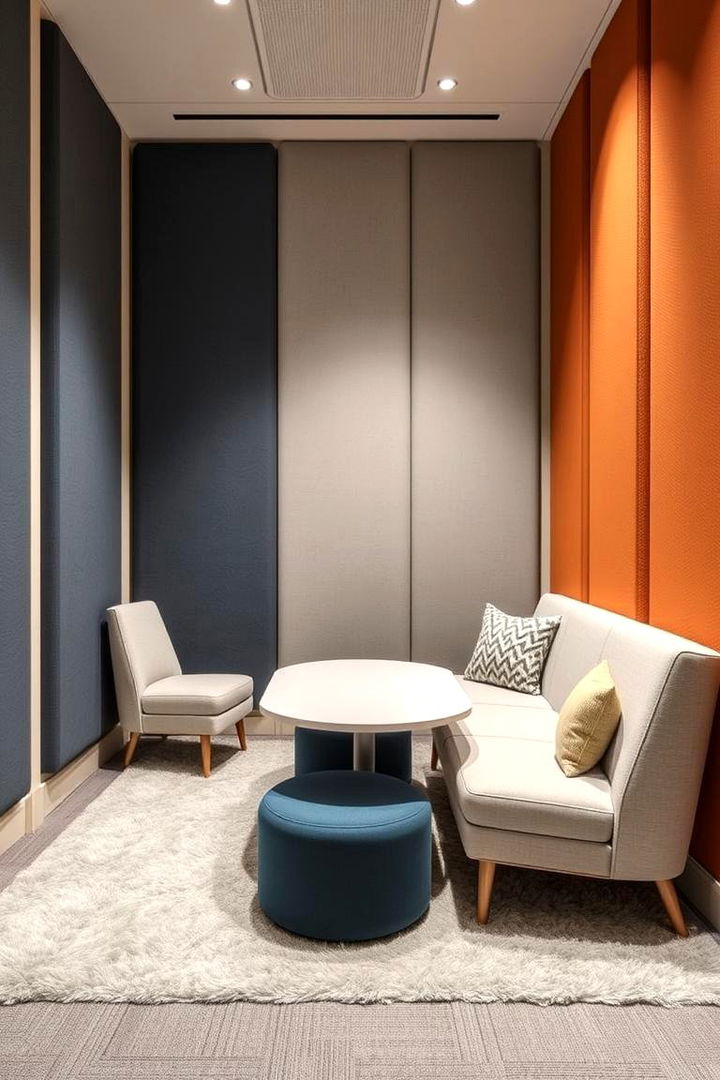
Sound management can dramatically improve the quality of your study sessions. Incorporating acoustic enhancements such as soundproof panels, rugs, or strategically placed cushions helps reduce ambient noise and distractions. This thoughtful design enables you to create a quiet sanctuary conducive to deep concentration and learning. An environment optimized for sound control not only supports academic focus but also contributes to a relaxing atmosphere for studying or reading. These acoustic modifications foster a serene environment where even the quietest moments become a catalyst for creativity and thoughtful work.
13. Adjustable Lighting Options

Lighting is a critical element that can influence your energy and productivity throughout the day. Integrating adjustable lighting options like dimmable LED lamps or task lights allows you to tailor the brightness to your specific needs at different times of the day. Such flexibility supports a natural transition from energizing work periods to more relaxed study sessions. Proper lighting minimizes eye strain and ensures clarity for detailed tasks, making it an essential feature in any study room design. A well-lit workspace not only nurtures focus but also creates a warm and inviting atmosphere for learning.
14. DIY Personal Touches
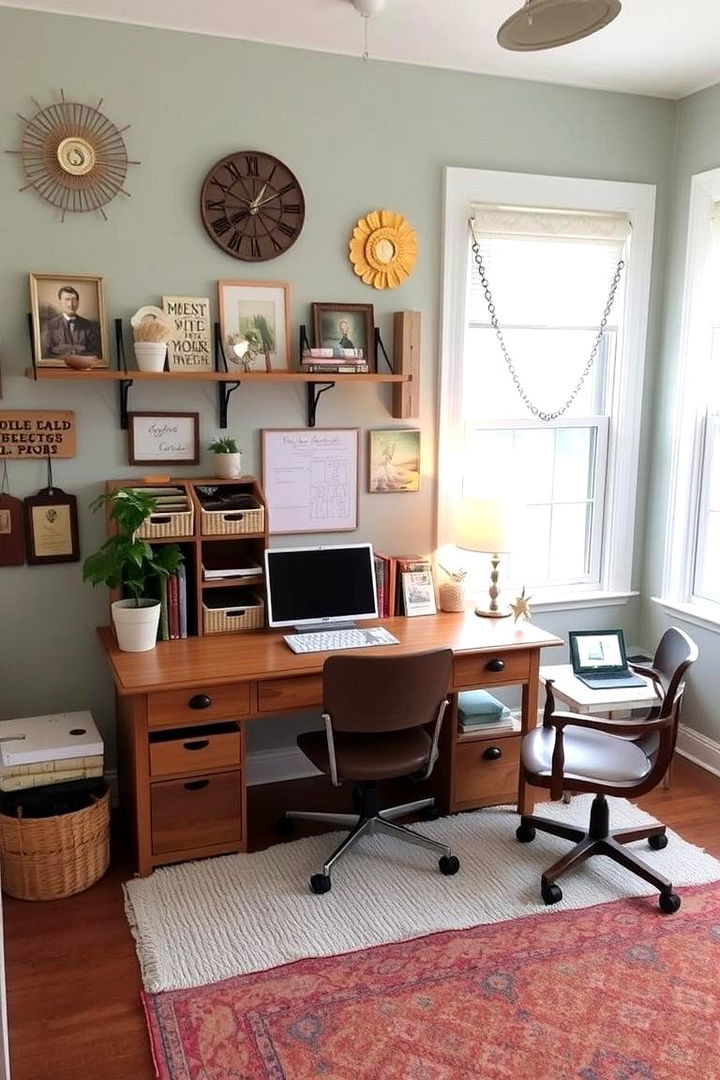
Crafting your study room with DIY personal touches brings a unique sense of ownership and creativity to the space. Custom-built decor items, handmade organizers, or repurposed vintage elements reflect your personality and style while adding a creative flair. These do-it-yourself projects can be both fun and functional, serving as conversation starters and inspirational elements in your workspace. Embracing DIY techniques transforms a plain study room into an artistic haven that supports innovation and individuality. This approach encourages hands-on creativity, resulting in a space that feels authentically yours.


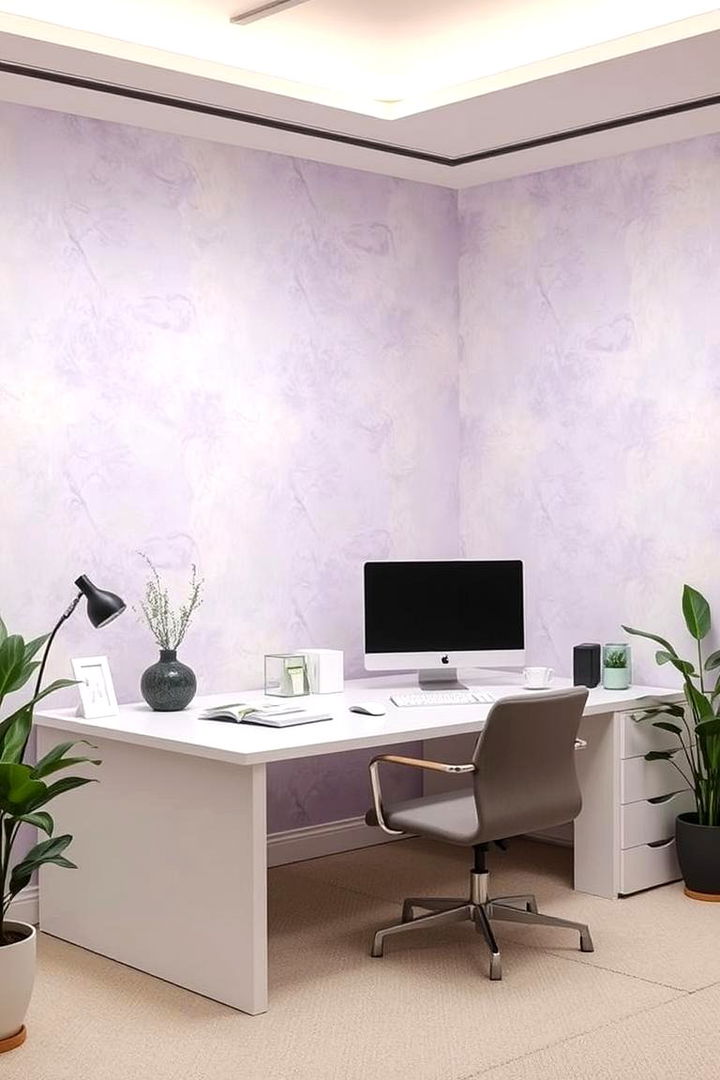
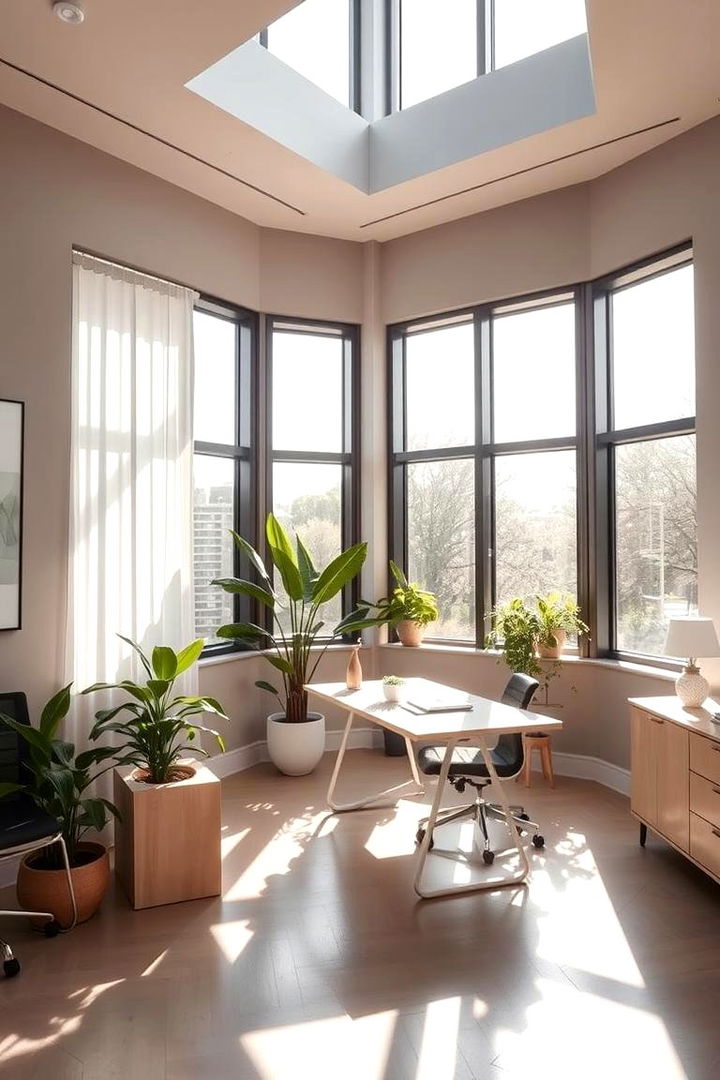
15. Modular & Flexible Design
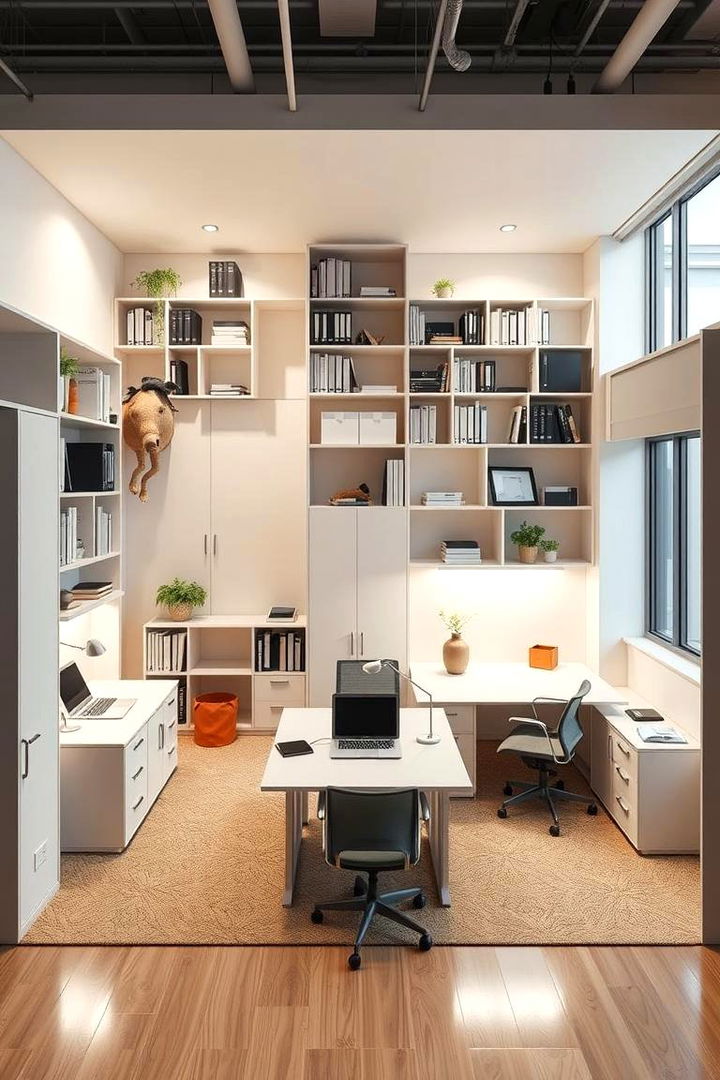
A modular study room design adapts to your evolving needs, offering the flexibility to reconfigure layouts as your requirements change. Utilizing furniture that can be easily rearranged empowers you to experiment with the space for different tasks like learning, relaxation, and creative brainstorming. This innovative approach not only saves space but also makes your study room multifunctional and highly adaptive. A flexible design encourages experimentation and growth, allowing your workspace to evolve along with your academic pursuits and lifestyle changes. Embrace modularity to ensure that every study session benefits from a dynamic and responsive environment.
16. Space Zoning & Organization
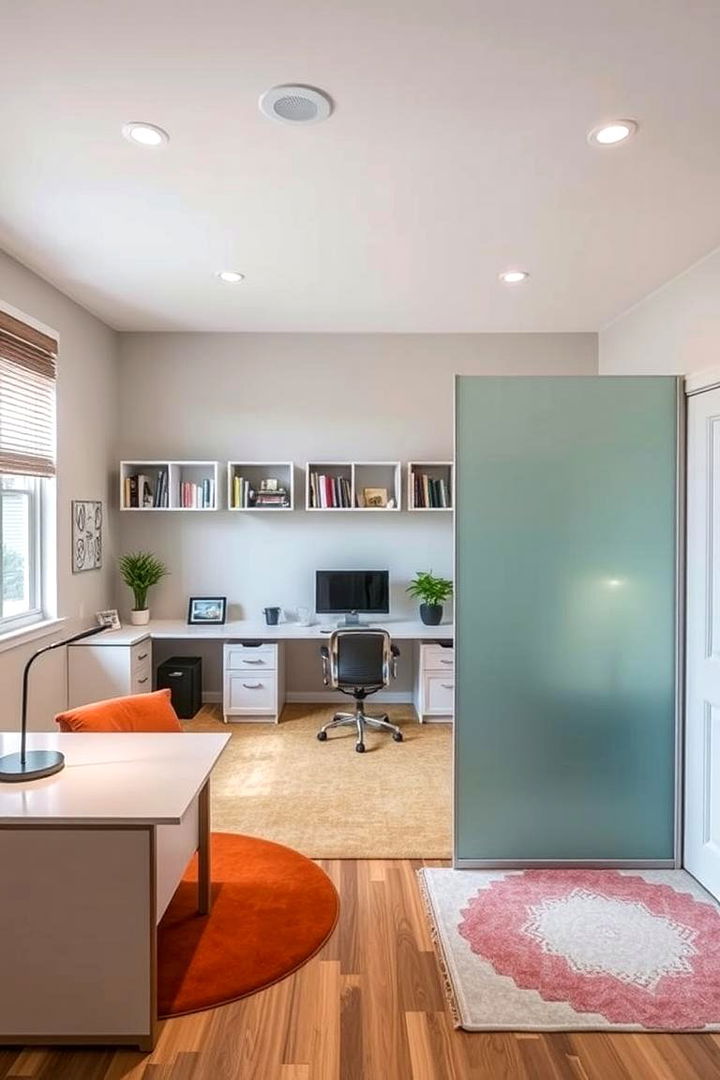
Dividing your study room into distinct zones helps create an organized setting that enhances focus and efficiency. By establishing areas dedicated to specific activities such as computer work, reading, and brainstorming, you streamline your workflow and reduce distractions. Smart zoning utilizes partitions, rugs, or furniture arrangement to delineate these spaces while maintaining a cohesive ambiance. This structured approach not only optimizes your available area but also provides clear boundaries that signal different activities. The end result is a strategically organized study environment that fosters productivity while keeping creativity and relaxation in balance.
17. Noise Reduction Techniques
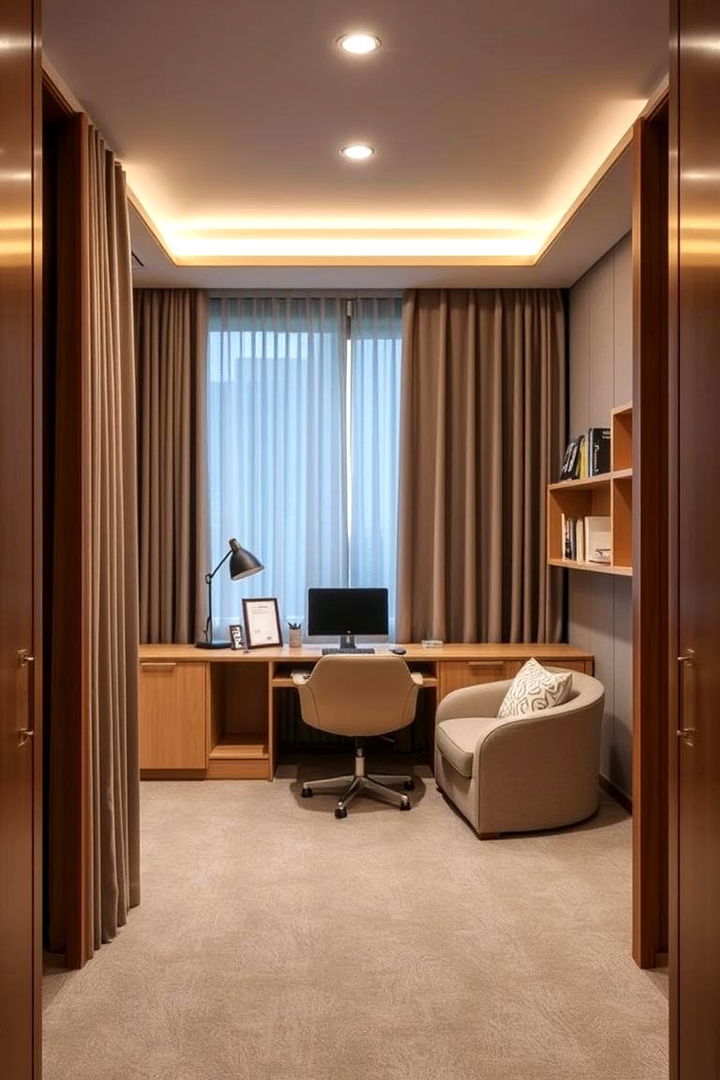
When the ambient noise threatens your focus, adopting noise reduction techniques becomes essential in your study room setup. Installing soft furnishings, thick rugs, and heavy curtains can help absorb sound and create a quiet, conducive study environment. Furthermore, the strategic placement of acoustic panels minimizes external disturbances. This calm setting is ideal for deep concentration and effective learning. Reducing noise distractions allows you to maintain focus in stressful study moments and generate innovative solutions without the interruptions of daily life. An optimized sound environment contributes to better concentration and a more harmonious workspace.
18. Smart Technology Integration
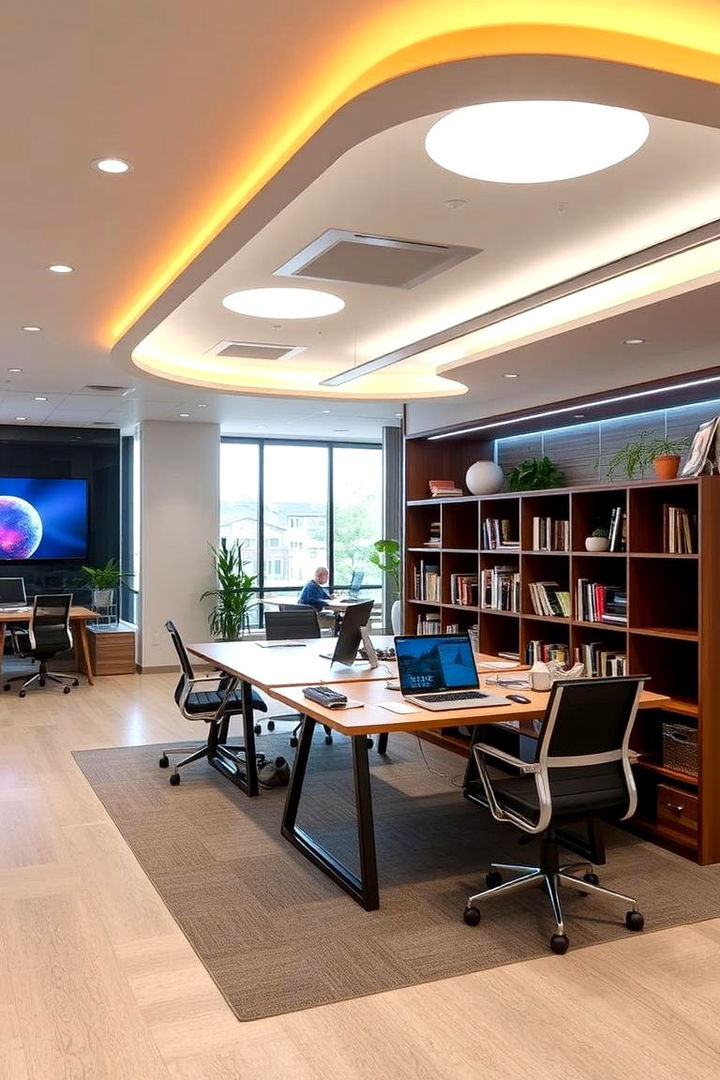
A forward-thinking study room incorporates smart technology that streamlines your work and enhances connectivity. Devices such as smart plugs, voice-activated assistants, and automated lighting systems make managing your study room both convenient and efficient. This integration helps reduce distractions and automates routine tasks, allowing you more time for focused work. The inclusion of technology not only modernizes your workspace, but also supports a more interactive learning experience. By blending innovative tools with traditional study elements, you create a progressive environment that encourages continuous growth and effective academic performance.
19. Ergonomic Accessories
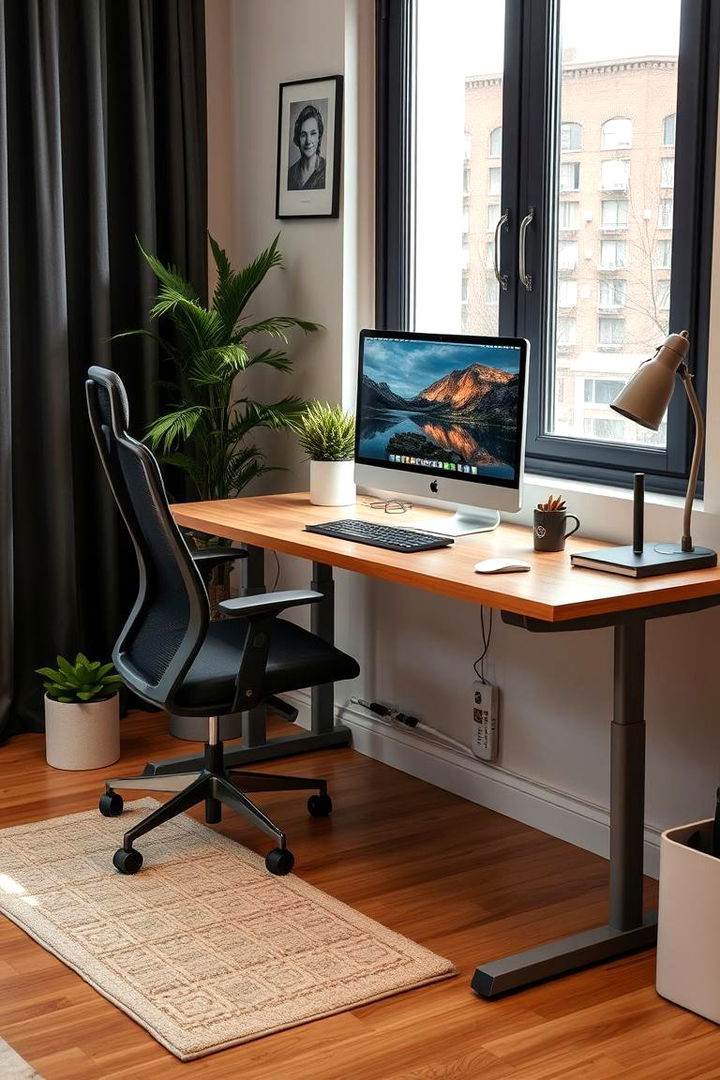
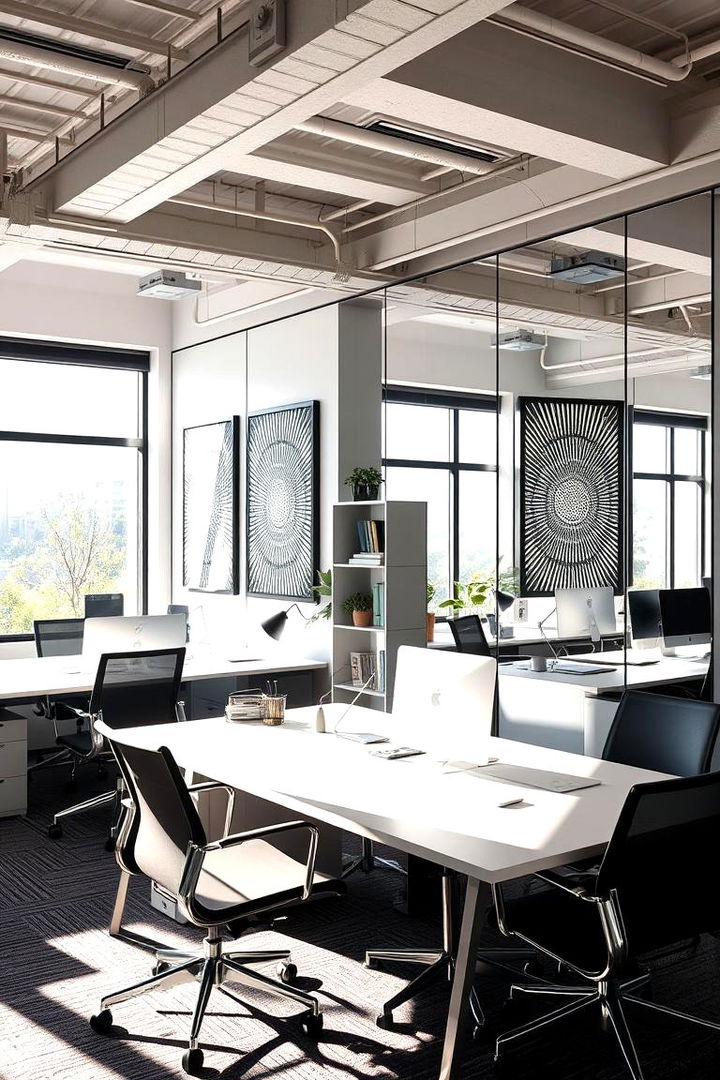
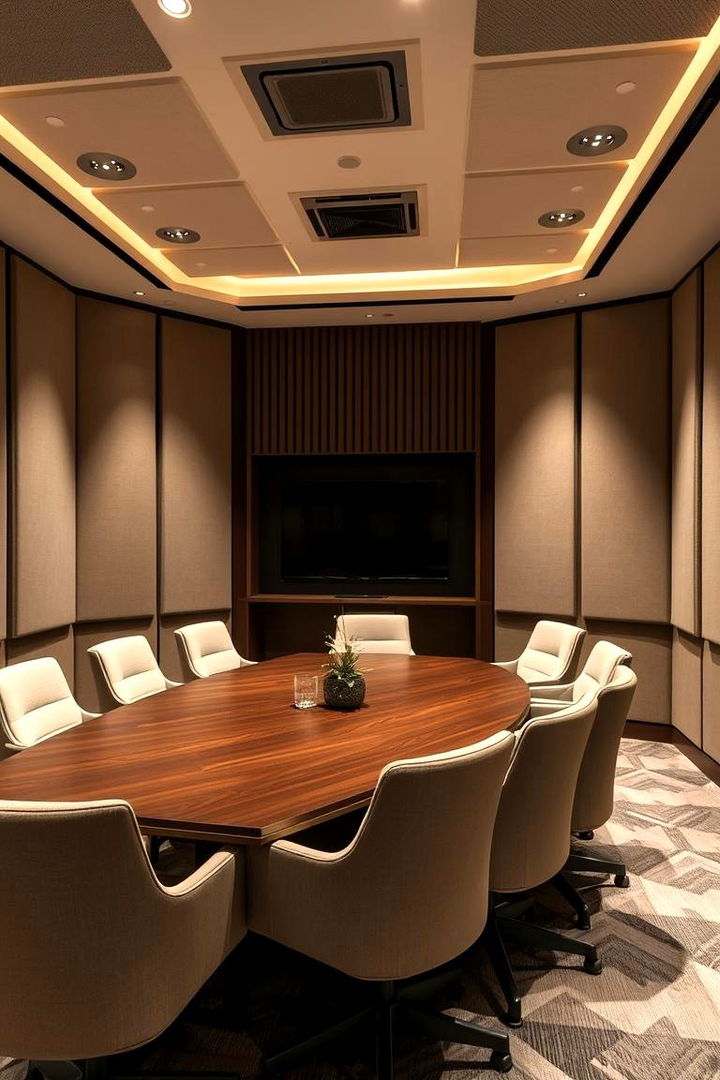
Complementing ergonomic furniture with thoughtfully chosen accessories can further elevate your study room’s comfort and functionality. Items like adjustable footrests, monitor stands, and wrist supports are designed to maintain proper posture and reduce physical strain. These accessories ensure that every part of your workstation contributes to your overall well-being. By paying close attention to ergonomics, you support long study sessions without fatigue or discomfort. This comprehensive approach to workplace design underlines the importance of both big pieces and small details, resulting in a space that nurtures productivity and personal health.
20. Comfortable Seating Options
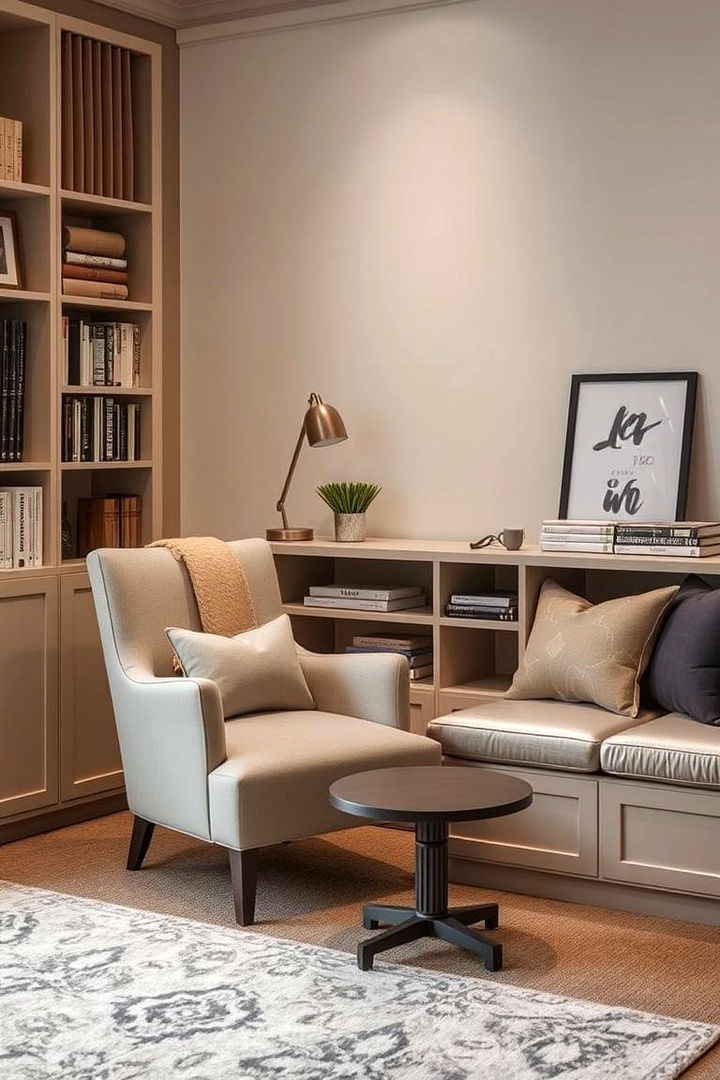
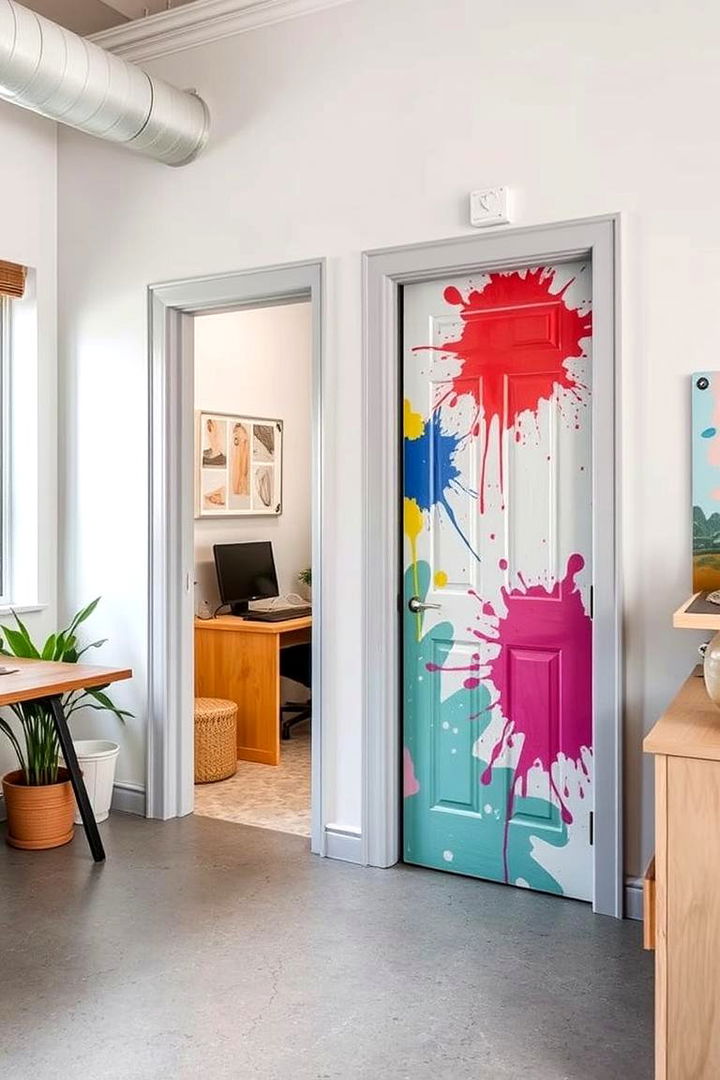
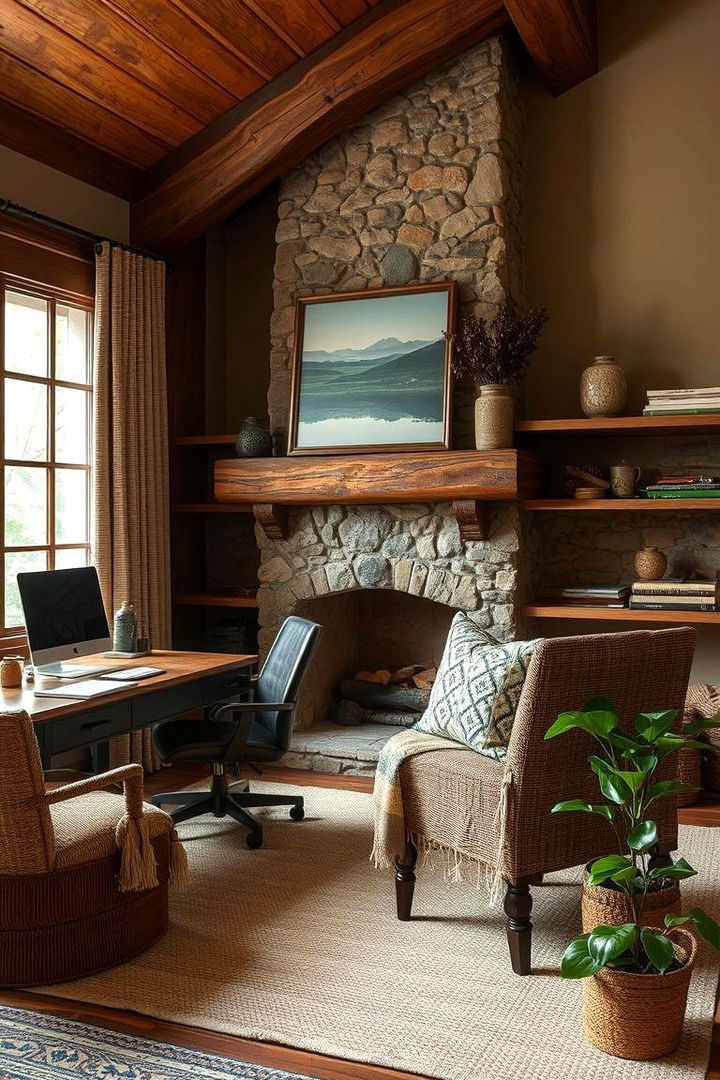
Finding the perfect seating solution is essential for any study room that promotes extended periods of focus and relaxation. Whether you choose a plush armchair, an ergonomic desk chair, or a multi-functional sofa, comfortable seating ensures that long hours at your study table don’t lead to discomfort. The perfect seating option balances support with style, contributing to a warm and inviting ambiance. With thoughtful design featuring breathable materials and adjustable settings, your study space transforms into a haven that encourages sustained concentration, creativity, and overall well-being.
21. Ambient Music for Focus
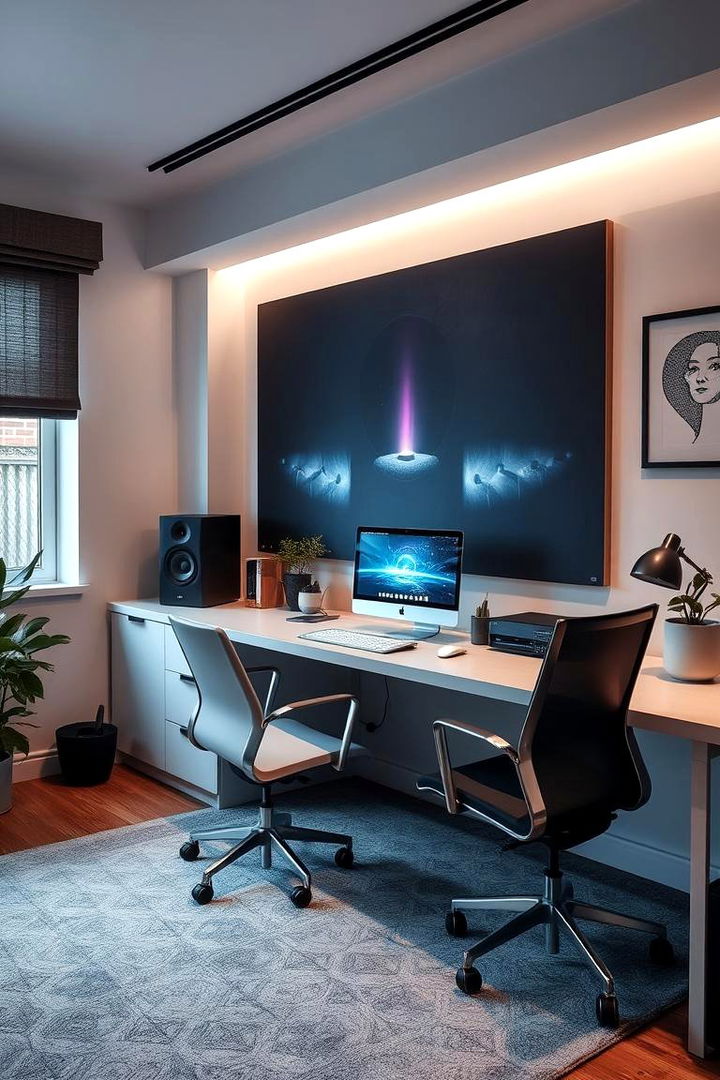
Imagine a study room where soft, ambient music sets the tone for creative thinking and focused work. Selecting appropriate soundtracks or utilizing a dedicated music system can help mask distracting noises and enhance concentration during long study sessions. This musical backdrop stimulates your brain by reducing stress and promoting a calm atmosphere. The subtle presence of ambient tunes creates an environment that is both soothing and energetic, perfectly aligning with your academic goals. Integrating soundscapes in your workspace transforms it into a harmonious retreat, inspiring productivity and a positive mindset.
22. Inspirational Quote Displays
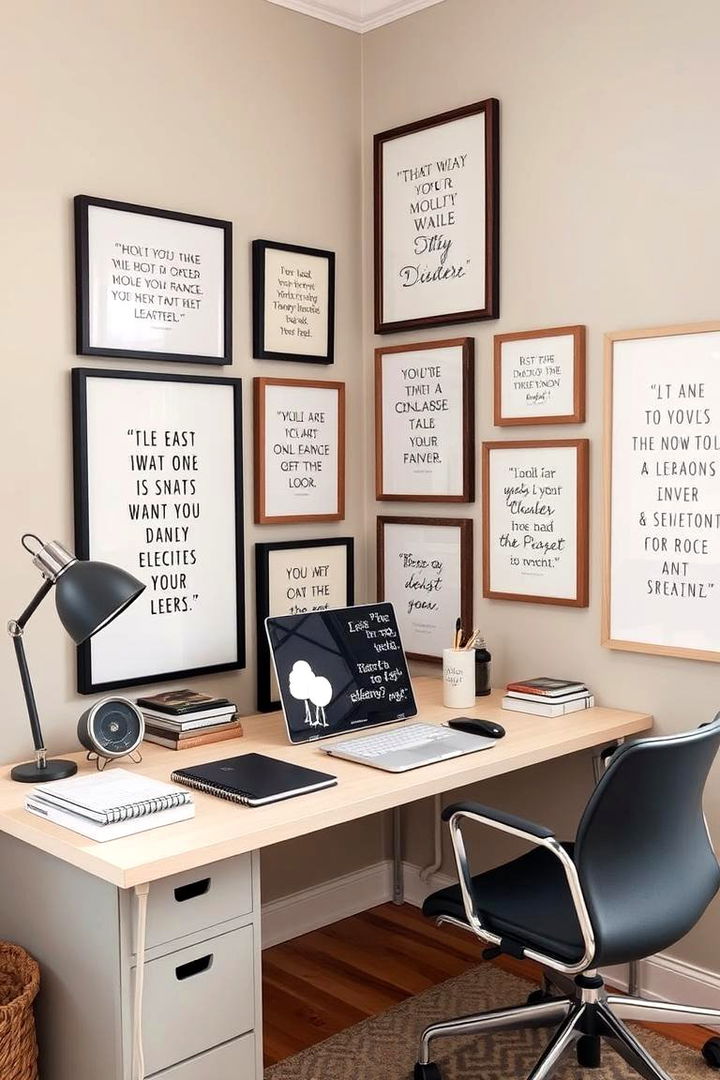
Personalizing your study room with inspirational quote displays offers continuous motivation and positivity. Strategically placed quotations on walls or bulletin boards serve as daily reminders of your goals and values. These creative displays foster a sense of personal connection with your space, inspiring you to overcome challenges and stay committed to your studies. Artistic and motivational, these quotes add a distinctive charm that elevates the room’s character. Incorporating statements that resonate with your aspirations not only beautifies your study area but also fuels your determination and creative problem-solving throughout the day.
Conclusion:
The transformation of your study room into an inspiring and effective workspace lies in the thoughtful integration of style, comfort, and functionality. Each of these 22 ideas demonstrates how focused design improvements—from minimalism to smart technology—can significantly boost productivity and creativity. Embracing these strategies will help create a personalized environment that fosters learning and growth. Every thoughtful detail, whether a pop of color or ergonomic accessory, plays a vital role in elevating your daily study routines and overall well-being.

Related posts: