
Introduction:
Spanish Colonial Revival architecture captivates with its warm heritage and timeless elegance. This style fuses old-world charm with modern appeal, offering a blend of rich history, vibrant colors, and ornamental details. Its influence spans residential homes to civic buildings, embodying cultural pride and architectural innovation. Each element reflects a commitment to craftsmanship and tradition while embracing functional beauty and sustainability. Delve into the nuances of Spanish Colonial Revival architecture to experience the passion and creativity embedded in every design detail, and explore 22 Spanish Colonial Revival architecture inspirations.
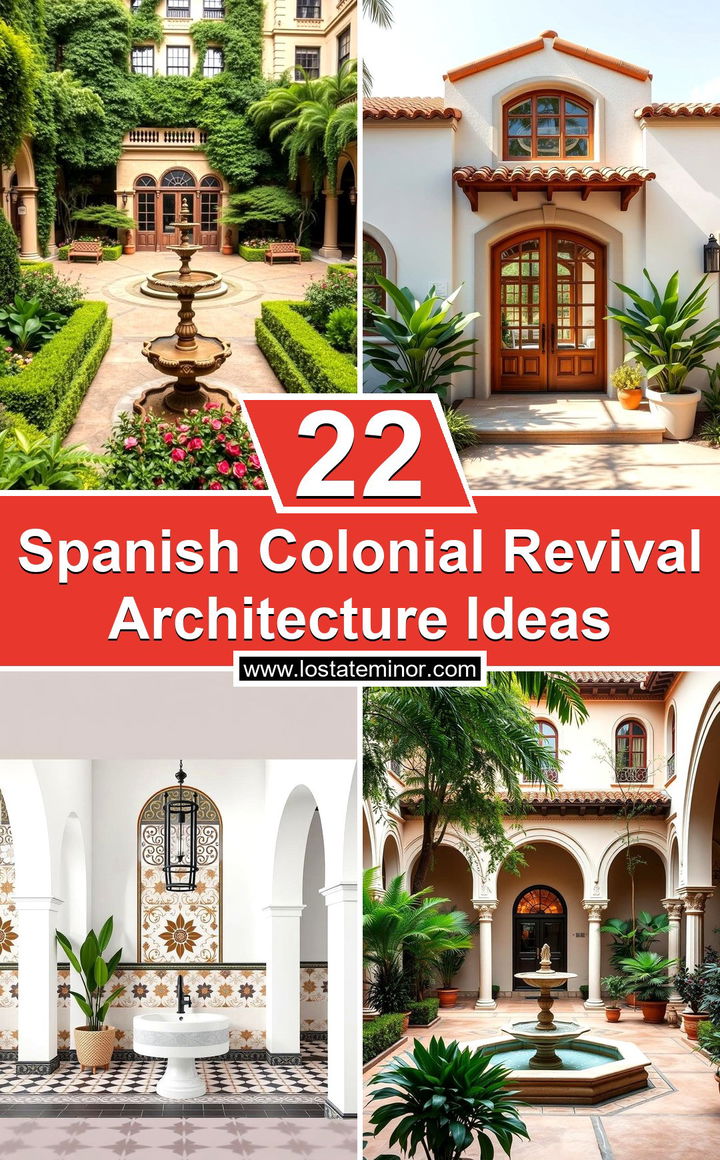
1. Historical Foundations of Spanish Colonial Revival
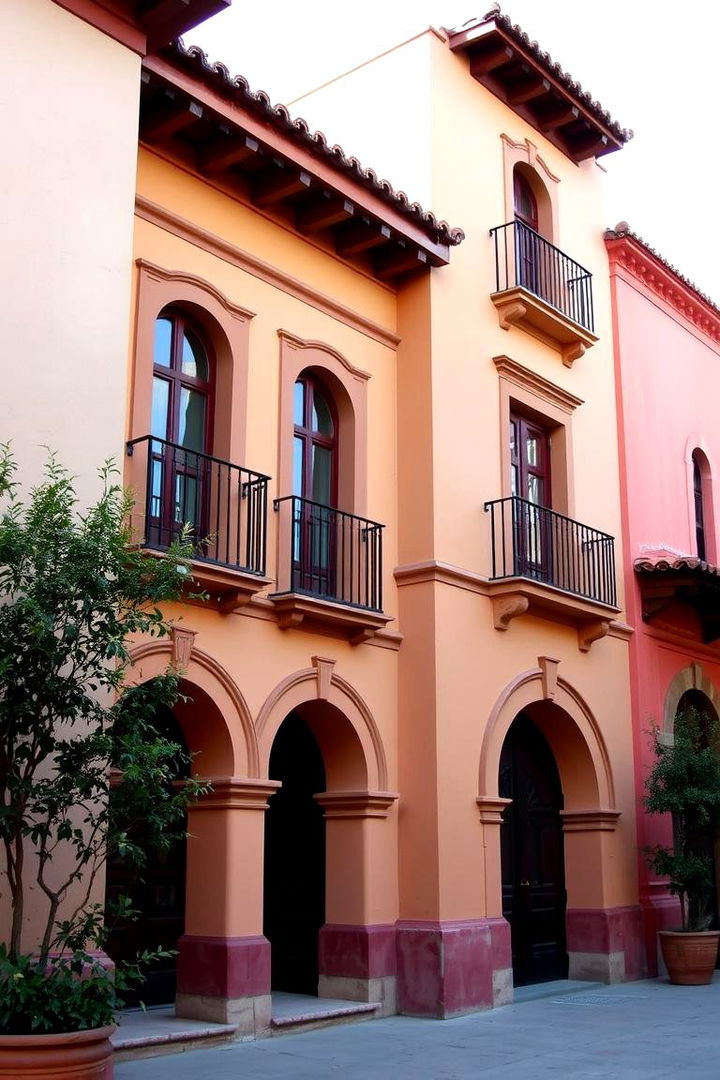
A timeless journey into Spanish Colonial Revival architecture begins by exploring its historical foundations. Emerging in the early 20th century, this style revived traditional colonial designs infused with Mediterranean influences. Its development was driven by a desire to celebrate cultural heritage while adapting to modern living needs. The architecture harmonizes simplicity and ornate detailing, caught between past influences and contemporary innovation. This historic essence brings an enduring charm, resonating with preservation enthusiasts and homeowners alike as it continues to narrate stories of a bygone era with elegance and resilience.
2. Distinctive Tile Roofs and Arched Entrances
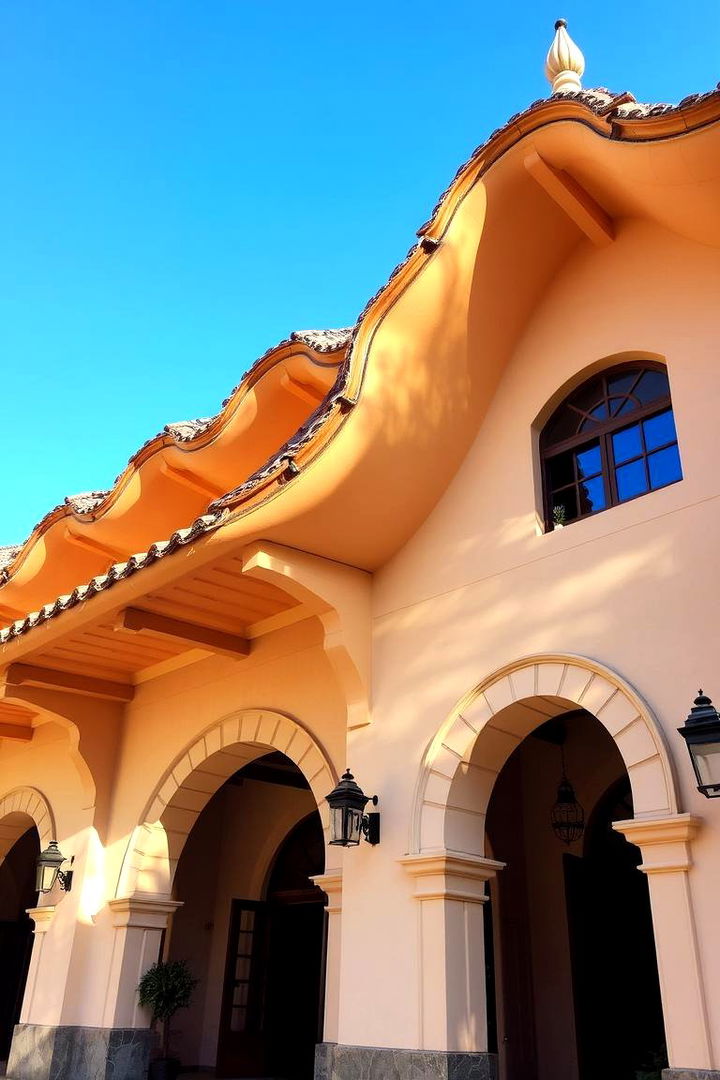
With striking tile roofs and graceful arches, Spanish Colonial Revival designs capture attention instantly. Curved tile roofs in vibrant hues crown elegant arches that welcome visitors. These architectural elements not only serve as protective features but also as artistic statements. Exquisitely crafted, such details evoke a sense of heritage and artisanal mastery. Homeowners appreciate the blend of form and function, where durability meets beauty. This balance transforms everyday structures into iconic landmarks, inspiring admiration from both residents and enthusiasts of historic charm and modern design fusion.
3. Stucco Walls and Smooth Finishes
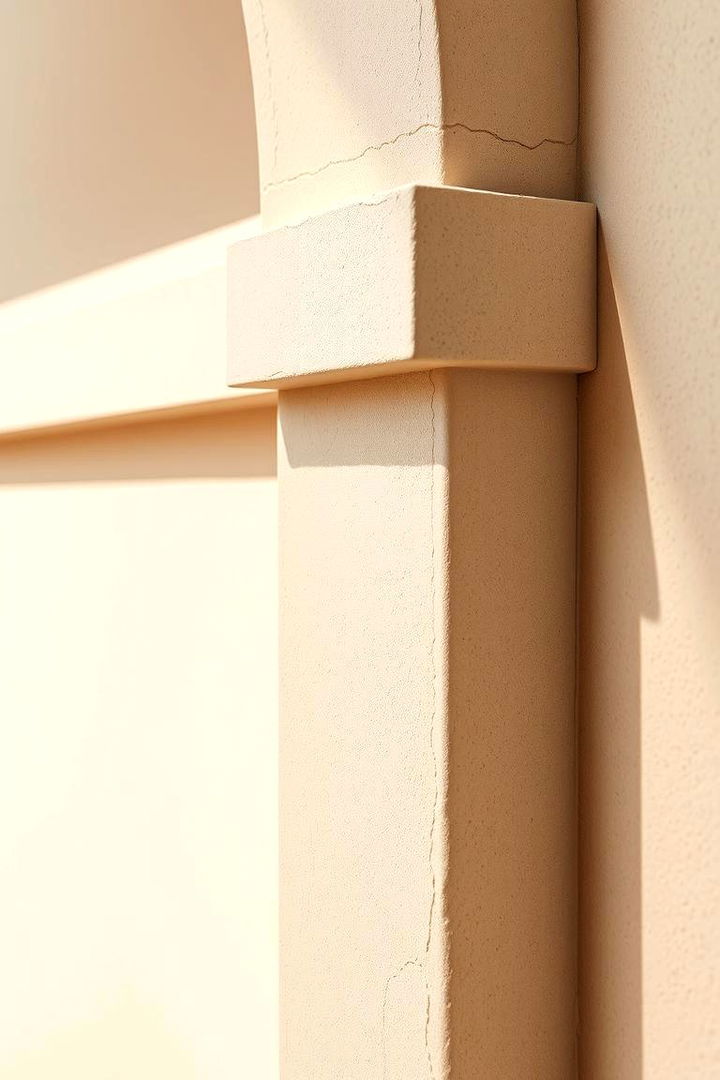
Consider the allure of smooth stucco walls that embody the essence of Spanish Colonial Revival style. The application of hand-finished stucco creates an impression of warmth and texture, reflecting an era of artisanal workmanship. This technique, enhanced by subtle color variations, reinforces the structure’s resilience and timeless beauty. Homeowners and architects value these finishes for their low maintenance and aesthetic appeal. The interplay of light on the soft surfaces further accentuates delicate details, rounding out an overall design that effortlessly marries functionality with a rich, cultural narrative.
4. Intricate Ironwork and Decorative Balconies
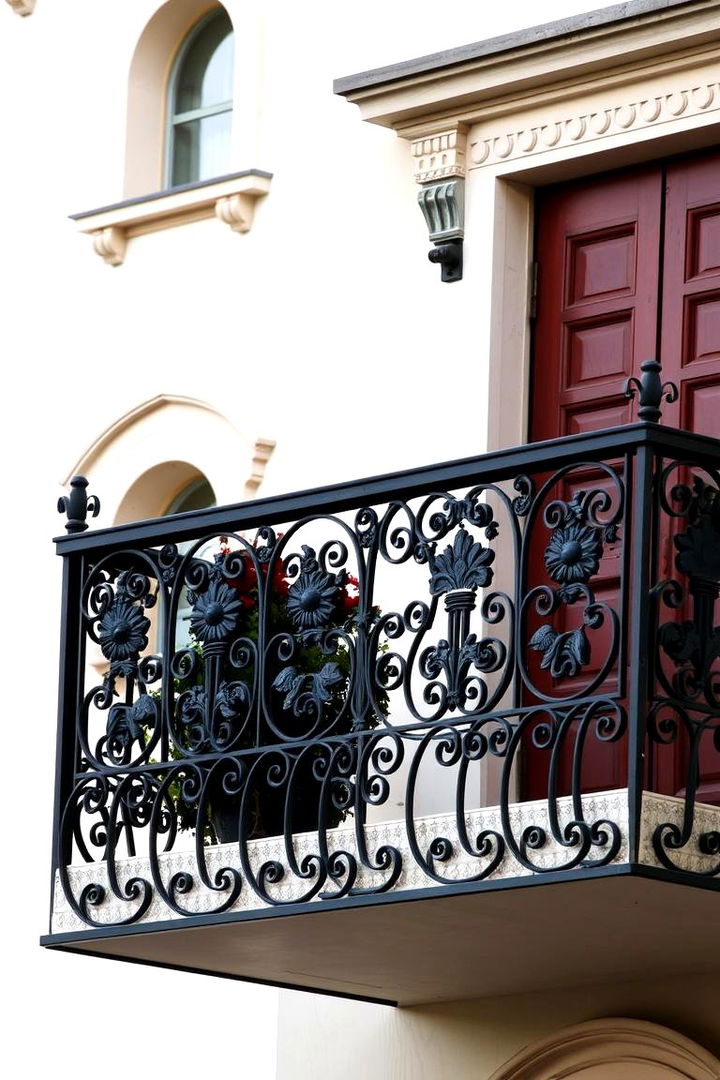
Another signature feature is the intricate ironwork that adorns balconies and window grilles in these structures. Ornate metal designs, often featuring floral or geometric patterns, provide both decorative elegance and practical security. This attention to detail bridges traditional craftsmanship with modern design sensibilities. The carefully forged metal elements add texture and contrast against the smooth stucco walls, enhancing the visual appeal. Homeowners admire how these refined accents evoke historical narratives while serving contemporary aesthetic and functional purposes, making every facade a story of artistic resilience.


5. Vibrant Color Palettes and Warm Ambience
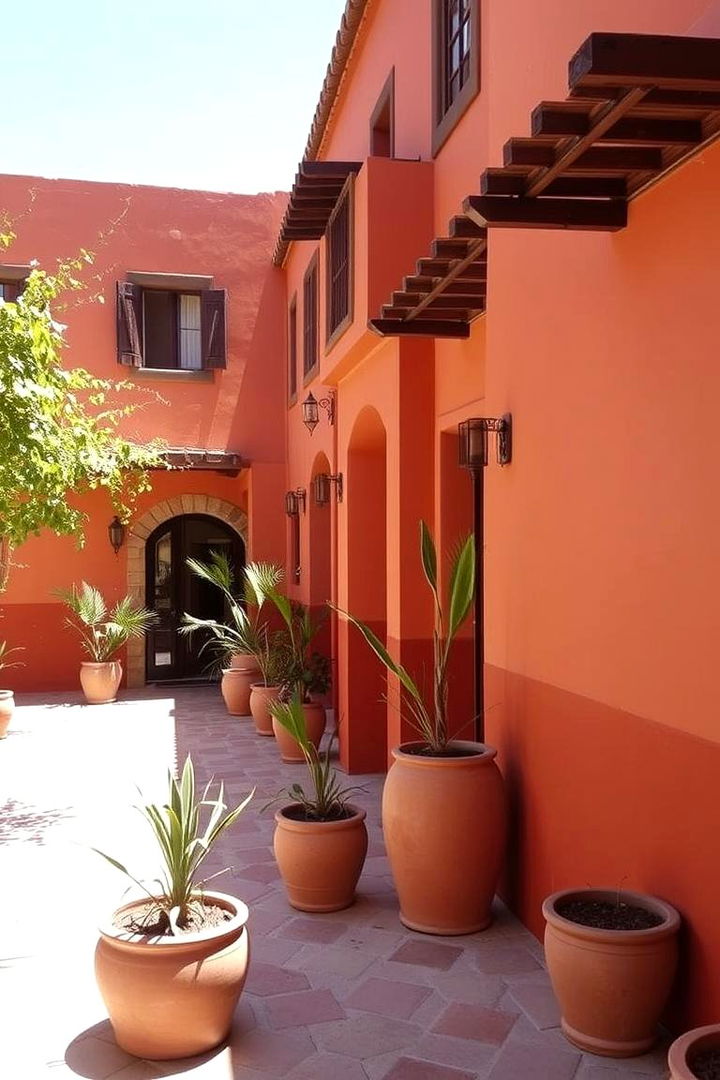
What draws many to Spanish Colonial Revival architecture is its warm, vibrant color palette that energizes every structure. Earthy tones, terracotta reds, and sun-washed yellows create an inviting atmosphere reminiscent of sunlit Spanish plazas. This thoughtful use of color not only enhances curb appeal but also harmonizes with natural surroundings. The palette encourages a sense of home and history, evoking feelings of comfort and tradition. Such creative color choices inspire admiration and influence modern design interpretations, offering homeowners and designers an enduring source of artistic inspiration and mood-lifting vibrance.
6. Decorative Tiles and Mosaic Accents
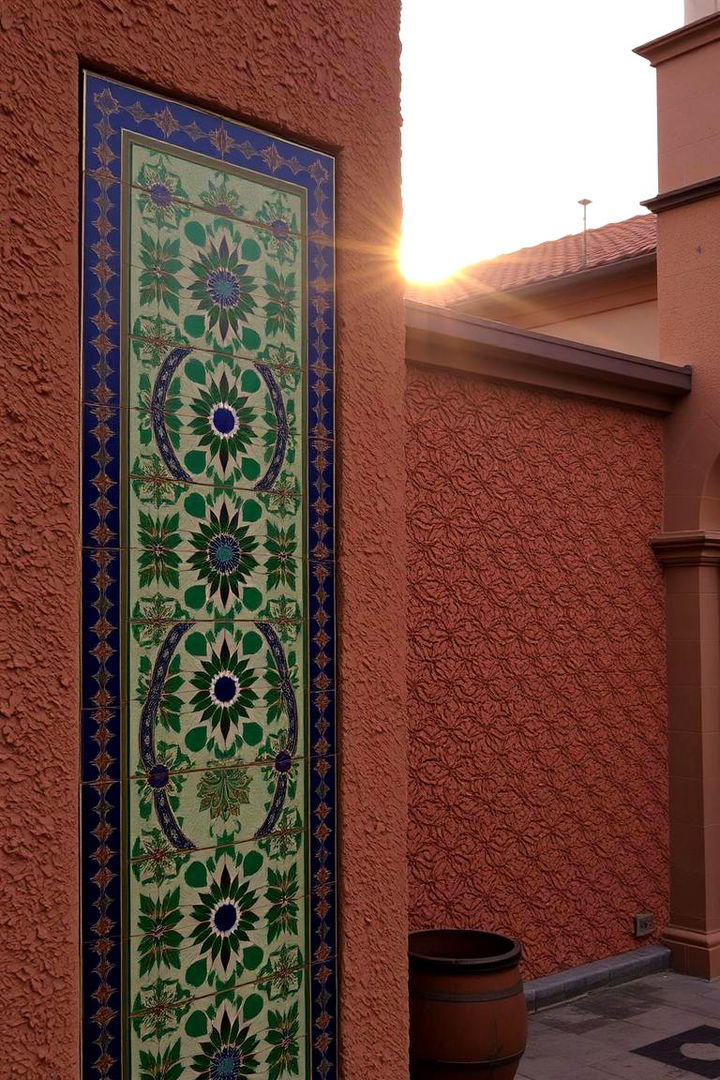
By incorporating decorative tiles and intricate mosaics, Spanish Colonial Revival spaces celebrate creative craftsmanship. Detailed tile work, often hand-painted, adorns walls, floors, and fountains with captivating geometric and floral patterns. These accents introduce a rich cultural narrative and serve as focal points in both interior and exterior designs. The vibrant colors and textured surfaces add layers of visual interest and depth. This artistic touch not only enhances aesthetic appeal but also connects residents with a tradition of artisan heritage, transforming each space into an expressive canvas of history and creativity.
7. Courtyard Designs and Outdoor Retreats
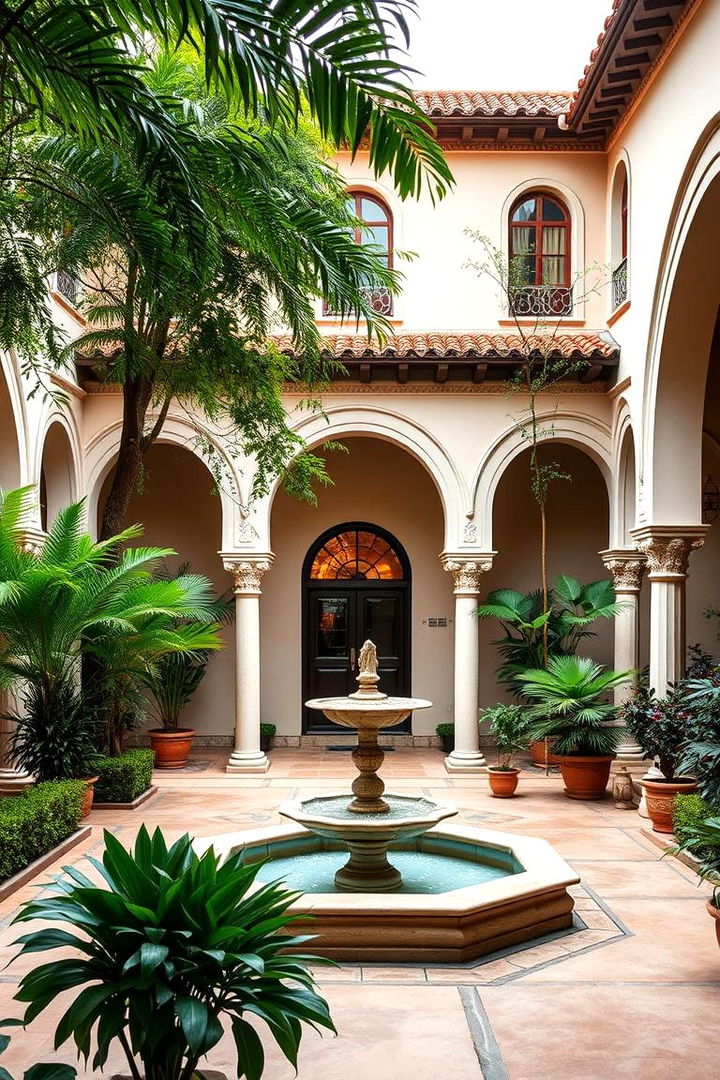
For many, outdoor living is integral to Spanish Colonial Revival architecture, which often features intimate courtyard designs. Enclosed patios, shaded by vine-laden arches, create serene retreats where natural light and fresh air complement interior spaces. This design invites gatherings and peaceful relaxation, blurring the lines between indoor comforts and outdoor beauty. Homeowners benefit from spaces that encourage social interaction while providing a private escape. The thoughtful integration of nature with architecture highlights a commitment to enhancing quality of life through a blend of functionality, beauty, and cultural tradition.
8. Balanced Symmetry and Detailed Craftsmanship
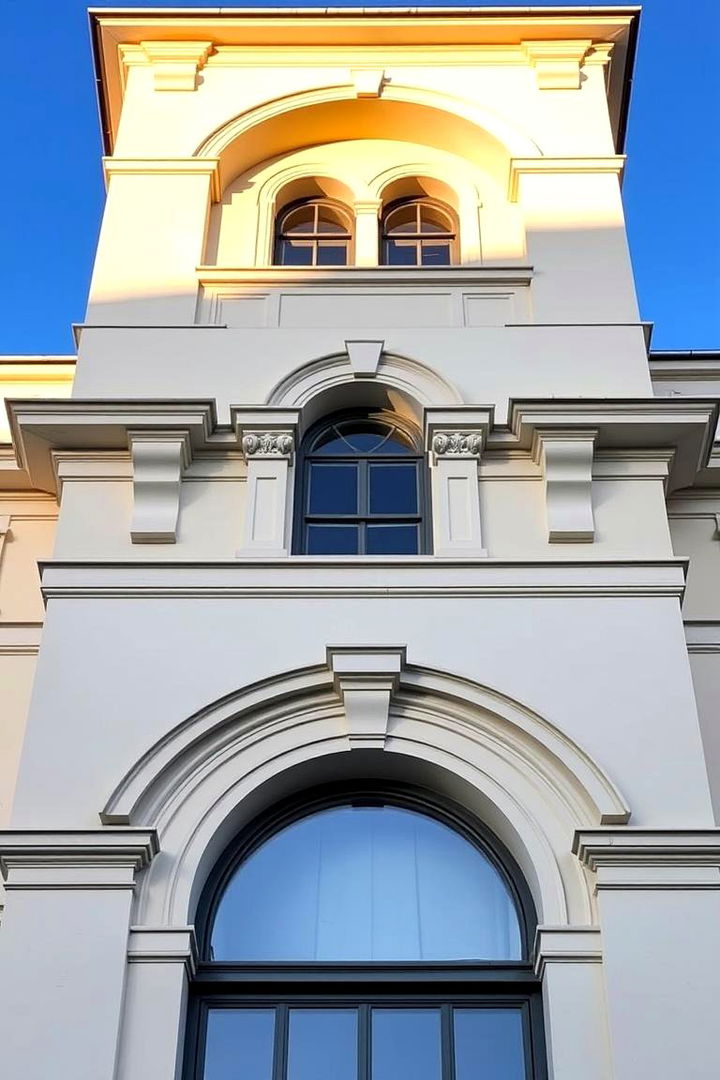
Surprisingly, balanced symmetry plays a vital role in Spanish Colonial Revival design. Uniform proportions and carefully aligned elements create an aesthetically pleasing harmony that resonates with the human eye. Detailed craftsmanship is evident in every component, from decorative moldings to carefully placed windows and arches. This thoughtful balance not only improves the building’s visual appeal but also underscores the discipline and artistry behind the design. For homeowners and architects alike, such precision fosters a sense of order and beauty, making each structure a timeless piece of functional art that honors its heritage.
9. Mediterranean Influences in Architectural Form
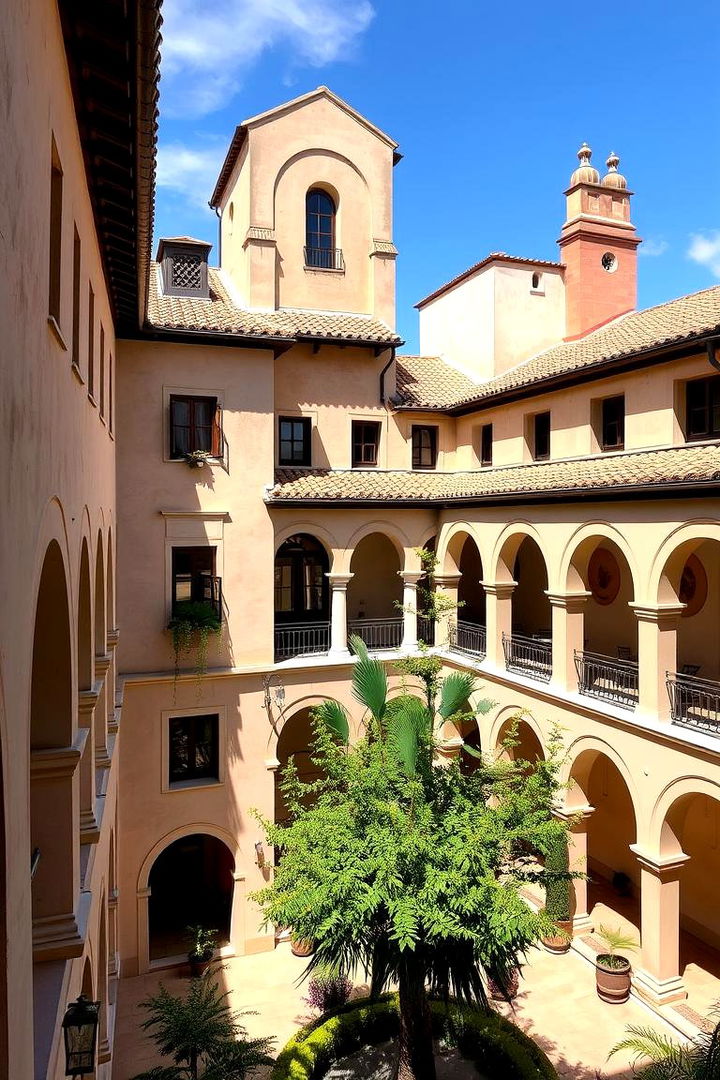
To fully appreciate Spanish Colonial Revival structures, one must consider their deep Mediterranean influences. Rich cultural exchanges brought elements like vibrant courtyards, terracotta roofs, and elaborate water features. These influences create a warm, sun-soaked ambiance that transports residents to a European seaside village. The aesthetic seamlessly blends outdoor living with rustic charm, resulting in spaces that are both dramatic and inviting. This synthesis of Mediterranean style with local traditions inspires an architectural dialogue that bridges continents, evoking passion, and a sense of global heritage cherished by modern enthusiasts.


10. Seamless Indoor-Outdoor Integration
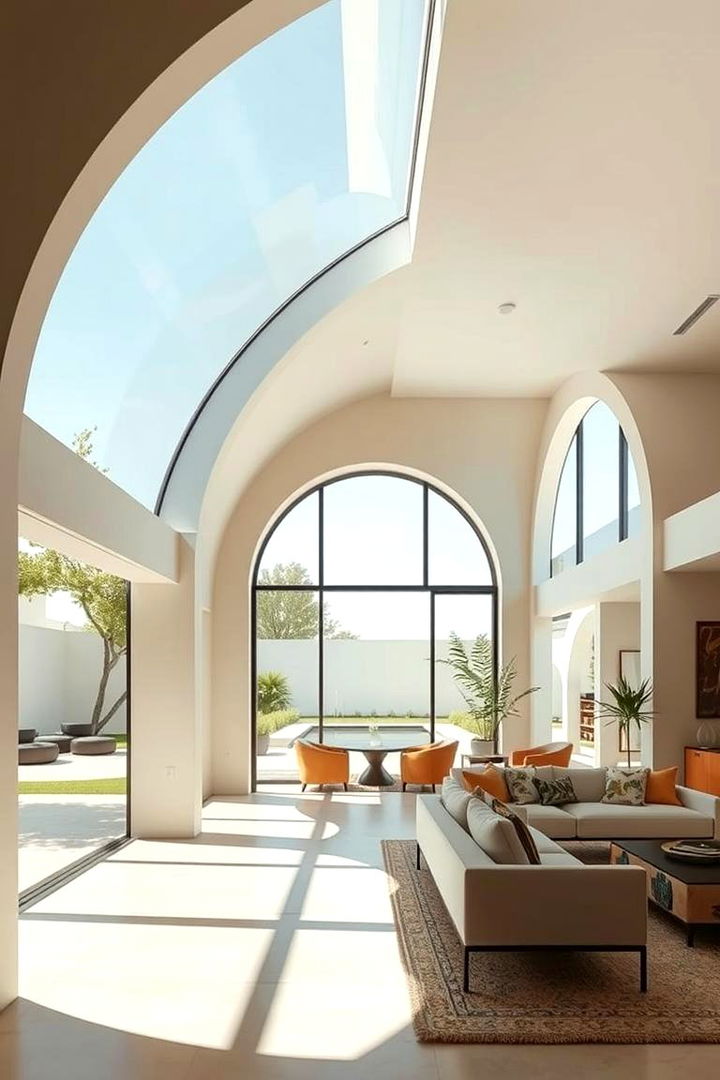
By embracing the notion of open-flow living, Spanish Colonial Revival architecture creates a seamless integration between indoor and outdoor spaces. Expansive doors, arched windows, and open patios encourage natural ventilation and direct access to nature. This design approach not only enhances energy efficiency but also fosters wellbeing by connecting daily life with the beauty of the outdoors. Homeowners enjoy a fluid experience that honors traditional design while inviting contemporary comforts. The design philosophy offers a harmonious balance, where sheltered interiors and sunlit exterior areas coalesce into a vibrant, functional dwelling that inspires relaxation and creativity.
11. Use of Natural Materials and Earth Tones
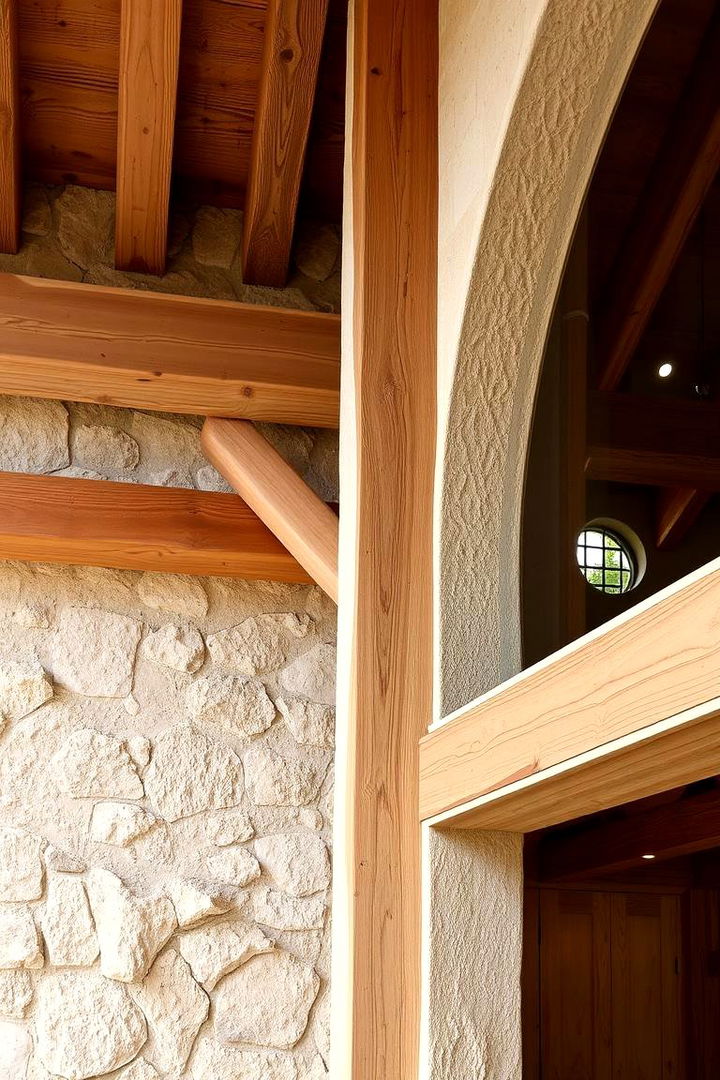
With an emphasis on natural materials and earth tones, Spanish Colonial Revival designs evoke an organic connection to the environment. Exposed wooden beams, natural stone, and textured plaster work together to create a warm and inviting atmosphere. Earthy hues not only highlight craftsmanship but also celebrate regional resources. This approach promotes sustainability and underscores an appreciation for both functional beauty and environmental responsibility. Homeowners value the authenticity and durability that these natural elements contribute. The result is a timeless architectural style that provides comfort, energy efficiency, and a profound connection to the natural world.
12. Ornate Entrances with Arched Doorways
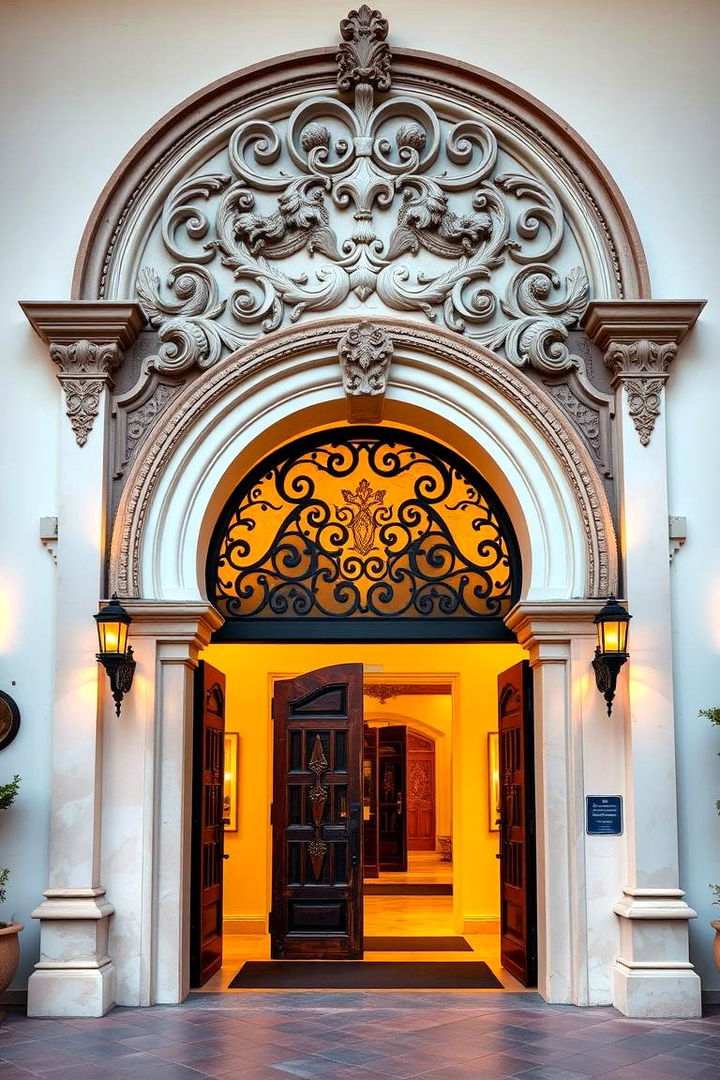
One striking element is the ornate entrance adorned with a gracefully arched doorway. Stepping through these impressive portals, one immediately senses a blend of sophistication and heritage. The arches, often embellished with decorative reliefs and subtle detailing, serve as a grand introduction to the interior environment. Their curved form symbolizes unity and continuity while welcoming guests into a warm, thoughtfully designed space. Homeowners and visitors alike find that these artistic doorways enhance curb appeal and evoke a sense of nostalgia that bridges architectural tradition with modern living.
13. Adaptive Reuse in Revival Architecture
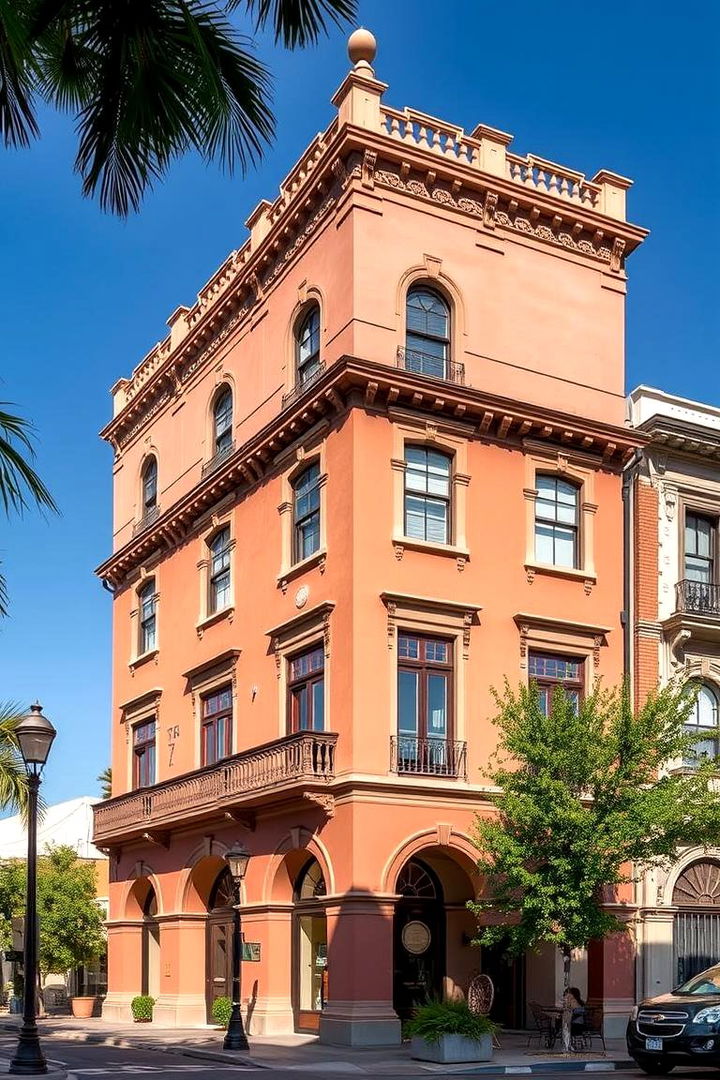
Additionally, adaptive reuse is a key theme in Spanish Colonial Revival architecture, where historic structures find new purpose in modern contexts. Renovated mansions and old civic buildings are transformed into trendy homes, cultural centers, and boutique businesses. This approach preserves the character of the original design while incorporating necessary modern amenities. It honors historical significance and reduces waste by repurposing existing materials. Architects and planners value this practice for its environmental and cultural benefits, proving that tradition and progress can coexist harmoniously in spaces that inspire innovation and community pride.
14. Lush Landscapes and Integrated Gardens
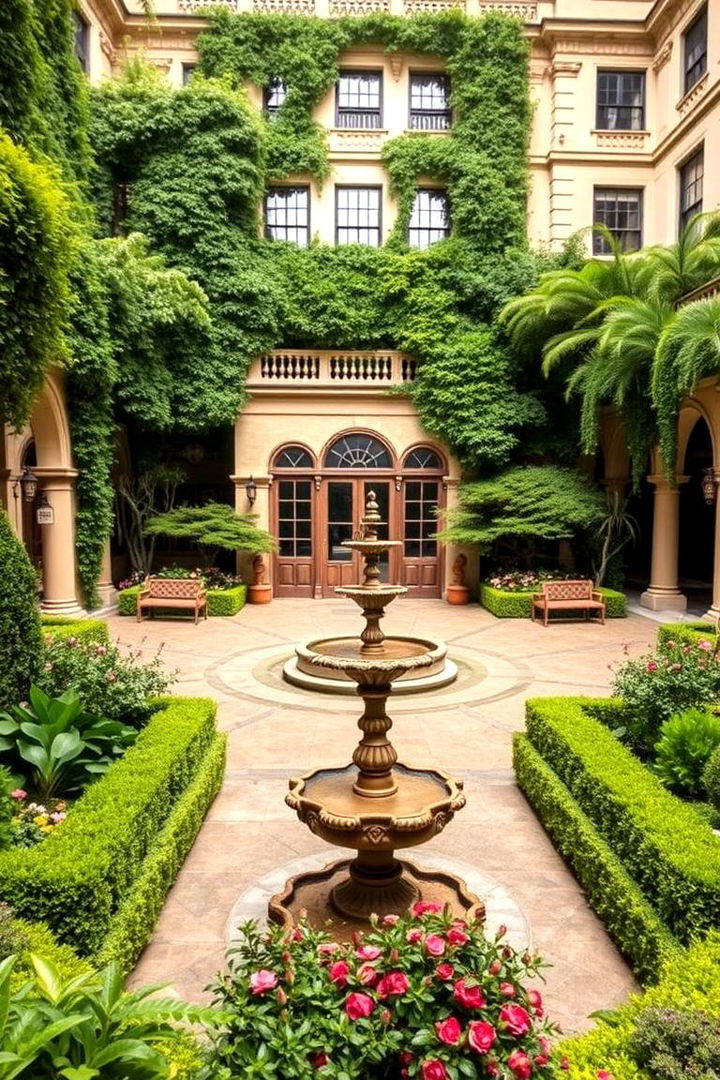
Moreover, lush landscapes and integrated gardens play an essential role in complementing Spanish Colonial Revival designs. Generous courtyards with manicured plants, fountain features, and winding pathways create natural oases that invite relaxation and reflection. The greenery provides not just a visual contrast but also enhances the microclimate of the building. Homeowners experience a seamless blend of architectural beauty and nature’s serenity, where outdoor spaces echo the warmth and inviting spirit of interior designs. Such thoughtful integration celebrates ecological balance and transforms every property into a private retreat filled with natural charm.
15. Fusion of Traditional Techniques and Modern Touches
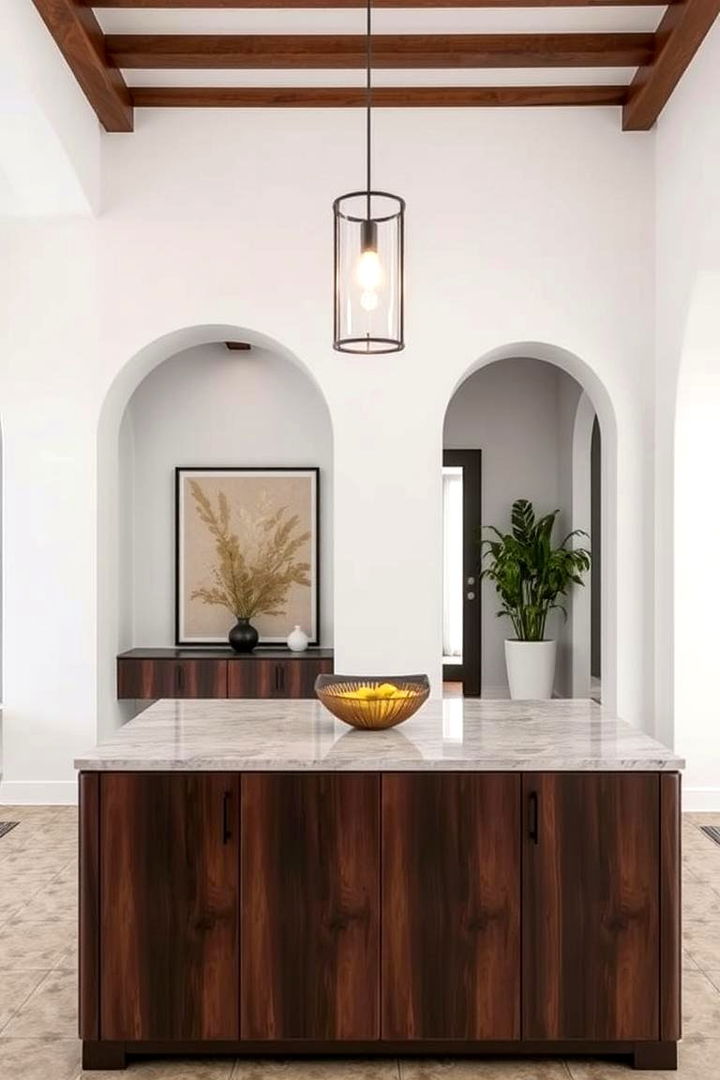
Another appealing aspect is the fusion of traditional construction techniques with modern innovations. Spanish Colonial Revival architecture skillfully merges time-honored craftsmanship with state-of-the-art materials and methods. This blend provides buildings with both aesthetic charm and practical benefits like improved energy efficiency and durability. Homeowners appreciate innovative layouts that respect tradition while addressing contemporary needs. The synthesis of old and new offers versatility and enduring style, illustrating that heritage design can evolve without losing its intrinsic character. This dynamic approach continues to influence architectural trends across the globe.
16. Interior Designs with Exposed Beams and Warm Textures
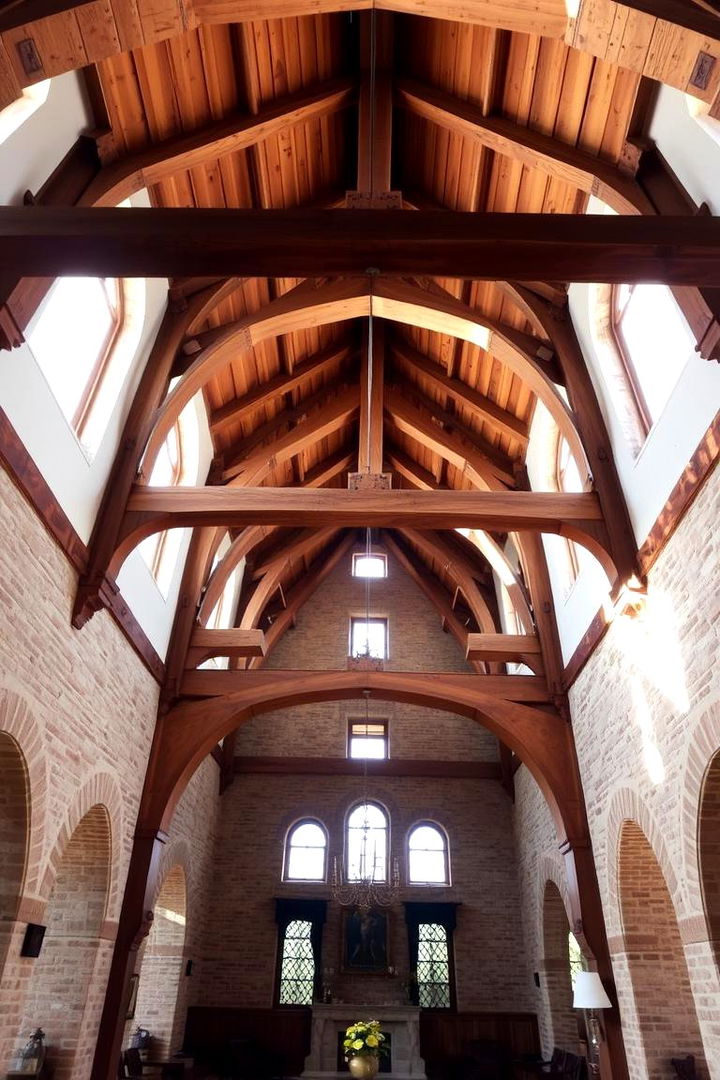
Looking closely inside these structures, one discovers interiors graced by exposed beams and rich, warm textures. The visible wooden details add character and a rustic elegance that complements the overall design. Textured walls, handcrafted furnishings, and subtle lighting contribute to an inviting ambiance that echoes the exterior’s heritage. Homeowners find that these interior choices foster a cozy atmosphere that’s both functional and inspiring. The interplay between natural materials and historical elements creates an aesthetic that is timeless, offering a creative space where tradition meets modern comfort beautifully.
17. Civic Buildings Reflecting Spanish Revival Aesthetics
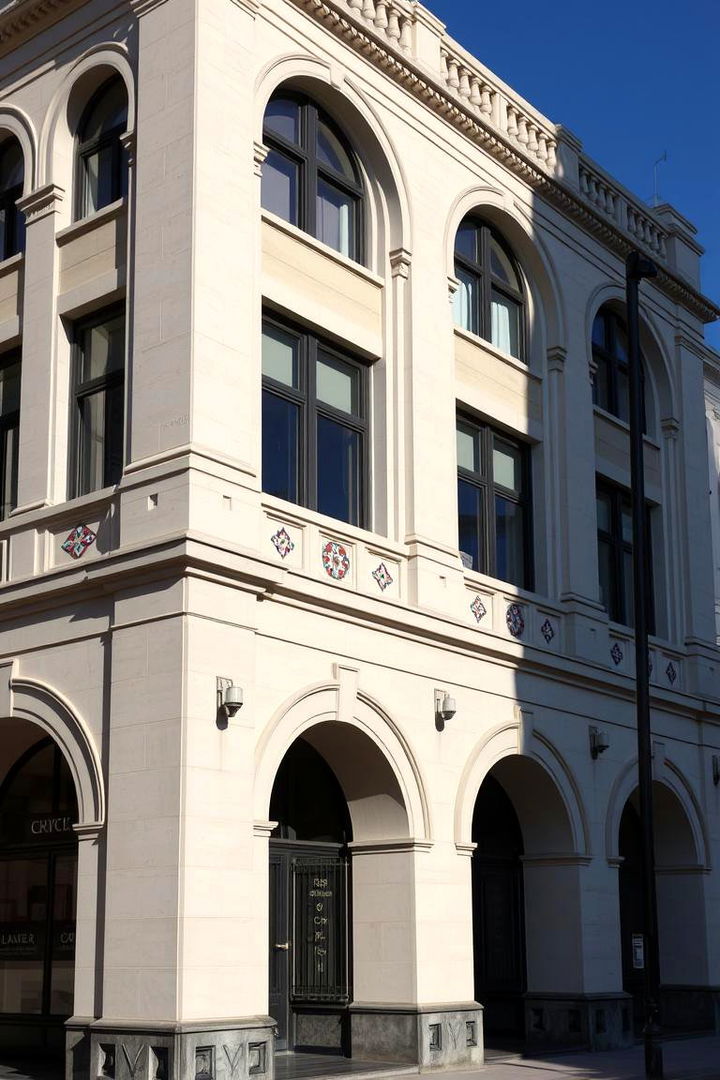
For many civic institutions, Spanish Colonial Revival aesthetics bring a sense of dignity and historical appreciation to public spaces. Government and community buildings featuring this style often incorporate bold arches, decorative tile work, and elegant facades that symbolize cultural unity and architectural integrity. These public structures not only serve functional purposes but also act as enduring landmarks of artistic expression. The design instills community pride and encourages social cohesion by celebrating heritage and visual interest. Such civic embodiments inspire admiration, reinforcing the timeless appeal and relevance of Spanish Revival influences in contemporary urban settings.
18. Sustainable Aspects and Energy Efficiency Measures
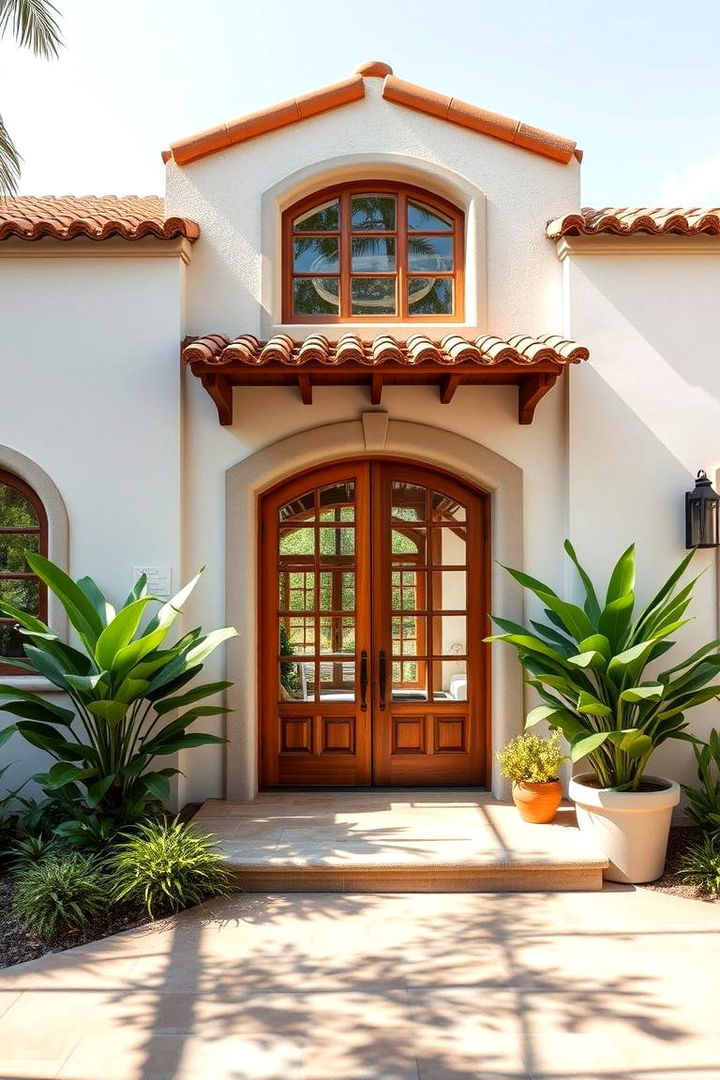
Due to a growing awareness of environmental concerns, sustainable features have become integral to contemporary Spanish Colonial Revival designs. Energy-efficient windows, natural ventilation, and the use of eco-friendly materials reflect a commitment to reducing environmental impact while retaining classic aesthetics. Homeowners appreciate the practical benefits of lower energy consumption and enhanced comfort. Integrating traditional design with modern sustainability practices not only preserves historical charm but also meets modern ecological standards. This blend offers a responsible, cost-effective approach that honors both heritage and the urgent need for a greener future, ensuring longevity and environmental stewardship.
19. Decorative Sculptures and Facade Embellishments
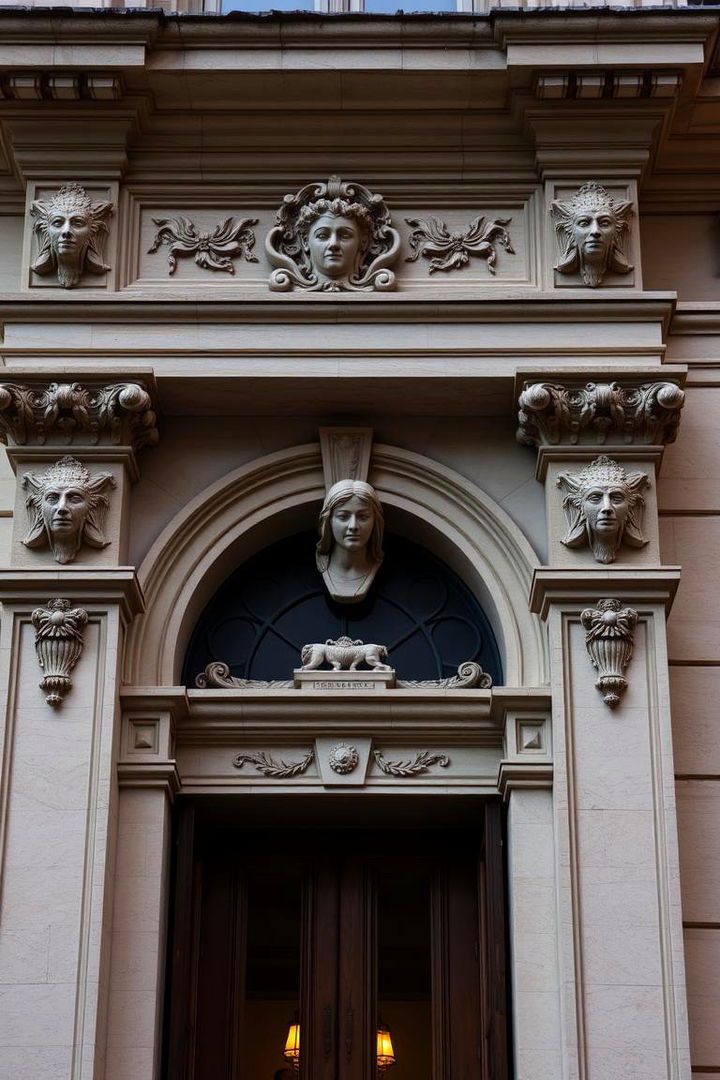
By incorporating decorative sculptures and artistic facade embellishments, these designs elevate everyday structures into visual masterpieces. Carved reliefs, ornamental moldings, and subtle statuary details highlight the skilled artisan work behind each facade. This artistic expression fosters individuality and reinforces cultural storytelling, imbuing the building with personality and character. Homeowners and visitors alike are captivated by the harmonious blend of structure and art. Each carved feature serves as a reminder of the architectural legacy, merging historical motifs with refined elegance to create spaces that are both inspiring and uniquely memorable.


20. Modern Interpretations of Classic Revival Design
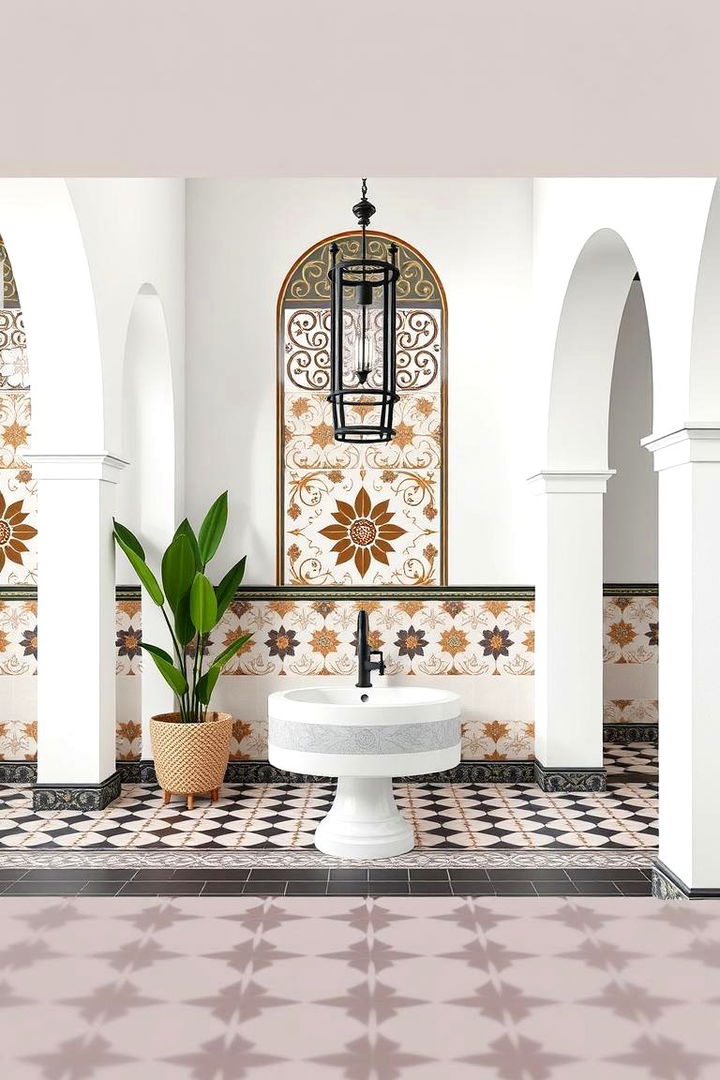
Although rooted in tradition, modern interpretations of Spanish Colonial Revival design breathe new life into classic elements. Contemporary adaptations introduce streamlined forms, updated materials, and innovative layouts while honoring traditional motifs like arched windows and patterned tiles. Homeowners and architects benefit from designs that provide both timeless charm and modern functionality. This evolution ensures the style remains relevant and versatile, appealing to diverse tastes. The result is a dynamic expression of cultural continuity, where heritage seamlessly converges with modern aesthetics to create inviting spaces that respect history while embracing the future.
21. Regional Variations and Local Adaptations
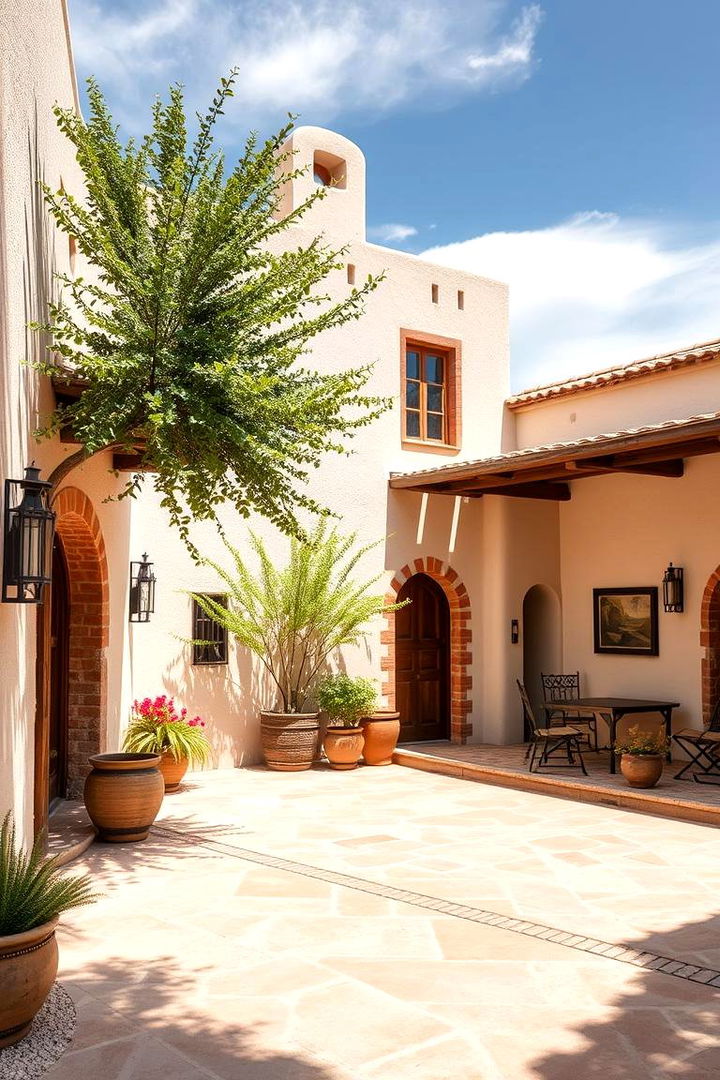
However, regional variations add a unique twist to Spanish Colonial Revival style by incorporating local traditions and environmental influences. Designers customize facades and interiors with materials sourced from the region, resulting in distinctive touches that reflect local culture. From sunlit southwestern patios to coastal adaptations emphasizing breezy textures, each variation respects its climate and heritage. Homeowners find that these tailored adaptations deliver both functionality and a strong sense of place, celebrating community identity and local artistry. This diversity in design enriches the overall architectural narrative, making each structure uniquely resonant.
22. Preservation Efforts and Cultural Significance
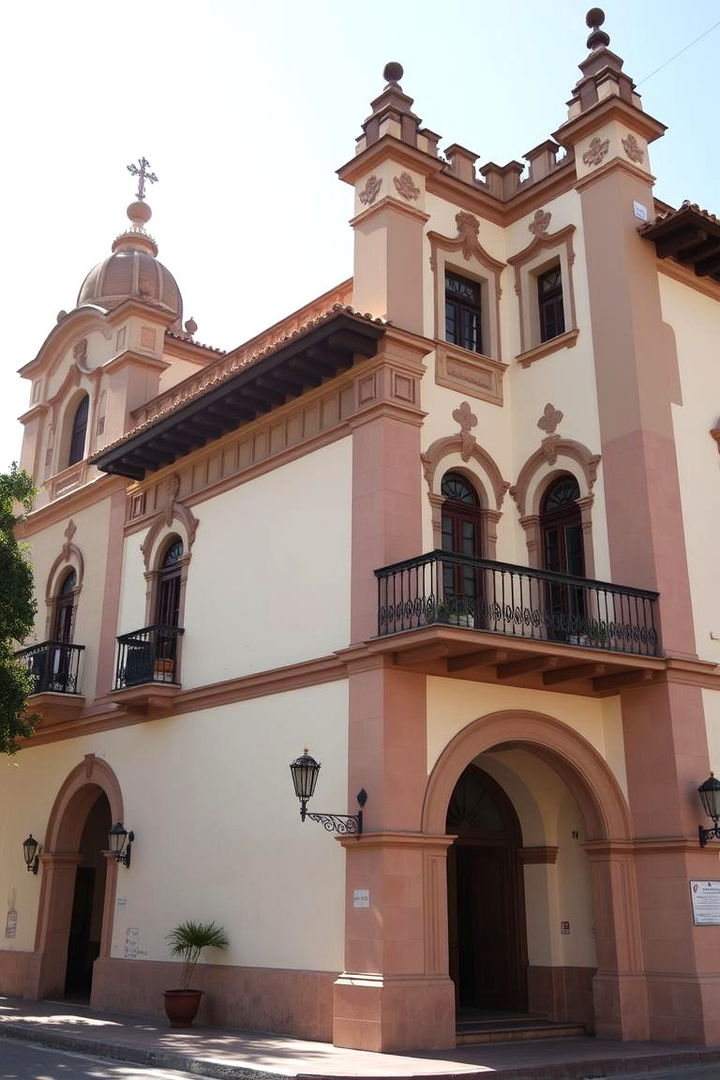
Finally, ongoing preservation efforts keep the spirit of Spanish Colonial Revival architecture thriving in modern communities. Restoration projects honor original craftsmanship while integrating modern improvements to ensure historical integrity and sustainability. Cultural significance is at the forefront as these buildings are maintained as living testaments to a proud heritage. Preservationists, homeowners, and local communities collaborate to safeguard these treasures. Their continued relevance inspires future generations to appreciate the beauty and resilience of historical design, fostering a deep connection to a collective past that informs contemporary architectural innovation.
Conclusion:
Spanish Colonial Revival architecture encapsulates a rich tapestry of history, cultural expression, and modern innovation. Its defining features—from vibrant colors and ornamental tiles to sustainable integrations and adaptive reuse—cultivate an environment steeped in tradition yet alive with fresh creativity. Every design element pays homage to its roots while inviting future reinterpretation. This exploration of 22 distinct ideas celebrates a style that continues to thrive through passionate preservation and innovative adaptation, inviting all to appreciate its lasting beauty and cultural significance.

Related posts:
 22 Cat Room Ideas for a Feline-Friendly Home Environment
 22 Decorating With Candles Ideas for Cozy Ambiance
 22 Farmhouse Green Exterior Ideas for a Fresh Home Look
 22 Massage Room Setup Ideas for a Professional Home Spa Experience
 22 Pink House Exterior Ideas for Playful Curb Appeal
 22 Creative Small Wedding Ideas for Intimate Gatherings