
A well-designed small office speaks volumes about creativity and efficiency, proving that workspace constraints inspire innovative solutions. By blending style with utility, every detail from furniture to layout plays a pivotal role in boosting productivity and well-being. Whether you’re seeking a clean minimalist vibe or a cozy collaborative atmosphere, these ideas highlight the beauty of thoughtful design tailored for compact spaces. Dive into these insights and let each suggestion motivate you to envision and create a dynamic, inspiring working environment that reflects your personal touch and professional aspirations. Explore 22 Small Office Ideas.
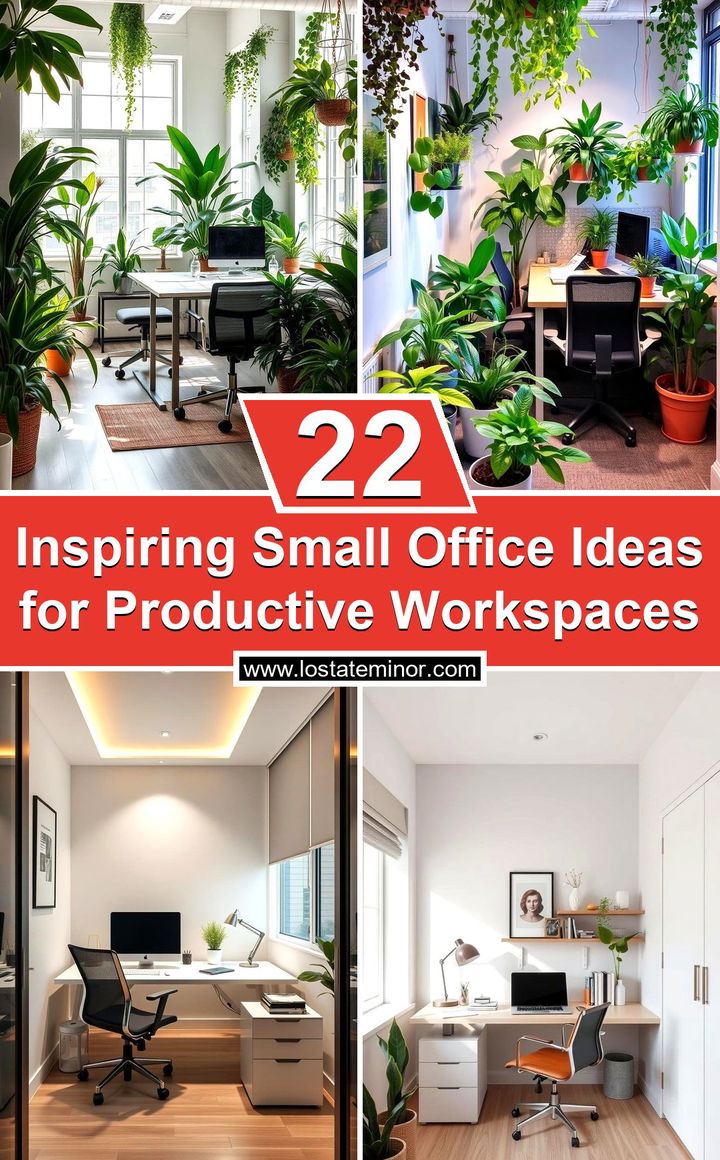
1. Maximizing Natural Light
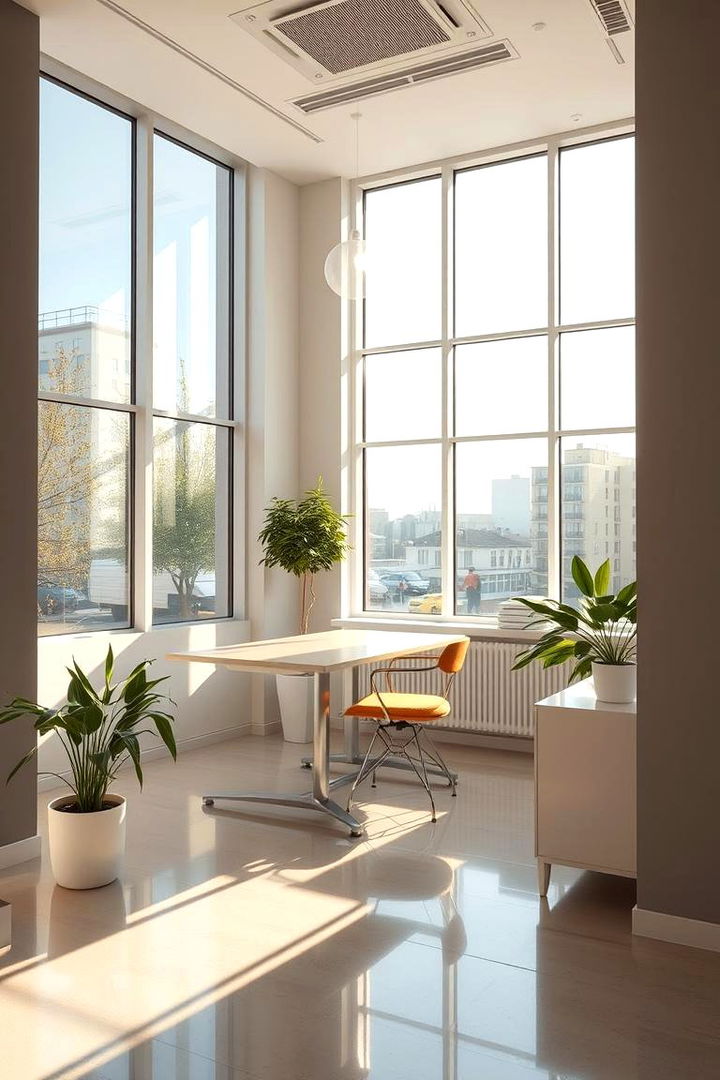
Bright natural light transforms any small office into an energizing workspace by reducing the need for artificial lighting and enhancing mood. Sunlight streaming through large windows or clever skylights creates a welcoming atmosphere that encourages focus and well-being. This idea emphasizes positioning workstations near natural light sources while using reflective surfaces to amplify brightness. It also suggests integrating light, airy decor to maintain an open feel. Practical and cost-effective, these adjustments make a noticeable impact on productivity and energy levels for your small office.
2. Flexible Workspace Solutions
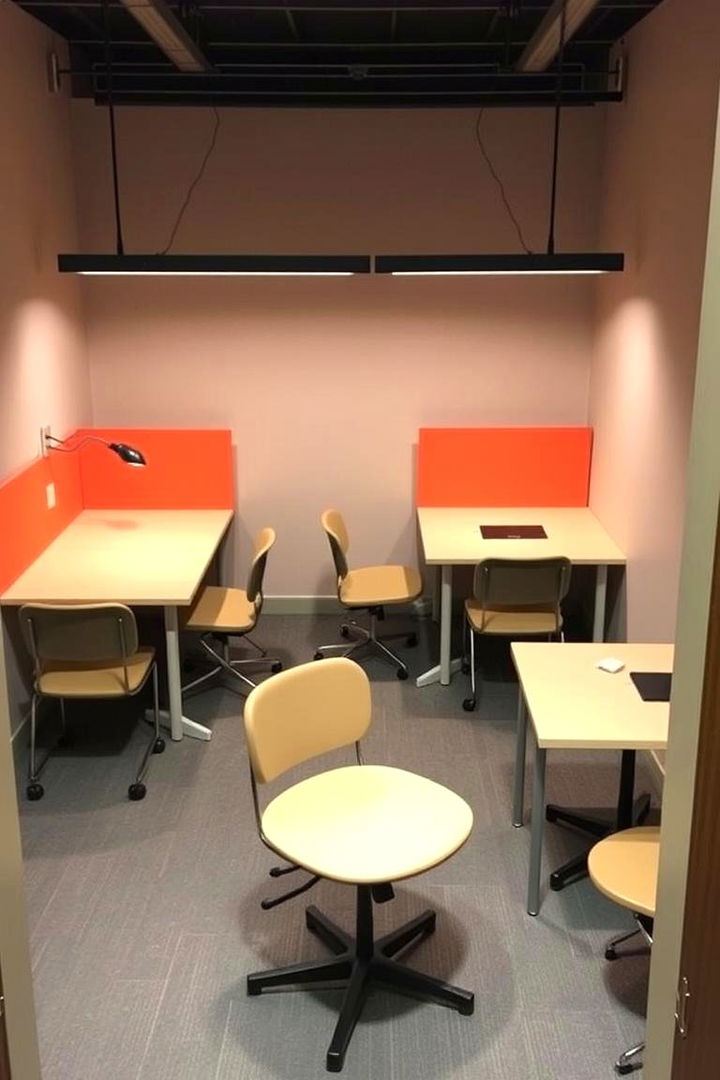
Have you ever encountered the challenge of a cramped workspace? Flexible workspace solutions empower you to adapt your small office layout based on task requirements and team interactions. By using modular furniture that can be reconfigured easily, you create a space that supports both solo productivity and collaborative sessions. Adjustable desks, foldable chairs, and portable storage units enhance accessibility while maintaining a clutter-free environment. This approach not only fosters creativity but also allows continual improvement as needs evolve, making every corner of your office work better for you.
3. Ergonomic Furniture Selection
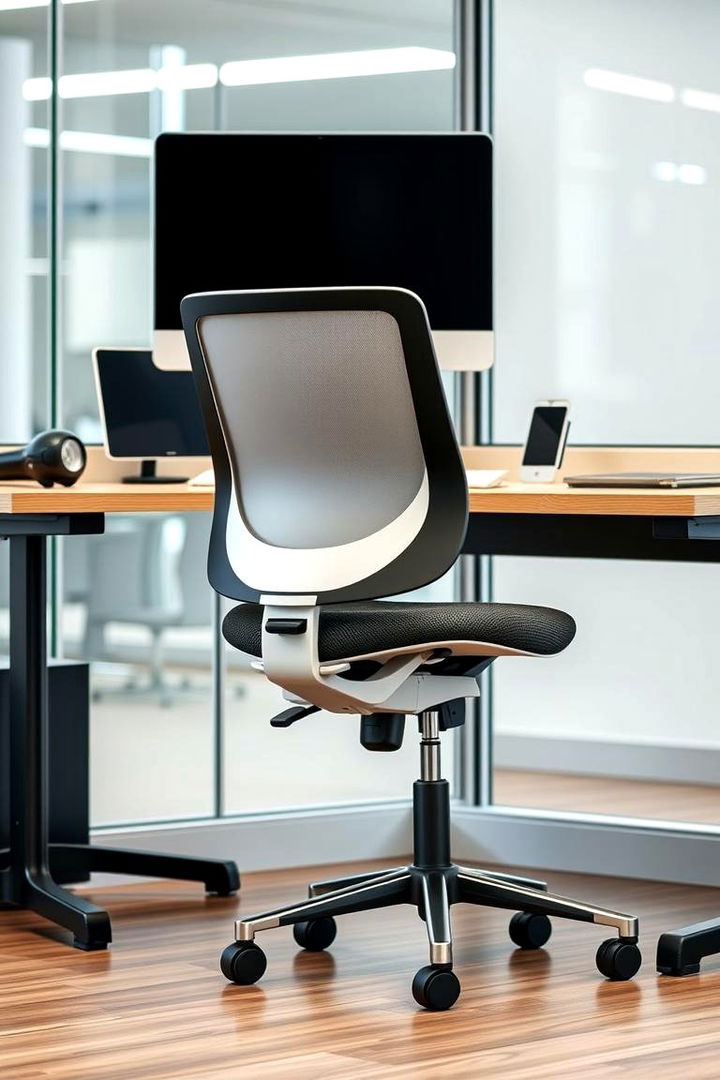
Comfort meets style in a small office when you choose ergonomic furniture, the foundation of a productive work environment. Exceptional chairs and desks designed to support proper posture reduce fatigue and enhance concentration during long hours. The right furniture aligns with your body mechanics and contributes to overall health while remaining space-efficient. This idea encourages investing in adjustable seating and desks that adapt to individual needs, ensuring a balanced blend of functionality and design. Prioritizing ergonomics makes a subtle yet powerful statement about caring for employee wellness and efficiency.
4. Minimalist Design Approach
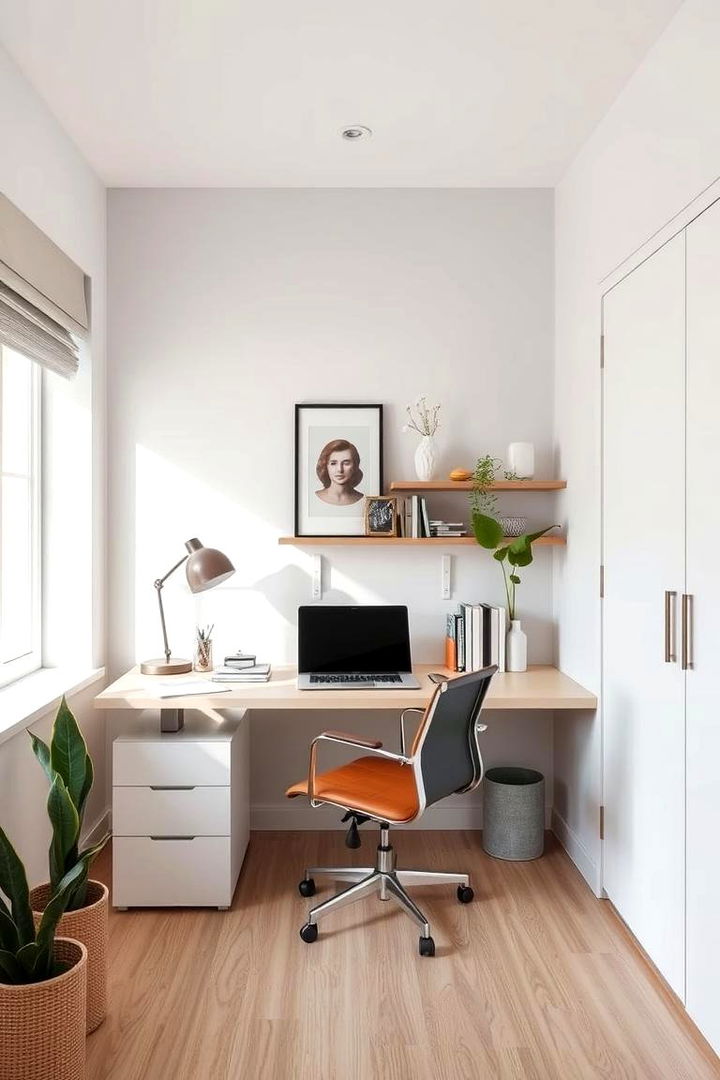
A minimalist design approach can instantly revitalize a small office by emphasizing clean lines, uncluttered surfaces, and a focused color palette. This style removes unnecessary distractions, enabling clarity and creativity to flourish in tight spaces. By selecting a few statement pieces and eliminating excess decor, your office remains spacious and welcoming. Simple furnishings combined with a few purposeful design accents ensure a practical yet aesthetically pleasing environment. This idea encourages maintaining a balance between functionality and appearance, providing a soothing backdrop to intense work sessions and creative brainstorming sessions.
5. Multipurpose Storage Units
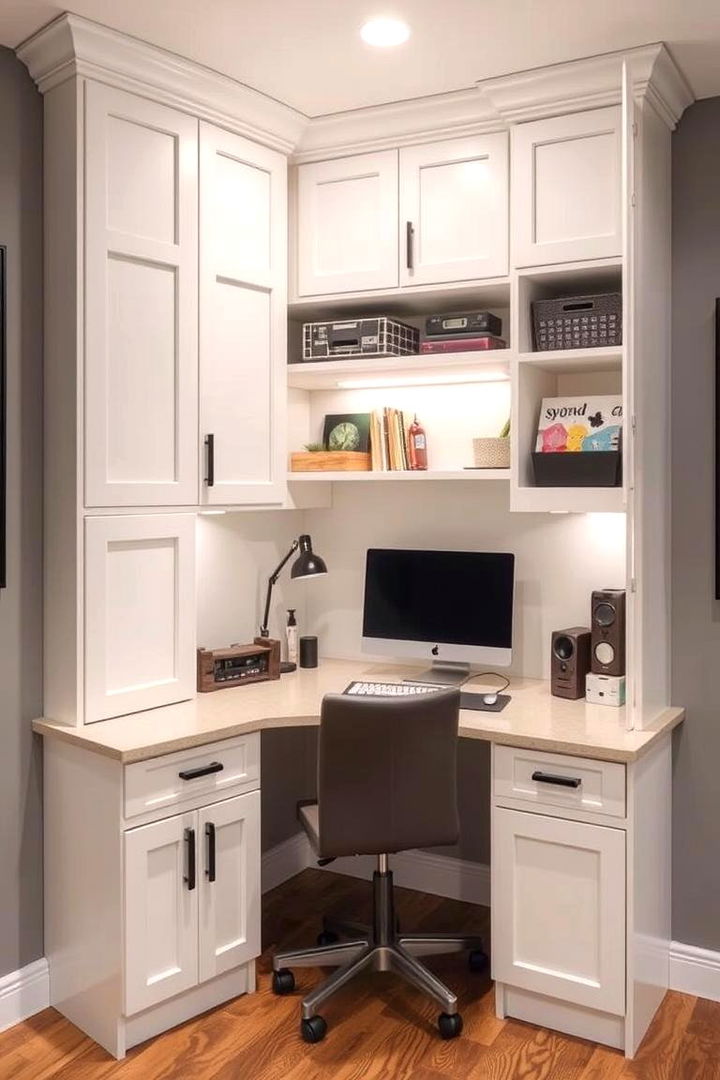
Multipurpose storage units are a game-changer when every square foot counts in a small office. Clever shelving, hidden cabinets, and convertible desks help maximize space while keeping essentials organized. These storage solutions double as decor, enhancing the office’s overall aesthetic and reducing visual clutter. Incorporating smart storage encourages a tidy space that fuels efficiency and reduces time wasted looking for items. With various designs available, you can tailor these units to seamlessly integrate into your office layout, ensuring both beauty and practicality work side by side.
6. Color Psychology in Offices
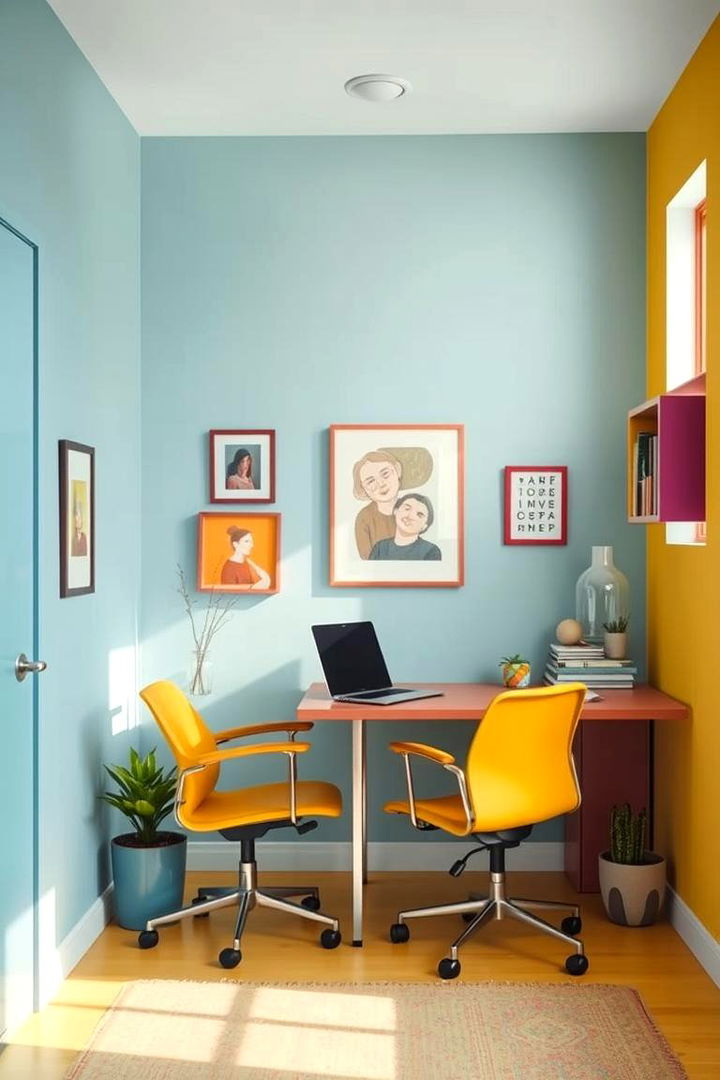
Color psychology plays a surprising role in shaping the ambiance and productivity of a small workspace. Imagine a palette carefully chosen to influence mood and creativity; soft blues offer calm, while vibrant yellows stimulate energy. Using these hues on walls, furniture, or decorative items not only enlivens the space but also sets an intentional tone for work. This approach encourages balancing warm and cool tones to create a harmonious workspace that uplifts morale. The strategic application of color helps transform your office into an environment that supports both focused concentration and creative expression.
7. Inspiring Wall Art Ideas
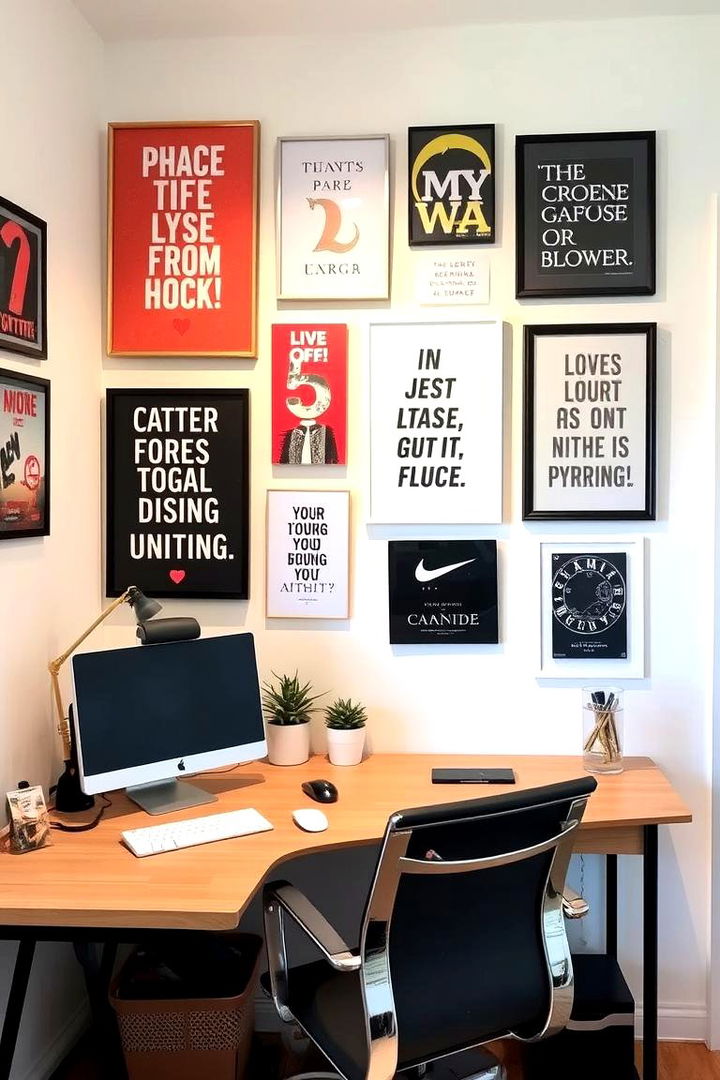
Art transforms a blank wall into a source of inspiration, especially in confined offices where personality matters. Eye-catching prints, motivational quotes, or local art can breathe life into your workspace and spark creative ideas. This approach emphasizes curated selections that not only fill empty space but also resonate with the company’s values and vision. The unique artwork adds a touch of sophistication and individuality, providing visual cues that boost morale. Incorporating thoughtful wall art encourages an environment where creativity and passion thrive, enhancing the overall appeal of your office.
8. Personalized Decor Elements
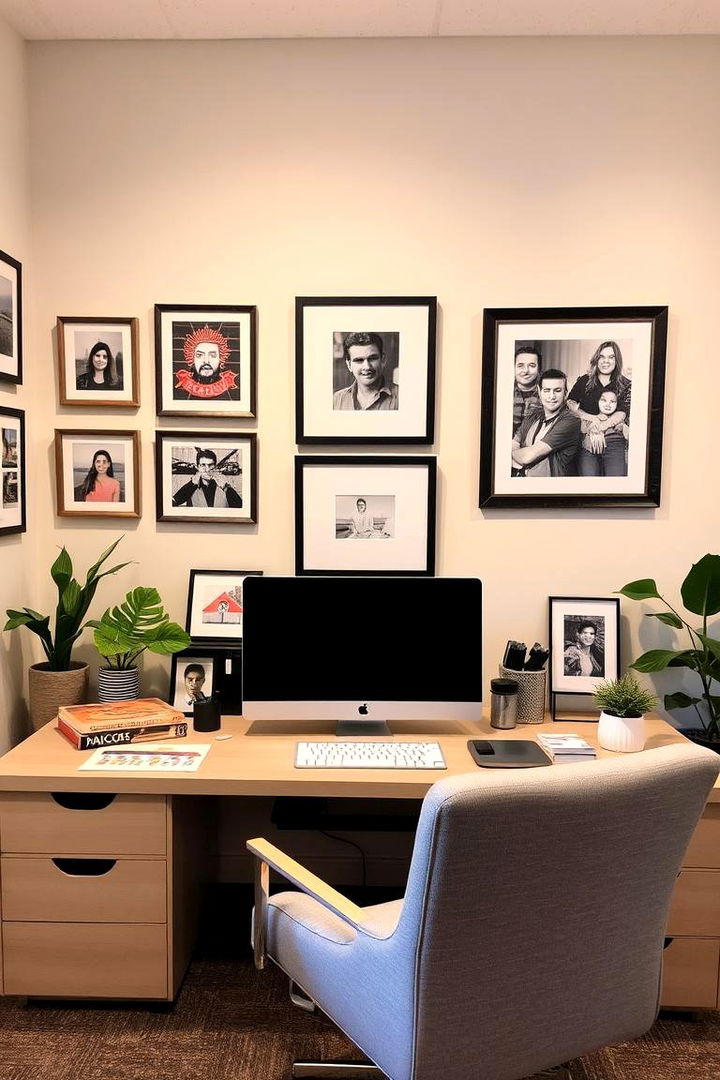
Personalized decor elements create a welcoming space that reflects your personality and work style. Unique artifacts, cherished photographs, or custom-made art pieces remind you of achievements and add character to a small office. These touches resonate on a personal level, inspiring you every day and fostering a more connected work environment. Emphasizing authenticity over mass-produced items, this idea celebrates individuality while maintaining a professional look. Implementing personal decor can transform an ordinary office into a vibrant setting that fuels motivation and highlights the creative spirit behind every project.
9. Compact Workstations Layout
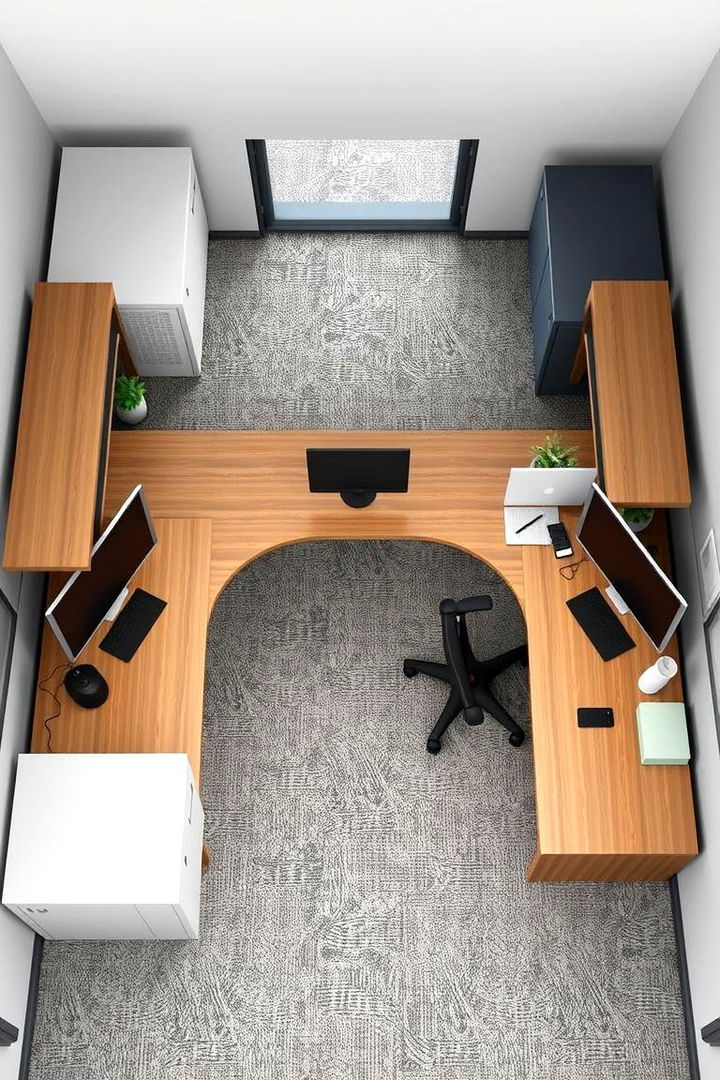
Designing compact workstations is essential for optimizing functionality within limited office space. Strategically placed desks, chairs, and storage units create a balanced layout that promotes productivity without feeling cramped. Innovative workstation arrangements can incorporate built-in desks or wall-mounted units, offering both form and function. This approach stresses spatial efficiency by ensuring every element has its purpose and place. Additionally, a thoughtfully planned layout improves circulation and minimizes distractions. A well-organized stationery zone not only enhances the aesthetics but also aids in maintaining an uncluttered, inviting workspace conducive to intensive work.

10. Efficient Technology Setup
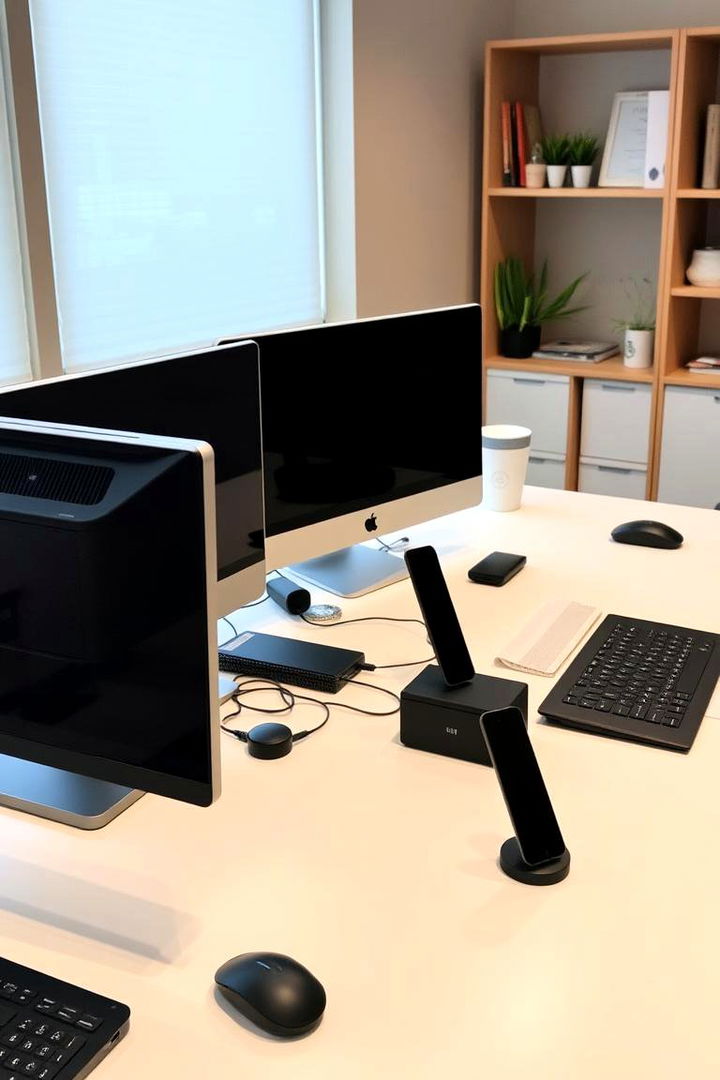
An efficient technology setup is crucial for keeping a small office running smoothly. Prioritizing wireless devices, compact monitors, and integrated charging stations minimizes cable clutter and conserves space. The seamless integration of technology supports fast, reliable communication and data processing. This idea promotes investing in devices that combine functionality with a sleek design to maintain a modern, efficient work environment. With technology becoming ever more essential, choosing the right equipment can transform your office into a high-performance hub that seamlessly blends technological capability with spatial design.
11. Green Office Elements
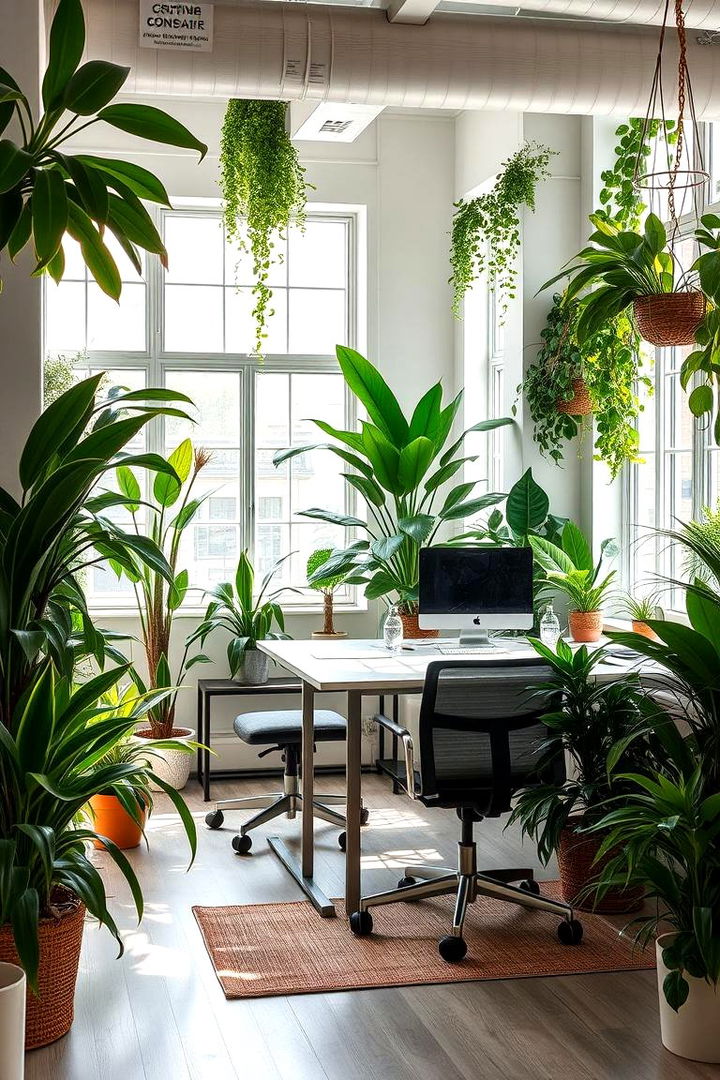
Integrating green office elements can significantly uplift a small workspace by introducing nature into everyday work life. Lush indoor plants not only purify the air but also create a calming, inviting ambiance that can reduce stress and boost creativity. Incorporating natural textures, eco-friendly materials, and sustainable decor items further reinforces the connection with nature. This approach emphasizes the importance of environmental well-being and creates a healthy balance between work and nature. Embracing greenery in your office setting similarly reflects a commitment to both personal well-being and sustainability in the modern workplace.
12. Furniture Layout Planning
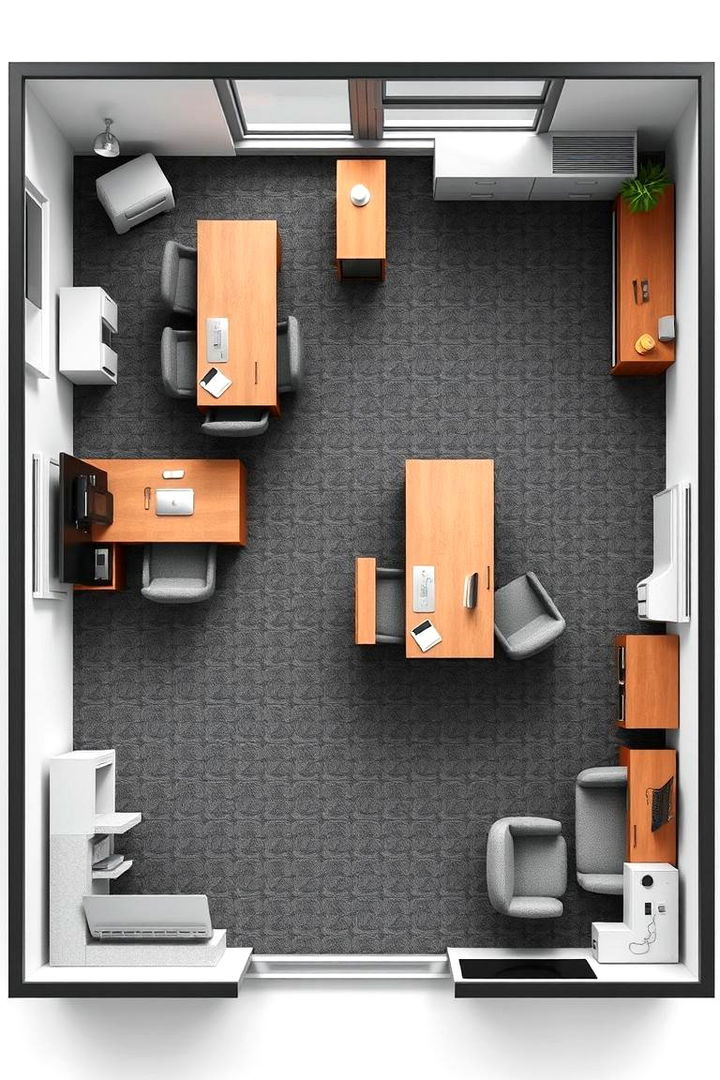
Thoughtful furniture layout planning is key to maximizing every inch of your small office space. Carefully considering the placement of desks, seating, and storage units creates clear pathways, reduces congestion, and supports a natural flow of movement. This method encourages designing a workspace that adapts to various functions while remaining visually appealing. By experimenting with different arrangements, you can achieve an optimal balance between function and form. Practical tips include measuring your space accurately and considering modular pieces that can be easily rearranged, ensuring that efficiency and comfort go hand in hand in your office design.
13. Use of Mirrors
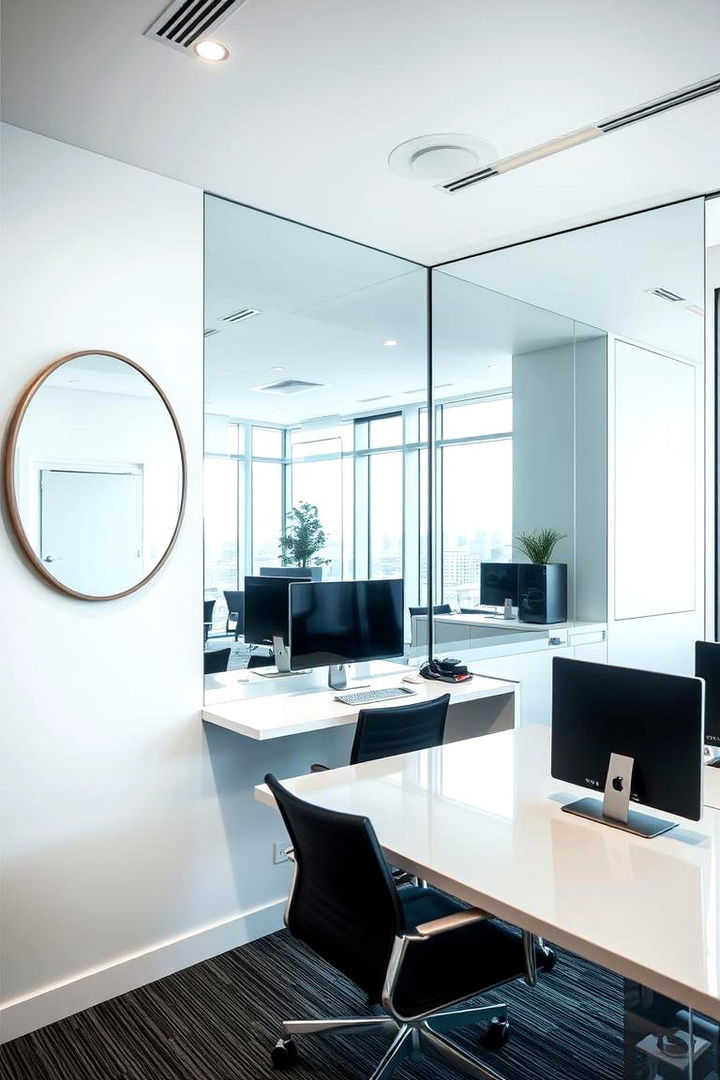
The clever use of mirrors in a small office can instantly create an illusion of expanded space while adding a stylish accent to the decor. Strategically placed mirrors reflect light, brighten the room, and enhance overall perception of depth. This accessory is both decorative and functional, effectively doubling the impact of natural light. With minimal effort and cost, mirrors offer an elegant solution to visual clutter. Whether framed artistically or integrated seamlessly into the design, this idea not only boosts aesthetics but also delivers a surprising spatial advantage that benefits productivity and mood.
14. Smart Lighting Choices
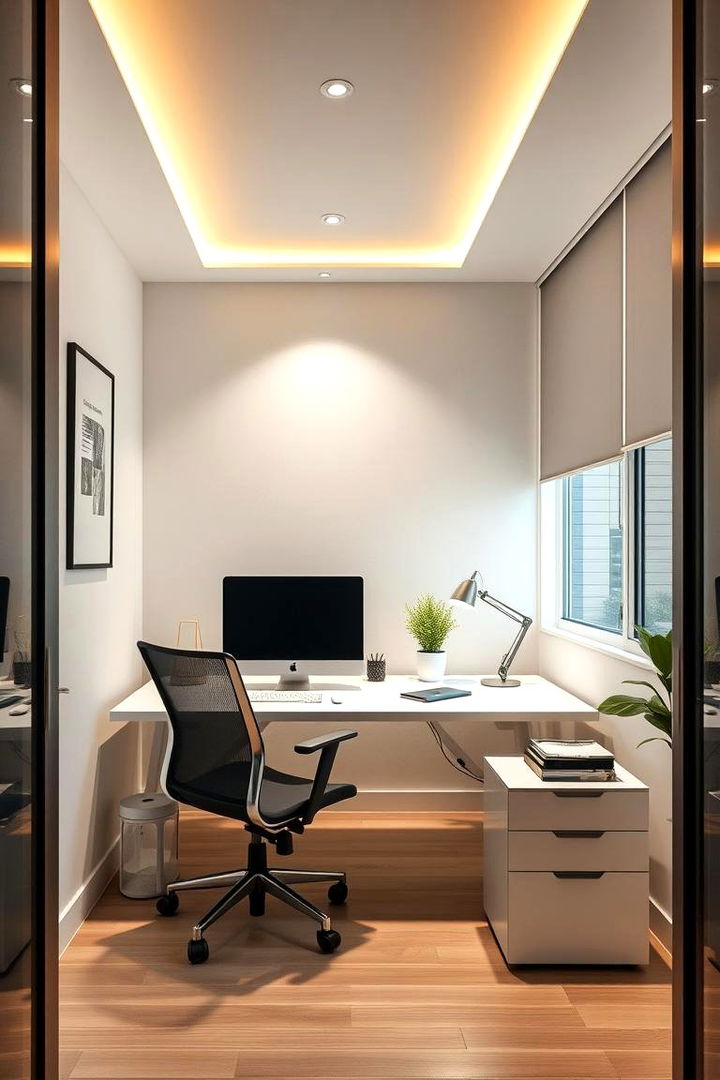
Smart lighting choices dramatically enhance both the functionality and ambiance of a small office. Incorporating energy-efficient LEDs, adjustable brightness settings, and color-tunable fixtures allows you to tailor the lighting to specific tasks and moods. This thoughtful design approach reduces eye strain and creates an inviting, balanced atmosphere suitable for long working hours. With the ability to switch from bright task lighting to softer ambient tones, smart lighting provides versatility and style. Embracing these modern lighting solutions transforms your workspace into an adaptable and innovative environment that keeps pace with today’s dynamic work demands.

15. Noise Reduction Solutions
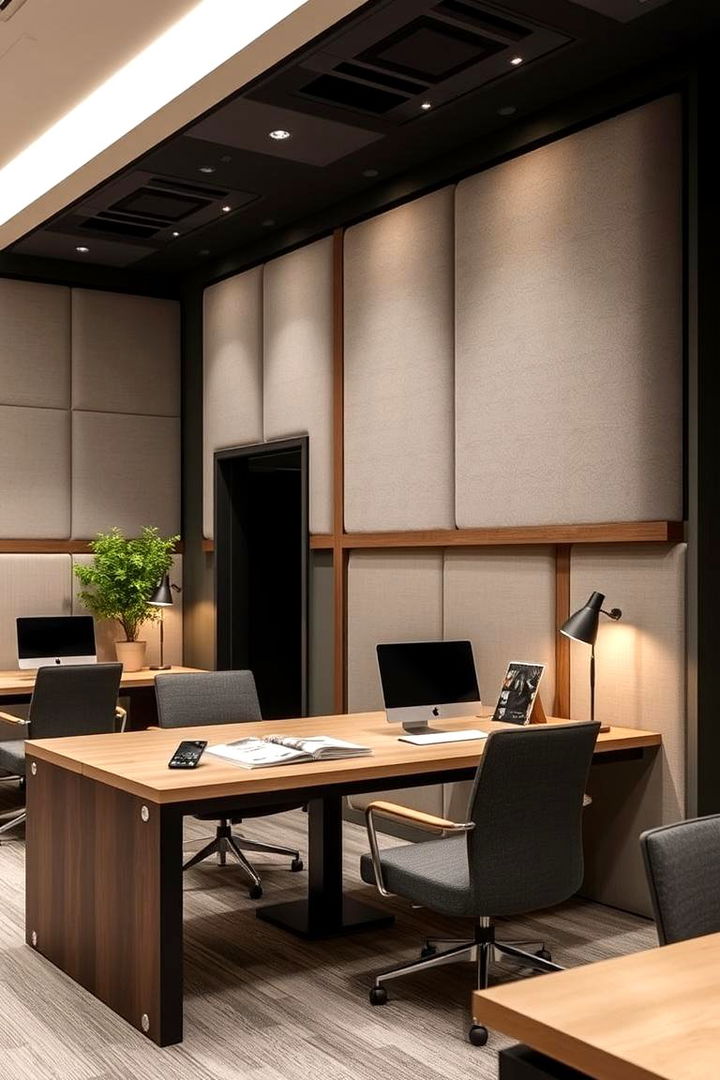
Noise reduction solutions can significantly improve concentration and comfort in a small office. By incorporating sound-absorbing materials like acoustic panels, rugs, or even strategically placed bookshelves, you lower ambient noise and create a peaceful work atmosphere. This idea emphasizes designing a space that minimizes external distractions, allowing for better focus and productivity. Practical tips include using office dividers or planting green walls that double as sound buffers. A serene environment nurtures creativity and efficiency, proving essential for any office striving to balance aesthetics with functionality in a compact setting.
16. Space Zoning Techniques
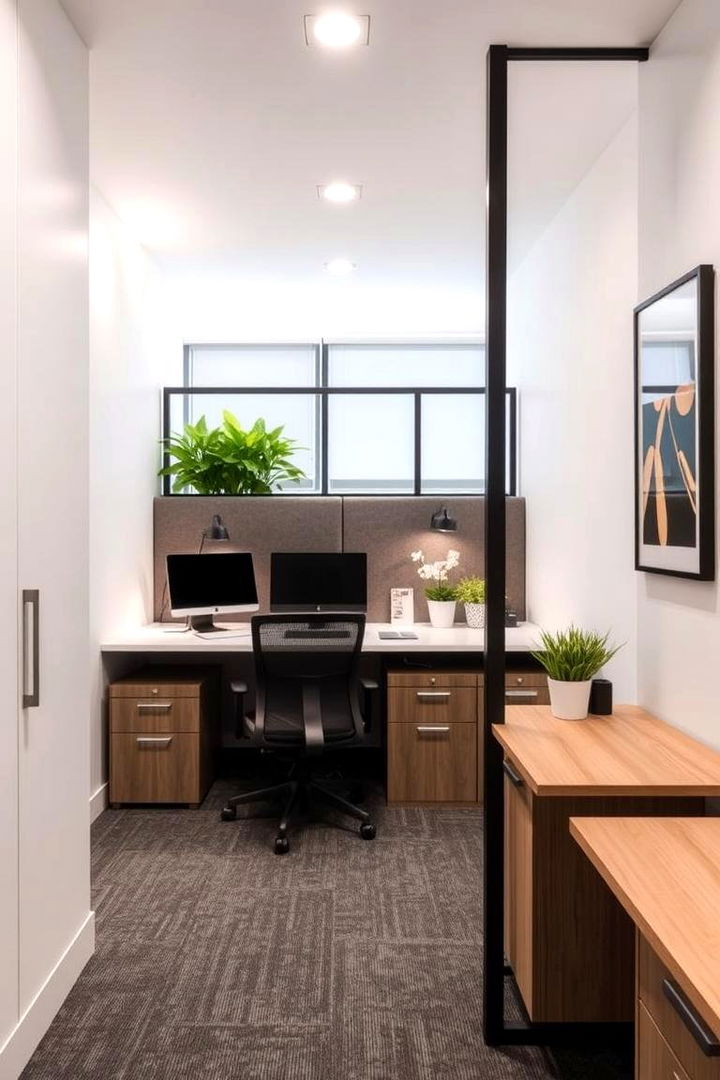
Space zoning techniques enable you to allocate dedicated areas within a small office for varied activities. By defining zones for collaborative tasks, quiet focus, and casual breaks, you create a structured yet flexible environment. This strategy involves partitioning the space with subtle dividers, rugs, or furniture arrangements that guide the flow without overwhelming the room. The resulting organization helps optimize productivity by clearly delineating work modes. Thoughtful zoning transforms a confined space into a dynamic office where every zone is tailored to support specific needs, blending functionality with an attractive, cohesive design.
17. Wireless Connectivity Upgrades
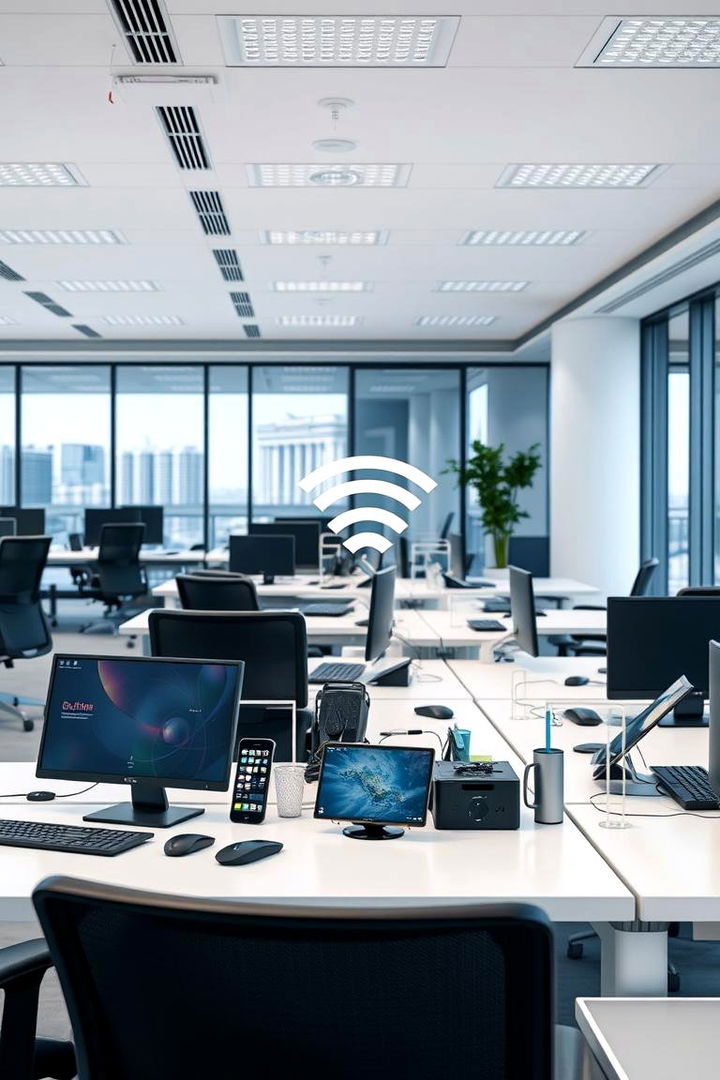
Wireless connectivity upgrades are vital in modern small office designs, ensuring streamlined communication and uninterrupted productivity. By reducing unsightly cables and incorporating robust Wi-Fi solutions, you create a clutter-free, efficient environment. Emphasizing portable devices and wireless charging stations, this approach modernizes your workspace without wasting valuable surface area. Leveraging the latest in connectivity technology allows for quick adjustments and scalability as your office evolves. A seamless connection throughout the space is not only convenient but also essential for maintaining high performance and adaptability in the ever-changing digital landscape.
18. Collaborative Spaces Integration

Collaborative spaces integration rejuvenates a small office by designating areas specifically for brainstorming and teamwork. Incorporating comfortable seating, writable walls, and adaptable furniture, these pockets of creativity encourage open dialogue and idea exchange. This design concept emphasizes fluid boundaries that allow for both focused work and collective engagement. Practical solutions such as mobile whiteboards and round tables can foster a sense of community and innovation. By infusing collaborative elements, your office becomes a dynamic hub where individual effort blends seamlessly with group creativity, resulting in an environment that drives progress and inspires success.
19. Indoor Plants and Greenery
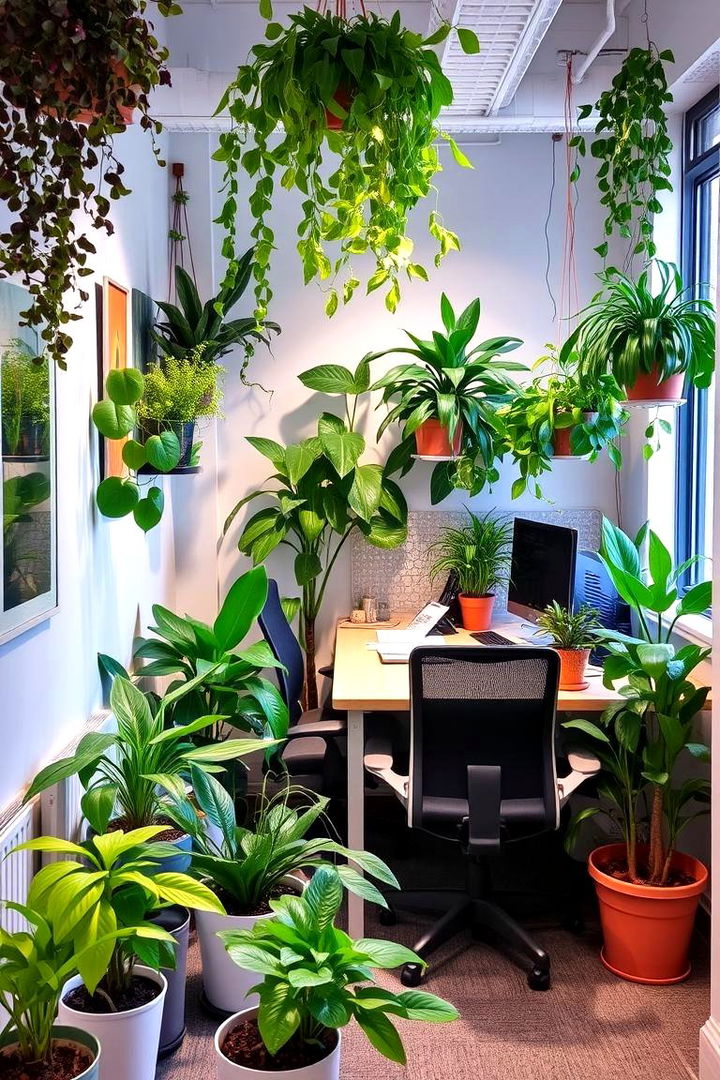
Indoor plants and greenery introduce natural vitality and a calming influence into a compact office setting. Strategically placing potted plants, hanging gardens, or small succulents not only improves air quality but also adds a vibrant touch of color. This idea promotes a biophilic design that connects the workspace with nature, easing stress and boosting creativity. The thoughtful integration of greenery concludes with a pleasing aesthetic that enhances overall productivity. Embracing nature indoors transforms a sterile environment into one that is both inviting and stimulating, proving the benefits of adding organic elements to modern office design.

20. Sustainable Materials Usage
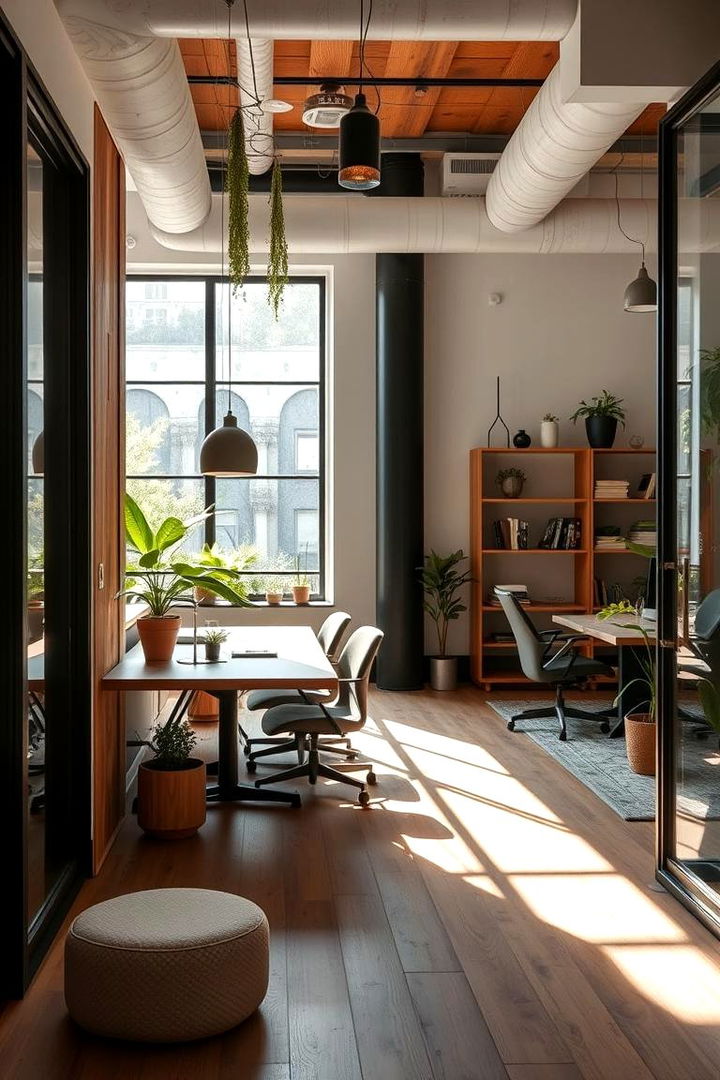
Sustainable materials usage is a forward-thinking approach that elevates the design of a small office while reducing environmental impact. Choosing recycled or renewable materials like reclaimed wood, eco-friendly textiles, and non-toxic paints not only bolsters the office’s aesthetic appeal but also aligns with global sustainability trends. This idea emphasizes durability and style in harmony, encouraging responsible choices that benefit both aesthetics and the planet. Integrating green building practices inspires a conscientious workspace that fosters innovation and ethical practices, demonstrating that sustainability and design excellence can go hand in hand in a compact setting.
21. Creative Ceiling Designs
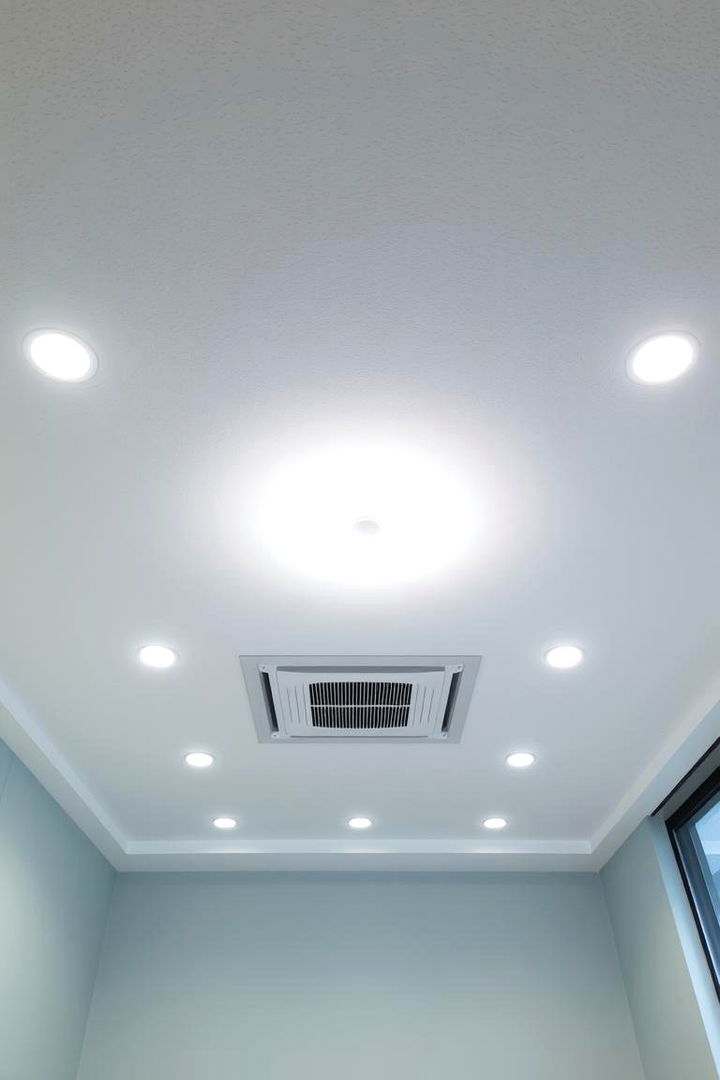
Creative ceiling designs often overlooked can serve as a dramatic focal point in a small office. From subtle recessed lighting to bold patterns or textured finishes, transforming the ceiling adds depth and intrigue without compromising floor space. This design strategy not only enhances the overall ambiance but can also create the illusion of higher ceilings, making the space feel more expansive. A well-considered ceiling treatment is a clever way to incorporate style and function, proving that even overhead elements can contribute significantly to the office’s character and energy.
22. Innovative Seating Options
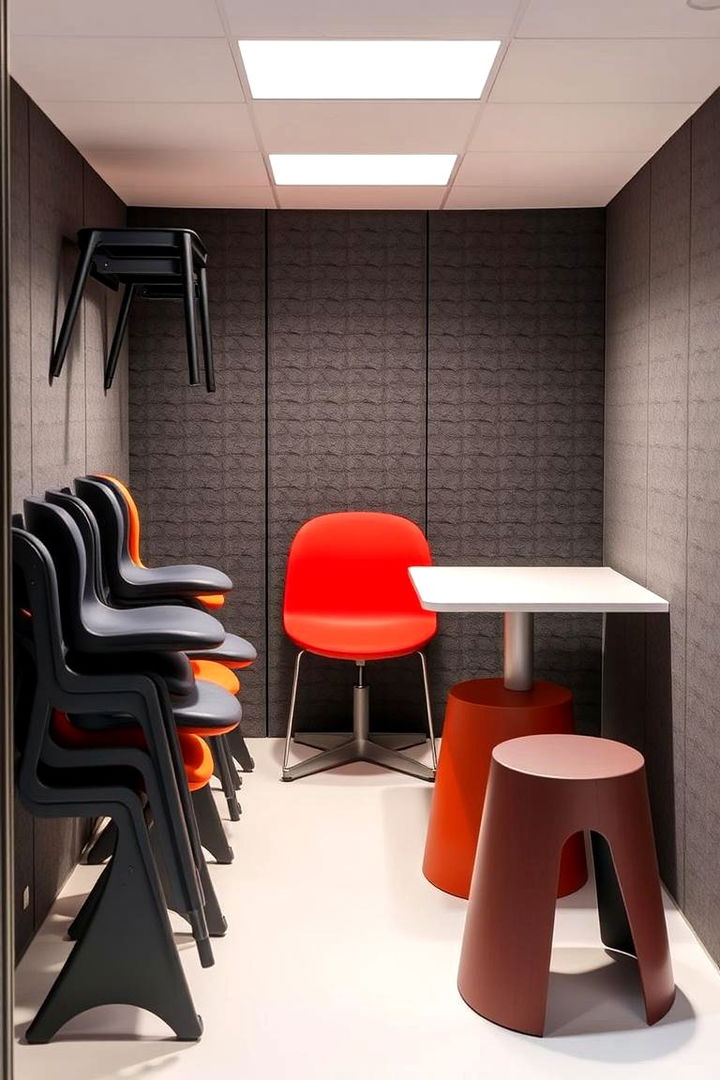
Innovative seating options breathe fresh life into compact work environments by offering versatile, space-saving solutions that don’t sacrifice comfort. Think stackable chairs, ergonomic stools, or convertible seating that doubles as storage. This approach encourages creativity in using furniture that adapts to multiple needs while enhancing the office’s overall aesthetic. The selection of dynamic seating options ensures that every corner of the office is utilized efficiently. By embracing flexible, stylish seating, your space remains welcoming and productive, making it a testament to the art of smart, innovative design in small offices.
Conclusion:
These 22 small office ideas prove that design ingenuity thrives even in compact spaces. Embracing natural light, flexible layouts, and innovative storage creates work environments where productivity meets comfort and style. From ergonomic furniture to eco-friendly accents, every idea is a step toward a workspace that reflects both efficiency and personality. Each solution is not only practical but inspiring, inviting you to experiment and tailor your office to your unique needs. Harness the potential of your small office and let these strategies spark creativity and growth in every corner.

Related posts:
 22 Loft Office Ideas for Compact & Productive Workspaces
 22 Inspiring Office Wallpaper Ideas for Productive Spaces
 22 Basement Office Ideas for a Productive Home Workspace
 22 Dark Green Home Office Ideas for a Productive Workspace
 22 Modern Office Interior Design Ideas for Productive Spaces
 22 Creative Office Storage Ideas for Organized Workspaces