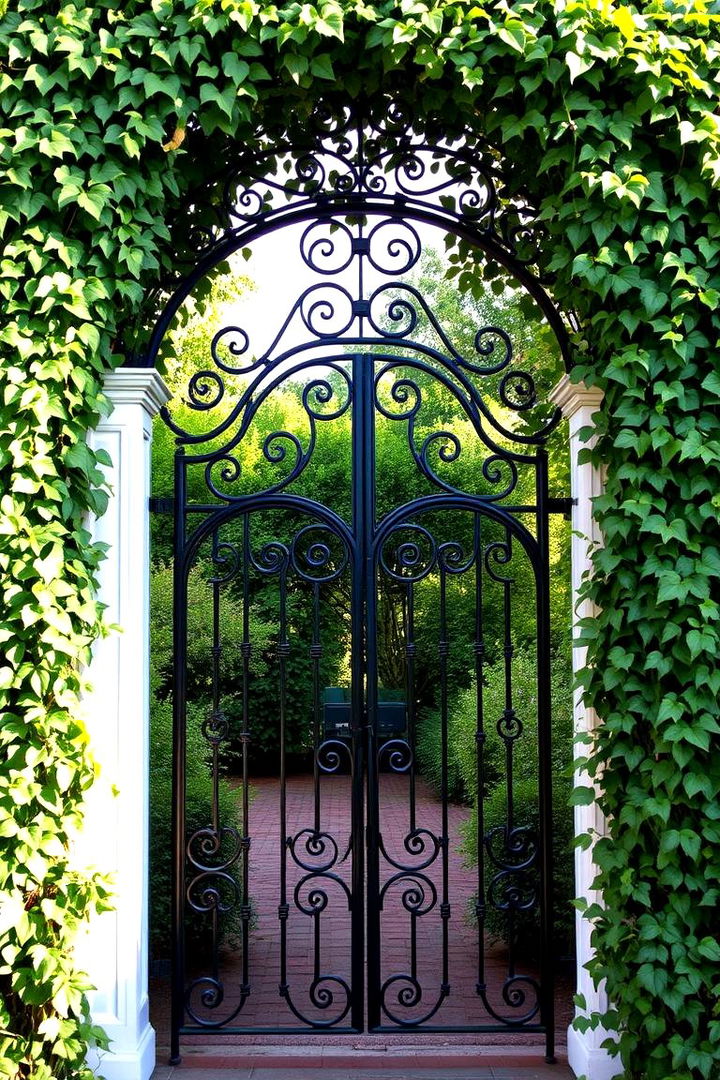
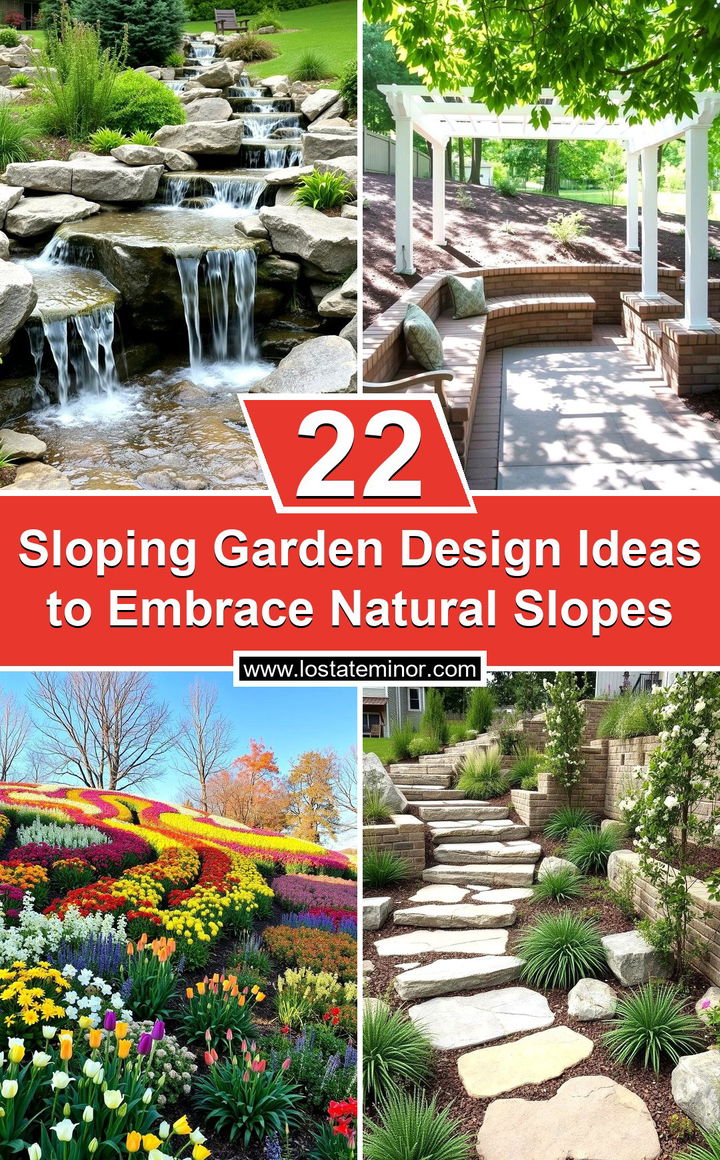
The art of transforming a sloping yard into a stunning garden oasis is both imaginative and practical. Sloping garden design ideas offer creative solutions that blend aesthetics with function, turning challenging terrain into a series of inviting spaces. Whether you dream of terraced layouts, integrated water features, or eco-friendly planting, each idea provides inspiration for making the most of your outdoor area. Embrace nature’s contours and let these 22 Sloping Garden Design Ideas guide you towards a landscape that is visually captivating, sustainable, and uniquely tailored to your lifestyle. Explore the 22 Sloping Garden Design Ideas below.
1. Terraced Layouts for Sloping Designs
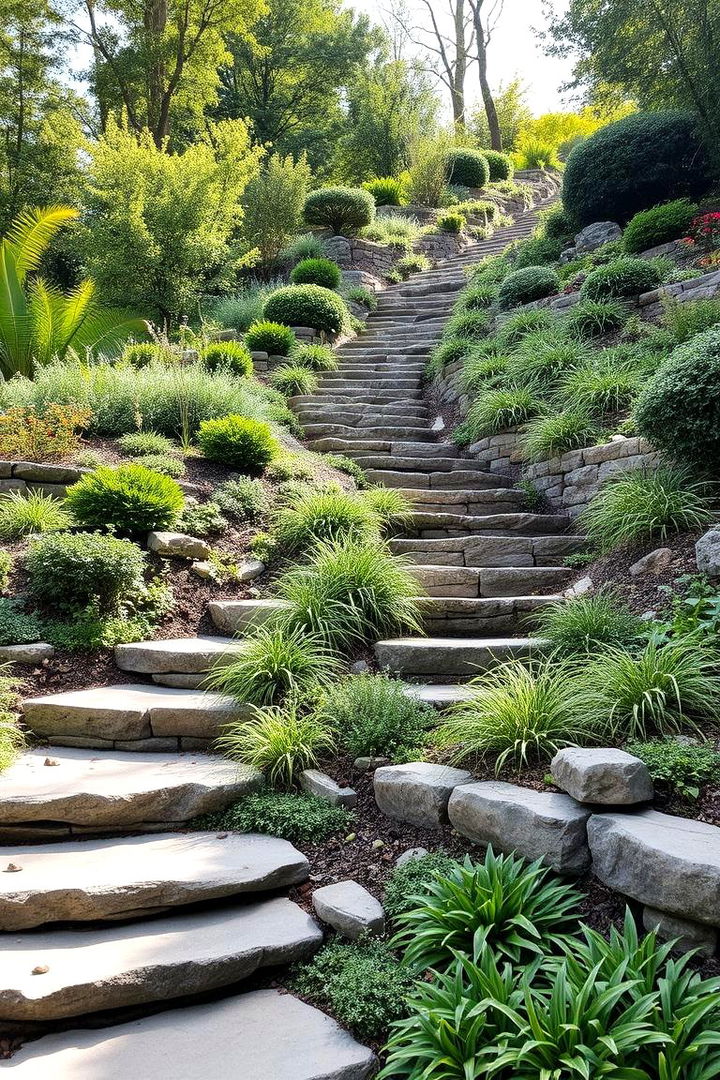
A charming terraced landscape creates striking levels that not only control erosion but also maximize usability on uneven terrain. By building a series of gentle steps, you can craft distinct garden zones that invite relaxation and social gatherings. This design enables visitors to enjoy varied views and intimate pockets of greenery throughout the slope. Incorporating natural stone or wood accents enhances the organic feel while adding texture and contrast to the outdoor space. Embrace the potential of slopes to create dynamic, multi-level retreats that marry beauty with practicality, turning challenges into design opportunities.
2. Incorporating Natural Retaining Walls
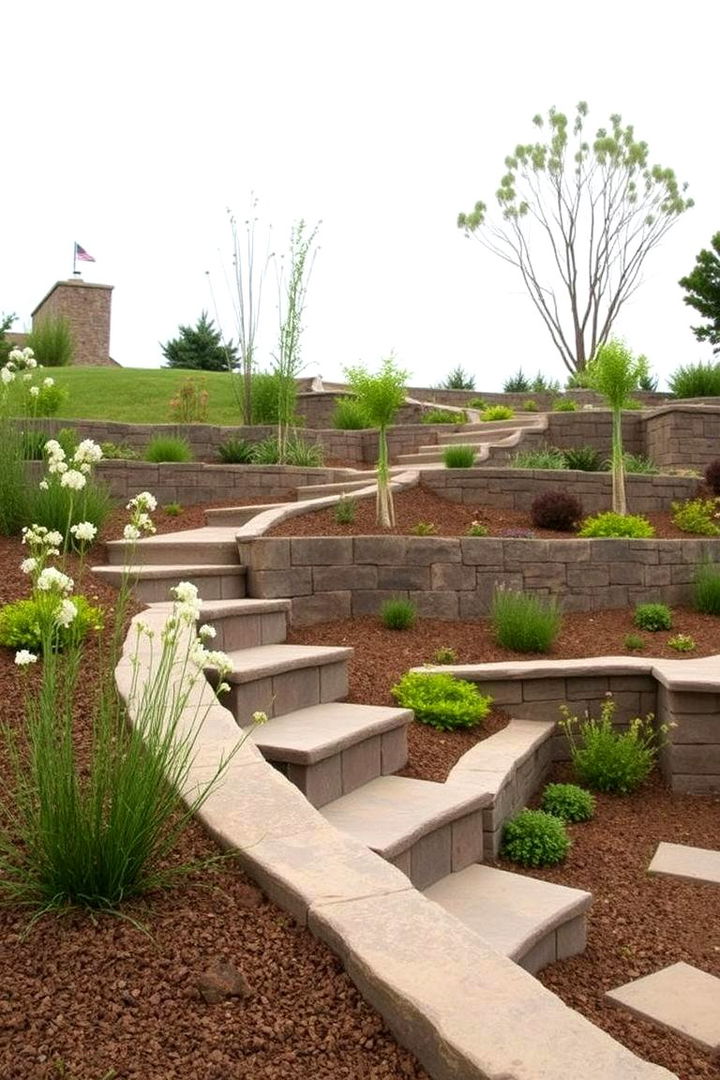
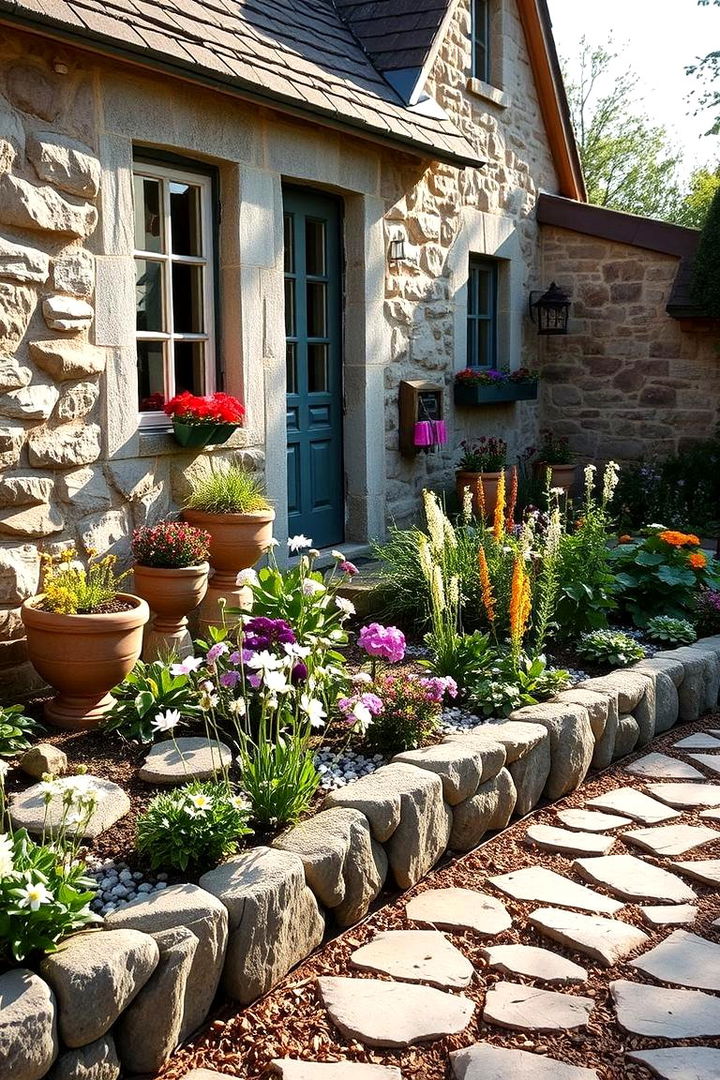
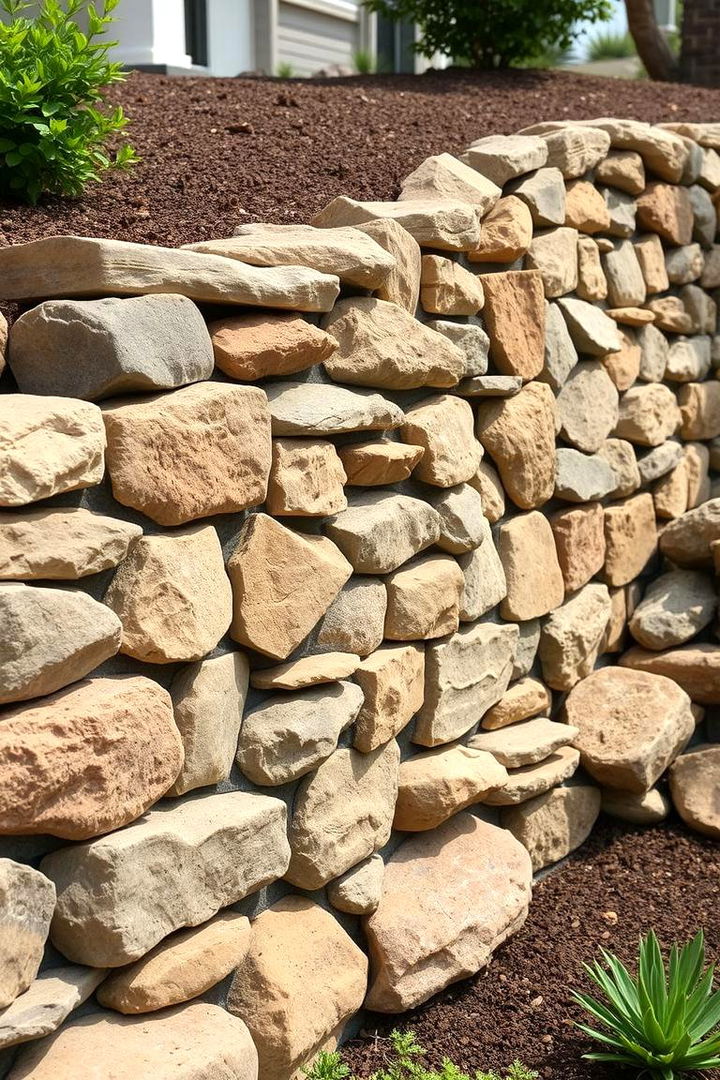
With skillfully designed retaining walls, a sloping garden can be transformed into a harmonious, structured retreat. Utilizing natural boulders or locally sourced stones not only provides stability but also anchors the landscape with an authentic earthy charm. These walls serve as both functional and decorative elements, controlling soil erosion while establishing defined garden areas. Their rugged texture contrasts beautifully with soft plantings and delicate blooms. Retaining walls open up new planting possibilities and help create visual depth, making your garden appear expansive and thoughtfully designed for year-round enjoyment.
3. Stepped Planters for Layered Greenery
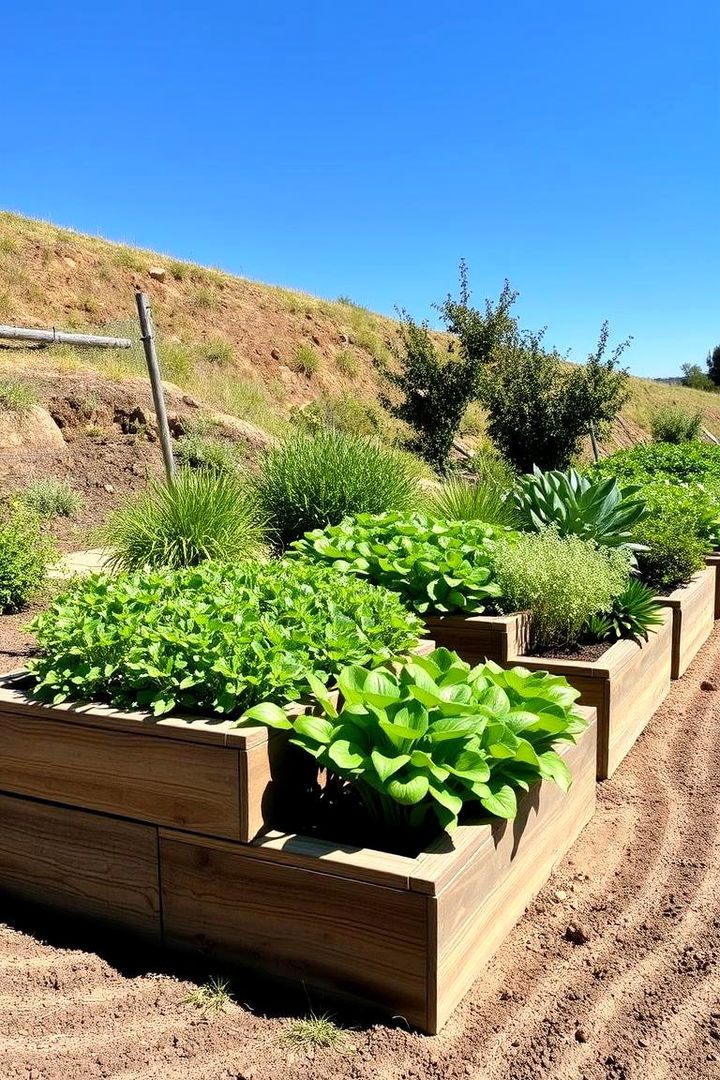
Consider designing a garden with stepped planters that showcase an abundance of layered greenery along your slope. These planters can be built from concrete, stone, or reclaimed wood, providing both structural support and artistic appeal. Each step becomes a dedicated space for unique plant varieties, which can range from fragrant herbs to vibrant flowering shrubs. The cascading effect creates a picturesque and organized layout while simplifying maintenance and irrigation practices. Emphasizing verticality, this design offers a visually stimulating way to enhance the natural slope with diverse textures and colors throughout your outdoor sanctuary.
4. Rock Garden Features on a Slope
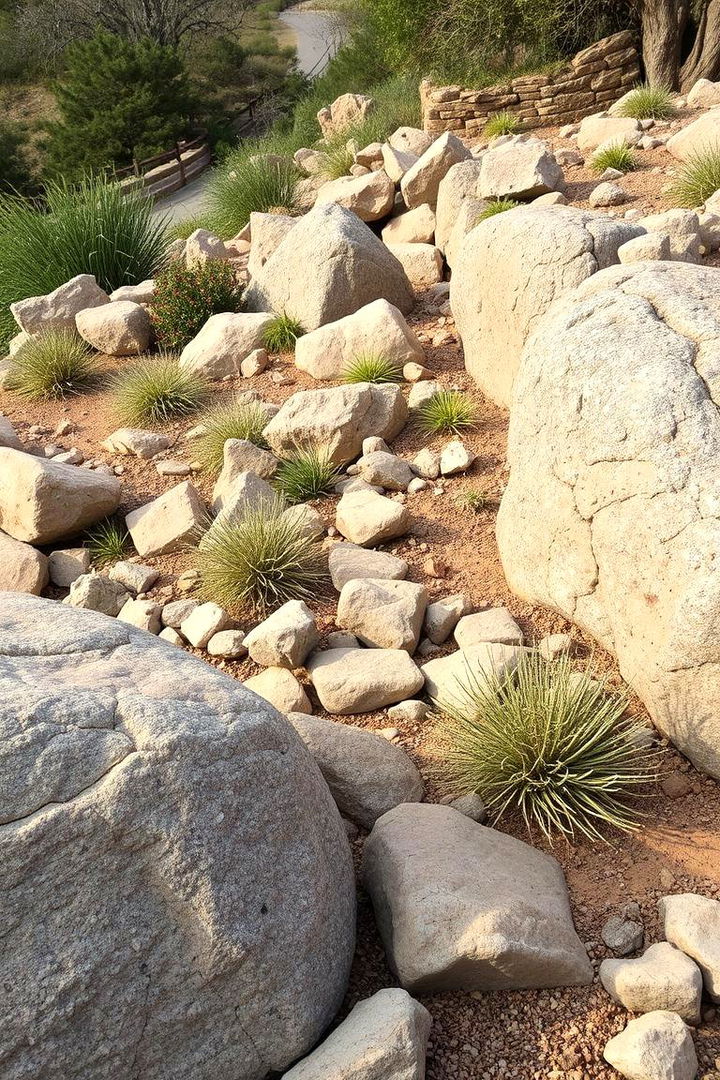
Surprisingly, integrating a rock garden on your slope can offer a sublime balance between rugged natural beauty and cultivated design. Soft, flowing lines of boulders paired with carefully chosen drought-resistant plants create an enchanting terrain that is both low-maintenance and visually striking. The interplay between rough stone textures and delicate foliage provides contrast and depth, making the garden appear layered and dynamic. This approach also aids in managing water drainage and preventing soil erosion. Rock gardens capture the essence of nature’s raw elegance while providing a practical solution for challenging sloped landscapes.
5. Native Plant Selections for Erosion Control
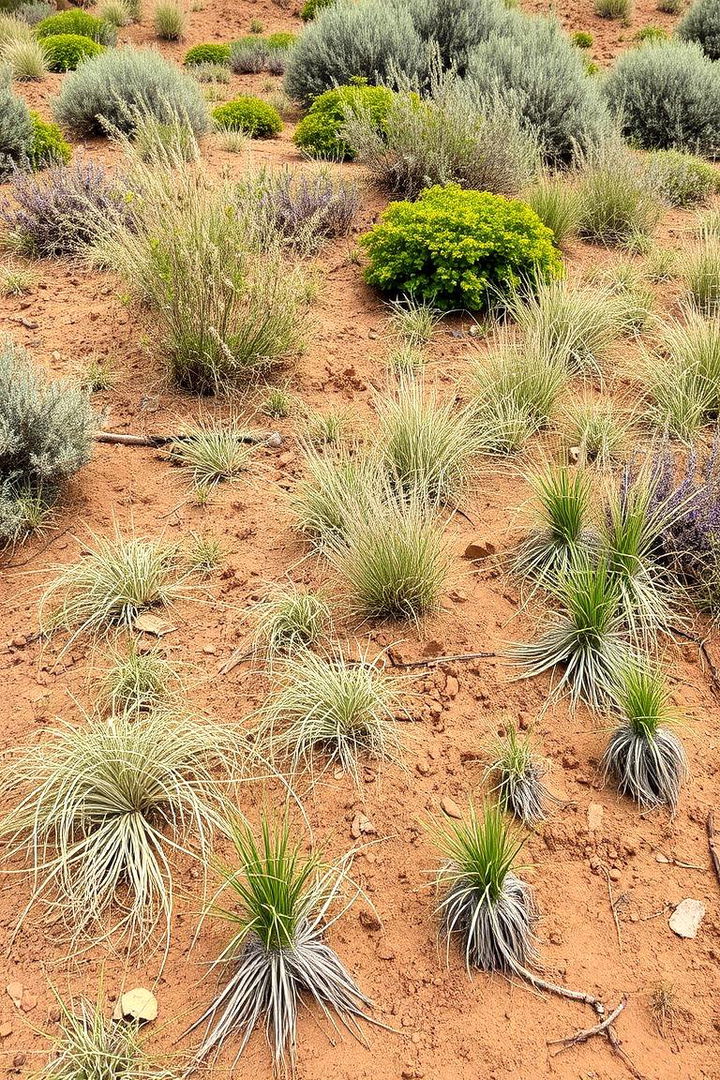
A thoughtful approach to sloping gardens involves selecting native species that are well-adapted to local conditions for effective erosion control. These plants offer a natural solution to maintain soil stability while enhancing your outdoor space with a splash of authentic regional beauty. Native grasses, shrubs, and perennials thrive on slopes, forming deep root networks that hold the earth in place. Their resilience and low-maintenance nature ensure that your garden remains lush and vibrant throughout the seasons. Embrace sustainability and local ecology by integrating these hardy plant selections into your garden design.
6. Incorporating Cascading Water Features
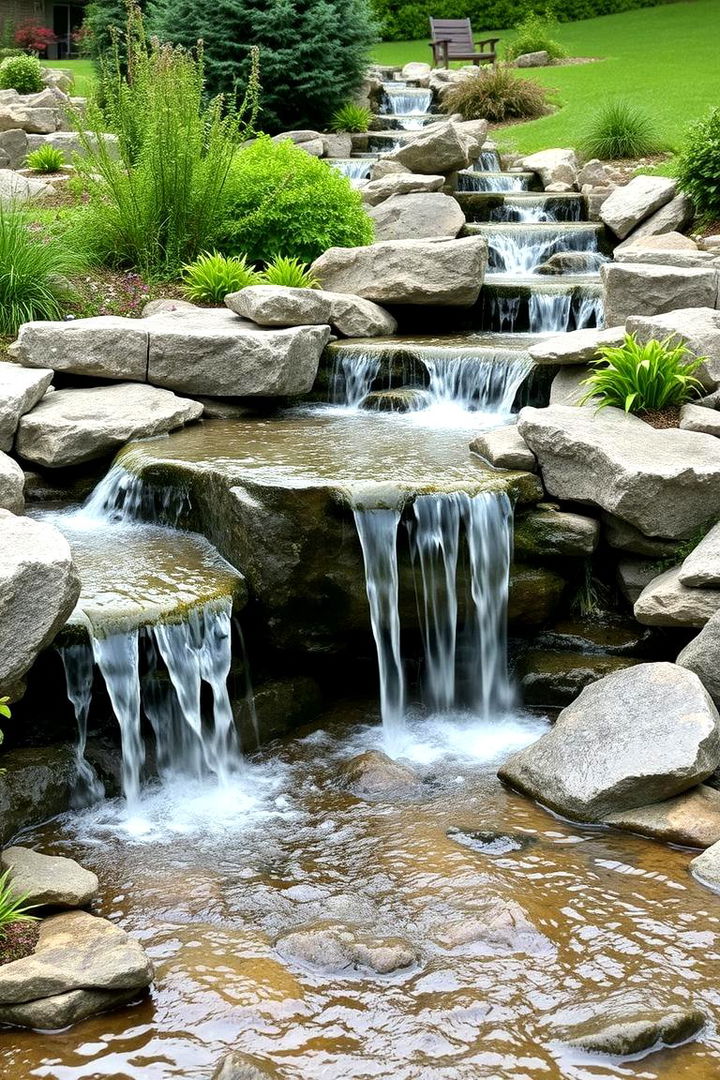
Imagine a flowing cascade that follows the natural rhythm of your sloping landscape, turning a simple garden into a tranquil retreat. Incorporating a cascading water feature adds a soothing auditory backdrop to your outdoor space while emphasizing the garden’s natural flow. Waterfalls or gently trickling streams can be carefully integrated between levels, inviting both birds and butterflies. Such features not only elevate the sensory experience but also serve practical purposes like irrigation and cooling. Their presence cultivates an atmosphere of serenity and artistic natural design, making your garden a delightful escape from everyday hustle.
7. Thoughtful Lighting Solutions for Slopes
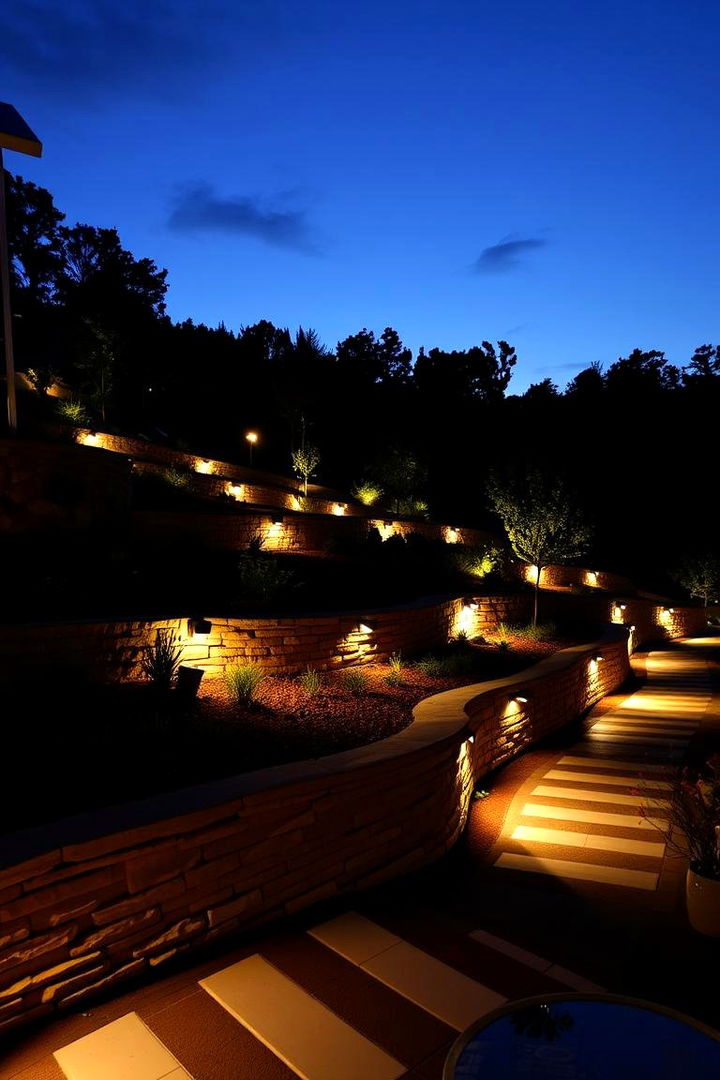
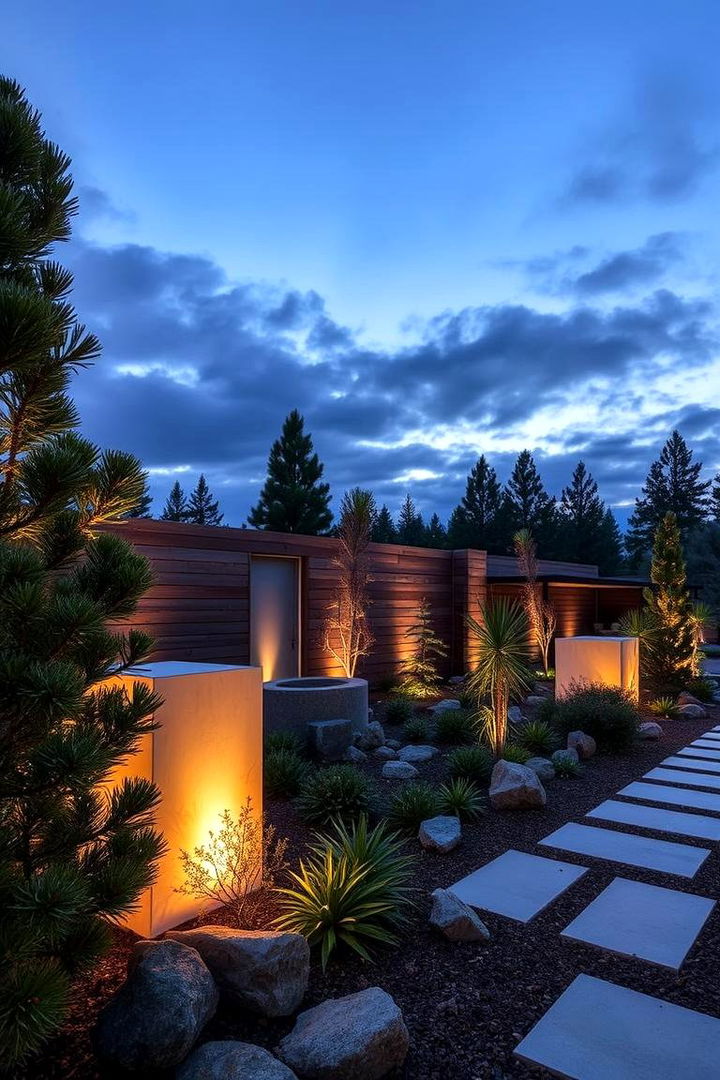
At dusk, creative lighting can transform a sloping garden into a magical realm, highlighting its unique features and inviting safe navigation. By installing solar-powered path lights, LED spotlights, or subtle uplighting, you emphasize textures and contours while ensuring energy efficiency. Thoughtful placement of lights can accentuate terraces, reveal intricate plant arrangements, and cast gentle shadows over retaining walls. This not only enhances the garden’s beauty but also extends enjoyment into the evening hours. Lighting solutions interact elegantly with outdoor elements, turning nighttime into a celebration of design and functionality in your sloping space.
8. Outdoor Seating and Garden Rooms
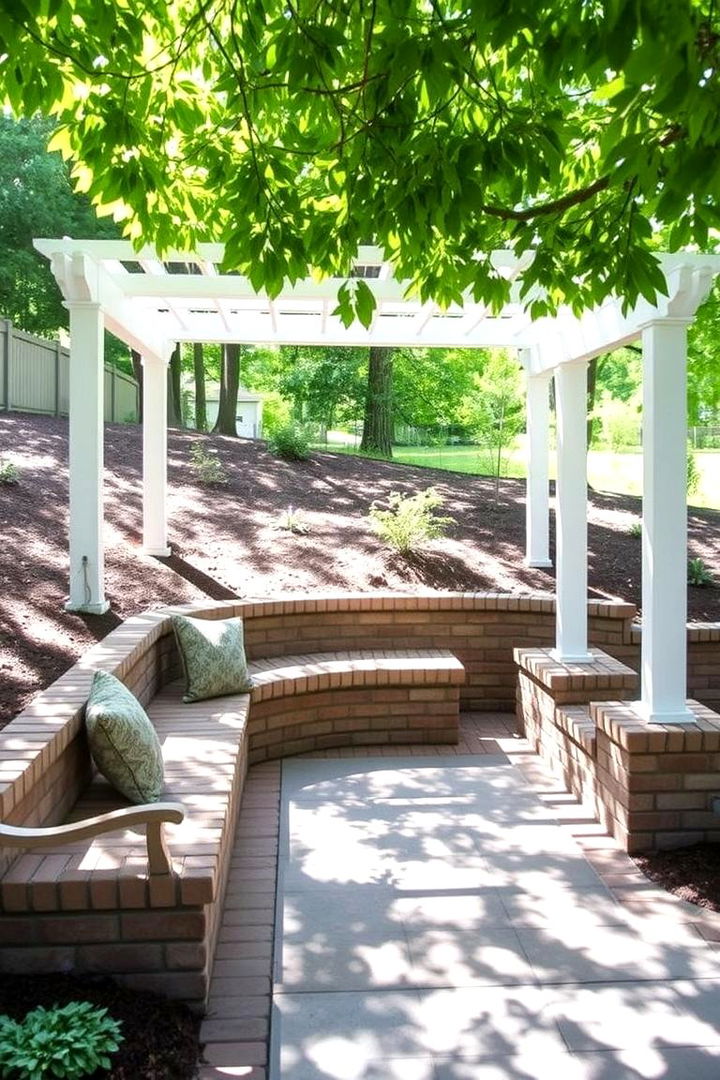
An inviting garden retreat can be enhanced by strategically placed outdoor seating and garden rooms that blend seamlessly with a sloping landscape. Envision cozy bays, built-in benches, or pergolas that offer sheltered spaces for relaxation amid lush surroundings. These seating areas encourage social interaction and provide tranquil nooks for solitude, effectively utilizing the natural slope. They can be defined by pavers or retaining structures that add visual interest. The design creates comfortable outdoor rooms that merge with nature, making your garden a multi-functional space perfect for reading, entertaining, or simply enjoying the ambiance and expansive views.
9. Minimalist and Modern Sloping Gardens
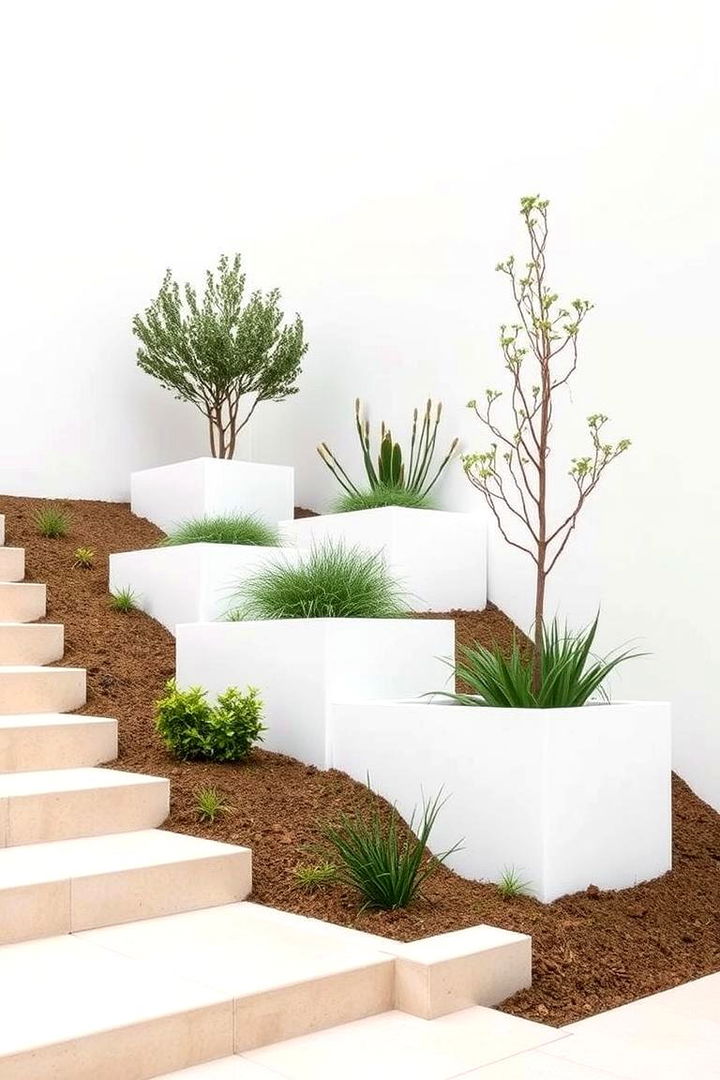
In a minimalist sloping garden, clean lines and subtle contrasts guide the eye through a deliberate and uncluttered landscape. Modern design elements, such as geometric planters and sleek, neutral materials, offer a refined yet inviting space. The simplicity inherent in minimalist style emphasizes the garden’s natural slope and plant textures without overwhelming the senses. This approach not only reduces maintenance but also creates an atmosphere of calm sophistication. By stripping away excess, every selected element gains significance, inviting you to appreciate the serene beauty and balance that a modern garden can provide on an undulating terrain.
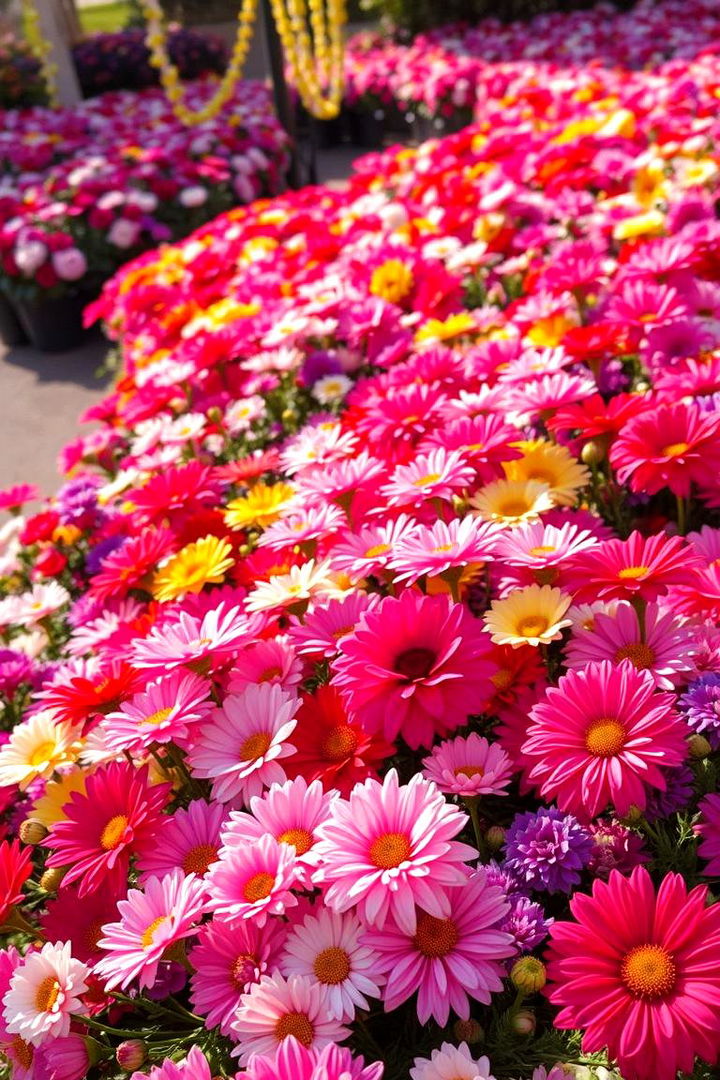
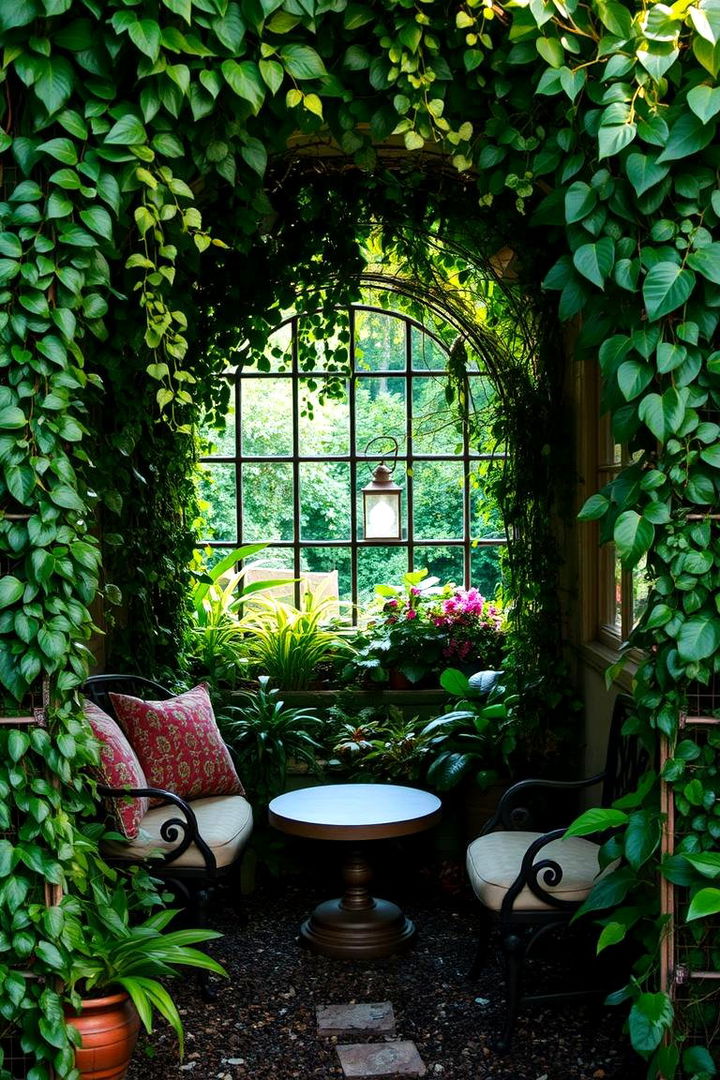

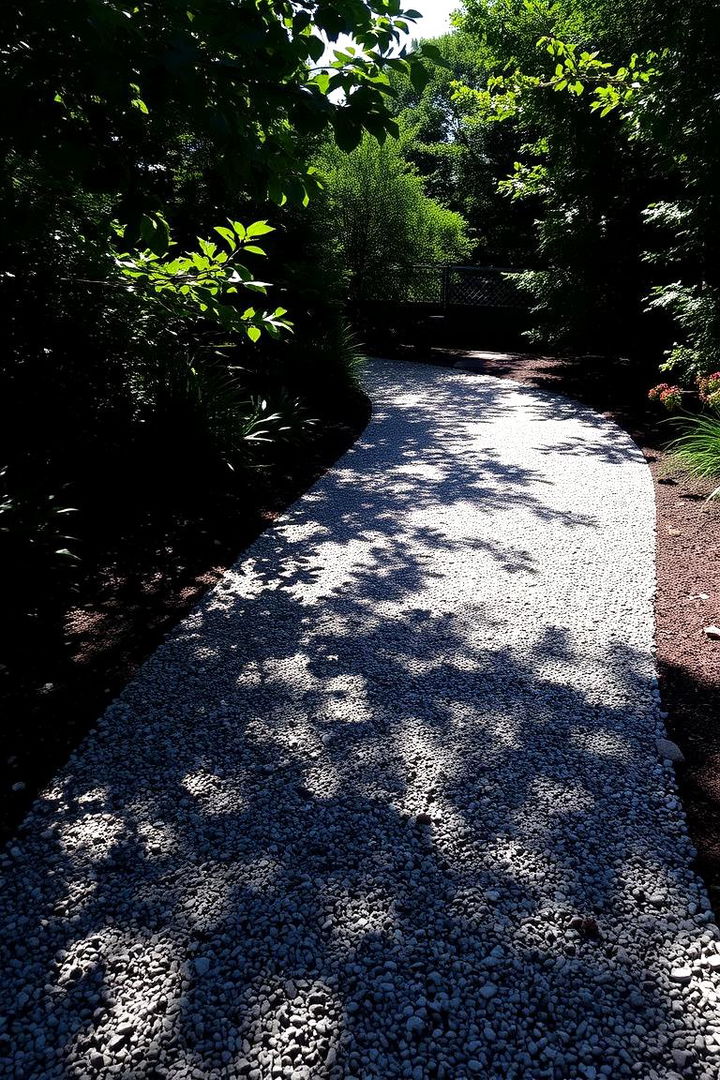
10. Cascading Pathways and Walkways
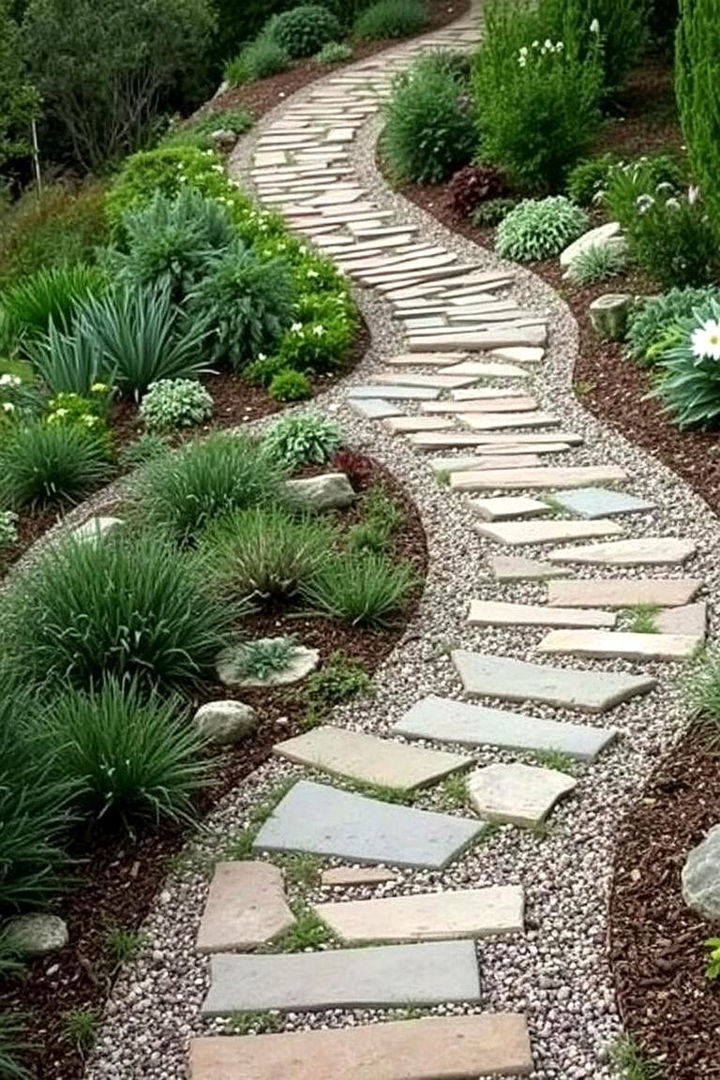
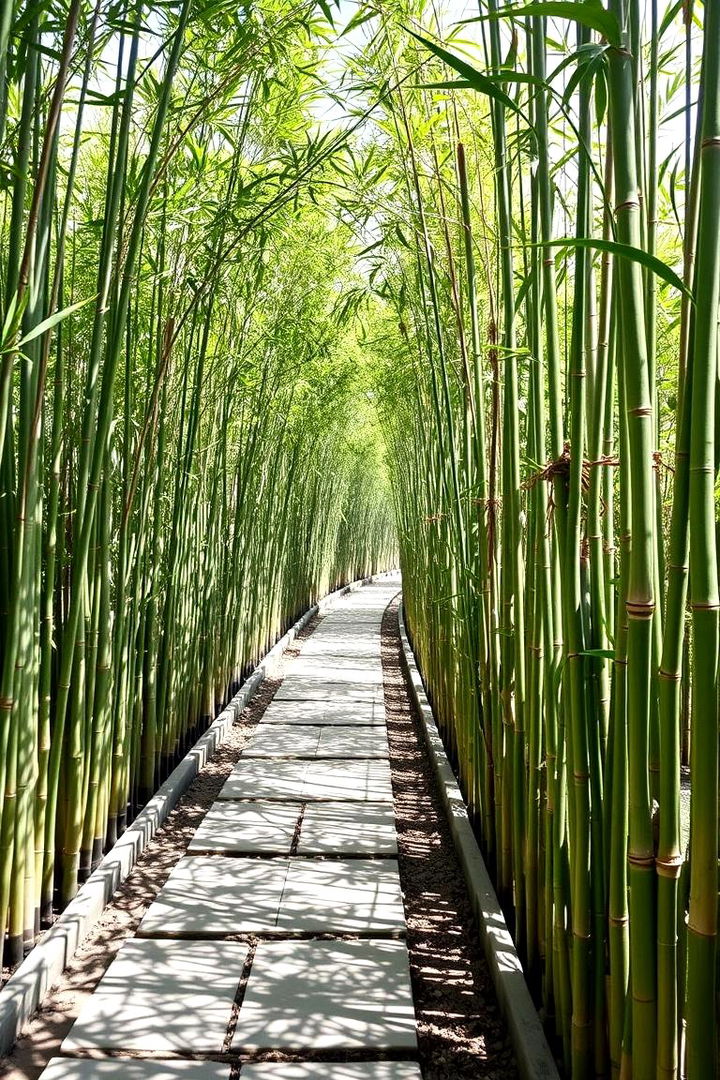
An intriguing idea in sloping garden design is crafting cascading pathways that wind through layers of greenery. These pathways, whether constructed from natural stone or decorative gravel, create an engaging visual journey while offering practical connectivity between garden levels. The meandering routes invite exploration and accentuate the garden’s diverse botanical features. Subtle curves help soften the impact of steep inclines and make walkways accessible despite the slope. Thoughtfully designed paths also encourage outdoor exercise while revealing hidden corners of the landscape, turning your garden into a continuous exploration of nature’s varied vistas and textures.
11. Embracing Vertical Planting Ideas
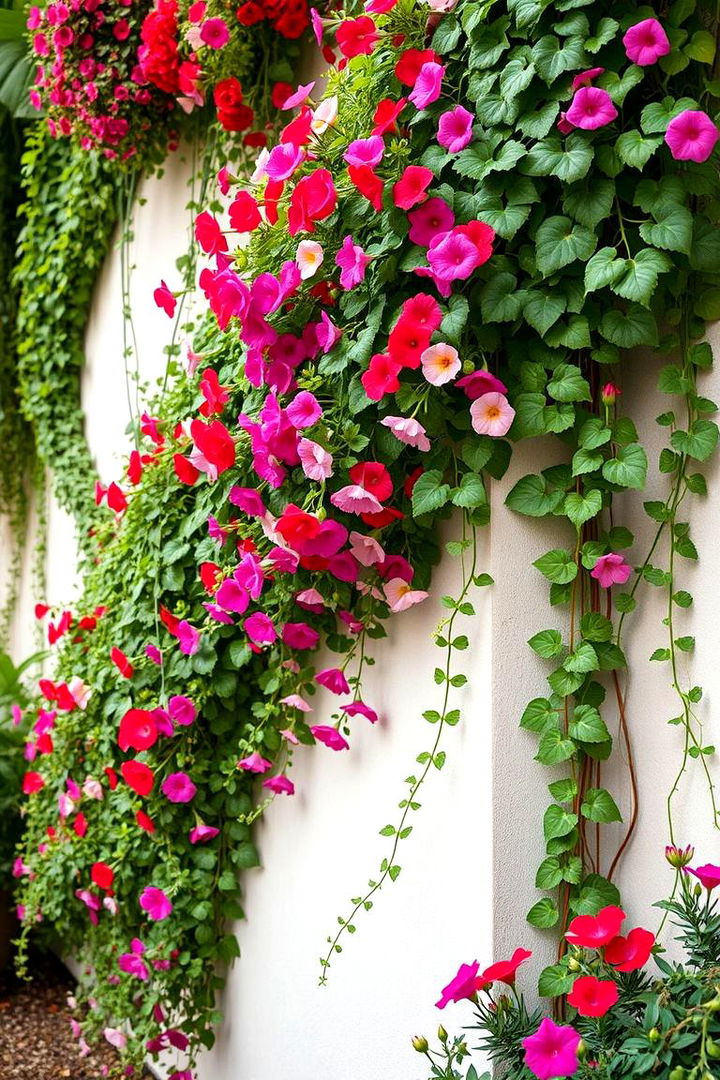
One way to maximize limited space on a slope is by embracing vertical planting ideas that elevate the garden’s design. Vertical gardens, living walls, or trellis-supported vines add a striking dimension without consuming valuable ground area. These structures allow for creative displays of flowering plants, cascading greenery, and even vegetables for a sustainable kitchen garden. Beyond their aesthetic appeal, vertical plantings provide insulation and help manage water flow effectively. Their compact design transforms plain surfaces into lush, living murals, ensuring that every inch of your sloping garden contributes to its overall ambiance and ecological balance.
12. Creative Use of Mulch and Groundcover
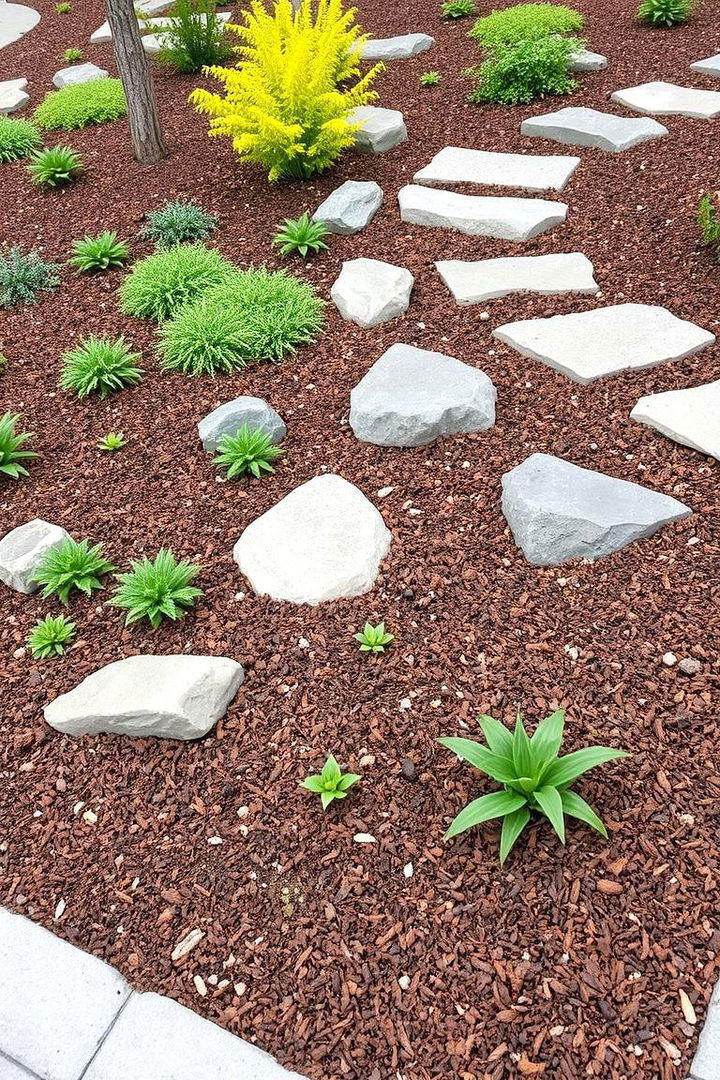
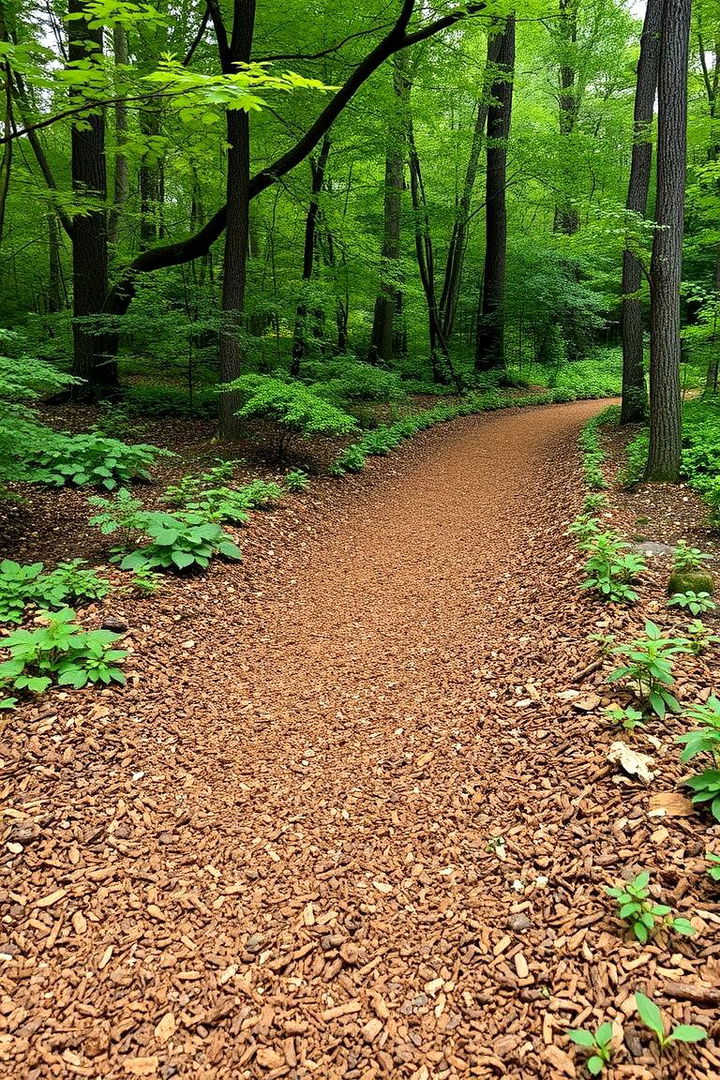
Mulch and groundcover are essential in managing soil health and aesthetics in a sloping garden, offering a creative design element grounded in practicality. Using natural mulches like bark or compost not only suppresses weeds but also enhances moisture retention and prevents erosion. Groundcover plants, with their dense and spreading habit, add a soft, textured layer that unifies the look of terraces and retaining walls. This approach provides both functional benefits and visual continuity, blending rugged terrain with delicate natural finishes. Emphasizing organic and sustainable elements, your garden becomes both beautiful and resilient against the challenges posed by a slope.
13. Blending Hardscapes with Softscapes
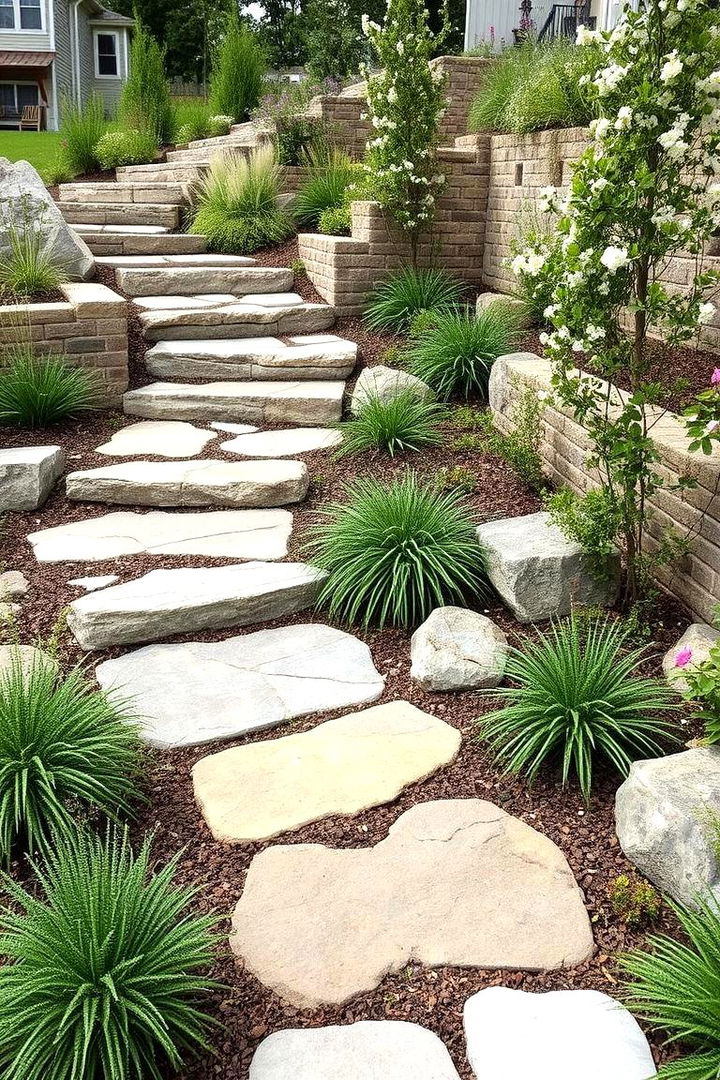
A well-balanced garden on a slope skillfully combines hardscape elements such as stone, brick, and wood with softscapes of lush, vibrant plantings. This blend creates dynamic contrast, where the solidity of engineered features meets the spontaneity of nature. Hardscapes provide structure, pathways, and water management solutions, while carefully selected softscapes inject color and texture. The interplay of these materials can define distinct zones for relaxation, entertainment, or meditation. Emphasizing both durability and organic beauty, this harmonious fusion results in a garden that feels thoughtfully designed and exquisitely balanced—even on challenging sloping terrain.
14. Eco-Friendly and Sustainable Practices
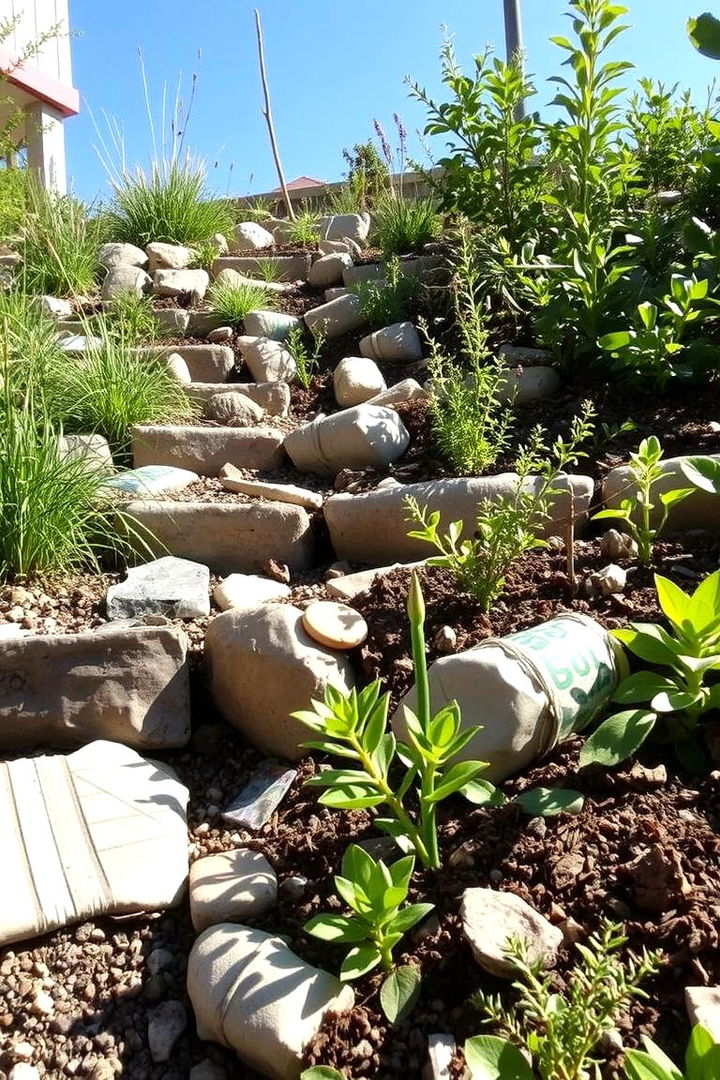
With an eco-friendly approach, sloping garden design can be both innovative and responsible. Sustainable methods such as utilizing recycled materials for retaining walls, installing rain gardens, and choosing native species help protect local ecosystems and reduce environmental impact. Energy-saving solar lighting and organic composting systems further enhance sustainability. Embracing these practices not only conserves resources but also creates a visually appealing and resilient landscape. This design philosophy reinforces the connection between beauty and responsibility, ensuring that your garden remains vibrant, low-maintenance, and harmonious with the natural surroundings of a sloping terrain.
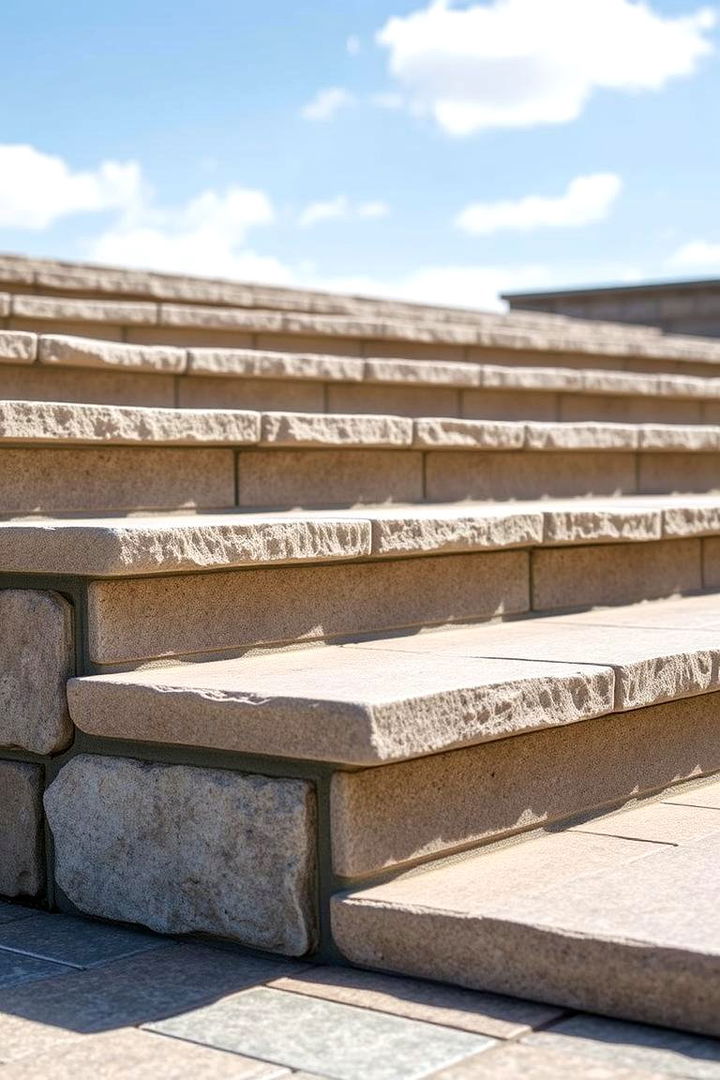
15. Innovative Use of Garden Sculptures

An unexpected flourish in sloping garden design is the innovative integration of garden sculptures that add personality and artistic intrigue. Artistic statues, abstract metal forms, or handmade ceramic sculptures can serve as focal points amid green layers and soft natural elements. These art pieces provide a visual counterpoint to organic shapes and help define the garden’s personality and style. By strategically placing sculptures along pathways or near terraced areas, you inject creative energy that sparks conversation and admiration. The thoughtful curation of garden art elevates the landscape’s aesthetic, blending functionality with personal expression on a beautiful slope.
16. Drought-Resistant and Low-Maintenance Plants
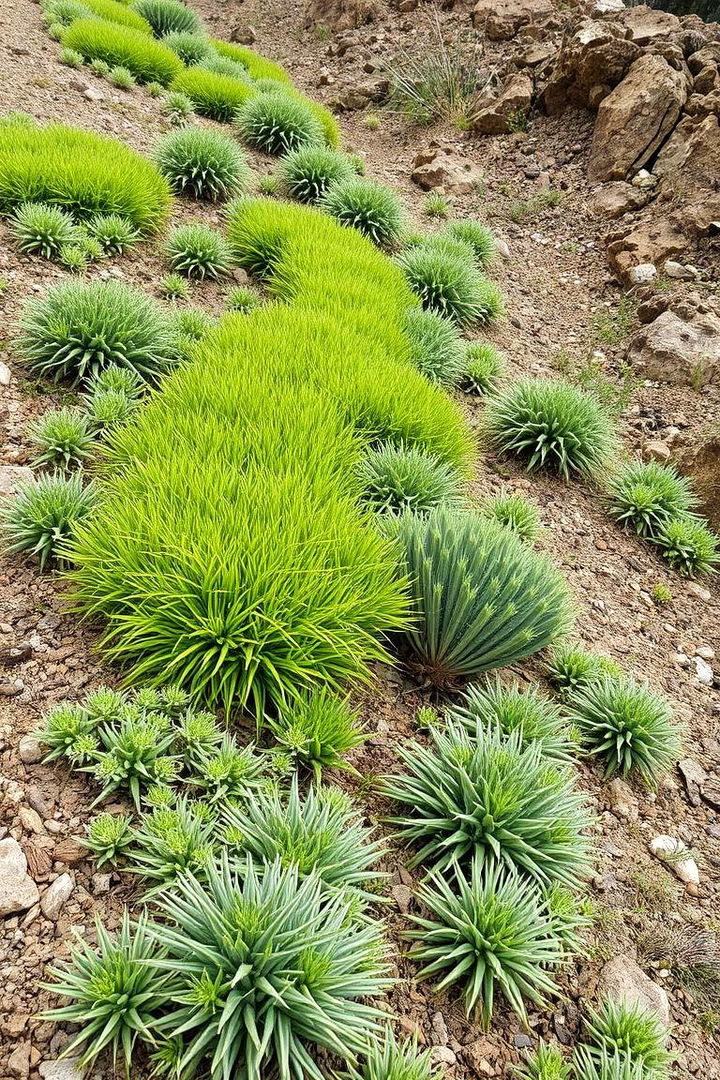
Incorporating drought-resistant and low-maintenance plants into your sloping garden ensures a vibrant display without intensive upkeep. Selecting species that are adapted to dry conditions and challenging terrains can maintain soil stability while preserving water resources. These plants, often featuring textured foliage and muted color palettes, provide year-round interest and resilience during dry spells. Their deep-rooted growth habits help control erosion, making them ideal for slopes. This design approach offers a practical, sustainable solution that marries beauty with functionality, allowing you to enjoy an effortlessly attractive garden that thrives even in less-than-ideal moisture conditions.
17. Enchanting Seasonal Color Displays
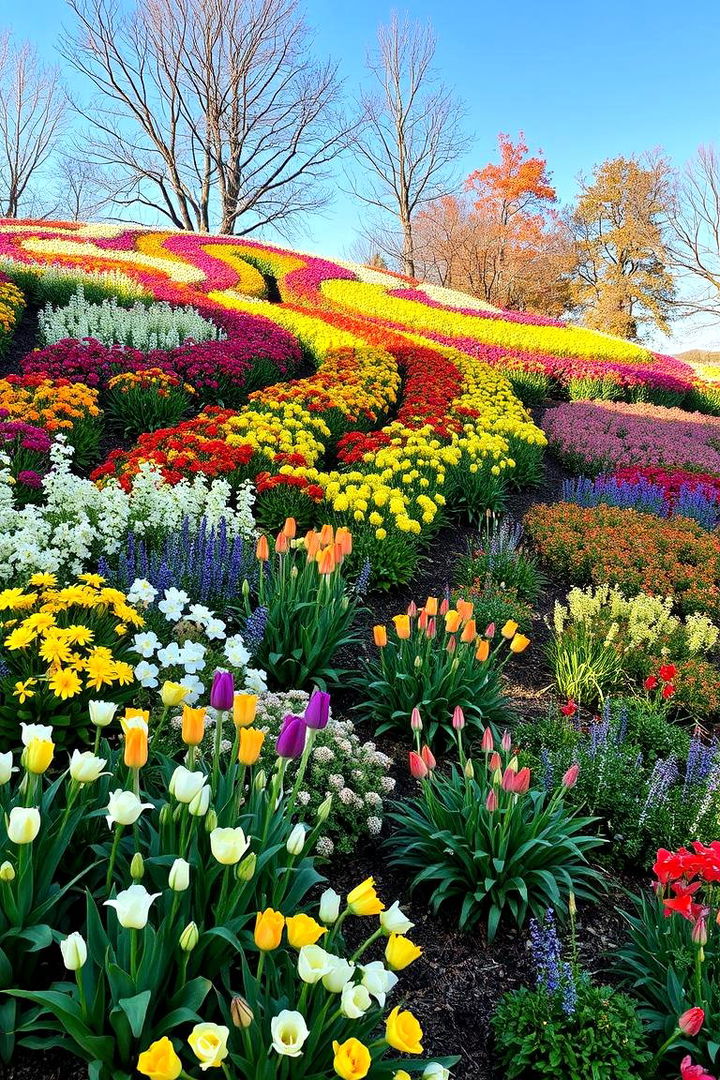
Imagine a garden that transforms with the seasons, showcasing a vibrant palette that changes from spring blooms to autumn hues. Enchanting seasonal color displays can be achieved by incorporating a mix of perennials, annuals, and shrubs that burst with color at different times of the year. Carefully planned plantings ensure that as one species fades, another rises to create a continuous flow of visual interest. This approach not only highlights the natural dynamism of a sloping garden but also provides a dynamic, ever-changing backdrop that keeps your outdoor space engaging and full of life throughout the year.
18. Mixing Texture and Natural Elements
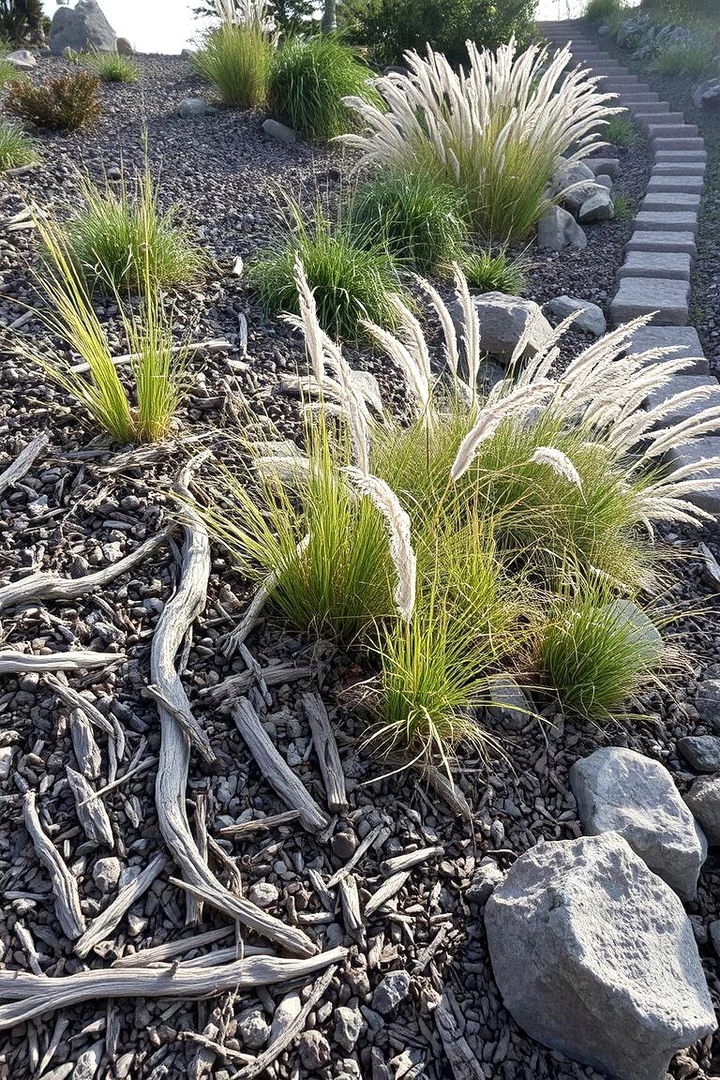
A diverse medley of textures can elevate a sloping garden by creating visual depth and tactile interest. Combining soft, flowing grasses with rugged stone elements, delicate flowering shrubs, and coarse bark features results in an appealing contrast that tames the slope. The harmonious mix of natural textures imbues your garden with an organic character, inviting touch and exploration. This design method enhances the sensory experience as different materials interact under varied light conditions. Embracing these elements not only promotes a richer landscape aesthetic but also encourages sustainable practices that honor nature’s inherent beauty in every slope and crevice.
19. DIY Erosion Control Projects
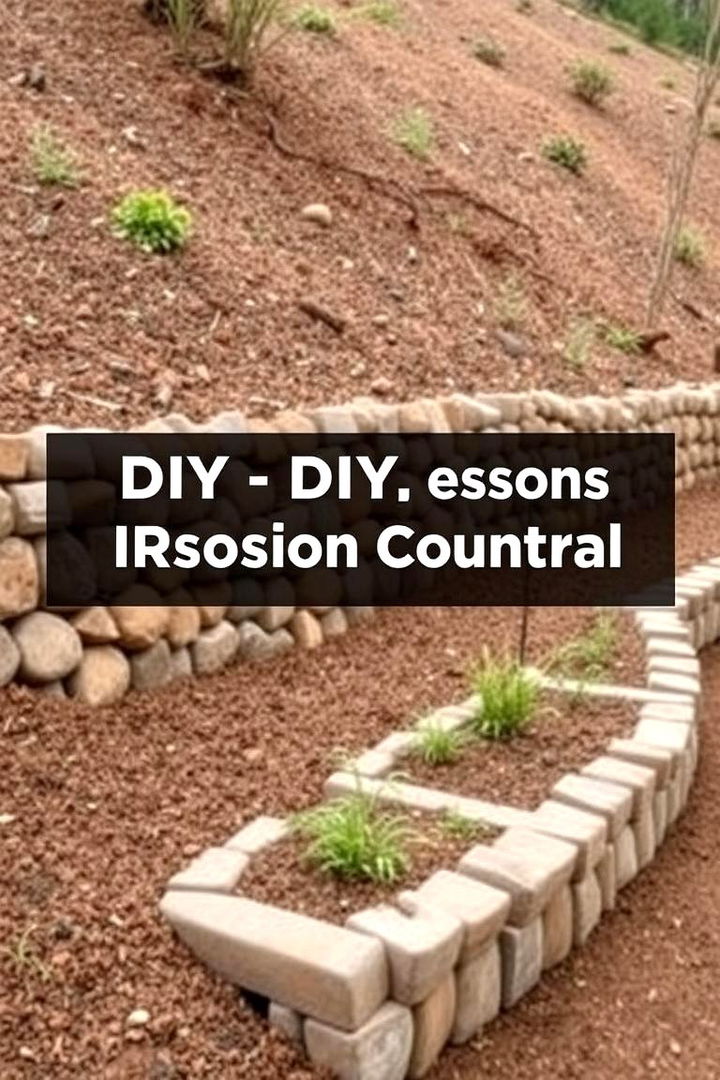
For a hands-on approach, DIY erosion control projects empower you to transform a challenging slope into a secure and attractive garden space. Simple, creative solutions such as constructing gabion walls, wire mesh structures, or reinforced planter beds offer practical methods to stabilize soil while enhancing visual appeal. These projects not only reduce maintenance costs but also provide the satisfaction of building something with your own hands. Local materials, recycled elements, or natural stone can be repurposed to create barriers that protect your garden. Embrace these creative projects to reinforce your garden’s structure and instill a sense of personal accomplishment in your outdoor design endeavors.
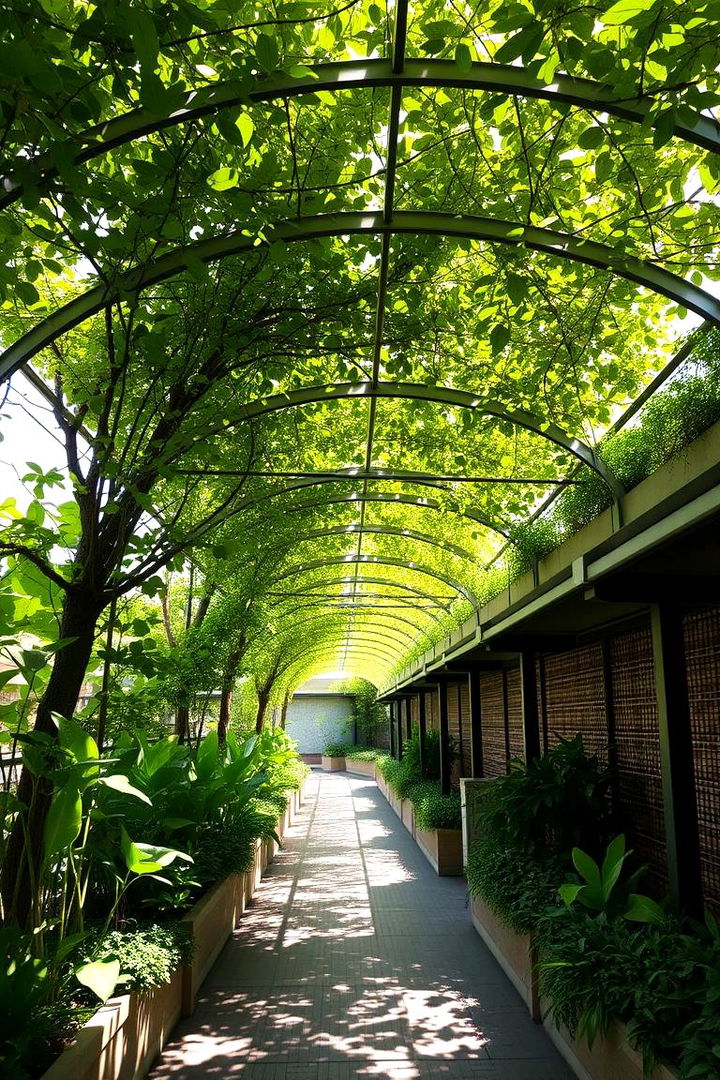
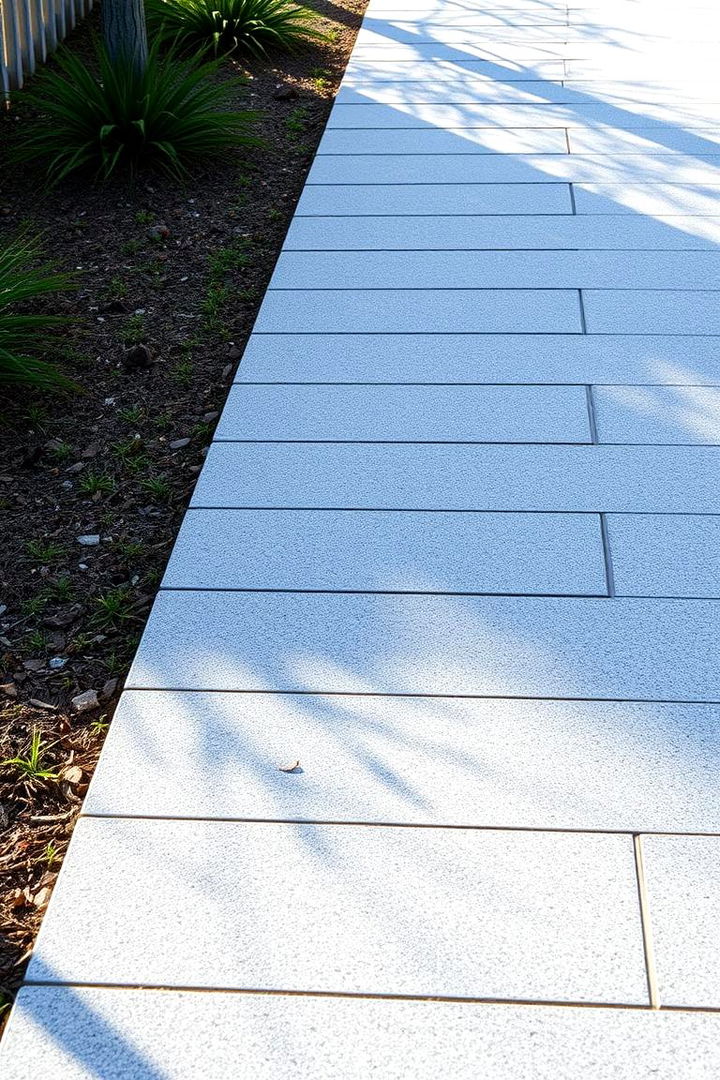
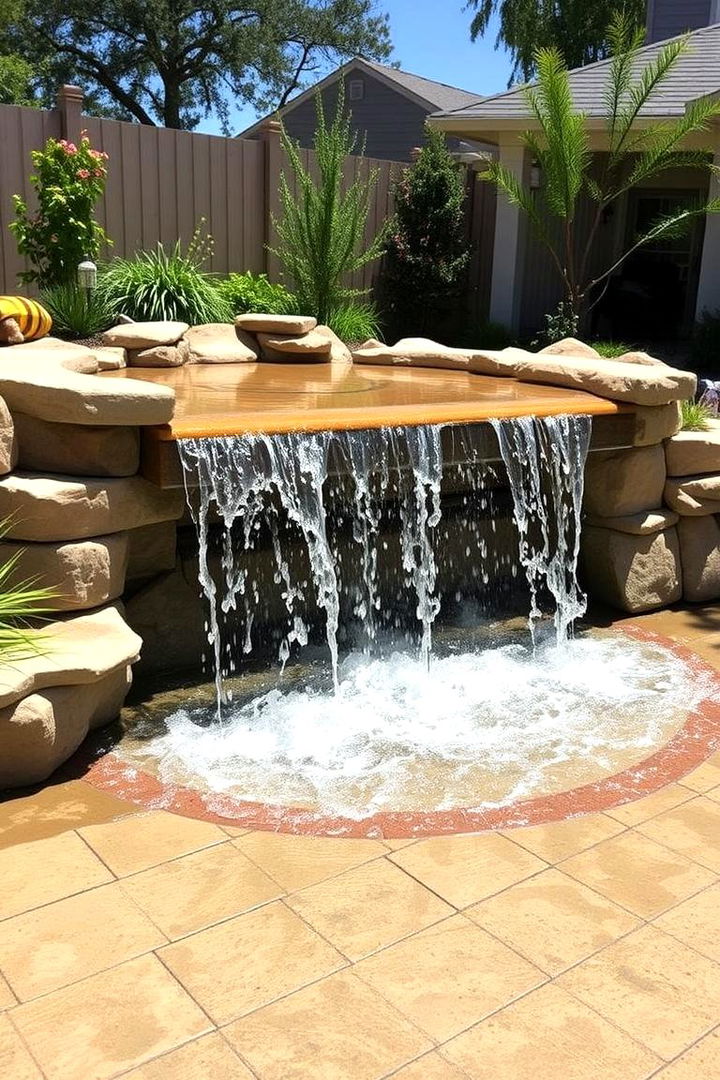
20. Integrating Wildlife-Friendly Habitats
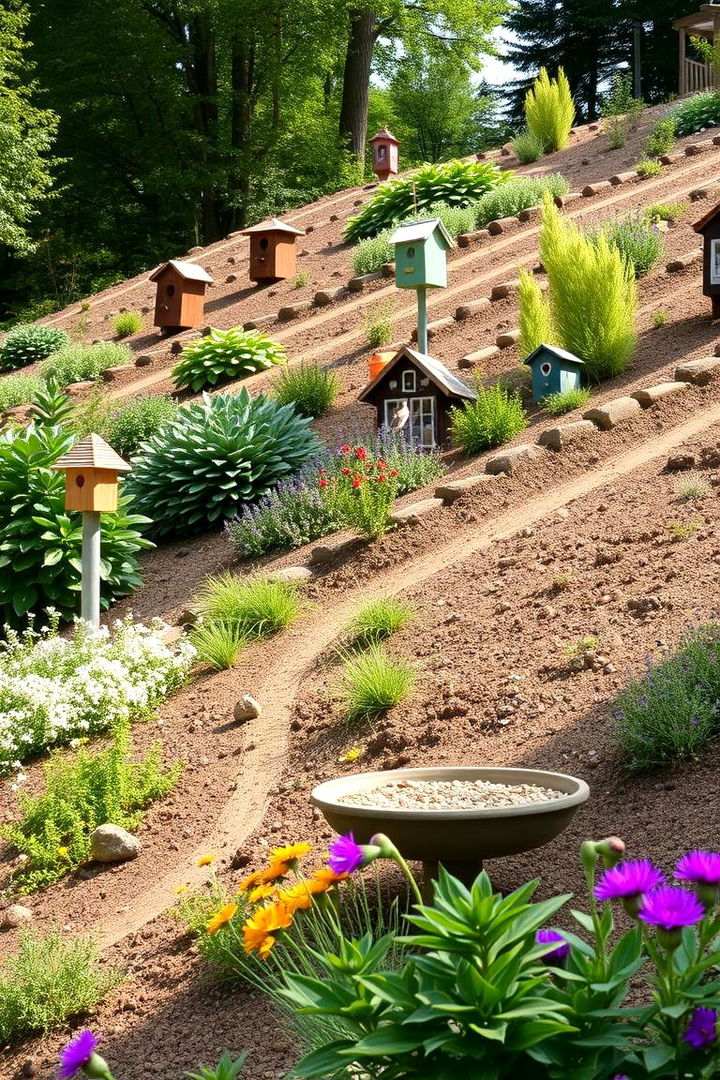
A sloping garden can invite nature closer by integrating wildlife-friendly habitats that support local fauna. Designing areas with native plants, water sources, and small shelter spots encourages birds, butterflies, and beneficial insects to flourish. This approach creates a balanced ecosystem where every element serves both decorative and ecological functions. Thoughtful placements of birdhouses, bee gardens, or small brush piles add charm while promoting biodiversity. Incorporating these natural habitats enriches the garden’s character and invites an ongoing conversation with the local environment. The result is a lively, thriving landscape that blends design with purposeful ecological care.
21. Harmonizing with Urban Landscapes
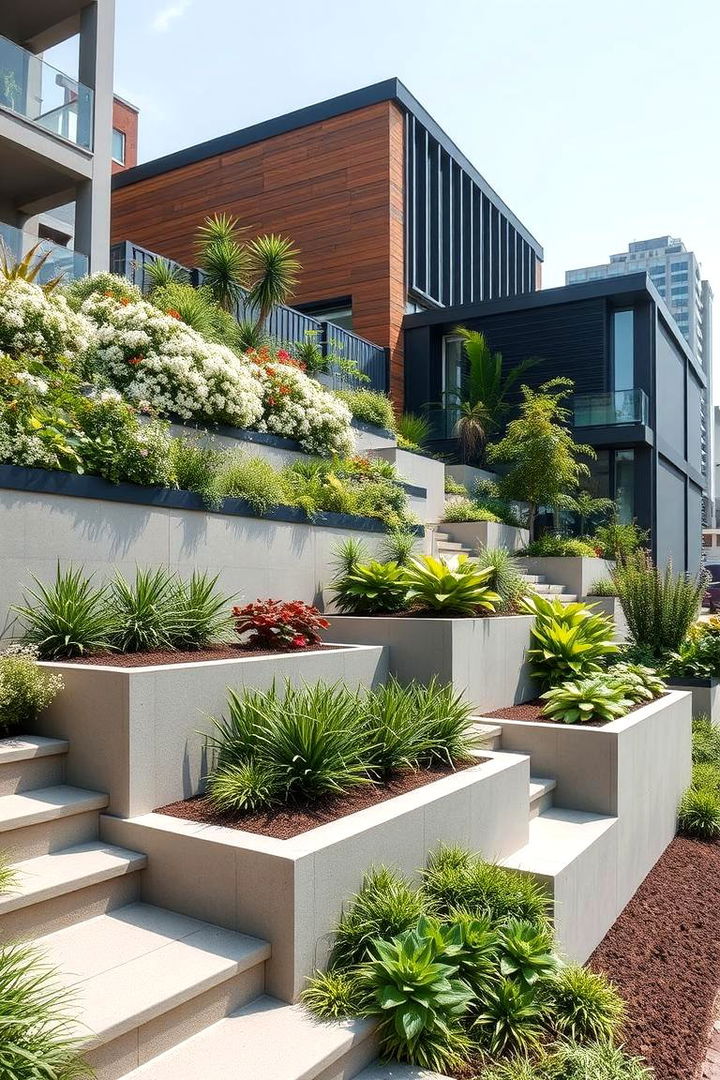
A sloping garden in an urban setting requires a balance between modern design and natural continuity. By using clean lines, durable materials, and strategically placed greenery, you can create a garden that seamlessly integrates with surrounding cityscapes. Urban gardens often benefit from vertical planting, compact seating areas, and modular retaining systems that transform concrete challenges into delightful, functional outdoor retreats. This design strategy emphasizes sustainability and simplicity while offering a serene escape from busy urban life. Harmonize your garden with the urban environment by blending cultivated beauty with practical, city-friendly innovations on your slope.
22. Personalized and Creative Garden Retreats
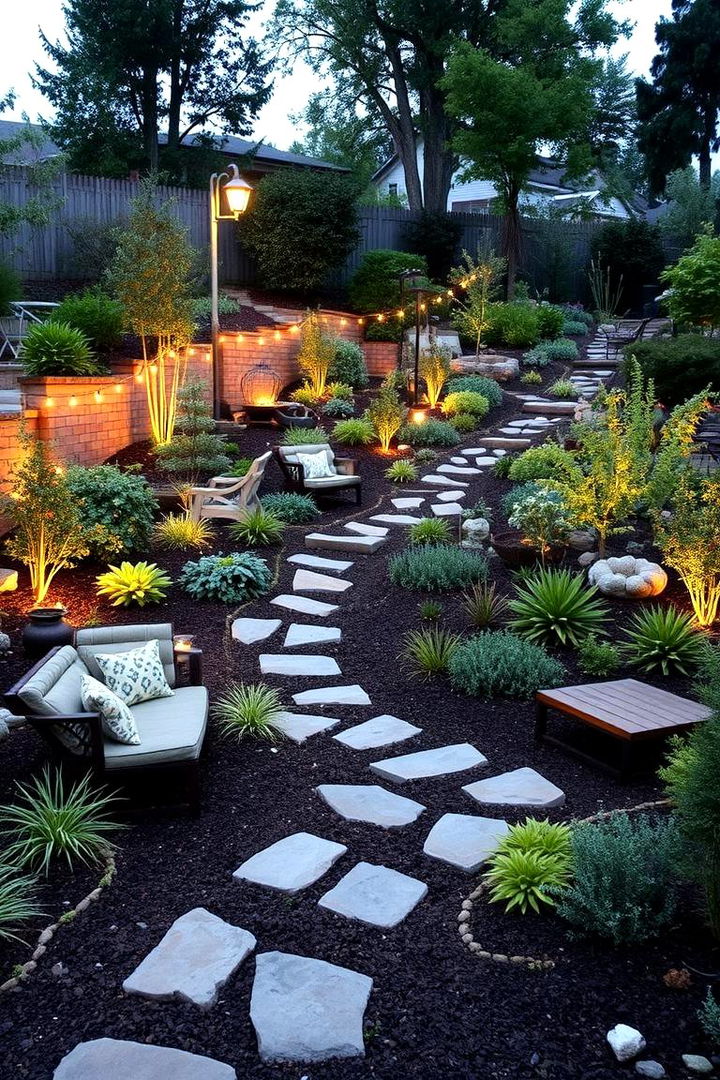
Finally, a personalized garden retreat on a slope allows you to infuse your individual style into every aspect of the landscape. Consider incorporating customized features like ornamental pathways, unique seating areas, and curated plant selections that resonate with your design vision. Creativity can transform overlooked spaces into intimate retreats perfect for quiet reflection or lively gatherings. This approach tailors each garden element to reflect personal taste and functional needs, ensuring a truly one-of-a-kind environment. Celebrate the slope’s potential by merging practicality with artistic expression, crafting a garden retreat that is both uniquely yours and wonderfully inspiring.
Conclusion:
Drawing together these innovative ideas, your sloping garden can become a dynamic, multi-dimensional space that balances function and beauty. Each design concept—from terraced layouts and cascading water features to eco-friendly practices and creative art installations—demonstrates how versatile and inviting an inclined landscape can be. The blend of natural elements with modern touches creates an outdoor area that is both sustainable and visually arresting. Enjoy crafting a personalized space that reflects your style and meets practical needs while embracing the challenges and charm of a gentle slope.

Related posts: