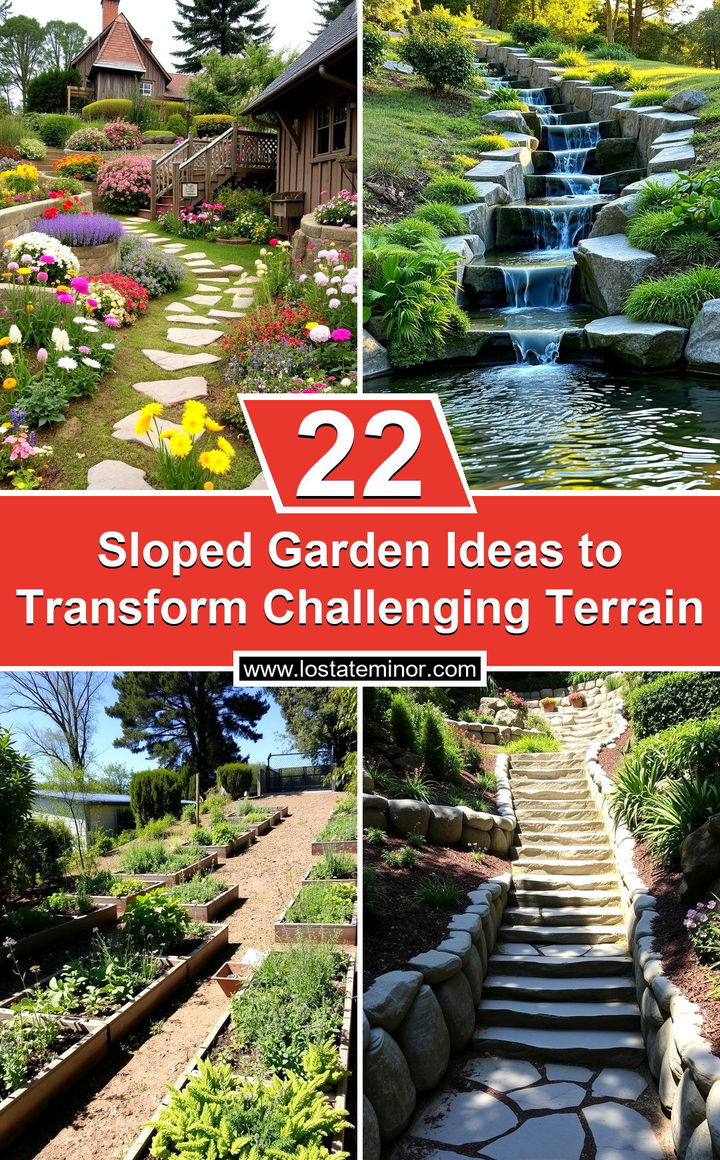
A sloping garden offers a canvas for creative landscaping, blending functional design with natural beauty. Mastering this challenge can transform uneven terrain into a vibrant oasis where nature and art unite. Practical solutions, such as terracing and native planting, provide lasting benefits, enriching the space with texture, color, and stability. Whether you favor quiet elegance or bold artistic statements, these ideas have been curated to inspire and guide you. Explore the 22 Sloped Garden Ideas below to reimagine your outdoor retreat with passion and purpose.
1. Terraced Retaining Walls for Stability
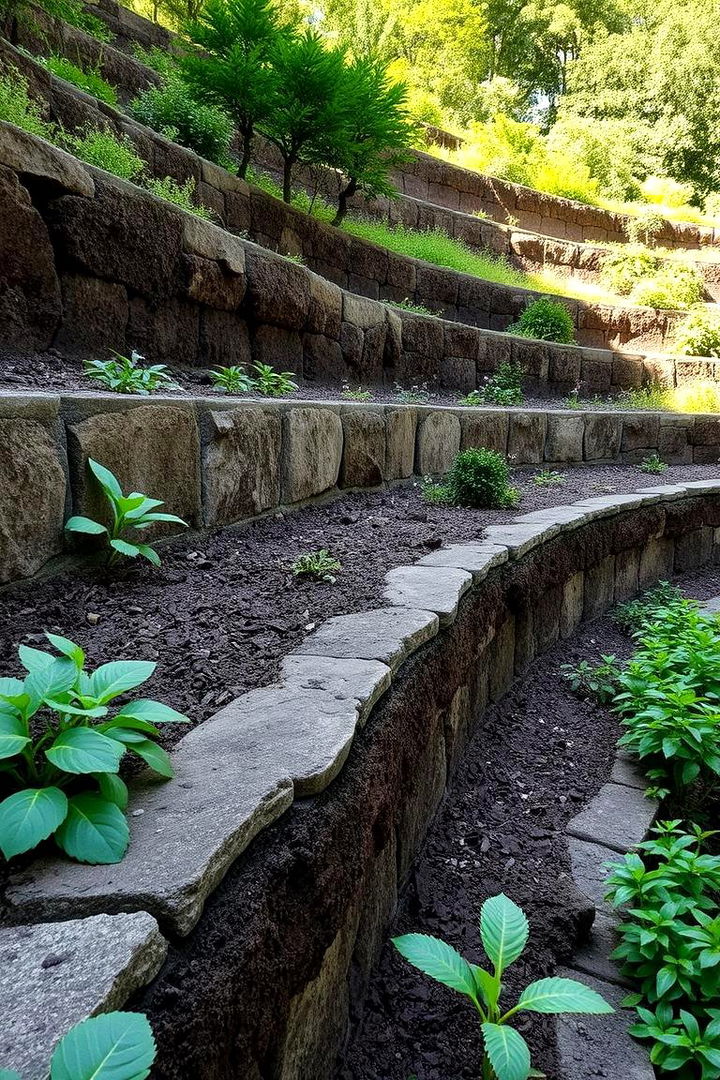
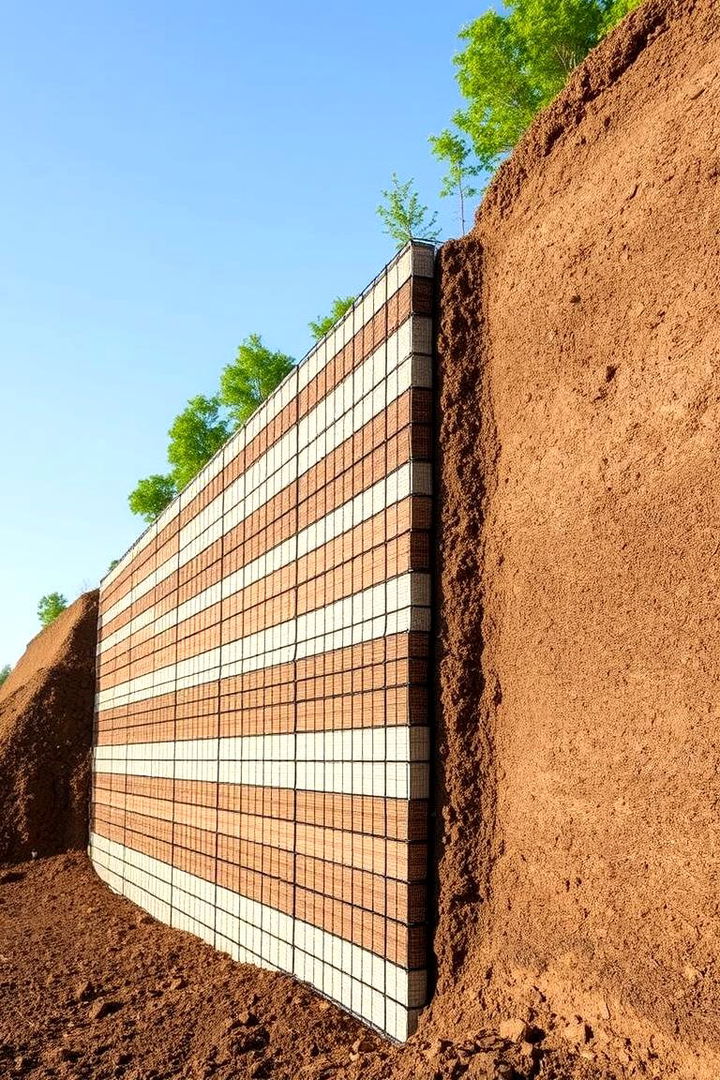
Imagine stepping onto a series of beautifully crafted terraces that redefine a sloped landscape. Terraced retaining walls provide stability while creating visually appealing levels for planting diverse flora. These walls help combat erosion and allow for functional gardening spaces while adding a structured, sculptural quality. Their robust design encourages moisture retention and supports healthy soil, making it easier to cultivate an abundant range of plants. With careful planning, each tier becomes a focal point that celebrates the blend of practicality and artistic design in your garden.
2. Stepped Planters for Layered Growth
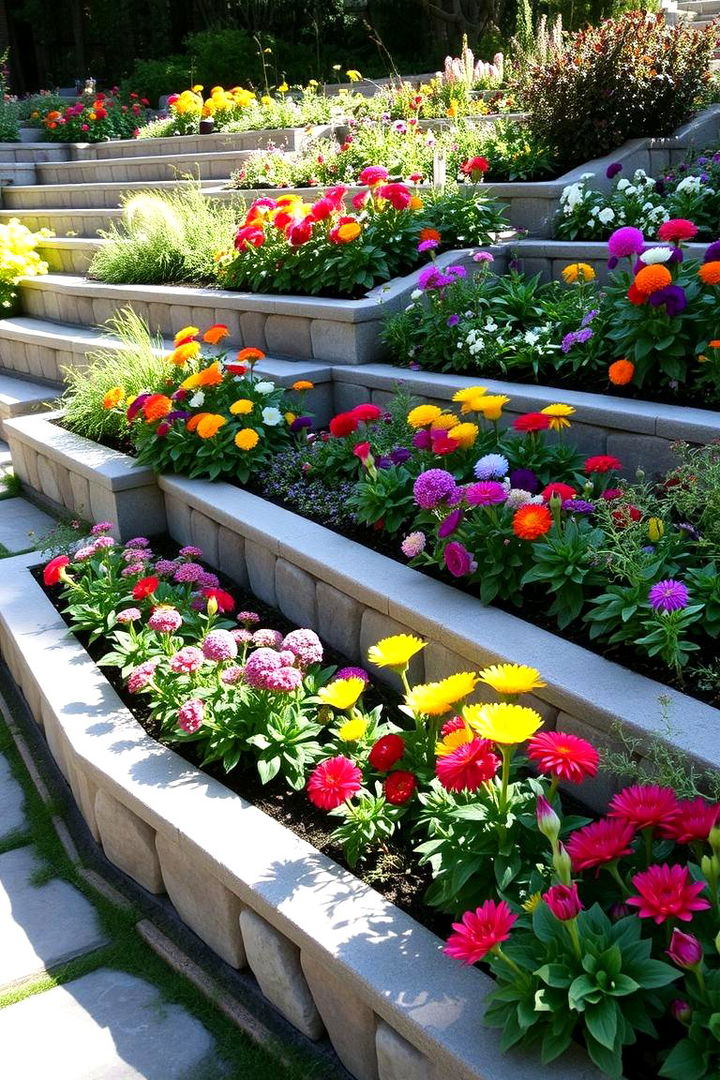
Picture a vibrant slope adorned with elegantly arranged stepped planters that invite layered growth and texture. Stepped planters maximize the available space by creating multiple levels for diverse plant life, each tier showcasing unique colors and textures. This design not only accommodates a variety of blooms and vegetables but also simplifies maintenance by organizing different species into dedicated sections. The clear structure offers protection from soil erosion and provides a seamless transition between garden zones, encouraging a thriving ecosystem that delights the senses and supports sustainable gardening practices.
3. Rock Gardens on a Slope
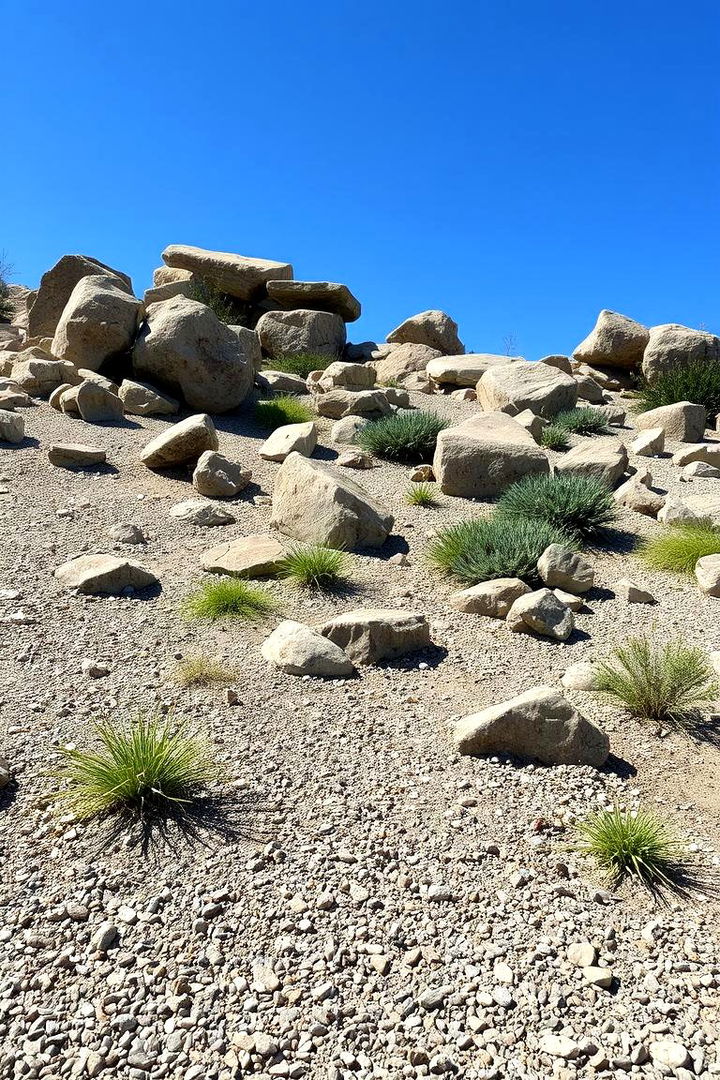
Imagine a natural landscape where rugged rock formations blend seamlessly with delicate greenery, creating an enchanting rock garden on your slope. Rock gardens combine boulders and gravel with carefully chosen drought-tolerant plants to form a harmonious balance between hardscape and softscape. This design captivates with its rustic charm, offering low-maintenance beauty while mimicking a natural mountain setting. The strategic placement of stones enhances drainage, while the natural textures add a touch of serenity. Embracing such a design encourages thoughtful planting and fosters a landscape that is both resilient and aesthetically pleasing.
4. Native Plant Stabilization
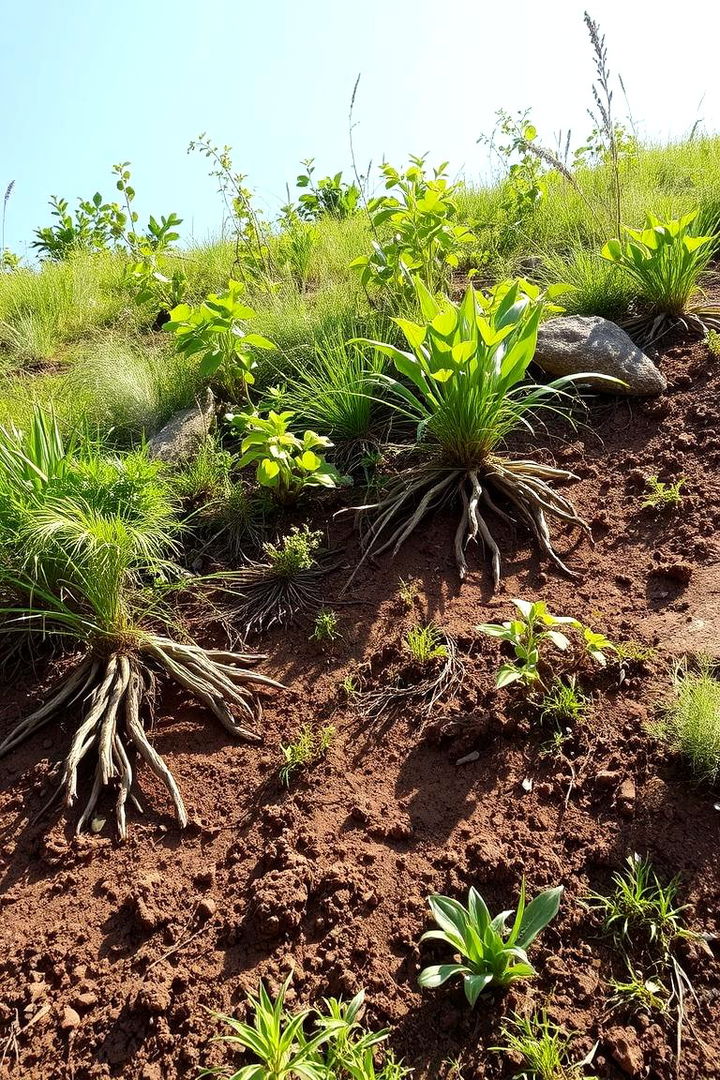
Envision a garden where native plants passionately reclaim the landscape, firmly anchoring the soil on a sloped terrain. Native plant stabilization uses locally adapted species that thrive in the existing climate, ensuring minimal maintenance and maximum resilience against erosion. This approach blends ecological sensibility with garden beauty by showcasing the natural flora native to your region. The deep-rooted plants enhance soil structure and encourage biodiversity, creating a sustainable foundation for a flourishing garden. Their innate hardiness and seasonal interest truly transform an uneven space into a thriving and inviting ecosystem.
5. Sunlit Meadow Slope
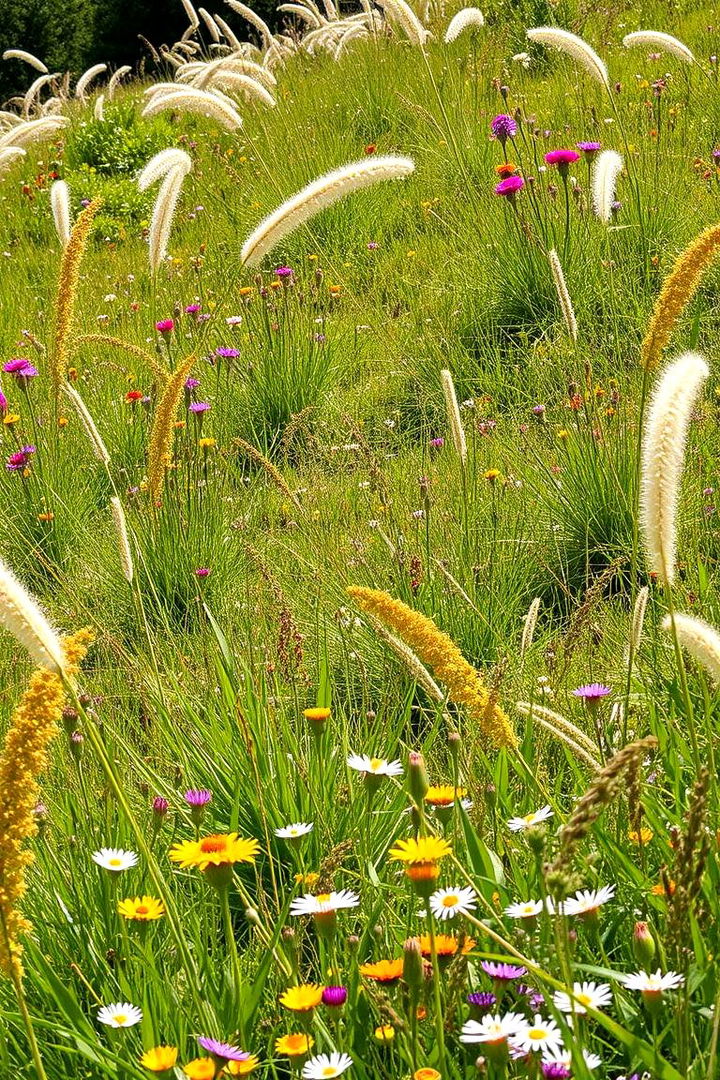
Imagine basking in the glow of a sunlit meadow that effortlessly cascades down your slope, radiating warmth and vibrancy. A sunlit meadow slope design infuses open, airy spaces with clusters of wildflowers and ornamental grasses that sway in the breeze. This design encourages a relaxed atmosphere, inviting both wildlife and human enjoyment. It balances color with functionality by promoting natural light penetration and ensuring each plant receives adequate sunshine. The result is an inviting outdoor retreat that epitomizes the beauty of nature while providing practical solutions for soil stabilization and sustainable garden maintenance.
6. Water Feature Accent
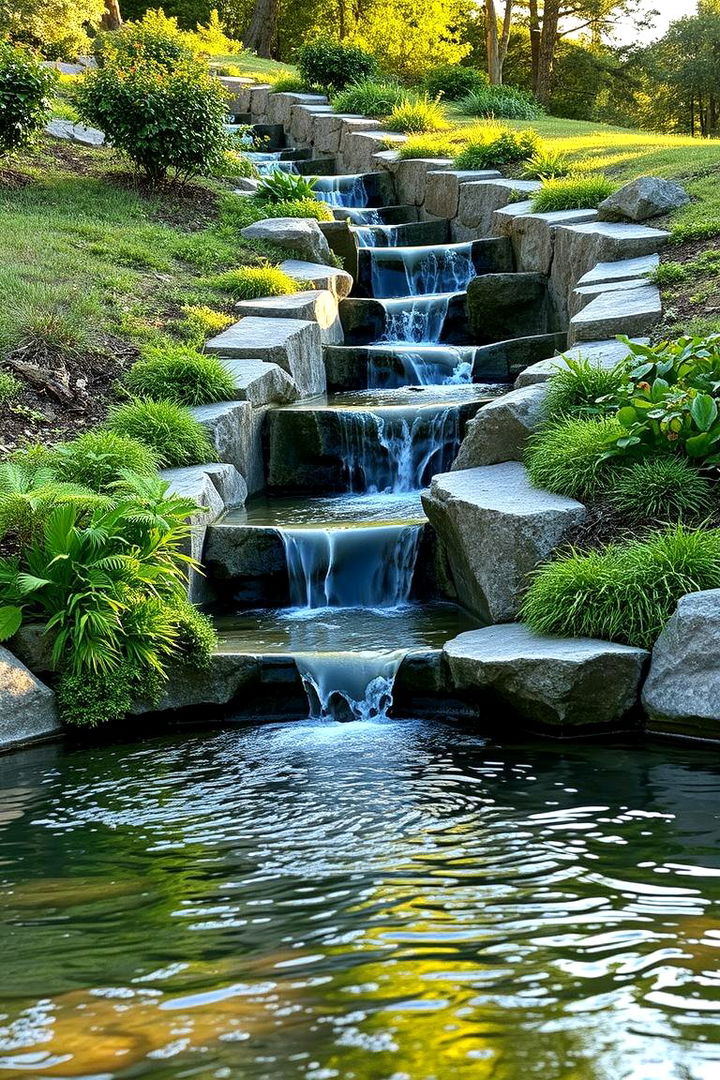
Picture a tranquil slope punctuated by a gently flowing water feature that adds movement and reflective sound to the landscape. Integrating a water feature into a sloped garden creates focal points that are both calming and visually striking. The sound of trickling water enhances relaxation and masks noise, while the reflective surfaces and surrounding greenery provide a dynamic play of light and shadow. This practical accent design not only improves microclimates but also attracts a variety of wildlife, creating an oasis that marries aesthetics with the soothing rhythms of nature, transforming everyday gardening into a sensory experience.
7. Winding Pathways and Steps
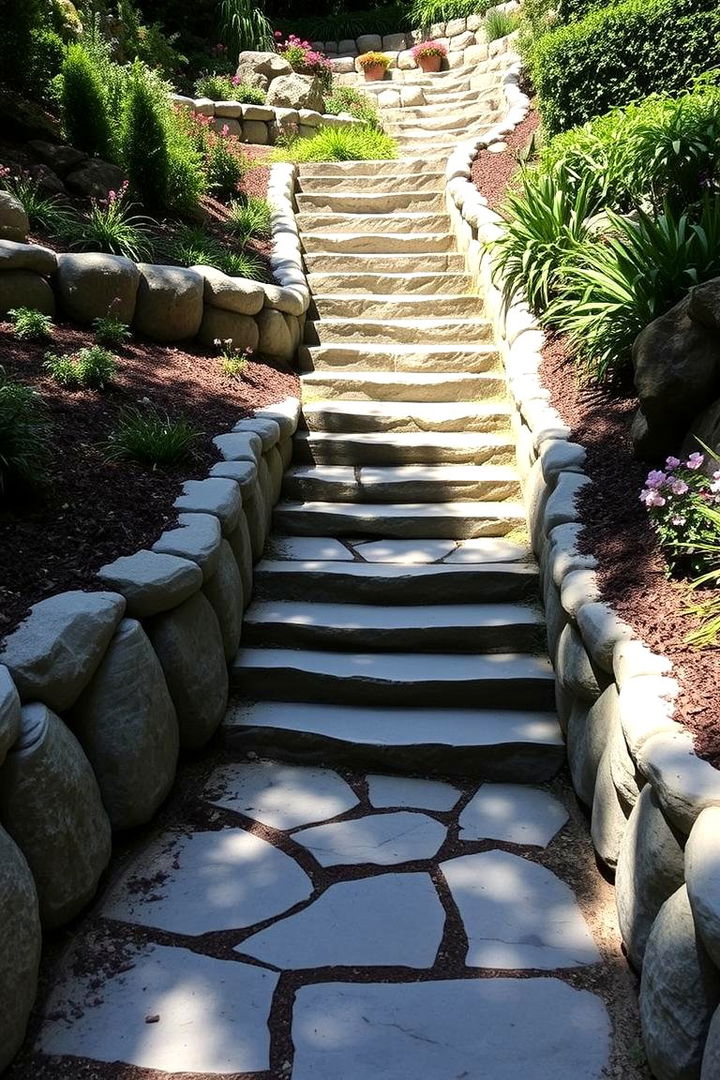
Visualize a gently undulating pathway that carves its way through a sloped garden, inviting exploration with every step. Winding pathways and defined steps enhance accessibility while creating a sense of journey through varied garden zones. This design balances structure with organic flow, guiding visitors safely along terraced sections and soft planting areas. By integrating well-planned walkways, you can enjoy the beauty of each garden vignette while ensuring durability and ease of maintenance. The interplay of stone, gravel, or wooden accents adds texture and interest, making each journey a delightful blend of functionality and artistic expression.
8. Low Maintenance Groundcover
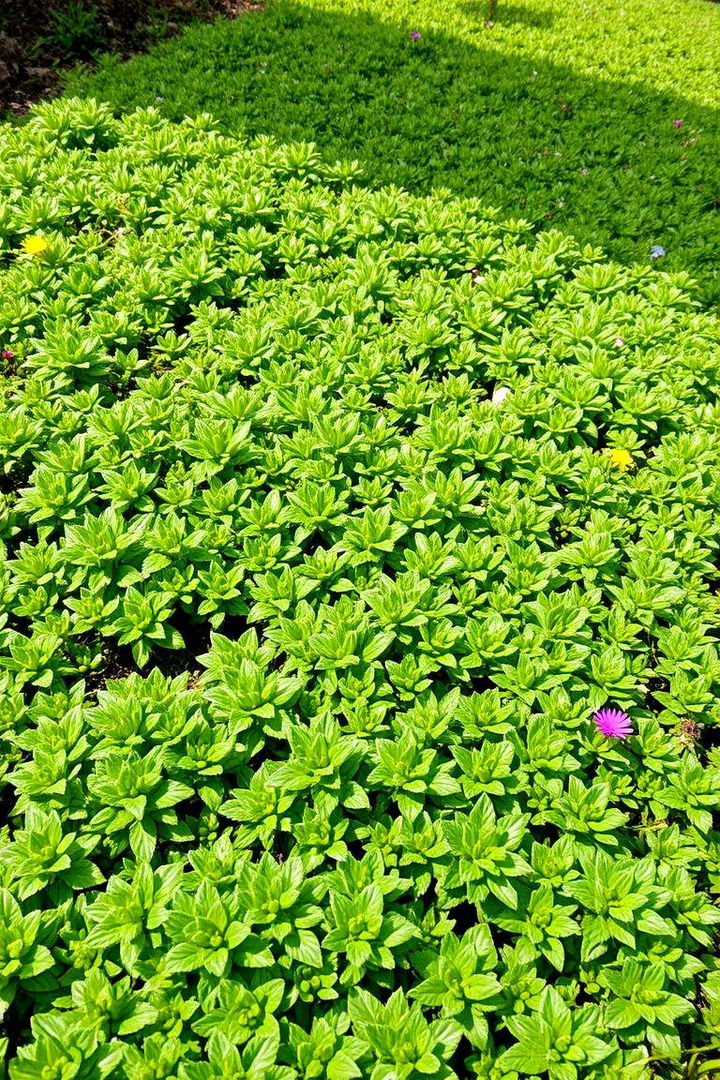
Imagine a carpet of lush, resilient groundcover spreading effortlessly across your slope, providing a neat and natural finish. Low maintenance groundcovers offer a practical solution for preventing soil erosion while minimizing upkeep. Carefully selected species create a uniform layer that resists weed invasion and adapts to varying moisture levels, ensuring a healthy soil environment. This approach not only enhances visual appeal but also supports biodiversity by inviting beneficial insects and wildlife. With such a natural mulch in place, your garden remains vibrant and accessible, perfect for those who desire enduring beauty with minimal routine care.
9. Vertical Gardening Techniques
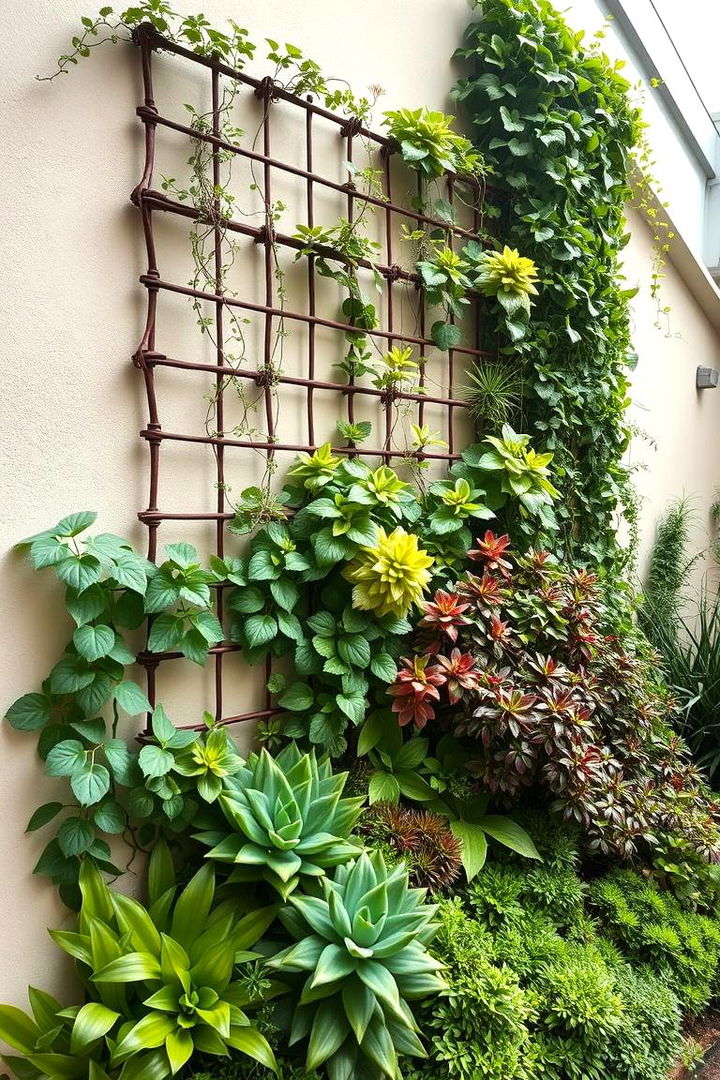
Consider the charm of a vertical garden that creatively transforms a steep slope into a living tapestry of diverse textures and colors. Vertical gardening techniques enable you to maximize limited space by utilizing trellises, walls, and other support structures for climbing plants and succulents. This innovative approach not only elevates the aesthetic appeal but also offers efficient water use and enhanced air circulation. Vertical designs inspire a dynamic interplay of heights and depths, inviting a fresh perspective on traditional gardening challenges. The method creates an engaging and practical solution, promoting a stunning visual display that captures the imagination.
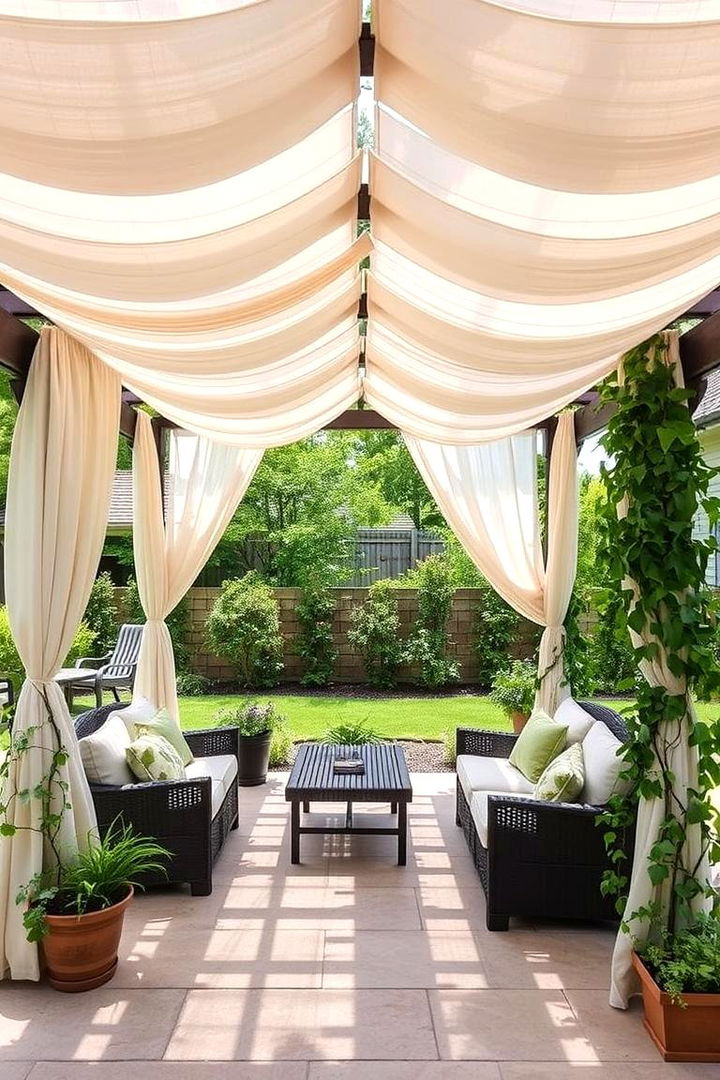

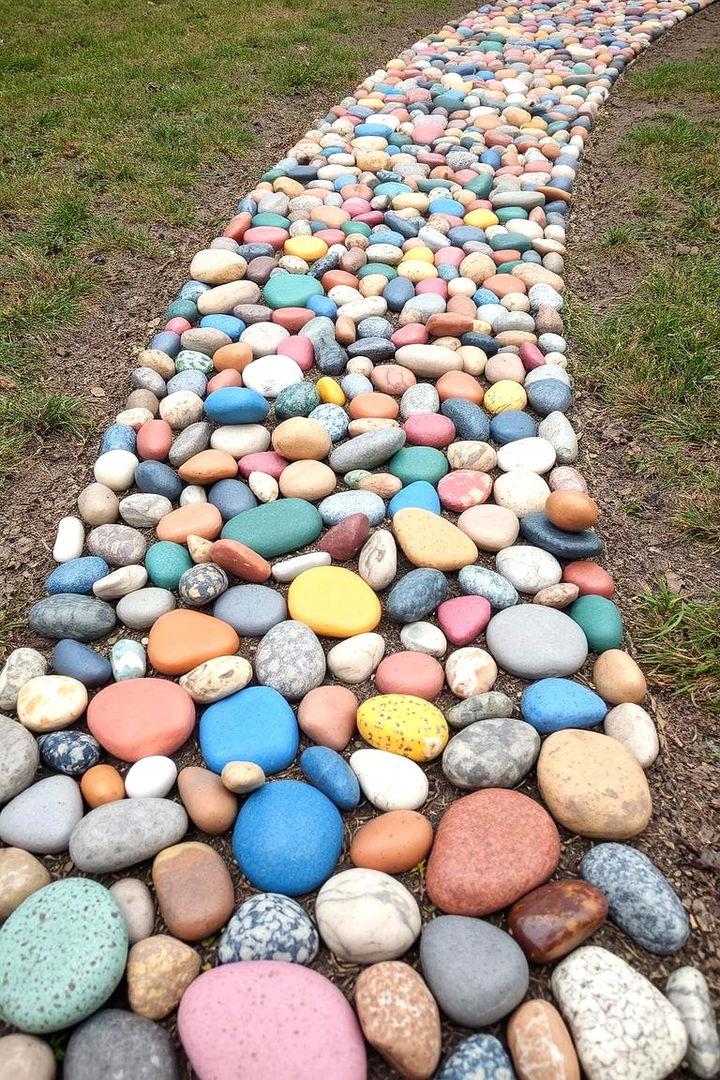
10. Cottage Garden Charm
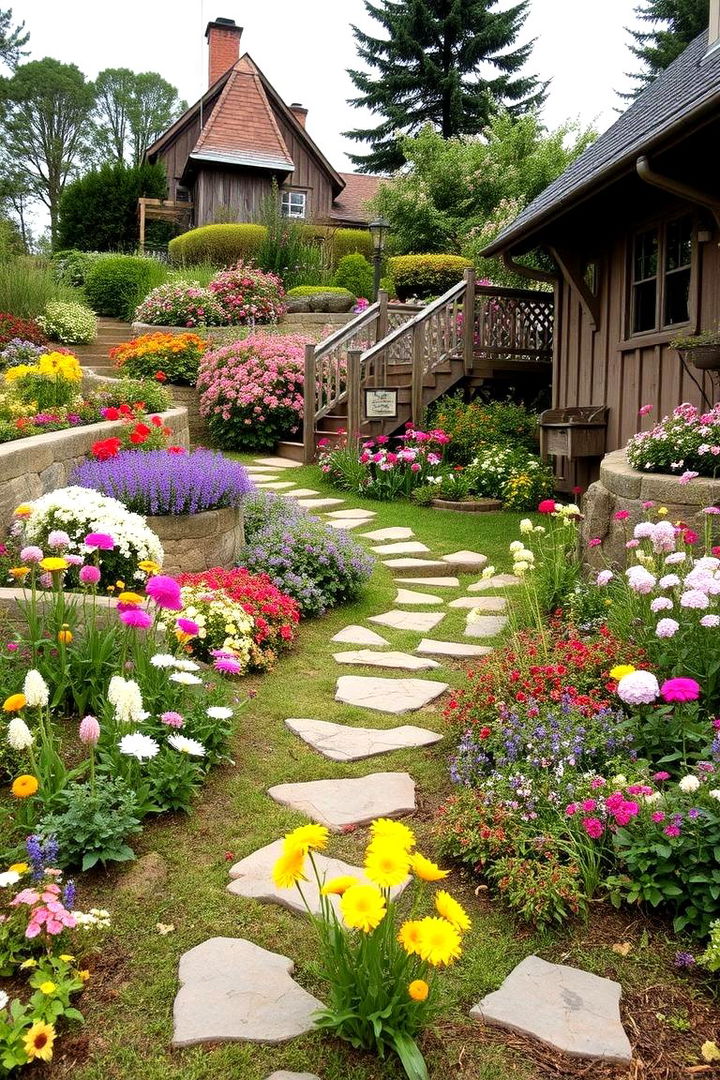
Step into a quaint world where a sloped garden is transformed into a charming cottage garden bursting with nostalgia and color. Cottage garden charm incorporates a mix of flowering perennials, fragrant herbs, and meandering pathways to create an inviting retreat. This design celebrates abundance through a delightful mix of natural elements and informal layouts. The relaxed arrangement offers seasonal interest and natural beauty, fostering an organic harmony between structure and wild growth. Embrace this style to infuse your garden with a storybook ambiance that is both heartwarming and practically designed to thrive on a challenging slope.
11. Herb Garden on Gentle Slopes
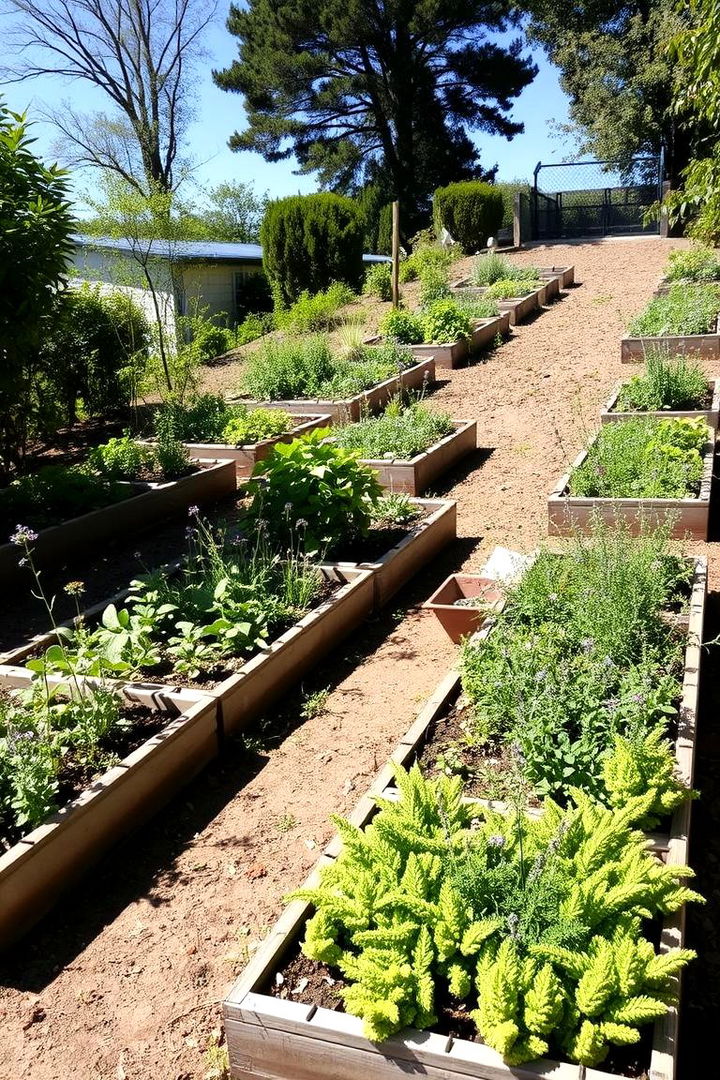
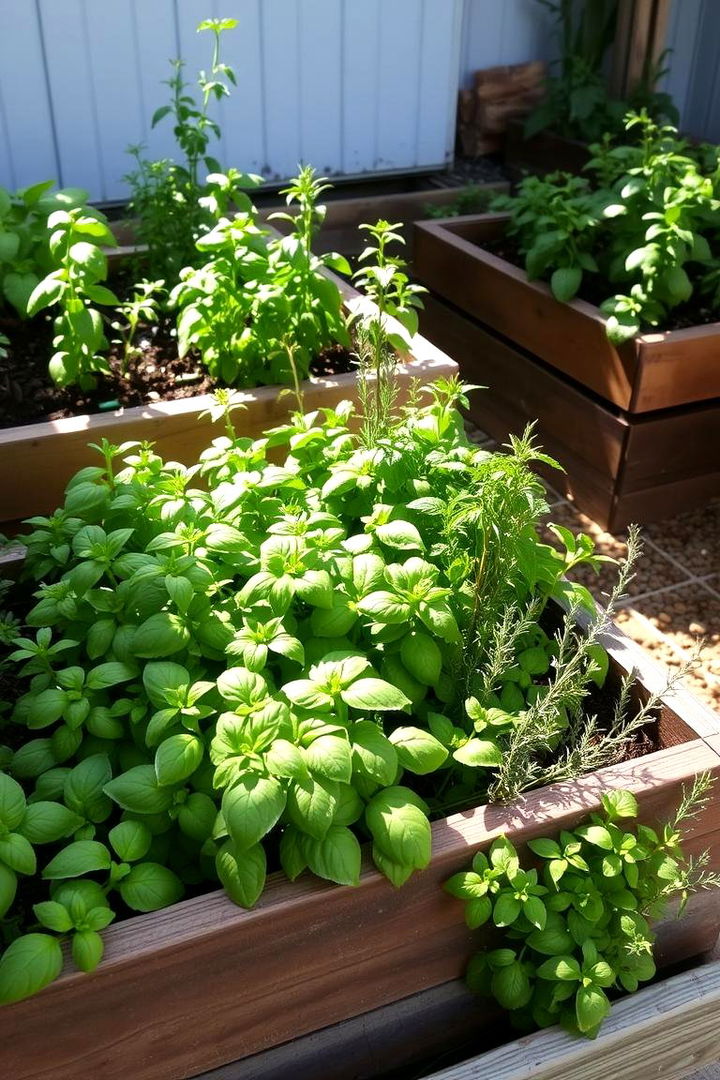
Imagine savoring the aromas of a thriving herb garden nestled on a gentle slope, where every step reveals bursts of green and fragrance. An herb garden on a sloped surface maximizes space by separating plants into functional niches, while ensuring optimal growth conditions. The terraced layout supports drainage and provides distinct microclimates for herbs like basil, rosemary, and thyme. This setup facilitates easy harvesting and creates a multisensory experience, blending culinary functionality with rustic charm. The efficient design not only beautifies the space but also encourages sustainable practices that enhance flavor and wellness from your very own garden.
12. Mixed Bloom Strategies
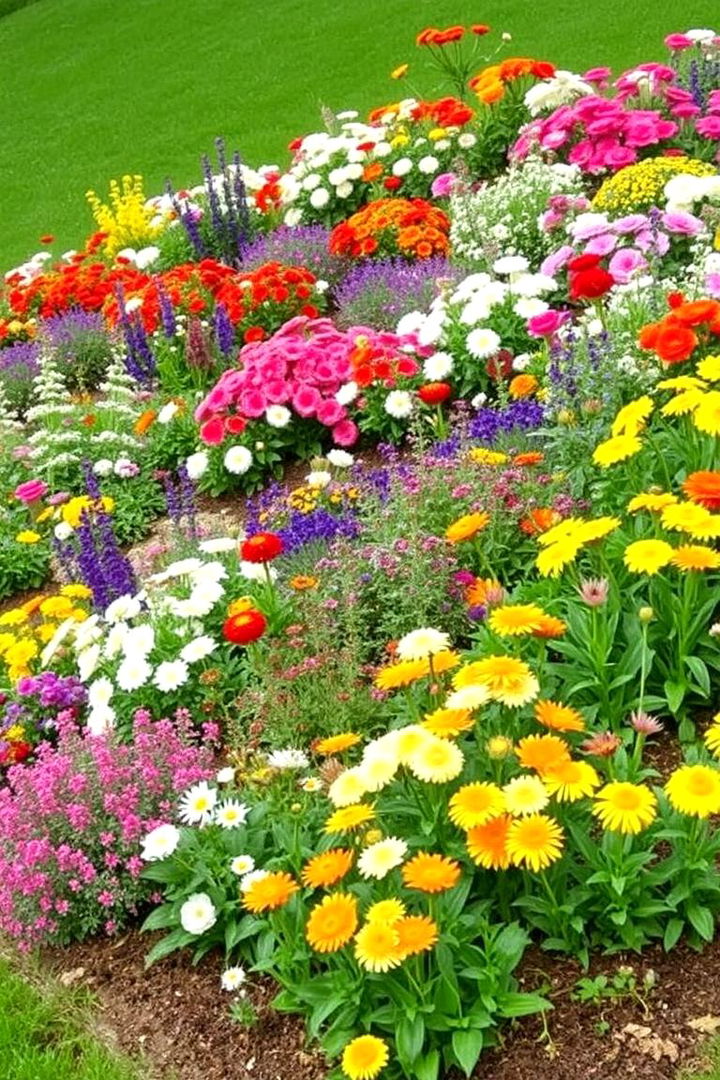
Envision a slope alive with color as mixed bloom strategies bring an explosion of seasonal vibrancy to the garden. By carefully selecting and pairing plants with complementary colors and blooming seasons, you can ensure a continuous display of beauty throughout the year. This approach transforms the garden into an evolving masterpiece, where contrasts in foliage, flower shapes, and sizes create eye-catching appeal. The layered planting system not only maximizes visual interest but also helps manage erosion by intertwining roots in the soil. Enjoy both aesthetic lushness and practical benefits in a garden that evolves naturally with each season.
13. Edible Slope Garden Design
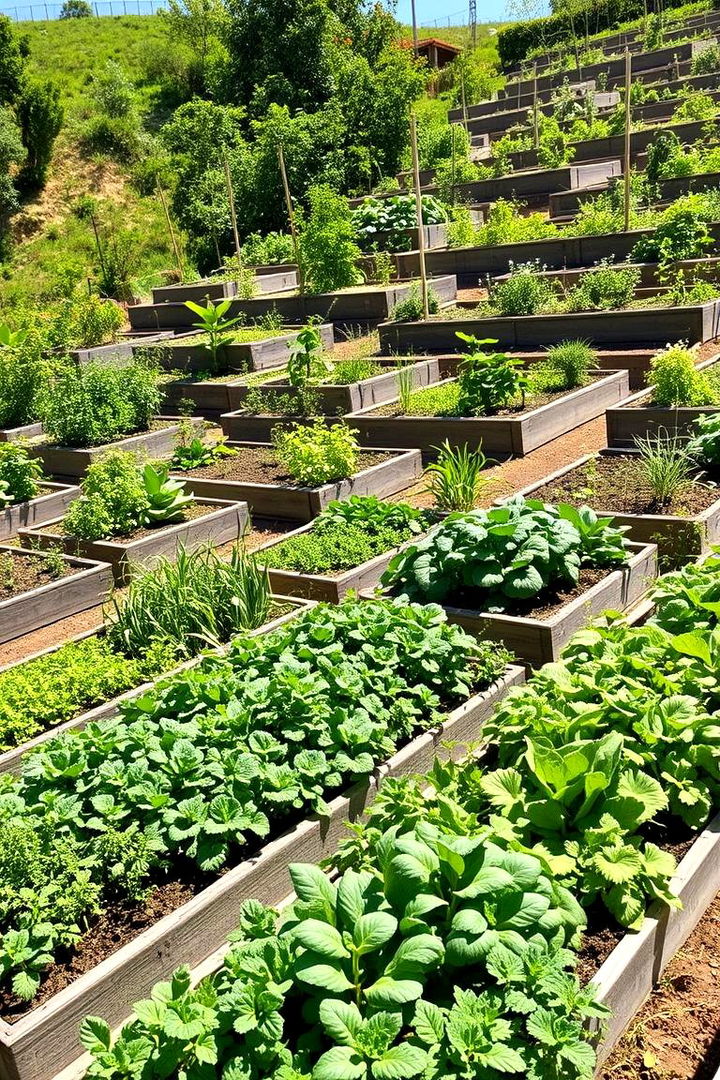
Imagine an edible garden gracefully adapting to a sloped terrain, effortlessly combining the art of aesthetics with sustainability. Edible slope garden design features raised beds and carefully planned terraces, creating dedicated spaces for fruits, vegetables, and herbs. This method promotes efficient irrigation while protecting soil from erosion, ensuring a bountiful harvest throughout the growing season. Blending practical gardening with culinary delight, it inspires the notion of farm-to-table living in your own outdoor space. Embrace the harmonious integration of beauty and edibility to transform your slope into a productive and visually pleasing haven.
14. Zen Garden Retreat
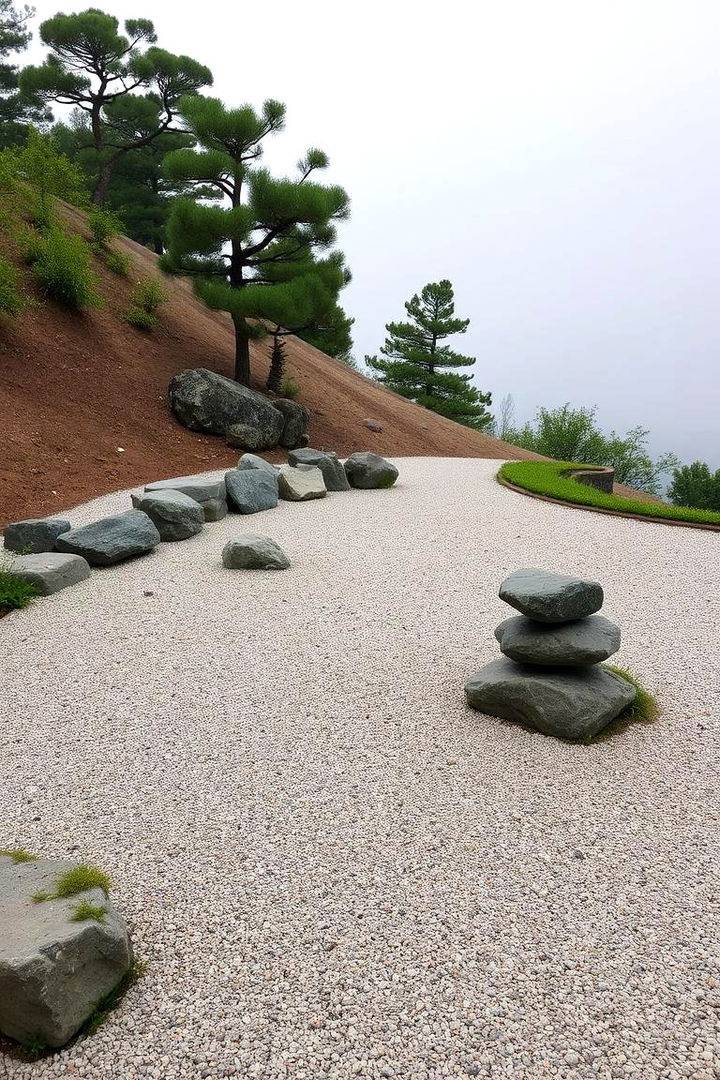
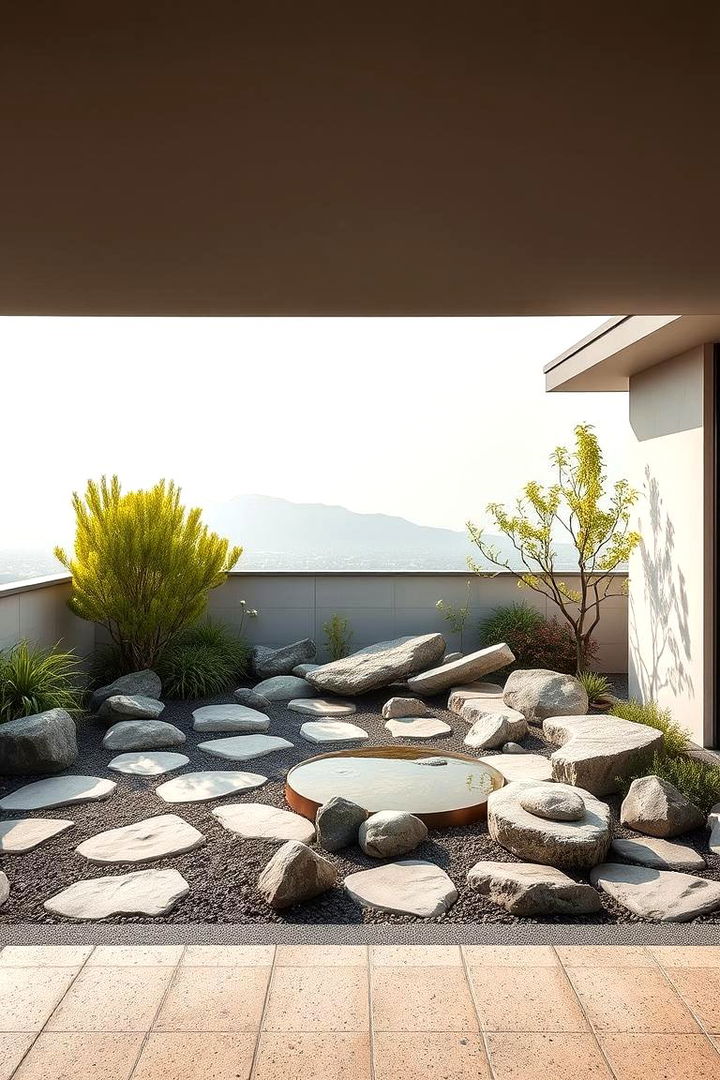
Imagine a peaceful sanctuary where a sloped Zen garden evokes calm and introspection with its minimalist design. This approach features simple lines, carefully placed rocks, and a restrained palette that reflects the essence of balance and tranquility. The deliberate use of gravel, sparse vegetation, and water elements creates a space for meditation and quiet reflection. The arrangement of each component encourages mindfulness and invites the observer to explore the beauty of simplicity in a naturally undulating landscape. Such thoughtful design offers not only aesthetic pleasure but also a serene environment that nurtures inner calm and reflection.


15. Wildflower Slope Wonders
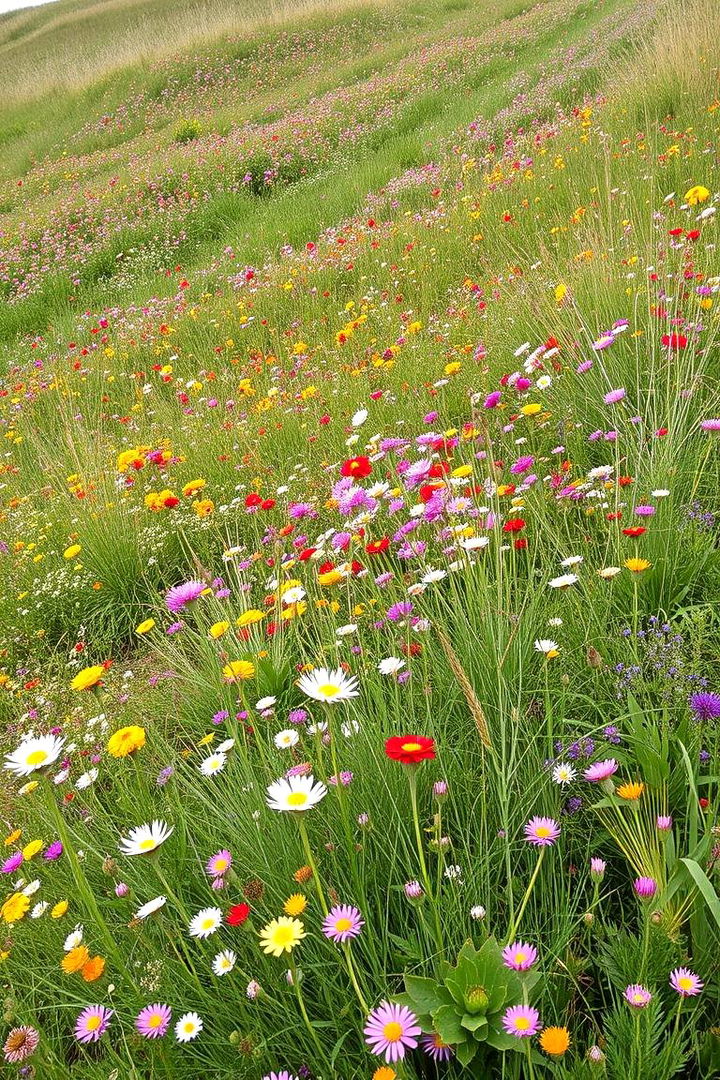
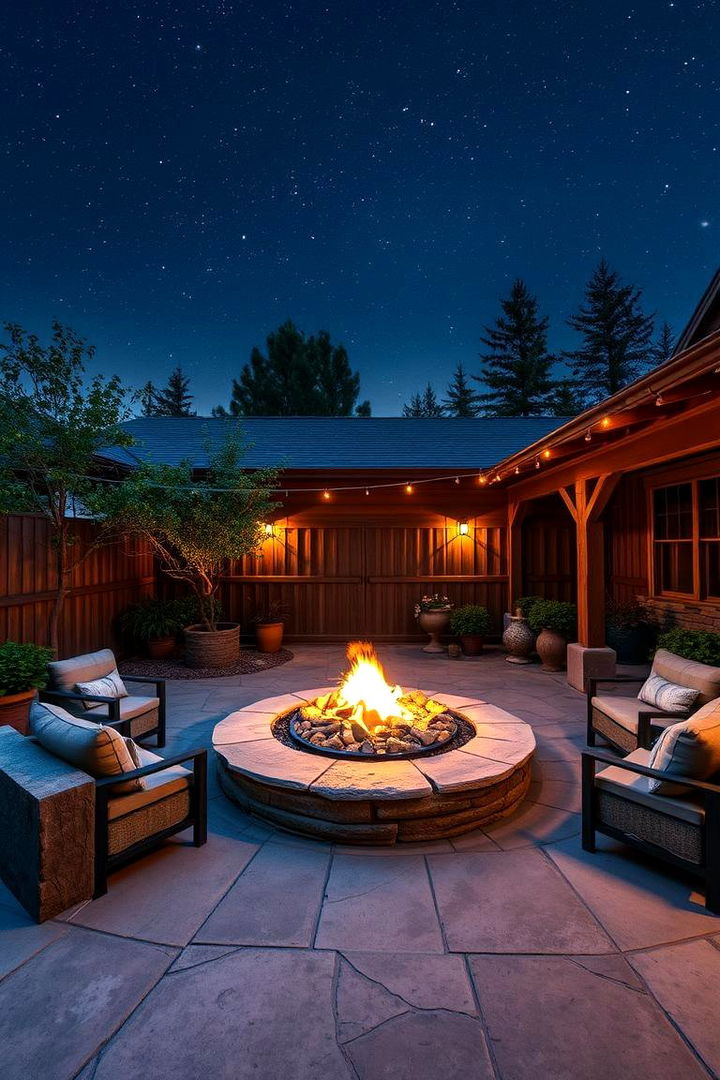
Picture a sloping garden transformed into a natural haven, blanketed by an array of colorful wildflowers that evoke the untamed beauty of the countryside. Wildflower slope wonders utilize a mix of native wild species that bloom in a riot of colors through each season. Their organic, free-form planting style creates a dynamic display while enhancing soil health and supporting pollinators. This design minimizes upkeep through natural resilience and adds a rustic charm to the landscape. Embrace the beauty of nature’s spontaneity in a garden that evolves naturally, inviting both relaxation and adventure on a captivating sloped terrain.
16. Shade-Adaptive Planting
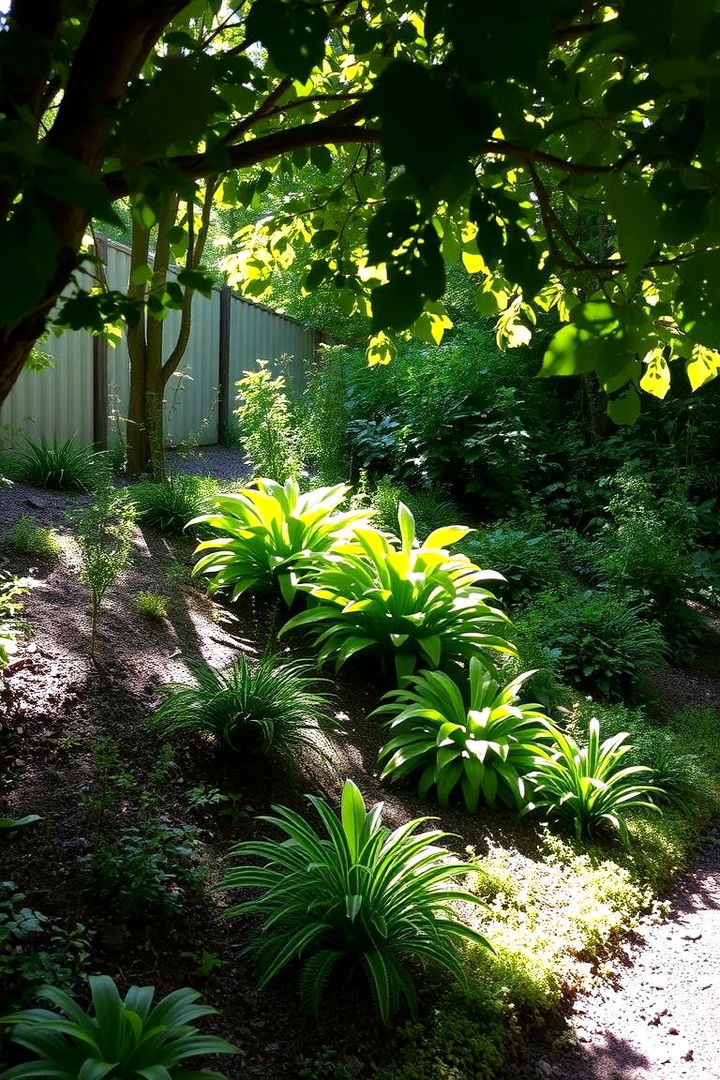
Imagine stepping into an area where filtered sunlight creates delicate patterns across the sloped ground, perfect for shade-adaptive planting. This method focuses on selecting plants that thrive in low-light environments, ensuring each spot receives its ideal growing conditions. The interplay of light and shadow adds depth and mystery to the garden, enhancing both texture and mood. With careful planning, you can mitigate erosion while nurturing a consistent display of foliage and subdued blooms. Enhance your garden’s atmosphere with species that flourish in these conditions, creating a serene retreat that defies the challenges of uneven light distribution.
17. Decorative Edging Ideas
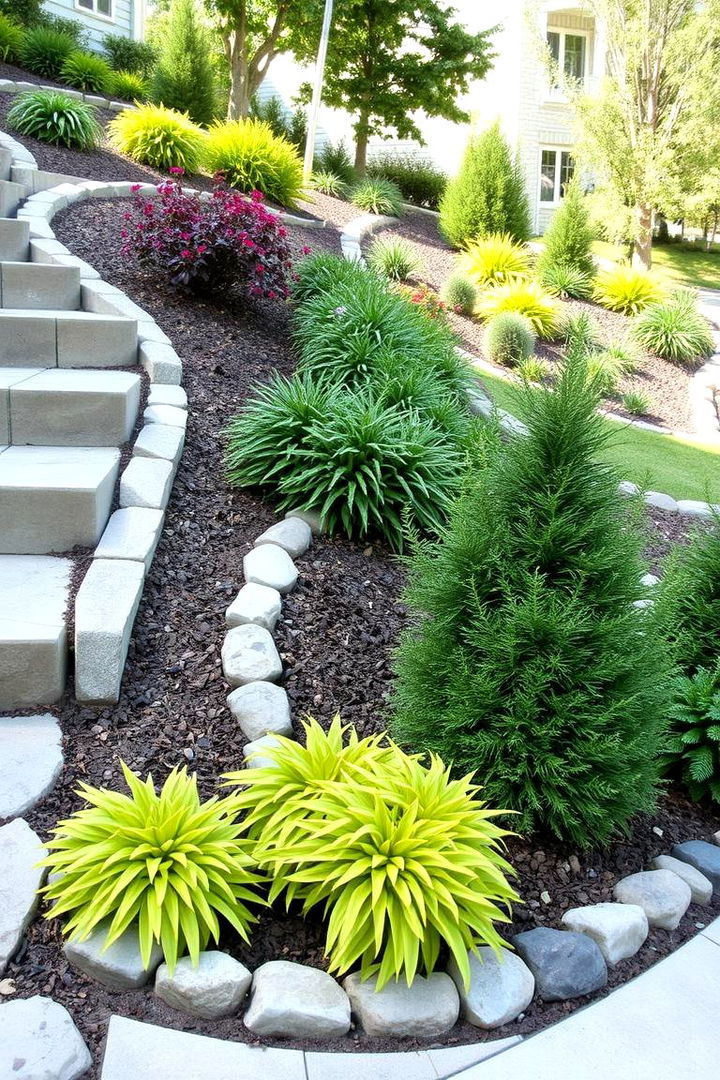
Visualize a sloped landscape defined by refined decorative edging that gracefully marks the boundaries of planting beds. Decorative edging ideas incorporate natural stone, brick, or timber borders to articulate garden areas while adding a touch of sophistication. This design not only accentuates visual lines and patterns but also functions as a barrier against soil loss and weed intrusion. By establishing clear demarcations, the garden’s layered structure becomes more organized and inviting. Embrace the fusion of form and function to enhance both the aesthetic appeal and the practical stability of your outdoor space, turning every curve into a well-defined work of art.
18. Sustainable Slope Solutions
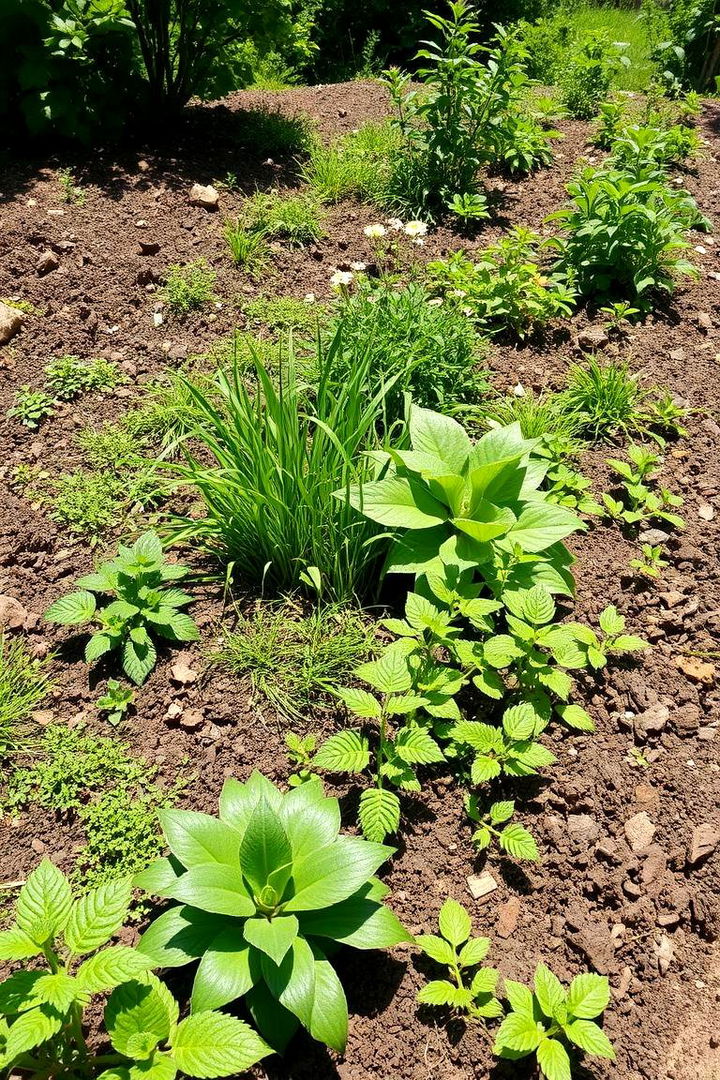
Imagine a garden where sustainability meets innovation, achieving a harmonious balance on a challenging slope. Sustainable slope solutions integrate eco-friendly practices such as composting, rainwater harvesting, and native vegetation to enhance soil health and reduce waste. This thoughtful design encourages biodiversity while minimizing environmental impact, making each element both beautiful and efficient. The approach emphasizes long-term maintenance benefits, offering resilience against erosion and a natural equilibrium that supports thriving plant life. Embrace these practices to not only beautify your landscape but also contribute positively to the ecosystem, ensuring your garden is as responsible as it is inspiring.
19. Drought-Tolerant Landscapes
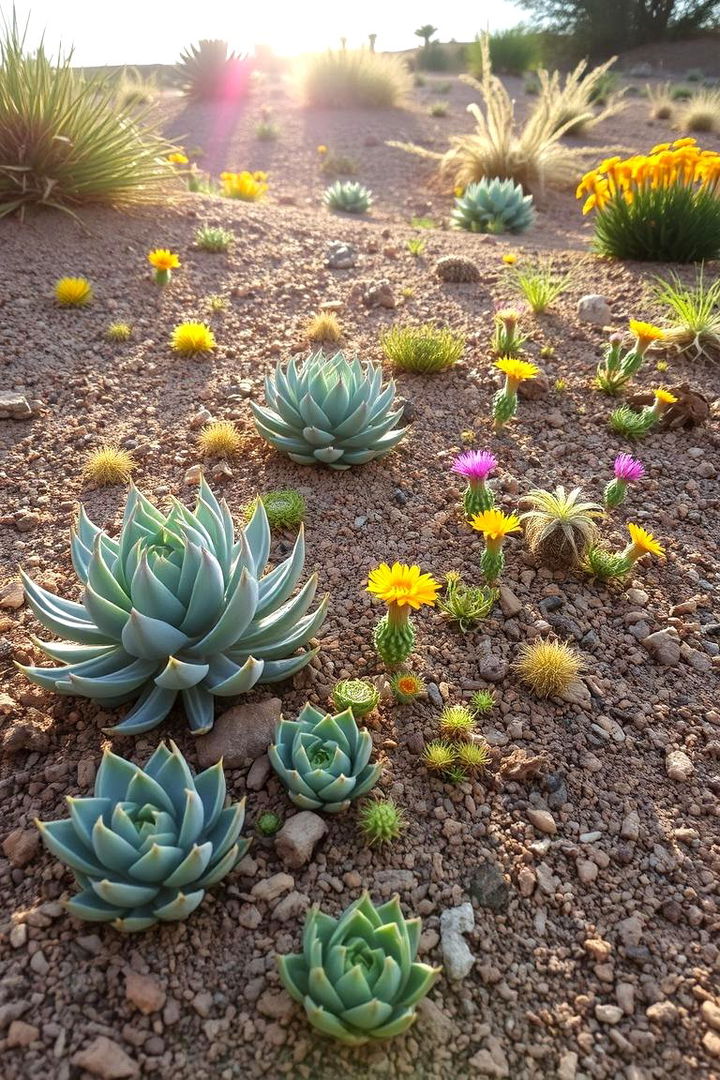
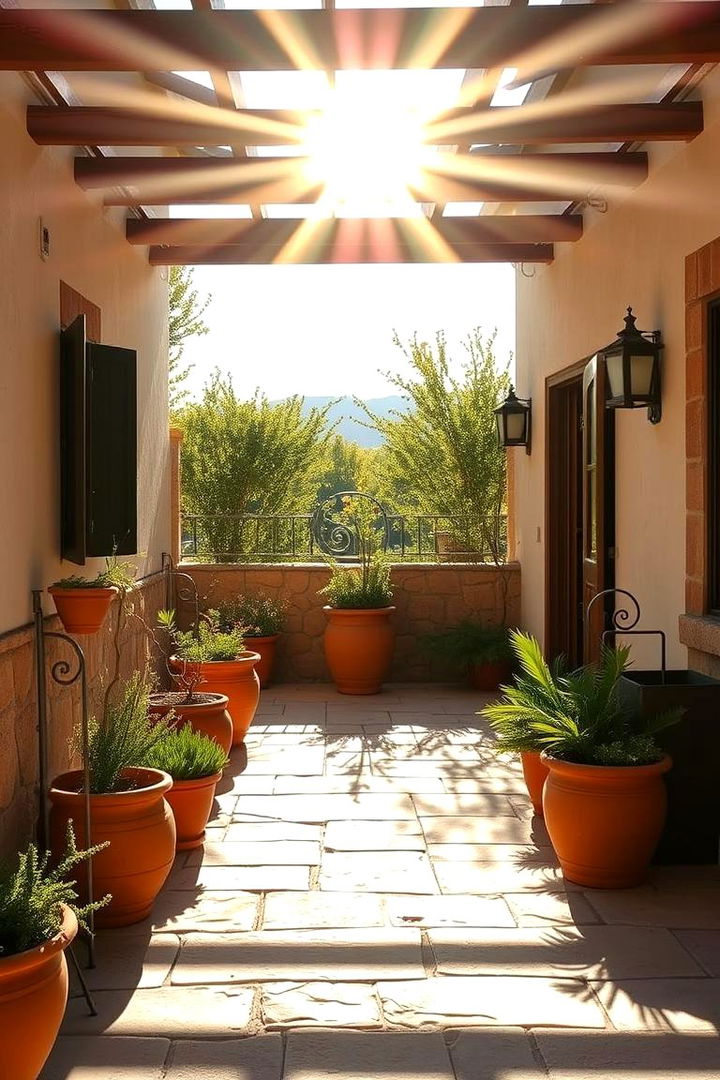
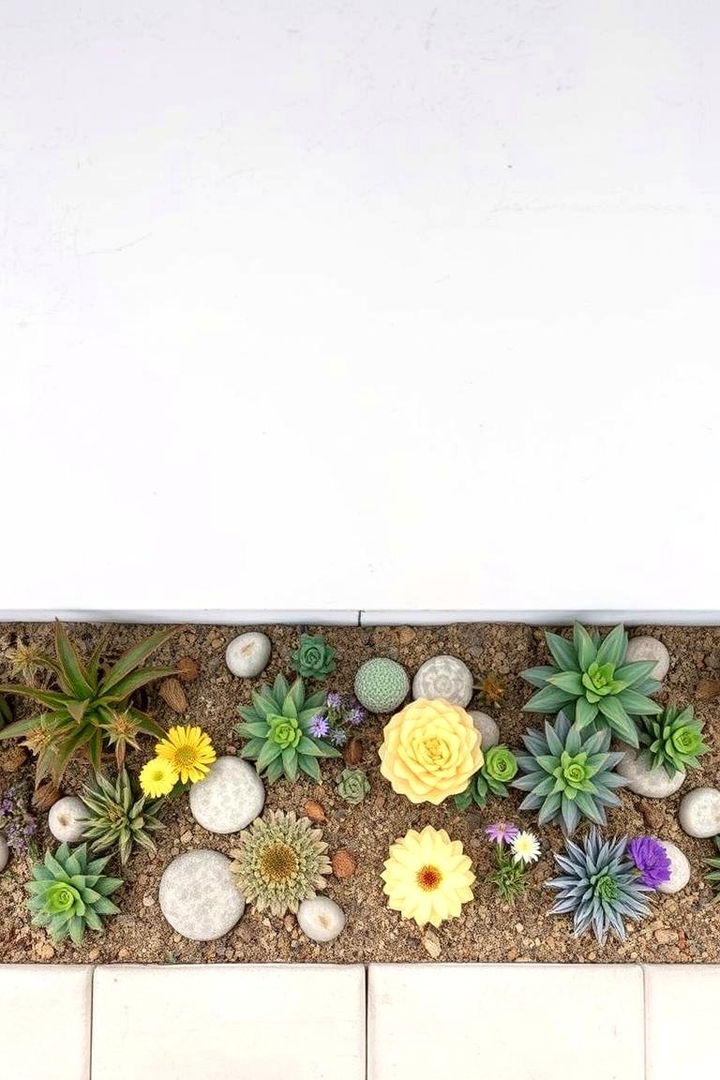
Envision a sloped garden that stands resilient under the sun’s harshest rays, populated by drought-tolerant plants that thrive on minimal water. Drought-tolerant landscapes are designed to cope with dry conditions, employing species that store moisture and resist heat. This innovative approach minimizes resource use while creating a distinct, textured garden that exudes natural strength and longevity. By focusing on native, arid-adapted blooms and shrubs, you reduce maintenance and promote a sustainable environment. The result is a space that remains vibrantly alive even during dry spells, proving that beauty and practicality go hand in hand on a sloped terrain.
20. Artistic Outdoor Sculptures
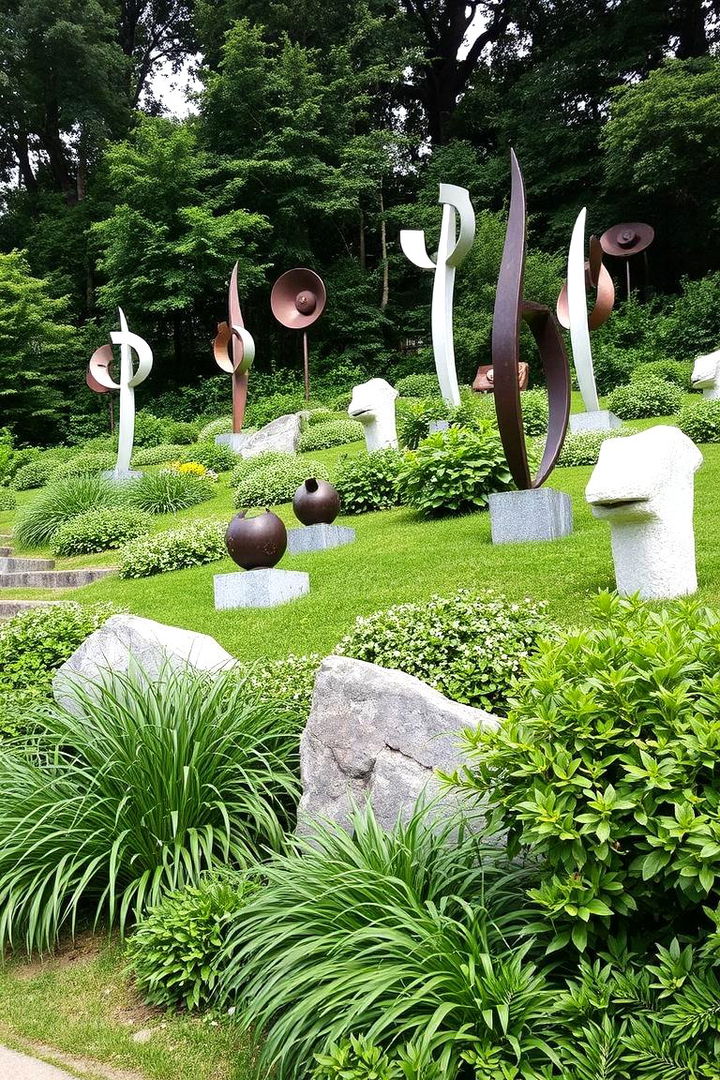
Imagine a stunning outdoor gallery where artistic sculptures enhance a sloped garden with contemporary flair. Integrating artistic outdoor sculptures into your garden introduces focal points that merge creativity with nature. These pieces can be crafted from metal, stone, or reclaimed wood and are carefully positioned to complement surrounding vegetation. The sculptures add rhythm and visual interest, transforming the landscape into a living art installation. Their strategic placement not only defines spaces but also reinforces the organic curves of the garden. Such artistic elements invigorate the setting, inspiring a sense of adventure and elevating the everyday garden experience.
21. Eco-Friendly Irrigation Systems
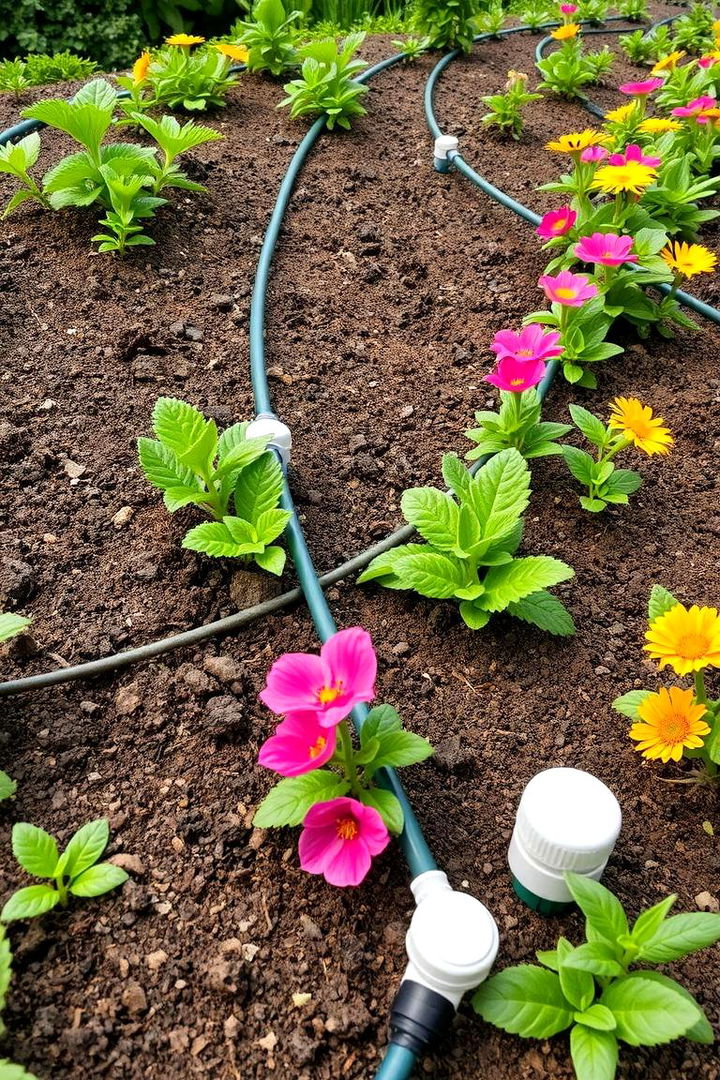
Visualize an advanced yet gentle irrigation system in your sloped garden, delivering moisture exactly where it’s needed. Eco-friendly irrigation systems conserve water by utilizing drip lines, timers, and moisture sensors. This precision watering minimizes runoff and ensures that even the steepest areas receive adequate hydration. The system’s design reduces manual intervention while promoting healthy soil and robust plant growth. By optimizing water distribution, you support sustainable gardening practices and prevent erosion. Embrace this innovative approach to maintain the natural beauty and ecological balance of your sloped garden with efficiency and care.
22. Functional Outdoor Living Spaces
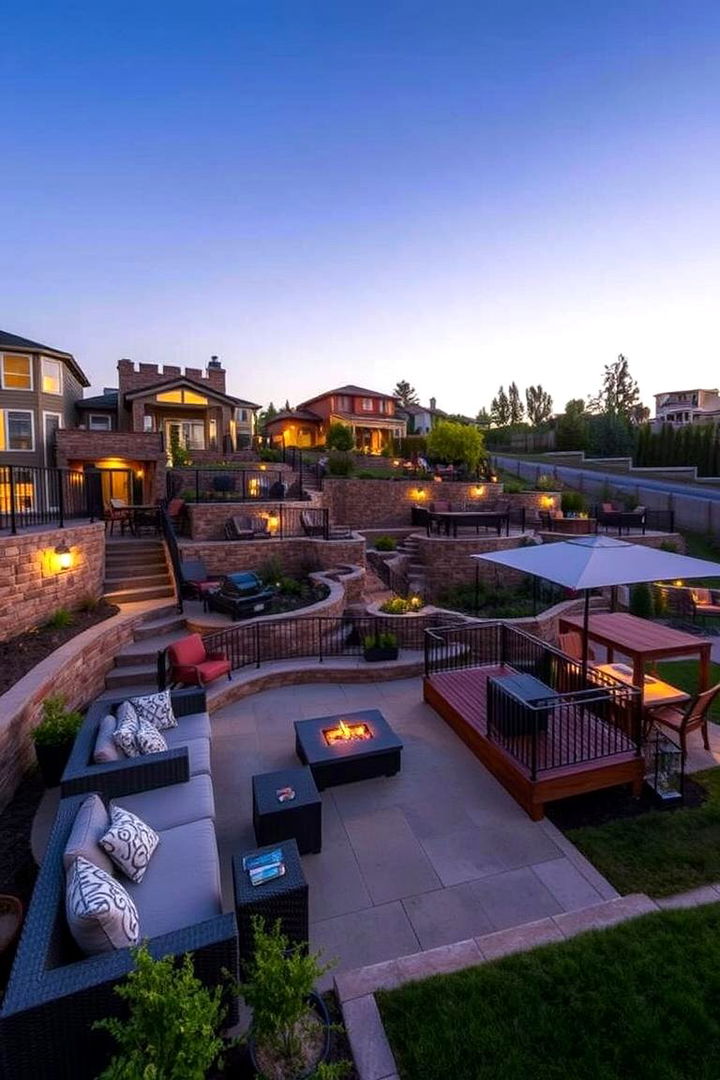
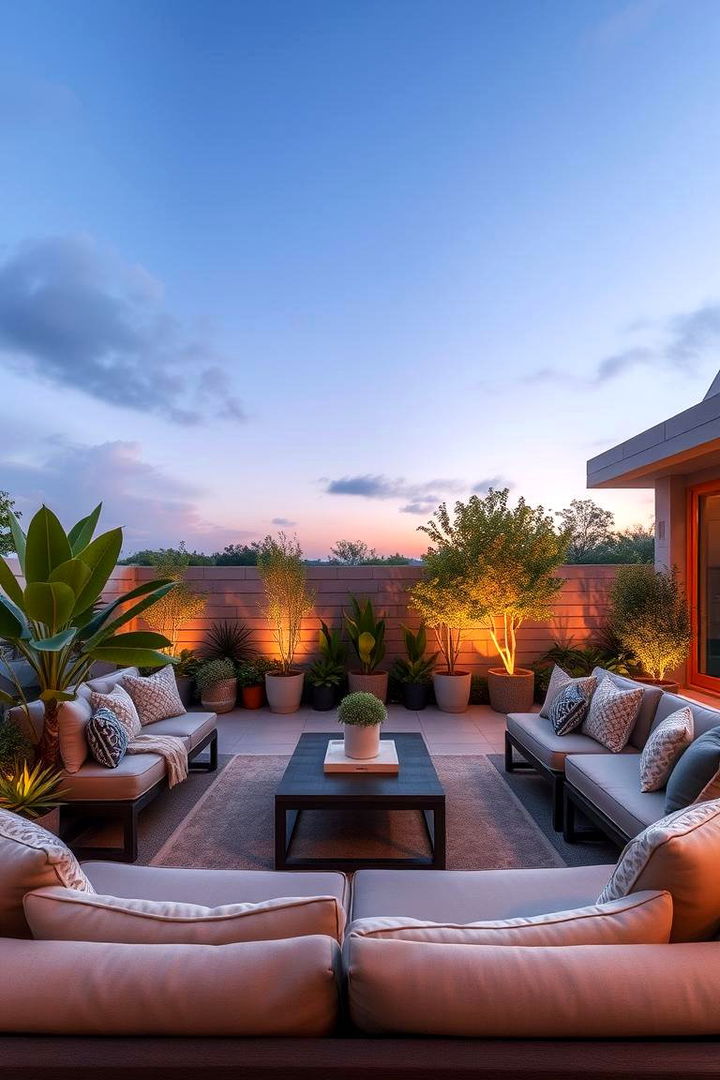
Imagine a sloped garden reinvented as a functional outdoor living space where relaxation, dining, and entertainment find a natural setting. Functional outdoor living spaces creatively utilize terraces and decks that seamlessly blend into the landscape. These areas provide comfortable zones for gatherings, outdoor meals, or quiet relaxation, all while accentuating the garden’s beauty. The integration of seating, lighting, and subtle landscaping elements transforms even a challenging slope into a versatile extension of your home. This balanced design not only enhances lifestyles but also elevates property value, inspiring you to embrace outdoor living in every form and detail.
Conclusion:
Your journey through these innovative ideas reveals that a sloped garden is not merely a challenge but a canvas for creativity and sustainability. Embracing smart design techniques—from terraced walls to artistic sculptures—ensures a resilient landscape that delights both the eye and the soul. Each concept offers practical benefits, encouraging a harmonious blend of nature and design while optimizing functionality. Let these insights inspire you to transform your outdoor space into a vibrant retreat where every slope tells a story of beauty and ingenuity.

Related posts: