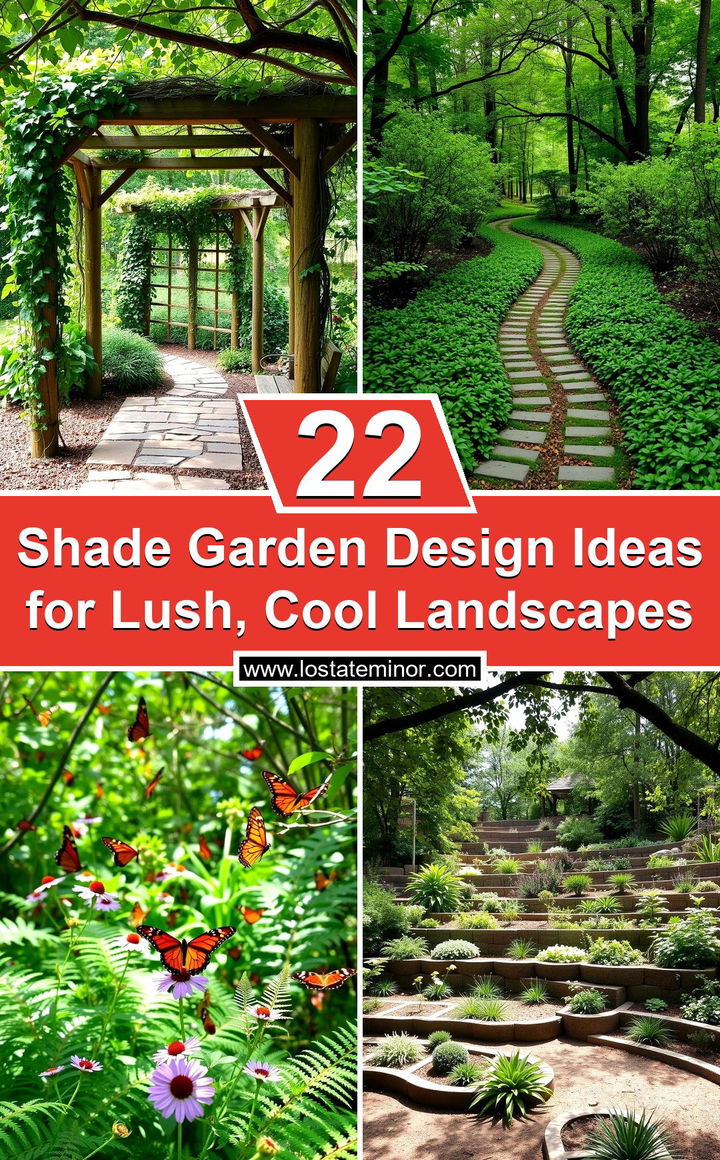
A welcoming shade garden can transform a dark corner into a serene sanctuary where nature’s delicate light interplays with lush, cool tones. With 22 innovative ideas for shade garden design, you’ll uncover how to integrate natural elements, soft lighting, and creative plant selections to craft a relaxing retreat. The techniques shared here empower you to overcome common challenges in shaded areas by blending functionality with beauty. Each idea highlights unique ways to make the most of limited sunlight while cultivating healthy ecosystems. Get ready to explore 22 Shade Garden Design Ideas and embark on an inspiring journey.
1. Creating a Tranquil Shade Retreat
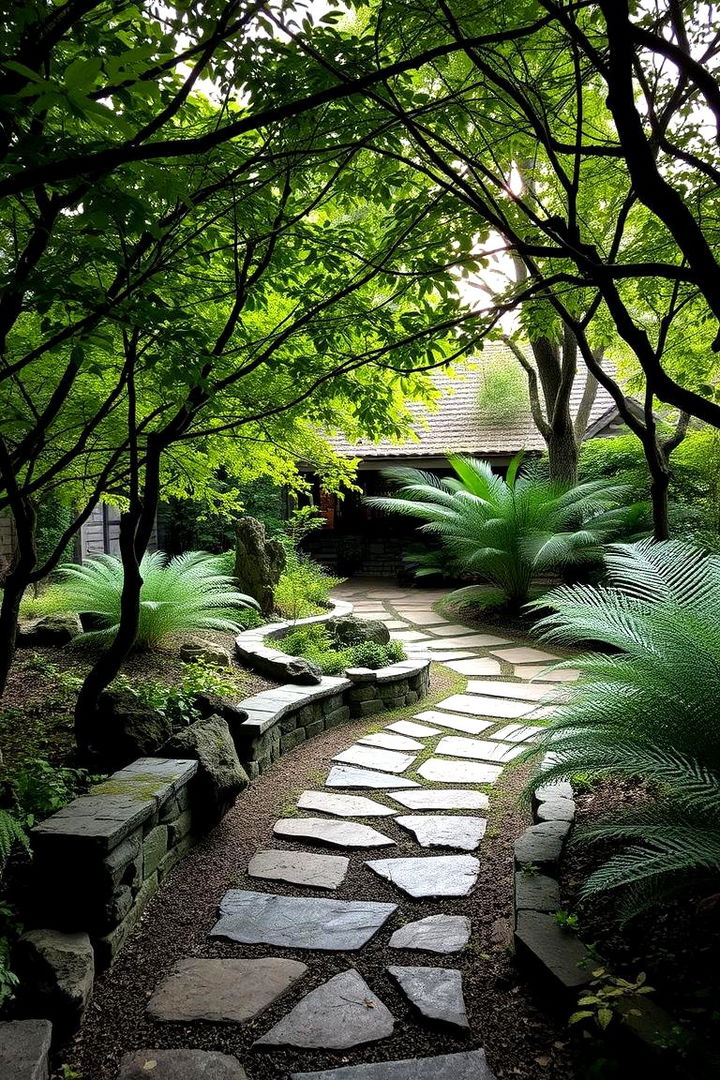
A peaceful blend of natural elements instantly transports you into a calming retreat. This idea emphasizes designing a serene space with winding paths, soft ground cover, and strategically placed seating that invites gentle relaxation. By using comfortable textures, fragrant plantings, and ambient lighting, you create an outdoor refuge even under deep shade. Practical tips such as selecting moisture-retentive soils and layered vegetation enhance the garden’s natural beauty, making it both a visual delight and a restorative escape. Enjoy the soothing benefits of a well-crafted shade retreat.
2. Embracing Native Shade Flora
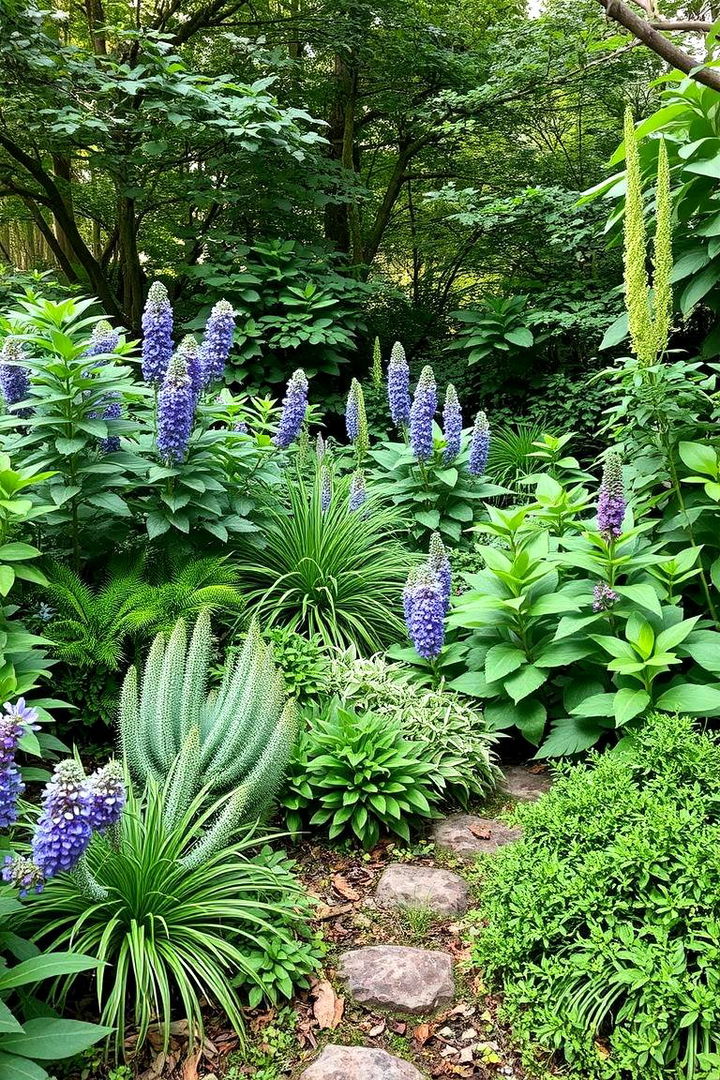
By honoring local ecosystems, native shade flora provides a practical and sustainable approach to garden design. This technique involves selecting plants that naturally thrive in low-light environments, ensuring minimal maintenance and robust growth. Native species offer vibrant foliage and seasonal subtleties that add depth and character to your garden. Utilizing local plant varieties cultivates biodiversity while supporting regional wildlife. With careful planning, you can create a garden that is both eco-friendly and visually appealing, providing a green refuge that persists through changing seasons and brings a natural vitality to shaded areas.
3. Incorporating a Serene Water Feature
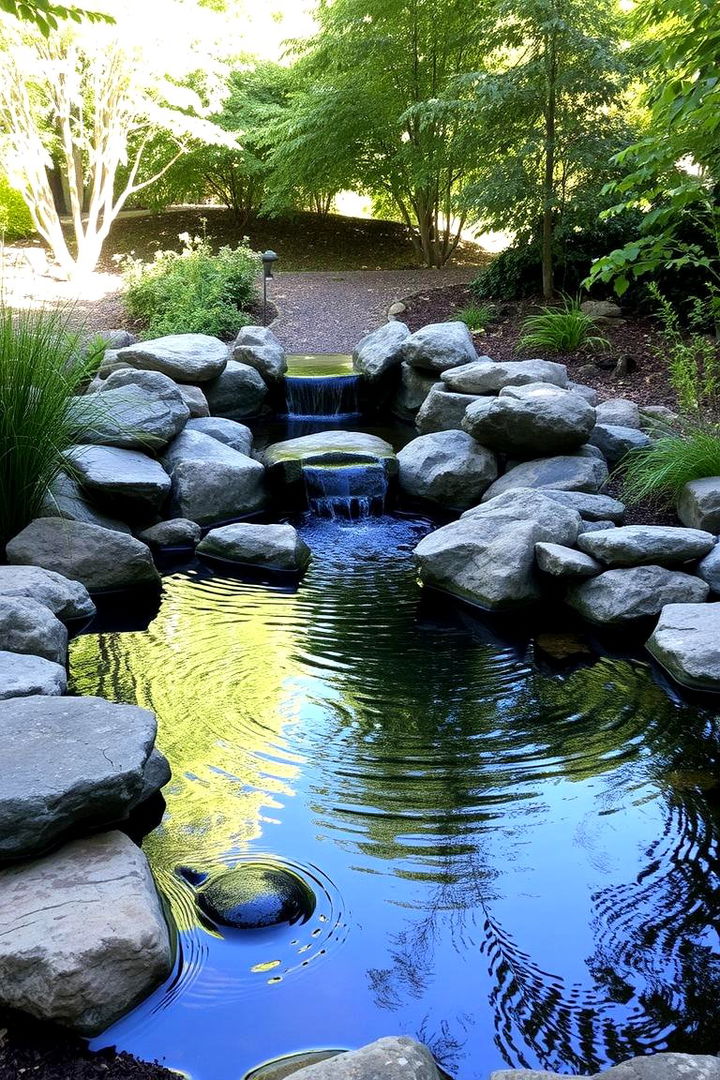
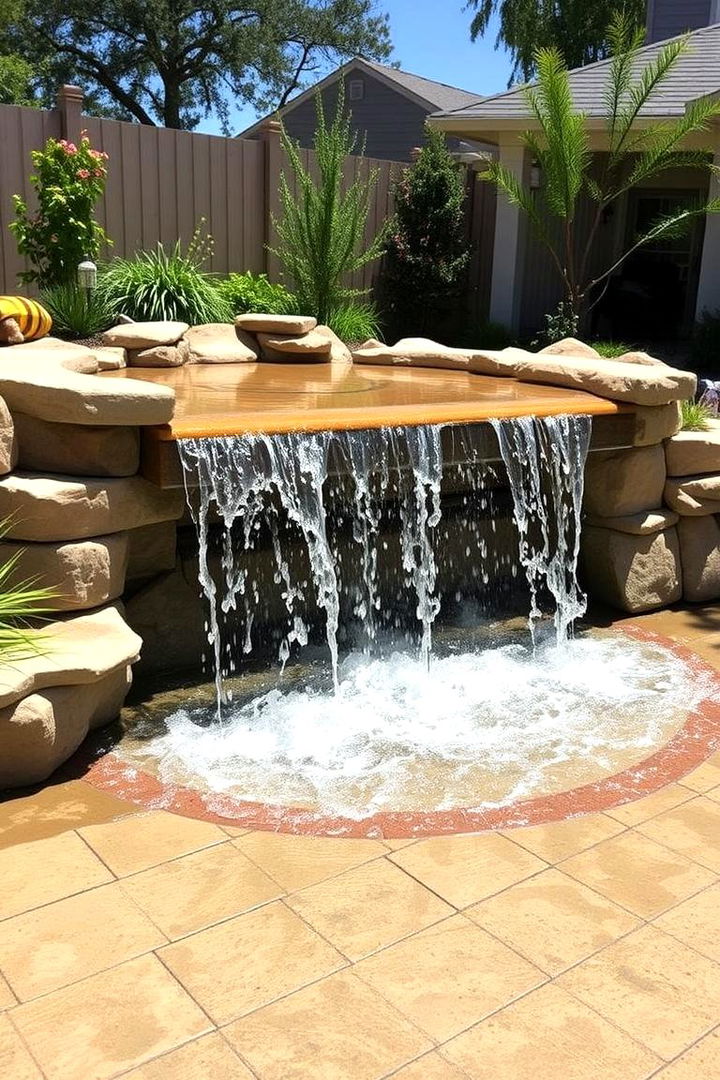
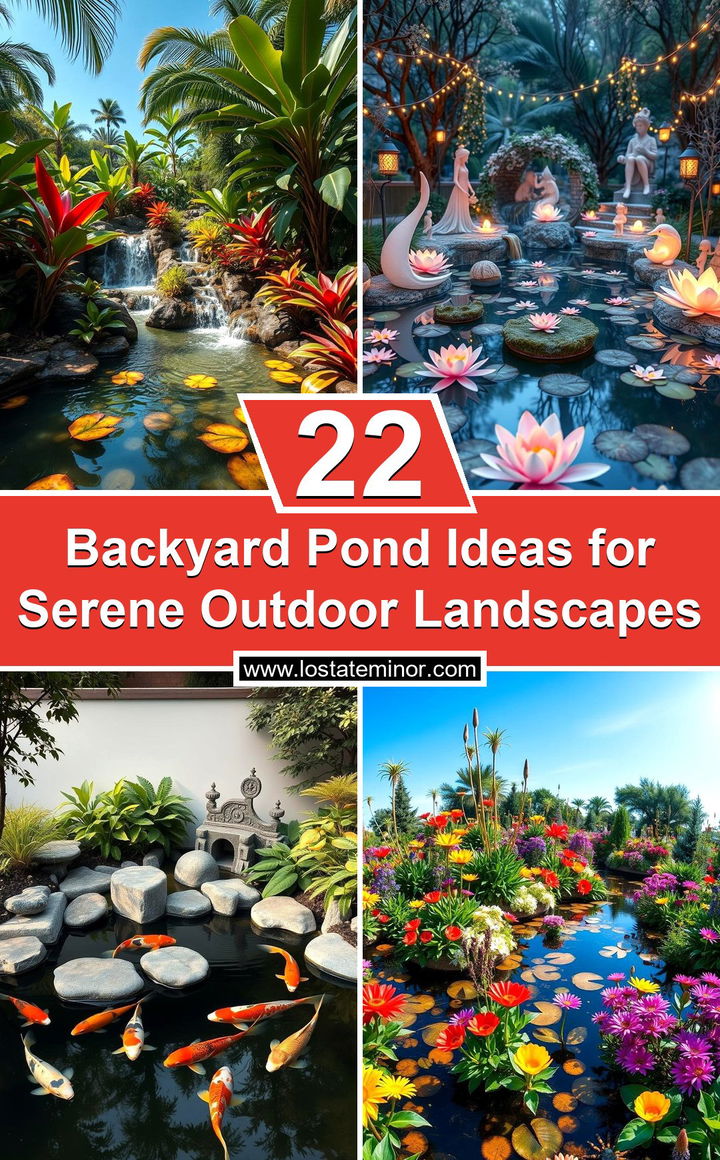
Imagine the gentle sound of trickling water enhancing your garden’s tranquility. Integrating a water feature, such as a small fountain or pond, not only adds visual rhythm but also creates a soothing auditory backdrop for your shaded space. The reflective quality of water accentuates the surrounding foliage, adding movement and life. This design tip encourages the use of natural stones and submerged lights to complement the serenity of the water. Practical advice includes positioning the feature to maximize visibility and employing energy-efficient pumps. Enjoy the benefits of a refreshing, calm, and inviting shade garden atmosphere.
4. Designing Cozy Seating Nooks
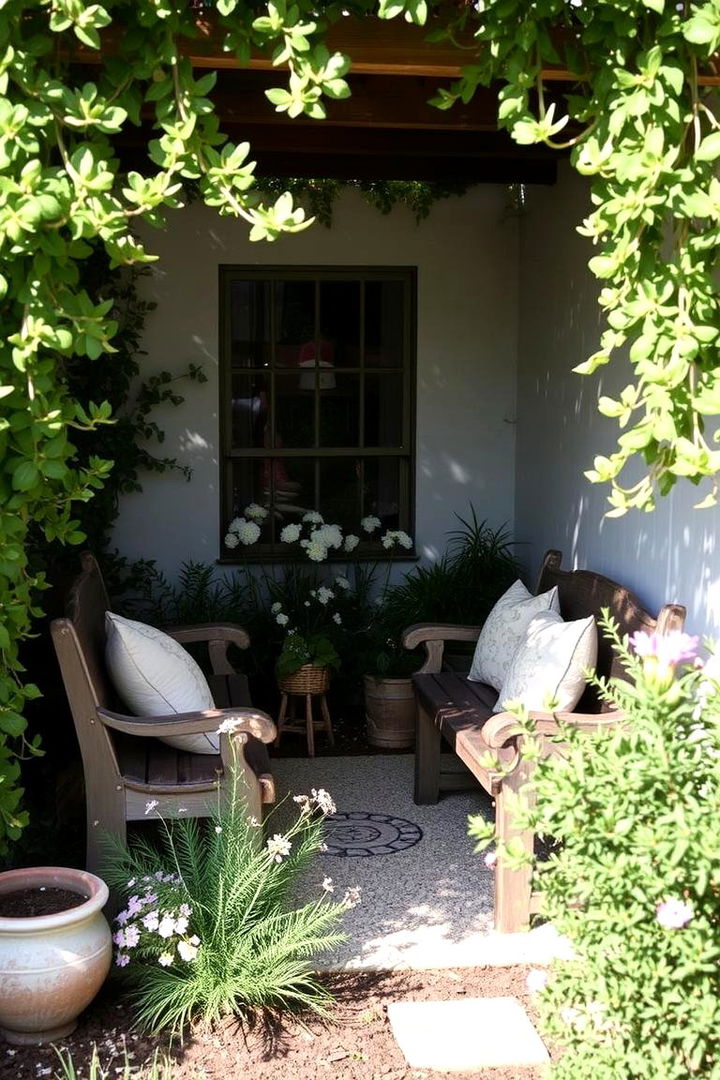
Have you ever desired a private corner to relax and unwind? Create a cozy seating nook by arranging comfortable outdoor furniture that complements the soft light of a shaded garden. Using weather-resistant materials, natural fabrics, and cushions, these intimate areas become perfect spots for enjoying a book or quiet conversation. Incorporating elements such as pergolas or trellises further defines the space with gentle, filtered light. Actionable tips include grouping plants for privacy and adding decorative accents like lanterns or low tables. Transform knowledge into a practical retreat perfect for rejuvenation under the shade.
5. Utilizing Shade-Tolerant Perennials
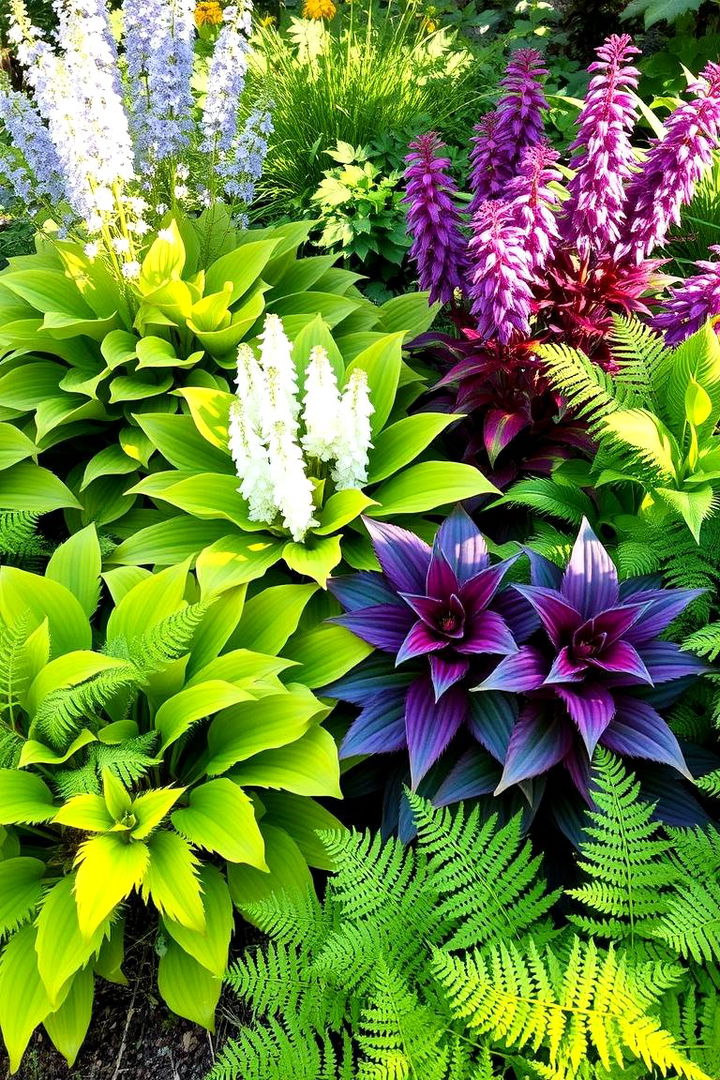
Surprisingly, many vibrant perennials flourish in low-light conditions, making them ideal for shaded gardens. These hardy plants bring color and texture throughout the seasons while requiring minimal attention. Carefully selecting a mix of shade-tolerant blooms such as hostas, ferns, and bleeding hearts ensures year-round interest and visual appeal. Practical advice includes preparing well-draining soil and providing adequate moisture to support root growth. Emphasize the natural beauty of perennials by positioning them strategically where light is subtle but constant. Enjoy a dynamic garden space that thrives in the cool, calm embrace of shade.
6. Establishing Woodland Paths
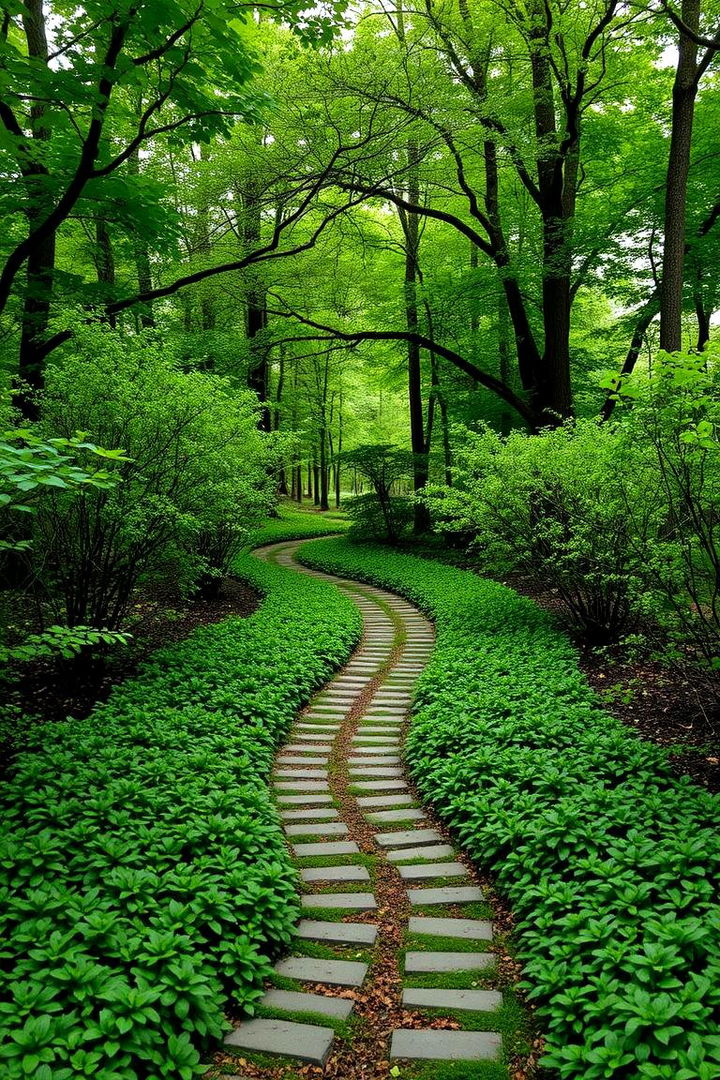
Under softly lit canopies, winding woodland paths set a whimsical tone for a shaded garden. These meandering trails, lined with groundcovers and native shrubs, not only guide visitors through the garden but also invite exploration. Creating a path with natural stepping stones or reclaimed timber builds harmony between design and the forested environment. The trails encourage slow, contemplative walks while showcasing different garden perspectives. Hands-on tips include ensuring proper drainage and incorporating seasonal flora along the edges. This design idea cultivates a sense of discovery and wonder amid nature’s quiet rhythm.
7. Implementing Innovative Underground Lighting
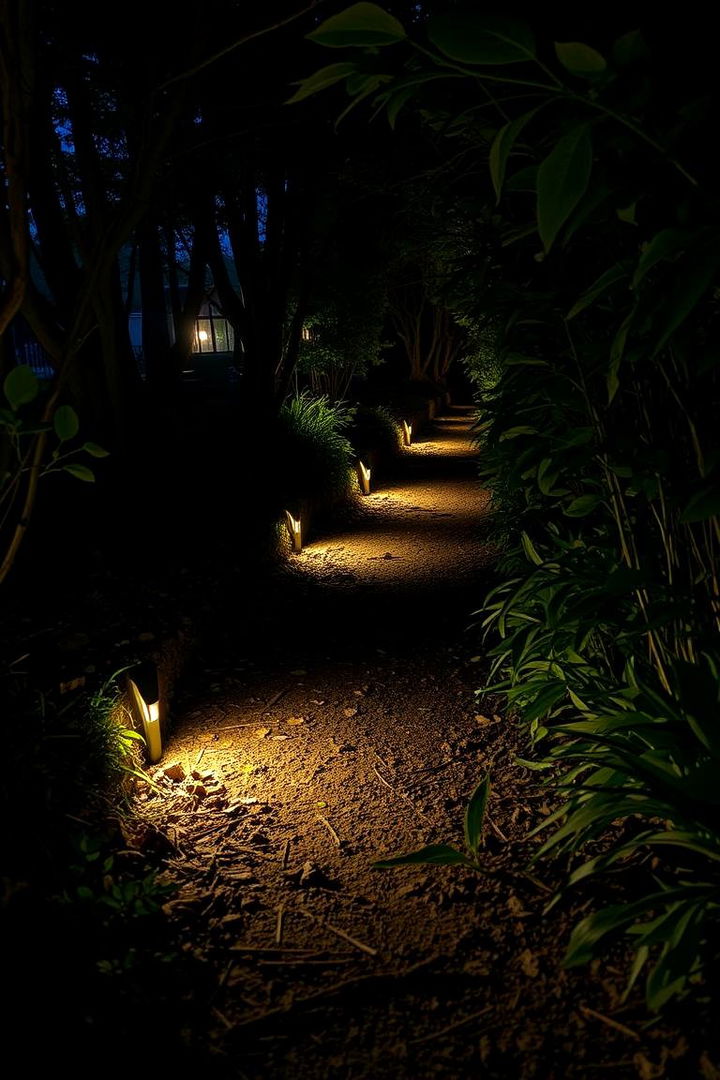
As dusk settles, underground lighting can subtly illuminate a shadowy garden space, enhancing its secret charm. Gently placed fixtures along pathways and borders reveal hidden textures and accentuate mature foliage. This modern approach adds depth without overwhelming the natural ambiance. Installation tips include using energy-efficient LED lights and carefully planned placement to avoid harsh glare. Such lighting transforms the garden into a safe, inviting space after dark, highlighting artful details and the natural interplay of shadow and light. Embrace innovation to create a magical atmosphere that invites evening wanderers into its calm beauty.
8. Adding Artistic Garden Sculptures
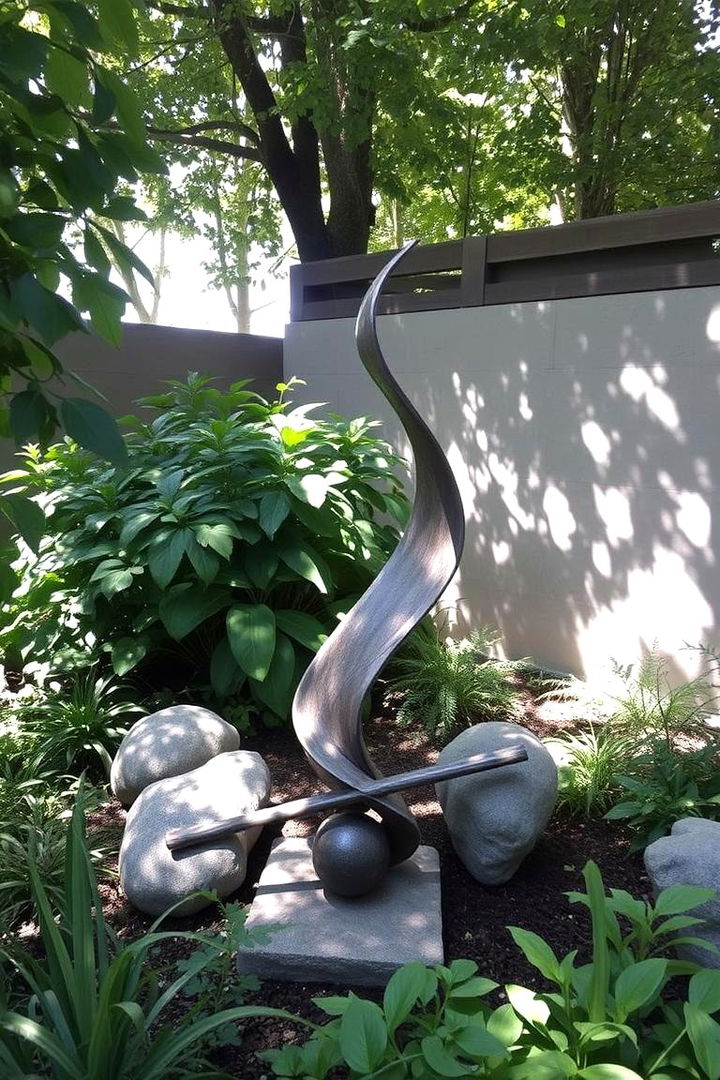
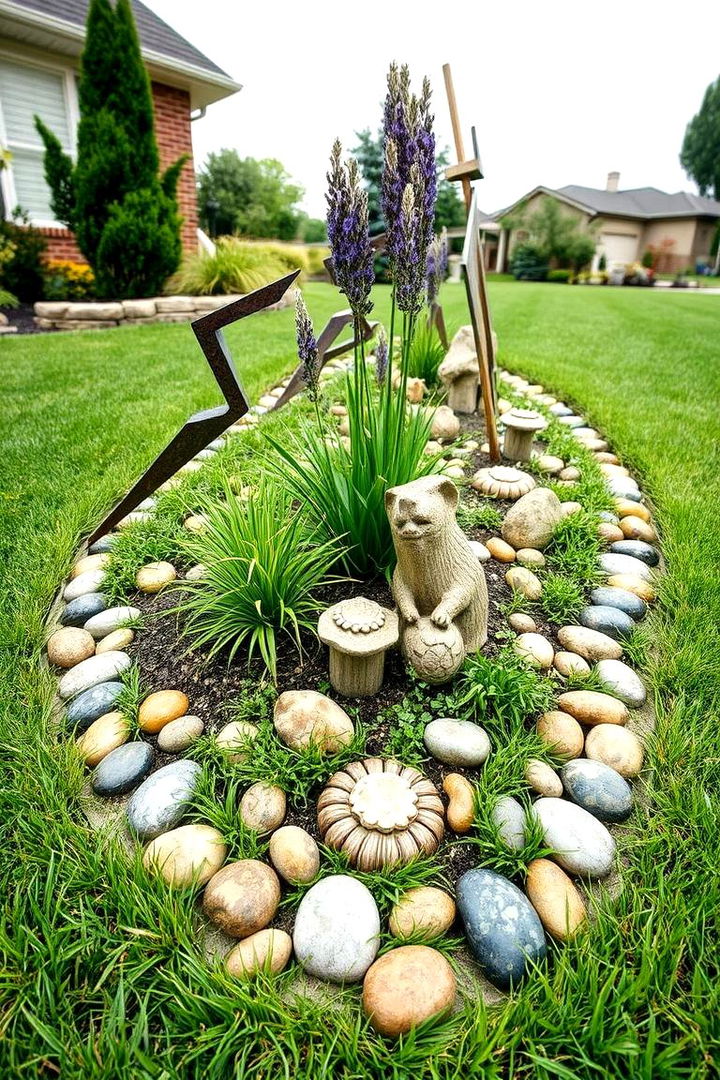
Looking to infuse personality into your shaded outdoor space? Artistic garden sculptures serve as focal points, reflecting the creative spirit of your design. Choose pieces crafted from natural materials such as stone or metal that naturally weather and blend with the environment. These sculptures add a distinct character, drawing the eye and provoking thoughtful reflection. Integrate them among lush plantings and layered textures to enrich the garden’s narrative. Practical considerations include scale and placement to complement, rather than overpower, the natural scenery. Enjoy a uniquely expressive garden that celebrates creativity under gentle shade.
9. Building a Secluded Arbor
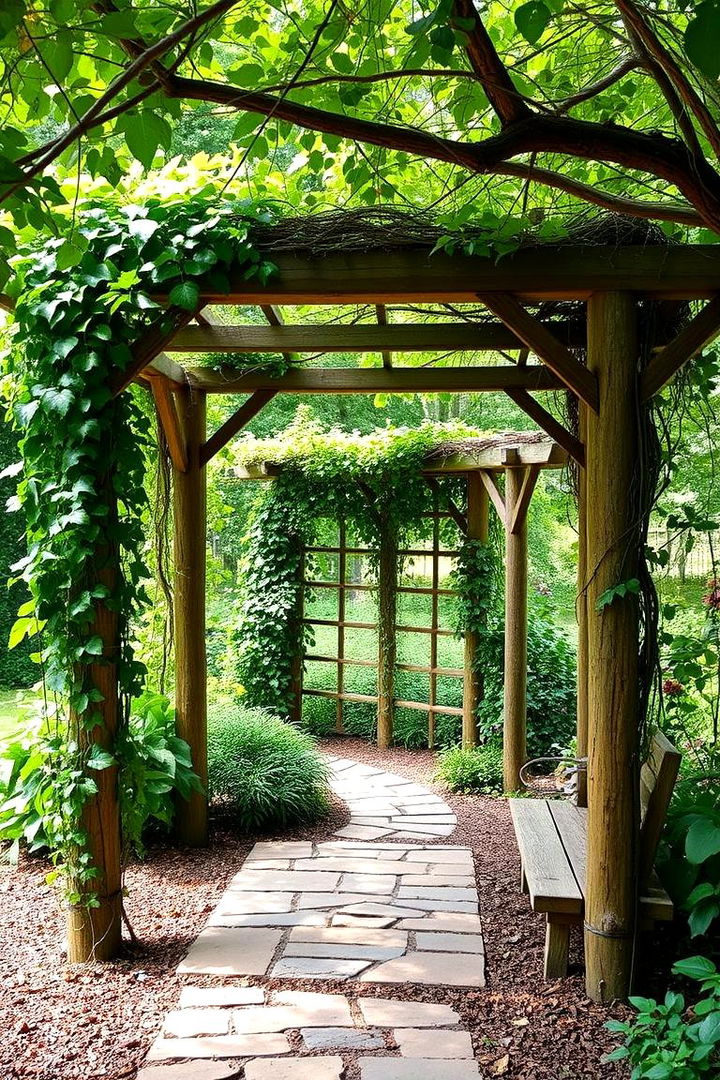
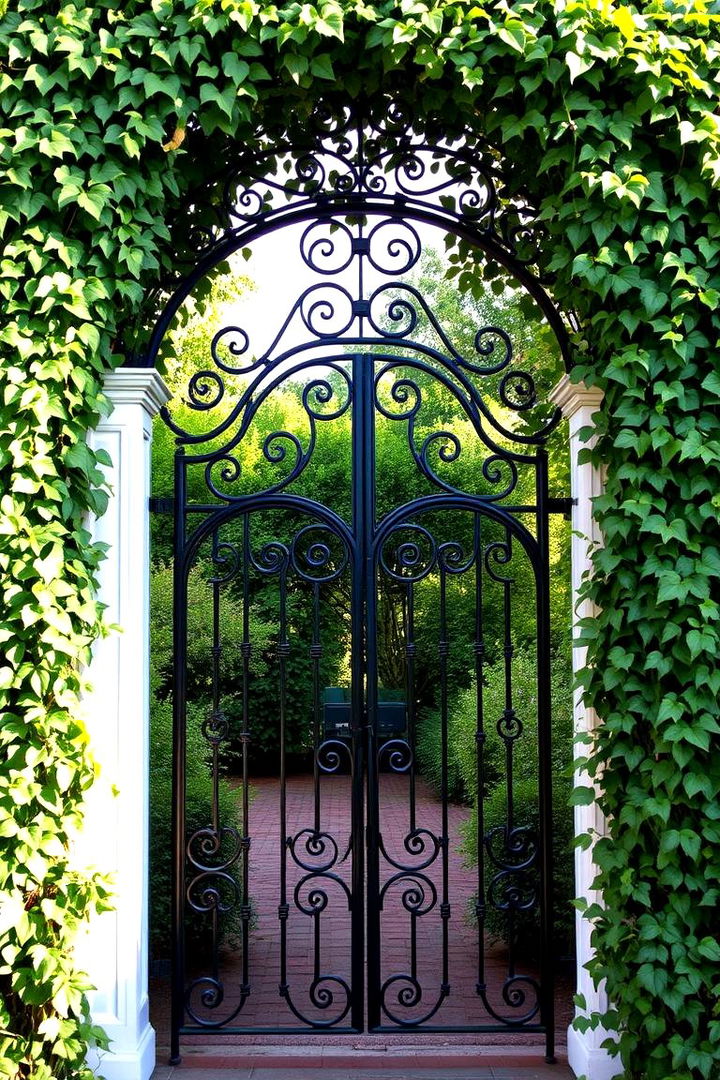
An intimate arbor in the shade creates a natural shelter that exudes both charm and functionality. Structured with climbing plants or lightweight trellises, an arbor offers a secluded retreat that invites quiet reflection. Its design softens harsh angles, blending man-made structures with nature’s organic allure. Tips include using durable materials and positioning the arbor to maximize the interplay of light and shadow. This unique garden element transforms an ordinary space into a private sanctuary, enhancing the overall design. Experience the joy of a shaded haven that not only beautifies your garden but also provides a welcoming nook for relaxation.

10. Crafting a Mini Forest Ambiance
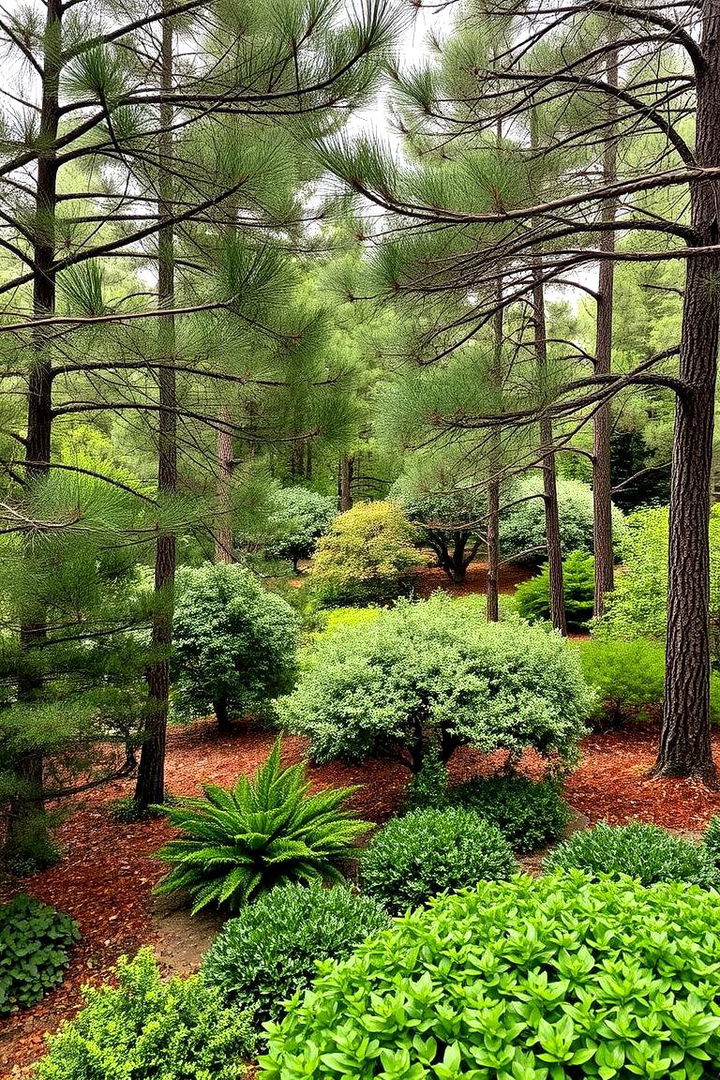
Imagine stepping into your own backyard mini forest, dense with shaded plantings and natural textures. By layering trees, shrubs, and groundcovers, you can simulate a wooded environment that offers cool refuge and intriguing biodiversity. This design approach combines various heights and foliage types to create a layered visual effect that intrigues and comforts. Useful tips include designing clear pathways and using mulch to mimic forest floors. This garden idea not only creates a rich, immersive experience but also fosters wildlife habitats. Enjoy your personalized forest retreat that embodies the tranquility and mystery of nature even in urban settings.
11. Leveraging Vertical Gardening Techniques
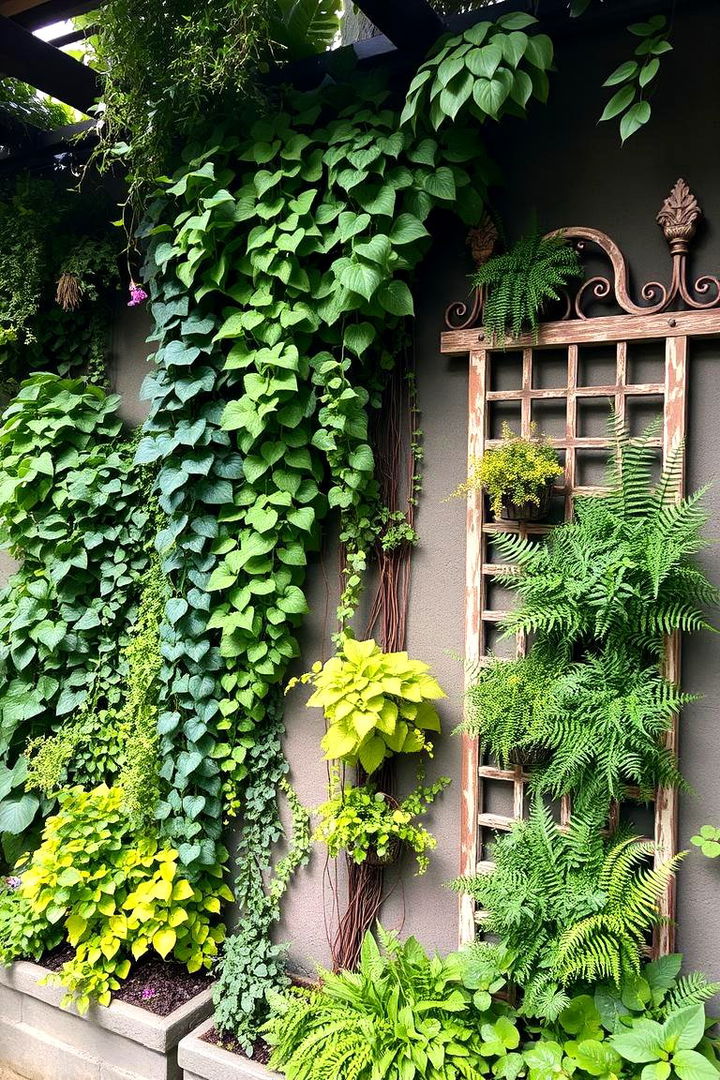
Have you considered maximizing space by growing upward? Vertical gardening techniques in shady areas open up a new dimension to your outdoor space by utilizing walls, fences, or trellises. This method is perfect for cultivating ferns, ivies, and other climbing plants, creating living green walls that add texture and depth. Space-saving yet visually engaging, vertical gardens offer practical benefits and decorative charm. Incorporate sustainable materials and modular planters for versatility. Enjoy the benefits of increased planting space and artistic expression that transforms limited areas into lush, inspiring vertical landscapes under the soft caress of shade.
12. Designing a Butterfly Haven in the Shade
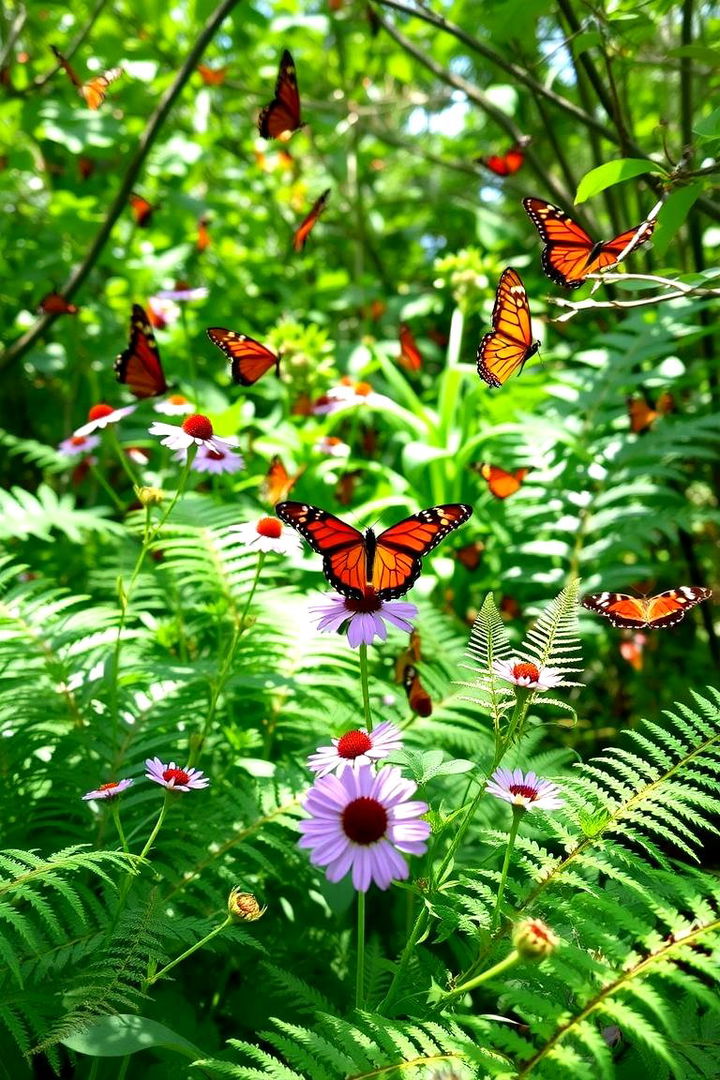
What makes a garden truly magical? A butterfly haven, even in the shaded nooks, attracts vibrant pollinators and adds dynamic life to your space. By selecting specific nectar-rich, shade-loving plants, you create an inviting environment for a variety of butterflies and moths. Incorporate elements such as small water features and flowering clusters to stimulate the senses. This balanced ecosystem fosters both beauty and ecological support while offering engaging opportunities for observation. Expert tips include maintaining a steady watering schedule and organic practices. Enjoy the transformation of your garden into a living tableau enriched with fluttering, colorful visitors.
13. Creating a Zen Garden Corner
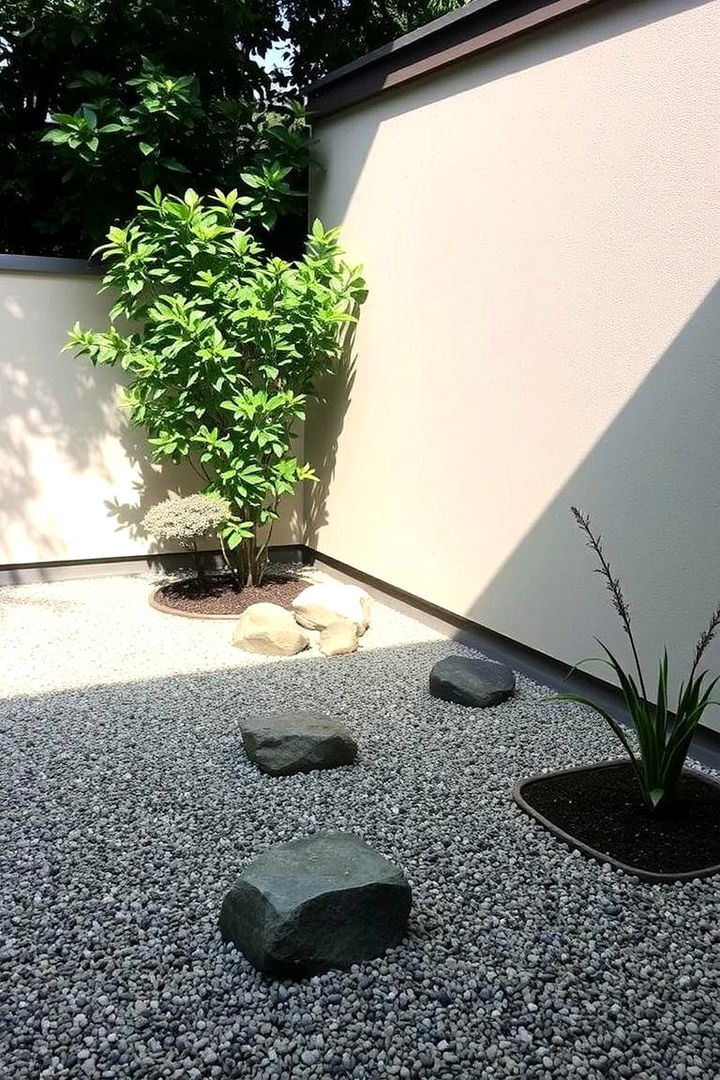
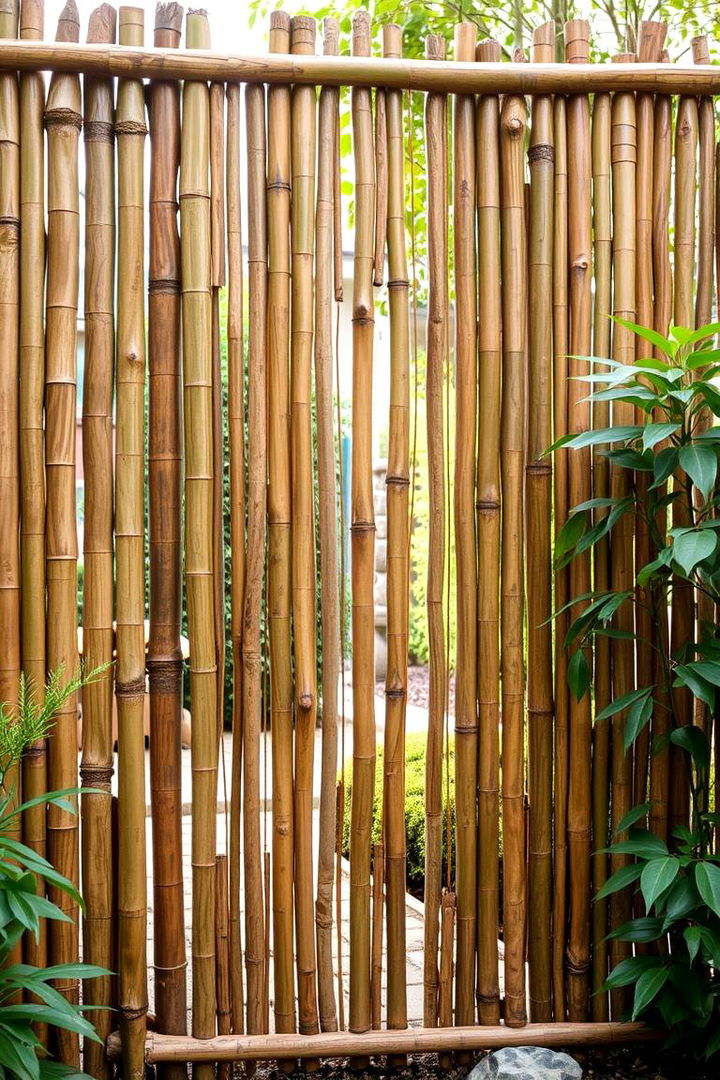
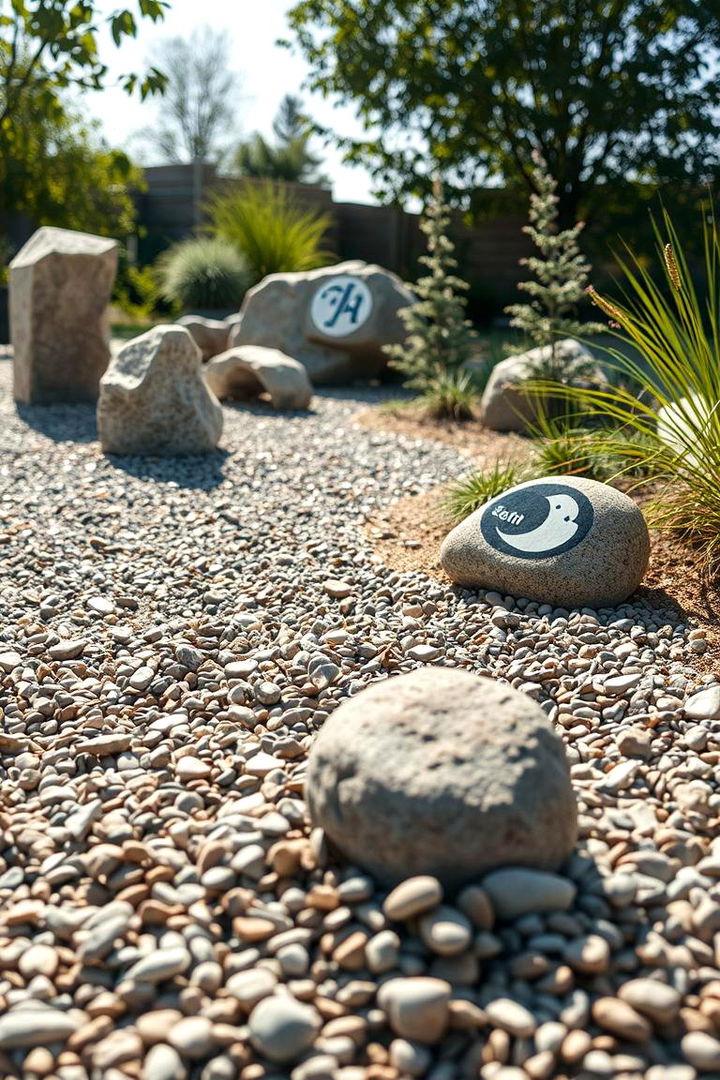
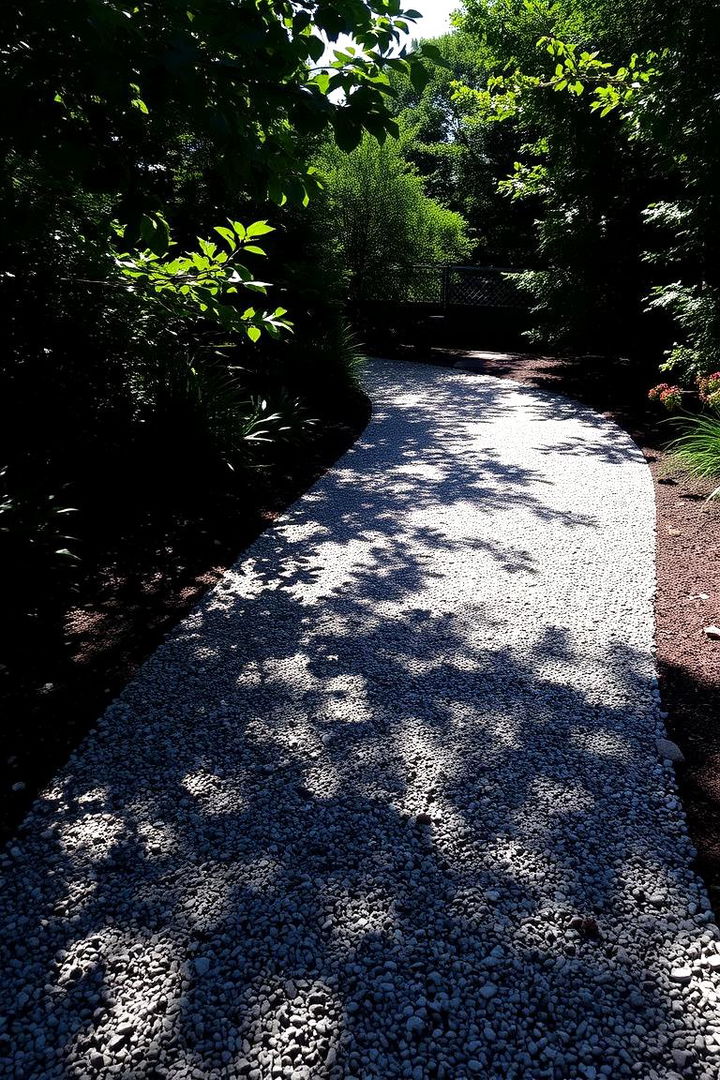
To evoke inner peace, design a zen garden corner that cultivates mindfulness amidst shaded tranquility. The focus here is on simplicity, balanced elements, and carefully placed natural stones, raked gravel, and subtle greenery. This tranquil setting encourages meditation and relaxation, offering a minimalist escape from daily chaos. Practical tips include using calming color palettes and incorporating water or bamboo accents. Each element is designed to harmonize with the cool, filtered light of the shaded area. Embrace these Zen principles to transform your garden into a reflective sanctuary that nurtures inner balance and creative thought.
14. Incorporating Natural Rock Elements
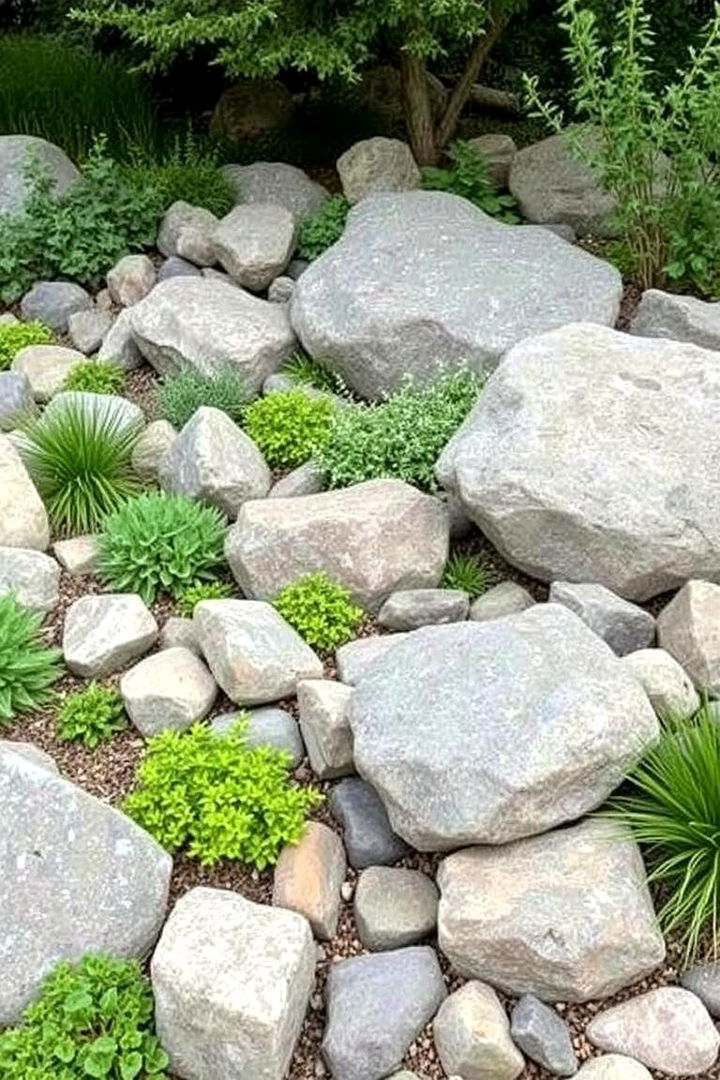
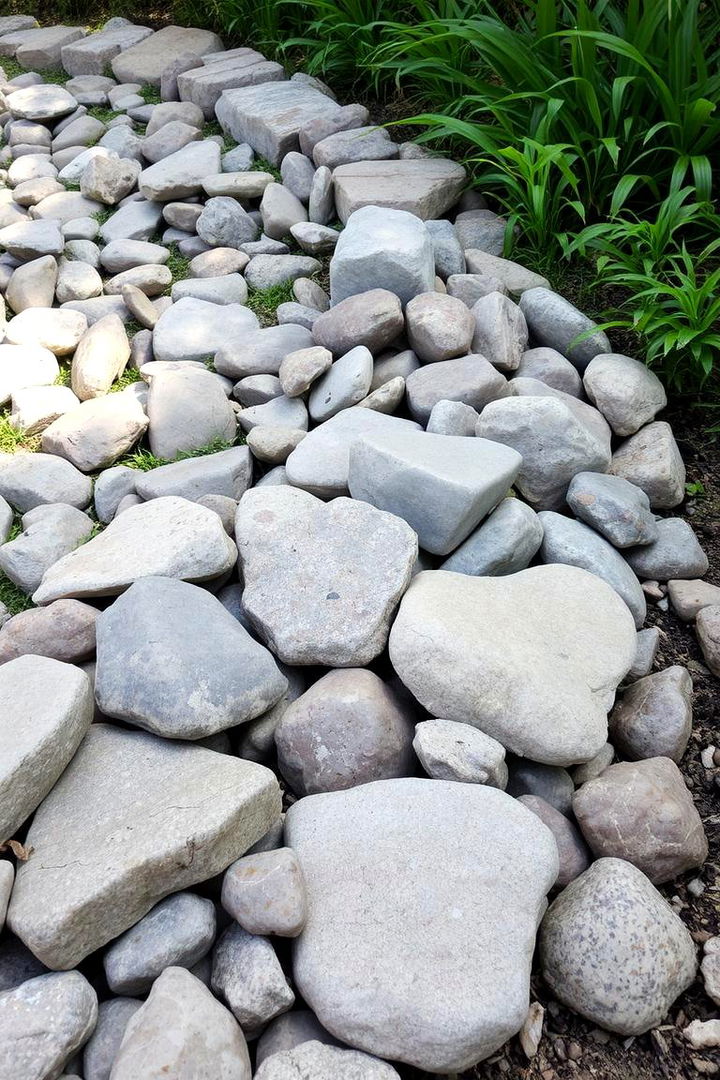
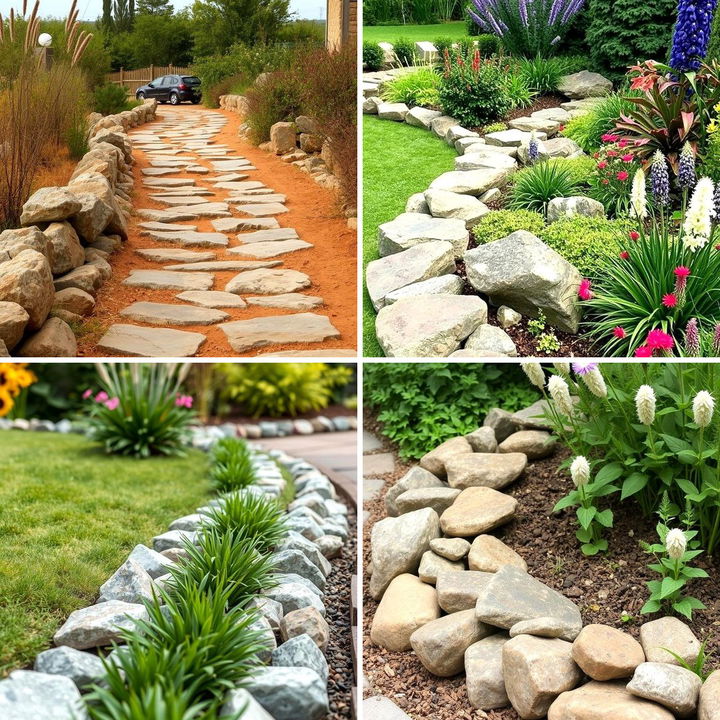
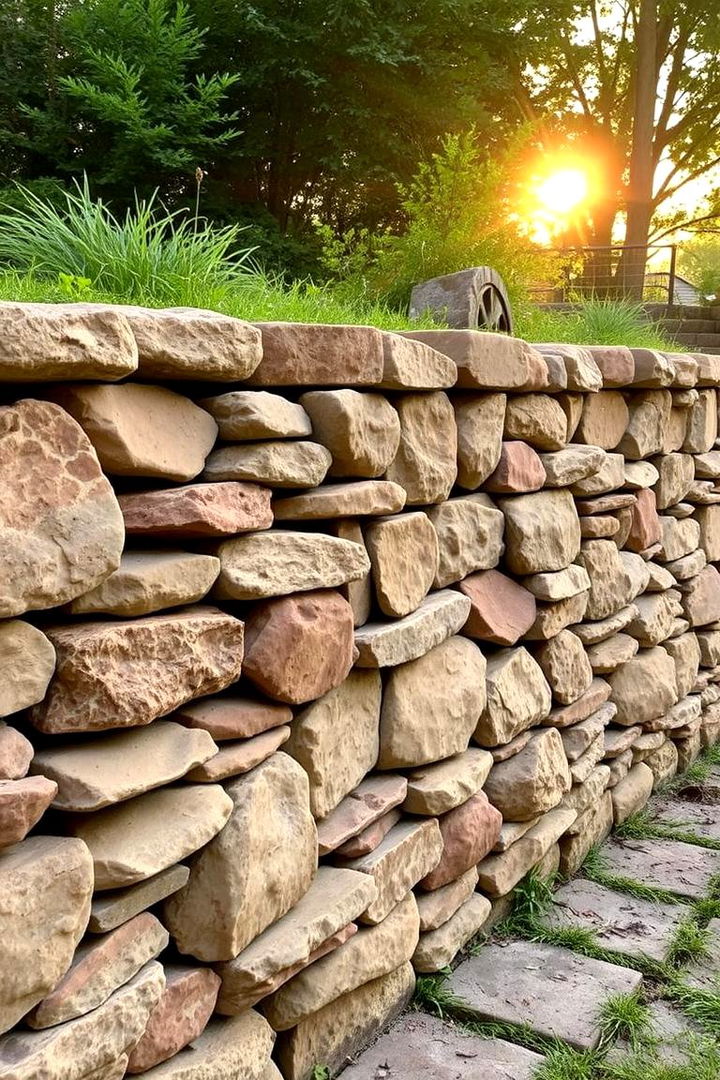
Unlike typical garden designs, incorporating natural rock elements introduces rugged textures and organic forms into your shaded space. Carefully positioned boulders and stone pathways add structure and visual intrigue, contrasting beautifully with soft, delicate foliage. This tactile approach integrates seamlessly with nature and offers a timeless aesthetic. Practical considerations include selecting stones that complement the surrounding palette and arranging them to guide movement. The result is a garden that exudes both strength and gentle artistry. Enhance your outdoor retreat with natural elements that celebrate the organic essence of nature while soothing your senses with harmonious design.


15. Creating a Hidden Herb Garden
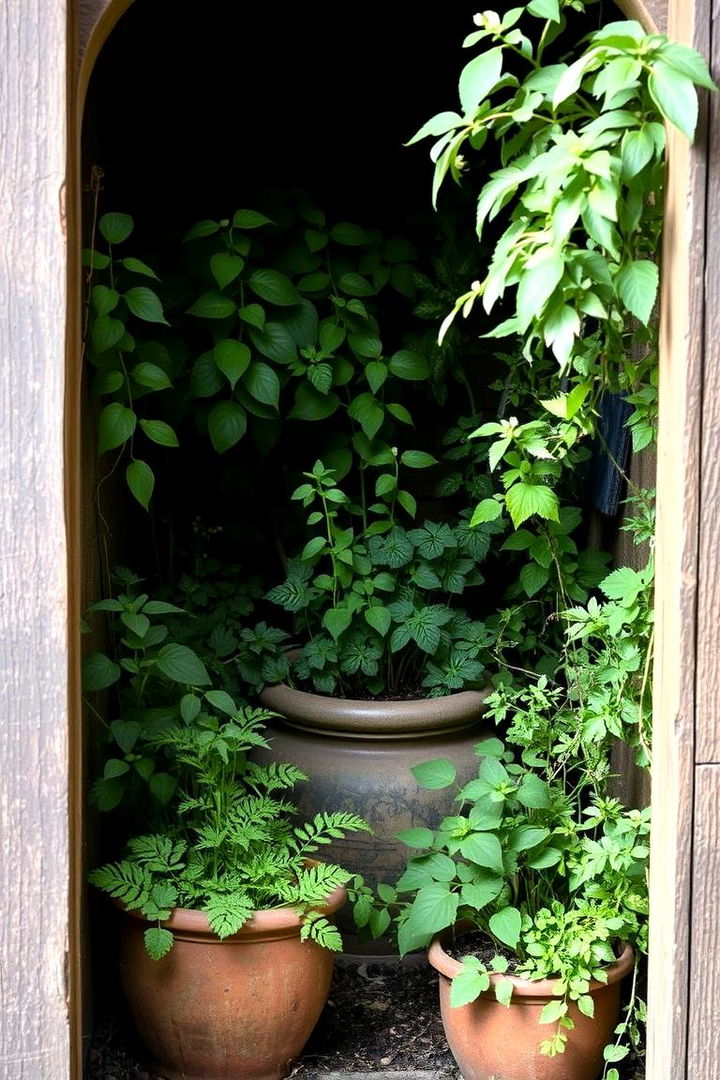
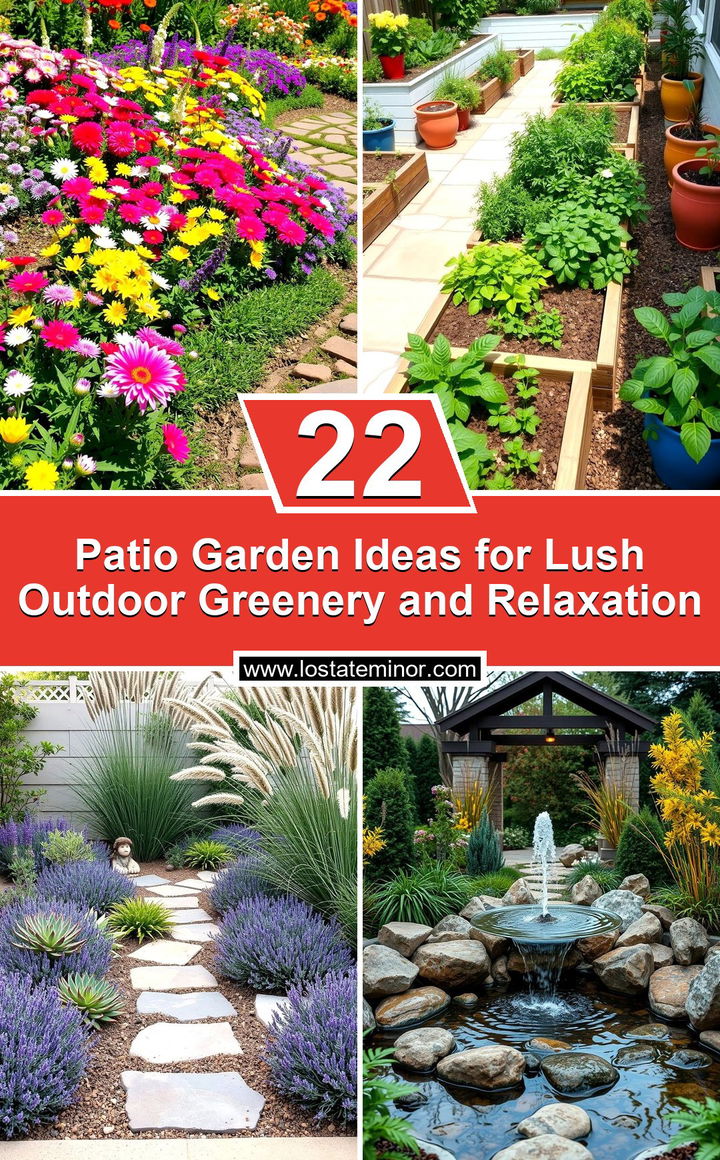
With a little creativity, even a shaded area can hide a delightful herb garden. Nestled away behind foliage, this discreet space offers an aromatic retreat filled with culinary and medicinal treasures. Choose shade-tolerant herbs such as mint, lemon balm, or chives, which flourish under dappled light. This concept provides both practicality and aesthetic charm by cleverly integrating edible plants into an unconventional setting. Tips include using raised beds or cleverly concealed planters to maximize space. Enjoy the dual benefits of fresh flavors and a naturally designed herb haven that adds both function and fragrance to your garden oasis.
16. Emphasizing Unique Foliage Varieties
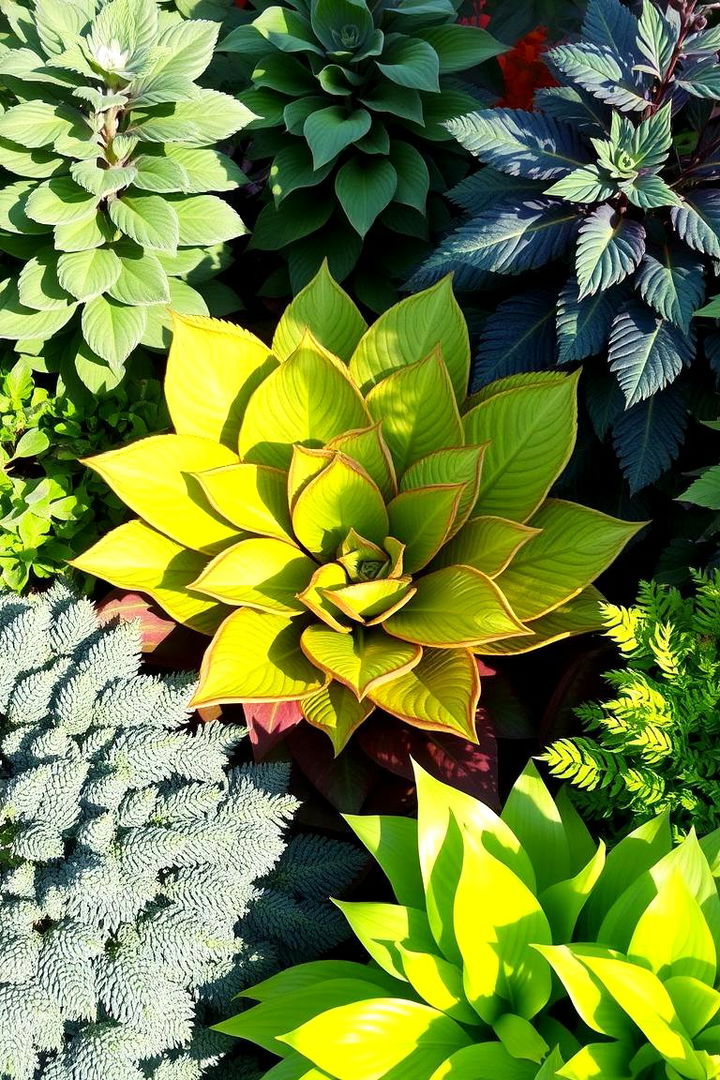
Surprisingly, your shade garden’s character can be enhanced through an array of unique foliage varieties. By selecting an assortment of textured leaves, from the feathery fronds of ferns to the bold shapes of hostas, you create a visually dynamic landscape. This emphasis on leaf forms and colors sets a distinctive tone that captivates the eye even in low light. Practical tips include combining various green hues with subtle color splashes and ensuring proper spacing for each plant to flourish. Enjoy a layered, artful display that transforms shadowed corners into a vibrant tapestry of natural life and distinct design.
17. Developing Multi-Level Garden Areas
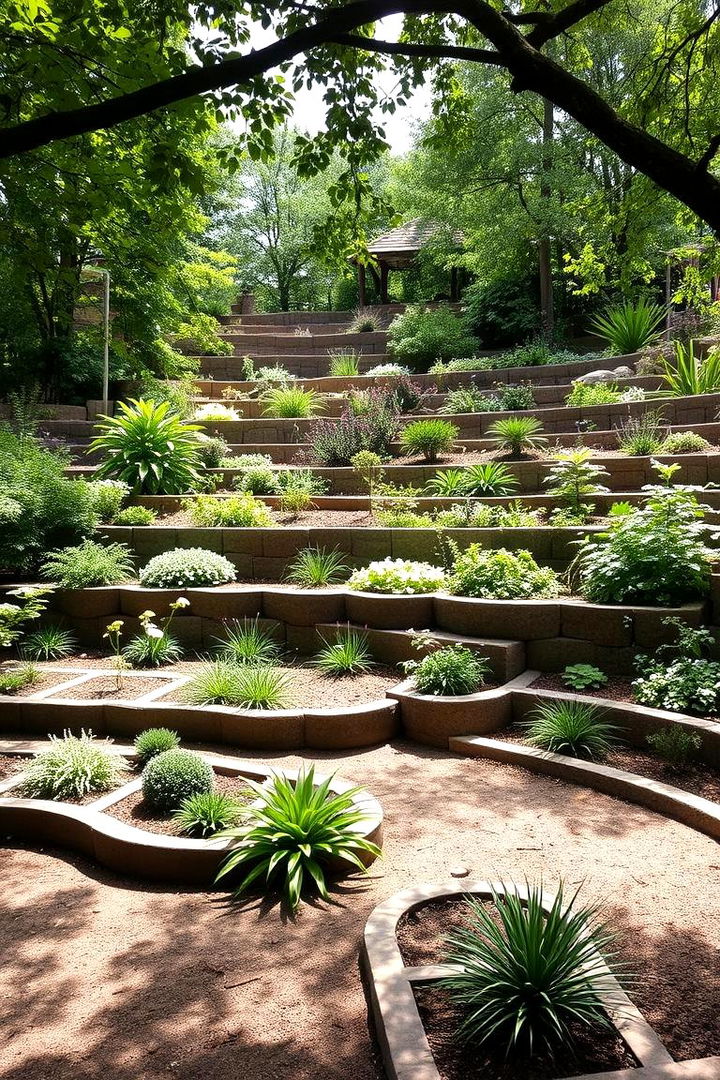
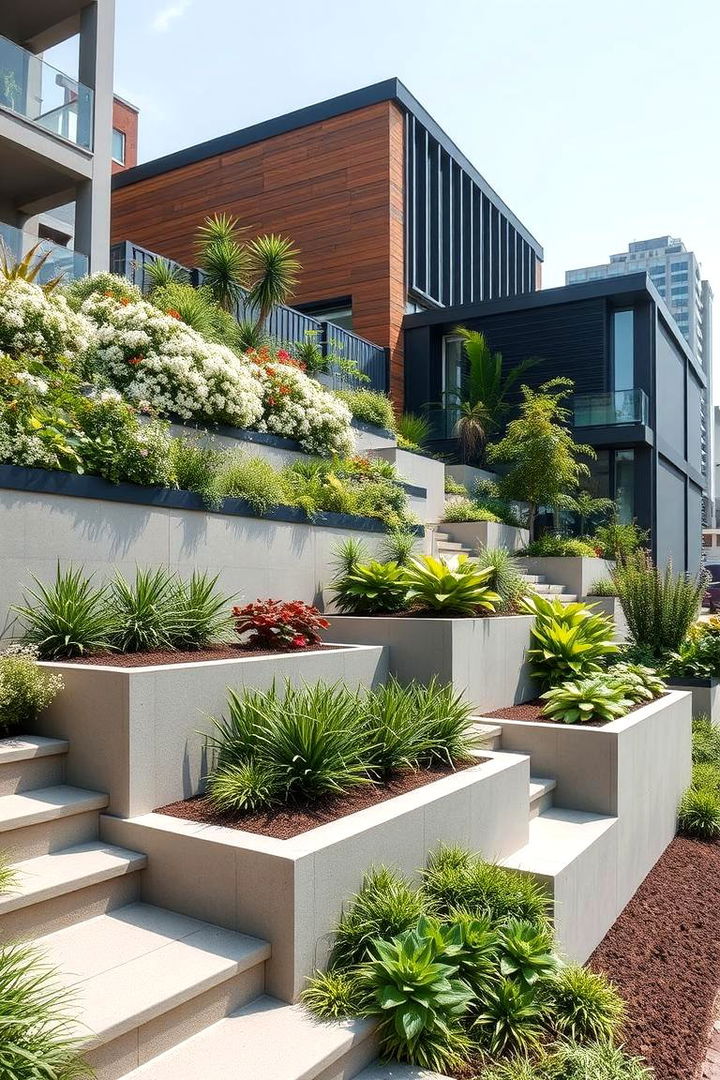
To maximize visual interest and functionality, developing multi-level garden areas can transform a flat space into a dynamic landscape. By incorporating raised beds, terraced planters, and varying ground elevations, you create layers that offer depth and dimension. This method not only enhances biodiversity but also enables different microclimates to thrive even in shady conditions. Practical advice includes choosing suitable materials for retaining structures and ensuring accessible pathways across levels. This design approach adds both practical space and artistic flair, enriching your garden’s narrative with elegant, measured transitions amidst the cool calm of shade.
18. Crafting an Eco-Friendly Garden Oasis
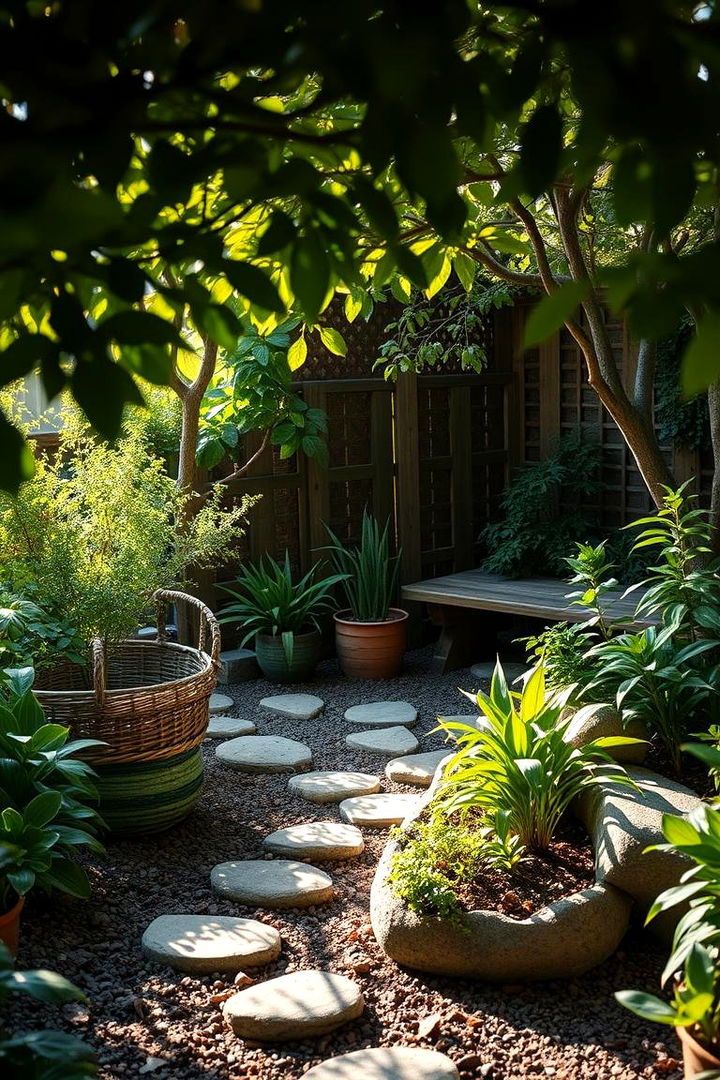
With sustainability in mind, crafting an eco-friendly garden oasis in the shade combines environmental responsibility with natural beauty. Emphasize organic practices, water conservation, and native plantings that thrive with minimal inputs. The integration of recycled materials and renewable energy options for lighting and irrigation further elevates the design. Practical tips include using organic mulches and promoting beneficial insects while creating a visually pleasing space. This approach not only benefits the environment but also provides a peaceful retreat that embodies nature’s resilience. Enjoy a harmonious garden space that reflects eco-conscious design and offers long-term beauty.
19. Constructing a Shade Garden Seating Wall
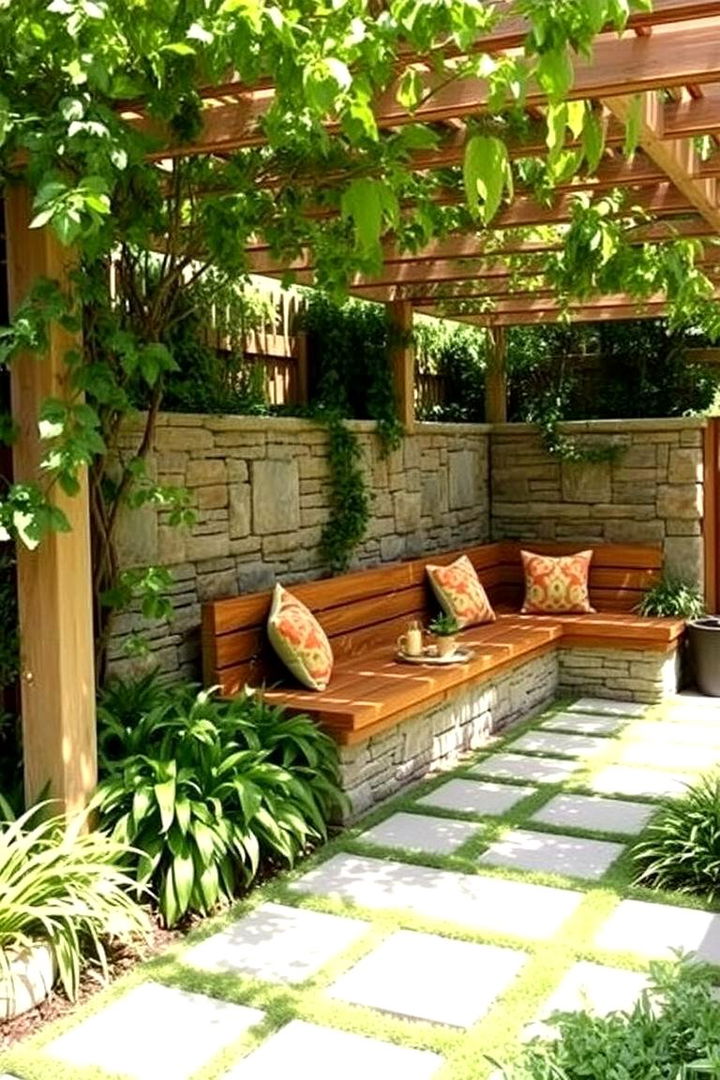
Certainly, designing a seating wall within a shade garden offers both aesthetics and practicality. This creative idea combines built-in seating with artistic stone or woodwork, offering an inviting spot for relaxation and social interactions. The wall serves as both a structural and decorative element, seamlessly integrating with surrounding plantings. Actionable tips include selecting durable, weather-resistant materials and positioning the wall to maximize natural shade. This approach yields a multifunctional outdoor feature that enhances the garden’s usability while maintaining a natural ambience. Enjoy a comfortable, well-integrated space that invites rest amid the cool embrace of the shade.

20. Embracing Seasonal Shade Blooms
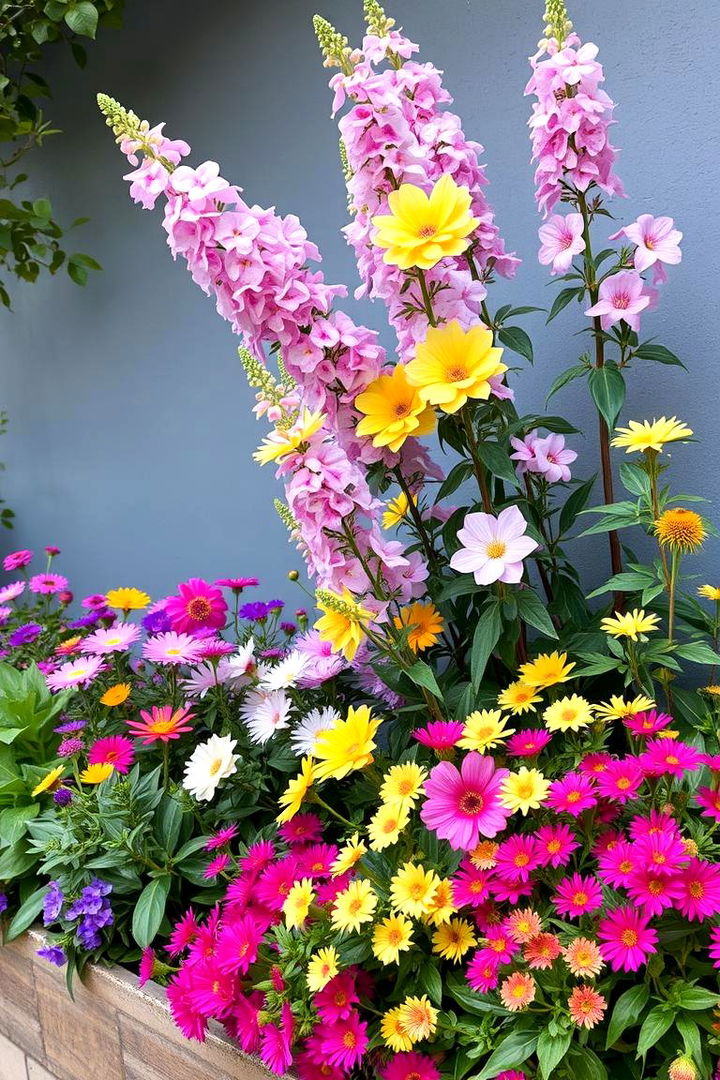
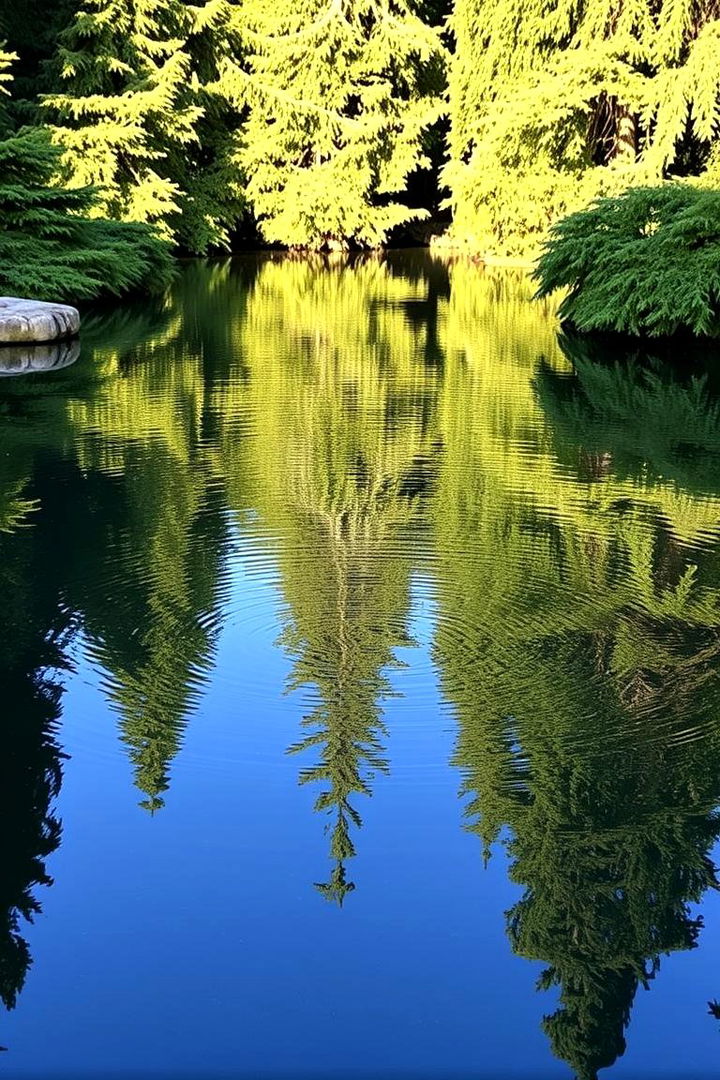
Despite limited sunlight, numerous shade-loving plants offer vibrant seasonal blooms that bring life to dark corners. This idea showcases the joy of carefully curated seasonal flowers that show dramatic bursts of color throughout spring to autumn. By planning your garden’s layout with complementary hues and bloom times, you ensure continuous visual delight. Practical tips involve regular pruning, soil enrichment, and choosing plants specifically adapted to low-light conditions. Relish the evolving beauty of your outdoor space as seasonal changes reveal nature’s palette under a tranquil canopy. Enjoy a garden that celebrates natural cycles with vivid, enchanting displays in the shade.
21. Designing an Edible Garden in the Shade
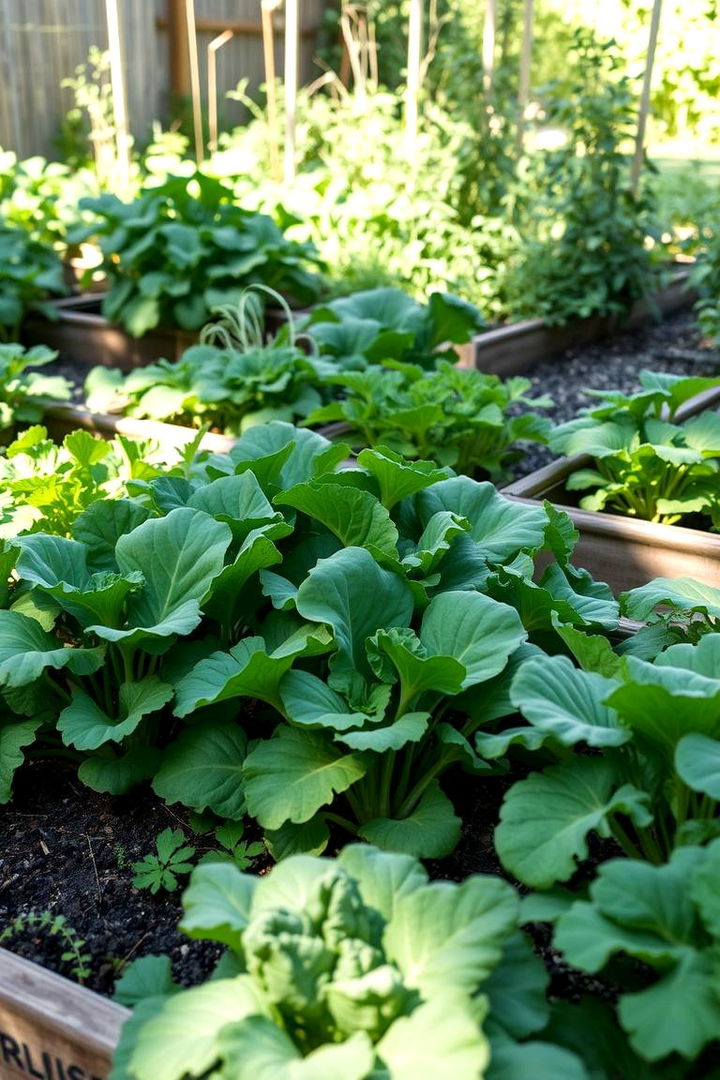
What if your shaded garden could produce its own fresh harvest? Designing an edible garden in the shade is both a creative and practical idea. By selecting cool-season vegetables, leafy greens, and shade-tolerant fruits, you can enjoy a sustainable and delicious bounty without direct sunlight. This method maximizes underutilized spaces to create both beauty and function. Practical advice includes using raised beds, organic compost, and strategic irrigation techniques. The result is a versatile garden that nourishes both body and soul. Enjoy the rewarding experience of cultivating fresh produce in the tranquil comfort of a shaded setting.
22. Blending Modern and Natural Elements
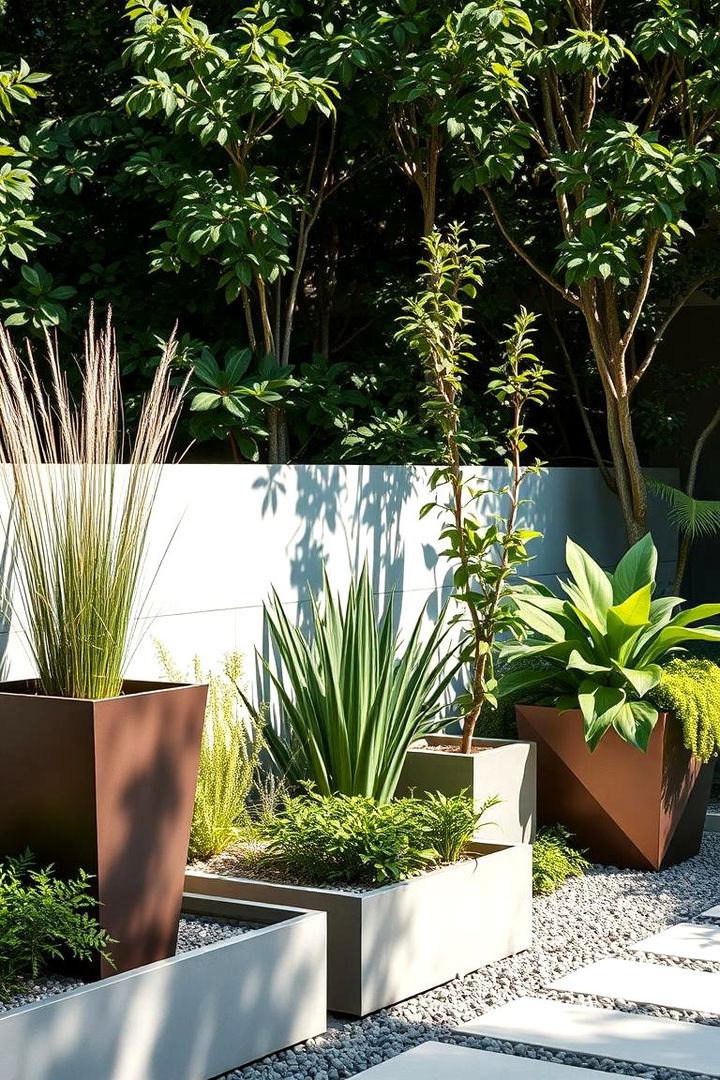
To innovate within a traditional garden setting, blending modern and natural elements offers a perfect balance of style and nature. This design idea seamlessly integrates contemporary materials such as sleek metal accents and geometric planters with organic, soft foliage and natural stone. The juxtaposition creates visual interest without overwhelming the serene atmosphere of a shady space. Practical tips include selecting complementary color schemes and focusing on minimalistic yet impactful structures. Enjoy a garden that feels both refined and rustic—a harmonious blend of modern design with the timeless beauty of nature under the gentle embrace of shade.
Conclusion:
Reflecting on these creative approaches, you can see how each Shade Garden Design Idea offers unique benefits—from tranquility and sustainability to artistic flair and innovative space utilization. The blend of natural elements with modern touches enables you to transform any shaded area into a vibrant oasis. By selecting thoughtfully curated plantings, functional structures, and creative accents, you create a garden that nurtures both the spirit and the senses. Embrace these insights to craft a space that is not only beautiful but also deeply meaningful, drawing inspiration from every corner of nature’s shaded wonders.

Related posts: