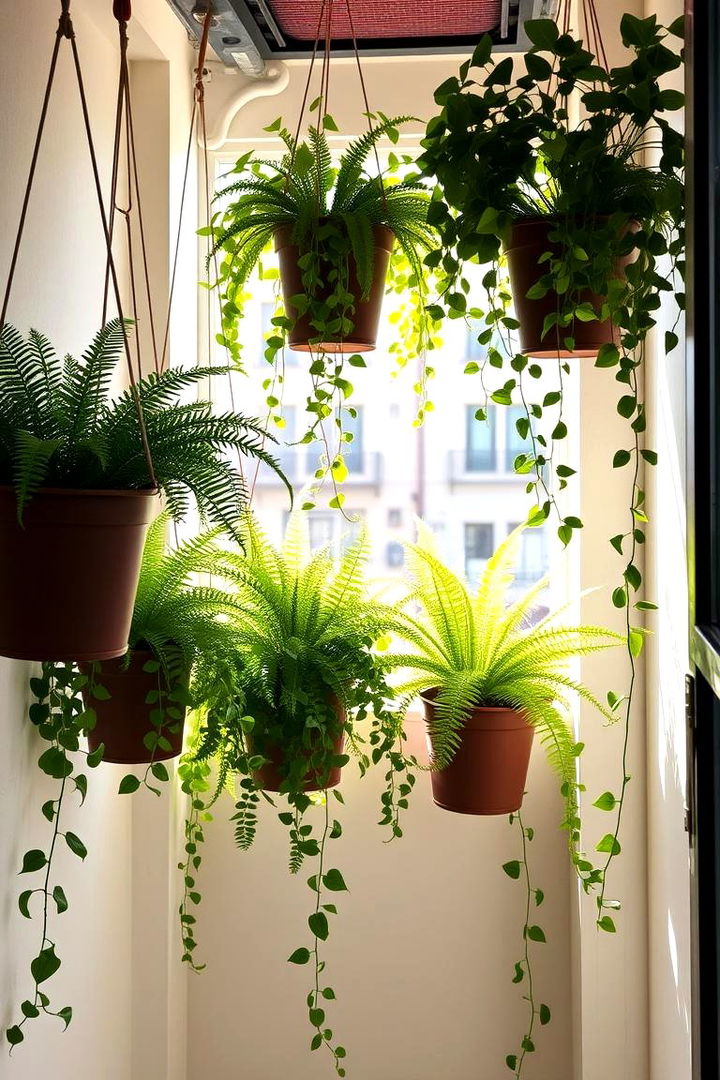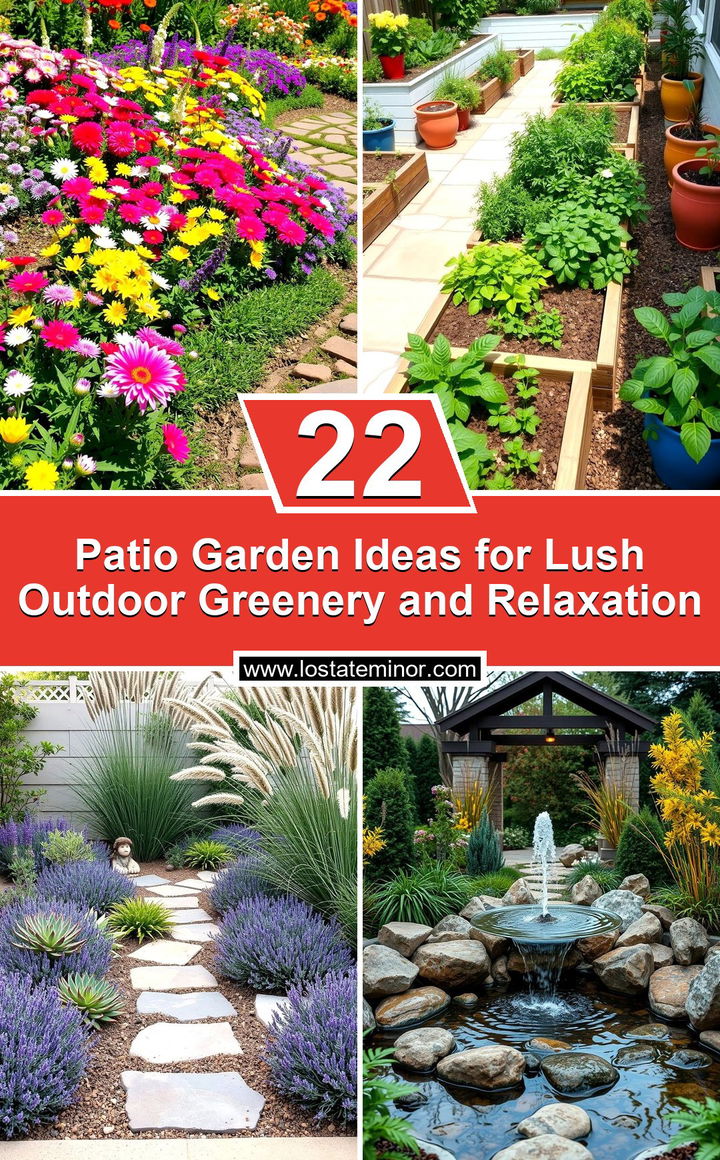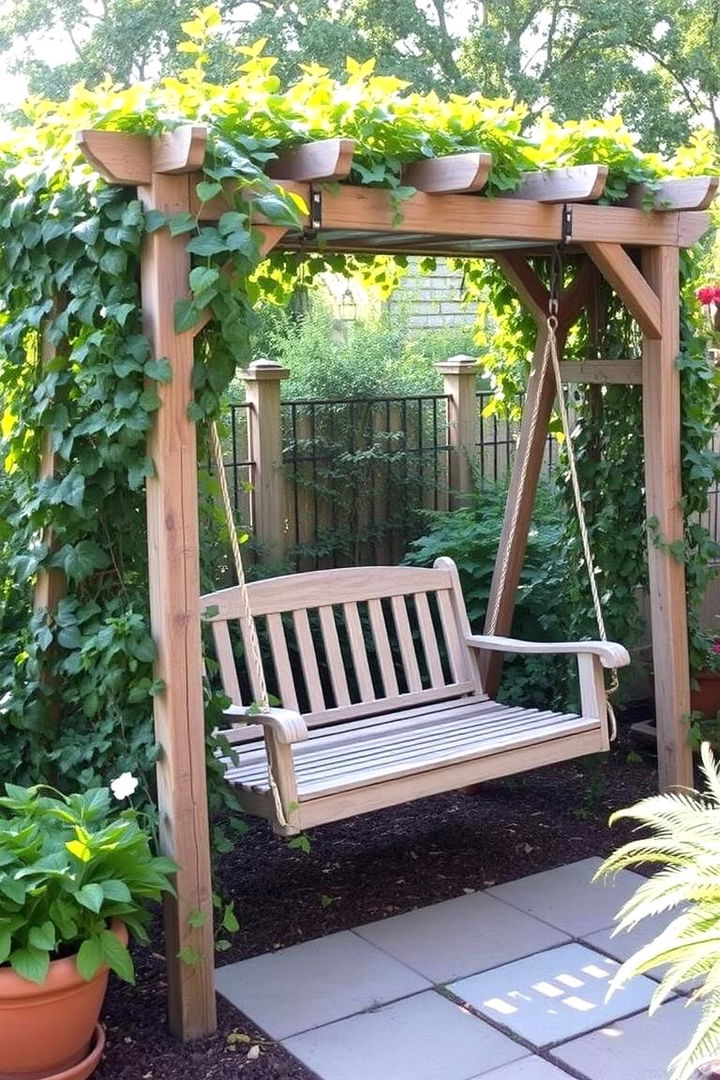
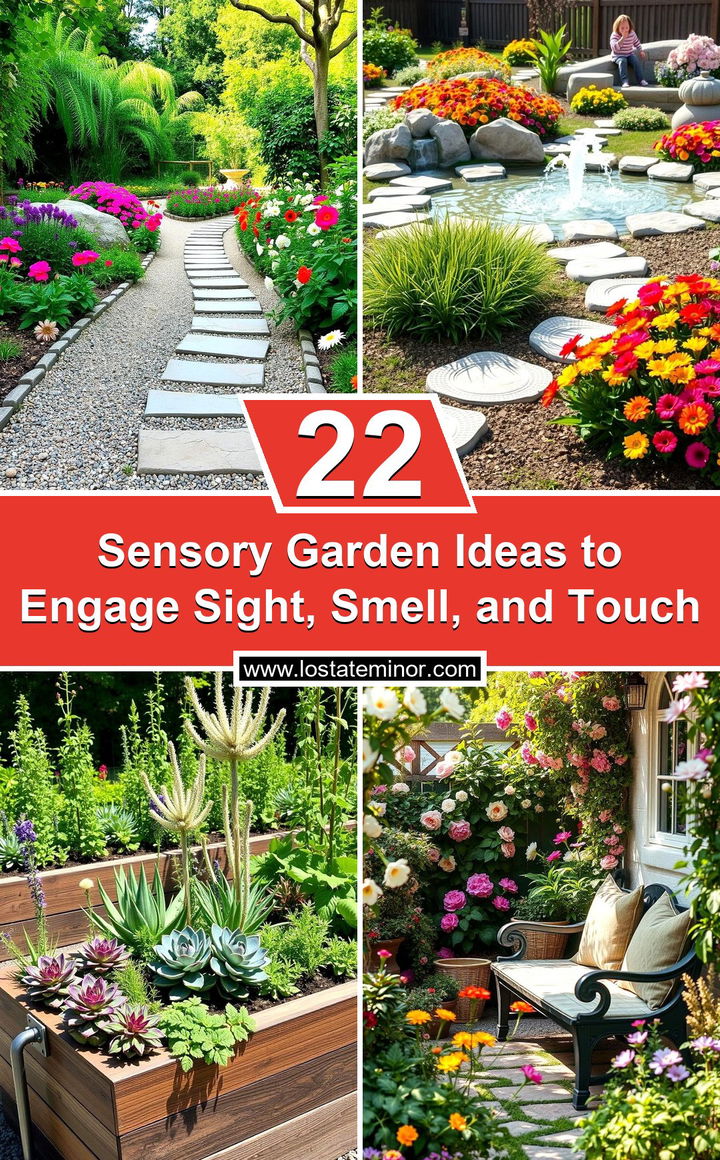
Exploring a world full of colors, textures, and fragrances, 22 Sensory Garden Ideas inspire both creativity and relaxation. These ideas transform any outdoor space into an enchanting haven where you can engage your senses fully. Whether you’re seeking comfort, inspiration, or a playful escape, each concept offers unique ways to connect with nature. Dive into these design tips that invite you to see, touch, smell, and hear the garden in new ways. Let your curiosity blossom as you explore the 22 Sensory Garden Ideas.
1. Vibrant Flower Color Palettes

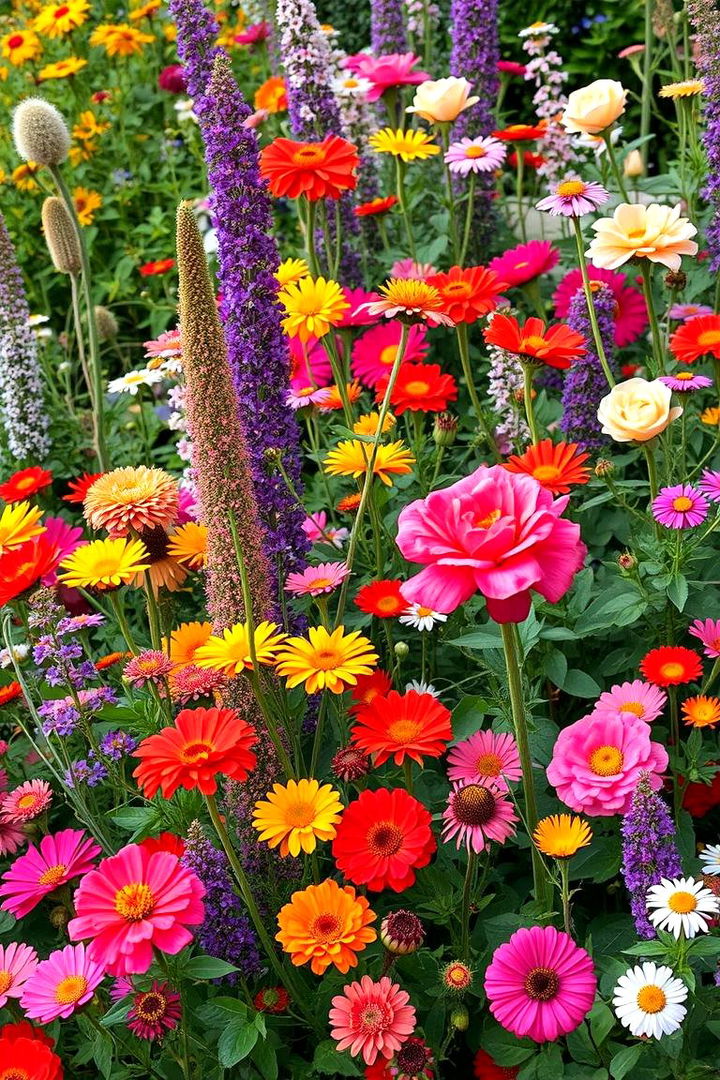
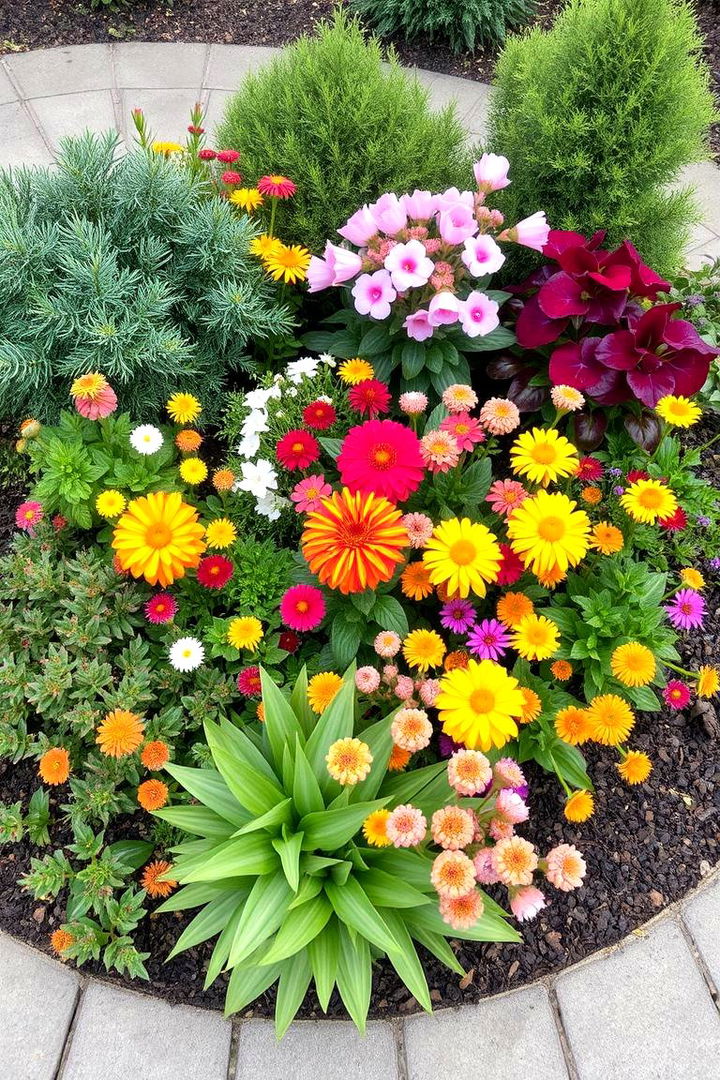
A burst of color welcomes you into this sensory garden space, where vibrant flower color palettes create an immediate sense of joy. The interplay of brilliant hues enhances mood and elevates the garden’s visual appeal while offering diverse sensory stimulation. By carefully selecting seasonal blooms, you introduce varying textures and subtle fragrance notes that complement the color spectrum. This idea not only excites the eyes but also fosters a lively atmosphere. Embrace the cheerful energy that flows naturally from a garden abundant with bright, harmonious colors.
2. Aromatic Herb Layouts
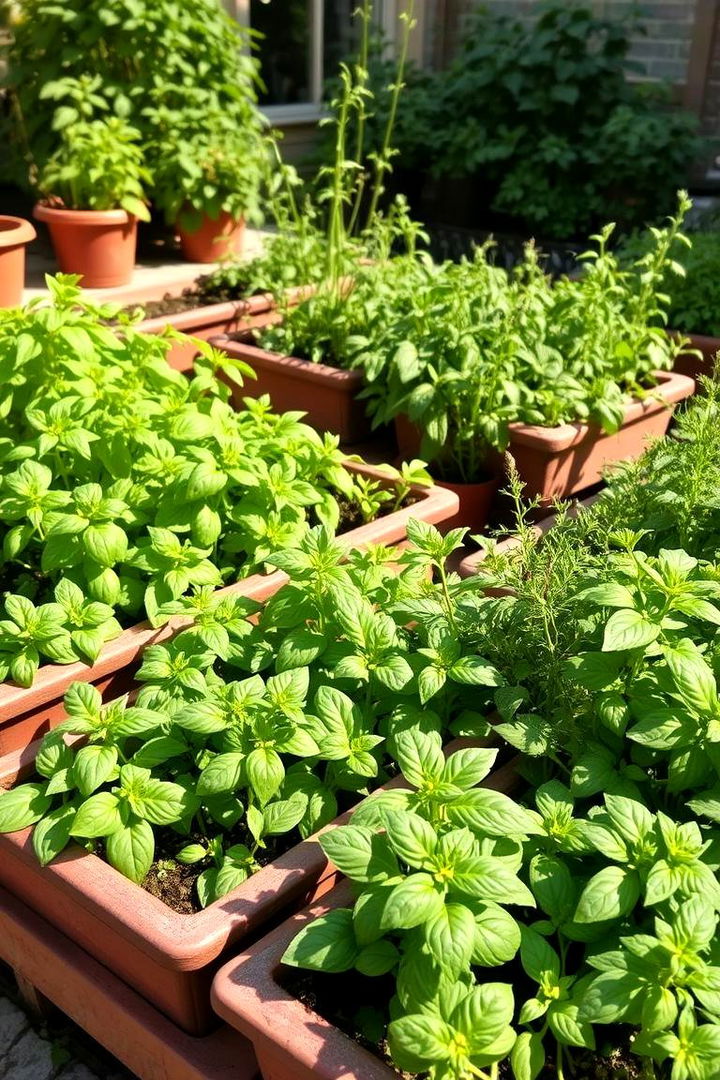
With the aroma of fresh herbs filling the air, aromatic herb layouts foster both culinary and sensory delights in your garden. Using basil, mint, lavender, and rosemary, the garden becomes a fragrant retreat that engages the sense of smell while also offering edible benefits. The well-planned herb beds create a visually appealing pattern and add a natural charm with their delicate textures and vibrant green hues. This idea transforms standard garden spaces into dynamic, aromatic environments that stimulate creativity and calm the mind, inviting exploration and relaxation.
3. Tactile Textured Plants
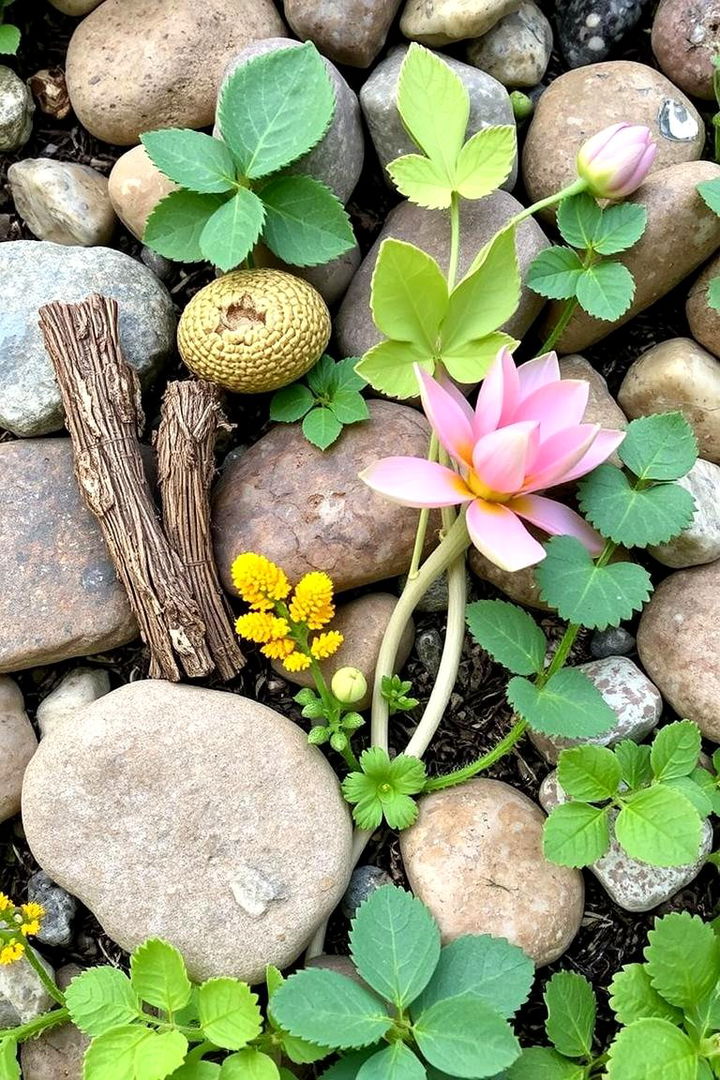
Imagine stepping into a garden where every leaf, bud, and bark tells a tactile story. Tactile textured plants add a layer of sensory enjoyment by featuring species with unique leaf shapes, bumpy bark, and soft petals. This idea encourages visitors to engage actively with nature through touch, enhancing memorability and creating an interactive experience. The mix of rough and smooth textures enriches the garden’s atmosphere, making it a haven for both adults and children seeking hands-on nature exploration. It’s a perfect way to connect with the outdoors on a physical level.
4. Water Features for Soothing Sounds
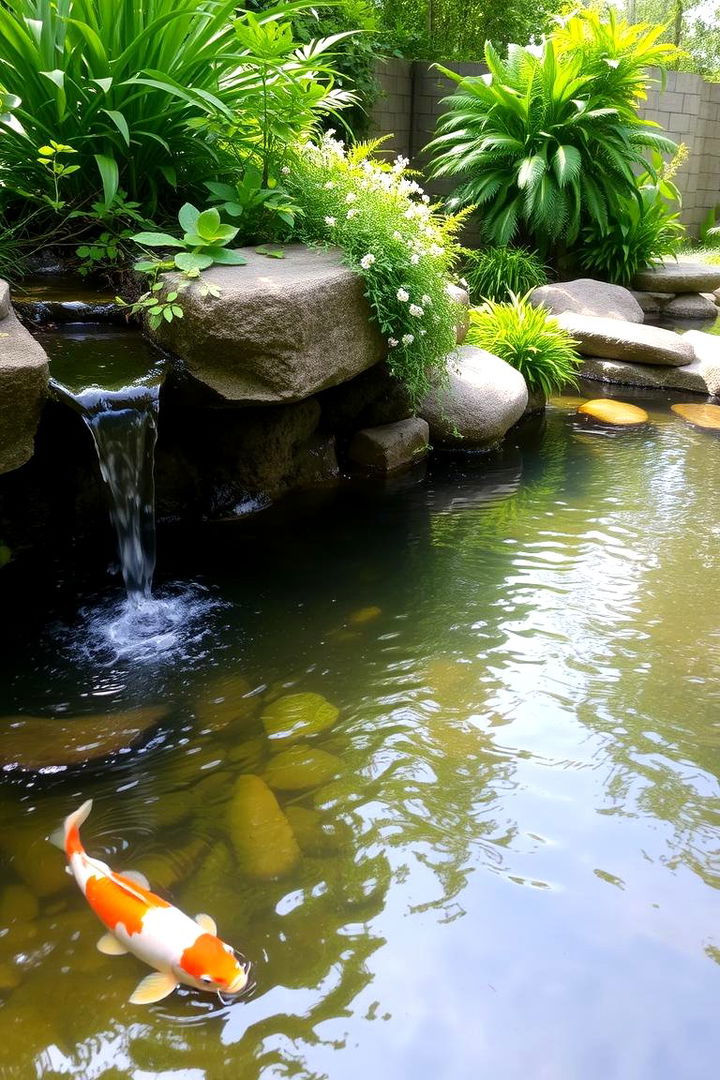
A gentle cascade of water transforms the garden into a sanctuary of calm. Water features for soothing sounds provide a natural soundtrack, masking urban noise and highlighting nature’s rhythm. Whether it’s a small trickling stream or a reflective koi pond, the sound of water flowing creates an immersive, meditative atmosphere. The interplay of water and light not only enhances visual interest but also supports wildlife and plant health. This sensory installation encourages mindfulness and relaxation, making your garden an oasis of serene, natural energy.
5. Butterfly and Pollinator Gardens

Surrounded by fluttering wings and gentle buzzes, butterfly and pollinator gardens invite nature’s delicate pollinators to dance among the blooms. Featuring nectar-rich flowers and host plants, these gardens create a lively ecosystem that engages sight and sound. Attracting butterflies, bees, and hummingbirds serves both aesthetic and ecological benefits, ensuring a vibrant flow of life. This idea not only beautifies your space with nature’s artwork but also sustains vital species, creating an enchanting balance between beauty and function in your garden.
6. Night Gardens with Subtle Lighting

Under the twinkling glow of subtle garden lighting, night gardens offer a mysterious yet soothing retreat. This sensory idea combines soft illuminations with nocturnal blooms to create an atmosphere of calm and intrigue. The interplay of shadows and highlights exposes textured elements and delicate fragrances, transforming the garden into a magical nightscape. Thoughtfully placed lanterns and solar lights ensure safety while highlighting focal points. This design concept provides a unique way to experience the garden’s beauty even after sunset, making it an inviting haven in the evening hours.
7. Edible Sensory Gardens
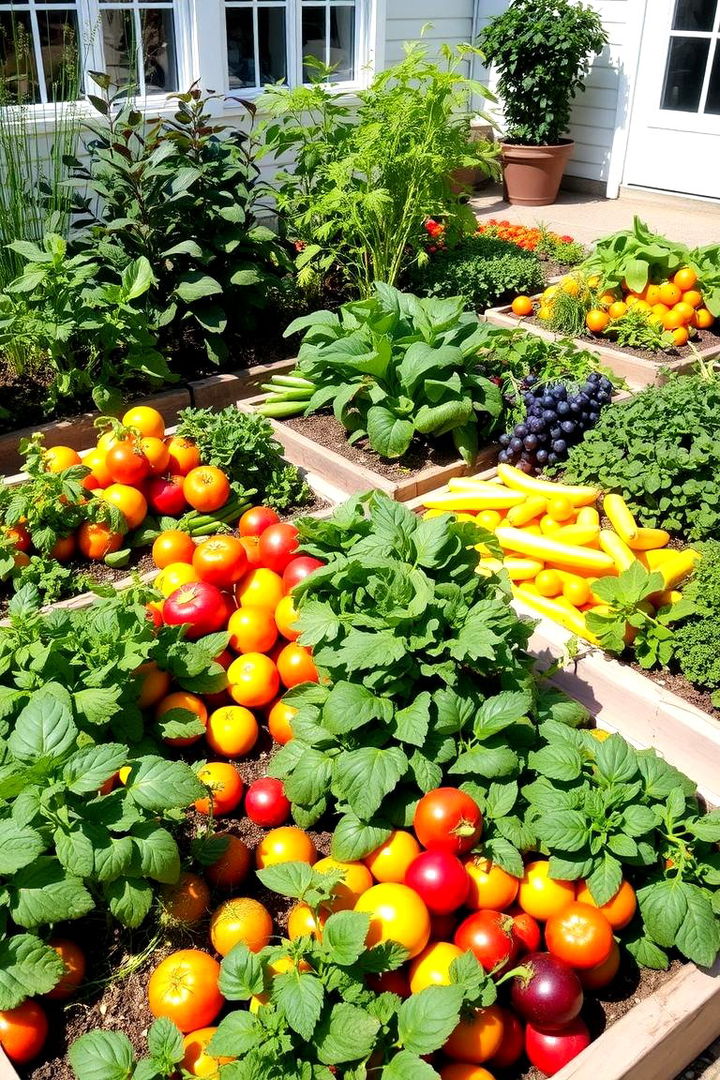
A feast for both the eyes and palate awaits in an edible sensory garden. Combining vibrant fruits, vegetables, and herbs, this idea merges attractive aesthetics with practical functionality. The garden becomes a living pantry where textures, aromas, and tastes blend seamlessly. With carefully designated spaces, each plant contributes its distinct flavor and visual appeal. Engaging visitors through interactive harvesting and cooking experiences, this design concept transforms outdoor spaces into an enriching, multisensory adventure, inviting everyone to explore nature’s edible treasures and cultivate lifelong healthy habits.
8. Interactive Play Areas for Kids
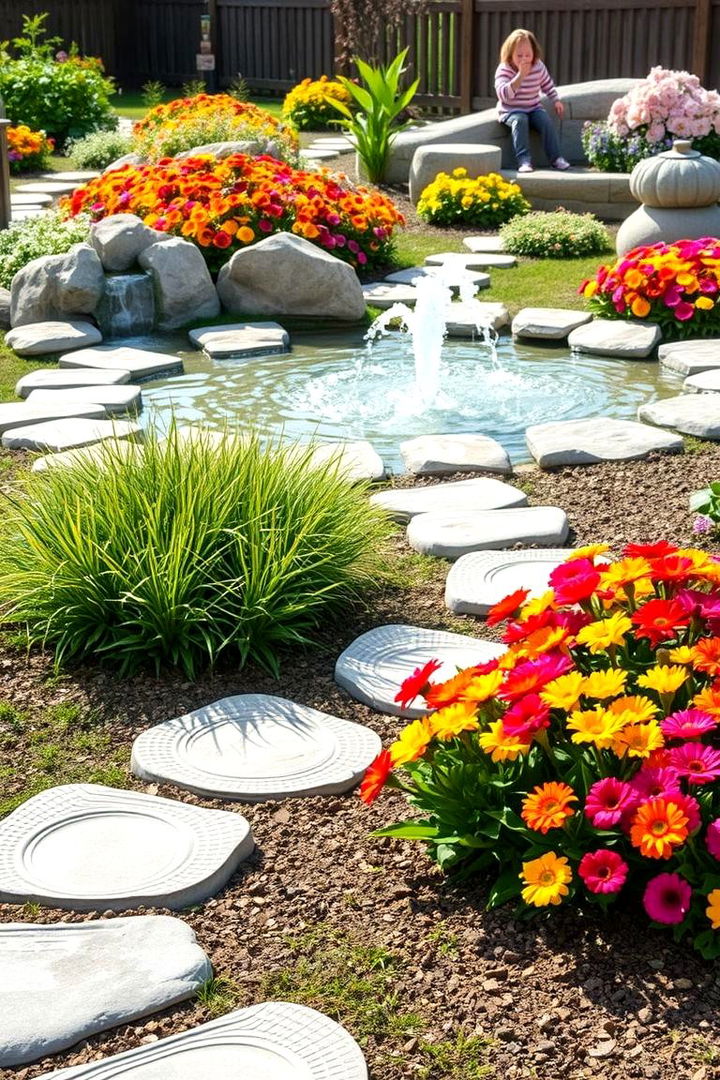
Curiosity sparks as children wander into interactive play areas designed for engagement and discovery. These sensory garden spaces incorporate elements such as tactile stones, fragrant flower beds, and mini water features tailored for young explorers. The mix of soft grasses, textured pathways, and playful sculptures invites running, touching, and imaginative play. By fostering a connection with nature, these spaces stimulate creativity and learning in an outdoor classroom setting. This idea nurtures family bonding and provides children with safe, interactive environments to explore the wonders of a sensory-rich garden.
9. Rock and Stone Arrangements

Unlike traditional gardens, rock and stone arrangements introduce an element of rugged natural beauty and texture. Carefully selected stones and pebbles create pathways and focal areas that add contrast and grounding elements to the sensory garden. Such arrangements evoke tactile exploration with their varied edges and natural patterns. The interplay of smooth river rocks with rugged boulders benefits both visual and touch senses. This design concept encourages mindfulness and reflection, turning your garden into a balanced space where natural materials and textures harmoniously unite to inspire tranquility and creative inspiration.

10. Sensory Pathways and Walkways
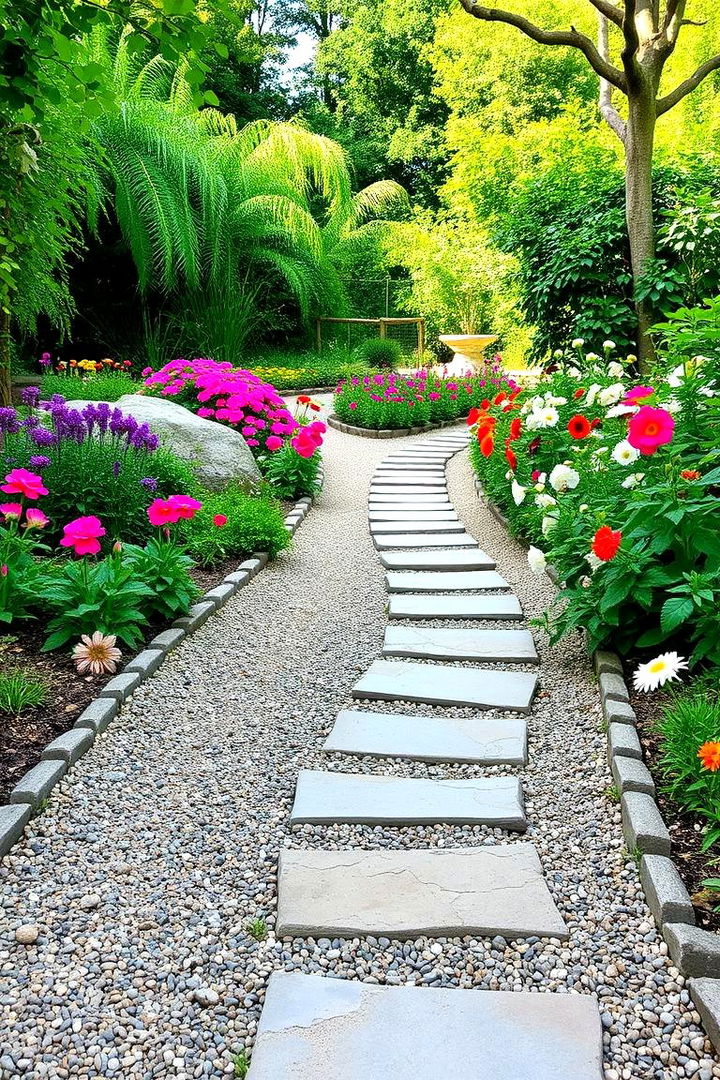
A well-designed sensory pathway invites you to explore the garden step by step in a journey of discovery. Varied materials such as gravel, smooth stepping stones, and soft mulch engage the sense of touch underfoot. Each pathway is carefully planned to guide visitors past unique sensory features, from fragrant flower beds to gentle water features. The carefully laid walkways offer the opportunity to absorb subtle changes in texture and atmosphere, turning a simple stroll into an immersive experience. This practical yet artistic idea encourages interaction with nature’s details in every step along the garden.
11. Garden Sculptures and Art Installations

Artistic garden sculptures and installations provide a creative focal point that enriches the sensory experience with visual intrigue and tactile diversity. Thoughtfully selected pieces integrate seamlessly into the garden setting, offering unexpected textures, reflective surfaces, and dynamic shapes. These installations encourage visitors to admire both natural beauty and human creativity. Their placement emphasizes natural light and shadow, enhancing viewing angles during different times of the day. This concept not only decorates the outdoor space but also inspires contemplation and conversation, making your garden a lively gallery of art and nature combined.
12. Seasonal Plant Displays
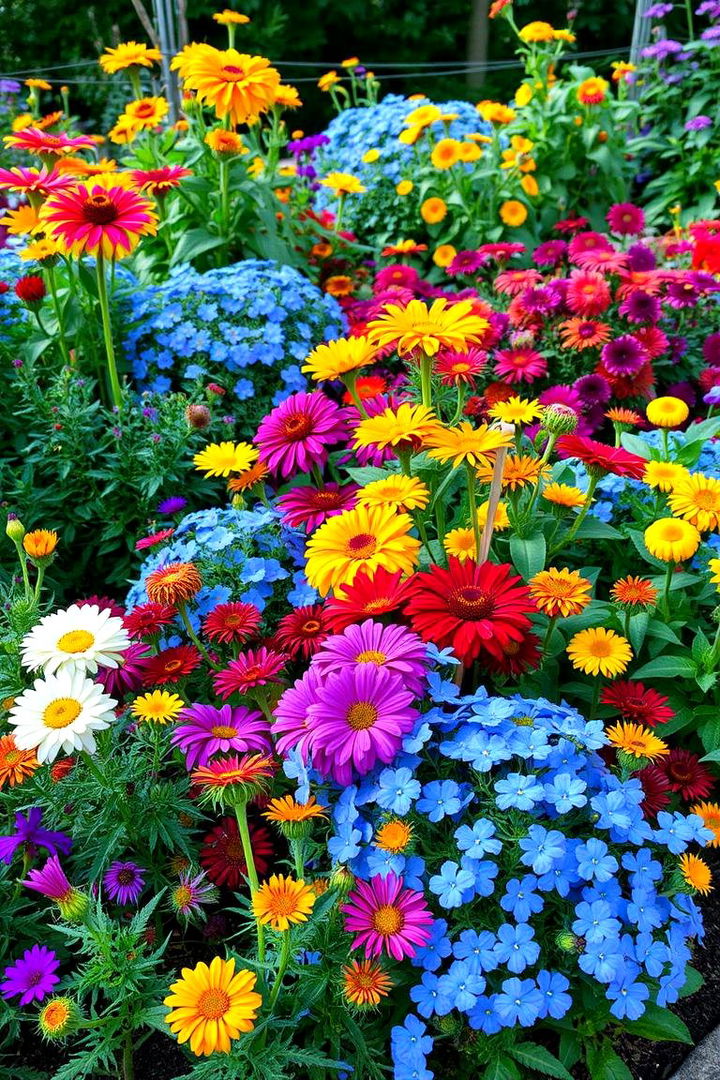
Seasonal plant displays create ever-changing landscapes that engage the senses throughout the year. A mix of annuals, perennials, and bulbs ensures that each season brings its own palette of colors, fragrant blossoms, and varied textures. This approach invites you to observe nature’s cycle and adapt your garden’s design accordingly. The strategic layering of plants produces depth and visual interest, while seasonal blooms refresh the scent profile. By celebrating nature’s transformations, these displays foster a dynamic environment that continually inspires discovery and offers delightful surprises with every change in weather.
13. Bird-Friendly Garden Zones
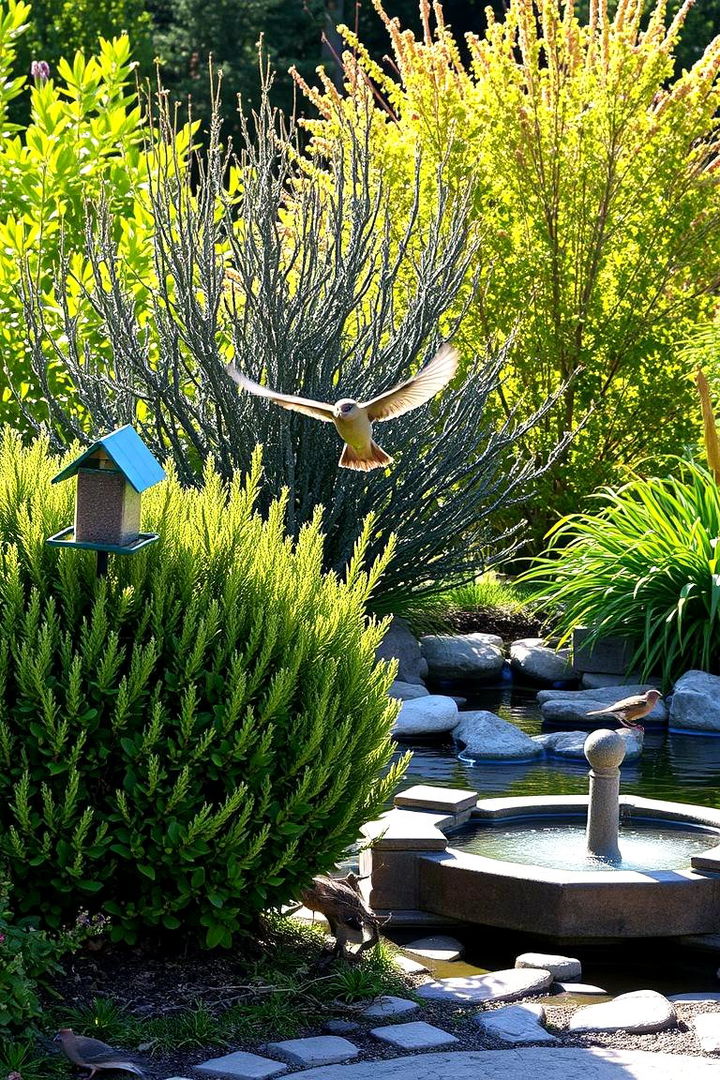
A chorus of chirps and flutters comes alive in bird-friendly garden zones, where the natural allure of feathered visitors creates a delightful sensory experience. Incorporating native shrubs, water features, and feeder stations encourages a diverse range of bird species to visit. This idea enriches your garden with natural music and vibrant activity while playing a crucial role in local ecology. The soft rustling of leaves and occasional birdcalls provide a calming effect, inviting both observation and connection. It’s a sanctuary that not only supports wildlife but also elevates the sensory pleasures of your outdoor space.
14. Meditation Corners and Quiet Zones
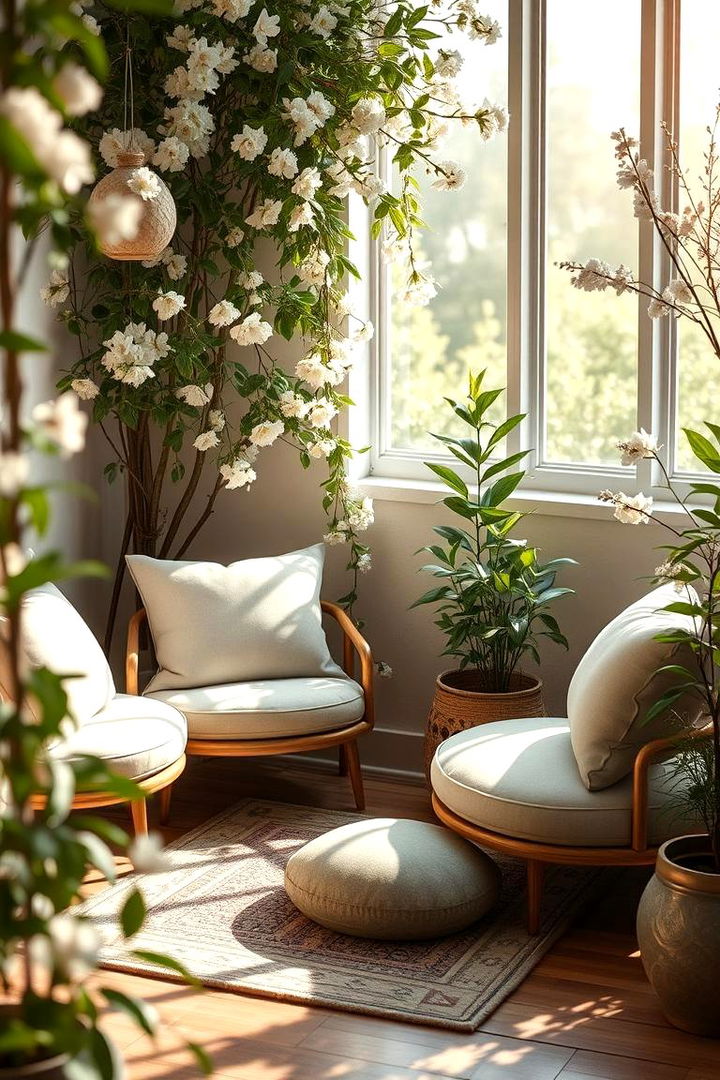
A peaceful meditation corner becomes a refuge for the mind and senses amidst the bustle of everyday life. Quiet zones incorporate gentle water sounds, soft greenery, and natural textures, setting a stage for reflection and relaxation. Carefully arranged seating and tranquil features invite you to pause and immerse yourself in the serene atmosphere. The integration of subtle aromas and soothing colors enhances the mindful experience. This design aspect transforms a simple garden area into a personal retreat, where introspection and calm renewal are encouraged by nature’s embrace and harmonious elements.
15. Sensory Raised Beds and Containers
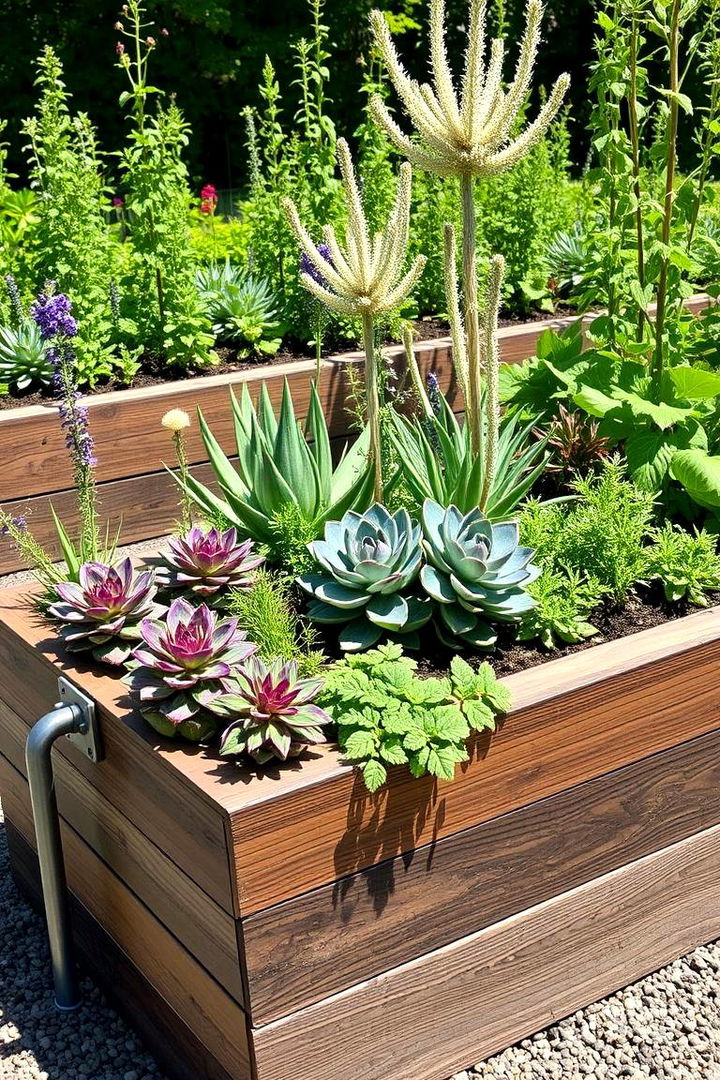
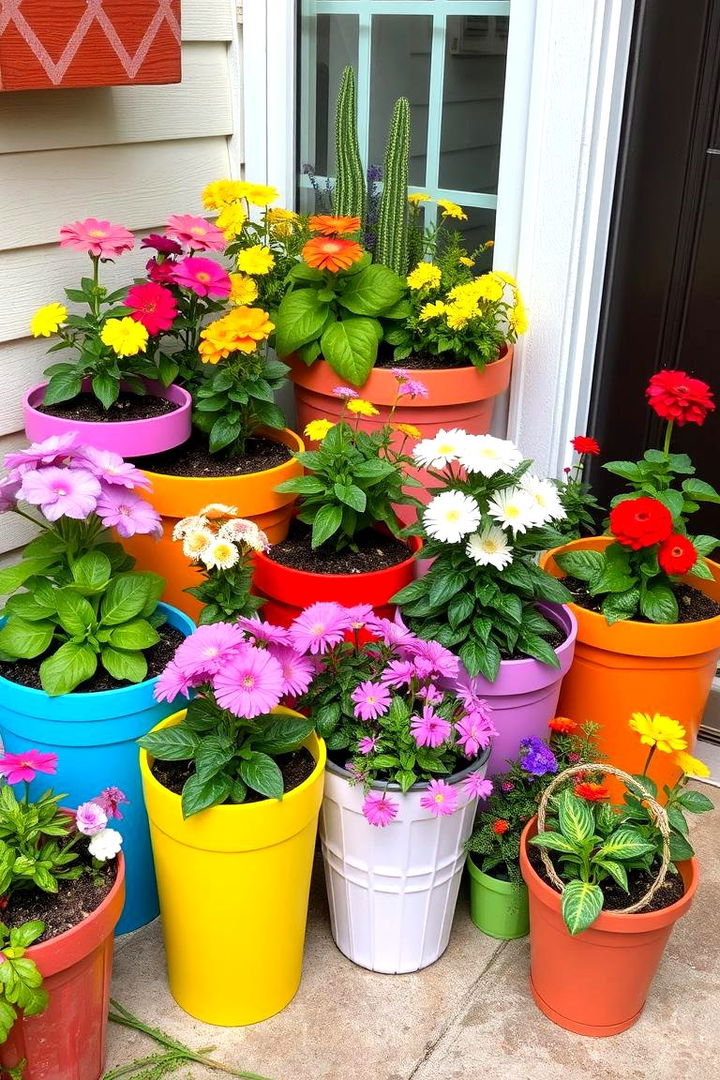
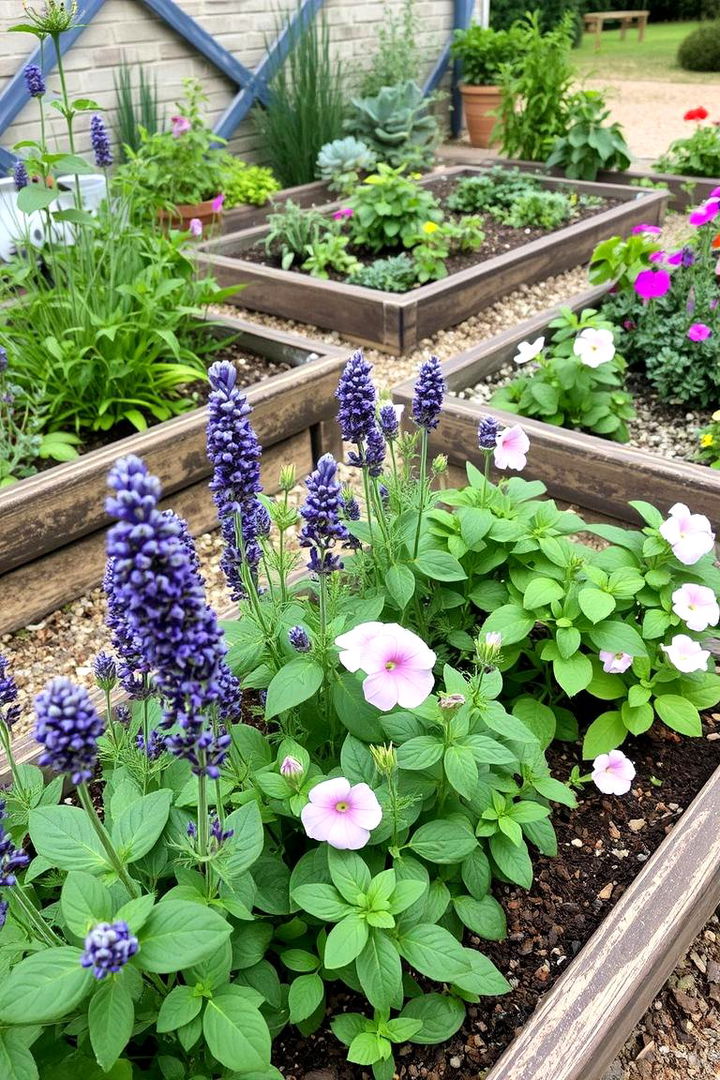
Elevate your garden experience with sensory raised beds and containers that combine practicality with creative design. These structures allow for controlled soil conditions, unique plant choices, and varied height levels that enhance interaction. The use of different materials, from rustic wood to sleek metal, adds texture and visual variety. Raised beds create defined zones for aromatic herbs and tactile foliage that invite exploration and hands-on care. This approach caters to diverse sensory needs, making gardening accessible and engaging for all ages while also offering a modern twist on traditional outdoor planting methods.
16. Wind Chimes and Natural Sound Accents
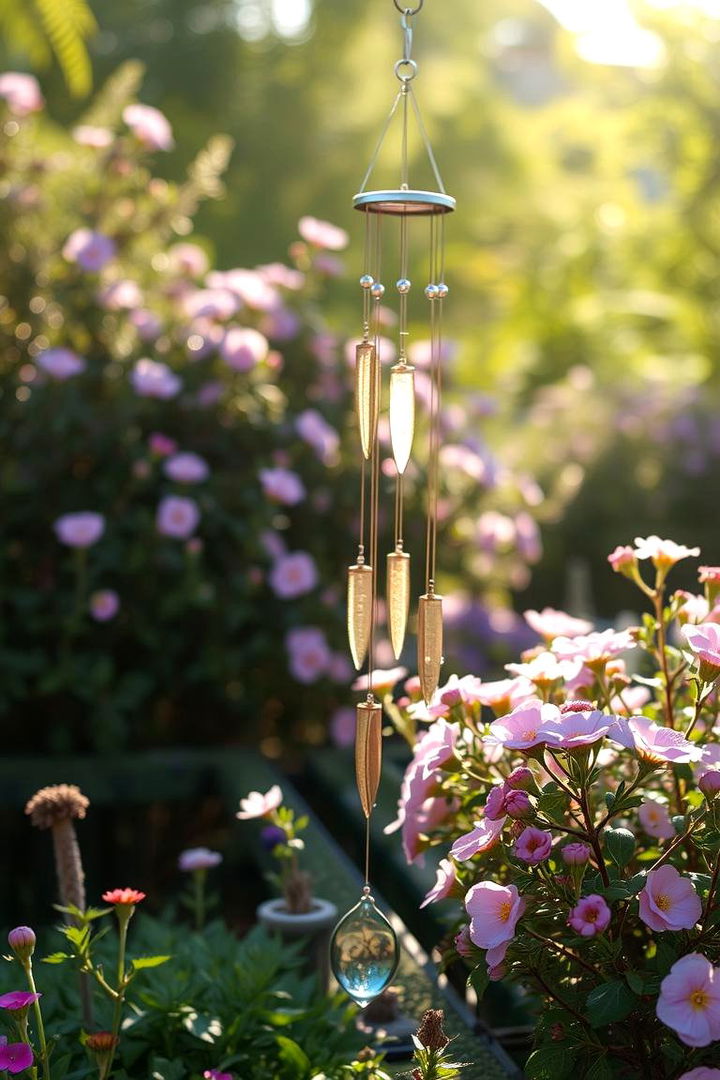
Gently swaying wind chimes introduce a symphony of natural sounds that complement the visual beauty of your garden. The delicate tinkling, enhanced by breezy surroundings, creates a calming ambience perfect for relaxation or meditation. Integrated among trees and flowering shrubs, these sound accents harmonize with birdcalls and rustling leaves. Their subtle, melodic notes enhance the sensory experience without overwhelming the natural music. This idea infuses auditory beauty into your outdoor space, encouraging mindfulness and adding a dynamic, comforting layer that speaks directly to your inner sense of calm and creativity.
17. Wildlife Observation Areas
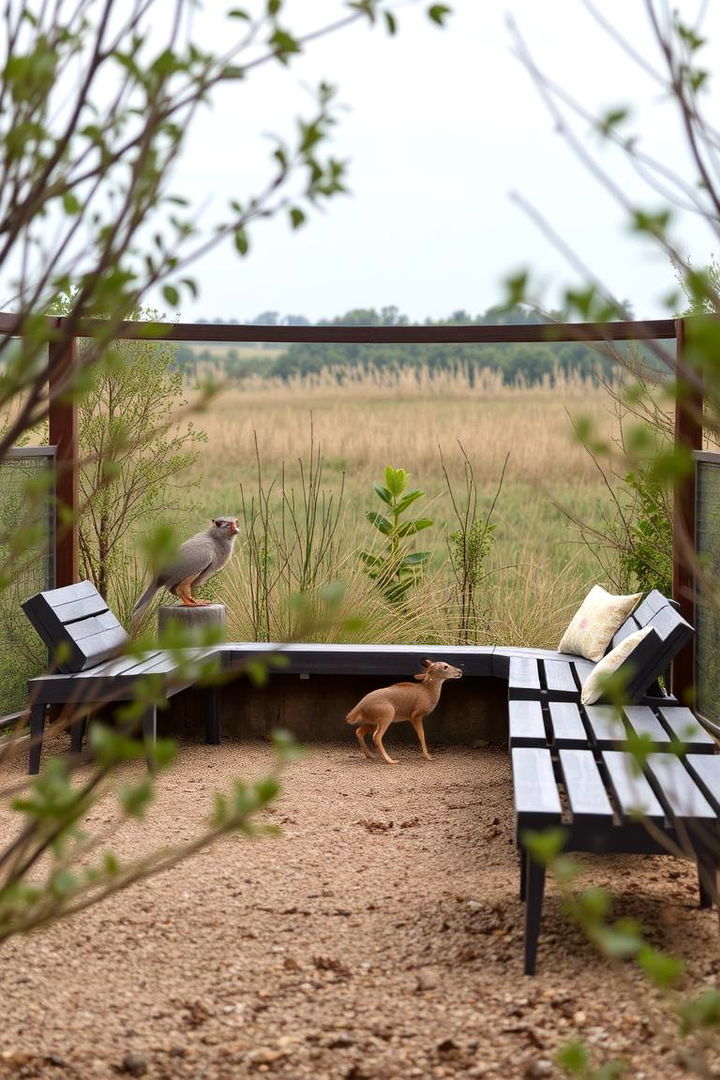
A serene wildlife observation area enhances the garden by offering an intimate window into nature’s wonders. Designed with quiet seating and strategically placed viewing points, this space invites you to watch small creatures and natural interactions in a relaxed setting. Natural elements blend with subtle guidance markers to ensure safety while providing unobstructed views of indigenous wildlife. The gentle chorus of nature heightens the sensory experience, making every visit an opportunity to connect with the environment. This thoughtful design nurtures a deeper understanding of ecological balance while offering a peaceful retreat for nature lovers.
18. Sensory Garden Seating Nooks
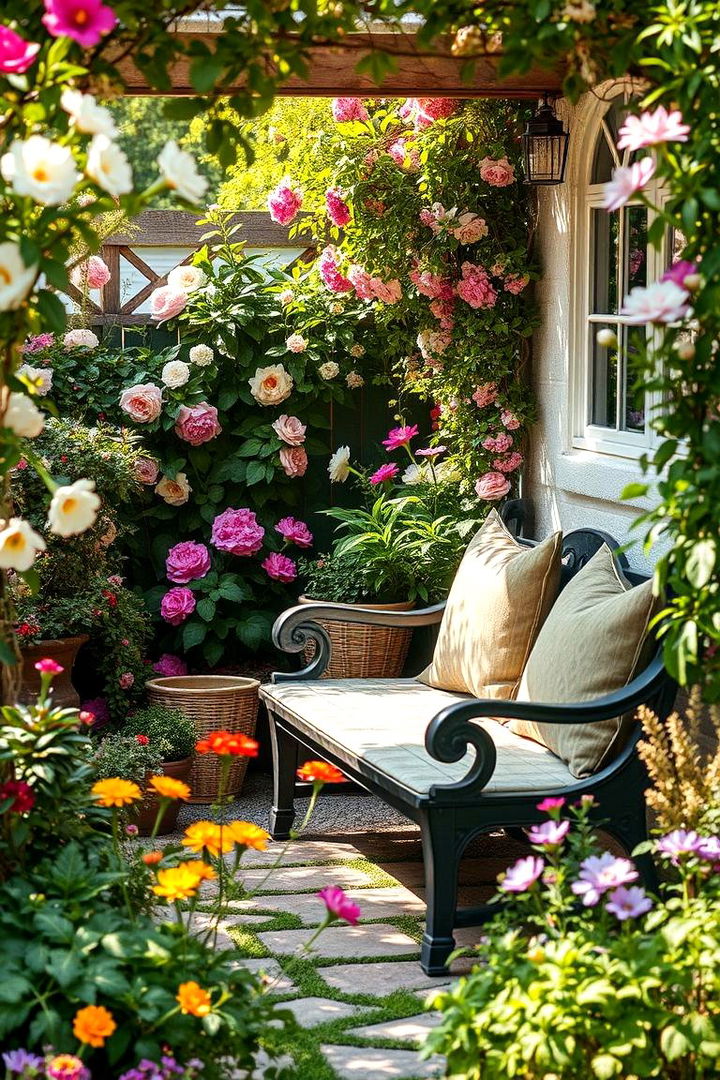
Nestled against vibrant backdrops, sensory garden seating nooks provide cozy retreats perfect for reflection and conversation. Designed with comfortable benches and sheltered areas surrounded by aromatic blooms and textured foliage, these spots invite you to pause and absorb the lively surroundings. Soft lighting and natural materials further enhance the mood, creating an oasis of calm within a busy garden. Whether reading a book or simply enjoying the ambient sounds, these nooks are practical and irresistible. They serve as personal spaces that enrich the sensory experience by combining comfort, design, and the natural beauty of the outdoors.
19. Ground Cover and Moss Gardens
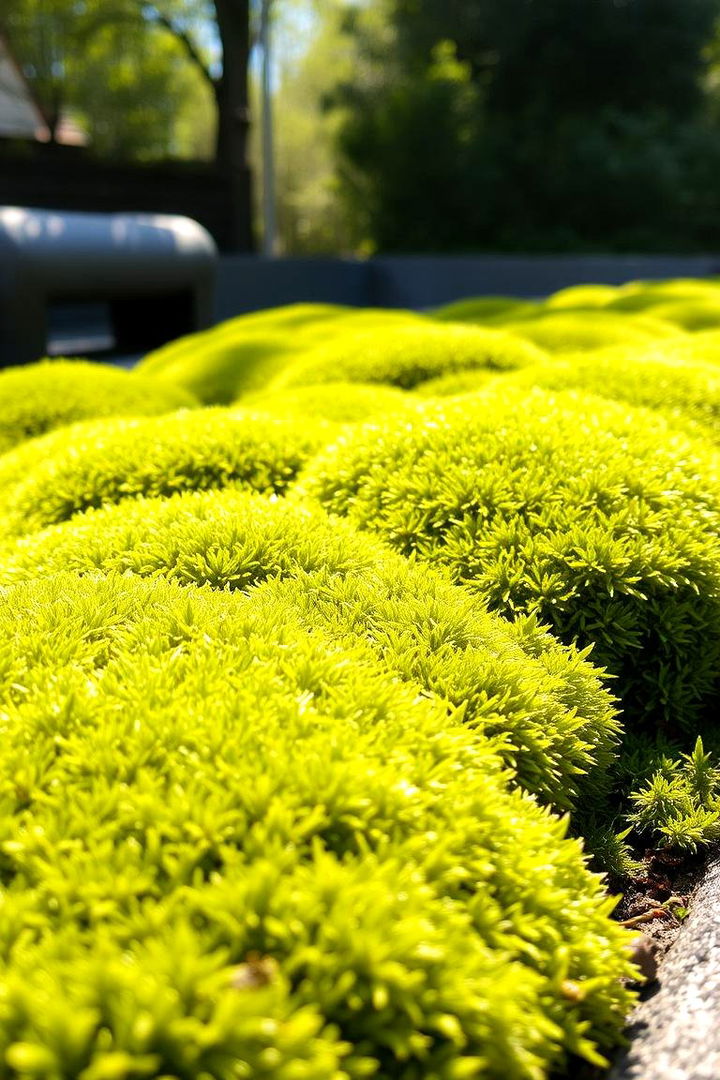
Imagine a soft, natural carpet beneath your feet—ground cover and moss gardens offer just that with lush, velvety textures and delicate hues. This concept introduces low-growing plants that fill in spaces, creating a uniform, tactile experience that’s both calming and visually appealing. The gentle green hues and natural patterns foster a sense of seamless integration with the earth, inviting barefoot strolls and quiet moments of reflection. Such gardens are low-maintenance yet offer rich sensory feedback through their softness and subtle scent, making them an ideal addition to any sensory garden focused on balance and harmony.

20. Natural Aromatherapy Integration

Subtle scents woven naturally throughout your garden can transform your outdoor space into an aromatherapy haven. By integrating plants like jasmine, rosemary, and chamomile, this concept stimulates the sense of smell in a calming, organic way. Each region of the garden is carefully layered with aromatic plants that release gentle fragrances as you pass by, soothing stress and uplifting the spirit. The deliberate blend of scents creates a natural, immersive atmosphere that heals and refreshes. This approach not only beautifies the garden but also harnesses the power of nature to nurture emotional well-being.
21. Sustainable Eco-friendly Garden Designs
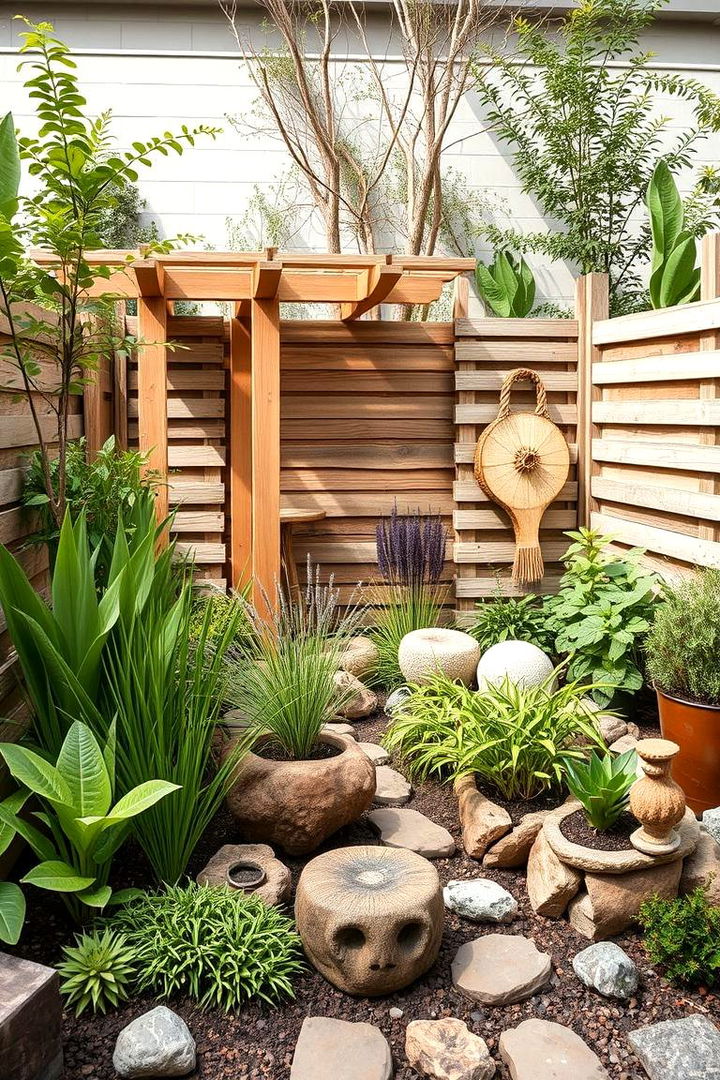
Eco-friendly garden designs encourage a sustainable approach that honors nature and engages the senses responsibly. Utilizing reclaimed materials, water-saving irrigation systems, and native plants, this concept creates a low-impact, inviting outdoor space that blends beauty with practicality. The tactile elements—rough stone pathways, smooth bamboo screens, and soft organic mulches—are chosen for their renewable qualities. This design fosters a harmonious relationship between modern living and nature’s rhythms, inspiring confidence in sustainable practices while delivering a rich sensory experience that is both functional and environmentally conscious.
22. Creative Garden Lighting for Evening Ambiance

Creative garden lighting transforms your outdoor space into a nocturnal wonderland where every detail glows with magic. This idea employs artistic lighting solutions such as fairy lights, lanterns, and illuminated pathways to accentuate textures and colors after dusk. The soft, warm illuminations create a safe, inviting atmosphere that highlights both natural elements and garden features. Luminous accents evoke a twilight ambiance perfect for evening relaxation or social gatherings, adding dynamic interplay between shadows and light. Embracing innovation in design, this strategy turns your garden into a captivating sensory retreat anytime the sun sets.
Exploring these sensory garden ideas allows you to design spaces that stimulate every sense and evoke natural harmony. Through creative use of color, texture, sound, and aroma, each idea transforms a simple garden into a living work of art that nurtures well-being and inspires connection. Let these 22 Sensory Garden Ideas guide your next outdoor project, unlocking new perceptions and enriching your life.
Conclusion:
The journey through these ideas has revealed versatile ways to transform outdoor spaces into multisensory havens. Each creative concept—from vibrant floral displays to eco-friendly designs—embodies a balance of beauty and practicality that nourishes both body and mind. Embracing these suggestions will foster not only a richer connection with nature but also a renewed sense of creativity and wellbeing. Enjoy the exploration, and let the inspiration of the 22 Sensory Garden Ideas guide you to create a truly immersive garden oasis.

Related posts: