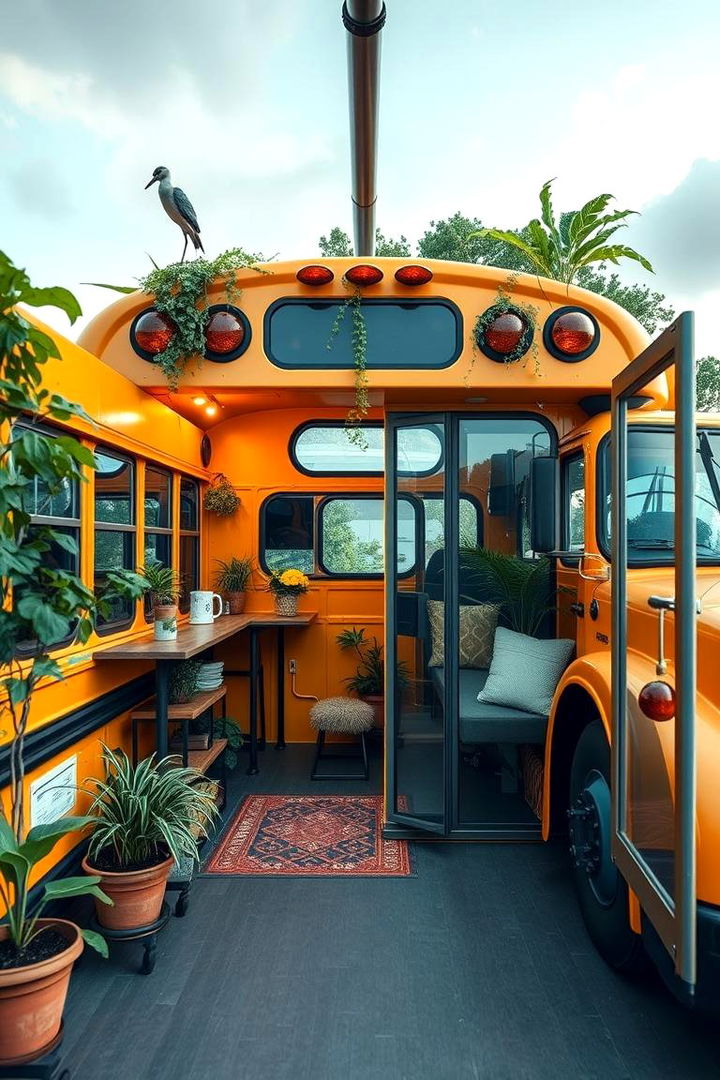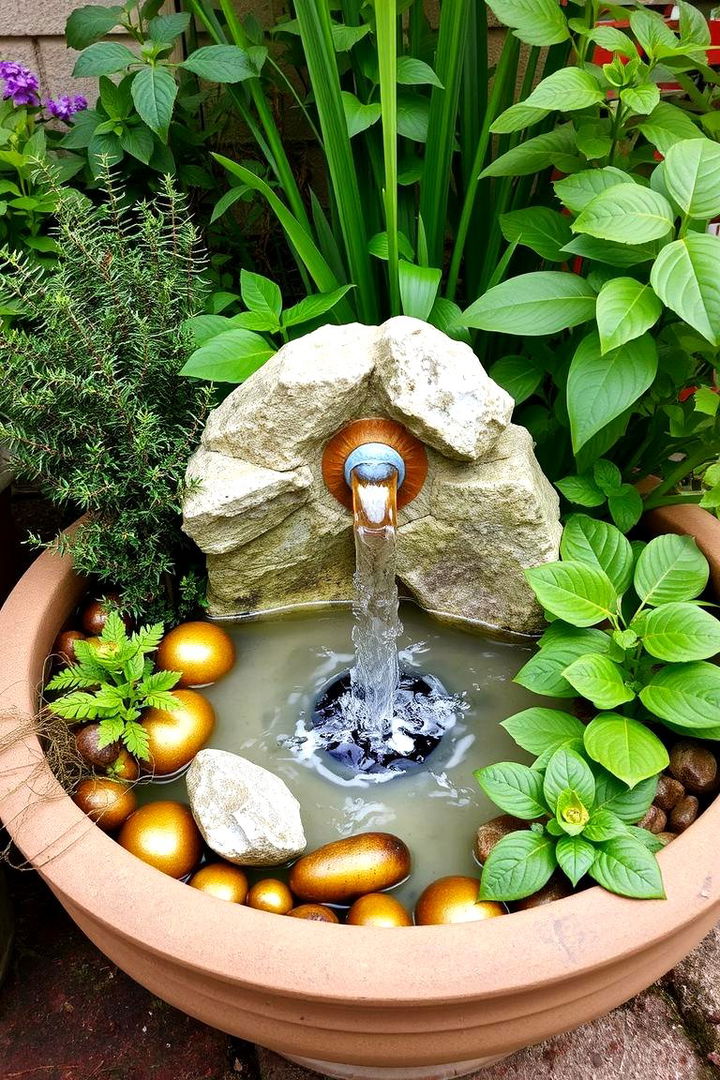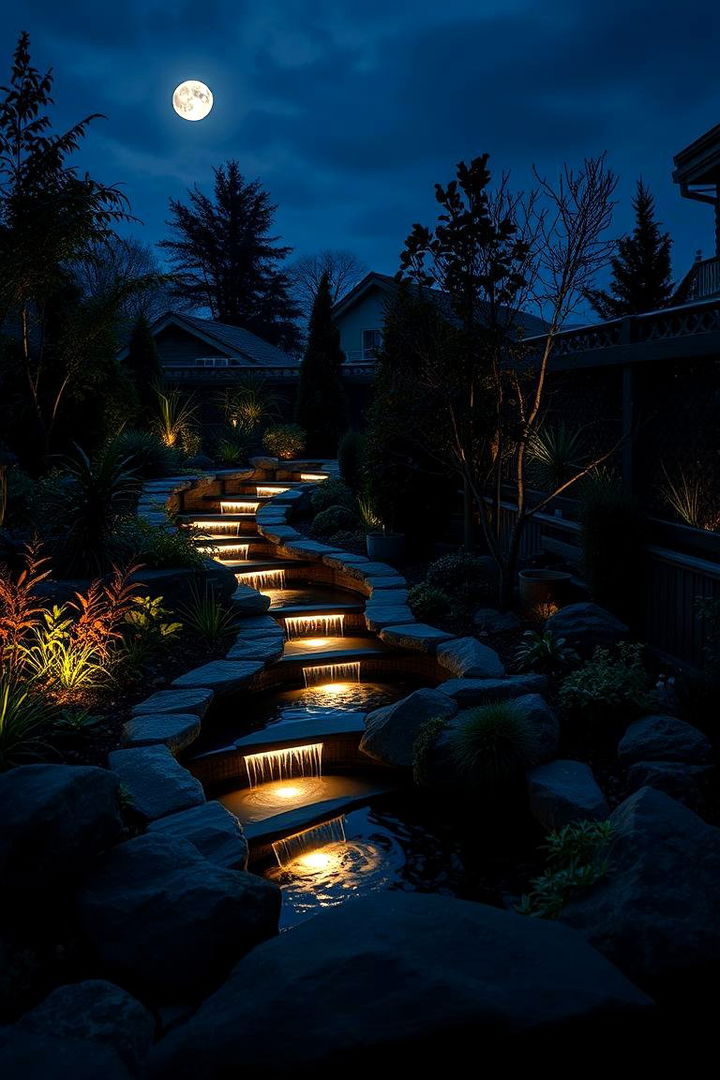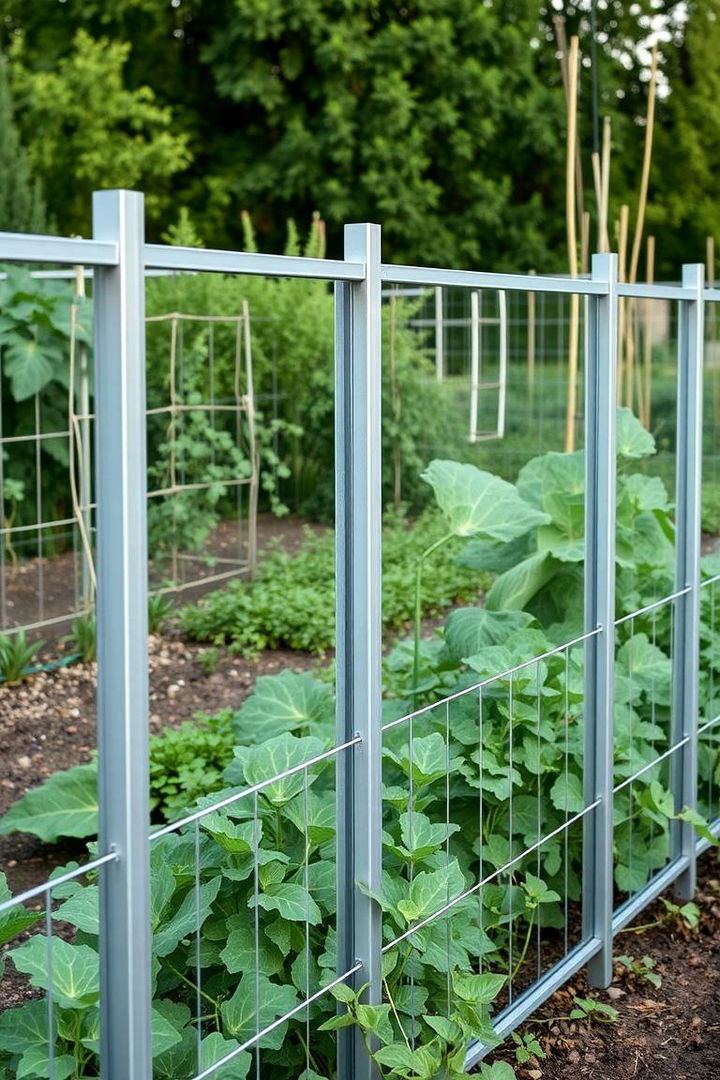
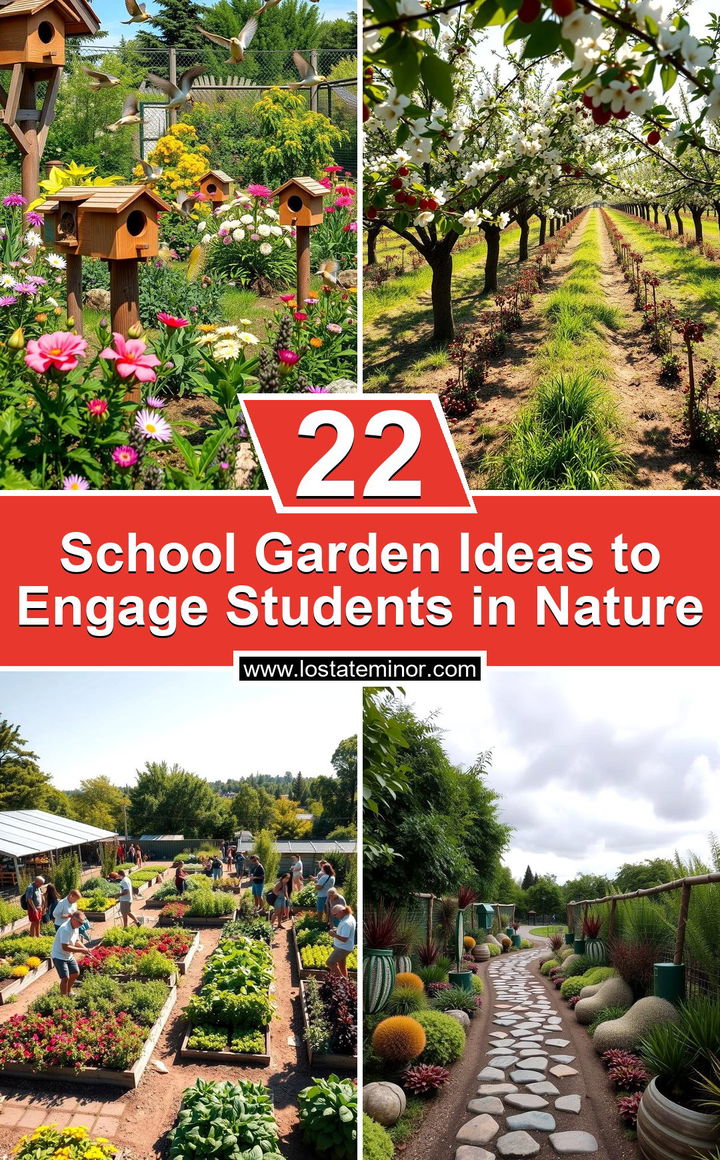
School gardens bring nature directly into the educational environment, inspiring creativity, scientific exploration, and sustainable practices in students. These outdoor spaces serve as hands-on laboratories where children learn about the cycles of life, local ecosystems, and the importance of environmental stewardship. By engaging with nature through planting, nurturing, and harvesting, students develop practical skills alongside academic insights into topics such as biology, ecology, and even math. With each garden idea, the school community finds a renewed sense of purpose, collaboration, and connection to the living world. Explore 22 School Garden Ideas to transform your school’s landscape into a vibrant, interactive classroom.
1. Vegetable Patch Ventures
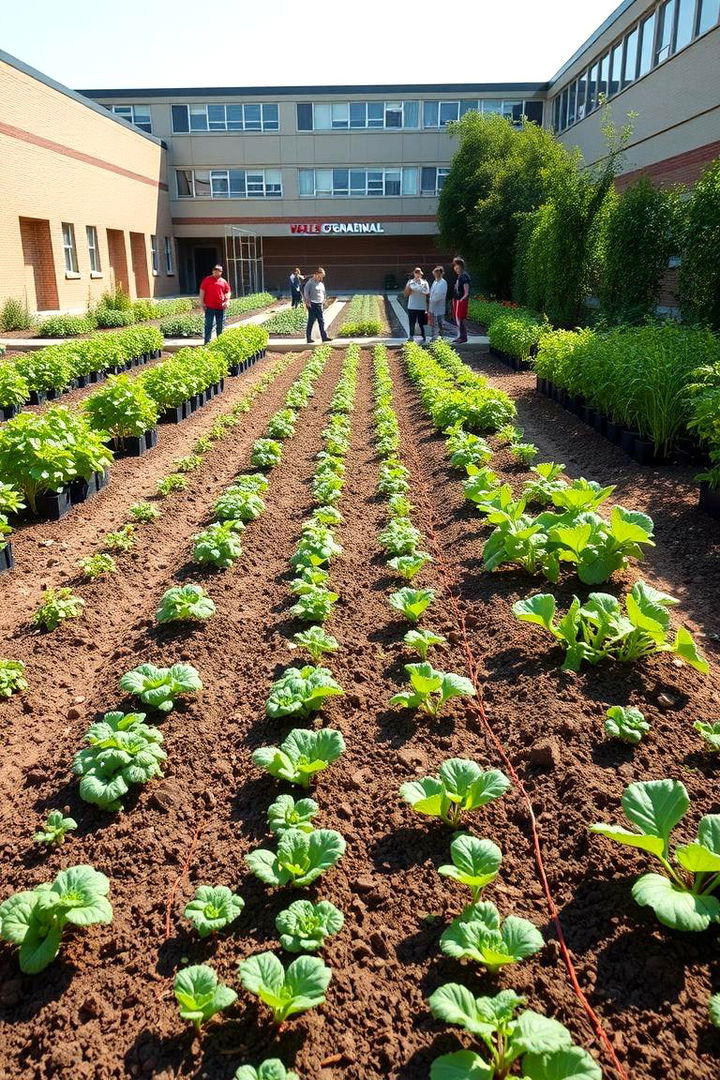
A vibrant vegetable garden offers a dynamic classroom where students experience nature’s cycles firsthand. This space lets them learn about soil composition, seasonal changes, and the fundamentals of plant growth through hands-on activities like sowing, nurturing, and harvesting fresh produce. The practical experience encourages teamwork, responsibility, and a deeper appreciation for healthy eating habits. Students also integrate lessons in science and nutrition while engaging in nature-friendly activities. This learning environment not only transforms theoretical lessons into practical experiences but also builds a sense of community through shared tasks and sustainable practices, fostering lifelong eco-conscious values.
2. Butterfly Haven Garden
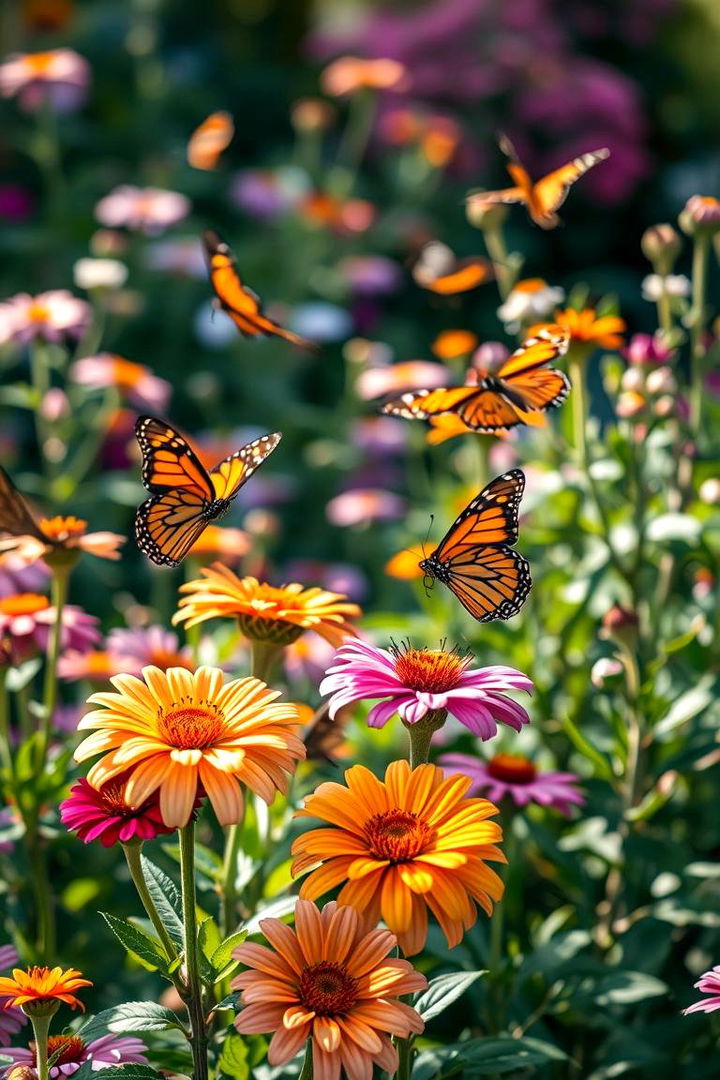
An enchanting butterfly haven garden captivates young minds while teaching the importance of biodiversity. By planting nectar-rich flowers and creating sheltered spots, students explore the lifecycle of butterflies and other pollinators. This garden concept encourages observation and care for delicate ecosystems, fostering environmental empathy and scientific inquiry. Hands-on involvement helps students understand the crucial role these insects play in spreading pollen and sustaining plant life. The project turns the school grounds into an immersive, living lab where practical lessons in biology and conservation merge with artistic expression, inspiring a respectful, curious approach to nature.
3. Sensory Exploration Garden
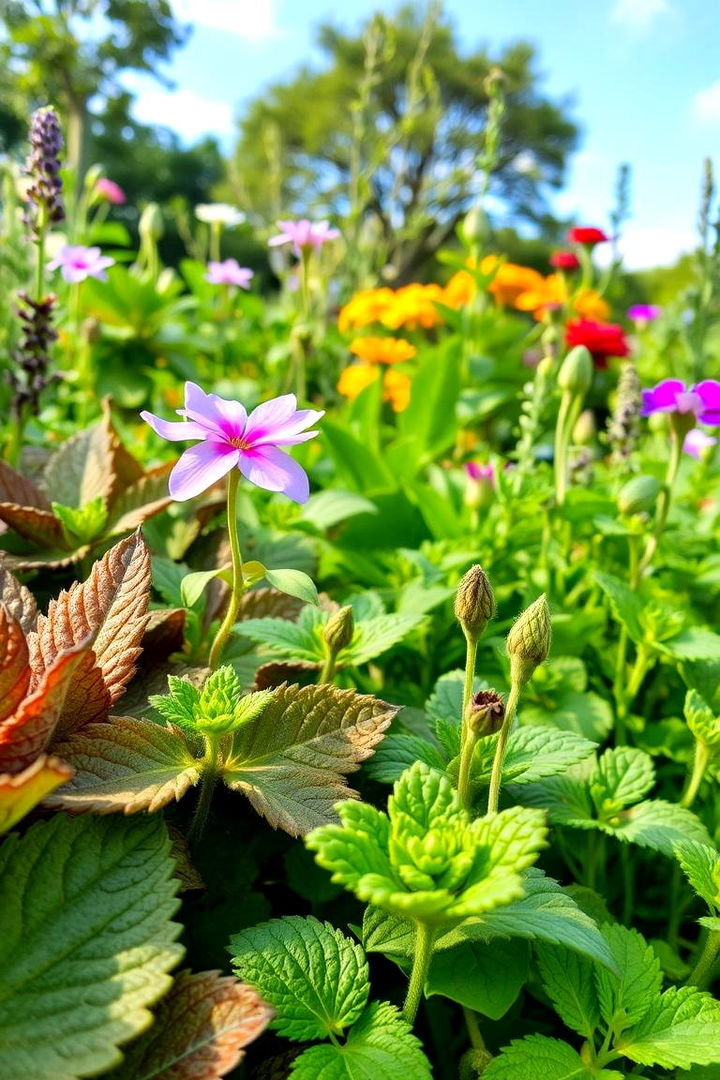
How can nature stimulate all the senses? A sensory exploration garden does just that by incorporating a variety of fragrant, textured, and visually stimulating plants. Students engage with different textures, scents, and colors while learning about plant species and their adaptations for survival. This garden creates an inclusive environment, particularly beneficial for children with special sensory needs. Hands-on activities encourage discovery and creativity, as learners experiment by touching leaves, smelling blossoms, and observing vibrant hues. By blending tactile experiences with natural beauty, the garden stimulates curiosity, mindfulness, and a deeper emotional connection to the environment.
4. Herb Treasure Trove
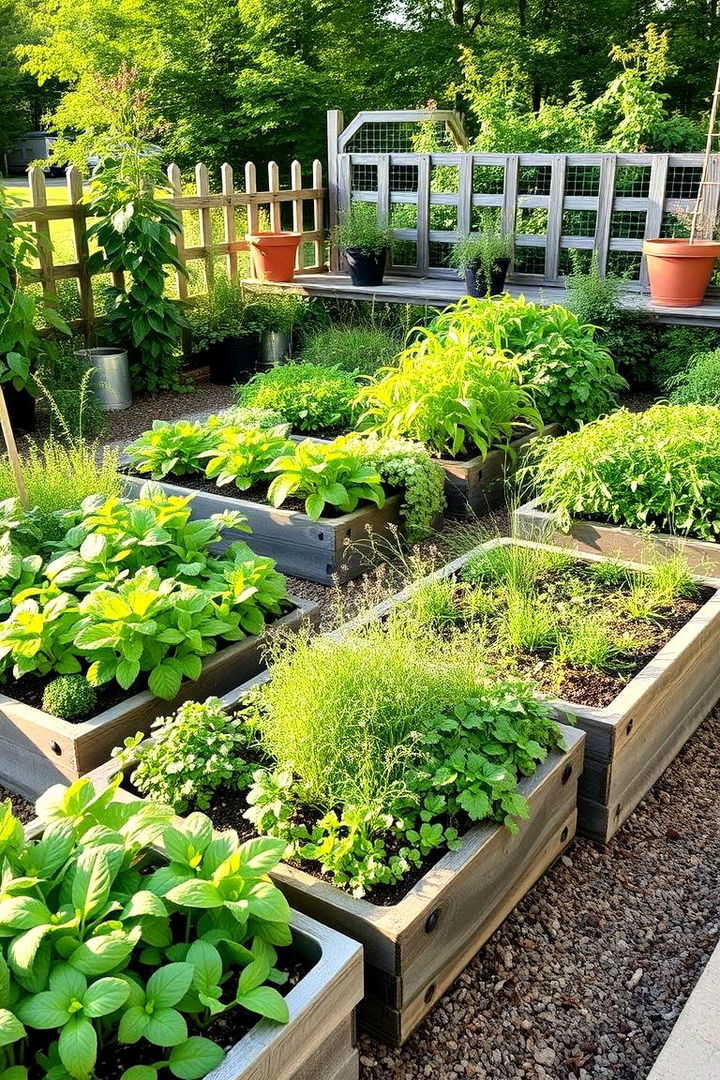
A fragrant herb treasure trove offers a practical and aromatic lesson in botany and culinary arts. In this garden, students cultivate herbs like basil, rosemary, and mint, learning about their medicinal properties and flavor profiles. The experience encourages hands-on learning regarding plant care while emphasizing sustainable practices and natural remedies. Students can explore the science behind how herbs grow and the ways they enhance cooking and health. Furthermore, this garden provides a sensory-rich environment filled with delightful smells and textures, nurturing both educational growth and an appreciation for nature’s simple treasures in daily life.
5. Ecosystem Pollinator Park
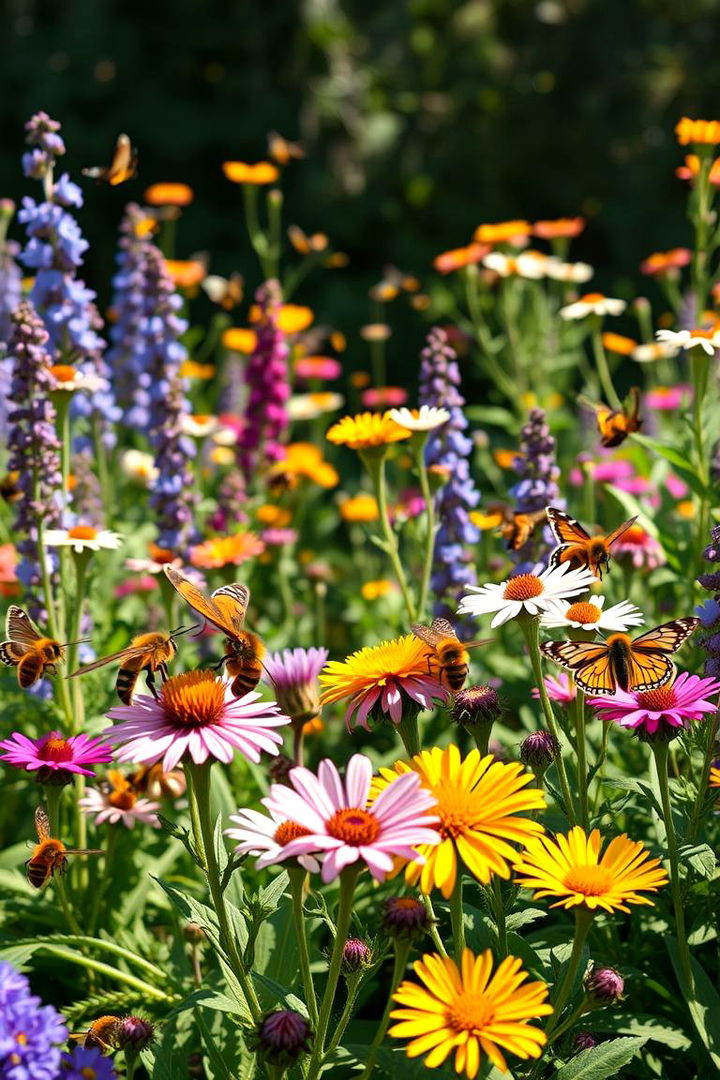
Surprisingly, an ecosystem pollinator park transforms a simple school garden into a bustling hub of natural activity. With dedicated sections planted with diverse, pollen-rich flora, students witness how bees, butterflies, and other pollinators sustain our environment. This interactive setting makes lessons on ecology and environmental balance tangible and engaging. By observing pollinator behavior, students gain insights into food webs and the interdependence of species. The park not only beautifies the school grounds but also instills a sense of responsibility toward protecting disappearing species while creating an active, living laboratory for ecological learning and sustainability.
6. Raised Bed Learning Plots
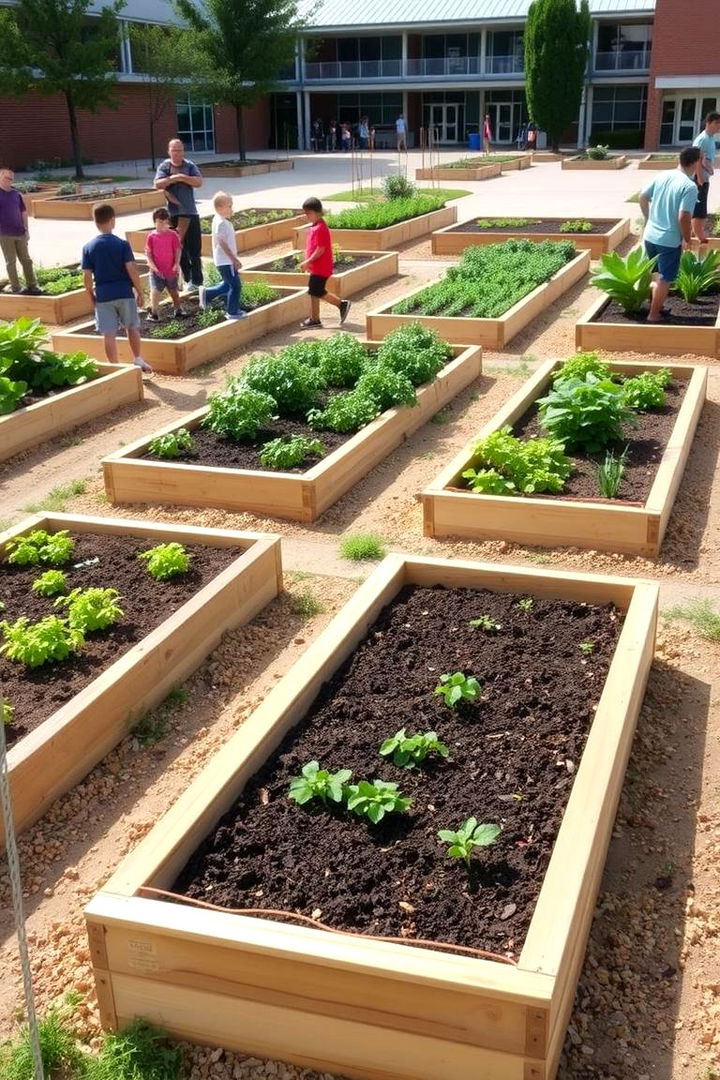
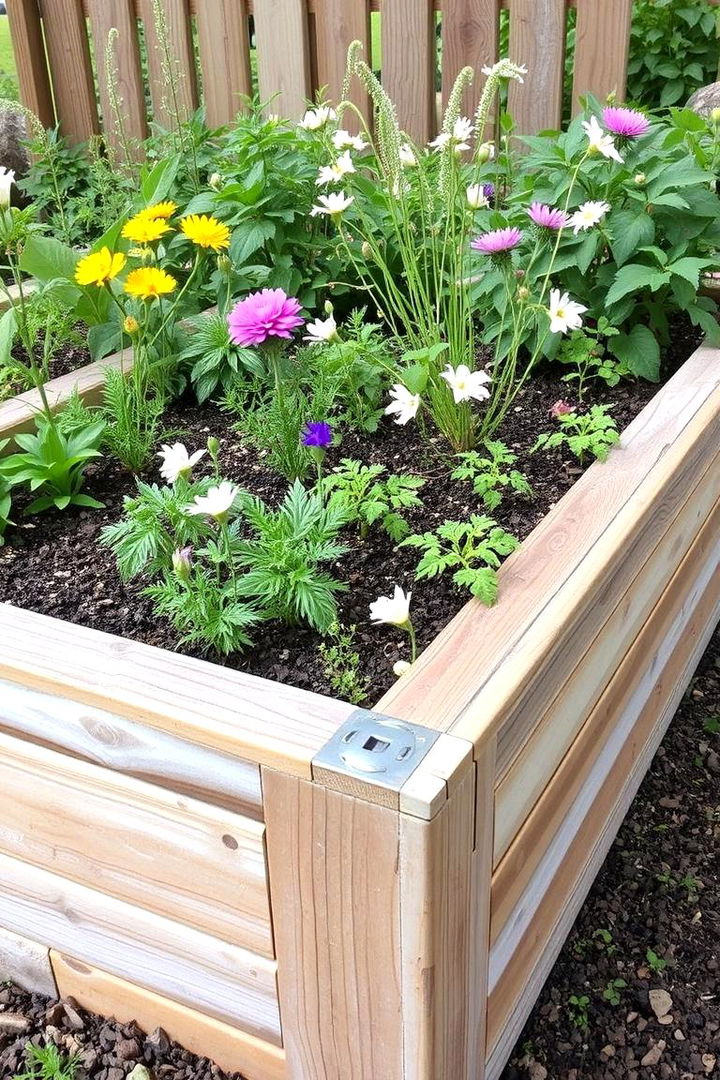
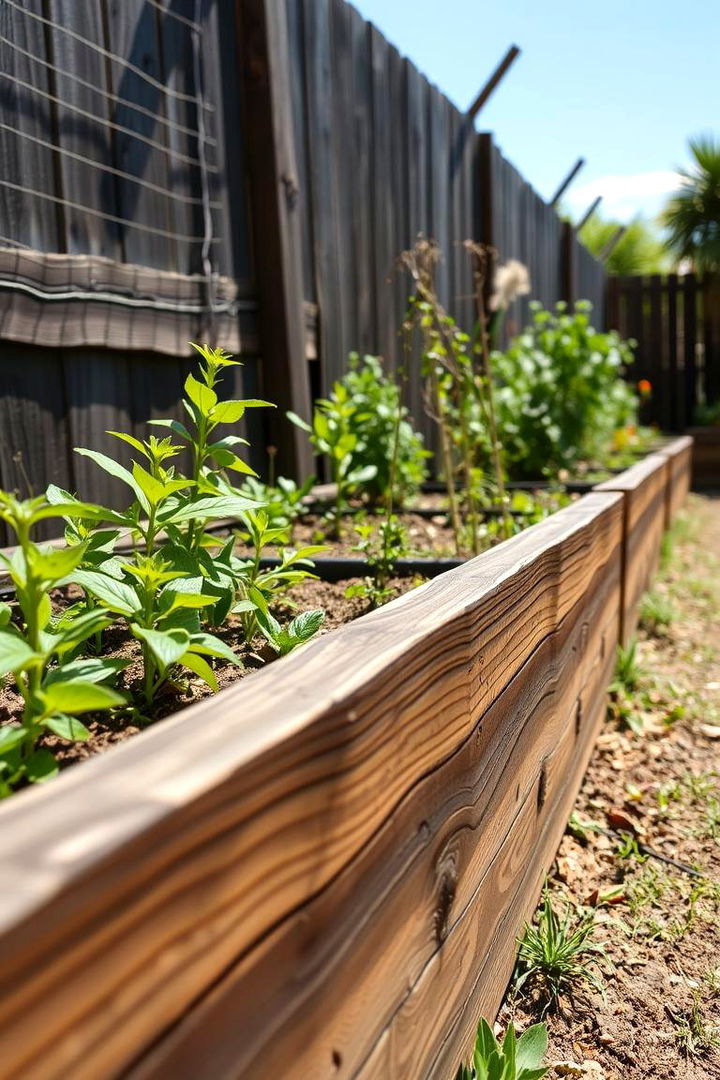
With carefully designed raised bed learning plots, gardening becomes accessible and educational for everyone. These elevated platforms provide excellent opportunities for students to learn about plant biology in a controlled setting where soil quality and drainage can be managed effectively. The simplicity of raised beds encourages hands-on participation as students plant, water, and monitor growth. This approach minimizes maintenance challenges while maximizing learning outcomes in horticulture and environmental science. Accessible design also makes the garden more inclusive, ensuring that every student can partake in cultivating a thriving, sustainable outdoors space that enhances teamwork and practical knowledge.
7. Recycled Garden Creations
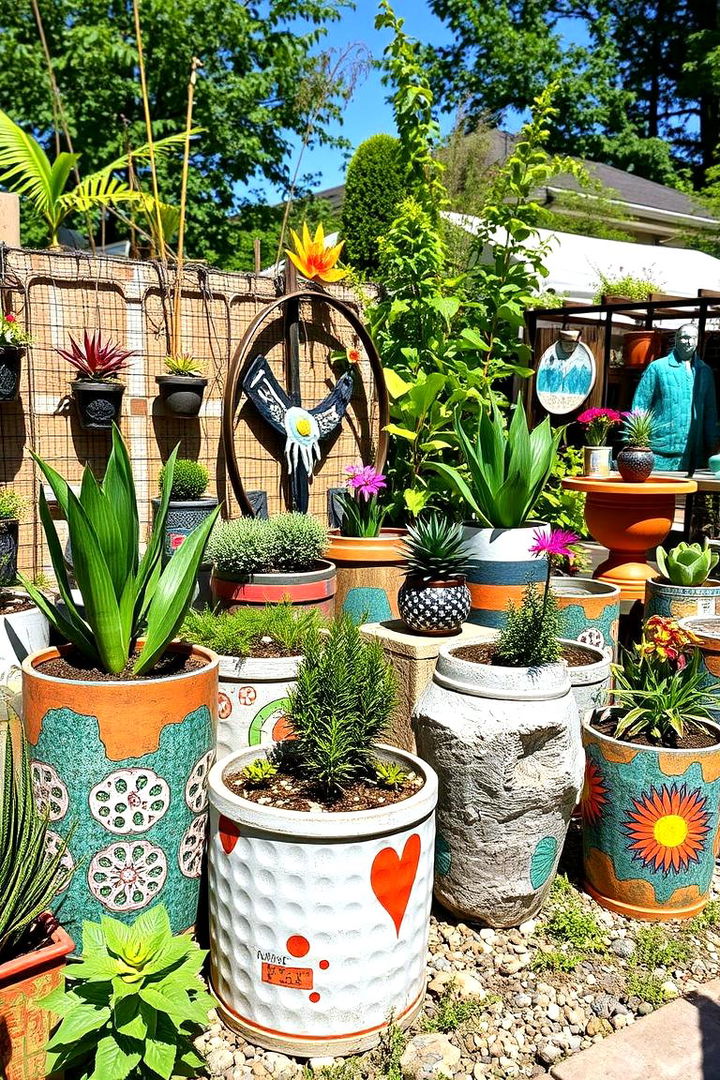
Consider a garden where creativity meets sustainability by incorporating recycled materials into design elements. In a recycled garden, students learn to transform discarded items into useful garden structures, such as planters made from old tires or compost bins fashioned from reclaimed wood. This innovative approach instills values of resourcefulness and environmental responsibility while encouraging artistic expression. Children enjoy experimenting with color, texture, and form, converting waste into wonder while enriching natural habitats. The recycled garden also serves as a real-world lesson in ecological balance and sustainable practices, proving that creativity can lead to transformative, eco-friendly spaces in a learning environment.
8. Fruit Orchard Observatory
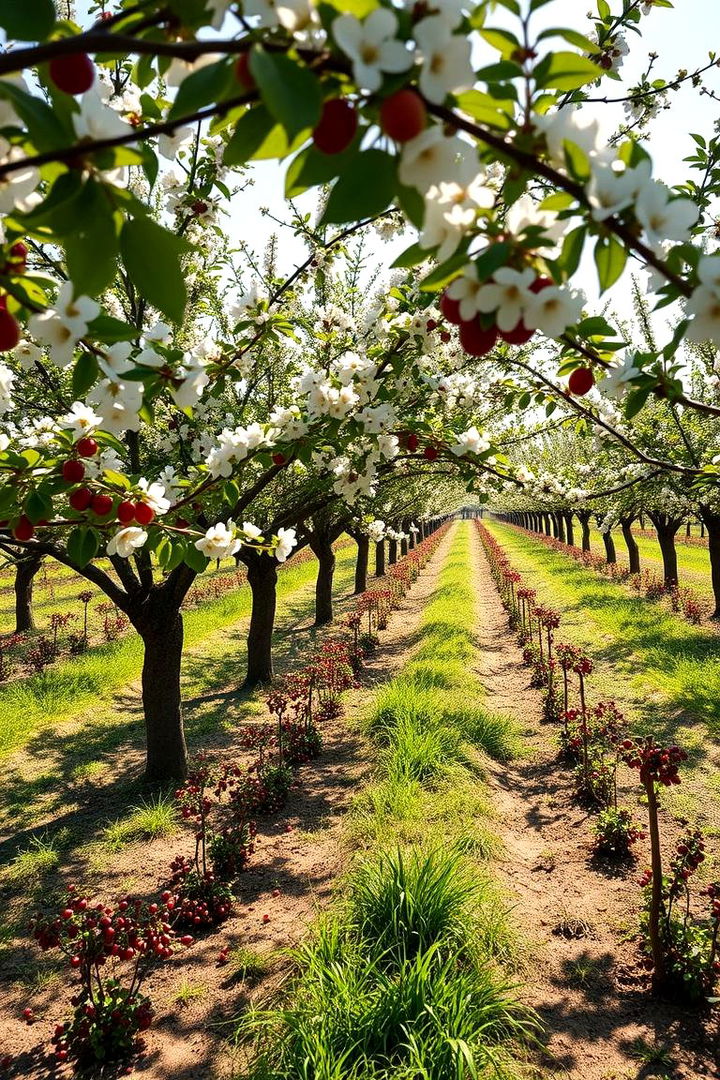
A fruitful fruit orchard observatory offers students a unique blend of horticultural science and practical agriculture. By cultivating fruit trees and berry bushes, children experience the entire growing season, from budding to harvesting. This living laboratory teaches lessons in plant physiology, seasonal cycles, and the importance of biodiversity. The orchard also inspires discussions about food origins, nutrition, and sustainable farming practices. Students engage in experiments and observations that deepen their understanding of ecological interconnections. This garden is not just a source of fresh produce—it is a vibrant, dynamic classroom where nature’s rhythms are explained through immersive, interactive experiences meant to cultivate both knowledge and community spirit.
9. Water-Wise Garden Techniques
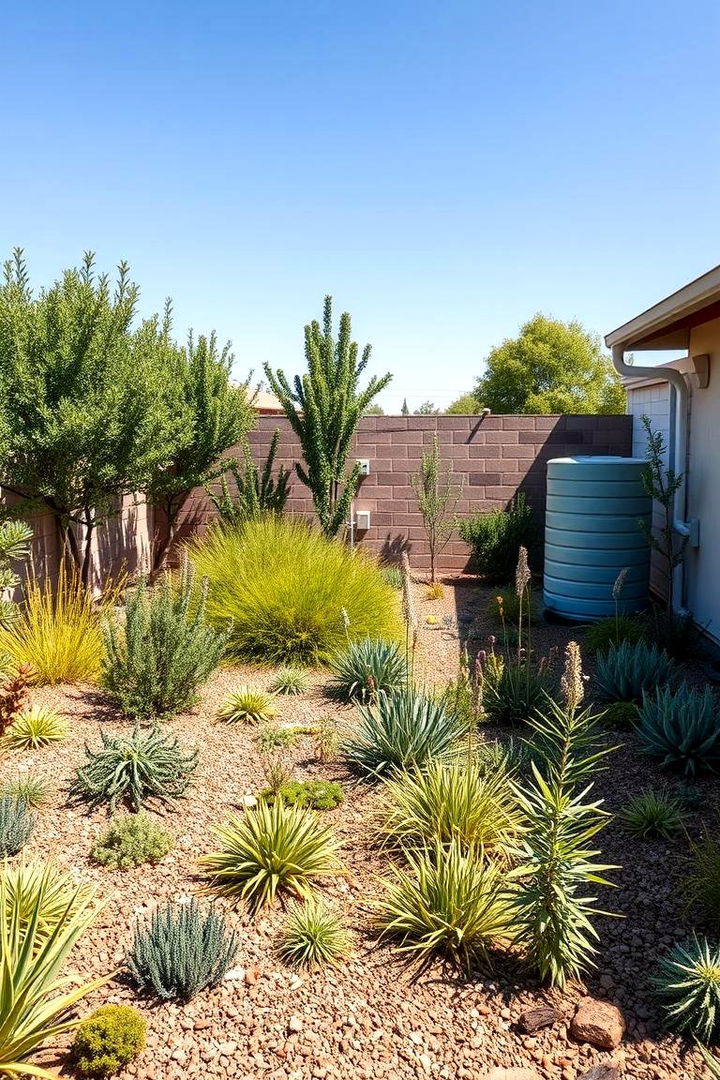
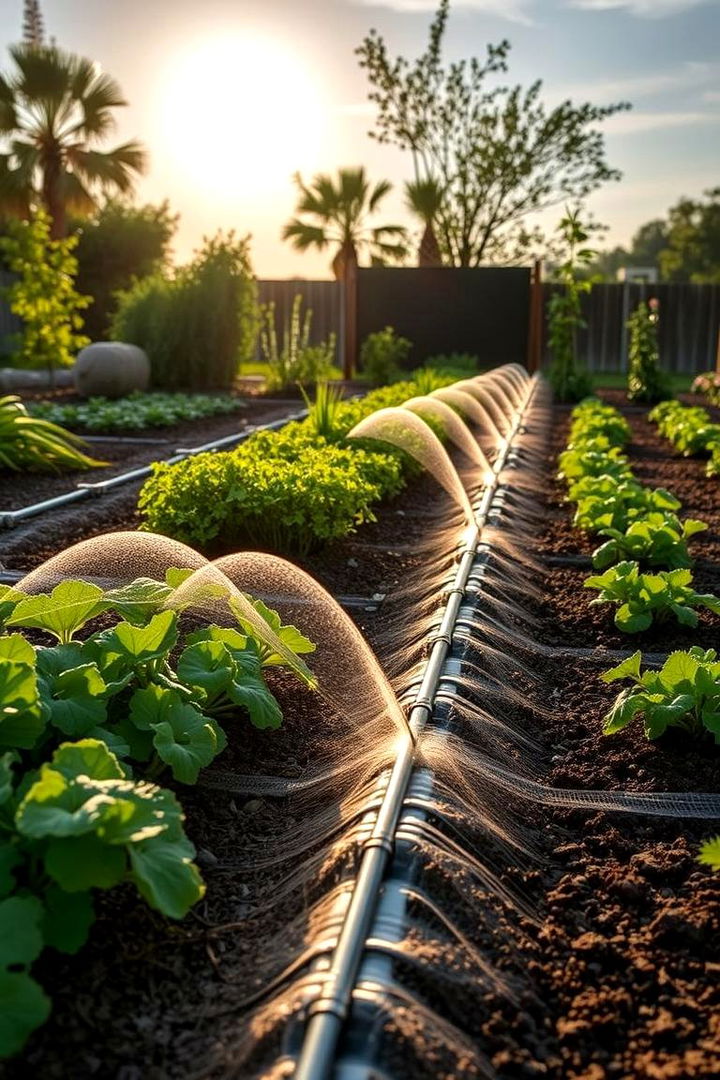
Owing to increasing water scarcity concerns, a water-wise garden teaches sustainable irrigation and drought-resistant planting. In this innovative setting, students explore techniques like mulching, rainwater harvesting, and the selection of native, drought-tolerant species. By experimenting with conservation methods, learners gain practical insights into resource management and environmental stewardship. Hands-on activities demonstrate how adjusting watering schedules and using smart design can make a significant difference in water usage. This garden empowers the school community to adopt sustainable practices while ensuring that green spaces thrive even under limited water conditions, promoting a culture of responsibility and ingenuity in managing natural resources.
10. Community Engagement Garden
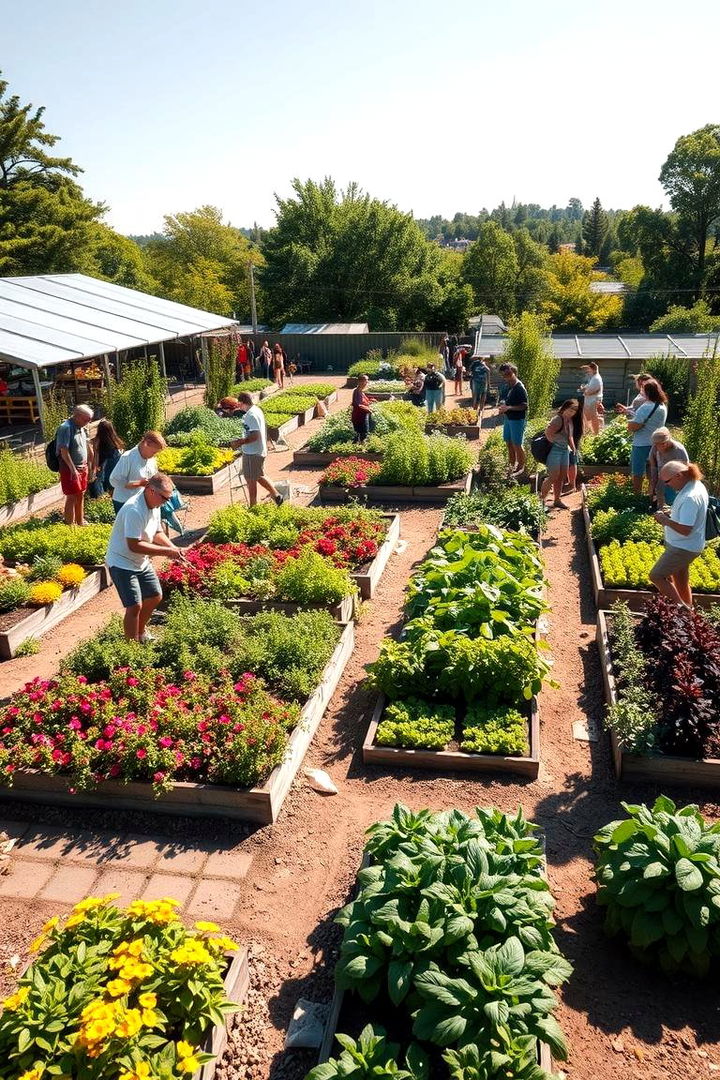
Interestingly, a community engagement garden transforms the school landscape into a vibrant hub of collaboration, bringing together students, teachers, and local families. This landscape encourages shared responsibility as everyone participates in planting, nurturing, and harvesting produce. The garden becomes a dynamic space for intergenerational learning, cultural exchange, and celebration of diversity. Students gain valuable insights into teamwork, communication, and community values through hands-on participation. The experience enriches education by combining practical horticultural skills with lessons in civic responsibility and environmental stewardship, thereby forging stronger bonds within the broader community while cultivating a thriving, sustainable green space.
11. Themed Storybook Garden
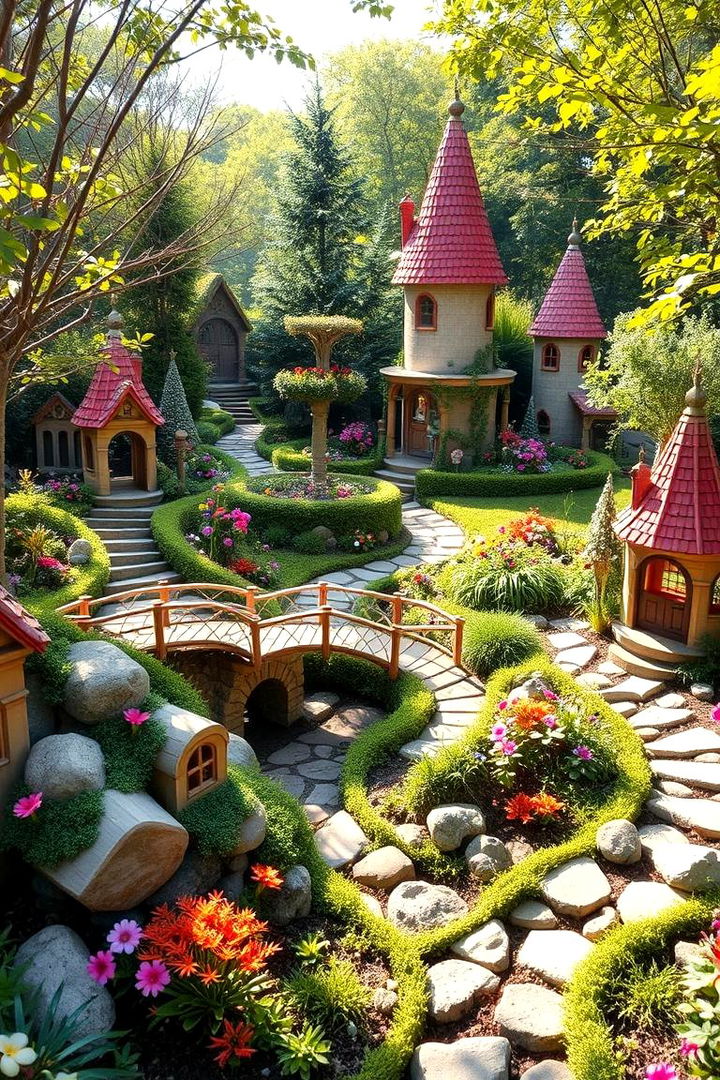
With the charm of a fairytale, a themed storybook garden sparks the imagination and transforms the outdoor space into a living narrative. Designed with whimsical features such as winding paths, miniature bridges, and colorful plant arrangements, this garden invites students to engage creatively with nature. It serves not only as a study space for botany and ecology but also as a stage for storytelling and dramatic play. The imaginative design stimulates cognitive and creative skills while offering lessons in literature and art. By merging fantasy with nature, the garden becomes a portal to endless explorations, where every leaf and stone holds a story, enchanting young minds.
12. Scientific Garden Laboratory
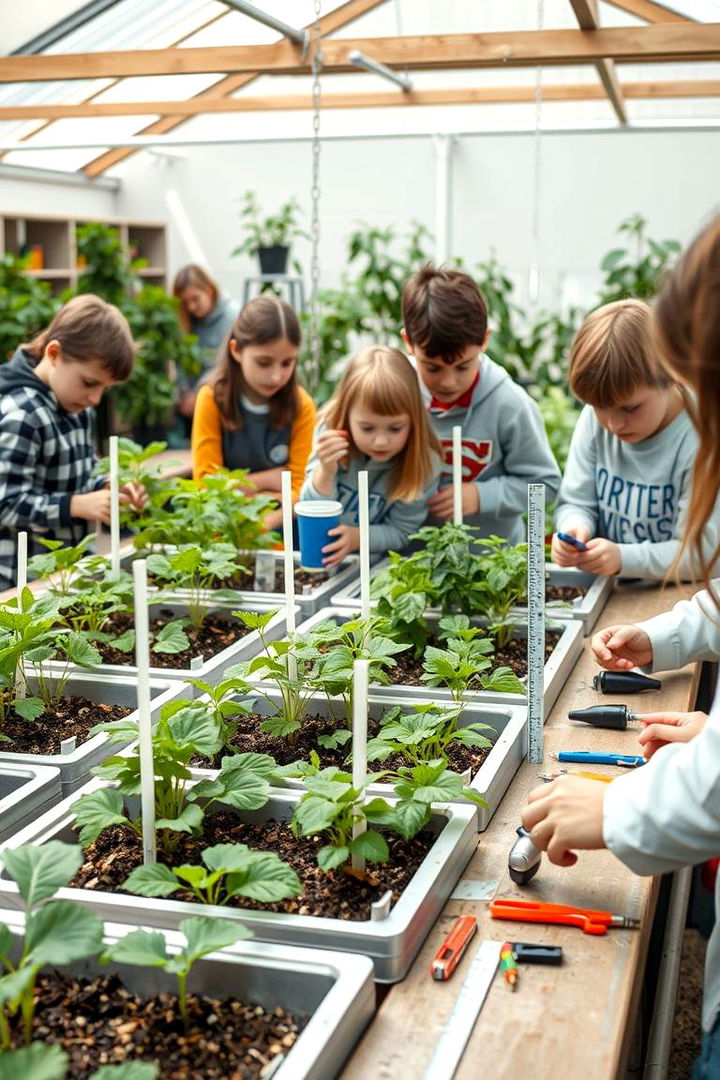
As research meets nature, a scientific garden laboratory provides an open-air classroom for budding scientists. In this innovative space, students conduct experiments on soil chemistry, plant biology, and sustainable practices. With tools for observation and data logging integrated between planters and natural elements, learners experience firsthand the principles of the scientific method. The garden encourages formulating hypotheses, running experiments, and documenting results, blending academic knowledge with practical application. This immersive approach promotes curiosity, problem-solving, and analytical thinking, transforming everyday gardening into an engaging scientific adventure that inspires future innovators and researchers in the natural world.
13. Indoor Hydroponics Oasis
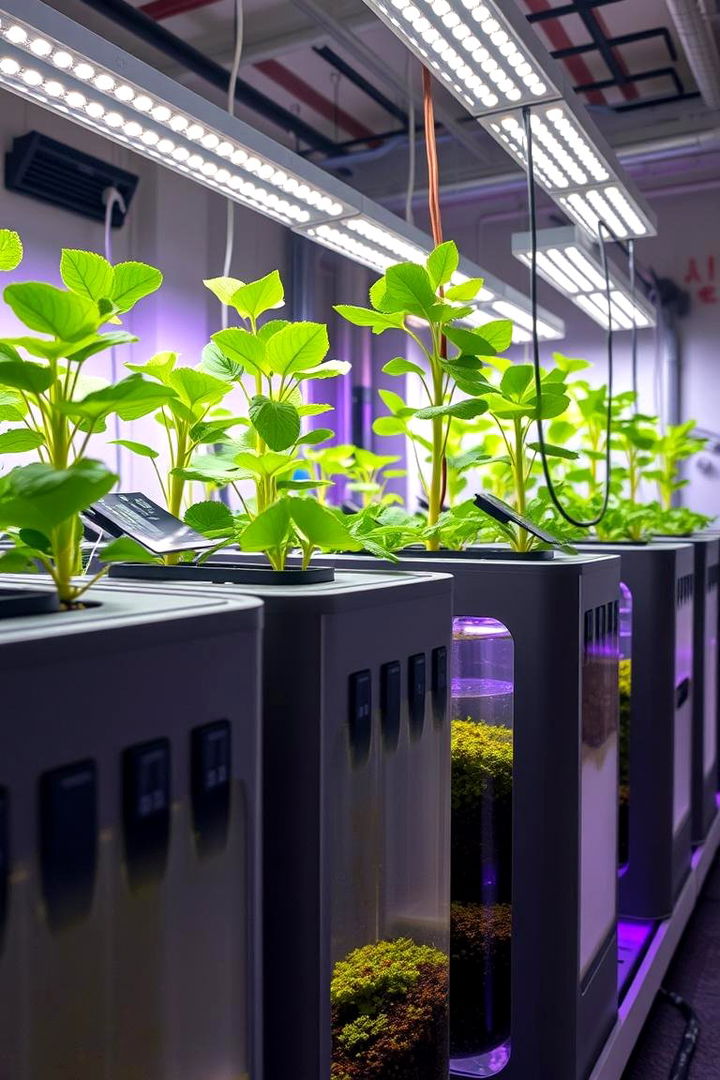
By reimagining the concept of gardening indoors, an indoor hydroponics oasis offers a futuristic twist on plant cultivation. In climates where outdoor gardening is limited, this system teaches students about water-based cultivation without soil. The controlled environment emphasizes efficiency as nutrients are delivered directly to the roots, resulting in faster growth cycles and a cleaner, modern look. The hands-on lessons in technology, biology, and environmental sustainability are complemented by practical experiments that illustrate advanced farming techniques. This innovative setup blends science with creativity, making the indoor garden not only a practical solution but also a hub for learning about futuristic agricultural methods.
14. Seasonal Change Garden
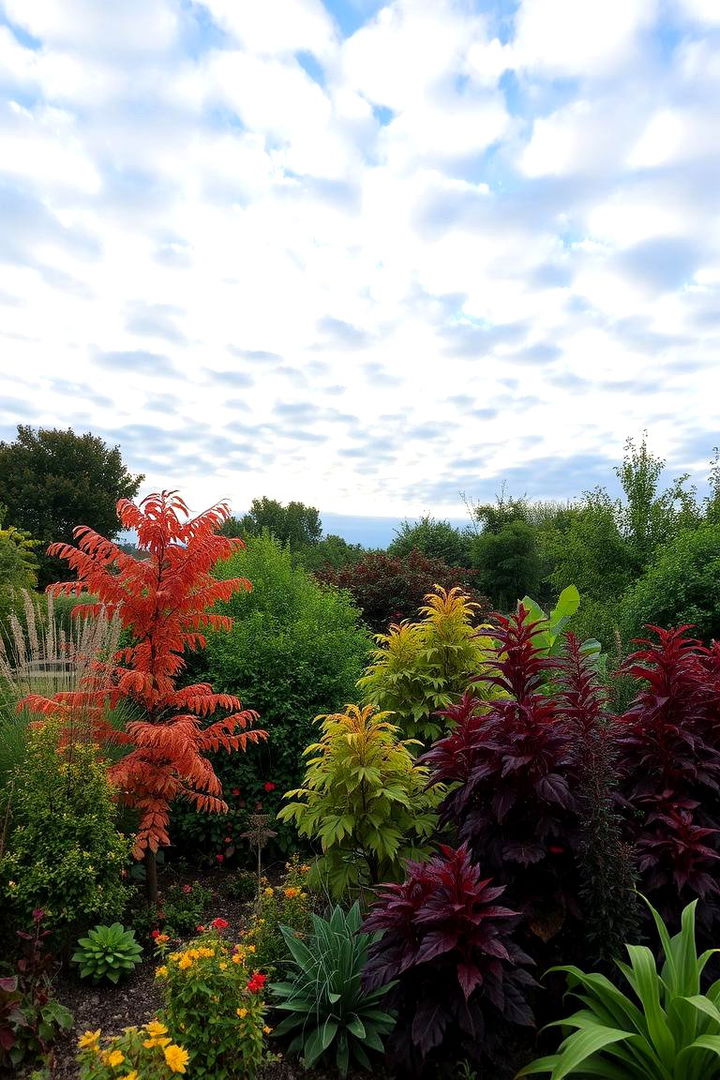
With each firsthand observation, a seasonal change garden illustrates nature’s cyclical patterns in an engaging, tangible way. Designed to rotate with the weather, this garden teaches students about seasonal variations, plant adaptation, and crop rotation techniques. As foliage changes color, textures shift and harvests vary, learners experience firsthand the rhythm of nature—a lesson in life cycles and sustainability. The garden’s design encourages long-term research projects and the documentation of seasonal trends, fostering an appreciation for ecological balance. This dynamic, ever-changing outdoor classroom continuously offers new learning opportunities, making each season a fresh chapter in environmental discovery.
15. Medicinal Plant Haven
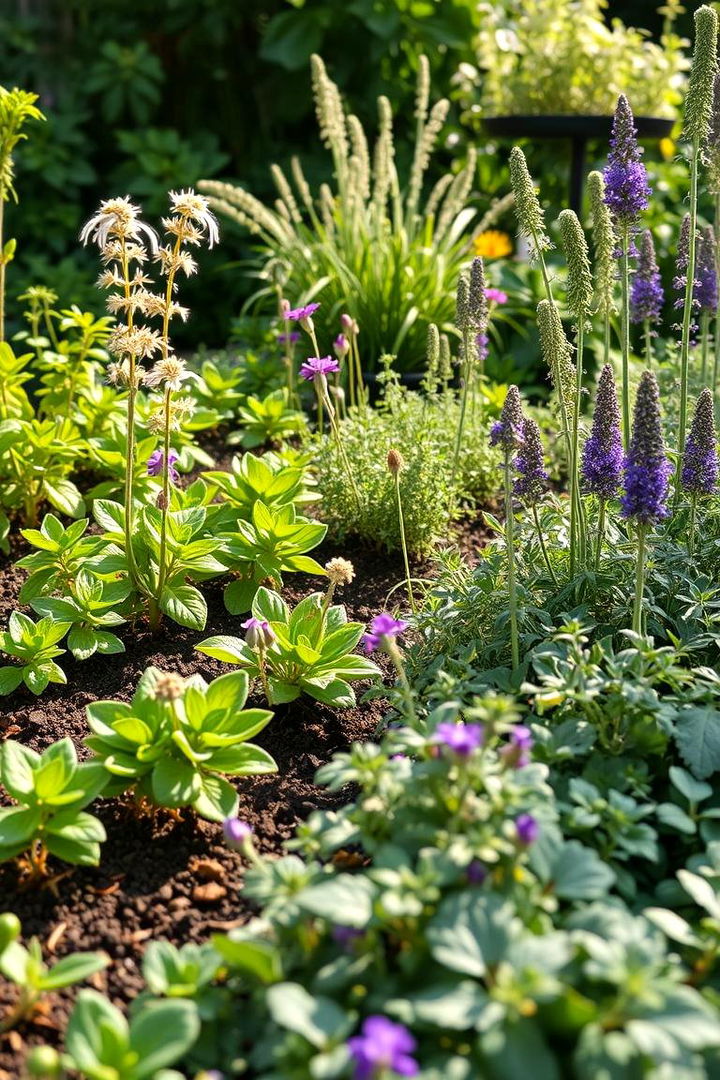
A calming medicinal plant haven introduces students to the ancient art of herbal healing and natural medicine. By cultivating plants known for their therapeutic properties—such as aloe, lavender, and echinacea—learners explore botany, chemistry, and traditional remedies. This garden serves as a living library of natural cures, where theory meets hands-on experimentation. Students discuss the importance of natural ingredients in health and medicine while engaging in careful cultivation and research. The sensory appeal of fragrant herbs and the visible benefits they offer in everyday life teach valuable lessons about nature’s pharmacy and the importance of sustainable, organic healthcare practices.
16. Native Species Showcase
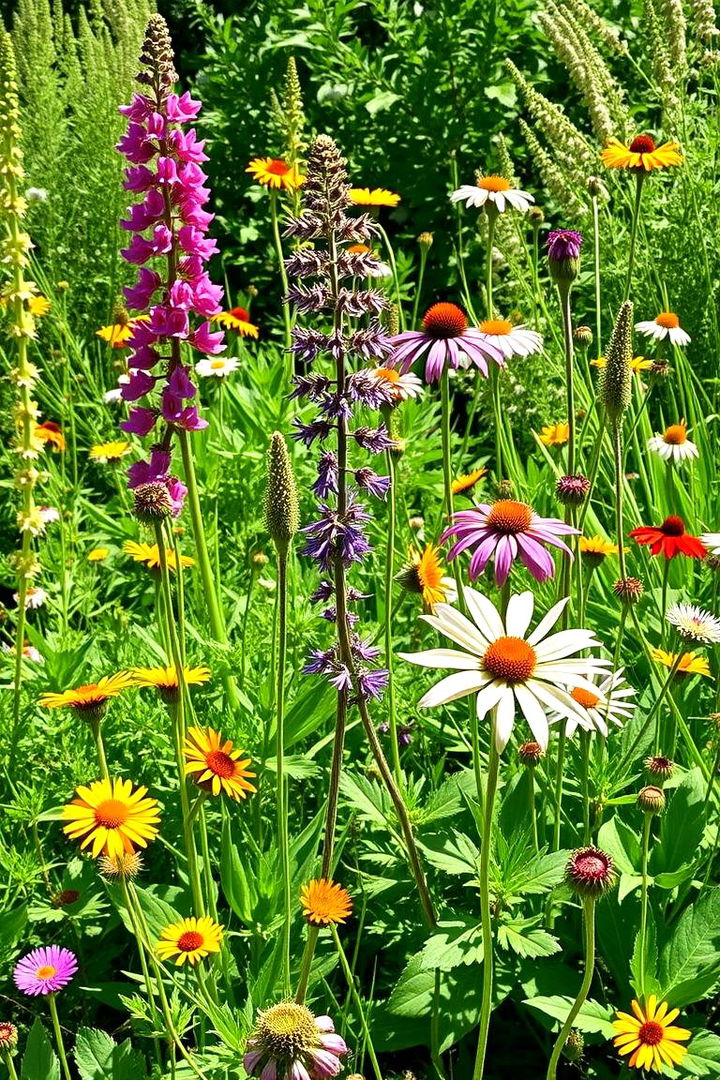
Unlike conventional gardens, a native species showcase centers on indigenous plants that thrive in the local climate. With carefully selected specimens, this garden becomes an educational cornerstone for lessons in biodiversity and environmental adaptation. Students observe how native flora supports local wildlife and maintains ecological balance by requiring less water and fewer resources. The project fosters a deep appreciation for regional natural heritage and teaches sustainable landscaping practices. By incorporating native plants, the garden ensures minimal environmental impact while highlighting the beauty and resilience of local ecosystems. This immersive experience empowers learners to become stewards of their natural surroundings.
17. Wildlife and Bird Sanctuary
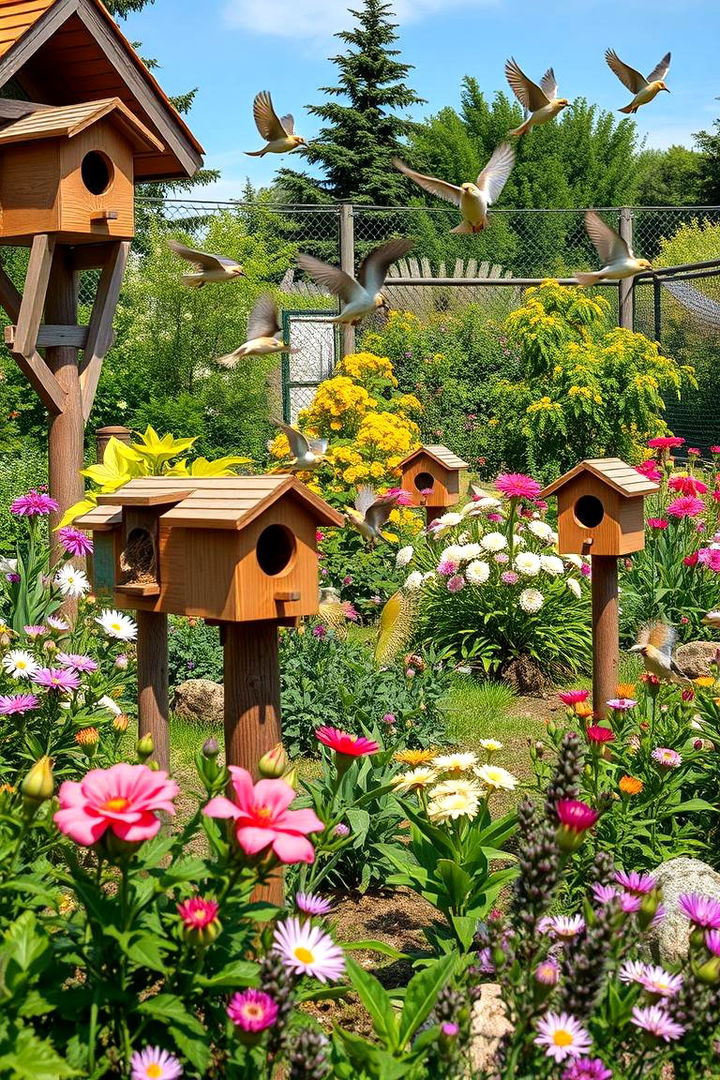
A welcoming wildlife and bird sanctuary attracts diverse species, turning a school garden into a dynamic ecosystem teeming with life. Students learn to identify and appreciate local fauna as they observe birds, insects, and small mammals in a habitat designed to support biodiversity. The garden provides nesting boxes, water features, and native plants to create a safe haven for wildlife. This setup inspires lessons in biology, environmental conservation, and natural history through direct observation and participation. As nature unfolds in real time, learners develop empathy and a sense of responsibility to protect local habitats, transforming the school grounds into a vibrant living lab that celebrates natural coexistence.
18. Garden Art and Sculpture Space
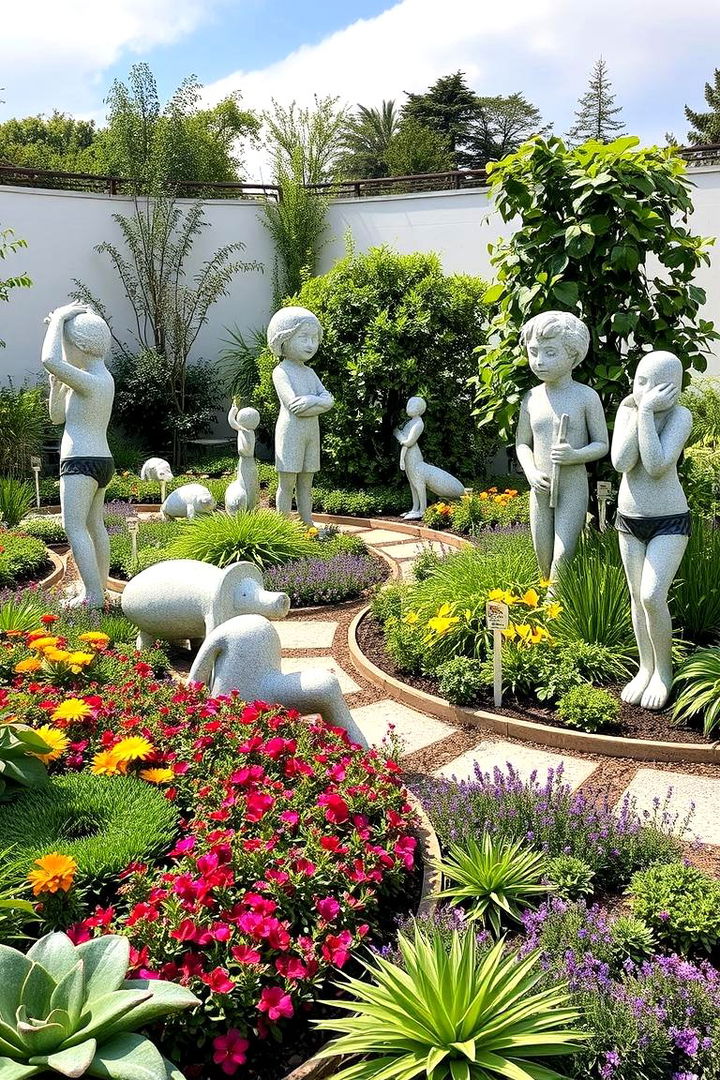
A creative garden art and sculpture space merges natural beauty with imaginative design, offering a vibrant arena for artistic expression. In this outdoor gallery, students combine horticulture with visual arts by incorporating handmade sculptures, murals, and decorative elements into the garden landscape. The fusion of nature and art inspires innovative thinking and enriches creative problem-solving skills. By engaging in projects that blend sustainable practices with artistic endeavors, learners gain a unique perspective on the environment. This integrative space not only elevates the aesthetic value of the school grounds but also cultivates an atmosphere where art and nature coexist harmoniously, sparking inspiration among young creators.
19. Sensory Path and Nature Trail
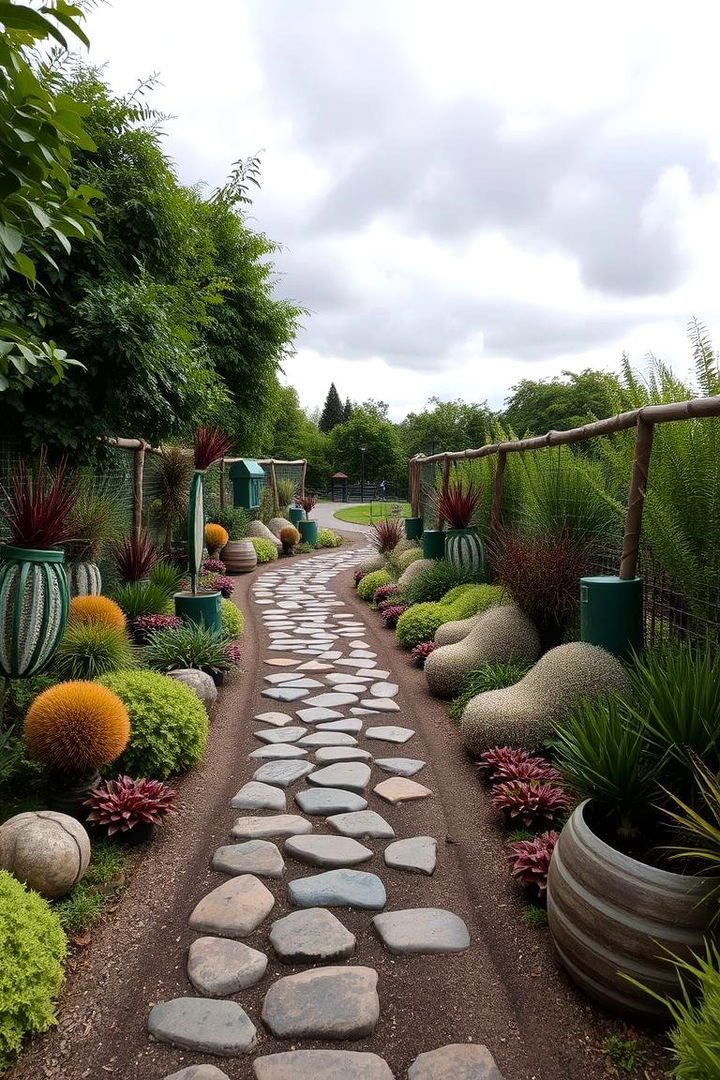
What better way to explore a garden than by walking a sensory path and nature trail? Carefully designed with varied textures, fragrant plants, and interactive stations, this path invites students to explore every natural nuance. The outdoor trail serves as a living laboratory for studying plant morphology, insects, and seasonal changes. It encourages physical activity, mindfulness, and reflective observation. Along the trail, tactile markers and interpretive signs help students connect with nature on a deeper level, stimulating curiosity and fostering environmental sensitivity. This immersive, walkable garden journey transforms routine school yard experiences into a delightful exploration of natural beauty and interactive learning.
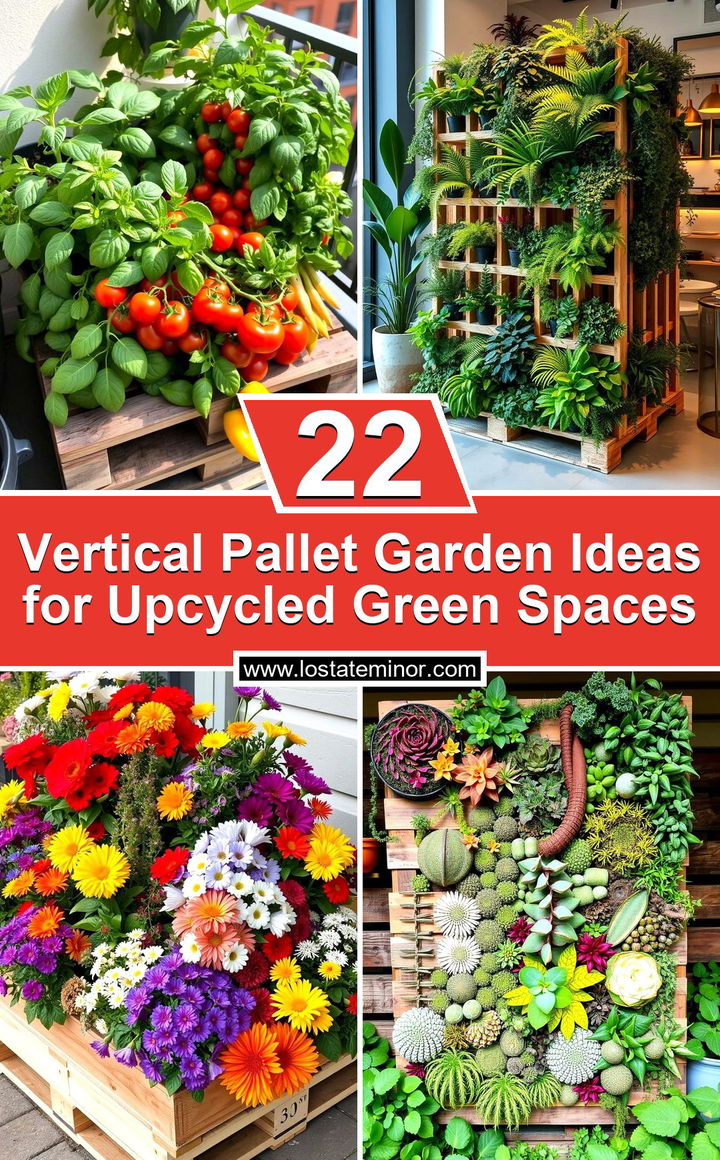
20. Vertical Gardening Innovations
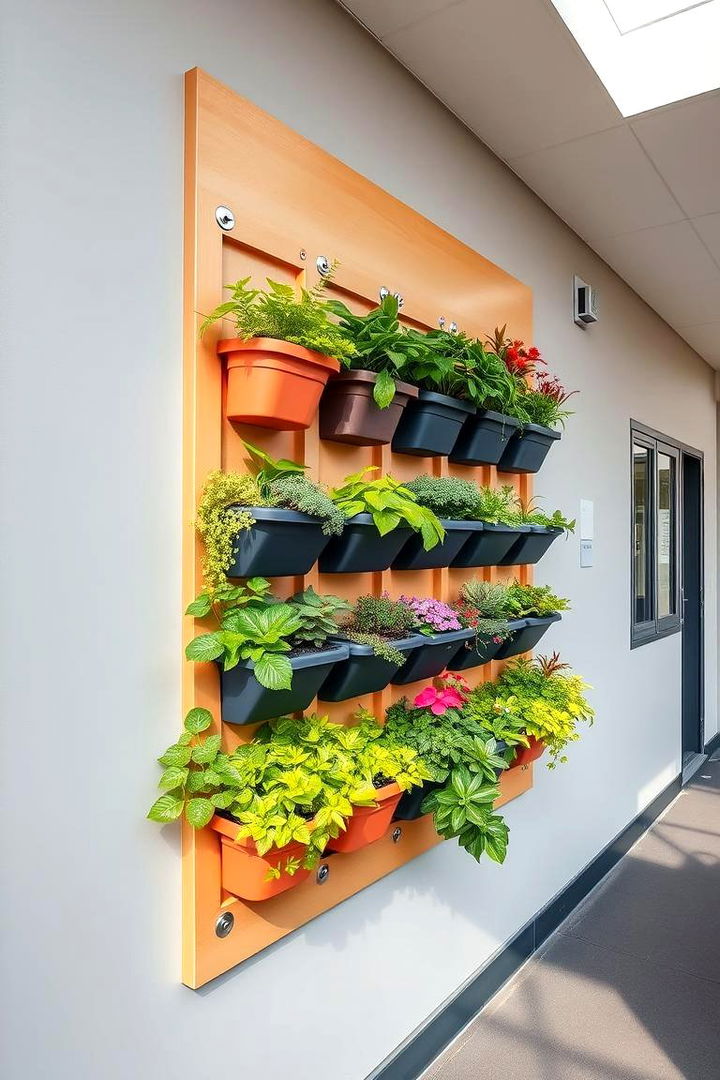
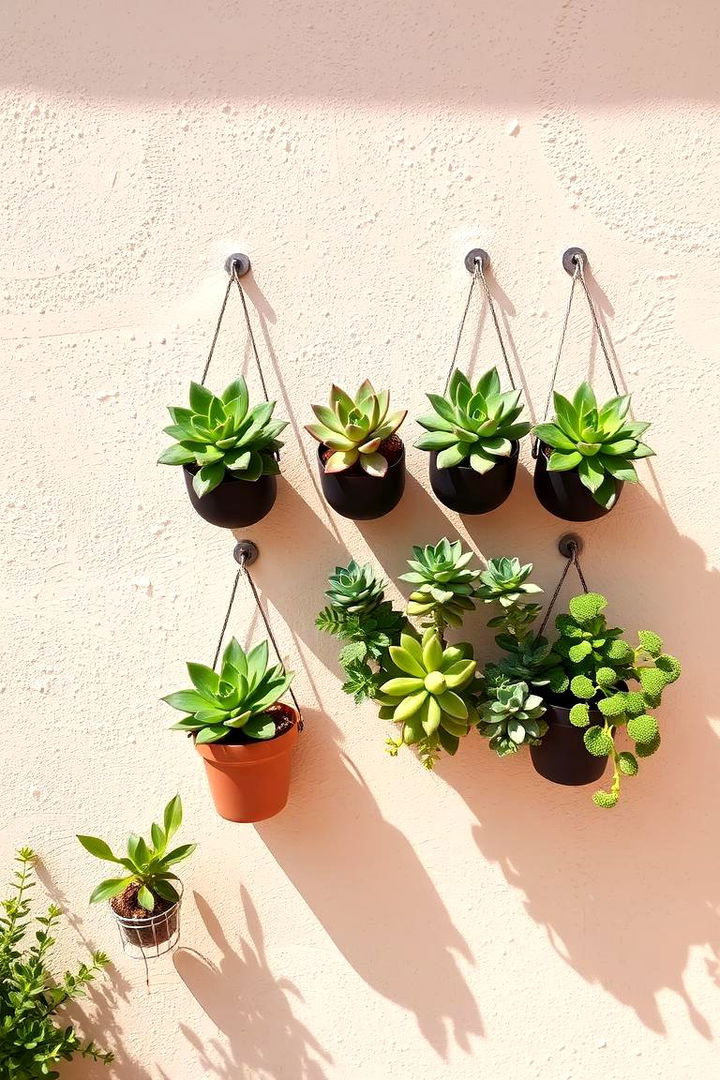
With limited space, vertical gardening innovations present a smart solution that maximizes growing areas while adding visual interest. By utilizing wall-mounted planters, trellises, and stacked containers, students learn to appreciate space-saving techniques and creative design principles. This approach not only emphasizes efficiency and sustainability but also provides an opportunity to integrate technology with horticulture. Observing how plants thrive in vertical arrangements deepens understanding of plant care and spatial awareness. The project effortlessly combines artistic flair with functional design, offering a modern twist on traditional gardening. Vertical gardens become a showcase for innovation, encouraging problem-solving and creative thinking in confined spaces.
21. Rainwater Harvesting Garden
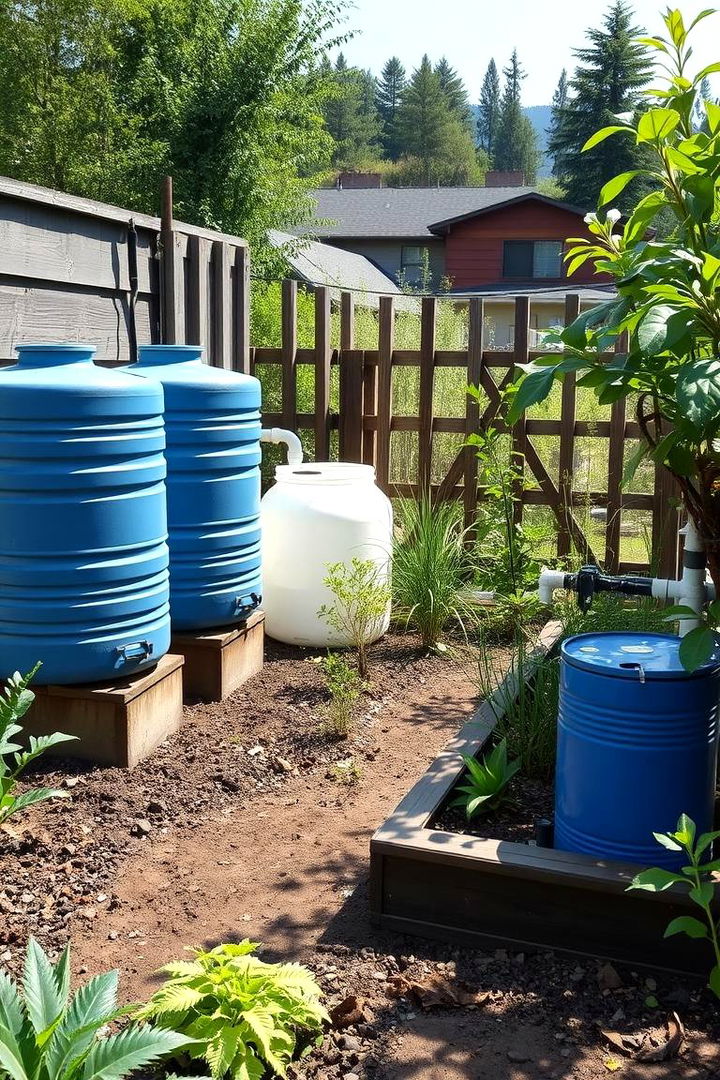
Due to unpredictable water supplies, a rainwater harvesting garden becomes an essential learning tool for sustainable practices. This design incorporates rain barrels, downspouts, and catchment areas to optimize water usage while educating students about resource conservation. Hands-on lessons in water management and ecological design illustrate how every drop can nurture life. Learners discover the benefits of collecting and reusing rainwater, fostering an eco-friendly mindset. The garden not only battles water waste but also demonstrates a practical solution for communities facing water shortages. By integrating smart design with environmental stewardship, this project transforms the school grounds into a model of sustainable, resource-efficient gardening.
22. Market Garden Learning Hub
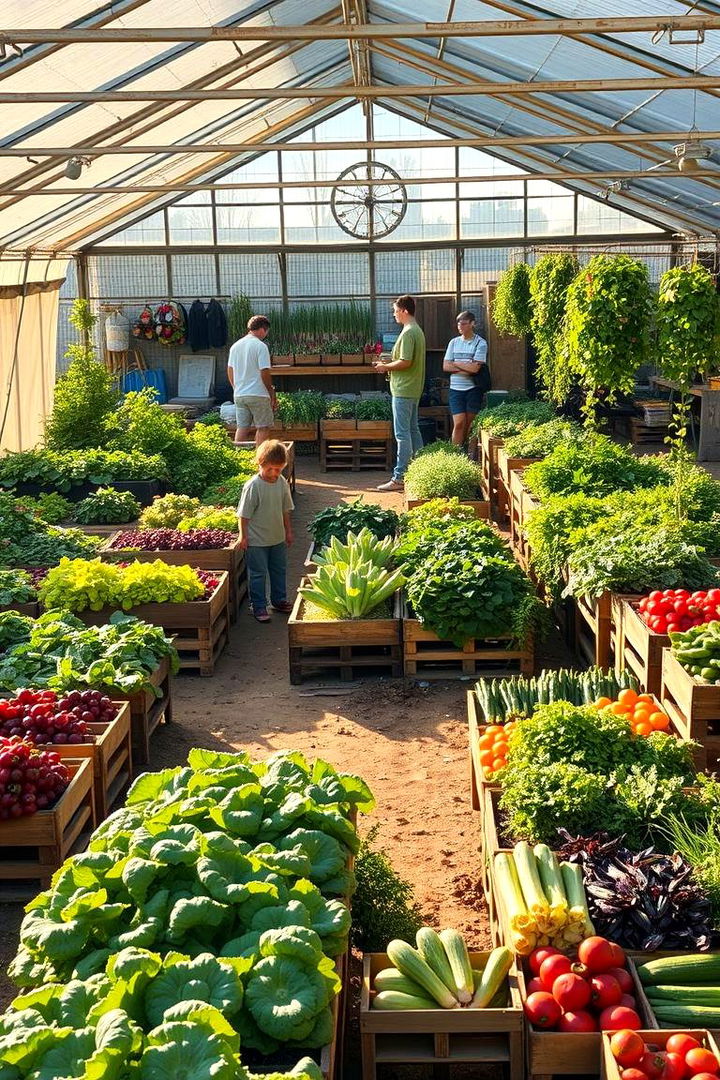
Finally, a market garden learning hub transforms the school garden into a vibrant center for project-based learning and community engagement. Designed to grow a variety of herbs and vegetables, students manage every stage from planting to harvest for local consumption or school events. This project emphasizes business, nutrition, and teamwork skills as learners market their produce and share the bounty with the community. The hands-on experience nurtures entrepreneurial spirit alongside environmental awareness. Integrating math, economics, and practical horticulture, the garden serves as a dynamic platform for real-world learning. It not only beautifies the school grounds but also fosters a sense of achievement and sustainable community practices.
Conclusion:
In each unique garden concept, the fusion of nature and learning transforms school grounds into dynamic spaces for education and community engagement. The ideas presented—from vibrant vegetable patches and artful sculptures to sustainable rainwater gardens and scientific labs—empower students to explore, experiment, and embrace environmental stewardship. Each garden initiative enriches learning by combining practical experience with inspiring, interactive settings that nurture curiosity and collaboration. These dynamic outdoor classrooms truly illustrate how school garden ideas cultivate knowledge, creativity, and a lifelong respect for nature, making every project an opportunity to grow together with the environment.

Related posts: