In today’s ever-changing world, designing secure spaces is more than a luxury—it’s an essential step toward ensuring personal safety and peace of mind. The following discussion on 22 Safe Room Ideas presents a range of practical tips and innovative concepts designed to enhance security and comfort, even in the face of unpredictable emergencies. Drawing upon expert insights and real-world experiences, each idea offers actionable strategies to build or improve a safe room that meets diverse needs. Explore these 22 Safe Room Ideas and discover how to transform your space into a secure haven.
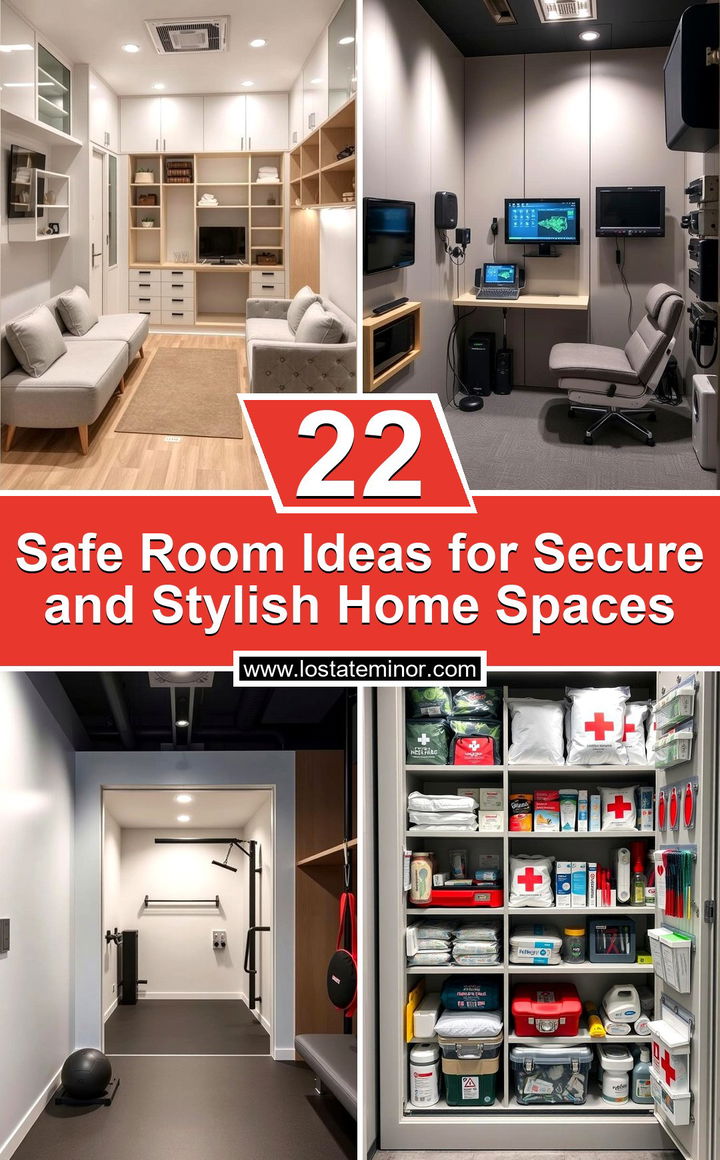
1. Enhanced Structural Integrity
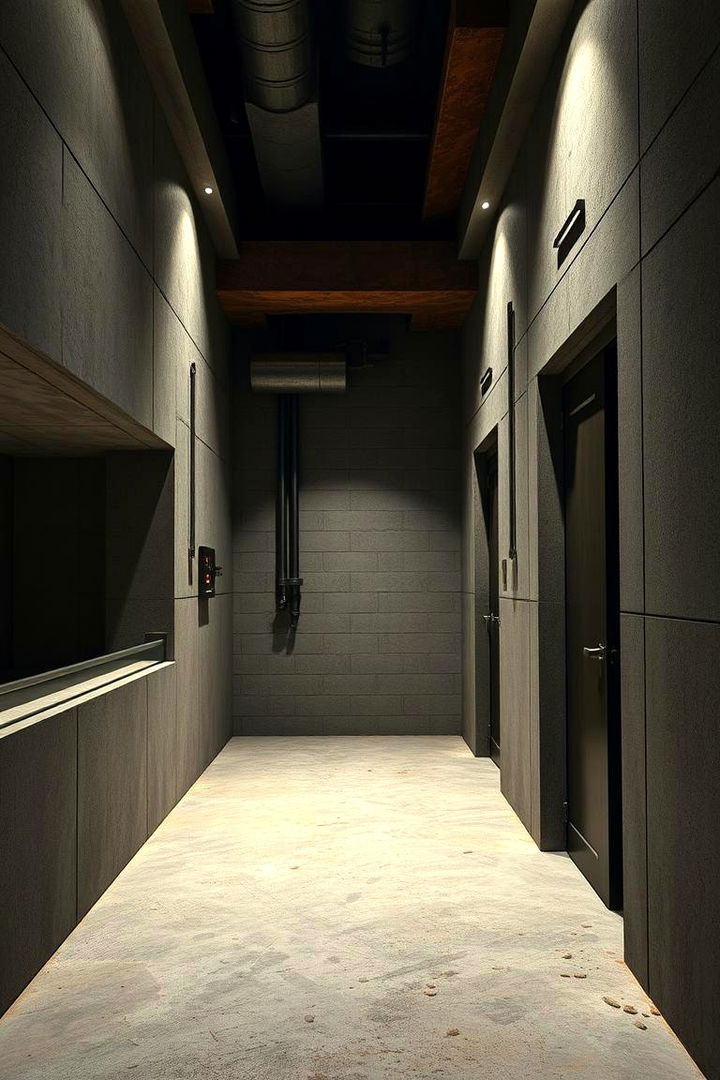
A strong safe room begins with enhanced structural integrity to protect against unforeseen events. Robust construction materials like reinforced concrete and steel frames offer exceptional strength and durability. This design concept not only ensures physical safety but also instills confidence in occupants, knowing that the room can withstand seismic shocks and severe weather conditions. In addition, it provides an essential foundation for integrating other security measures, making it a vital element in any comprehensive safe room plan. With thoughtful planning and quality materials, enhanced structural integrity forms a reliable haven during emergencies.
2. Reinforced Entryway Security
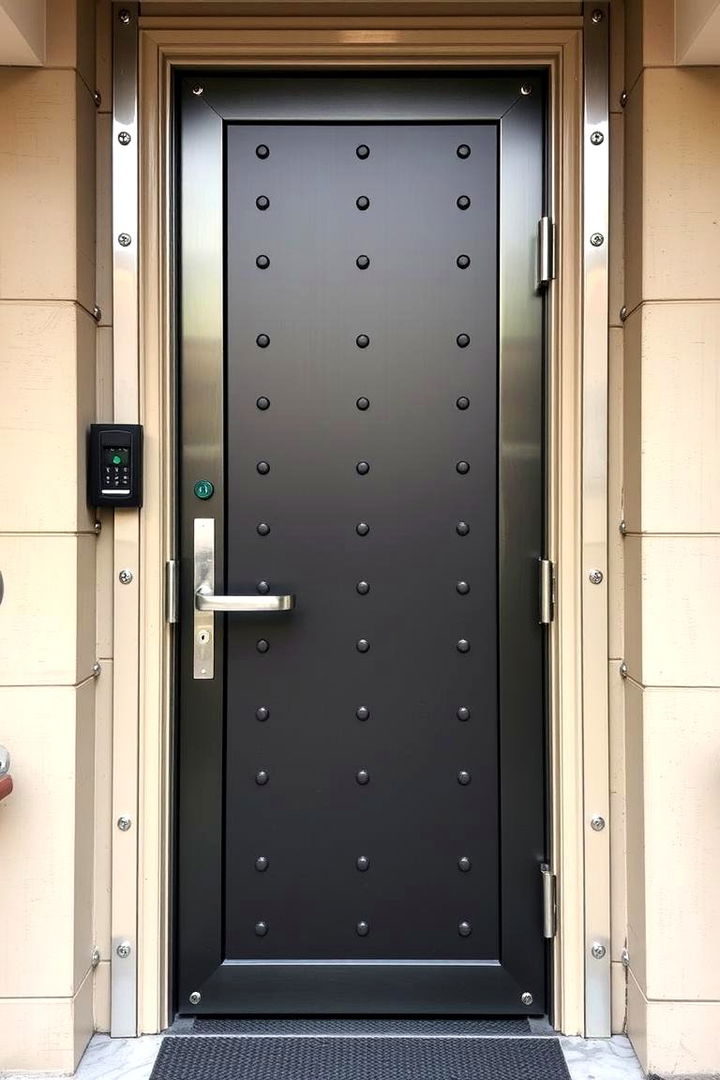
Considering the critical value of secure access, reinforced entryways serve as the first line of defense in any safe room. Heavy-duty doors, advanced locking systems, and metal reinforcements create a formidable barrier against intrusions. These elements not only protect the physical space but also ease the mind of residents in times of crisis. By integrating state-of-the-art hardware and innovative design, the entryway becomes an impenetrable stronghold. With attention to detail and reliable components, a reinforced entryway transforms into a secure portal that upholds both safety and peace of mind.
3. Self-Sufficient Power Supply
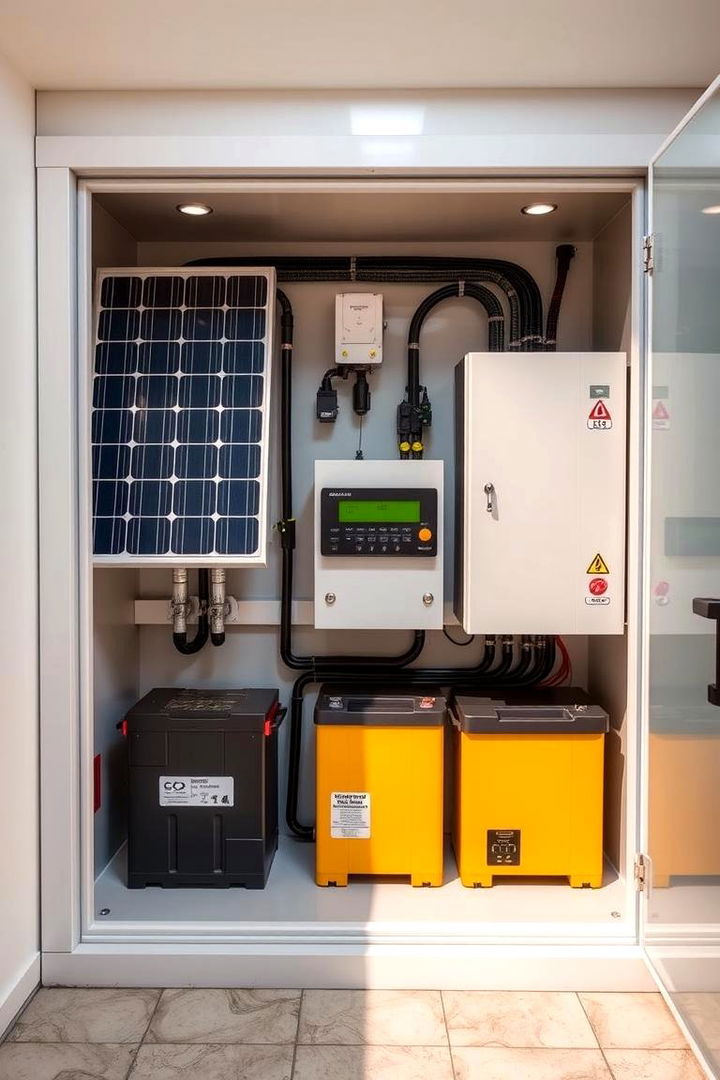
Moreover, self-sufficient power systems integrated into safe rooms ensure continuous operation during grid failures. Solar panels, backup generators, and battery storage provide a reliable energy source that keeps essential systems running. This energy independence allows occupants to maintain communication, lighting, and other critical functions even in prolonged outages. By incorporating renewable energy elements, the safe room becomes not only secure but also sustainable. Practical installation of these systems offers a robust solution that minimizes dependence on external power, ensuring comfort and operational continuity during emergencies.
4. Climate-Resistant Insulation
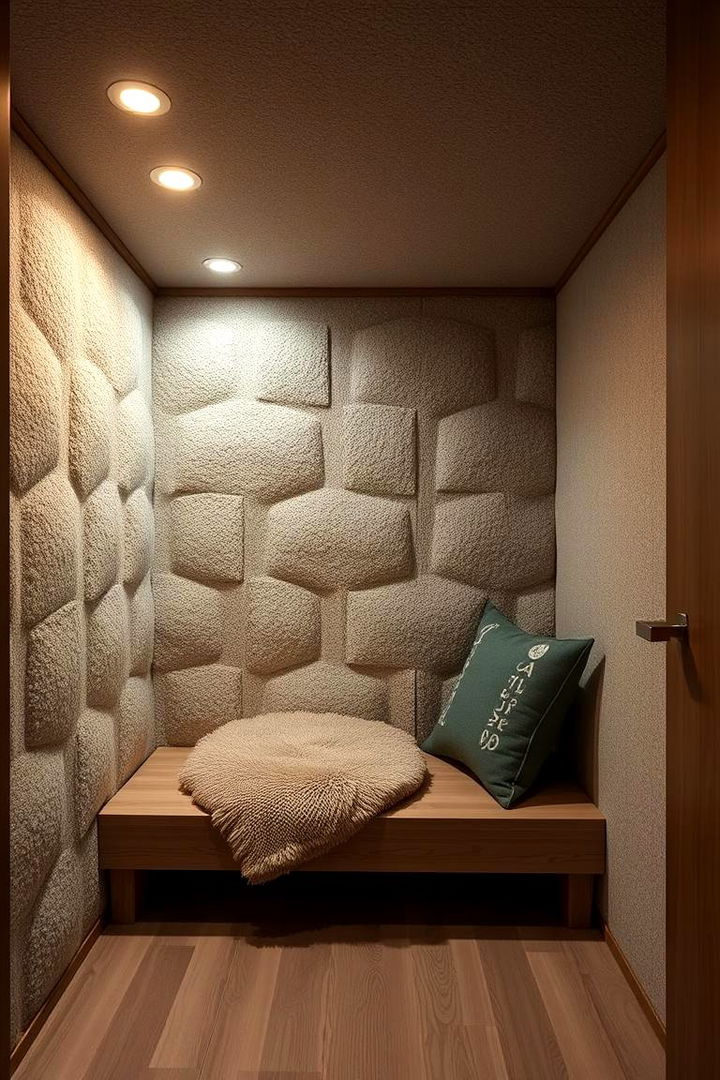
With unpredictable weather patterns, climate-resistant insulation is key to maintaining a safe room’s habitability. Quality insulation materials help regulate temperature by effectively blocking external heat and cold, ensuring a consistent internal climate. This design element minimizes energy loss and creates a comfortable environment during emergencies. By using advanced, weather-resistant materials, the safe room remains a refuge against extreme conditions. Practical implementation of such insulation also contributes to energy efficiency and long-term cost savings, making it an essential feature for those seeking reliability and year-round comfort.
5. Emergency Water and Food Storage
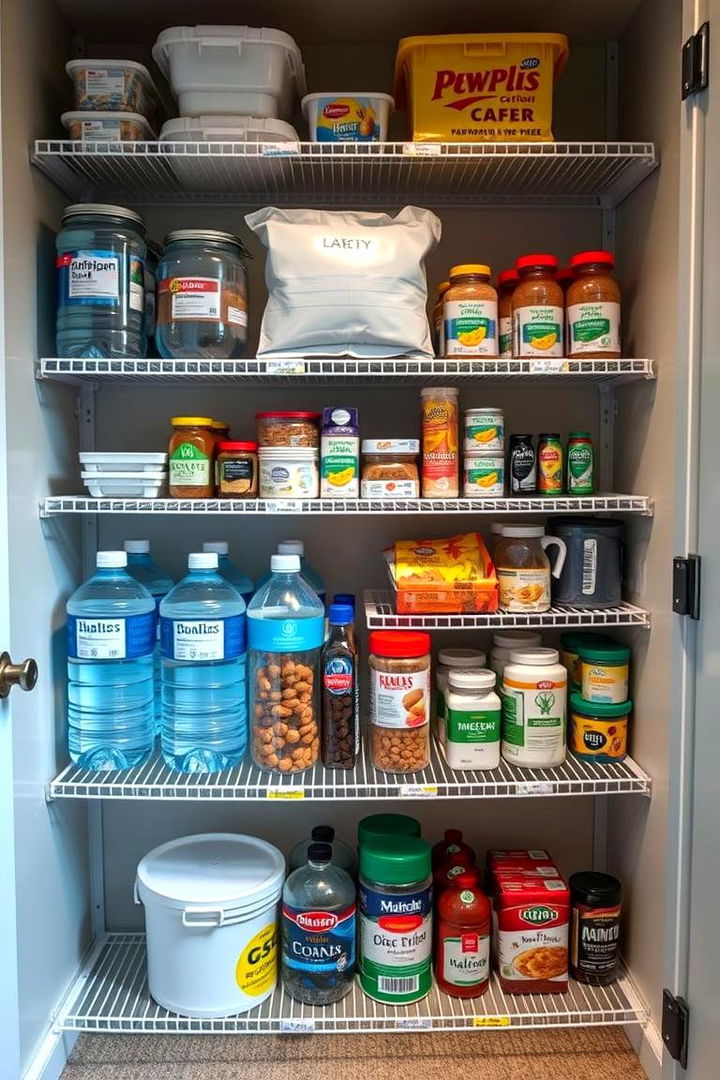
For long-term emergencies, ample water and food storage is essential to sustain life when outside resources are scarce. Secure, well-organized storage units within the safe room ensure that perishable items are protected and preserved. Thoughtful planning involves allocating space for non-perishable food items, purified water, and other survival essentials. This preparation not only reduces stress during crises but also provides occupants with the confidence to face uncertain situations. Efficient storage solutions make it easier to monitor supplies, ensuring that even extended emergencies are met with well-stocked provisions and practical organization.
6. Advanced Communication Systems
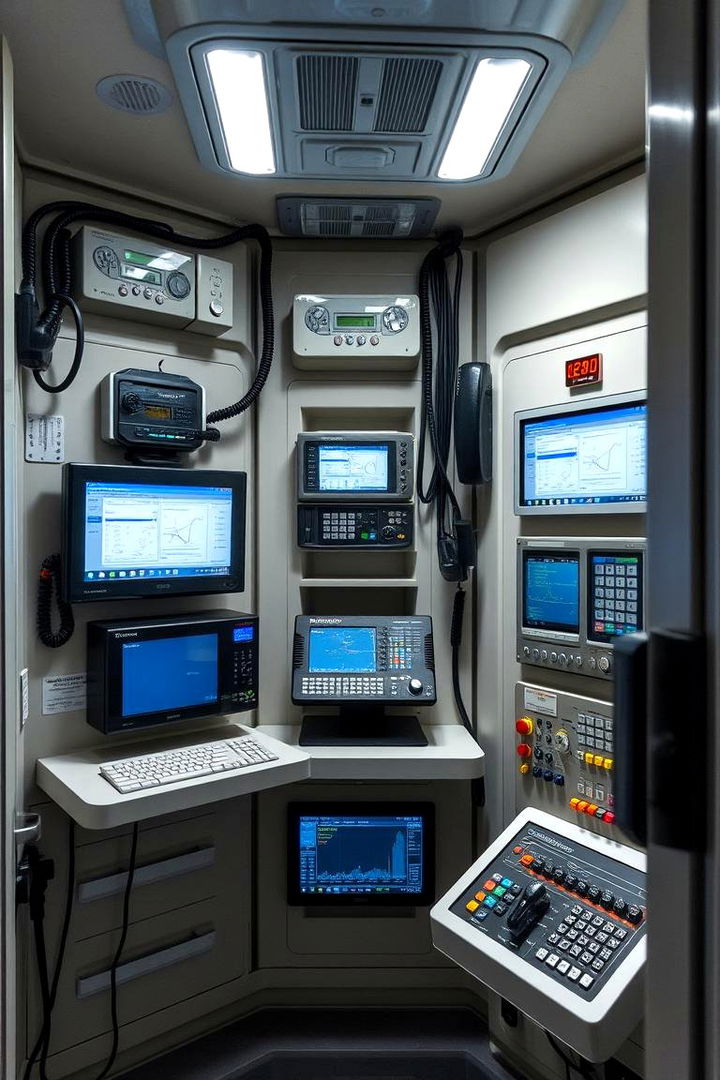
Additionally, integrating advanced communication systems in a safe room maintains a vital link to the outside world during emergencies. Equipped with satellite phones, radio receivers, and internet connectivity options, these systems ensure that help is never out of reach. Reliable communication tools empower occupants to receive timely updates and coordinate rescue or recovery efforts as needed. Thoughtful integration of these technologies into the safe room’s design offers seamless operation even under adverse conditions. This connectivity enhances overall preparedness, transforming the safe room into a hub of information and reassurance when it matters most.
7. Comprehensive Medical Supplies
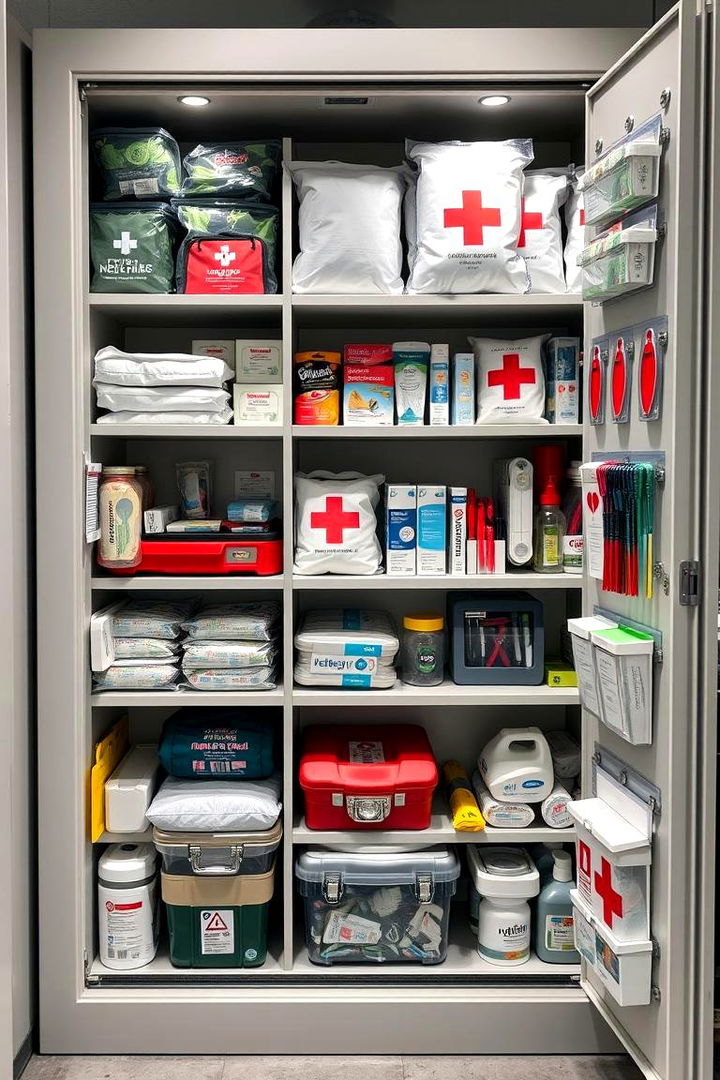
From first aid kits to specialized emergency medications, a comprehensive collection of medical supplies is crucial for any safe room. Stocking essential items such as bandages, antiseptics, and diagnostic tools can make a critical difference during emergencies. An organized medical cabinet not only offers immediate access to health care resources but also instills confidence in occupants who may face unforeseen injuries or illnesses. By planning for a variety of medical needs and regularly updating supplies, this safe room feature becomes a reliable support system that upholds both physical well-being and peace of mind in challenging situations.
8. Effective Sound Insulation
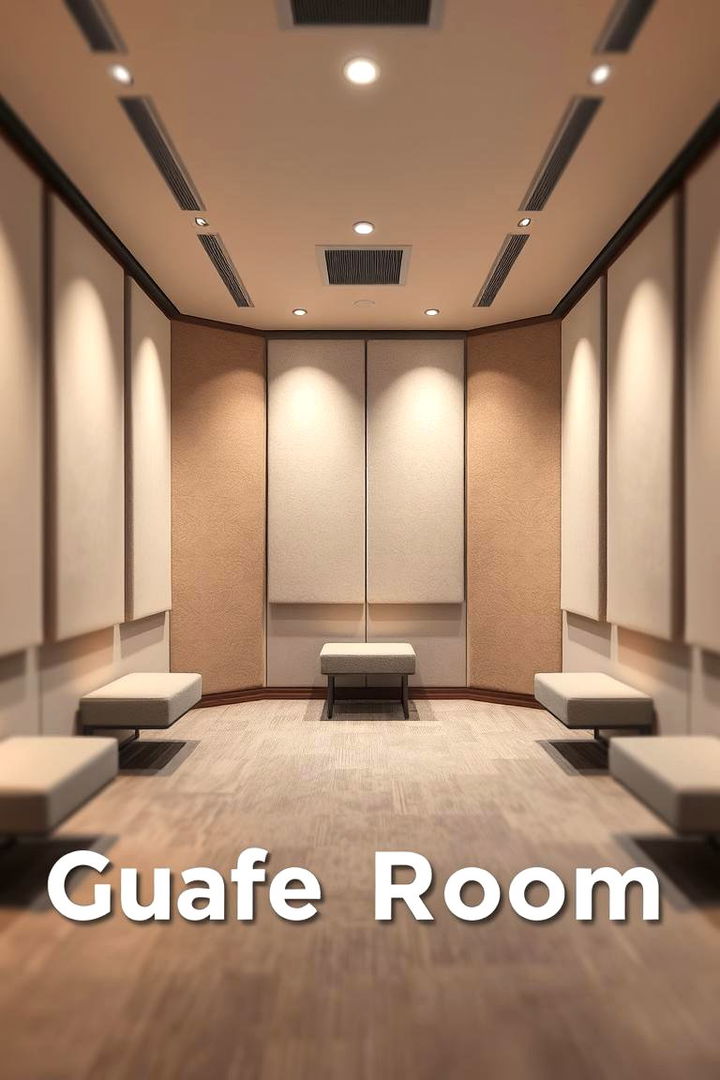
Surprisingly, effective sound insulation plays a significant role in ensuring privacy and reducing stress within a safe room. By using specialized acoustic panels and thick, sealed walls, external noises are significantly dampened, creating a tranquil environment. This design not only enhances overall comfort but also helps occupants stay focused during emergencies. Reduced noise levels can alleviate anxiety and promote a sense of calm, fostering clearer communication and better decision-making. In a secure space, effective sound insulation forms a quiet retreat that complements a safe room’s other essential protective features.
9. Multifunctional Defensive Design
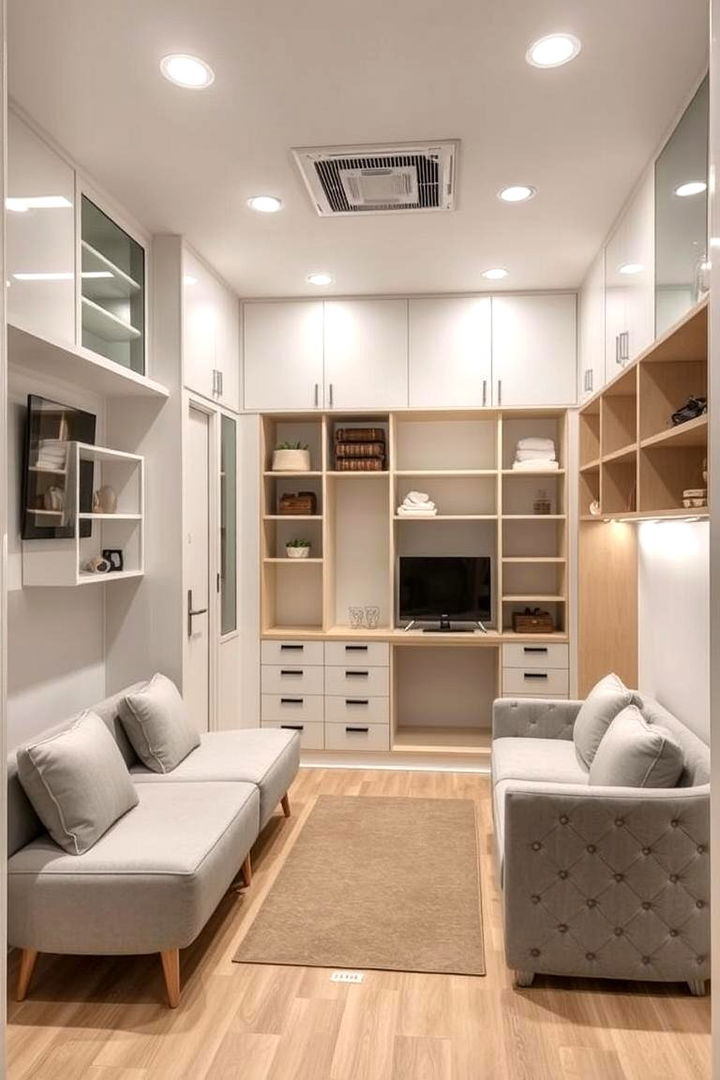
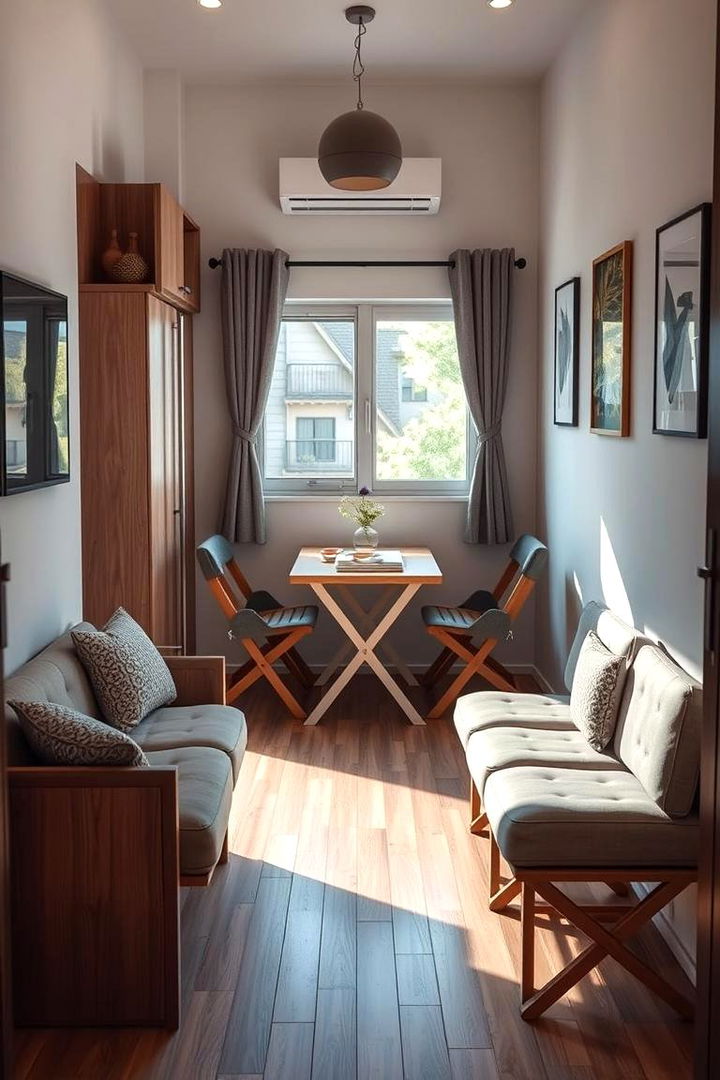
Unlike standard rooms, a multifunctional defensive design incorporates dual-purpose elements that blend everyday functionality with protective features. Integrated storage, concealed barriers, and adaptable furniture work together to maximize space while enhancing security. This design approach ensures that every element within the safe room serves a protective or utilitarian function during a crisis. With thoughtful layout planning and innovative features, a multifunctional design provides both a comfortable living area and a reliable fortification. Such efficiency makes the safe room versatile, meeting daily needs while remaining resilient during emergencies.
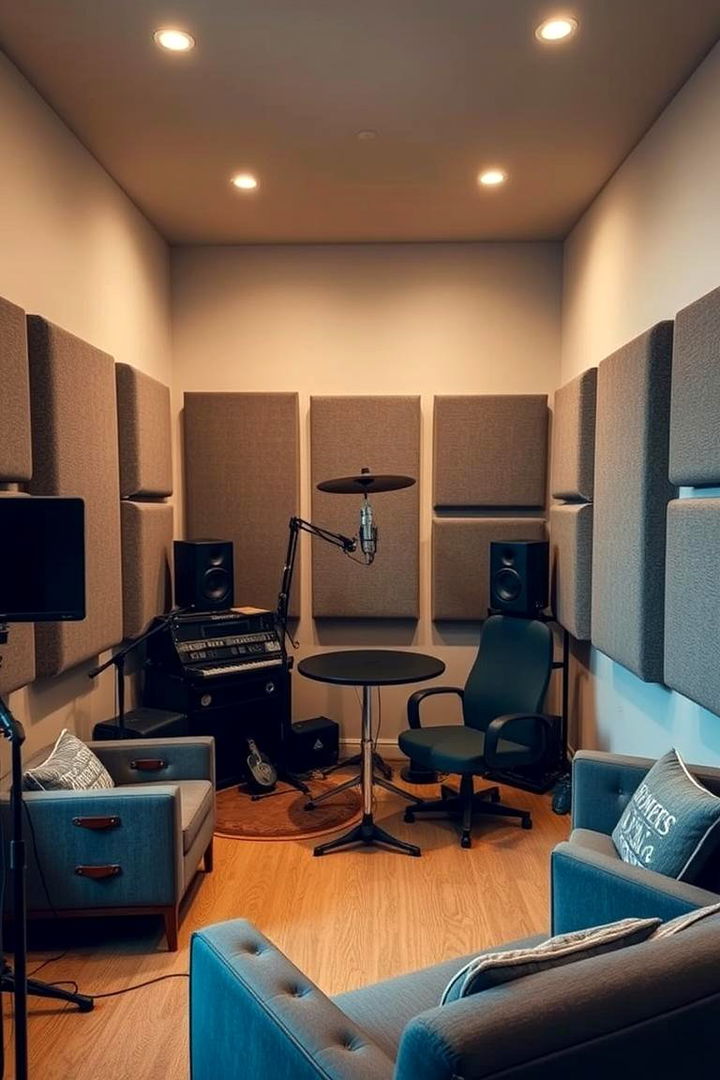
10. Child-Friendly Features
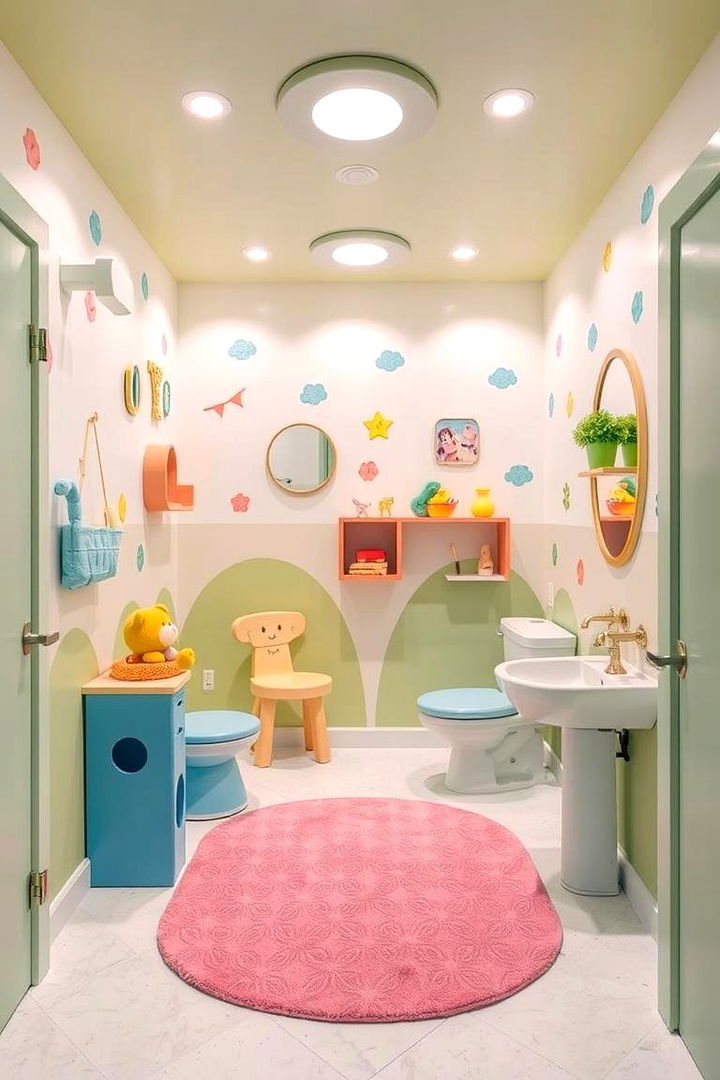
What if a safe room could be both secure and comforting for the youngest members of a family? Child-friendly features, such as rounded edges, bright yet soft lighting, and engaging storage solutions, create a welcoming atmosphere that alleviates fear during crises. Incorporating playful yet functional elements ensures that children feel safe and cared for even in high-stress situations. These design choices promote a balance between security and nurturing comfort, transforming the space into a reassuring haven. By thoughtfully integrating these features, families can rest assured that every member, regardless of age, is protected and supported.
11. Pet-Safe Accommodations
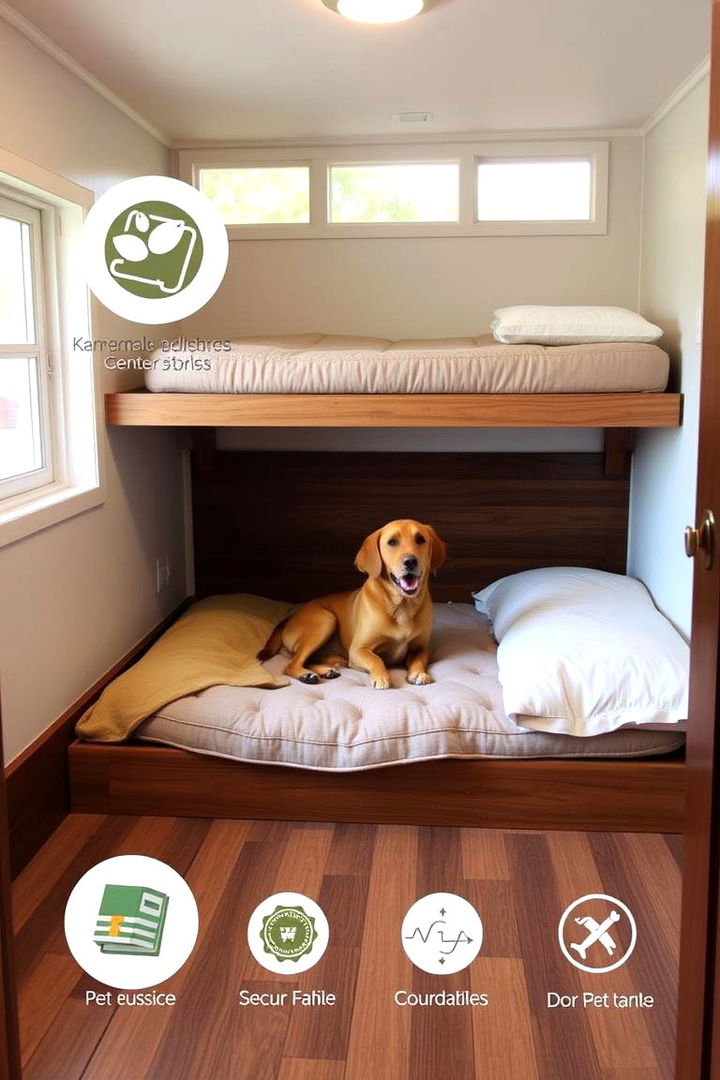
To foster a safe environment for every family member, pet-safe accommodations are vital in modern safe room planning. Dedicated areas with non-toxic materials, comfortable bedding, and safe barriers ensure pets are included in emergency readiness. Thoughtfully designed spaces consider pets’ needs, allowing for secure containment and easy access to supplies such as food and water. Such provisions create a harmonious environment that values the well-being of both human occupants and animal companions. By prioritizing pet safety, these accommodations enhance the overall functionality of the safe room while expanding its role as a truly inclusive sanctuary.
12. Earthquake-Resilient Construction
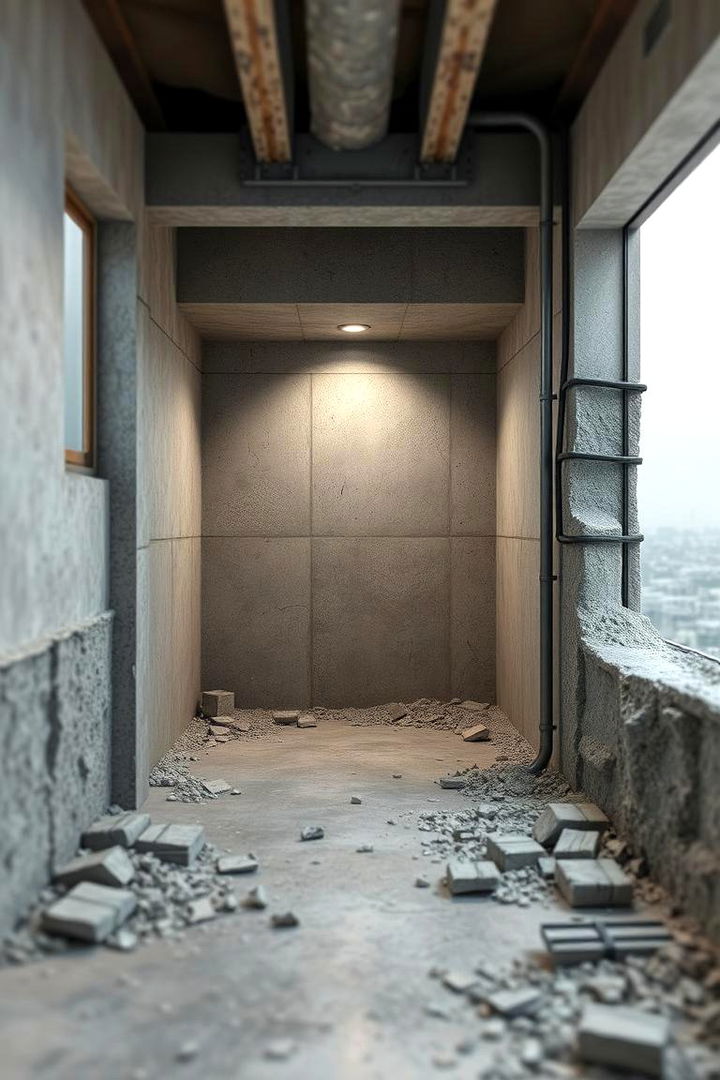
As safety in seismic zones is paramount, earthquake-resilient construction employs flexible yet sturdy materials that can absorb shocks. Advanced engineering techniques, such as base isolation and energy-dissipating systems, provide critical protection during tremors. This design not only safeguards the physical structure but also reduces potential injuries by minimizing abrupt movements. Incorporating these features into a safe room ensures that even in the face of earthquakes, the space remains secure and stable. Carefully selected materials and construction methods thus enhance resilience, offering long-lasting protection against the powerful forces of nature.
13. Flood-Proof Strategies
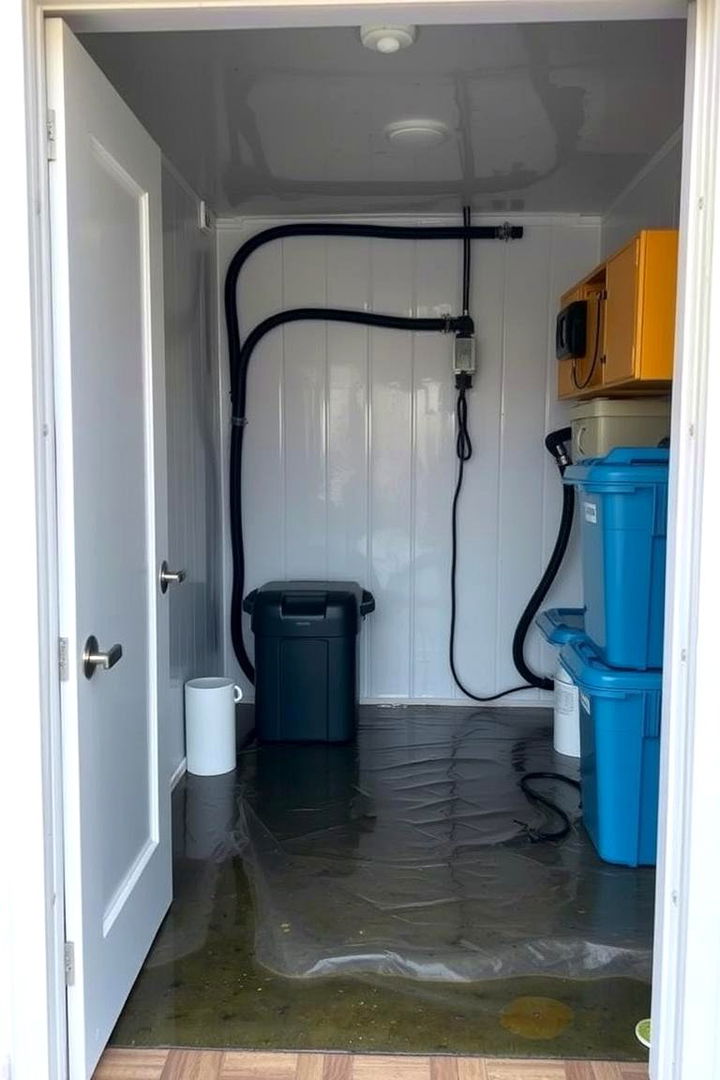
Due to increasing flood risks, implementing flood-proof strategies is essential for any safe room design. Elevated platforms, watertight seals, and strategic drainage systems form the backbone of flood protection. These measures safeguard critical supplies and maintain the integrity of the space under waterlogged conditions. Practical design choices ensure that a safe room remains functional and dry even when external water levels rise. By anticipating potential hazards, flood-proof strategies provide a secure environment that stands firm against nature’s challenges. This proactive approach not only protects property but also ensures peace of mind during flood emergencies.
14. Fireproof Material Selection
Bringing fire safety to the forefront, fireproof material selection is crucial for minimizing risks in a safe room. Using non-combustible materials such as gypsum, metal, and treated wood can slow or even prevent the spread of flames. This thoughtful choice of building components significantly enhances occupant protection during fire emergencies. Fire-rated doors, insulation, and coatings further reinforce the space’s resilience against heat and smoke. By taking these precautions, homeowners can create a safe, secure environment that stands as a barrier against fire hazards while promoting overall safety and long-term peace of mind.
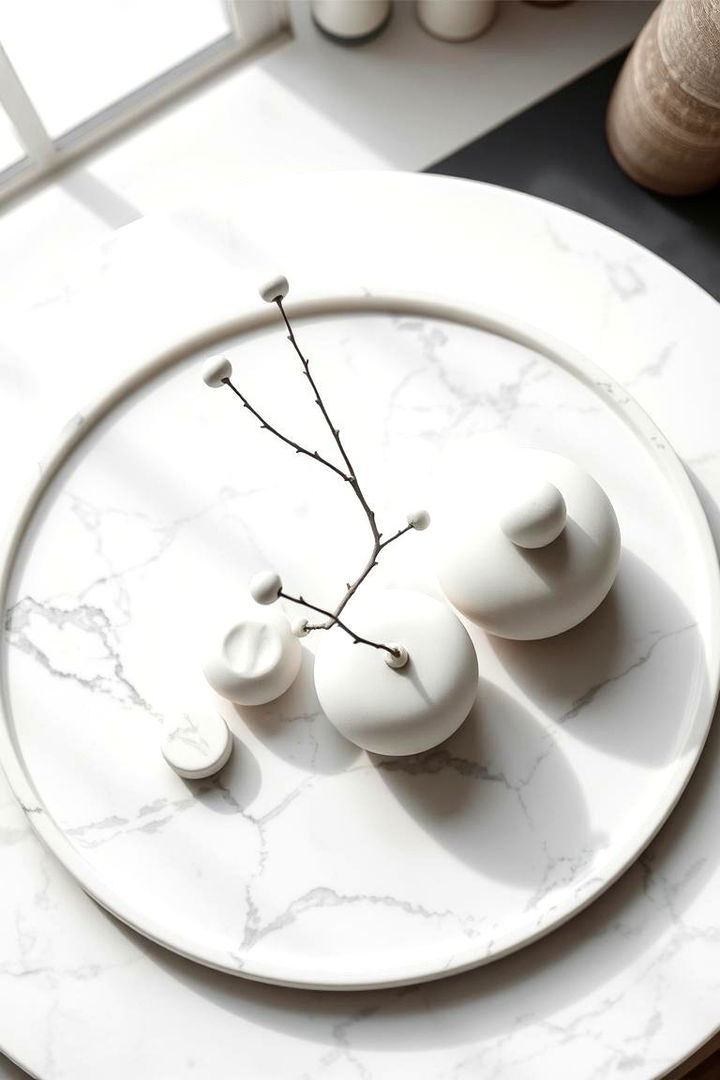
15. Integrated Smart Technology
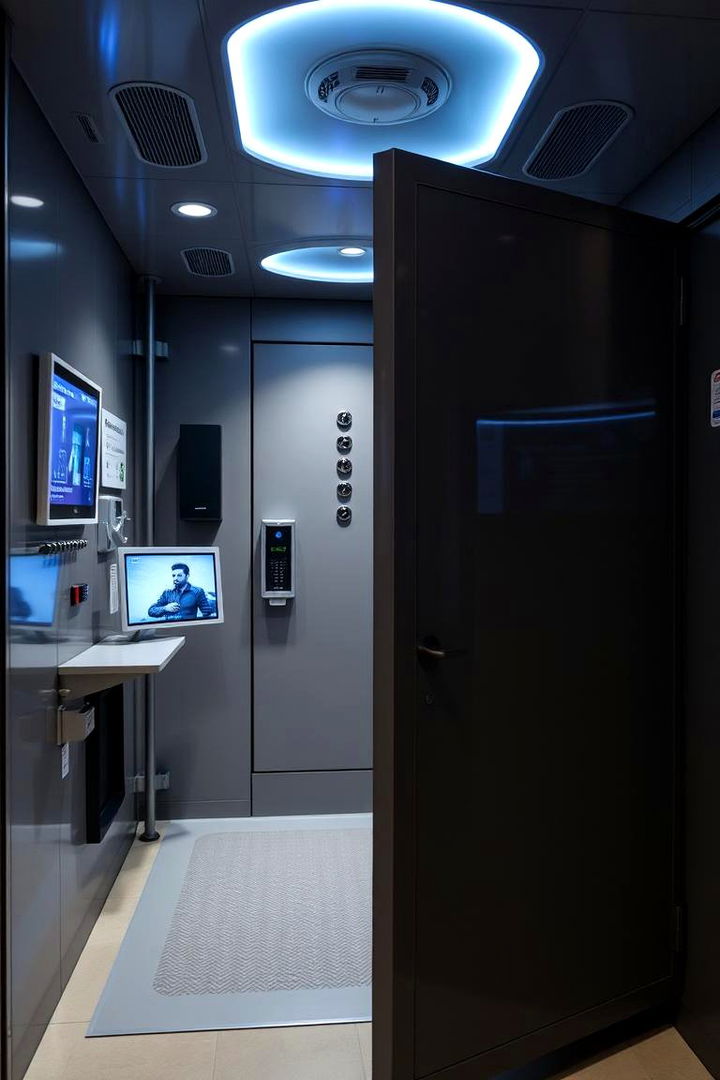
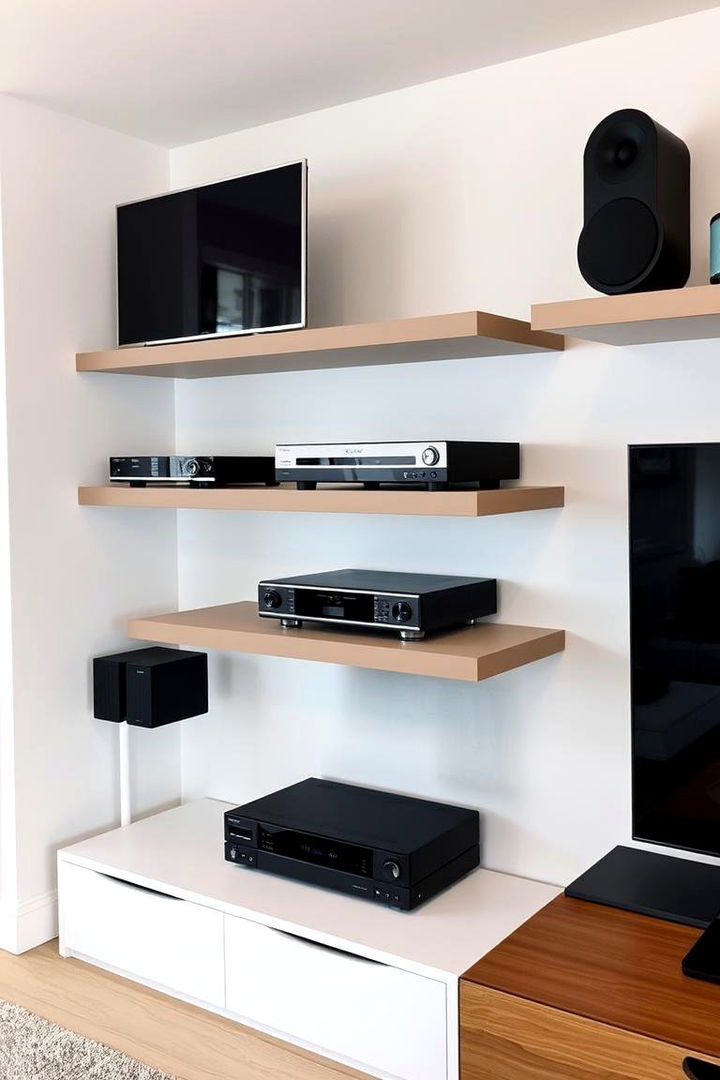
Moreover, integrated smart technology amplifies safe room features using automated alerts and monitoring systems. Sensors, remote-access controls, and digital interfaces create an intelligent environment that proactively addresses security concerns. This tech-driven approach not only streamlines operations during emergencies but also provides real-time information for swift decision-making. Seamless integration of these systems ensures that even when traditional utilities fail, communication and monitoring continue uninterrupted. By embracing modern innovations, integrated smart technology transforms safe rooms into dynamic spaces where safety and convenience coexist, offering an elevated level of protection and stress-free management during crises.
16. Calming Psychological Ambiance
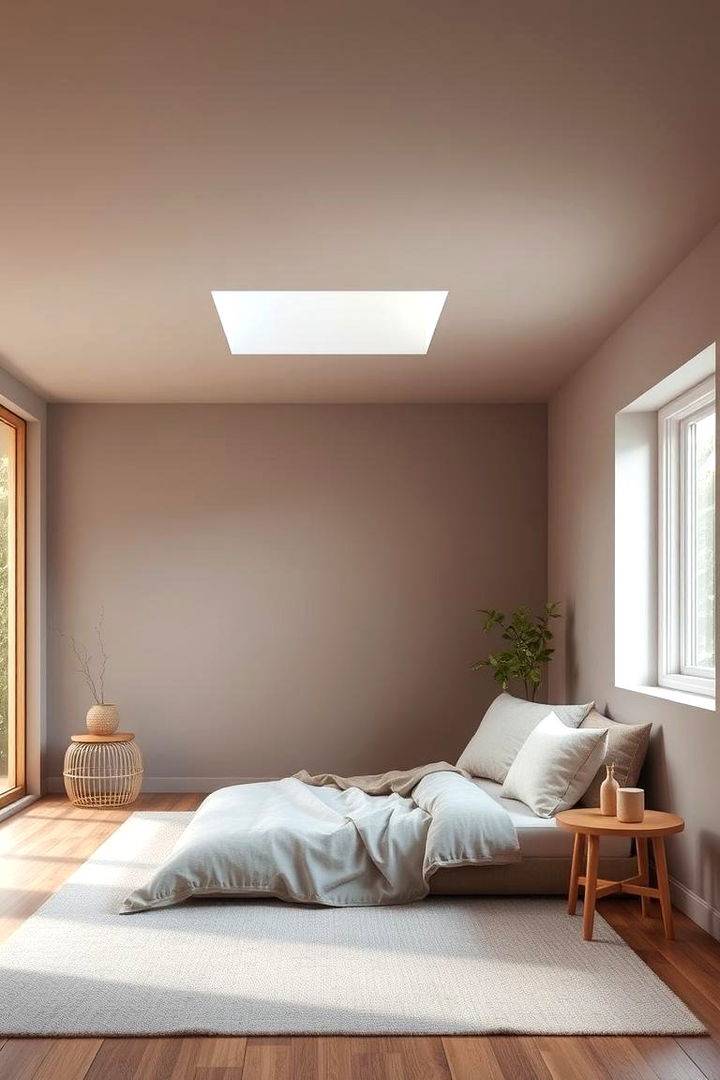
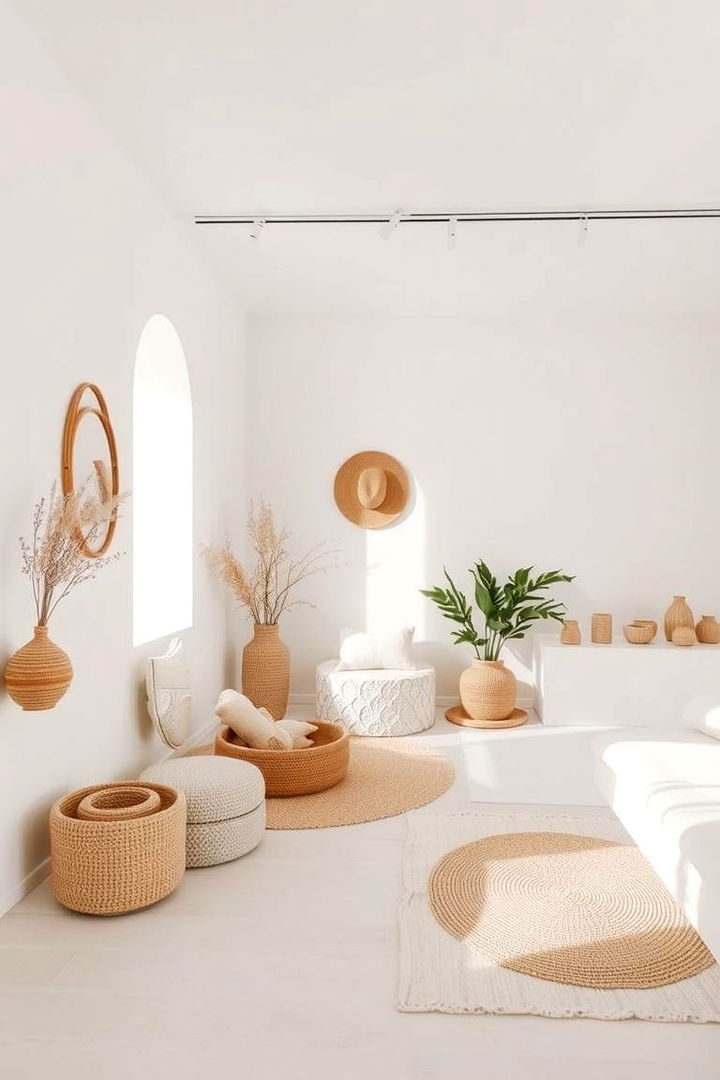
To counter stress in crises, creating a calming psychological ambiance within a safe room can make all the difference. Warm colors, soft lighting, and comfortable furnishings work together to reduce anxiety and promote relaxation. Such an environment reassures occupants and encourages clear thinking, essential during emergencies. The thoughtful inclusion of natural elements, artwork, or soothing soundscapes further enhances this sanctuary-like feel. By balancing security with emotional well-being, a safe room becomes not only a physically secure space but also a mental refuge that instills comfort, reduces fear, and supports resilience when it is needed most.
17. Built-In Exercise Space
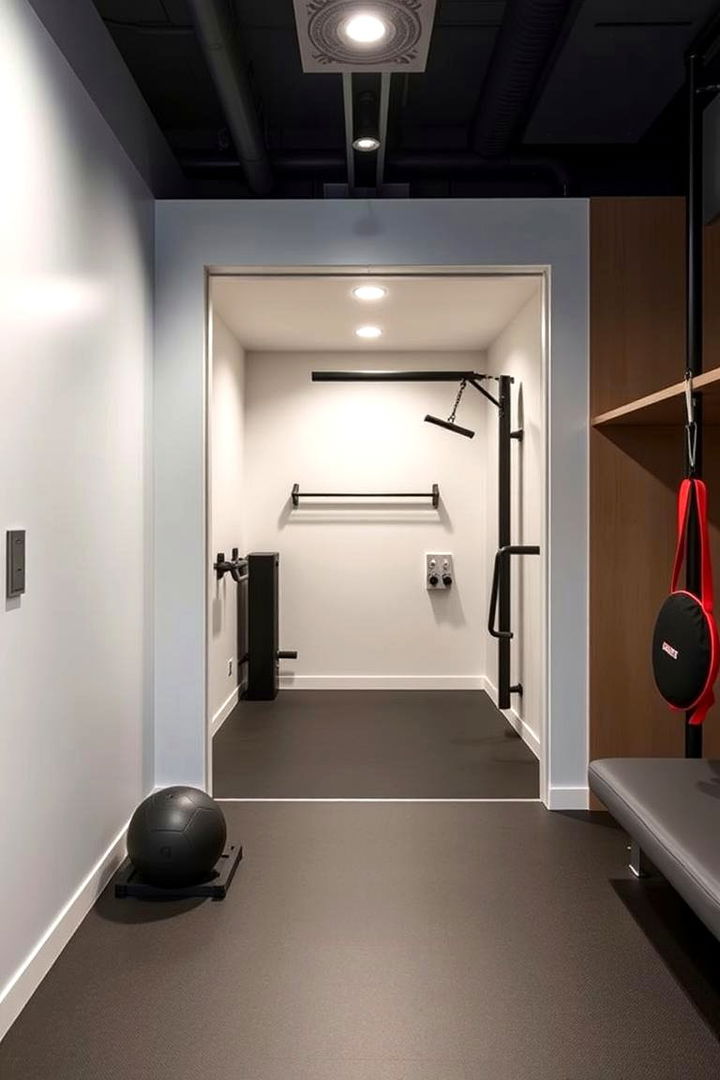
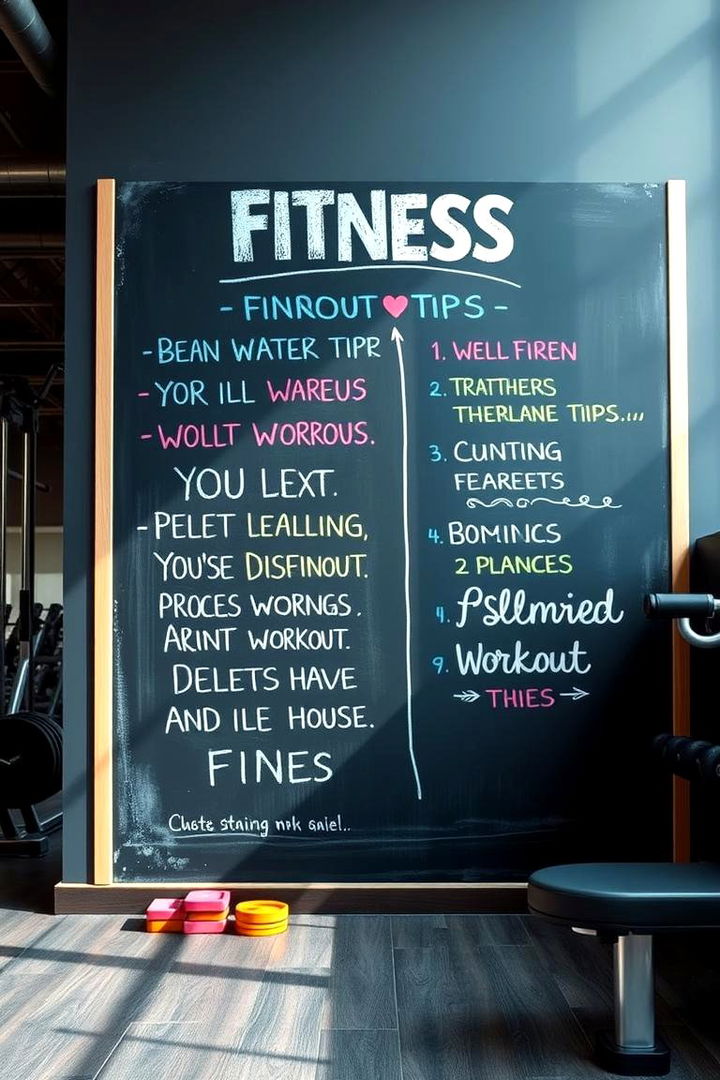
At times, maintaining physical health is essential, so incorporating a built-in exercise space within a safe room provides both comfort and utility. Allocating a dedicated area for light workouts, stretching, or yoga helps occupants relieve stress and stay active during extended stays. Durable, multifunctional equipment and flexible floor layouts support various forms of movement without sacrificing valuable space. This design ensures that health and mental well-being are prioritized alongside overall security. A built-in exercise zone not only reinforces physical strength but also uplifts mood, making the safe room a holistic environment where safety and self-care coexist harmoniously.
18. Organized Storage Solutions
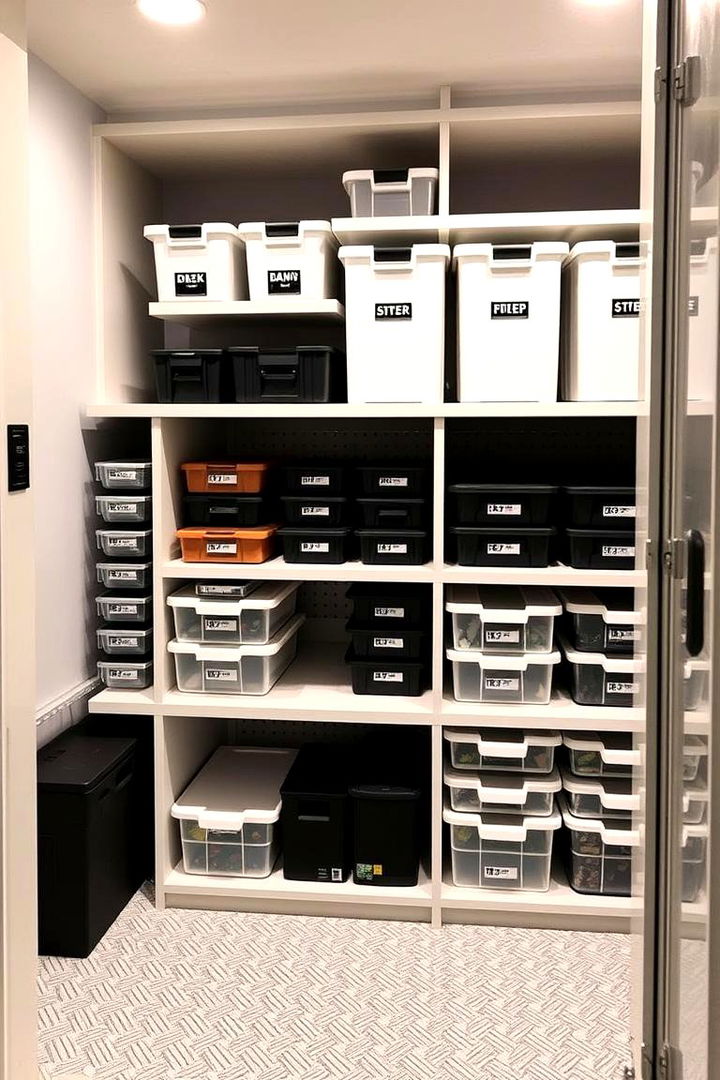
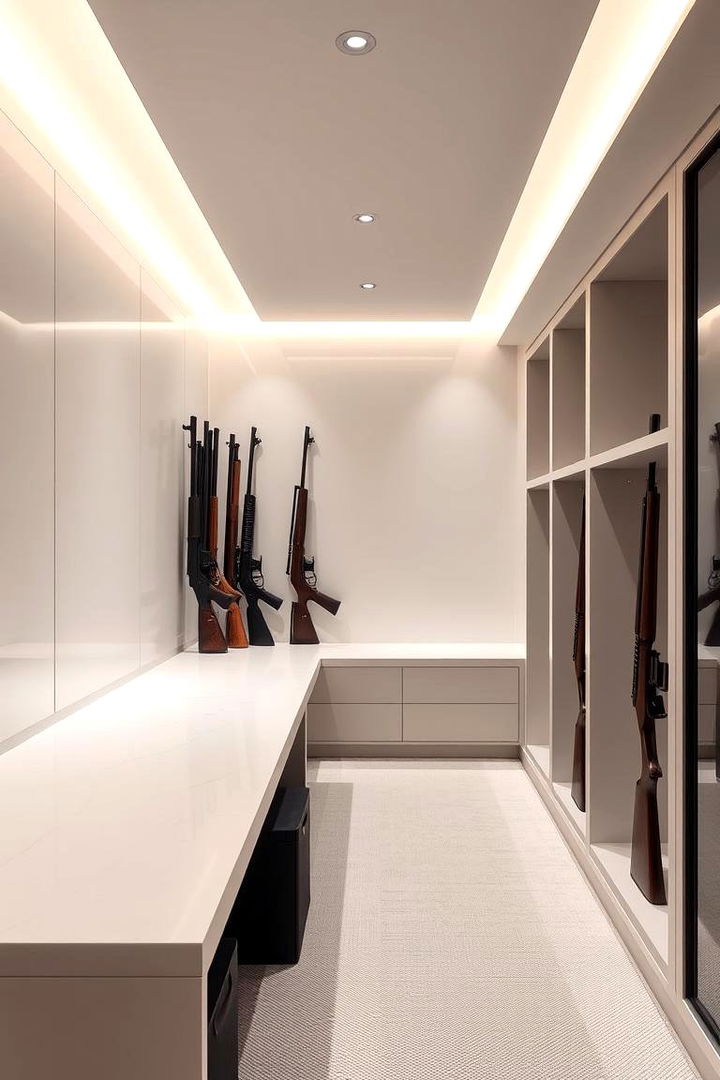
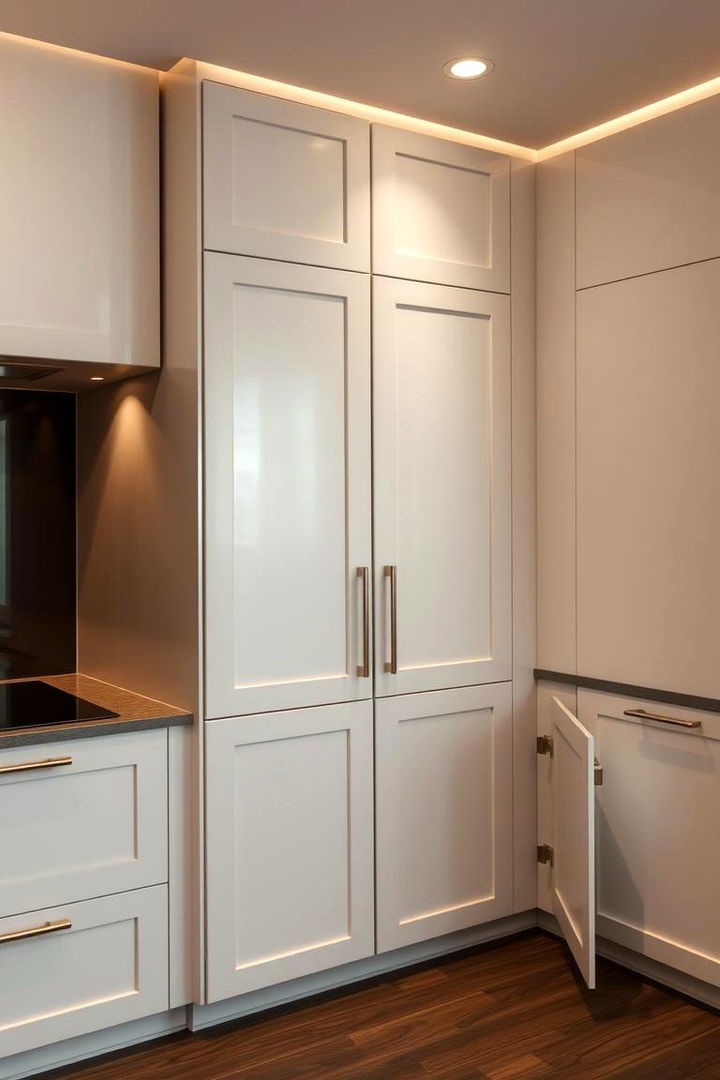
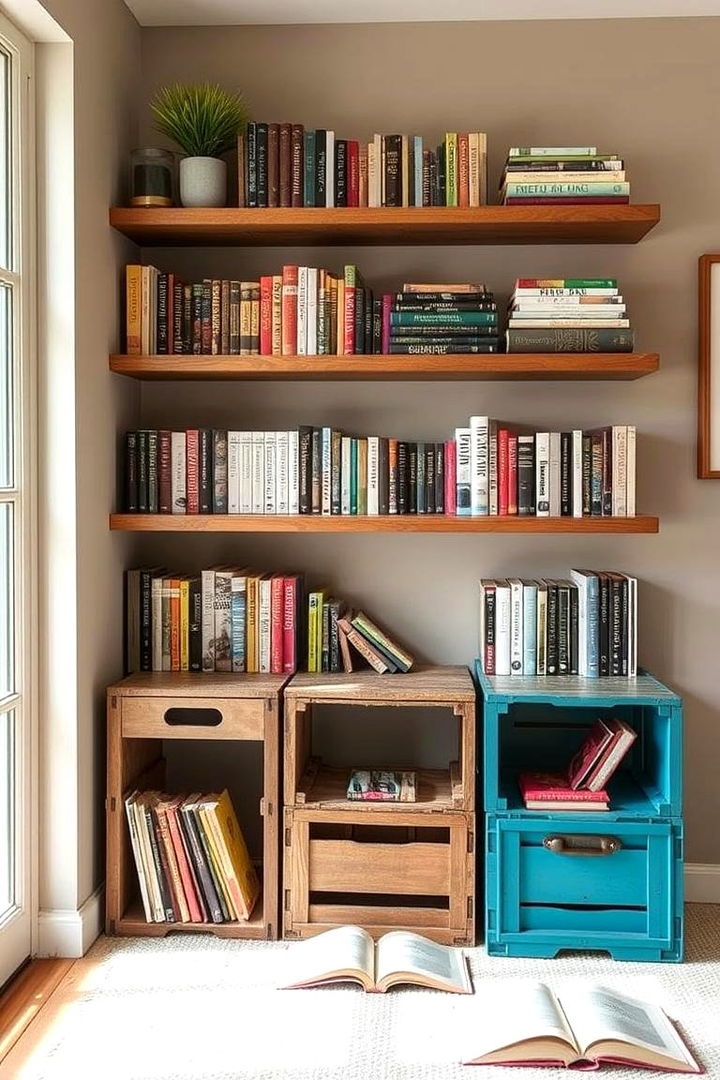
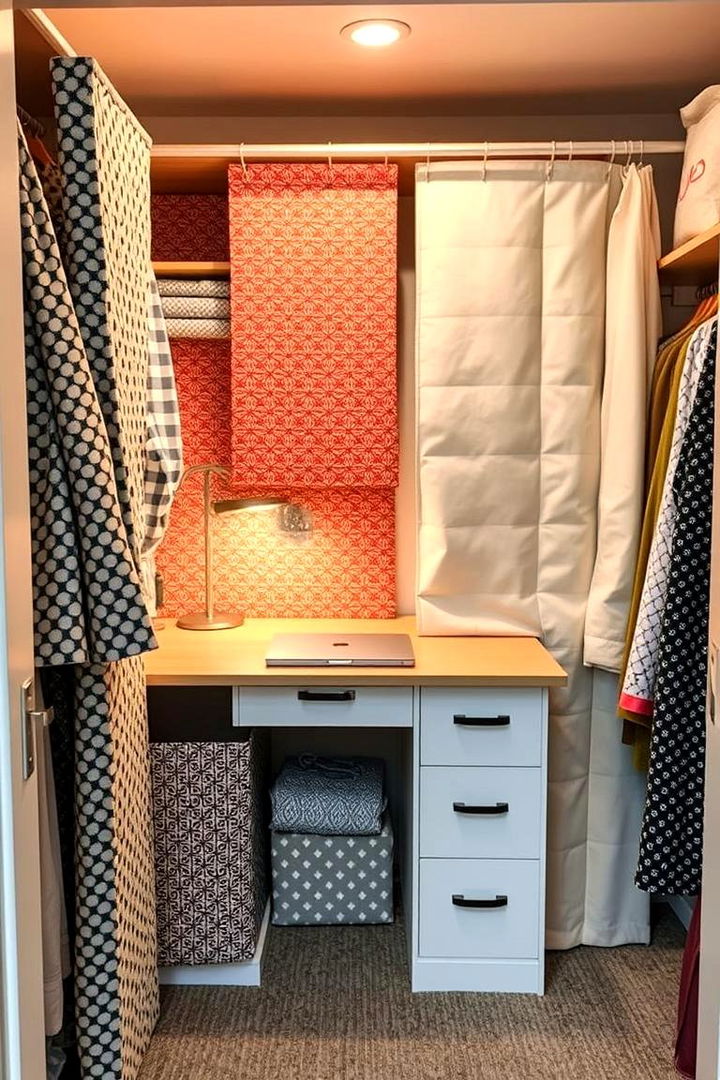
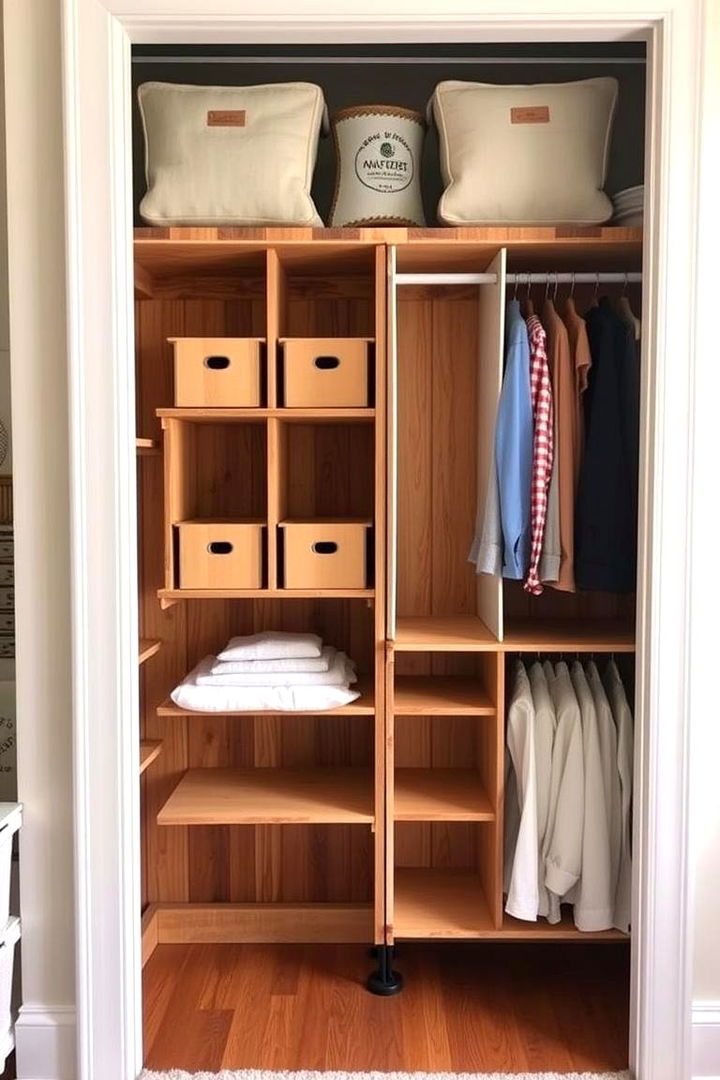
In terms of efficiency, organized storage solutions are a key component in a well-designed safe room. Thoughtfully arranged shelves, modular cabinets, and clearly labeled compartments ensure that all emergency supplies—from food and water to tools and documentation—are easily accessible when needed. This systematic approach minimizes clutter and maximizes functionality, allowing occupants to focus on staying safe without the distraction of disorganized items. Adequate storage planning not only preserves essential resources but also streamlines daily tasks in confined spaces. With an orderly layout, the safe room becomes an environment of calm efficiency, supporting preparedness and rapid response in critical moments.
19. Balanced Tech Integration
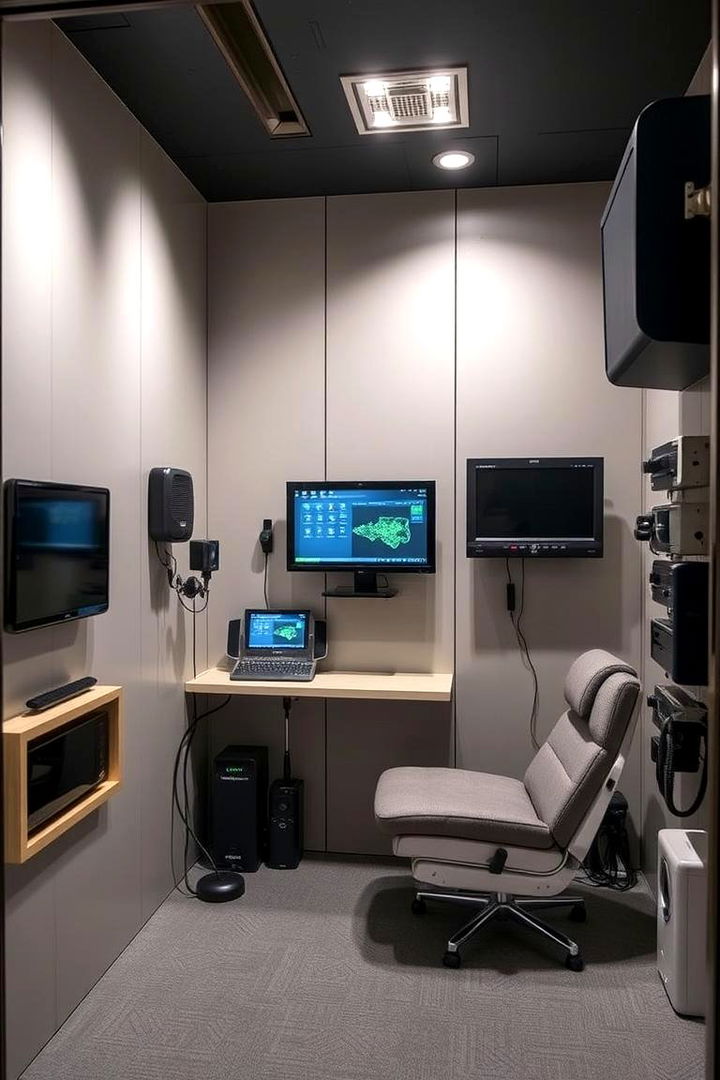
In a perfect blend of modern and traditional approaches, balanced tech integration ensures that a safe room remains functional even when high-tech systems meet low-tech backups. Combining digital monitoring tools with manual override options provides an extra layer of reliability. This thoughtful design accommodates various emergency scenarios, ensuring that if one system fails, another can seamlessly take over. The combination of smart technology with simple, proven methods creates a robust environment where safety is not compromised by overdependence on any single solution. This balance empowers occupants with versatility both in everyday use and in times of urgent need.

20. Budget-Friendly Options
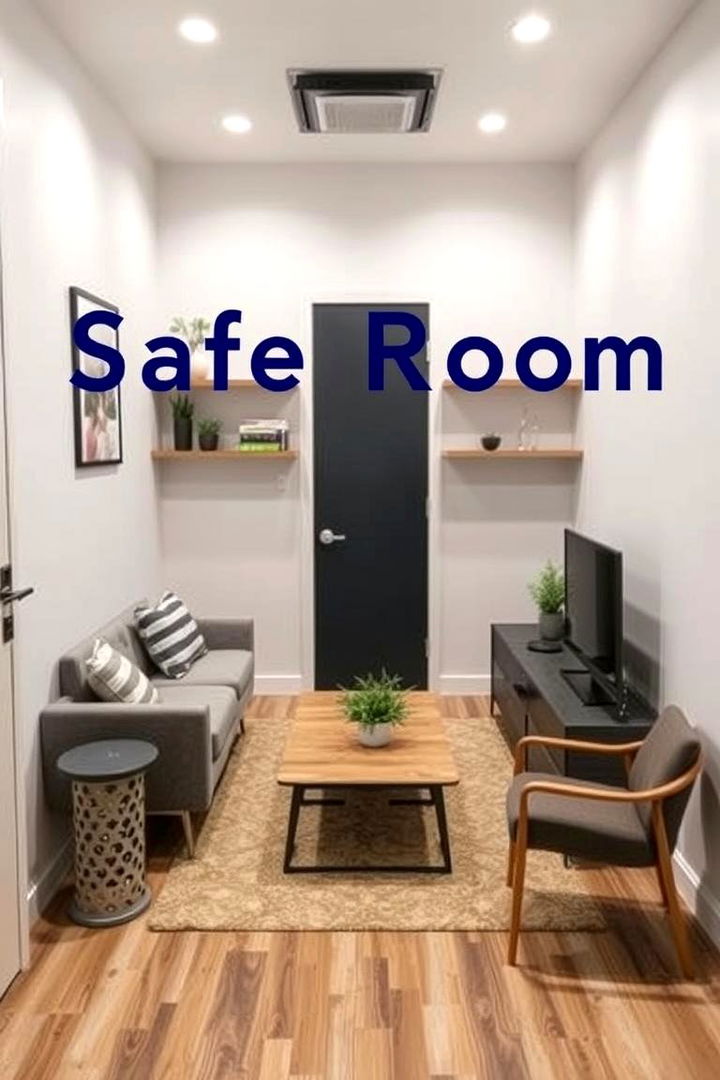
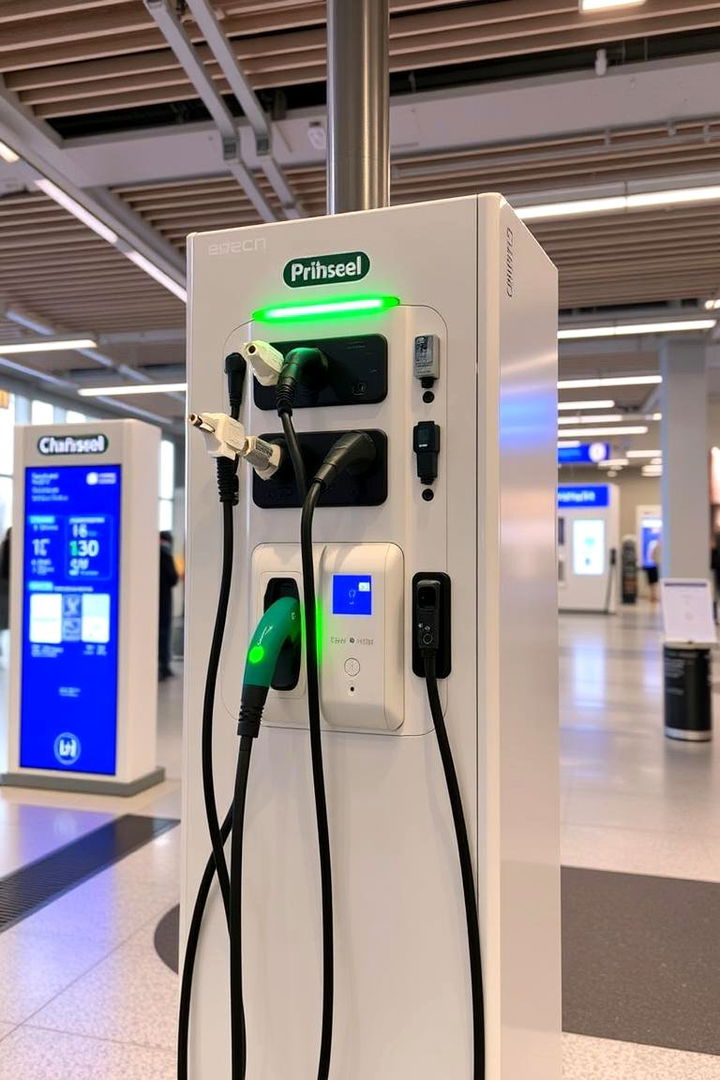
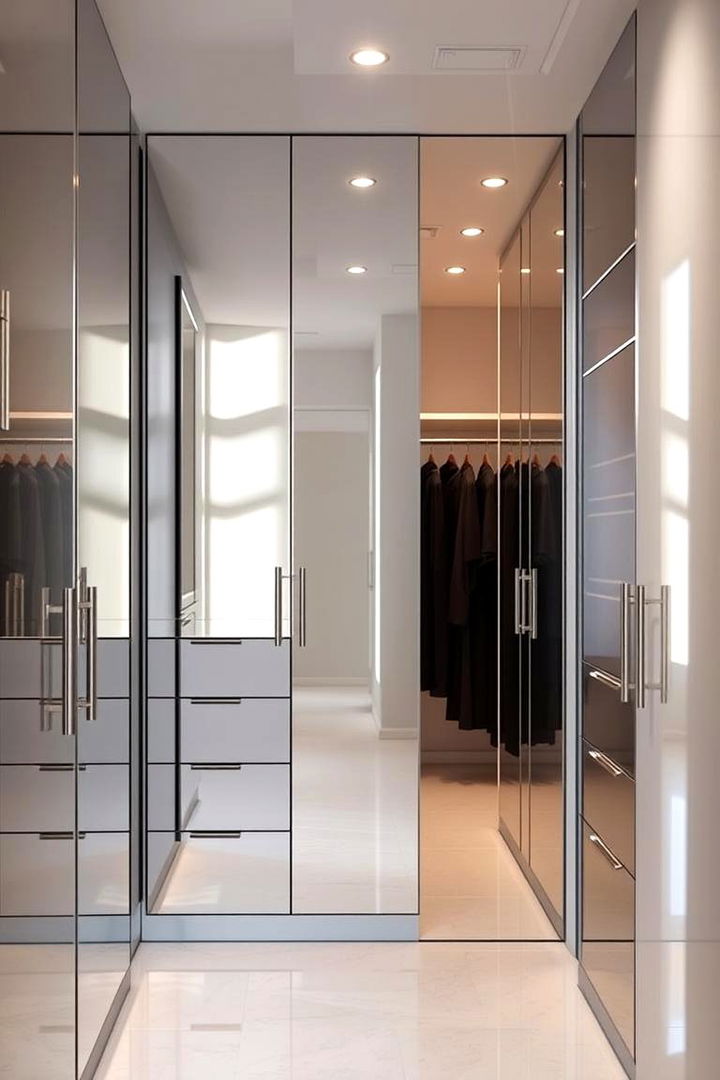
For many households, budget-friendly options make safe rooms accessible without sacrificing core safety features. Affordable materials, multi-use furnishings, and cost-efficient design approaches allow homeowners to create a secure environment while keeping expenses in check. This idea emphasizes practicality without compromising quality, offering viable solutions that can be tailored to limited budgets. With creative planning and smart investments in durability, budget-friendly safe rooms can still provide robust protection and comfort during emergencies. This accessible approach alleviates financial concerns while ensuring that every family can benefit from a secure and reliable shelter.
21. Modular and Expandable Layouts
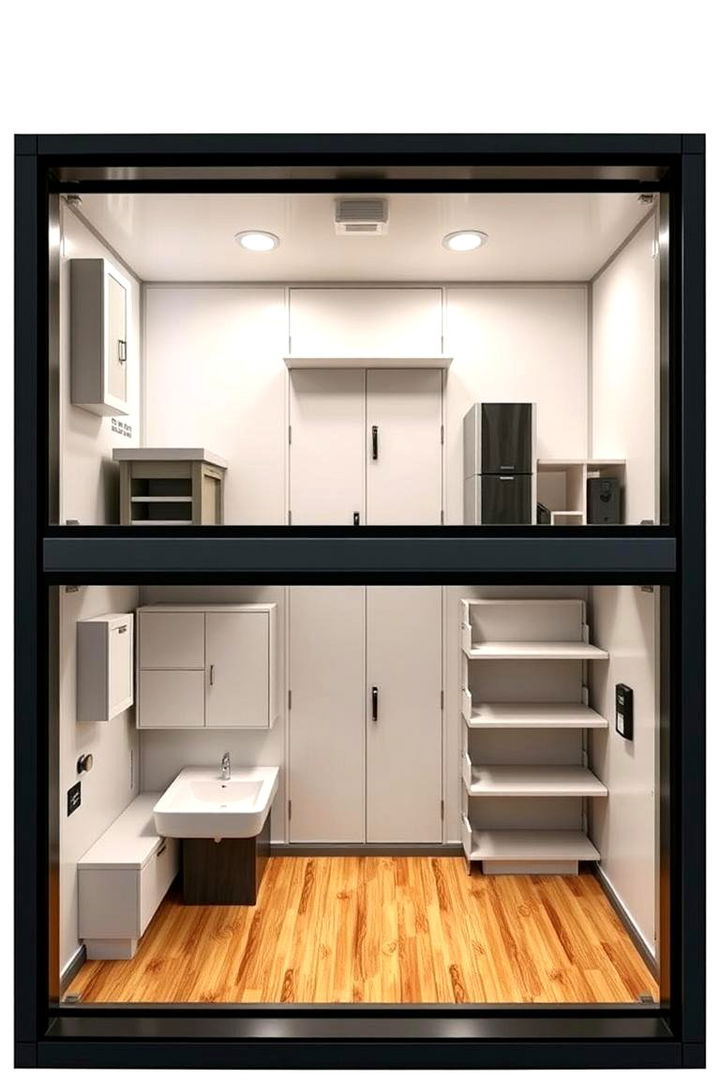
Moreover, modular and expandable layouts offer a flexible approach to safe room design that can evolve with changing needs. By incorporating adaptable walls, retractable furniture, and adjustable partitions, these spaces can be reconfigured quickly to accommodate more supplies or additional safety features. This modern design philosophy emphasizes versatility, ensuring that a safe room remains functional during both short-term emergencies and long-term adaptations. With modular designs, occupants enjoy the freedom to personalize their space while maintaining high security standards. Such flexibility makes it easy to upgrade and modify the safe room as requirements shift over time, sustaining its relevance and effectiveness.
22. Personalized Aesthetic Touches
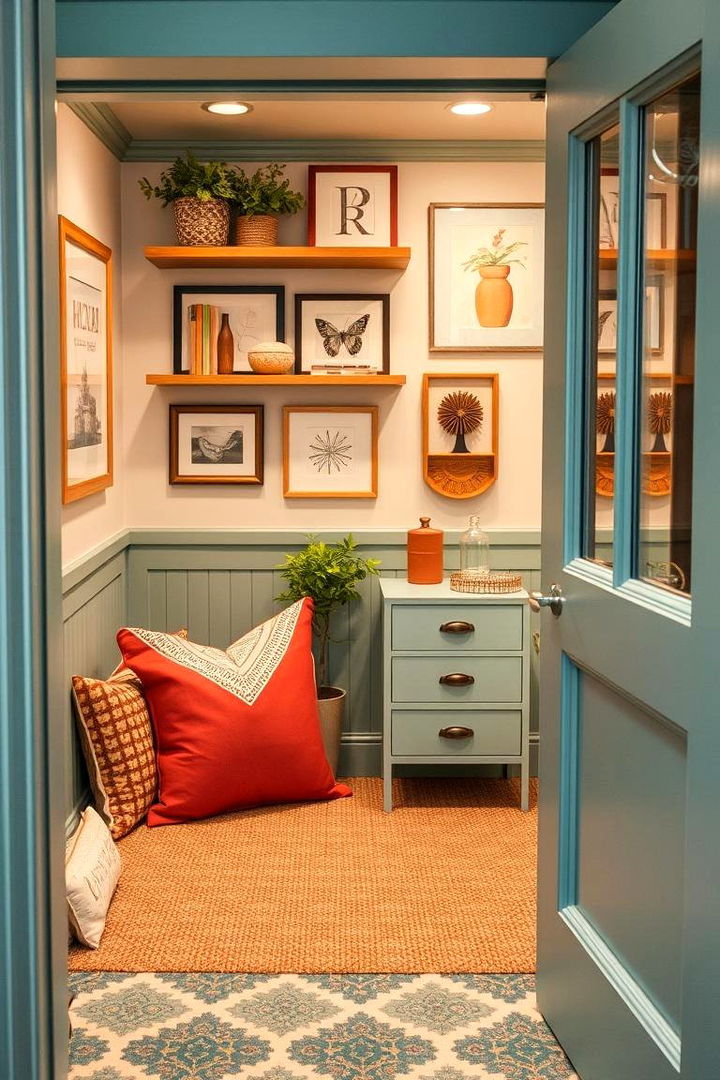
Finally, personalized aesthetic touches allow homeowners to create a safe room that reflects their unique style while maintaining functional security. Custom artwork, color-coordinated décor, and thoughtfully chosen furnishings can transform a utilitarian space into a comforting retreat. These design elements infuse personality and warmth without compromising on safety or practicality. By blending familiar aesthetics with robust security features, personalized touches help mitigate the sterile feel often associated with emergency spaces. This harmonious integration of design and protection ultimately results in a safe room that offers both resilience and a sense of home, boosting occupant morale during challenging times.
Conclusion:
The exploration of these 22 Safe Room Ideas reveals a rich tapestry of design strategies that balance robust security with comfort and functionality. Each idea—from reinforced structural elements to personalized aesthetic touches—demonstrates that safe rooms can be innovative sanctuaries tailored to diverse needs, ensuring resilience in crisis while supporting everyday well-being. The thoughtful integration of technology, practical storage, and adaptable designs reinforces the importance of preparedness. Embrace these safe room concepts to build a space that not only protects but also comforts, ensuring a secure haven for all.

Related posts: