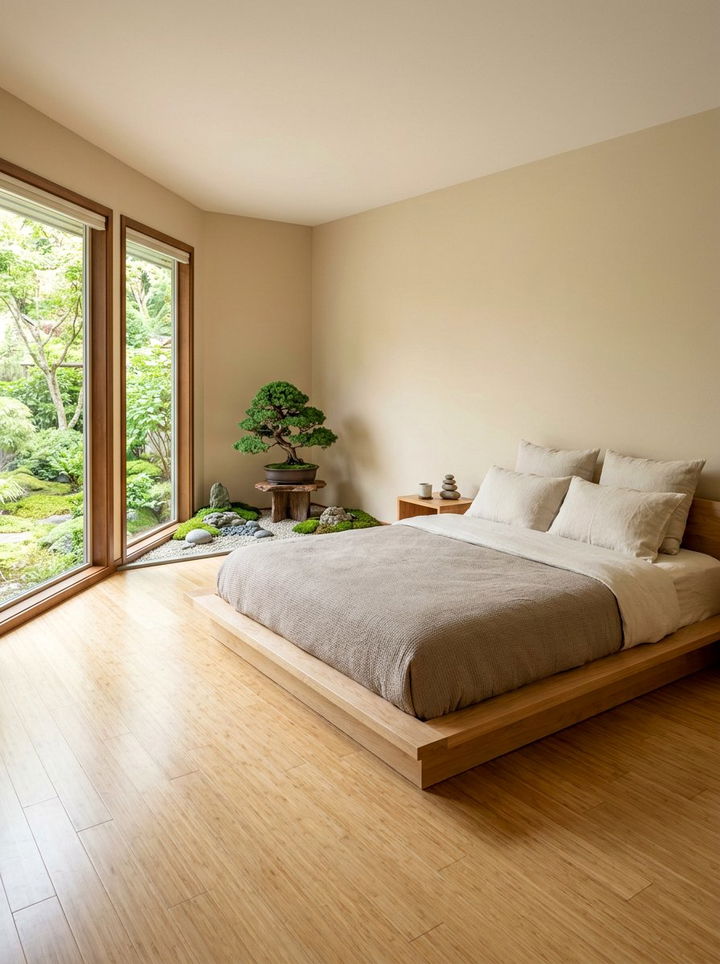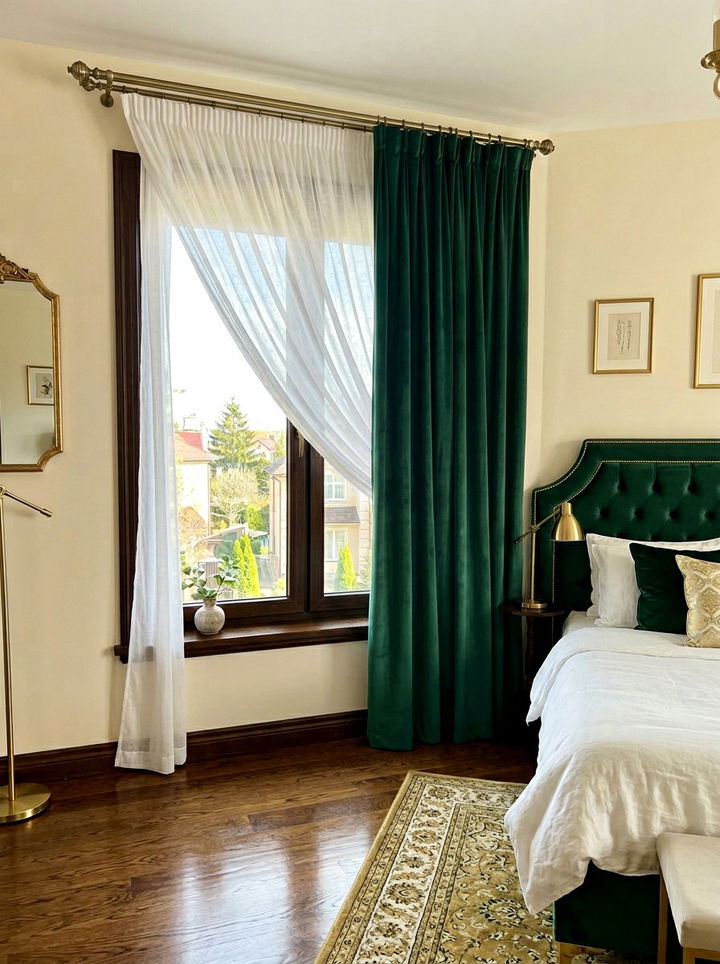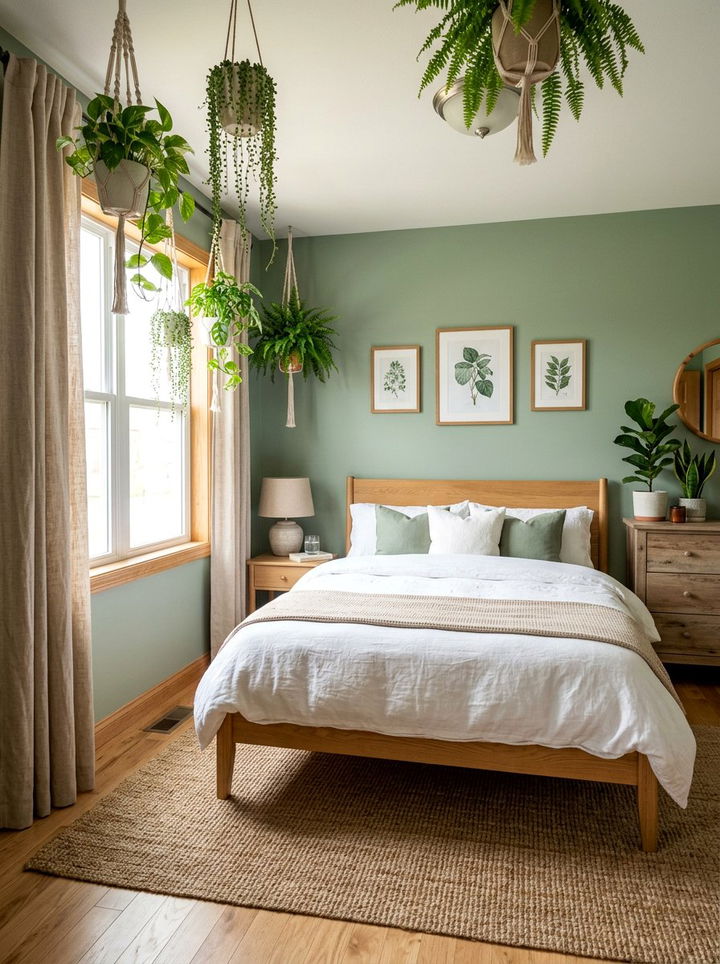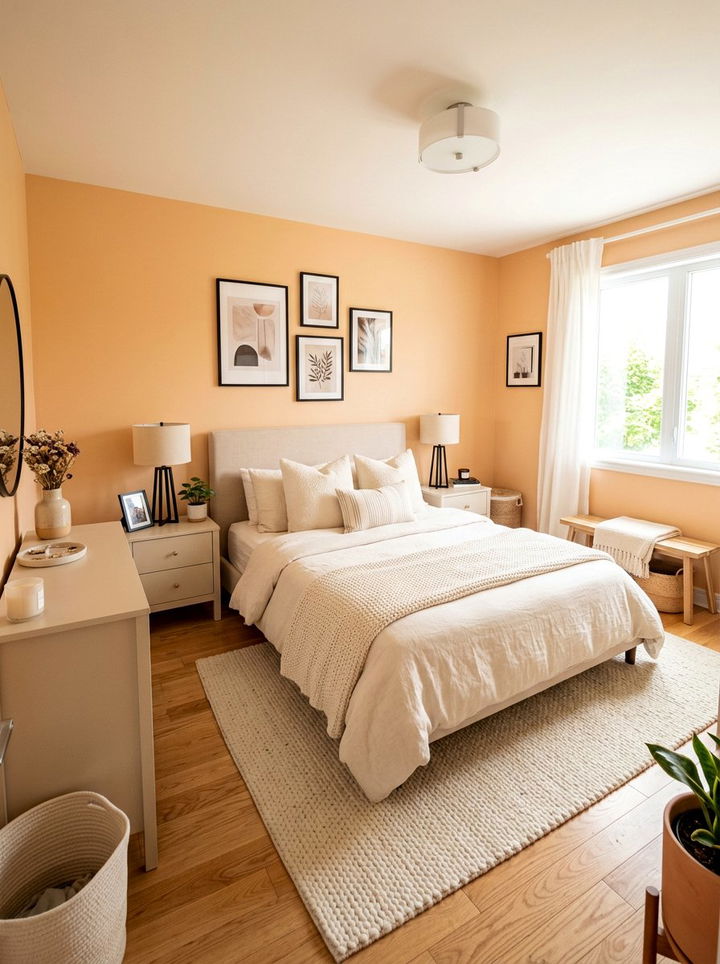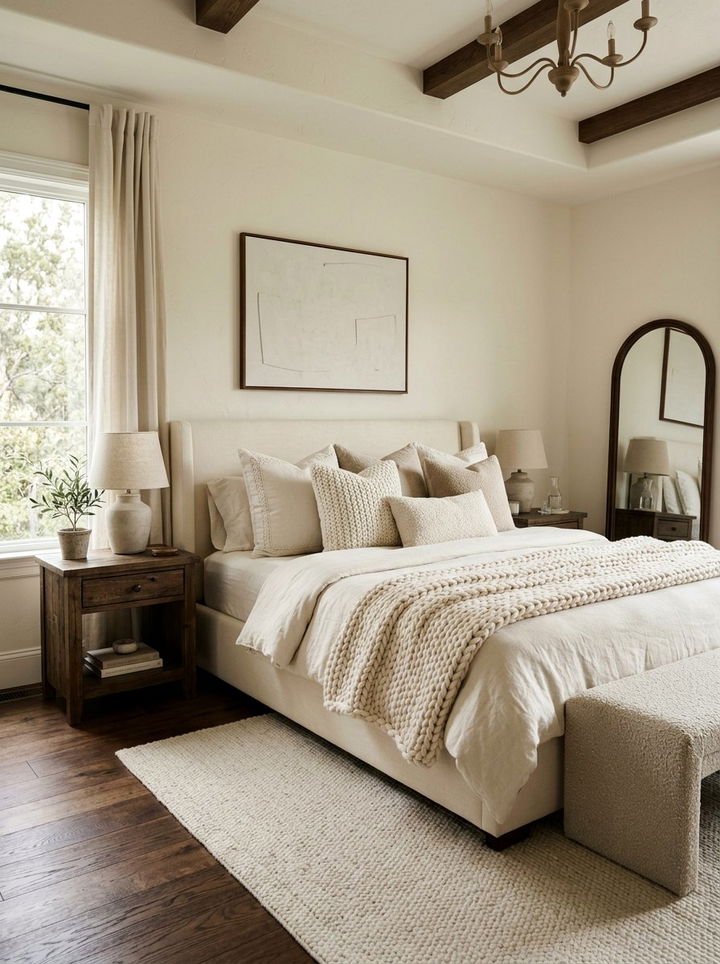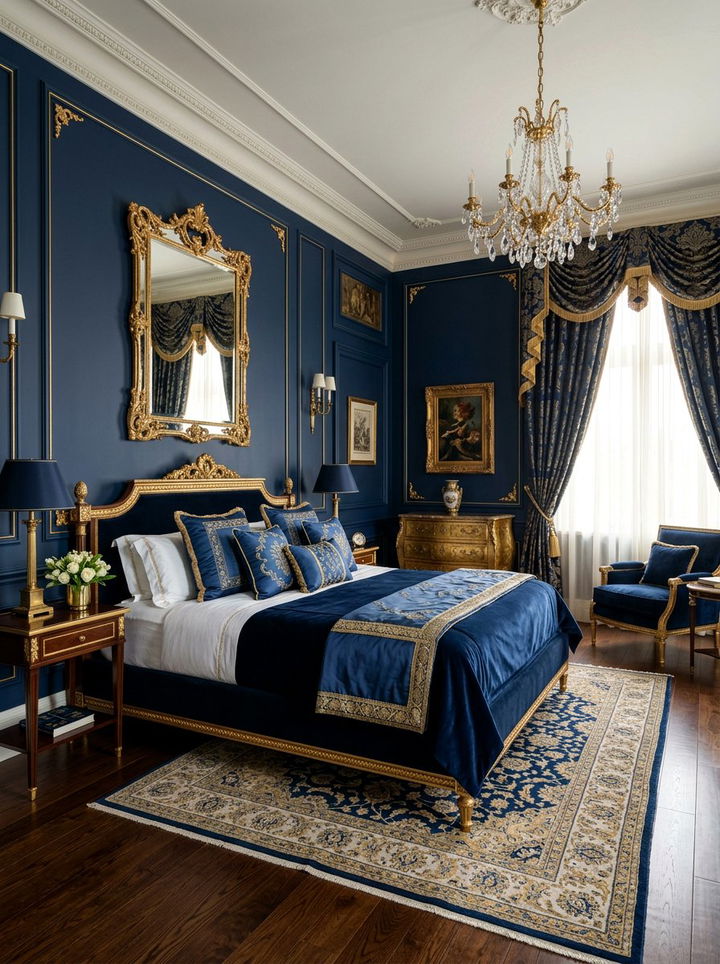
Creating a sanctuary for rest starts with choosing the right palette to soothe your mind and body after a long day. Zen design is all about balance, harmony, and a deep connection to the natural world around us. When you select colors for a Zen-inspired bedroom, you are doing more than just picking a paint shade; you are curate an atmosphere for mindfulness. The goal is to eliminate visual noise and replace it with a sense of calm that encourages deep, restorative sleep. This guide explores thirty unique color concepts that transform your bedroom into a peaceful retreat using organic tones, soft textures, and intentional lighting.
1. Soft Sage Green Zen Bedroom
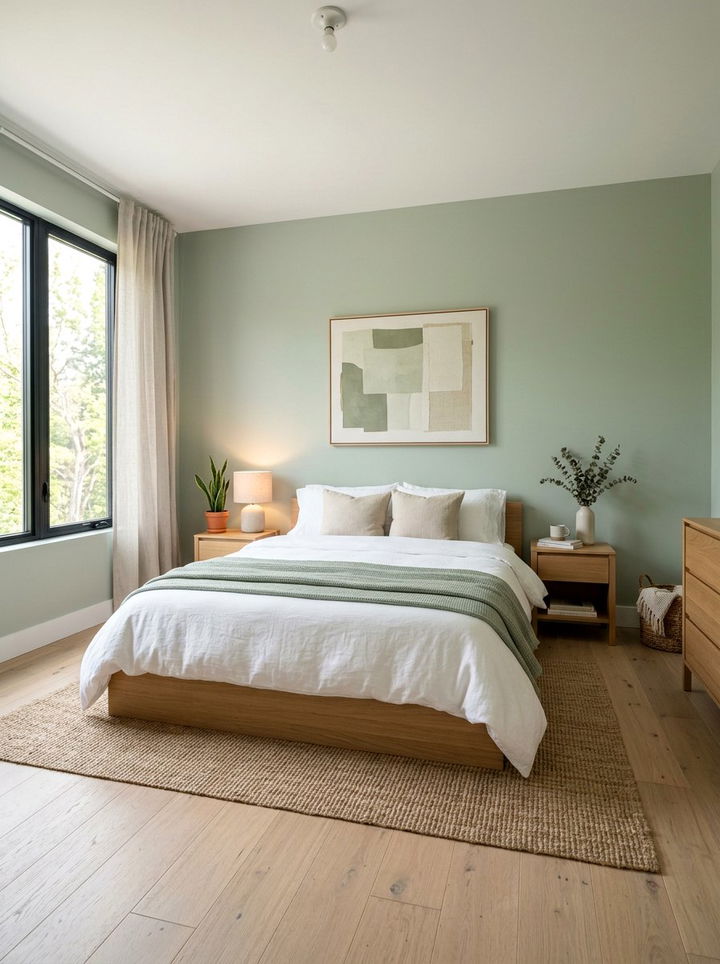
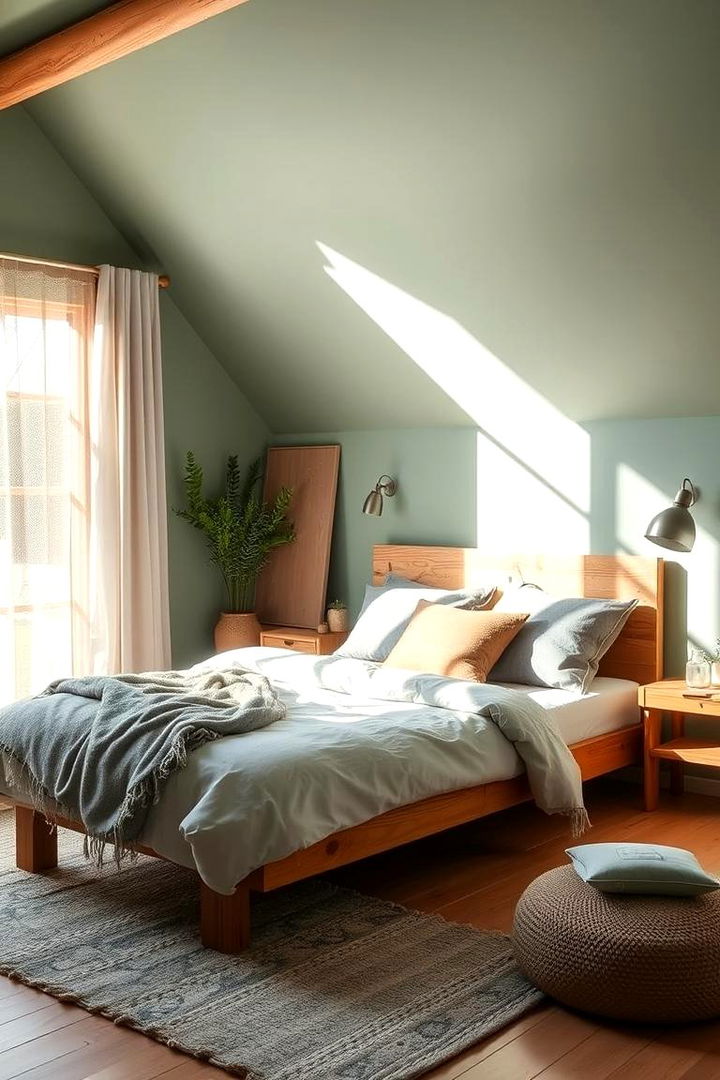
How can a simple color shift turn your sleeping space into a sanctuary of peace? A soft sage green palette is perfect for those who want to bring the calming essence of nature indoors. This muted shade works beautifully across the entire room, from the main accent wall to the soft linen bedding. When you pair this green with light-toned wooden furniture and white cotton accents, the room feels airy and fresh. It promotes a sense of renewal and balance that is essential for a Zen lifestyle. You will find that this organic hue helps lower stress levels almost instantly when you walk through the door.
2. Warm Sand Tone Zen Bedroom
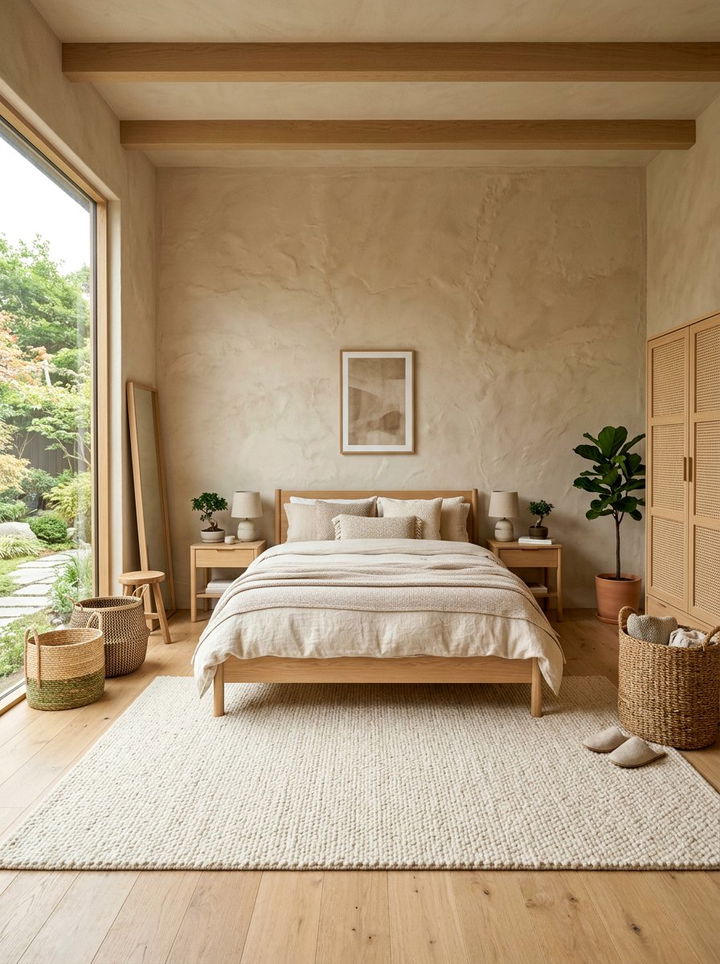
Imagine walking onto a warm, quiet beach at dawn and feeling the soft texture of the earth beneath you. A warm sand tone creates a grounded and organic feel that serves as the perfect foundation for a minimalist bedroom layout. This palette relies on varying shades of beige, tan, and cream to create depth without adding unnecessary visual clutter. By using textured wool rugs and woven baskets, you can enhance the tactile experience of the space. The result is a room that feels cozy yet spacious, offering a neutral backdrop that allows your mind to settle and wander freely before sleep.
3. Misty Light Blue Zen Bedroom
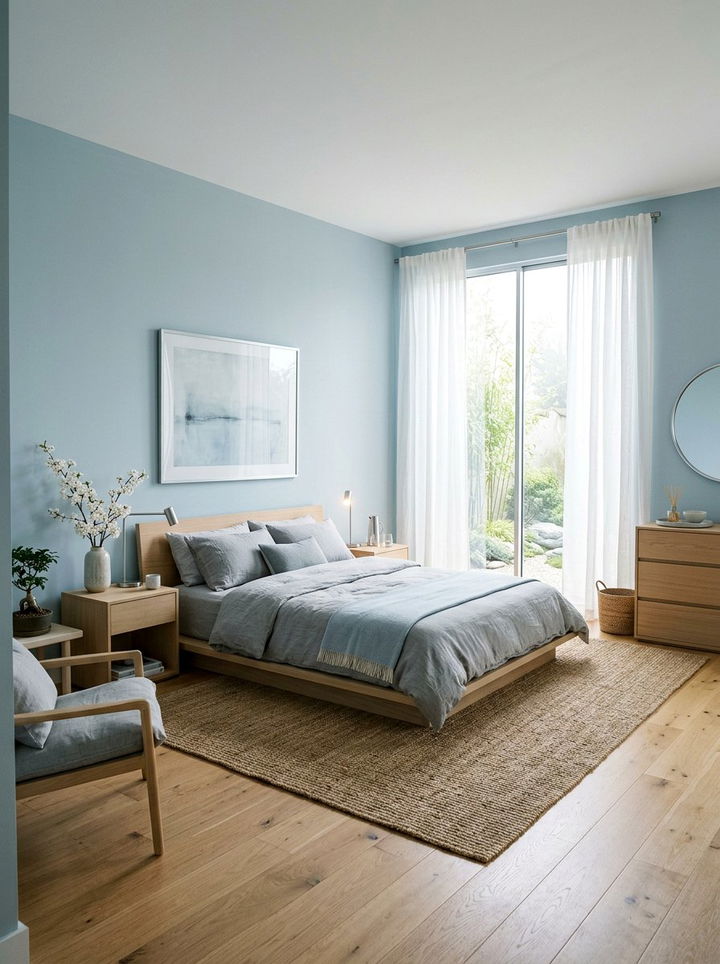
Does the sight of a clear, morning sky or a calm lake immediately make you feel more relaxed? A misty light blue color scheme brings that same cooling and quiet energy into your personal sleeping environment. This design focuses on pale blues paired with soft gray undertones to prevent the room from feeling too cold or sterile. Incorporate white flowing curtains and silver-toned hardware to maintain a light and ethereal atmosphere throughout the space. This color choice is particularly effective for small bedrooms, as it creates an illusion of openness and breathability that is vital for a truly peaceful Zen experience.
4. Minimalist White Zen Bedroom

Can a room that is almost entirely white still feel warm and inviting rather than stark or clinical? A minimalist white Zen bedroom achieves this by layering different textures and shades of off-white to create a sophisticated look. Focus on using matte finishes for the walls and plush, high-quality fabrics for the bedding and window treatments. By adding a few pieces of dark wood furniture, you create a striking contrast that anchors the room without breaking the monochromatic flow. This clean aesthetic encourages a clear mind, making it easier to detach from the busy outside world and focus on your inner peace.
5. Charcoal Gray Zen Bedroom
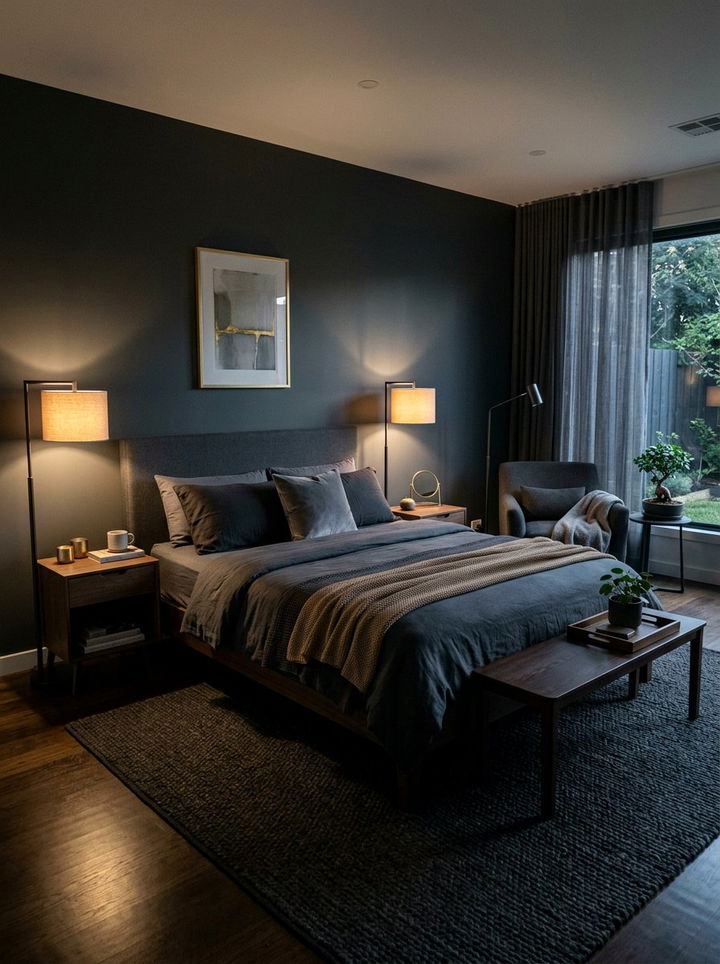
Have you ever noticed how a darker room can feel like a protective cocoon that shields you from the world? A charcoal gray Zen bedroom utilizes deep, moody tones to create an intimate and sophisticated environment for resting. While many people fear dark colors, this palette works wonders when balanced with warm ambient lighting and soft metallic accents. Use charcoal on the walls and coordinate it with slate-colored linens and dark stone decorative elements. This design direction provides a sense of security and silence, making it an ideal choice for those who prefer a more dramatic yet still peaceful sleeping sanctuary.
6. Pale Bamboo Green Zen Bedroom
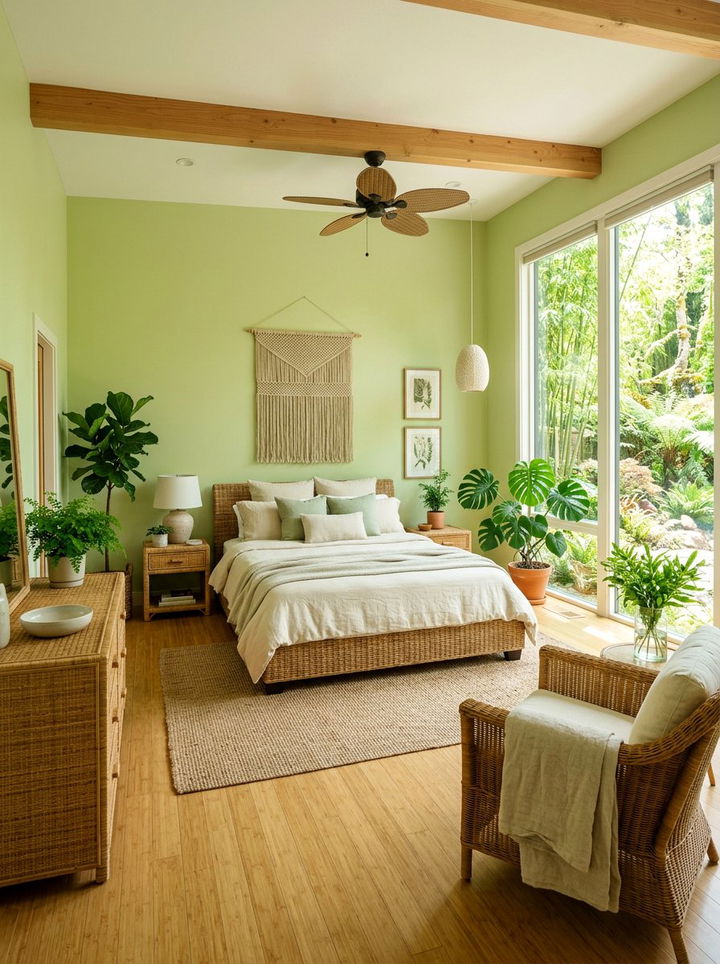
What if your bedroom could mirror the quiet stillness of a hidden forest grove filled with swaying bamboo trees? Pale bamboo green is a refreshing and life-affirming color that brings a subtle energy to a Zen-inspired room. This look is best achieved by combining light green walls with natural bamboo flooring and wicker furniture pieces. The integration of live plants further enhances the connection to nature, while white accents keep the design feeling modern and crisp. It is a perfect choice for those who want their bedroom to feel vibrant and healthy while still maintaining a high level of tranquility.
7. Soft Cream Zen Bedroom
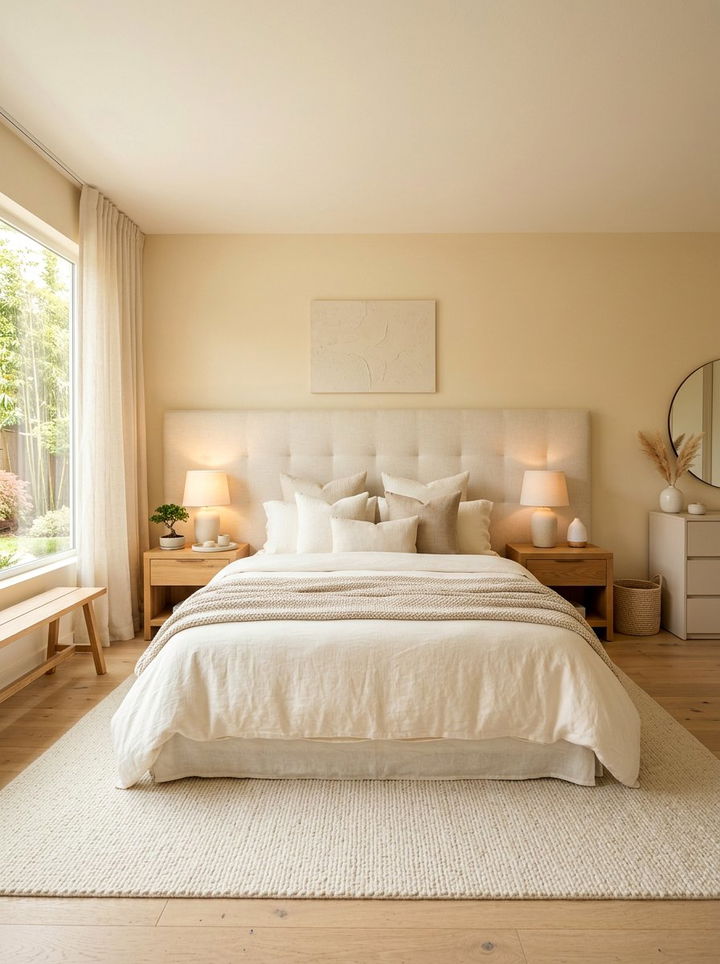
Are you looking for a color that feels as soft and comforting as a warm blanket on a cold night? A soft cream Zen bedroom offers a timeless and elegant approach to relaxation through its buttery and rich undertones. This palette is much warmer than a pure white, providing a gentle glow when hit by natural morning light. You can build this design by using cream-colored upholstered headboards and layering various shades of ivory and vanilla in your textiles. This monochromatic approach creates a seamless visual flow that minimizes distractions, allowing the architecture and simple decor of the room to shine beautifully.
8. Earthy Terracotta Zen Bedroom
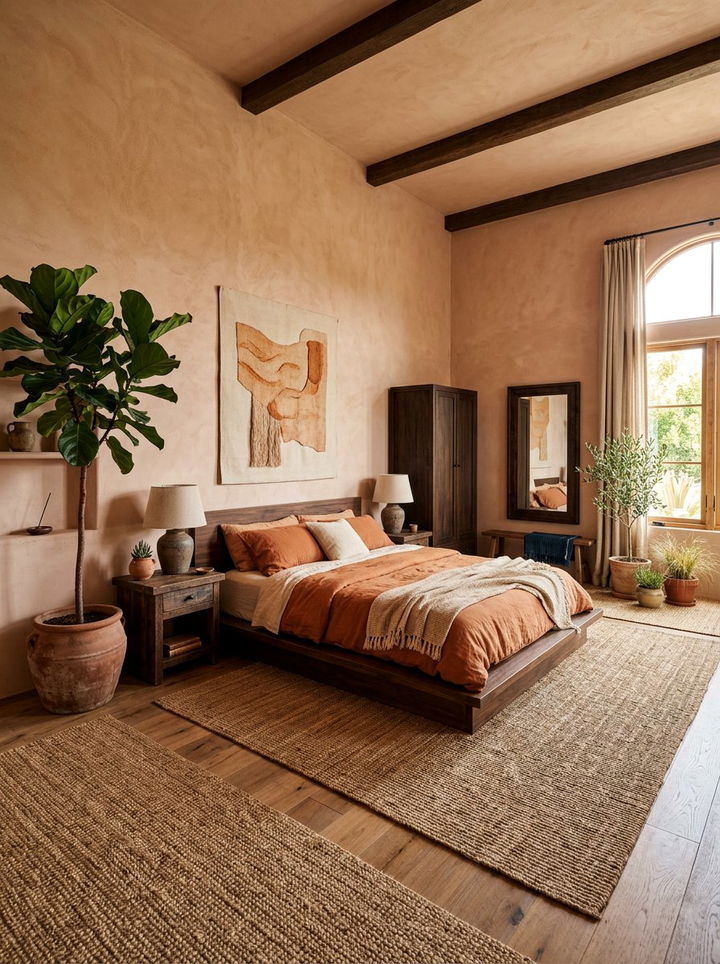
Can a warm and reddish tone actually contribute to a sense of Zen and quiet reflection in a bedroom? An earthy terracotta palette proves that it can by grounding the space with a rich, clay-like warmth that feels incredibly sturdy. This design works best when the terracotta is used as a soft wash on the walls, complemented by natural jute rugs and dark wood accents. The key is to keep the surrounding elements simple and organic to balance the intensity of the hue. This color scheme evokes a sense of history and connection to the earth, making your bedroom feel like a timeless retreat.
9. Dusty Rose Zen Bedroom
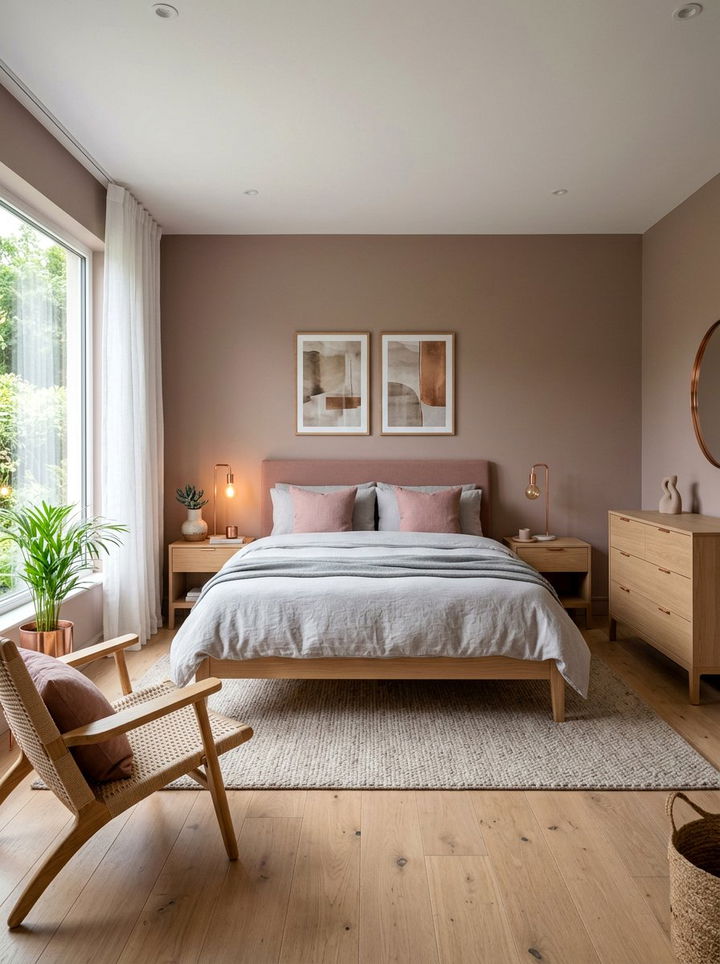
Is it possible to use pink in a way that feels mature, sophisticated, and deeply calming for an adult? A dusty rose Zen bedroom uses muted, brownish-pink tones to create a soft and romantic atmosphere that is never overwhelming. This color pairs exceptionally well with light gray and warm copper accents, adding a touch of modern luxury to the Zen aesthetic. By keeping the furniture lines clean and the decor minimal, the pink becomes a subtle backdrop rather than a focal point. This palette is perfect for creating a gentle and nurturing environment that supports emotional well-being and peaceful nightly rest.
10. Slate Blue Zen Bedroom
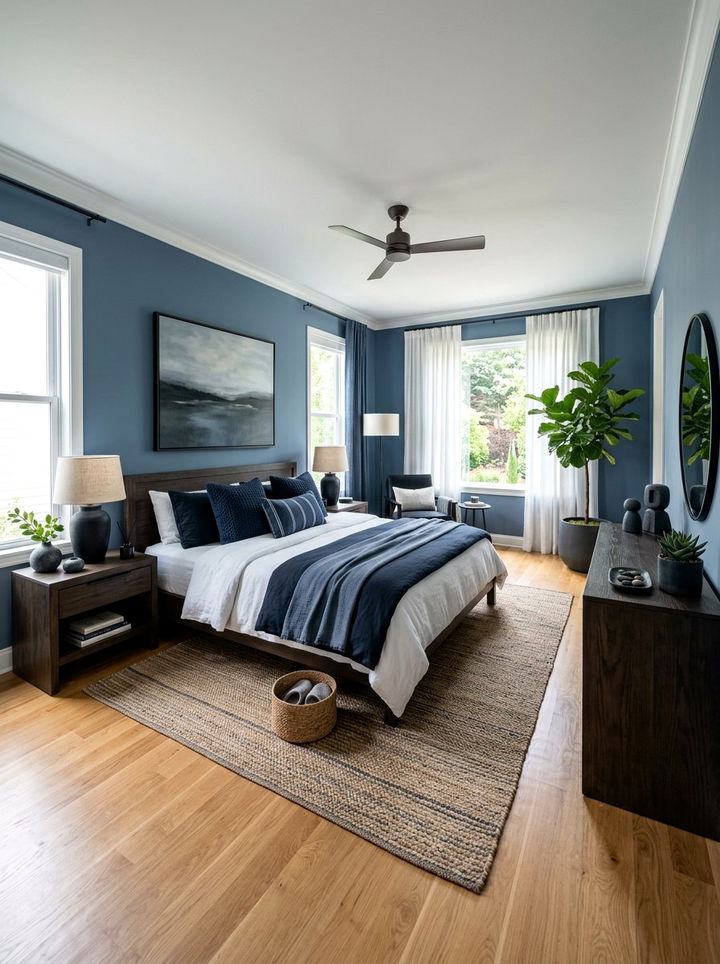
Do you find yourself drawn to the deep and mysterious colors of the ocean during a quiet storm? A slate blue Zen bedroom offers a sophisticated middle ground between vibrant blue and neutral gray, providing a calm and stable vibe. This design involves using slate blue on the walls or large furniture pieces, while keeping the ceiling and trim a soft white for balance. The result is a room that feels cool, composed, and very professional, yet still entirely focused on relaxation. Adding textured throw pillows in navy or charcoal can add the right amount of depth to this very polished look.
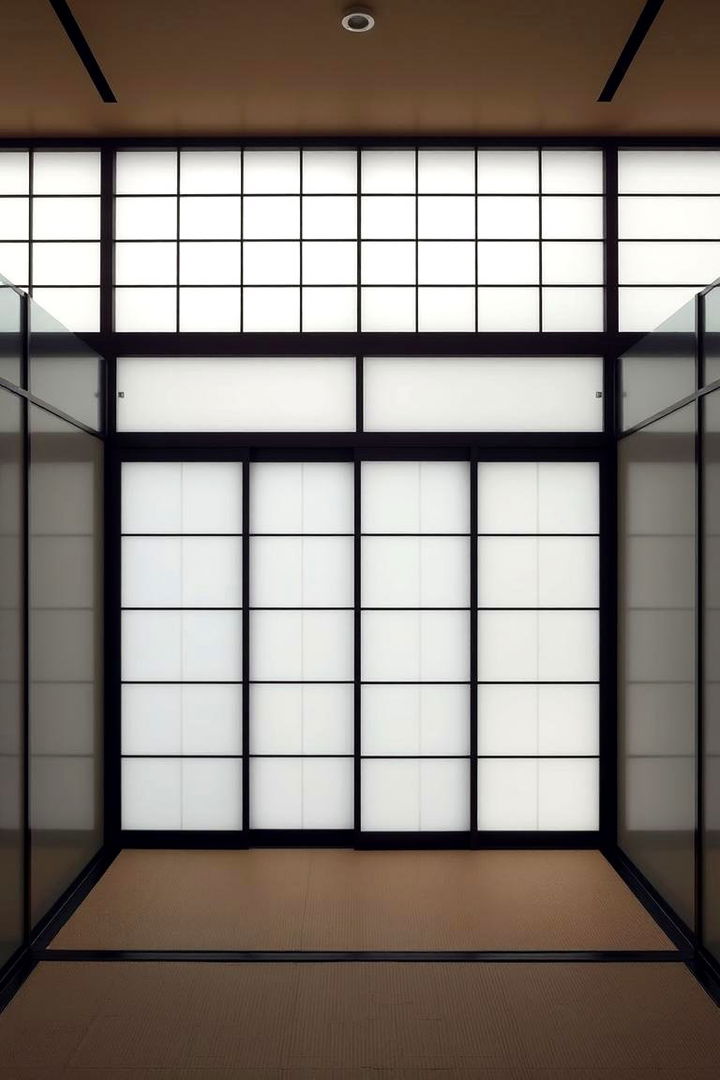
11. Muted Olive Zen Bedroom
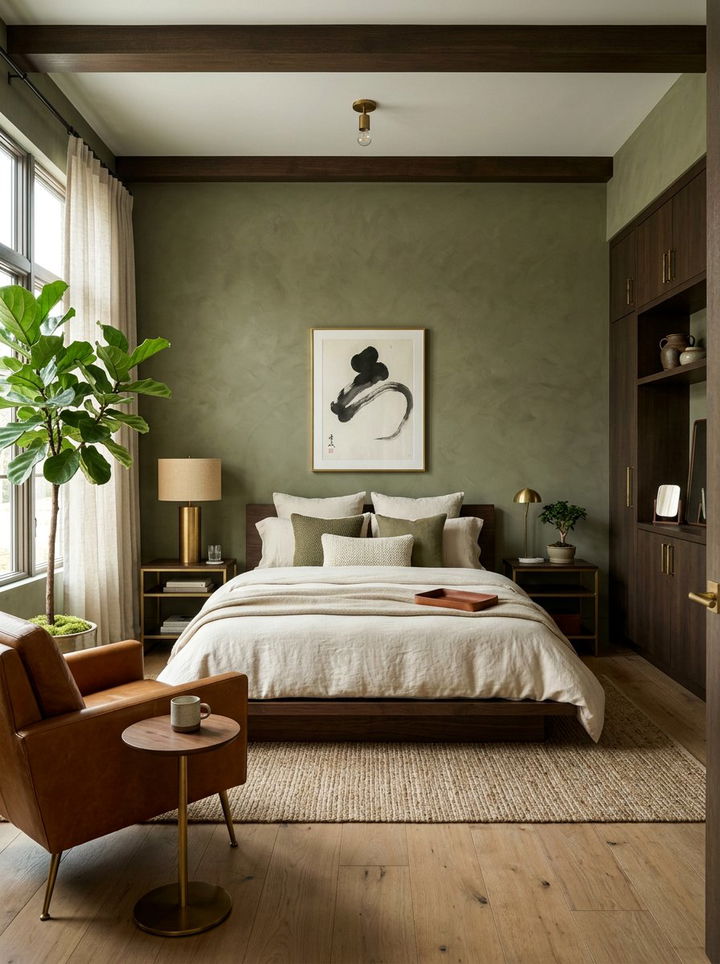
How can a darker green tone contribute to a sophisticated and meditative atmosphere in your most private room? A muted olive Zen bedroom draws inspiration from ancient Mediterranean landscapes, offering a rich and mossy aesthetic that feels very established. This color works best when paired with brass hardware and natural leather accents to create a space that feels high-end yet humble. Use olive green for the walls and balance it with cream-colored bedding to ensure the room stays bright enough for daily use. This palette encourages a sense of wisdom and quiet strength, making it a very powerful choice for a Zen space.
12. Cool Lavender Zen Bedroom
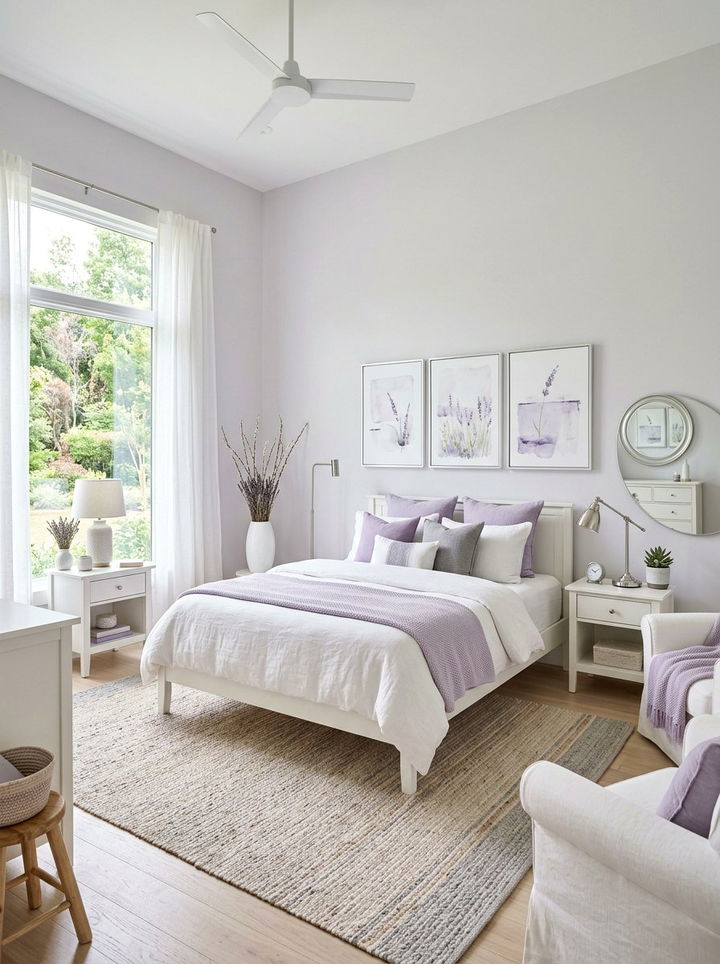
Could a touch of purple be the secret to achieving a higher state of relaxation and mental clarity? A cool lavender Zen bedroom uses very pale, gray-tinged purples to create a space that feels almost magical and incredibly quiet. Lavender is traditionally associated with sleep and relaxation, and using it as a primary wall color reinforces those positive associations. Pair this hue with white furniture and silver accents to keep the room looking modern and sophisticated. This design choice is ideal for those who want a bedroom that feels light, airy, and slightly whimsical while still remaining deeply rooted in Zen principles.
13. Natural Wood Tone Zen Bedroom
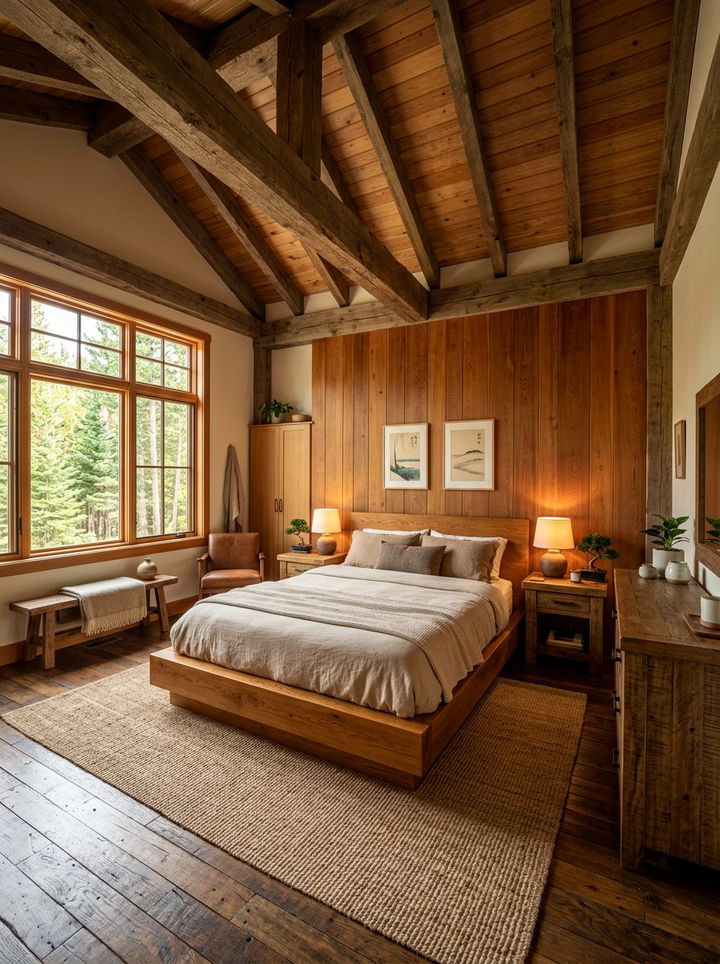
What happens when you let the raw beauty of natural materials define the entire color palette of your bedroom? A natural wood tone Zen bedroom focuses on the various browns, tans, and ambers found in different types of timber. This design uses wood paneling on the walls, exposed ceiling beams, and heavy wooden furniture to create a warm and tactile environment. By sticking to a palette derived entirely from wood, you create a space that feels like a cozy cabin or a forest retreat. It is a highly grounding aesthetic that celebrates imperfection and the organic patterns found in nature.
14. Peachy Beige Zen Bedroom
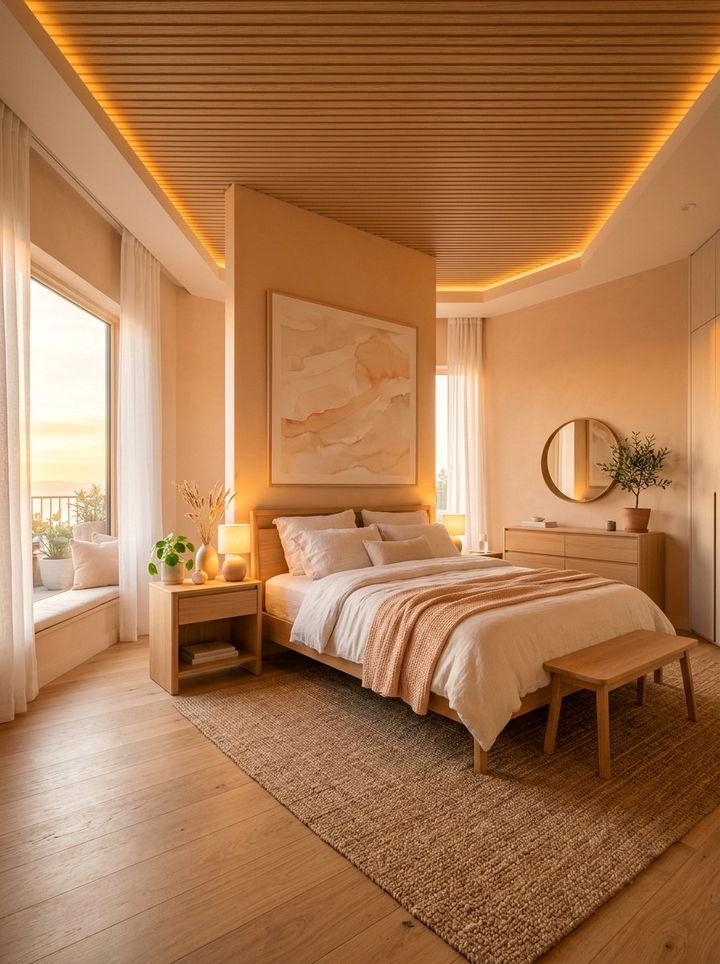
Are you searching for a neutral color that has a bit more personality and warmth than a standard tan? A peachy beige Zen bedroom offers a soft and glowing atmosphere that feels like a permanent sunset inside your home. This subtle hue has a way of making skin tones look healthy and the overall room feel incredibly welcoming. Combine this color with light oak furniture and soft white linens to maintain a bright and cheerful vibe. It is a wonderful choice for bedrooms that do not receive a lot of natural light, as it creates its own sense of internal warmth and radiance.
15. Deep Forest Green Zen Bedroom
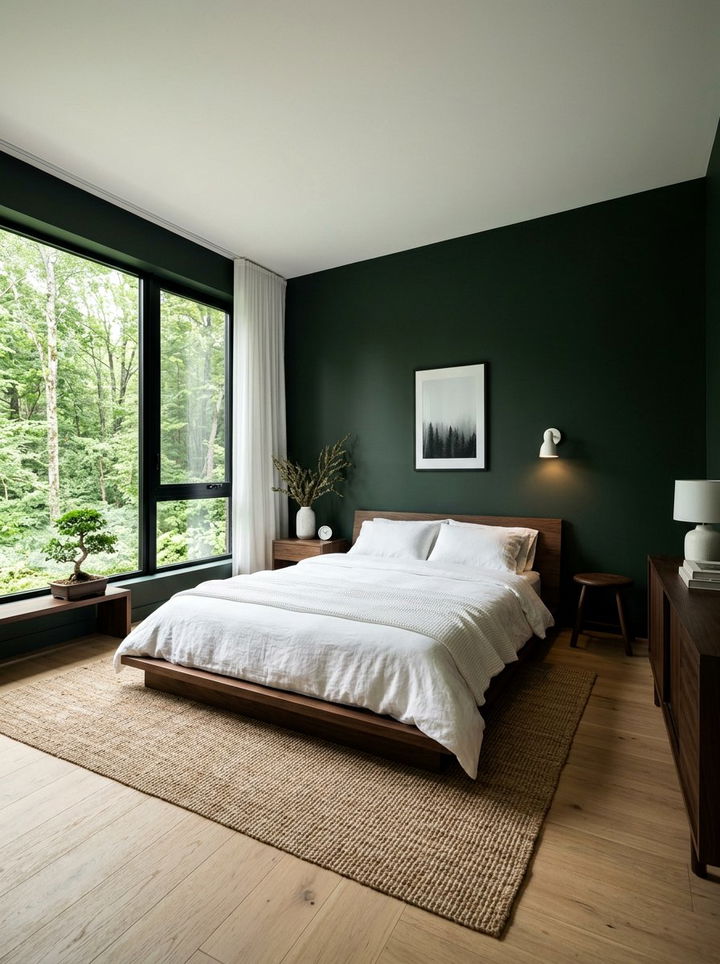
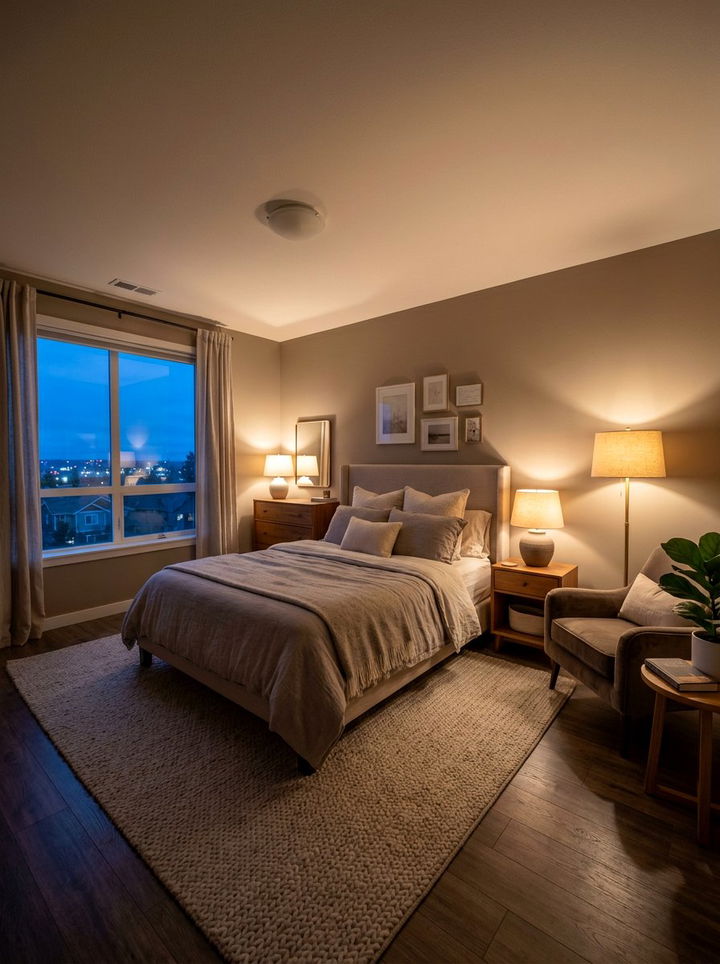
Can a dark and moody green actually help you clear your mind and find your inner center? A deep forest green Zen bedroom creates a sense of profound stillness by mimicking the shadowy depths of a dense woodland. This palette is incredibly effective when used on all four walls to create an immersive experience that feels separate from the rest of the house. Contrast the dark green with light-colored flooring and minimal white decor to prevent the room from feeling too heavy. This design direction is perfect for those who view their bedroom as a true escape from the noisy and fast-paced modern world.
16. Warm Taupe Zen Bedroom
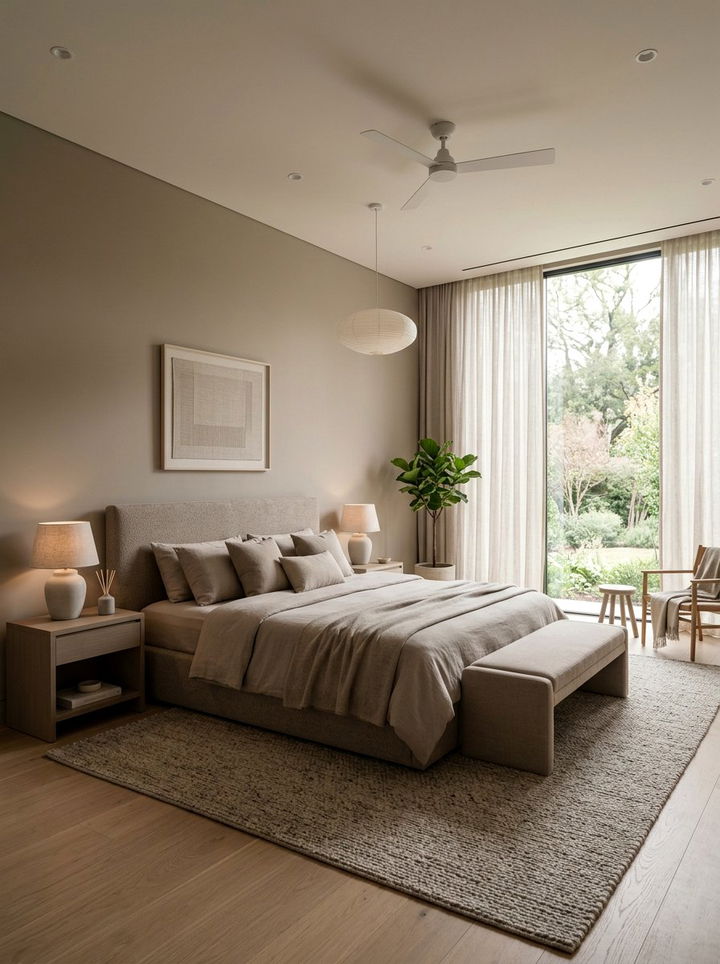
Why is taupe considered one of the most versatile and successful colors for creating a balanced Zen environment? A warm taupe Zen bedroom sits perfectly between gray and brown, offering the best qualities of both neutral families. This color provides a sophisticated backdrop that works with almost any style of minimalist furniture, from mid-century modern to traditional Japanese styles. By using taupe as the primary color for walls and large upholstered items, you create a cohesive and unbroken visual field. This lack of contrast is very soothing to the eyes, helping you transition more easily into a state of deep and natural relaxation.
17. Soft Stone Gray Zen Bedroom
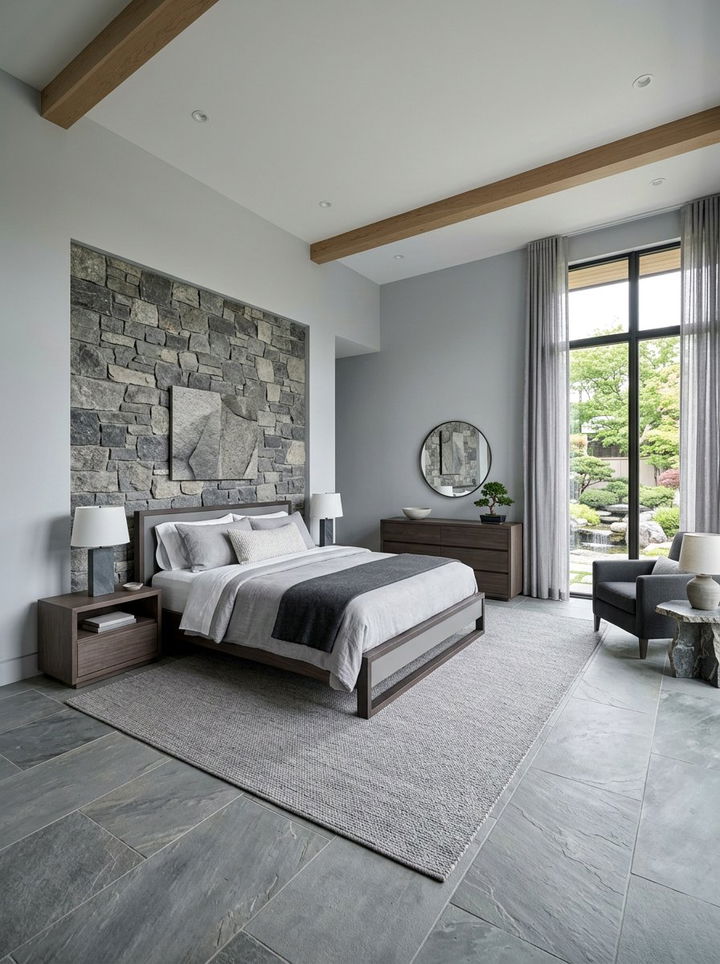
Does the idea of a room inspired by smooth river pebbles and mountain peaks appeal to your sense of peace? A soft stone gray Zen bedroom utilizes a palette of cool, light grays to create a space that feels solid and dependable. This look is enhanced by using natural stone materials for decor and maintaining very clean, sharp lines in the furniture selection. The gray tones provide a neutral canvas that allows you to swap out seasonal accents easily without disrupting the overall sense of Zen. It is a timeless and modern choice that prioritizes clarity, simplicity, and a high degree of architectural elegance.
18. Ochre Yellow Zen Bedroom
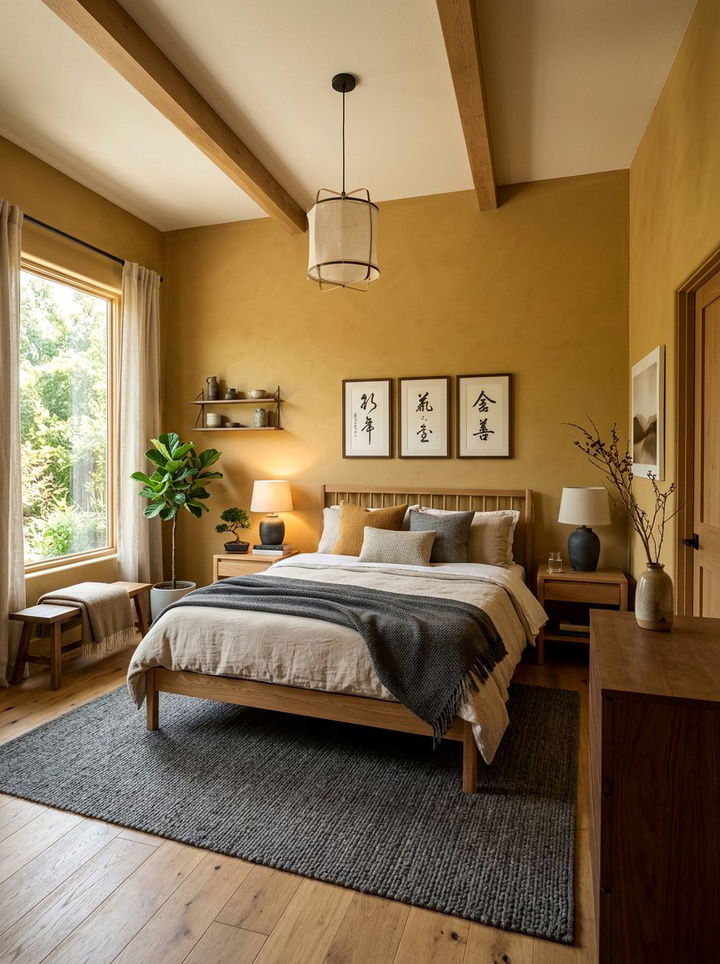
Is it possible to use yellow in a Zen bedroom without it feeling too bright or distracting for sleep? An ochre yellow Zen bedroom uses a deep, earthy, and mustard-like yellow that feels more like a sunset than a midday sun. This hue is grounded and warm, providing a sense of quiet joy and comfort that is perfect for a cozy sleeping area. Pair ochre with dark gray or charcoal accents to provide a sophisticated contrast that keeps the yellow from becoming too dominant. This color choice brings a sense of earthiness and history to the room, making it feel both unique and very peaceful.
19. Pale Mint Zen Bedroom
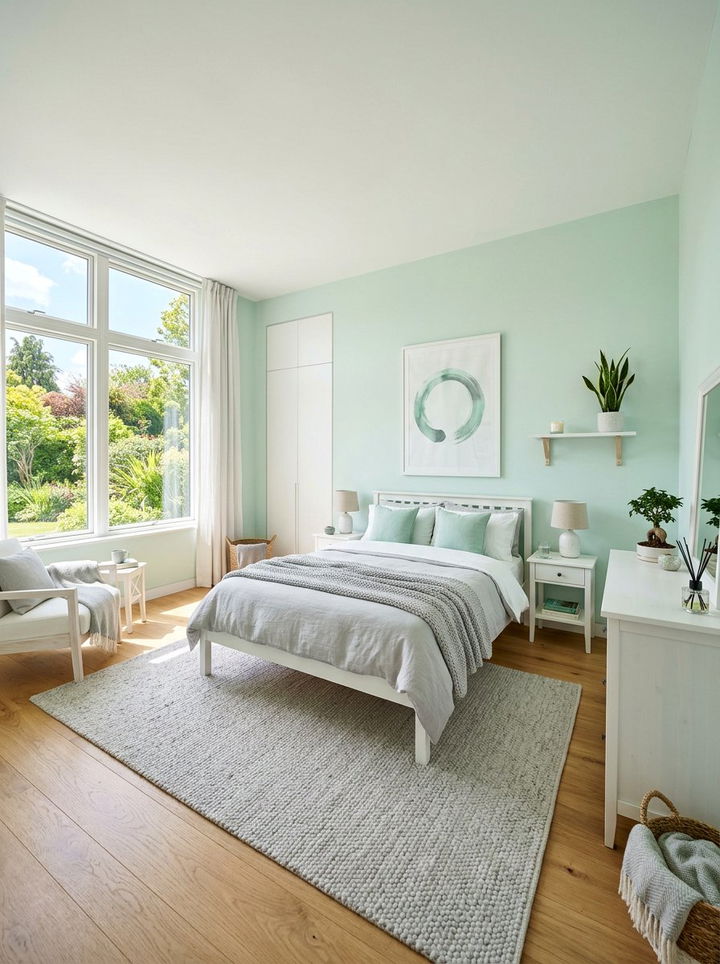
How can a light and refreshing green help you wake up feeling energized and go to sleep feeling calm? A pale mint Zen bedroom offers a crisp and clean aesthetic that feels incredibly light on the senses. This color is particularly effective in rooms with large windows, as it catches the light beautifully and makes the space feel bigger. Use mint for the walls and complement it with white wooden furniture and light gray textiles for a very modern look. This palette is perfect for someone who wants a Zen bedroom that feels youthful, fresh, and consistently optimistic throughout the changing seasons.
20. Cocoa Brown Zen Bedroom
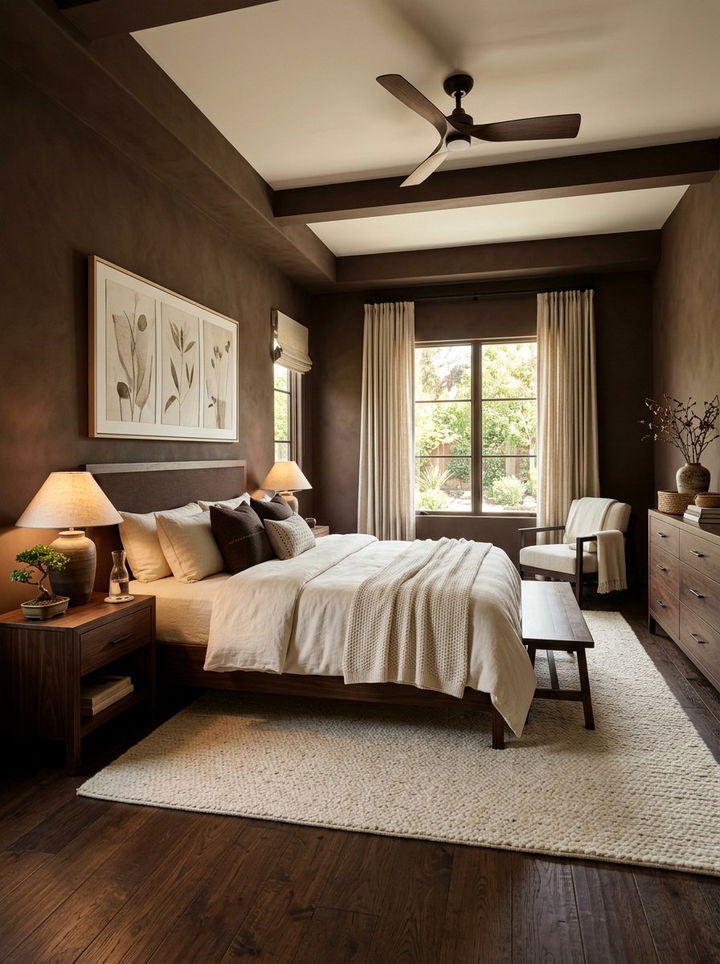
Have you ever wanted a bedroom that feels as rich and comforting as a cup of warm chocolate? A cocoa brown Zen bedroom uses deep, velvety browns to create a space that is incredibly grounded and luxurious. This design direction focuses on the richness of the color, using matte wall finishes and high-quality dark wood furniture to build layers of warmth. By incorporating cream-colored rugs and light-colored bedding, you can ensure the room remains balanced and does not feel too small or dark. This palette is excellent for creating a sense of permanence and stability in your most personal and private space.
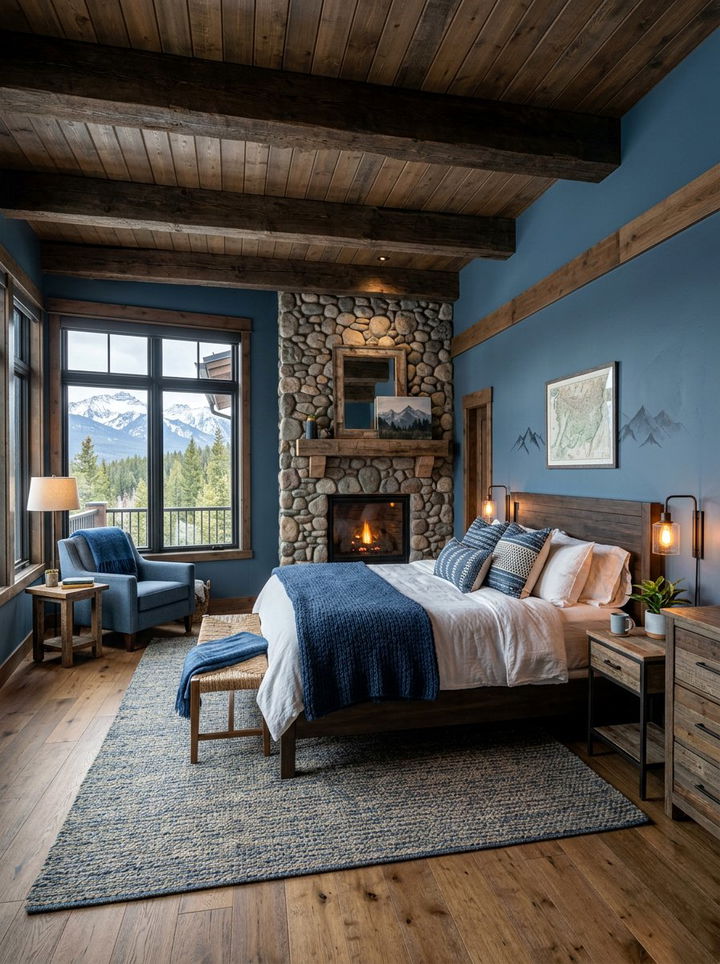

21. Sky Blue Zen Bedroom
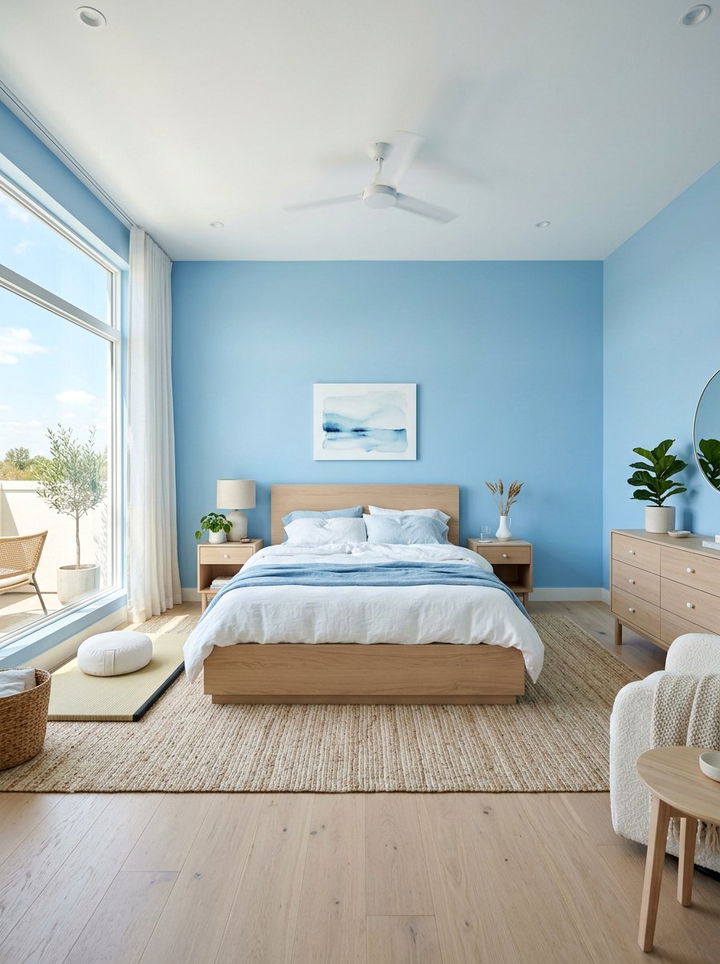
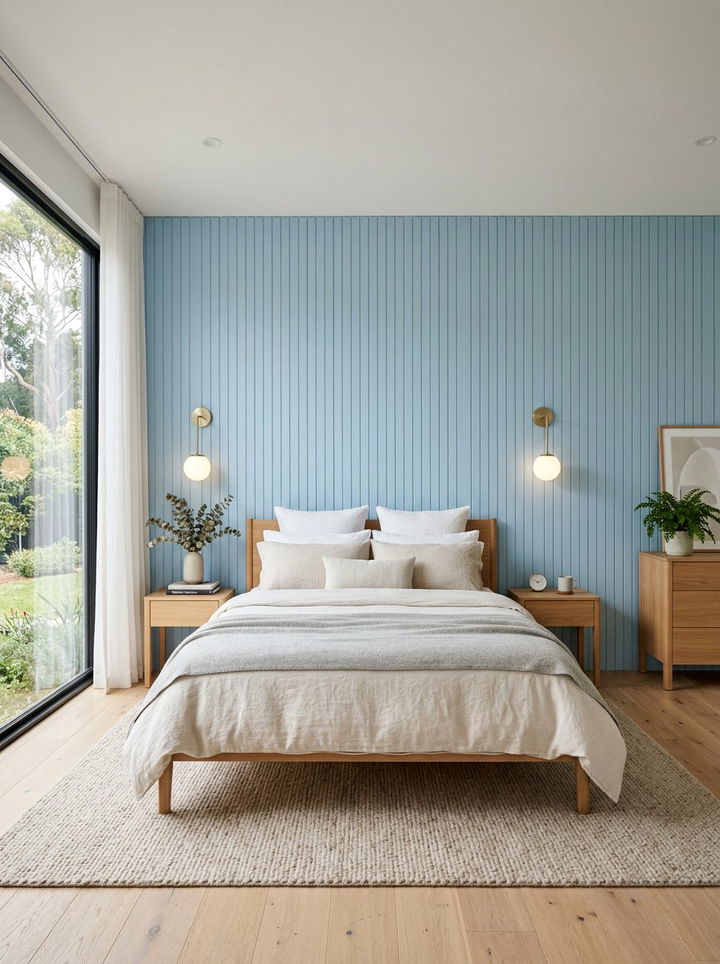
Can the feeling of looking up at a vast and open sky be captured within the four walls of a bedroom? A sky blue Zen bedroom uses a clear and light blue to promote a sense of infinite peace and mental expansiveness. This color is known for its ability to lower the heart rate and create a cooling sensation in a room. When paired with light white oak and airy cotton fabrics, the sky blue becomes the focal point of a very serene design. This palette is ideal for anyone who struggles with a busy mind at night and needs a visual reminder to breathe and let go.
22. Light Clay Zen Bedroom
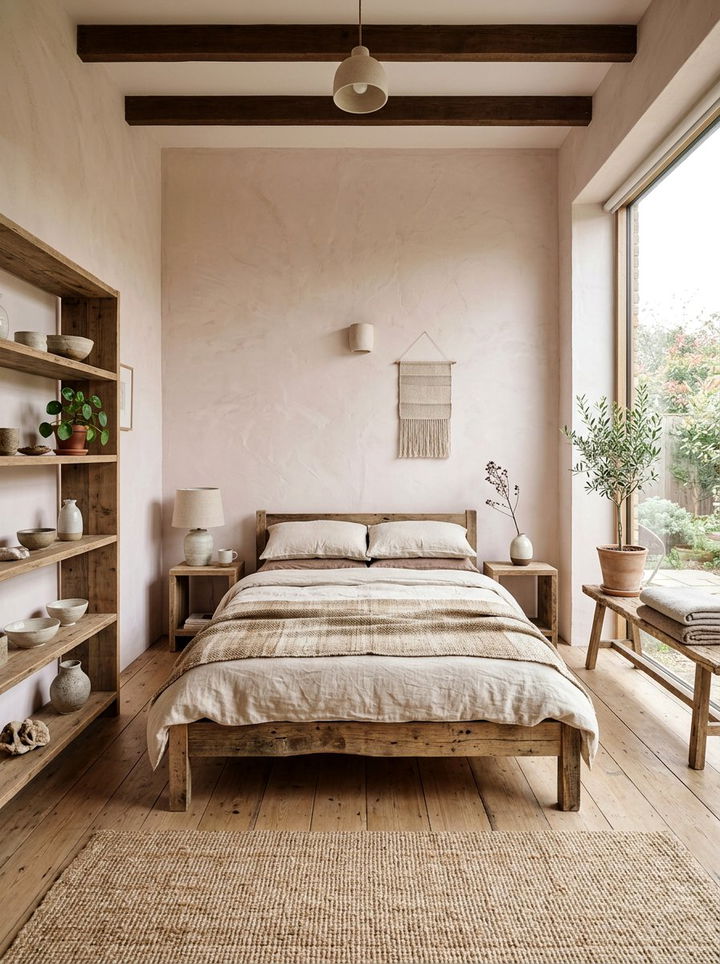
What if your bedroom walls could look like they were made from the very earth itself, raw and unfinished? A light clay Zen bedroom utilizes a very pale, pinkish-beige that mimics the look of natural plaster or sun-dried mud. This color has a beautiful tactile quality that feels very organic and artisanal, especially when applied with a slight texture. Combine this hue with reclaimed wood furniture and simple ceramic decor to complete the earthy look. It is a very humble and honest palette that celebrates the beauty of natural materials and the quiet simplicity of a well-lived and mindful life.
23. Dove Gray Zen Bedroom
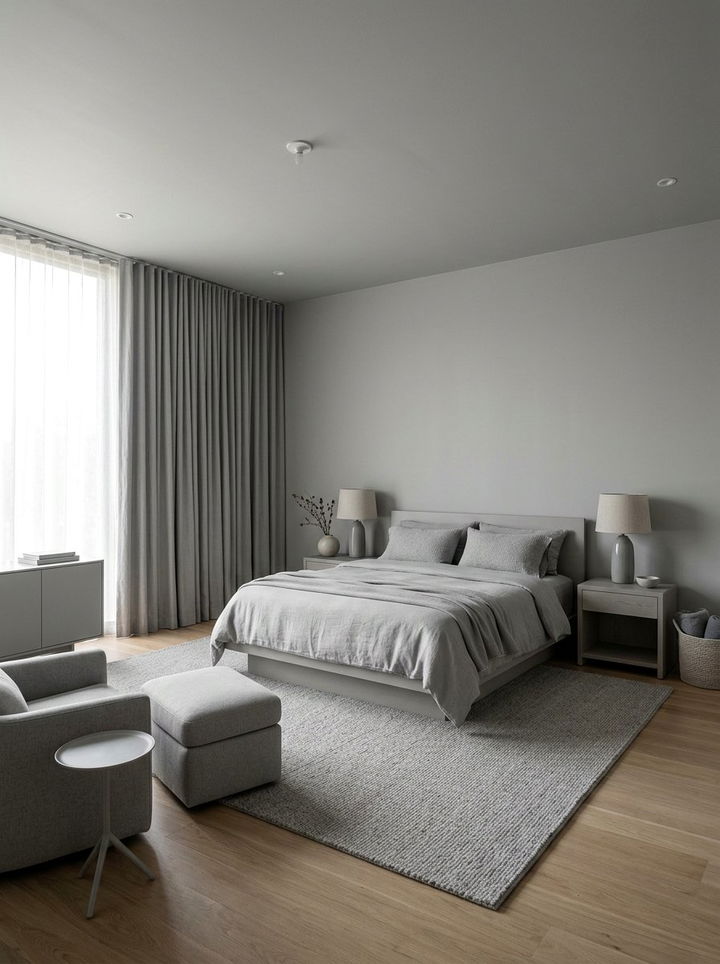
Why do designers often turn to dove gray when they want to create a space that feels effortlessly calm? A dove gray Zen bedroom offers a very soft and approachable version of gray that has a slight warmth to it. This color is incredibly soothing because it does not demand attention, allowing the furniture and the people in the room to be the main focus. Use dove gray for the walls, bedding, and even the curtains to create a seamless “envelope” of color that wraps around you. This monochromatic approach is a hallmark of Zen design, emphasizing unity and the removal of all unnecessary visual distractions.
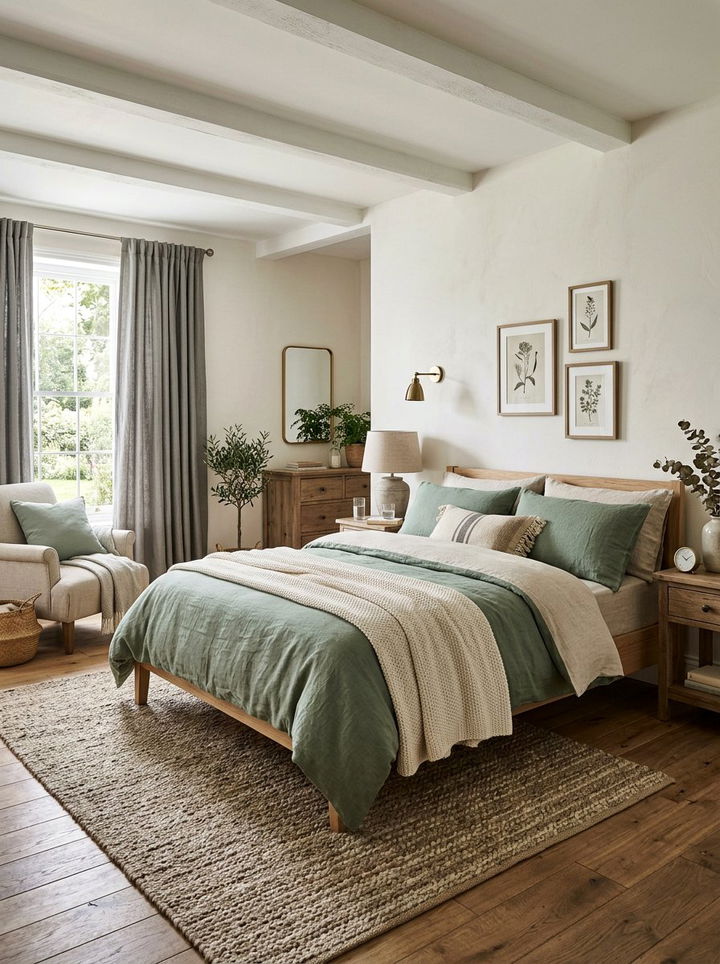
24. Sage and Cream Zen Bedroom
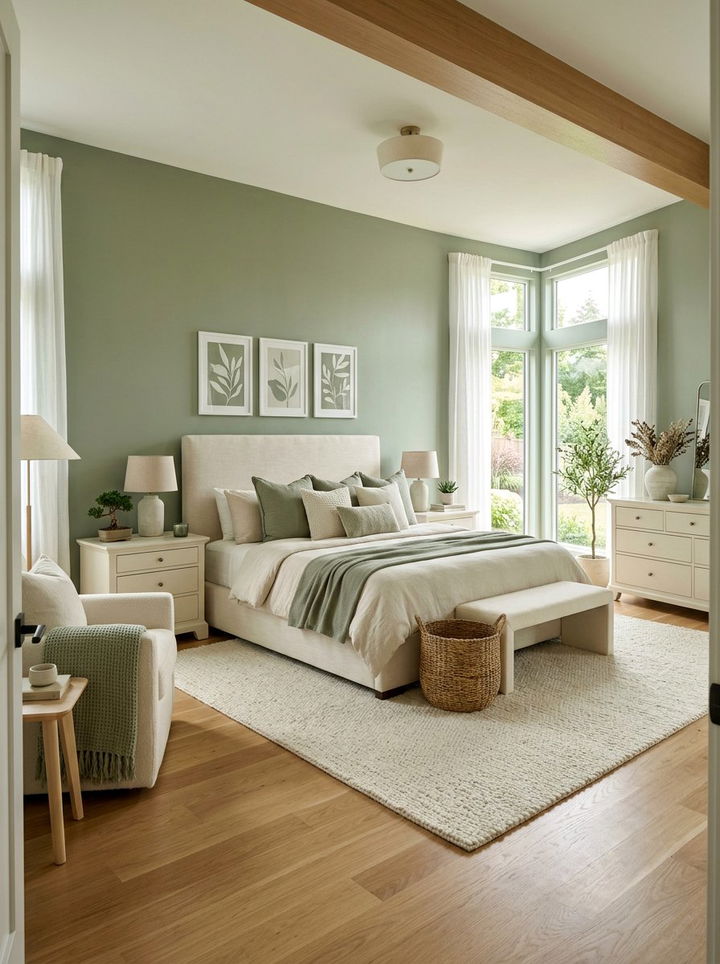
Is there a more classic and peaceful color combination than the gentle mix of sage green and soft cream? A sage and cream Zen bedroom balances the refreshing energy of green with the absolute warmth of cream to create a perfectly harmonious space. This design often uses sage for the walls and cream for the larger furniture pieces and floor coverings. The two colors blend together seamlessly, creating a palette that feels both traditional and very modern at the same time. This is an excellent choice for a guest room or a master suite where the primary goal is total and complete relaxation.
25. Pale Lilac Zen Bedroom
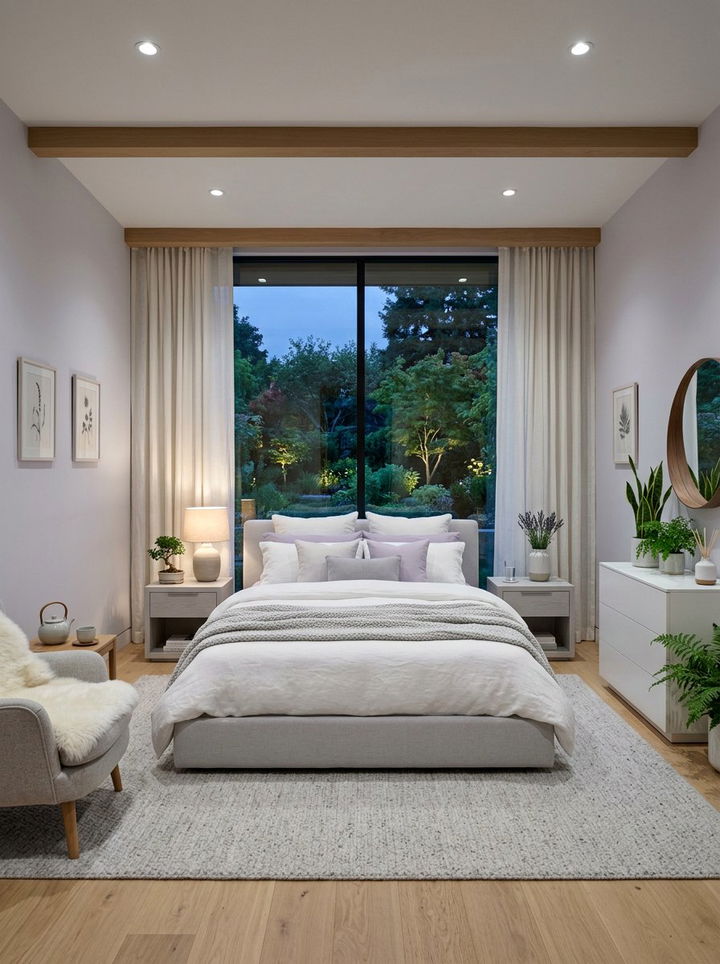
Could a very subtle hint of purple be the key to making your bedroom feel like a quiet garden at twilight? A pale lilac Zen bedroom uses a color so light it almost looks gray, providing a very sophisticated and calming atmosphere. This hue is often associated with mindfulness and spiritual peace, making it a natural fit for a Zen-inspired home. Pair lilac with light gray and white to keep the look clean and contemporary. This palette works beautifully with soft lighting and minimalist decor, creating a space that feels gentle, nurturing, and entirely focused on the importance of quiet reflection.


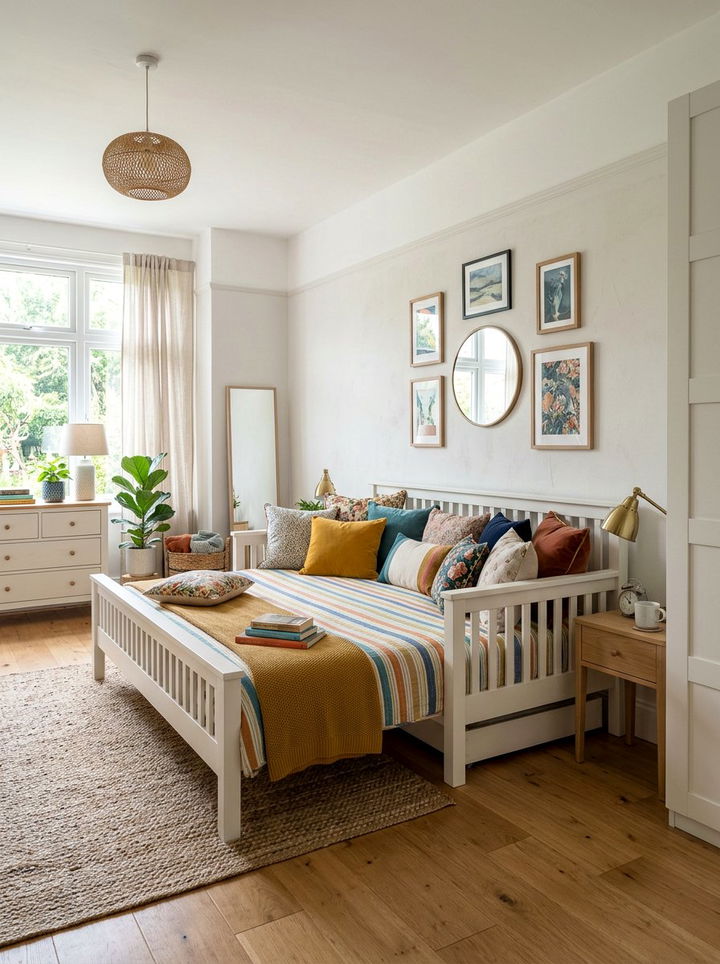
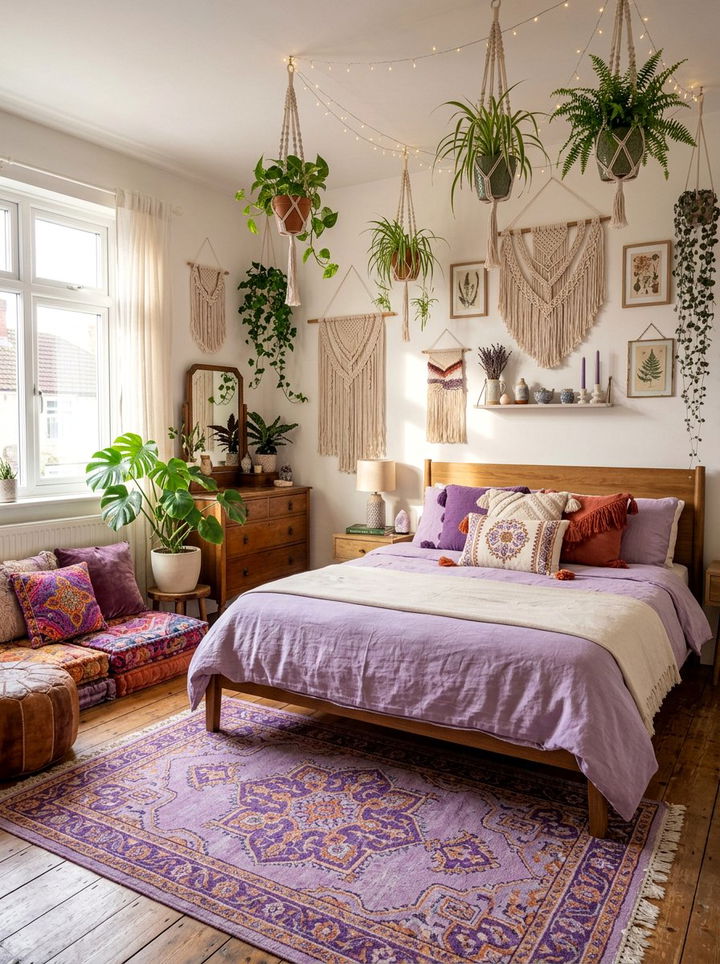
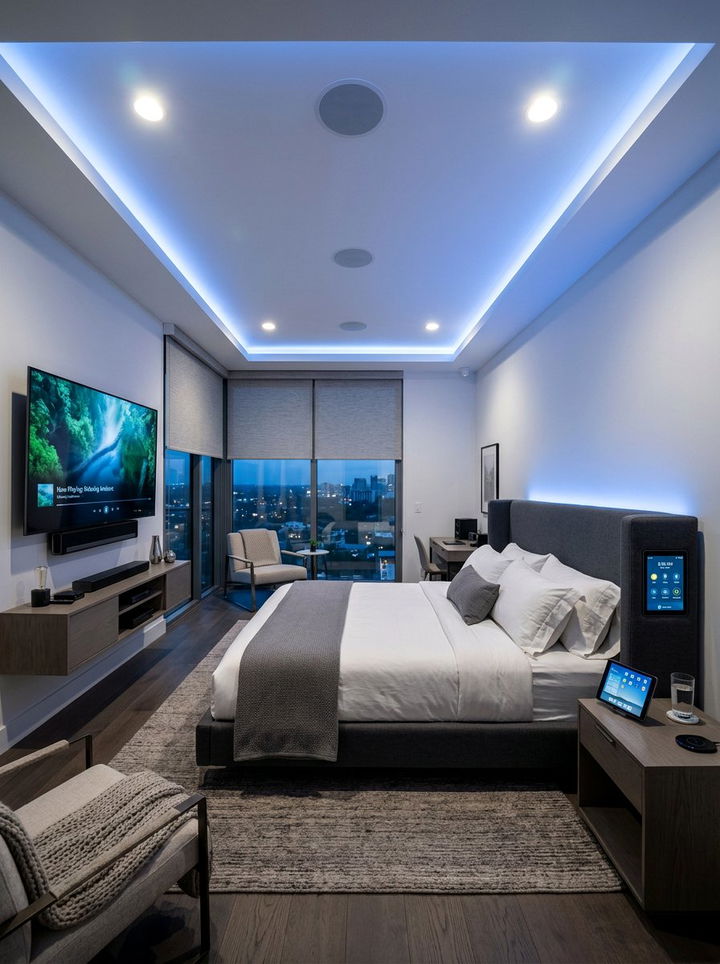
26. Navy and White Zen Bedroom
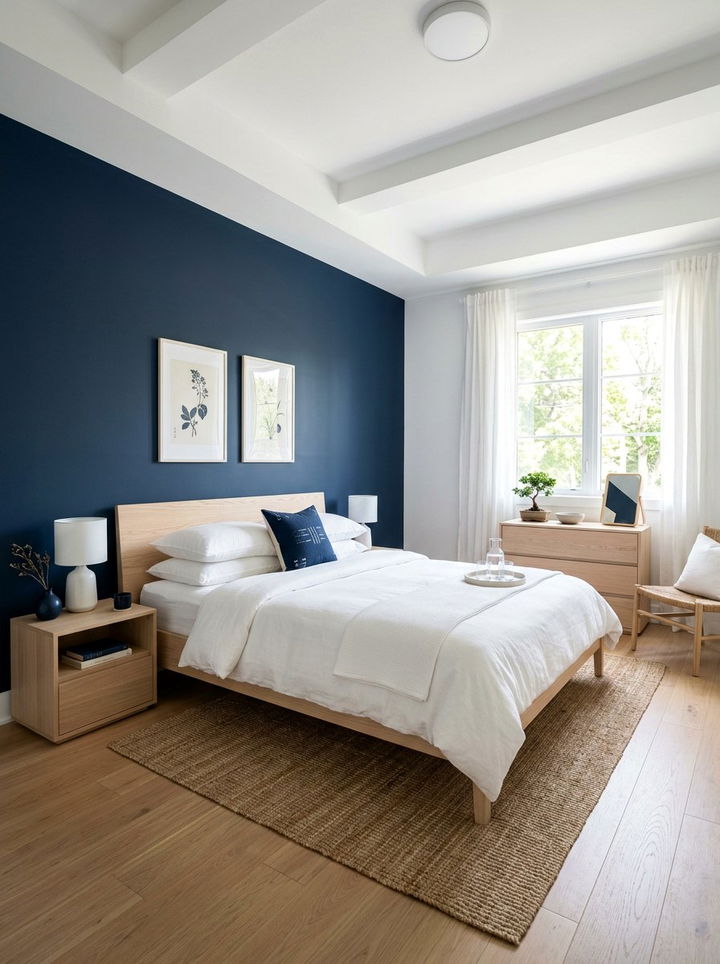
Can a bold and dark color like navy blue still fit into a minimalist and peaceful Zen bedroom design? A navy and white Zen bedroom proves that high contrast can be very calming when handled with simplicity and restraint. Use navy blue for a single accent wall or for high-quality bedding, while keeping the rest of the room a crisp and clean white. This combination feels very stable and orderly, which can be very reassuring for those who crave structure. The dark blue provides a sense of depth, while the white ensures the room remains bright and focused on a sense of purity.
27. Moss Green Zen Bedroom
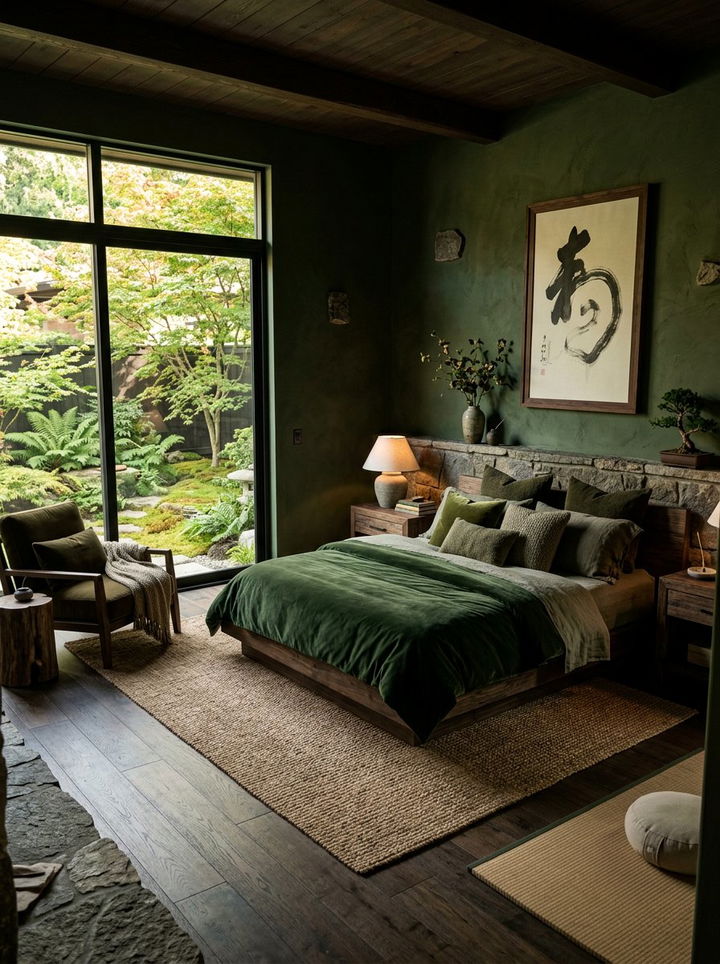
How does a slightly darker and more yellow-toned green bring a sense of forest-floor peace to your bedroom? A moss green Zen bedroom draws directly from the textures of the natural world, offering a cozy and very grounded feel. This color is less about brightness and more about a soft, velvety warmth that makes a room feel lived-in and comfortable. Combine moss green with natural stone and dark wood to create a space that feels like a natural extension of the outdoors. This palette is perfect for creating a contemplative environment where you can truly disconnect from technology and reconnect with your own inner thoughts.
28. Soft Apricot Zen Bedroom
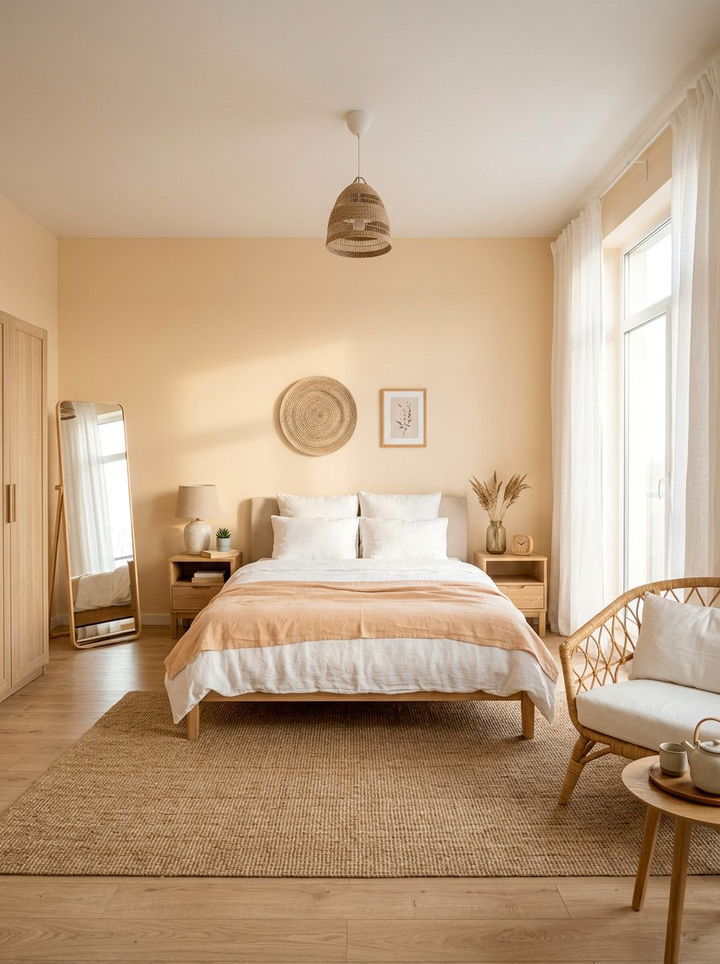
Is it possible to use a warm and fruity tone to create a bedroom that feels peaceful rather than energetic? A soft apricot Zen bedroom uses a very muted and pale orange that has a heavy dose of white and cream mixed in. This color provides a gentle warmth that is reminiscent of early morning light, even on a cloudy day. It is an incredibly welcoming hue that works well with light-colored woods and natural fiber rugs. By keeping the furniture minimalist and the decor sparse, the apricot color provides a soft glow that makes the entire room feel optimistic and very calm.
29. Charcoal and Wood Zen Bedroom
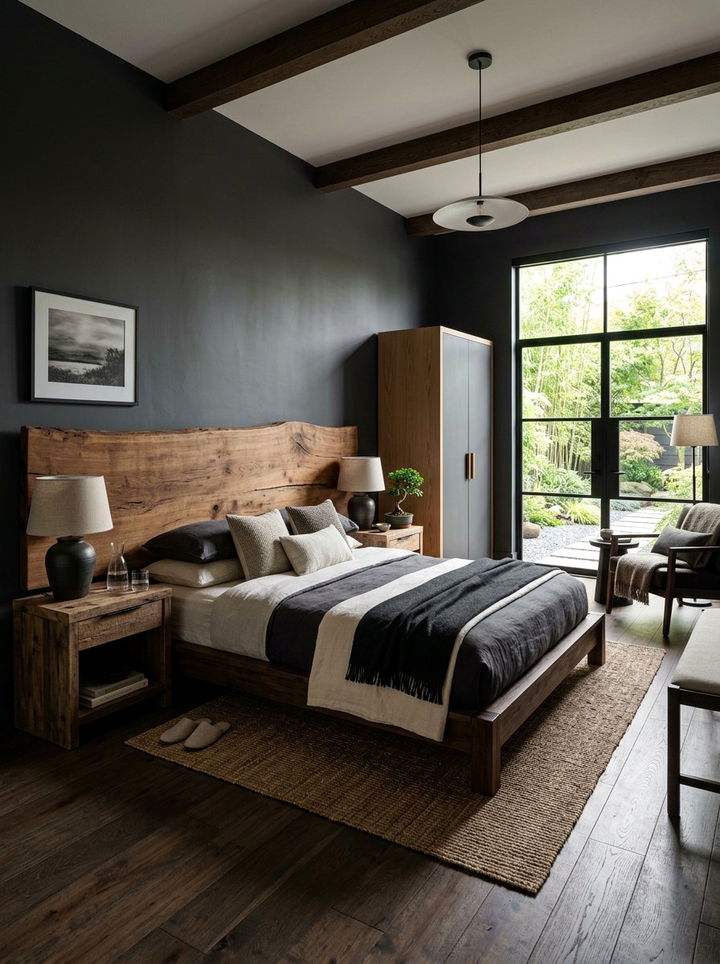
What happens when you combine the strength of dark charcoal gray with the natural warmth of raw wood? A charcoal and wood Zen bedroom is a masterclass in balance, using the cool gray to provide a modern edge and the wood to provide an organic heart. This design often features dark gray walls with a large wooden headboard or wooden flooring to create a striking yet peaceful contrast. The combination feels very masculine and sturdy, offering a sense of protection and silence. It is a sophisticated choice for someone who wants a modern Zen bedroom that feels both bold and deeply restorative.
30. Pure Snow White Zen Bedroom
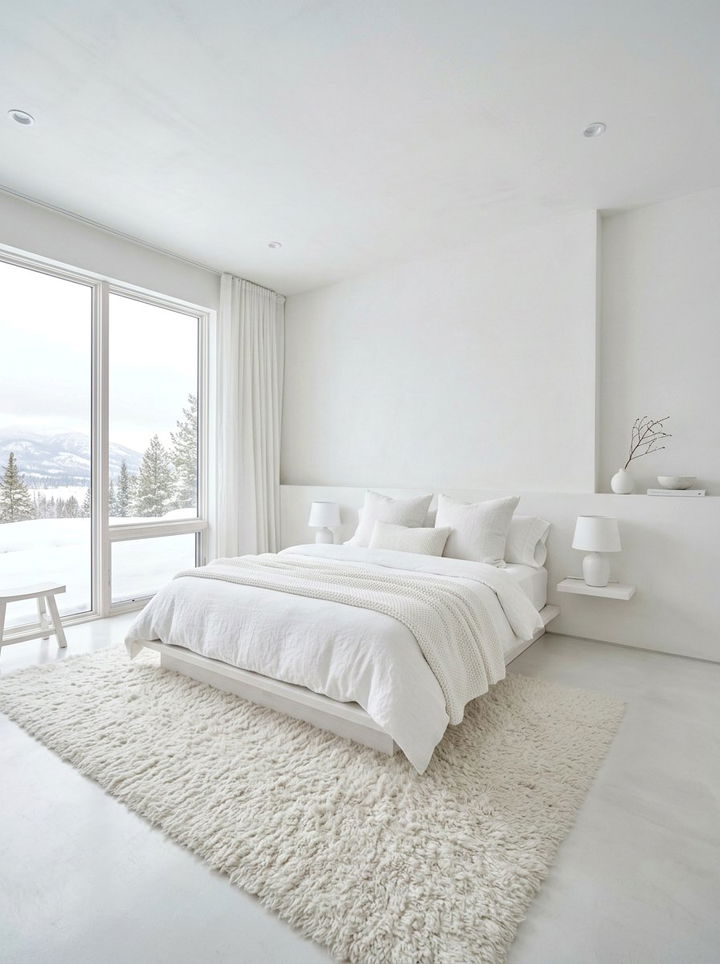
Can a room that is entirely white, from the floor to the ceiling, be the ultimate expression of Zen philosophy? A pure snow white Zen bedroom focuses on the concept of “void” or emptiness, creating a space that is entirely free from visual noise. This design relies on the play of light and shadow to create interest, rather than color or pattern. By using different textures — like a shaggy white rug, smooth white walls, and soft white linens — the room remains interesting and comfortable. This is the most minimalist approach possible, offering a blank canvas for your mind to rest and find total and complete peace.
Conclusion:
Choosing a Zen color palette for your bedroom is a profound act of self-care that directly impacts your daily well-being and quality of rest. Whether you gravitate toward the earthy warmth of terracotta or the ethereal lightness of pale mint, the key is to prioritize balance and simplicity. A successful Zen space is not just about the paint on the walls; it is about how that color makes you feel when you cross the threshold. By strictly adhering to a cohesive color scheme and removing clutter, you create an environment where your mind can finally find the stillness it deserves. Your bedroom should always be your most peaceful sanctuary.
Related posts: