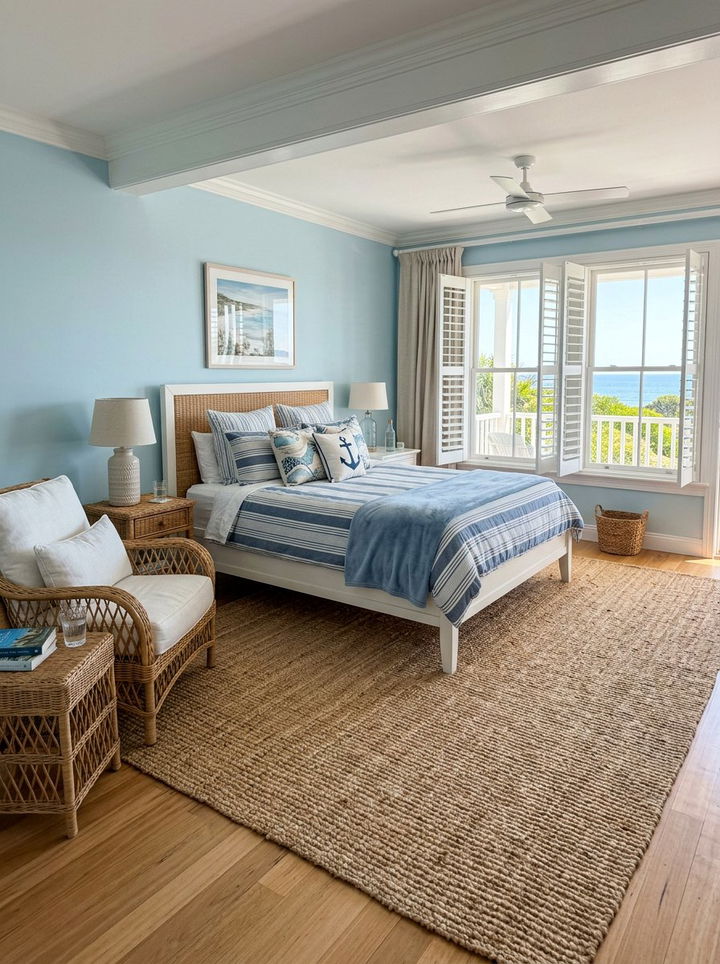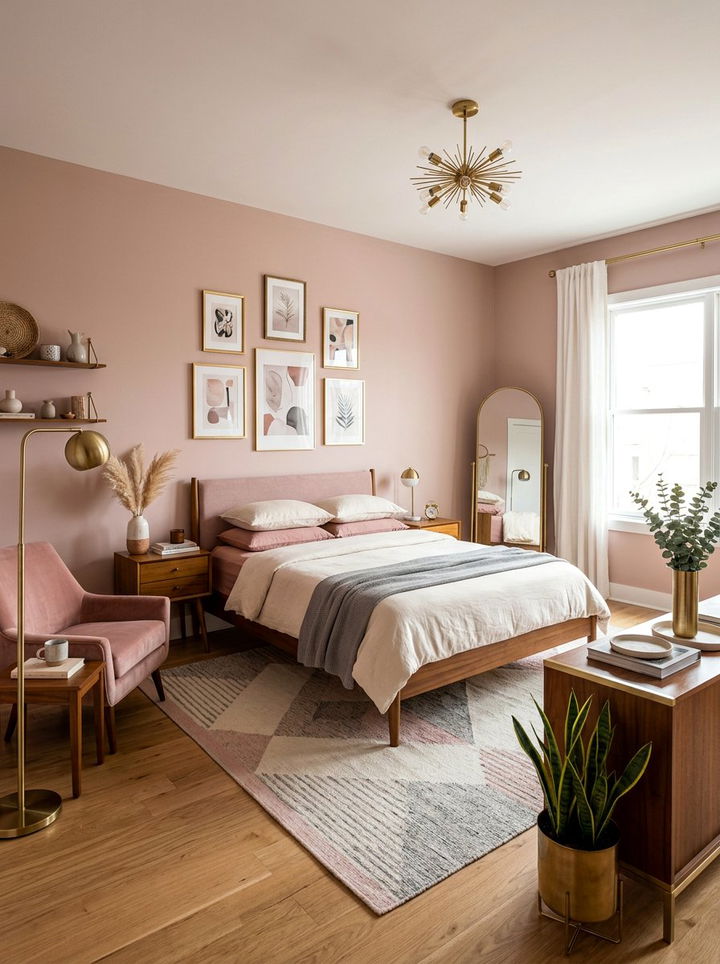
Creating a comfortable and stylish bedroom in a space with low ceilings can feel like a design puzzle that requires a bit of creativity to solve properly. Many homeowners struggle with making these rooms feel open and airy instead of cramped or claustrophobic during their daily routines. However, by using specific visual tricks and choosing the right furniture, you can actually turn a short room into a cozy sanctuary that feels intentional and high-end. Whether you are dealing with a basement conversion or a charming attic space, the key lies in emphasizing vertical lines and maximizing natural light. Let’s explore these thirty transformative and practical concepts for your home.
1. Low Profile Bed
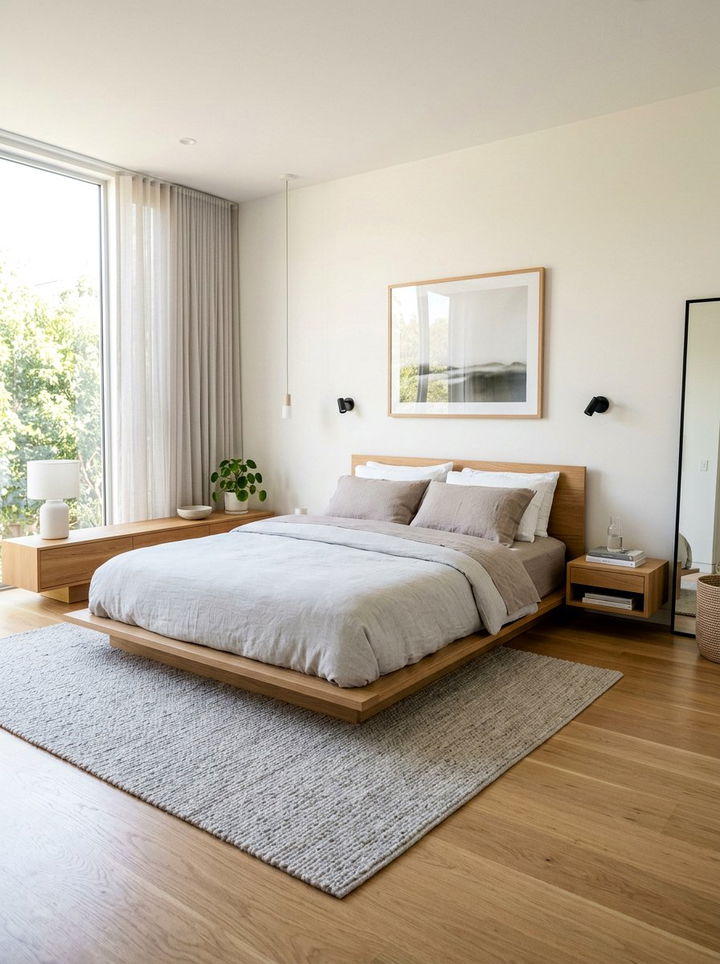
Choosing a low profile bed is one of the most effective ways to create more vertical space in a room with limited height. By keeping the mattress closer to the floor, you increase the distance between the sleeping surface and the ceiling, which instantly makes the room feel much larger than it actually is. This approach eliminates the heavy, bulky look of traditional bed frames that often dominate small spaces. You can look for sleek platform styles or even Japanese-inspired floor beds to achieve this modern aesthetic. Pair it with simple bedding to keep the visual weight low and the atmosphere feeling very relaxed.
2. Floor To Ceiling Curtains
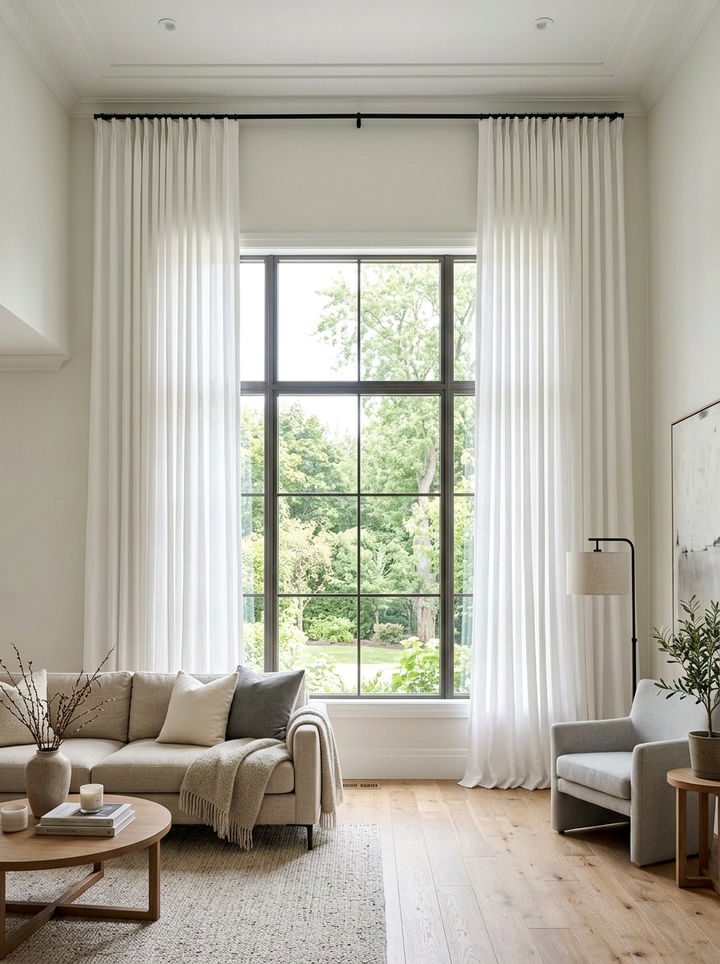
Hanging your curtains from the very top of the wall all the way down to the floor is a classic interior design trick for low ceilings. This simple adjustment draws the eye upward and creates a strong vertical line that suggests the room is taller than its physical measurements. Even if your windows are small or positioned low on the wall, extending the fabric from ceiling to floor provides a sense of grandeur and elegance. Opt for lightweight materials like linen or sheer cotton to allow natural light to filter through, which helps the entire bedroom feel much brighter and more expansive.
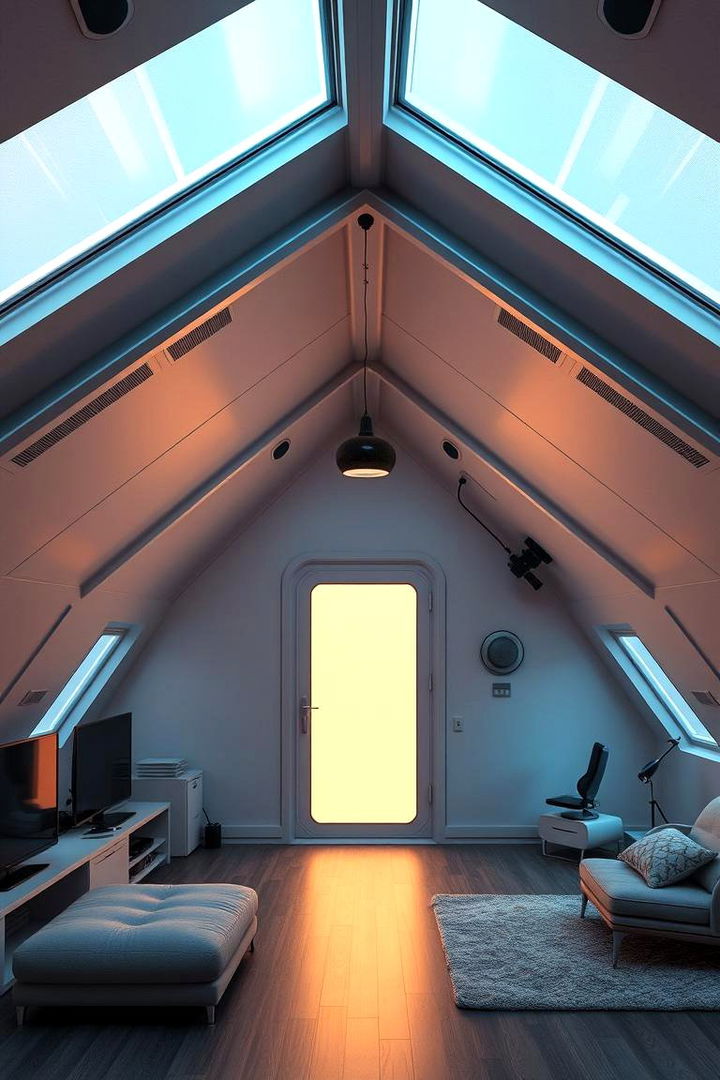
3. Attic Bedroom Skylight
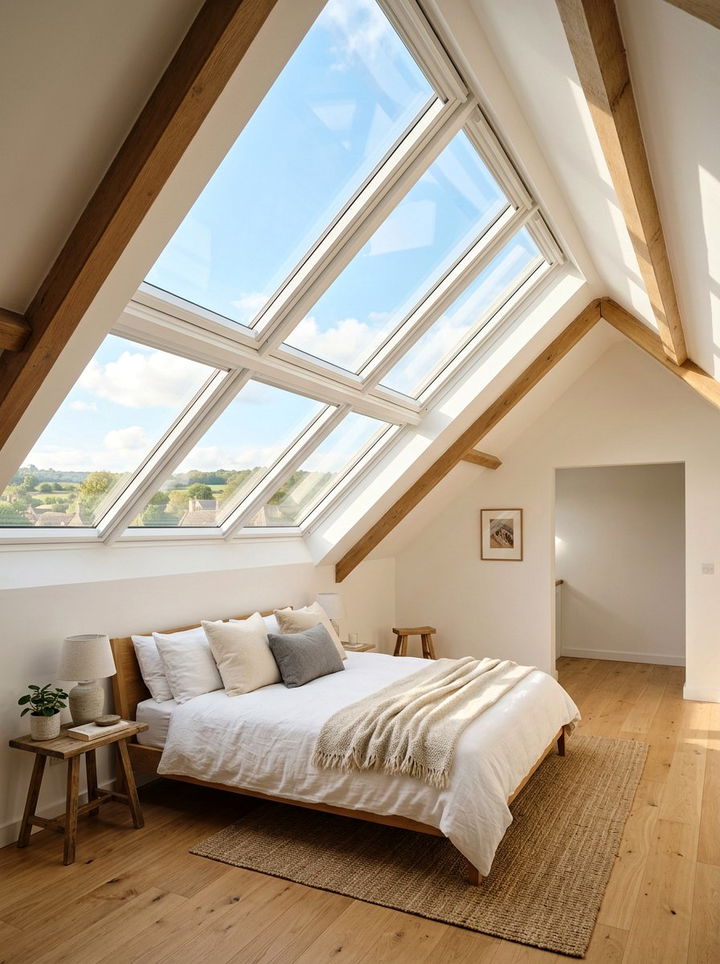
Installing a skylight in an attic bedroom is a brilliant way to bring in an abundance of natural light while opening up the vertical plane. Instead of feeling boxed in by sloped or low roofs, a skylight provides a direct view of the sky, which creates a sense of infinite height. This architectural feature transforms a potentially dark and cramped area into a bright, airy sanctuary. During the day, the sunlight bounces off the walls to illuminate every corner, while at night, it offers a beautiful view of the stars. It is a functional and aesthetic upgrade for any low-ceiling home.
4. Minimalist Platform Bed
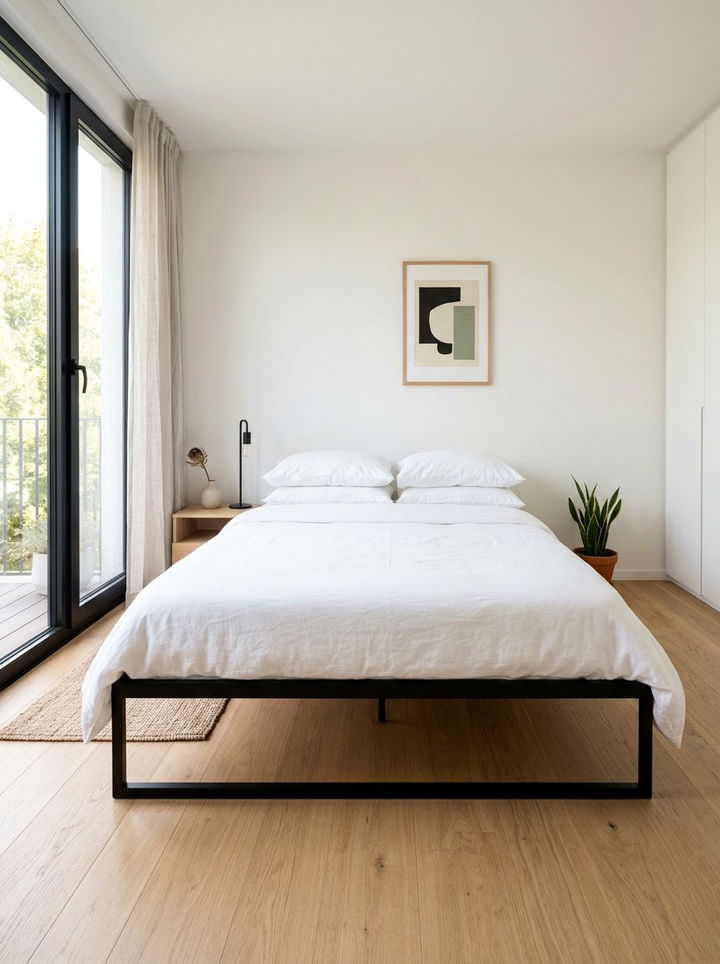
A minimalist platform bed works wonders in low-ceiling environments by stripping away unnecessary visual clutter. These beds typically feature clean lines and a simple frame that does not include a tall or heavy headboard. By reducing the height of the bed structure, you allow more of the wall to be visible, which helps the room feel less crowded. This style fits perfectly within modern, Scandinavian, or mid-century interior themes. Choosing a light wood or a neutral upholstered frame can further enhance the feeling of space and light, making your bedroom feel like a peaceful and organized retreat.
5. Recessed Lighting Installation
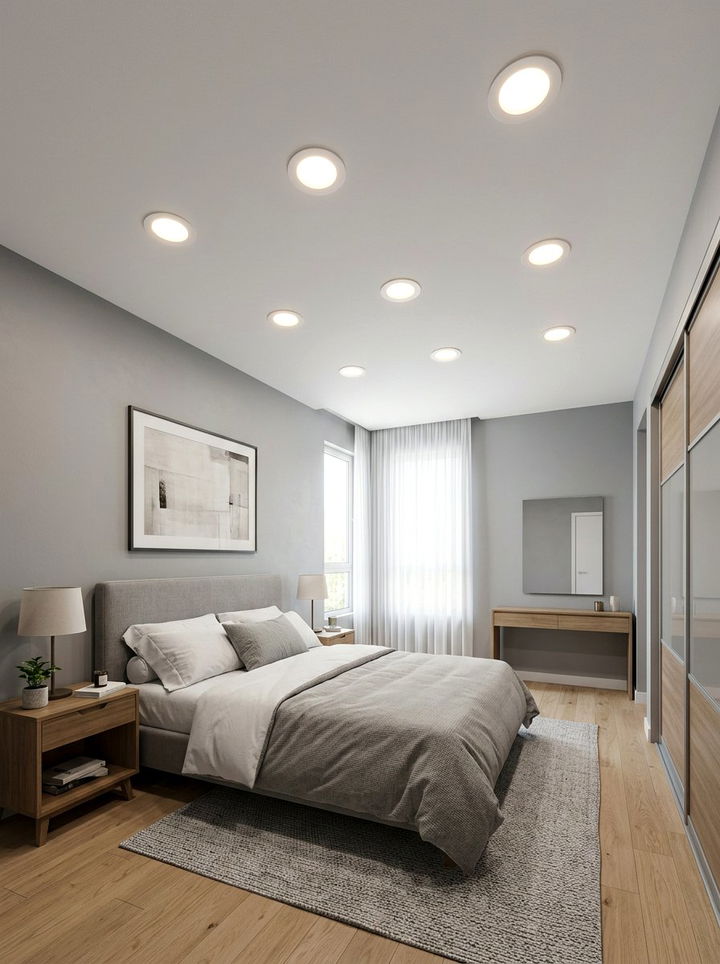
Swapping out low-hanging chandeliers or bulky ceiling fans for recessed lighting is a smart move for shorter rooms. These lights sit flush with the ceiling surface, providing plenty of illumination without taking up any physical or visual space overhead. This creates a smooth, uninterrupted ceiling plane that makes the room feel taller and much cleaner. You can place these lights strategically to highlight certain areas or create a soft, even glow throughout the bedroom. By removing protruding fixtures, you eliminate the risk of the ceiling feeling like it is “closing in” on the living area below.
6. Vertical Wall Paneling
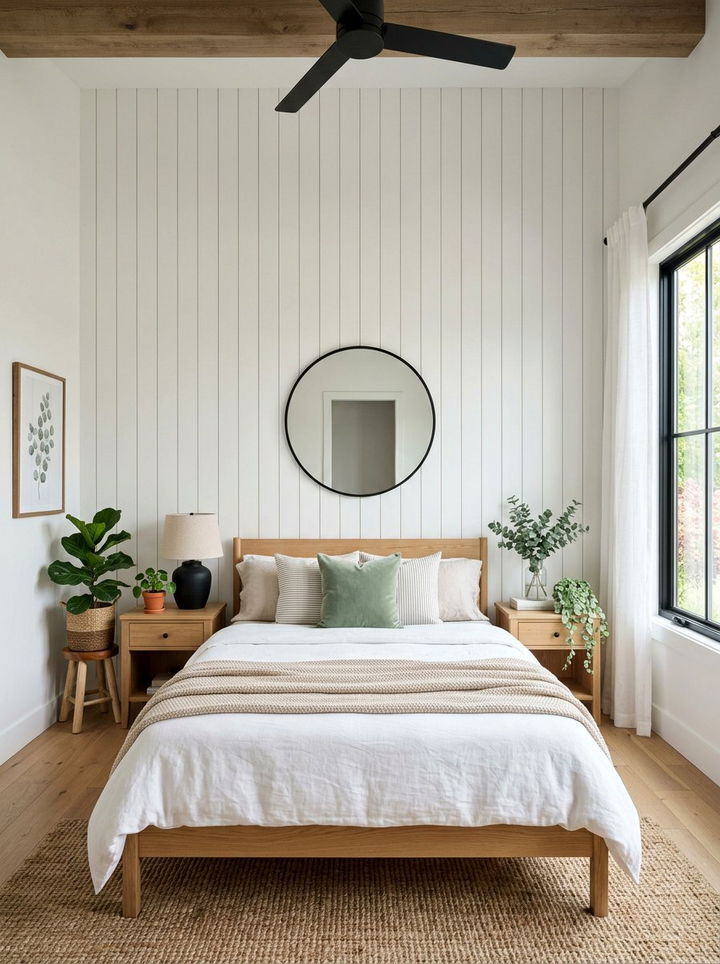
Applying vertical wall paneling or shiplap is a fantastic method to create the illusion of height through architectural detail. The long, upward lines guide the eye from the floor toward the ceiling, making the walls appear much longer than they actually are. This technique works well in both traditional farmhouse styles and more contemporary settings depending on the width of the planks. You can paint the paneling a soft white or a light gray to keep the room feeling open. It adds a sophisticated layer of texture to the bedroom without requiring extra furniture or floor space to be used.
7. White Painted Ceiling
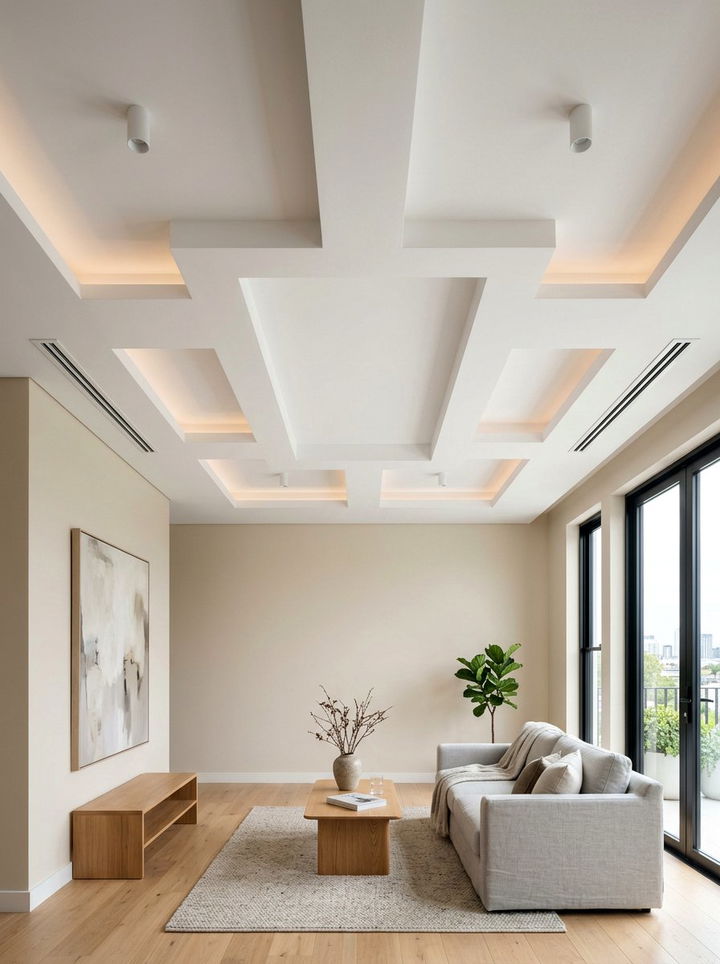
One of the most reliable ways to make a low ceiling feel higher is to paint it a crisp, bright white. White reflects the most light, which helps to blur the boundaries between the walls and the ceiling, making the overhead surface feel more distant. While dark colors can sometimes make a ceiling feel like it is pressing down, a light finish provides an airy and expansive atmosphere. For an even more dramatic effect, use a flat or matte finish to hide any imperfections and ensure the light is diffused softly across the entire room for a clean look.
8. Floor Mirror Placement
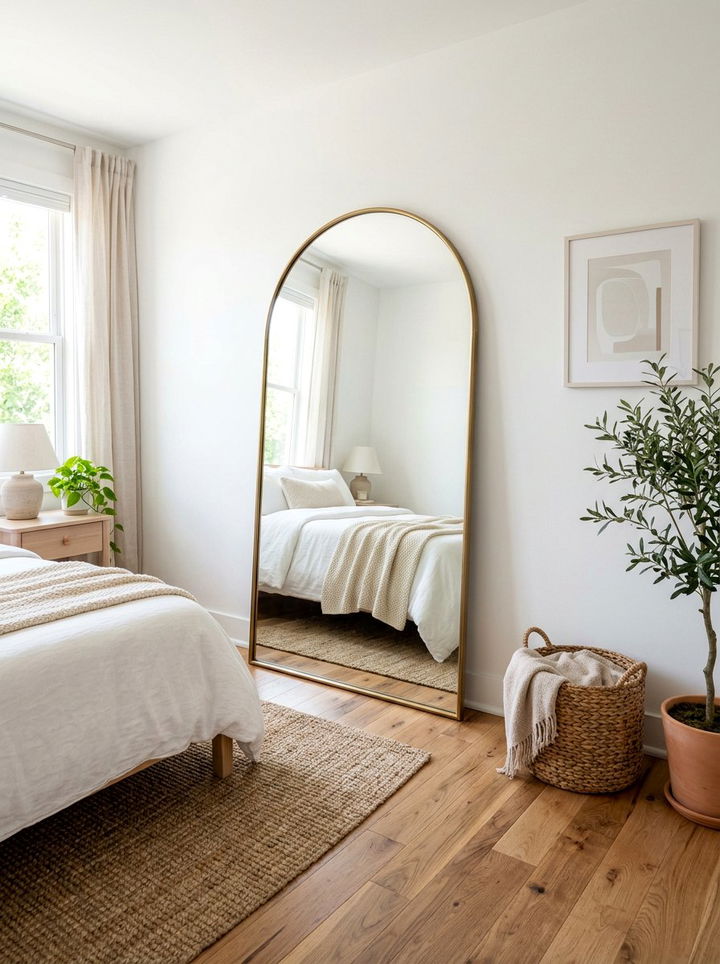
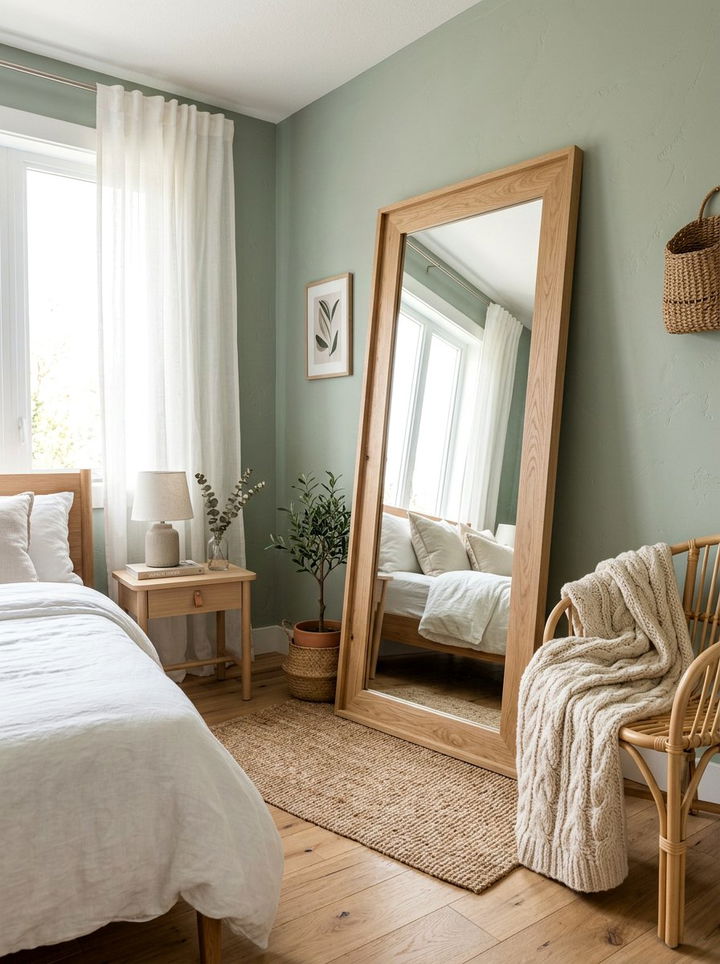
Leaning a large, tall floor mirror against one of your bedroom walls can instantly double the perceived size of the space. Mirrors are powerful tools in interior design because they reflect light and the surrounding room, creating a sense of depth that was not there before. When the mirror reaches high up the wall, it mimics the appearance of a doorway or a window, tricking the brain into thinking the room continues further. This is especially helpful in bedrooms with low ceilings where you want to maximize every inch of light and visual openness available to you.
9. Horizontal Lines Decor
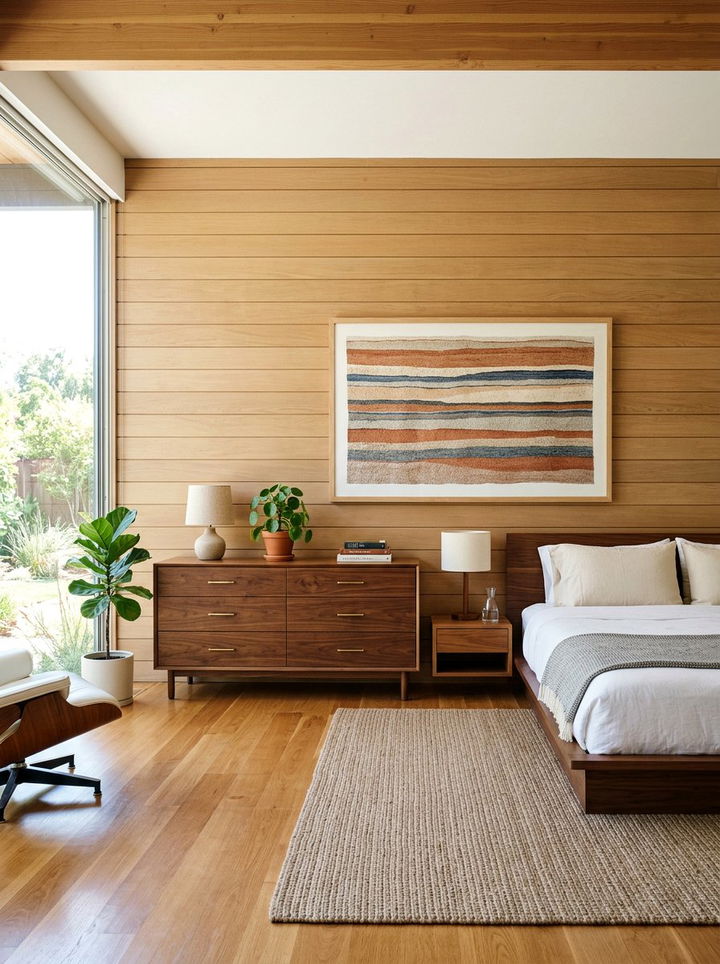
While vertical lines help with height, incorporating low-slung horizontal lines through your furniture can also be very beneficial. Using long, low dressers or benches keeps the majority of the room’s visual weight near the ground, leaving the upper half of the walls completely clear. This contrast makes the ceiling feel further away by comparison. When you keep your furniture pieces horizontal and low, you avoid breaking up the vertical wall space, which helps the entire room feel more cohesive and less interrupted. This layout strategy is perfect for maintaining a calm and peaceful bedroom environment every day.
10. Low Height Nightstand
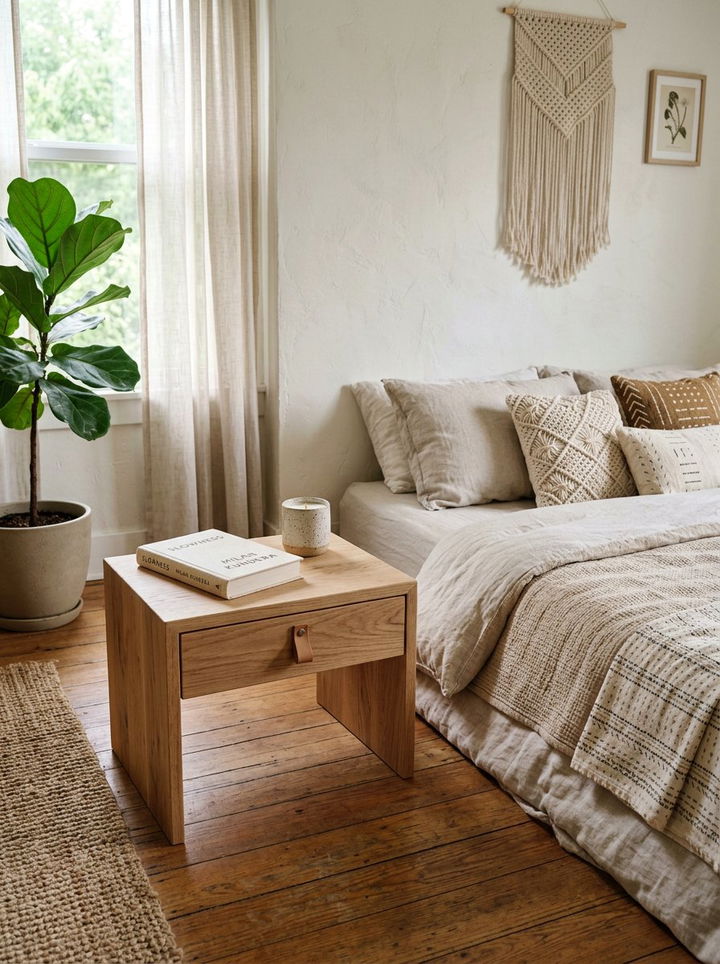
Selecting low height nightstands that sit at or below the level of your mattress is essential for a balanced look in a short room. Tall, towering bedside tables can make the ceiling feel even lower by occupying too much vertical real estate next to your bed. Small, minimalist nightstands provide enough surface area for your essentials without overcrowding the space. Look for designs with thin legs or open shelving to keep the area around the bed looking light and breezy. This small change contributes to an overall sense of proportion that respects the unique dimensions of a low-ceiling bedroom.
11. Exposed Ceiling Joists
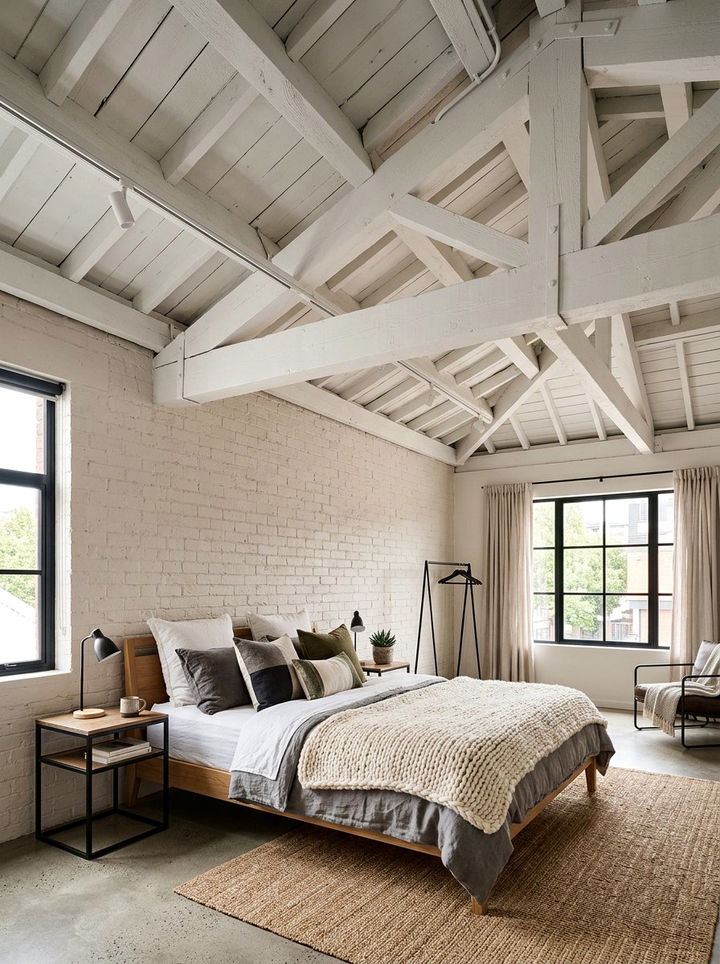
In some homes, exposing the structural ceiling joists can actually add a sense of height and architectural character to a bedroom. By removing a dropped ceiling and revealing the beams above, you often gain several inches of actual vertical space while creating a rhythmic pattern that draws the eye. Painting the beams and the space between them the same light color can make the room feel unified and expansive. If you prefer a rustic look, leaving the natural wood exposed adds warmth and texture. This design choice turns a low-ceiling limitation into a beautiful and deliberate focal point.
12. Monochromatic Color Palette
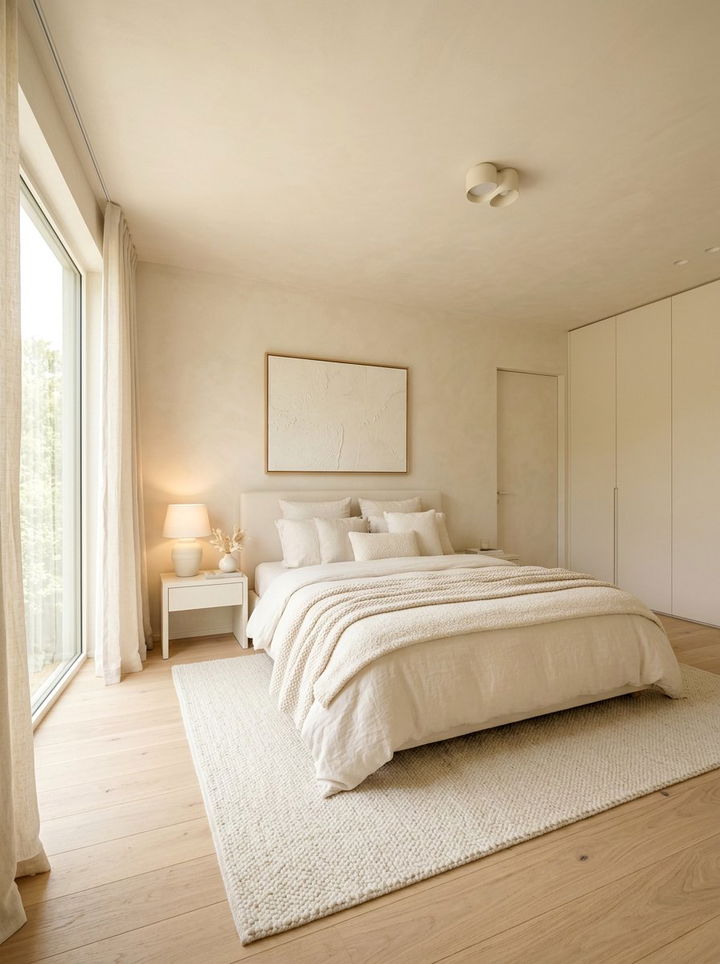
Using a monochromatic color palette is a sophisticated way to make a small or low room feel much larger. When the walls, trim, and even the ceiling are painted in very similar shades of a light color, the visual breaks are minimized. This lack of contrast prevents the eye from stopping at the corners or the ceiling line, making the entire space feel like one continuous, open area. Soft whites, creams, or very pale grays are excellent choices for this technique. By blending these surfaces together, you create a serene and seamless environment that feels remarkably spacious and modern.
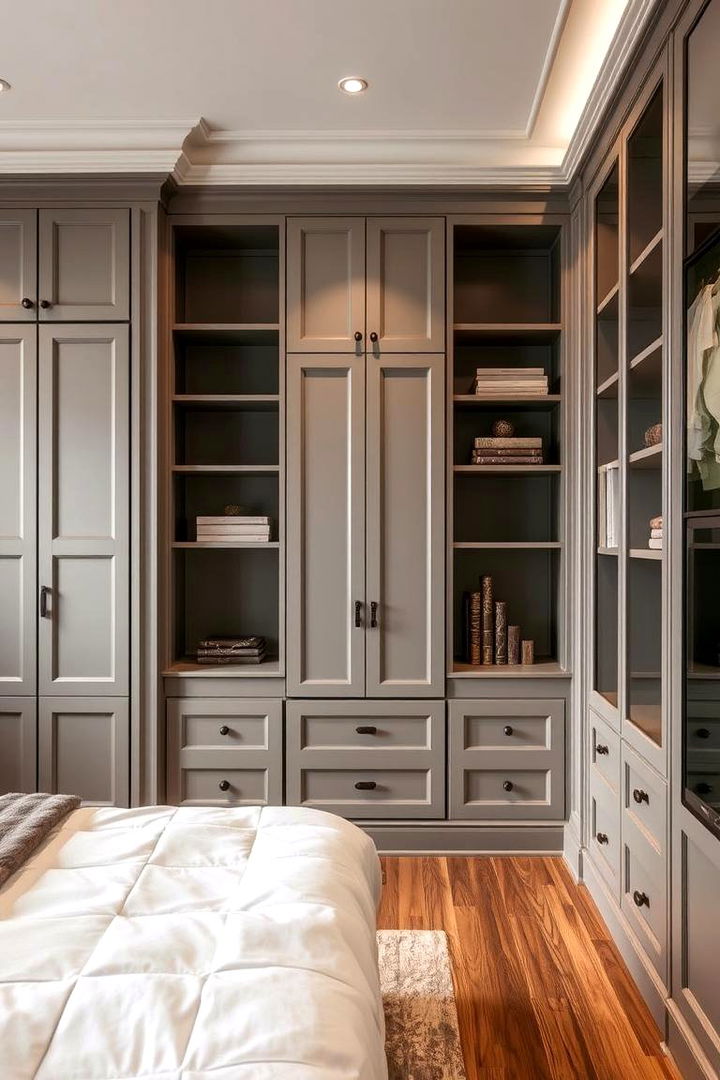
13. Built In Wall Shelving
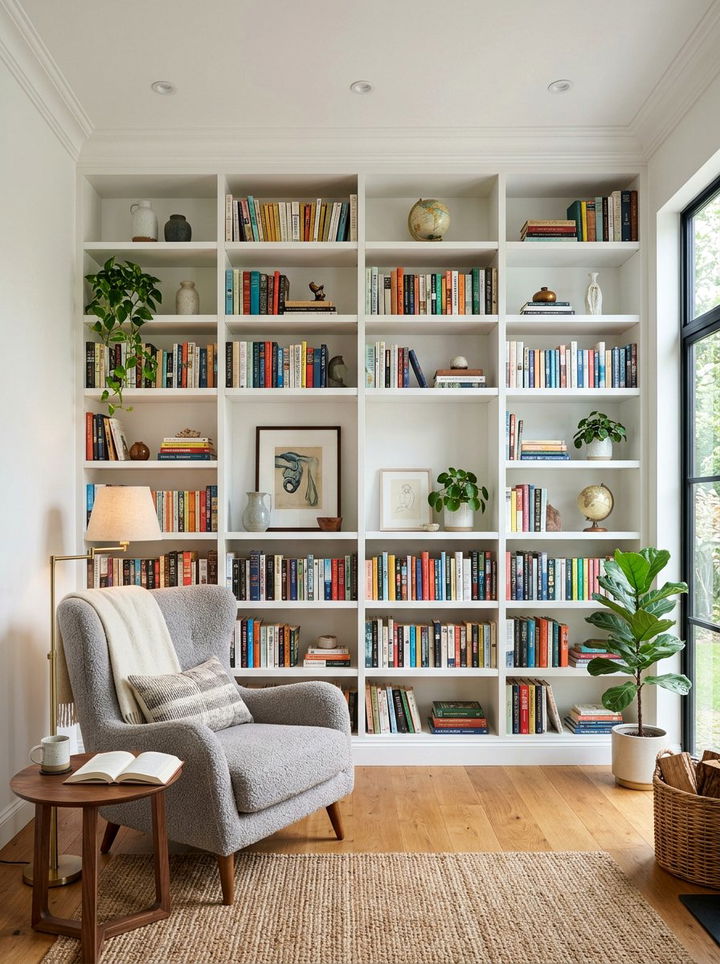
Built-in wall shelving that stretches from the floor toward the ceiling can help emphasize the verticality of your bedroom. These units provide excellent storage and display space while drawing the viewer’s gaze upward along the shelves. By integrating the storage directly into the walls, you also save valuable floor space, which is often at a premium in rooms with low ceilings. Keep the items on the shelves organized and avoid overcrowding them to maintain a clean and airy look. This functional design element adds both style and the illusion of extra height to your personal sanctuary.
14. Loft Style Bed
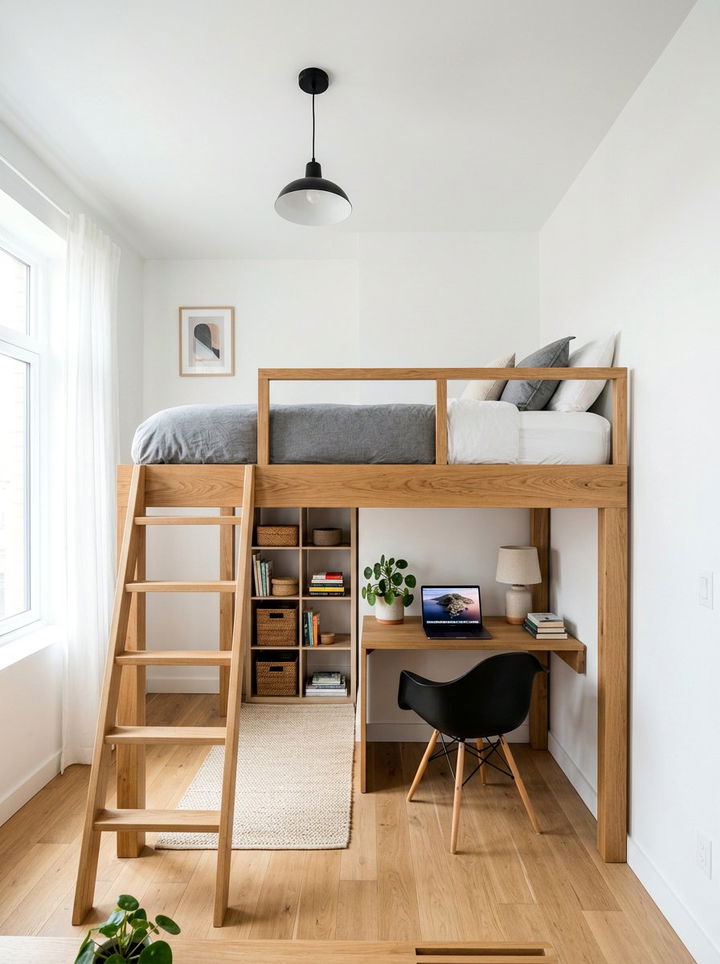
In rooms where the ceiling is low but you still need to maximize floor space, a loft-style bed can be an interesting solution. By elevating the sleeping area slightly — though not too close to the ceiling — you create usable space underneath for a desk or a cozy reading nook. This “split-level” approach can make the room feel more dynamic and purposeful. However, it is important to ensure there is enough clearance to sit up comfortably in bed. This design works particularly well in studio apartments or small guest rooms where every square inch of the room must be utilized efficiently.
15. Oversized Floor Rug

Placing an oversized floor rug that covers most of the bedroom floor can help ground the space and make it feel more expansive. When a rug is too small, it can make the floor look fragmented, which in turn makes the room feel smaller and the ceiling feel lower. A large rug that extends under the bed and bedside tables creates a wide, continuous base for the room. Choose light colors or subtle patterns to keep the floor looking bright. This simple addition adds comfort and warmth while visually pushing the walls outward and making the ceiling appear less intrusive.
16. Sconce Wall Lighting
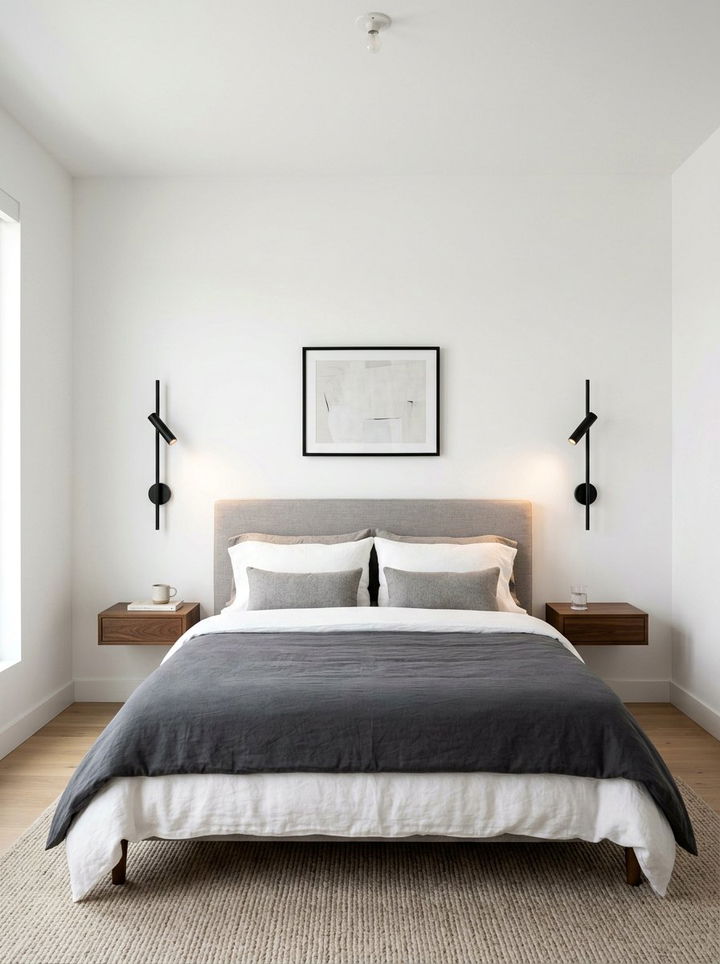
Replacing traditional table lamps with wall-mounted sconces is a brilliant space-saving trick for low-ceiling bedrooms. Sconces free up the surface of your nightstands, which helps to reduce visual clutter and keep the middle zone of the room clear. When installed at a medium height, they provide excellent task lighting for reading without hanging down from the ceiling and encroaching on your headspace. Look for adjustable arms or sleek, modern designs that complement your overall decor. This lighting choice keeps the “air” in the room feeling open and helps to highlight the verticality of the walls themselves.
17. Light Neutral Paint
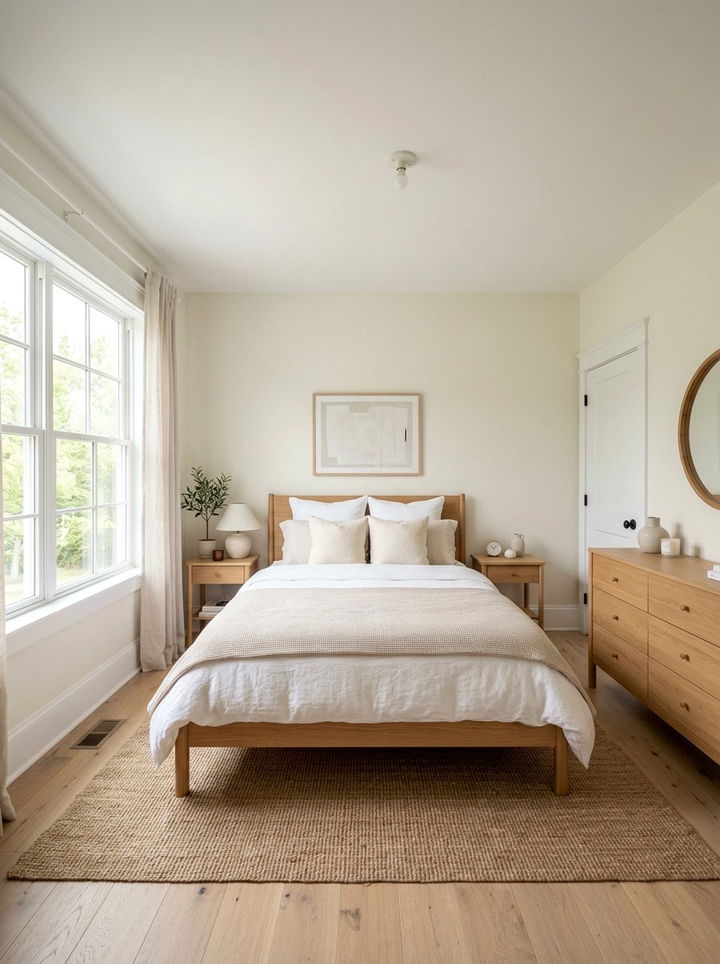
Applying light neutral paint to the walls is one of the most effective ways to combat the feeling of a low ceiling. Colors like soft ivory, pale sand, or light mist reflect natural light beautifully, making the walls seem to recede. This creates an open and airy atmosphere that makes the ceiling feel much less restrictive. Neutral tones also provide a calm and versatile backdrop for your furniture and decor. By keeping the color palette light and consistent, you ensure that the room feels cohesive, which is key to making any small or short space feel more comfortable.
18. Short Window Treatment
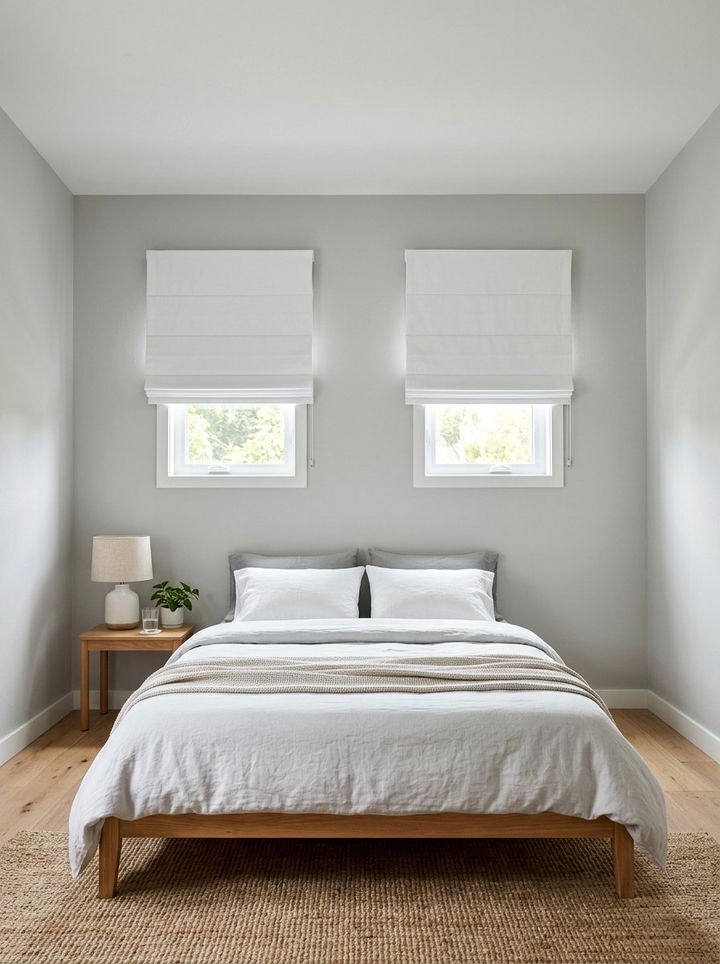
In bedrooms with low ceilings, windows are often positioned closer to the floor or are smaller in scale. Using short window treatments like Roman shades or café curtains can be a great way to handle these openings without overwhelming the wall. These options provide privacy and light control while leaving plenty of wall space visible above and below the window. This prevents the room from feeling “covered” in heavy fabric, which can sometimes make a space feel smaller. Choose fabrics that match the wall color to create a seamless look that doesn’t disrupt the visual flow of the room.
19. Frameless Wall Mirror
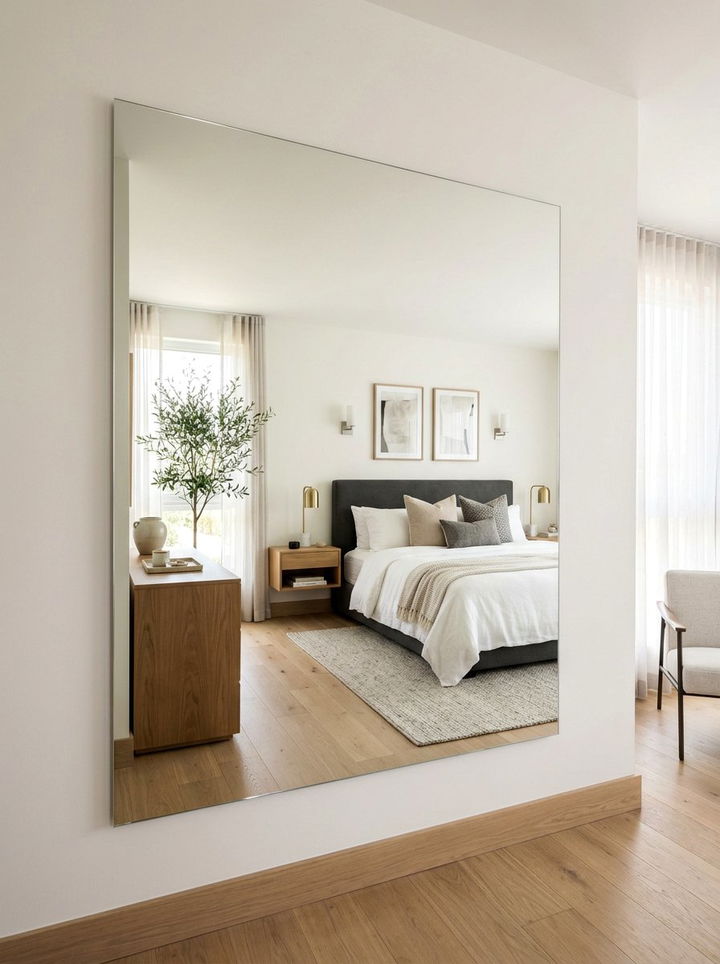
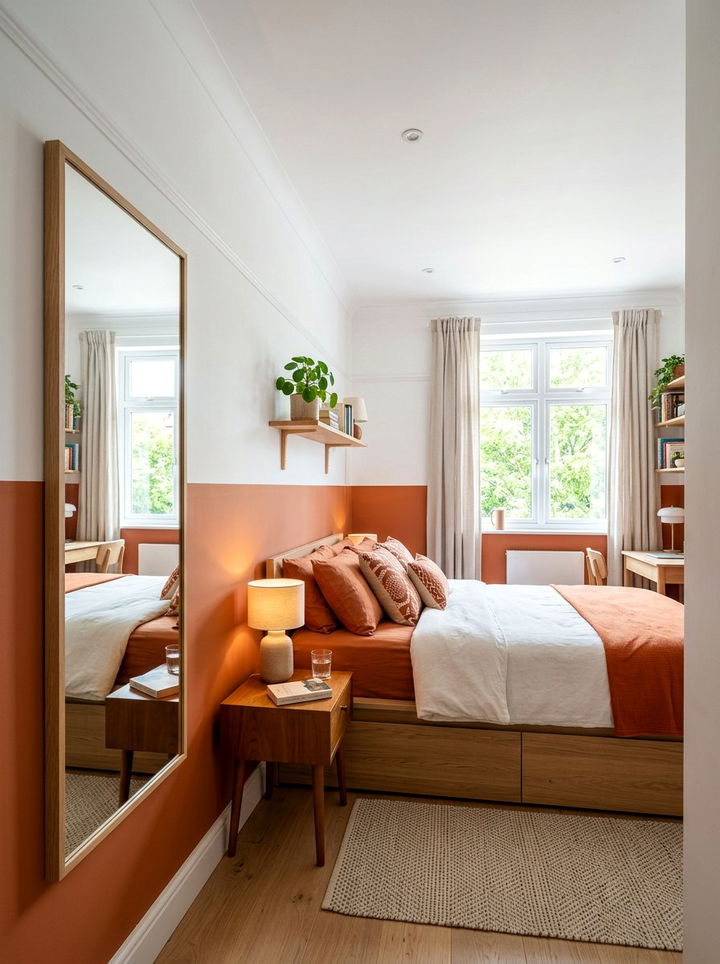
A frameless wall mirror is a sleek and modern addition that can significantly brighten a low-ceiling bedroom. Without a heavy frame to define its boundaries, the mirror blends into the wall more easily, creating a seamless reflection of the entire room. This lack of a border makes the reflected space feel like a natural extension of the bedroom, which helps to push the walls back and lift the ceiling. You can mount a large frameless mirror directly opposite a window to maximize the amount of natural light bouncing around the room, making every corner feel much more alive.
20. Sloped Ceiling Bedroom
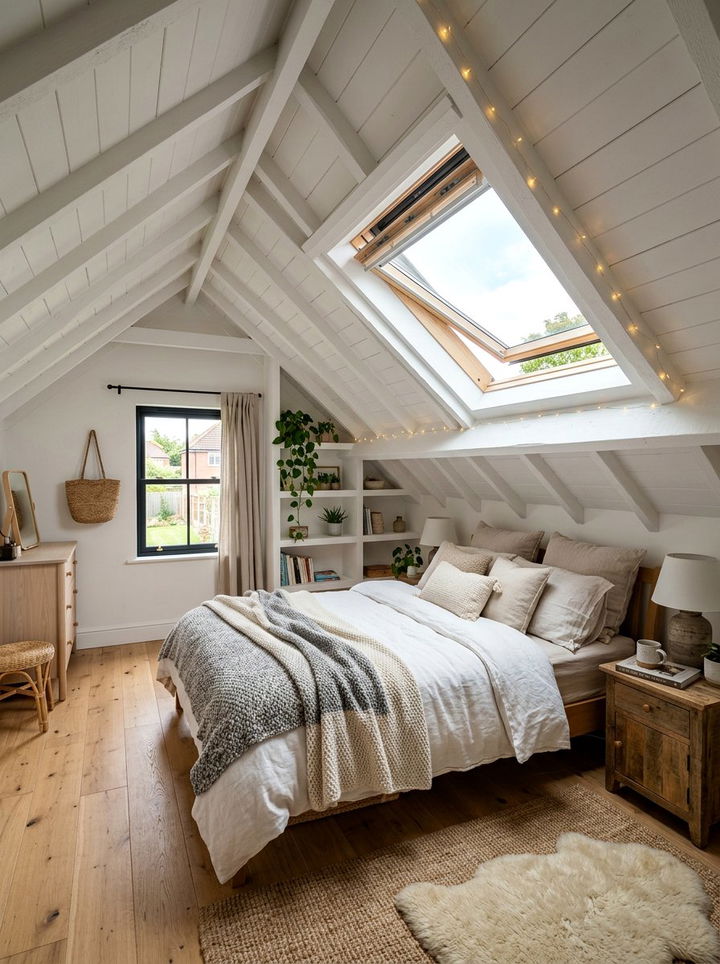
Embracing a sloped ceiling in an attic or top-floor bedroom requires a focus on coziness and smart furniture placement. Instead of fighting the low angles, use them to create a snug, “cocoon-like” atmosphere. Place the bed under the lowest part of the slope to create a dedicated sleeping nook, leaving the taller areas of the room for walking and dressing. Painting the entire space — both walls and the sloped ceiling — in the same light color can help to soften the sharp angles and make the room feel more unified. This approach turns a challenging architectural feature into a unique and charming asset.
21. Under Bed Storage
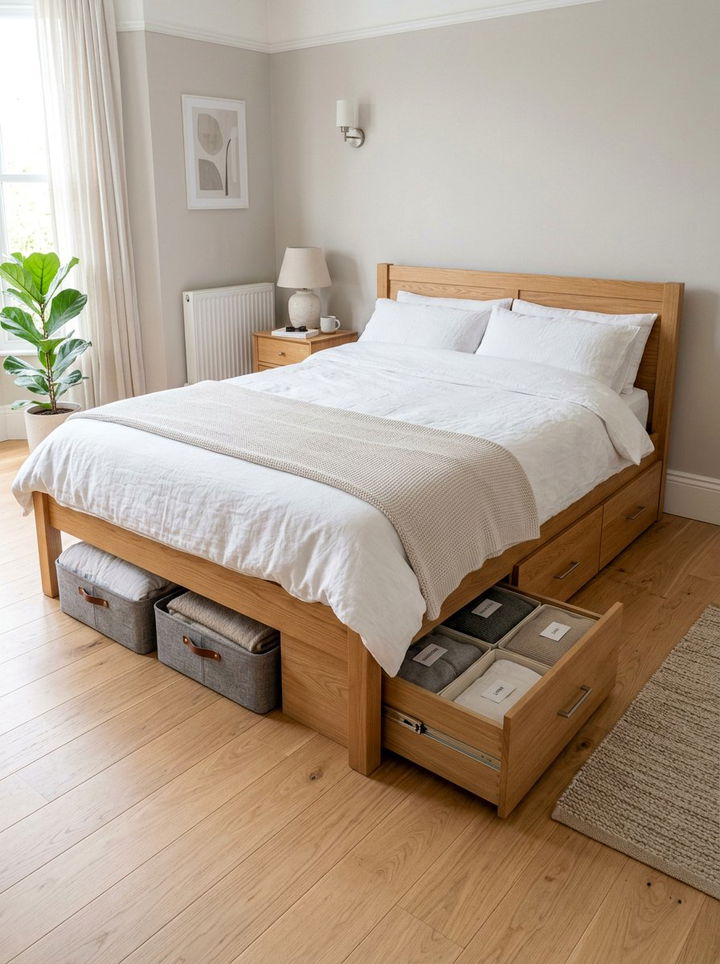
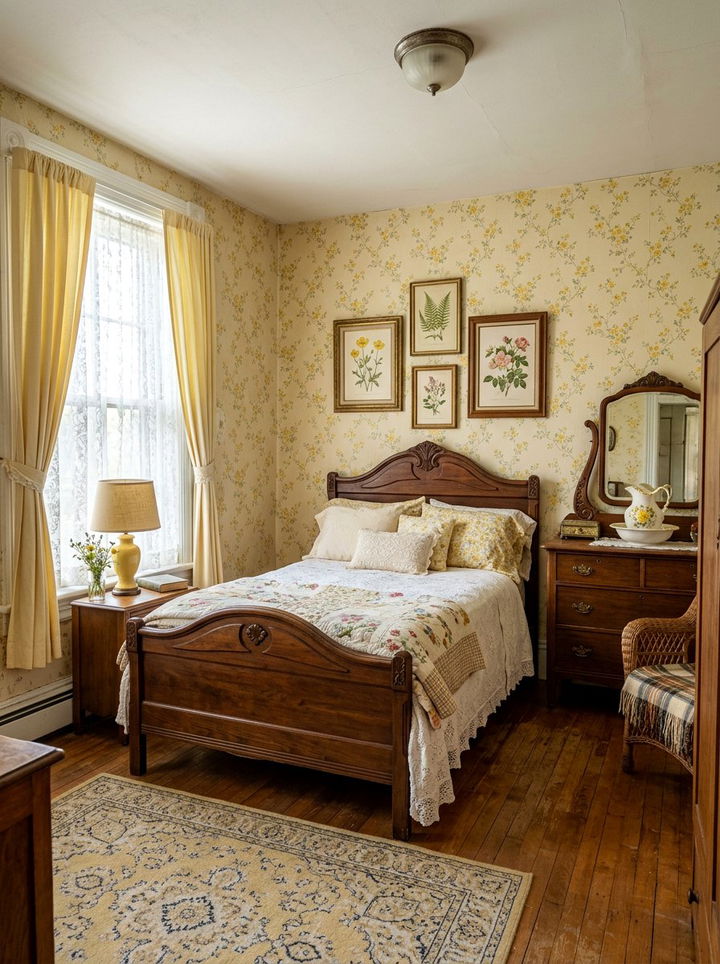
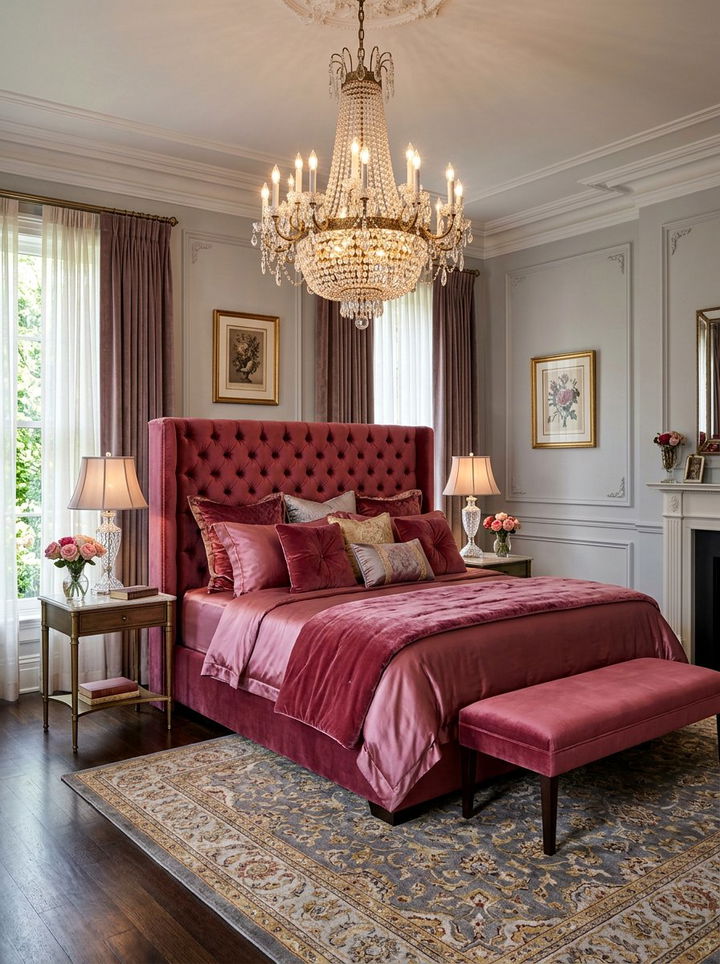
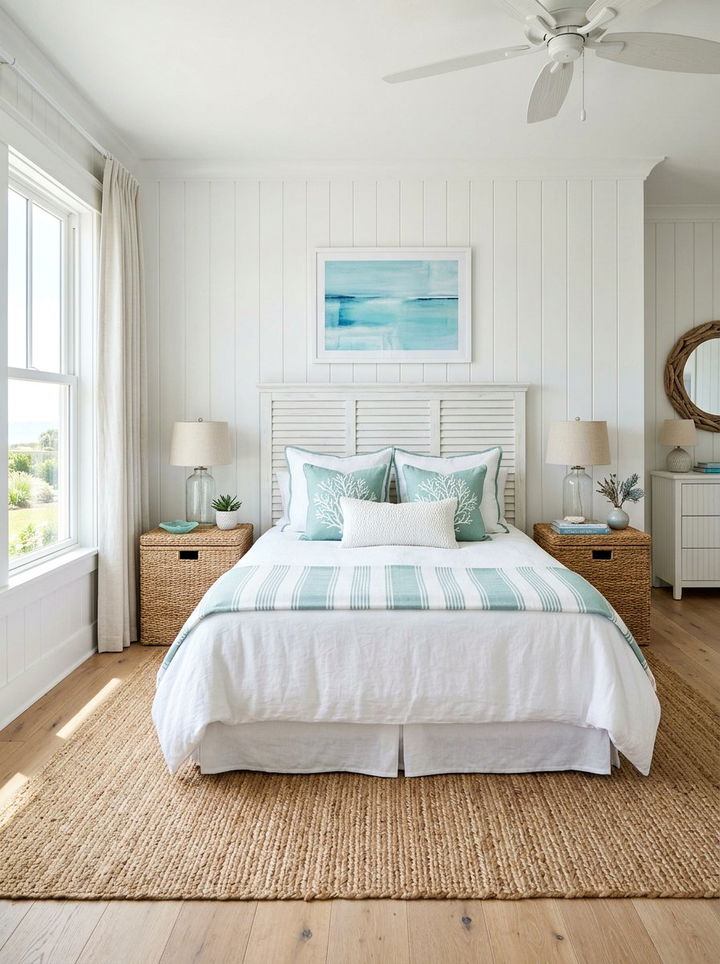
Utilizing under-bed storage is a fantastic way to keep a low-ceiling bedroom organized without adding extra furniture that takes up vertical space. By tucking away seasonal clothing, extra linens, or shoes beneath the bed frame, you eliminate the need for tall dressers or bulky wardrobes that can make a short room feel crowded. You can use integrated drawers or stylish baskets that slide easily out of sight. Keeping the floor and walls clear of excess clutter allows the eye to move freely around the room, which is essential for maintaining a sense of openness and tranquility in any small space.
22. Floor Seating Arrangement
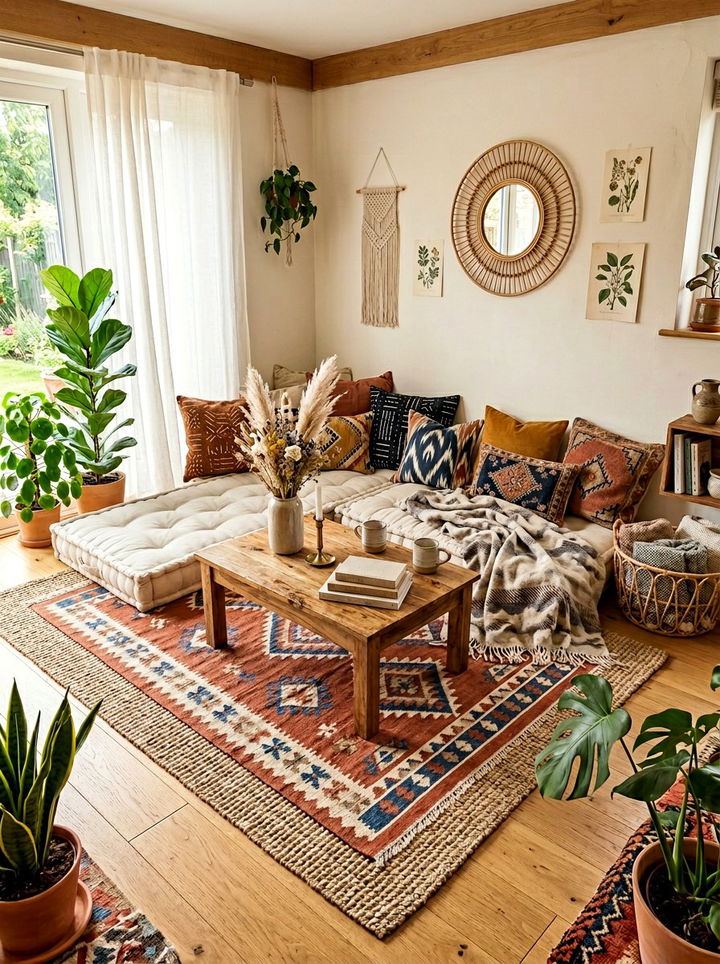
Incorporating a floor seating arrangement, such as plush floor cushions or a low-profile lounge chair, is a great way to emphasize the height of a room. When you sit closer to the ground, the distance to the ceiling naturally feels greater, which helps the space feel more expansive. This style of seating is perfect for creating a relaxed reading corner or a meditation spot within your bedroom. It adds a bohemian or Zen-like touch to the decor while keeping the middle and upper sections of the walls completely clear. This strategy is both functional and visually effective for short rooms.
23. Japandi Bedroom Style
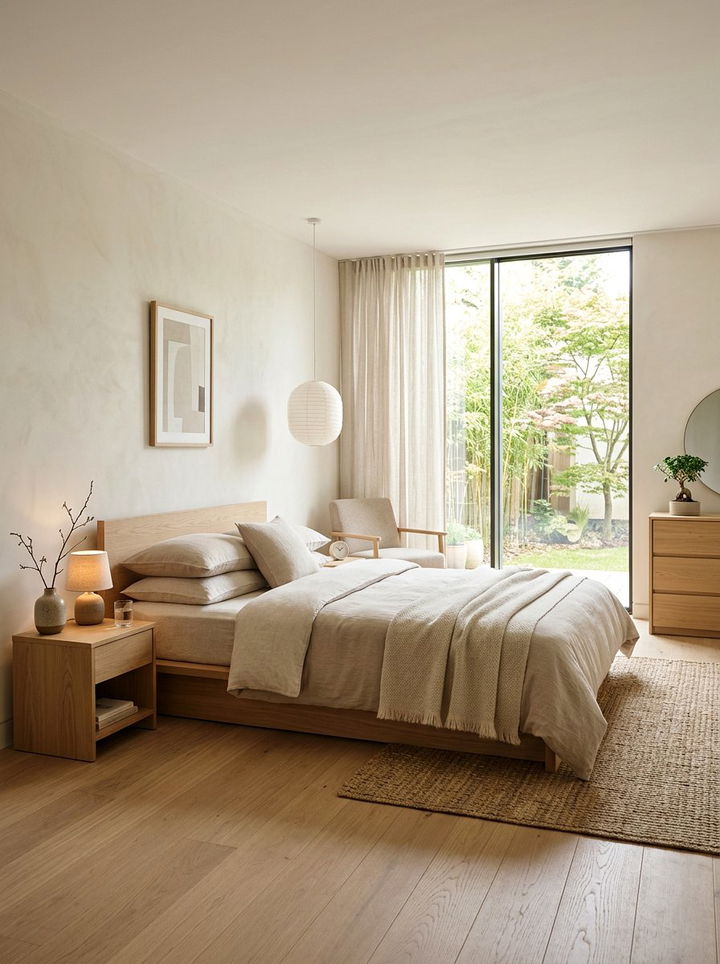
The Japandi design style, which blends Japanese minimalism with Scandinavian functionality, is perfectly suited for low-ceiling bedrooms. This aesthetic focuses on clean lines, natural materials, and low-profile furniture that respects the proportions of the space. By using a restrained color palette and focusing on quality over quantity, Japandi style creates a sense of calm and order. The emphasis on “less is more” ensures that the room never feels cluttered or overwhelmed by tall objects. This balanced approach to design helps to highlight the beauty of the room’s architecture while making the ceiling feel light and airy.
24. Small Scale Furniture
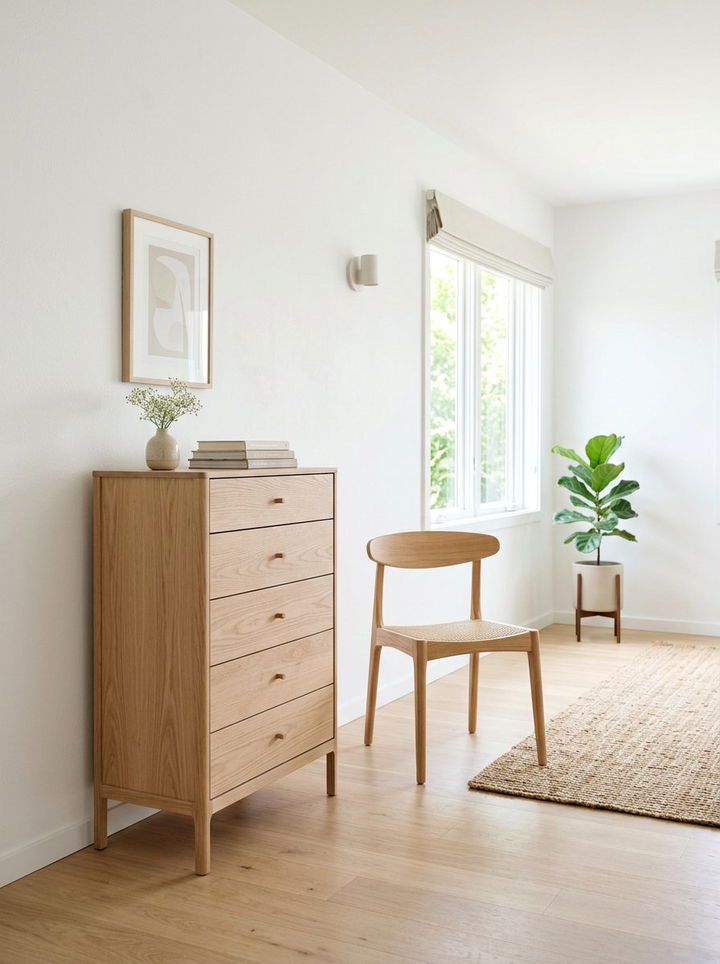
Selecting small-scale furniture is a key principle when decorating a bedroom with a low ceiling. Overstuffed chairs or massive wardrobes can easily overpower a short room, making it feel cramped and uncomfortable. Instead, look for furniture with slim profiles, tapered legs, and shorter heights. These pieces provide all the functionality you need without taking up too much visual or physical space. By leaving more room around each piece of furniture, you allow air and light to circulate more freely. This creates a more breathable environment where the ceiling height doesn’t feel like a limitation but rather a cozy feature.
25. Sheer Window Curtains
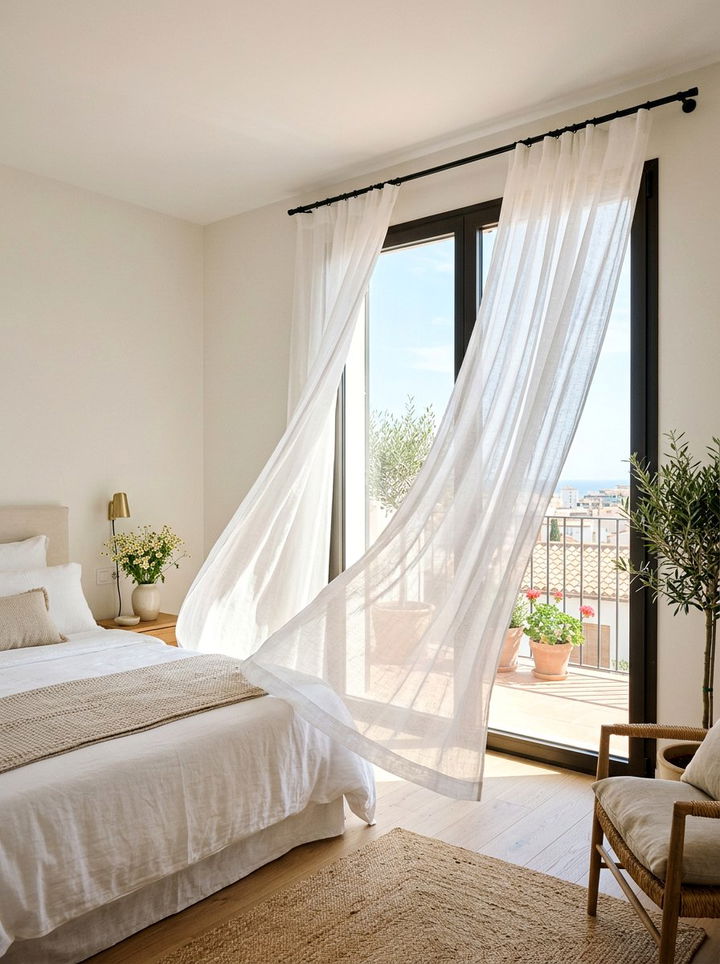
Sheer window curtains are an excellent choice for low-ceiling bedrooms because they provide privacy while allowing a maximum amount of light to enter. The translucent fabric creates a soft, diffused glow that makes the room feel bright and ethereal. Because they are lightweight and often lack heavy patterns, they don’t draw too much attention to the window line, which helps the walls feel taller. You can pair them with a simple rod placed close to the ceiling to maximize the vertical line. This airy window treatment adds a touch of softness and elegance to the bedroom without feeling heavy.
26. Minimalist Art Display
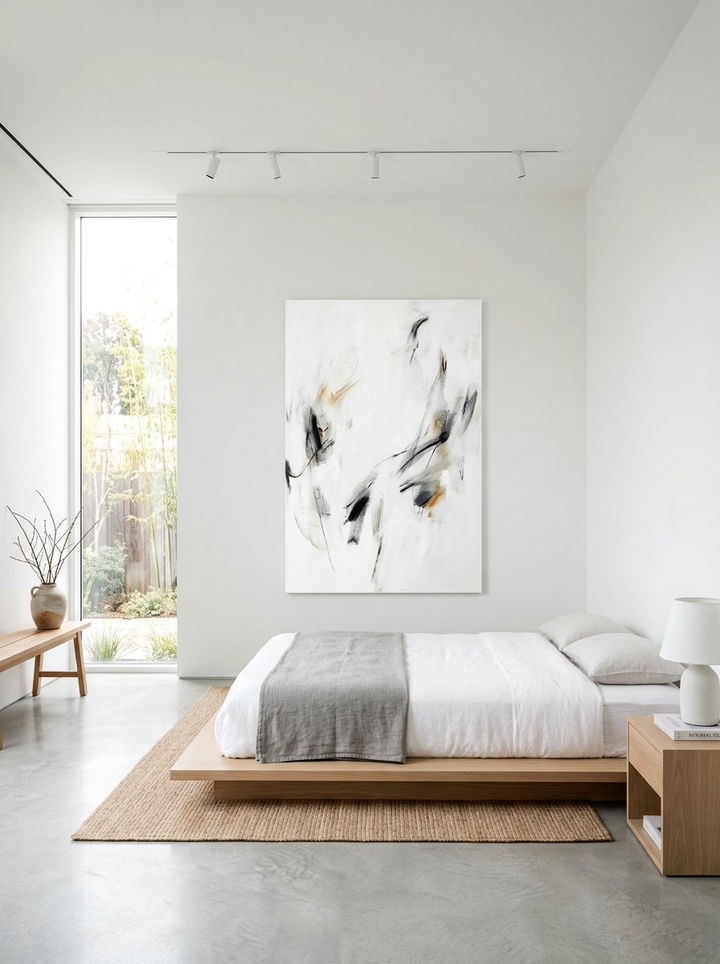
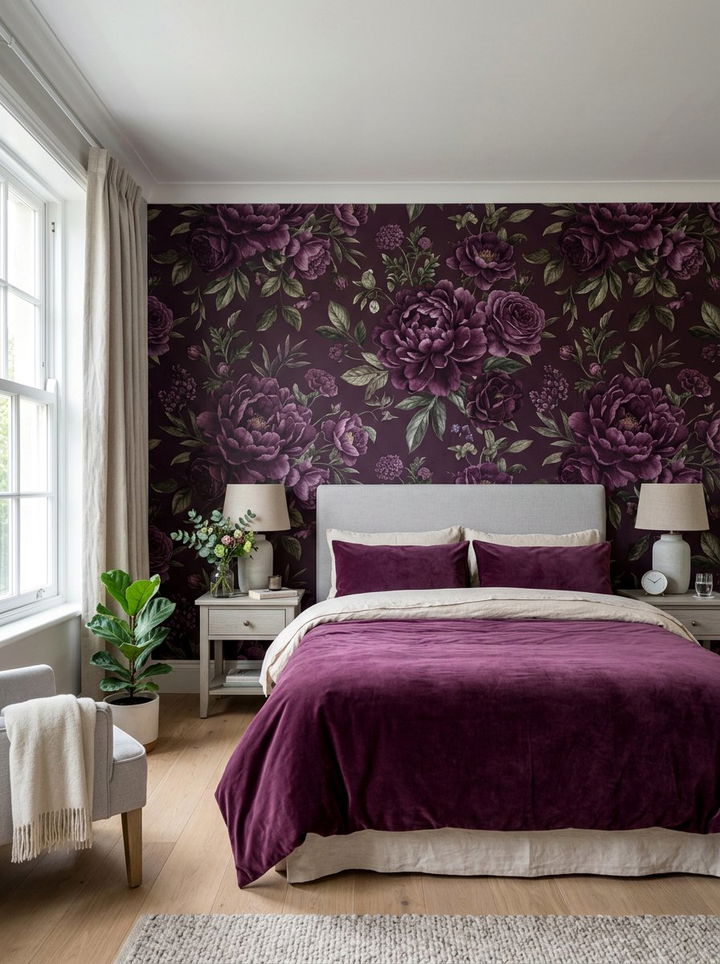
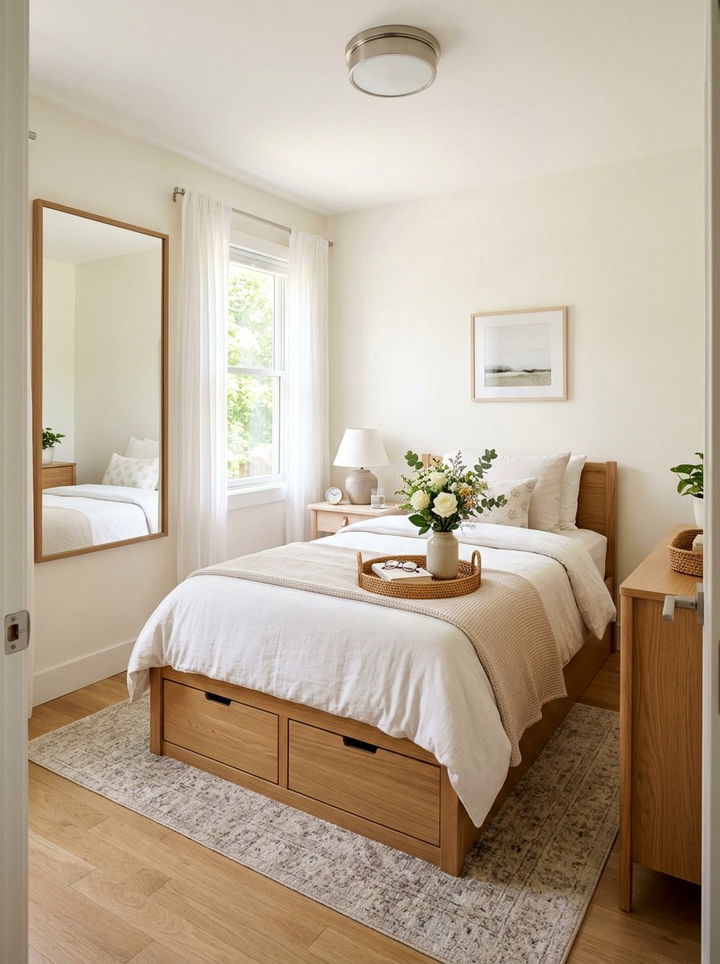
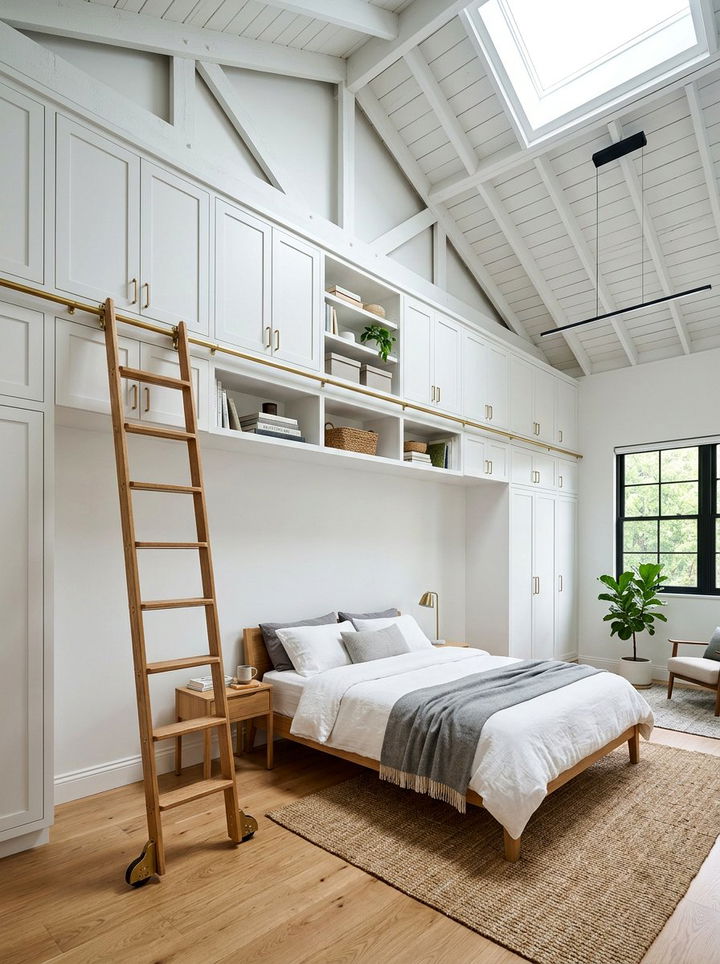
A minimalist art display, featuring one or two large pieces of art with plenty of white space, can help a low room feel more curated and open. Hanging art vertically can also help to draw the eye upward, subtly emphasizing the height of the walls. Avoid creating a cluttered gallery wall with many small frames, as this can make the wall space feel fragmented and busy. Instead, choose artwork that has a clean and simple aesthetic. By leaving plenty of empty wall space around your art, you create a sophisticated look that feels intentional and helps the entire bedroom breathe.
27. Integrated Headboard Lighting
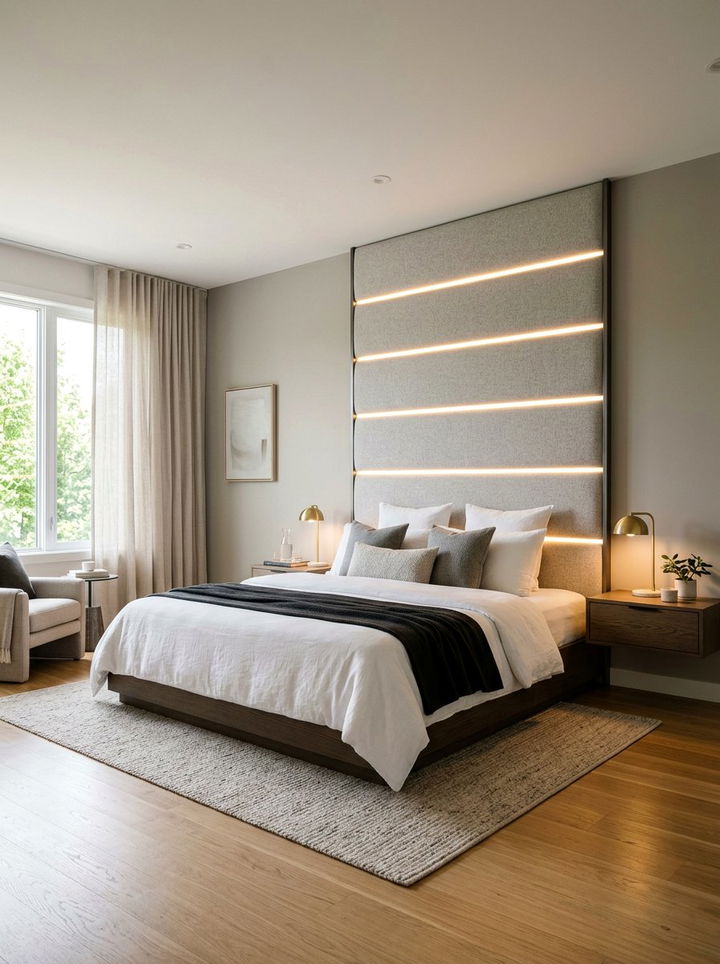
Integrated headboard lighting is a modern and functional design element that works beautifully in bedrooms with limited ceiling height. By building LEDs or small lamps directly into the headboard, you eliminate the need for bulky bedside lamps or hanging pendants that might interfere with the overhead space. This creates a clean, streamlined look that keeps the focus on the bed as the focal point. The soft light emanating from the headboard also adds a layer of depth and warmth to the room. It is a smart way to incorporate essential lighting while maintaining a minimalist and open atmosphere.
28. Glossy Paint Finish
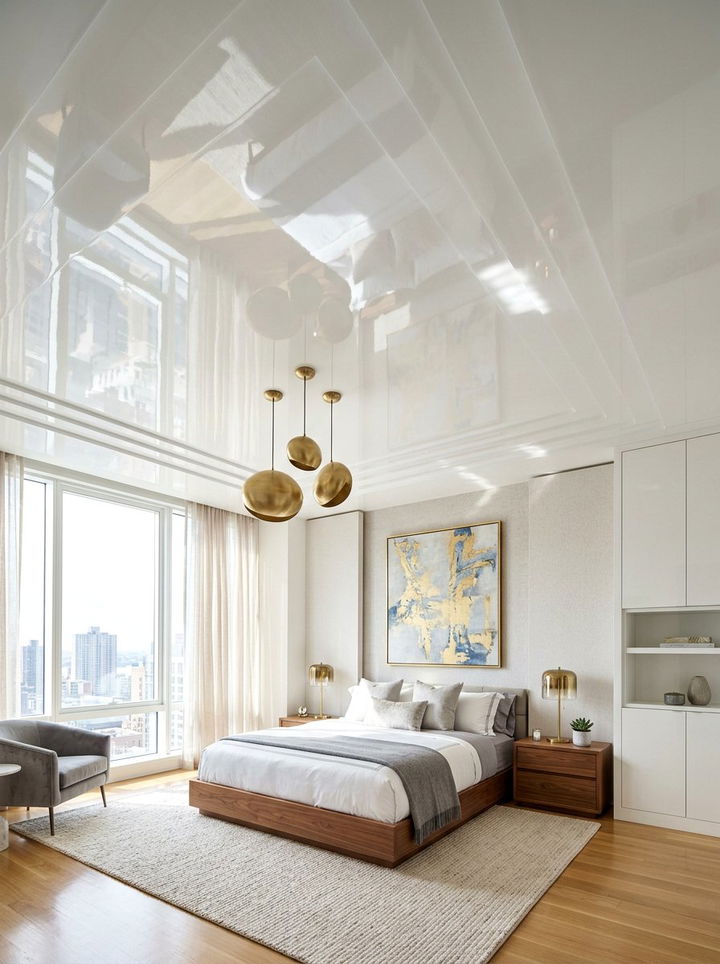
Using a glossy or semi-gloss paint finish on a low ceiling can help to reflect light and create a sense of depth. While matte finishes are great for hiding imperfections, a glossier finish acts somewhat like a mirror, bouncing light from windows and lamps across the room. This reflection can make the ceiling feel further away and less solid, which helps to open up the entire space. It is a bold design choice that adds a touch of luxury and modern flair to any bedroom. When combined with light colors, a glossy ceiling can transform a dark room into a bright one.
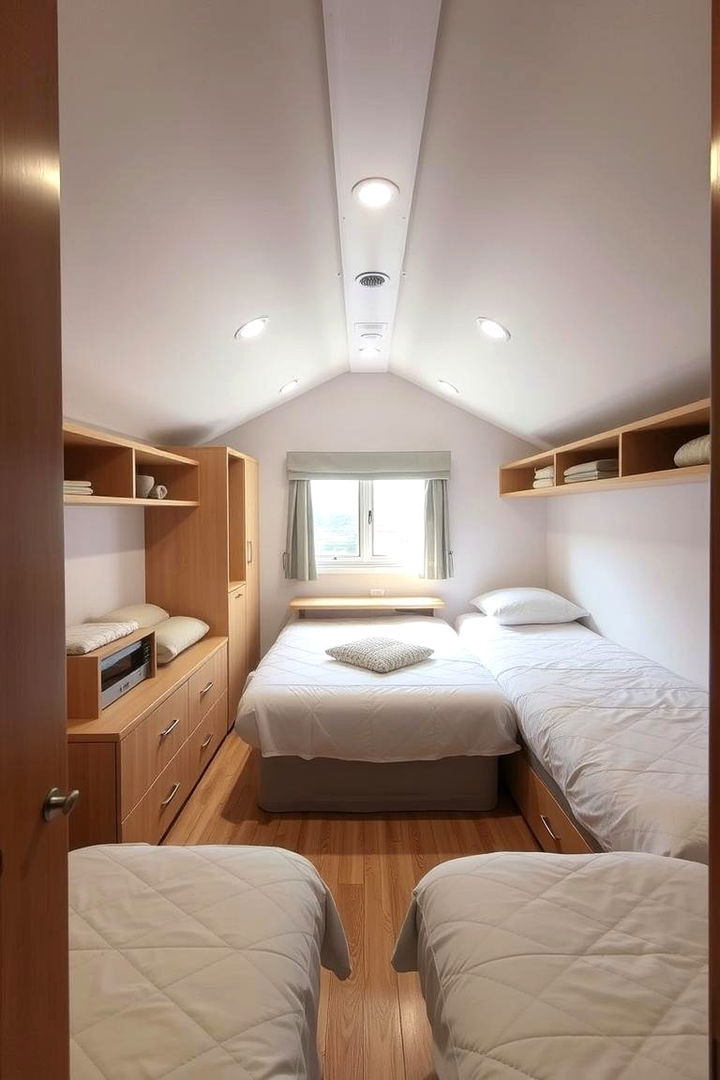
29. Attic Nook Bed
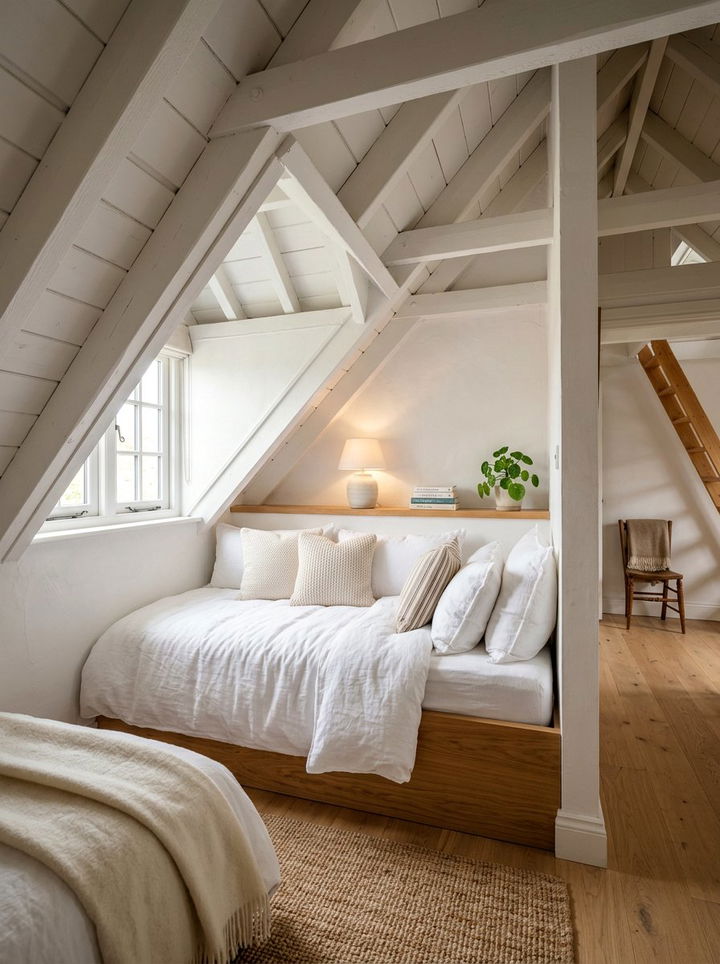
Creating an attic nook bed by tucking the sleeping area into a corner where the ceiling is lowest can be a very charming use of space. This setup turns a potentially awkward area into a cozy and private retreat. By embracing the low clearance, you free up the taller parts of the room for movement and other furniture. You can add soft lighting and plenty of pillows to make the nook feel extra inviting. This design strategy works with the architecture of the home to create a unique and functional layout that feels like a deliberate and stylish choice.
30. Transom Window Install
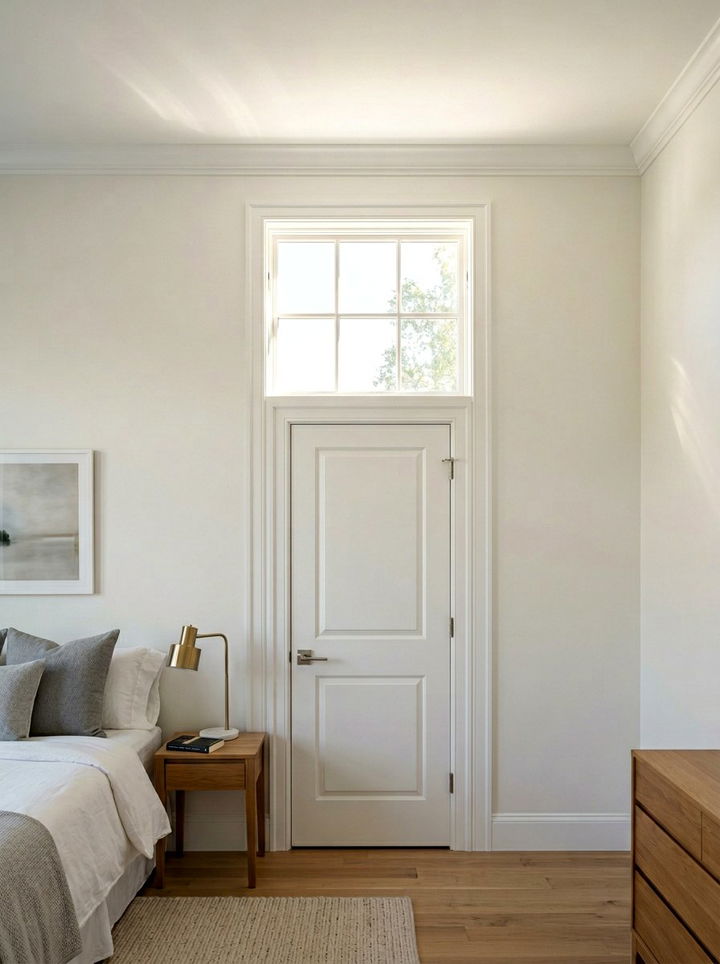
Installing a transom window above your bedroom door or higher up on a wall can bring in extra light from adjacent rooms or the outdoors. These small, horizontal windows are positioned near the top of the wall, which helps to draw the eye upward and emphasize the ceiling height. They provide a sense of openness and connectivity without sacrificing privacy. This architectural detail adds a classic and sophisticated touch to any home. By introducing light at a high level, you help to illuminate the upper parts of the room, making the ceiling feel much lighter and the space more expansive.
Conclusion:
Designing a bedroom with a low ceiling does not mean you have to sacrifice style or comfort in your personal home. By implementing these thoughtful and creative ideas, you can easily transform a short space into an open, airy, and inviting sanctuary that you truly enjoy. From choosing low-profile furniture and vertical patterns to maximizing natural light through skylights and mirrors, each strategy helps to lift the room visually. The key is to maintain a balance between functionality and aesthetics while respecting the unique proportions of your space. Embrace these design tricks to create a beautiful bedroom that feels remarkably spacious and modern.
Related posts: