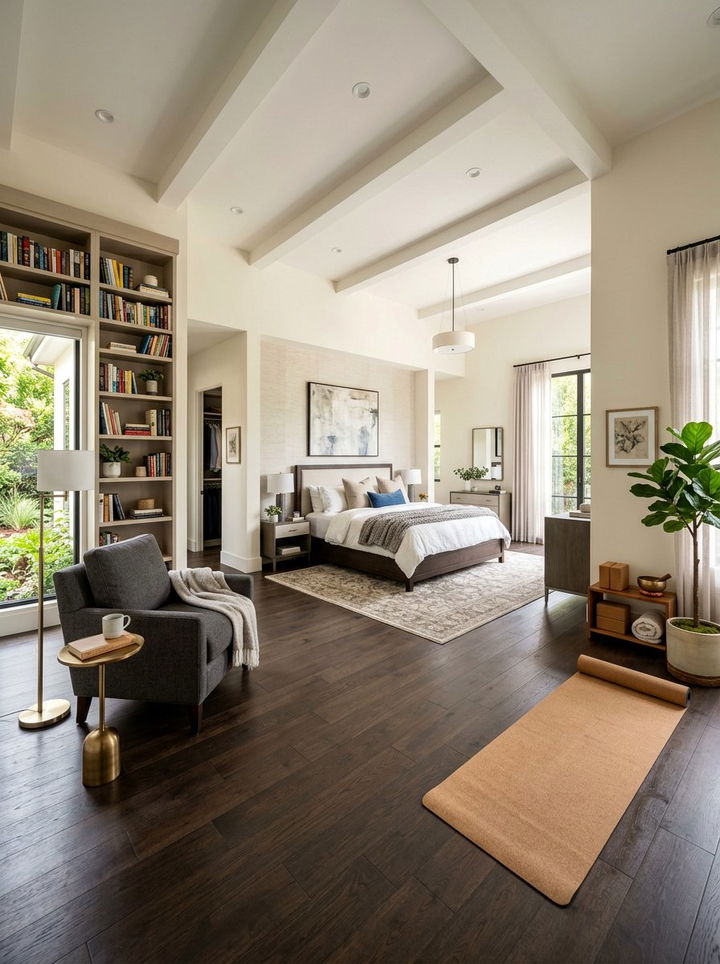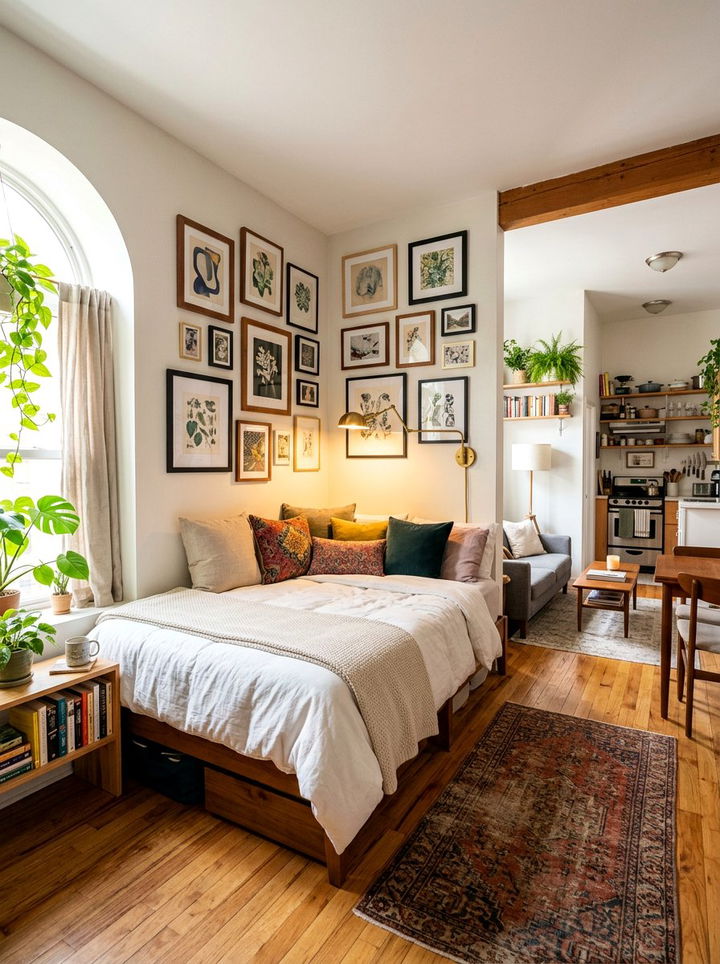
Designing a long and narrow bedroom often feels like a complex puzzle where you struggle to balance functionality with a cozy atmosphere. Many homeowners find these “tunnel” shaped rooms intimidating because traditional furniture layouts can leave the space feeling awkward or cramped. However, a rectangular floor plan actually offers a unique opportunity to create distinct zones for sleeping, working, or relaxing that a standard square room cannot easily accommodate. By understanding how to manipulate visual weight, lighting, and furniture placement, you can transform a challenging layout into a sophisticated sanctuary. This guide explores thirty creative ways to master the proportions of a long bedroom, ensuring every inch serves a meaningful purpose while maintaining a beautiful aesthetic.
1. Master Suite With Sitting Area
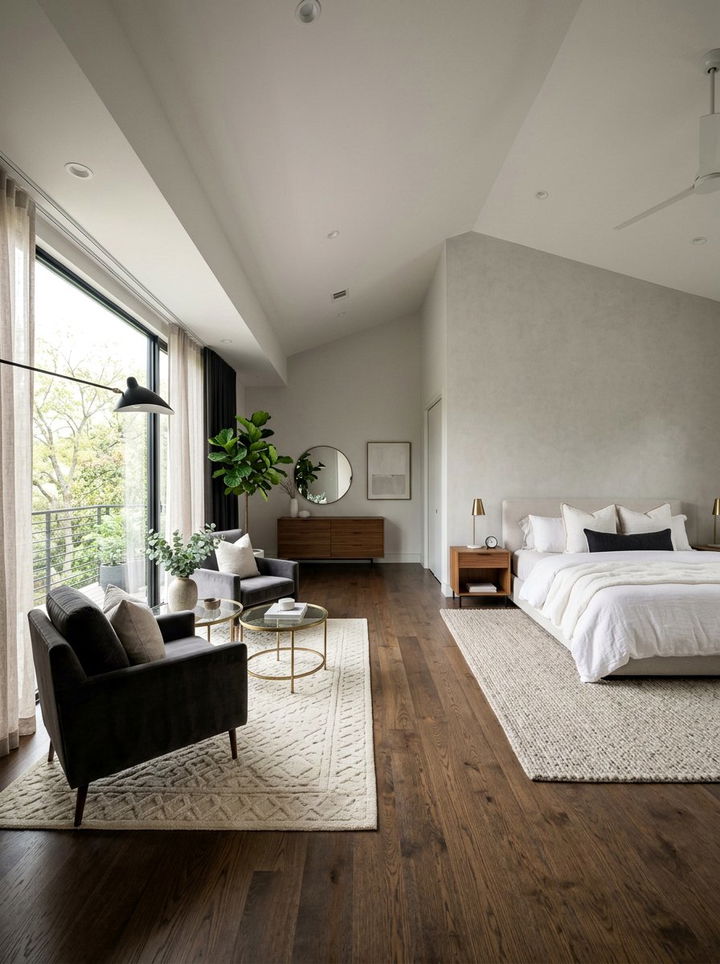
Have you ever walked into a long bedroom and felt like you were standing in a hallway rather than a relaxing sanctuary? Creating a master suite with a dedicated sitting area is one of the most effective ways to break up that tunnel vision while adding luxury to your home. By placing your bed at one end and a pair of cozy armchairs or a small loveseat at the other, you establish two distinct functional zones. A beautiful rug under the bed and another under the chairs helps define these spaces without needing physical walls. This layout turns a structural challenge into an intentional retreat where you can sleep and unwind comfortably.
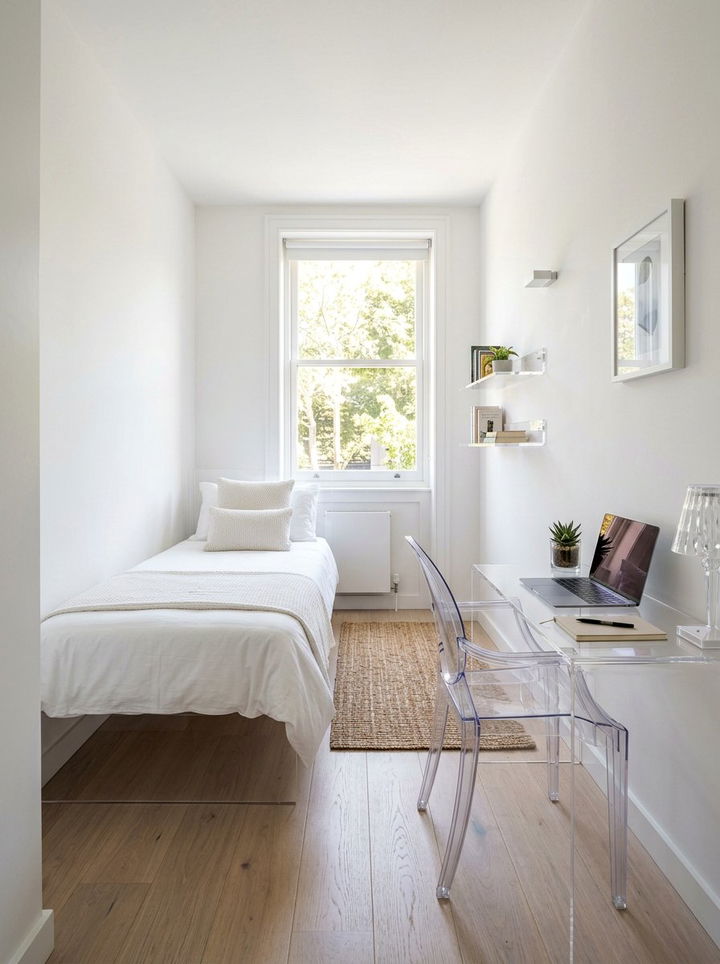
2. Narrow Room Layout With Desk
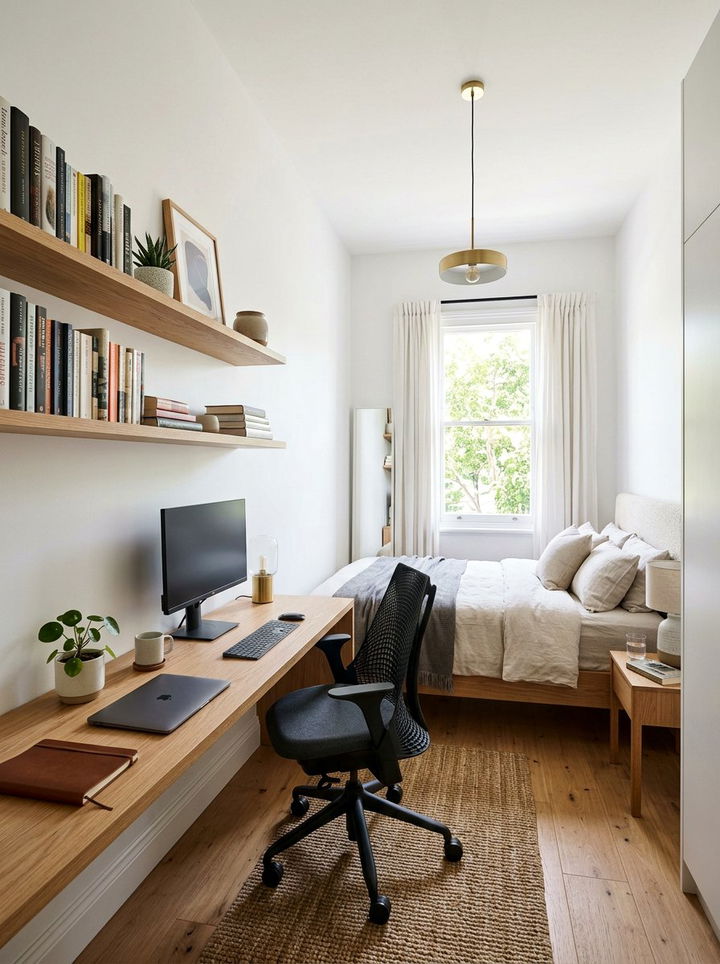
Integrating a home office into a narrow bedroom requires a smart approach to ensure the space remains restful while being productive. One of the best strategies is to utilize the length of the room by placing a slim, elongated desk against one of the long walls. This keeps the central walkway clear and prevents the room from feeling cluttered or overcrowded. To maintain a cohesive look, choose a desk that matches the wood tone or color of your bed frame. Adding floating shelves above the desk provides essential storage for books and office supplies without taking up valuable floor space in your slender room.
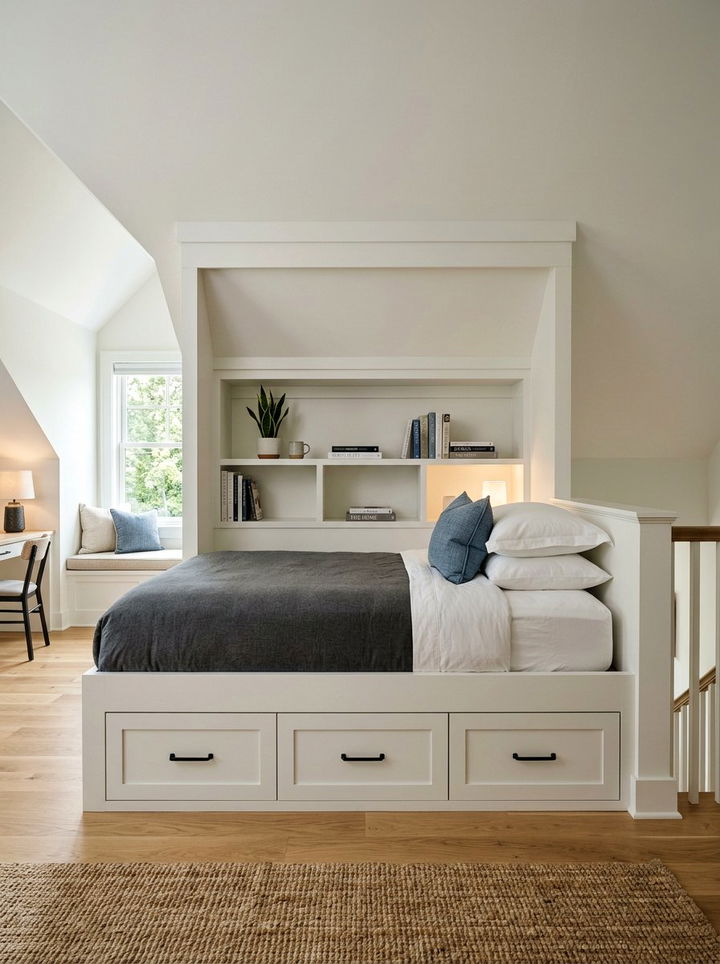
3. Window Seat Storage
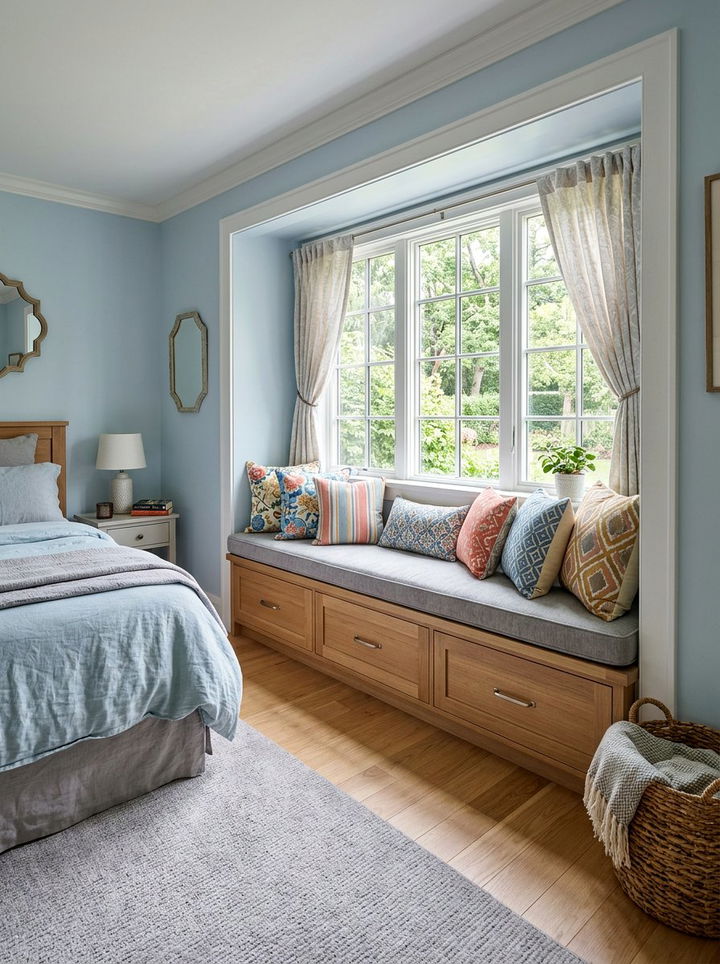
Utilizing the far end of a long bedroom for a custom window seat is a brilliant way to add both charm and utility. If your room has a window at the narrow end, building a bench underneath creates a natural focal point that draws the eye forward. This architectural feature breaks up the length of the room and provides a perfect nook for reading or putting on shoes in the morning. To maximize efficiency, include deep drawers or a flip-top lid within the bench for extra linen storage. Soft cushions and colorful throw pillows will make this area feel integrated into the overall bedroom design.
4. Small Long Room Loft Bed
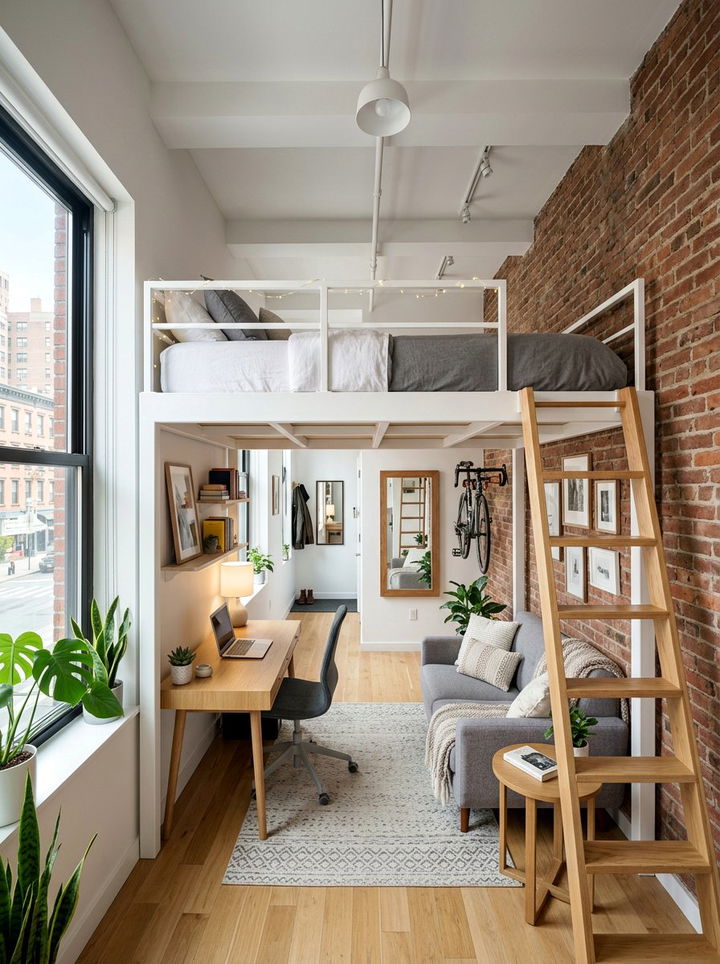
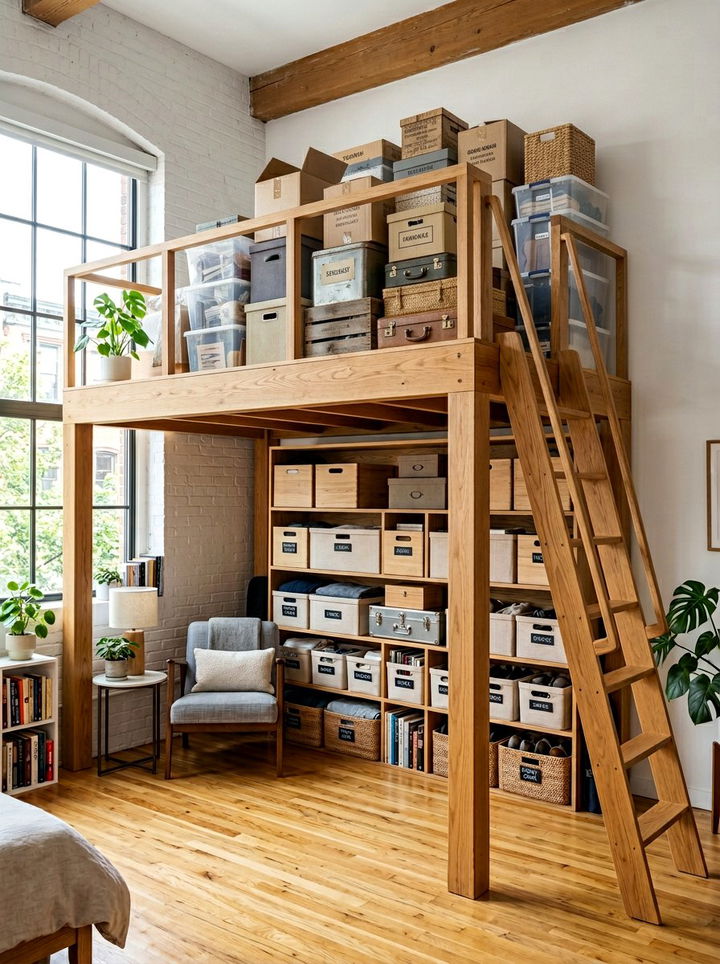
When you are dealing with a very narrow bedroom that lacks floor space, thinking vertically is the most effective solution for comfort. A high-quality loft bed allows you to elevate the sleeping area, effectively doubling the usable square footage underneath for other essential activities. You can transform the space below into a cozy lounge, a walk-in closet, or even a full workstation. This approach is particularly useful in studio apartments or older homes with unconventional room shapes. By lifting the bed, you create a sense of openness that prevents the long, narrow floor plan from feeling like it is closing in on you.
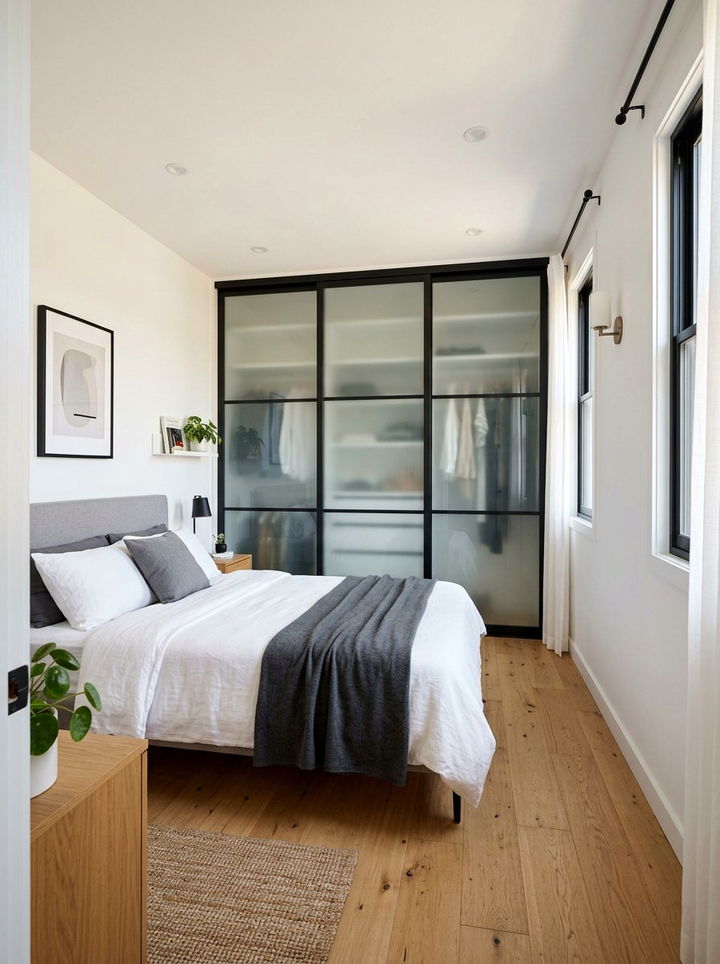
5. Glass Partition Zone
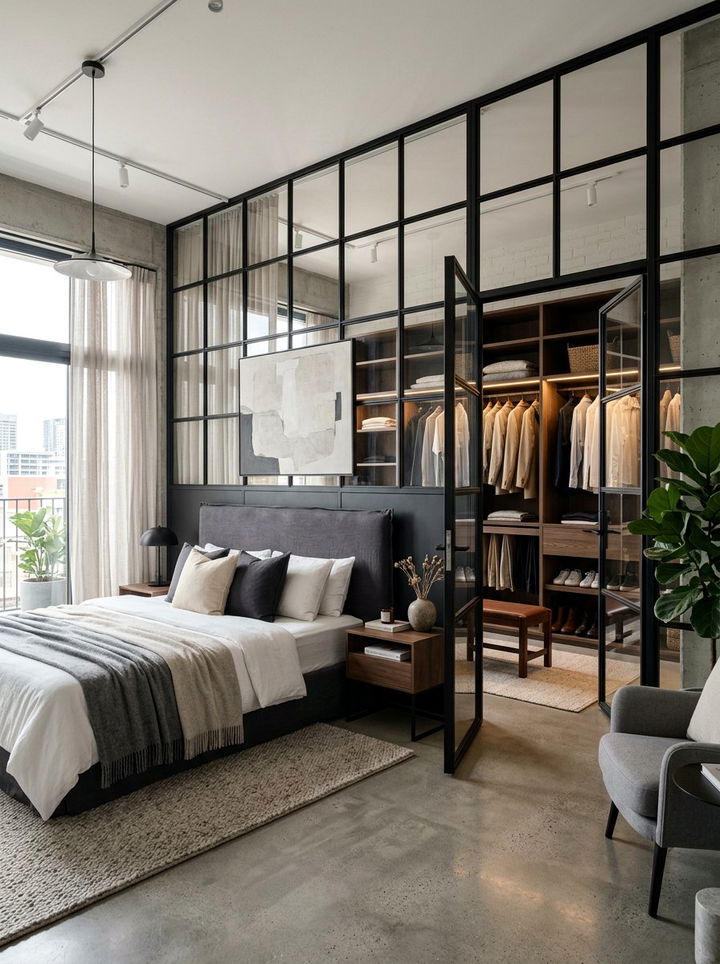
Do you want to divide your long bedroom without making it feel smaller or blocking the natural light from the windows? A glass partition is a modern and sophisticated way to create a physical boundary between your sleeping area and a dressing or lounging zone. Using a black-framed steel and glass divider adds an industrial-chic touch while maintaining a continuous sightline through the entire space. This keeps the room feeling airy and bright while providing the structural definition needed to make a long room feel organized. It is a perfect solution for those who appreciate open-concept living but want some functional separation.
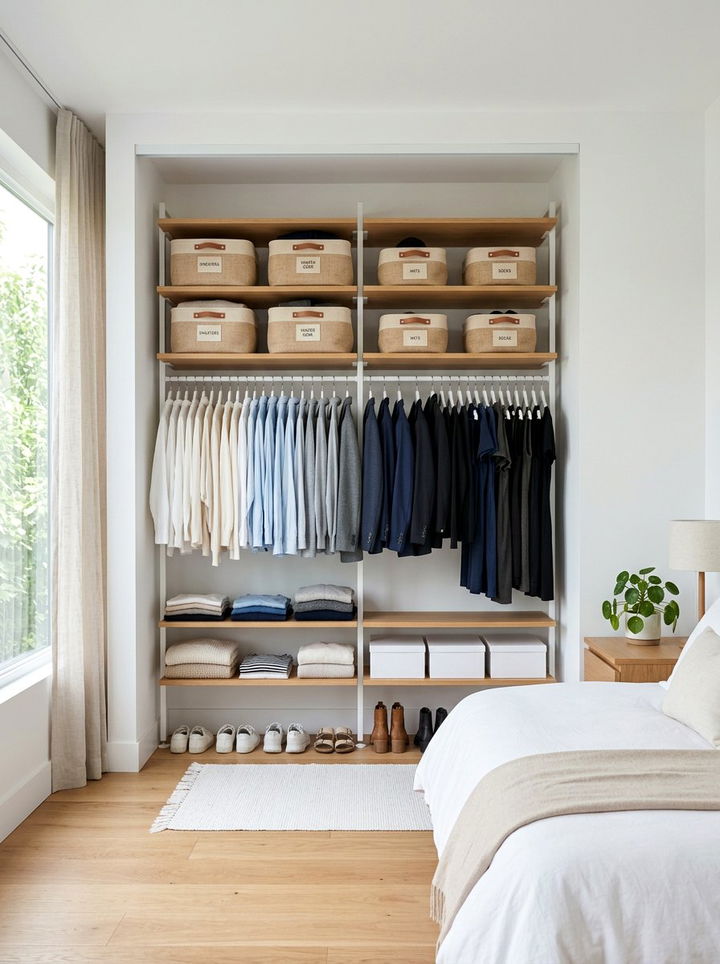
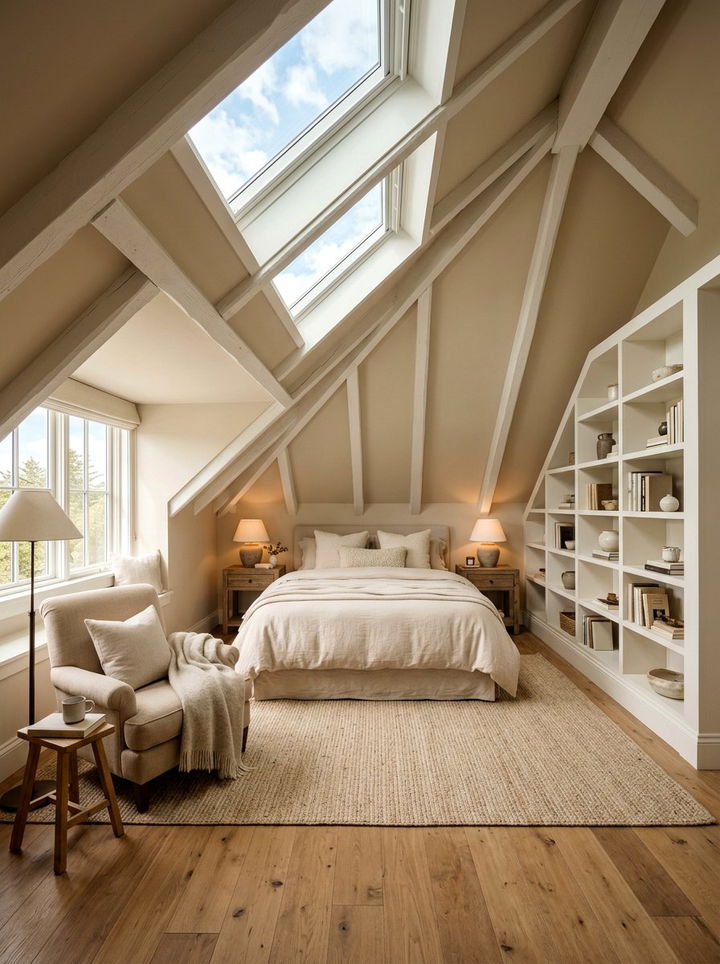
6. Walk In Closet Division
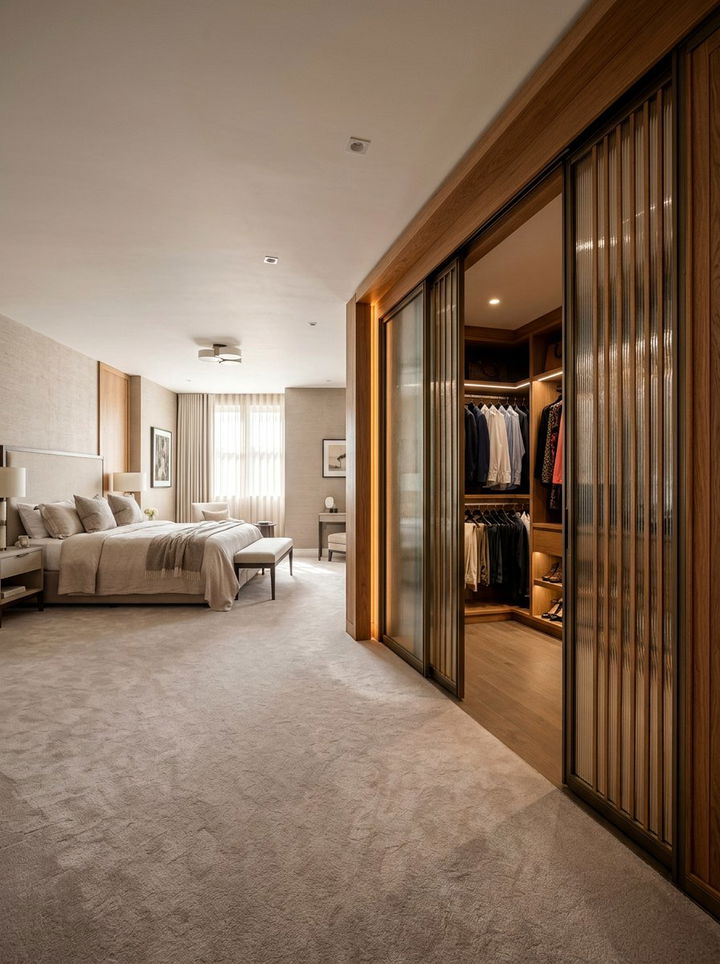
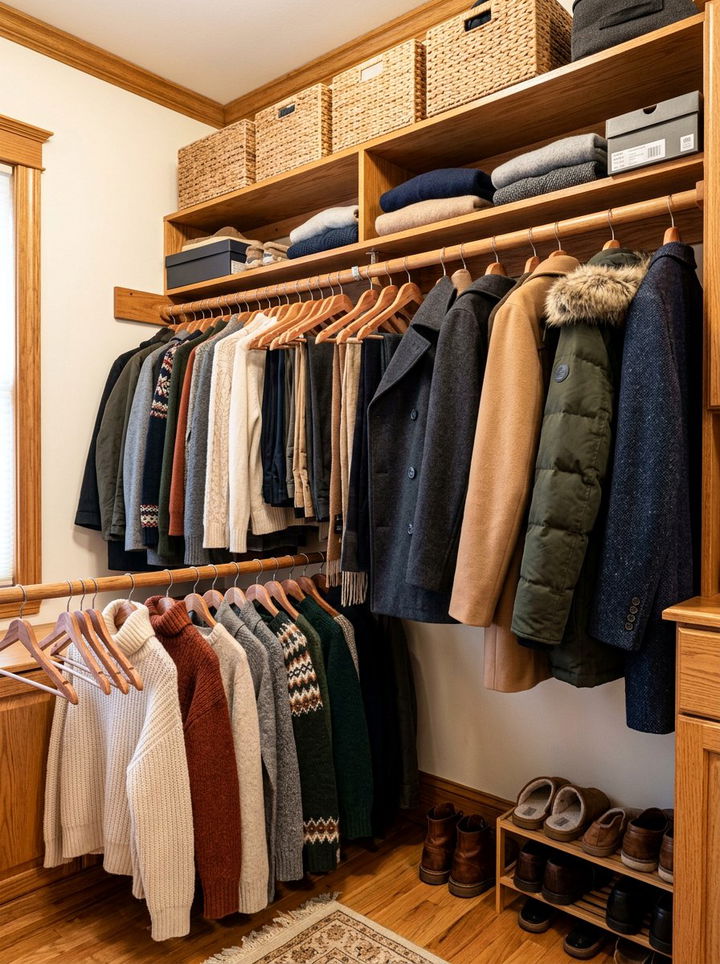
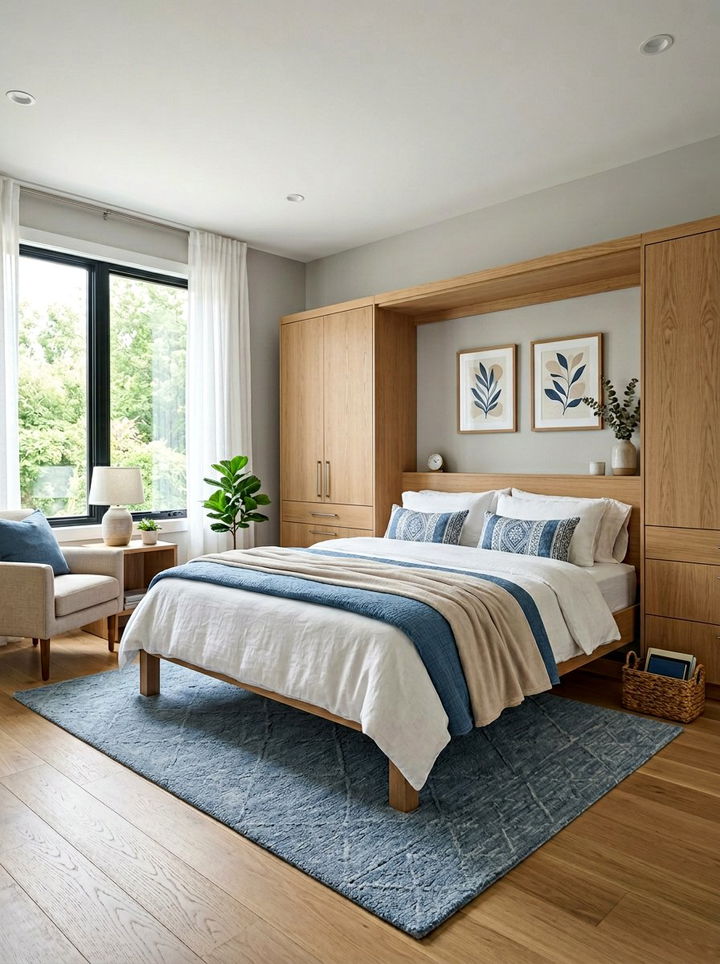
Converting one end of a rectangular bedroom into a walk-in closet is a practical way to use excess length effectively. You can install a floor-to-ceiling wardrobe system or a simple partition wall a few feet away from the back wall. This creates a hidden dressing area that keeps your main sleeping space free from bulky dressers and clothing clutter. Using sliding doors or even high-quality curtains can soften the look of the divider. This layout makes the sleeping area feel more proportional and square, which is often more pleasing to the eye and easier to decorate with standard furniture.
7. Double Beds Layout
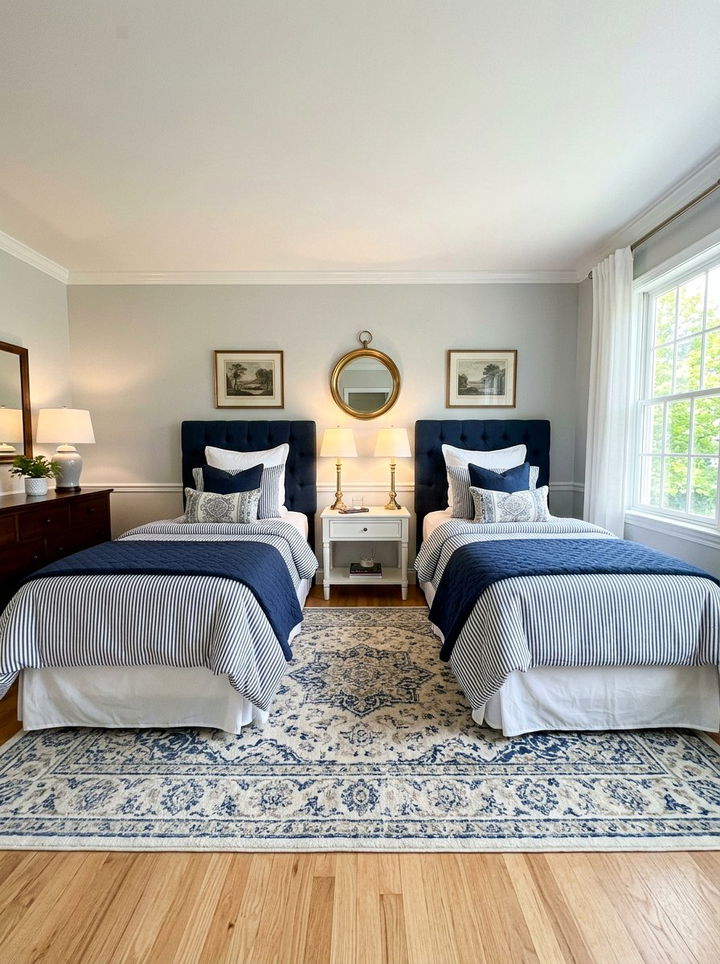
Designing a long bedroom for siblings or guests often works best when you place two beds side-by-side along the longest wall. To avoid the room looking like a barracks, place a shared nightstand between the beds to create a sense of symmetry and balance. Using matching headboards and bedding helps the room feel cohesive and intentional rather than cluttered. If the room is exceptionally long, you could even place the beds foot-to-foot with a small divider or shelving unit in between. This configuration provides each person with their own semi-private zone while making the most of the narrow floor plan.
8. Minimalist Long Room
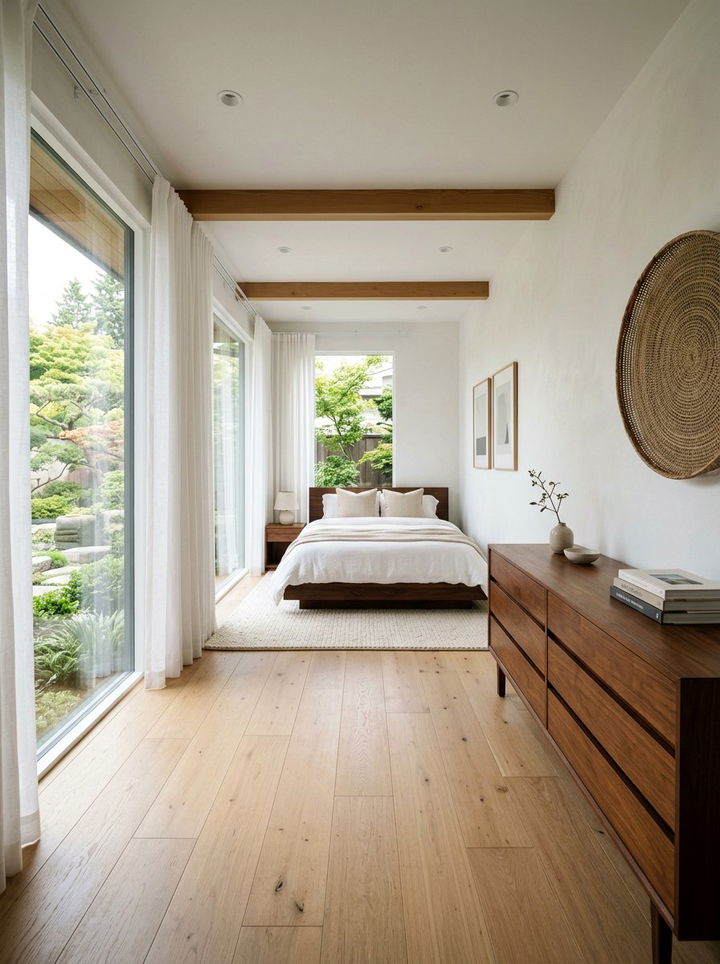
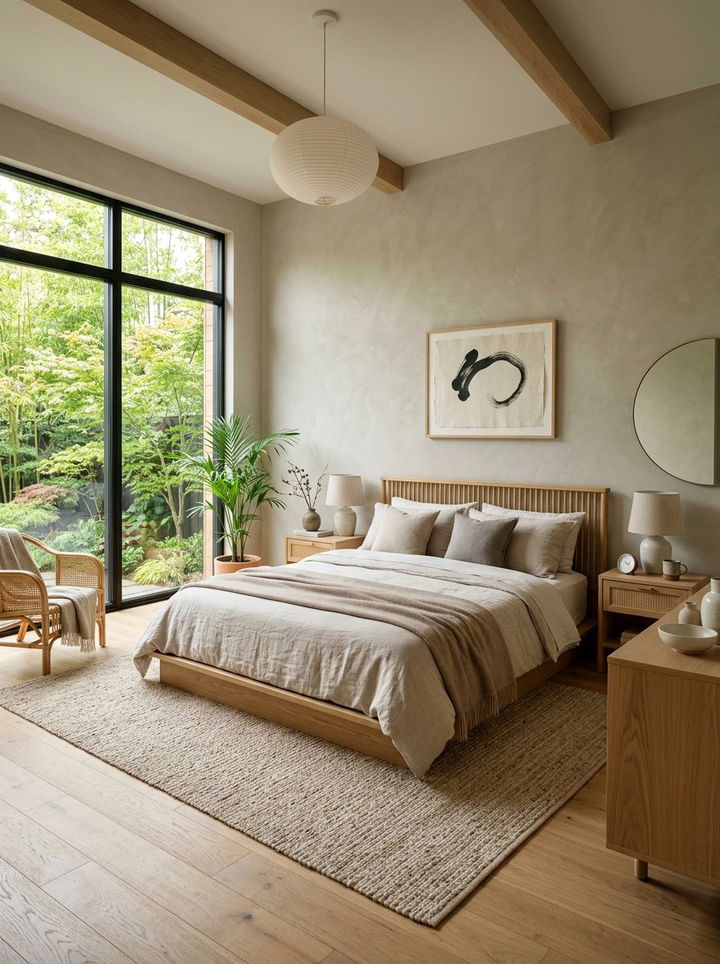
A minimalist approach is often the best way to handle a long, narrow bedroom because it emphasizes clean lines and open space. By choosing low-profile furniture and a neutral color palette, you can prevent the room from feeling heavy or visually overwhelmed. Instead of multiple small pieces of furniture, opt for a few high-quality, functional items that serve your needs perfectly. A simple platform bed and a single long dresser can provide everything you need without interrupting the flow of the room. This style highlights the architectural length of the space as a design feature rather than a problem to be solved.
9. Floor Seating Area
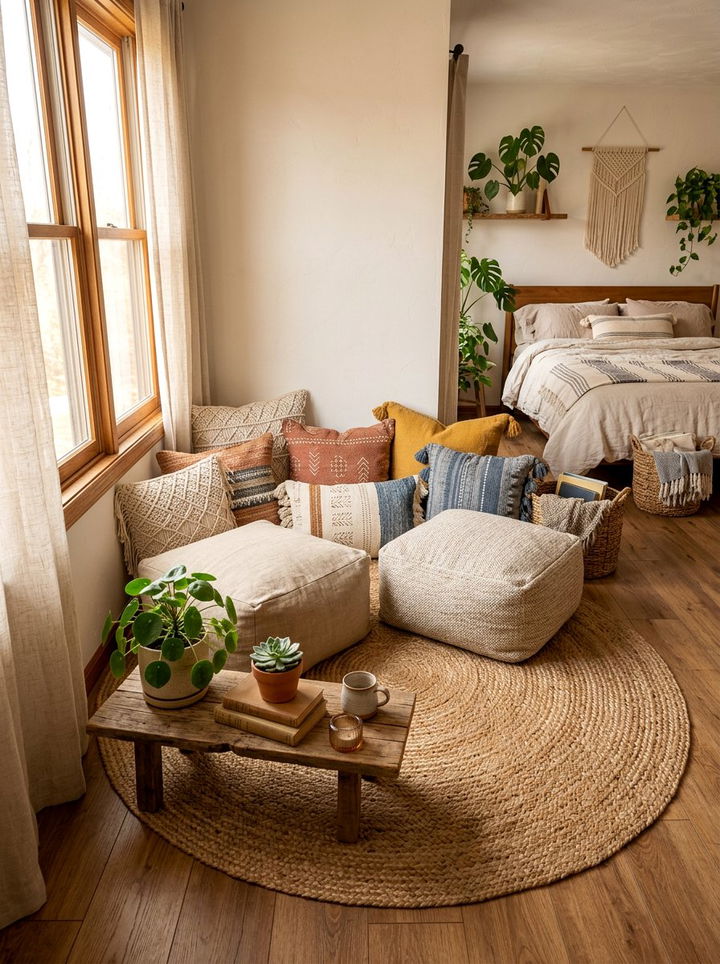
Creating a low-profile floor seating area at one end of a long bedroom adds a relaxed, bohemian vibe to your home. You can use large floor poufs, an oversized rug, and plenty of soft cushions to create a cozy spot for meditation or casual conversation. This type of furniture is excellent for long rooms because it keeps the visual plane low, making the ceilings feel higher and the room feel wider. It is an affordable and flexible way to fill empty space without investing in heavy, permanent furniture pieces. Adding a low coffee table completes the look for a perfect relaxation corner.
10. Industrial Brick Wall
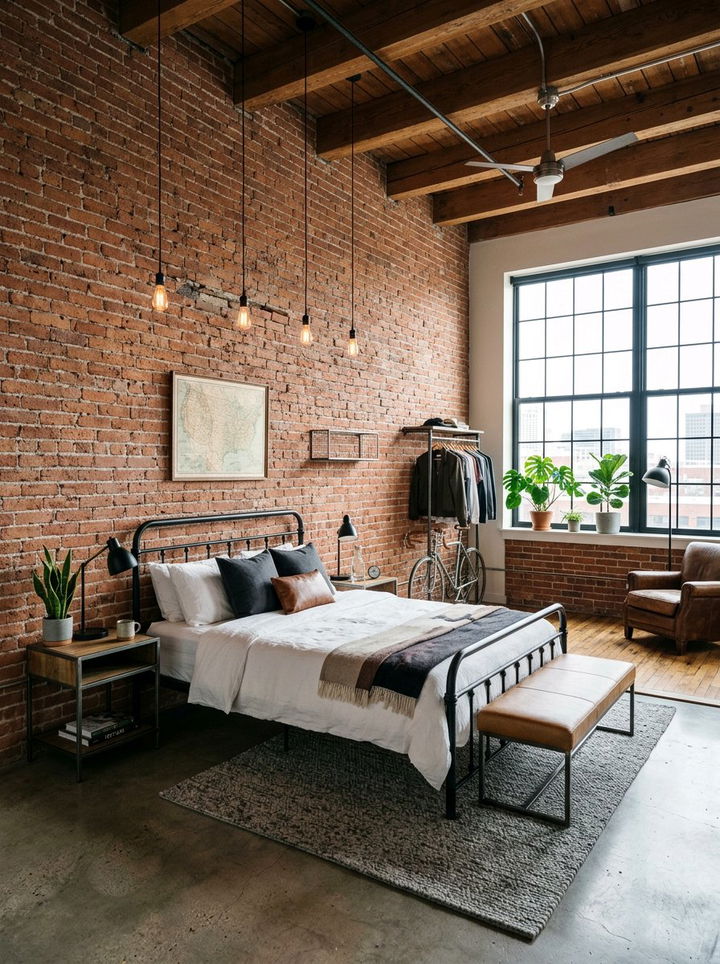
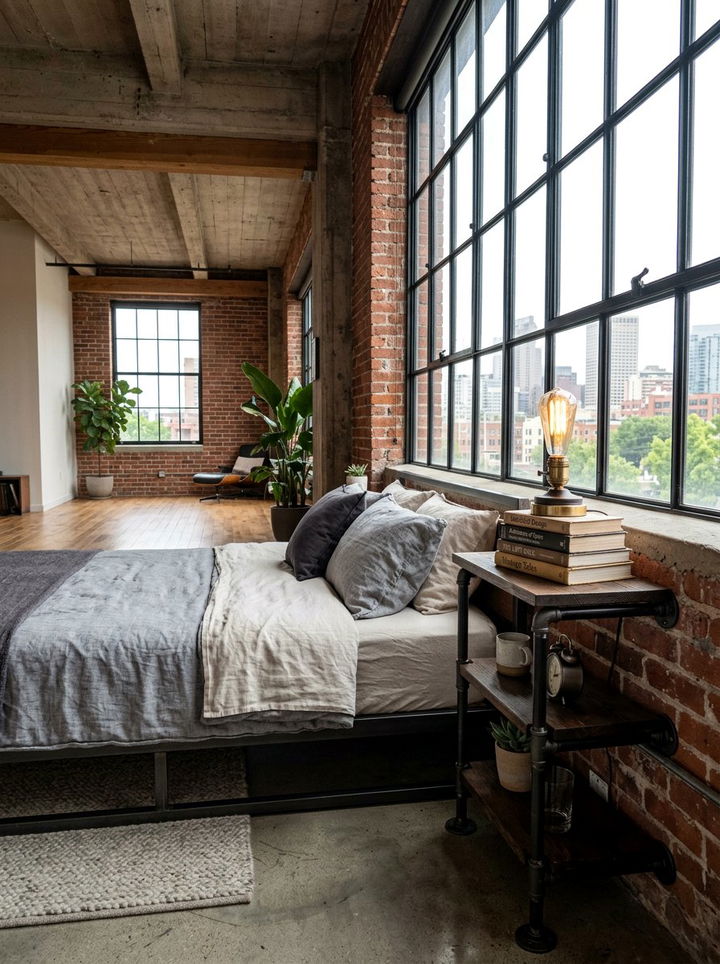
If your long bedroom features an original or reclaimed brick wall, you should make it the undisputed star of the entire space. An accent wall running the full length of the room can add incredible texture and warmth, drawing the eye along the beautiful masonry. To complement the industrial aesthetic, use metal light fixtures and reclaimed wood furniture that echo the raw materials of the wall. The dark tones of the brick can actually help the long wall recede visually, which makes a narrow room feel wider and more substantial. This design choice creates a timeless, loft-like atmosphere that is very popular.
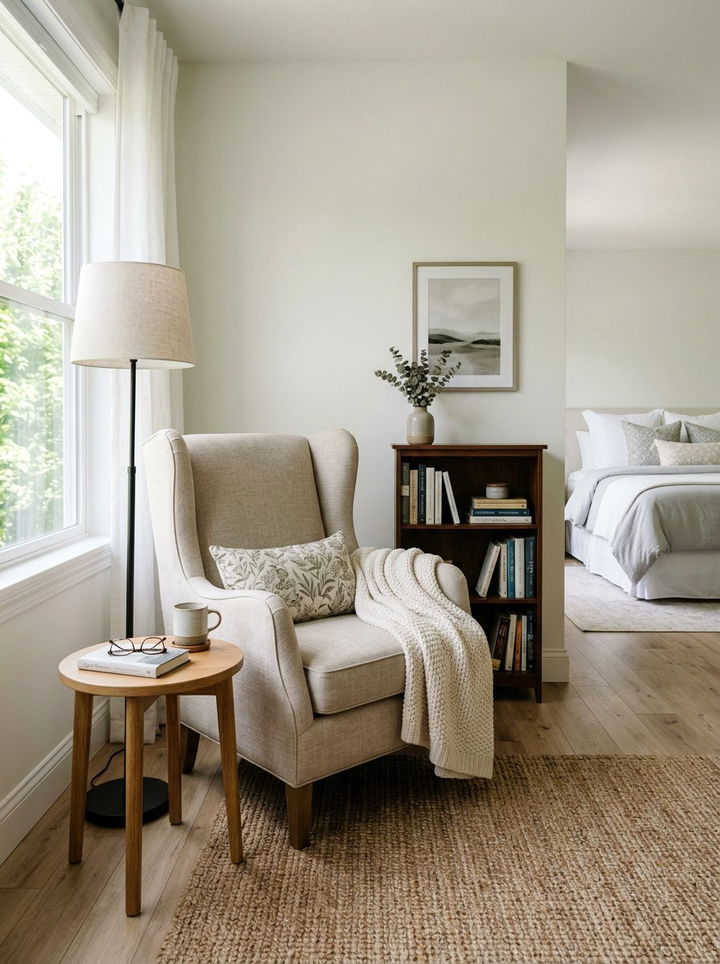
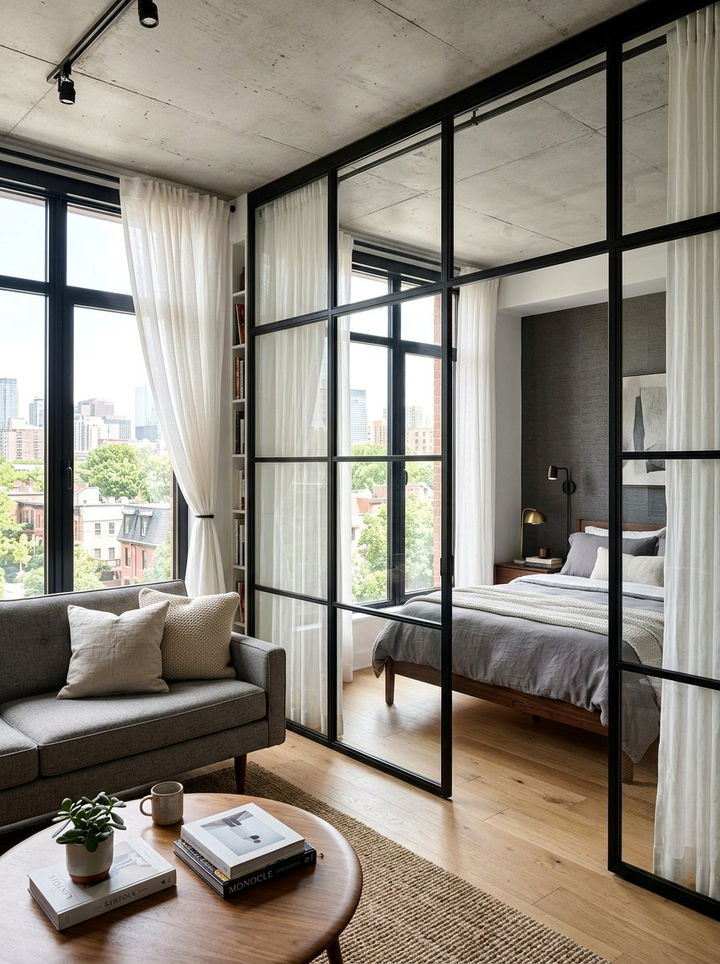
11. Bedroom Fireplace Focal Point
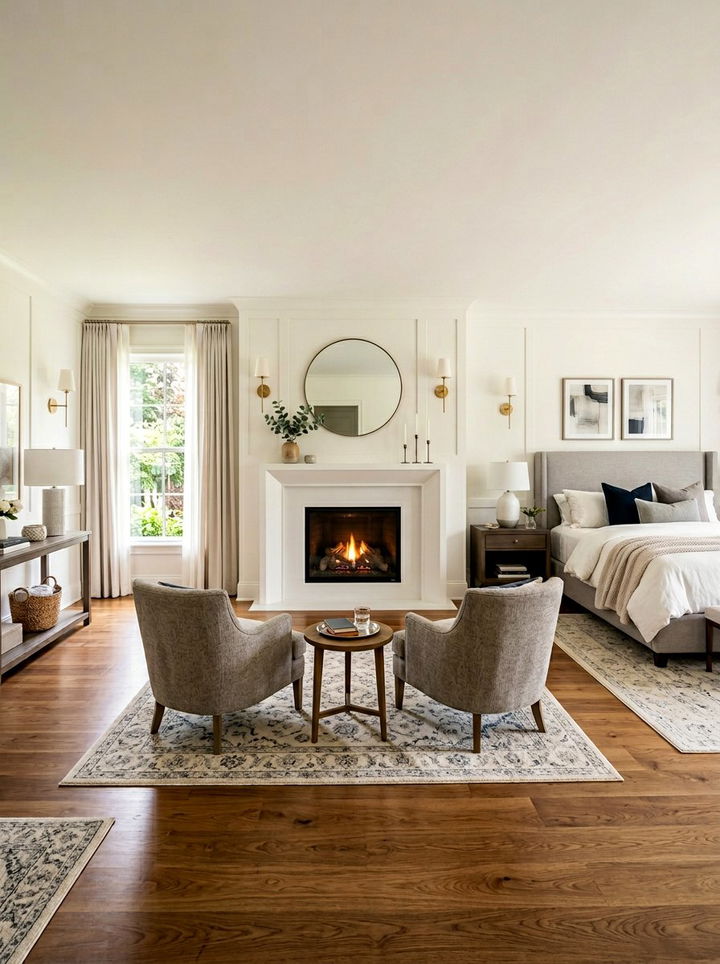
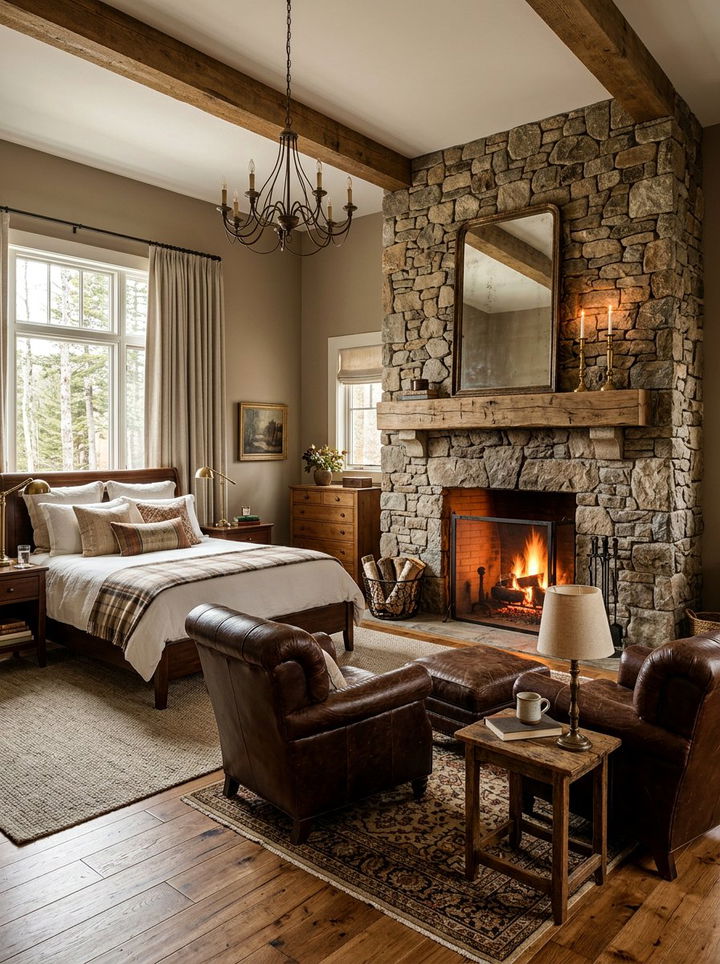
Adding a fireplace to a long bedroom creates a stunning focal point that naturally anchors the middle of the room. Whether it is a traditional wood-burning hearth or a modern electric insert, a fireplace provides a visual center that breaks up the long walls. You can arrange a small seating group around the fire to create a secondary destination within the room. This layout is perfect for large, rectangular master suites where you want to add a sense of luxury and warmth. The architectural presence of a chimney breast also helps to disrupt the “bowling alley” effect common in long rooms.
12. Wood Accent Wall
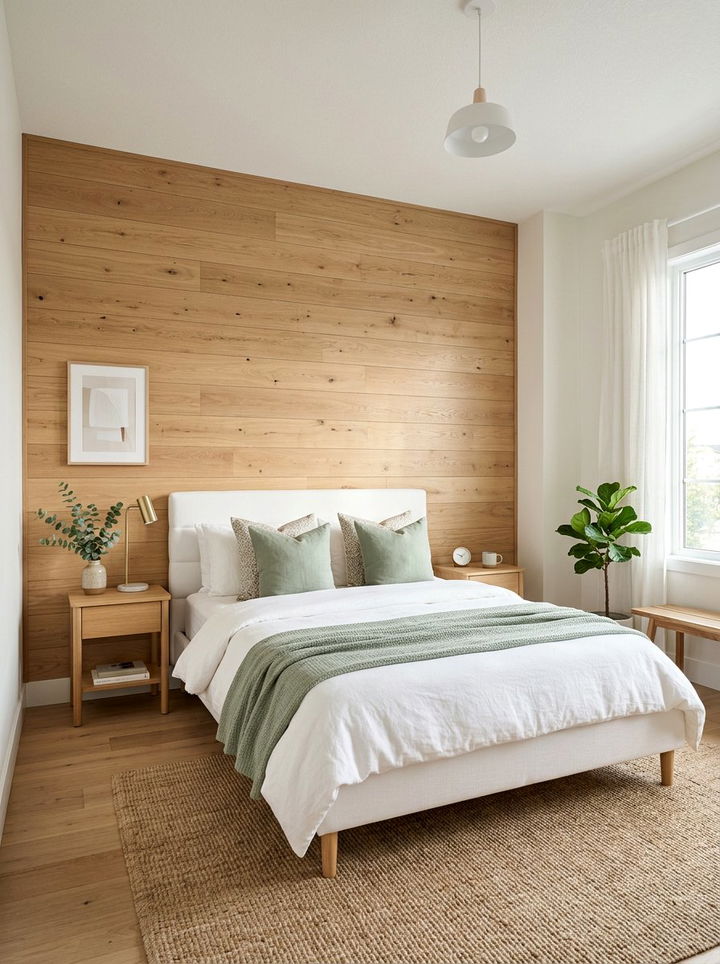
A wood accent wall is a fantastic way to add natural warmth and horizontal lines to a long, narrow bedroom. By installing wood planks horizontally behind the headboard, you can trick the eye into perceiving the room as being much wider than it actually is. Whether you choose light oak for a Scandinavian look or dark walnut for a more traditional feel, the organic texture adds depth. This design element works well because it provides a clear focal point at the end of the room, drawing attention away from the narrow side walls. It creates a cozy, cabin-like atmosphere that promotes restful sleep.
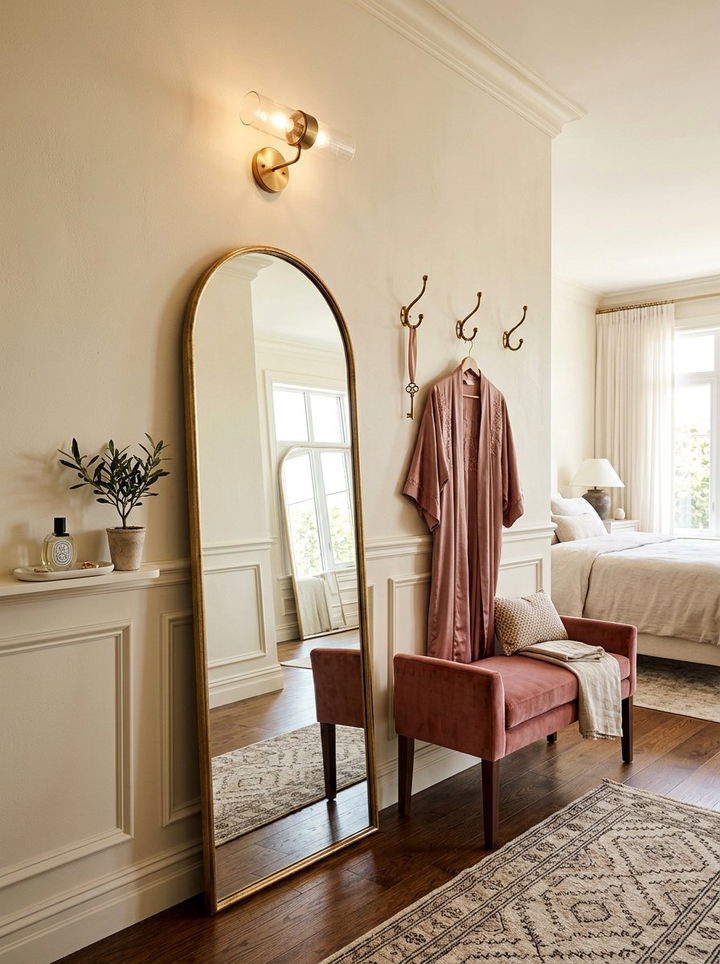
13. Vanity Makeup Station
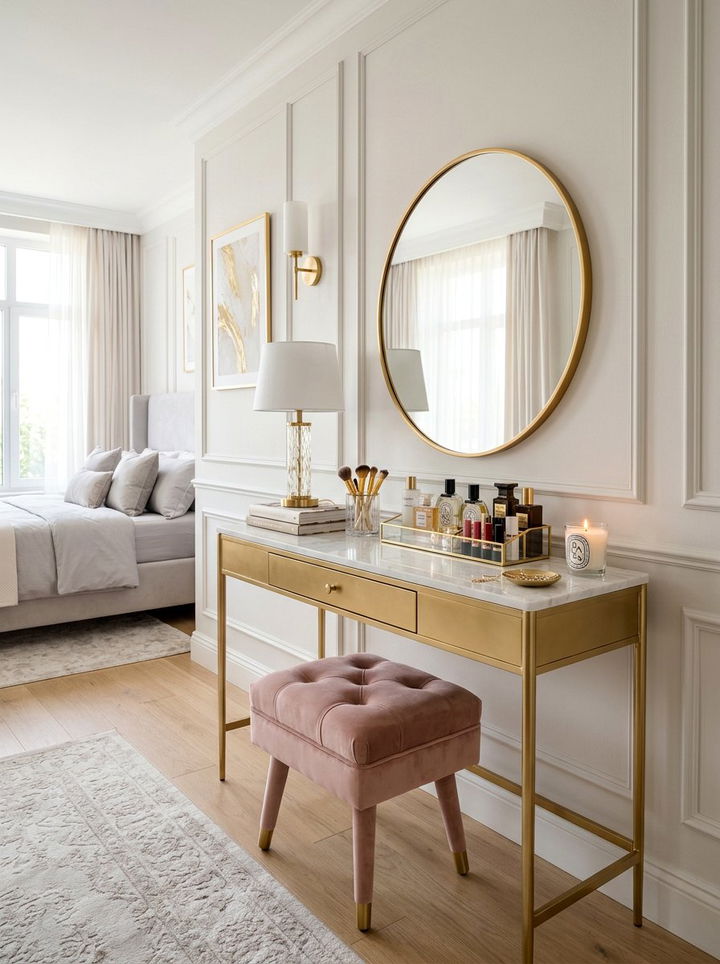
Why not use the extra length in your bedroom to create a dedicated vanity or makeup station for your daily routine? A slim console table paired with a large, ornate mirror can fit perfectly against a long wall without obstructing the walkway. This adds a touch of glamour and personal luxury to your bedroom while serving a very practical purpose. Ensure you have excellent lighting, perhaps using a pair of elegant wall sconces on either side of the mirror. This setup not only fills the empty space beautifully but also keeps your bathroom clutter-free by moving your grooming routine into the bedroom.
14. Exposed Ceiling Beams
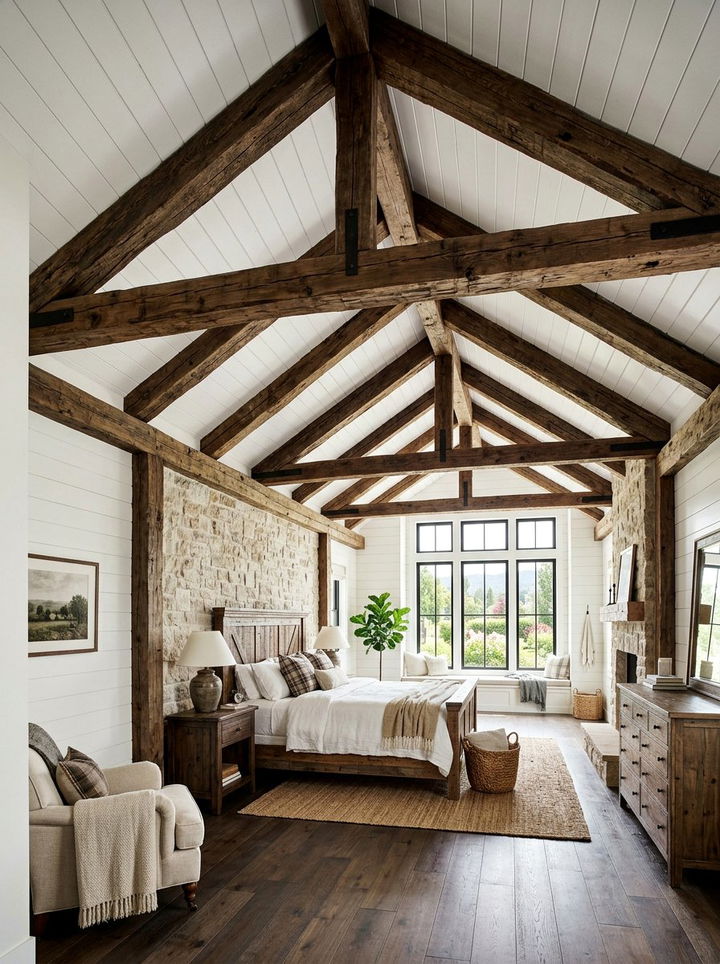
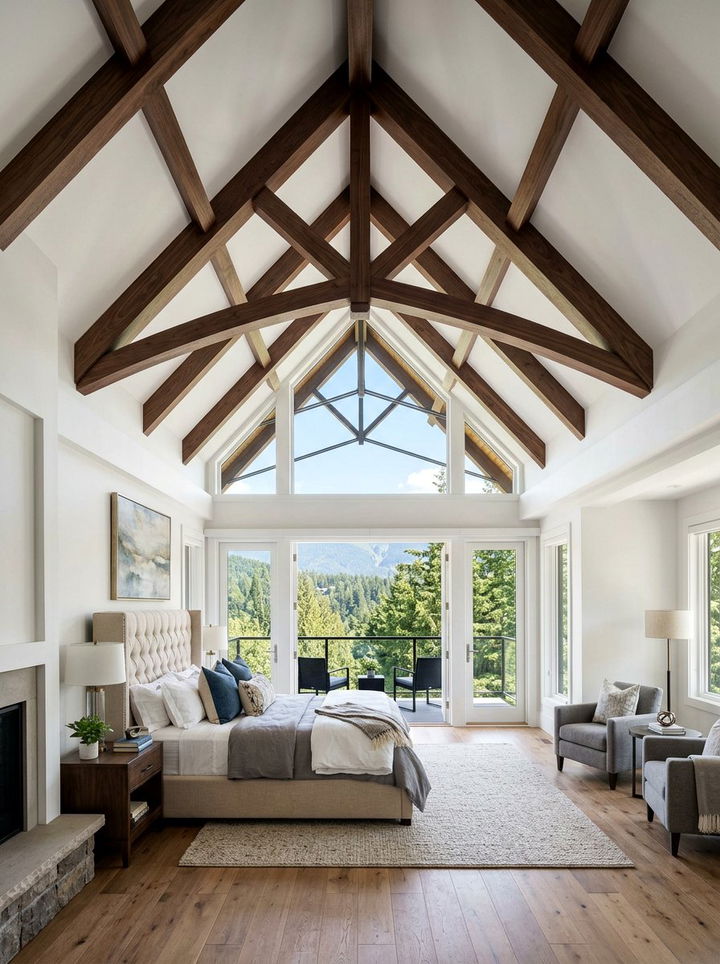
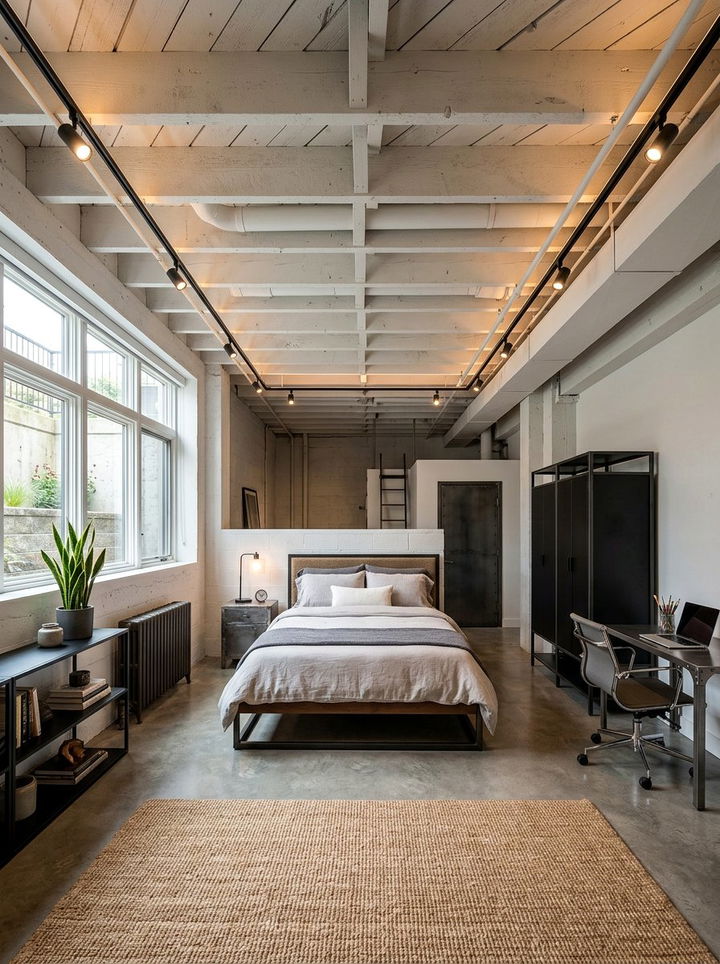
In a long bedroom, exposed ceiling beams can be used to great effect by drawing the eye upward and across the space. If the beams run perpendicular to the long walls, they help to visually “push” the walls apart, making the room feel wider. This architectural detail adds character and a sense of history to any home, whether the style is rustic farmhouse or modern industrial. You can paint the beams a dark color to contrast with a white ceiling for a dramatic effect. This technique is particularly effective in rooms with vaulted ceilings, where the extra height helps balance the long proportions.
15. Vertical Stripe Wallpaper
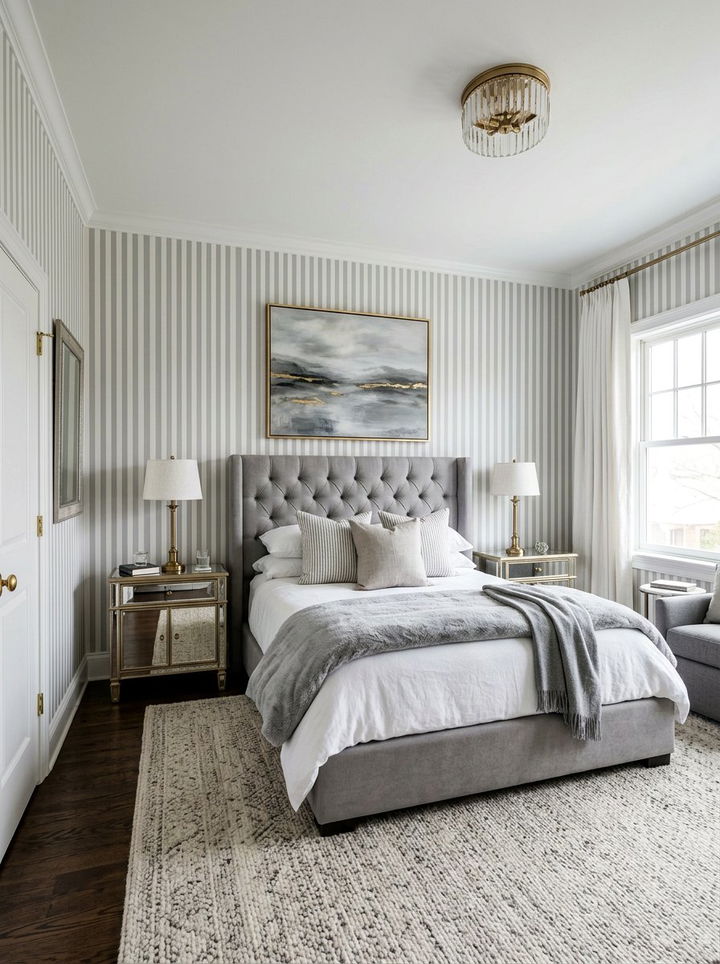
While horizontal lines can widen a room, vertical stripe wallpaper can be used in a long bedroom to emphasize ceiling height. This is particularly useful if your narrow room also has low ceilings, which can often make the space feel somewhat claustrophobic. Choosing a subtle, tone-on-tone stripe prevents the pattern from becoming too busy or distracting in a small area. The vertical lines draw the eye up, creating a sense of grandeur and airiness that helps balance the elongated floor plan. This classic design choice adds a sophisticated and tailored look to the walls while providing a gentle rhythmic pattern.
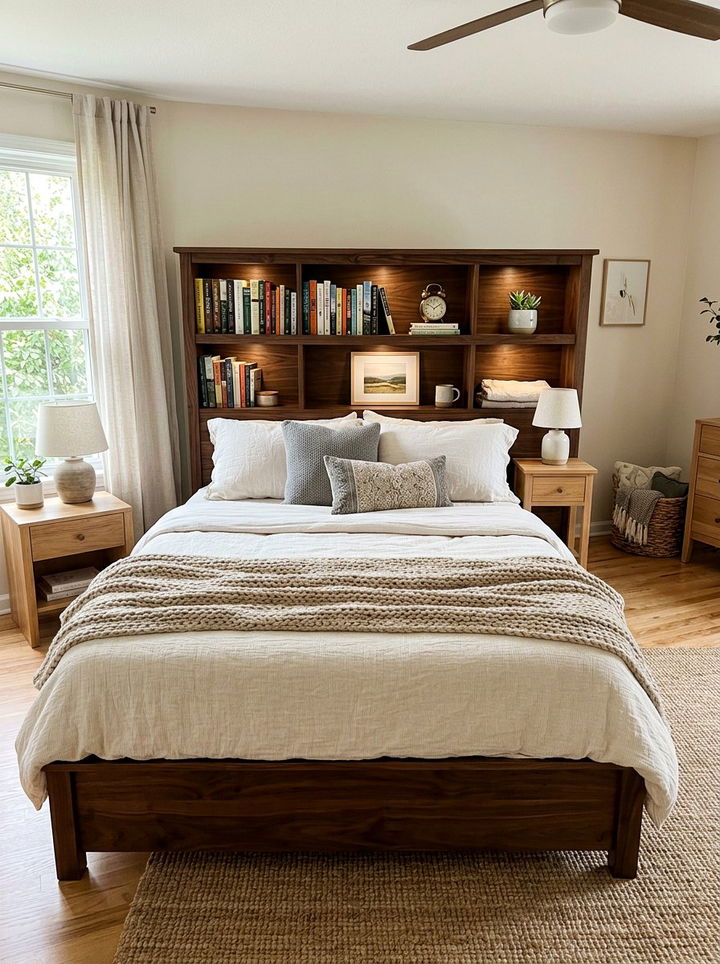
16. Built In Bookshelves
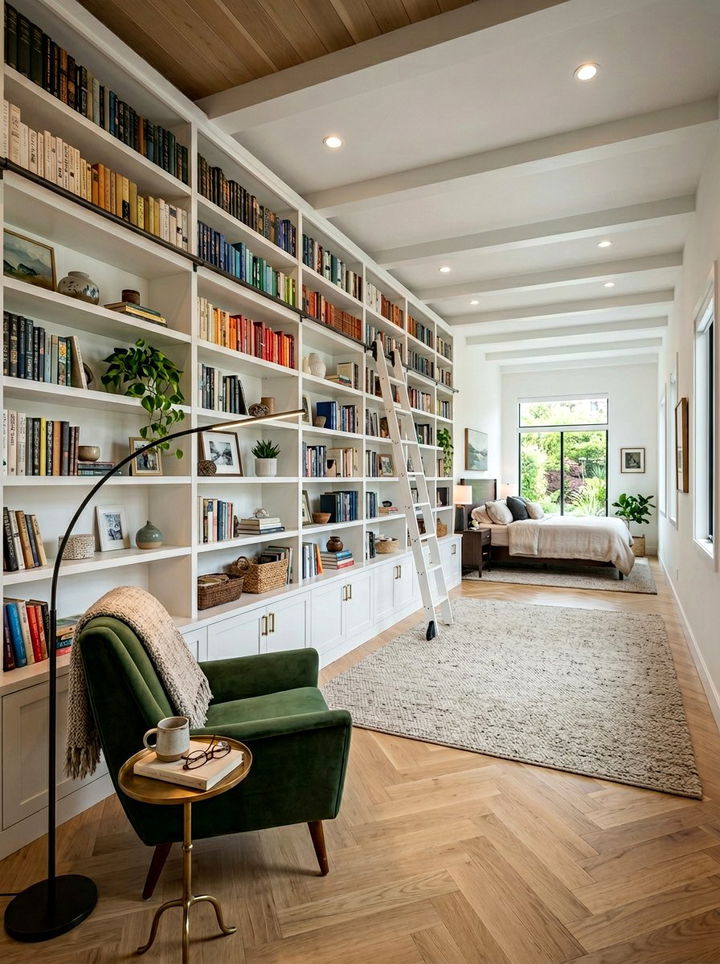
Wall-to-wall built-in bookshelves are a dream for any book lover and a smart way to utilize a long bedroom wall. By installing shallow shelving along one side of the room, you gain massive amounts of storage without sacrificing much floor space. You can mix books with decorative objects, framed photos, and small plants to create a personalized gallery that spans the entire room. This adds significant visual interest and texture to the space, making the long wall feel intentional and curated. Built-ins also provide an opportunity to incorporate integrated lighting, which can help brighten the room and highlight your favorite collections.
17. Balcony Access Path
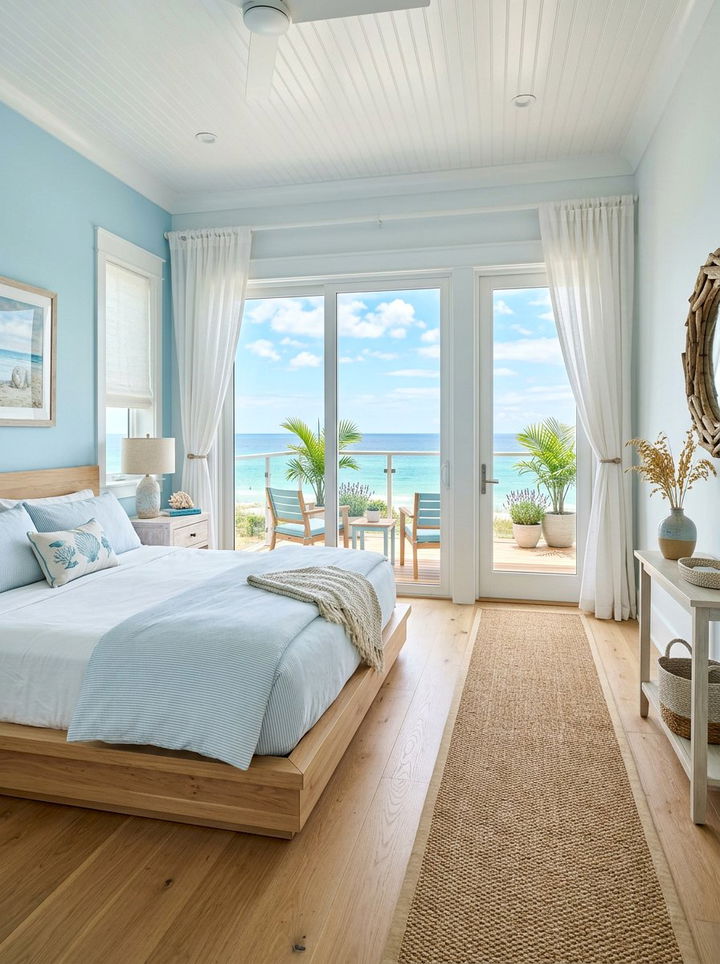
If your long bedroom leads out to a balcony or terrace, it is essential to maintain a clear and inviting path. You should arrange your furniture to frame the doorway, using the length of the room to lead the eye toward the outdoor view. Avoid placing large items in the direct line of sight to the door, as this can make the room feel blocked and smaller. Instead, use low-profile furniture along the sides of the room to keep the central aisle open. This layout connects your indoor space with the outdoors, making the entire bedroom feel much larger and more expansive than its footprint.
18. Floating Nightstands
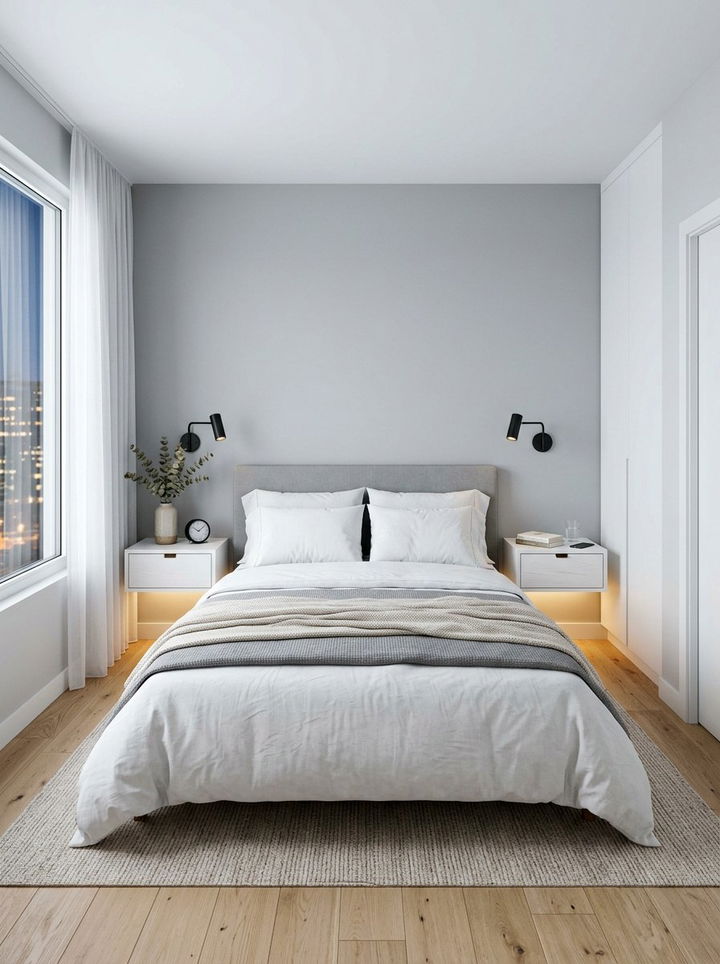
Floating nightstands are a game-changer for narrow bedrooms because they keep the floor area clear and visible. When you can see the floor extending all the way to the wall, the room naturally feels more spacious and less crowded. These wall-mounted units provide a clean, modern look and offer enough surface area for a lamp, phone, and book. Because they lack bulky legs, they are also easier to clean around and fit perfectly in tight spaces where a traditional bedside table might be too wide. This small design choice can have a big impact on the overall flow and feeling of a long room.
19. Canopy Bed Centerpiece
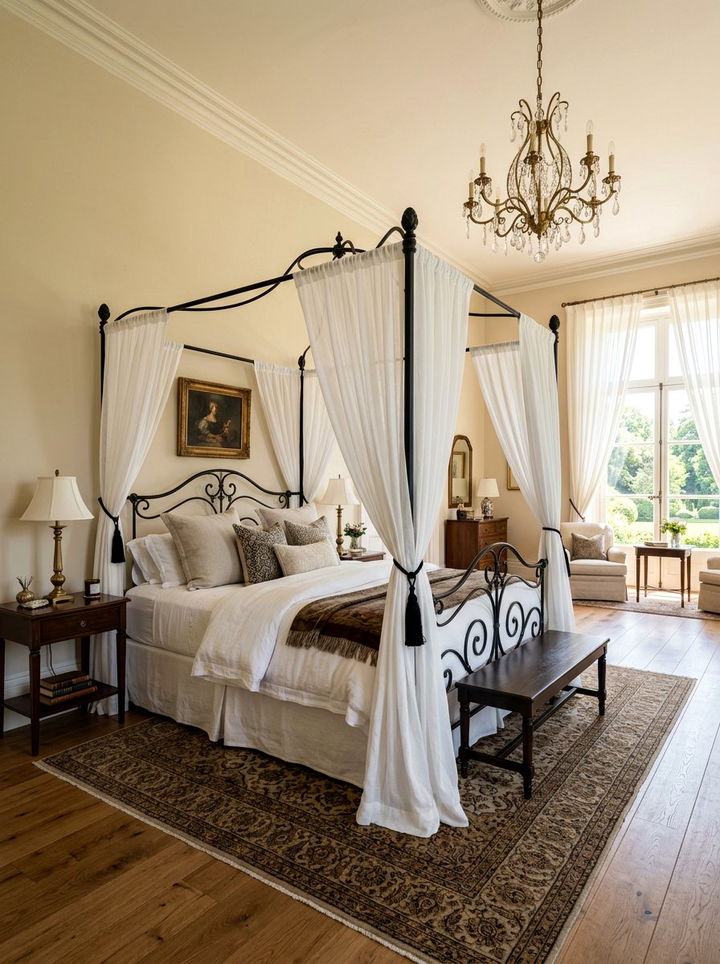
A canopy bed is a bold choice that can help anchor a large, long bedroom by filling the vertical volume of the space. The four-poster frame creates a “room within a room, ” which helps to define the sleeping area as the primary focus. This is especially effective in rooms with very high ceilings where the space might otherwise feel cold or empty. You can drape light, airy fabric over the frame for a romantic feel or leave it bare for a clean, architectural look. A canopy bed adds a sense of structure and importance that helps ground the furniture layout in an elongated room.
20. Full Length Mirror Wall
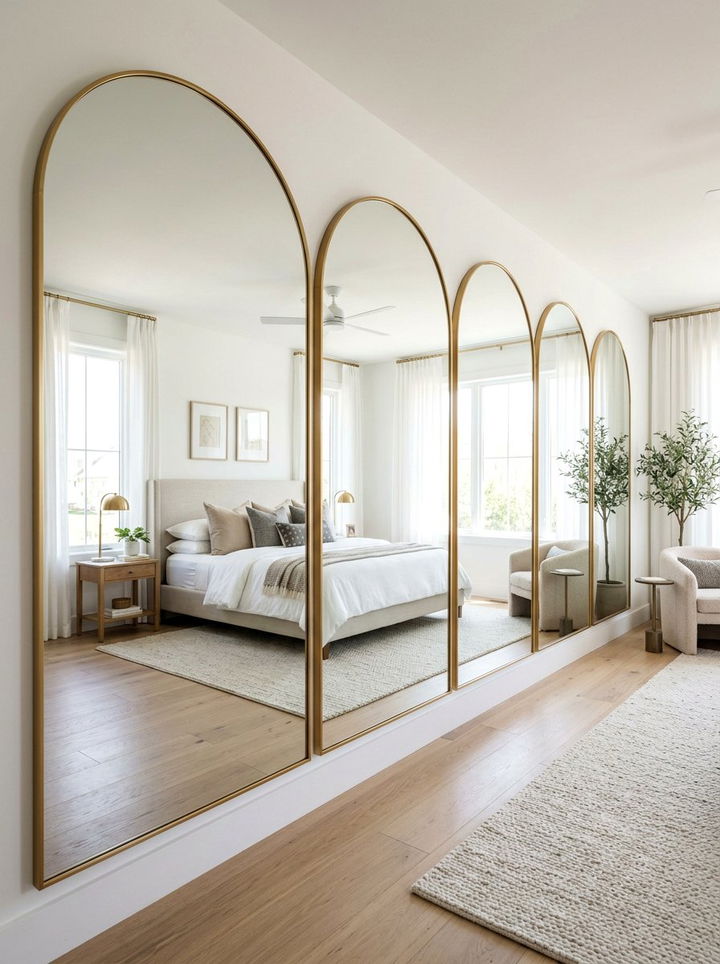
Installing a full-length mirror or a wall of mirrored panels is one of the oldest tricks in the design book for a reason. In a long, narrow bedroom, placing mirrors on one of the long walls will instantly reflect the opposite side, effectively “doubling” the perceived width. This makes the room feel much brighter by bouncing natural light from the windows into every corner. Whether you choose a series of framed mirrors or a seamless floor-to-ceiling installation, the effect is transformative. Mirrors also add a touch of elegance and provide a practical place for checking your outfit before you head out for the day.
21. Mid Century Modern Layout
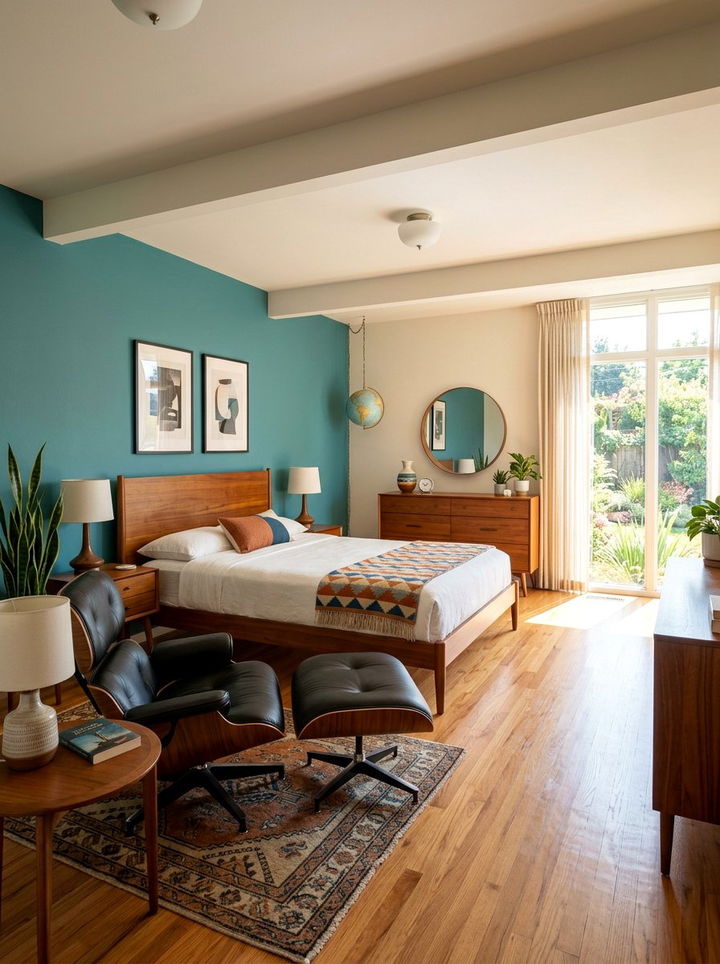
The Mid-Century Modern style is particularly well-suited for long bedrooms due to its focus on sleek, tapered legs and low-slung silhouettes. Furniture from this era often has a “light” visual footprint, which prevents a narrow room from feeling weighed down by heavy pieces. A classic platform bed paired with a long, thin credenza creates a balanced and stylish look that celebrates the room’s proportions. The use of natural wood and organic shapes adds warmth without adding bulk. This aesthetic is perfect for someone who wants a trendy, timeless bedroom that feels organized, uncluttered, and effortlessly cool in a rectangular space.
22. Media Center Wall
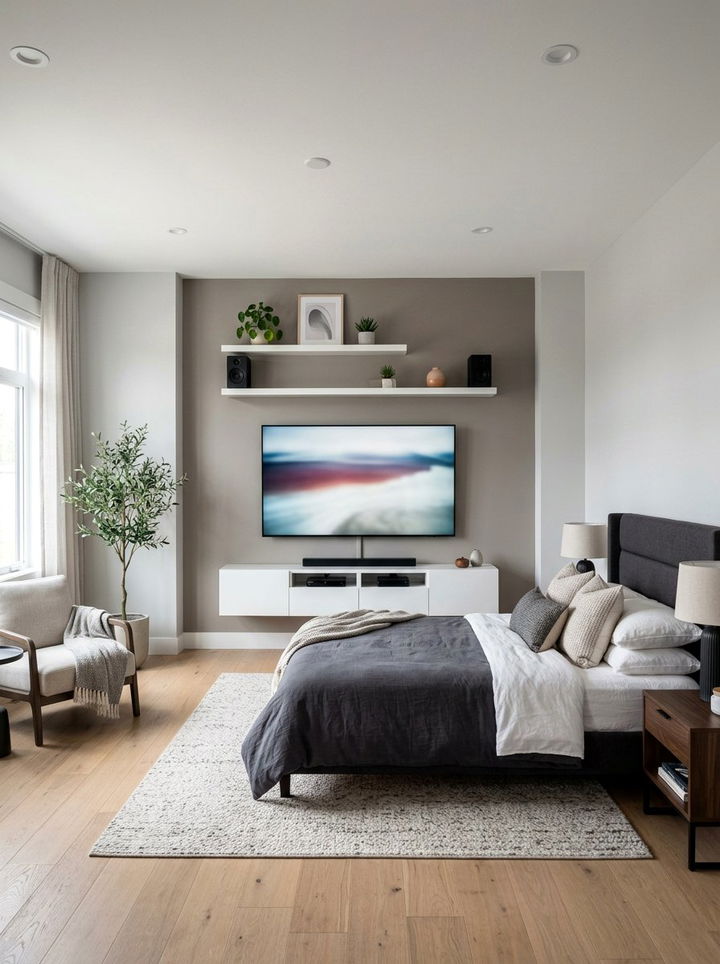
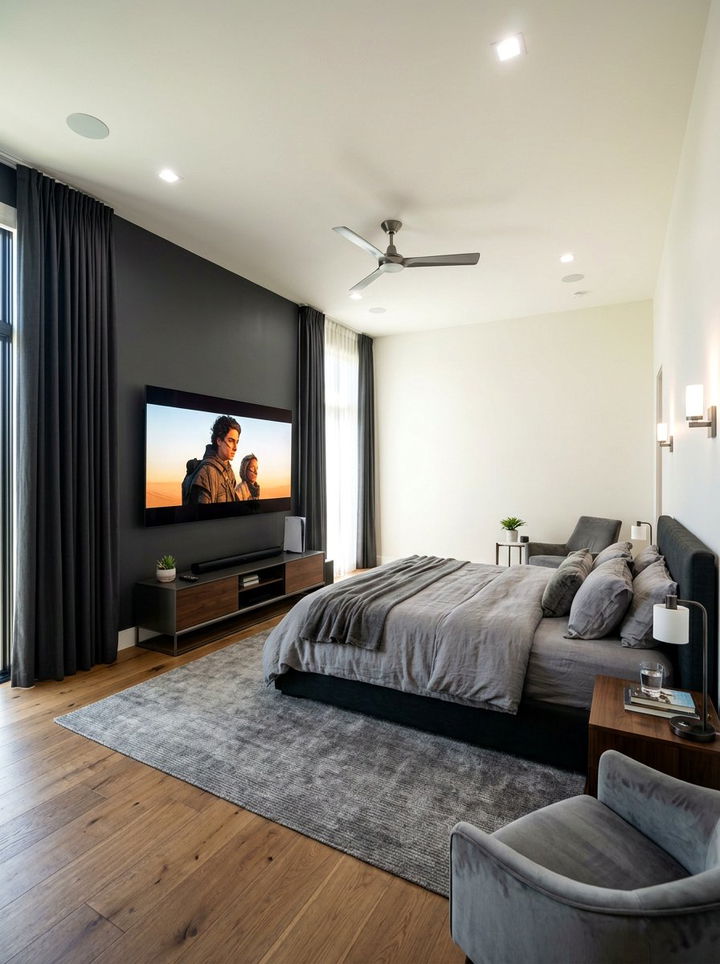
If you enjoy watching movies in bed, a long bedroom provides the perfect opportunity to create a dedicated media center wall. By mounting your television on the wall opposite the bed, you can use the remaining length for a stylish media console or built-in cabinetry. This keeps all your electronics and cables neatly tucked away, maintaining a clean and serene environment. You can surround the TV with artwork or shelving to help it blend into the room’s decor when it is not in use. This layout ensures that your entertainment needs are met without compromising the flow or aesthetics of your sanctuary.
23. Nursery Corner Integration
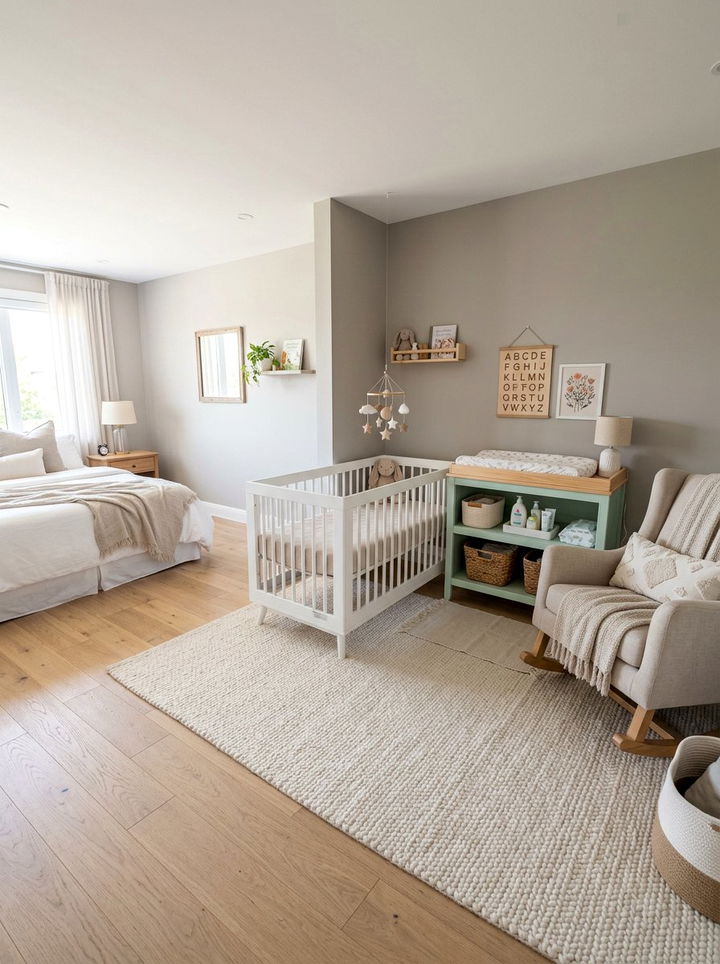
A long master bedroom can often accommodate a nursery corner for a new baby, providing a convenient and close-knit sleeping arrangement. By placing the crib and a small changing table at one end of the room, you create a semi-private nursery zone that feels separate from the main bed area. Using a decorative screen or a light curtain can provide a visual soft barrier for nighttime feedings. This setup is a great way to use extra square footage in a long room while keeping your little one nearby. It allows parents to stay organized and maintain their own space while being fully prepared.
24. Sliding Barn Door Closet
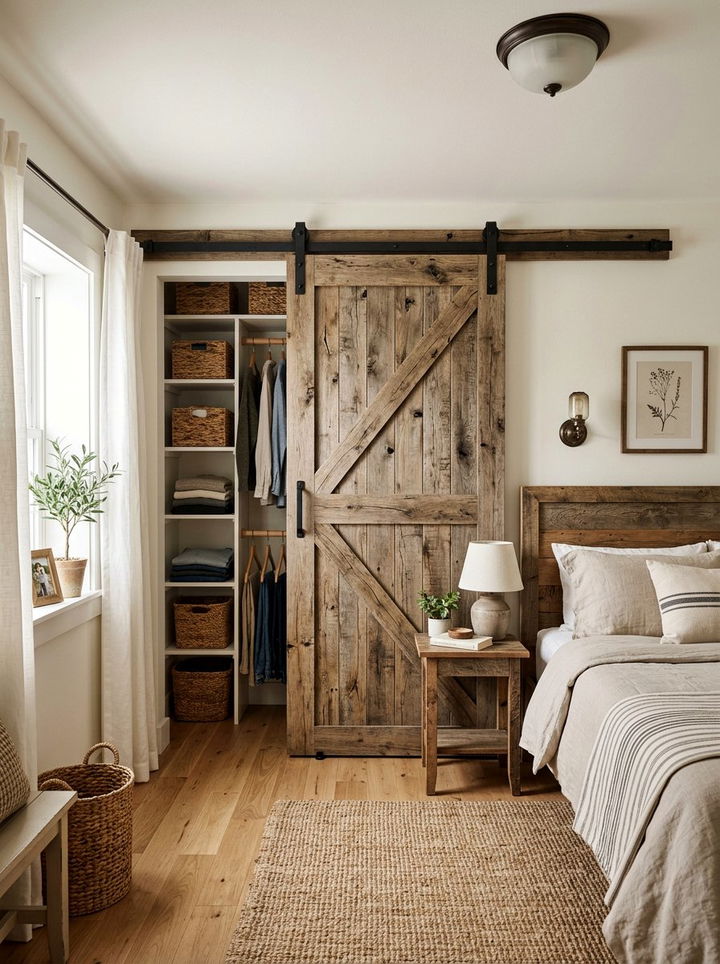
Replacing traditional swing-out closet doors with a sliding barn door is a fantastic space-saving solution for long, narrow bedrooms. Barn doors slide parallel to the wall, meaning you don’t need to leave empty space for the door to open into the room. This allows you to place furniture closer to the closet area than you otherwise could. Beyond the practical benefits, a barn door adds a beautiful farmhouse or rustic element to your decor. You can choose a reclaimed wood finish for a cozy feel or a sleek, painted door for a more contemporary look that fits your style perfectly.
25. Attic Skylight Placement
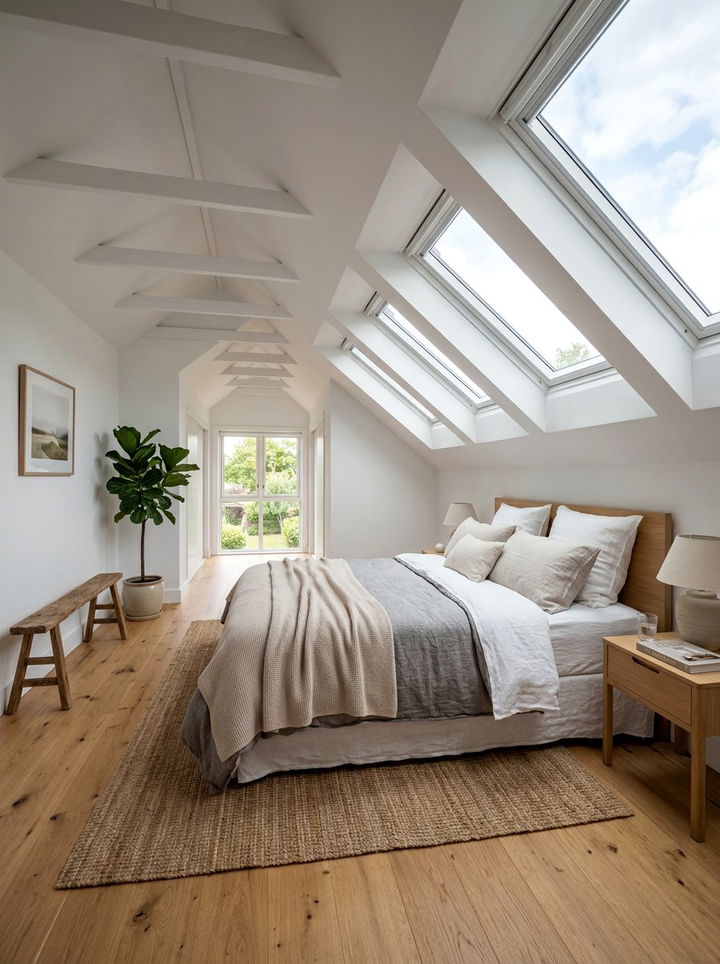
Long bedrooms located in attics often deal with sloped ceilings that can make the space feel a bit dark and cramped. Installing multiple skylights along the length of the roof is an incredible way to flood the room with natural light. The upward view of the sky adds a sense of limitlessness, making the narrow room feel much more open and connected to the world outside. This also provides excellent ventilation and a unique architectural feature that standard rooms lack. Positioning your bed directly under a skylight allows you to fall asleep while stargazing and wake up with the morning sun.
26. Large Area Rug Zoning
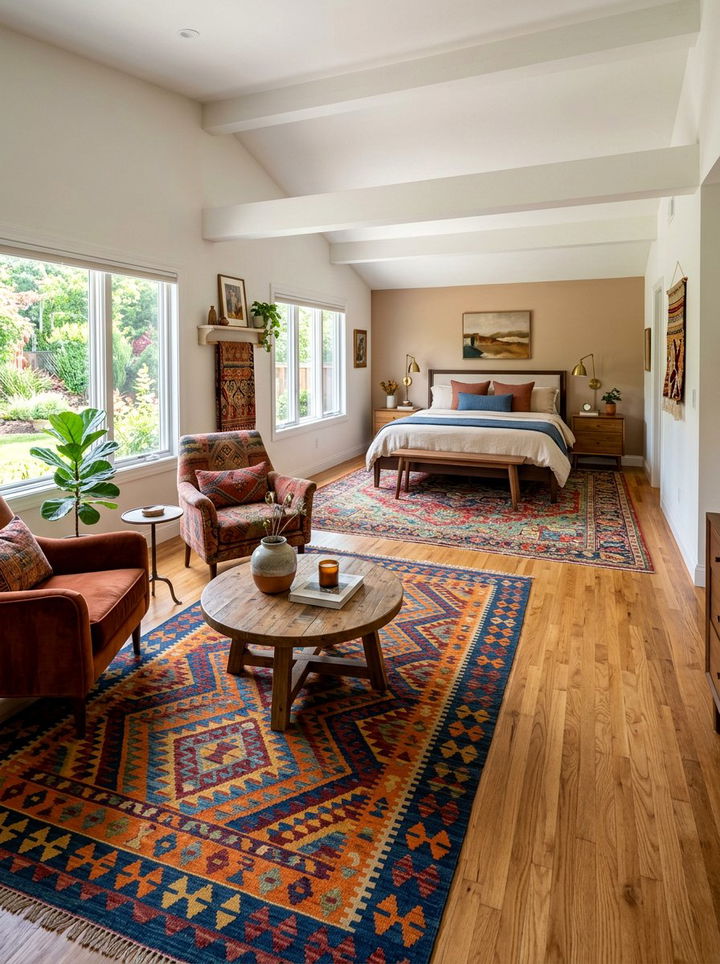
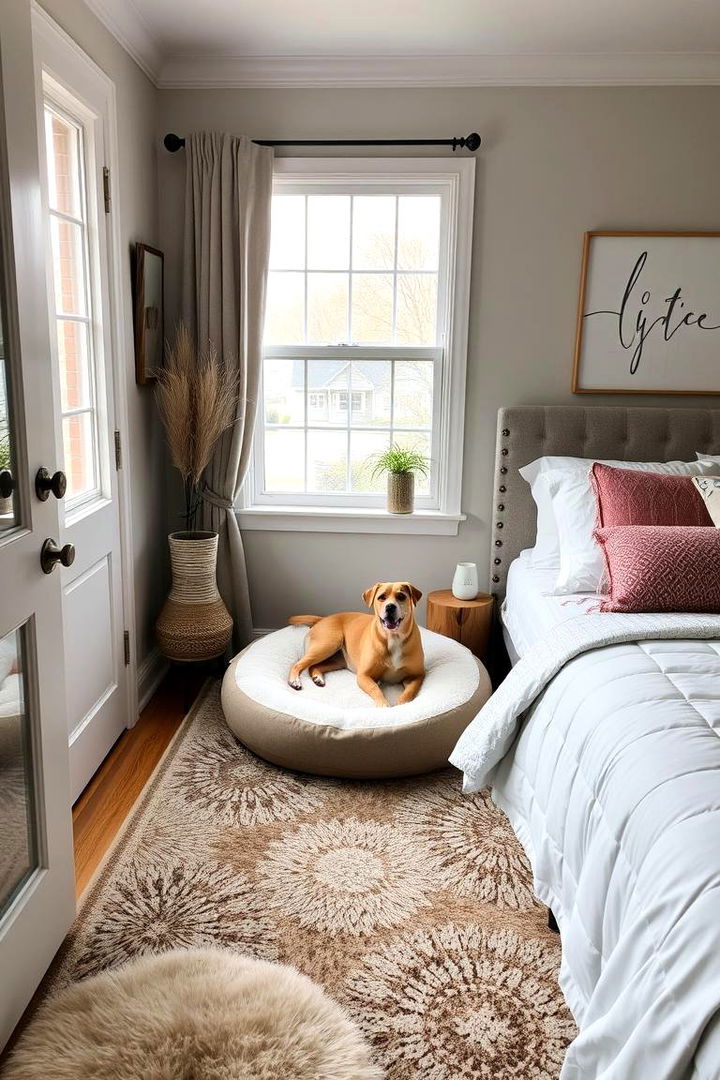
One of the most effective ways to break up the “runway” feel of a long bedroom is to use large area rugs strategically. Instead of one tiny rug, choose a rug that is large enough to sit under the bed and extend several feet on either side. This anchors the furniture and creates a clear boundary for the sleeping zone. If the room is very long, you can use a second, different rug at the other end to define a sitting or office area. The texture and color of the rugs add warmth and comfort, making the entire floor plan feel more intentional and much less like a hallway.
27. Low Profile Platform Bed
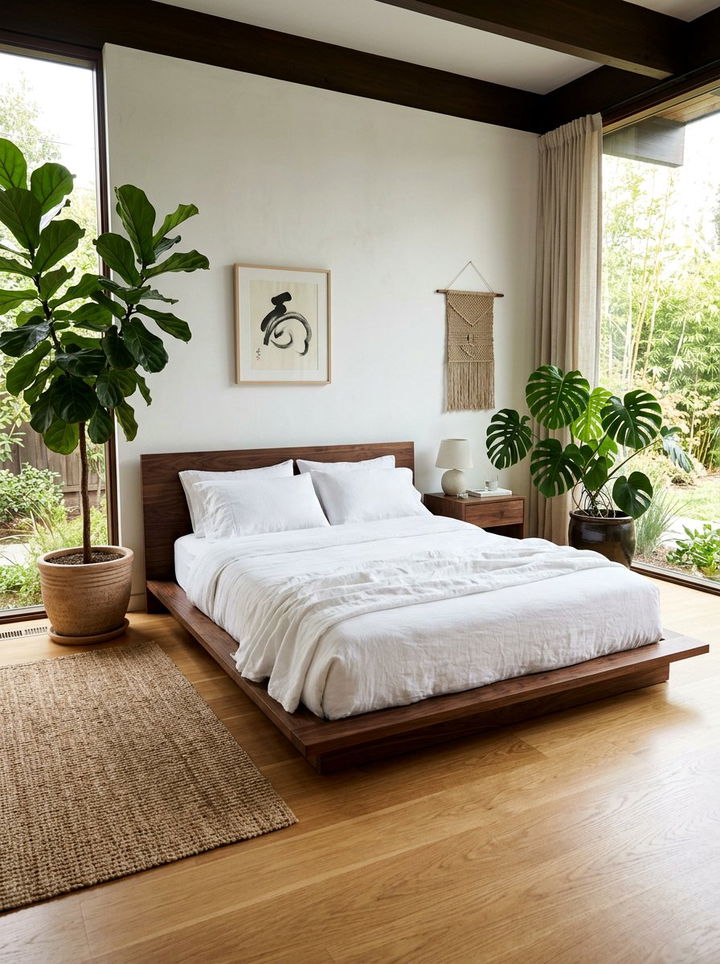
Choosing a low-profile platform bed is a smart move for narrow rooms because it keeps the sightlines open and the room feeling airy. A bed that sits high off the floor can dominate a small space and make the walls feel like they are closing in. In contrast, a low bed maintains a sense of height in the room, which is crucial for balancing out long proportions. This minimalist style works well with modern, Japanese, or Scandinavian decor. By keeping the main furniture piece close to the ground, you allow the room’s length to feel like a spacious gallery rather than a narrow corridor.
28. Velvet Texture Accents
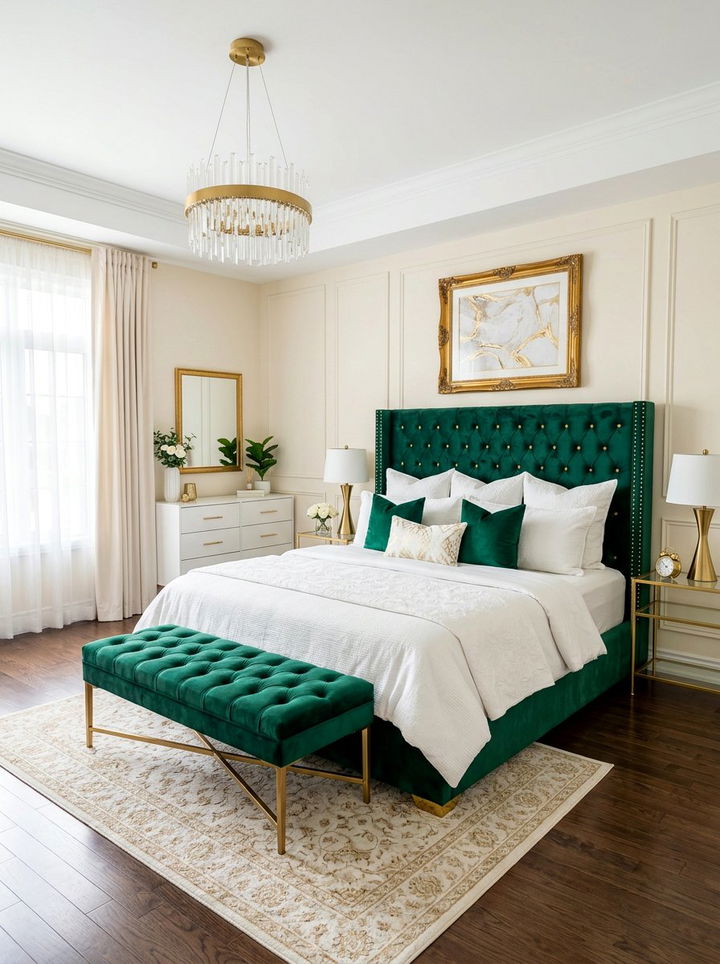
Adding rich velvet textures through upholstery or bedding is a great way to bring luxury and depth to a long bedroom. The way velvet catches the light adds a layer of visual interest that keeps the eye moving around the room. You might choose a velvet-tufted headboard or a plush velvet bench at the foot of the bed. These soft surfaces help to dampen sound, which is particularly useful in long rooms that can sometimes be echoey. The tactile nature of velvet makes the bedroom feel incredibly cozy and high-end, turning a standard rectangular space into a sophisticated and very comfortable retreat.
29. Gallery Wall Art
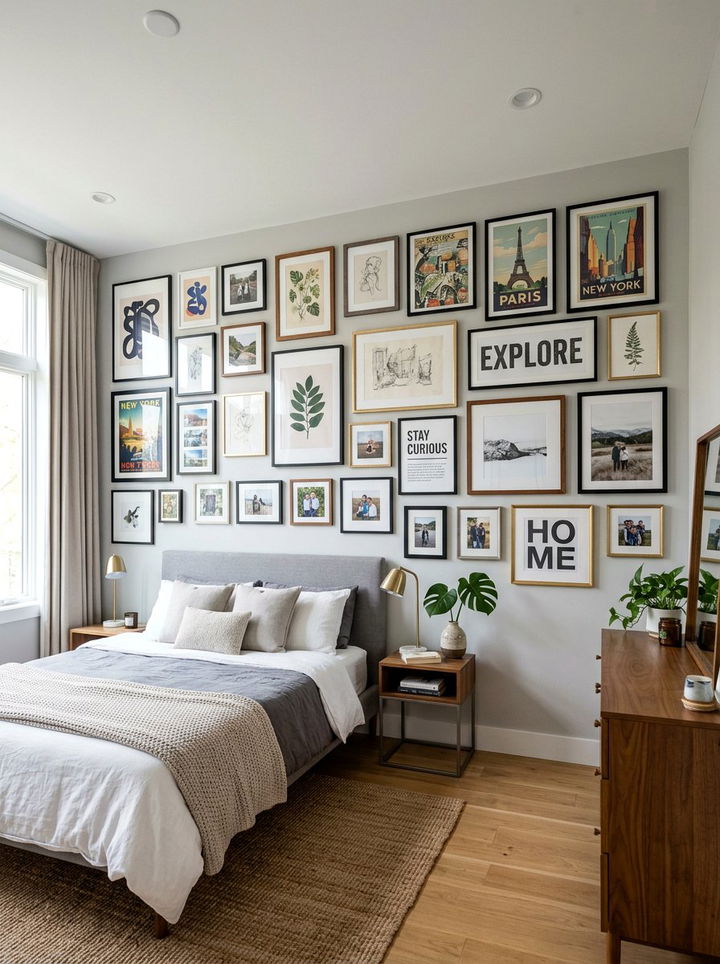
A long bedroom wall is the perfect canvas for a curated gallery wall that showcases your personal style and memories. By grouping various frames, mirrors, and art pieces together, you create a massive focal point that distracts from the room’s narrowness. You can arrange the art in a tight grid for a formal look or a more organic cluster for an eclectic feel. This design choice adds personality and color to the room, making the long wall feel like a deliberate choice rather than a decorating challenge. It is an affordable way to fill large amounts of wall space with high-impact visual interest.
30. Wall Mounted Lighting
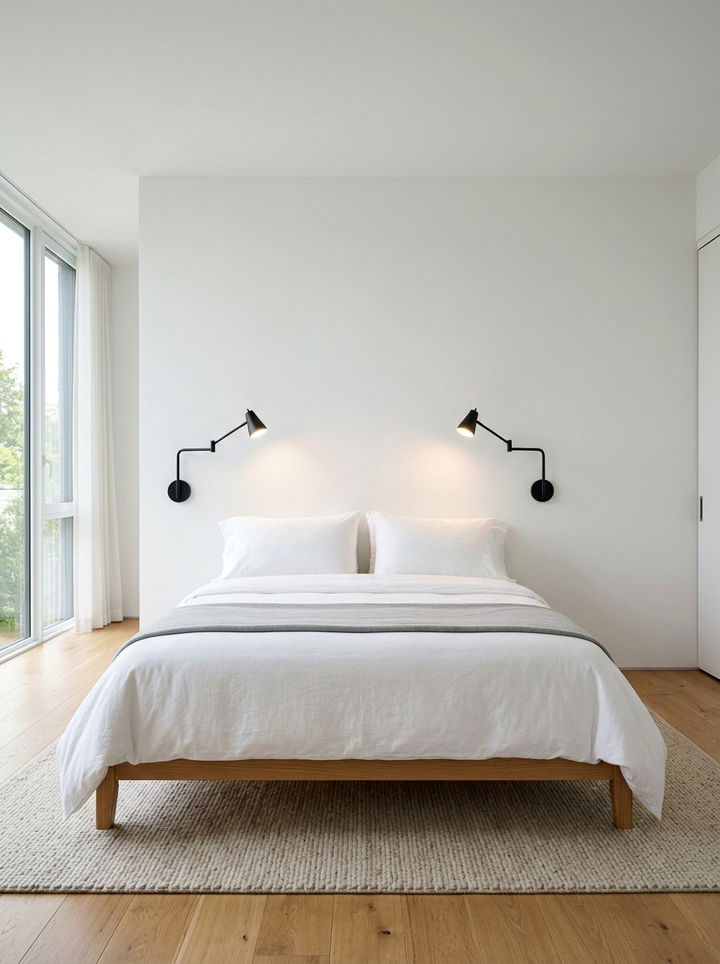
In a narrow bedroom, every inch of floor and nightstand space is valuable, making wall-mounted lighting a superior choice. Swivel-arm sconces or sleek modern lamps attached to the wall provide perfect task lighting for reading without the need for bulky table lamps. This keeps your bedside surfaces clear for essentials like water, glasses, or a clock. Wall lighting also draws the eye upward and can be used to highlight architectural features or artwork along the long walls. By eliminating the clutter of cords and lamp bases, you contribute to a cleaner, more streamlined look that makes the entire room feel much more organized.
Conclusion:
Mastering the layout of a long bedroom is all about embracing the unique proportions and using them to your advantage. Whether you choose to zone the space with rugs, add architectural interest with beams, or keep things sleek with minimalist furniture, the goal is to create a room that feels balanced and intentional. By focusing on smart storage, effective lighting, and comfortable seating, you can turn a challenging narrow room into the most functional and beautiful part of your home. We hope these thirty ideas have inspired you to look at your rectangular bedroom with fresh eyes and a renewed sense of design possibility.
Related posts: