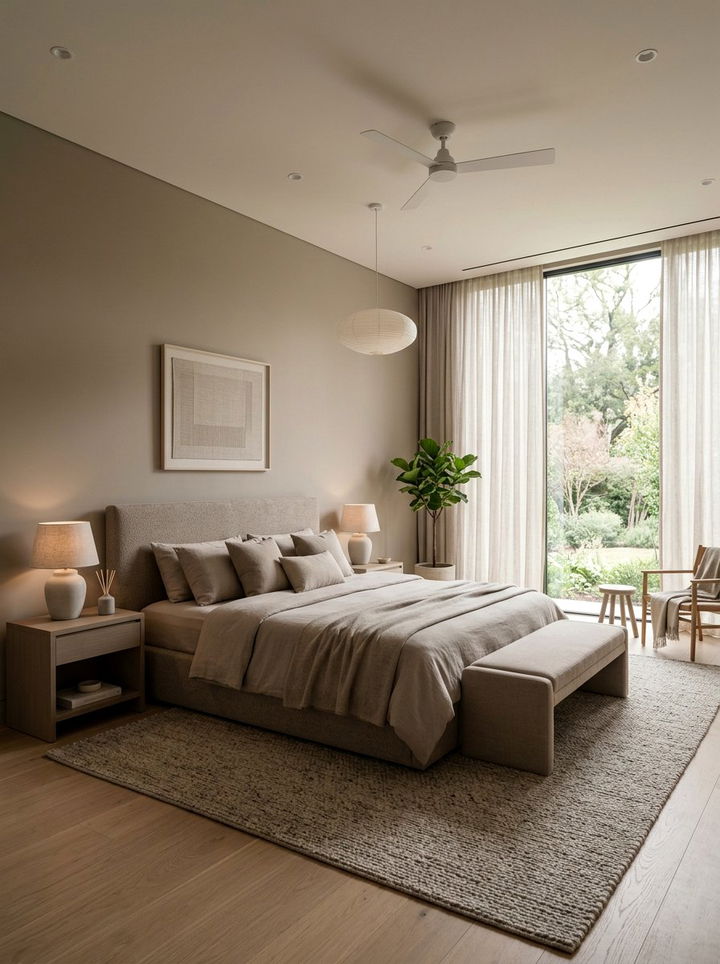
Creating a sanctuary in your home often starts with the bedroom, where the principles of Japanese design can transform a chaotic space into a peaceful retreat. Japanese interiors focus on the concept of Ma, or negative space, which allows the mind to rest without the distraction of clutter. By incorporating natural materials like wood, paper, and stone, you can foster a deep connection with the environment even while indoors. This approach to decorating emphasizes quality over quantity, ensuring every piece of furniture serves a clear purpose. Whether you prefer traditional elements or modern adaptations, these concepts will help you create a balanced, serene, and truly restorative sleeping environment today.
1. Tatami mat flooring
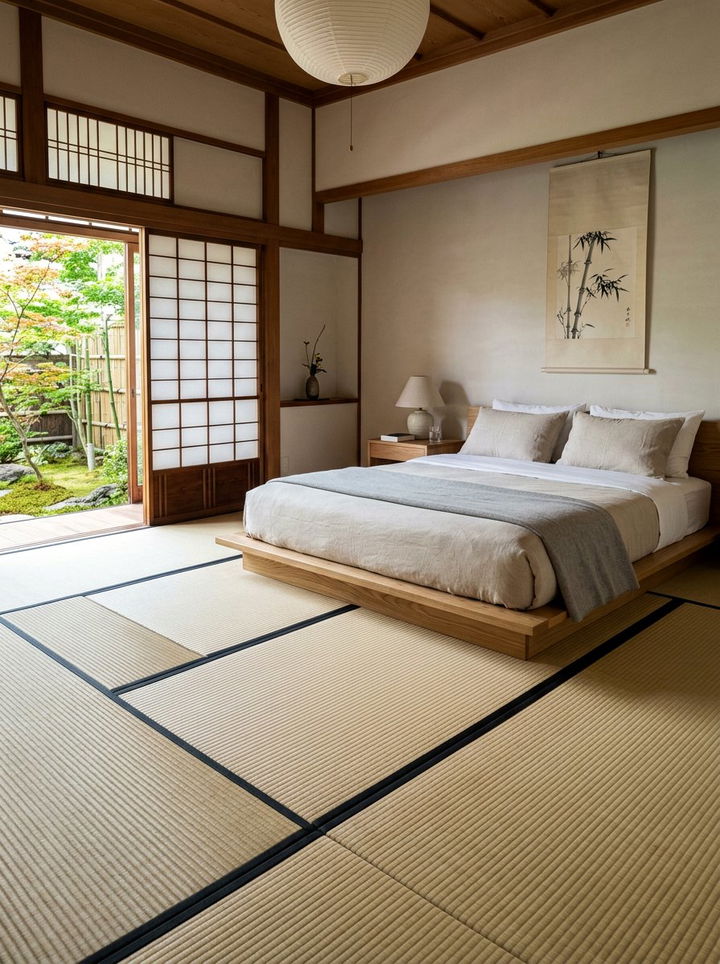
Traditional Japanese bedrooms often feature tatami mats made from woven rush grass, which provides a soft and slightly springy surface for walking. These mats offer a unique scent that is both calming and earthy, contributing to a multisensory experience within the room. When planning your layout, remember that the arrangement of these mats follows specific cultural patterns to ensure good fortune and harmony. Tatami serves as a natural insulator, keeping the room cool during hot summers and warm during the winter months. Integrating this flooring style creates an authentic foundation that encourages a closer connection to the ground and promotes a grounded feeling in your private living space.
2. Low platform bed
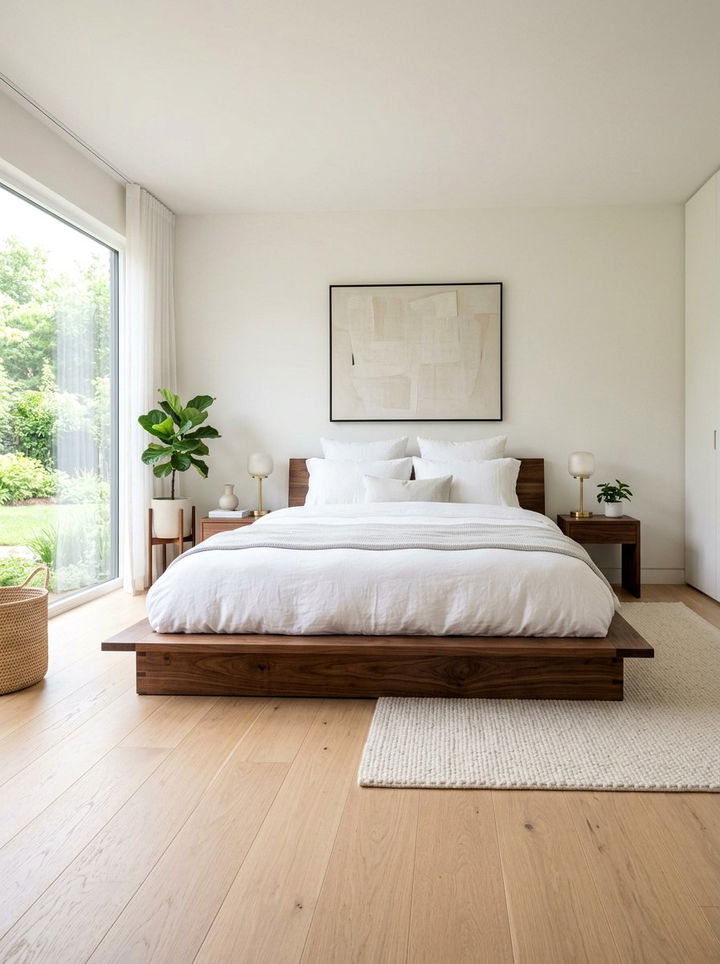
A low platform bed is a central feature in many modern Japanese sleeping quarters because it maintains a low center of gravity. This design choice makes the ceiling feel much higher, which helps a small room feel significantly more spacious and airy. By keeping the bed frame close to the floor, you create a sense of stability and calmness that is essential for a good night of sleep. Choose a frame made from solid wood with clean, straight lines to emphasize the minimalist aesthetic. This furniture piece acts as the focal point of the room while staying humble, ensuring that the overall atmosphere remains peaceful and very uncluttered.
3. Shoji screen room divider
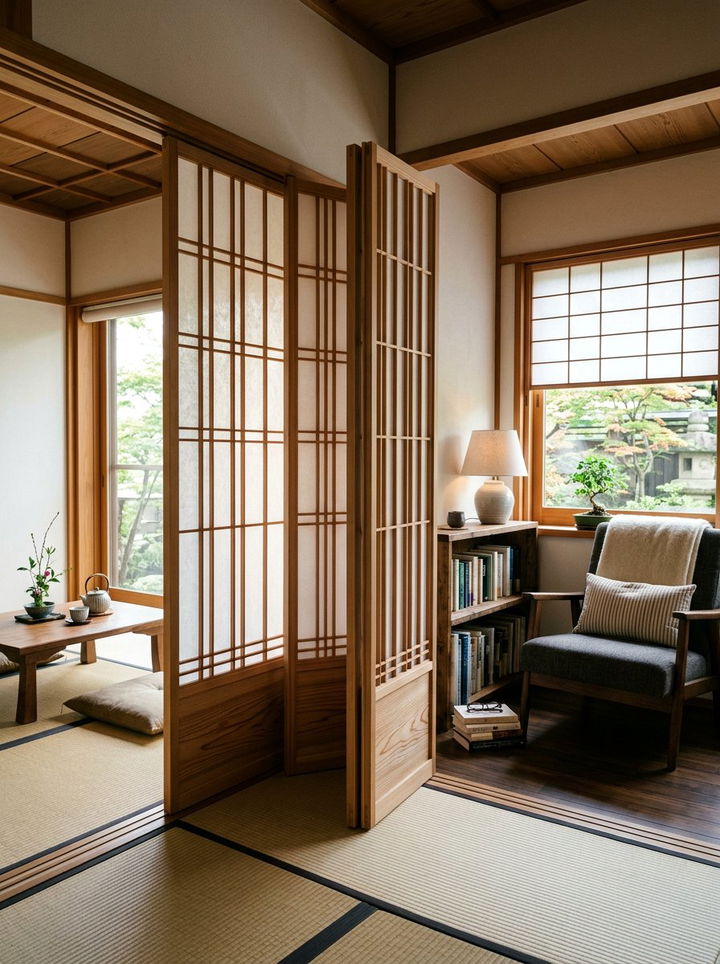
Using a shoji screen room divider is an excellent way to separate different functional areas within your bedroom without blocking natural light. These screens are typically made from translucent paper and a wooden frame, allowing a soft glow to permeate the space. You can use them to hide a dressing area or a small home office, maintaining a tidy appearance at all times. The delicate grid pattern adds a touch of architectural interest and traditional charm to any modern interior. Because they are lightweight and portable, you can easily rearrange your room layout whenever you feel the need for a fresh perspective or a new look.
4. Natural wood accent wall
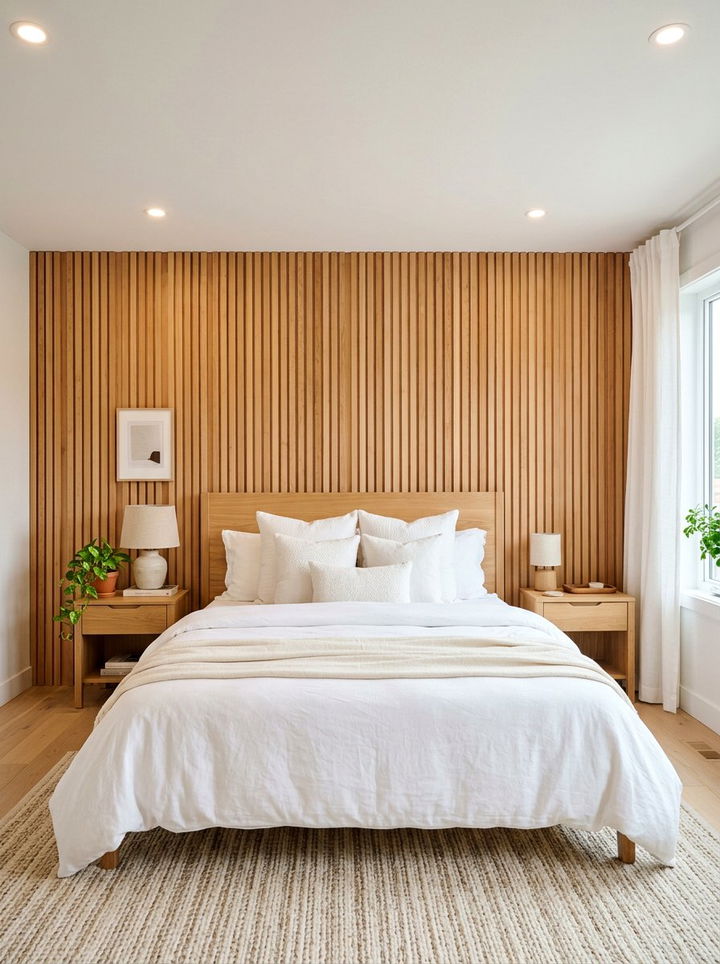
Installing a natural wood accent wall brings warmth and organic texture into a Japanese inspired bedroom, creating a cozy and inviting atmosphere. Use light-colored woods like cedar, cypress, or ash to keep the room feeling bright and connected to the natural world. Vertical or horizontal slats can add a sense of height or width to the room, depending on your specific spatial needs. This feature serves as a beautiful backdrop for your bed, eliminating the need for excessive wall decor or heavy paintings. The natural grain of the wood provides enough visual interest on its own, adhering perfectly to the minimalist philosophy of appreciating raw, simple materials.
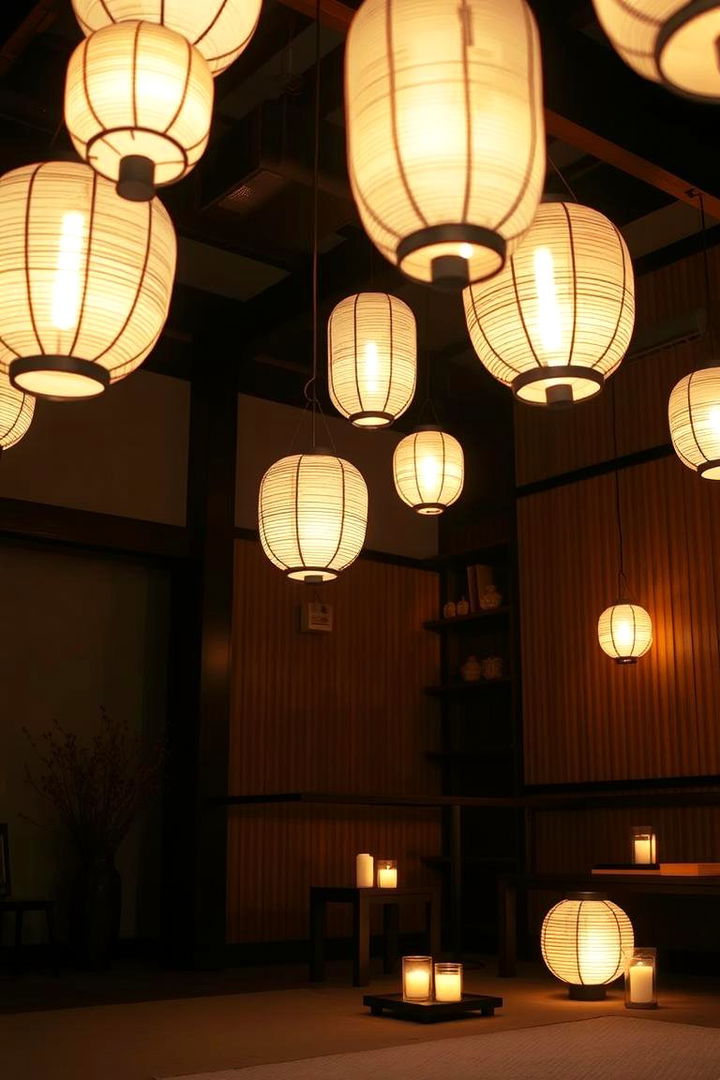
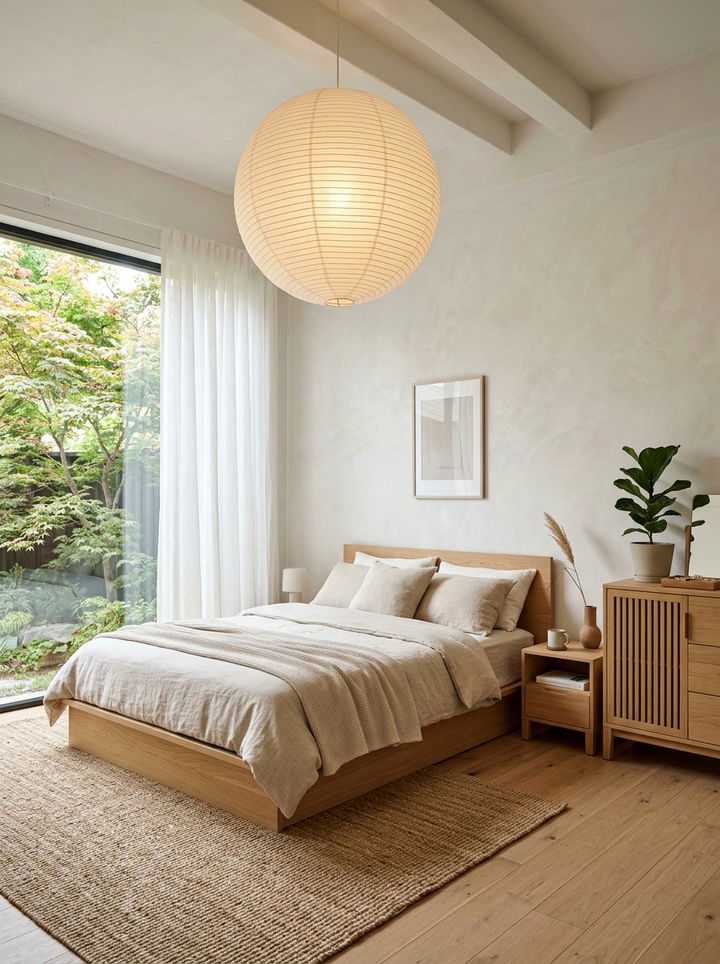
5. Paper lantern lighting
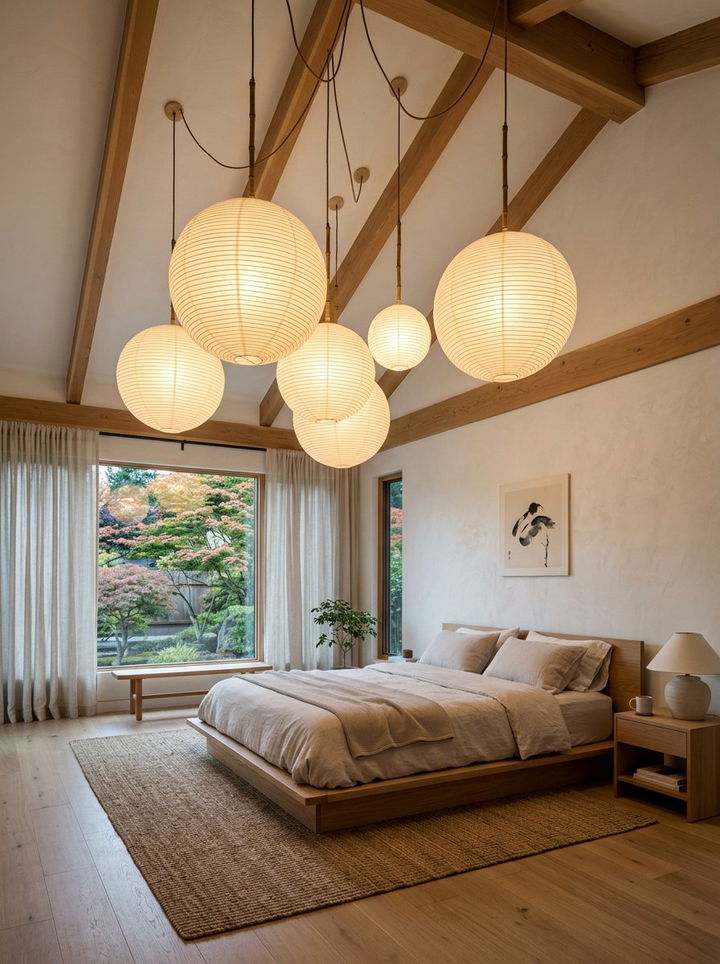
Soft illumination is key to achieving a zen atmosphere, and paper lantern lighting is the perfect choice for a gentle glow. These fixtures diffuse light evenly throughout the bedroom, preventing harsh shadows that can disrupt your sense of calm before bedtime. You might choose a large spherical pendant for the center of the ceiling or smaller lanterns for the bedside tables. The organic shape and texture of the paper add a soft, tactile element to the room that complements wooden furniture beautifully. This type of lighting mimics the soft quality of moonlight, helping your body transition into a state of relaxation and deep, restful sleep.
6. Minimalist zen bedroom
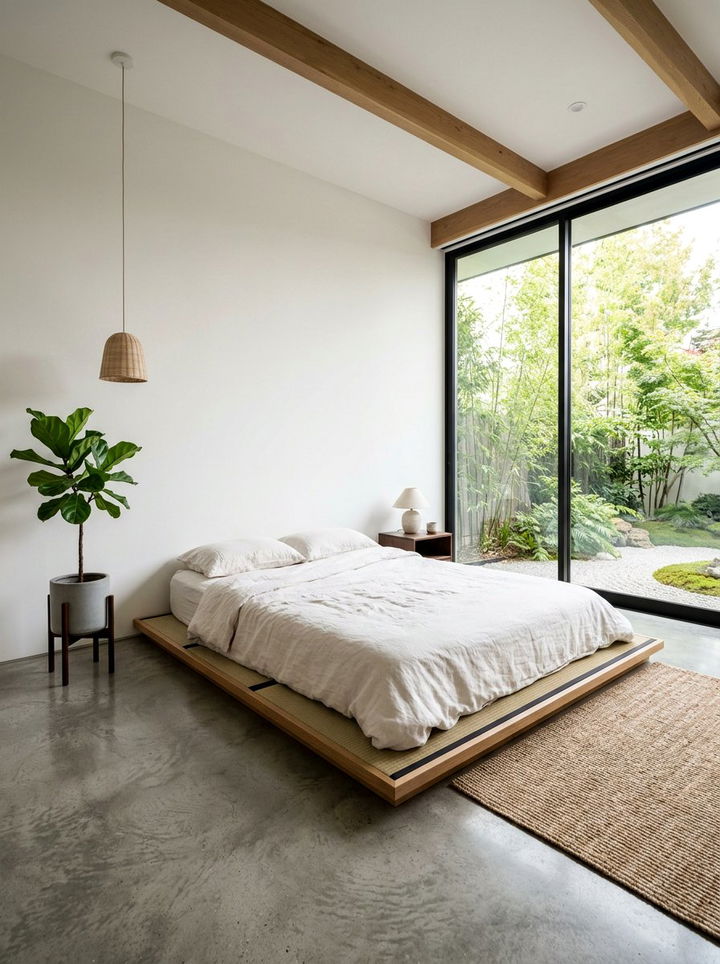
A minimalist zen bedroom focuses on removing all unnecessary items to create a space that is entirely dedicated to rest and meditation. Every object in the room should have a specific purpose or bring you a sense of deep joy and tranquility. Keep the surfaces clear of trinkets and electronics to minimize mental distractions that can interfere with your sleep quality. Use a monochromatic or very limited color palette to maintain visual harmony and a sense of effortless flow. This design approach encourages mindfulness, allowing you to focus on the present moment and find peace within the simplicity of your surroundings every single night.
7. Japandi style bedroom
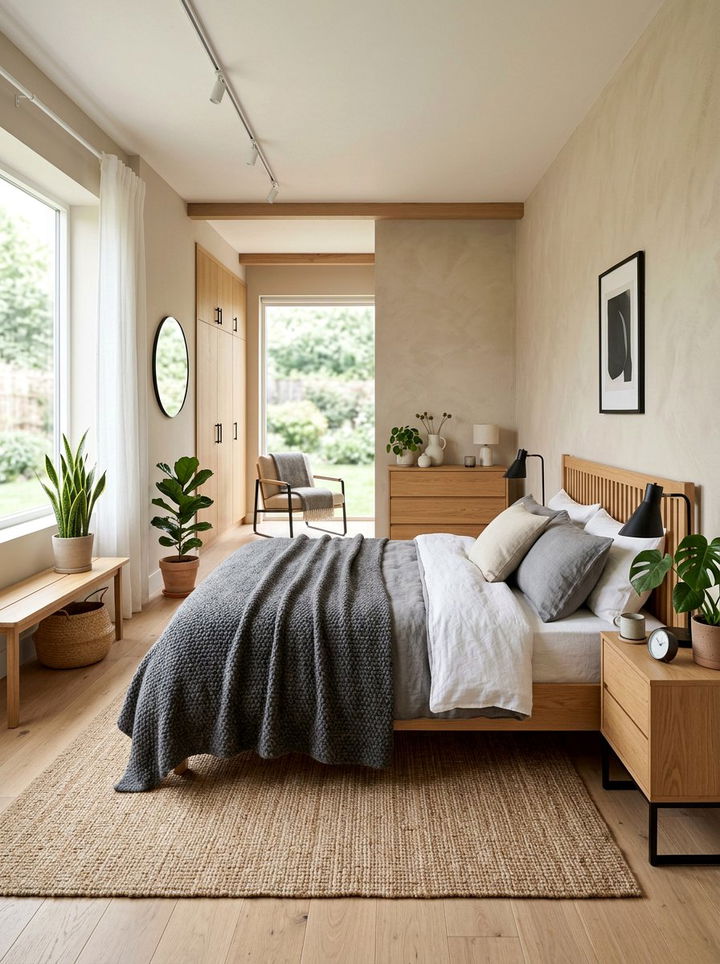
The Japandi style bedroom combines the rustic warmth of Scandinavian decor with the functional elegance of Japanese interiors for a truly unique look. This hybrid aesthetic uses a mix of light woods, cozy textiles, and clean lines to create a space that feels both modern and comfortable. You can pair a sleek Japanese bed frame with plush wool blankets or linen pillows to add a layer of Scandinavian “hygge. ” The contrast between the cool minimalism and the warm textures results in a sophisticated yet approachable environment. This style is perfect for those who love the organized look of Zen design but still want a cozy home.
8. Indoor bonsai plant
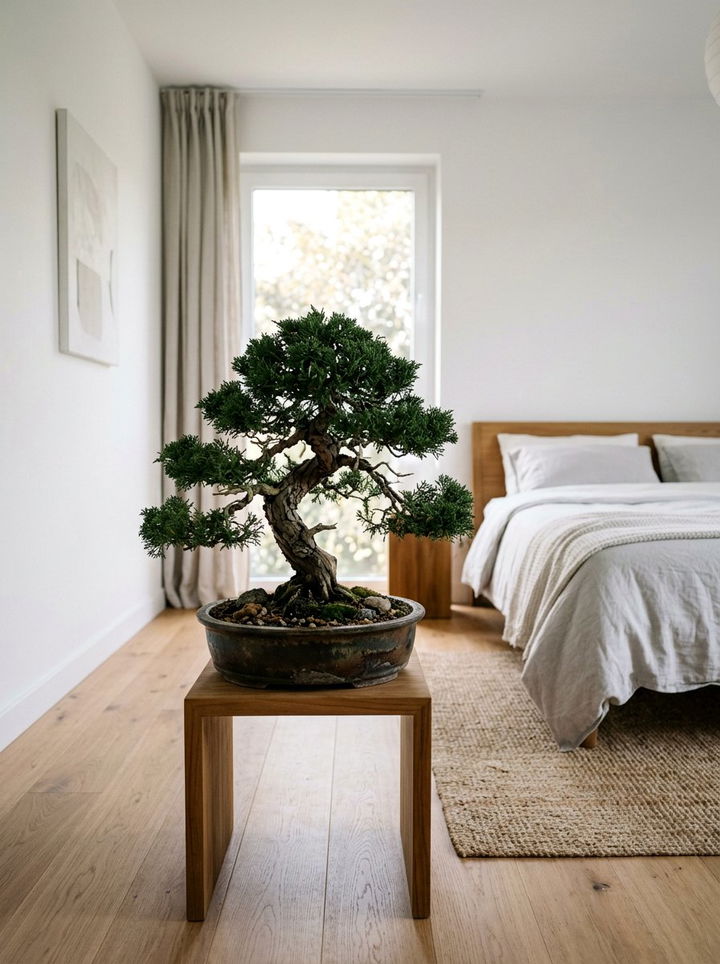
Adding an indoor bonsai plant to your bedroom introduces a living element that symbolizes harmony, balance, and the beauty of the natural world. Placing a small tree on a wooden pedestal or a low dresser creates a striking focal point that requires careful attention and mindfulness. The presence of greenery has been shown to reduce stress levels and improve air quality, making it a functional addition to your space. Bonsai trees are living sculptures that change over time, reminding you of the passing seasons and the importance of patience. This small piece of nature brings a sense of life and vitality to even the most minimalist bedroom.
9. Neutral color palette
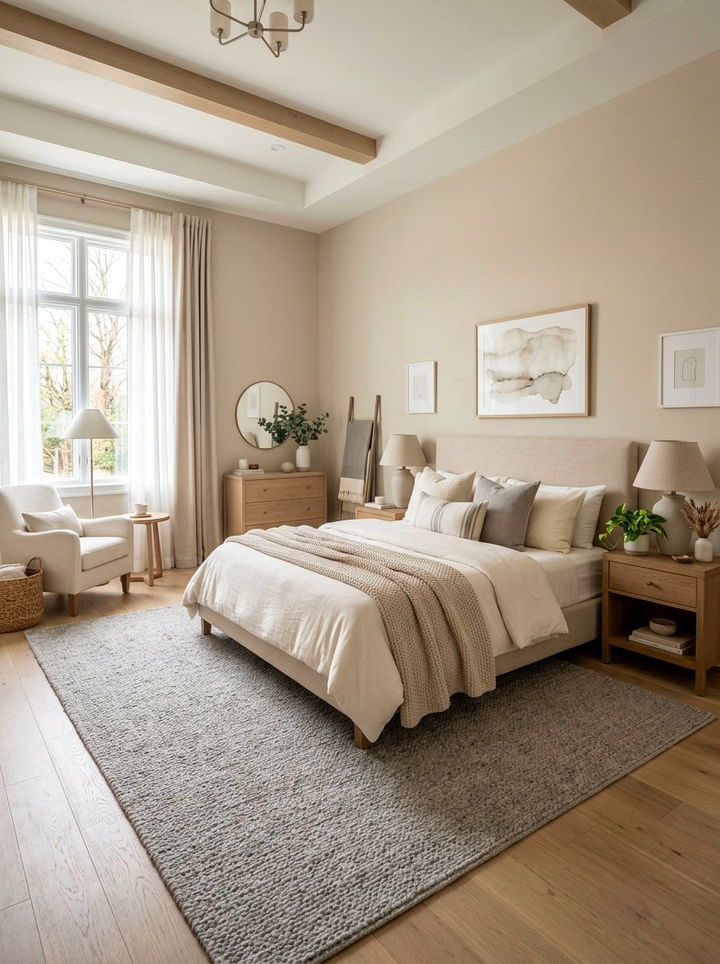
A neutral color palette consisting of beige, cream, grey, and soft browns is essential for creating a cohesive and calming Japanese bedroom. These colors reflect natural light beautifully and create a seamless transition between different materials like wood, paper, and stone. By avoiding bright or jarring colors, you ensure that the eyes can rest easily, which is crucial for a relaxing environment. You can introduce subtle variations in tone and texture to add depth to the room without overwhelming the overall design. This understated approach to color allows the architectural details and the quality of the materials to take center stage in your home.
10. Sliding closet door
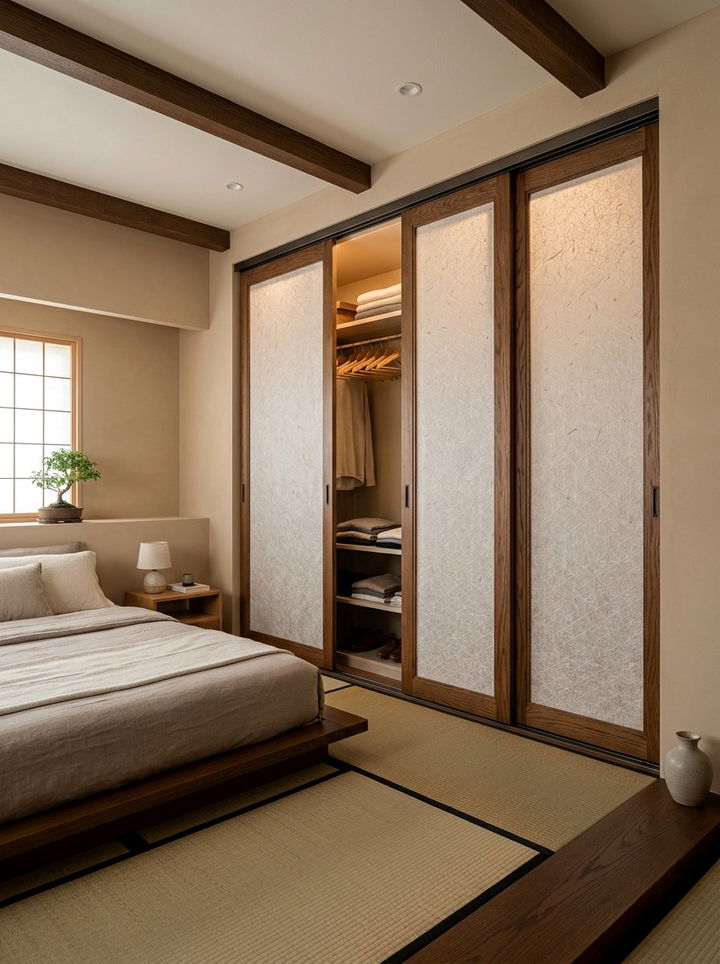
Sliding closet doors, inspired by traditional fusuma panels, are a practical and stylish way to save space in a Japanese themed bedroom. Unlike swinging doors, sliding panels do not require extra floor space to open, making them ideal for smaller rooms or narrow walkways. You can choose doors with wooden frames and fabric or textured paper inserts to add a layer of tactile interest to the walls. These doors provide a clean and seamless look that hides your belongings away, maintaining the uncluttered aesthetic of the room. The smooth gliding motion of the doors adds a sense of refined craftsmanship to your daily morning routine.
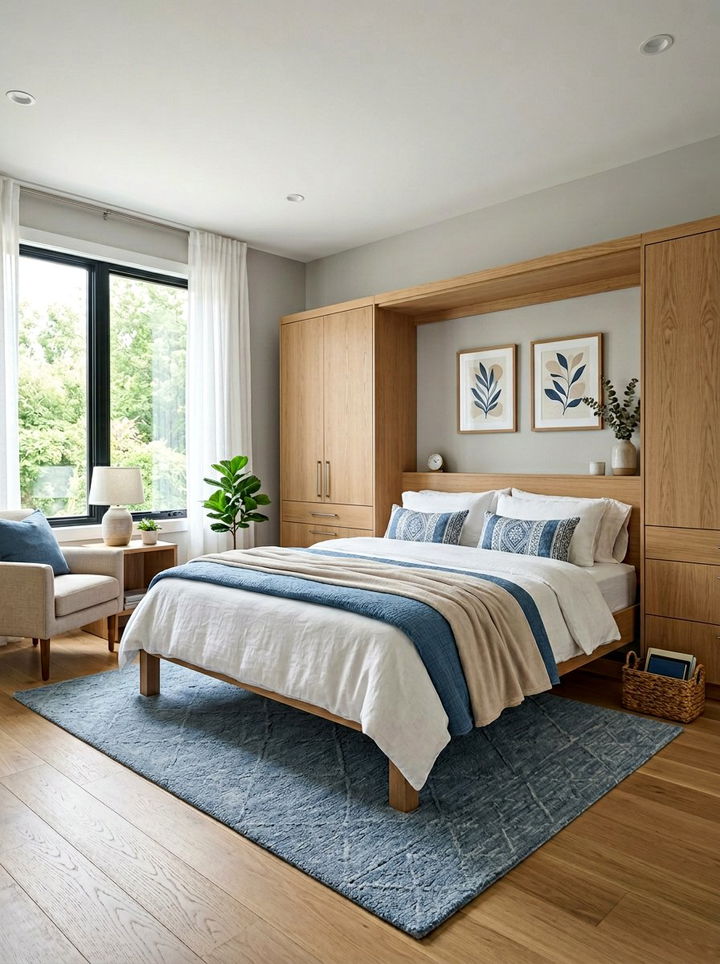
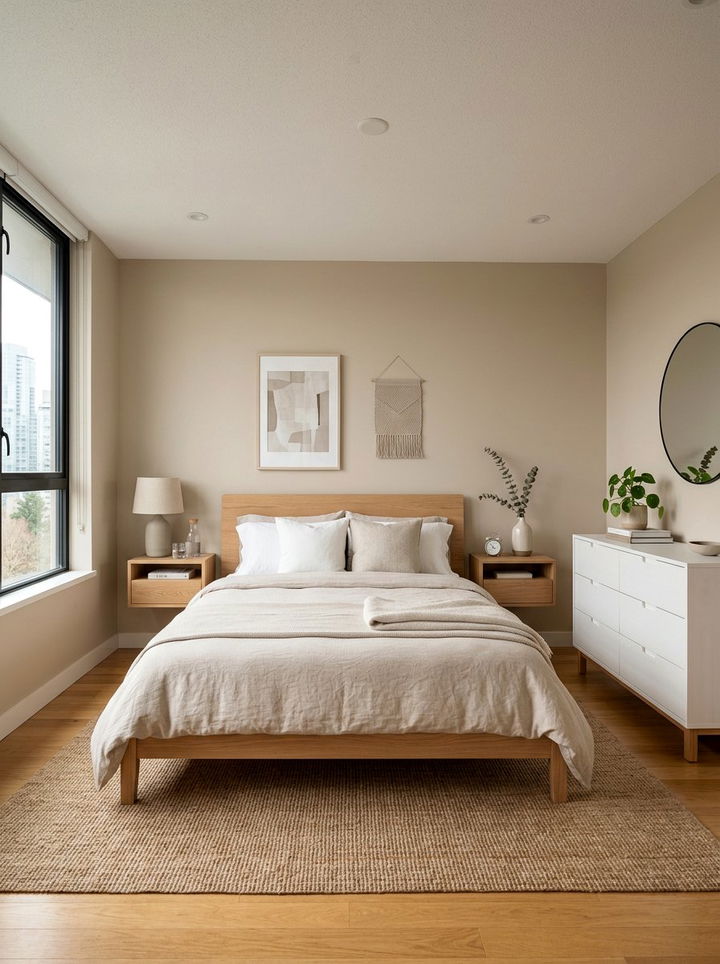
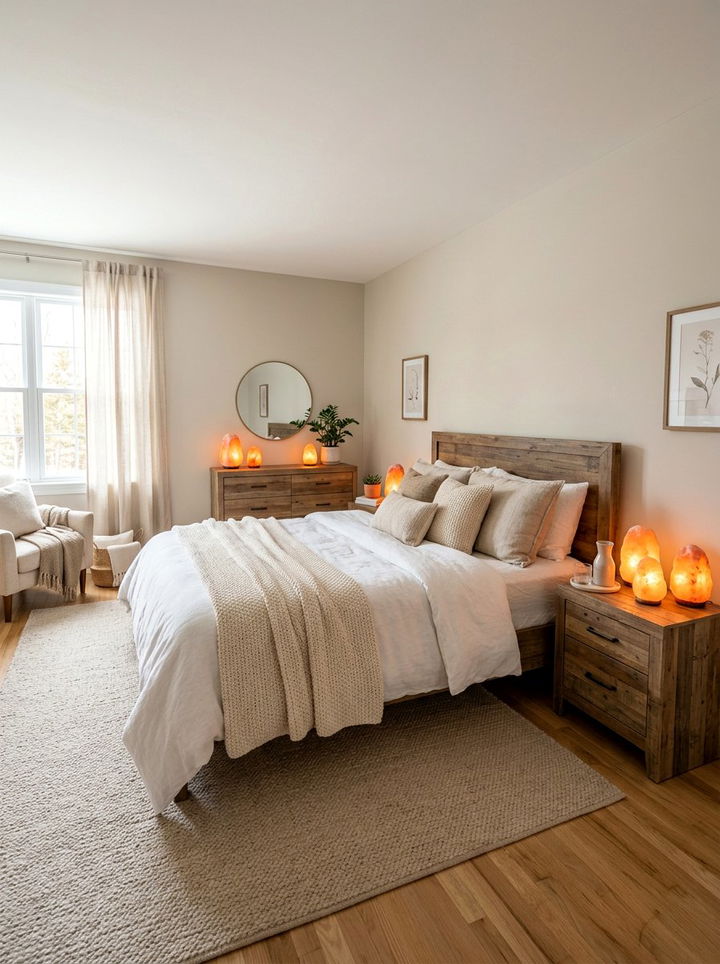
11. Floor cushion seating

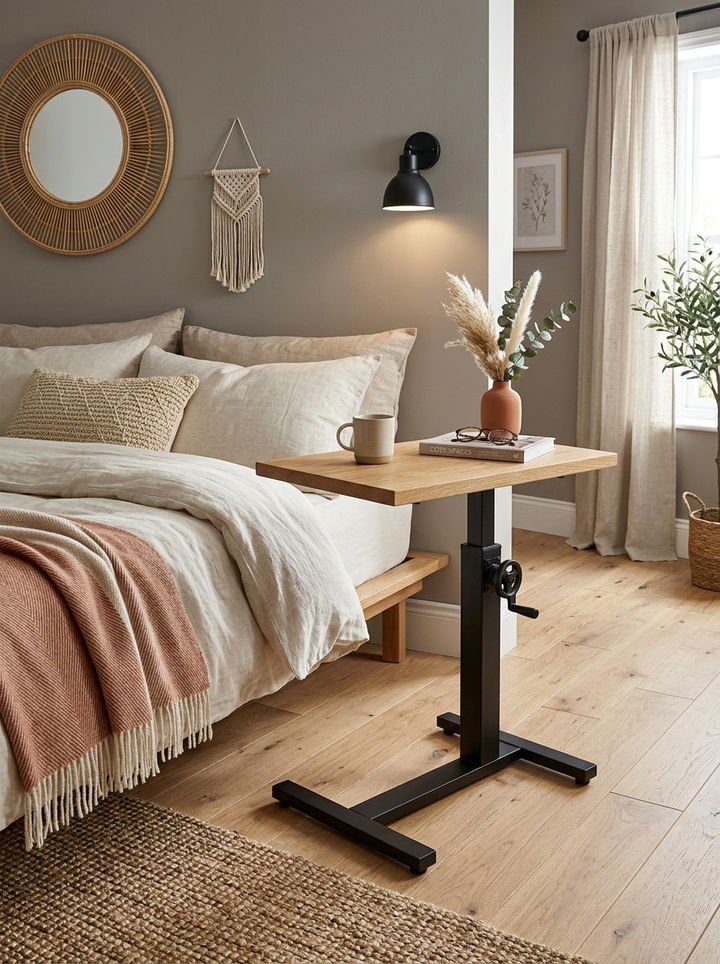
Incorporating floor cushion seating, known as zabuton, encourages a low-profile lifestyle and provides a comfortable spot for reading or quiet meditation. These cushions can be placed on a tatami mat or directly on a wooden floor to create a dedicated relaxation nook. Choose cushions made from natural fabrics like cotton or linen in muted tones to match the rest of your bedroom decor. This seating arrangement fosters a sense of informality and intimacy that is often missing from more traditional Western bedroom layouts. Using floor cushions also keeps the visual plane of the room low, which contributes to the overall feeling of spaciousness and Zen.
12. Wabi sabi bedroom
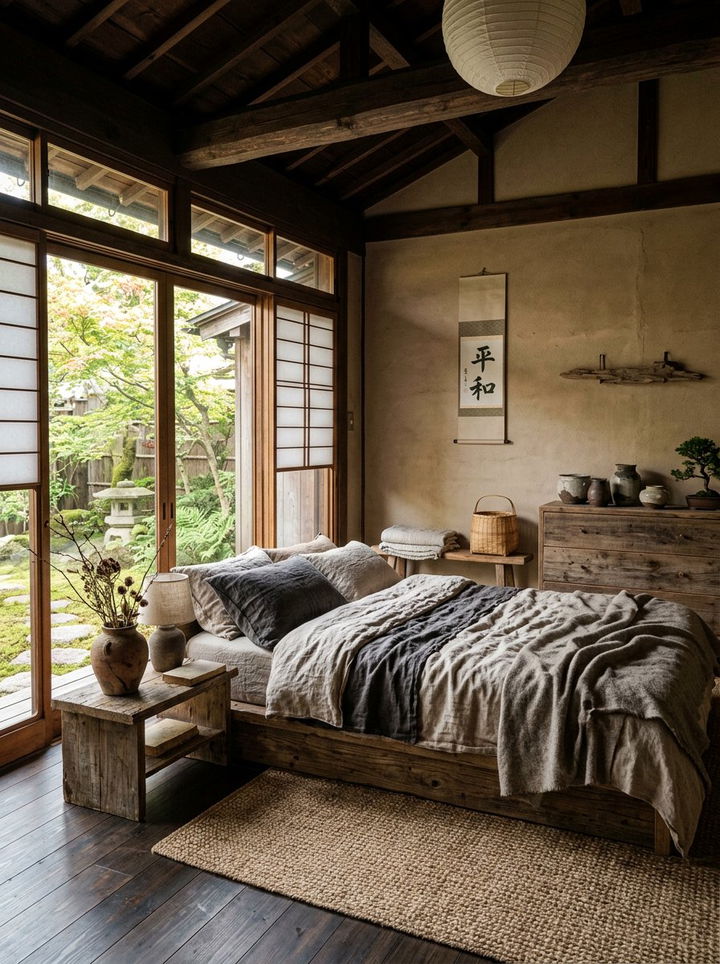
A wabi sabi bedroom celebrates the beauty of imperfection and the natural cycle of growth and decay in all living things. This concept involves using materials that age gracefully, such as reclaimed wood, handmade ceramics, and wrinkled linen fabrics for your bed. Instead of striving for a polished or perfect look, you embrace the unique character of objects that show signs of wear and history. This approach creates a deeply personal and soulful space that feels authentic and unpretentious to everyone who enters. By surrounding yourself with items that have a story, you foster a sense of gratitude and appreciation for the simple things in life.
13. Bamboo furniture set
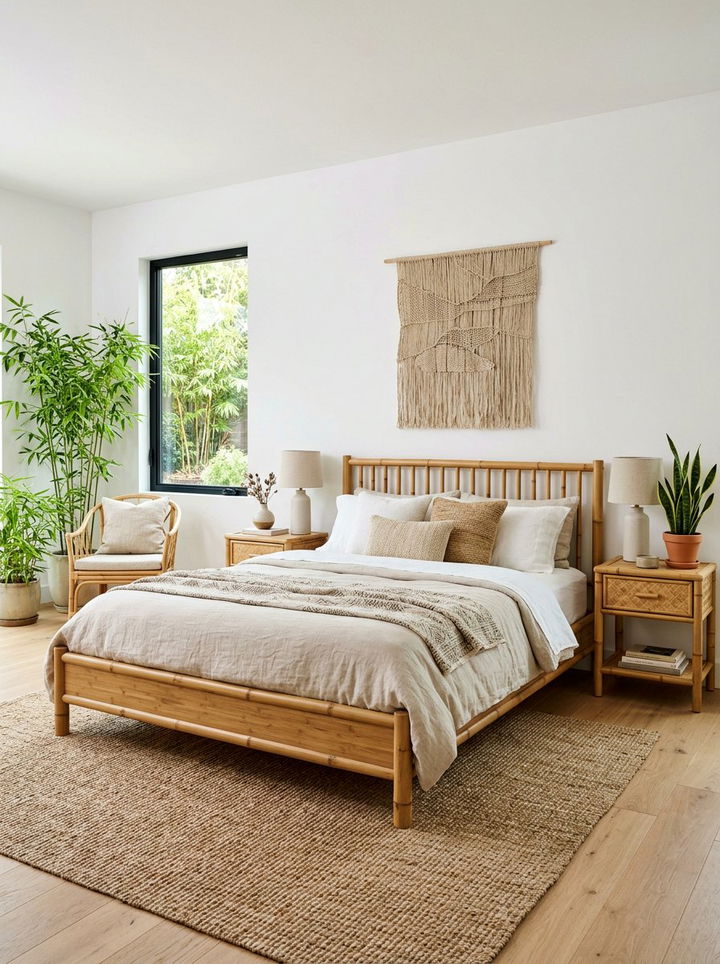
Using a bamboo furniture set is a sustainable and stylish way to furnish your bedroom with materials that are deeply rooted in Asian tradition. Bamboo is a fast-growing and durable material that offers a unique grain and a light, airy feel to any interior space. You can find bed frames, nightstands, and even shelving units made from this versatile grass that complement a minimalist aesthetic perfectly. The natural warmth of bamboo pairs well with white walls and green plants, creating a refreshing and organic look. Choosing bamboo furniture also shows a commitment to eco-friendly living, which aligns with the Japanese respect for the natural environment.
14. Large window nature view
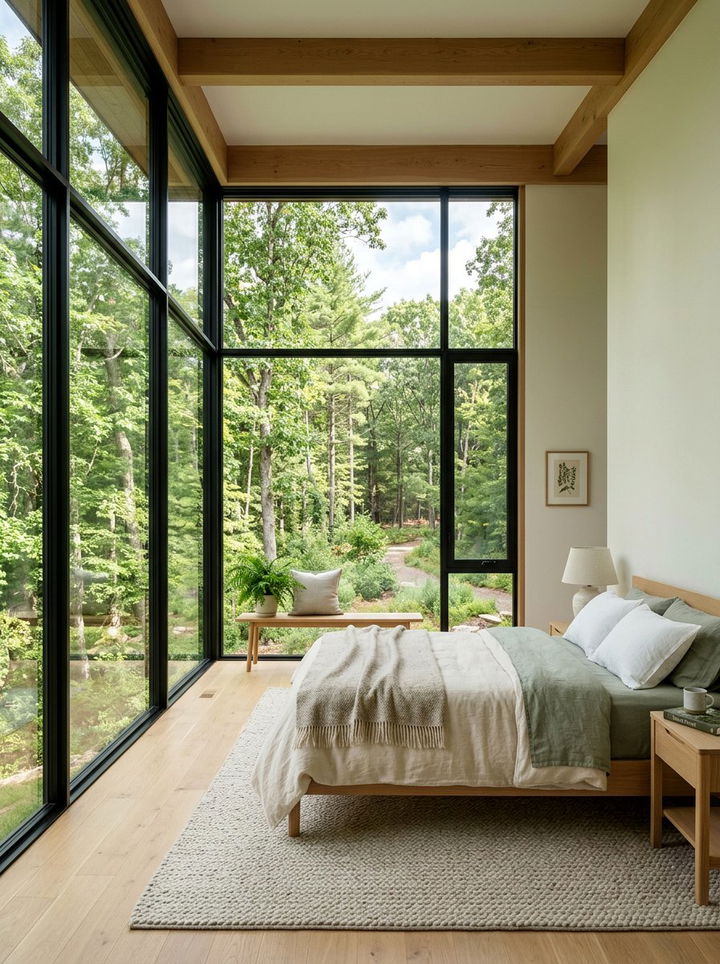
A large window with a view of nature acts as a living piece of art in a Japanese inspired bedroom. If your room overlooks a garden or a wooded area, keep the window treatments simple to allow the outdoors to become part of the interior. This connection to the outside world helps to blur the boundaries between your home and nature, promoting a sense of peace. If a natural view is not available, you can use large potted plants or a small balcony garden to create a similar effect. Waking up to natural light and greenery can significantly improve your mood and energy levels throughout the day.
15. Futon mattress on floor
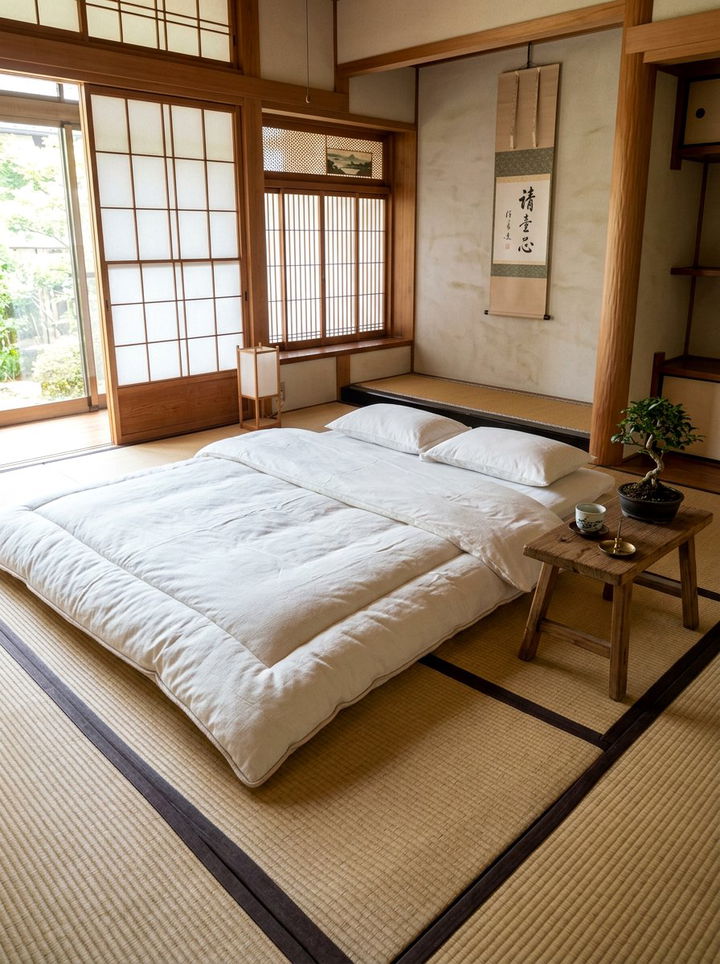
Using a high-quality futon mattress on the floor is the ultimate way to embrace traditional Japanese sleeping habits for better health and space. Modern futons are designed to provide excellent support for the back while being easy to fold and store away during the day. This practice allows you to use your bedroom for other activities, such as yoga or meditation, when you are not sleeping. Placing the futon on a tatami mat or a low wooden slatted base ensures proper airflow and comfort. This minimalist approach to bedding eliminates the need for bulky furniture, creating a clean and flexible living environment that feels very open.
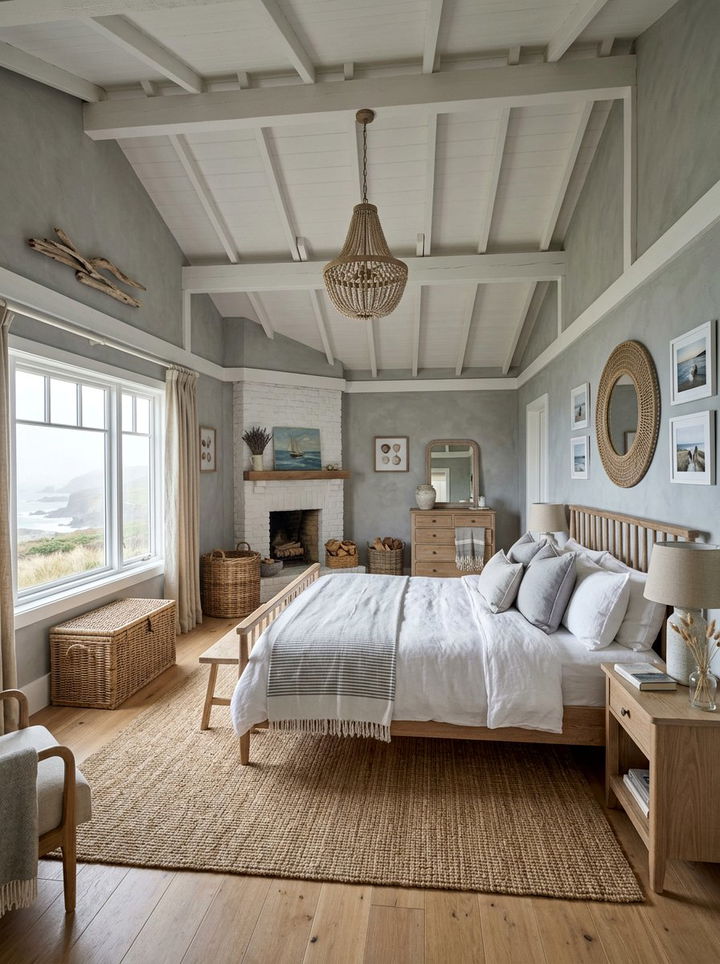

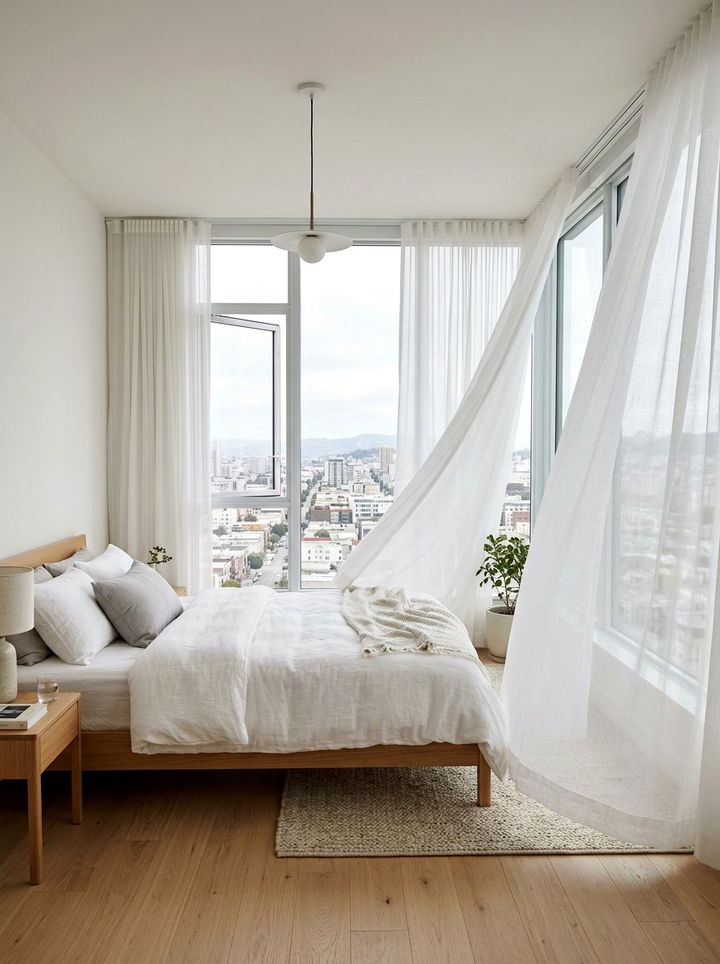
16. Recessed ceiling lighting
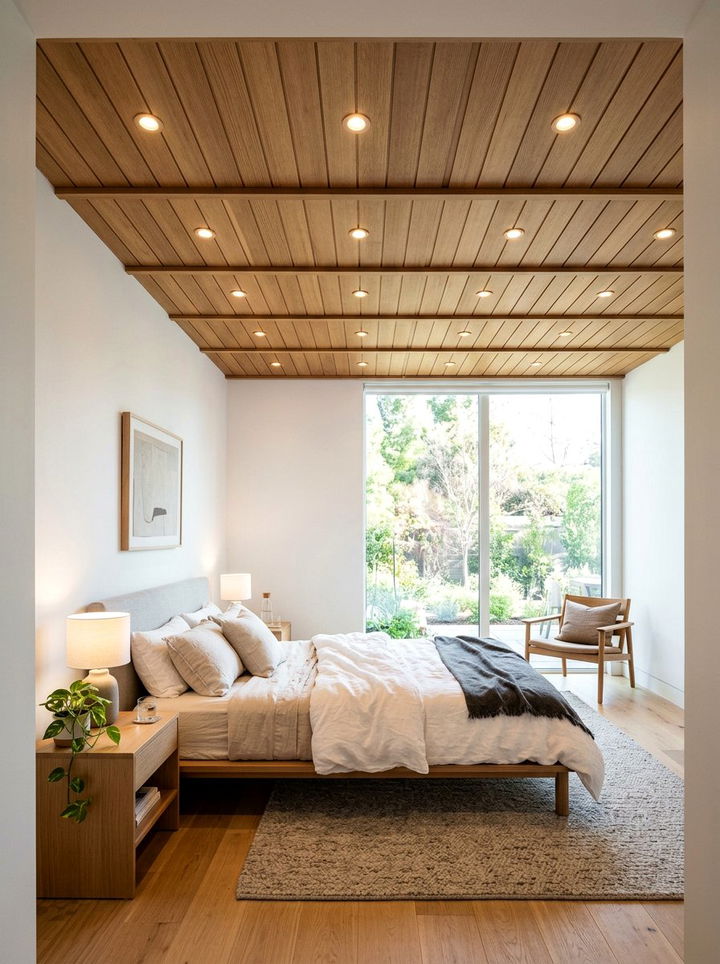
Recessed ceiling lighting provides a clean and modern way to illuminate your bedroom without the clutter of hanging fixtures or bulky lamps. This type of lighting is often used in Japanese design to highlight architectural features or to provide a soft wash of light over a wall. By tucking the lights into the ceiling, you maintain a smooth and unobstructed visual plane that enhances the feeling of height. You can install dimmer switches to control the intensity of the light, allowing you to create different moods throughout the evening. This subtle approach to illumination ensures that the room remains functional while maintaining its peaceful and serene character.
17. Japanese art wall decor
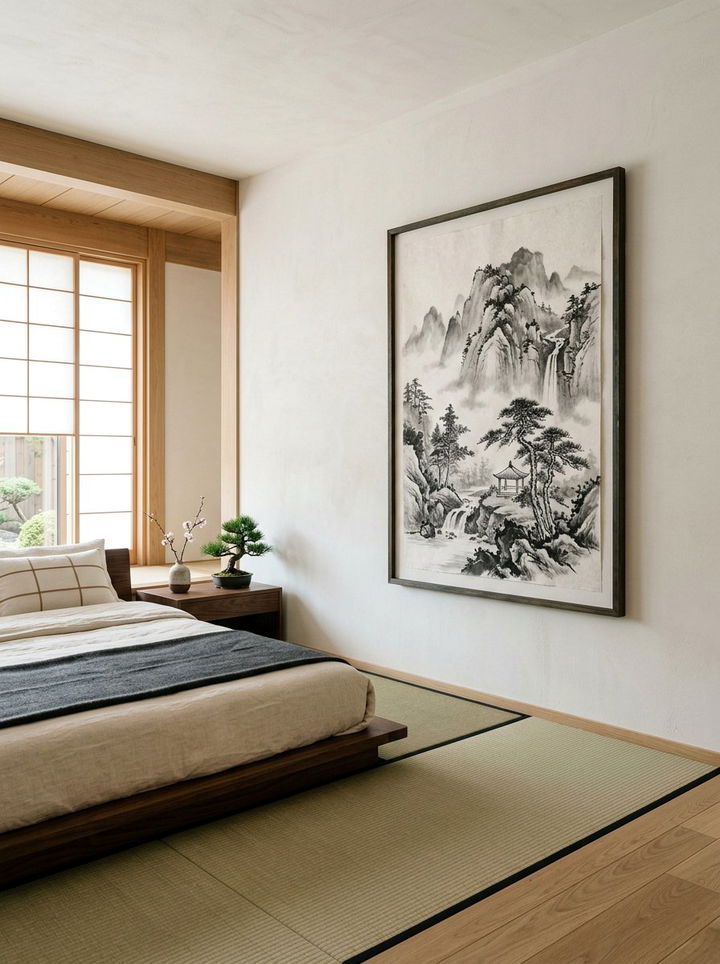
Japanese art wall decor, such as a single framed woodblock print or a piece of calligraphy, adds a sophisticated touch of culture. In a Japanese bedroom, it is important to follow the principle of less is more by choosing one or two meaningful pieces. A large, empty wall with one striking artwork creates a powerful focal point that draws the eye without overwhelming the senses. You might select a landscape painting that evokes a sense of journey or a simple ink wash drawing of a plant. The choice of art should reflect your personal taste and contribute to the overall atmosphere of quiet contemplation and beauty.
18. Light oak wood floor
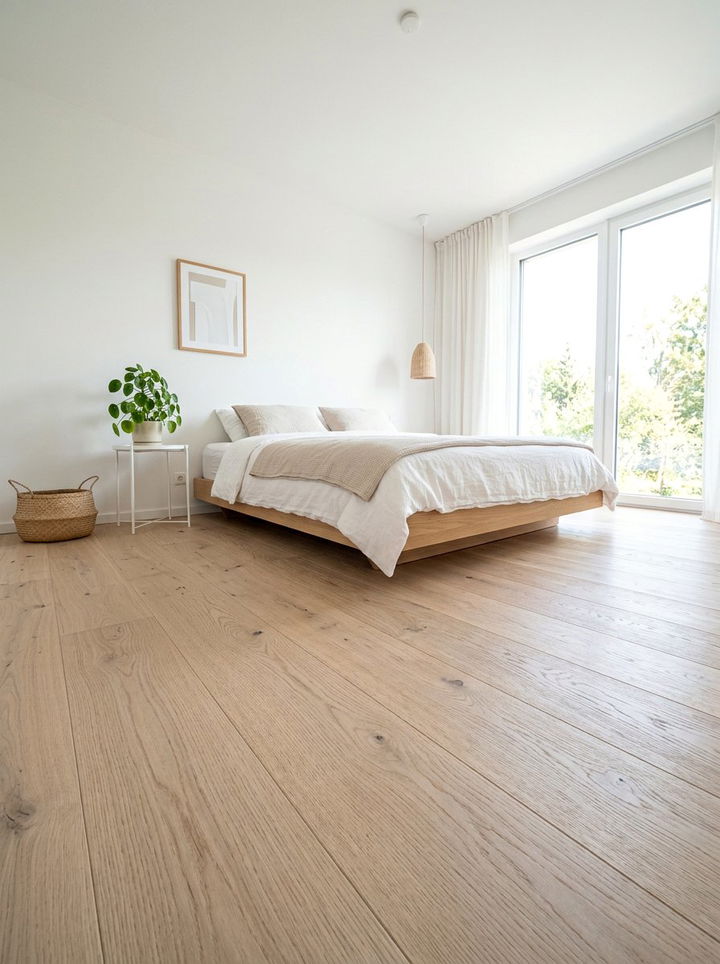
A light oak wood floor provides a bright and durable foundation for a Japanese bedroom, offering a timeless look that never goes out of style. The pale tones of the oak help to reflect natural light, making the entire room feel more expansive and energetic. Wood floors are also easy to clean and maintain, which is essential for keeping a minimalist space looking its very best. You can leave the wood bare to appreciate its natural grain or add a simple jute rug for extra warmth. The organic feel of the wood underfoot connects you to the earth, enhancing the grounding effect of the low furniture.
19. Built in storage bed
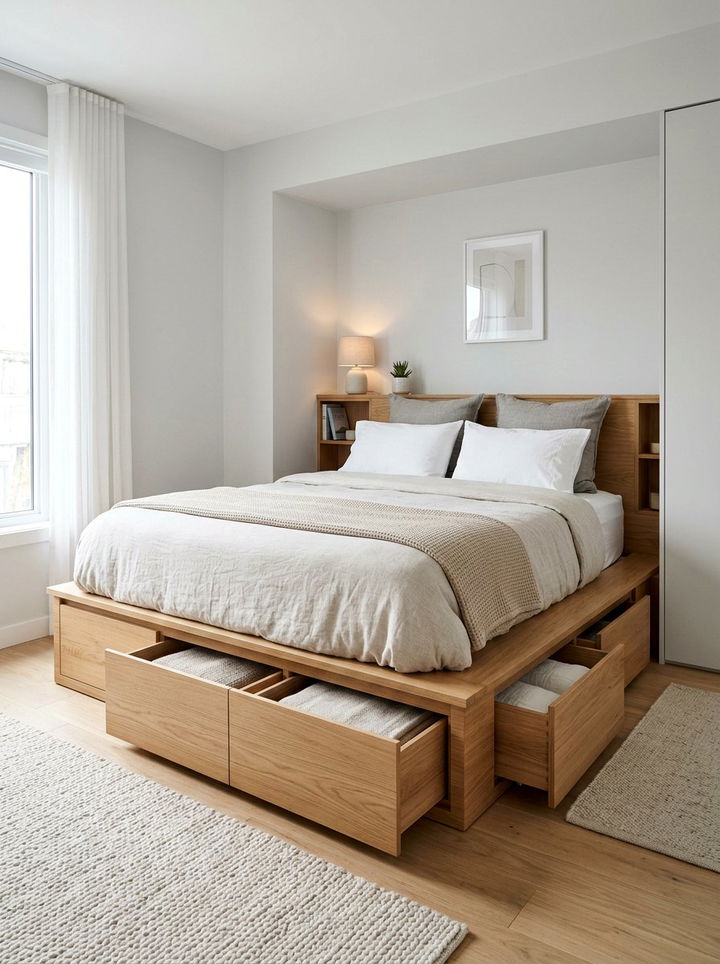
A built in storage bed is a clever solution for maintaining an uncluttered Japanese bedroom while keeping your essential belongings close at hand. These beds often feature hidden drawers or compartments beneath the mattress, providing ample space for extra linens, seasonal clothing, or books. By integrating storage into the bed frame, you eliminate the need for extra dressers or bulky wardrobes that can crowd the room. The seamless design keeps the lines of the furniture clean and continuous, which is a hallmark of Japanese minimalism. This functional piece of furniture ensures that every item in your room has a dedicated home out of sight.
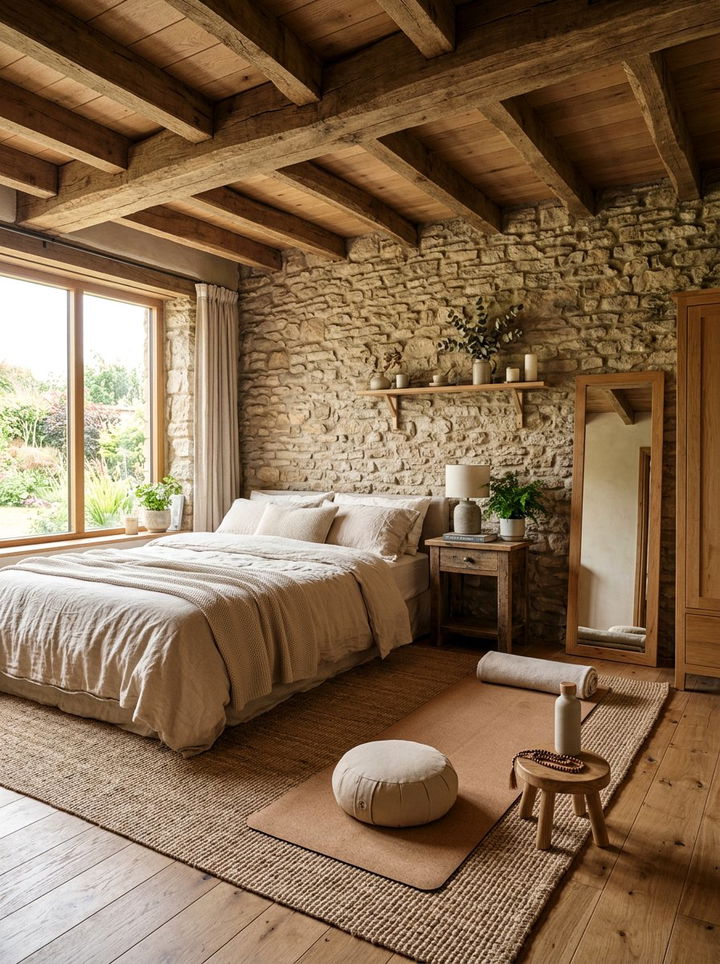
20. Stone accent wall
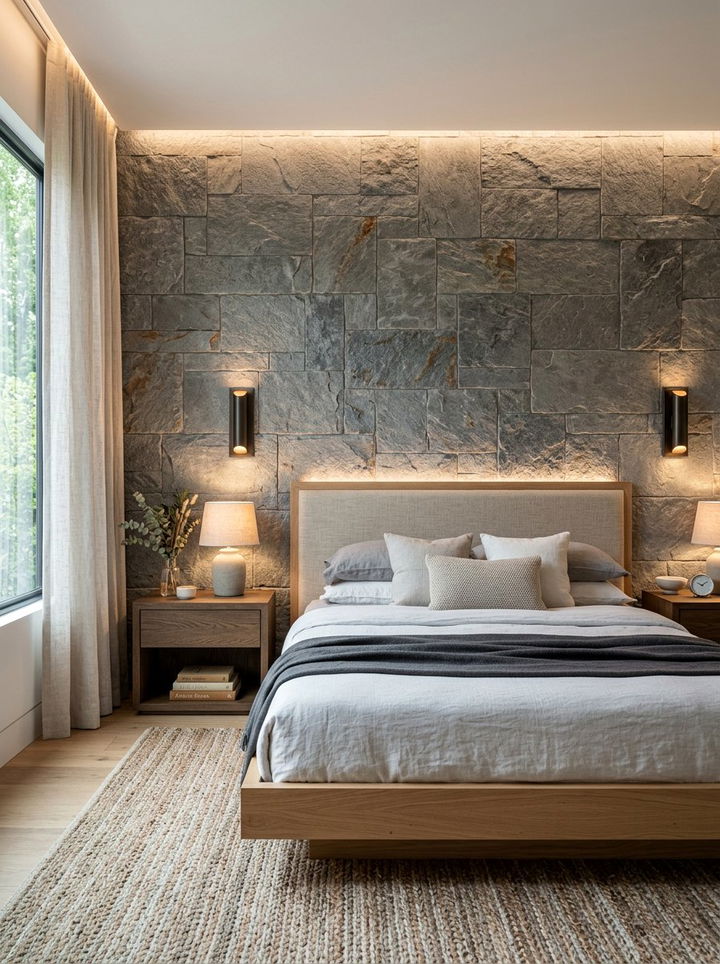
A stone accent wall introduces an element of rugged nature and interesting texture into the bedroom, creating a sense of permanence and strength. You can use thin stone veneers or large slabs of slate to create a feature wall behind the headboard of your bed. The cool temperature and natural variations in the stone provide a beautiful contrast to the warmth of wooden furniture and soft fabrics. This design choice is inspired by traditional Japanese gardens, where stone is used to represent mountains and endurance. A stone wall adds a layer of sophistication and luxury to the room while remaining firmly rooted in the natural world.
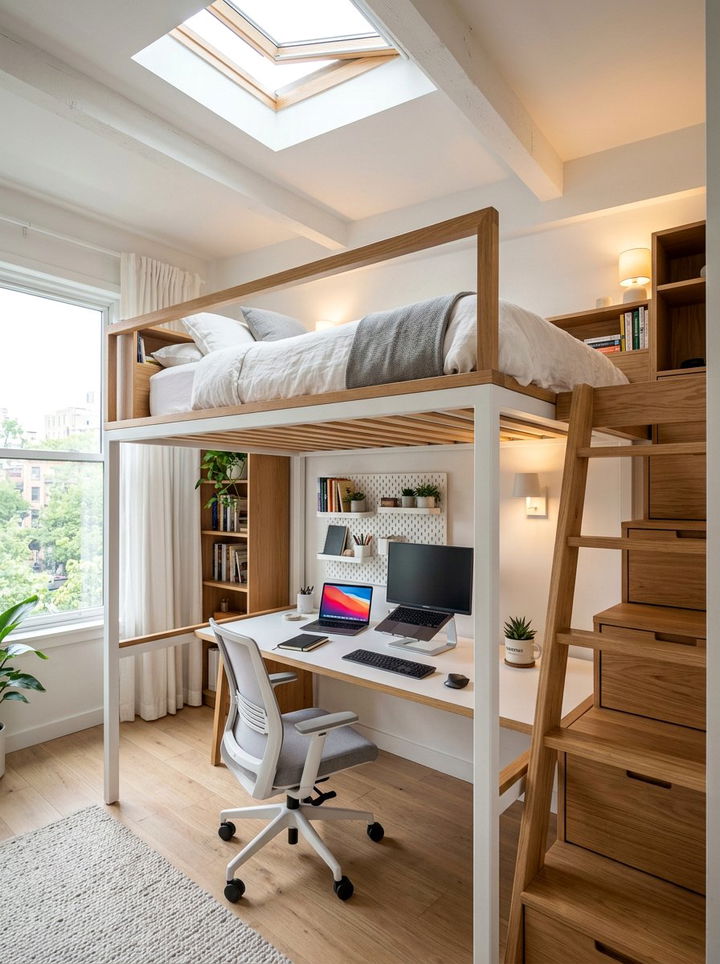
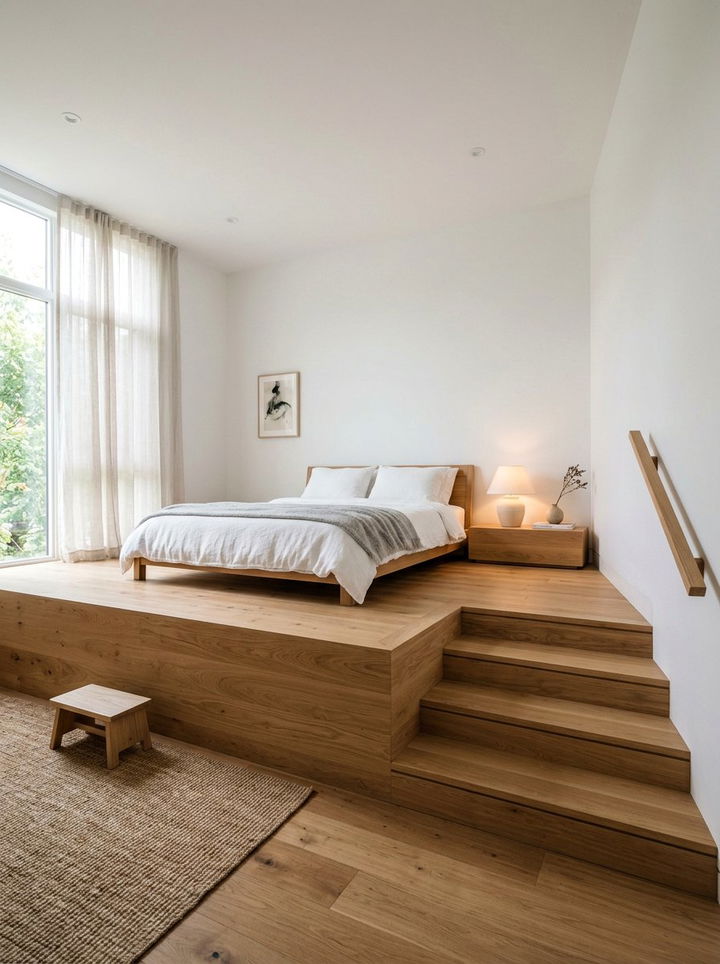
21. Linen bedding set
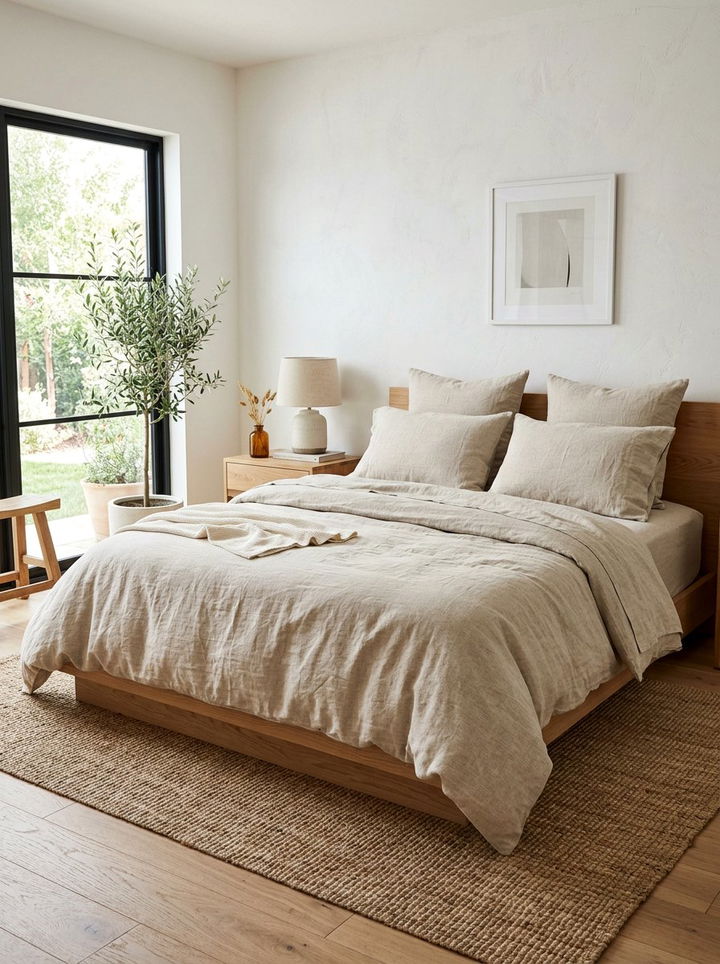
A linen bedding set offers a breathable and textured layer of comfort that is perfect for a relaxed Japanese style sleeping environment. Linen is a natural fiber that gets softer with every wash and has a unique, slightly rumpled look that fits the wabi sabi aesthetic perfectly. The fabric is excellent at regulating body temperature, keeping you cool in the summer and warm in the winter for better sleep. Choose bedding in earthy tones like oatmeal, charcoal, or moss green to complement the wooden elements in your room. The tactile quality of linen adds a sense of approachable luxury and effortless style to your bed.
22. Simple wooden bedside table
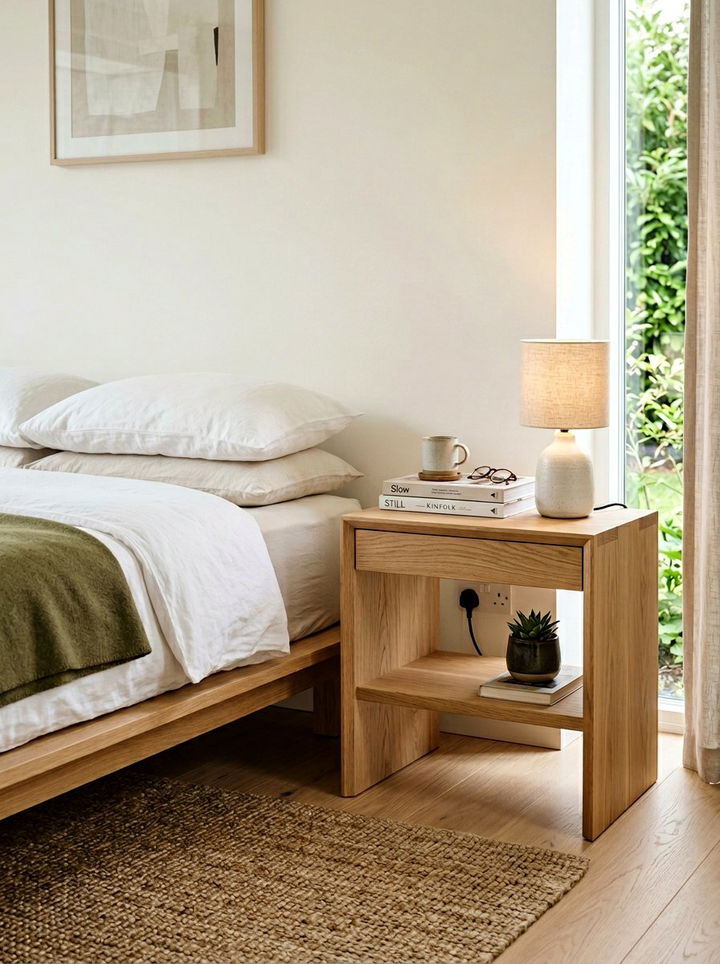
A simple wooden bedside table provides just enough surface area for a lamp, a book, and a glass of water without becoming a magnet for clutter. Look for a design with clean lines and no hardware to maintain the minimalist look of the Japanese bedroom. A floating nightstand attached to the wall is another great option that keeps the floor clear and enhances the sense of space. The warmth of the wood adds a cozy touch next to the bed, while the functional design ensures that your nighttime essentials are always within reach. This small piece of furniture plays a big role in keeping your room organized.
23. Floor to ceiling window
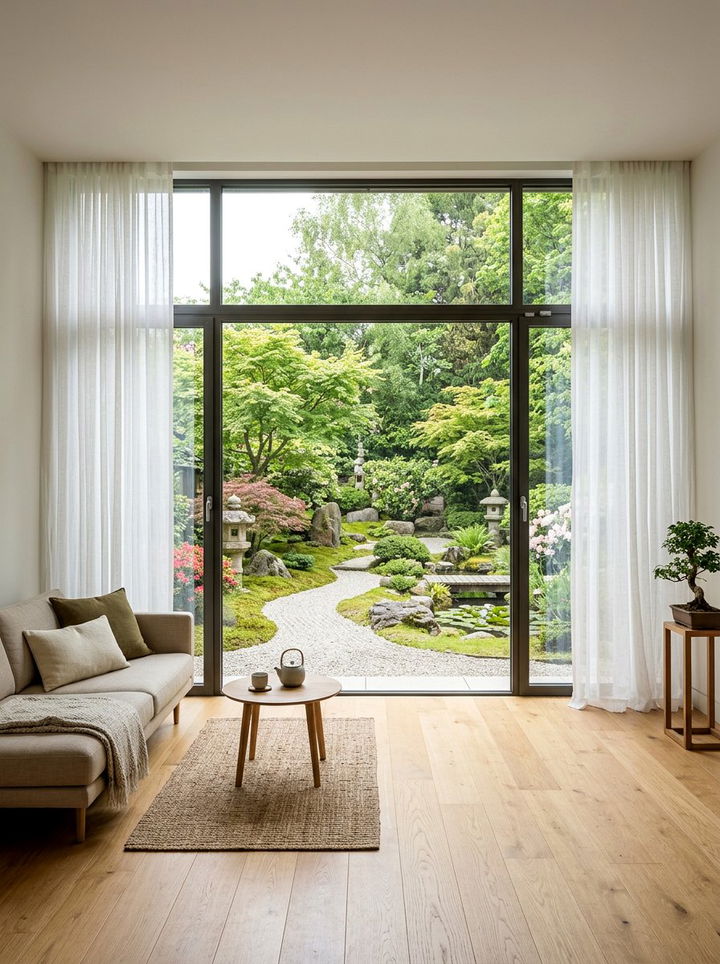
A floor to ceiling window maximizes the amount of natural light entering your bedroom and provides an unobstructed view of the surrounding environment. This architectural feature creates a strong connection between the interior space and the outside world, making the room feel like an extension of nature. To maintain privacy, you can use thin linen curtains or bamboo blinds that allow light to filter through while blocking the view from outside. Waking up to the sight of the sky or trees can have a profound effect on your mental well-being and daily routine. This design choice prioritizes light and openness, which are central to Zen living.
24. Open shelf bookcase
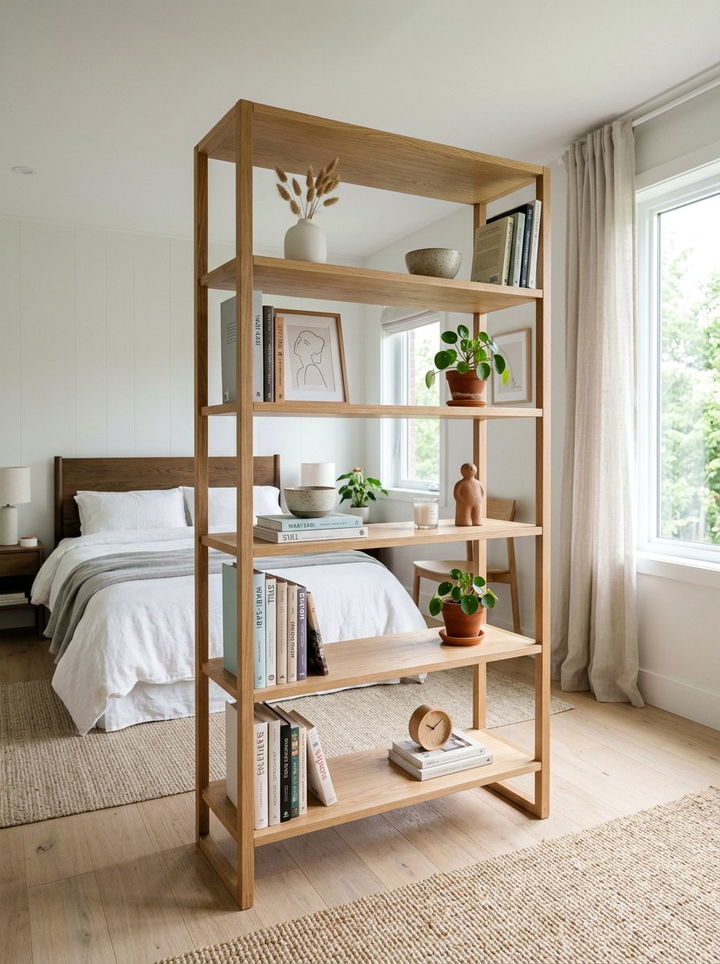
An open shelf bookcase made from light wood is a beautiful way to display a few carefully curated items, such as books or ceramics. In a Japanese bedroom, it is important to avoid overfilling the shelves to maintain a sense of balance and airiness within the room. You can leave some shelves empty to emphasize the concept of Ma, or negative space, which is so important in Zen design. Use the shelves to showcase objects that bring you peace, such as a small plant or a traditional tea set. This functional piece of furniture adds vertical interest to the room while keeping your favorite items organized.
25. White wall minimalist bedroom
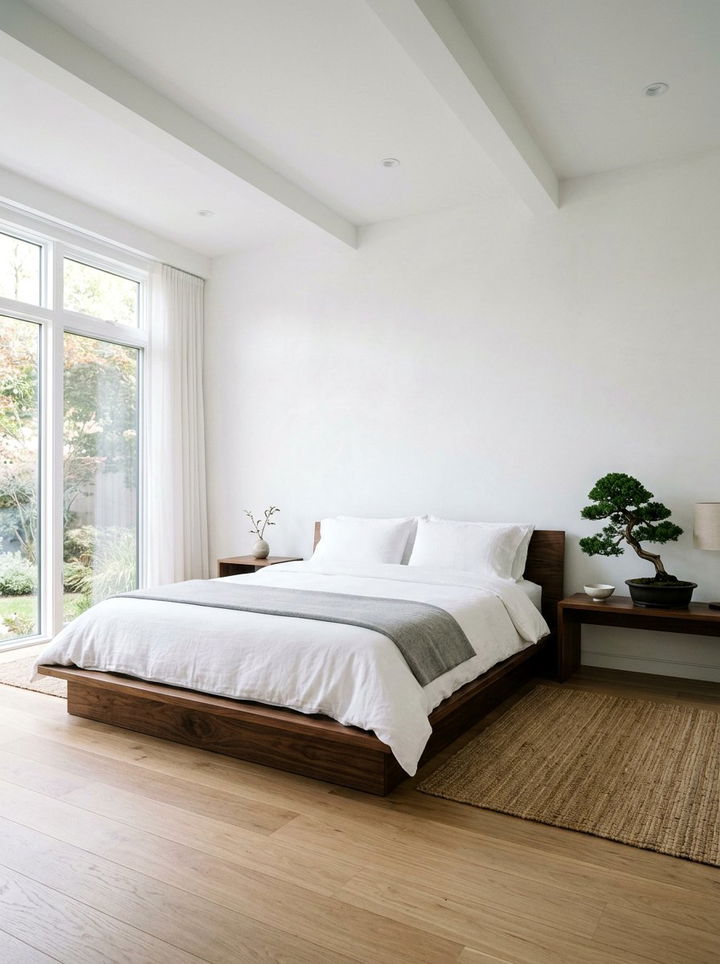
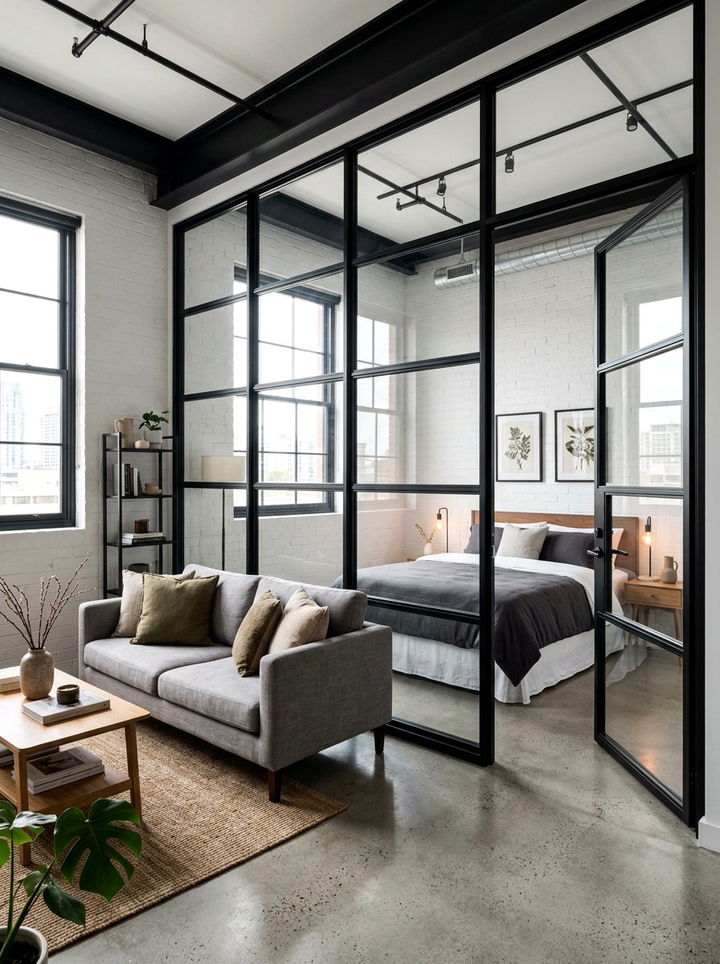
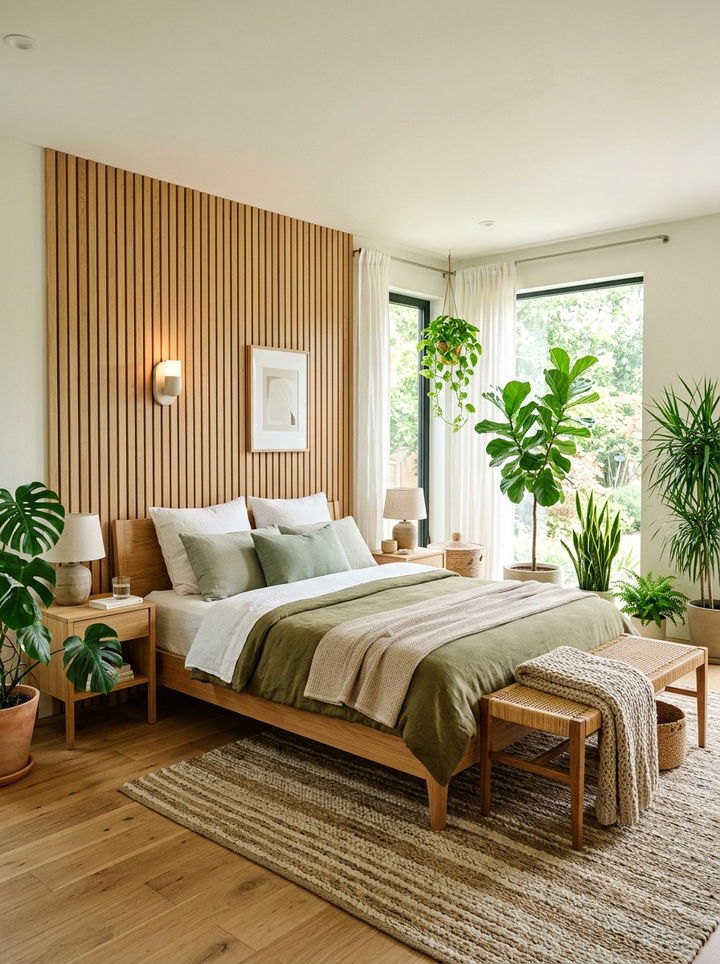
White walls serve as a clean and bright canvas for a minimalist Japanese bedroom, reflecting light and making the space feel incredibly fresh. This simple backdrop allows the textures of the wood, stone, and fabric to stand out and become the true stars of the room. White walls also create a sense of limitless space, which is especially beneficial in smaller urban apartments where room is at a premium. You can choose a warm white to prevent the room from feeling too sterile or cold, ensuring it remains a cozy retreat. This classic choice is the ultimate expression of simplicity and purity in interior design.
26. Soft indirect lighting
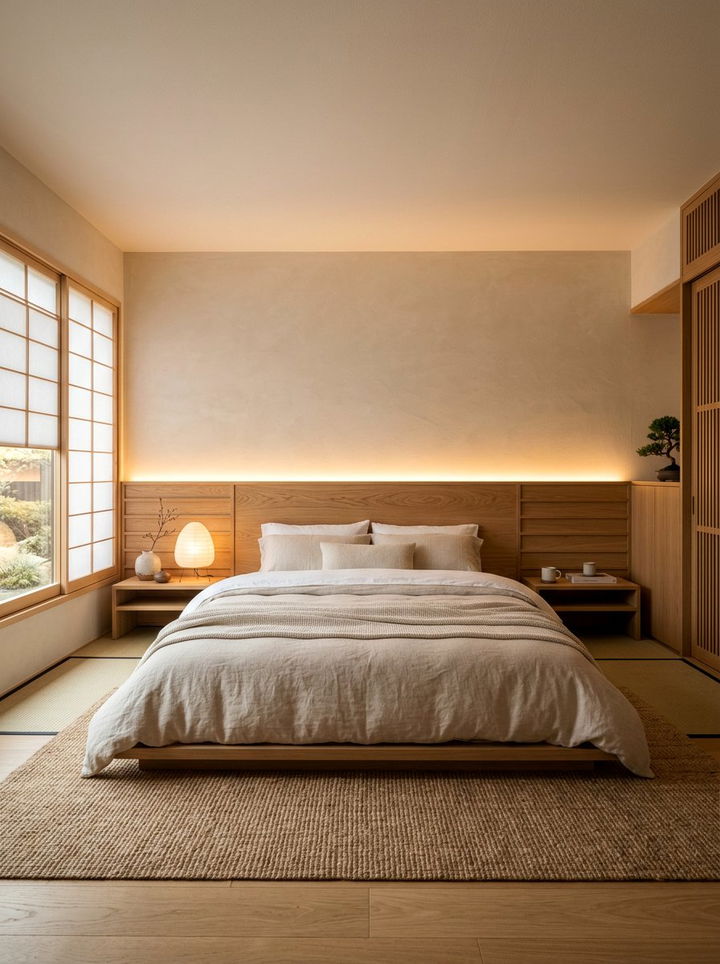
Soft indirect lighting, such as LED strips hidden behind a headboard or under a platform bed, creates a magical and floating effect. This type of illumination provides a gentle wash of light that is much more relaxing than traditional overhead fixtures or bright desk lamps. It highlights the silhouettes of your furniture and adds a layer of depth to the room after the sun goes down. Indirect lighting is perfect for creating a cozy atmosphere for winding down in the evening or for meditation. By hiding the light source, you maintain the clean and uncluttered look of the walls while still enjoying a warm, inviting glow.
27. Traditional kakejiku scroll
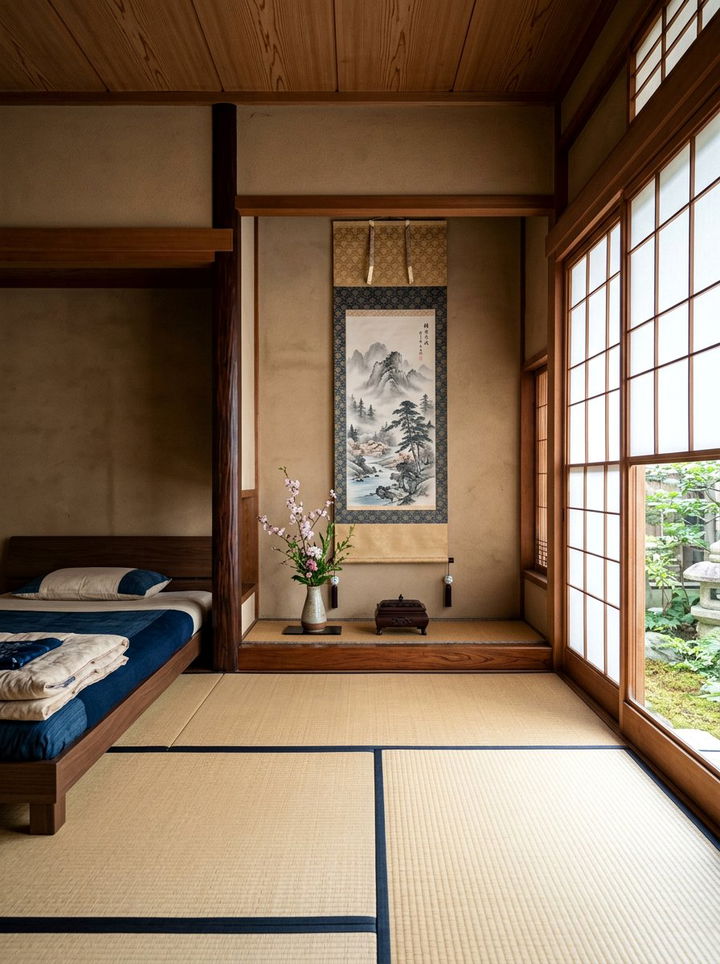
A traditional kakejiku scroll is a vertical hanging artwork that often features beautiful calligraphy or a seasonal landscape painting on silk or paper. Hanging one of these scrolls in a dedicated wall space or a small alcove adds a sense of history and grace to the bedroom. These scrolls are designed to be changed with the seasons, allowing you to refresh the look of your room throughout the entire year. The simple wooden rods at the top and bottom provide a natural frame that complements other wooden elements in the space. This piece of decor is a quiet reminder of the beauty of Japanese tradition and art.
28. Modern shoji window
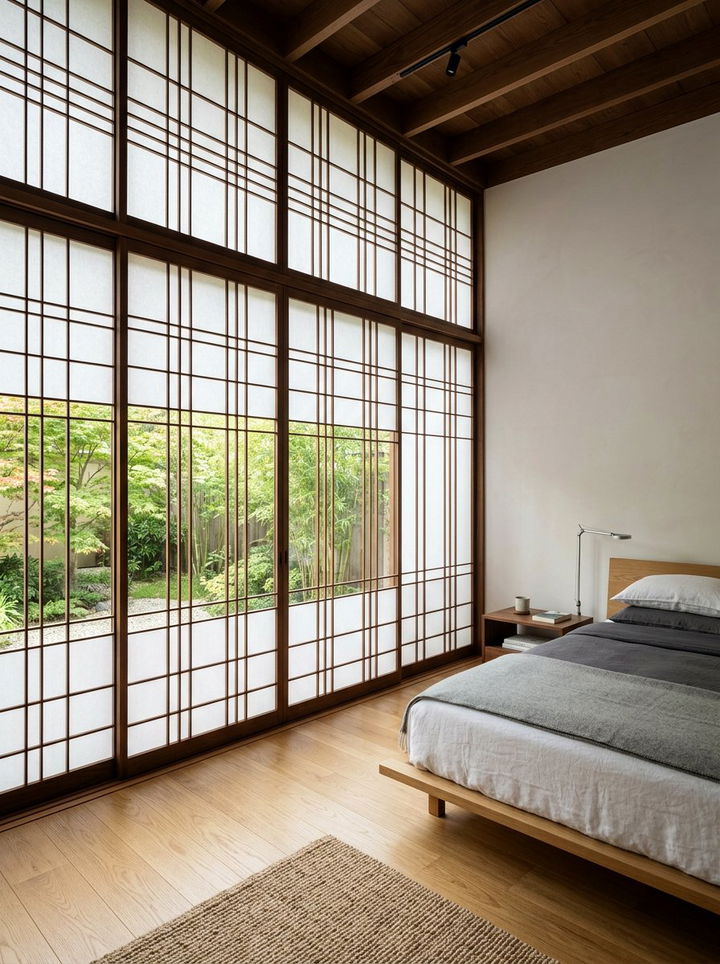
A modern shoji window uses the traditional concept of translucent panels but integrates them into contemporary window frames for a sleek and updated look. These windows provide excellent privacy while still allowing a beautiful, diffused light to fill the bedroom during the daylight hours. The geometric grid pattern of the shoji adds a touch of architectural interest to the walls without the need for heavy curtains. This solution is perfect for urban homes where privacy is a concern but natural light is still highly desired. These windows create a calm and protected environment where you can truly hide away from the busy outside world.
29. Low profile wooden dresser

A low profile wooden dresser provides essential storage for clothing while maintaining the low-lying horizontal lines that are characteristic of Japanese interior design. Choosing a dresser with a simple, handle-less design ensures that the piece blends seamlessly into the room rather than standing out as a bulky object. The top of the dresser can be used to display a single meaningful item, such as a ceramic vase or a small bonsai tree. Keeping the height of the furniture low ensures that the walls remain open and the room feels much more spacious. This practical storage solution combines functionality with the understated elegance of Zen style.
30. Indoor zen garden corner
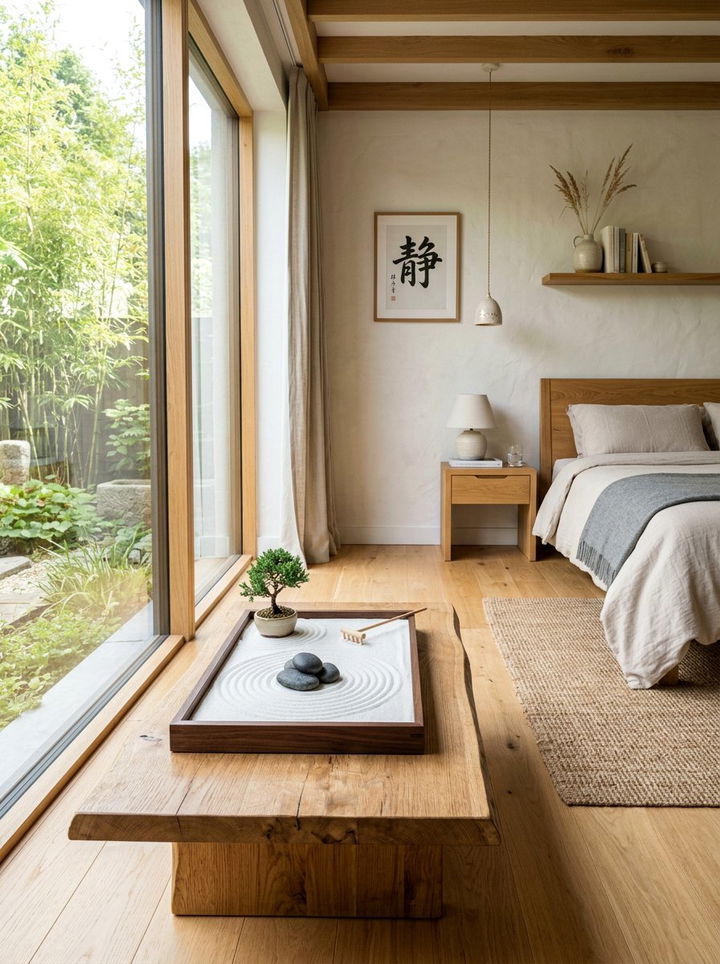
Creating an indoor zen garden corner with a small tray of sand, a few stones, and a miniature rake provides a dedicated space for mindfulness. This tiny landscape can be placed on a low table or a wide windowsill, serving as a focal point for daily meditation or reflection. Raking the sand into patterns is a soothing activity that helps to clear the mind and reduce stress before you go to bed. This small addition brings the essence of a traditional dry garden into your private sanctuary, reminding you of the importance of stillness. It is a beautiful and interactive way to incorporate Zen principles into your life.
Conclusion:
Designing a Japanese inspired bedroom is about more than just aesthetics; it is about creating a functional environment that supports your mental and physical well-being. By focusing on natural materials, low-profile furniture, and an uncluttered layout, you can transform your sleeping space into a true sanctuary of peace. The principles of Zen, Wabi-sabi, and Ma encourage us to appreciate simplicity and find beauty in the imperfect world around us. Whether you implement a few small changes or a complete room makeover, the results will be a more balanced and restorative home. We hope these ideas inspire you to bring the calm of Japanese design into your own bedroom for better sleep.
Related posts: