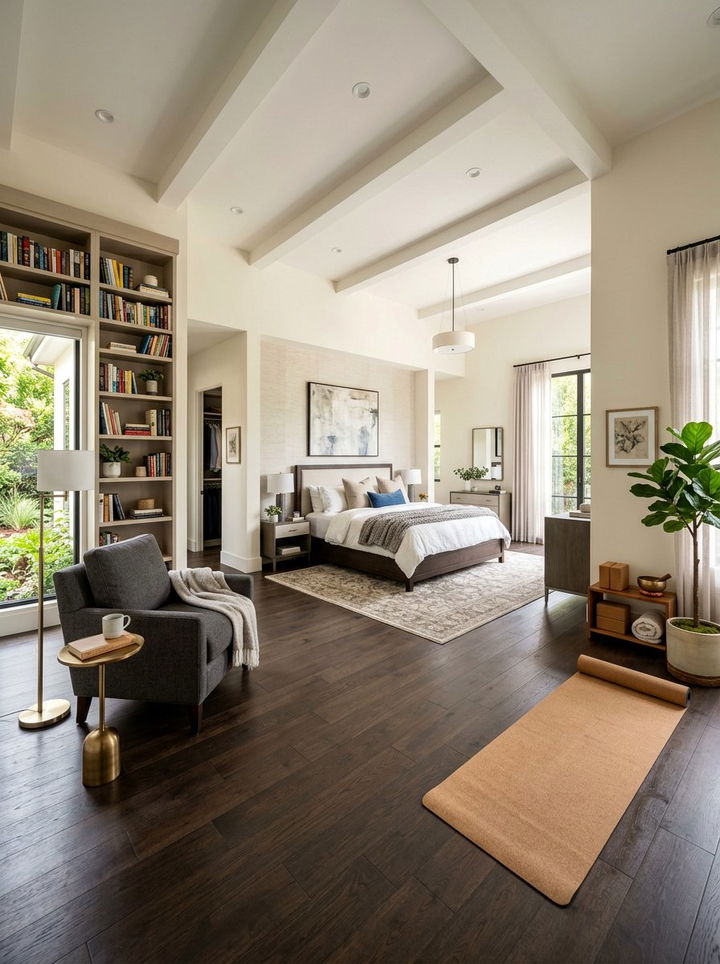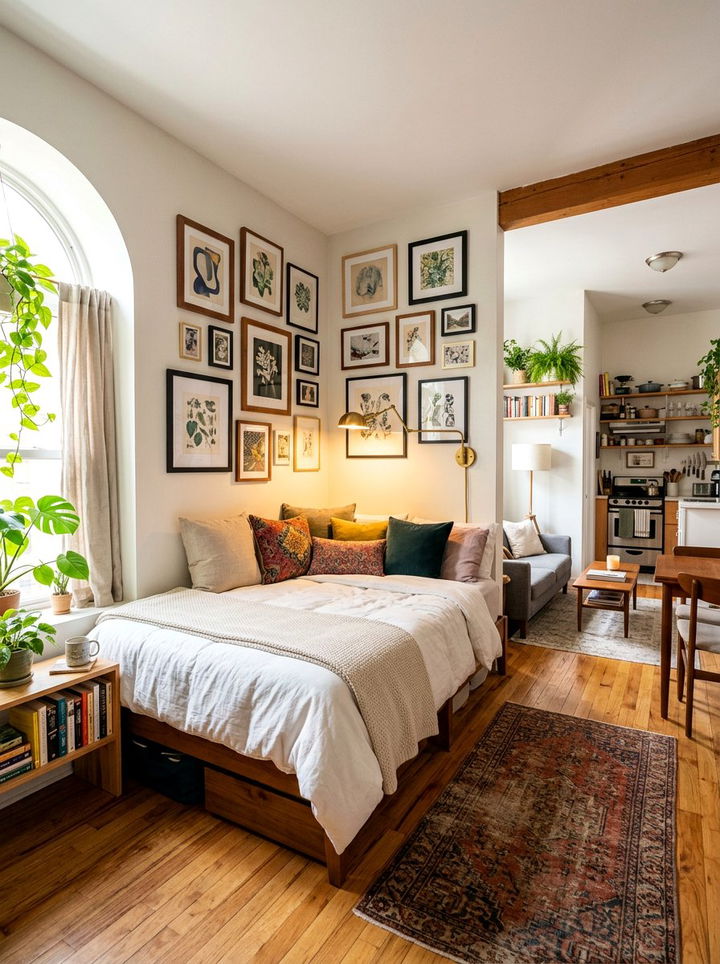
Transforming an unused bonus room into a functional bedroom is one of the smartest ways to increase your home’s value and utility. Whether you have a space above the garage, a finished attic, or a basement area sitting empty, these rooms offer endless potential for growth. Many homeowners find themselves needing an extra guest suite, a private sanctuary for a teenager, or a luxurious master retreat as their family dynamics change over time. By carefully planning the layout and considering essential elements like lighting, ventilation, and storage, you can turn a dusty storage area into a beautiful living space. This guide explores creative ways to maximize every square inch of your bonus room while maintaining style and comfort.
1. Attic bedroom conversion
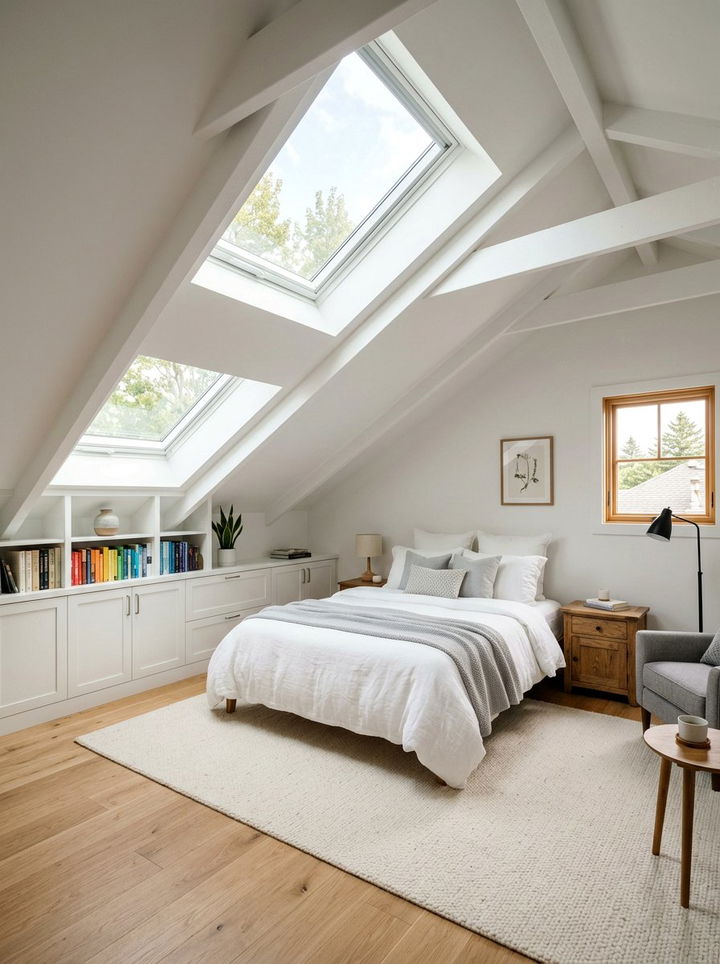
Converting your attic into a bedroom requires careful attention to the unique architectural lines found under the roof. You should start by assessing the structural integrity of the floor and ensuring there is enough head clearance for comfortable movement. Using light colors on the walls can help make the enclosed space feel much larger and more inviting to guests. Consider installing large skylights to bring in natural light and provide necessary ventilation for the new sleeping area. Adding built-in storage along the low knee walls is a clever way to use space that would otherwise go to waste in your home. This transformation creates a private and cozy getaway far from the main living areas.
2. Garage bonus room bedroom
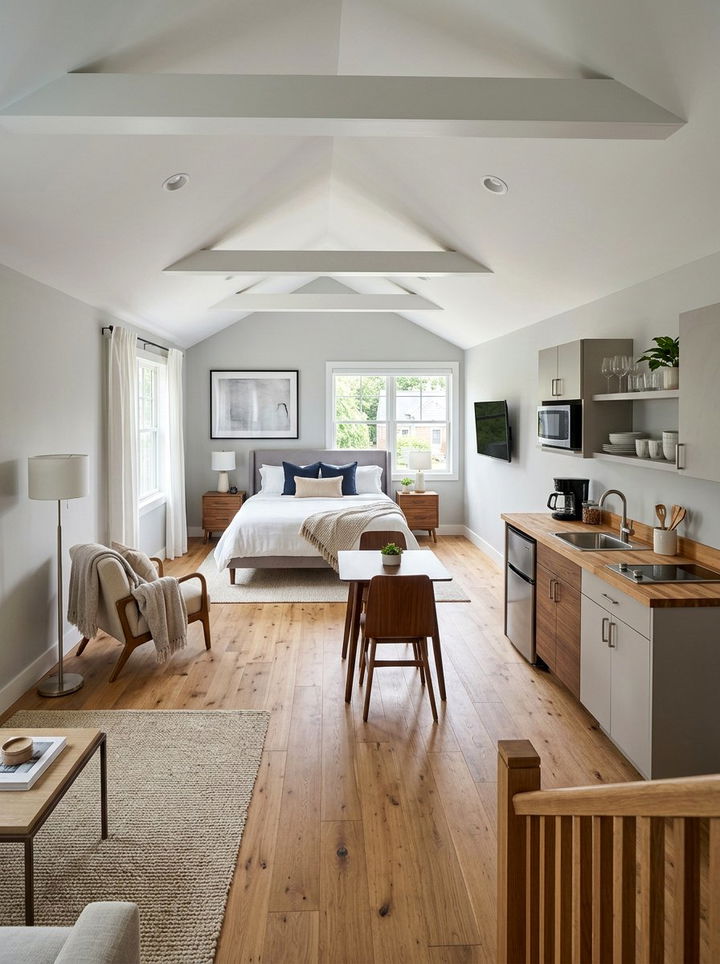
A bonus room located above a garage often serves as the perfect spot for a secluded guest bedroom or a rental suite. Because these rooms are usually separated from the main house, they offer a high level of privacy and quiet for the inhabitants. You should focus on high-quality insulation to keep the room temperature consistent regardless of the weather outside. Adding a small kitchenette or a compact bathroom can turn this simple room into a fully independent living space for long-term visitors. Choose a cohesive color palette that reflects the rest of your home while giving this specific area its own unique personality and charm. It is a very practical upgrade.
3. Small bonus room guest suite
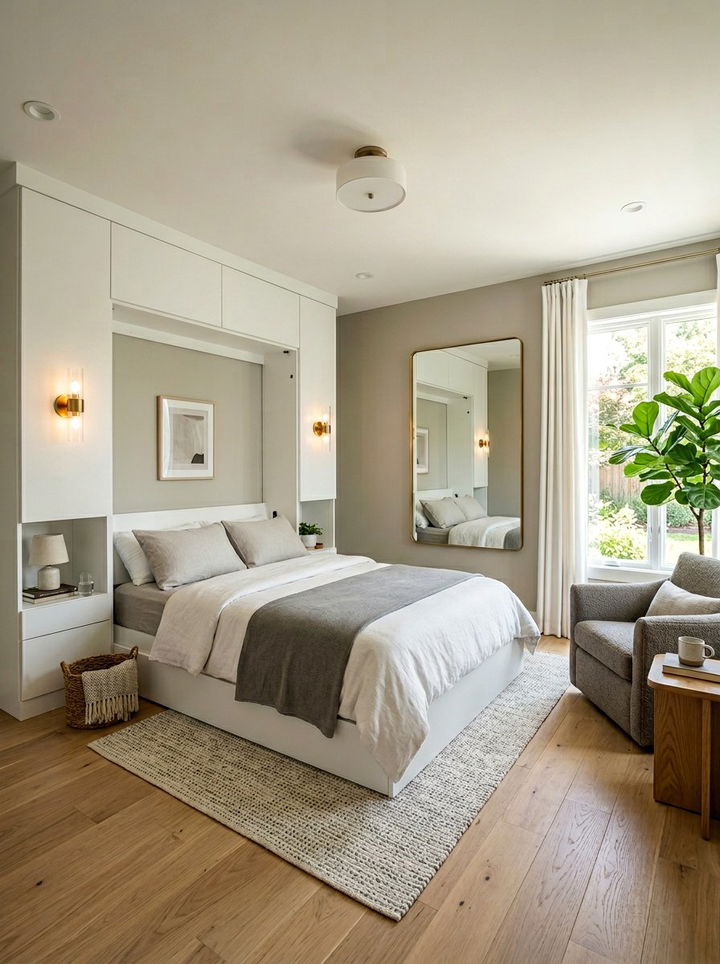
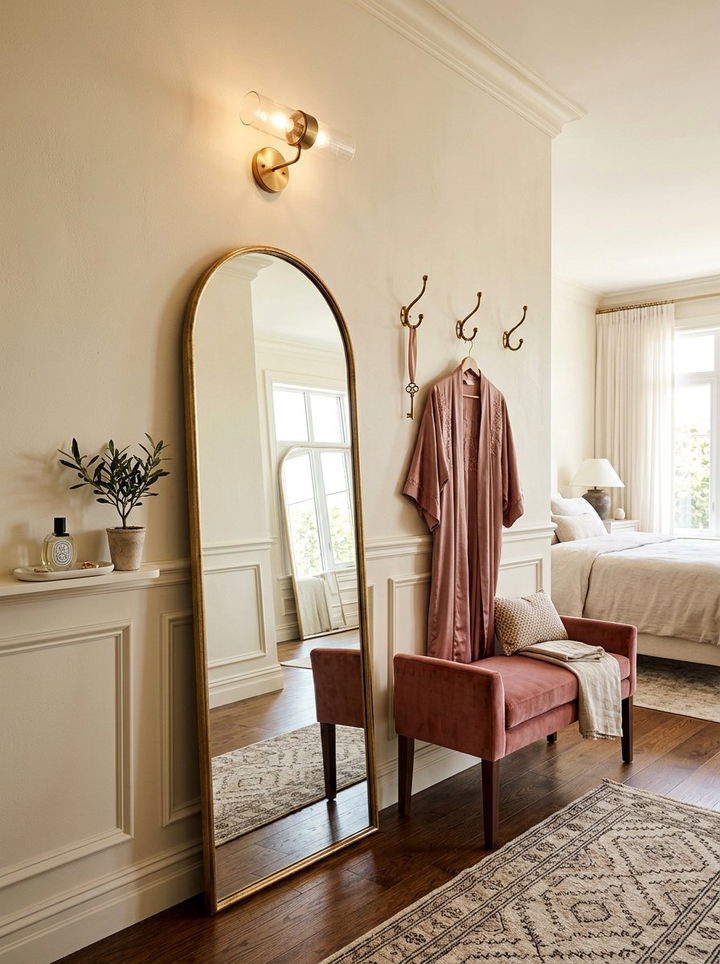
Maximizing a small bonus room requires a focus on multi-functional furniture and smart spatial planning to avoid a cluttered look. You can use a daybed or a stylish Murphy bed to keep the floor area open during the daytime hours. Selecting a neutral color scheme with pops of soft tones will help the small space feel airy and much less cramped. Wall-mounted lighting fixtures are better than floor lamps because they save valuable surface space on your nightstands or side tables. Large mirrors can be placed strategically to reflect light and create the illusion of a much deeper and wider room. This approach turns a tiny area into a highly functional guest retreat.
4. Basement bedroom remodel
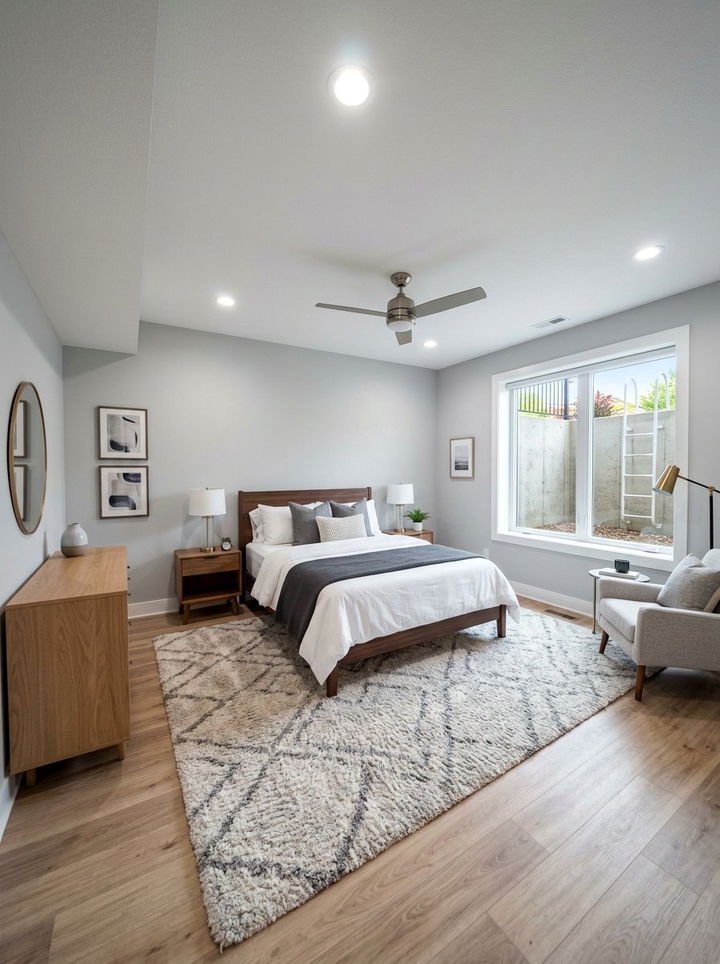
Remodeling a basement bonus room into a bedroom can provide a cool and quiet sleeping environment away from the noise of the house. Proper moisture control and waterproofing are essential steps before you begin decorating this lower-level space. You should choose bright white or light gray paint to combat the lack of natural sunlight often found in basement areas. Installing an egress window is a safety requirement that also helps to bring in more light and fresh air. Use plush area rugs and warm textures to make the space feel less industrial and more like a cozy home. This conversion adds significant living space to your existing floor plan.
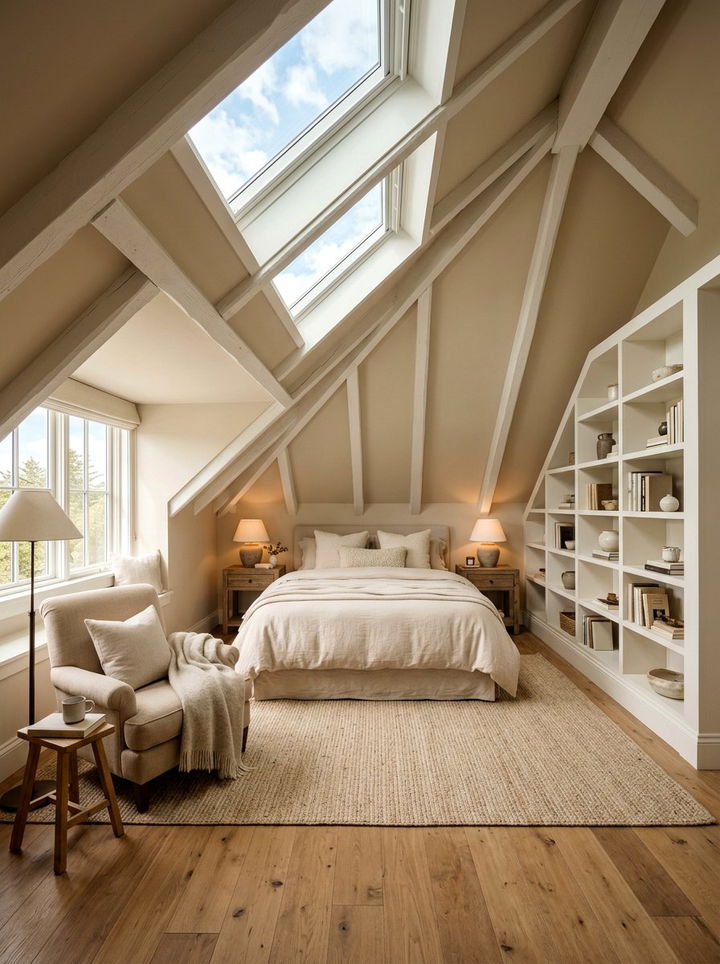
5. Sloped ceiling bedroom layout
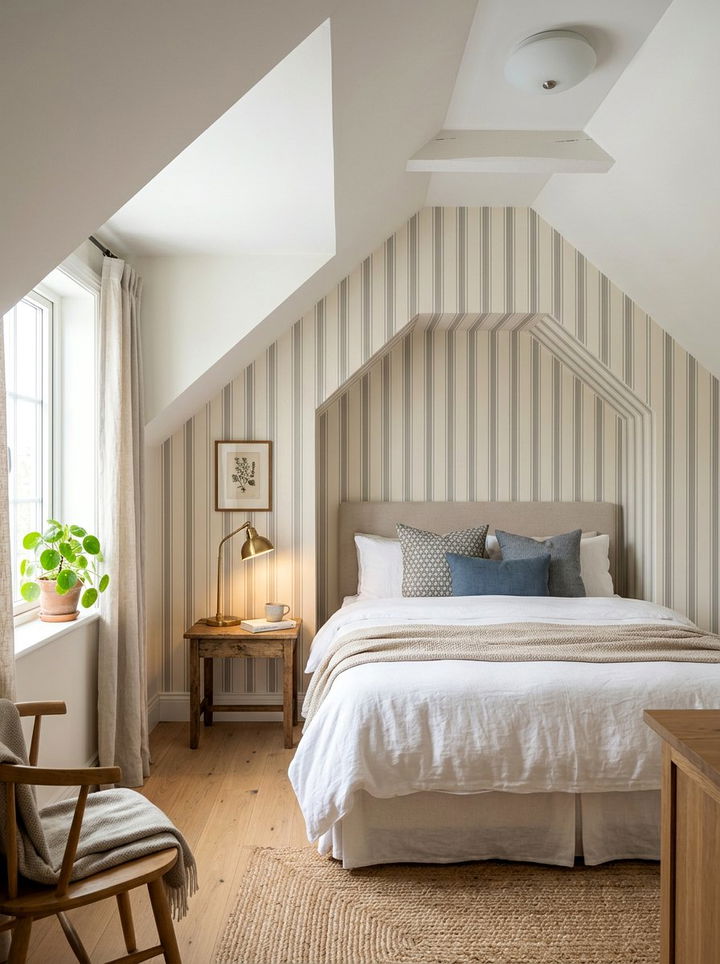
Working with sloped ceilings can be a challenge, but it also provides a unique opportunity for creative and cozy furniture placement. You should place the bed under the lowest part of the ceiling to create a snug sleeping nook that feels very protected. Use vertical stripes or tall decorative elements to draw the eye upward and make the ceiling feel higher than it actually is. Painting the walls and the ceiling the same color can help blur the lines where they meet, making the room feel more expansive. This layout is perfect for creating a whimsical child’s room or a romantic guest space. It feels very personal and unique.
6. Loft bedroom design
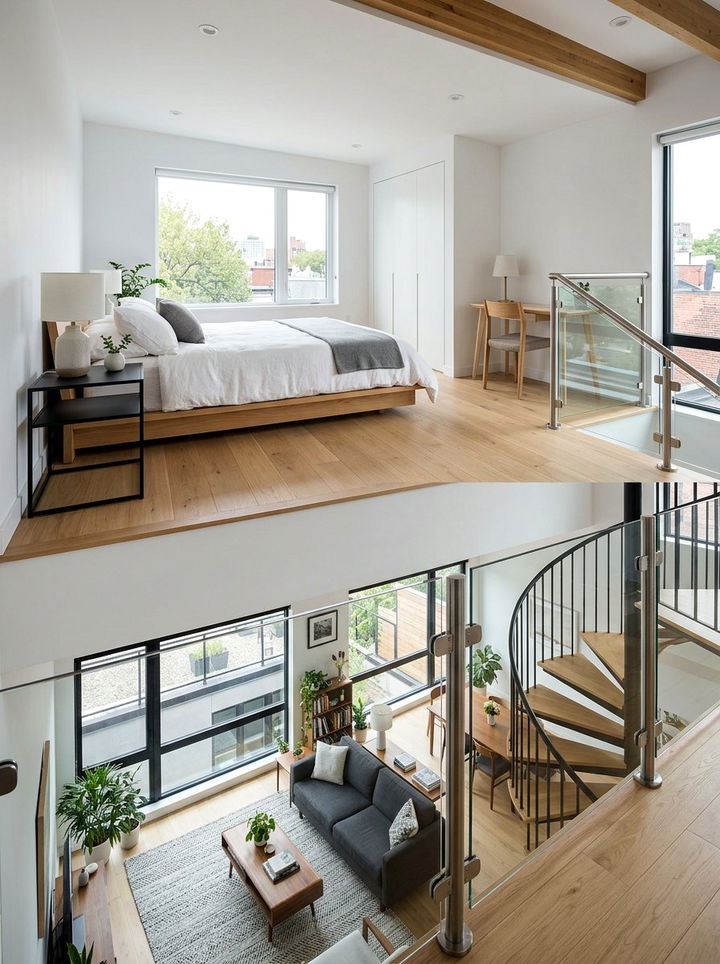
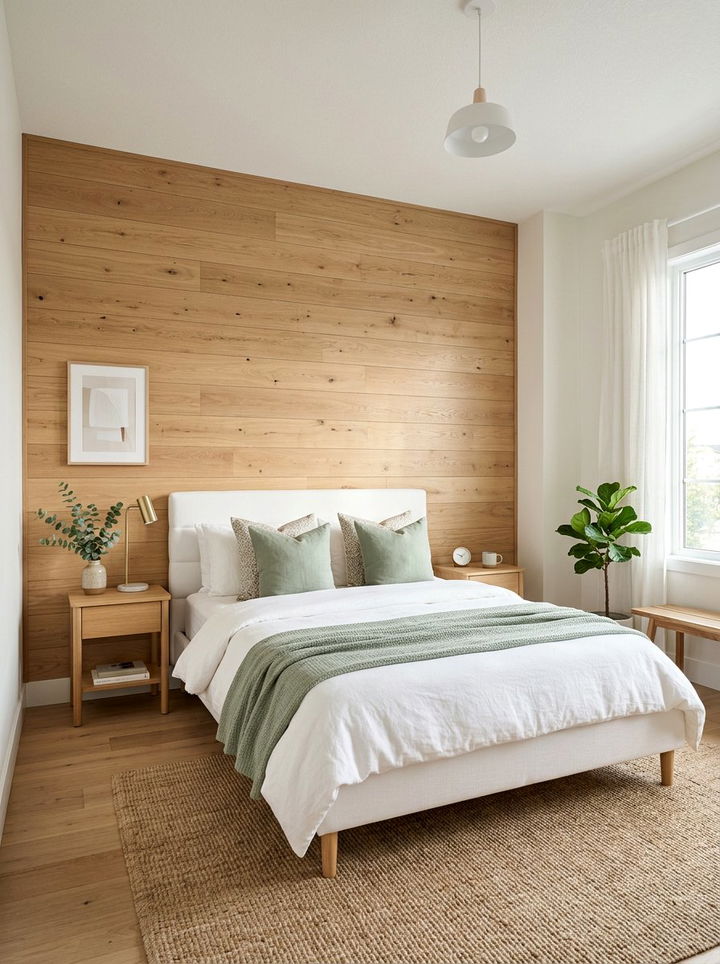
A loft bedroom overlooking a lower living area provides a modern and open feel that many homeowners find very appealing today. You must ensure that the railing is both secure and stylish to maintain the safety and aesthetic of the entire home. Use cohesive flooring materials to connect the loft visually with the rooms below it while maintaining its own distinct purpose. Minimalist furniture works best in lofts to keep the sightlines clear and prevent the area from feeling too heavy or crowded. Consider using a room divider or tall plants if you need more privacy for the sleeping area. This design makes the most of high vertical spaces.
7. Teenager retreat bonus room
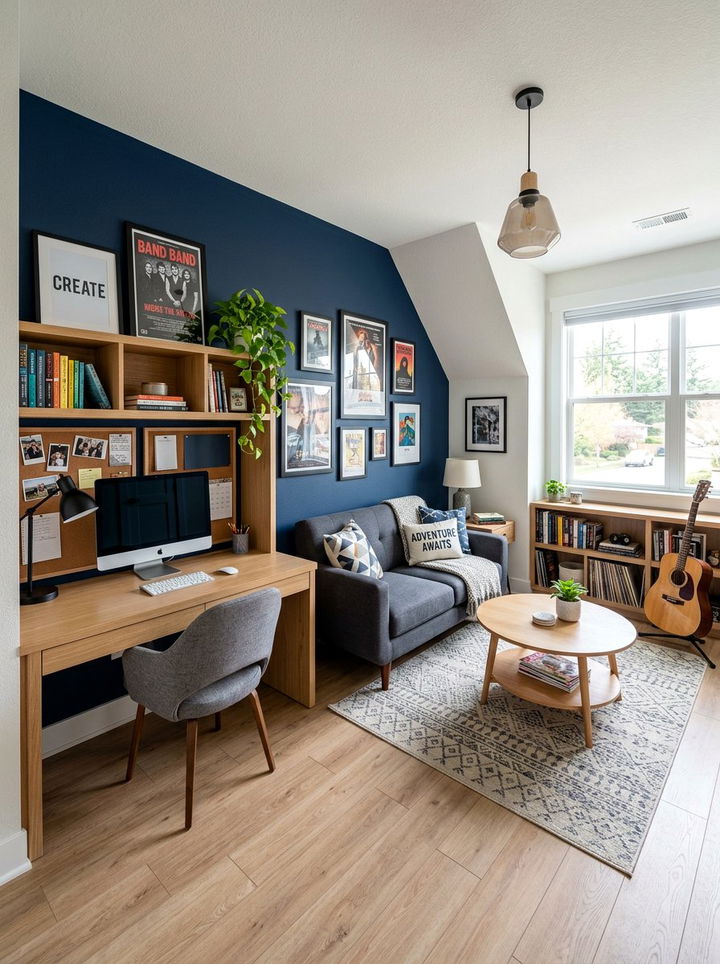
Designing a bedroom for a teenager in a bonus room allows them to have their own private area for studying and hanging out. You should incorporate a dedicated desk area with plenty of charging ports for all of their modern electronic devices. Include a comfortable seating area like a bean bag or a small sofa so they can host friends without leaving their room. Allow the teenager to choose a bold accent wall or unique lighting to express their personal style and make the space their own. Adding a small mini-fridge or snack station can make the bonus room feel like a true independent suite. It is a great functional transition.
8. Modern guest bedroom addition
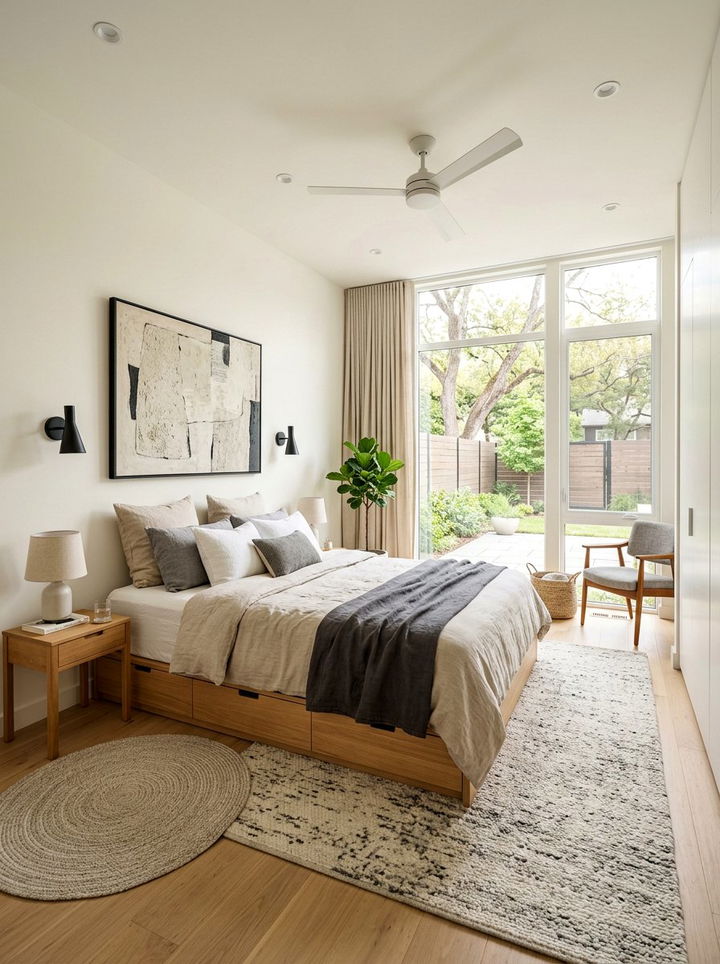
A modern guest bedroom focuses on clean lines, simple furniture, and a clutter-free environment that makes visitors feel instantly relaxed. You should choose a platform bed with integrated storage to keep the room looking tidy and organized at all times. Use a monochromatic color scheme with different textures like linen and wool to add depth without using too many distracting colors. High-quality bedding and a few well-chosen art pieces will give the room a high-end hotel feel that your guests will truly appreciate. Large windows with simple roller shades allow for plenty of natural light while maintaining a contemporary look. This style is timeless and very inviting.
9. Kids bunk room bonus room
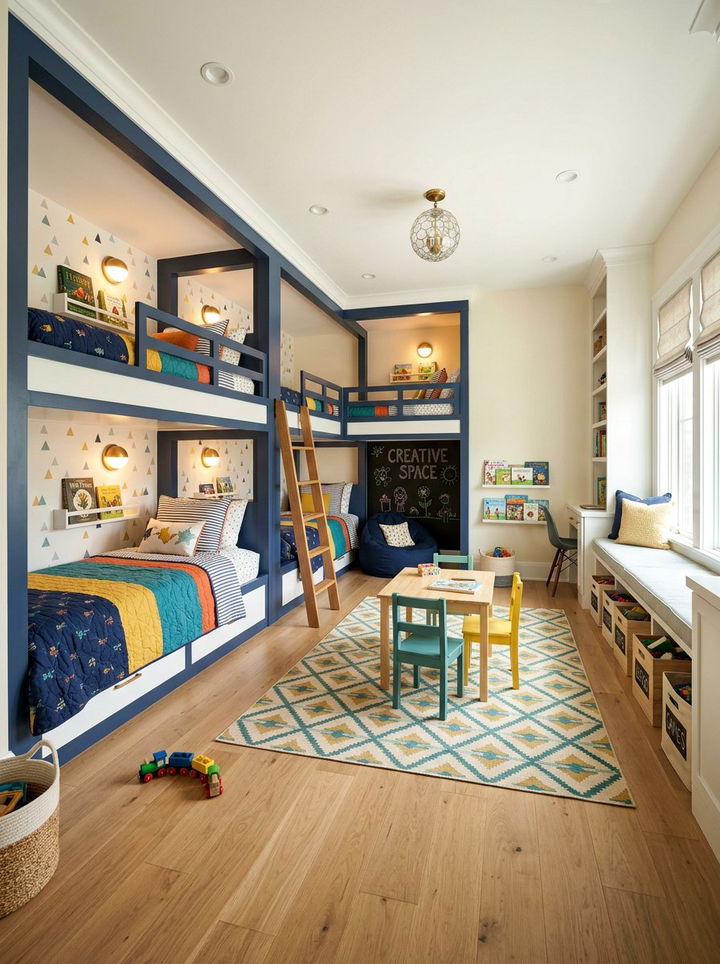
Turning a large bonus room into a bunk room is an excellent way to accommodate multiple children or guests during holiday visits. Built-in bunk beds with individual reading lights and cubbies provide each person with their own private space within the shared room. You should use durable materials and washable fabrics to ensure the room stays looking great even with heavy use from active kids. A central play area in the middle of the room provides space for toys and games when the beds are not being used. Choosing a fun theme or a bright color palette makes the bunk room feel like an exciting and adventurous destination.
10. Master suite conversion
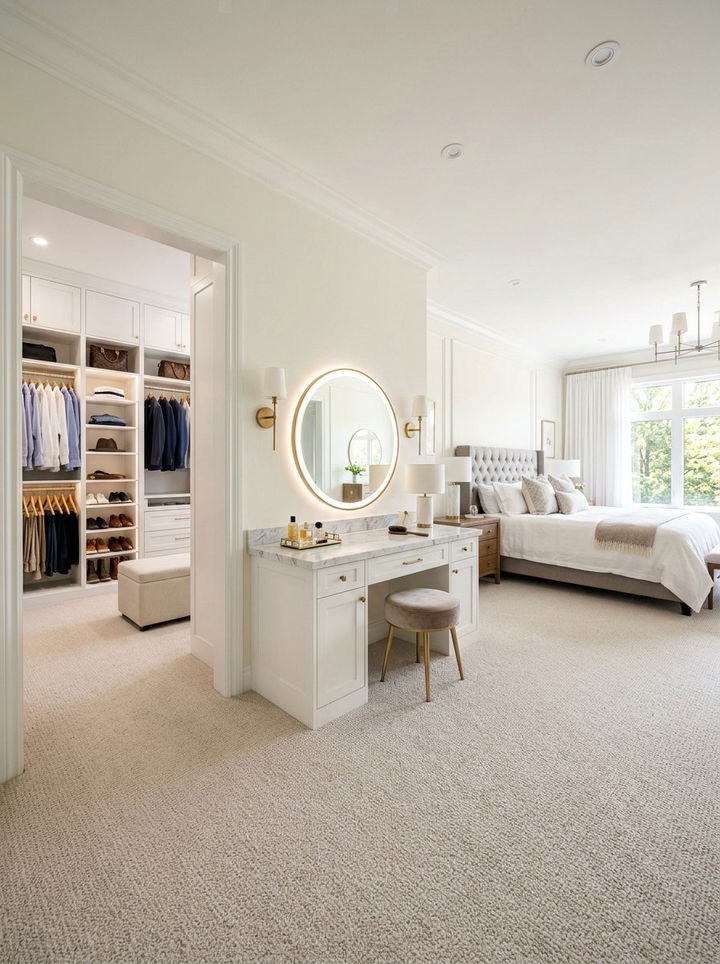
If your bonus room is large enough, converting it into a primary master suite can provide you with a private and luxurious getaway. You can include a spacious walk-in closet and a high-end bathroom with a double vanity and a large walk-in shower. Use soft, plush carpeting and elegant window treatments to create a sense of sophistication and comfort throughout the entire suite. A small sitting area near a window provides the perfect spot for morning coffee or reading a book in total peace. This conversion not only improves your daily life but also significantly increases the resale value of your entire home property. It is a luxury upgrade.
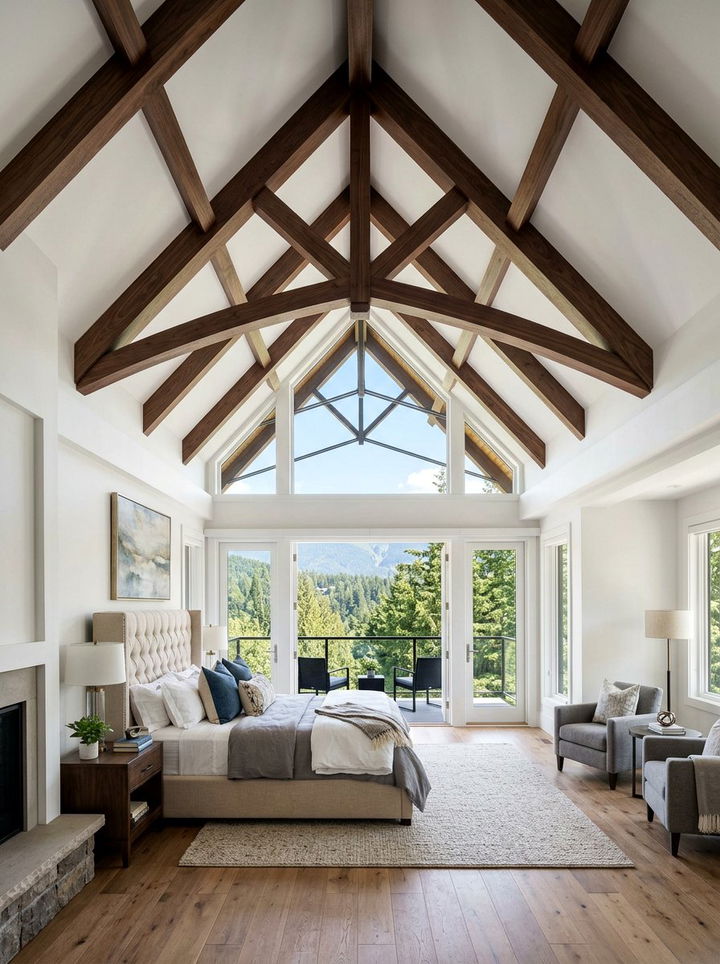
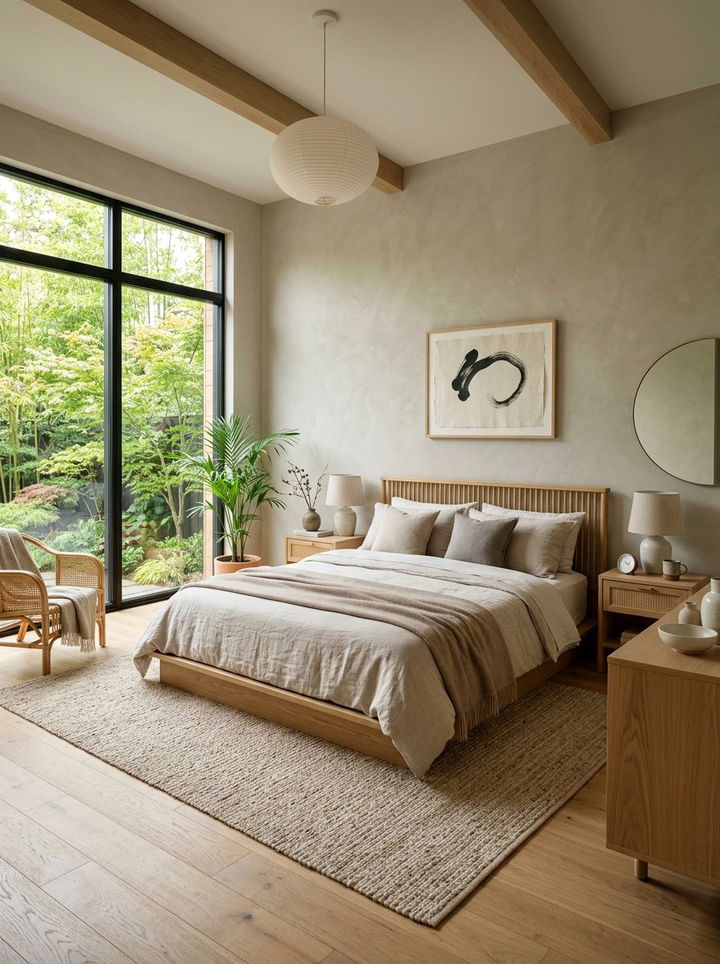
11. Home office guest room combo
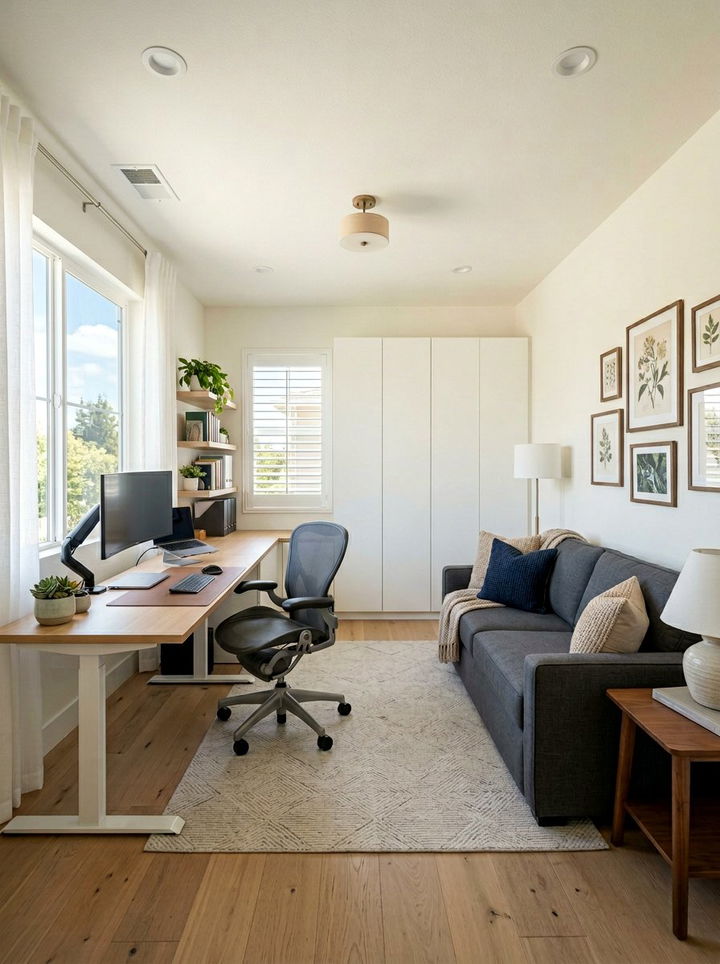
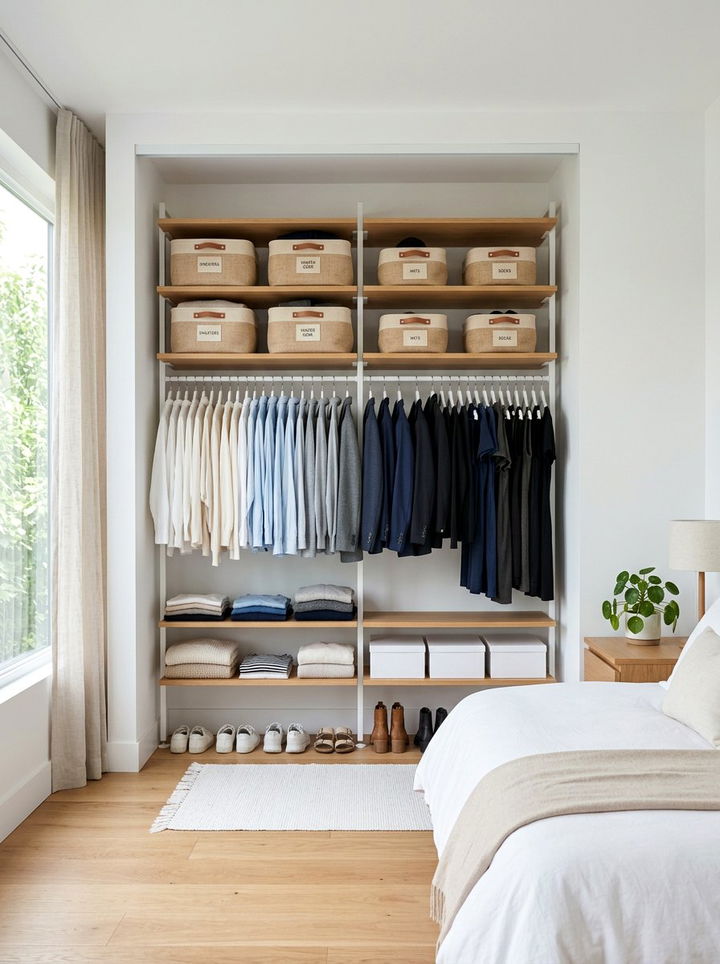
Many people need a workspace but also want to be able to host guests occasionally in their small bonus room area. You can achieve this by using a high-quality sleeper sofa or a wall bed that hides away during the workday. Choose an ergonomic desk that fits into a corner to leave as much floor space as possible for the bed area. Use decorative baskets and closed cabinets to hide office supplies when guests are staying in the room for the night. This dual-purpose design ensures that every square foot of your bonus room is used efficiently throughout the entire year. It is a very practical solution.
12. Rustic attic bedroom
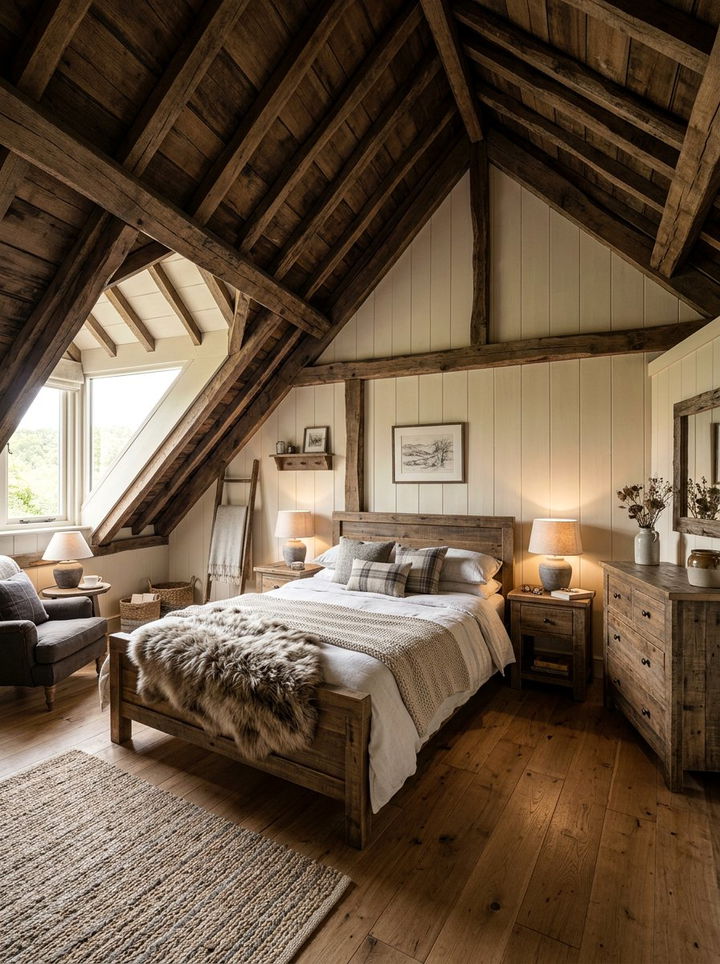
A rustic style fits perfectly in an attic bonus room that features exposed wooden beams or older architectural details and textures. You should emphasize these natural elements by using reclaimed wood furniture and warm earthy tones like deep browns and forest greens. Soften the hard lines of the wood with cozy faux fur throws and thick knit blankets on the bed. Vintage-inspired lighting fixtures like lanterns or Edison bulbs can enhance the historic and cozy feel of the rustic attic space. This design creates a warm and grounded atmosphere that feels like a quiet cabin retreat nestled high up in the woods. It is very charming.
13. Minimalist bonus room bedroom

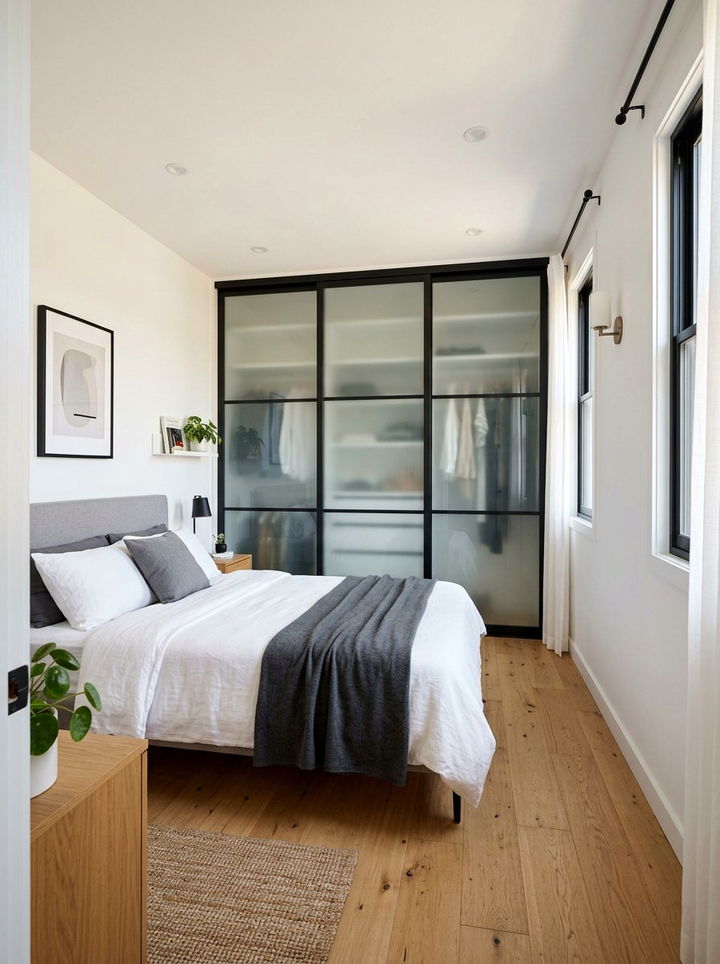
Minimalism is a great choice for a bonus room because it focuses on essential items and keeps the space feeling open and airy. You should select furniture with slim profiles and hidden storage to keep visual clutter to an absolute minimum in the room. A simple low-profile bed frame and a few floating shelves provide all the function you need without taking up much space. Use a restricted color palette of whites, grays, and blacks to create a calm and focused environment for sleeping. This style works particularly well in smaller bonus rooms where every inch of floor and wall space is at a high premium.
14. Large bonus room suite
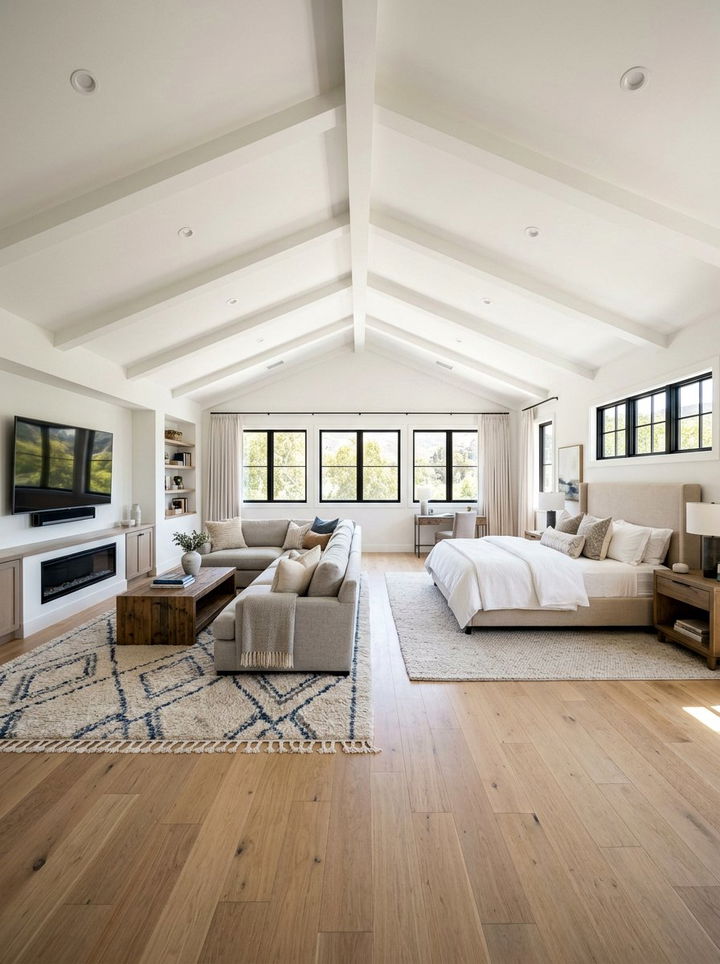
When you have a very large bonus room, you can divide the space into different zones for sleeping, lounging, and dressing. You should use area rugs or furniture placement to define these separate areas without the need for building permanent interior walls. A large sectional sofa can create a cozy media zone at one end while the bed occupies the other side. Consider adding a small breakfast bar or coffee station to make the suite feel completely self-contained for long-term guests. Using a consistent color theme throughout the large room will help tie the different functional zones together into one cohesive design.
15. Dormer window bedroom nook
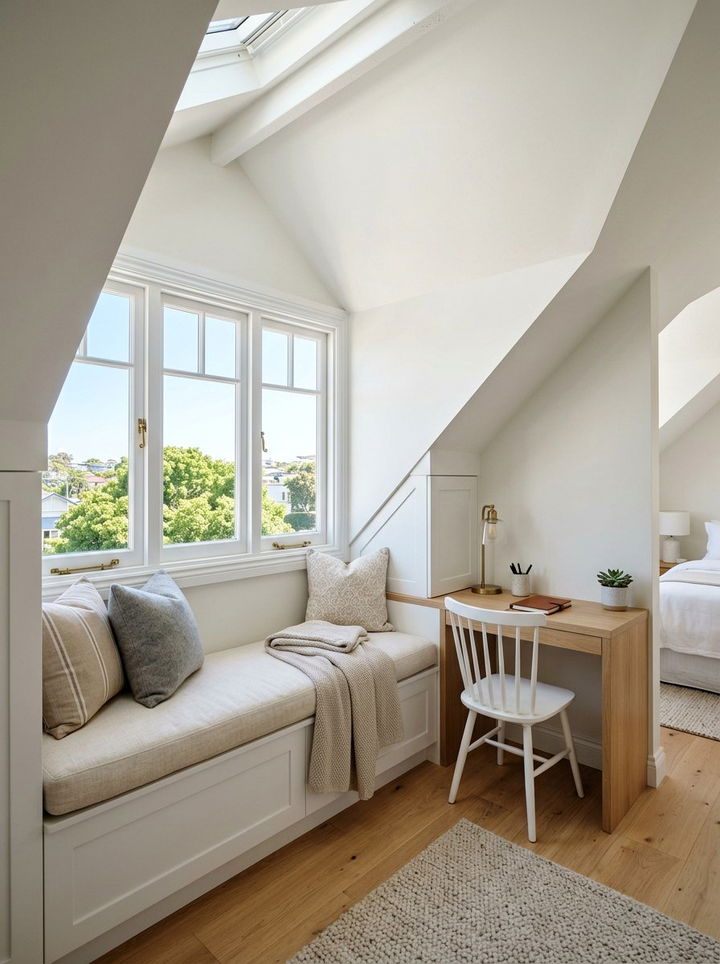
Dormer windows provide the perfect location for a cozy built-in window seat or a small desk within your bonus room bedroom. You should use custom cushions and soft pillows to make the window nook an inviting spot for relaxing and enjoying the view. This architectural feature brings in concentrated natural light that can make the whole room feel much brighter and more cheerful. If the dormer is large enough, you could even place the head of the bed inside it to maximize the floor space elsewhere. Utilizing these small architectural alcoves adds character and functional charm to any bonus room transformation you are planning.
16. Playroom to bedroom transition
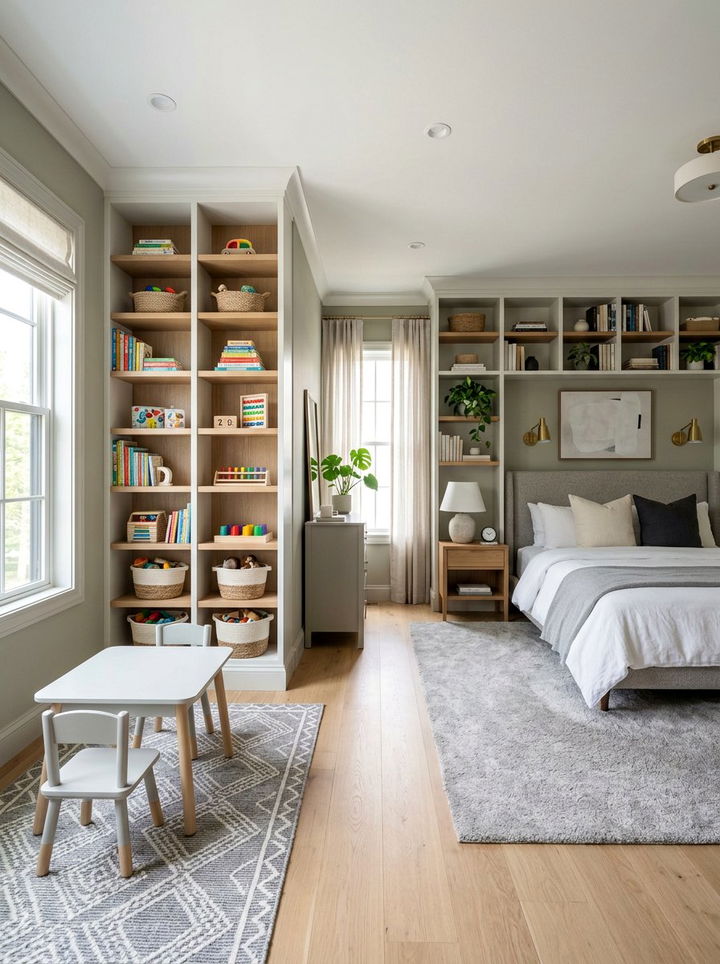
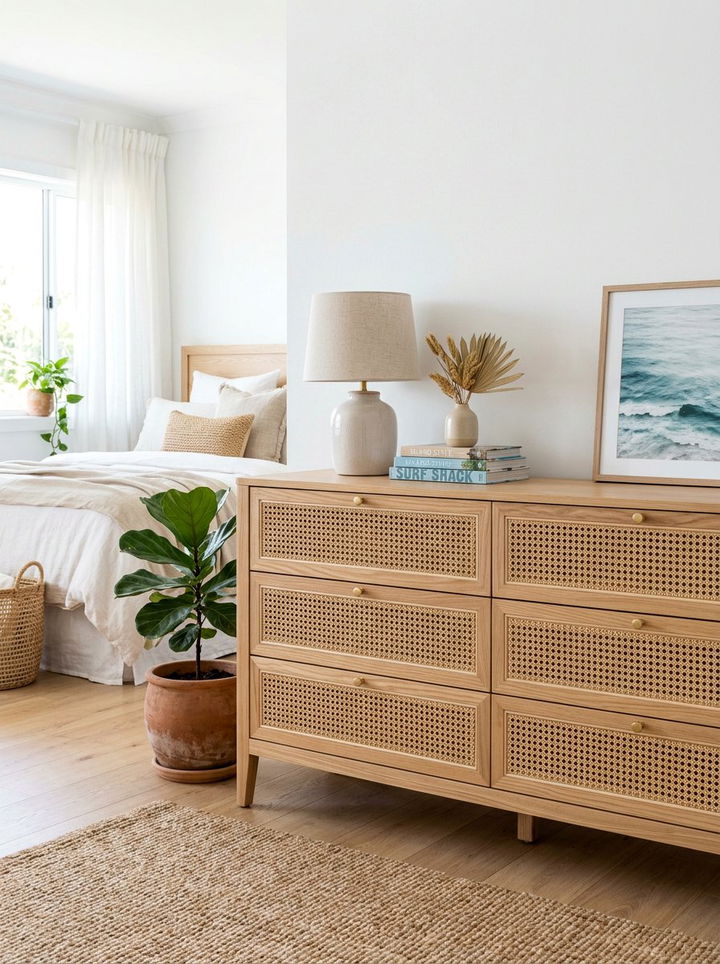
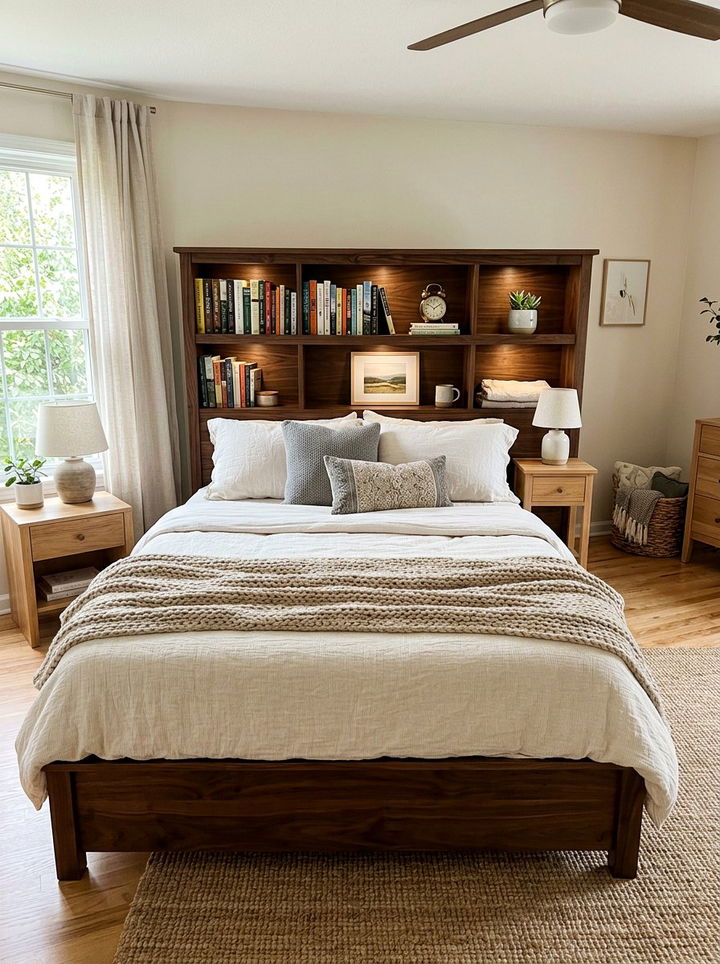
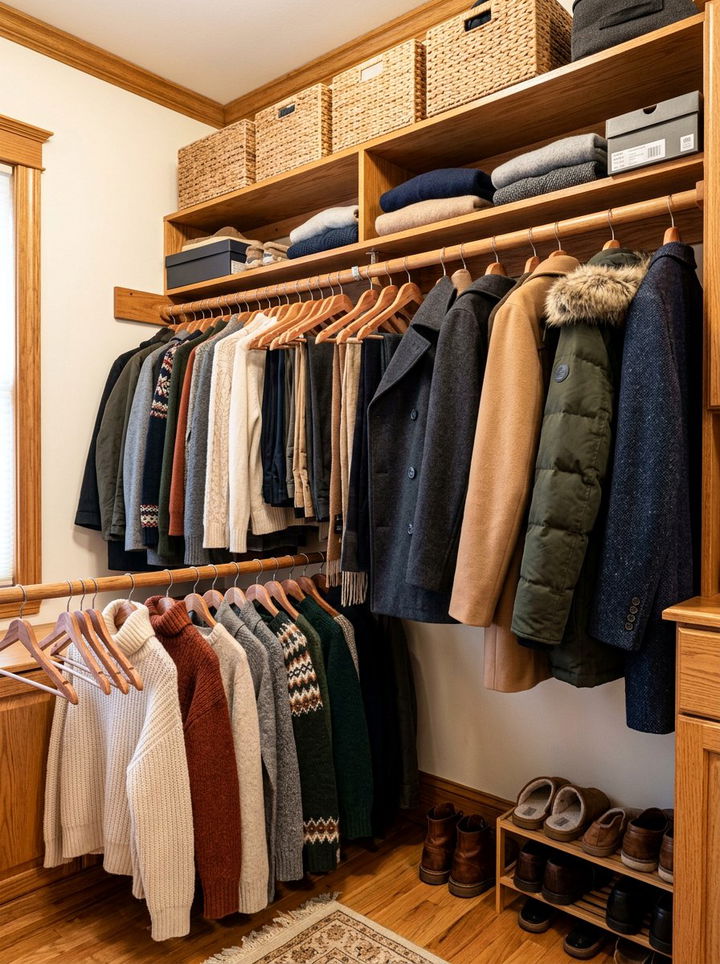
As children grow up, their needs change, and a former playroom can easily be transitioned into a stylish and mature bedroom space. You should start by removing toy bins and replacing them with more sophisticated storage solutions like bookshelves or a dresser. Update the wall color from bright primary tones to more muted and calming shades that reflect a more grown-up aesthetic for them. Keep some of the fun elements like a reading nook or a window seat but update the fabrics and accessories to match. This transition allows the room to evolve alongside the child while maintaining a sense of comfort and familiarity.
17. Bohemian guest room retreat
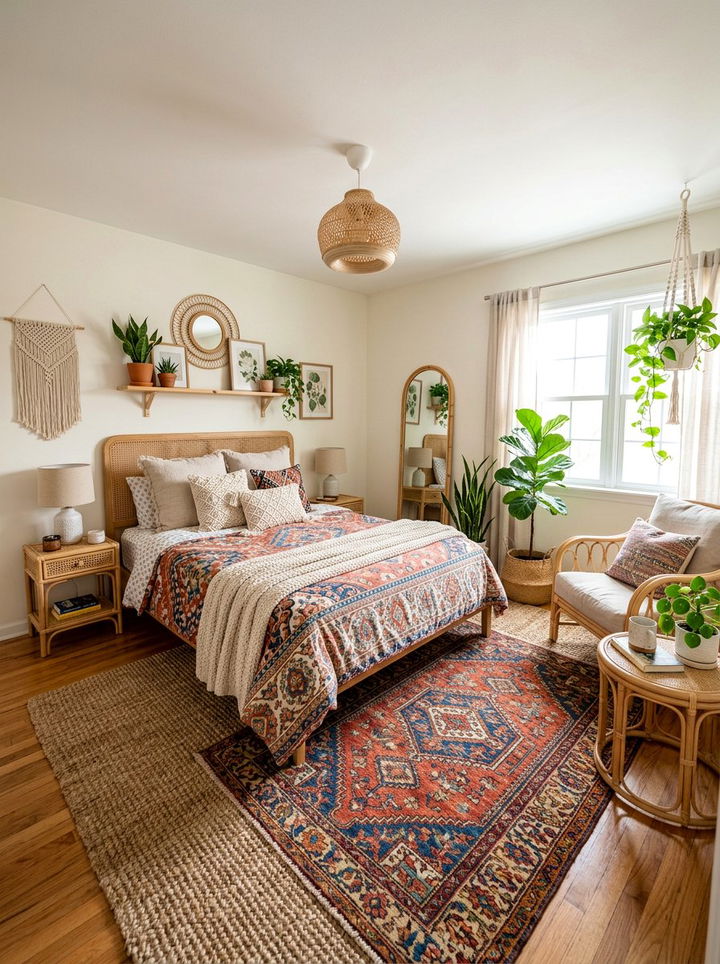
A bohemian design is perfect for a guest bedroom because it feels relaxed, eclectic, and full of warm personality for your visitors. You should layer different patterns and textures through rugs, tapestries, and decorative pillows to create a rich and cozy visual environment. Incorporate plenty of indoor plants to bring life and color into the bonus room while improving the overall air quality. Use natural materials like rattan, bamboo, and macramé to enhance the organic and earthy feel of the bohemian style you have chosen. This approach creates a unique and artistic space that makes guests feel like they are on a peaceful vacation.
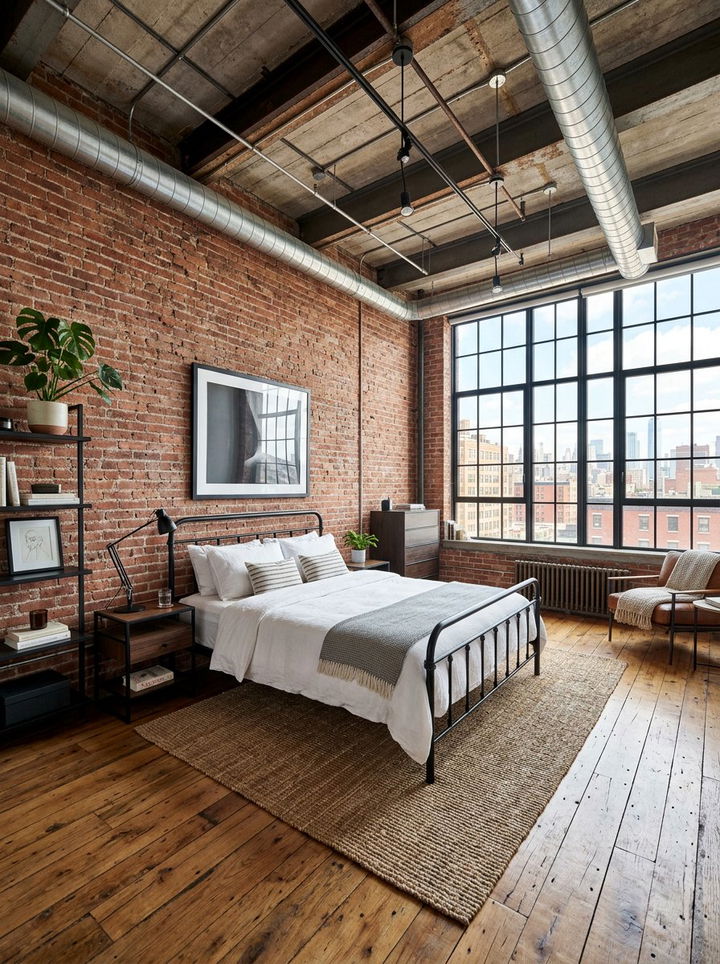
18. Industrial loft bedroom
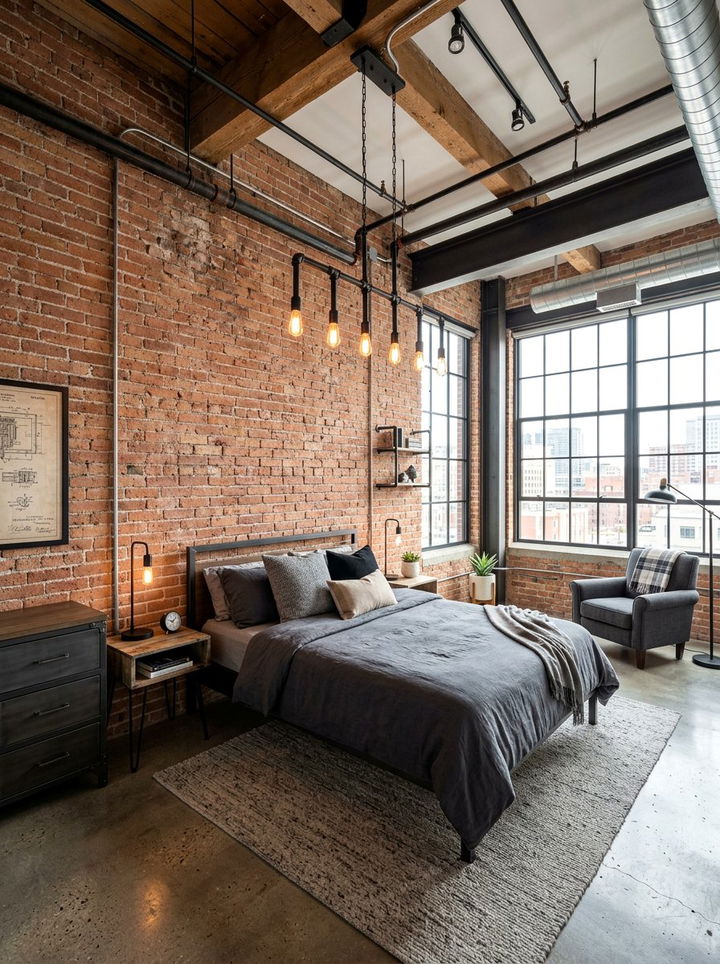
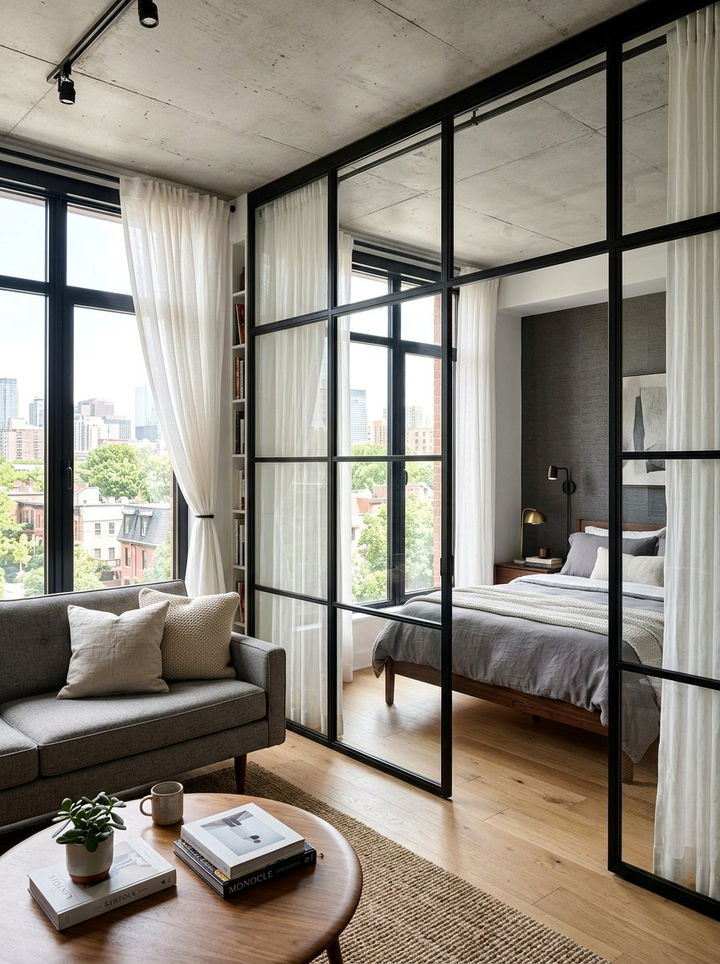
An industrial style works well in bonus rooms that have high ceilings, brick walls, or visible ductwork and metal pipes. You should use a mix of metal and wood furniture to create a look that is both rugged and modern at once. Darker colors like charcoal gray and navy blue can be used to ground the space and add a sense of drama. Large oversized art pieces and metal light fixtures with exposed bulbs fit the industrial theme perfectly and make a bold statement. This design is excellent for creating a cool and edgy bedroom that feels like a modern urban apartment in the city.
19. Traditional guest suite
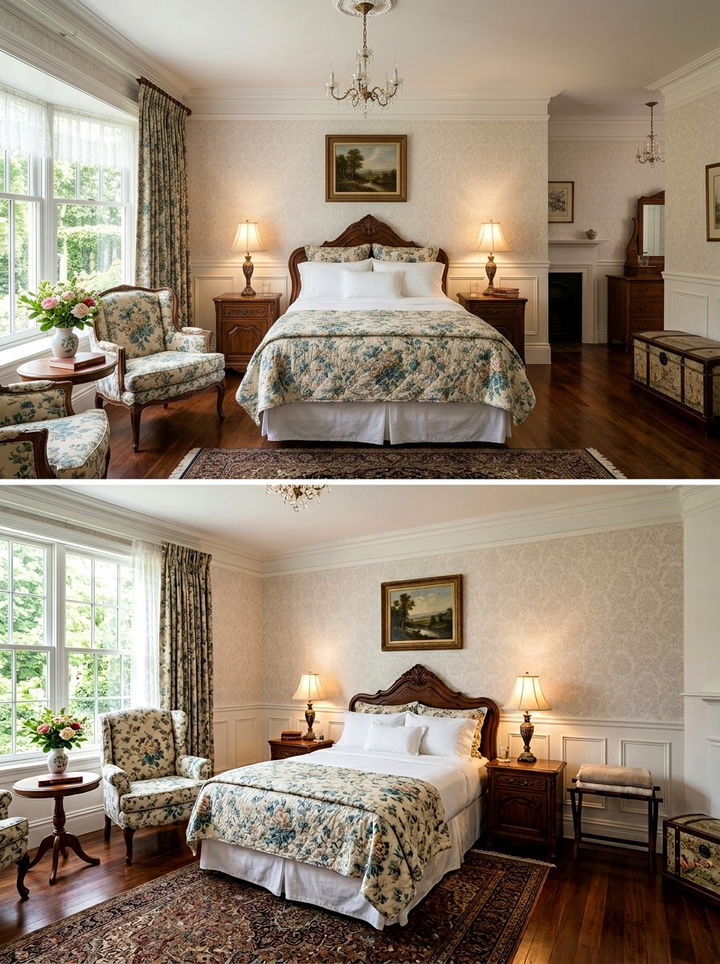
A traditional style provides a classic and timeless look that makes any guest feel comfortable and right at home in your house. You should choose high-quality wooden furniture with elegant details and a symmetrical layout for the bed and the nightstands. Use soft floral patterns or classic stripes on the bedding and window treatments to add a touch of traditional charm and warmth. A comfortable armchair in the corner provides a nice spot for guests to sit and relax away from the rest of the family. This style is very welcoming and never goes out of fashion, making it a safe and beautiful choice.
20. Scandi style bonus room
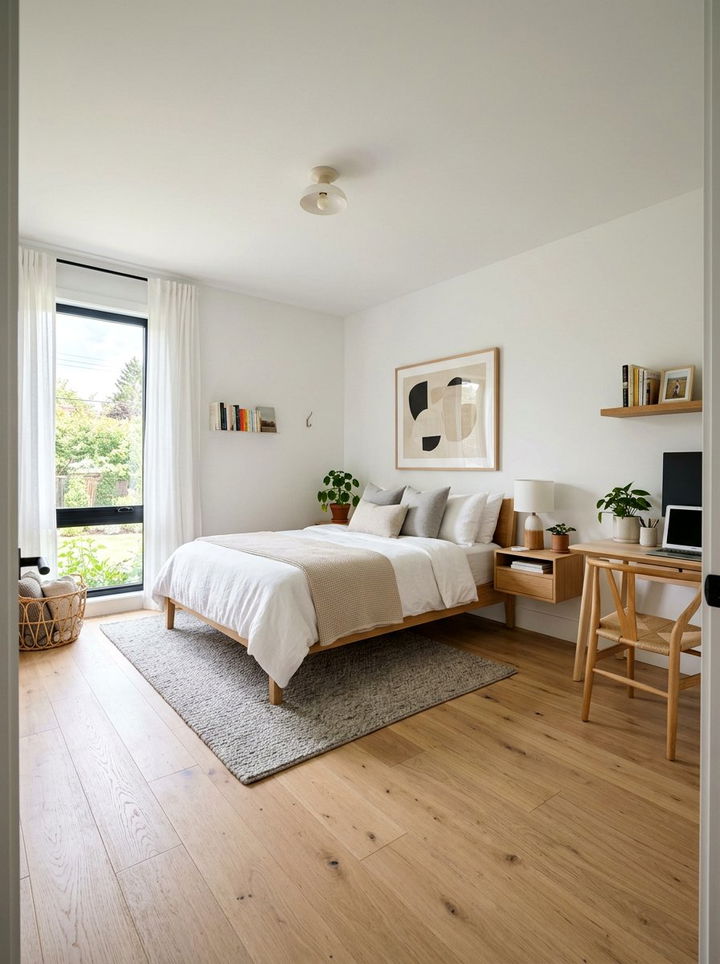
The Scandinavian design style focuses on functionality, simplicity, and the use of light natural materials to create a bright environment. You should use light-colored wood floors and white walls to maximize the light in your bonus room bedroom at all times. Incorporate simple wooden furniture with clean lines and functional designs that don’t take up too much visual or physical space. Use soft textiles like sheepskin rugs and wool blankets to add “hygge” or a sense of cozy warmth to the minimalist room. This style is perfect for creating a peaceful and serene sleeping area that feels very fresh and clean for everyone.
21. Multi functional guest space
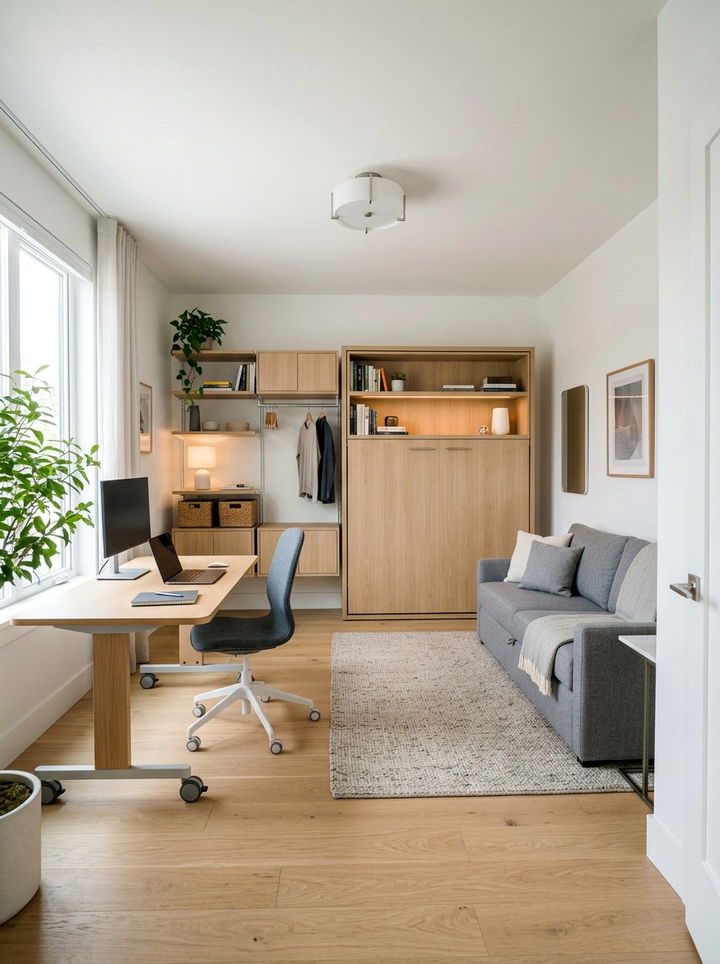
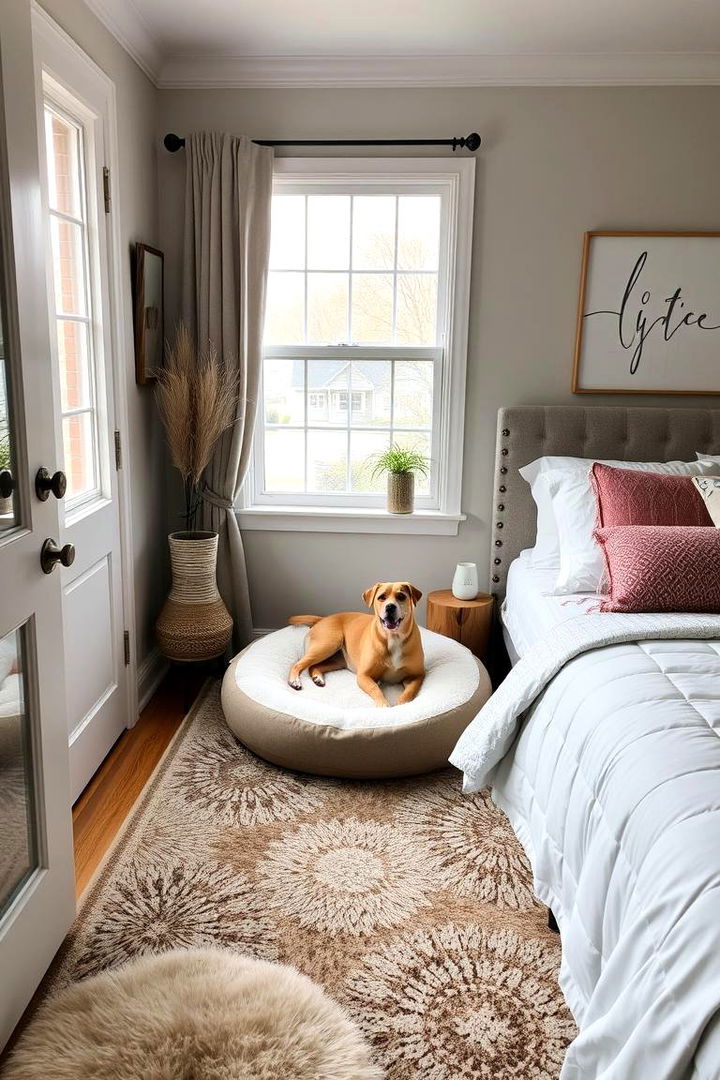
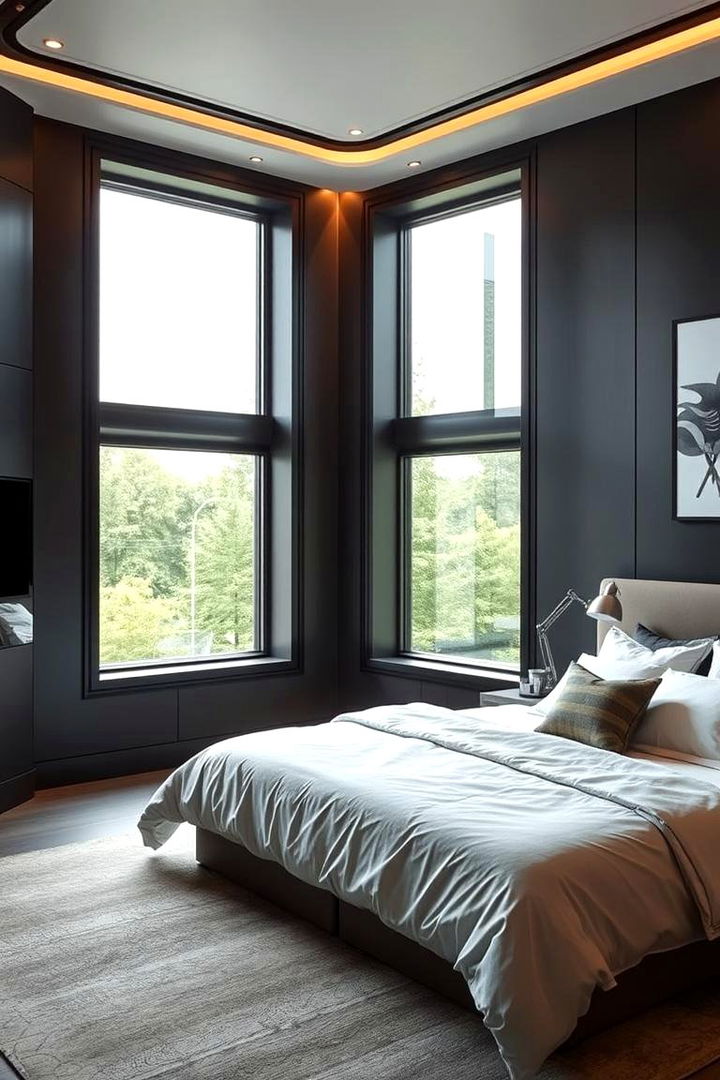
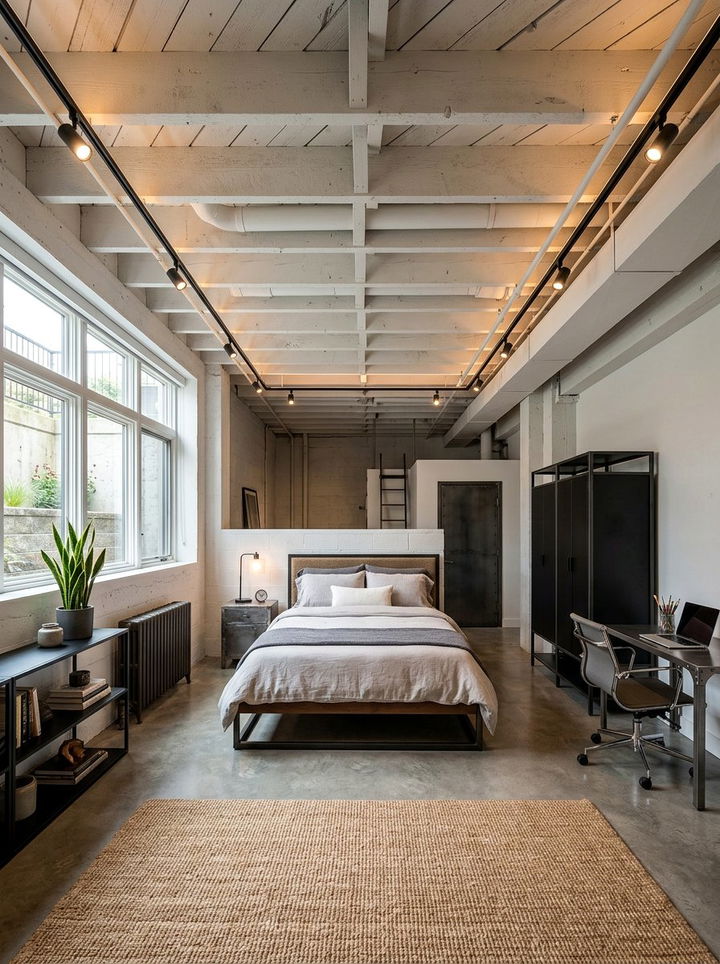
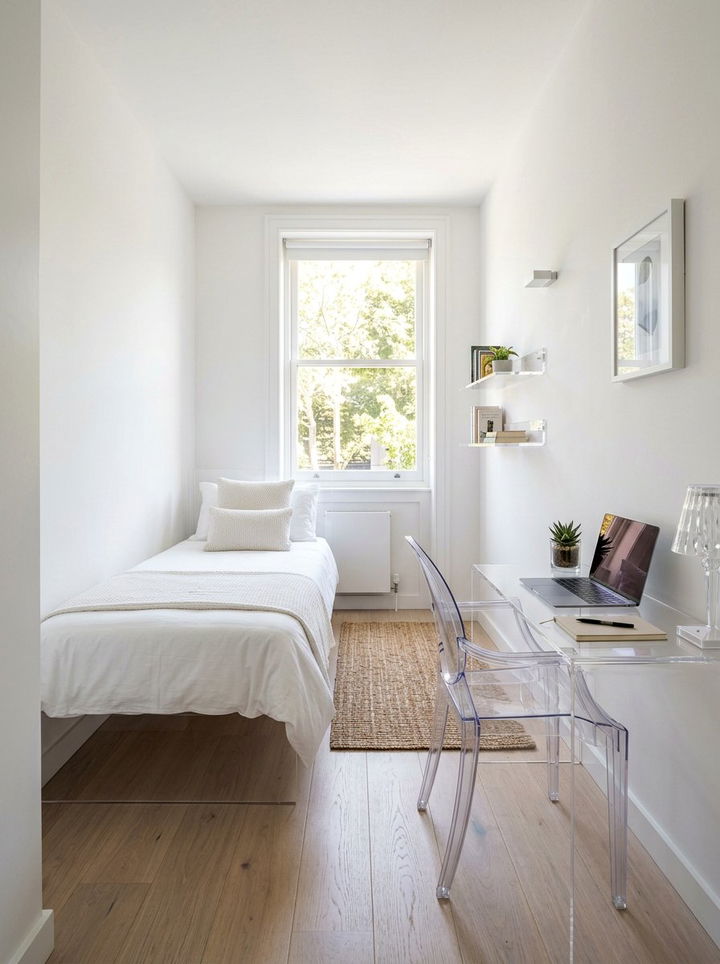
A multi-functional guest space is designed to serve many purposes, such as a workout room or a hobby area when guests are gone. You should use furniture that can be easily moved or folded away, like folding chairs or a desk on wheels for mobility. Wall-mounted storage systems can hold exercise equipment or craft supplies while keeping the floor clear for a guest bed when needed. Choose a neutral and versatile color palette that works well for all the different activities that will take place in the room. This approach ensures that your bonus room remains a valuable asset to your daily life every single day.
22. Cozy attic sleeping nook
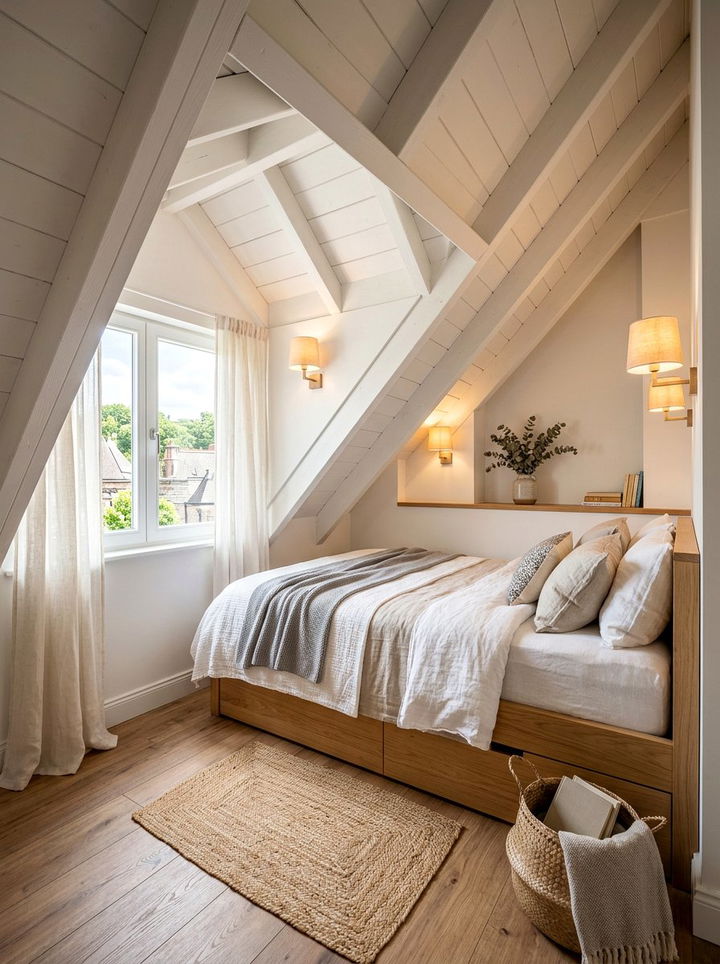
If your attic space is very small, you can create a cozy sleeping nook that focuses entirely on comfort and relaxation. You should build the bed platform directly into a low-ceiling corner to save space and create a very snug feeling. Use plenty of soft lighting like fairy lights or small wall sconces to create a magical and warm ambiance in the nook. Soft drapes or curtains can be used to close off the sleeping area for extra privacy and a sense of seclusion. This design turns a cramped attic into a charming and highly desirable retreat that feels very special and unique.
23. Built in bed bonus room
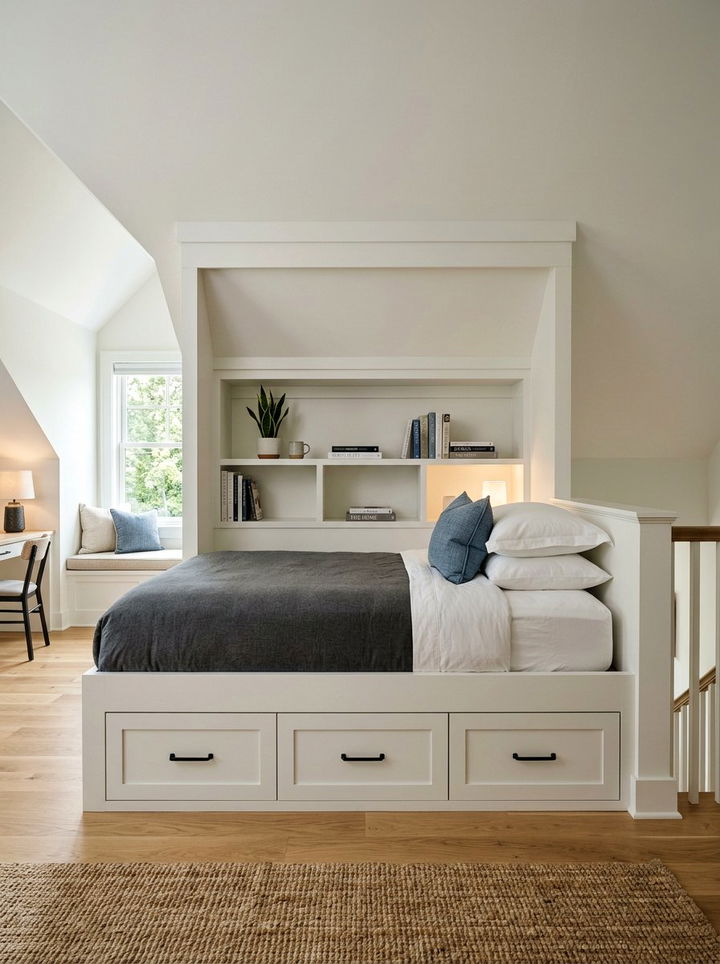
Built-in beds are a fantastic way to save space in a bonus room while adding a custom and high-end architectural look. You should design the bed with integrated drawers underneath to provide extra storage for clothes and linens without needing a dresser. Adding bookshelves or a small nightstand into the headboard area creates a streamlined and organized appearance for the entire sleeping zone. This custom approach allows you to fit a full-sized bed into awkward spaces or narrow rooms where standard furniture would not easily fit. It makes the room look much more intentional and professionally designed for the space.
24. Skylight bedroom design
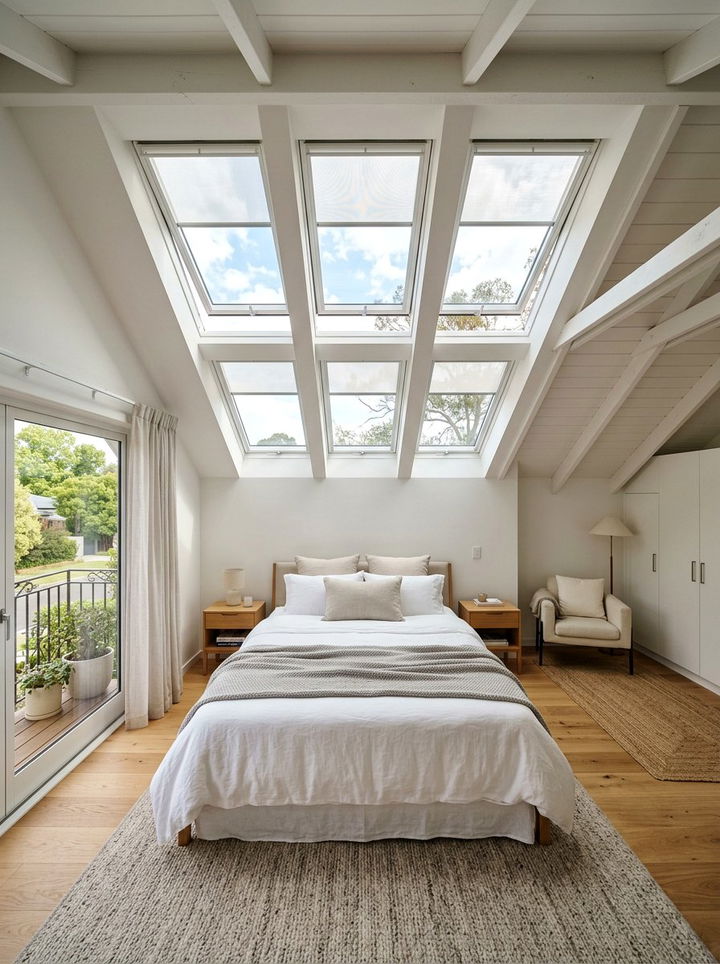
Installing skylights in your bonus room bedroom can completely transform the space by flooding it with beautiful natural light from above. You should position the bed so that you can look up at the stars at night or enjoy the morning sun. Use light-filtering blinds or shades on the skylights so that you can control the amount of light and heat entering the room. The addition of skylights also provides an opportunity for extra ventilation, which is very important in upper-level or attic bonus rooms. This design feature makes the room feel much more open to the outside world and very airy.
25. Windowless room bedroom solution
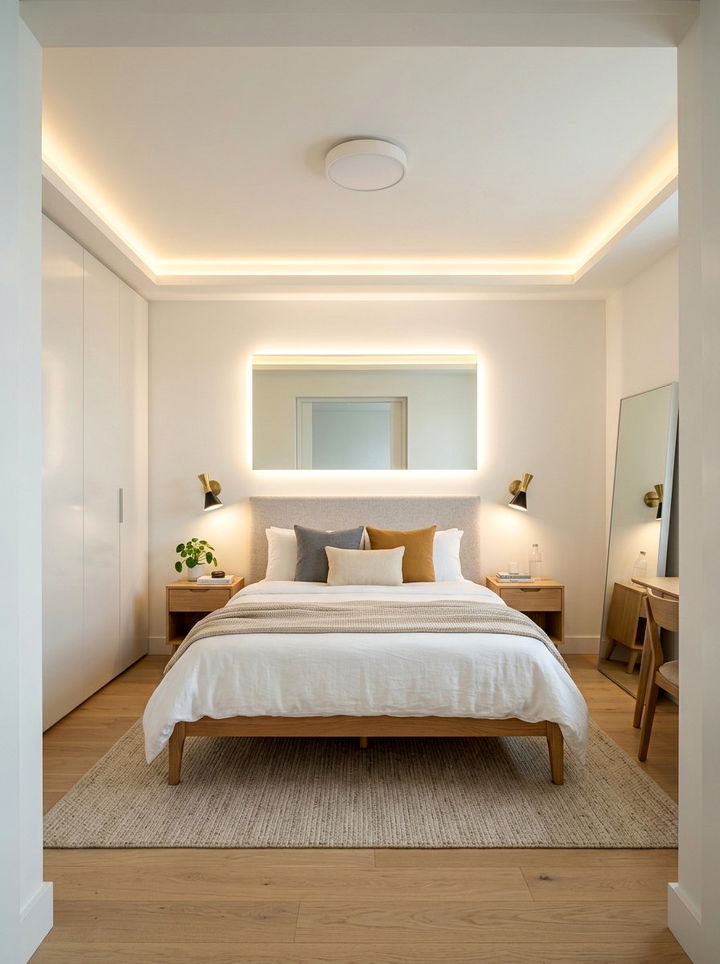
Creating a bedroom in a windowless bonus room requires creative lighting solutions to prevent the space from feeling dark and closed in. You should use a combination of overhead lighting, floor lamps, and LED strips to mimic the feel of natural daylight throughout. Painting the walls in a very light, reflective color will help bounce the light around the room and make it brighter. Consider installing a “faux window” using a large backlit mirror or a piece of framed art that depicts a bright landscape. Proper ventilation and air purification are also very important in rooms without windows to maintain a healthy sleeping environment.
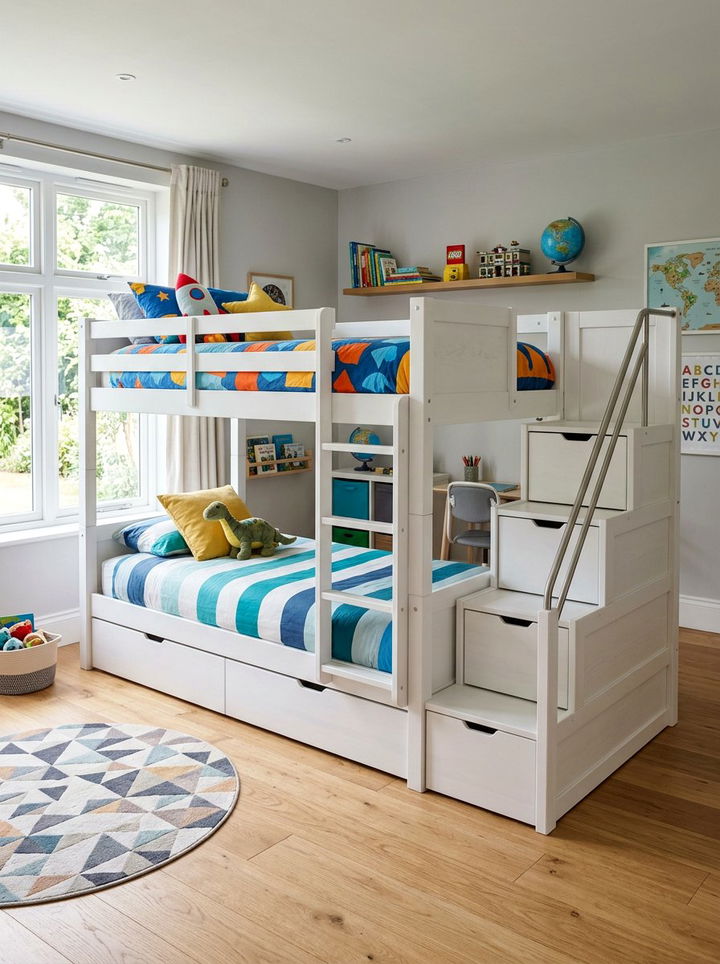
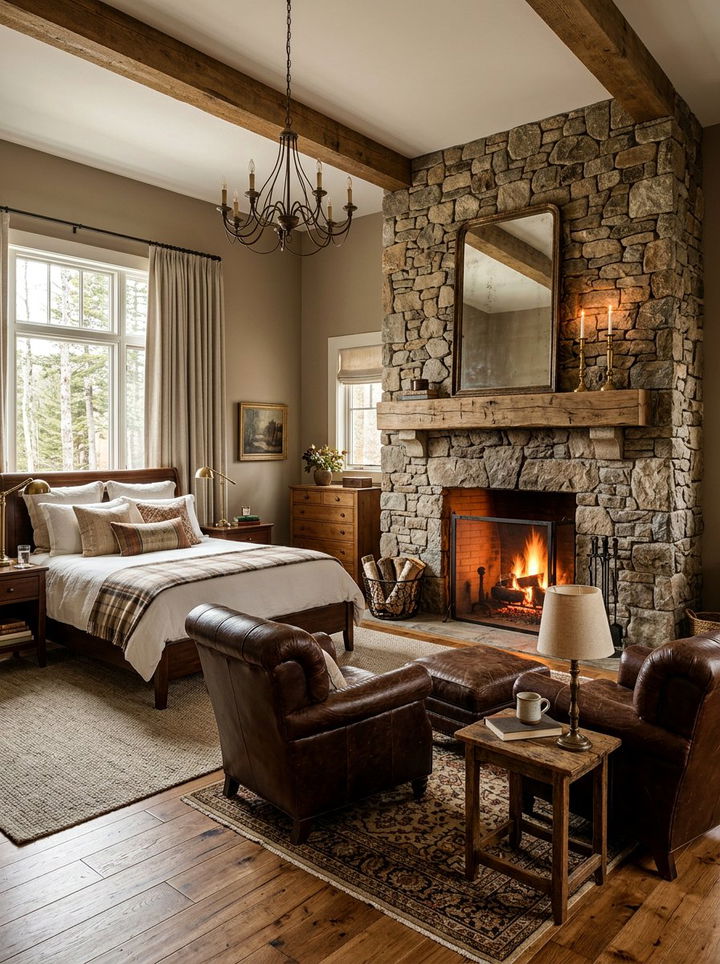
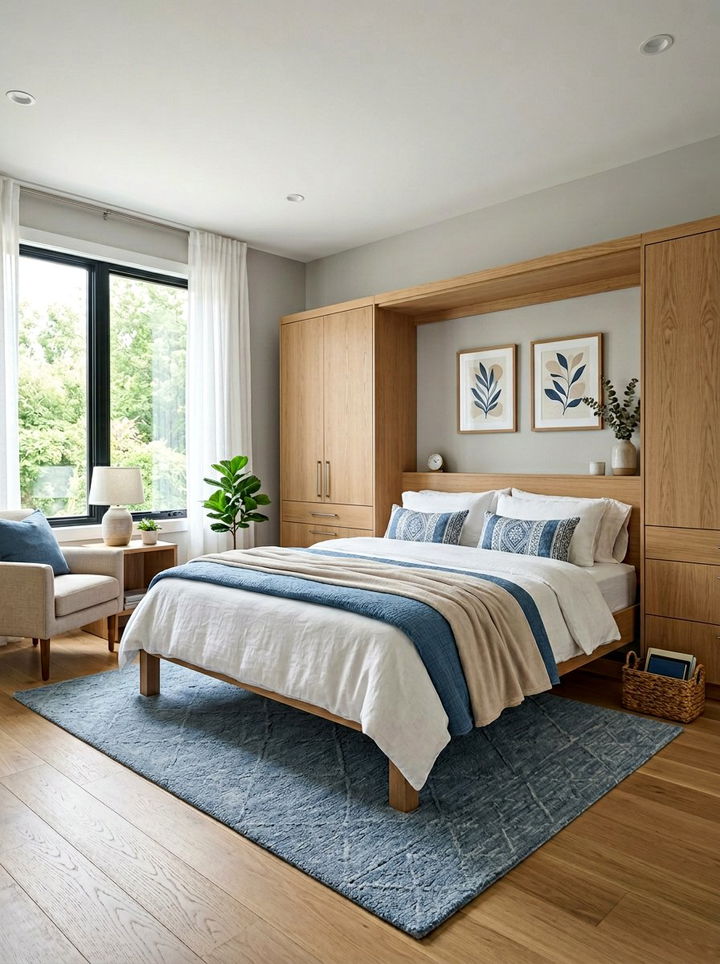
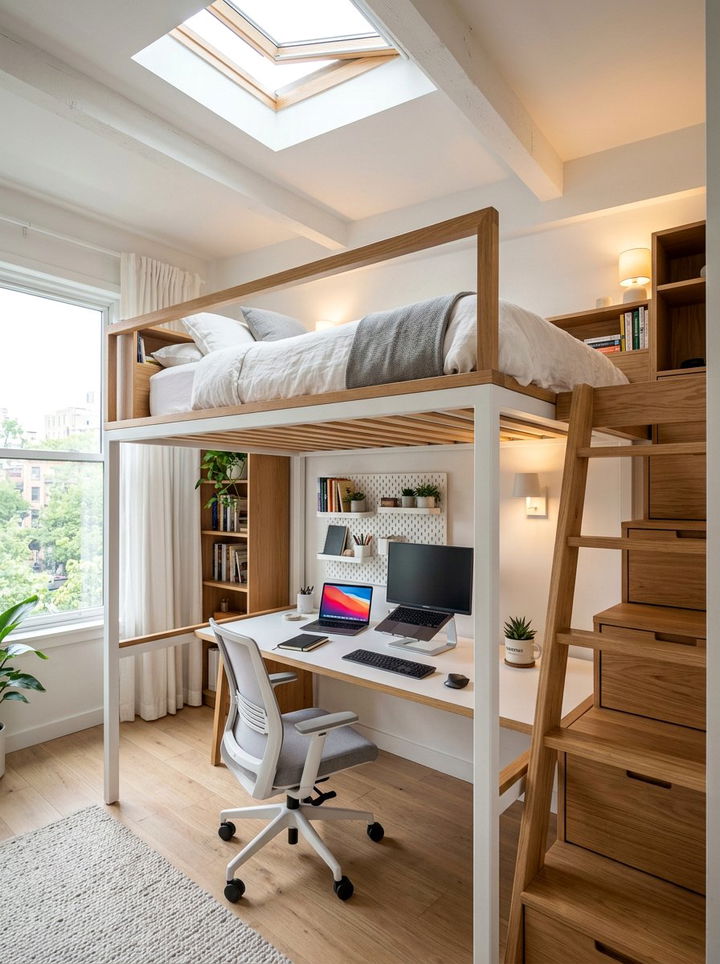
26. Farmhouse bonus room bedroom
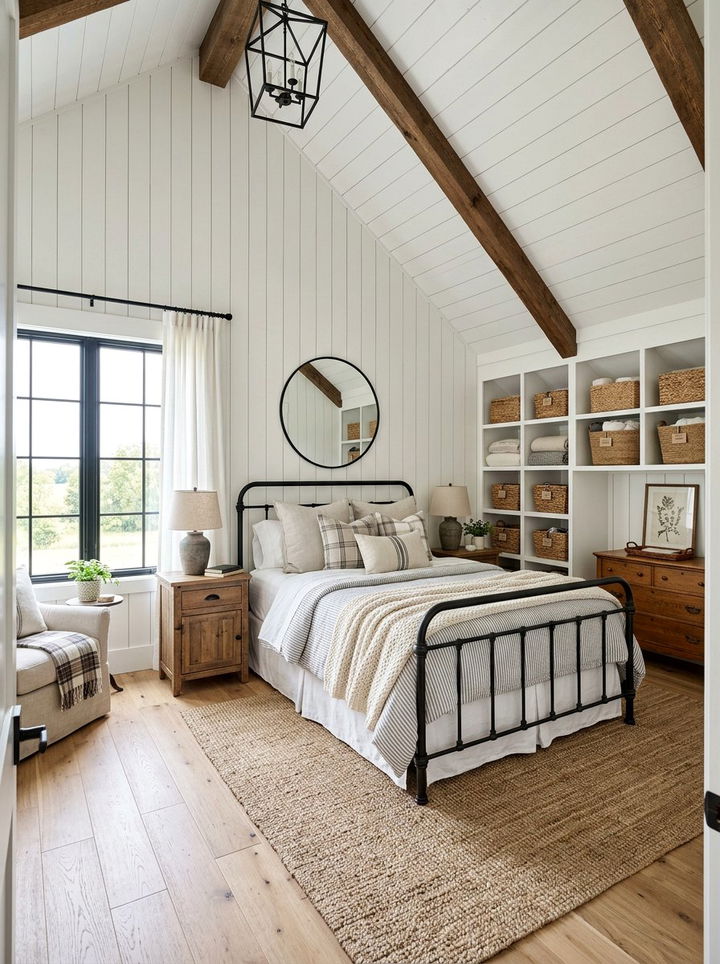
The farmhouse style brings a sense of rustic comfort and simple elegance to a bonus room bedroom conversion in your home. You should use shiplap on the walls and a neutral color palette of whites, creams, and light wood tones for warmth. Incorporate vintage-inspired furniture like a black iron bed frame and antique wooden chests to give the room a lived-in feel. Adding cozy elements like a quilted bedspread and woven baskets for storage enhances the charming and farmhouse aesthetic you are aiming for. This design creates a very relaxed and inviting atmosphere that feels both modern and traditional at the same time.
27. Luxury guest wing conversion
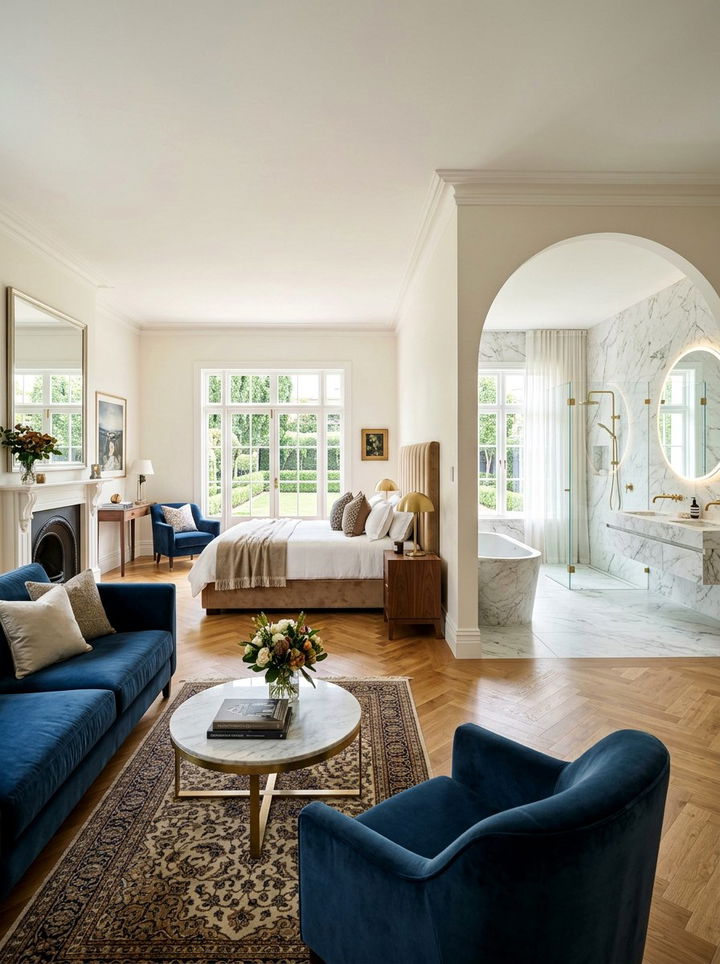
If you have a large bonus area, you can create a luxury guest wing that includes a private bathroom and a lounge. You should use high-end materials like marble in the bathroom and silk or velvet fabrics in the bedroom for a rich feel. Include premium amenities like a high-quality coffee maker, a small bar, and luxury toiletries to make your guests feel pampered. A separate entrance or a private hallway can further enhance the feeling of a secluded and exclusive guest wing within your home. This type of conversion is perfect for hosting long-term visitors or family members in total style.
28. Studio apartment style bonus room
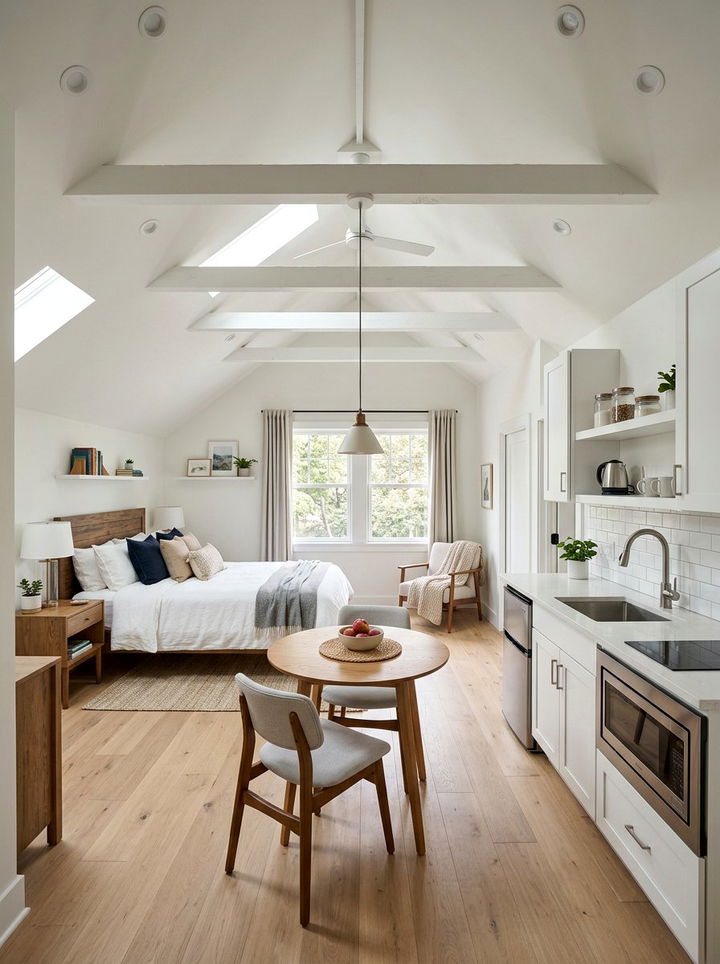
Designing your bonus room like a studio apartment allows it to function as a complete living unit for a teenager or guest. You should create distinct areas for sleeping, eating, and relaxing using clever furniture placement and area rugs to define the boundaries. A small kitchenette with a microwave and a mini-fridge provides the occupant with a high degree of independence and convenience. Use a cohesive design theme throughout the entire space to make the different functional zones feel like part of one unified home. This setup is ideal for creating a semi-independent living space that adds great value to your house.
29. Craft room to bedroom swap
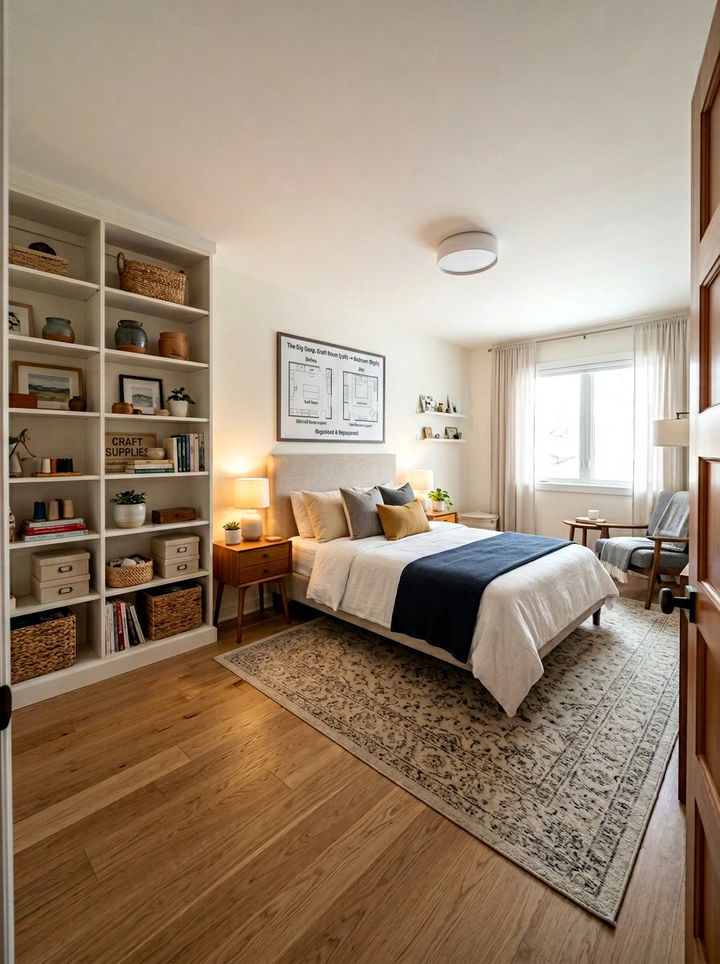
Swapping a craft room for a bedroom is a common way to update a bonus room as your family needs and hobbies change. You should replace large work tables with a comfortable bed and move storage bins into a closet or under the bed. Keep some of the built-in shelving to use for books or decorative items instead of craft supplies and art materials. Update the lighting from bright task lights to softer, more ambient fixtures that are much better suited for a relaxing sleeping environment. This swap allows you to repurpose a specialized room into a more versatile and useful living space.
30. Transitional bedroom decor
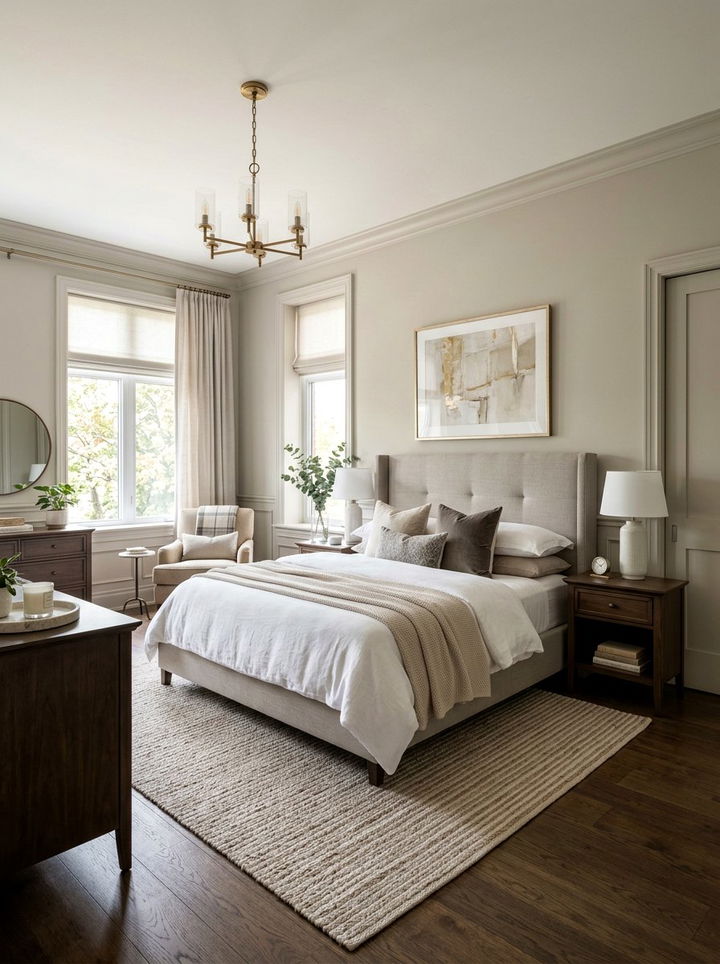
Transitional decor combines the best of traditional and modern styles to create a balanced and sophisticated look in your bonus room. You should use a neutral color palette as a base and incorporate furniture with classic shapes and very clean, modern lines. Mix different textures like smooth glass, warm wood, and soft fabrics to add visual interest and a sense of layered comfort. This style is very flexible and allows you to easily update the look of the room with different accessories over time. It creates a cohesive and polished appearance that appeals to a wide variety of tastes and personal style preferences.
Conclusion:
Converting a bonus room into a bedroom is a rewarding project that maximizes your home’s square footage and enhances its overall daily functionality. Whether you choose a modern, rustic, or minimalist approach, the key to success is thoughtful planning and a focus on both comfort and style. By considering lighting, storage, and the unique architectural features of your space, you can create a sanctuary that feels intentional and welcoming. These thirty ideas provide a diverse range of inspiration to help you start your transformation journey today. With the right design, your bonus room will become a favorite part of your home for many years.
Related posts: