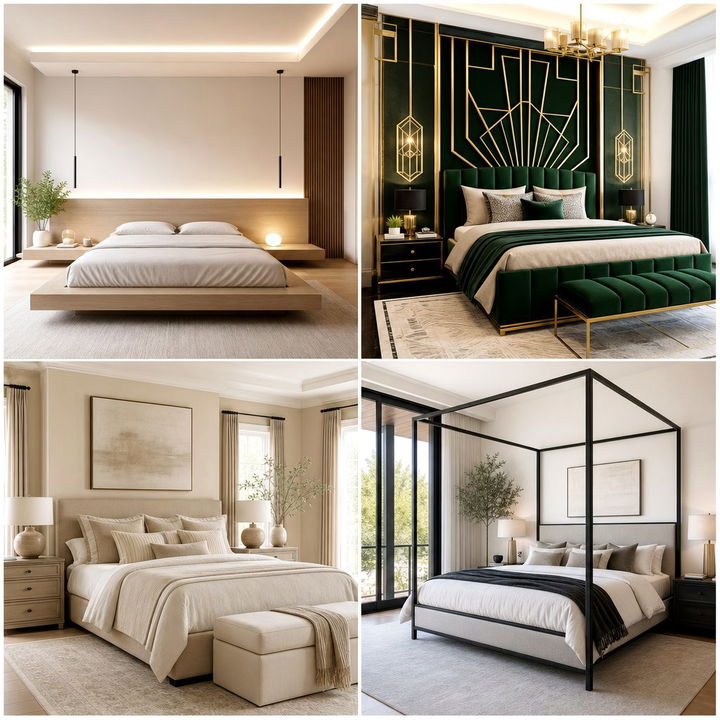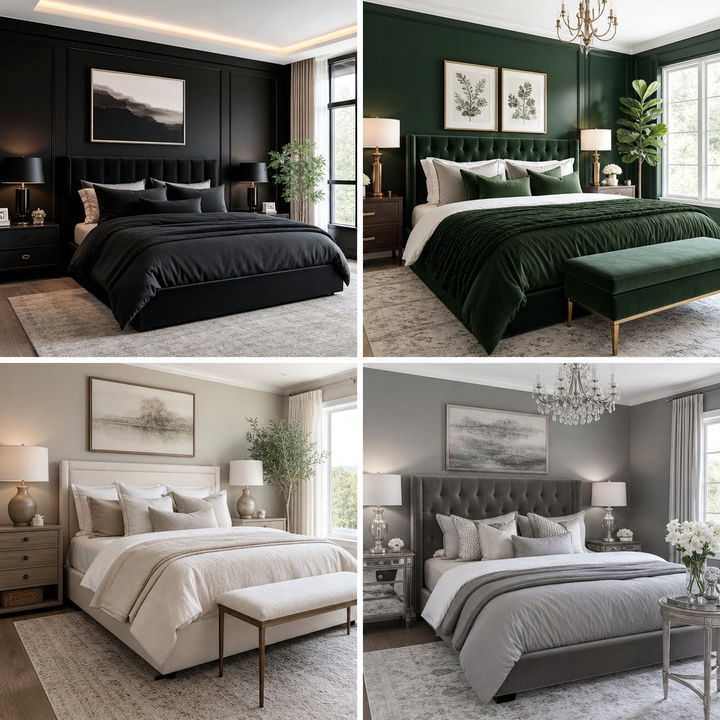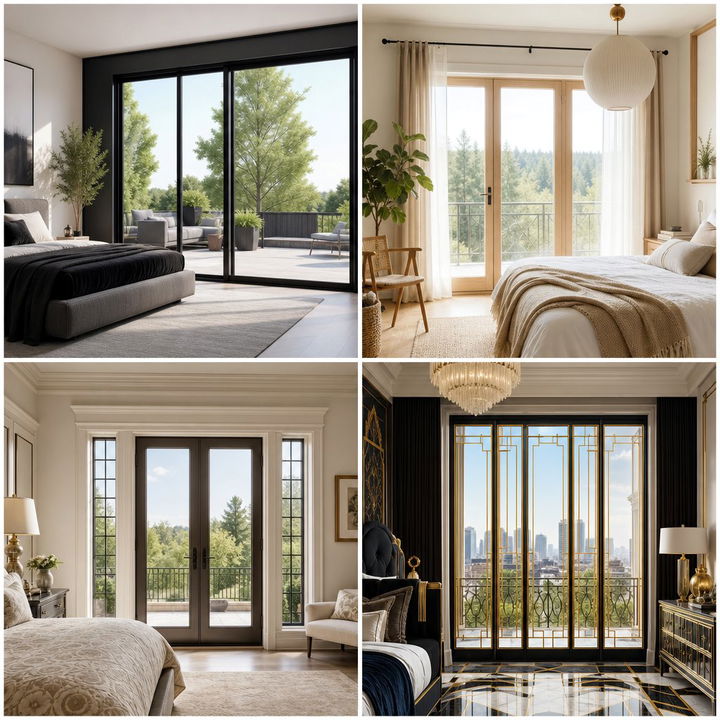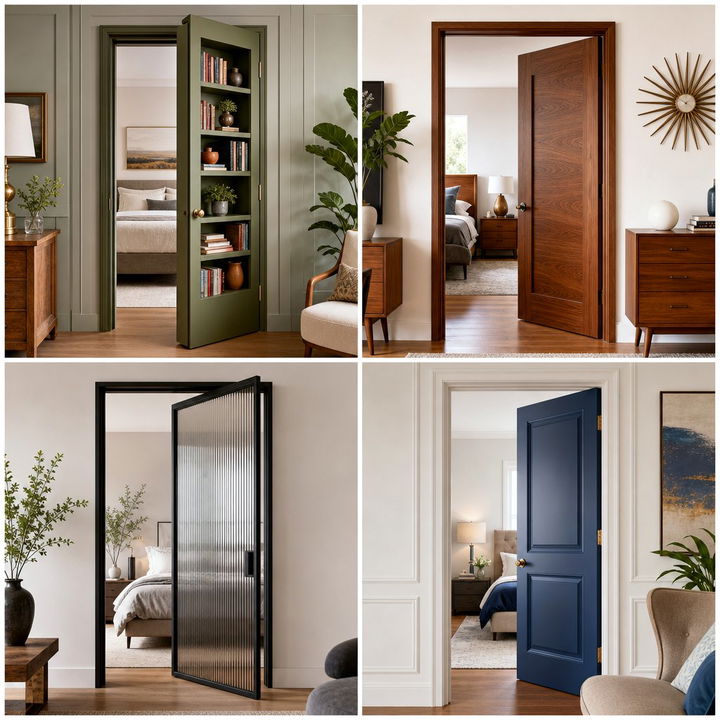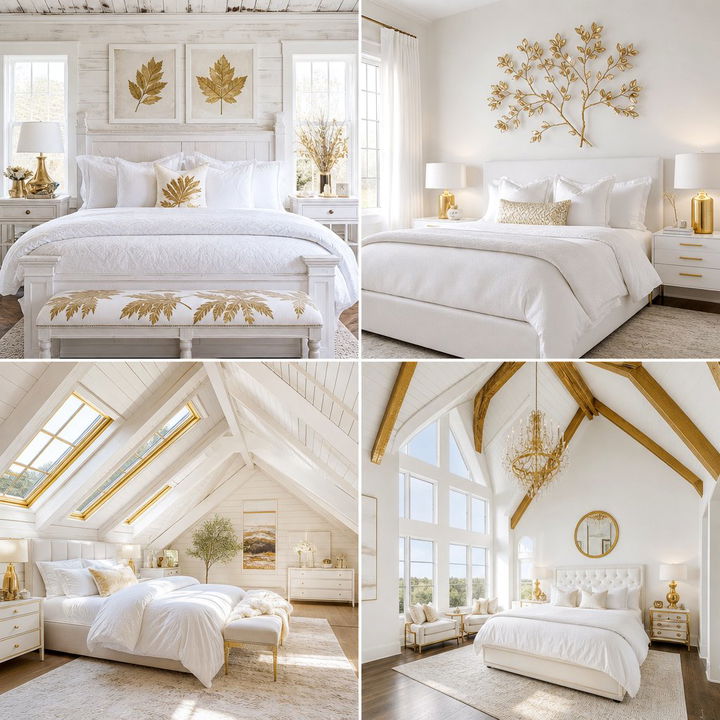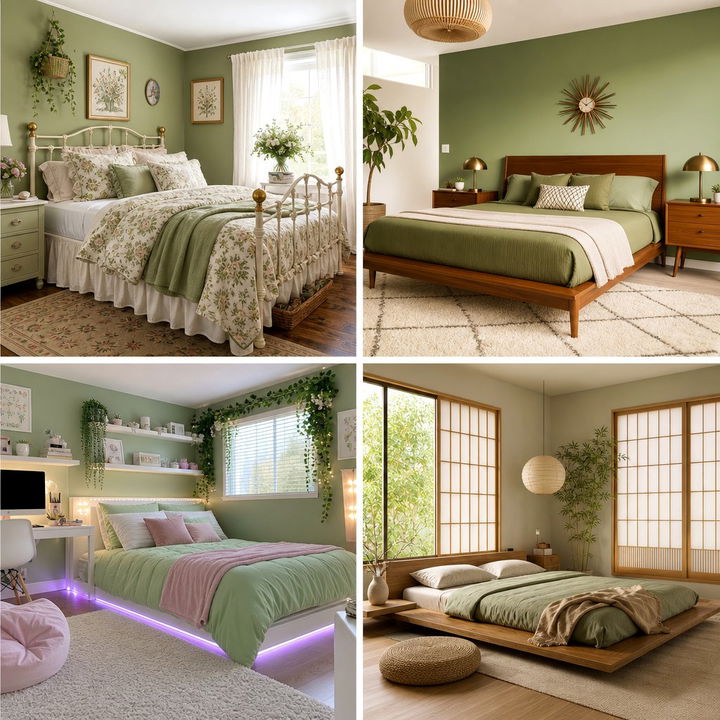
Creating a bedroom that evolves with your life is both an art and a practical necessity for many homeowners today. Whether you are navigating the growing pains of a child or shifting your personal style, transitions define the longevity of your interior spaces. These changes allow you to breathe new life into four walls without requiring a complete structural overhaul every few years. Pinterest users often look for these shifts because they offer a fresh perspective on comfort and utility. From seasonal swaps that embrace temperature changes to major life milestones, a well-planned transition ensures your sanctuary remains relevant. This guide provides thirty comprehensive strategies to help you master the art of the bedroom evolution.

1. Nursery To Toddler Room
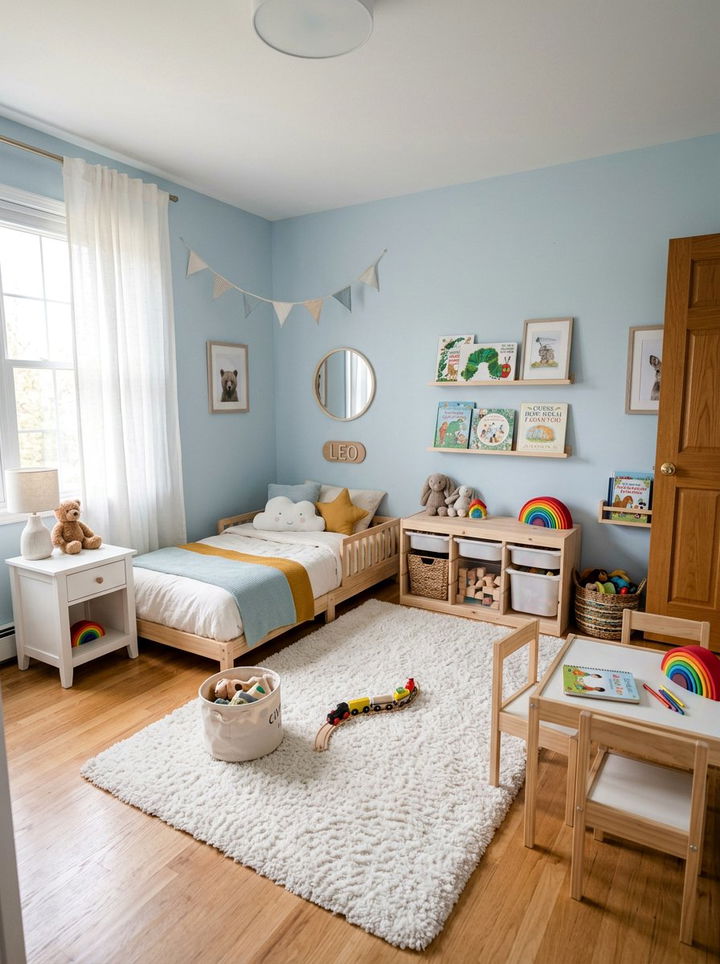
Transitioning a nursery into a toddler space involves shifting the focal point from a crib to a safe floor bed. This change empowers young children to explore their environment safely while maintaining a cozy atmosphere for sleep. You should focus on low-level shelving that allows little hands to reach books and toys independently. Soft rugs are essential for floor play, and a muted color palette can help keep the room feeling calm during nap time. Replacing the rocking chair with a small table and chairs set encourages creative activities like coloring or puzzles. Ensure all furniture is anchored to the wall for safety during this active developmental stage of life.
2. Toddler To Big Kid Room
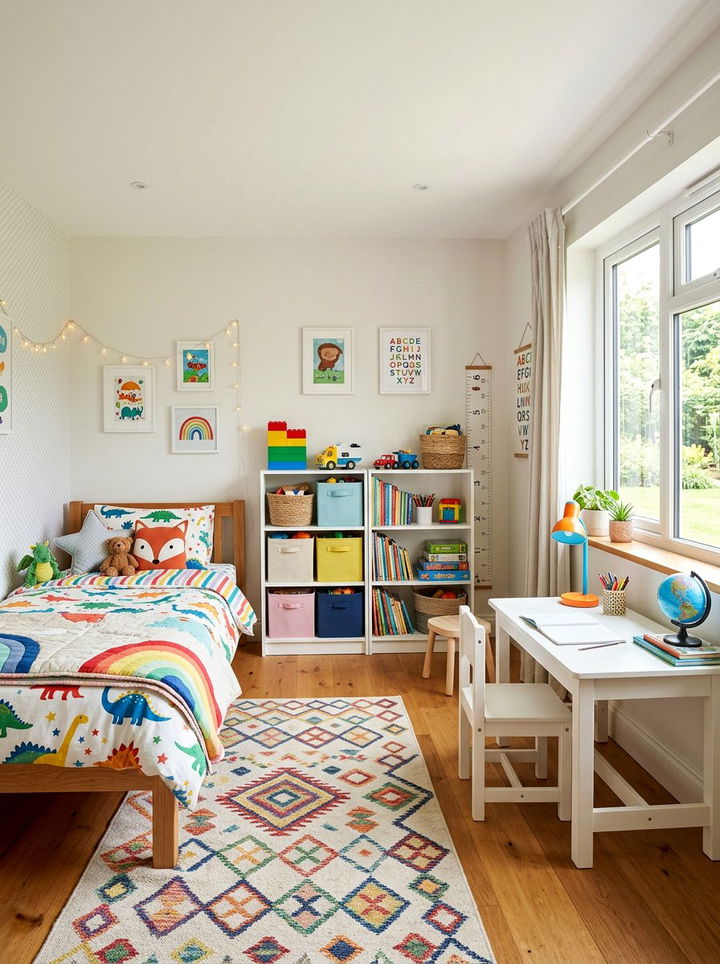
Moving from a toddler bed to a twin or full-size frame marks a significant milestone in any child’s life. This transition often requires more robust storage solutions for growing toy collections and school supplies. Consider adding a small desk area where they can start practicing writing or doing light homework. Incorporating their favorite colors or hobbies through removable wall decals allows the space to feel personal without a permanent commitment. Better lighting, such as a sturdy desk lamp or a fun pendant light, becomes more important as they spend more time playing and learning in their own private sanctuary. This stage focuses on independence and personal expression.
3. Kid To Teen Room
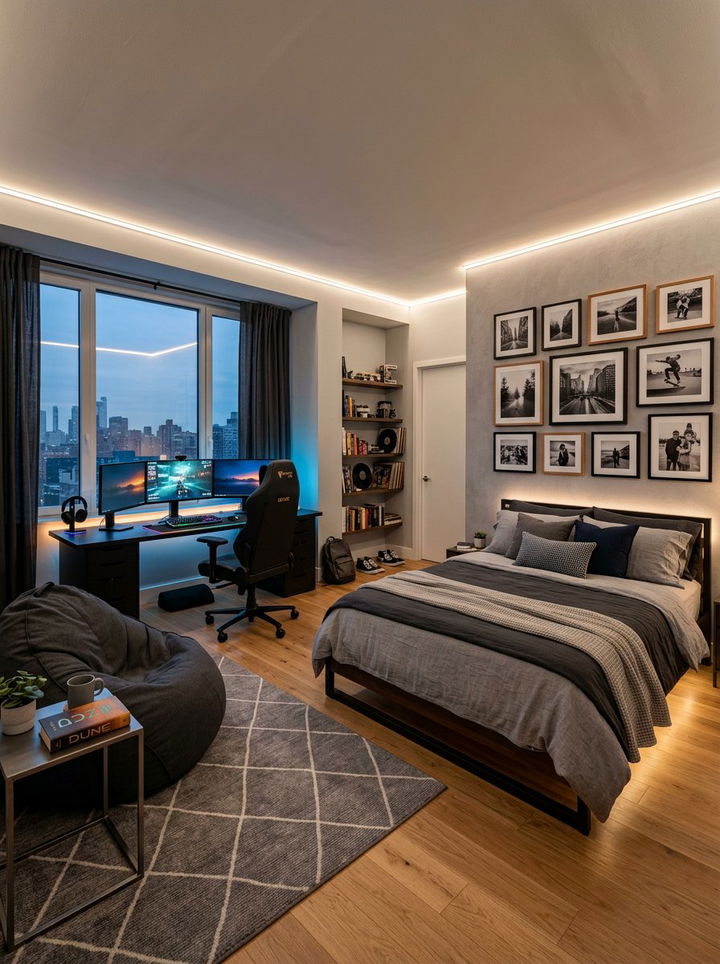
A teenager’s bedroom needs to function as a sleep space, a study area, and a social lounge all at once. Swap out youthful themes for more sophisticated textures like linen or velvet. A larger bed, perhaps a queen size, often becomes the centerpiece for relaxation and lounging with friends. Replace toy bins with bookshelves or display cabinets for trophies and tech gadgets. Adding a dedicated vanity or a gaming desk helps accommodate their evolving daily routines. Neutral walls paired with bold accent pieces give them the freedom to express their personality as it continues to shift during these formative years. Privacy and comfort are the top priorities here.
4. Teen To Young Adult Room
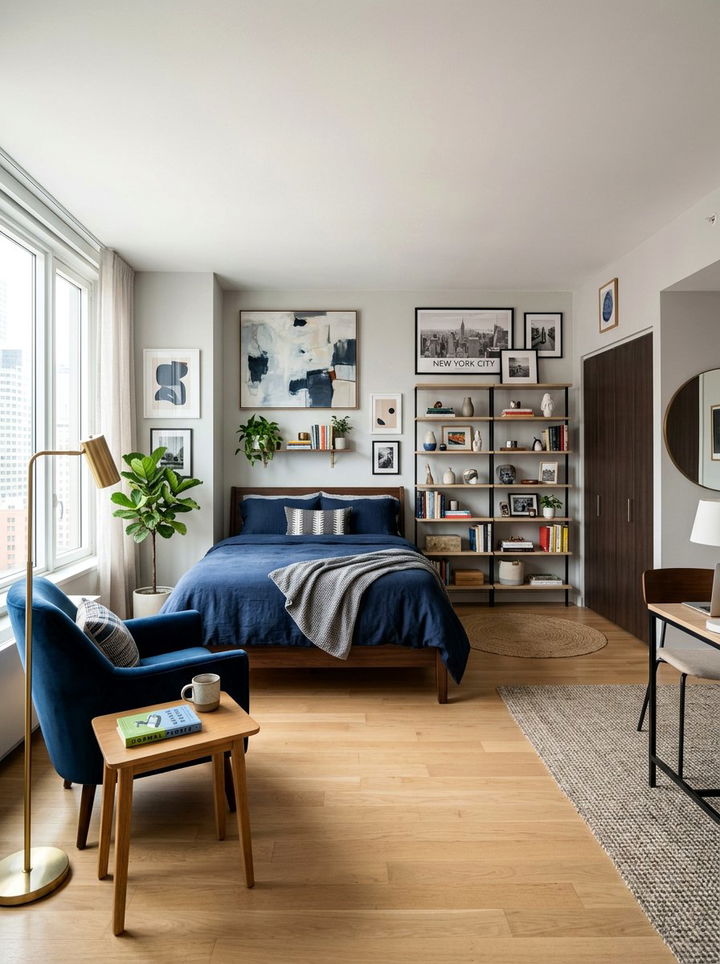
Transitioning a teen room for a young adult focuses on creating a sophisticated, apartment-like feel within the home. This often involves removing clutter and focusing on high-quality furniture pieces that will last for years. A gallery wall of personal art or photography can replace old posters. Consider upgrading the bedding to high-thread-count sheets and a textured duvet for a more mature aesthetic. A comfortable armchair in the corner creates a separate zone for reading or working on a laptop. The goal is to create a space that feels like a professional retreat while still retaining the comfort and familiarity of their long-time childhood bedroom.
5. Guest Room To Home Office
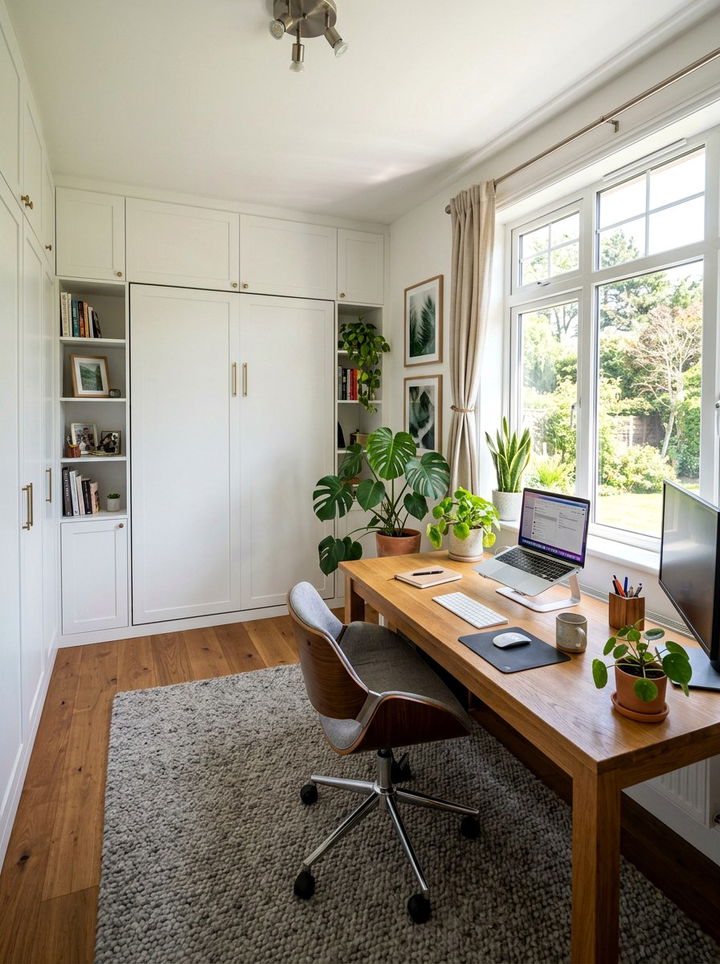
Converting a guest room into a home office requires a balance between productivity and hospitality. A Murphy bed or a high-quality sofa bed is an excellent solution for keeping the room functional for visitors. Focus on a large, sturdy desk placed near a window to maximize natural light during work hours. Built-in shelving provides ample space for office supplies while leaving room for guest essentials like extra towels or books. Using a neutral color scheme helps keep the environment professional for video calls. Adding a few indoor plants can boost your mood and make the space feel more inviting for both work and overnight stays.
6. Master Bedroom To Nursery Nook
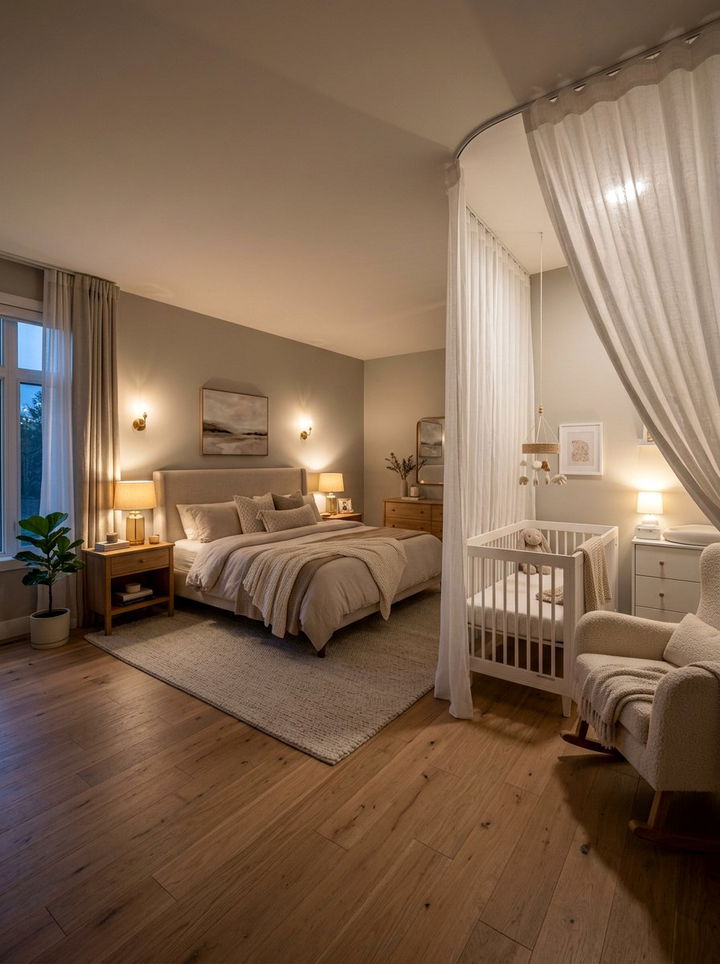
When a new baby arrives, many parents transition a corner of their master bedroom into a dedicated nursery nook. This requires clever spatial planning to ensure the room does not feel overcrowded or messy. A compact bassinet or mini crib can fit perfectly next to the bed for easy nighttime feedings. Use a small dresser that doubles as a changing table to save floor space. Soft, dimmable lighting is crucial for maintaining a sleepy atmosphere for both parents and the infant. Decorative room dividers or sheer curtains can provide a visual separation between the adult sleeping area and the baby’s quiet, cozy corner.
7. Shared Sibling Bedroom
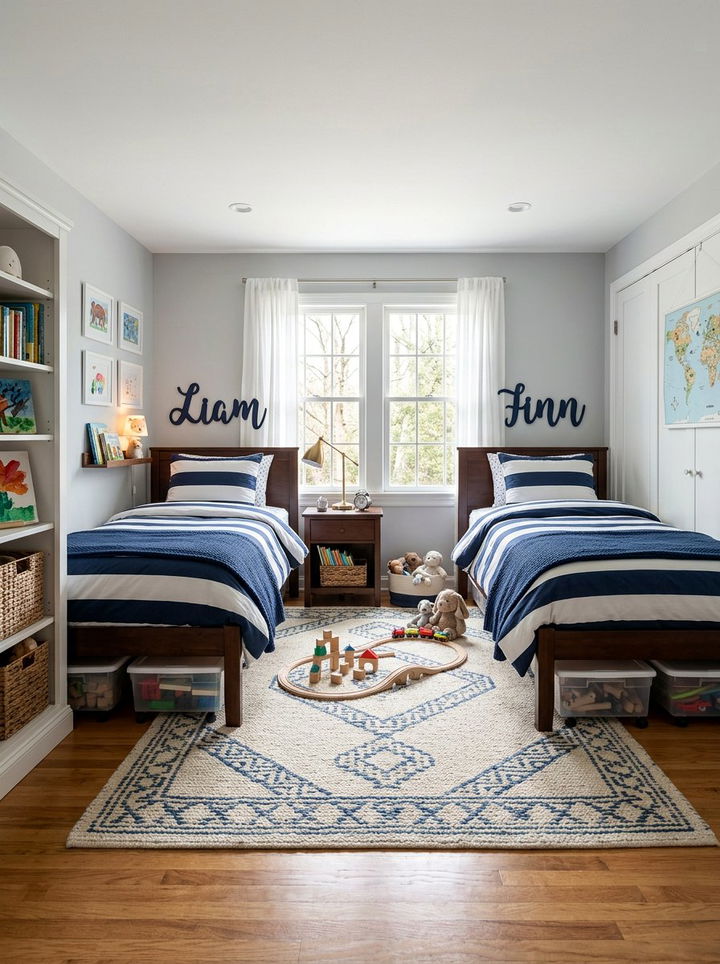
Creating a shared bedroom for siblings involves balancing individual personalities within a unified design theme. Bunk beds are a classic choice for saving floor space, but twin beds placed side-by-side can offer more autonomy. Use symmetrical layouts to ensure each child feels they have their own equal territory. Personalized name plaques or different colored bedding can help define individual zones. A large central rug can serve as a shared play area that anchors the room. Focus on ample storage like under-bed bins to keep the clutter from doubling. This transition teaches sharing while providing each child with a sense of personal belonging and safety.
8. Summer To Fall Bedroom
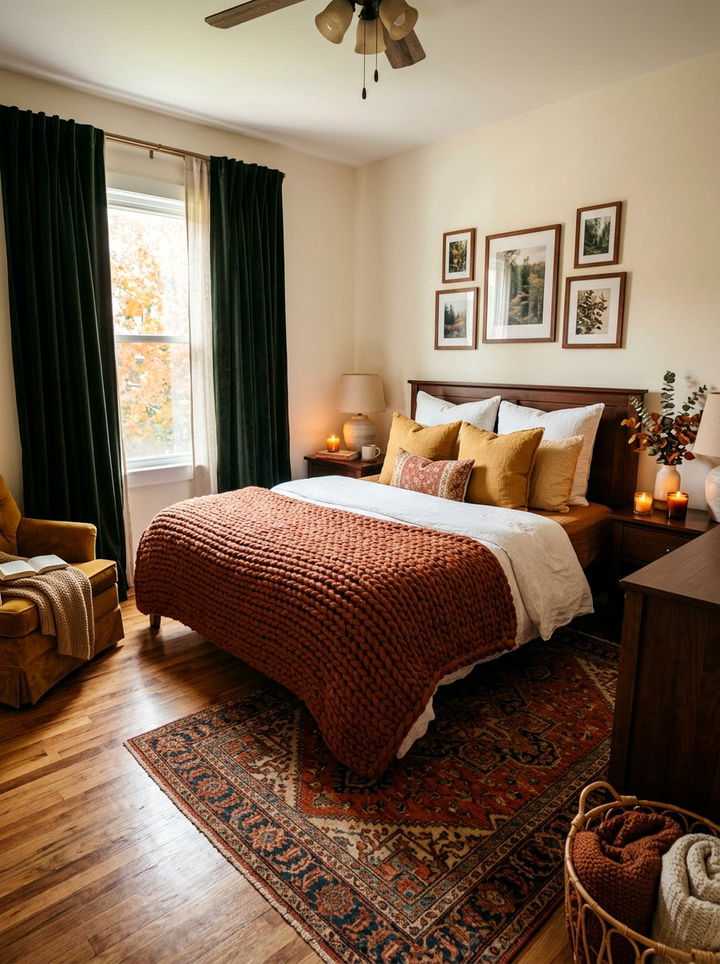
Transitioning your bedroom from summer to fall is all about increasing the “cozy factor” as the weather cools down. Start by swapping lightweight cotton sheets for warmer materials like flannel or brushed cotton. Layering is key, so add a chunky knit throw or a faux fur blanket at the foot of the bed. Replace bright, tropical accents with earthy tones like terracotta, mustard, or deep olive green. Scented candles with notes of cinnamon or woodsmoke can instantly change the room’s ambiance. Heavy velvet curtains can replace sheer ones to help trap heat and create a more intimate, cocoon-like environment for the shorter, darker days.
9. Winter To Spring Bedroom
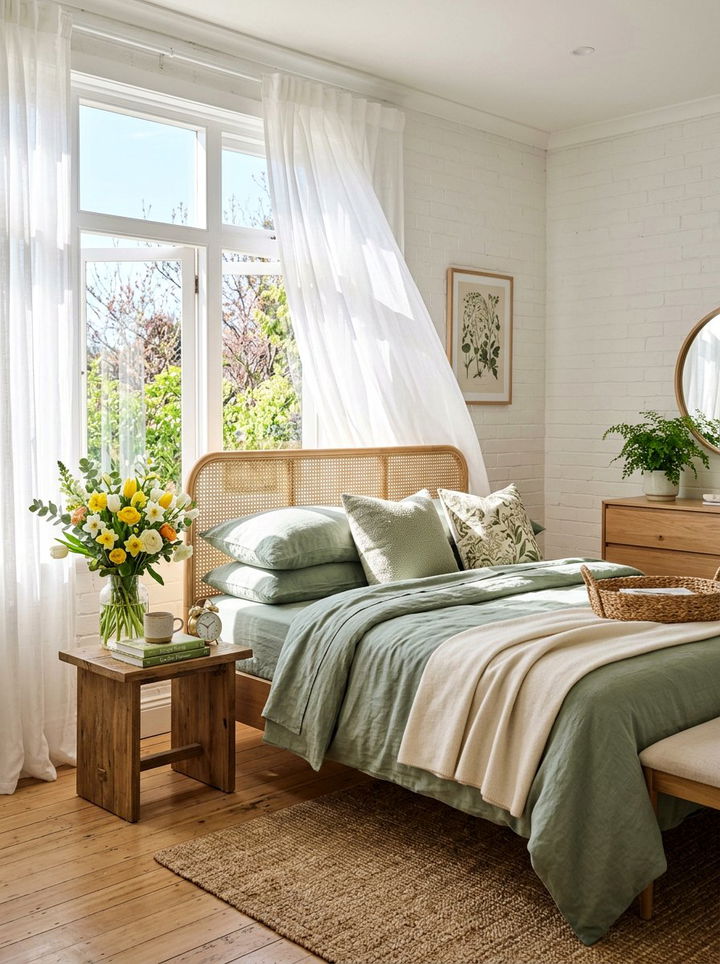
As the days get longer, transitioning your bedroom to spring involves lightening both the physical and visual weight of the space. Remove heavy blankets and replace them with breathable linens in soft pastel or crisp white shades. Open the windows to let in fresh air and swap heavy drapes for light-filtering sheer panels. Incorporating fresh flowers or greenery brings the outdoors inside and refreshes the air quality. Consider a lighter rug or even bare floors to make the room feel more spacious and airy. This shift focuses on renewal and energy, helping you wake up feeling refreshed as the natural world begins to bloom outside.
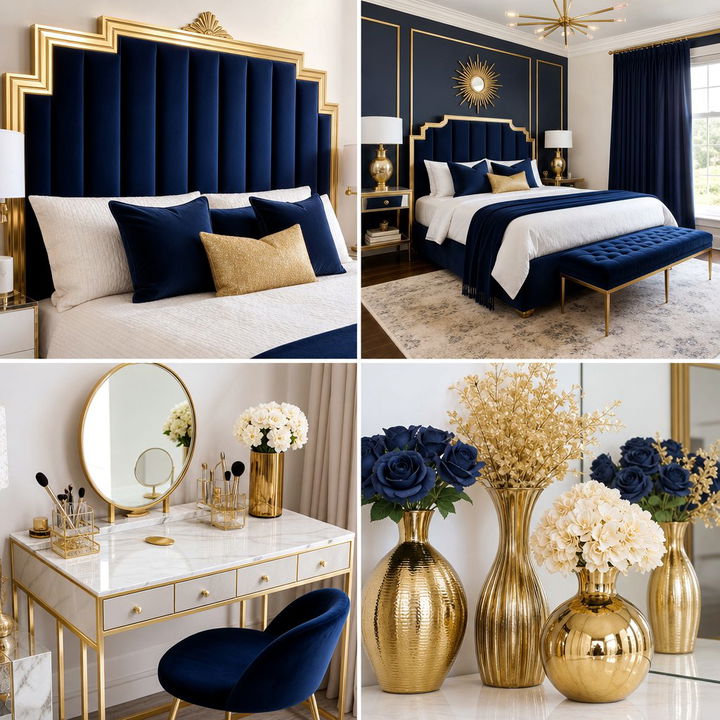
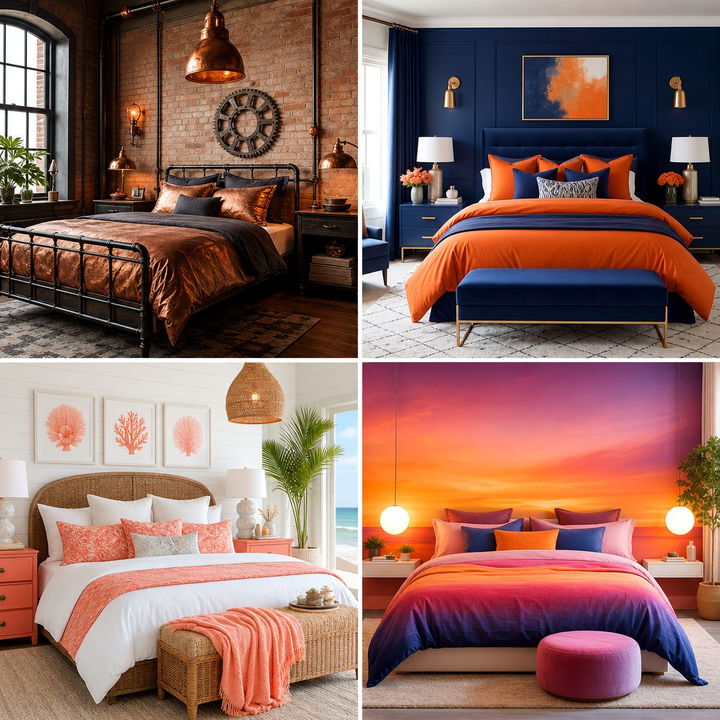
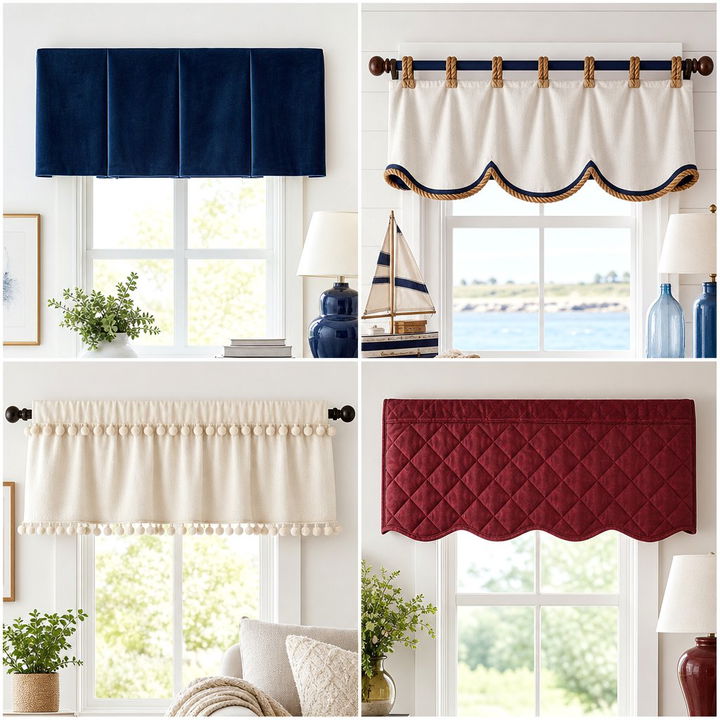
10. Day To Night Bedroom
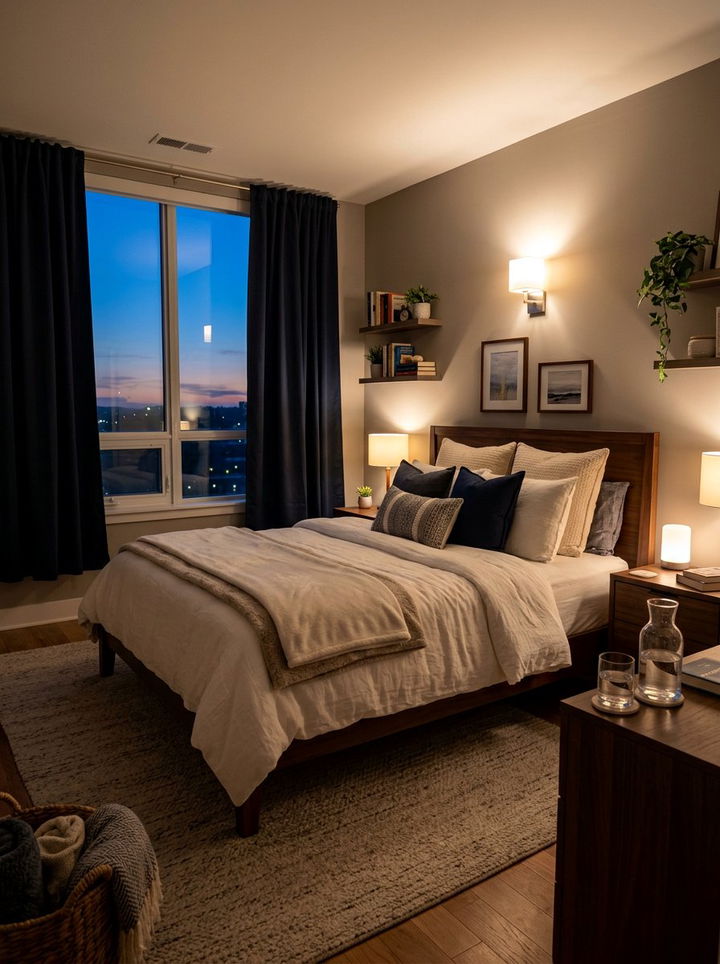
A day-to-night transition focuses on making a bedroom functional for daytime activities and restful for sleep. During the day, keep the bed neatly made with decorative pillows to make the room feel like an extension of the living space. Use natural light to illuminate a reading nook or vanity area. As night approaches, transition the room by dimming the lights and using blackout curtains to signal sleep. Smart lighting that shifts from cool to warm tones can help regulate your circadian rhythm. Keep a carafe of water and a book on the nightstand to encourage a tech-free wind-down routine that promotes deeper, more restorative rest.
11. Home Office To Guest Bedroom
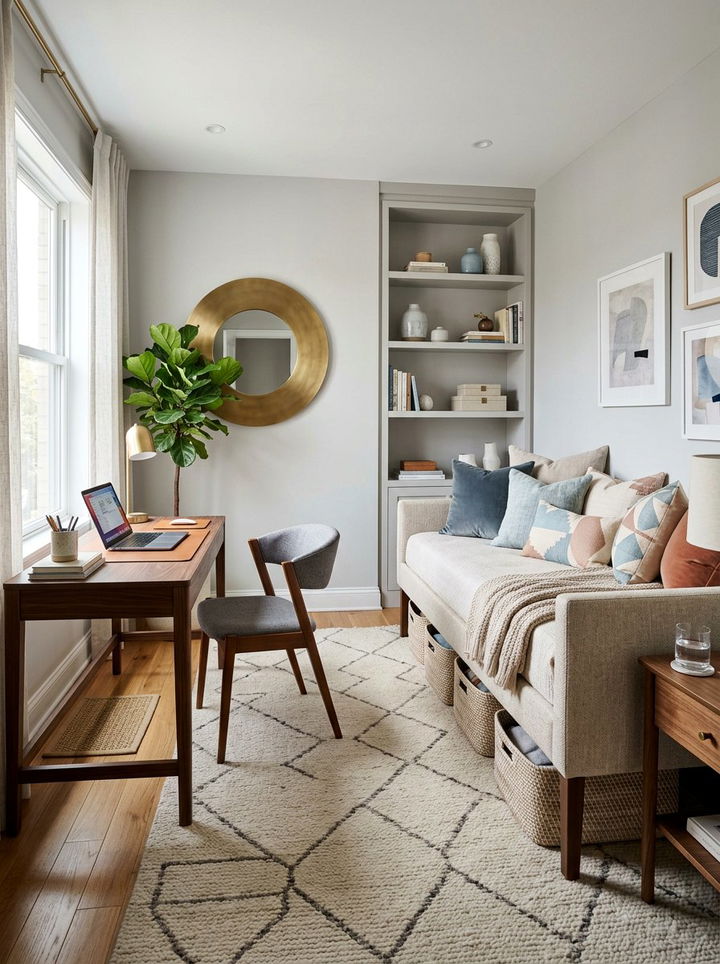
If you primarily use a room as an office but need it for guests occasionally, focus on hidden functionality. A stylish daybed can serve as a seating area for reading during the workday and a bed at night. Use a desk that looks like a console table so it doesn ‘t scream “office” when guests are staying over. Keep office supplies tucked away in decorative baskets or closed cabinets to reduce visual clutter. Providing a clear surface on the desk for a guest’ s luggage or laptop makes them feel welcome. Soft textures like a plush rug and extra pillows help soften the professional edges of the space.
12. Minimalist To Maximalist Bedroom
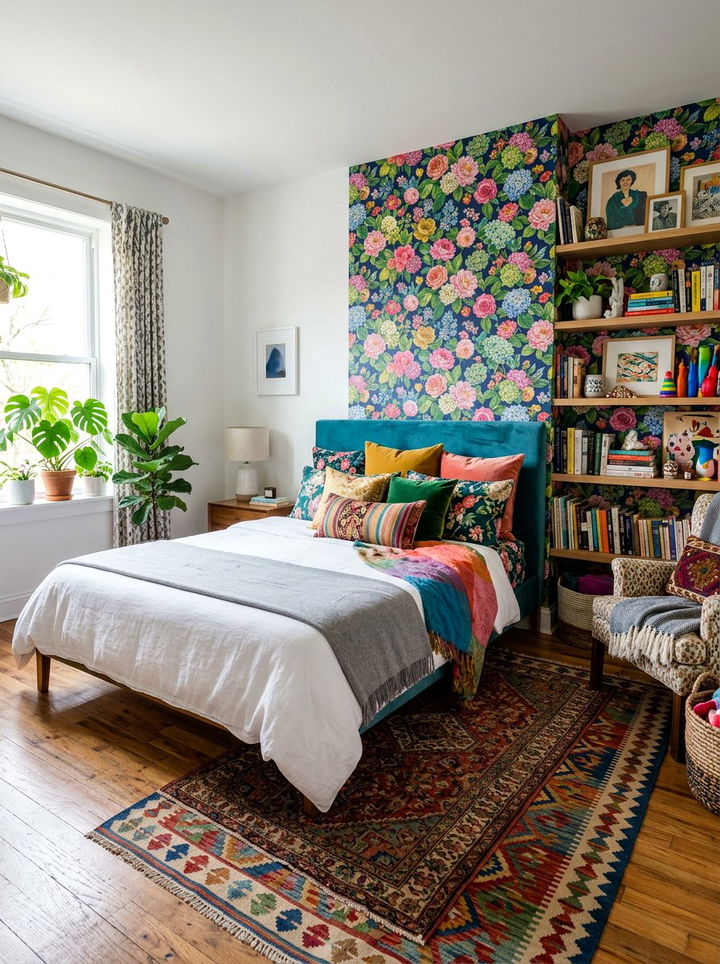
Transitioning from a minimalist to a maximalist aesthetic involves embracing “more is more” through layers of color and texture. Start by adding a bold, patterned wallpaper or a vibrant paint color to the walls. Layer multiple rugs of different patterns and sizes to create a rich, tactile floor. Display your collections of books, art, and vintage finds on open shelving rather than hiding them away. Use an array of decorative pillows in various fabrics like velvet, silk, and wool to add depth to the bed. This transition is about personal storytelling and creating a space that feels curated, lived-in, and bursting with your unique creative energy.
13. Neutral To Colorful Bedroom
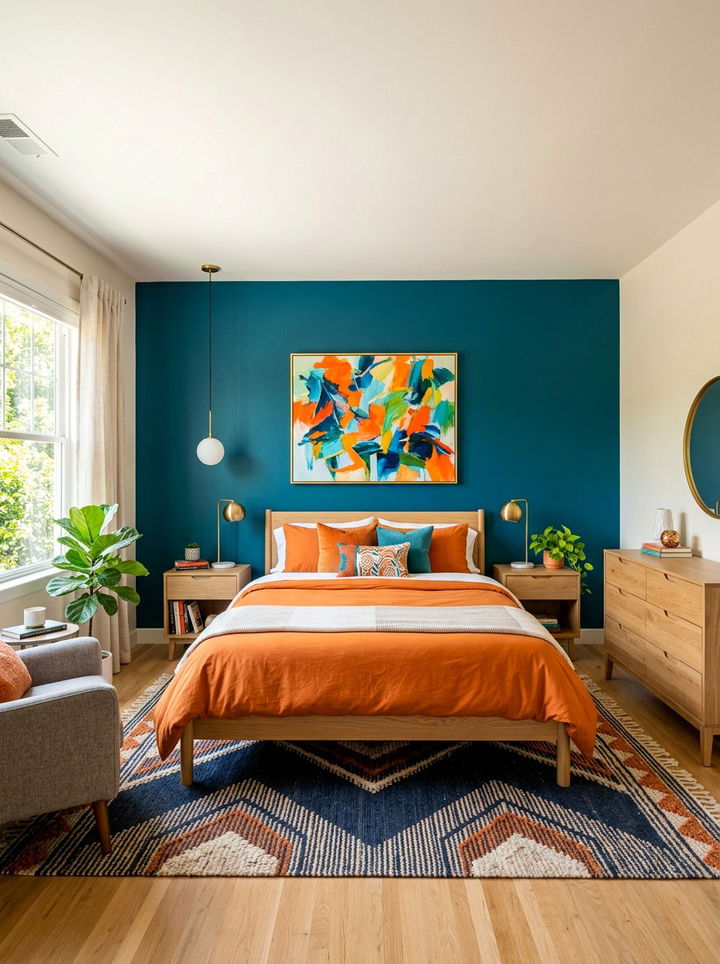
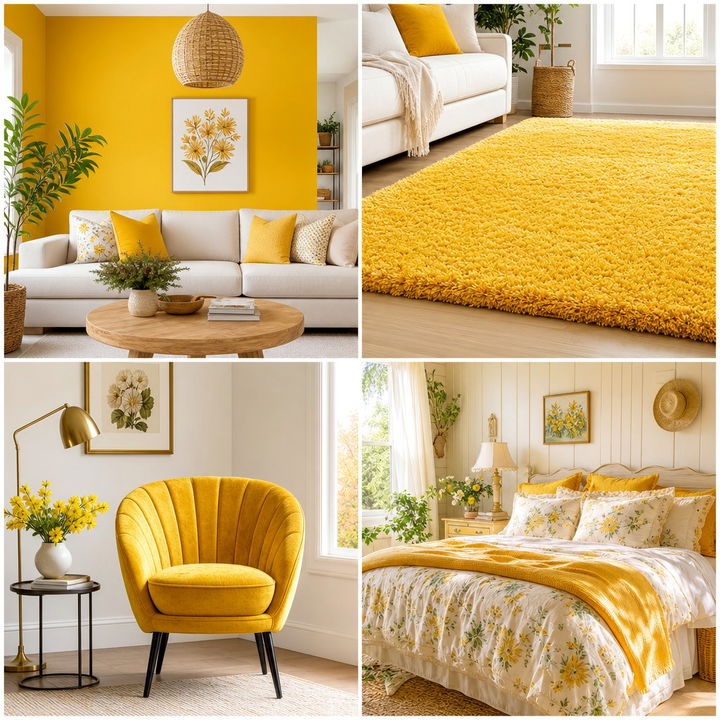
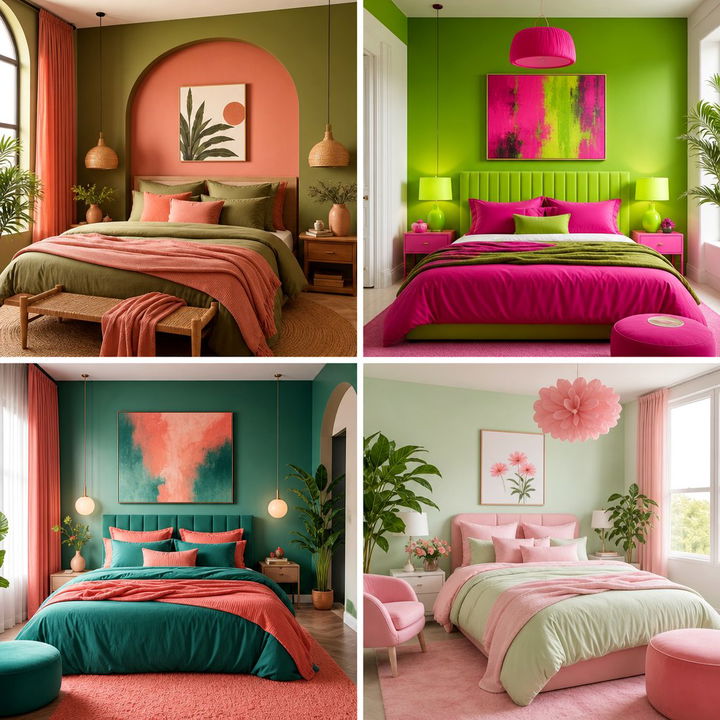
If you are bored with a beige or white room, transitioning to a colorful bedroom can drastically change your mood. You don’t have to paint every wall; start with a bold accent wall or colorful furniture pieces. Use vibrant bedding and patterned curtains to introduce your favorite hues in a way that is easy to swap out. Incorporate colorful artwork that ties the different shades in the room together. Mixing primary colors with softer pastels can create a balanced yet energetic environment. Lighting also plays a role, as warm bulbs can enhance reds and yellows, while cooler bulbs can make blues and greens pop.
14. Modern To Vintage Bedroom
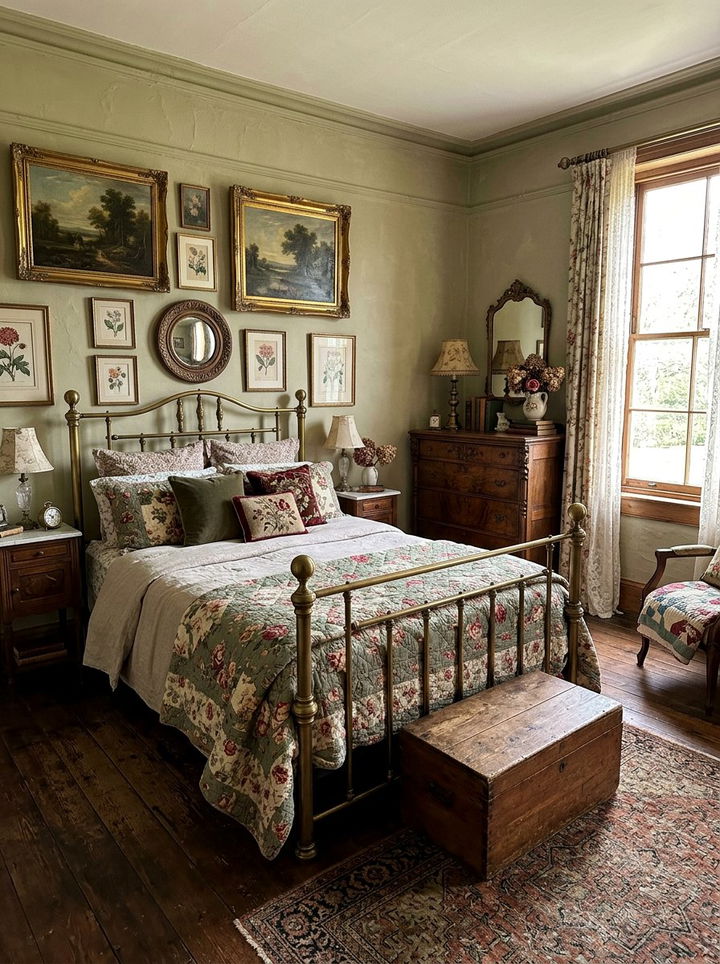
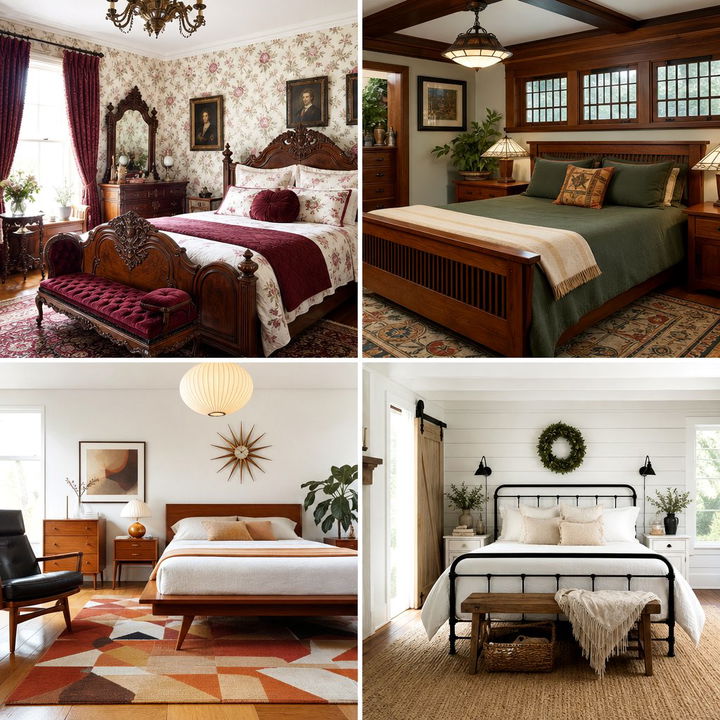
Moving from a modern look to a vintage vibe requires incorporating pieces with history and character. Look for a brass bed frame or a carved wooden headboard to act as a focal point. Replace sleek, plastic furniture with antique nightstands or a weathered dresser. Use textiles with traditional patterns like florals, stripes, or toile to add a sense of nostalgia. Hanging vintage-style mirrors or old-fashioned landscape paintings can further enhance the look. This transition creates a space that feels timeless and layered, offering a sense of comfort that modern styles sometimes lack. Mixing old and new pieces ensures the room still feels functional and relevant today.
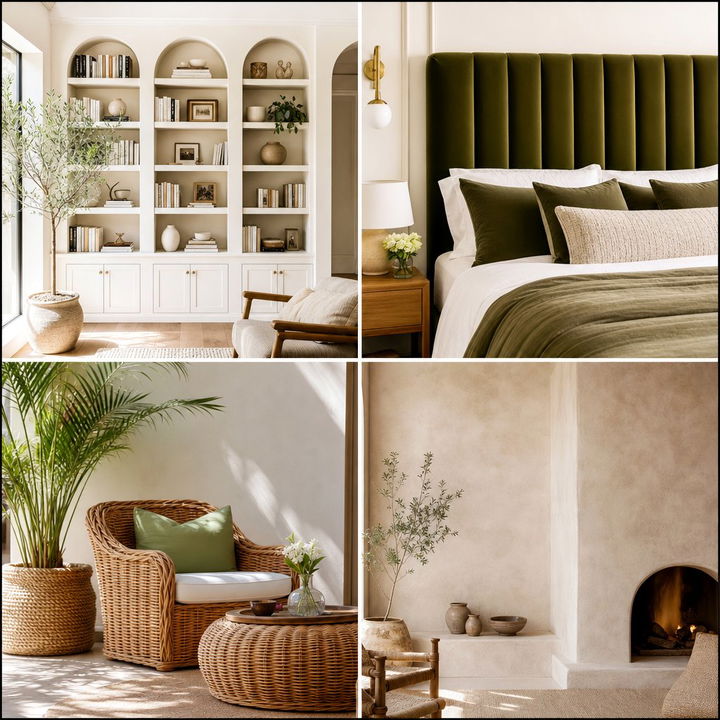
15. Attic Storage To Guest Bedroom
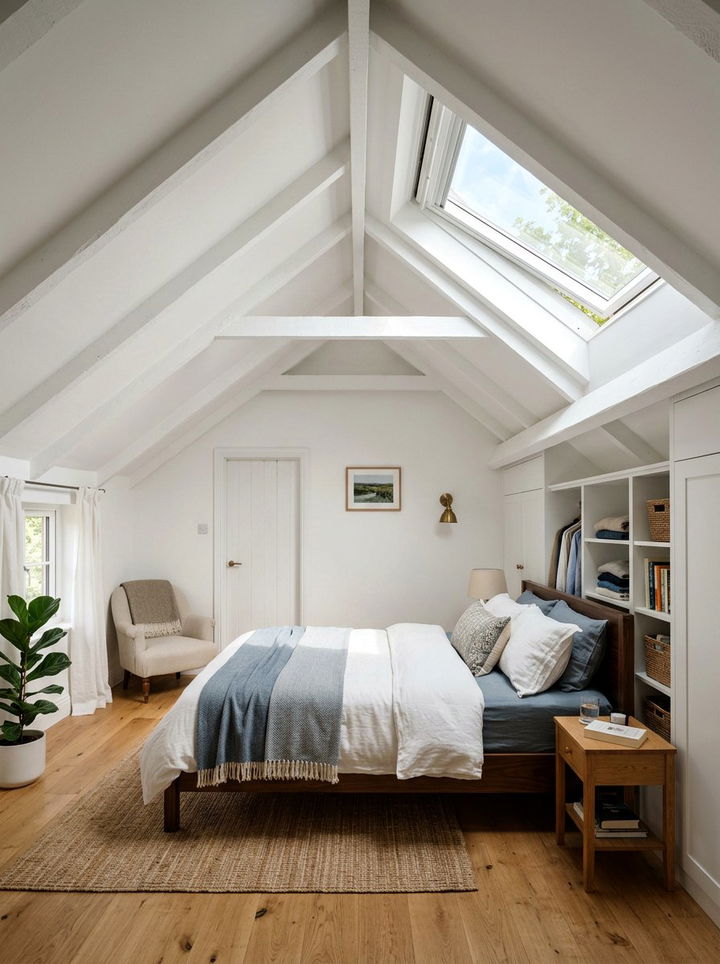
Converting a dusty attic into a guest bedroom is a brilliant way to maximize your home’s square footage. This transition usually requires focusing on the unique architectural angles of the roof. Paint the walls and ceiling a bright white to make the often-cramped space feel larger and more open. Use built-in storage in the eaves to keep the floor clear for a comfortable bed. Skylights are a great addition for bringing in natural light and providing a view of the stars. Because attics can fluctuate in temperature, ensure proper insulation and add a ceiling fan or portable heater to keep your guests comfortable year-round.
16. Closet To Small Office
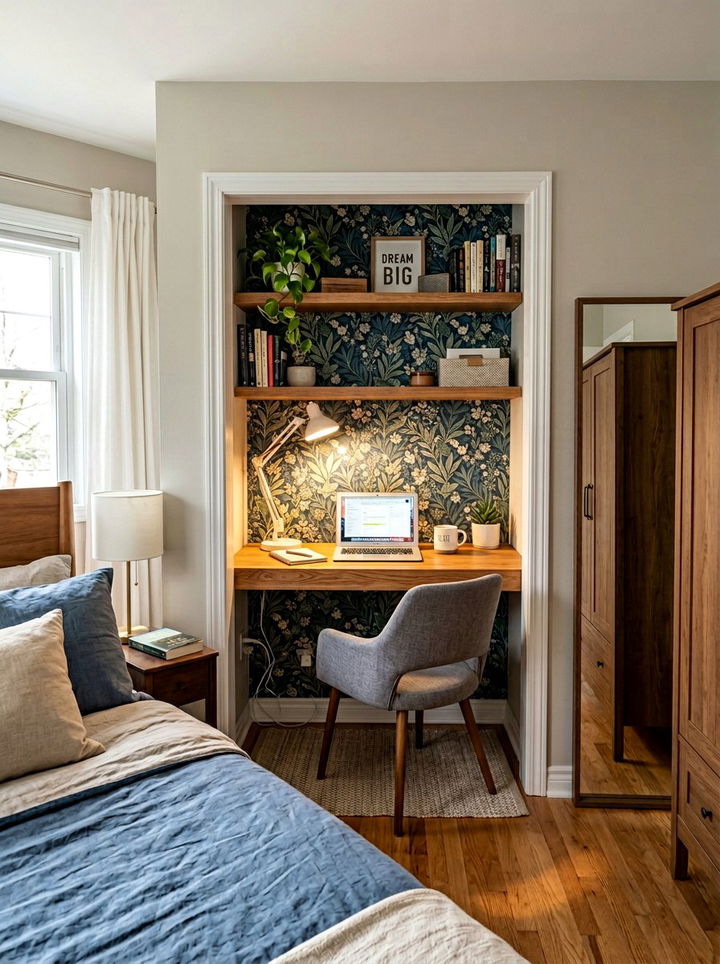
The “cloffice” transition is a popular trend for those living in smaller homes or apartments. By removing the closet doors and installing a floating desk and shelving, you can create a dedicated workspace that stays out of the way. Use wallpaper inside the closet to define the zone and make it feel like a separate room. A compact, ergonomic chair that can tuck under the desk is essential for saving space. This transition allows you to keep your bedroom for sleep while having a professional spot for tasks. It’s an efficient use of space that keeps work life and rest life physically separated within a single room.
17. Primary Bedroom To Relaxation Suite
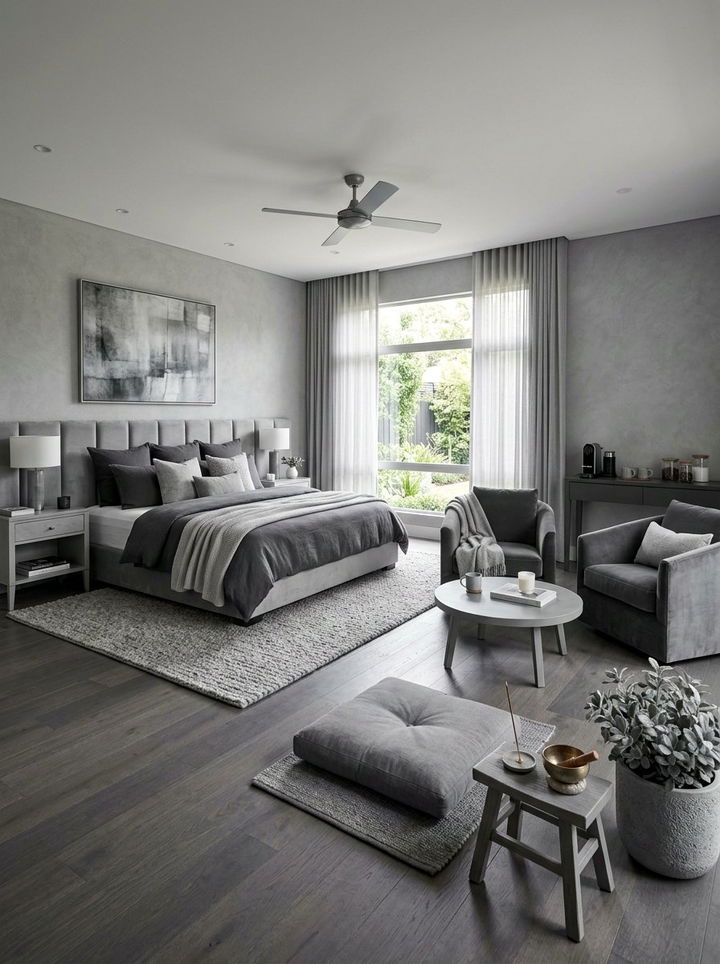
Transitioning your primary bedroom into a relaxation suite means prioritizing luxury and tranquility. Focus on creating a spa-like atmosphere by using a monochromatic color palette of soft greys or blues. Invest in a high-end mattress and premium linens to enhance your sleep quality. Add a small coffee station or a mini-fridge for morning beverages to make the room feel like a high-end hotel. A dedicated seating area with two comfortable chairs and a small table is perfect for quiet conversation or morning meditation. Incorporating elements like an essential oil diffuser and soft, ambient music can turn your bedroom into a true sanctuary for the soul.
18. Bachelor To Couple Bedroom
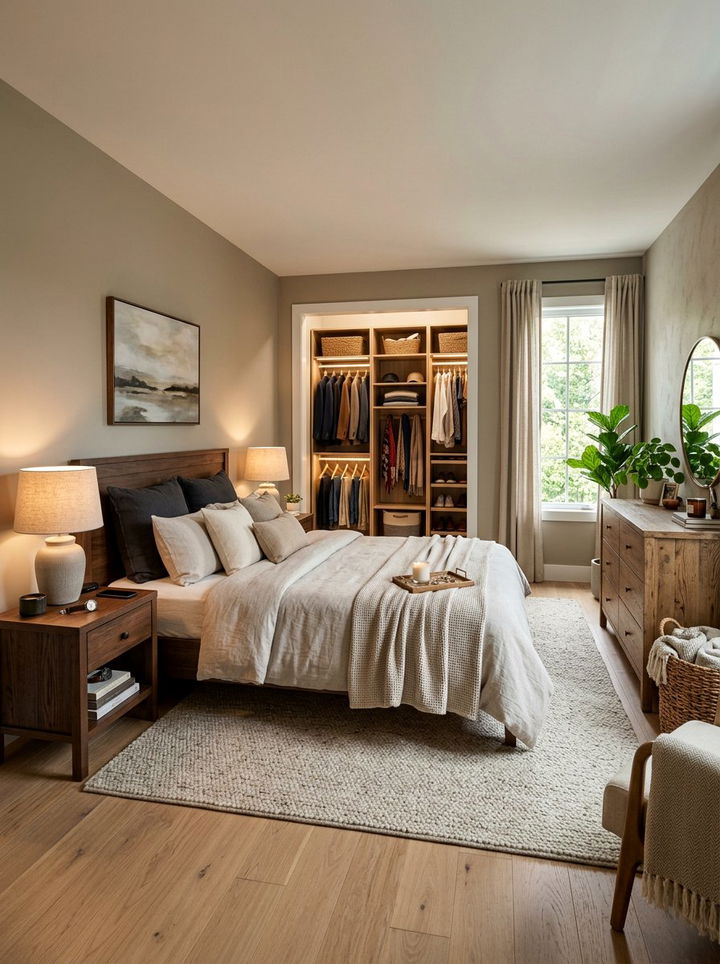
When a bachelor’s room transitions into a space for a couple, the key is compromise and shared storage. You will likely need to clear out half the closet and add a second nightstand for balance. Choose a neutral aesthetic that appeals to both partners, mixing masculine and feminine elements. For example, pair a sturdy wooden bed with soft, plush bedding and decorative pillows. Shared art pieces or photos of your life together can make the room feel like a joint venture. Ensure there is enough lighting on both sides of the bed for individual reading. This transition is about creating a harmonious environment that reflects two people.
19. Small To Large Bedroom
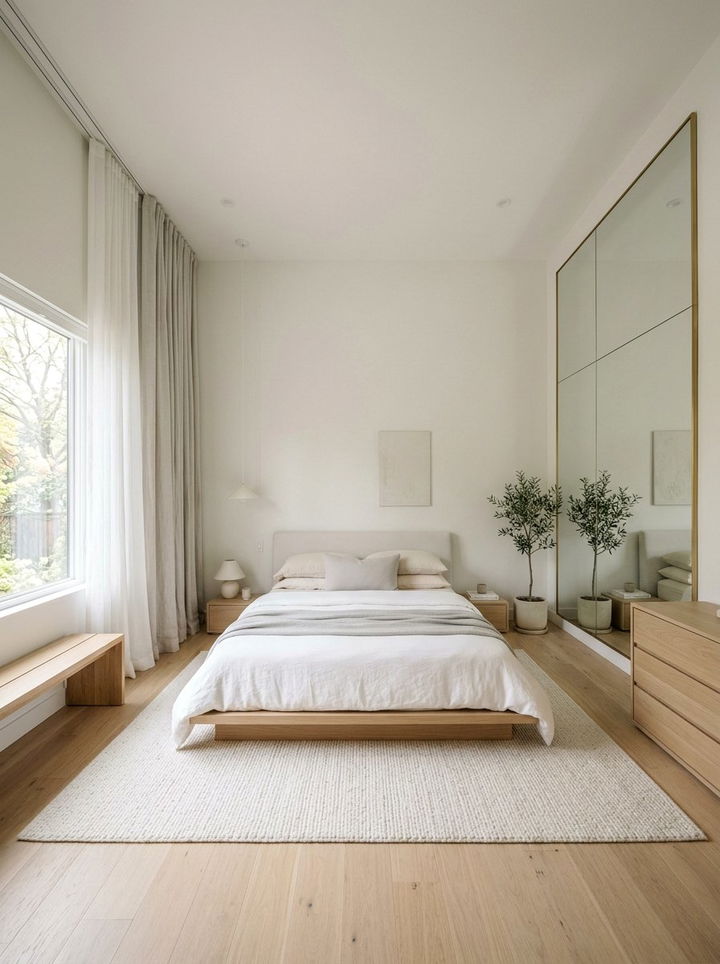
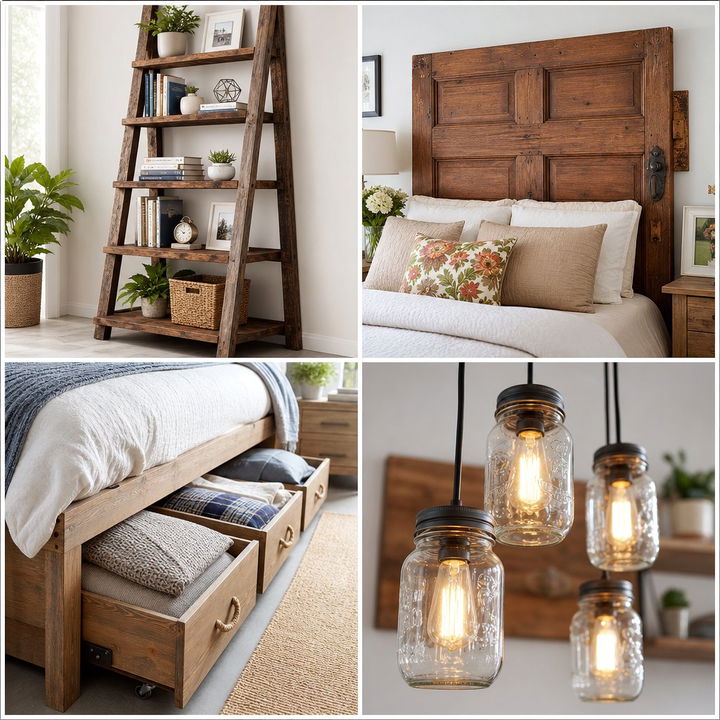
If you feel your bedroom is too small, you can transition its feel to appear much larger through visual tricks. Use a large mirror on one wall to reflect light and create the illusion of depth. Keep furniture low to the ground to leave more open wall space above. Choosing a light, monochromatic color scheme for the walls, bedding, and floors can make the boundaries of the room disappear. Opt for multi-functional furniture, like a bed with built-in drawers, to eliminate the need for a bulky dresser. This transition focuses on minimalism and strategic placement to maximize every inch of the existing footprint for a breathable feel.

20. Urban To Coastal Bedroom
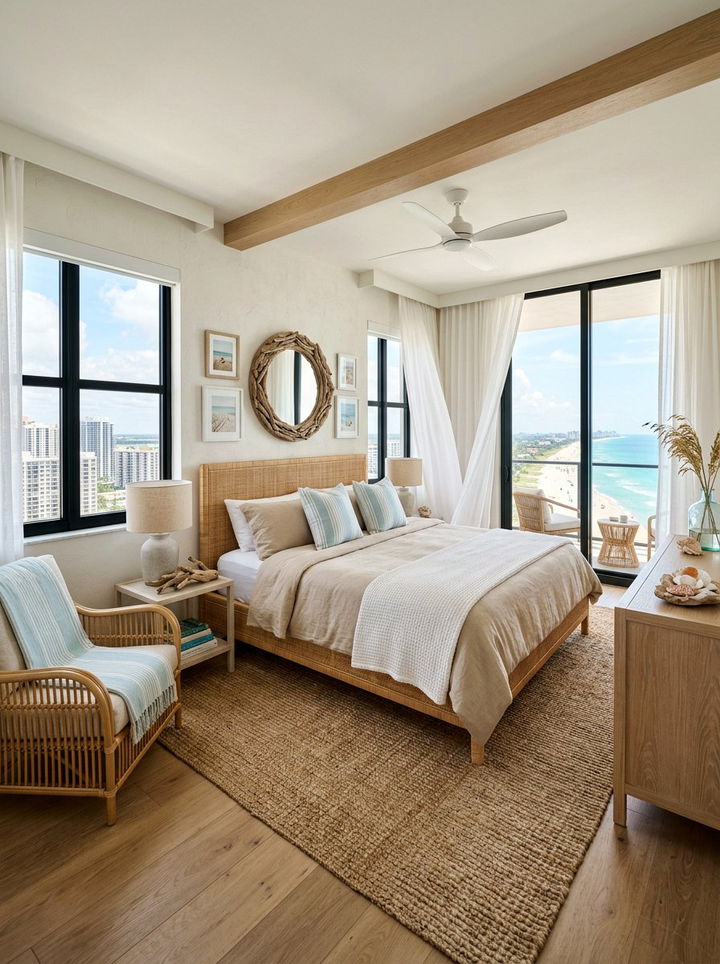
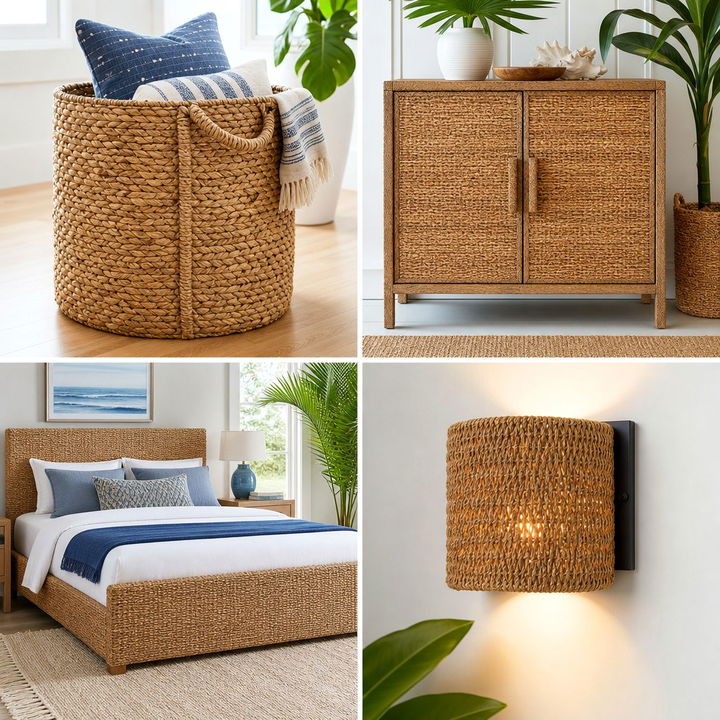
Transitioning from an urban to a coastal style involves bringing the breezy, relaxed vibes of the beach into your home. Focus on a color palette of sandy beiges, seafoam greens, and crisp whites. Use natural materials like jute, rattan, and light-toned woods for furniture and rugs. Swap heavy textures for light linen drapes that catch the breeze. Decorative accents like driftwood, seashells, or nautical-themed art can subtly hint at the ocean without being overwhelming. This transition is perfect for creating a vacation-like atmosphere that promotes relaxation and a slower pace of life, regardless of where your home is actually located.
21. Traditional To Contemporary Bedroom
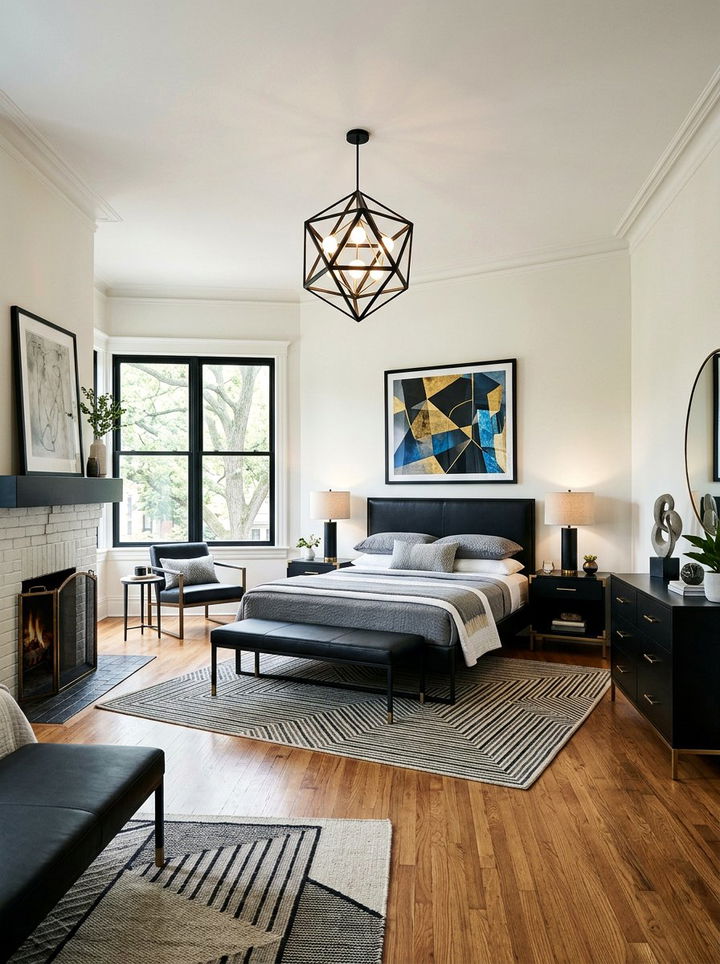
A transition from traditional to contemporary design involves simplifying lines and focusing on bold shapes. Replace ornate, heavy furniture with pieces that have clean, straight edges and metal accents. Use a neutral base for the walls and large furniture, then add pops of color through modern abstract art or geometric patterned rugs. Lighting should be a statement piece, such as a large sculptural pendant or sleek wall sconces. This transition moves away from the “busy” feel of traditional patterns and towards a more streamlined, purposeful look. It emphasizes the beauty of the materials and the overall flow of the room’s layout for modern living.
22. Bohemian To Scandinavian Bedroom
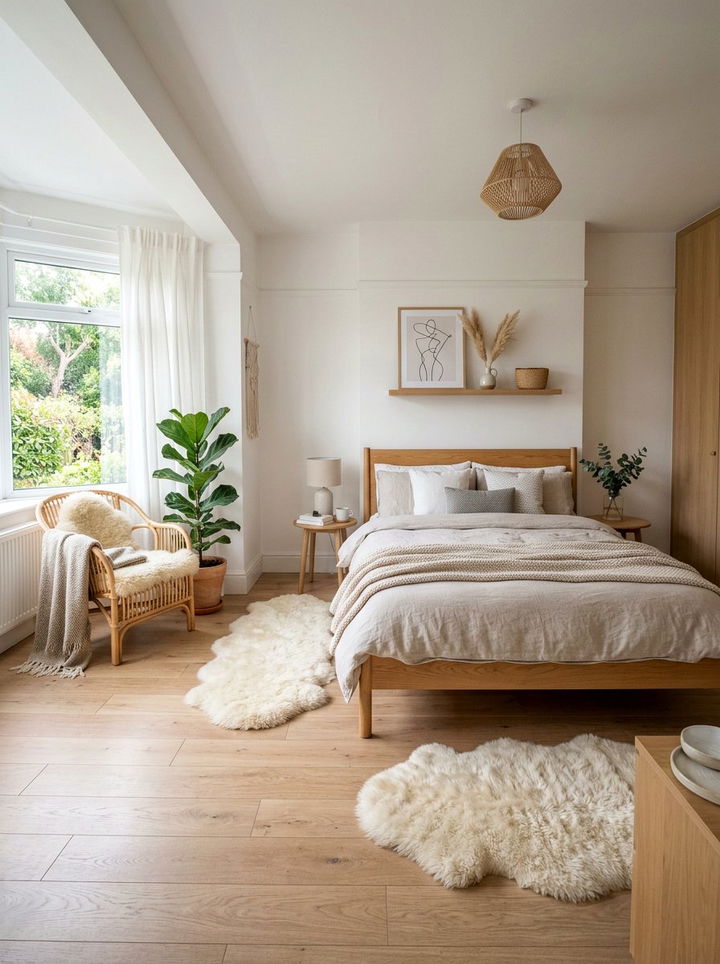
Transitioning from a bohemian style to a Scandinavian aesthetic involves moving from colorful clutter to functional simplicity. Swap out vibrant, busy tapestries for clean, white walls and simple framed art. The focus shifts to “hygge, ” which is about creating a cozy, warm environment through high-quality textures rather than lots of items. Use light-colored woods like ash or birch and keep the floor mostly bare with a few high-quality sheepskin rugs. The transition keeps the warmth of the boho style but adds a layer of organization and calm that is characteristic of Nordic design. It’s about quality over quantity and creating a peaceful, light-filled retreat.
23. Reading Nook To Sleeping Area
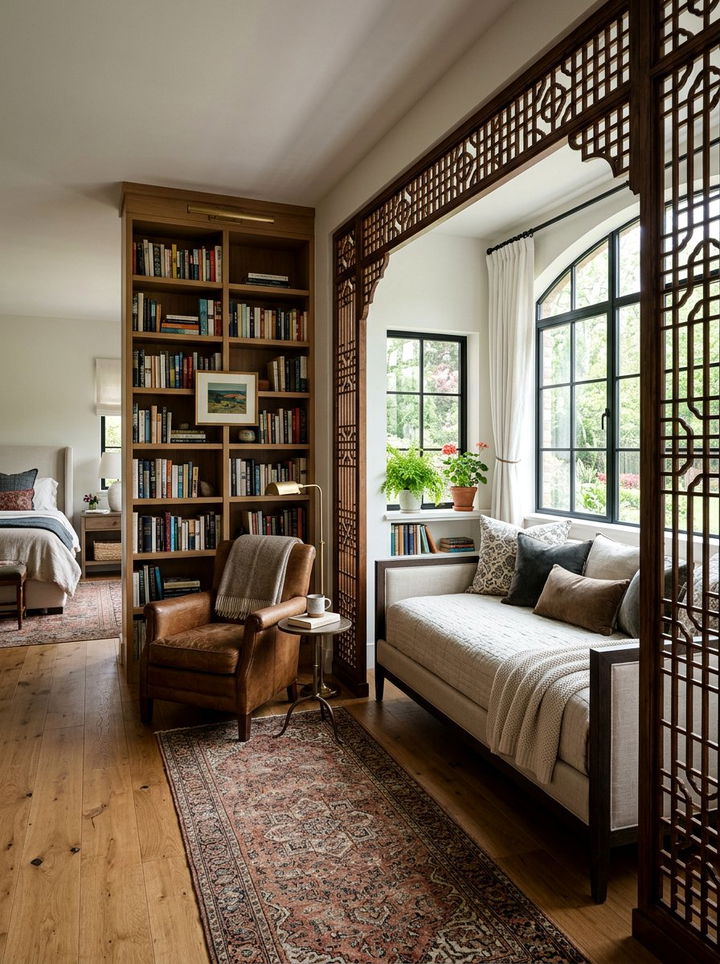
Sometimes a large bedroom needs to transition a reading nook into an extra sleeping area for guests or children. This can be achieved by replacing a lounge chair with a high-quality daybed or a twin-size sleeper sofa. Use a folding screen or a bookshelf as a room divider to give the sleeping area a sense of privacy. Ensure the transition includes a small nightstand and a dedicated lamp for the guest. This multi-functional approach allows the room to remain a cozy library most of the time while being ready for overnight visitors at a moment’s notice. It’s an excellent way to add versatility to a master suite.
24. Fitness Space To Bedroom
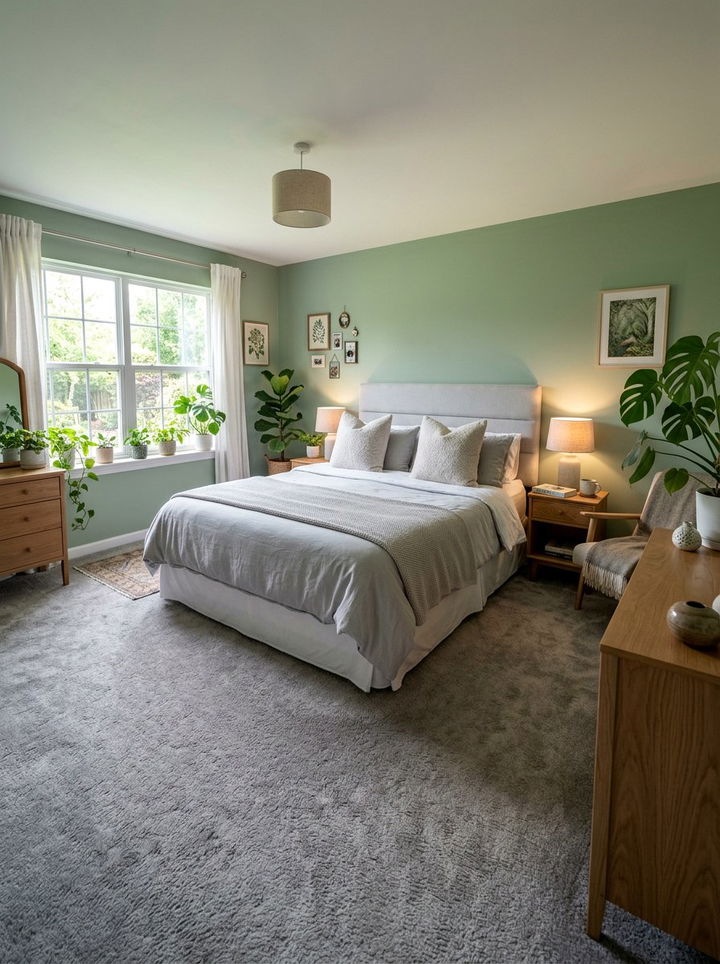
If you have been using a spare bedroom for exercise, transitioning it back into a sleeping space requires removing heavy equipment and softening the room. Replace rubber flooring with a plush, wall-to-wall carpet or a large area rug. Use calming wall colors like sage green or soft lavender to shift the energy from high-intensity to relaxation. A comfortable bed with plenty of pillows should replace the treadmill or yoga mats. If you still want to work out, consider hidden storage for small weights and mats so the room’s primary function remains rest. This transition is about reclaiming a quiet space for mental and physical recovery.
25. Playroom To Study Bedroom
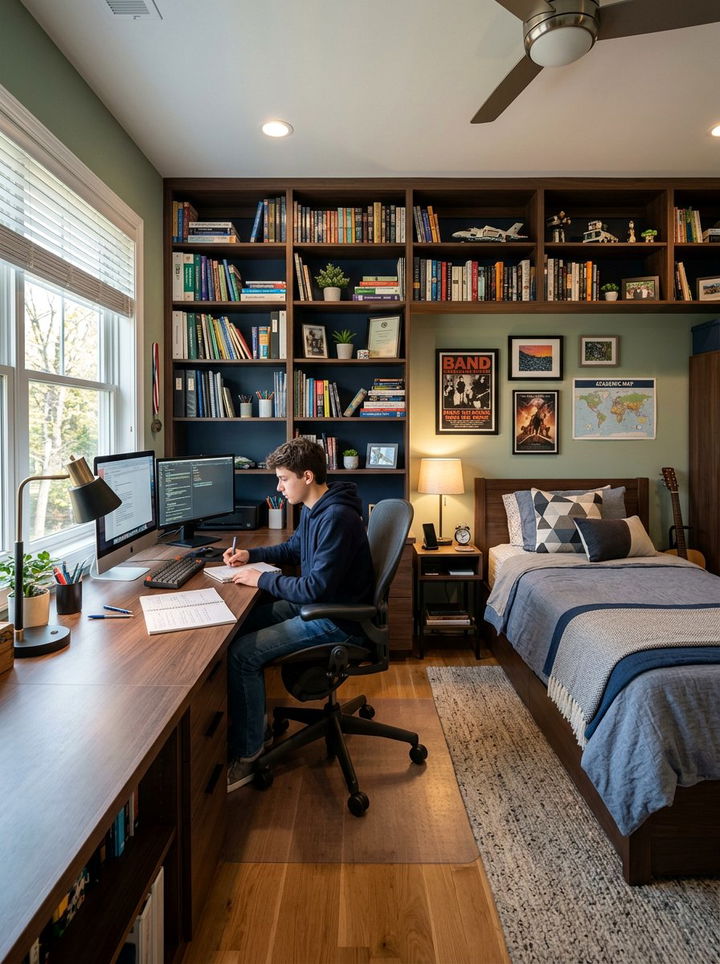
When children outgrow their toys, a playroom often transitions into a dedicated study bedroom. This involves swapping toy bins for a large desk and a comfortable, ergonomic chair. Install plenty of shelving for books and academic supplies to encourage a focused learning environment. While the room still needs a bed, the “work” zone should be clearly defined with task lighting and organization tools. Use a more mature color palette that can grow with them through their high school and college years. This transition supports their changing daily needs and provides a private, quiet space for concentration and personal development as they mature into adulthood.
26. Dorm Room To First Apartment Bedroom
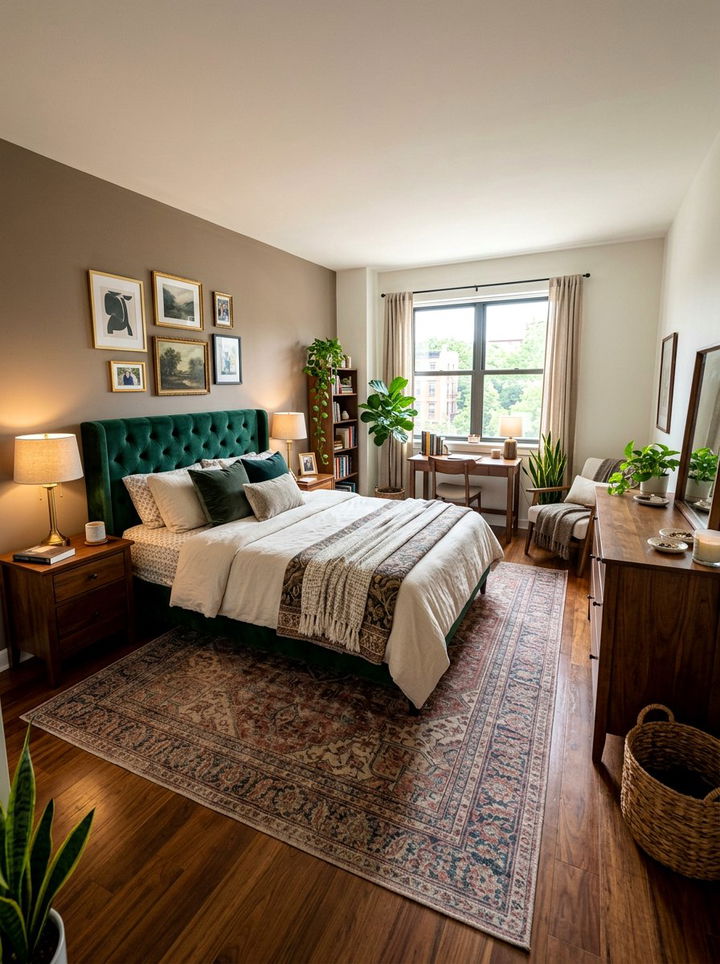
The transition from a cramped dorm to a first apartment bedroom is an exciting time to establish personal style. Unlike dorms, you can now choose your own bed frame and larger furniture pieces. Invest in a quality mattress and a real headboard to make the room feel more permanent and grown-up. Use area rugs to cover generic apartment flooring and add a sense of warmth. This transition is the perfect time to start a collection of real art rather than paper posters. Focus on creating a cohesive look that reflects your adult identity, using high-quality lighting and textiles to make the space feel like a true home.
27. Empty Nester Guest Room
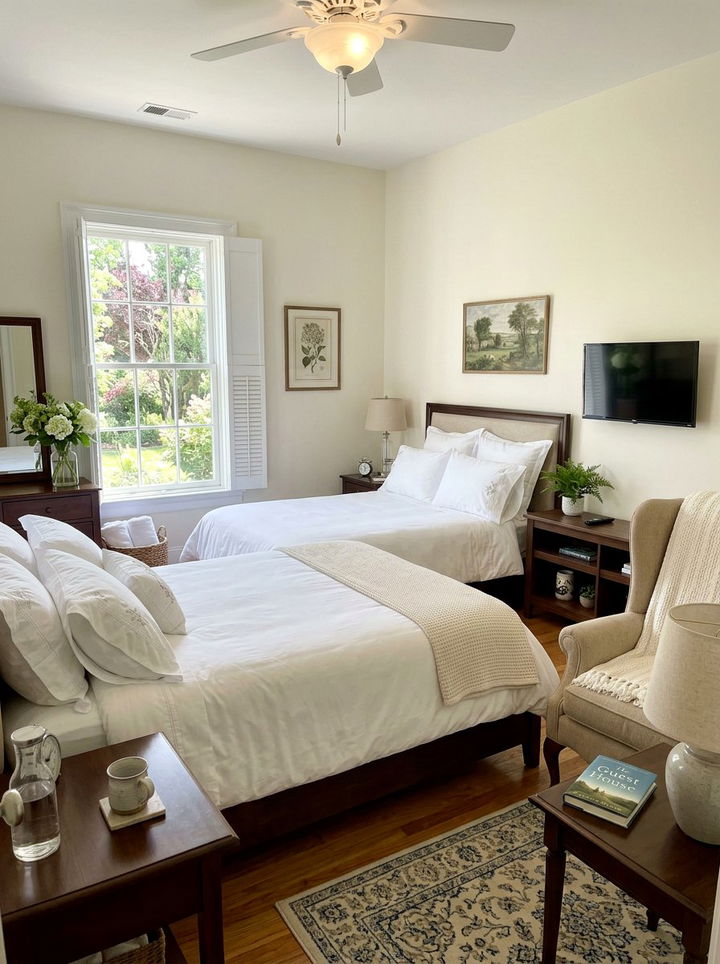
Once the kids move out, transitioning their old bedrooms into sophisticated guest rooms is a common project for empty nesters. This often involves a complete refresh, from painting the walls to updating the furniture. Choose a theme that is welcoming but neutral, such as a classic “inn” look with high-quality linens and a comfortable armchair. Remove the clutter of childhood and replace it with thoughtful touches like a luggage rack, a selection of books, and a small television. This transition turns a room once filled with youthful energy into a calm, welcoming space for visiting family and friends, allowing you to enjoy your home’s new phase.
28. Dark To Light Bedroom
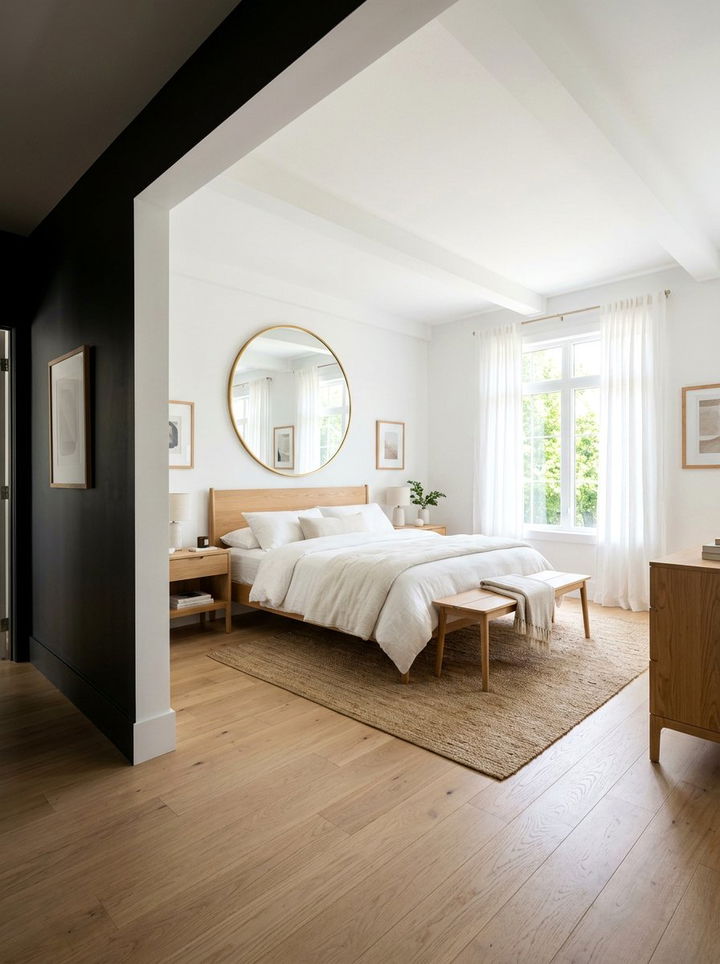
If your bedroom feels cave-like, a transition to a light and airy space can completely change your perspective. Start by painting the walls a crisp white or a very pale grey. Replace dark wood furniture with painted white or light oak pieces. Using mirrors to reflect natural light from the windows will instantly brighten the corners. Swap out heavy, dark bedding for light-colored linens and sheer curtains that let the sun shine through. This transition is especially helpful in smaller rooms or those with limited windows, as it creates an uplifting environment that feels much more spacious and energizing to wake up in every morning.
29. Industrial To Farmhouse Bedroom
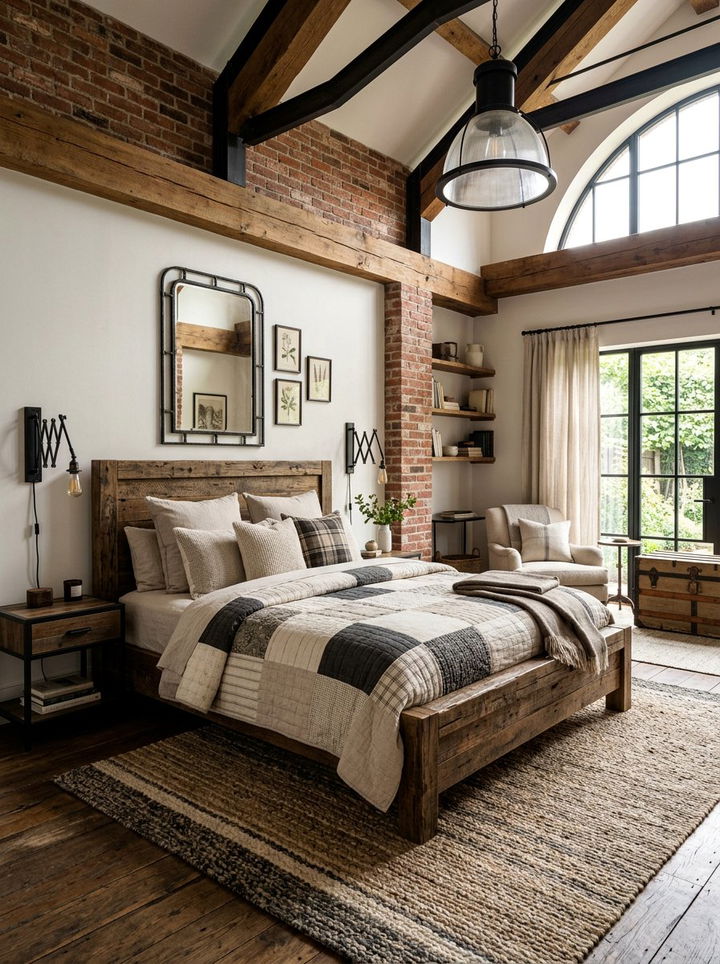
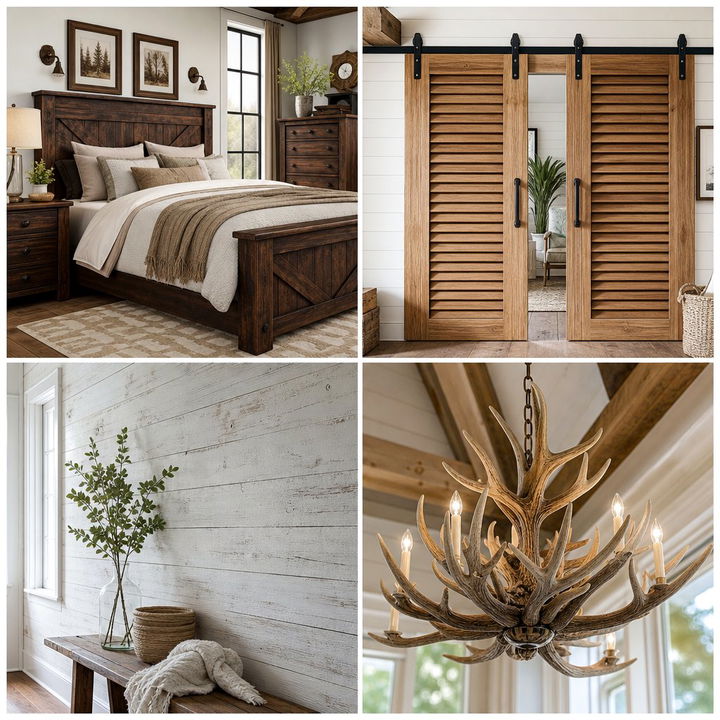
Transitioning from an industrial to a farmhouse style softens the room by replacing cold metal with warm wood and soft fabrics. Keep the exposed brick or metal light fixtures but pair them with a reclaimed wood bed frame and quilted bedding. Use a neutral palette of whites, creams, and greys with black accents for a “modern farmhouse” look. Incorporate rustic elements like sliding barn doors for closets or wooden crates for storage. This transition blends the “edgy” feel of industrial design with the cozy, welcoming vibes of a country home. It’s a perfect balance for those who love character but want more comfort and softness.
30. Mid Century Modern To Eclectic Bedroom
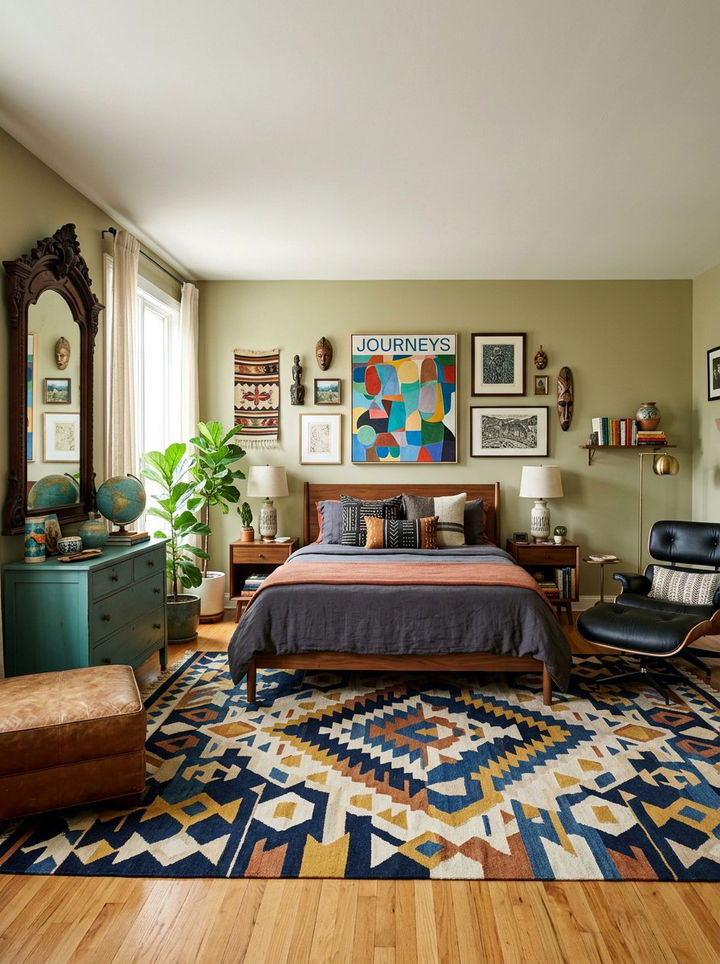
Moving from a strict mid-century modern look to an eclectic style allows you to break the “rules” and add more personality. Keep your tapered-leg furniture but mix it with pieces from different eras, like a Victorian mirror or a contemporary rug. Use a variety of textures and patterns that wouldn’t traditionally go together to create a vibrant, curated feel. This transition is about building a room over time rather than buying a matching set. It allows for the inclusion of travel souvenirs, family heirlooms, and modern art all in one space. The result is a bedroom that feels deeply personal, highly unique, and visually fascinating.
Conclusion:
Mastering bedroom transitions is the key to maintaining a home that grows alongside your family and your evolving tastes. Whether you are preparing for a new baby, updating a teen’s sanctuary, or simply refreshing your own space for the new season, these changes keep your environment vibrant. By focusing on multi-functional furniture, strategic color shifts, and thoughtful layout updates, you can transform any room without a major renovation. This guide has explored thirty ways to rethink your sleeping quarters, proving that a bedroom should never be static. Embrace the process of change and enjoy the journey of creating a space that truly reflects who you are today.

Related posts: