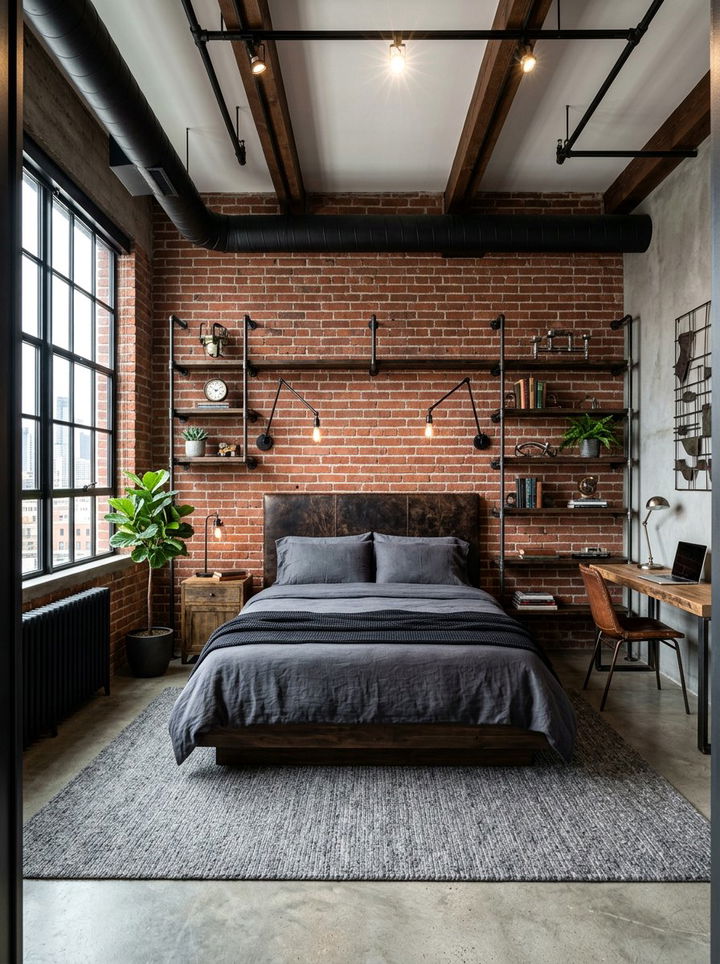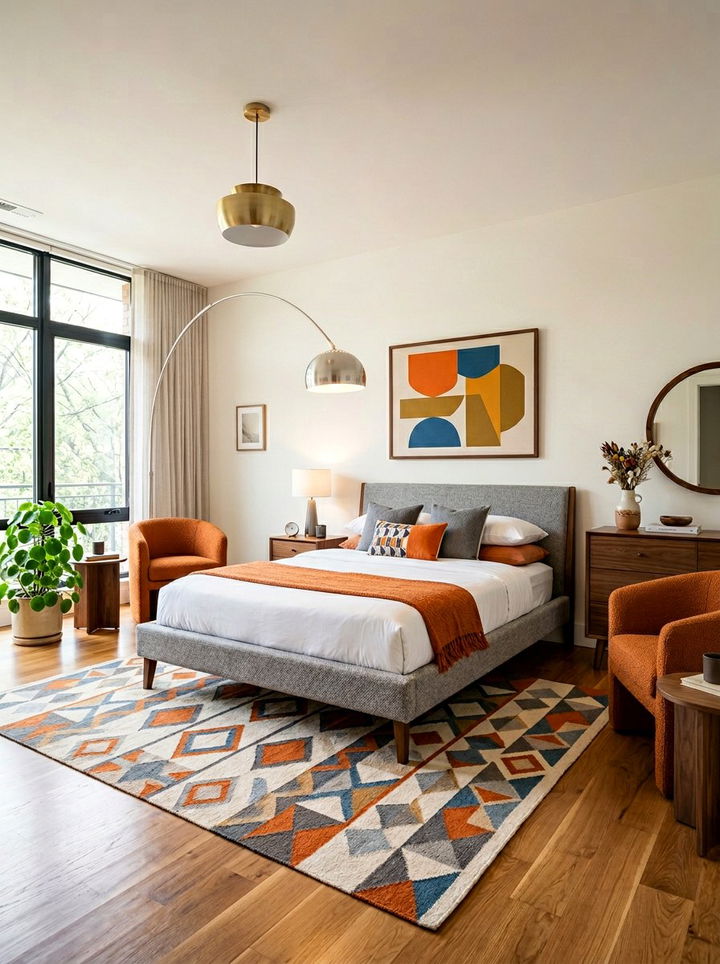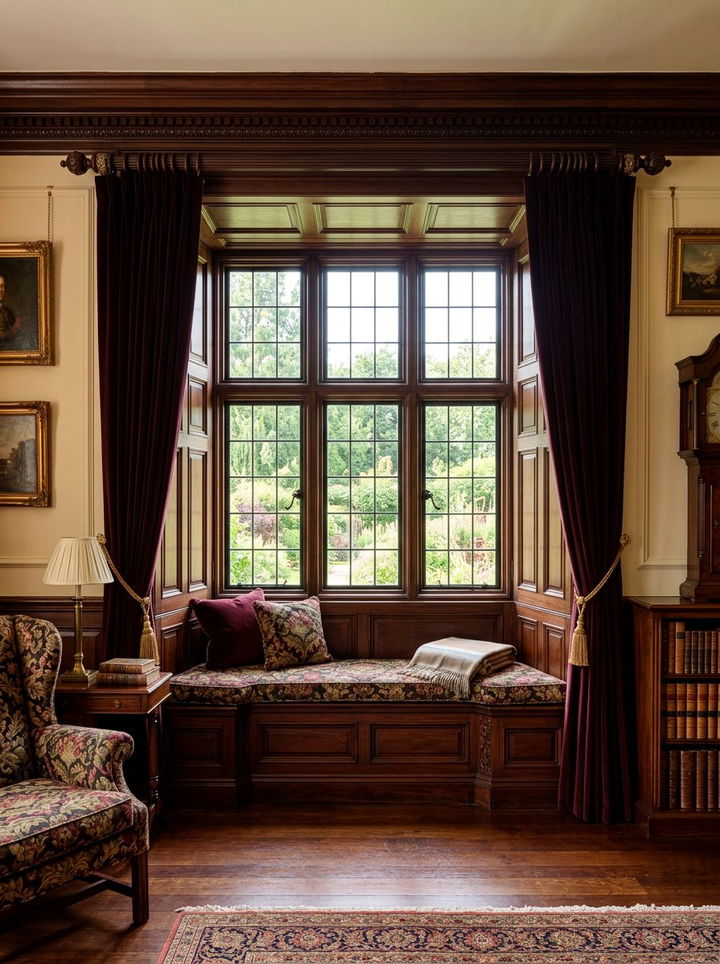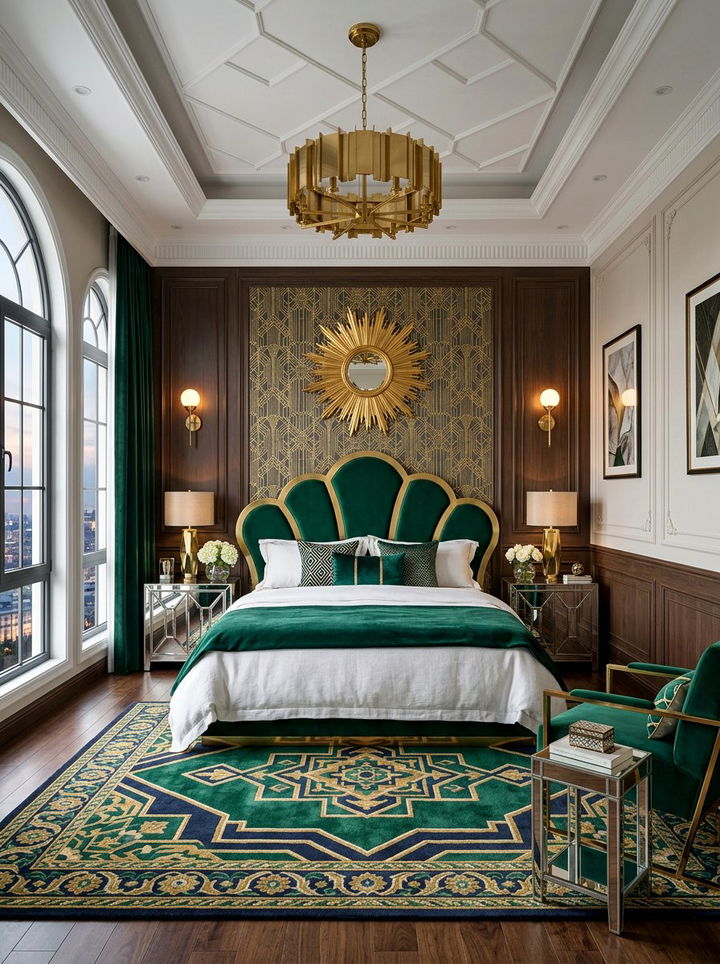
Creating the perfect sanctuary starts with thoughtful bedroom space planning that prioritizes both function and aesthetic appeal. When you approach a room design, you must consider the dimensions, natural light sources, and how you intend to move through the space daily. Effective layouts transform a cramped sleeping area into a peaceful retreat by optimizing furniture placement and traffic patterns. Whether you are dealing with a tiny studio or a sprawling master suite, the right arrangement makes all the difference in your comfort. This guide explores various strategic ways to organize your furniture, ensuring every square inch serves a clear purpose while maintaining a stylish, uncluttered look for your home.
1. Master Bedroom Layout
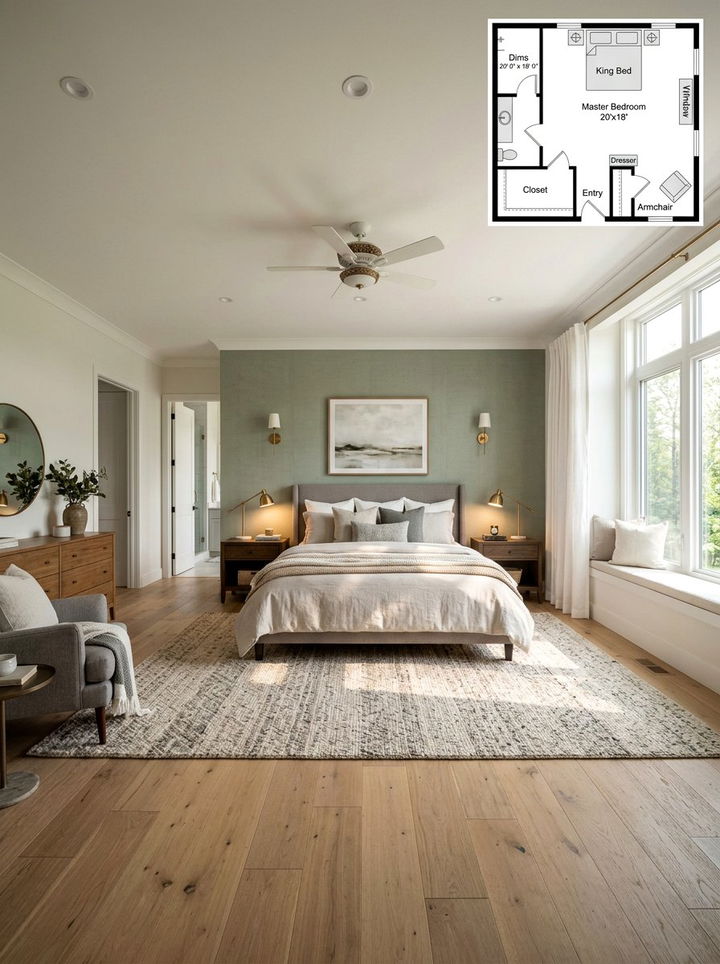
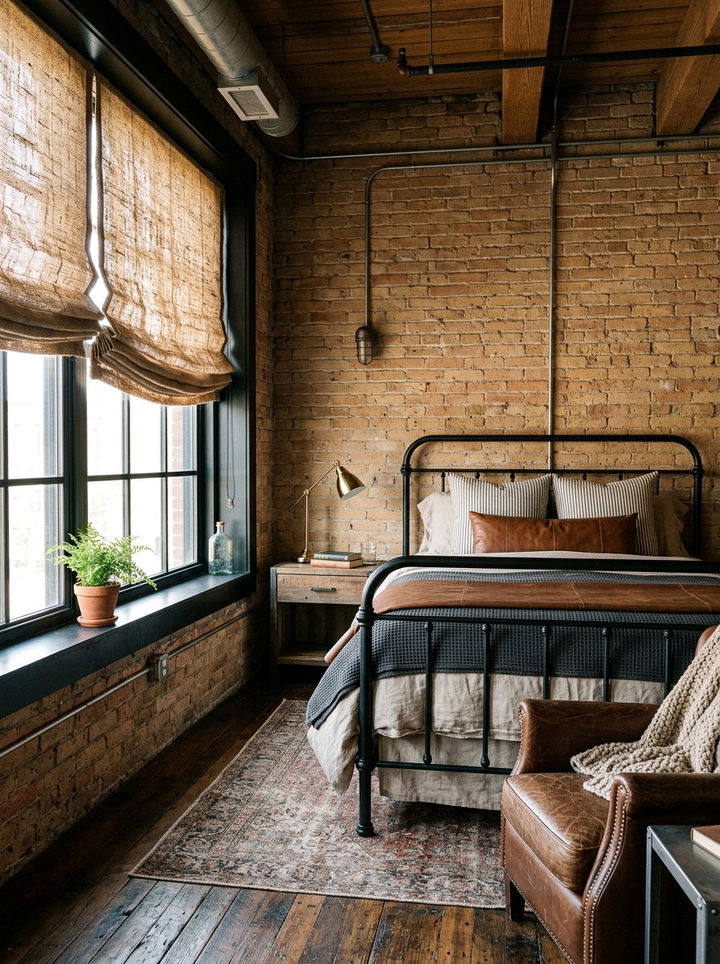
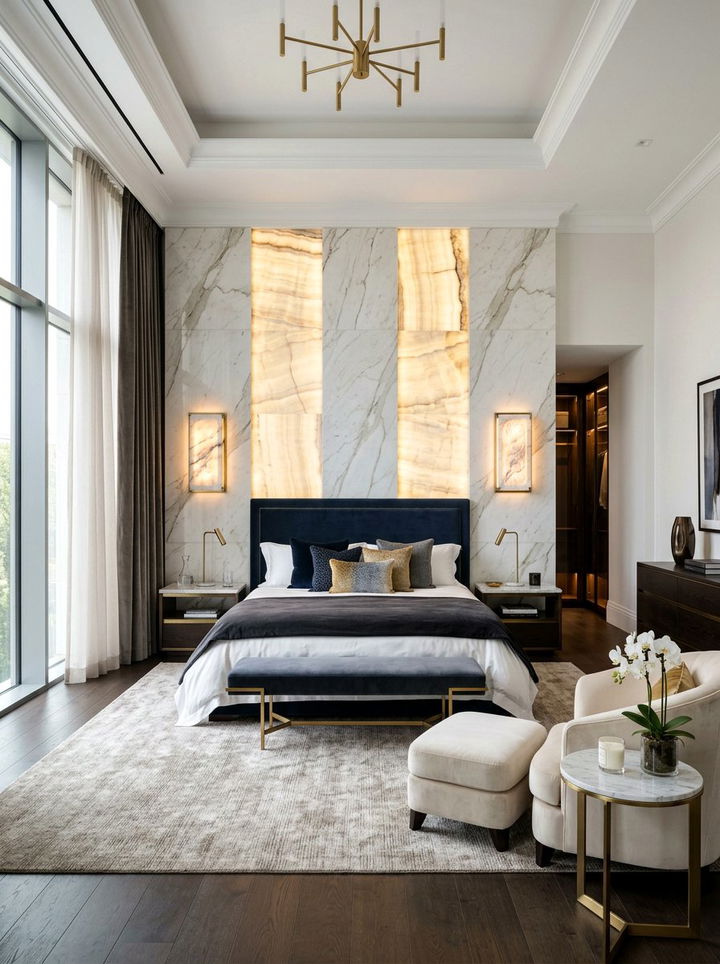
When you start planning a large master suite, the primary goal is often creating a sense of balance and flow. Most homeowners prefer a central focal point, which usually means centering the bed on the longest wall to allow for nightstands on both sides. This classic arrangement provides easy access to the bed from three directions, which is essential for comfort and accessibility. You should also consider the path to the ensuite bathroom or the walk-in closet to ensure there are no obstructions. Incorporating a large area rug that extends beyond the foot of the bed helps anchor the furniture and defines the sleeping zone.
2. Small Bedroom Floor Plan
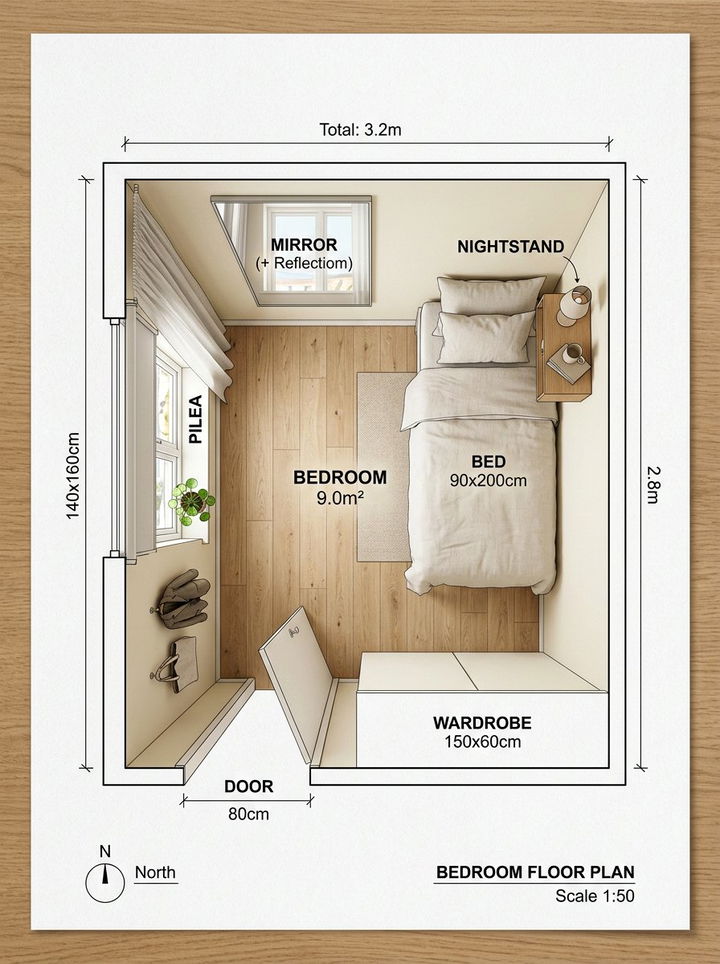
Maximizing a small bedroom floor plan requires a strategic approach to furniture scale and placement to prevent the room from feeling claustrophobic. You might find that pushing the bed against a wall or into a corner opens up valuable floor space for walking. Using multifunctional pieces, like a bed with built-in drawers or a wall-mounted nightstand, helps keep the area tidy and organized. Mirrors can be placed opposite windows to reflect light and create the illusion of a much larger area. Every choice should focus on maintaining a clear path to the door while providing enough room for essential storage and personal comfort throughout.
3. Bed Placement Under Window
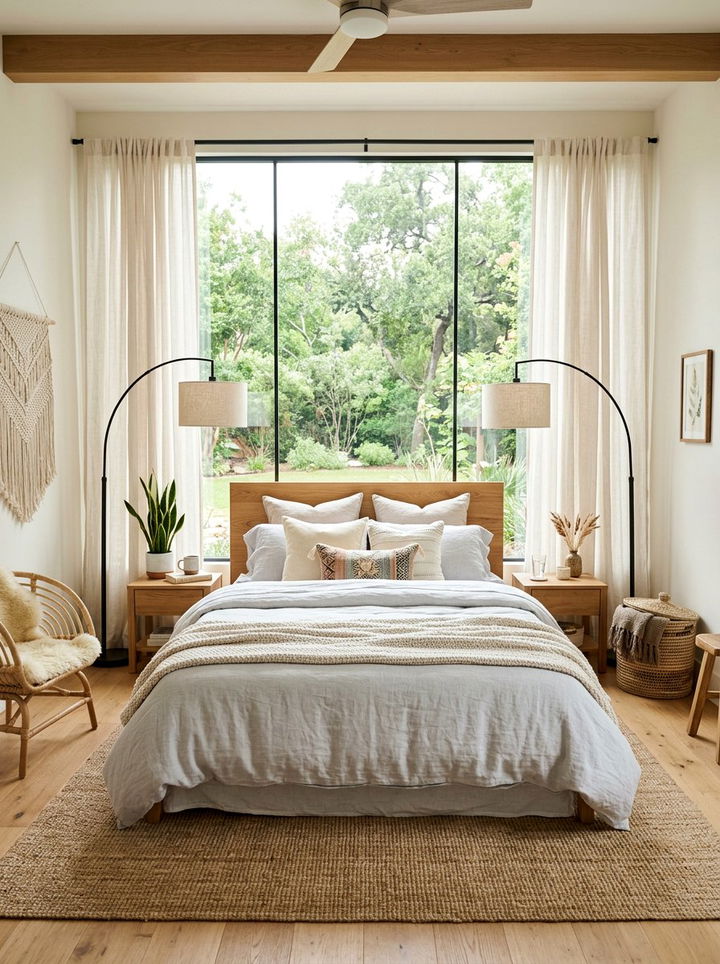
Positioning your bed directly under a window can be a brilliant space-saving solution, especially when wall space is limited by doors or closets. This layout allows natural light to serve as a morning alarm, creating a bright and airy atmosphere for waking up. You should choose a low headboard or a frame without a headboard to avoid blocking the view or the sunlight entirely. Using high-quality window treatments is essential for controlling privacy and light during the evening hours. This arrangement often works best in symmetrical rooms where the window is centered, providing a natural architectural frame for your primary sleeping area.
4. Bedroom Workspace Setup
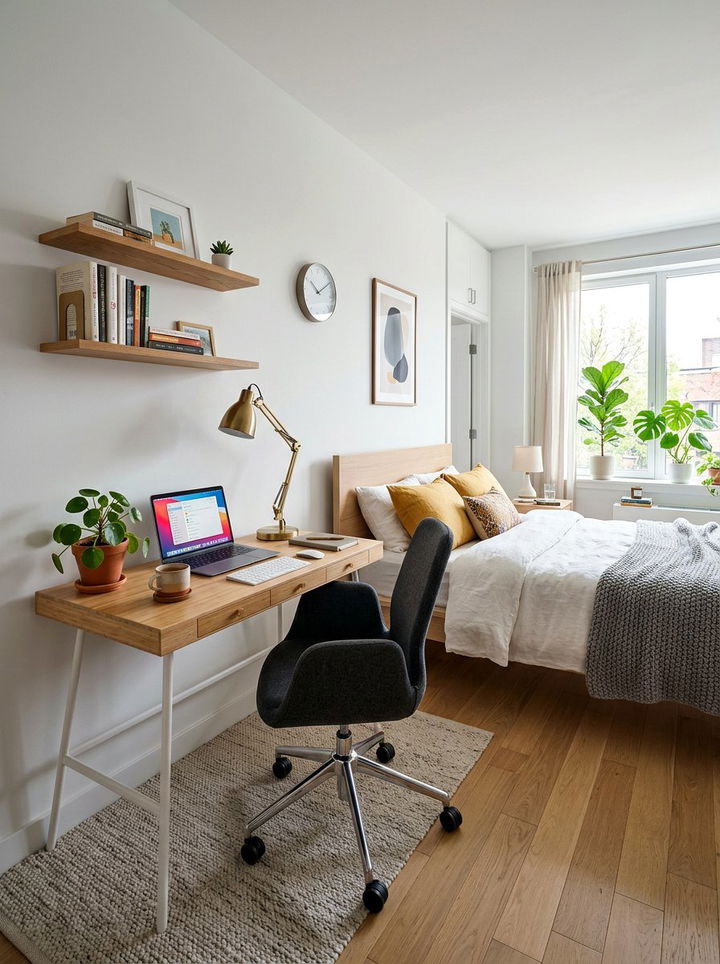
Integrating a dedicated office area into your sleeping quarters requires careful zoning to maintain a work-life balance within a single room. You can place a slim desk against an empty wall or even use a sturdy nightstand that doubles as a writing surface. It is often helpful to position the desk near a window to take advantage of natural light while you work. Using a stylish chair that complements your bedding ensures the office area feels like a cohesive part of the room design. Consider using a folding screen or a tall bookshelf to physically separate the workspace from the bed for better mental relaxation.
5. King Bed Small Room Layout
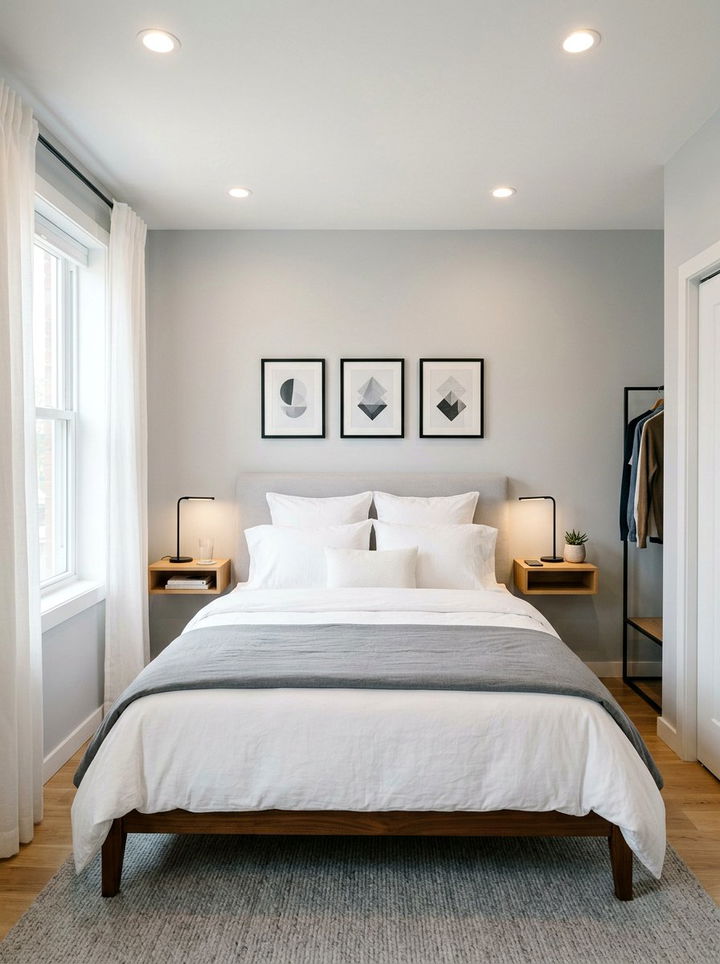
Fitting a king-sized bed into a smaller room is possible if you minimize other furniture pieces to prioritize the sleeping surface. You should skip bulky dressers and instead use vertical storage solutions or under-bed bins to keep your belongings organized. Choosing light-colored bedding and wall paint can help the large bed feel less overwhelming in a compact space. If possible, use narrow or floating nightstands to save floor real estate while still providing a spot for your phone or a lamp. This layout focuses entirely on the luxury of a large bed, making it the undisputed star of the entire bedroom environment.
6. Walk In Closet Bedroom Plan
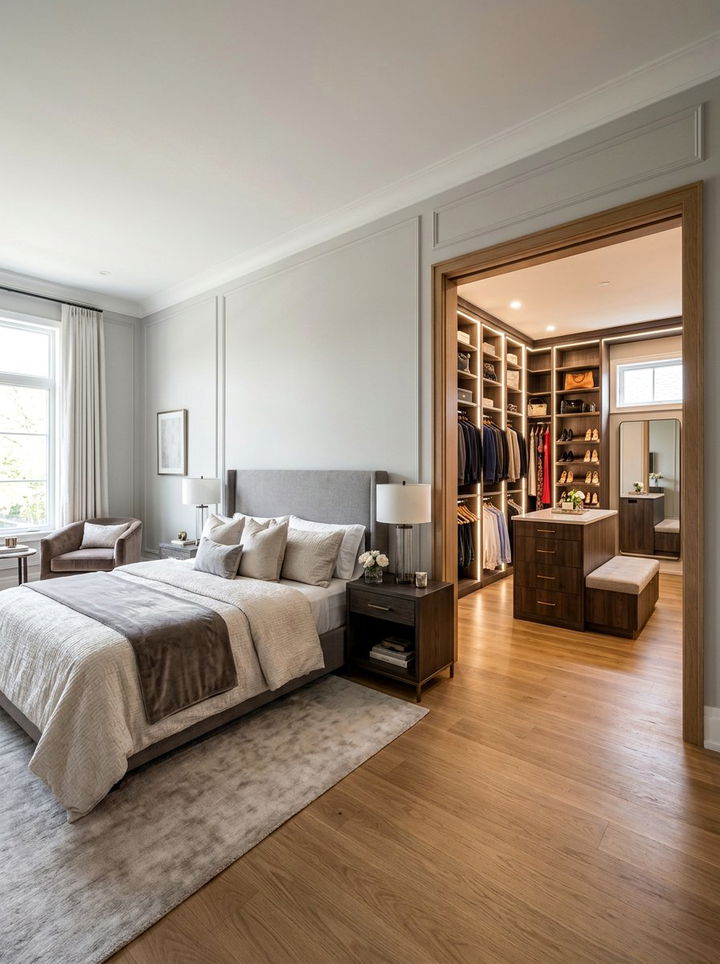
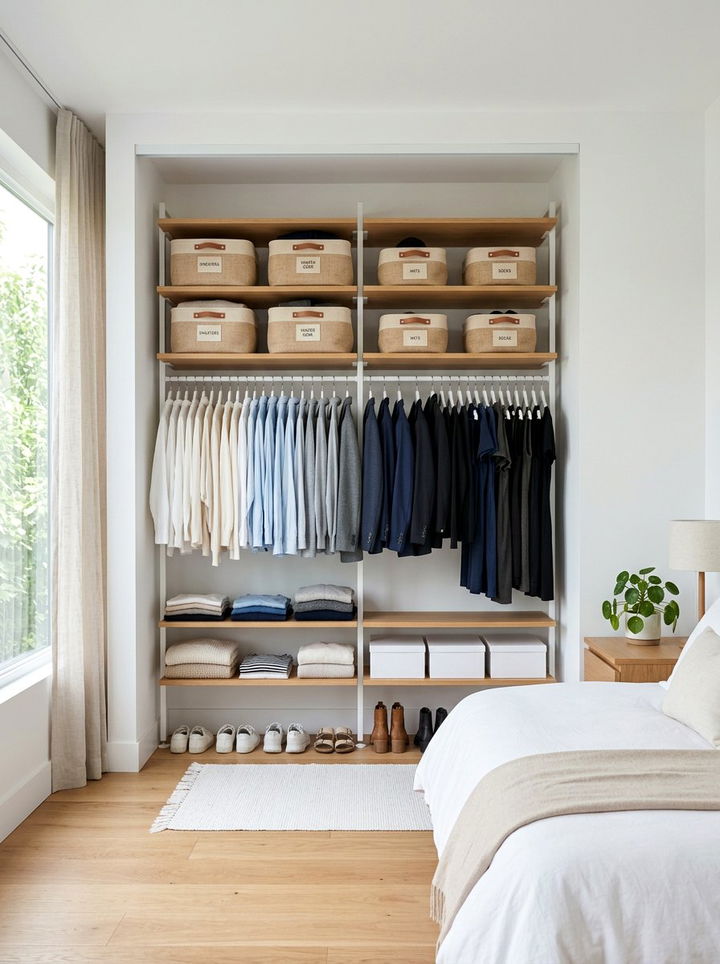
Creating a seamless flow between your sleeping area and a walk-in closet is essential for a functional morning routine. You might consider an open-concept transition or a stylish sliding barn door to save space while connecting these two vital zones. The bed should be positioned so that the entrance to the closet is easily accessible without having to navigate around bulky furniture. Good lighting is crucial in this transition area to ensure you can see clearly while moving between the bed and your wardrobe. This plan prioritizes efficiency, allowing you to get dressed and ready for the day with minimal effort or distraction.
7. Bedroom Sitting Area

If you have extra square footage, adding a small sitting area can transform your bedroom into a multi-functional private lounge. You can place two comfortable armchairs and a small side table near a window or in a quiet corner of the room. This layout provides a perfect spot for reading, enjoying a morning coffee, or simply relaxing away from the rest of the household. Using a separate rug for the seating zone helps to visually distinguish it from the sleeping area. This arrangement adds a touch of hotel-inspired luxury to your home, making the bedroom feel much more versatile and expansive.
8. Bed In Corner Layout
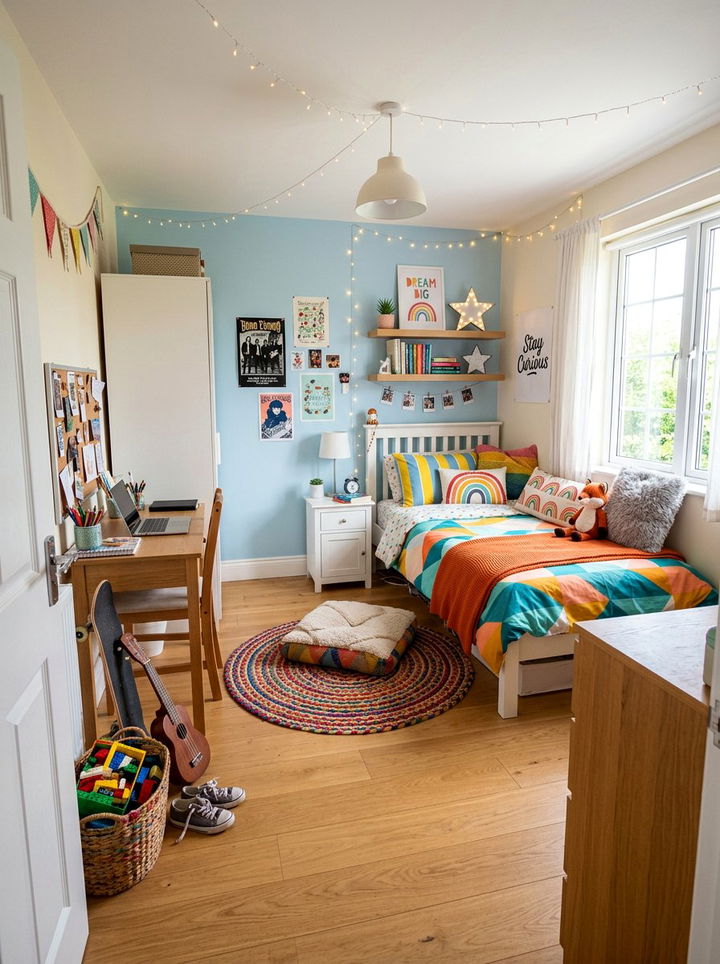
Pushing your bed into a corner is a practical layout choice for guest rooms or teenager bedrooms where floor space is at a premium. This arrangement creates a cozy, protected feeling and leaves the center of the room open for other activities or furniture. You can use the walls on two sides of the bed to display artwork or install floating shelves for easy access to books. It is important to choose bedding that is easy to tuck in, as making a corner bed can sometimes be a challenge. This layout effectively utilizes every inch of the room, providing a clean and organized appearance.
9. L Shaped Bedroom Furniture Placement
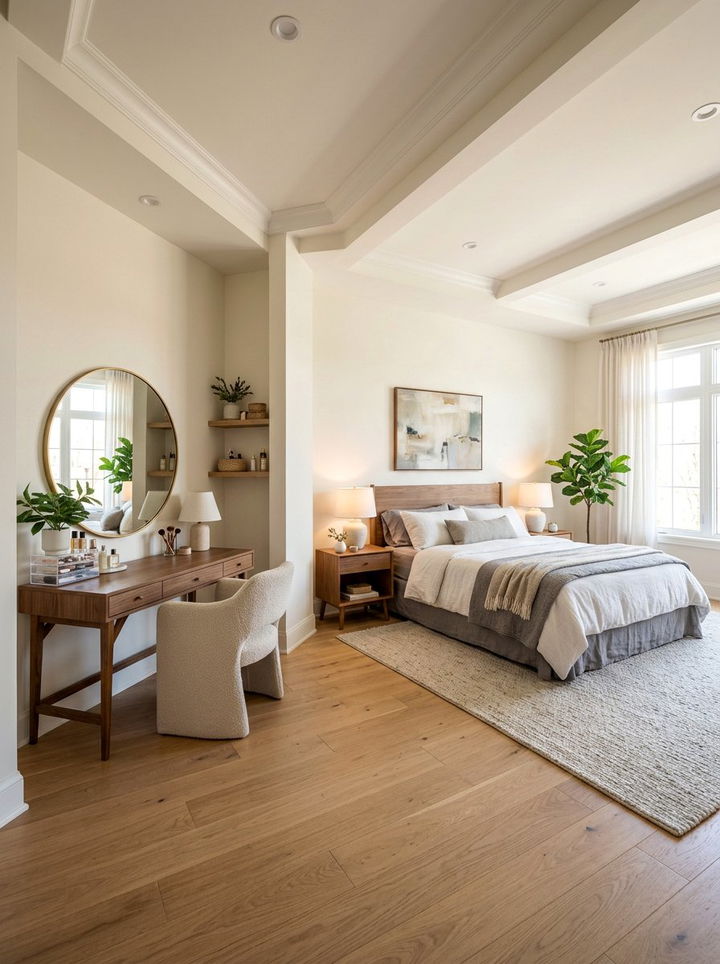
Designing an L-shaped bedroom offers unique opportunities to create distinct zones for sleeping, dressing, and relaxing. You can place the bed in the larger section of the “L” to serve as the main sleeping zone. The smaller nook is often perfect for a vanity, a small desk, or a chest of drawers to keep the main area uncluttered. Using consistent flooring and color palettes across both sections ensures the room feels unified despite the unconventional shape. This layout is excellent for maximizing privacy, as the different zones are naturally tucked away from each other, providing a sense of quiet and seclusion.
10. Studio Bedroom Zone
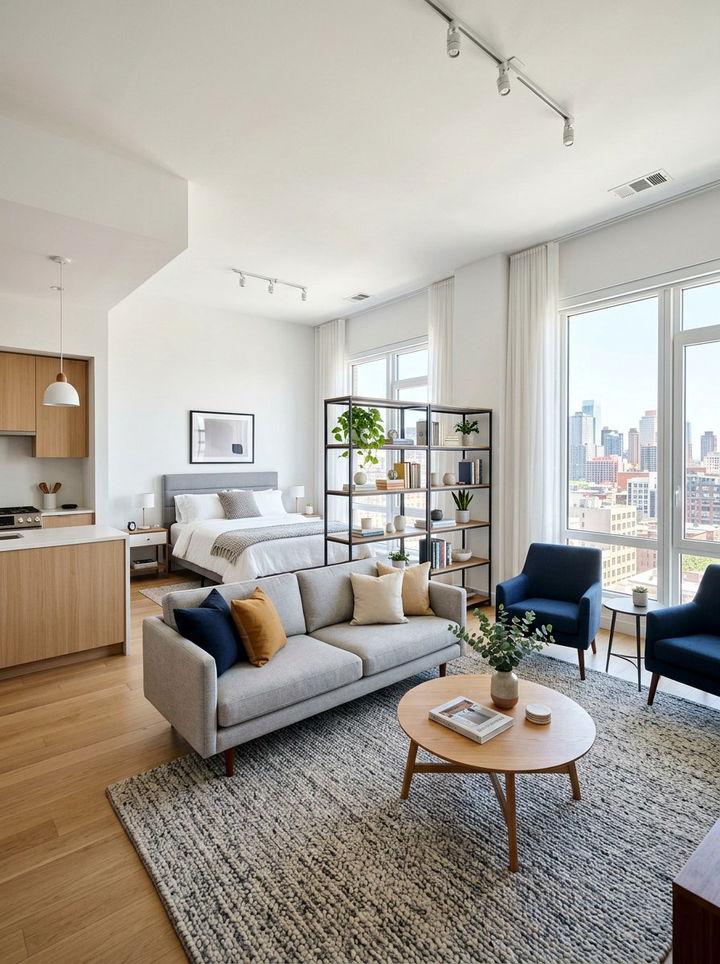
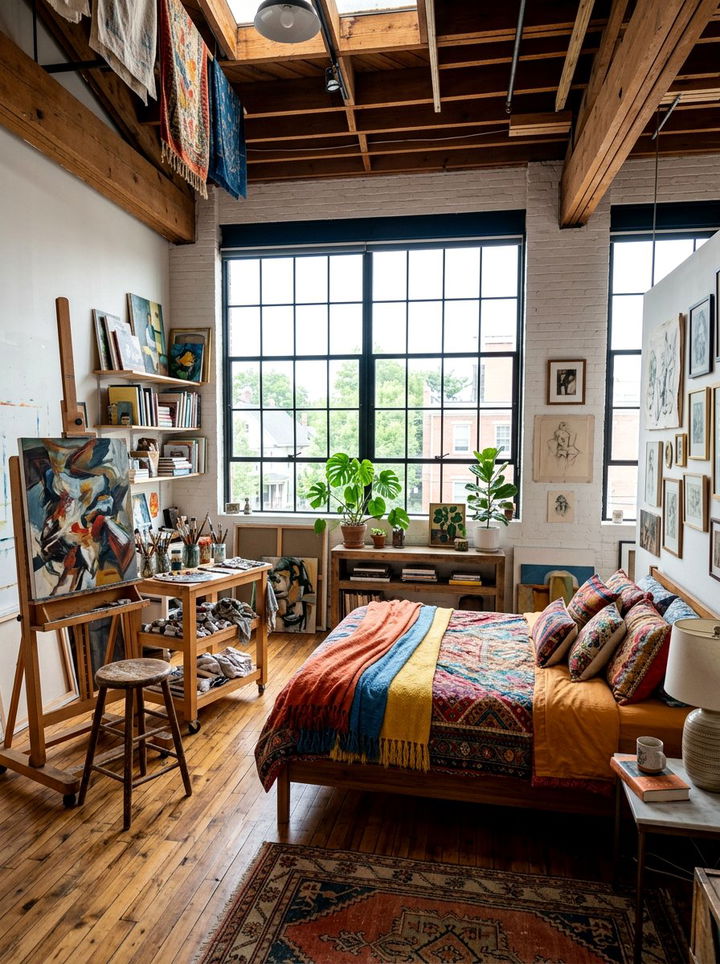
In an open studio apartment, defining a clear bedroom zone is vital for creating a sense of privacy and organization. You can use area rugs, open shelving units, or even tall plants to act as soft dividers between the bed and the living area. Placing the bed in a corner or against the furthest wall helps keep the sleeping space separate from the social zones. Choosing a cohesive color scheme for the entire studio will make the bedroom area feel like a natural extension of the larger room. This layout strategy focuses on smart division without sacrificing the open and airy feel of the apartment.

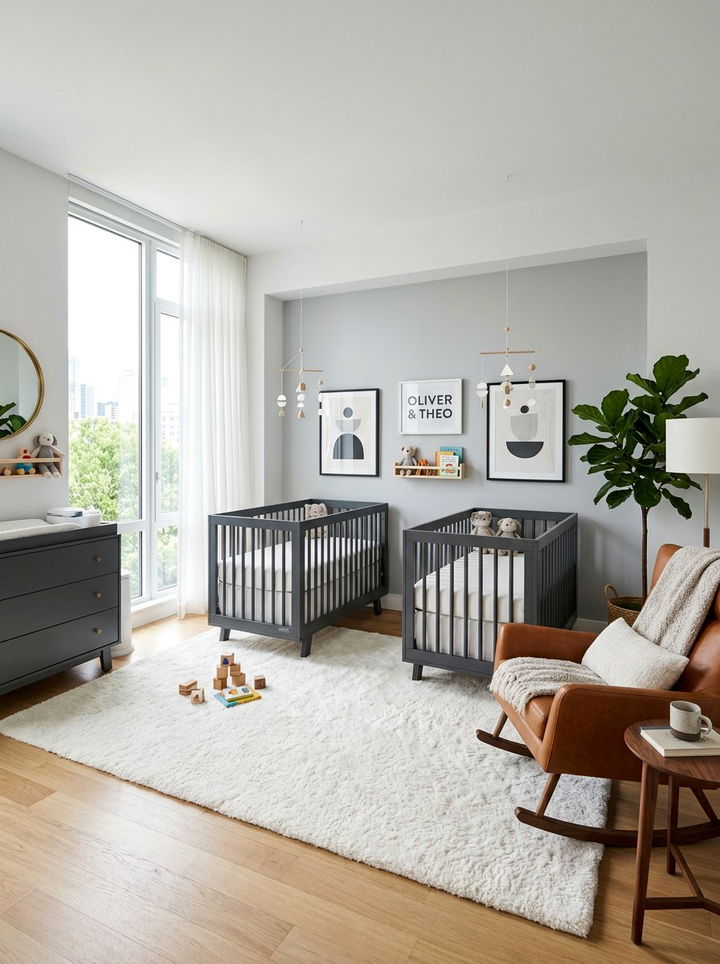
11. Guest Bedroom Layout
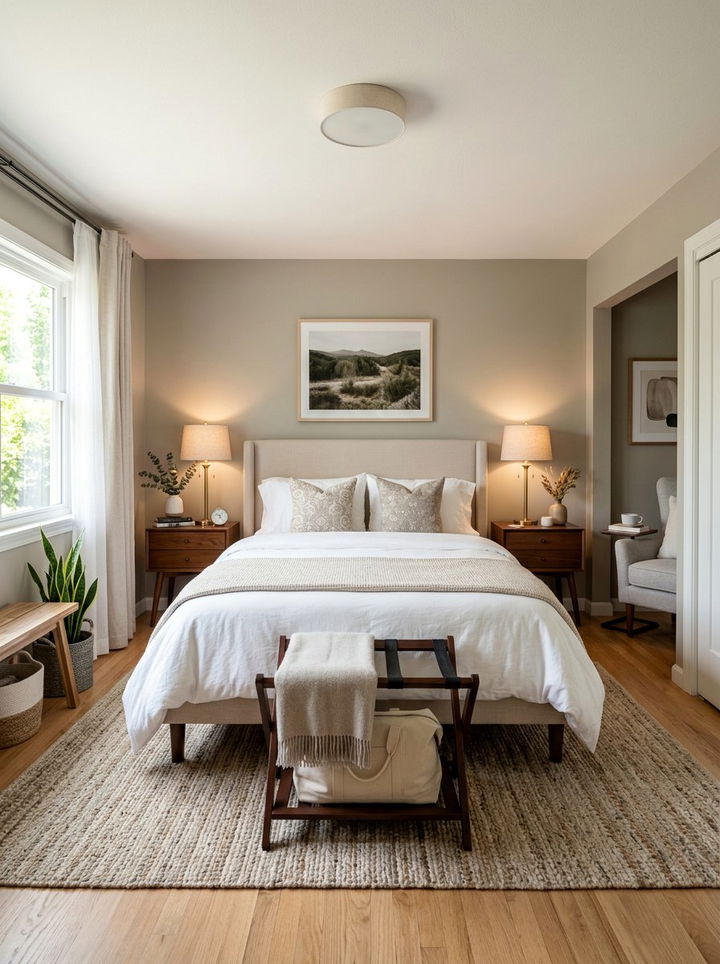
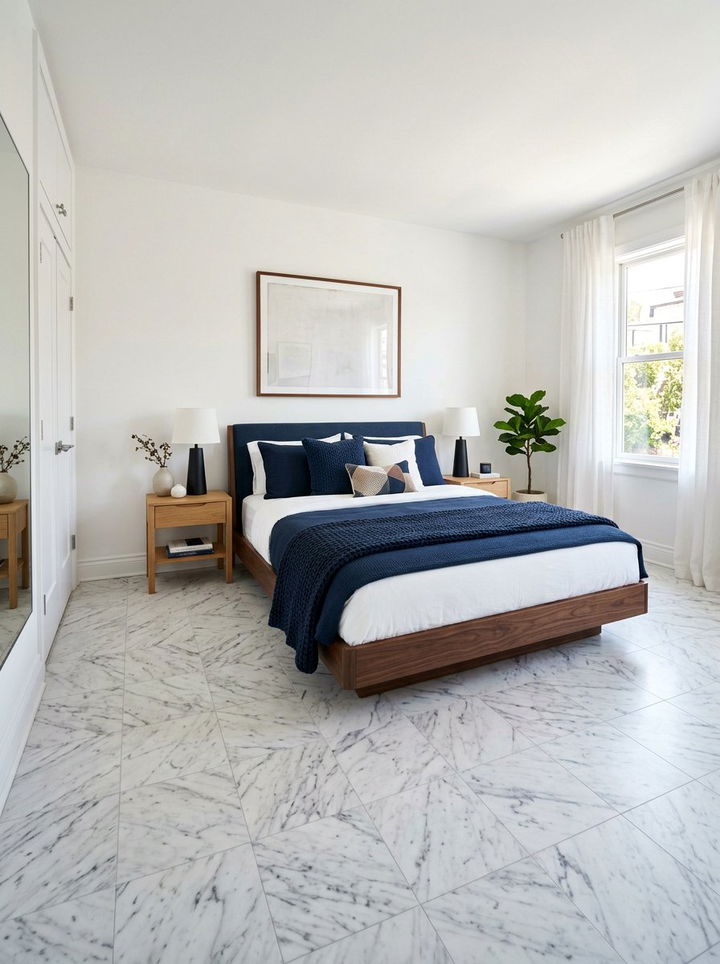
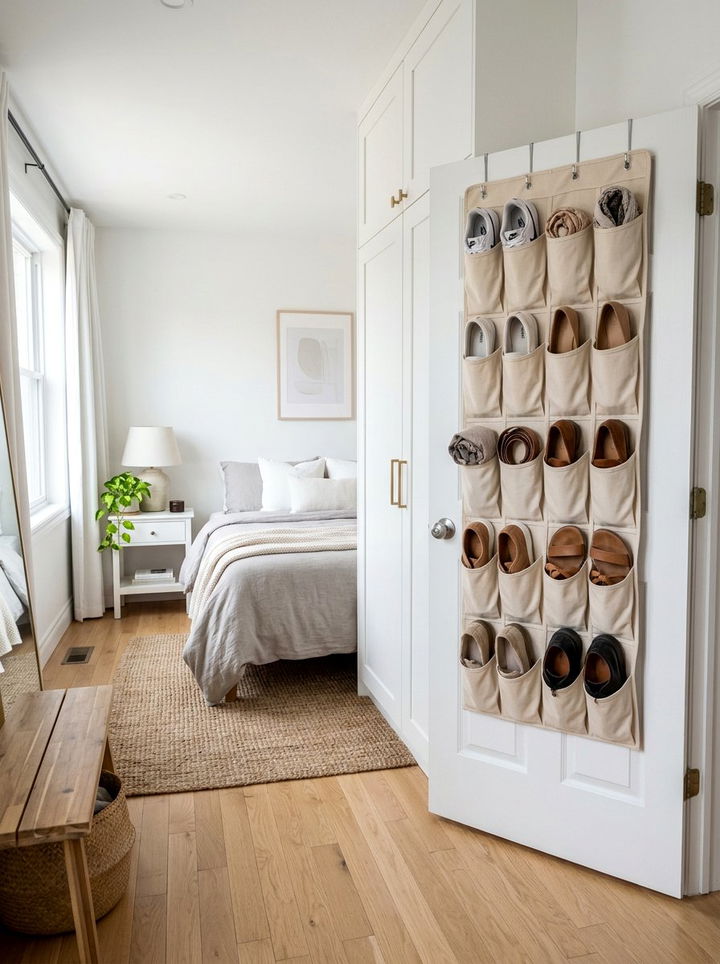
A well-planned guest bedroom should focus on hospitality and providing all the essentials in a compact, organized layout. You might choose a queen bed centered in the room to allow guests to have nightstands and lamps on both sides. Providing a small luggage rack or a clear surface for a suitcase helps your visitors feel more at home during their stay. Ensure there is a clear path to the closet and any nearby bathroom to make the space easy to navigate. This arrangement prioritizes guest comfort, ensuring they have everything they need for a restful and enjoyable visit in your home.
12. Bedroom Fireplace Layout

When a bedroom features a fireplace, the furniture layout should revolve around this architectural focal point for maximum coziness. You can position the bed directly opposite the fireplace or at an angle to enjoy the warmth and visual appeal from under the covers. If space allows, placing a pair of cozy chairs near the hearth creates an inviting spot for evening conversation or quiet reflection. Using a mantel to display personal items or a mirror can help tie the entire room together. This layout emphasizes the fireplace as the heart of the room, creating a very warm and sophisticated atmosphere.
13. Symmetrical Bedroom Furniture

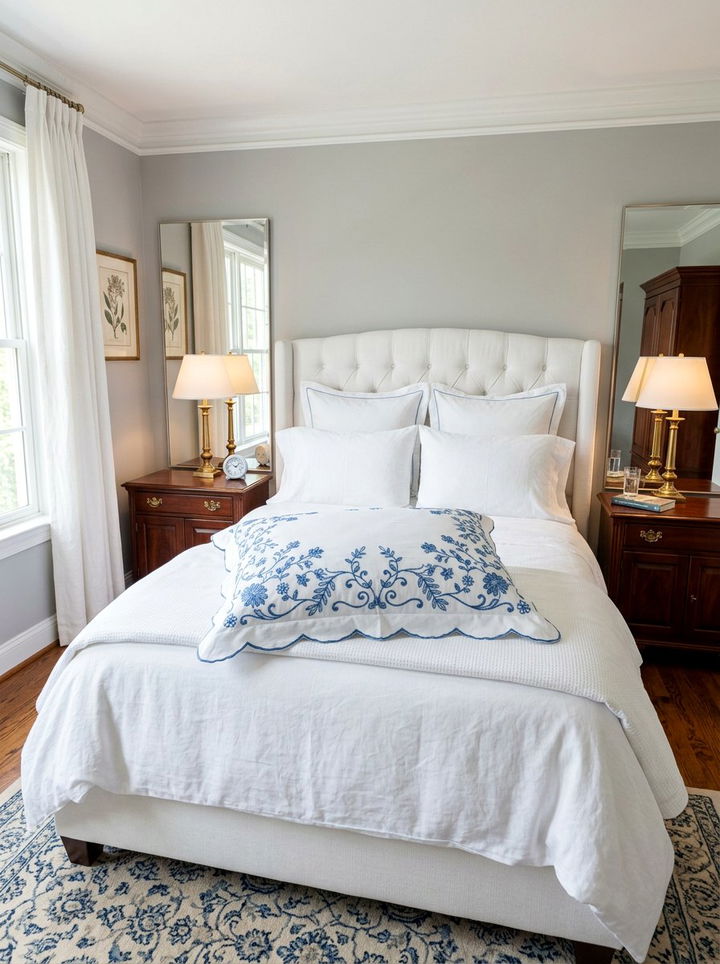
Symmetry is a classic design principle that brings a sense of calm and order to any bedroom layout. To achieve this, you should center the bed on a wall and place identical nightstands and lamps on either side. This balanced arrangement is visually pleasing and works exceptionally well in master bedrooms where two people share the space. You can further enhance the symmetry by hanging matching artwork or using a pair of identical benches at the foot of the bed. This layout approach is timeless and professional, making the bedroom feel organized and carefully curated for a very peaceful night of sleep.
14. Asymmetrical Bedroom Setup
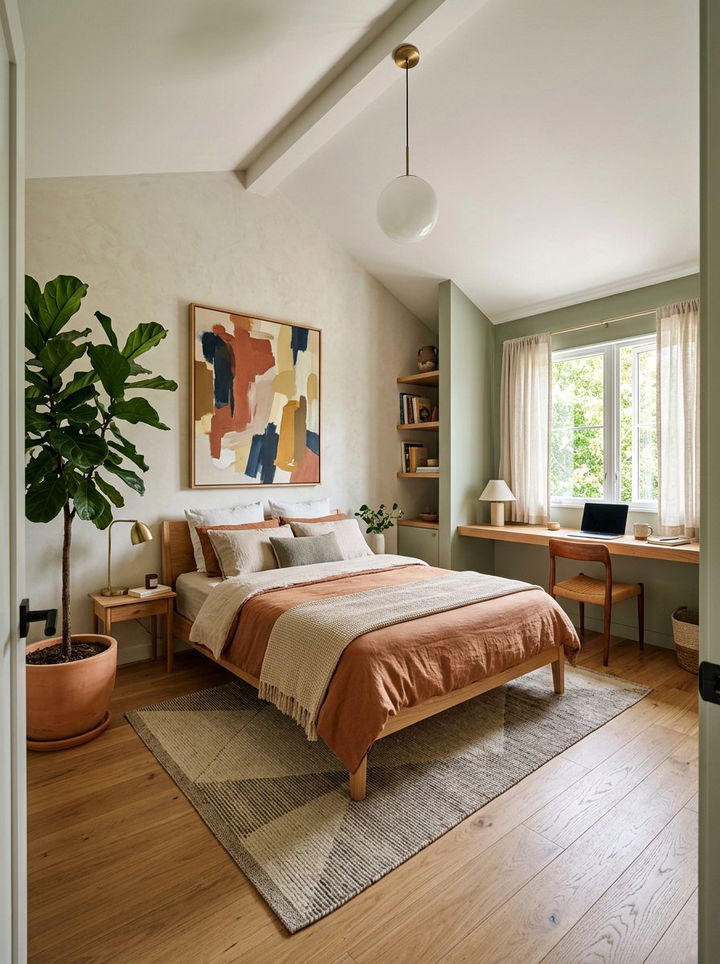
An asymmetrical layout offers a more modern and relaxed feel, which is perfect for rooms with unconventional shapes or off-center windows. Instead of matching nightstands, you might use a small desk on one side of the bed and a minimalist pedestal on the other. This approach allows you to work around architectural quirks while still maintaining a functional and stylish environment. You can balance the visual weight by using a large piece of art or a floor lamp on the side with the smaller furniture piece. This layout is creative and flexible, allowing your personal style to shine through in every design choice.
15. Floating Bed Layout

A floating bed layout, where the bed is placed in the center of the room away from the walls, creates a bold and contemporary look. This arrangement works best in large rooms where you want to make a dramatic statement and improve the flow of movement. You can use the space behind the headboard for a low dresser or a vanity, creating a clever multi-functional zone. It is important to ensure that all cords and cables are neatly hidden to maintain the clean, floating aesthetic. This layout is perfect for those who want a unique, hotel-like experience that breaks away from traditional furniture placement.
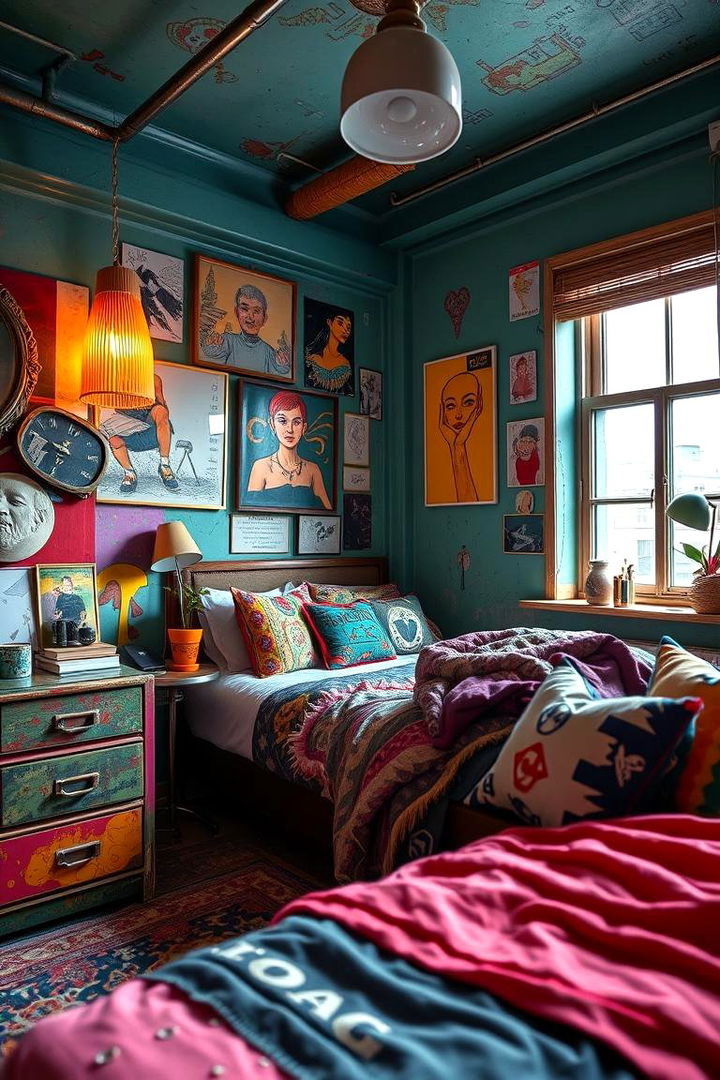
16. Long Narrow Bedroom Plan
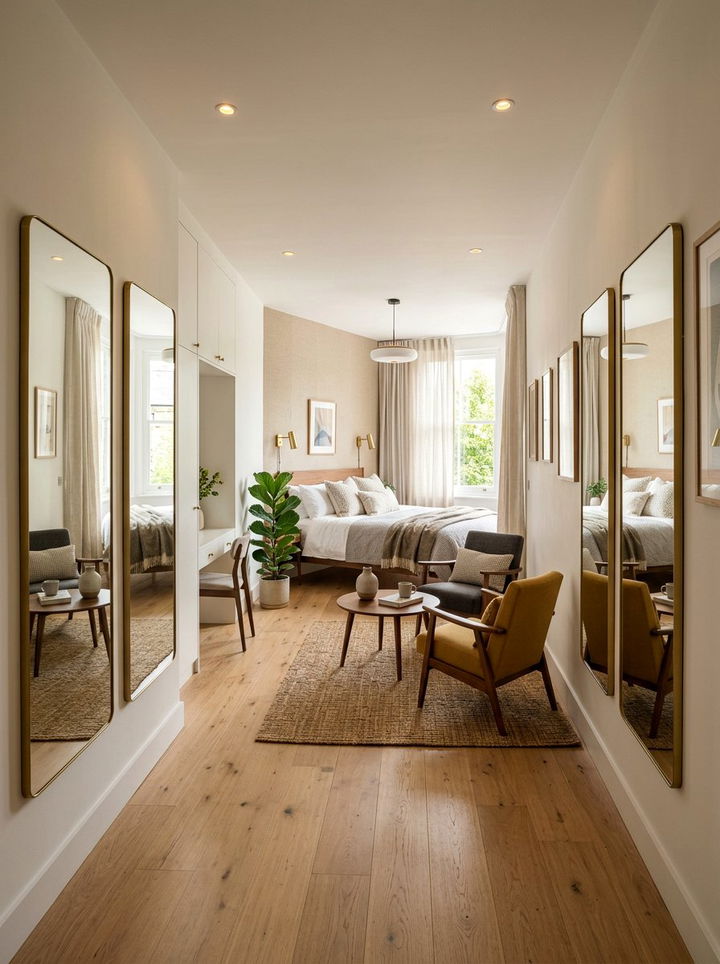
Managing a long and narrow bedroom requires a layout that breaks up the tunnel-like feel of the space. You can achieve this by placing the bed against one of the shorter walls or by using furniture to create different zones. A small seating area or a desk at one end of the room can help balance the proportions and make the space feel more functional. Using mirrors on the long walls can create the illusion of width, making the room feel less constricted and much more inviting. This strategy focuses on visual balance to transform a challenging footprint into a cozy and comfortable retreat.
17. Square Bedroom Arrangement
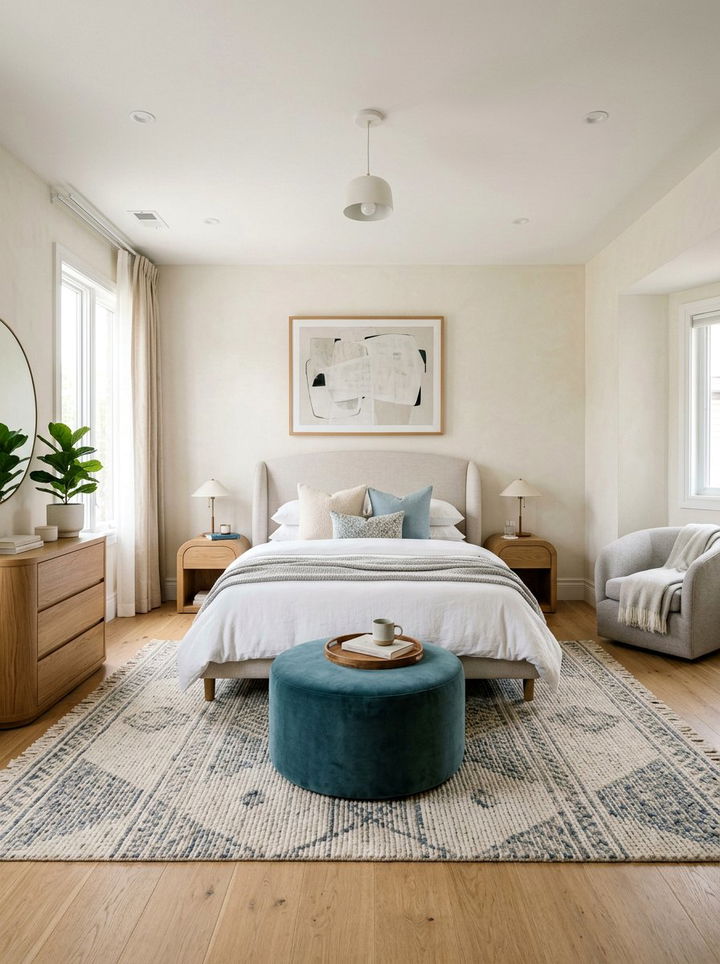
A square bedroom provides a very versatile canvas, but it can sometimes feel a bit static if the furniture is not placed correctly. To add interest, you might consider placing the bed at an angle or centering it on one wall with a large rug to define the space. Using circular or curved furniture pieces, like a round ottoman or a curved armchair, can help soften the sharp corners of the room. Ensure that you leave enough space for traffic to flow around all sides of the furniture for a comfortable experience. This layout emphasizes balance and allows for a variety of creative and functional furniture configurations.
18. Bedroom Nursery Setup
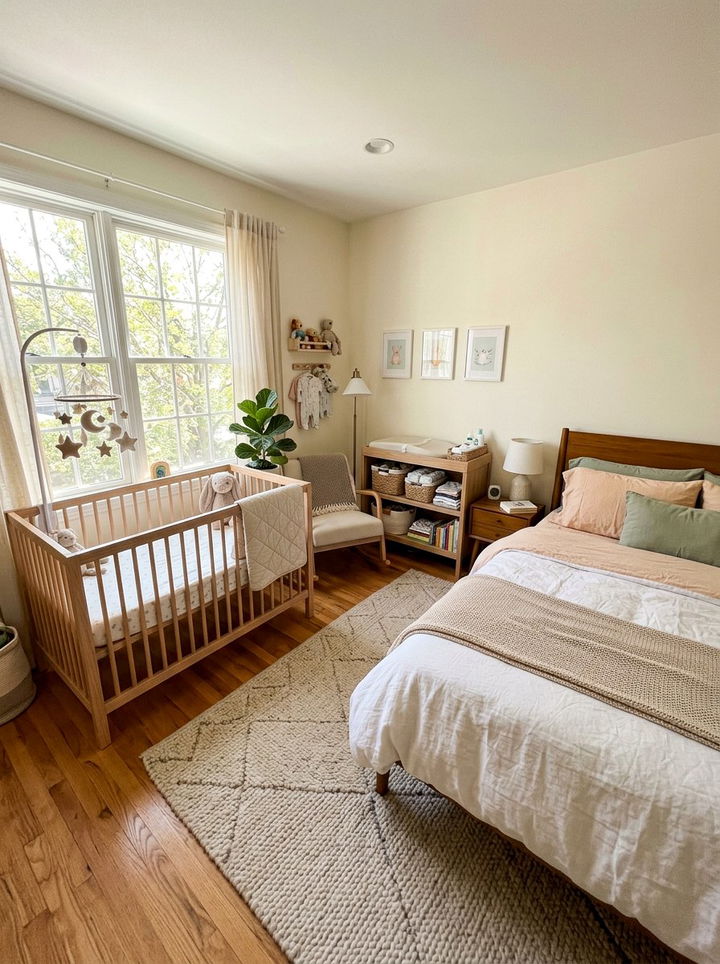
Integrating a nursery nook into your bedroom is a practical solution for staying close to your baby during those early months. You can place the crib in a quiet corner or alongside your bed for easy nighttime access and better peace of mind. Using a small dresser that doubles as a changing table can save space while keeping all the essentials within reach. A comfortable rocking chair tucked into a corner provides a dedicated spot for feeding and soothing your little one. This layout focuses on convenience and closeness, ensuring that both parents and the baby have a functional and peaceful environment.
19. Attic Bedroom Layout
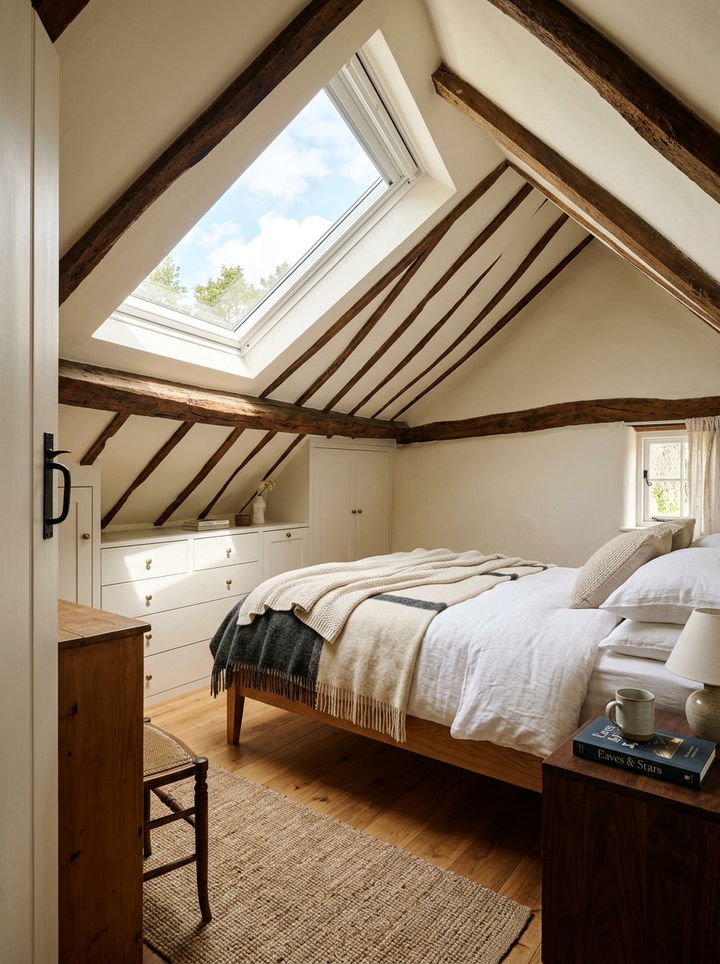
Attic bedrooms often feature sloped ceilings and unique architectural details that require a very thoughtful and customized furniture layout. You should place the bed under the highest point of the ceiling to ensure you have enough head clearance when getting in and out. Low-profile furniture, such as platform beds and short dressers, works best in areas where the ceiling height is more restricted. Built-in storage tucked into the eaves is a great way to maximize every inch of usable space in the room. This layout embraces the cozy and secluded nature of an attic, creating a charming and very private sanctuary.
20. Bedroom Vanity Area
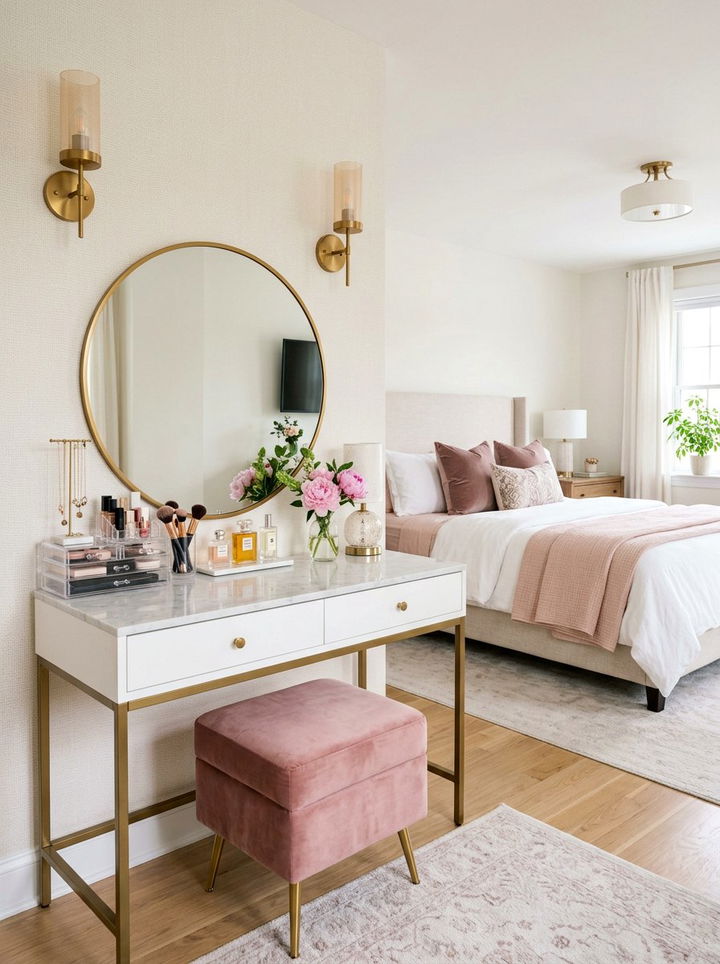
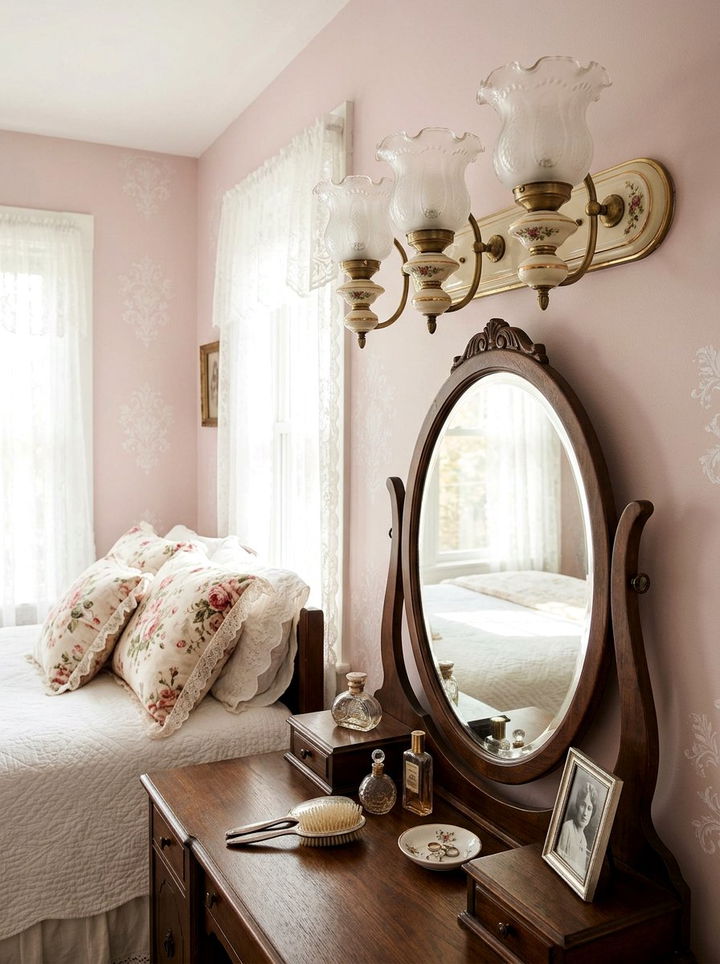
Adding a vanity area to your bedroom provides a dedicated space for grooming and getting ready without cluttering the main bathroom. You can place a small table and a stylish mirror in a well-lit corner, preferably near a window for natural light. A comfortable stool that can be tucked under the vanity will help save floor space when the area is not in use. Using decorative trays or small organizers will keep your cosmetics and jewelry tidy and easily accessible. This layout adds a touch of glamour and personal luxury to your daily routine, making your bedroom feel like a complete suite.

21. Murphy Bed Layout

A Murphy bed layout is the ultimate space-saving solution for multi-functional rooms that serve as both a bedroom and an office. When the bed is folded up against the wall, the floor space becomes available for other activities or additional furniture pieces. You can choose a unit that includes built-in shelving or a desk to further maximize the utility of the wall. This arrangement is perfect for small apartments or guest rooms where you need to switch between different uses quickly. This layout prioritizes flexibility and clever engineering, ensuring that your home remains organized and functional regardless of the time of day.
22. Bunk Bed Room Plan
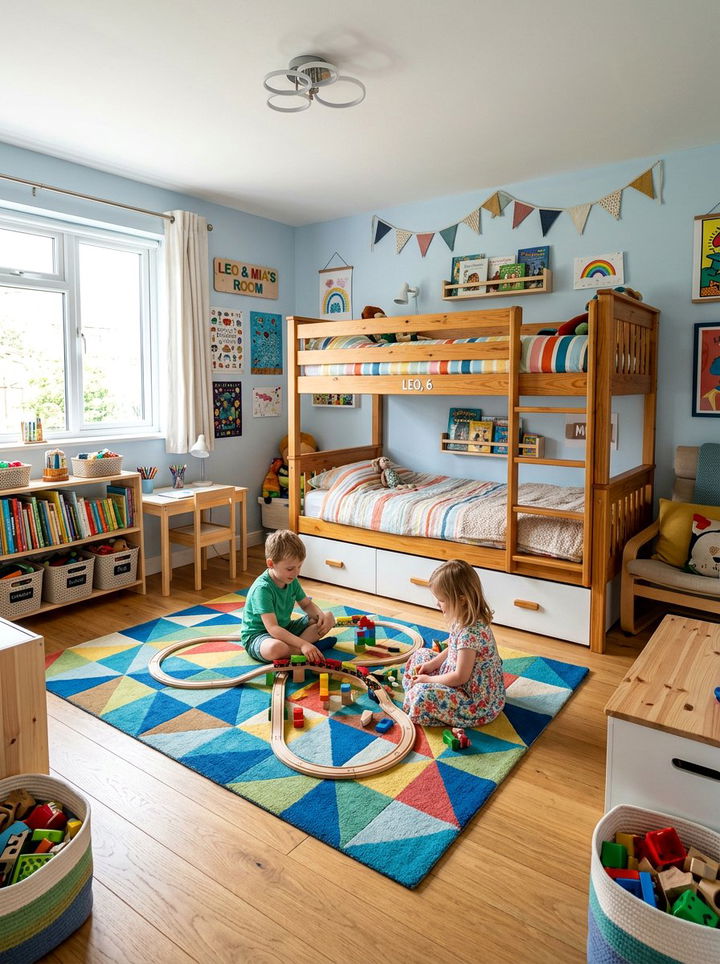
Designing a room for children often involves a bunk bed layout to save space and provide a fun sleeping environment. You should place the bunk beds against a solid wall for safety and to keep the center of the room open for play. Incorporating a sturdy ladder and safety rails is essential for a secure and comfortable sleeping experience for your kids. Using the space under the bottom bunk for storage drawers or a trundle bed can provide even more functionality. This layout is efficient and practical, making it easy to accommodate multiple children in a single, well-organized bedroom space.
23. Loft Bed Arrangement
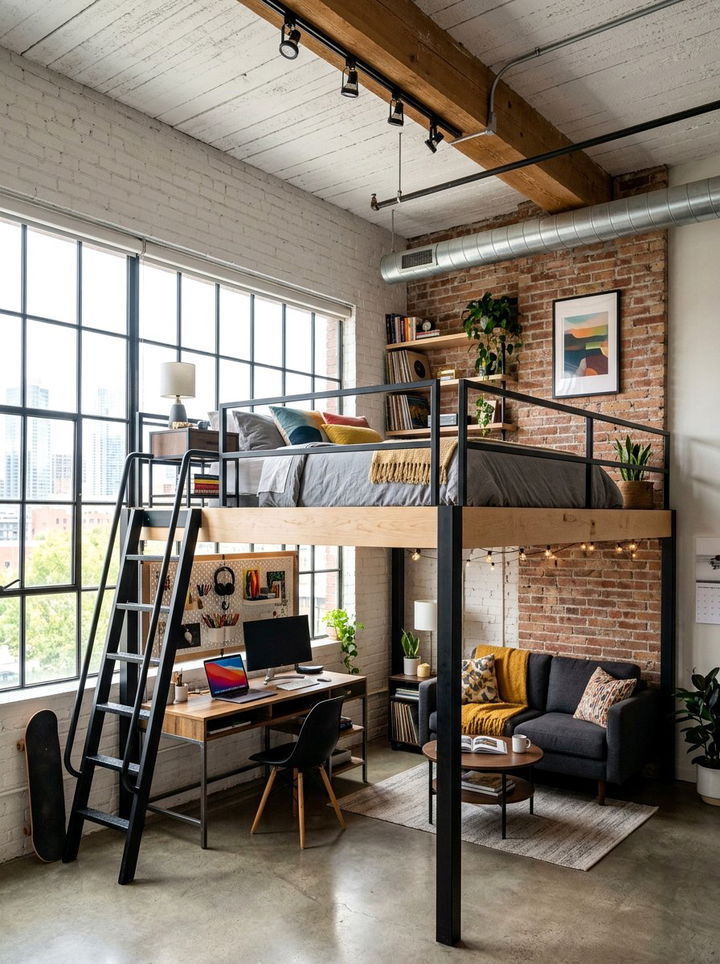
A loft bed arrangement is a fantastic way to maximize vertical space in rooms with high ceilings, especially for teenagers or young adults. By elevating the bed, you create a large open area underneath that can be used for a desk, a sofa, or extra storage. This layout effectively doubles the usable square footage of the room, making it feel much more spacious and versatile. You should ensure that the loft structure is securely anchored and that there is sufficient lighting in the area below. This design is modern and adventurous, providing a unique and highly functional living and sleeping environment.
24. Bedroom Reading Nook
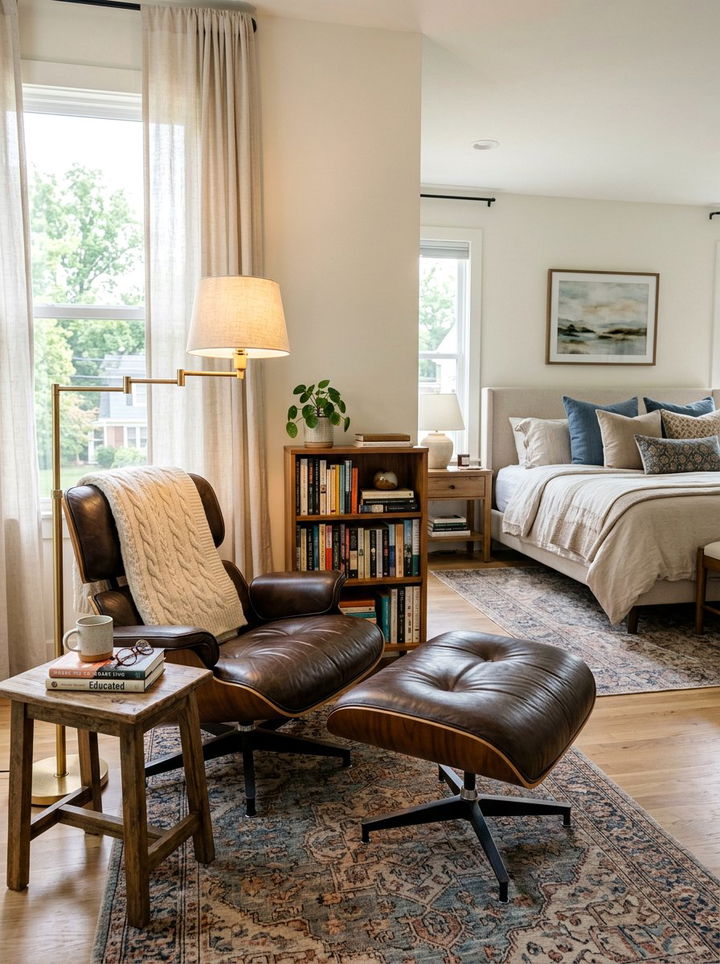
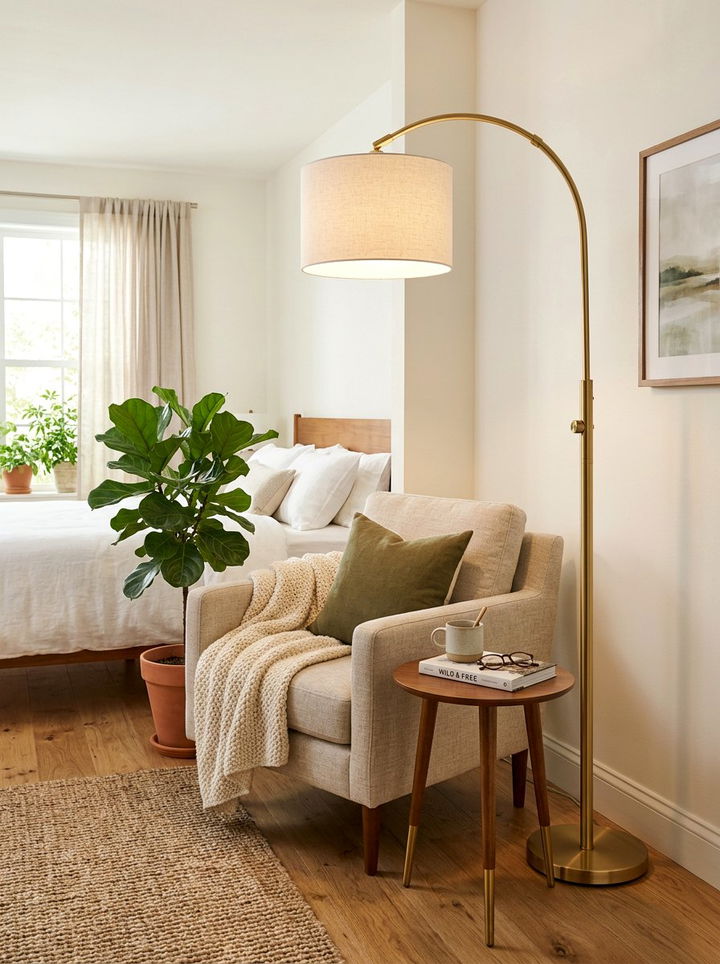
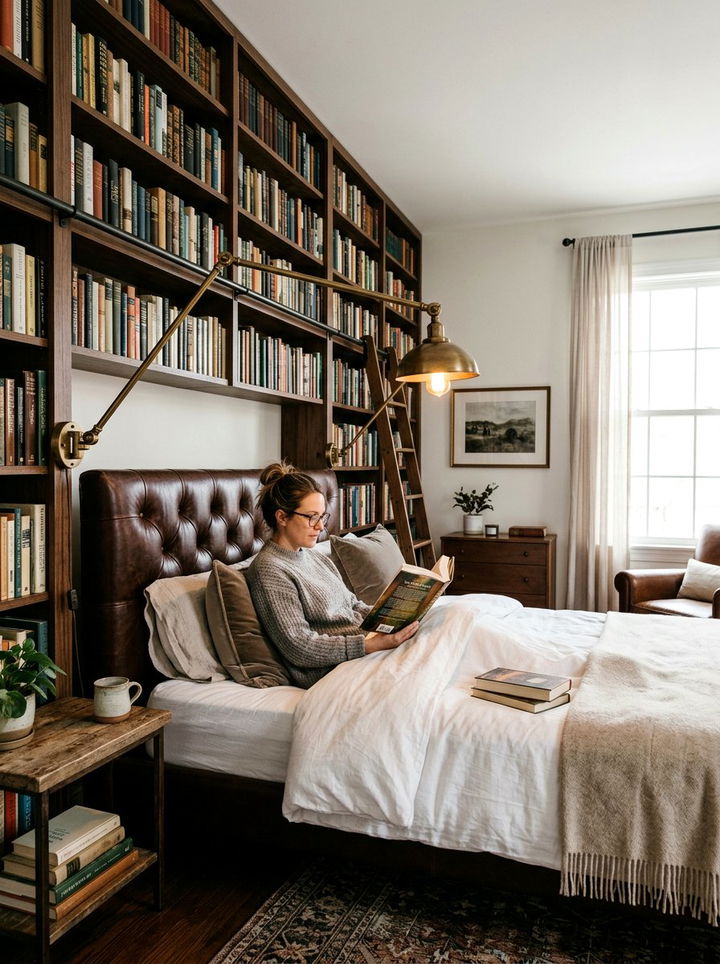
Creating a dedicated reading nook is a wonderful way to add a cozy and personal touch to your bedroom furniture layout. You can place a comfortable lounge chair and a tall floor lamp in a corner that receives plenty of natural light. Adding a small bookshelf or a stack of your favorite novels nearby makes the area even more inviting and functional. Using a soft throw blanket and a plush pillow will ensure the nook is the perfect spot for relaxing at the end of a long day. This layout encourages rest and quiet hobbies, enhancing the overall peaceful atmosphere of your sanctuary.
25. Storage Bed Setup
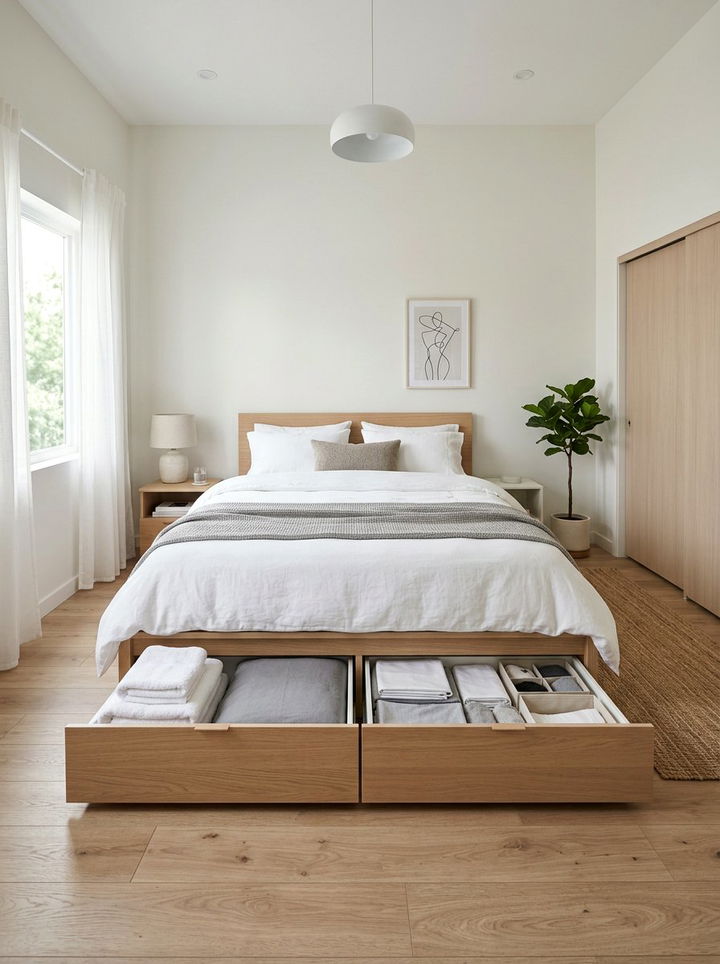
A storage bed setup is a smart choice for those who need to maximize their organization without adding extra bulky furniture. These beds feature built-in drawers or a hydraulic lift system that reveals a large compartment under the mattress for your belongings. This layout allows you to skip a traditional dresser, which opens up more floor space for a seating area or a larger walkway. You can keep seasonal clothing, extra linens, or shoes neatly tucked away but still very easily accessible. This arrangement focuses on hidden efficiency, keeping your bedroom looking clean, minimal, and completely clutter-free at all times.
26. Bedroom Bathroom Open Plan
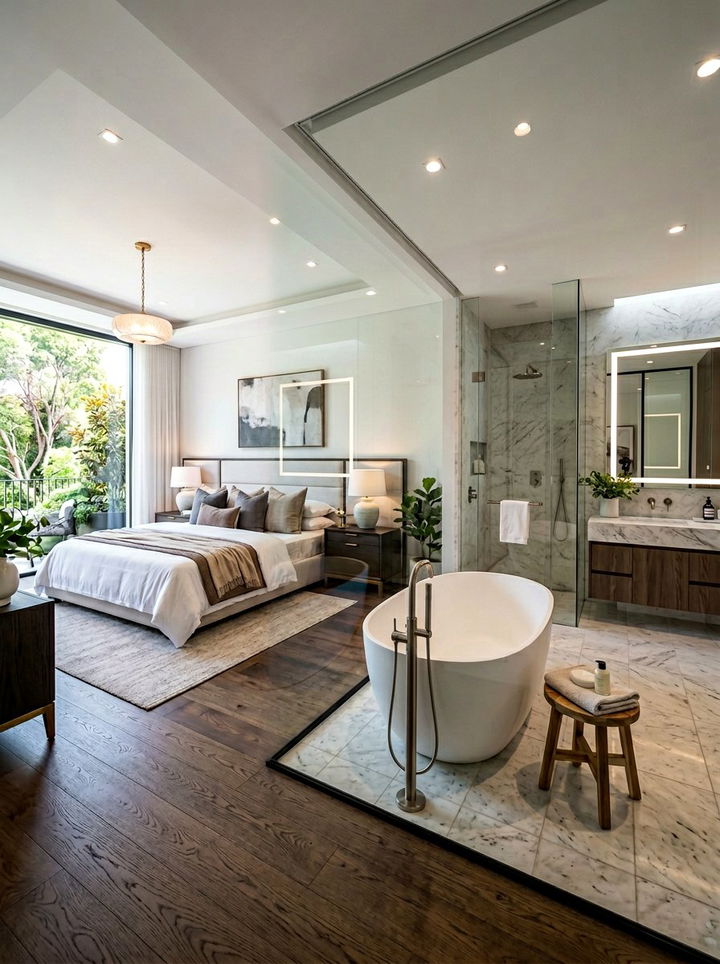
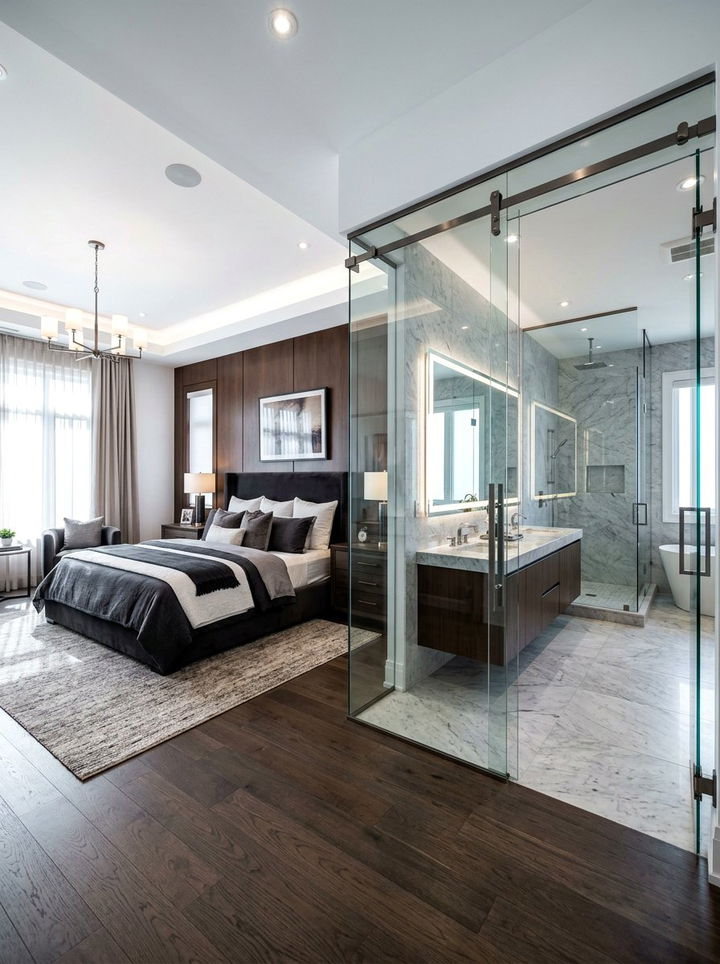
An open-concept bedroom and bathroom layout creates a luxurious, spa-like feel that is increasingly popular in modern home designs. You can use a half-wall, a glass partition, or simply a change in flooring material to define the transition between the two spaces. Placing a freestanding bathtub as a focal point within the bedroom area adds a touch of high-end elegance and relaxation. It is important to ensure that there is adequate ventilation and moisture control throughout the entire combined space. This layout prioritizes a seamless and airy flow, making the master suite feel like a private and very sophisticated retreat.
27. Bedroom Balcony Access Layout
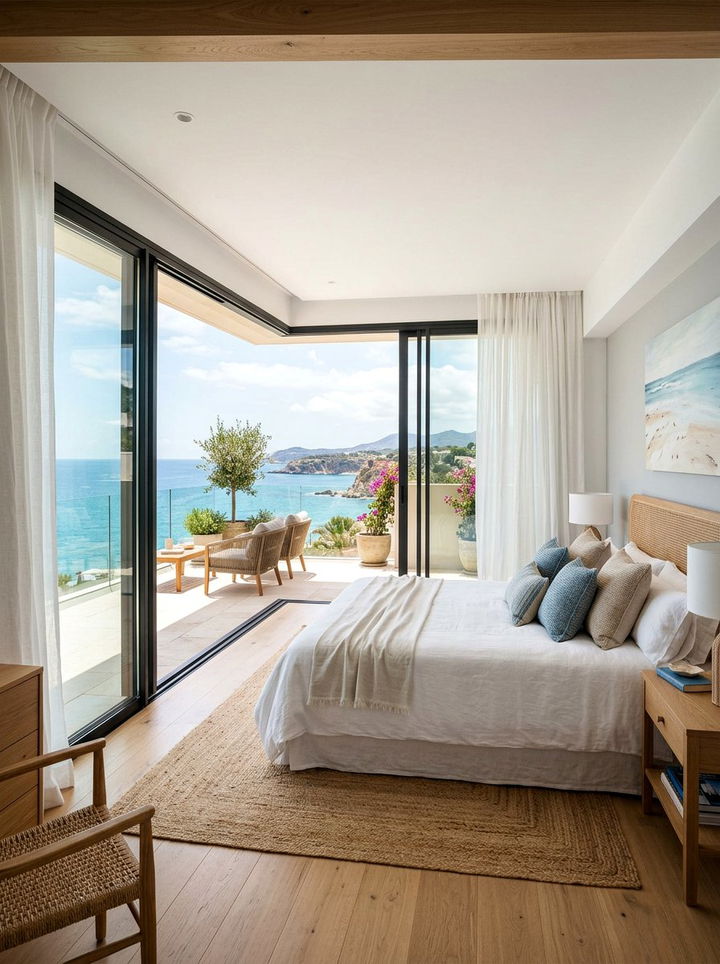
Positioning your bed to face a balcony or terrace can significantly enhance the ambiance of your sleeping quarters by connecting you with the outdoors. When planning this layout, ensure that the path to the sliding doors remains completely unobstructed so you can move freely inside and out. You might place a small bistro set or a lounge chair near the glass to create a seamless transition between the interior and exterior spaces. Soft, floor-to-ceiling curtains can be used to frame the view while providing necessary privacy at night. This arrangement prioritizes natural light and ventilation, making the entire bedroom feel much more spacious and airy.
28. Two Twin Bed Layout
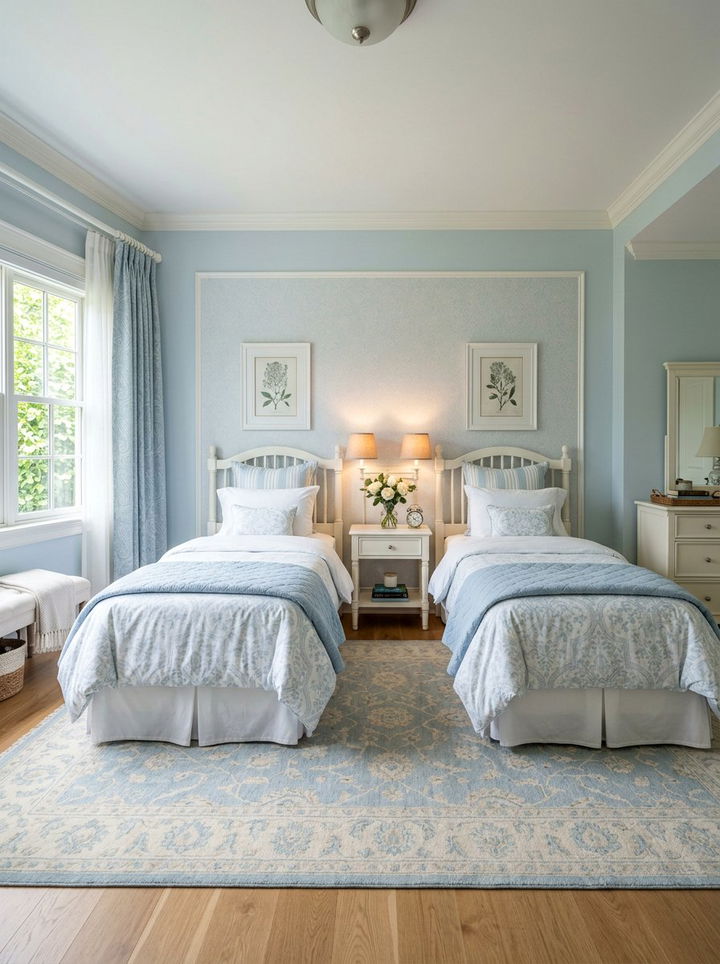
A bedroom with two twin beds is a classic arrangement for shared children’s rooms or traditional guest quarters. You can place the beds side-by-side with a single shared nightstand in the middle to save space and create a balanced look. Alternatively, placing the beds against opposite walls can provide more privacy and individual space for each person in the room. Using matching bedding and headboards will help the room feel cohesive and well-designed despite having two separate sleeping surfaces. This layout is practical and versatile, ensuring that every occupant has a comfortable and organized place to sleep and relax.
29. Minimalist Bedroom Plan
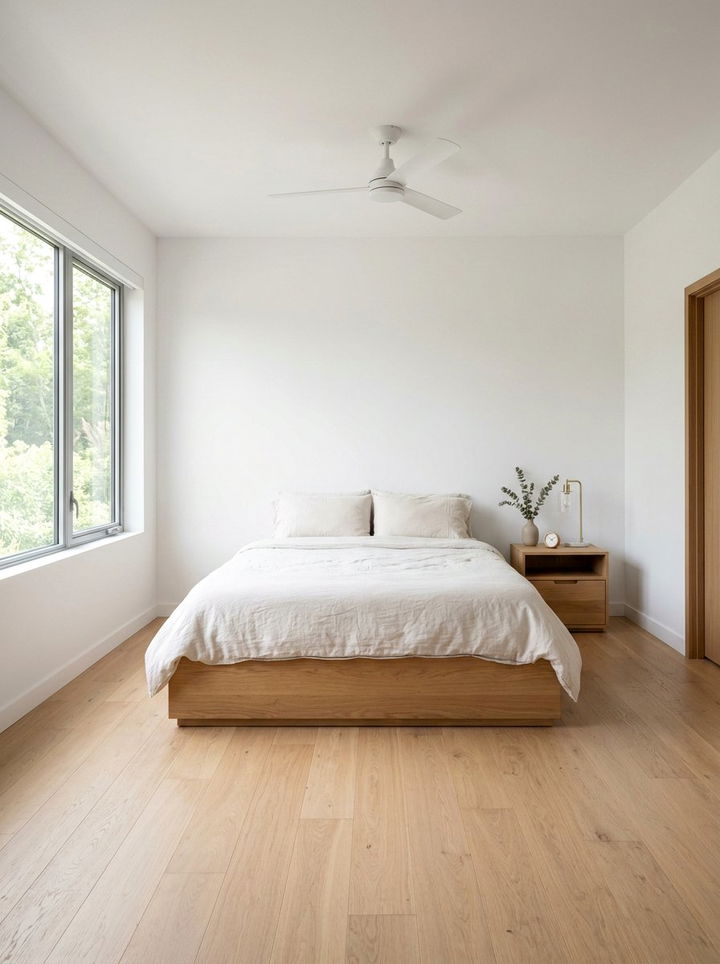
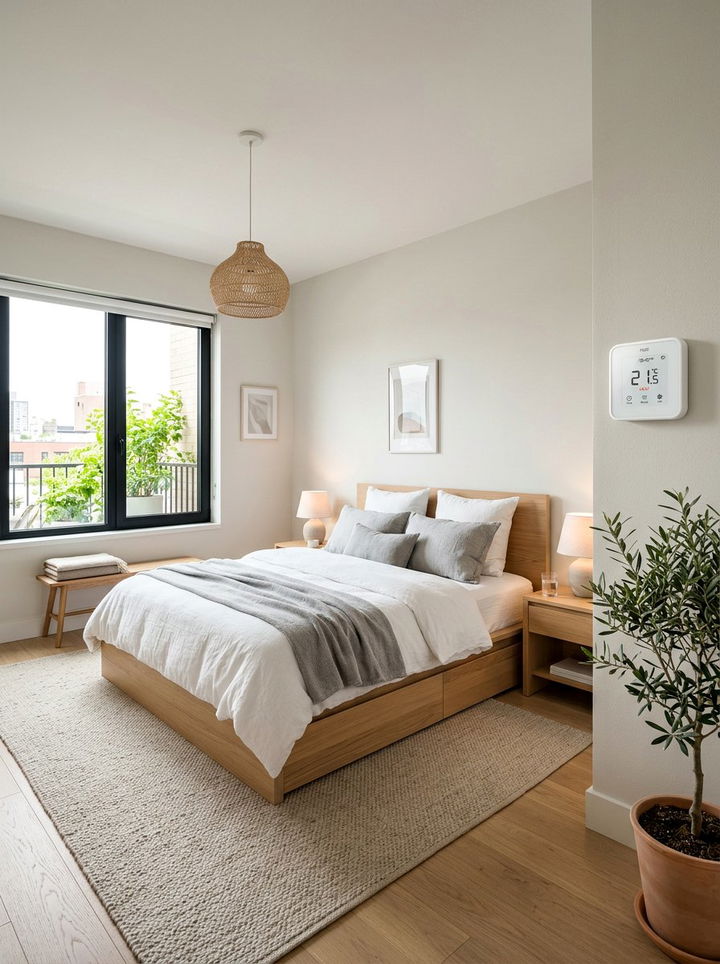
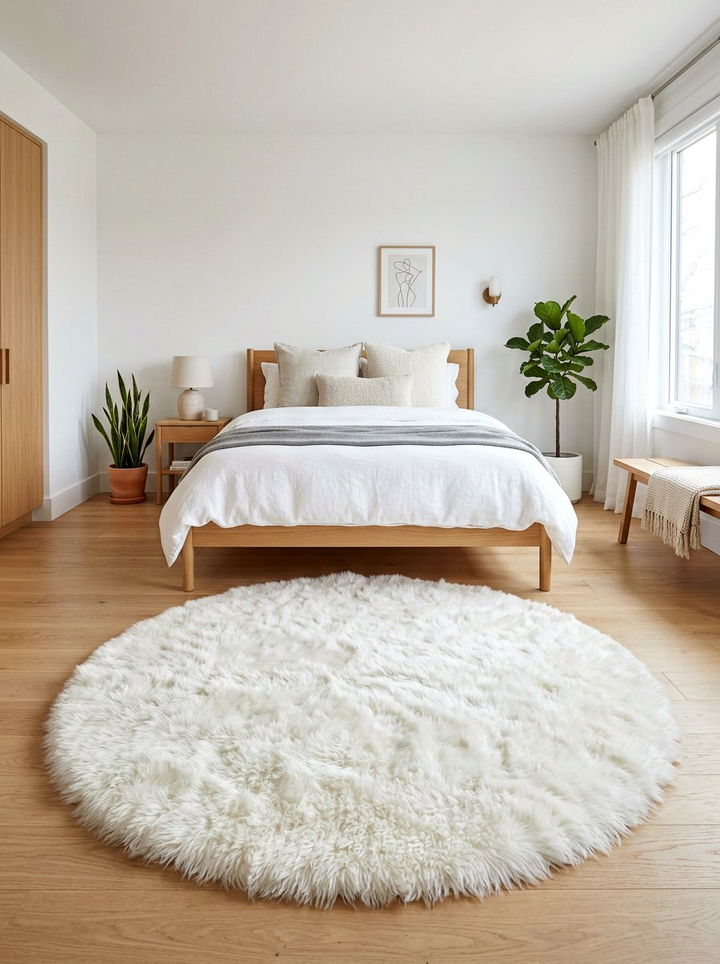
A minimalist bedroom layout focuses on the “less is more” philosophy, featuring only the most essential furniture pieces for a clean look. You should choose a simple platform bed and a single nightstand to keep the floor area open and completely free of any unnecessary clutter. Using a neutral color palette and natural materials, such as wood and linen, enhances the calm and serene vibe of the space. Strategic lighting, like wall-mounted sconces, can replace bulky table lamps to save even more surface area. This layout is perfect for those who crave a peaceful and distraction-free environment for rest and daily rejuvenation.
30. Bedroom Exercise Area
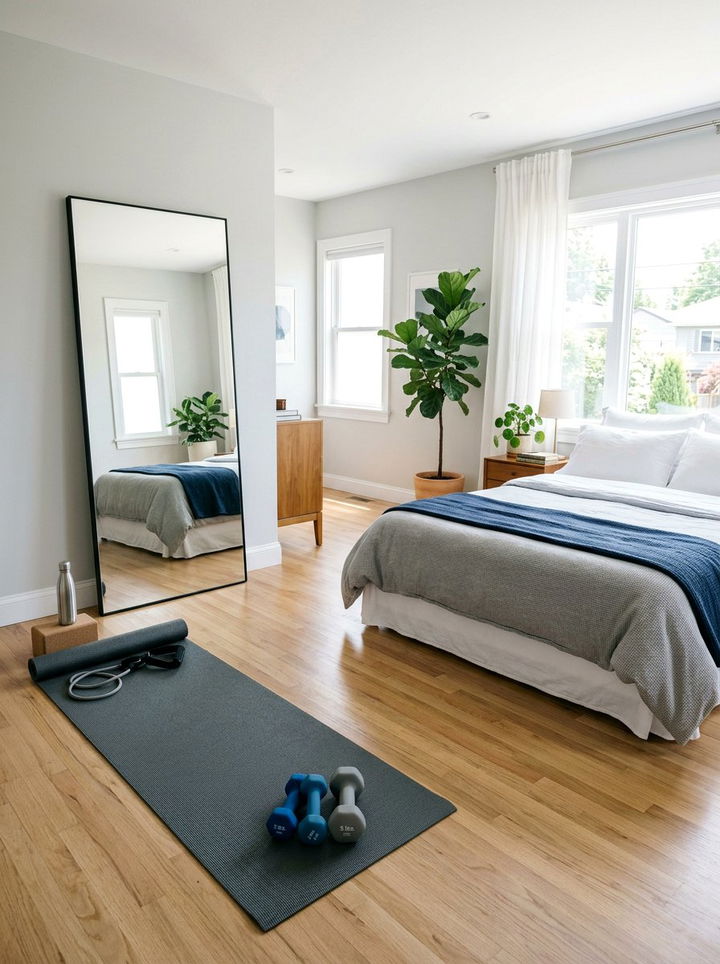
Integrating a small exercise area into your bedroom allows you to maintain a fitness routine from the comfort of your own home. You can place a yoga mat, a set of dumbbells, or even a compact stationary bike in a corner with enough clearance for movement. Using a decorative screen or a tall plant can help hide the equipment when it is not in use, keeping the room tidy. Placing a mirror on the wall near your workout zone can help you check your form while making the space feel larger. This layout prioritizes health and wellness, ensuring your bedroom serves all your personal needs.
Conclusion:
Successful bedroom space planning is about balancing your personal needs with the physical constraints of your room to create a functional sanctuary. By carefully considering furniture placement, traffic flow, and storage requirements, you can transform any sleeping area into an organized and peaceful environment. Remember that your layout should evolve as your lifestyle changes, whether you need to add a nursery nook or a dedicated workspace. Prioritizing comfort and ease of movement will always result in a more enjoyable living experience. We hope these strategic layouts inspire you to rethink your current setup and optimize your home for better rest and daily efficiency.
Related posts: