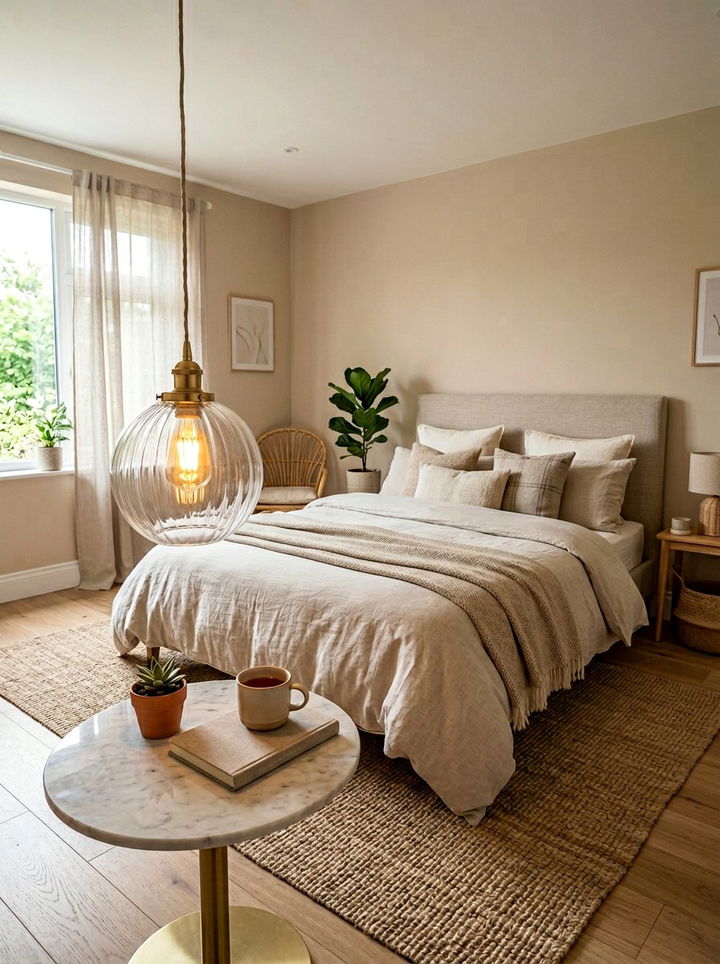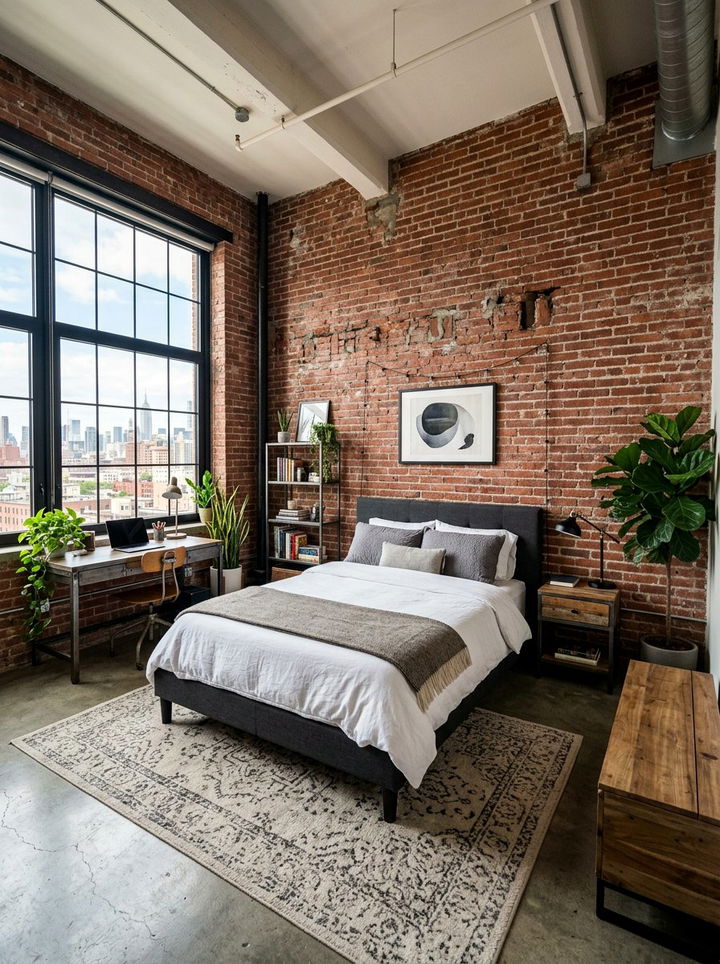
Creating a perfect bedroom starts with a smart layout that balances comfort, flow, and personal style. Most people think about colors first, but the physical arrangement of furniture determines how you actually feel in the space every single day. A well-planned room makes your morning routine smoother and your nightly wind-down more peaceful. Whether you are dealing with a tiny square footage or a sprawling master suite, the right placement of your bed, storage, and seating makes all the difference. This guide explores various ways to organize your furniture to maximize every inch of your home while maintaining a beautiful, viral-worthy aesthetic that Pinterest users love for daily home inspiration.
1. Master Bedroom Layout With Sitting Area
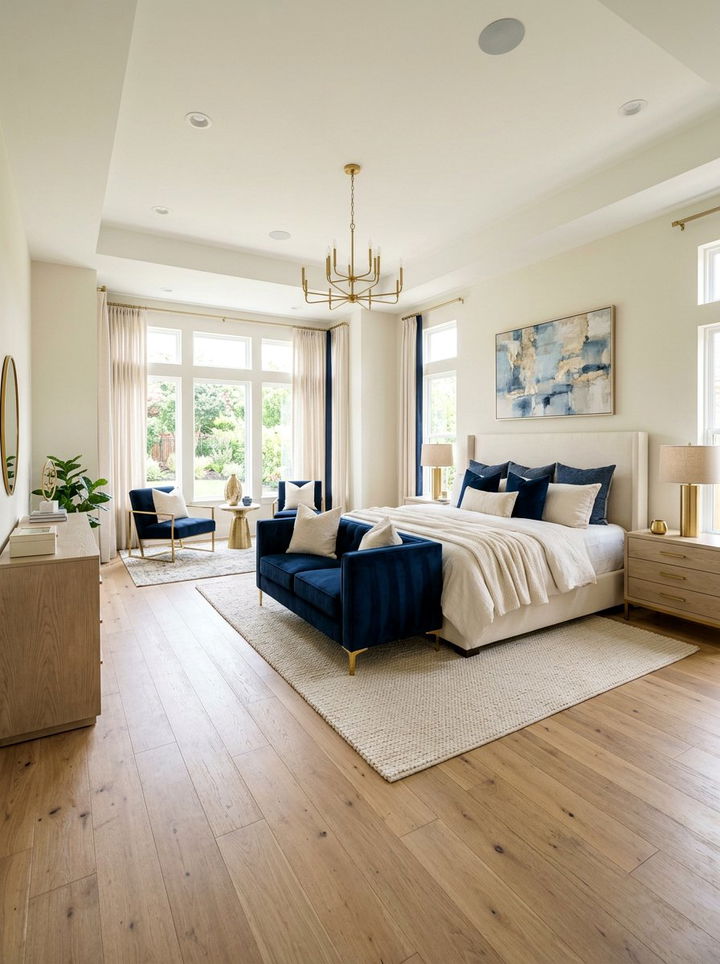
A master bedroom layout with a sitting area creates a multi-functional retreat within your home. You can place a pair of plush armchairs or a small upholstered loveseat at the foot of the bed to define this zone clearly. Adding a small round side table between the chairs provides a spot for books or tea. This arrangement works exceptionally well in larger rooms where you want to fill empty space without creating clutter. Using a large area rug to anchor both the bed and the seating furniture helps tie the whole look together. It transforms your sleeping area into a sophisticated suite that feels like a high-end luxury hotel room.
2. Small Bedroom Layout With Desk
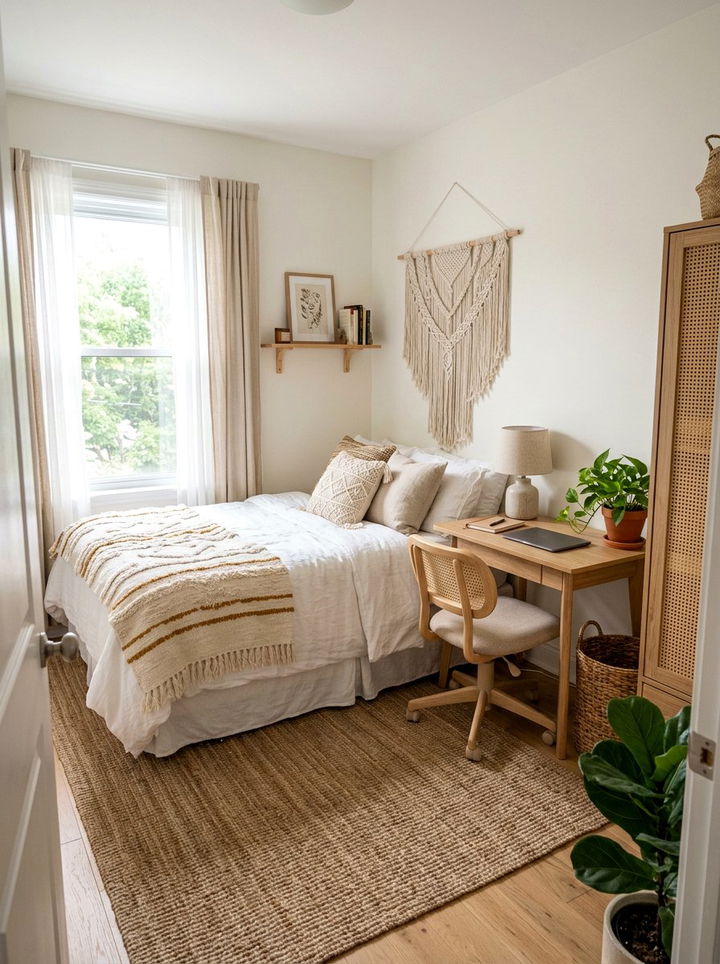
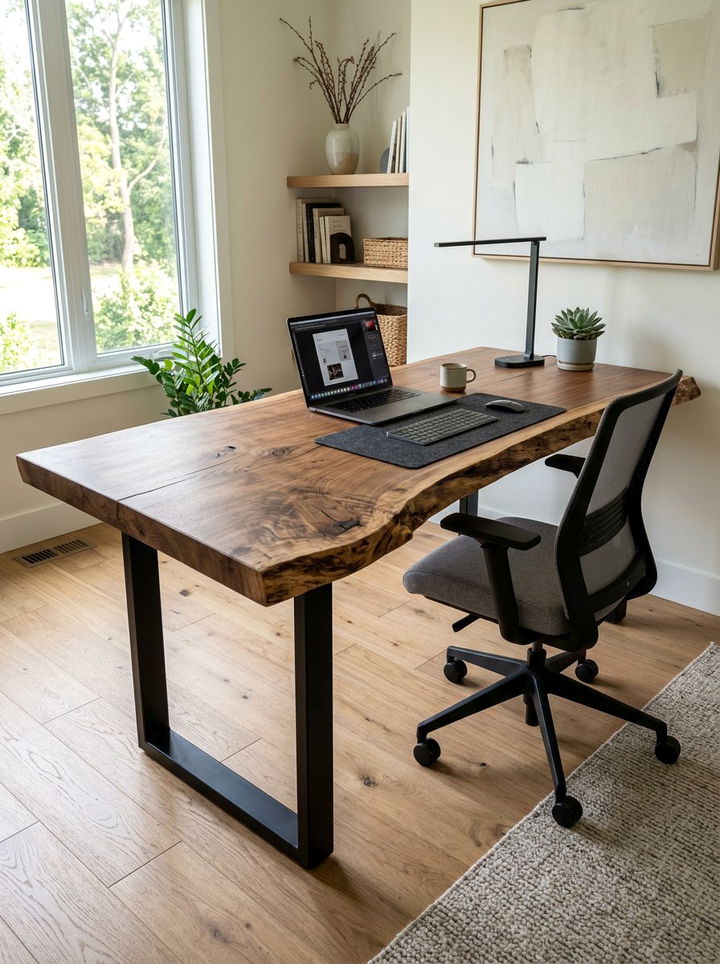
Designing a small bedroom layout with a desk requires careful planning to ensure the space remains functional and airy. Placing a slim desk along a side wall or next to the bed allows it to serve double duty as a nightstand. Choose a chair that can tuck completely under the desk to keep the walkway clear when you are not working. Light colors and minimalist furniture styles help prevent the room from feeling cramped. You should prioritize vertical storage like floating shelves above the desk area to keep the floor surface open. This setup is perfect for students or professionals who need a quiet workspace in a compact living environment.
3. King Bed Rectangular Room Layout
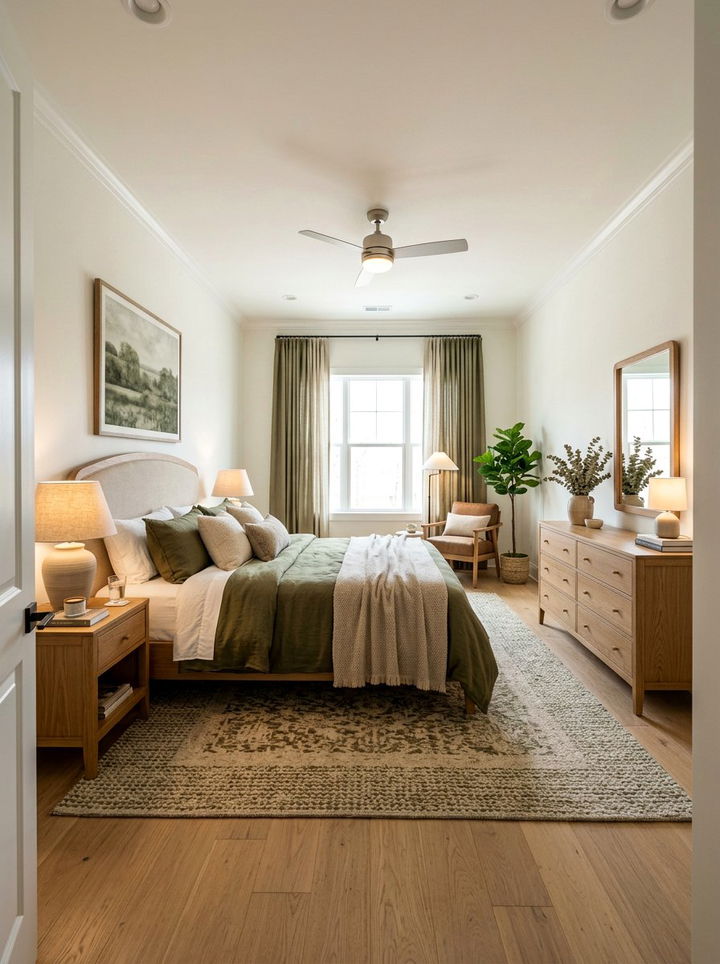
Arranging a king bed in a rectangular room layout often works best when you center the bed on the longest wall. This placement provides equal space on both sides for matching nightstands and lamps, creating a balanced and symmetrical look. If the room is particularly long, you can use the extra space at one end for a dresser or a low media console. To keep the flow natural, ensure there is at least two feet of walking space around the perimeter of the bed. This classic configuration feels grounded and professional, making the large bed the undisputed focal point of the entire interior design scheme.
4. Two Twin Beds Layout
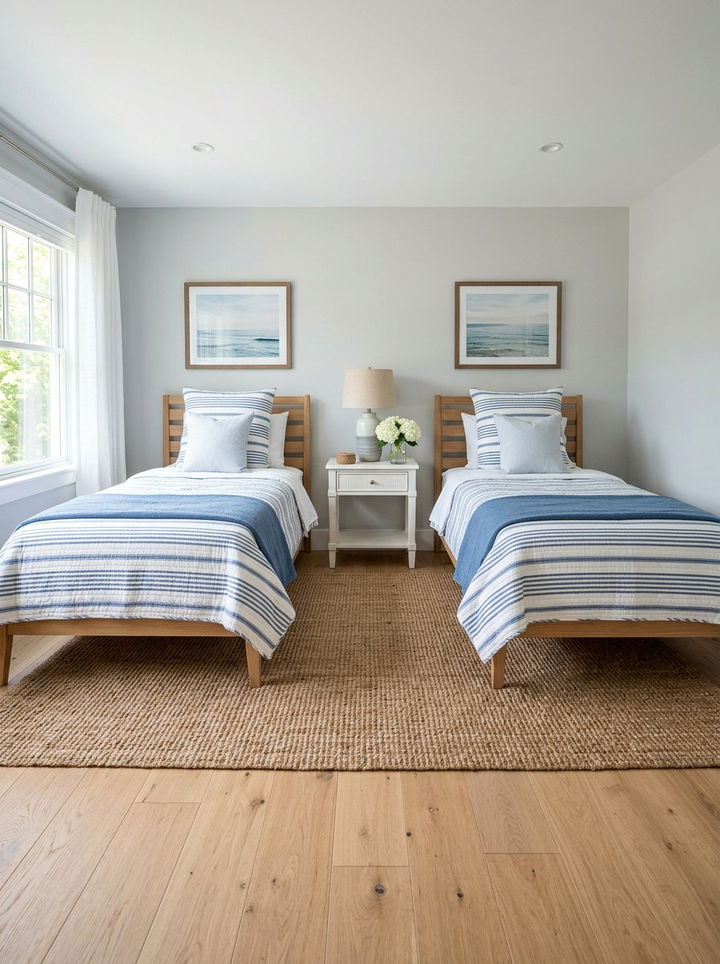
A two twin beds layout is a classic choice for guest rooms or shared children’s spaces. Placing the beds parallel to each other with a single shared nightstand in the middle maximizes floor space and creates a sense of order. You can also push the beds against opposite walls to create a larger central play or walking area. Using matching bedding and headboards provides a cohesive and intentional look that feels very polished. If the room is narrow, placing the beds end-to-end along one long wall can also work. This versatile arrangement ensures every occupant has their own dedicated sleeping zone while maintaining a stylish atmosphere.
5. Queen Bed Under Window Layout
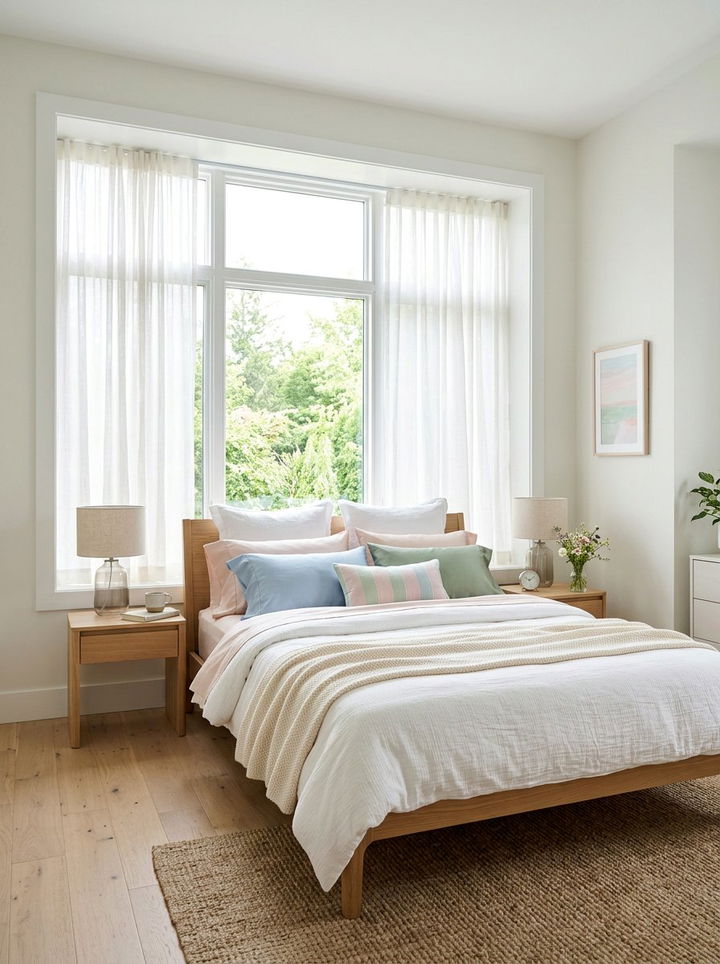
Positioning a queen bed under a window layout can be a stunning way to frame your sleeping area with natural light. Using the window as a built-in architectural headboard creates a beautiful focal point that draws the eye upward. You should choose low-profile headboards or even go without one to avoid blocking the view or the sunlight. This arrangement is especially effective in smaller rooms where wall space is limited by multiple openings. Adding floor-to-ceiling curtains that extend past the window frame can make the wall feel wider and more luxurious. It creates a bright, airy vibe that feels very connected to the outdoors.
6. Master Suite With Fireplace Layout
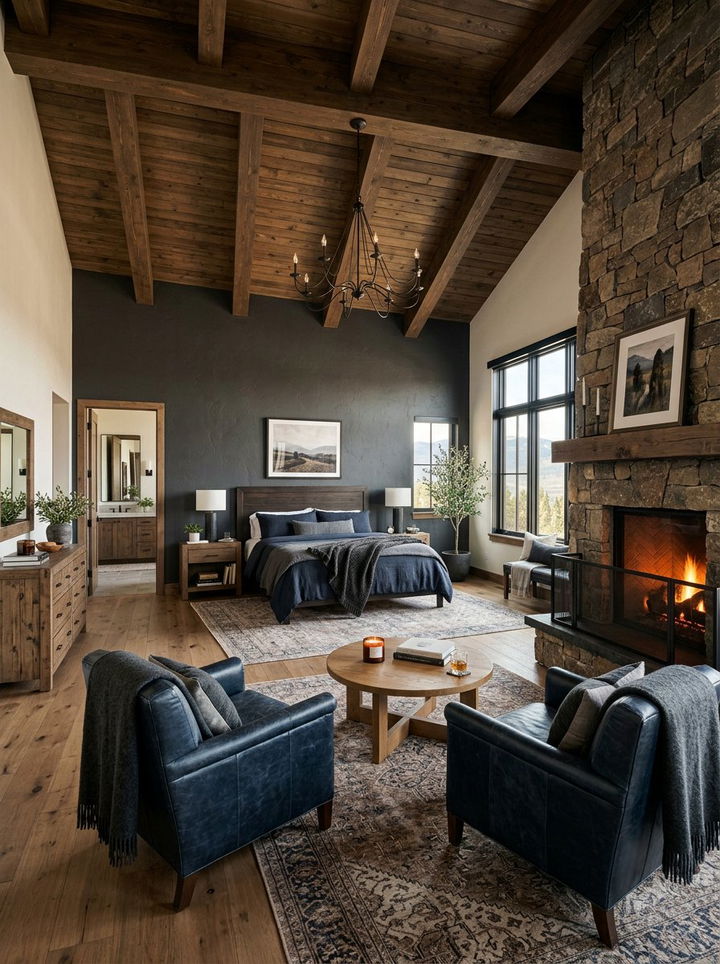
Integrating a master suite with a fireplace layout adds an instant layer of warmth and luxury to your personal space. You should arrange your bed so it faces the fireplace, allowing you to enjoy the flickering flames from under the covers. If space permits, placing two cozy chairs directly in front of the hearth creates a dedicated conversation or relaxation spot. This layout often dictates a more formal furniture arrangement to respect the architectural focal point of the chimney. Using natural materials like stone or wood for the mantel helps ground the design. It is a timeless configuration that prioritizes comfort and high-end aesthetic appeal.
7. Studio Apartment Bedroom Layout
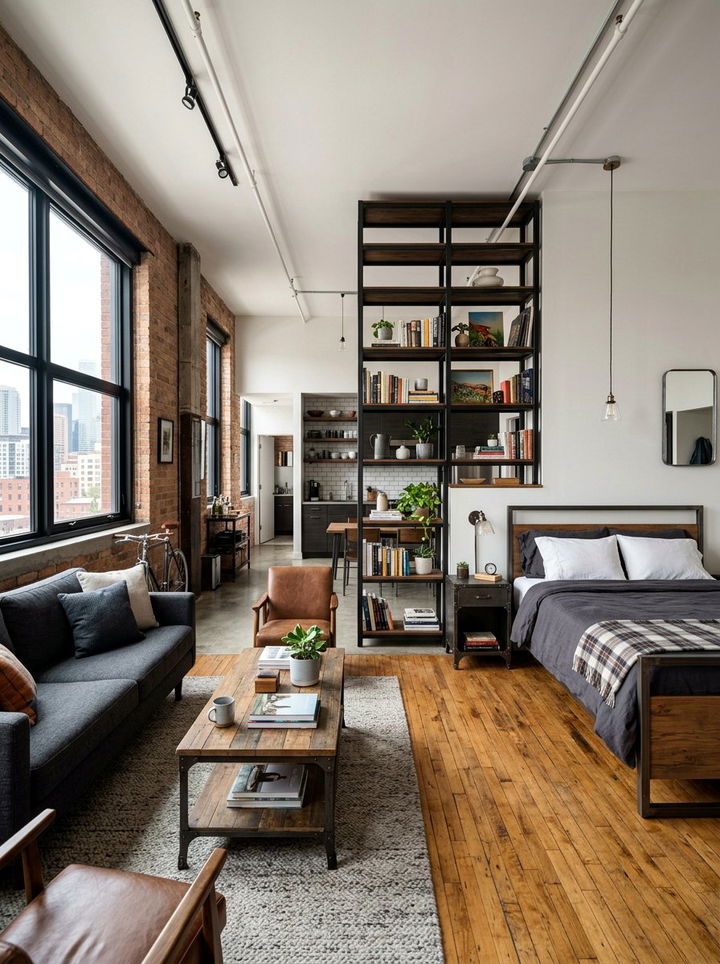
The studio apartment bedroom layout focuses on creating a sense of separation within a single open living space. You can use a tall bookshelf or a stylish folding screen to act as a room divider between the bed and the living zone. Placing the bed in a corner helps define the sleeping area as a private nook rather than just part of the room. Rugs are also essential here to visually mark the boundaries of the bedroom without using physical walls. Choosing multi-functional furniture, like a bed with built-in storage drawers, helps keep the small footprint organized. This layout feels intentional, modern, and very efficient for city living.
8. L Shaped Bedroom Layout
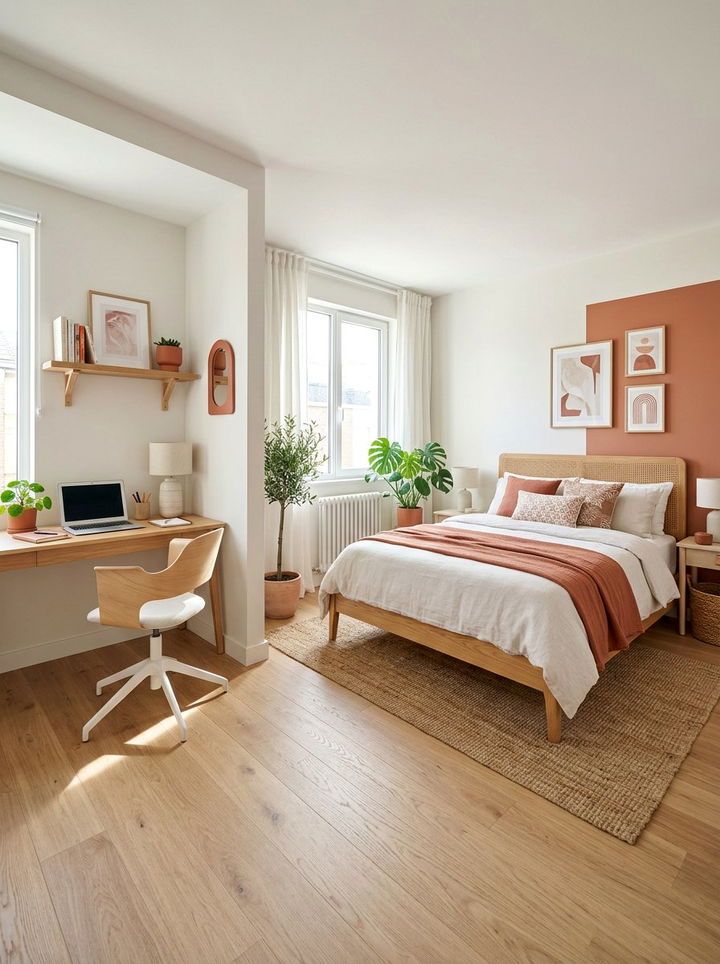
An L shaped bedroom layout offers unique opportunities to create distinct zones for different activities. You can place the bed in the larger section of the L while using the smaller alcove for a dressing area or a home office. This natural architectural division makes the room feel much larger and more organized than a standard square room. To maintain a cohesive feel, use a consistent color palette and flooring throughout both sections of the space. Placing a large mirror on the corner wall can help reflect light and make the transition between the two areas feel seamless. It is a great way to utilize awkward floor plans.
9. Narrow Bedroom Layout With Storage
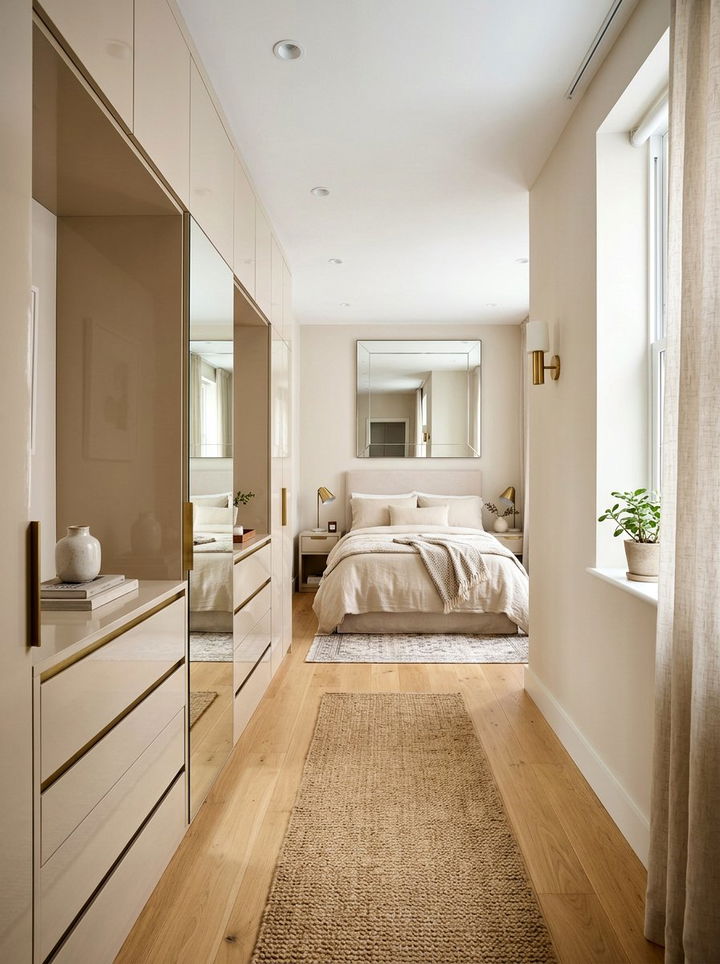
A narrow bedroom layout with storage requires smart furniture choices to avoid a tunnel-like feeling. Placing the bed against the far short wall can help open up the rest of the room for movement and cabinets. Long, low dressers or built-in wardrobes along one side wall provide ample storage without overwhelming the narrow corridor. Using light, reflective surfaces and large mirrors can help the walls feel further apart than they actually are. You might also consider a captain’s bed with drawers underneath to eliminate the need for extra bulky furniture. This layout maximizes utility while keeping the walking path clear and easy to navigate.
10. Master Bedroom With Nursery Layout
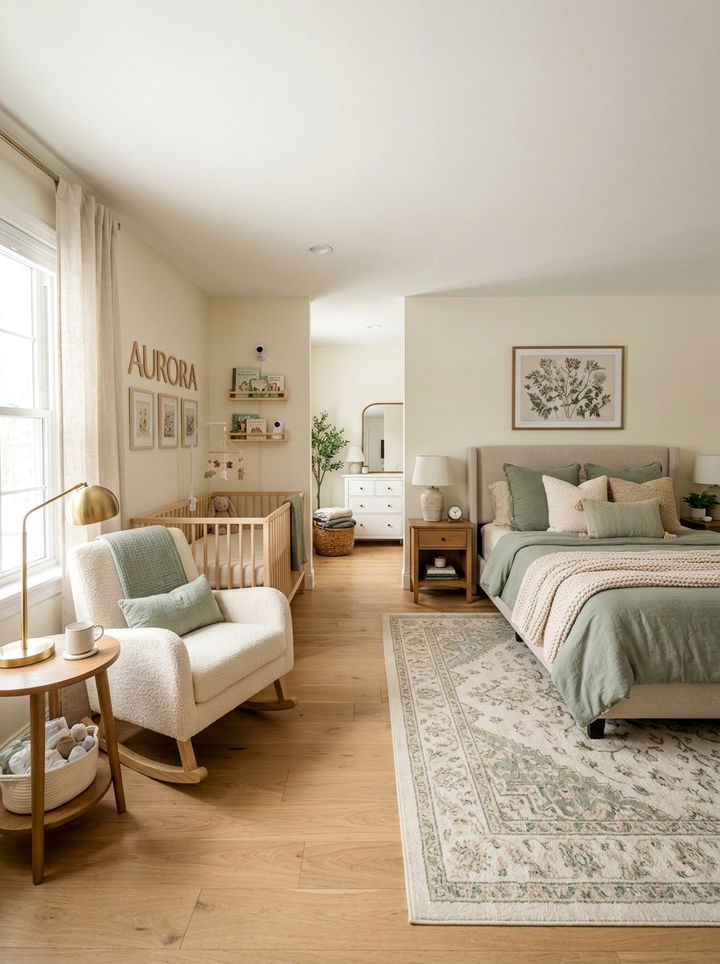
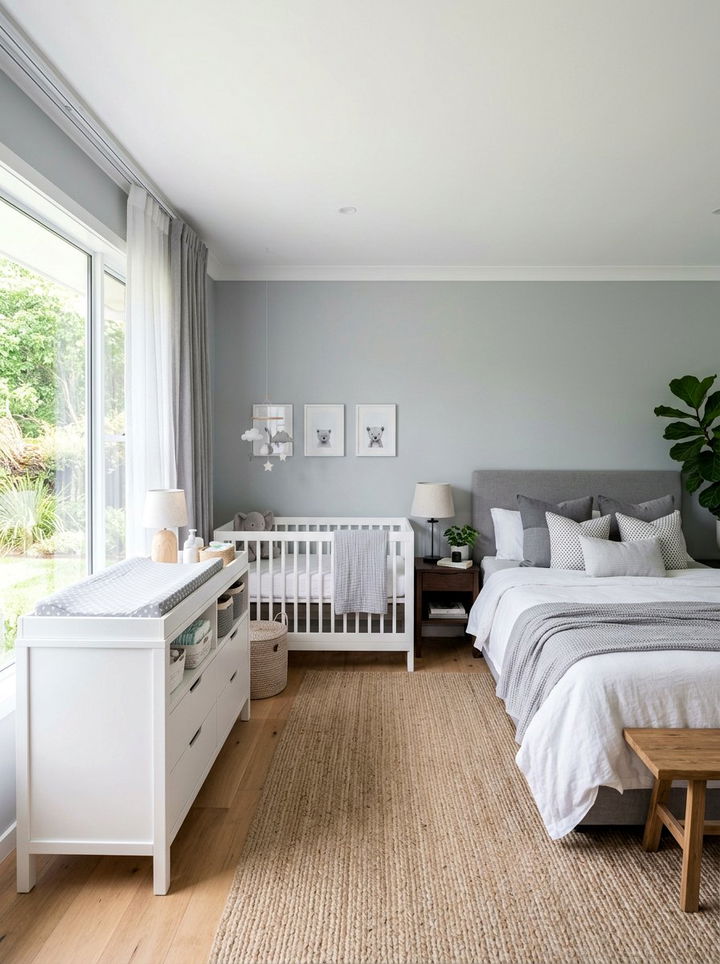
Setting up a master bedroom with a nursery layout involves creating a safe and soothing space for a baby near the parents. Placing the crib in a quiet corner away from the main door helps minimize disturbances during nap times. You can add a small rocking chair and a dimmable floor lamp nearby to create a functional feeding station. Using a decorative rug or a different wall color can subtly define the baby’s zone within the larger room. Keeping essential supplies in a stylish dresser that matches the existing furniture ensures the room remains beautiful and cohesive. This arrangement prioritizes convenience and closeness during the early months.
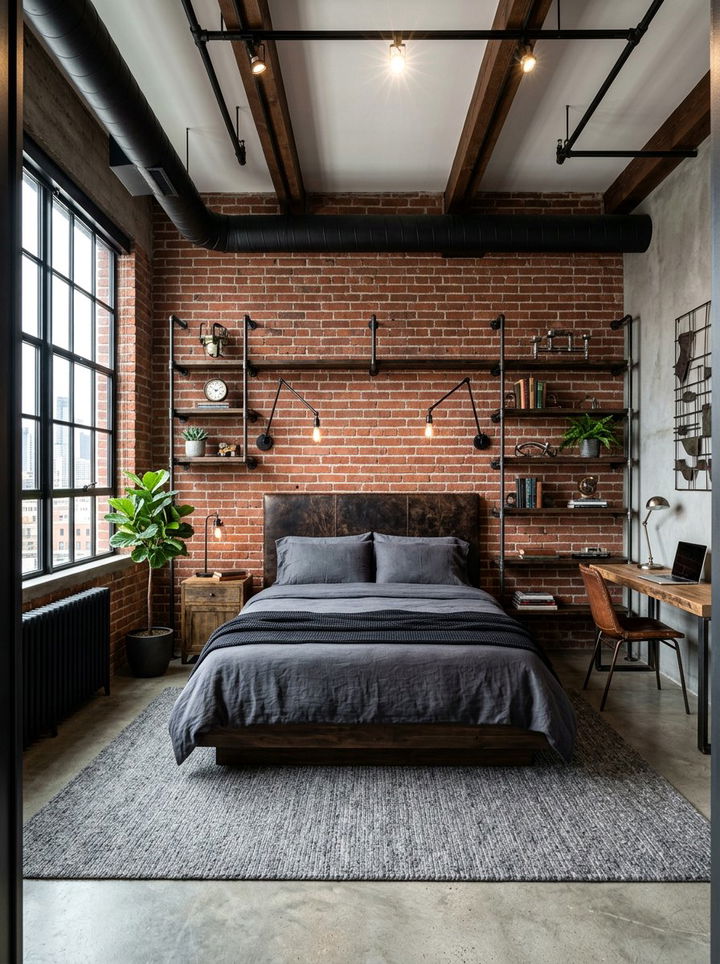
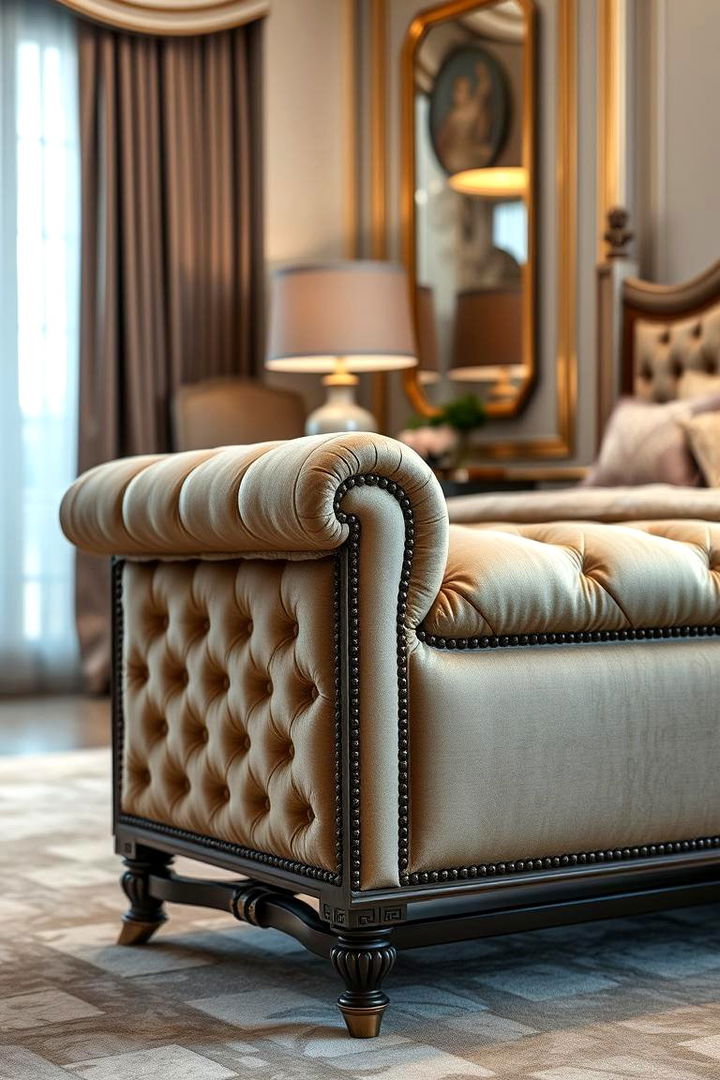
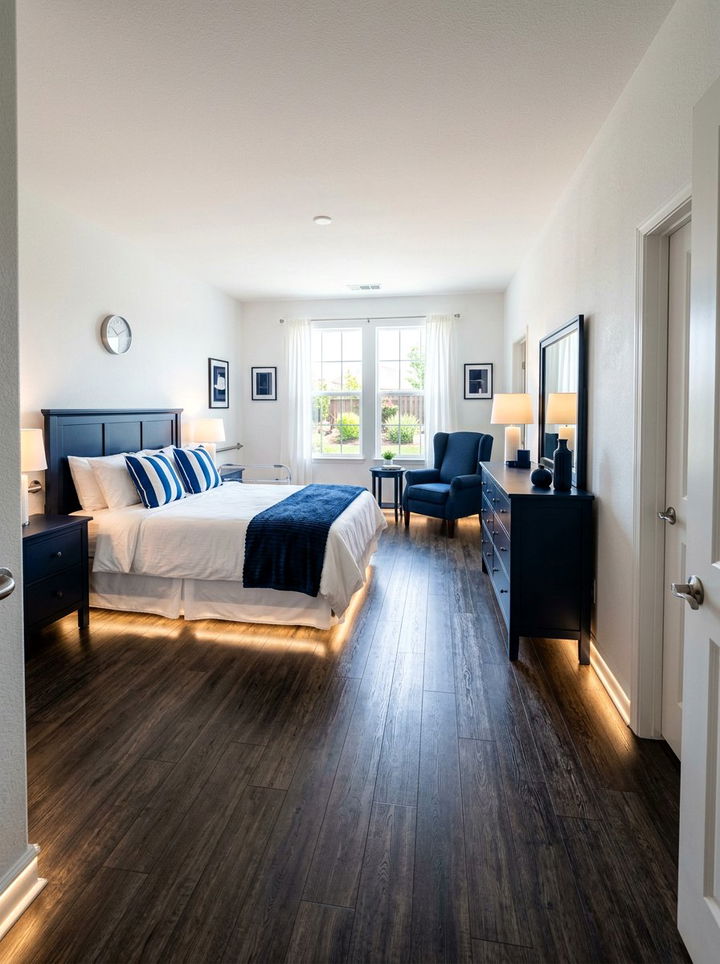
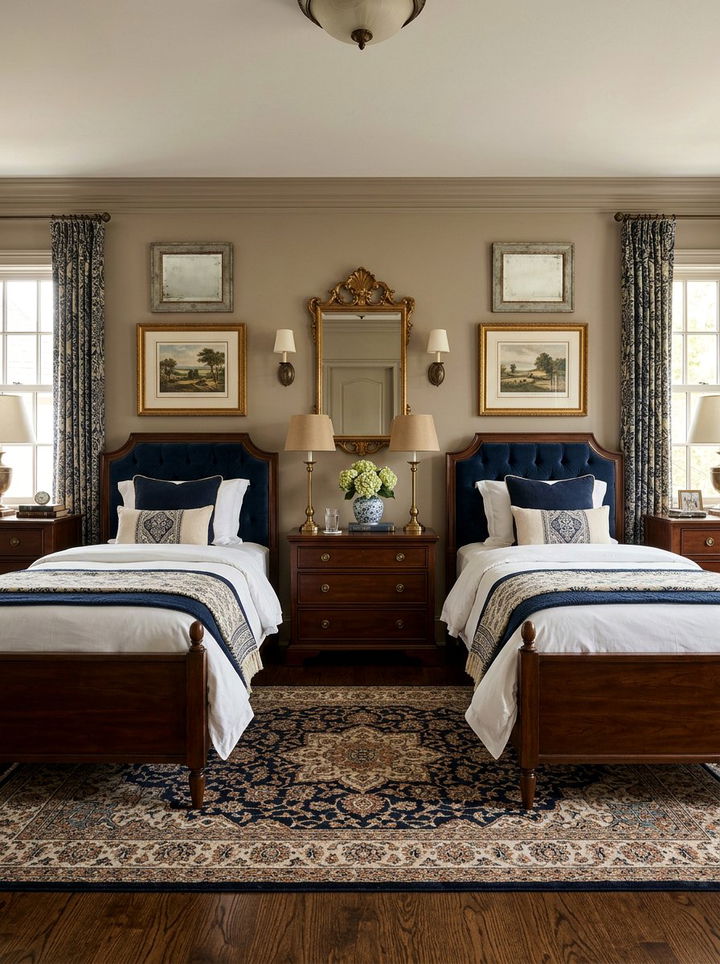
11. Bedroom Layout With Vanity Table
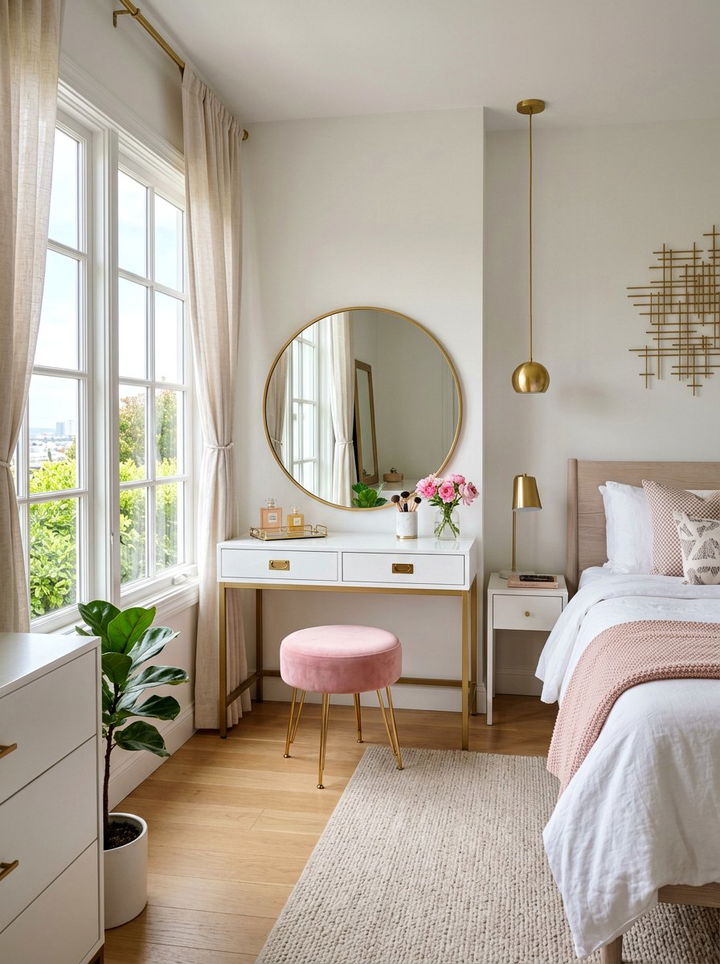
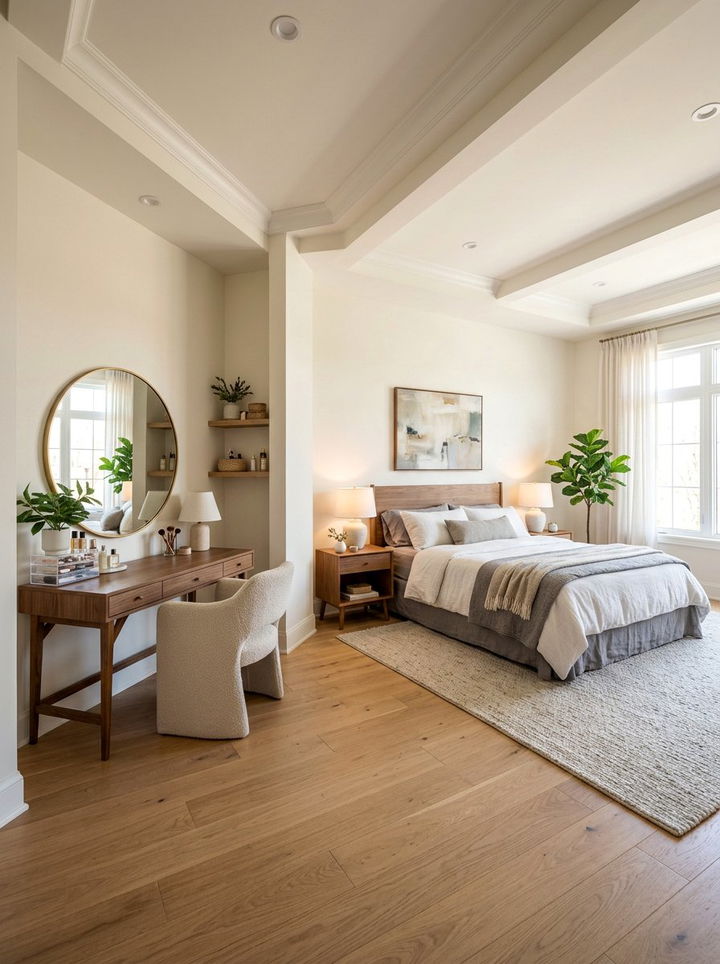
A bedroom layout with a vanity table adds a touch of classic glamour and dedicated functionality to your morning routine. You can place the vanity near a window to take advantage of natural light for makeup application. If wall space is limited, tucking a small vanity between the bed and a wall allows it to double as a stylish nightstand. Choose a chair or stool that can be pushed completely under the table to save floor space when not in use. This layout creates a feminine and organized corner that keeps your beauty products and jewelry neatly contained. It adds a sophisticated and personal element to any bedroom design.
12. Master Bedroom With Walk In Closet Layout
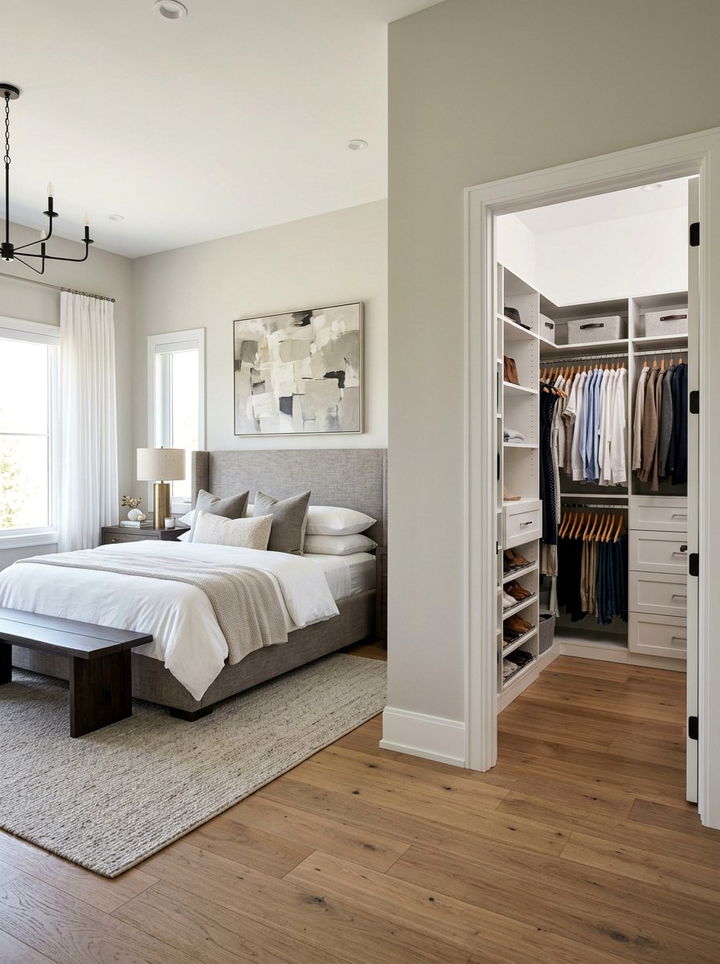
The master bedroom with a walk in closet layout focuses on a seamless transition between the sleeping area and the dressing zone. Often, the closet entrance is located behind the bed or along a side wall to keep the main room feeling tidy. You should keep the area leading to the closet clear of large furniture to ensure easy access during busy mornings. If the closet is visible, using a beautiful sliding barn door or elegant French doors can enhance the overall decor. This layout is all about flow and efficiency, making it easy to move from sleep to getting ready without any unnecessary obstacles.
13. Attic Bedroom With Sloped Ceiling Layout

An attic bedroom with a sloped ceiling layout embraces the unique architecture of the top floor to create a cozy hideaway. Placing the bed under the lowest part of the slope creates a snug, nest-like feeling that is very comforting. You can use the taller walls for wardrobes or a desk where you need more head clearance for standing. Built-in shelving in the eaves is a fantastic way to utilize every inch of awkward space for books or decor. Using light colors on the ceiling and walls helps the room feel taller and less enclosed. It is a charming and intimate layout that feels very private and unique.
14. Small Bedroom With Bunk Beds Layout
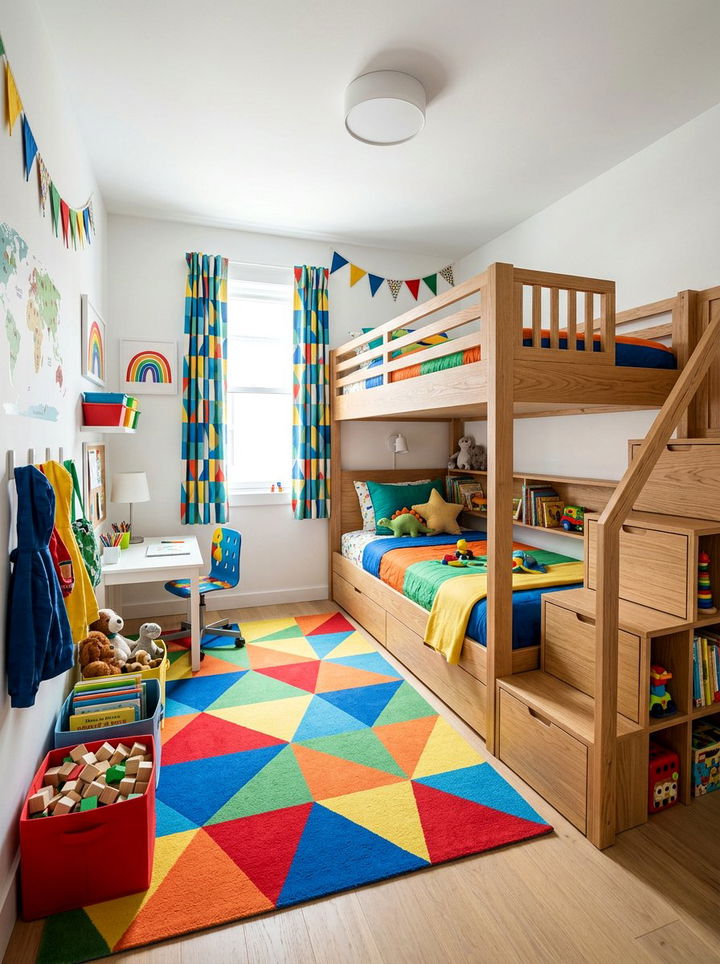
A small bedroom with bunk beds layout is the ultimate solution for shared kids’ rooms with limited floor space. By stacking the sleeping areas vertically, you free up a significant amount of room for a play area or desks. Many modern bunk bed systems include built-in stairs with storage drawers, which further maximizes the utility of the furniture. Placing the bunks against one wall keeps the center of the room open and easy to clean. You can use different colored bedding for each level to give each child a sense of personal space. This layout is practical, fun, and extremely efficient for growing families living in smaller homes.
15. Guest Bedroom With Daybed Layout
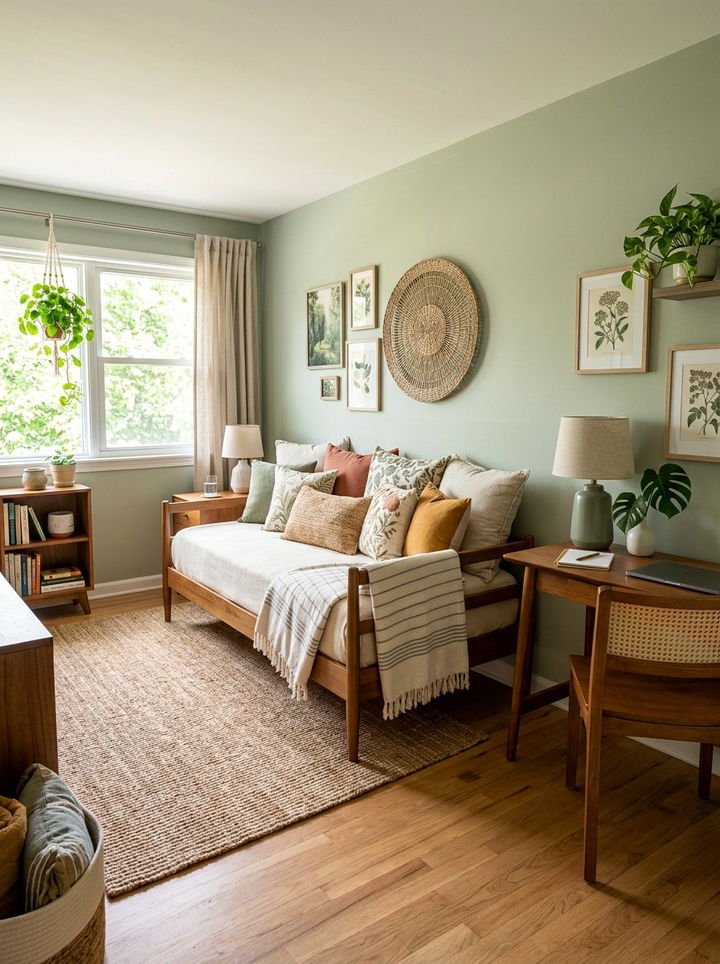
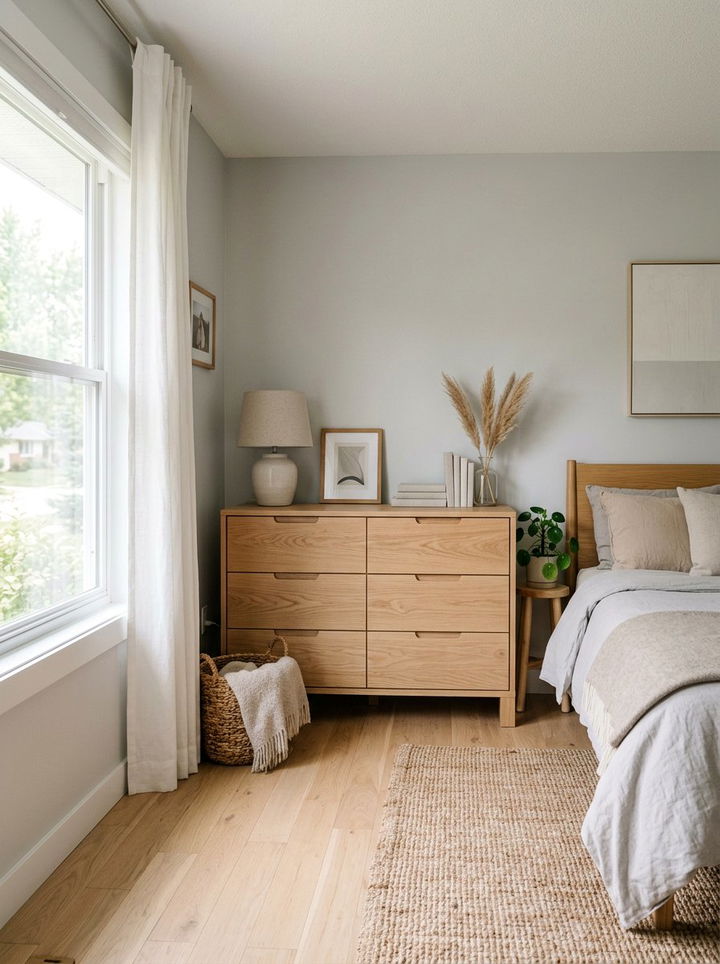
A guest bedroom with a daybed layout is a smart choice for a room that needs to serve multiple purposes. During the day, the daybed functions as a comfortable sofa for reading or relaxing, making the space feel like a second living room. At night, it easily transforms into a cozy bed for visitors without taking up as much space as a traditional frame. You can add a small chest of drawers and a simple chair to complete the room’s functionality for guests. This layout is perfect for home offices or craft rooms that occasionally host overnight travelers. It offers great flexibility and a very welcoming, casual atmosphere.
16. Master Bedroom With Balcony Layout
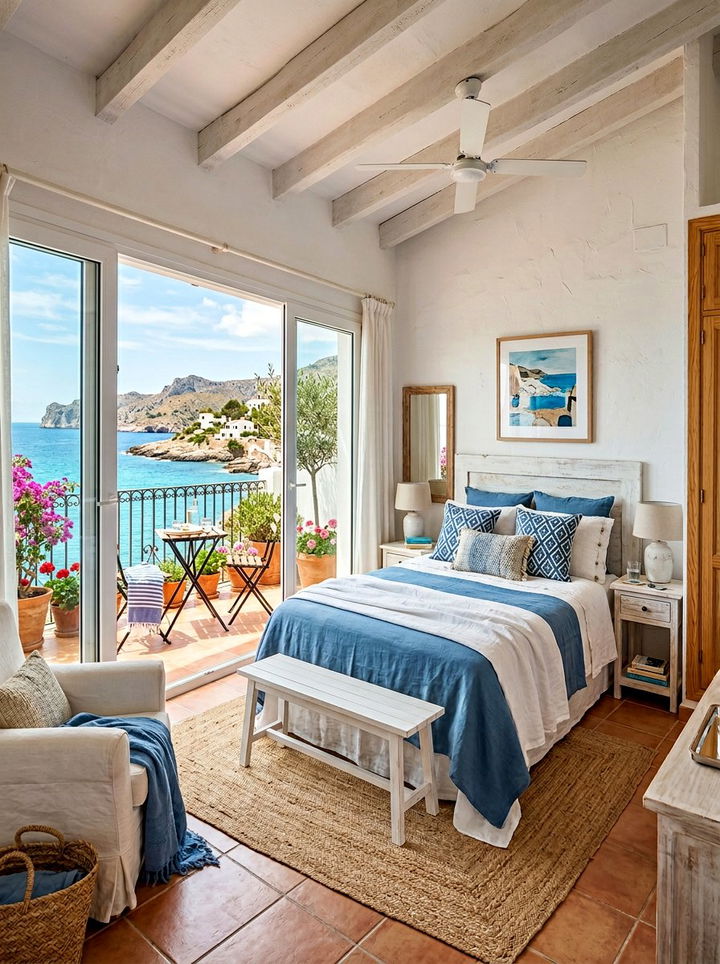
A master bedroom with a balcony layout prioritizes the connection between the indoor sleeping space and the outdoor view. You should arrange the bed so it has a direct line of sight through the glass doors to the balcony outside. Keeping the area in front of the doors clear of furniture ensures easy access and an unobstructed flow of natural light. If the room is large enough, placing a small bistro set on the balcony creates a lovely extension of the living space. This layout feels airy and expansive, bringing the beauty of the outdoors into your daily life. It is a premium arrangement for homes with scenic views.
17. Square Bedroom King Bed Layout
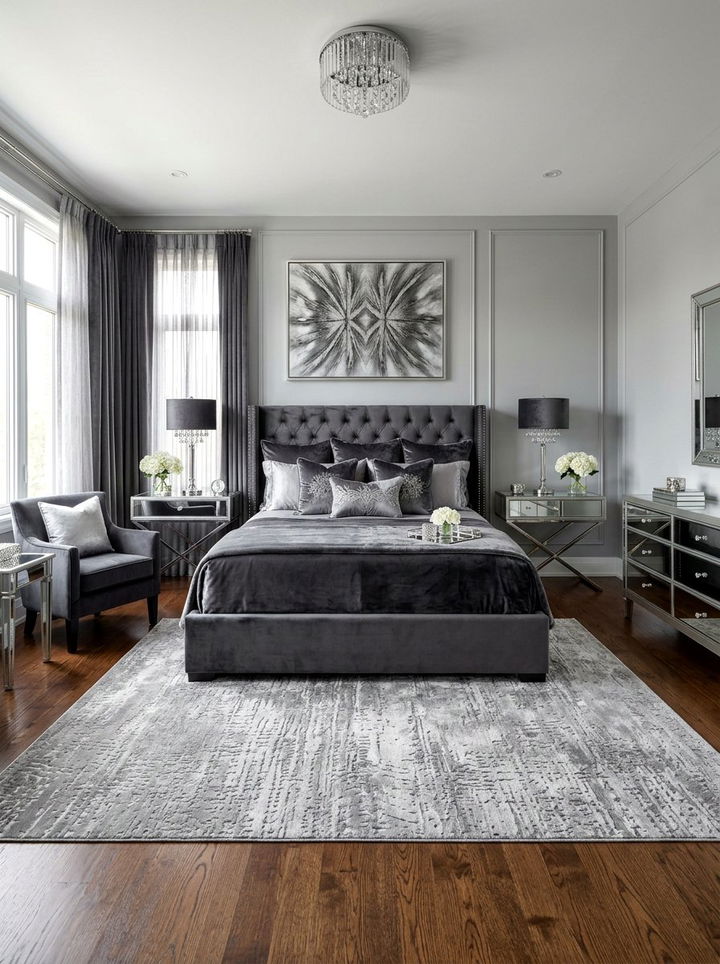
Organizing a square bedroom king bed layout is all about creating a sense of balance and symmetry. Placing the bed in the center of one wall allows for large, matching nightstands on either side, which fills the square proportions perfectly. You can use the corners of the room for additional furniture like a tall dresser or a cozy reading chair to prevent the space from feeling too empty. A large square rug centered under the bed helps ground the furniture and defines the layout clearly. This configuration is straightforward and timeless, providing a very stable and restful environment that feels grounded and well-proportioned for high-quality sleep.
18. Corner Bed Placement Layout
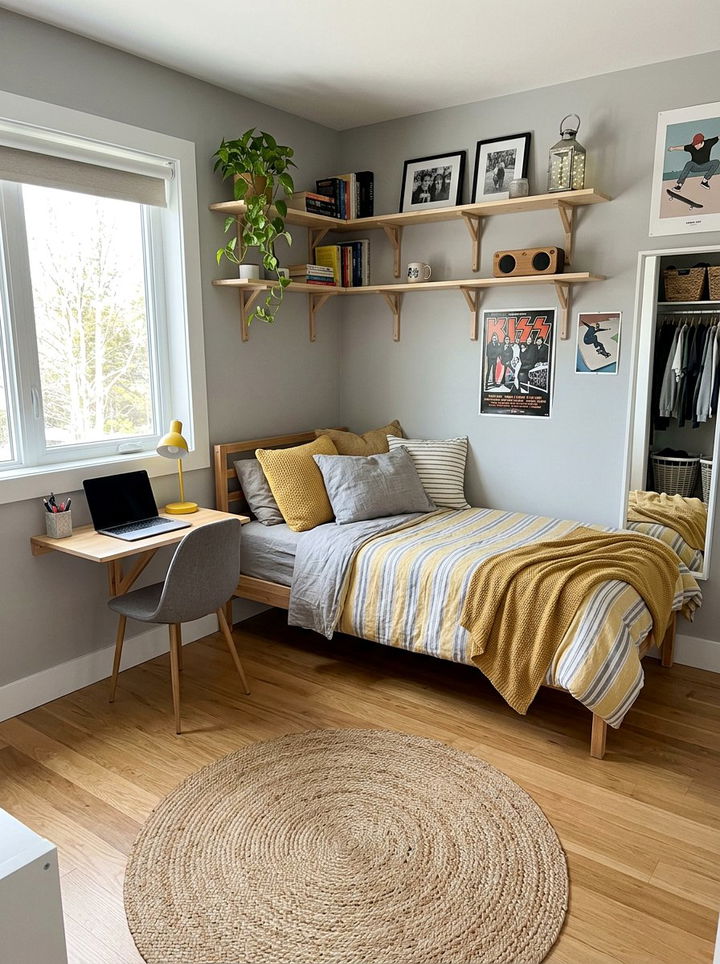
A corner bed placement layout is an unconventional but effective way to save space in very small or awkwardly shaped rooms. Pushing the head and one side of the bed against the walls opens up the entire center of the room for movement. This arrangement is popular in teen rooms or studio apartments where floor space is at a premium for other activities. You can use the wall space above the bed for floating shelves to hold lamps and books since there may not be room for a traditional nightstand. This layout feels very cozy and secure, like a private alcove, and allows for more creative furniture arrangements elsewhere.
19. Minimalist Master Bedroom Layout
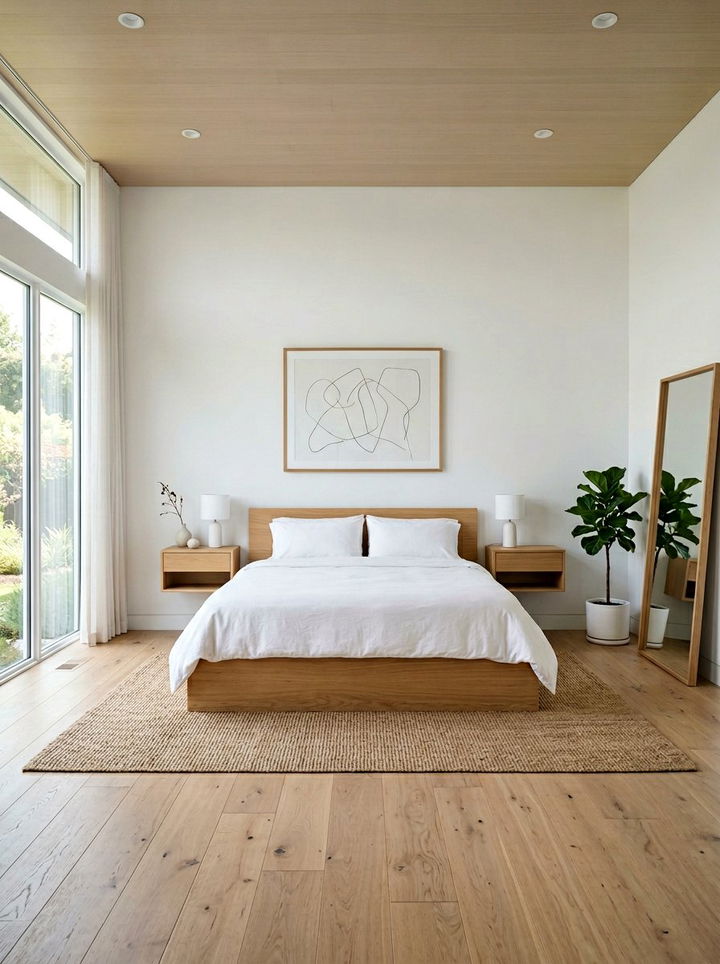
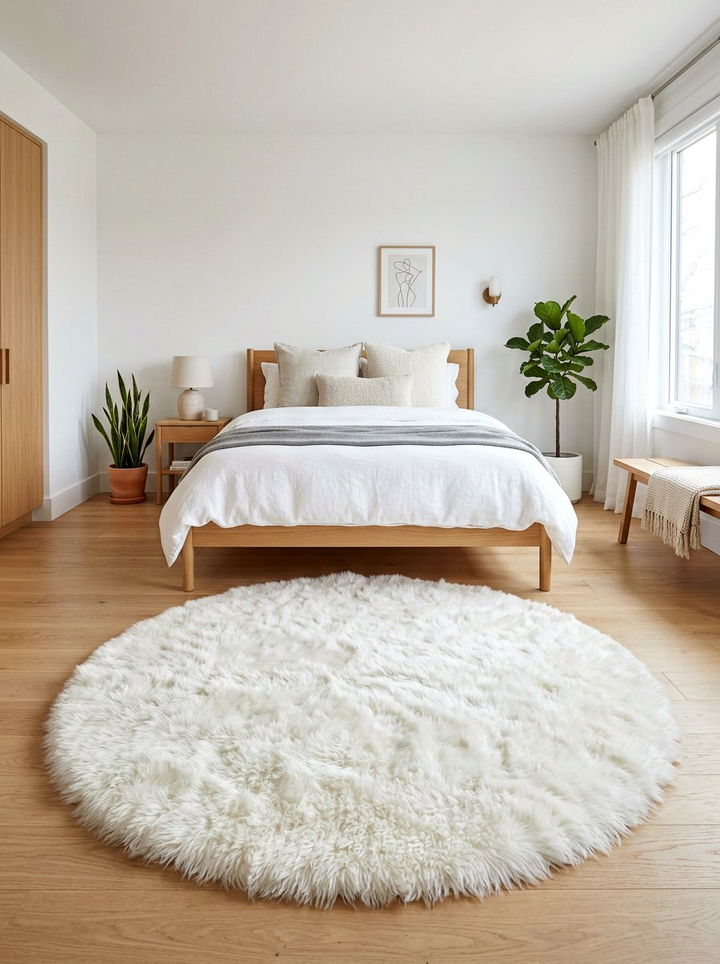
A minimalist master bedroom layout focuses on the “less is more” philosophy to create a serene and clutter-free environment. This arrangement typically features a simple bed frame, two basic nightstands, and perhaps a single dresser if necessary. Every piece of furniture should have a clean silhouette and a clear purpose within the space to avoid visual noise. Keeping the floor as clear as possible enhances the feeling of spaciousness and calm. You should use a neutral color palette and hidden storage solutions to maintain the sleek appearance of the room. This layout is perfect for anyone looking to reduce stress and improve their focus through their home environment.
20. Master Bedroom With Bathroom Access Layout
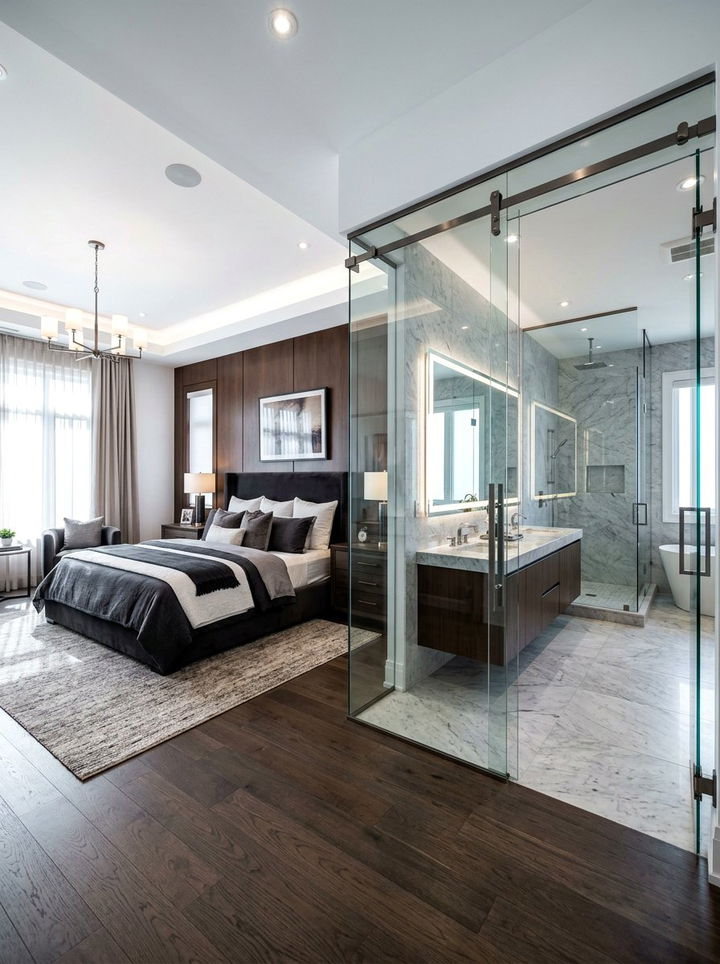
The master bedroom with a bathroom access layout is designed for ultimate convenience and privacy within a home suite. The bed is usually placed on a wall that allows for a direct and clear path to the ensuite bathroom door. You should avoid placing large rugs or furniture pieces in this primary walkway to prevent tripping hazards during the night. If the bathroom door is a focal point, using a high-quality wood door or a modern frosted glass slider can add to the room’s style. This layout emphasizes the “suite” feel of a master bedroom, providing a seamless flow between the sleeping and grooming areas of the home.


21. Shared Kids Bedroom Desk Layout
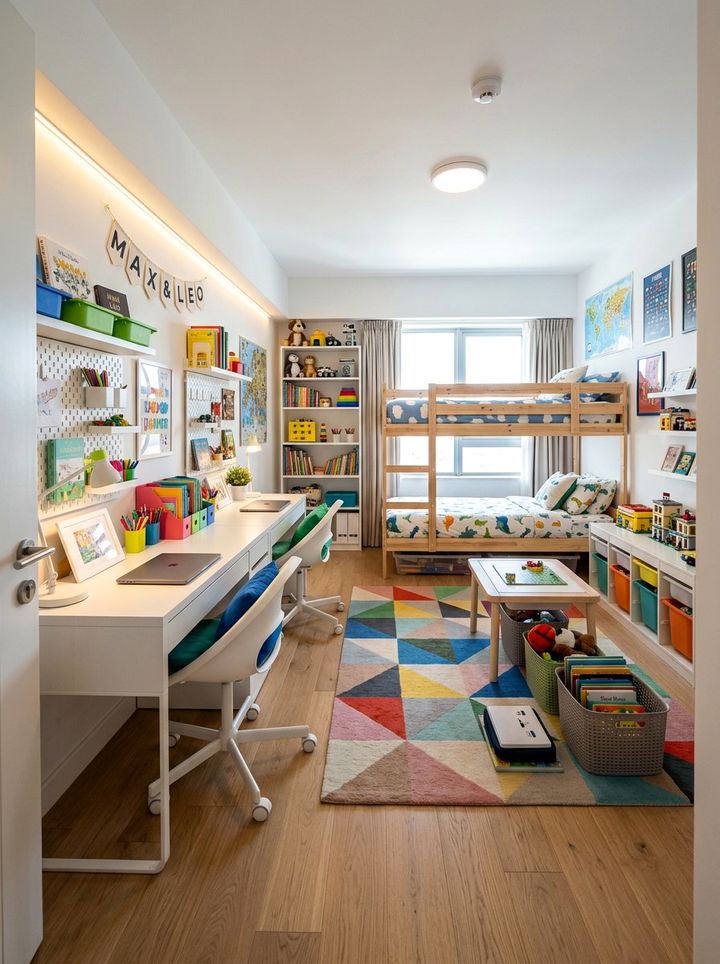
Creating a shared kids bedroom desk layout requires balancing individual workspaces with a shared sleeping environment. You can place two identical desks side-by-side along one wall or back-to-back to create a double-sided workstation. This gives each child their own dedicated spot for homework or creative projects while keeping the room organized. Using wall-mounted organizers and shared shelving between the desks helps keep school supplies and toys tidy. This layout encourages productivity and cooperation while ensuring the room remains functional for both sleep and study. It is a great way to manage a busy household where space must be used wisely for multiple children.
22. Teen Bedroom With Lounge Layout
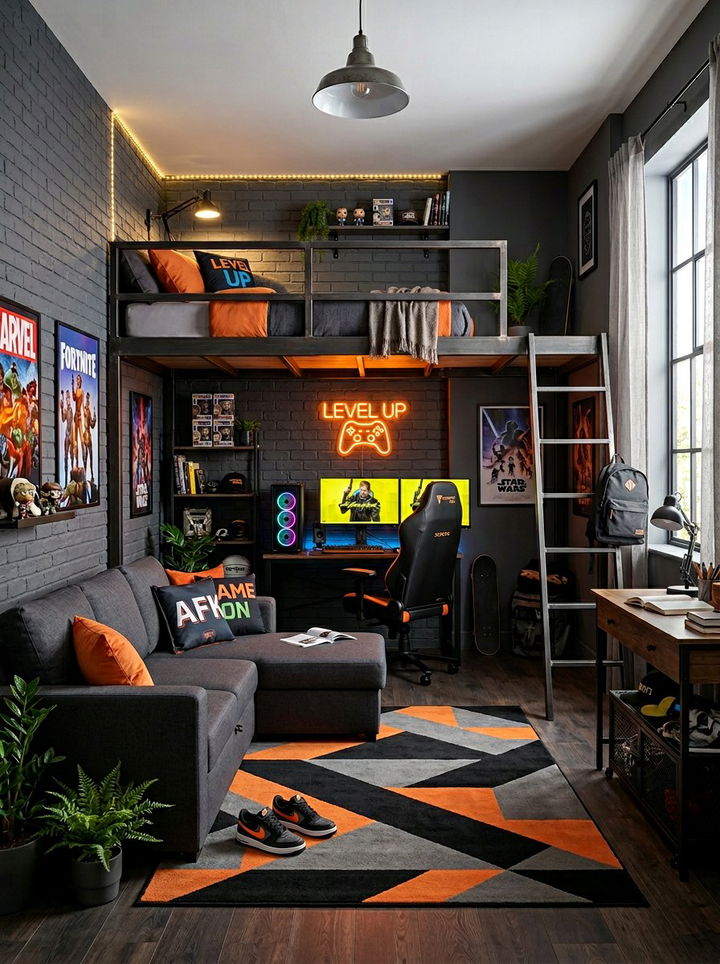
A teen bedroom with a lounge layout treats the space as a private apartment where they can sleep, study, and hang out with friends. Placing the bed in one corner and a small sectional or a couple of bean bags in another creates a clear social zone. You can add a TV console or a gaming station to this area to make it the ultimate hangout spot. This arrangement helps separate the “chill” zone from the “sleep” zone, which can improve overall room organization. Using bold colors and trendy decor in the lounge area allows for self-expression while keeping the sleeping area slightly more relaxed and peaceful.
23. Loft Bedroom With Railing Layout
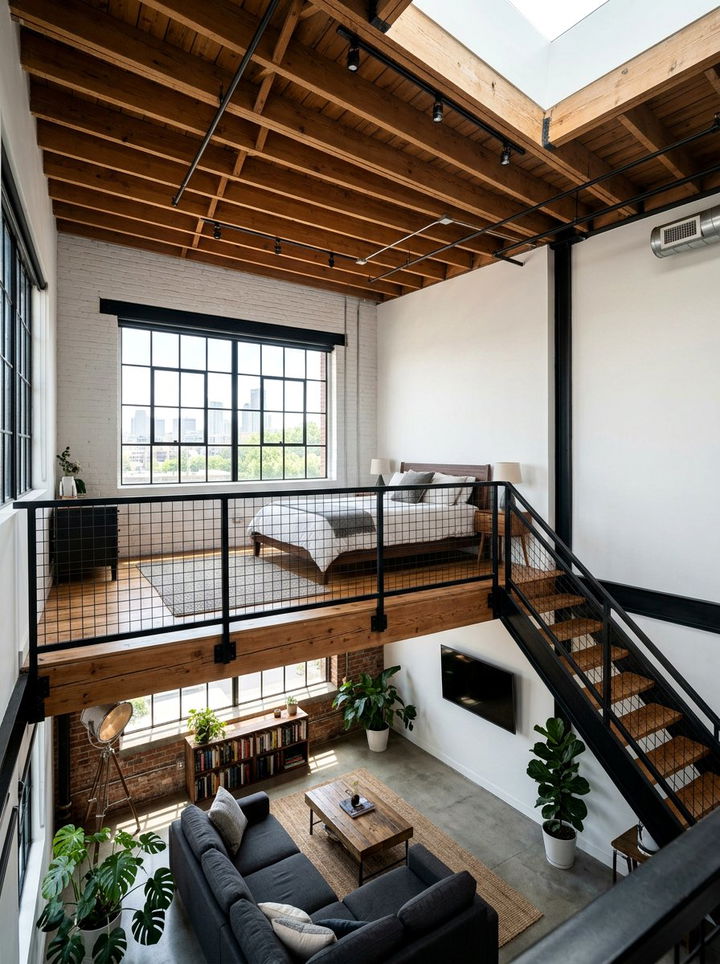
A loft bedroom with a railing layout takes advantage of vertical space in homes with high ceilings or industrial designs. The bed is usually the primary piece of furniture in the loft, placed centrally to allow for movement around the railing. Since space is often tight, using low-profile furniture and built-in storage is essential to keep the area functional. The view from the loft down into the main living space creates a sense of openness and architectural interest. Using a glass railing can make the loft feel even larger and more connected to the rest of the home. It is a modern, airy layout for urban living.
24. Small Master Bedroom Wardrobe Layout
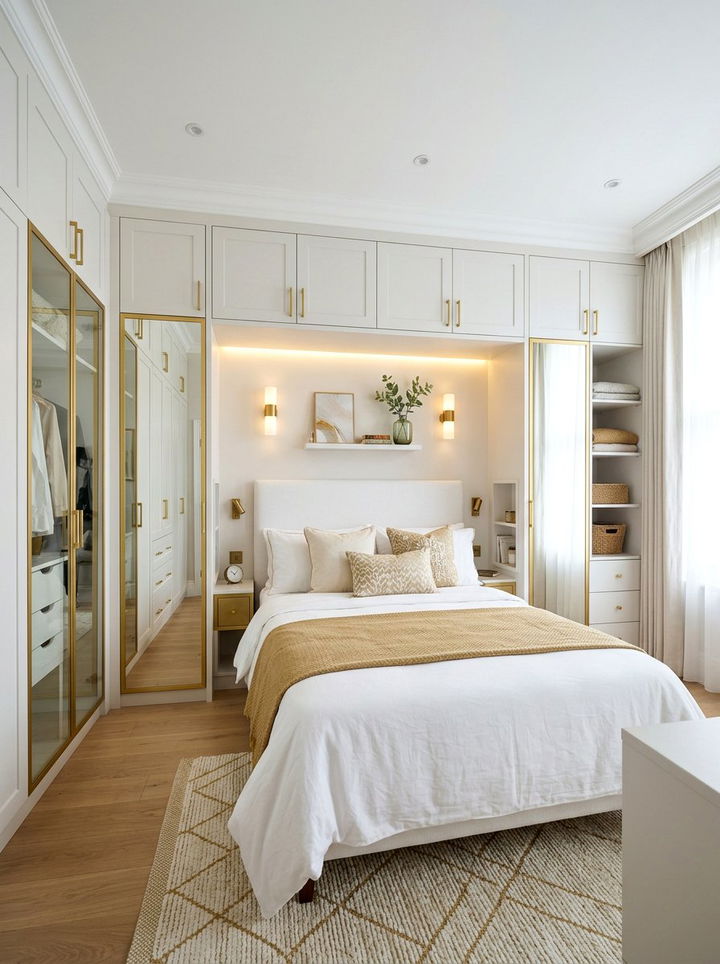
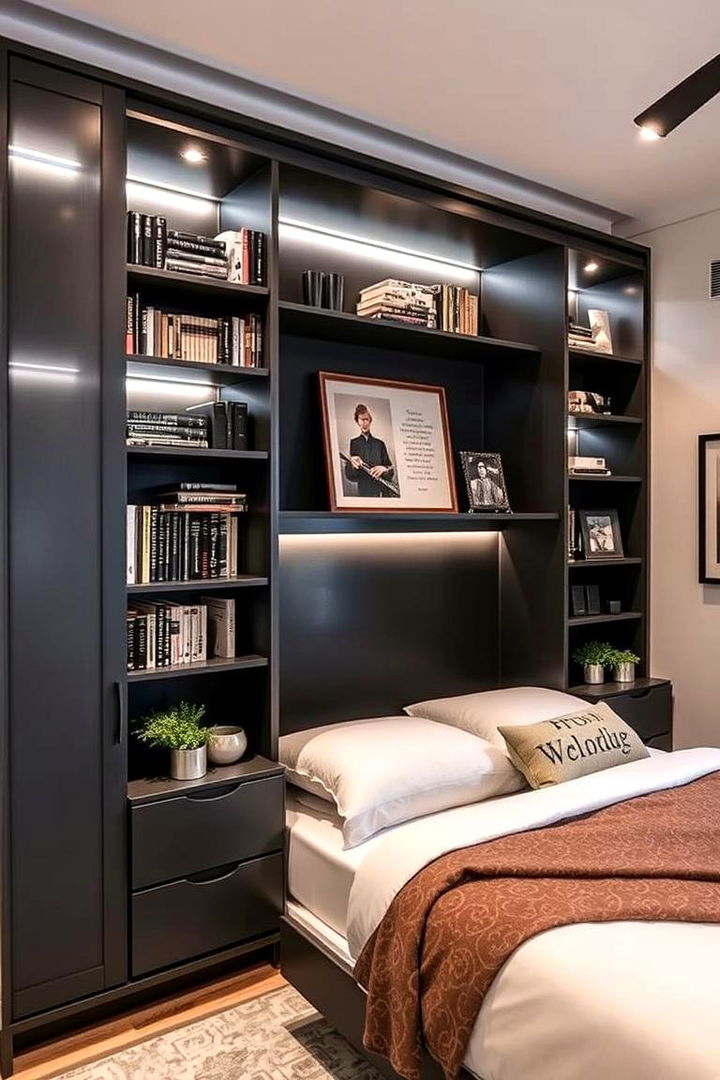
Planning a small master bedroom wardrobe layout involves using smart storage to replace bulky closets. Placing a wall of built-in wardrobes around the headboard of the bed creates a “bridge” effect that provides massive storage without taking up much floor space. This clever design frames the bed and makes the wardrobes look like part of the wall architecture. You can also use wardrobes with mirrored doors to help reflect light and make the small room feel much more expansive. This layout is all about maximizing vertical height and ensuring every clothing item has a place, keeping the rest of the bedroom feeling tidy and organized.
25. Bedroom Layout With Window Seat
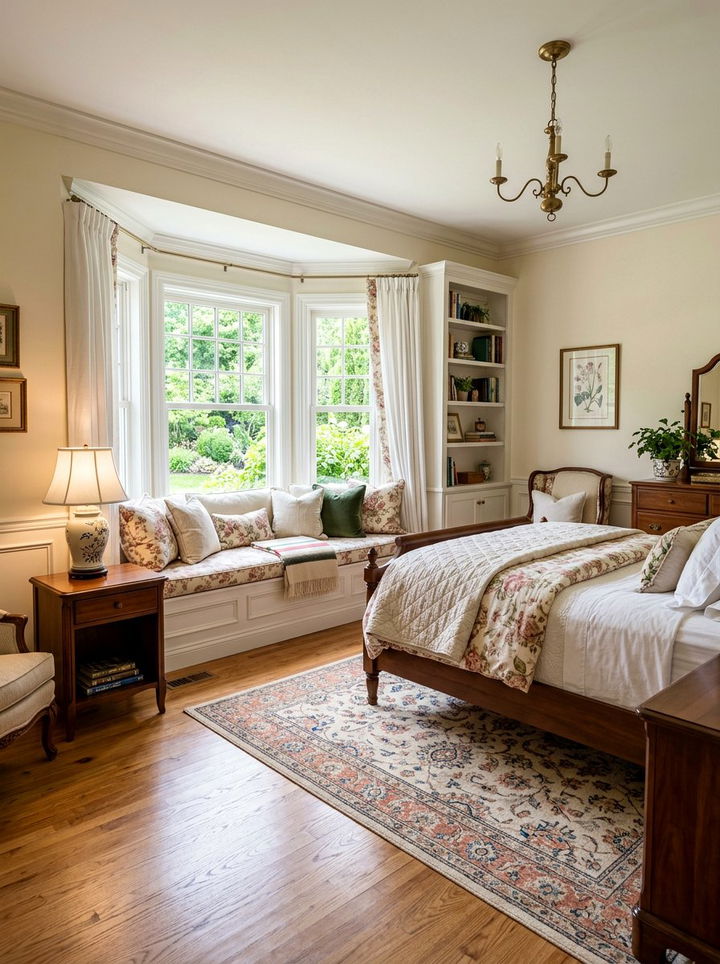
A bedroom layout with a window seat adds a charming and functional architectural feature that invites relaxation. You can build a custom bench under a large window and top it with comfortable cushions and throw pillows. This creates a perfect spot for reading or enjoying the view without needing extra floor-standing chairs. Often, the bed is placed on the opposite wall or perpendicular to the window to allow the seat to remain a distinct focal point. This arrangement works beautifully in traditional or farmhouse-style homes, providing extra storage if you include drawers beneath the bench. It adds a cozy, built-in feel to the entire interior design.

26. Master Bedroom Reading Nook Layout
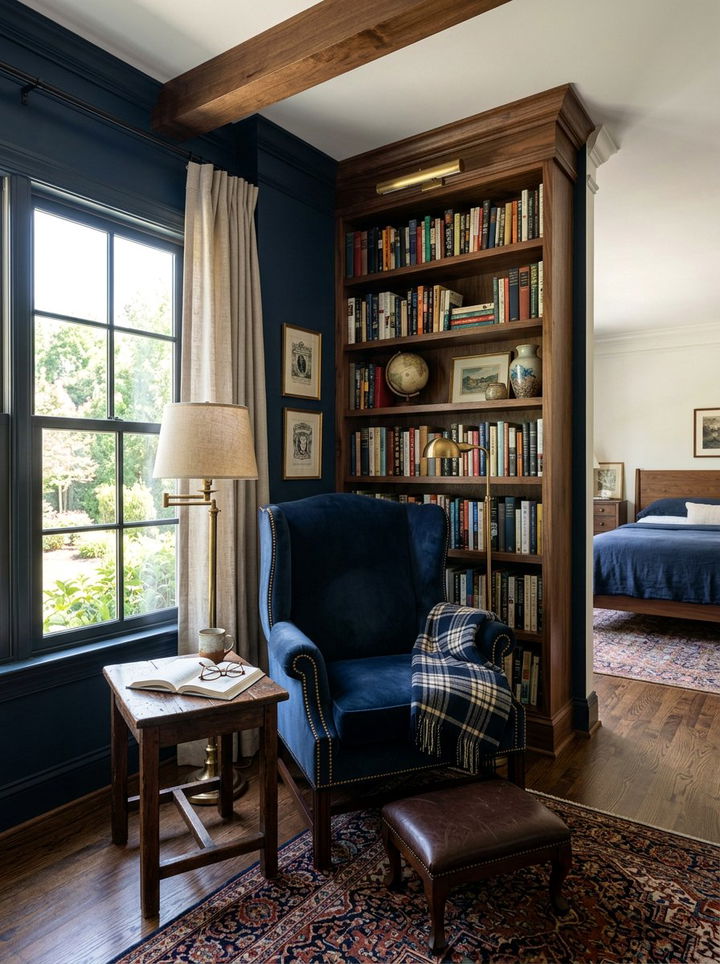
A master bedroom reading nook layout focuses on creating a quiet corner dedicated to books and relaxation. You can place a comfortable oversized armchair and a small bookshelf in a corner that receives good natural light. Adding a dedicated floor lamp and a soft ottoman makes the space even more inviting for long reading sessions. This layout works best when the nook is slightly removed from the main sleeping area, perhaps near a window or in a small alcove. It adds a layer of personality and specialized function to the room, making it feel like a more complete and thoughtful retreat for the homeowner.
27. Small Square Room Double Bed Layout
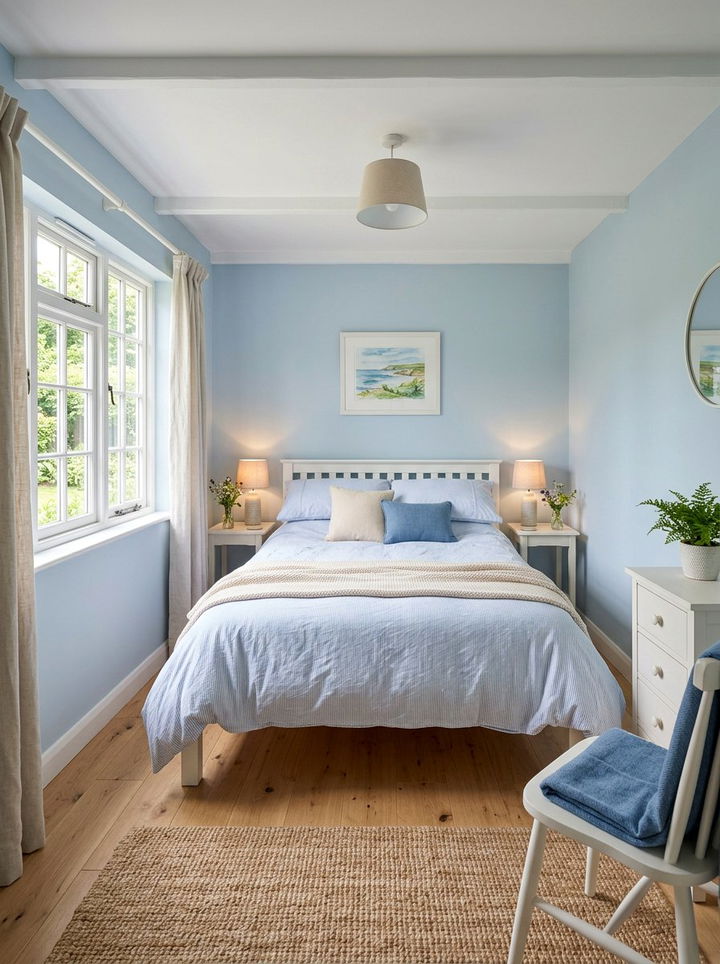
Arranging a small square room double bed layout requires a focus on symmetry to make the most of the limited space. Centering the bed on the main wall allows for two small, identical nightstands, which creates a very organized and balanced look. You should use a light color palette to keep the square space from feeling boxy or closed in. If there is no room for a dresser, consider using a bed frame with under-bed storage or tall, narrow shelving units. This layout is efficient and practical, providing a comfortable sleeping area that feels intentional and well-designed despite the small footprint of the room.
28. Bedroom Layout With Media Center
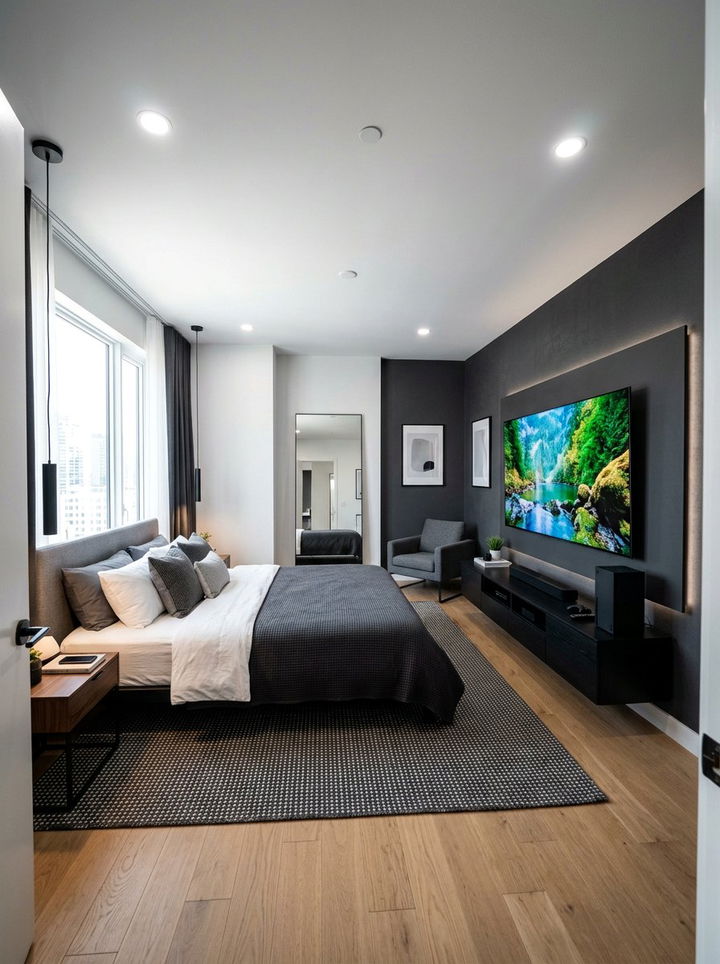
A bedroom layout with a media center is designed for those who enjoy watching movies or gaming from the comfort of their bed. The bed should be placed directly opposite a wall-mounted TV or a low media console to ensure a perfect viewing angle. You can hide all the cables and electronics within a stylish cabinet to keep the room looking clean and sophisticated. This layout often prioritizes a “home theater” feel, so using blackout curtains and soft lighting is a great addition. It creates a modern, entertainment-focused environment that is perfect for relaxing after a long day of work or school activities.
29. Open Concept Master Bedroom Layout
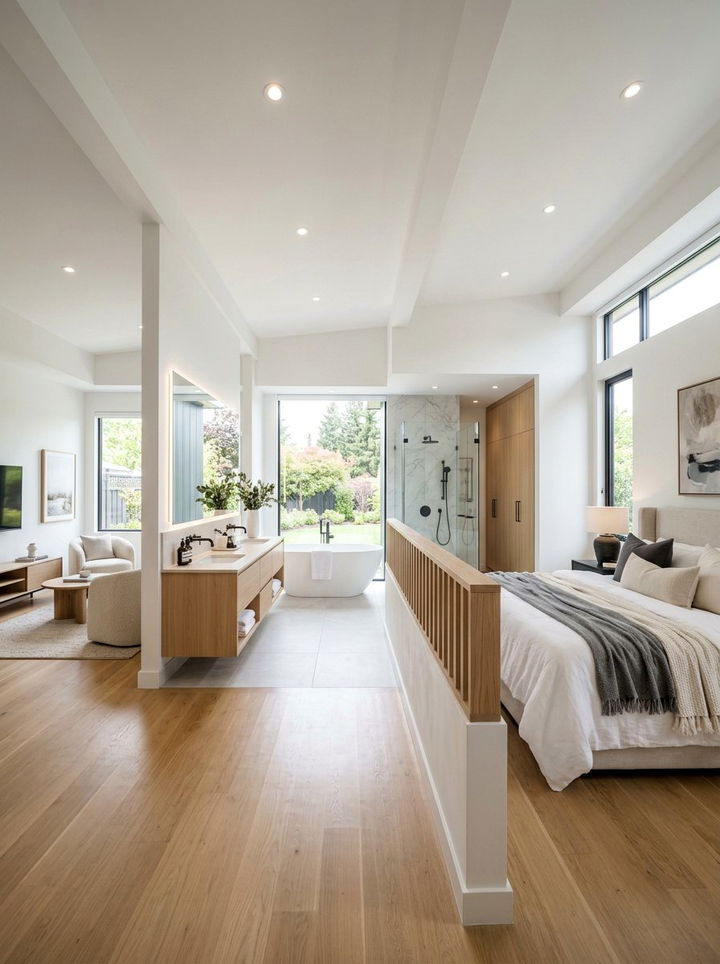
An open concept master bedroom layout blurs the lines between the sleeping area and other parts of the home, like a bathroom or dressing room. This modern arrangement often uses half-walls, glass partitions, or even just furniture placement to define different zones without blocking sightlines. It creates a very spacious and airy feel that is popular in luxury lofts and contemporary homes. You should use a very consistent design language throughout the entire open area to ensure it feels like one cohesive suite. This layout is bold and dramatic, offering a unique living experience that feels very connected and grand in its overall scale.
30. Symmetrical Master Bedroom Layout
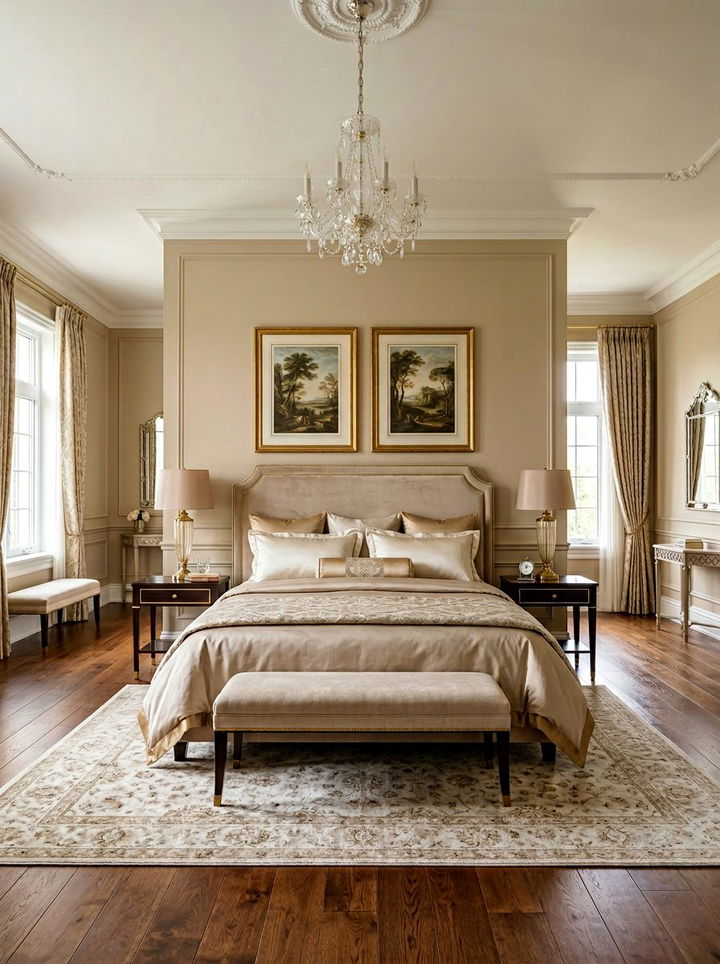
A symmetrical master bedroom layout is the gold standard for creating a sense of calm and order in your personal space. This involves placing the bed in the center of the primary wall and flanking it with identical nightstands, lamps, and artwork. Everything on one side of the room should be balanced by a similar piece on the other side. This visual harmony is incredibly pleasing to the eye and helps the brain relax, making it ideal for a room dedicated to rest. Using a large, centered area rug further reinforces the symmetry. It is a classic, professional approach to bedroom design that never goes out of style.
Conclusion:
Choosing the right bedroom layout is the foundation of a functional and beautiful home that you will love for years. By considering the size of your room, your storage needs, and how you plan to use the space, you can create a layout that truly supports your lifestyle. Whether you prefer a symmetrical master suite or a clever small-room solution, the key is to prioritize flow and comfort. Remember that a well-organized room not only looks great on Pinterest but also helps you feel more relaxed and organized in your daily life. Take your time to measure your space and experiment with these ideas to find your perfect fit.
Related posts: