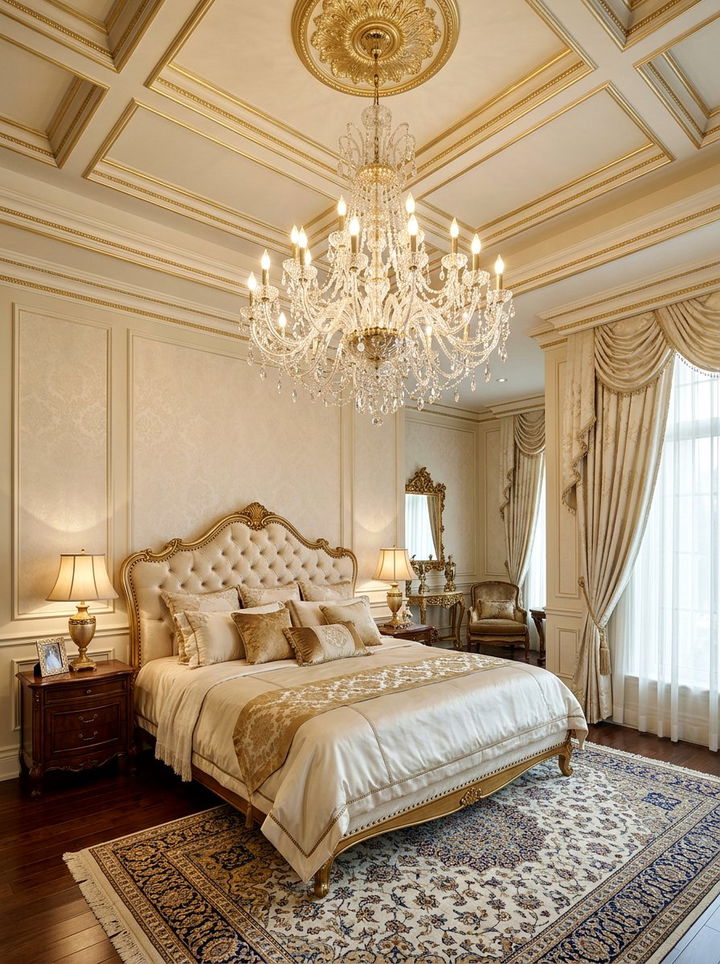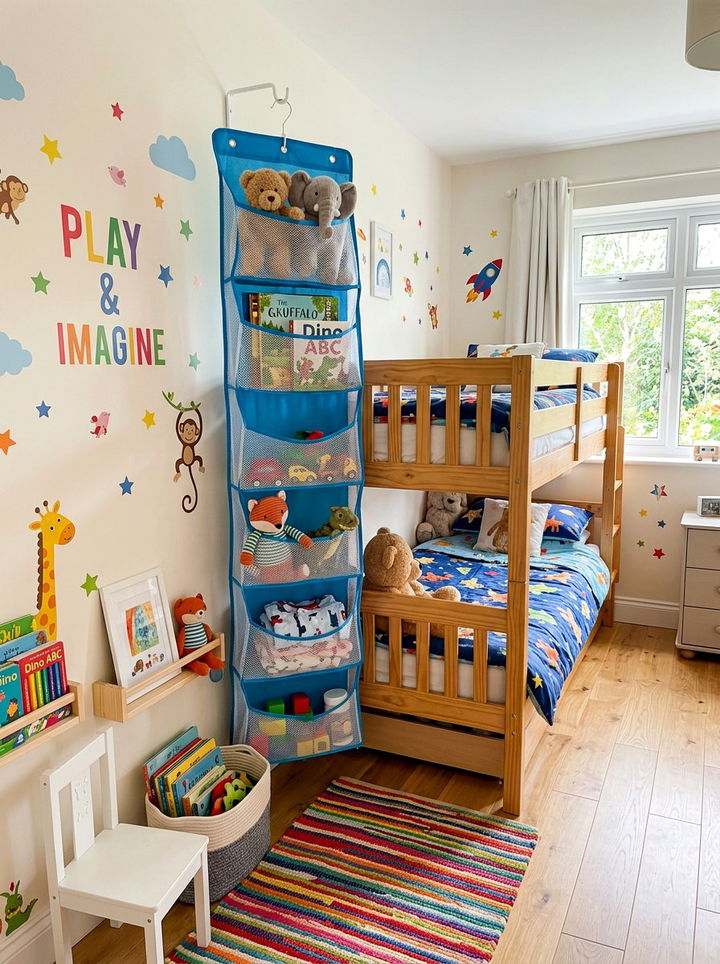
Creating a sanctuary starts with how you move through the space. Furniture placement isn ‘t just about fitting pieces in; it’ s about crafting a rhythm that supports rest and relaxation. Whether you are dealing with a tiny square room or a sprawling master suite, the way you position your bed, nightstands, and storage determines the entire vibe of your home. Most people struggle with balancing functionality and aesthetics, often leaving too little walking space or blocking natural light. By understanding the core principles of scale and flow, you can transform a cluttered sleeping area into a curated retreat that feels both spacious and cozy every single day.
1. Symmetrical Bedroom Layout
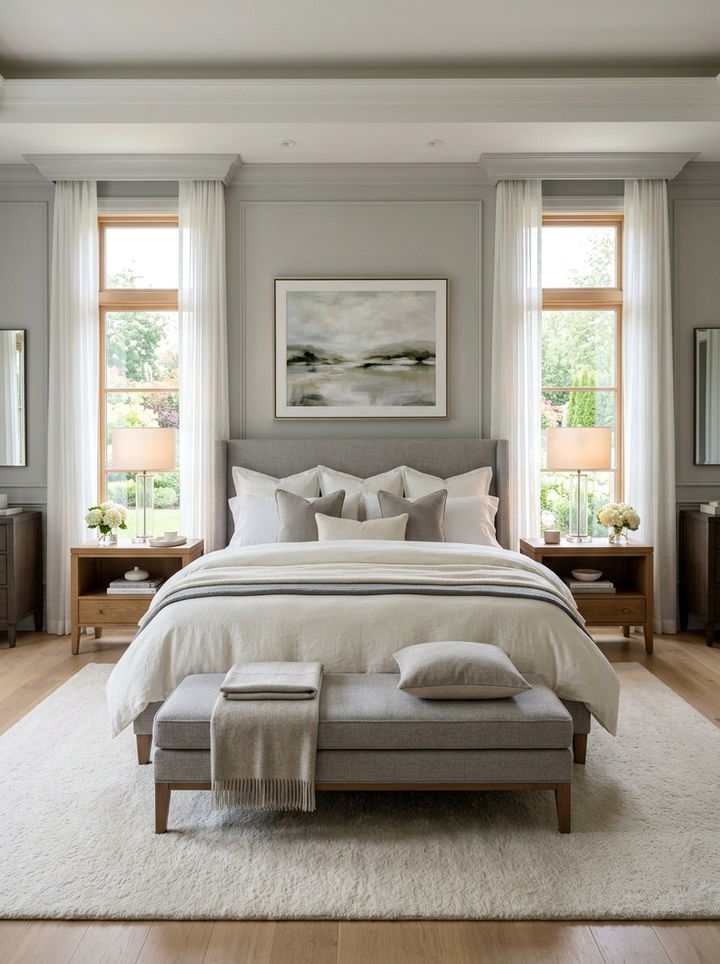
Achieving a sense of balance starts with a symmetrical bedroom layout where the bed serves as the central anchor. You place matching nightstands on both sides of the frame to create a mirror image that feels incredibly grounding and stable. This classic configuration works best in master suites where you want to promote a peaceful and organized atmosphere for better sleep. Adding twin lamps provides even lighting and reinforces the visual harmony of the entire space. You should also consider a large area rug that extends equally from under the bed to tie all the elements together. This specific arrangement communicates a sense of order and sophisticated traditional style.
2. Small Bedroom Furniture Arrangement
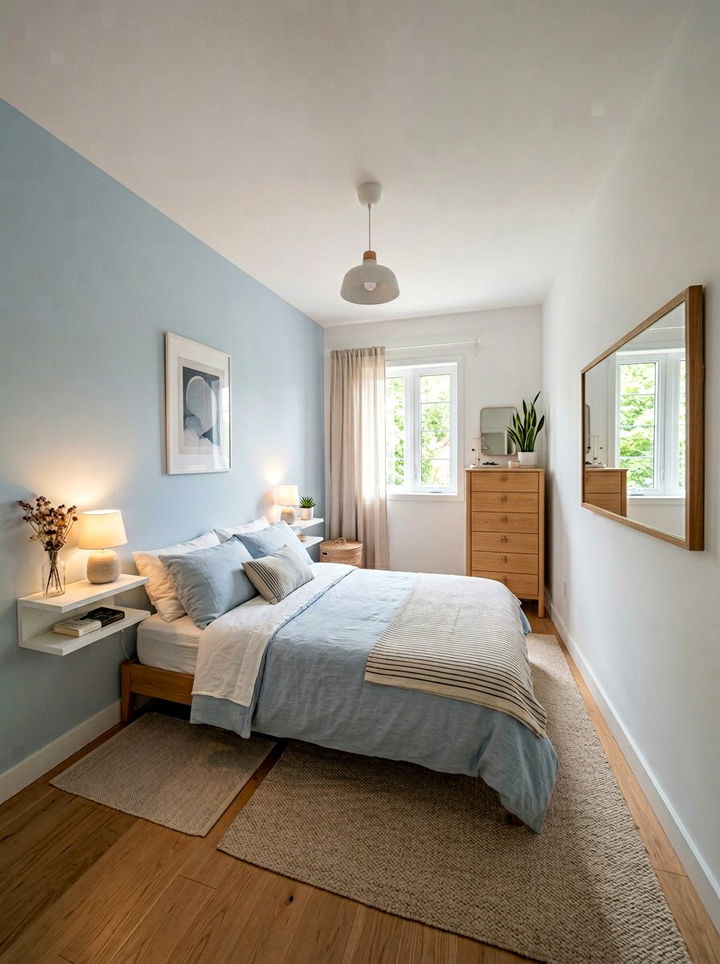
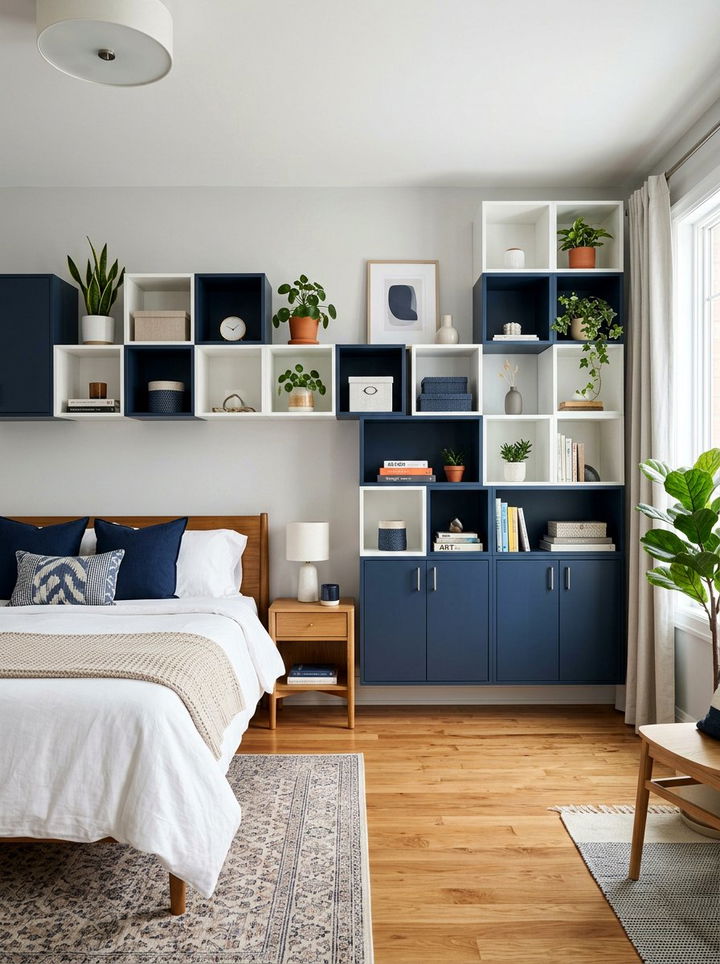
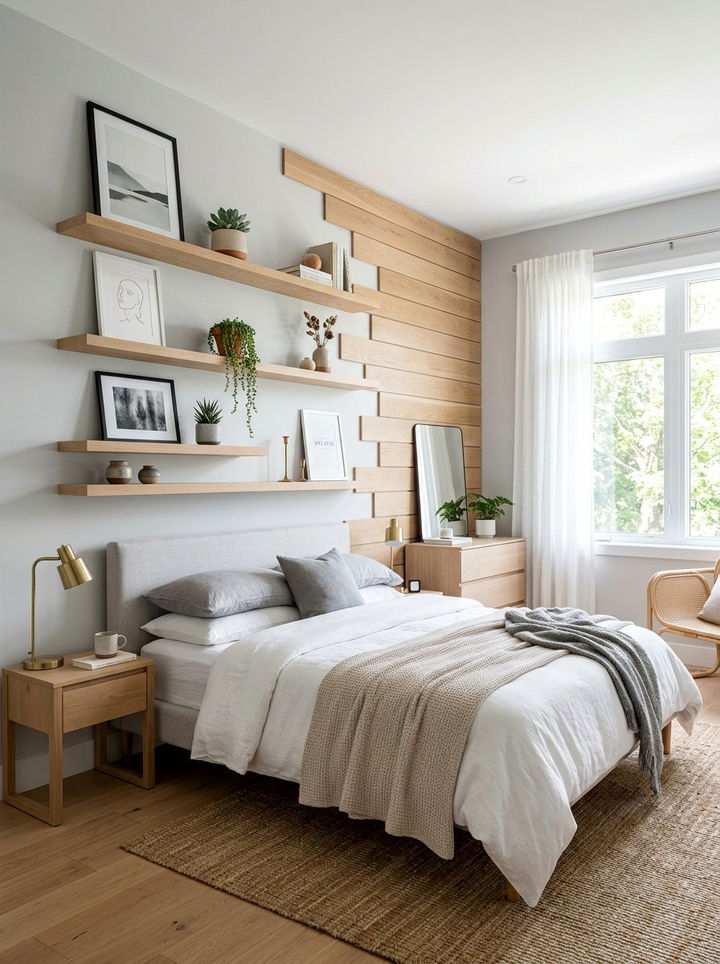
When you deal with limited square footage, a smart small bedroom furniture arrangement is essential for maintaining a breathable environment. You should prioritize the bed as the main piece but perhaps push it toward a wall to open up floor space. Using multi-functional pieces like a storage bed or a floating shelf instead of a bulky nightstand keeps the room looking airy. Light-colored bedding and minimal decor help the walls feel further apart than they actually are. Avoid placing large dressers near the door to ensure the entryway remains clear and inviting. Every inch counts in this layout, so focusing on scale is your best strategy.
3. Bed Centered On Main Wall

Positioning the bed centered on the main wall is the most popular way to create a clear focal point in any room. This layout allows for easy movement on both sides of the bed, which is vital for couples sharing a space. You can use the wall behind the headboard for bold paint or wallpaper to further emphasize this central feature. Make sure there is enough clearance for closet doors to swing open without hitting the corner of the mattress. By grounding the bed against the largest solid wall, you establish a sense of security and permanence that defines the rest of your interior decor.
4. Corner Bed Placement
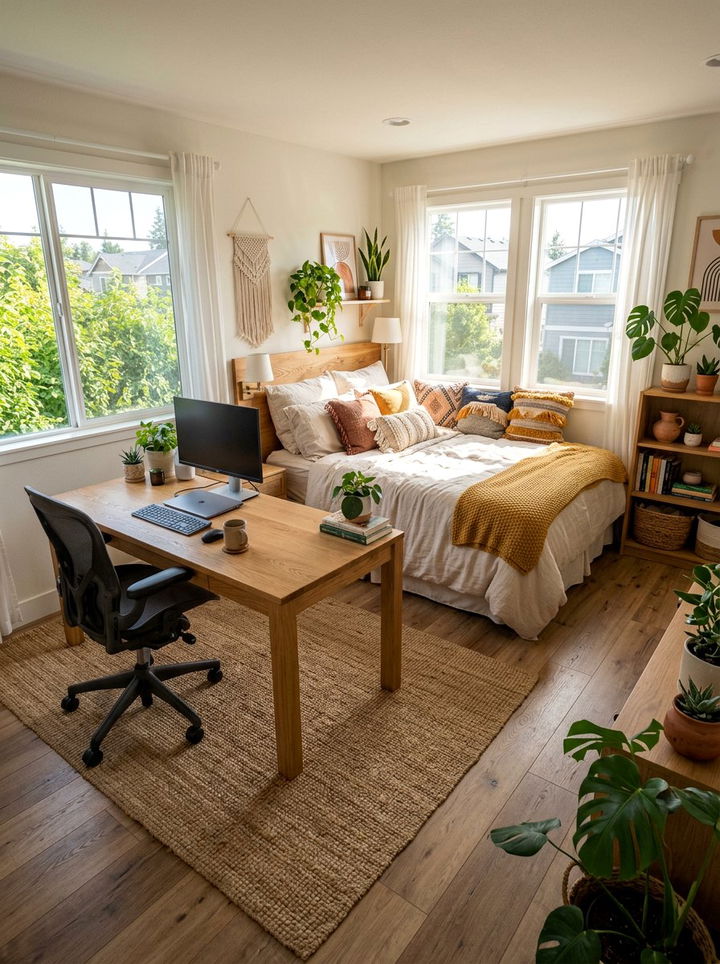
A corner bed placement is a clever solution for guest rooms or studio apartments where you need to maximize the middle of the floor. By tucking the headboard into a corner, you create a cozy, protected nook that feels very private and secure. This setup leaves plenty of room for a large desk or a comfortable armchair in the opposite area of the bedroom. You can use decorative pillows along the wall sides to make the bed function like a daybed during the hours you are awake. It is a practical choice that transforms awkward architectural angles into a charming and functional sleeping zone.
5. Bed Under Window Layout
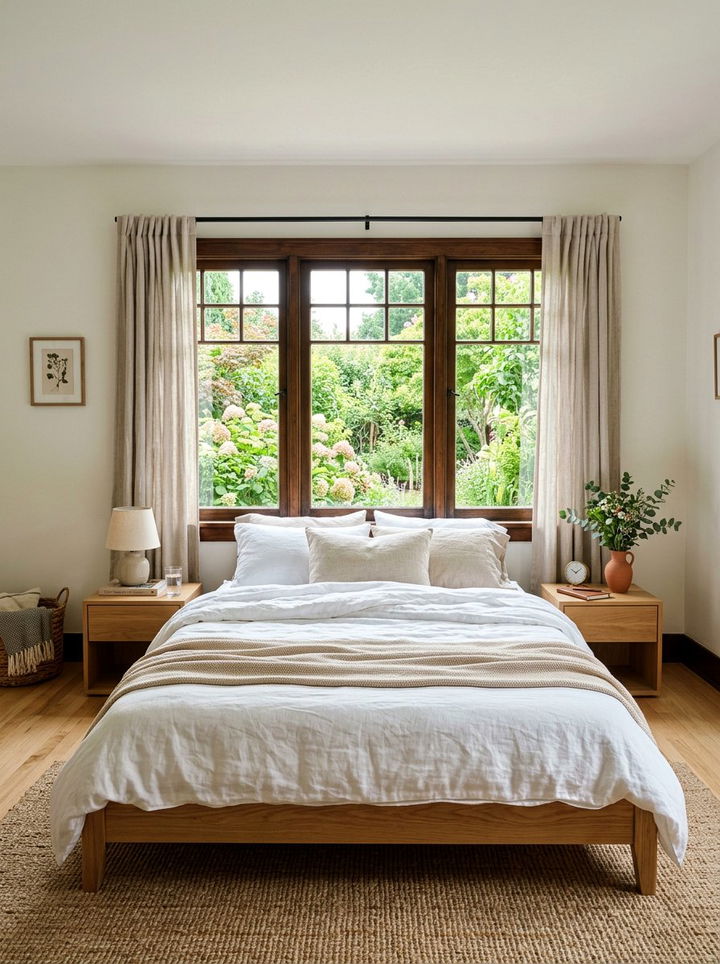
Choosing a bed under window layout is a fantastic way to wake up with natural light washing over your face. This placement often works well in rooms where wall space is limited by multiple doors or built-in cabinets. You should select a low-profile headboard that does not block the glass or prevent the window from opening easily. Using heavy blackout curtains will help regulate the temperature and light when you need to sleep in late. This arrangement makes the window feel like an extension of your headboard, creating a beautiful and bright backdrop that connects your indoor space with the outside garden view.
6. Master Bedroom With Seating Area
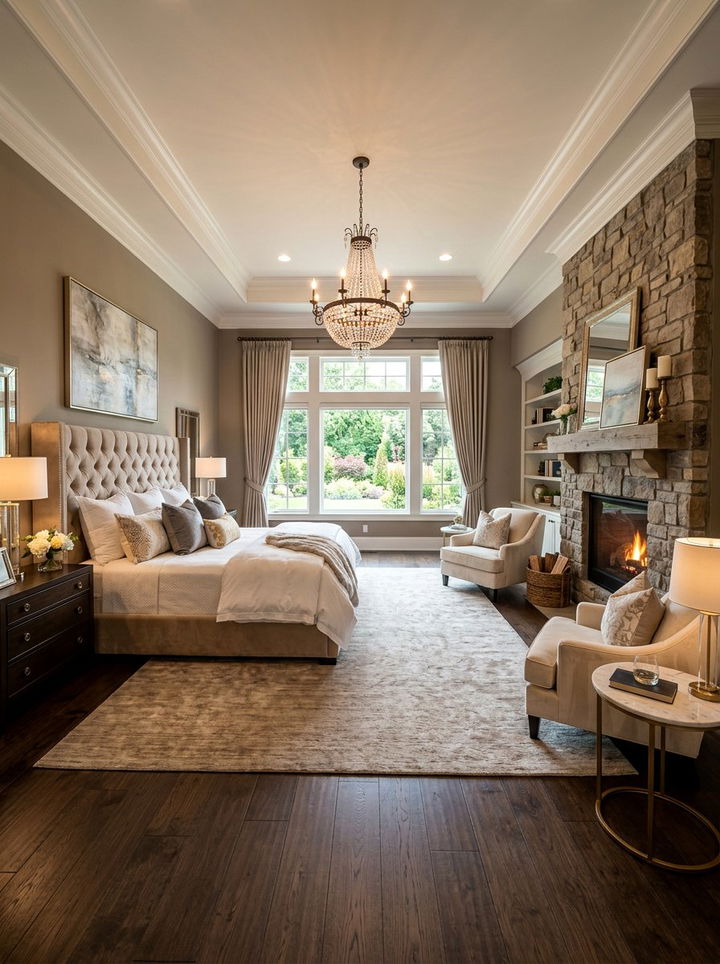
Creating a master bedroom with seating area turns your sleeping quarters into a true multi-purpose suite for relaxation. You can place a pair of upholstered armchairs and a small side table near a window or fireplace to create a morning coffee spot. This layout requires a larger footprint to ensure the transition between the sleeping zone and the lounge zone feels natural. Positioning the bed at one end and the seating at the other helps define each area without using physical dividers. It encourages you to spend more time in your room reading or resting away from the main noise of the rest of the house.
7. Narrow Bedroom Furniture Setup
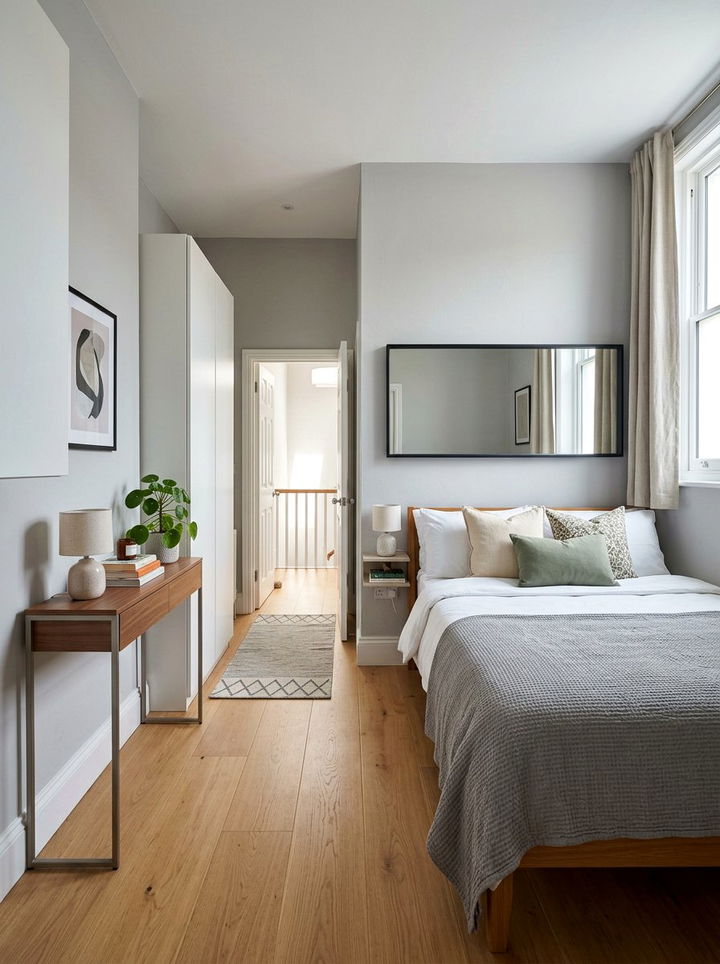
Managing a narrow bedroom furniture setup requires a focus on the long axis of the room to prevent a cramped feeling. You should avoid placing large pieces of furniture across the narrow width, as this can create a “tunnel” effect that feels restrictive. Instead, keep the walkway on one side of the room clear and place the bed against the longest wall. Using mirrors on the long walls can visually double the width of the space and bounce light around. Opting for slender, tall dressers instead of wide ones helps save floor space while providing ample storage for your clothes and personal items.
8. Bedroom With Desk Workspace
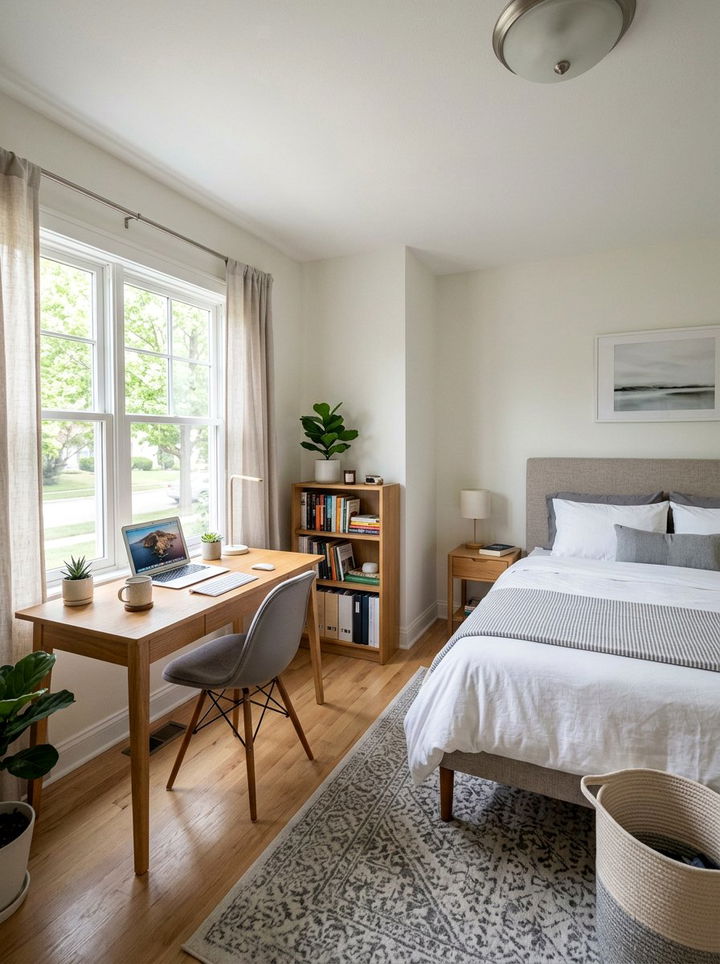
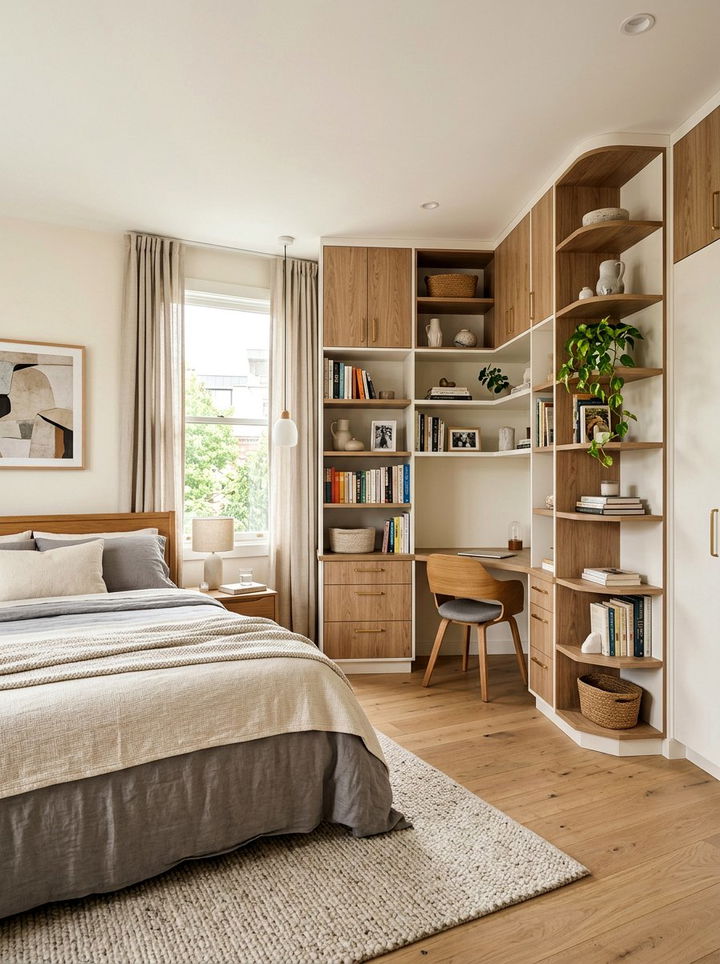
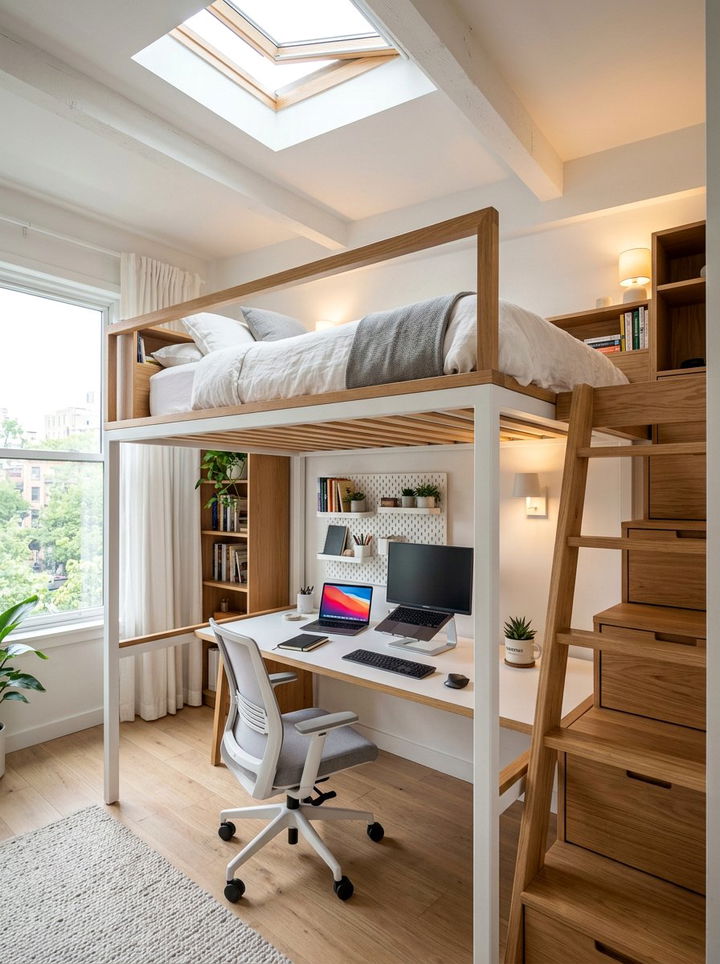
A bedroom with desk workspace has become a necessity for many people who need a quiet spot for professional tasks. You should try to place the desk near a window to benefit from natural light during the day. Keeping the workspace separate from the bed, perhaps in a corner or along an adjacent wall, helps maintain a mental boundary between work and rest. Using a chair that tucks completely under the desk will keep the walkways clear when you are not working. This layout ensures your room remains a productive area without sacrificing the comfort and tranquility needed for a good night’s sleep.
9. Bed Facing Window View
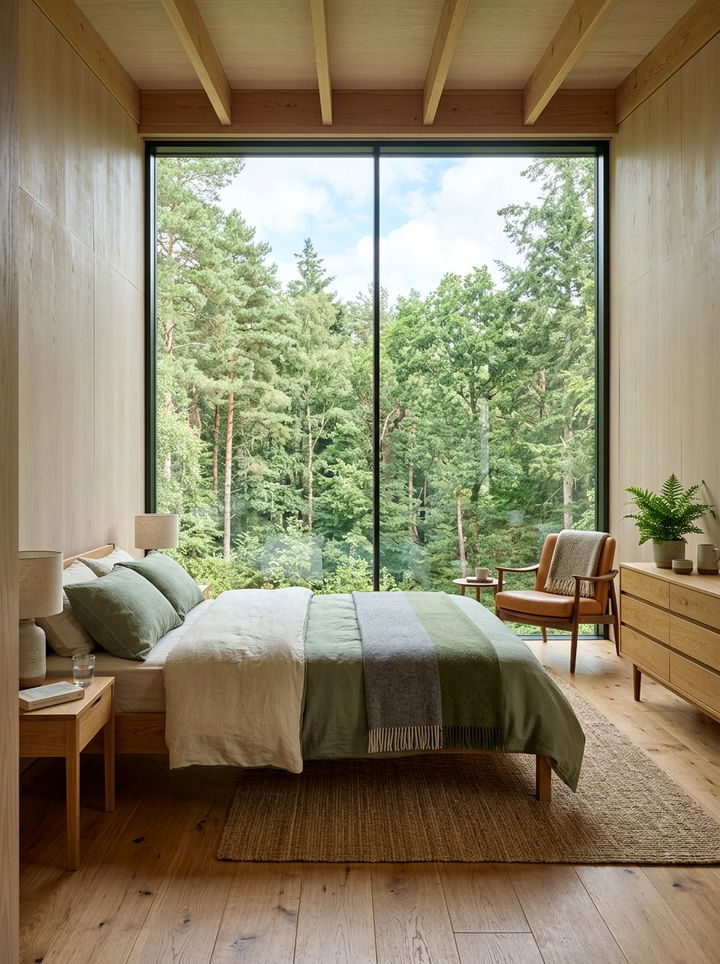
Arranging your bed facing a window view allows you to enjoy the scenery as the first thing you see each morning. This layout is ideal for homes with beautiful gardens or city skylines that deserve to be the main attraction. You should place the wardrobe or dresser behind the bed or on side walls to keep the line of sight toward the window clear. Make sure the sunlight doesn’t hit your eyes directly at sunrise by using adjustable blinds or sheer panels. This placement emphasizes a connection to nature and can make a small room feel much larger by drawing the eye outward.
10. Studio Apartment Bed Zone
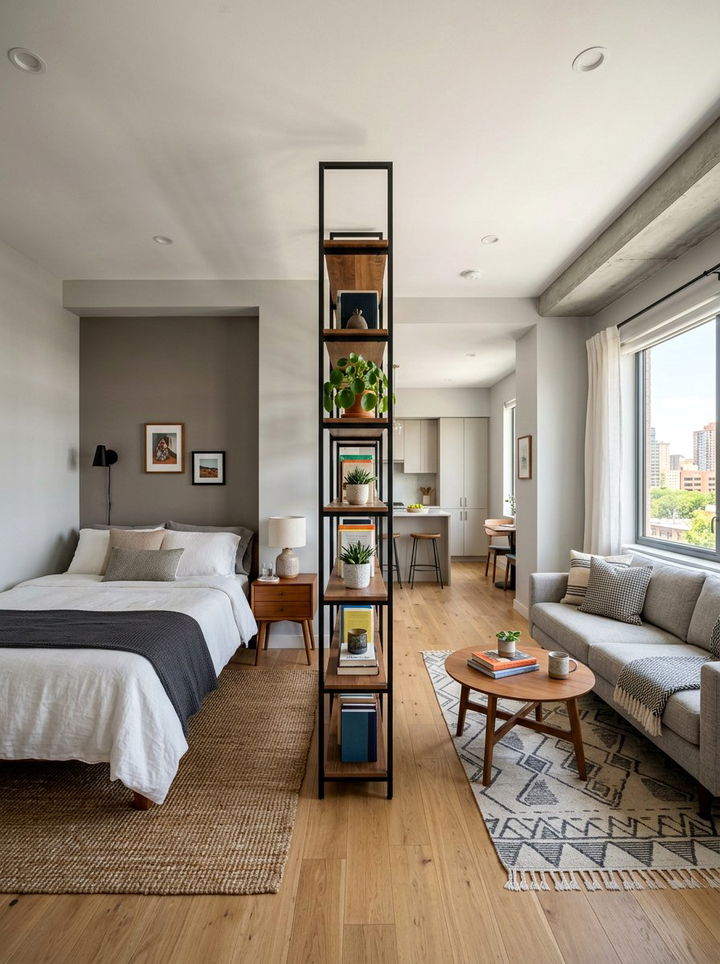
Creating a studio apartment bed zone involves using furniture to define the sleeping area as a separate room. You can use a tall bookshelf or a folding screen to act as a soft wall between the bed and the living space. Positioning the bed in a far corner away from the kitchen and entry door provides the most privacy in an open floor plan. Rugs are great tools here to visually “box in” the bedroom area and separate it from the lounging or dining zones. This layout helps you feel like you have a private retreat even when living in a single-room environment.
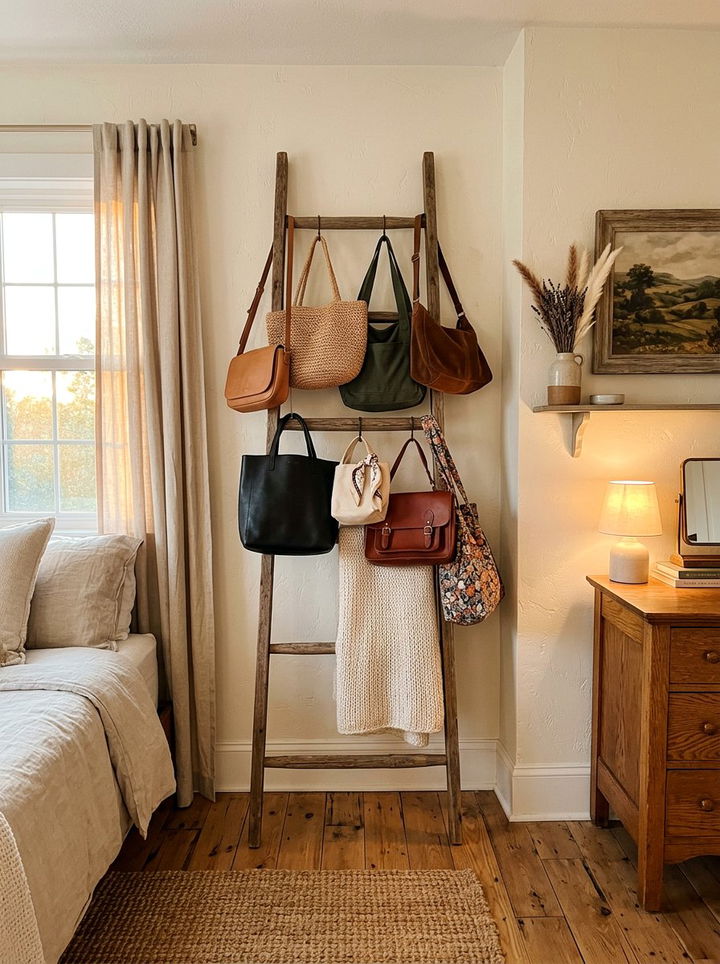

11. Bedroom Layout With Walk In Closet
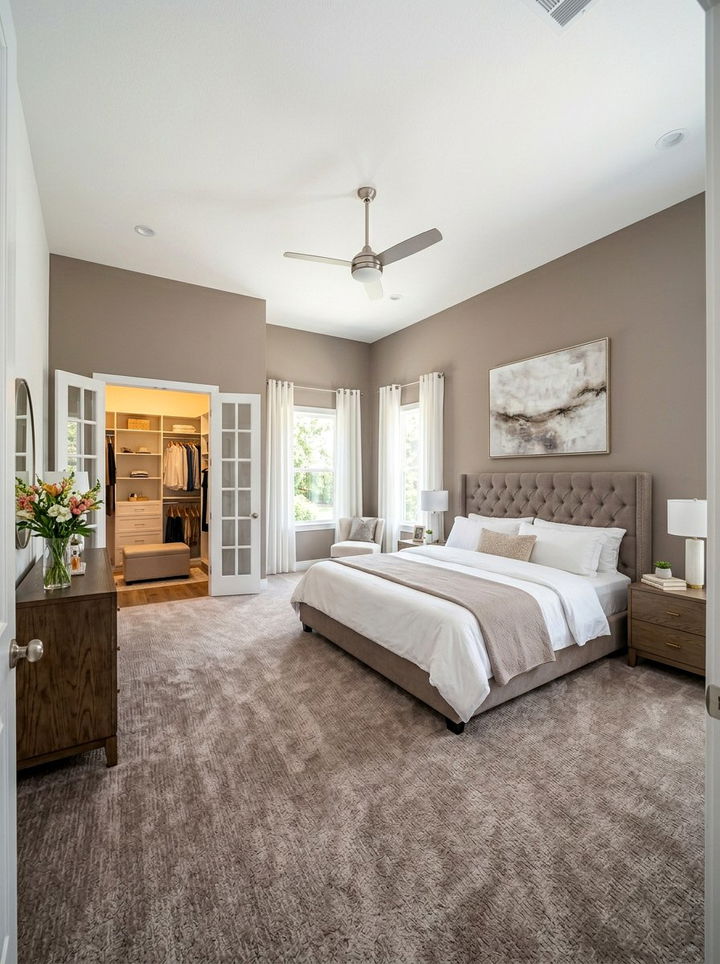
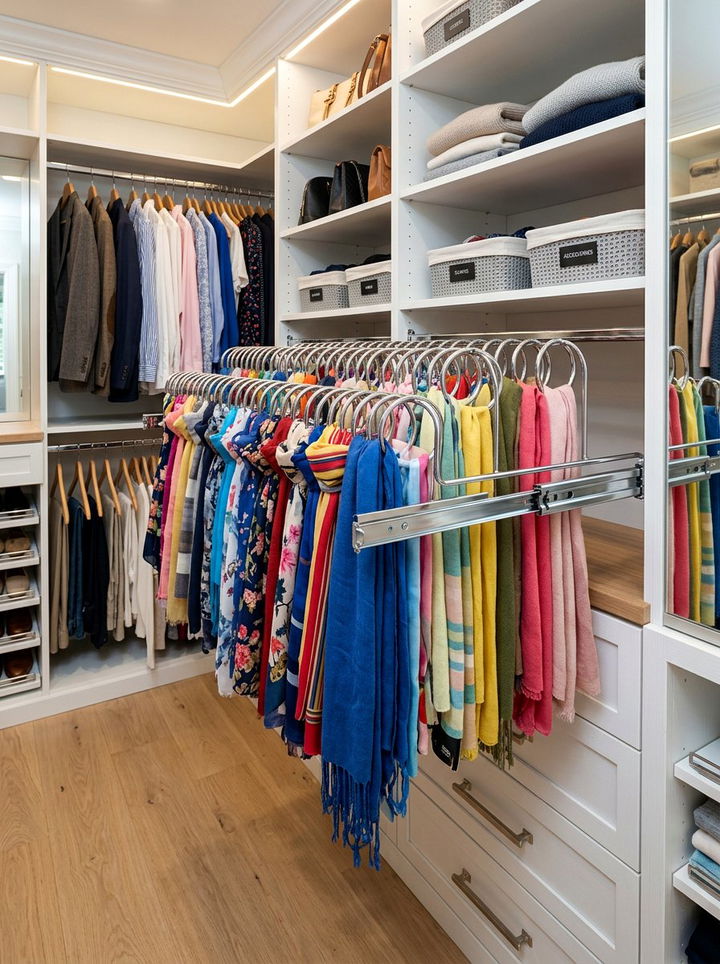
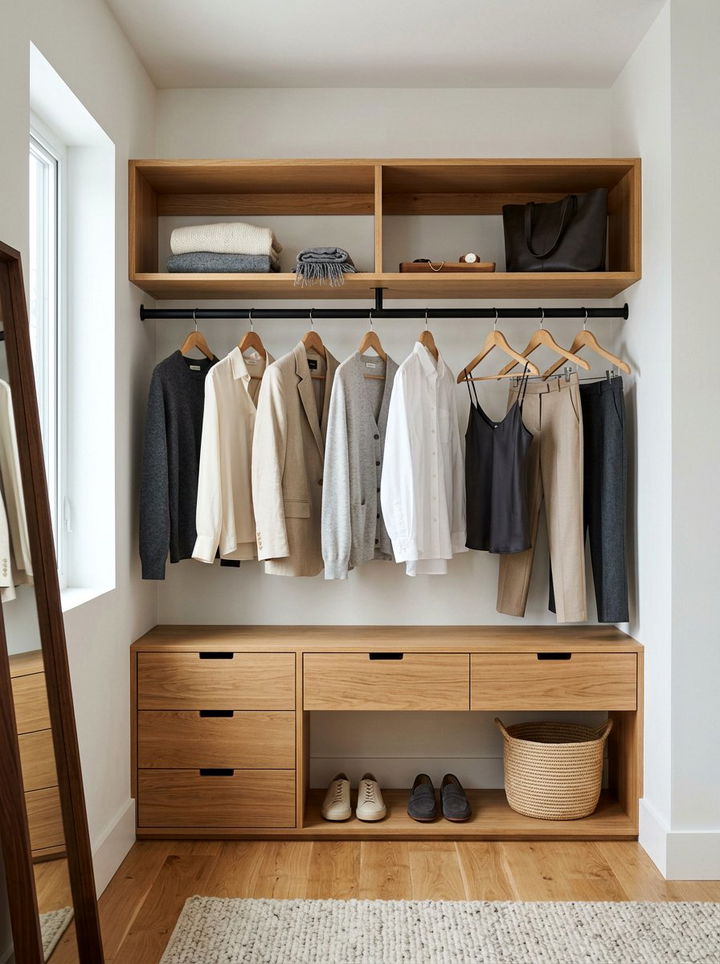
A bedroom layout with a walk in closet usually dictates that the bed should be placed on the wall opposite the closet entrance. This keeps the primary traffic path clear and allows for easy dressing routines in the morning. If the closet is behind the bed, you can create a “hidden” entry by using a decorative headboard or a partial partition wall. Ensure there is at least three feet of space between the bed and the closet door for comfortable movement. This arrangement prioritizes a clean and organized look by keeping all the storage and clothing tucked away in a dedicated functional area.
12. L Shaped Bedroom Arrangement
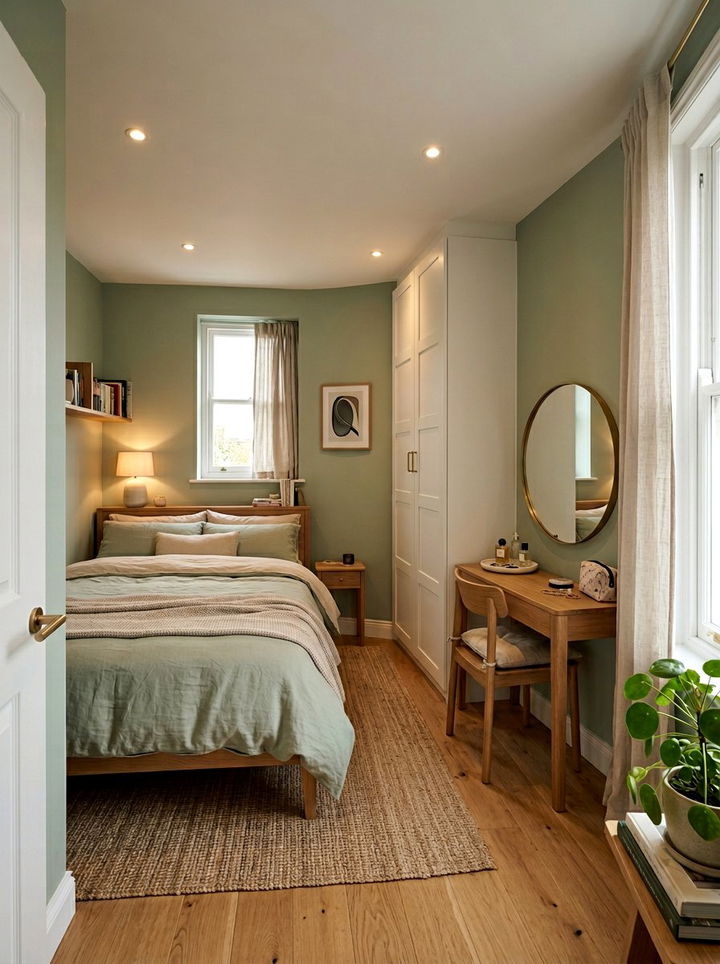
An L shaped bedroom arrangement offers unique opportunities to separate different activities into distinct “wings” of the room. You can place the bed in the smaller part of the L to create a secluded sleeping nook that feels very cozy. The longer part of the room can then be used for a vanity, a dresser, or even a small home office setup. This natural architectural division prevents the room from feeling like one big cluttered box. Using different lighting fixtures in each section of the L can further define the mood and purpose of the sleeping and living areas within the space.
13. Bedroom With Fireplace Focal Point
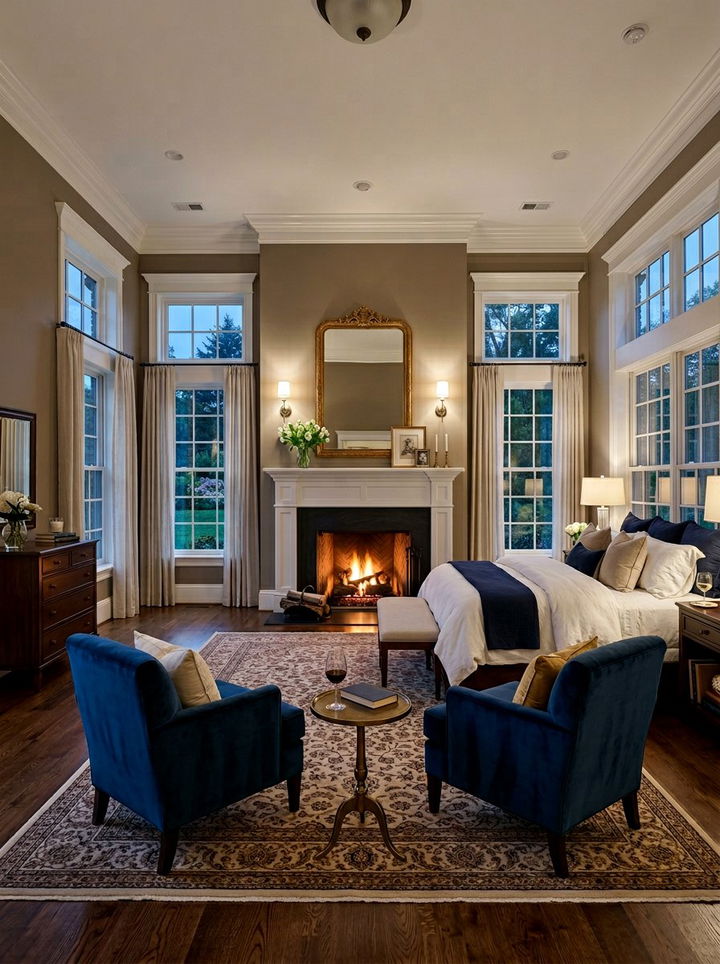
If you have a bedroom with fireplace focal point, you should arrange your furniture to highlight this cozy architectural feature. Placing the bed directly opposite the hearth allows you to enjoy the warmth and flickering light as you drift off to sleep. If space permits, you can set up a small rug and two low chairs right in front of the fire for an intimate evening retreat. Keep the mantle decor simple to avoid a cluttered look that distracts from the flames. This layout creates a luxurious, high-end feel that makes the bedroom the most inviting and comfortable room in the house.
14. Shared Kids Bedroom Layout
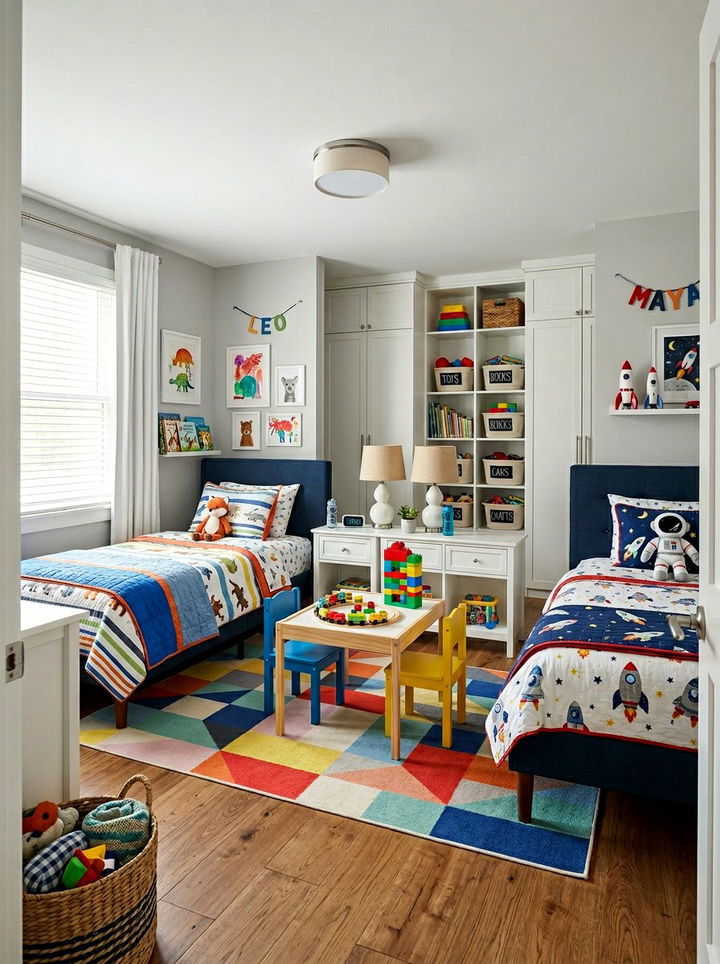
A shared kids bedroom layout needs to balance individual privacy with a sense of togetherness for the children. Placing two twin beds on opposite walls with a shared nightstand in the middle is a classic way to give each child their own zone. Alternatively, putting the beds in an L-shape in a corner can free up the center of the room for a play area or a shared desk. Using matching bedding but different accent colors allows each child to express their personality while maintaining a cohesive room design. Proper storage like under-bed bins is essential to keep toys and clothes from taking over the floor.
15. Guest Bedroom Furniture Organization
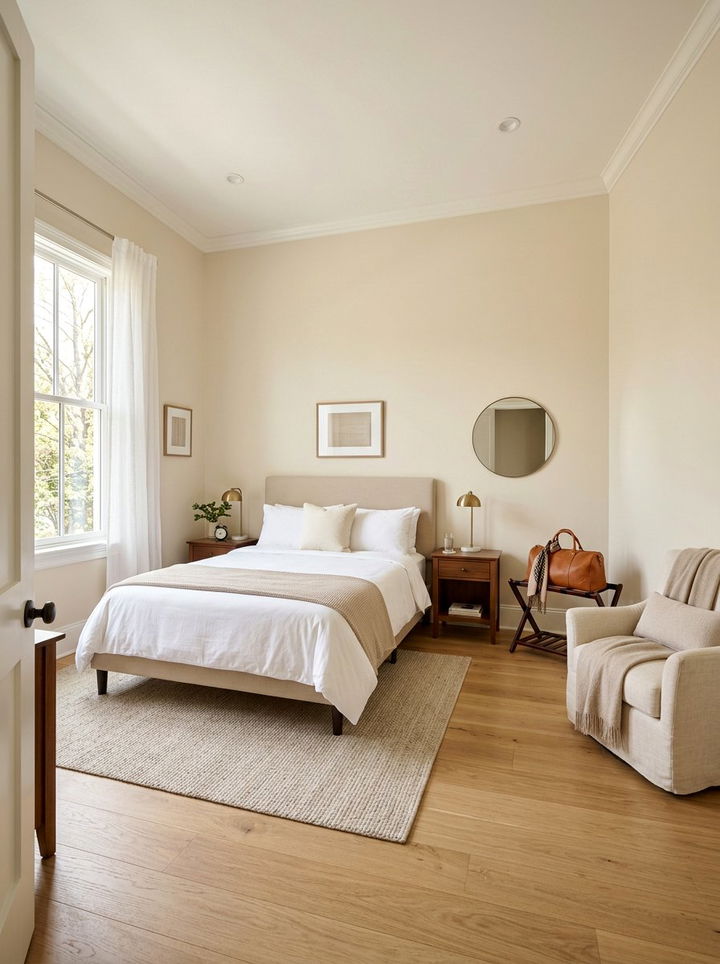
Guest bedroom furniture organization should focus on making visitors feel at home with plenty of space for their luggage. You should keep the layout simple with a comfortable bed, a nightstand for a phone and water, and a clear surface for a suitcase. Avoid overfilling the room with personal items so the guest has space to unpack their own things. Providing a small chair in the corner gives them a place to sit that isn’t the bed. A well-placed mirror and easy access to outlets are small details that make the furniture arrangement feel thoughtful and professionally designed for comfort and hospitality.
16. Bedroom With Reading Nook
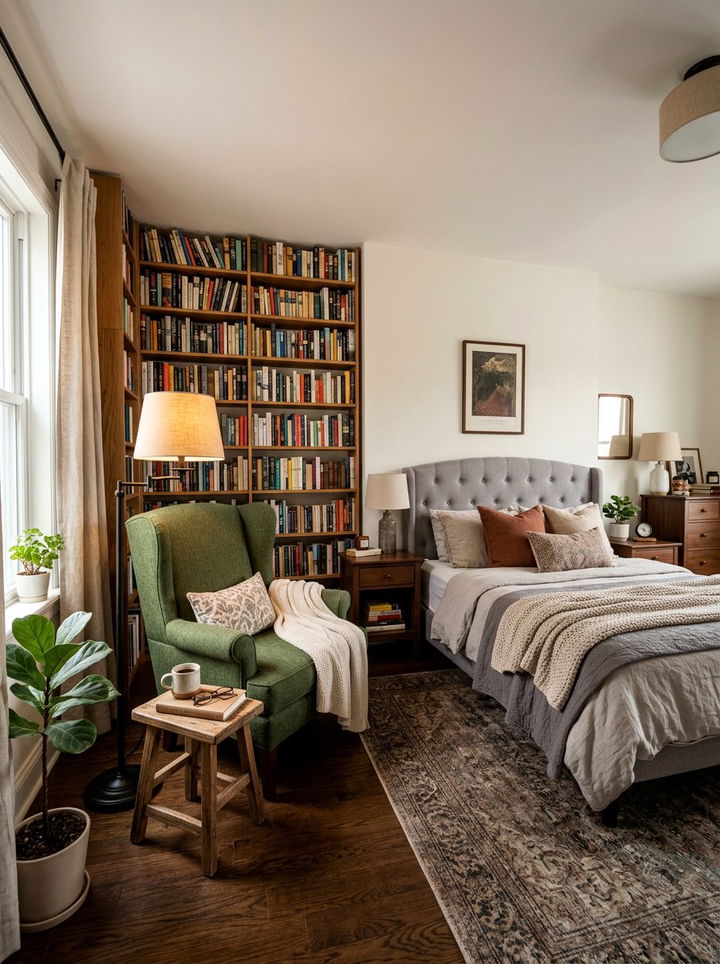
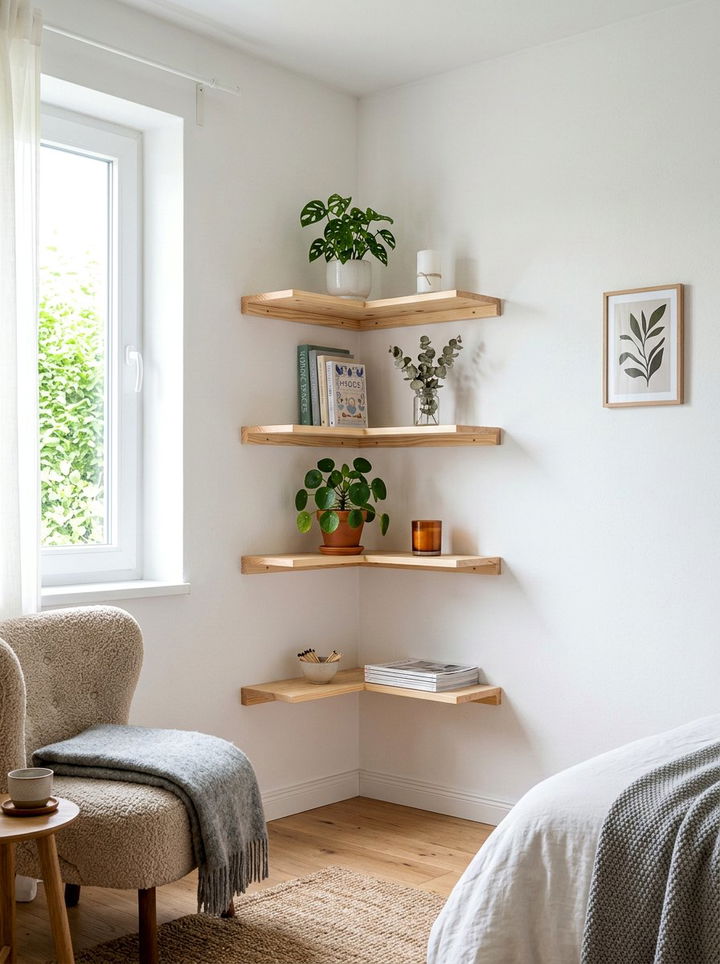
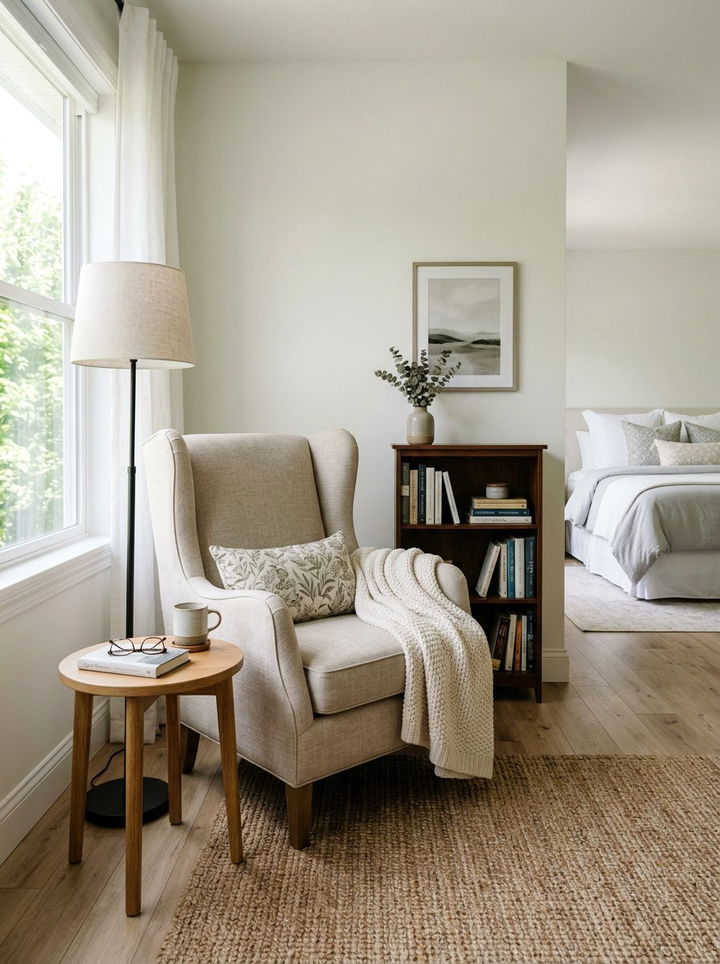
A bedroom with reading nook is the ultimate luxury for book lovers who want a quiet place to escape. You can tuck a comfortable wingback chair into a corner near a bookshelf to create a dedicated literary sanctuary. Make sure to include a floor lamp or a wall-mounted sconce for focused task lighting that doesn’t disturb a sleeping partner. Placing a small ottoman or footstool adds extra comfort for long reading sessions. This layout uses an often-ignored corner of the room to add character and functionality. It turns a simple bedroom into a multi-layered living space that caters to your specific hobbies.
17. Floating Bed In Middle Of Room
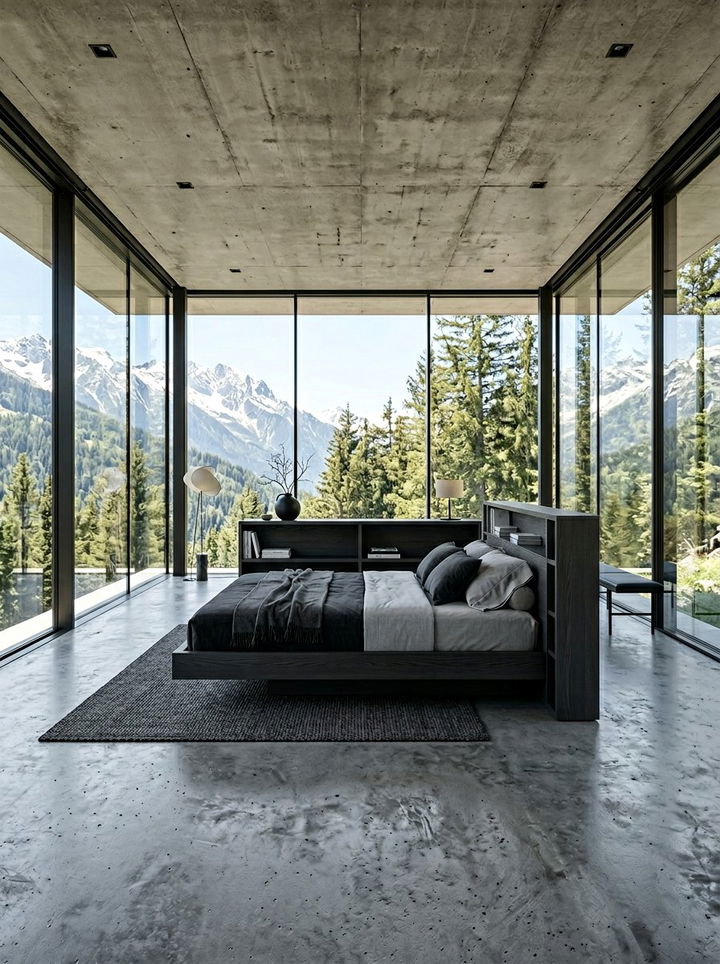
Choosing a floating bed in the middle of the room is a bold design choice that works beautifully in very large spaces. By placing the bed away from the walls, you create a 360-degree walkway that feels incredibly open and modern. You can use a low-profile room divider or a long desk behind the headboard to provide a sense of structure and grounding. This layout is perfect for rooms with floor-to-ceiling windows on multiple sides where wall space is nonexistent. It creates a hotel-like atmosphere that emphasizes the bed as a sculptural centerpiece within a vast and airy architectural environment.
18. Bedroom Layout For Large Space
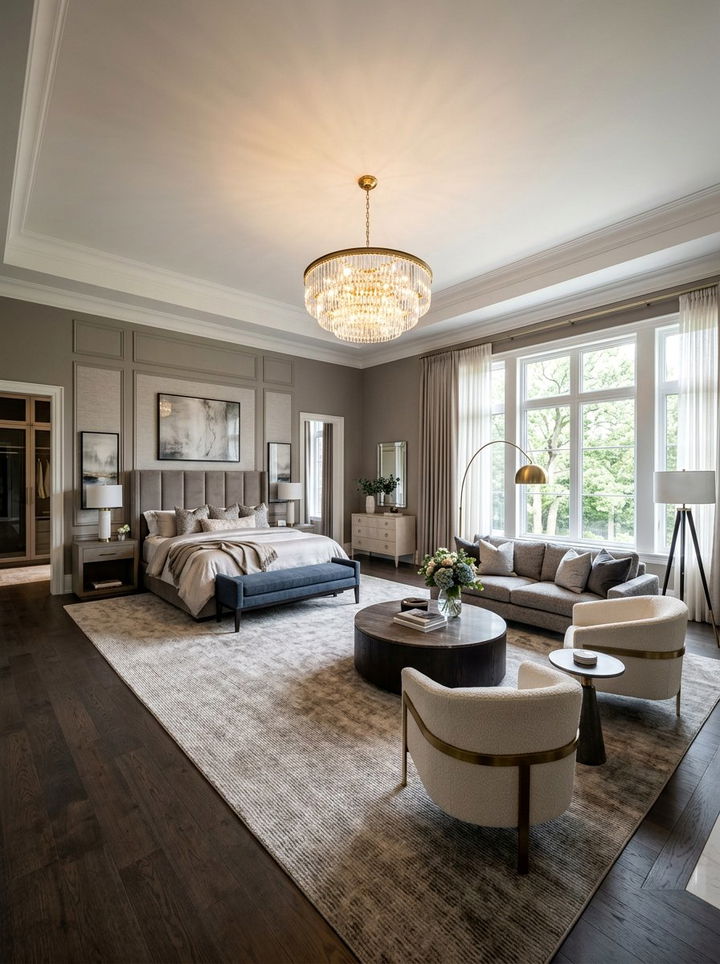
A bedroom layout for large space requires you to fill the room thoughtfully so it does not feel cold or empty. You can incorporate larger pieces of furniture like a king-sized bed, a massive armoire, and an oversized area rug to match the scale. Adding a large bench at the foot of the bed and a full seating area by the window helps break up the floor plan. Use layers of textiles and different zones for lounging, dressing, and sleeping to make the room feel purposeful. Large-scale art on the walls also helps to ground the furniture and make the high ceilings feel more intimate.
19. Minimalist Bedroom Furniture Plan
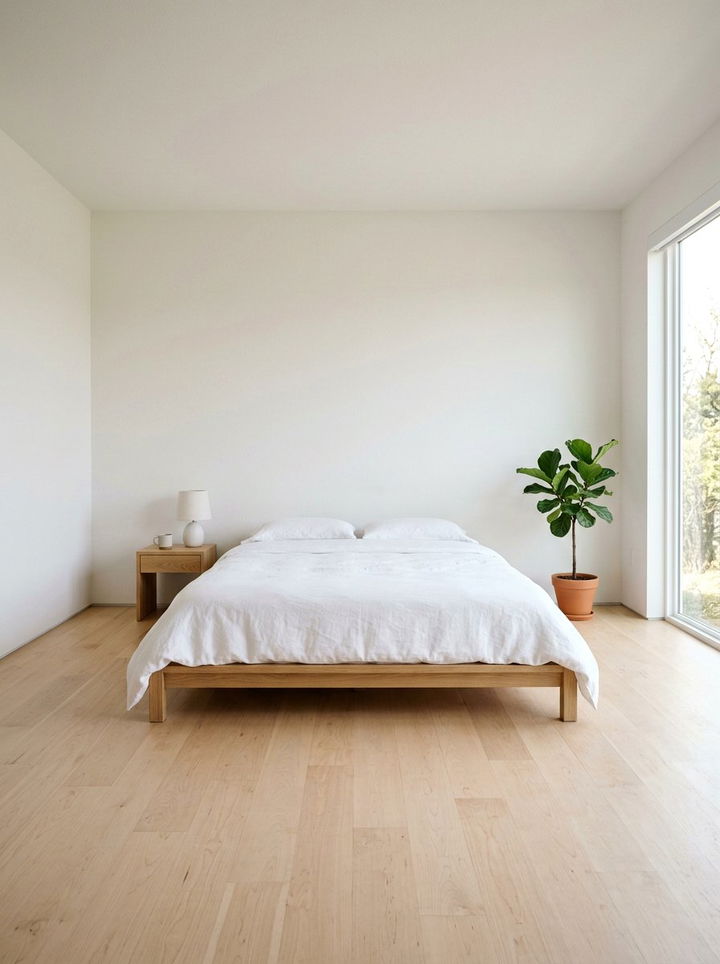
A minimalist bedroom furniture plan focuses on the “less is more” philosophy to create a clutter-free and Zen-like environment. You should only include essential pieces: a low bed frame, simple nightstands, and perhaps a single dresser hidden in the closet. The furniture should have clean lines and neutral colors that blend into the walls rather than standing out. Keeping the floors clear of rugs or extra chairs enhances the sense of space and tranquility. This placement strategy is perfect for those who want to reduce visual noise and create a calm atmosphere that is purely dedicated to deep and restorative sleep.
20. Bedroom With Vanity Table Setup
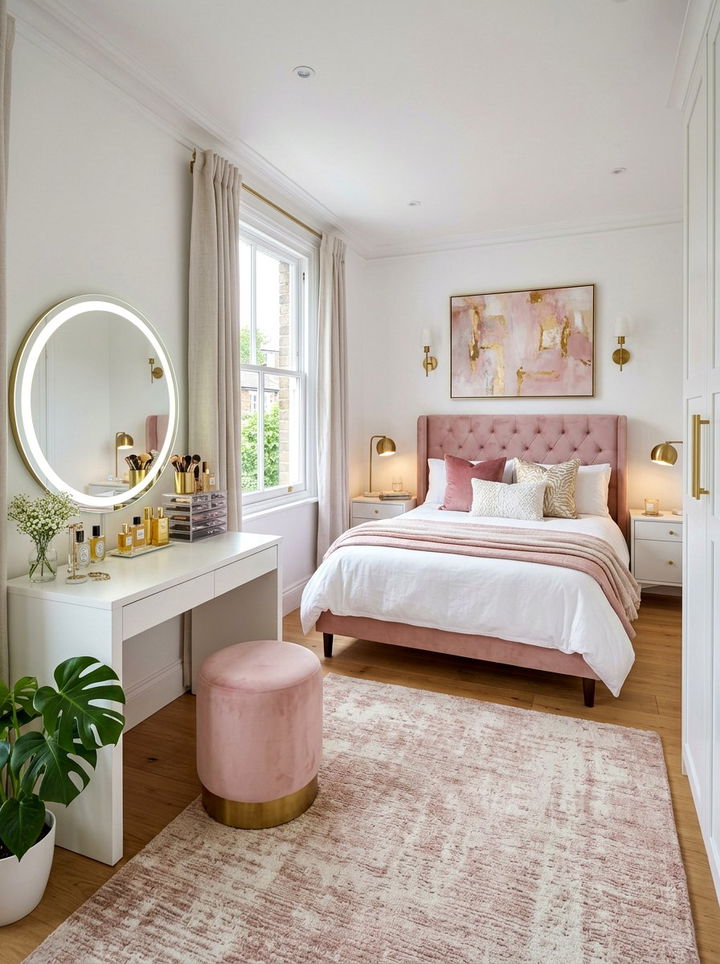
Designing a bedroom with vanity table setup provides a dedicated space for grooming and getting ready each morning. You should place the vanity near a window for the best natural light or ensure it has a high-quality lighted mirror. Positioning the vanity away from the bed keeps the mess of makeup and jewelry out of your direct line of sight when you are trying to relax. A small, stylish stool that slides completely under the table helps save floor space and keeps the room looking tidy. This layout adds a touch of classic glamour and organization to your daily routine in the bedroom.
21. Attic Bedroom Sloped Ceiling Layout
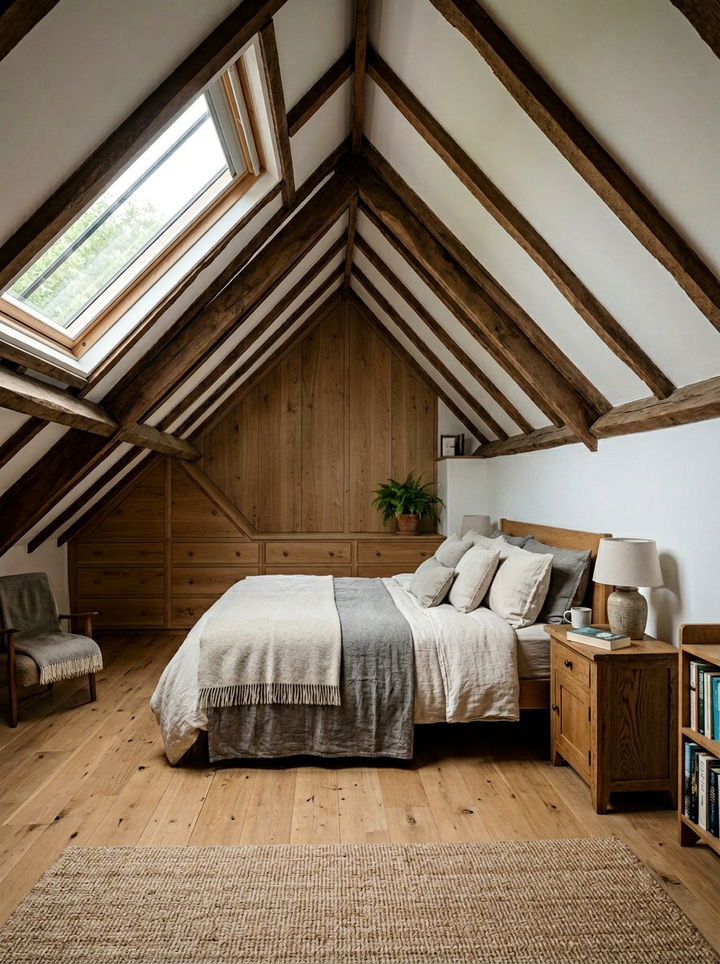
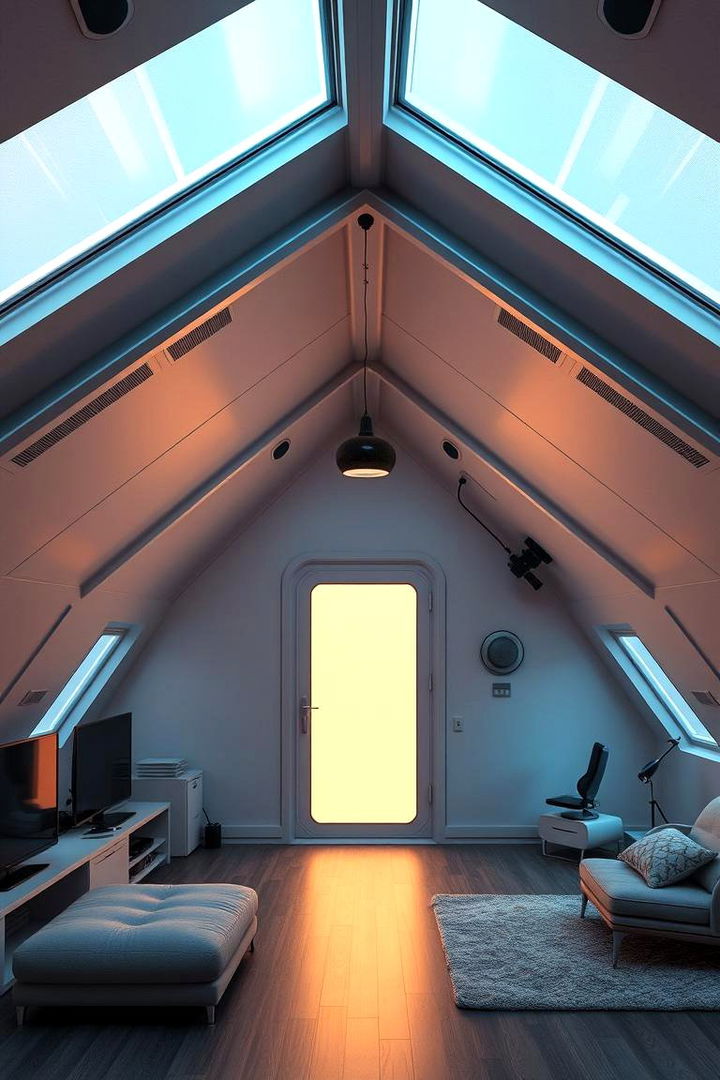
An attic bedroom sloped ceiling layout requires careful planning to avoid bumping your head on the low parts of the roof. You should place the bed under the highest point of the ceiling to ensure you can sit up comfortably. Use the lower areas under the eaves for low-profile storage cabinets, bookshelves, or built-in drawers. Painting the walls and ceiling the same light color can help the awkward angles feel more integrated and less oppressive. This arrangement turns a challenging architectural space into a cozy, cottage-style retreat that feels tucked away from the rest of the busy world downstairs.
22. Bed Between Two Windows
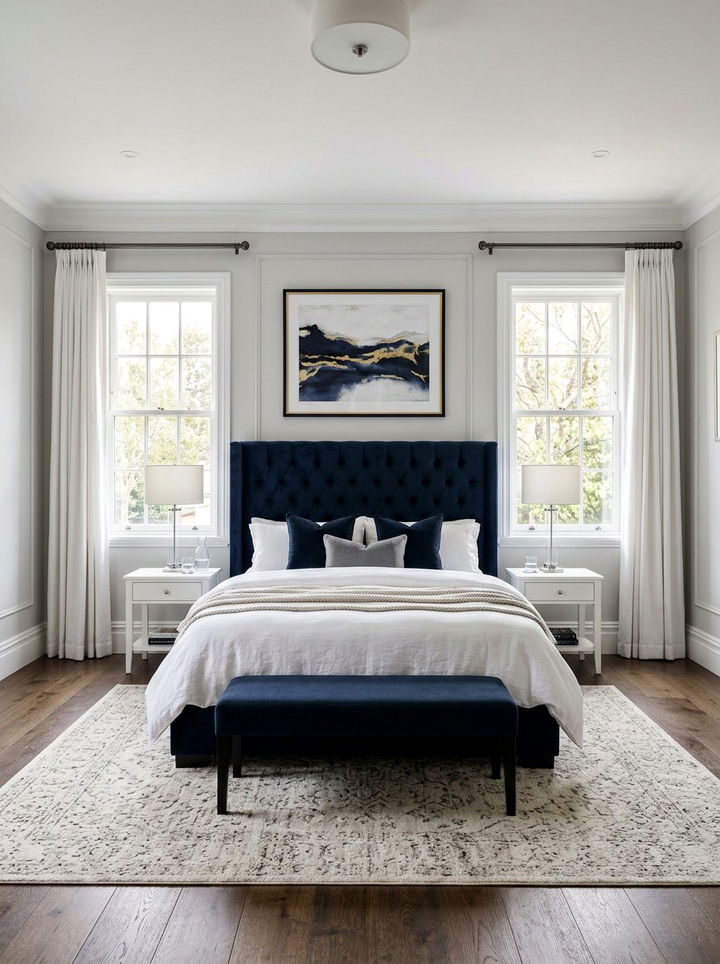
Placing your bed between two windows creates a stunning architectural frame that highlights the symmetry of your room. This layout allows for natural light to flank the bed while leaving the wall space directly behind the headboard for a large piece of art. It creates a bright and airy feel without the bed being directly under the glass, which can sometimes be drafty. Ensure your nightstands fit neatly between the bed frame and the window trim for a custom, built-in look. This classic arrangement is very popular in traditional homes and provides a balanced, stately appearance to the main sleeping area.
23. Bedroom With Bench At Foot Of Bed

A bedroom with bench at foot of bed is a practical addition that offers a place to sit while putting on shoes. It also serves as a visual “stopper” that defines the end of the bed and adds a layer of sophistication to the room. You can choose a bench with internal storage to hide extra blankets or seasonal pillows, keeping the rest of the room tidy. The bench should be slightly narrower than the bed itself to maintain a clean silhouette. This furniture placement works well in both large and medium-sized rooms, adding functional value and a touch of high-end hotel styling.
24. Nursery And Master Bedroom Combo
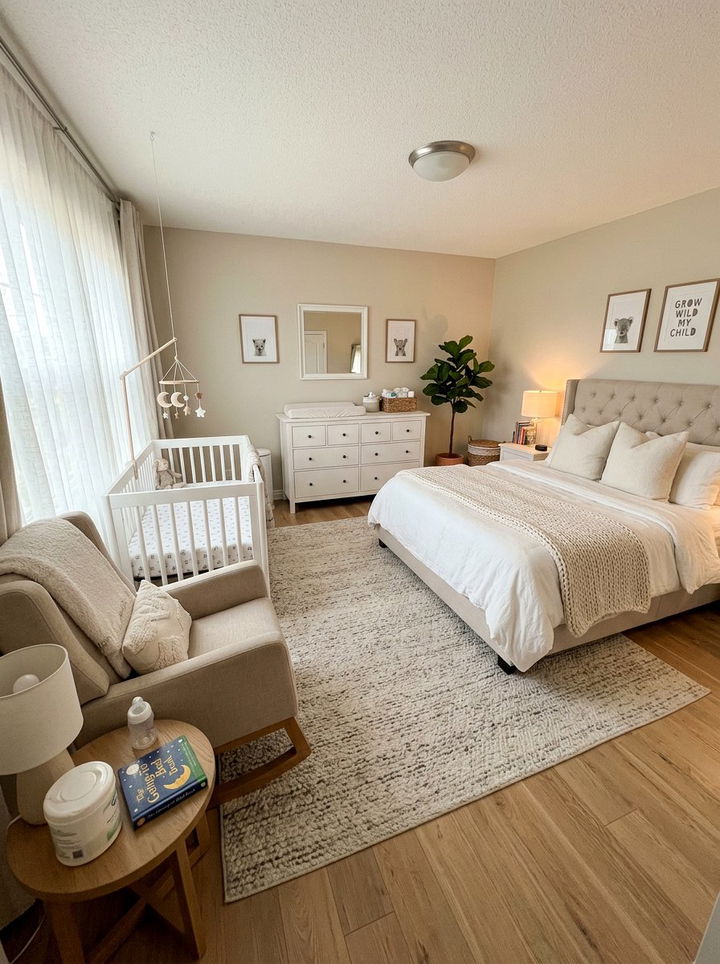
Setting up a nursery and master bedroom combo requires a layout that prioritizes easy access to the baby during the night. You should place the crib within arm’s reach of your side of the bed or in a nearby corner that is clear of drafts. A comfortable rocking chair should be positioned in another corner for late-night feedings, with a small lamp for soft light. Using a rug to define the “baby zone” can help visually separate the nursery furniture from the adult sleeping area. This temporary arrangement keeps the family close while maintaining enough flow to navigate the room in the dark.
25. Bedroom With Media Console Opposite Bed
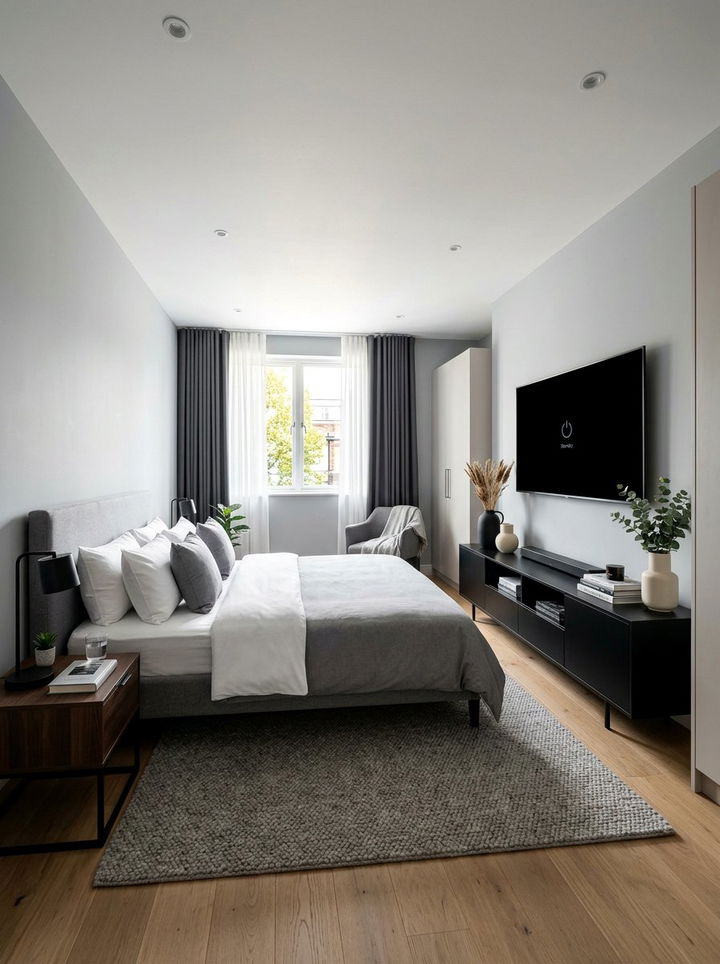
A bedroom with media console opposite bed is a common setup for those who enjoy watching movies or news from their mattress. To keep the room looking sleek, choose a low-profile console that can also house books or decorative items to hide the technology when not in use. Ensure the screen is at eye level when you are propped up against your pillows for the best viewing experience. Cables should be neatly tucked away or hidden behind the furniture to maintain a clean and restful environment. This layout turns your bedroom into a private entertainment hub for relaxing evenings and lazy weekend mornings.
26. Feng Shui Bedroom Furniture Map
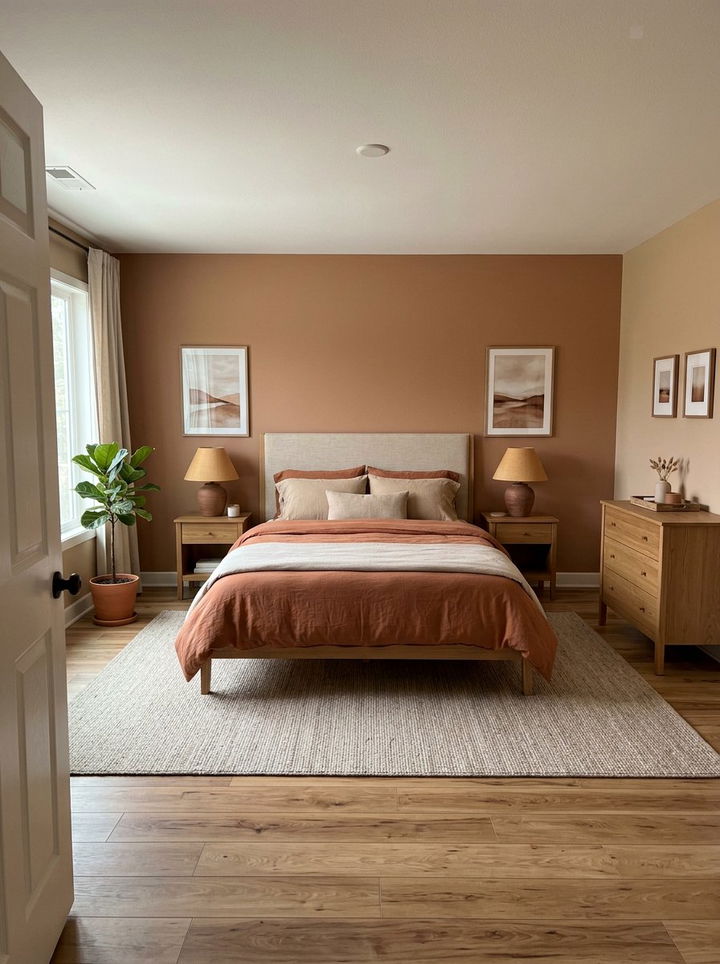
Following a feng shui bedroom furniture map means placing your bed in the “commanding position” where you can see the door but aren’t directly in line with it. This layout promotes a sense of safety and control over your environment while you sleep. You should avoid placing the bed under heavy beams or directly across from a large mirror, as this is thought to disrupt energy flow. Use pairs of everything, like two nightstands and two pillows, to represent balance and partnership. This ancient placement strategy focuses on creating a harmonious flow of energy that supports physical health and emotional well-being.
27. Industrial Loft Bedroom Layout

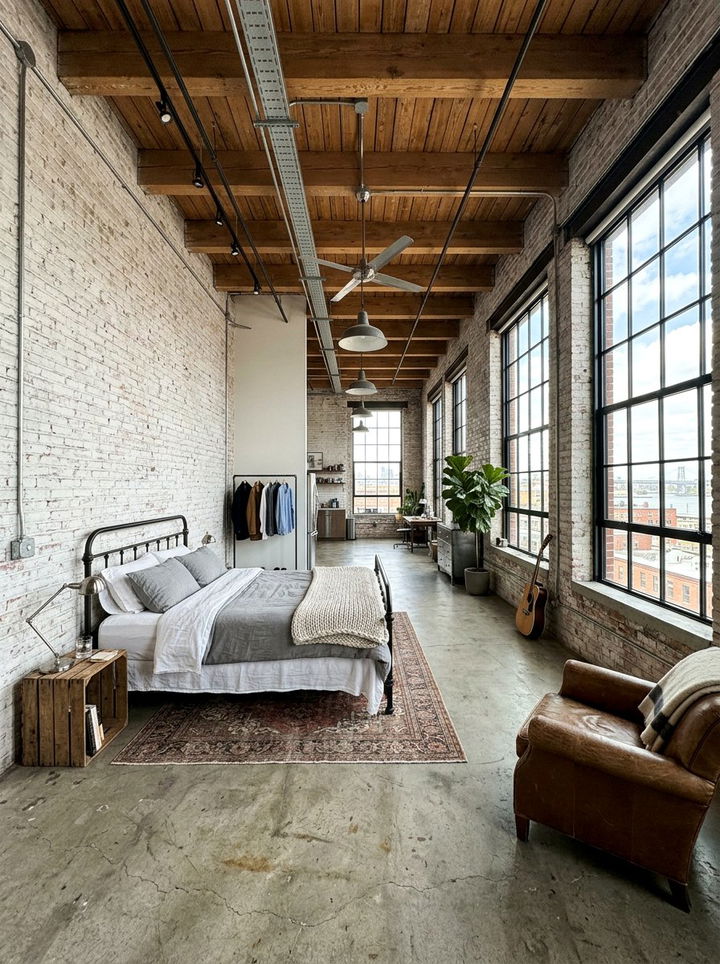
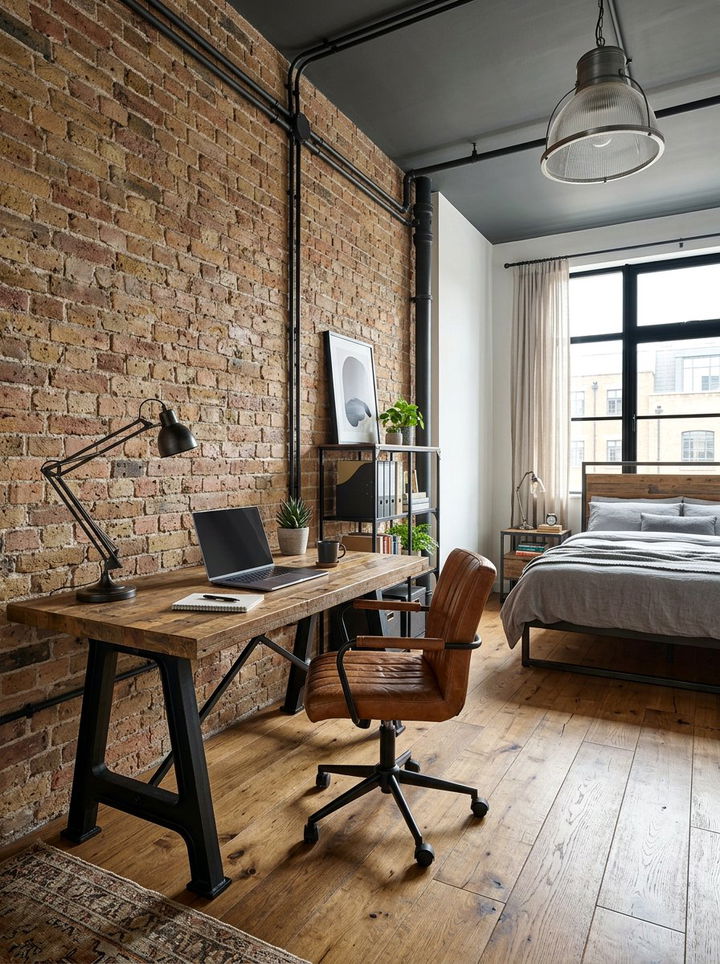
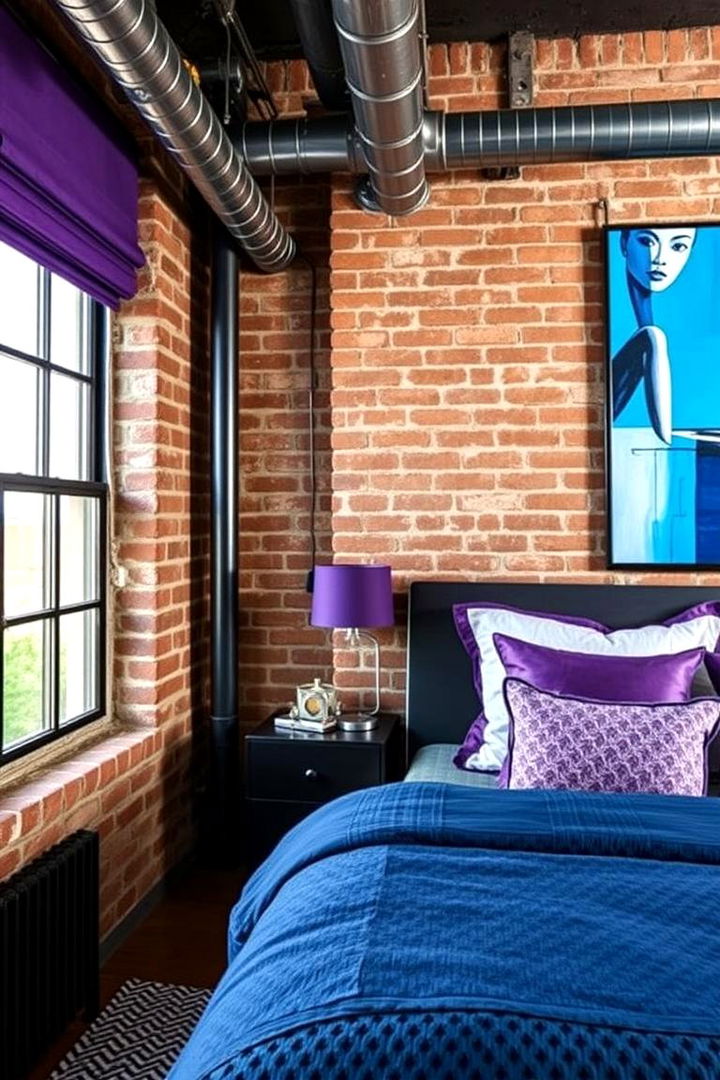
An industrial loft bedroom layout often deals with large open spaces, high ceilings, and exposed elements like brick or pipes. You can use large-scale furniture and dark metal frames to match the rugged aesthetic of the architecture. Positioning the bed against a brick wall creates a textured backdrop that feels both modern and historic. Use a large area rug to define the sleeping zone within the wide-open floor plan and dampen the echoes common in lofts. This arrangement balances the “cold” industrial materials with “warm” textiles like wool and leather, creating a cool and contemporary urban retreat that feels grounded.
28. Bedroom With Bookshelf Divider
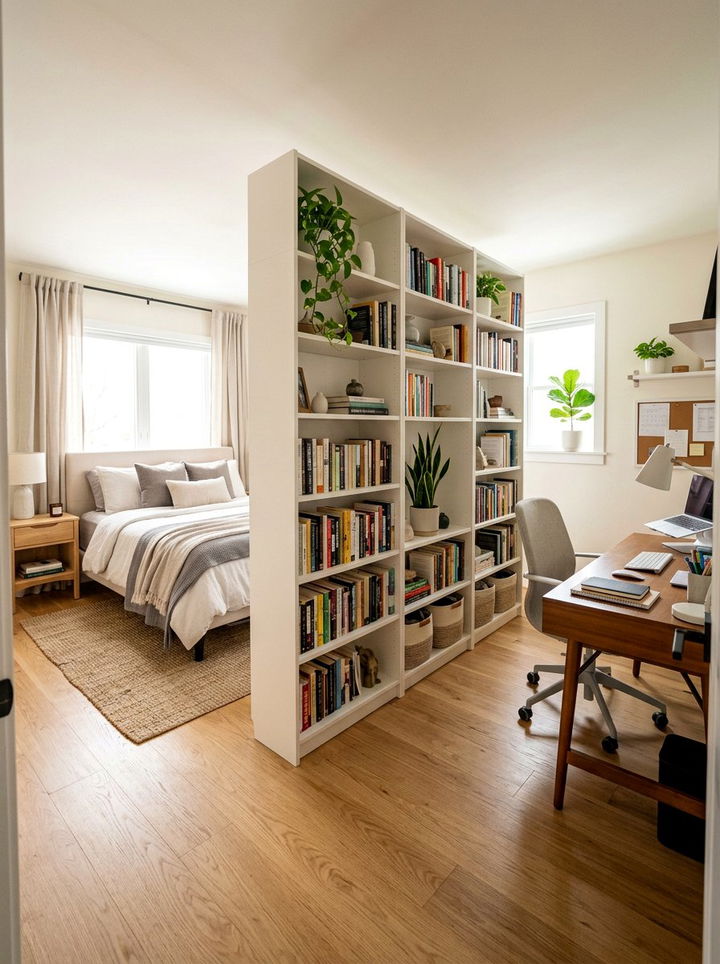
Using a bedroom with bookshelf divider is an excellent way to create a separate dressing area or home office without building permanent walls. An open-backed bookshelf allows light to pass through while still providing a clear physical boundary between two zones. You can place the bed on one side for privacy and a desk or vanity on the other. This layout is particularly useful in studio apartments or very large master suites where you want to add more function to the room. It also provides extra storage for books, plants, and decorative objects that reflect your personal style and interests.
29. Open Concept Master Suite
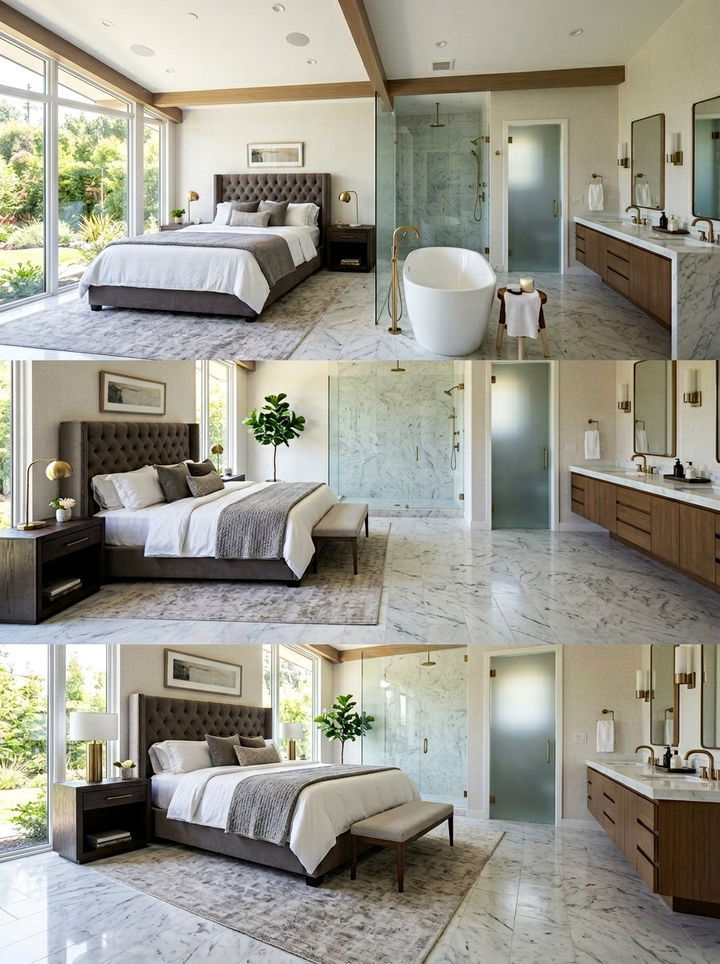
An open concept master suite blends the sleeping area and the bathroom into one seamless, luxurious space. You might place a freestanding bathtub behind a partial glass wall or even in a corner near the bed for a spa-like feel. This layout requires careful consideration of moisture and ventilation to protect the furniture and fabrics in the sleeping zone. Using consistent flooring throughout the entire suite helps unify the different functional areas. This modern arrangement feels very high-end and spacious, perfect for those who want a continuous flow and a sense of indulgence in their most private living quarters.
30. Bedroom With Balcony Access Layout
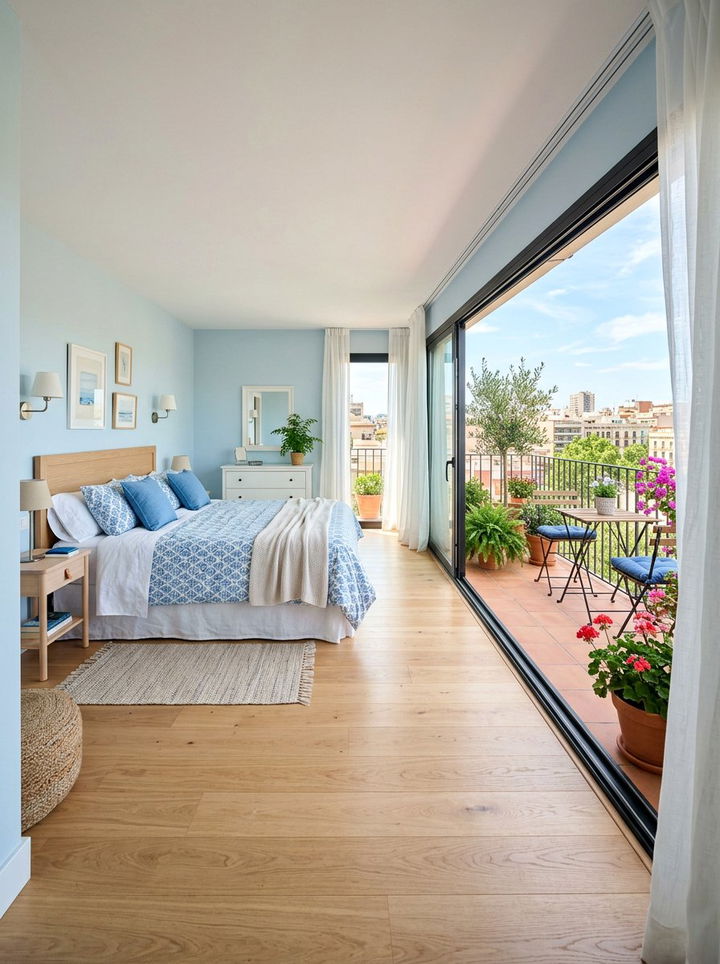
Designing a bedroom with balcony access layout requires you to keep the pathway to the outdoors completely unobstructed for safety and flow. You should position the bed on the longest wall perpendicular to the glass doors so you can enjoy the view from your pillow. Avoid placing large chairs or bulky dressers in front of the exit point to ensure natural light floods the entire room. A small bistro set or a low-profile lounge chair can sit in the corner near the door to bridge the indoor and outdoor zones. Using light, breezy curtains helps maintain privacy while still allowing easy access to the balcony.
Conclusion:
Planning the perfect bedroom furniture placement is a journey of balancing your personal needs with the unique architecture of your home. By thoughtfully arranging your bed, storage, and seating, you can create a room that not only looks like a professional designer’s work but also functions perfectly for your lifestyle. Remember that flow, lighting, and scale are the most important factors in making a space feel comfortable rather than crowded. Whether you follow traditional symmetry or experimental floating layouts, the goal is always to foster a sense of peace. Take the time to test different configurations until your bedroom feels like the ultimate retreat.
Related posts: