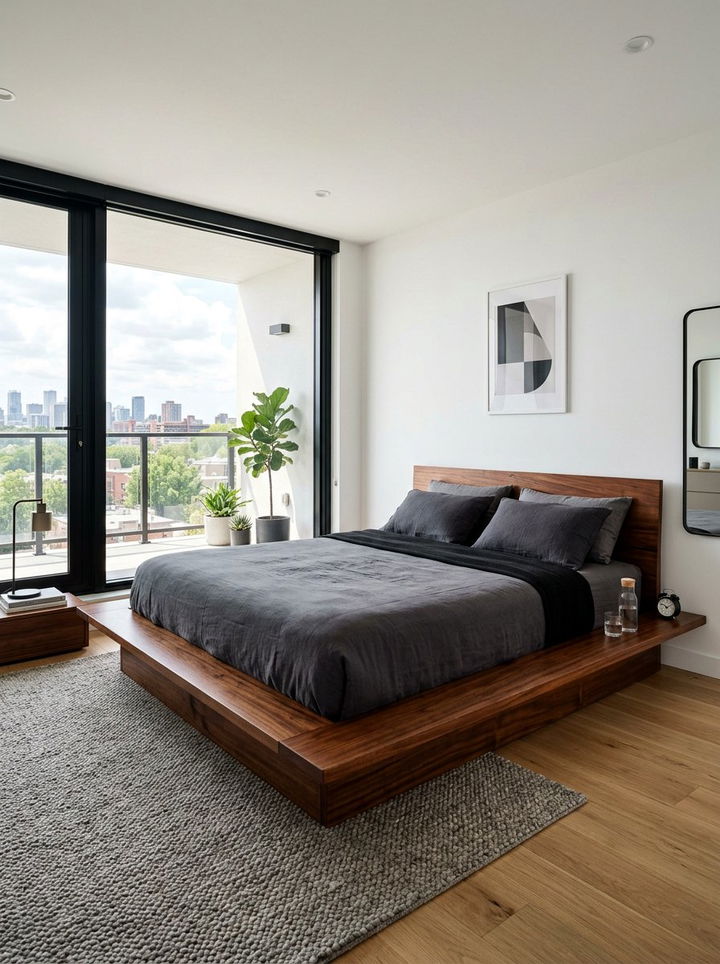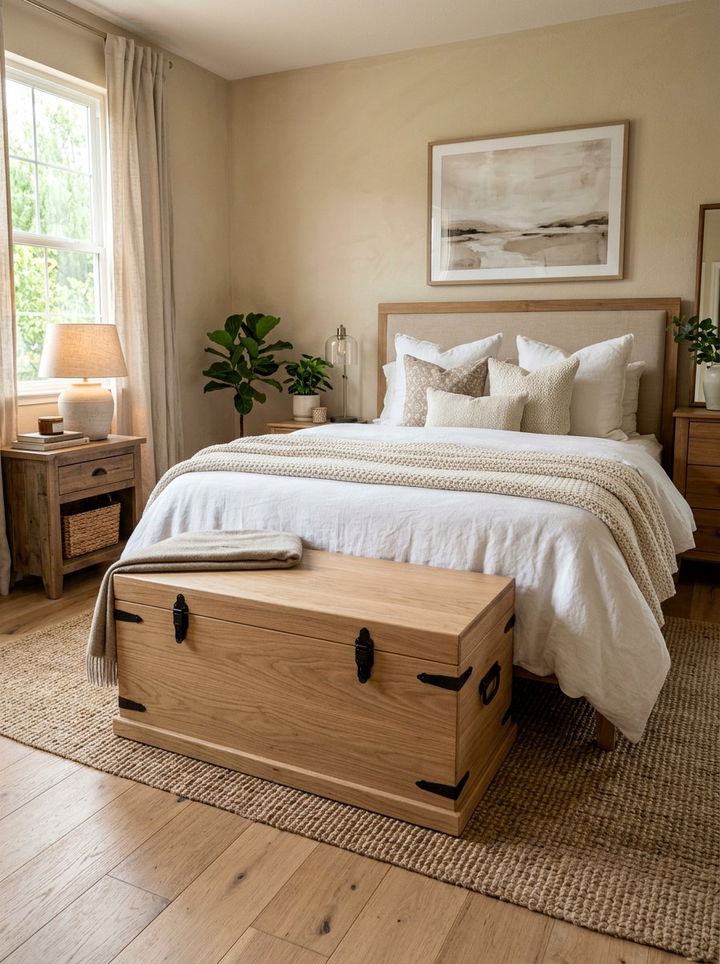
Finding the right way to set up your bedroom can completely change how you feel when you wake up every morning. A well-planned furniture arrangement does more than just look good on a social media feed; it improves your daily flow and sleep quality. Many people struggle with small spaces or awkward wall shapes, but there is always a way to make the layout feel intentional and cozy. By considering the size of your bed and the location of your windows, you can create a peaceful sanctuary. This guide will walk you through thirty different ways to organize your furniture for maximum comfort and style. Whether you have a massive master suite or a tiny studio, these layouts will help you optimize every single square inch of your personal space.
1. Bed Centered On Main Wall
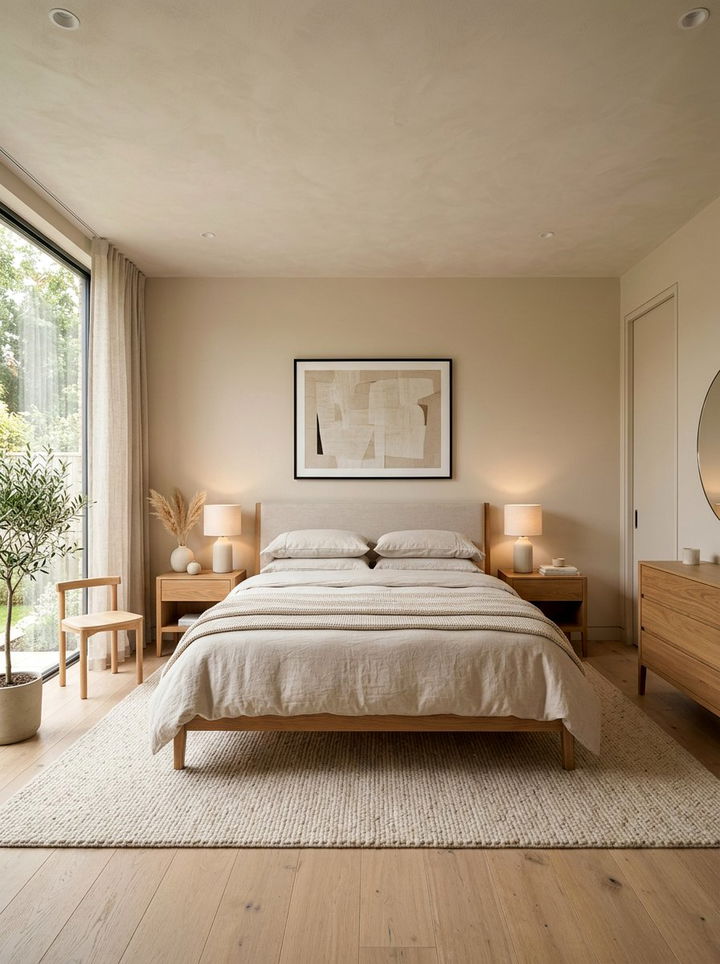
Placing your bed right in the middle of the longest wall is often the most balanced way to organize your furniture. This classic layout creates a clear focal point and allows for equal access on both sides of the mattress. It usually leaves enough room for a pair of nightstands and matching lamps, which adds a sense of order and calm to your space. You can easily fit a dresser on the opposite wall to balance the visual weight of the room. This setup works perfectly for larger rooms where you want to emphasize the size of your bed. It feels grand yet very functional for daily use, providing a symmetrical and organized atmosphere that is very relaxing.
2. Corner Bed Placement Small Room
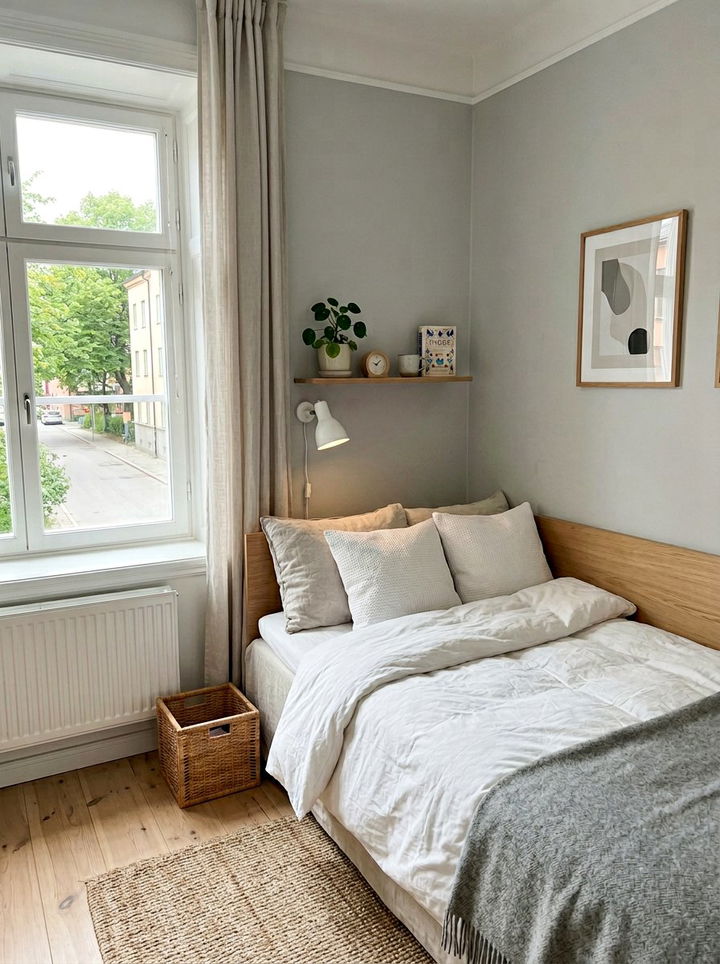
Pushing your bed into a corner is a smart move when you are dealing with a very limited amount of floor space. This arrangement opens up the rest of the room for other essential items like a desk or a small seating area. It creates a cozy, protected feeling that many people find very comforting for sleeping. You only need one nightstand with this setup, which further saves space and keeps the room from looking cluttered. This layout is particularly popular in guest rooms or kids’ rooms where floor space for play or work is a high priority. By keeping the bed tucked away, the room feels much larger and more versatile for various activities.
3. Bed Under Window Layout
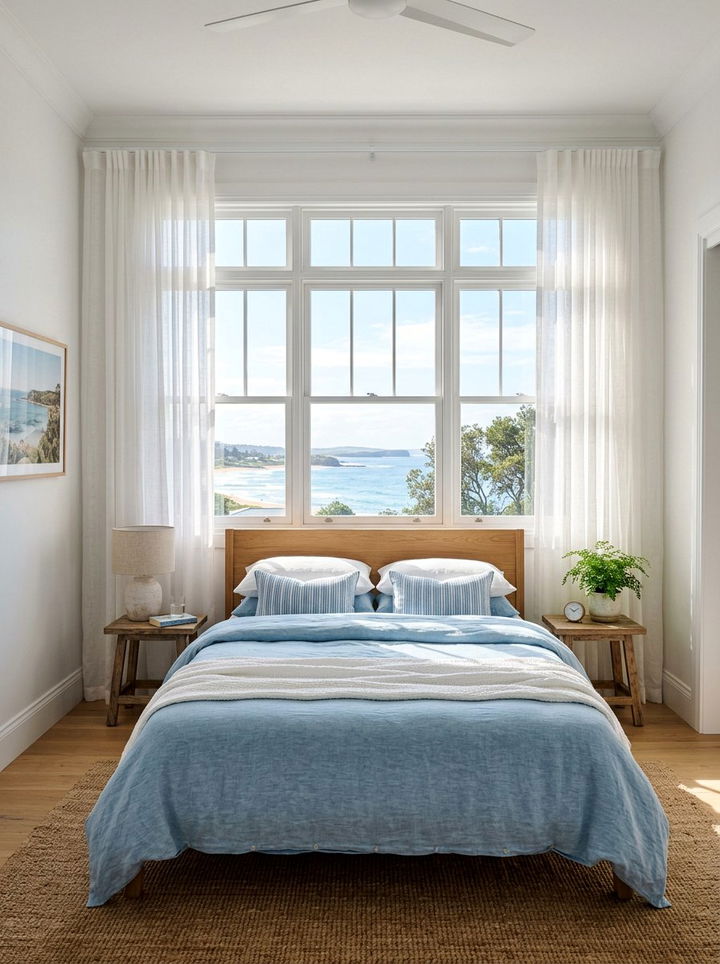
Putting your bed directly under a window can be a beautiful way to frame your sleeping area with natural light. This setup works exceptionally well in rooms where the wall space is limited by multiple openings or architectural features. It allows you to wake up with the sun and enjoy the view right from your pillows. You should choose a low headboard or no headboard at all to avoid blocking the glass and the incoming light. During the summer, the breeze can flow right over you, keeping the space fresh. It is a great way to make a window the focal point of the design while saving space on the other solid walls.
4. Sitting Area At Foot Of Bed
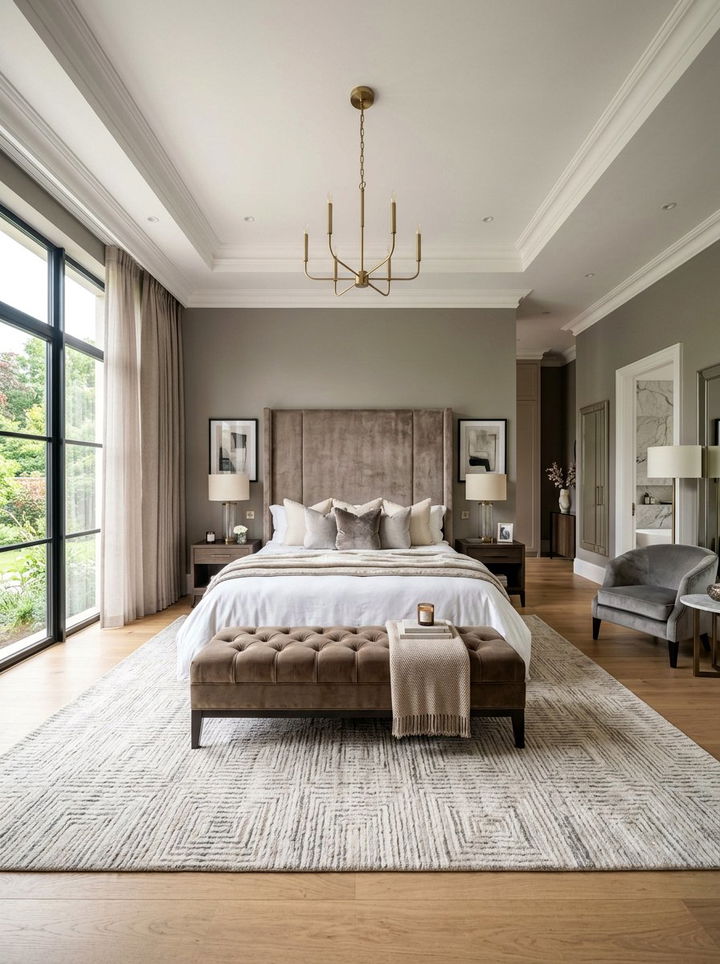
Adding a bench or a pair of small chairs at the foot of your bed creates a luxury hotel feel in your own home. This arrangement is perfect for large master bedrooms that have extra floor space that might otherwise feel empty. It provides a convenient spot to sit while putting on shoes or a place to lay out your clothes for the next day. A stylish ottoman or a wooden bench can also add a layer of texture and color to the room. This layout bridges the gap between the sleeping zone and the rest of the room, making the entire space feel more cohesive and intentionally designed for comfort.
5. Desk Next To Nightstand
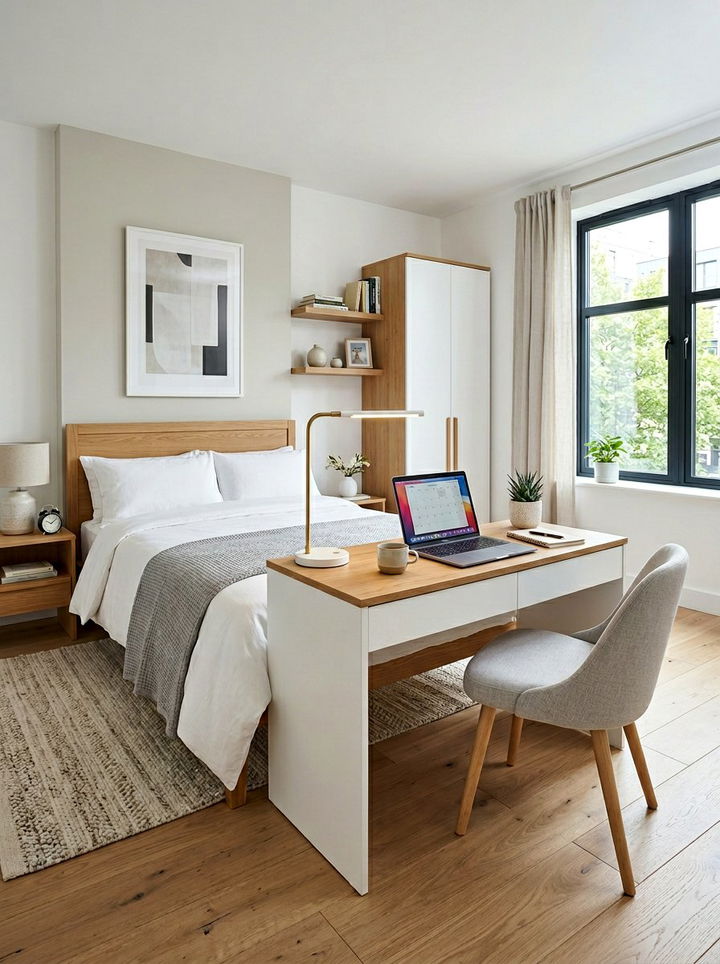
Combining your workspace with your sleeping area is a practical solution for modern homes and remote workers. Instead of having two separate pieces of furniture, you can place a desk right next to your bed to serve as both a vanity and a nightstand. This saves a significant amount of space while keeping your essentials within reach. You can use a stylish chair that tucks under the desk to keep the walkway clear when you are not working. This arrangement works best in bedrooms with long walls where you can line up the bed, a small table, and the desk in one continuous and functional row.
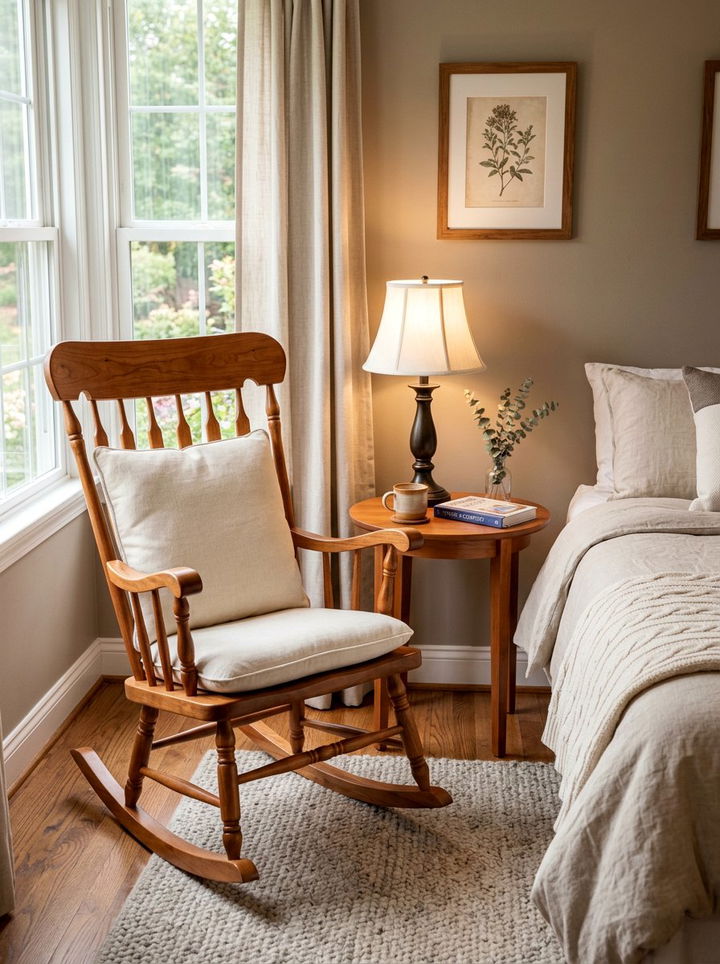
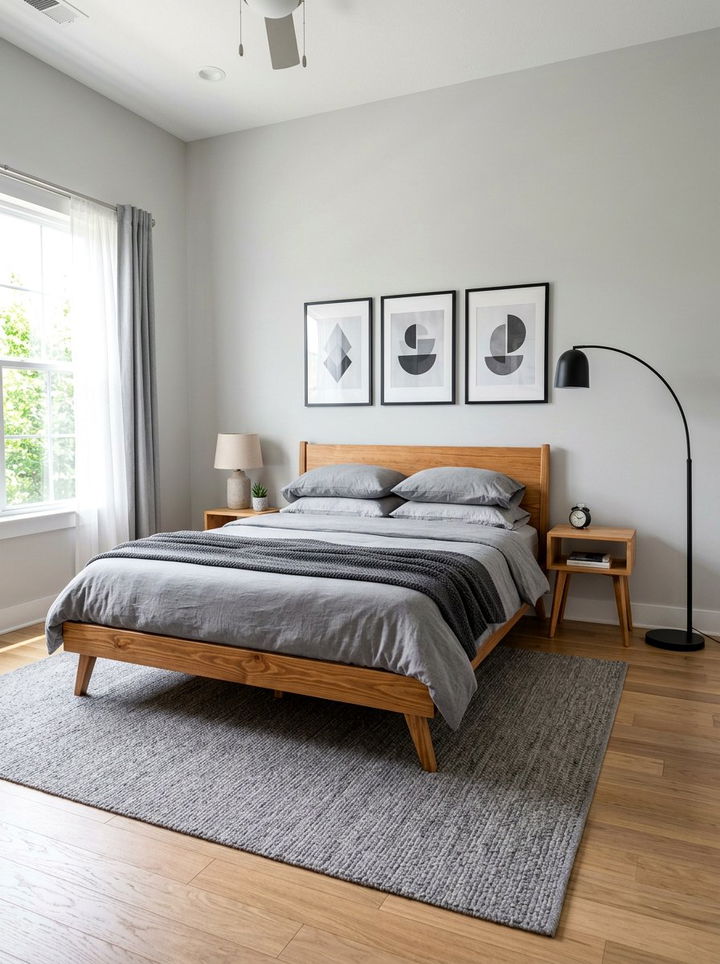
6. Bed Between Two Windows

If your bedroom has two windows on the same wall, centering the bed between them creates a stunning and symmetrical look. This layout allows natural light to flank the bed without the glare being directly in your eyes when you wake up. It provides a perfect spot for nightstands to sit right under each window, creating a balanced and high-end aesthetic. You can use matching curtains to frame the bed, making the entire wall look like a custom architectural feature. This arrangement feels very airy and bright, as the light bounces off the walls on either side of your headboard, making the room feel more open.
7. Walk In Closet Behind Bed Headboard
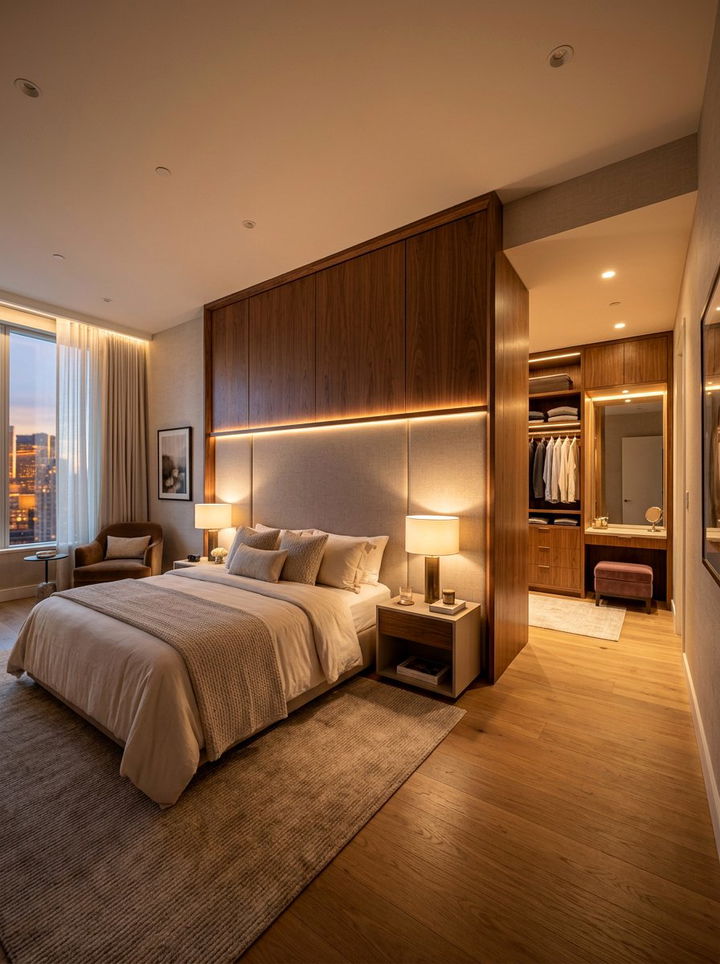
Creating a false wall or using a tall headboard to hide a walk-in closet is a genius way to manage storage in a large room. In this layout, the bed is pulled away from the main wall, leaving a wide passage behind it for clothes and dressing. It makes the sleeping area feel more intimate and secluded from the mess of a wardrobe. This arrangement is excellent for long, rectangular rooms that feel too deep for a standard setup. It adds a layer of architectural interest and makes the room feel like a sophisticated suite. You get the benefits of a private dressing area without needing a separate room.
8. Symmetrical Master Bedroom Furniture
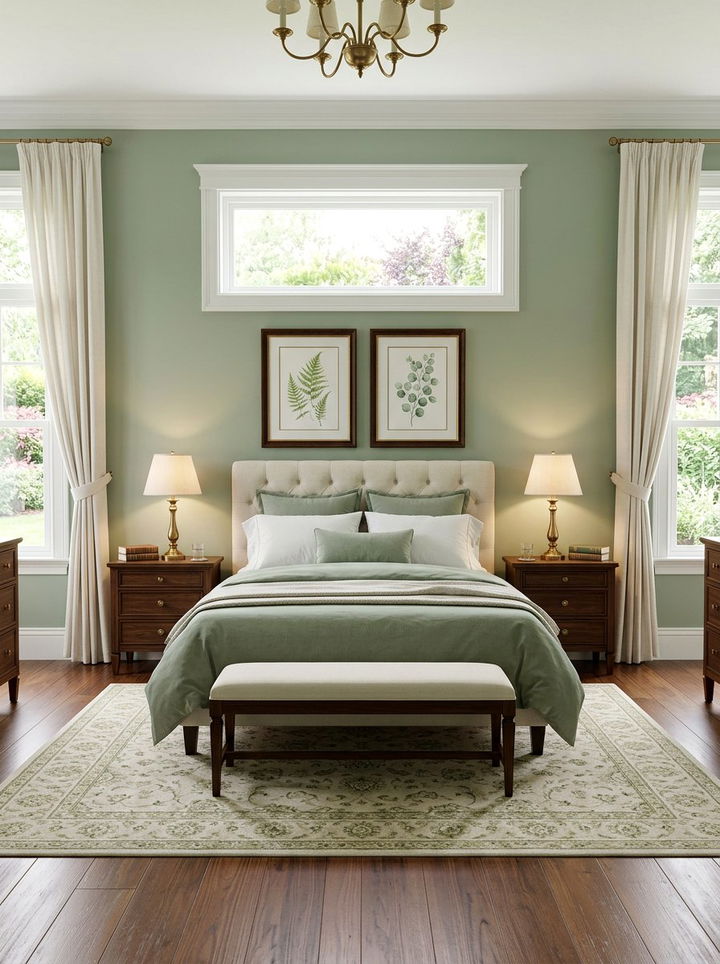
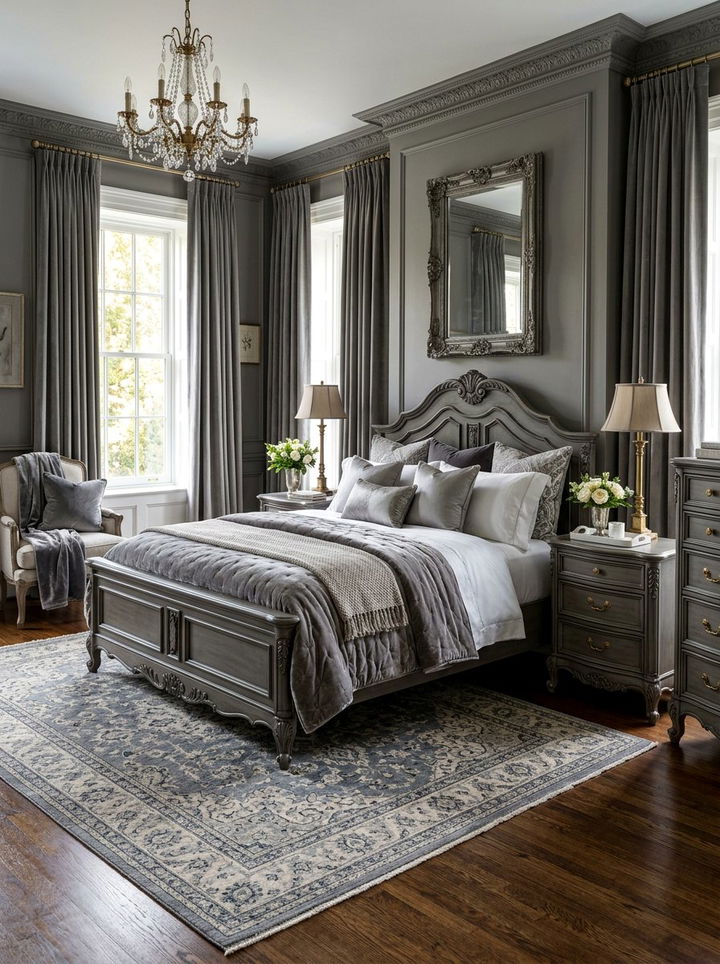
Achieving a perfectly symmetrical look is the key to a formal and polished bedroom environment. This involves placing the bed in the center and mirroring every piece of furniture on both sides. You would use identical nightstands, matching lamps, and even twin rugs or art pieces to create a sense of total balance. This layout is very pleasing to the eye and helps to reduce visual clutter by creating a predictable pattern. It works best in medium to large rooms where you have enough space to let the furniture breathe. Symmetry often leads to a more restful environment because the brain finds the balanced proportions easy to process.
9. Small Bedroom Layout With Dresser
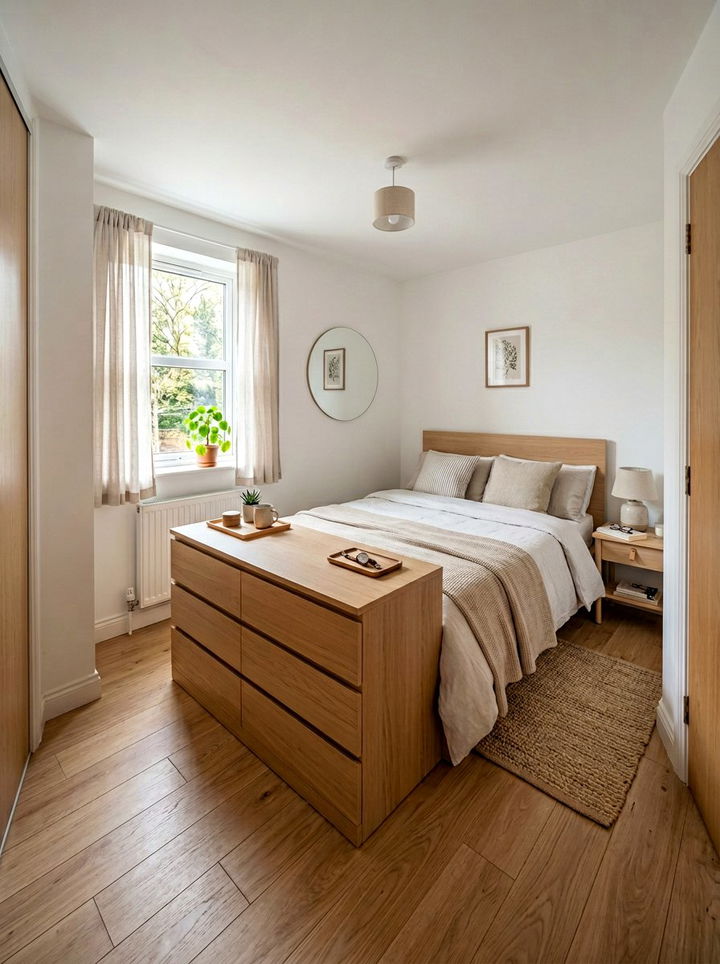
When you have a small room, placing your dresser directly across from the foot of the bed is usually the most efficient plan. This keeps the main walkway clear and ensures that you have enough room to open the drawers comfortably. If the room is very narrow, you might choose a tall, slim chest of drawers instead of a wide double dresser. This arrangement uses vertical space effectively and leaves enough room on the sides of the bed for movement. It keeps all your clothing storage in one zone while leaving the sleeping area feeling separate and uncluttered. It is a classic layout for urban apartments and secondary bedrooms.
10. Studio Apartment Bed Zone Divider
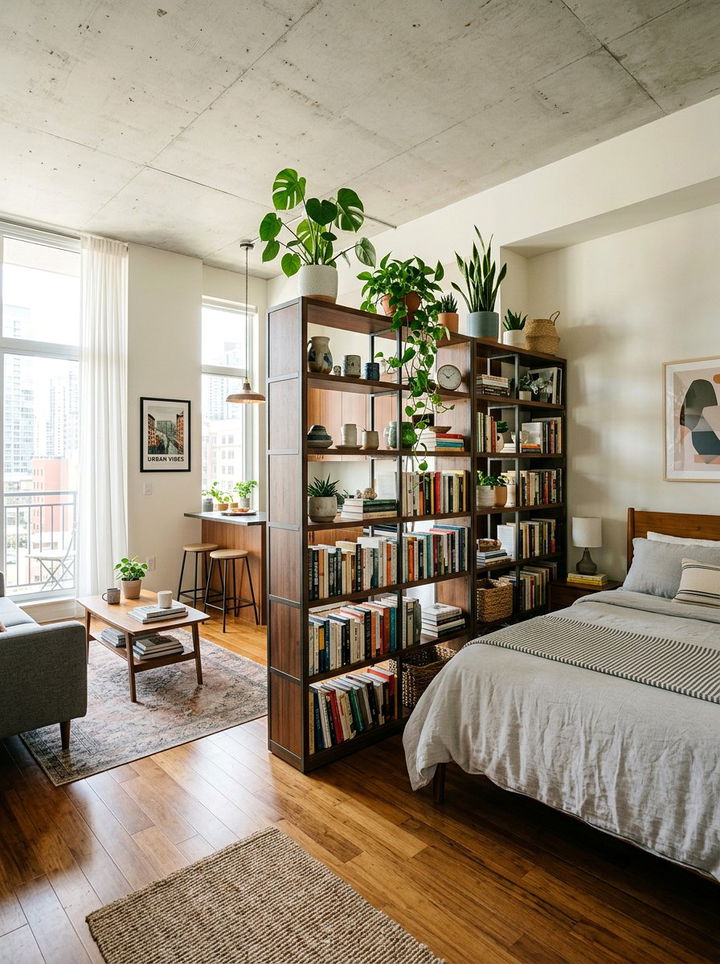
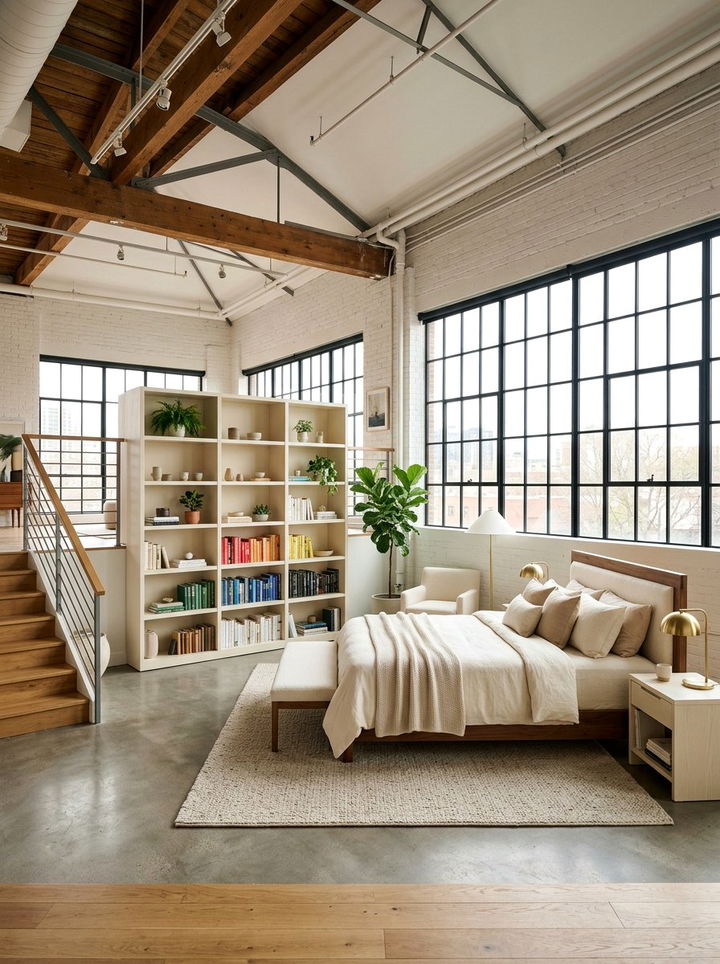
In a studio apartment, using furniture to define the bedroom area is essential for creating a sense of privacy. You can place a large bookshelf or a folding screen at the foot or side of the bed to act as a room divider. This physically separates the sleeping space from the living or kitchen areas without the need for permanent walls. It makes the “bedroom” feel like a cozy nook rather than just a bed in the middle of a room. This arrangement also provides extra storage for books or decor, which is always a plus in a small home. It creates a clear boundary that helps you mentally switch to sleep mode.

11. Two Twin Beds Shared Room
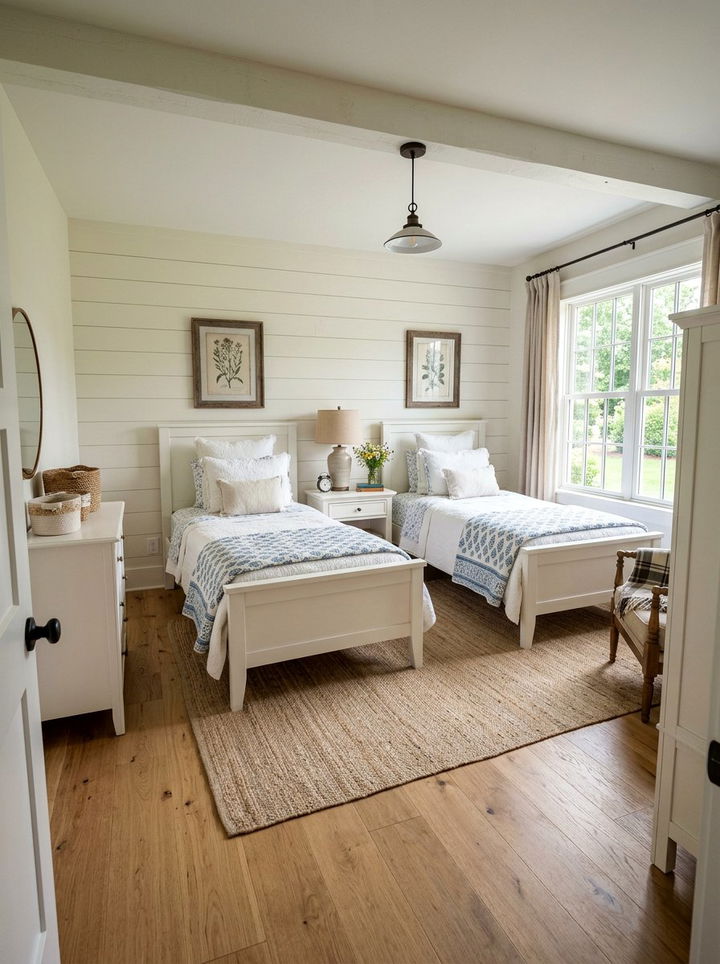
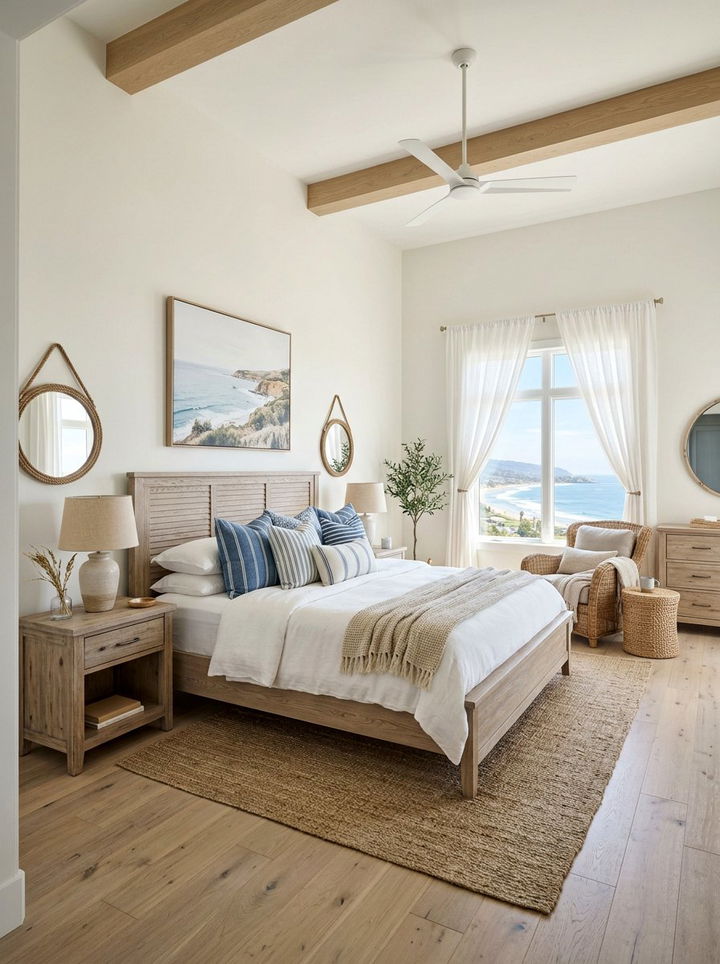
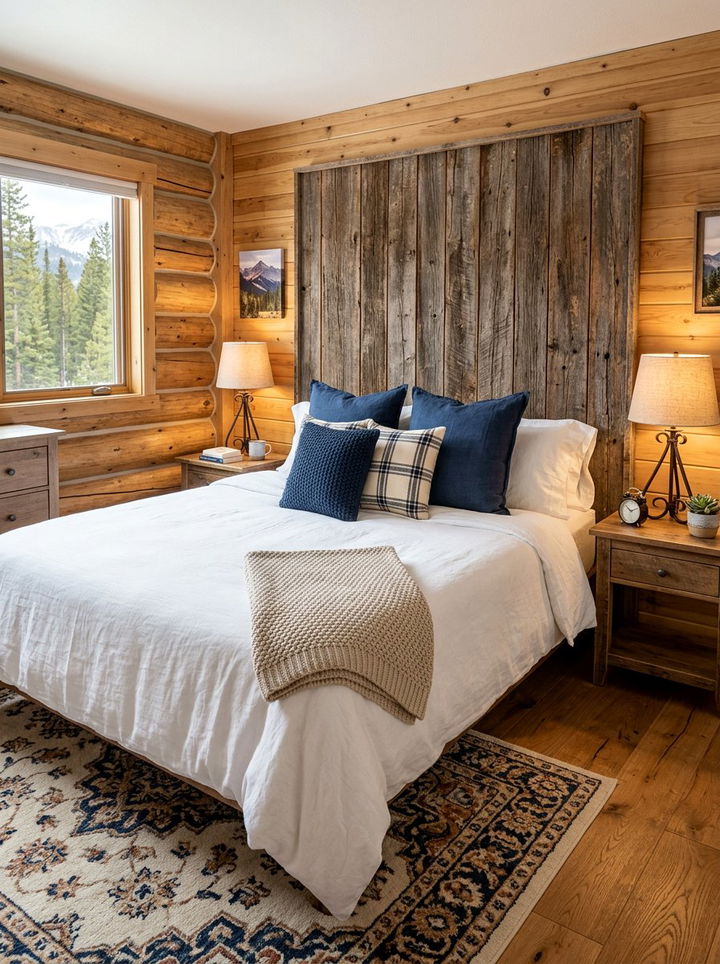
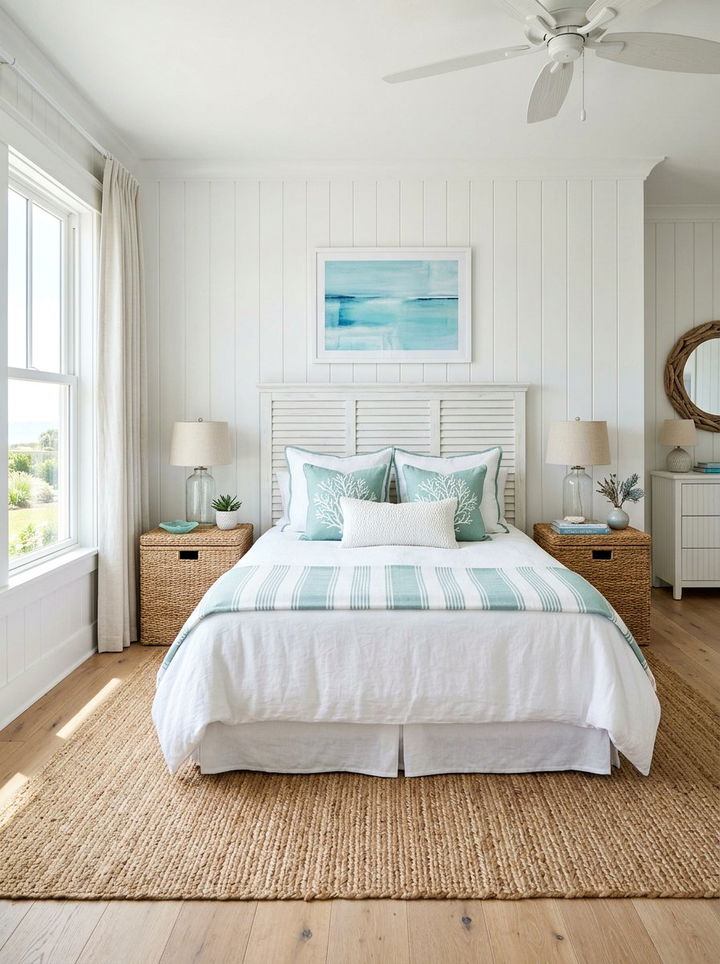
Arranging two twin beds in a shared room requires careful planning to ensure both people have their own space. The most common layout is placing them side-by-side with a single nightstand in the middle to share. This creates a symmetrical look that feels balanced and organized. Alternatively, you can place them in an L-shape against two different walls to open up more floor space in the center of the room. This works well for kids’ rooms where they need a place to play on the floor. Both setups allow for individual lighting and personal storage, making the shared environment much more comfortable and functional for daily living.
12. Bedroom With Vanity Setup
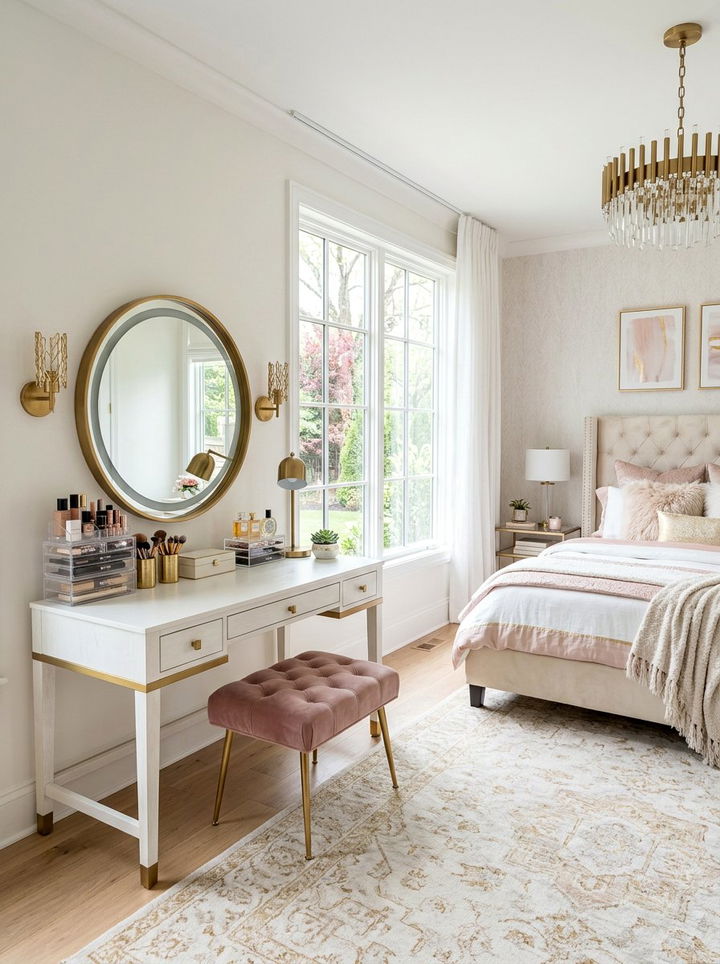
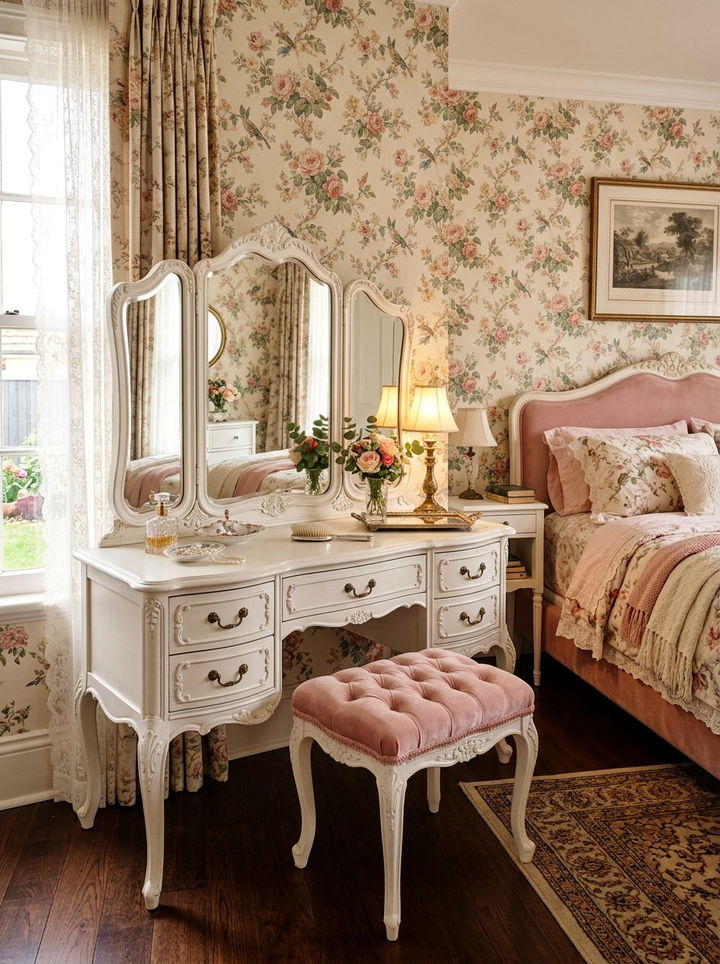
Incorporating a vanity table into your bedroom layout adds a touch of glamour and practical functionality. You can place the vanity near a window to take advantage of natural light for grooming or makeup application. If space is tight, a small vanity can double as a nightstand next to the bed. This arrangement keeps your beauty products and accessories organized in one dedicated spot rather than cluttering the bathroom. It creates a specialized zone in the room that feels very personal and luxurious. Choosing a vanity with a beautiful mirror also helps to reflect light and make the entire bedroom feel brighter and more spacious than it actually is.
13. Reading Chair In Bedroom Corner
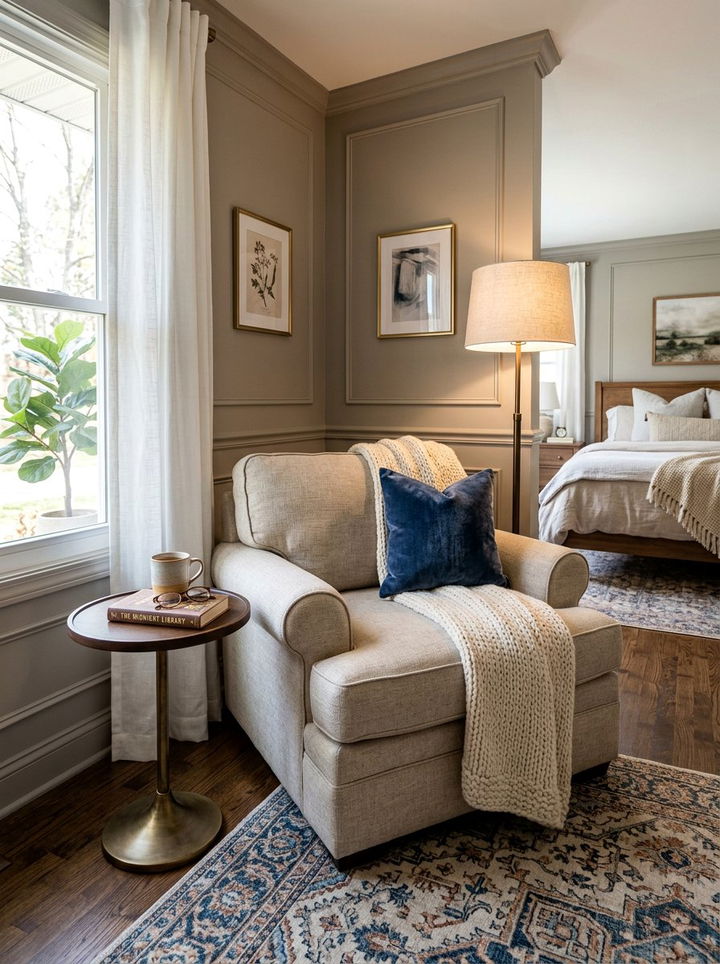
If you have an unused corner in your bedroom, adding a comfortable reading chair can turn it into a peaceful retreat. This layout works best when the chair is placed near a window or a floor lamp to ensure there is plenty of light for reading. You can add a small side table for your coffee or books to make the spot even more functional. This arrangement breaks up the rectangular lines of the room and adds a soft, inviting element to the decor. It encourages you to use your bedroom for more than just sleeping, providing a quiet space to relax and unwind at the end of the day.
14. Diagonal Bed Arrangement
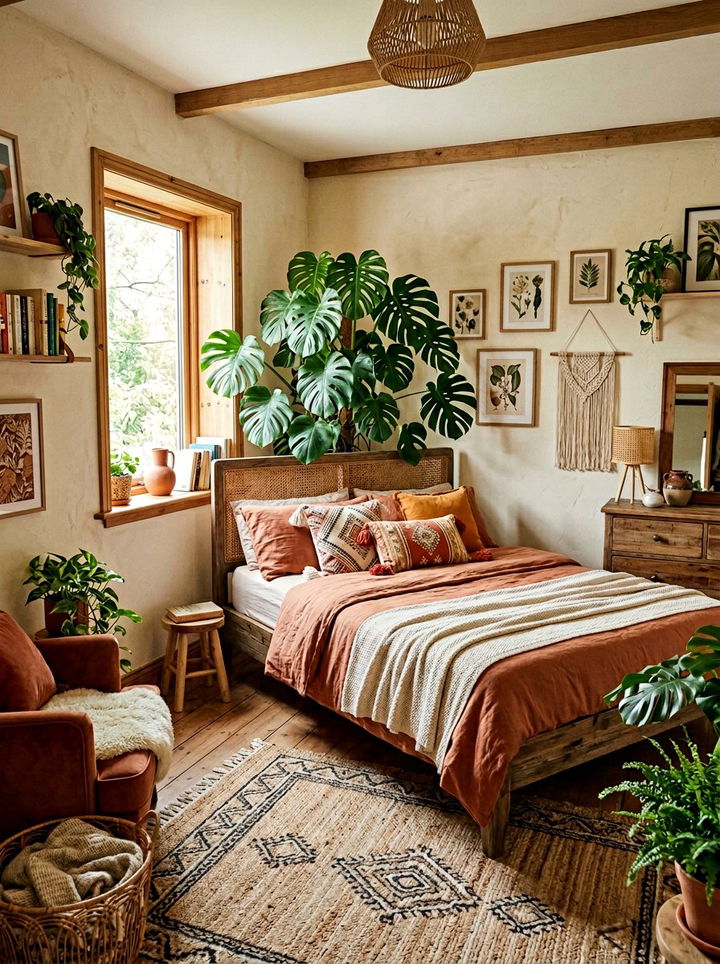
Placing your bed at a diagonal angle across a corner is a bold choice that can make a room feel much more dynamic. This layout is particularly useful in rooms that have multiple doors or awkward alcoves that make standard placement difficult. It draws the eye toward the center of the room and can actually make a small space feel wider. Behind the headboard, the triangular space can be used for a tall plant or a floor lamp to fill the gap. While it does take up more floor space, it creates a unique architectural feel that stands out. It is an excellent way to break the monotony of a square room.
15. Floating Bed Layout Large Room
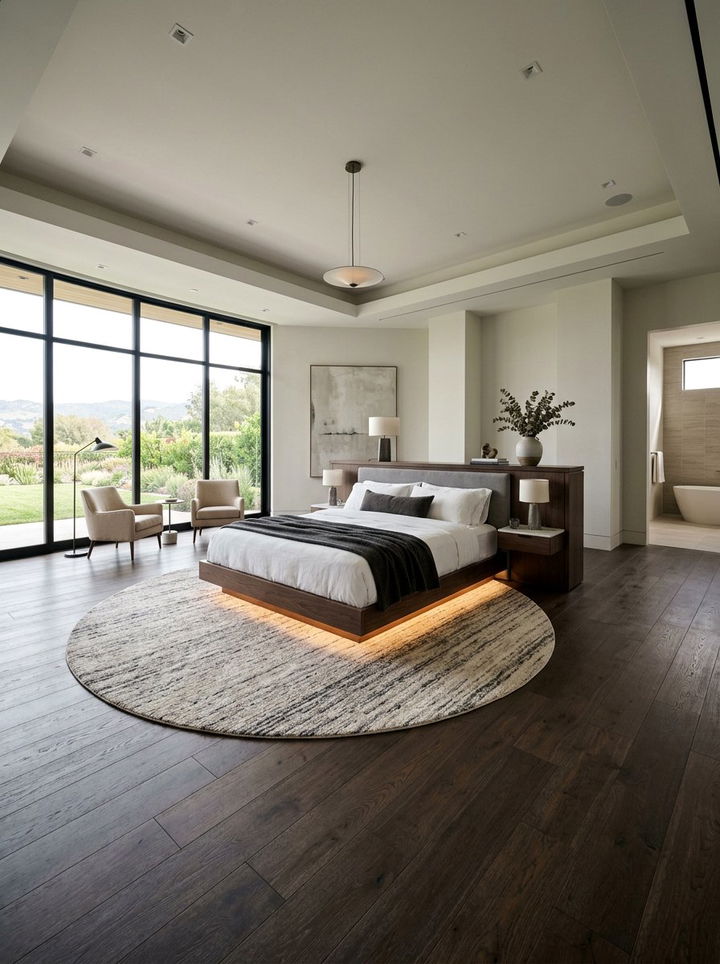
In very large bedrooms, you don’t always have to push your furniture against the walls. A floating bed layout involves placing the bed toward the center of the room, often with a large area rug underneath to ground it. This creates a sense of luxury and makes the space feel like a high-end boutique hotel. You can place a desk or a console table behind the headboard to provide a sense of structure and extra utility. This arrangement allows for movement all the way around the bed and makes the room feel less like a box. It is a sophisticated way to handle vast amounts of open floor space effectively.
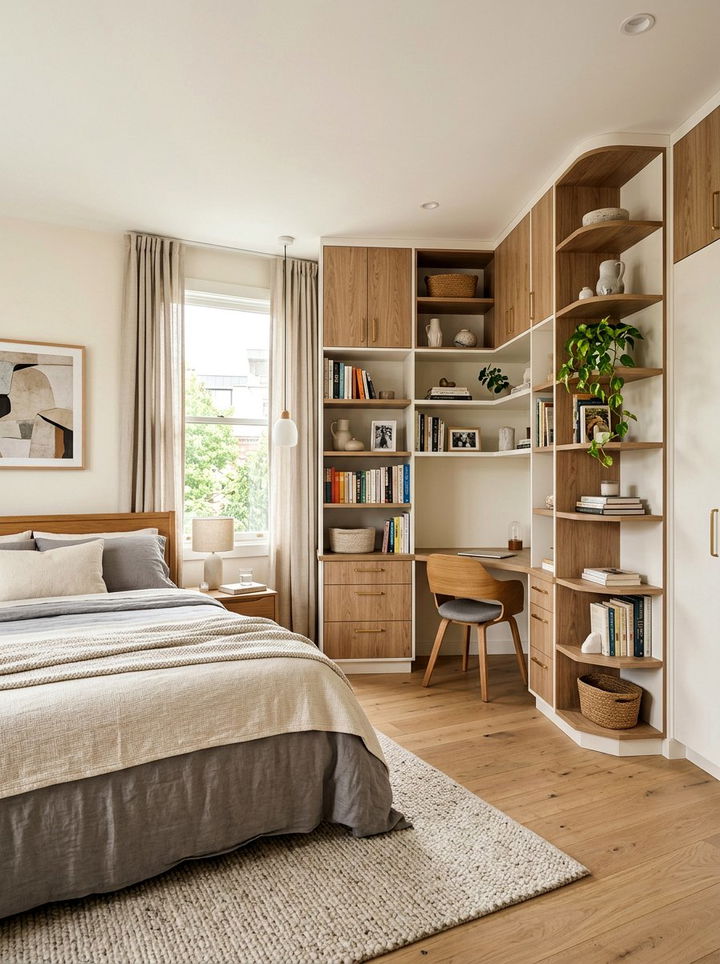
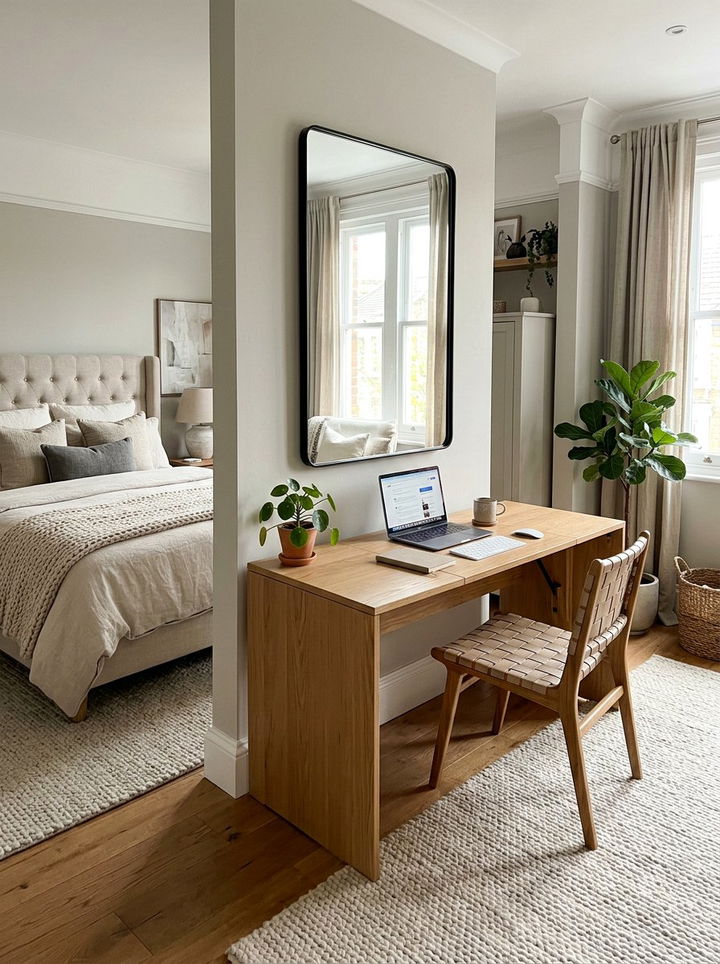
16. Bed Opposite Wall Of Mirrors

Positioning your bed so it faces a wall of mirrored closet doors or a large floor-length mirror is a great way to expand the room visually. The mirrors reflect the entire sleeping area, making the bedroom feel twice as large and significantly brighter. This layout is perfect for dark rooms or small apartments where you want to maximize the sense of openness. The reflection of the bed and bedding adds a layer of depth and visual interest to the space. It also makes the room feel more balanced by doubling the light from any windows. It is a simple trick that completely changes the atmosphere and energy of the bedroom.
17. Narrow Bedroom Furniture Flow
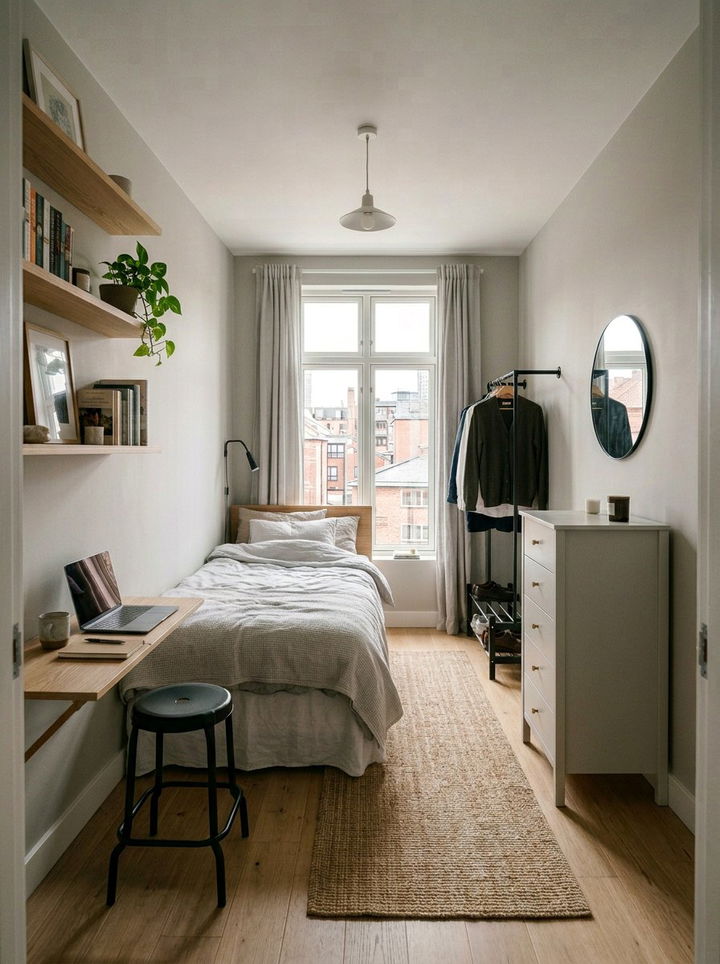
Designing a narrow bedroom requires a layout that prioritizes a clear walking path from the door to the window. Usually, this means placing the bed against one of the long walls and keeping the opposite wall relatively clear. You might use a slim dresser or wall-mounted shelves to avoid blocking the passage. Placing the bed at the far end of the room can also help to make the space feel less like a hallway. By keeping the furniture scaled to the room ‘s proportions, you ensure that the space remains functional and doesn’ t feel cramped. Using light colors and minimal decor further helps to maintain a sense of airiness.
18. Loft Bed With Desk Underneath
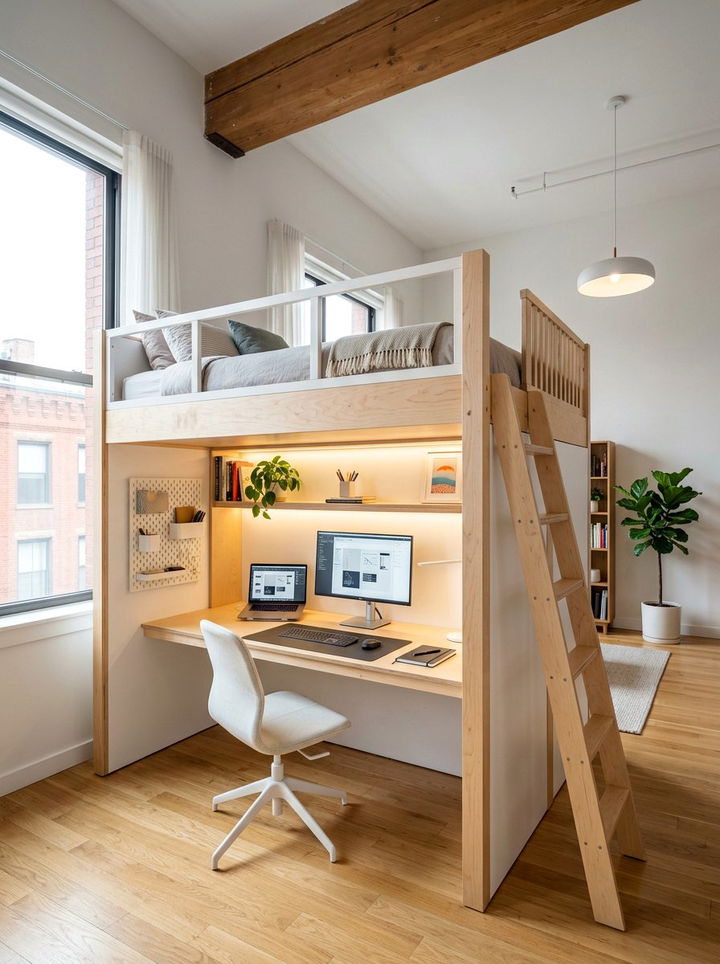
For tiny bedrooms or studio apartments with high ceilings, a loft bed is a game-changer for furniture arrangement. By elevating the sleeping area, you completely free up the floor space below for a full-sized desk or a cozy sofa. This vertical layout effectively doubles the usable square footage of the room. It creates two distinct zones: one for working or relaxing and one for sleeping. This setup is incredibly popular in dorm rooms and urban flats where every inch counts. It makes the room feel more organized because the bed is tucked away out of sight, leaving the living area open for guests or daily activities.
19. Storage Bed Against Long Wall
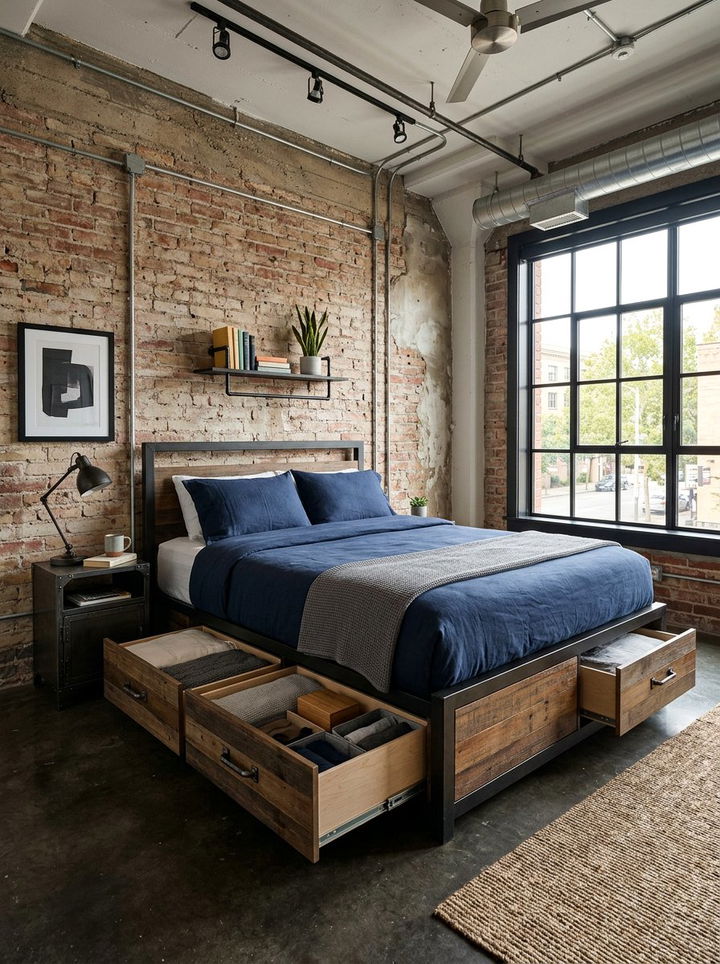
Using a bed with built-in drawers is a smart way to arrange a room that lacks closet space. This layout allows you to skip a large dresser, leaving more room for a comfortable chair or a larger nightstand. You should place the bed against the longest wall to ensure you have enough room to fully extend the storage drawers on either side. This keeps your clothing and linens organized while maintaining a clean and minimalist look in the room. This arrangement is highly functional for people who live in older homes with tiny closets. It turns the largest piece of furniture into a multi-purpose storage powerhouse for the entire bedroom.
20. Bookshelf As Headboard Partition
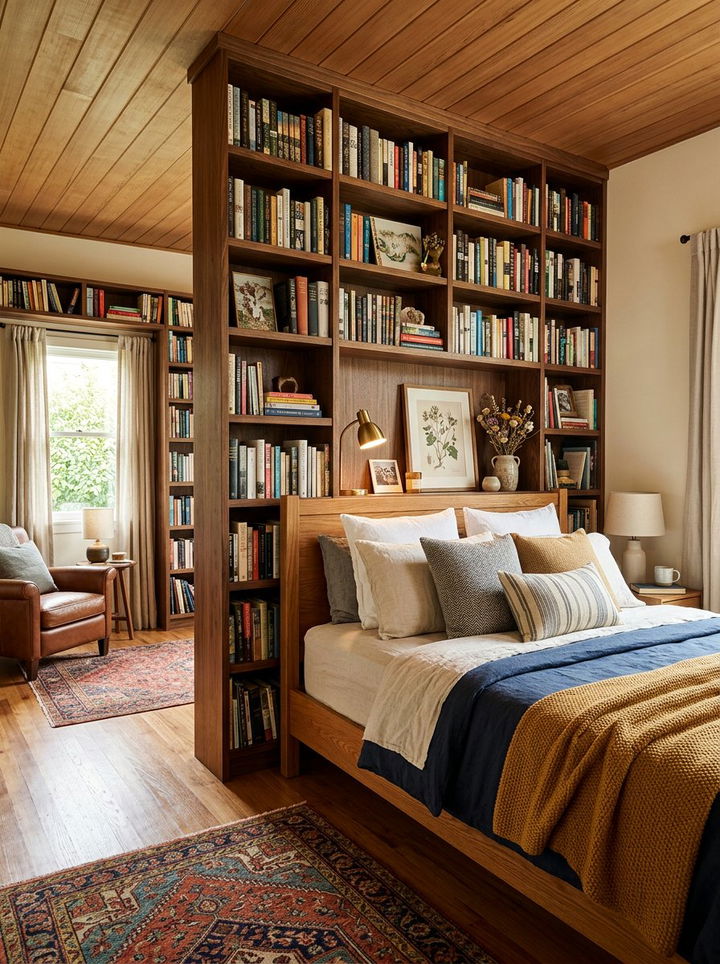
Using a sturdy bookshelf as a headboard is a creative way to arrange furniture while gaining massive amounts of storage. This layout works well if you place the bed slightly away from the wall, using the shelf to divide the room. You can store books, lamps, and decorative items right behind your head, making them easy to reach while you are in bed. This setup adds a lot of personality to the room and creates a cozy, library-like atmosphere. It is also a great way to hide the back of the bed if you are using an open-concept layout. The height of the shelf provides a sense of enclosure and privacy.
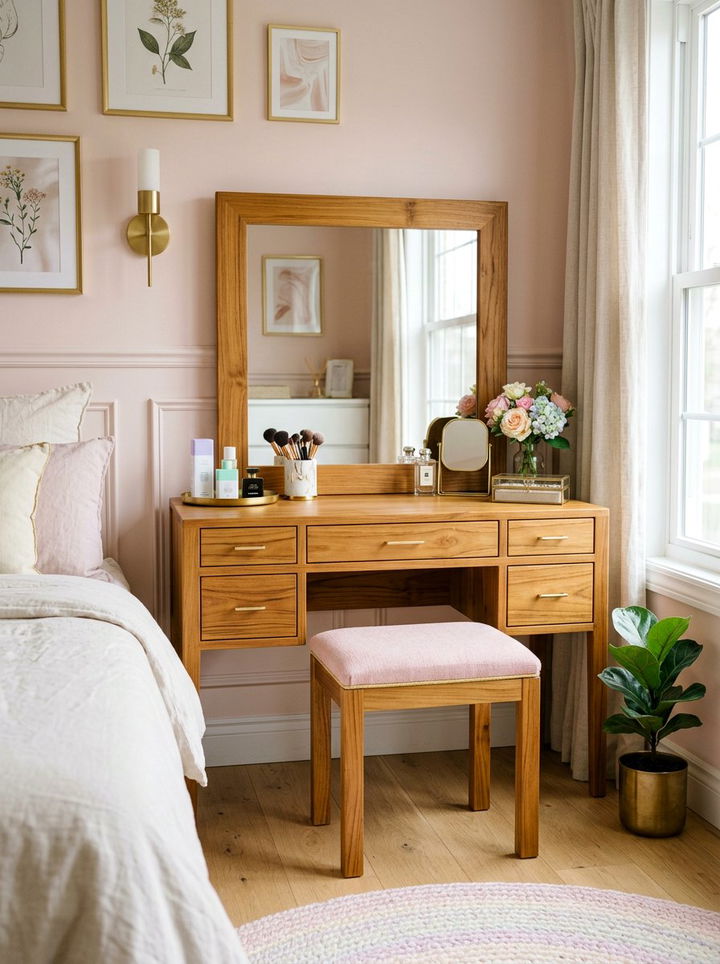
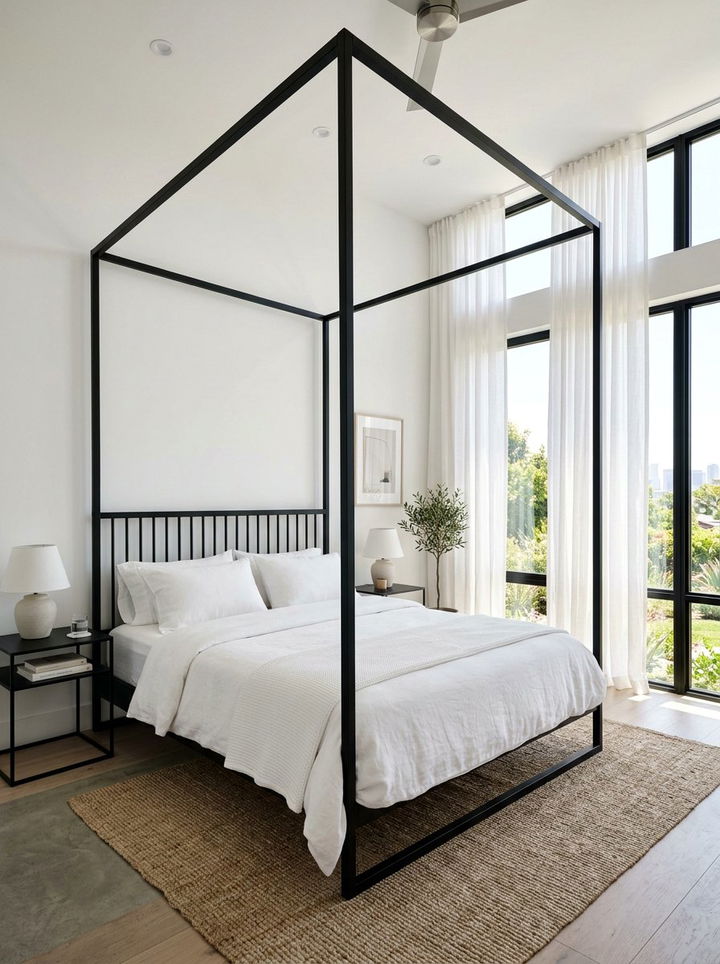
21. Minimalist Bedroom With Bench
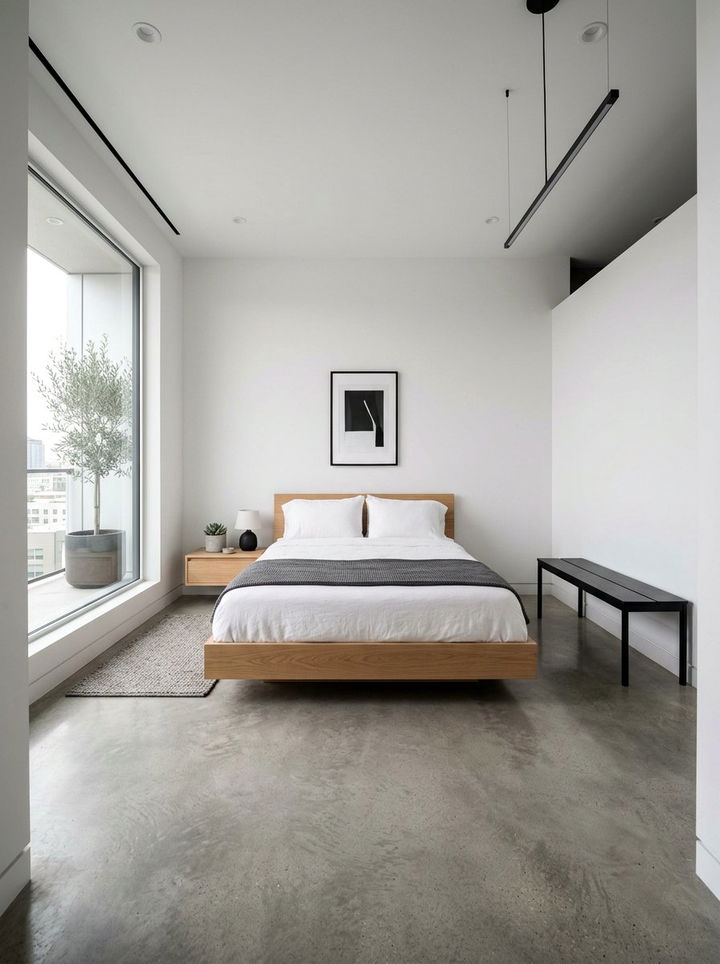
A minimalist furniture arrangement focuses on having only the essentials to create a clean and peaceful environment. You might place a simple platform bed in the center of the wall and add a sleek wooden bench at the foot. This setup avoids heavy dressers or bulky nightstands, opting instead for wall-mounted ledges or slim metal tables. The bench provides a place to sit without adding the visual clutter of a chair. This layout emphasizes the architecture of the room and the quality of the materials used. It is perfect for those who want a calm, zen-like space that is easy to keep clean and organized for better rest.
22. Bed Facing Large Window View
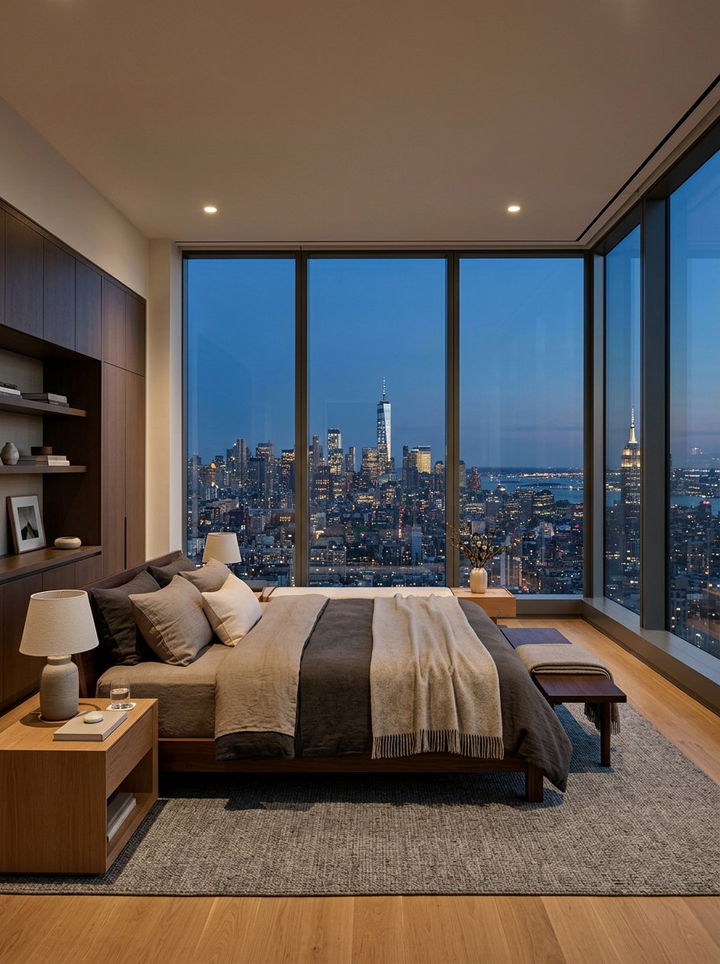
If you are lucky enough to have a beautiful view, your furniture arrangement should celebrate it by facing the bed toward the window. Instead of the traditional “headboard against the wall” look, you might place the bed in the middle of the room looking out. This allows you to enjoy the landscape or the city lights as the last thing you see before falling asleep. You can place a low console or a desk behind the headboard to ground the bed in the space. This layout feels very airy and connected to the outdoors, making the bedroom feel like a relaxing vacation spot every single night.
23. Bedroom With Fireplace Seating

Arranging your bedroom furniture around a fireplace creates the ultimate cozy and warm atmosphere. You should position the bed so you have a clear view of the hearth, perhaps with a pair of armchairs placed nearby. This creates a secondary focal point in the room beyond just the bed. A small rug can define the seating area near the fire, making it feel like a private lounge within your suite. This layout is perfect for cold climates and adds a significant amount of charm and character to the home. It encourages you to spend more time relaxing in your room during the evening hours with a good book.
24. L Shaped Bedroom Furniture Plan
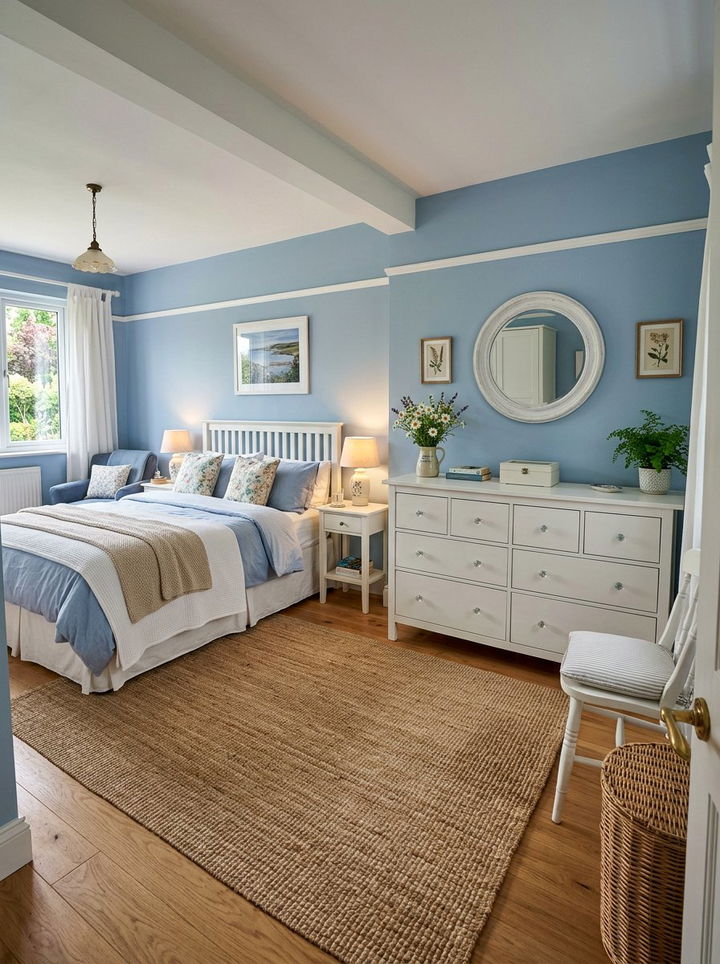
An L-shaped furniture arrangement is a great way to utilize the corners of a room while leaving the center open. You can place the bed against one wall and a long dresser or a desk against the adjacent wall. This creates a natural flow and makes the room feel very spacious and balanced. It works particularly well in square-shaped rooms where placing everything on one wall would leave too much empty space. By spreading the furniture across two walls, you create different zones for sleeping and getting ready. This layout feels very grounded and allows for easy movement through the room without any awkward obstacles in the way.
25. Daybed In Guest Room Office
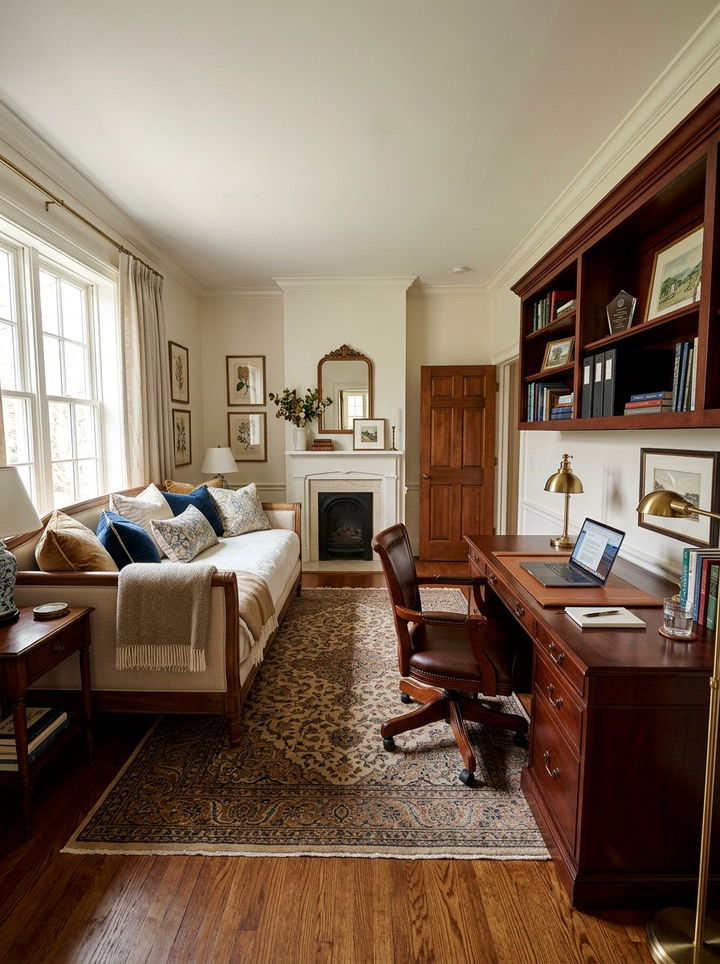
Using a daybed instead of a standard mattress is a smart way to arrange a multi-functional guest room and office. During the day, the daybed looks like a stylish sofa, making the room feel more like a professional workspace. When guests arrive, it easily converts into a comfortable bed for the night. You can place a large desk on the opposite wall to ensure you have plenty of room for work. This arrangement maximizes the utility of a spare bedroom without it feeling like a dedicated sleeping space all the time. It is a practical and stylish solution for modern homes where rooms must serve several different purposes.
26. Nightstand And Tall Chest Combo
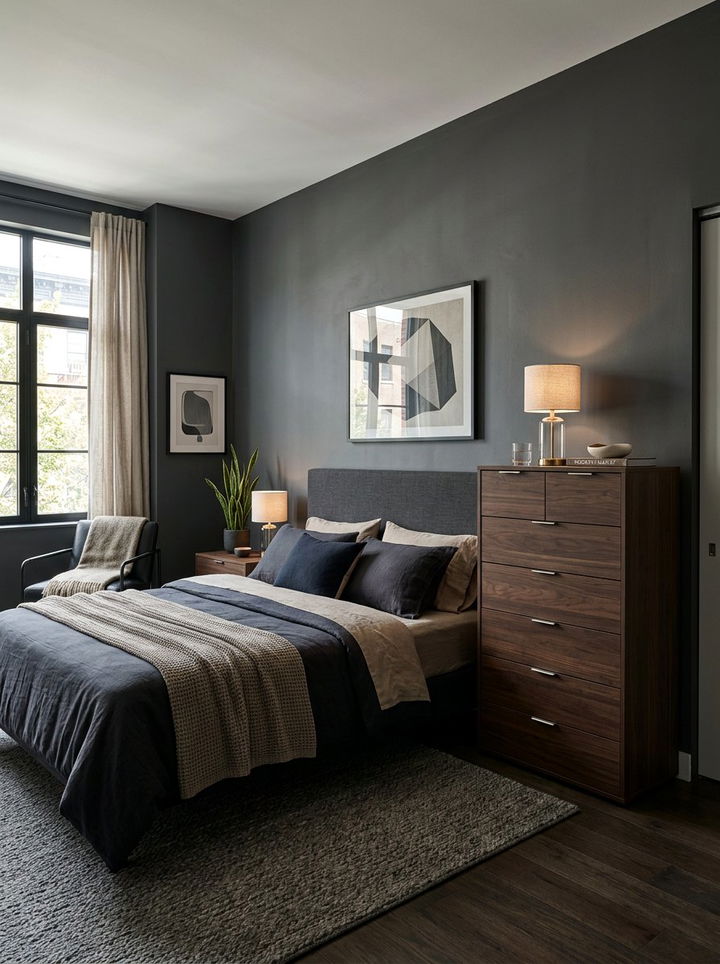
In rooms where space is tight on one side of the bed, you can use a tall chest of drawers instead of a traditional nightstand. This layout provides you with much-needed vertical storage while still giving you a surface for a lamp and your phone. It balances the room by adding height to one side, which can be a very interesting design element. You can keep a standard low nightstand on the other side of the bed to maintain some level of accessibility. This asymmetrical approach is very practical for small master bedrooms where a full-sized dresser simply won’t fit on the main walls alongside the bed and other items.
27. Bed With Wrap Around Shelving
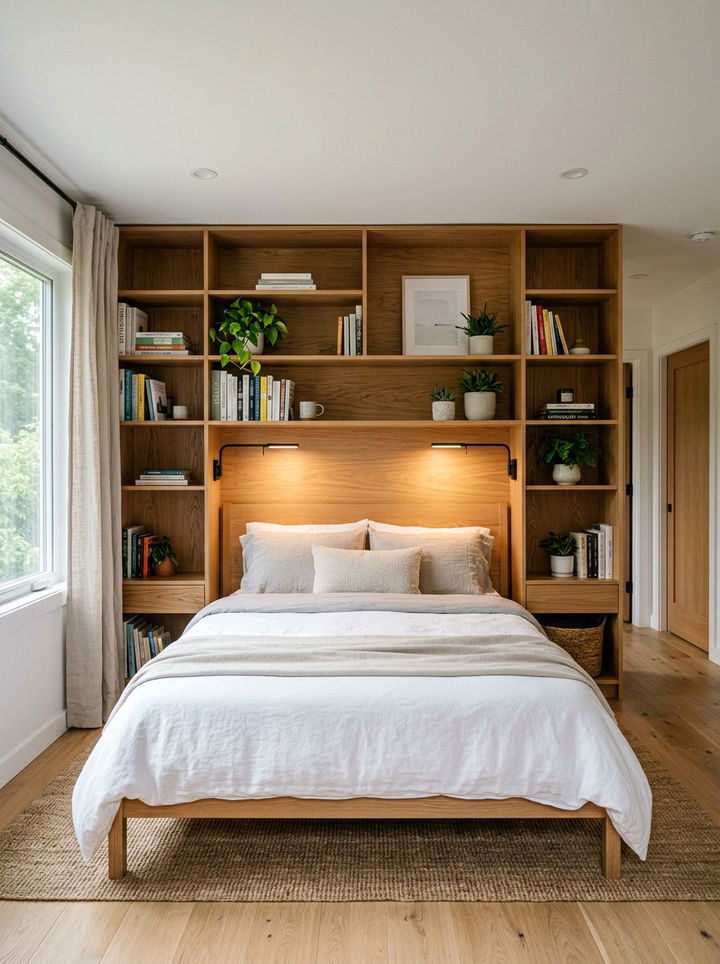
Building or placing shelves that wrap around the top and sides of your bed is a fantastic way to maximize storage in a small room. This furniture arrangement creates a built-in look that feels very custom and high-end. The shelves can hold books, plants, and decor, eliminating the need for separate nightstands or bookcases. It frames the bed and makes the sleeping area feel like a cozy, protected alcove. This layout is especially effective in rooms with very little floor space because it utilizes the walls for all your storage needs. It keeps the center of the room open and makes the space feel very organized and tidy.
28. Nursery Corner In Master Bedroom
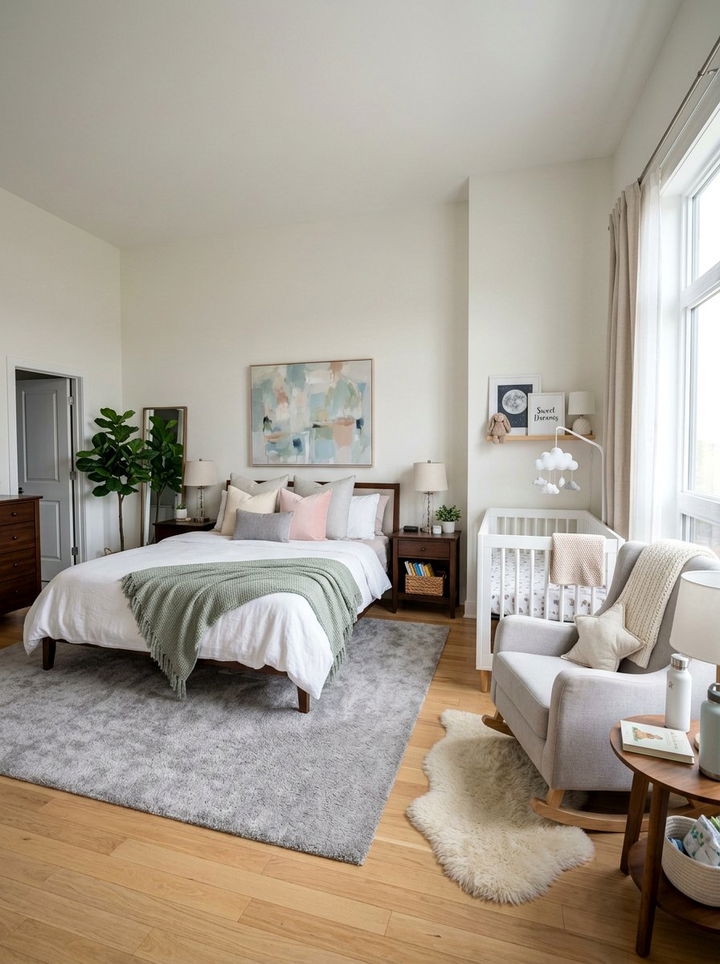
Many new parents need to arrange their bedroom to include a crib or bassinet for the first few months. The best way to do this is to place the crib in a quiet corner away from the main walkway and the door. You can use a small rug to define the nursery zone and keep a comfortable chair nearby for nighttime feedings. This layout keeps the baby close while still maintaining a clear path to the bed and the closet. By keeping the nursery items in one specific area, the room feels less cluttered and more organized. It allows the master bedroom to remain a functional space for the parents as well.
29. Platform Bed With Integrated Side Tables
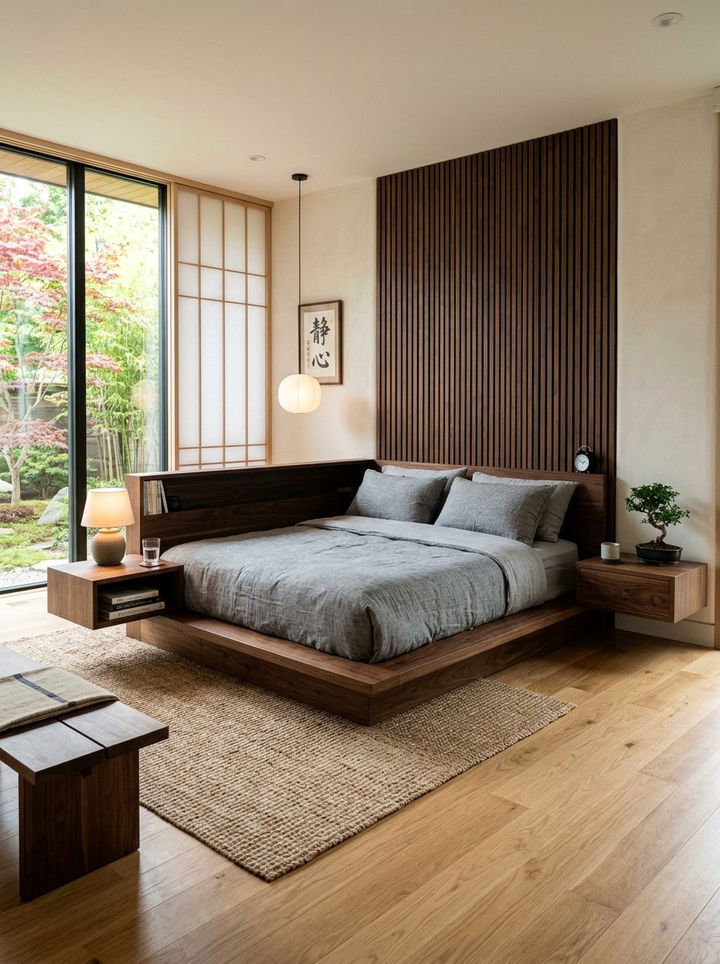
Choosing a platform bed that comes with attached side tables is a sleek and modern way to organize your bedroom furniture. This arrangement ensures that everything is perfectly scaled and matched, creating a very cohesive and minimalist look. Since the tables are part of the bed frame, they take up less floor space and often look like they are floating. This layout is excellent for contemporary homes where clean lines and simplicity are valued. It eliminates the need to shop for separate pieces and ensures that the height of your nightstands is exactly right for the mattress. It creates a very polished and professional interior design feel.
30. Open Closet Layout Near Bed
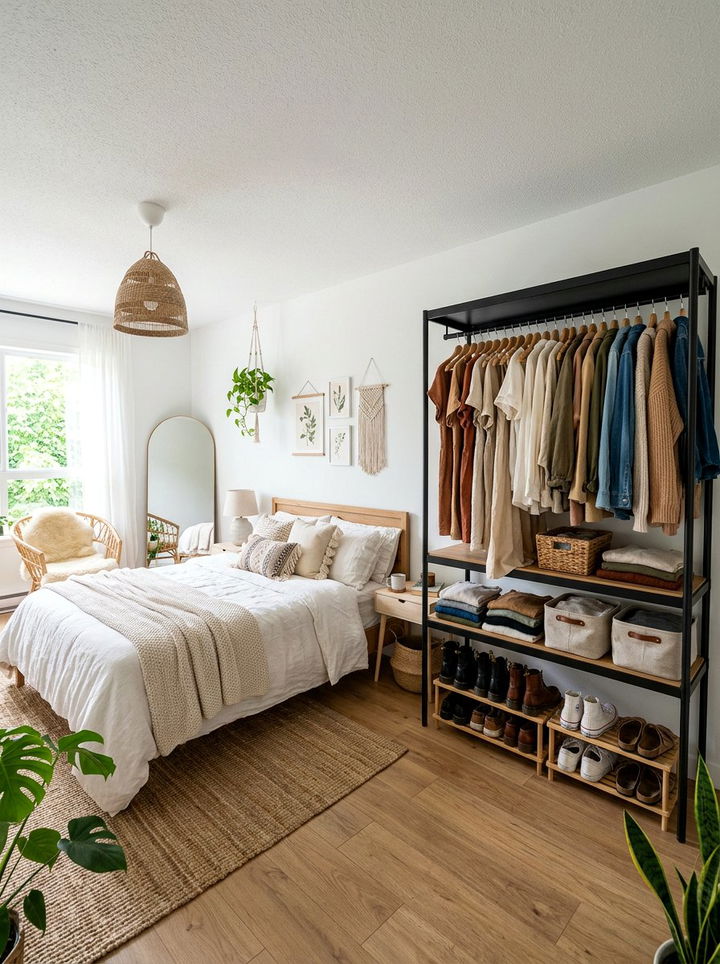
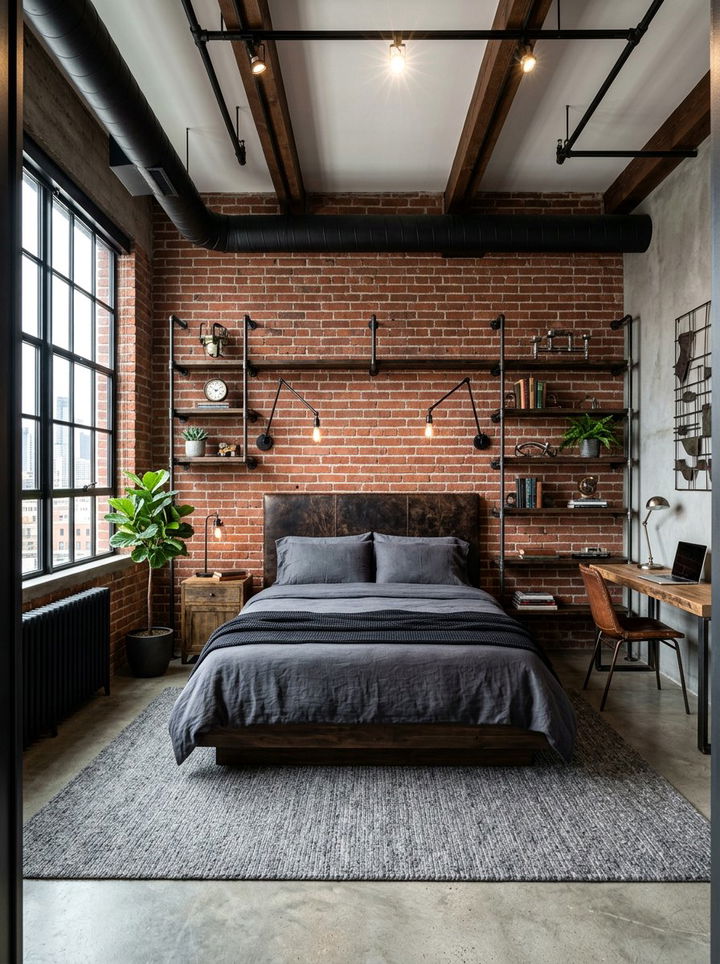
An open closet system can be a stylish way to arrange your bedroom if you lack built-in storage. You can place a sleek clothing rack and a set of drawers along the wall closest to your bed. This makes getting dressed in the morning very convenient and turns your wardrobe into a part of the room’s decor. To keep it looking neat, you should use matching hangers and organize your clothes by color. This arrangement works best in industrial or boho-style bedrooms where a bit of “organized mess” adds to the charm. It keeps the room feeling open and prevents bulky furniture from making the space feel too small.
Conclusion:
Finding the perfect bedroom furniture arrangement is all about balancing your personal needs with the physical layout of the room. Whether you choose a classic symmetrical look or a more creative diagonal placement, the goal is always to create a space where you can truly relax. By thinking about how you move through the room and where the natural light falls, you can transform even the most awkward space into a functional sanctuary. Remember that your bedroom should serve your lifestyle, providing comfort for sleep and convenience for your daily routines. With these thirty layout ideas, you now have the inspiration to rearrange your furniture and breathe new life into your most personal living space.
Related posts: