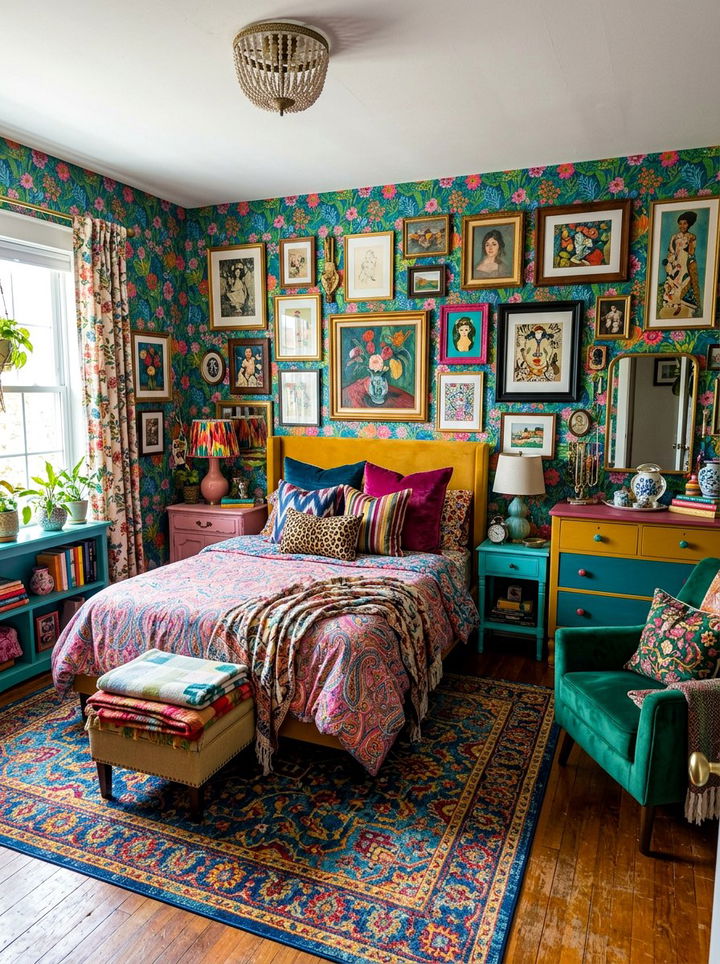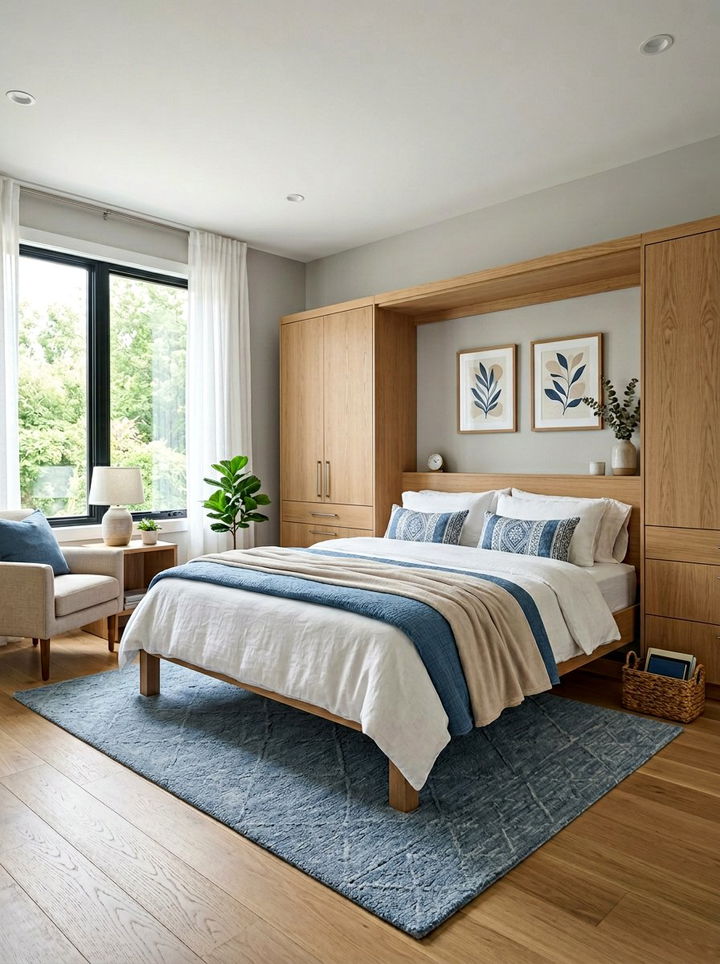
Planning a bedroom layout is more than just deciding where the bed goes. It involves thinking about traffic flow, light sources, and how you actually live in the space every single day. A well-designed floor plan makes your room feel larger and more organized, even if you are working with limited square footage. Whether you are building a new home or just rearranging your current furniture, understanding spatial relationships is key. We have researched dozens of configurations to find the most efficient and beautiful ways to set up your sleeping quarters. These layouts prioritize comfort and functionality while ensuring you have plenty of room for storage and movement throughout the day.
1. Master bedroom layout with ensuite and walk-in closet
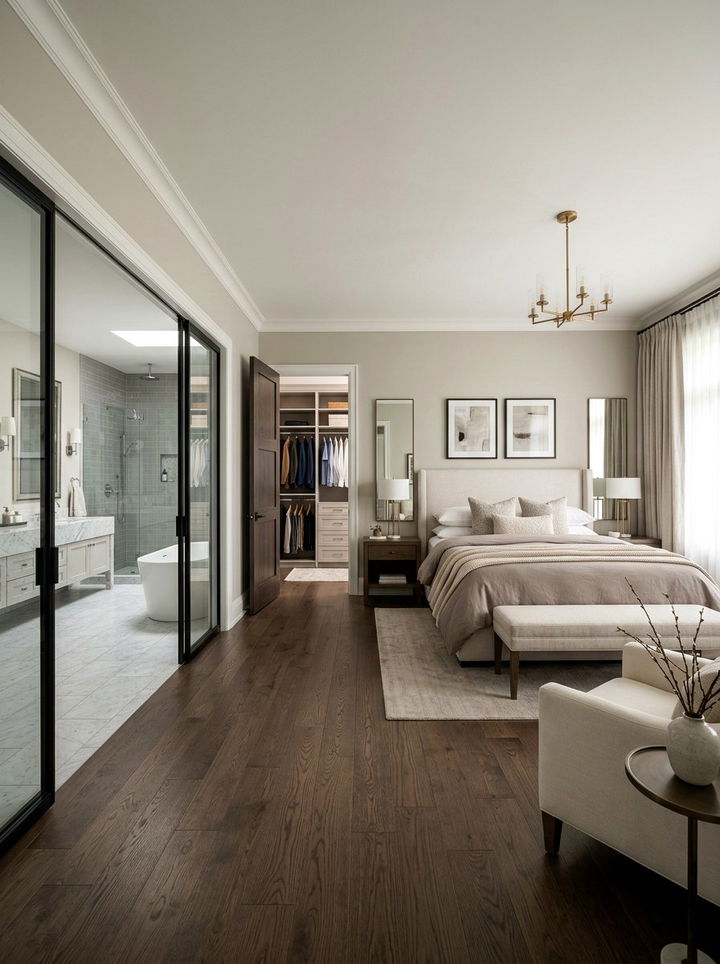
This classic layout is a favorite for primary suites because it creates a private sanctuary within your home. The bed usually sits against the longest wall, often facing the entrance to provide a welcoming view. To keep the flow logical, the walk-in closet and the ensuite bathroom are often grouped on one side of the sleeping area. This arrangement allows one person to get ready in the morning without disturbing the other person still sleeping in bed. You should aim for at least thirty-six inches of clearance around the bed to ensure you never feel cramped. Adding a small bench at the foot of the bed completes the balanced look.
2. Small bedroom floor plan with queen bed
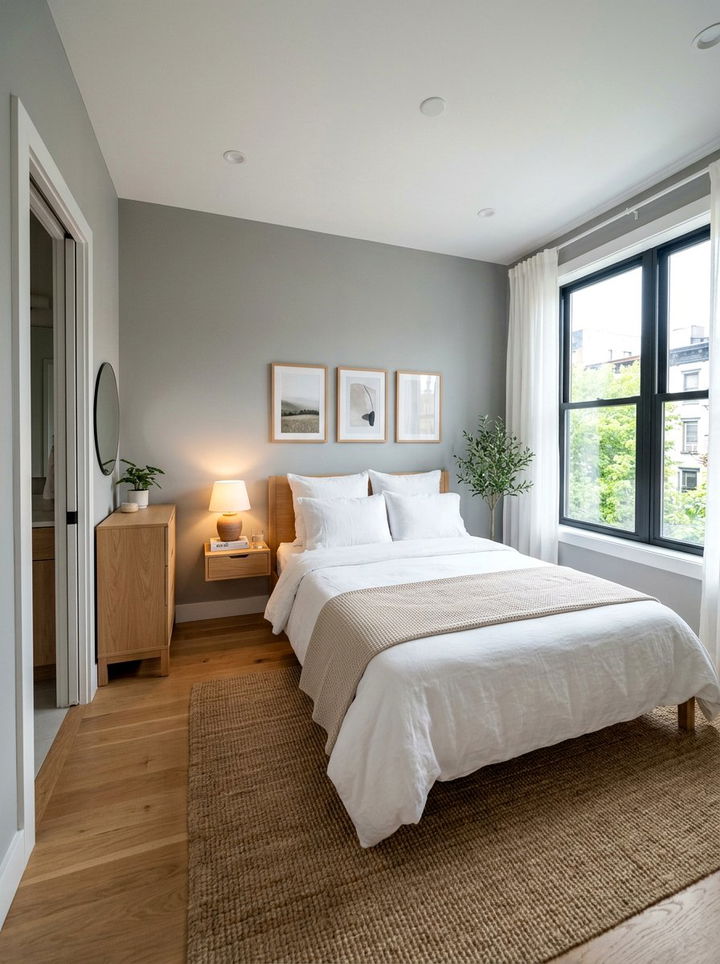
Designing a smaller space requires a very strategic approach to furniture placement to avoid a cluttered feeling. In a compact room, pushing the queen-sized bed against one wall or into a corner can save valuable floor space for walking. However, centering the bed on the main wall often makes the room feel more balanced and professional. Use slim nightstands or even floating shelves to keep the floor clear and open. Lighting should be mounted on the walls to save surface space on your side tables. By choosing multi-functional furniture like a bed with built-in drawers, you maximize every square inch available in your cozy small retreat.
3. Guest bedroom layout with twin beds
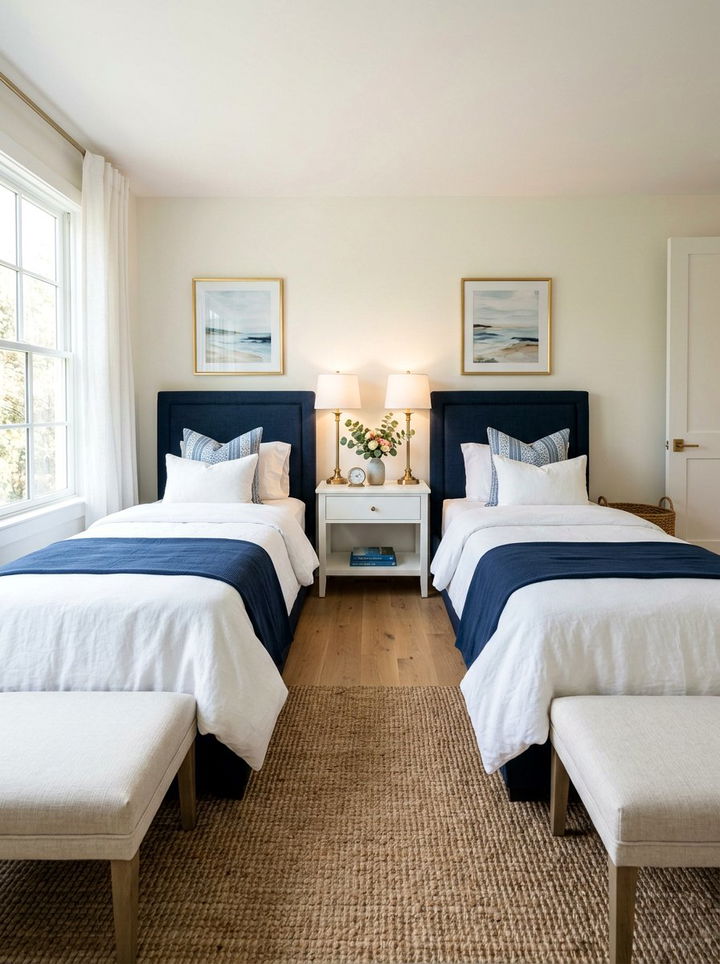
Creating a guest room with two twin beds is a versatile choice for hosting different types of visitors. This layout usually features the beds placed parallel to each other with a shared nightstand in the middle. This setup provides a clear walkway between the beds and makes the room feel symmetrical and inviting. To make the space more functional, place a dresser or a small desk on the opposite wall. Using light colors and simple bedding helps keep the room feeling airy and spacious. This floor plan works exceptionally well for narrow rooms where a single large bed might block the primary path of travel.
4. Square bedroom floor plan with center bed
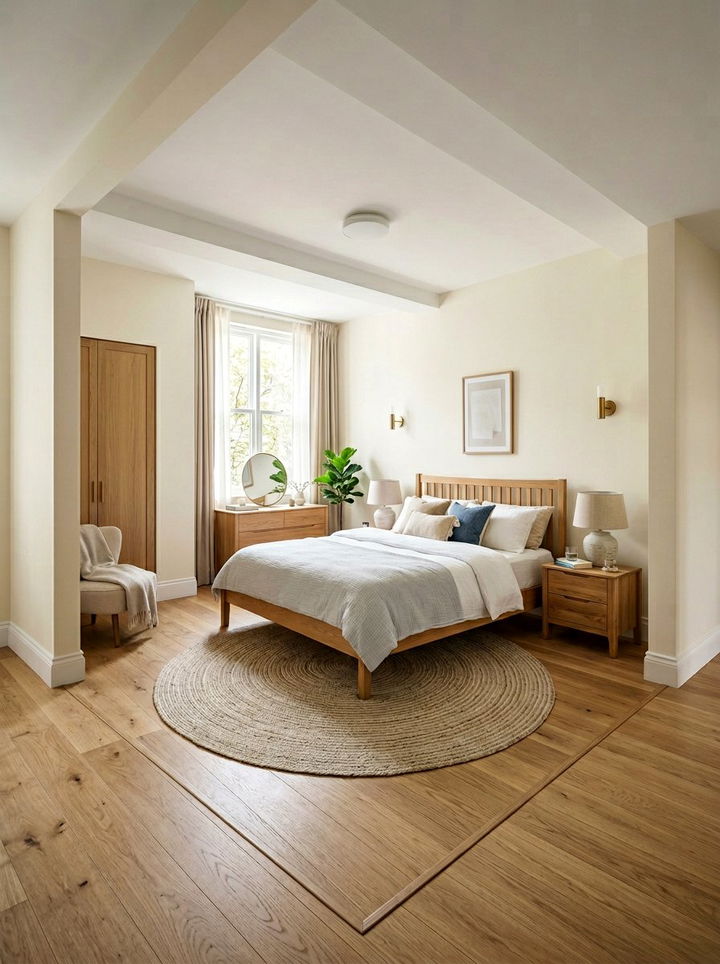
A square room offers a unique opportunity for perfect symmetry in your interior design. Placing the bed directly in the center of the main wall creates a focal point that anchors the entire space. You can then flank the bed with identical nightstands and matching lamps for a cohesive look. If the room is large enough, consider adding a comfortable armchair in one corner to create a reading nook. Because the room is equal on all sides, you have the flexibility to place a large dresser on any of the remaining walls. This layout feels very grounded and provides a sense of calm and order.
5. Rectangular master bedroom layout
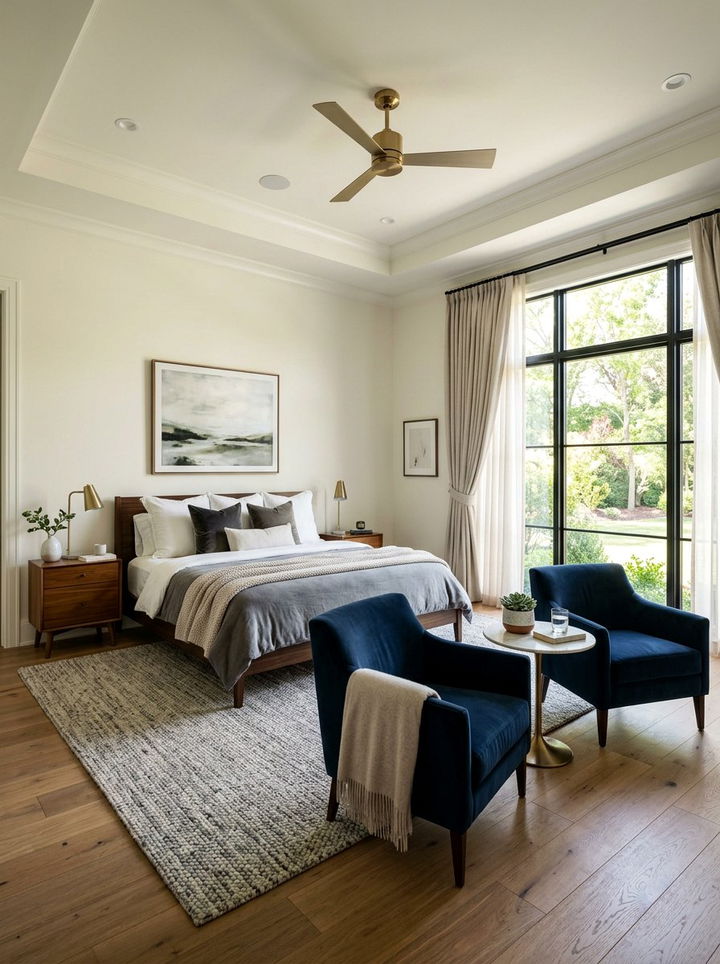
Long, narrow master bedrooms can sometimes feel like a tunnel if they are not arranged correctly. To break up the length, you can divide the room into distinct zones using furniture or area rugs. Place the bed at one end of the rectangle and create a small lounging area at the other end. This could include two chairs and a small table or even a chaise lounge near a window. By keeping the center of the room relatively open, you maintain a clear path to the bathroom or closet. Using a large rug under the bed helps define the sleeping zone and adds much-needed texture.
6. L shaped bedroom floor plan
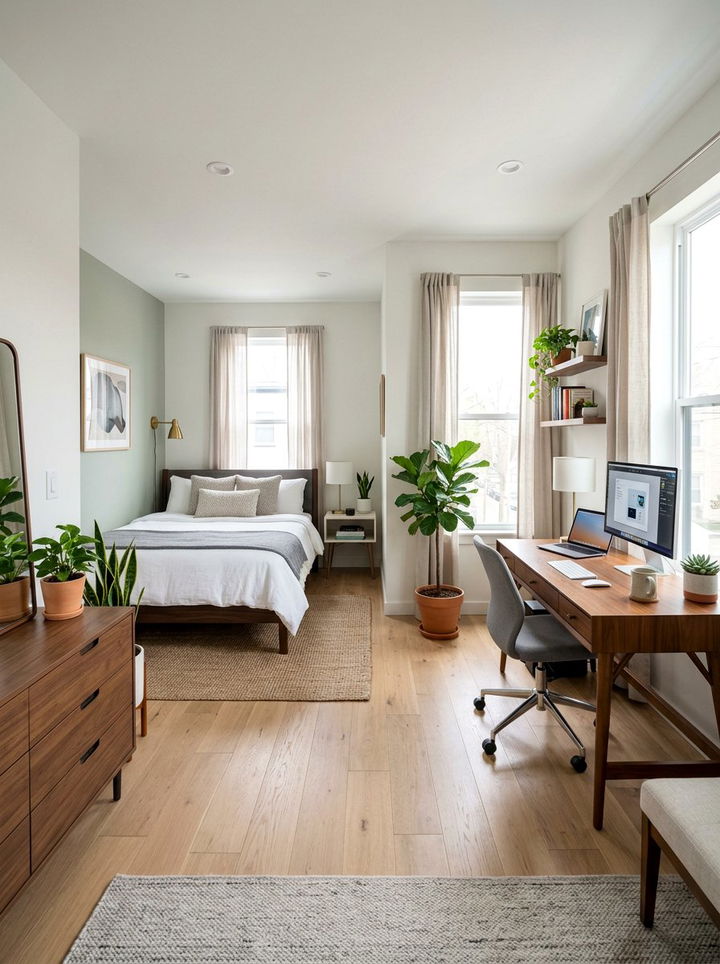
An L-shaped room provides a natural separation of functions, making it feel like a mini-suite. The larger area is typically dedicated to the sleeping zone, while the smaller “nook” can serve as a home office or a dressing area. This layout is excellent for privacy because the bed can be tucked away from the direct line of sight from the door. You can enhance this separation by using different wall colors or lighting styles in each section. Ensure that the transition between the two areas is kept clear of clutter to maintain a smooth flow. It is a highly efficient way to utilize awkward architectural shapes.
7. Bedroom layout with dedicated workspace

As remote work becomes more common, incorporating a desk into your bedroom floor plan is a practical necessity for many people. To keep your work and sleep lives separate, try to place the desk away from the head of the bed. A great spot is often near a window for natural light or along a wall that is not directly in your peripheral vision while lying down. Using a desk that matches your bedroom furniture helps the workspace blend in rather than stand out. Make sure to include a comfortable chair that can be tucked away when you are finished for the whole day.
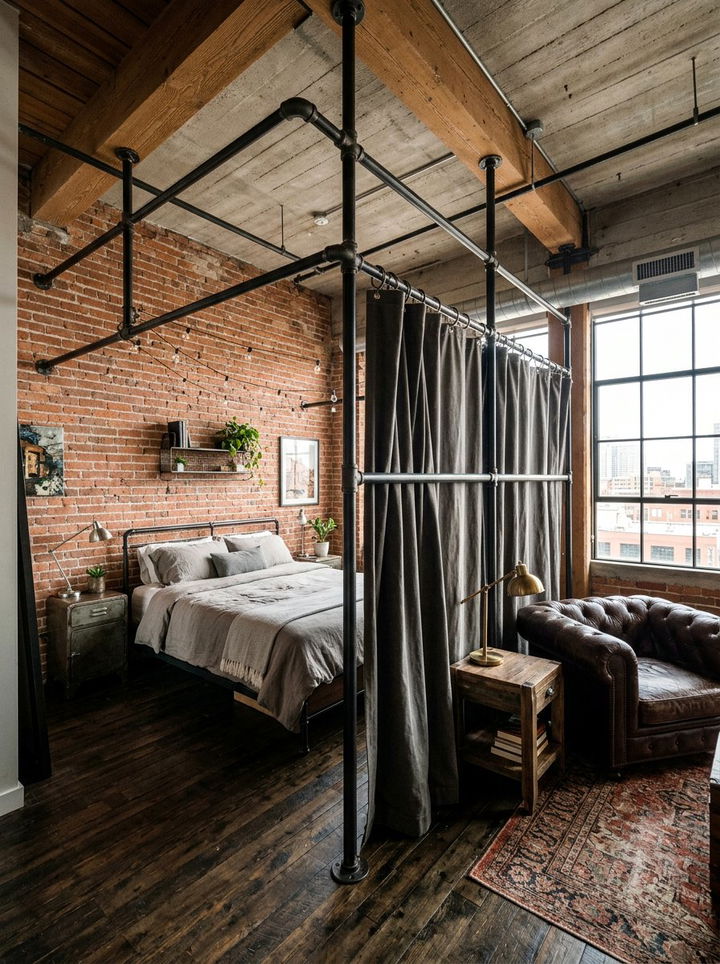
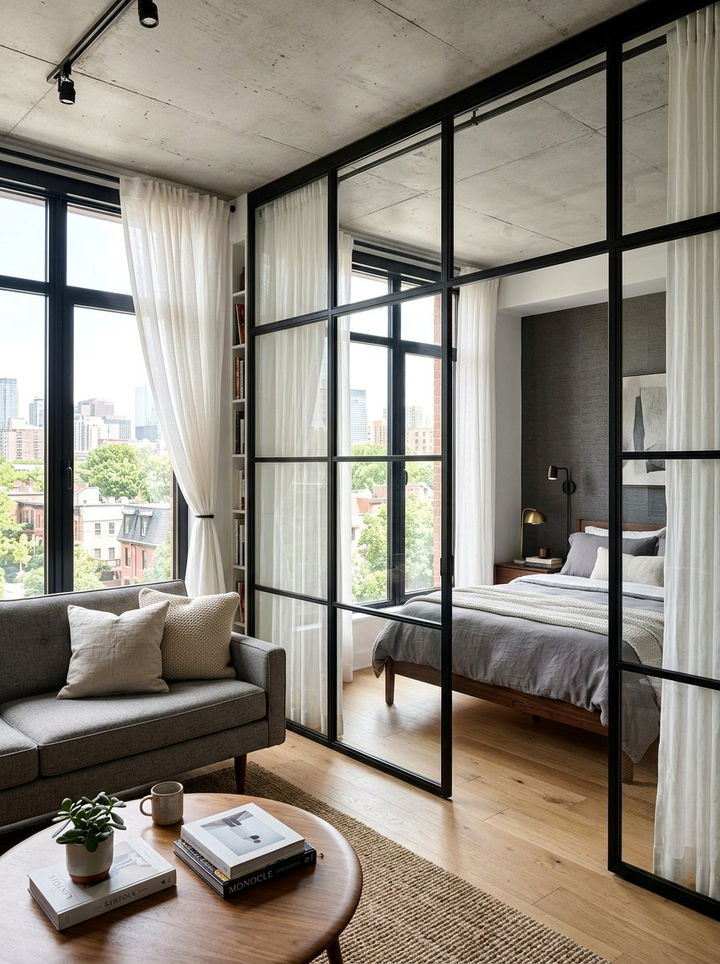
8. Studio apartment floor plan with sleeping nook
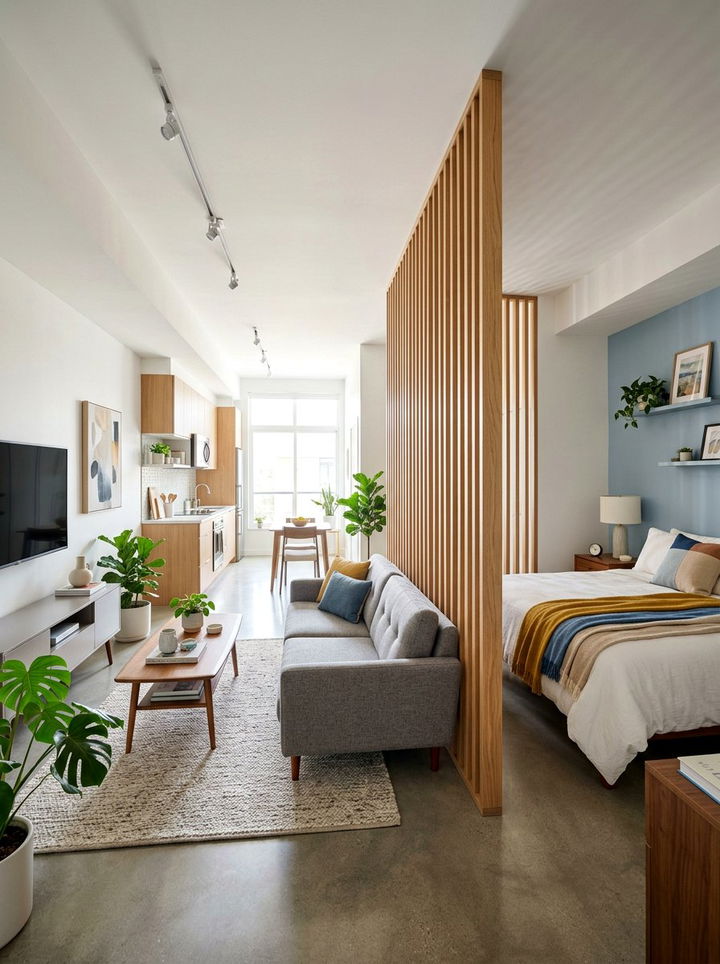
Living in a studio requires clever floor plan solutions to make the sleeping area feel like a separate room. A sleeping nook can be created by using a partial wall, a tall bookshelf, or even heavy curtains to block the view from the living area. Placing the bed in a corner helps define the space without taking up too much room in the main living zone. Using light-colored bedding and minimal furniture keeps the nook from feeling claustrophobic. This layout maximizes the utility of a single room while providing the psychological benefit of a dedicated space for rest and relaxation at night.
9. Attic bedroom floor plan with sloped ceilings
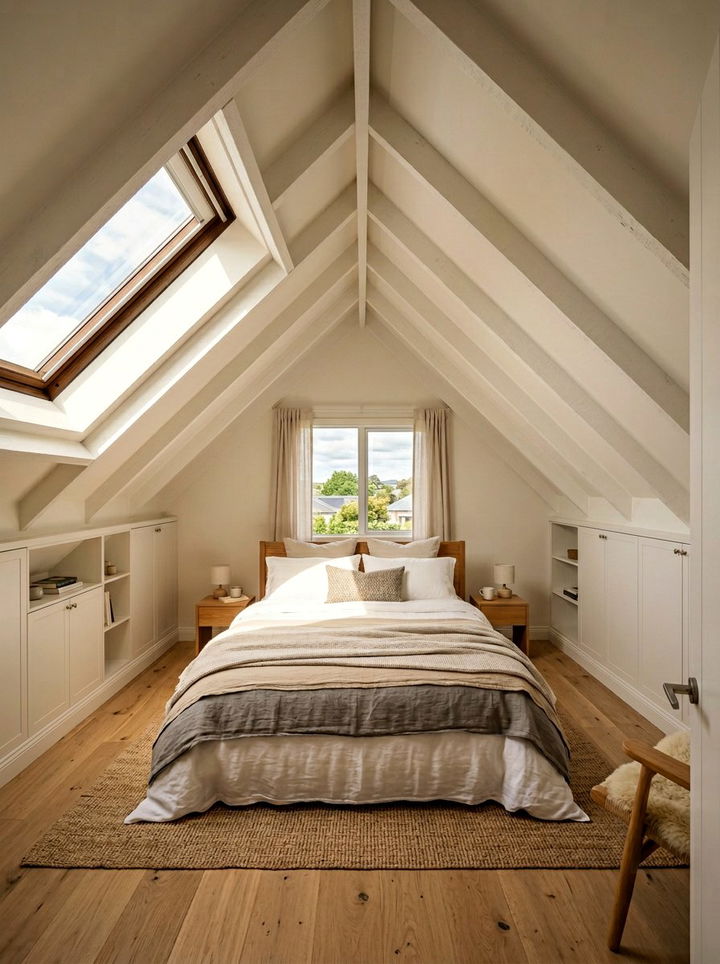
Attic spaces are charming but offer unique challenges due to low, angled ceilings. The best strategy is to place the head of the bed against the tallest wall or under the peak of the roof. If you must place the bed under a slope, ensure there is enough clearance to sit up comfortably without hitting your head. Use the lower areas of the room for low-profile storage units or built-in drawers that fit into the eaves. This layout creates a very cozy, cocoon-like atmosphere that is perfect for a bedroom. Skylights can be added to bring in natural light and make the space feel much taller.
10. Narrow bedroom layout with storage
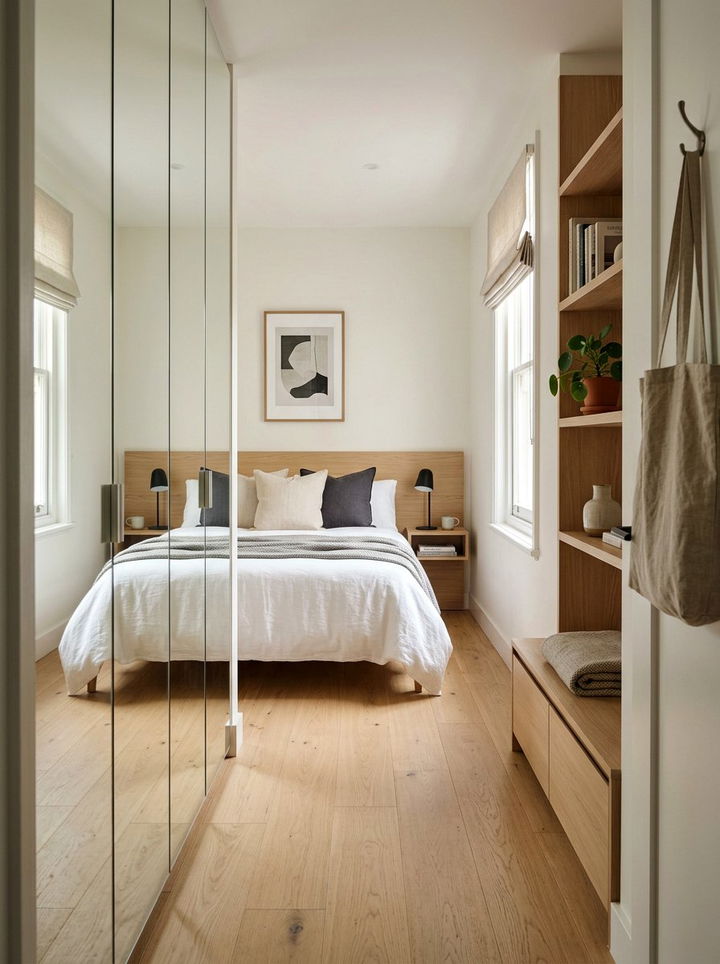
When dealing with a very narrow room, you must prioritize vertical storage to keep the floor clear. Placing the bed at the far end of the room can open up the rest of the space for movement. Consider using a bed frame with deep drawers underneath for extra clothing or linens. Tall, narrow wardrobes can be placed along one wall to maximize storage without encroaching too far into the walking path. Mirrors on the long walls can help create the illusion of more width. Keeping the decor simple and the furniture legs visible helps the room feel lighter and much less restricted or crowded.
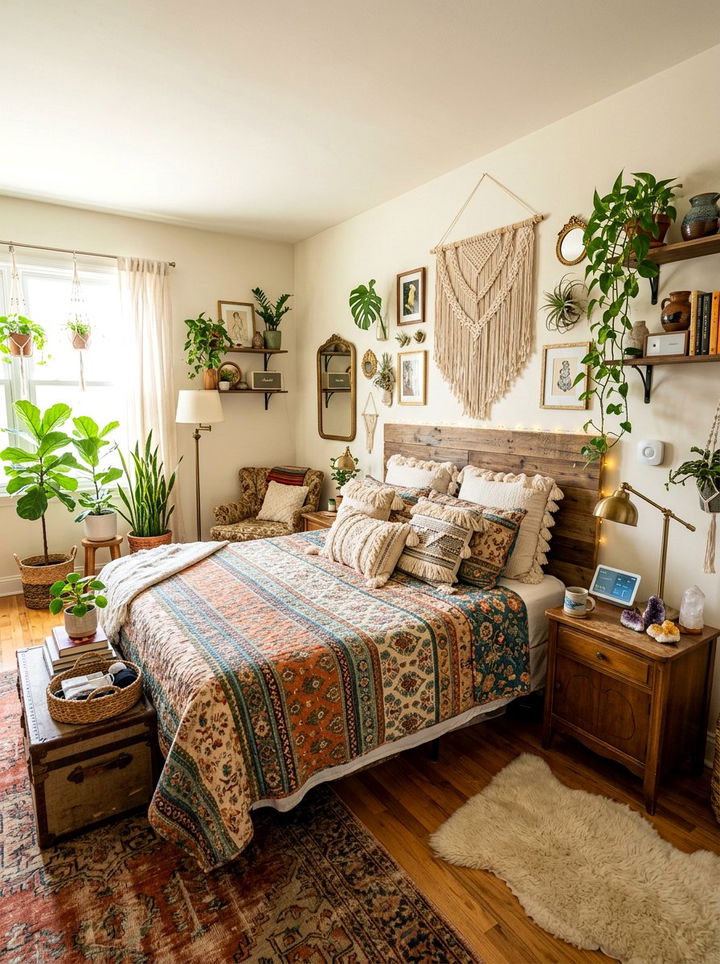
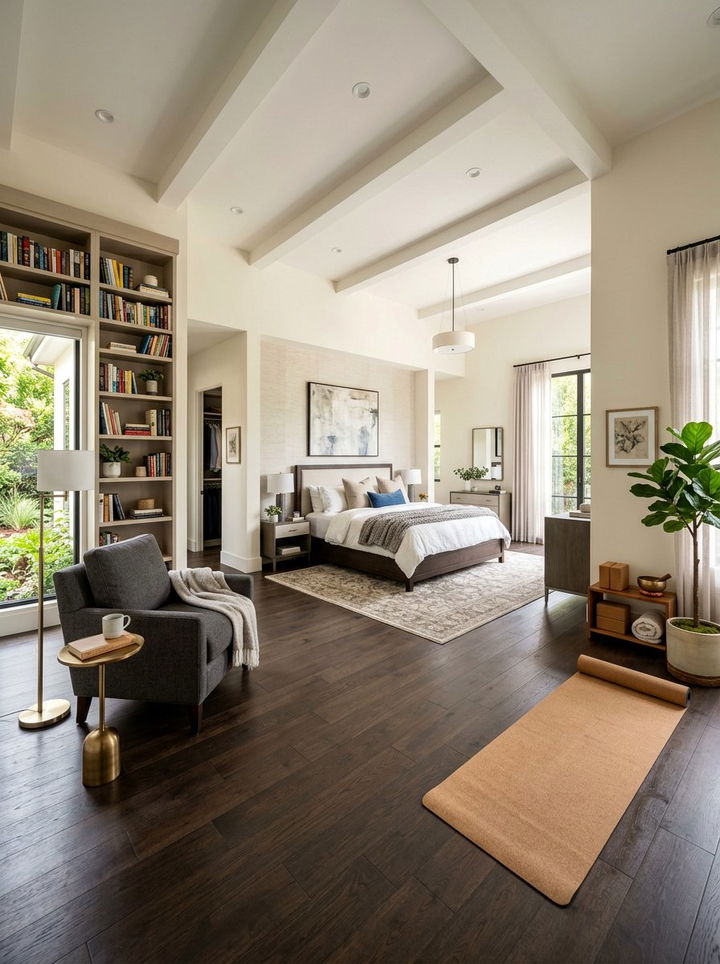
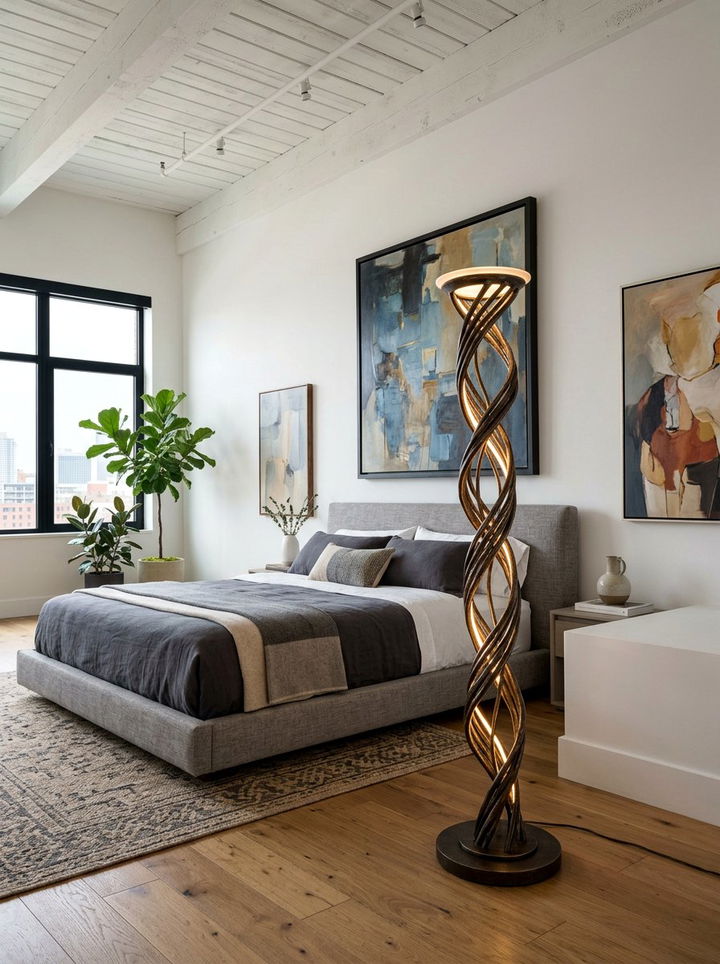
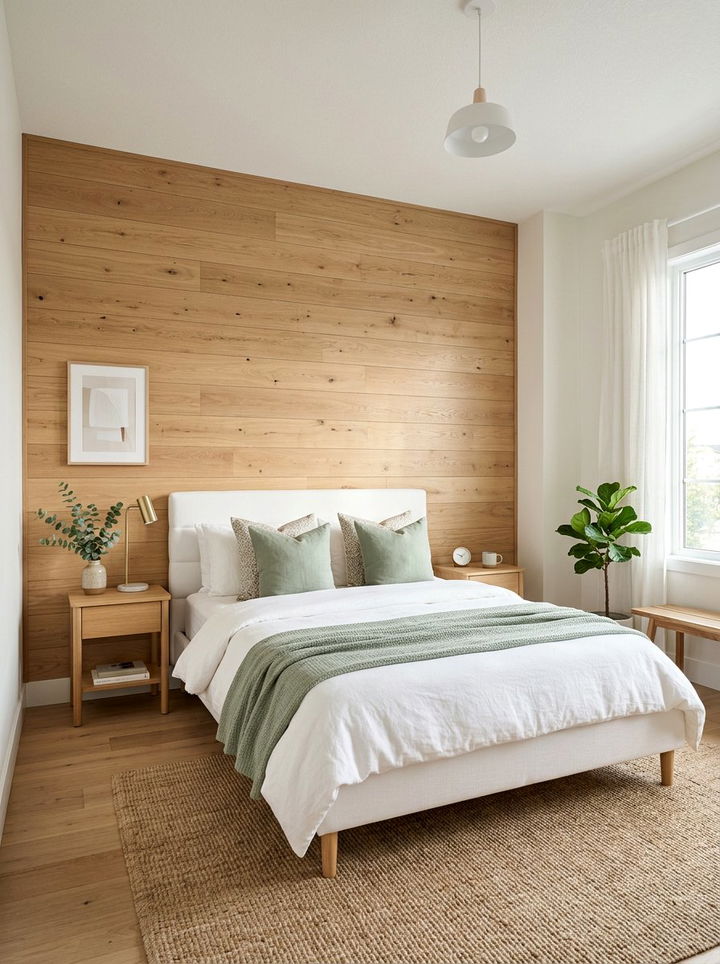
11. Master suite floor plan with sitting area
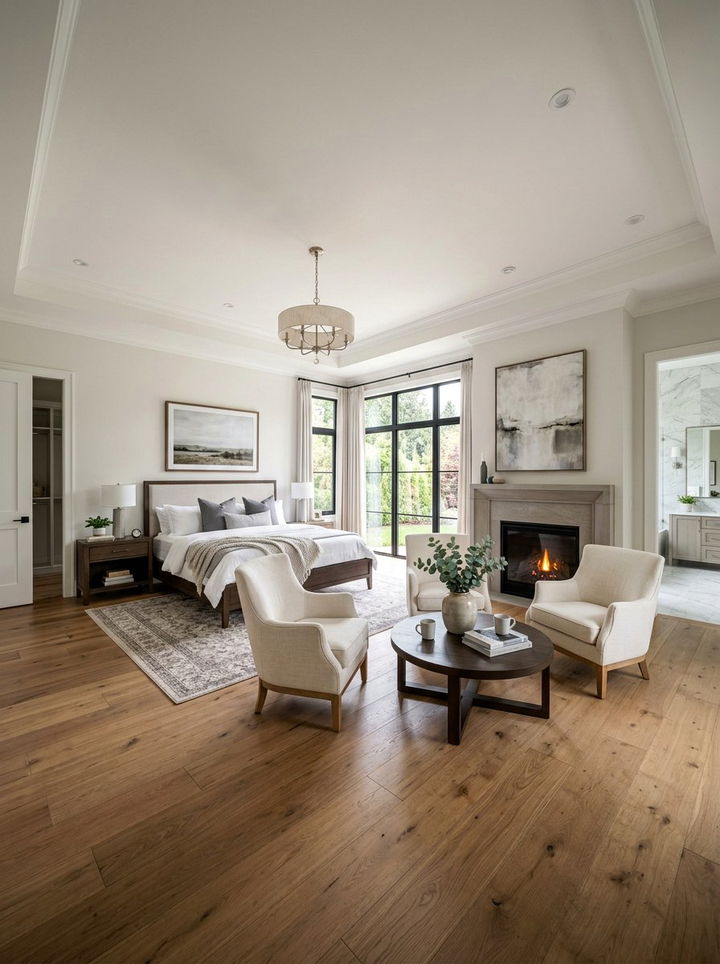
Adding a sitting area to your master bedroom creates a luxurious, hotel-like feel. This layout usually requires a larger room where you can fit a sofa or a pair of armchairs comfortably. The seating is often placed near a fireplace, a large window, or at the foot of the bed. This creates a secondary destination within the room for morning coffee or evening reading. Use a separate area rug to define the sitting zone and distinguish it from the sleeping area. This floor plan encourages you to spend more time in your room, making it a true retreat from the rest of the busy house.
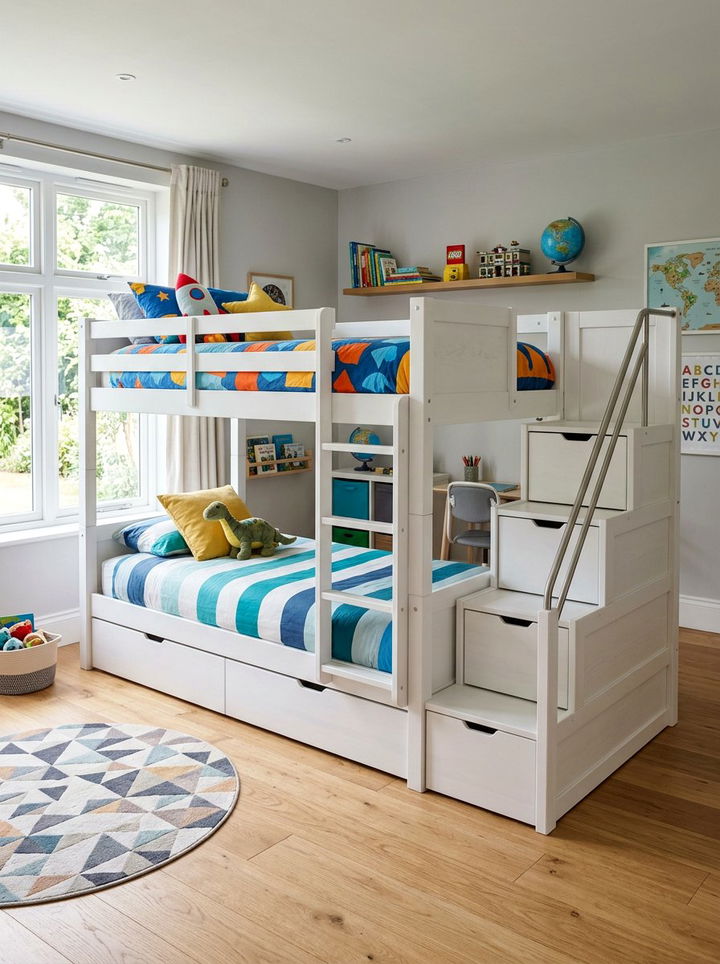
12. Shared kids bedroom layout
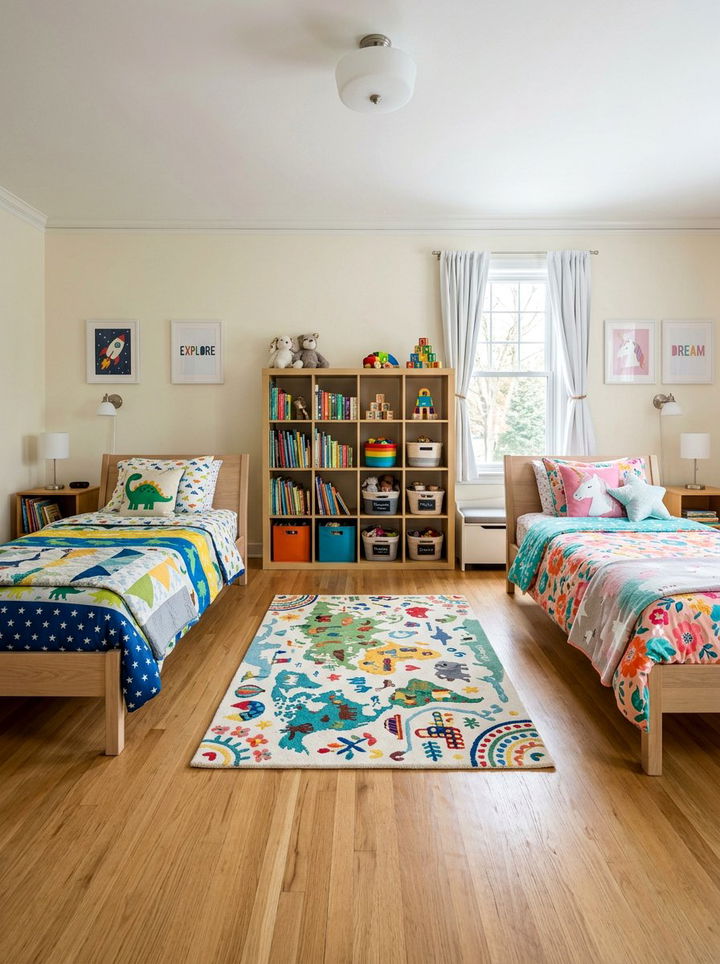
Designing a room for two children requires a plan that balances shared space with individual privacy. Bunk beds are a classic way to save floor space, leaving more room for a play area or desks. If the room is large enough, placing two twin beds on opposite walls gives each child their own “side” of the room. You can use a tall bookshelf or a dresser in the middle to act as a divider. Ensure there is plenty of storage for toys and clothes to keep the floor clear. Using a consistent color palette with personalized touches helps the room feel cohesive yet tailored to each child.
13. Master bedroom layout with private balcony
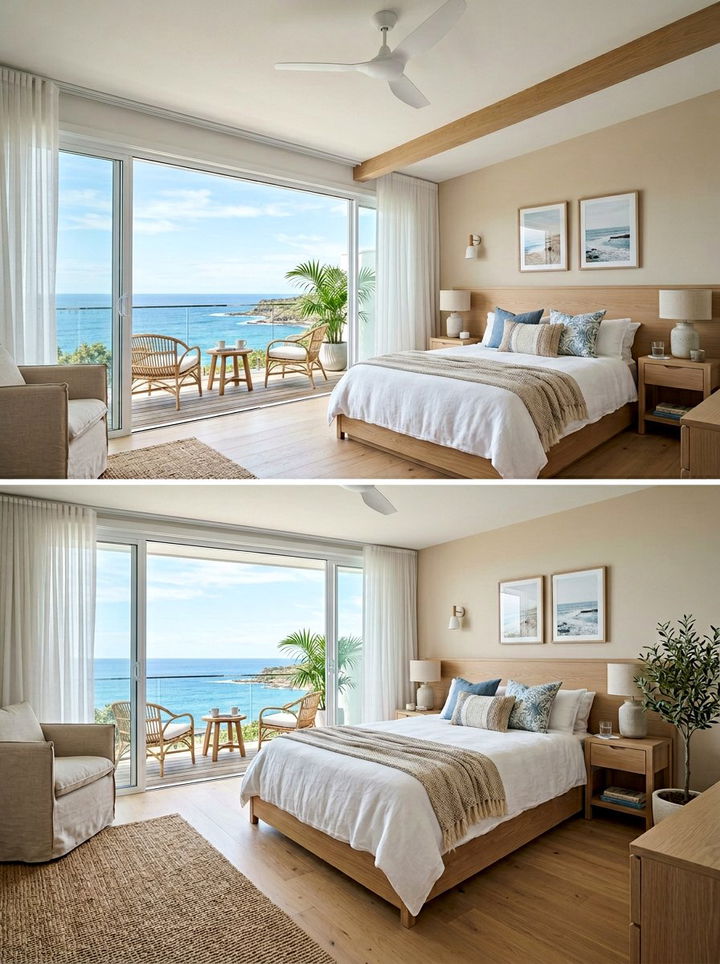
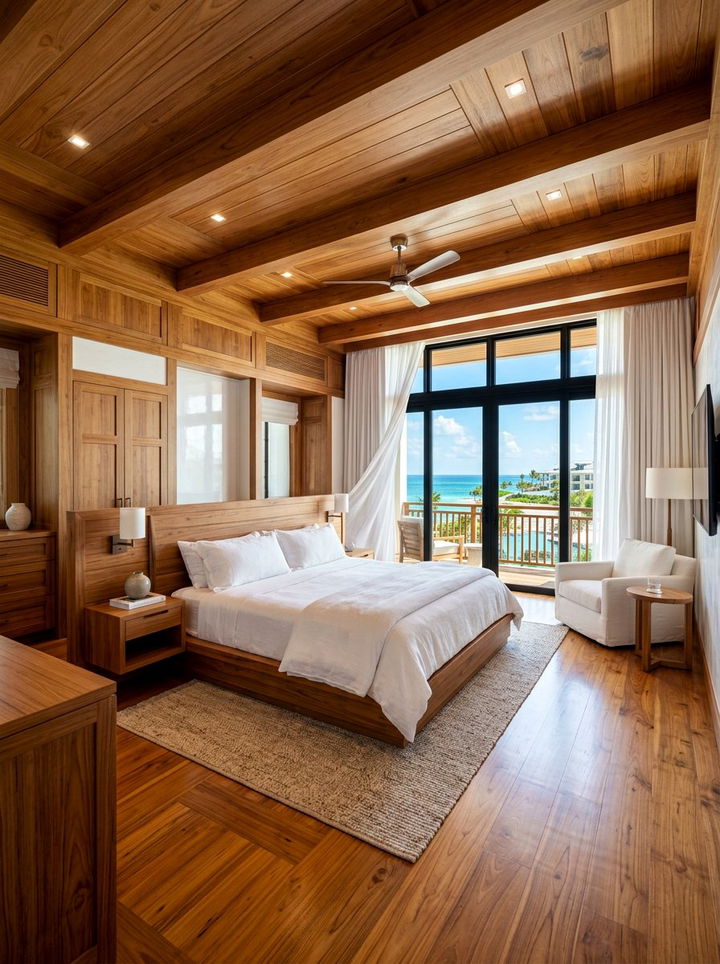
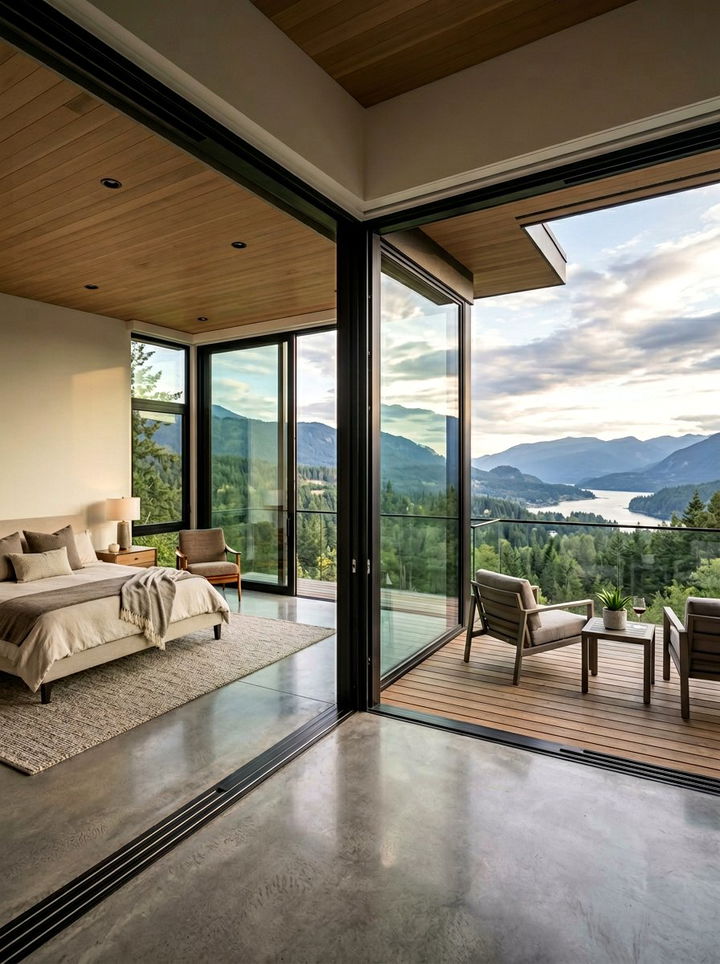
A bedroom that opens onto a private balcony offers a wonderful connection to the outdoors. The floor plan should prioritize the view by placing the bed so it faces the glass doors. Make sure the path to the balcony is wide and unobstructed by furniture. If space permits, a small bistro set on the balcony extends your living area even further. Indoors, keep the furniture relatively low-profile to avoid blocking the natural light coming through the doors. This layout is perfect for enjoying fresh air and sunshine right from the comfort of your bed, creating a peaceful and very airy indoor-outdoor living experience.
14. Corner bedroom floor plan with windows
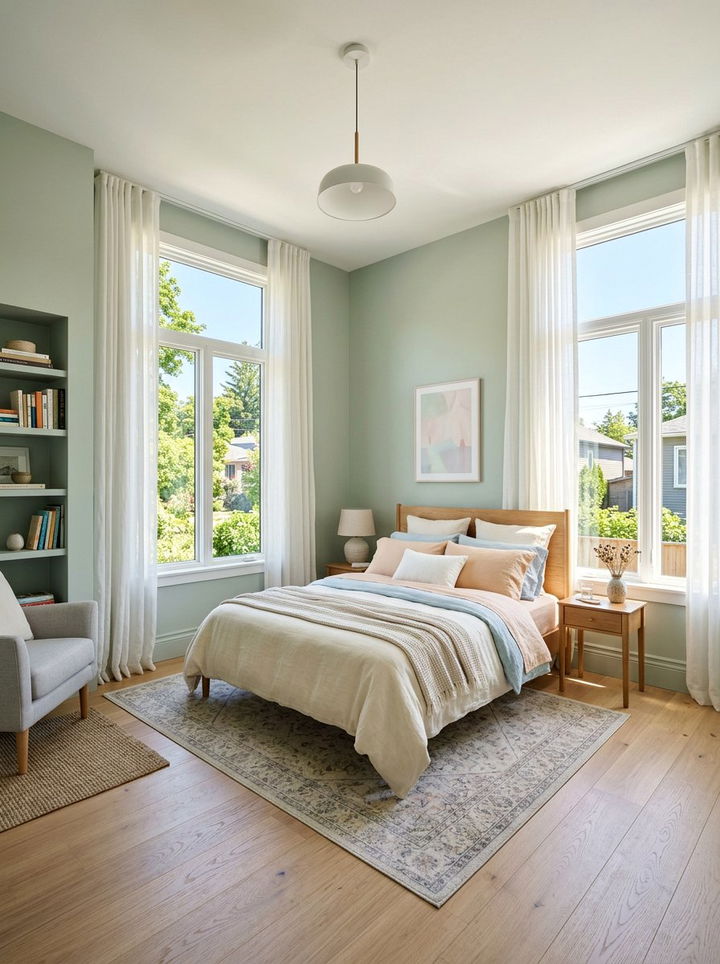
Corner bedrooms are highly desirable because they usually feature windows on two different walls, providing excellent natural light. To make the most of this, place the bed between the windows or on the wall opposite the largest window. This allows you to wake up with natural sunlight without it being directly in your eyes. Avoid placing tall furniture in front of the windows to keep the room feeling bright and open. A small reading chair placed in the corner between the windows takes advantage of the view and the light. This layout feels very connected to the exterior surroundings and remains naturally vibrant.
15. Basement bedroom floor plan with egress window
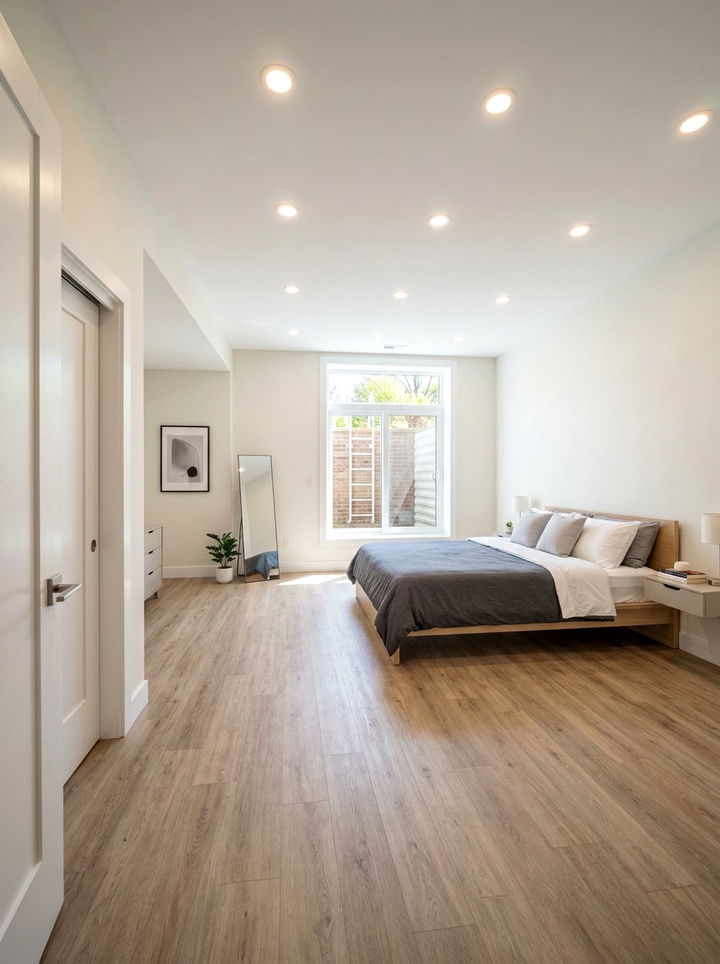
Basement bedrooms must be carefully planned to ensure they are safe and don’t feel subterranean or dark. The egress window is the most important feature, and the furniture should be arranged to keep the path to it clear at all times. Use light, reflective colors on the walls and floors to bounce as much light as possible around the room. Since basement ceilings are often lower, choose low-profile furniture to make the space feel taller. Recessed lighting is a great way to add brightness without taking up vertical space. Proper insulation and moisture control are also essential parts of this functional floor plan.
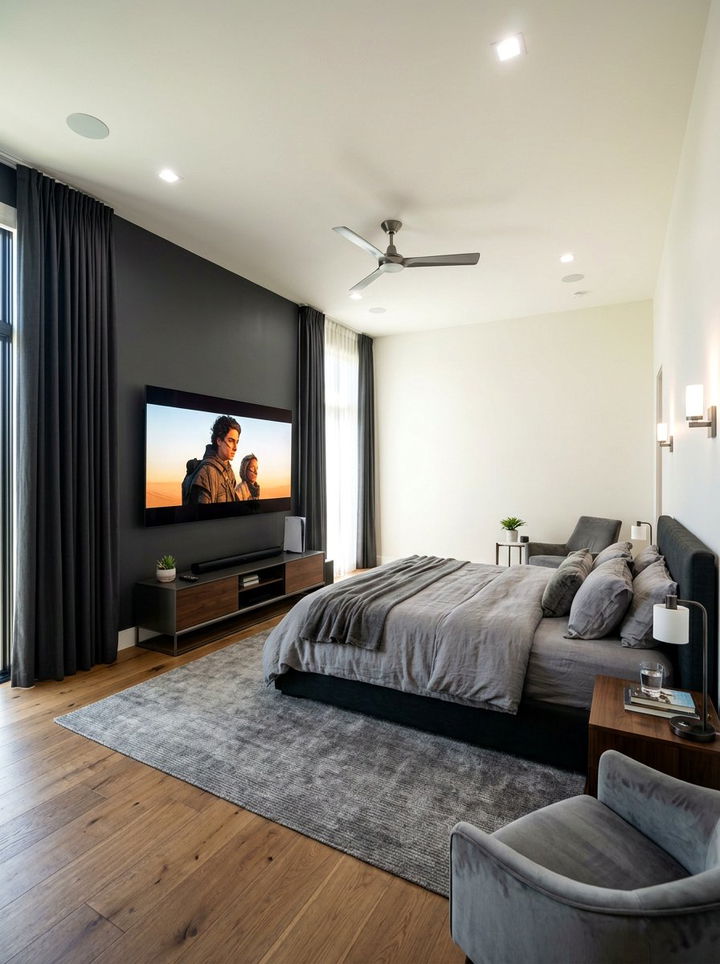
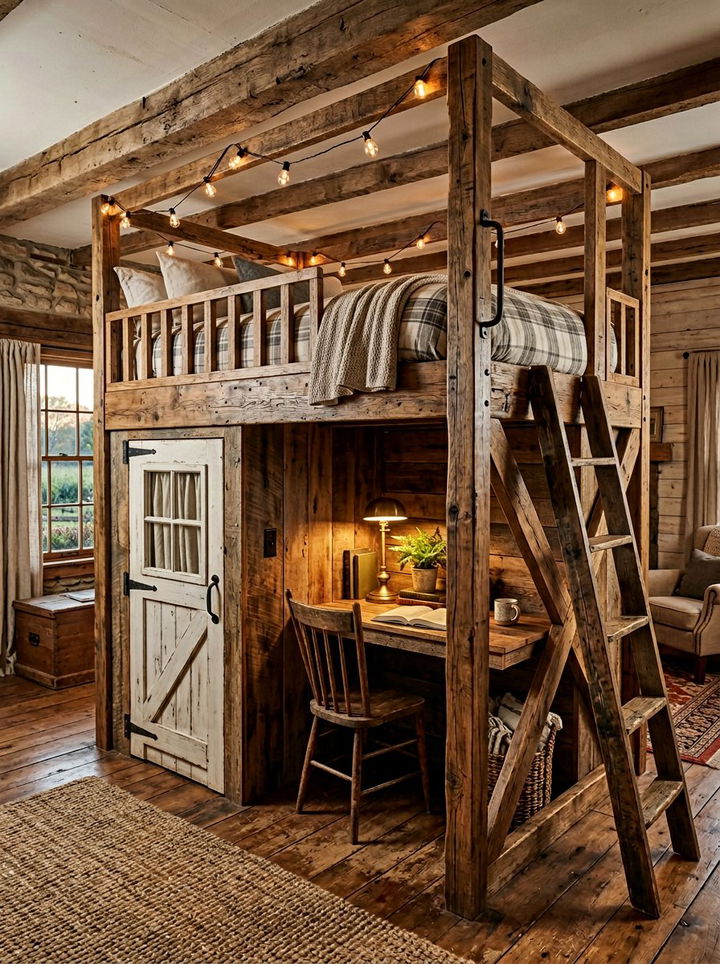
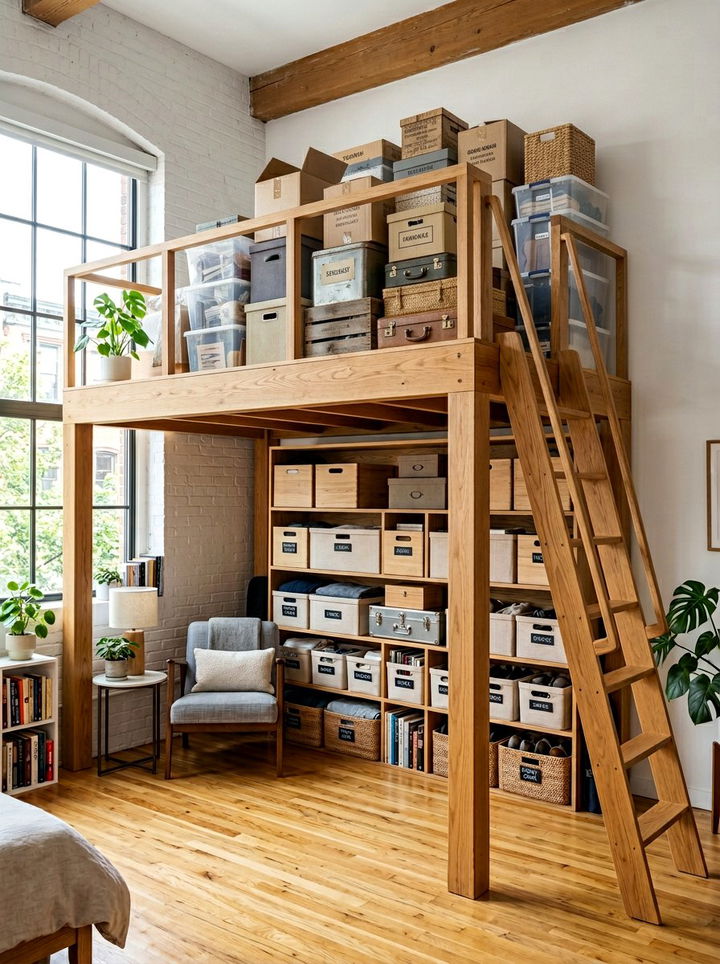
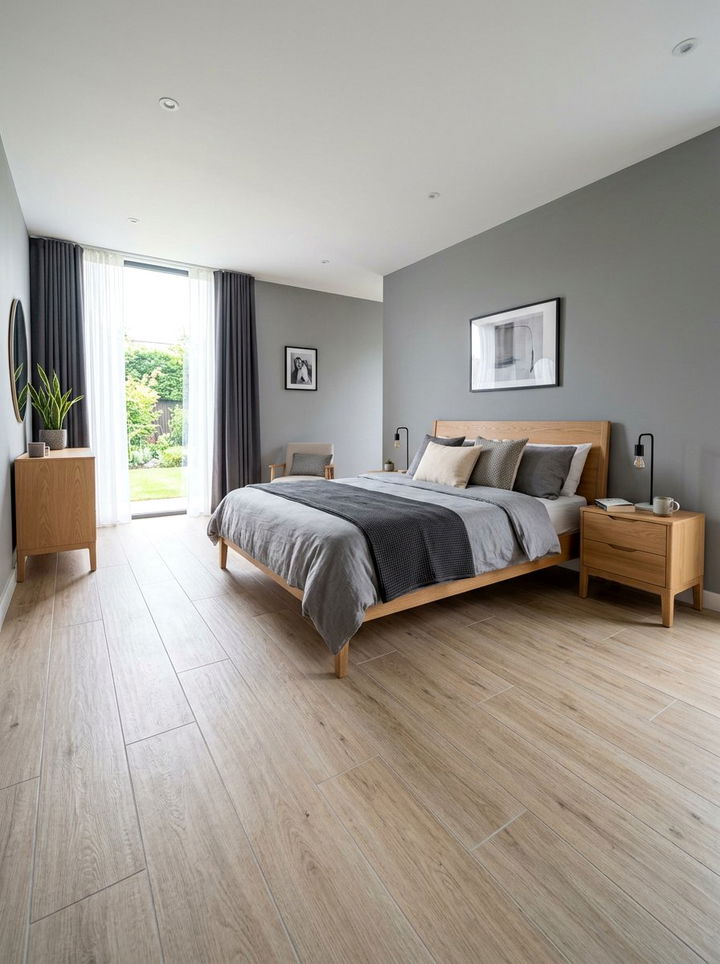
16. Primary bedroom layout with double vanity bathroom
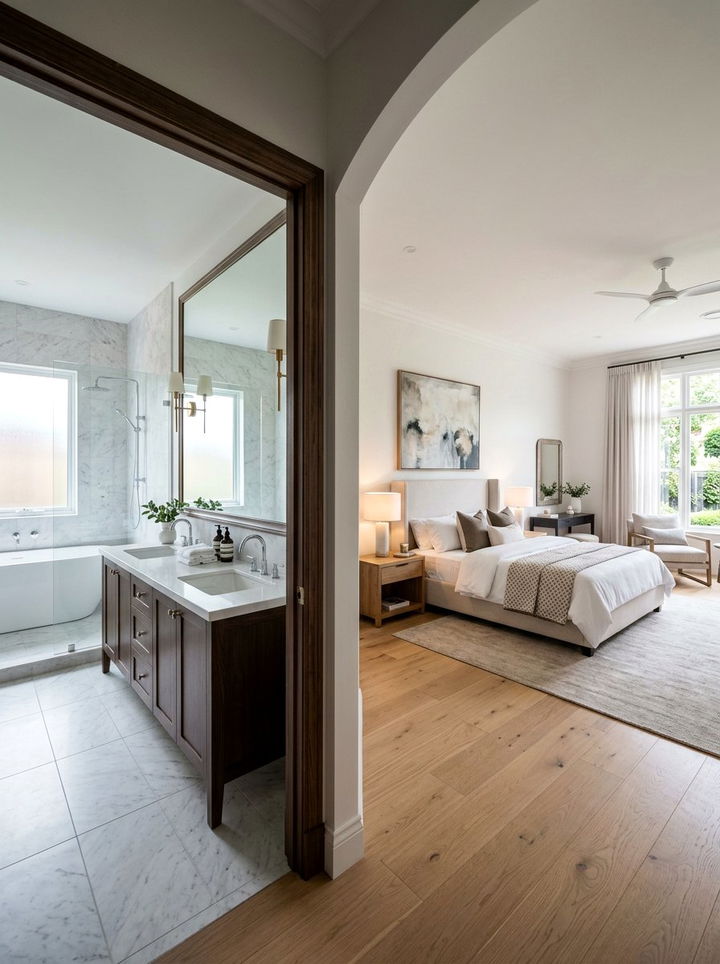
A primary bedroom that leads into a bathroom with a double vanity is a highly functional choice for couples. The floor plan should provide a direct and easy path from the bed to the bathroom entrance. Often, the bathroom is located behind a sliding barn door or a wide doorway to save space. Inside the bathroom, the double vanity should have enough surrounding floor space for two people to stand comfortably. This layout focuses on morning efficiency and shared space. Ensuring that the bathroom door does not swing directly into the bed keeps the room feeling spacious and well-planned for daily use.
17. Small guest room floor plan with daybed
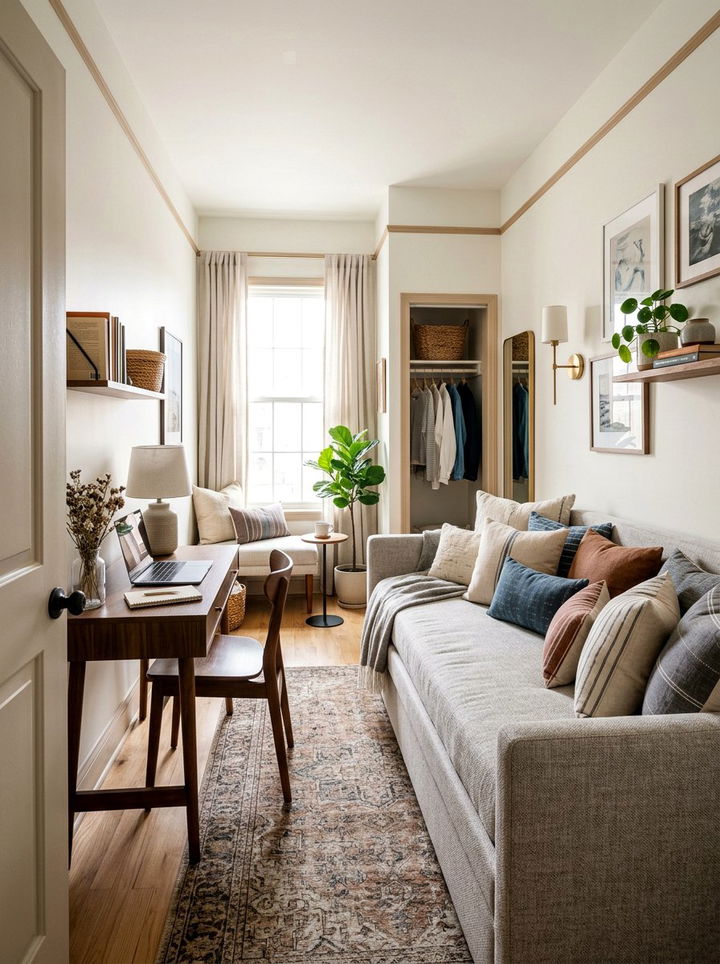
If your guest room needs to double as a home office or a hobby room, a daybed is the perfect solution. During the day, the daybed acts as a sofa, leaving plenty of floor space for other activities. When guests arrive, it easily transforms into a comfortable sleeping surface. Place the daybed against the longest wall to maximize the open area in the middle of the room. A small desk and a wardrobe can occupy the other walls without the room feeling overcrowded. This flexible layout is ideal for making the most out of a multipurpose room in a smaller home or apartment.
18. Bedroom layout with built in wardrobes
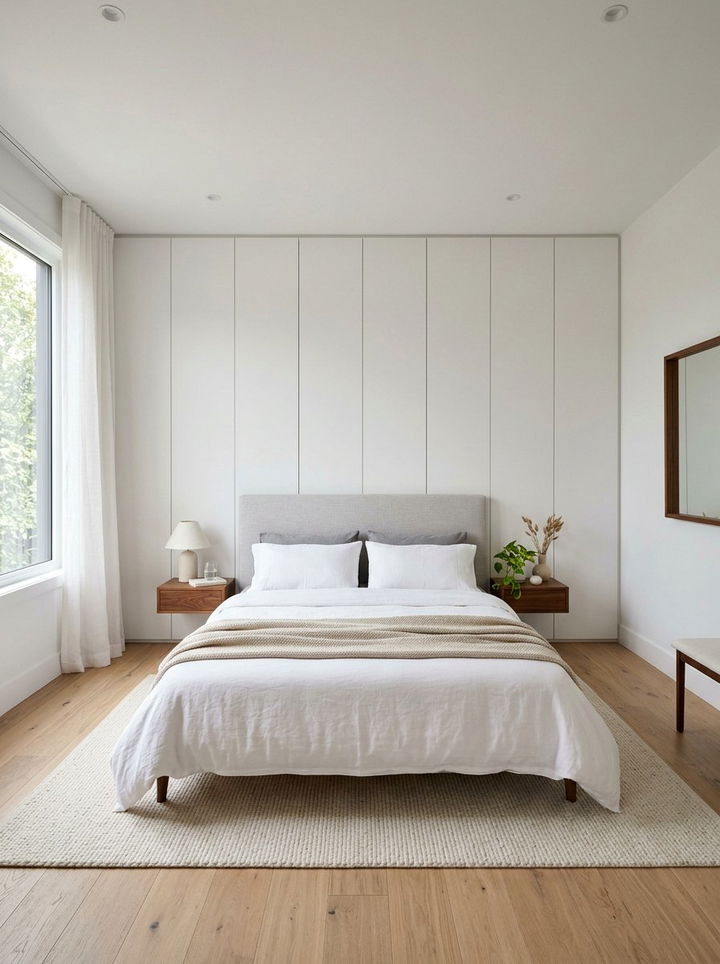
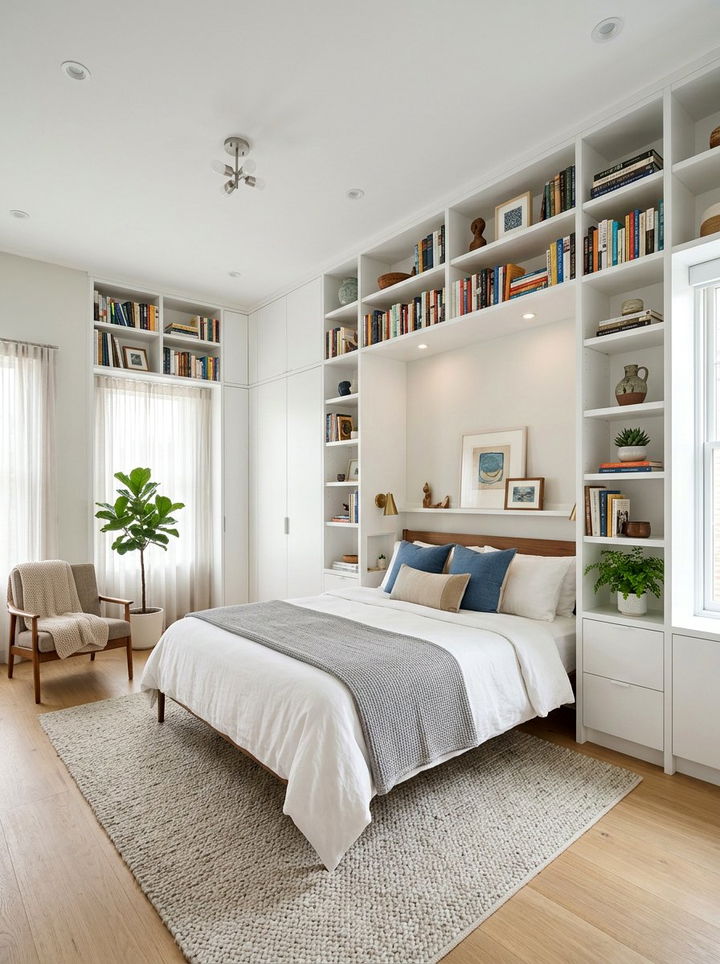
Built-in wardrobes are a fantastic way to maximize storage while maintaining a clean, streamlined look in your bedroom. By integrating the storage into the walls, you eliminate the need for bulky, freestanding dressers. This floor plan works well in rooms of any size because it creates a flat, cohesive surface. You can even design the built-ins to surround the headboard of the bed for a custom, cozy feel. This arrangement keeps all your belongings tucked away, which helps reduce visual clutter. Choose doors that match your wall color to make the storage virtually disappear into the overall design of the room.
19. Open concept bedroom floor plan
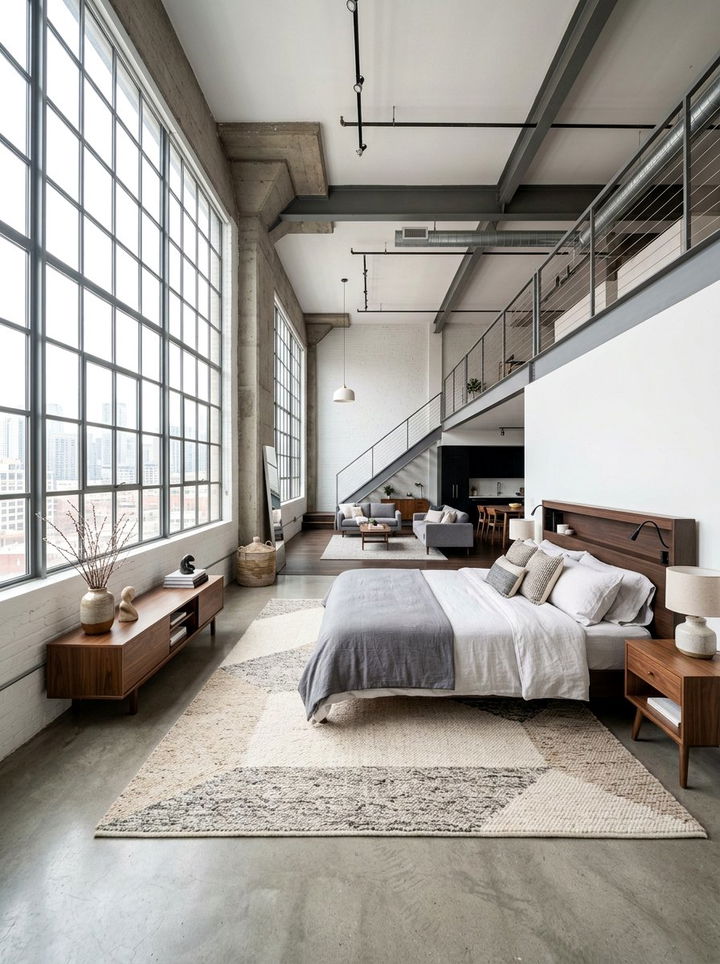
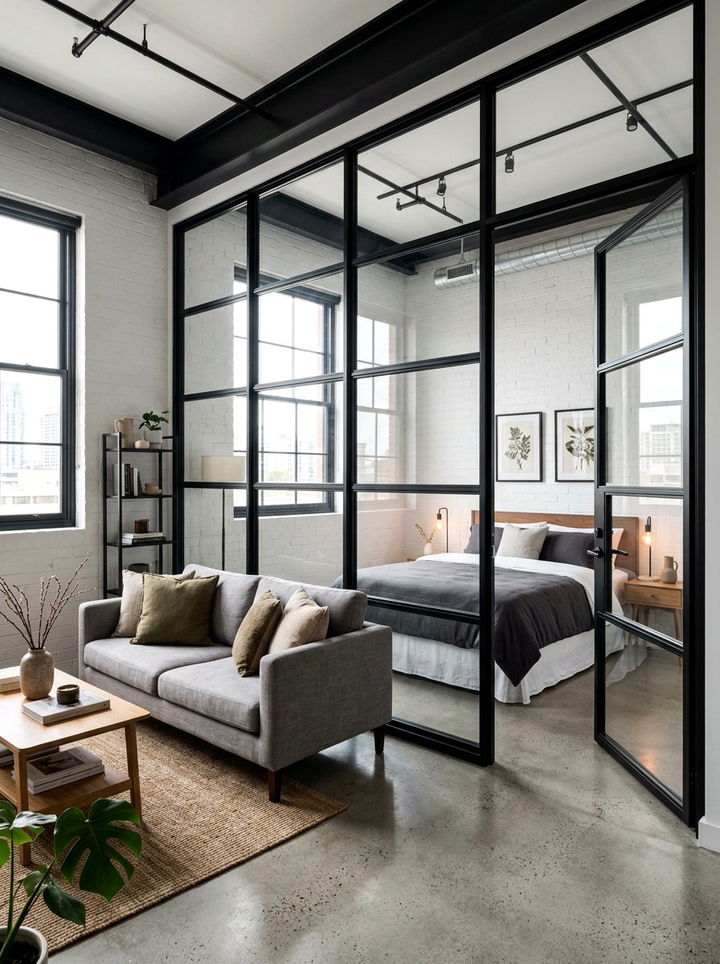
An open concept bedroom is often found in modern lofts or studio apartments where there are few interior walls. In this layout, the sleeping area is defined by furniture placement rather than structural barriers. A large area rug, a headboard, or a low-profile room divider can help anchor the bed within the larger space. This floor plan feels incredibly spacious and allows for plenty of natural light to flow through the entire home. It is important to maintain a consistent design style across all zones to ensure the space feels unified. Using cohesive materials and colors helps tie the different areas together beautifully.
20. Loft bedroom floor plan with railing
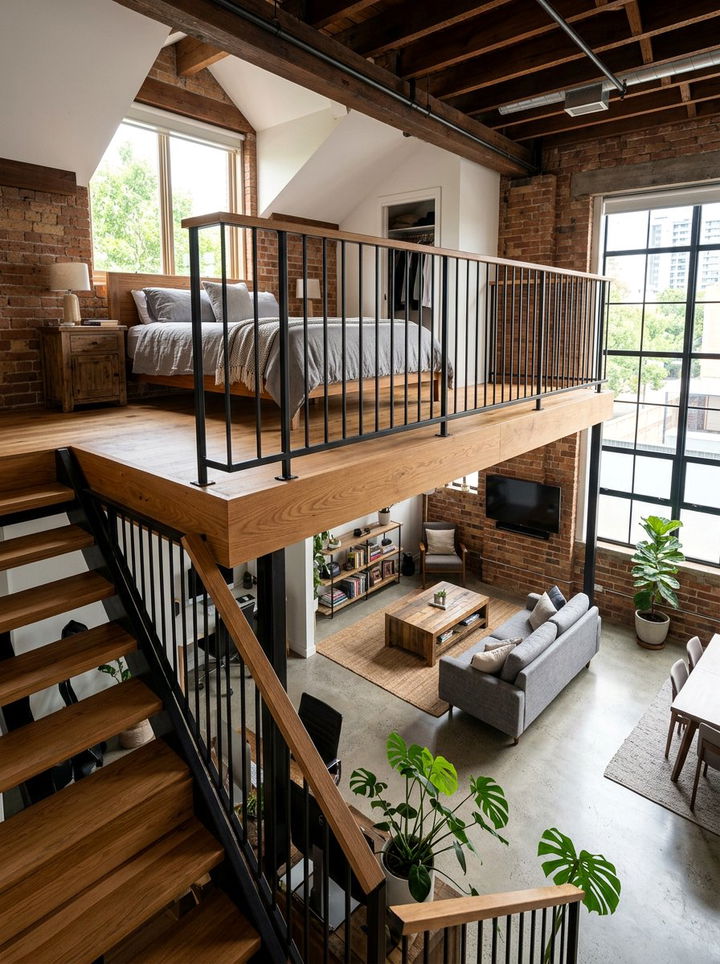
Loft bedrooms are elevated spaces that overlook the main living area, offering a unique and vertical perspective. The floor plan here is usually dictated by the size of the loft platform. Place the bed away from the railing for a sense of security and privacy. Low furniture is often necessary because of the reduced ceiling height common in many loft designs. Use the railing as a visual element that adds character to the space while keeping it safe. This layout is perfect for creating a cozy, secluded retreat that still feels connected to the rest of the home’s open and airy architecture.
21. Master bedroom floor plan with nursery area
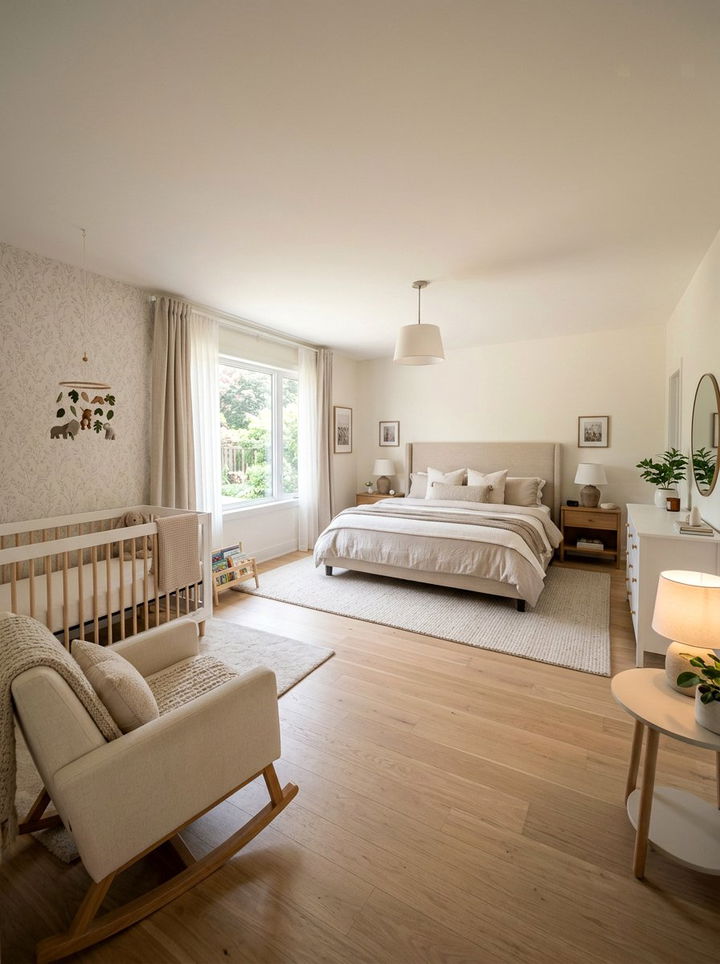
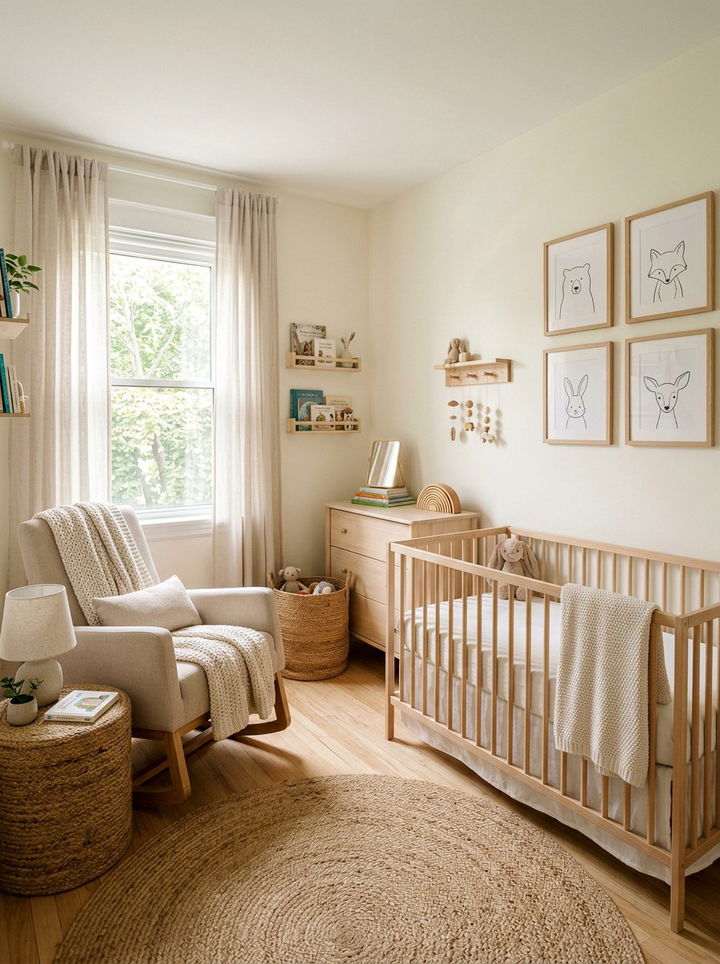
For new parents, having a nursery area within the master bedroom is a very practical and convenient arrangement. The floor plan should include a dedicated corner for a crib and a small changing table. Position the crib away from windows and heaters for the baby’s safety. Using a decorative screen or a curtain can provide a bit of visual separation between the adult and infant zones. Ensure there is a clear path between your bed and the crib for easy nighttime access. As the baby grows, this area can easily be converted back into a sitting nook or a small home office space.
22. Jack and jill bathroom bedroom layout
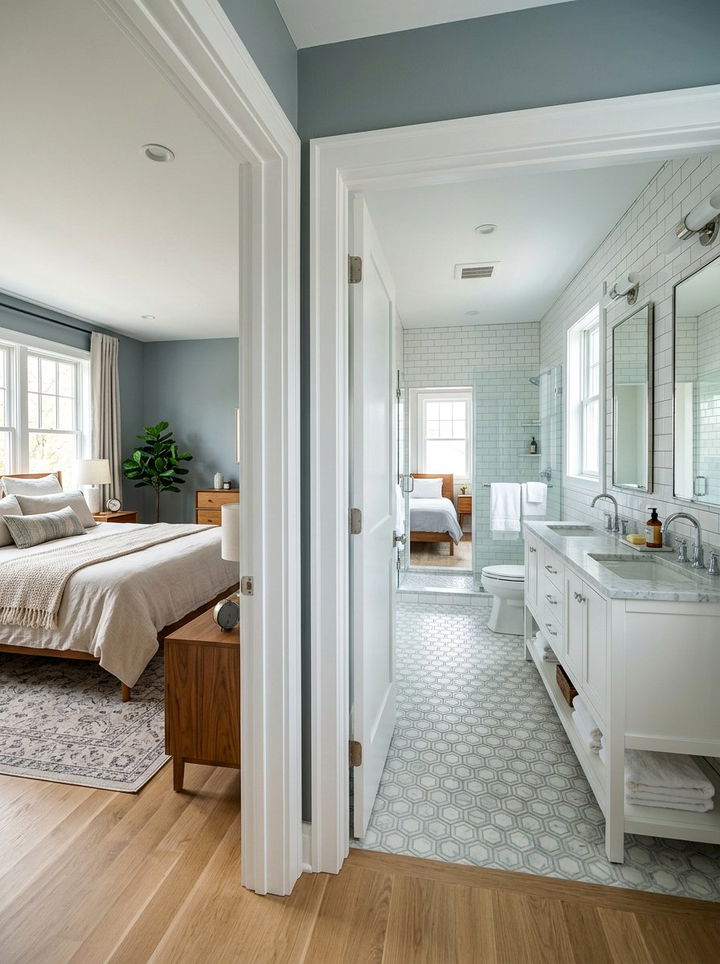
A Jack and Jill bathroom sits between two bedrooms, providing shared access for both occupants. This floor plan is common in family homes where siblings share a bathroom. Each bedroom has its own entrance to the bathroom, which saves space compared to having two separate ensuites. When planning the bedroom layout, ensure the door to the bathroom is easily accessible and not blocked by the bed or a dresser. This arrangement requires a bit of coordination but is a highly efficient use of plumbing and floor space. It works best when the bathroom has separate zones for the vanity and the shower.
23. Bedroom layout with fireplace and seating
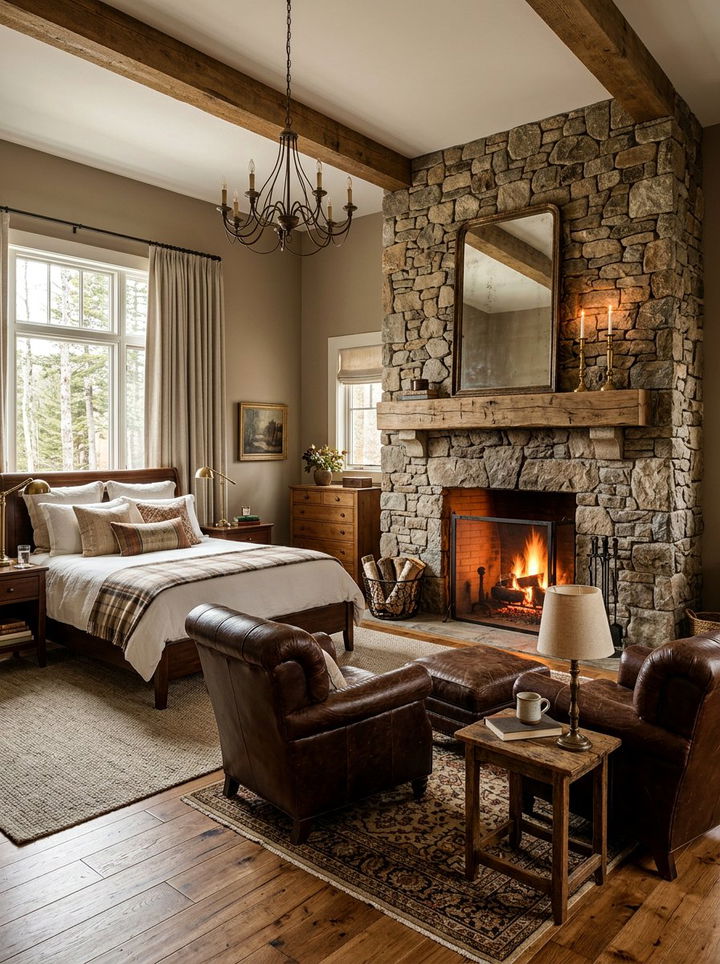
A fireplace adds a warm and cozy focal point to any bedroom floor plan. Ideally, the bed should be positioned so you can see the flames while lying down. If the room is large enough, place a pair of chairs or a small loveseat directly in front of the fireplace to create an inviting conversation area. This layout feels very traditional and high-end, perfect for a primary suite. Make sure there is enough clearance around the hearth for safety and movement. Using natural materials like stone or brick for the fireplace surround adds texture and visual interest to the entire room’s design.
24. Minimalist bedroom floor plan with hidden storage
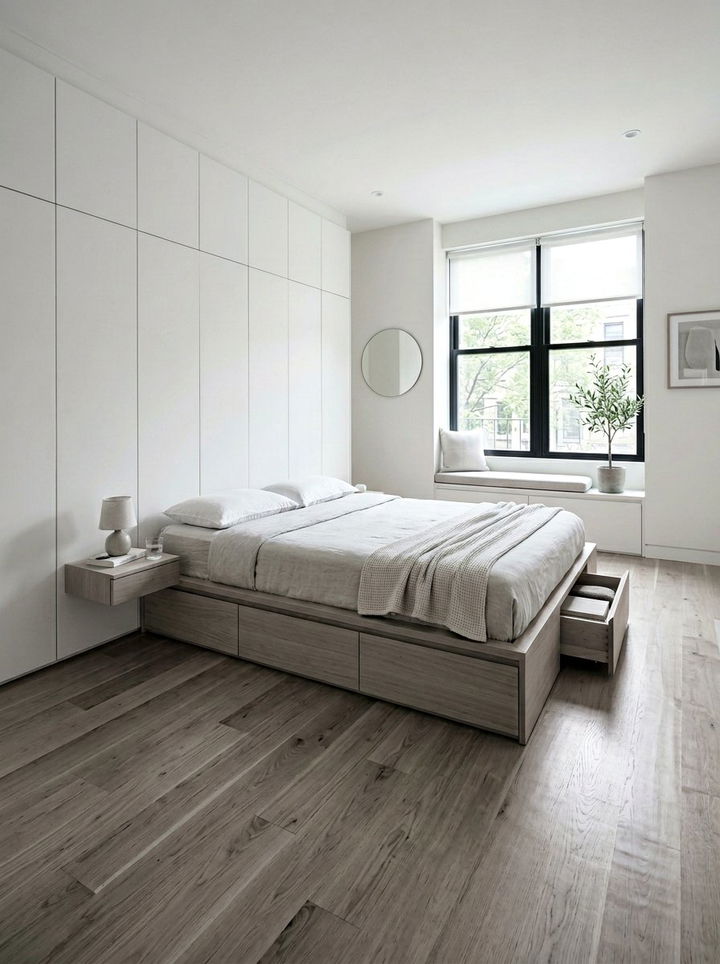
Minimalism is all about reducing visual noise, and hidden storage is the key to making this floor plan work. Choose a bed with a hidden lift-up mechanism or sleek drawers that blend into the base. Use wall-to-wall cabinetry with handle-less doors to store clothing and personal items out of sight. The furniture should be sparse and carefully chosen, with plenty of open floor space left visible. This layout promotes a sense of calm and clarity, making it the perfect environment for a restful night’s sleep. Keep the color palette neutral and the surfaces clear of any unnecessary decorative objects or clutter.
25. Large bedroom layout with king bed and bench
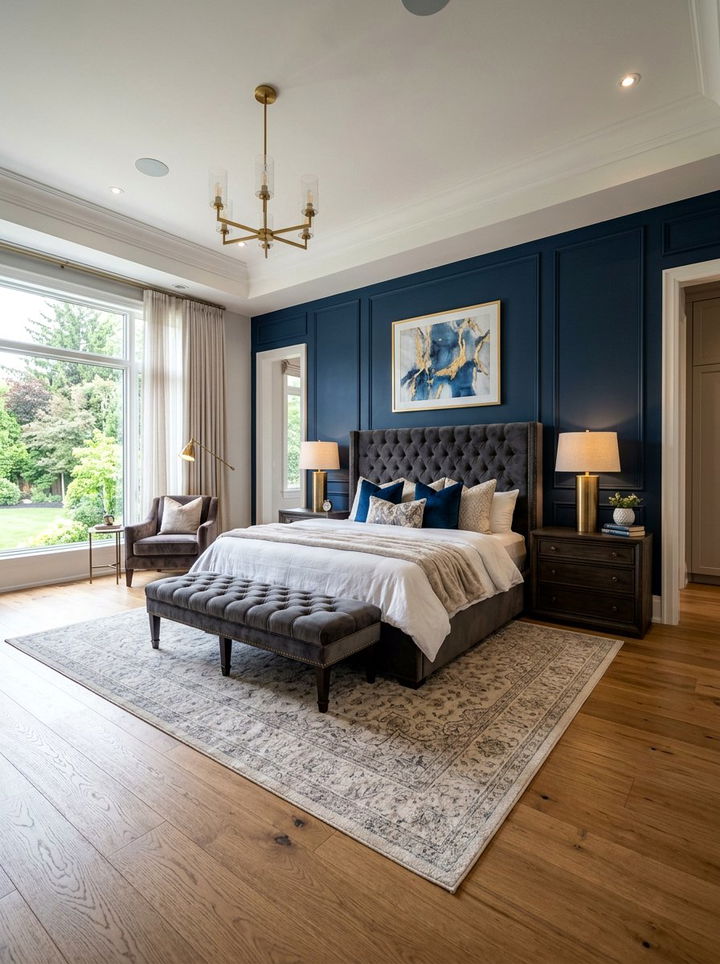
In a large bedroom, a king-sized bed can sometimes look small if it isn’t anchored correctly. Adding a long bench at the foot of the bed helps extend the visual line and fills the space beautifully. The floor plan should feel balanced, with large nightstands and substantial lamps on either side. You can also include a large dresser or an armoire on the opposite wall without making the room feel crowded. A plush area rug that extends well beyond the edges of the bed ties the whole room together. This layout is all about comfort and scale, creating a very grand and luxurious atmosphere.
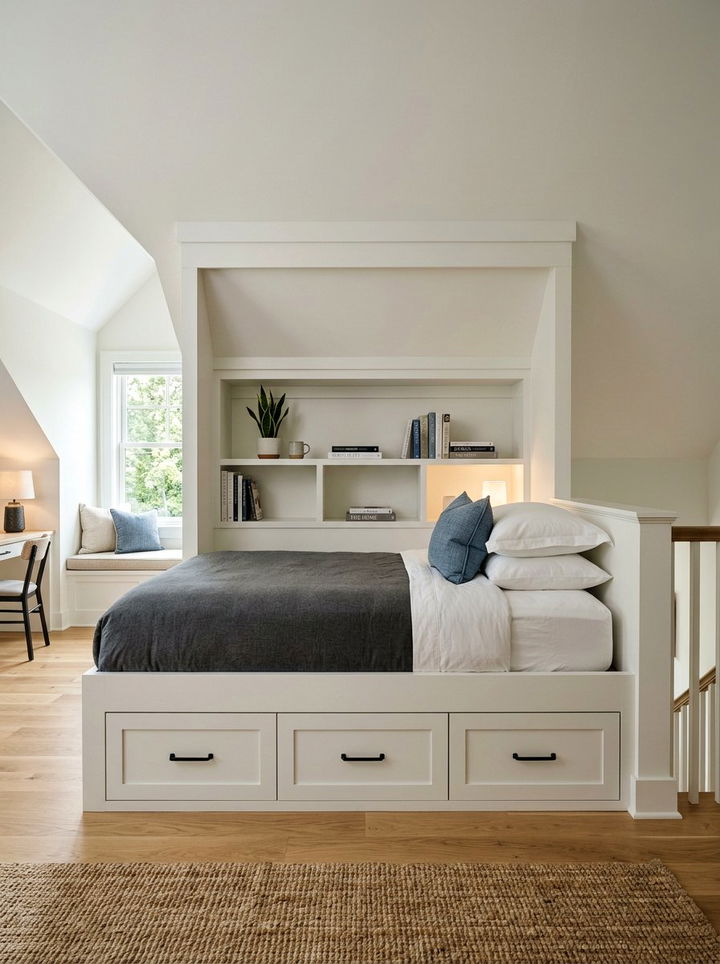
26. Bedroom floor plan with window seat
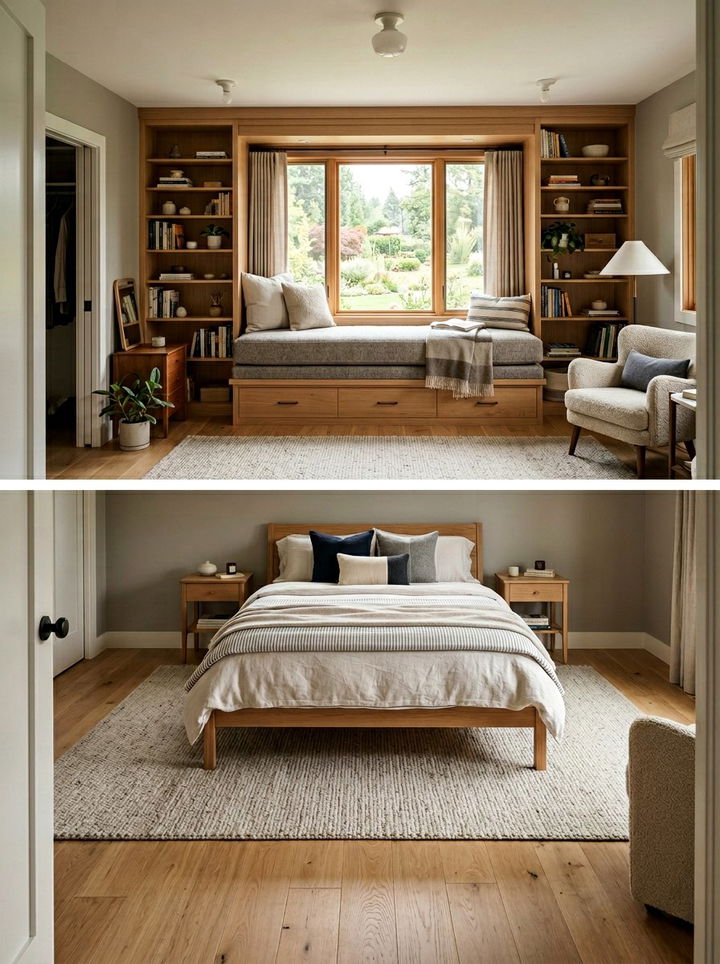
A window seat is a charming addition that provides both extra seating and a cozy spot to relax. This feature is often built into a bay window or tucked between two wardrobes. The floor plan should keep the area in front of the window seat clear so it is easy to access. You can use the space underneath the seat for additional storage, such as drawers for extra blankets or books. This layout encourages you to pause and enjoy the view, making the bedroom feel like more than just a place to sleep. It adds a wonderful architectural detail to the room.
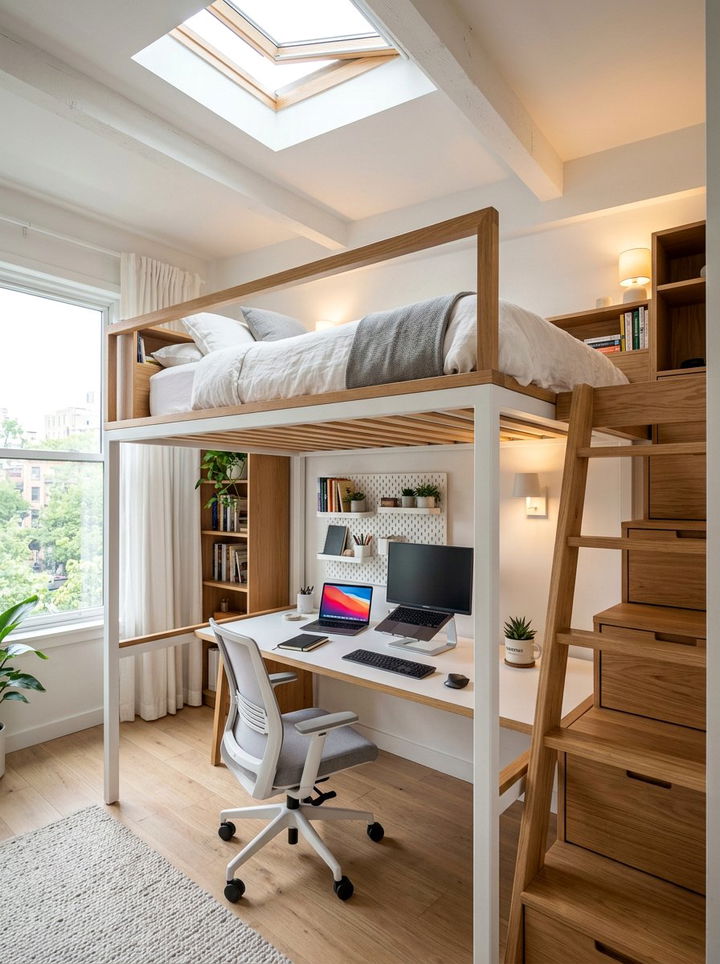
27. Tiny house bedroom layout with loft bed
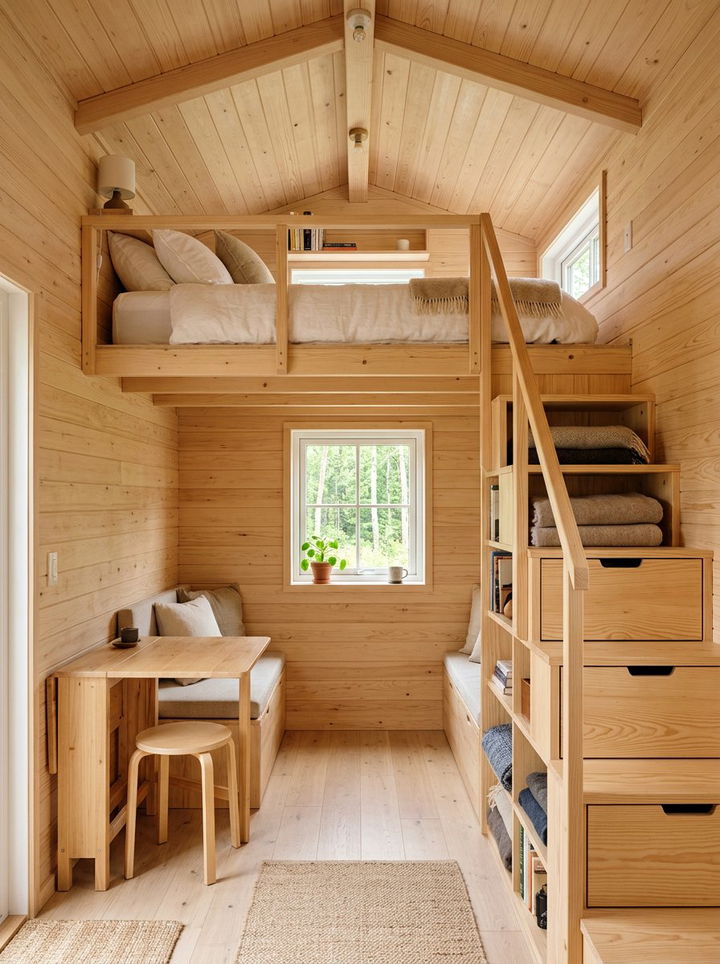
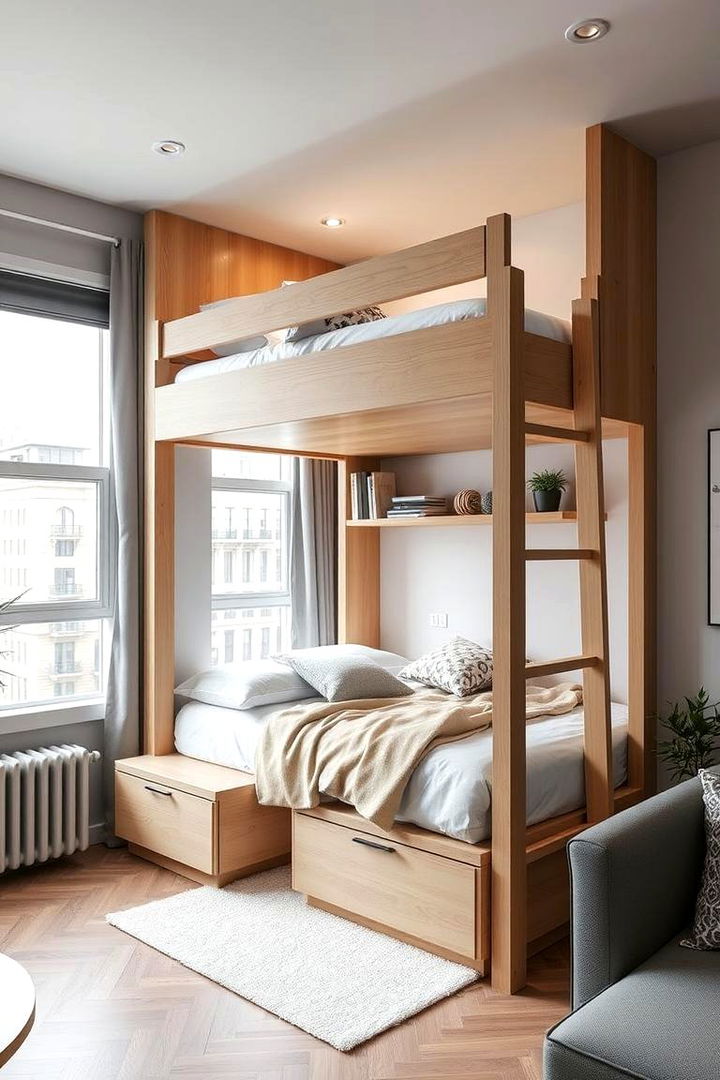
Tiny houses require the ultimate in space-saving floor plans, and a loft bed is often the centerpiece. By elevating the bed, you free up the entire floor area below for a kitchen, bathroom, or living zone. The bed is usually accessed by a ladder or a set of “stair-drawers” that provide even more storage. Because the ceiling height is limited, the mattress is often placed directly on the loft floor. Large windows in the loft area help prevent a cramped feeling and provide plenty of ventilation. This layout is a masterclass in efficiency, proving that you can live comfortably in very small spaces.
28. Master bedroom layout with reach in closet
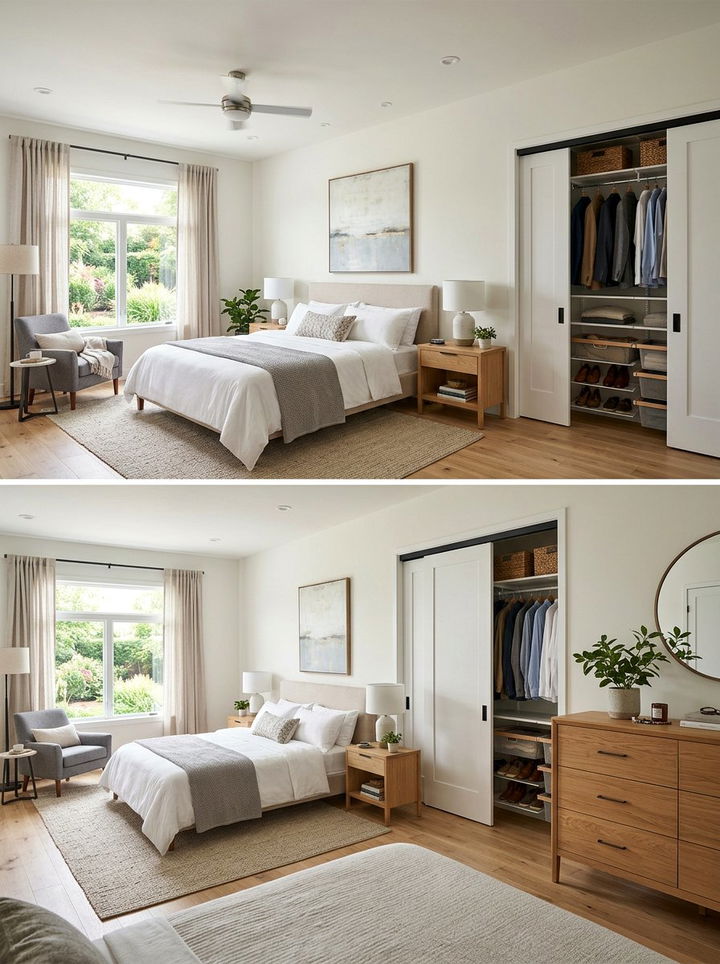
While walk-in closets are popular, many homes feature a classic reach-in closet along one wall. To make this layout work, place the bed on the wall perpendicular to the closet to ensure the doors can open fully. If you have sliding or folding doors, you can place furniture a bit closer, but a clear path is still essential. Organize the interior of the closet with a custom shelving system to maximize every inch of space. This floor plan is straightforward and efficient, leaving more room for other furniture pieces like a large vanity or a comfortable reading chair in another corner.
29. Bedroom layout with vanity table and mirror
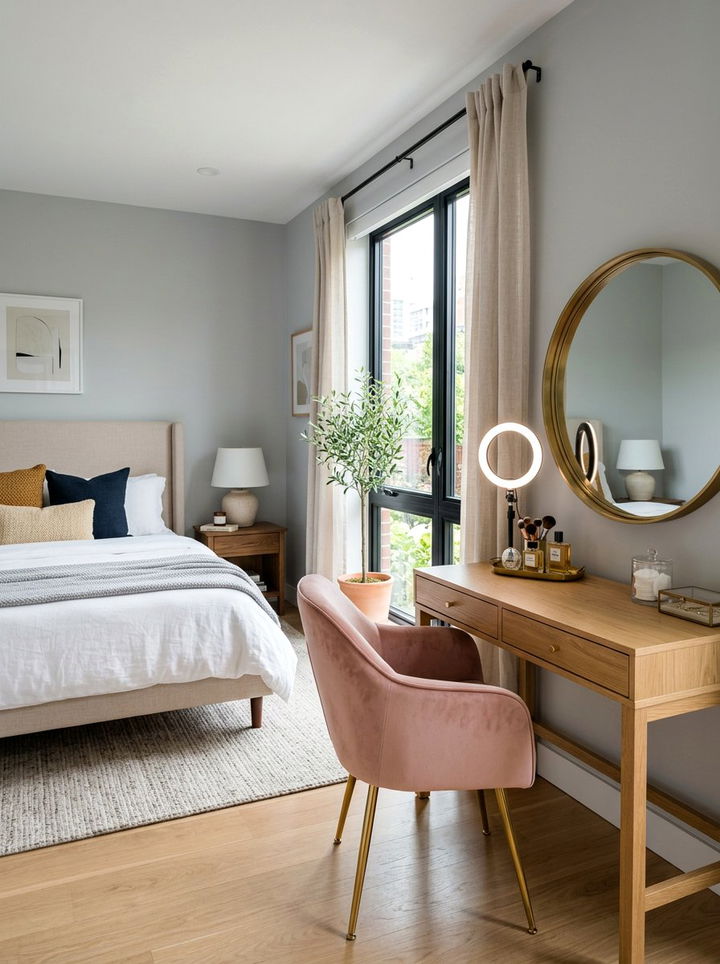
Adding a vanity table to your bedroom floor plan creates a dedicated space for grooming and getting ready. A great location for a vanity is near a window to take advantage of natural light. If that is not possible, ensure the area is well-lit with integrated mirrors or lamps. The vanity should be placed where it doesn’t interfere with the main traffic flow to the bed or closet. Choose a stylish chair or stool that can be tucked under the table when not in use. This layout adds a touch of elegance and personal luxury to your daily morning and evening routines.
30. Accessible bedroom floor plan with wide pathways
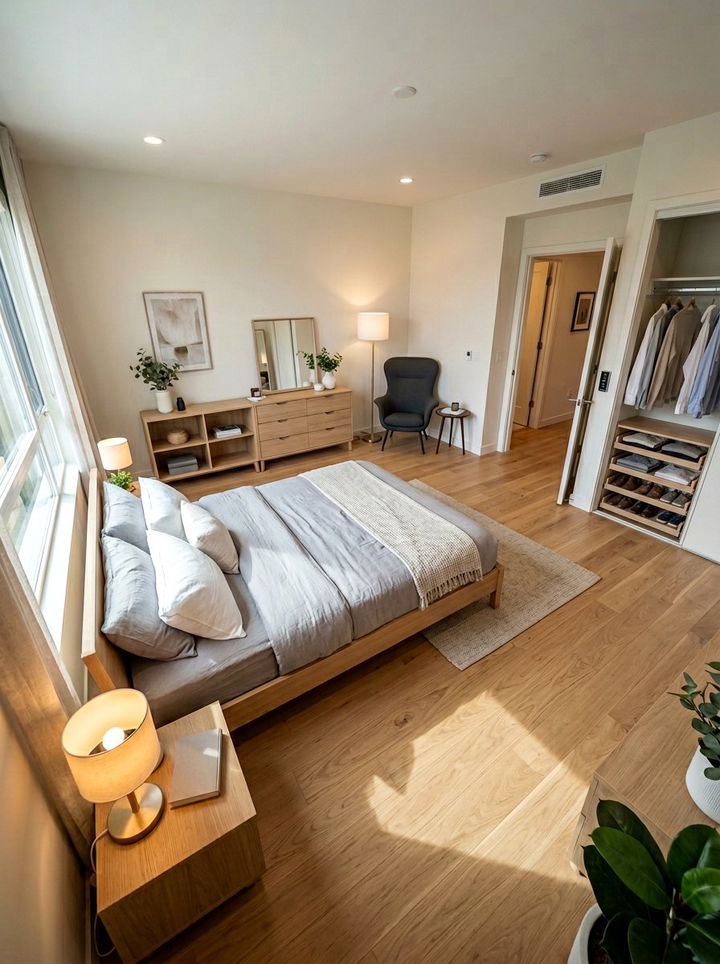
An accessible bedroom is designed with mobility in mind, featuring wide pathways and easy-to-reach furniture. The floor plan must include at least a sixty-inch turning radius for a wheelchair, typically in the center of the room. The bed should be at a height that allows for easy transfers, and nightstands should be within easy reach. Avoid using thick rugs that could be a tripping hazard or make movement difficult. Light switches and outlets should be placed at accessible heights. This layout prioritizes safety and independence while maintaining a beautiful and stylish aesthetic that feels welcoming and very comfortable for everyone.
Conclusion:
Selecting the perfect bedroom floor plan is an essential step in creating a home that feels both functional and restorative. By considering your specific needs, such as storage, workspace, or a private retreat, you can design a layout that truly enhances your daily life. Whether you are dealing with a tiny loft or a sprawling master suite, the principles of flow and balance remain the same. We hope these thirty different configurations have given you the inspiration needed to transform your sleeping space into something spectacular. Remember to measure your room carefully before purchasing any new furniture to ensure everything fits perfectly together.
Related posts: